There’s a beautiful spot just outside Florence.
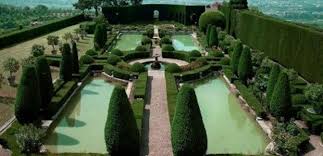

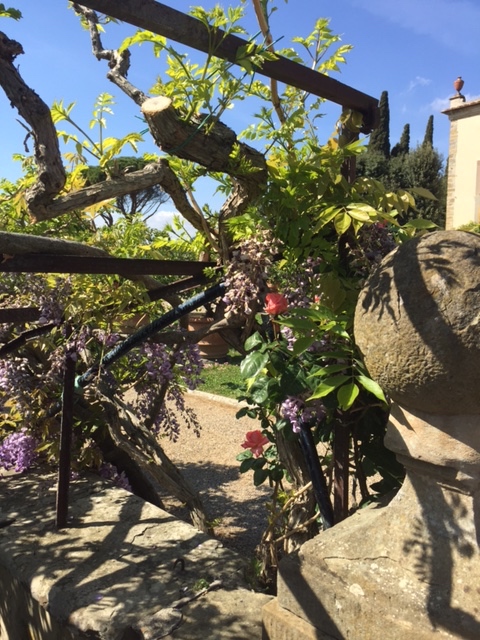
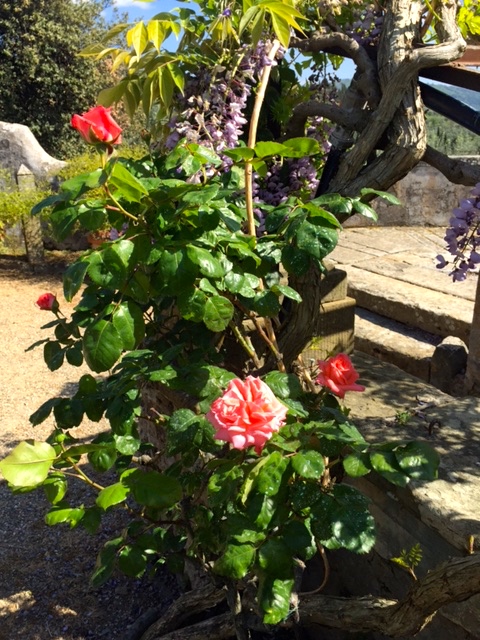
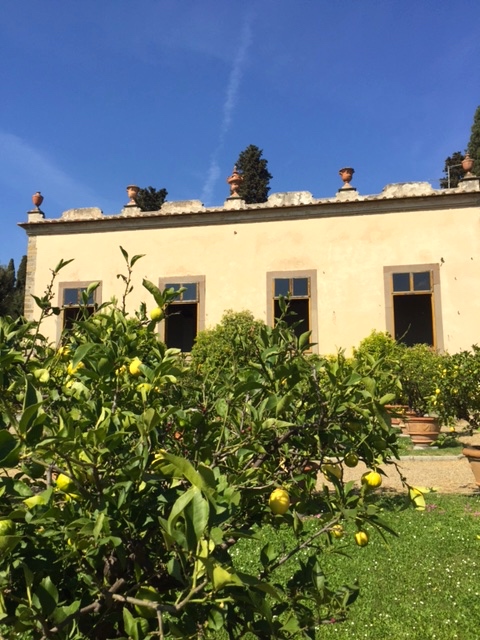
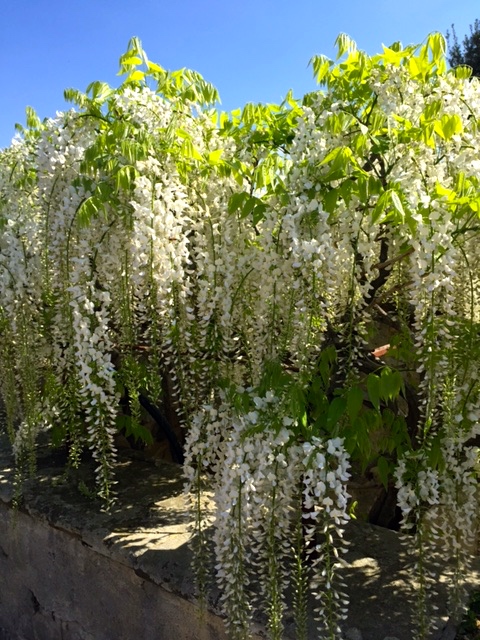
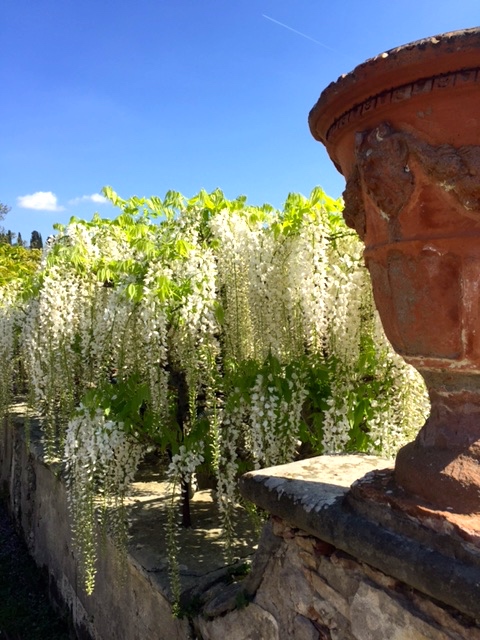
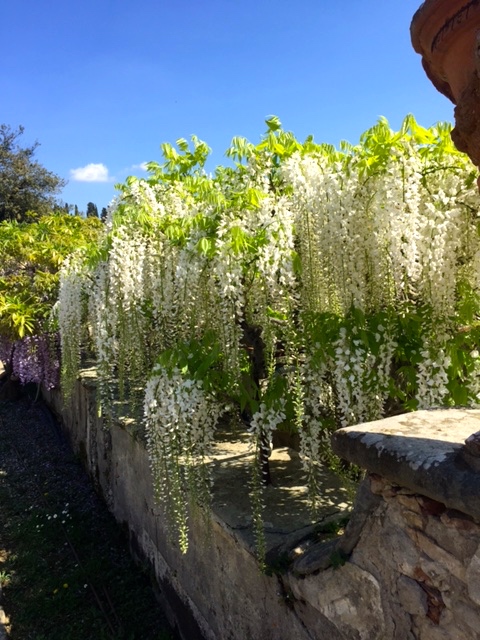
Last week I paid my first visit to the Villa Gamberaia, the 17th-C villa near Settignano, in the hills just outside of Florence. It is a lovely trip out into the country and up into the colline beyond Firenze.
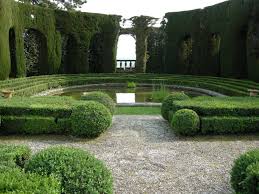
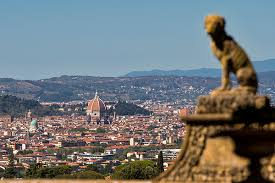
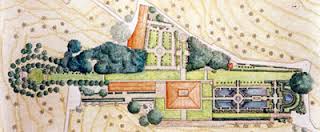
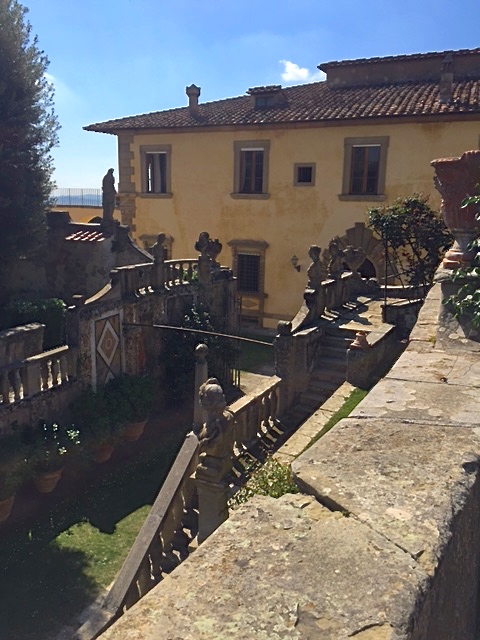
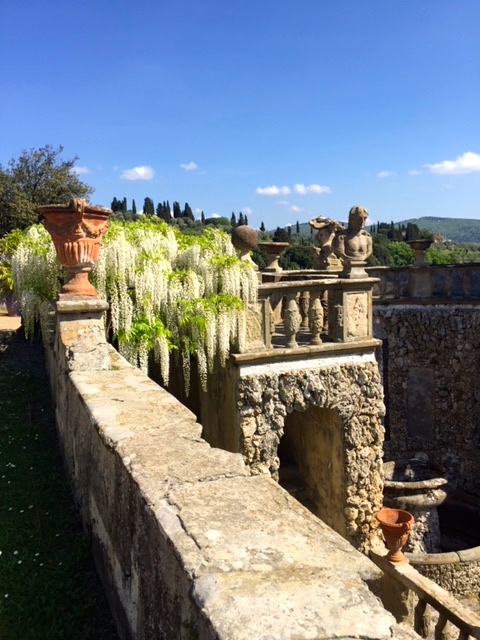
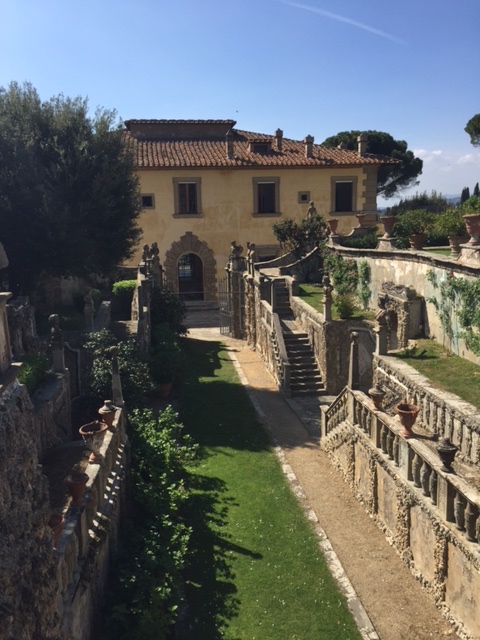
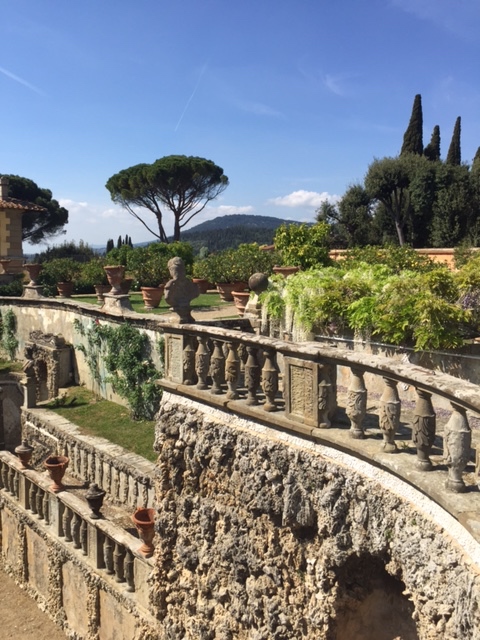
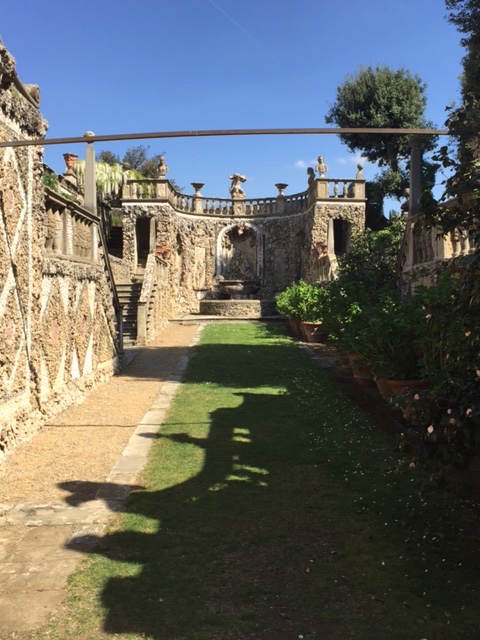
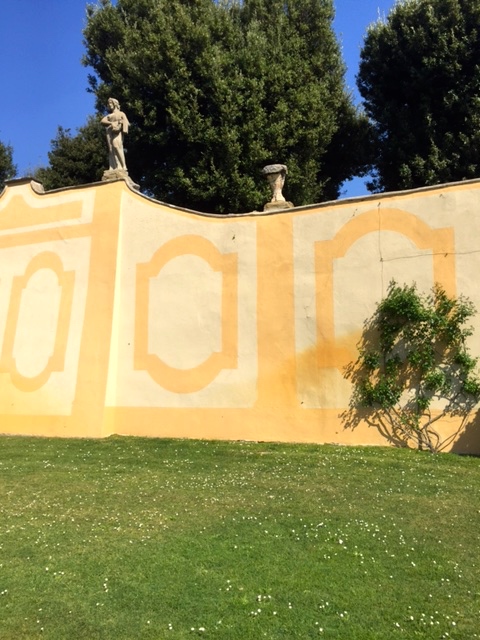
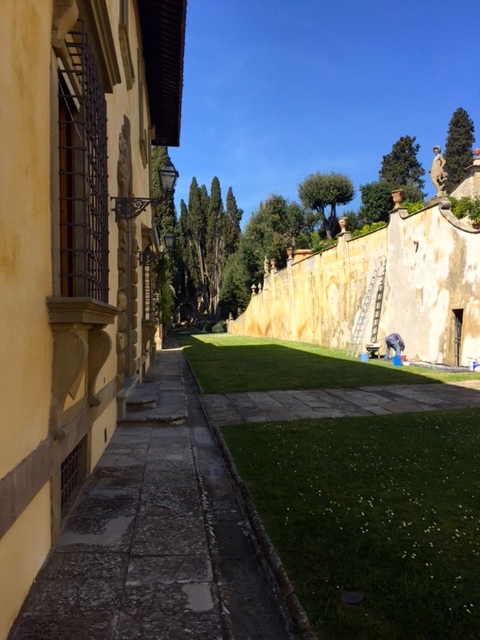
The villa has a lovely, formal 18th-century terraced garden, beautifully restored and open to anyone who presents themselves to the front gate. There is an entrance fee.
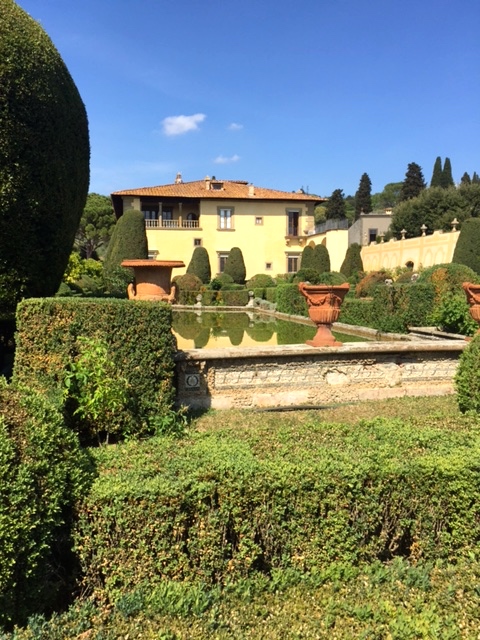
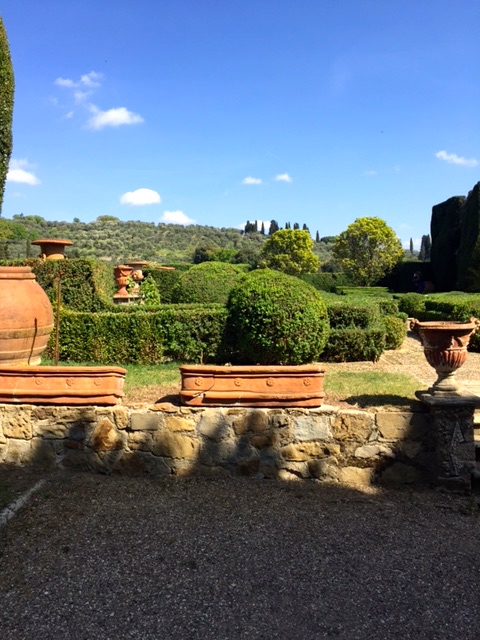
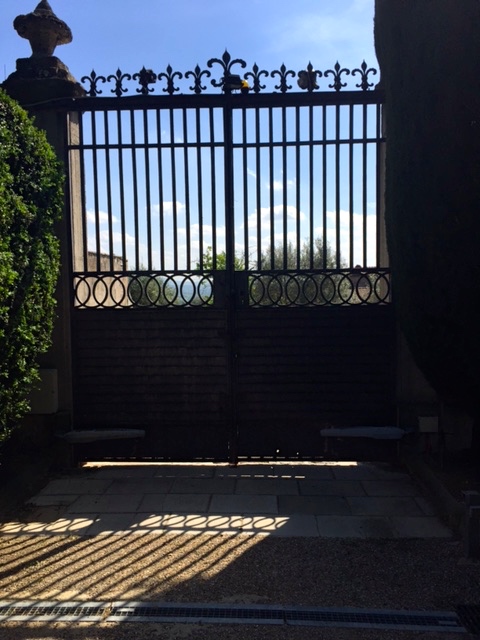

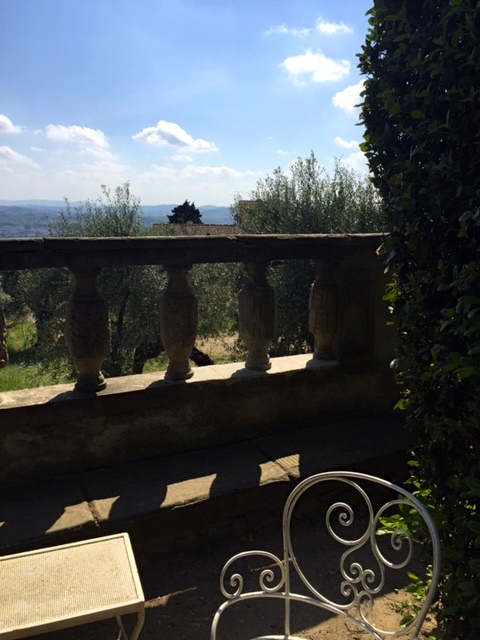
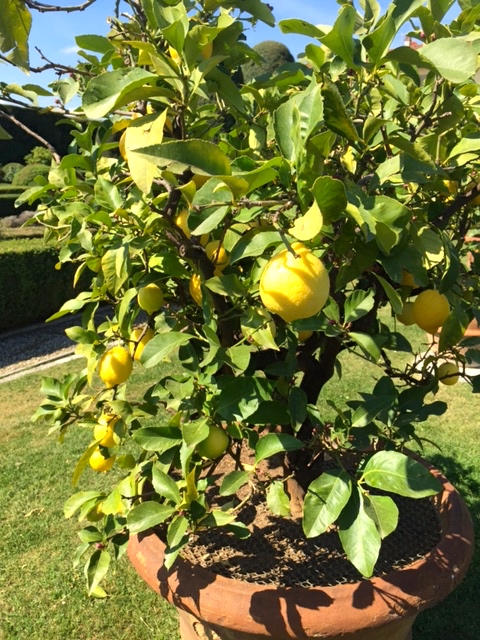
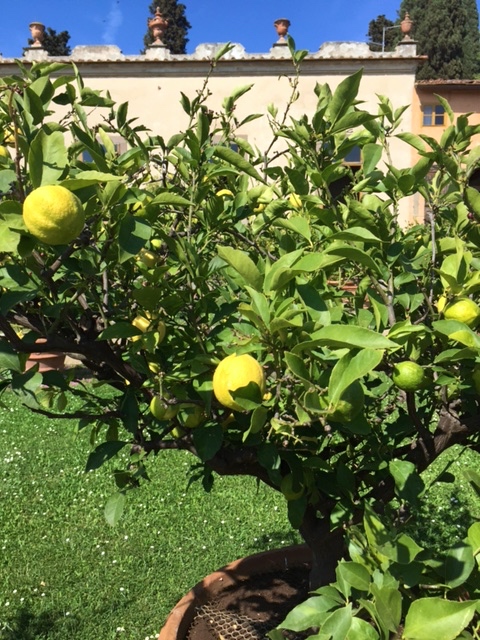
The villa, originally a farmhouse; was owned by Matteo Gamberelli, a stonemason, at the beginning of the 15th century. His sons Giovanni and Bernardo became famous architects under the name of Rossellino. After Bernardo’s son sold it to Jacopo Riccialbani in 1597, the house was greatly enlarged, then almost completely rebuilt by the following owner, Zenobi Lapi; documents of his time mention a limonaia and the turfed bowling green that is part of the garden layout today.
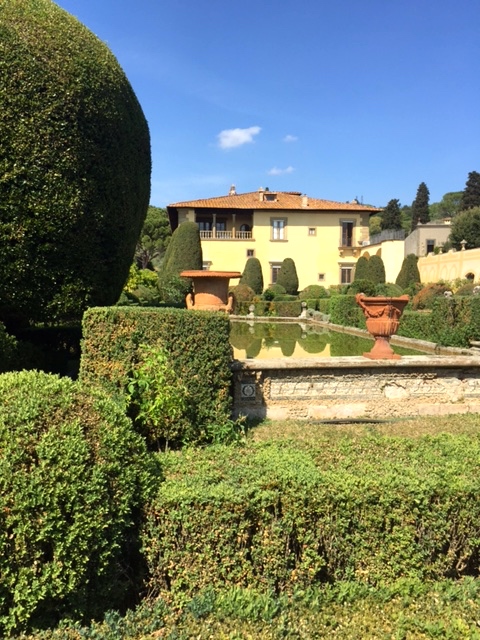
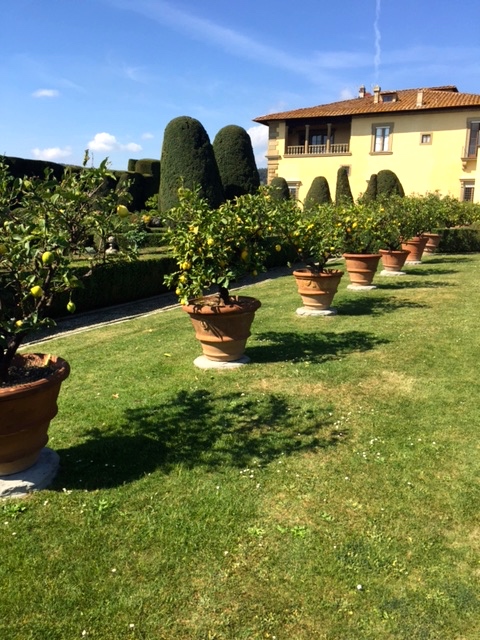
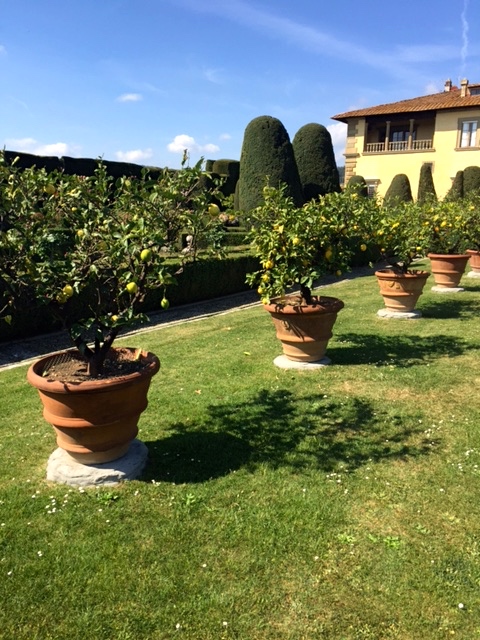
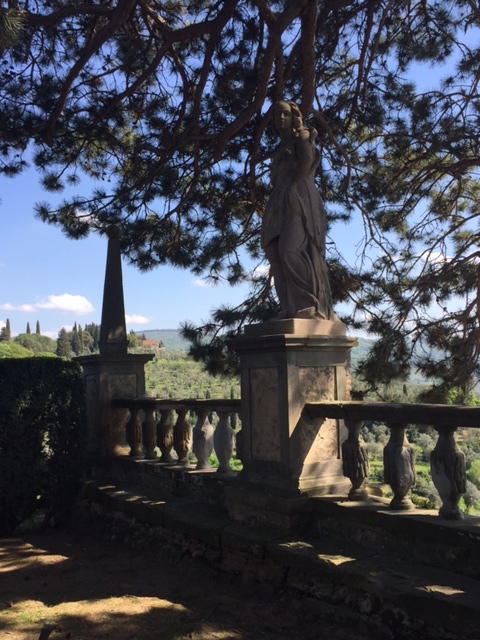
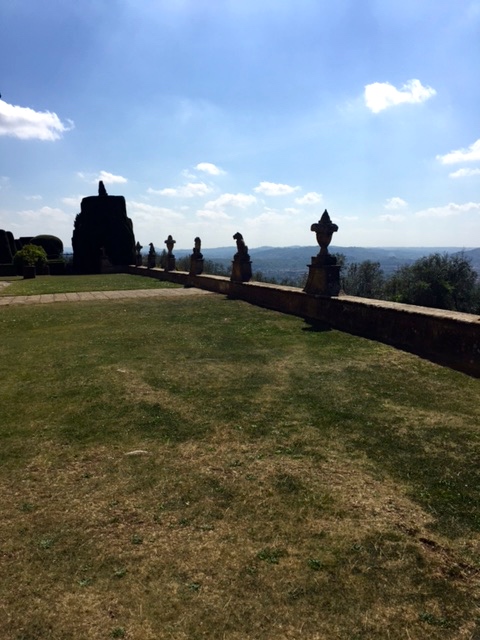
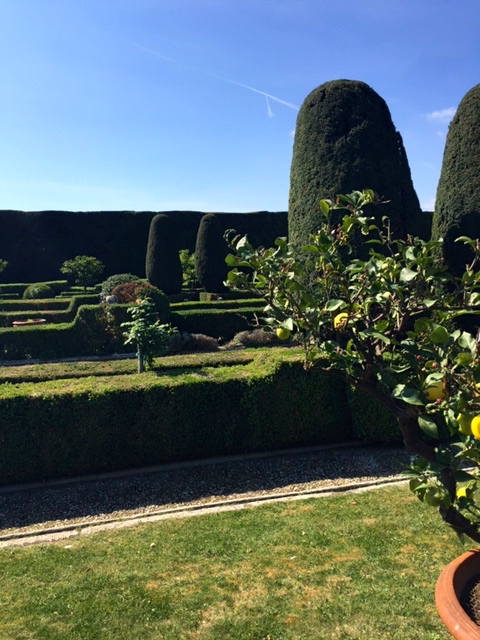
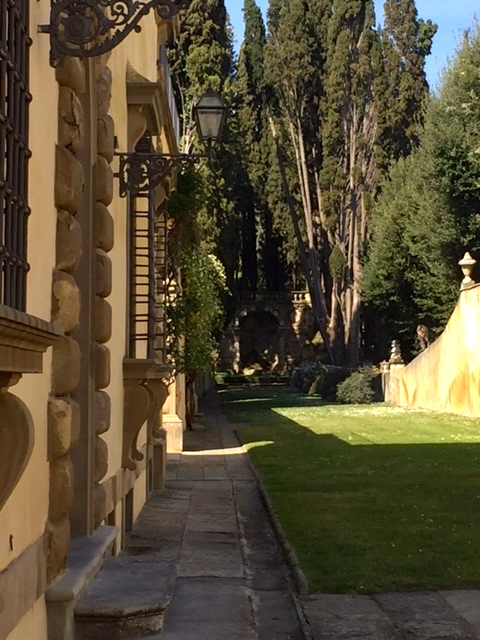
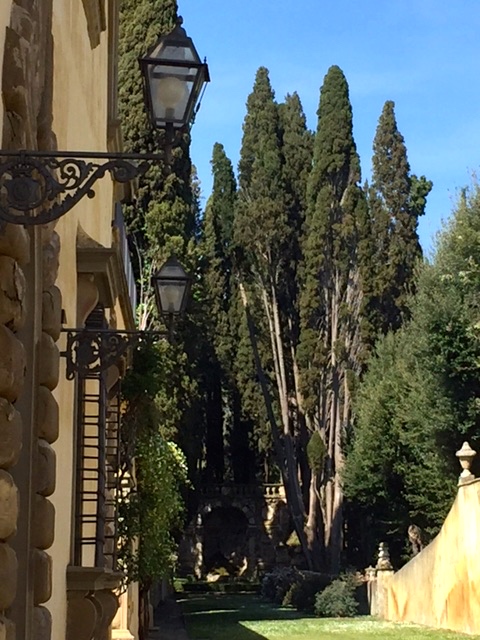
In 1717 La Gamberaia passed to the Capponi family. Andrea Capponi laid out the long bowling green, planted cypresses, especially in a long allée leading to the monumental fountain enclosed within the bosco (wooded area), and populated the garden with statues, as can be seen in an etching by Giuseppe Zocchi.
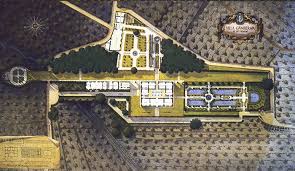
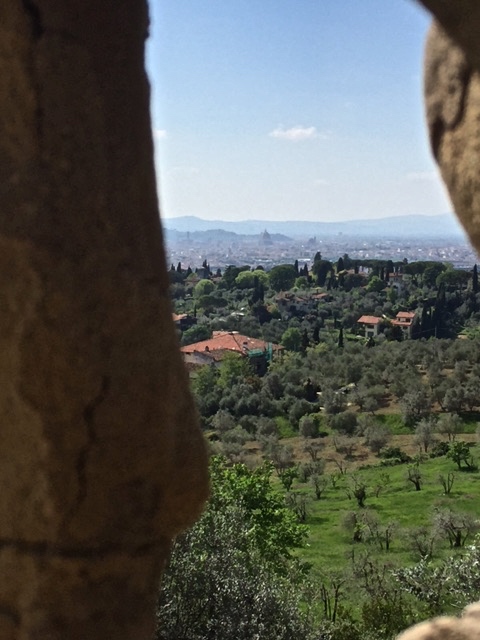
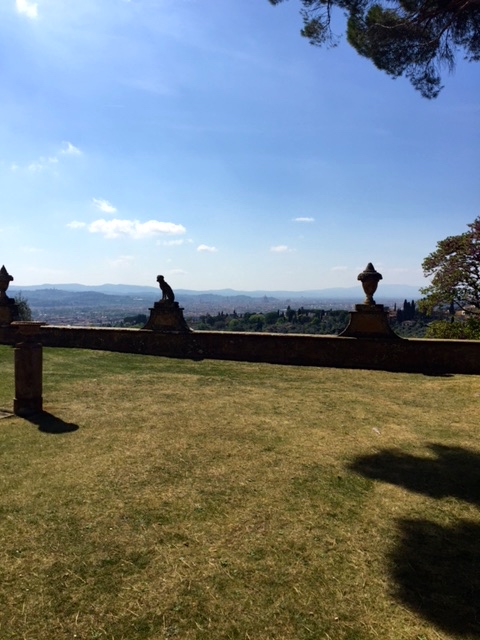
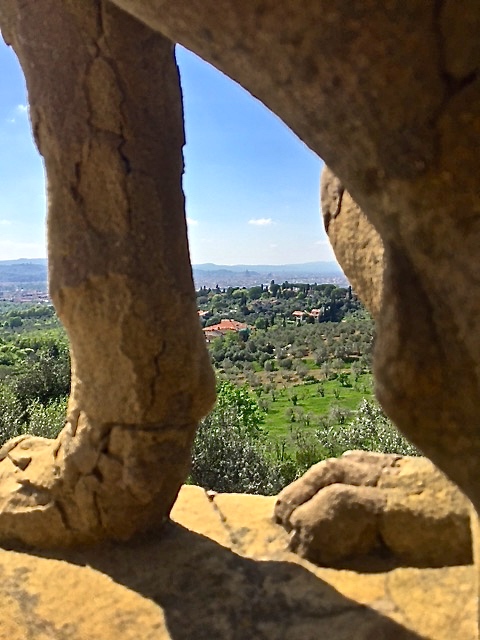
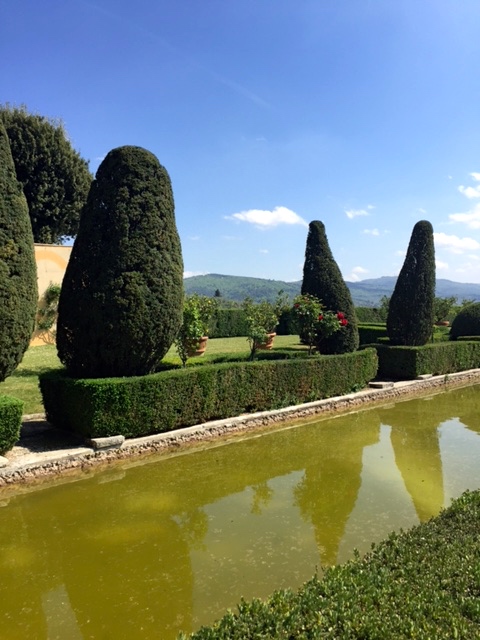
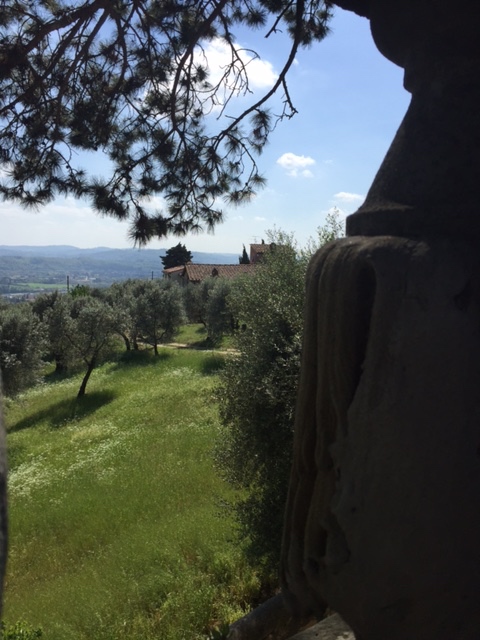
By that time, the villa already stood on its raised platform, extended to one side, where the water parterre is today. The parterre was laid out with clipped broderies in the French manner in the eighteenth century, as a detailed estate map described by Georgina Masson demonstrates. Olive groves have always occupied the slopes below the garden, which has a distant view of the roofs and towers of Florence.
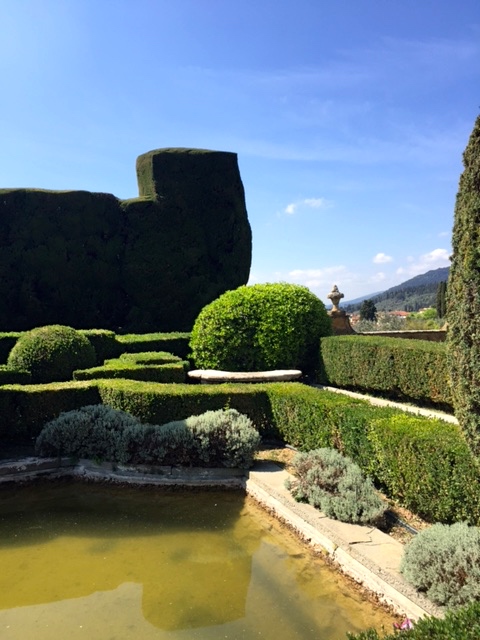
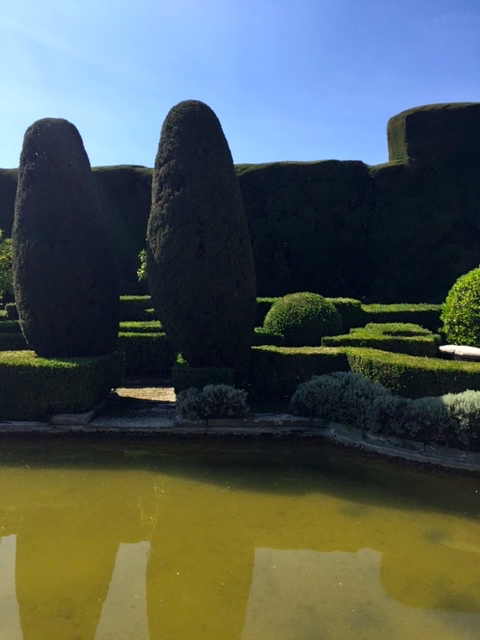
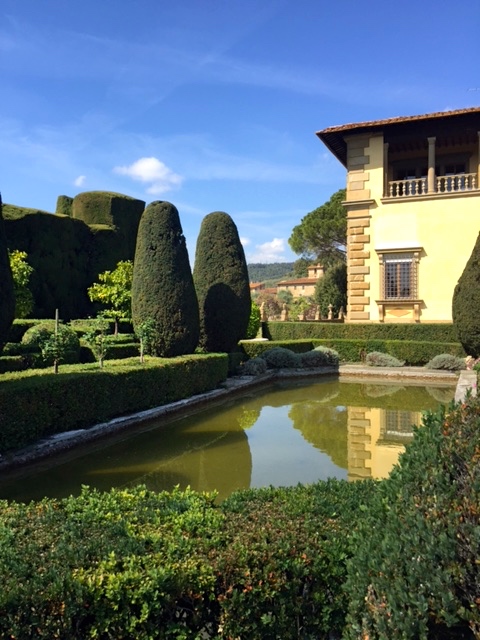
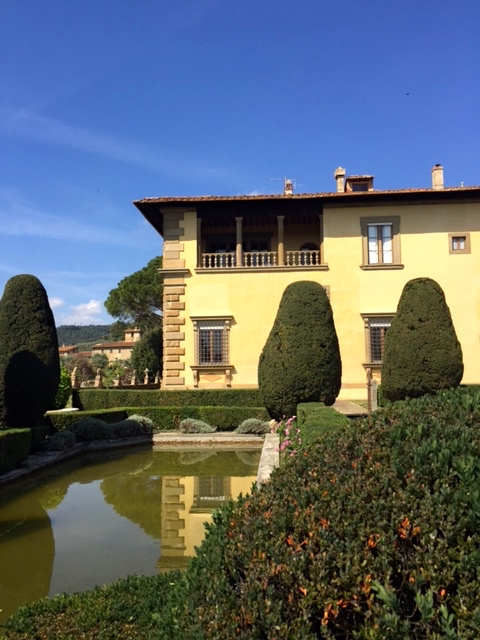
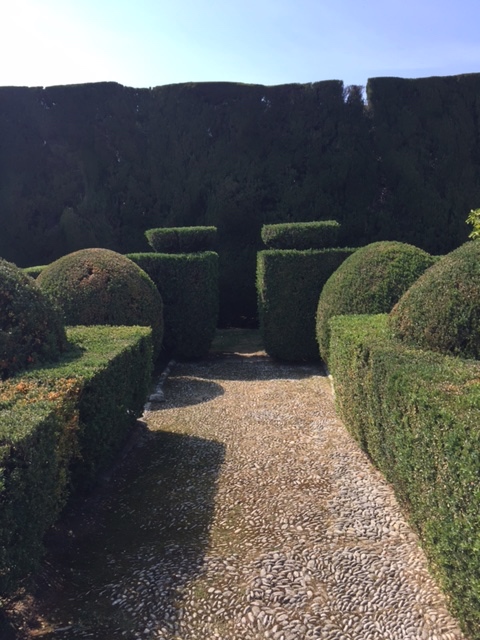
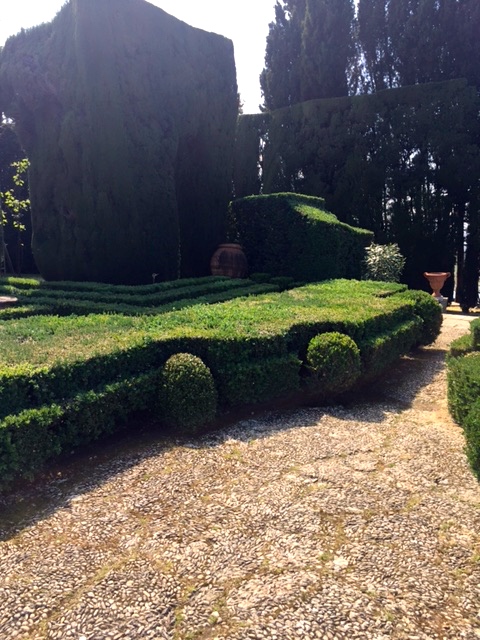
The setting was praised by Edith Wharton, who saw it after years of tenant occupation with its parterre planted with roses and cabbages. Wharton attributed the preservation of the garden at the Villa Gamberaia to its “obscure fate” during the 19th century, when more prominent gardens with richer owners, in more continuous attendance, had their historic features improved right out of existence.
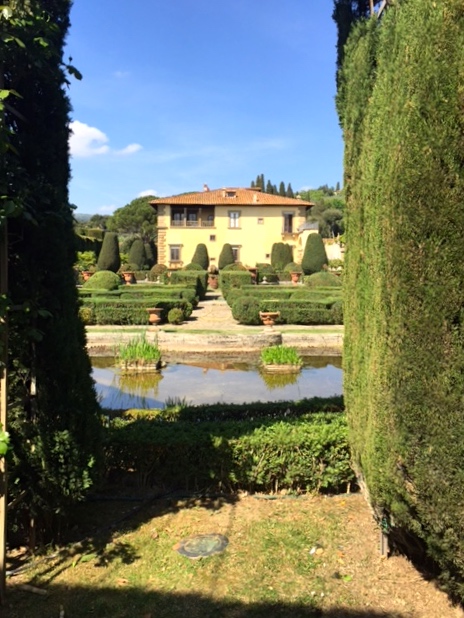
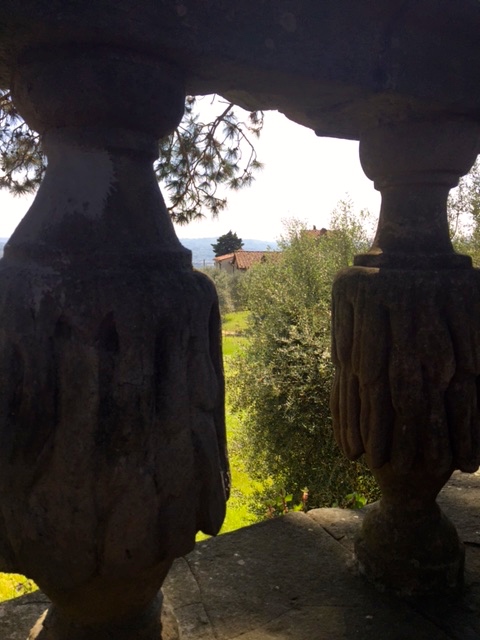
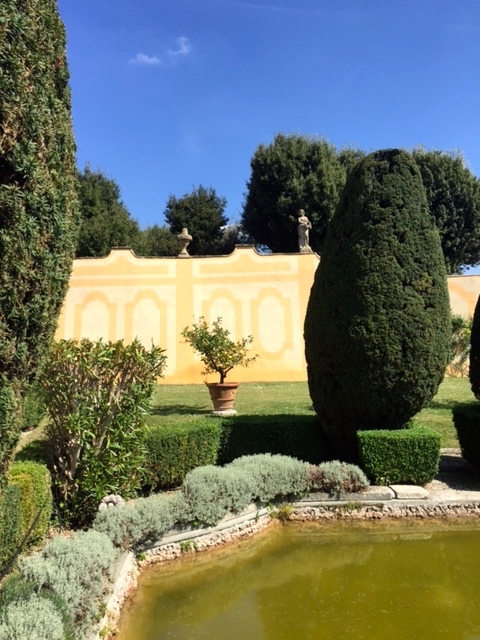
Shortly after Wharton saw the villa, it was purchased in 1895 by Princess Jeanne Ghyka, sister of Queen Natalia of Serbia, who lived here with her American companion, Miss Blood, and thoroughly restored it. It was she who substituted pools of water for the parterre beds.
During World War II, the villa was almost completely destroyed. Marcello Marchi restored it after the war, using old prints, maps and photographs for guidance.
Georgina Masson also wrote about seeing Villa Gamberaia; she saw it after it was restored by Marchi.
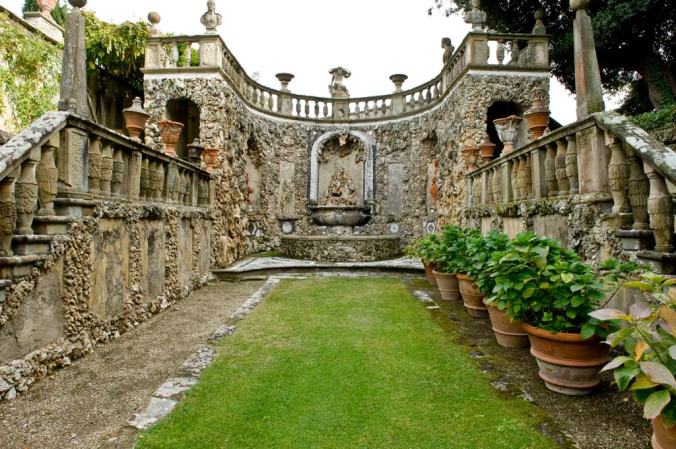
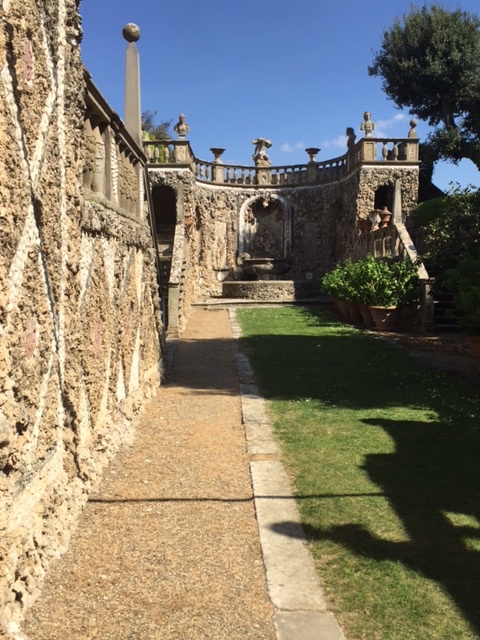
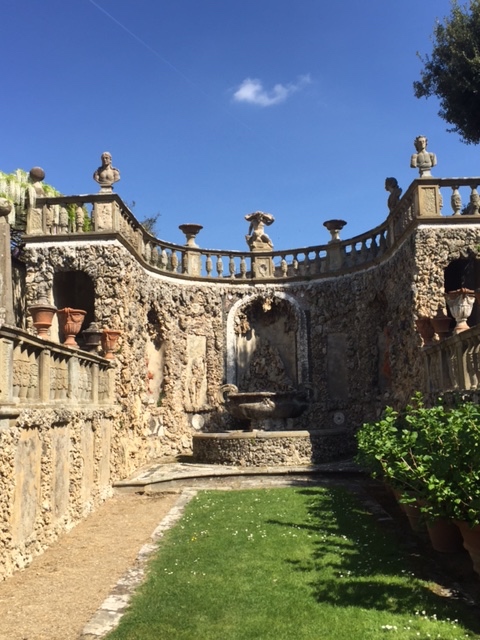
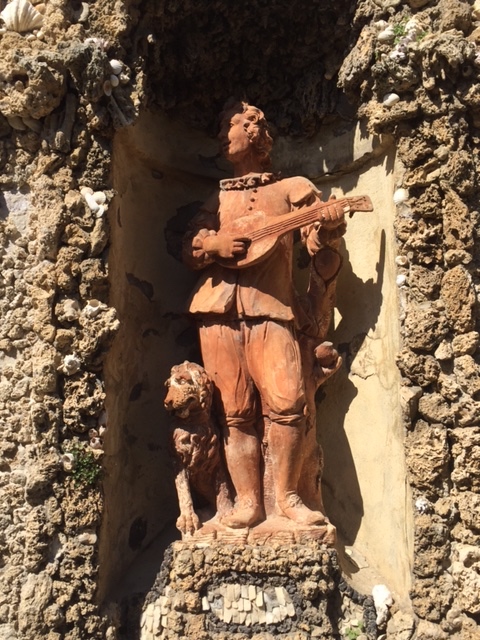
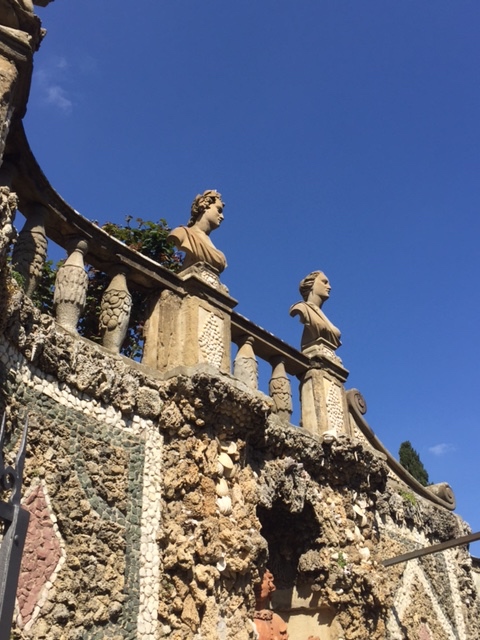
The monumental fountain set in a grotto in the steep hillside at one lateral flank of this terraced garden has a seated god next lions in stucco relief in a niche decorated with pebble mosaics and rusticated stonework.




 get back, lauretta!