The store windows all over the city are decked out in Easter finery!


The store windows all over the city are decked out in Easter finery!
I swear, I didn’t even plan to write any more about wisteria this spring! I’ve kind of worn myself down with all its pale purple beauty.
And there I was, visiting an ancient museum and garden in Florence, and smack, I’m hit in the head with more wisteria beauty!
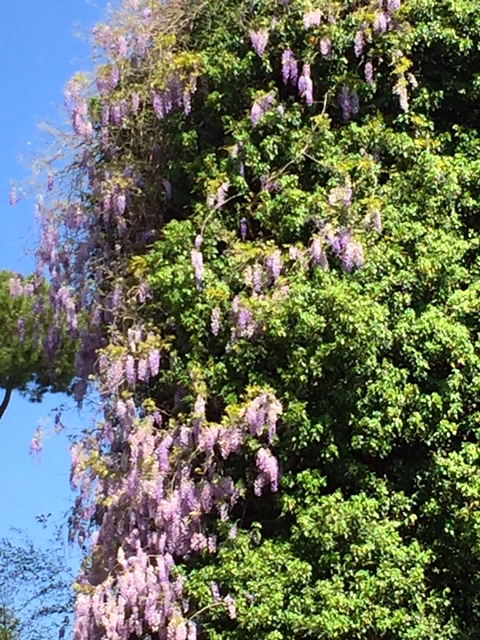
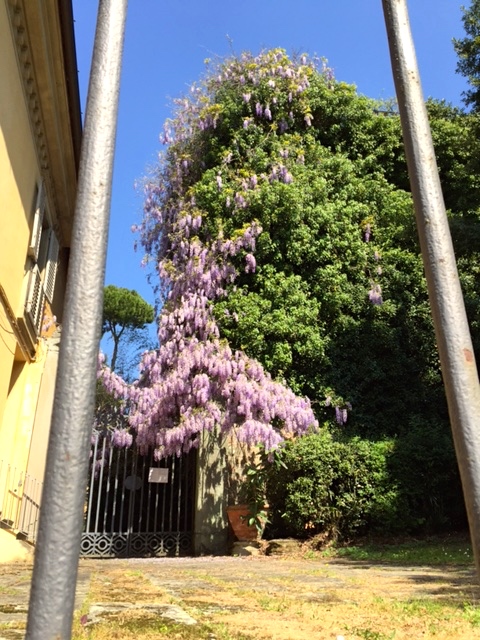
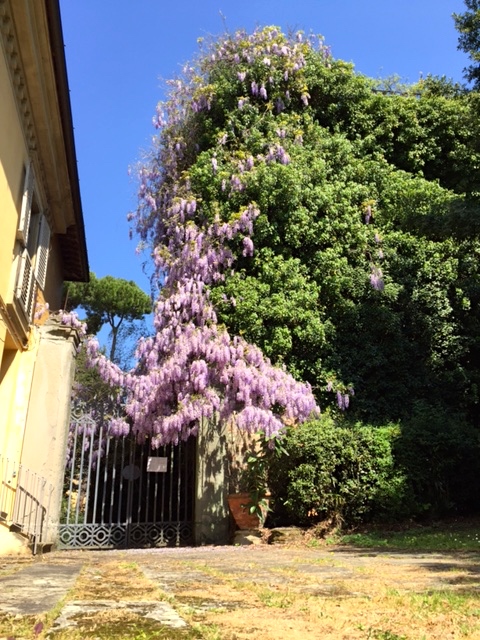
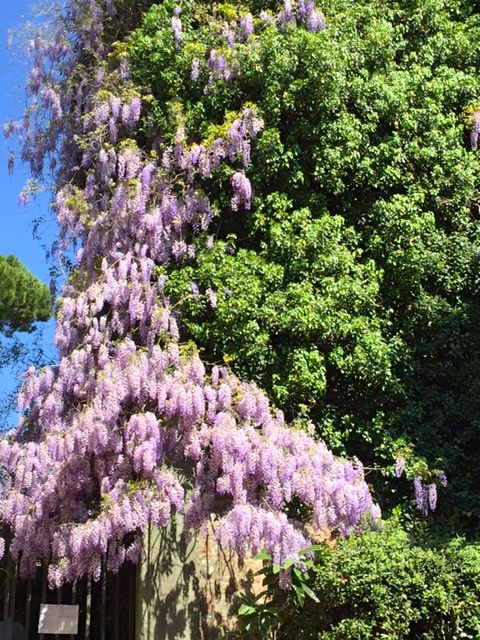
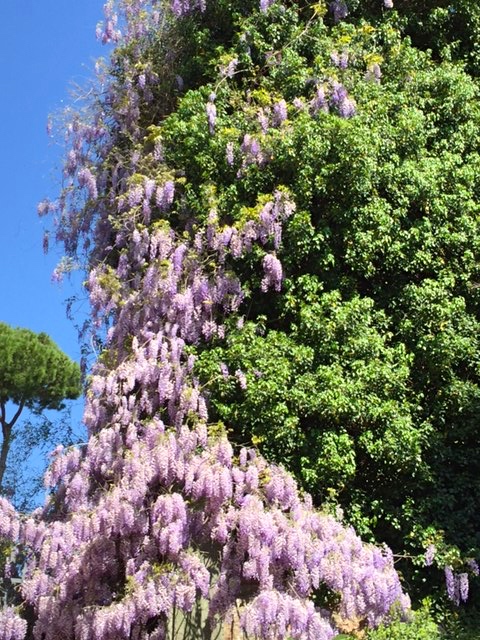
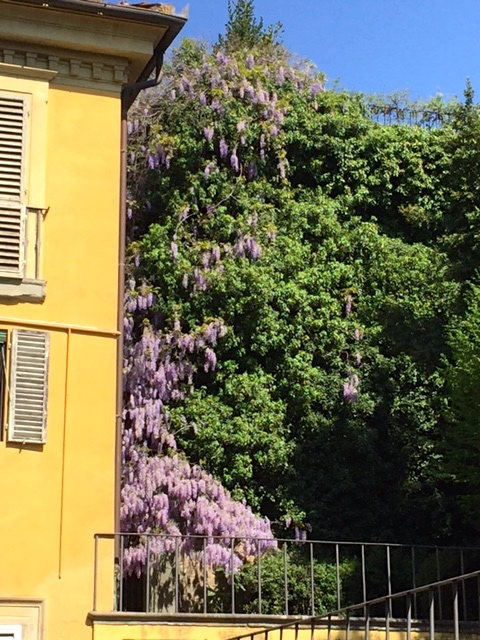
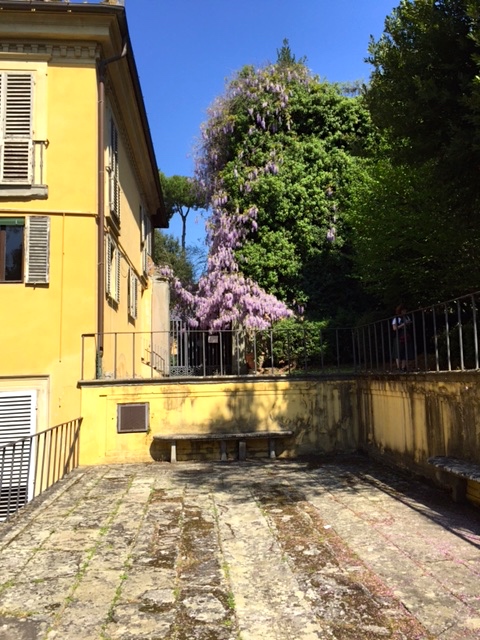
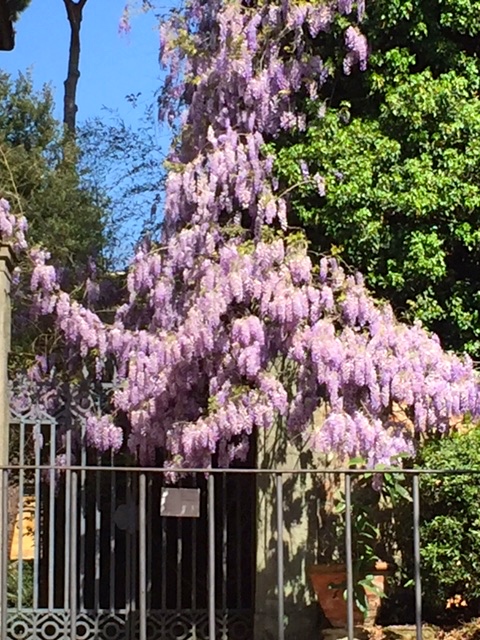
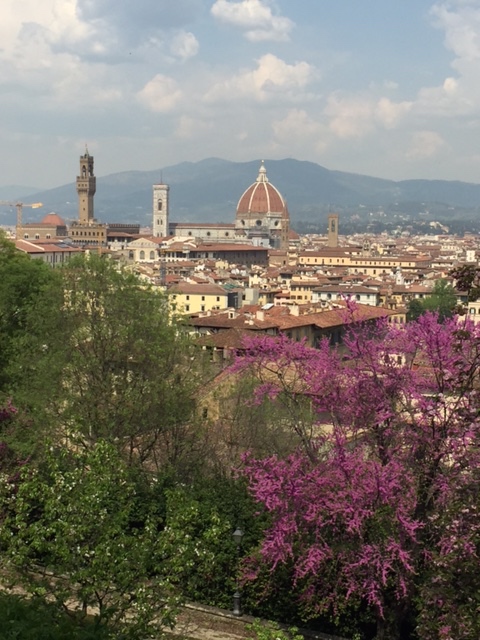
It’s everywhere in Florence and I adore it!
When the son of Francis I, Duke of Lorraine, Pietro Leopoldo arrived in Florence, he found the majority of the people shockingly uneducated, their lives blighted by famine and the inefficient bureaucracy, high taxes and old-fashioned legal system imposed by the Medici and left unreformed by his father, who succeeded the Medici as rulers.
Pietro Leopoldo modelled his new administration on Enlightenment principles, taking it upon himself to disseminate information about science and the natural world in the belief that knowledge was a tool that could be used to combat suffering, superstition and tyranny.
He believed in giving the citizens of Florence a chance to educate themselves, and to this end he founded a new science and natural history museum called La Specola [https://en.wikipedia.org/wiki/La_Specola] on Via Romana, the narrow street that runs from Palazzo Pitti to the Porta Romana.
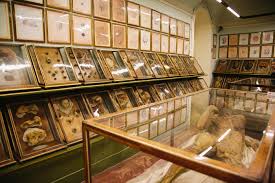
When its doors opened in 1775, La Specola was the first museum in the world to be accessible to the general public, although initially a distinction was made between the lower classes, who could enter between eight and ten in the morning, ‘if decently dressed’, and ‘the intelligent and well educated’, who had free access from one o’clock, as long as they removed swords and overcoats and left them by the door.
Attlee, Helena (2015-01-05). The Land Where Lemons Grow: The Story of Italy and Its Citrus Fruit (Kindle Locations 221-224). Countryman Press. Kindle Edition.

April is for artichokes – a beloved Italian vegetable that takes menus and markets by storm this month and is only around for the shortest of seasons. You can try them in soups, savory pies or risottos, but perhaps the best way to celebrate the artichoke is with carciofi alla guida, the Jewish-Roman way: tenderized then deep-fried.


Buon appetito!


Hans Christian Andersen, the Danish author and poet best known for his fairytales, visited Italy in 1833, and when he saw citrus groves for the first time he responded with the mixture of rapture and envy that Italy can still provoke among visitors from colder and less romantic countries. He wrote to a friend:
“Just imagine the beautiful ocean and entire forests
with oranges and lemons,
the ground was covered with them; mignonettes and gillyflowers
grew like weeds.
My God, my God!
How unfairly we are
treated in the north; here, here is Paradise.”
Attlee, Helena (2015-01-05). The Land Where Lemons Grow: The Story of Italy and Its Citrus Fruit (Kindle Locations 47-48). Countryman Press. Kindle Edition.
Great article here:
It definitely isn’t always beautiful.

There are the unavoidable trips to the Questura, or police station, for Visa issues. Ick.

But, I’ve always believed that anything worth having is worth making extreme effort to obtain.

The Questura isn’t that bad, really. :-)
When is enough, enough? When is beauty on overload?
I have no idea.
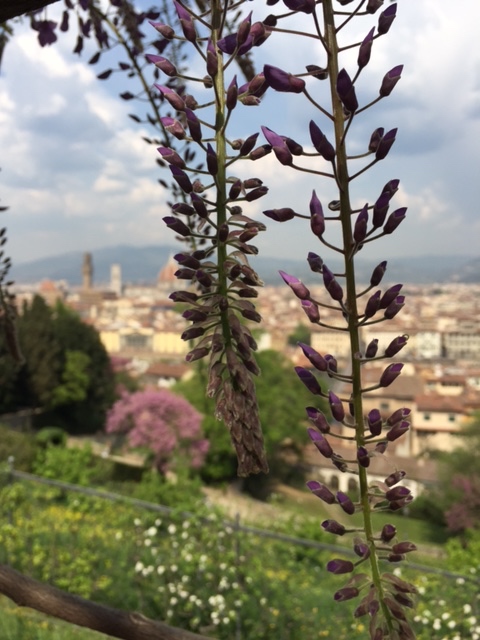
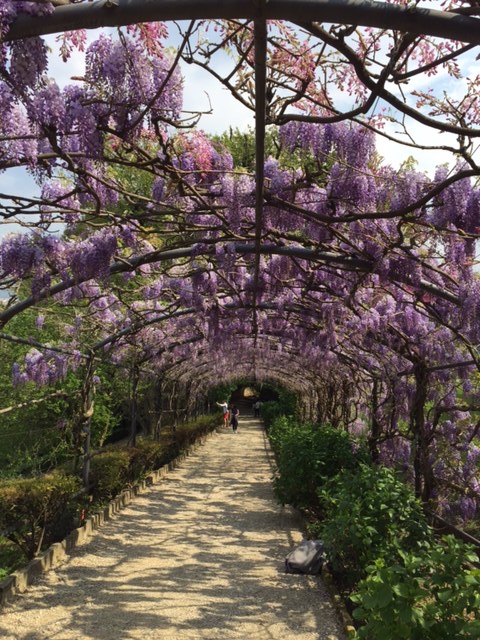
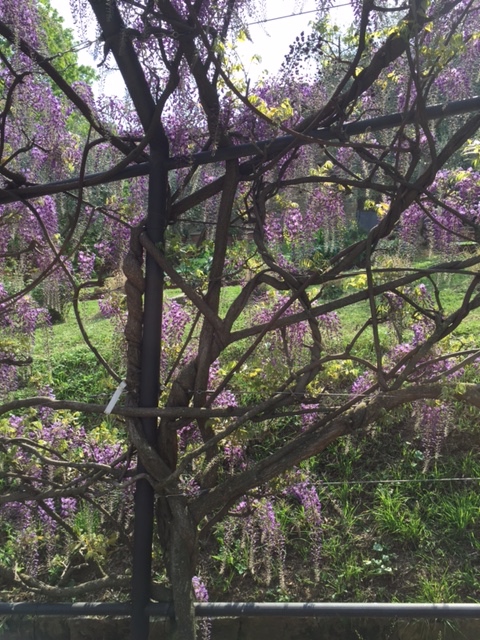
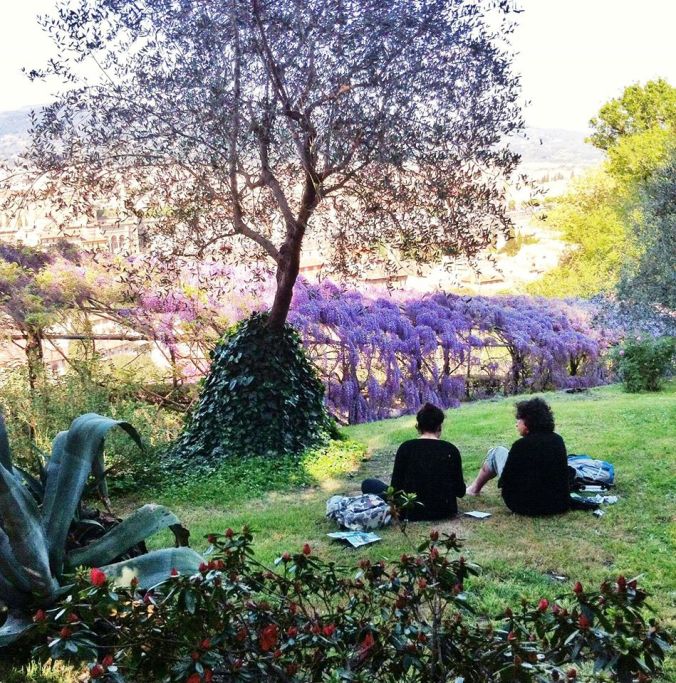
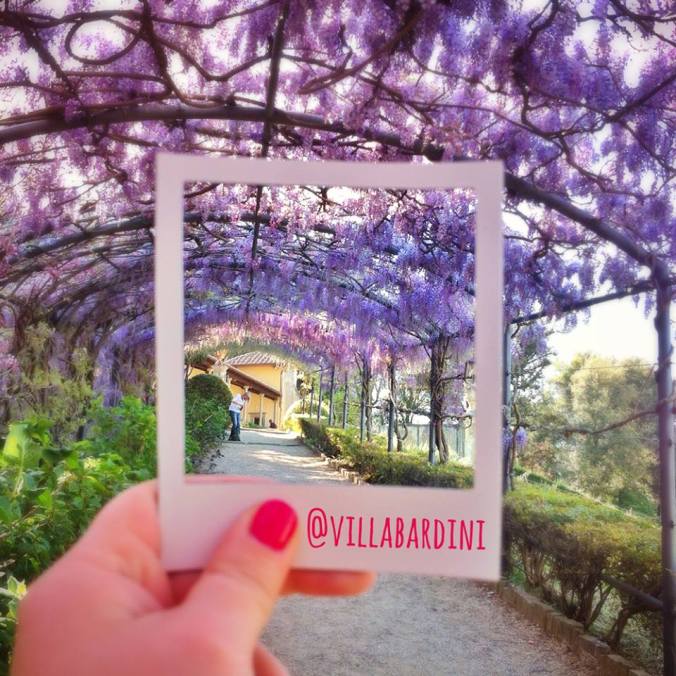
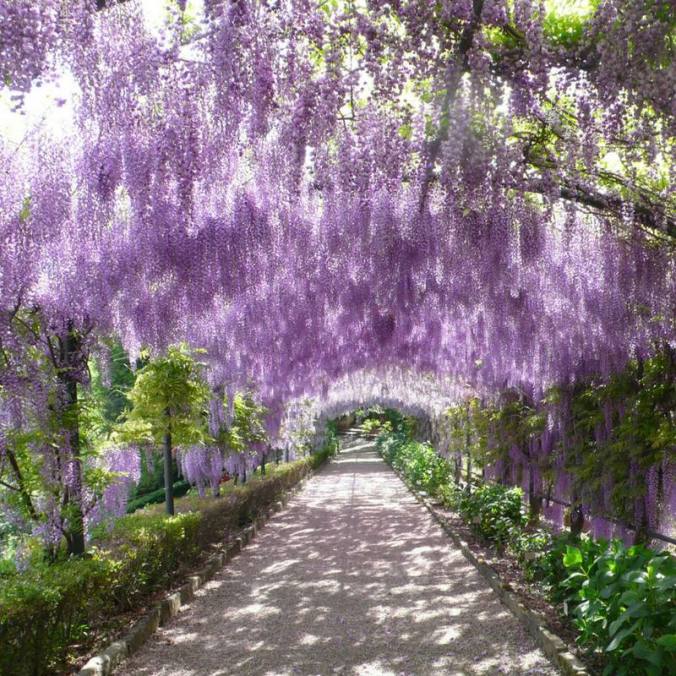
Here’s more beautiful wisteria from Giardino Bardini. I can never have too much of it.
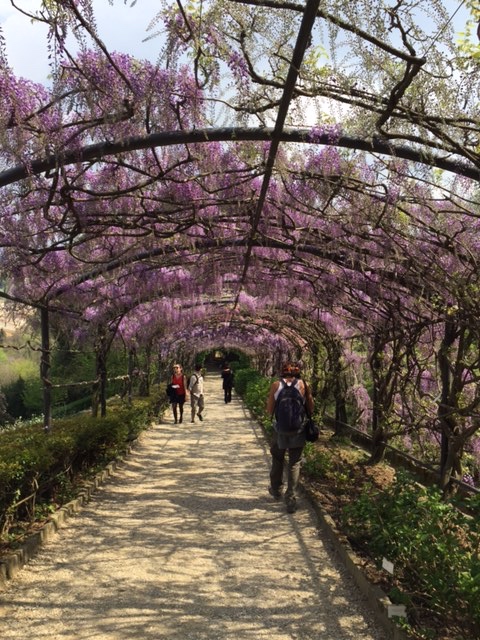
Why Leonardo and Raphael, Pontormo and Botticelli, never spent their time painting this glorious flower of the Florentine spring, I will never understand.
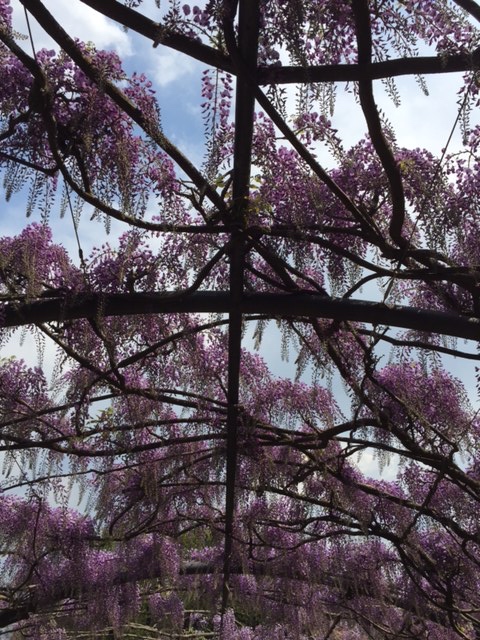
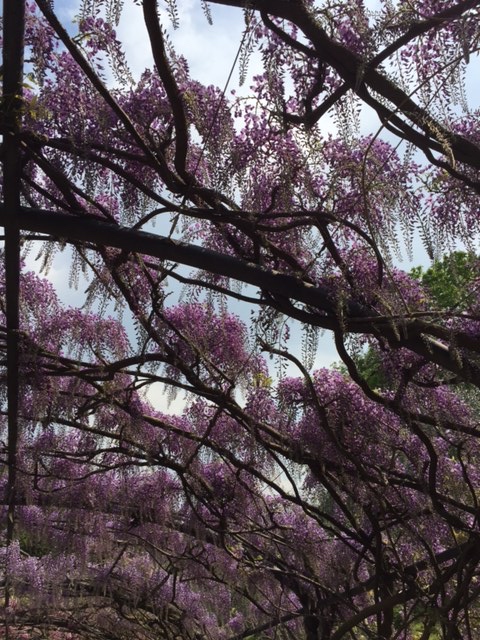
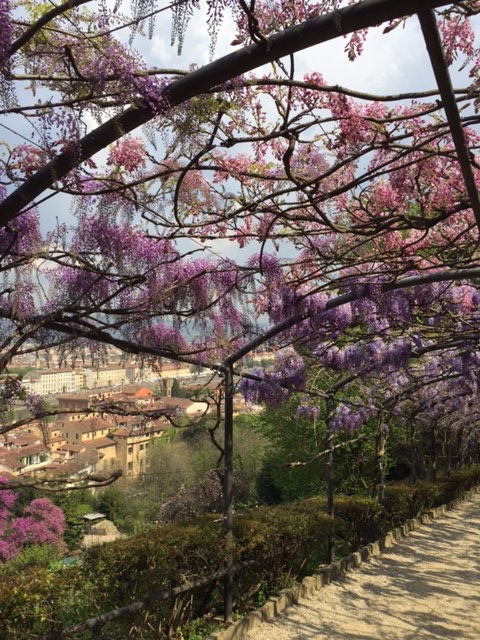
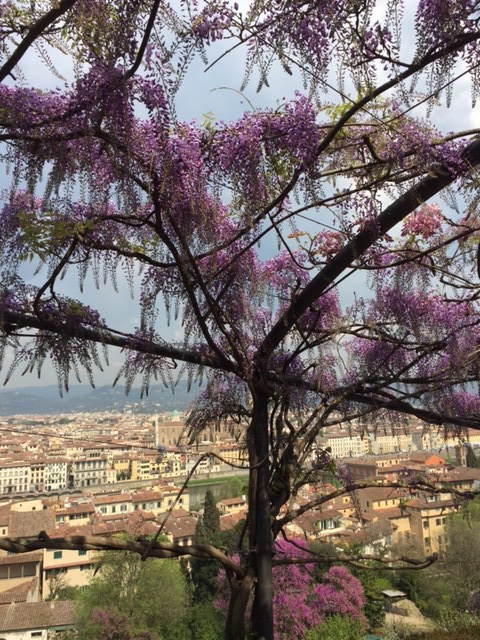
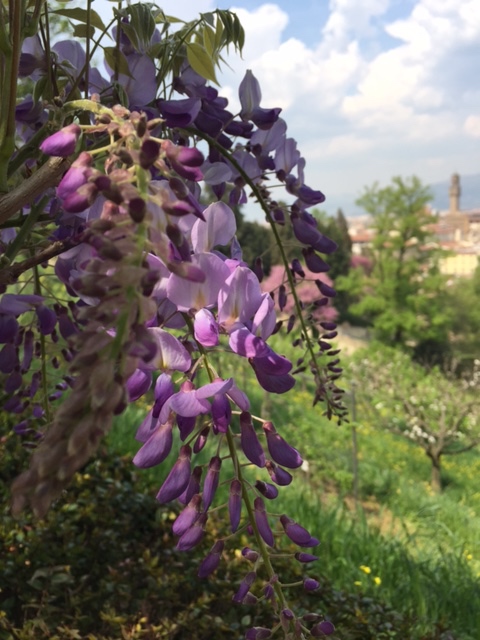
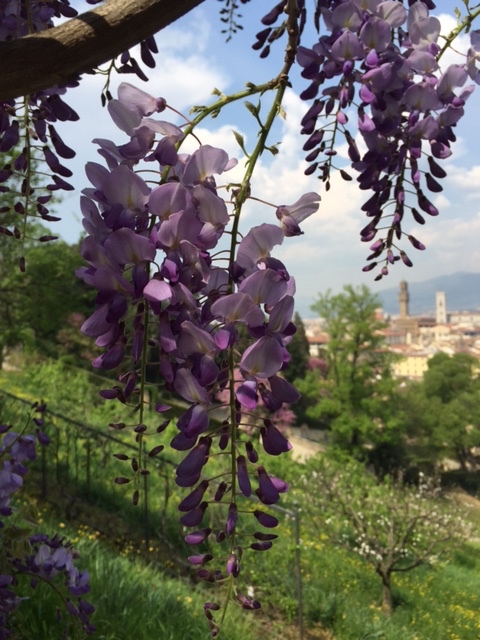
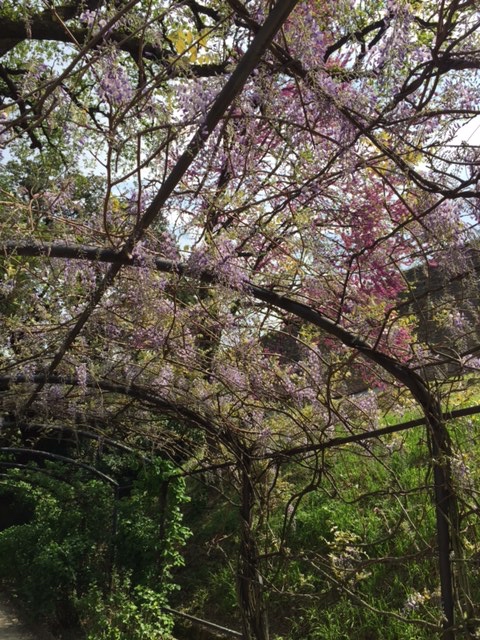
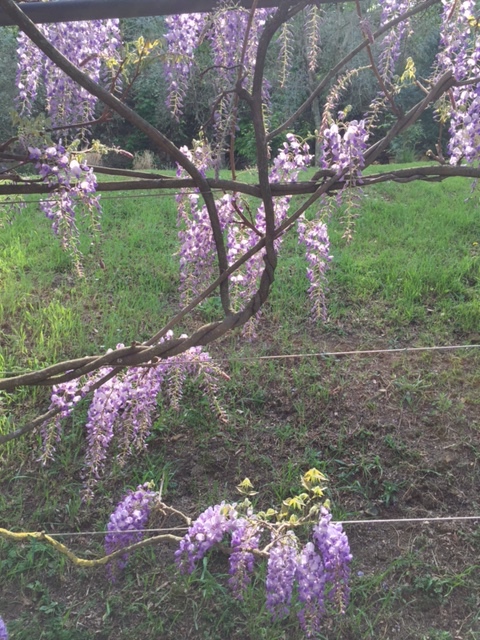
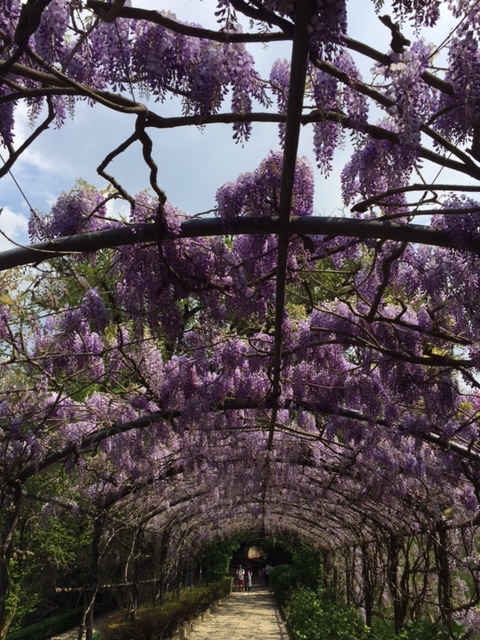
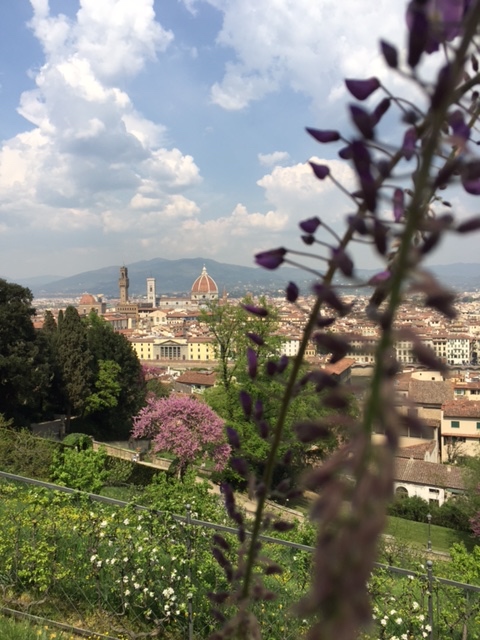
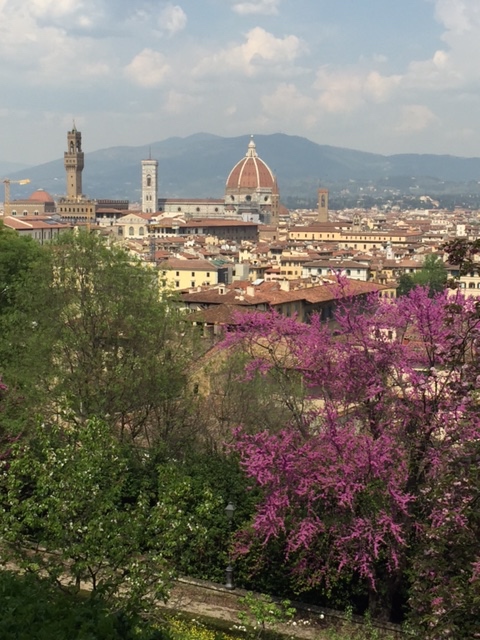
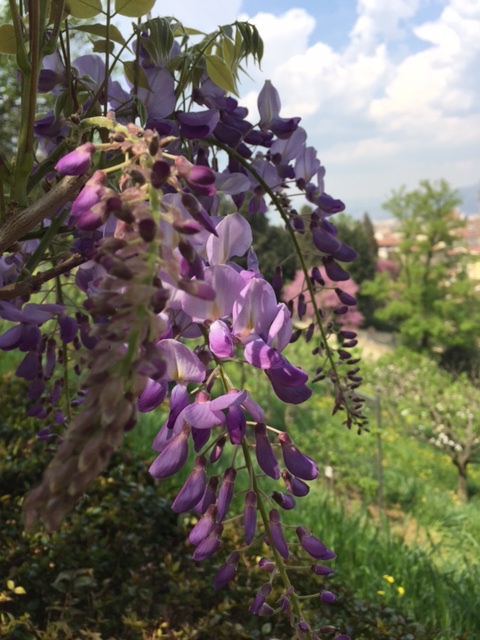
One post on this subject just isn’t enough. Here we go again!

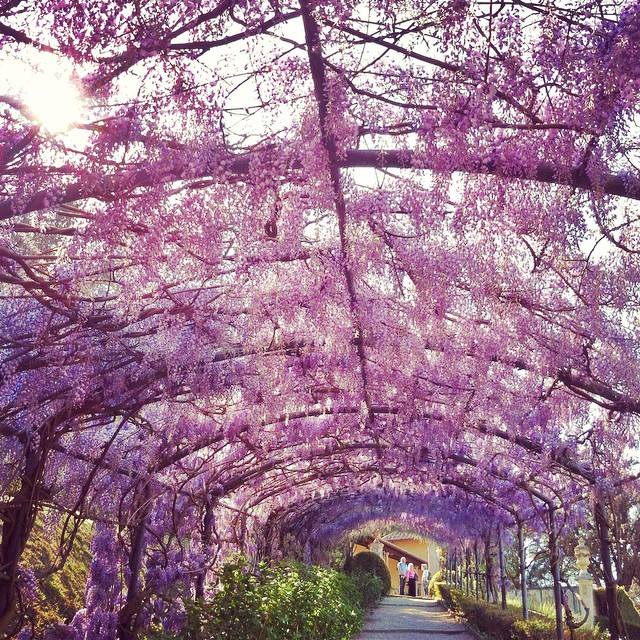
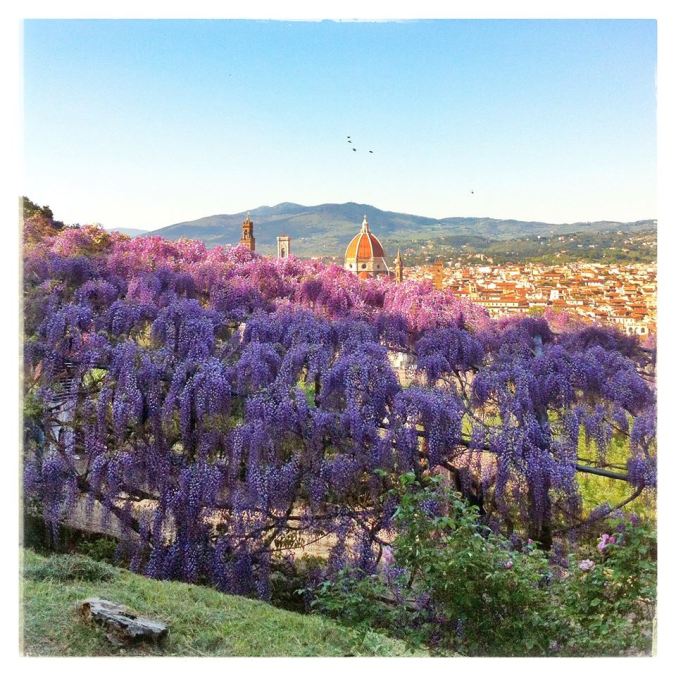
 get back, lauretta!
You must be logged in to post a comment.