The National Gallery in London celebrates how it hid priceless paintings from Nazis in a Welsh mine. The gallery’s display will recall the summer of 1940 when, following Dunkirk, the British feared invasion.
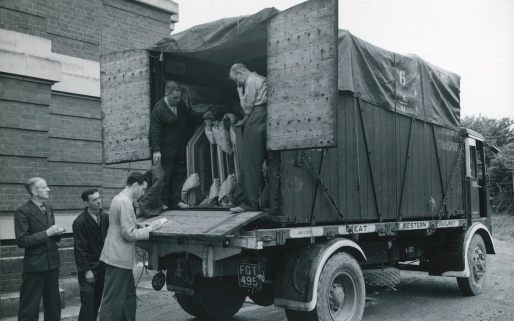
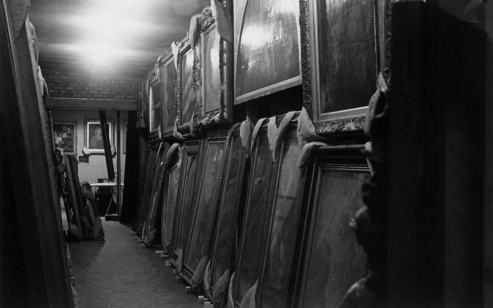
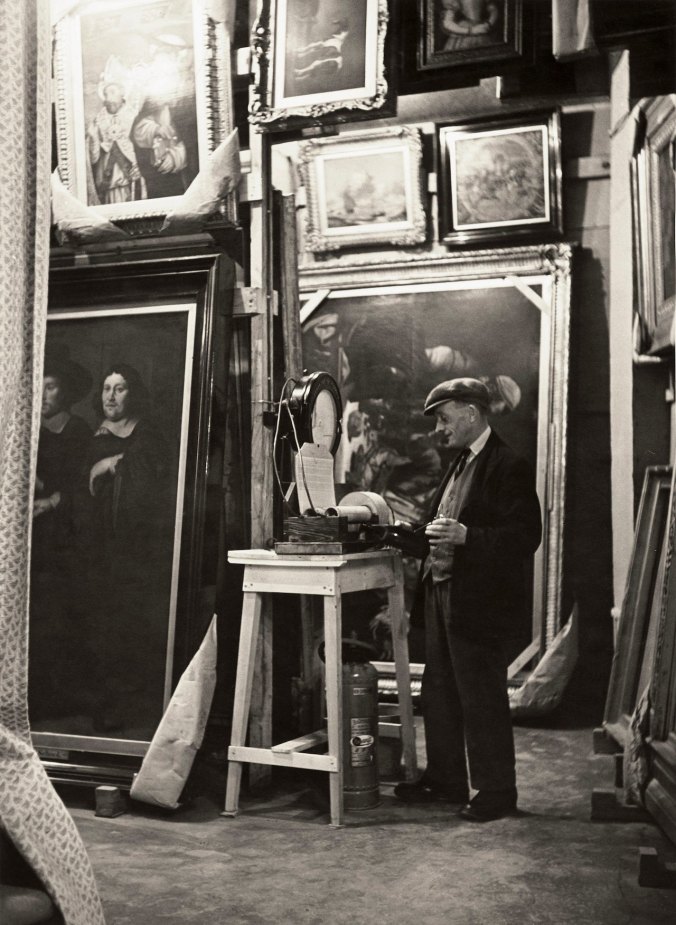
The new exhibition shows 24 archival photographs detailing how paintings were removed, packed, transported and stashed in a disused slate mine in Snowdonia, along with a picture of how it looks today.
A new 30 minute film about the rescue mission, capturing an “immersive” dance and spoken word performance, has been commissioned to accompany it, to be broadcast on BBC Two.
In 1940, the Bristish feared for the safety of the national art collection: Winston Churchill is known to have personally intervened to veto a plan to take them to Canada by ship, fearing a u-boat attack could leave paintings lost at sea.
Instead, curators agreed to hide works in the Manod mine, enlarging its entrance with explosives and building small brick “bungalows” inside to protect them from damp.
Monitoring the conditions the paintings were kept in further led to “valuable discoveries” about how best to protect them, a spokesman for the gallery said, explaining air conditioning was then added to the renovated London gallery after the war.
 get back, lauretta!