Month: December 2018
Joyeux Noël de Paris!
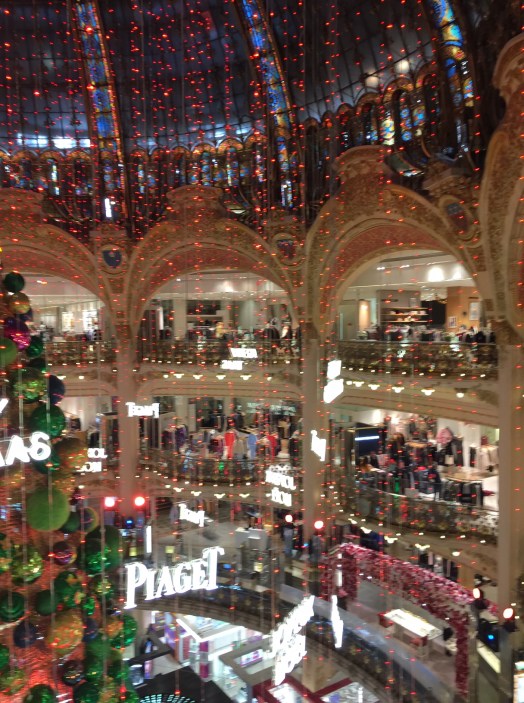
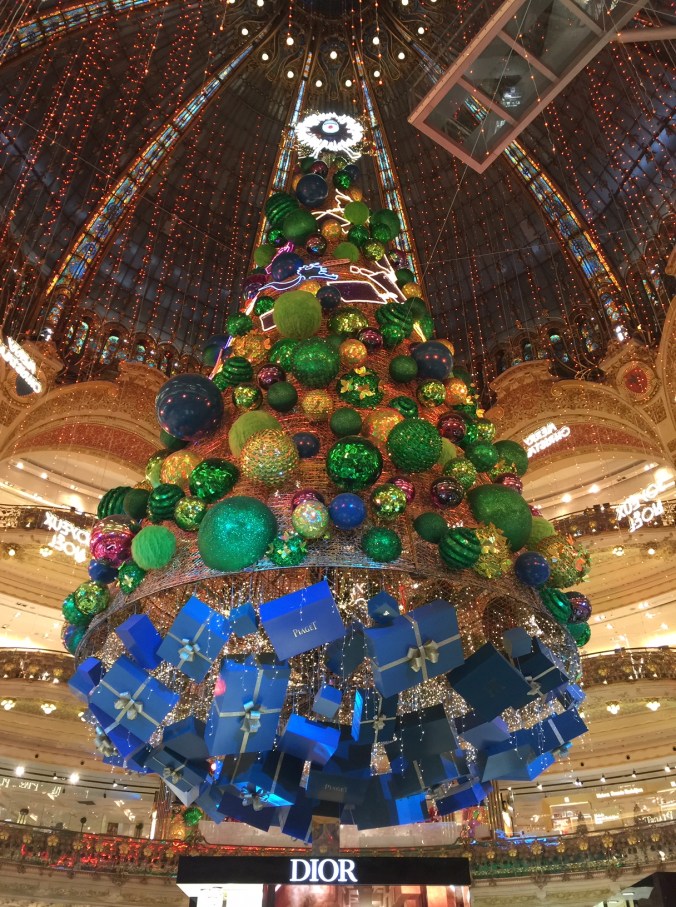
From the Galeries Lafayette, Christmas 2018! I tried to capture some of the magic in the extravaganza display in the main store and in the windows outside. I got a few decent pictures, but it was too much for an amateur, especially one fighting crowds!
Error
This video doesn’t exist

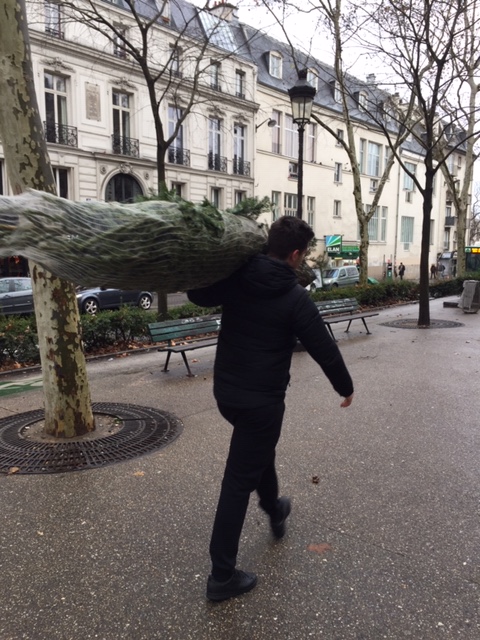
Walking through Montmartre yesterday, I saw this guy carrying his tree home:
And then today there was this, in a different arrondissement, with an entirely different message!
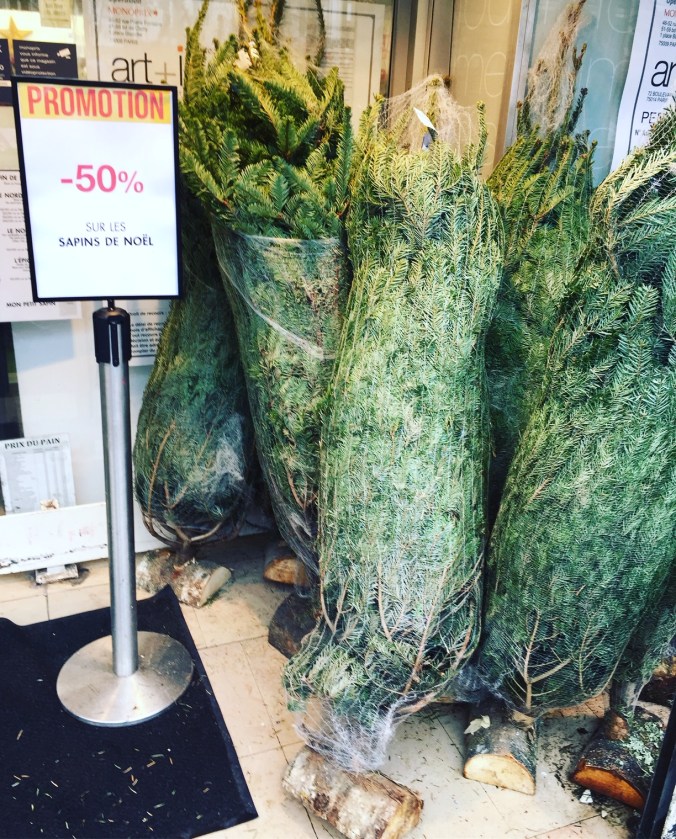

In French “Share magical moments!”
Merry Christmas y’all!
What if?!!

Buone feste! Merry Christmas! Joyeux Noël!
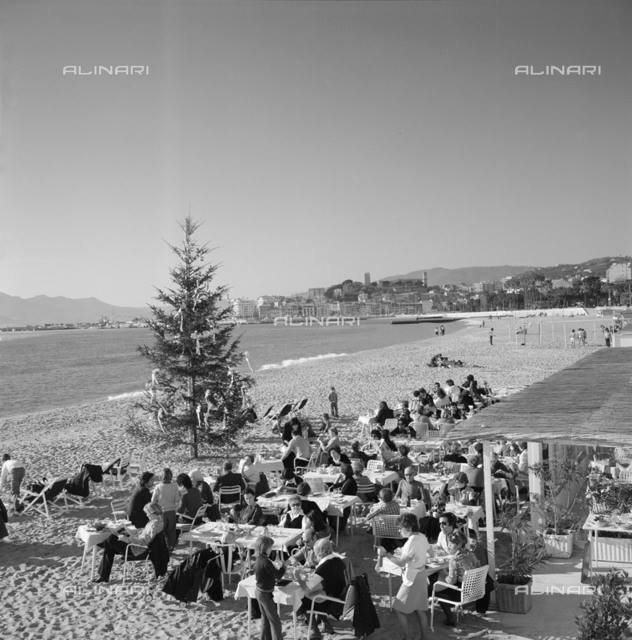
Merry Christmas from Cannes!
Feeling French quatre (4)!
Stromae, ‘Alors on Danse’
Life getting you down? Just leave all your worries behind… so we’re dancing… with this song written and performed by Belgian musician Stromae.
Randomly keeping up in Paris
Just trying to keep up with posting all the amazing things I’m seeing here in Paris!
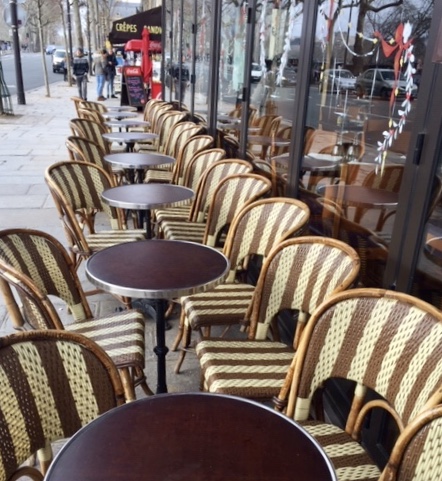
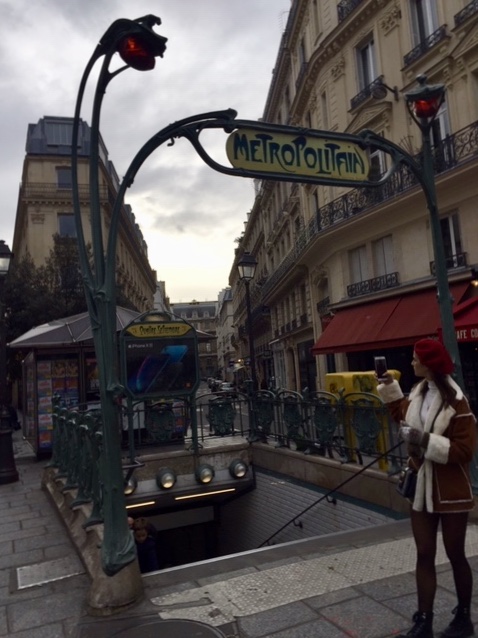
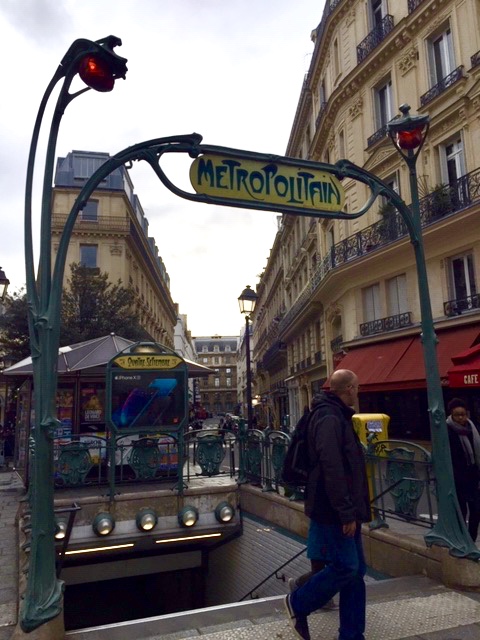
While most of us are familiar with the iconic Parisian art nouveau metro appearance, like this:
A more modern take is this:
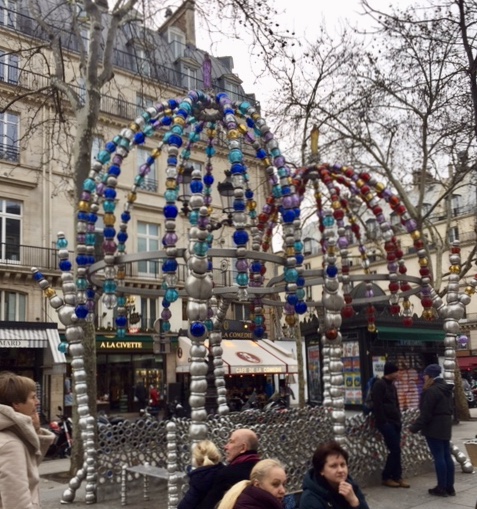
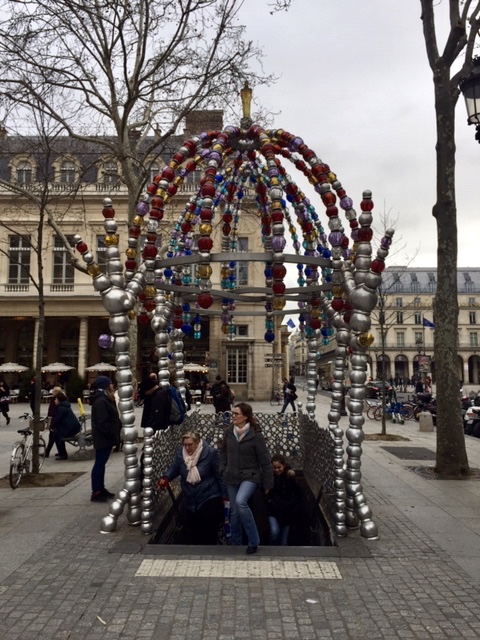
Very cool, no?
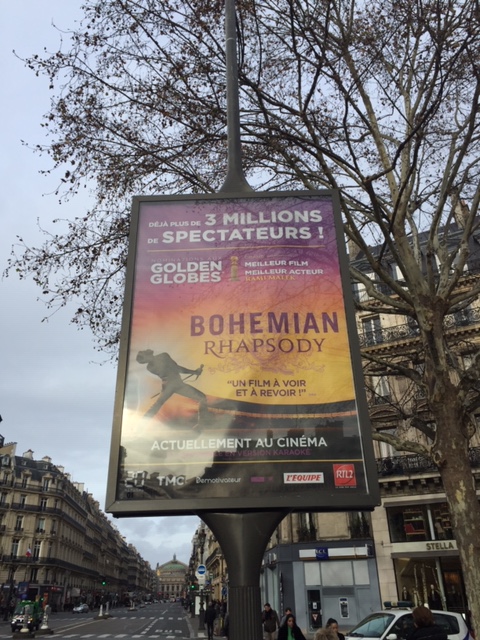
What movie are the French going to see? Just like the rest of the world, they want to see the film about the life of Freddie Mercury and Queen:
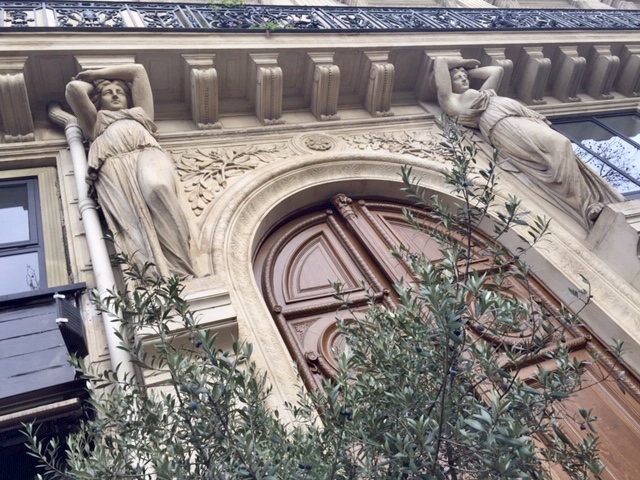
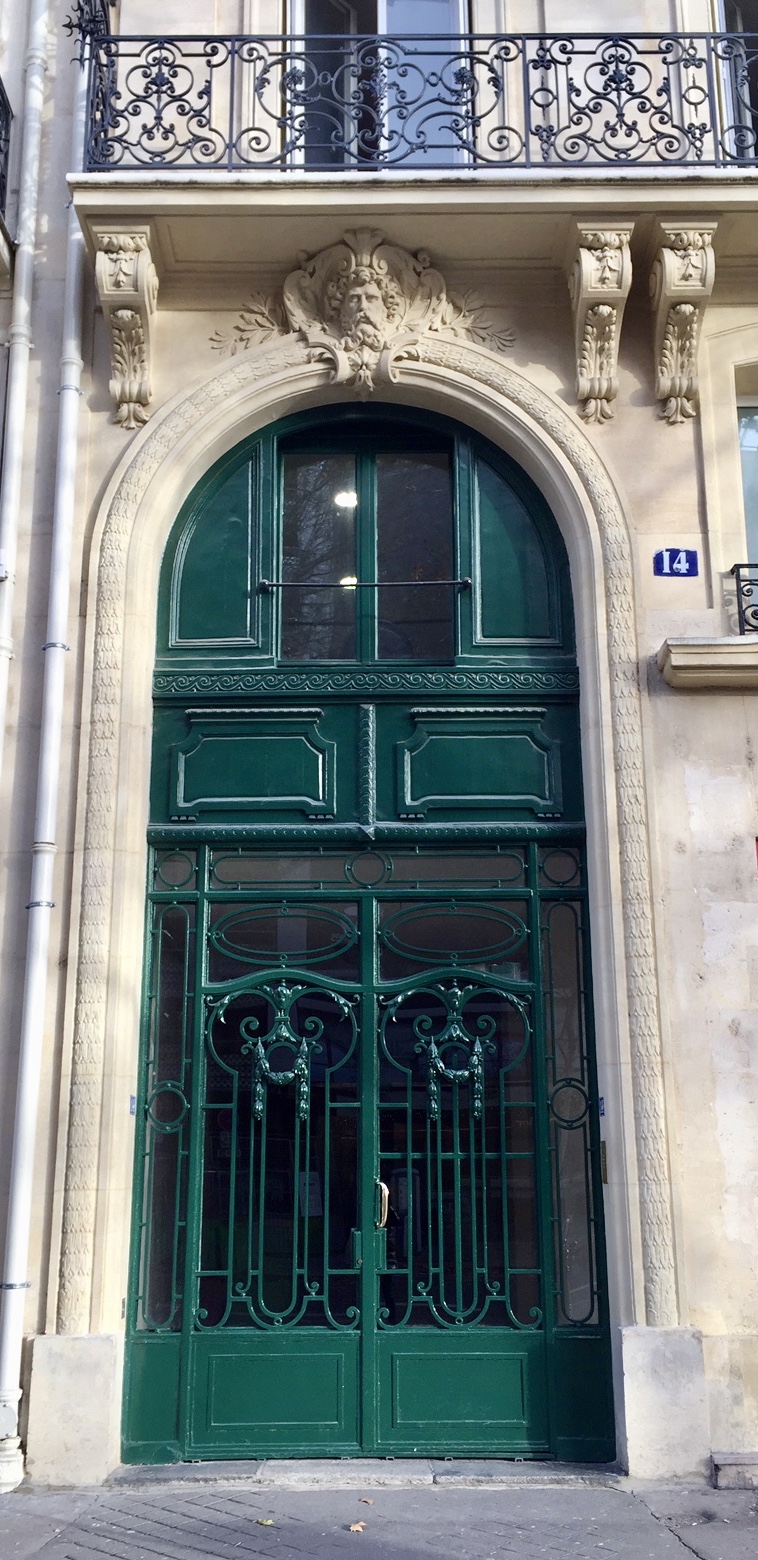
Parisian architecture is still fabulous:
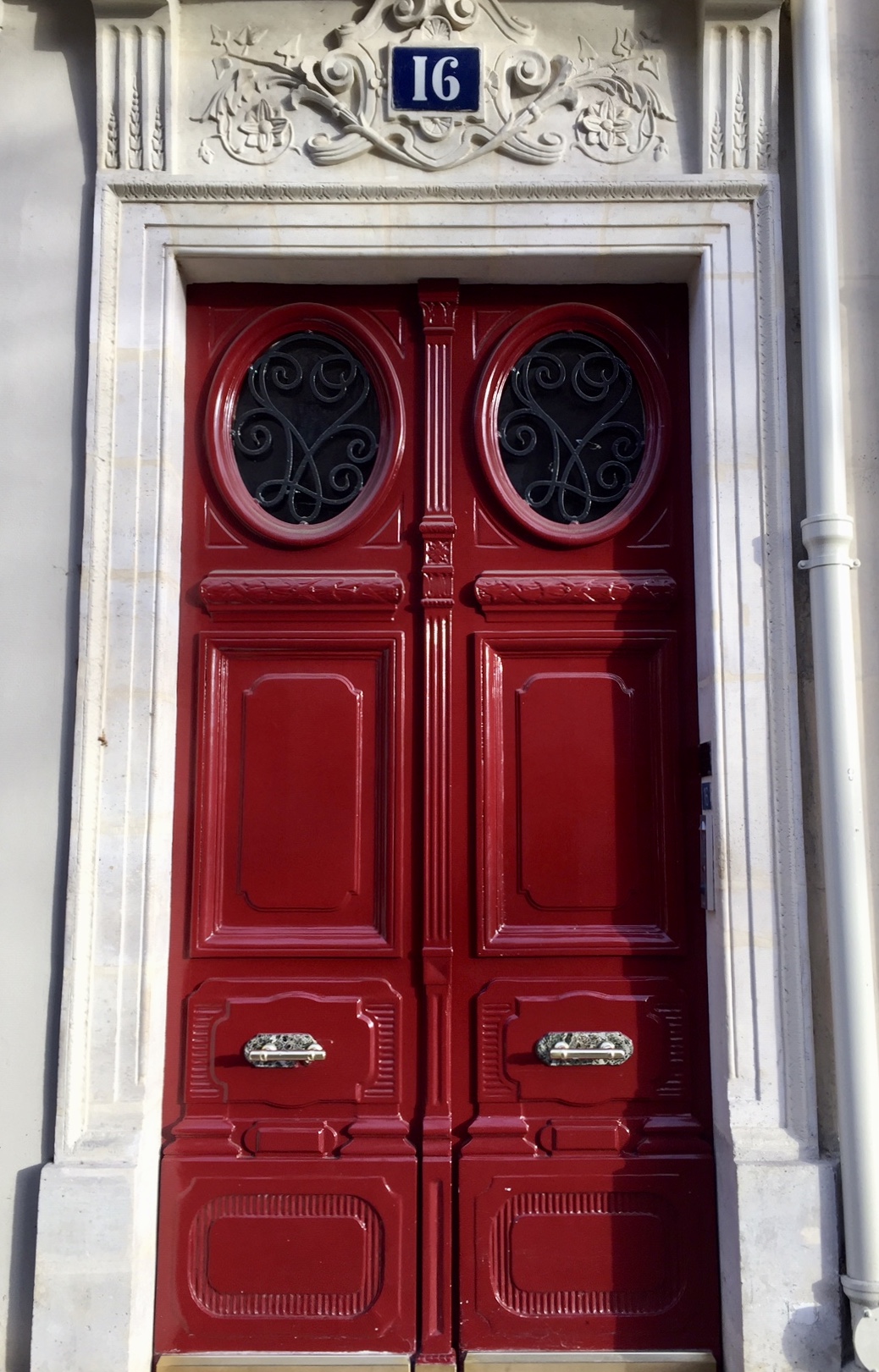
And walking not far from the opera, I noticed this inscription on a plaque:
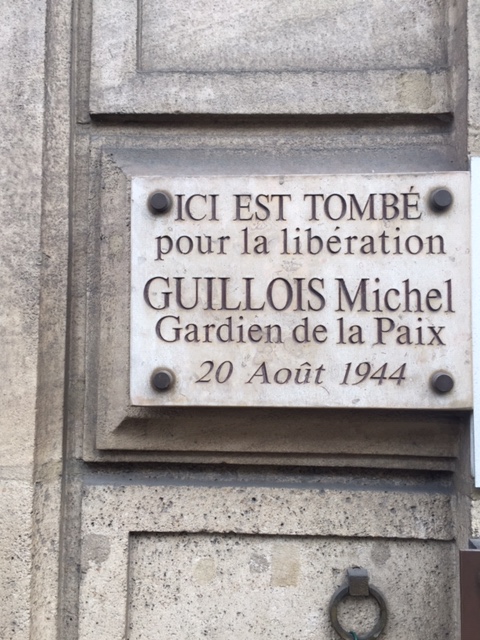
In English the inscription reads: “here fell for the liberation Guillois Michel Peacekeeper 20 August 1944”.
Knowing only that the Liberation of Paris took place between August 19-25, 1944, I searched Google for info on this patriot. You can read about him and the liberation here:https://translate.google.com/translate?hl=en&sl=fr&u=http://liberation-de-paris.gilles-primout.fr/michel-guillois-annonce-la-treve&prev=search.
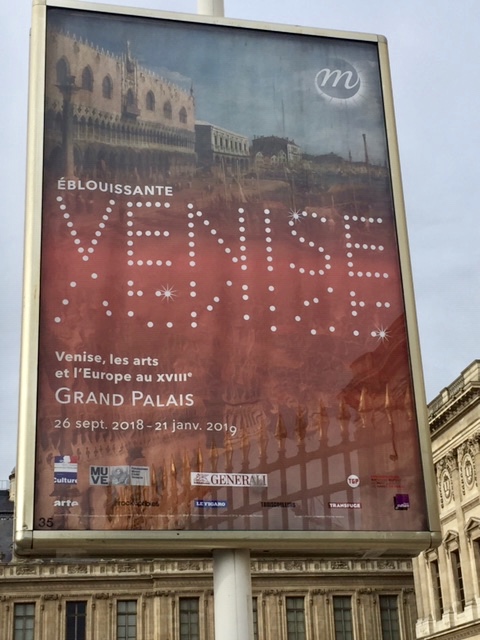
Wherever in the world I am lucky enough to travel, I am always entertained by the fact that there will be references in that place to other places. How many people would love to be in Paris? Millions I am sure! But here in Paris, an exhibition is devoted to Venice! When in Venice, there will be references to other places as well. It goes on and on, ever thus!
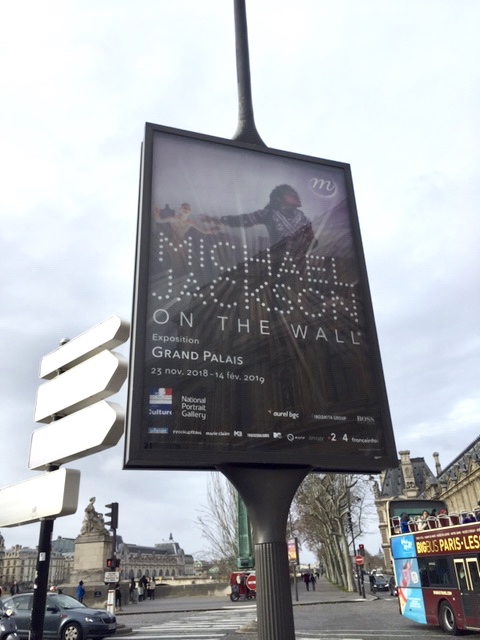
And no matter how many illustrious persons lived in France throughout history, what entertains the French now, apparently, is a look back at Michael Jackson!! An exhibition about Michael Jackson at the Grand Palais! Never thought I’d live to see the day…
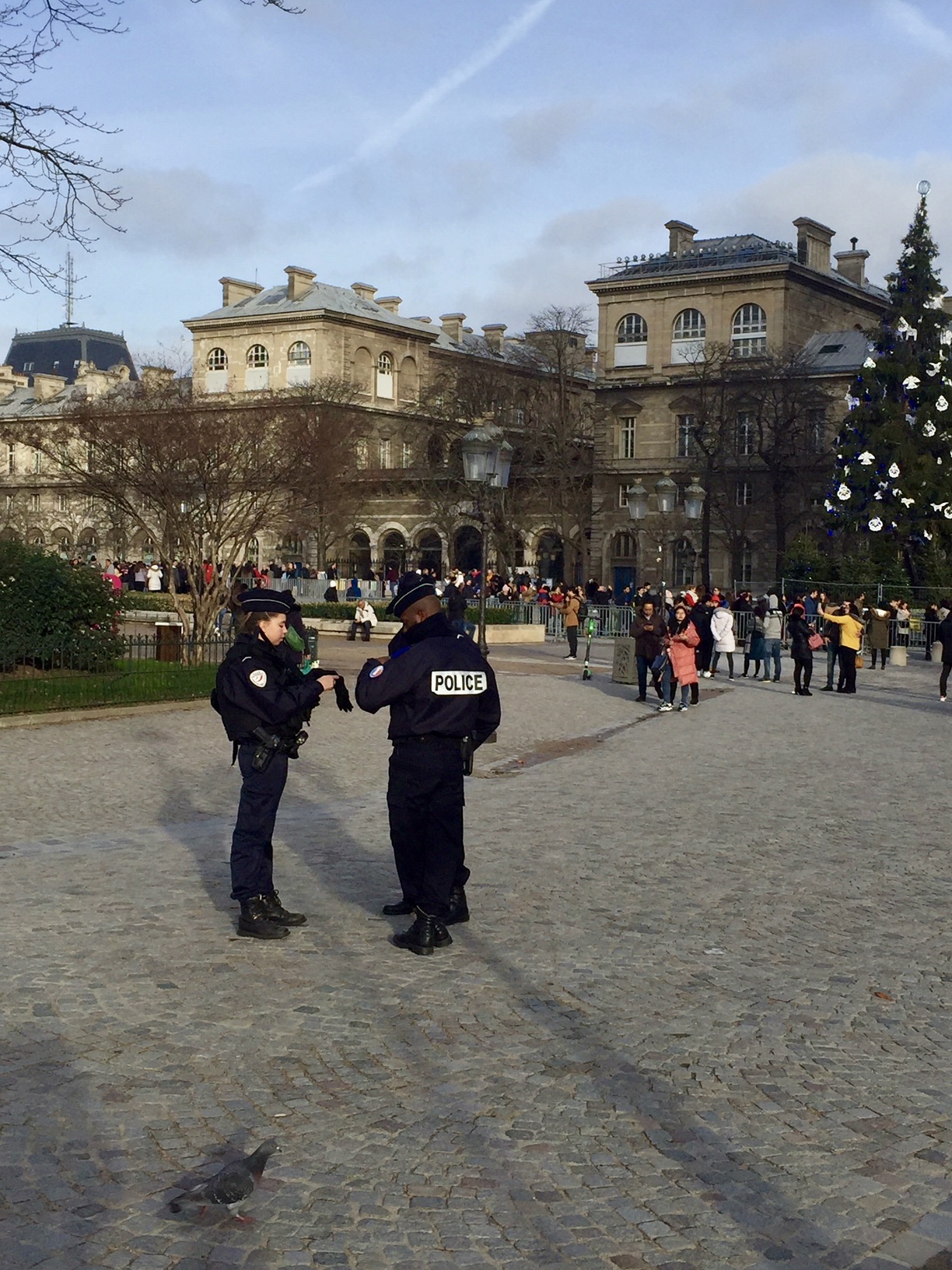
Anyone reading this post in December of 2018 will know that Paris has been in turmoil with the protests of the so-called gilets jaunes, and as a matter of fact I thought about canceling my long-planned trip to this city because the news coming out of Paris was so dire. Paris has calmed down the past week or so and I was amused in front of Notre Dame to see that the French gendarmes are a lot like the Italian carabinieri, they tend to congregate to chat and check their cells. I doubt that was what authorities intended.
La belle Paris!
It’s been a few years since I’ve been in this elegant beautiful capital and I’ve missed her! Just arrived last night and spent a fun day revisiting old haunts. More to come!
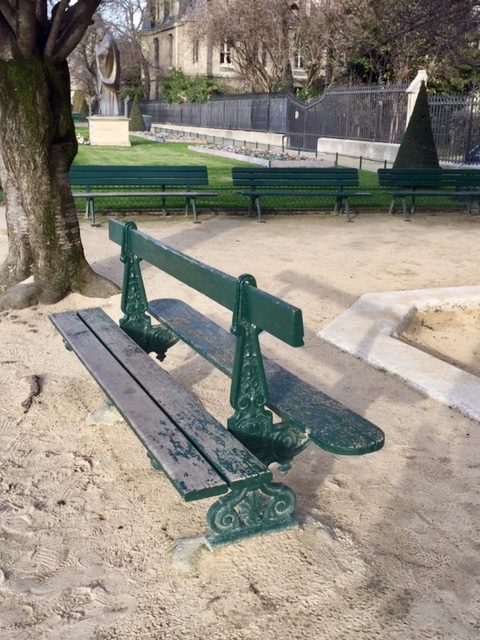
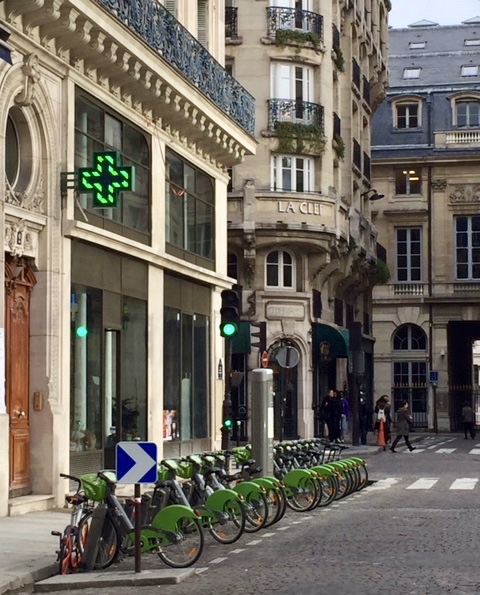
Green is the color of the best shots of the day:
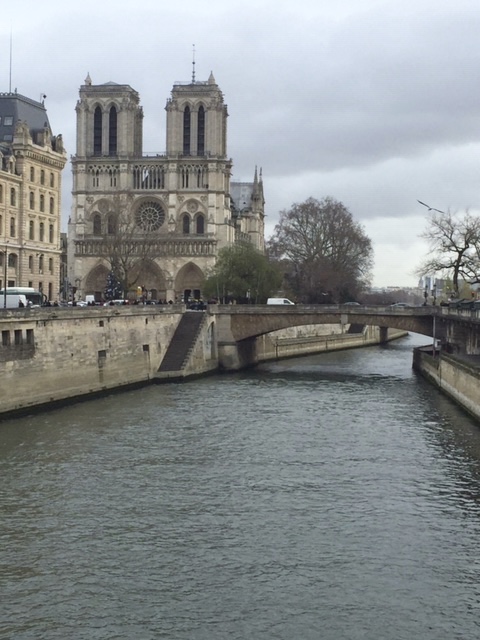
So, what’s new in gay Paree?
Well, the I.M. Pei Louvre Pyramid has a gold throne floating inside:

It’s the Throne by Kohei Nawa, exhibited from July 2018 – January 14, 2019.
A monumental floating throne by the sculptor Kohei Nawa. As part of “Japonismes 2018: Souls in Resonance,” the pyramid of the Louvre will house a monumental sculpture by Kohei Nawa, beginning in the month of July 2018 and running through 14 January 2019. The work, inspired by the shapes and origins of the chariots used in the Orient during religious festivals, is a combination of the art of gold leaf gilding, which dates back to Ancient Egypt, and the latest 3D modeling techniques.
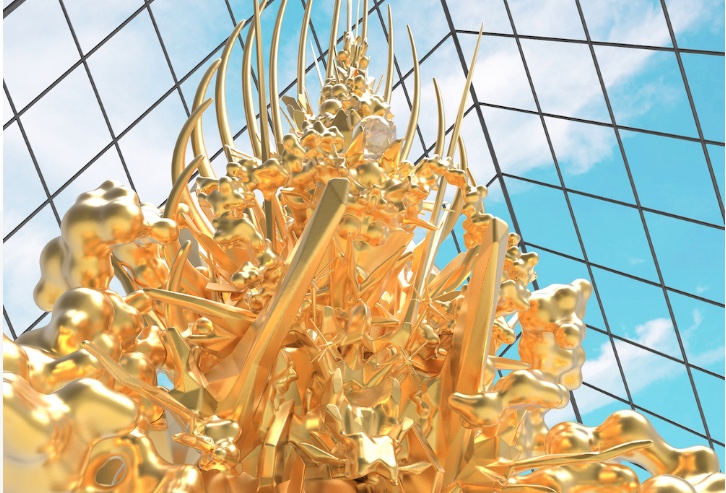
This 10.4 meter-high monumental sculpture will float in the middle of the Louvre Pyramid for six months, in order to question the notions of power and authority that have been perpetuated in the past, and to question the future that awaits us.
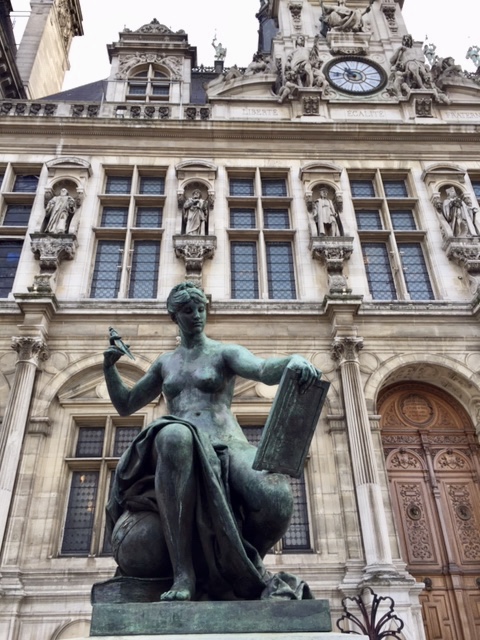
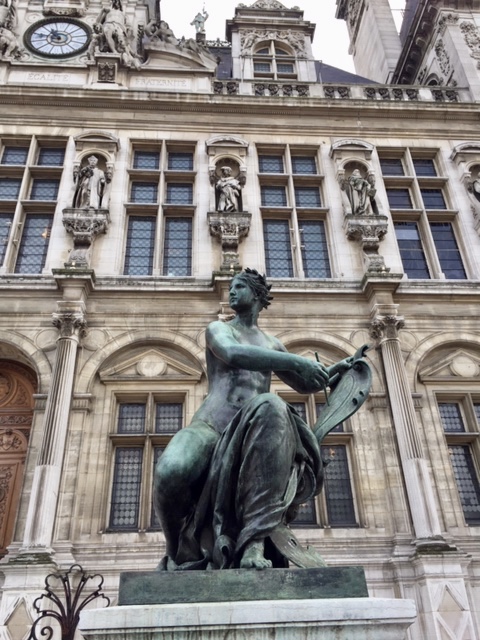
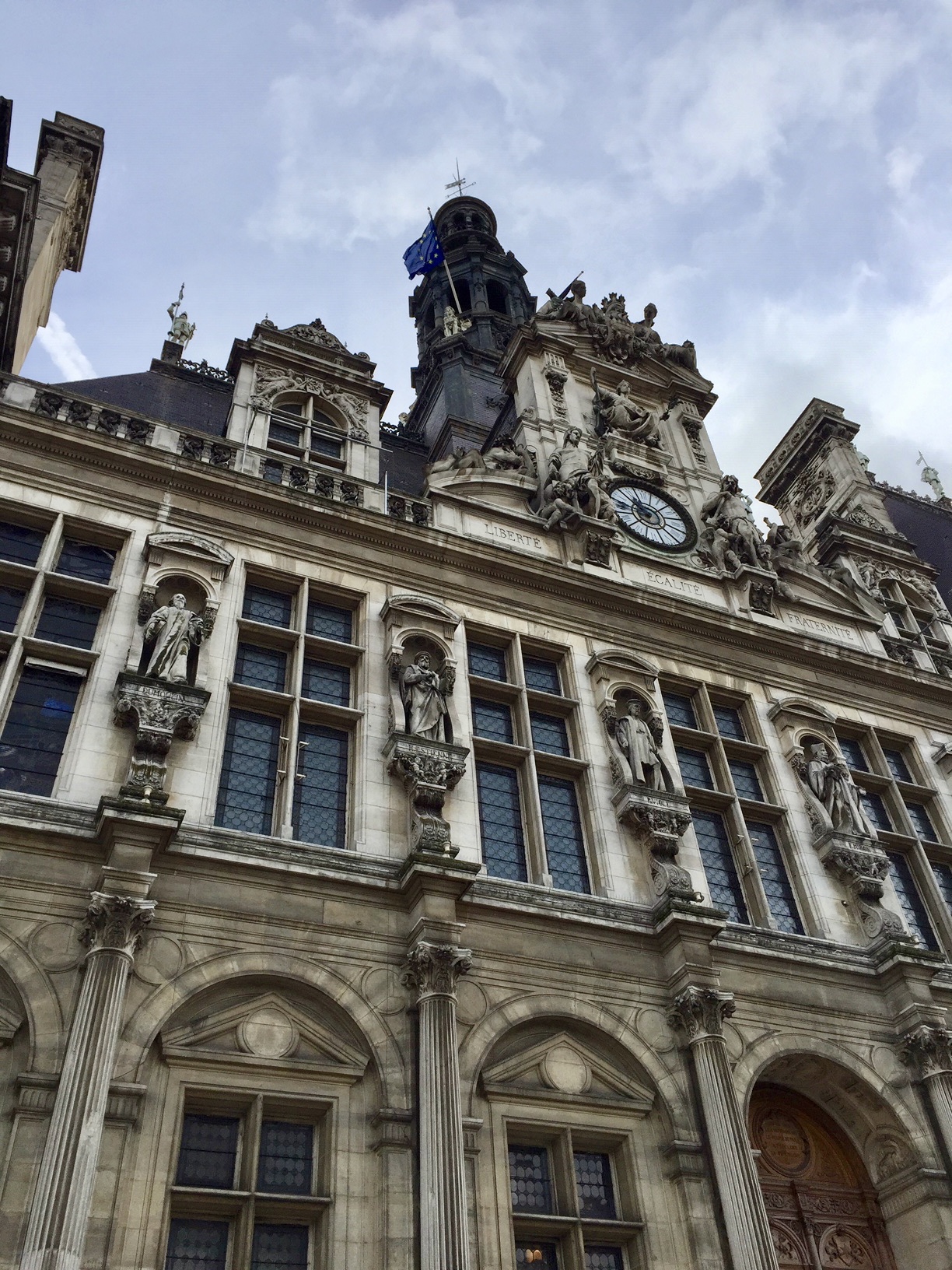
Place de l’Hôtel-de-Ville; no other city hall ever looked so good! I am still a sucker for great Neoclassical sculpture:
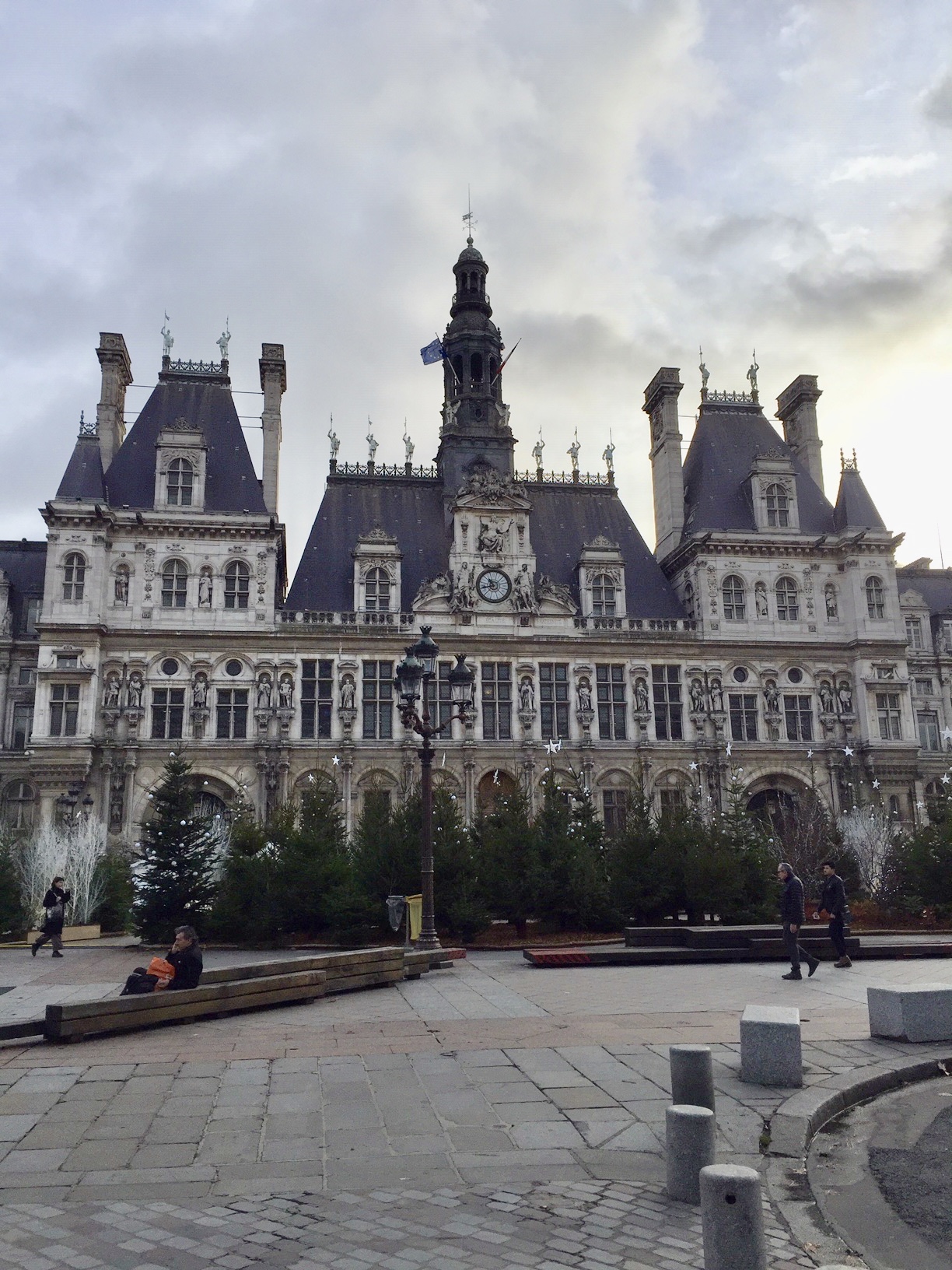
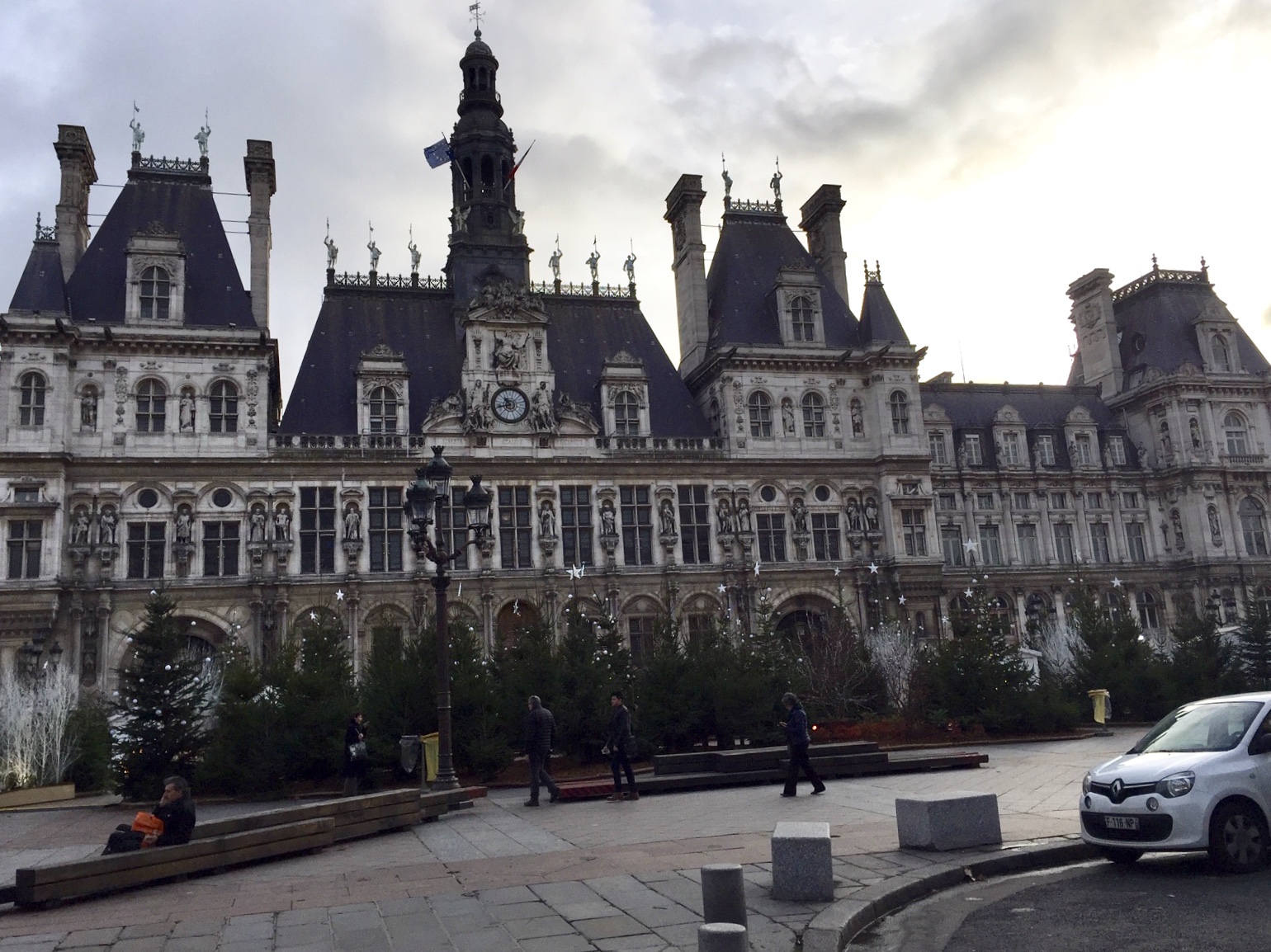
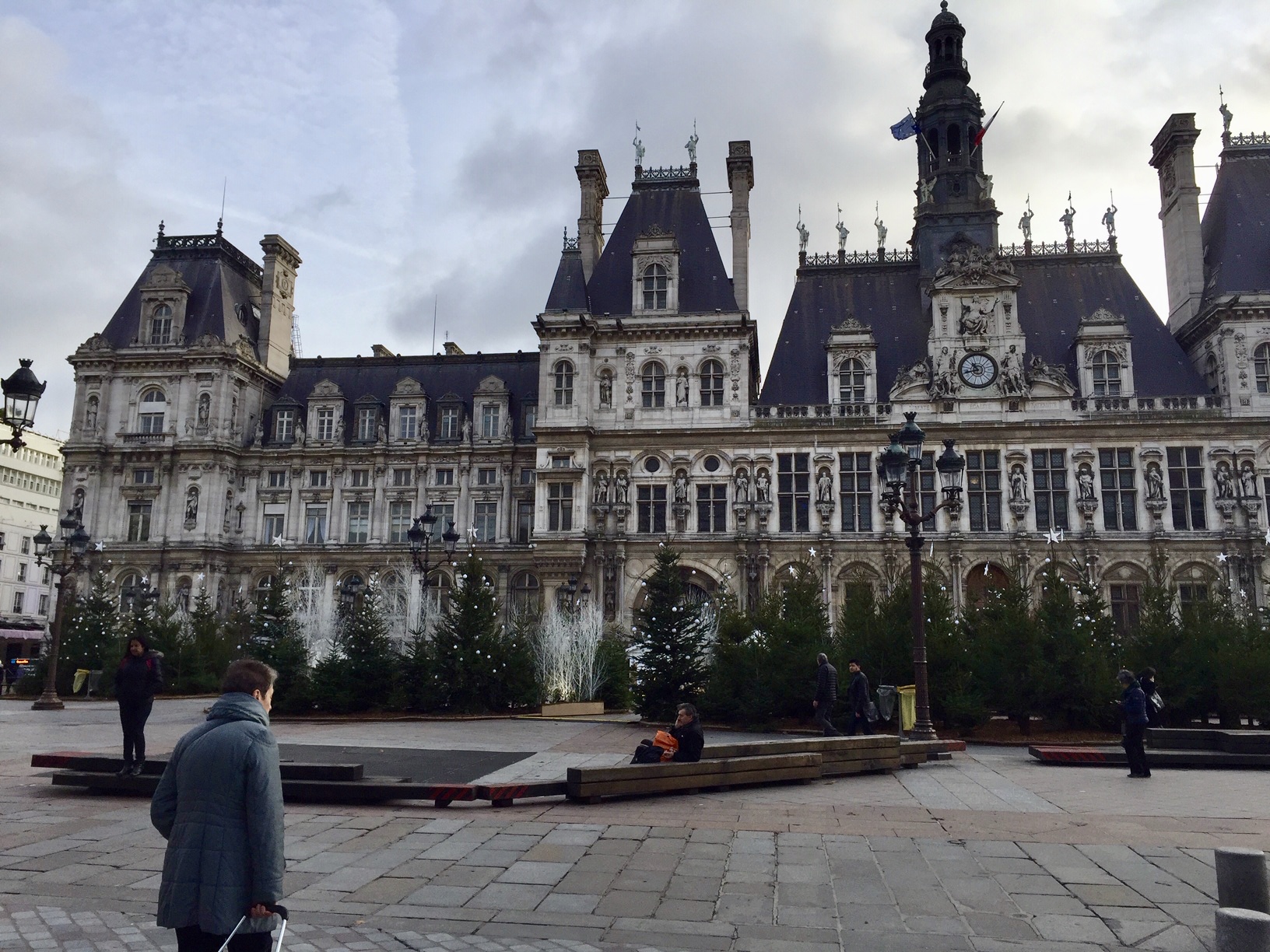
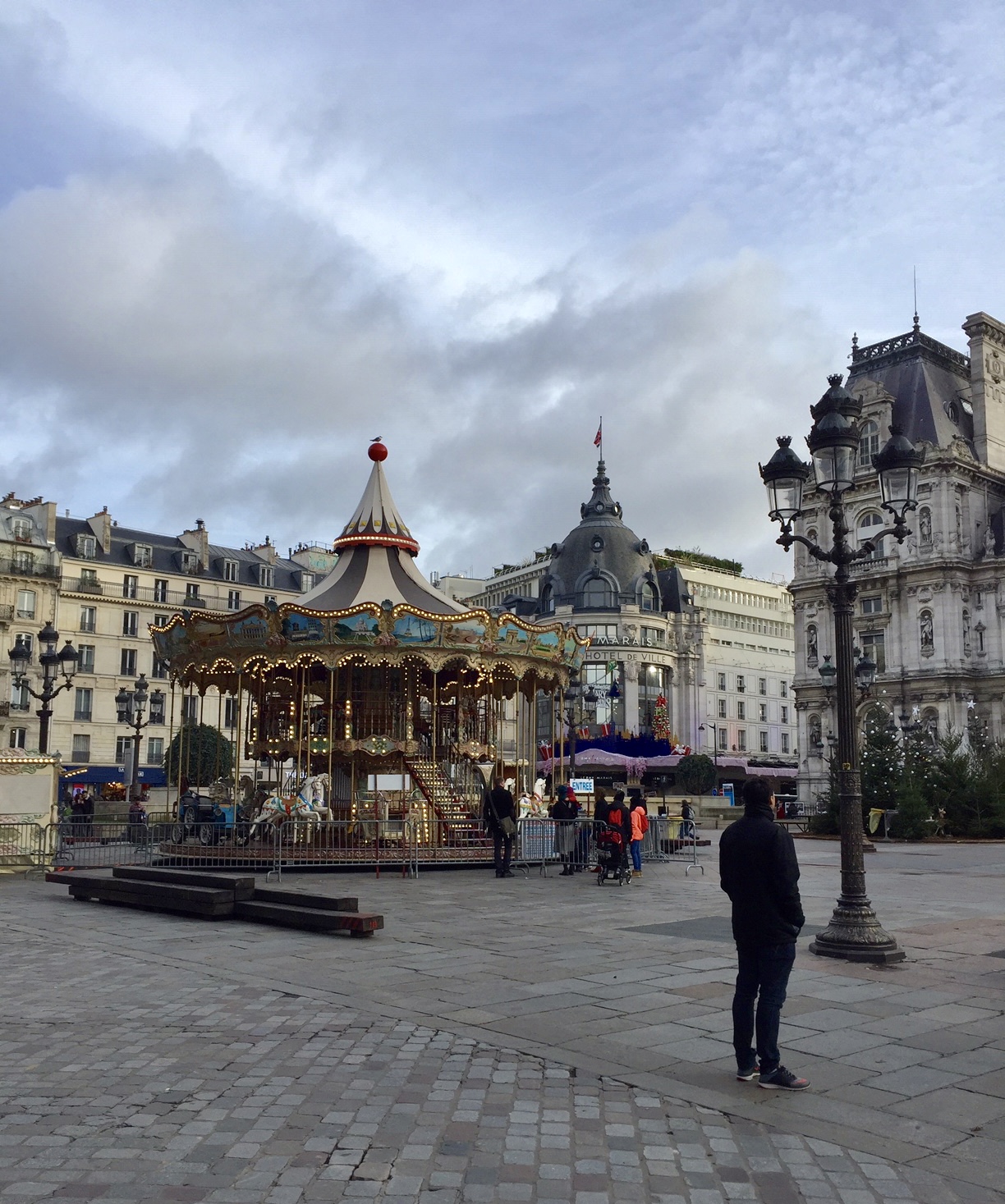
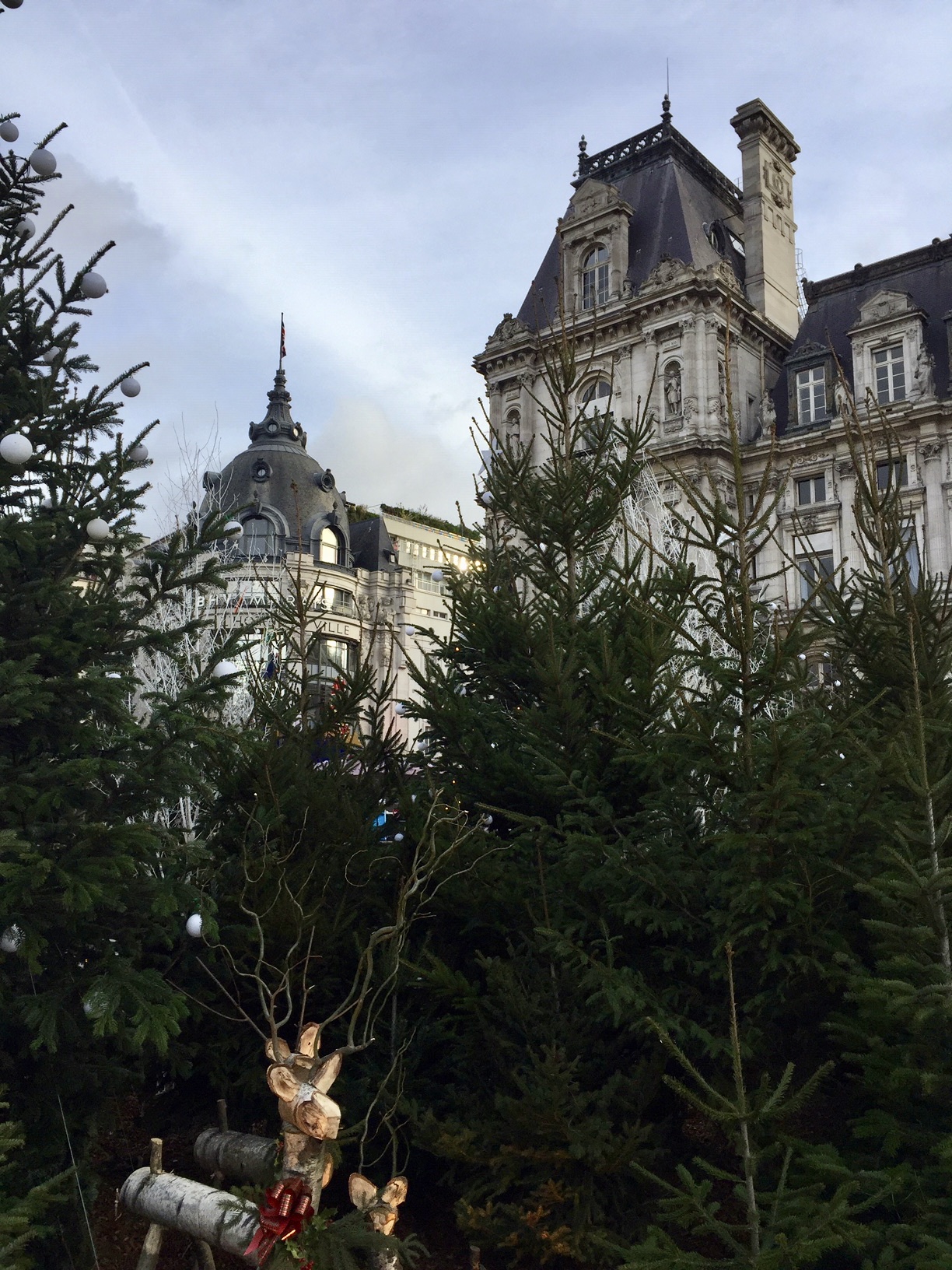
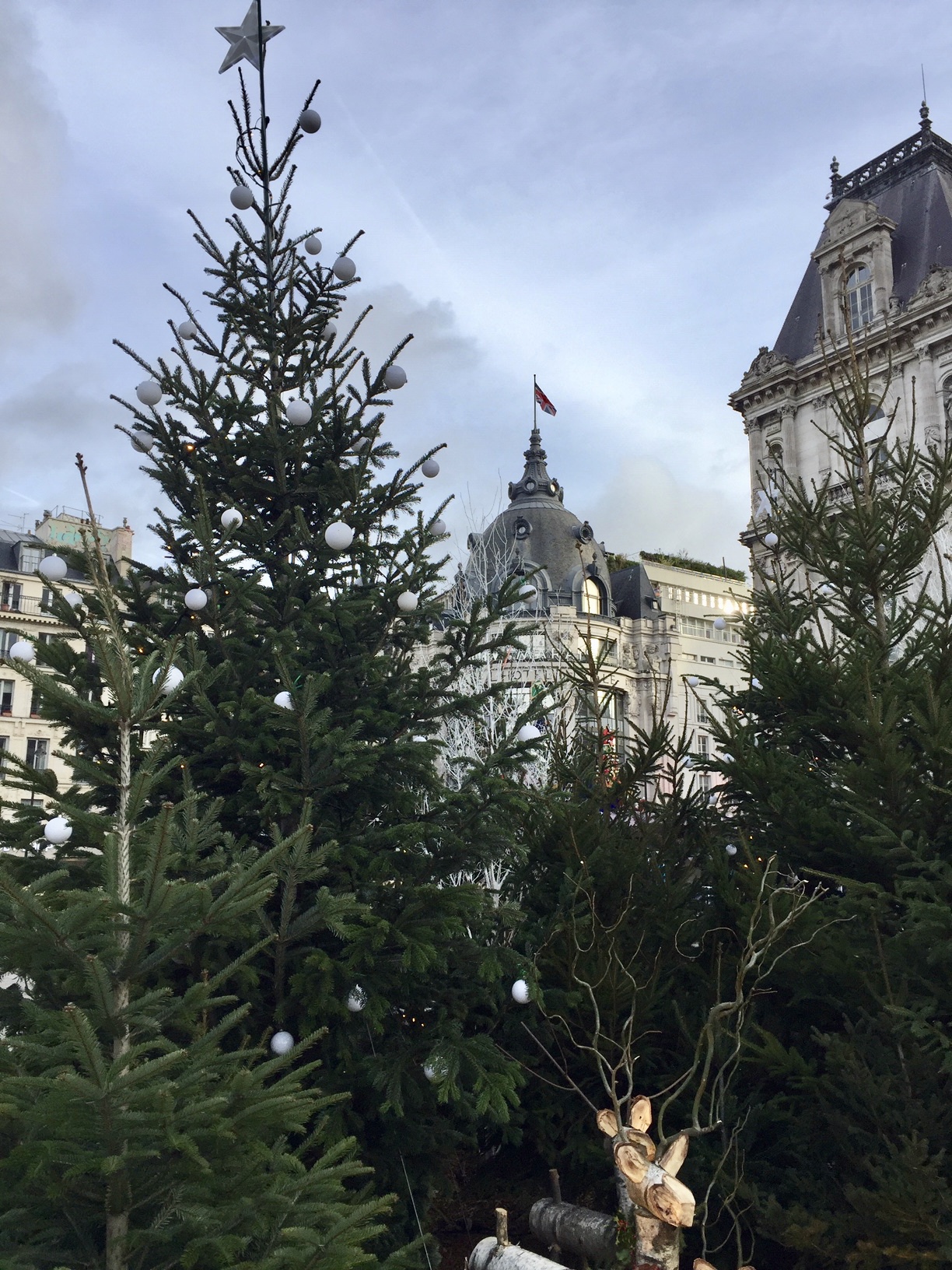
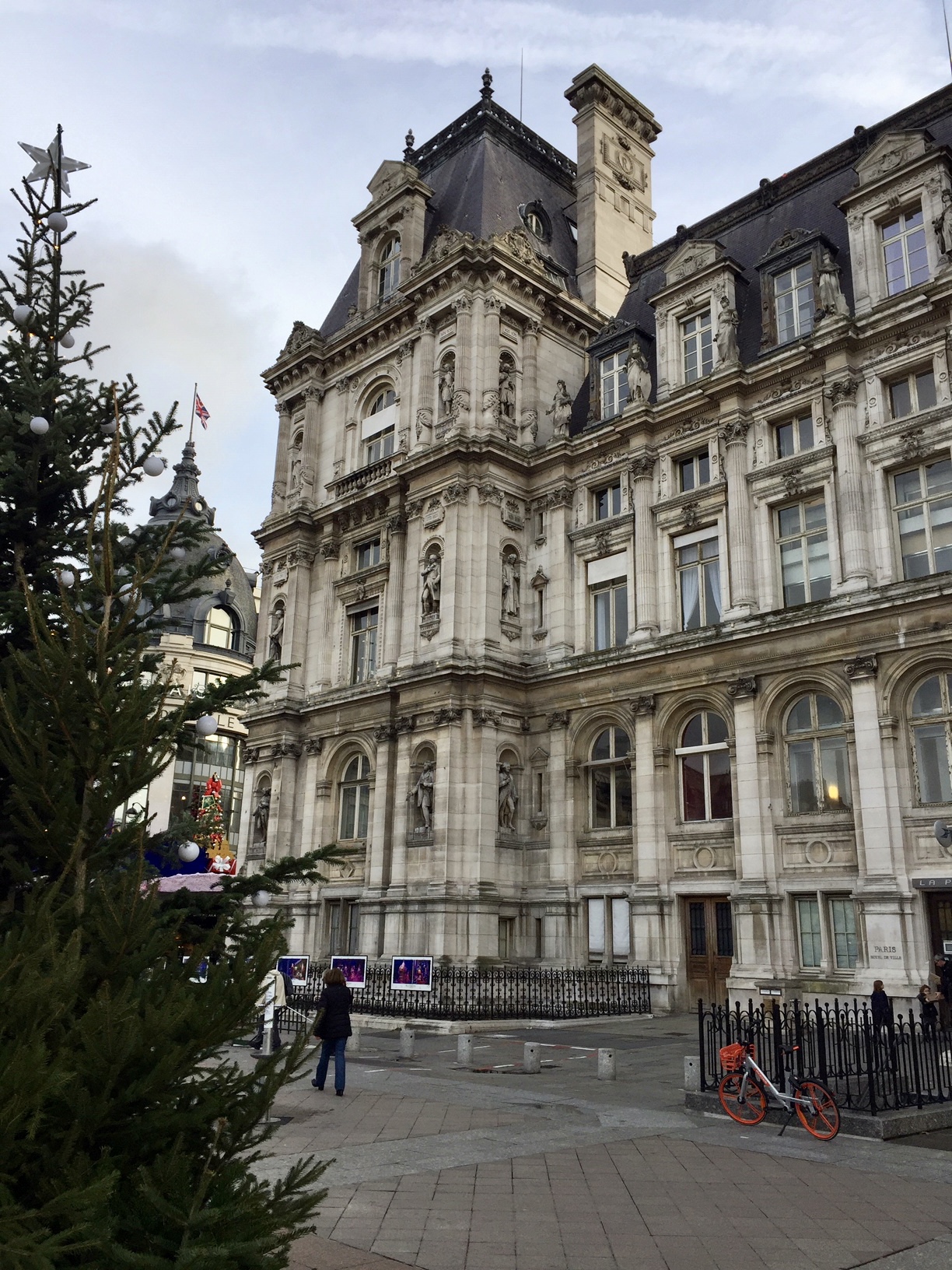
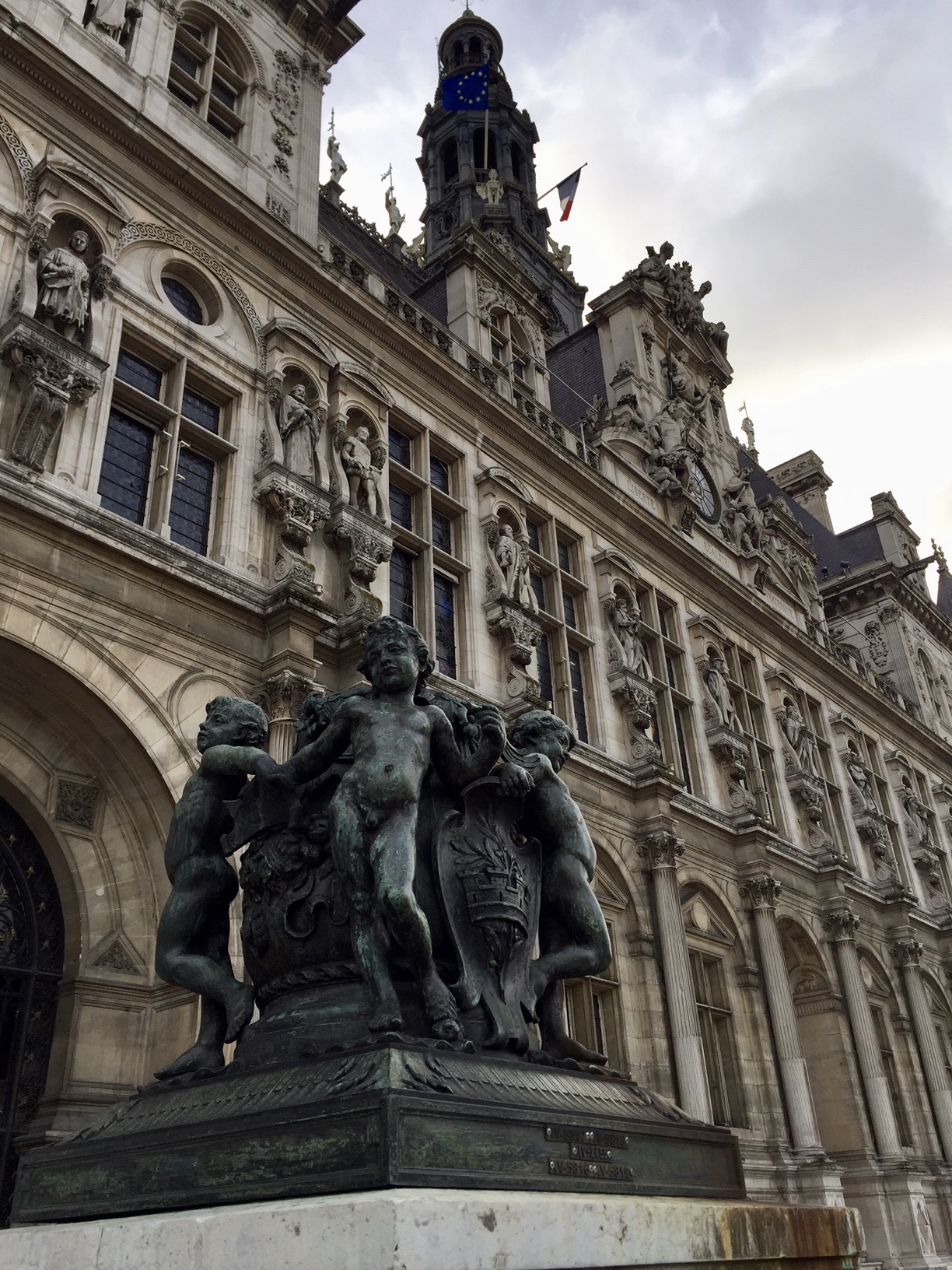
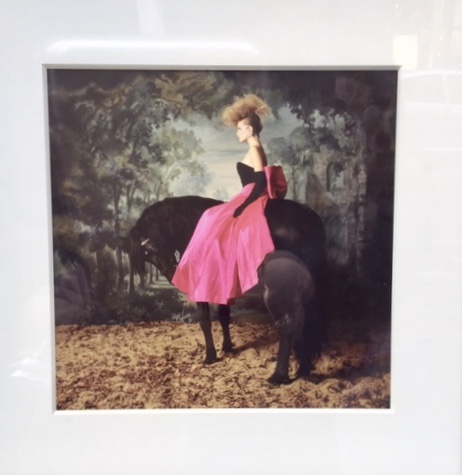
Strolling through the city I saw this fashion photo in a vitrine; the best way to ride a horse is in your pink silk taffeta ballgown! I wish I had known that growing up on the back of my horse!
Not far from city hall I wandered by Place Louis Aragon.
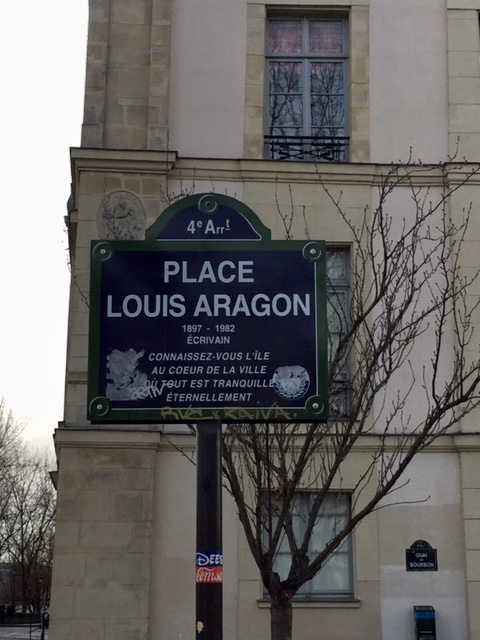
I was intrigued by the inscribed lines speaking of a tranquil island.
Connaissez-vous l’île
Au cœur de la ville
Où tout est tranquille
Éternellement
In English:
Do you know the island
In the heart of the city
Where everything is quiet
Eternally
I looked Louis Aragon up when I got back to my hotel: Louis Aragon (1897 – 1982) was a French poet and one of the leading voices of the surrealist movement in France. Place Louis Aragon is located at the tip of Ile Saint-Louis, near Quai de Bourbon, with amazing views of the cathedral of Notre Dame and the Seine. This small but extraordinarily located square is close to the apartment of Aurelian, where in Aragon’s novel of the same name the hero lived.
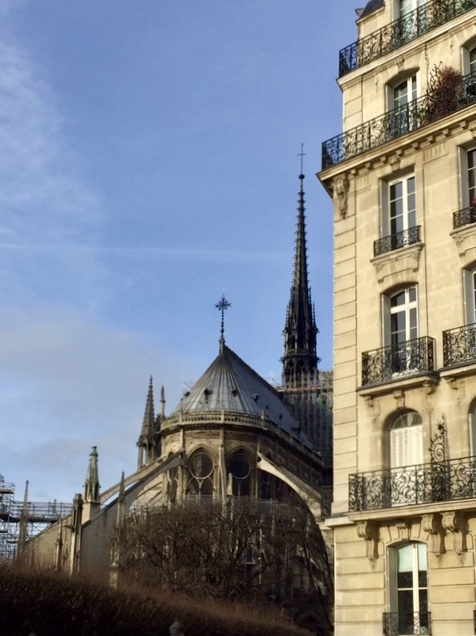
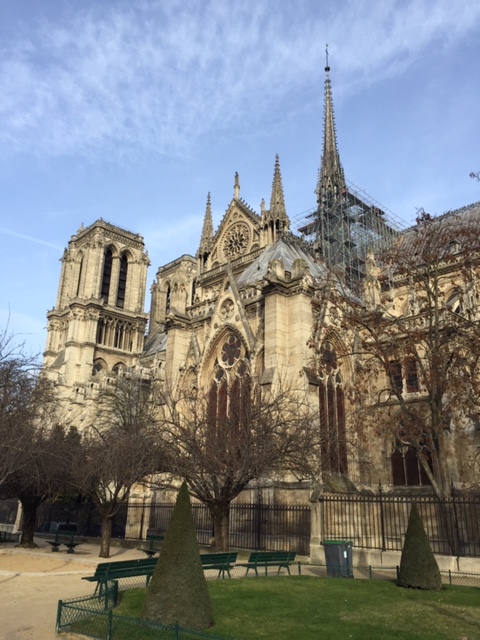
The apse end of Notre Dame begins to beckon:
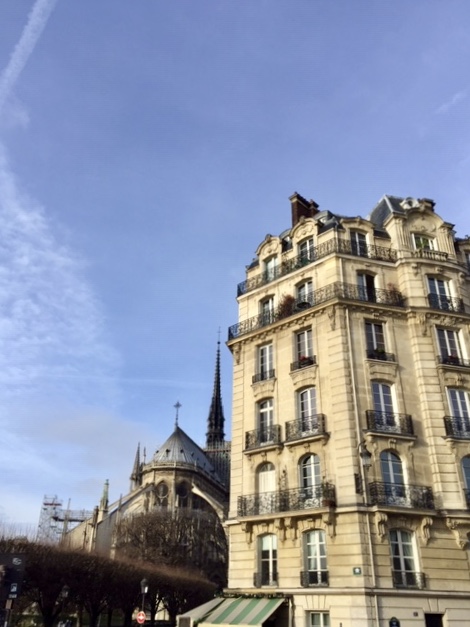
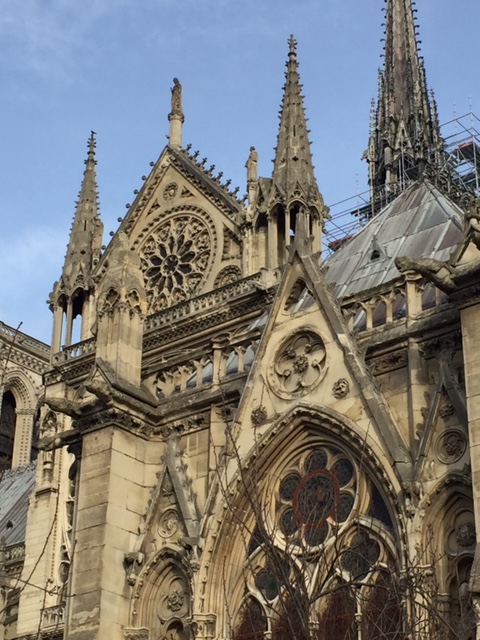
I spy the famed flying buttresses!
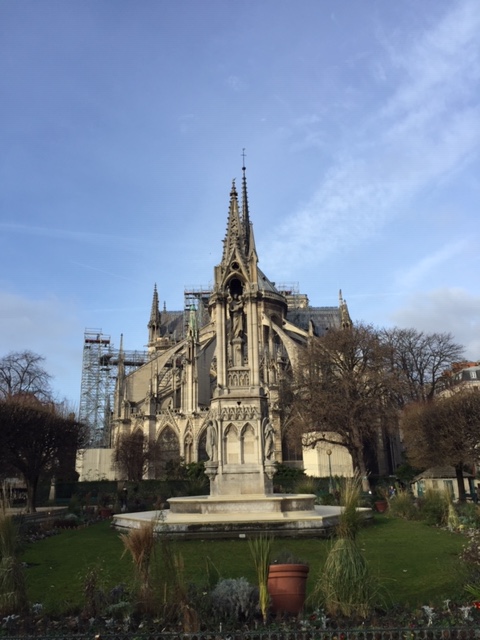
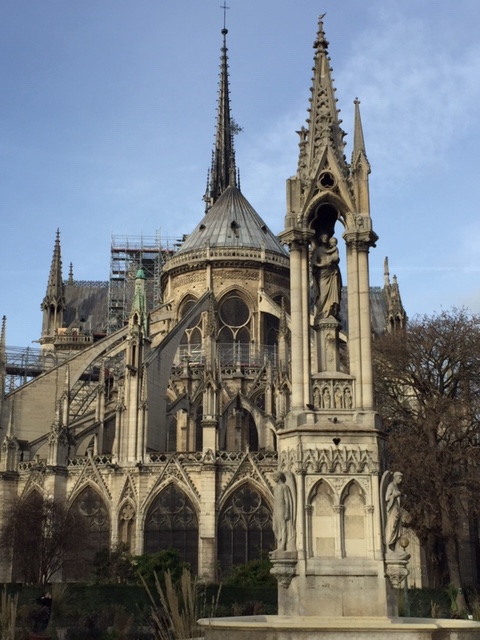
Once a garden designer, always a garden designer. I was interested to see that the gardeners here had tied up the ornamental grass plants. That must mean that the grasses don’t winter kill in Paris (they do in Colorado where my garden is), so they want to maintain the foliage. Who knew?!
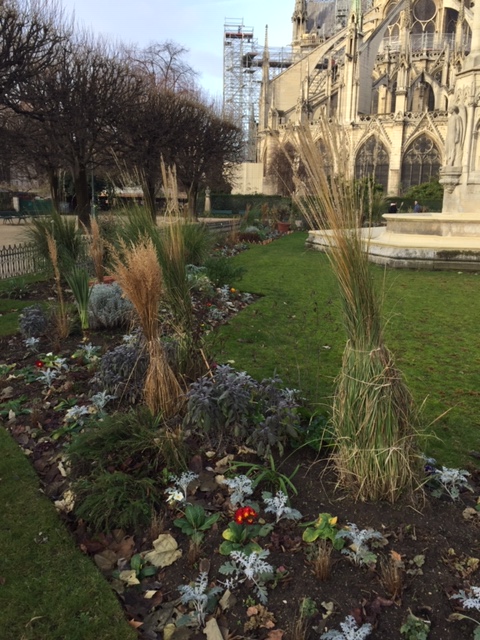
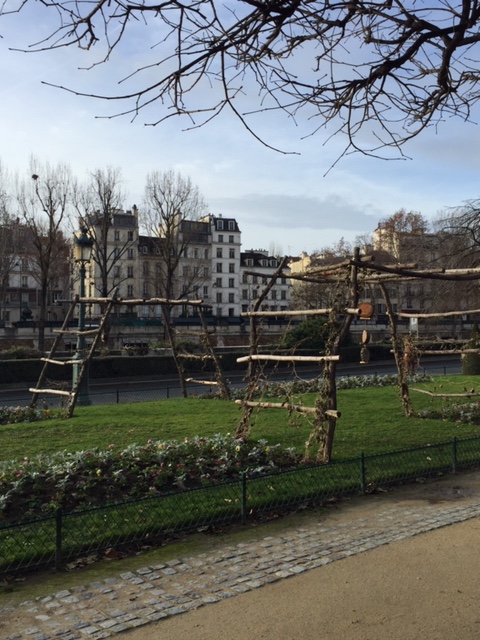
Walking along the Seine and rounding Notre Dame from the back to the front, I saw other gardens with roughly-cut and crudely crafted structures for plants to climb. These came as a surprise in Paris, where everything is so formal and structured.
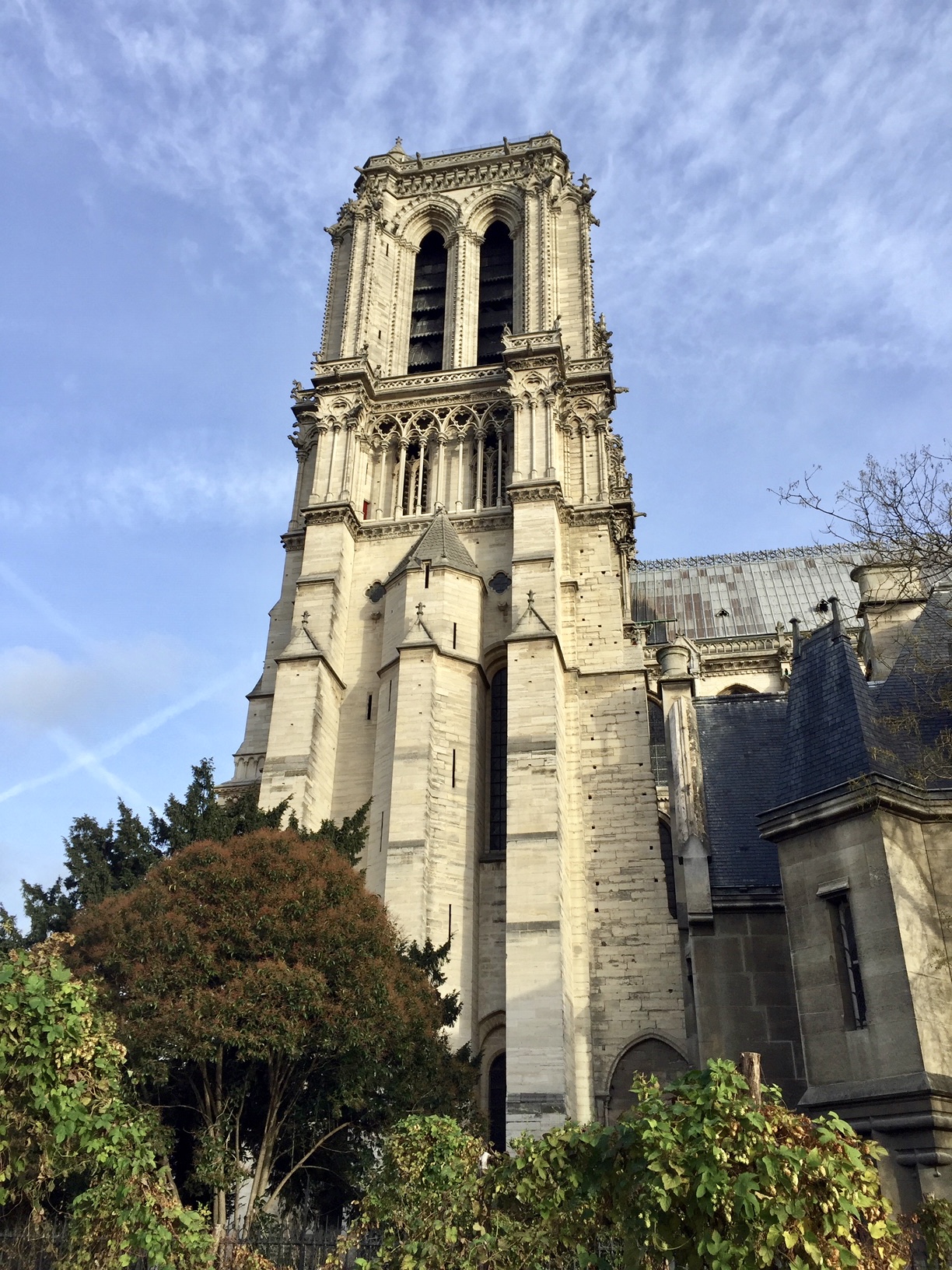
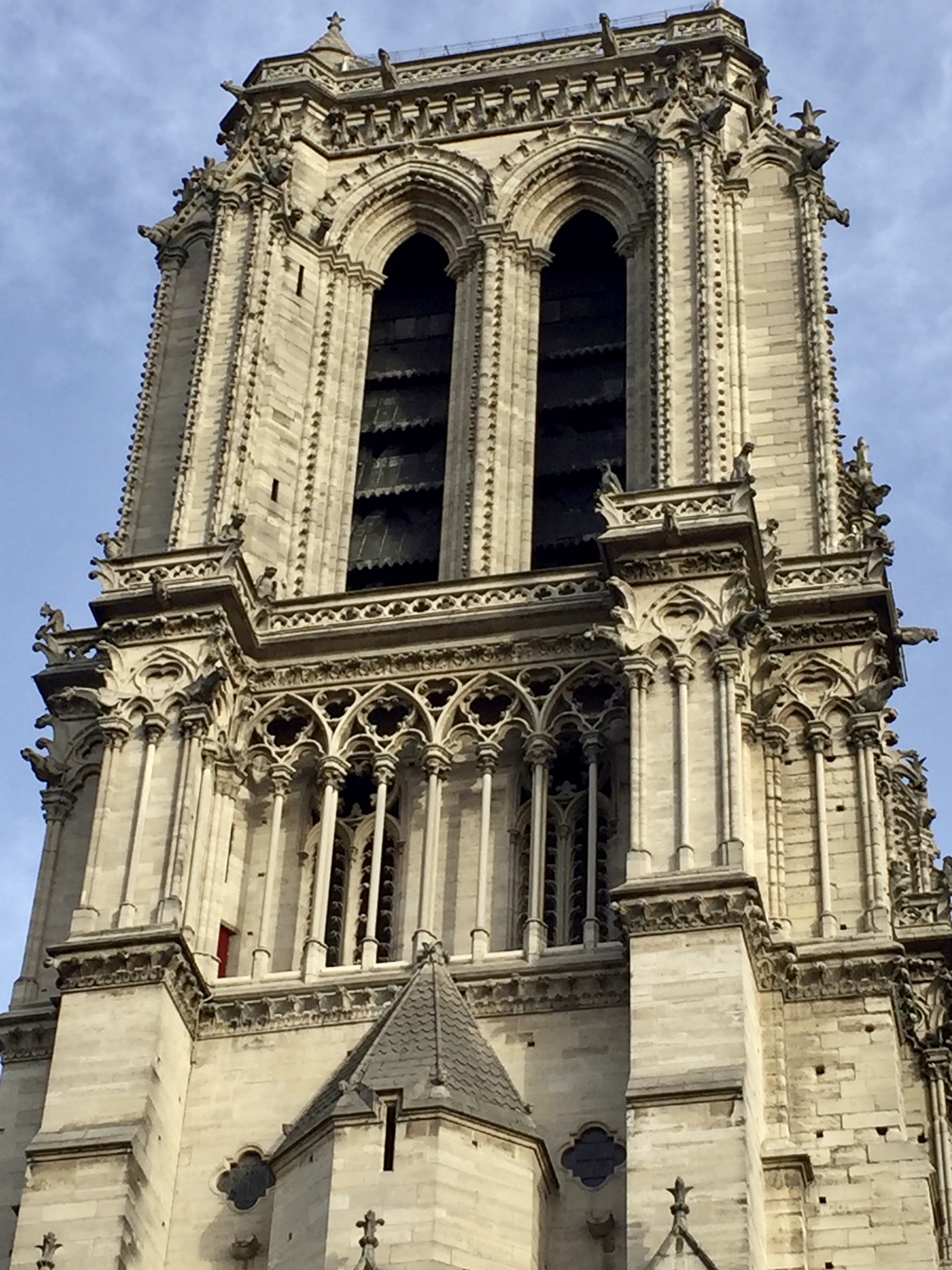
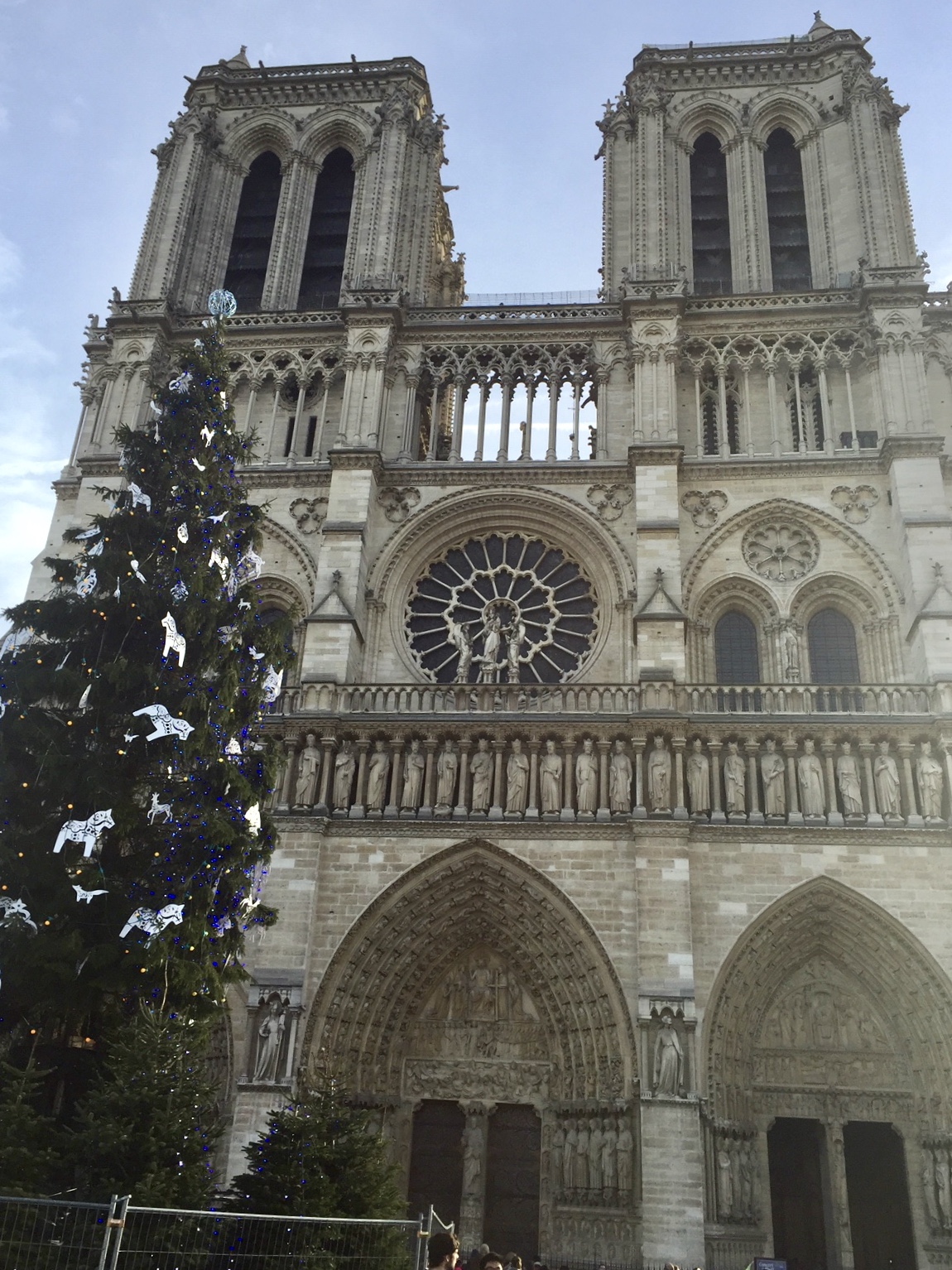
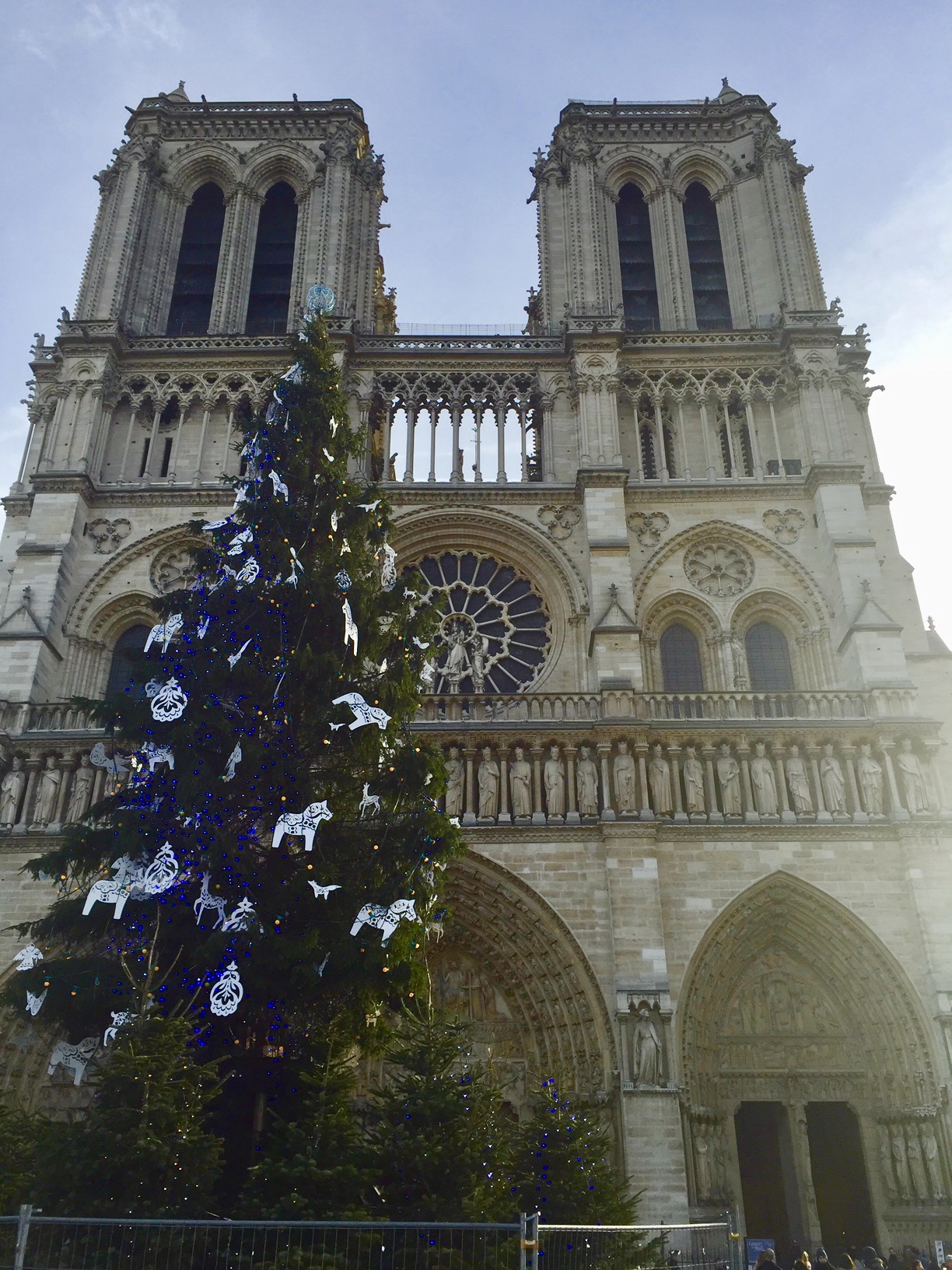
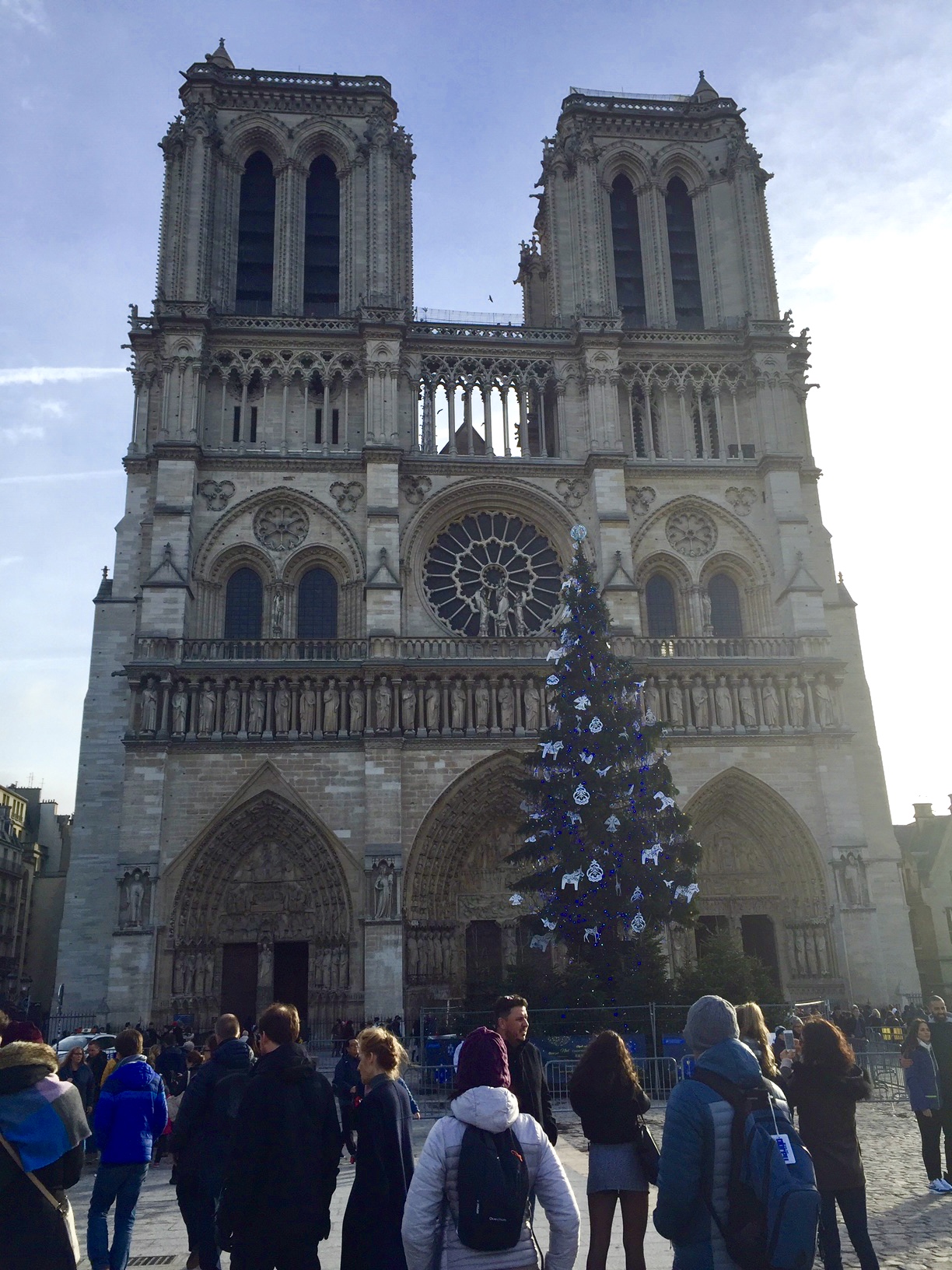
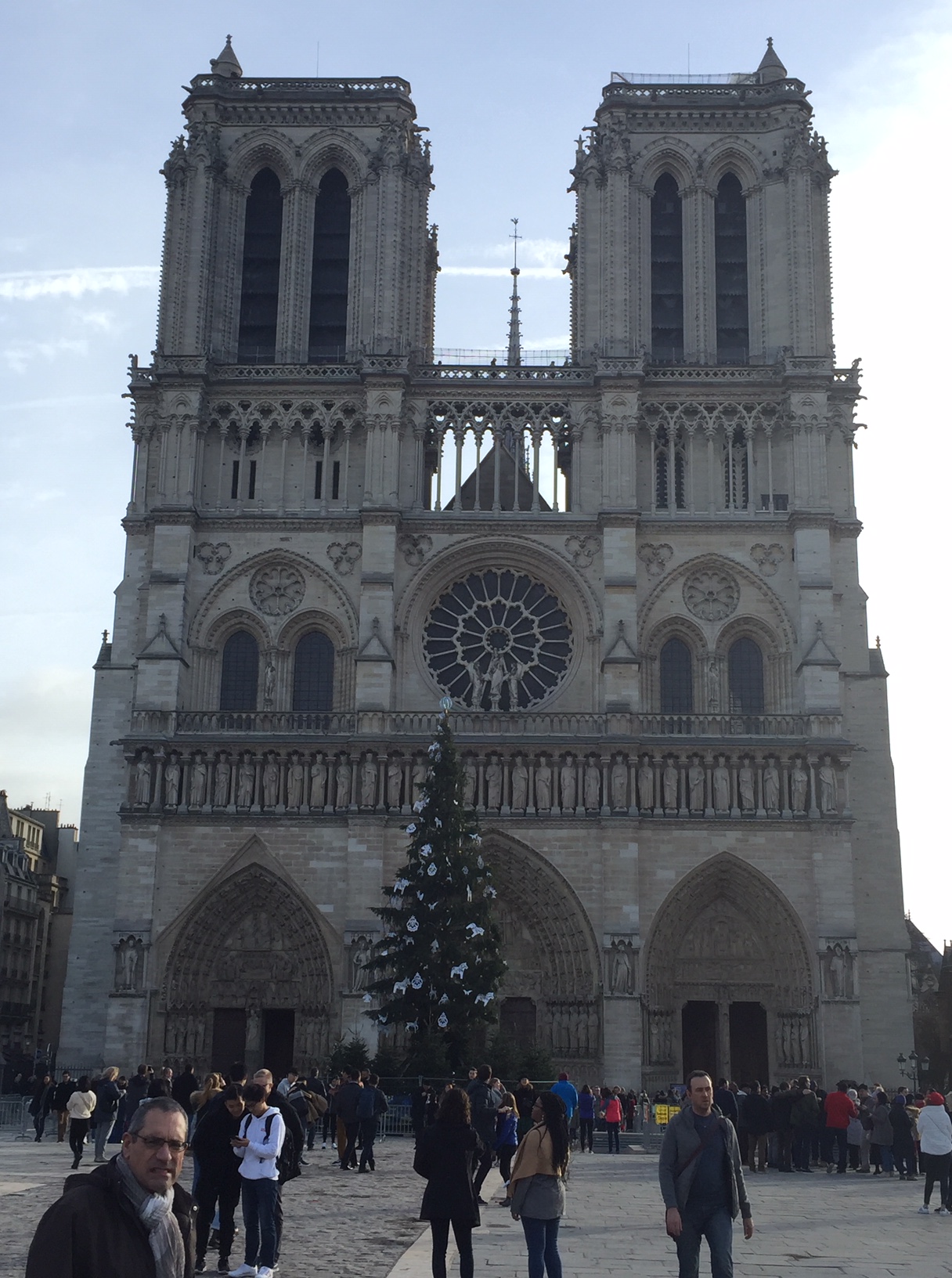
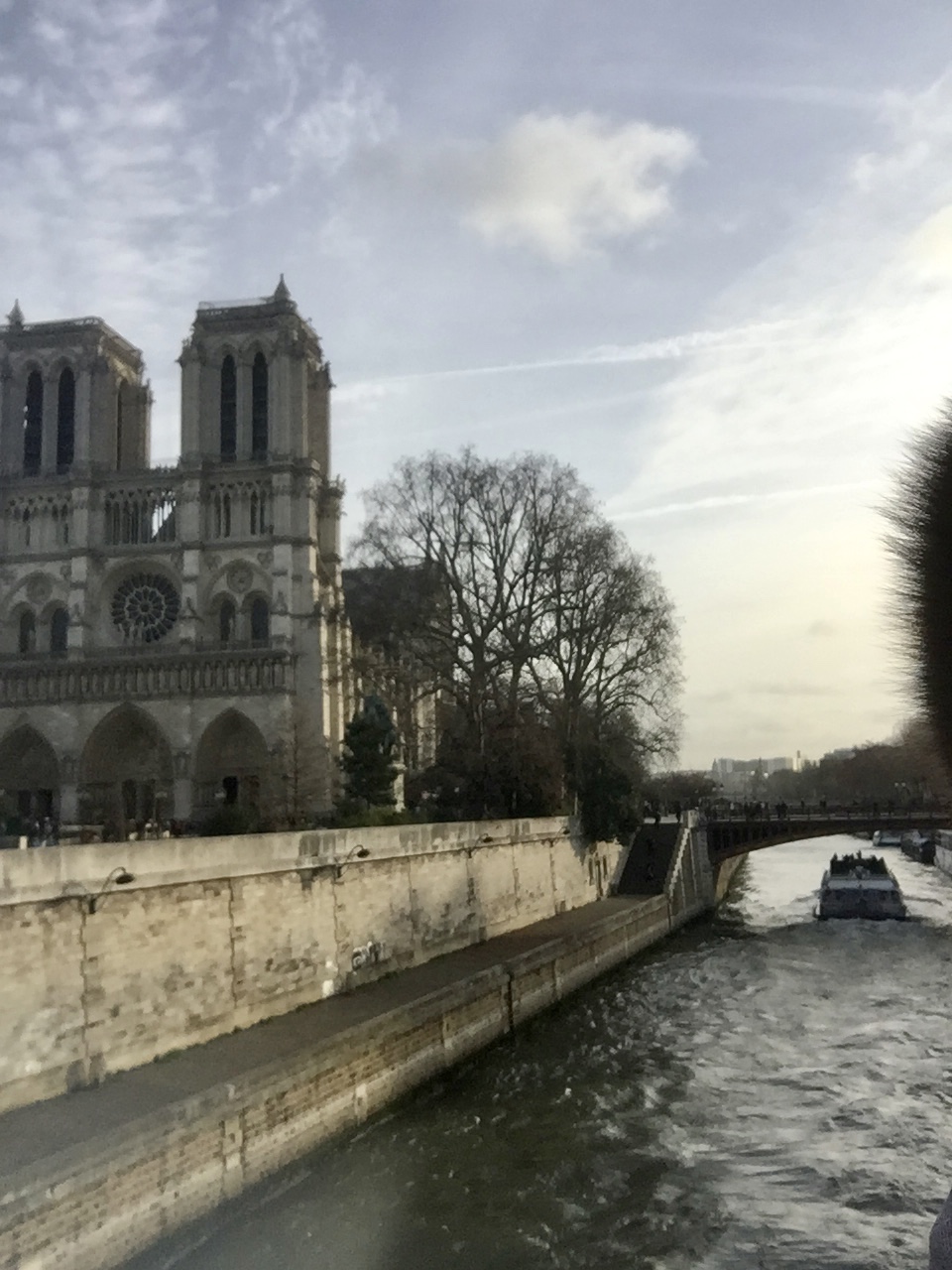
I’m going to post the next few pix of Notre Dame in silence. This beautiful, iconic building needs nothing from me:

So you want to be French?
RÉVEILLON VS CHRISTMAS DAY
If you’re looking to pull out all the stops for a French Christmas dinner, make sure you’re doing it on the right day! The biggest meal of the holiday is usually eaten on Christmas Eve, known as le Réveillon, instead of on Christmas Day. The starters often consist of foie gras, oysters, or escargots, followed by a bird–often a capon or turkey–and finishing with the bûche de Noël, or Yule log, as well as other treats like chocolates and nougat. All washed down with wine, it’s a wonder the French ever make it to midnight Mass afterward.
Feeling French trois (3)!
This hypnotic track is made even more intriguing because not much is known about it. It was part of the 2-CD Francotronic electronica compilation released in 2004. In any case, it ‘comes with a message’.
Giardino Giusti, Verona
There’s a place in Verona that thrills my soul. You guessed it, it’s a garden. Until last week (December 2018) I had never even heard of this amazing place! Italia never ceases to amaze!
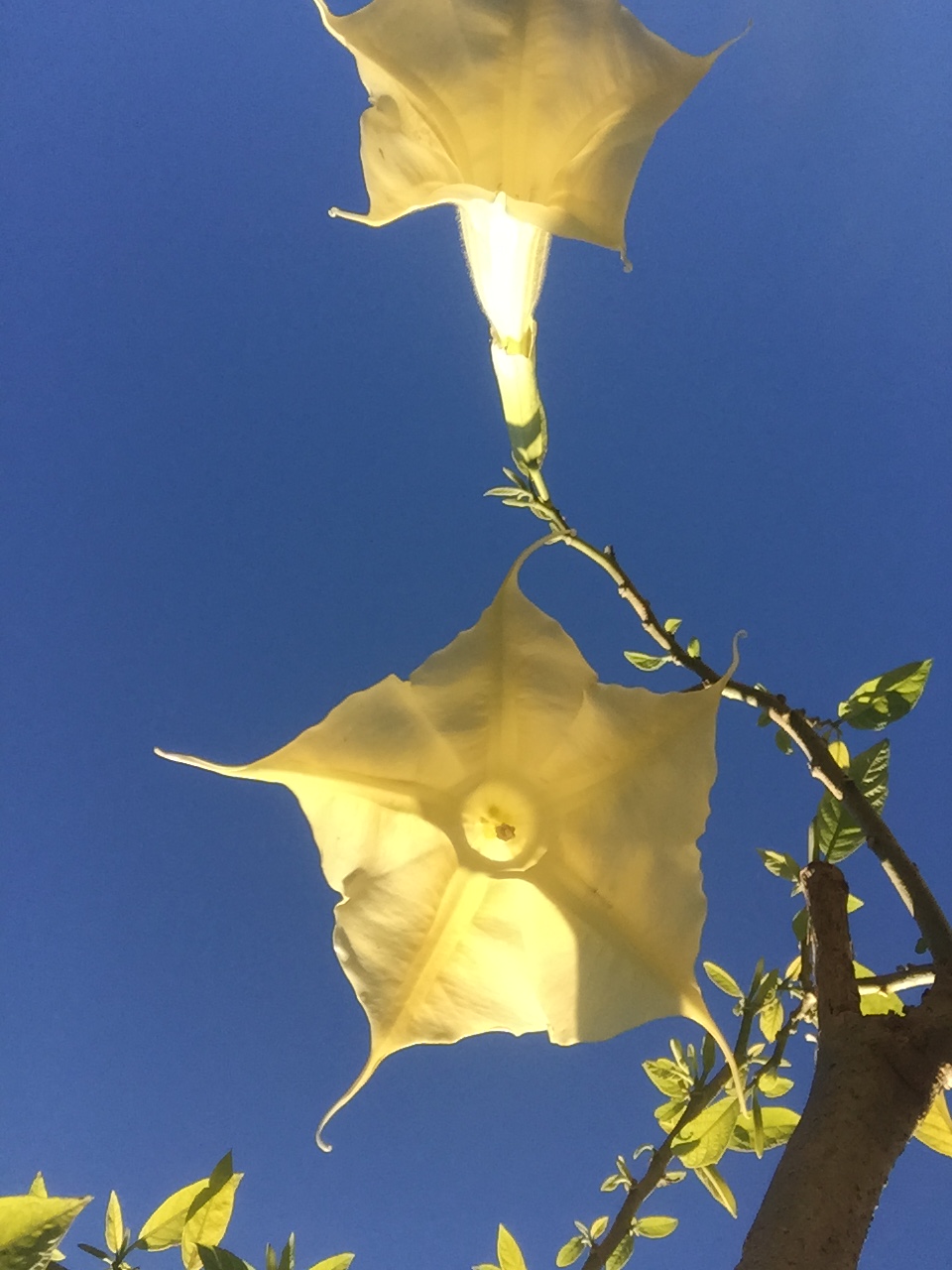
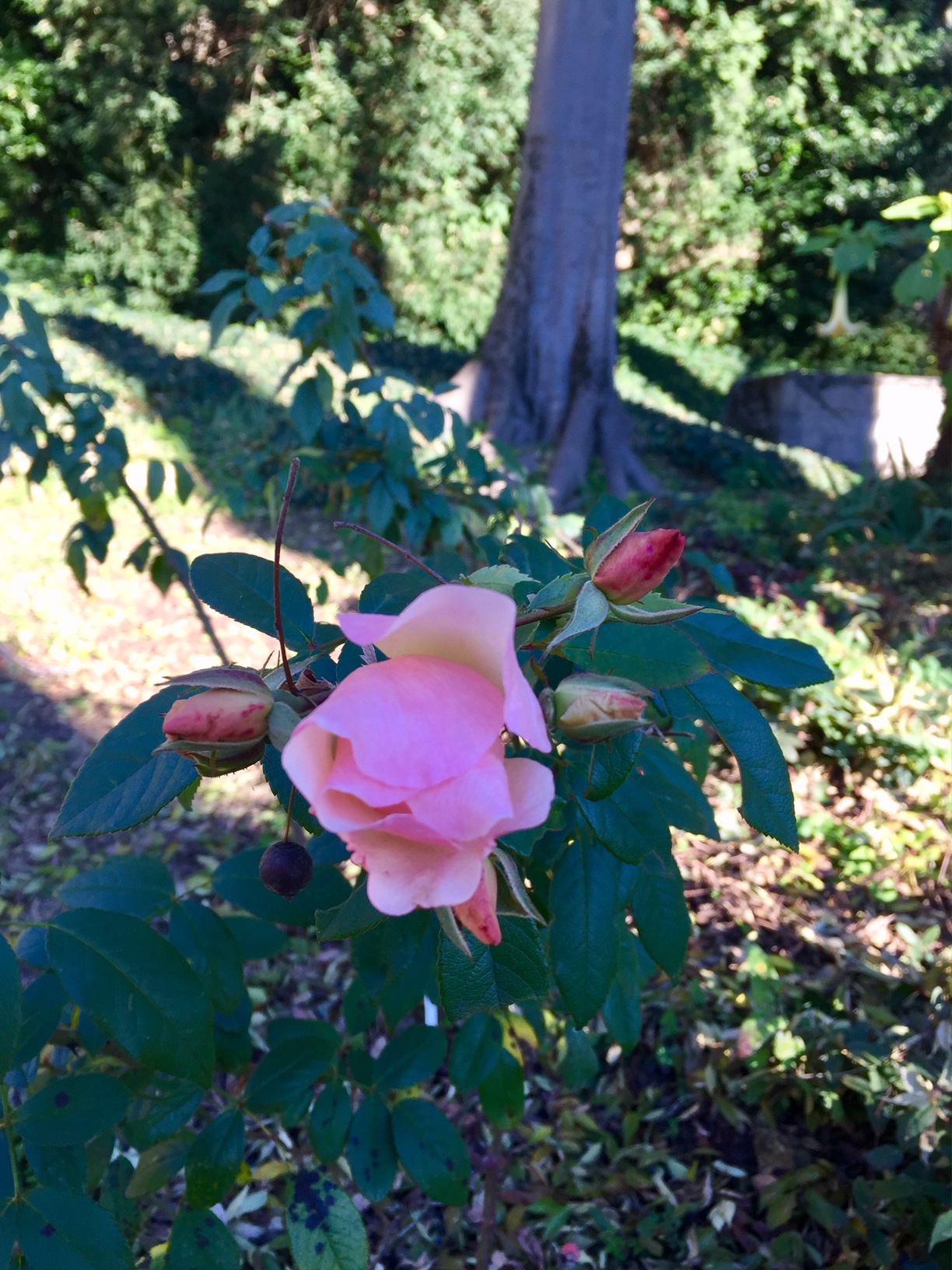
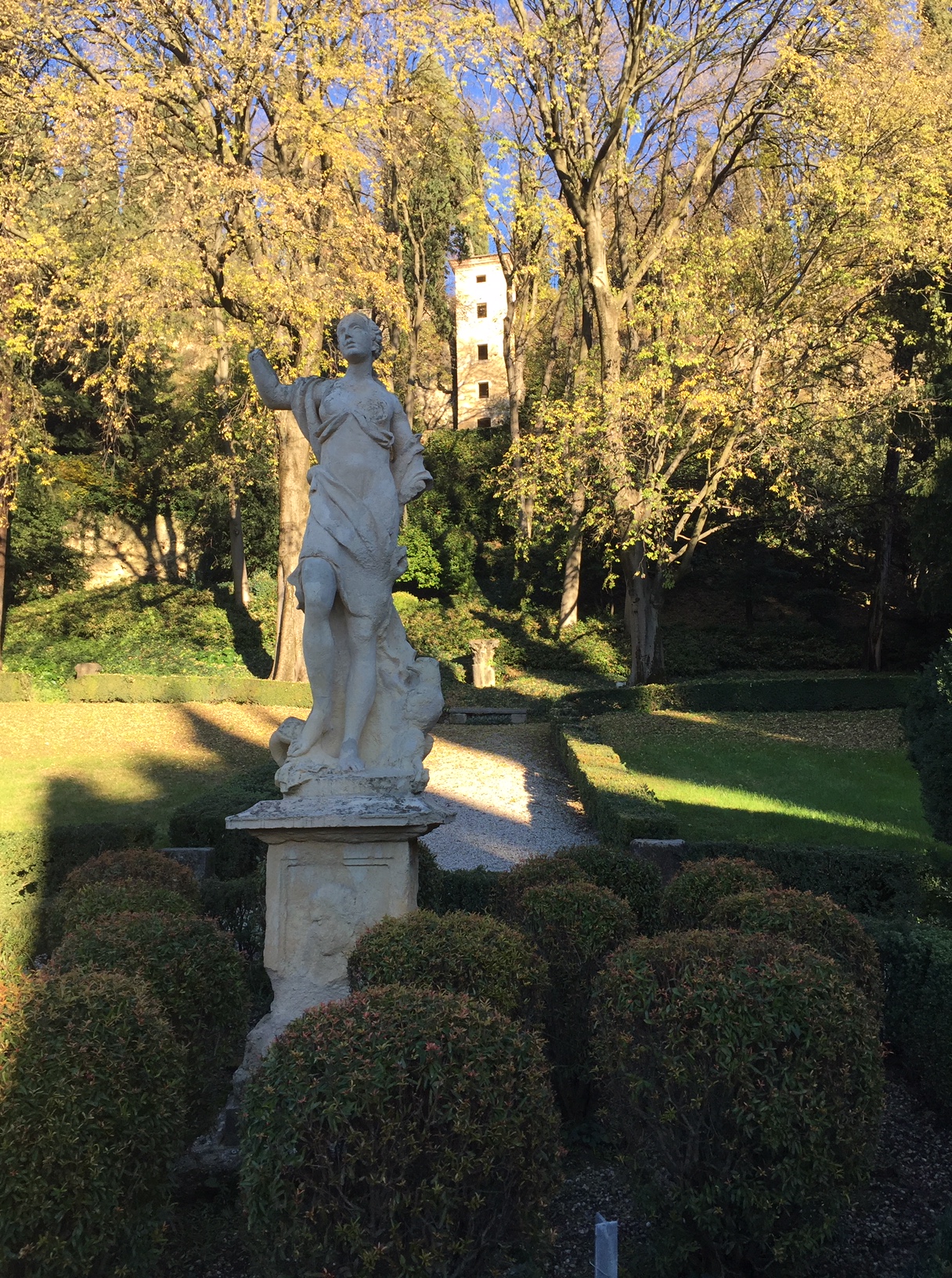
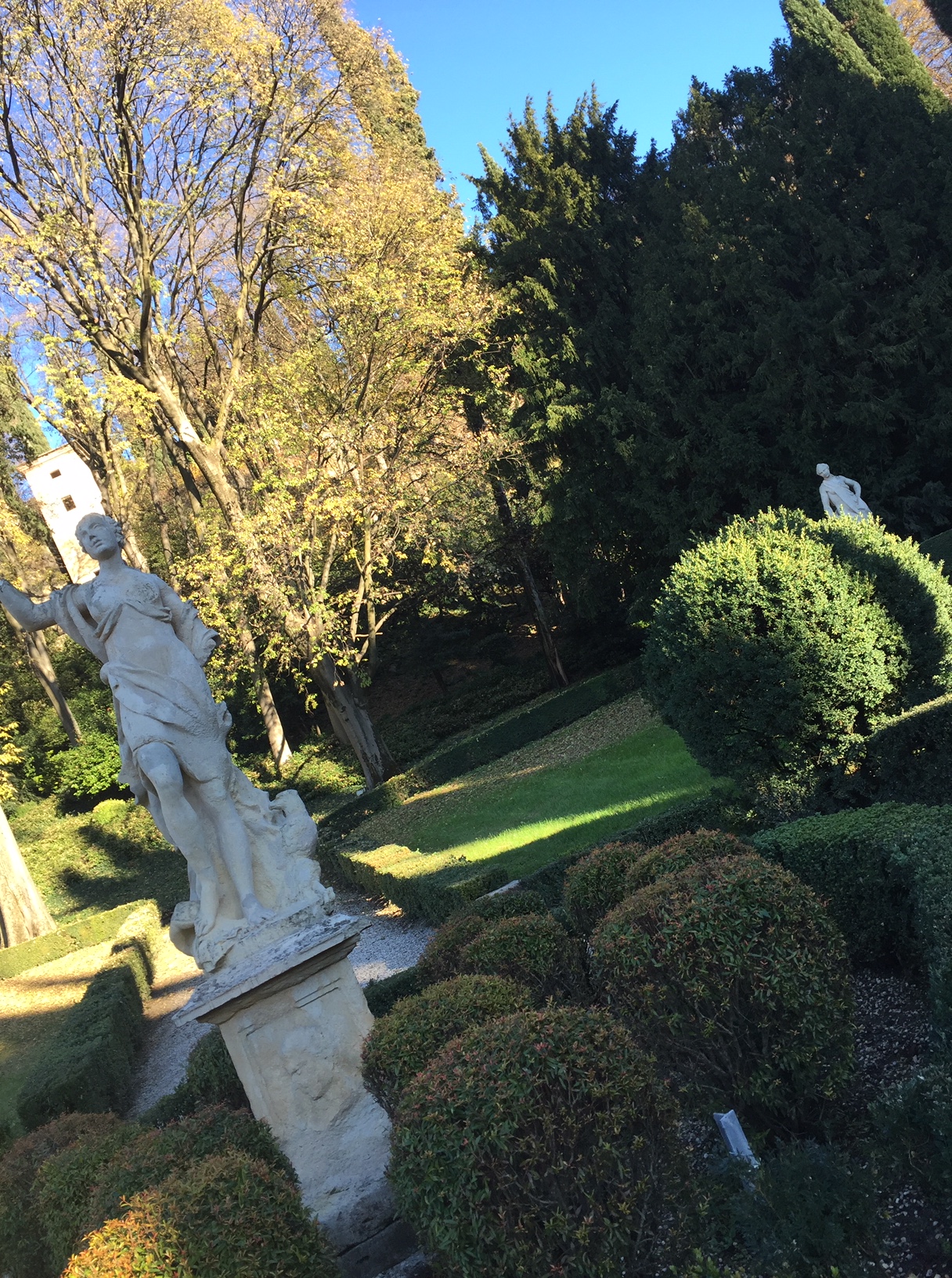
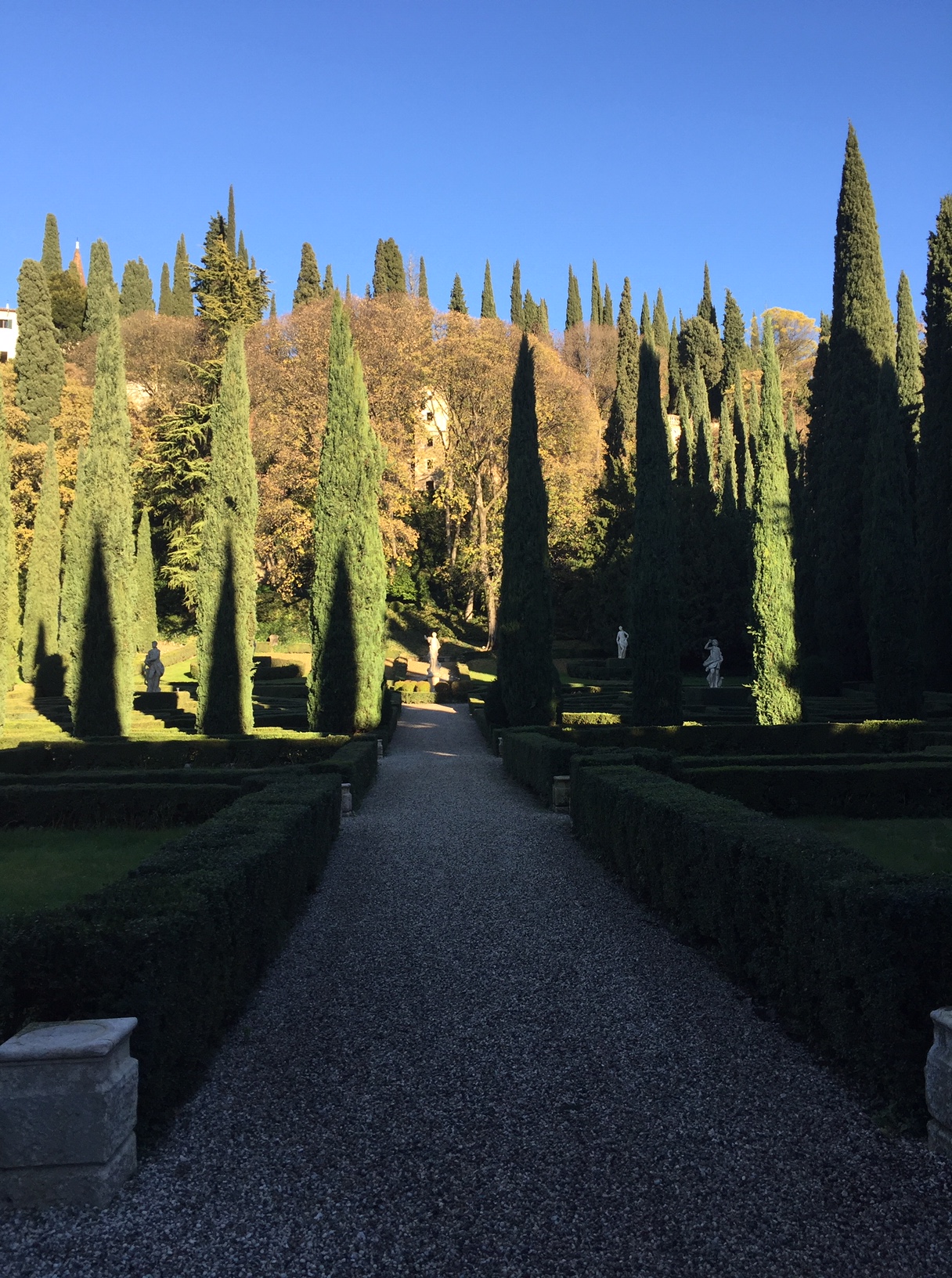
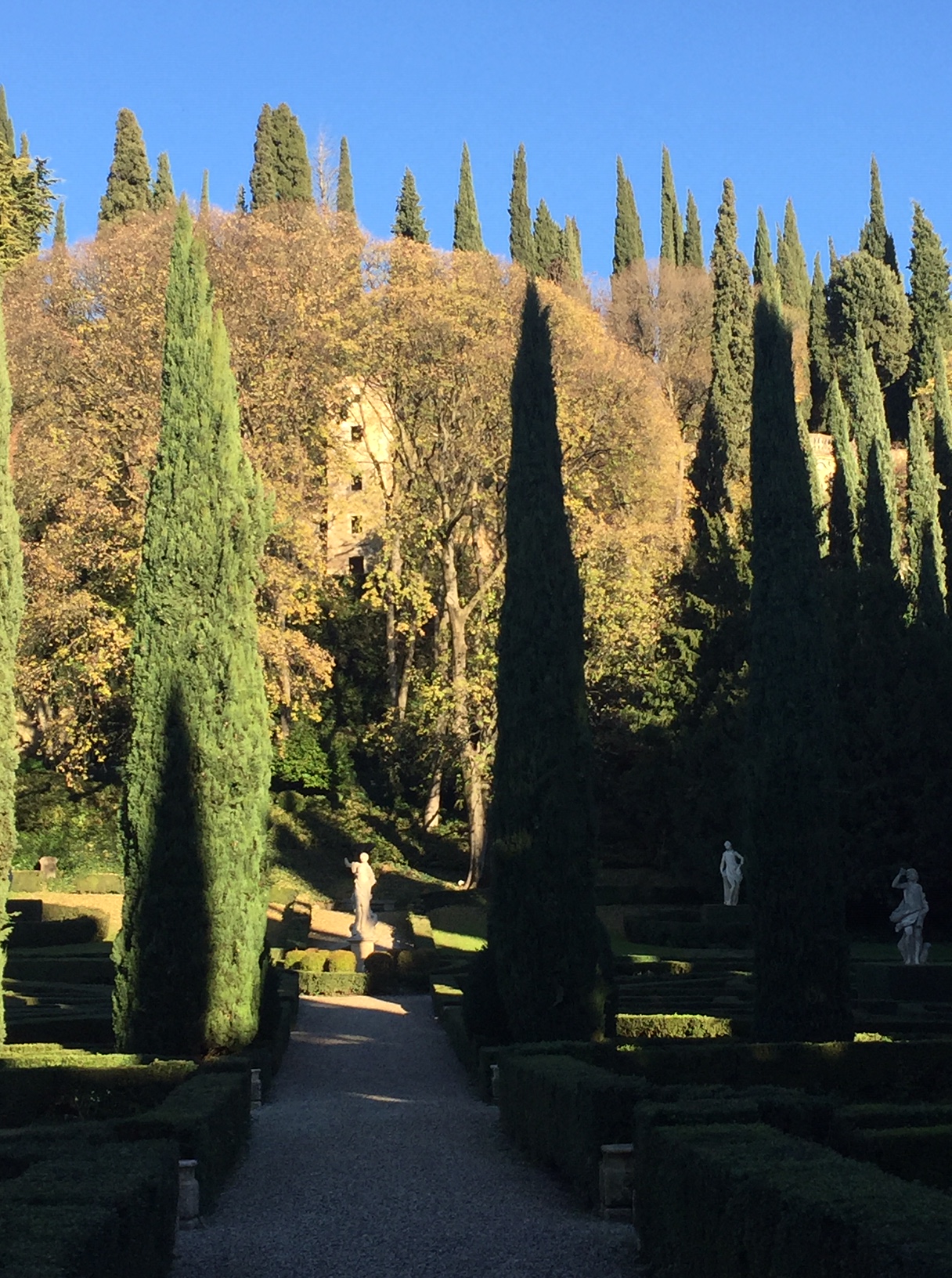
Here’s an amuse bouche:
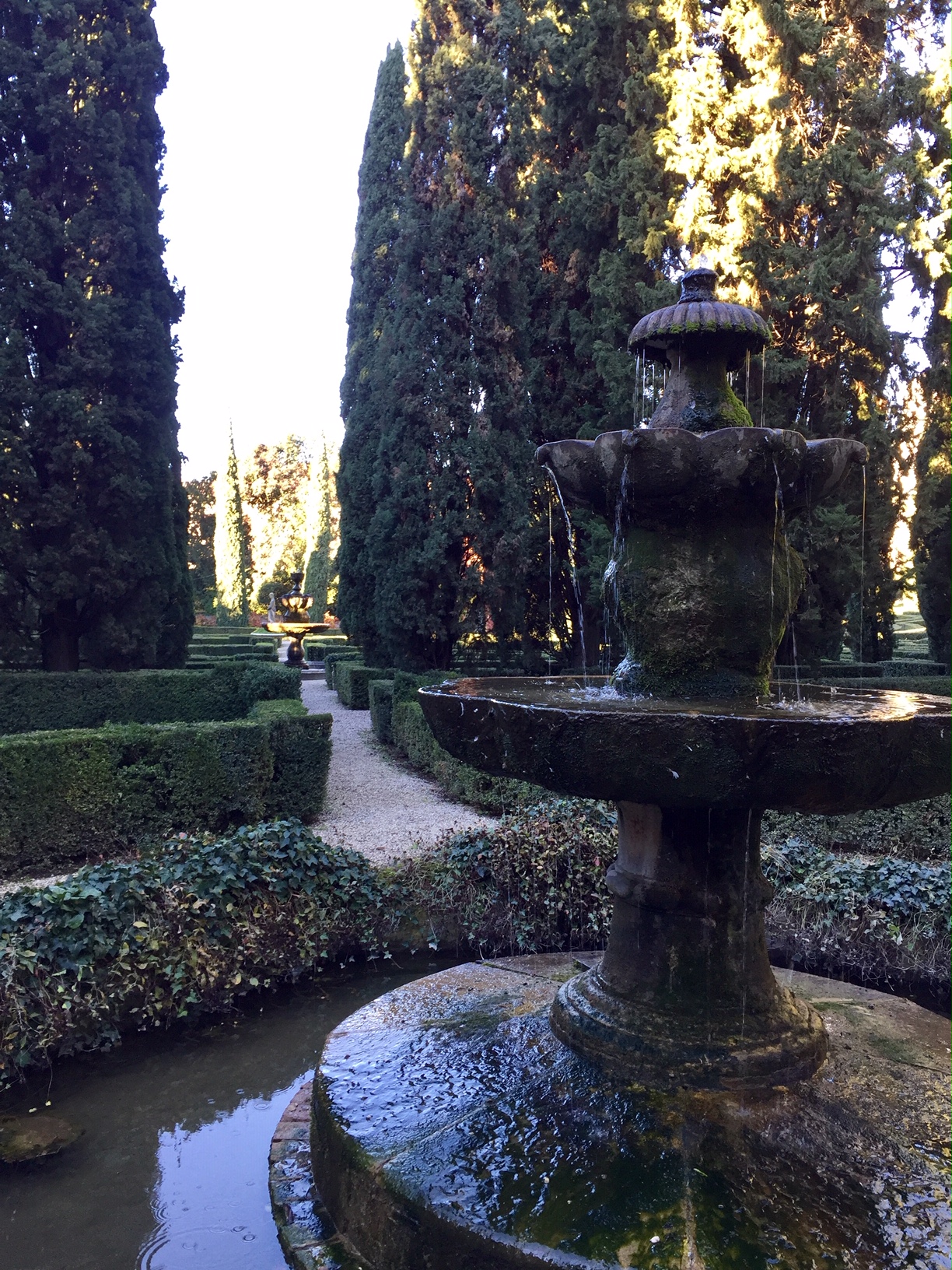
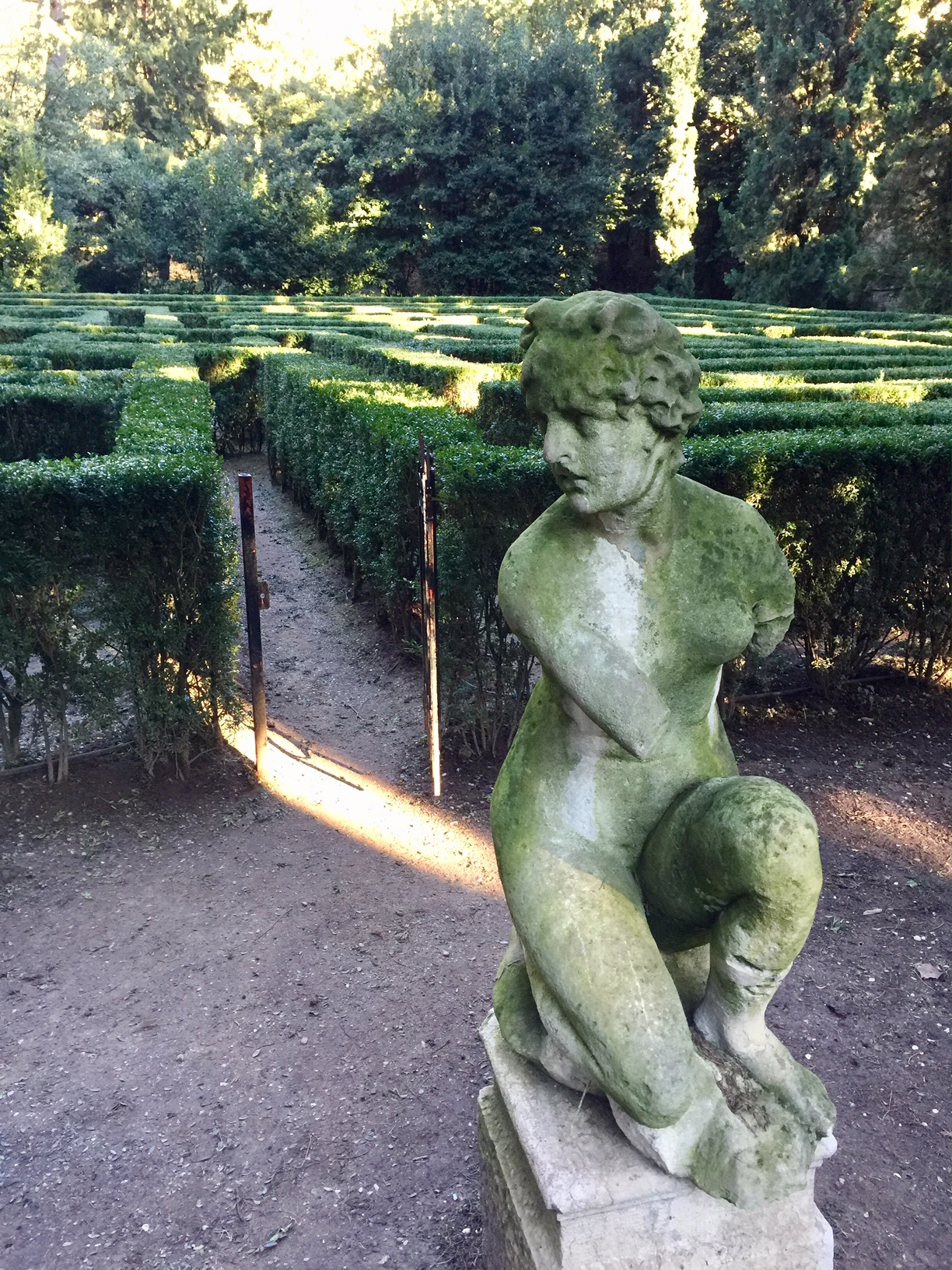
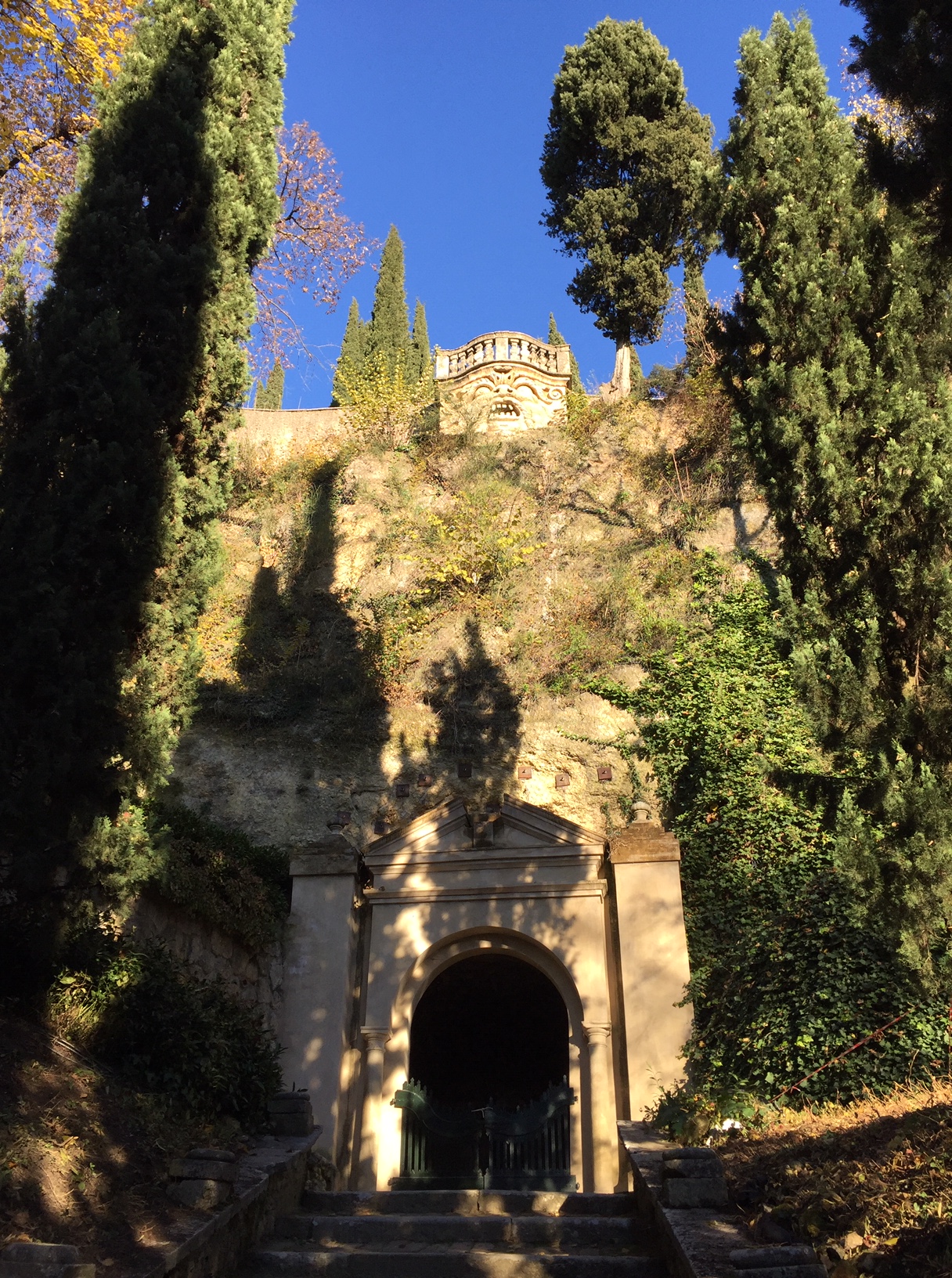
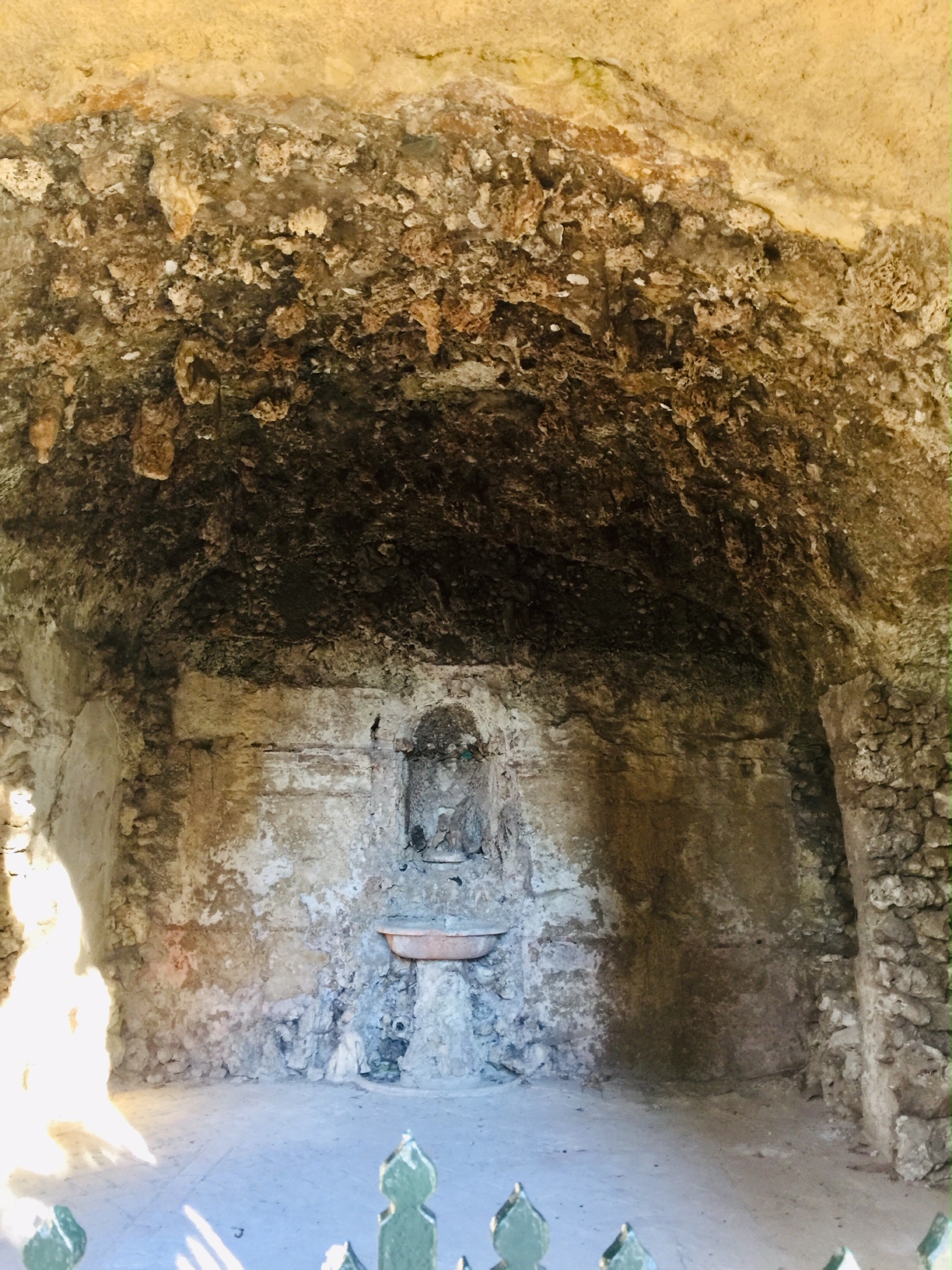
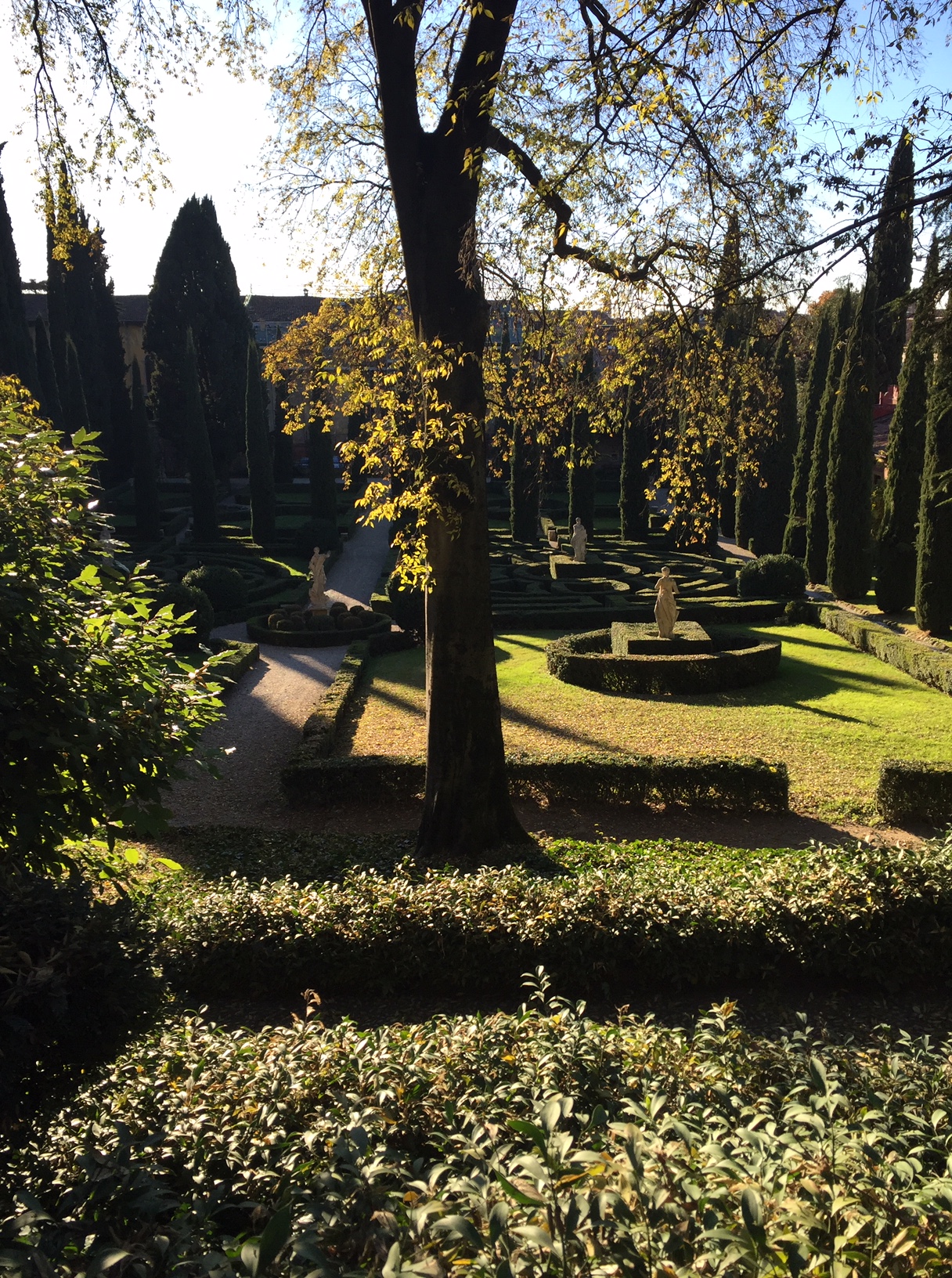
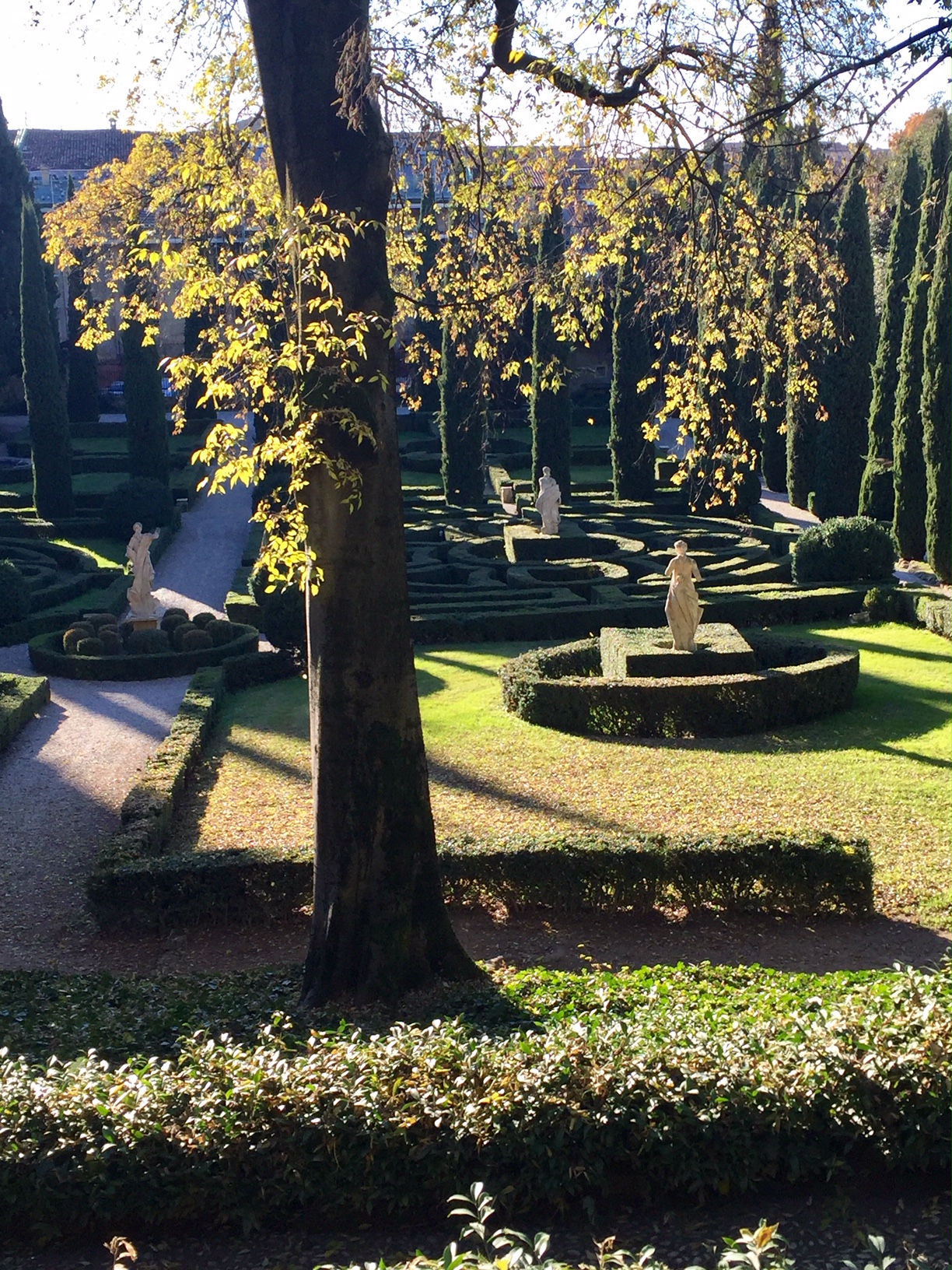
This magnificent Italian garden, designed and created in the 16th century, belonged to the Giusti family. It contains age-old trees, gargoyles, fountains, grottoes (which echo strangely) and ancient inscriptions all immersed in a carefully landscaped setting which take advantage of the various levels of the terrain.
The garden was visited by famous tourists such as Goethe and Mozart.
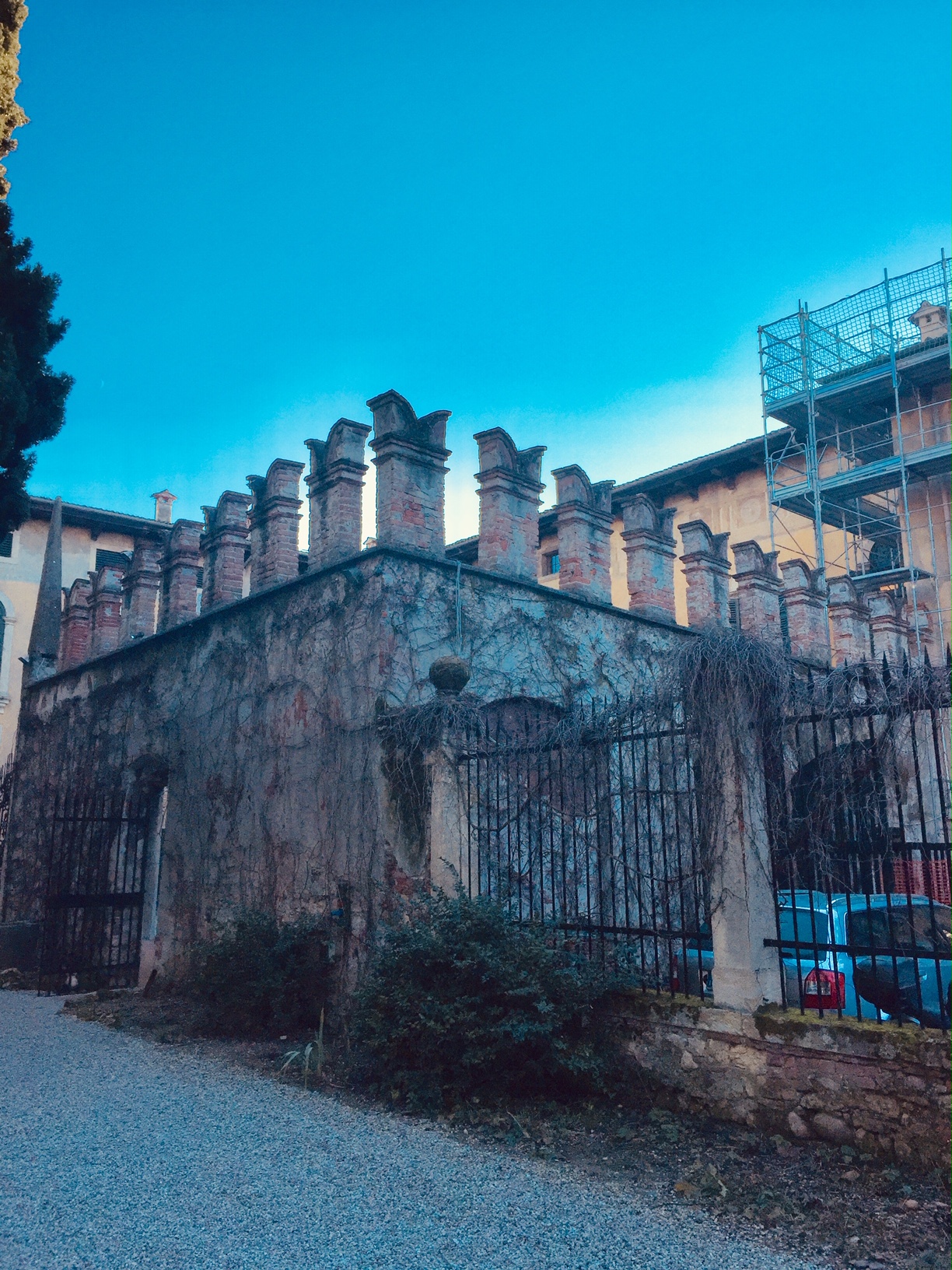
The Giusti Palace in Verona, a Mannerist design, was also built in the 16th century.
The garden is considered one of the finest examples of Italian garden design. The gardens were planted in 1580 and are regarded as some of the most beautiful Renaissance gardens in Europe, a splendid park of terraces climbing upon the hill.
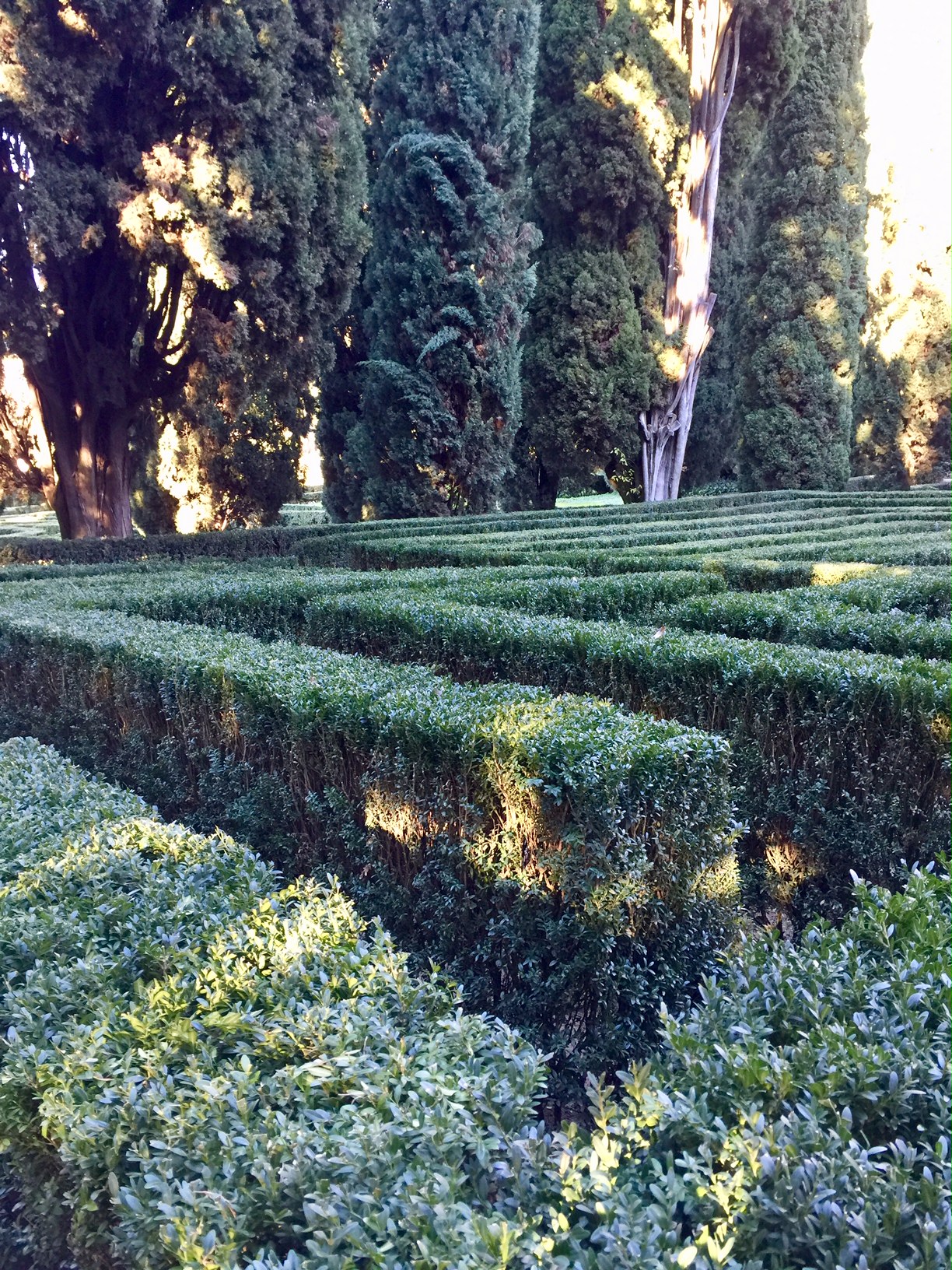
They include a parterre and hedge maze, and expansive vistas of the surrounding landscape from the terrace gardens.
First, only two square parterres right and left hand of the cypress way were designed, and a maze behind the right one, as figured in Nürnbergische Hesperides in 1714.
Some years later, four additional flower parterres were laid out left hand, as to be seen at a map in the Verona State Archives. The booklet, Il paradiso de’ Fiori by Francesco Pona (1622) informs about the plants used in this time in Giardino Giusti as does also some planting sketches by Pona included in the new edition of this book, Milano 2006.
The actual unifying layout of the garden parterres dates from early 20th century. The maze was reconstructed after 1945.
The Giusti family, owner of the palace since the 16th century, was entitled by the Austro-Hungarian Emperor to change its original surname to “Giusti del Giardino” because of the importance of the gardens.
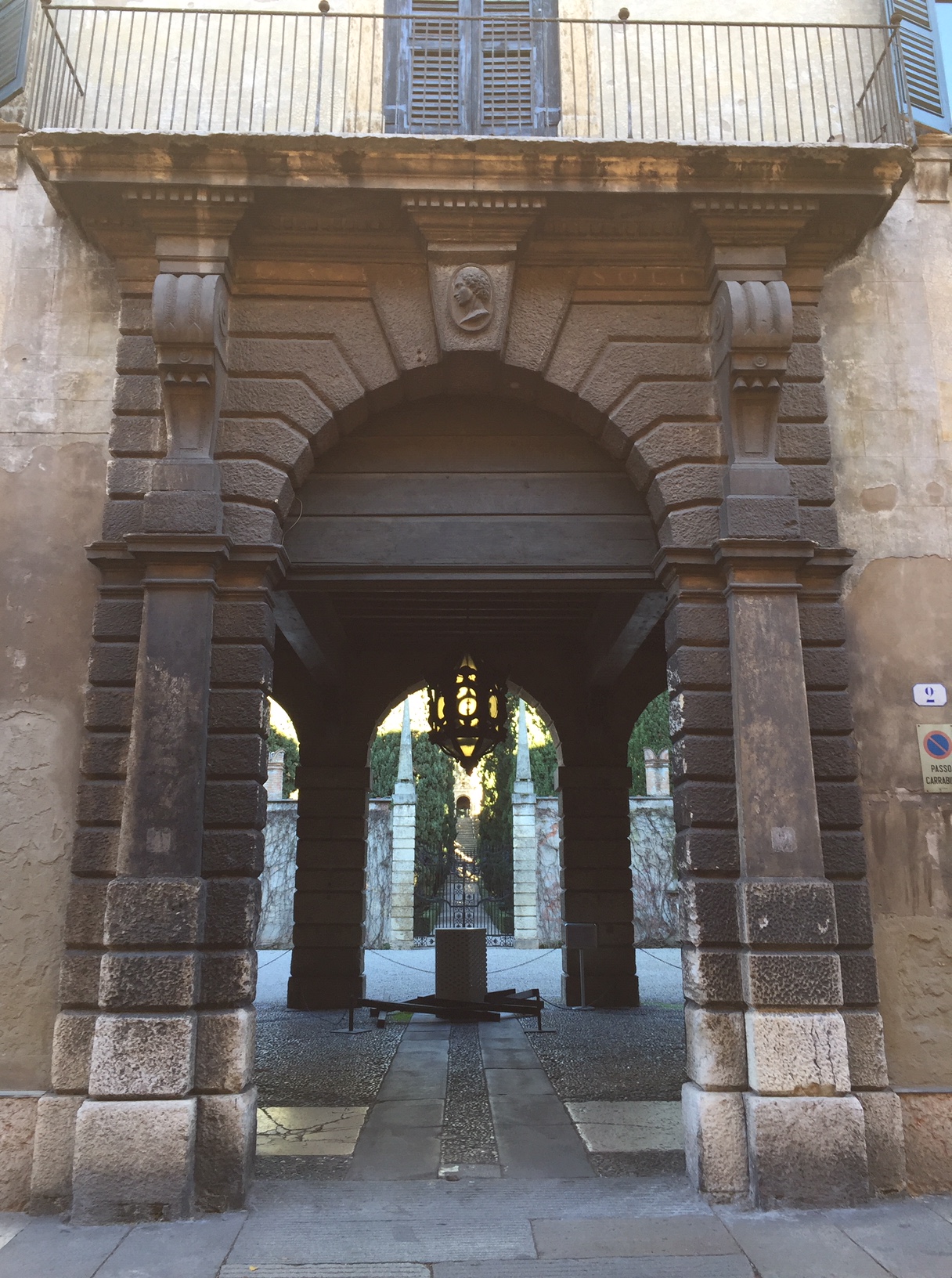
Address: Via Giardino Giusti, 2 – 37121 Verona.
Opening hours: every day: Summer (April-September) 9.00-20.00 – Winter (October-March): 9.00-19.00
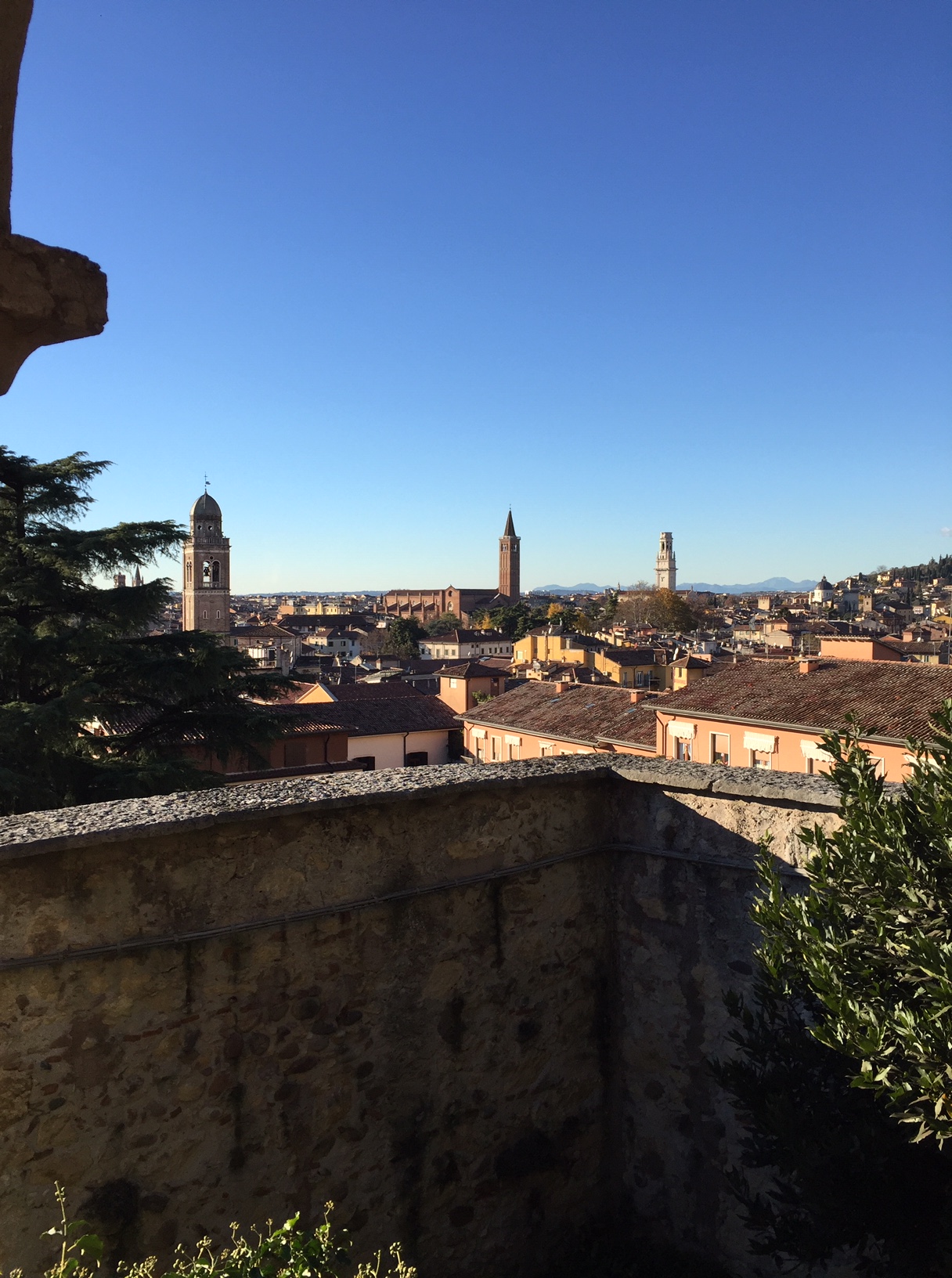
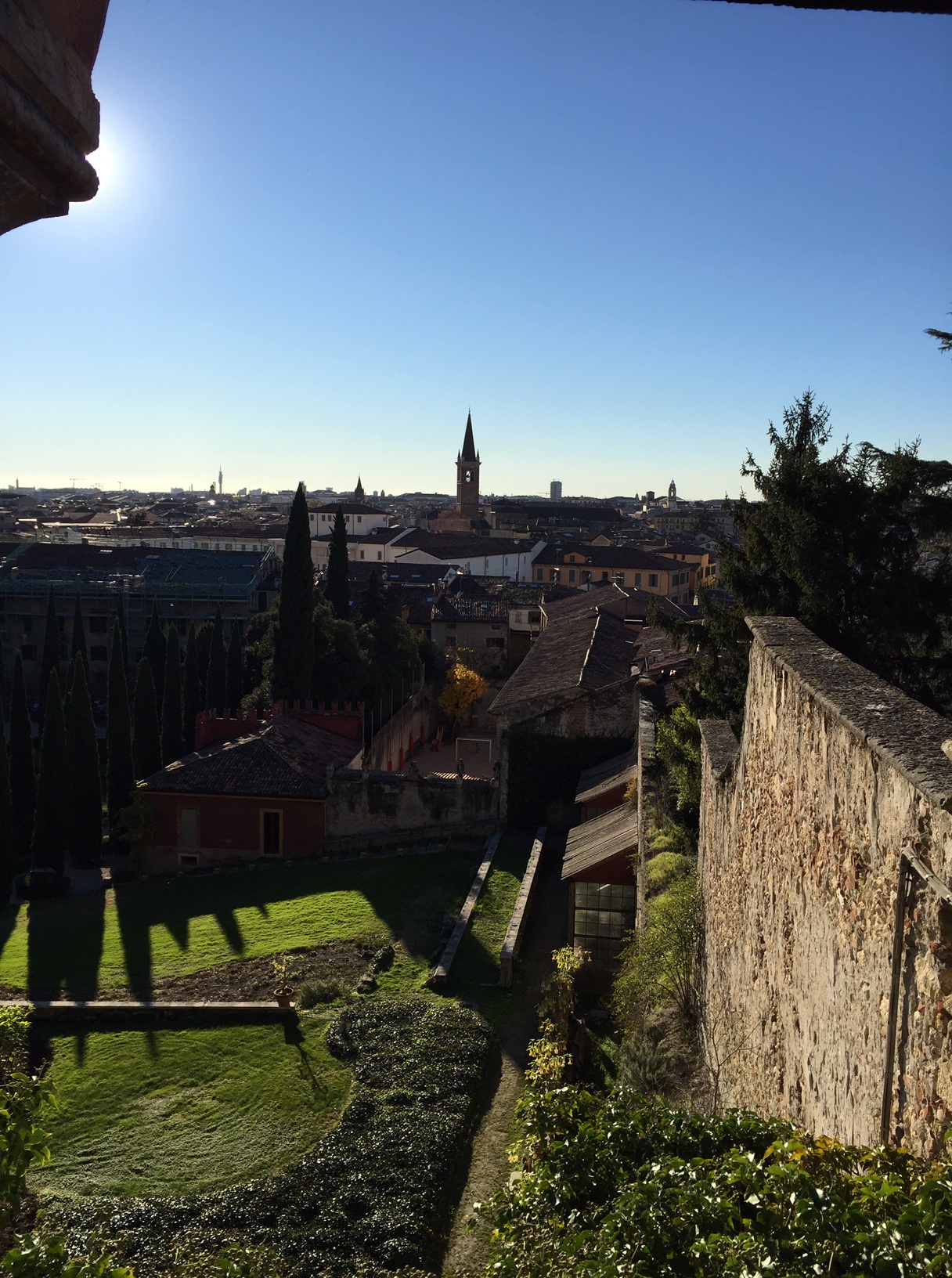
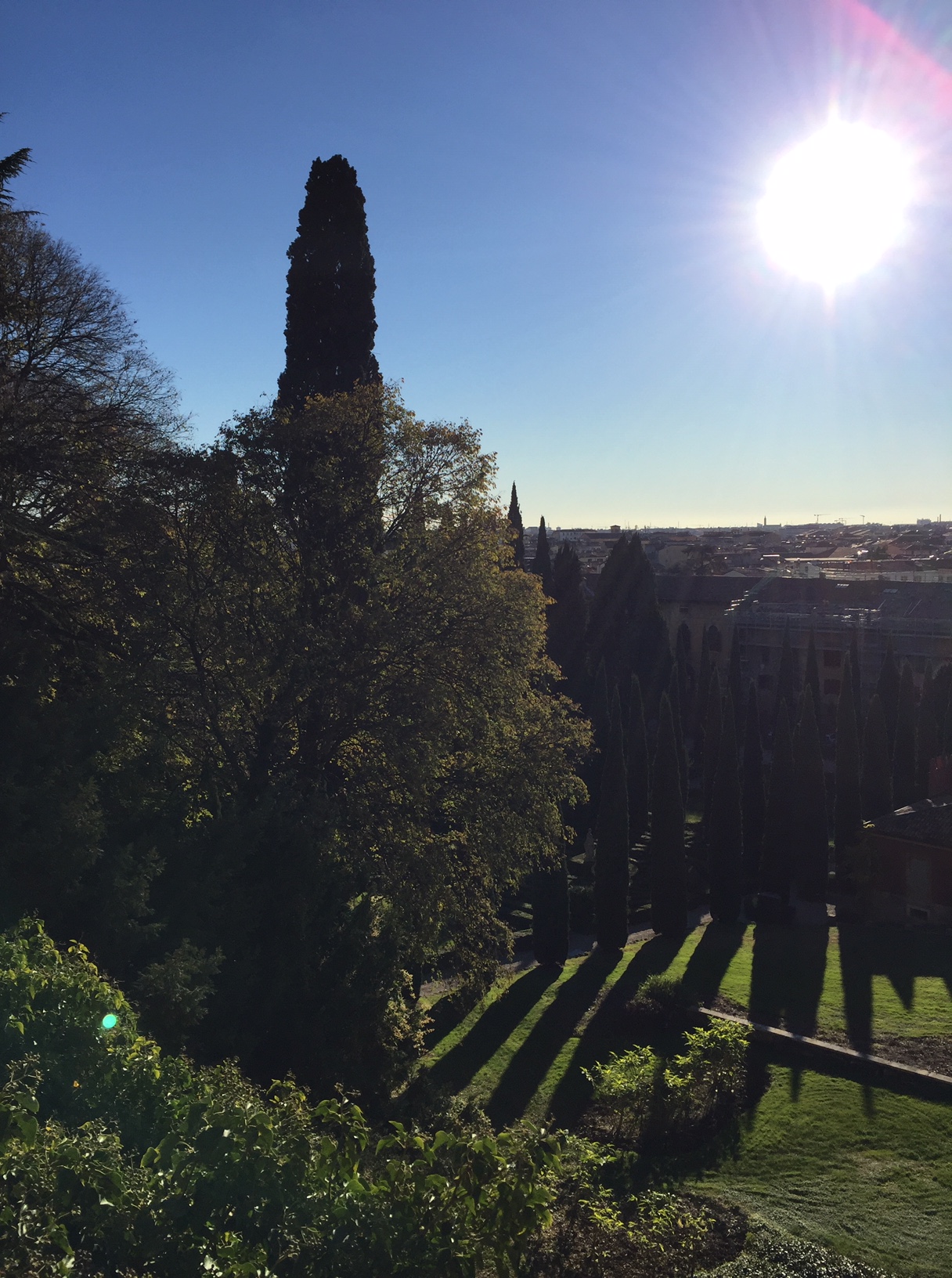
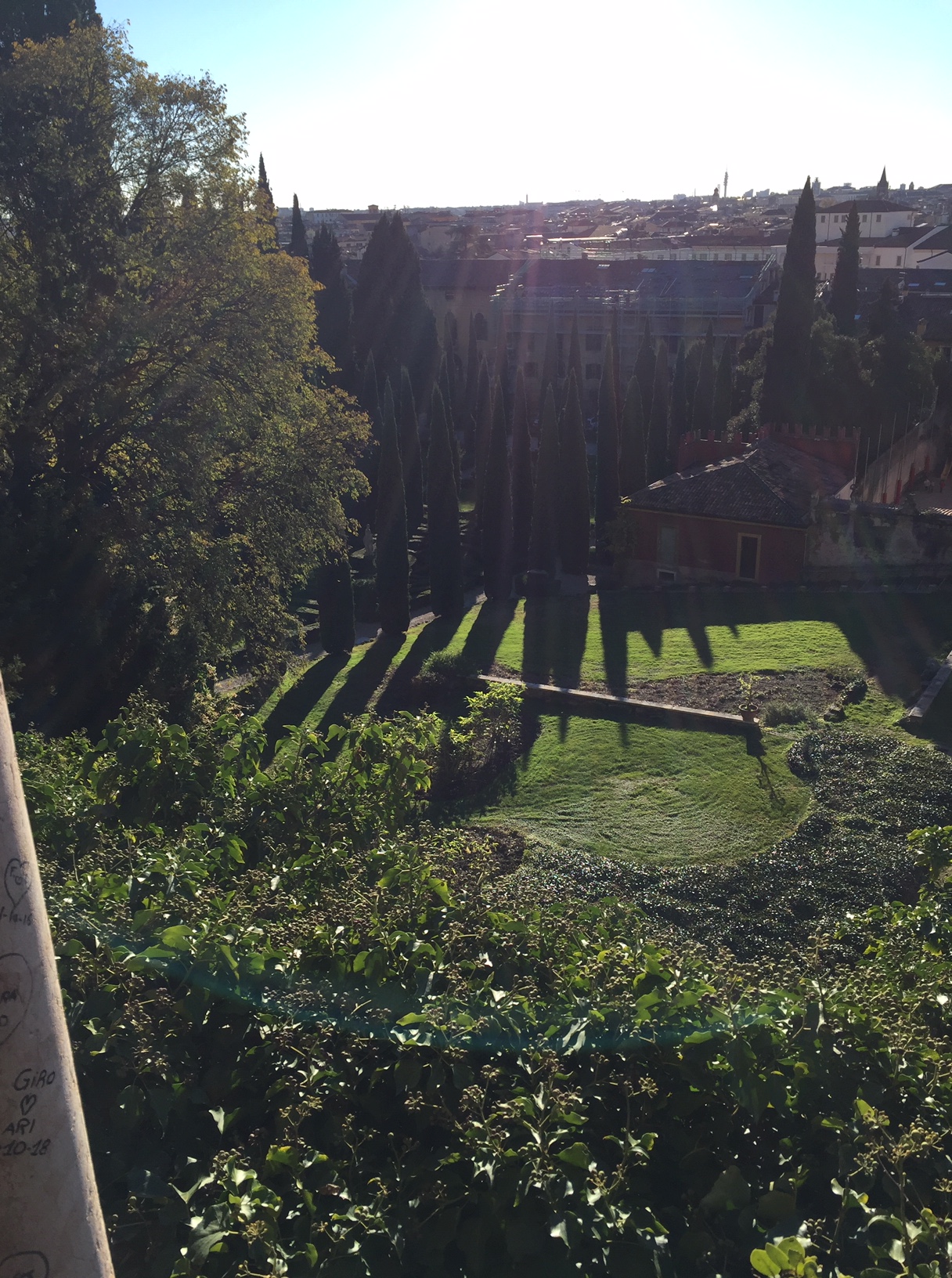
Here’s a view of Verona from the Belvedere at the top of Giardino Giusti:
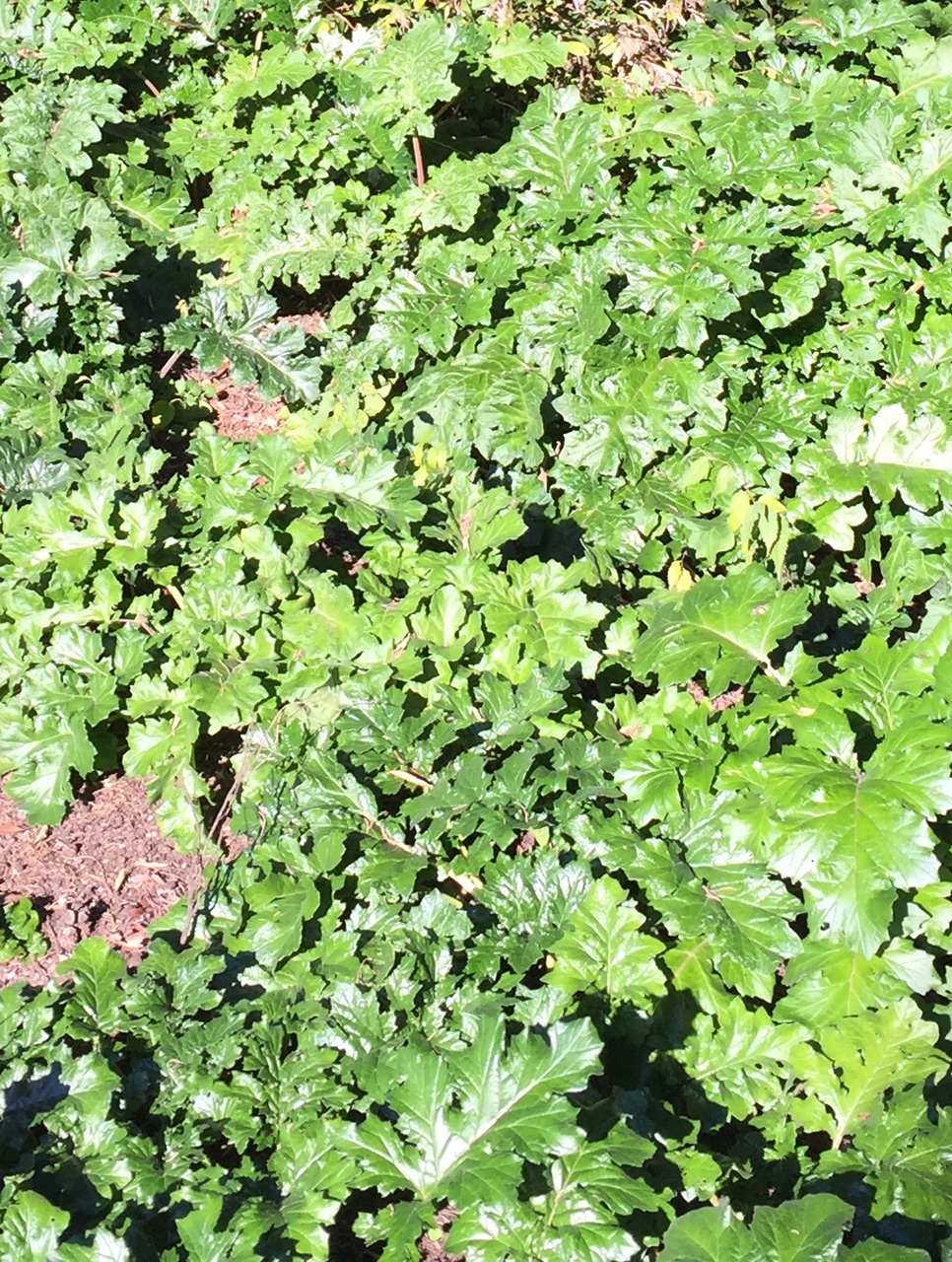
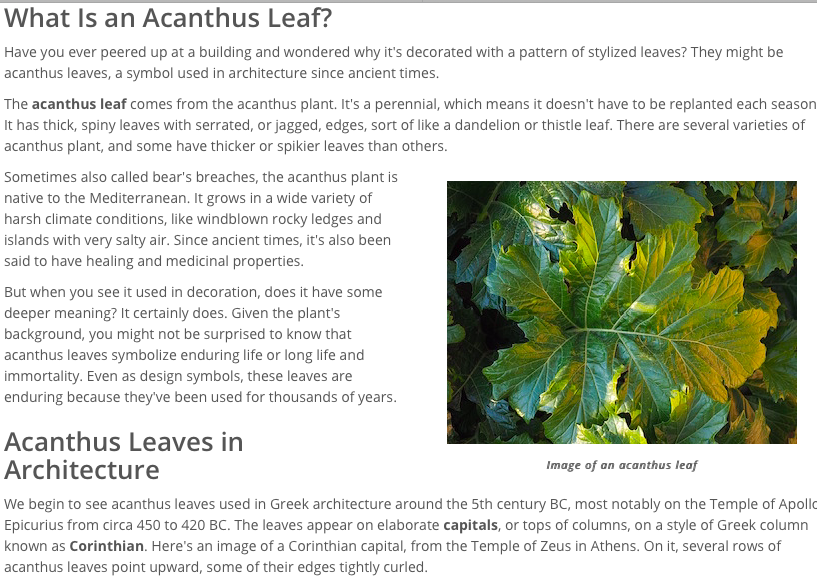
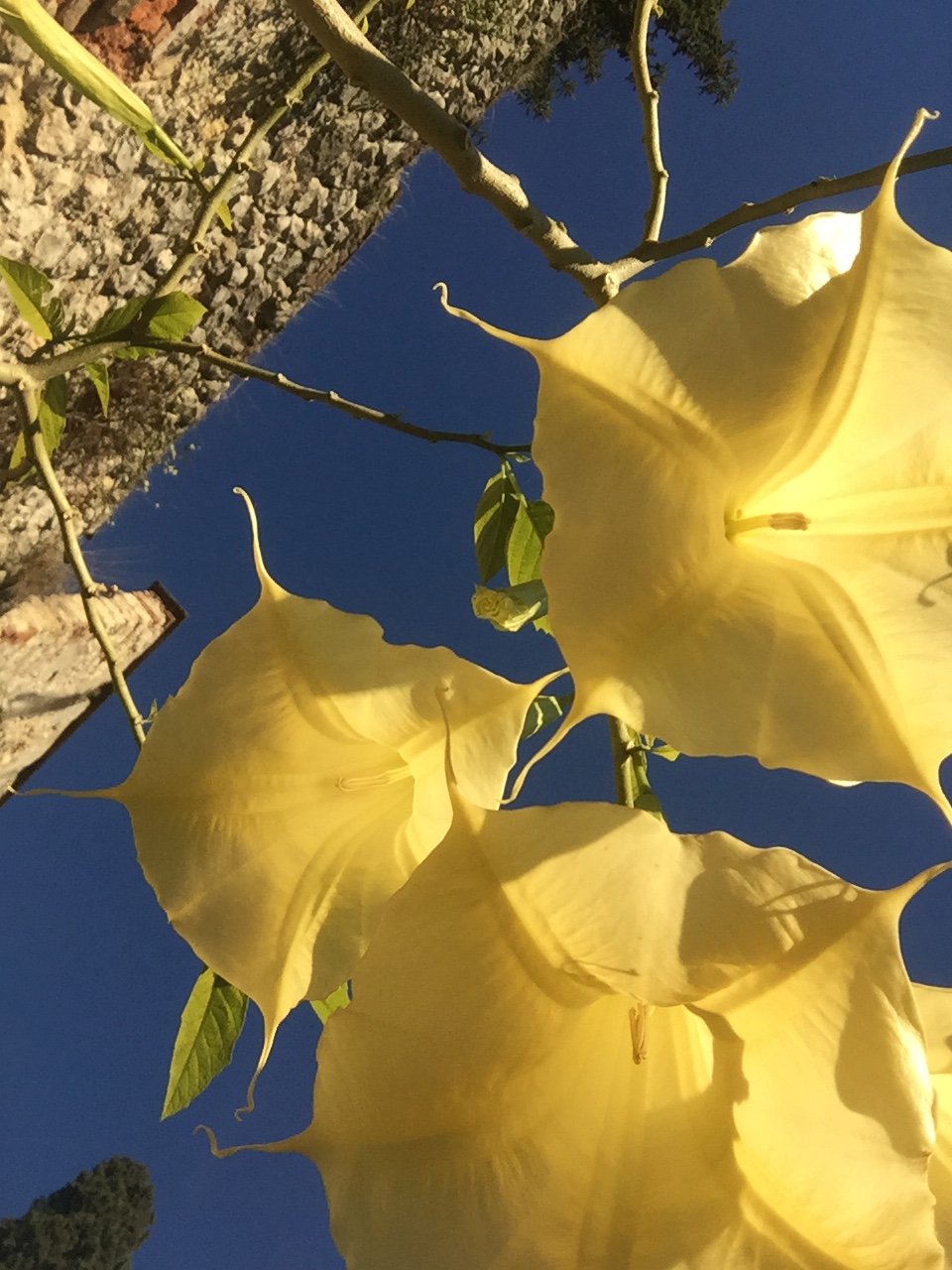
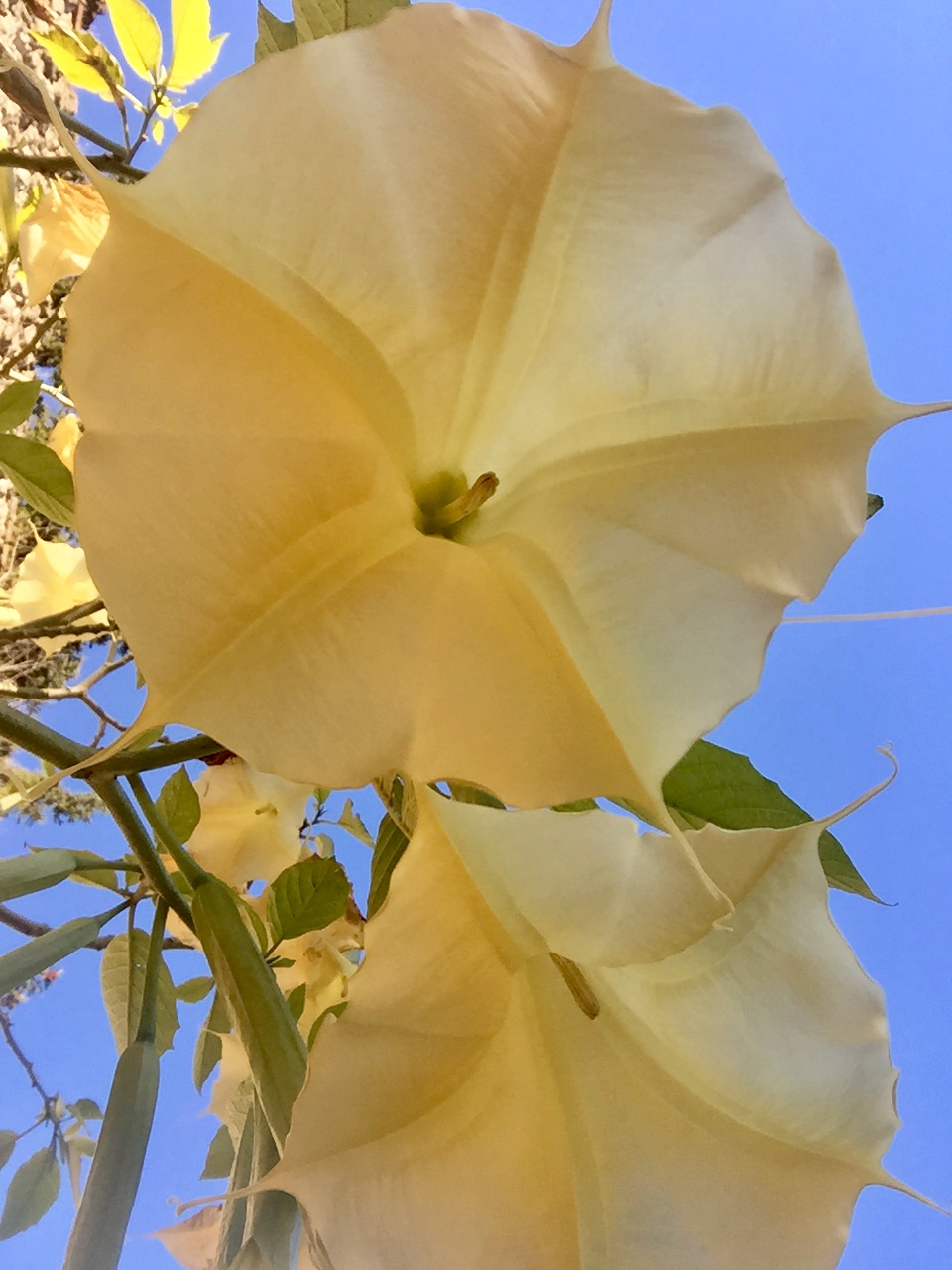
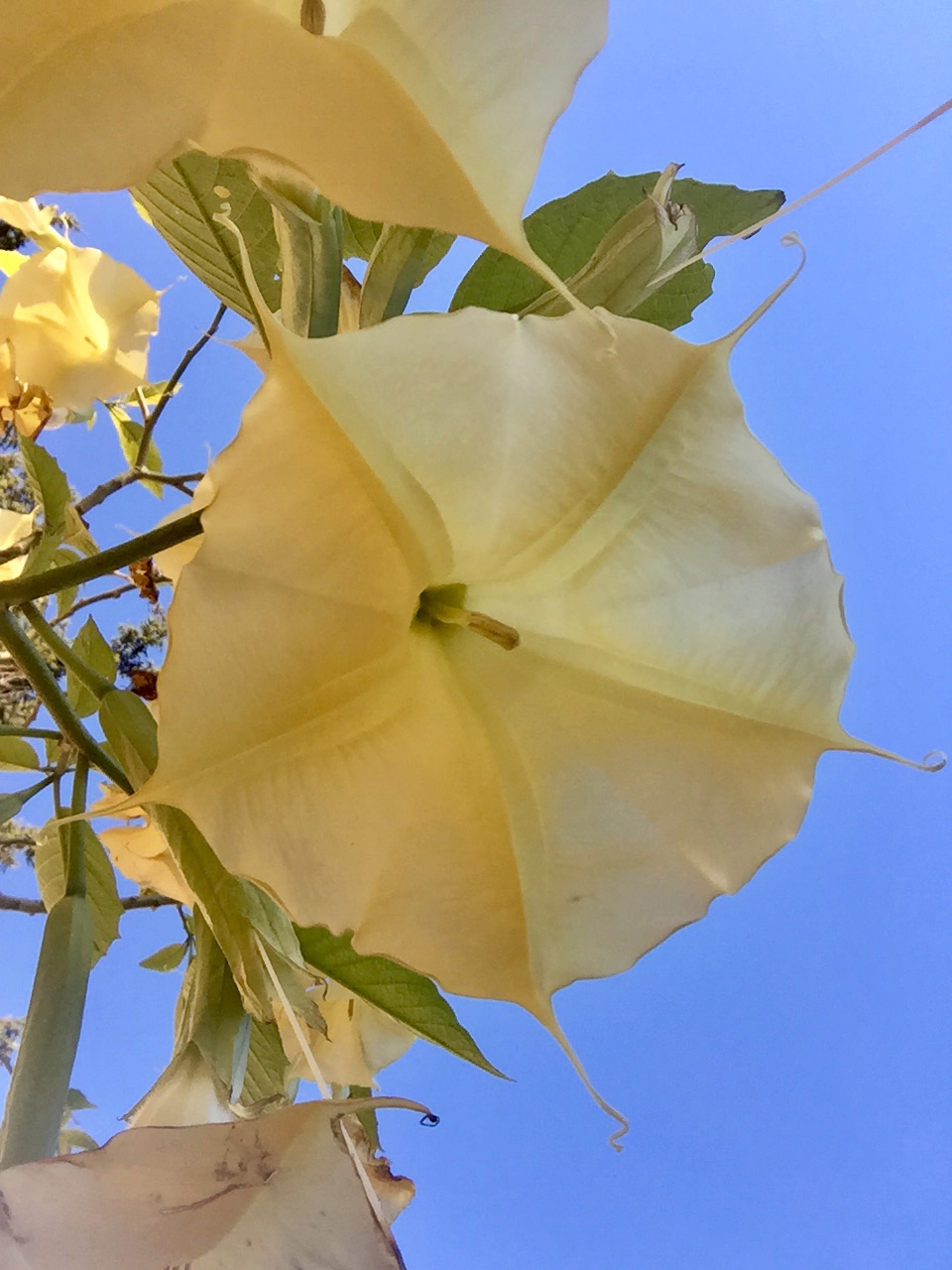
I love acanthus plants. The ancient Greeks used the shape of the leaves in the design of their capitals on their monumental columns. That’s why I like them. :-)
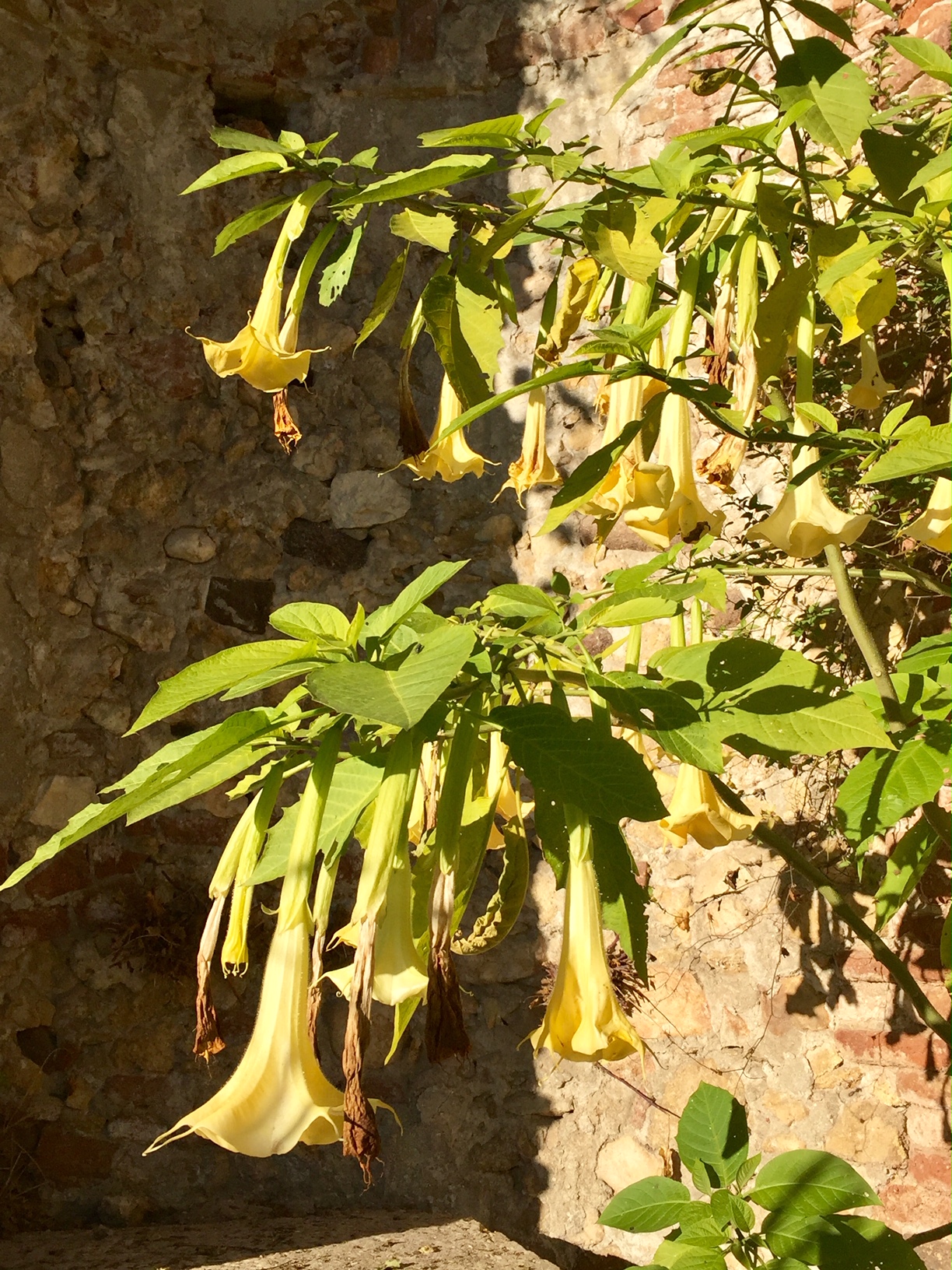
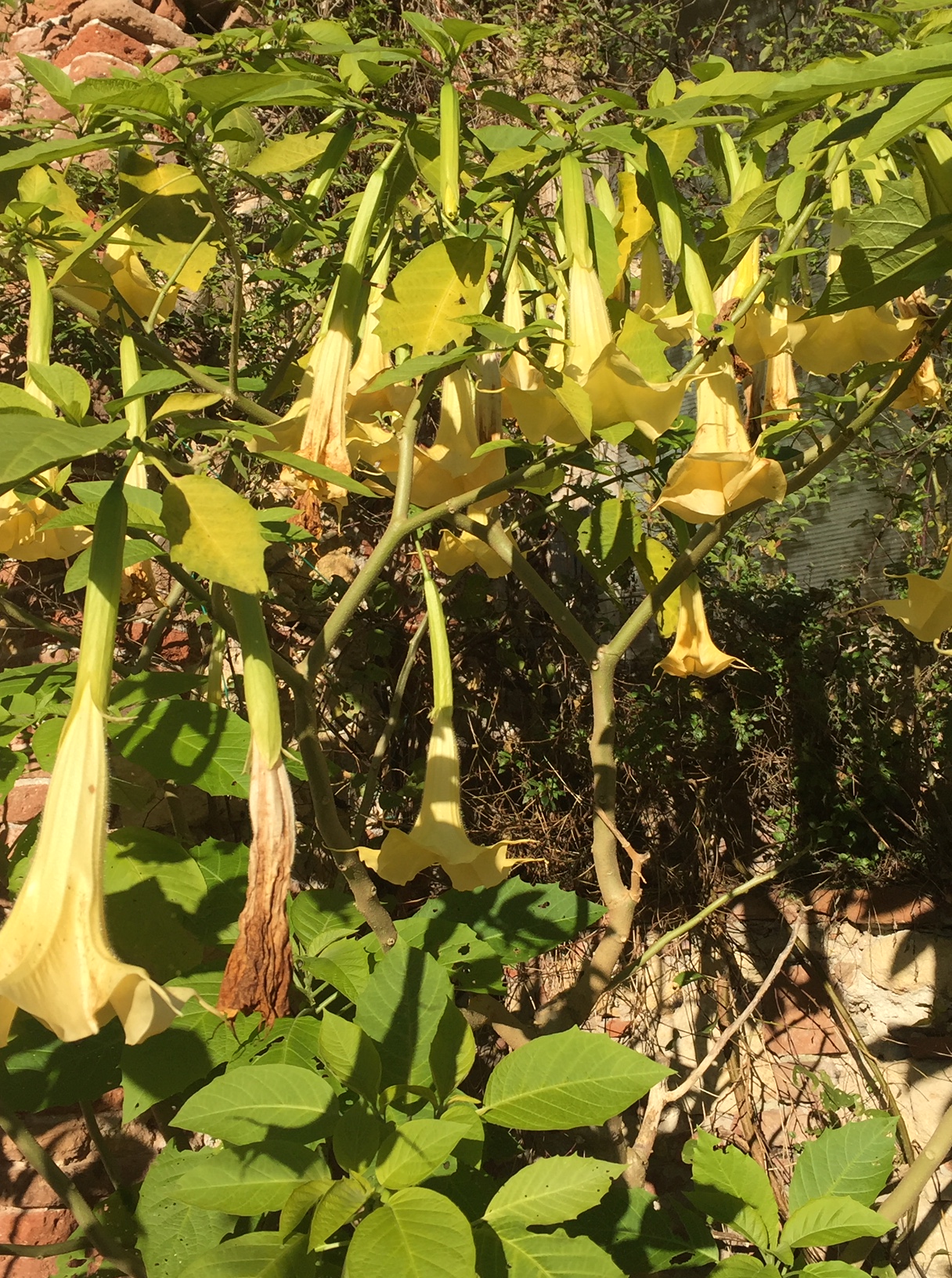
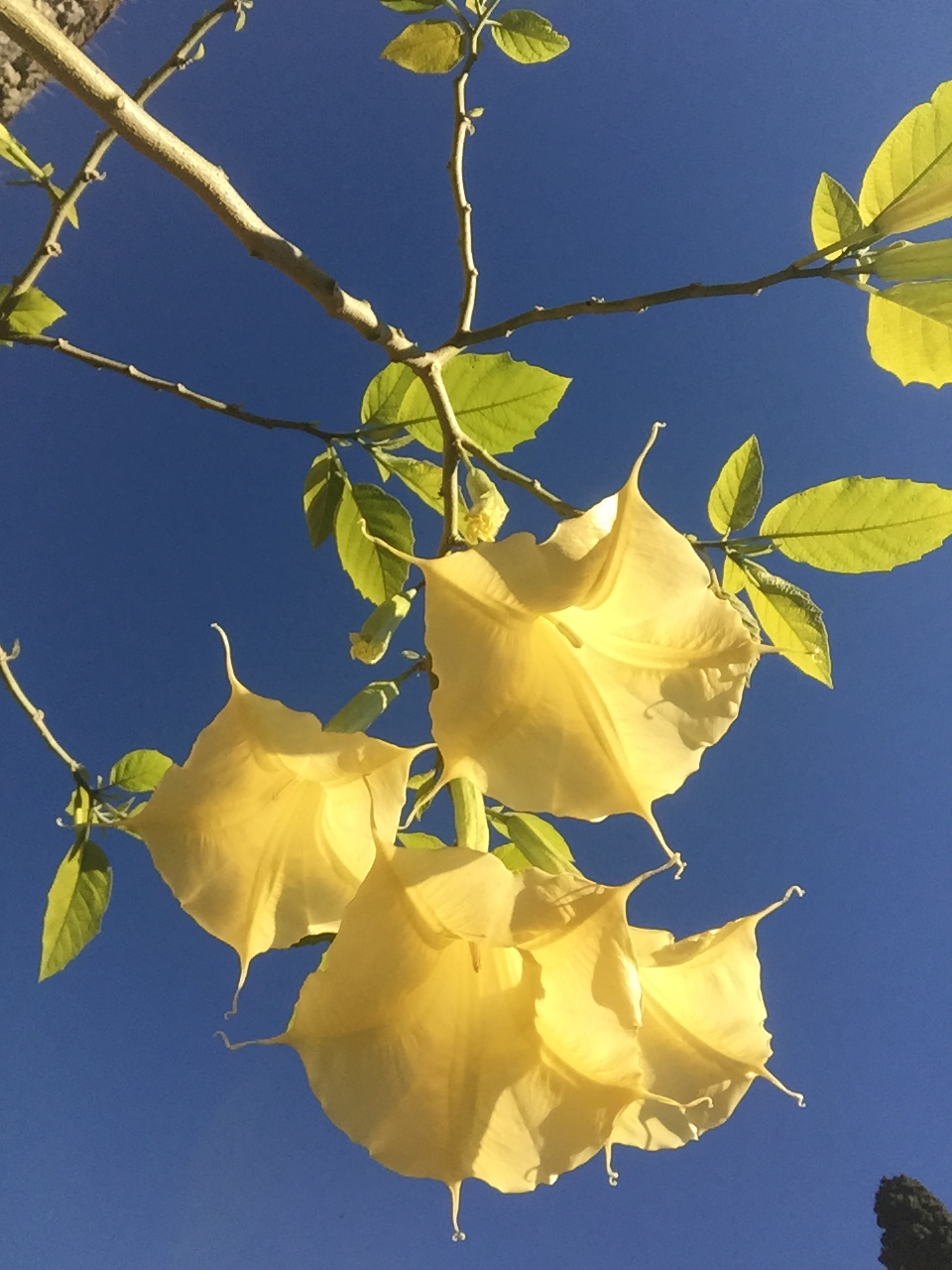
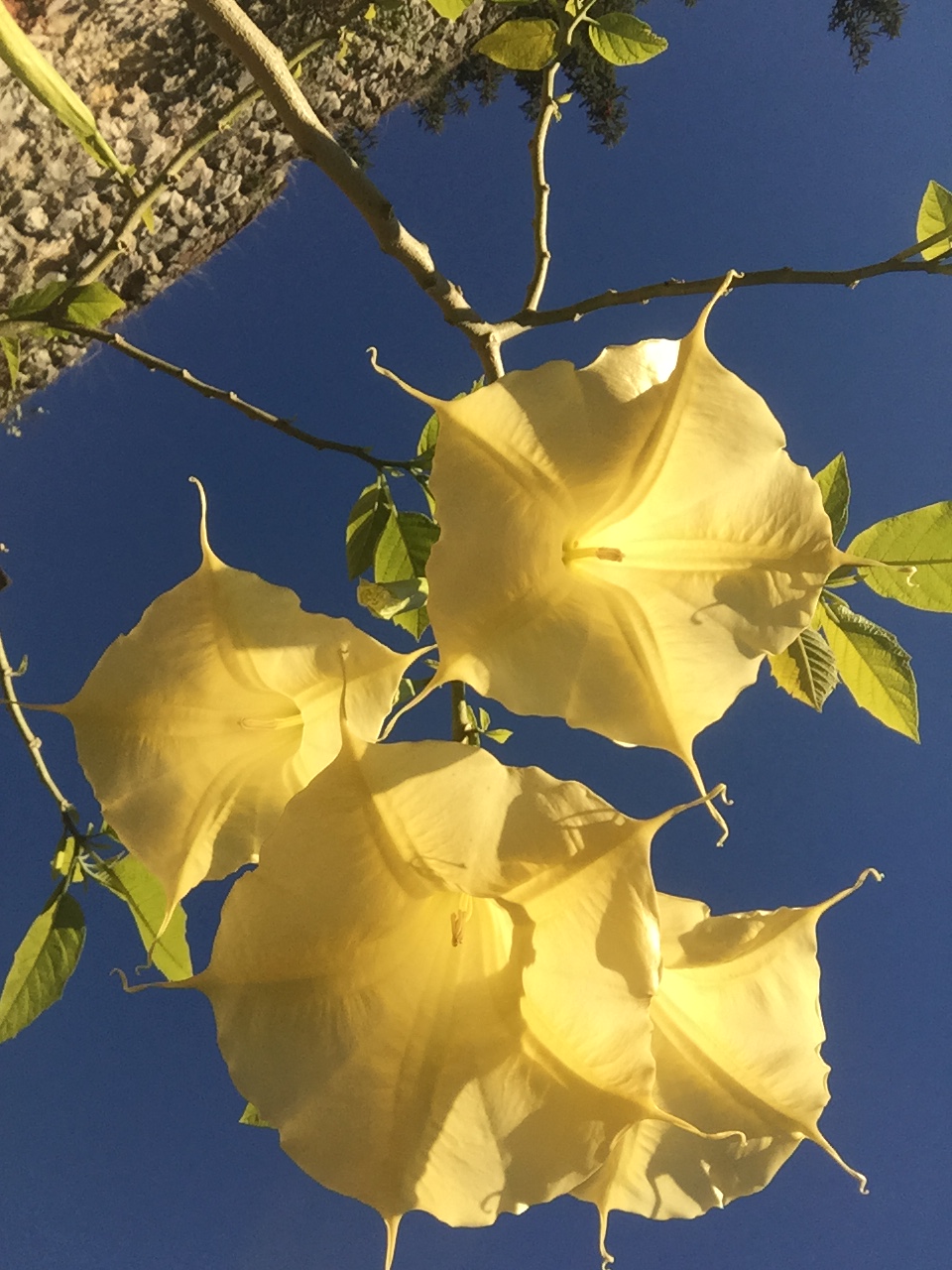
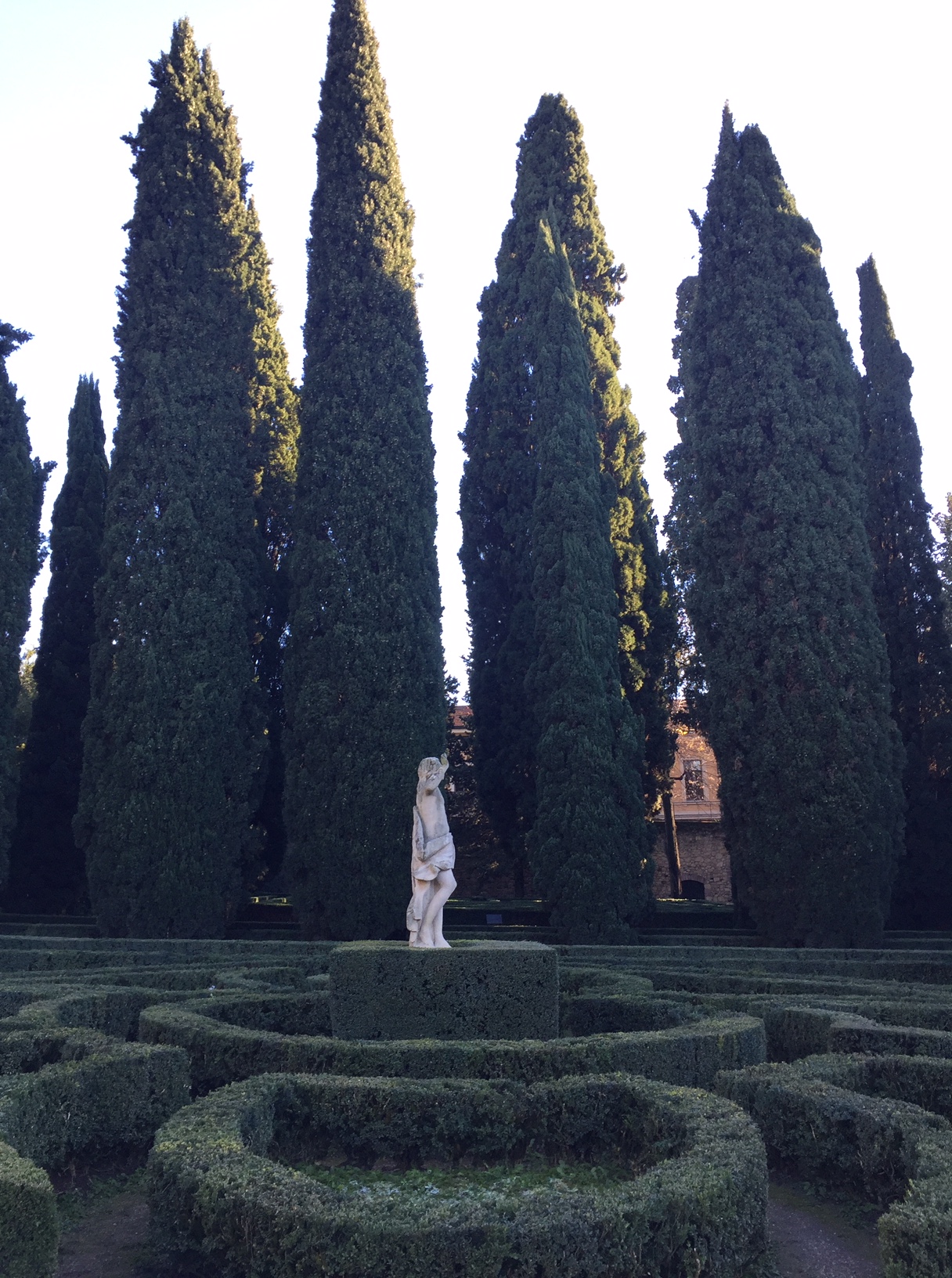
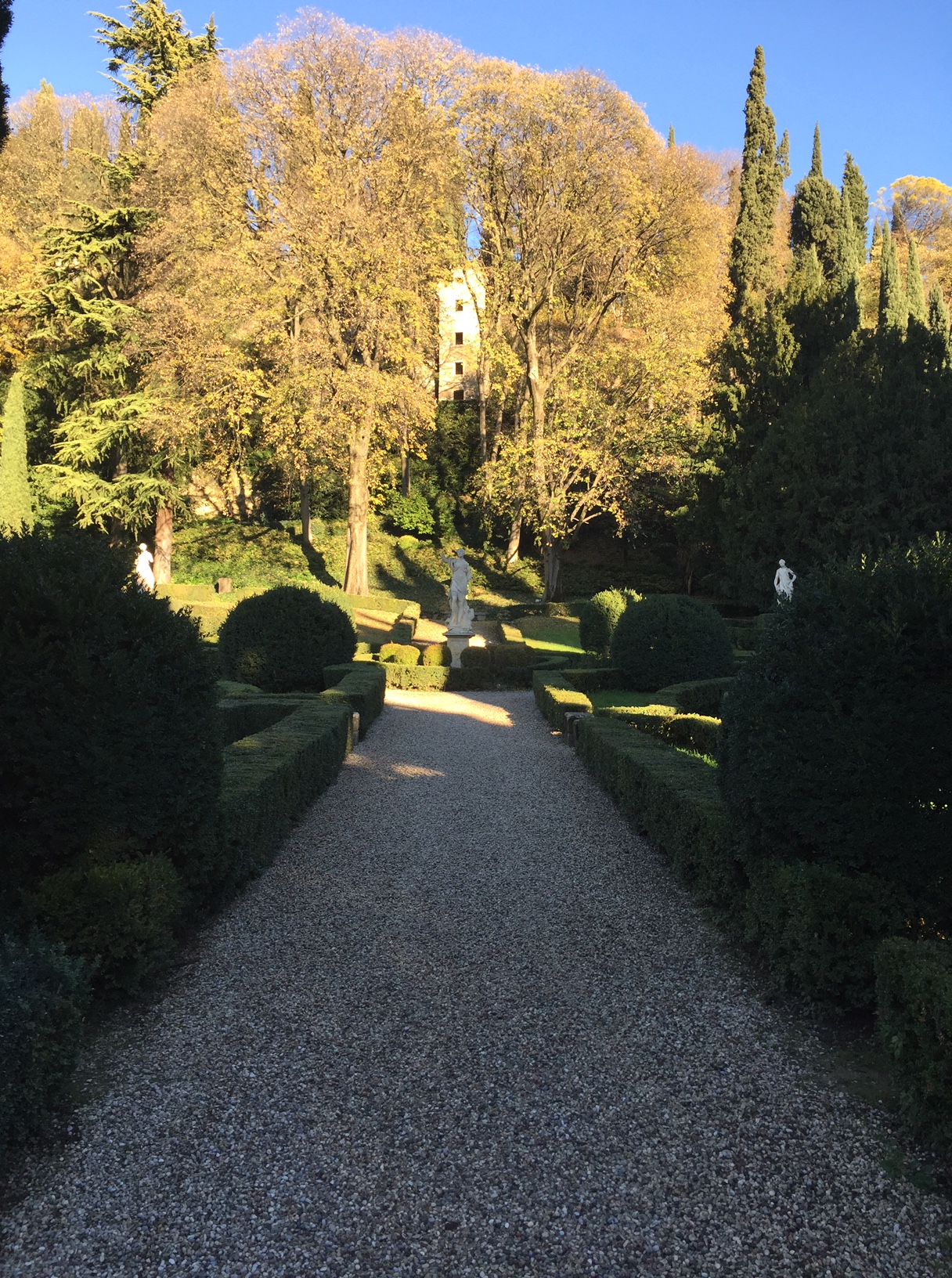
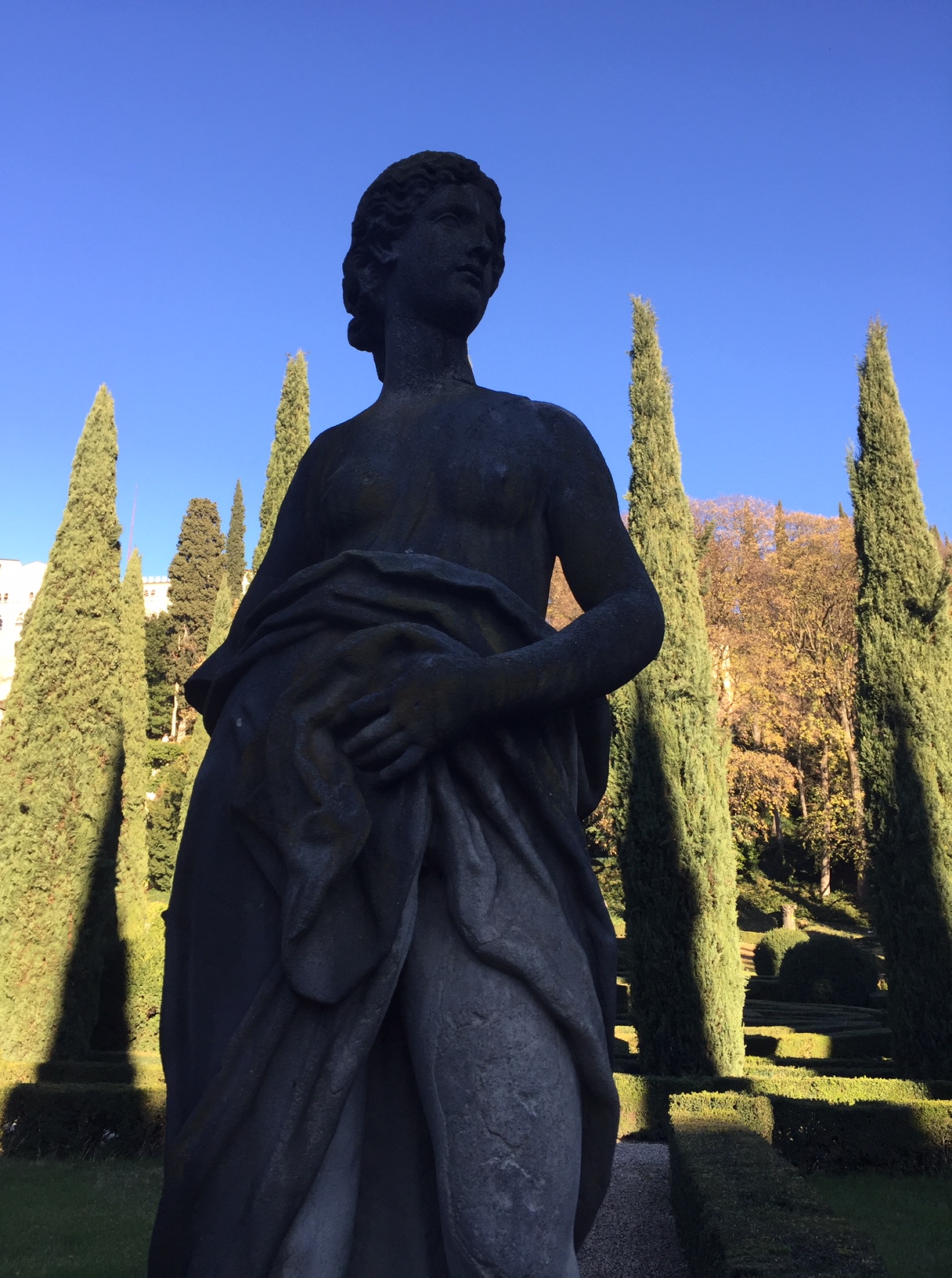
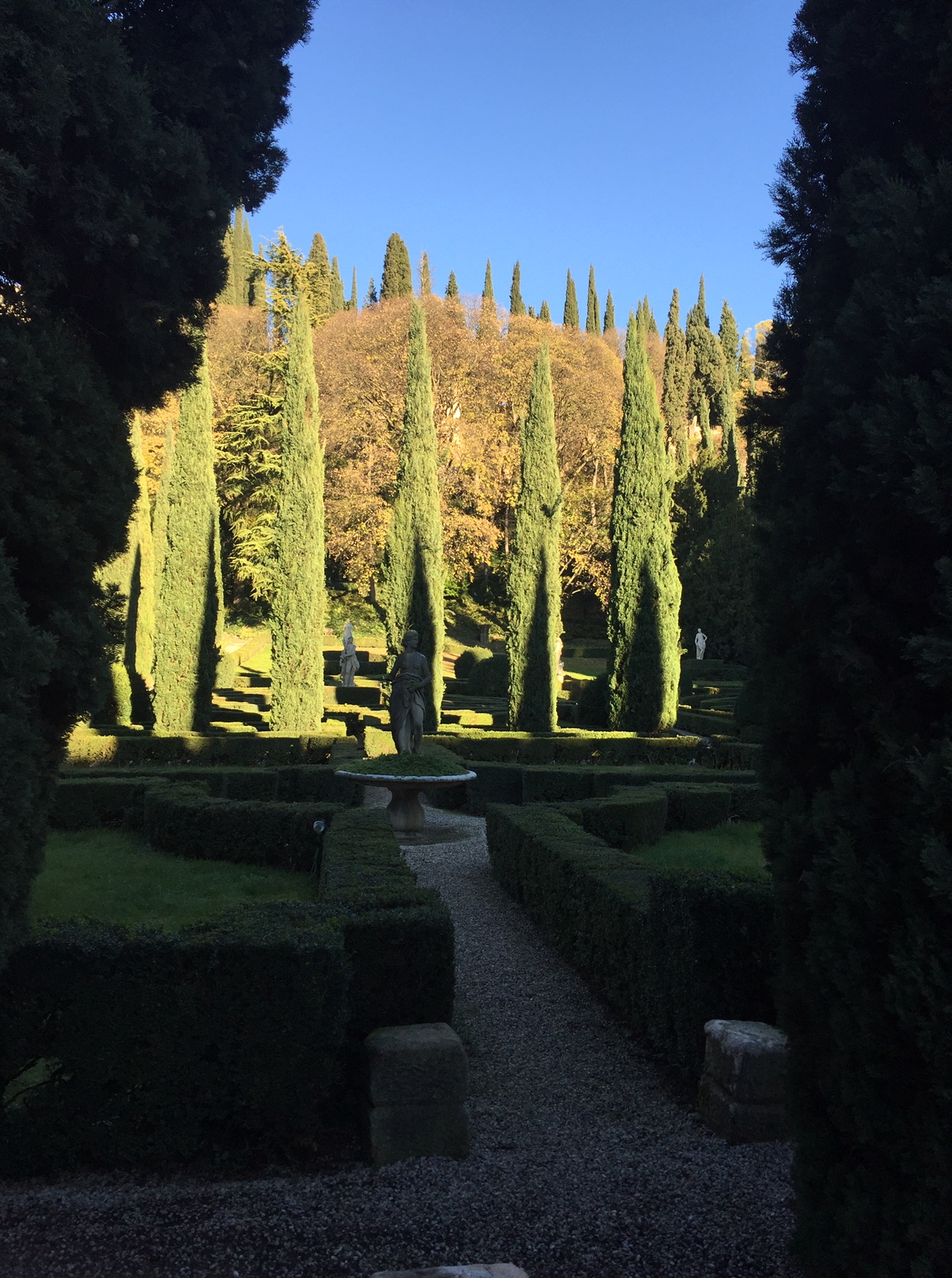
A 16th century Renaissance garden and palazzo, described as the “Jewel of Verona”, has been put up for sale after years of squabbling among the aristocratic family who own it.
The Giardino Giusti, which is on the market for €15m (£10.3m), could now become a luxury hotel or a casino – a prospect that has dismayed many of its admirers.
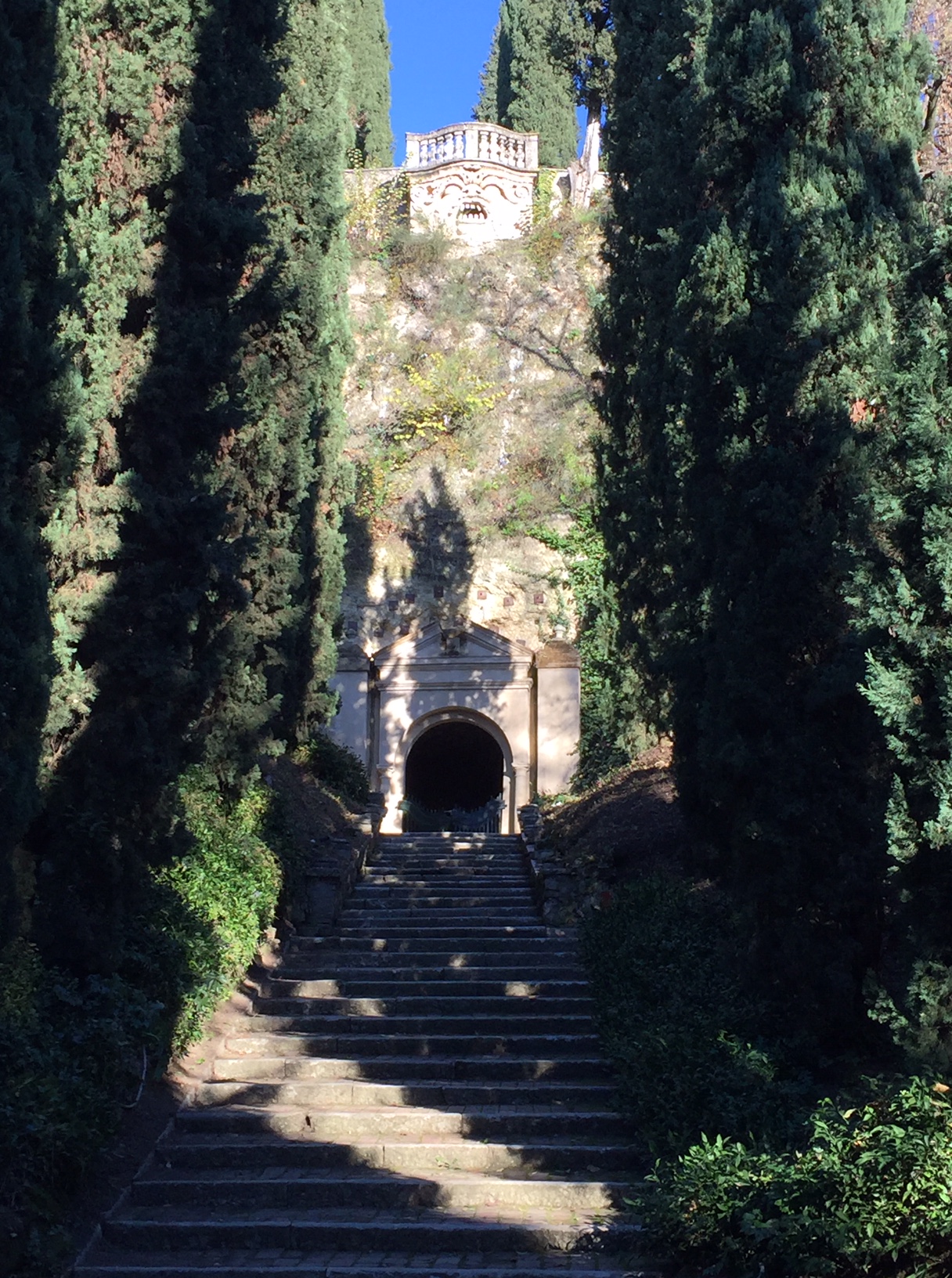
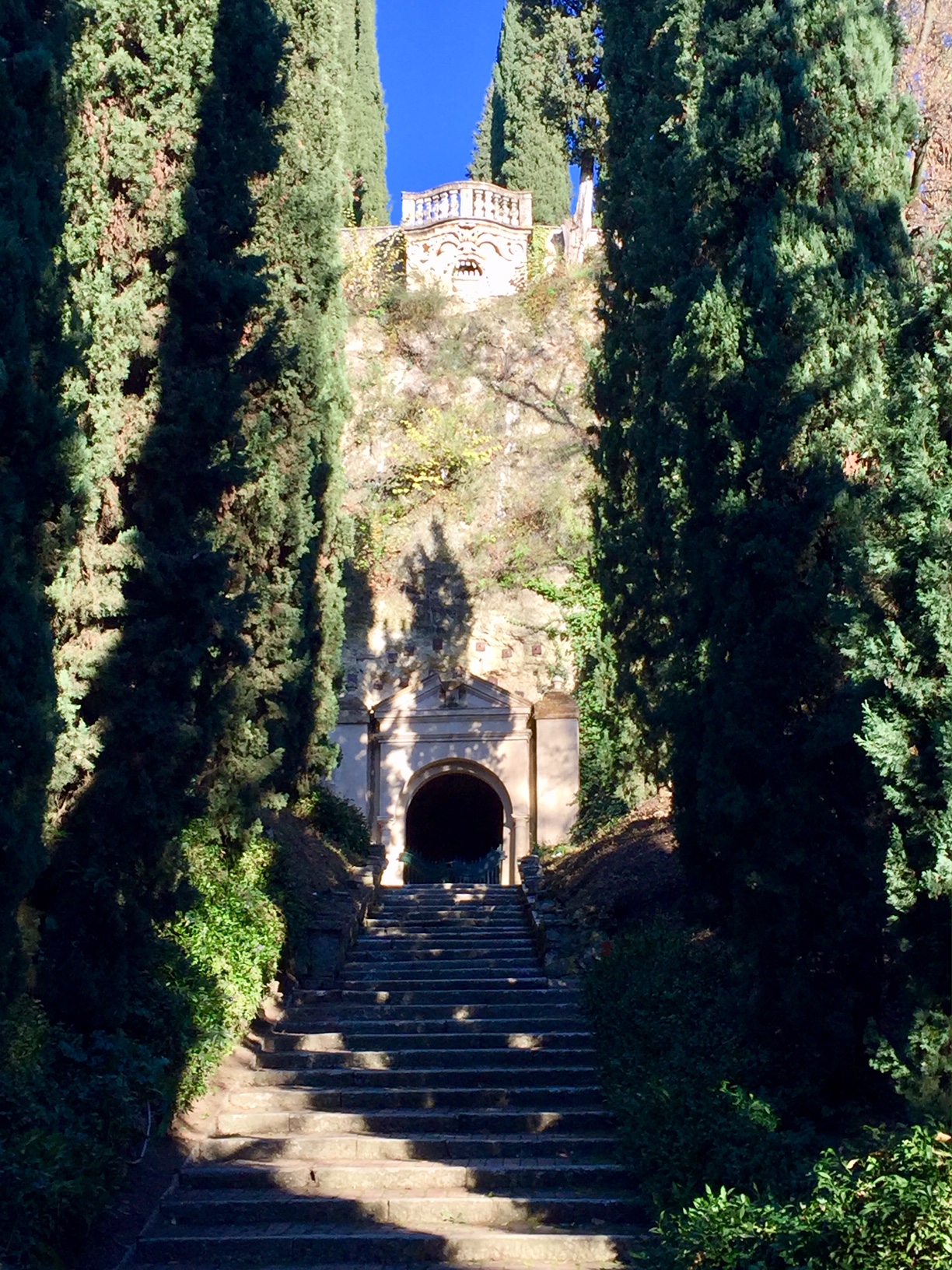
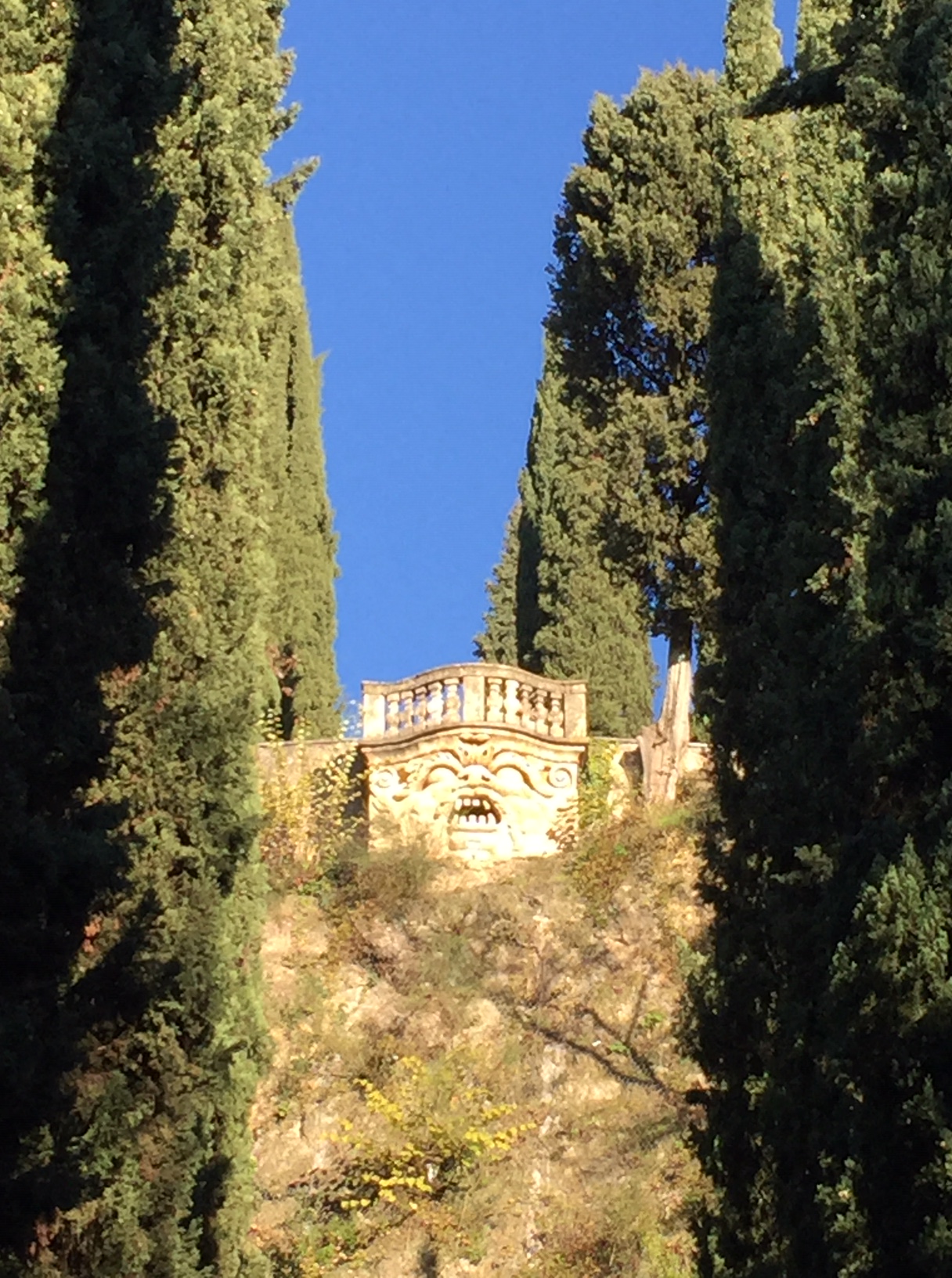
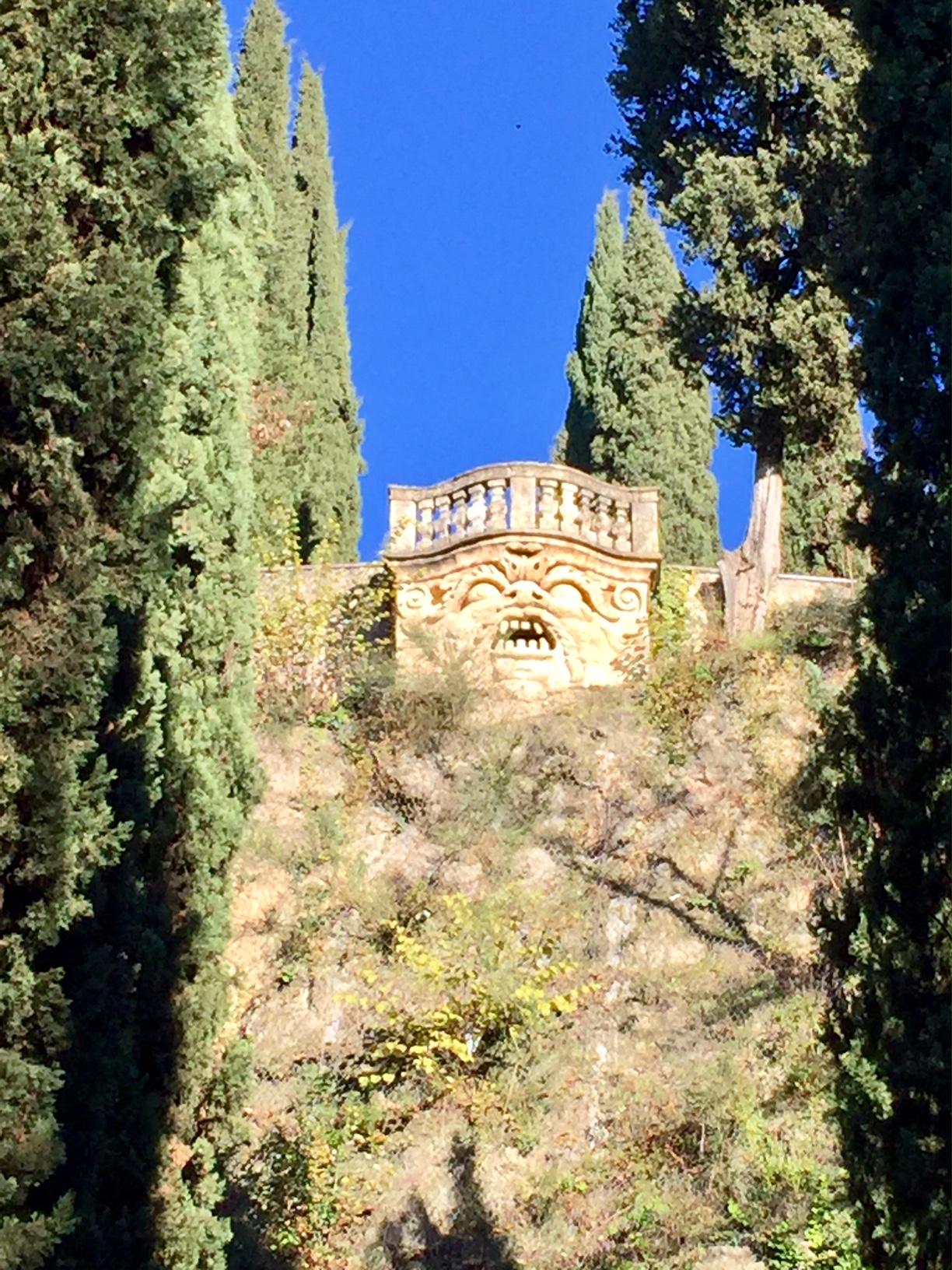
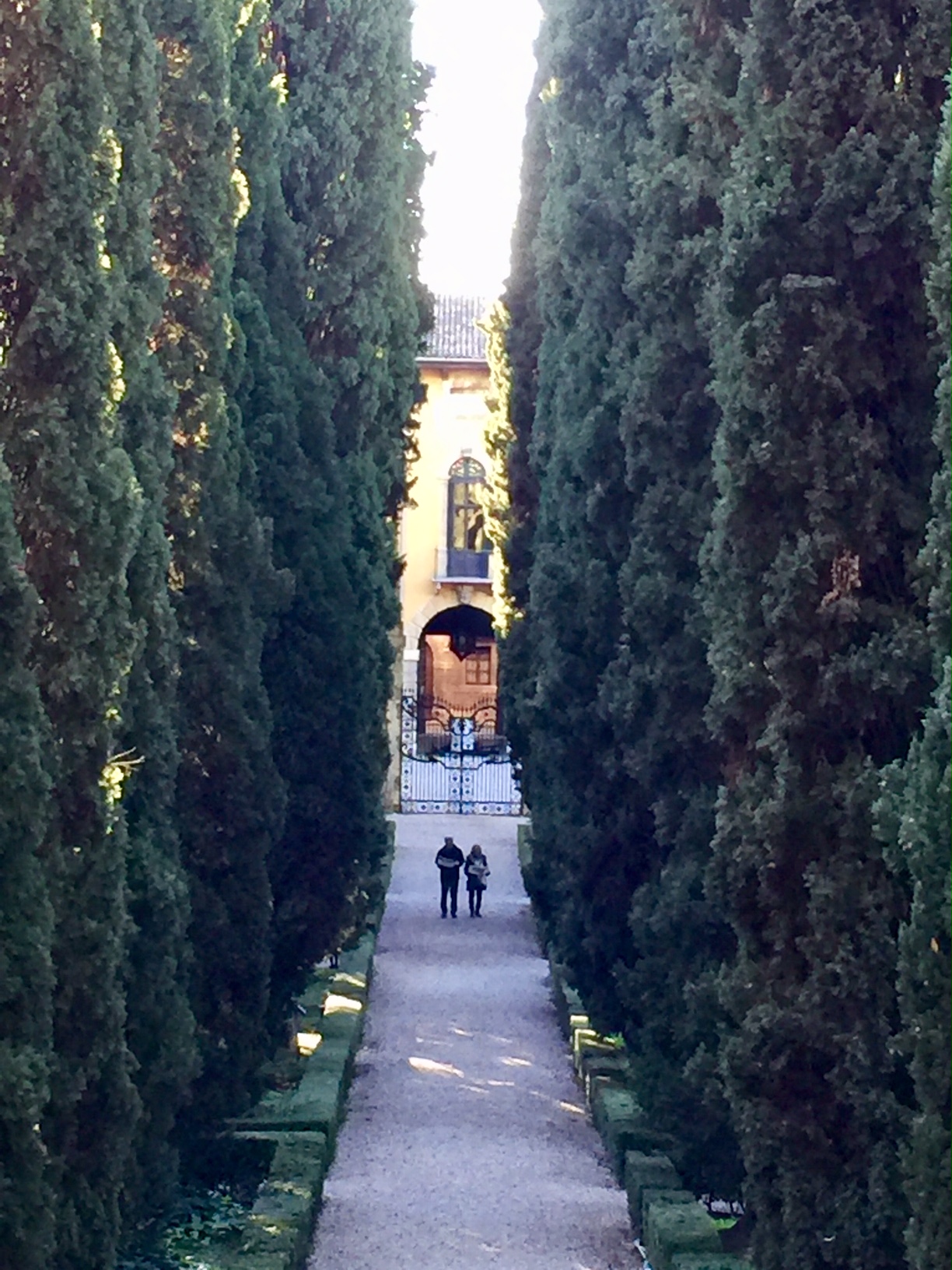
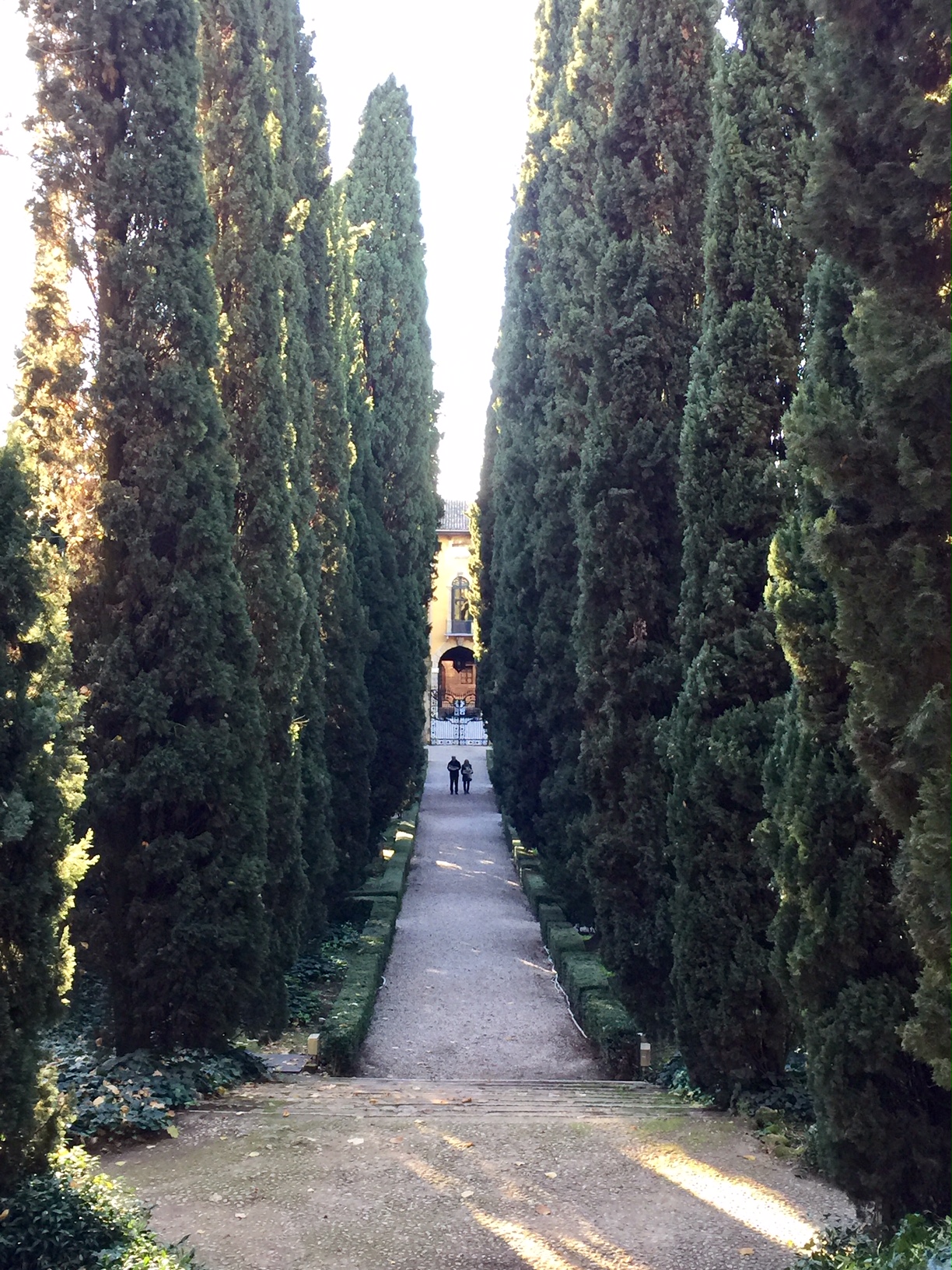
It attracts tourists from all over the world. Its many illustrious visitors of the past include Mozart, Cosimo de’ Medici and Goethe, who wrote about its magnificent cypress avenue during his travels in Italy in 1786. The avenue leads up to a stalactite grotto, above which is a gargoyle which appears to be emitting flames from its mouth. From there, visitors climb up to a belvedere offering a panoramic view of Verona.
Advertisement
The English writer Sir George Sitwell proclaimed it one of the three best gardens in Italy.
However, the property has been at the centre of a family feud since its owner, Justo Giusti, an Italian diplomat, died several years ago. Under Italian inheritance laws, it was to be shared among 20 heirs.
One relative, Marina Giusti, disputed the terms of the will and floated the idea of splitting up the property, causing conflict between her and her mother, Contessa Matilde, and other family members. The issue went before the courts in 1997 and, after years of hearings, a ruling was made that the property could not be divided because of its historical importance.
The family were told they should try to “remain united” and work together to keep the place intact. Since then, the Giardino Giusti has become a tourist attraction and is rented out for weddings and special events. But family members now say they can no longer afford its upkeep.
The Giardino Giusti was designed in 1570 by Agostino Giusti, a Venetian knight and squire of the grand duchy of Tuscany. He created the gardens on a series of levels and they remain true to his original designs today.
Some are in an Italianate style, with manicured hedges, fountains and marble statues, while other parts have been left as natural woodland. The mix of formal and informal gardens is said to give the place a fairytale feel.
The gardens were badly damaged during the second world war, but have been restored.
News of the sale has upset many of the people who have included the property on their Verona itinerary. “Please don’t sell it,” implores one entry in the visitors’ book. “I wish it were mine,” says another.
The newspaper Corriere della Sera commented that the property, which has been designated a national monument, was not only “the jewel of a noble and historic Veronese family, but of all of Italy”. It demanded to know: “In whose hands will it end up?”
Giorgio Vigano, a Milanese agent handling the sale, said he believed that the property would attract international investors.
“It is a very special place,” he said.
Giardino Giusti Verona
http://www.italymagazine.com/featured-story/giardino-giusti-verona
Kate Wickers | Monday, May 7, 2012 – 13:53
5 Google +2 10 5
Venture over the Ponte Romano to the eastern bank of Verona’s river Adige and you will find yourself in an oasis of peace and calm. Hidden behind the crumbling orange façade of Via Giardino is one of Italy’s most attractive Renaissance gardens and best-kept secret – Giardino Giusti. A garden of such tranquillity that in an instant you are taken from a dusty Italian street full of irate drivers honking their horns and transported into a world of Renaissance refinement. And you’ll know immediately what the English traveller Thomas Coryate meant when in 1611 he described this garden as a “second paradise”.
Agostino Giusti was a Knight of the Venetian Republic and Squire of the Grand Duke of Tuscany and the man responsible for the design of this lovely garden, which served as a backdrop for his palace. Laid out in 1570 with all the quintessential Italian charm of that period, with statuary and nature deliberately juxtaposed, it was lovingly restored in the 1930s and has most of its original features intact from fountains to mythological statues to a maze and an acoustic grotto. Not to mention an impressive collection of Roman remains.
Giardino Giusti – Verona
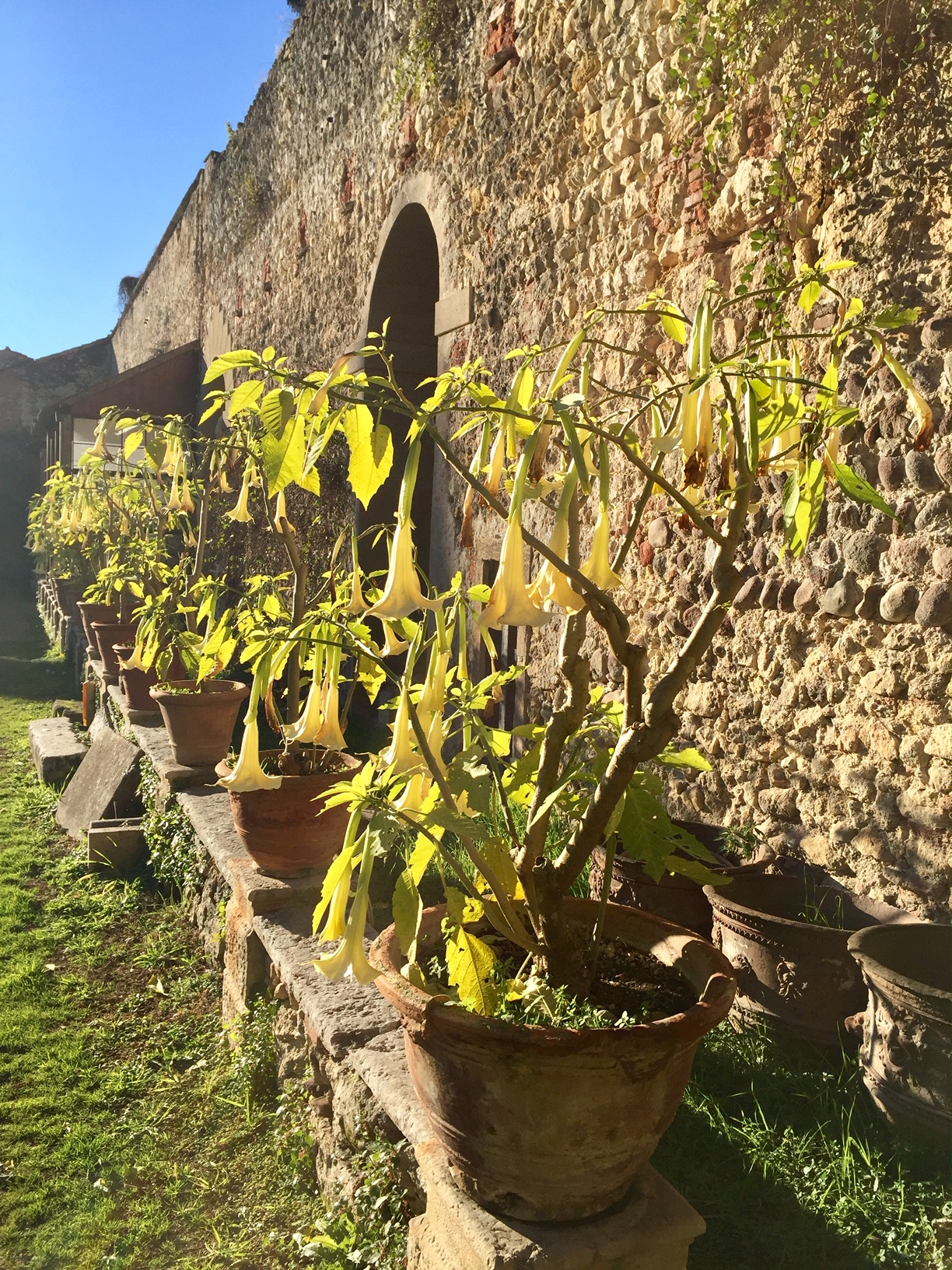
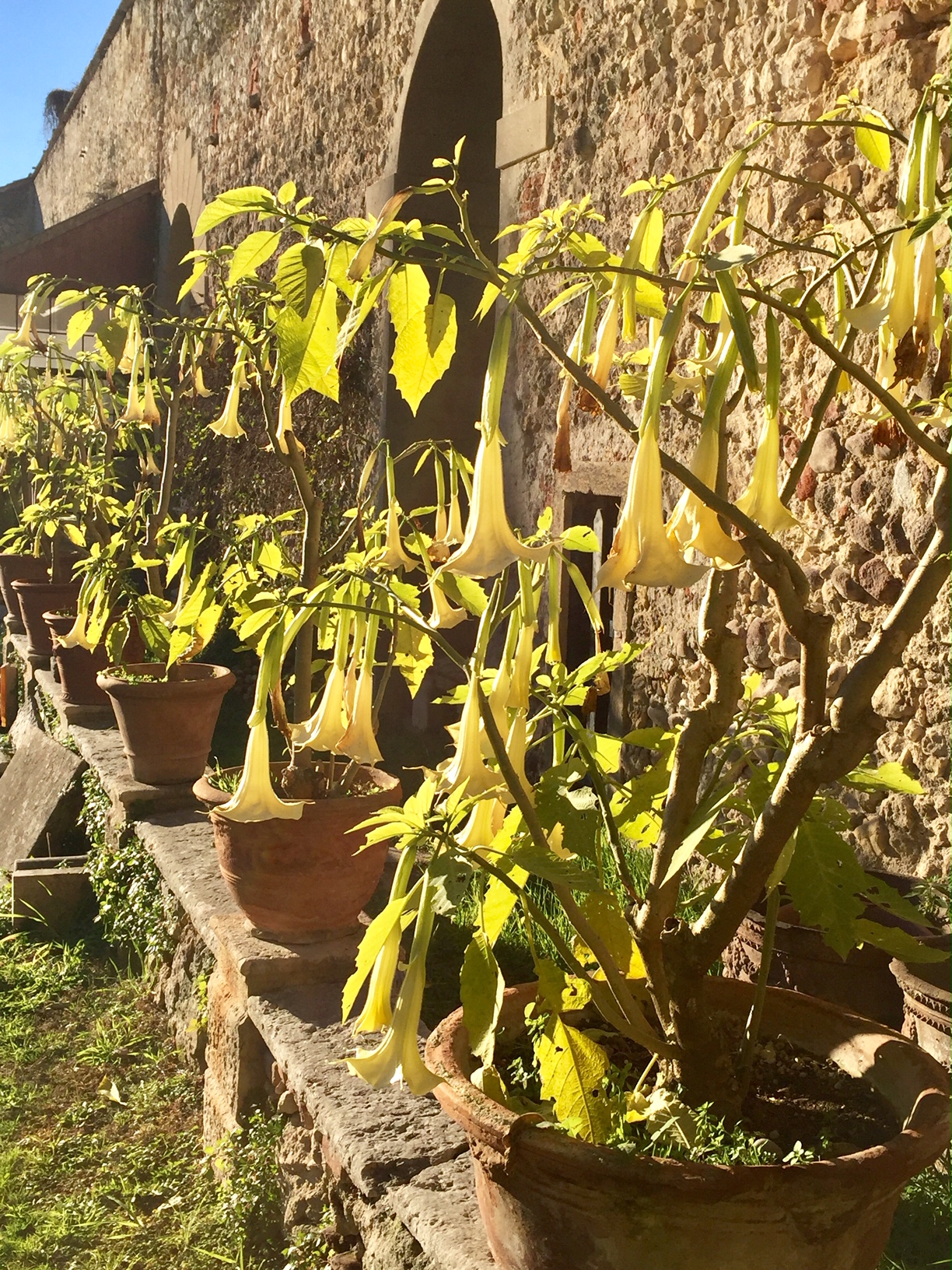
In the western section of the parterre (formal garden with flower beds and gravel paths), are greenhouses brimming with lemon and orange trees that are built against the surviving 12th century city walls. The warm air is full of zest with uplifting citrus smells and I breathed in deeply as I followed in the footsteps of illustrious past visitors, among them Cosimo De’ Medici, Emperor Joseph II, Goethe and Mozart. Today though (because thankfully the gardens are not on Verona’s tour bus itinerary), there’s hardly ever anyone there and I had the entire gardens to myself.
The terraces are ordered so that they gradually uncover the views of the city. The lower area of tightly clipped and perfectly manicured box hedges contrasts with the upper area of natural wilderness, which would have been perfect for a game of hide and seek between a Renaissance lady and her lover. The terrace is hidden by woodland, home to cuckoos and warblers, and has the atmosphere of secret trysts and whispered promises. It is undoubtedly a place reserved for romance and the secluded benches hidden amongst the foliage are obvious invitations for this. According to local folk law, lovers who manage to find each other in the tiny maze are destined to stay together forever.
It’s a joy to wander up the old stone steps of the cypress avenue, with the 16th century ‘mascherone’, the immense grotesque stone mask with bulging eyes, gnashing teeth and flaring nostrils, looking down on you. From here you can climb up to the stalactite grotto, an artificial cave carved in to the hillside with an arched entrance flagged by columns and pediment, giving it the appearance of a temple. This was originally covered with an intricate design of shells, mosaic and mother of pearl but little remains today.
Giardino Giusti – Verona
The final climb takes you to the belvedere (meaning beautiful view) where you are treated to one of the most stunning panoramic vistas of the city with the Lamberti Tower, the Basilica di Sant Anastasia and the Duomo all in sight.
Giardino Giusti is a place to unwind, reflect and linger away from all the hustle and bustle of life. A place you never hurry away from but always scurry back to.
 get back, lauretta!
You must be logged in to post a comment.