What a lovely small city is Verona. I understand why Shakespeare chose it as his setting for Romeo and Juliet!
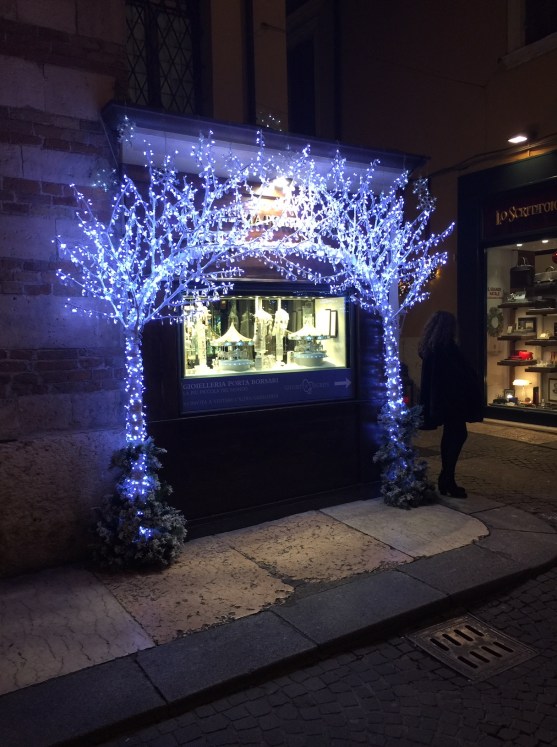
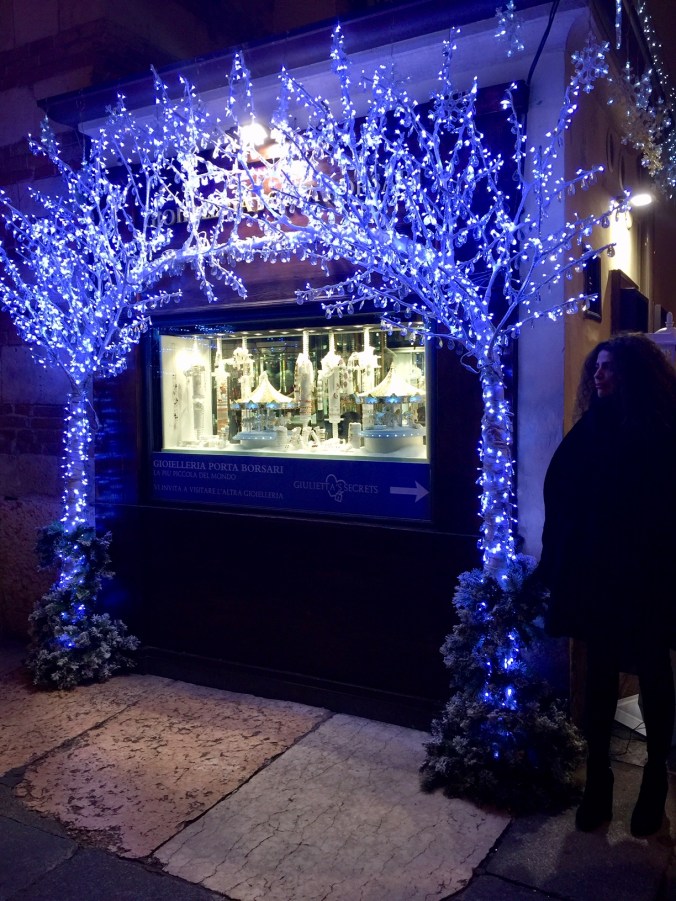
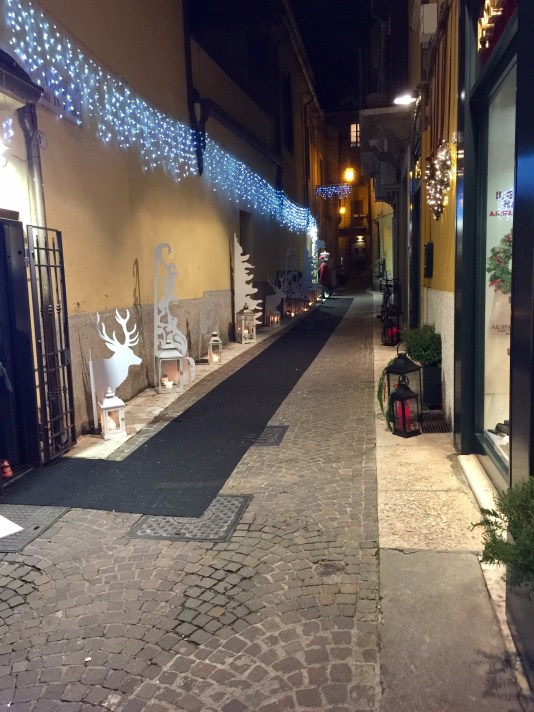
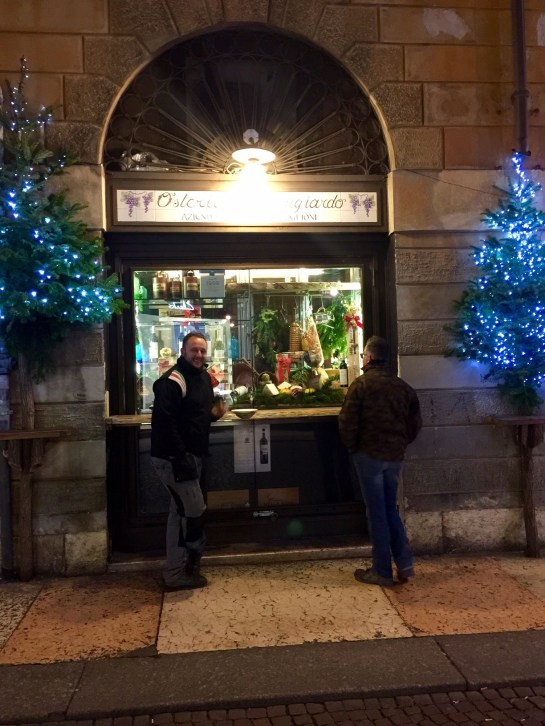
I had the good fortune to spend a few days in Verona recently and the city was all decked out for Christmas.
To begin, here is our home away from home, with a beautiful terrace next to the Adige River. A large persimmon (cachi in Italiano) tree attracted many local ucelli!
Here are some of my favorite pictures:
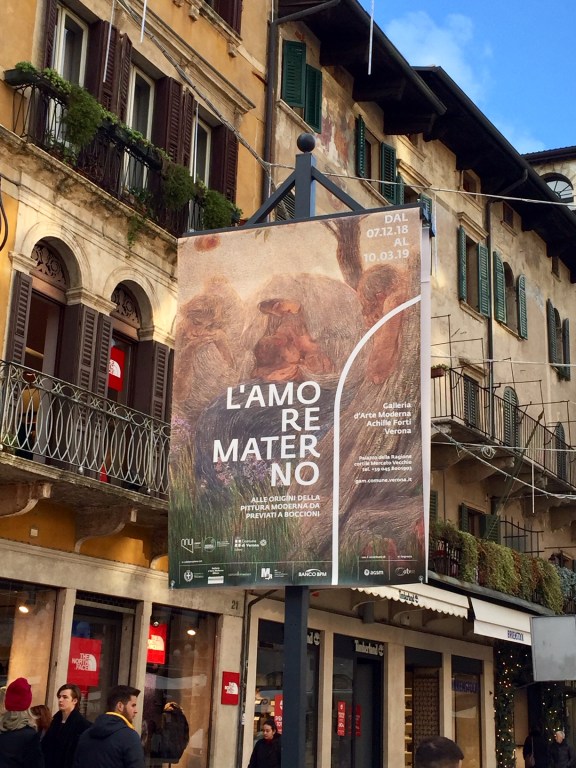
L’amore materno–Mother Love
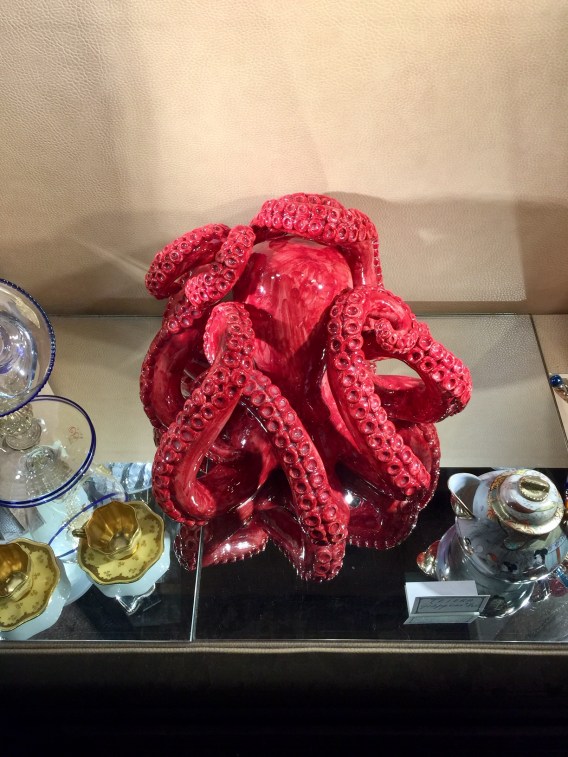
I love a decorative octopus!
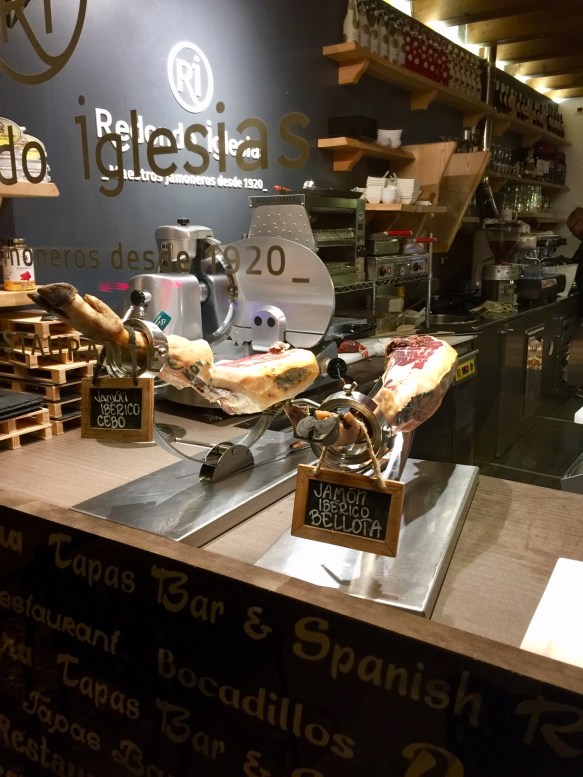
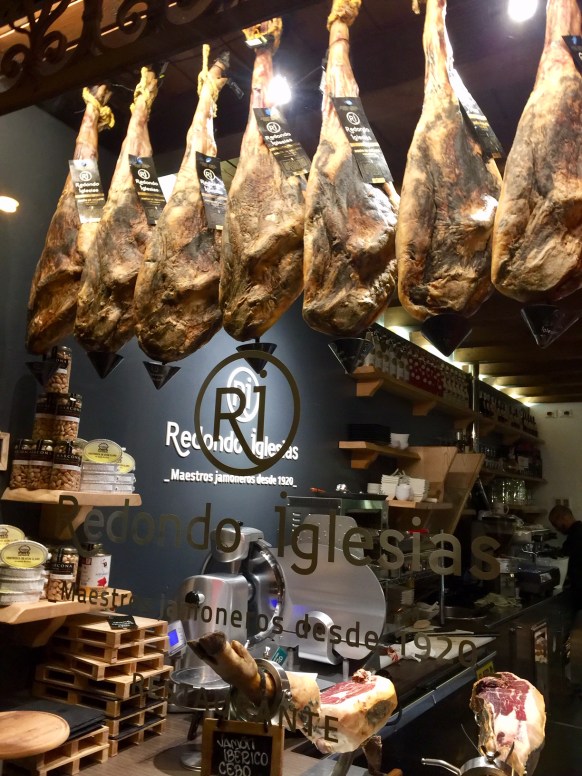
Check out the foot still attached to this prosciutto! OMG!
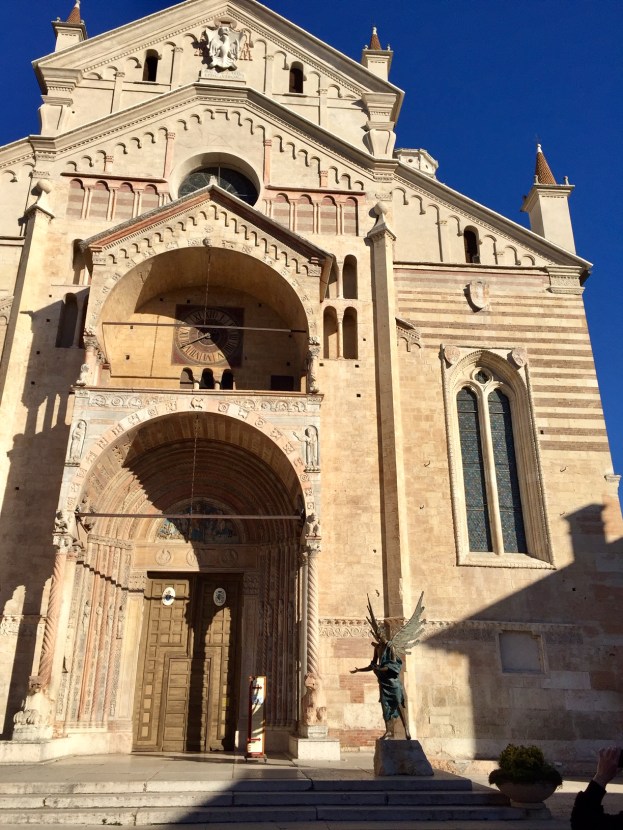
Verona’s magnificent Duomo below:
The bell tower:
The apron front of the facade reminded me of church architecture in Lucca.
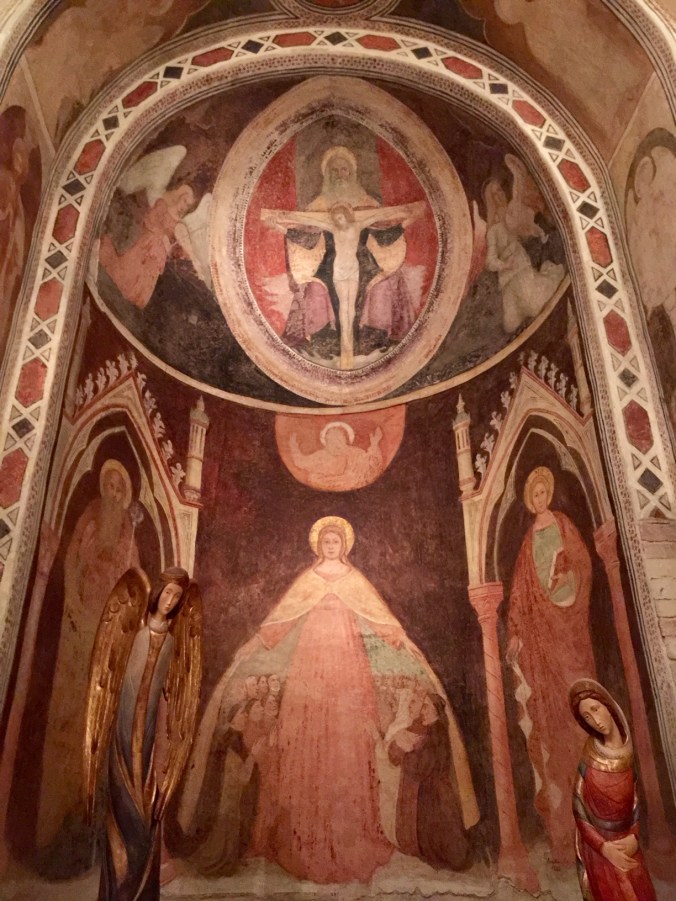
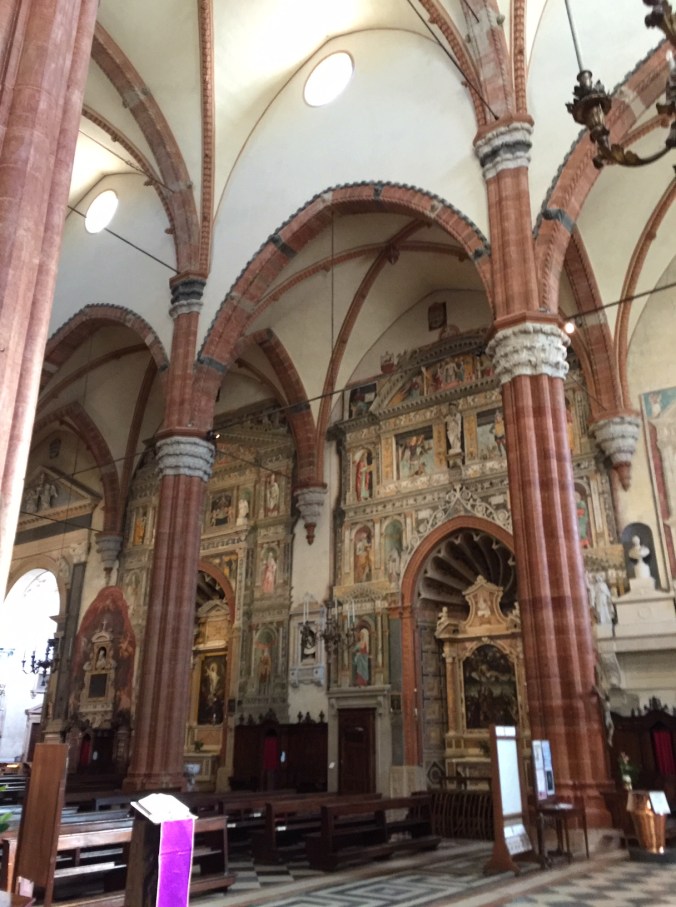
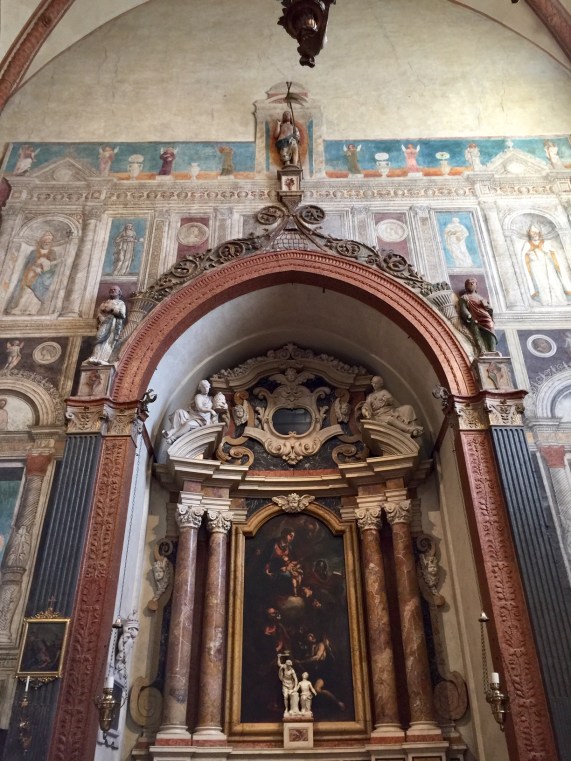
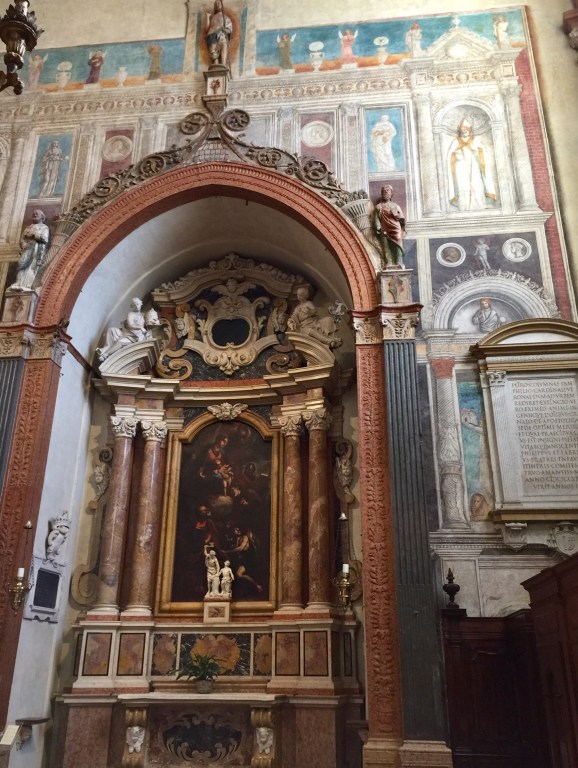
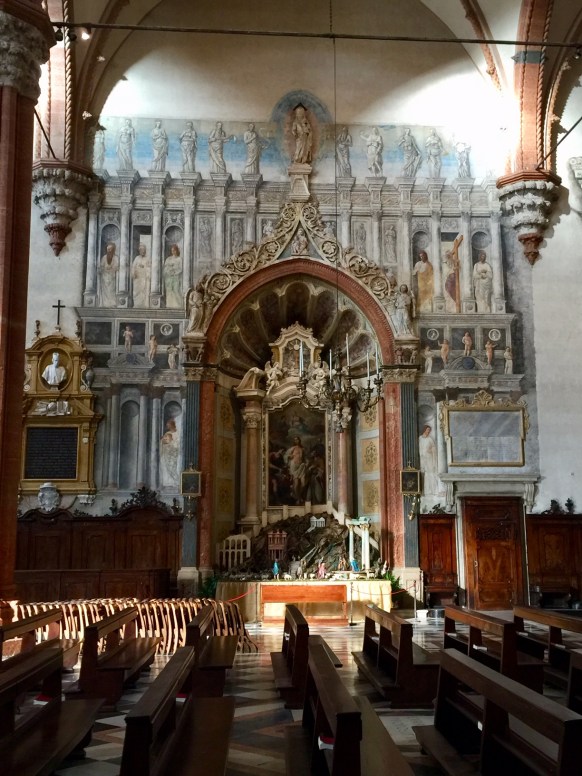
The altar below is painted and has matching sculptures in front. I’d never seen anything like this before.
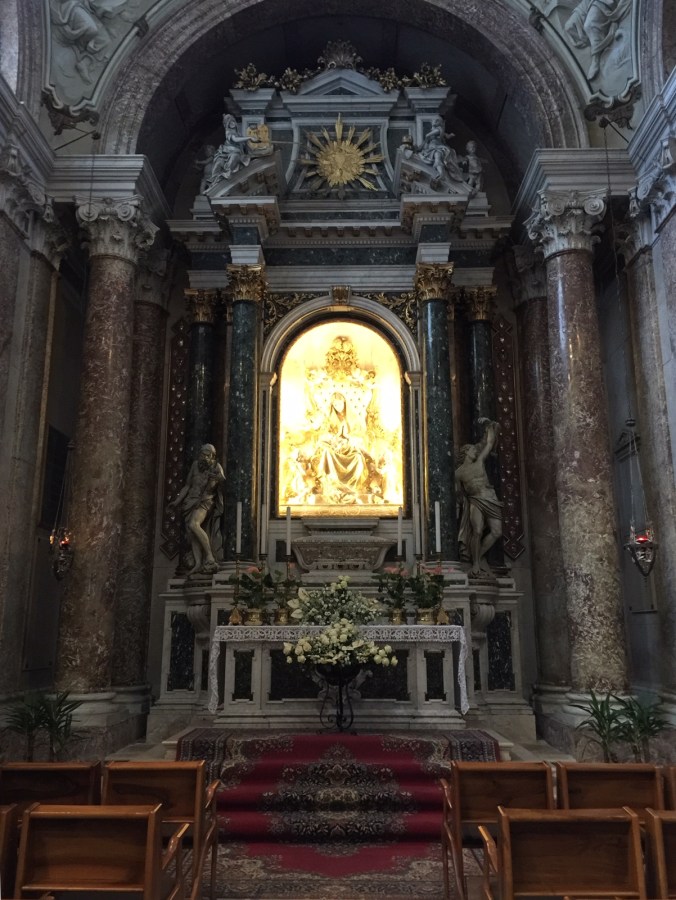
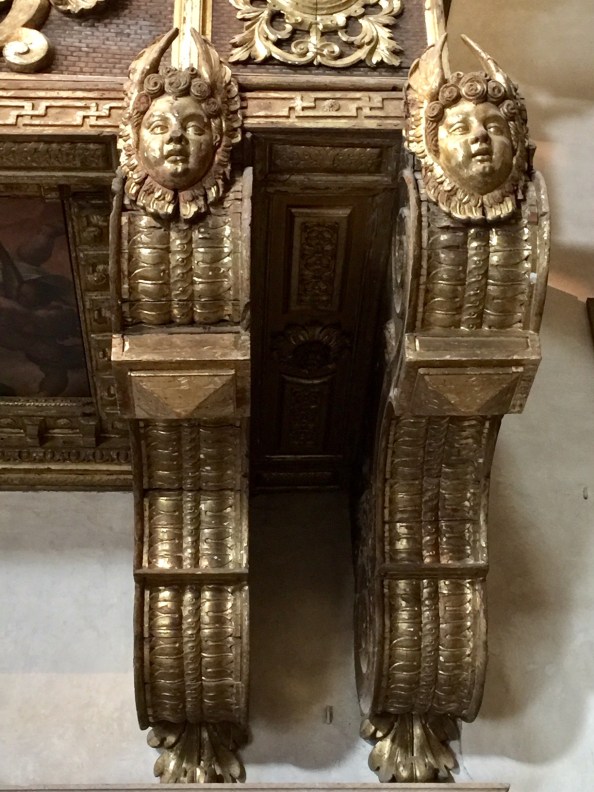
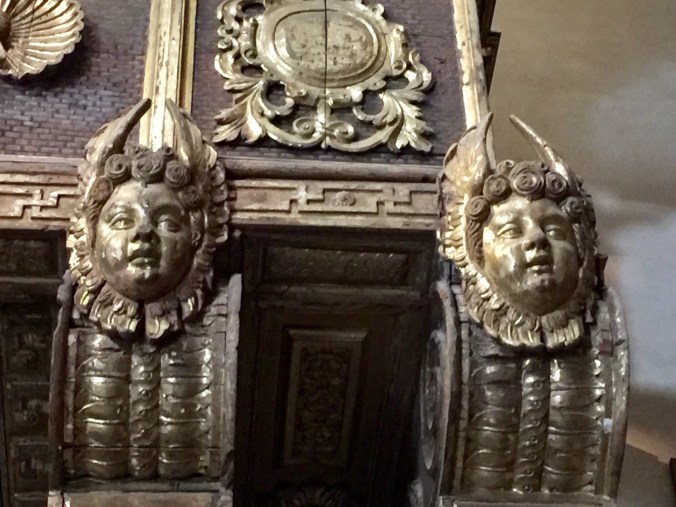
The altar below beckons from across the church. Such lavish gold, again, I’ve never seen anything quite like this and I’ve seen a lot of altars in my day. I love that Italy is always surprising me.
See what I mean below:
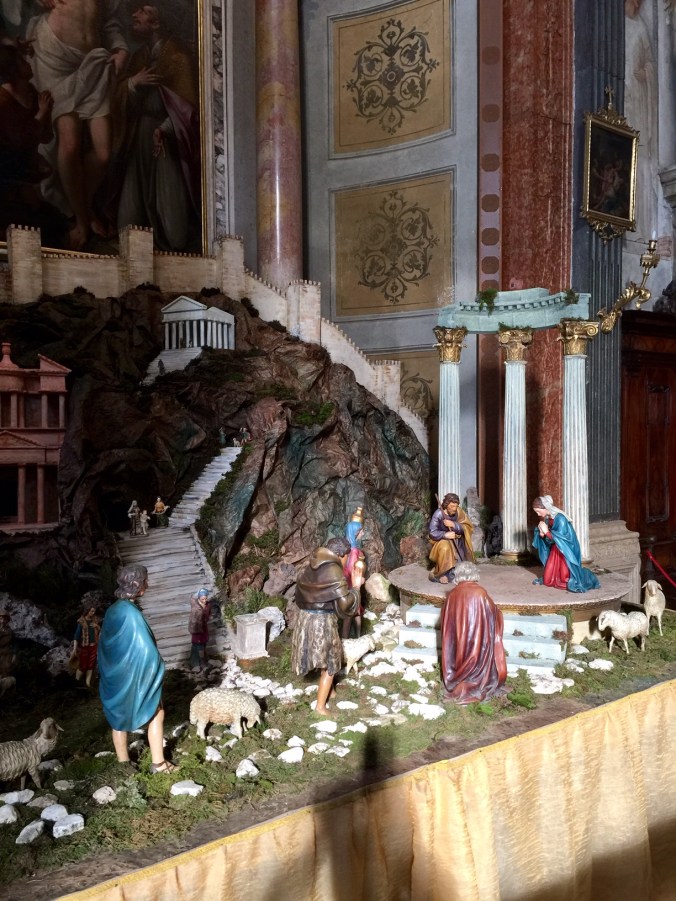
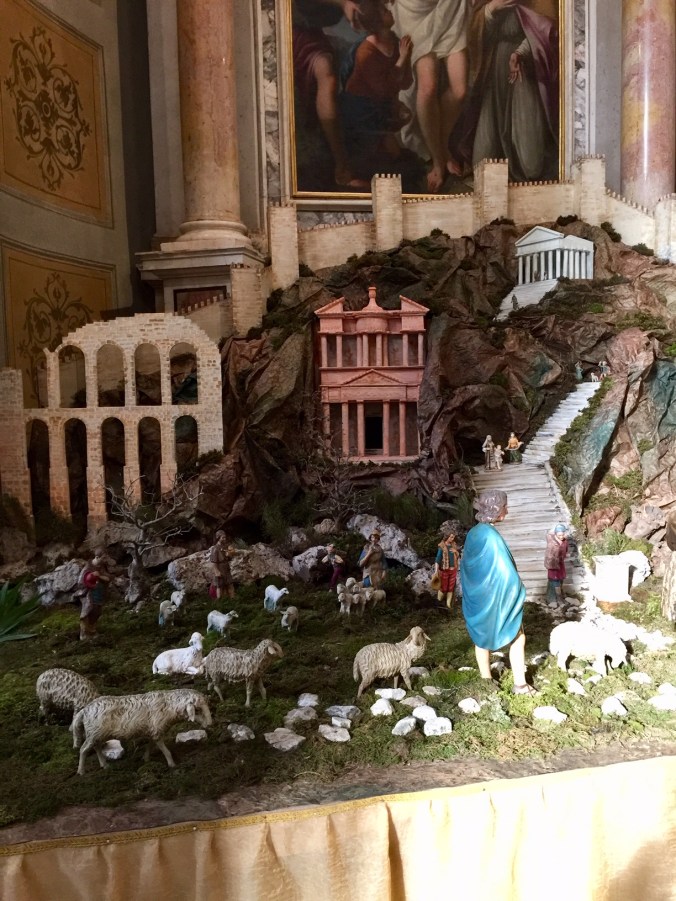
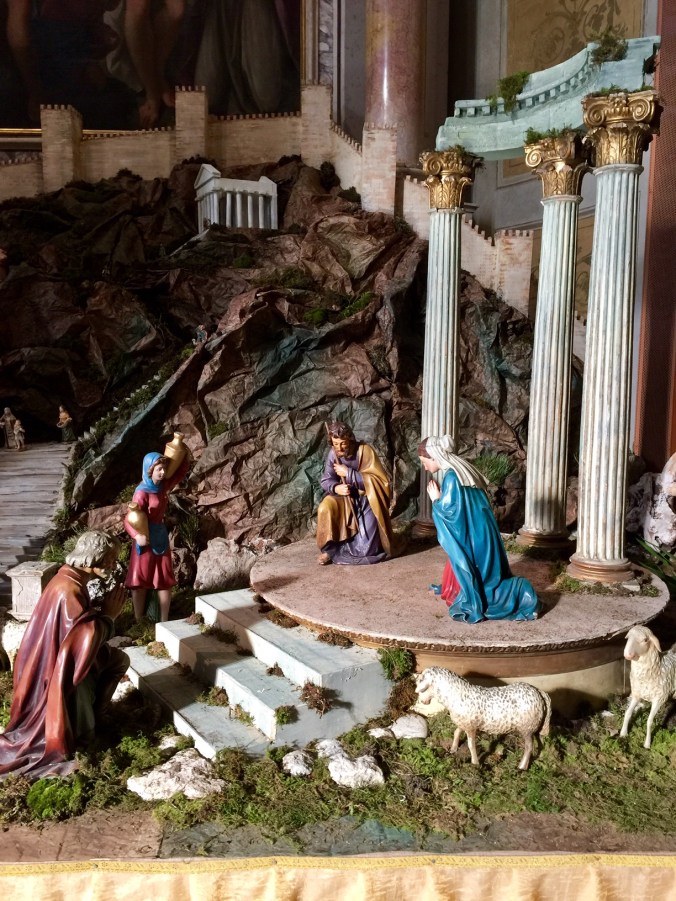
The ubiquitous December creche scene: the figure of the baby Jesus will not appear until midnight of the 25th.
I guess the placard below is for those sinners who don’t remember or know how to confess.
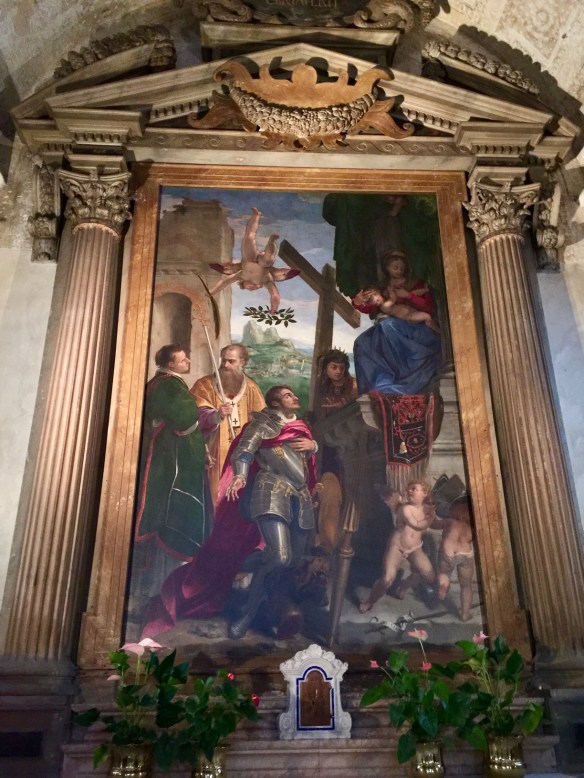
These pictures are from the interior of the duomo in Verona. It is a beautiful church. Verona was obviously a wealthy city during the Renaissance and after, as it still is today.
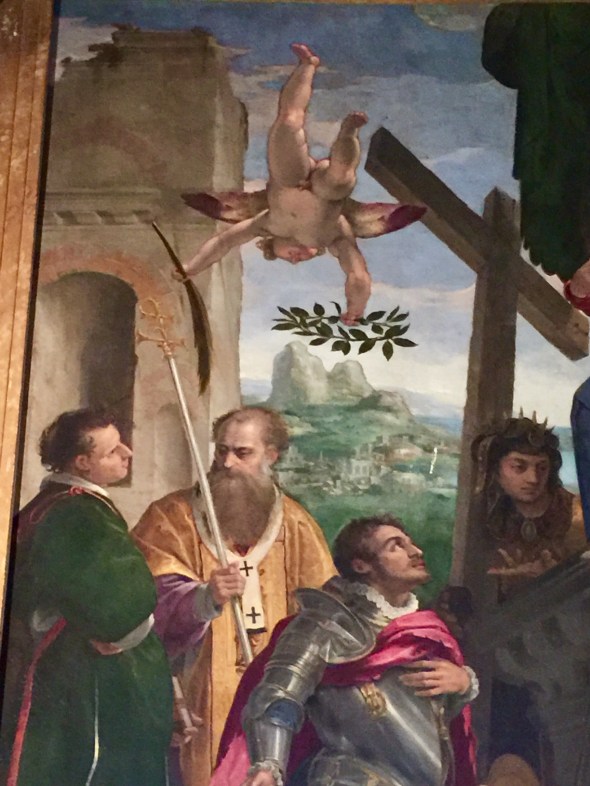
I’ve looked at a lot of paintings in my day, but I’ve never seen such a foreshortened putto flying in from this angle, to crown with laurel the knight in armor.
While this sculpted doorway below looks to be monumental, it was actually at my eye level on a wall in the duomo, and measured about 12 inches tall.
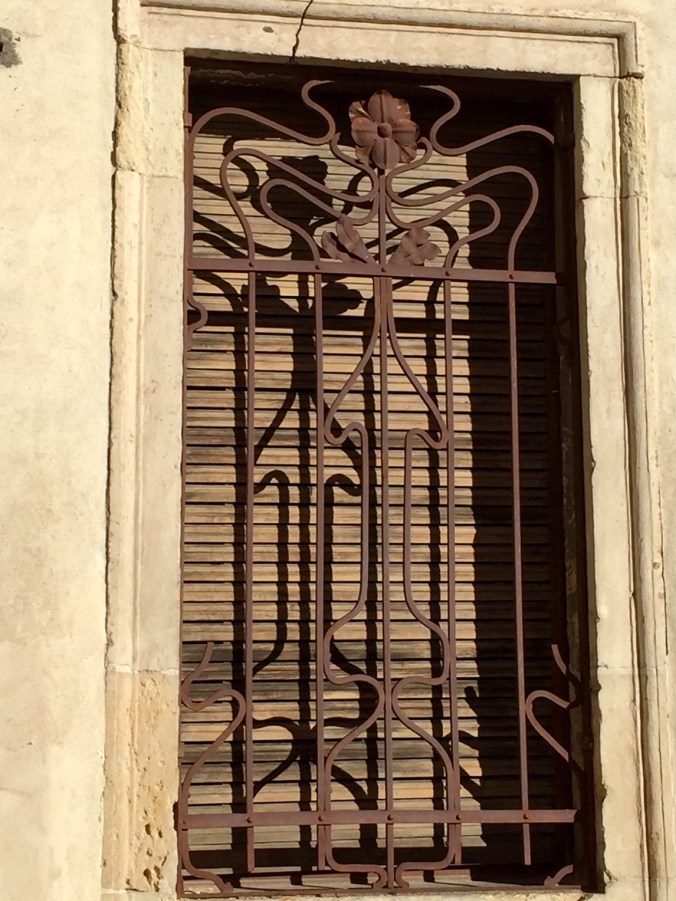
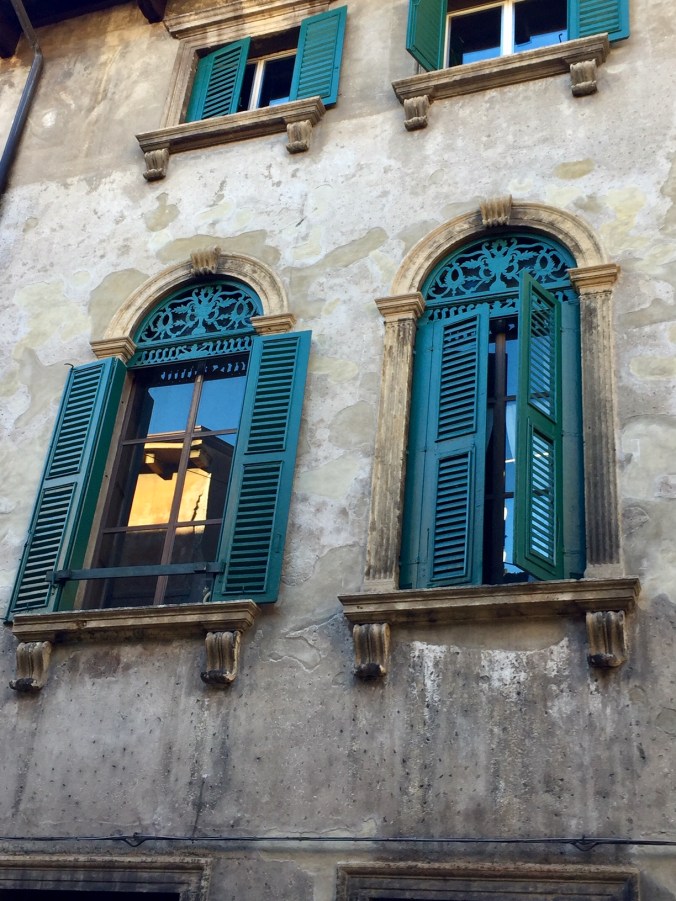
Back out in the lovely streets of Verona, I admired this art nouveau wrought iron in a window. It’s unusual for Italy and I love it.
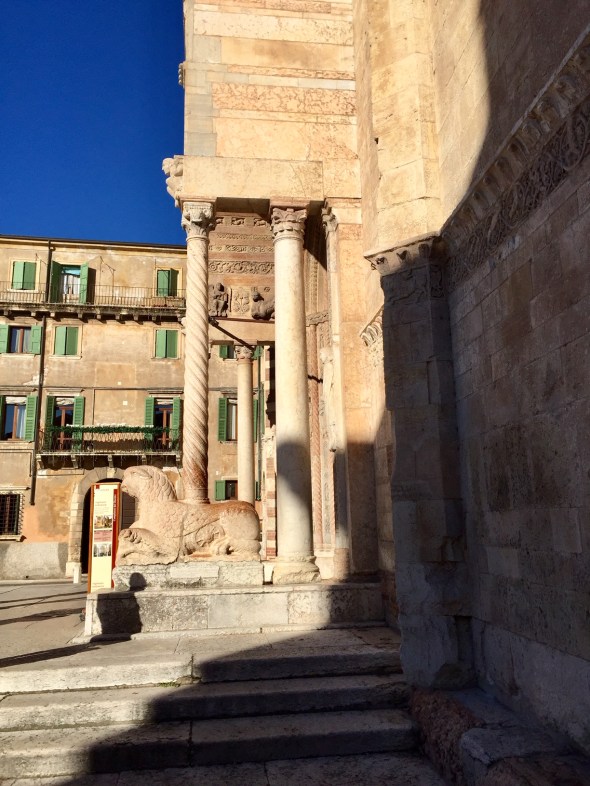
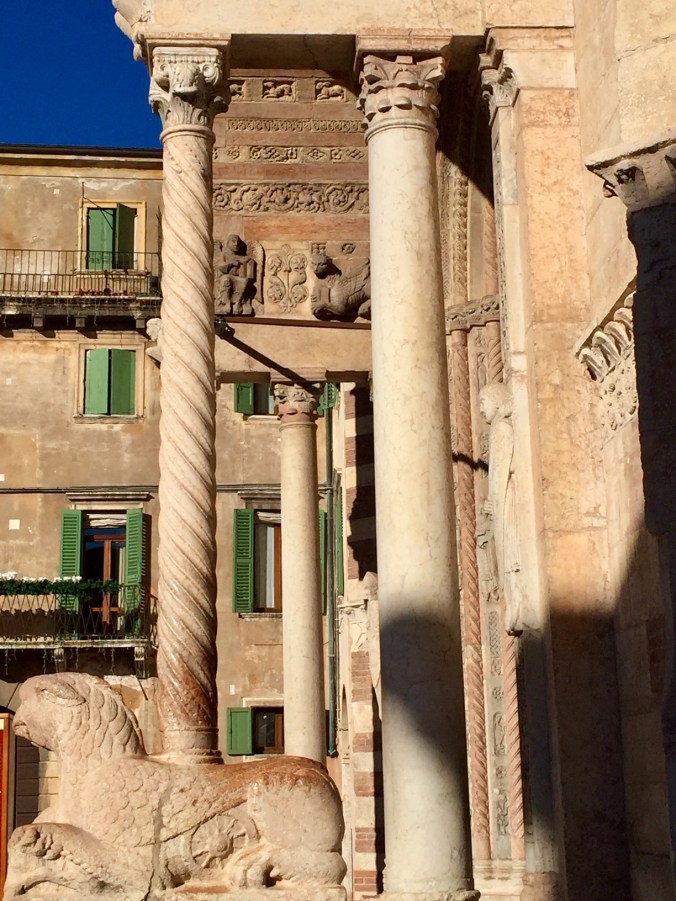
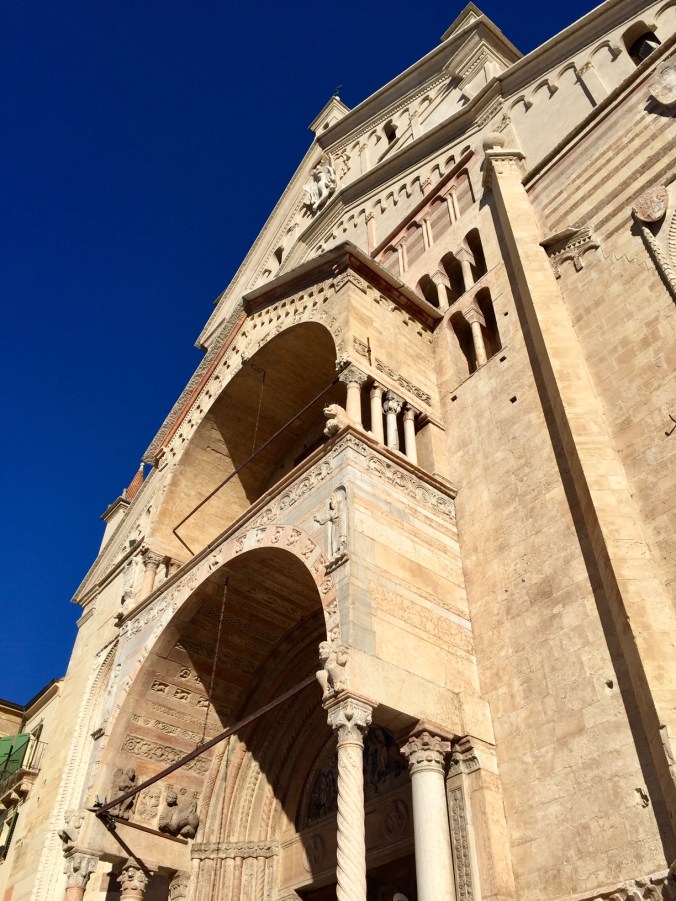
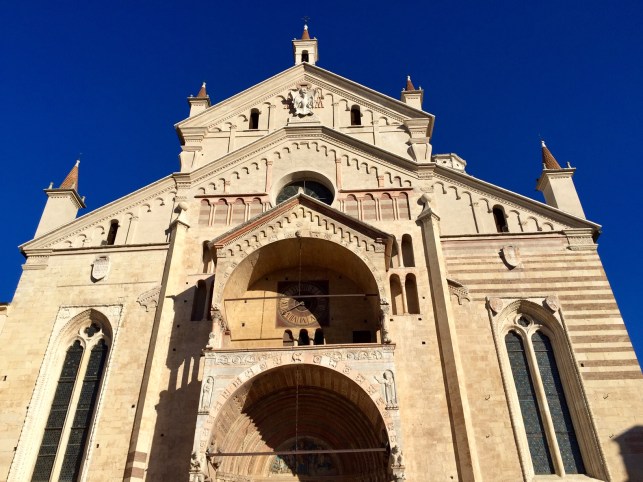
Below is the gorgeous facade of the duomo.
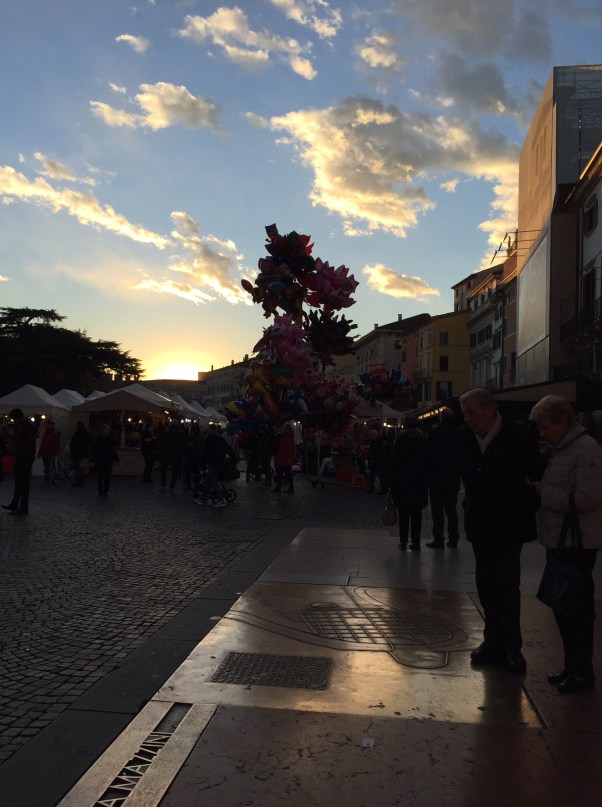
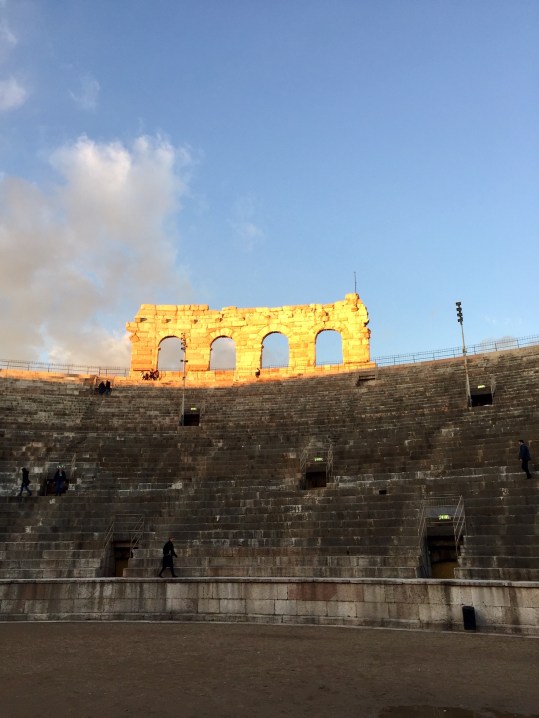
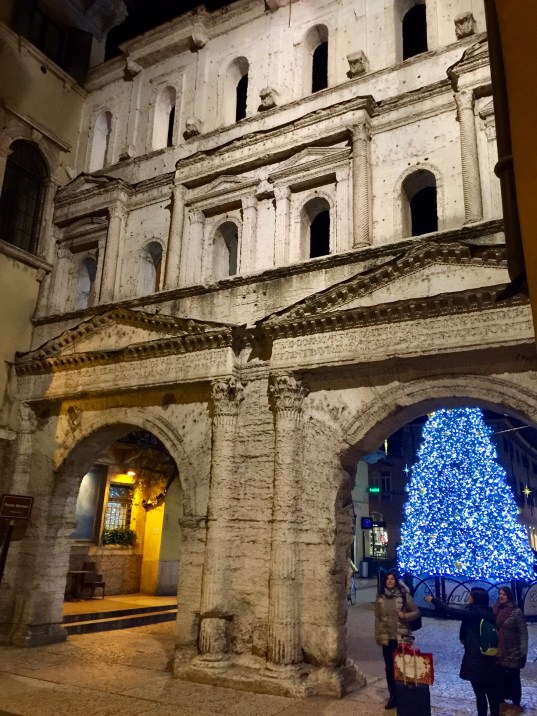
There are Roman ruins on the hillsides in Verona. I took this picture to remind me of this new (to me) fact: I want to go back and see more of the town.
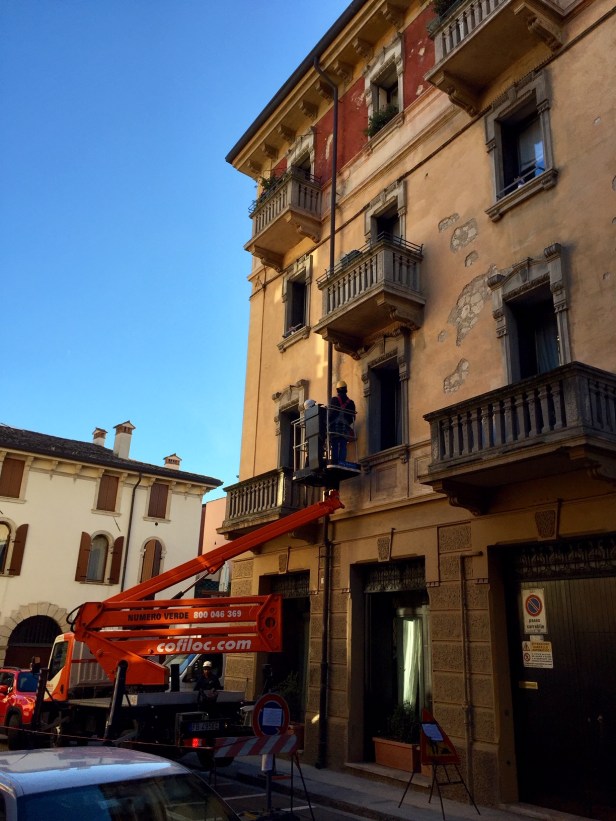
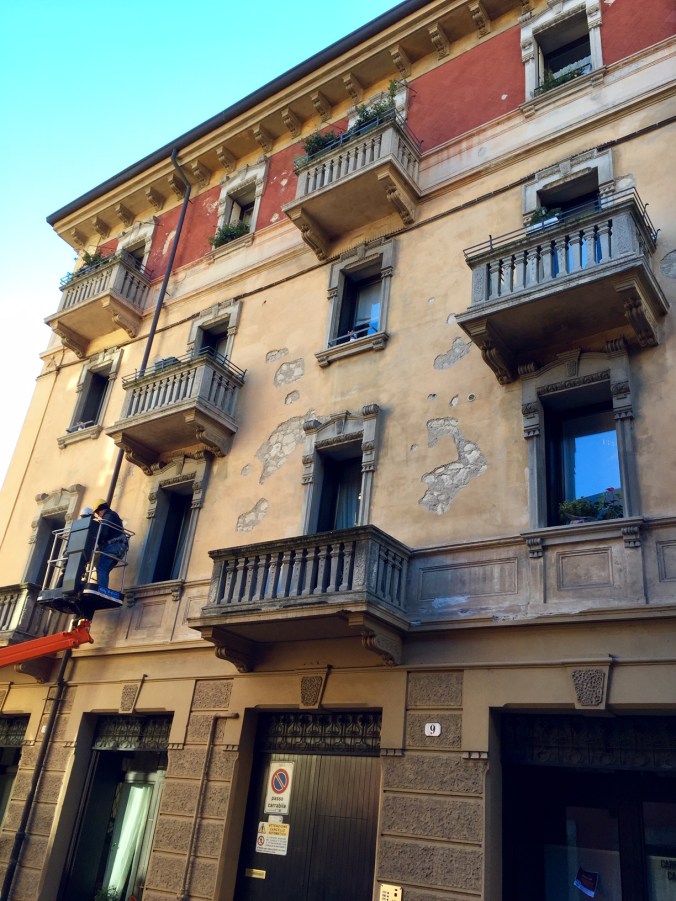
The facade below is getting some TLC.
Walking along on the sidewalk along a wall, there are death notices posted. I find these fascinating.
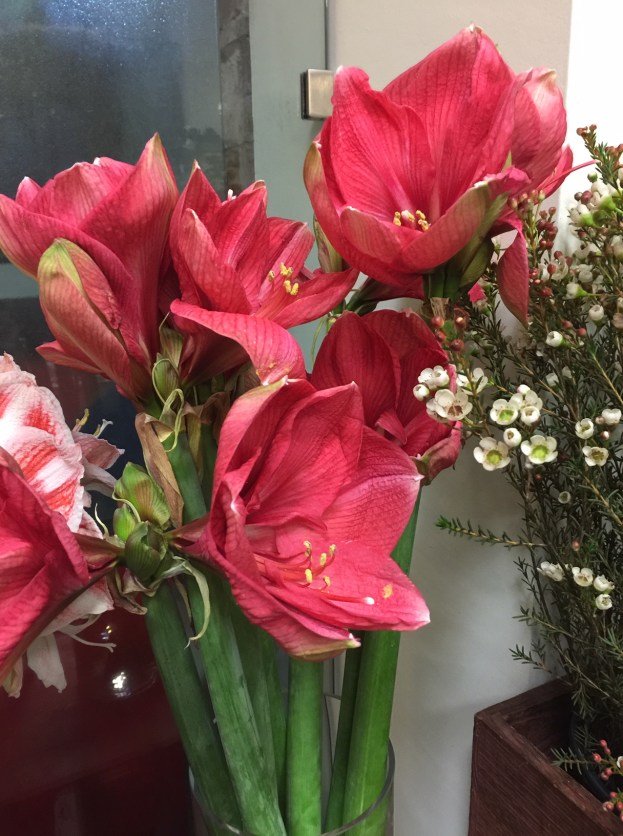
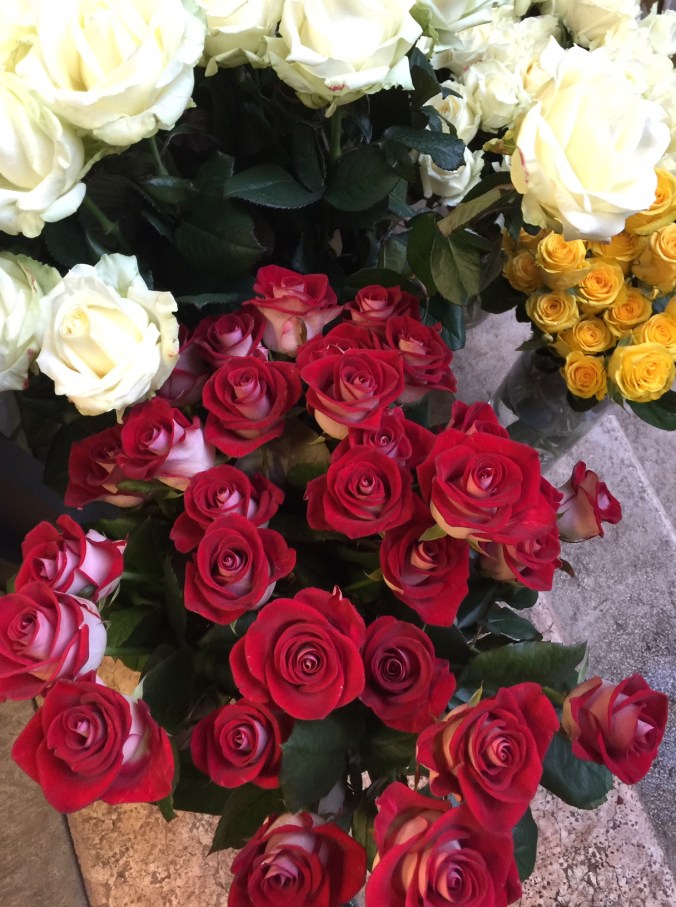
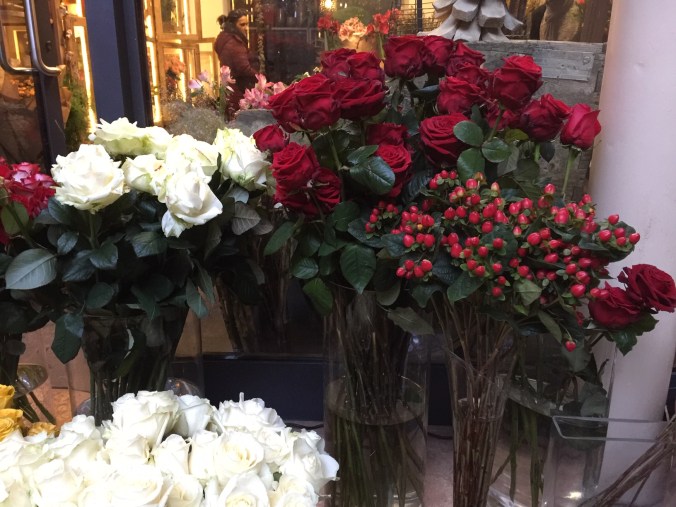
Flower shops are magnets to me:
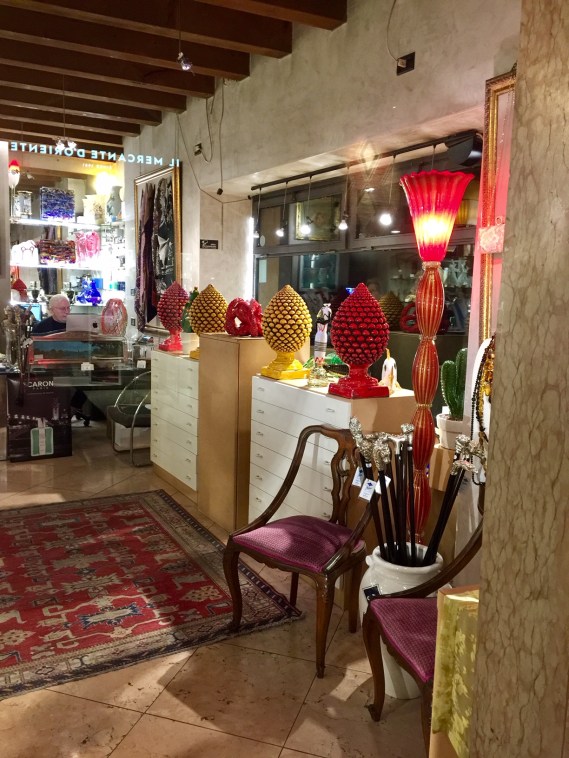
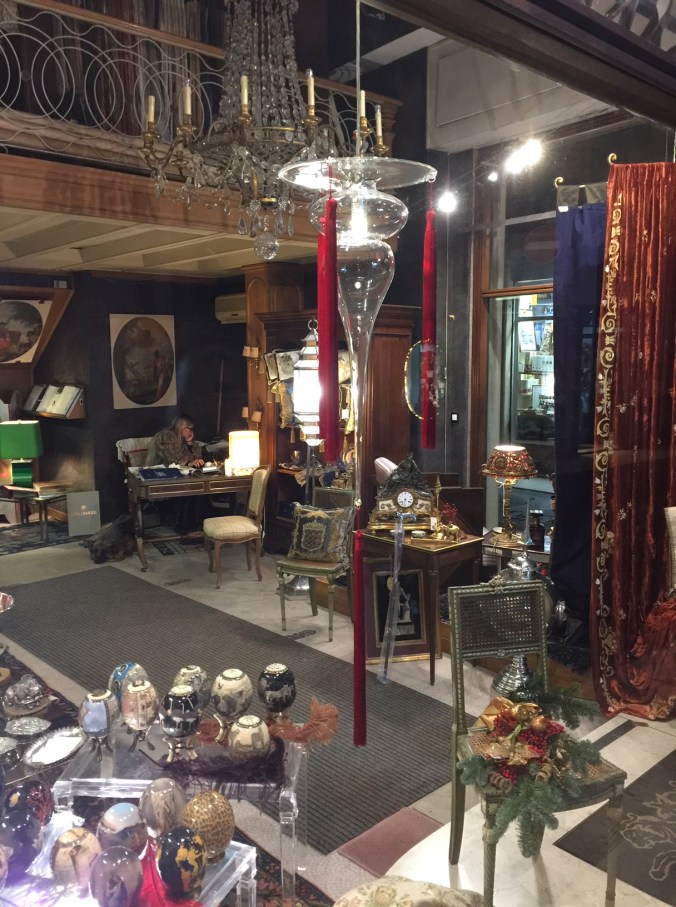
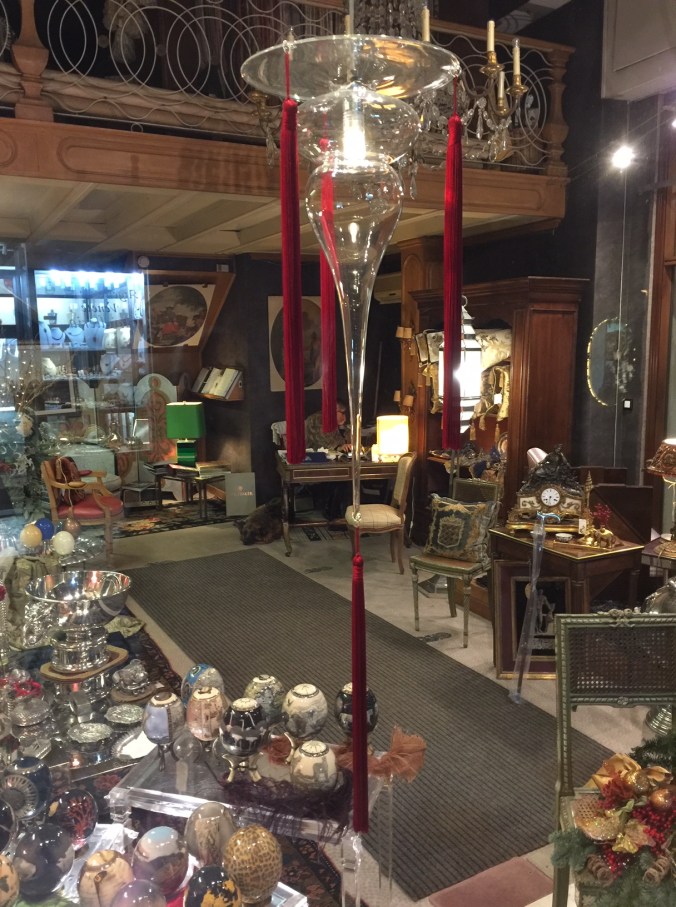
I am obsessed with this crystal lamp with the red tassels. Obsessed.
Obsessed I tell you!
Finally, the end. A shout out to my girl, Jenny, for being an awesome traveling companion. More to come, I am sure!
Oh, and p.s., I have a few more Verona posts coming, including Giardino Giusti. Watch this space!
One of the two most enchanting places I have ever been is in the Bridal Chamber of the Palazzo Ducale in Mantua, Lombardy, Italy. I won’t share my other top most favorite place here, but I will tell you it is a Renaissance room of about the same size somewhere in Tuscany and was painted by Benozzo Gozzoli.
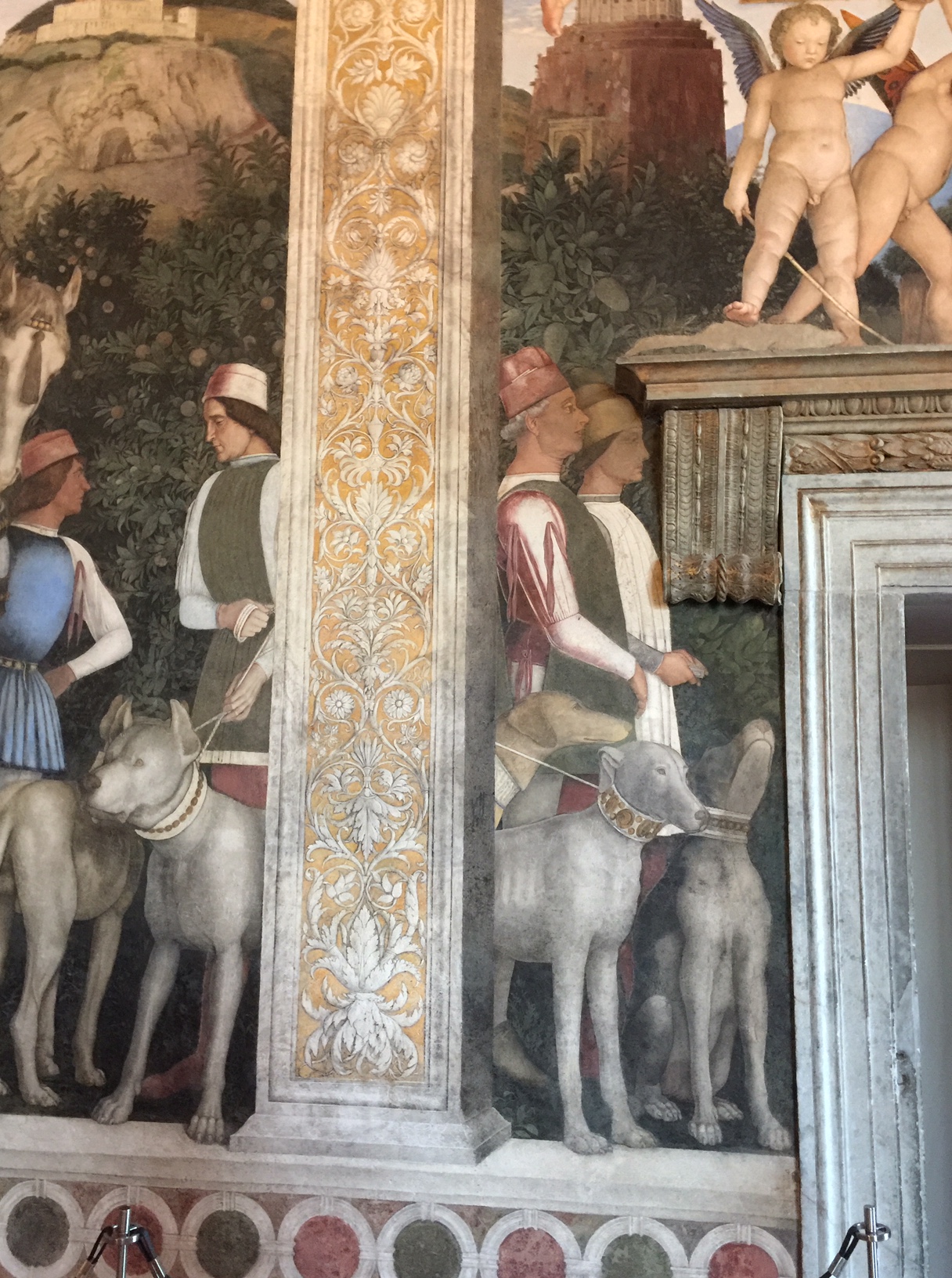
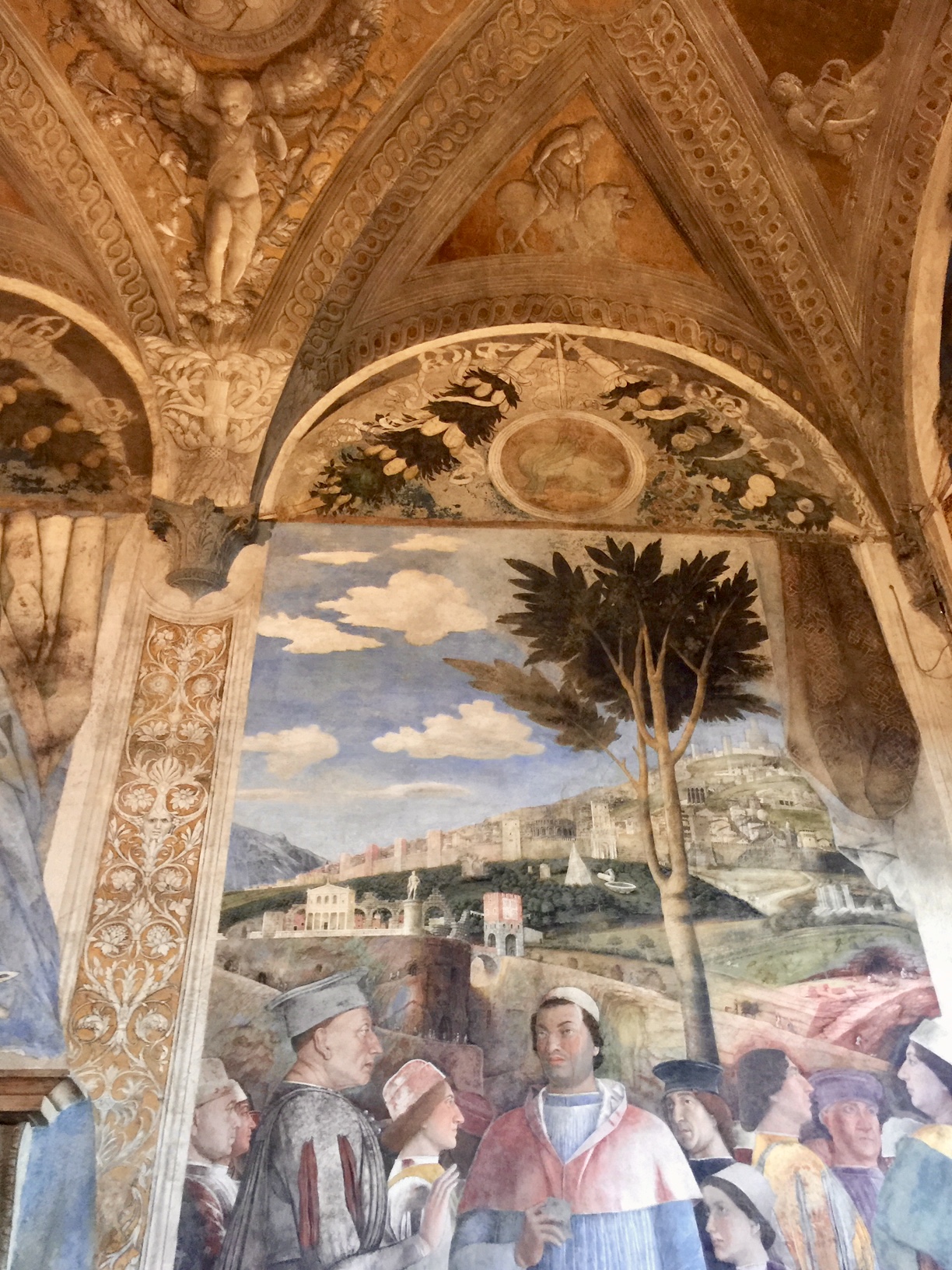
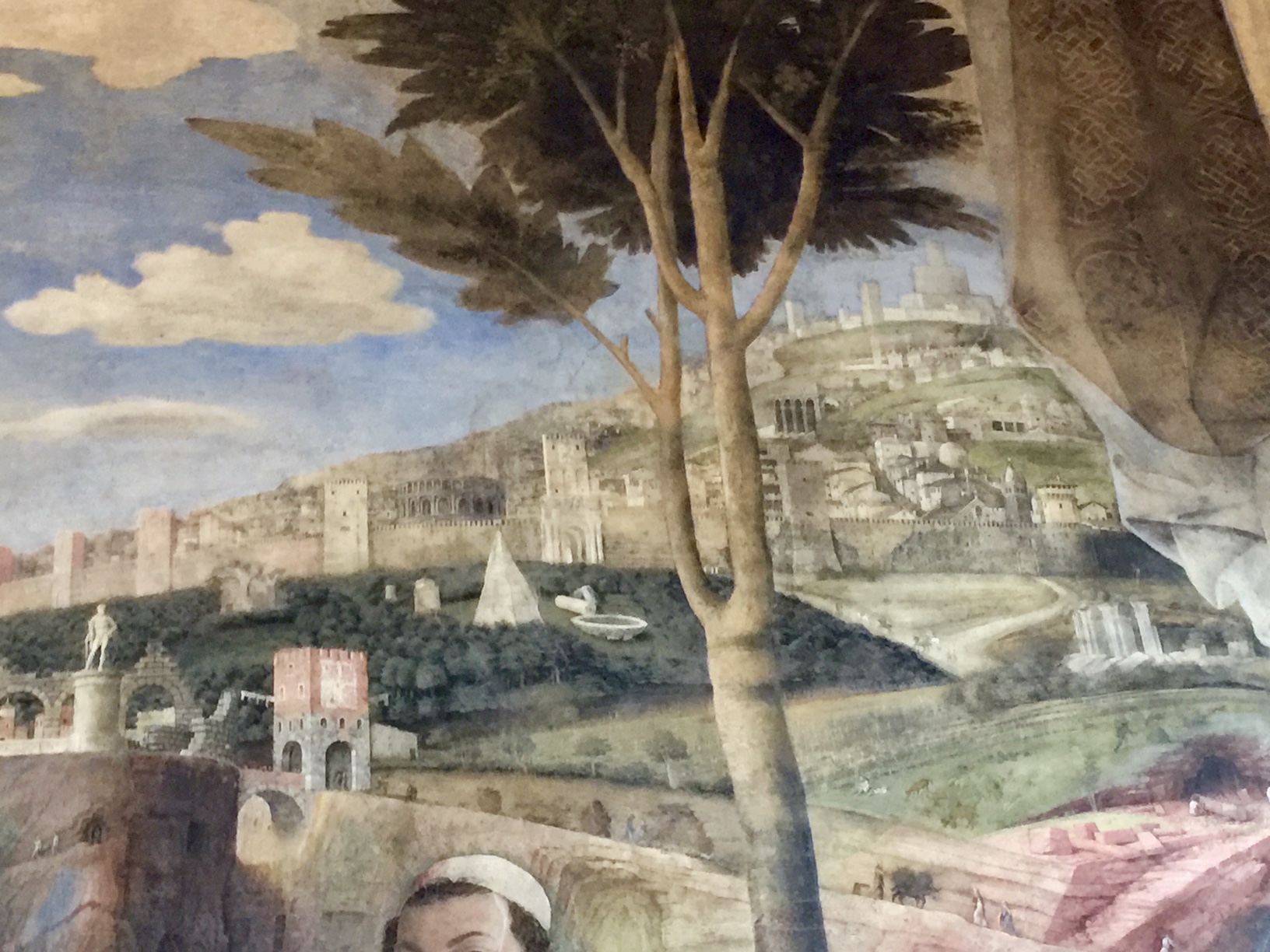
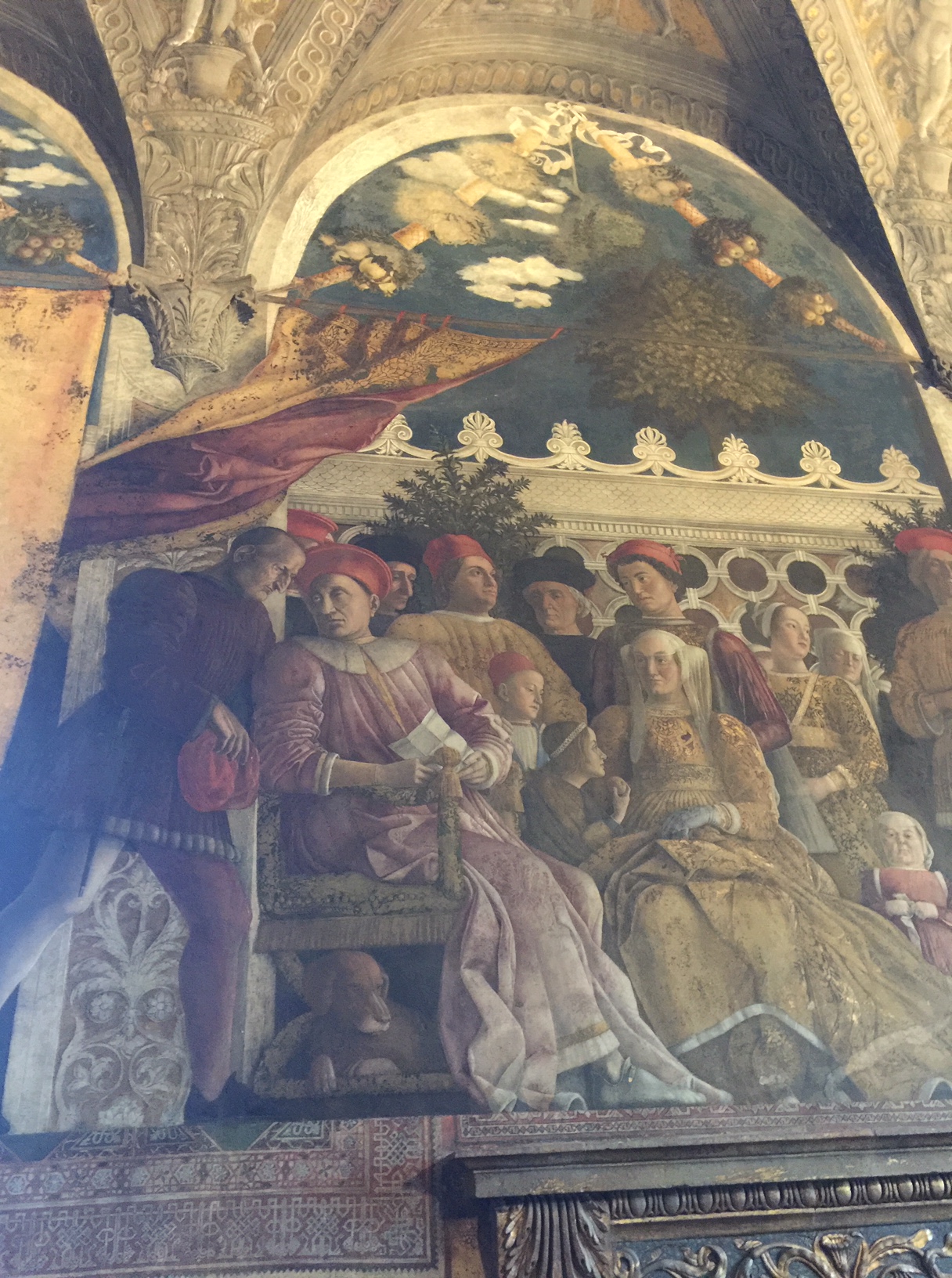
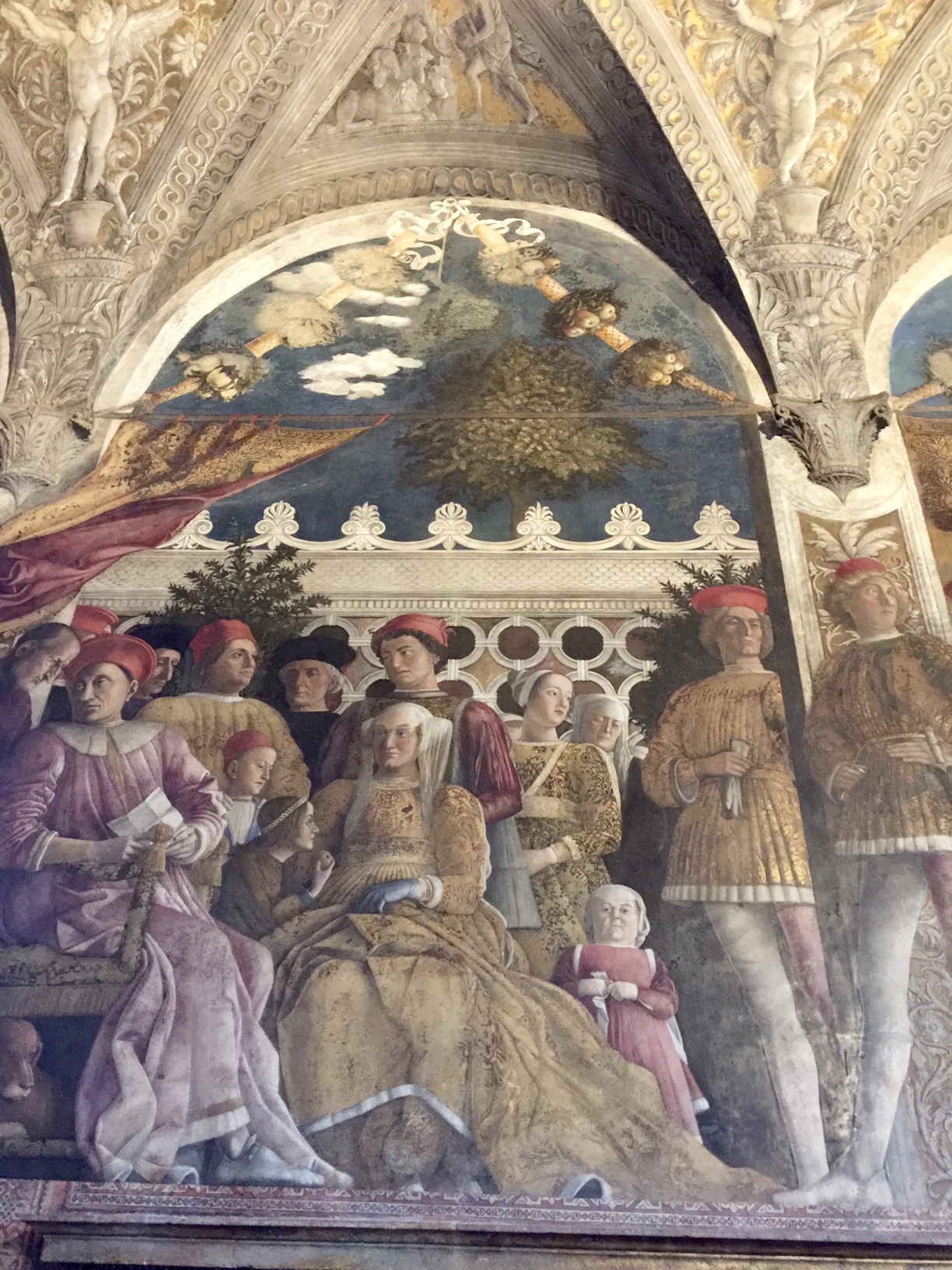
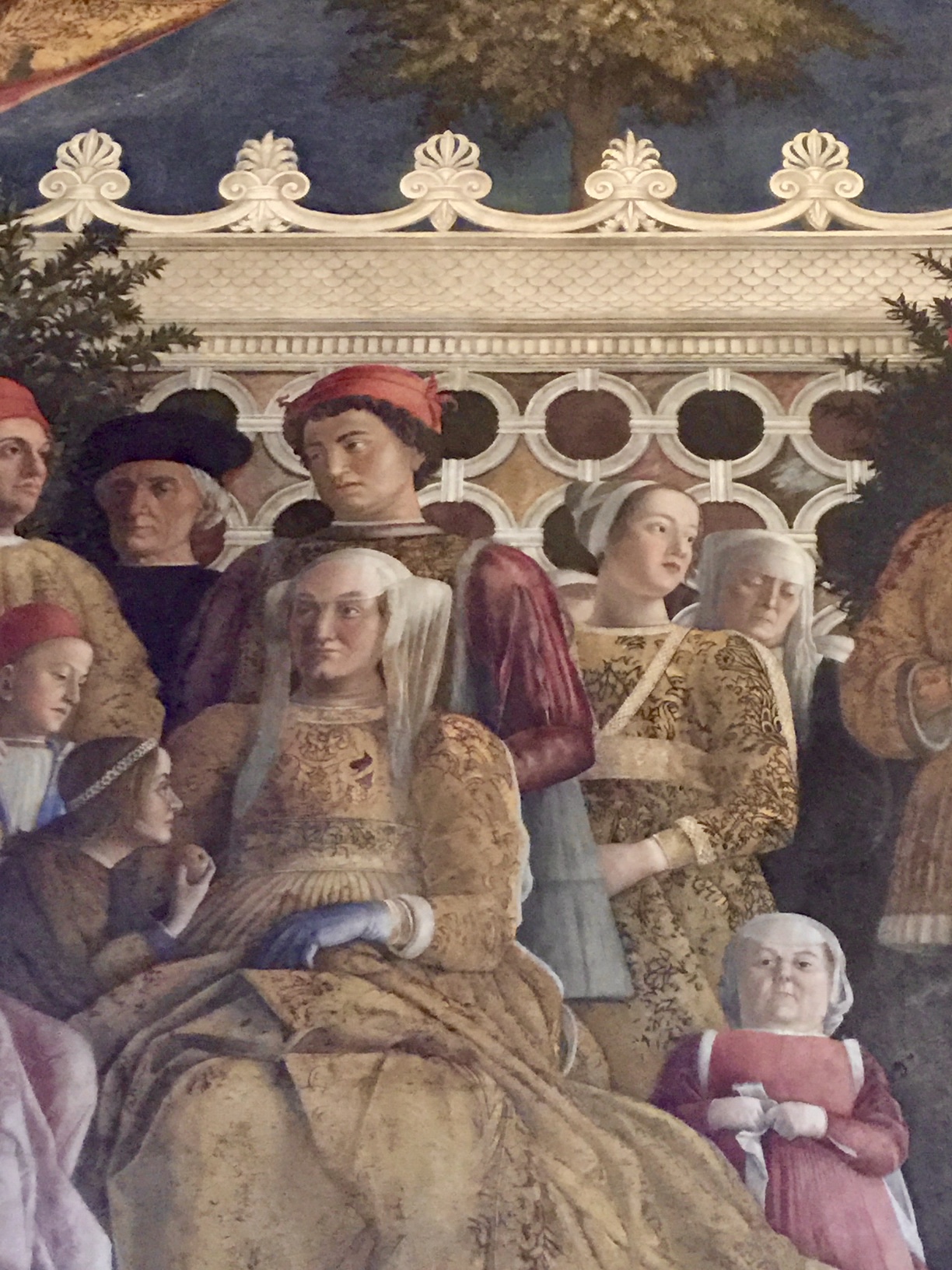
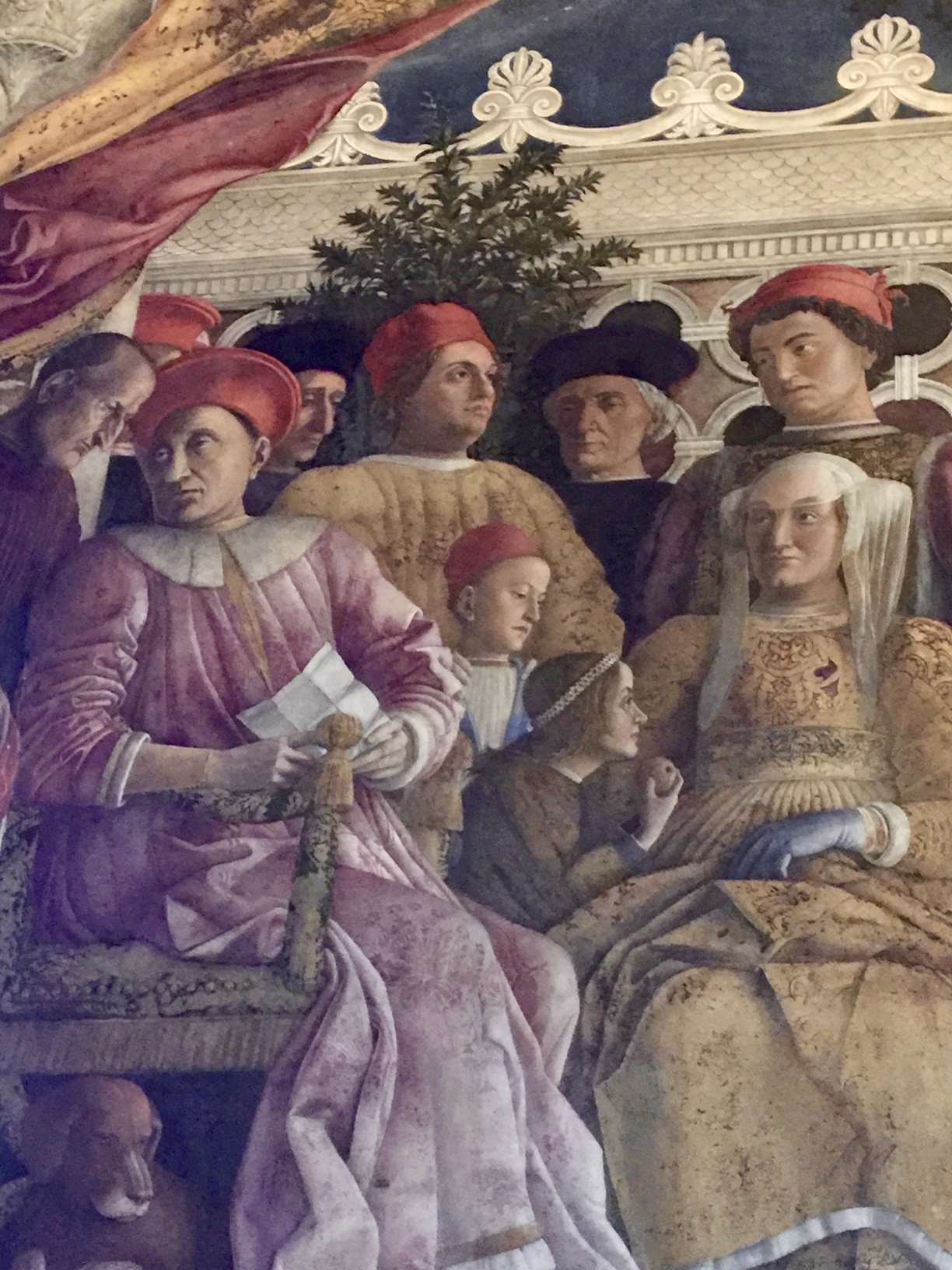
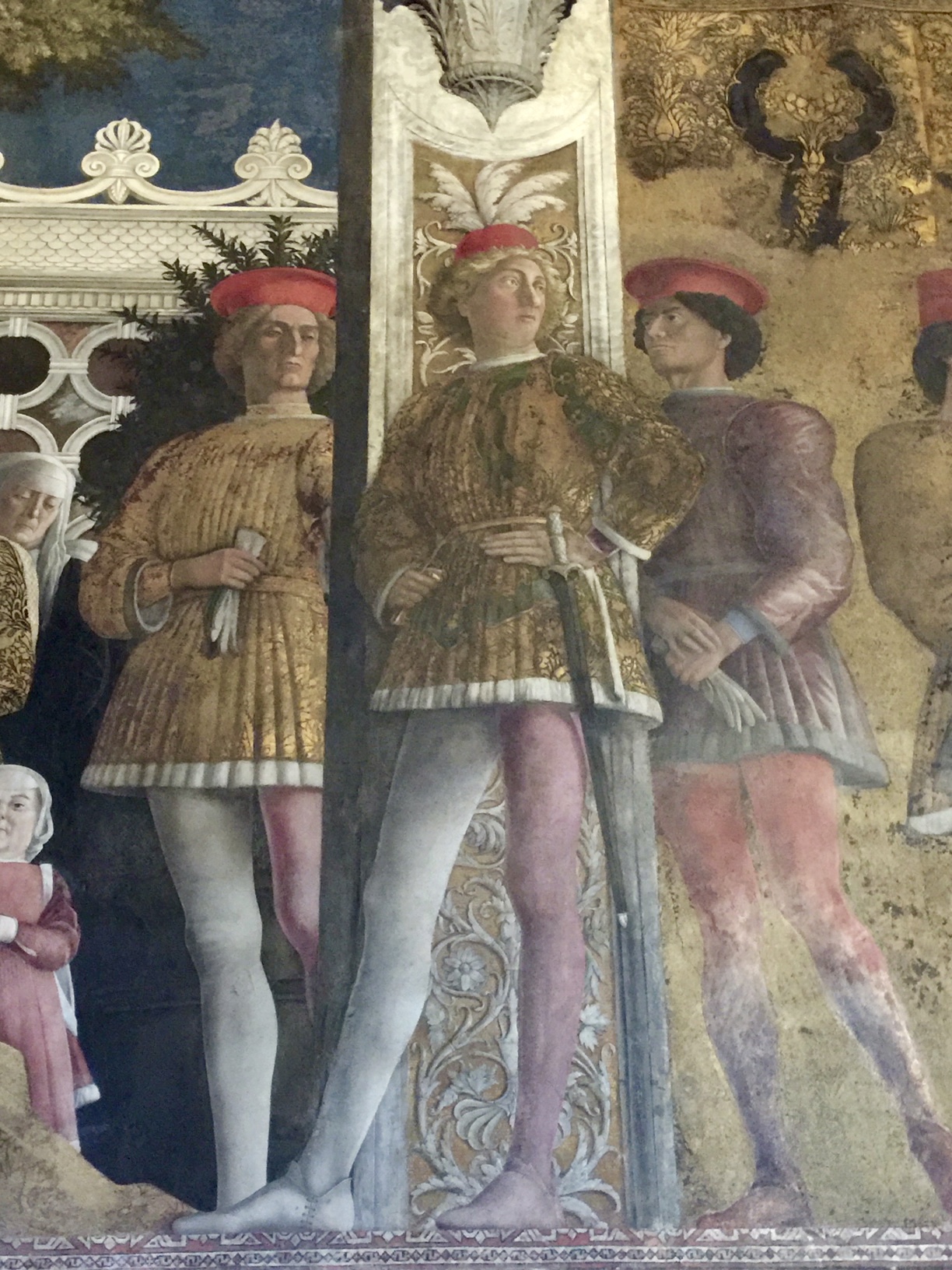
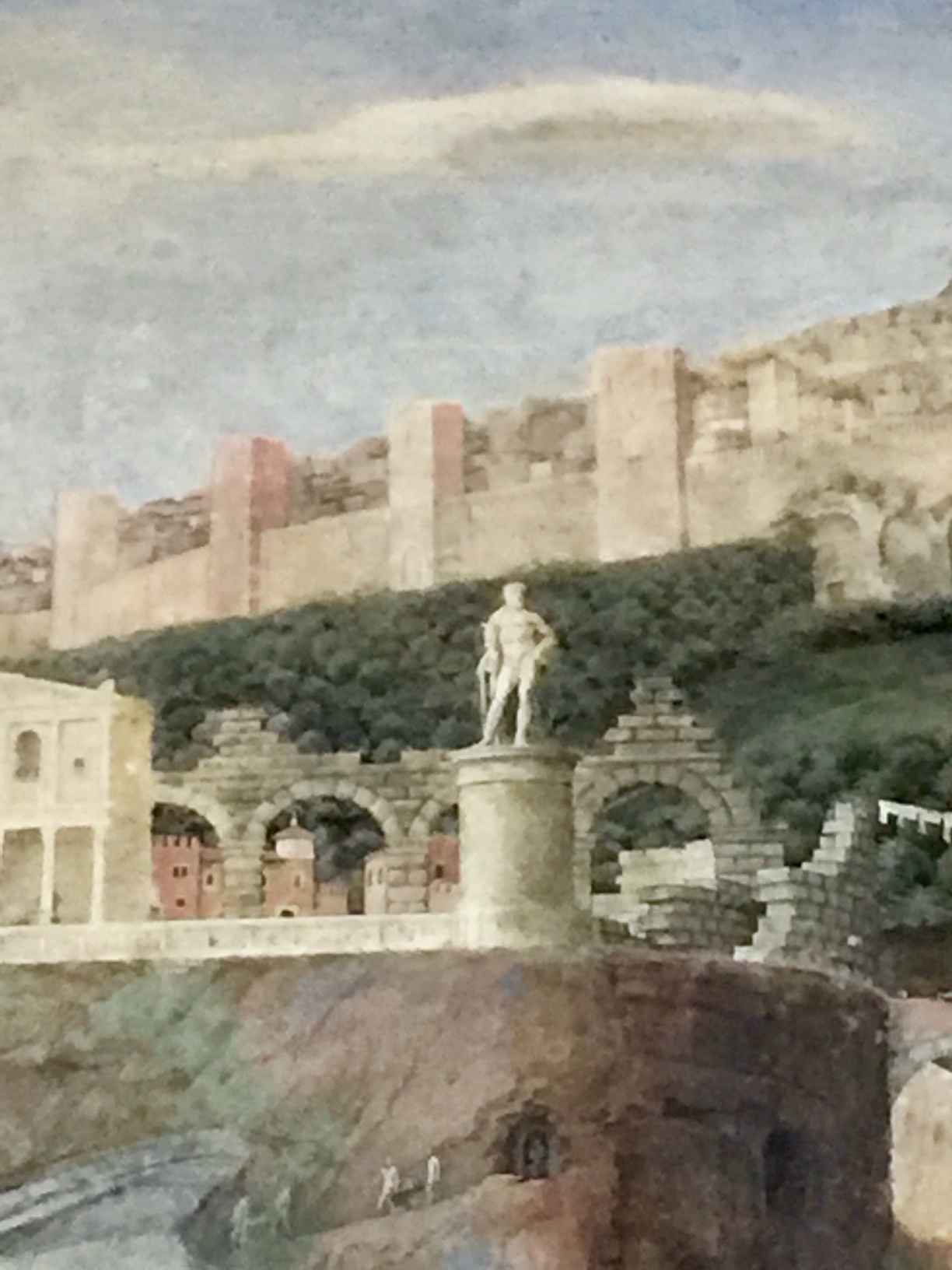
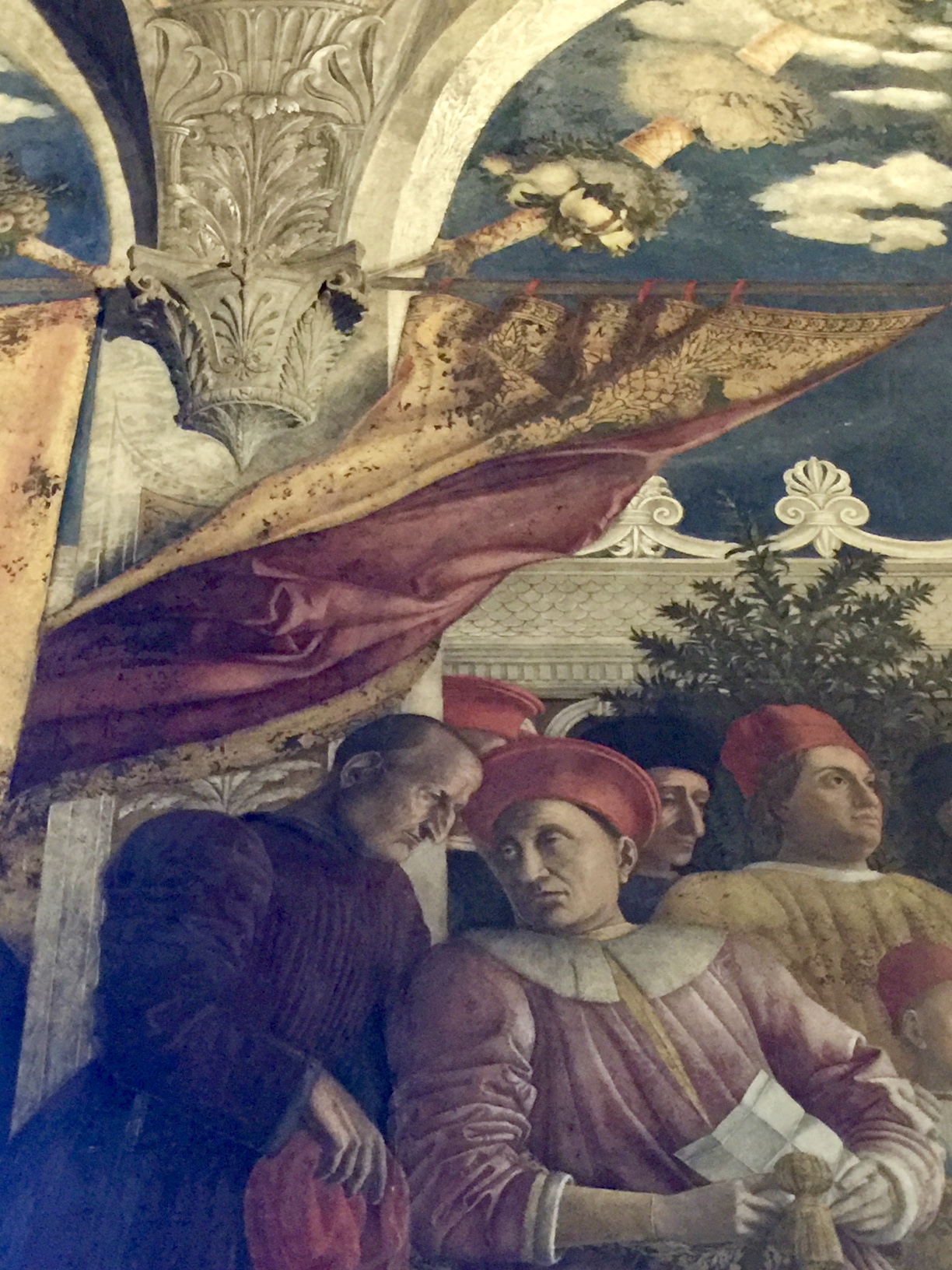
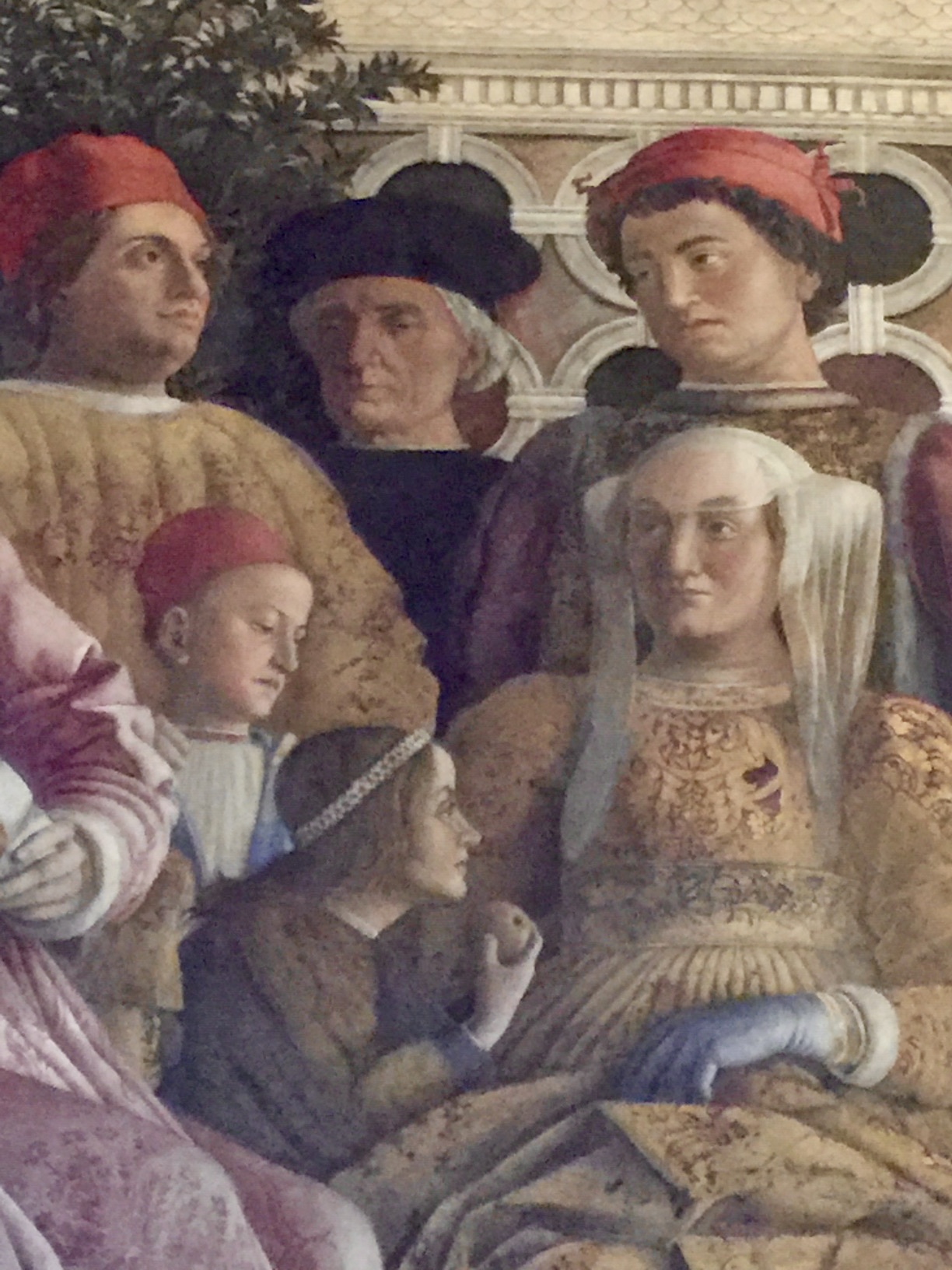
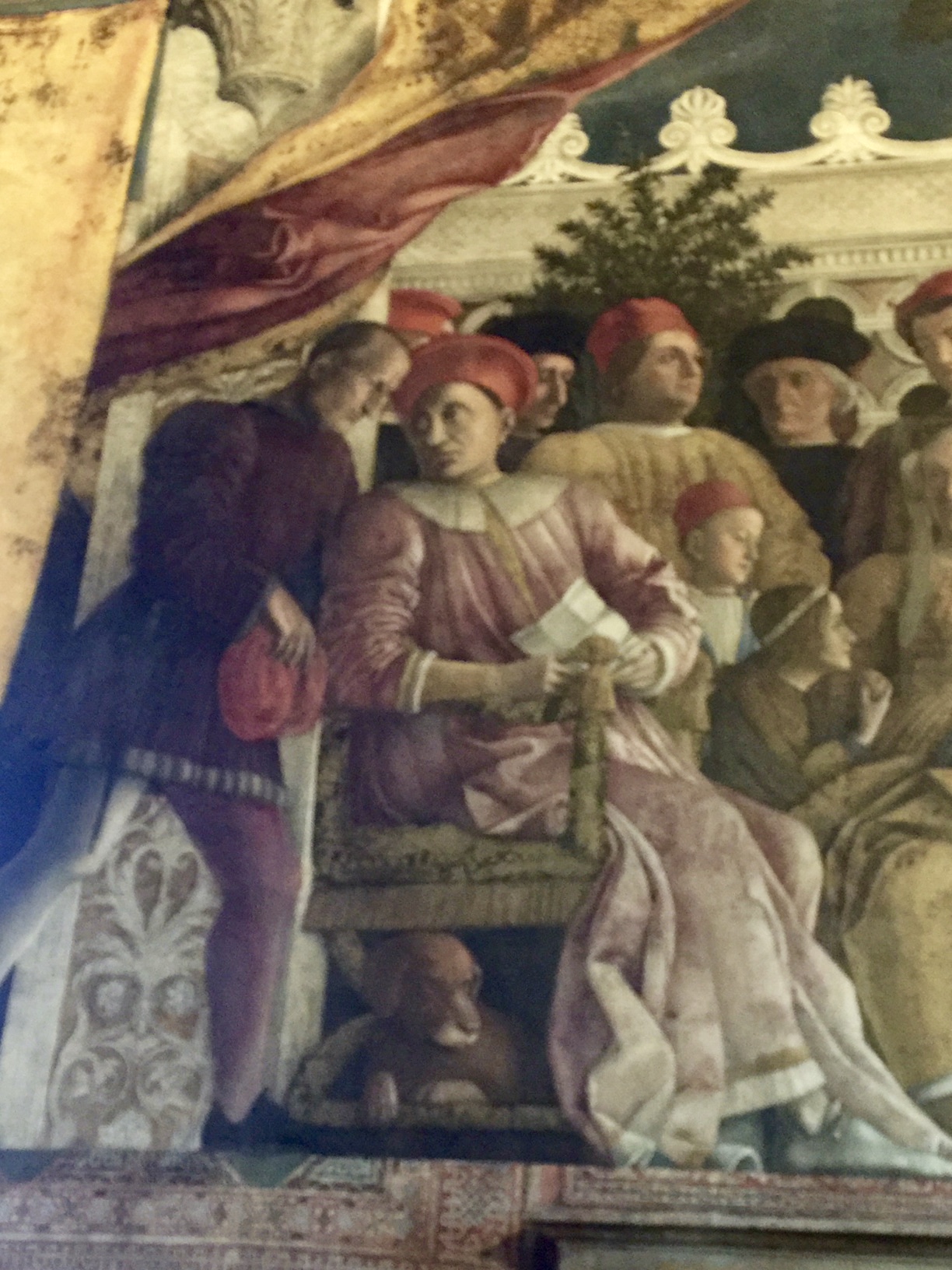
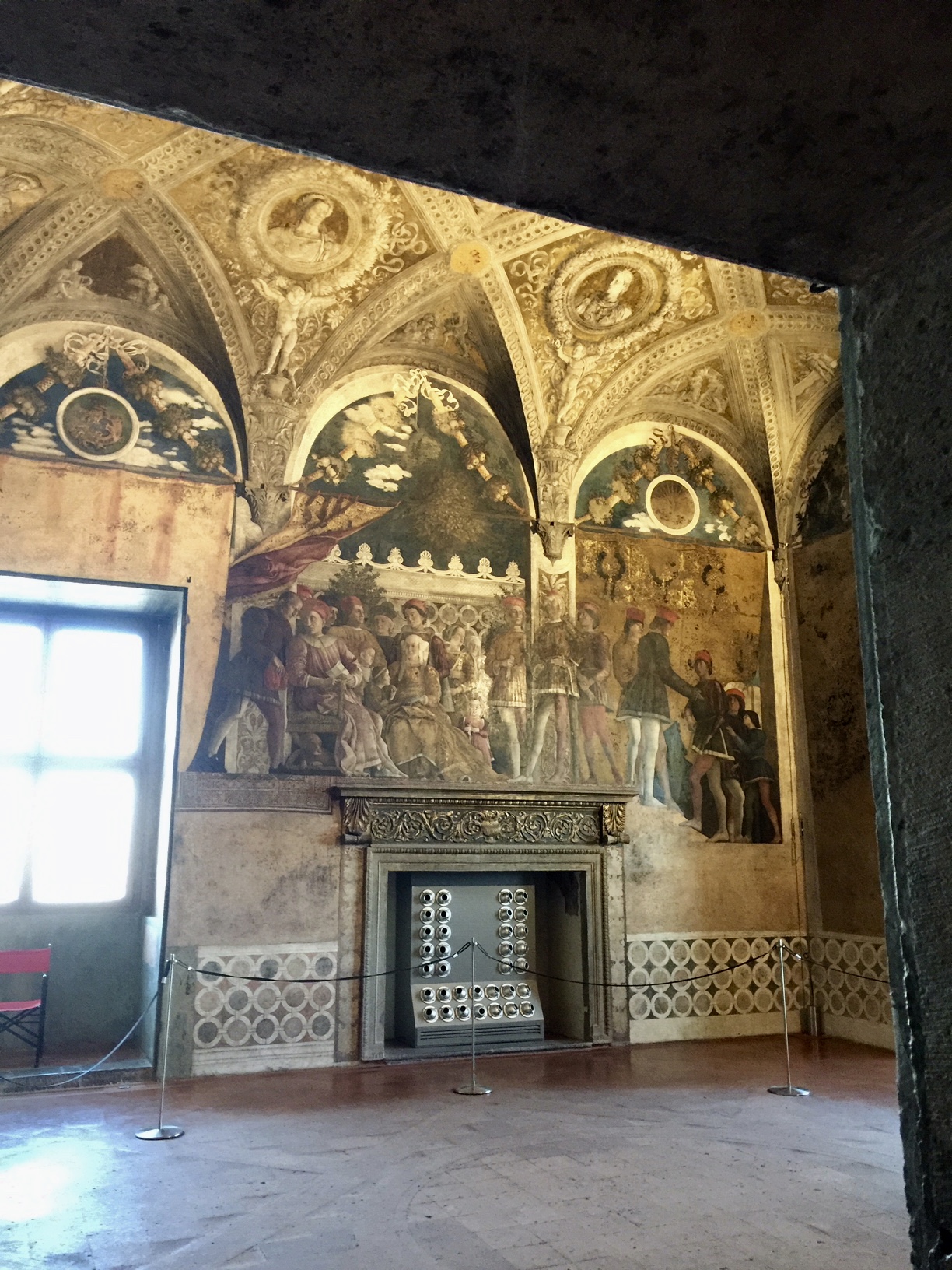
But recently in Mantua, I found Andrea Mantegna’s Cameral degli Sposi, and I fell in love. Again. I knew it would happen.
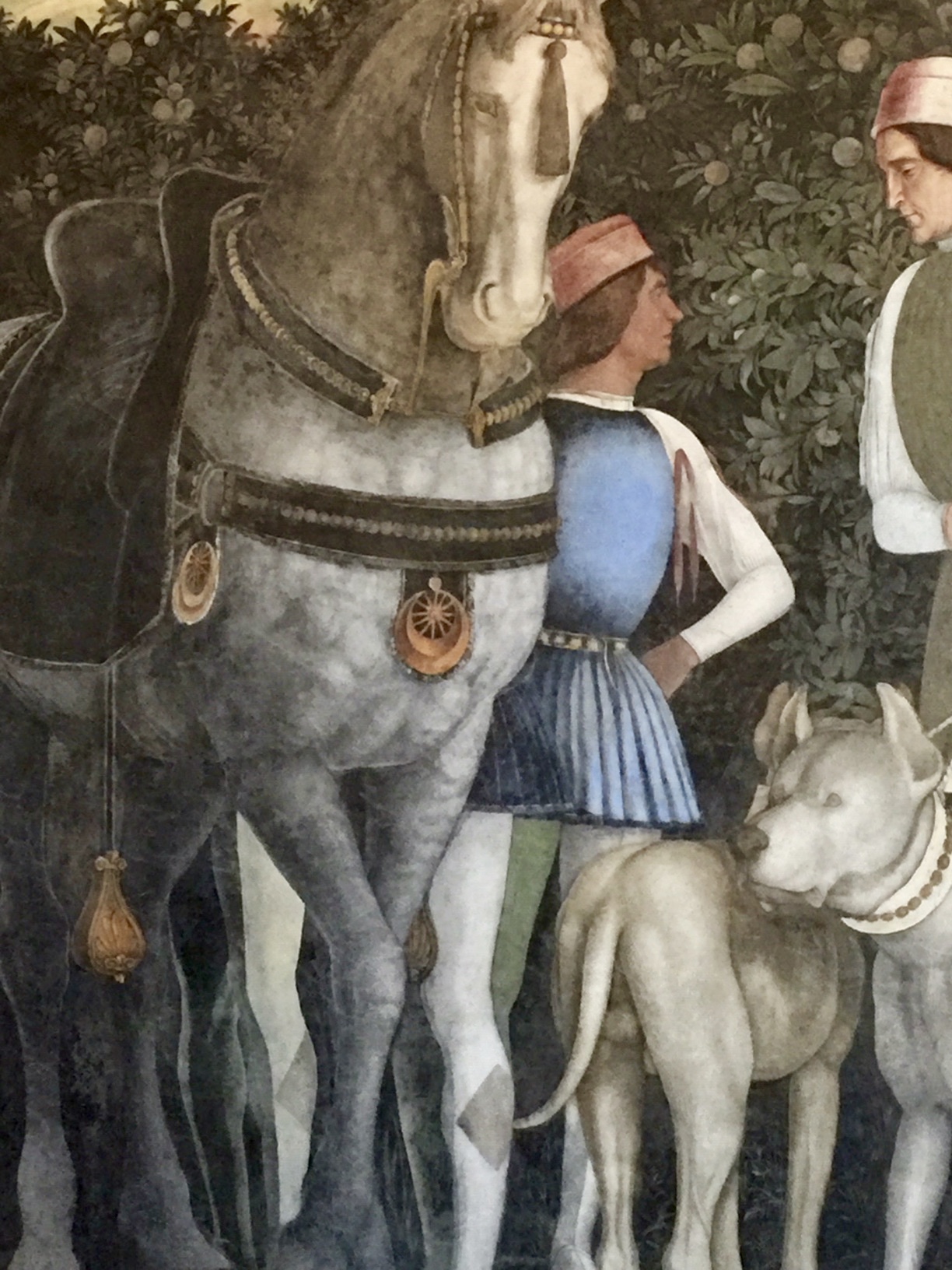
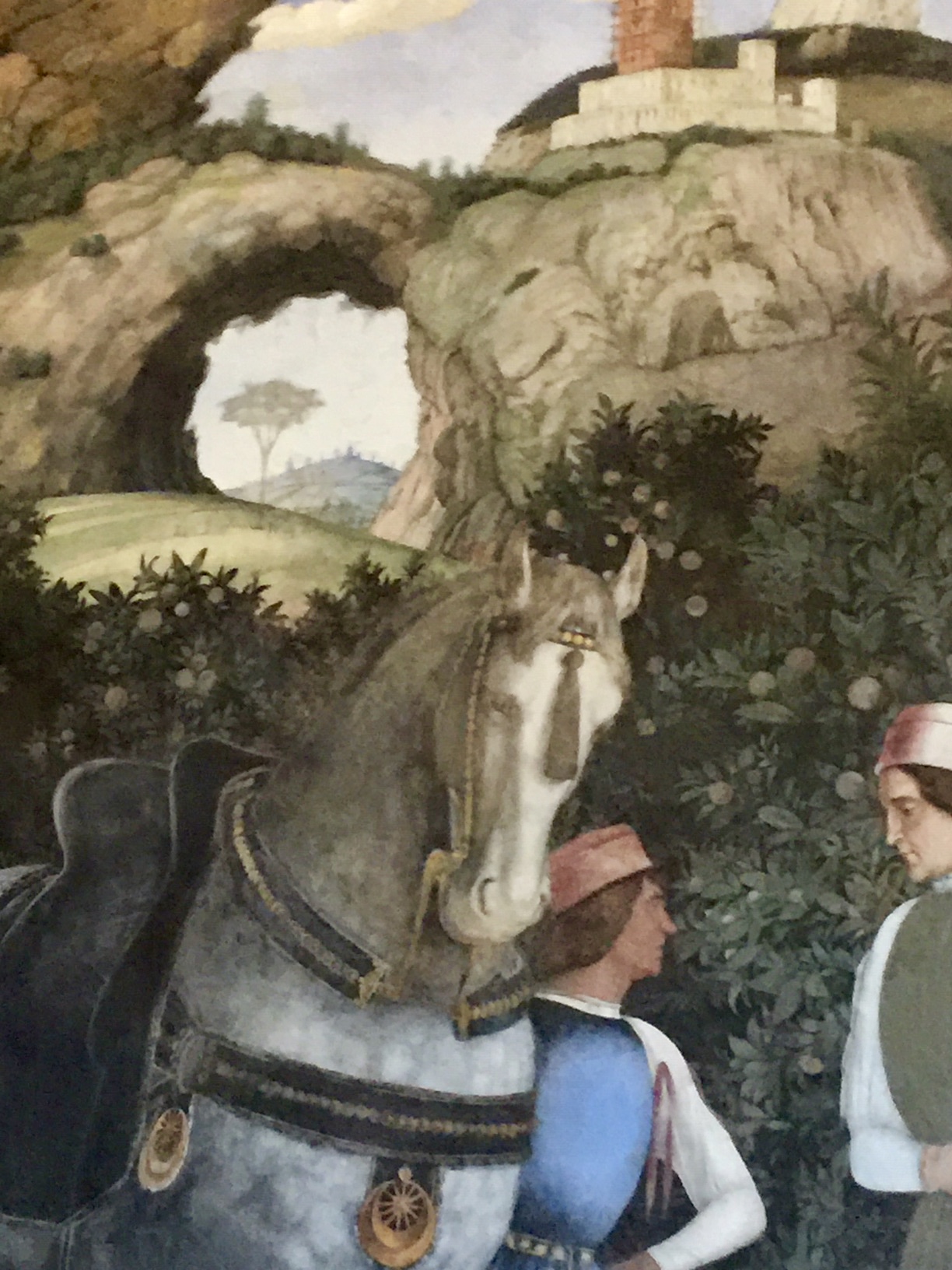
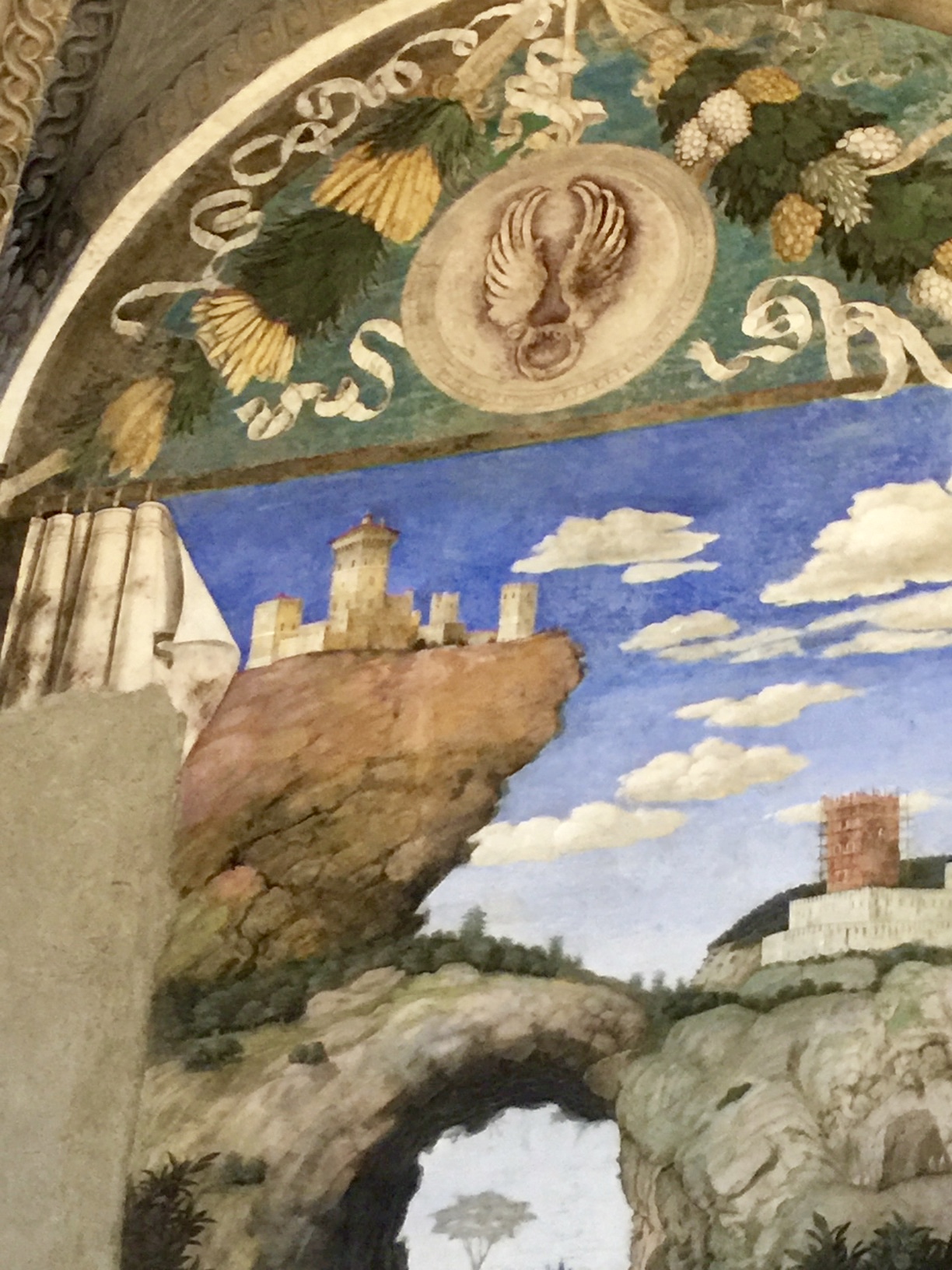
It was December and I was alone in this beautiful chamber, with time to study the details to my heart’s content. I took about a million photos and I am sharing them here.
Let’s start with a video:
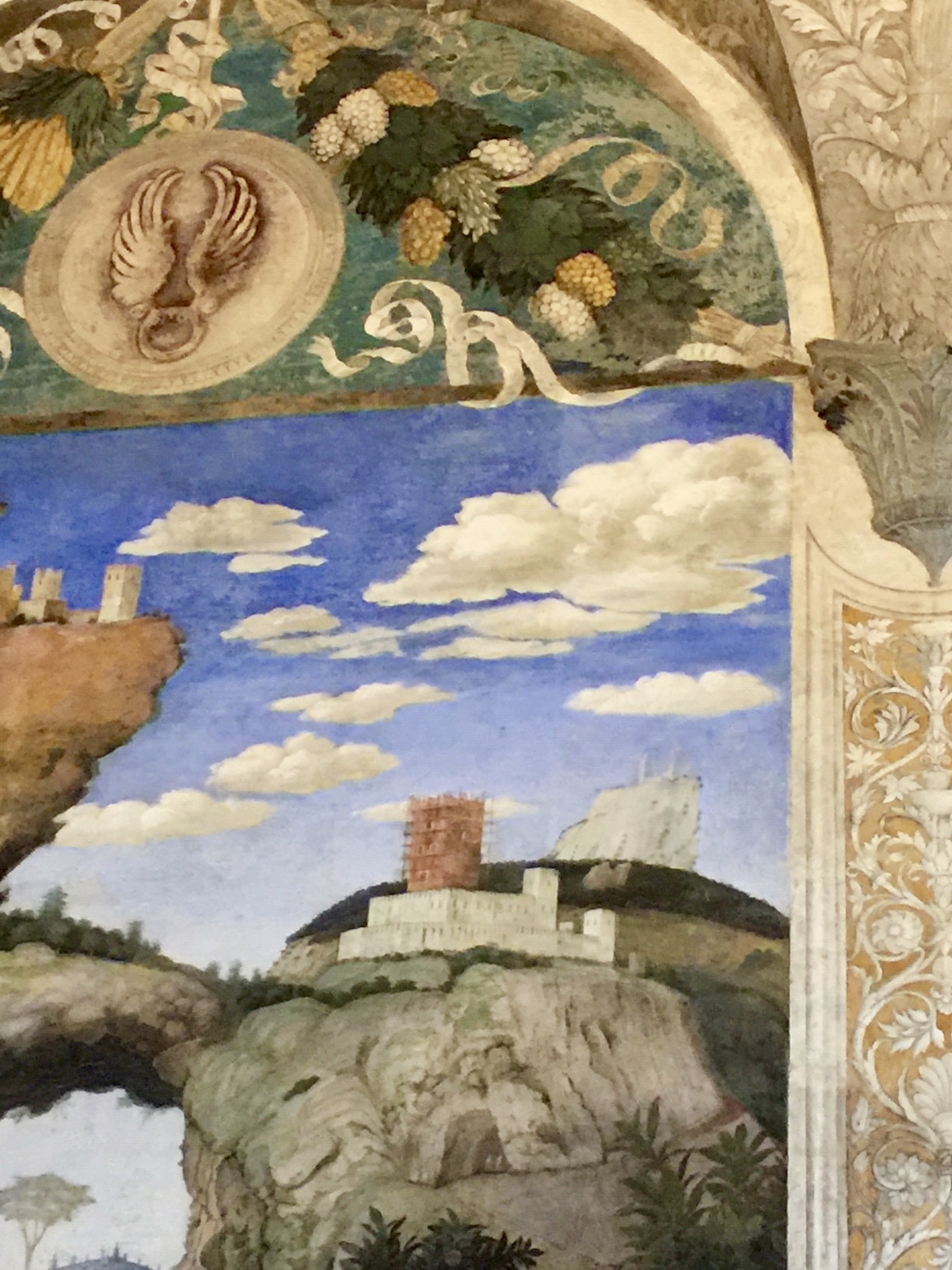
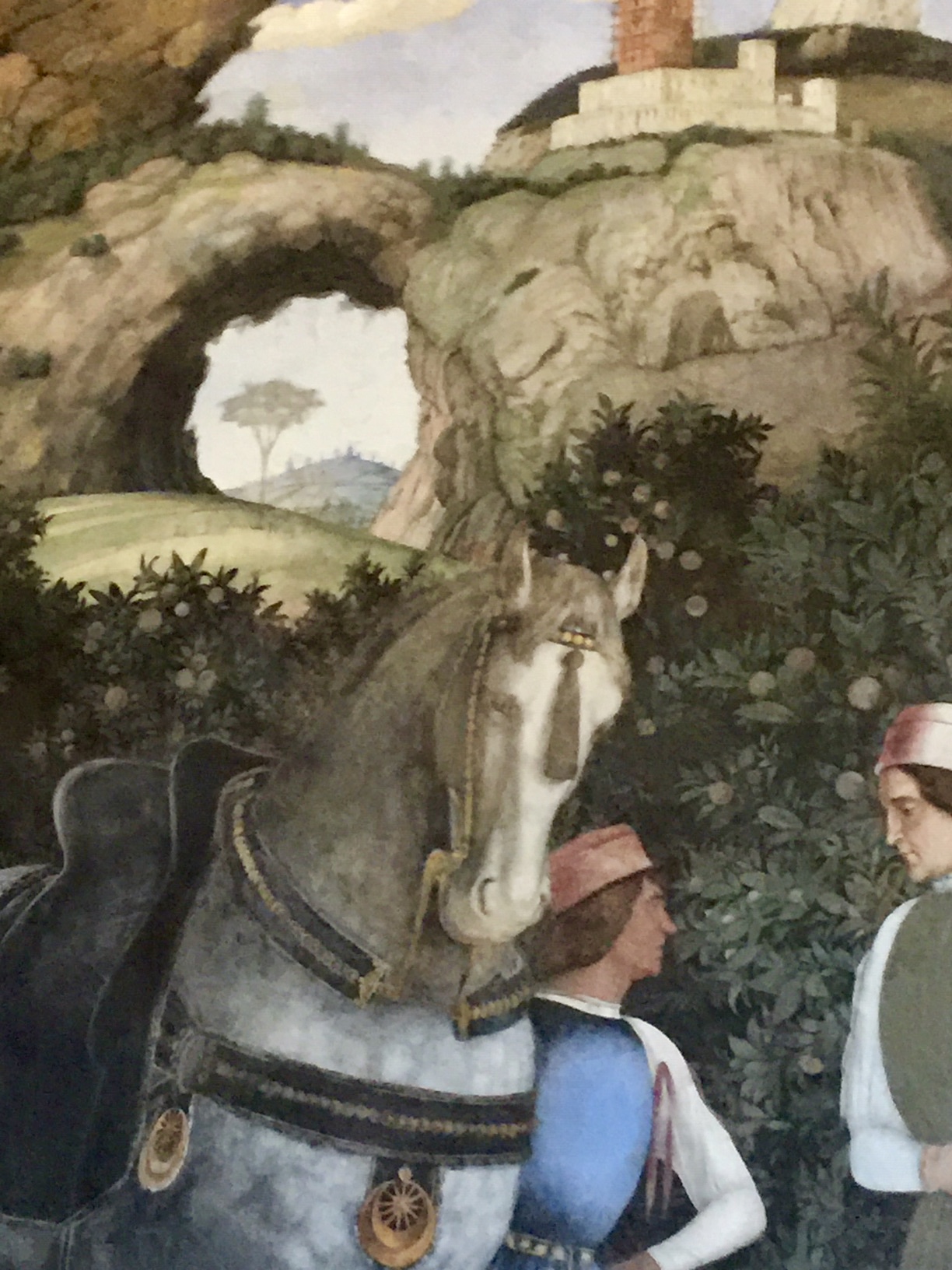
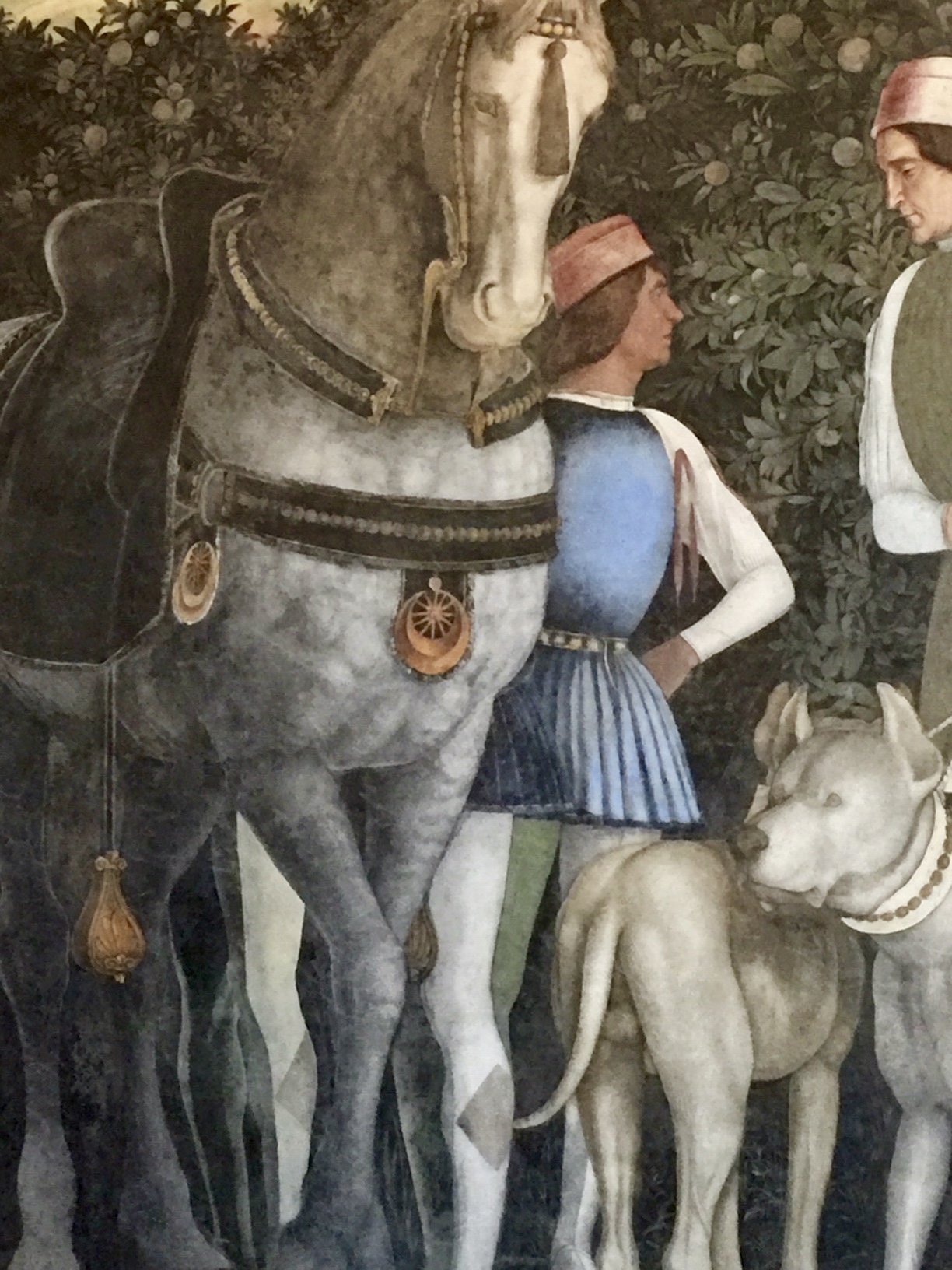
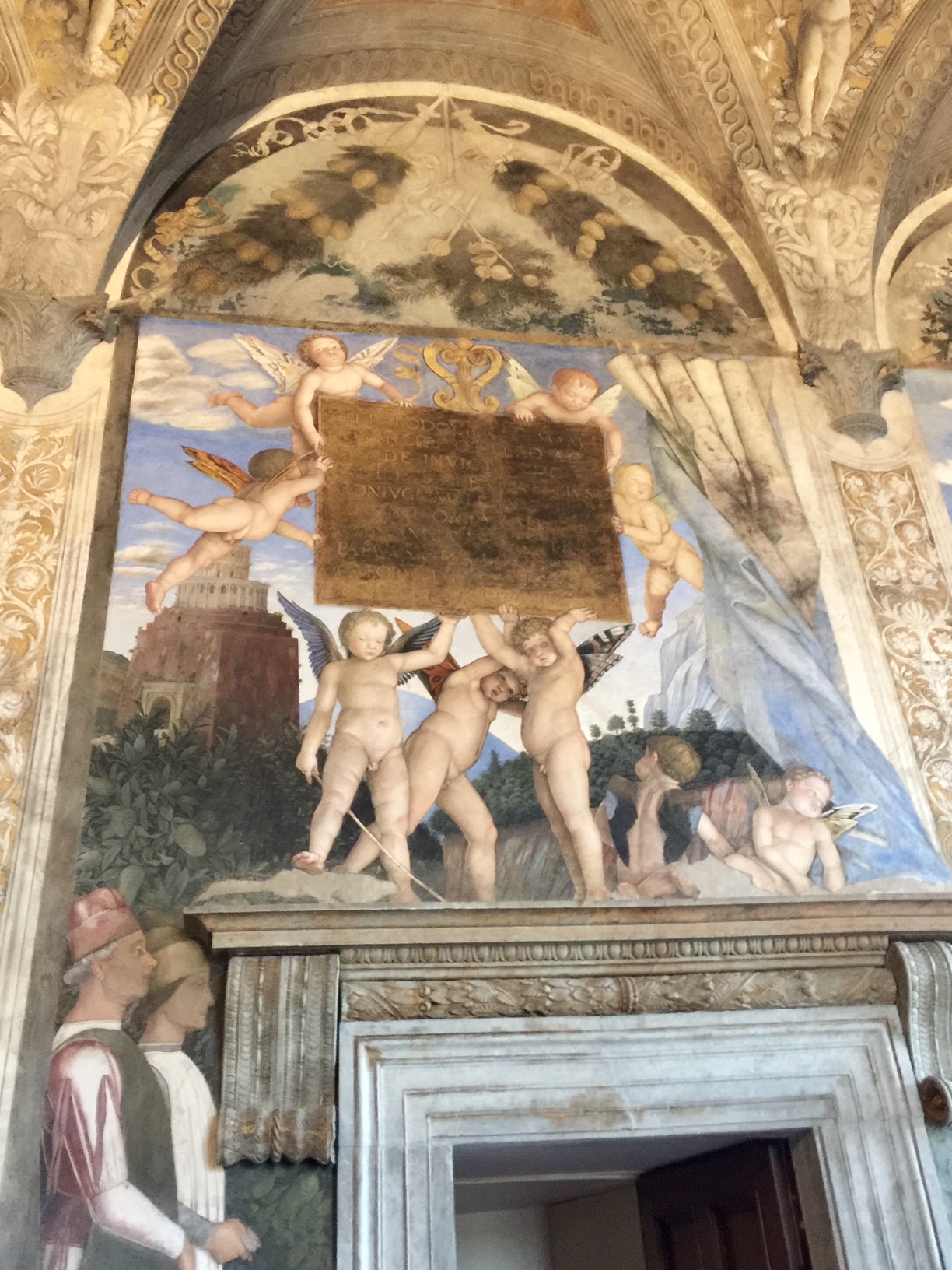
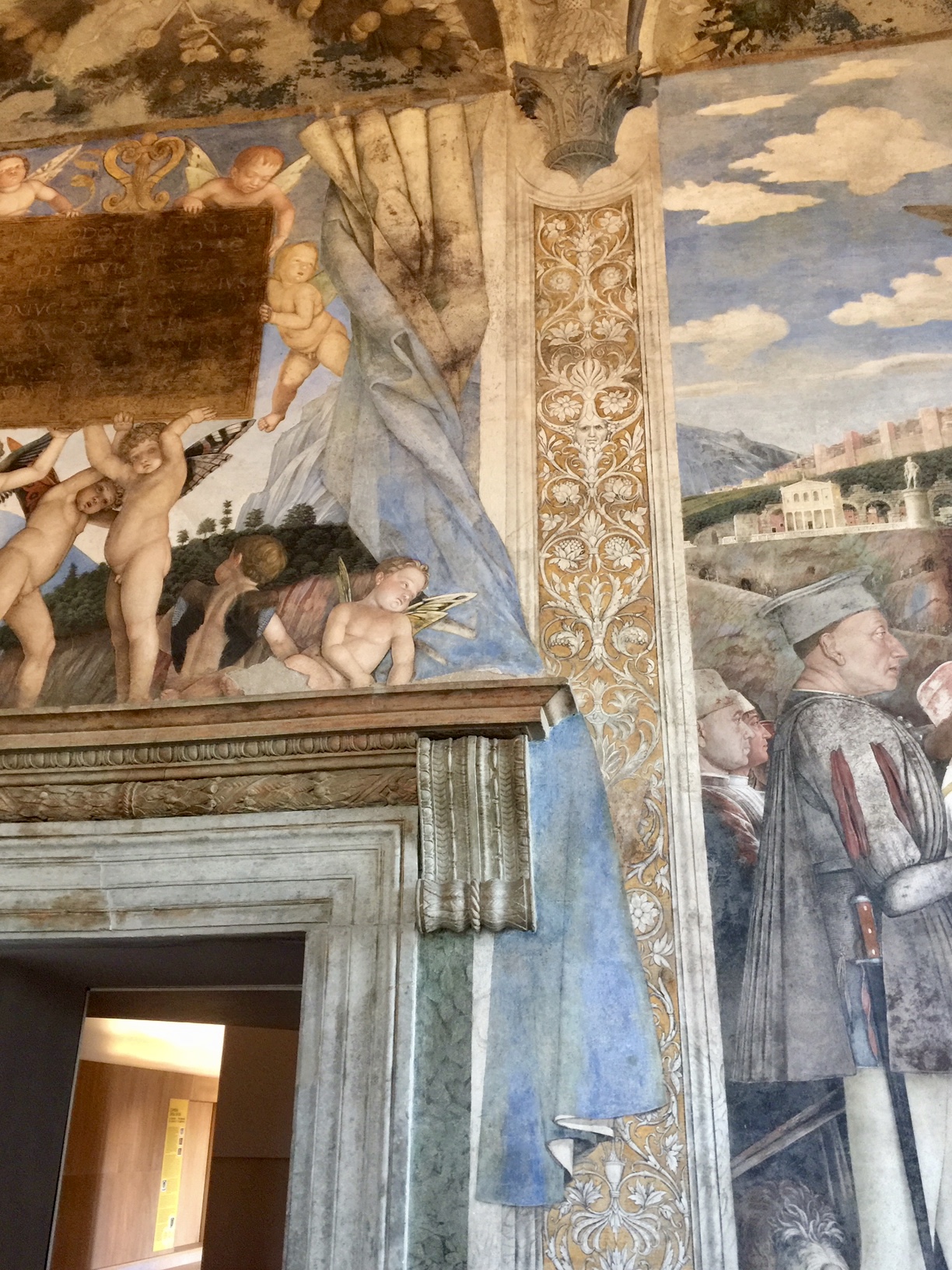
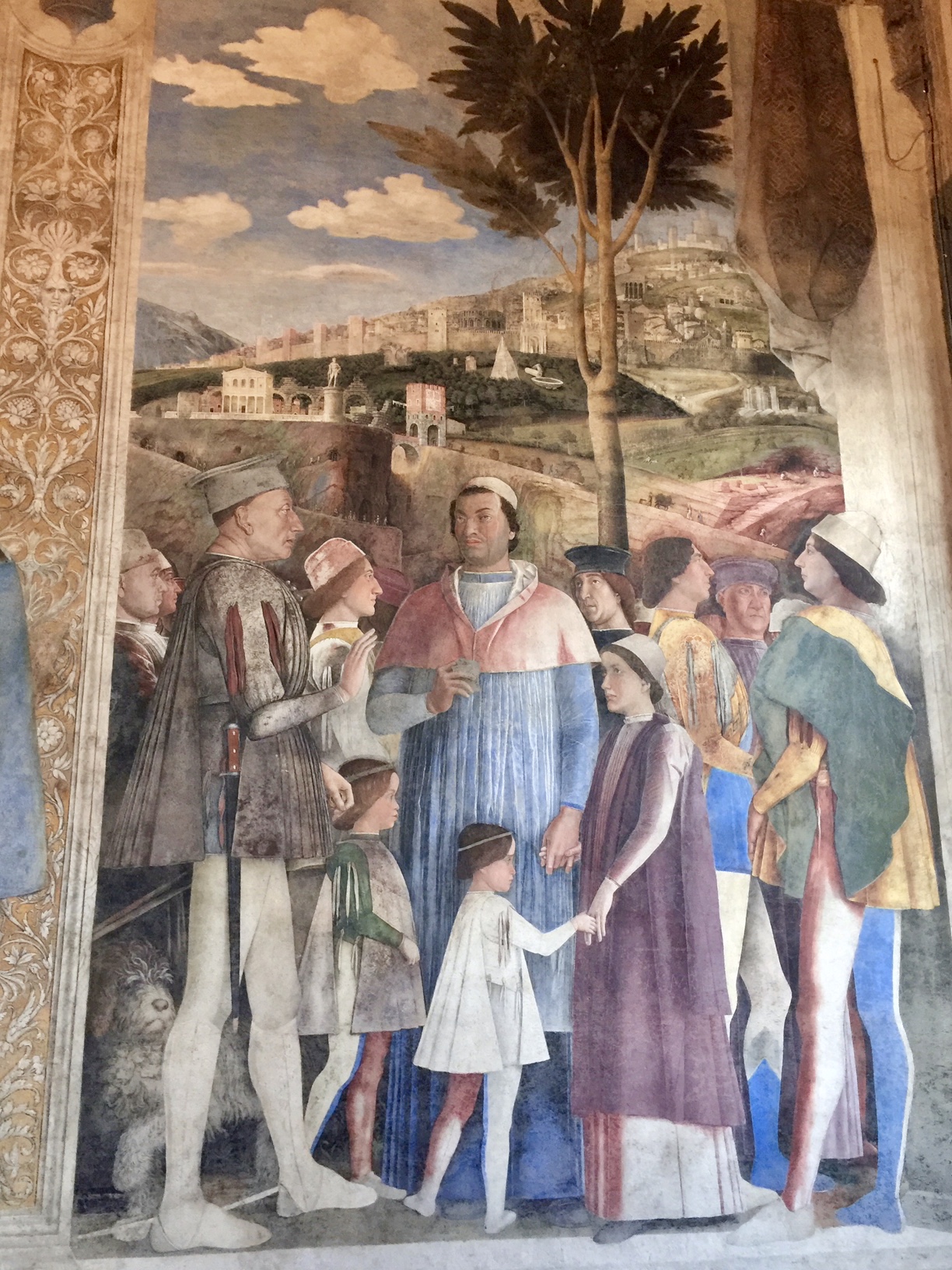
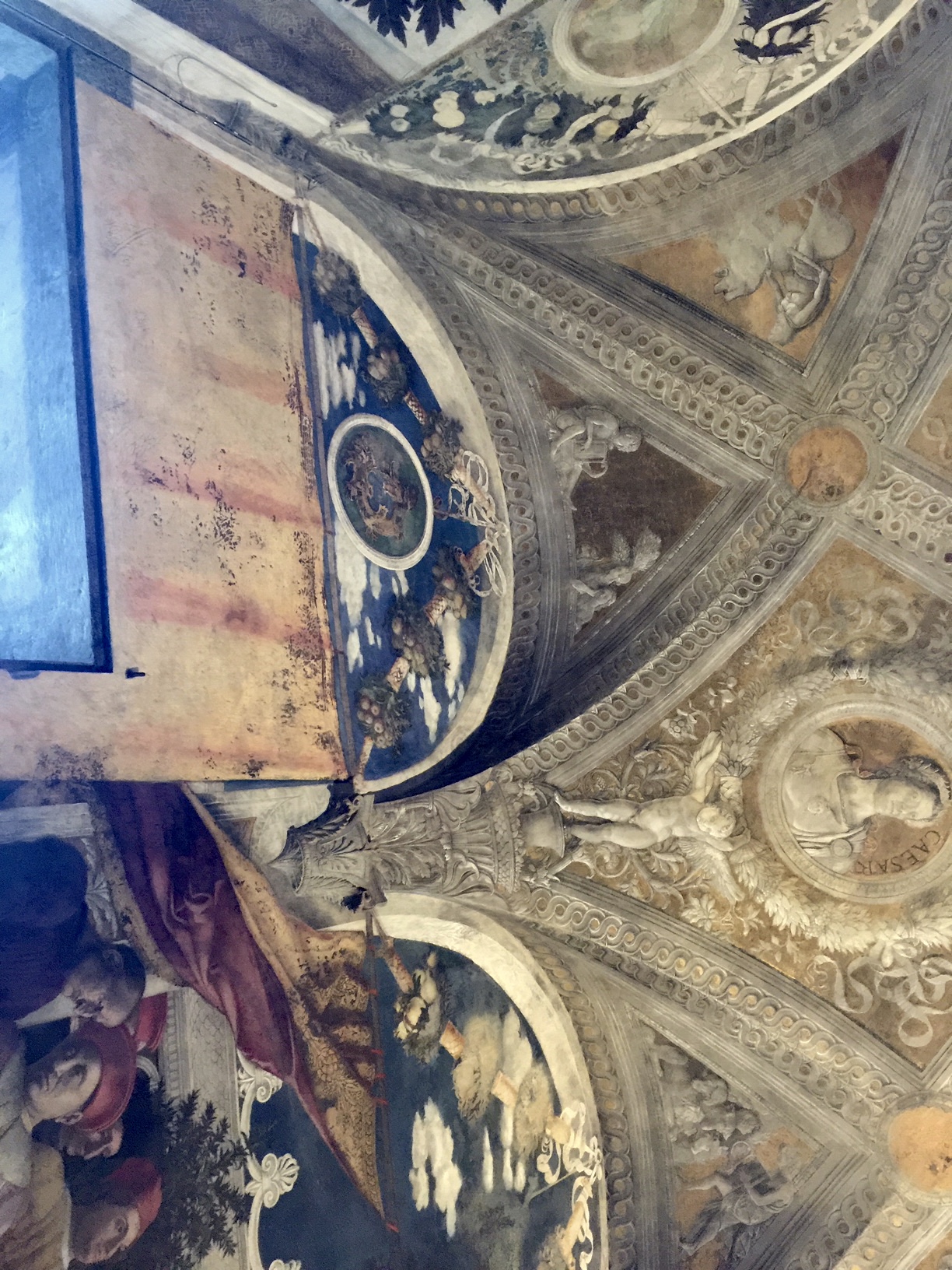
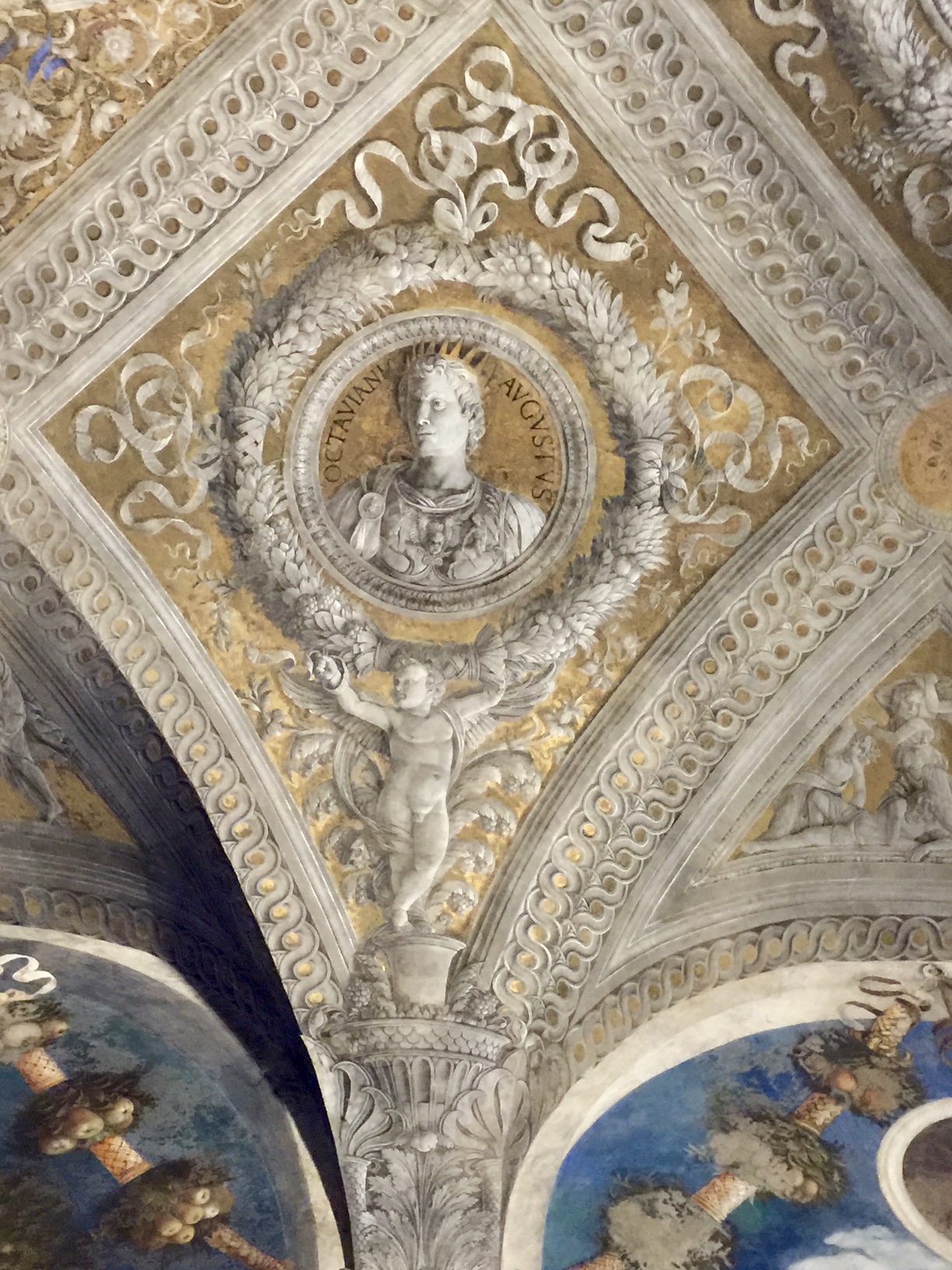
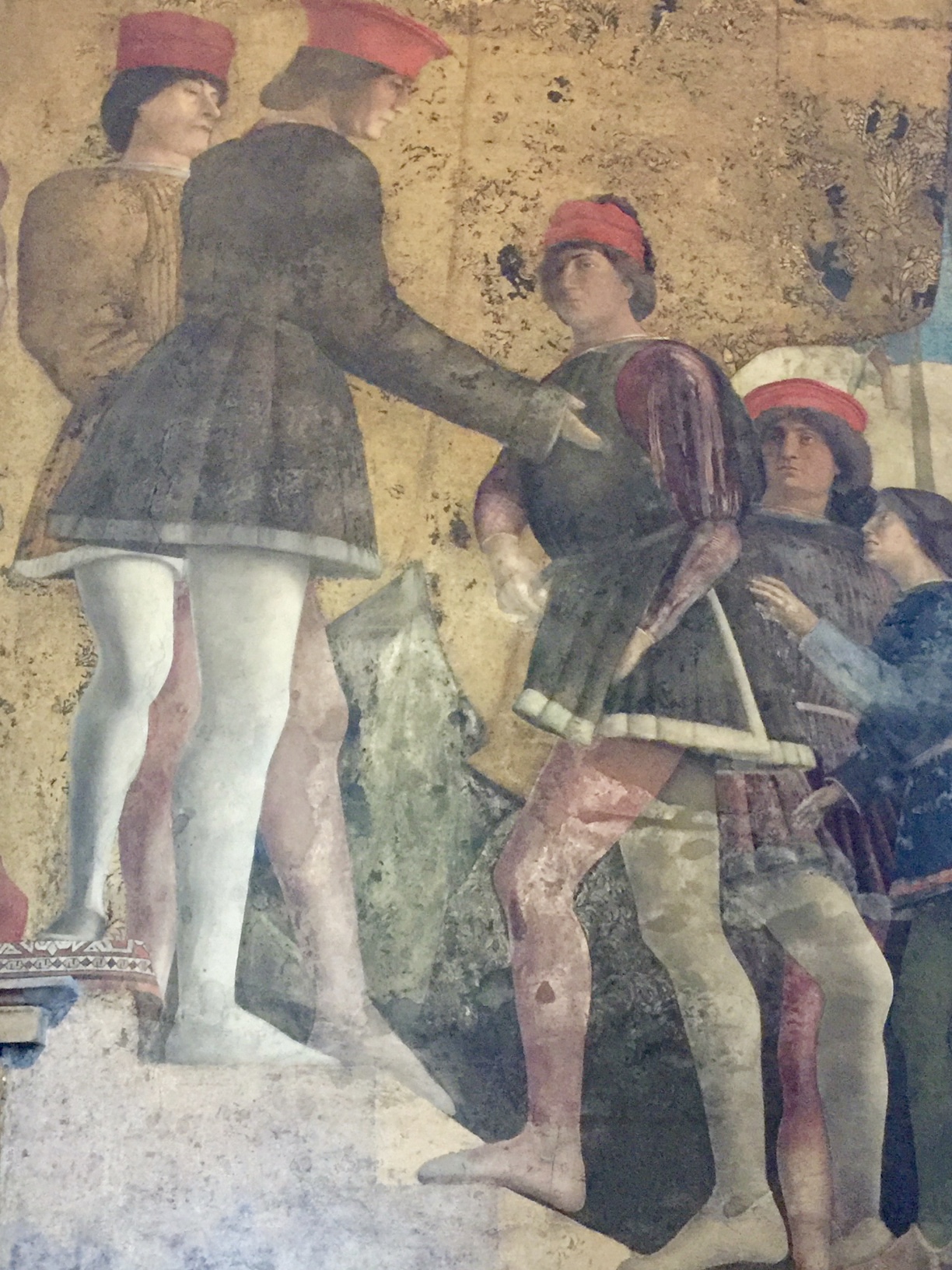
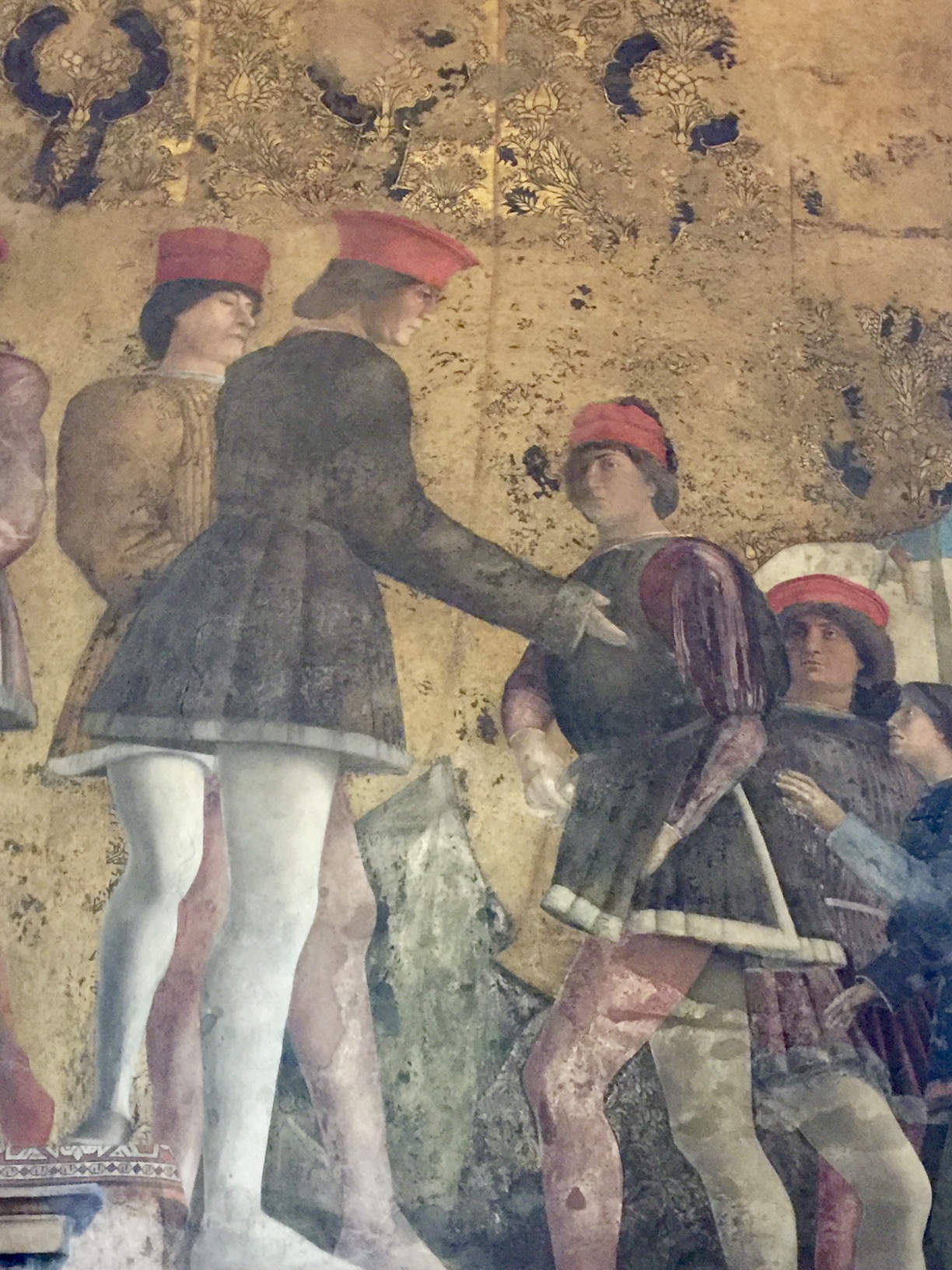
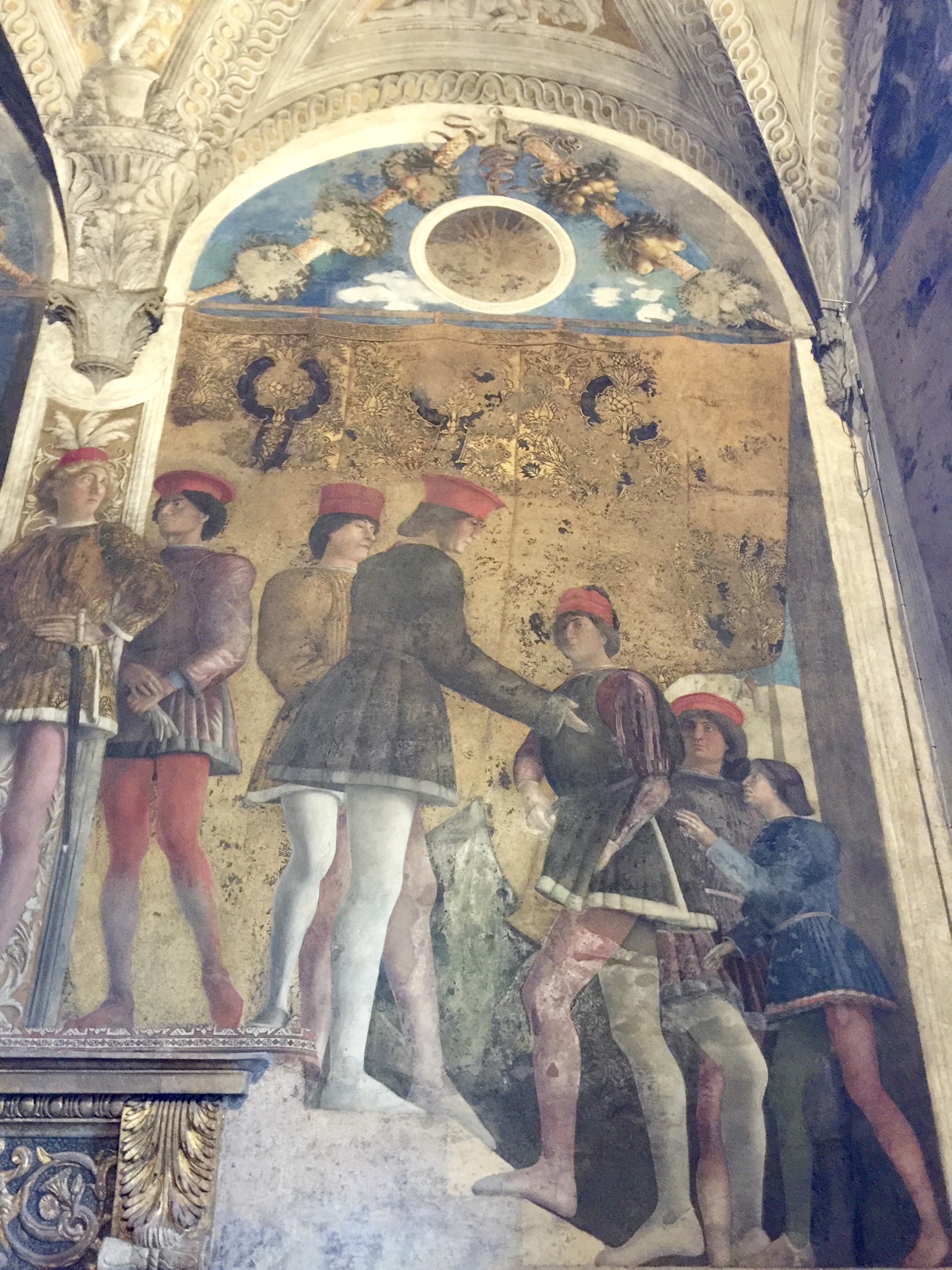
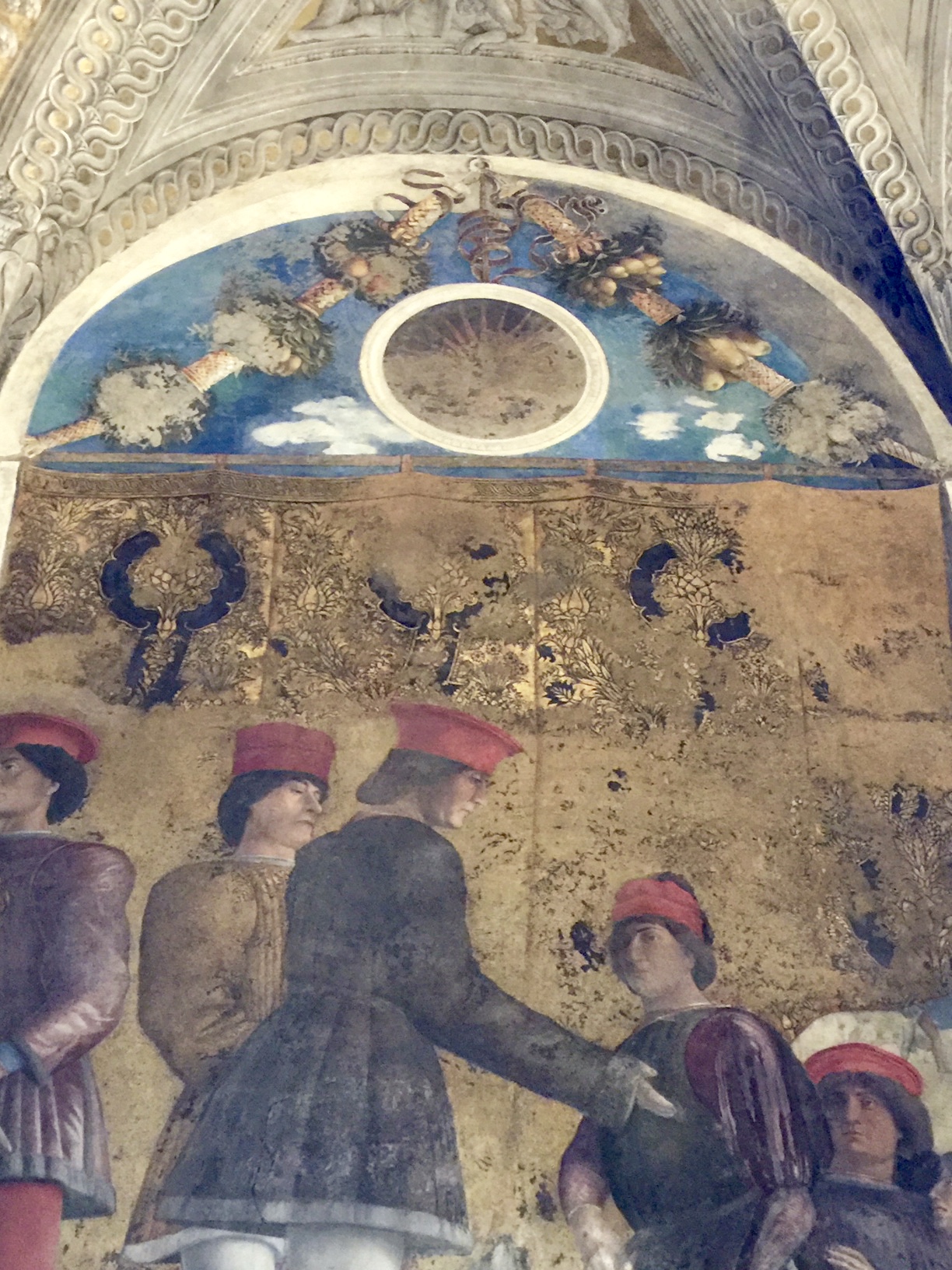
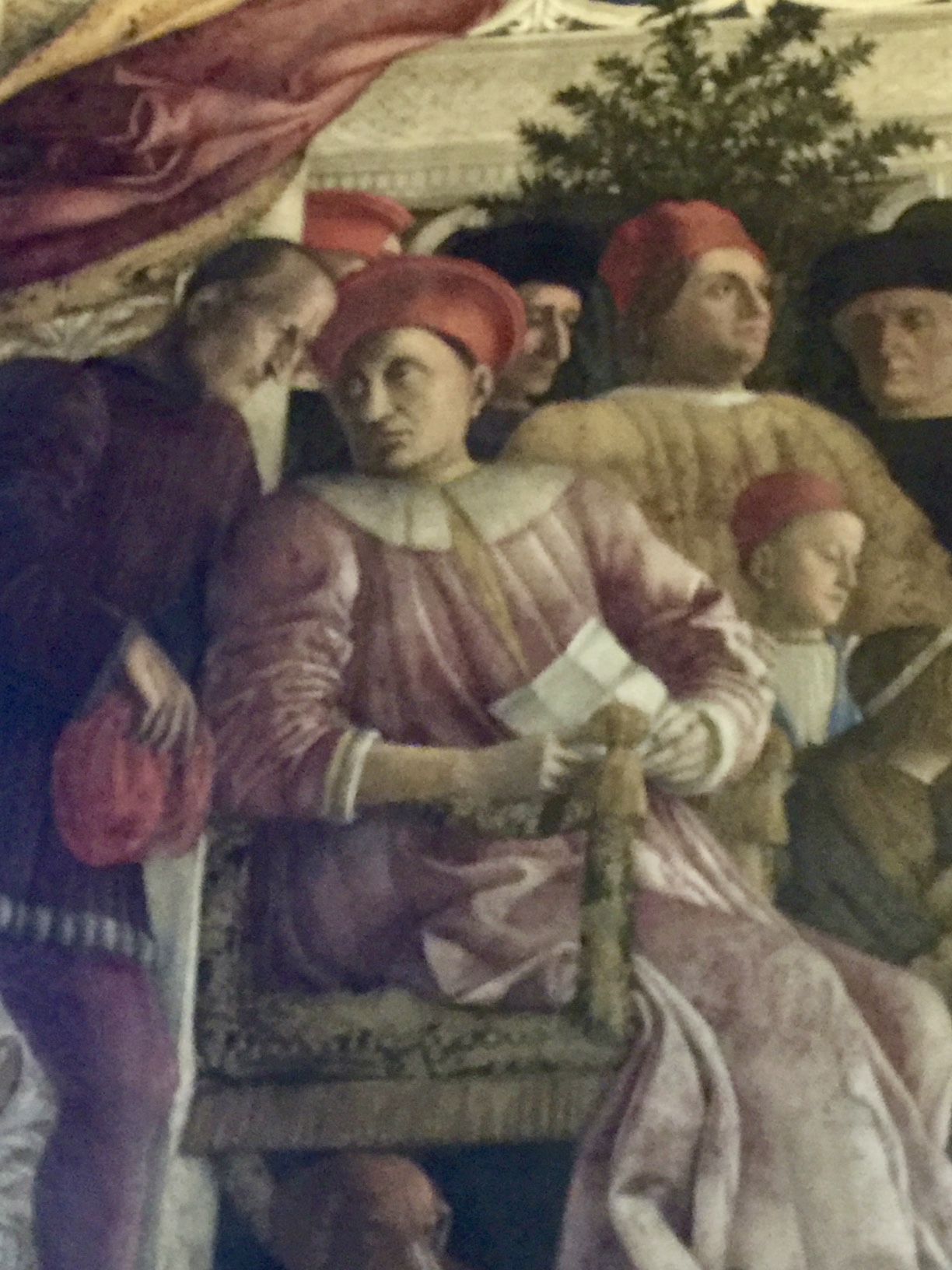
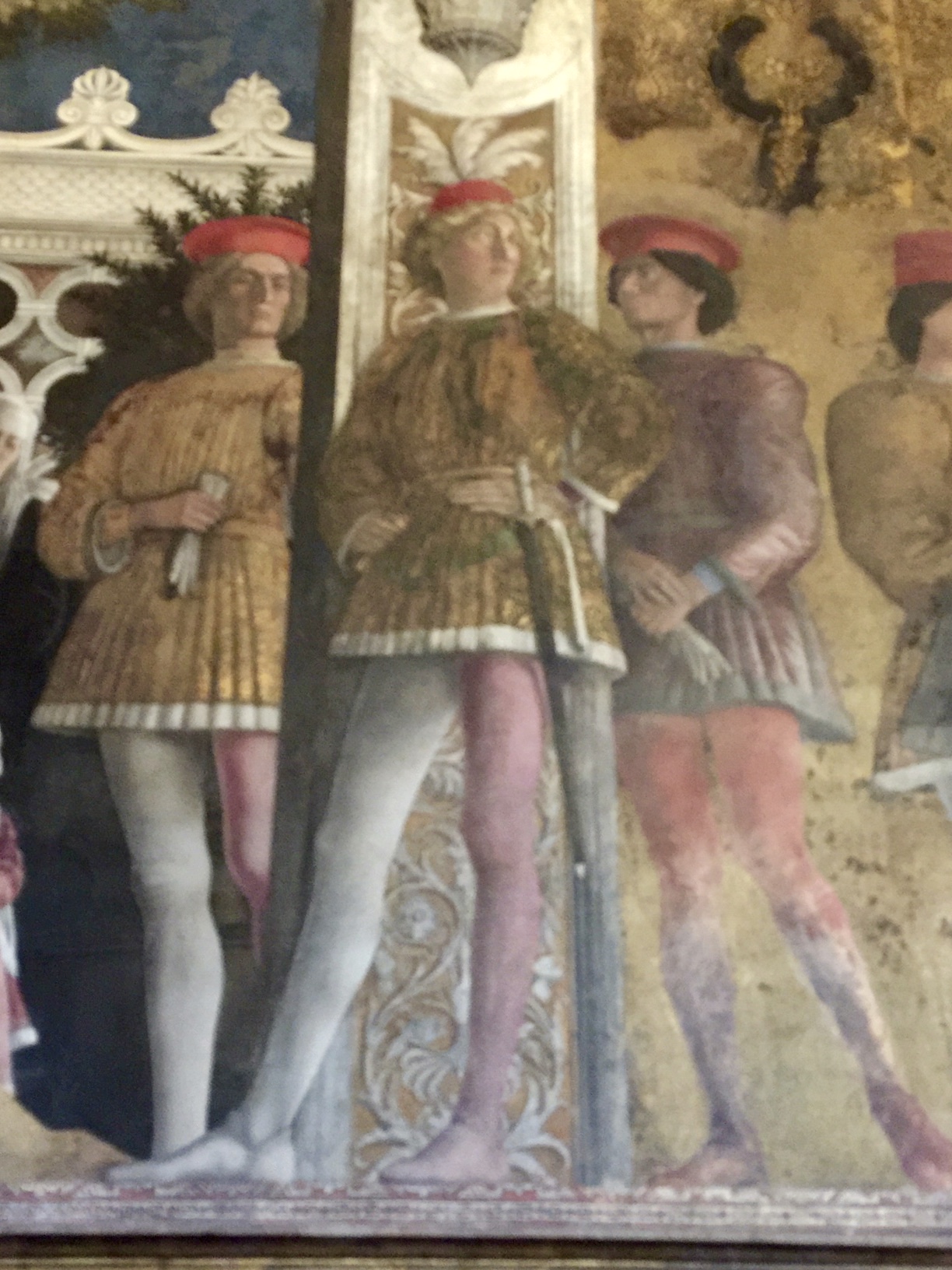
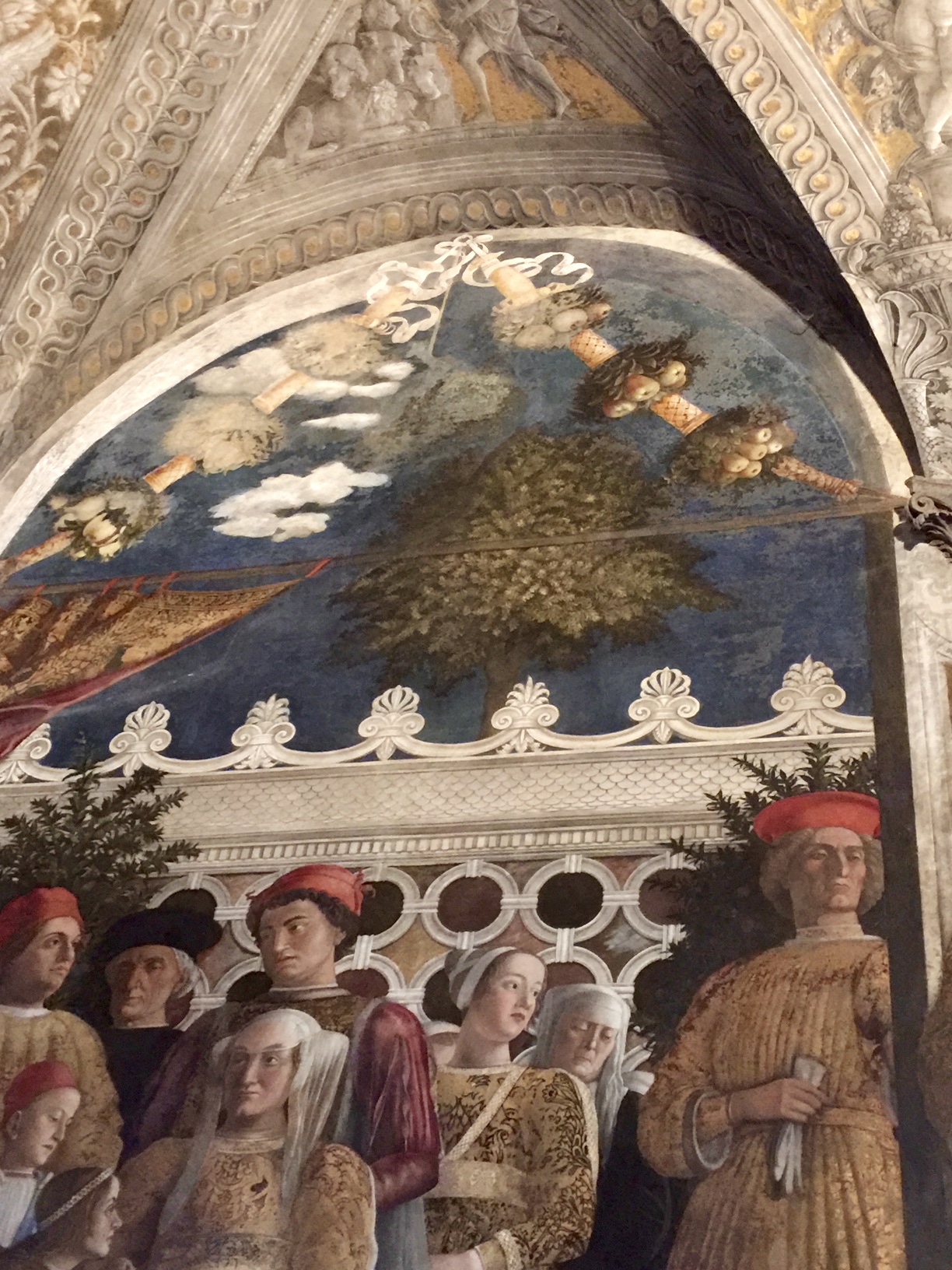
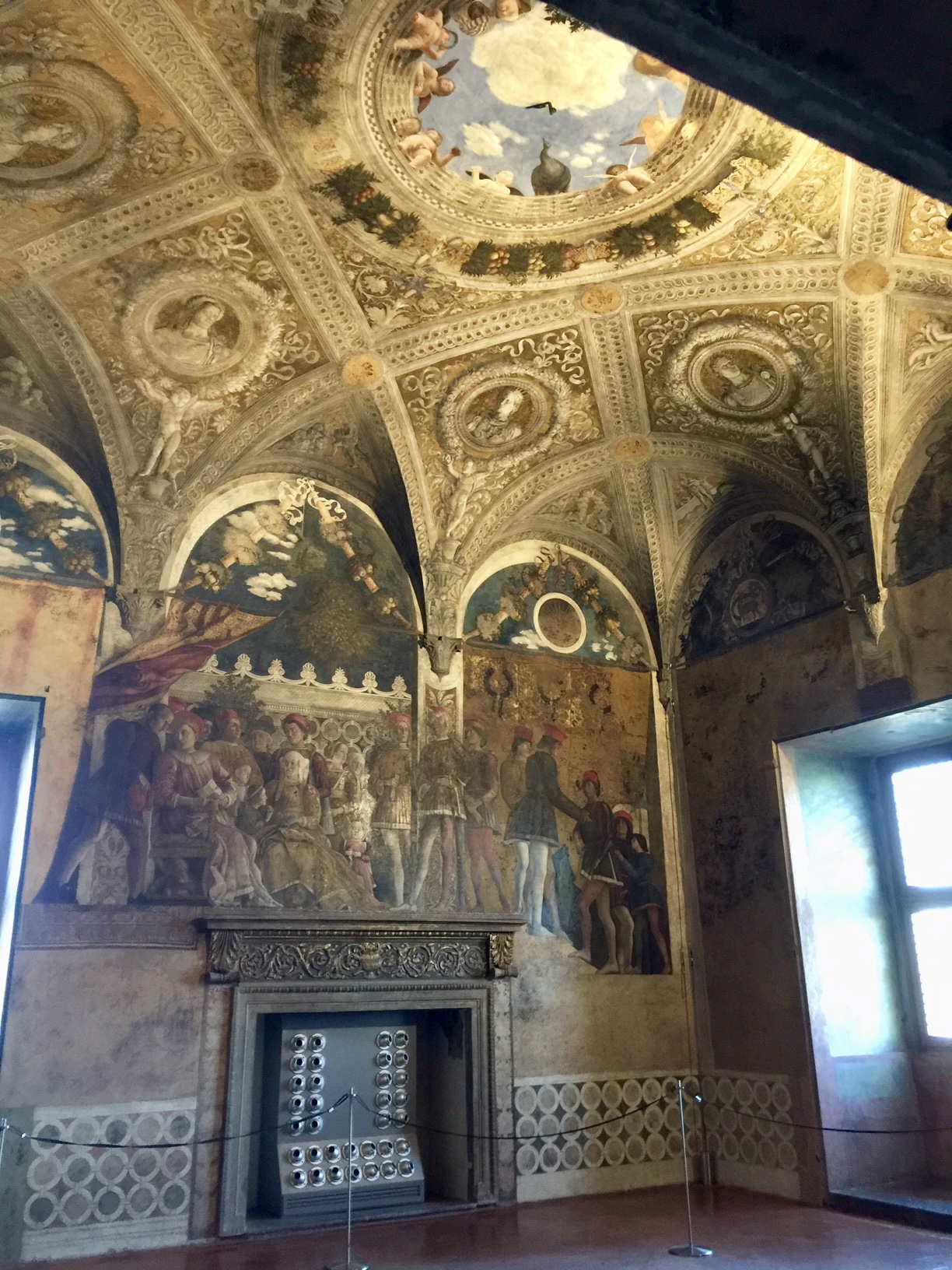
I’m not even going to talk about the paintings, except to say that they –the 4 walls and the amazing ceiling– were frescoed by Andrea Mantegna between 1465 to 1475. Mantegna’s painted scheme creates an illusionistic space, as if the chamber was a loggia with three openings facing country landscapes among arcades and curtains. The painted scenes portray members of the Gonzaga family.
But, for once, that is all I will say with words. My million photos will become this post. If you can get to Mantua, DO SO!
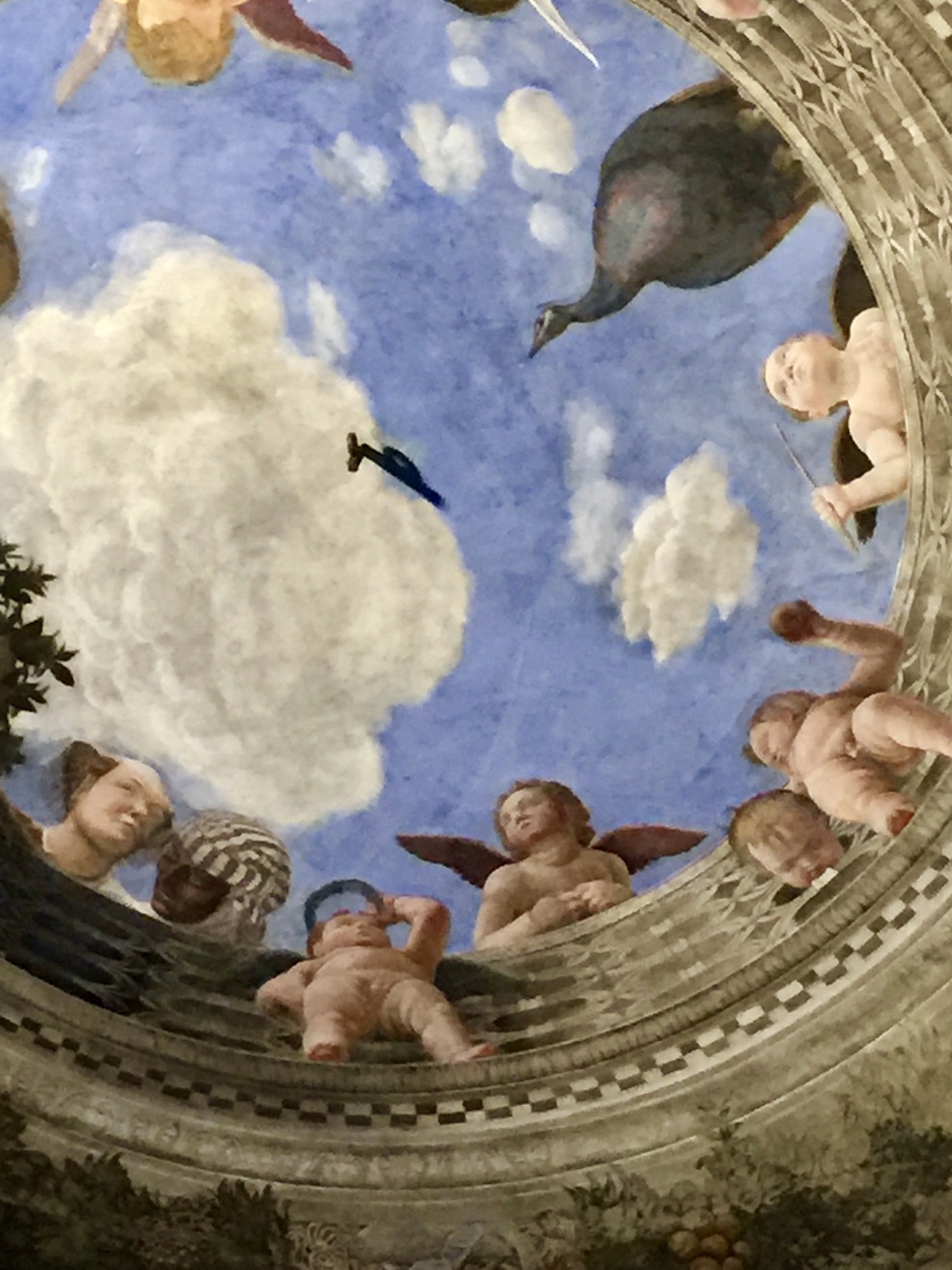
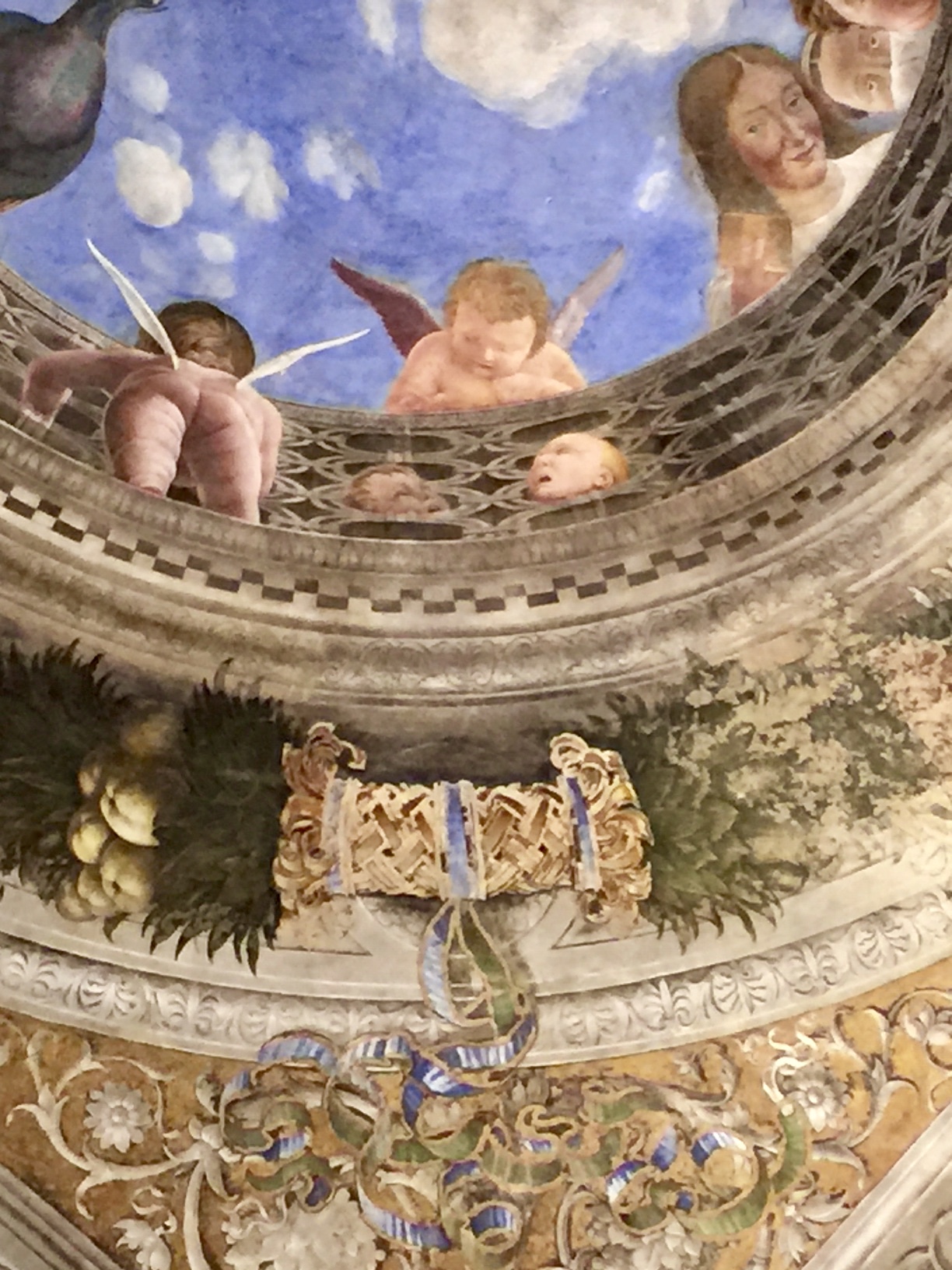
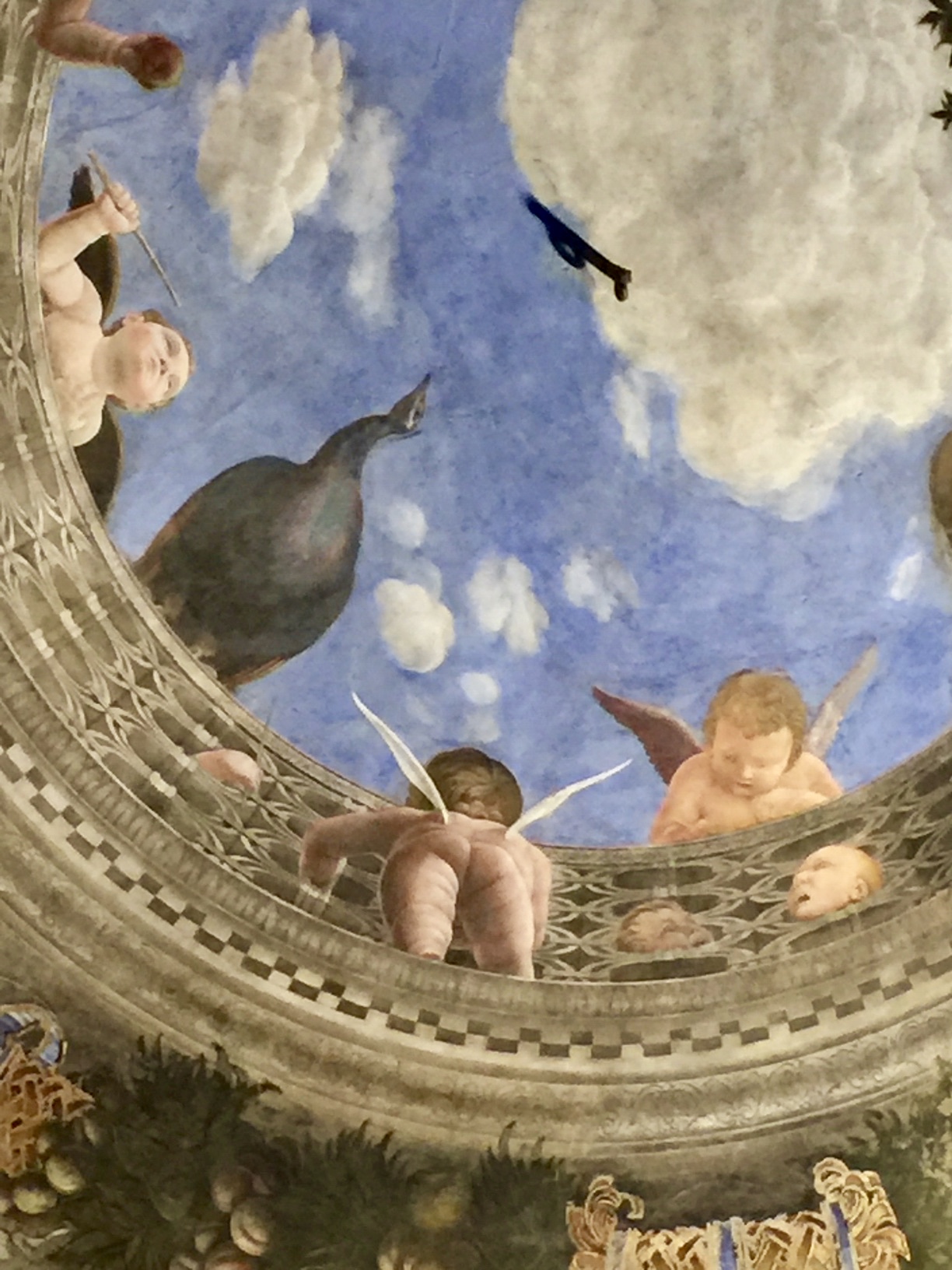
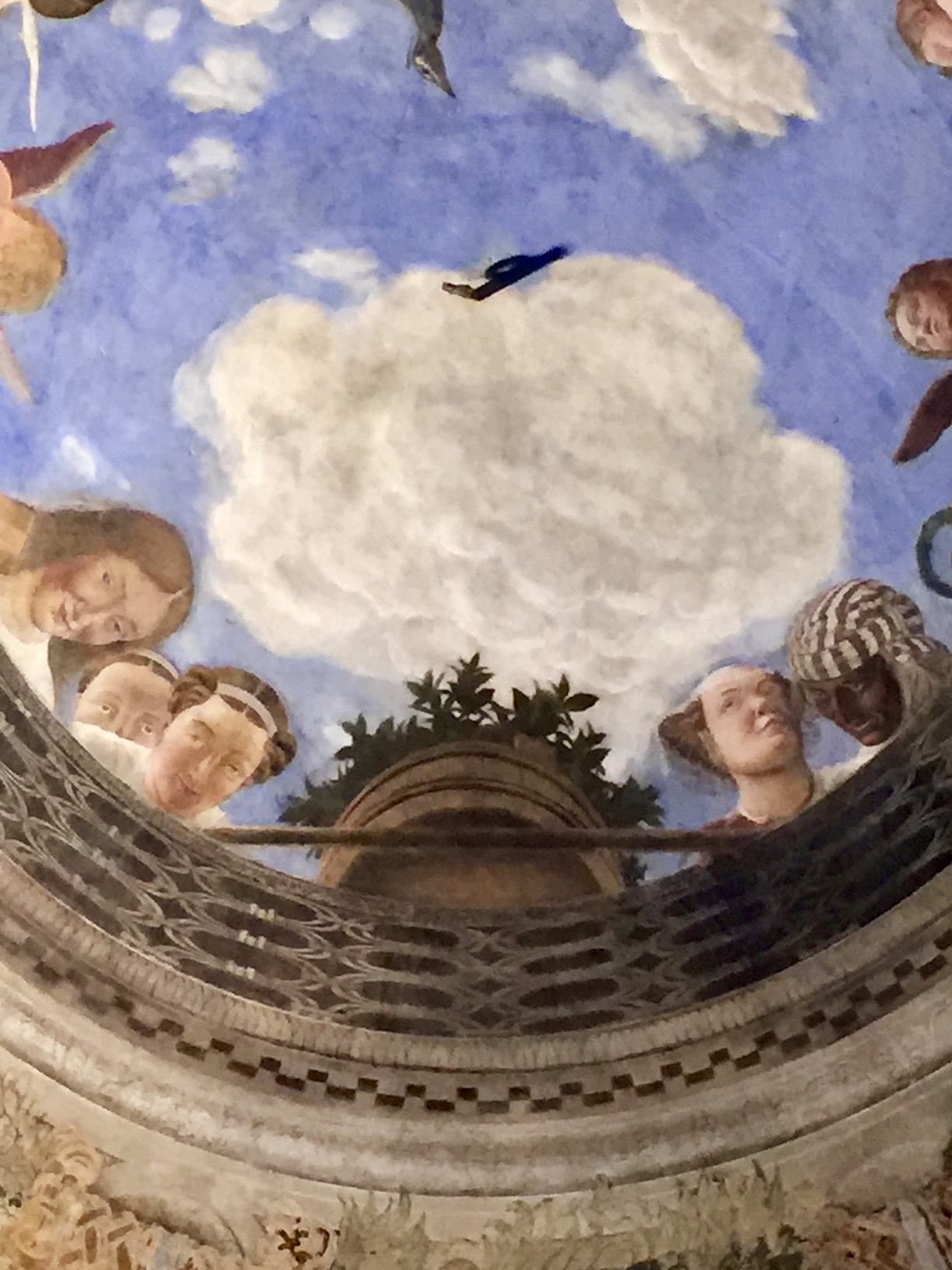
Va bene, it’s time to look up:
Executed between 1465 and 1474, the room, which is entirely painted, shows the marquis, Lodovico, going about his courtly business with family and courtiers in tow in impressive 3D. Painted naturalistically and with great attention to perspective, the arched walls appear like windows on the courtly world – looking up at the Duke’s wife Barbara, you can even see the underside of her dress as if she’s seated above you. Most playful of all though is the trompe l’œil oculus featuring bare-bottomed putti (cherubs) – the point of view is quite distastefully realistic in places – balancing precariously on a painted balcony, while smirking courtly pranksters appear ready to drop a large potted plant on gawping tourists below.
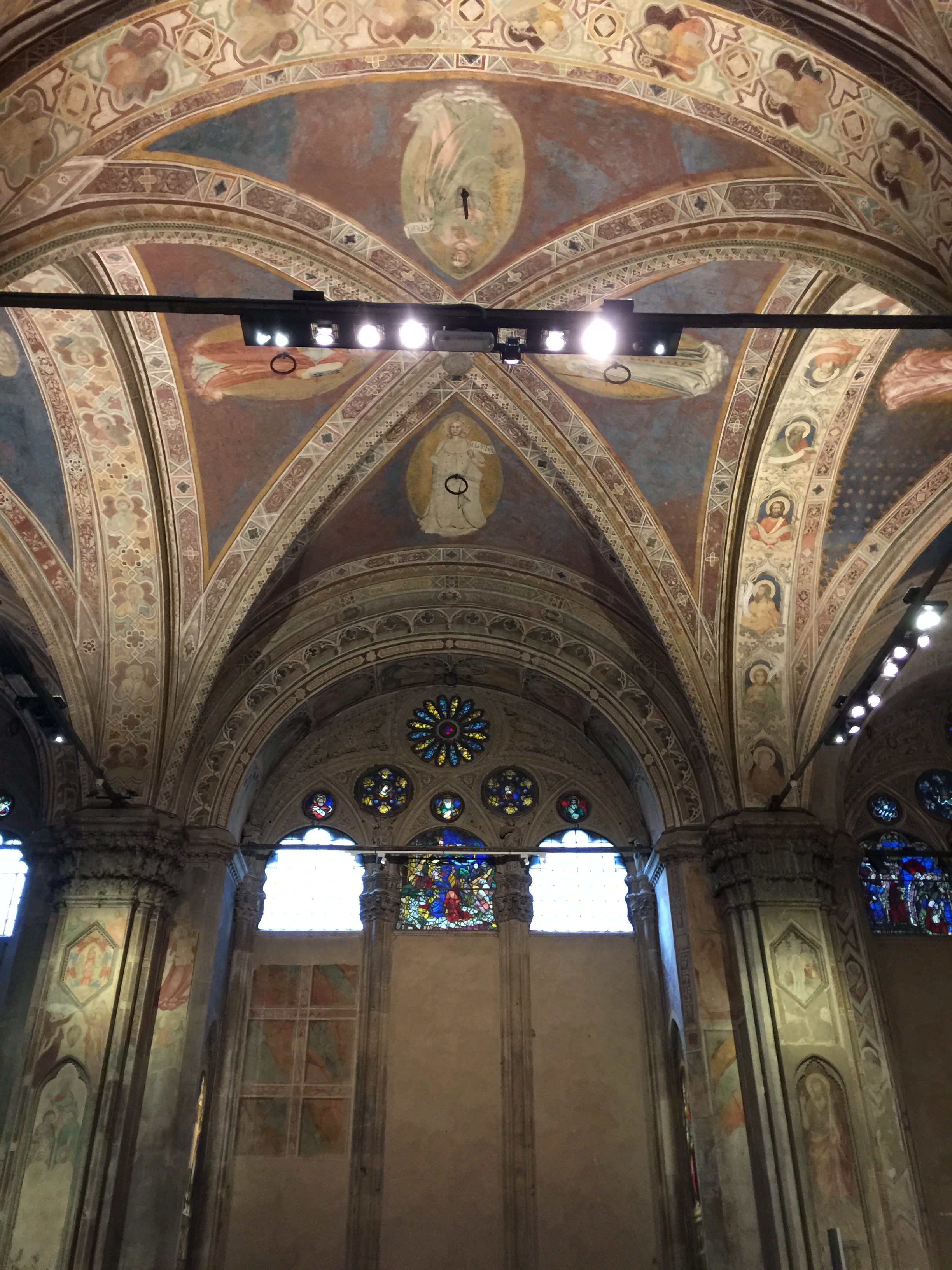
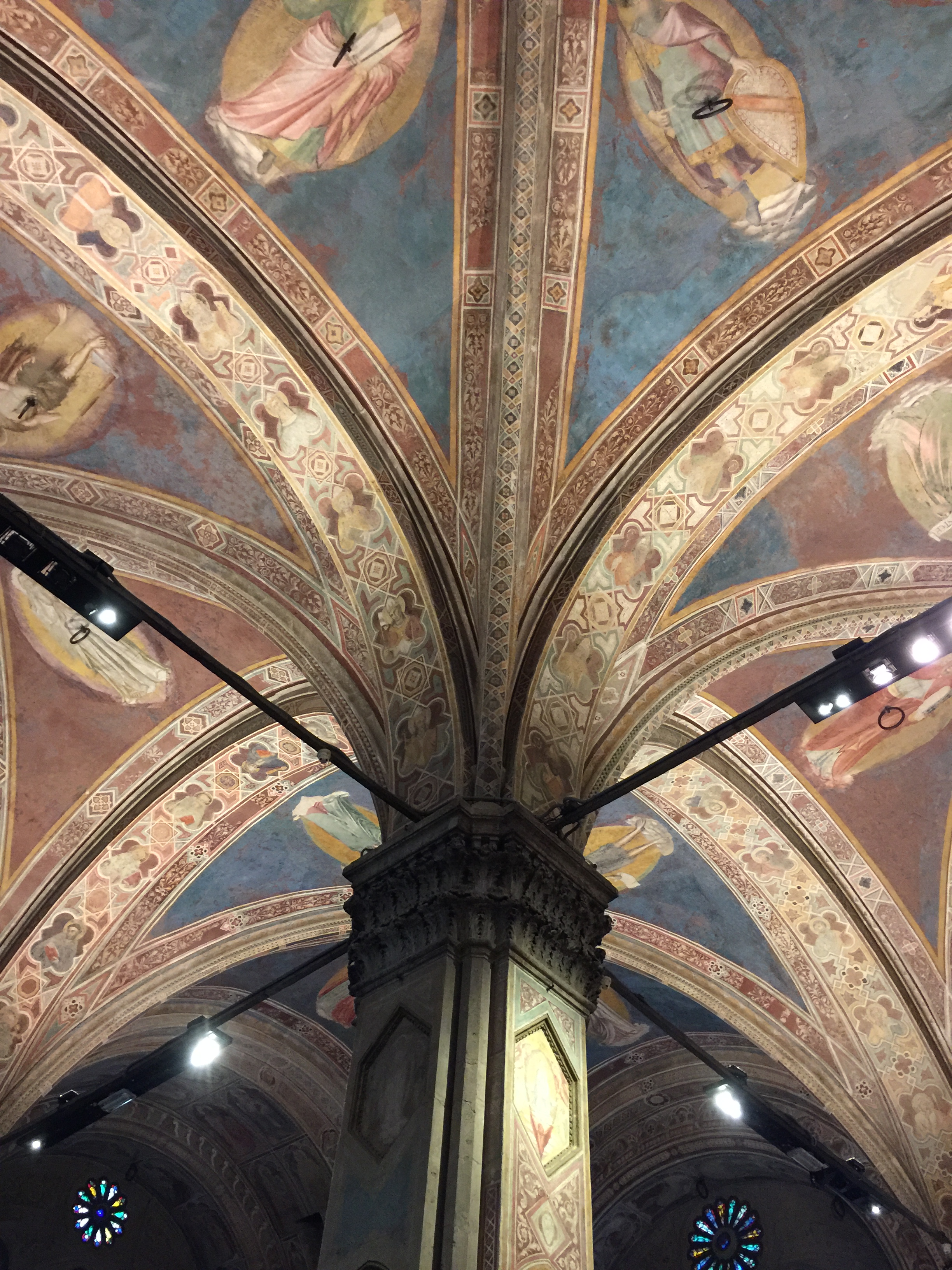
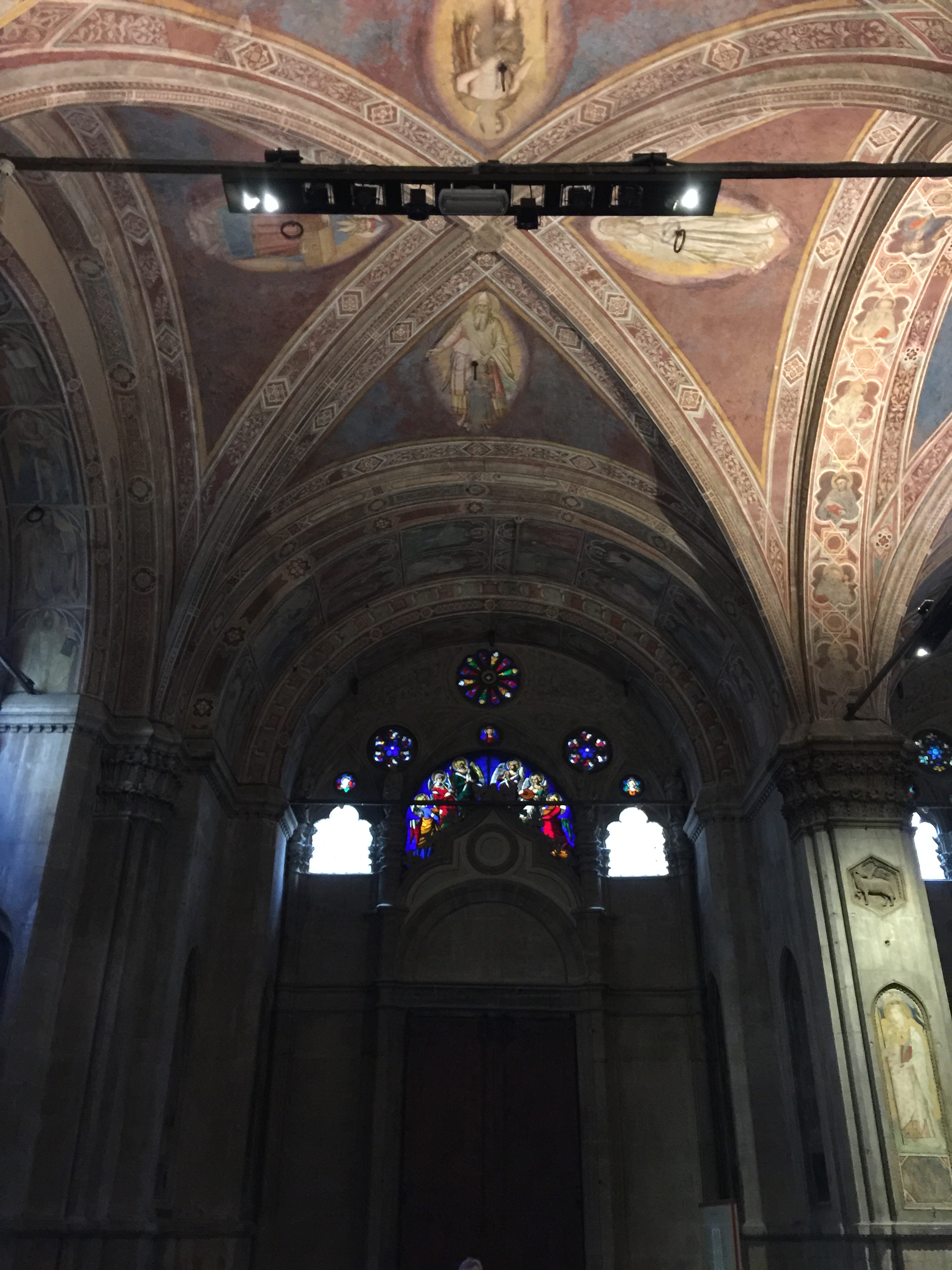
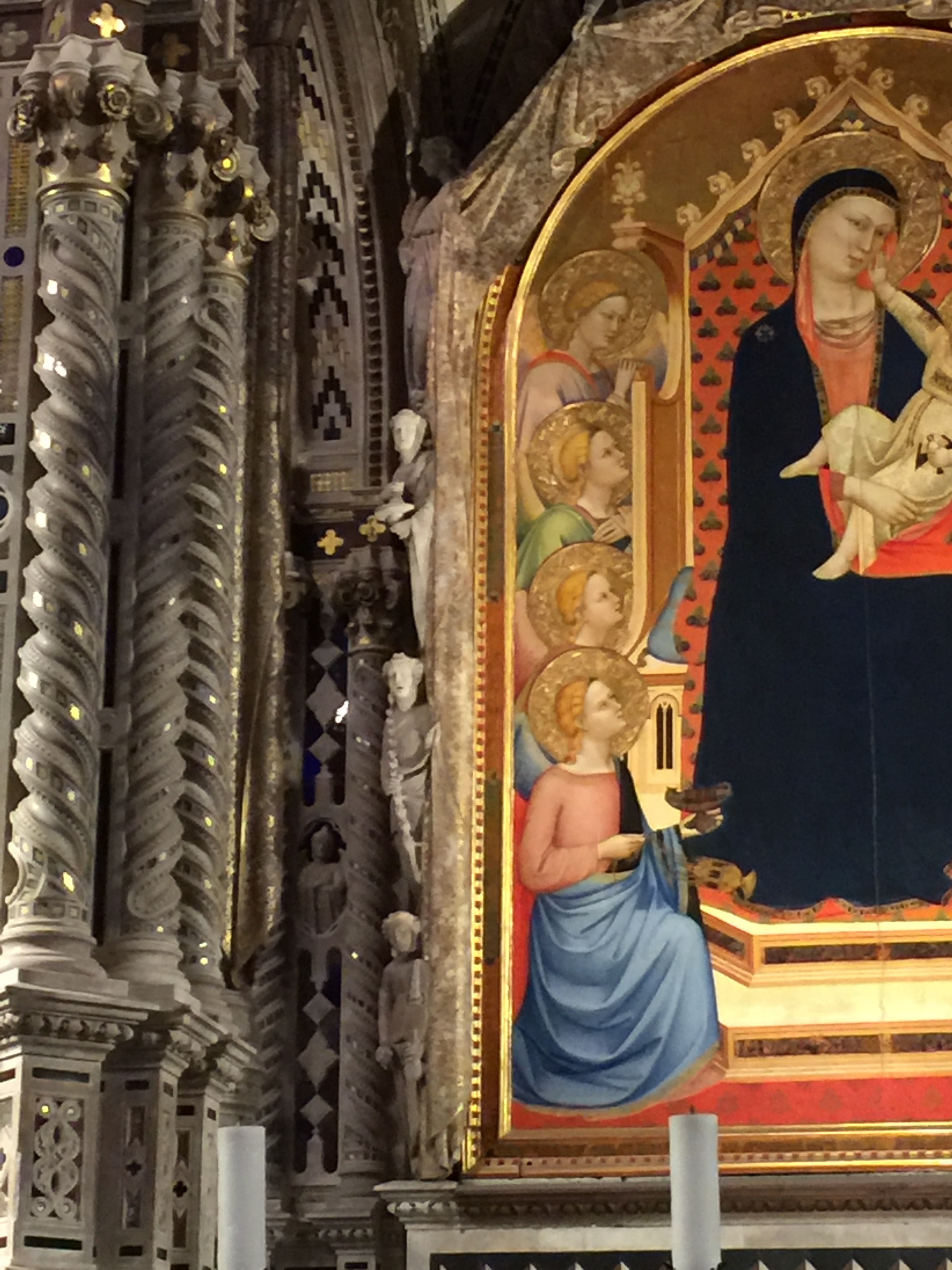
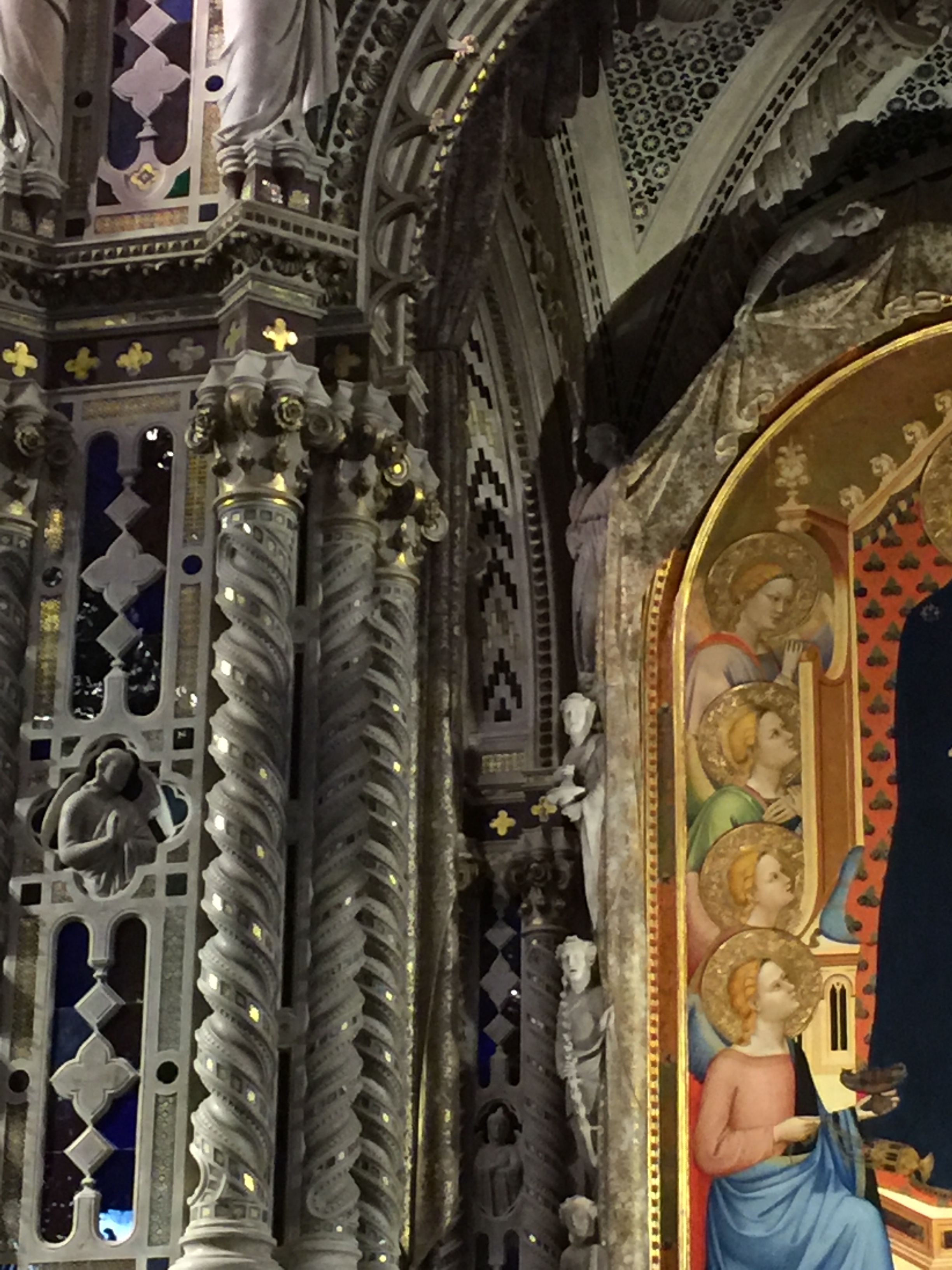
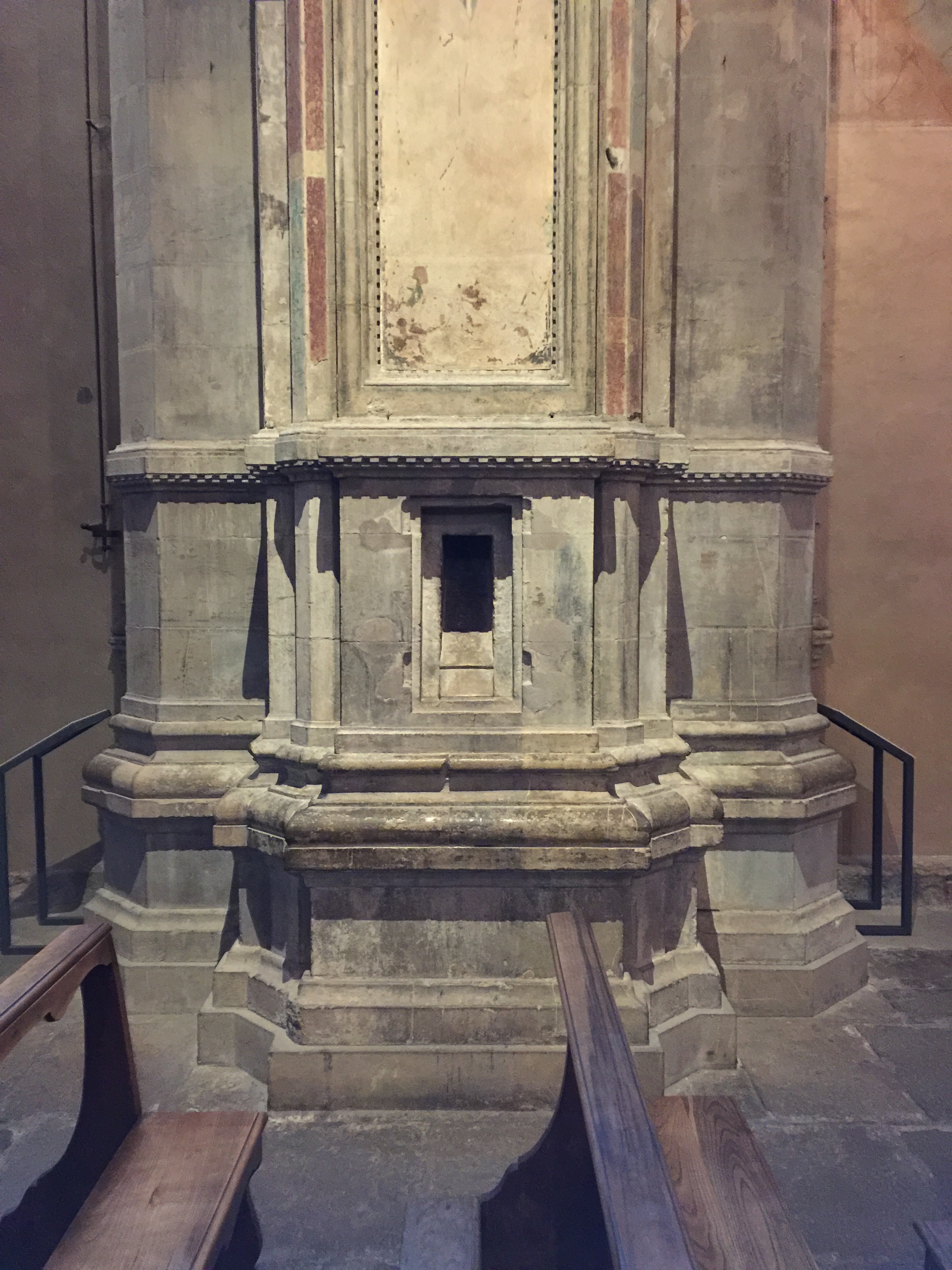
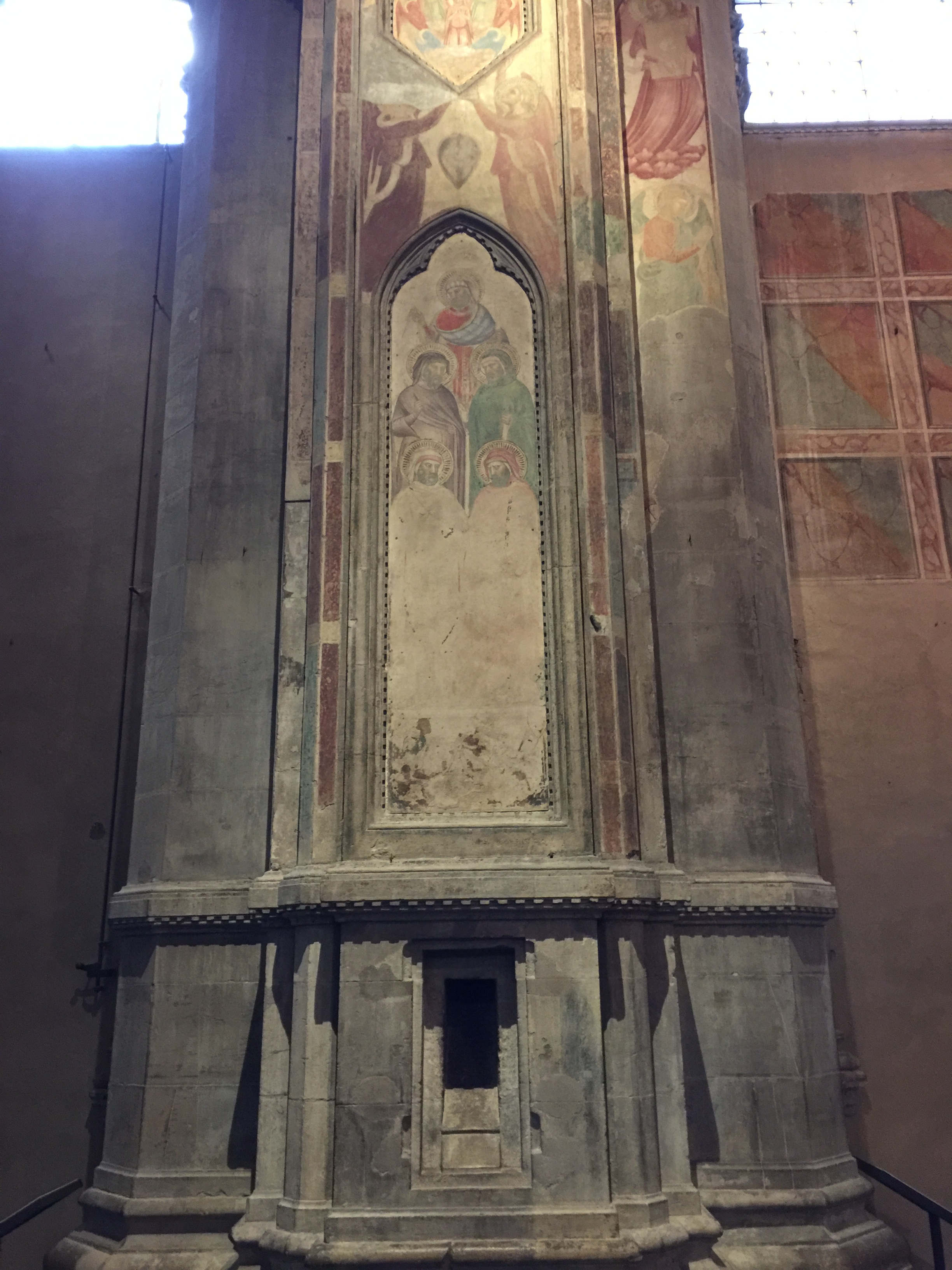
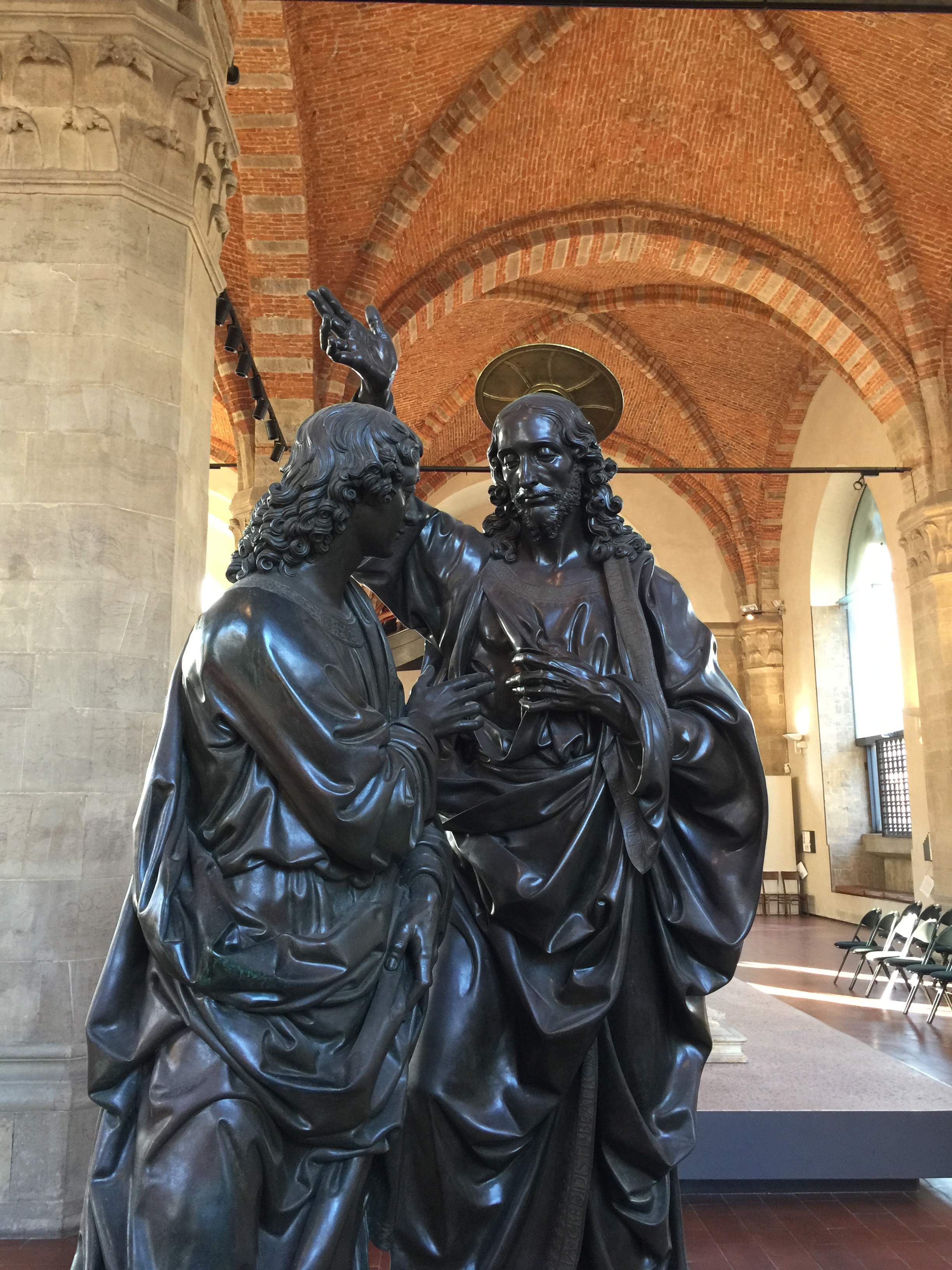
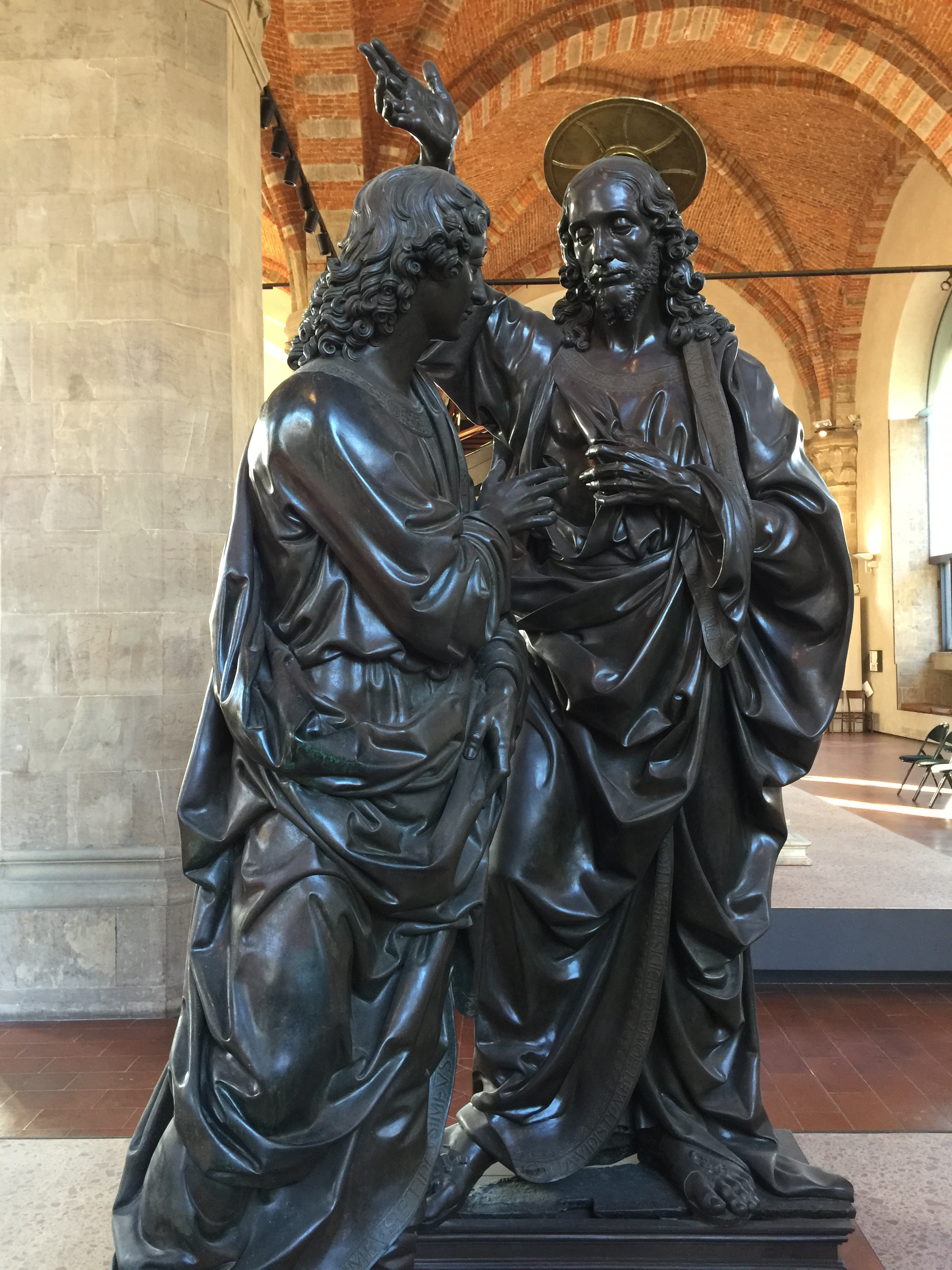
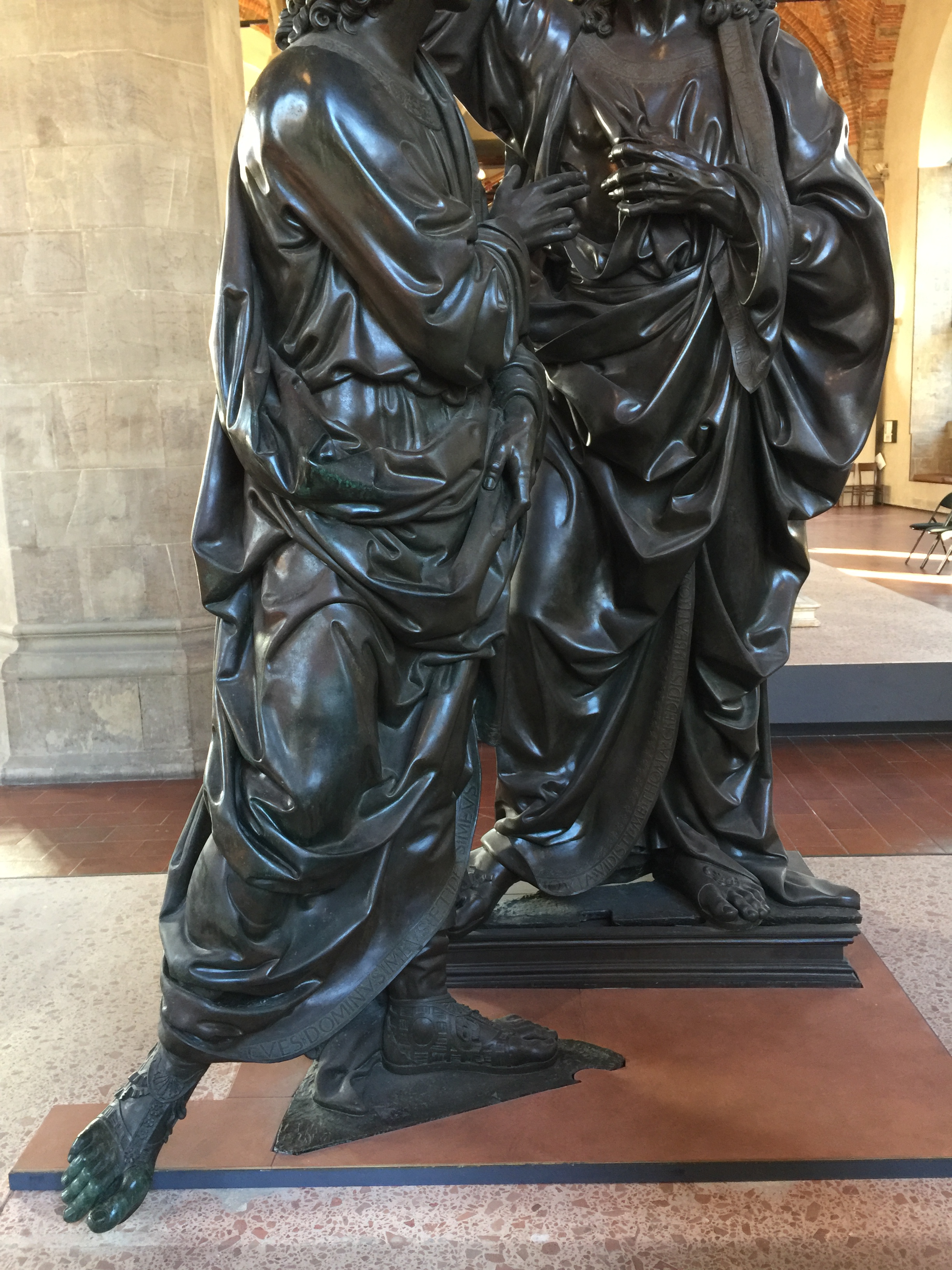
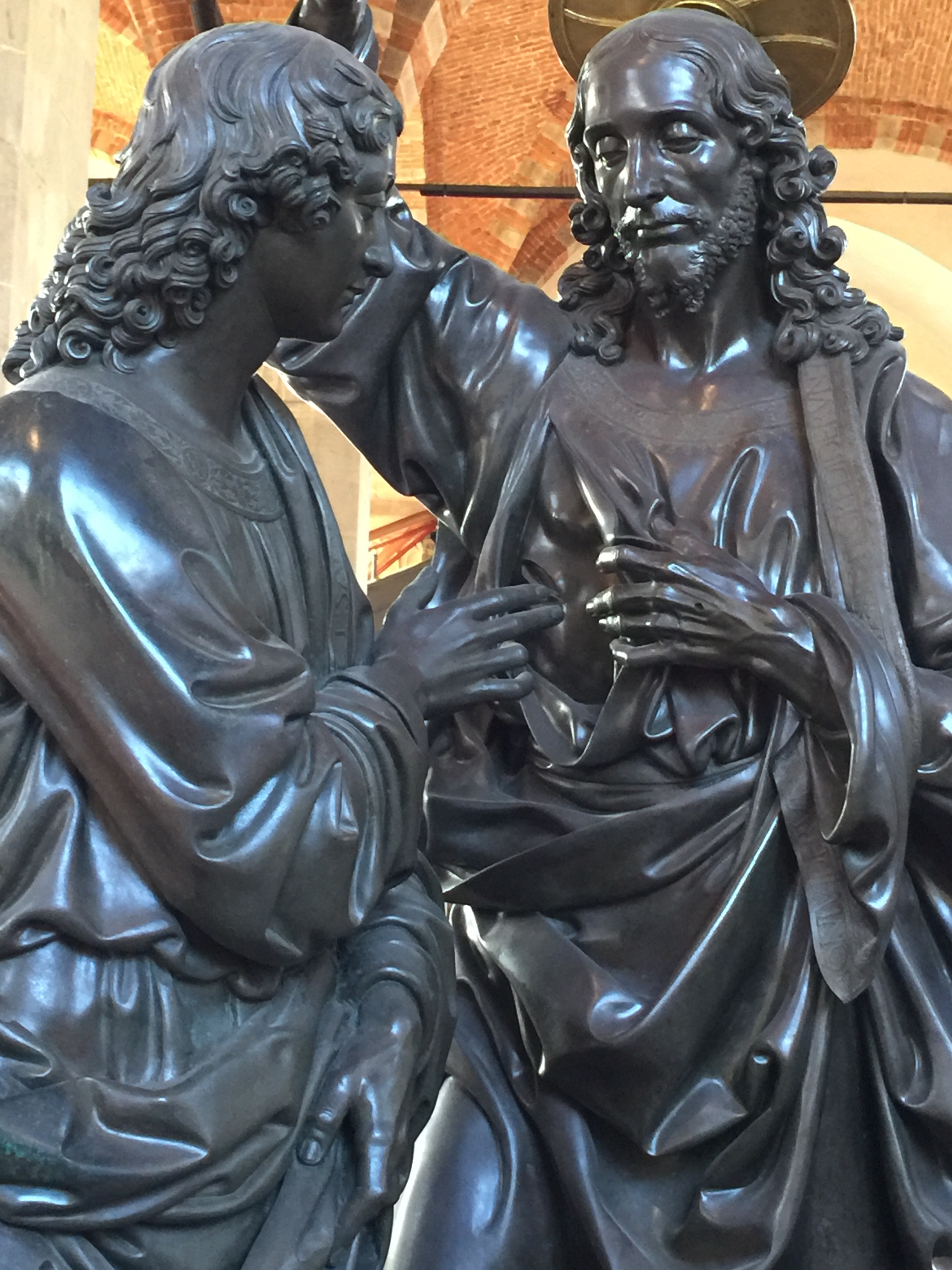
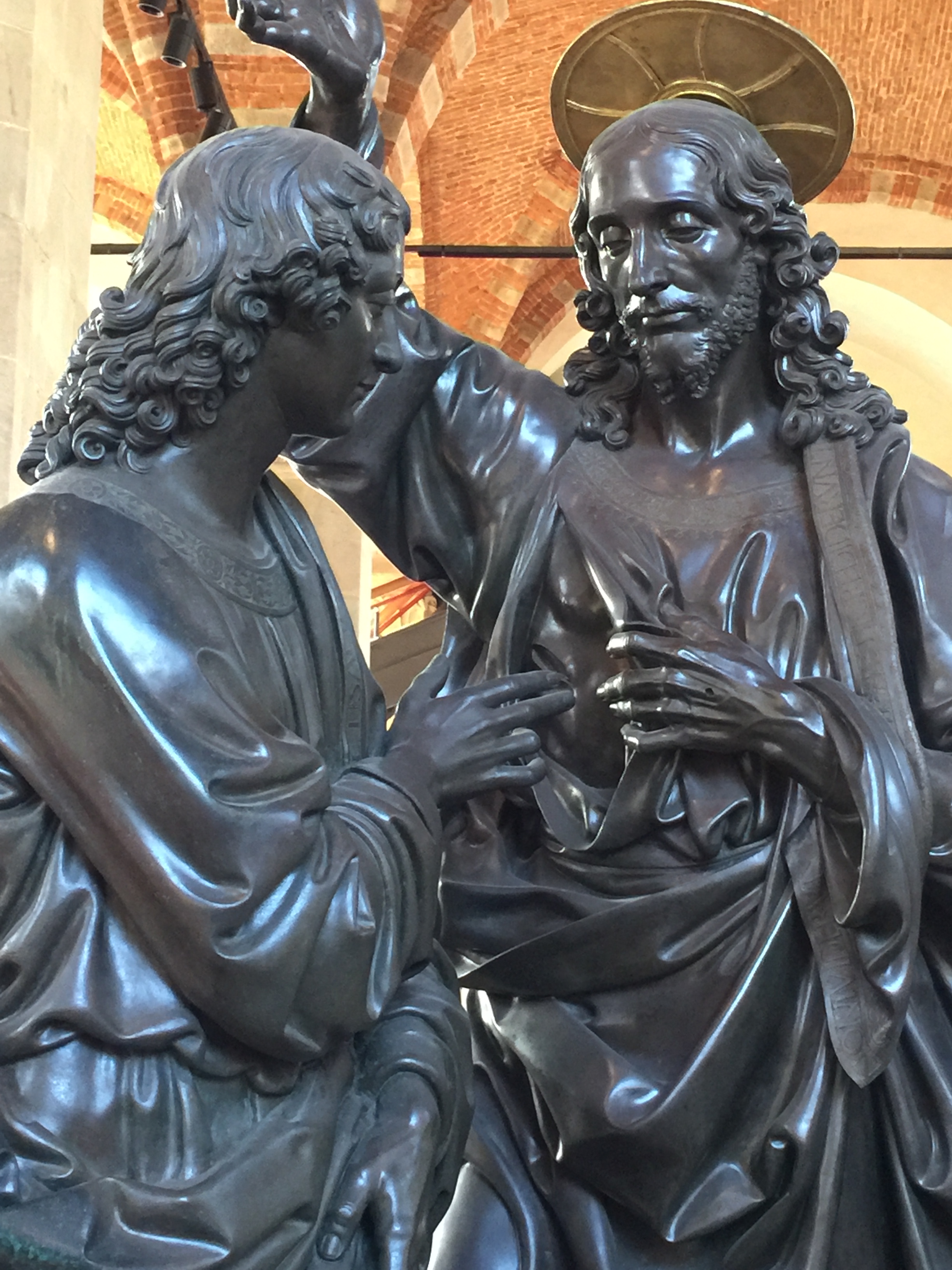
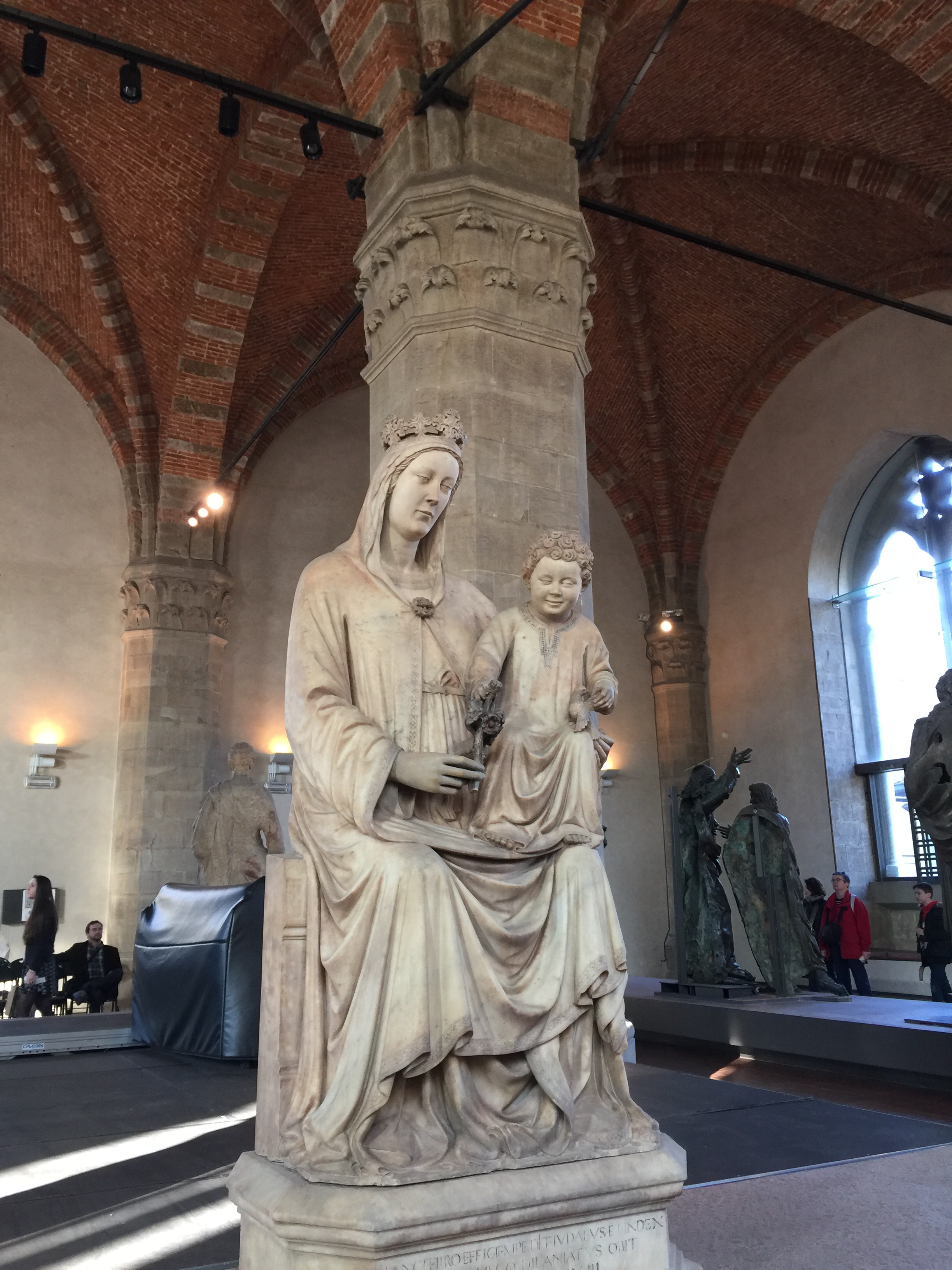
A while back I took the opportunity to pay a visit to the famous Florentine church, built in a former granary. It is opulent and lovely.
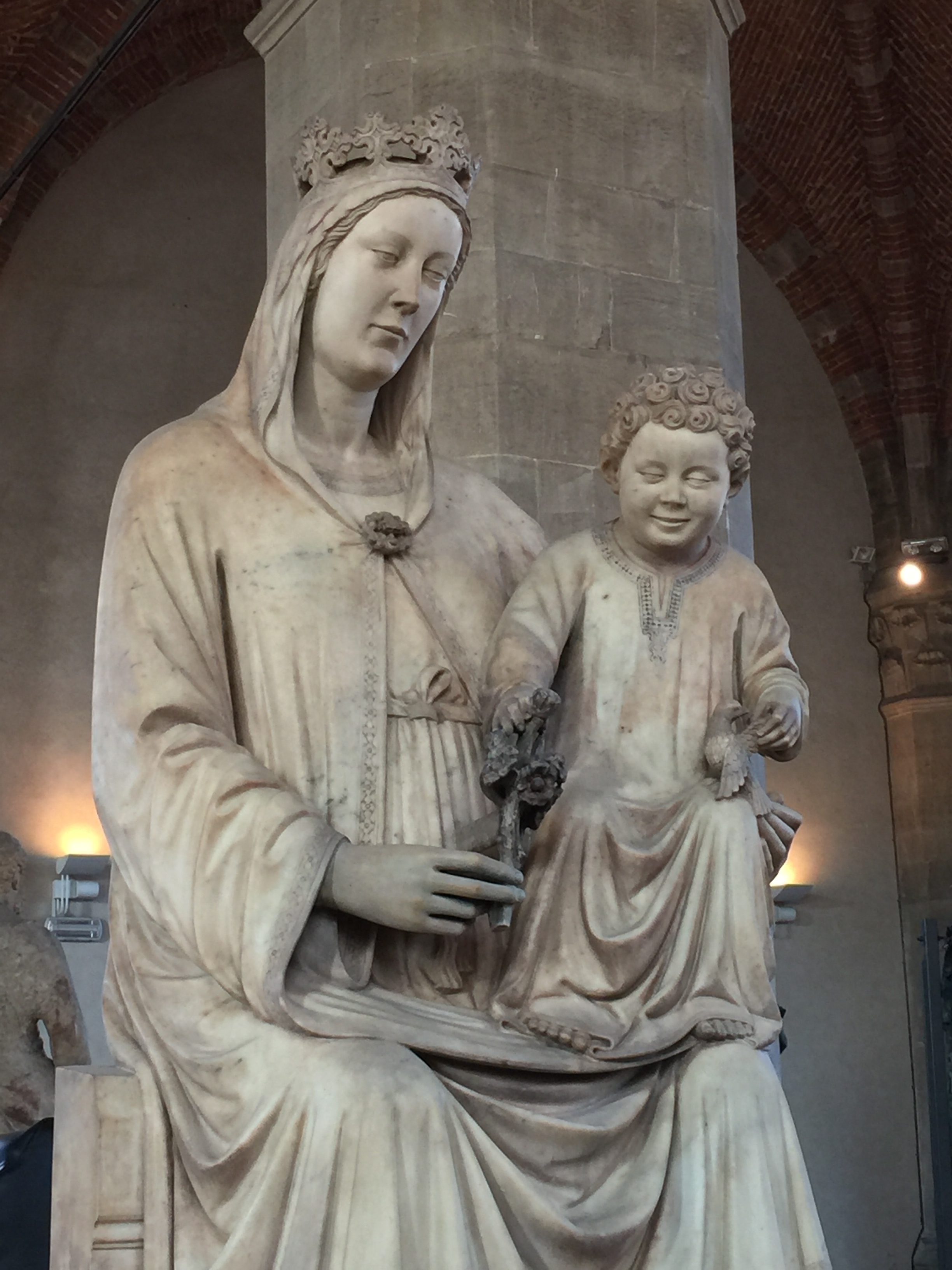
Above the church is a museum where all of the significant Renaissance sculptures originally placed in niches on the 4 facades of the church are now housed. Copies of these grand works are now in the niches on the building’s facade.
Here are some of the original works:
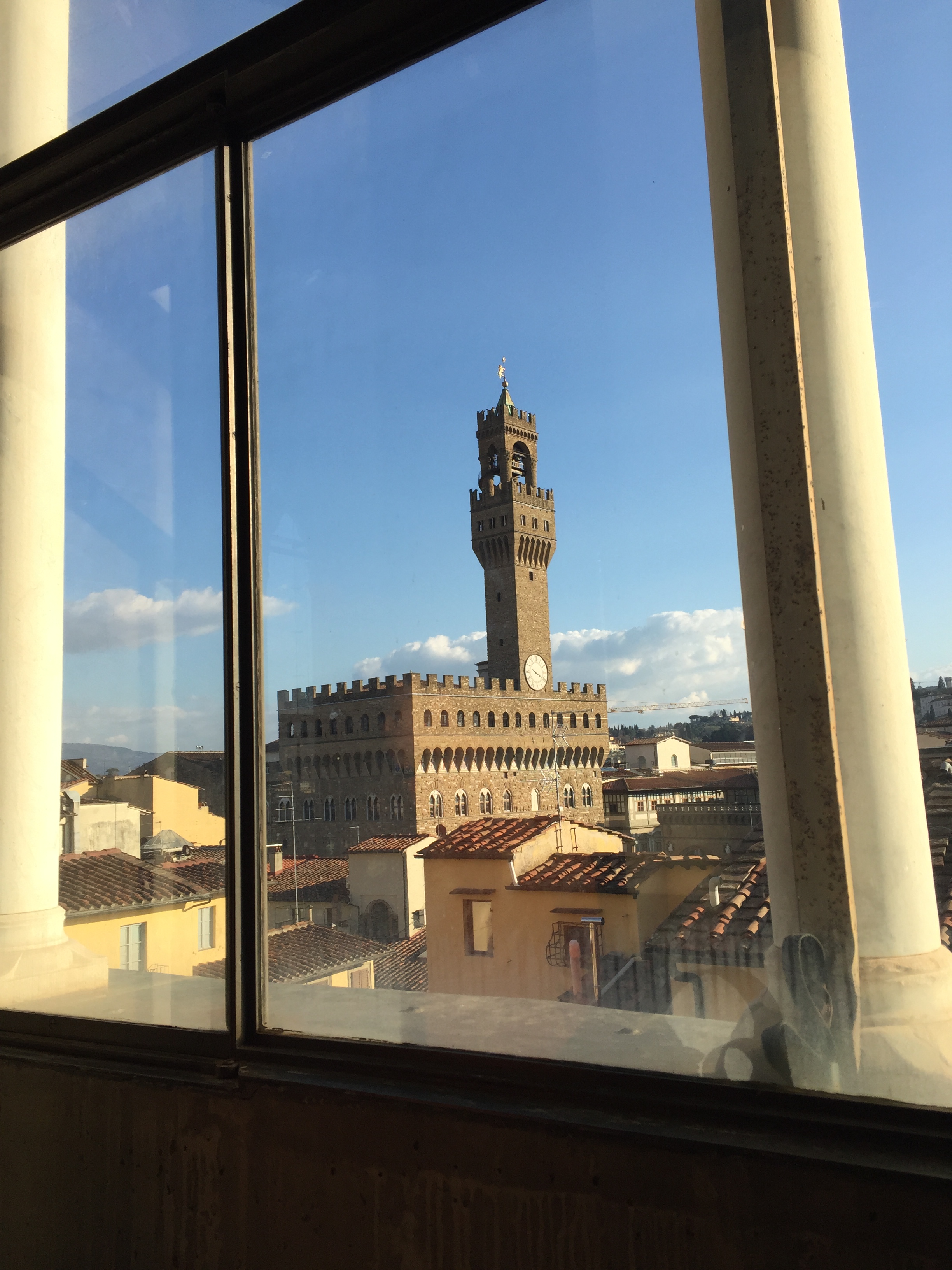
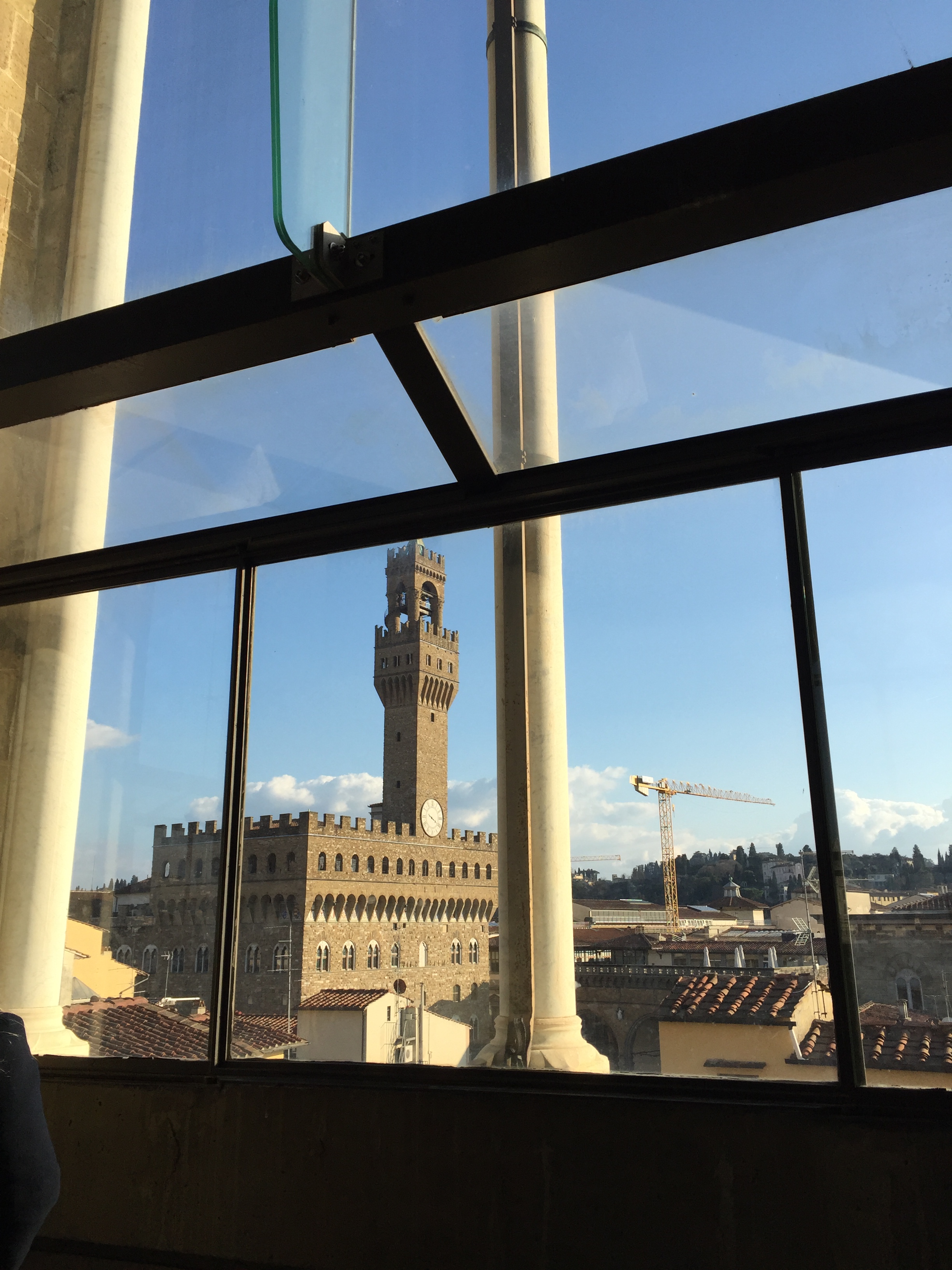
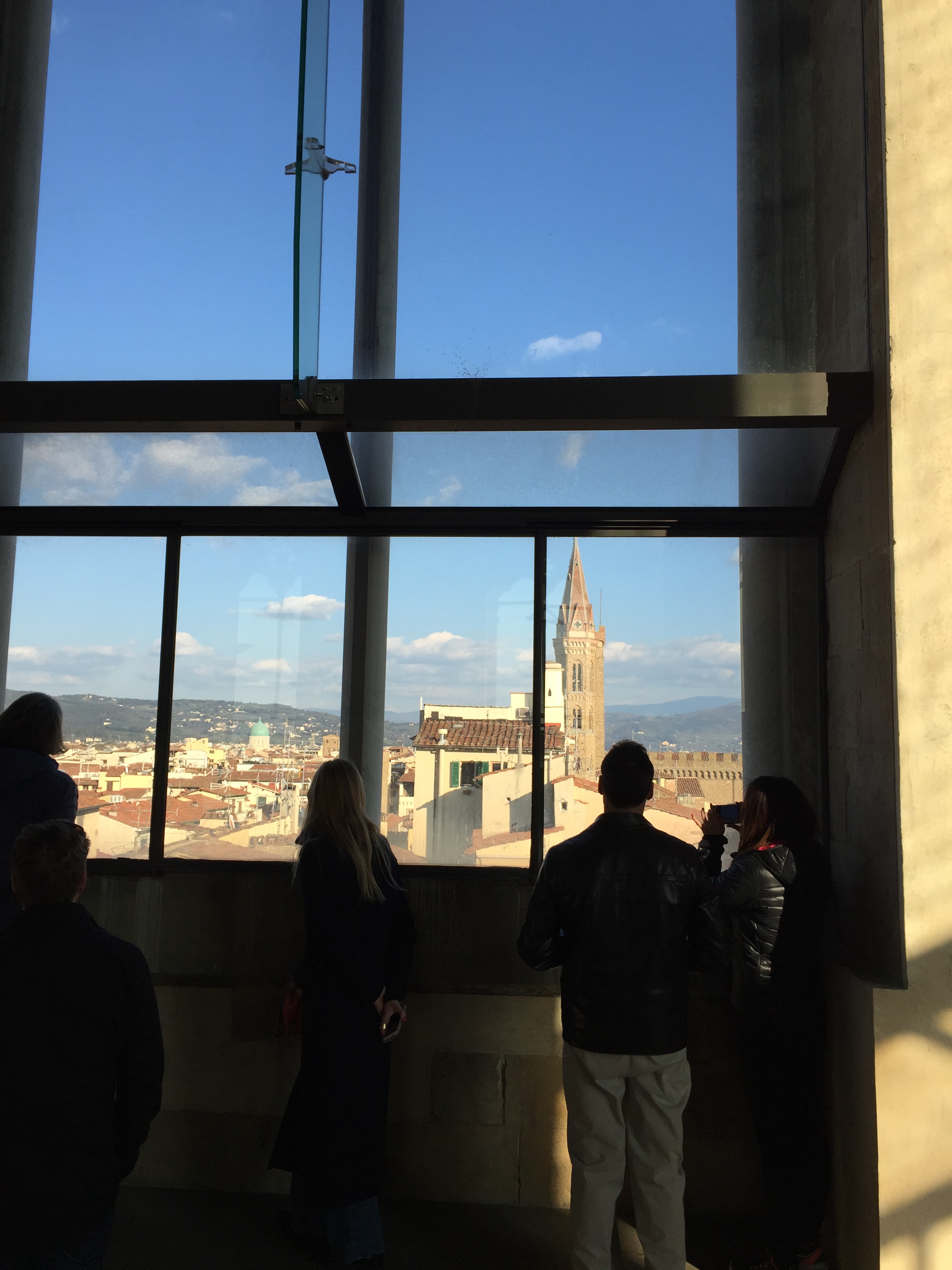
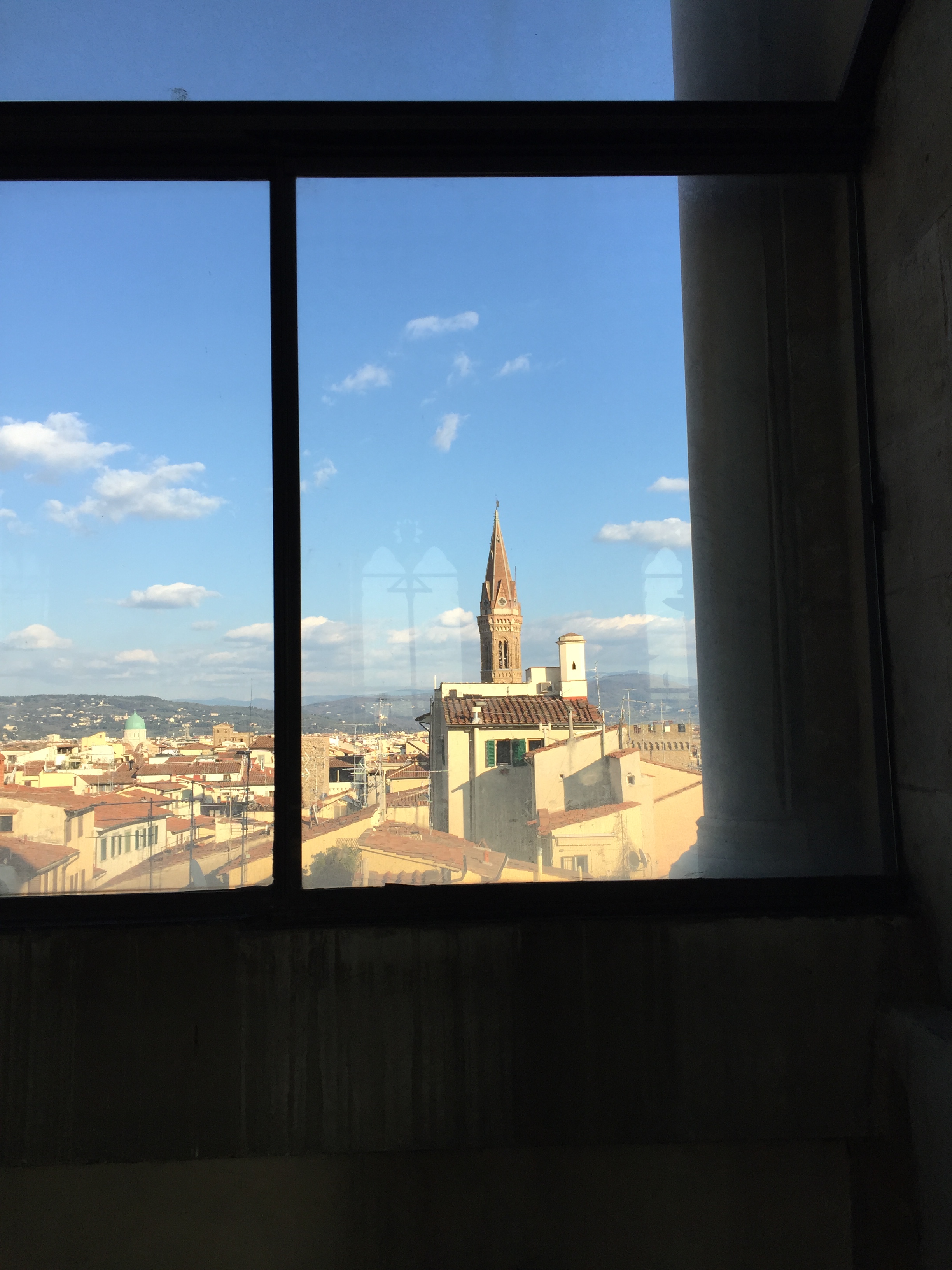
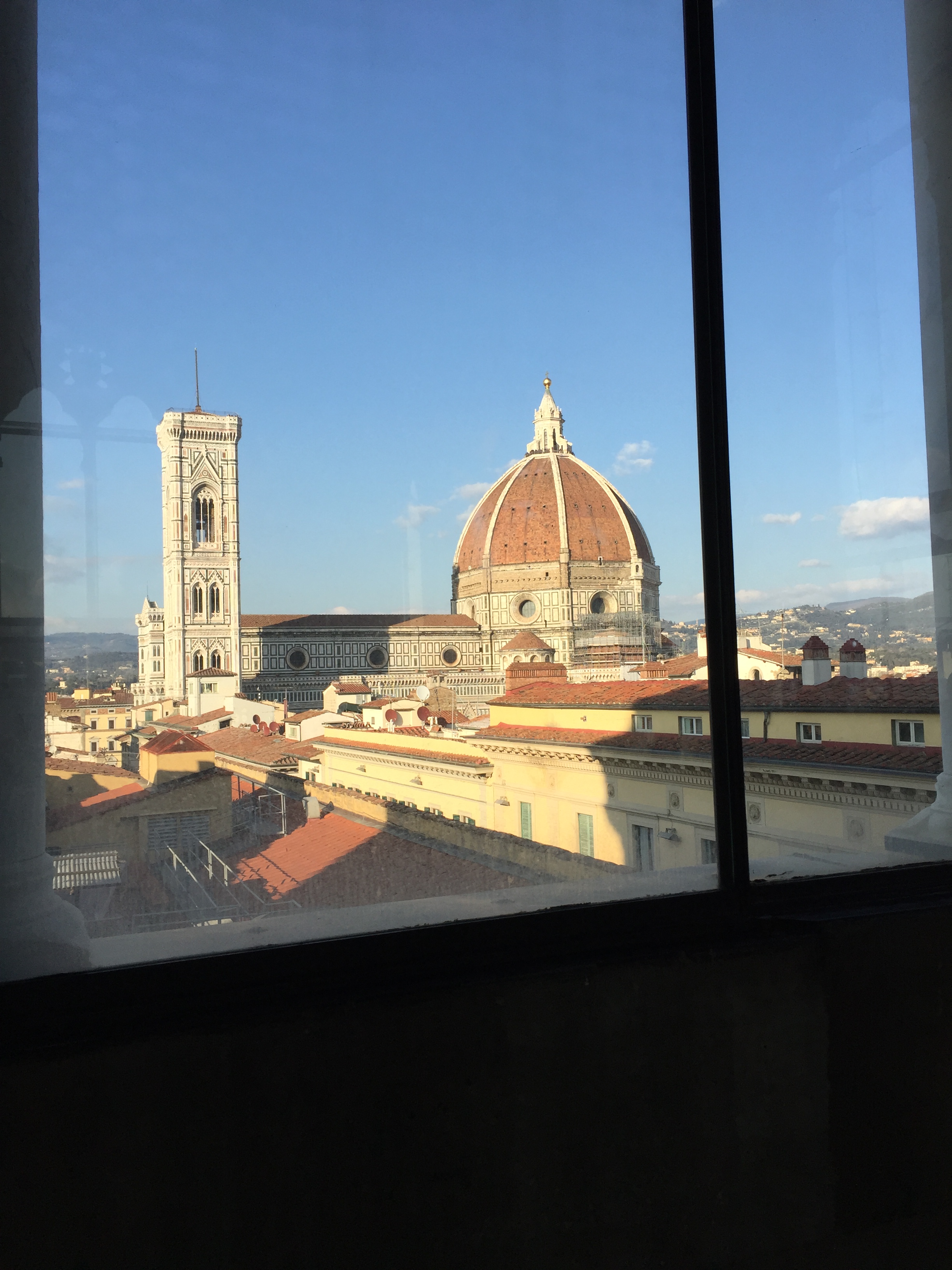
The views of the city from the 2nd floor of Orsan Michele are pretty amazing.
If you are lucky enough to go to Mantova (Mantua in English), in the Italian region of Lombardy, you will surely meet up with the enormous Palazzo Ducale. For more than 300 years this place was the seat of the Gonzaga– a family of wealthy horse breeders– who rose to power in the 14th century to become one of Italy’s leading Renaissance families.
Their 500-room, 35,000-sq-metre palace is vast; a visit today winds through 40 of the finest chambers. Along with works by Morone and Rubens, the highlight is the most excellent and very witty mid-15th-century fresco by Mantegna in the Camera degli Sposi on which I’ll be writing a separate post very soon.
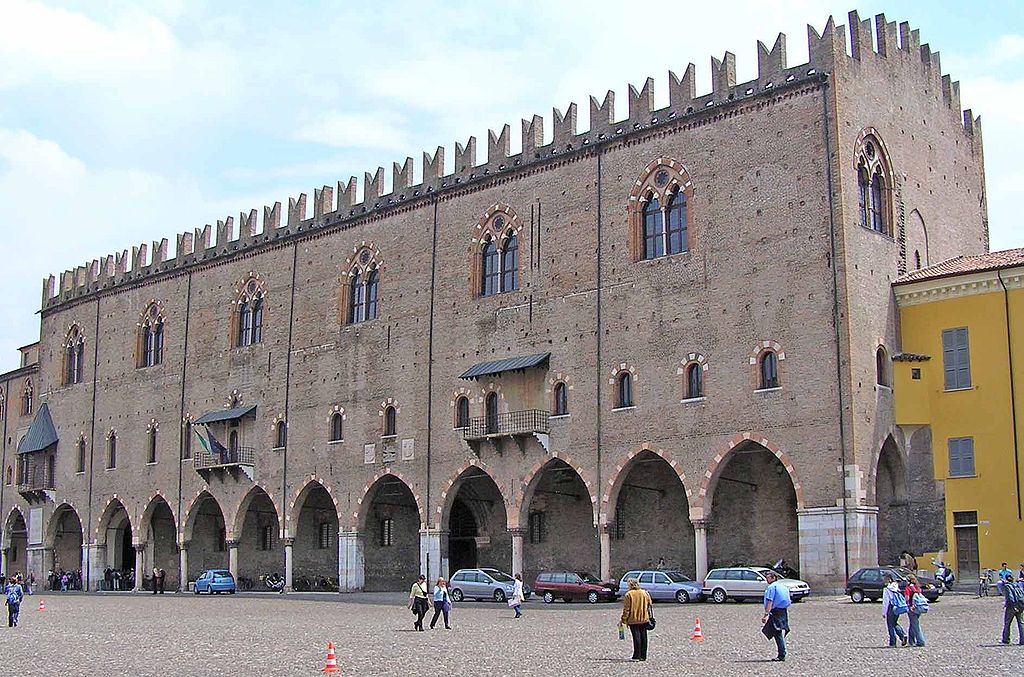
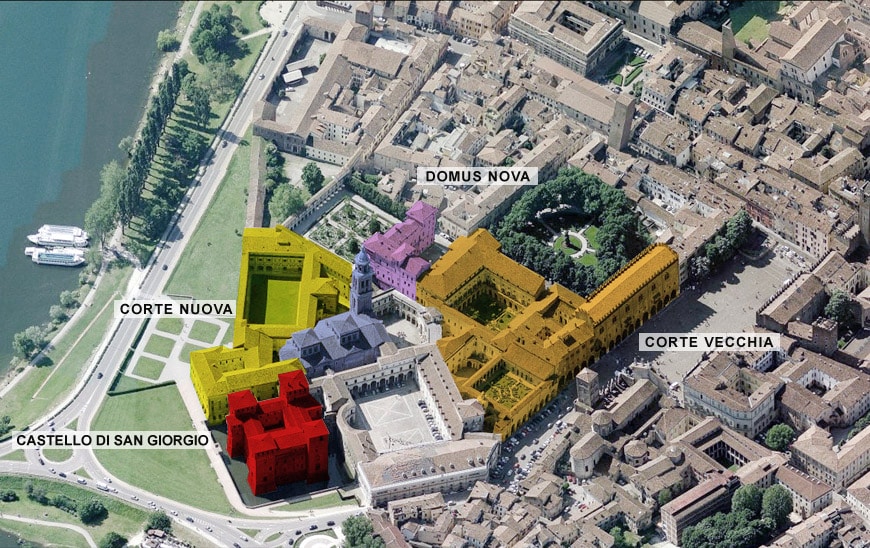
The Palazzo Ducale di Mantova is actually a group of buildings, built between the 14th and the 17th century, mainly by the Gonzaga family. The noble Gonzaga family used this complex as their royal residence in Mantova, which was the capital of their Duchy.
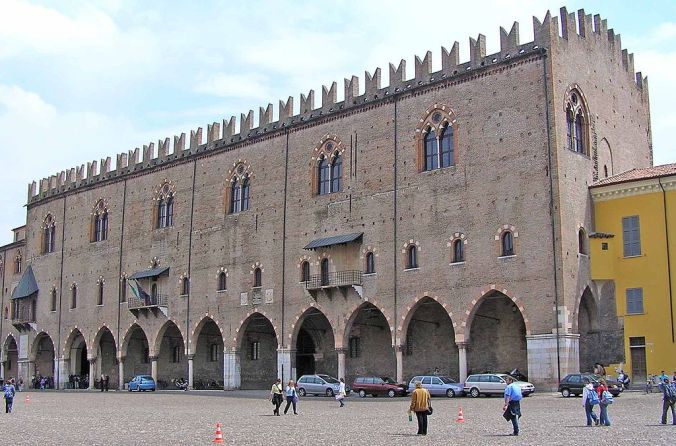
The oldest structures of the Ducal Palace, which are located on the sizable Piazza Sordello (this piazza is very rocky: as you can see from the pictures, the surface is thousands of small stones set side by side. It’s pretty to look at, difficult to walk over). These oldest buildings were built between the 13th and early 14th centuries by the Bonacorsi family, who dominated Mantua before being superseded by the Gonzagas in 1328.
After the Gonzaga’s were in power in the late 14th century, they built an imposing fortress, the Castello di San Giorgio, near the city’s lakefront. The castle was commissioned by Francesco I Gonzaga and was designed by military architect Bartolino da Novara as a defensive structure aimed at protecting the heart of the town, and subsequently converted into the main residence of the Gonzaga family. The castello has a square plan with four corner towers, surrounded by moats with three entrances, each with a drawbridge.
A key moment in ecclesiastical history took place in the Palazzo Ducale: in 1459 the marquis, Ludovico III Gonzaga, commissioned architect Luca Fancelli to renovate parts of the complex for the Council of Mantua. The Council was called for by Pope Pius II.
Until the late 16th century, the Gonzaga’s home was not a unitary structure, but actually consisted of various neighboring buildings, independent and physically separated from one another.
In 1556, Guglielmo Gonzaga decided to merge those buildings into a single, grandiose architectural complex. Therefore, a number of late Renaissance-style courtyards, gardens, passages, porticoes, and new wings were built in the second half of the 16th century after designs by some of the most renowned architects and artists of the time, including Giulio Romano, Giovan Battista Bertani, and Antonio Maria Viani.
The vast complex includes some 500 rooms and occupies an area of c. 35,000 m. Although most famous for Mantegna’s frescos in the Camera degli Sposi (Wedding Room) the complex has many other very significant architectural and artistic elements.
Notable artistic works belonging to the Palazzo Ducale include a celebrated altarpiece, the Adoration of the Holy Trinity, by Peter Paul Rubens (1605), which was formerly part of a triptych originally produced for the church of Santissima Trinità in Mantua. For this altar, Rubens portrayed members of the Gonzaga family in the holy scene. Other paintings from deconsecrated churches and monasteries are also today found in this huge room.
Sadly, the Palazzo was subjected to the vicissitudes of war and peace, and in 1797 Napoleonic troops brutally dismembered the Room of the Archers.
In the Sala del Pisanello, fragments and preliminary sketches of Pisanello’s frescoes of Arthurian knights remain, while room 24, the Sala dello Zodiaco, sports a ceiling representing the heavens studded with starry constellations.
The palace’s finest remaining features are its frescoed and gilt ceilings including, in room 2, a labyrinth, prophetically predicting the capricious nature of good fortune. Below it, as if in illustration, are two portraits of Eleanor Gonzaga (1630–86), who rose to marry a Habsburg emperor, and Vicenzo II (1594–1627), who lost the entire family fortune and one of Europe’s most enviable art collections.
Perhaps most notable of all, are the 16th-century Flemish tapestries reproduced from Raphael’s original designs for the Sistine Chapel. Woven in Brussels using the finest English wool, Indian silk and Cypriot gold and silver thread, these textiles represent the cosmopolitan sophistication of the Gonzaga court at the height of its power.
After the fall of the duchy in 1707, Mantua became a possession of the House of Habsburg and subsequently part of the Austrian Empire. Under the Austrian rule, the Ducal Palace was renovated and its collection of art, already dispersed and greatly impoverished during the final decades of the House of Gonzaga, were partially reinstated.
After the Gonzaga dynasty ended, the complex of buildings predictably saw a sharp decline in care and condition. Only in the 20th century, was restoration begun anew and the complex was designated as a museum.
Still capable of revealing surprises, in 1998 a hidden room was discovered by palace scholars, led by musicologist Paula Bezzutti. The room is thought to have been used for performances of Monteverdi’s music in the late 16th century.
One last architectural feature I want to include is that Cardinal (later Duke) Ferdinand (1587–1626) had architect Viani design a series of ever-smaller rooms, long known as the Appartamento dei nani (Dwarves’ Apartments). For a long time it was believed that this appartamento was built to house the celebrated court dwarves of Mantua. In 1979, however, art historian Renato Berzaghi convincingly demonstrated that these tiny rooms are instead an exact reproduction of an ancient Roman original: the Scala Santa (Holy Stairway) of St. John Lateran in Rome. It’s believed that these rooms were intended for devotional purposes.
Finally, the church of Santa Barbara, which had the role of Palace chapel (Basilica Palatina) for the Gonzagas, was built in 1562-1572 by Giovanni Battista Bertani, commissioned by Duke Guglielmo. It allowed for religious ceremonies, with some degree of independence from the papal hierarchy. It was outfitted with an Antegnati organ (1565) by one of the premier builders of Northern Italy. The organ was restored in 1995. Recently the remains of four dukes and other members of the Gonzaga family were discovered in the church.
And last, but not least, is the Cortile della Cavallerizza was designed by Giovanni Battista Bertani. He adapted the style of the surrounding buildings (in 1569) to the Mannerist style of Giulio Romano. This was the place where the Gonzaga’s horses were shown before being sold.
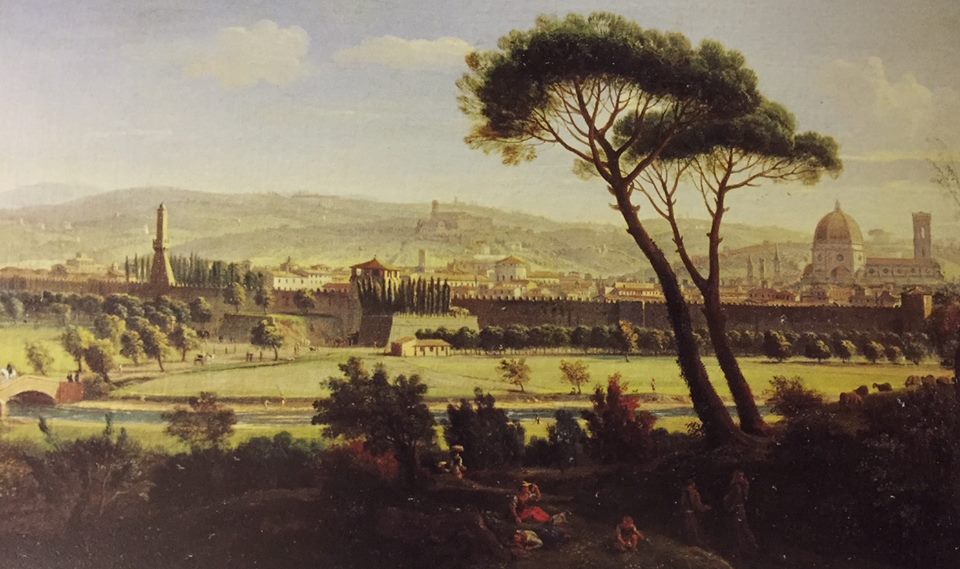
Today I live in the northern section of Florence, the part you see below in an area that was a grassy field in 1695. Florence has undergone a few changes since then. I love my new neighborhood; a huge pleasure is I am no longer in the touristy area. I meet and interact with Florentines all day every day. It’s heavenly.
Una inconsueta veduta di Firenze da via Bolognese, di Gaspar Van Wittel, del 1695. (An unusual view of Florence from Via Bolognese, by Gaspar Van Wittle, 1695.)
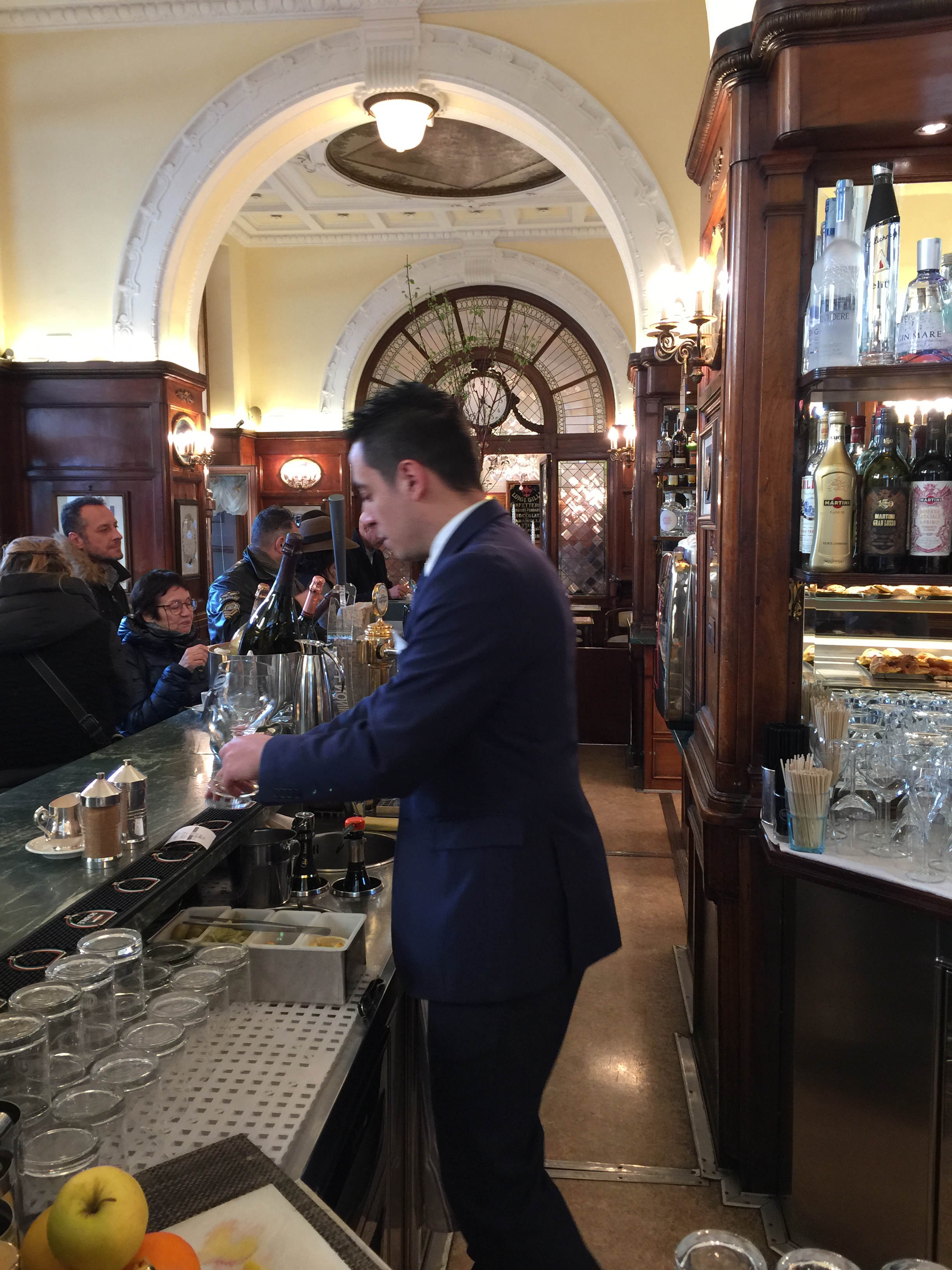
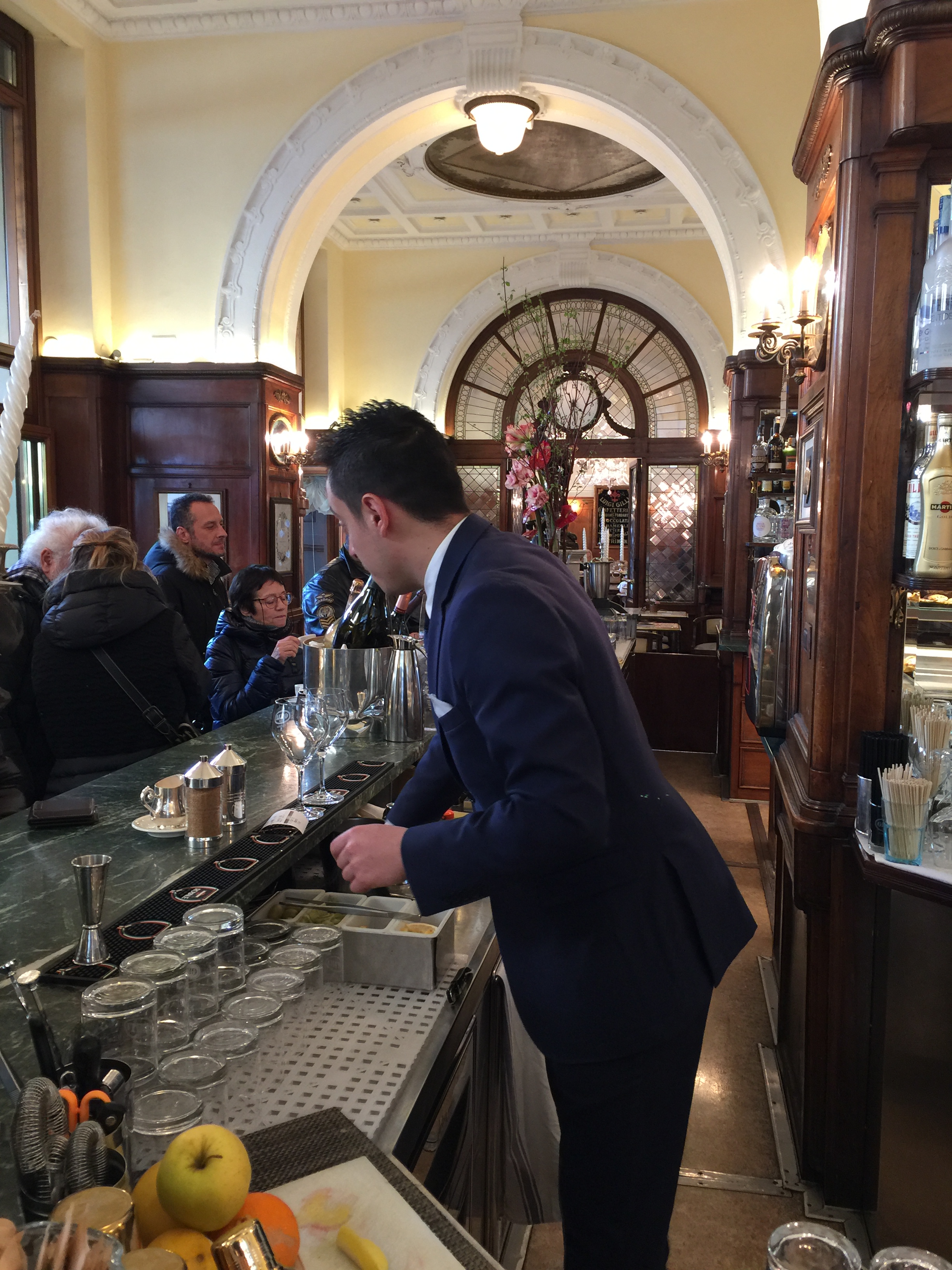
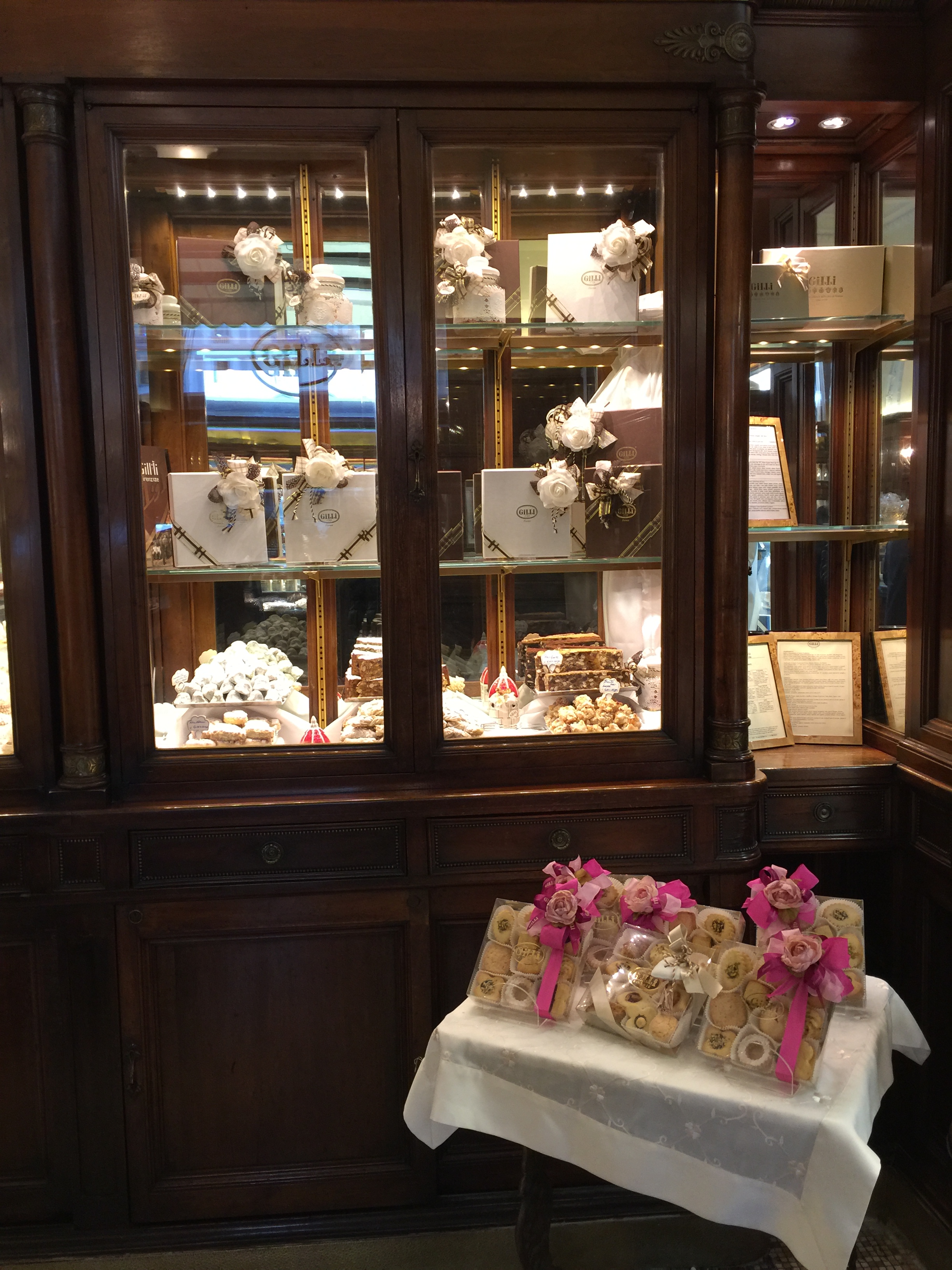
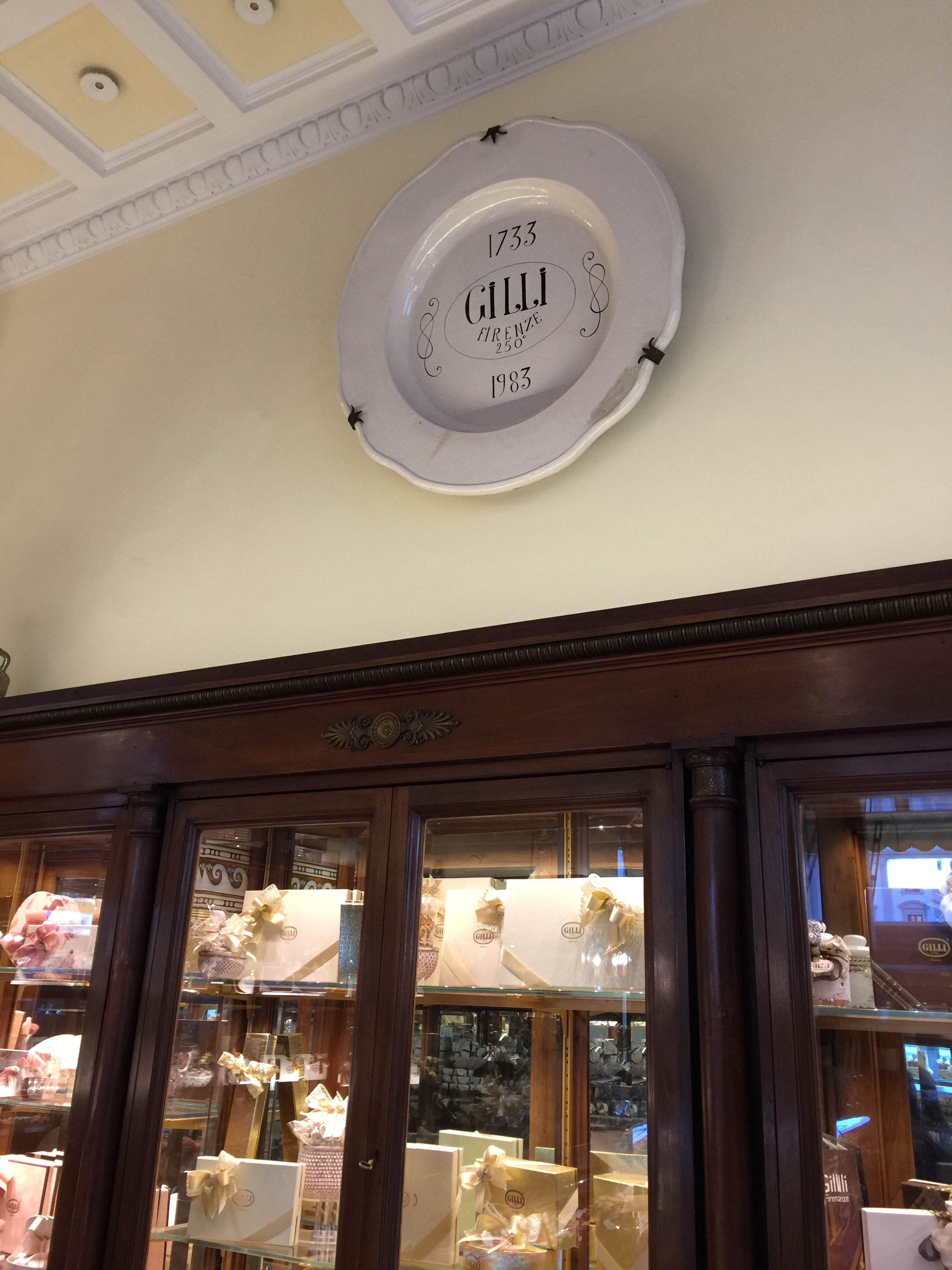
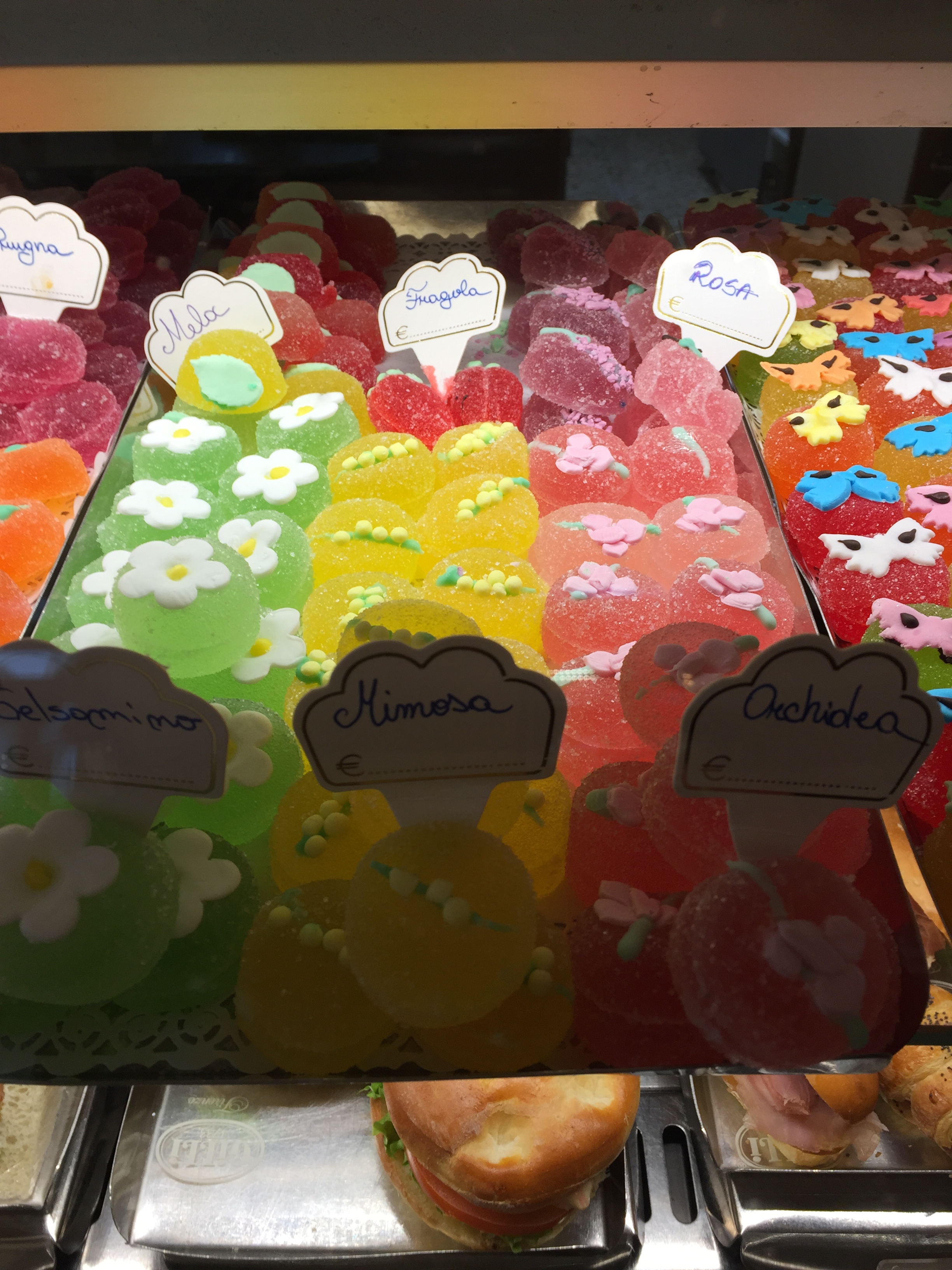
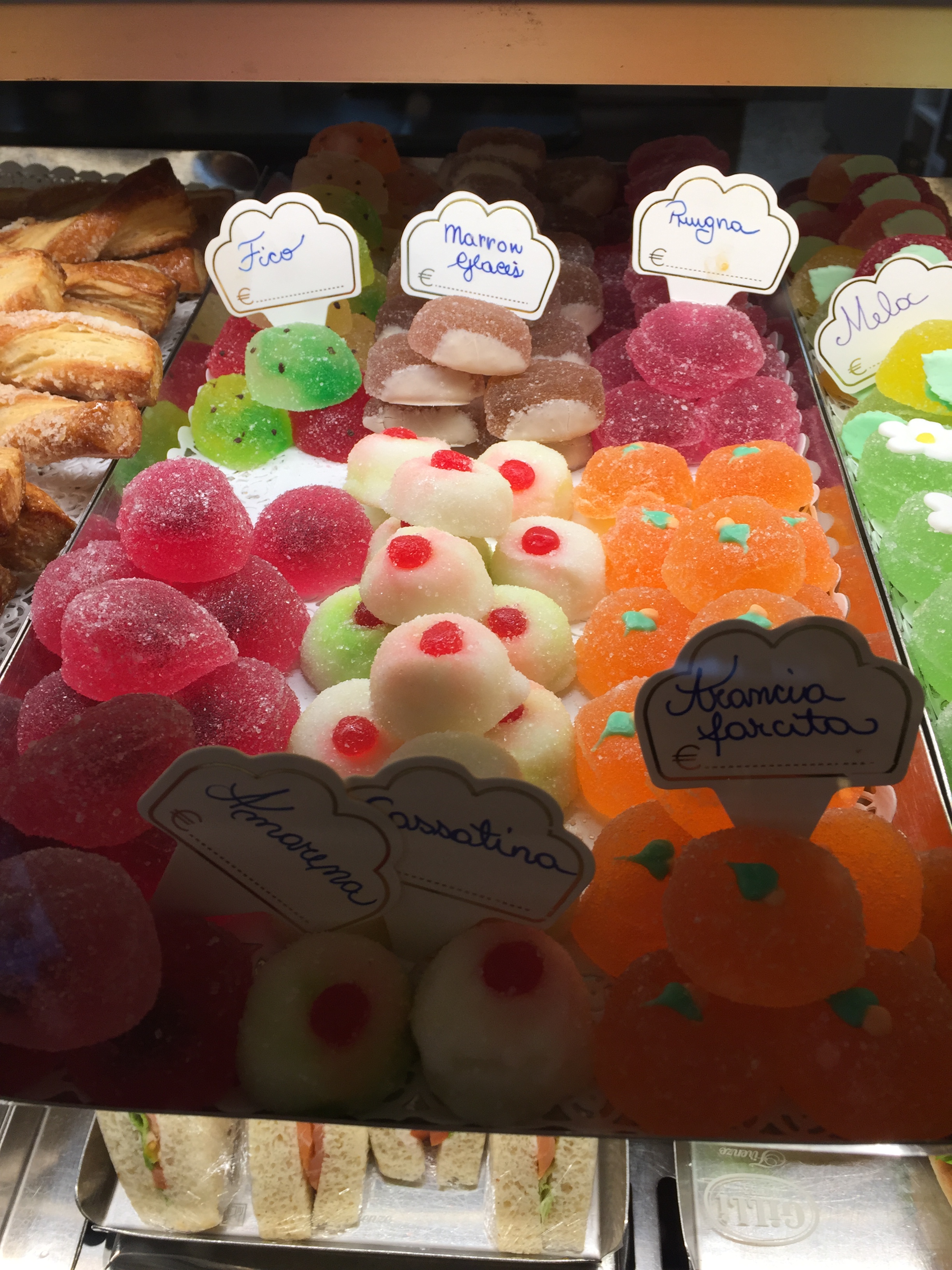
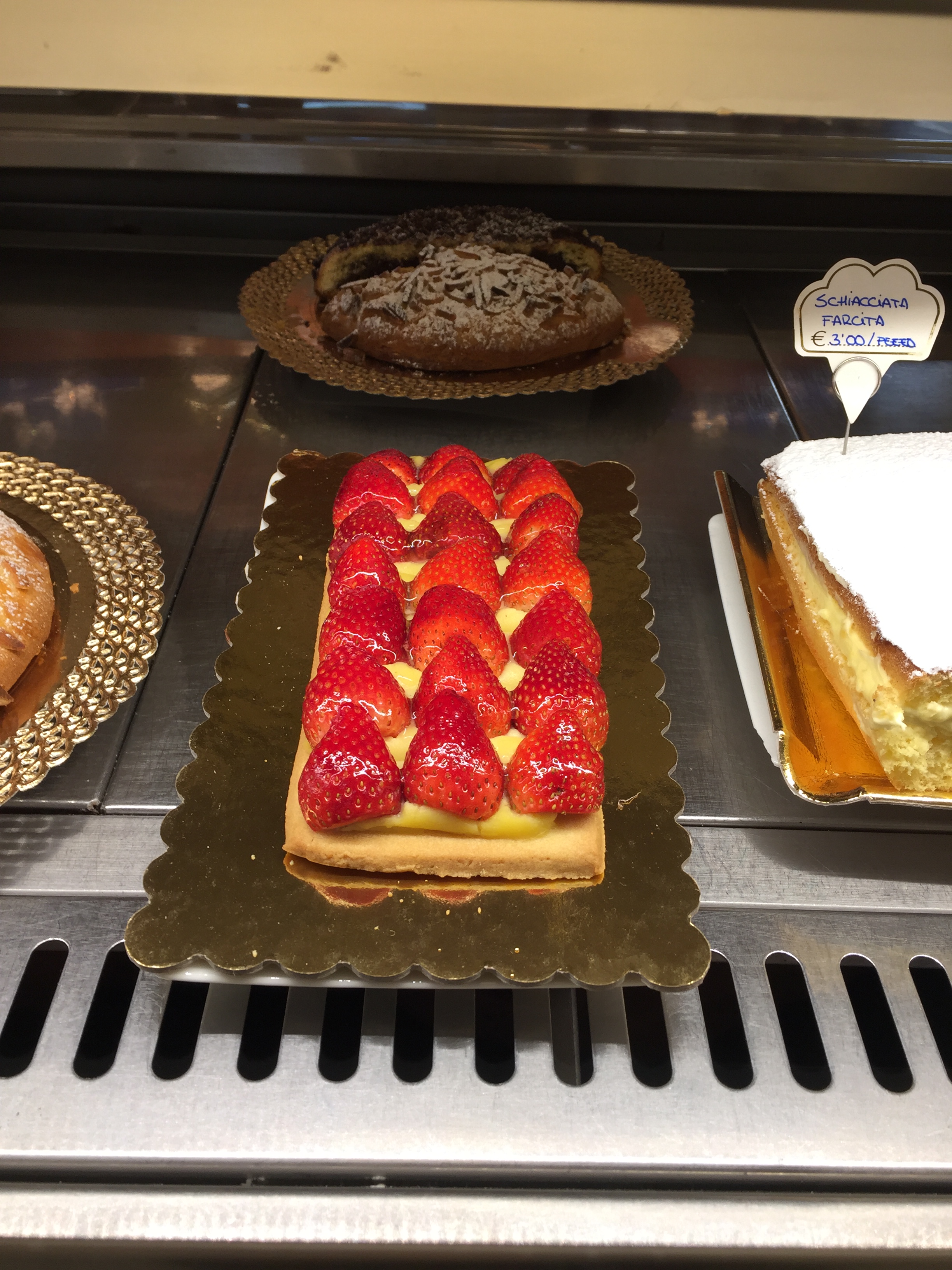
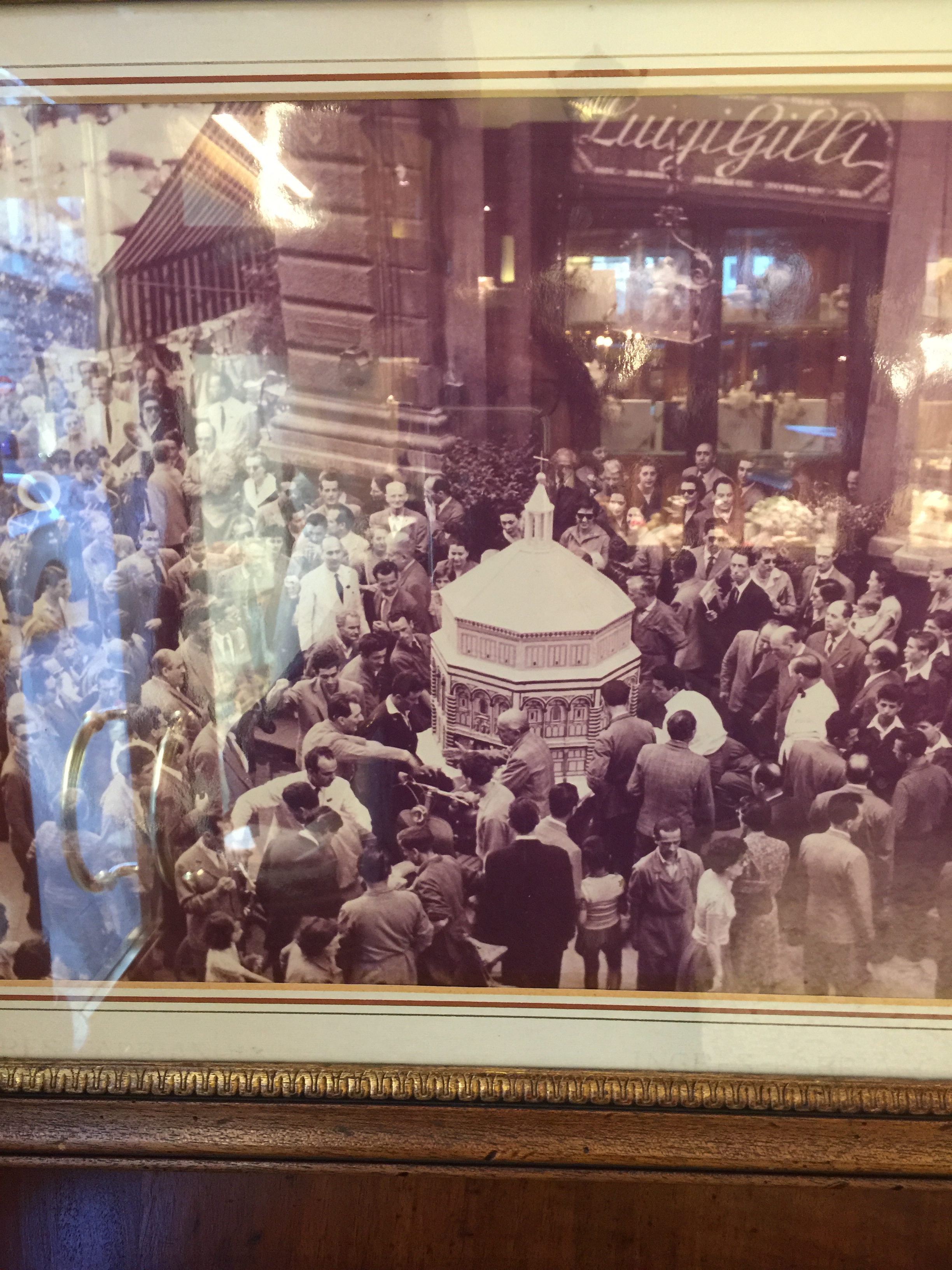
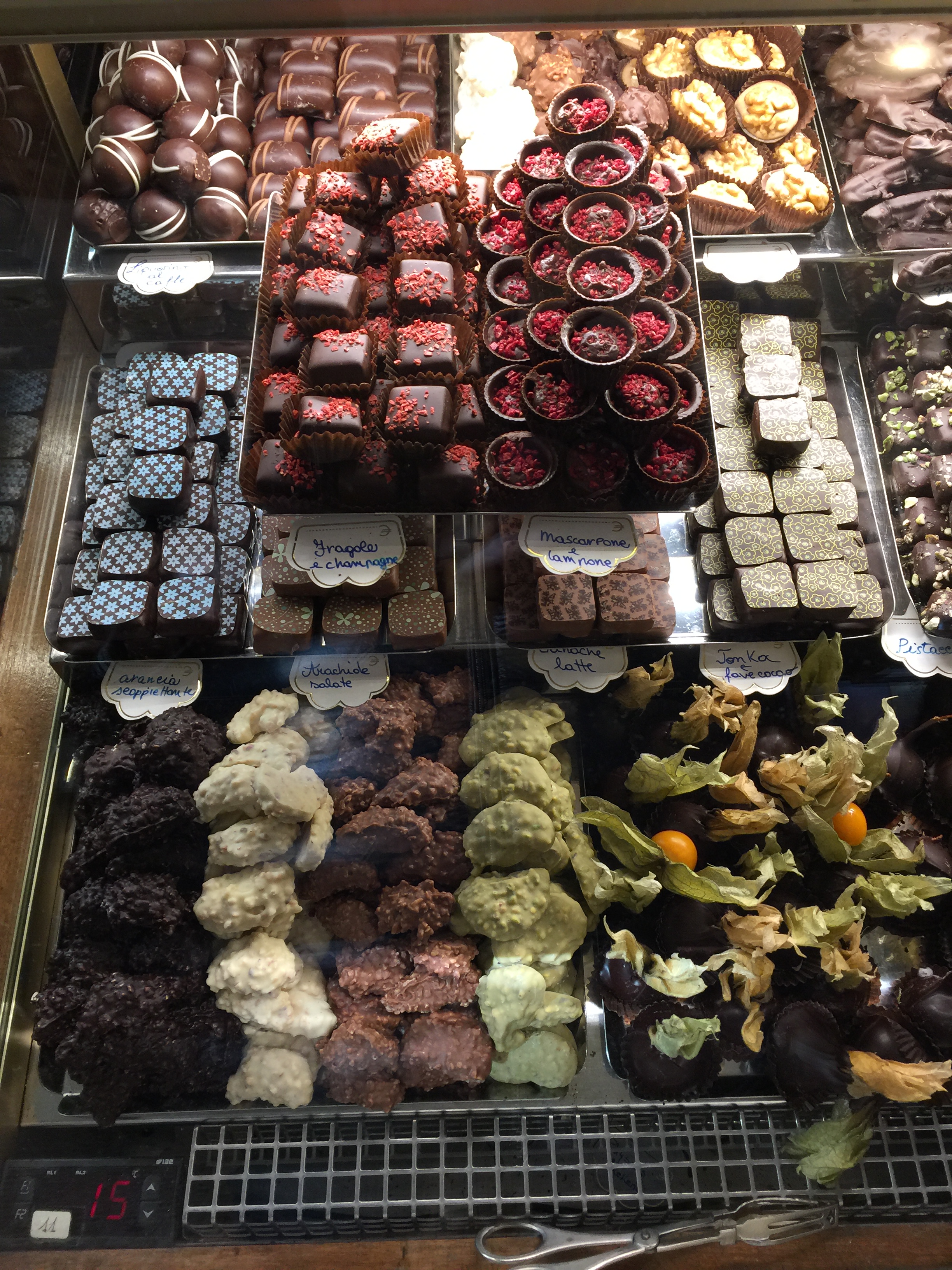
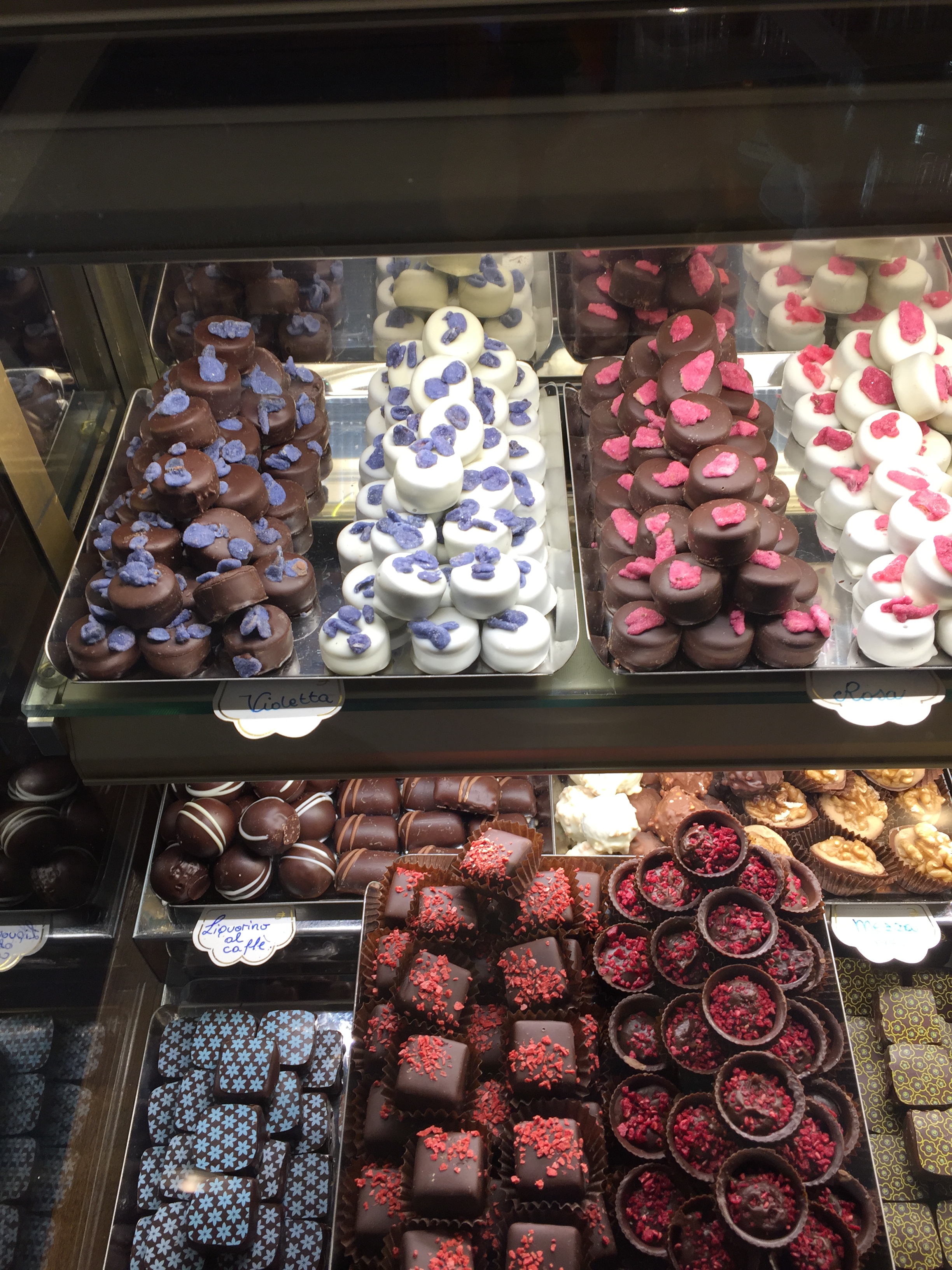
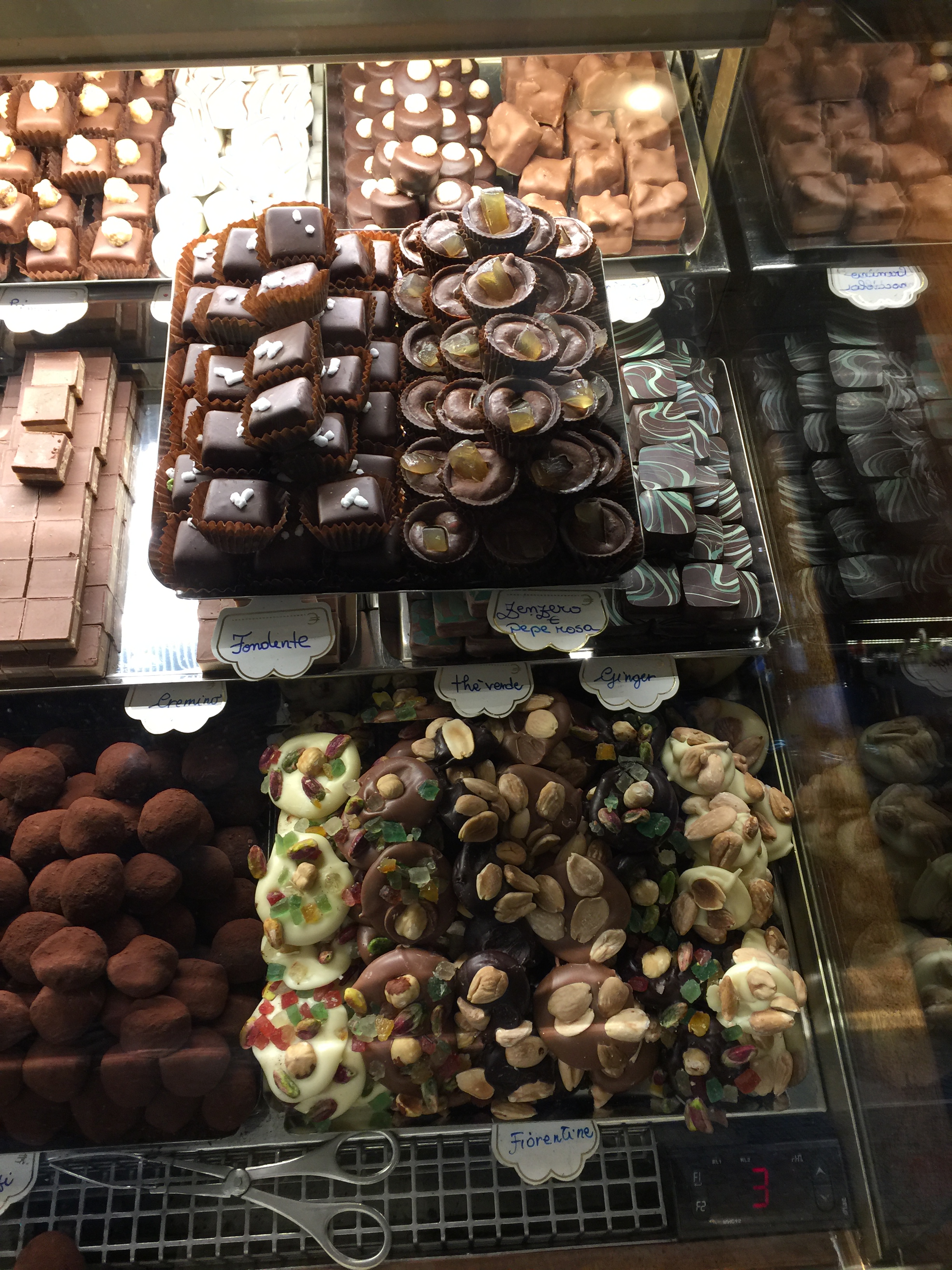
Every chance I get, I stop in at Gilli’s, a bar/pasticceria on the Piazza della Repubblica in Florence. Stepping in the door, one enters an Old World establishment at its very finest. I love it!







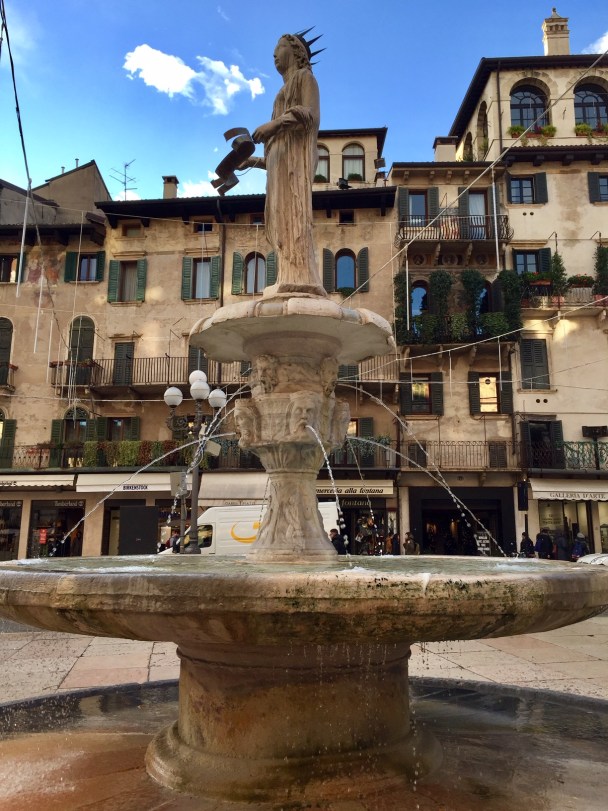
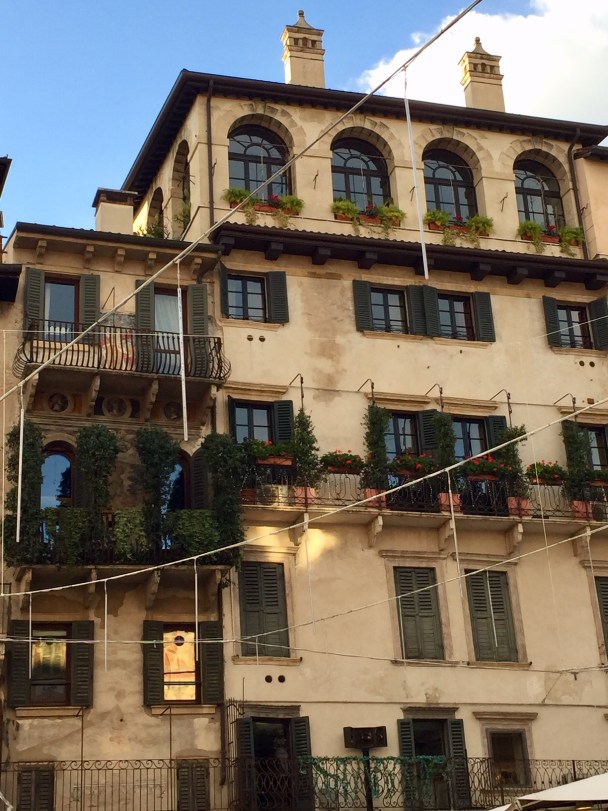

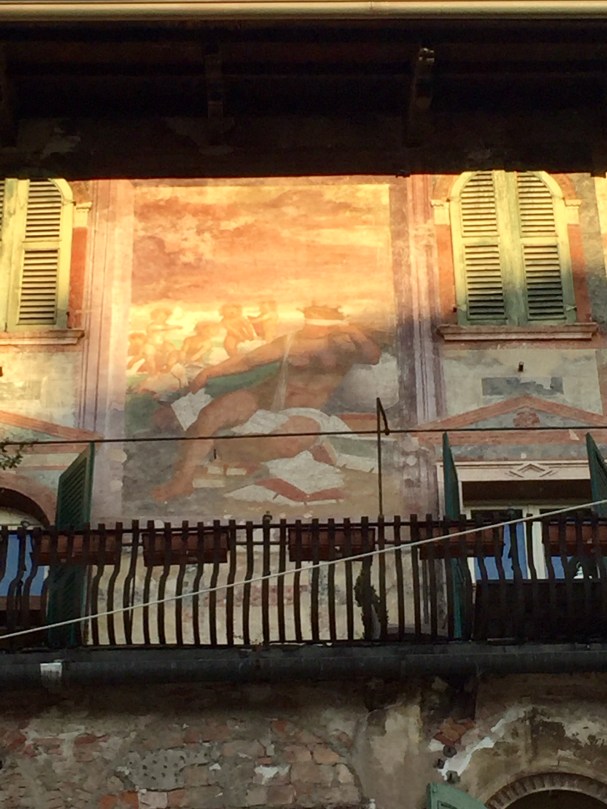
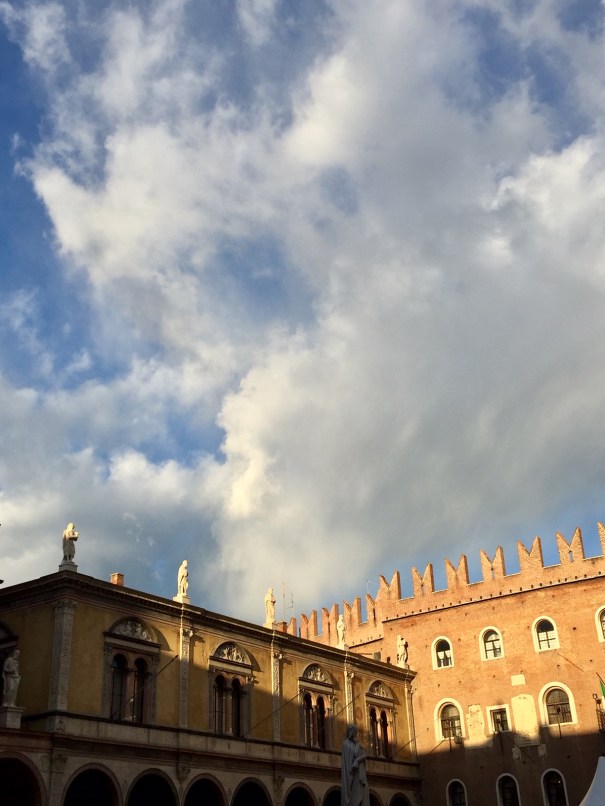







































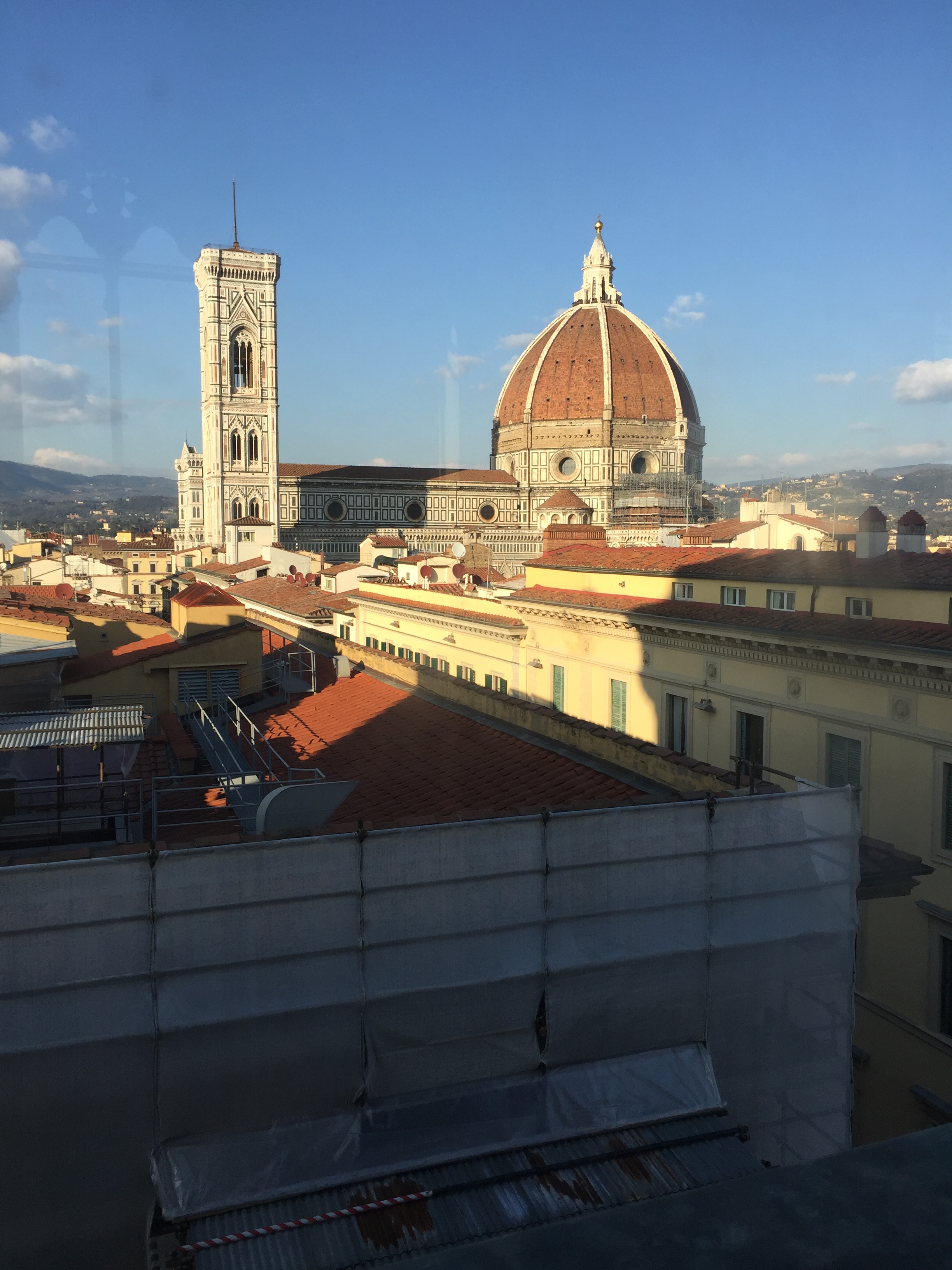
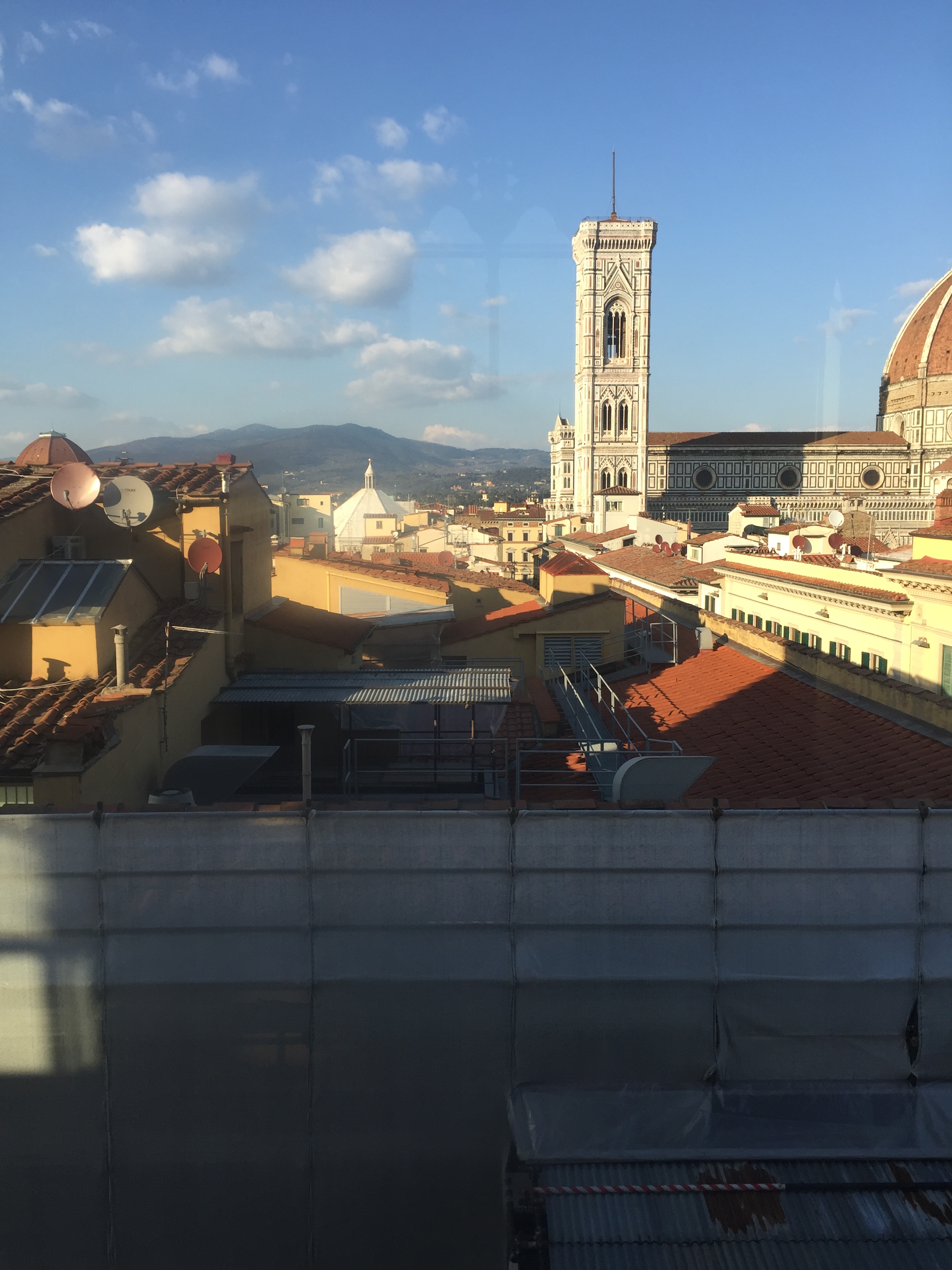
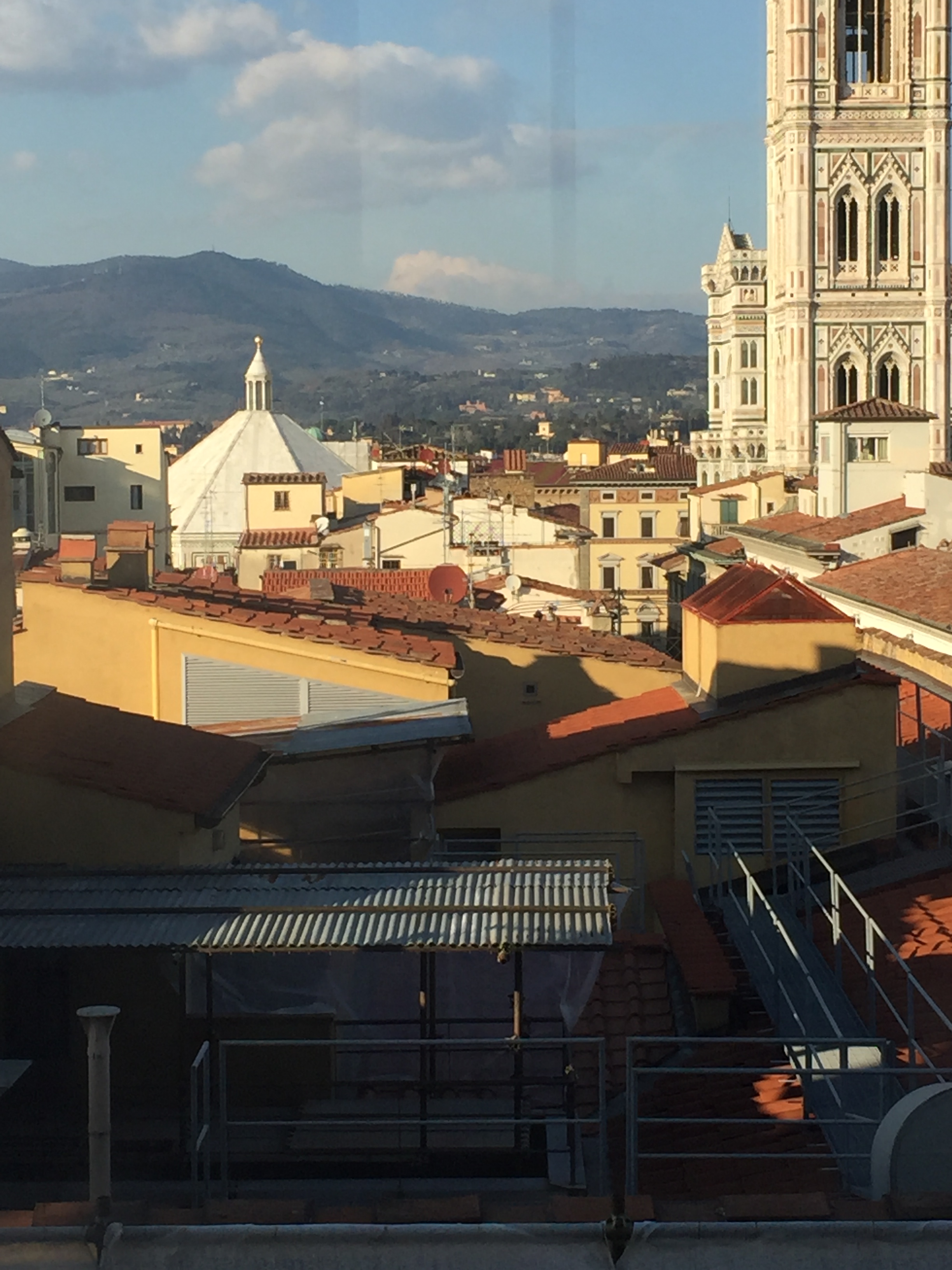
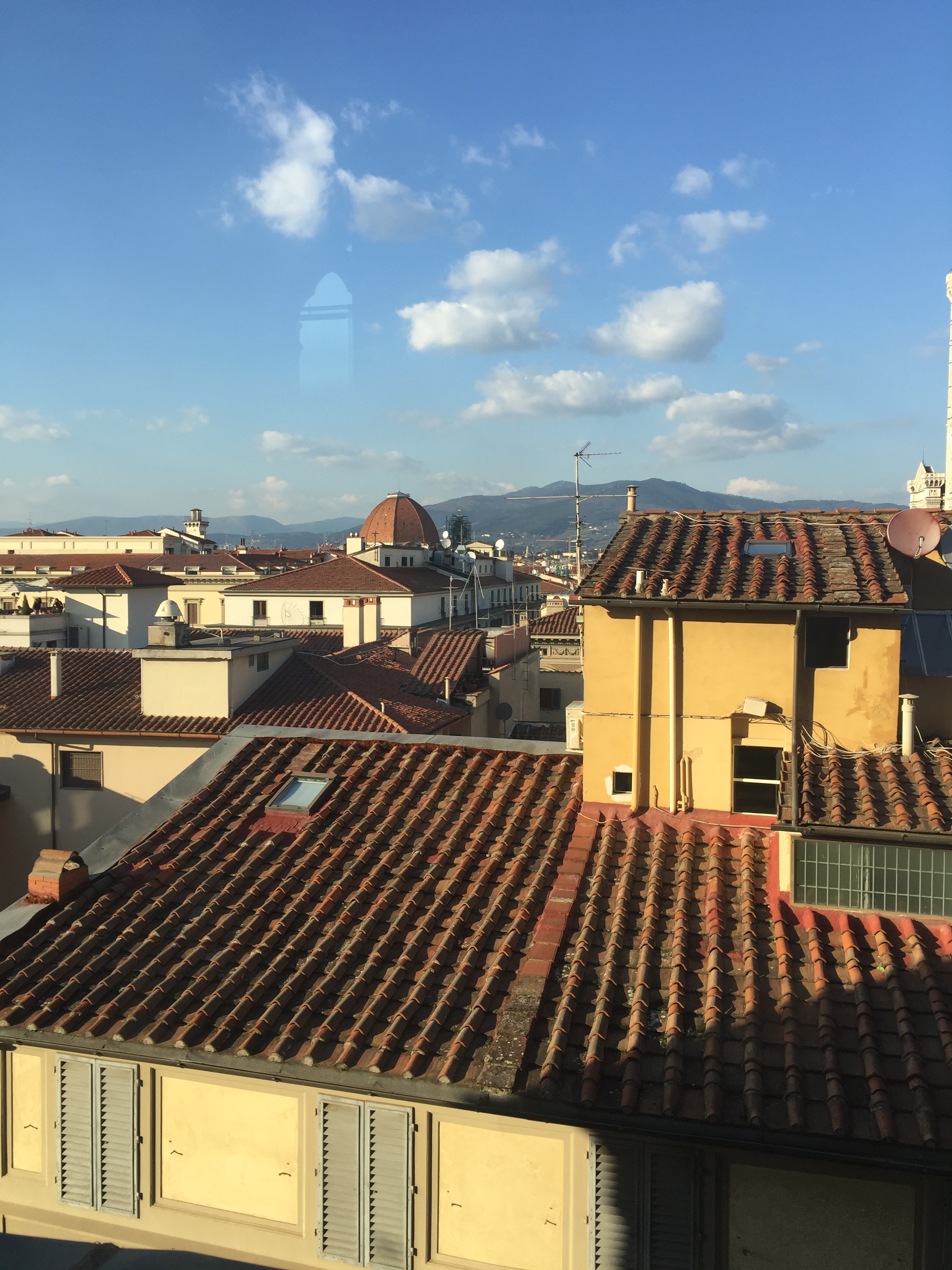
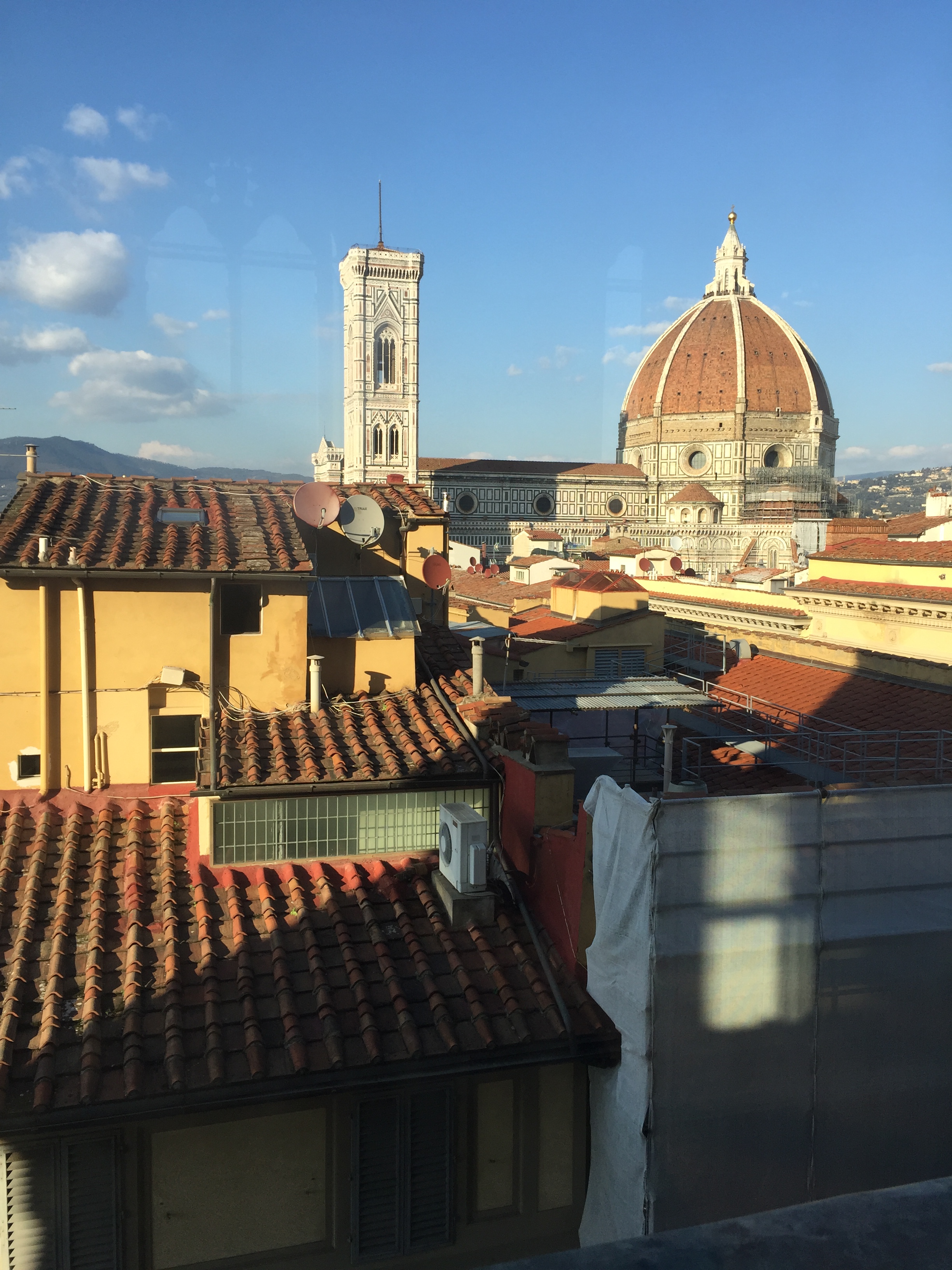
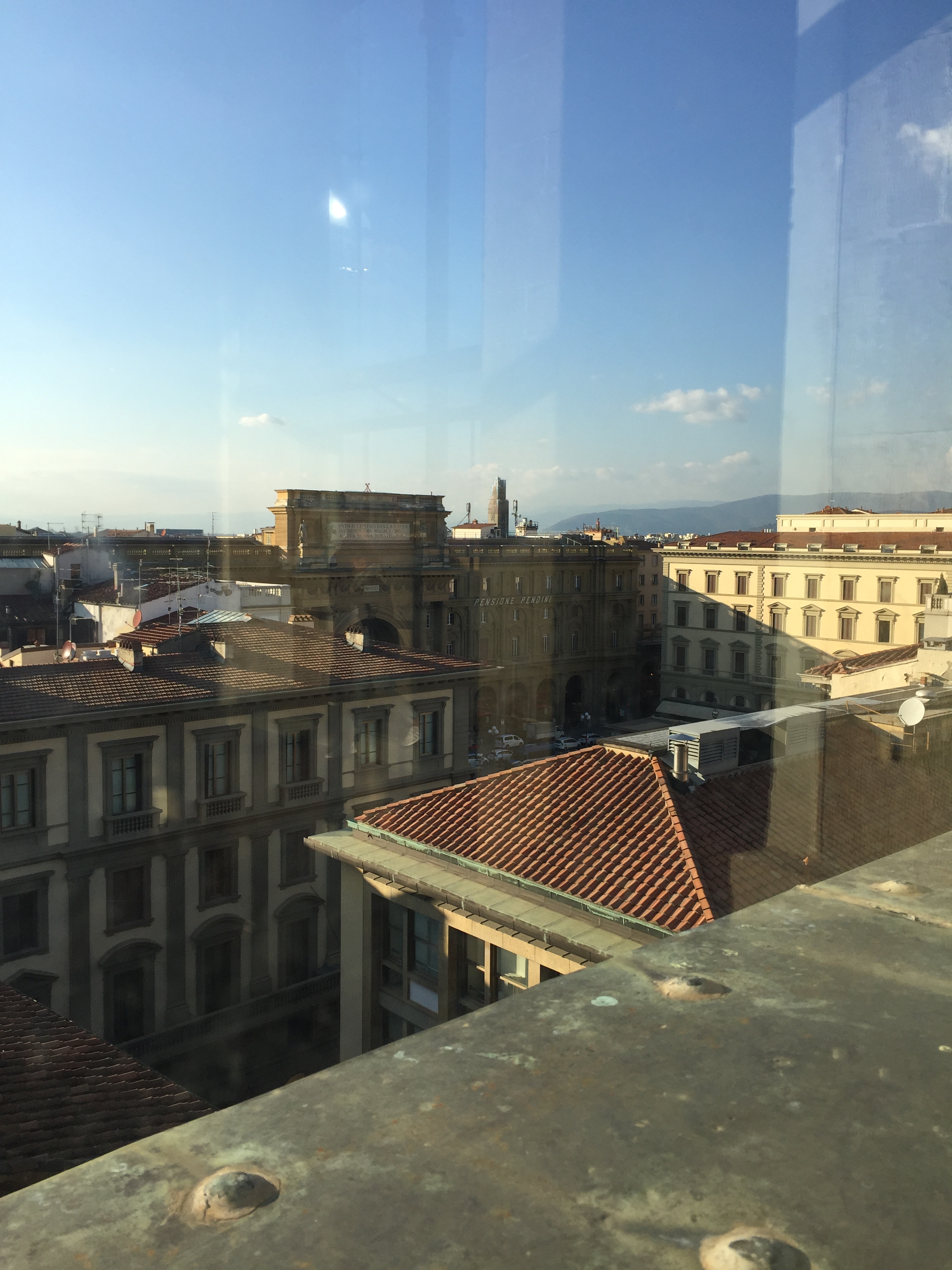
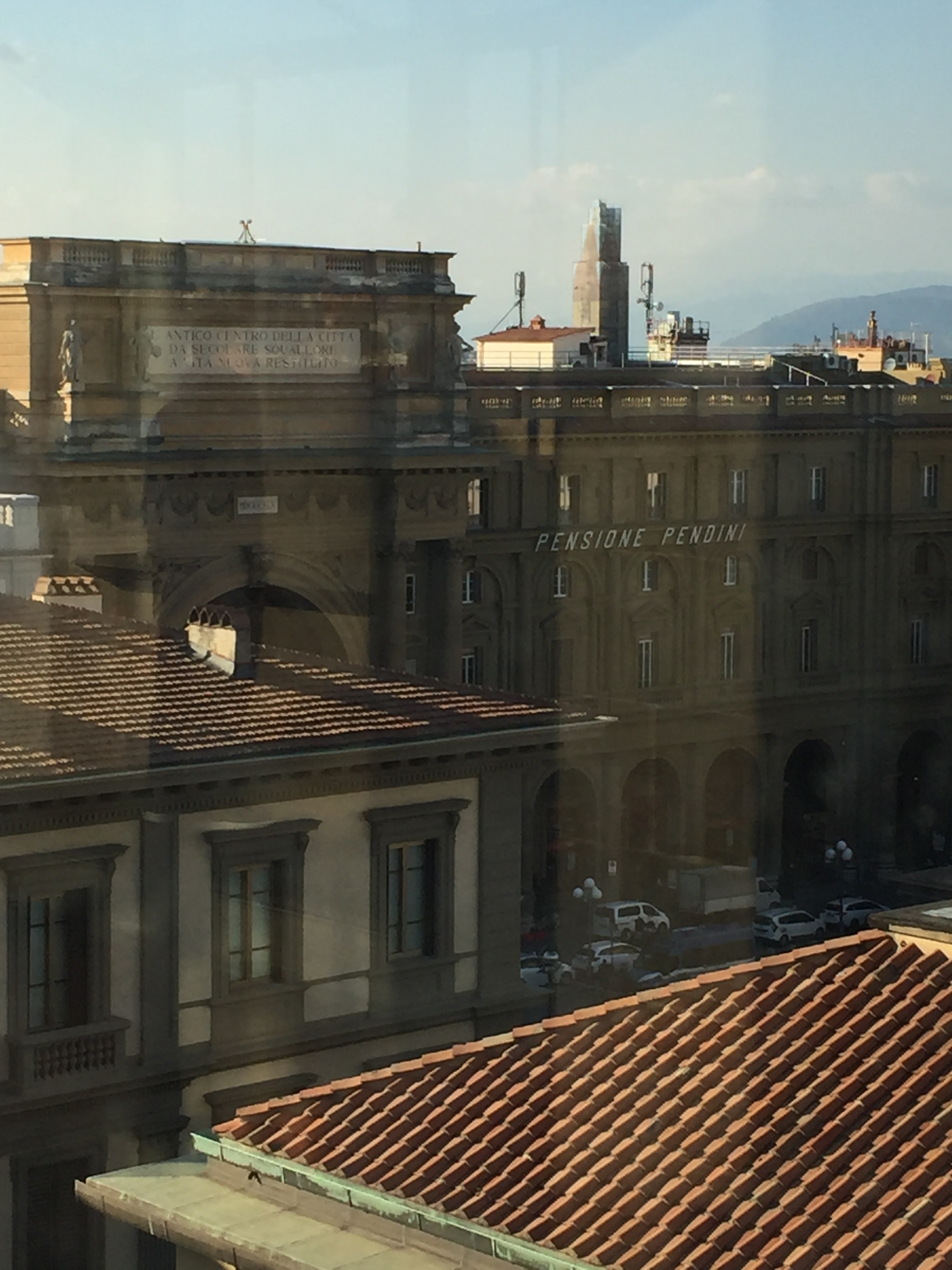
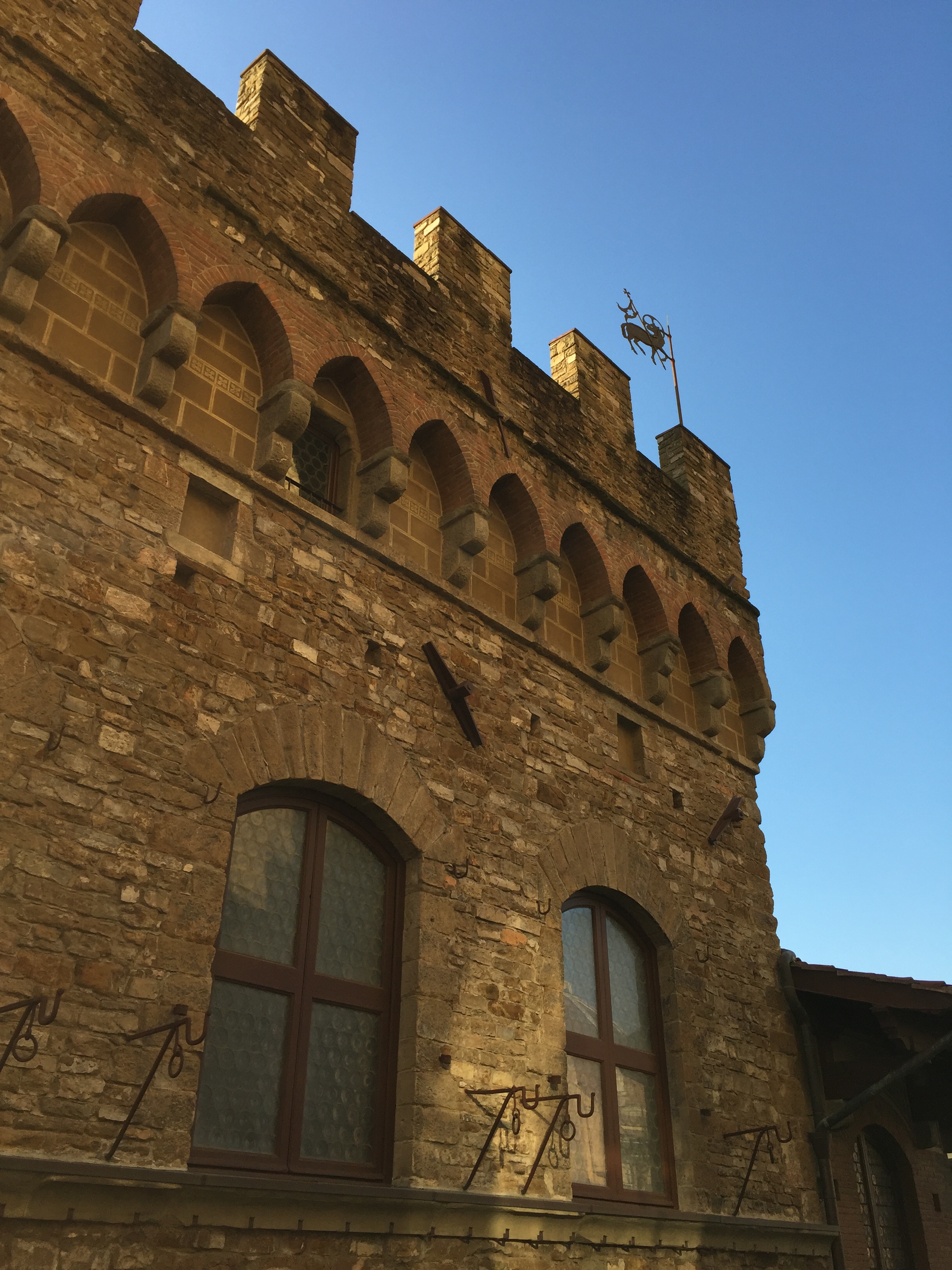



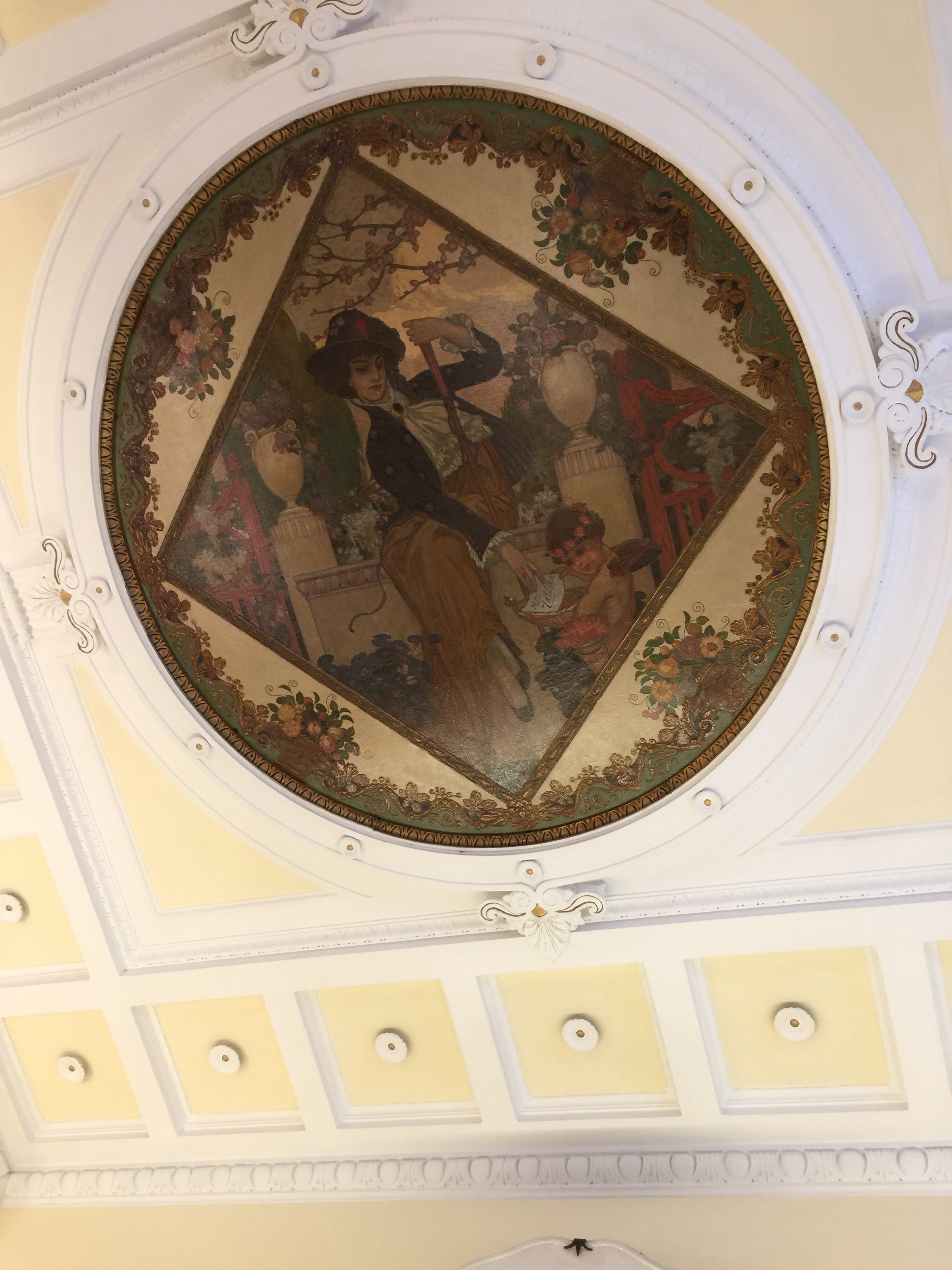
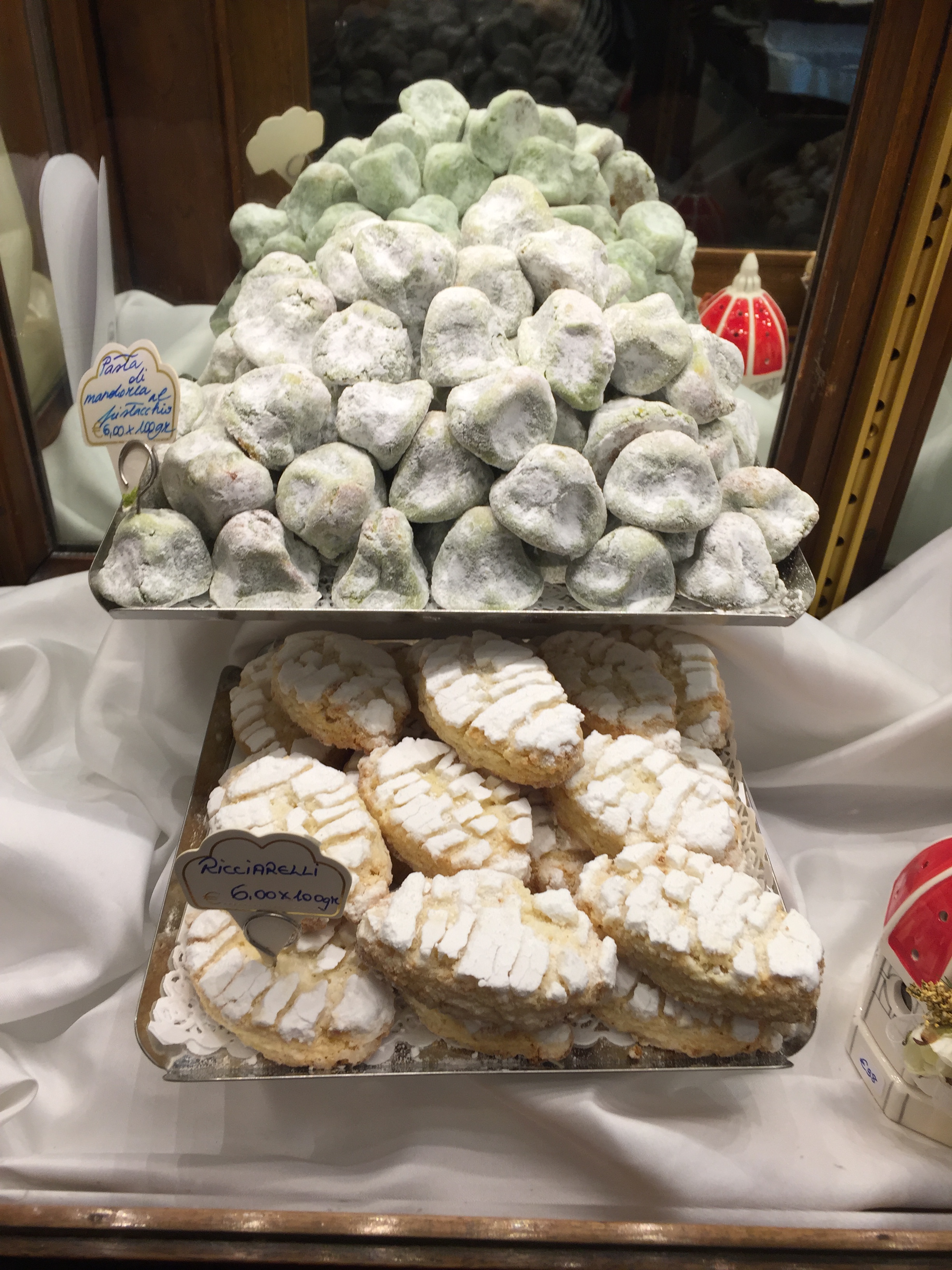
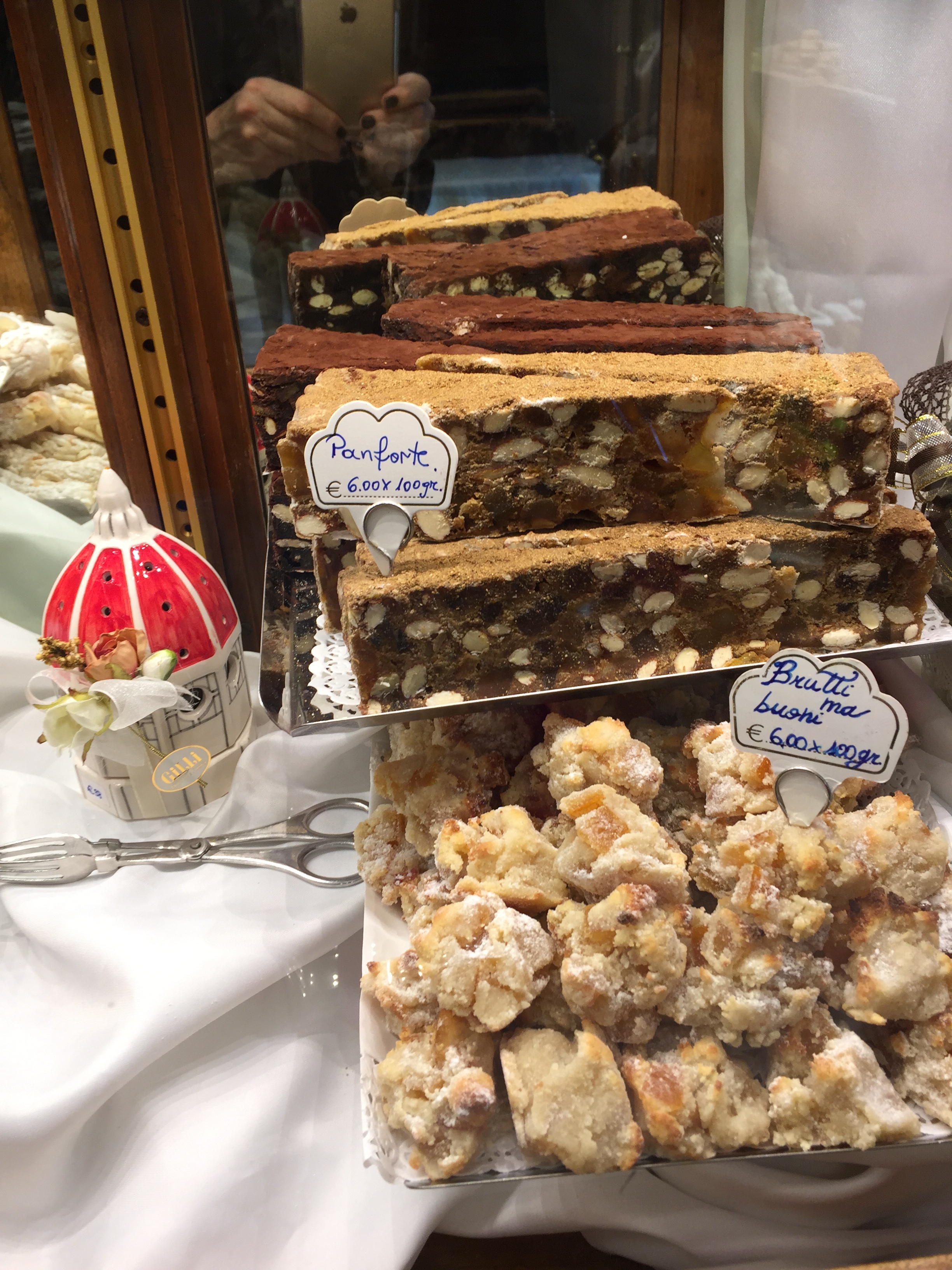
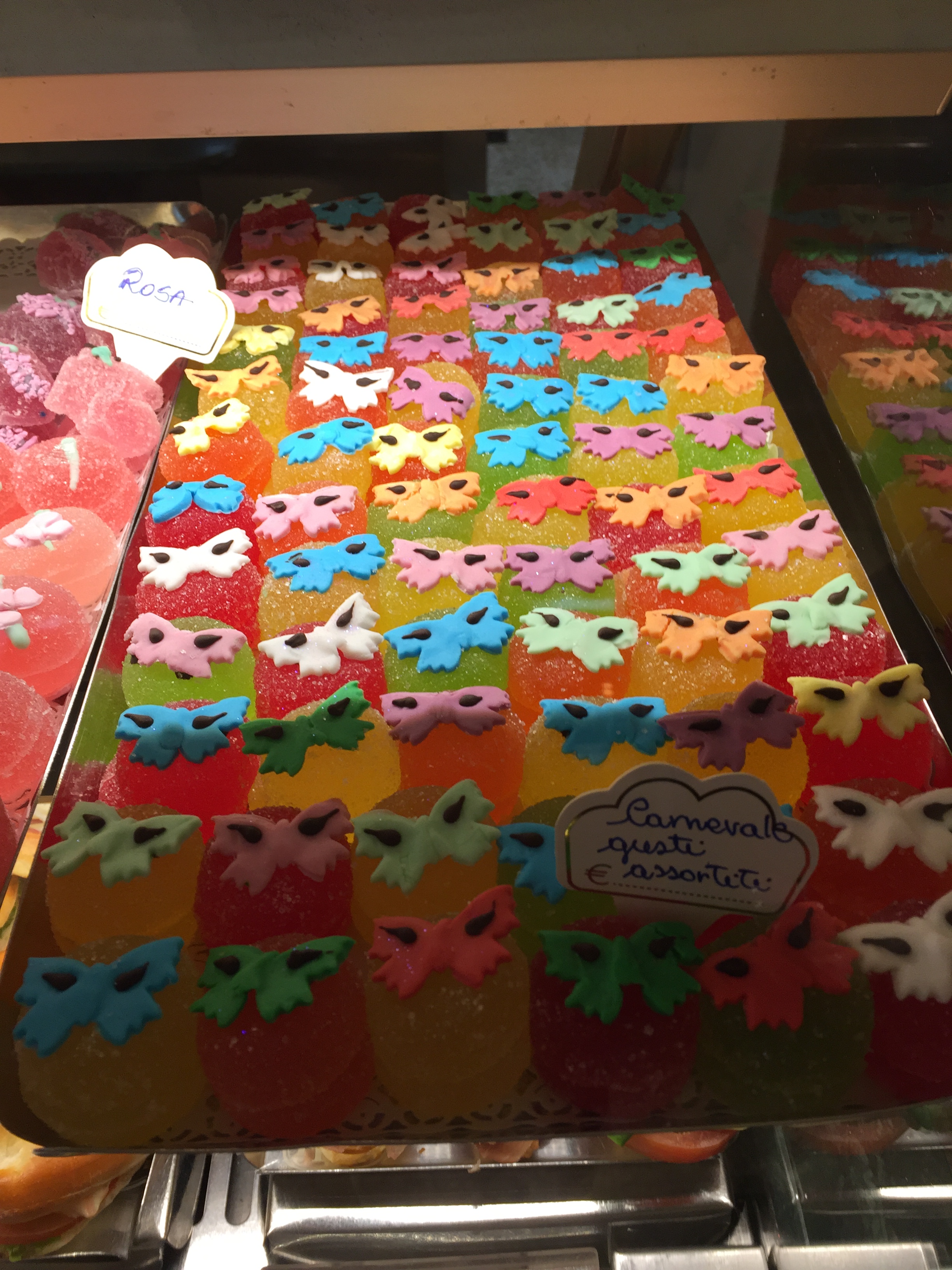
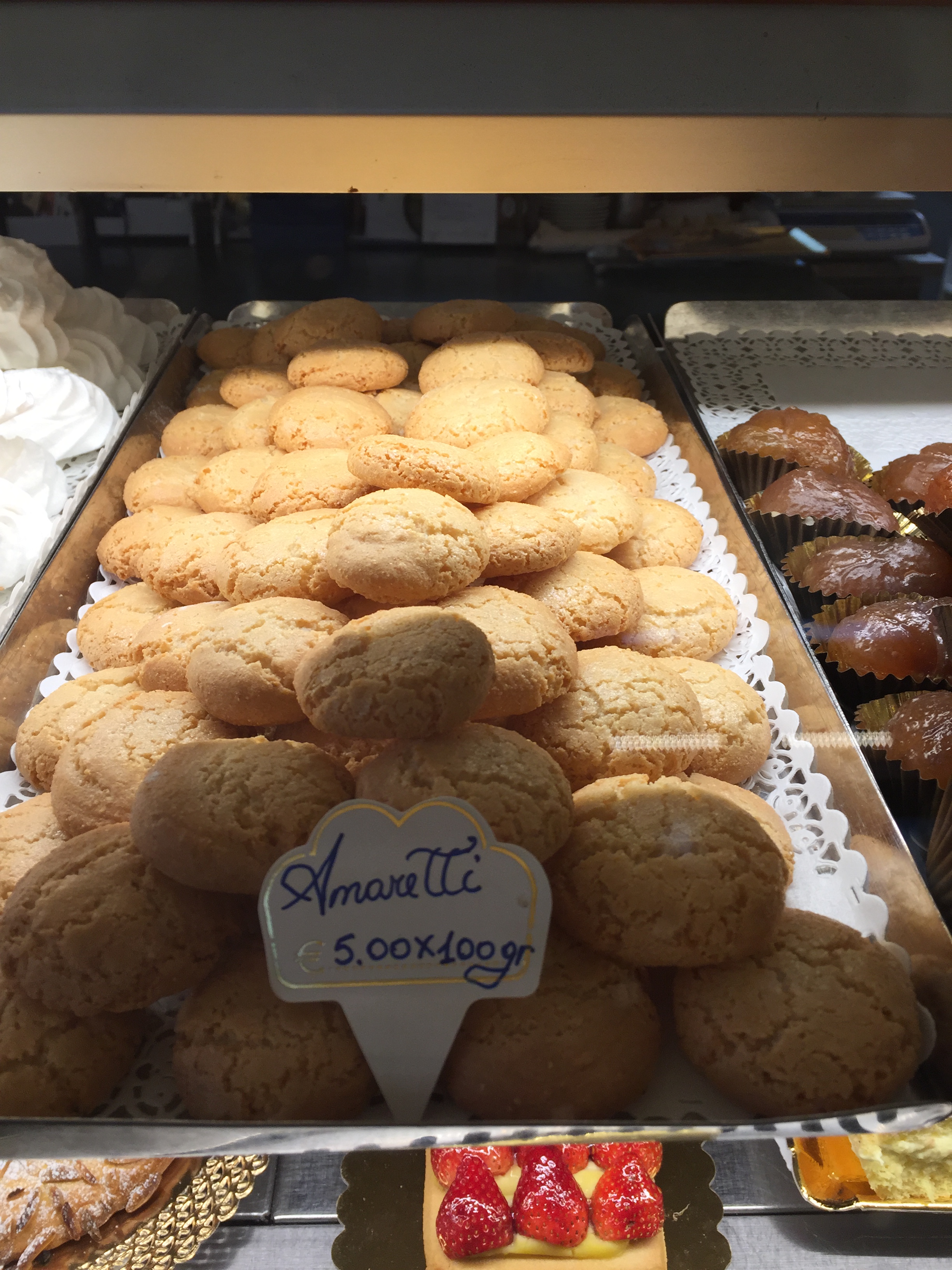
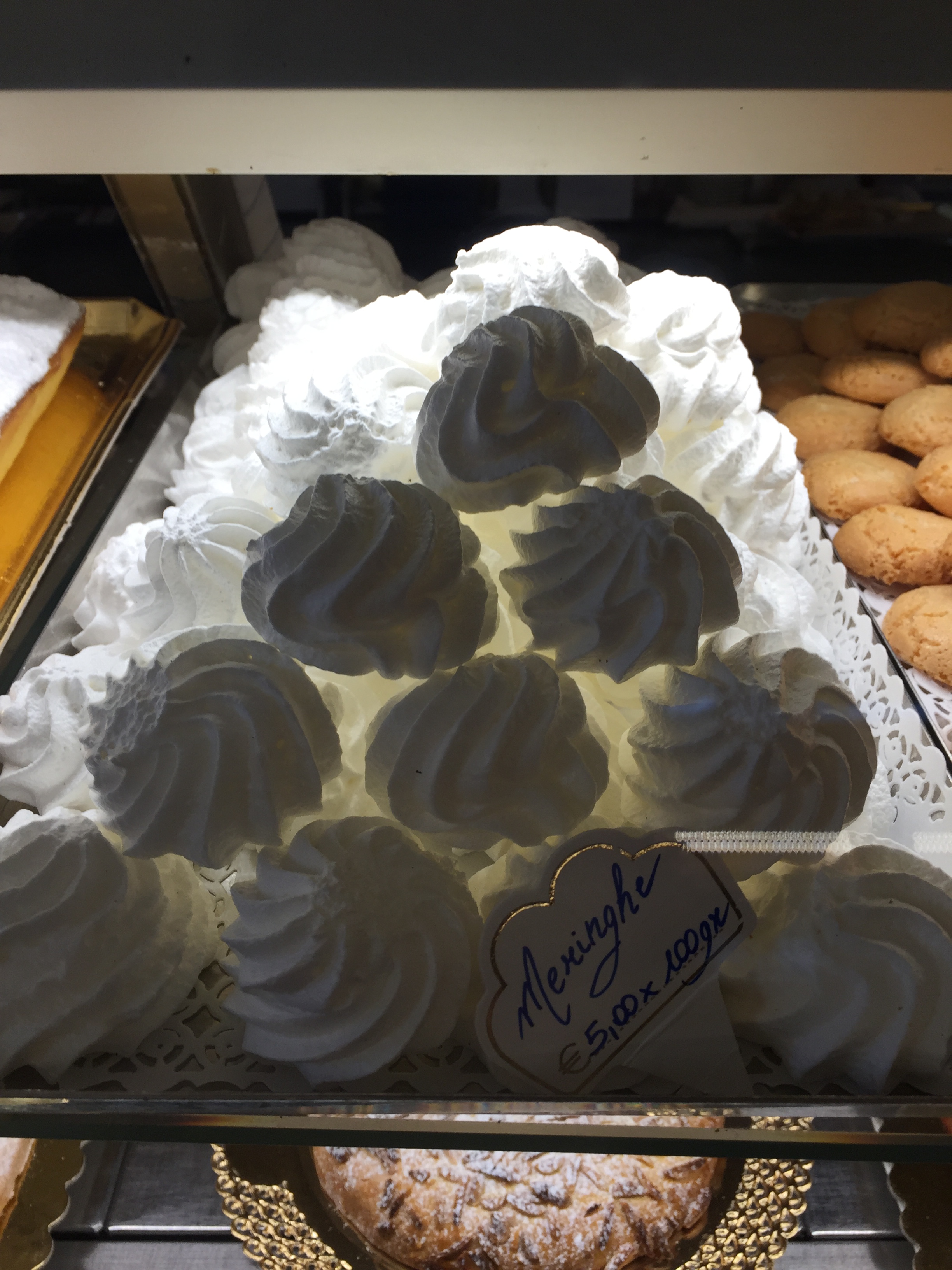
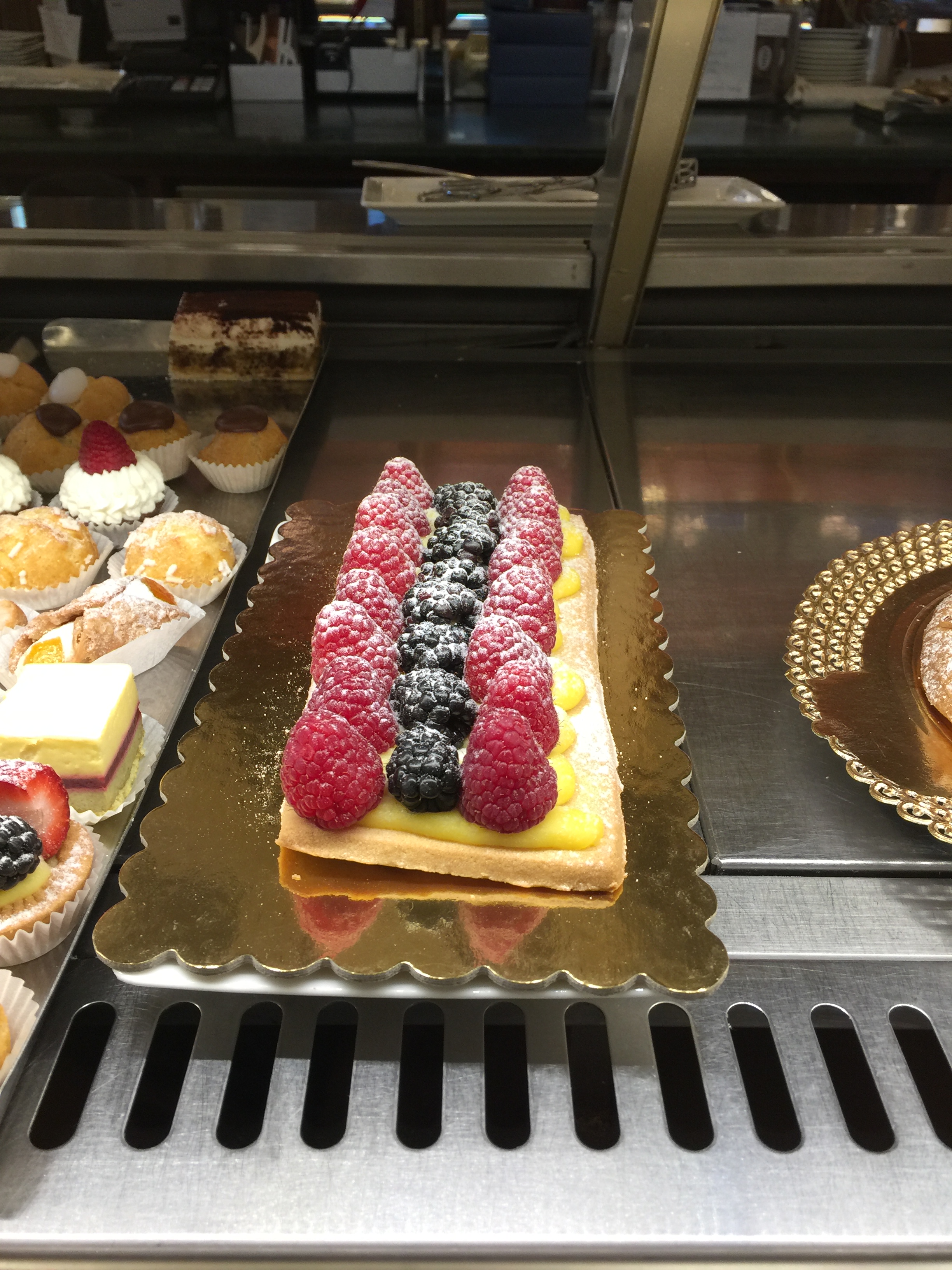
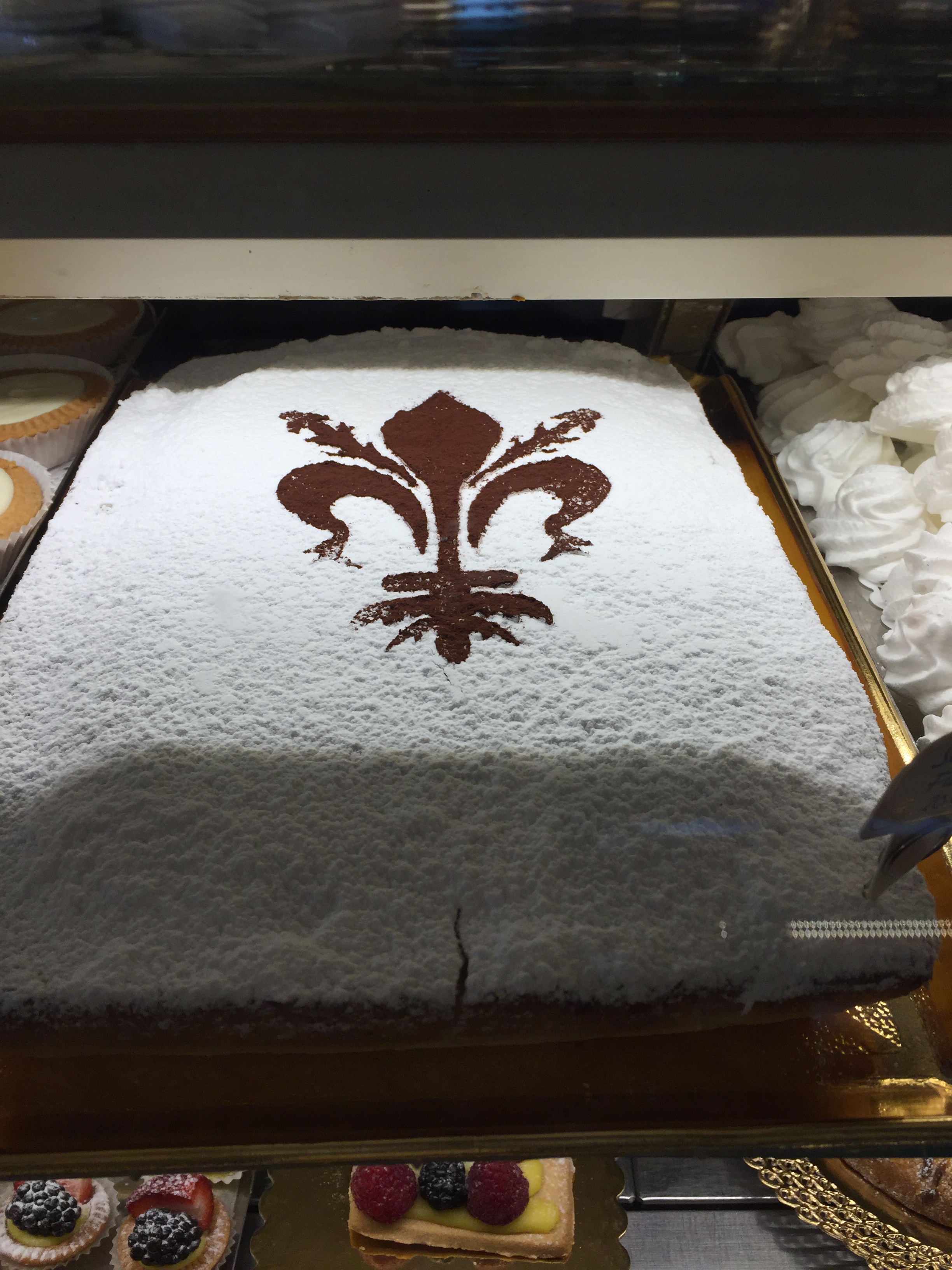
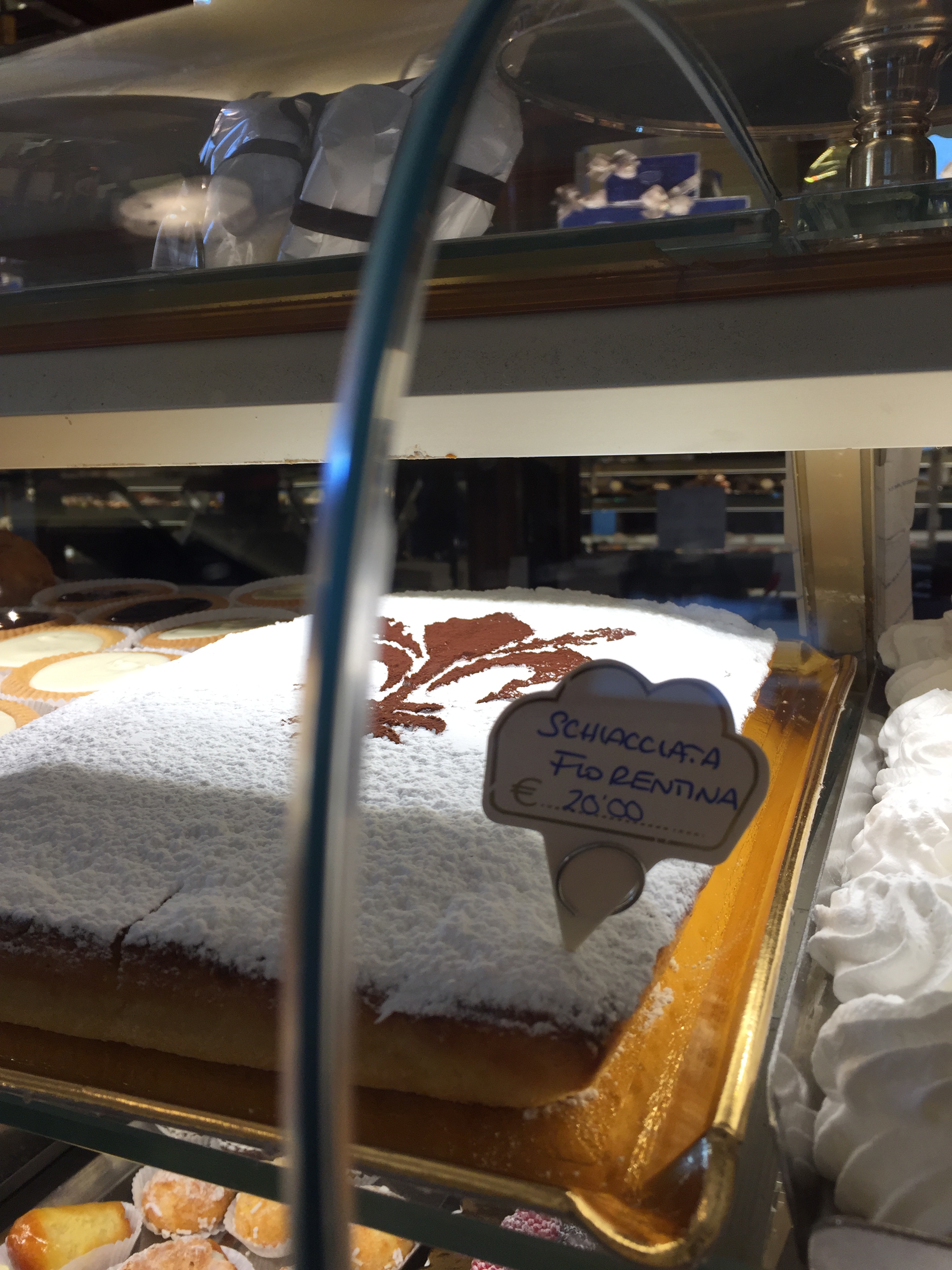
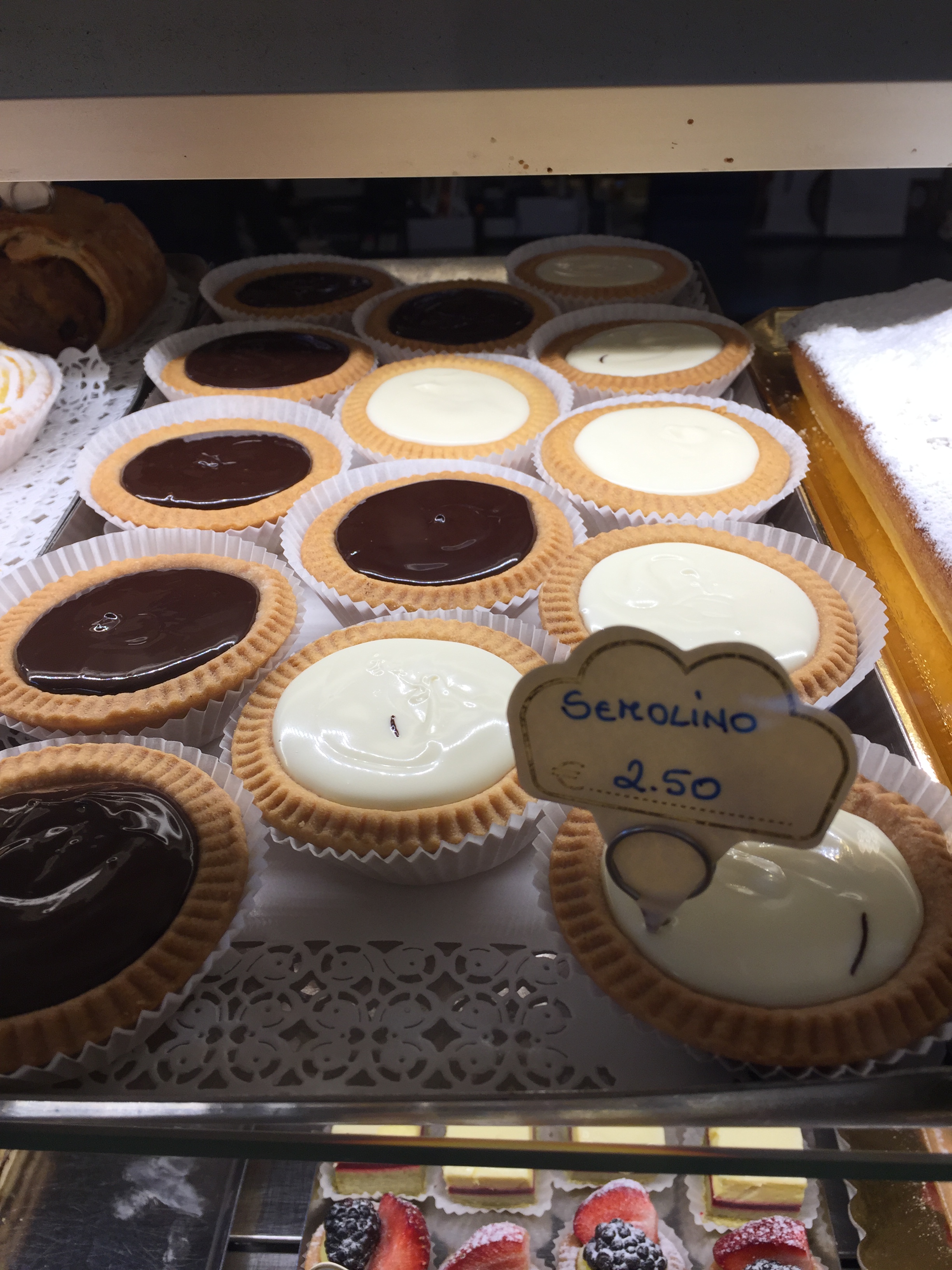
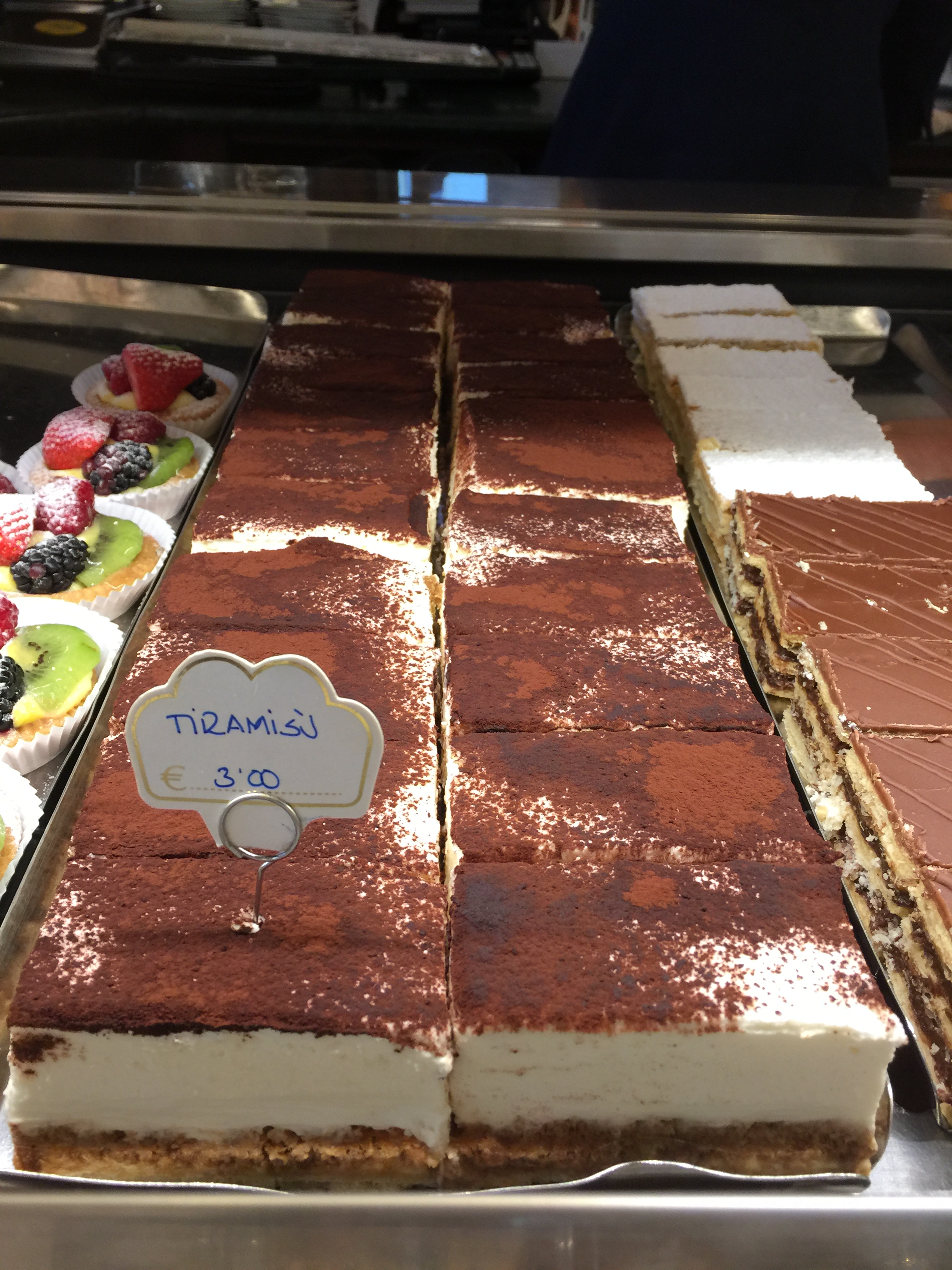
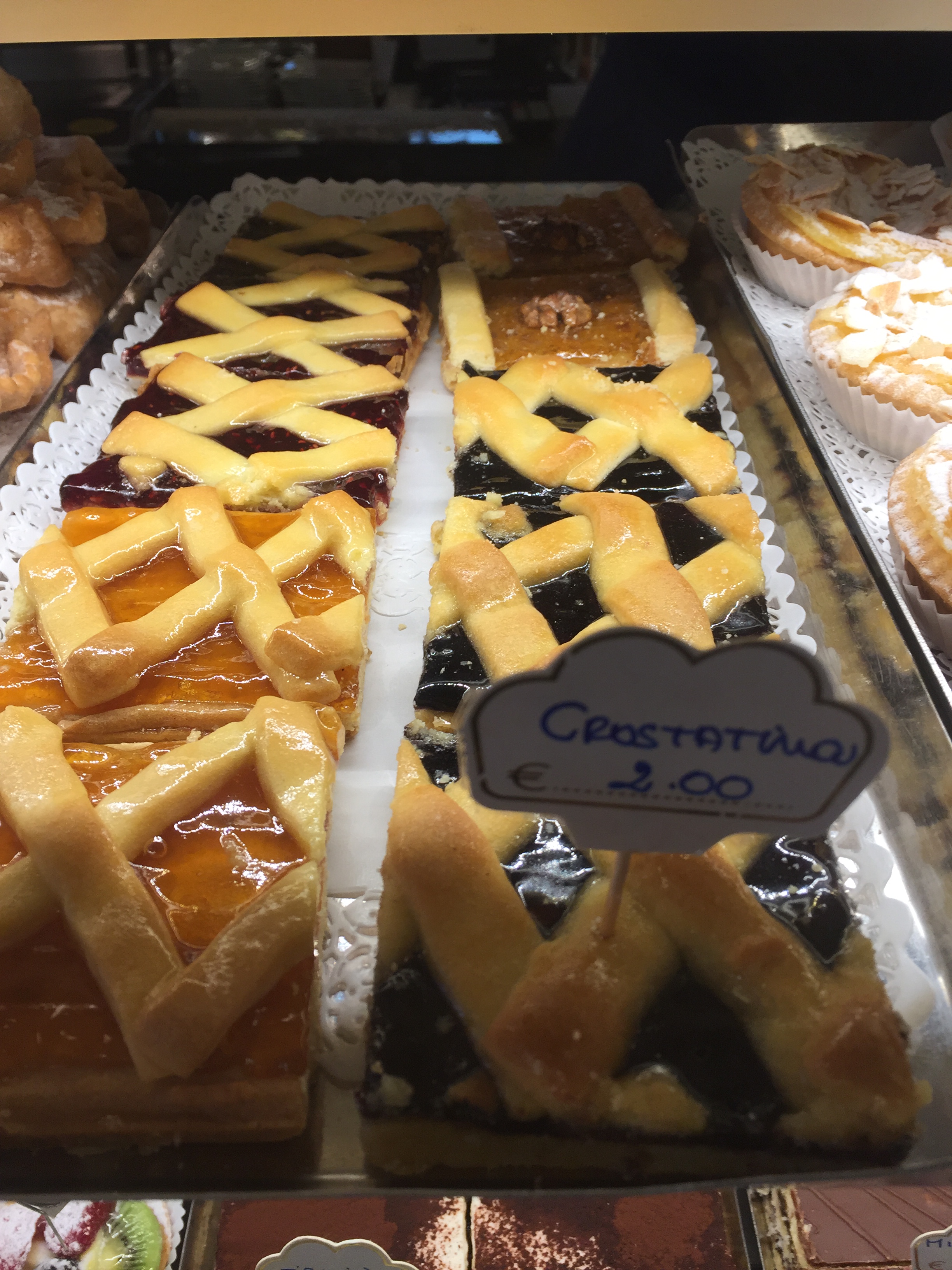
 get back, lauretta!
You must be logged in to post a comment.