Month: February 2020
Paris, random pictures
Random pictures from my random walks through the city:


I love the French habit of window paintings for the holidays. Even though Christmas was well past by the time I arrived in Paris, I got to enjoy some remaining paintings. This one of Santa in a stemmed glass was fun:


I passed more than one triumphal arch on my walks through my neighborhood:


Loved this graffiti:

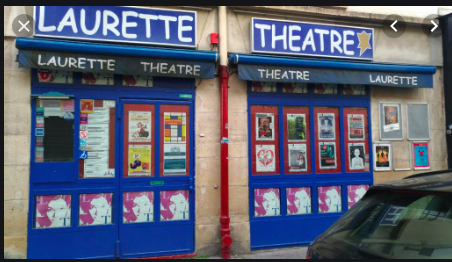
And last, and perhaps least, I saw a theater named the Laurette Theatre. Sorry I didn’t get a picture.
The beginnings of the Florence airport
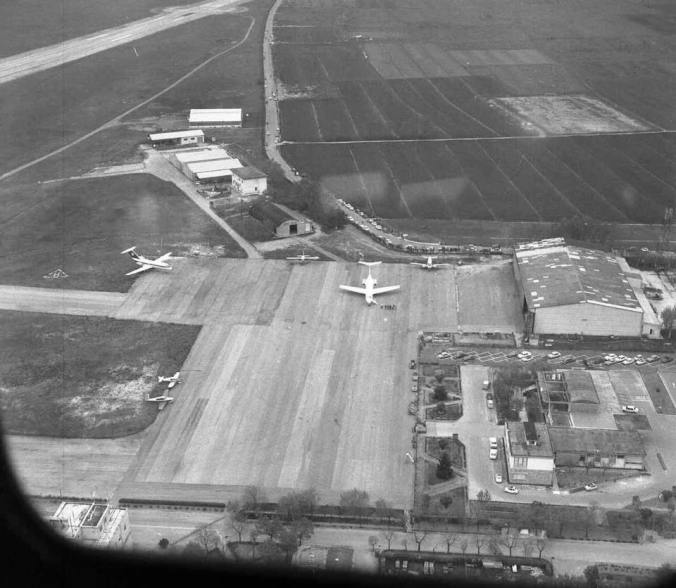
The airport as it appeared in 1973.
Looking at the picture above, I started wondering, what’s the history of this airport? I distinctly recall that when I made my first trip to Italy in 1979, flying from the US into Florence was not possible.
The Florence Airport, Peretola (Aeroporto di Firenze-Peretola) and formally Amerigo Vespucci Airport, is the international airport of Florence. It is the second-busiest Tuscan airport in terms of passengers, after Pisa International Airport.
The first air field in Florence was created in the Campo di Marte area in 1910, when military authorities allowed a field to be used for “experiments in air navigation.” Campo di Marte was Florence’s airport throughout the 1920s. However, the field was soon surrounded by houses and was inadequate for the new aircraft that were then replacing the canvas-covered craft.
In 1928, a location on the plain between Florence and Sesto Fiorentino was chosen and Peretola Airport opened there in the early 1930s.
At first, Peretola was pretty much just a large field where airplanes took off and landed with no formal direction. Eventually, the Ministry of Aeronautics decided to enlarge and upgrade it. The airport was extended toward Castello, and in 1938–39, an asphalt runway 60 metres wide and 1,000 metres long was built, facing the northeast.
In WWII, Peretola was used both by the Royal Italian Air Force and the Luftwaffe and then later in the 1940s welcomed its first passenger flights, operated by Aerea Teseo with Douglas DC-3 aircraft. In 1948, Aerea Teseo went out of business. In the late ’50s and early ’60s, Alitalia, also using the DC-3, offered two routes: Rome–Florence–Venice and Rome–Florence–Milan. ATI then offered several domestic flights with the Fokker F27.
In the early 1980s, plans were made to upgrade the airport’s facilities. In 1984, Saf (now AdF, the company that manages the airport) was founded, and restructuring work was completed: lengthening (from 1,000 to 1,400 metres) and lighting the runway, installing a VOR/DME navigation system, and rebuilding the airport terminal. In September 1986, regular flights resumed. Since then, the number of airplanes and passengers has steadily increased.
In 1990, the airport was renamed after Florence native Amerigo Vespucci, the Italian merchant and cartographer whose name was used to name the newly discovered (by Europeans, that is) continents.
In 1992, the building now dedicated to arrivals, constructed by AdF, was inaugurated. Two years later, a departures building opened, and the City of Florence opened a car park at the entrance to the airport. In 1996, the runway was extended by 250 metres, and AdF funded further enlargement of the departure area. Today, the new area has 15 check-in desks and covers a total of 1,200 square metres, 770 of which are for public use.
Since April 9, 1998, AdF has had a global concession to managing the airport’s infrastructure, and it has assumed responsibility for maintenance and development.
On December 5, 2012, Vueling announced the opening of a base of operations in Florence, with flights to several destinations in Europe.
In late 1999, the terminals were renovated and expanded. In July 2000, AdF made its debut on the stock market, and in 2001, the airport was among the first in Europe to obtain UNI EN ISO 9001/2000 certification for the quality of its services.
Florence Airport has a single runway. As is common at smaller airports, after landing, planes turn around at the end of the runway, then taxi back down to reach the parking area and terminal. Because of the close proximity of Monte Morello, planes normally take off from Runway 23, thus forcing aircraft to taxi down the runway again to depart.
Paris, during the strikes, January 2020
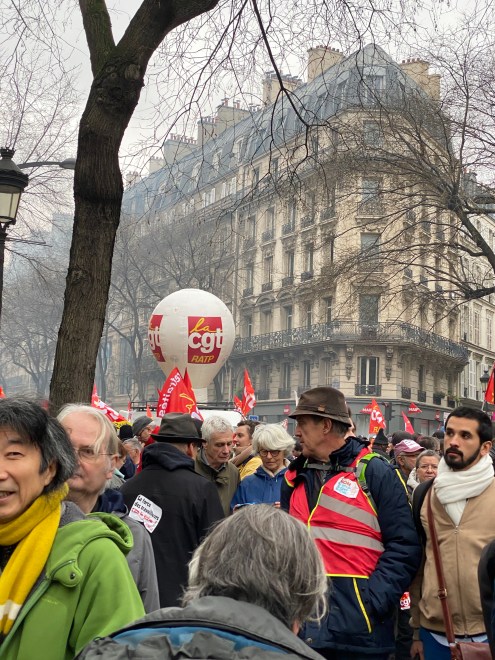
This was the scene that greeted me on my arrival in Paris on Jan. 9, 2019. The protest was civil, and as I noticed during the subsequent week, usually only got going during the late afternoon. Very civilized, I thought.
Such a discouraging sight, all the metro gates closed.
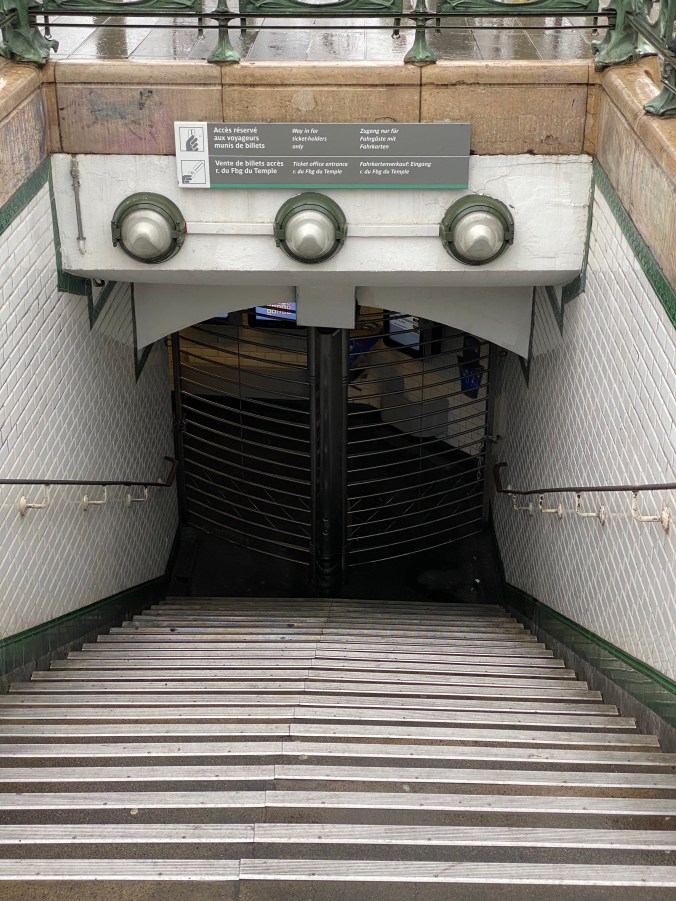
It took a lot of this stuff to make it through the strikes, and I mean as a tourist, not a striker!
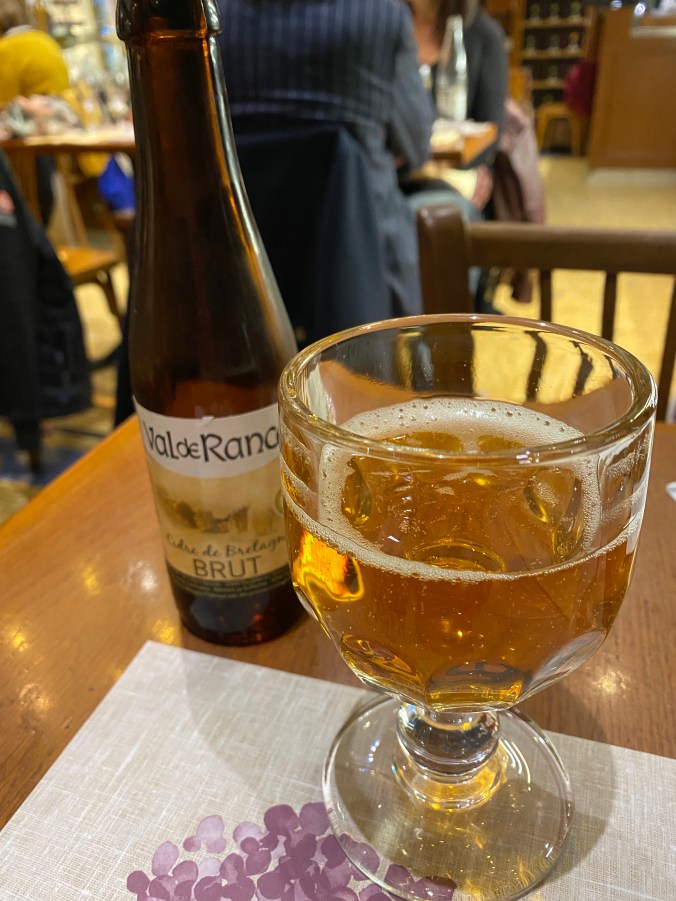
Well, some more than others!
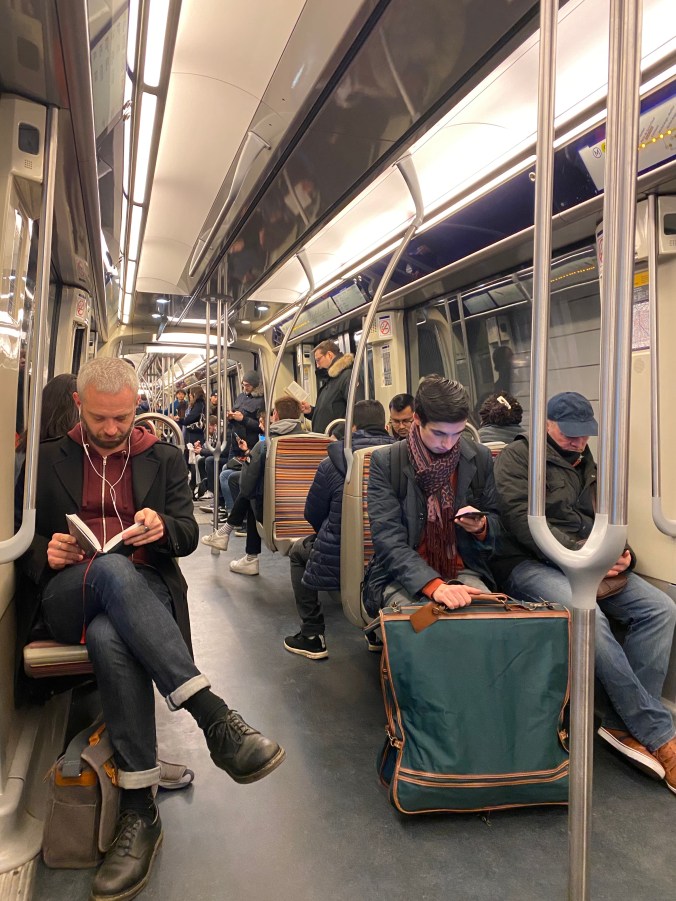
And then suddenely, out of no where, with no advance notice, I found an open subway station.
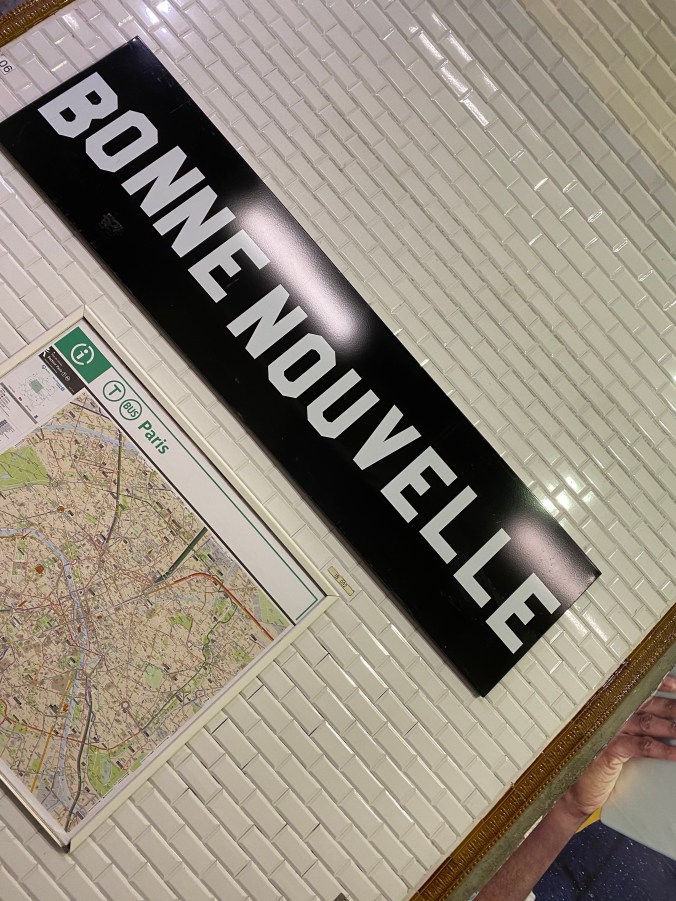
You better believe I jumped on this train…I didn’t even really care where it was going to!

I think the graffiti on the monument in the Place de la République tells the strikers point-of-view: retraité de macron, or, in English, Retire Macron.
Place de la République, Paris


Winter remembered


Villa Demidoff and Giambologna’s Il Gigante
As I sit in Denver on a very cold February morning, my mind wanders back to Tuscany and warm weather. I’m almost always behind in my posts and so I take this moment to post about Villa Demidoff.
In 1568, Francesco I de’ Medici, Grand Duke of Tuscany, purchased a great estate in the hills outside of Florence and commissioned the famous architect, Buontalenti, to build a splendid villa as a residence for Bianca Cappello. Bianca was the Grand Duke’s Venetian mistress. The villa was built between 1569 and 1581, set inside a forest of fir trees.

While very little of Buontalenti’s villa survives, at least we still have this fabulous and very large statue of Il Gigante, set facing a pond filled with water lilies.
The lilies are absolutely gorgeous in late August. I had never seen anything as magnificent as the first time I saw this lake of waterlilies in bloom! And, the statue ain’t bad either.


OK, ripping my eyes away from the pink flowers, I walked around towards the back of the statue:
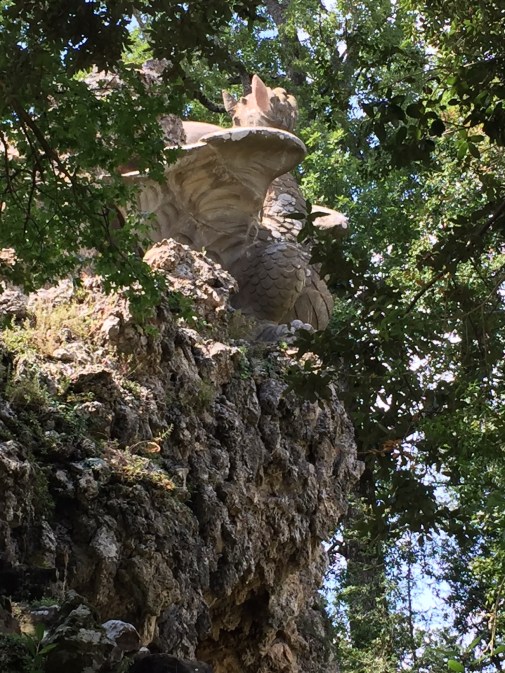


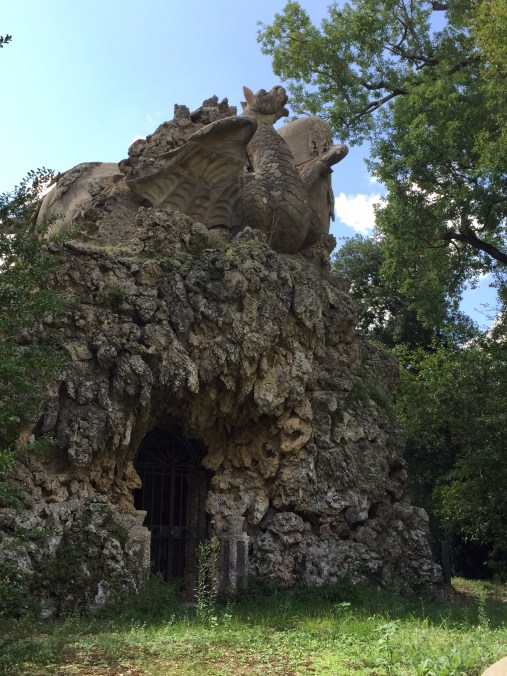
Giambologna was the creator of this amazing sculpture:


Il Gigante, also known as “the Colossus of the Apennines,” is an astounding work of art. Giambologna designed the lower part as a hexagon-shaped cave from which one can access, through a ladder, to the compartment in the upper part of the body and into the head. The cavity is filled with light that enters from the eye holes in the head.
The exterior of the statue is covered with sponges and limestone pieces, over which water pours into the pool below.
We know that originally, behind the statue, there was the large labyrinth made from laurel bushes. At the front of the giant was a large lawn, adorned with 26 ancient sculptures at the sides.
Later, many of the antique statues were transferred to the Boboli Gardens, and the park became a hunting reserve. As a part of the Pratolino estate, it was abandoned until 1819, when the Grand Duke Ferdinando III of Lorena changed the splendid Italian garden in the English garden, by the Bohemian engineer Joseph Fritsch. The part was increased from 20 to 78 hectares.
The park, which had been owned by Leopoldo II since 1837, was sold upon his death to Paul Demidoff, who redeveloped the property. Demidoff’s last descendant bequeathed the property to Florence’s provincial authorities.
And I feel better already. I can feel my cold, clenched muscles relax under the spell of the Tuscan sunshine. Soon I will be there again.
La Tour Eiffel
Any blog that even mentions the city Paris must also mention this magnificent structure! I just follow the pack on this one!


The miracle of flight
One minute you’re over the Appenine mountains in Tuscany…
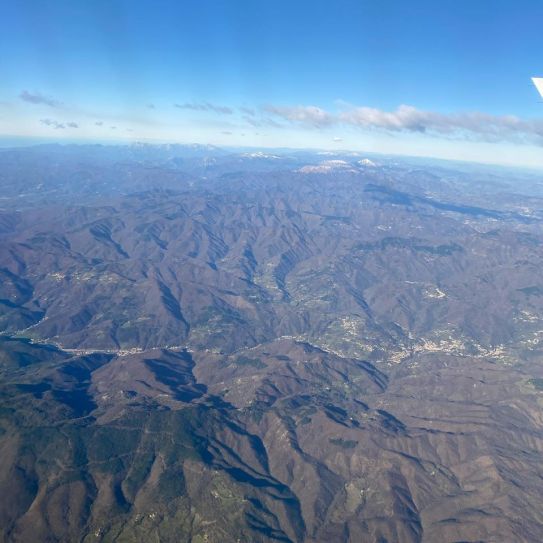
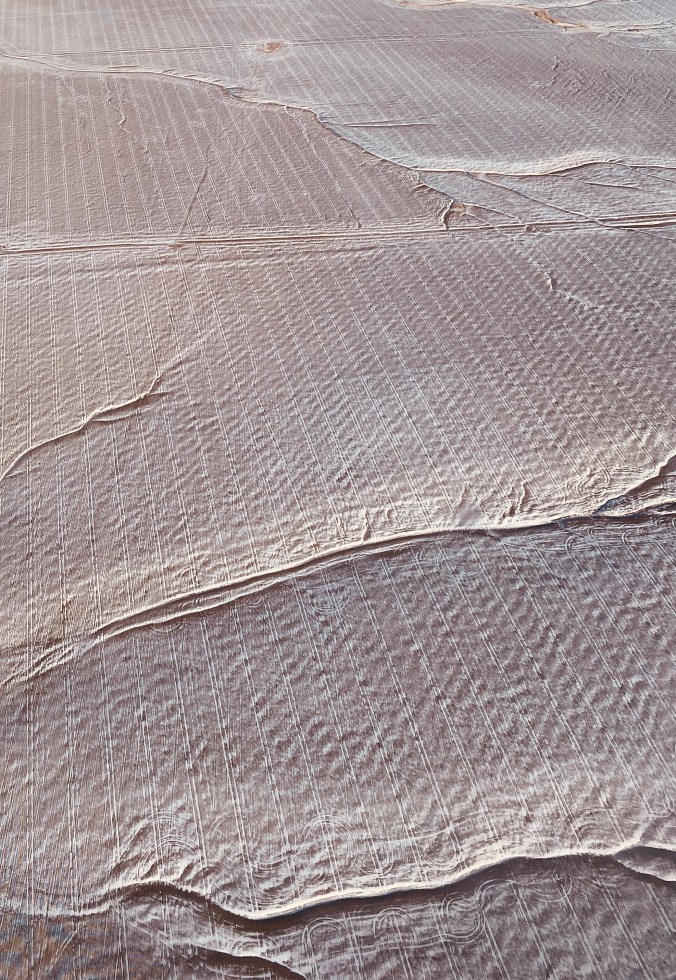
And the next minute (well, 12 hours later, counting connections) you are over the western USA. Where it’s winter. And it’s cold. And dry.
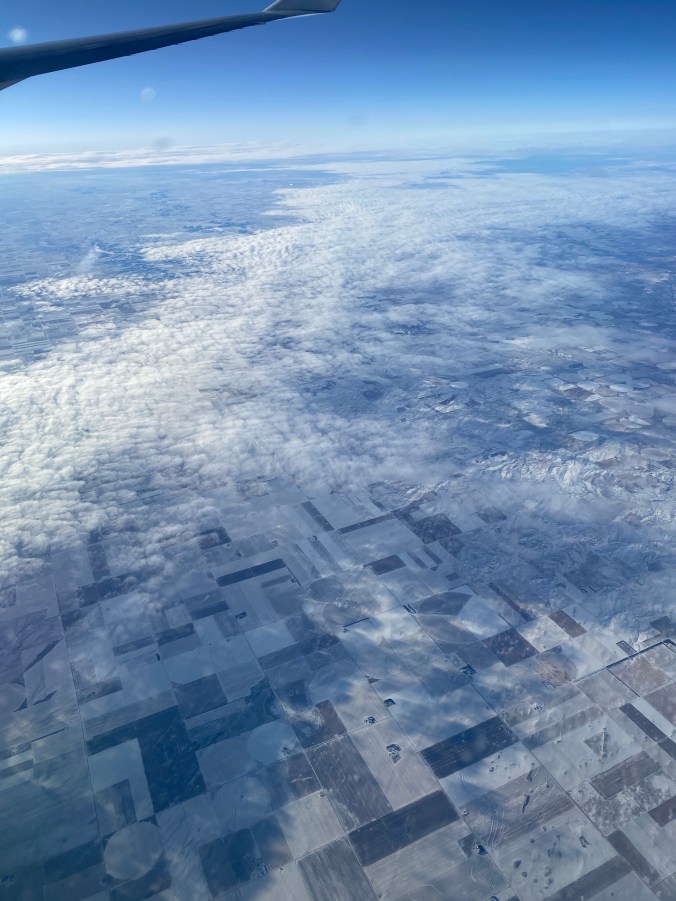
And kind of starkly beautiful.
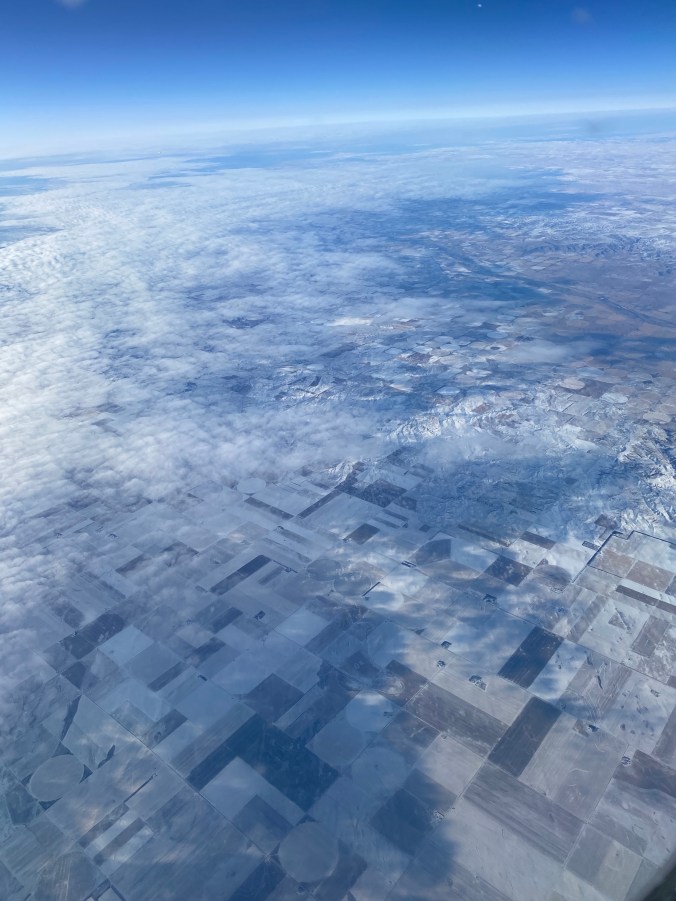
Check out that weird shape in the earth below, covered with snow. Alien symbols for UFOs? When I was 13, I would have thought so.
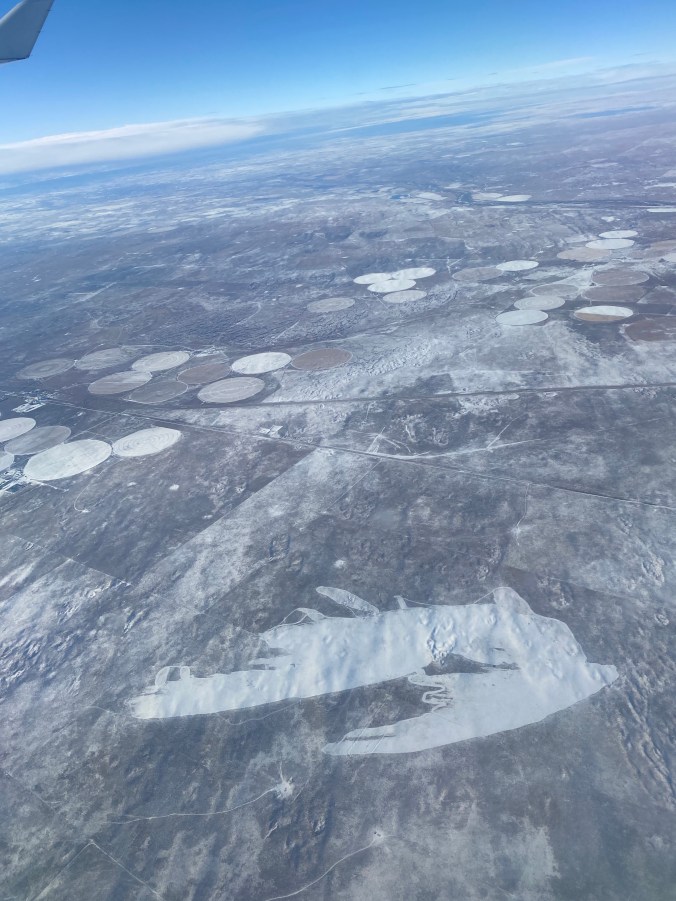
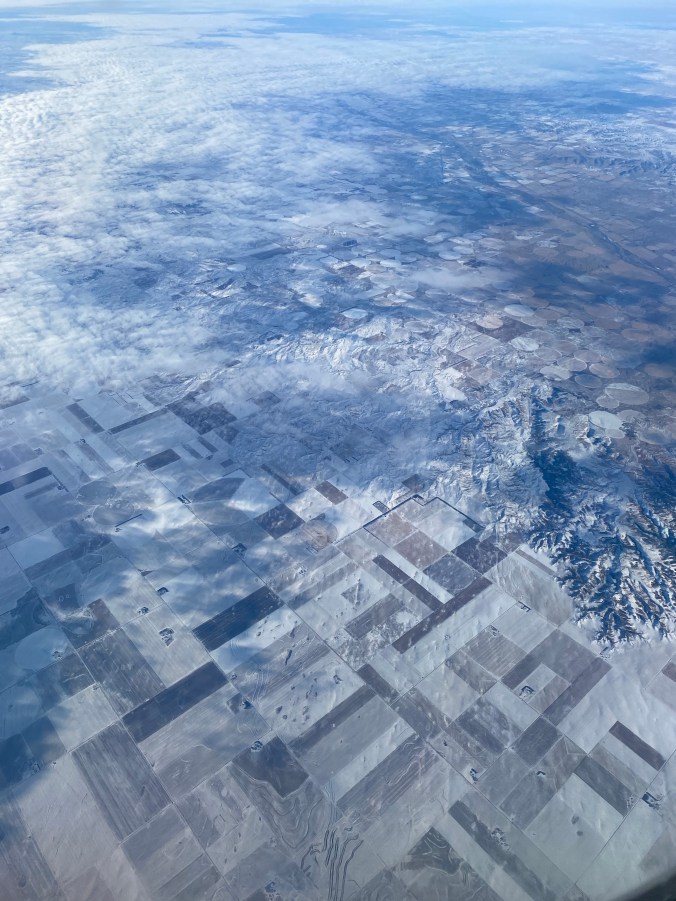
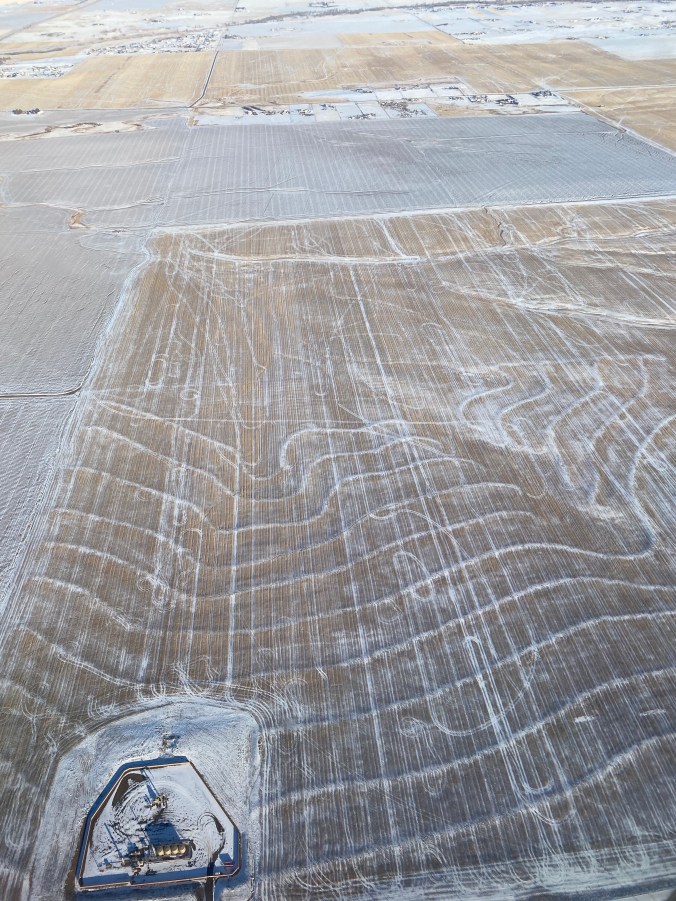
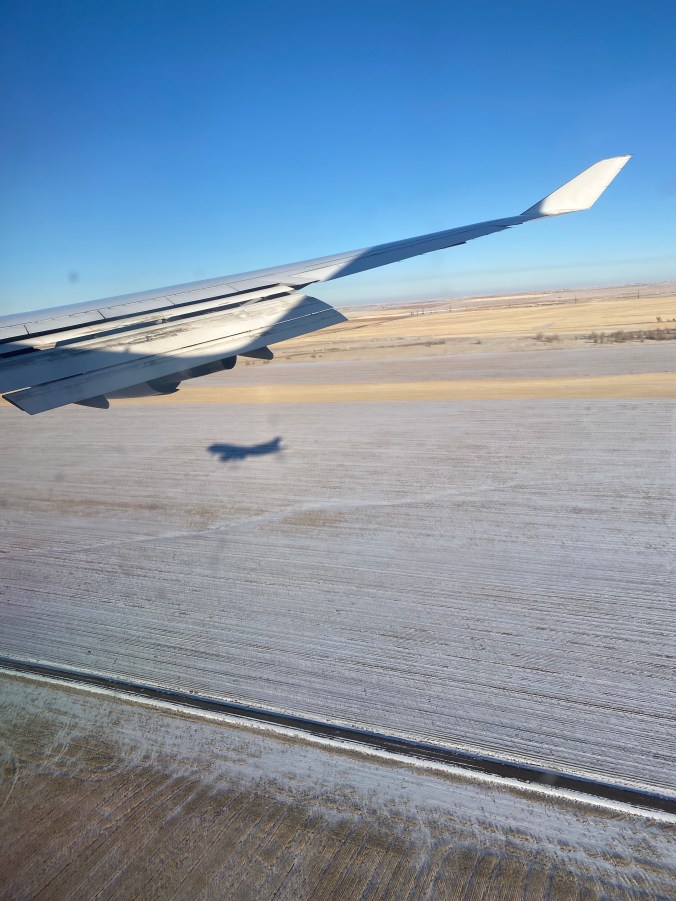
To me, the patterns and colors are beautiful.
Musée Picasso, Paris
Paris and its infinite treasures! The Musée Picasso is just one example.
First, the building!


 get back, lauretta!
You must be logged in to post a comment.