The Academy of the Art of Drawing in Florence

Housed within this lovely 14th century palazzo in the heart of Florence is the Academy of the Art of Drawing.

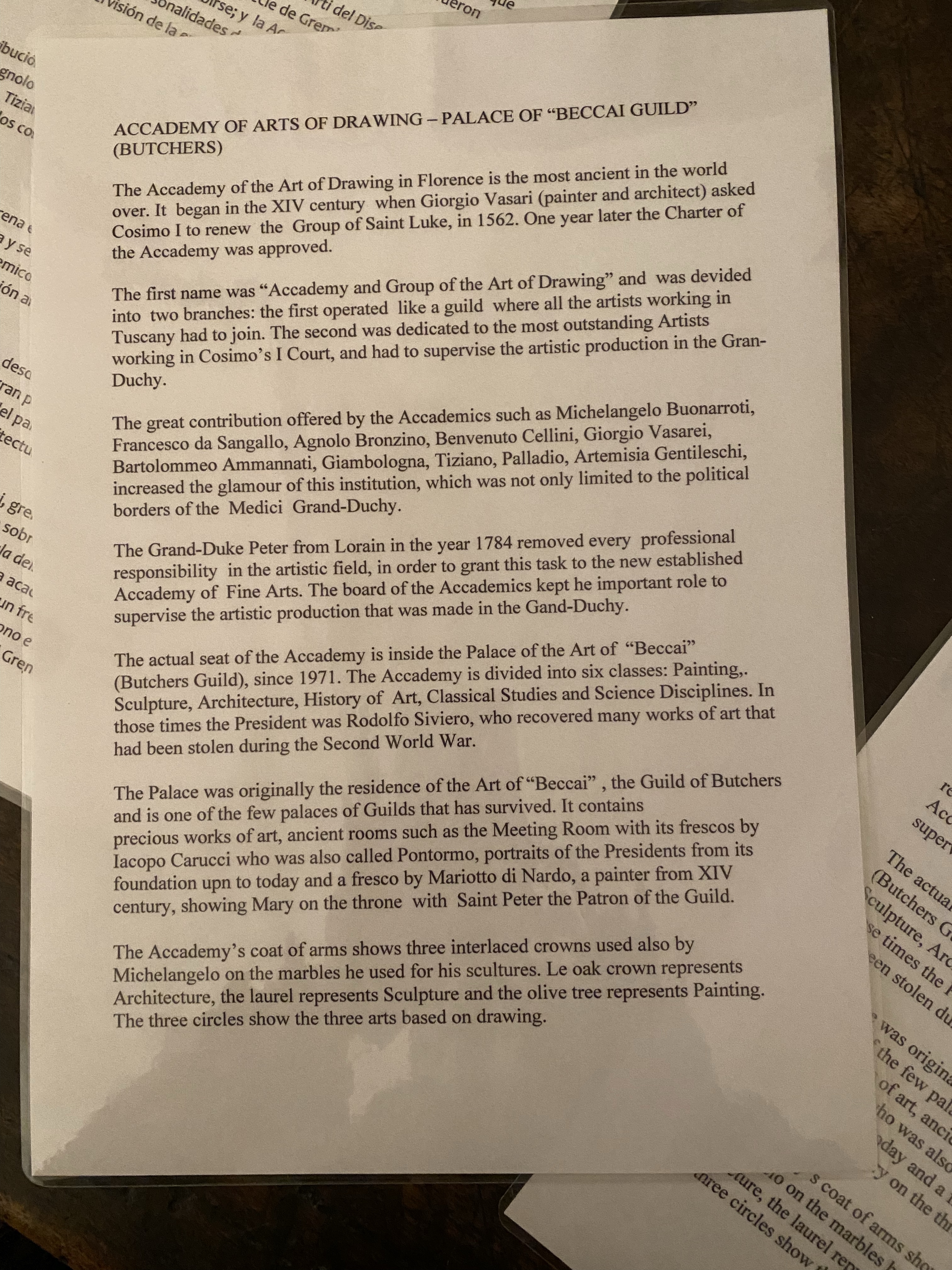
The academy is supposedly the oldest institution its kind. It was begun in the 16th century when Giorgio Vasari asked Duke Cosimo I to renew the Group of St. Luke. In 1564 the Charter for the academy was approved. The document below is provided to visitors by the docents of the association.

The palazzo faces Orsanmichele, once a grain market, later the church of the guilds of Florence. It has had many occupants, including the Arte dei Beccai or guild of butchers from which its name derives. Since 1974 it has housed the Accademia Fiorentina delle Arti del Disegno. You can find great info on the palazzo itself on Wikipedia.
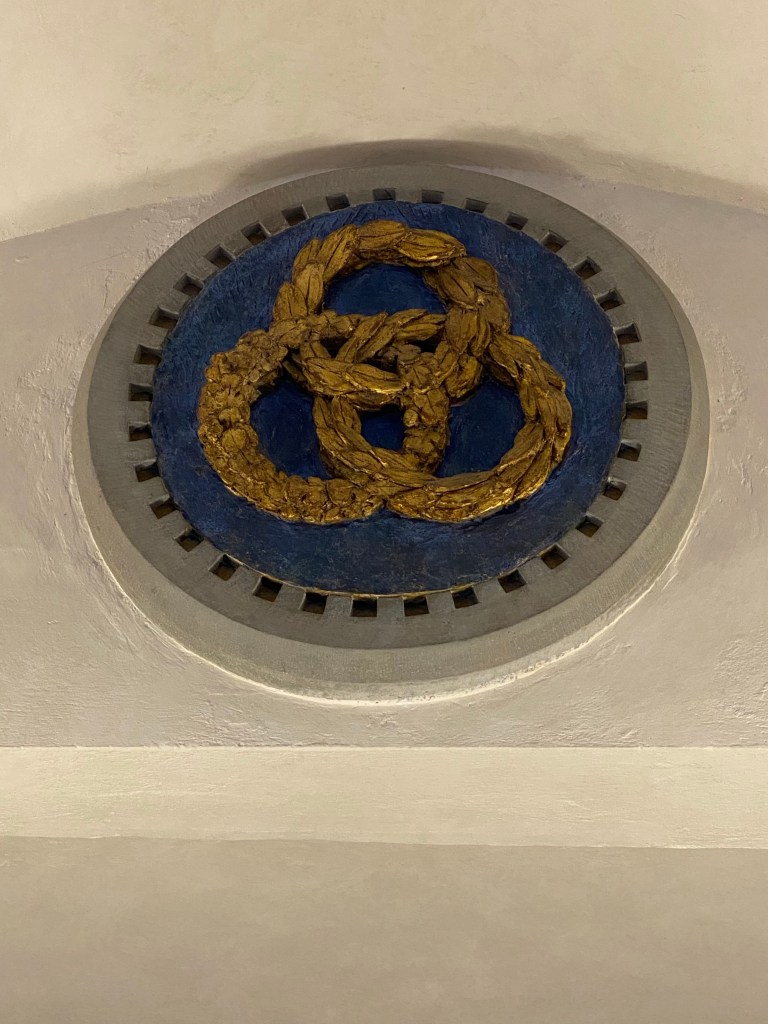
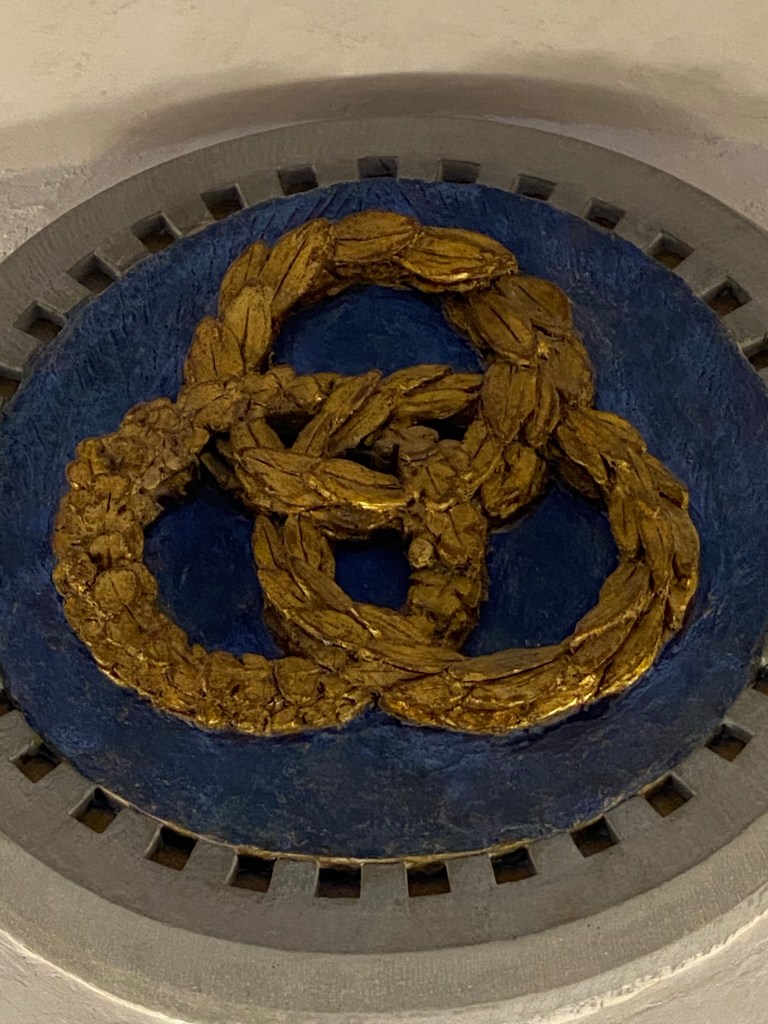
The 3 interlocking wreaths, which appear over the door to the associations main room, are the symbol of the academy and, as the brochure above explains, each of the wreaths is composed of a different plant leaf. The wreath of oak leaves symbolizes architecture; the laurel wreath represents sculpture; and the olive crown stands for painting.
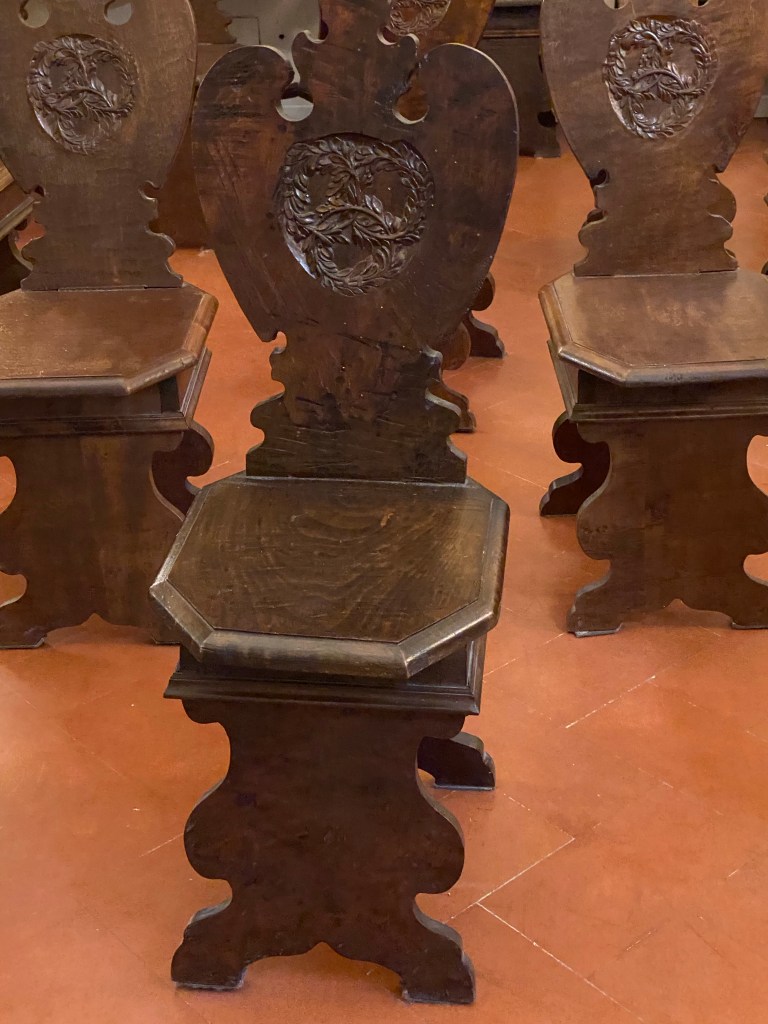
Wonder who once sat on these chairs?

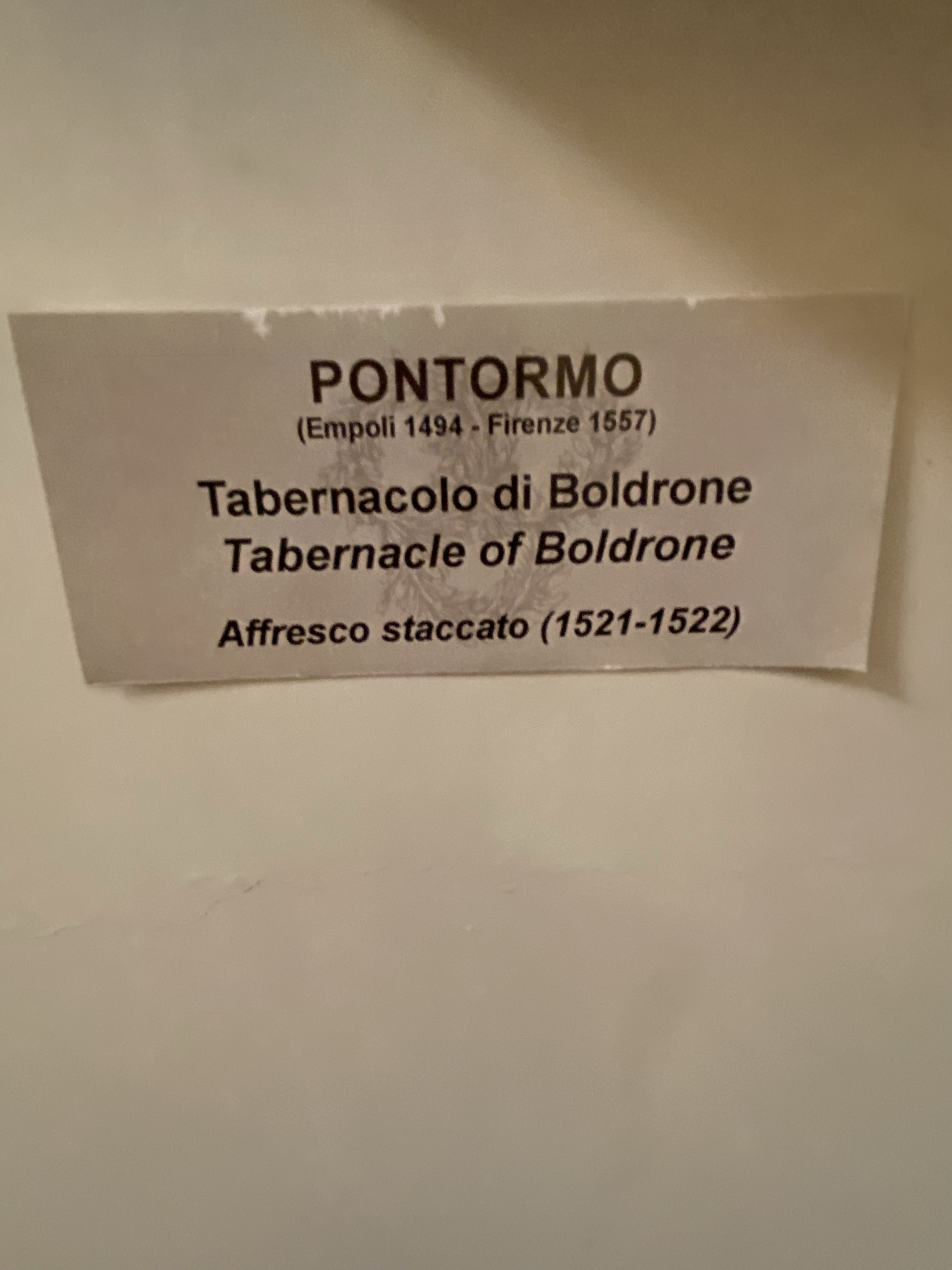
The academy’s main room also houses a few fine artworks; Pontormo’s Boldrone Shrine being key among them:
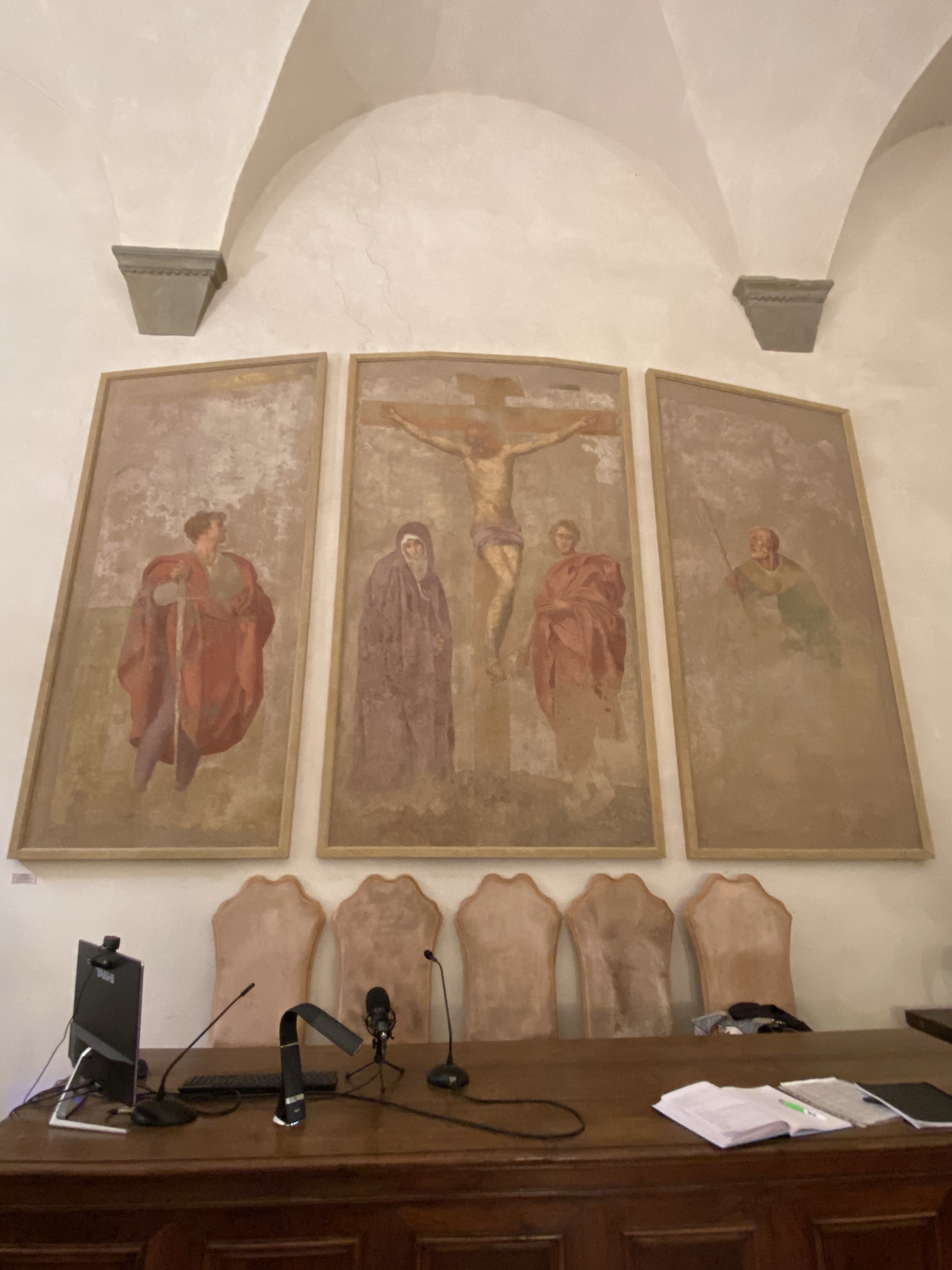
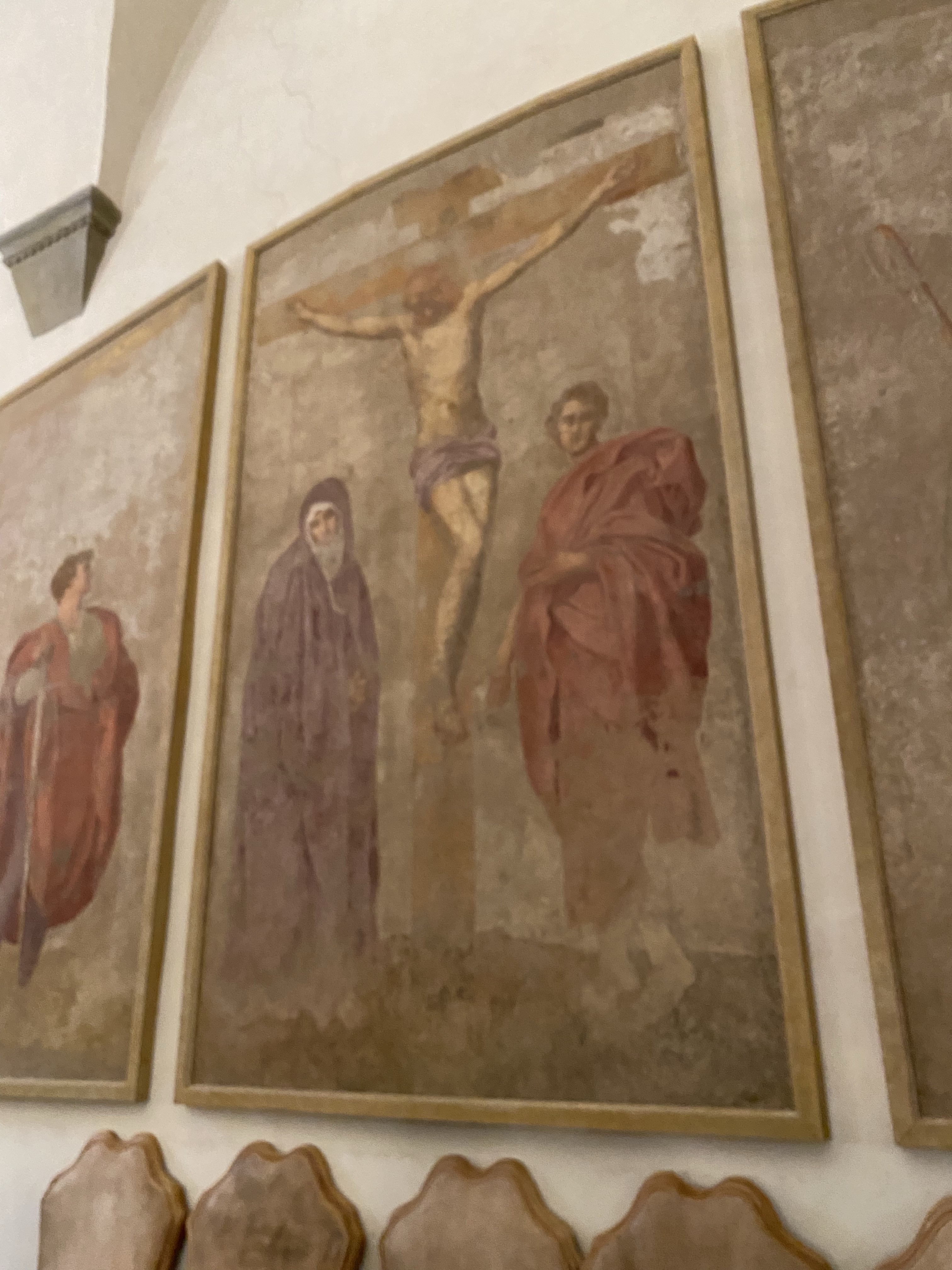
You can find more information on this 3 part painting in Wikipedia under Boldrone Shrine.
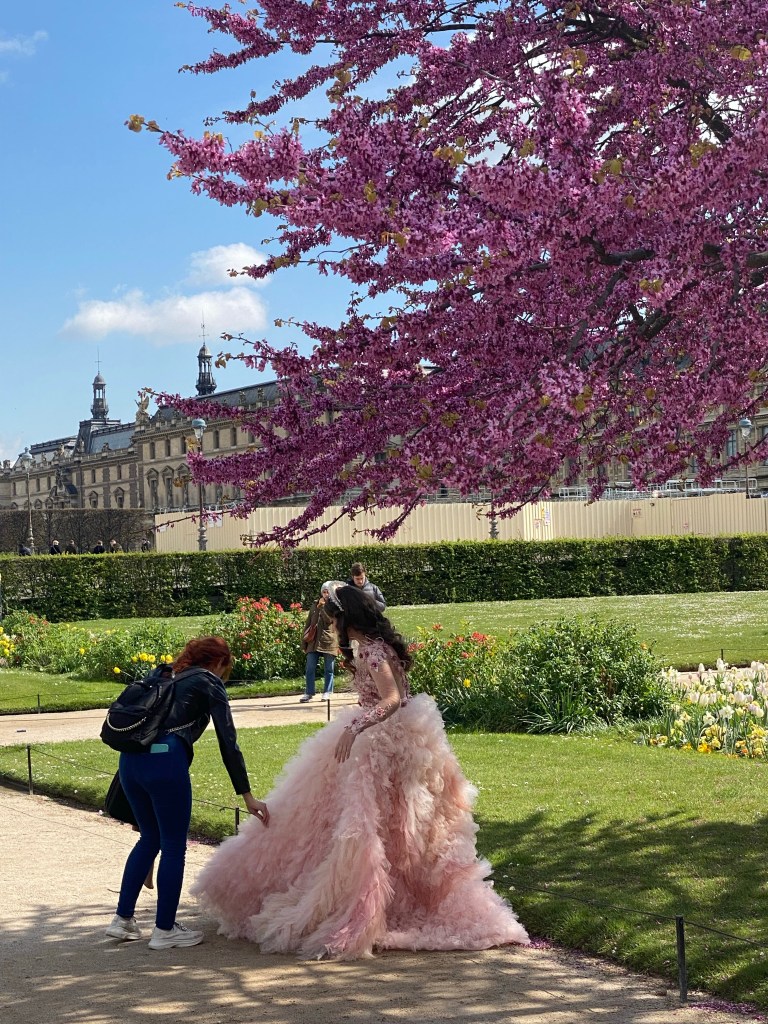
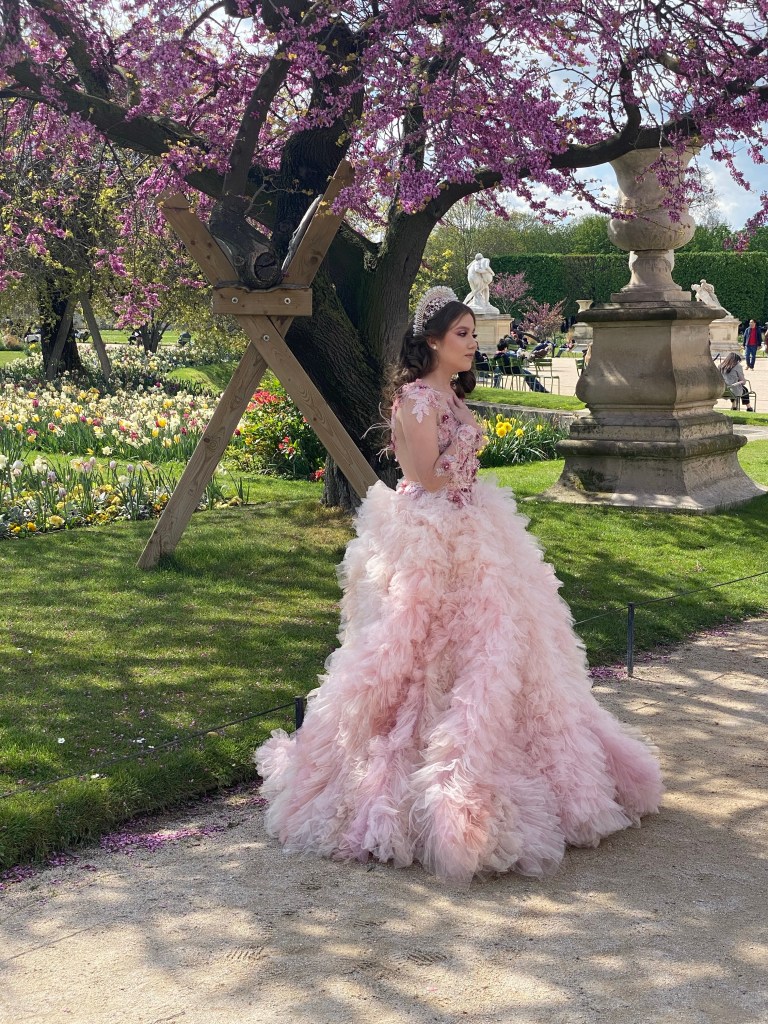
A quinceañera in Paris (??)

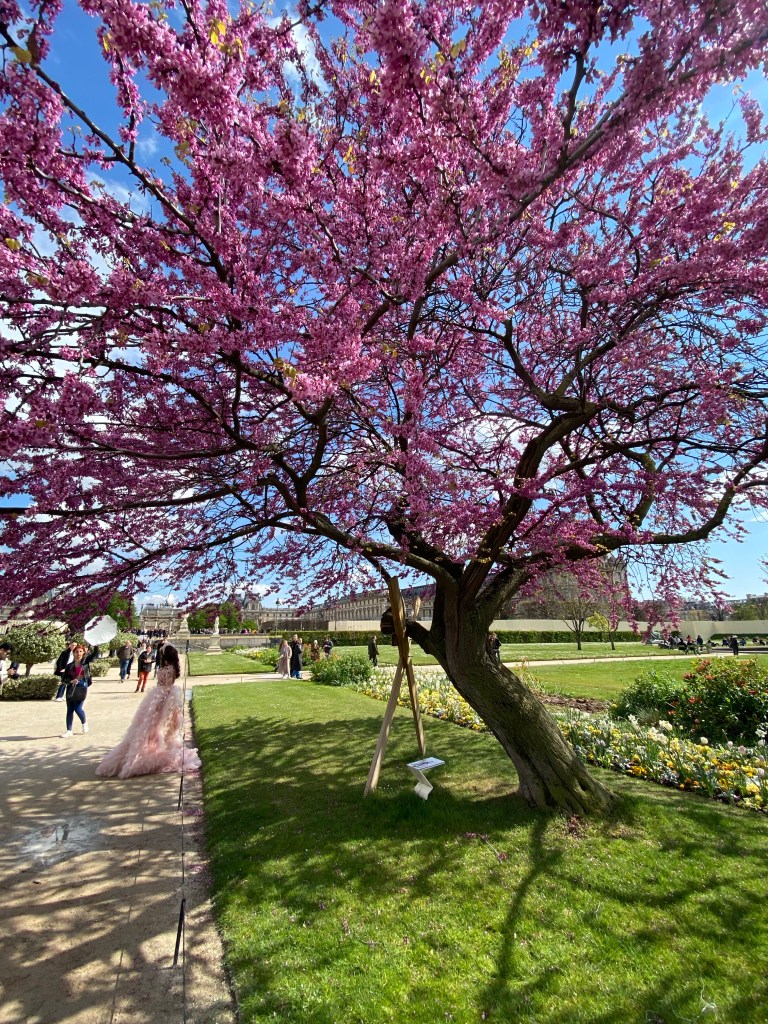
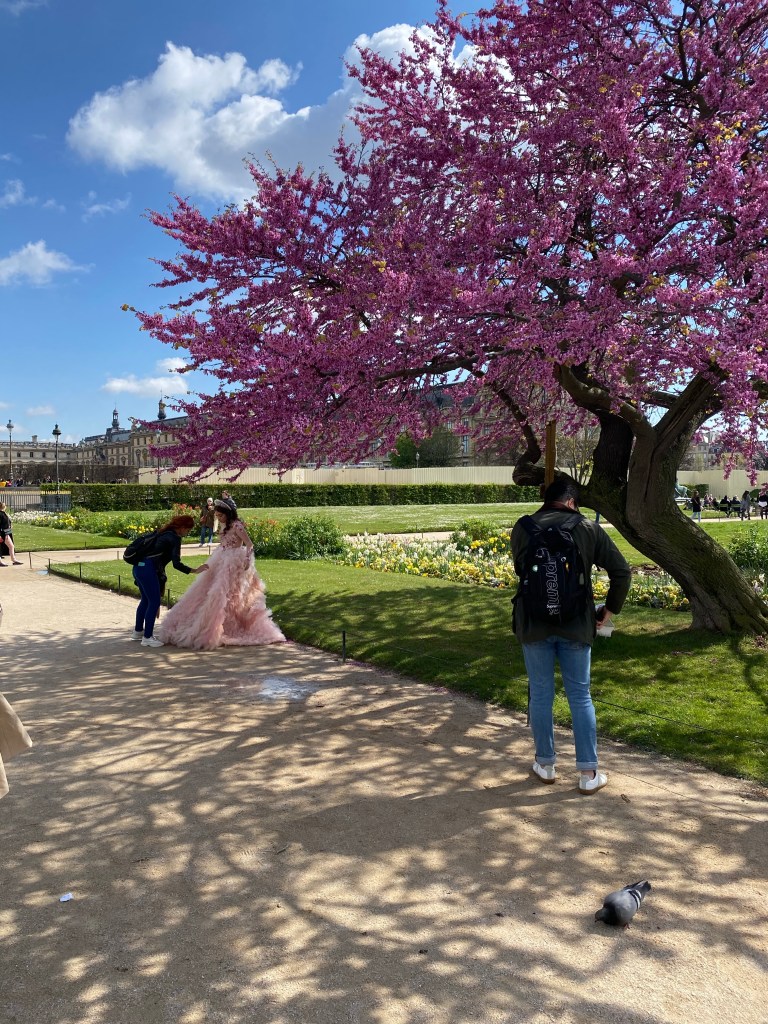
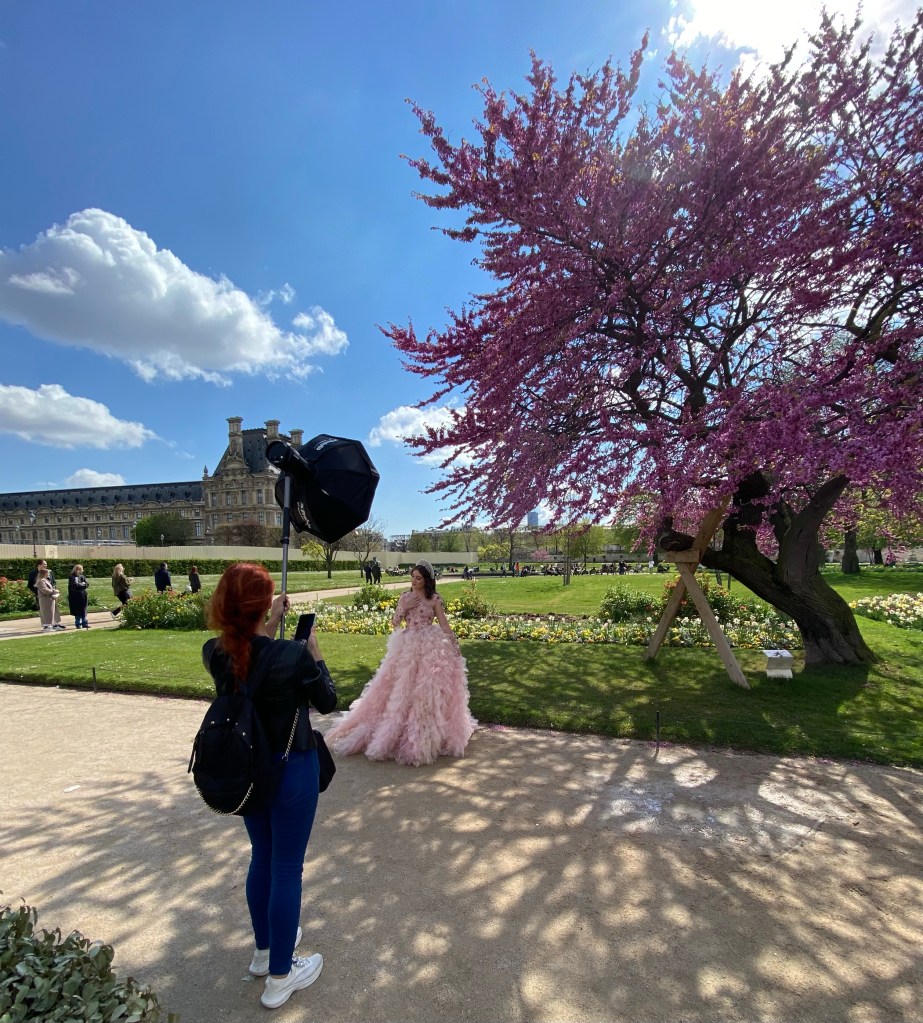
I was lucky enough to be walking through the Tuilleries on a beautiful Sunday afternoon in April when I happened upon a scene I can only guess was the photo shoot for this girl’s quinceañera.

It wasn’t a big enough production to be a commercial advertisement of some kind, but a bigger deal than just your average photo.
Are you familiar with the quinceañera?

A quinceañera (also fiesta de quinceañera, quince años, fiesta de quince años and quinces) is a celebration of a girl’s 15th birthday. It has cultural roots in Mexico and Southern Europe and is widely celebrated by girls throughout Latin America. The girl celebrating her 15th birthday is a quinceañera (Spanish pronunciation: [kinseaˈɲeɾa]; feminine form of “15-year-old”). In Spanish, and in Latin countries, the term quinceañera is reserved solely for the honoree; in English, primarily in the United States, the term is used to refer to the celebrations and honors surrounding the occasion.

The young woman in pink didn’t seem to be a professional model, so that’s another reason I’m guessing it was a quinceañera photo.

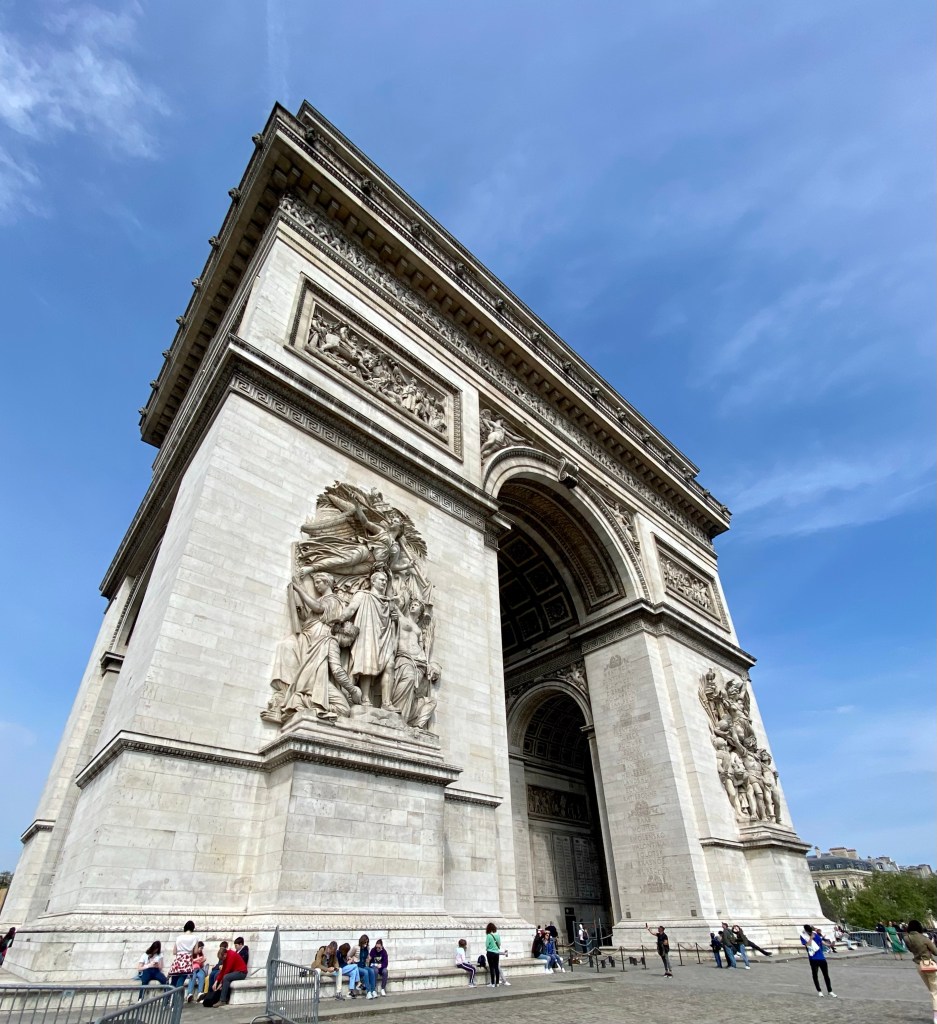
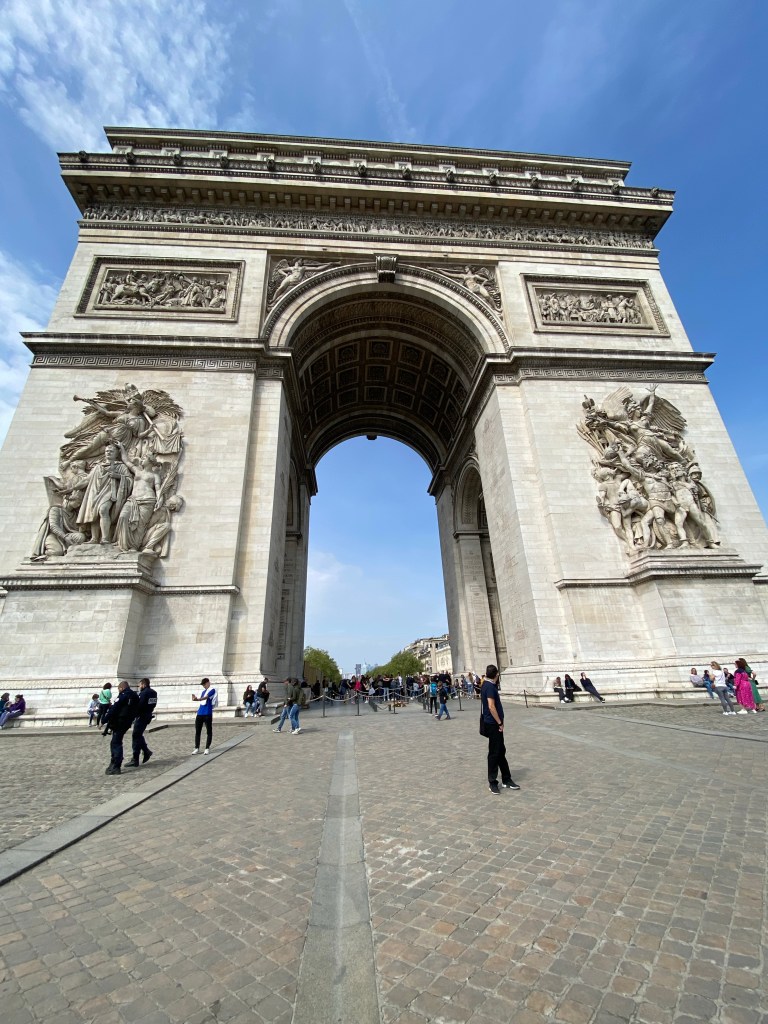
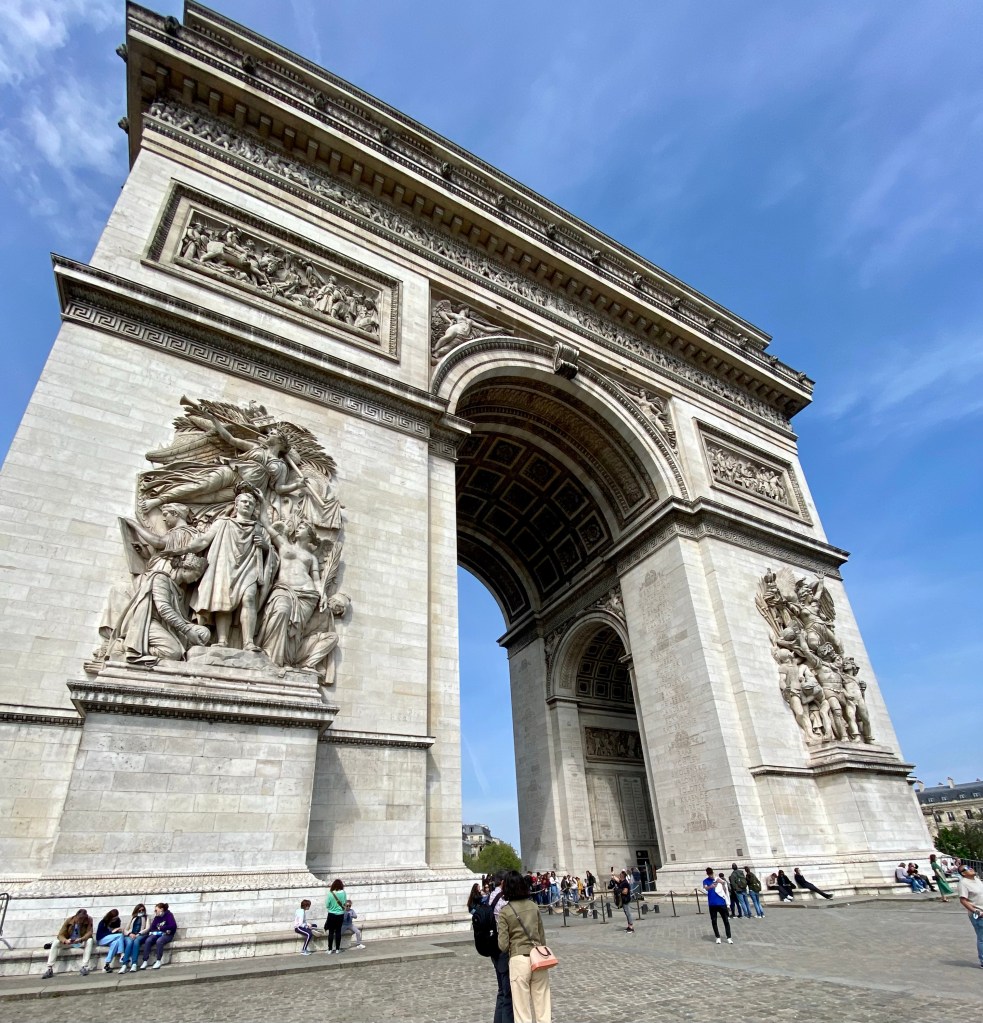
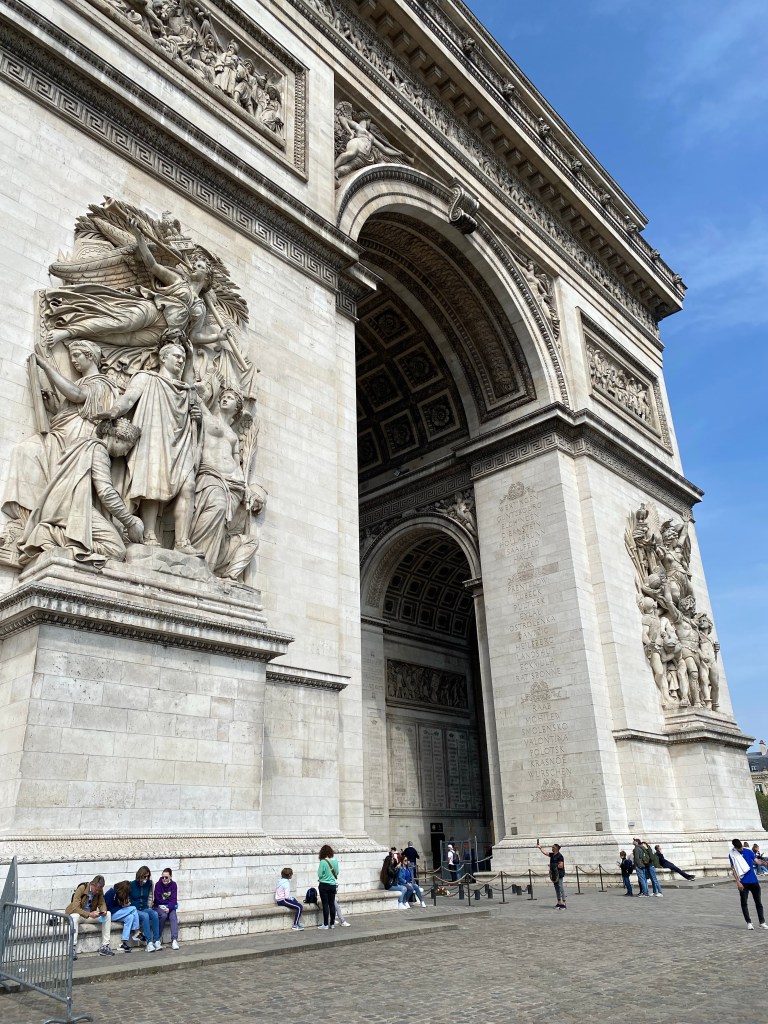
The Arc de Triomphe, Paris

The Arc de Triomphe is magnificent. Its great to visit it in all kinds of weather, but today was a sunny and warm spring day and it was particularly delightful.

It is very wisely set up in that you get to the center of this huge traffic rotary by underground passageway, and believe me when I tell you that even in early spring, the popularity of this monument for urban climbers is fierce! The line for getting a ticket to climb to the top of the monument was almost as long as the tunnel that gets you there!

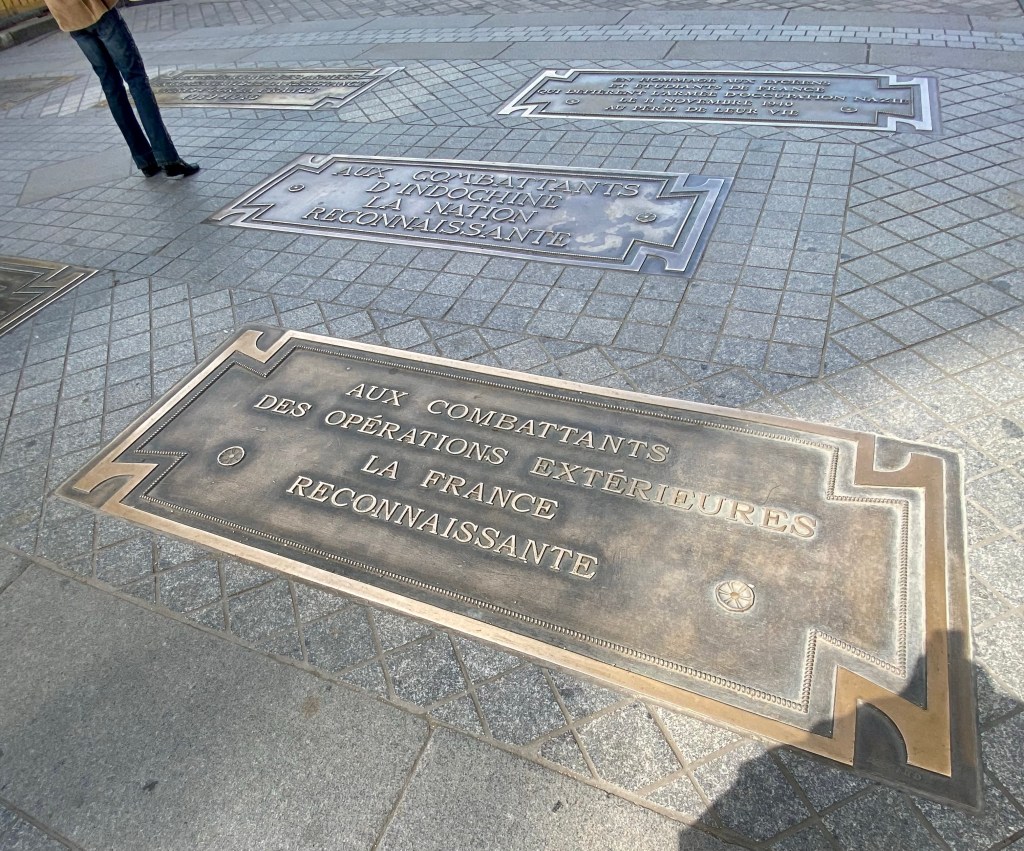
Fortunately for me, there was no line for wandering around the base of this incredible monument and I enjoyed every second of seeing it again up close and personal. It has been years since I’ve looked over all the fascinating details of it.

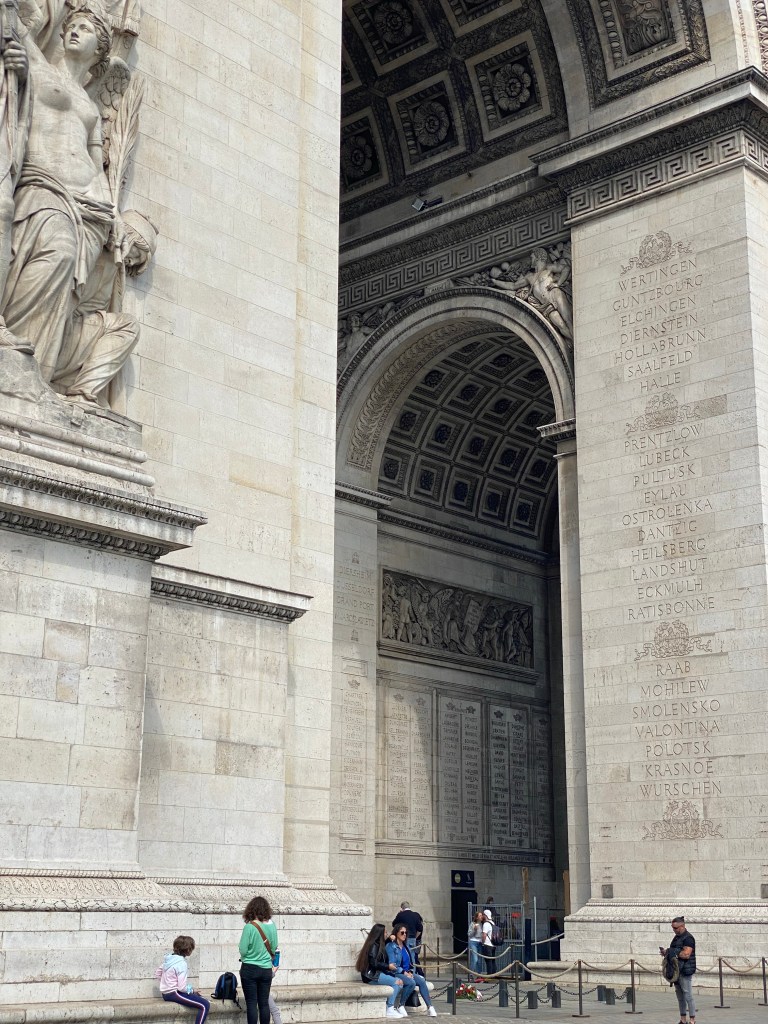
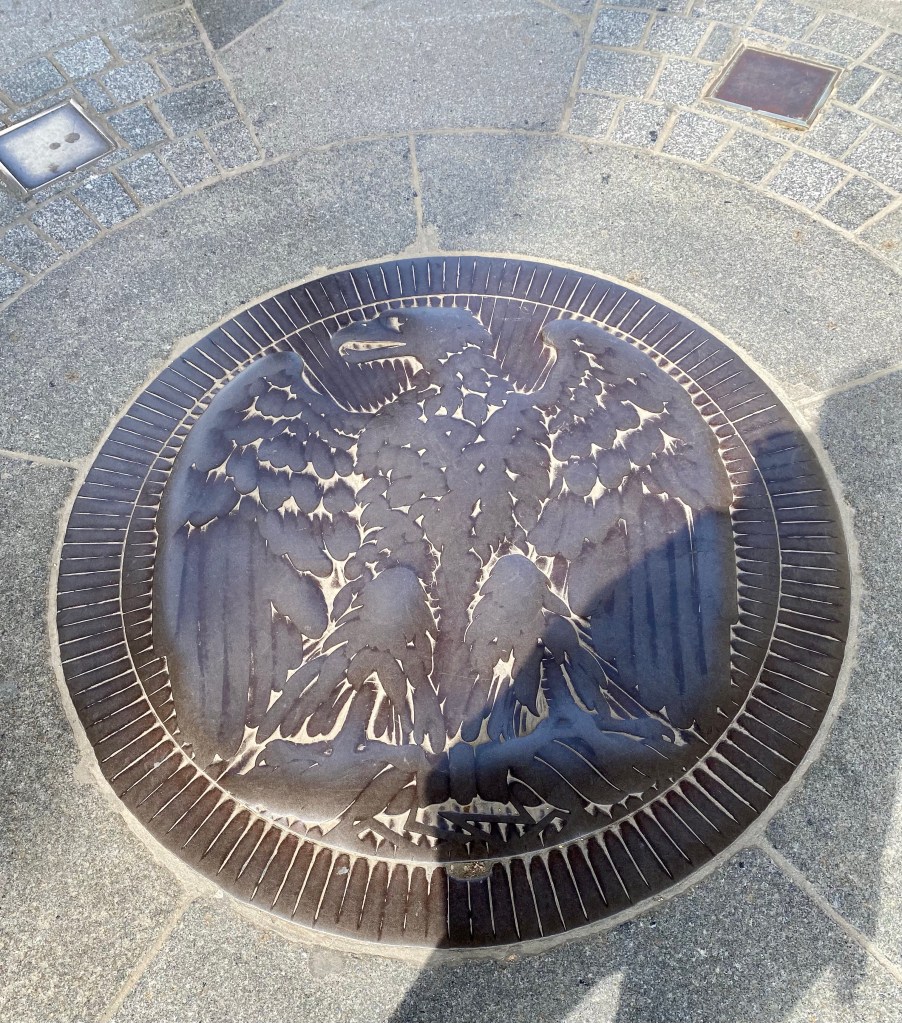
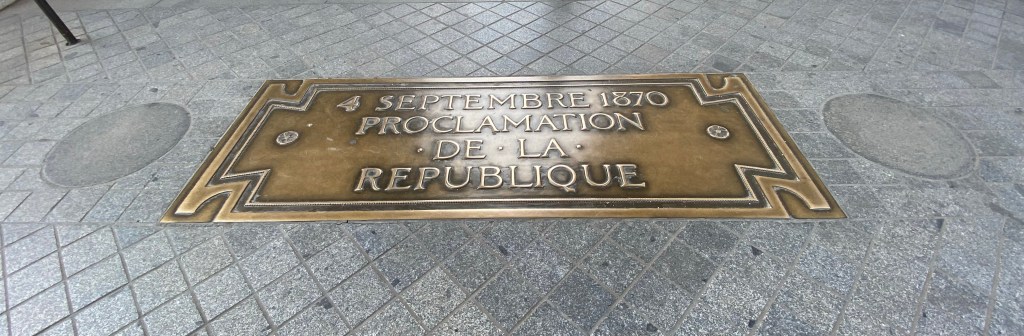
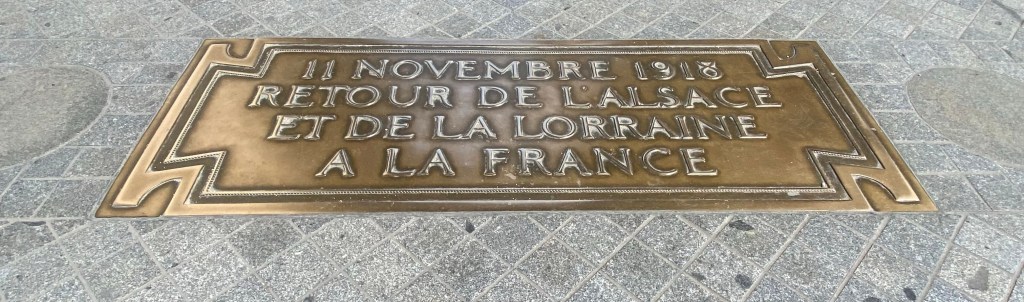
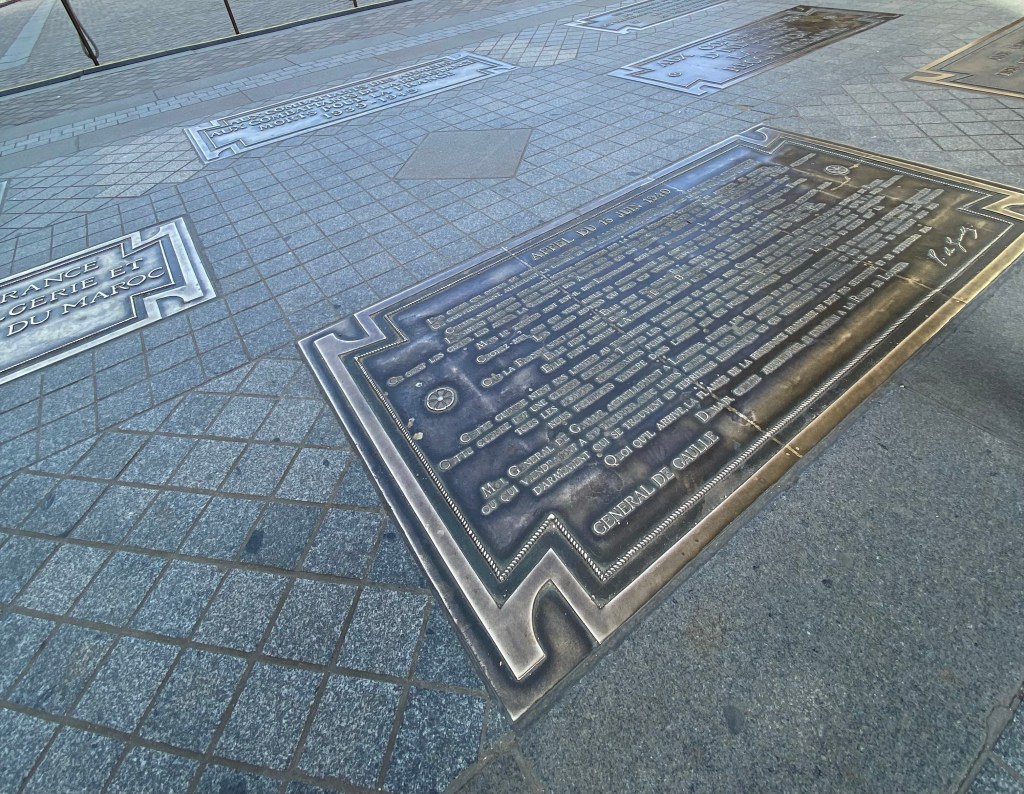
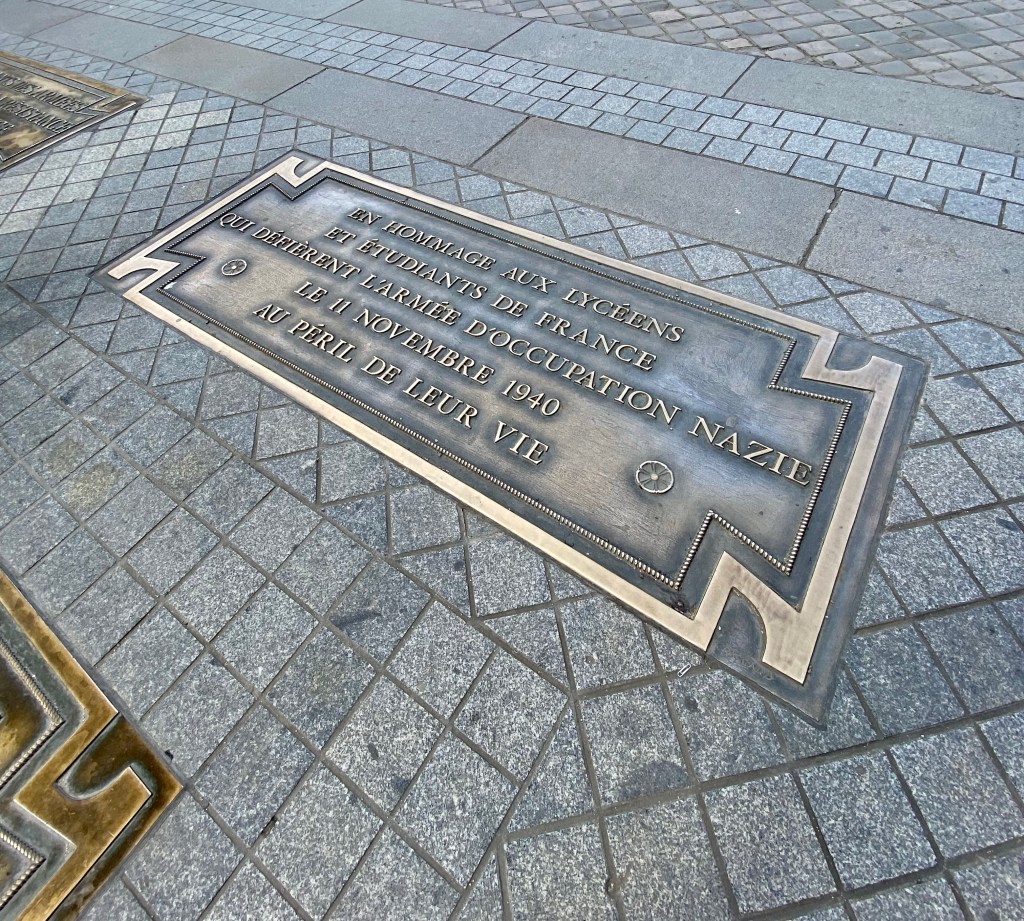
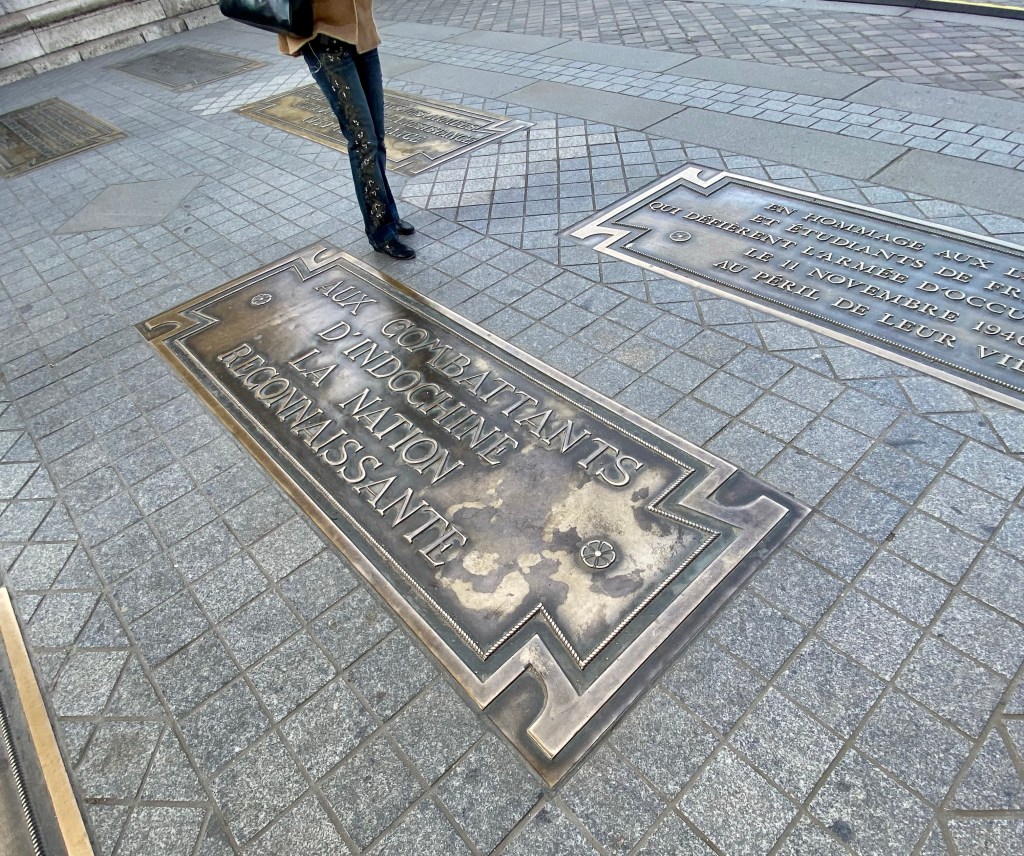
Every detail is worth pondering. Remember to look up as well as down, for every surface has something of importance.
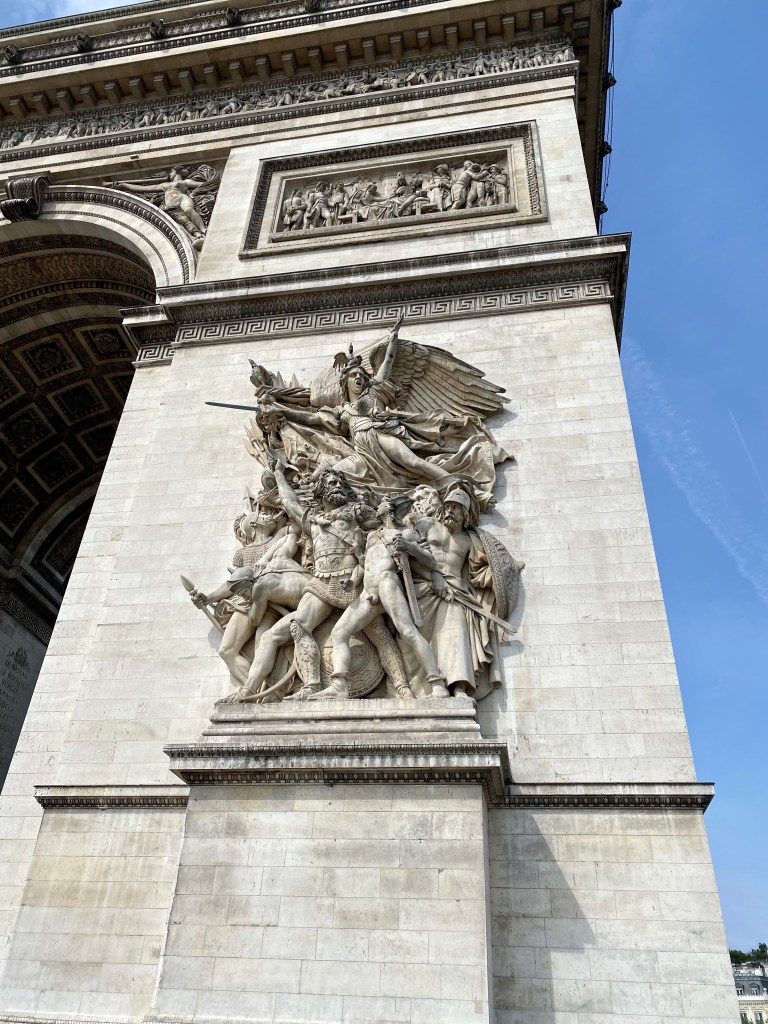
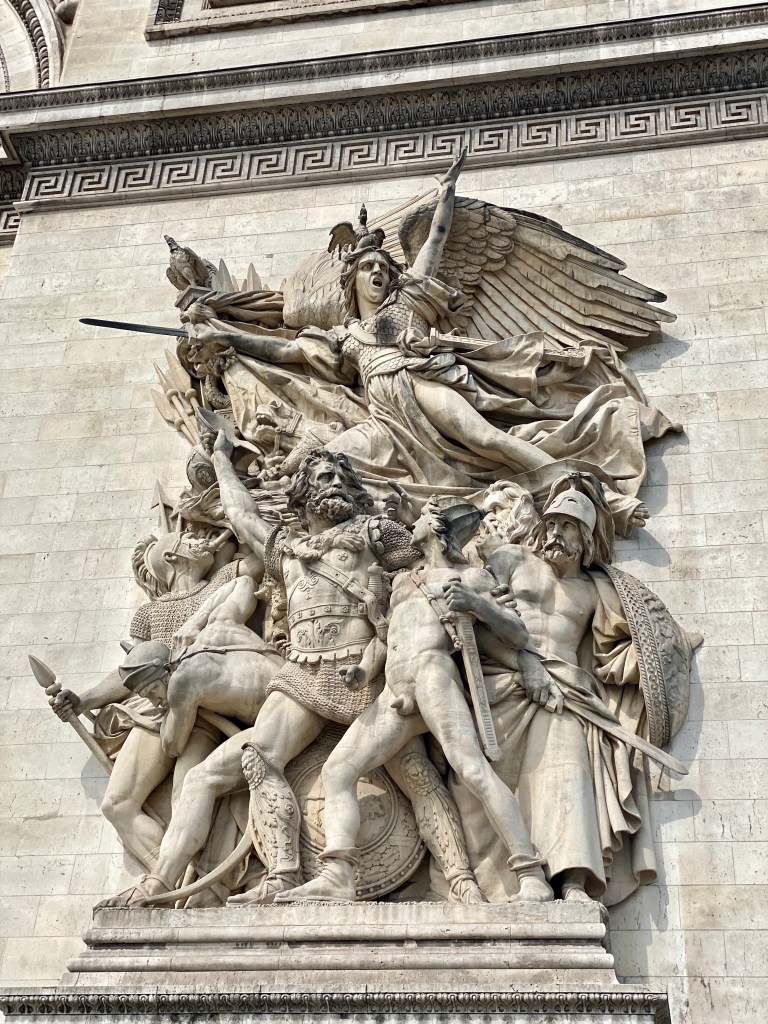
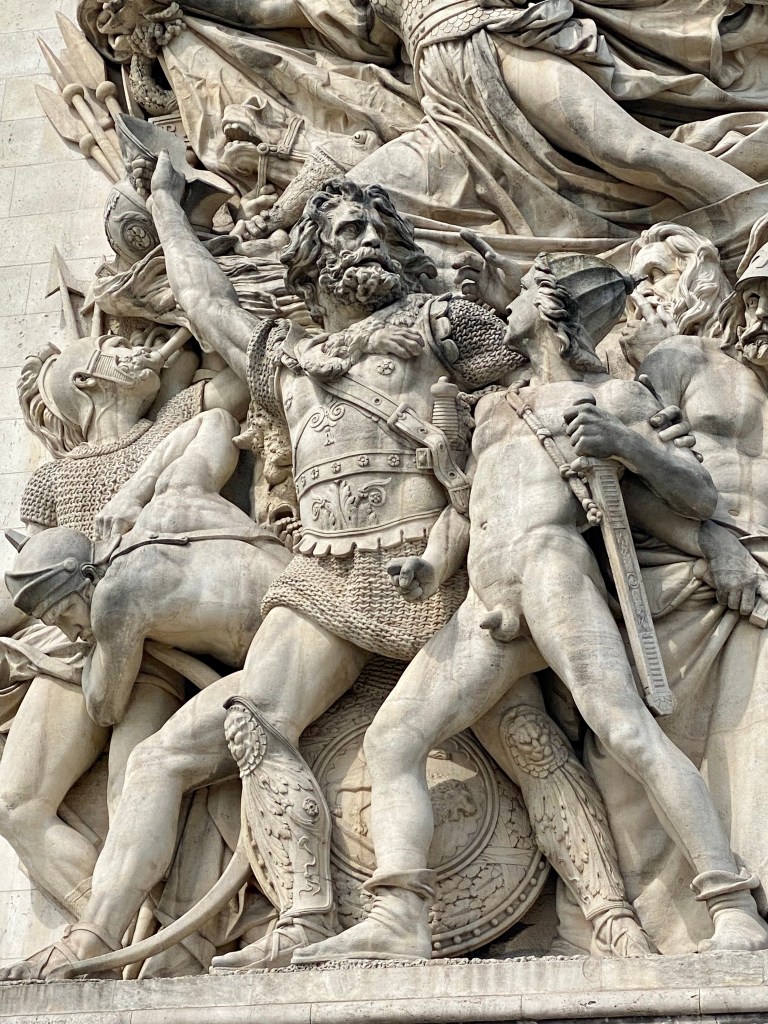
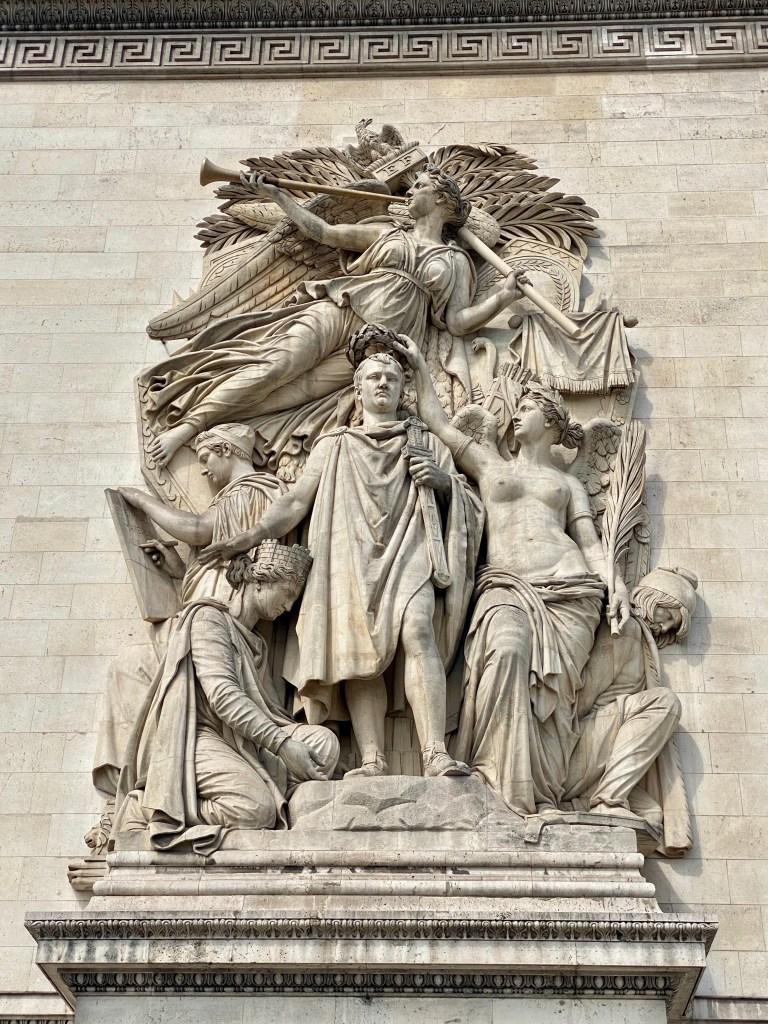
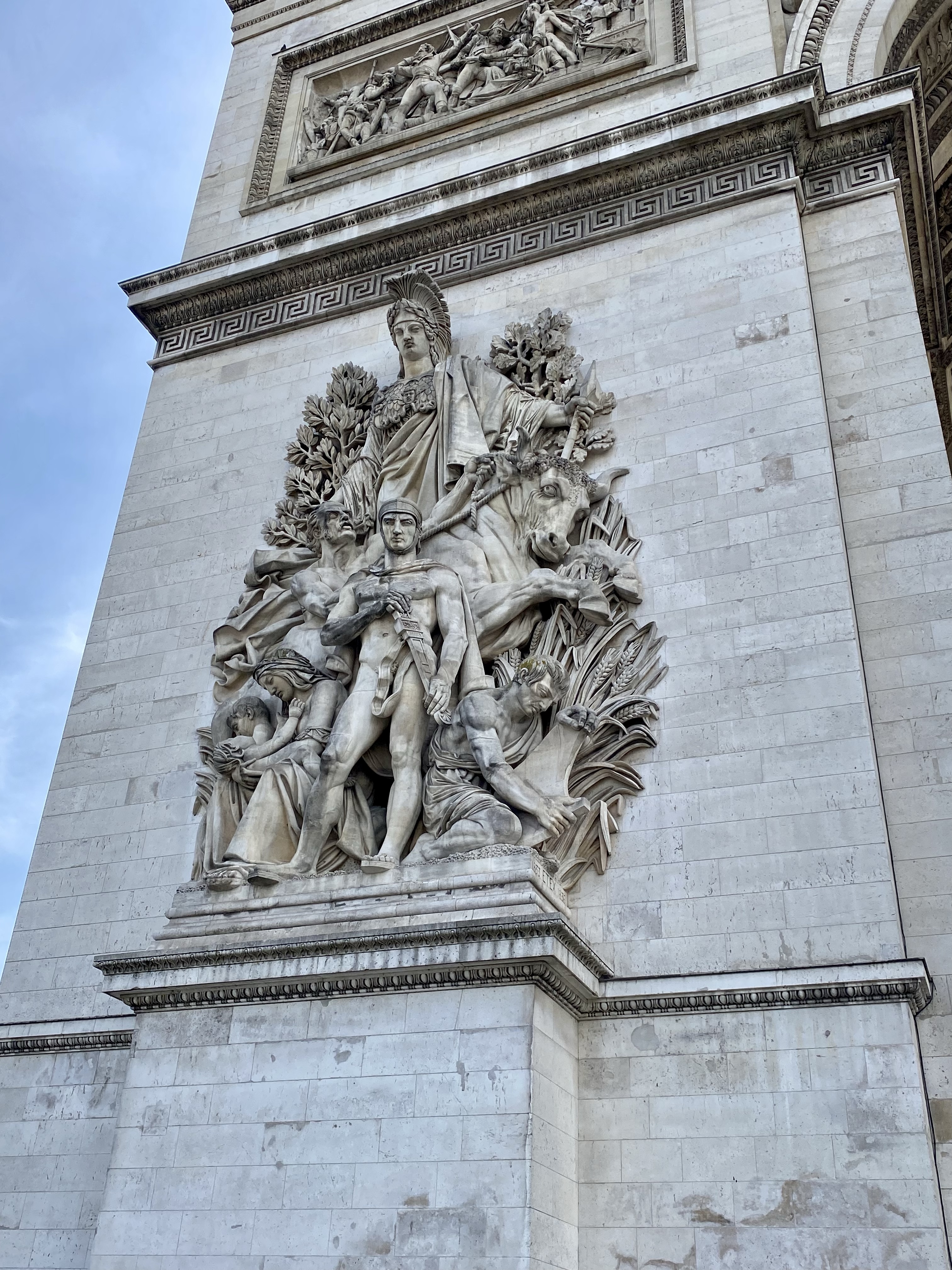
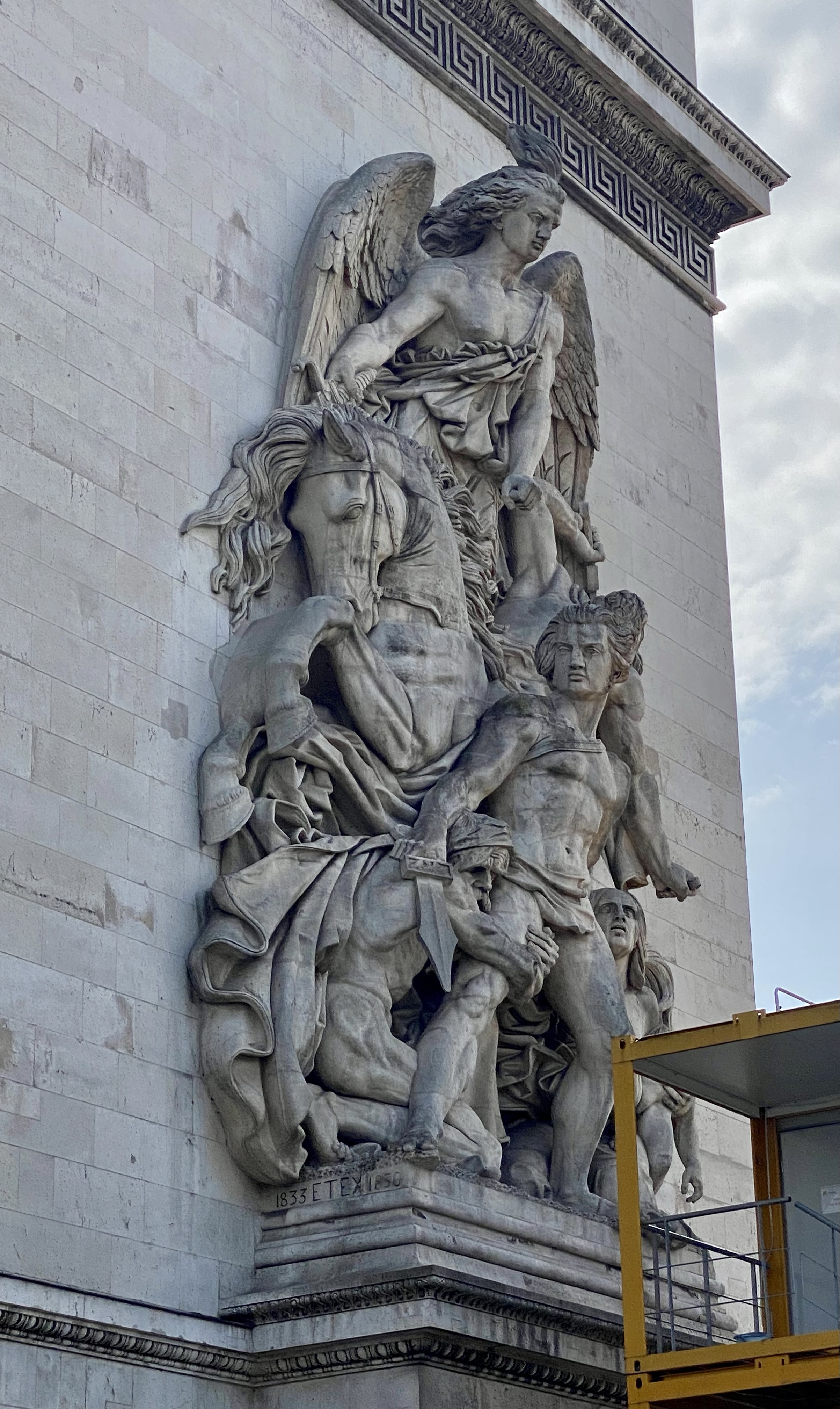
Of course I love the relief sculptures that adorn the main facades:

Below are the 2 reliefs that decorate the “back” side of the arch.
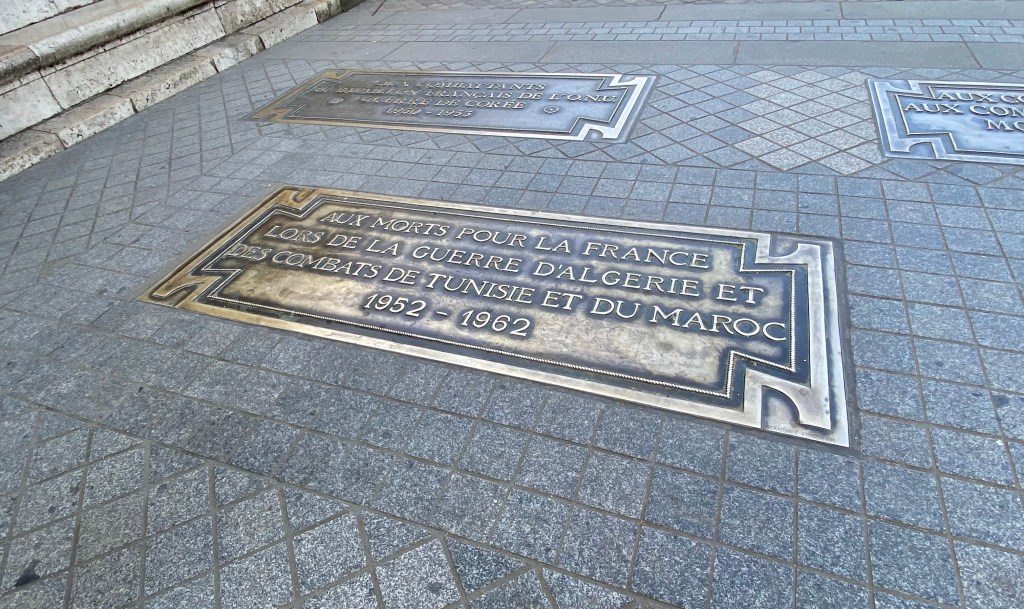
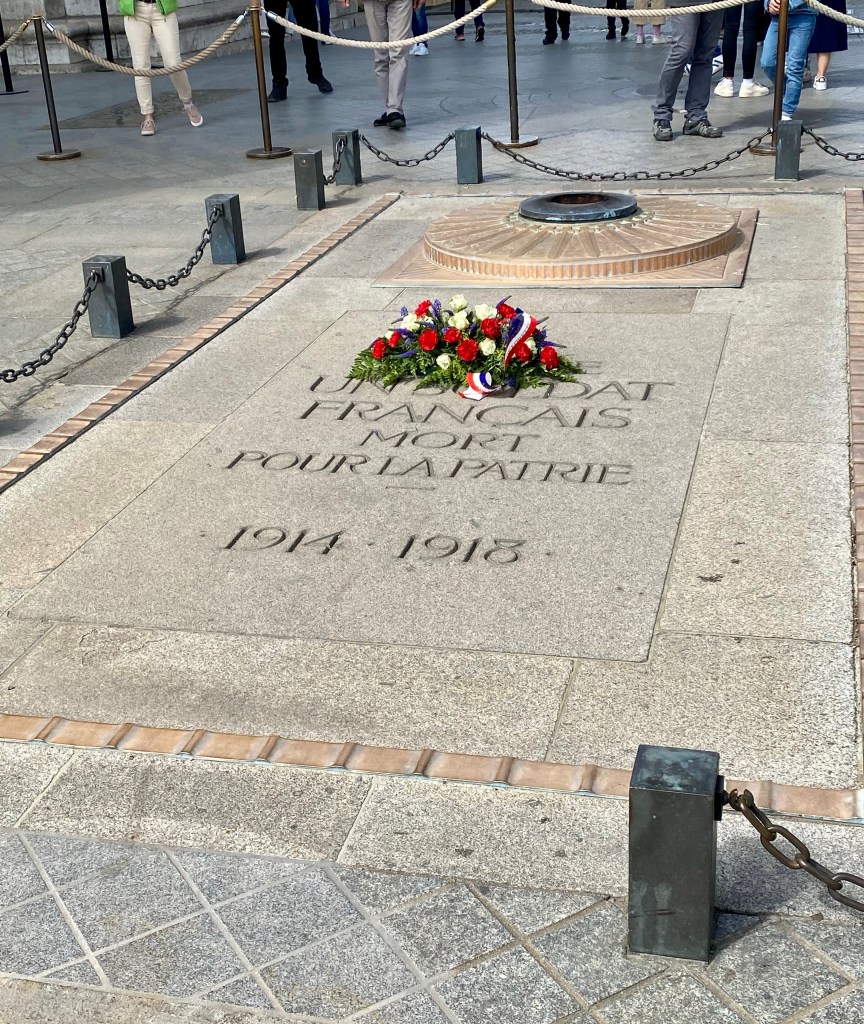
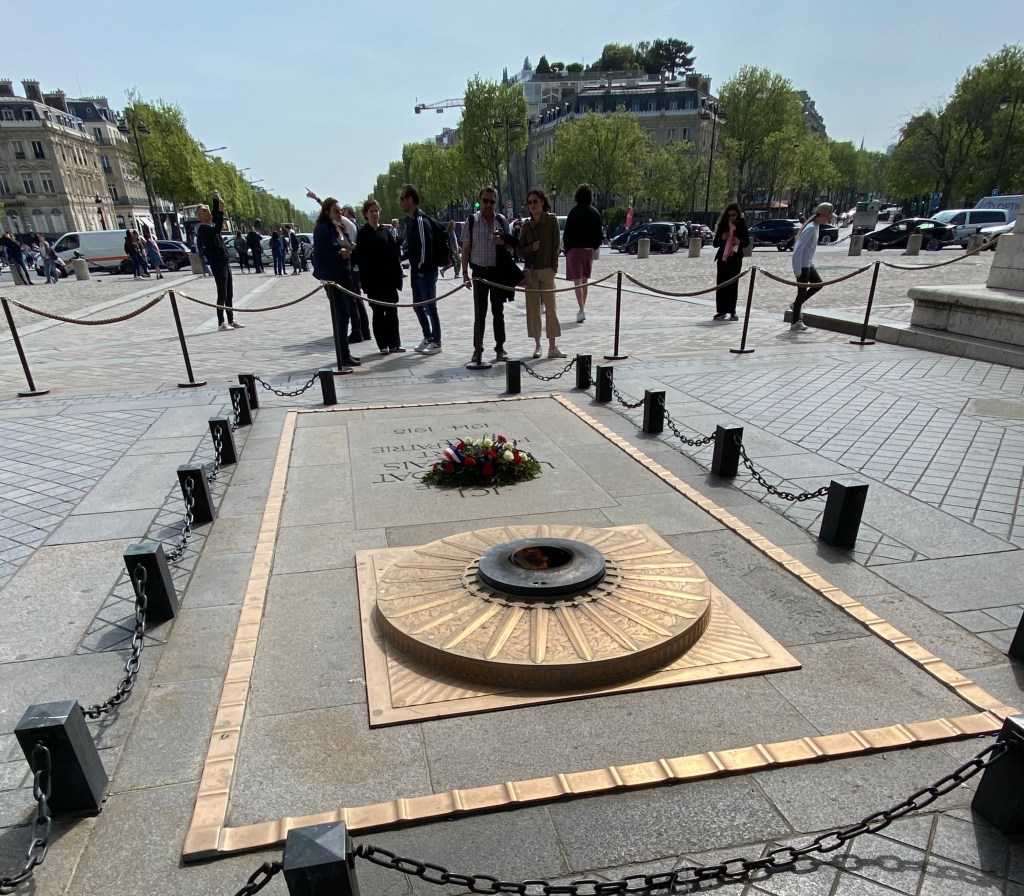
It’s hard to see the eternal flame burning in daylight, but I did my best to capture it.

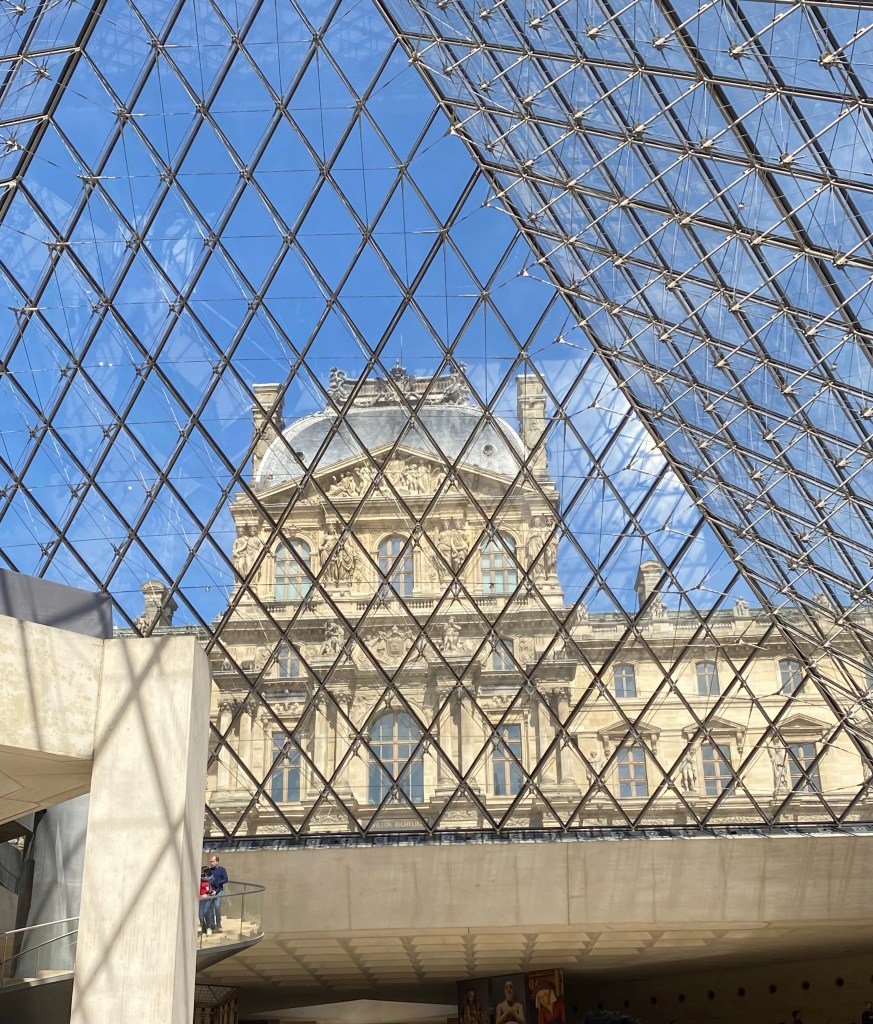
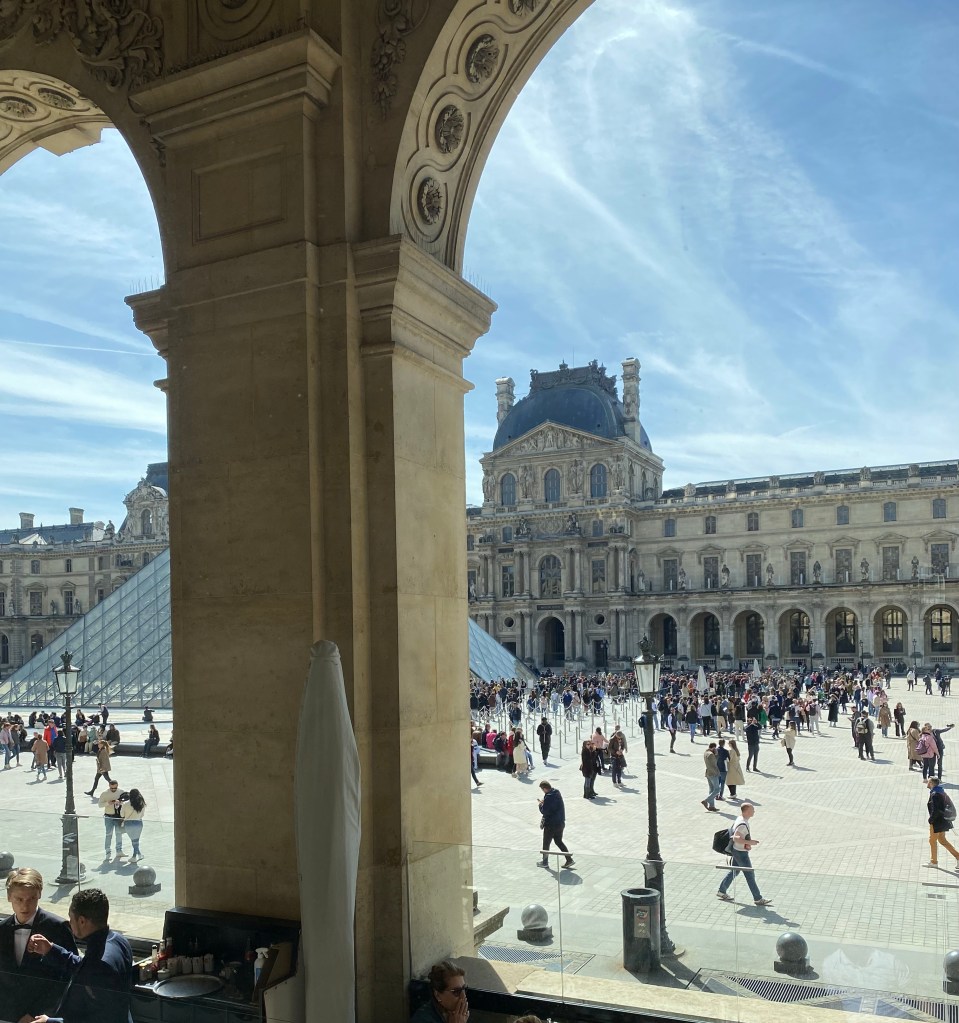
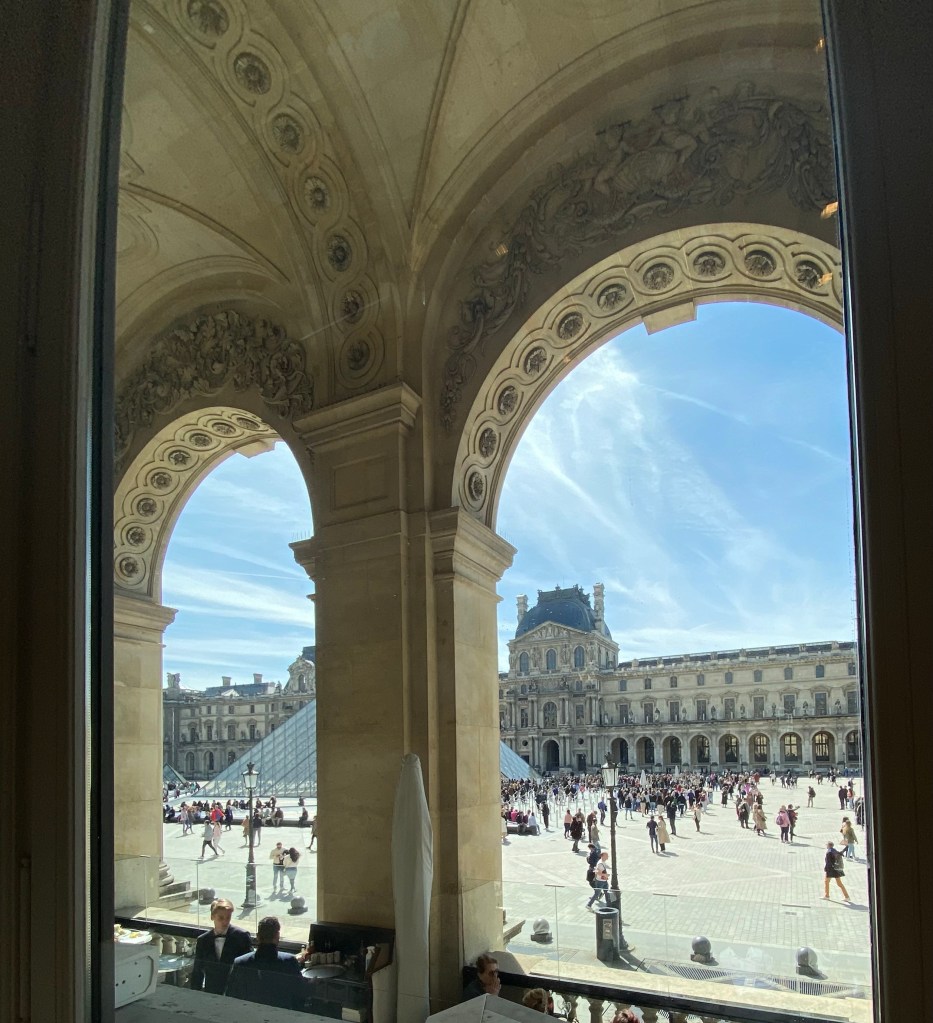
The Louvre, Part 1

Oh, the Louvre. What can I say? I love you and I hate you. Your collections and edifice are magnificent. They are both grandiose. You are too big, too full, with too many people and not enough good directional signes.
Ah, but I do my best.

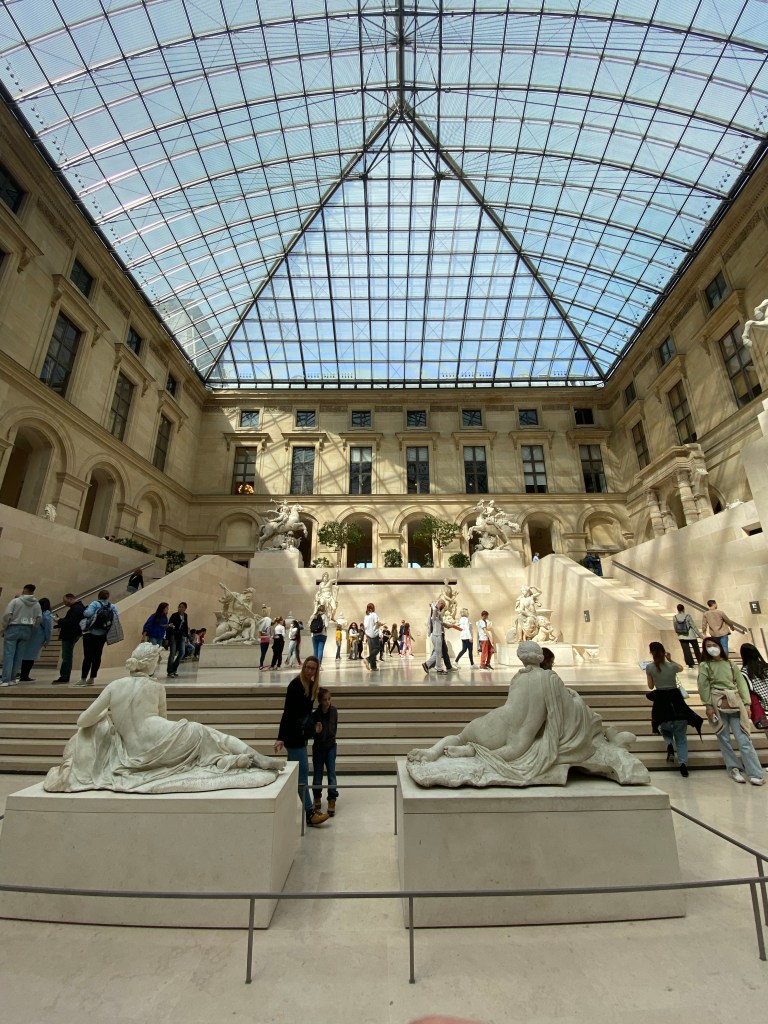
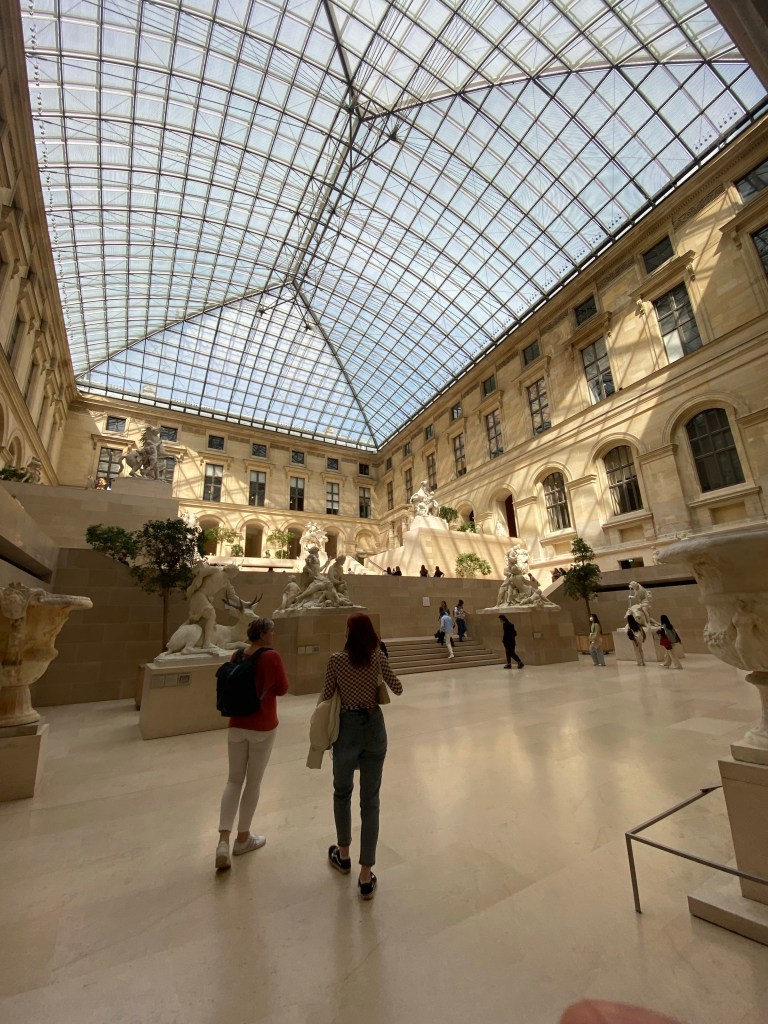
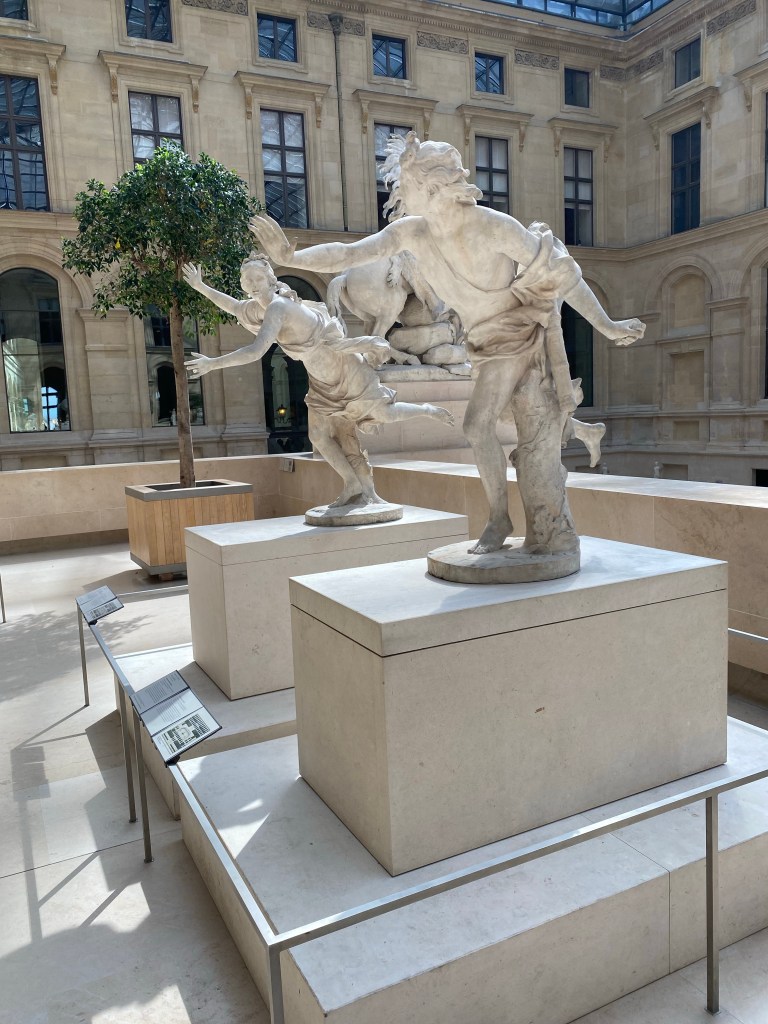
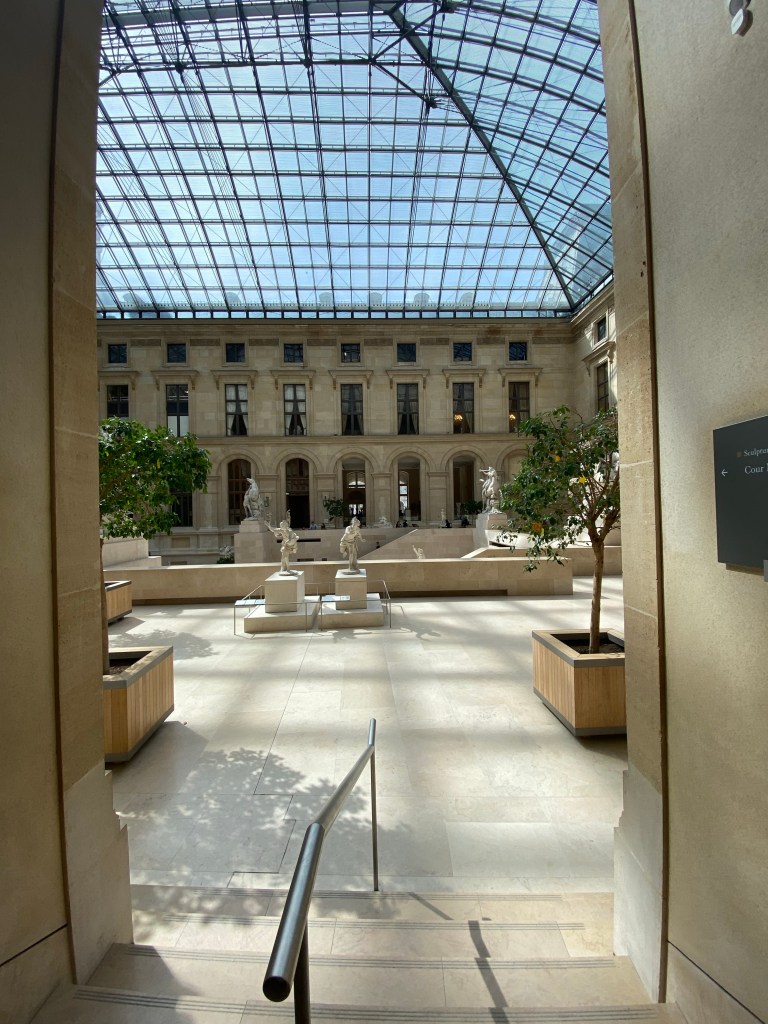
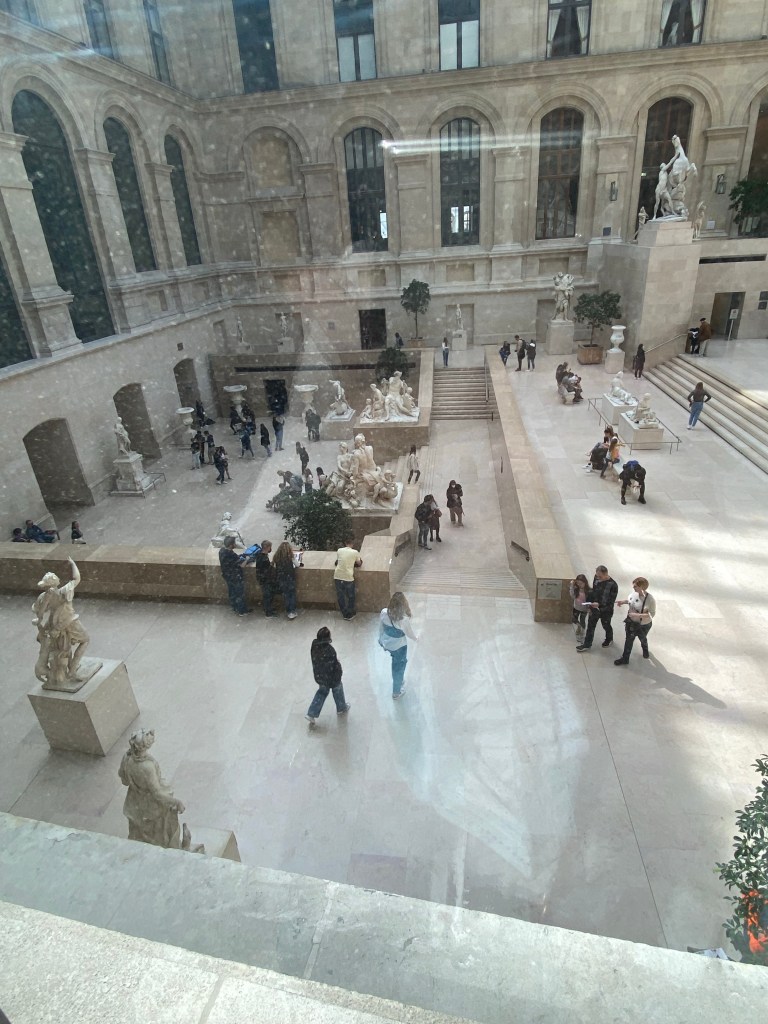
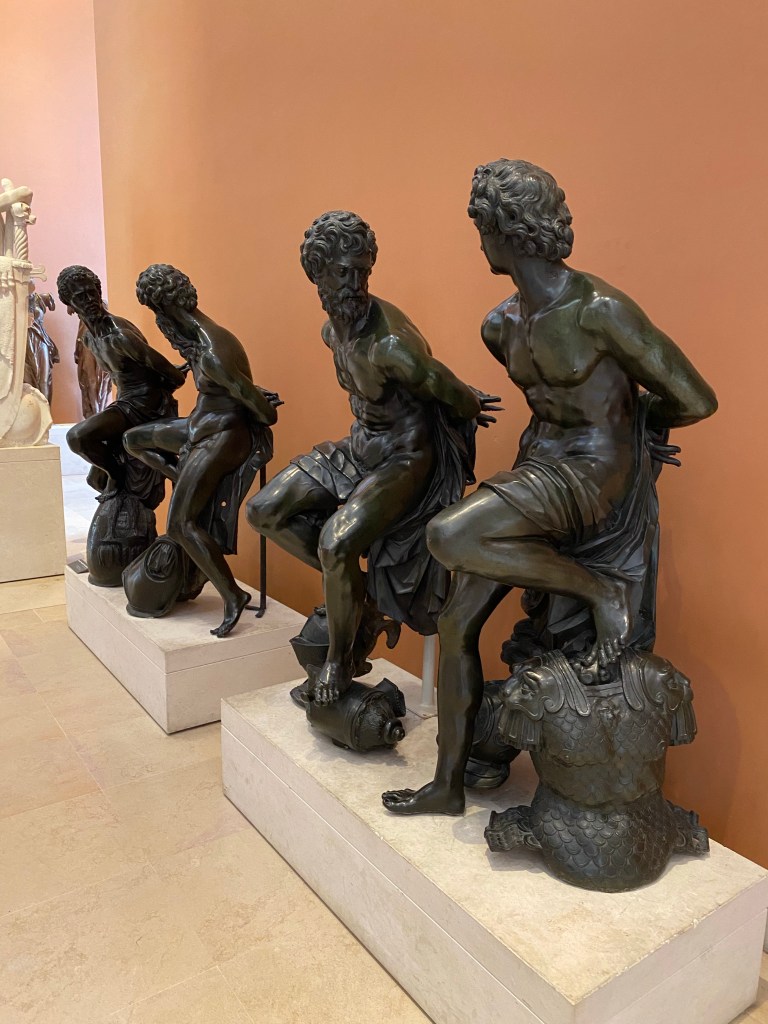
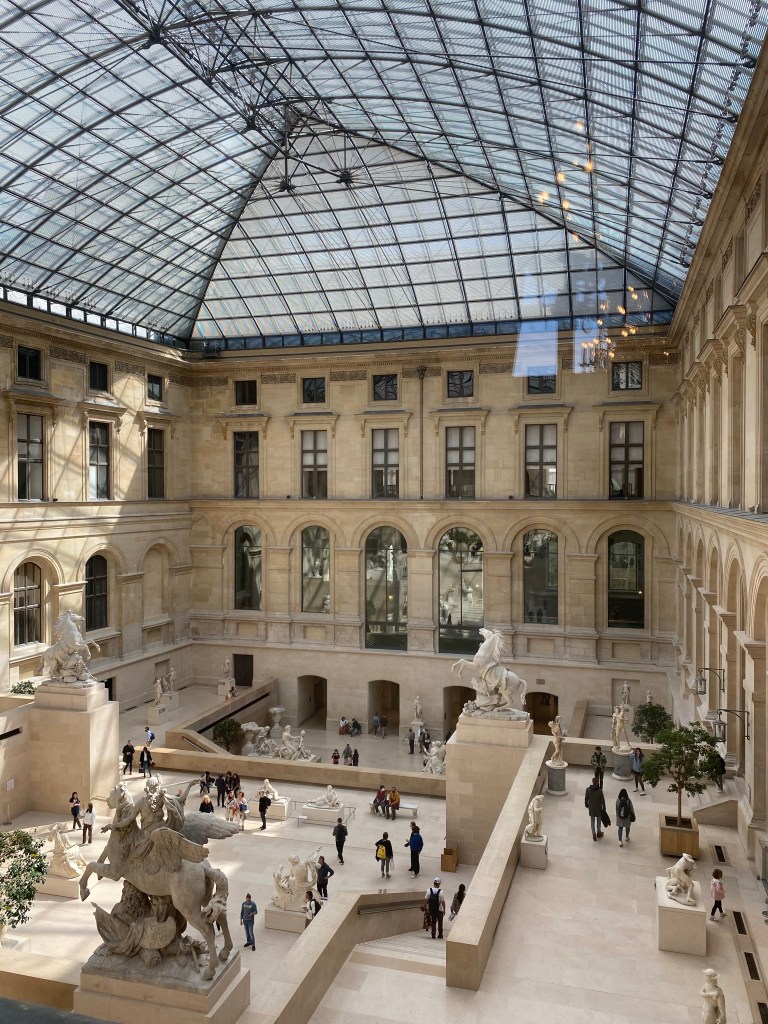
On this visit, after locating the coat check room and fighting with the automated lockers for 30 minutes, I finally found my way into this stupendous sunlit gallery filled with remarkable French sculpture.

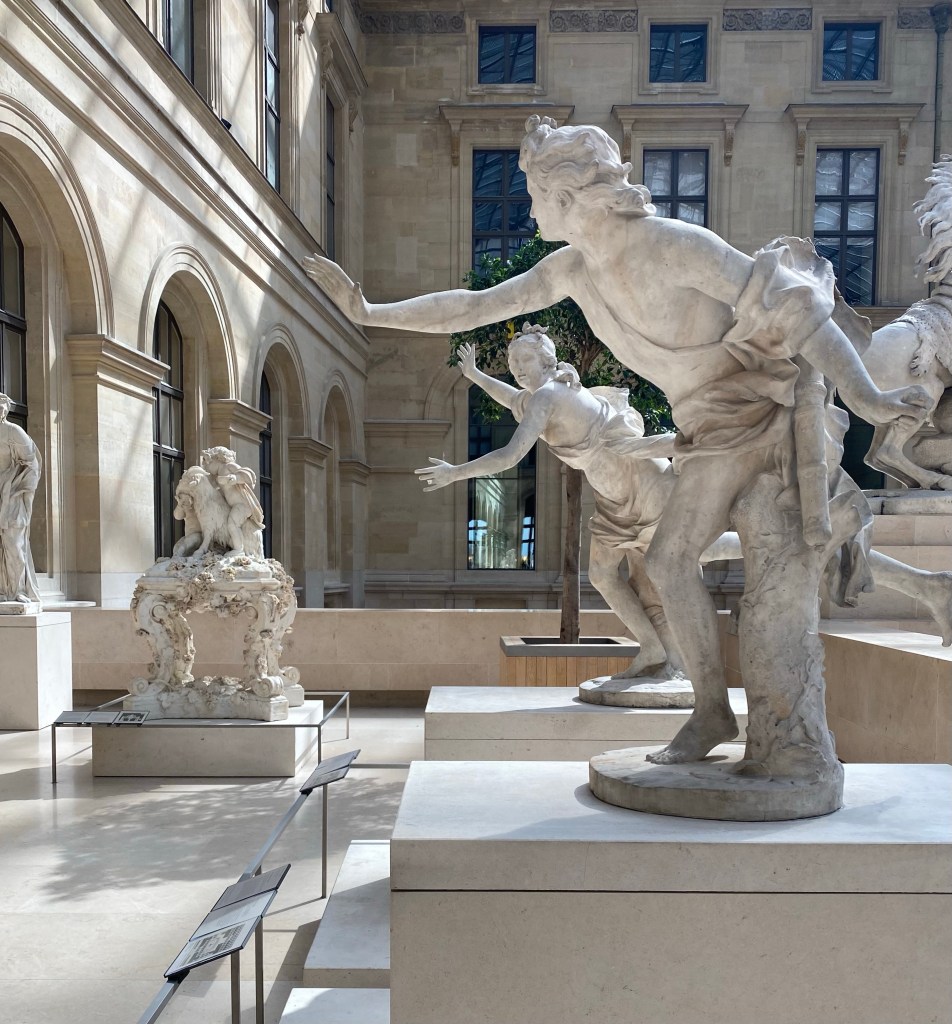
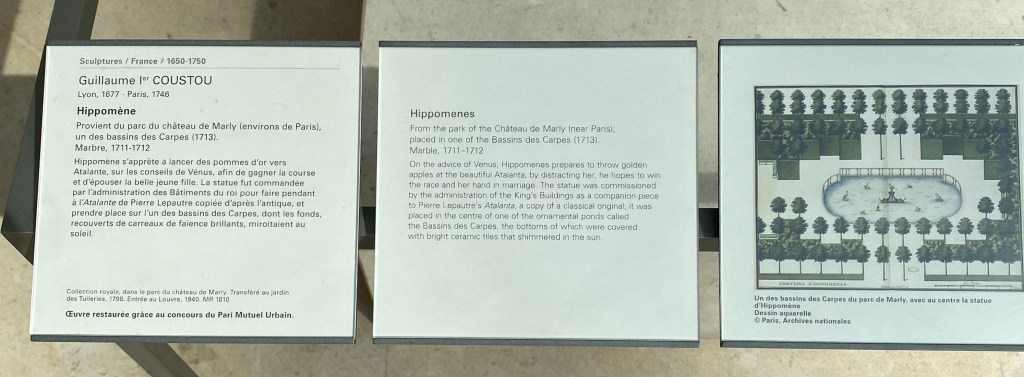
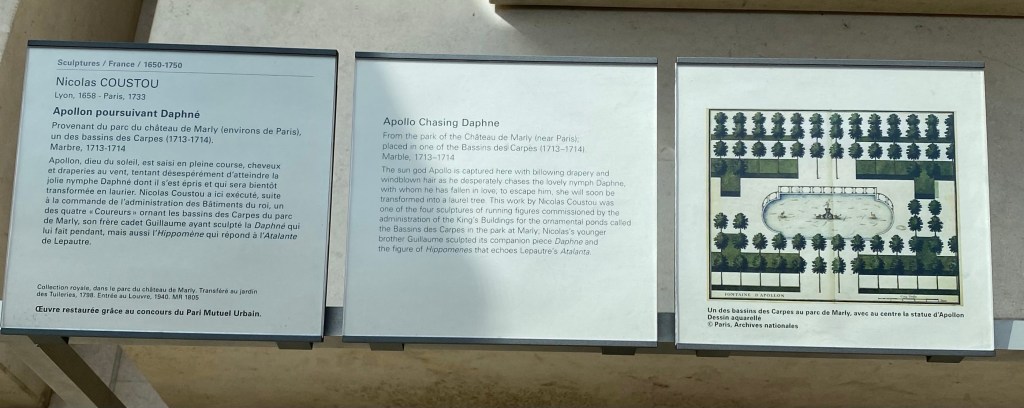
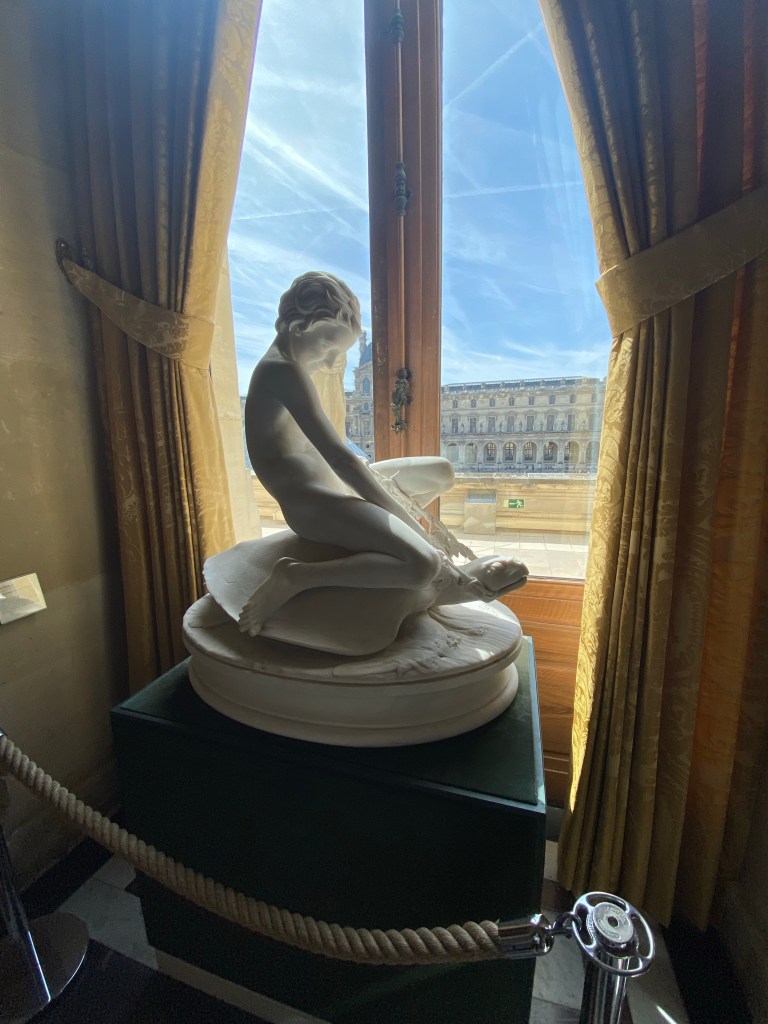
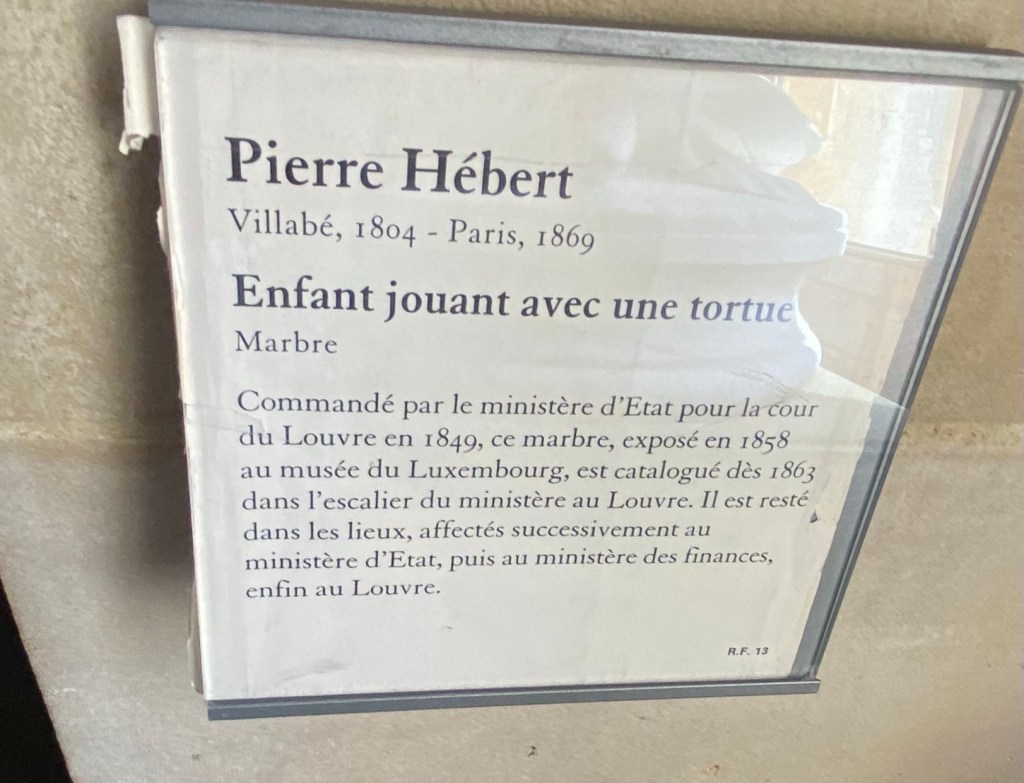
What caught my eye in the abundant statuary today were these marble sculptures depicting movement. I never know from day to day what will attract my attention.

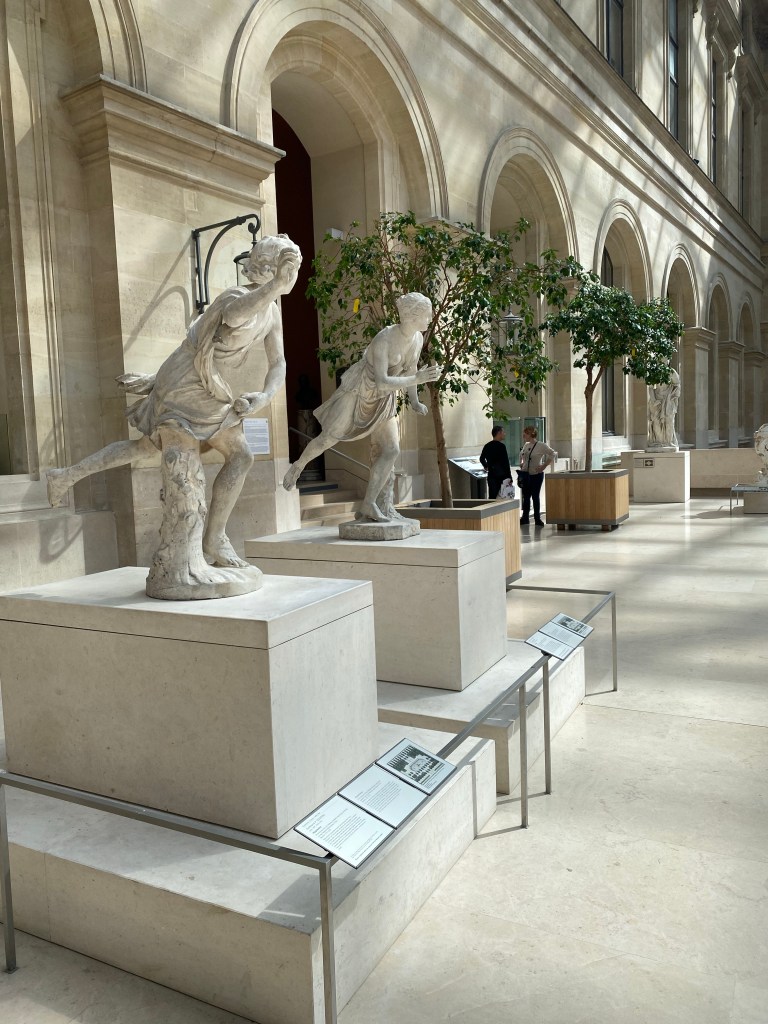
There were another set of running figures nearby. Love these!

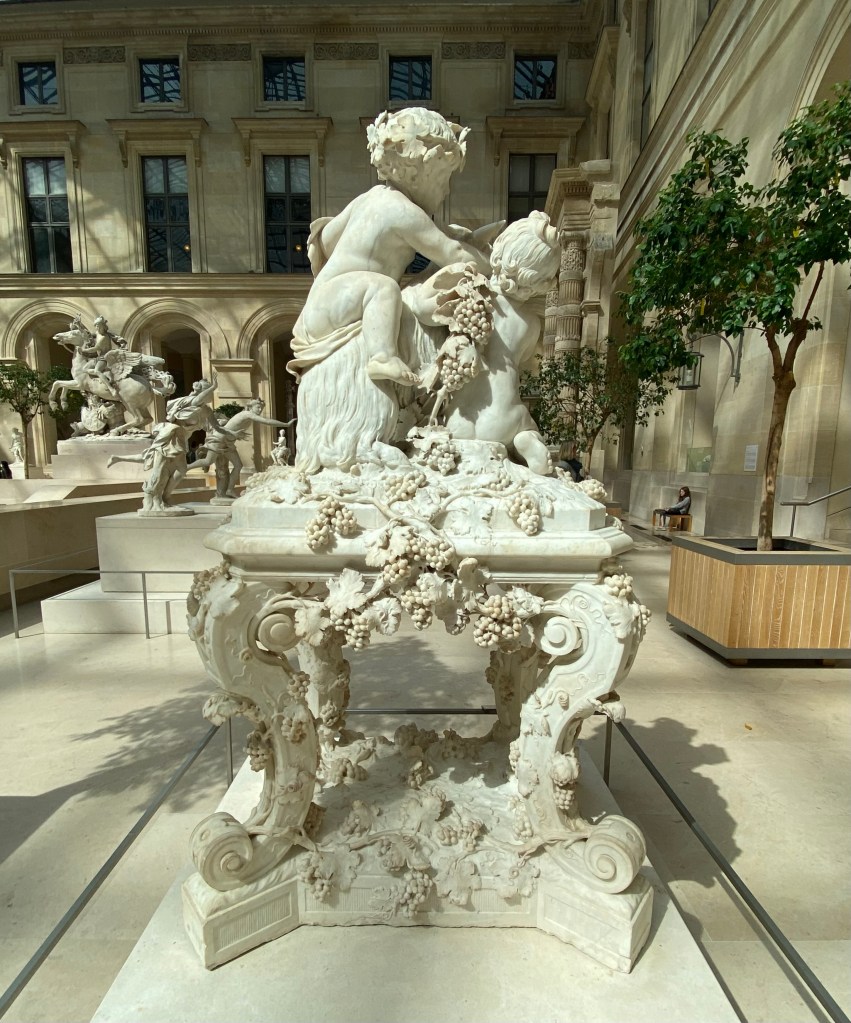
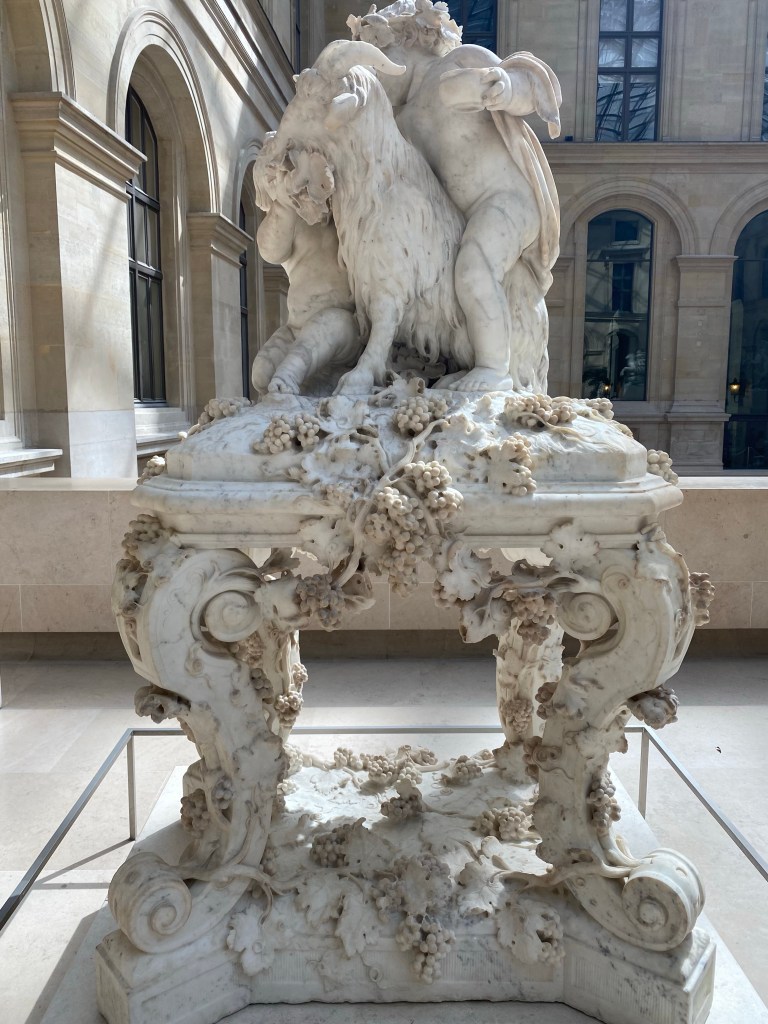
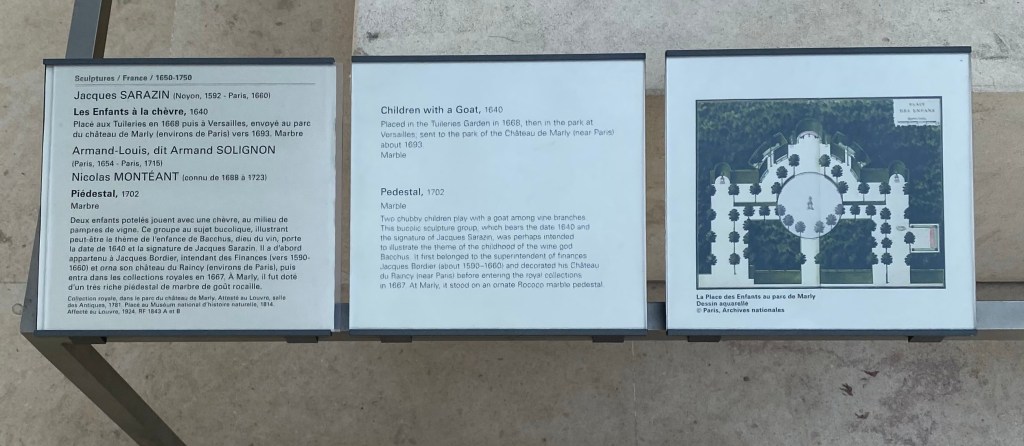
The sculpture below caught my eye because of its overabundance!

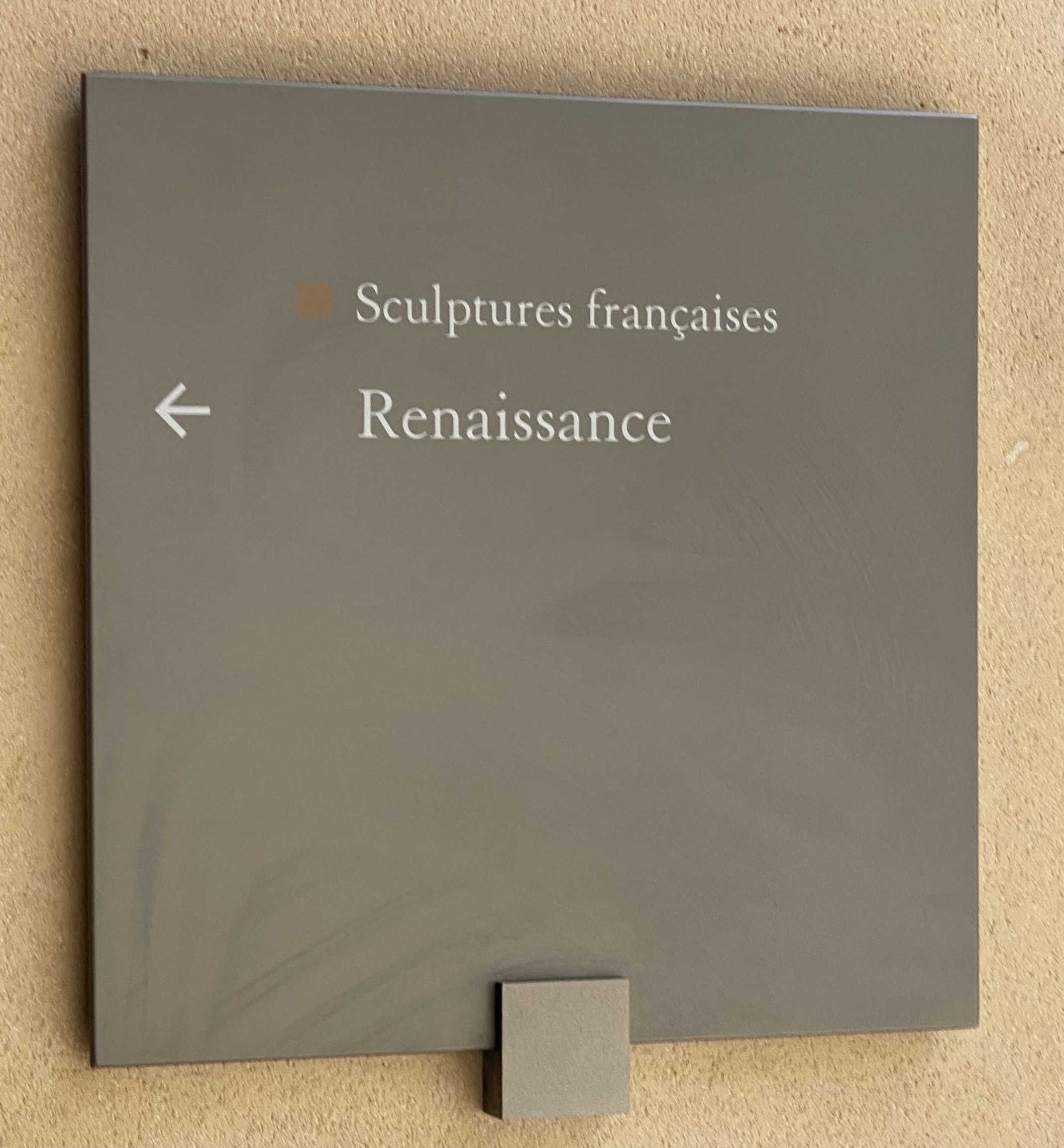
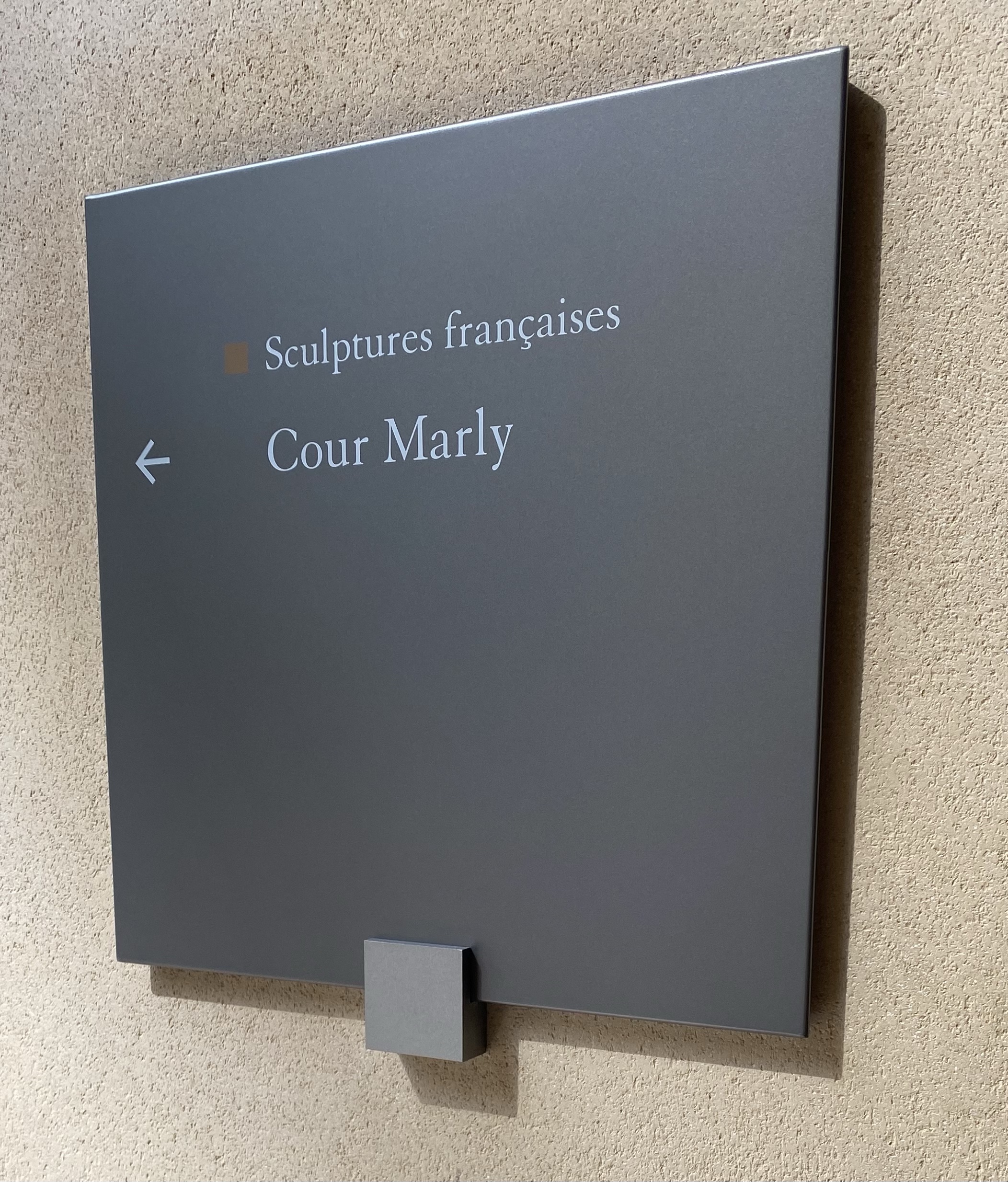
A couple of directional signs that really weren’t very helpful where they were placed. But, they do exisit.

Prepare yourself for time travel, the next image is from a much later period. Welcome to my tour of the Louvre!

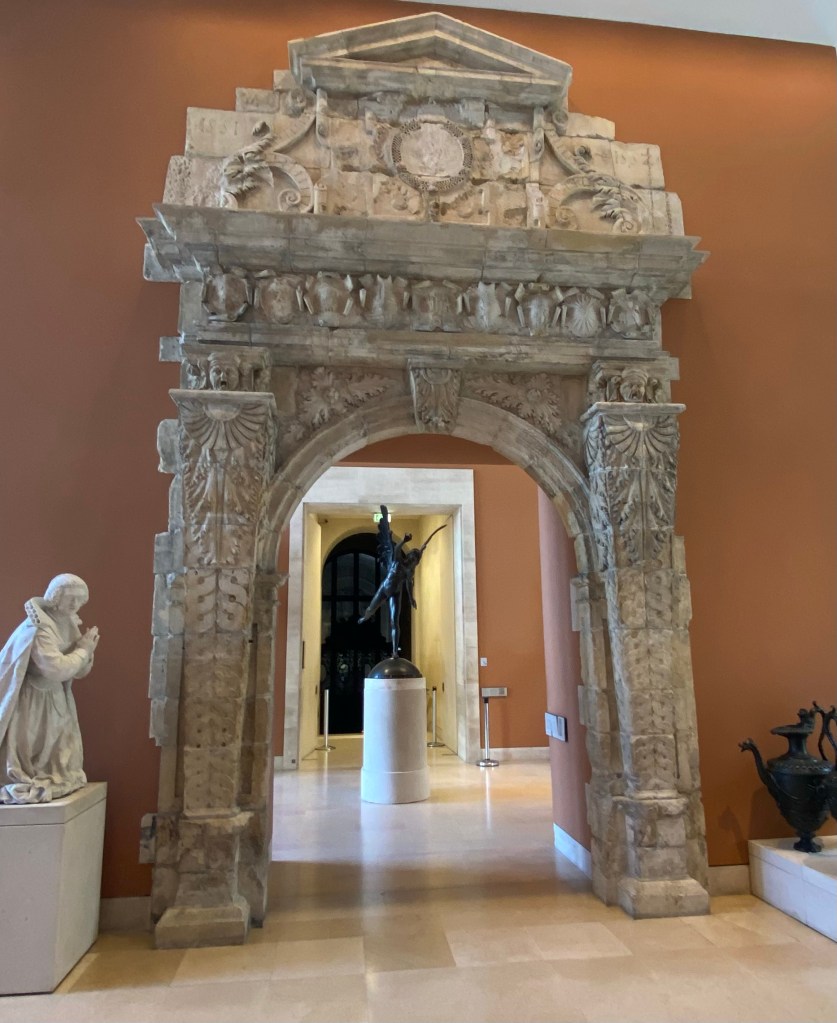
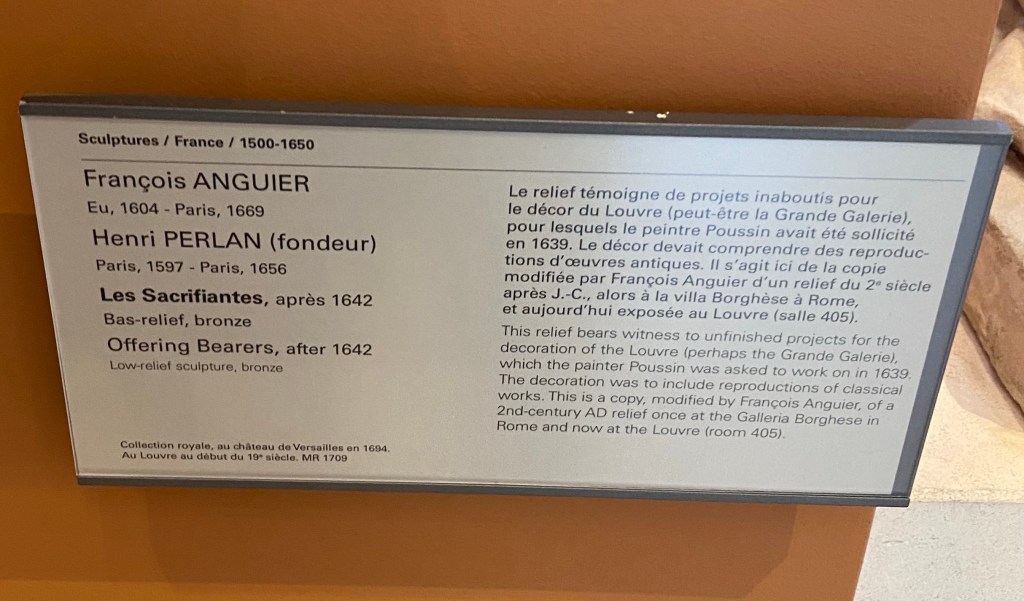
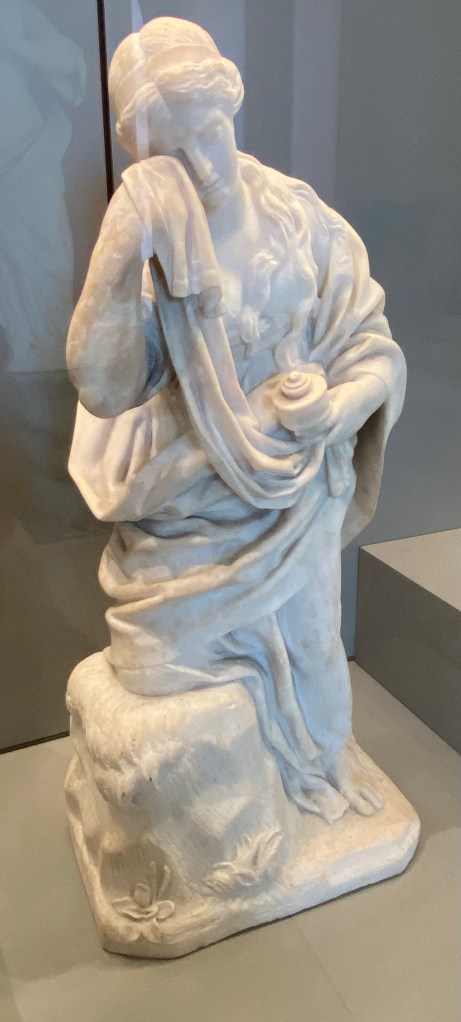
Time travel alert! We are back in the Renaissance French sculpture galleries:

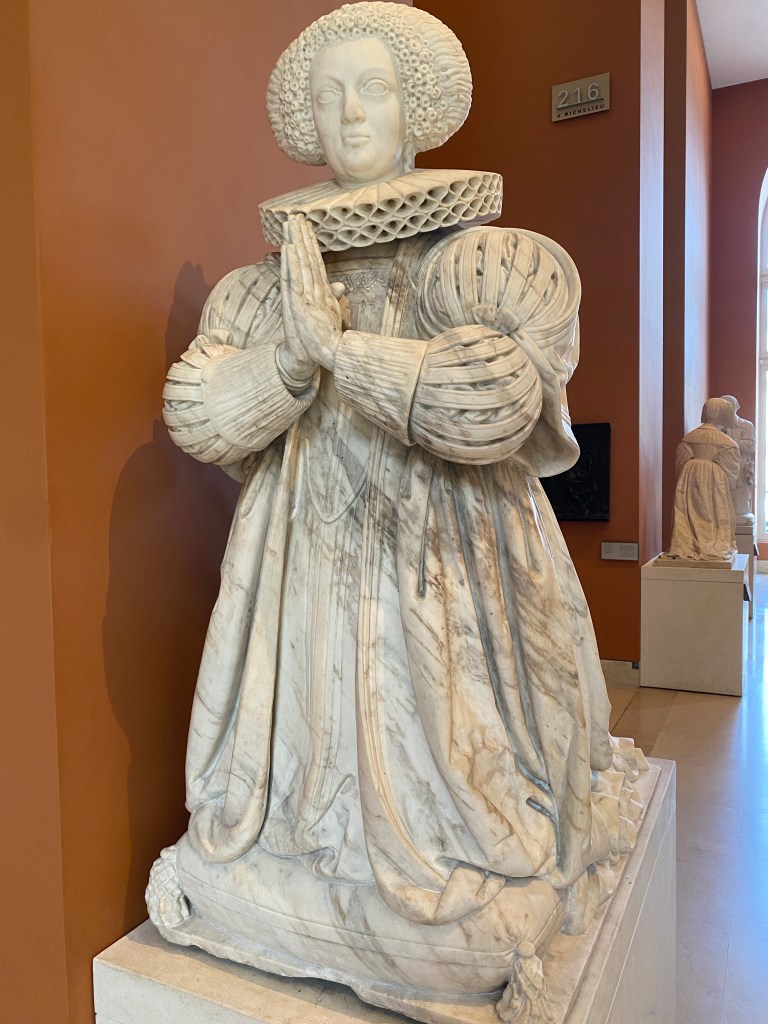
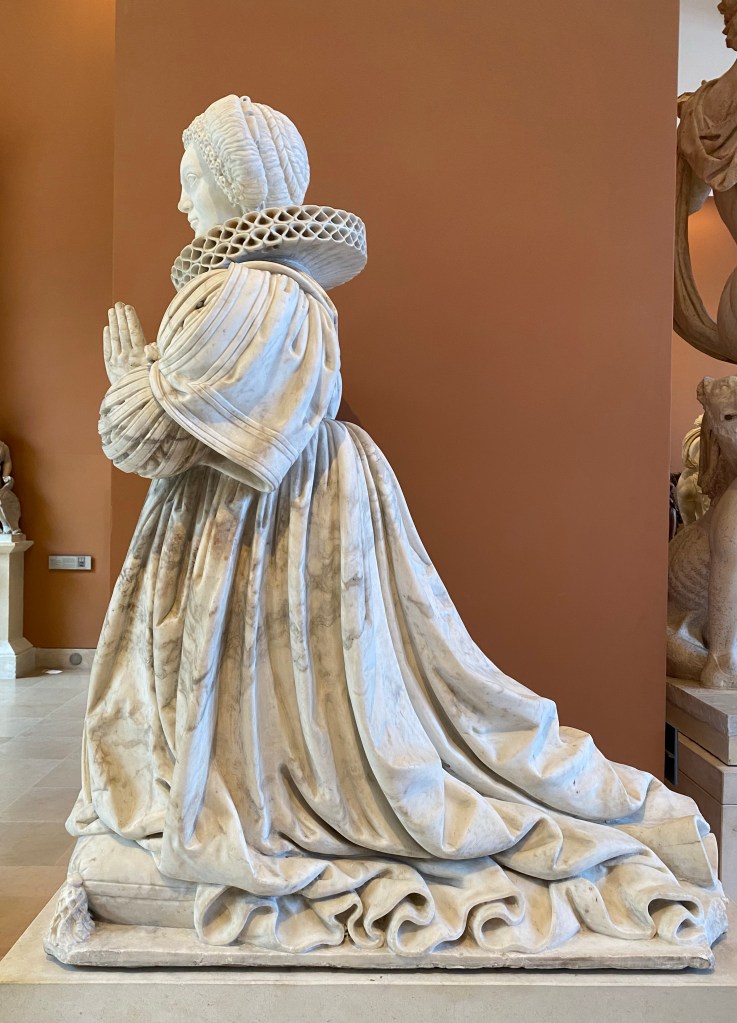
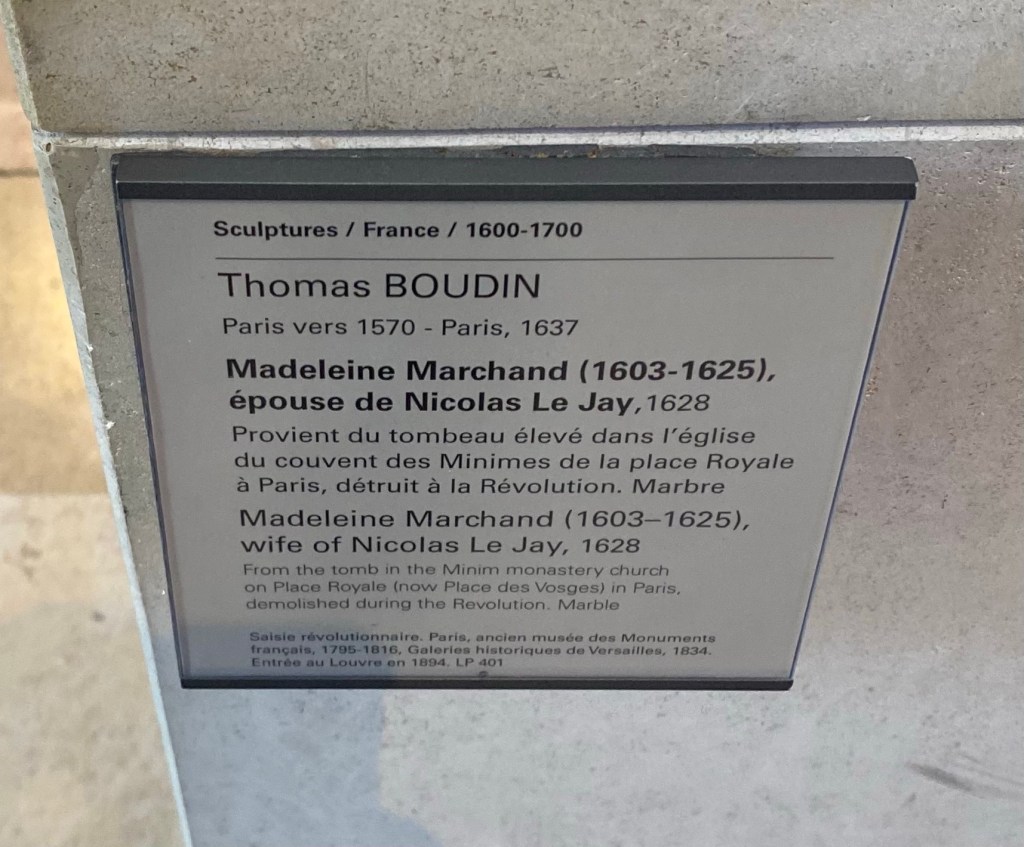
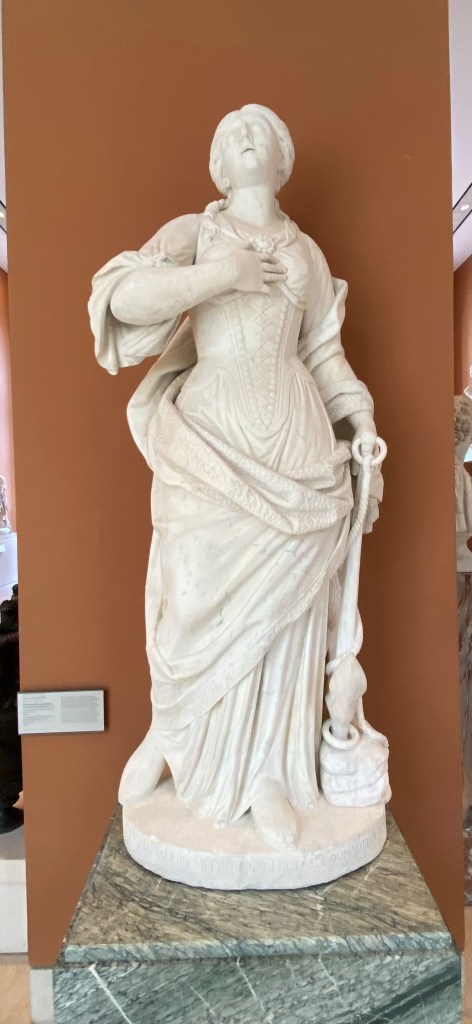
Inside the galleries, I liked this exhuberant kneeling figure with her ruff collar. Can you imagine the time it took to carve just the collar?

I spent just over 2 hours in the Louvre today (that is my limit for art museums), being lost, getting frustrated, fighting crowds and noise and chaos, and trying to commune with art works. It wasn’t easy.

When I arrived at the Louvre today I looked like this.

After getting through the coat check and fighting the din and crowds of the central reception area, I was beginning to feel like the picture below, but I was still game.

After 2 hours in the galleries, I felt like the picture below. I was cranky, tired and needed a nap.

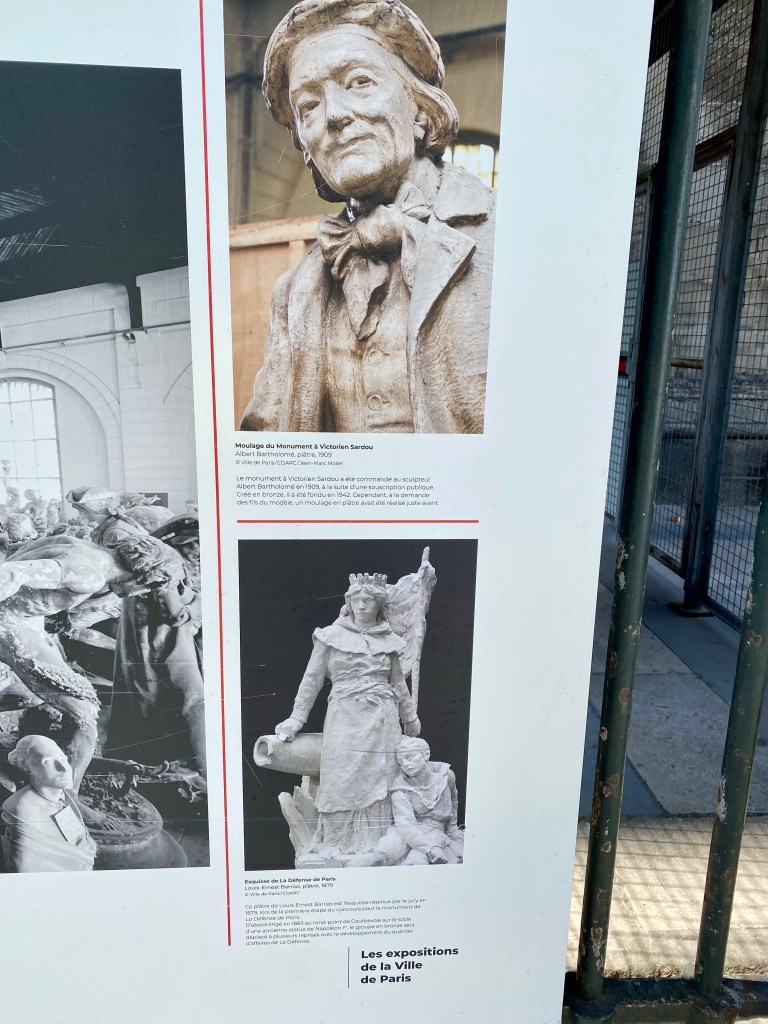
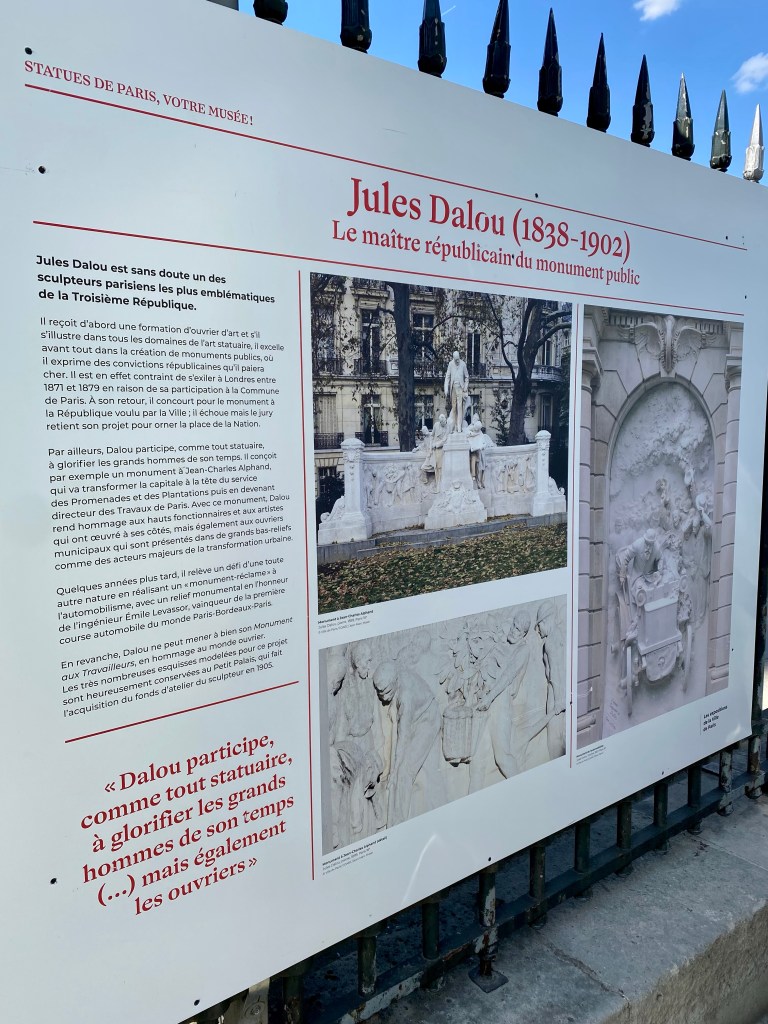
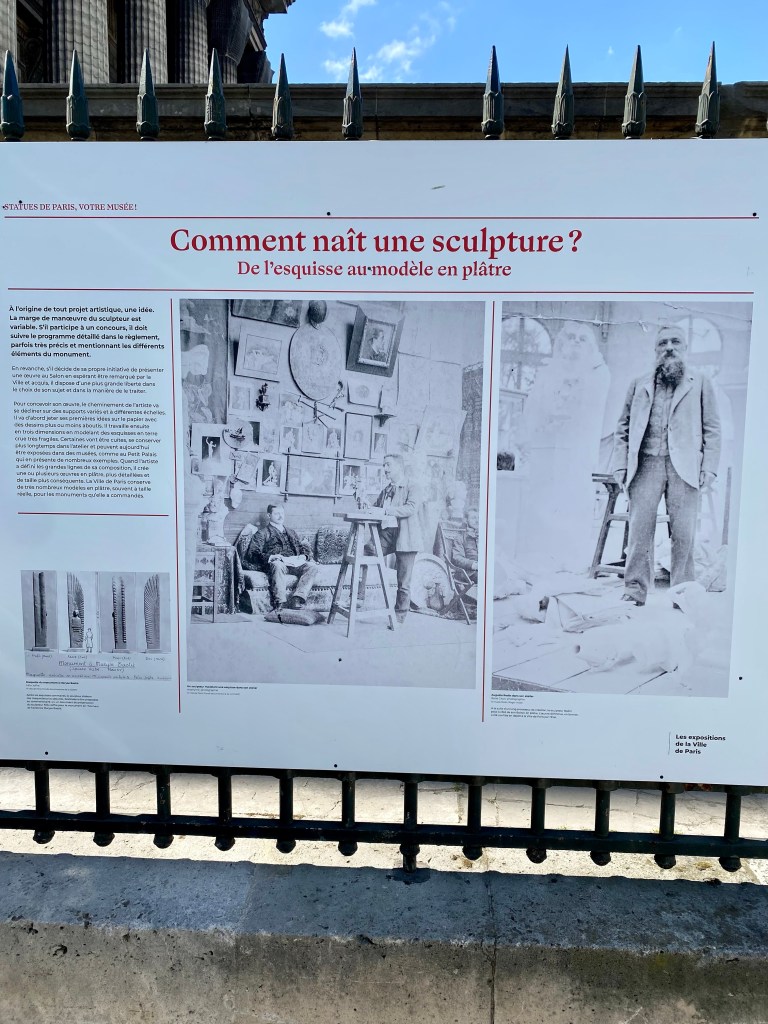
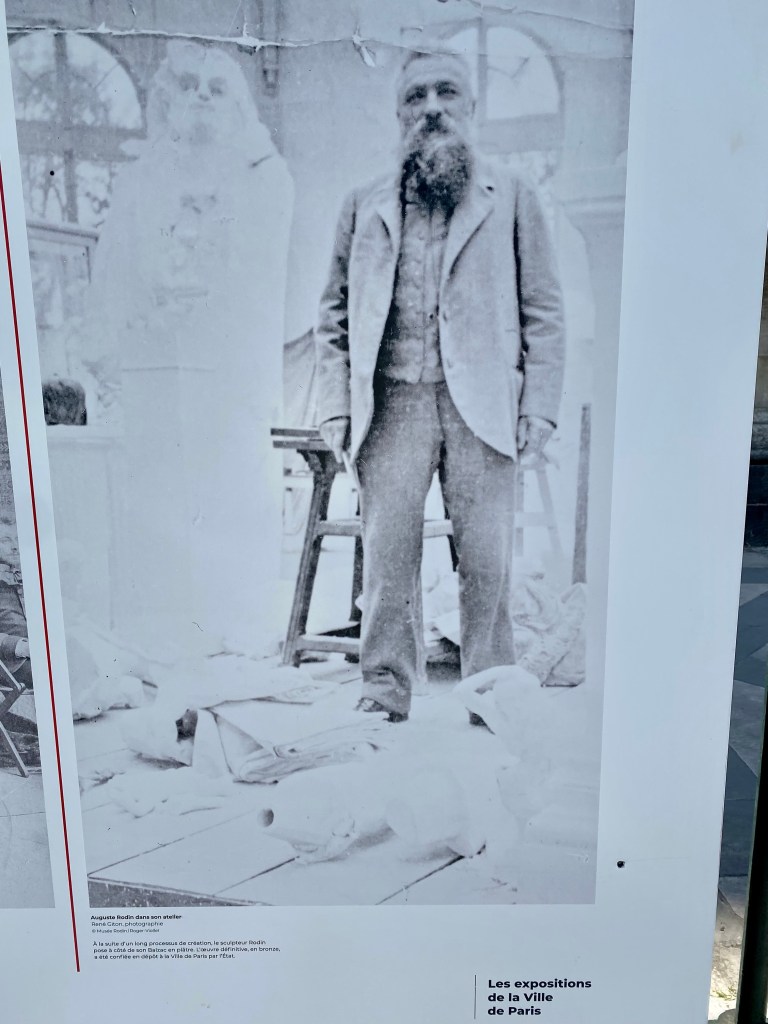
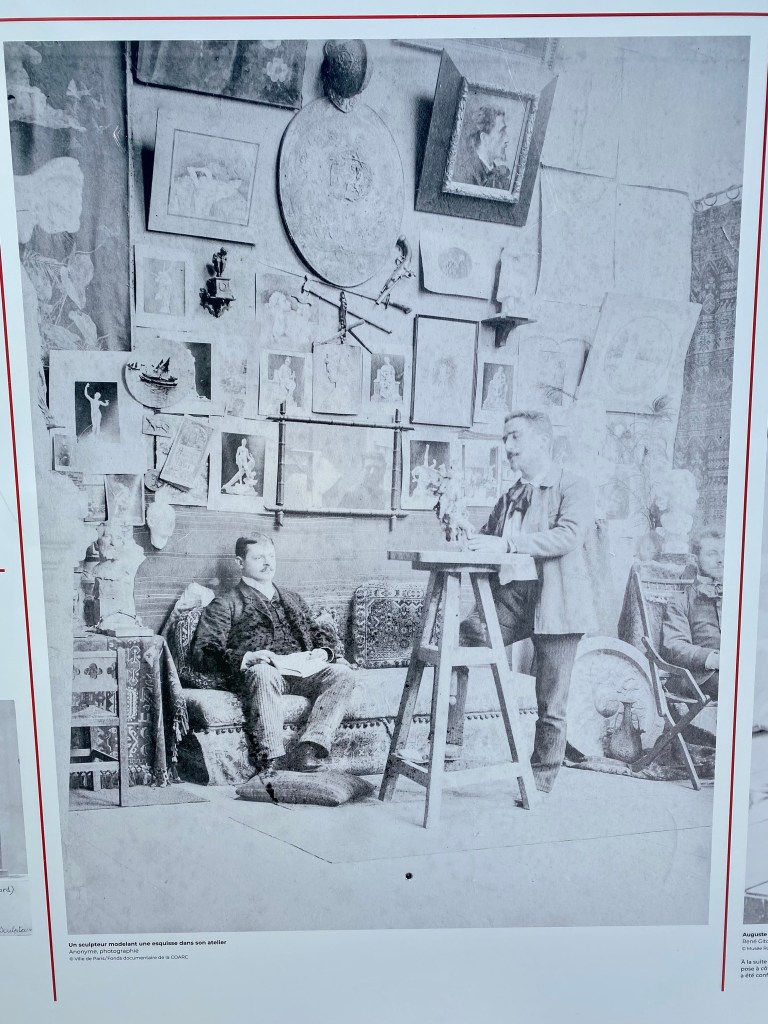
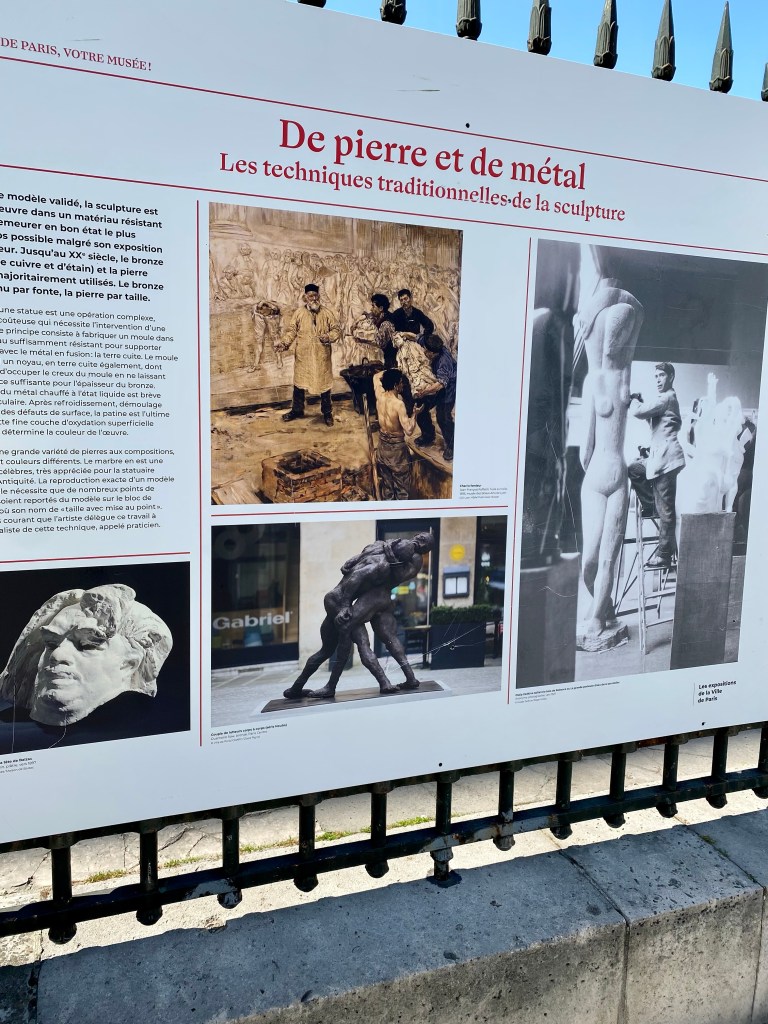
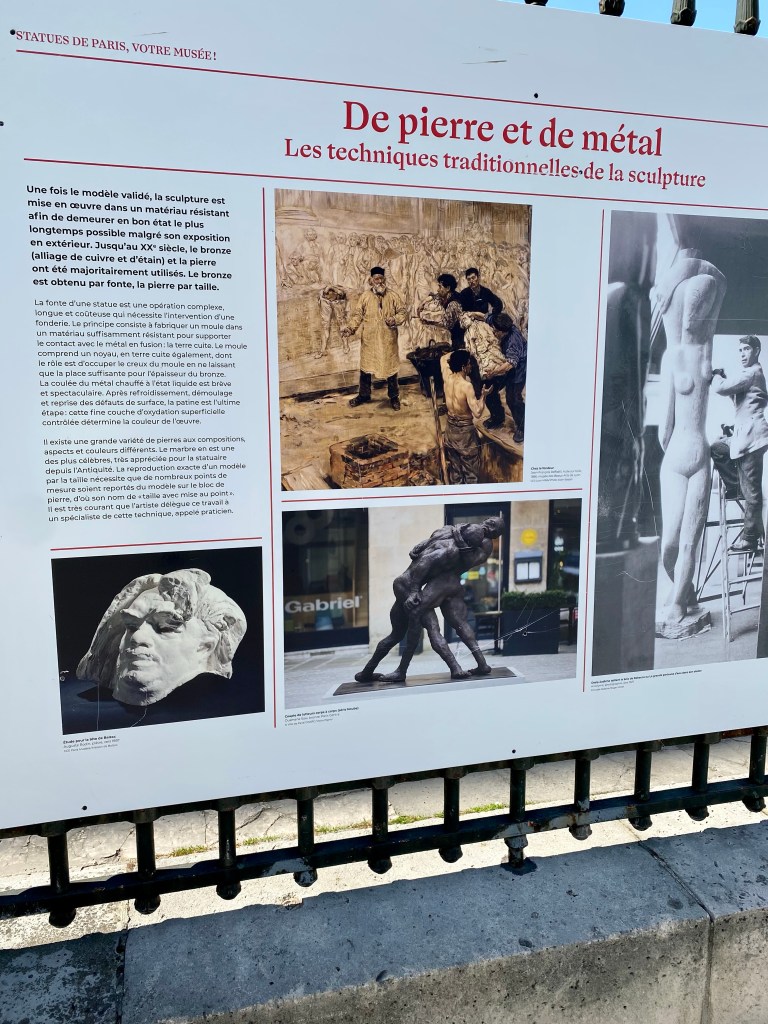
Educating Paris: how to make a statue and the great master, Rodin

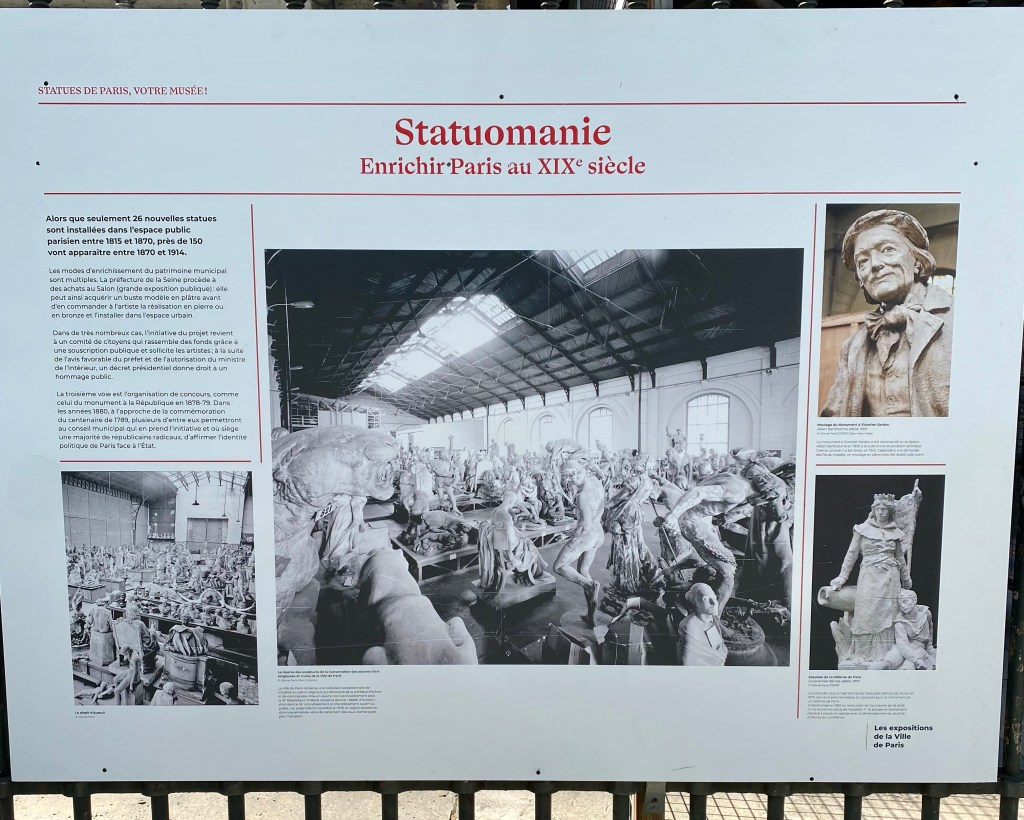
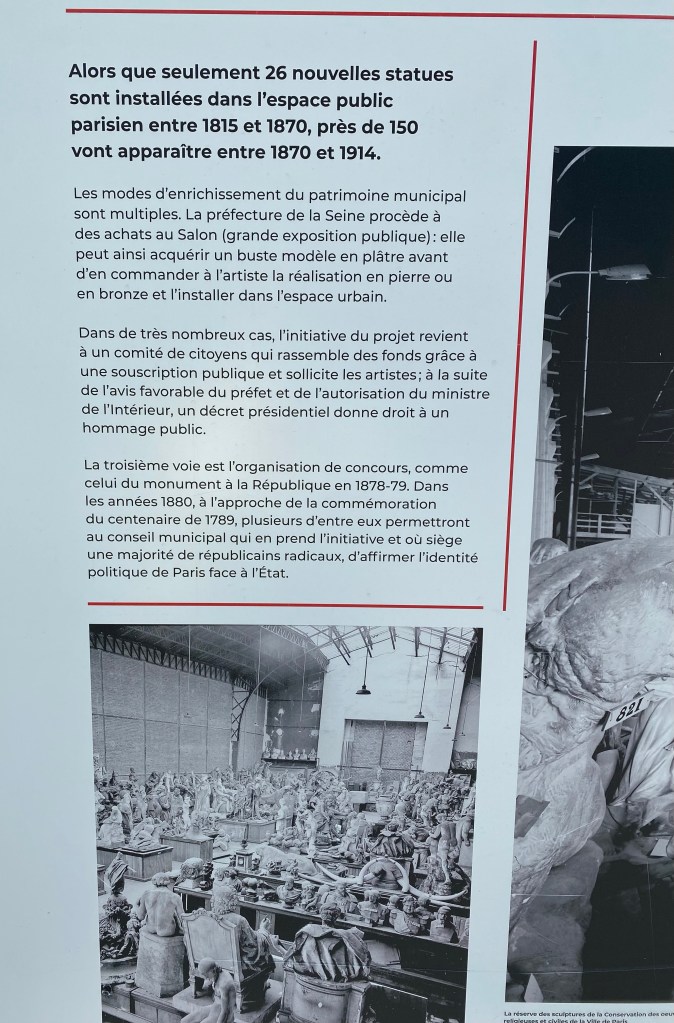
Having been an expert on 19th century American sculpture in an earlier part of my life, my reflexes make me photograph any didactic material found in such capitals of art as Paris.

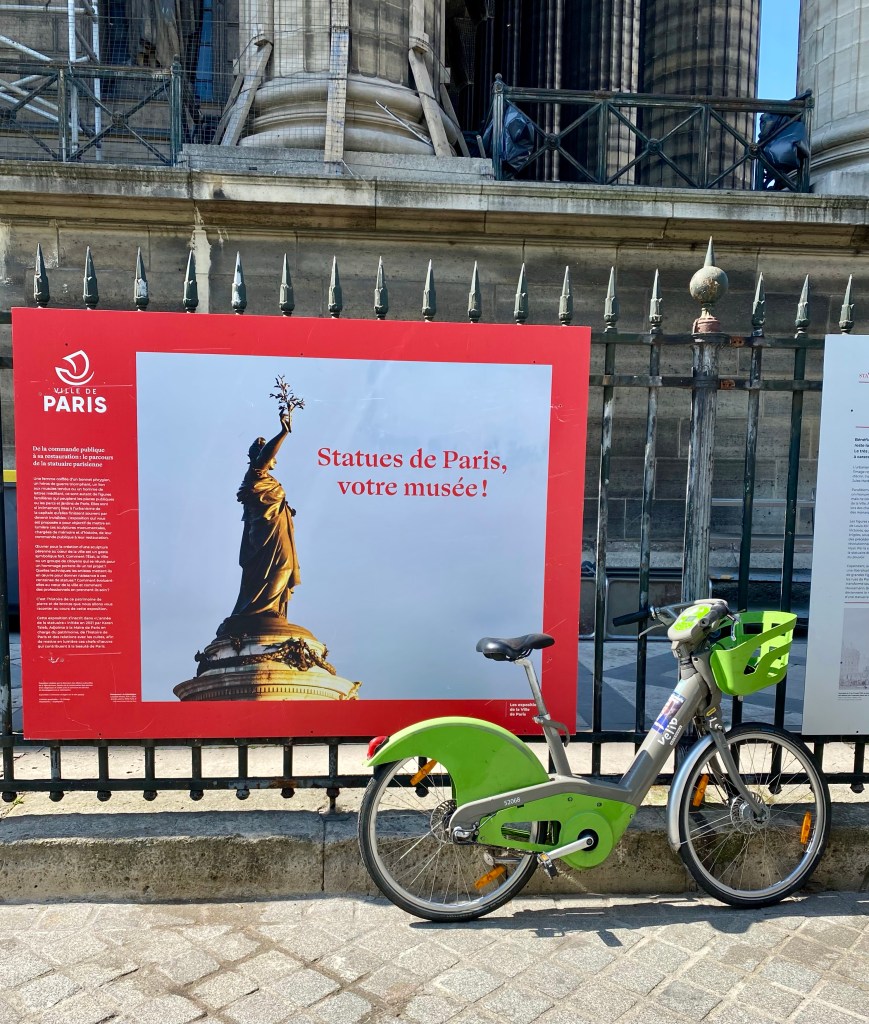
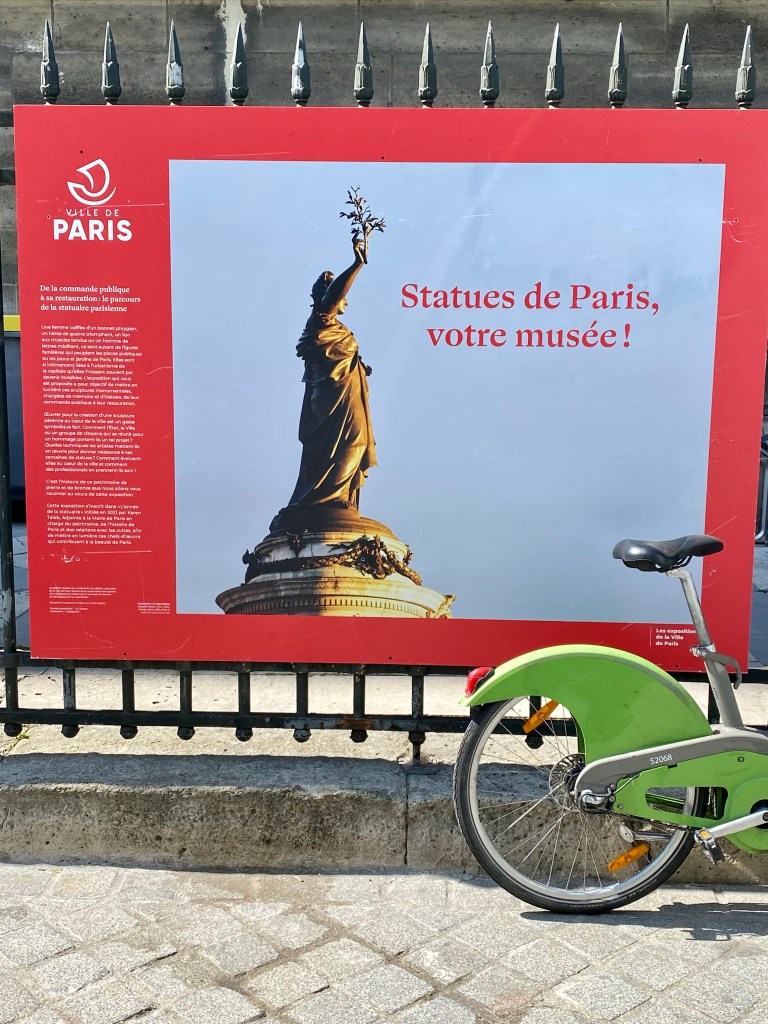
I was recently walking around the church of La Madeleine in Paris, and hanging on the metal fence around the church was this excellent lesson about “statue-mania.” I loved the title and the idea of this material, so I took a few shots.

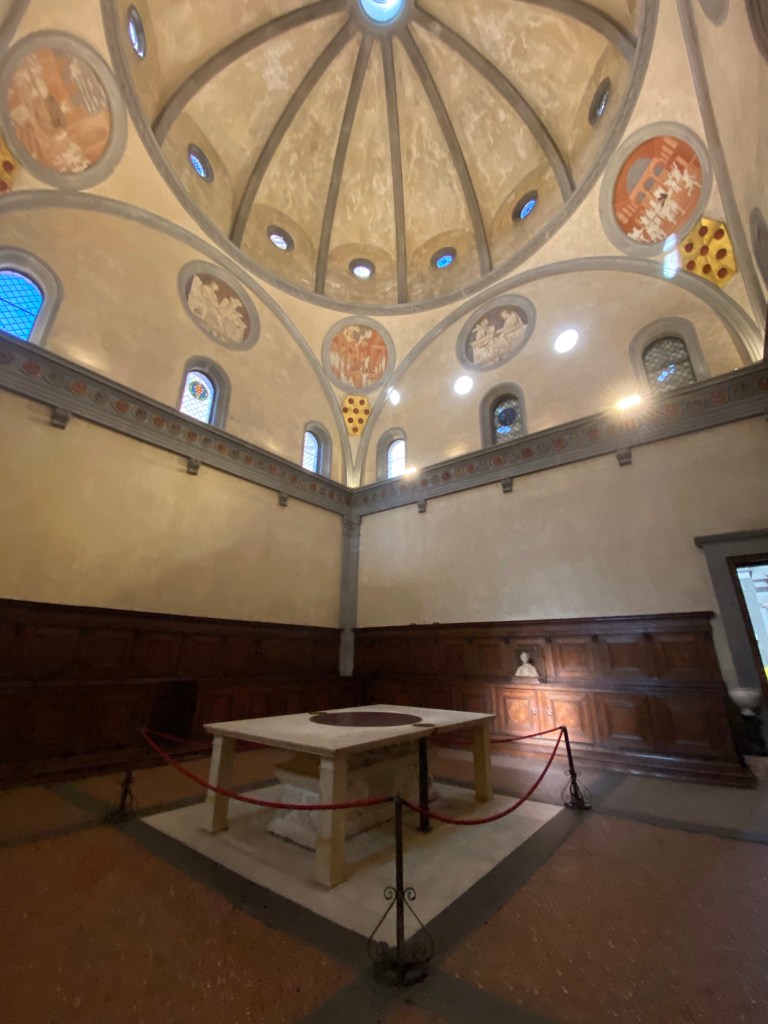
The Old Sacristy at San Lorenzo, Florence

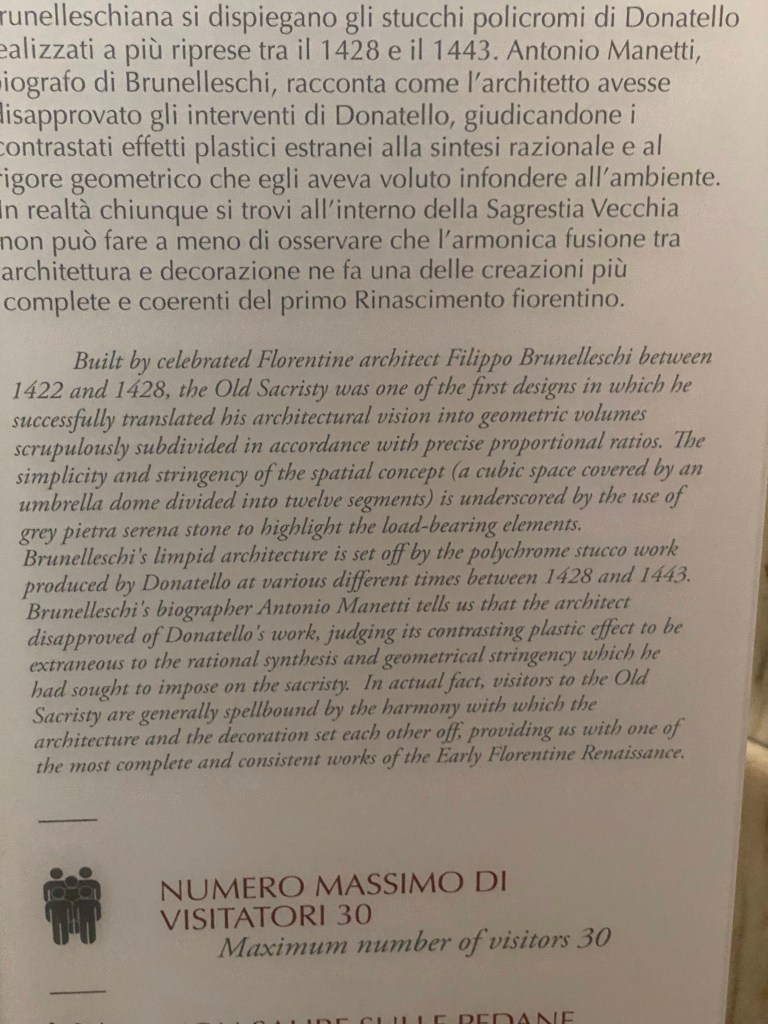
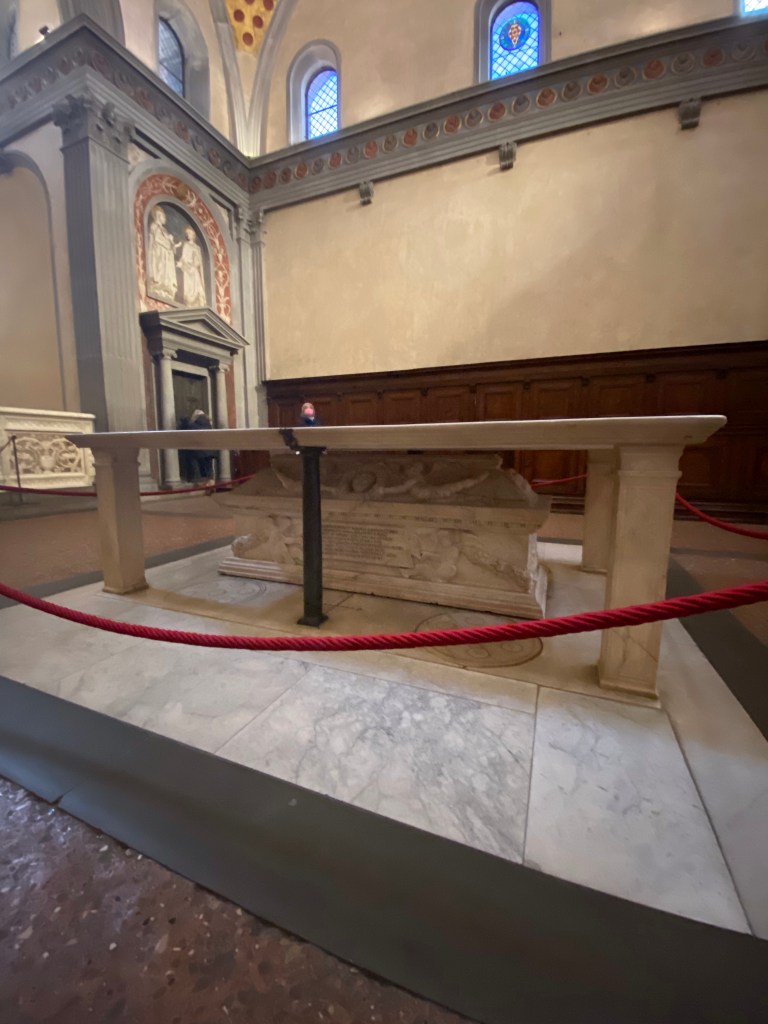
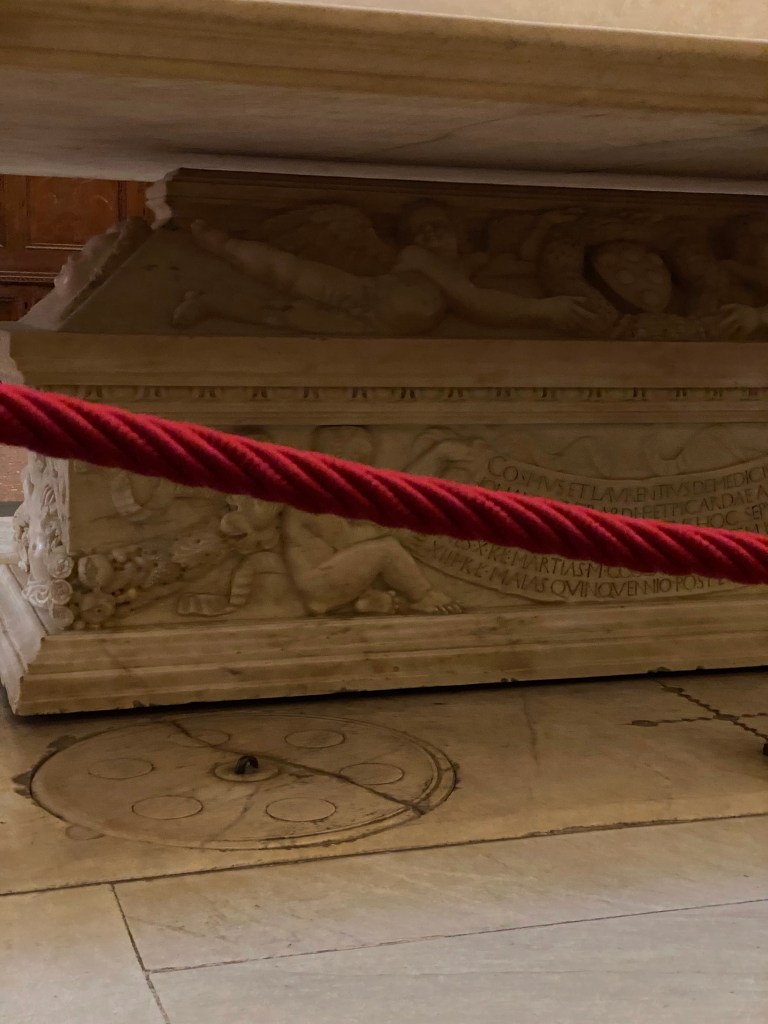
The Basilica of San Lorenzo is considered a milestone in the development of Renaissance architecture. The basilica has a complicated building history. The project was begun around 1419, under the direction of Filippo Brunelleschi. Lack of funds slowed the construction and forced changes to the original design. By the early 1440s, only the sacristy (now called the Old Sacristy) had been worked on, as it was being paid for by the Medici.

In 1442, the Medici stepped in to take over financial responsibility of the church as well. After Brunelleschi’s death in 1446, the job was handed either to Antonio Manetti or Michelozzo; scholars are uncertain. Though the building was largely completed by 1459 in time for a visit to Florence by Pius II, the chapels along the right-hand aisles were still being built in the 1480s and 1490s.

Old Sacristy
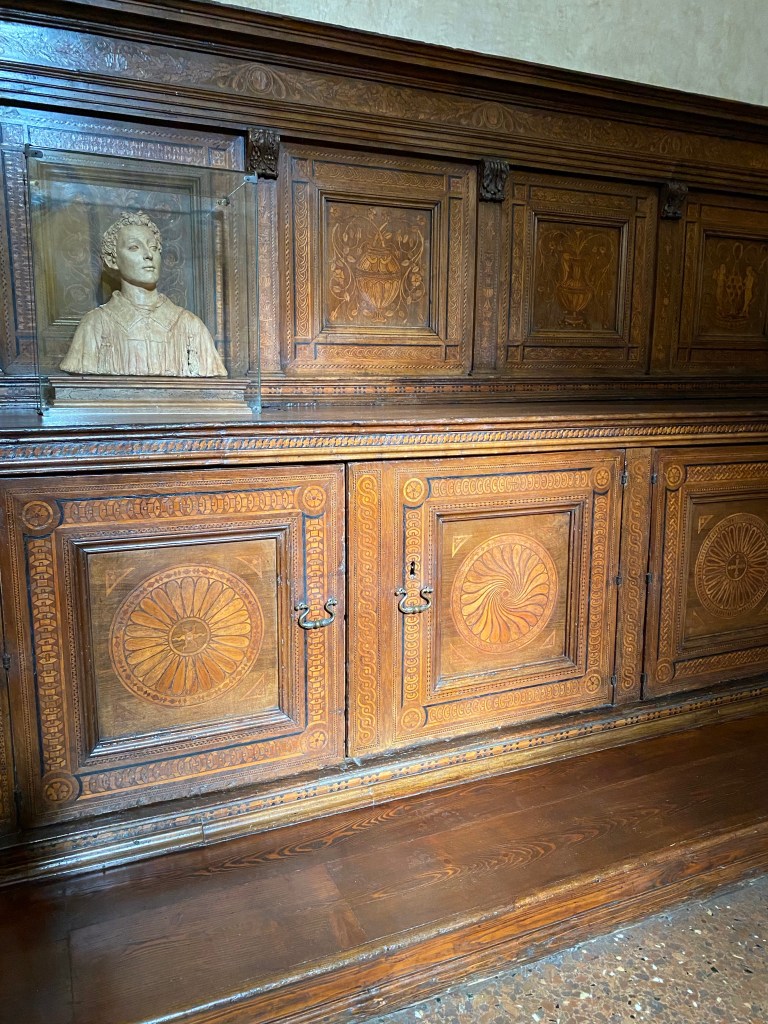
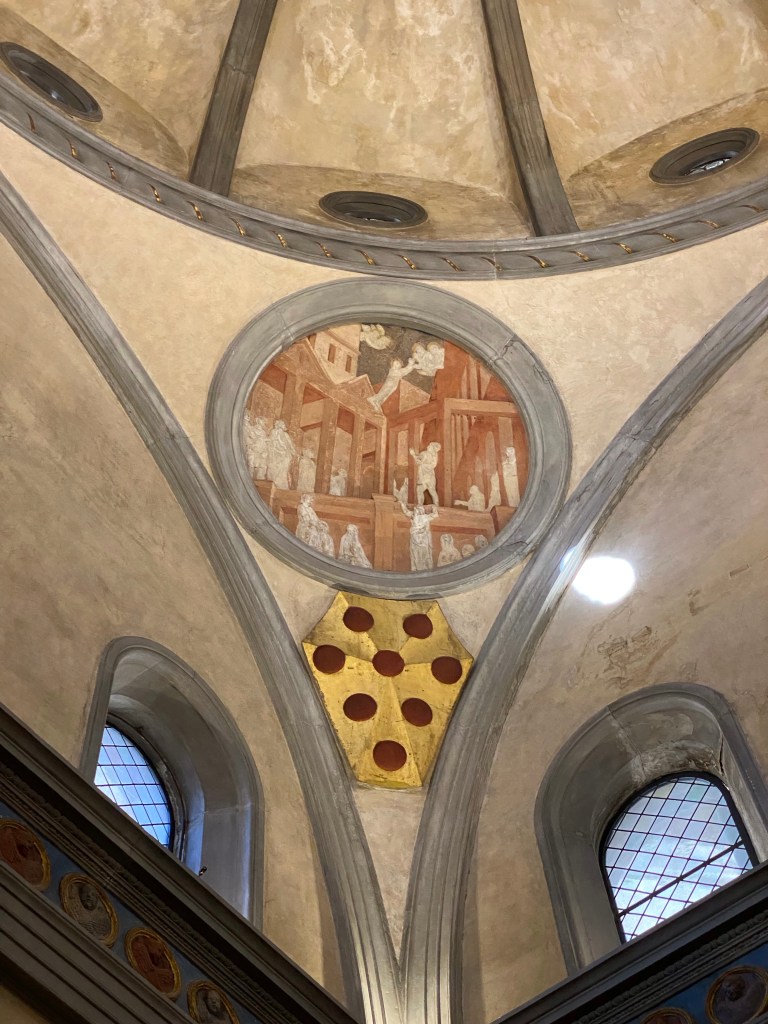
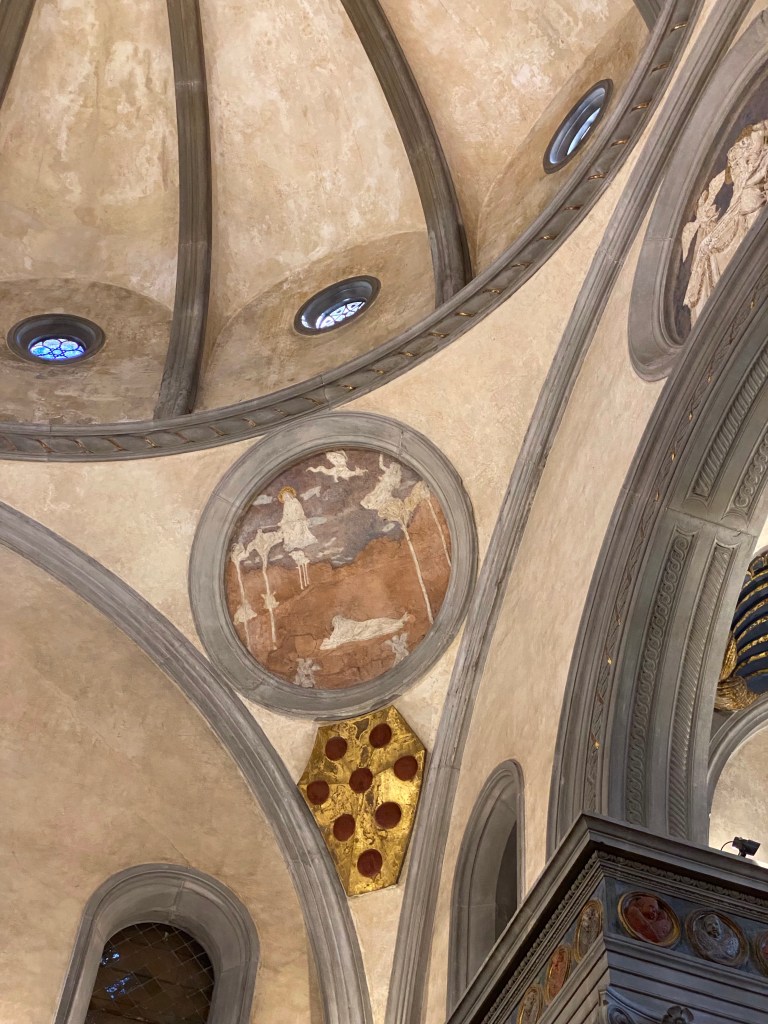
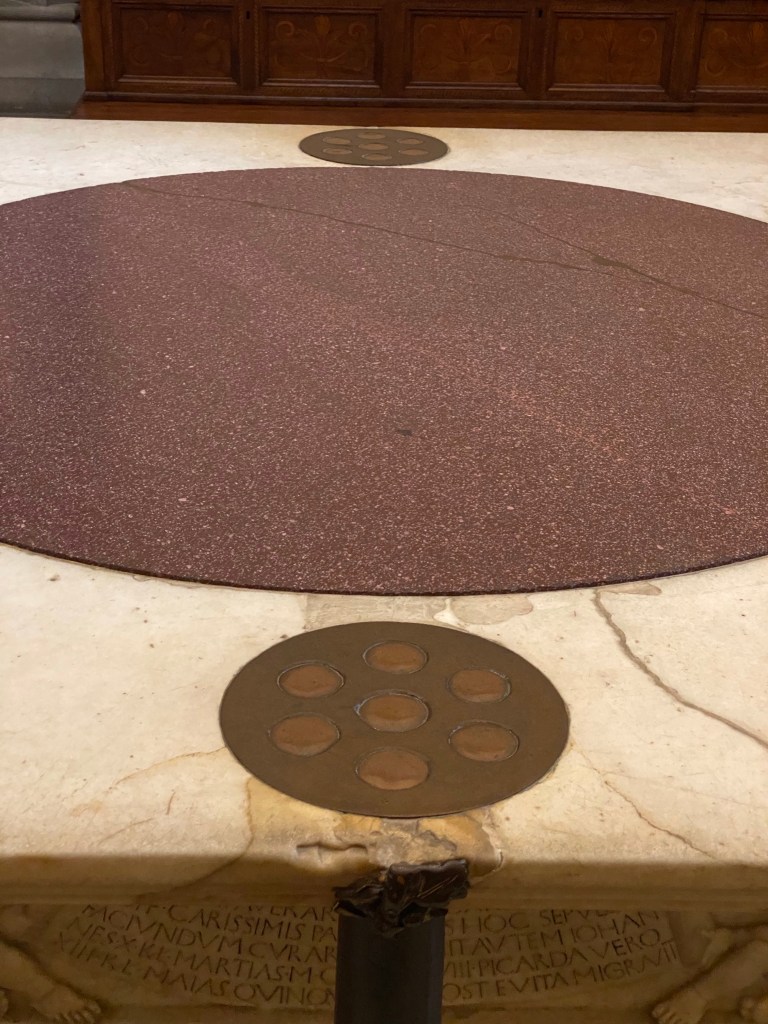
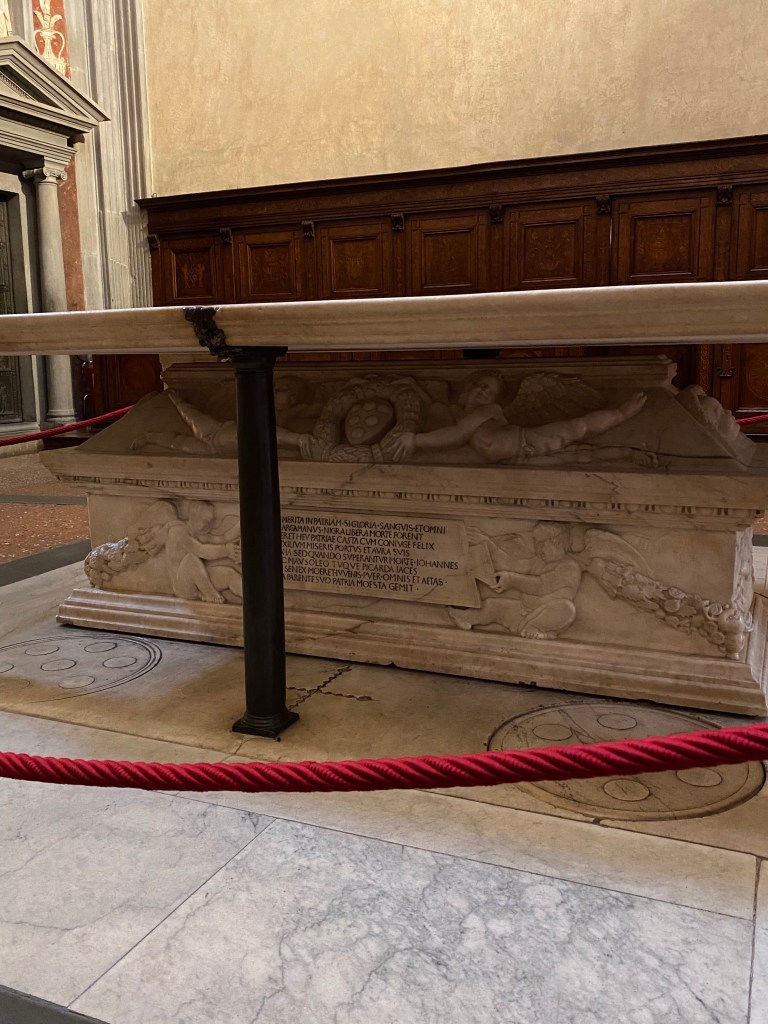
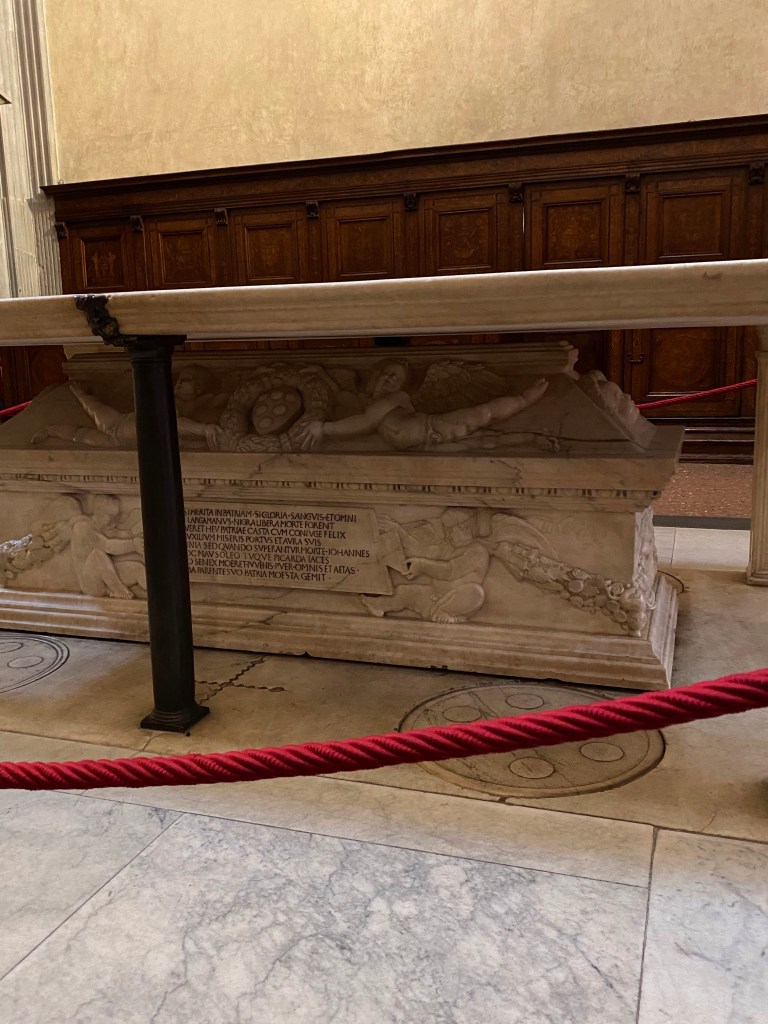
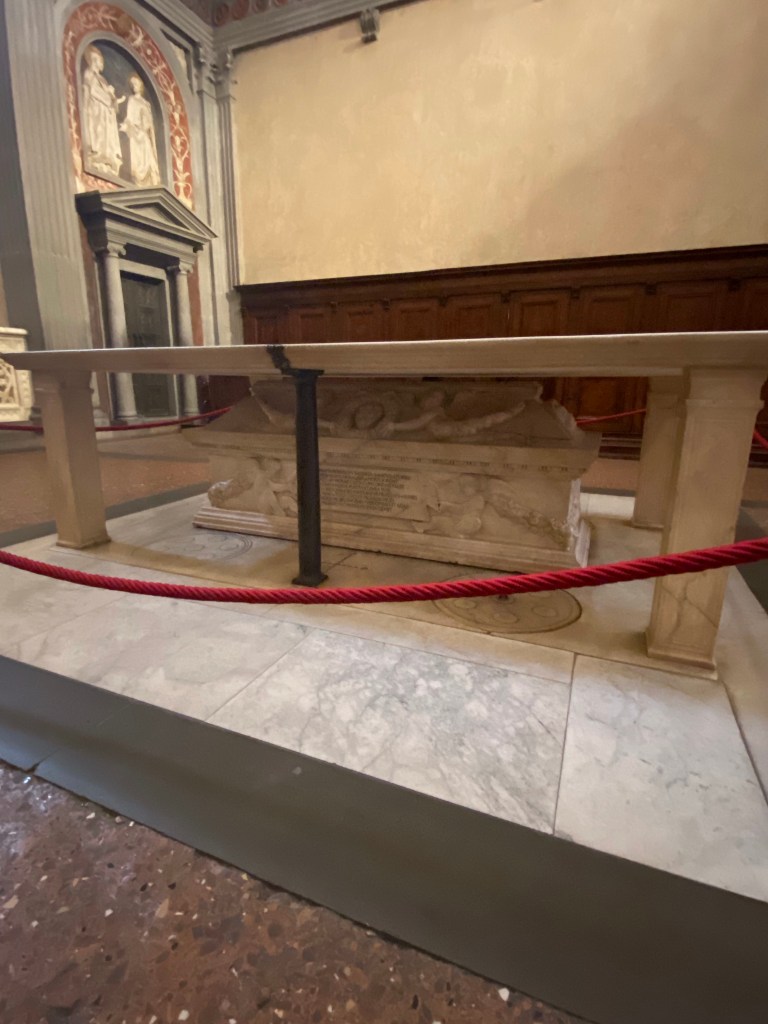
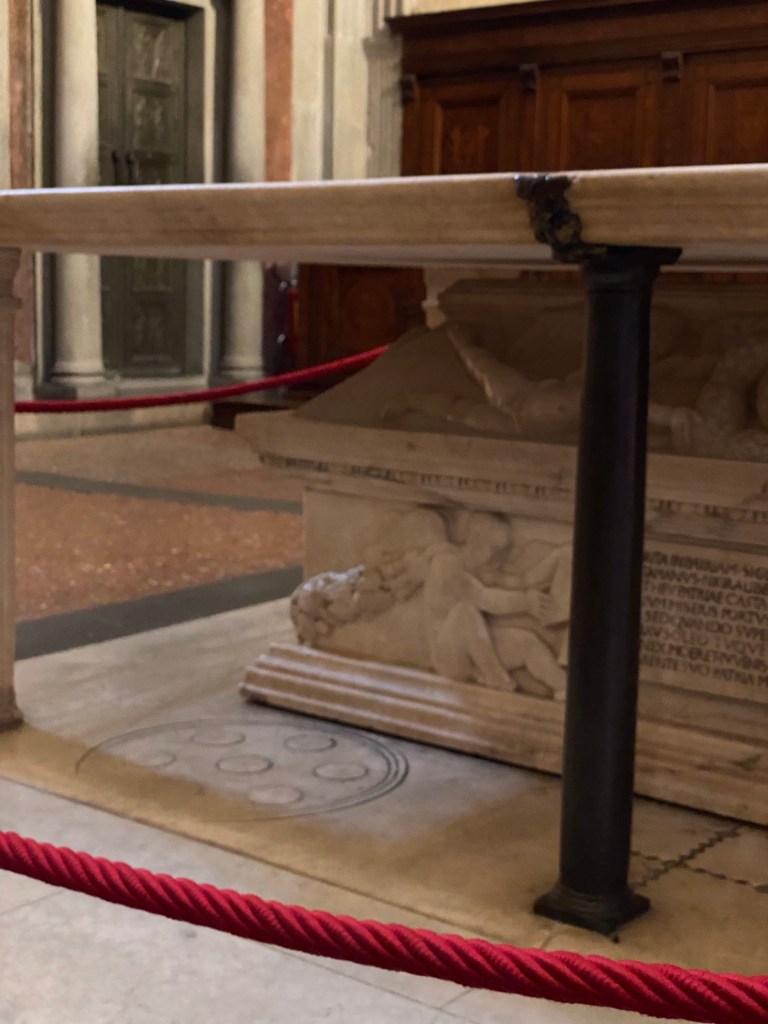
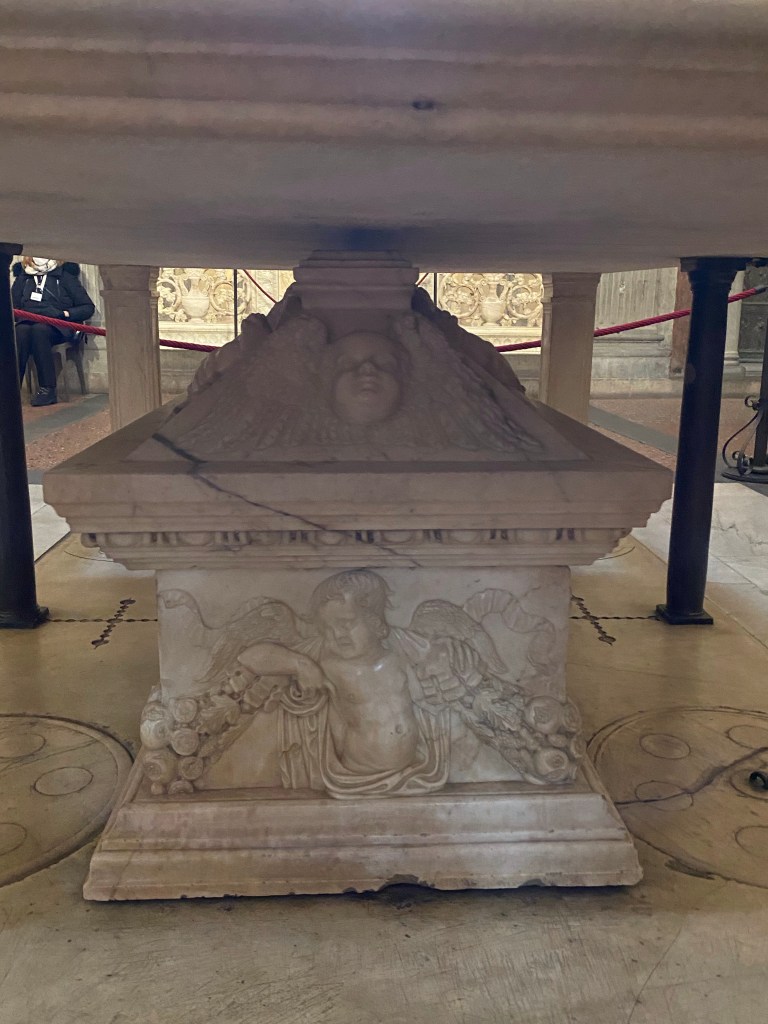
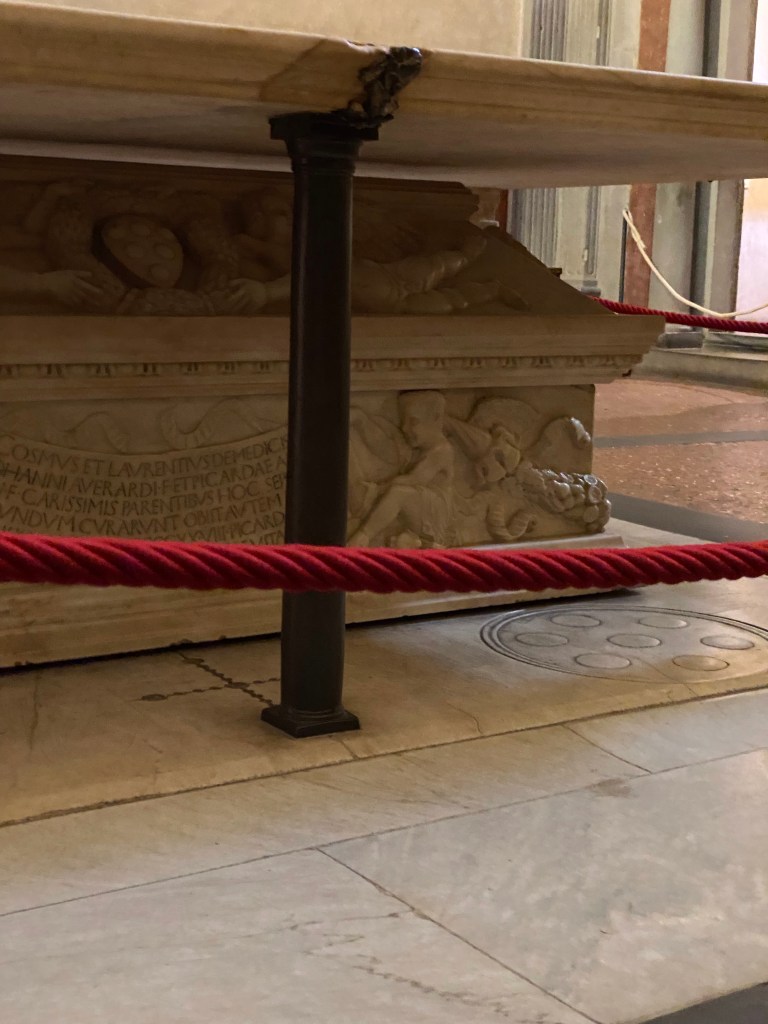
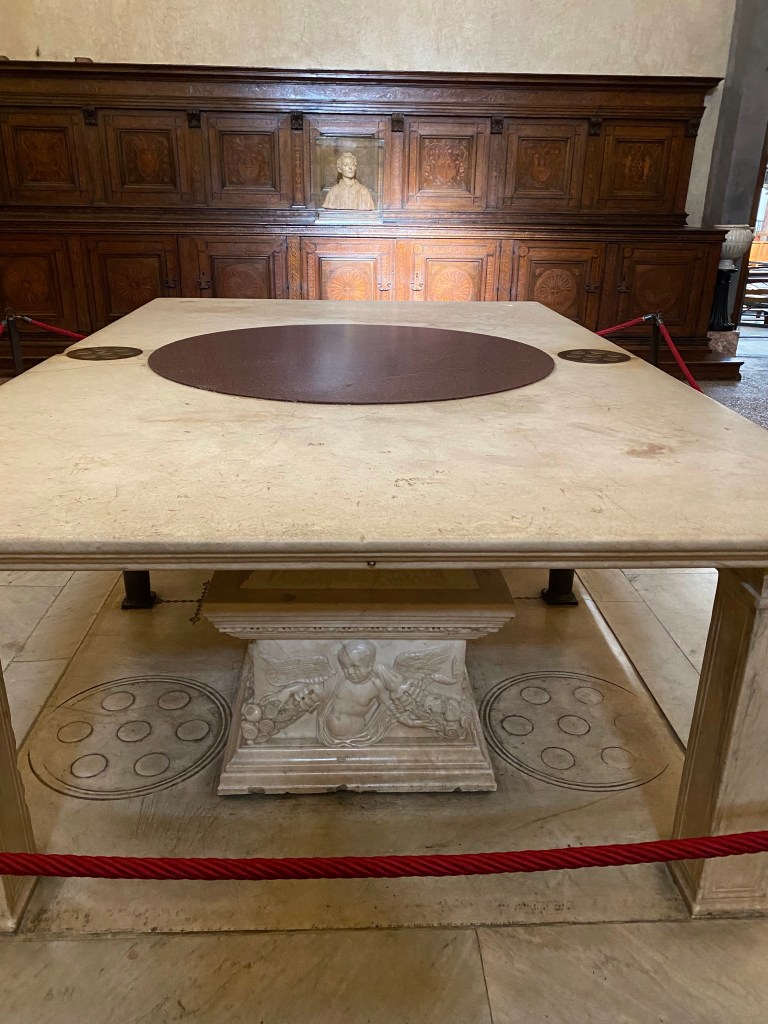
Opening off the south transept is the square, domed space, the Sagrestia Vecchia, or Old Sacristy, that was designed by Brunelleschi and that is the oldest part of the present church and the only part completed in Brunelleschi’s lifetime; it contains the tombs of several members of the Medici family.

Sagrestia Vecchia
Opening off the south transept is the square, domed space, the Sagrestia Vecchia, or Old Sacristy, that was designed by Brunelleschi and that is the oldest part of the present church and the only part completed in Brunelleschi’s lifetime; it contains the tombs of several members of the Medici family. It was composed of a sphere on top of a cube; the cube acting as the human world and the sphere the heavens.

A detail from the Place de la Concorde, Paris

Paris is a vast city and it takes a lot of energy to walk across it! The same could be said for just one section, say, for example, the Place de la Concorde.
Dodging traffic, mopeds, scooters and pedestrians, you need to be on your toes at all times.
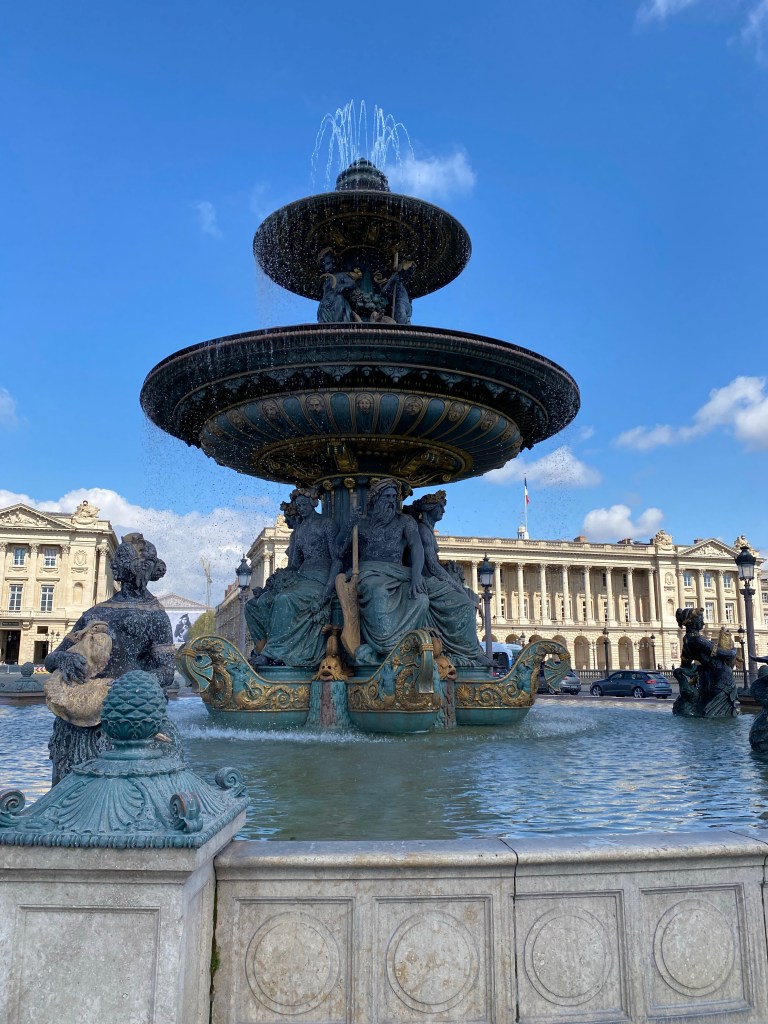
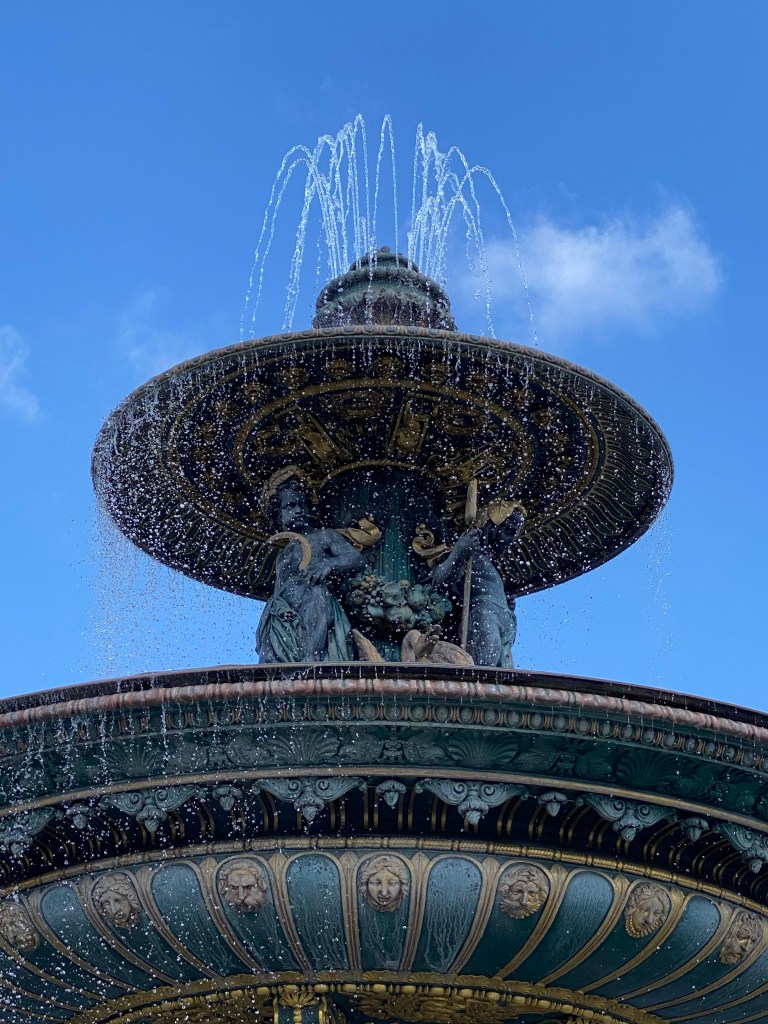
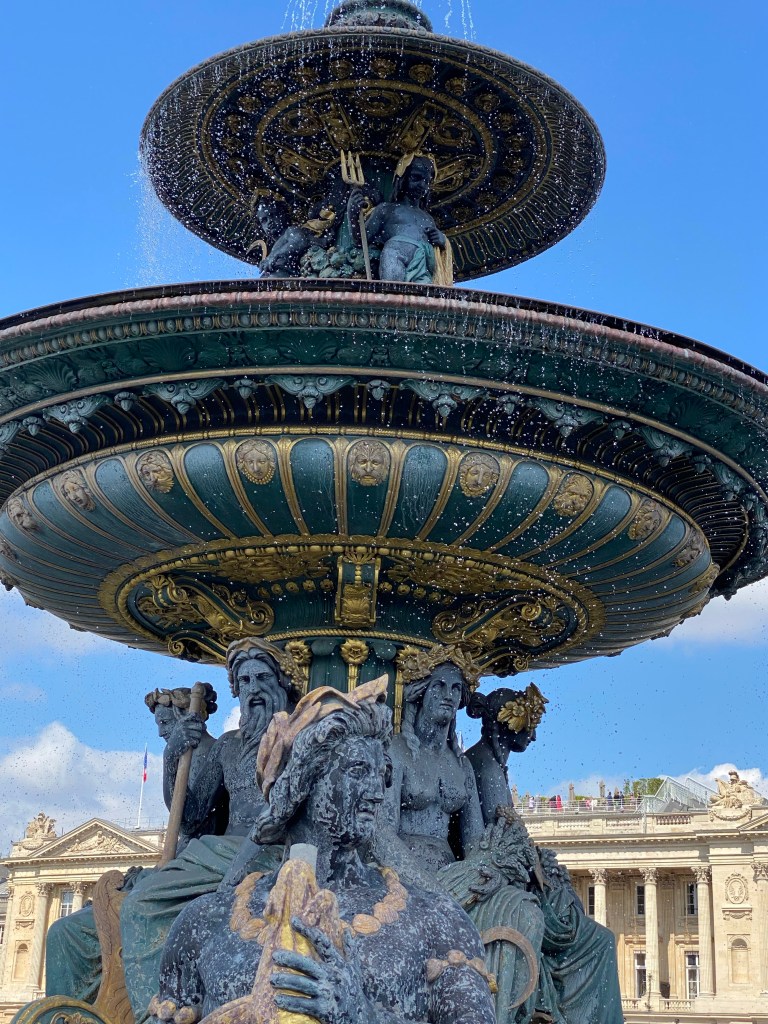
Nevertheless, I am always beguiled by the beautiful fountains that adorn the Place.
For nerds who are my kindred spirits and need a little more info, here’s what Wikipedia says about these fountains:

When he had completed the installation of the Luxor Obelisk, in 1836, Jacques-Ignace Hittorff, chief architect of the square, moved ahead with two new fountains to complement the obelisk. Hittorff had been a student of the Neoclassical designer Charles Percier at the École des Beaux-Arts. The had spent had spent two years studying the architecture and fountains of Rome, particularly the Piazza Navona and Piazza San Pietro, each of which had obelisks aligned with fountains.

Hittorff’s fountains were each nine meters high, matching the height of the earlier columns and statues around the Place representing great French cities. The Maritime Fountain was on the south, between the obelisk and Seine, and illustrated the seas bordering France, while the Fluvial Fountains or river fountain, on the north, between the Obelisk and the Rue Rue Royale, illustrated the great rivers of France. It is located in the same place where the guillotine which executed Louis XVI had been placed.

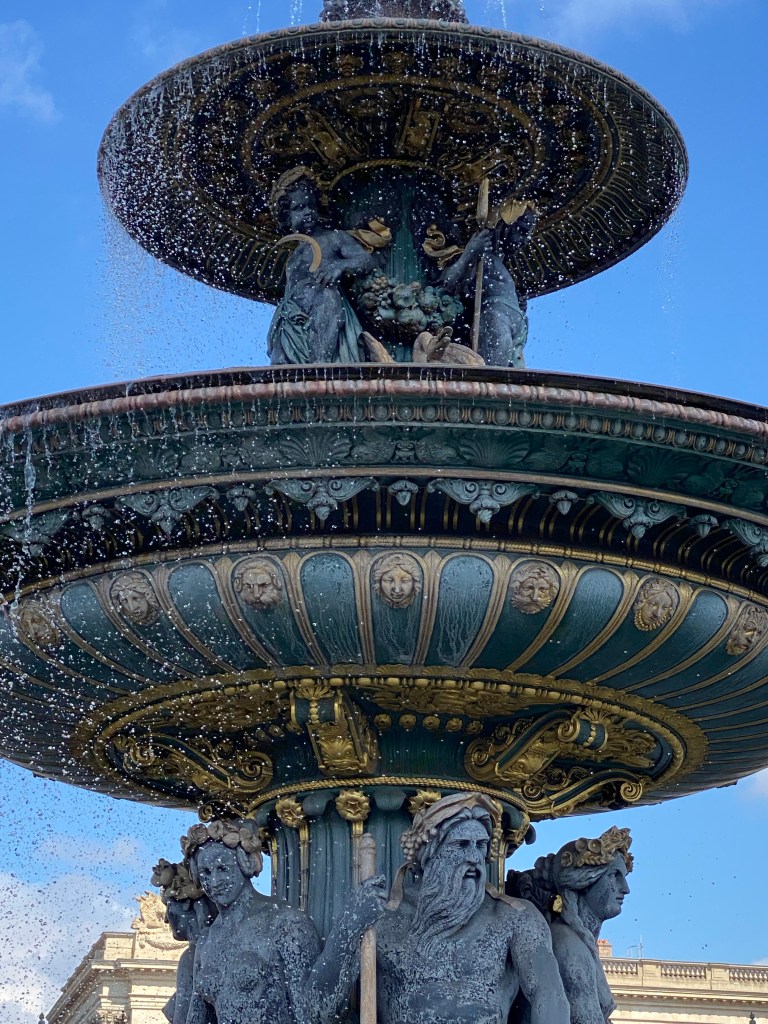
Both fountains had the same form: a stone basin; six figures of tritons or naiads holding fish spouting water; six seated allegorical figures, their feet on the prows of ships, supporting the pedestal, of the circular vasque; four statues of different forms of genius in arts or crafts supporting the upper inverted upper vasque; whose water shot up and then cascaded down to the lower vasque and then the basin.

The north fountain [which is what my photographs are of] was devoted to the Rivers, with allegorical figures representing the Rhone and the Rhine, the arts of the harvesting of flowers and fruits, harvesting and grape growing; and the geniuses of river navigation, industry, and agriculture.

The south fountain, closer to the Seine, represented the seas, with figures representing the Atlantic and the Mediterranean; harvesting coral; harvesting fish; collecting shellfish; collecting pearls; and the geniuses of astronomy, navigation, and commerce.