A final look at the Lenbachhaus in Munich, Part 4 and the color green

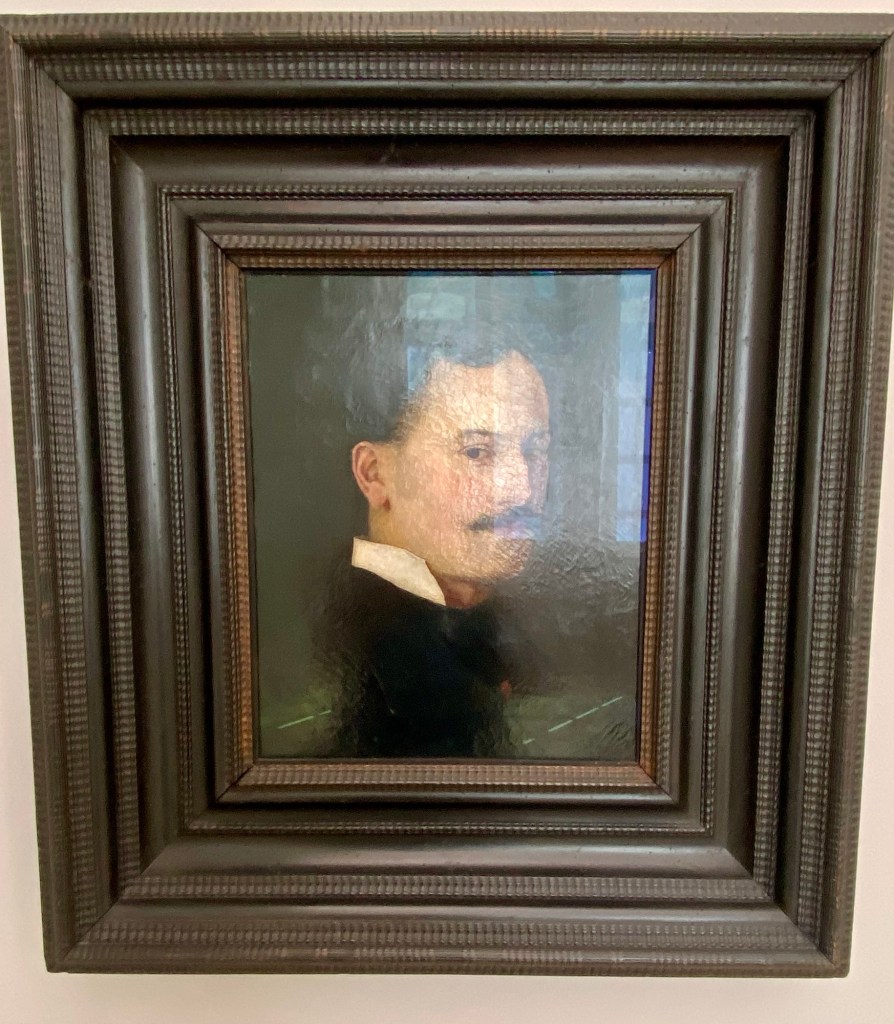
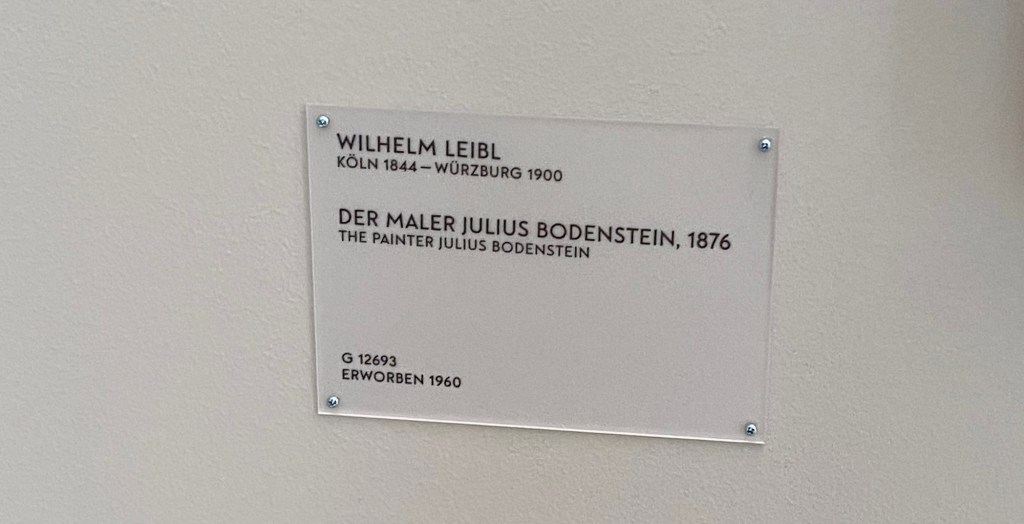
I thoroughly enjoyed my visit to this outstanding museum in Munich and here are the final images from that day. They are a bit random, but they are what stood out to me towards the end of my experience there.

This painting, which calls up Michelangelo, is huge. Not as big as the Rubens paintings I saw at the Altes Pinakothek, thank goodness (they were too large to look at in gallery lighting; really, I couldn’t fully take them in), but 5 x 8 foot more or less.

Of course I love a painting that pays homage to Michelangelo and flowers equally!

I enjoyed noticing the artist’s signature at top left, an unusual place to sign and the fact that he dotted to two ones in 1911. Is that a German thing? Can you tell me if you know?
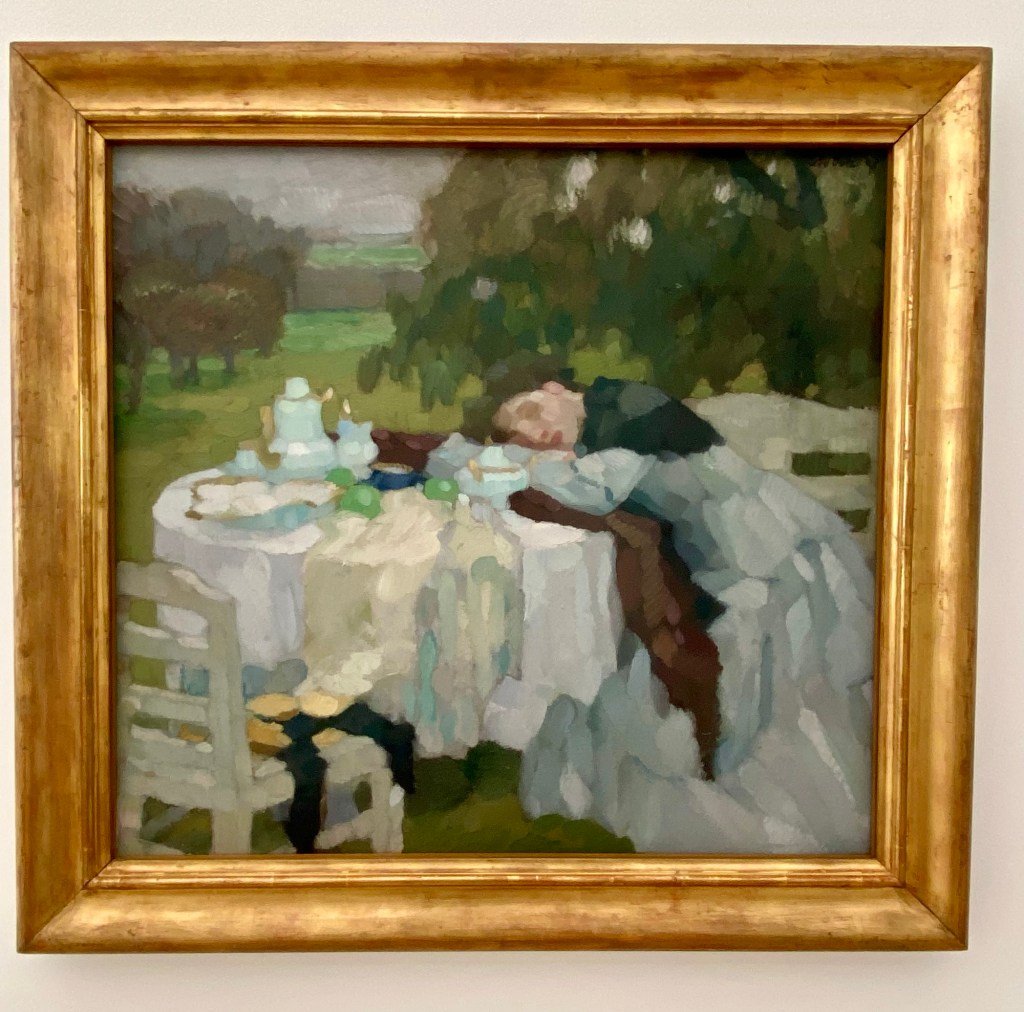
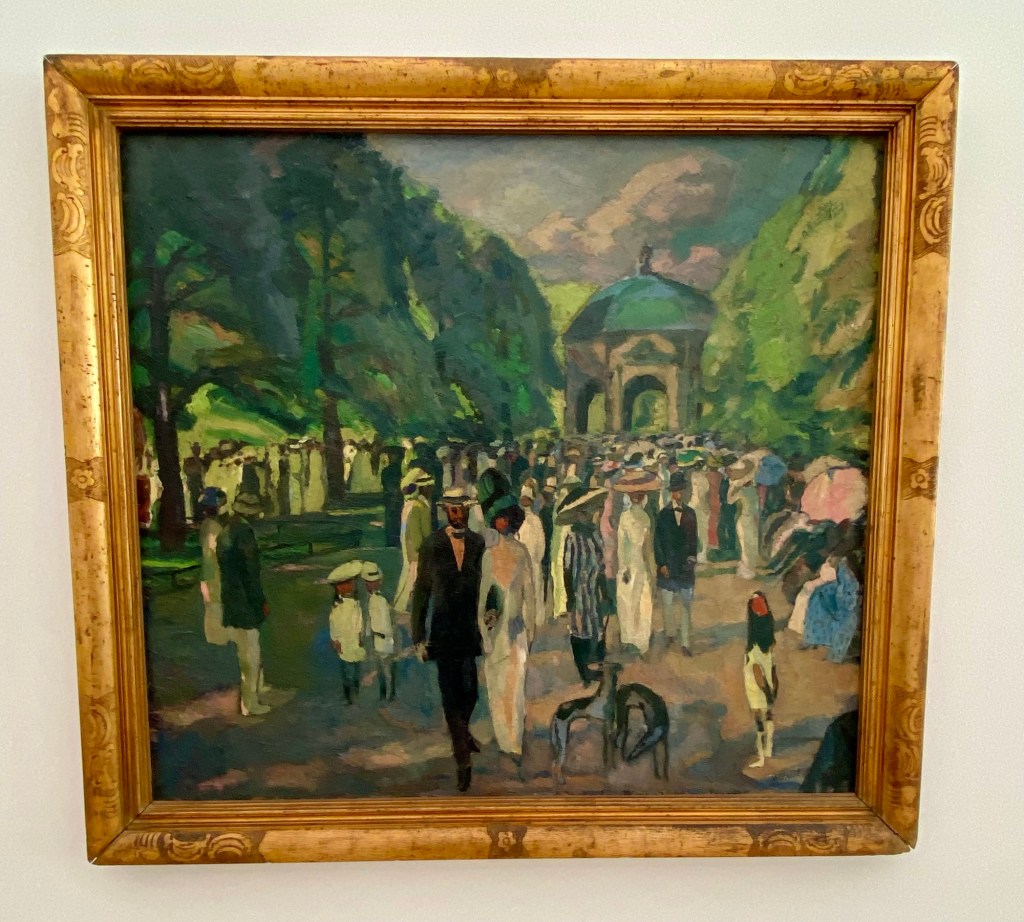
I’m a pushover for anything that captures the wistfulness of autumn.
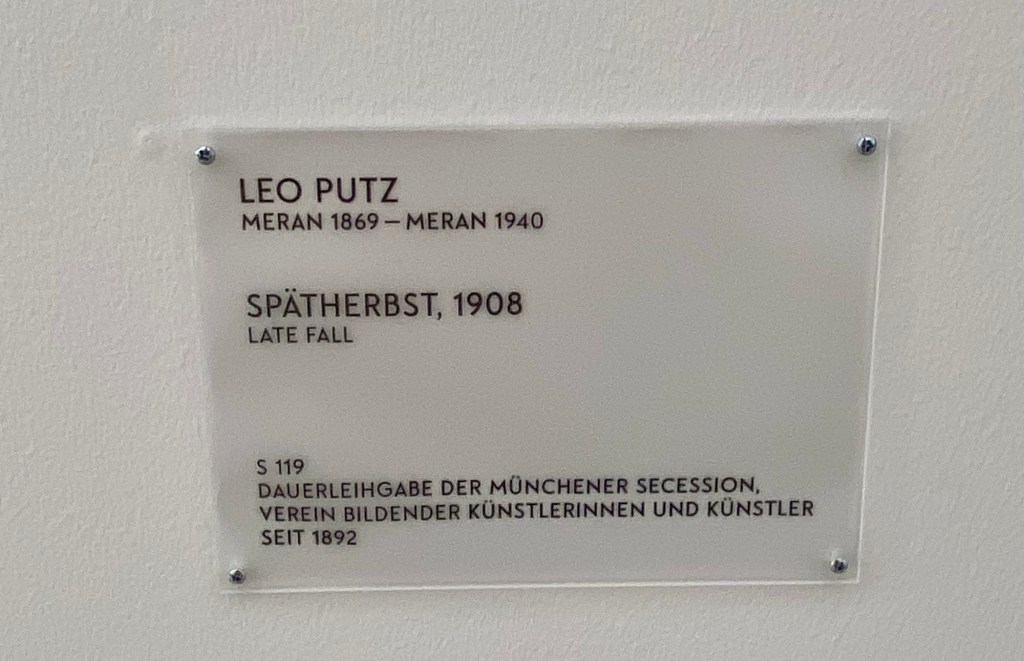
The painting below captured my imagination, for I have walked in that depicted space in Munich! Try as I might, I still cannot get over the fact that I’m living in Germany this summer!
As I often say, I have spent my adult life in art museums, both as a professional staff member and as an inveterate museum goer. When, in all that time, have I seen what I photographed below?
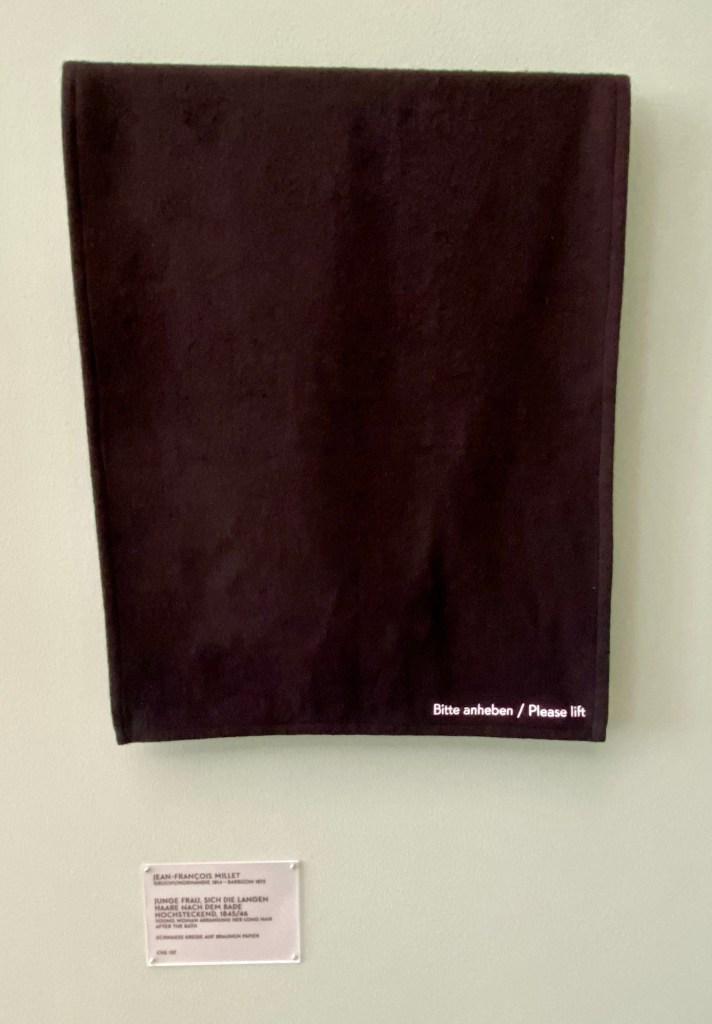
At first I assumed the work of art had been removed from the gallery to be loaned to another museum, or perhaps it was being conserved. I thought this was the way the Lenbachhaus dealt with missing artworks, a way to alert the visitor that the museum knows the work is missing. Other museums will place signage that explains a bit.
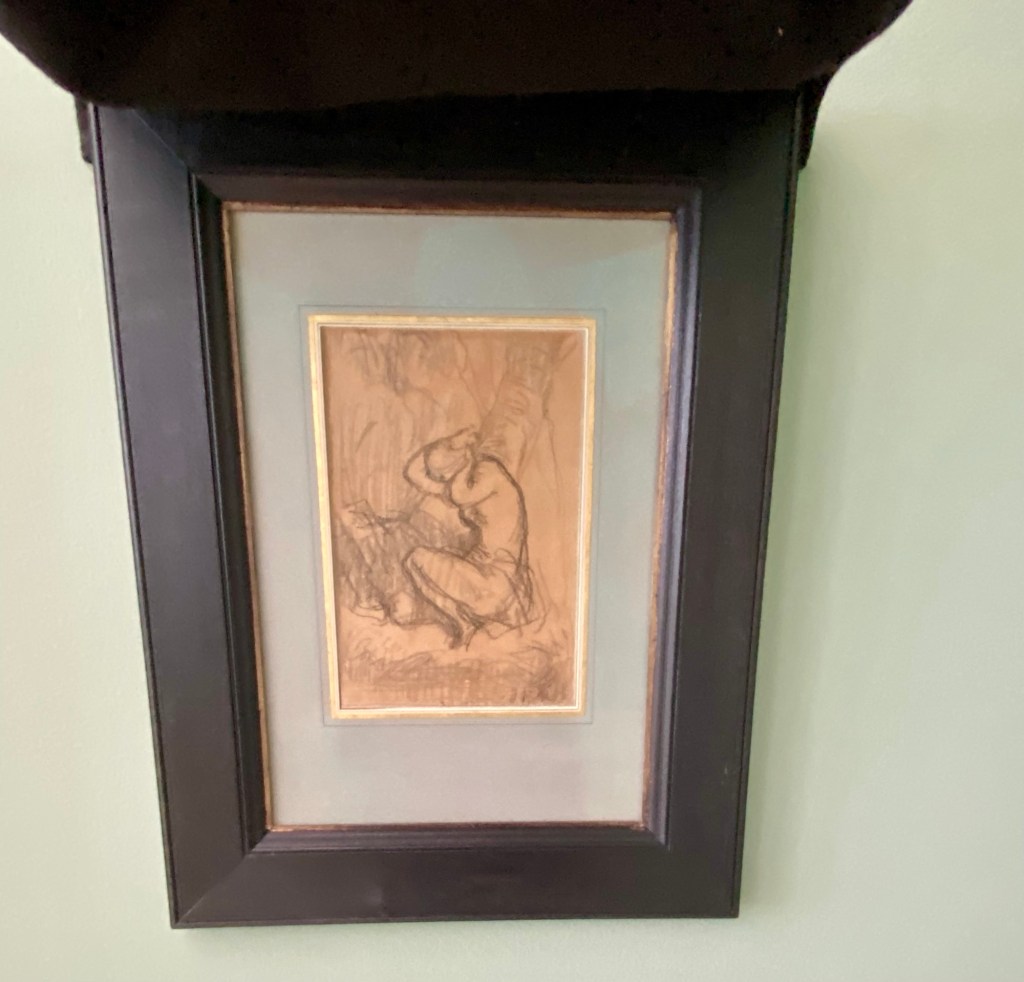
But then I noticed the words: please lift. So, I lifted the black veil and discovered a fragile drawing by Millet and realized that the museum has chosen this obvious and ingenious way to add to the visitor’s experience. They could keep this work of art in a drawer in storage, but they have chosen to exhibit it while still protecting it. Bravo again!
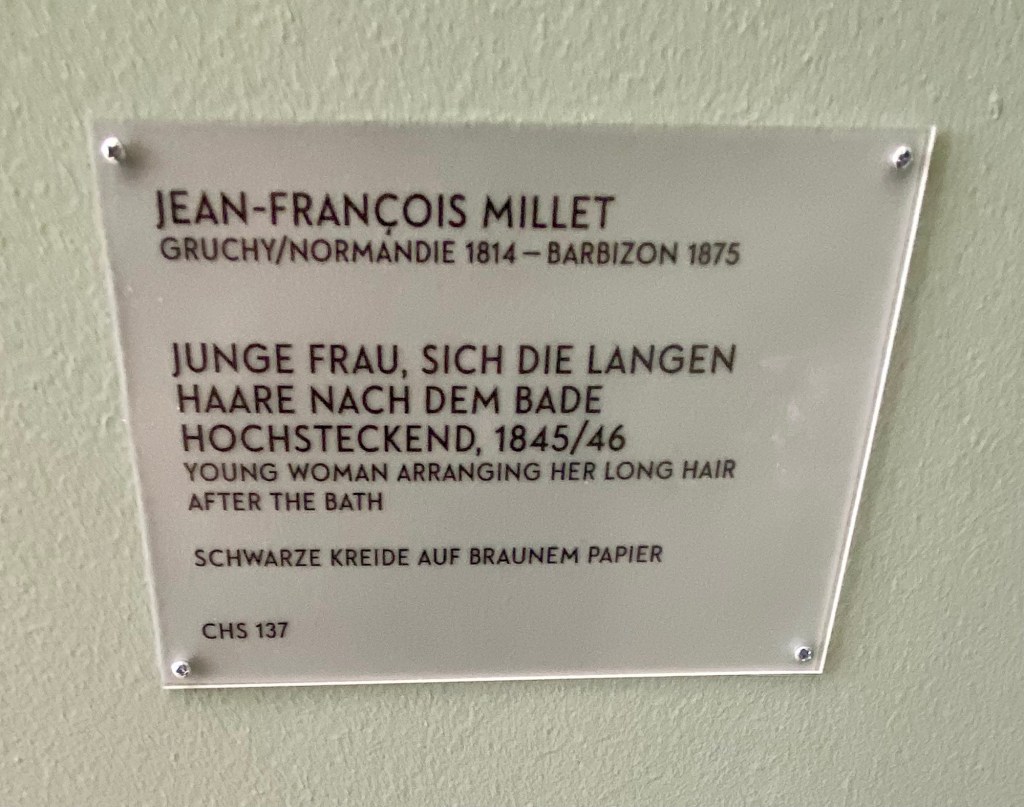
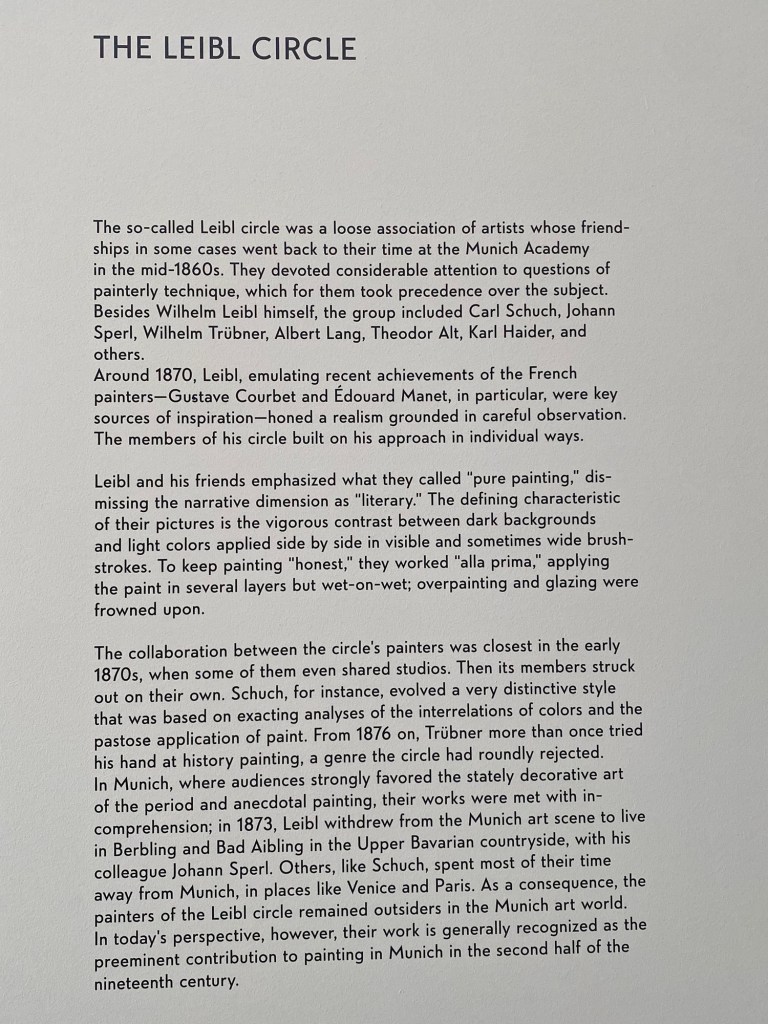
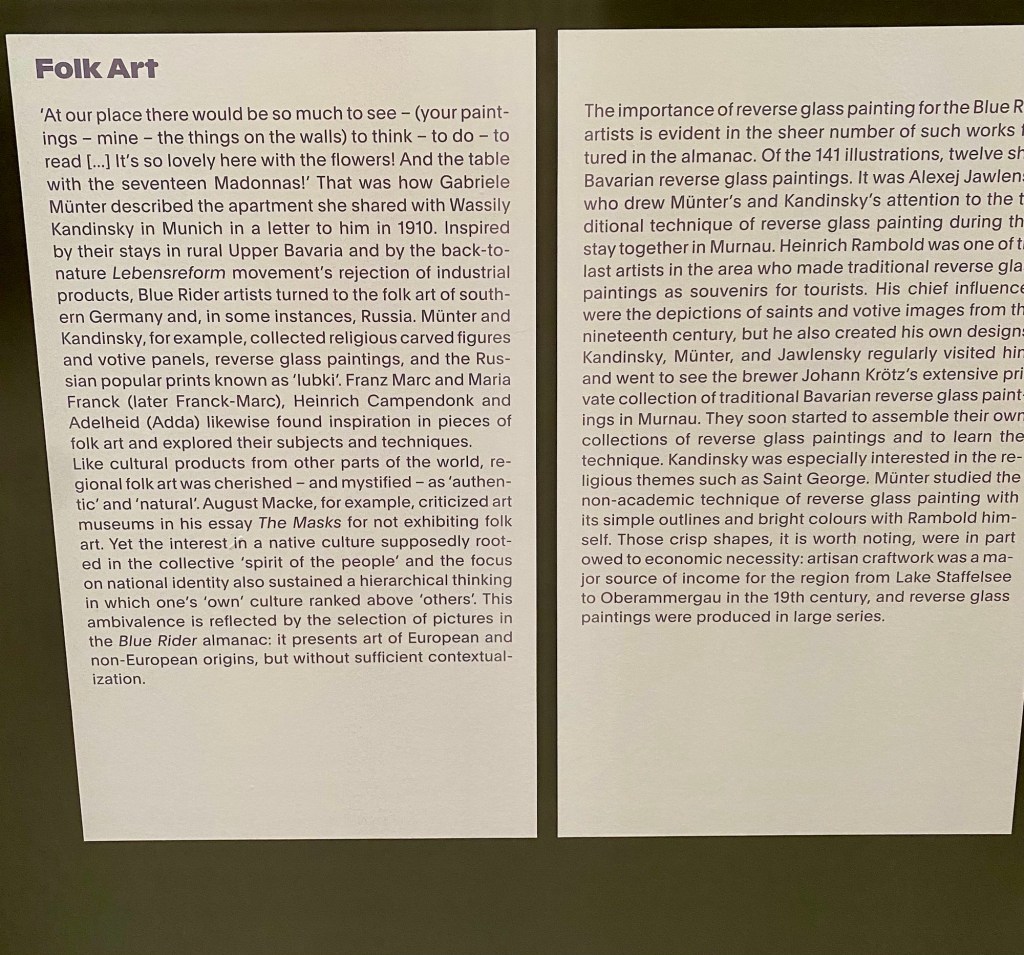
And finally, what museum have I ever visited that has a well-known artist’s paint palette hung on the way in a gallery, next to paintings? None. I’ve seen palettes in rooms off of paintings galleries, along with other objets connected to art making. But to hang the palette in the gallery. Bravissimo!

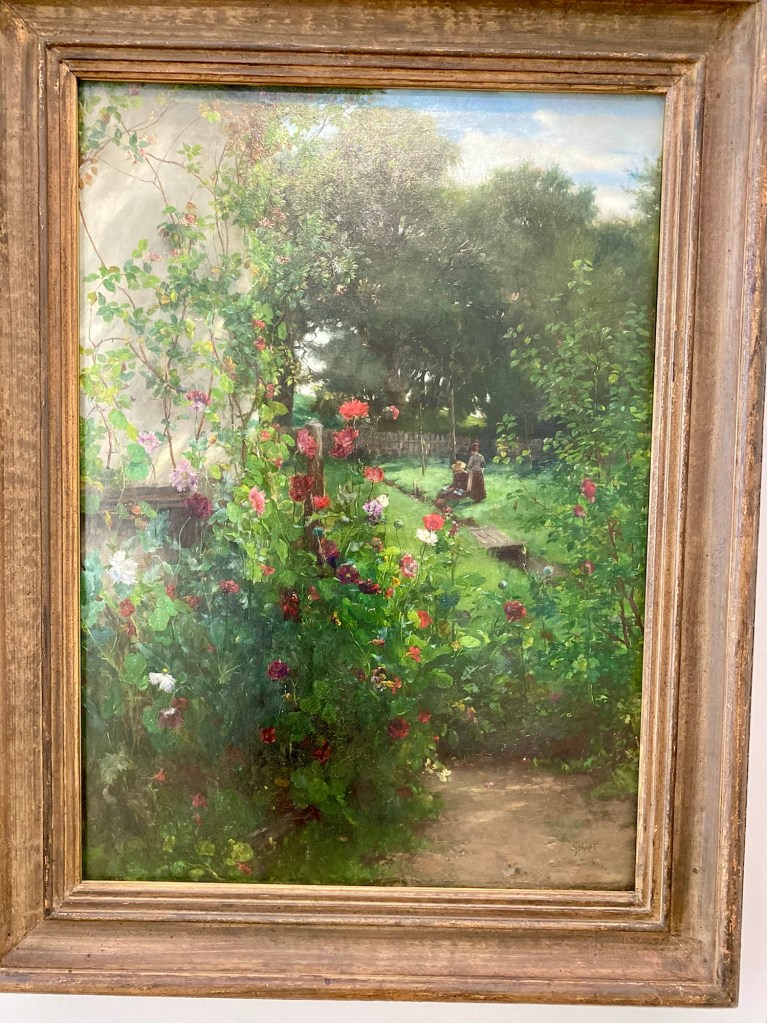
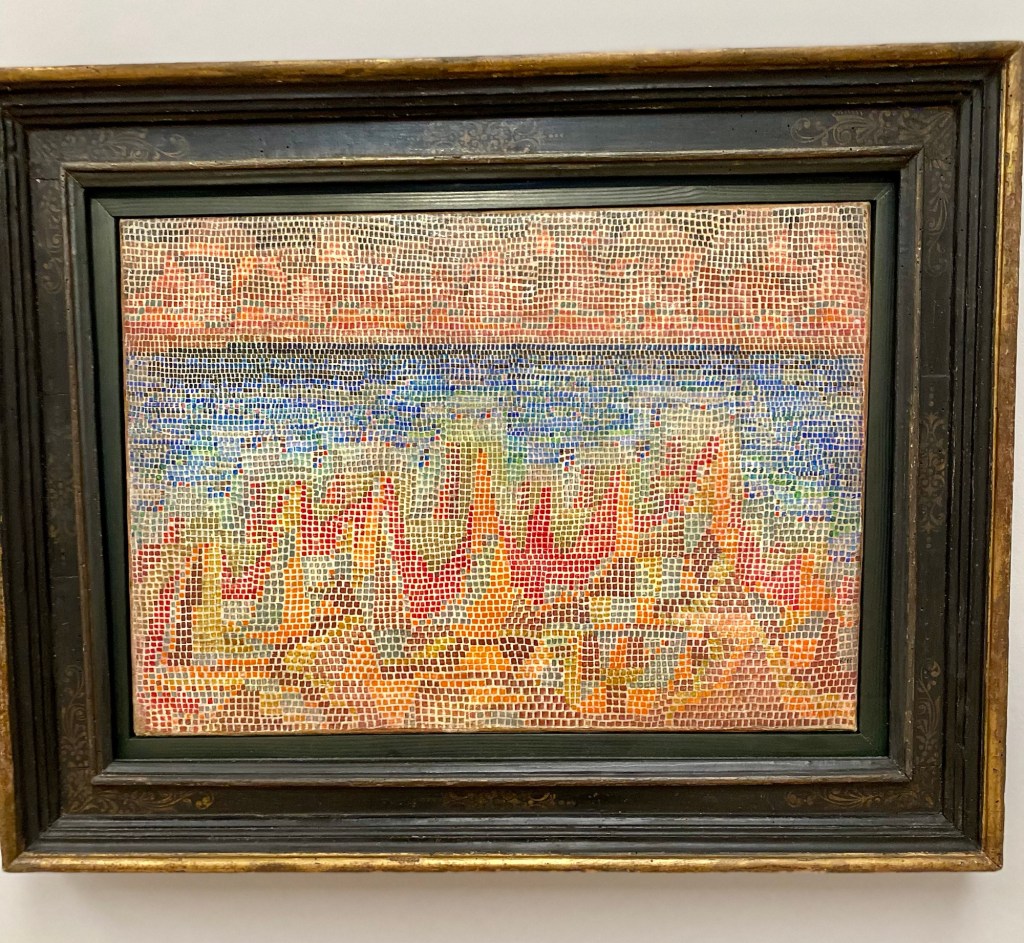
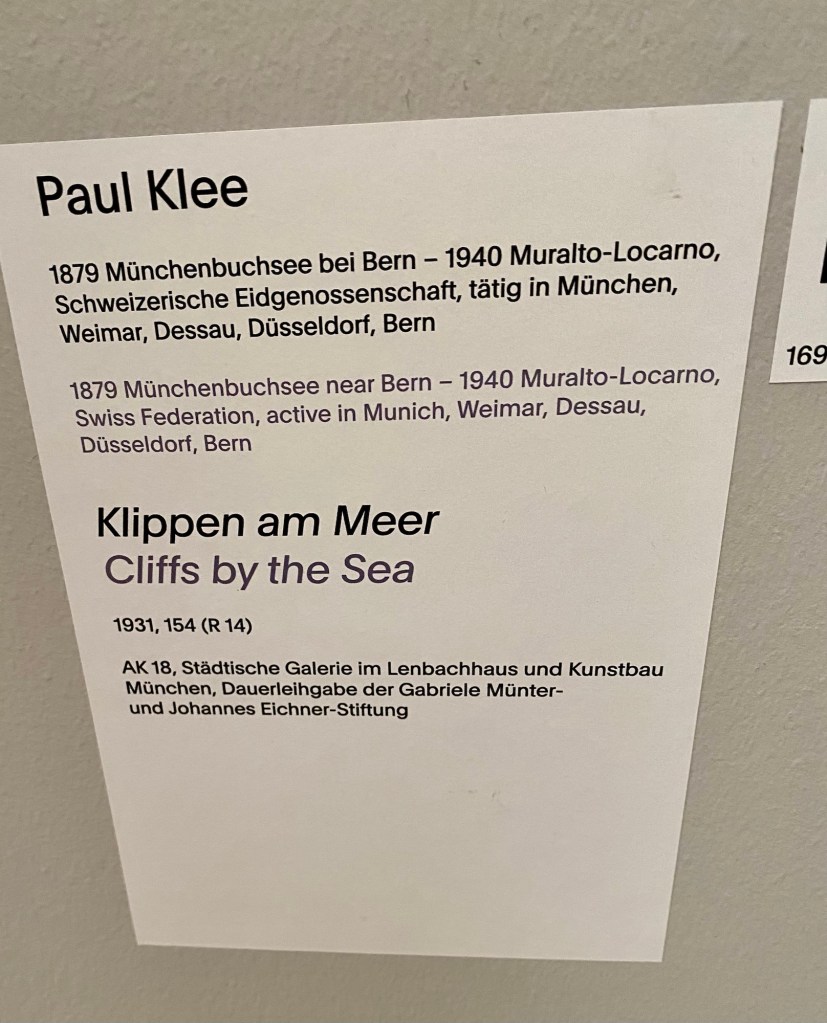
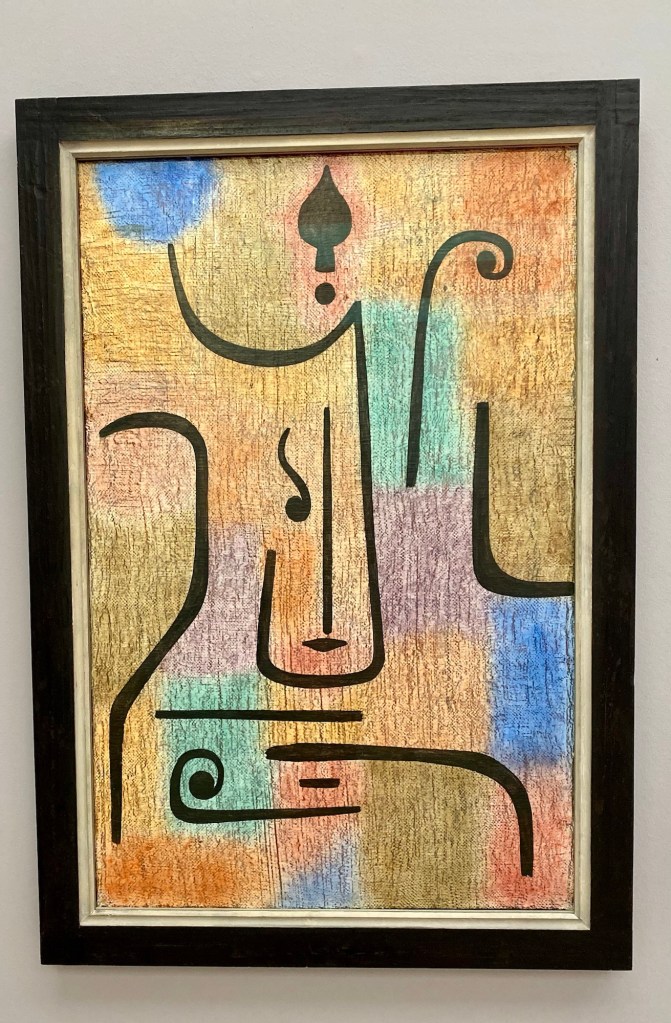
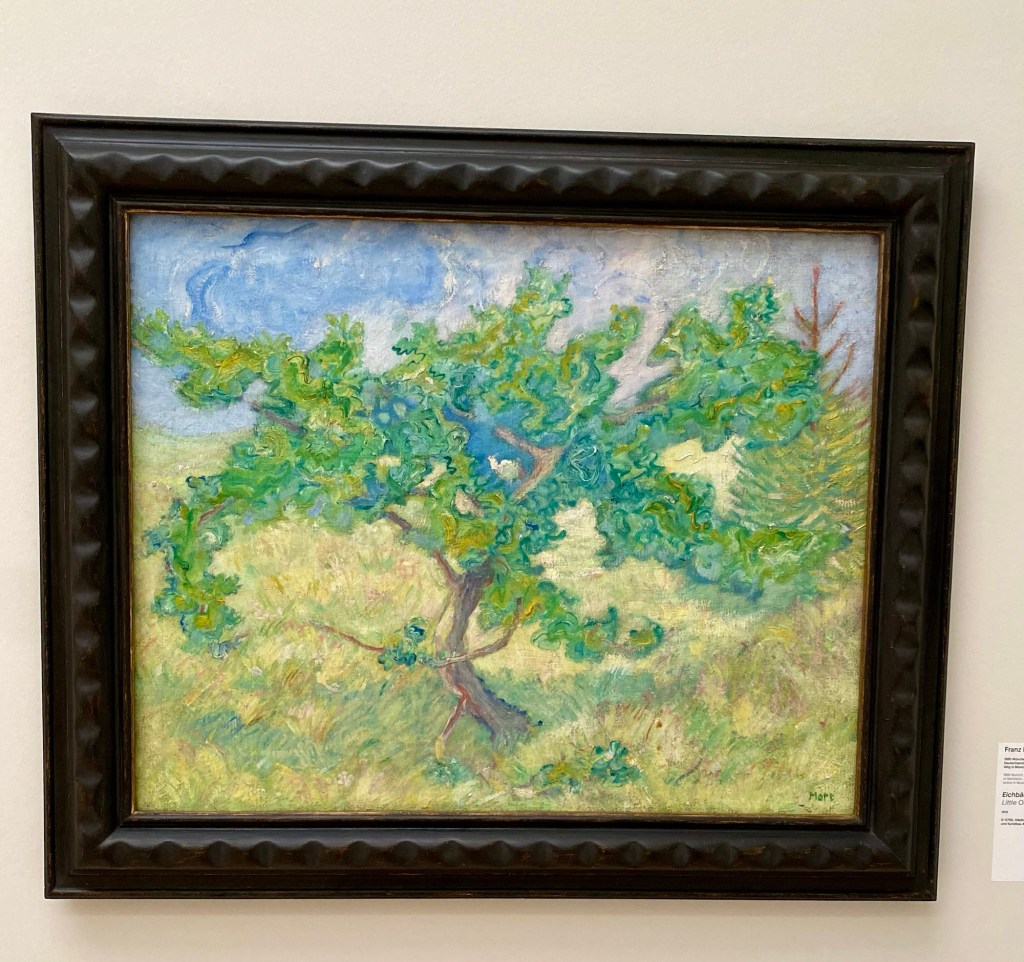
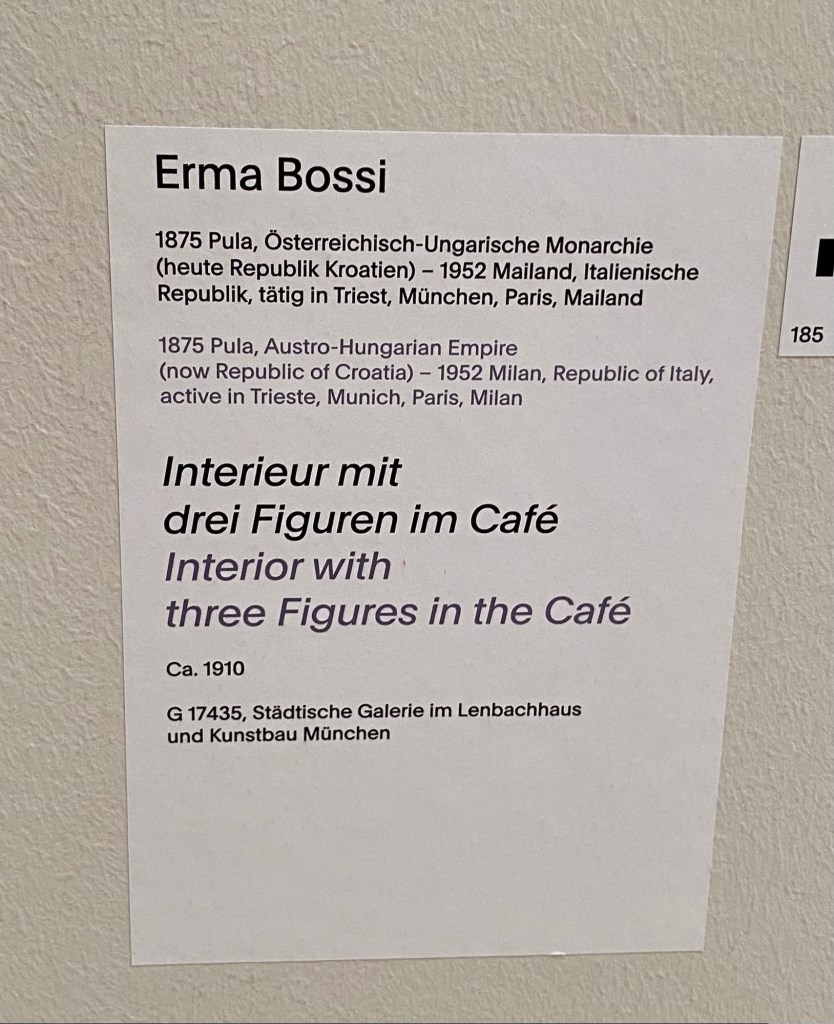
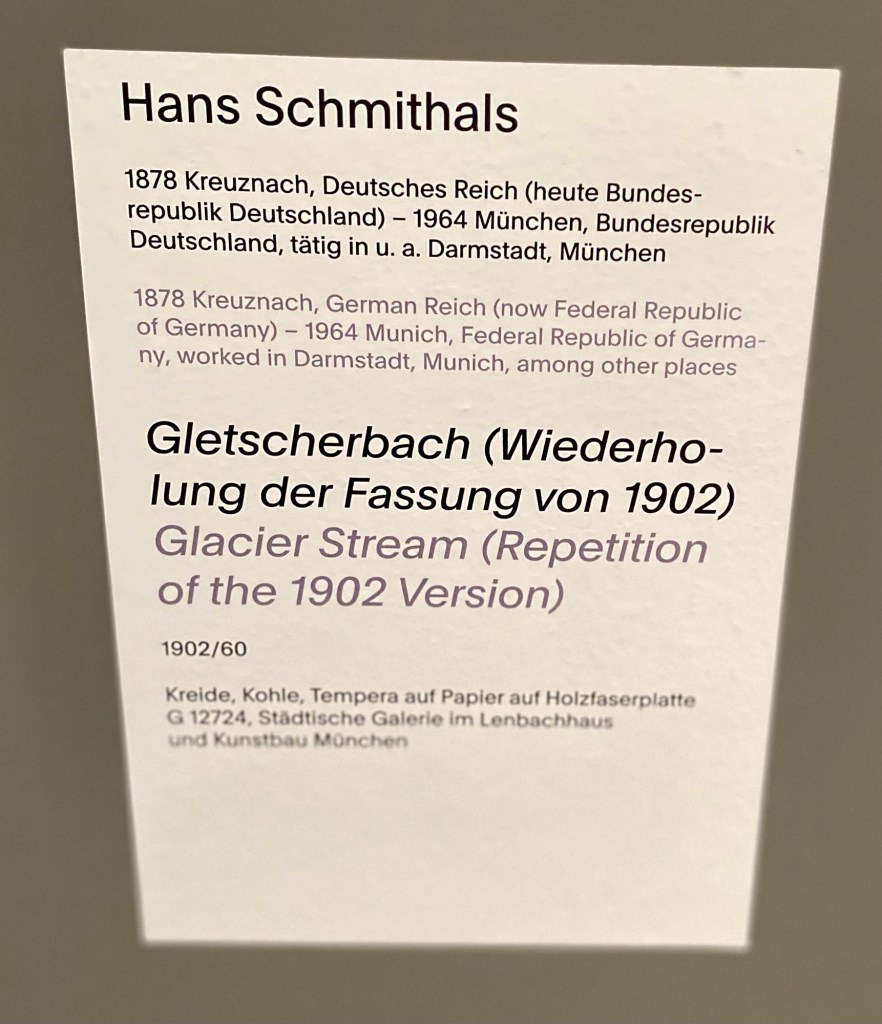
I share a love of green with these artists.
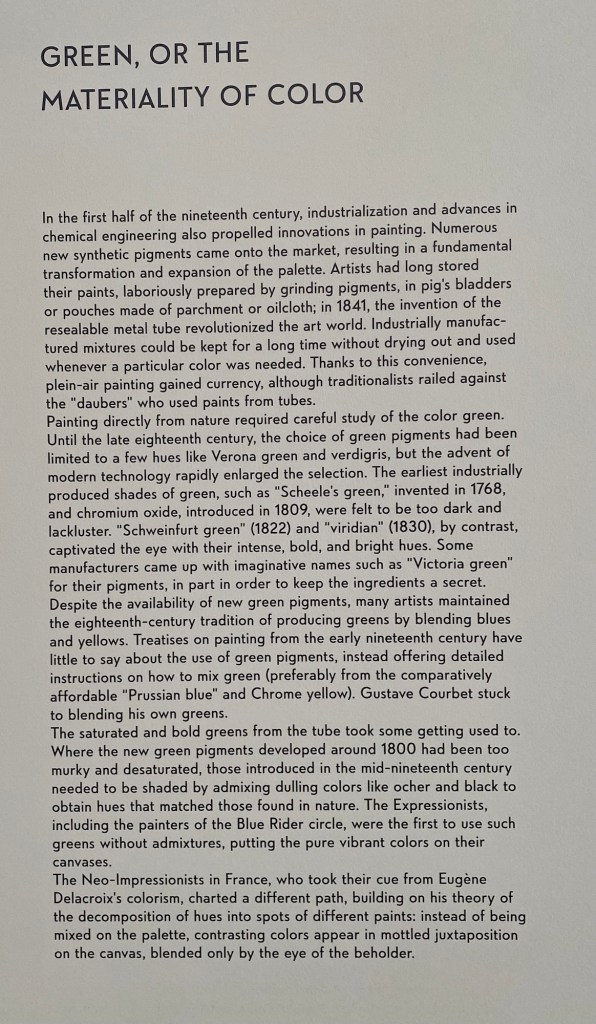
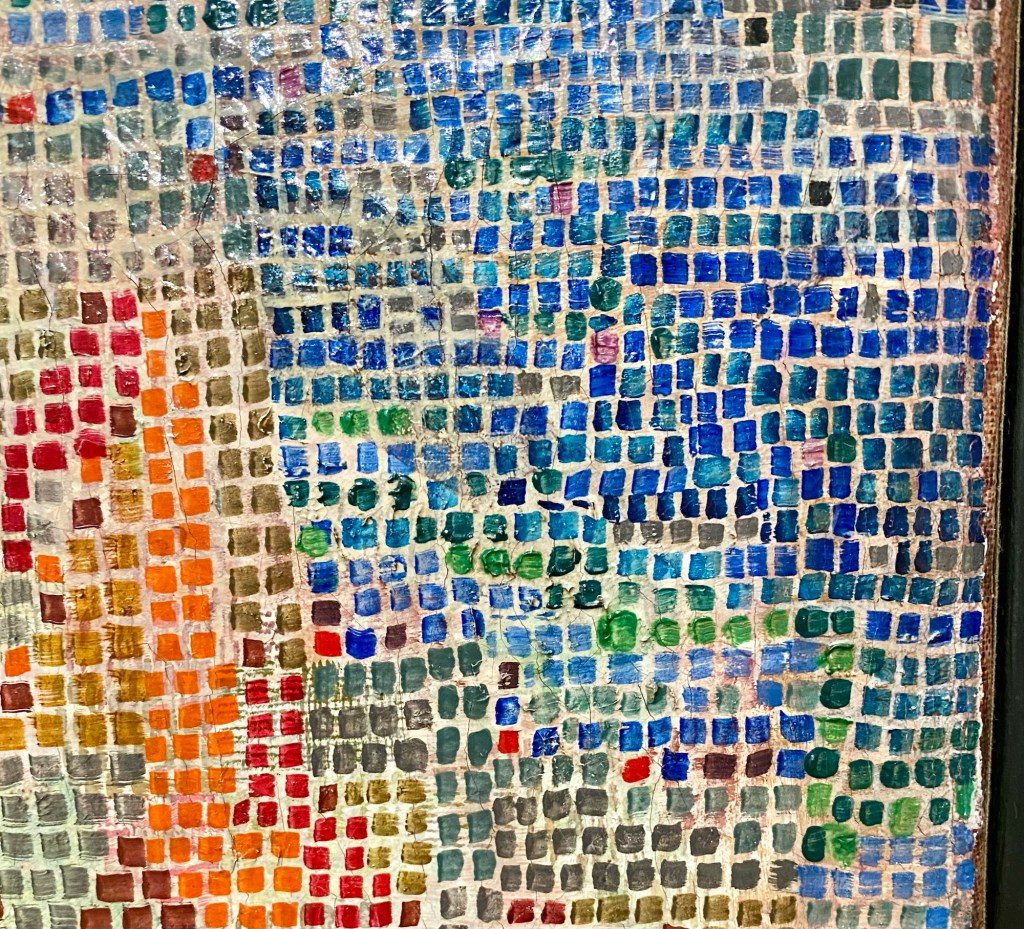
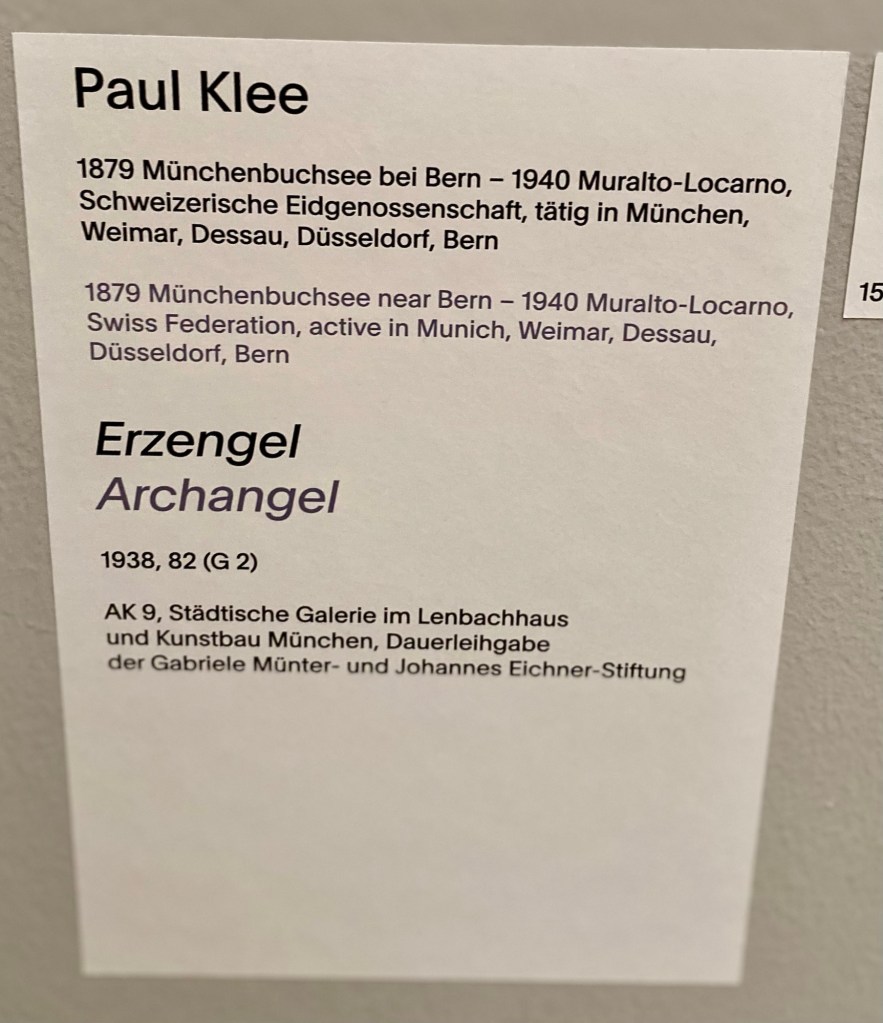
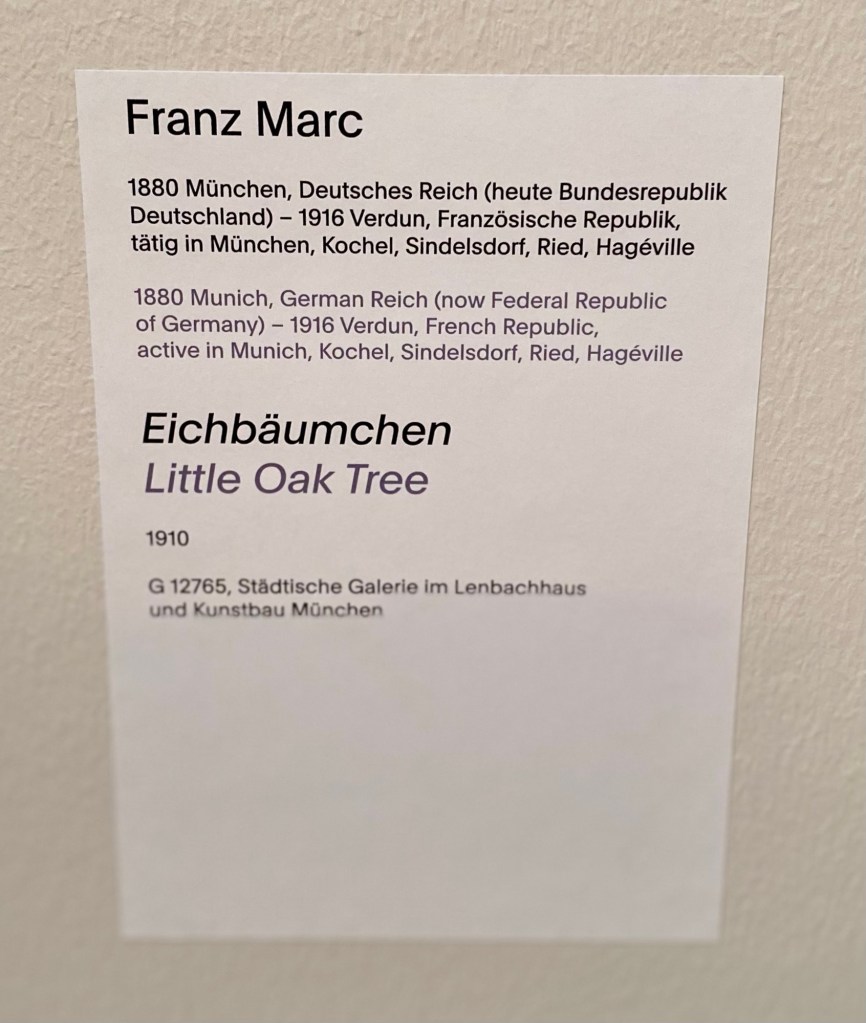
A lovely reminder about what we are looking at and how it’s made below.

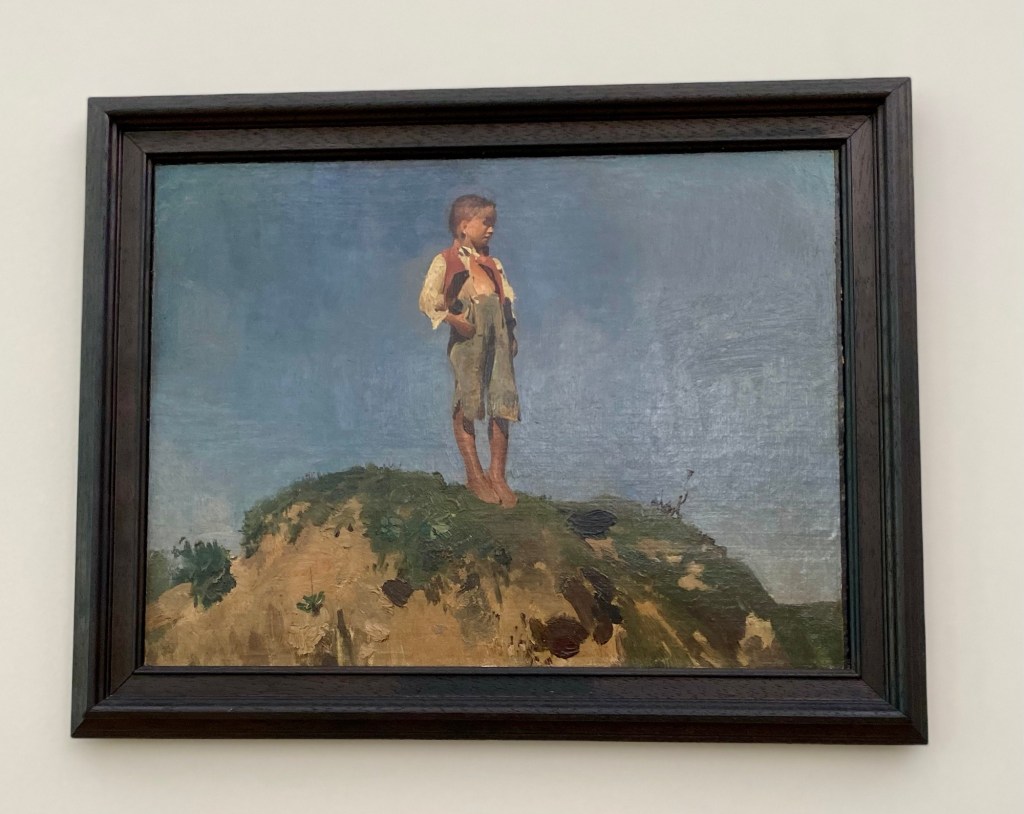
The painting above made me think of the fabulous works by Winslow Homer.
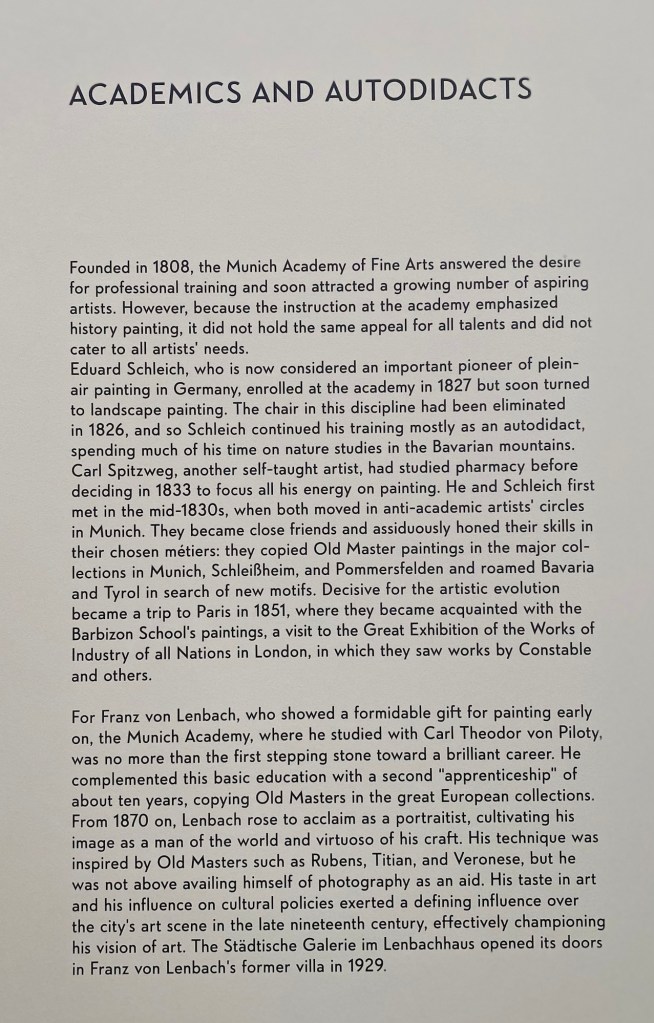
I learned a lot and loved my visit to the Lenbachhaus in Munich. If you are lucky enough to find yourself in the Bavarian capital with some time to spend, I highly recommend!
Lenbachhaus, Part 3

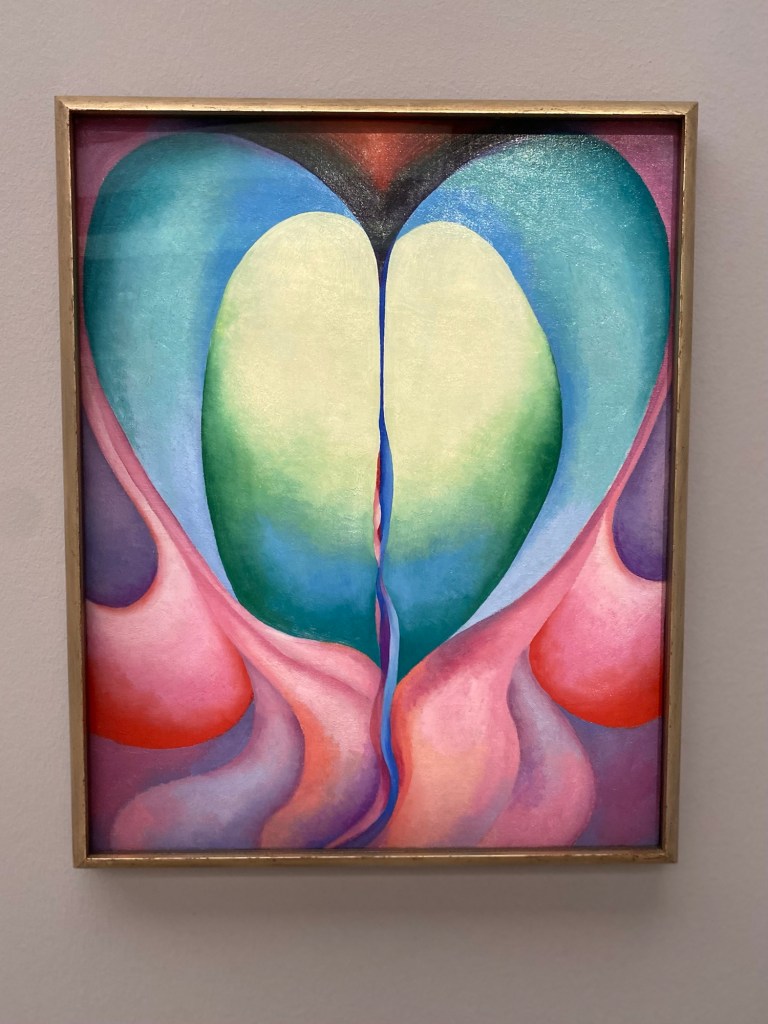
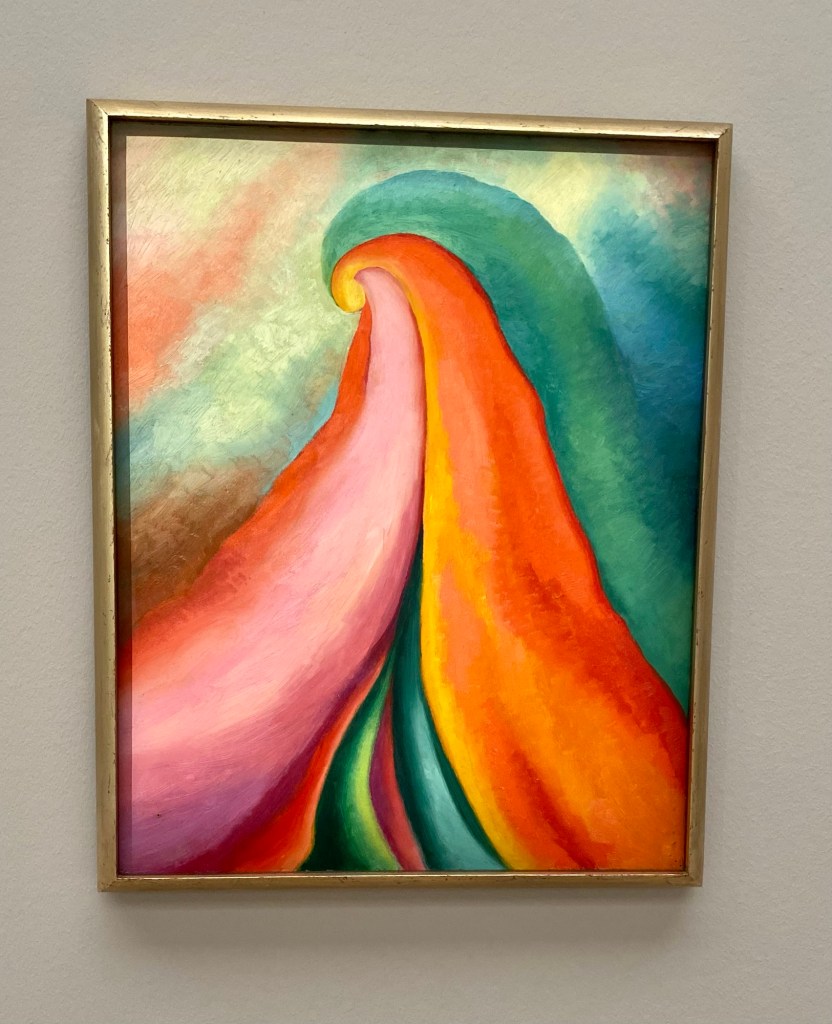
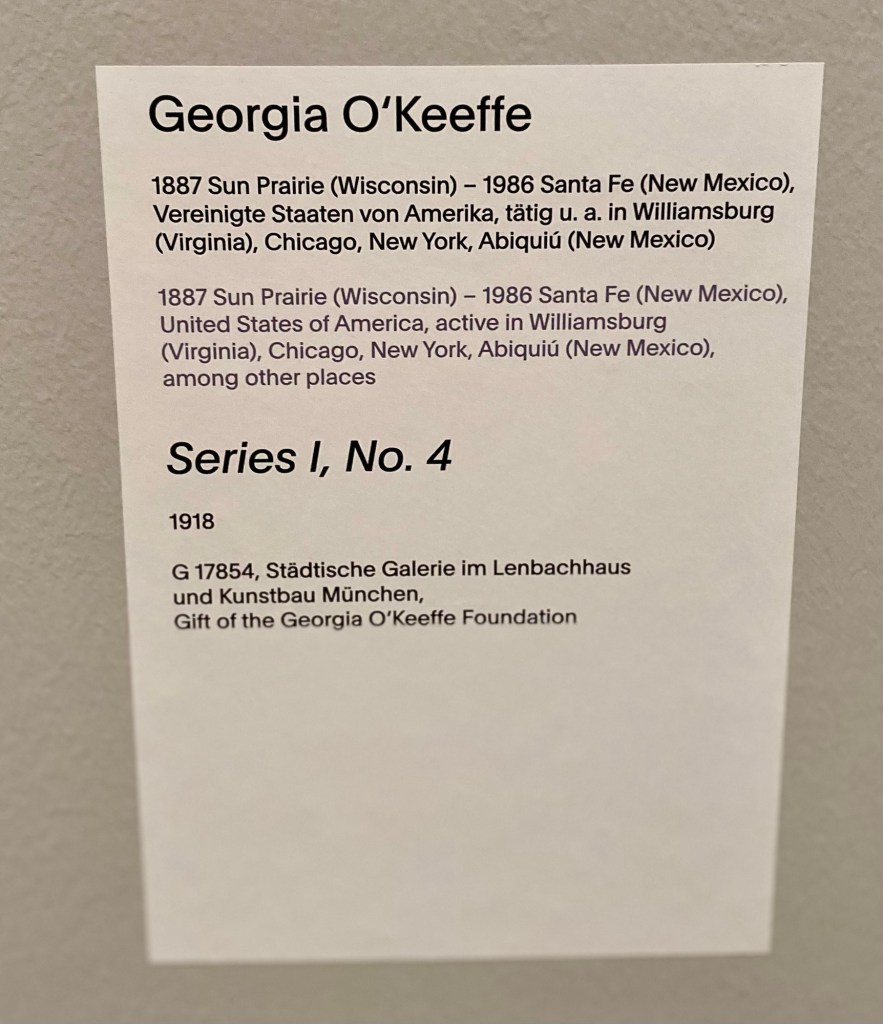
After admiring the galleries filled with 20th century German art, I was a bit surprised when I encountered Georgia O’Keefe! It was as refreshing to find a modern American artist as a breath of fresh air, I have to admit!
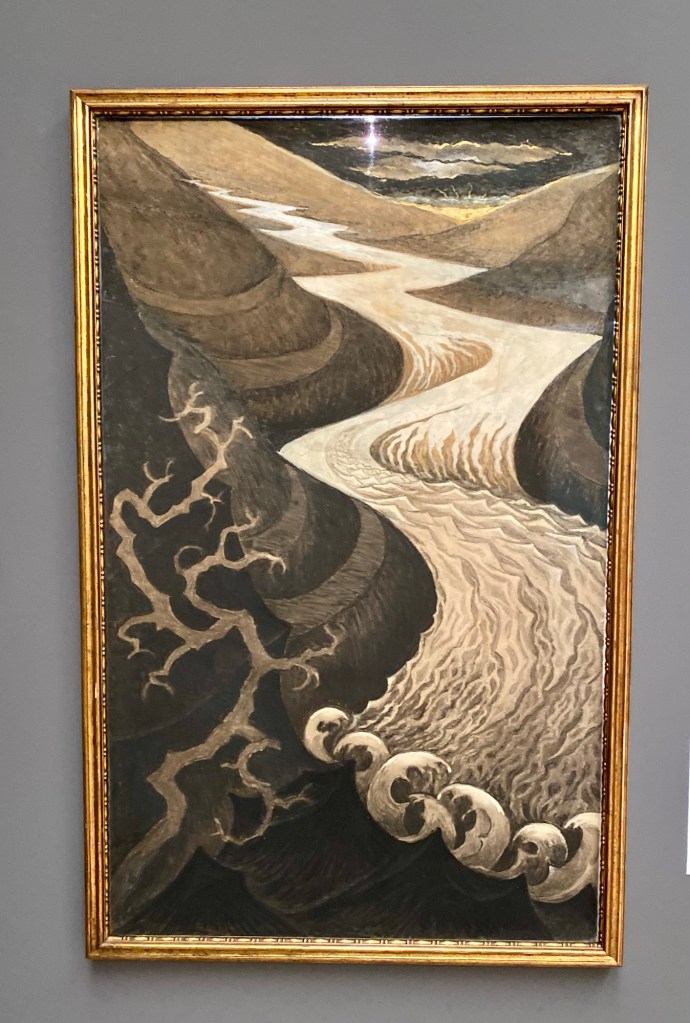
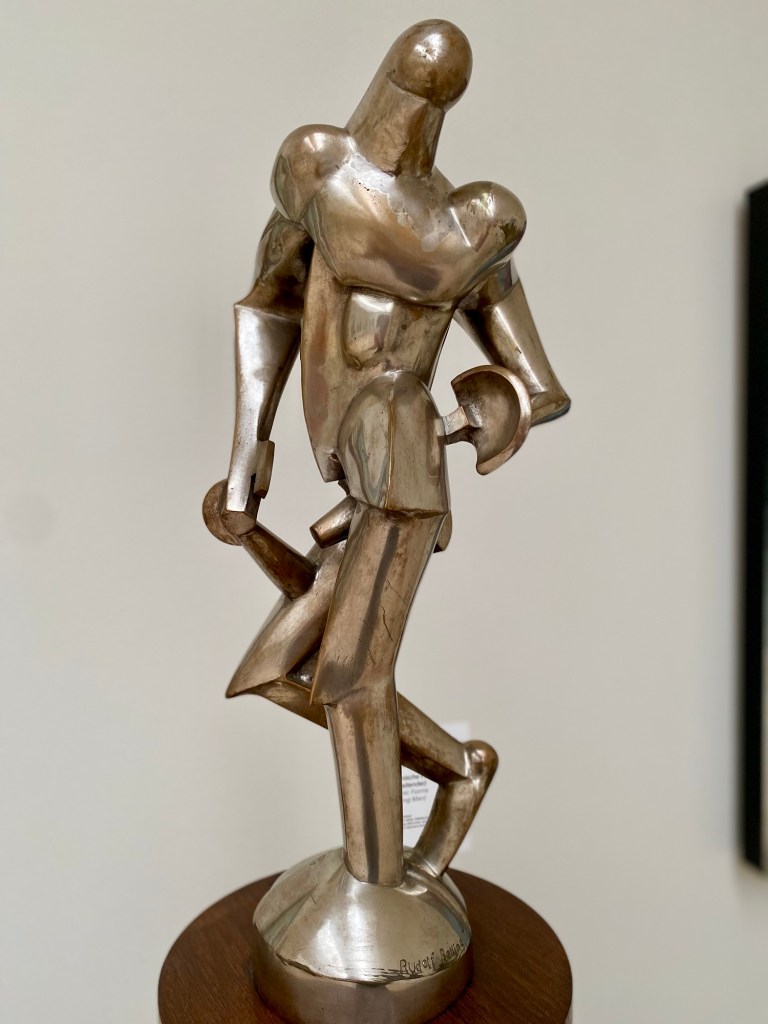
I was now in a gallery with a wide variety of artists, who painted and sculpted in the early to mid 20th century.

Lenbachhaus, Munich, Part 2

I’ve been rhapsodizing about the incredible art museum holdings of world art in Germany for more than a month now and I stand by every statement. But, as you would hope and expect, the holdings of German art are no less impressive, as was brought home to me recently when I had the opportunity to pay a visit to the Lenbachhaus in Munich.


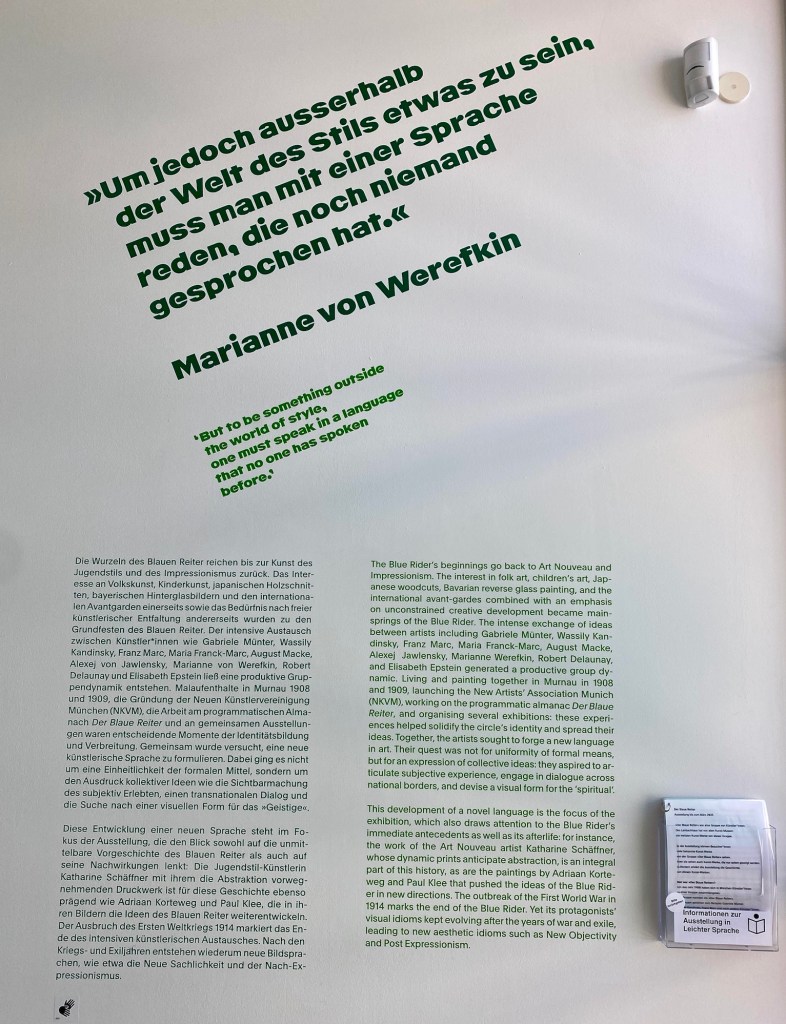
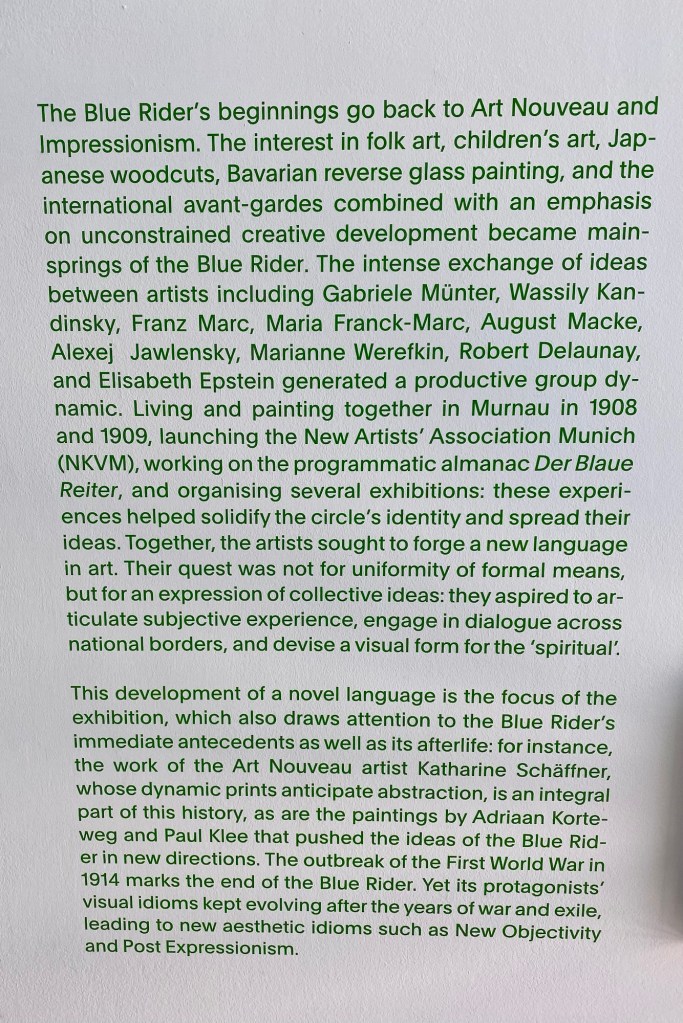
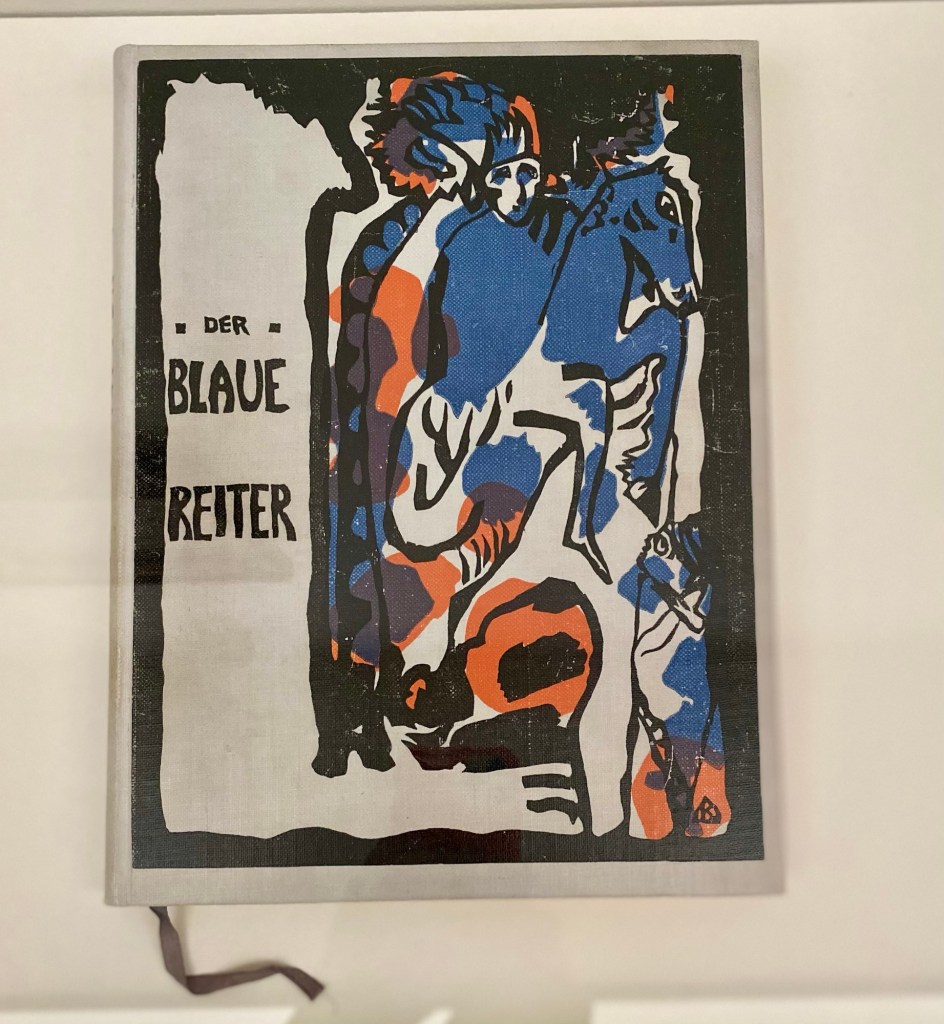
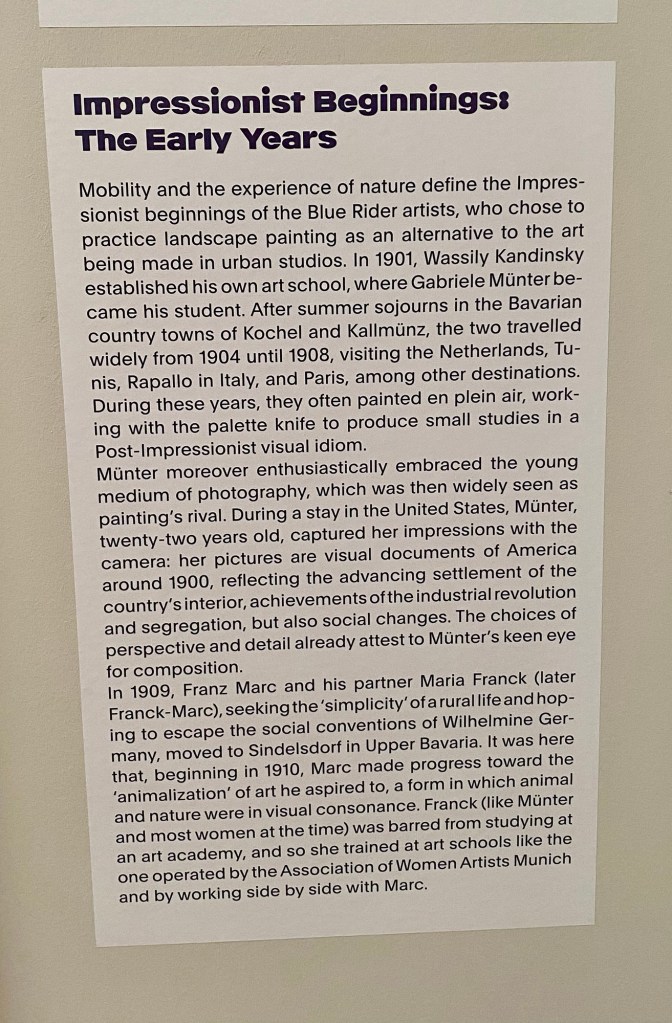
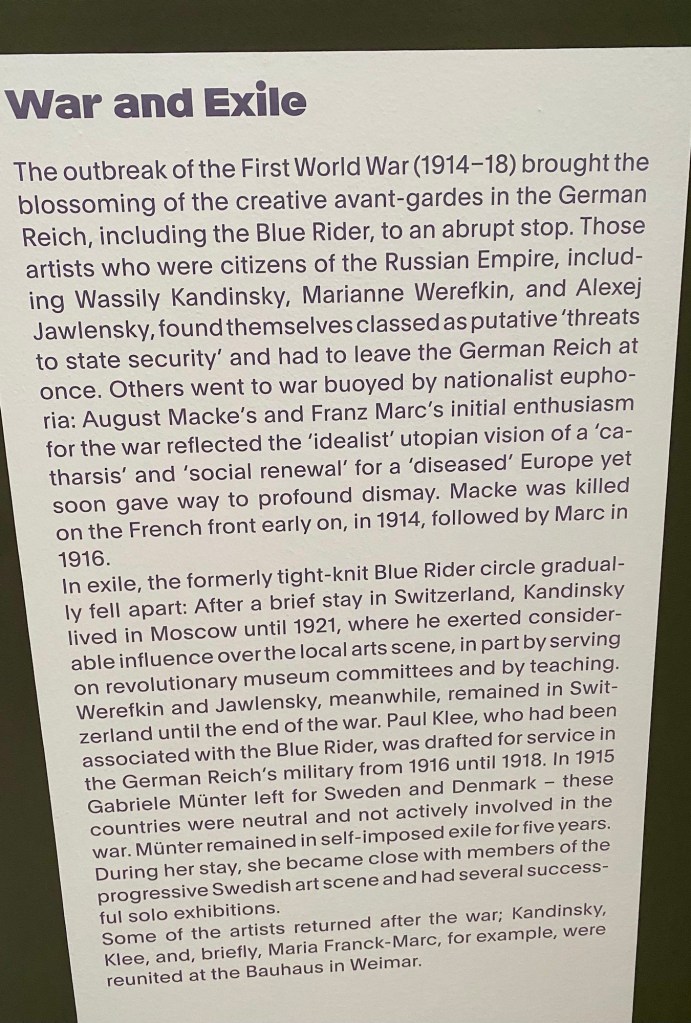
Der Blaue Reiter (The Blue Rider) was a group of artists and a designation by Wassily Kandinsky and Franz Marc for their exhibition and publication activities, in which both artists acted as sole editors in the “almanac” or book of the same name (first published in mid-May 1912). They organized two exhibitions in Munich in 1911 and 1912 to demonstrate their art-theoretical ideas based on the works of art exhibited. Traveling exhibitions in German and other European cities followed. The Blue Rider disbanded at the start of World War I in 1914.

The artists associated with Der Blaue Reiter were important pioneers of modern art of the 20th century; they formed a loose network of relationships, but not an art group in the narrower sense like Die Brücke (The Bridge) in Dresden. We generally refer to the work of these affiliated artists as German Expressionism.

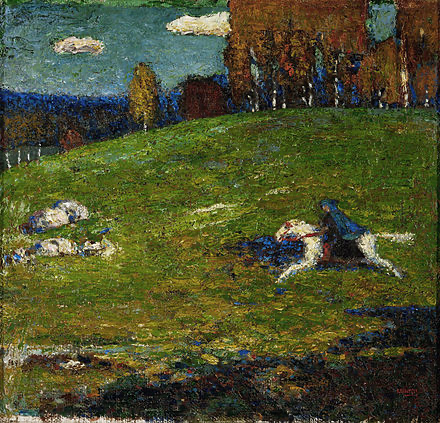
Wassily Kandinsky, The Blue Rider, 1903

Franz Marc, Blue Horse I, 1911, exhibited at the Lenbachhaus, Munich.

The name of the movement is the same as the title of a painting that Kandinsky created in 1903. Kandinsky wrote 20 years later that the name is derived from Marc’s enthusiasm for horses and Kandinsky’s love of riders, combined with a shared love of the color blue. For Kandinsky, blue was the color of spirituality; the darker the blue, the more it awakened human desire for the eternal (as he wrote in his 1911 book On the Spiritual in Art).

Let’s enter the galleries and see what we can find and learn.

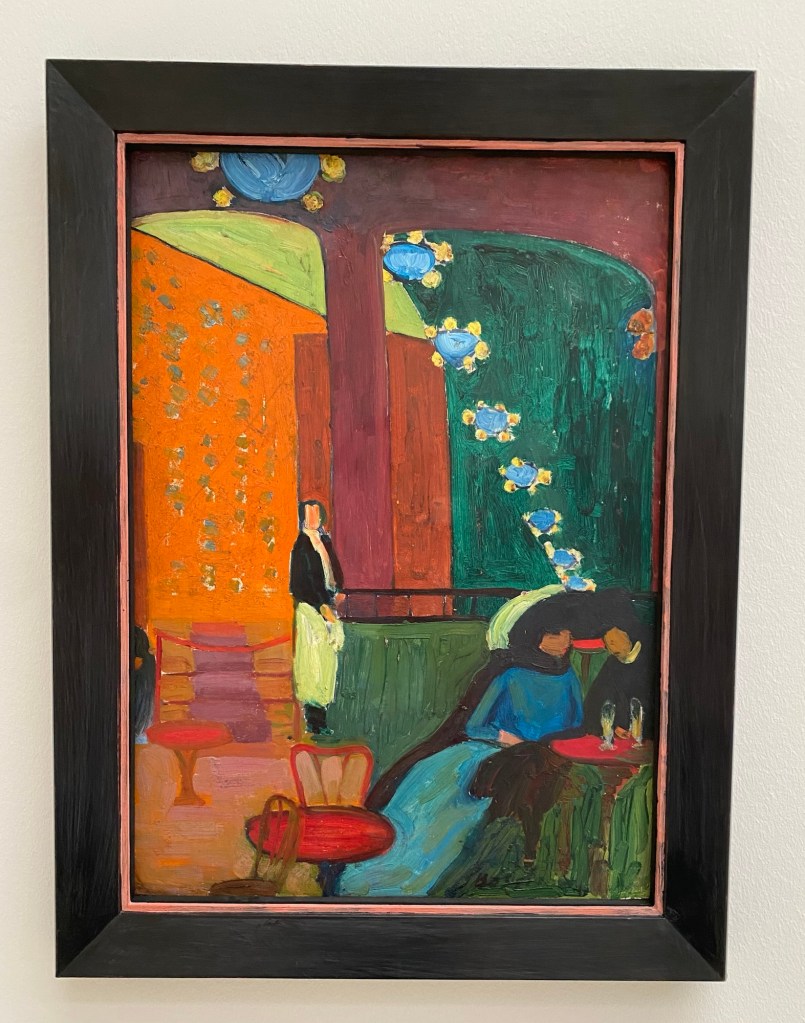
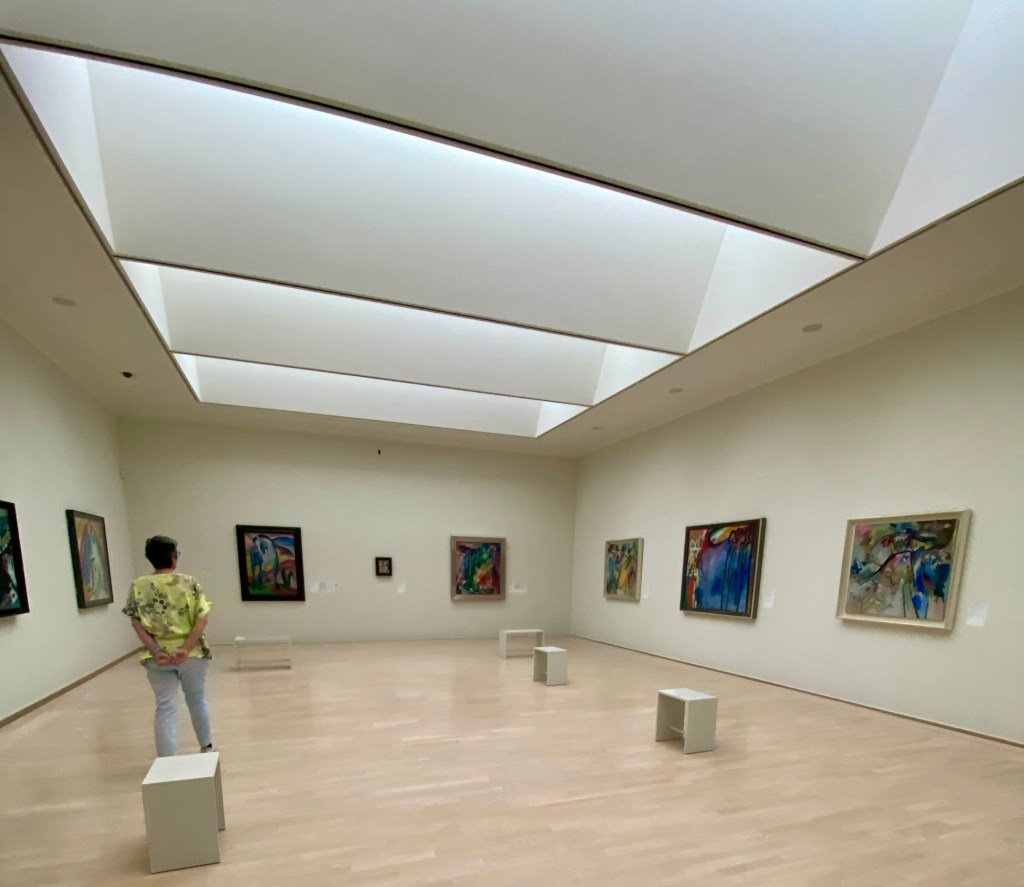
I loved this painting below with the blue ceiling lights forming an abstract formation across the canvas.

Sorry about the focus above!

Nice galleries!

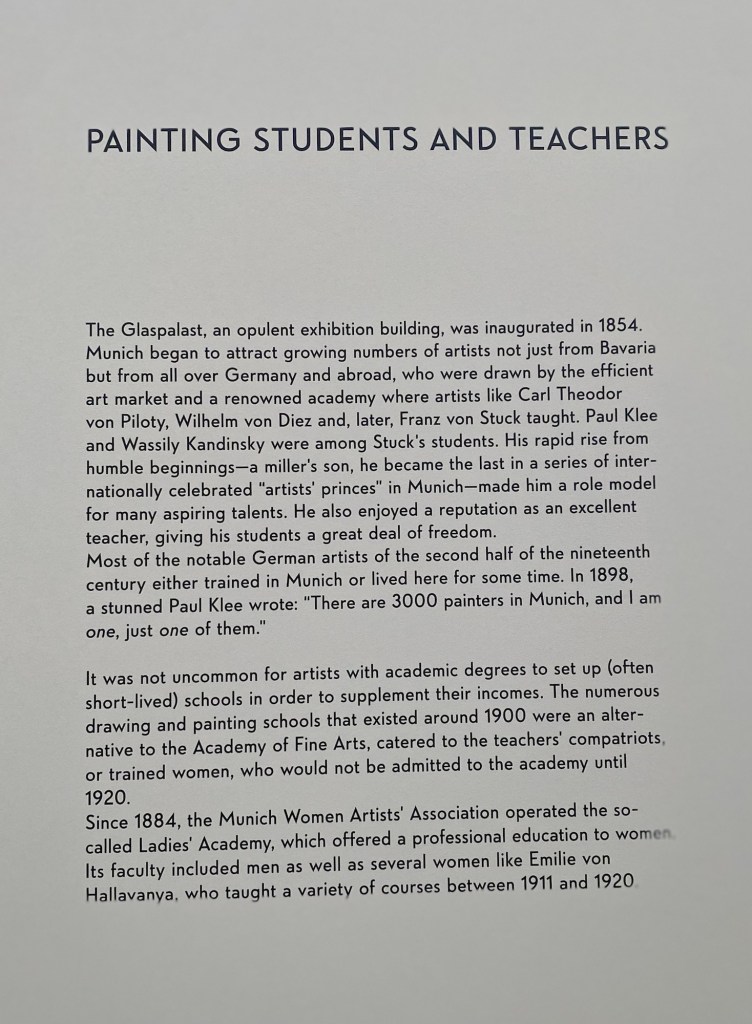
Once again I want to call out the quality and quantity of labeling in this fine museum in English. They understand they have a lot of international guests. Bravo!

The Lenbachhaus, Munich; Part 1

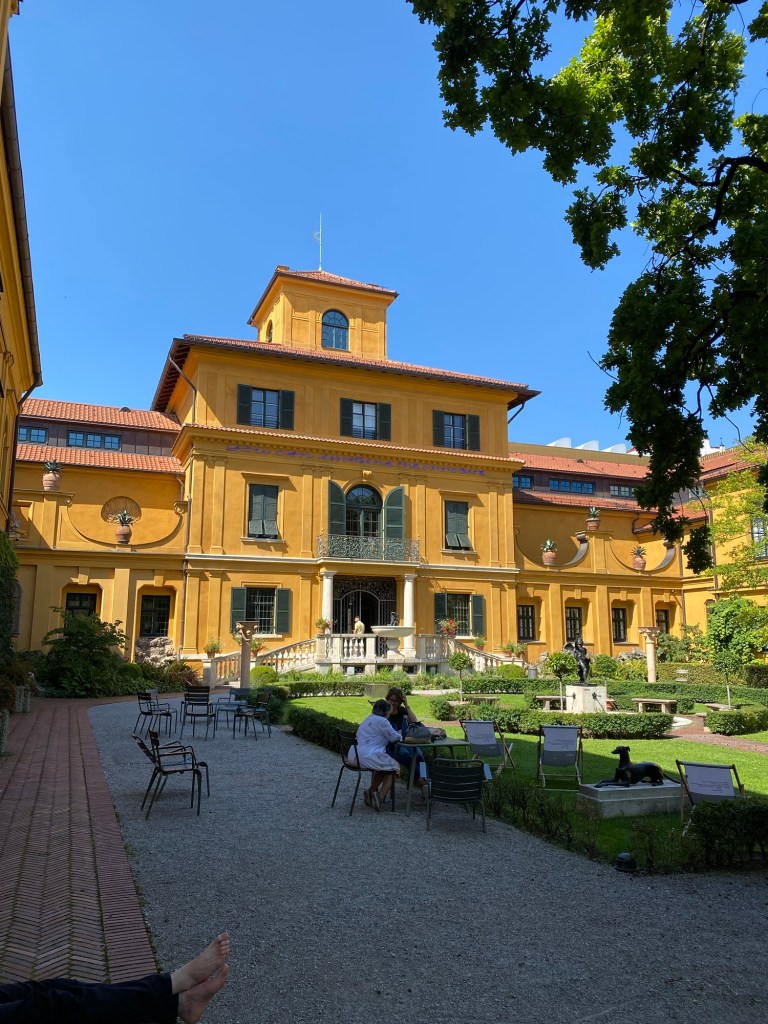
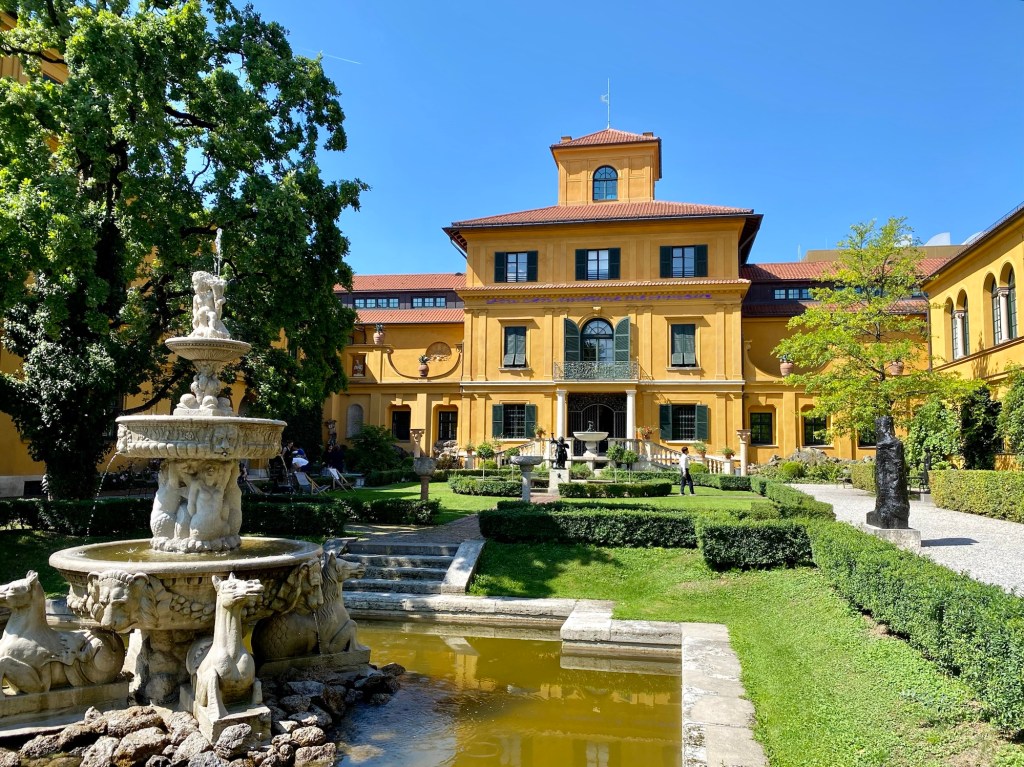
The Lenbachhaus is a building housing the Städtische Galerie (Municipal Gallery) art museum in Munich’s Kunstareal. The Lenbachhaus was built as a Florentine-style villa for the painter Franz von Lenbach between 1887 and 1891 by Gabriel von Seidl and was expanded 1927–1929 by Hans Grässel and again 1969–1972 by Heinrich Volbehr and Rudolf Thönnessen. Some of the rooms have kept their original design.

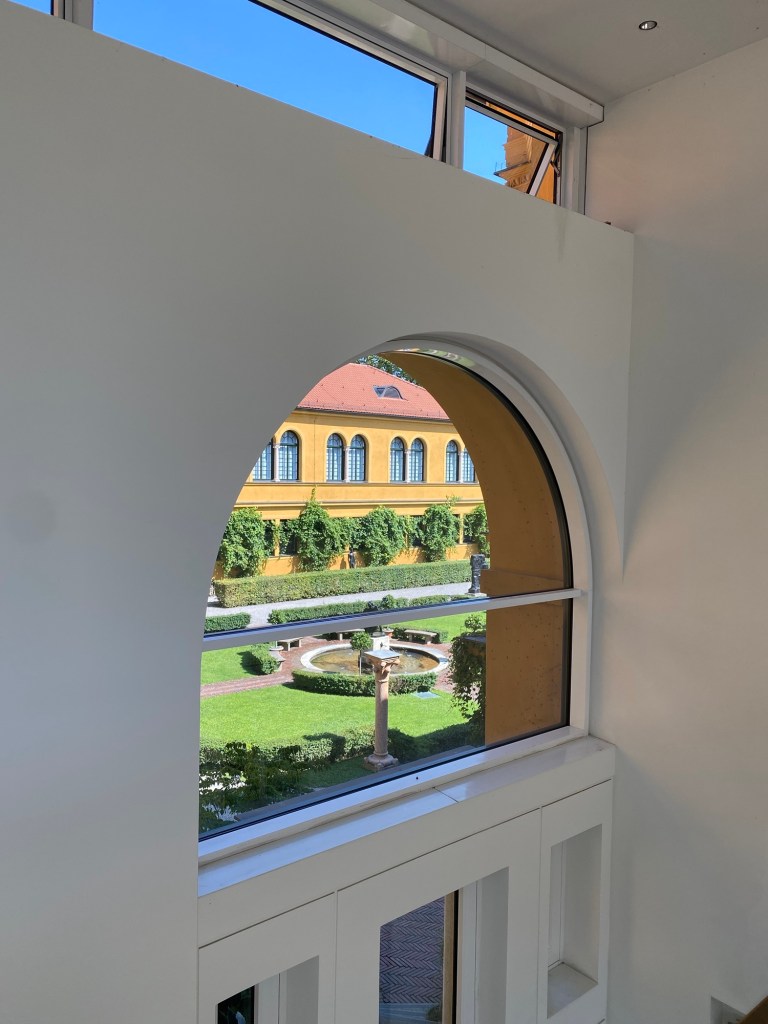
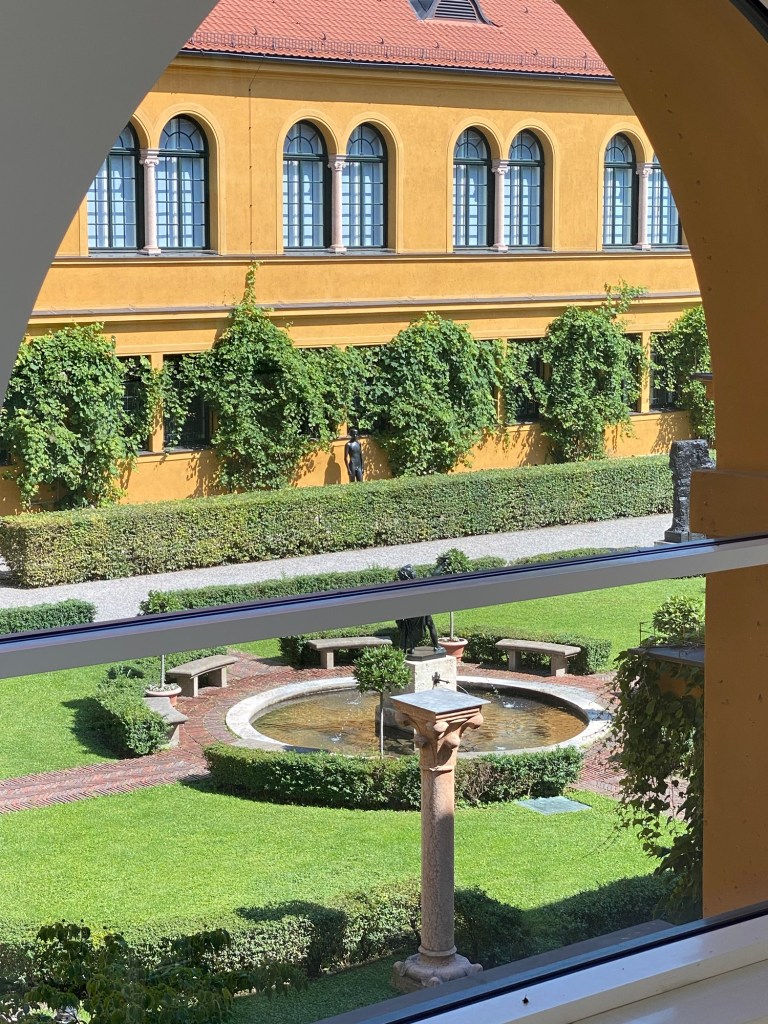
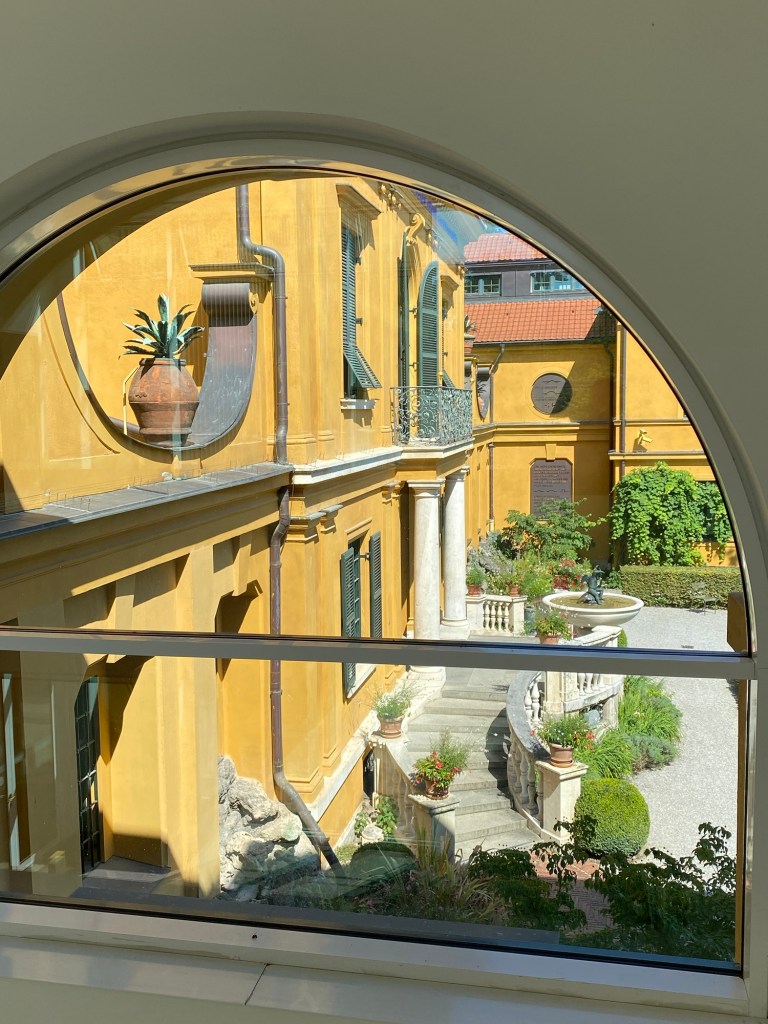
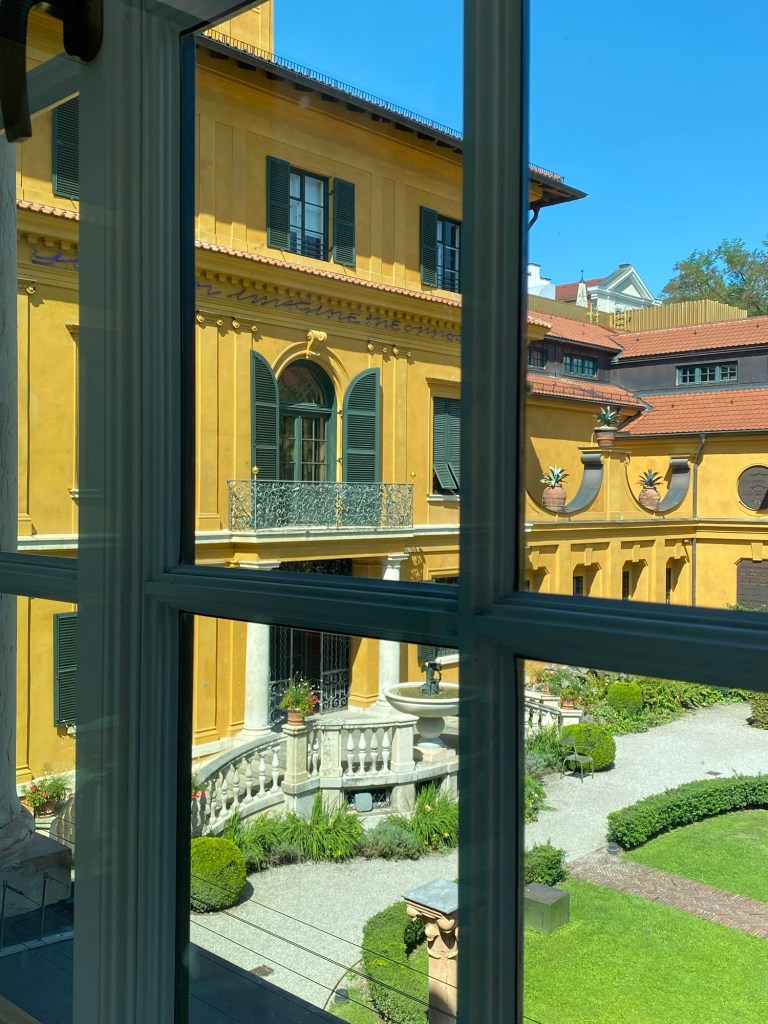
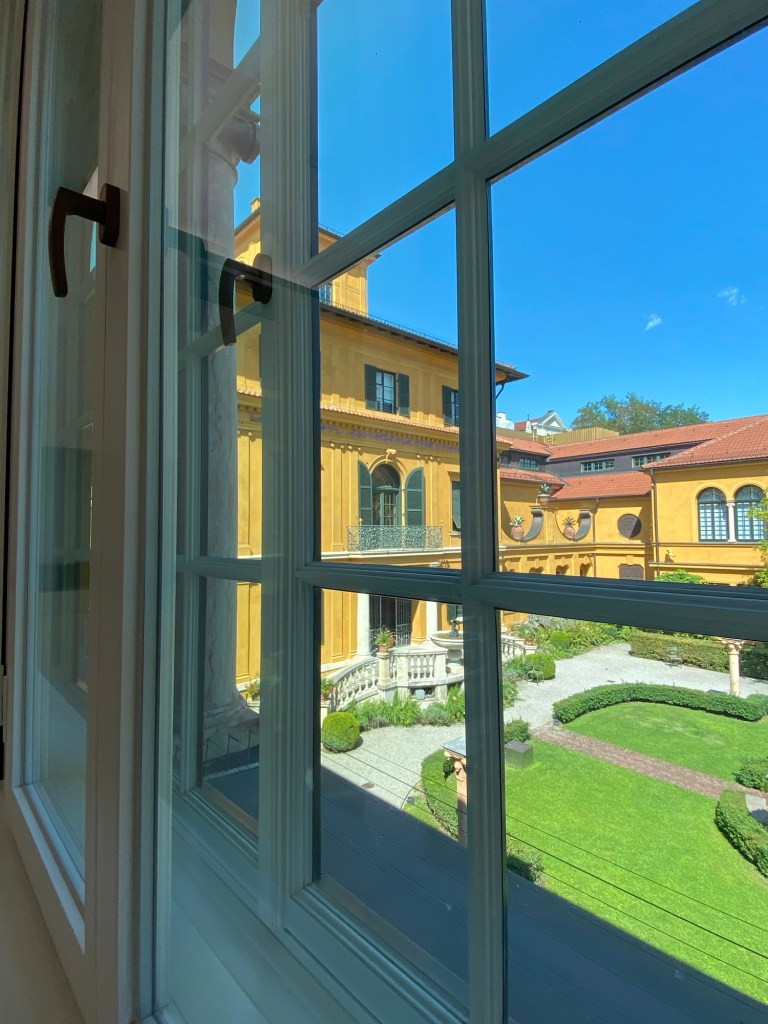
I have to share with you how I first discovered the Villa Lenbach. It was through windows in the new wing of the Lenbachhaus Museum. I’m a newbie to Germany; I think I’ve made that clear. I have never spent a moment previous to this summer thinking about visiting Germany, much less living here for a few months. Yet, here I am and I am enjoying it fully.

So that explains why I didn’t know one thing about the Lenbachhaus until I visited it. I was happily walking through what turns out to be the new wing, having no knowledge that the name of the museum or the location were based upon an Italian villa design! When I first spotted the formal garden out the window of the new wing, I almost fainted. I thought, wait, am I in Rome? It was a particularly hot sunny summer day and it felt like it could have been Italy!

The city of Munich acquired the building in 1924 and opened a museum there in 1929. The latest wing was closed to the public in 2009 to allow the expansion and restoration of the Lenbachhaus by Norman Foster; the 1972 extension was demolished to make way for the new building. The museum reopened in May 2013. The architect placed the new main entrance on Museumsplatz in front of the Propylaea. The new facade, clad in metal tubes made of an alloy of copper and aluminum, will weather with time.

The Kunstareal, Munich

Berlin has Museum Island. Munich has the Kunstareal. Either one or both will blow your art loving mind.

The Kunstareal (art district) is a museum quarter in the city center of Munich, Germany. It consists of the three Pinakotheken galleries (Alte Pinakothek, Neue Pinakothek and Pinakothek der Moderne), the Glyptothek, the Staatliche Antikensammlungen (both museums are specialized in Greek and Roman art), the Lenbachhaus, the Museum Brandhorst (a private collection of modern art) and several galleries. Also the Staatliche Sammlung für Ägyptische Kunst (the state collection of Egypt art) was moved to the Kunstareal in 2013. The history of the museums in this area of Munich began in 1816 with the erection of the Glyptothek at Königsplatz and was completed with the new building for the Egyptian Museum (2012) and the extension of the Lenbachhaus (2013)

For more, see: https://kunstareal.de

  1. The Alte Pinakothek contains a treasure trove of the works of European masters between the 14th and 18th centuries. The collection reflects the eclectic tastes of the Wittelsbach dynasty over four centuries, and is sorted by schools over two sprawling floors. Major displays include Albrecht Dürer’s Christ-like Self-Portrait, his The Four Apostles, Raphael’s paintings The Canigiani Holy Family and Madonna Tempi as well as Peter Paul Rubens self-portrait Honeysuckle Bower and his two-storey-high Judgment Day. The gallery houses one of the world’s most comprehensive Rubens collections. The Madonna of the Carnation is the only painting of Leonardo da Vinci in a German gallery.

2. The Neue Pinakothek is especially famous for its comprehensive collection of paintings of Impressionism from Pierre-Auguste Renoir, Édouard Manet, Claude Monet, Paul Cézanne, Paul Gauguin, Edgar Degas, Vincent van Gogh and many others.

3. The Pinakothek der Moderne unifies the Bavarian State Collection of Modern and Contemporary Arts, the National Collection of Works on Paper and the Museum for Design and Applied Arts with the Munich Technical University’s Museum of Architecture in one building and is deemed one of the most important and popular museums of modern art in Europe. It houses indeed the largest collection of industrial design. The Collection of Works on Paper ranges from masterpieces of Albrecht Dürer, Rembrandt, Michelangelo and Leonardo da Vinci to Paul Cézanne, Henri Matisse, Paul Klee and David Hockney.

It is owned by the nearby Staatliche Graphische Sammlung München, a world-renowned collection of 400,000 prints, engravings and drawings dating back to the Renaissance. The Collection of Modern Art keeps a large collection of paintings of Pablo Picasso, Max Beckmann and of the painters of Die Brücke.

4. The Lenbachhaus houses many works by the Blaue Reiter group of artists who worked in Munich.

5. The modern Museum Brandhorst focus on the work of Andy Warhol and Cy Twombly.

6. An important collection of Greek and Roman art is held in the Glyptothek and the Staatliche Antikensammlung (State Antiquities Collection). King Ludwig I managed to acquire such famous pieces as the Medusa Rondanini, the Barberini Faun and the figures from the Temple of Aphaea on Aegina for the Glyptothek. The internationally renowned collection of antique pottery is outstanding. The Museum für Abgüsse klassischer Bildwerke displays the world’s most famous ancient Greek and Roman sculptures as plaster casts.

7. The Kunstareal was further augmented by the completion of the Staatliche Sammlung für Ägyptische Kunst (Egyptian Museum). This museum displays exhibits from all periods of Ancient Egypt’s history but also reliefs from Assyria and a lion from the Ishtar Gate of Babylon.

Nearby the Kunstareal are several natural scientific museums of the Bavarian state, like the Paläontologisches Museum München, the Geological Museum and the Museum Reich der Kristalle as the public part of the “Mineralogische Staatssammlung Muenchen” (Bavarian State Collection for Mineralogy).