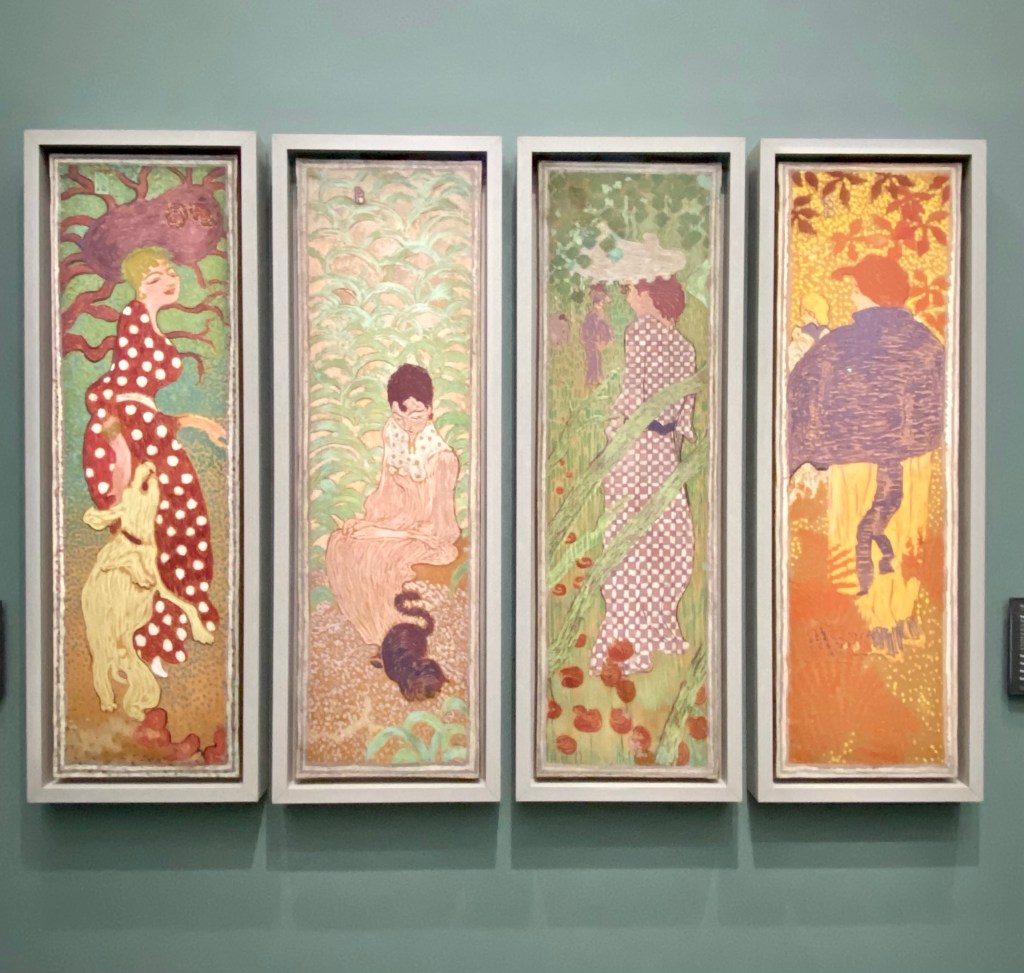
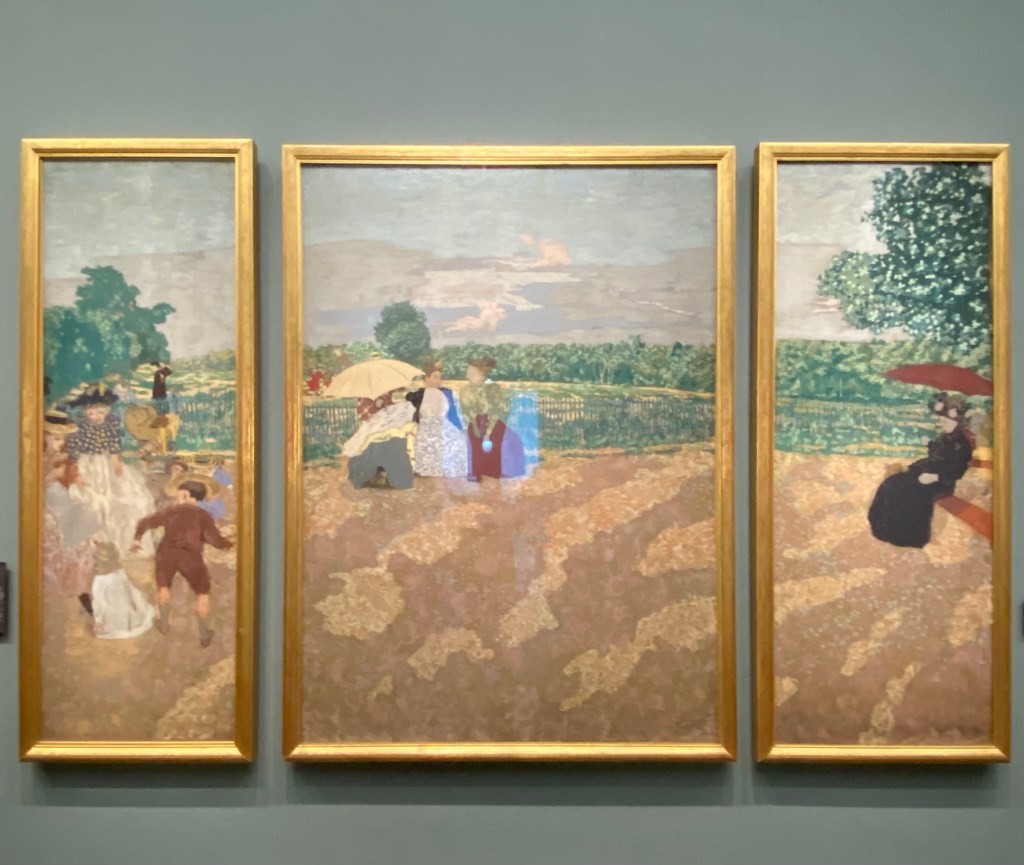
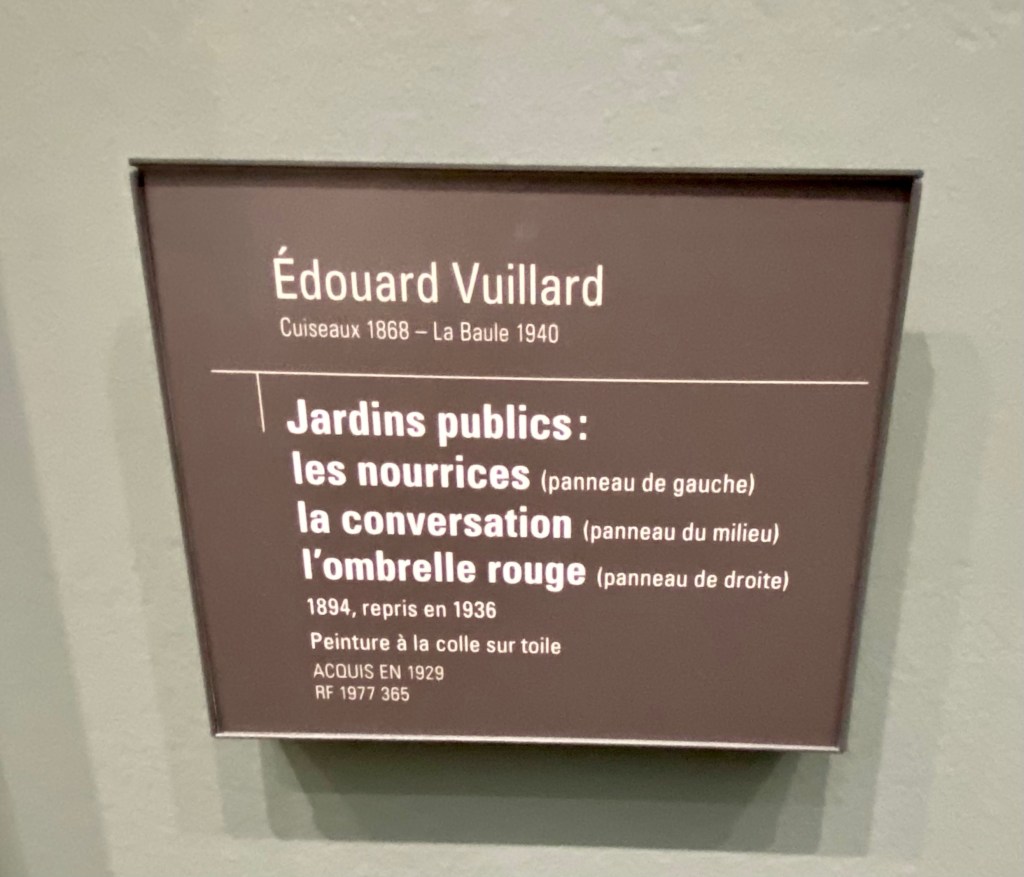
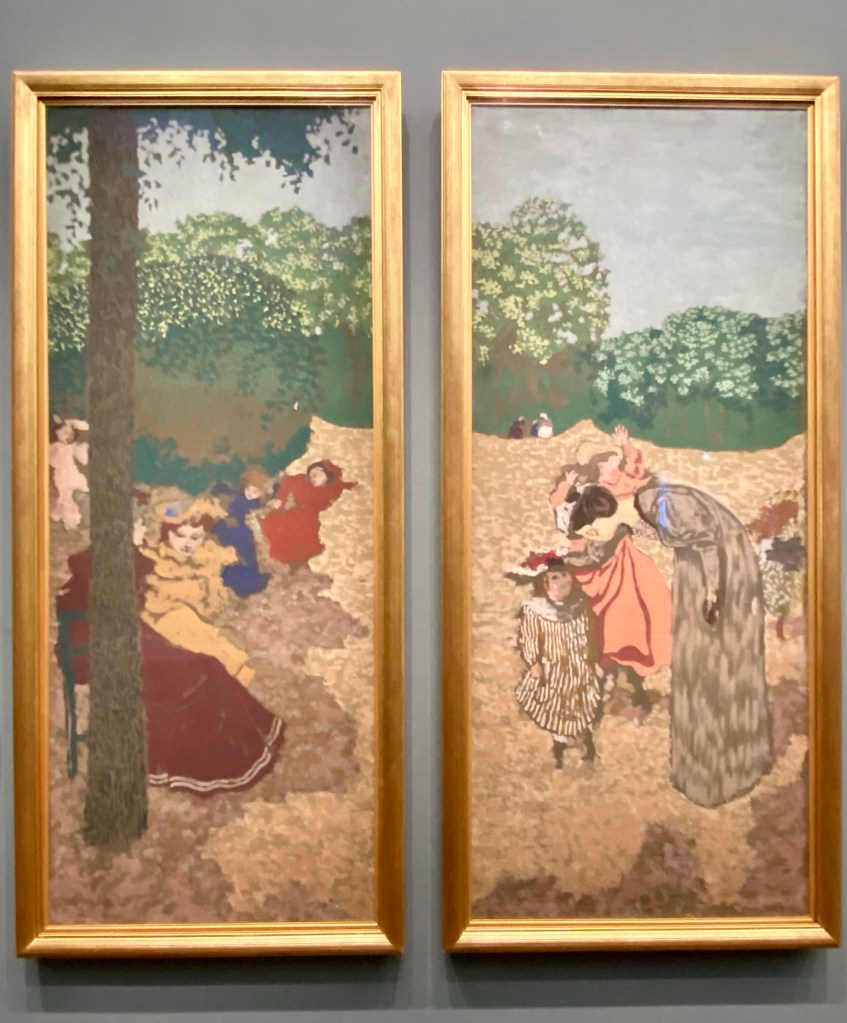
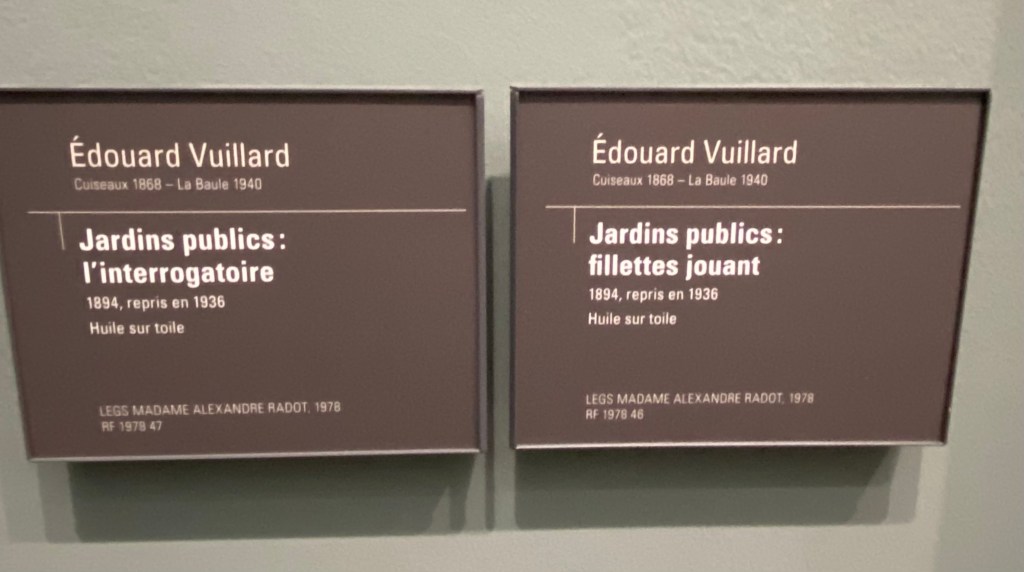
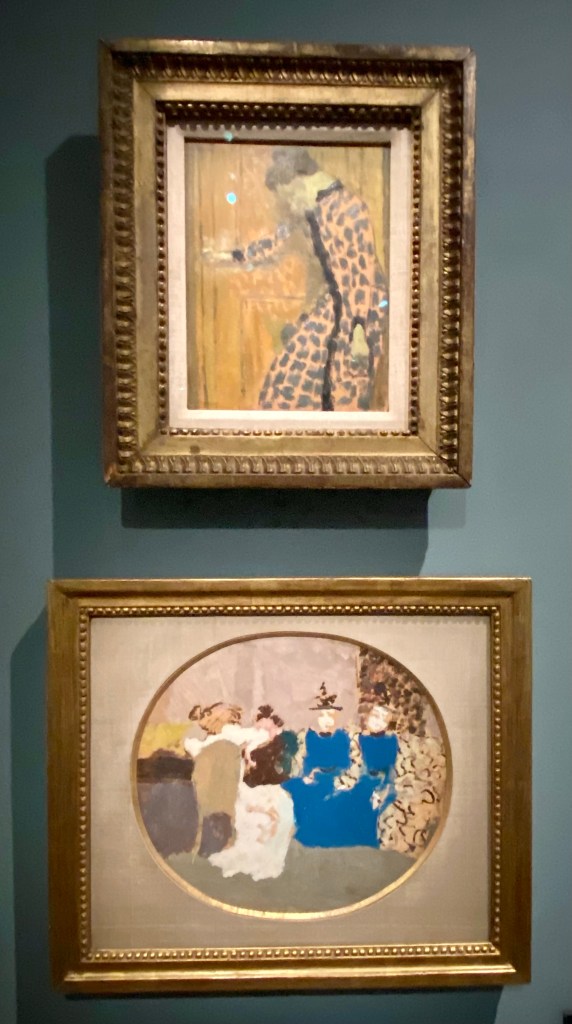
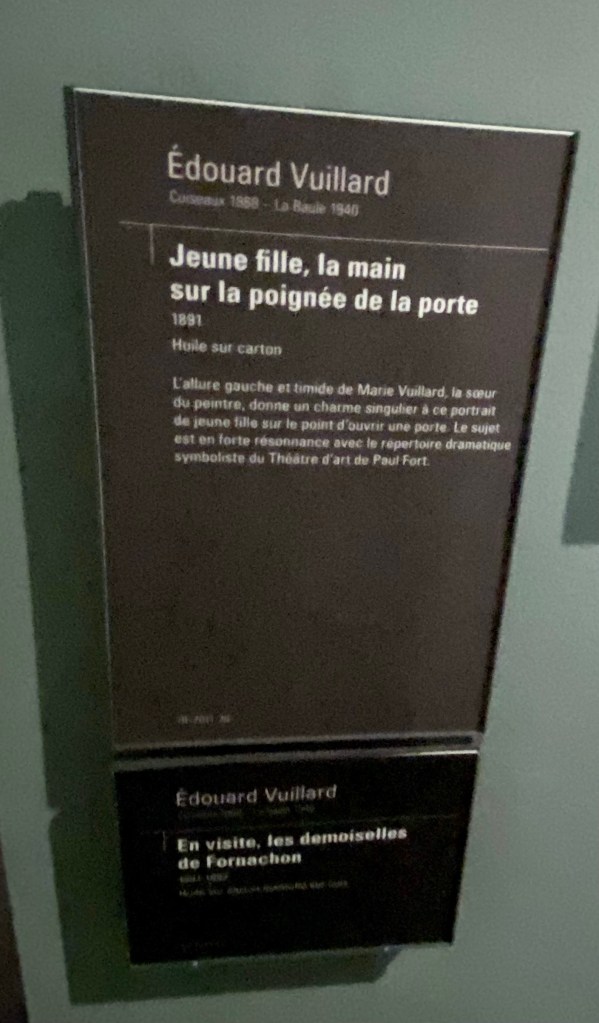
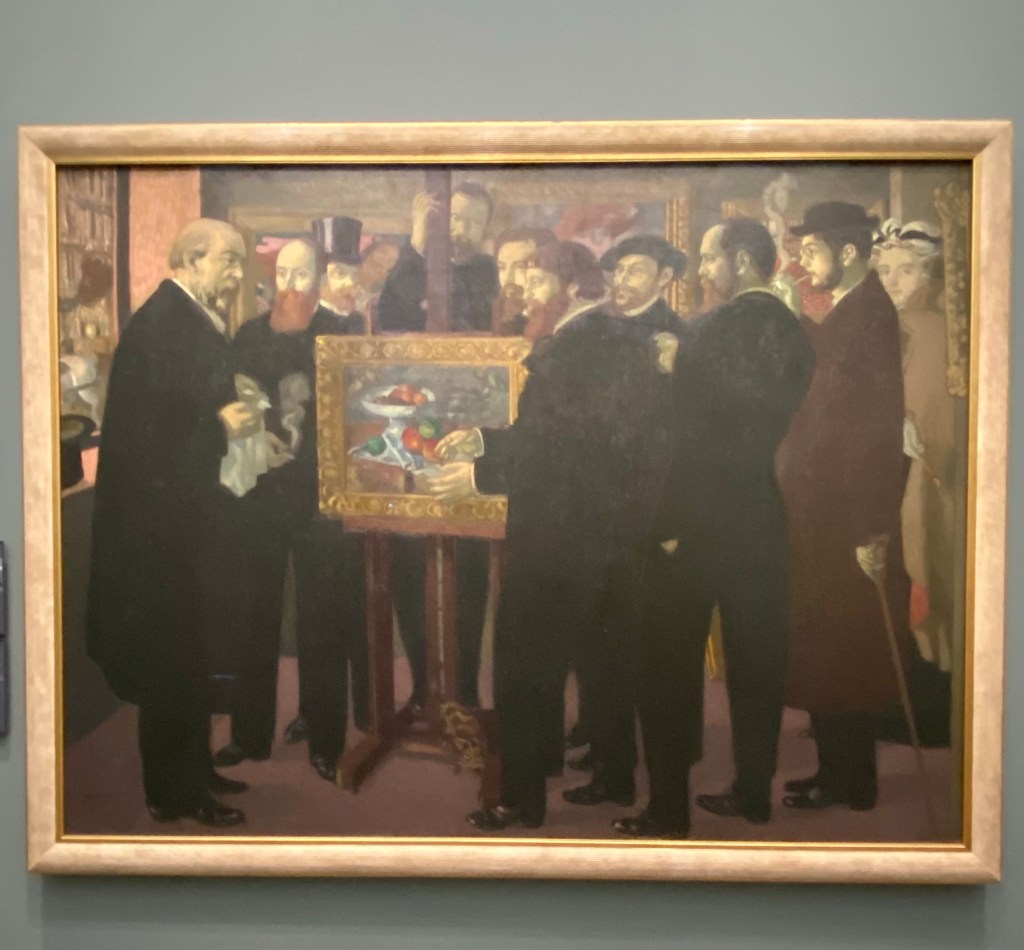
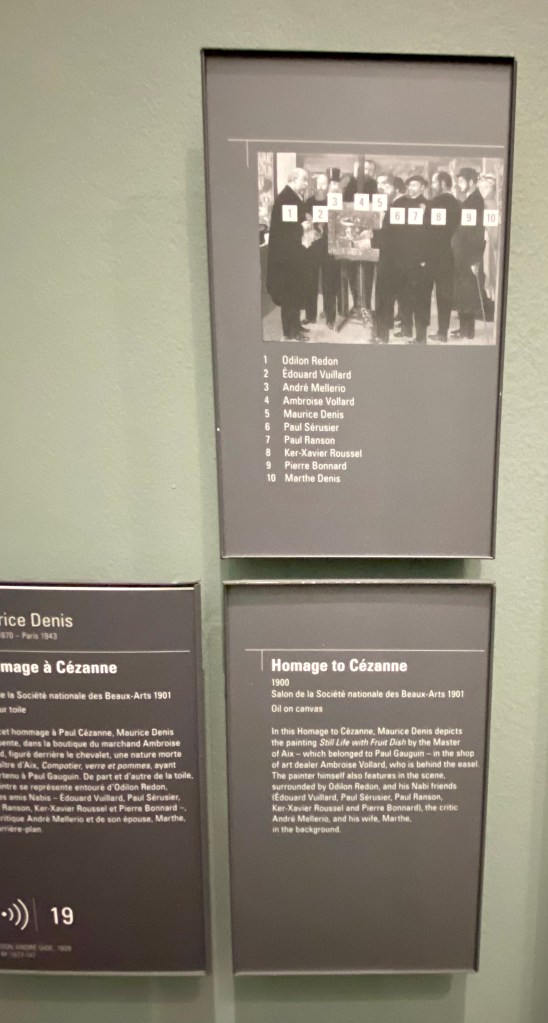
I have always loved the paintings of Vuillard. I like those of his coterie as well.
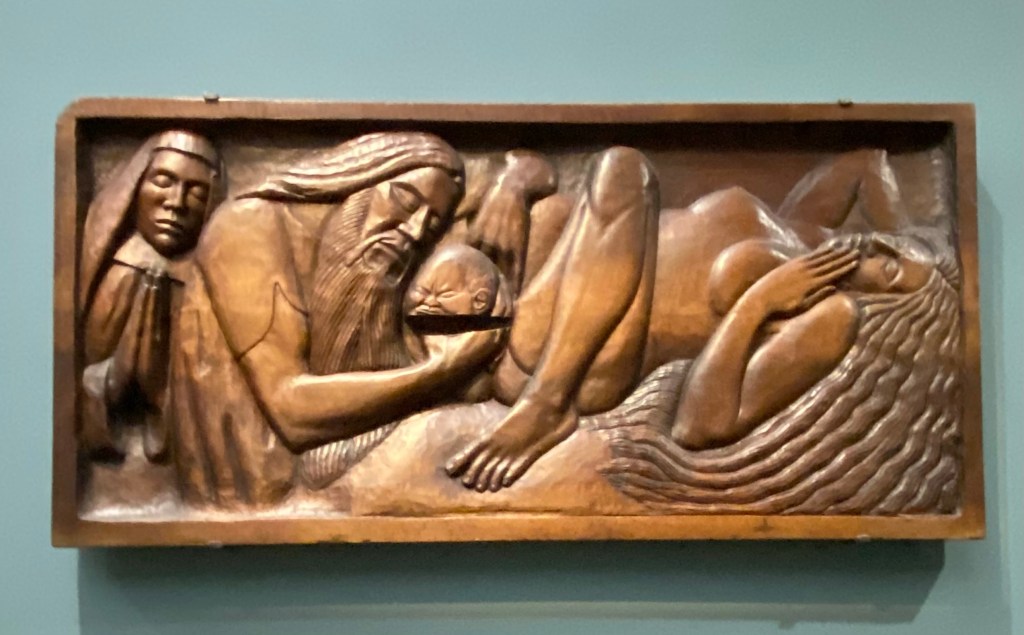
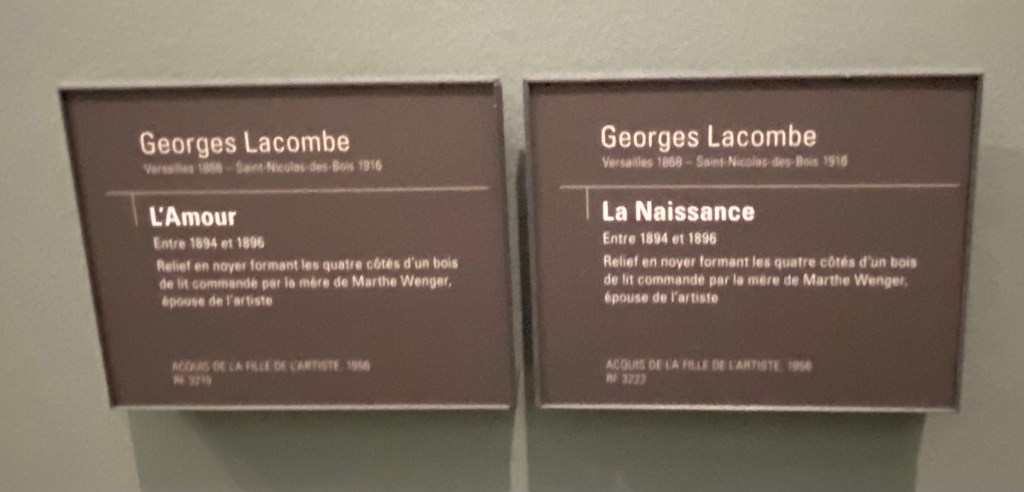
The next work goes under in the group called: “I have never seen this before.” I have seen a lot of things, especially in art, but this is the only delivery scene I’ve ever seen depicted!
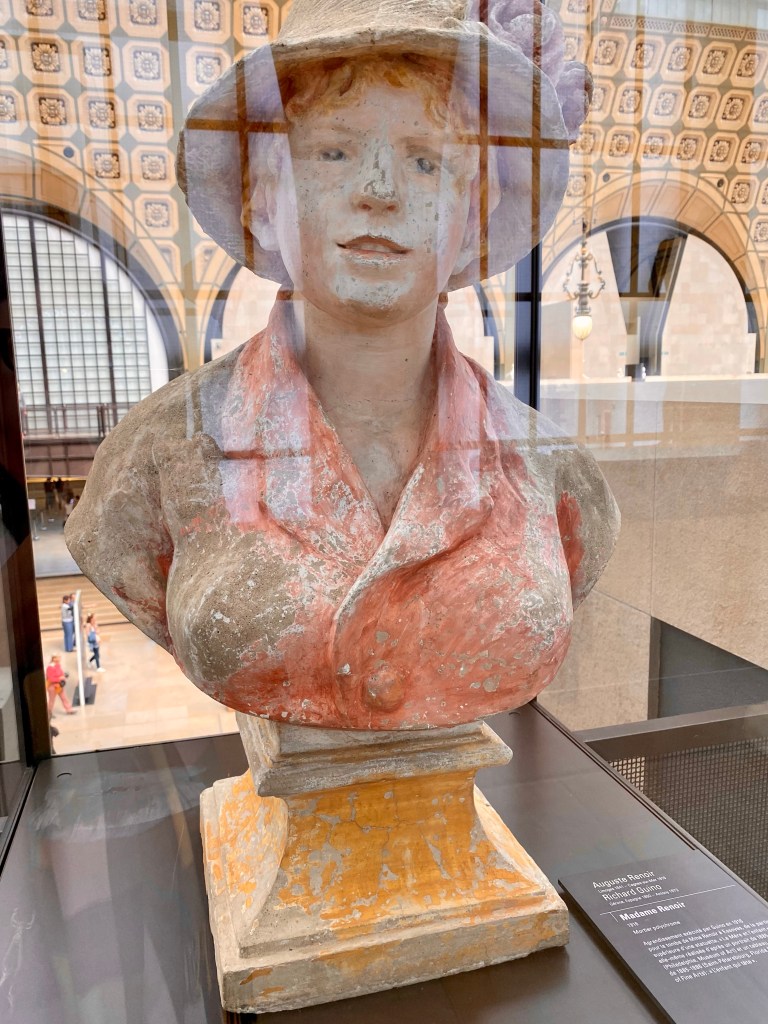
The sculpture above is by Renoir, who is not a member of the Nabis, but this is where it landed in the Orsay.
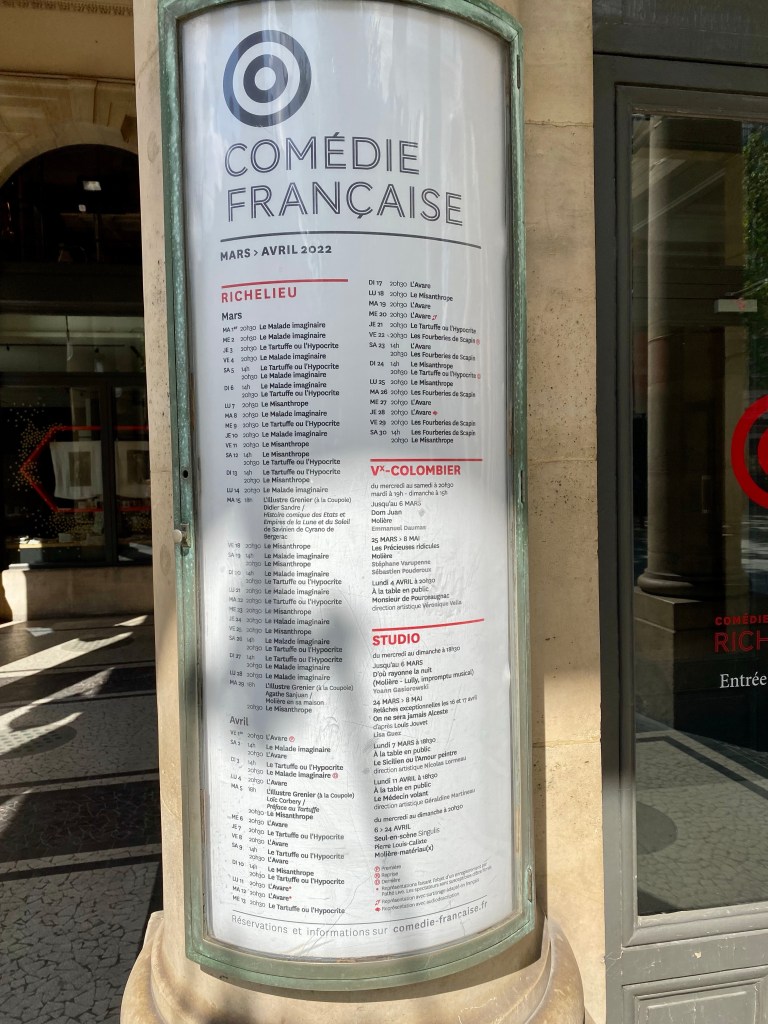
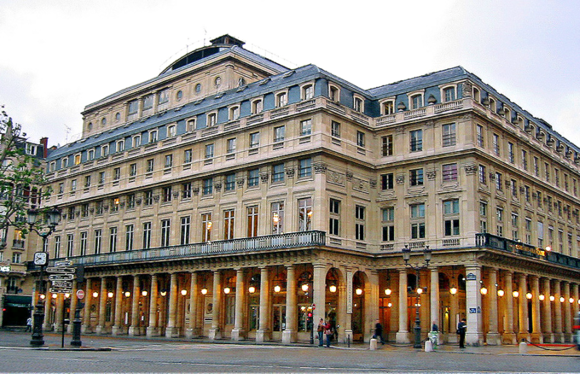
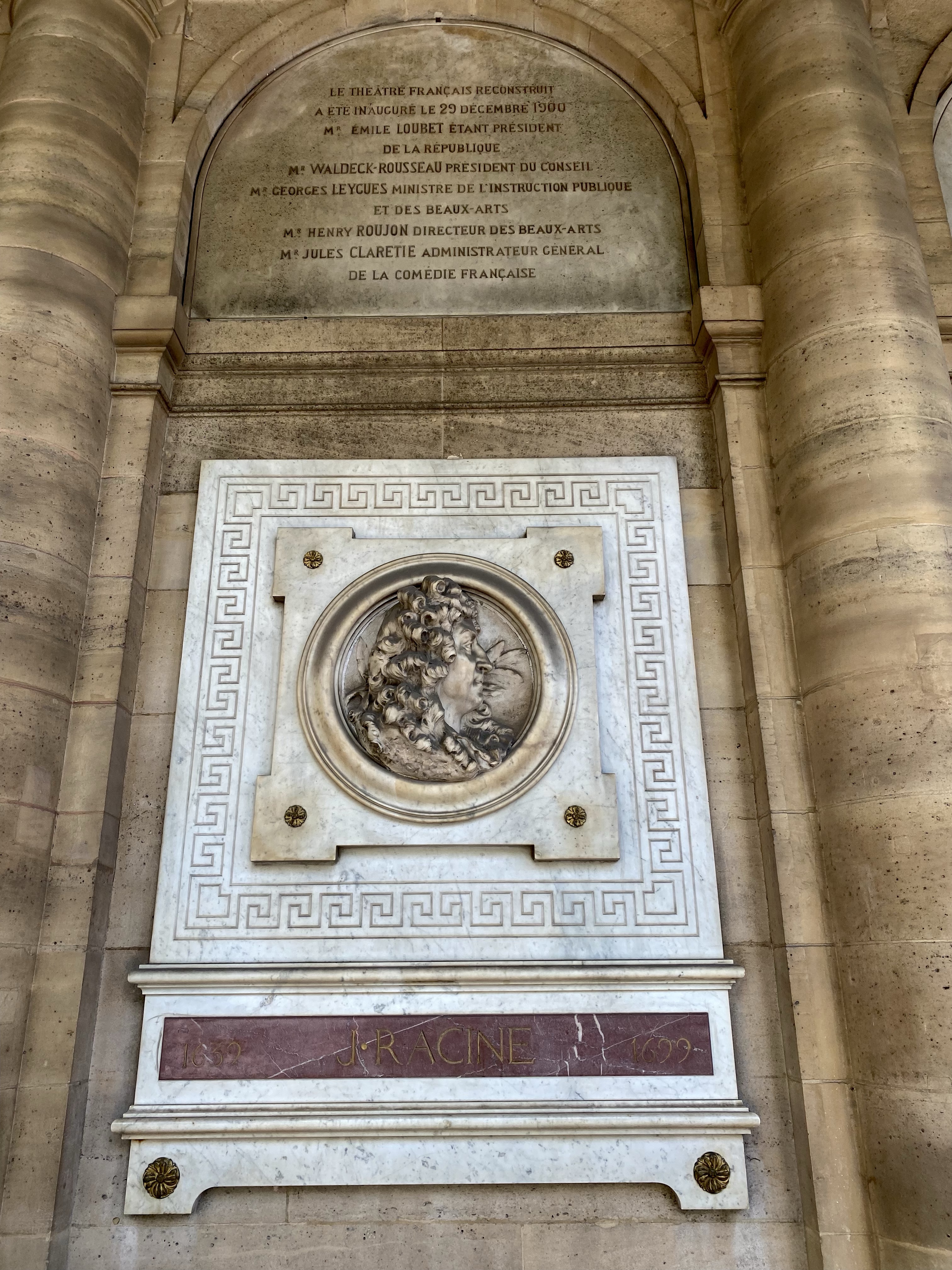
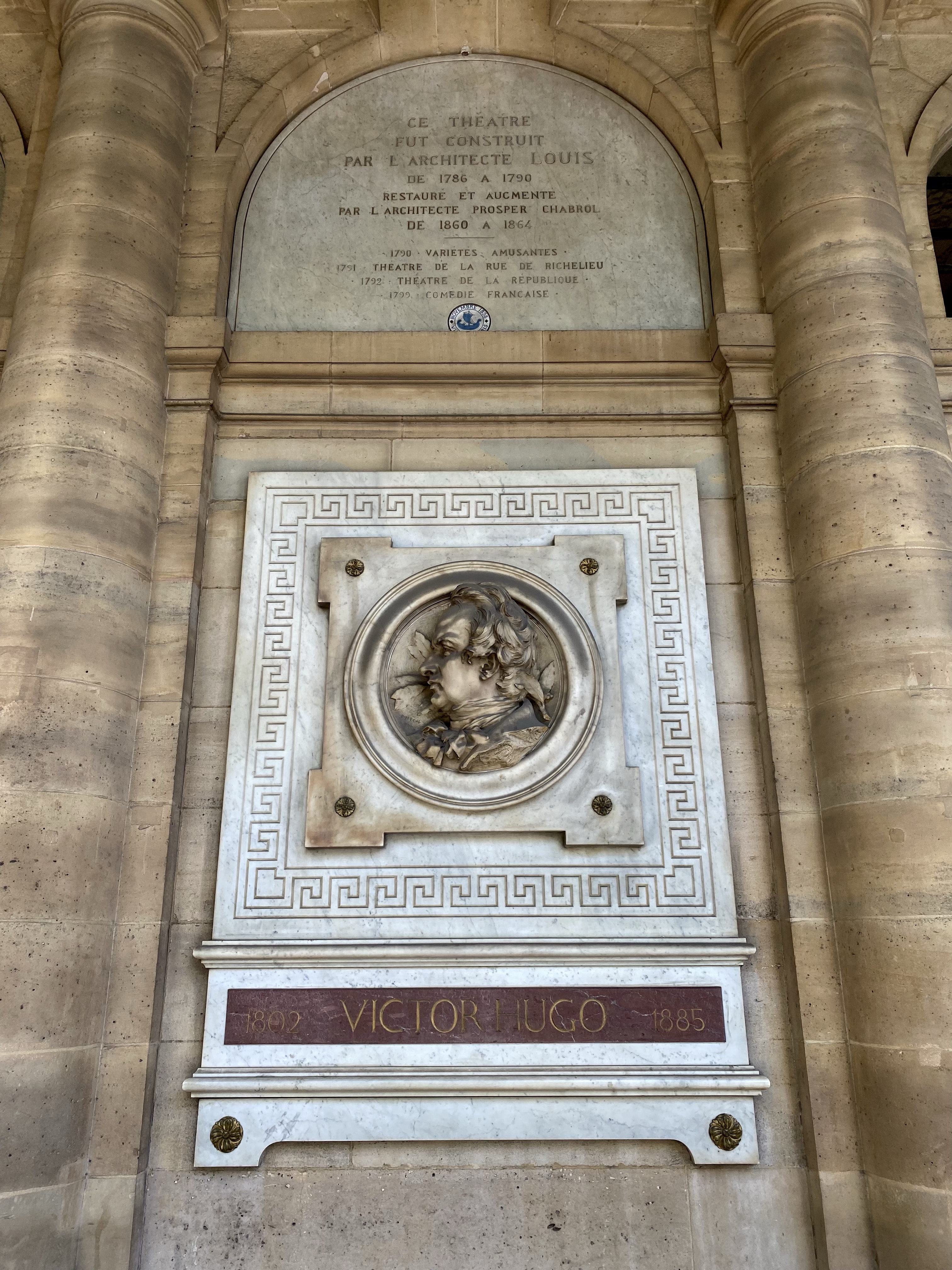
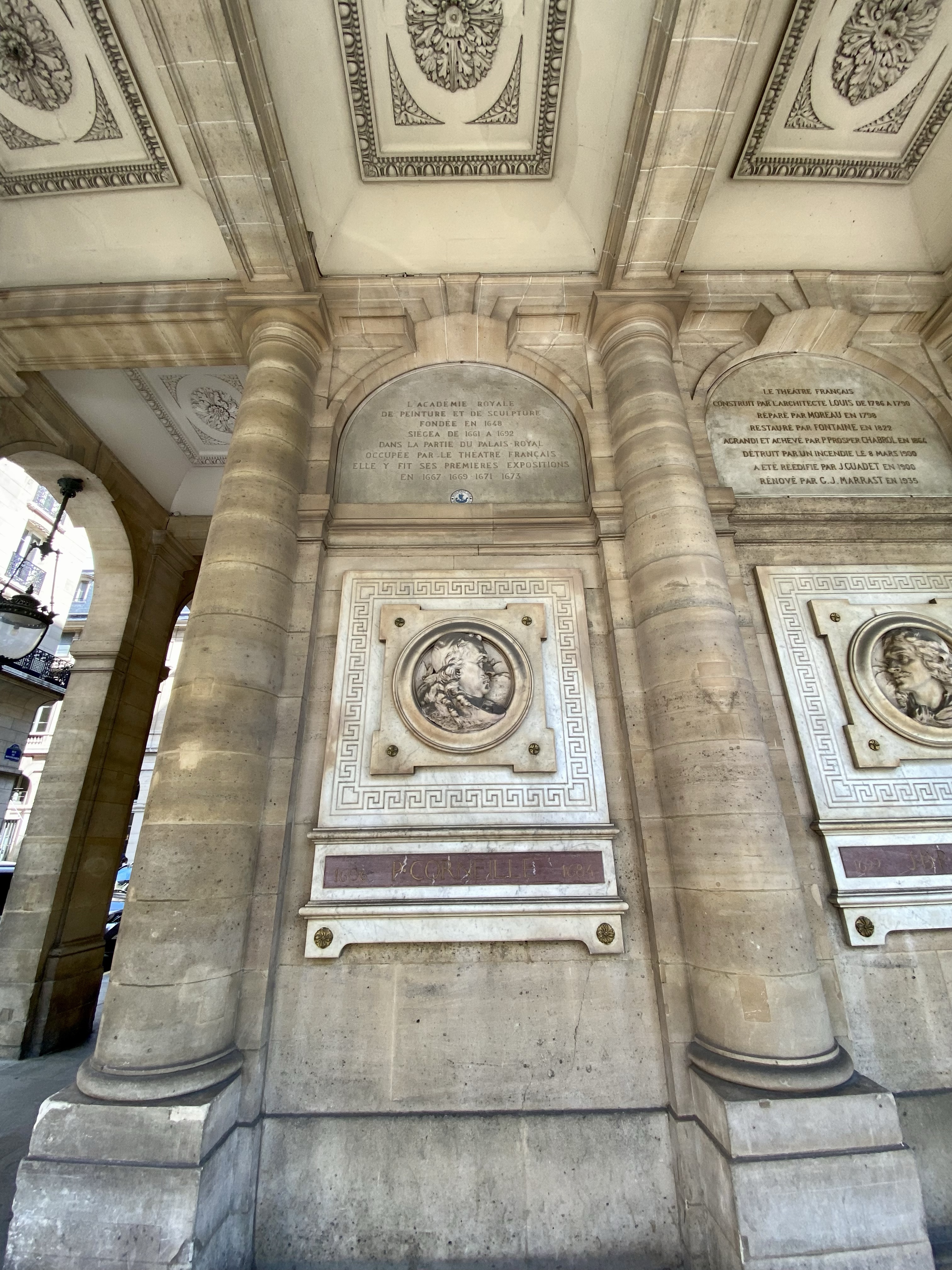
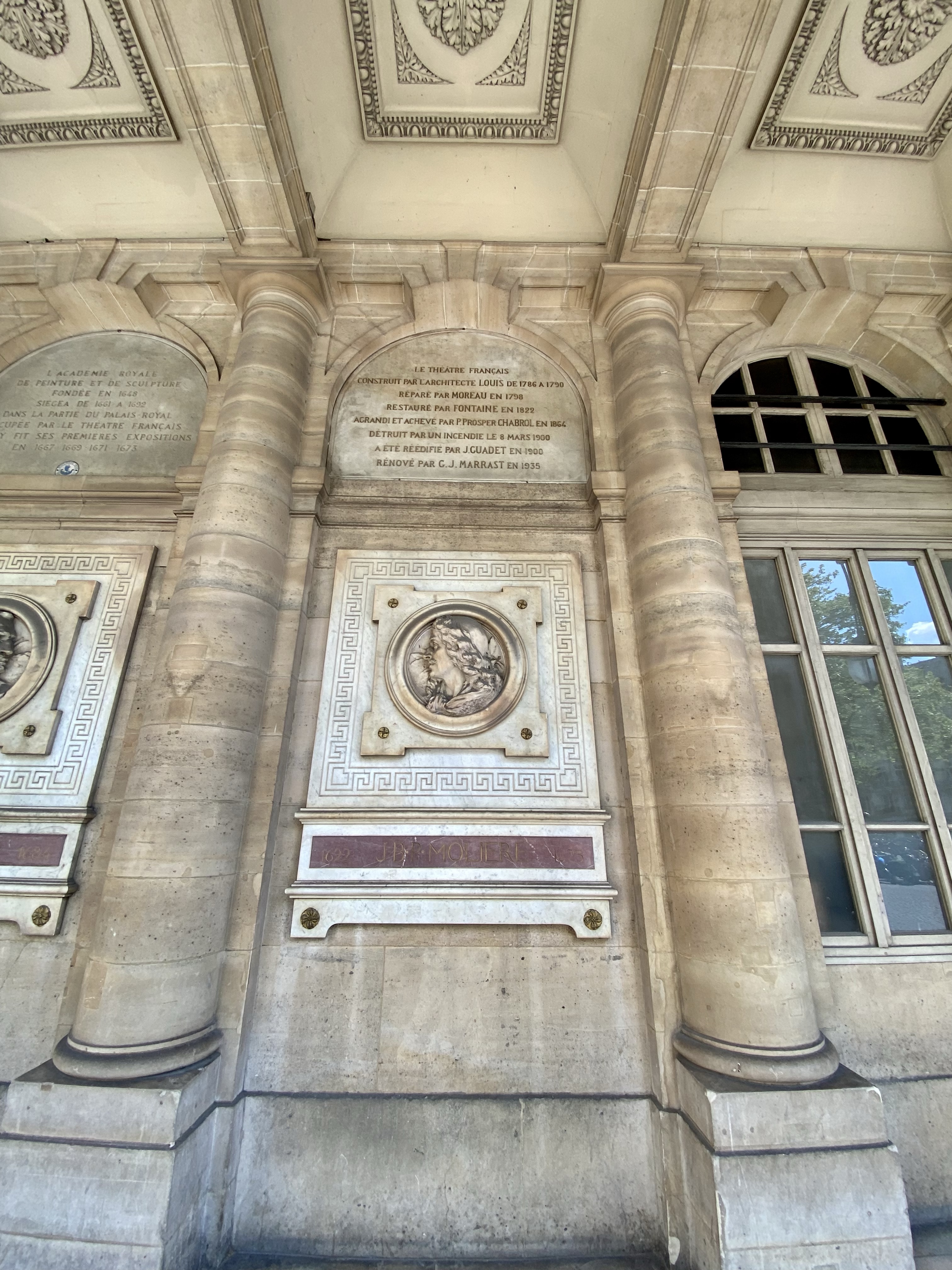
The Comédie-Française is one of the few state theatres in France. Founded in 1680, it is the oldest active theatre company in the world. Established as a French state-controlled entity in 1995, it is the only state theatre in France to have its own permanent troupe of actors. The company’s primary venue is the Salle Richelieu, which is a part of the Palais-Royal complex and located at 2, Rue de Richelieu on Place André-Malraux in the 1st arrondissement of Paris.
The theatre has also been known as the Théâtre de la République and popularly as “La Maison de Molière.” It acquired the latter name from the troupe of the best-known playwright associated with the Comédie-Française, Molière. He was considered the patron of French actors. He died seven years before his troupe became known as the Comédie-Française, but the company continued to be known as “La Maison de Molière” even after the official change of name.
The Salle Richeliu, now the principal theater of the Comédie Française, was designed by Victor Louis and completed in 1786. The theater was extensively remodelled over the years; only the exterior walls and columns of the peristyle of the original theater survive, but the reconstructions have preserved the original plan and style.
The site was quite small for such a large theater, 44 by 32 metres, so Louis was compelled to stack the seven levels of the theater directly on top of the vestibule on the ground floor. The auditorium of the theater is in the form of an oval. Four stairways serve the seven levels. Balconies, loges and galleries fill the different levels. Four massive columns frame the stage. The hall is covered by a large cupola supported by pendentives and decorated with frescoes, The interior is lavishly decorated in blue and green ornamented with gold, colours traditionally associated in the 18th century with classical theatres. Louis built the cupola with a metallic framework, which saved the structure when a fire struck the theater in 1900. The theater today can hold 2,000 spectators.










 get back, lauretta!
You must be logged in to post a comment.