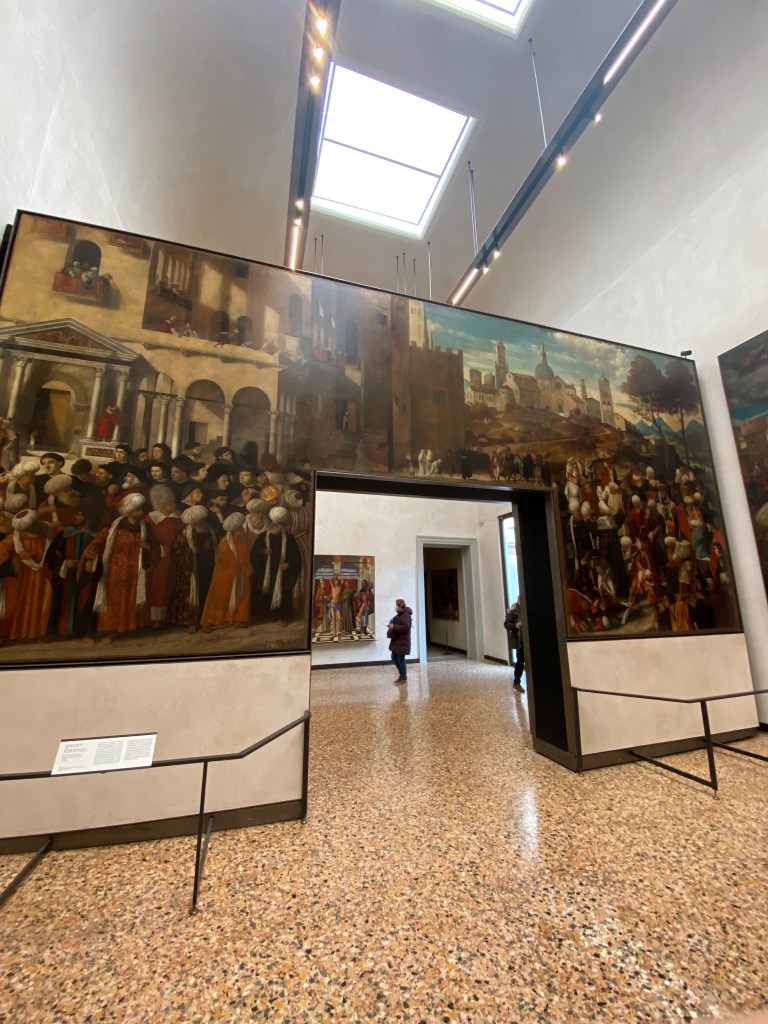
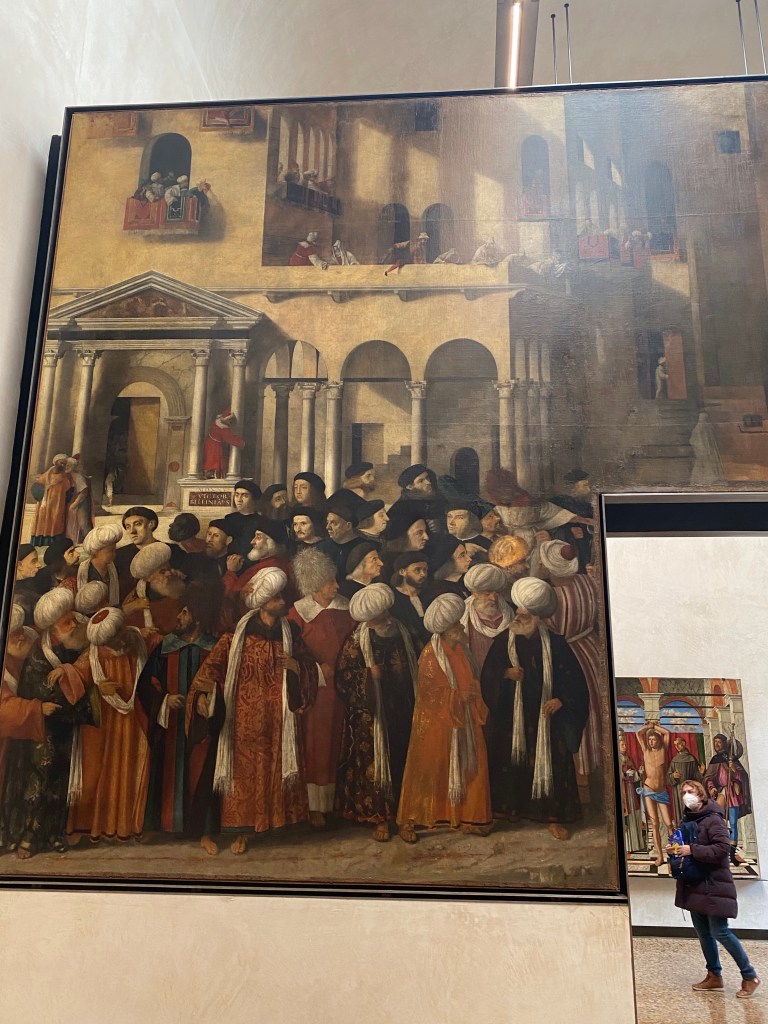
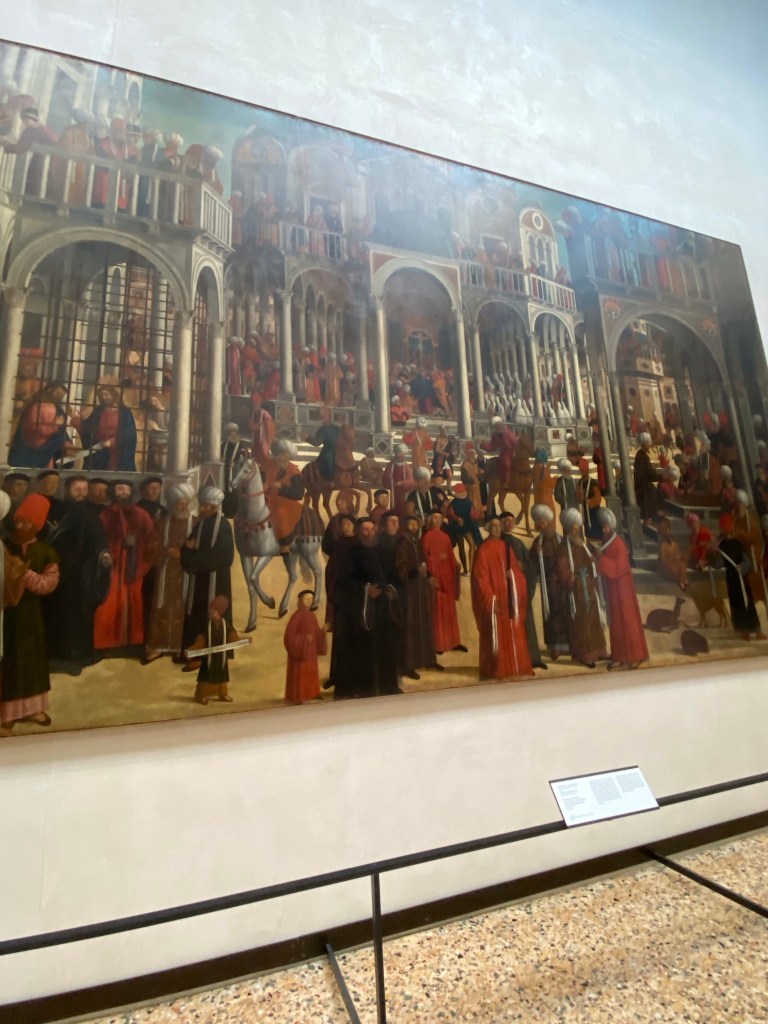
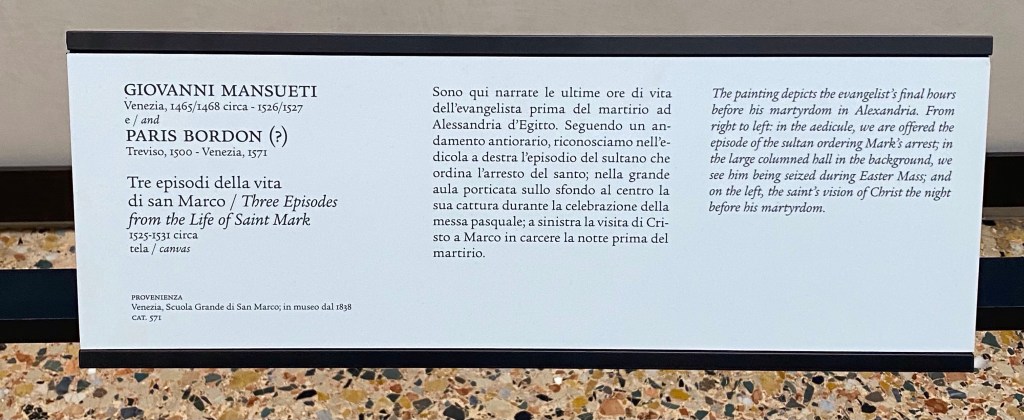
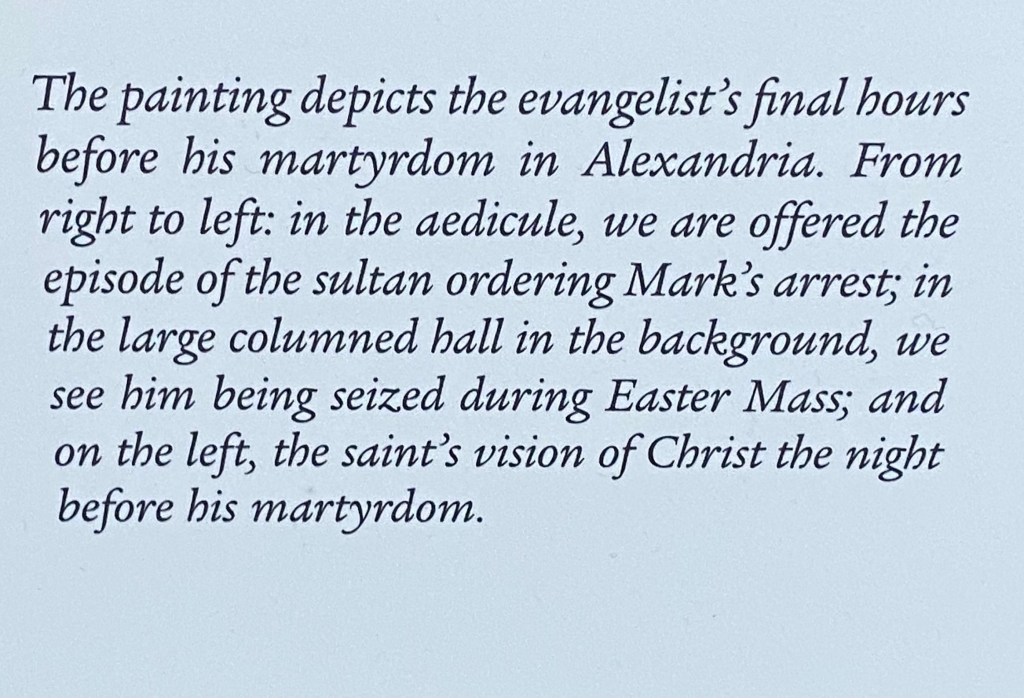
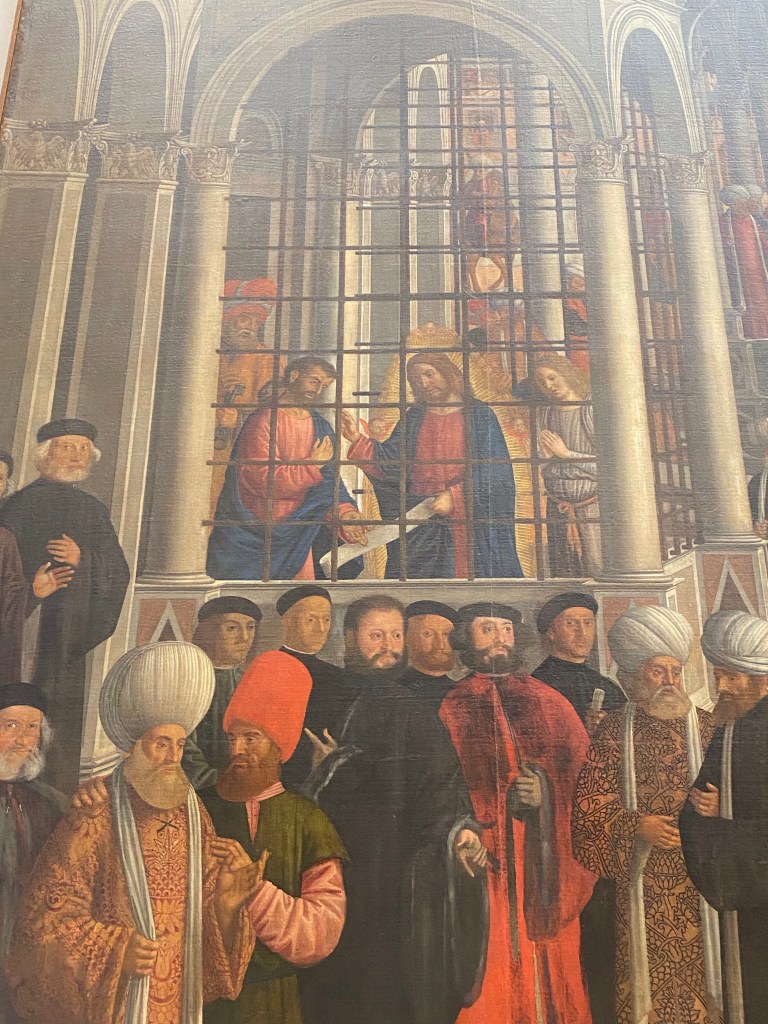
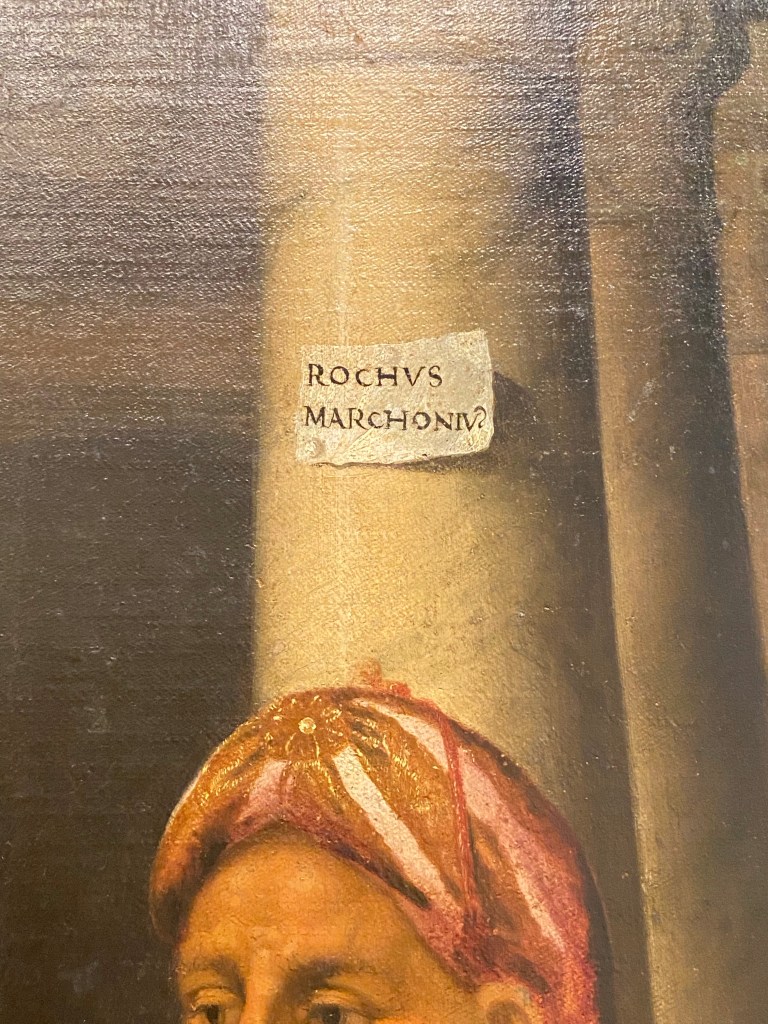
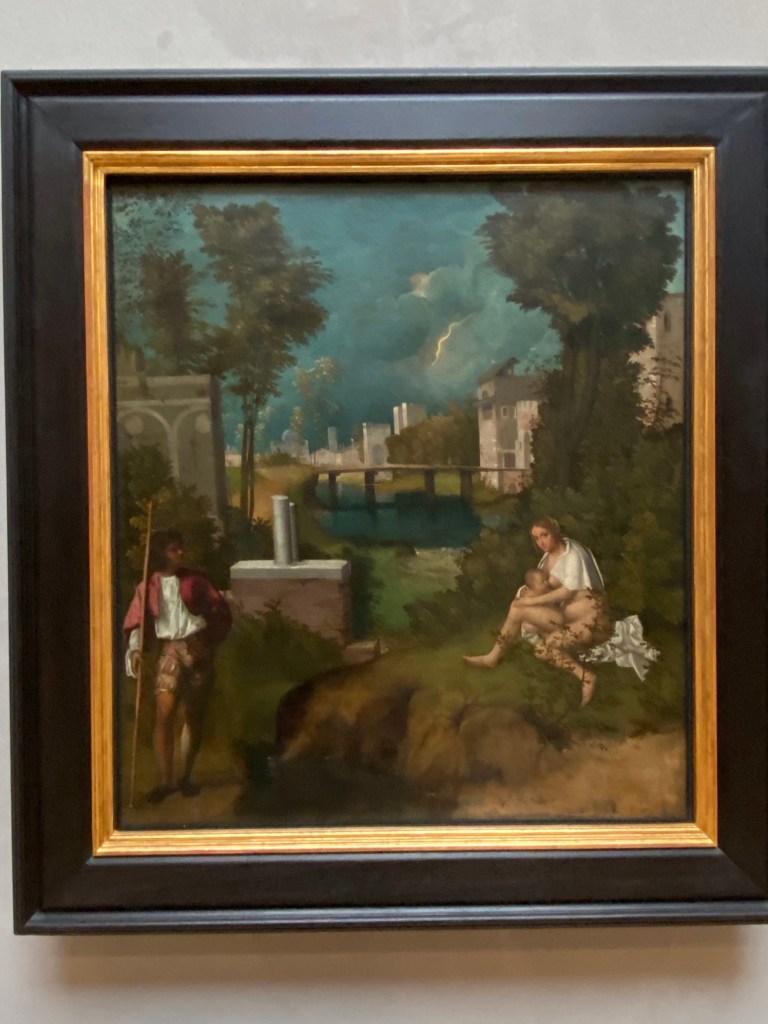
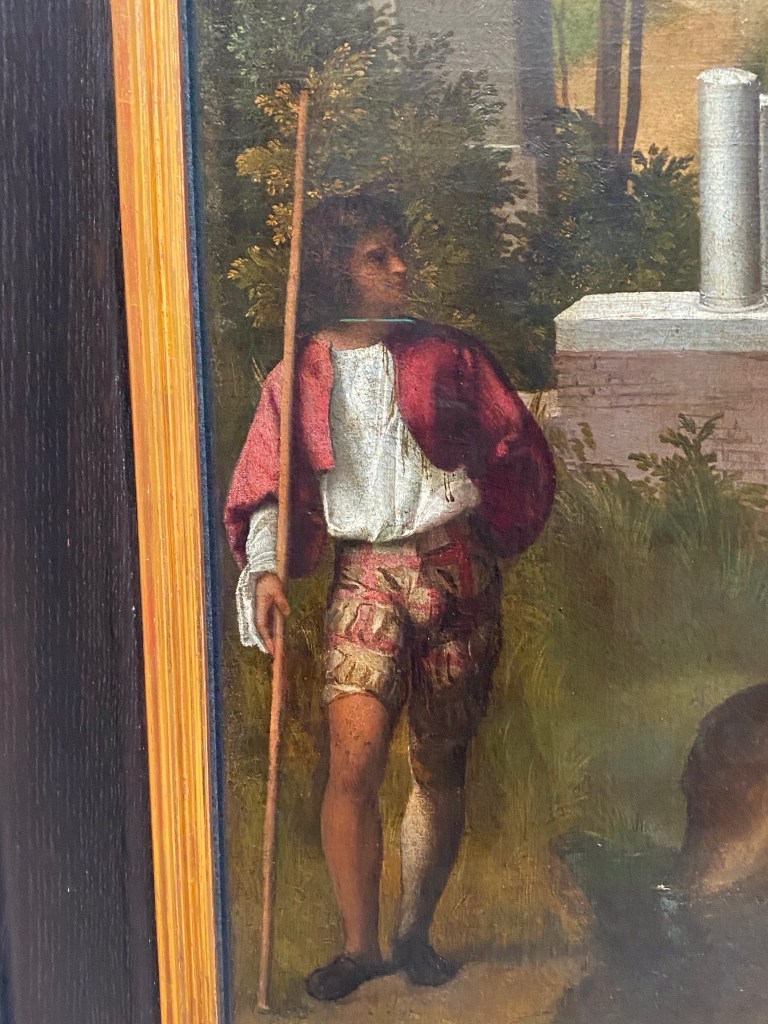
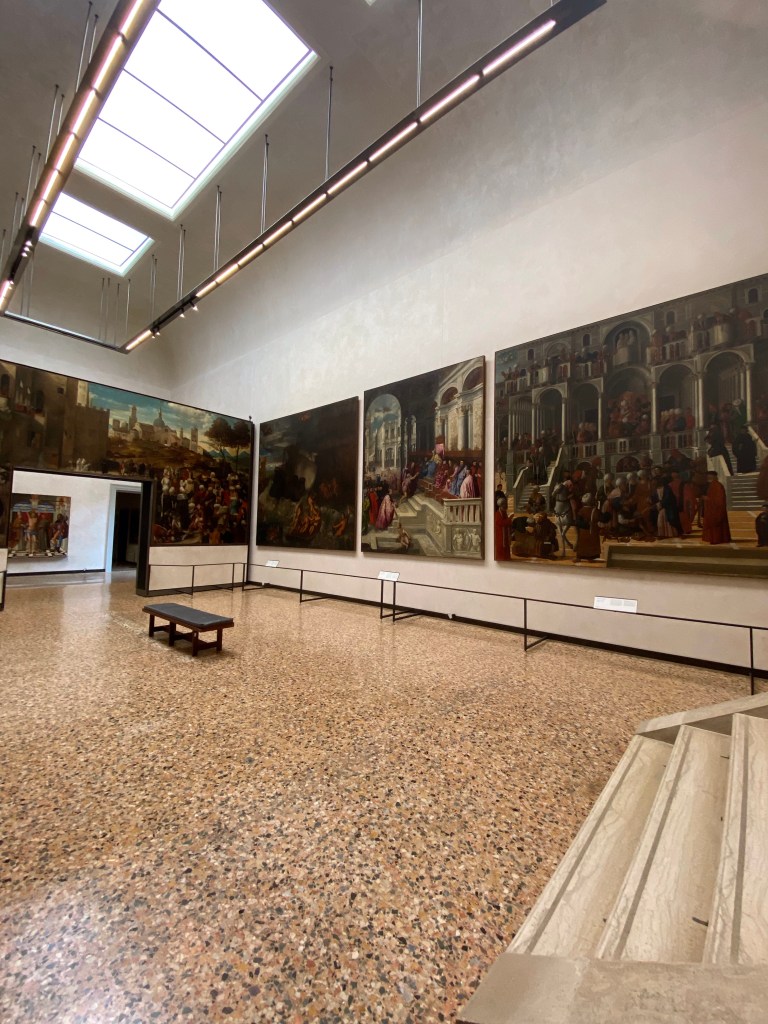
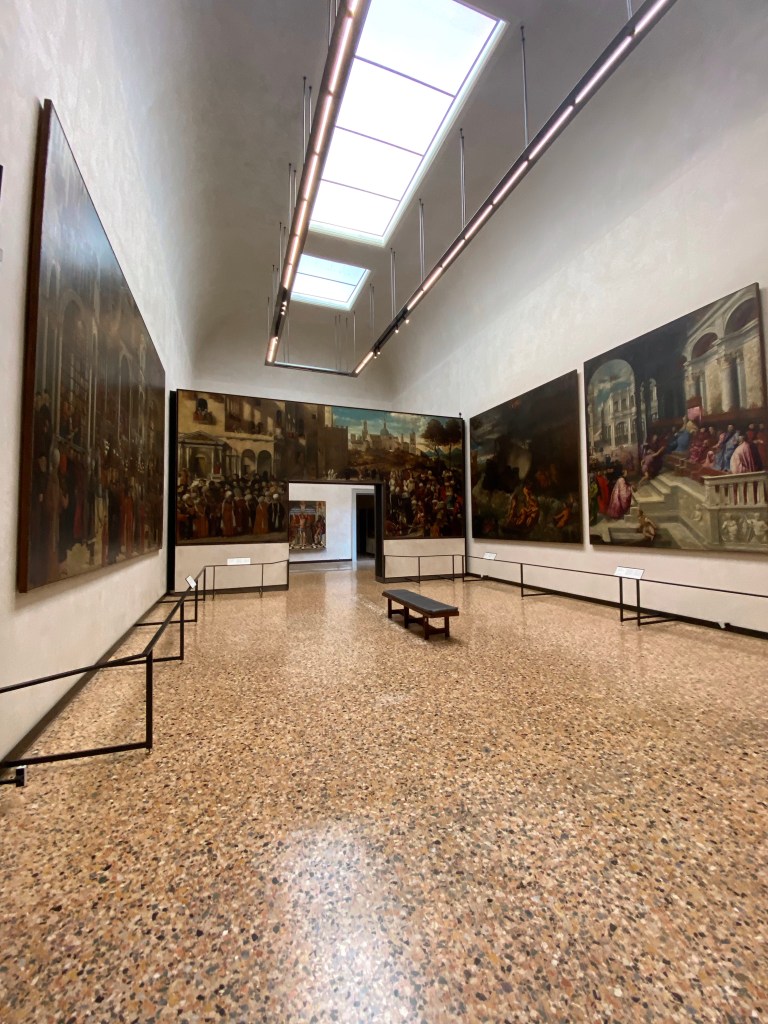
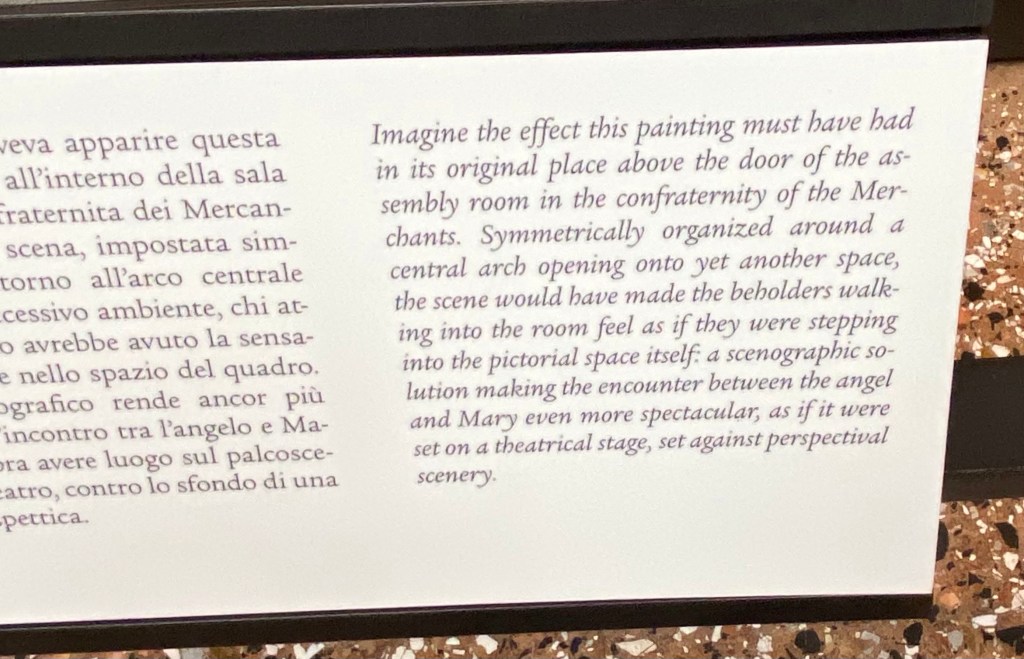
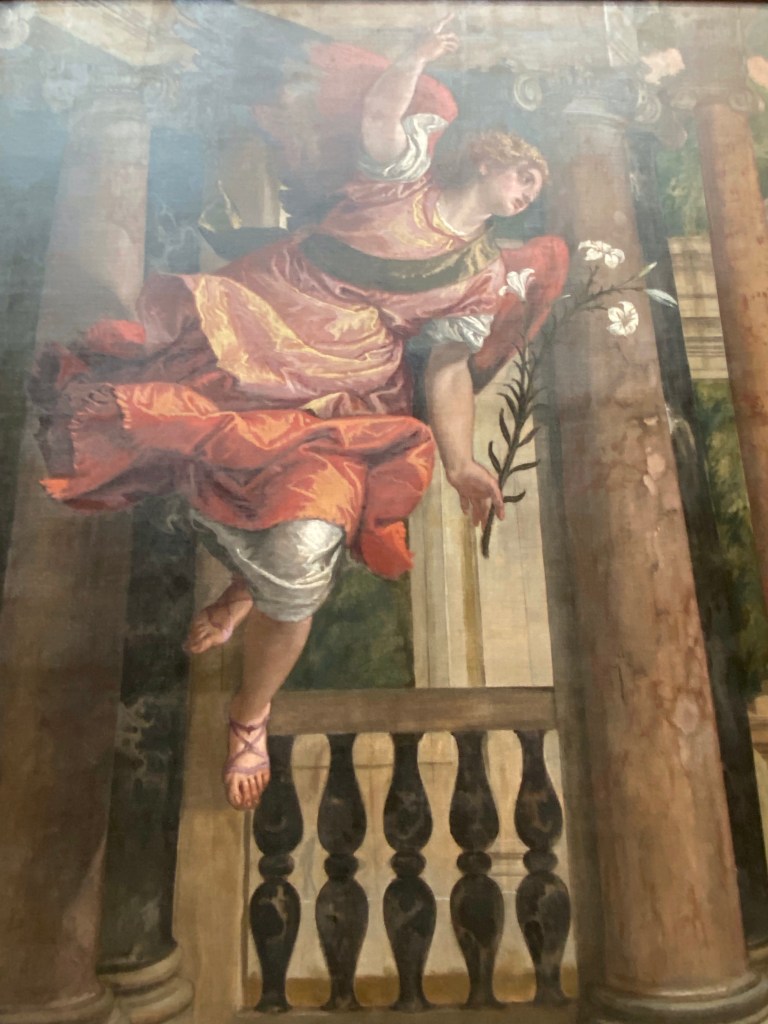
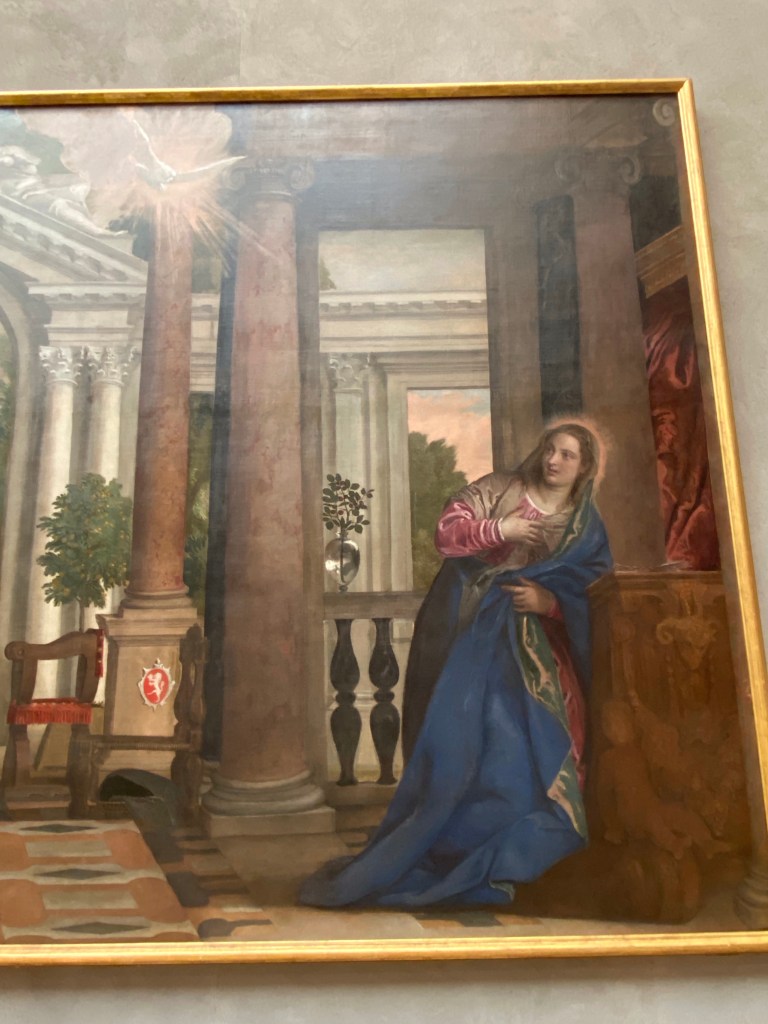
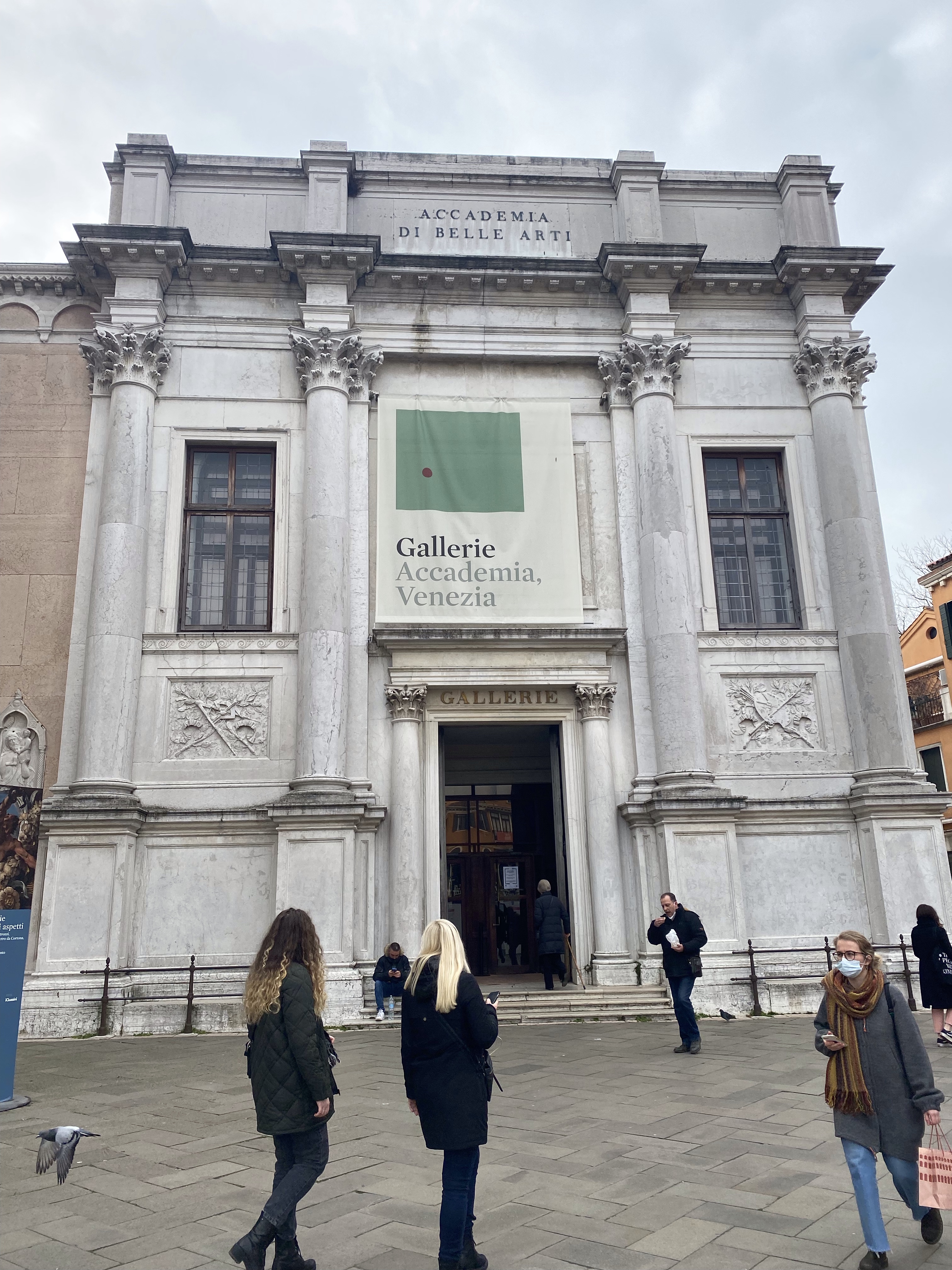
By the time I visited the Accademia collection in Venice in early February of this year, I was already suffering a bit from the Stendhal Syndrome, or an overload of beauty. This happens to me all of the time when I’m visiting Italian cities, or London, or Paris, or New York. Overstimulation of my senses.
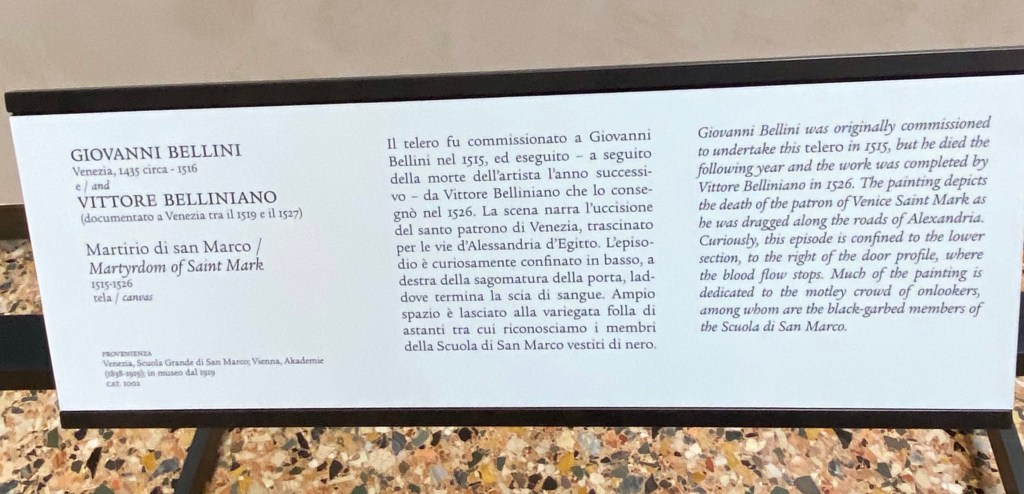
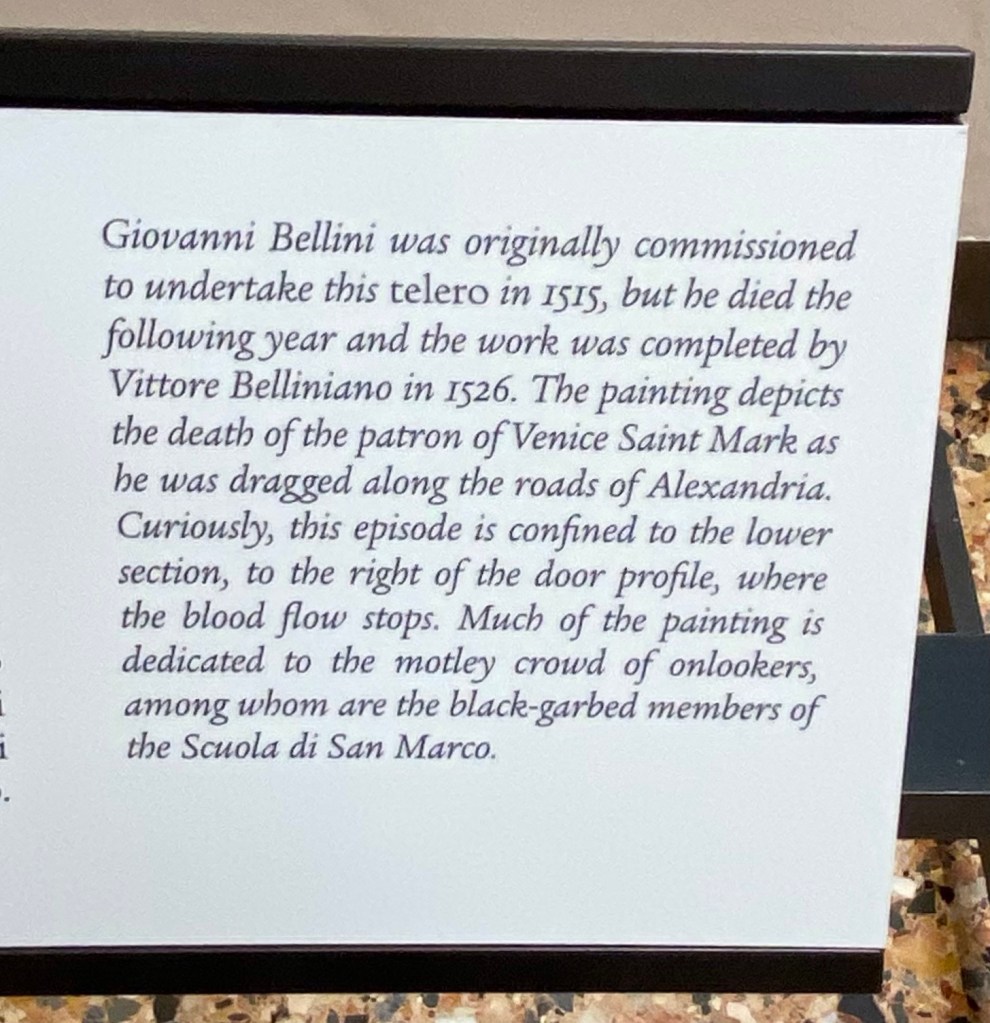
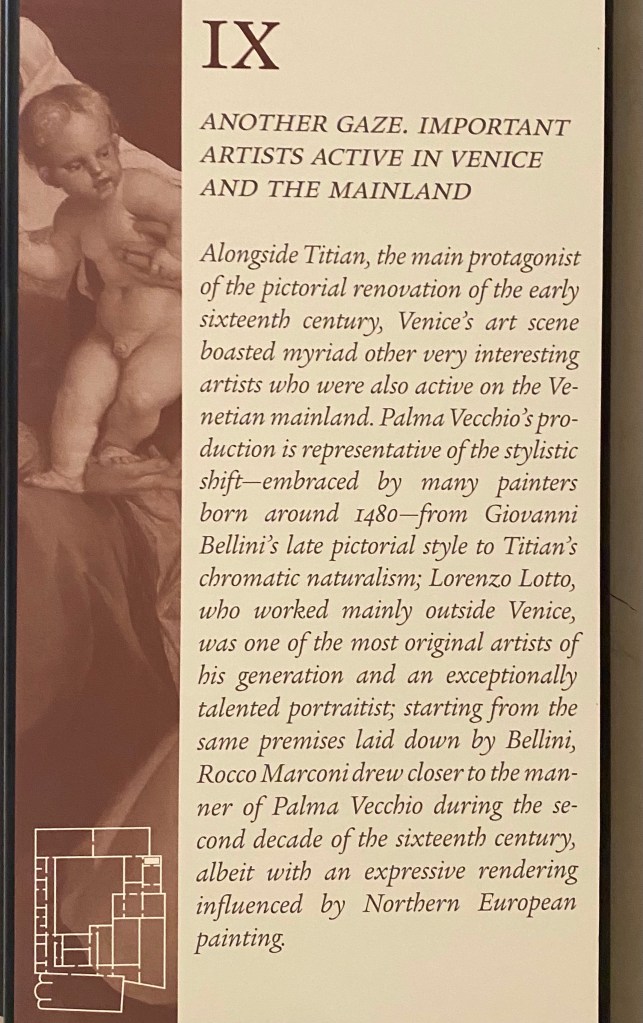
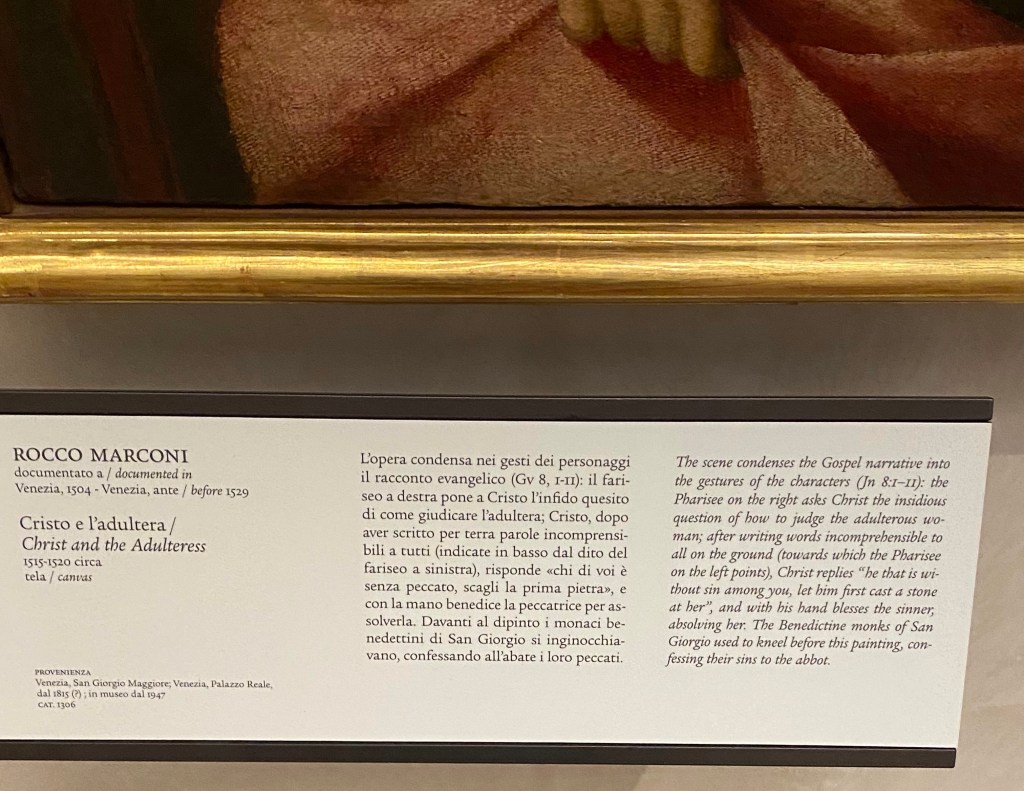
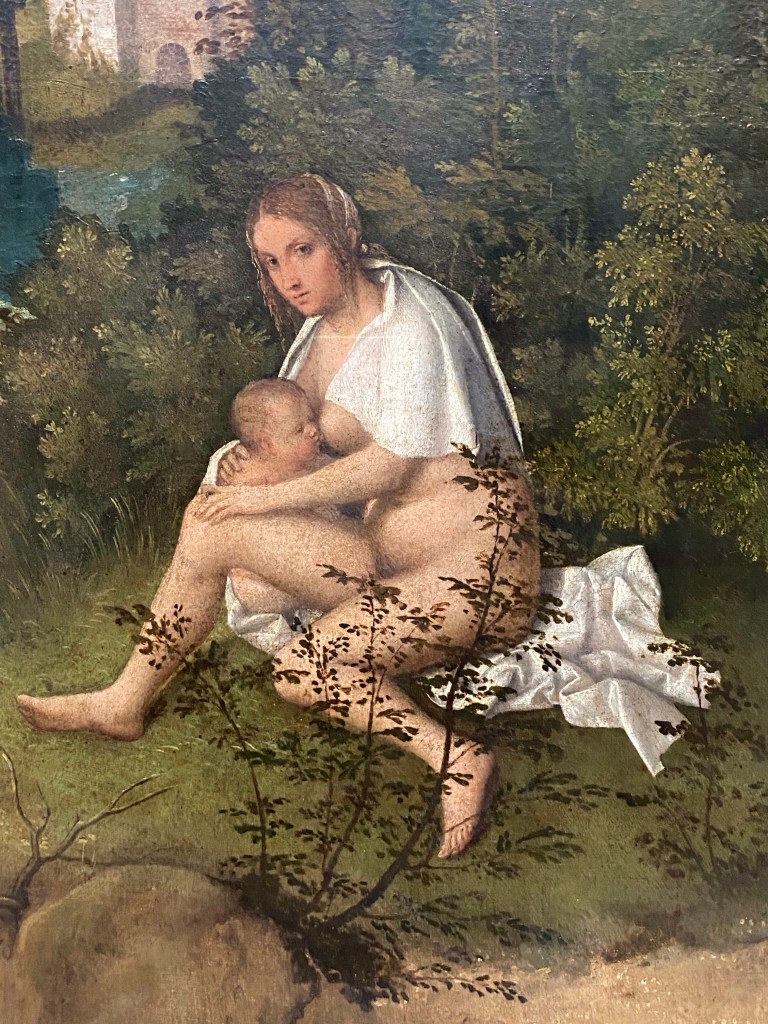
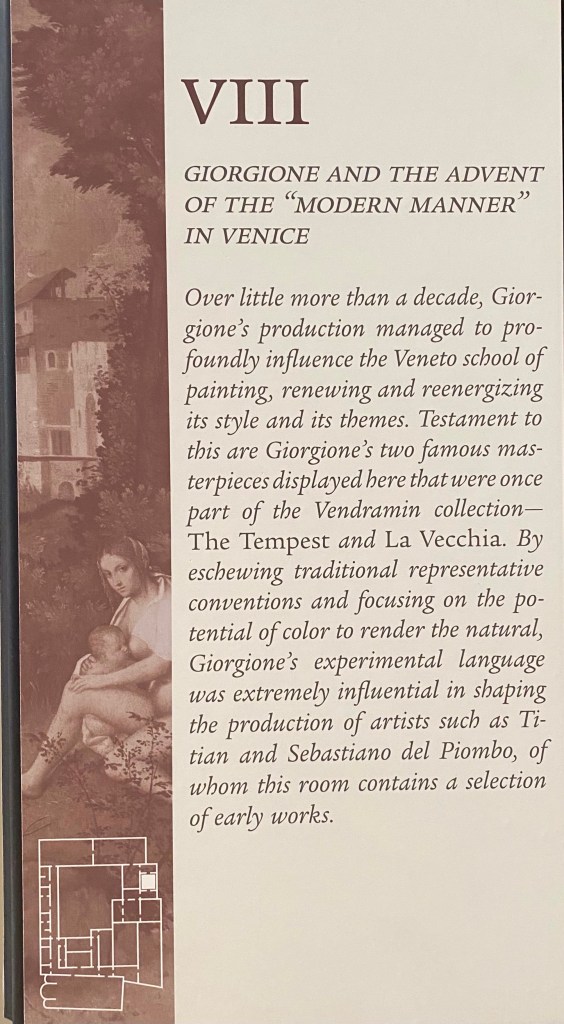
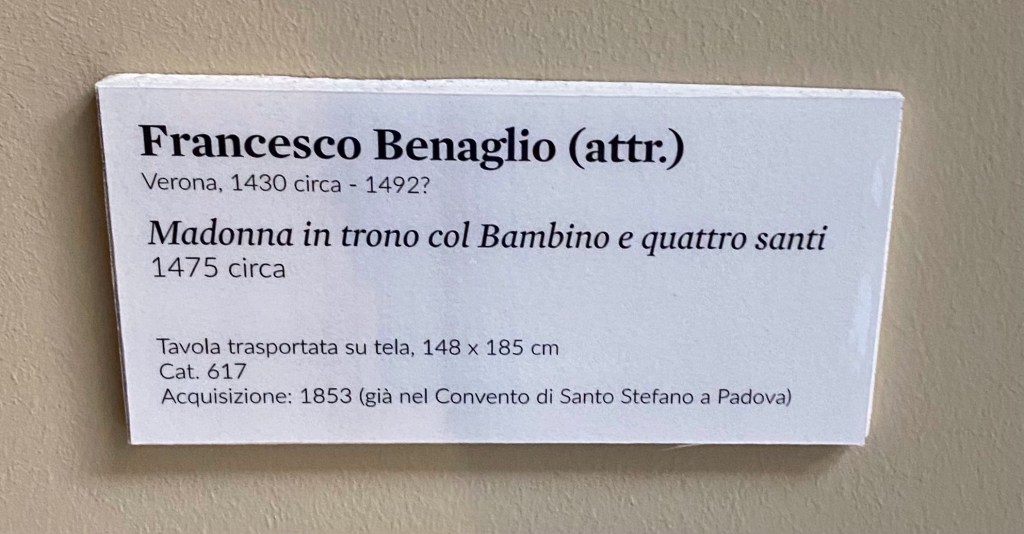
As I am writing this post a week after my visit, I can actually see where the overload begins, as my photographs begin to take on a more random nature. Clearly I am walking into a space and experiencing it with all my senses; looking up at the ceiling, down at the pavement, and like a magpie, my eye is caught by shining things. Usually when visiting an art exhibition, I will take a photo of a label describing the work of art for later use as an aide memoire. When I’m later writing a post and don’t find any pictures of labels, I know Stendhal had kicked in!
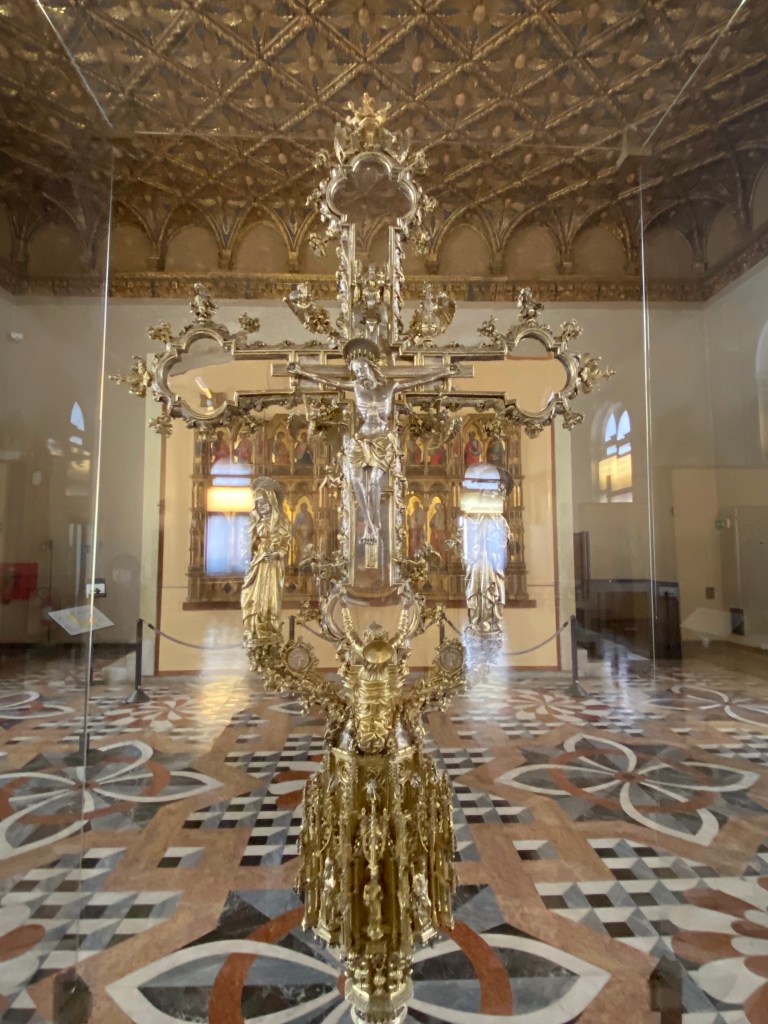
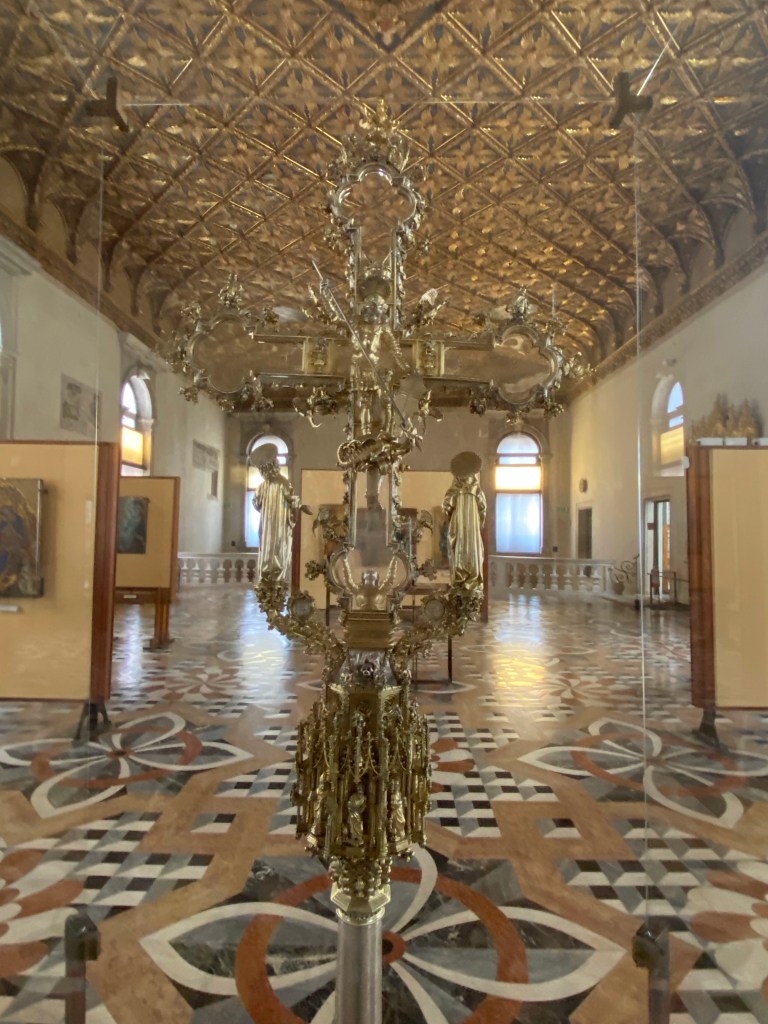
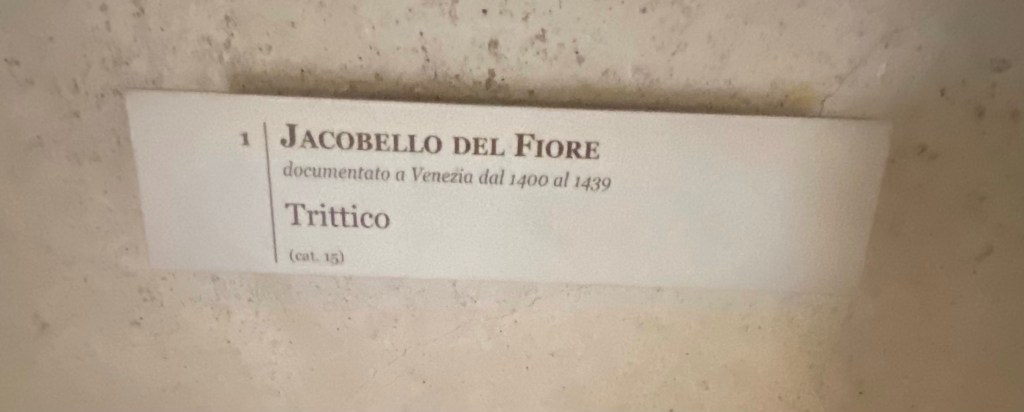
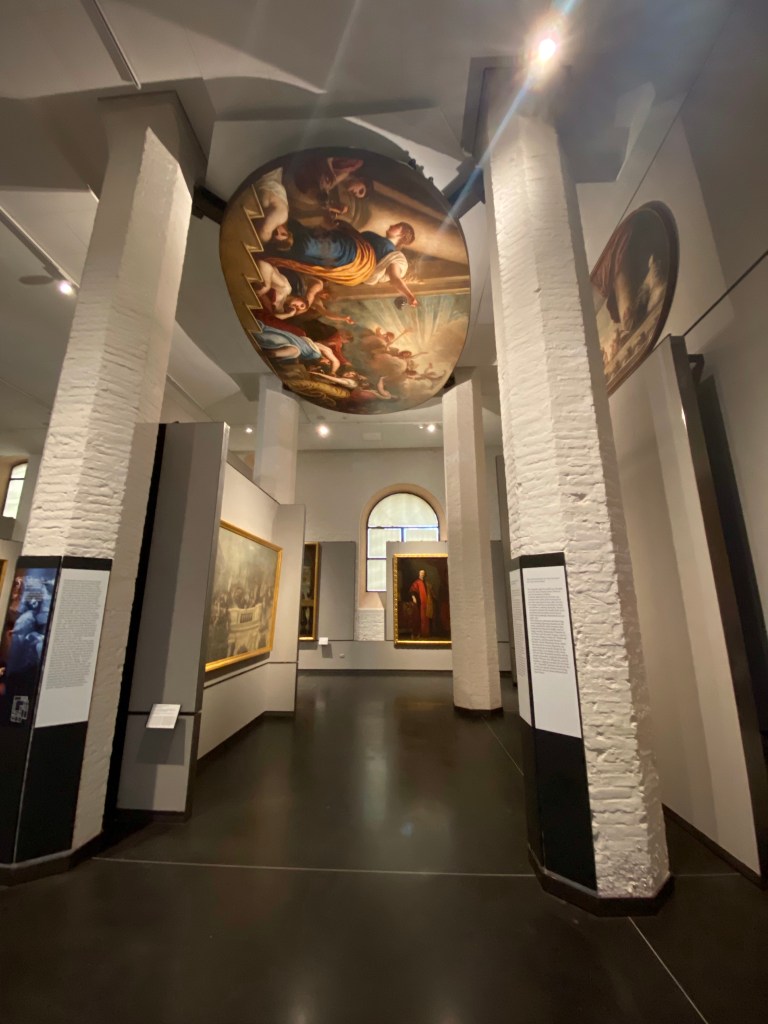
Case in point. Look at this ceiling and reliquary in the Accademia. With no picture of any label! I mean, it’s impressive! But, how about some details? Who made it? When? Why? As an art historian, my brain needs to ask these questions.
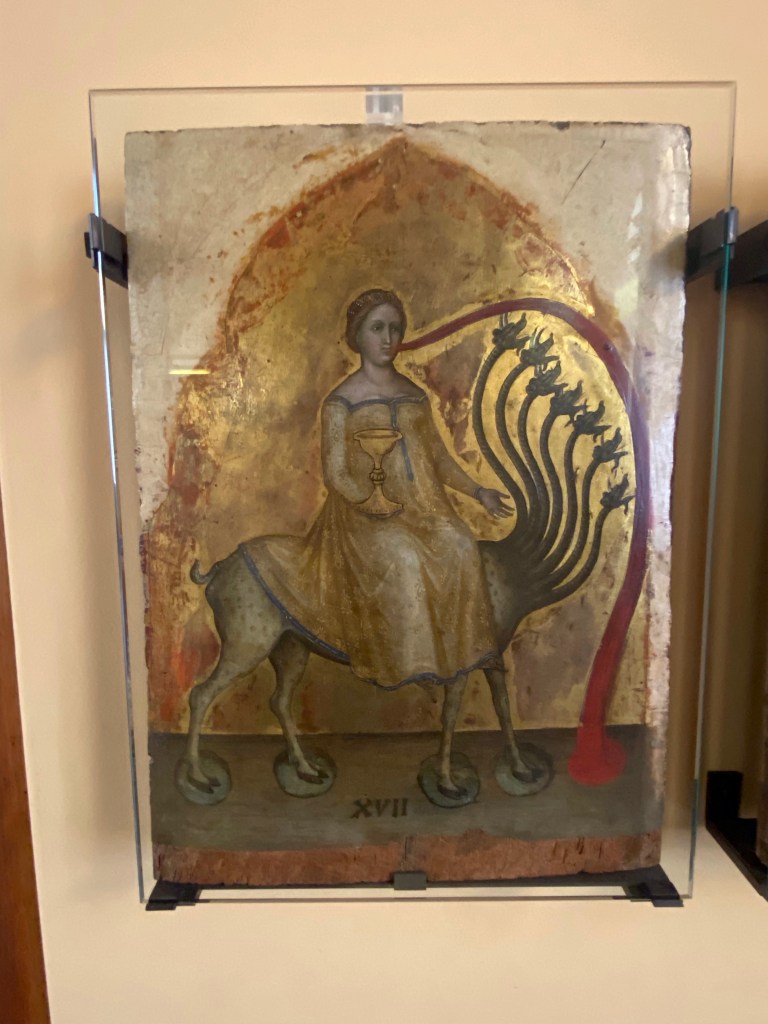
And then, I presume, the painting below caught my eye and I took a picture. It’s an odd presentation of some feminine church related figure riding a very strange beast. I’m sure that’s why I took a picture, but where’s the label? Presumably it was right beside the work. We may never know.
Ah, but then my senses focus again upon encountering this masterpiece by Carpaccio! OMG. So gorgeous!
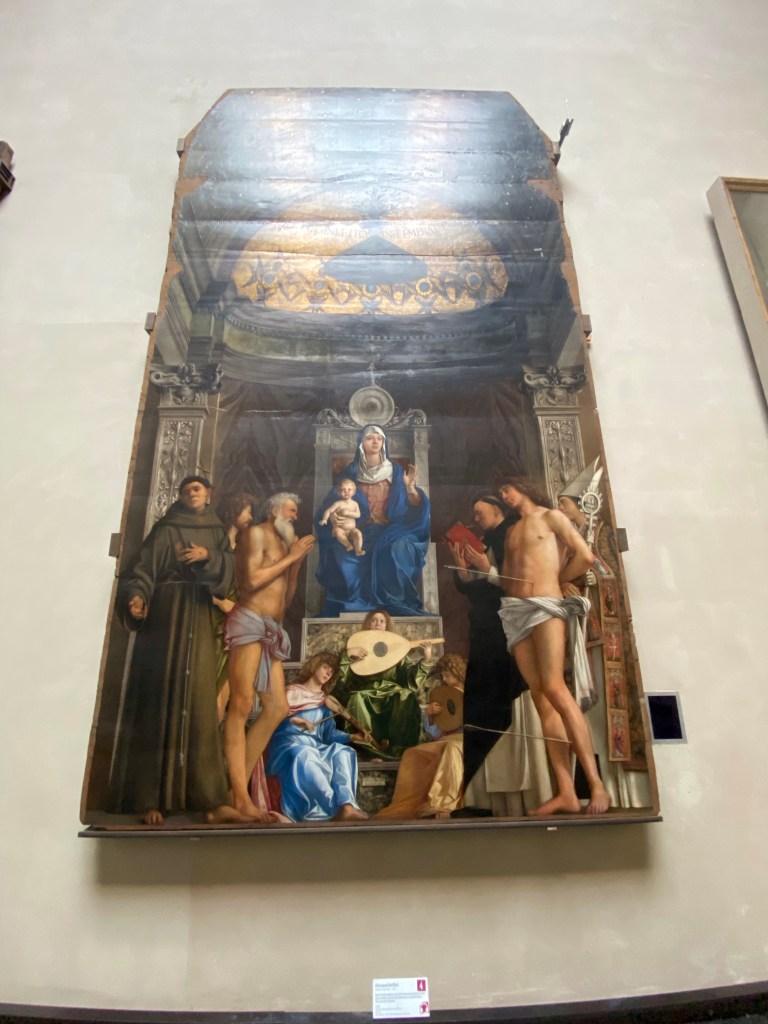
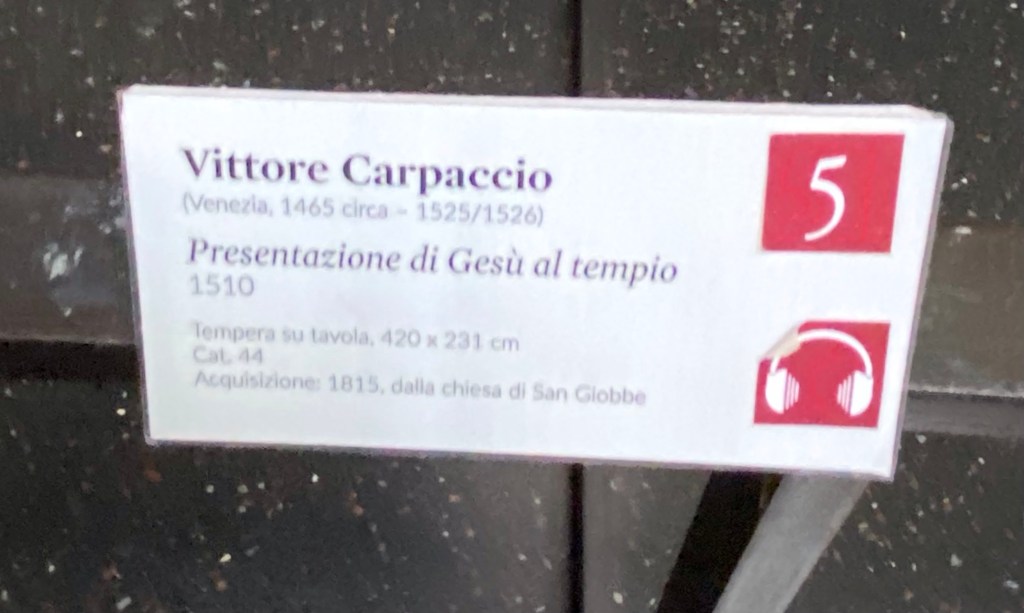
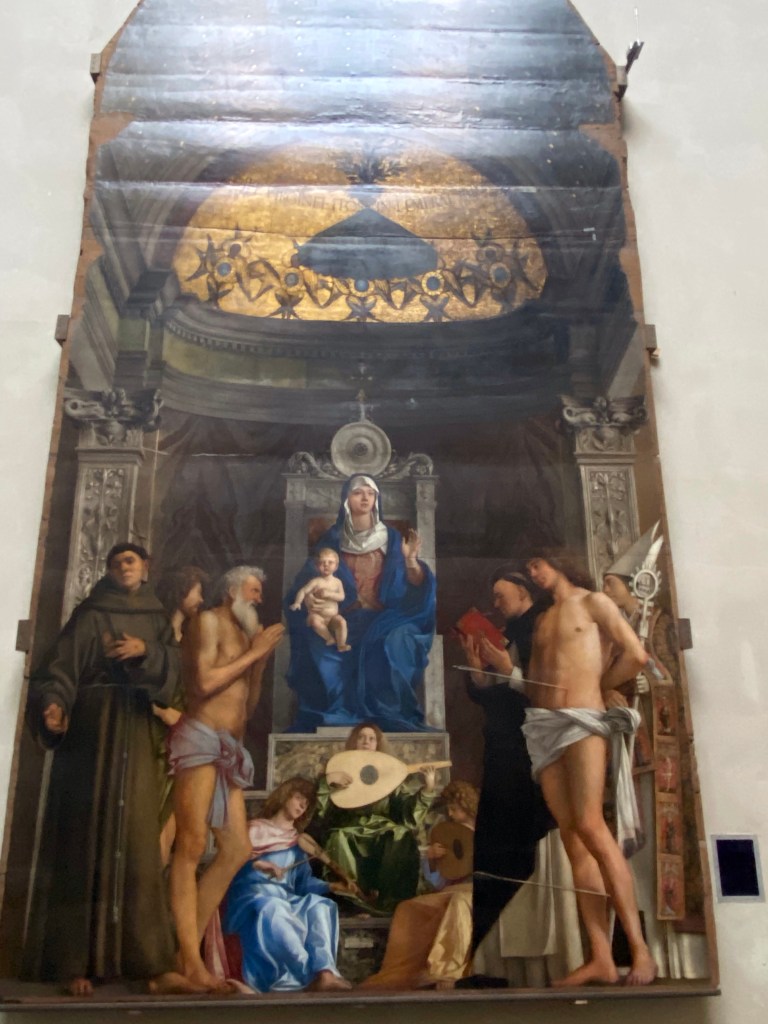
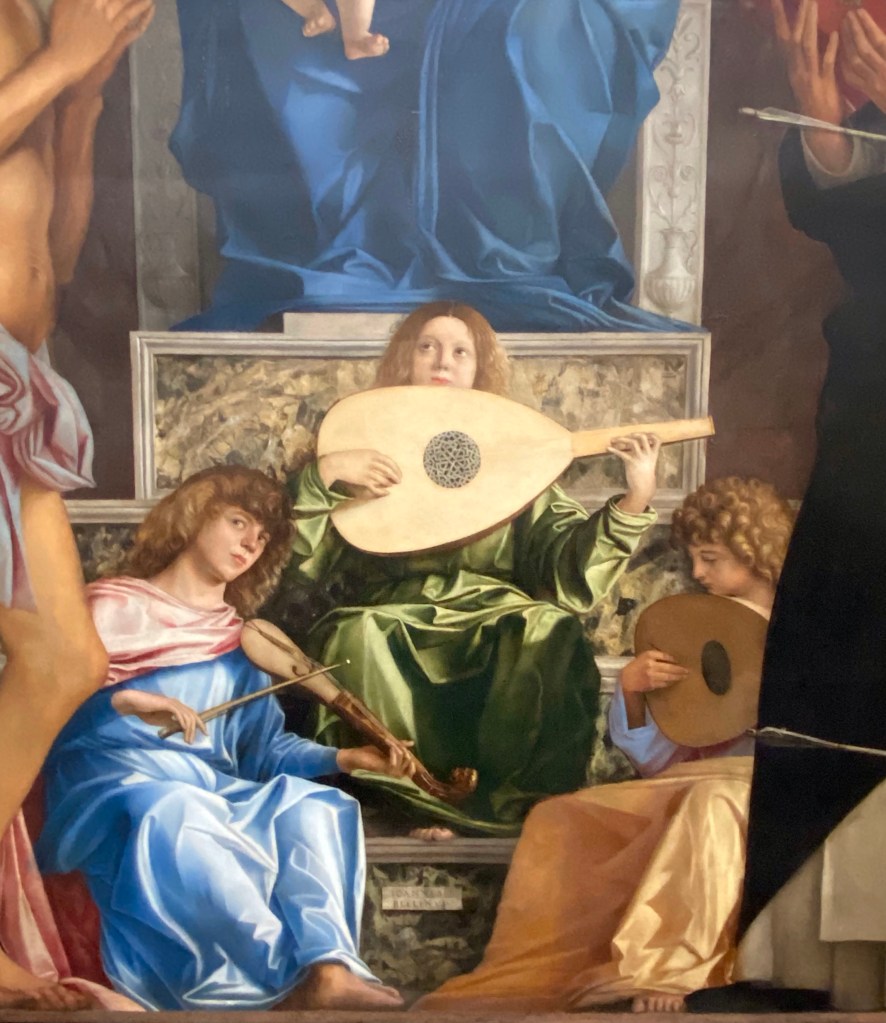
And, next to the first magnificent painting by Carpaccio above, is this second one, depicting the presentation of Christ in the temple.
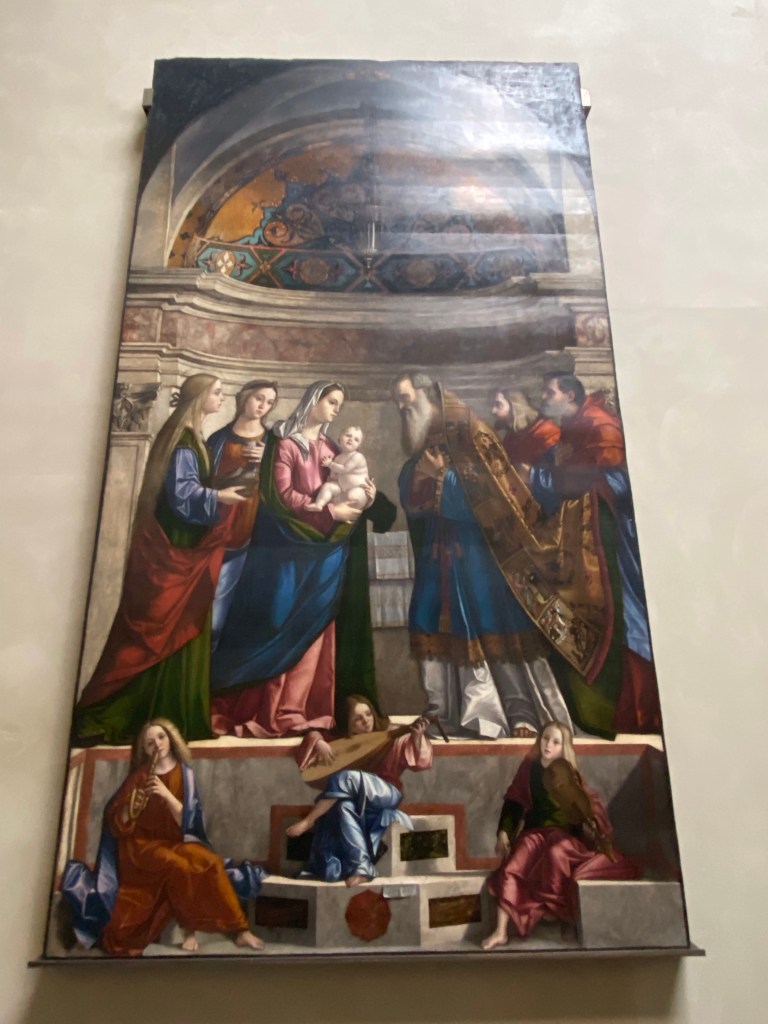
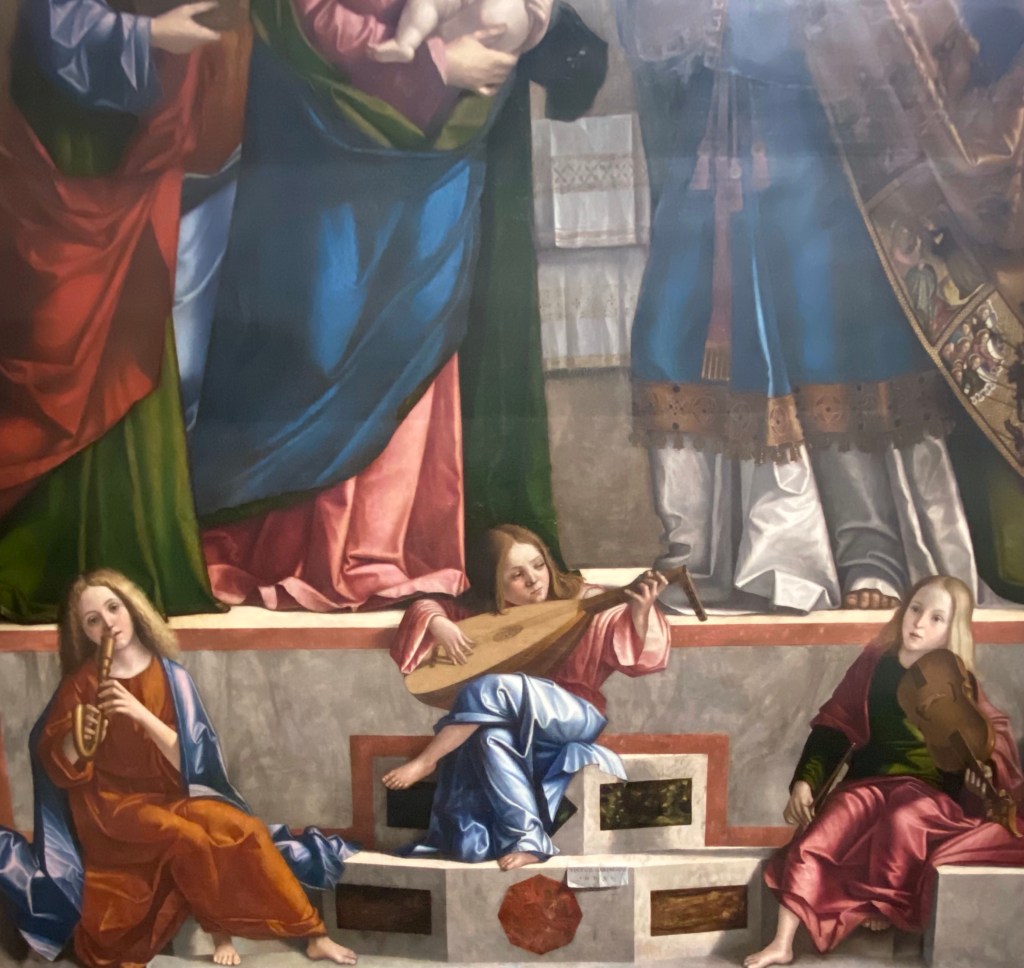
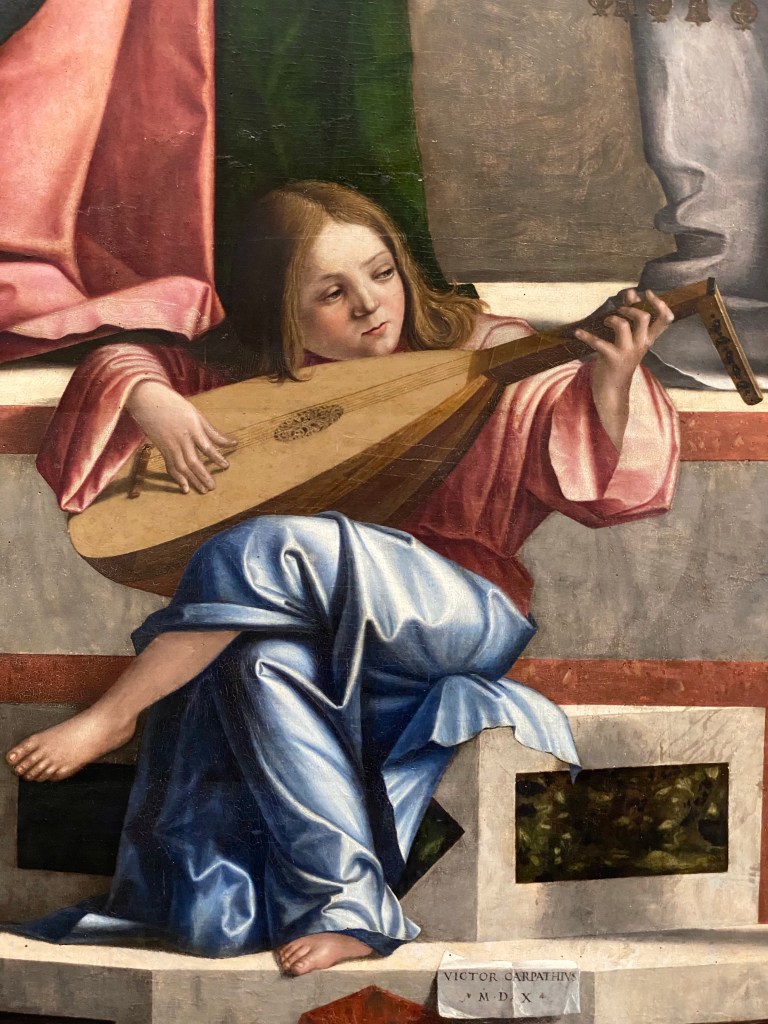
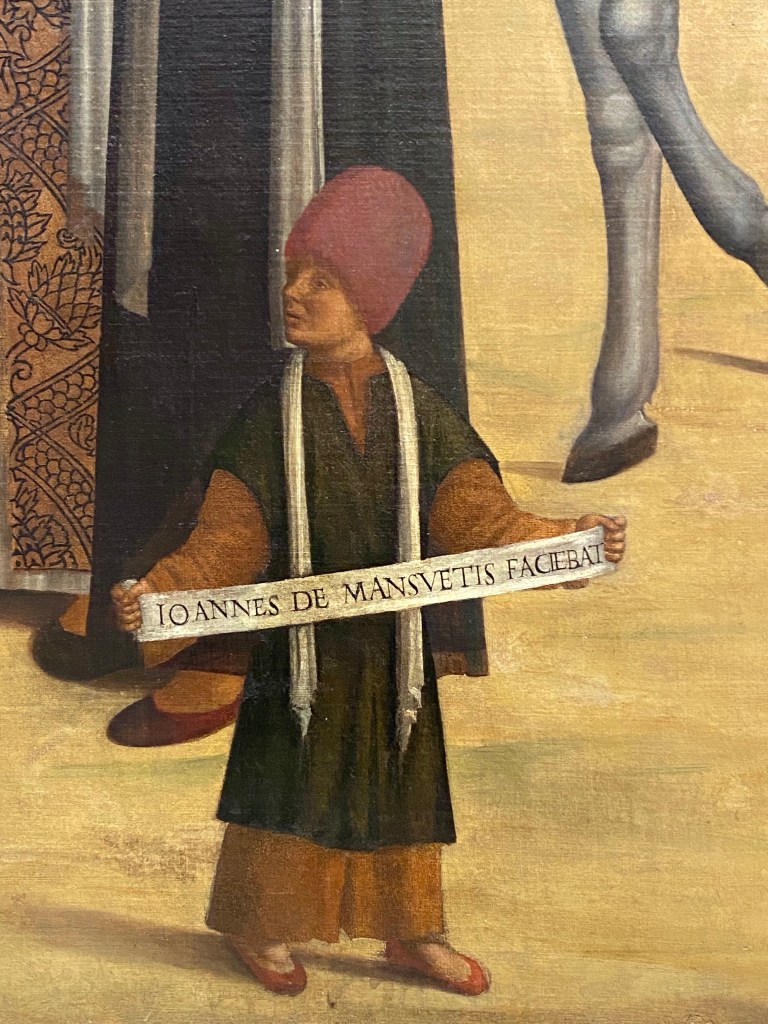
I know for a fact that what initially took my attention to these 2 Carpaccio altarpieces were the musician angels at the bottom, right at eye level. Plus, look how Carpaccio signed this latter work. Right on the virtual marble plinth on which the angel props his right foot. Charmed, I’m sure! Dated 1510.
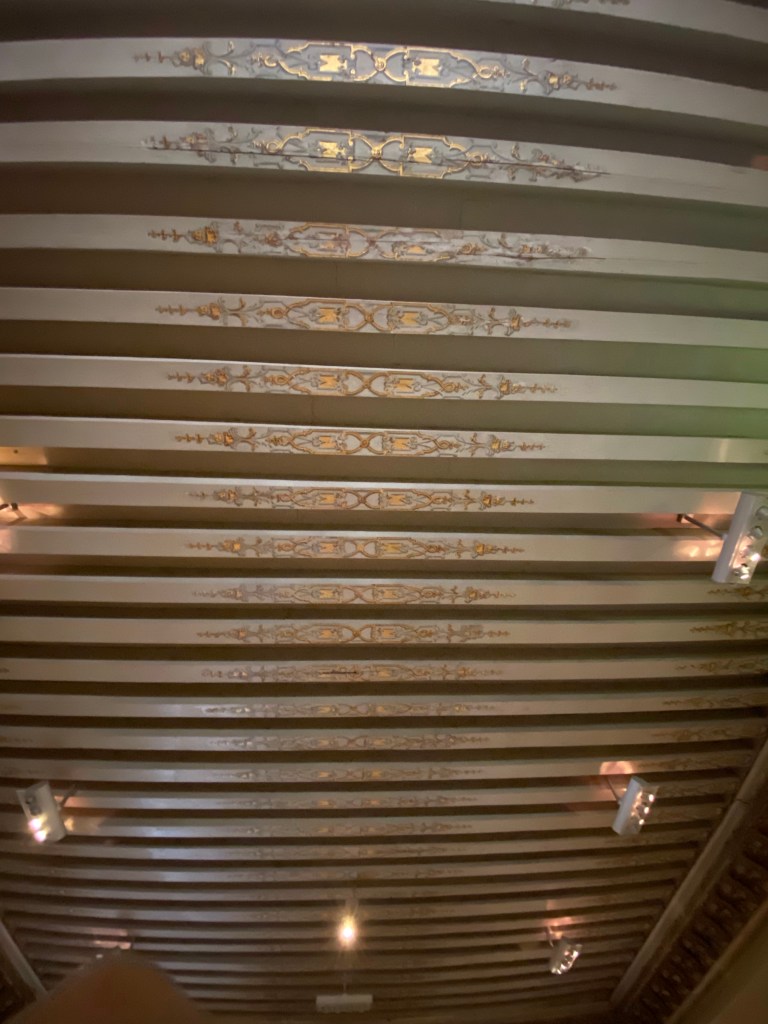
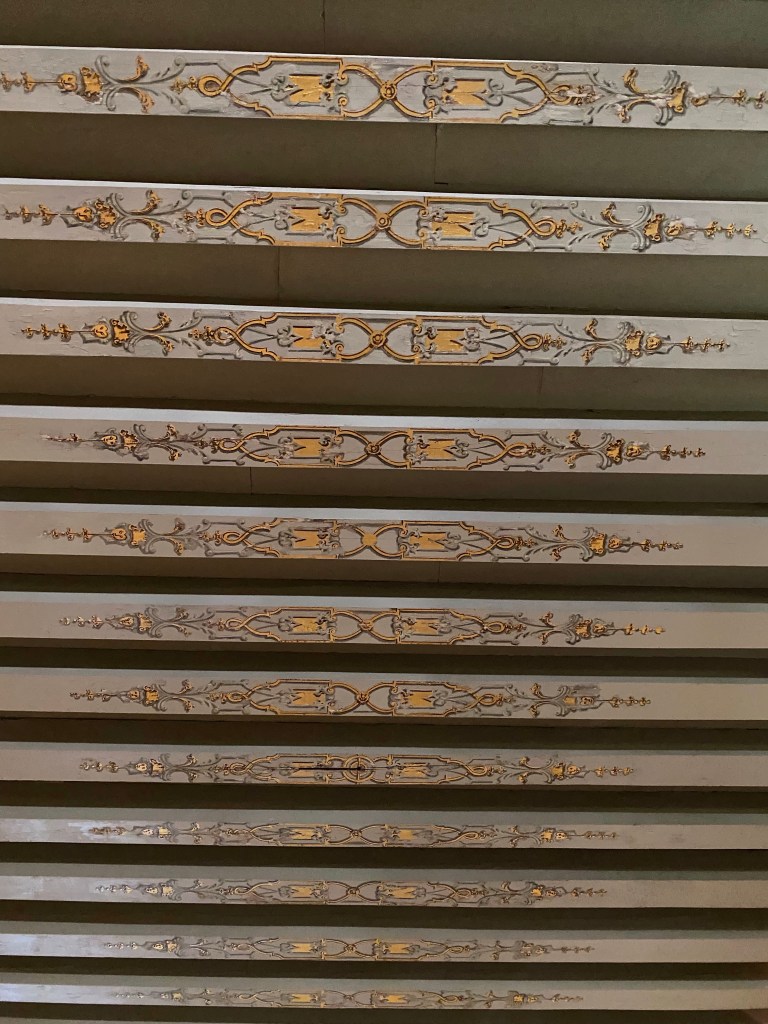
And, then once again, my eyes travel up to the beautifully decorated ceiling. If you have to have wooden beams in a room, why not decorate them like this?!
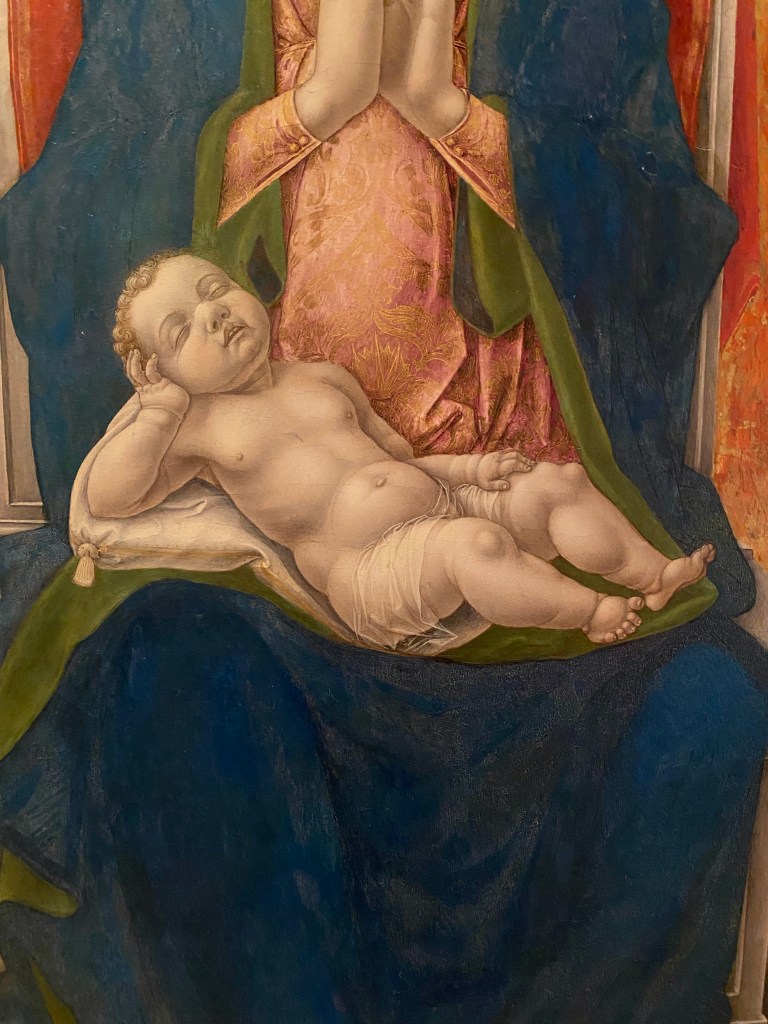
I will finish this post with works by 2 of my favorite northern Italian painters, Piero della Francesca and Andrea Mantegna.
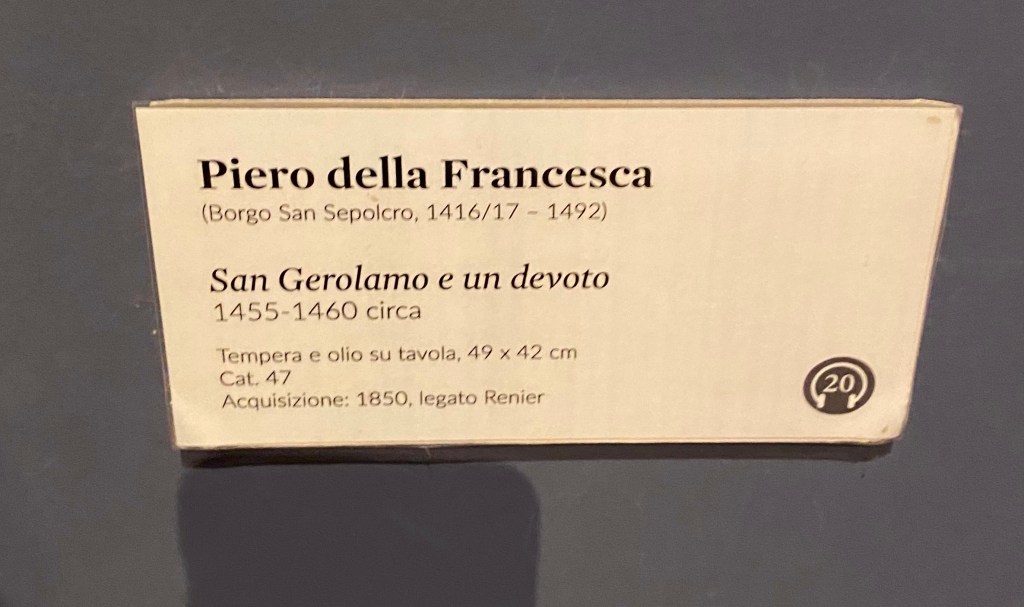
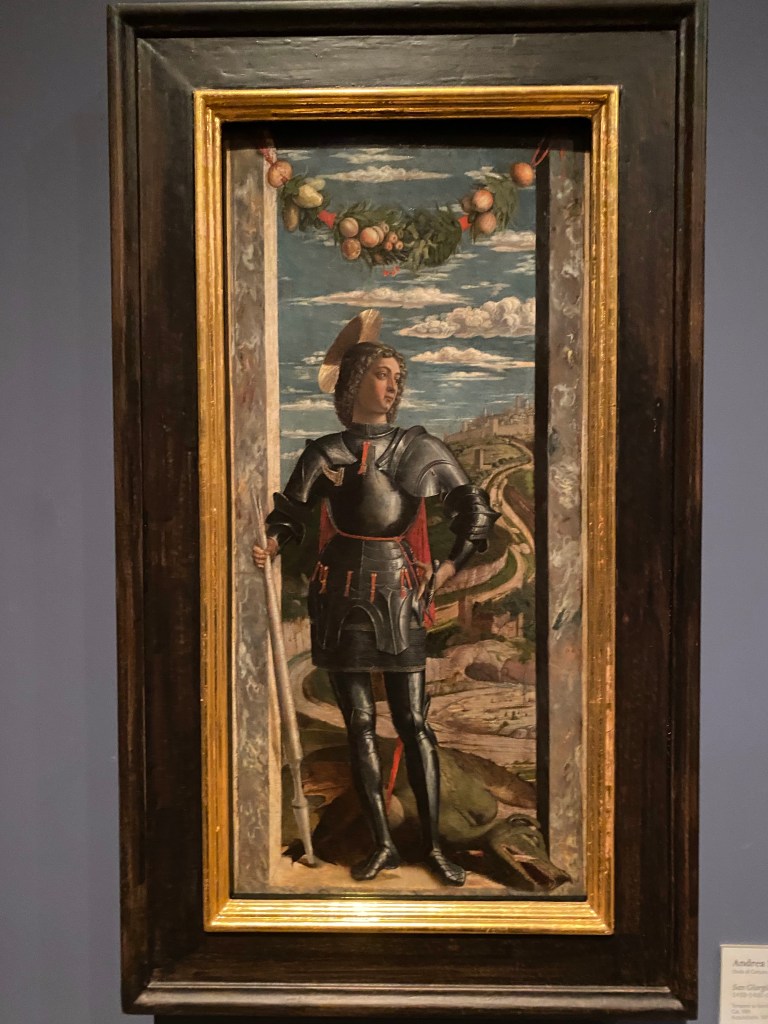
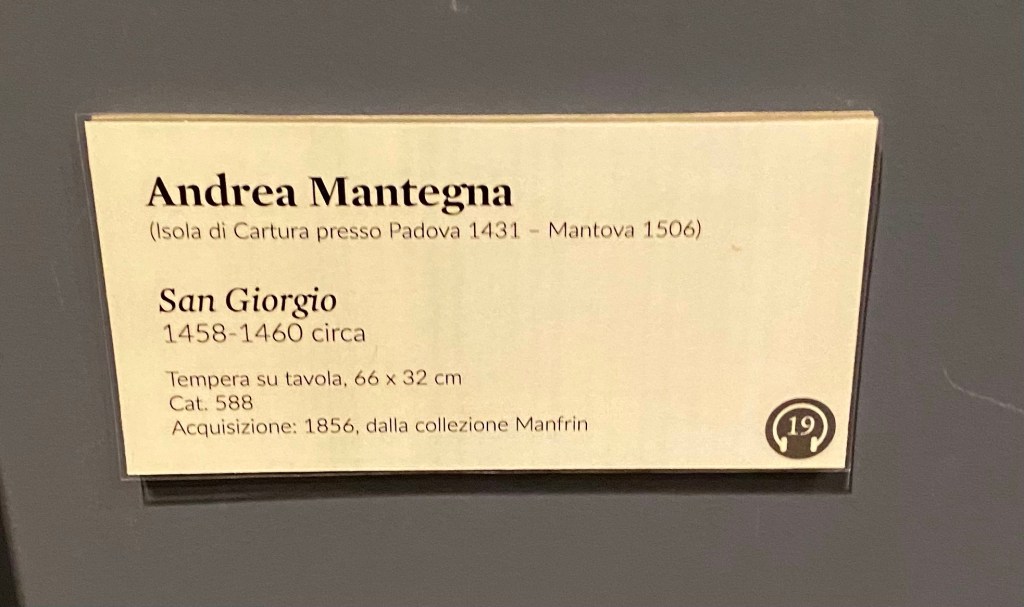
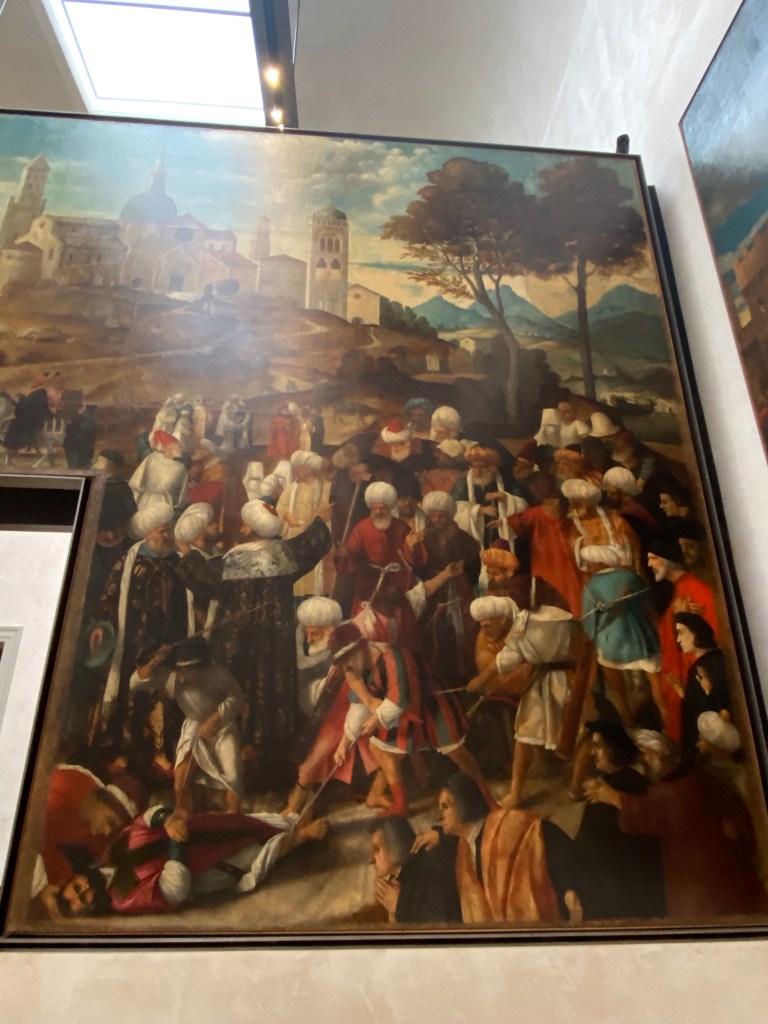
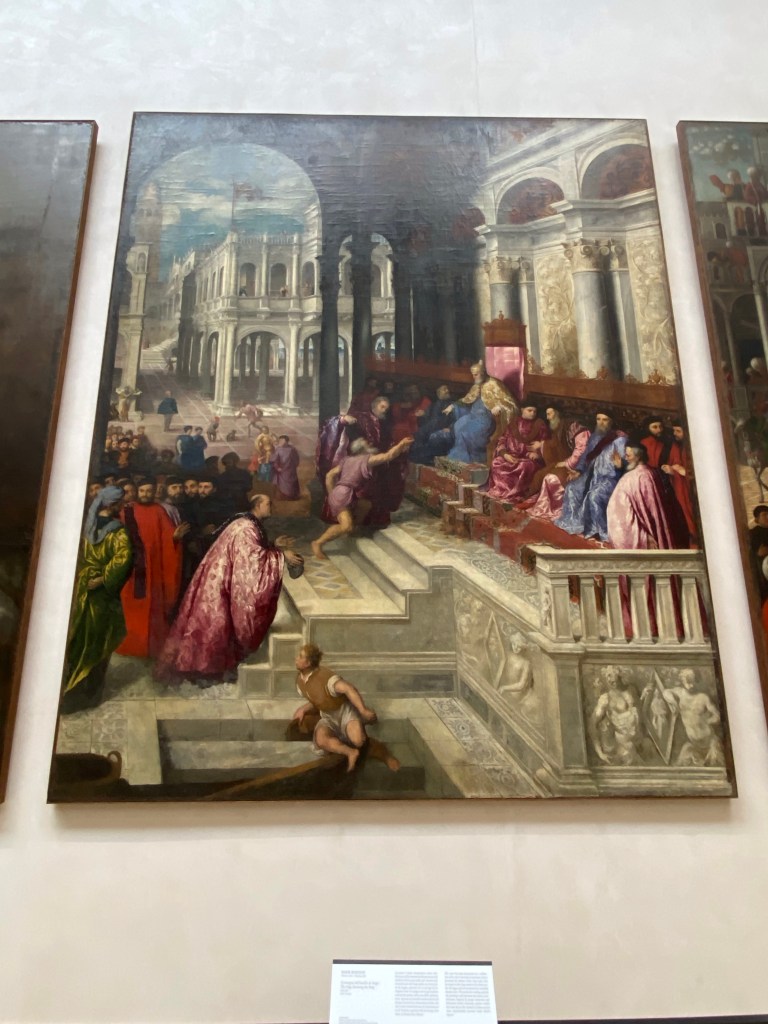
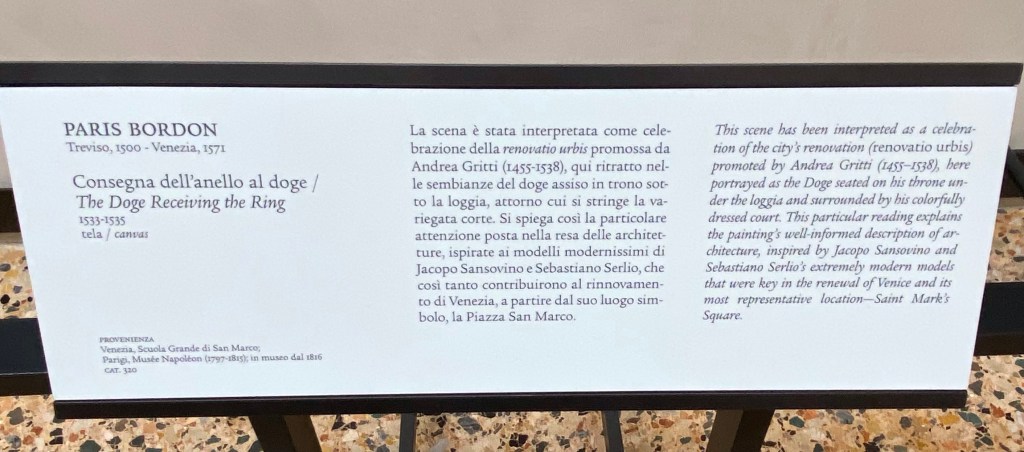
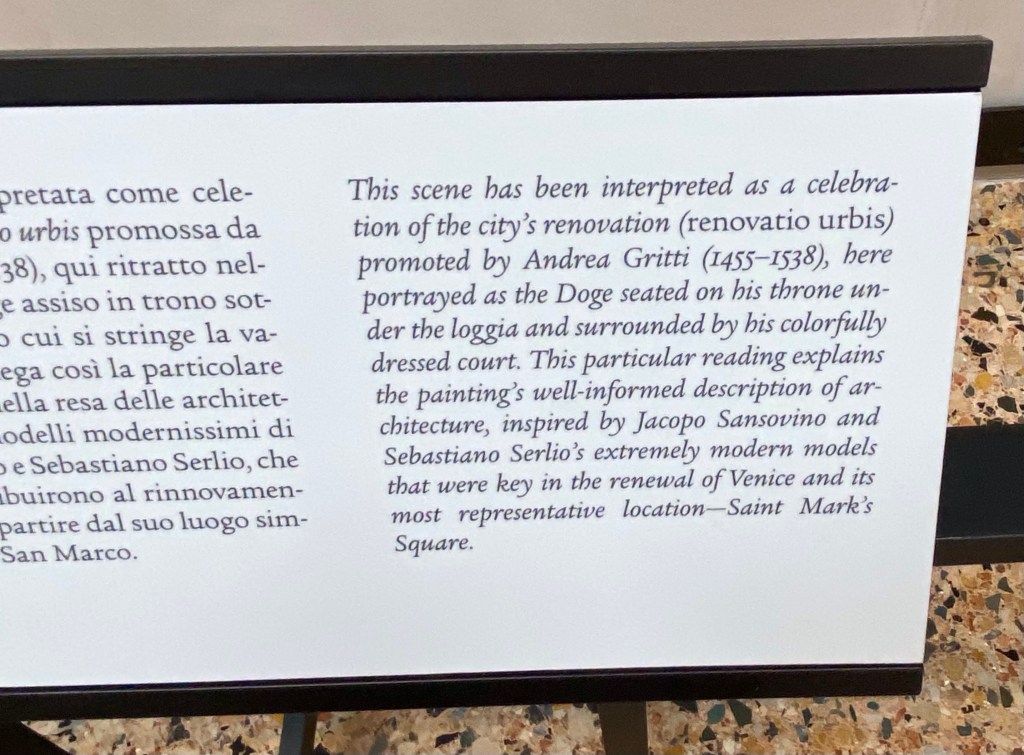
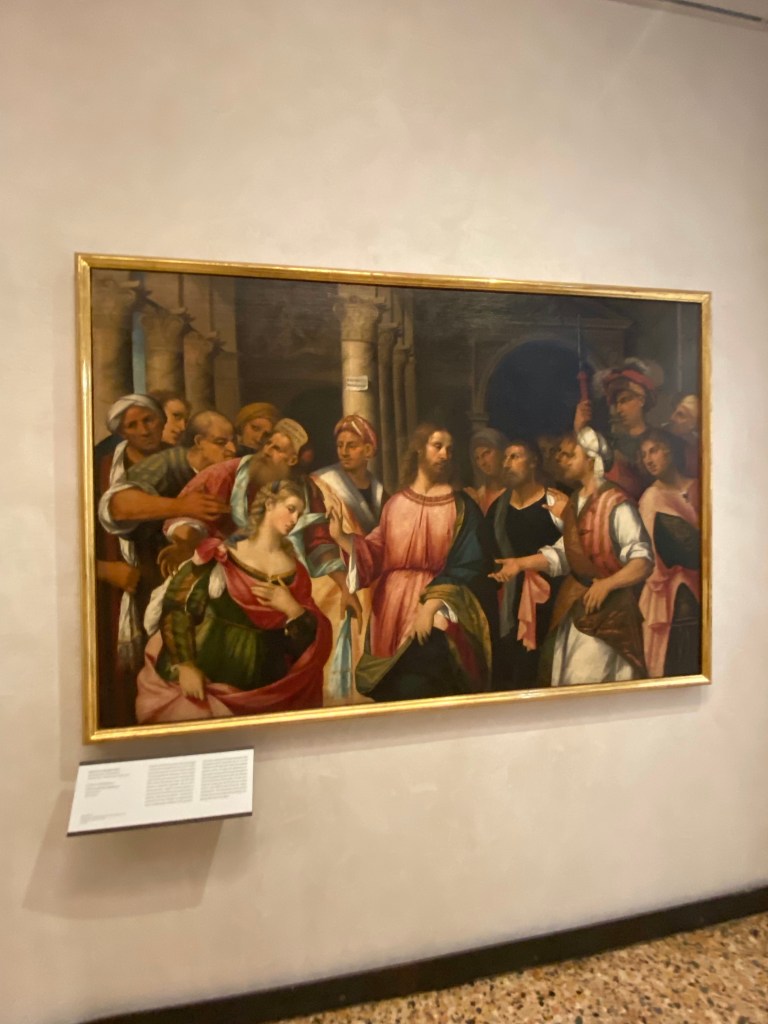
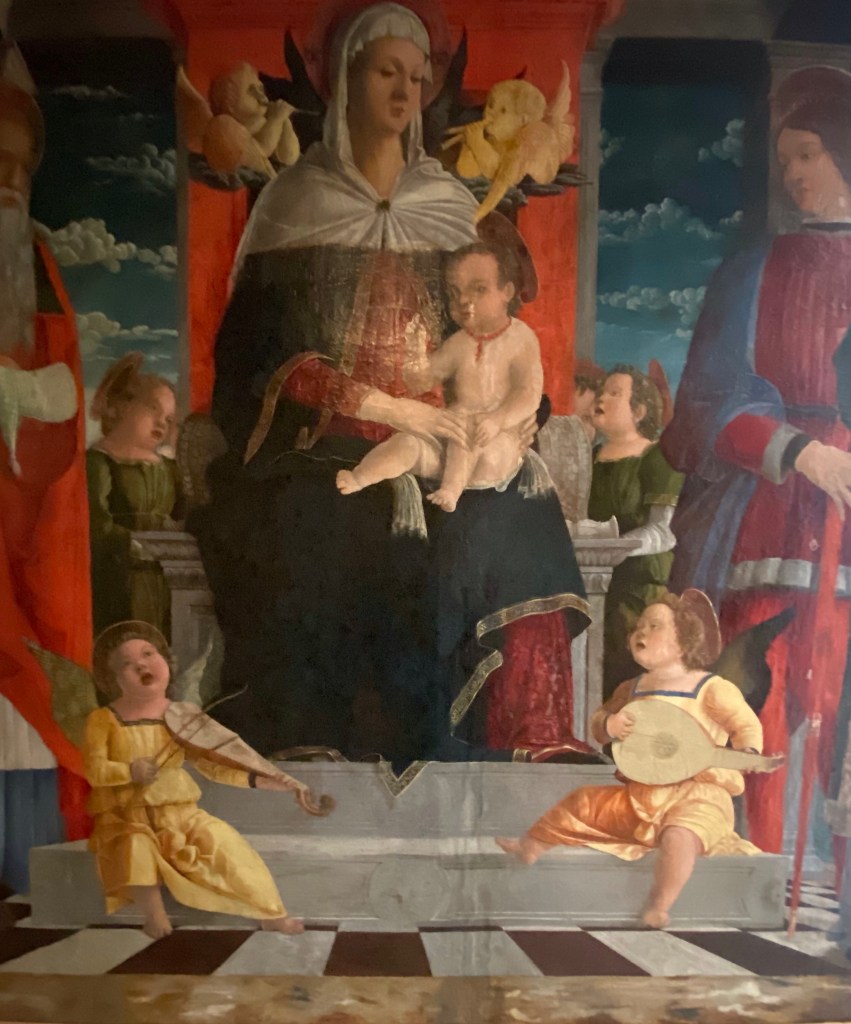
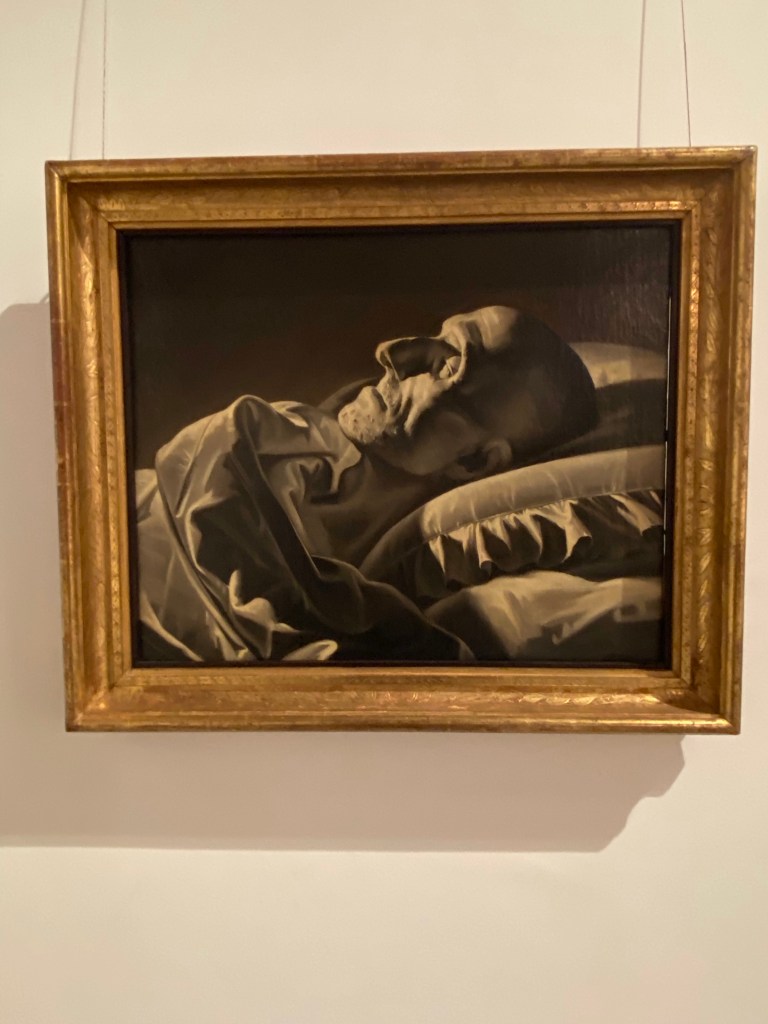
Oh, and I’ll throw in this painting too, which obviously I photographed because it relates to the 2 Carpaccio paintings I love above.
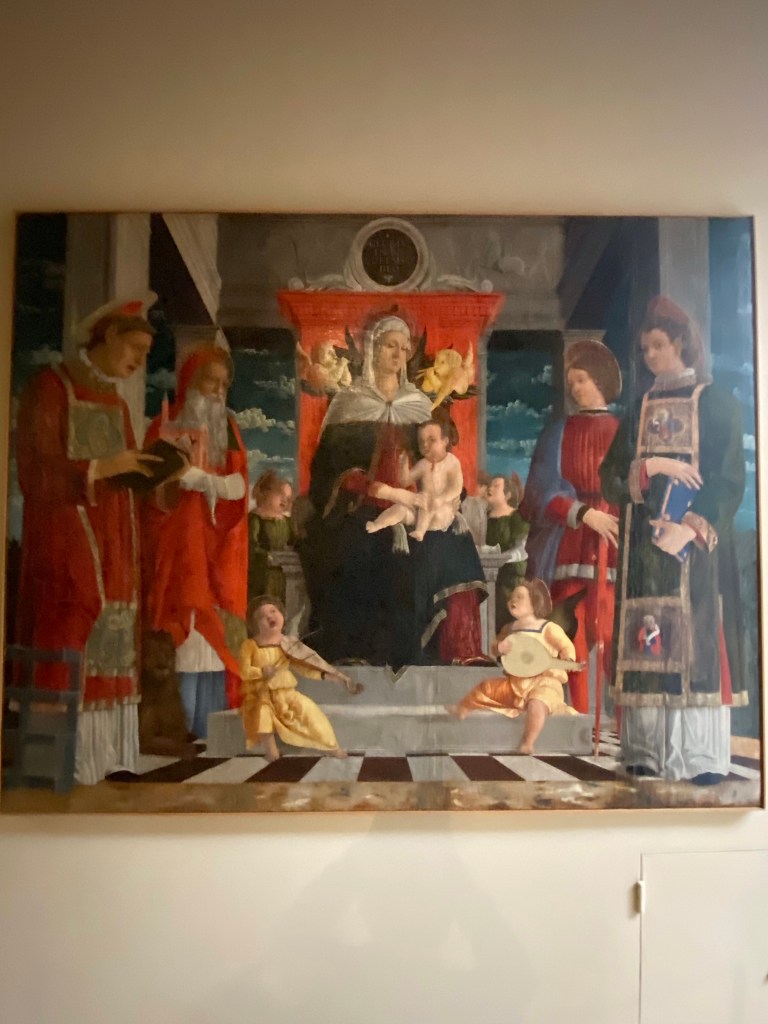
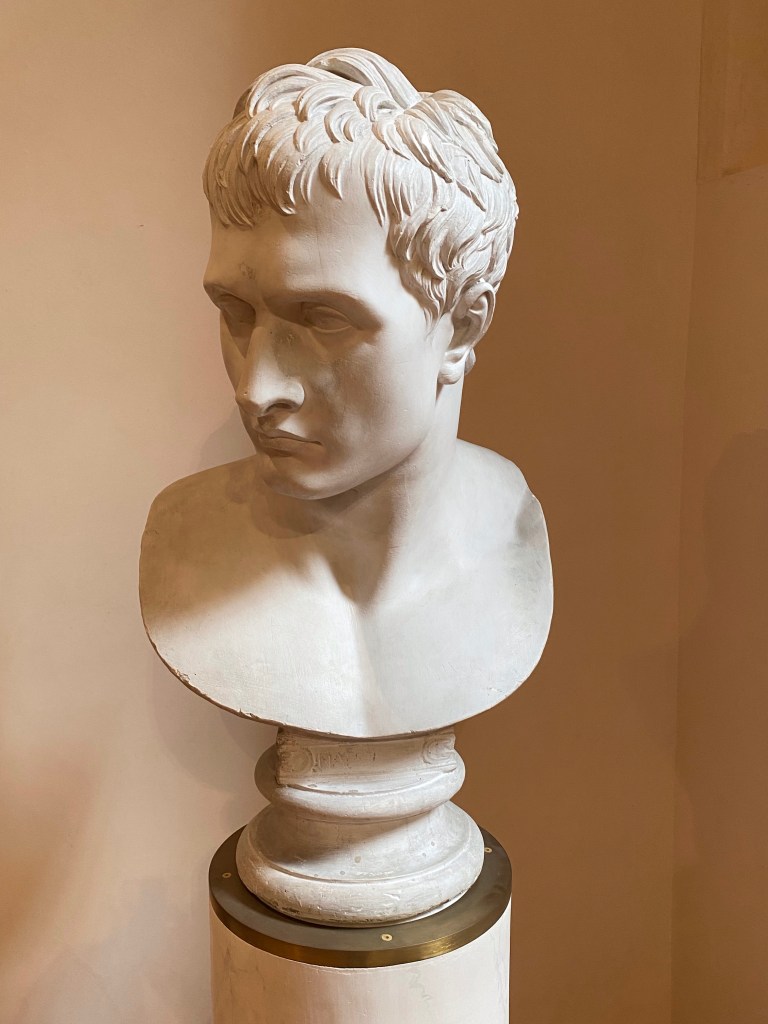
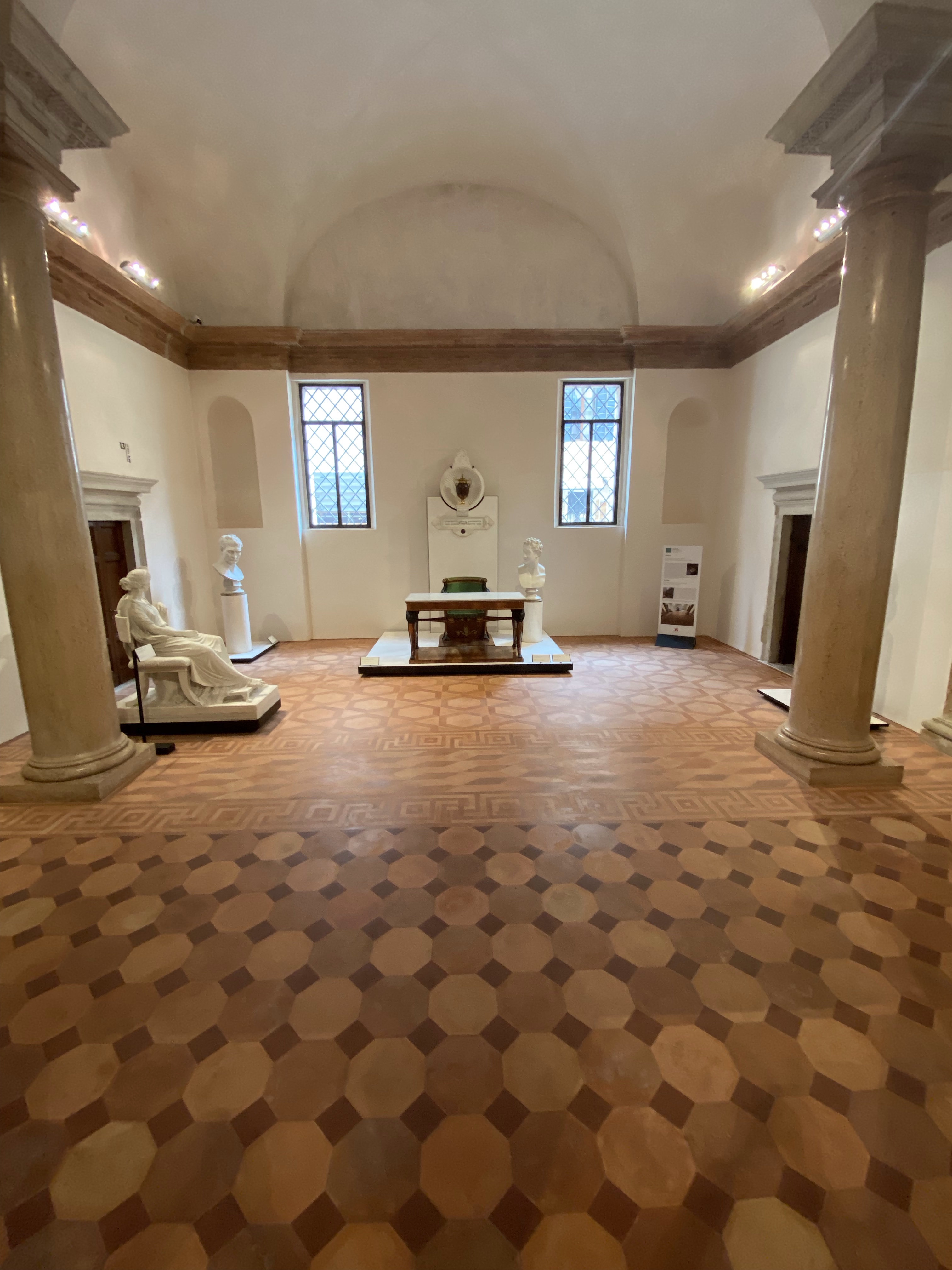
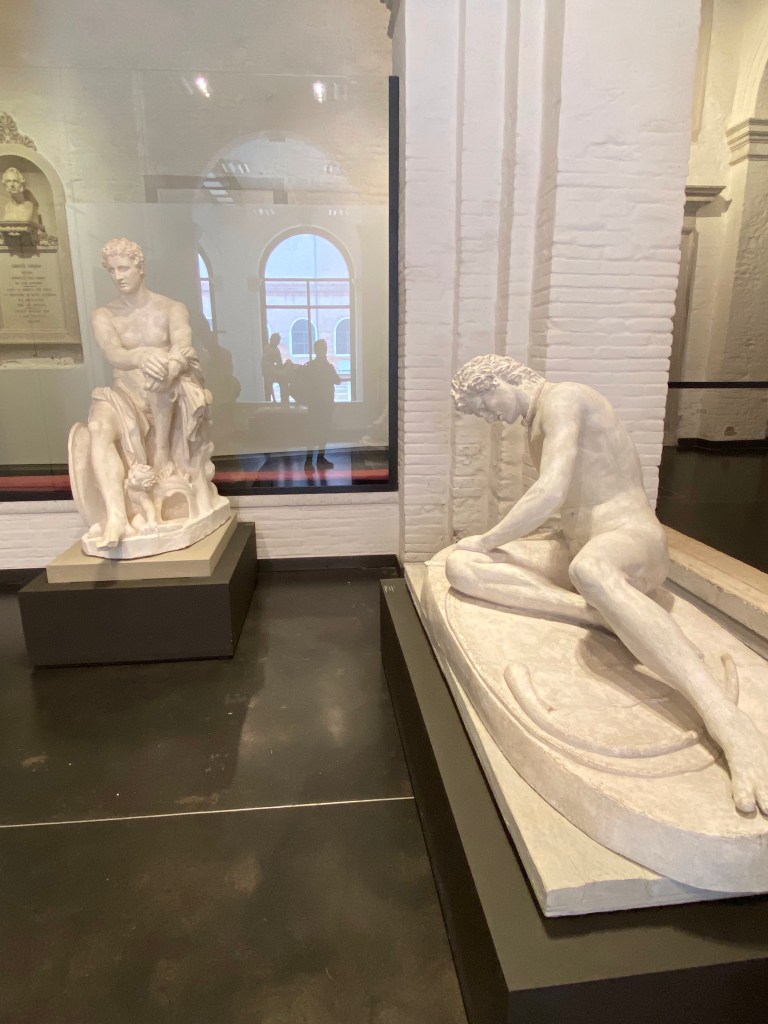
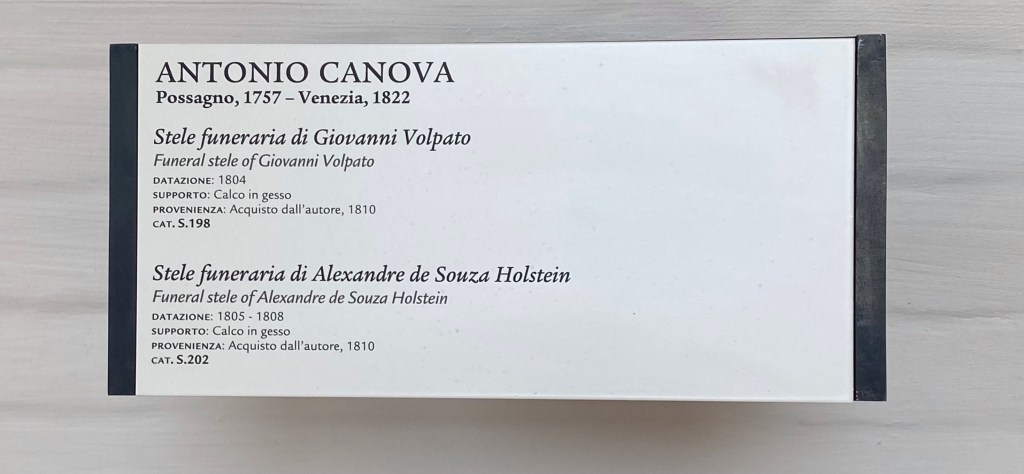
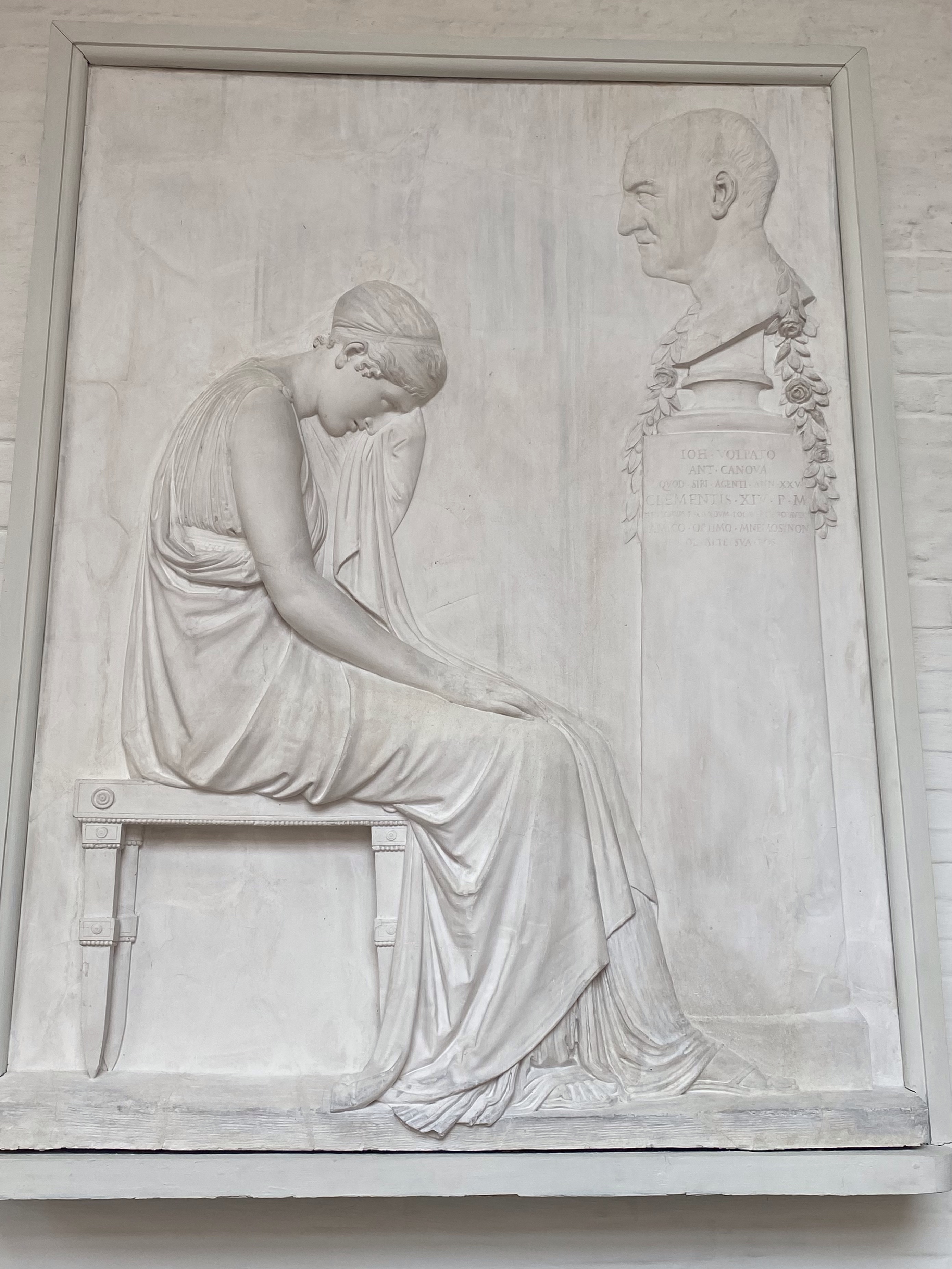
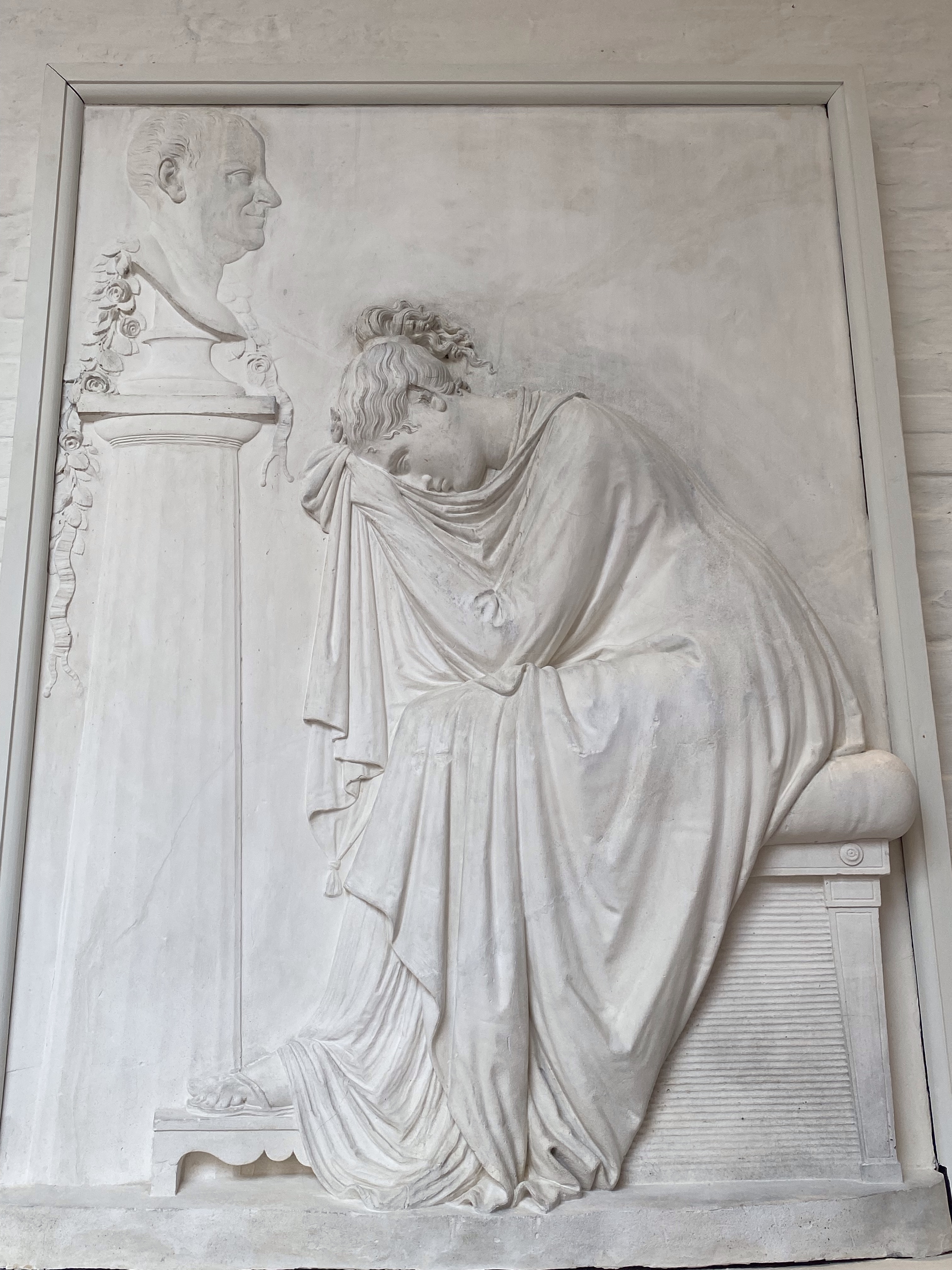
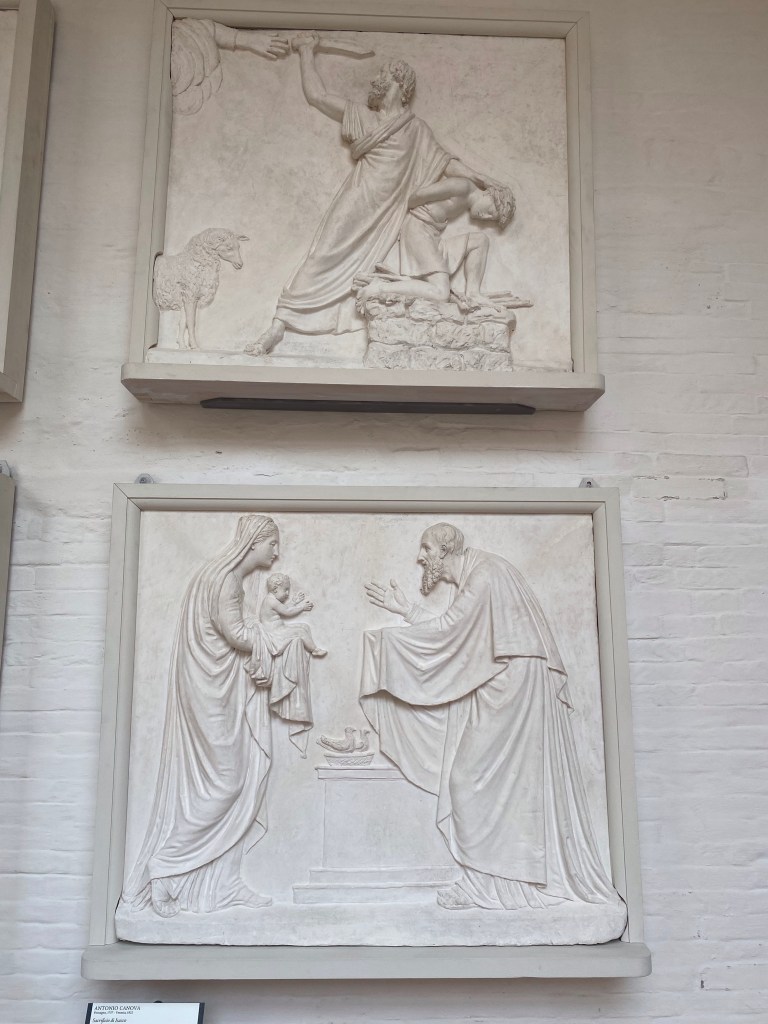
The subject of today’s slide show are the plaster casts of works by Antonio Canova and similar casts after antique sculpture collected by the Academia.
Canova:
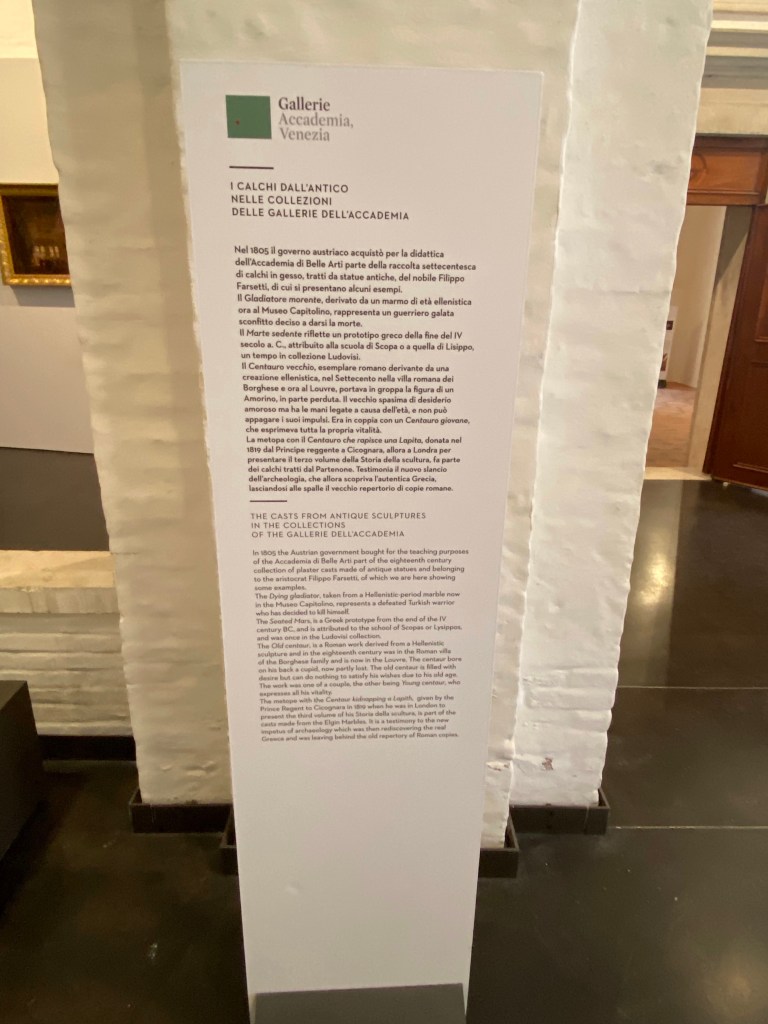
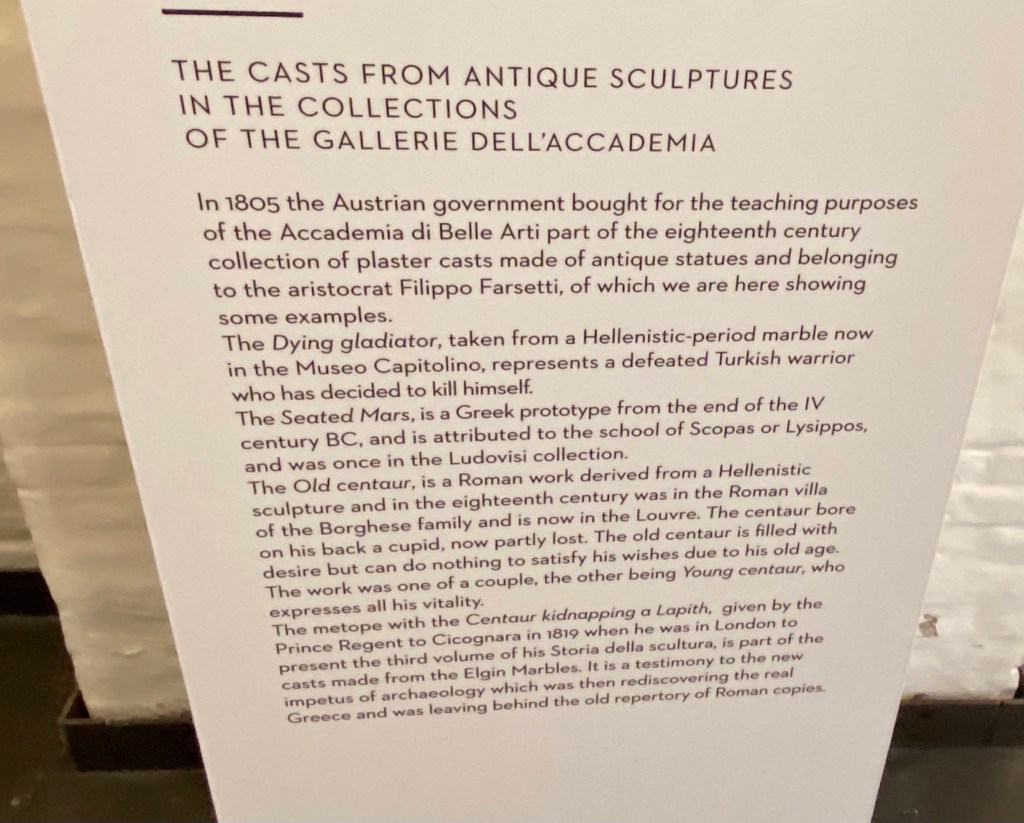
Casts of antique sculpture:
Shall we begin?
A few decades ago, I was just wild about the work of Antonio Canova (1757–1822), the Italian neoclassical sculptor. While I still admire a few of his statues, my tastes have changed. Nevertheless, my heart always beats a little faster when happening upon a work by Canova: maybe it is because it is like a hug from home. It’s easy, I understand it.
I’d been girding my loins in Venice, knowing full well I would be going to the Accademia and prepping myself for some serious looking and thinking. Admiring artworks is hard work, I don’t care what anybody says. Especially when you are a serious student. I was all set to start reading labels, performing quick formal analyses in my mind. And, when I saw a section at the beginning of the museum devoted to Canova casts, I headed right in! A bit of an appetizer before the main course.
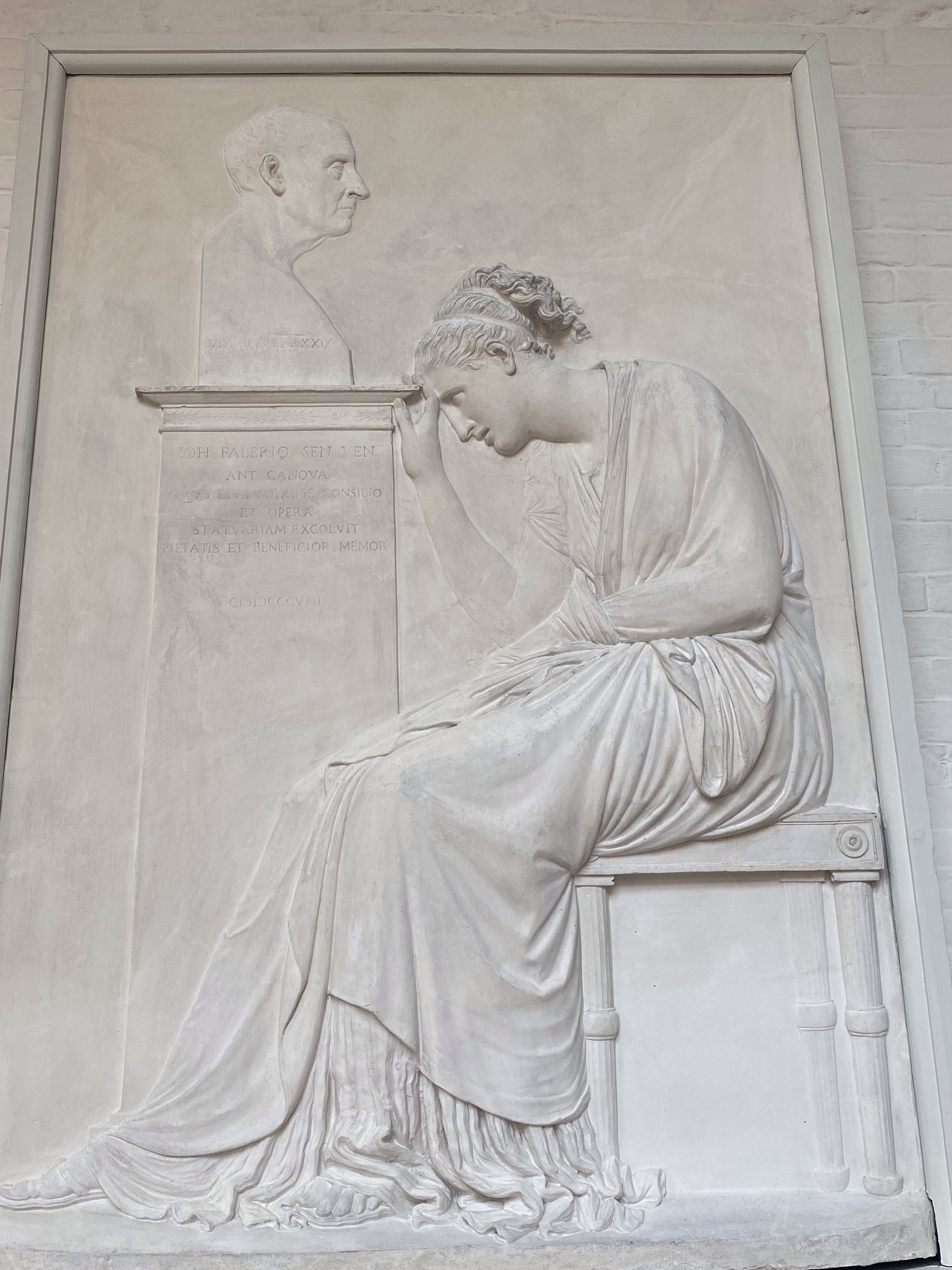
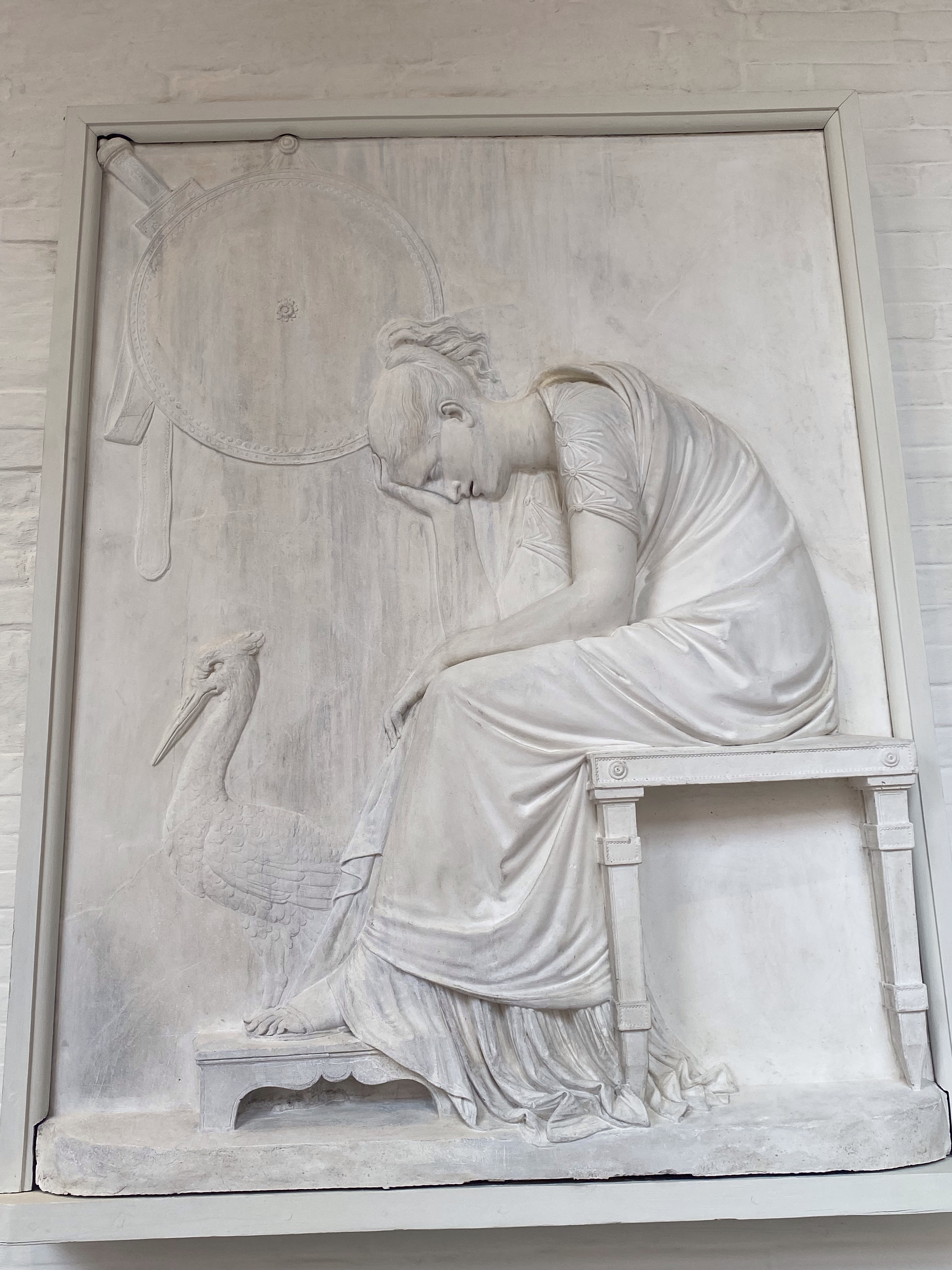
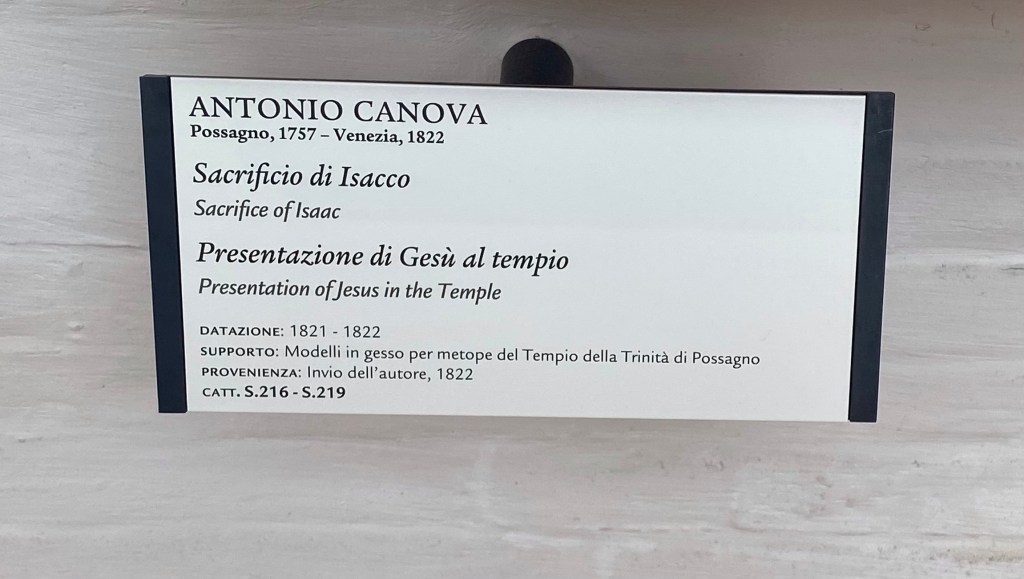
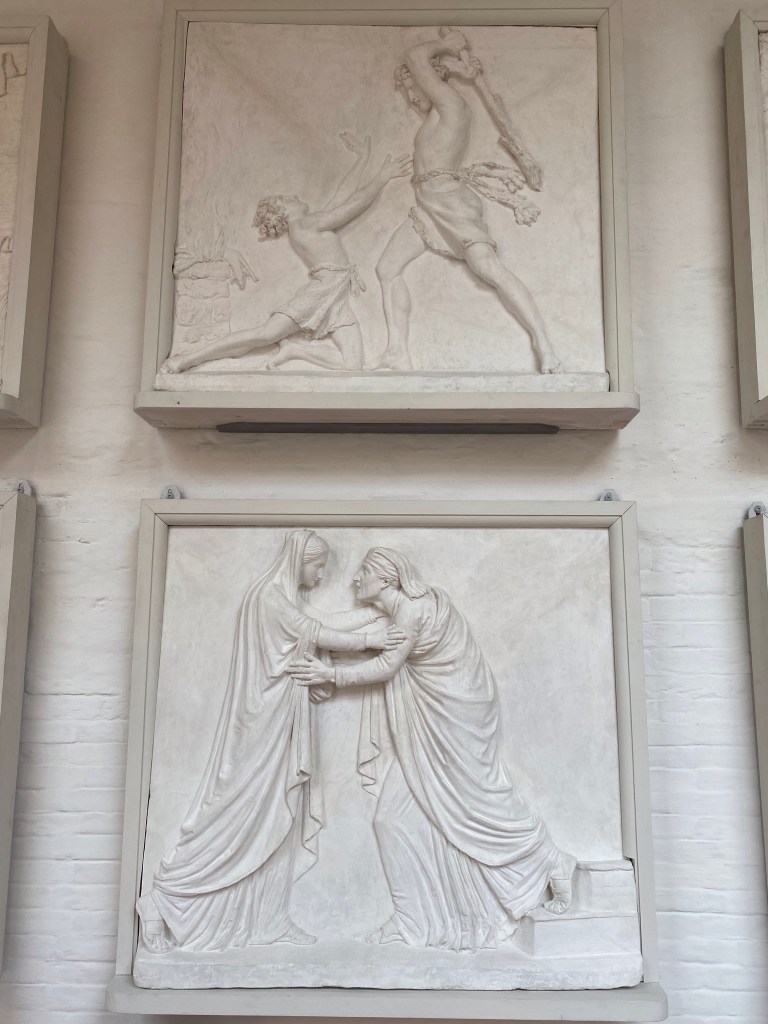
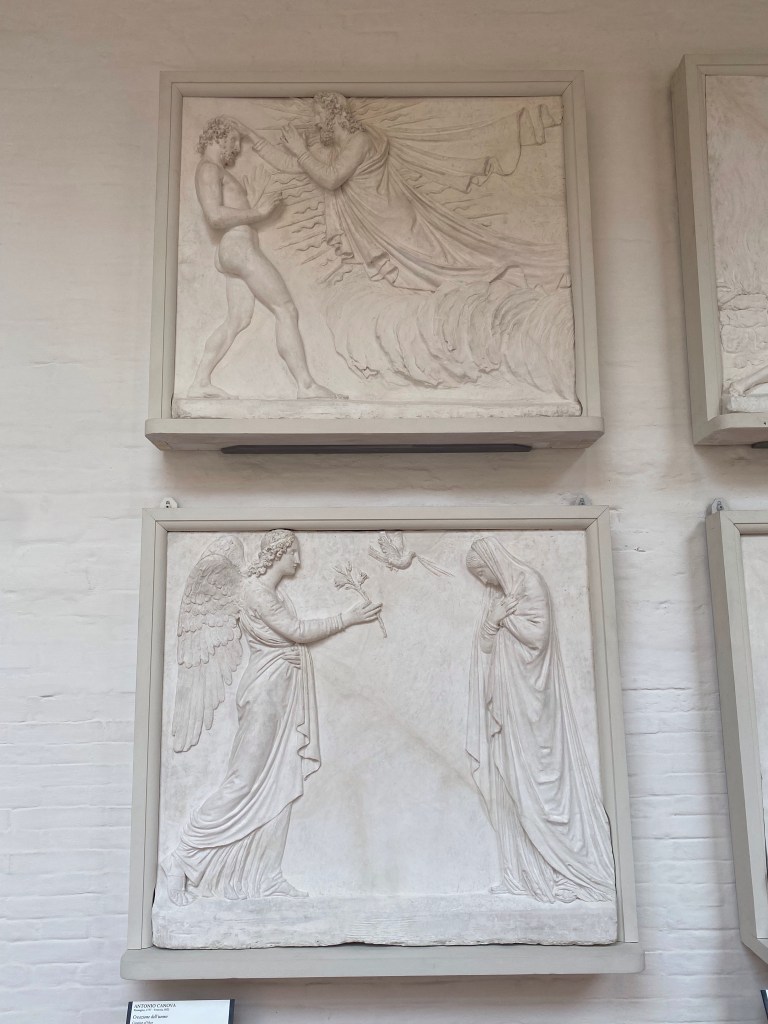
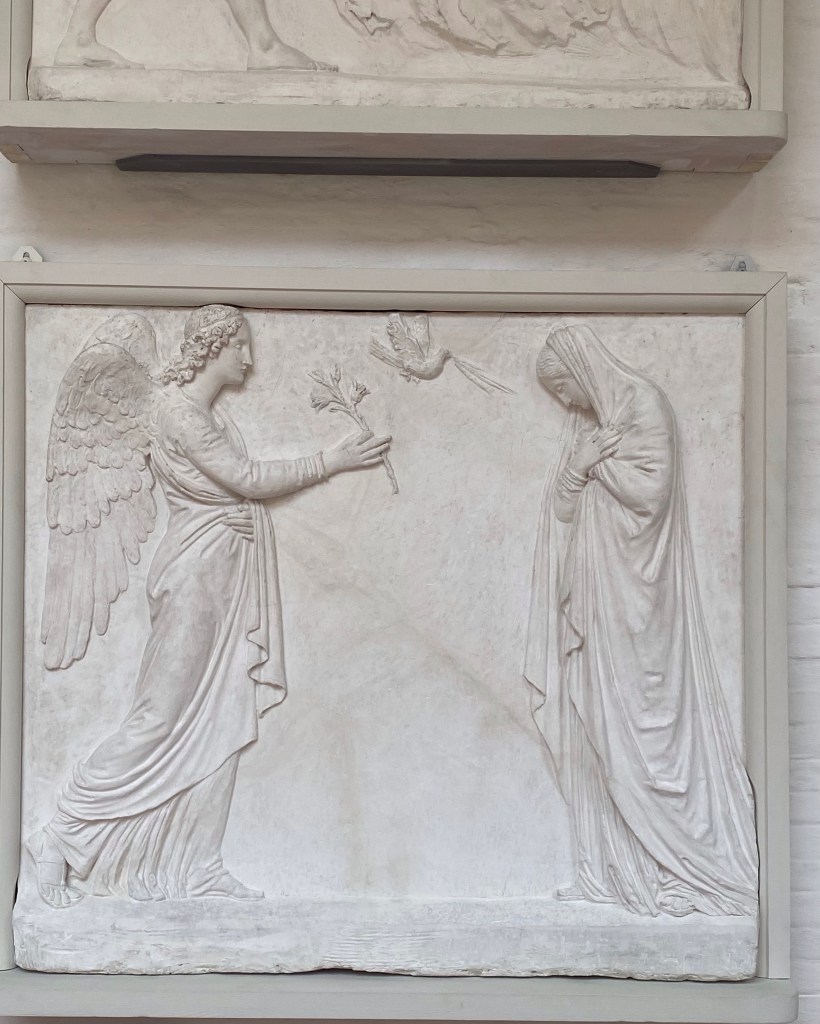
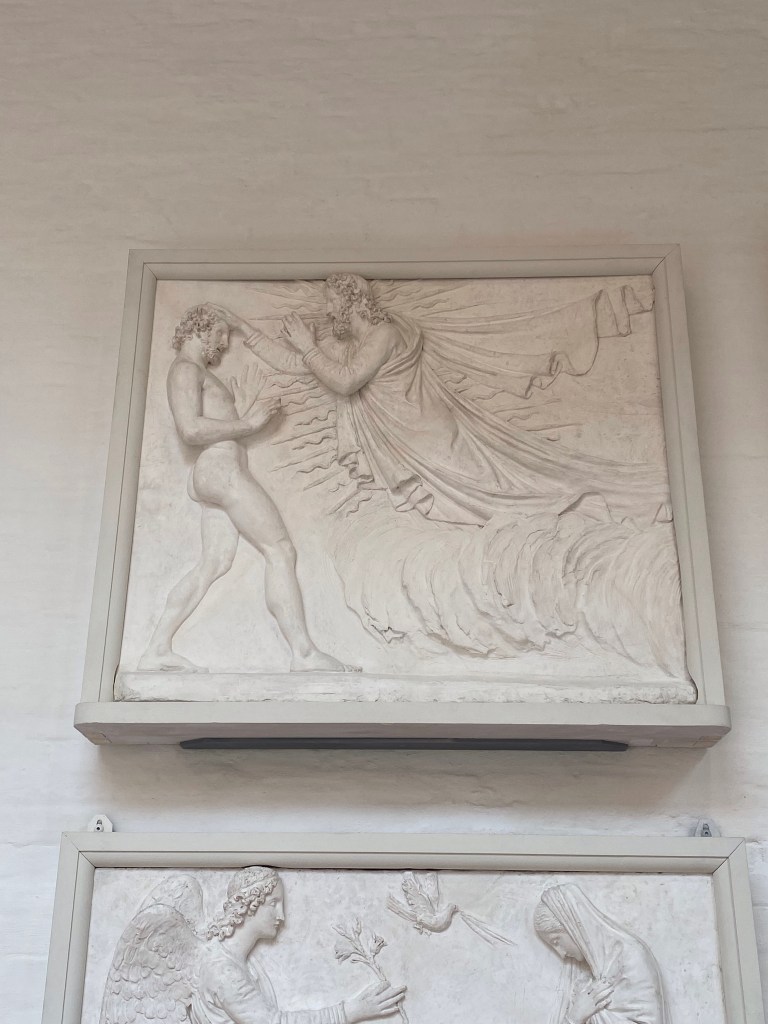
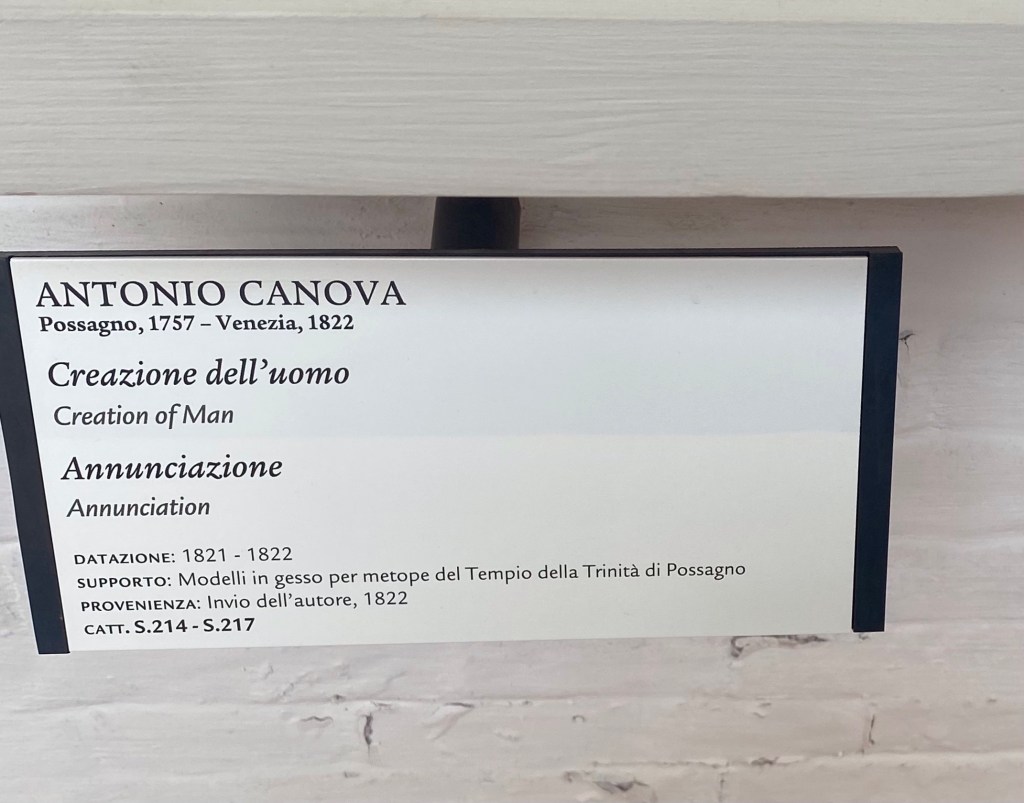
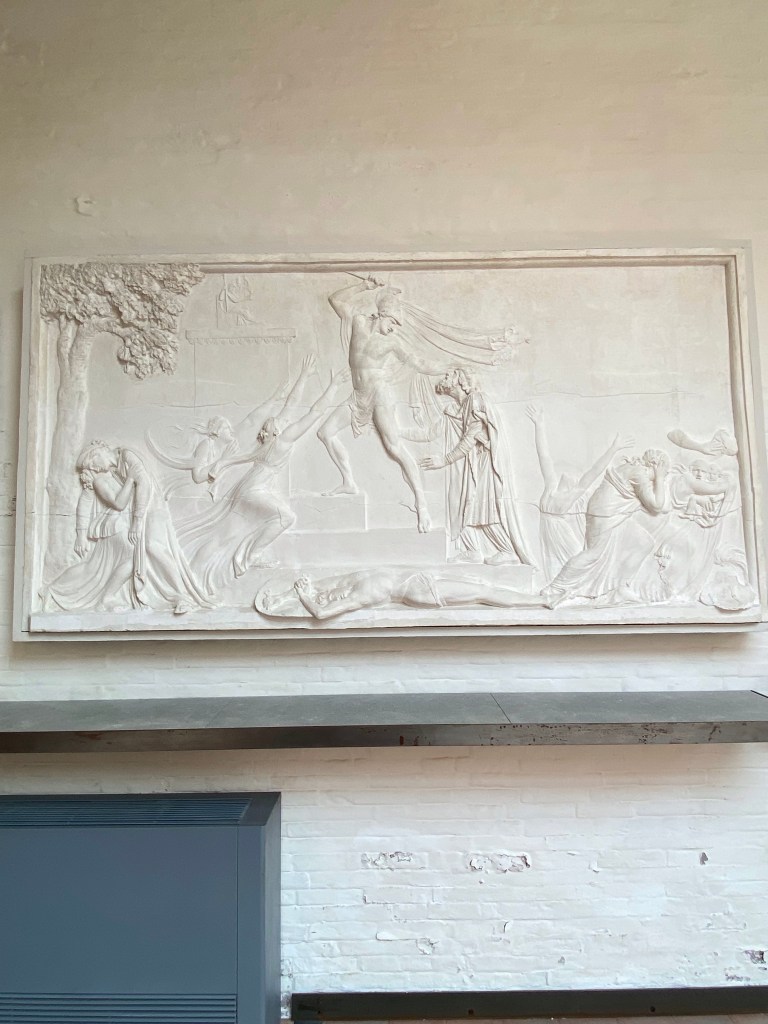
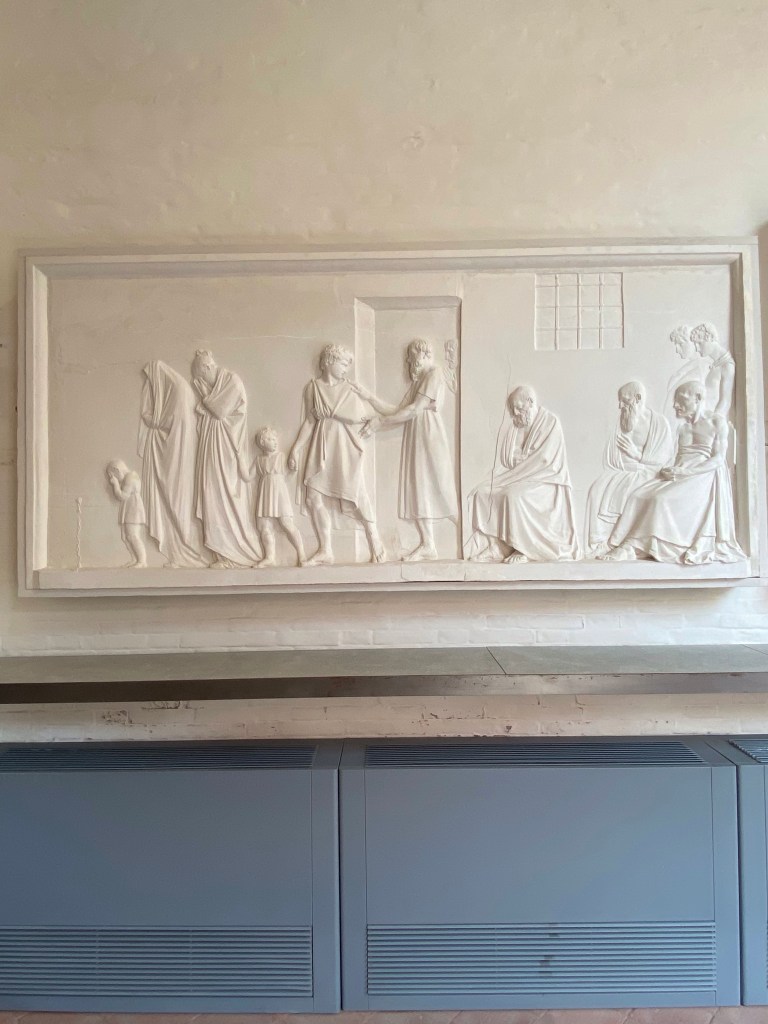
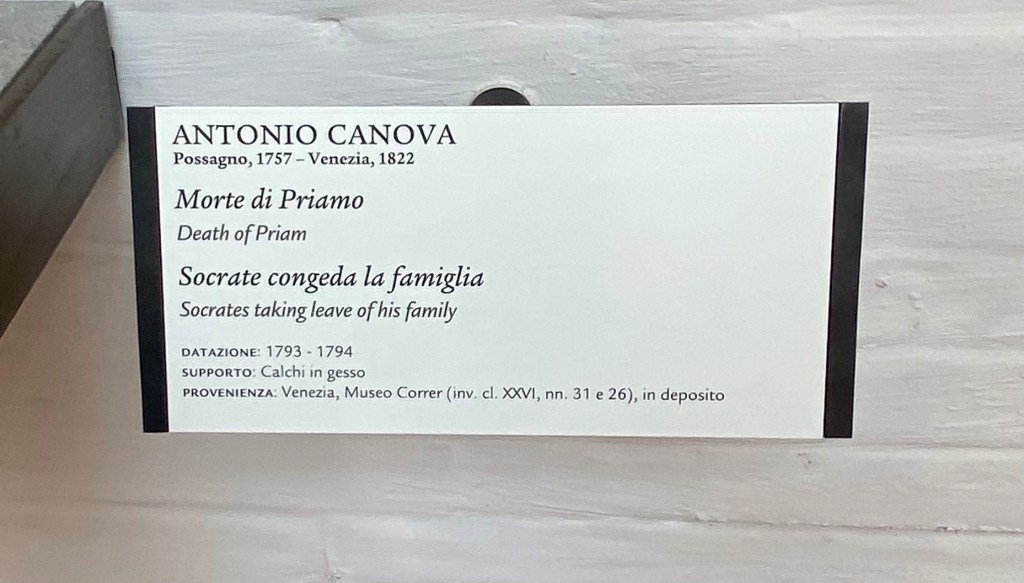
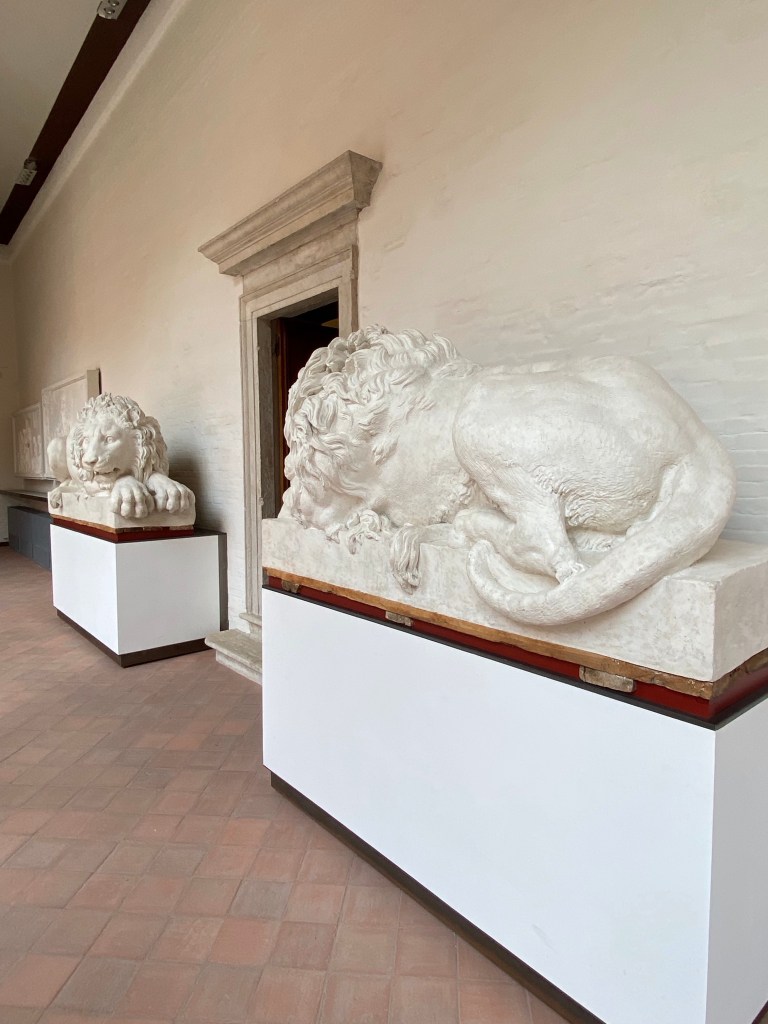
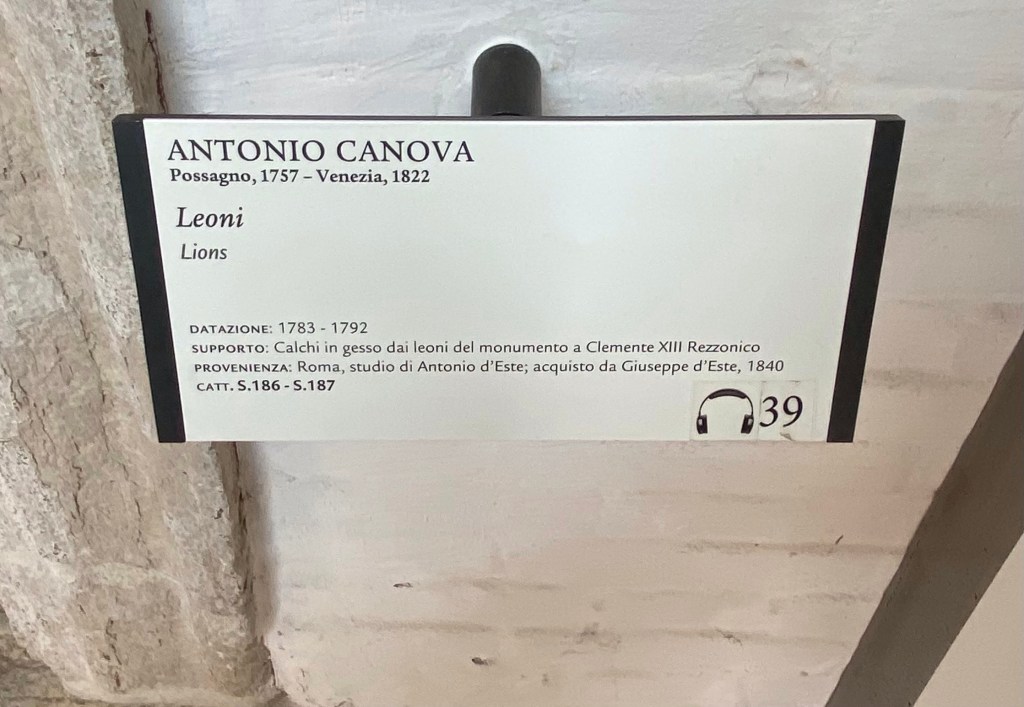
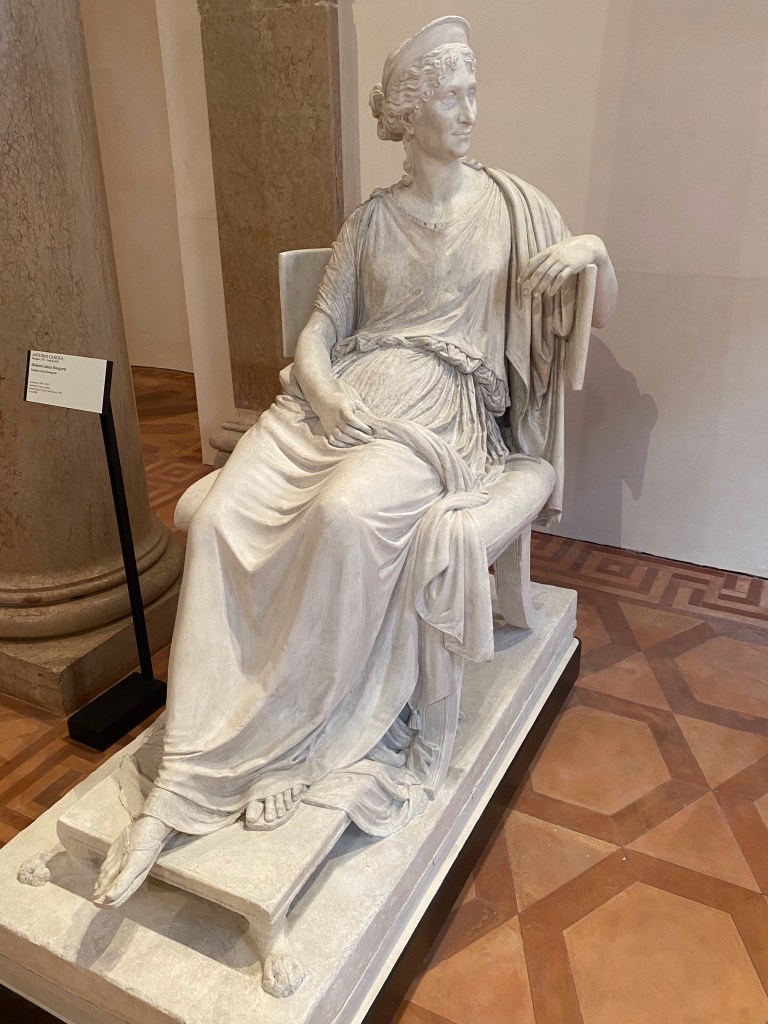
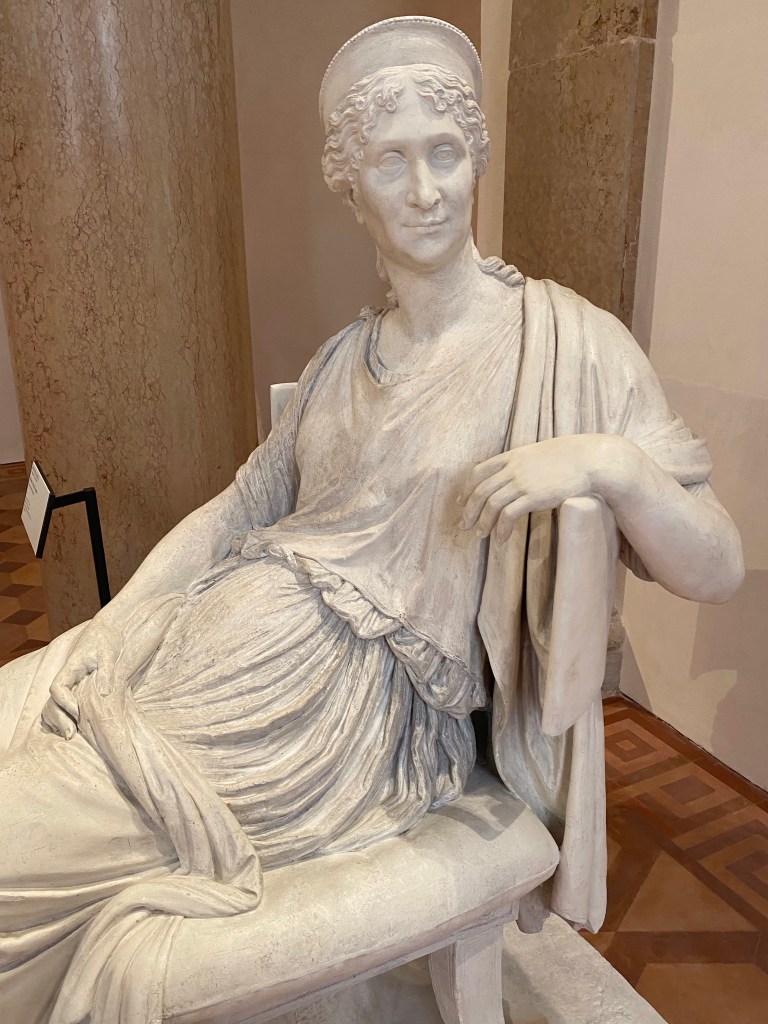
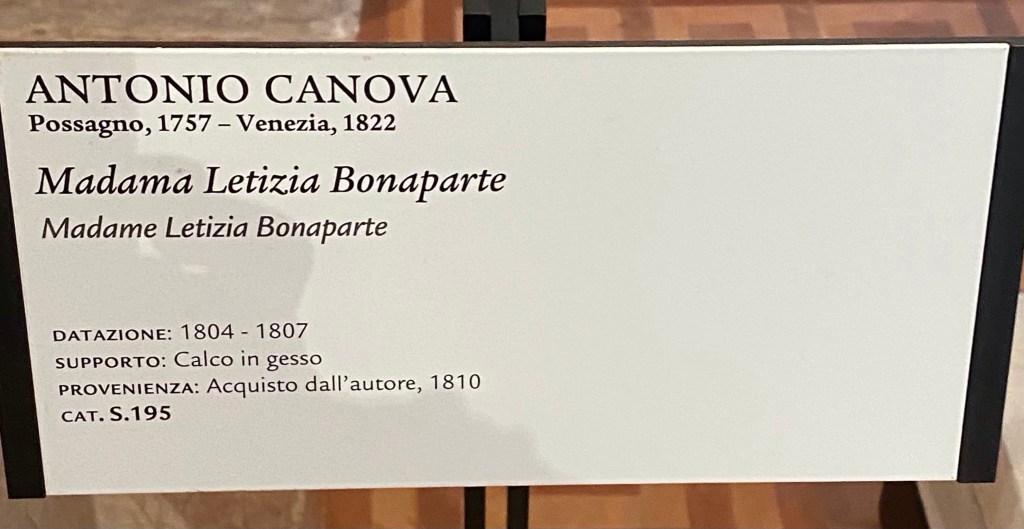
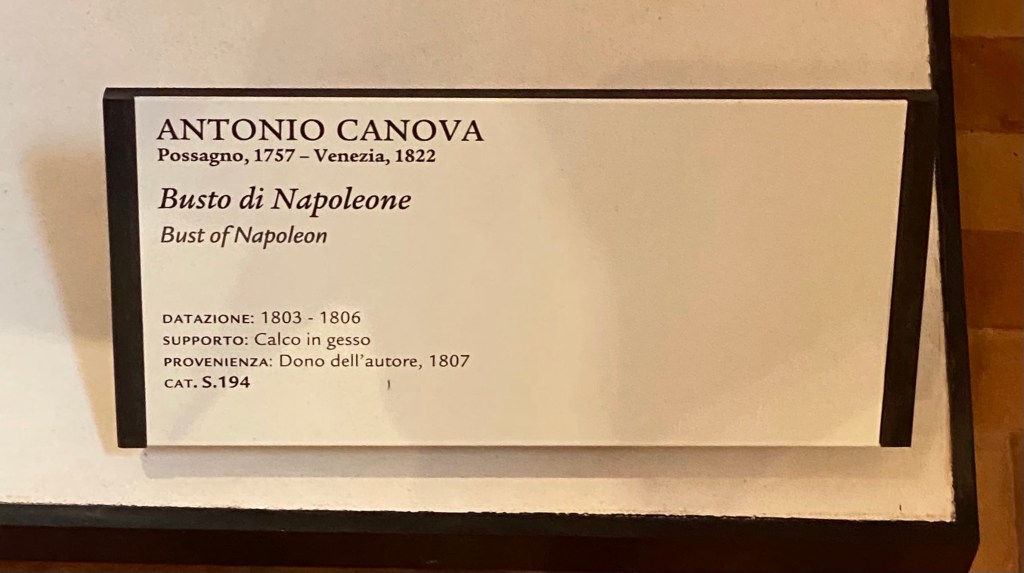
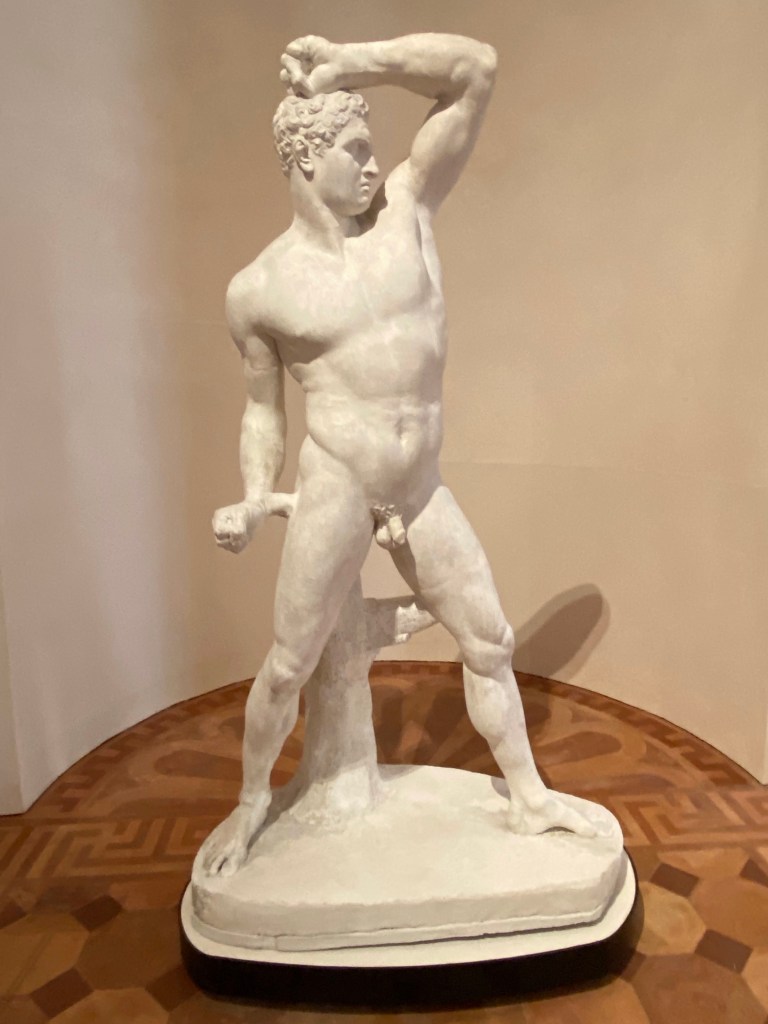
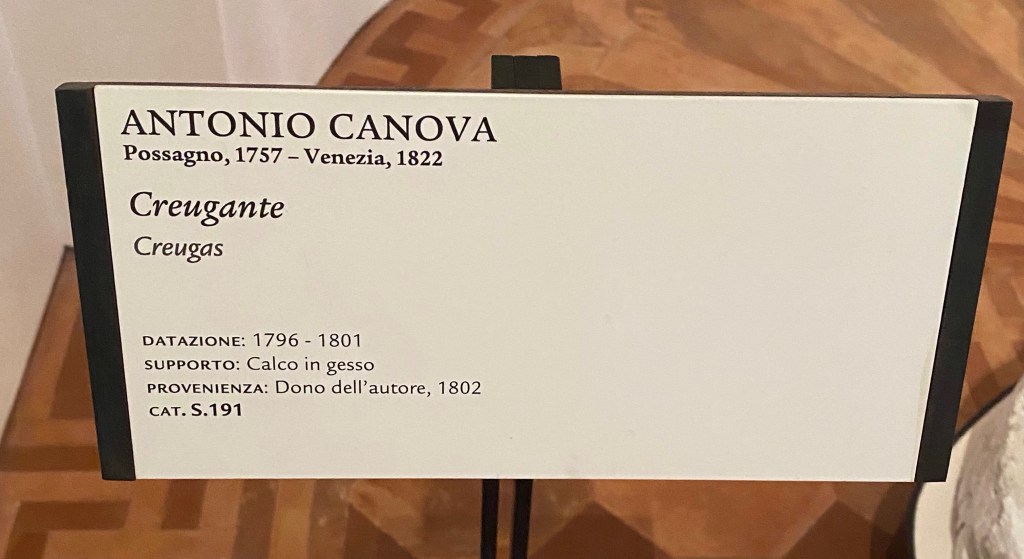
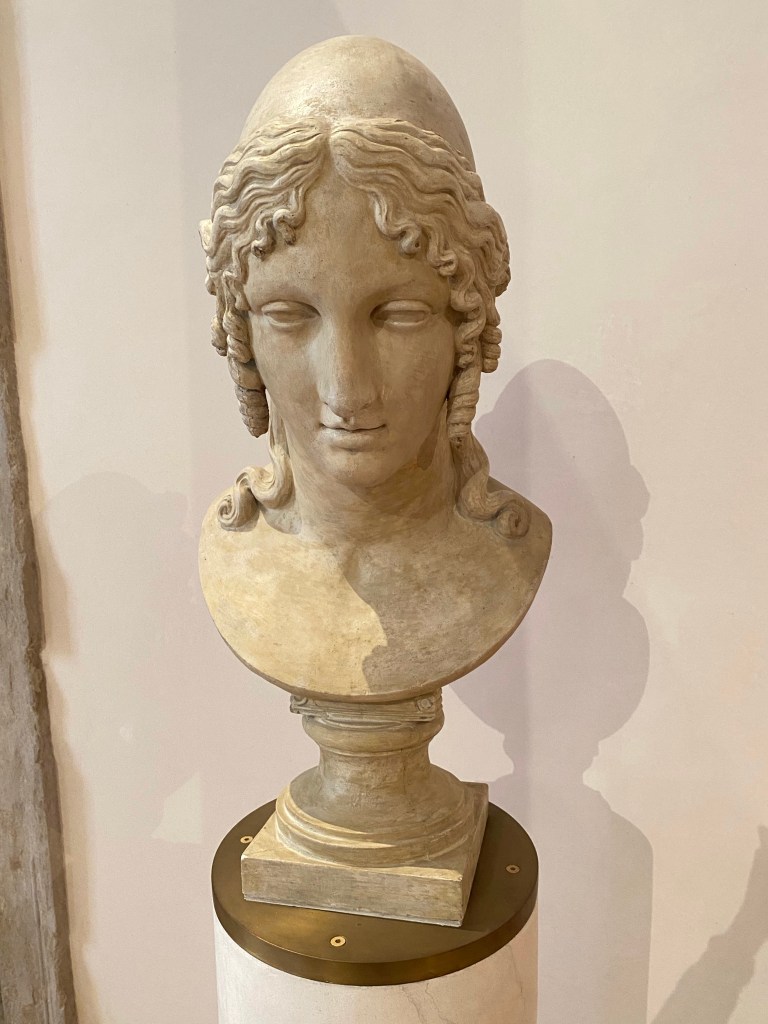
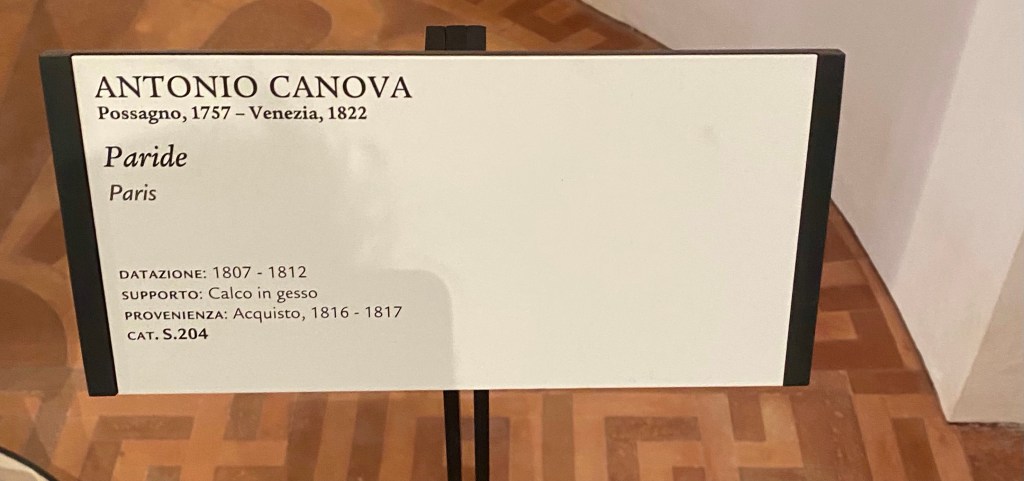
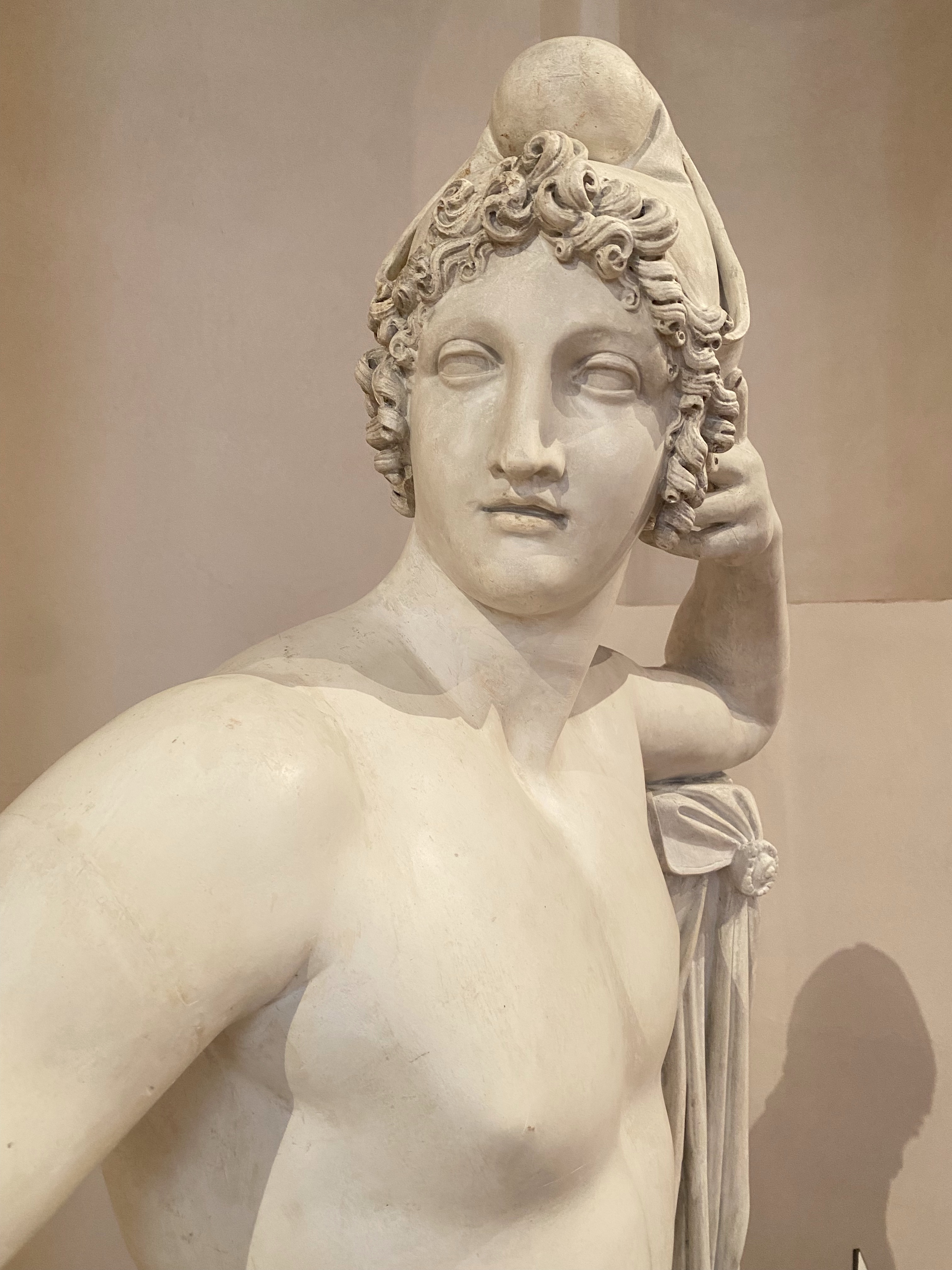
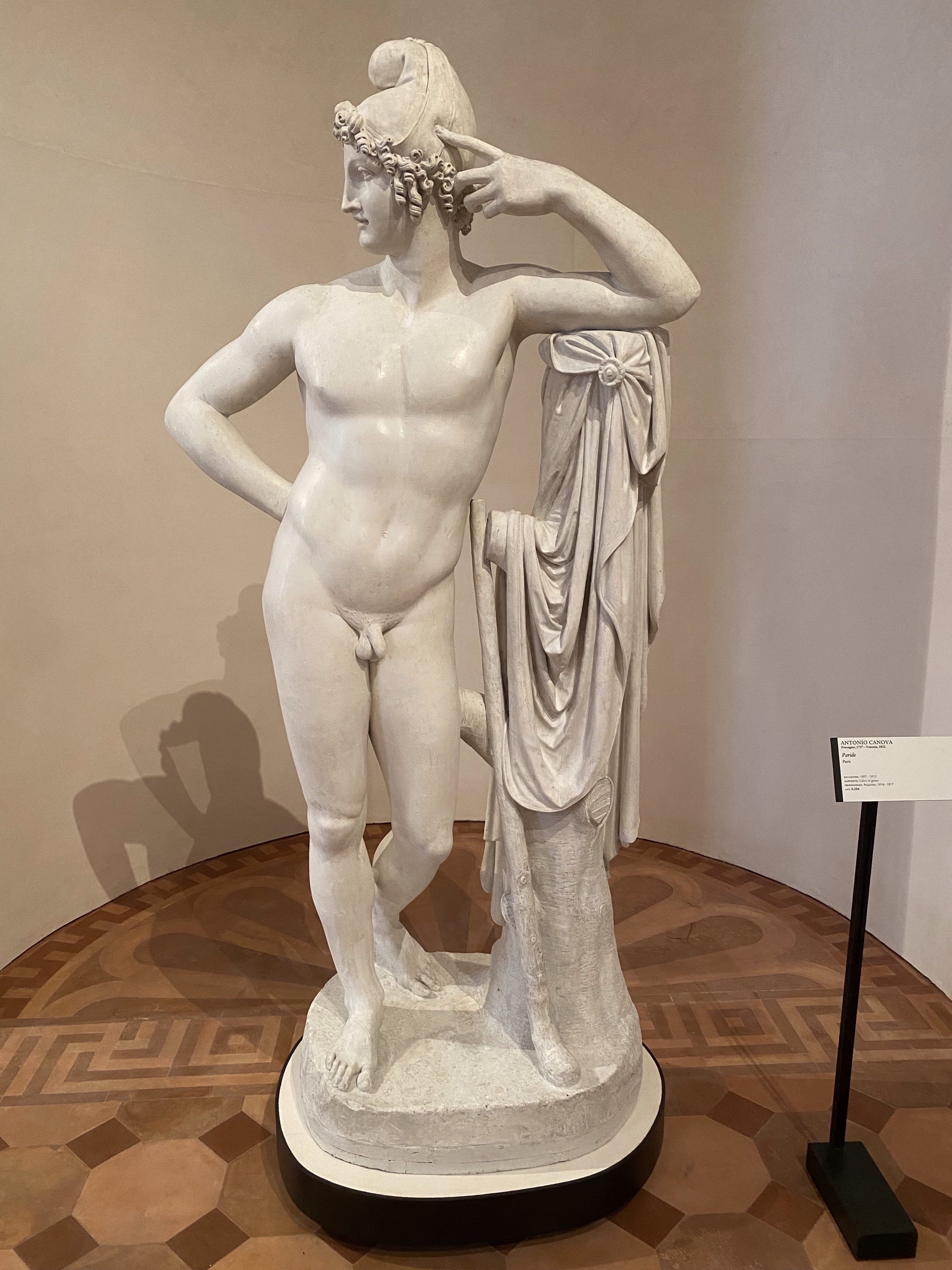
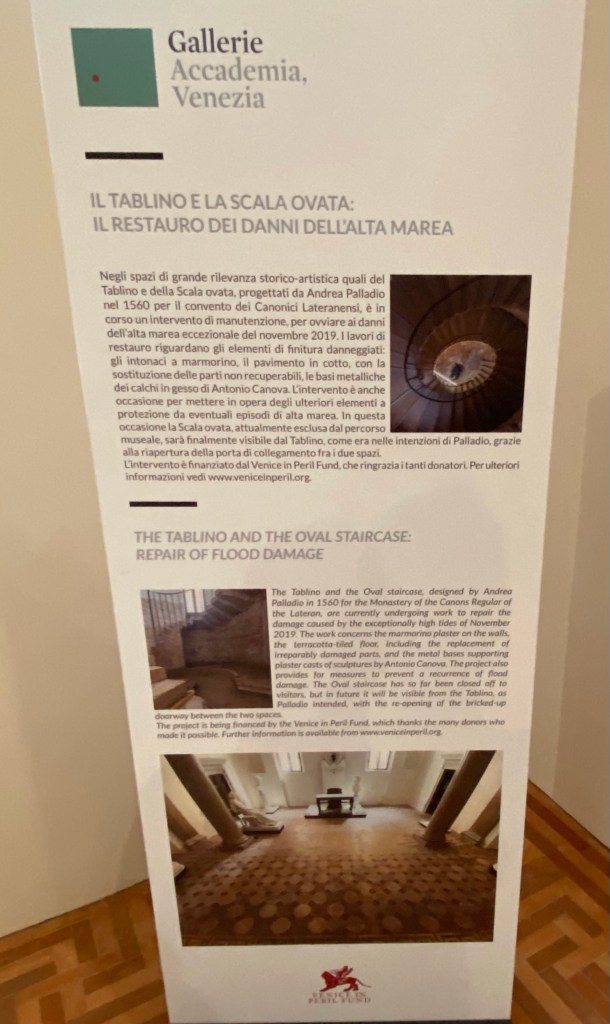
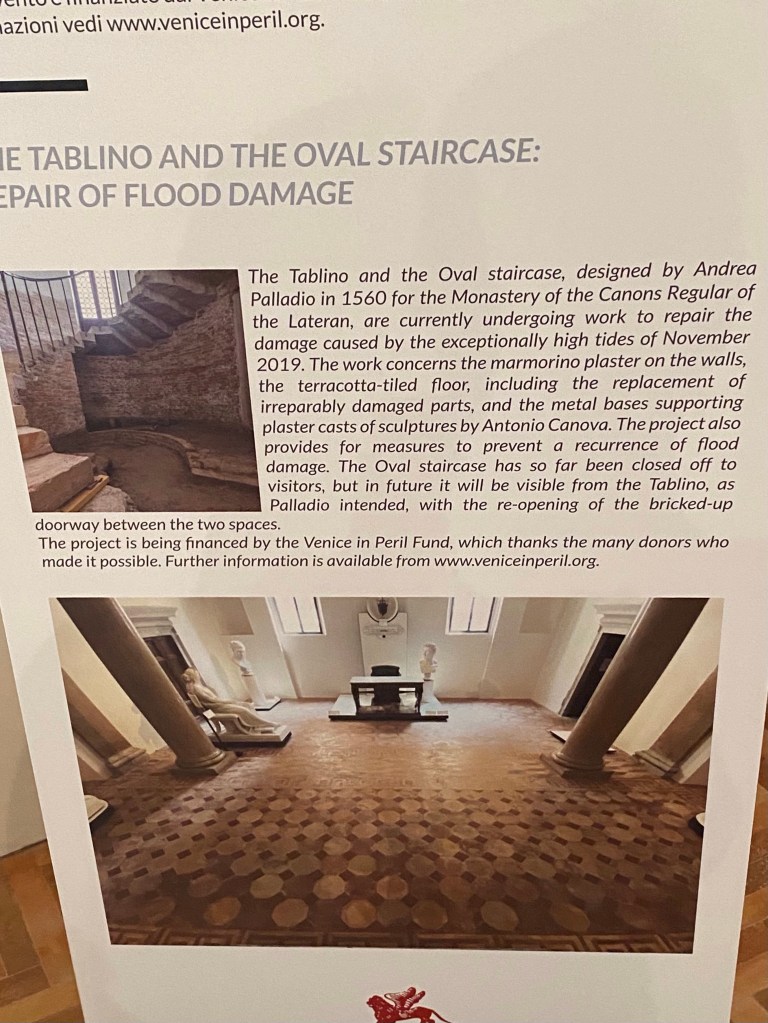
The collection of plaster casts after antique sculptures:
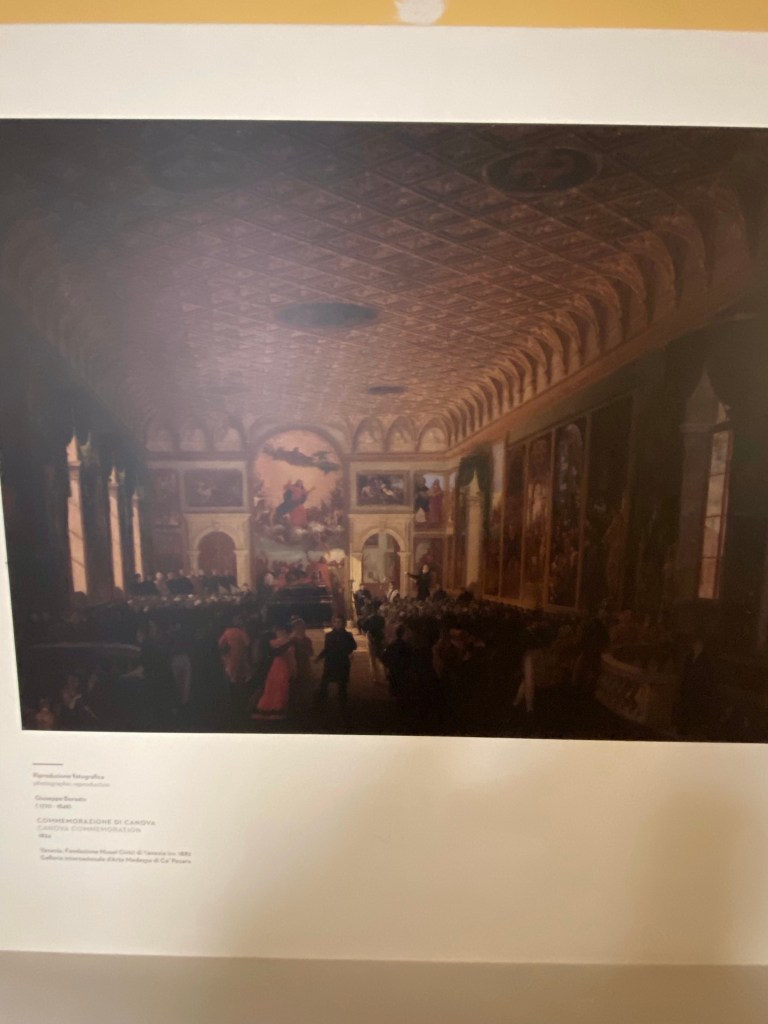
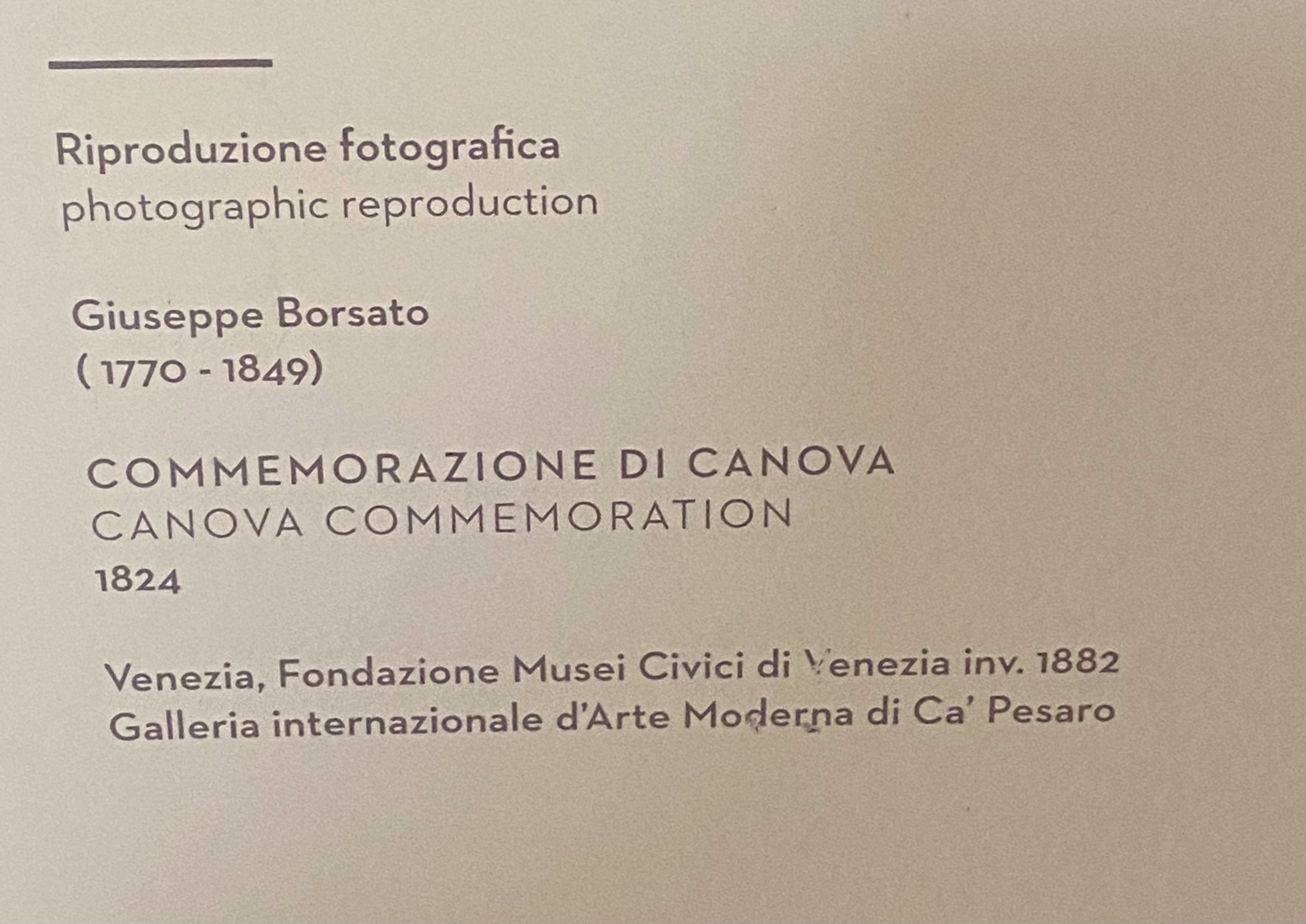
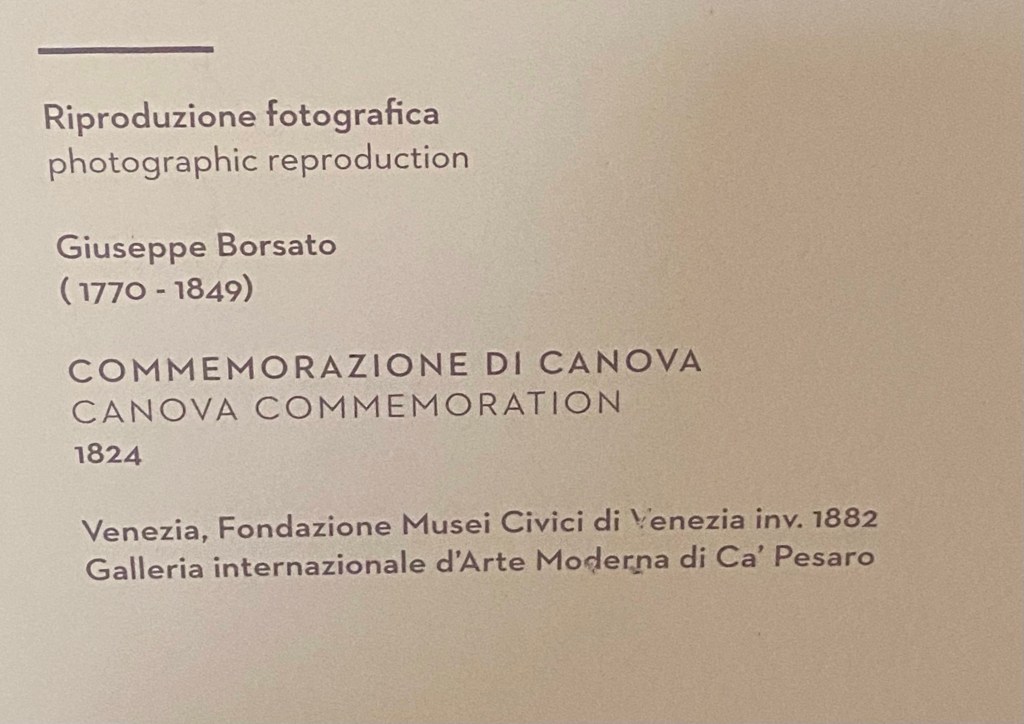
And, to close this post, it was interesting to learn that in this very building, in the 1824, Canova’s life and art were commemorated in an impressive ceremony.
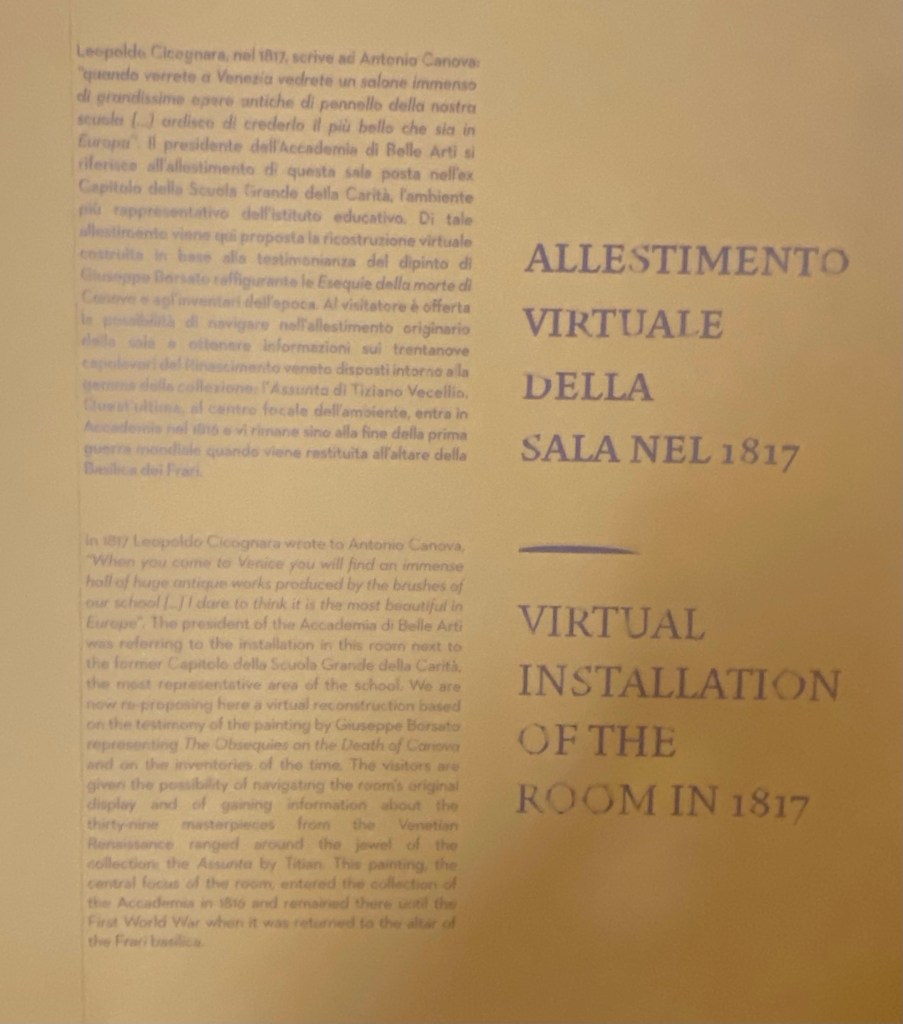
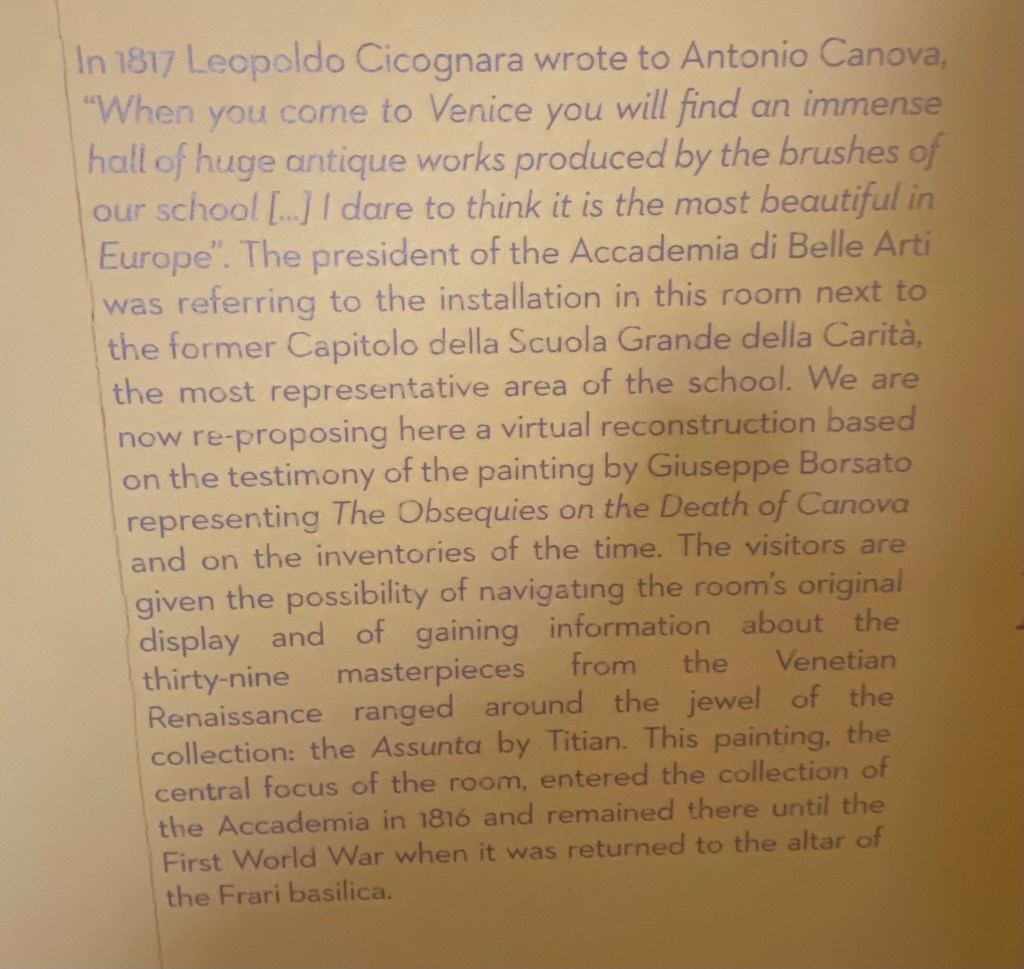
After almost 7 lucky years spent living in Florence, I know where to find the blossoms of spring! This weekend everything was spectacularly pink and blue. Enjoy the blossoms! None of them had much of a scent.
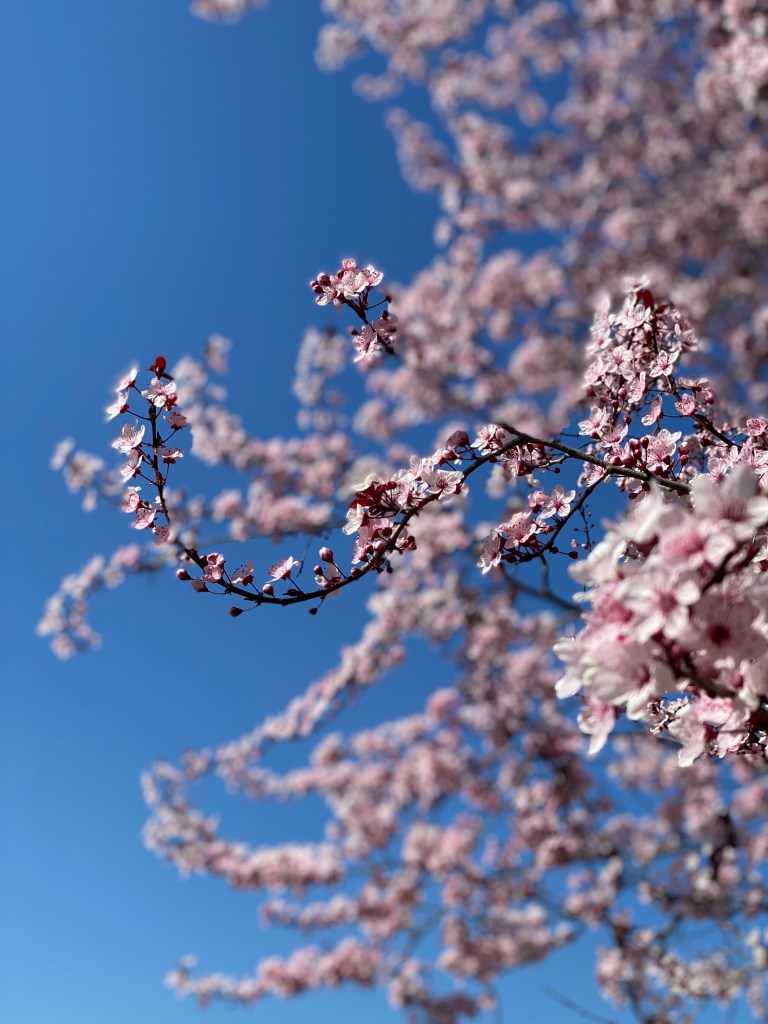
Above, the Giardino dell’ Orticultura never disappoints and the magnolia tree in Piazza Beccaria is always a sight to behold!
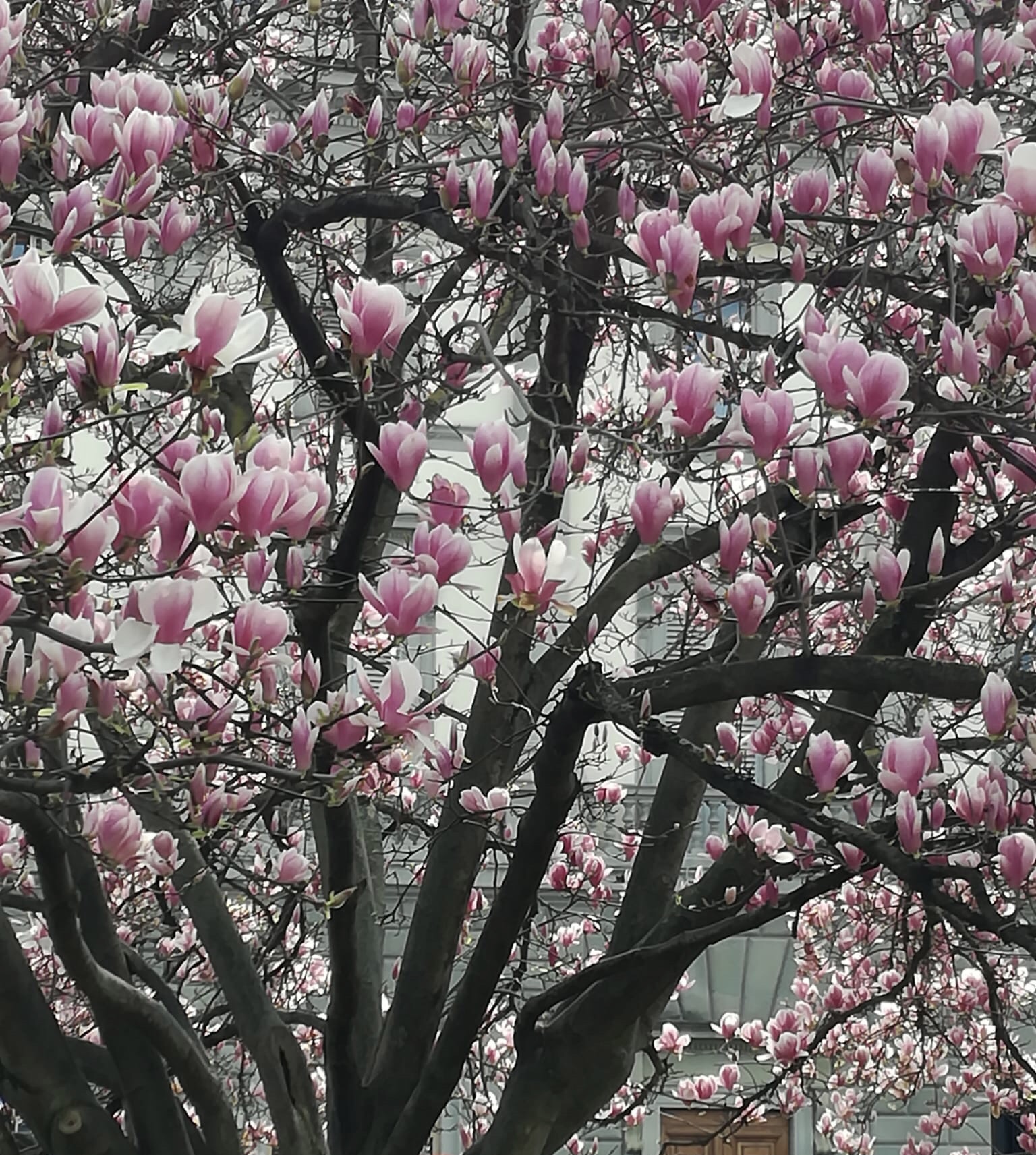
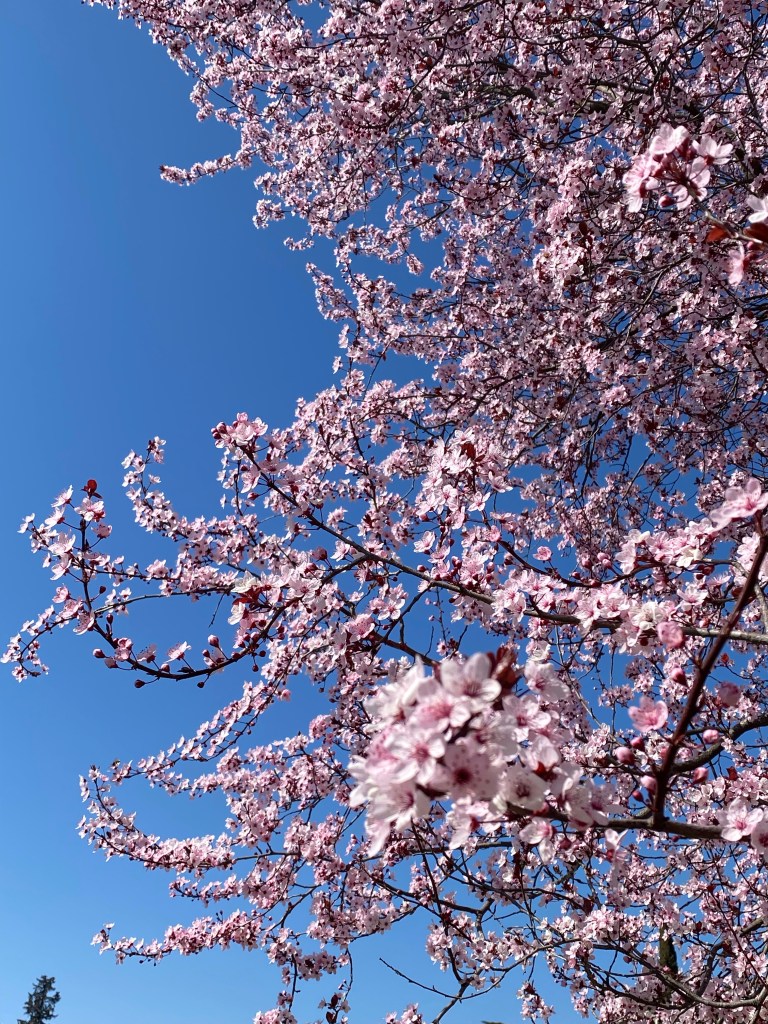
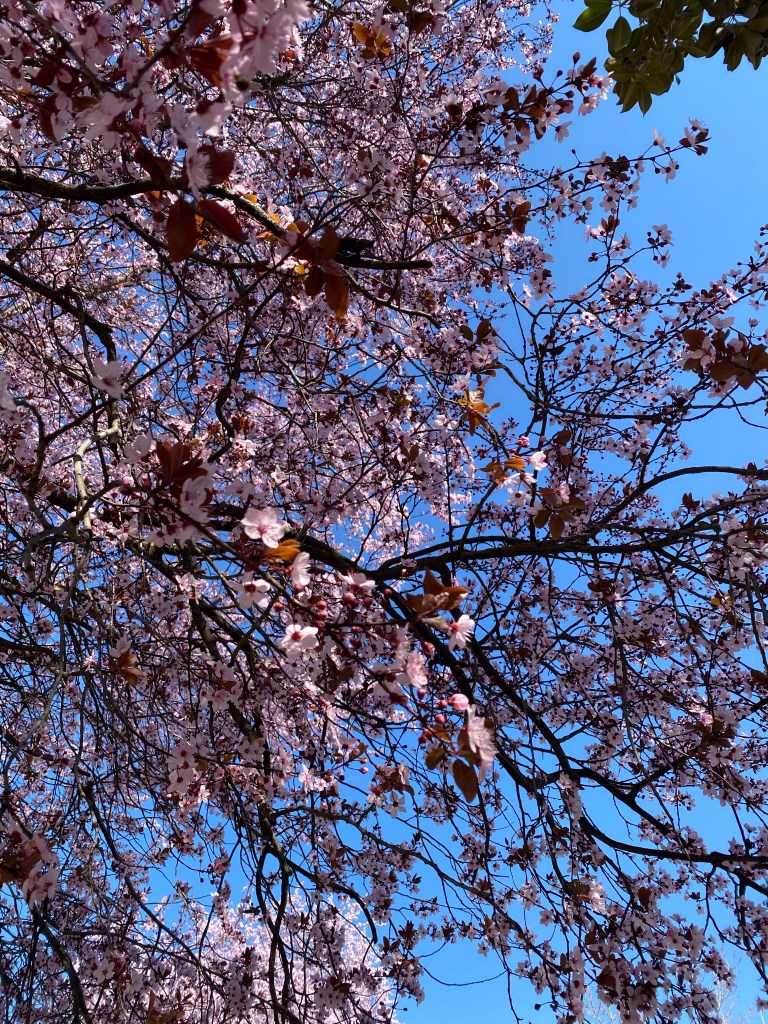
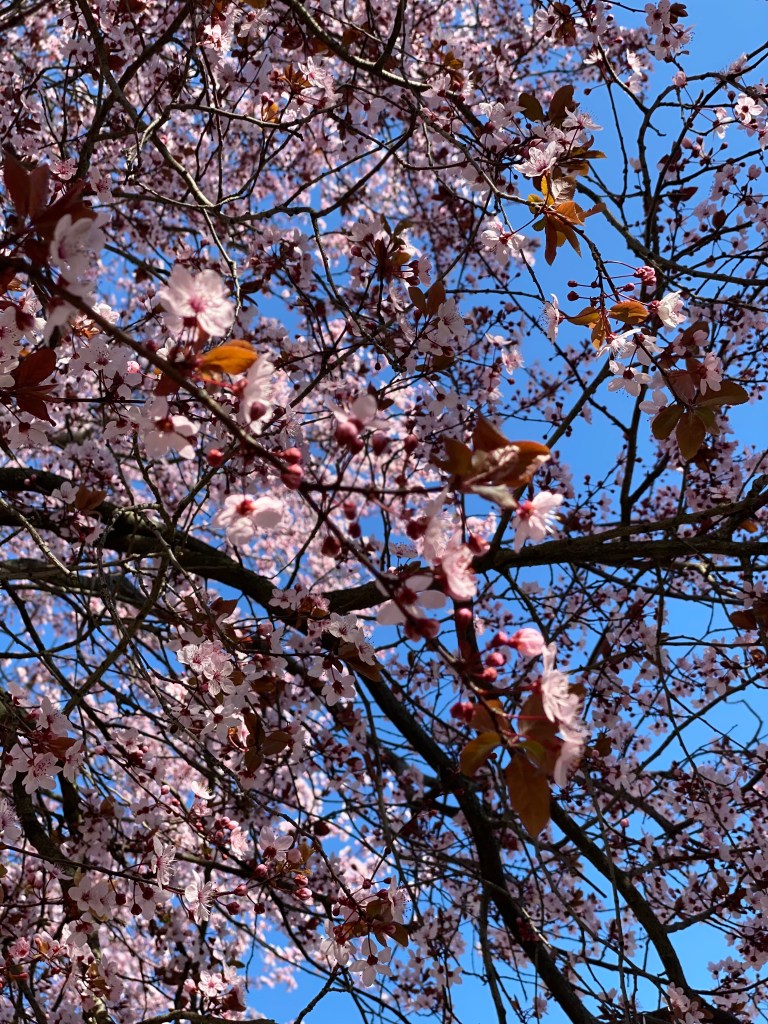
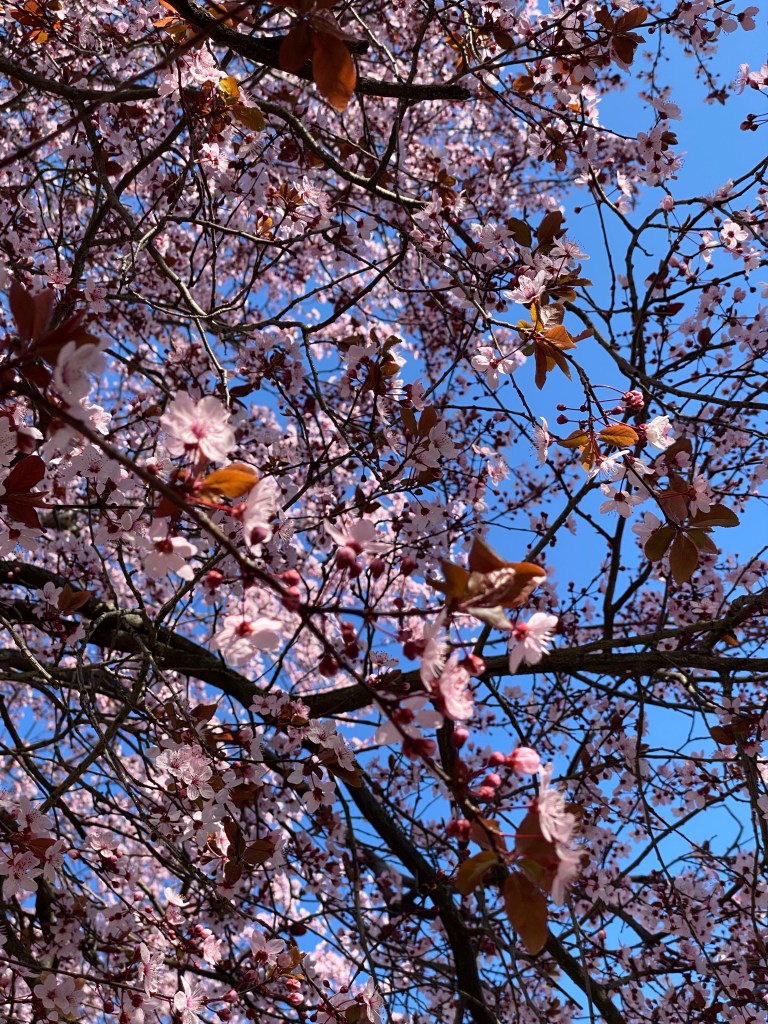
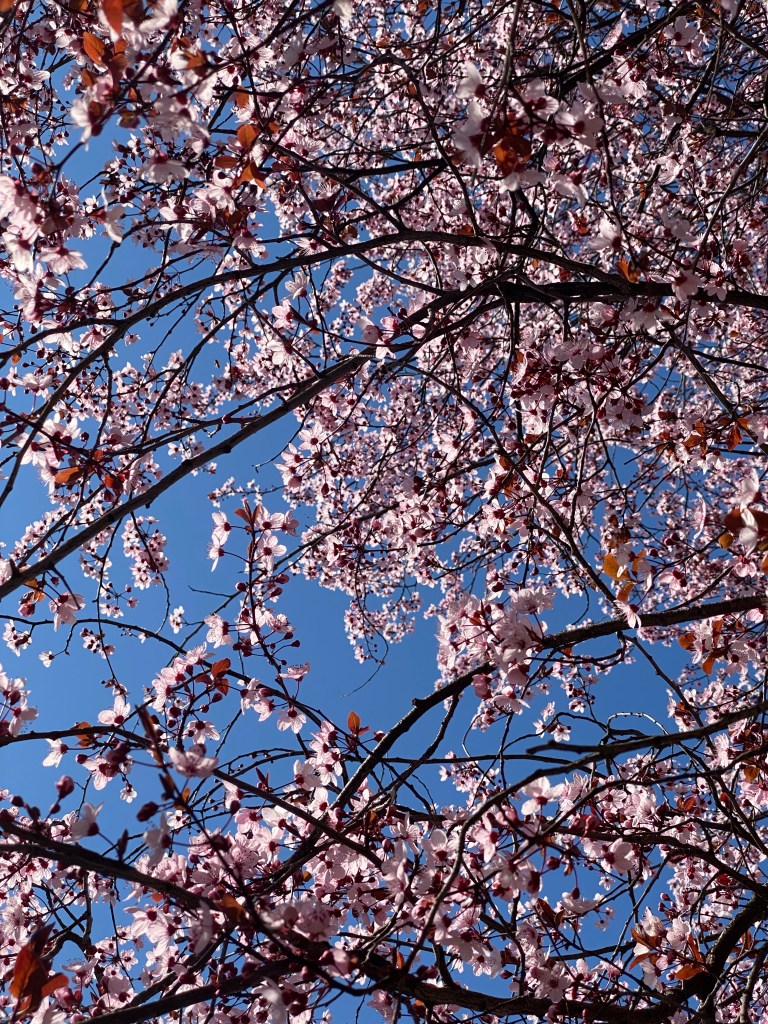
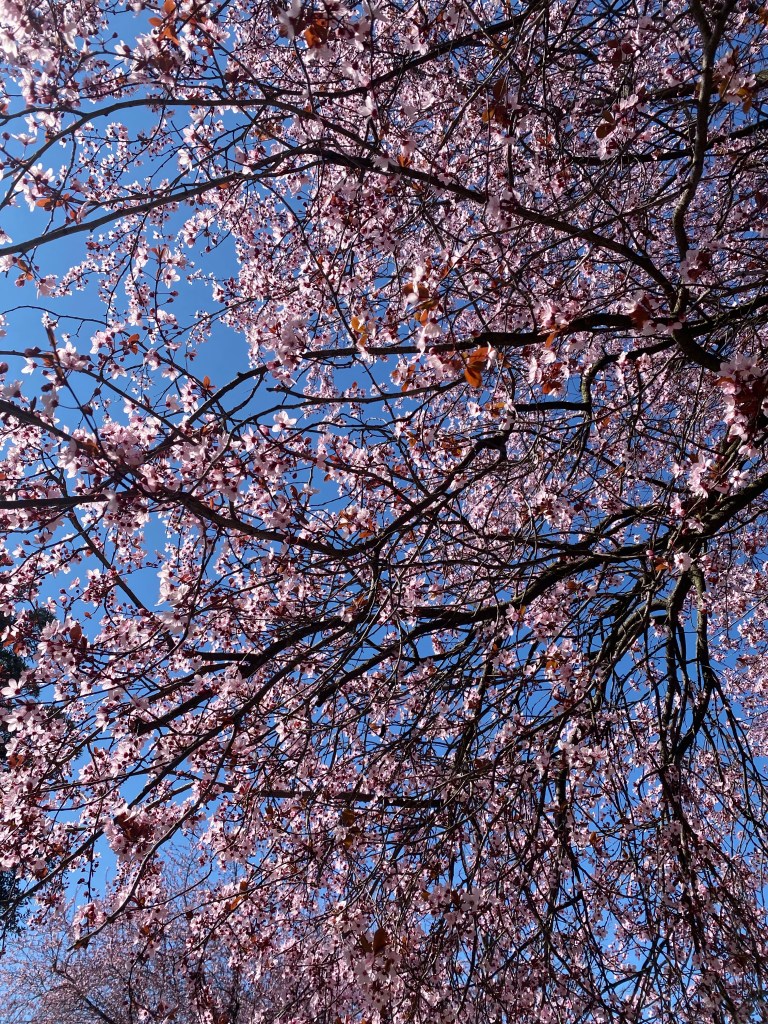
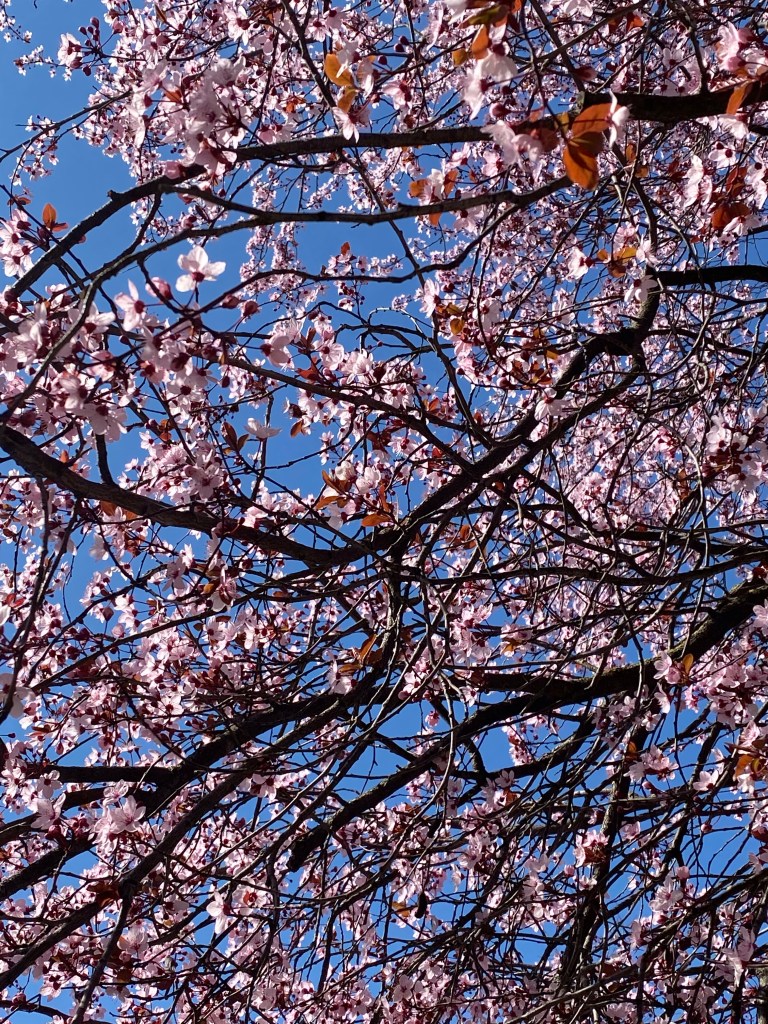
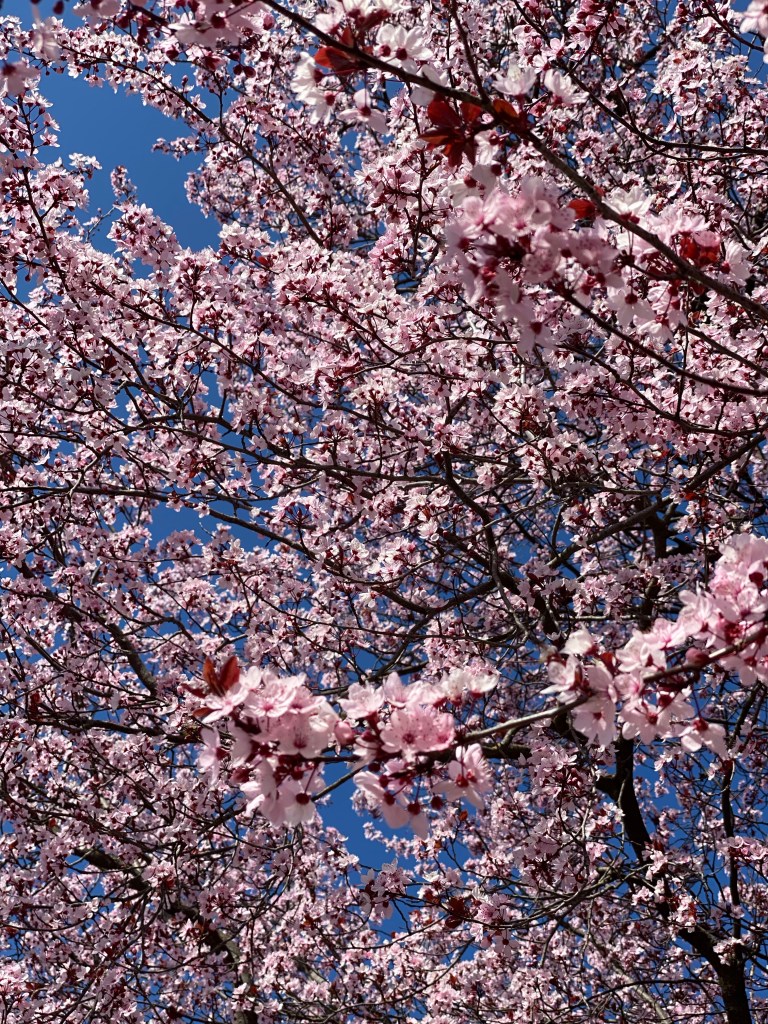
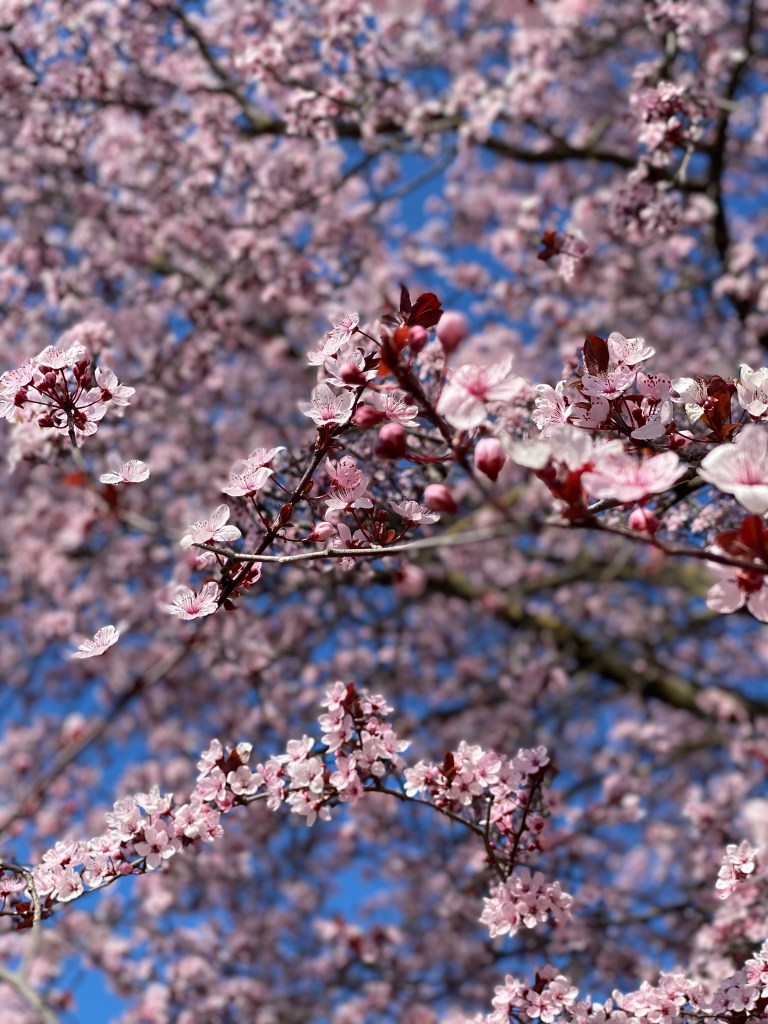
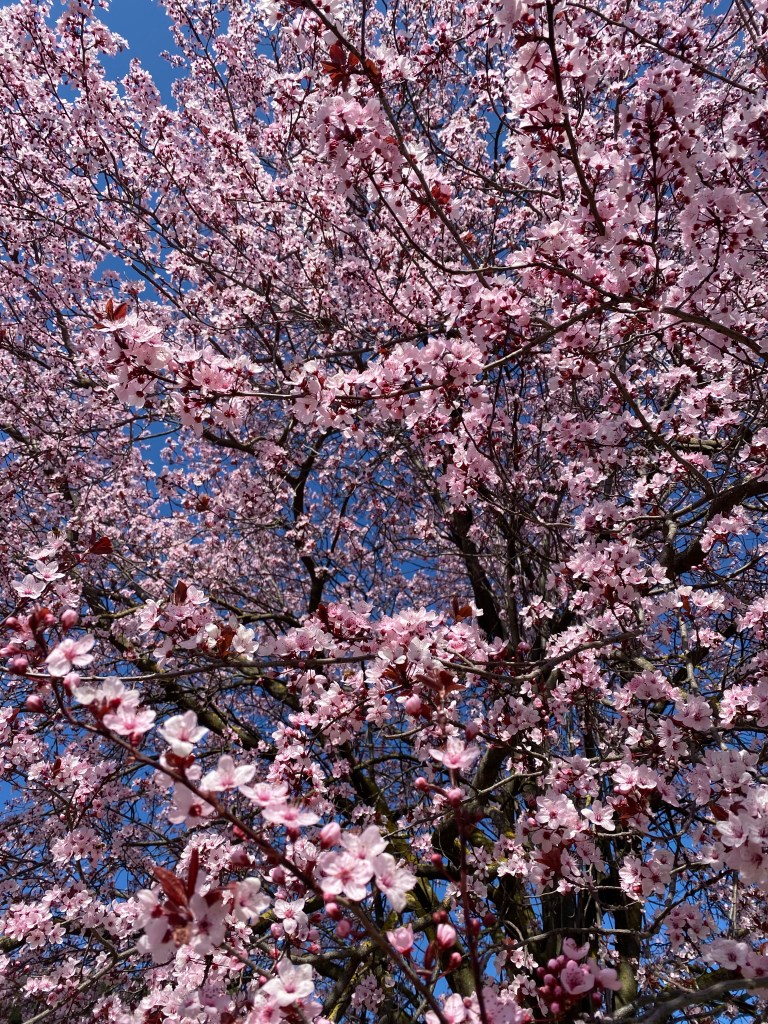
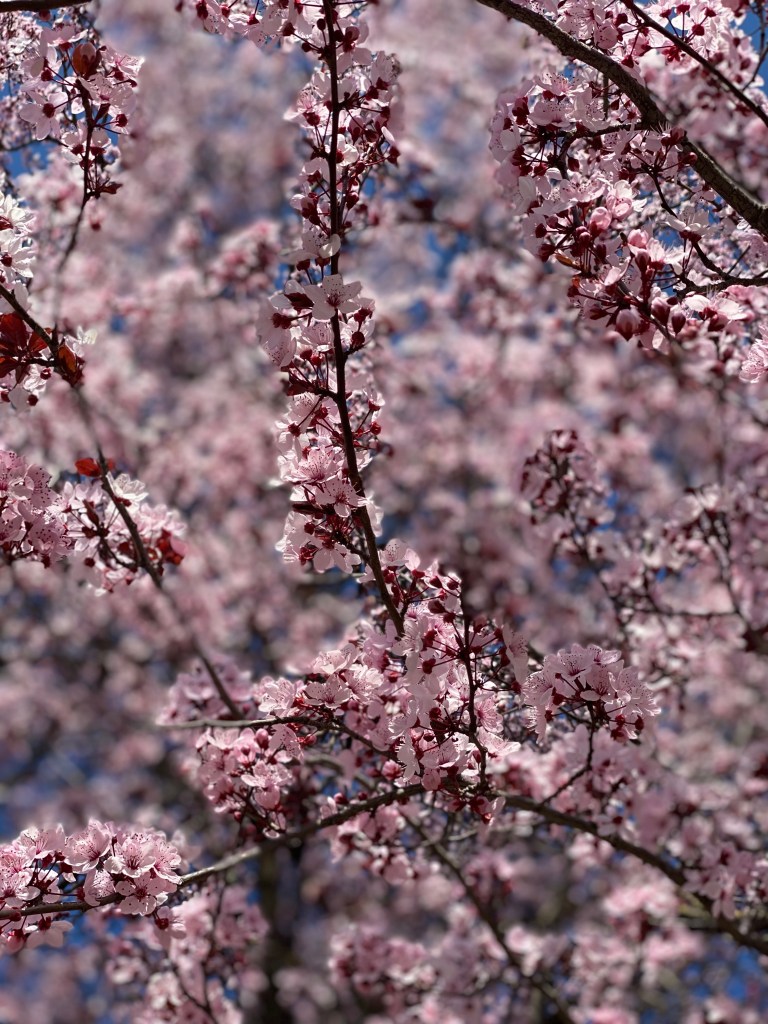
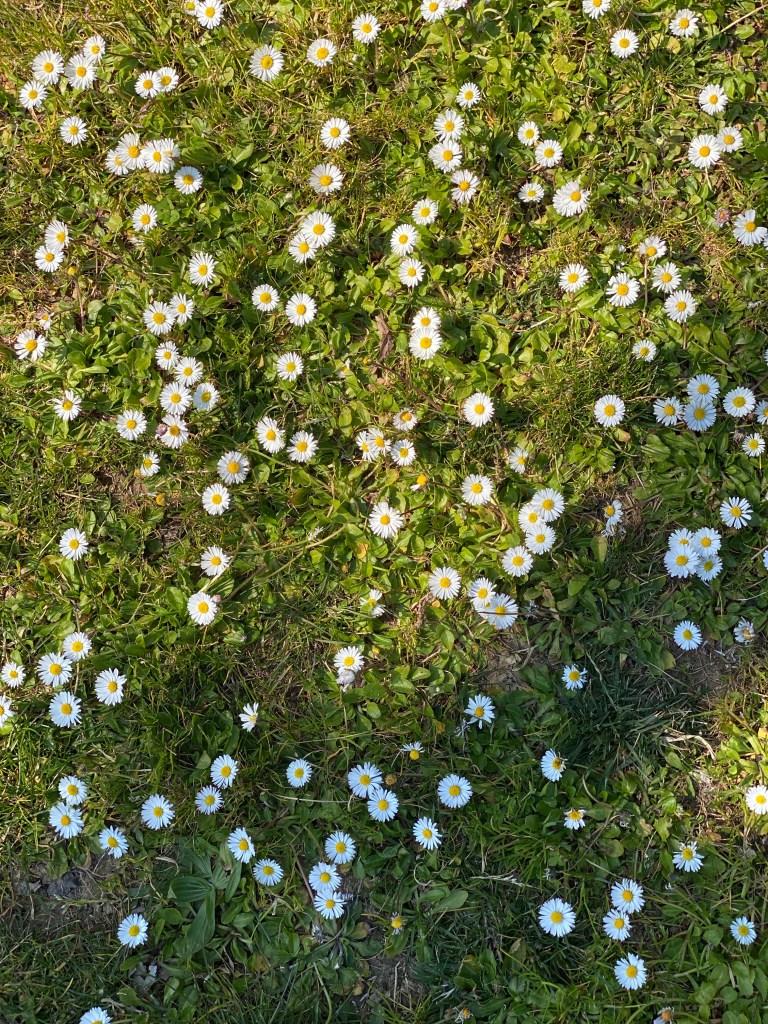
Looking down is almost as rewarding as looking up!
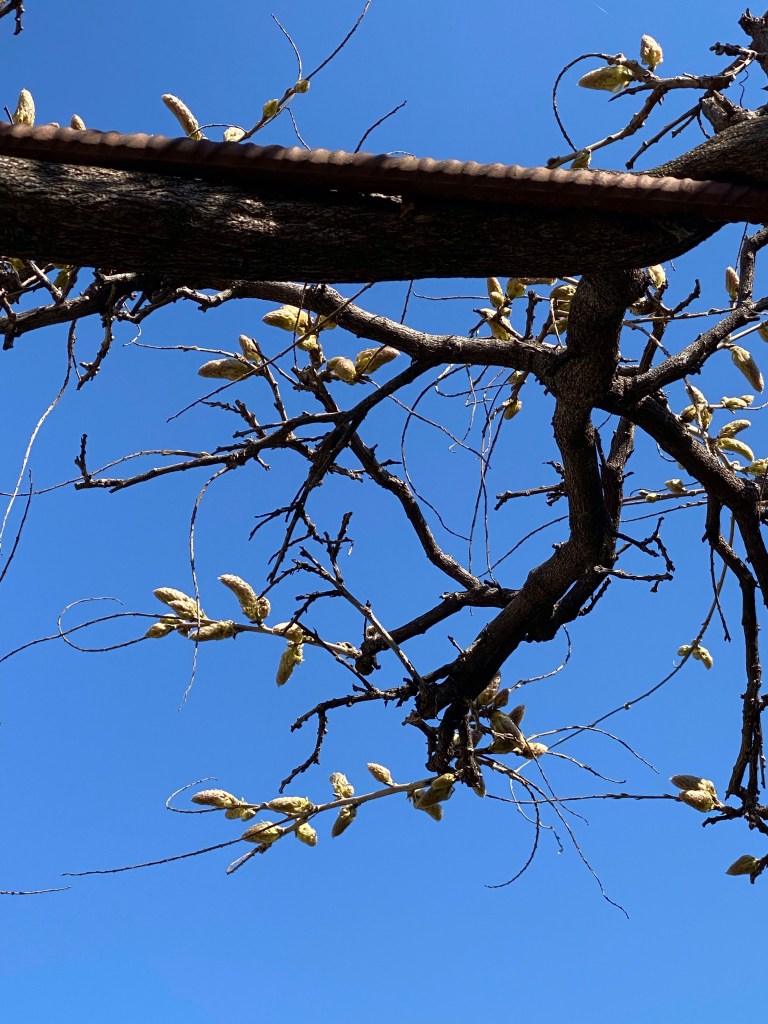
The wisteria vine on the passerella near my home is getting closer to budding.
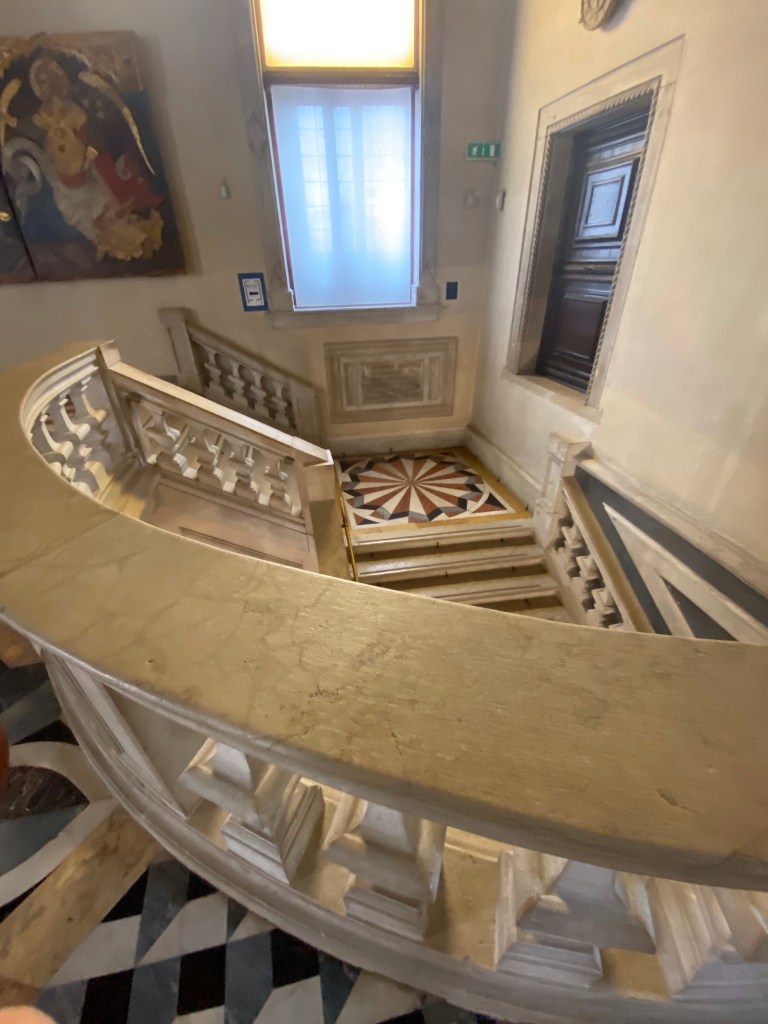
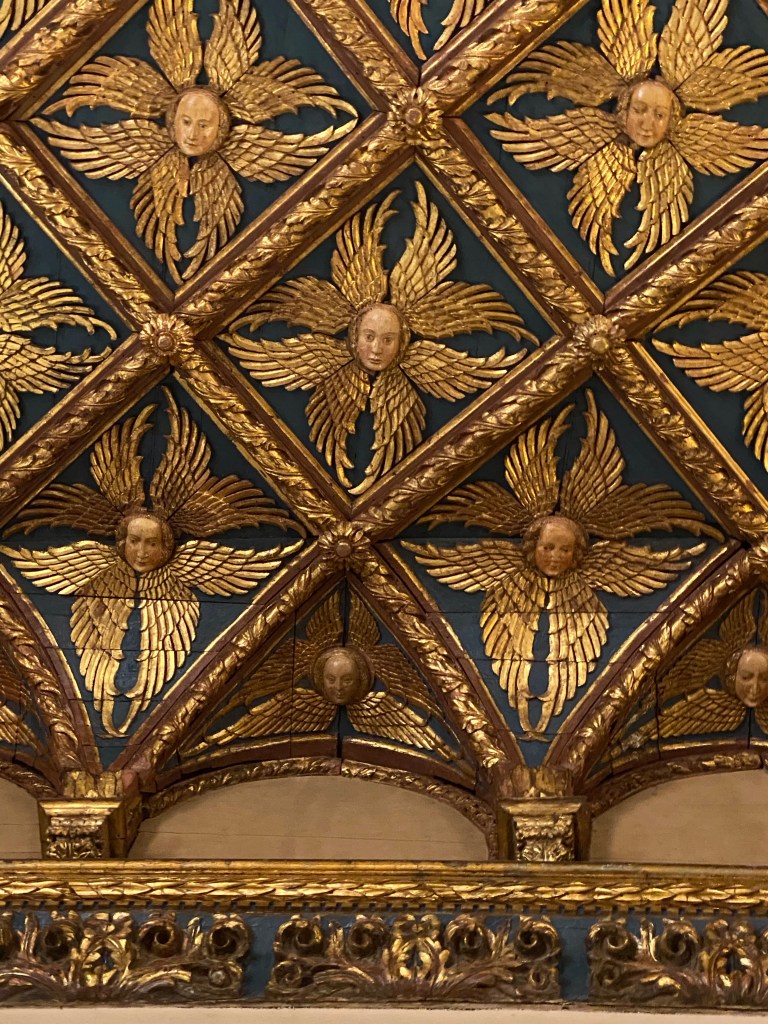
I’ve written a couple of posts already about the Accademia. The wonders continue. The setting is every bit as luxe as the portable artworks housed within!
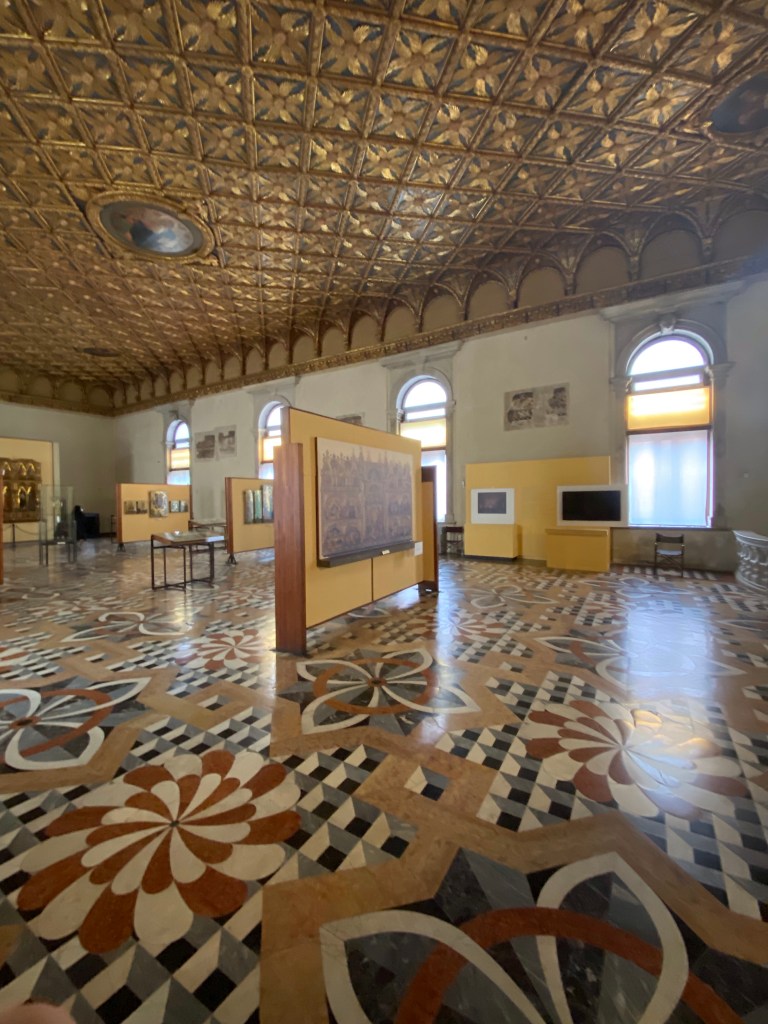
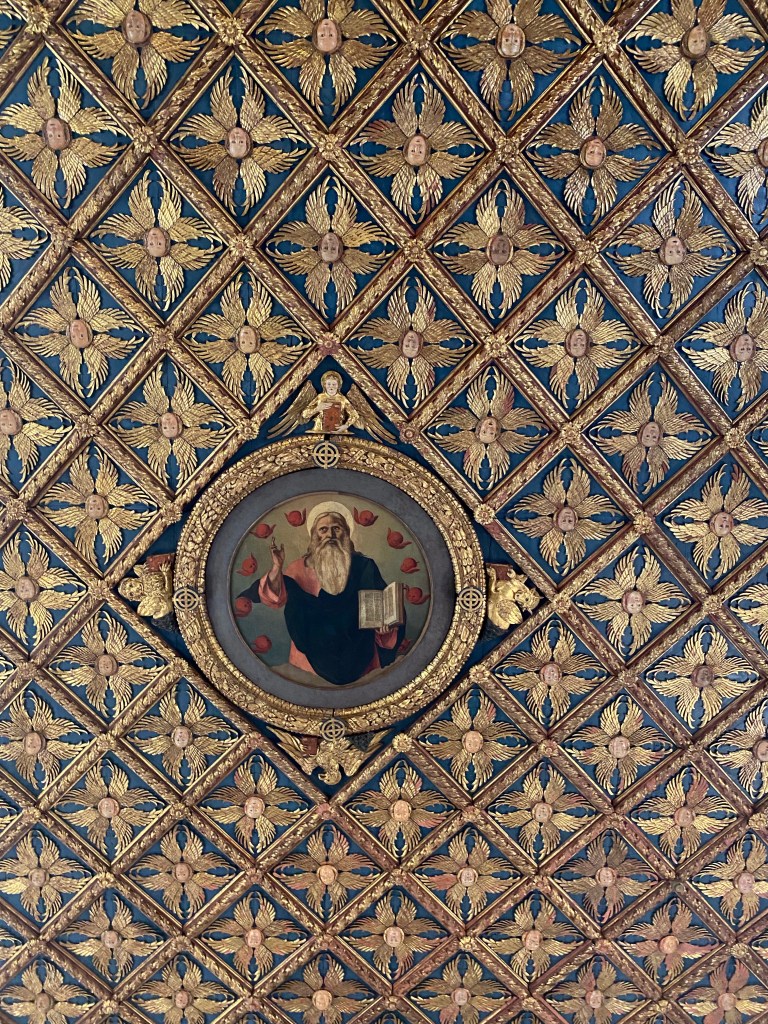
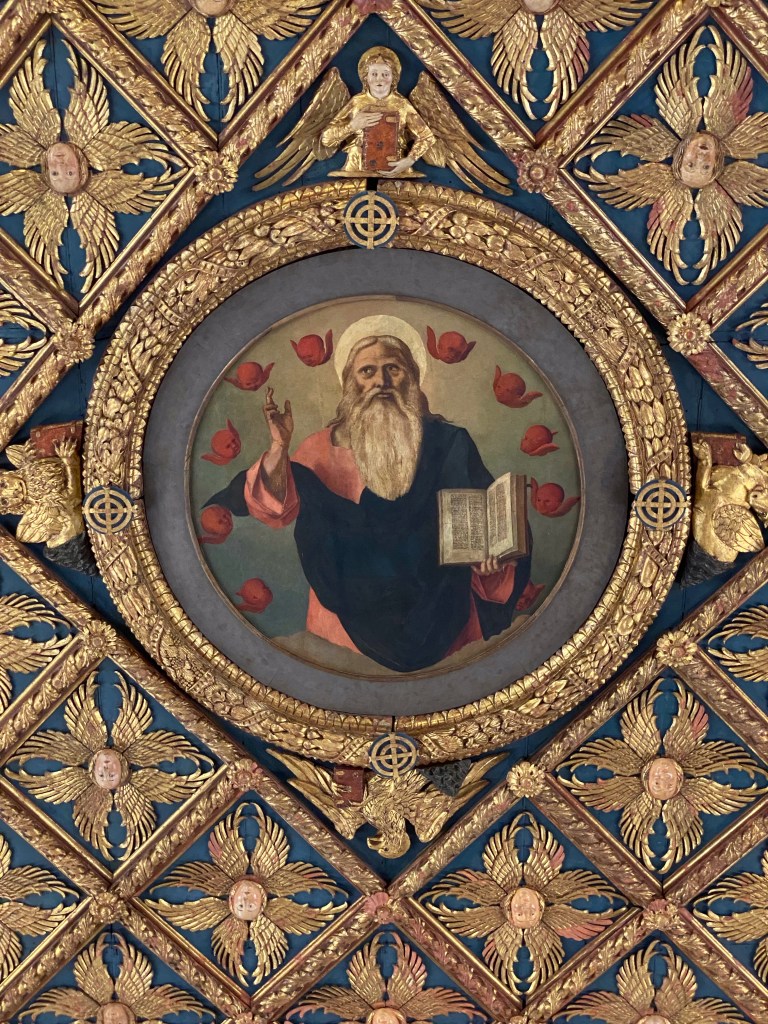
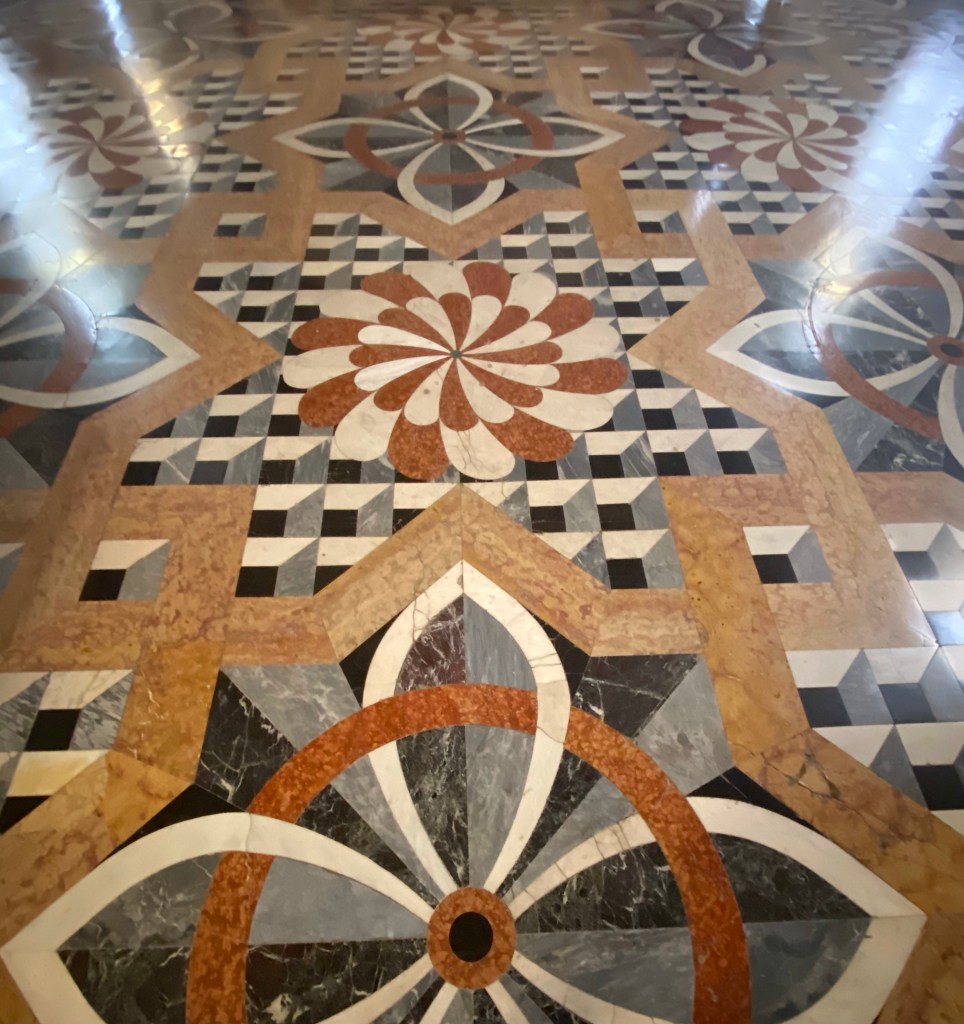
Look at the inlaid marble floor and the gorgeous ceiling!
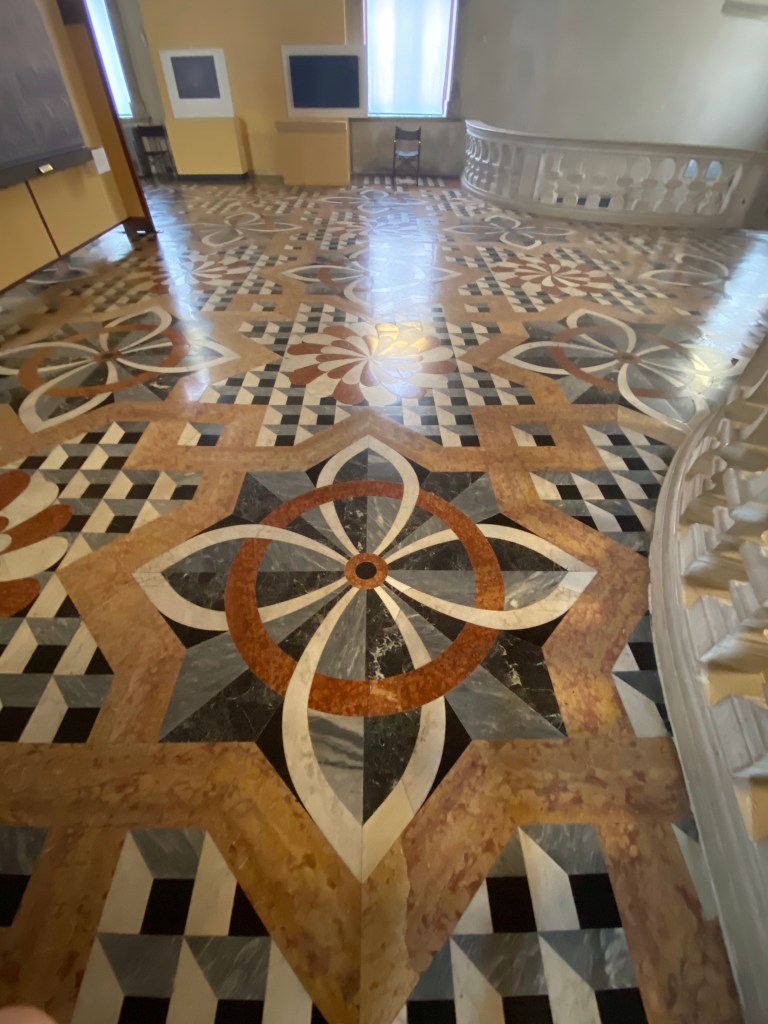
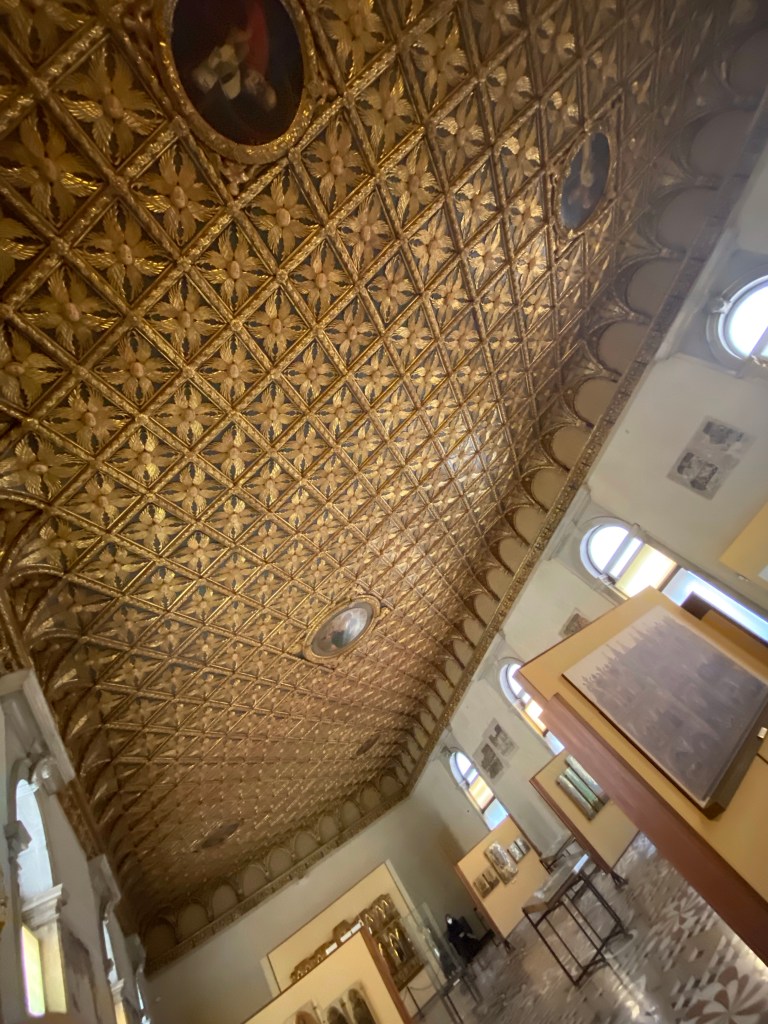
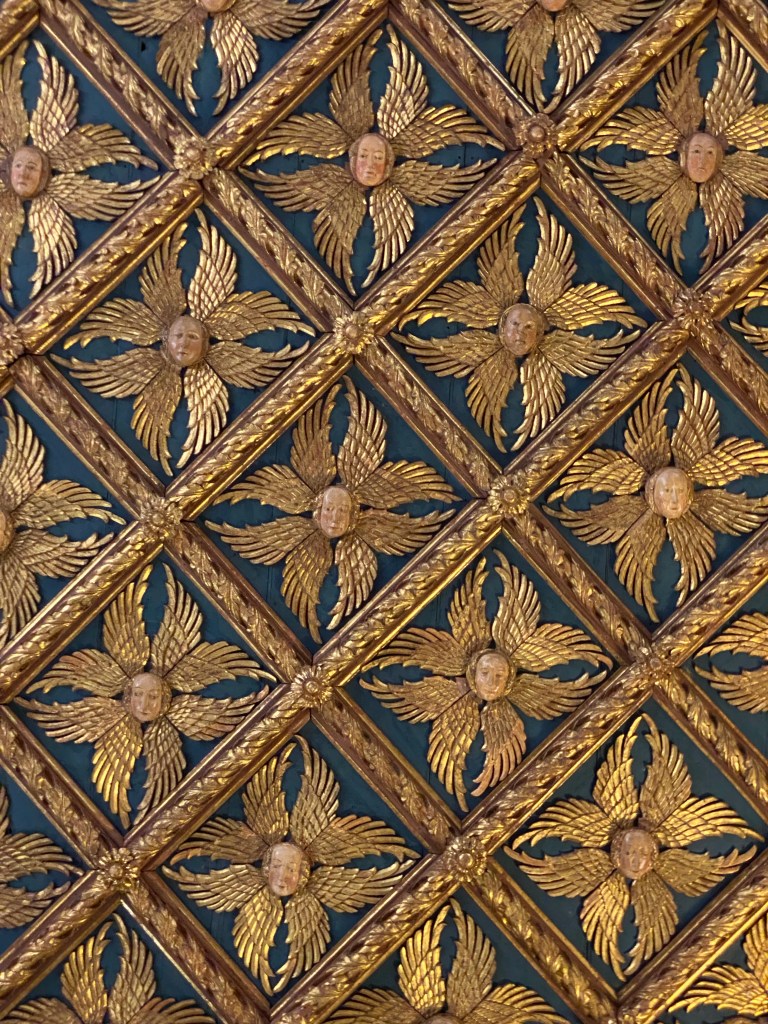
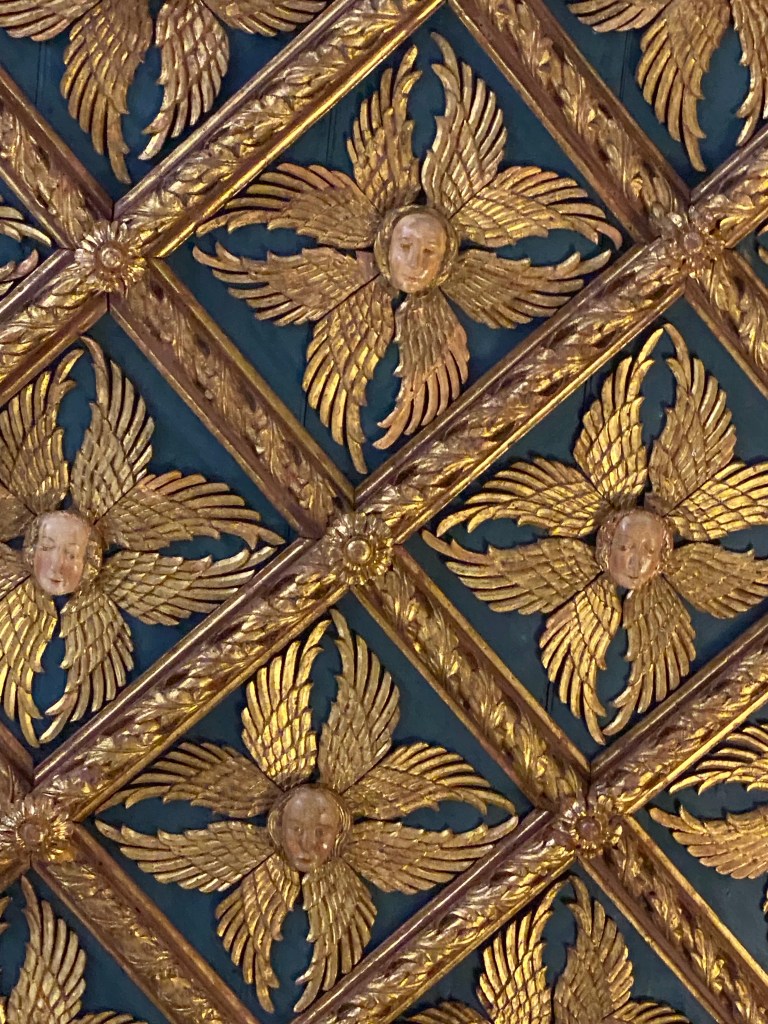
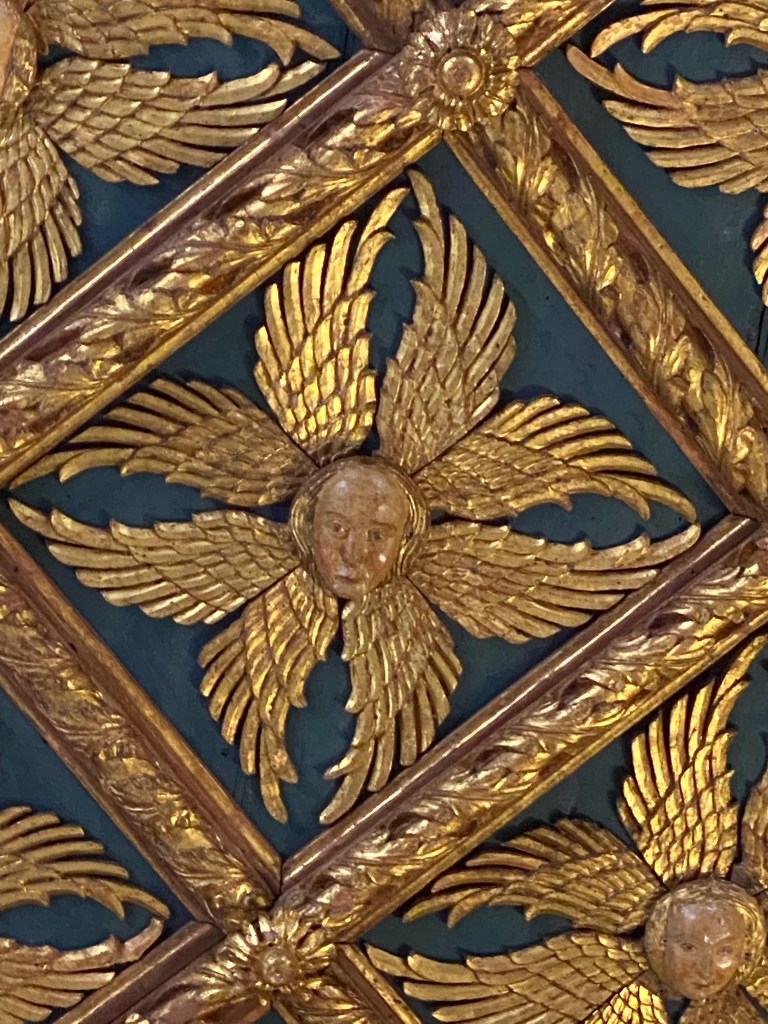
Let’s take a closer look at the ceiling:
A closer look at the pavement:
Oh, yeah, and then there are the movable artworks!
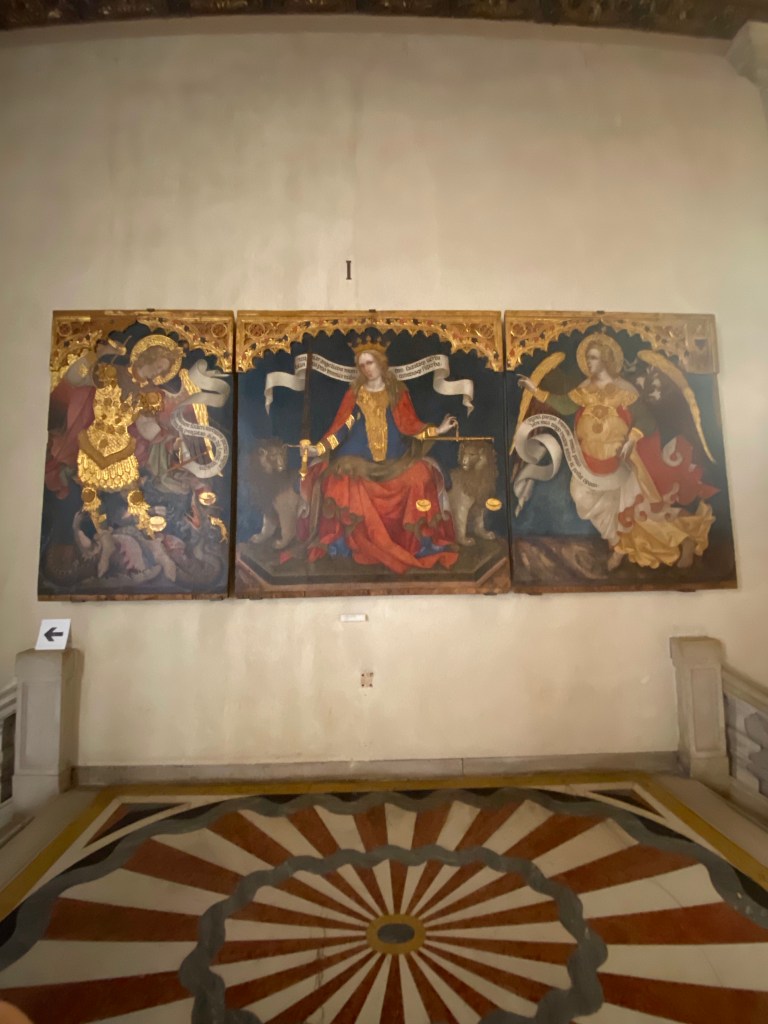
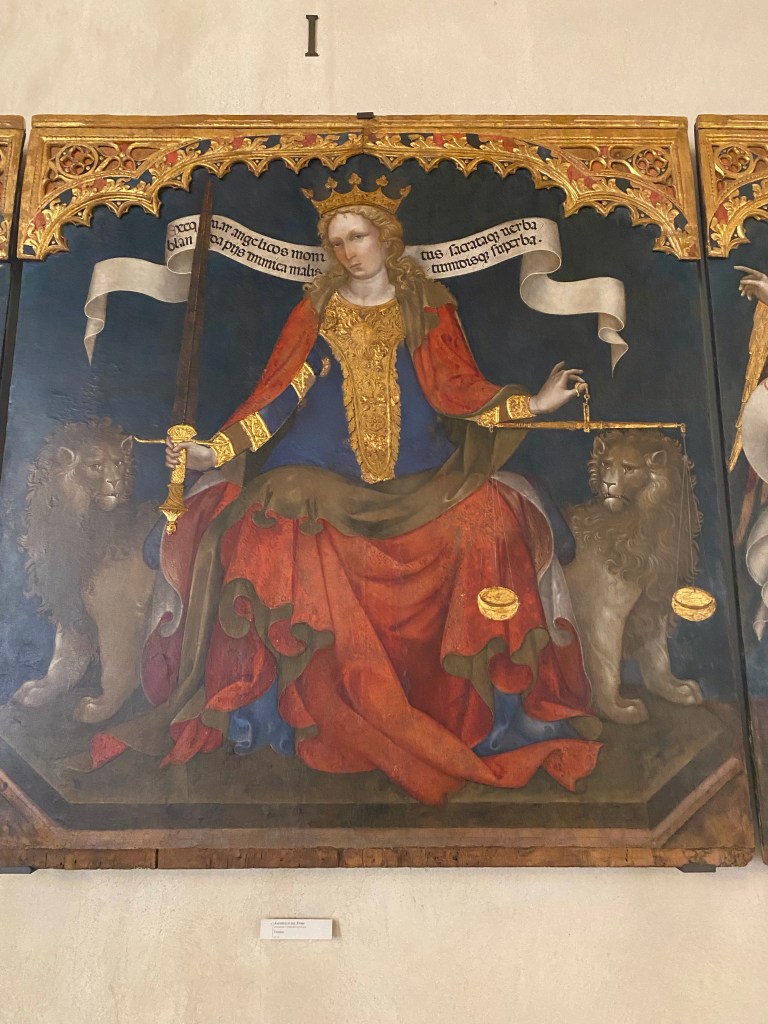
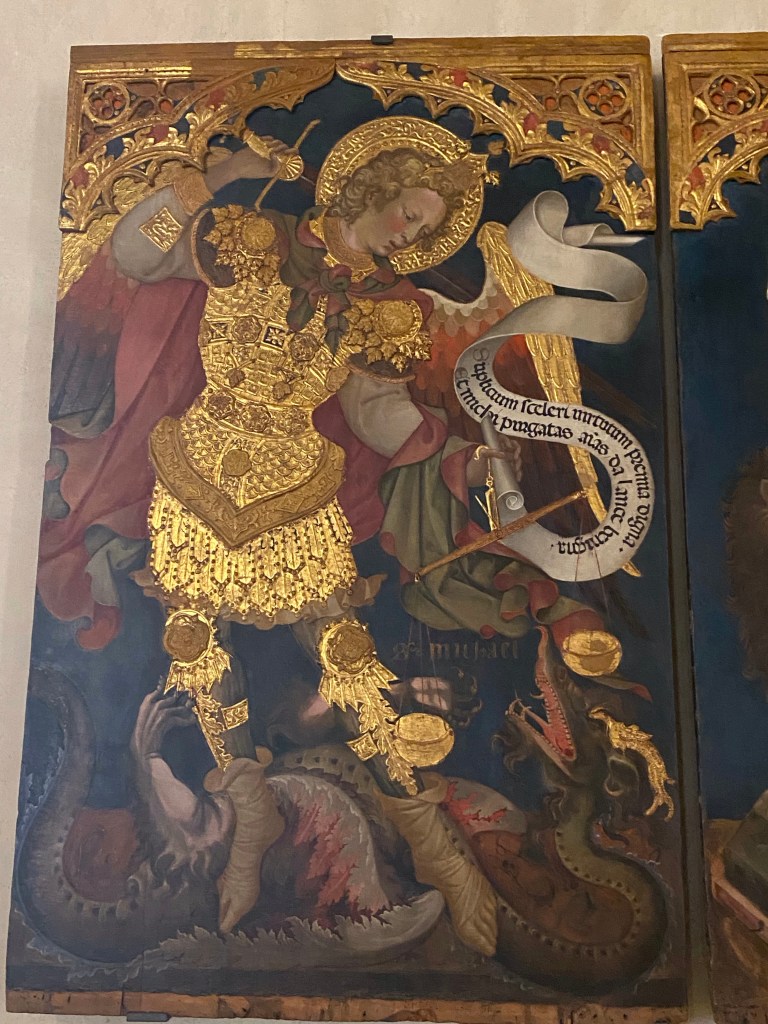
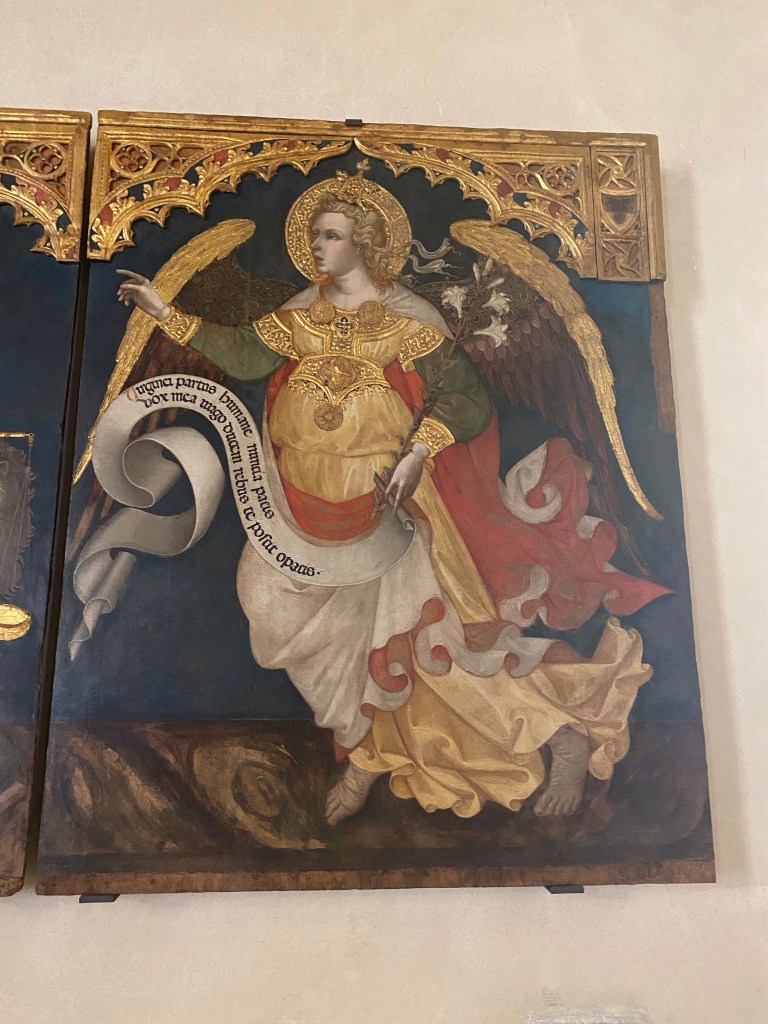
In this very room, in 1824, the Italian neoclassical sculptor Antonio Canova was commemorated. Please see my earlier post on Canova’s works in the Accademia.
There is still more to post about the Accademia! See you here again soon! Arrividerci!
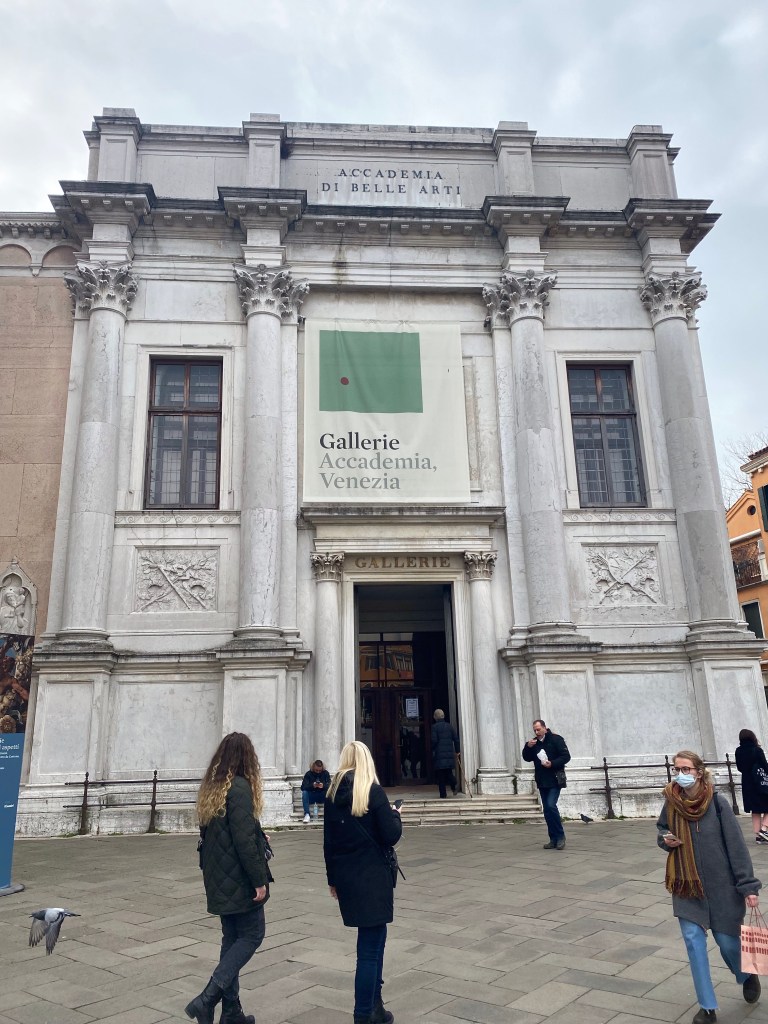
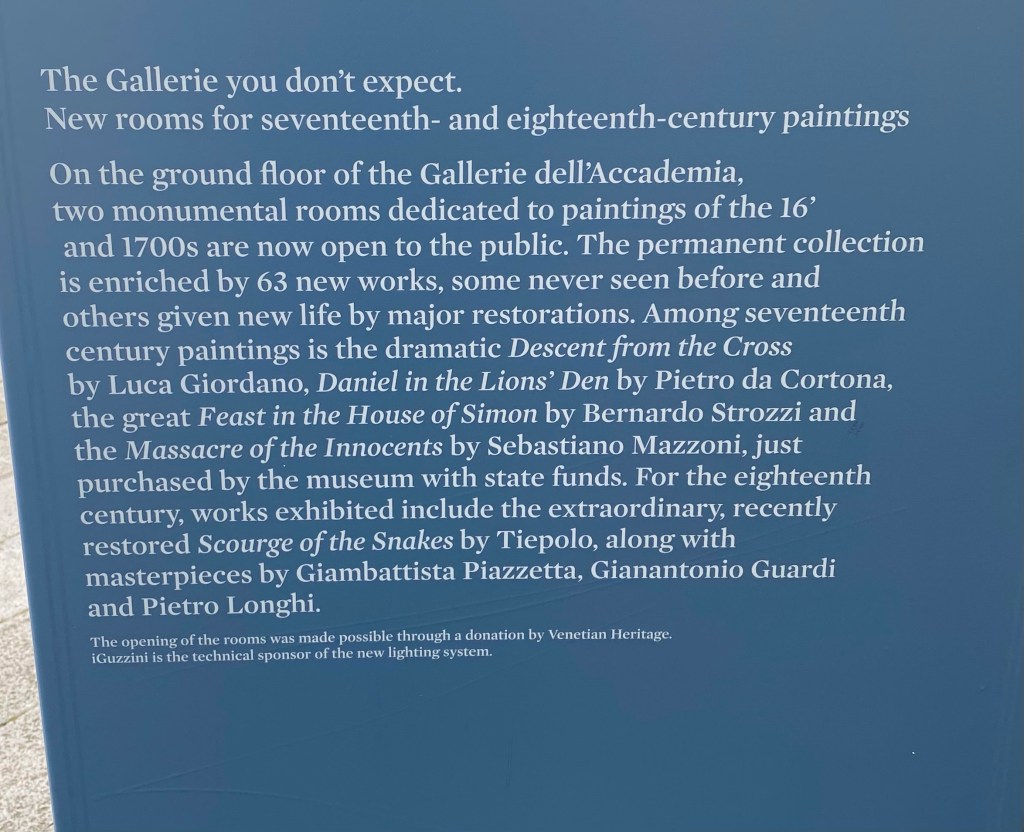
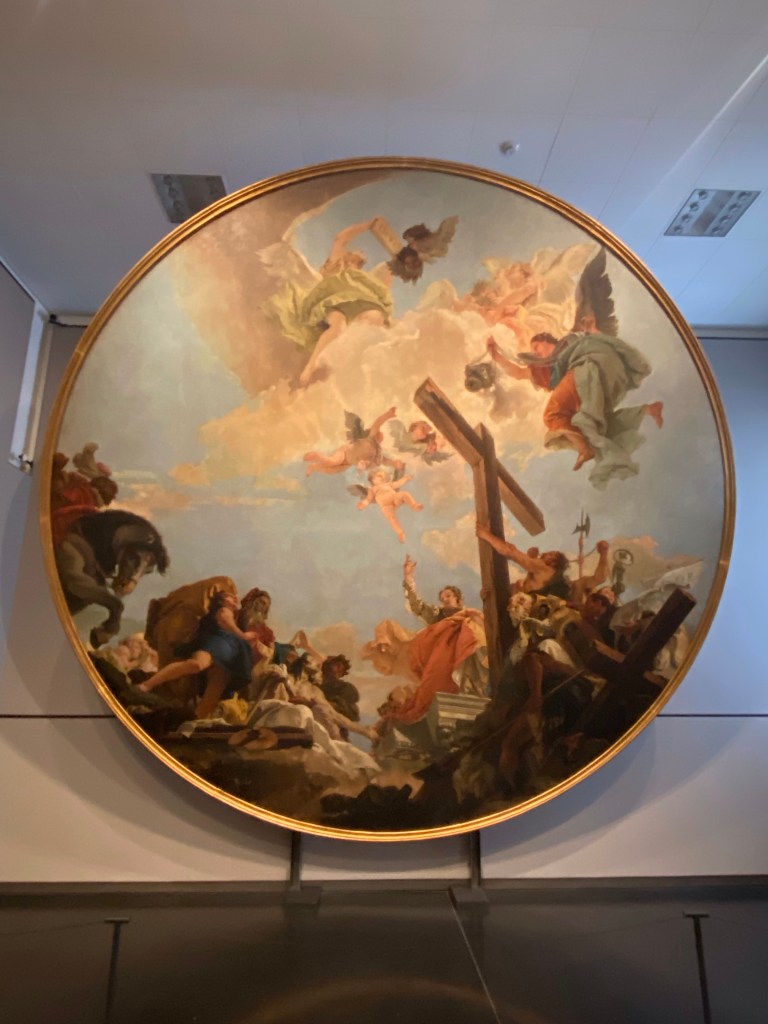
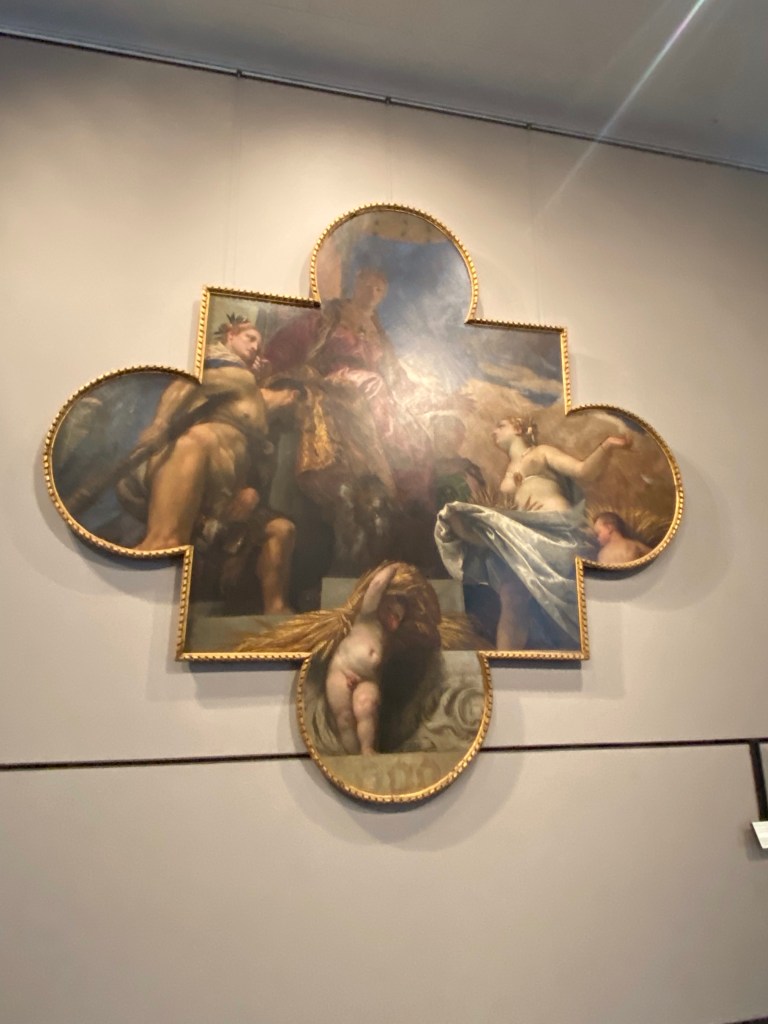
Upon entering the Accademia, you walk right up to major works by important Venetian painters.
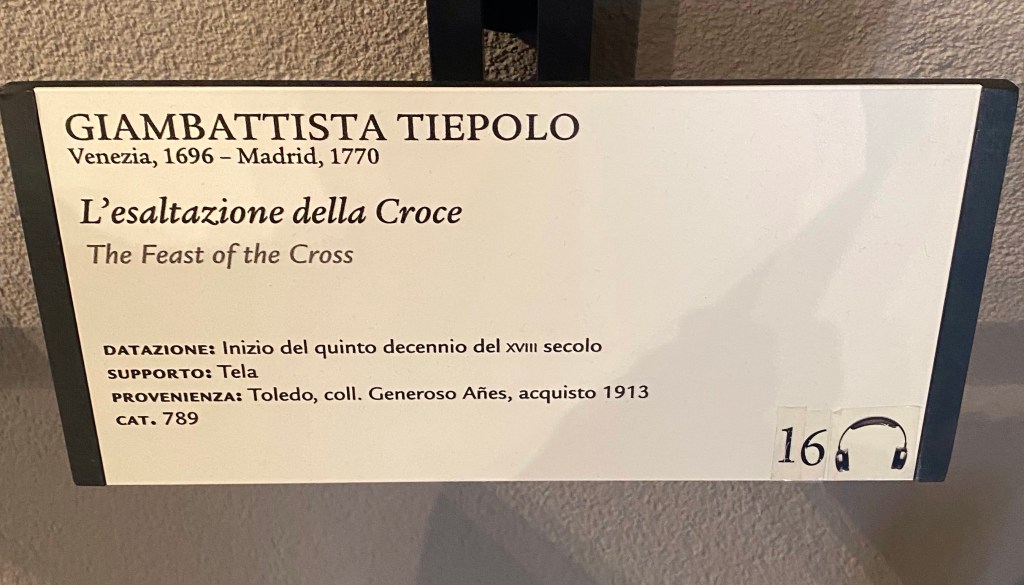
Tiepolo:
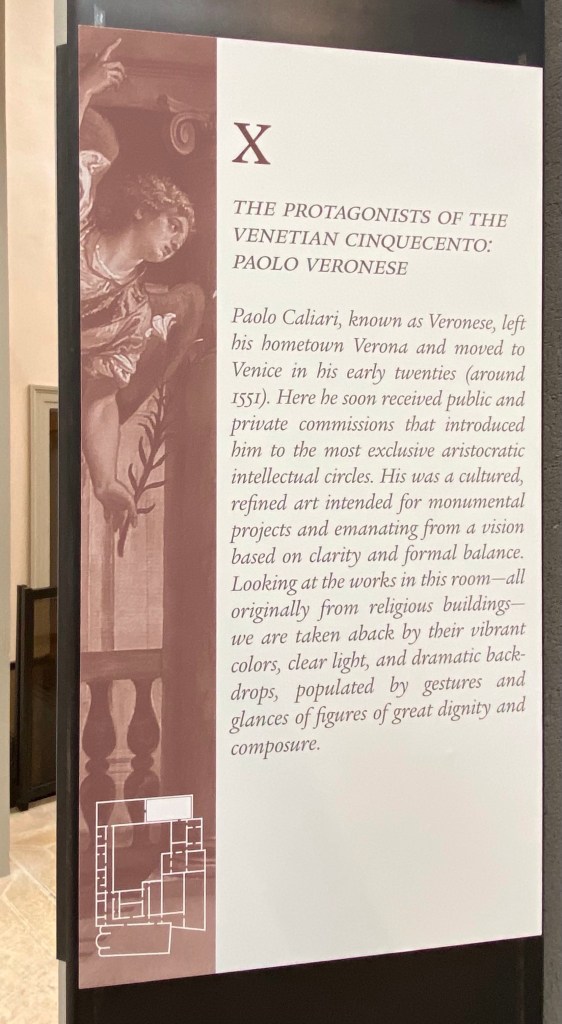
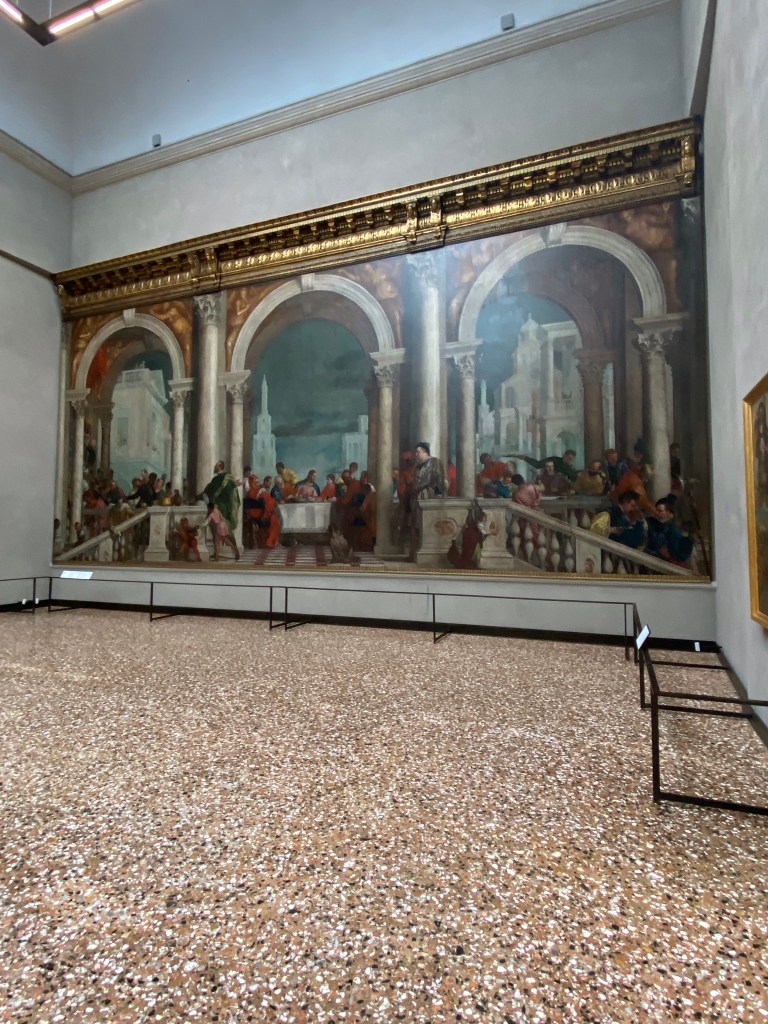
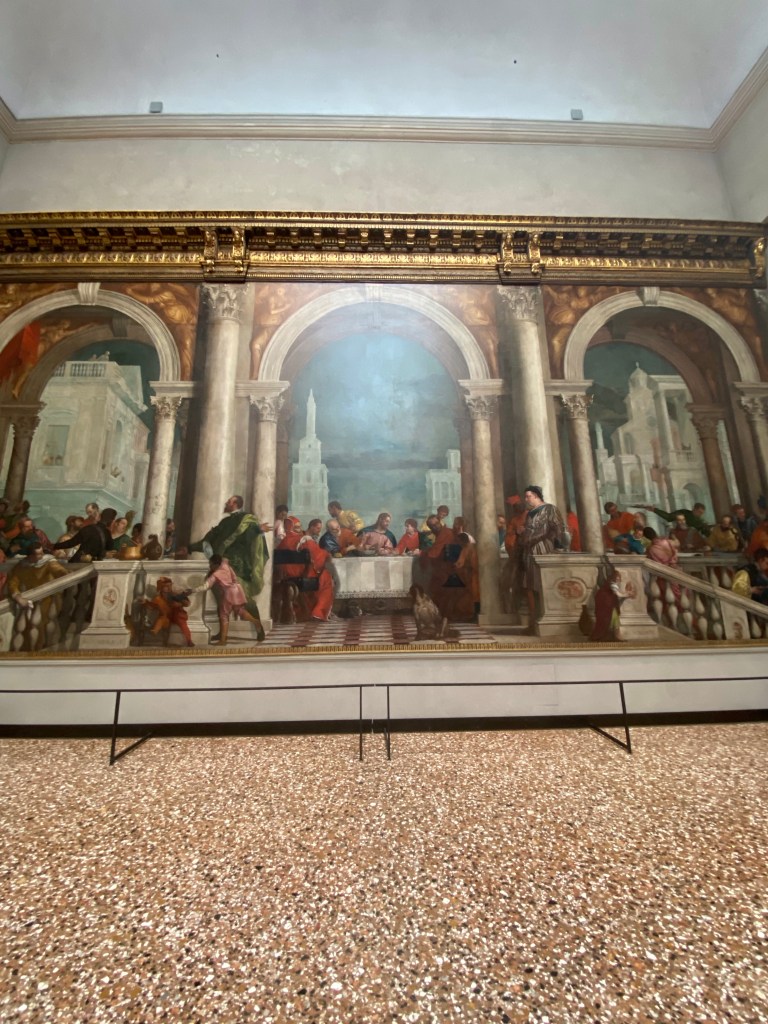
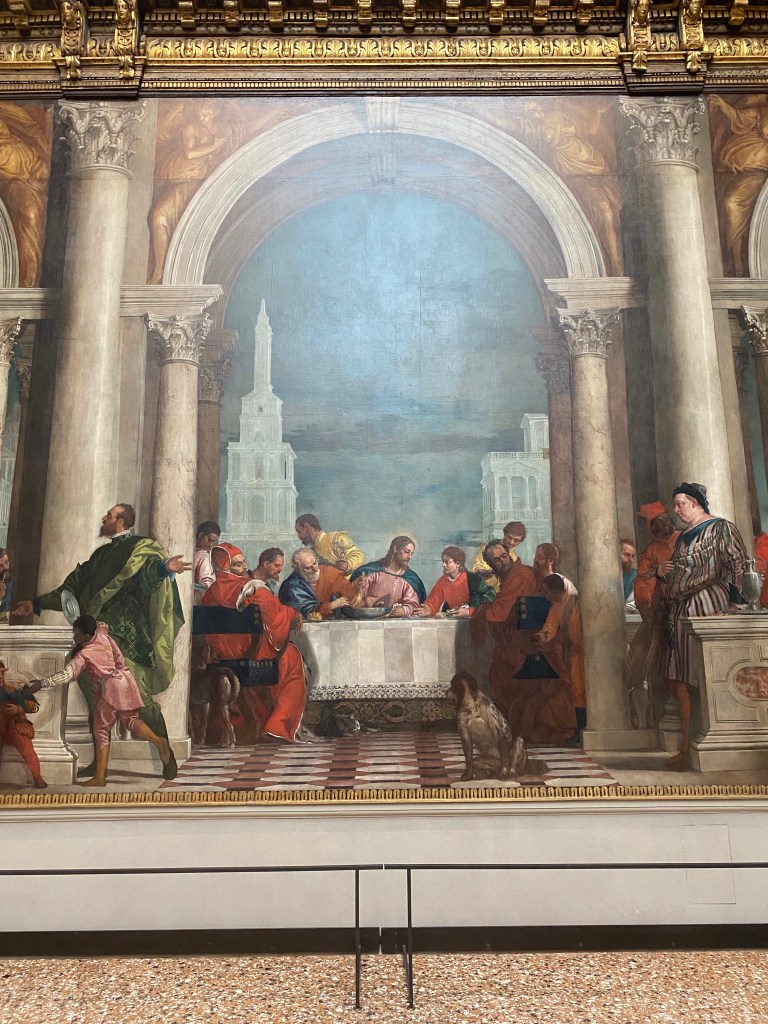
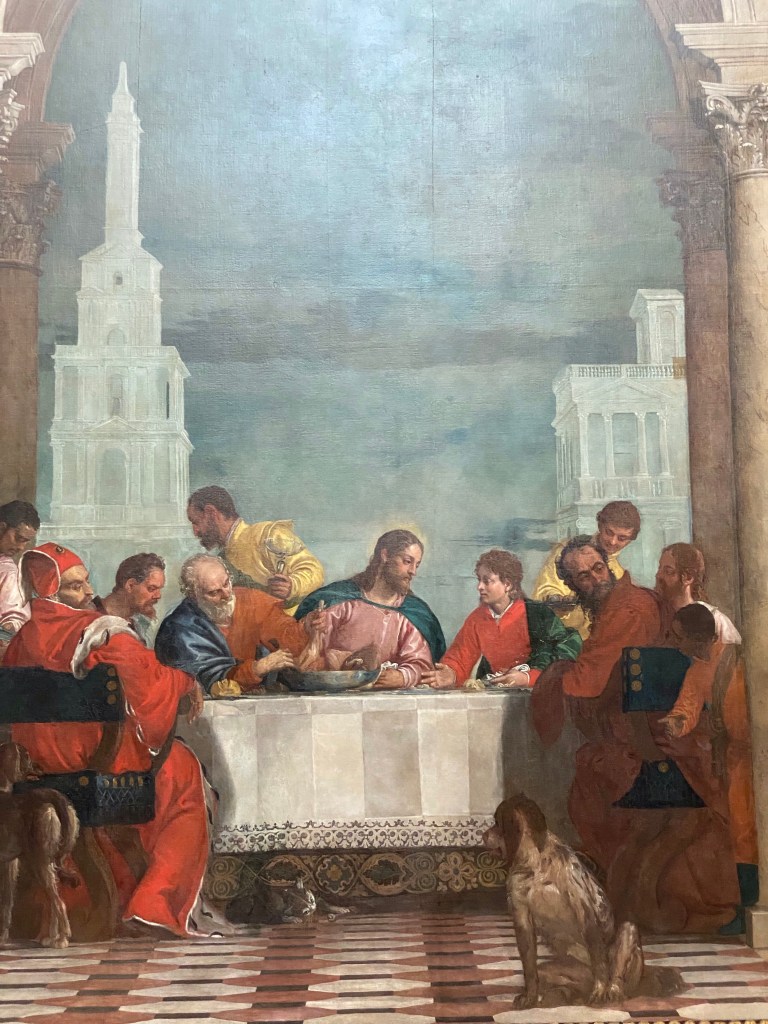
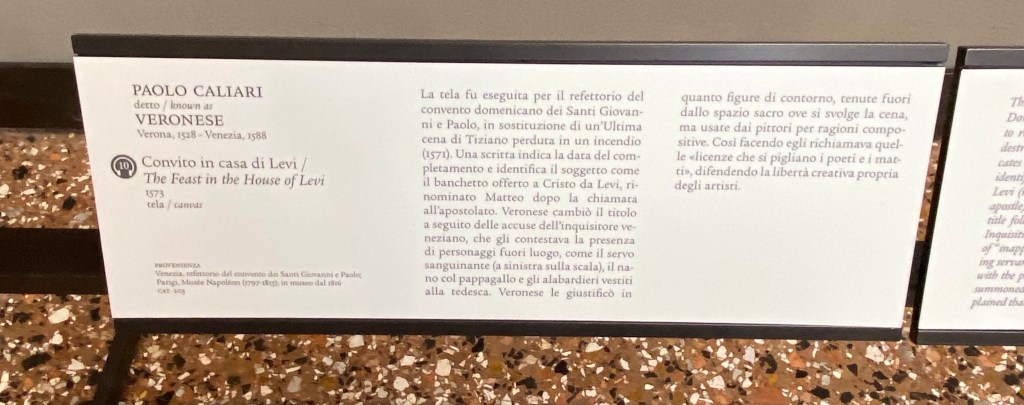
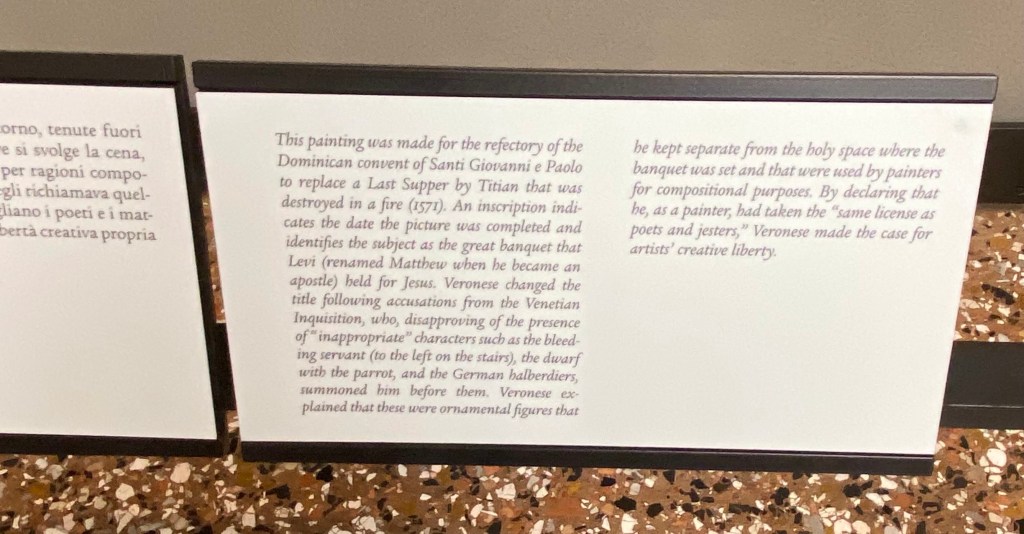
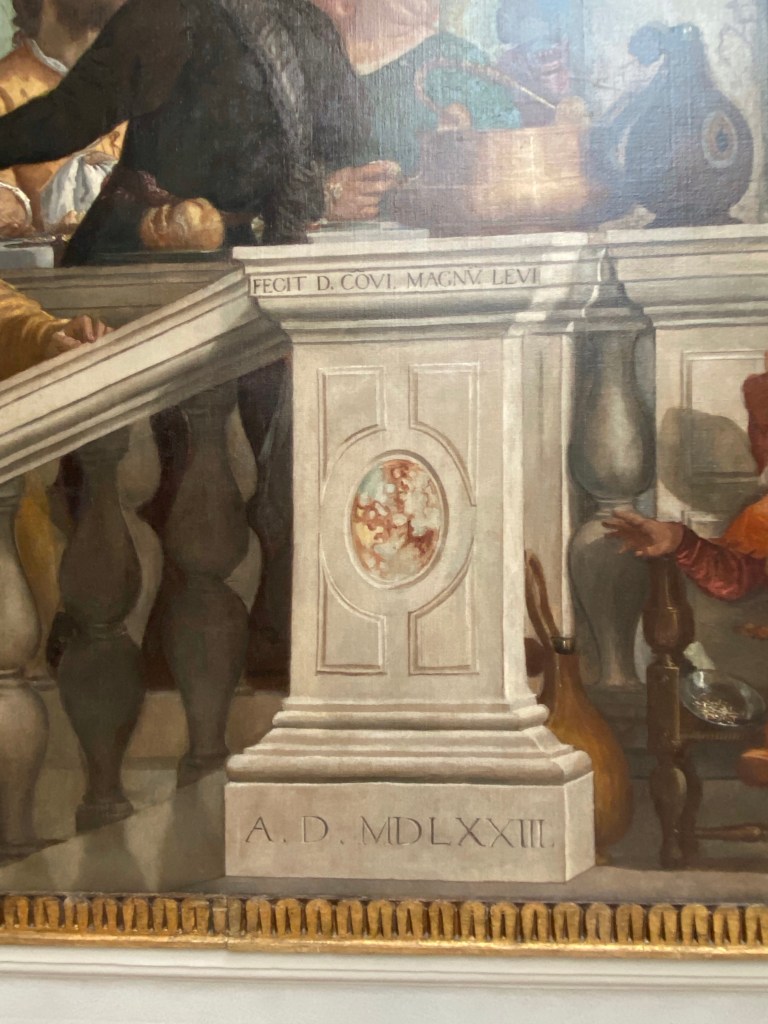
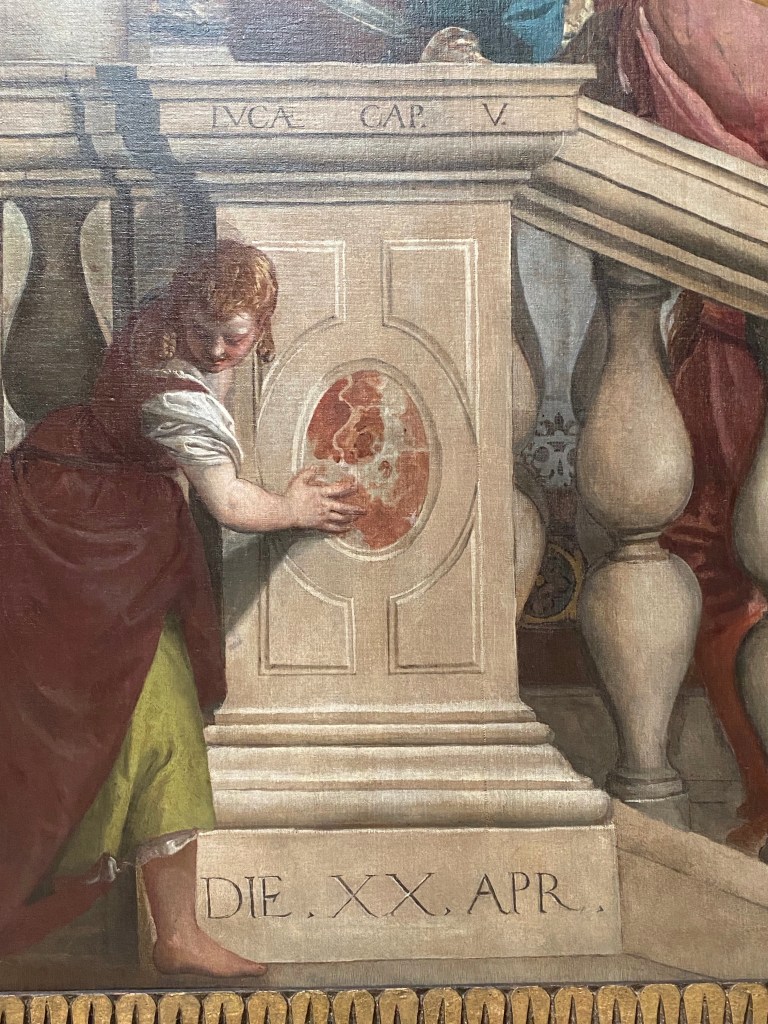
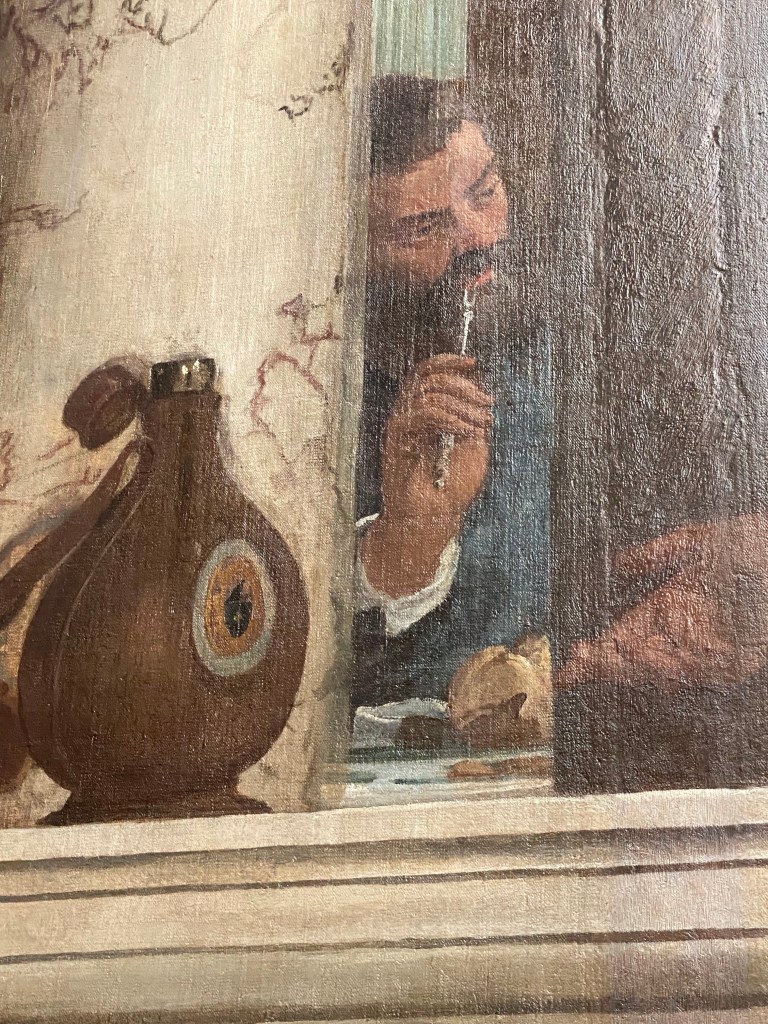
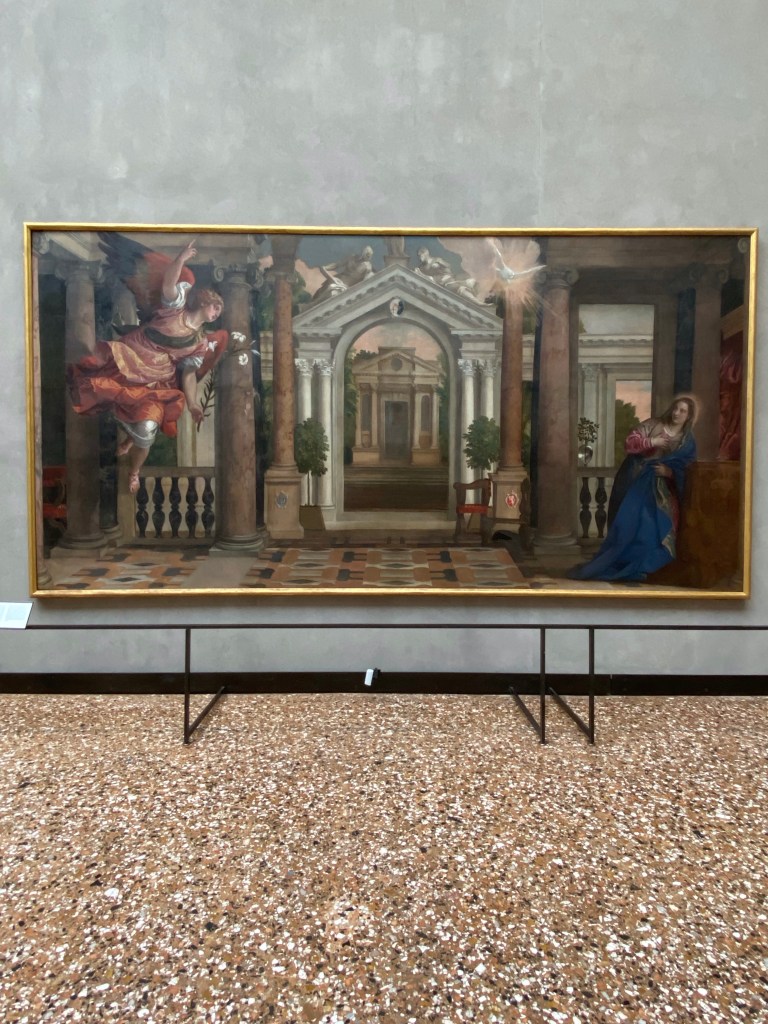
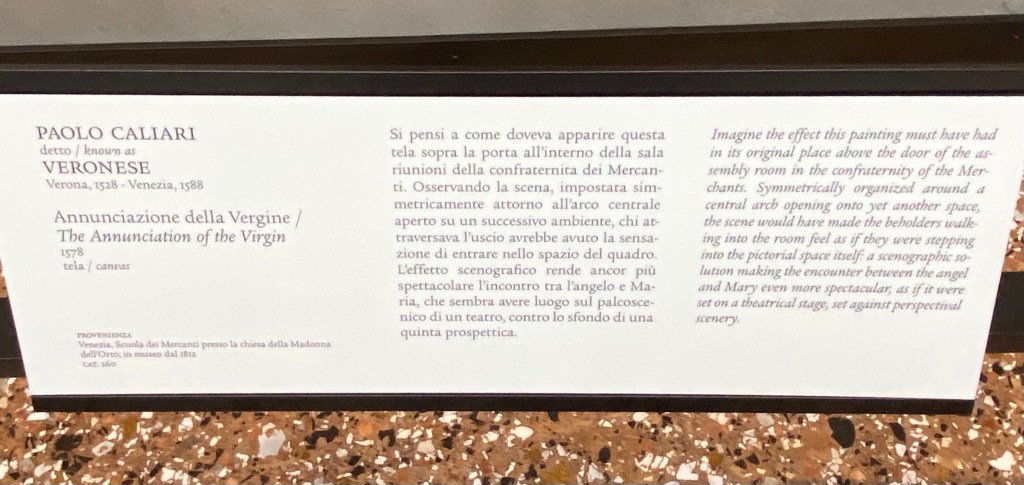
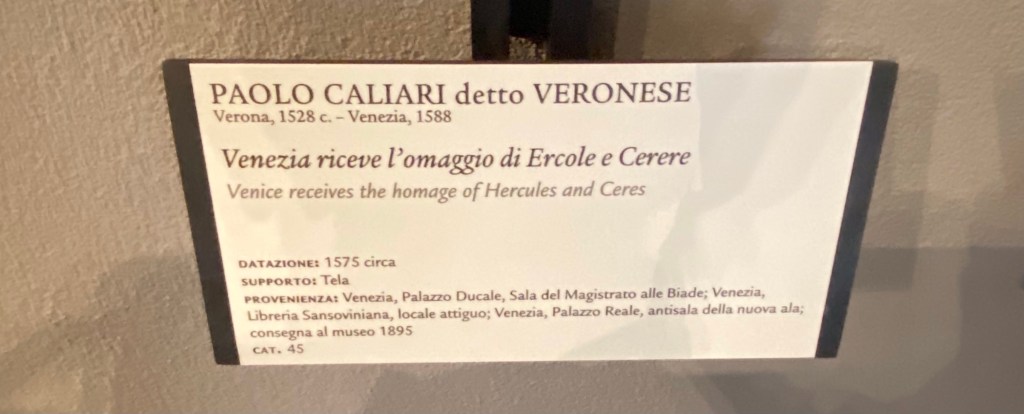
Veronese:
But:
One of the main reasons I wanted to spend time in the Accademia on this particular visit to Venice was to pay homage to the great decorative ensemble that is housed within, having originally been a major feature of the Sala the Scuola Grande di Santa Maria della Carità. This Scuola Grande was just one of several major confraternities that were quintessential aspects of historic Venice.
The importance and details of this incredibly important institution in Venice is way beyond the scope of my post. Let’s just say this: After the fall of the Republic, the Santa Maria della Carità complex became the property of the state and then, in 1807, was designated as the site of the Accademia di belle arti, or Academy of fine arts, and its gallery following an edict by Napoleon.
Scuola Grande di Santa Maria della Carità – Campo della Carità, Dorsoduro 1050 – Venice
Here are my pictures of the incredible Sala dell’ Albergo:
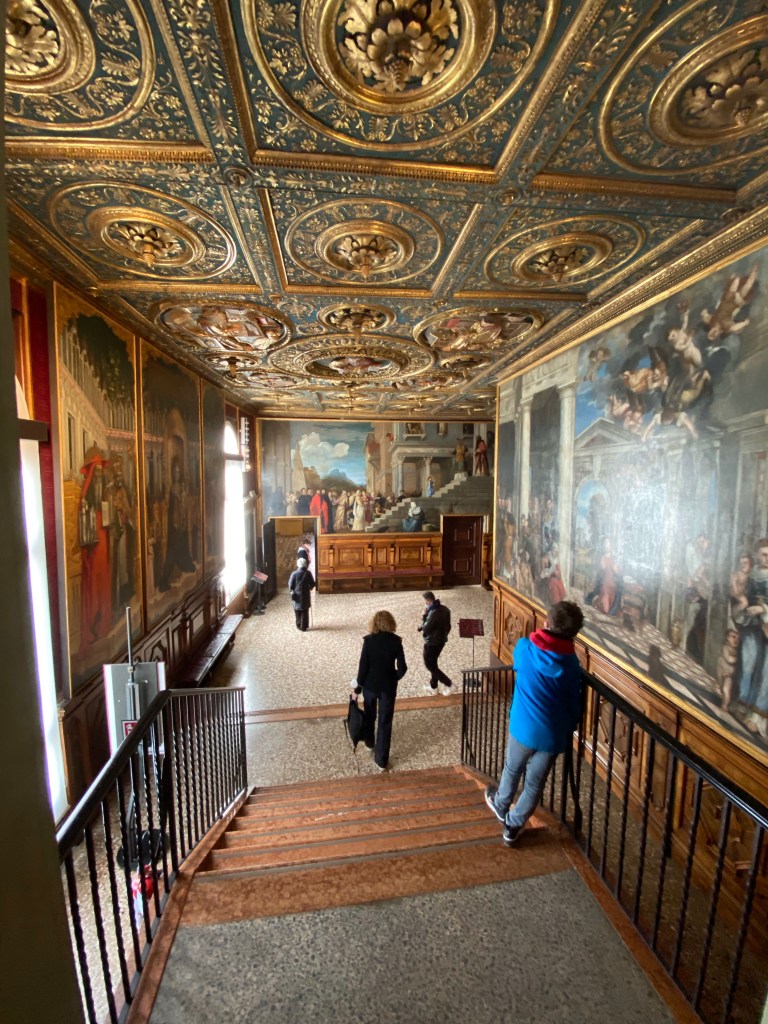
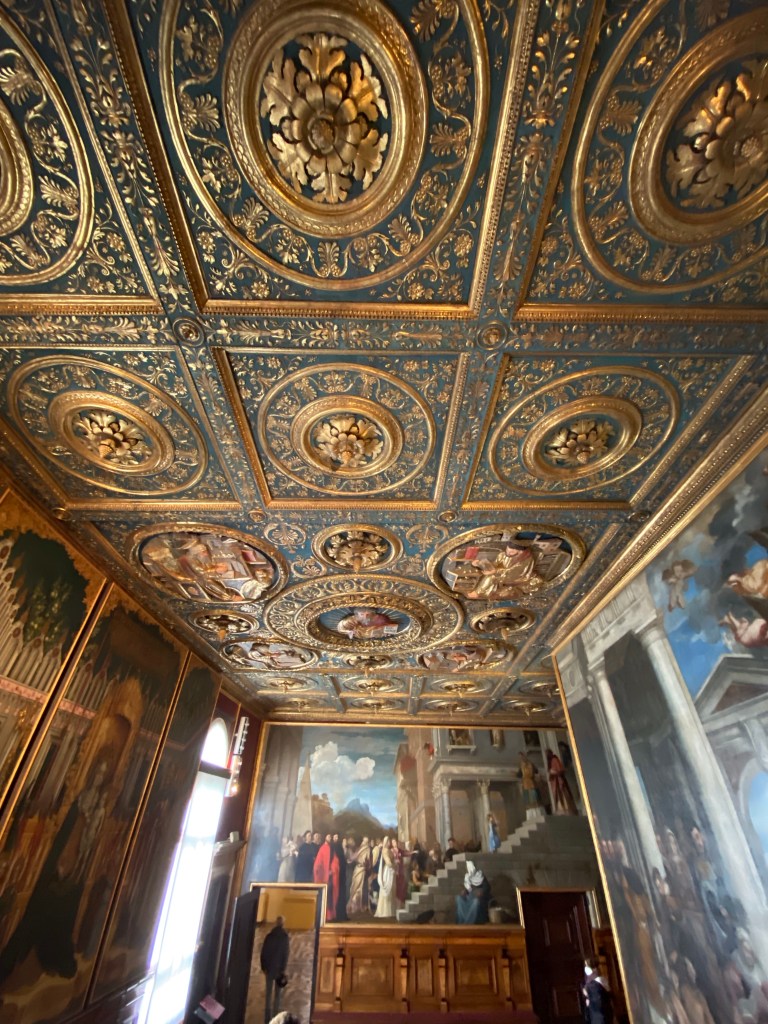
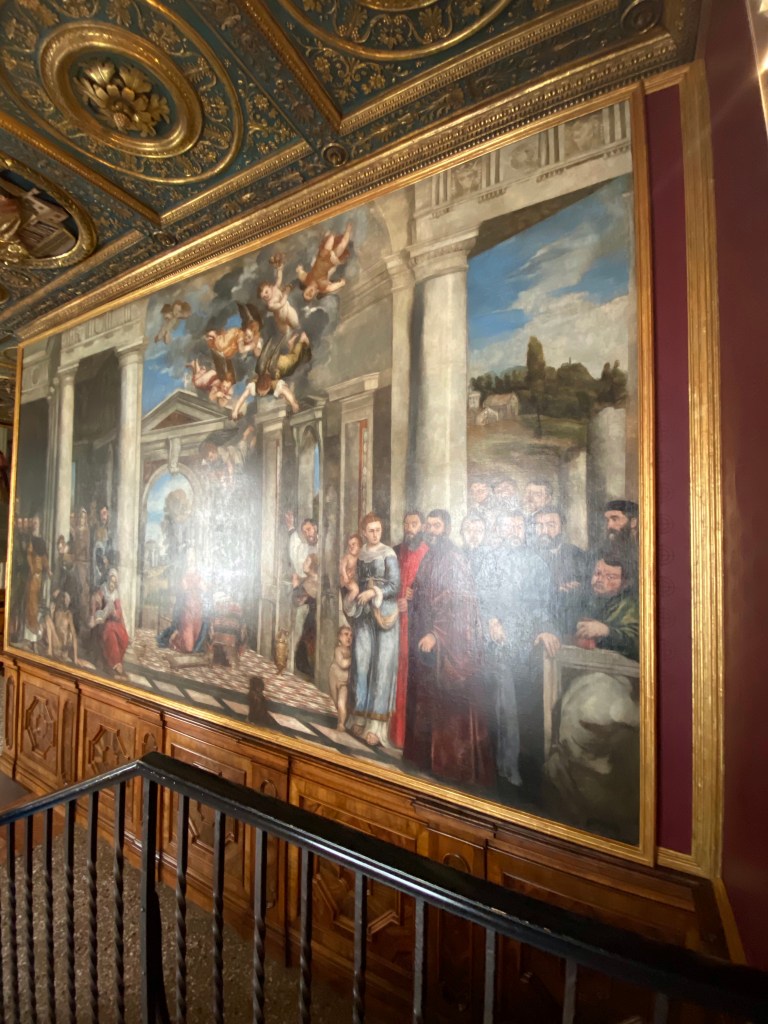
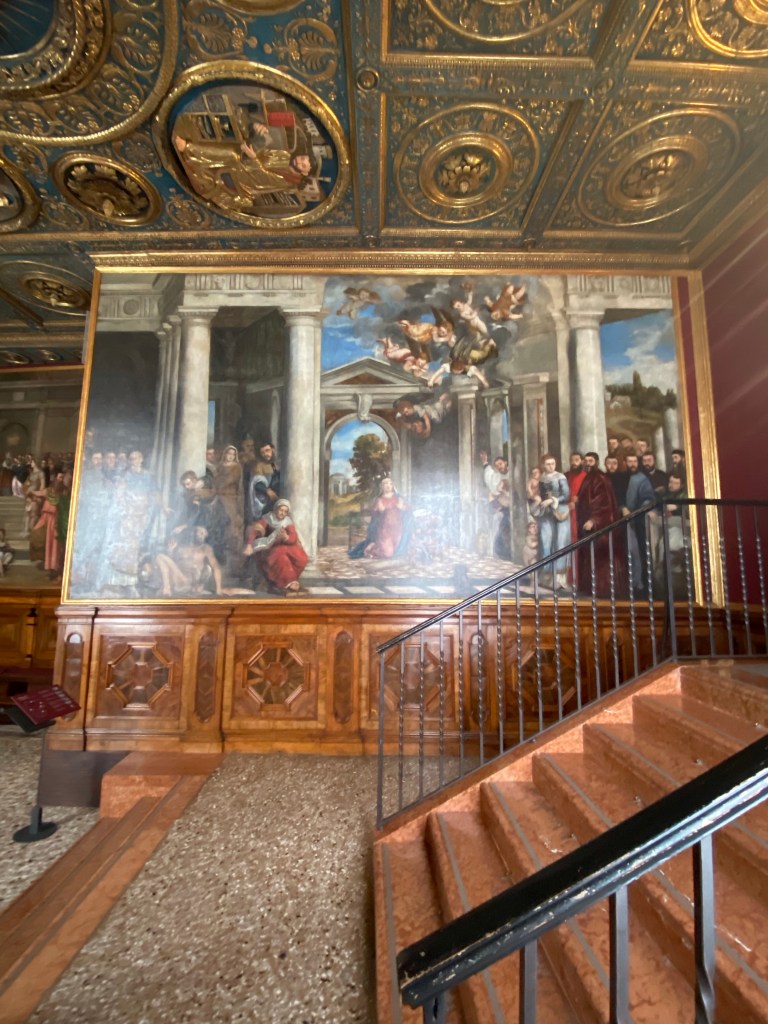
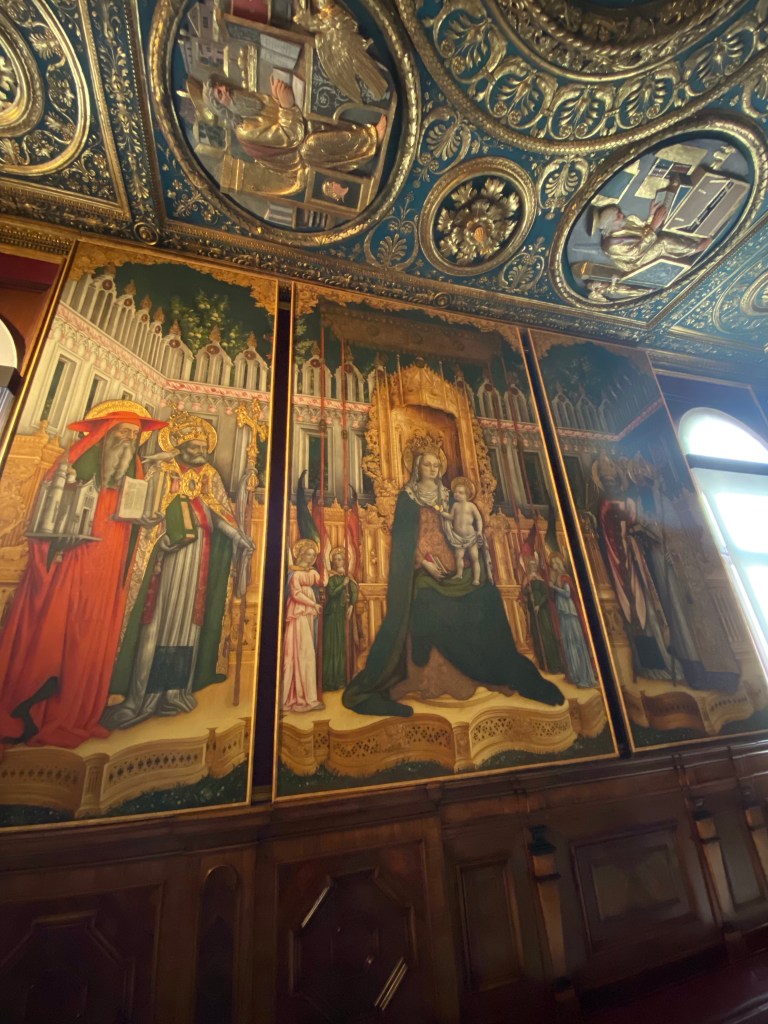
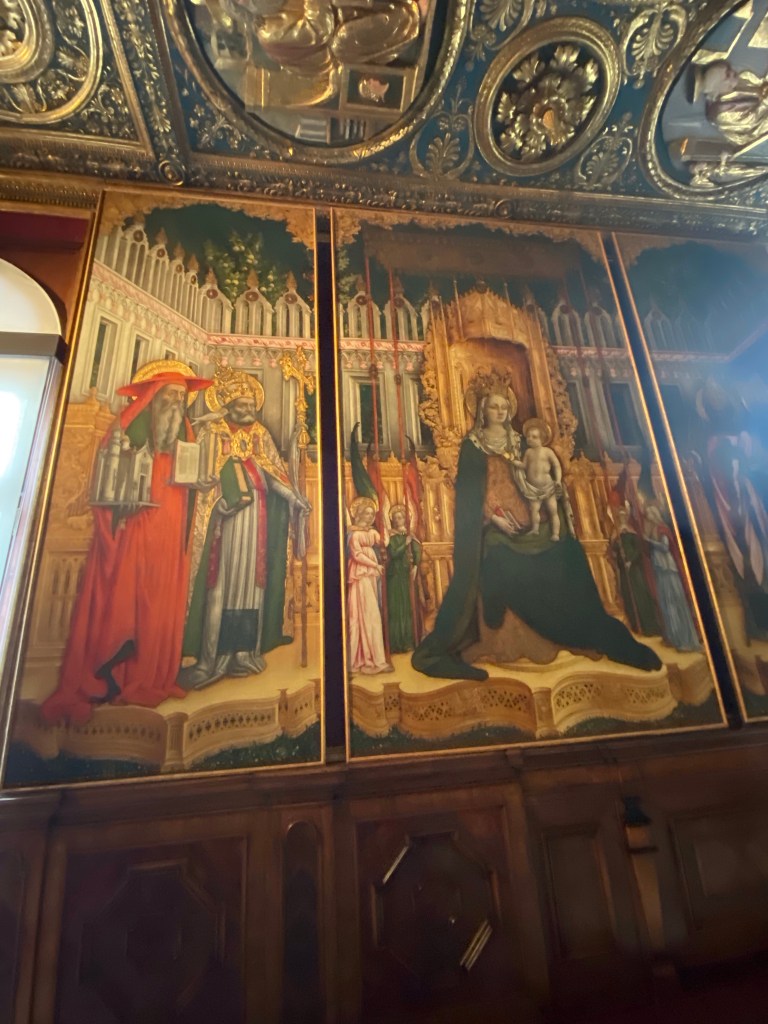
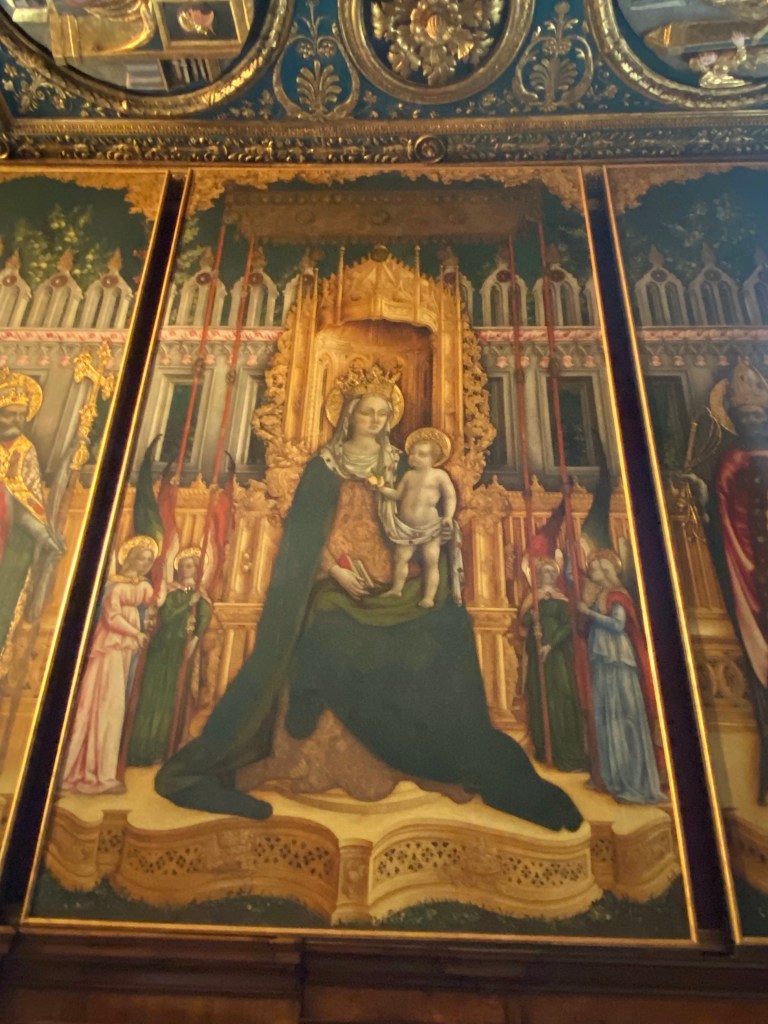
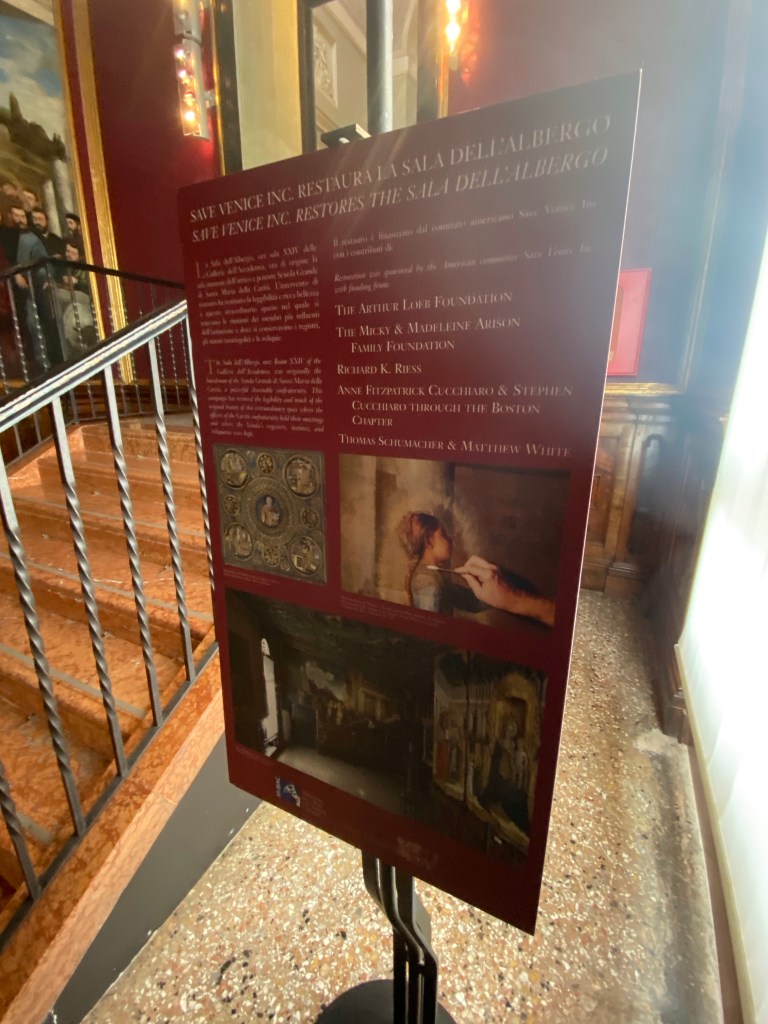
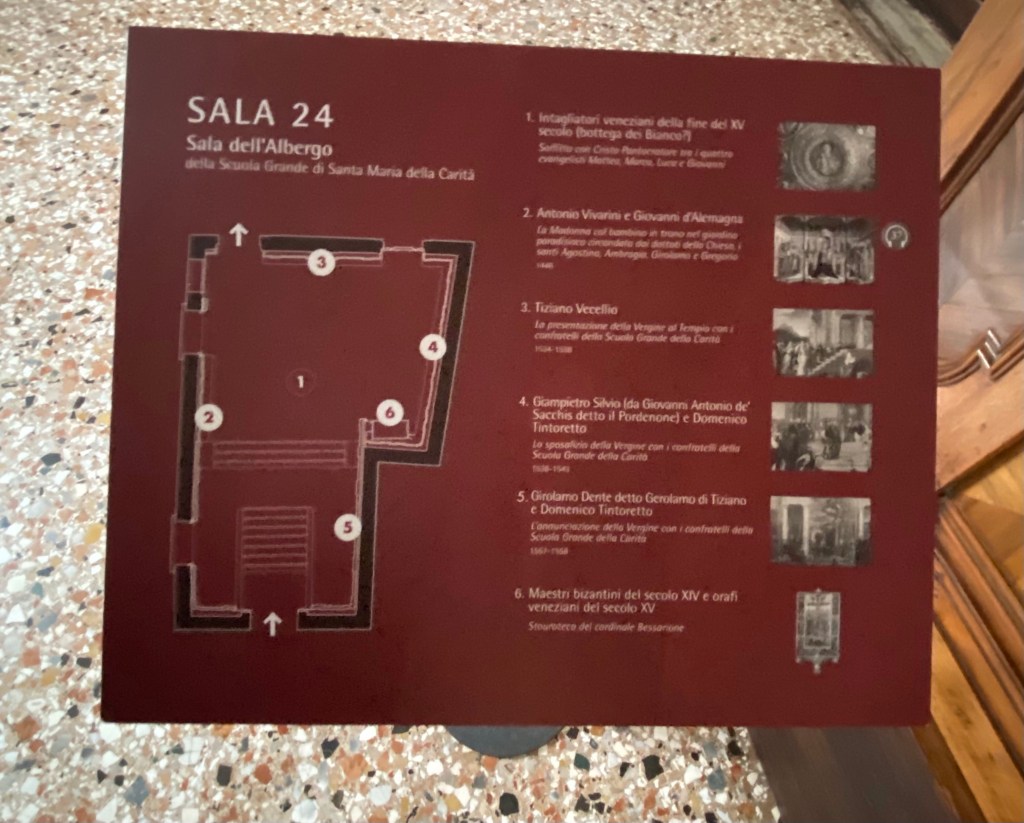
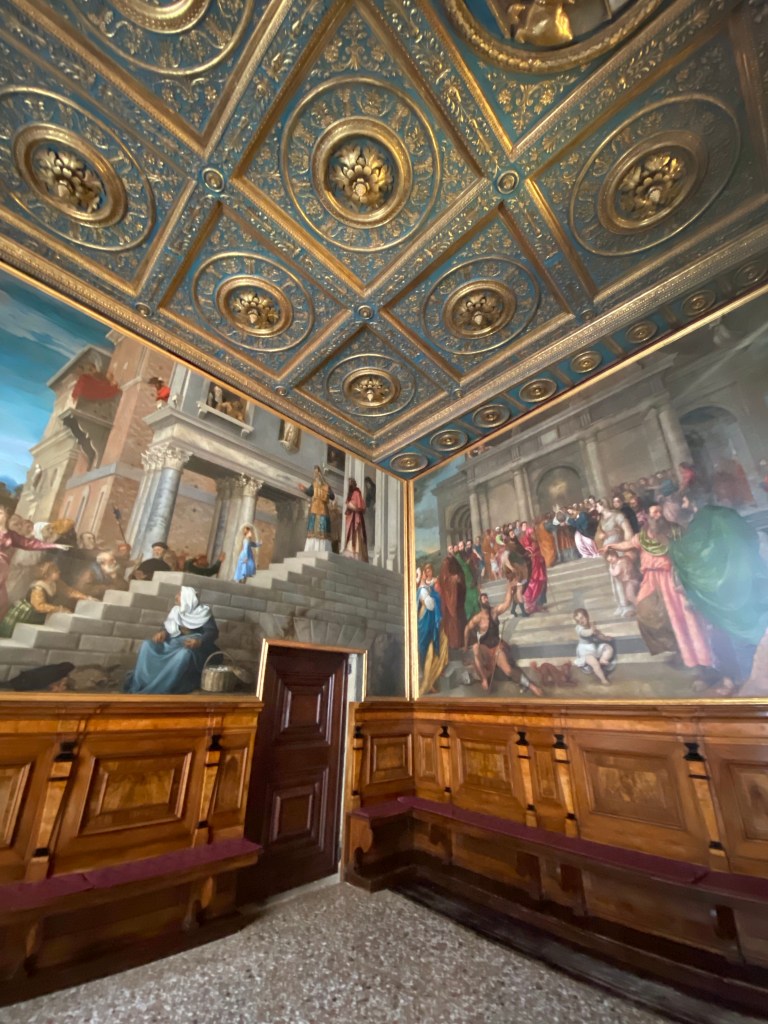
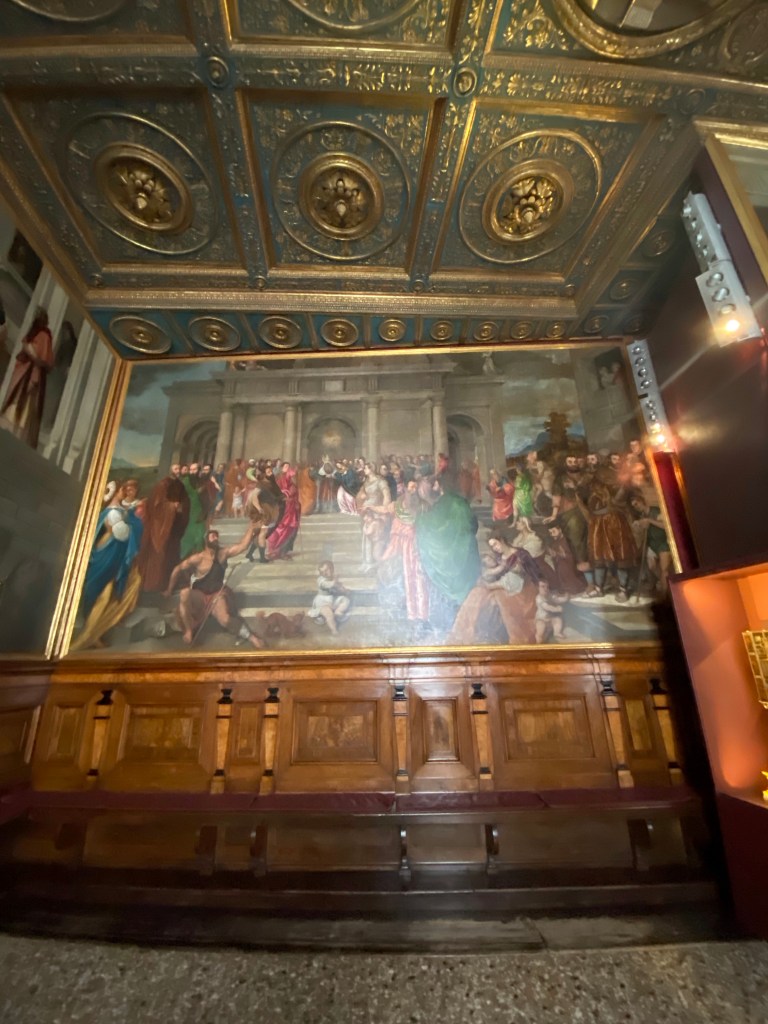
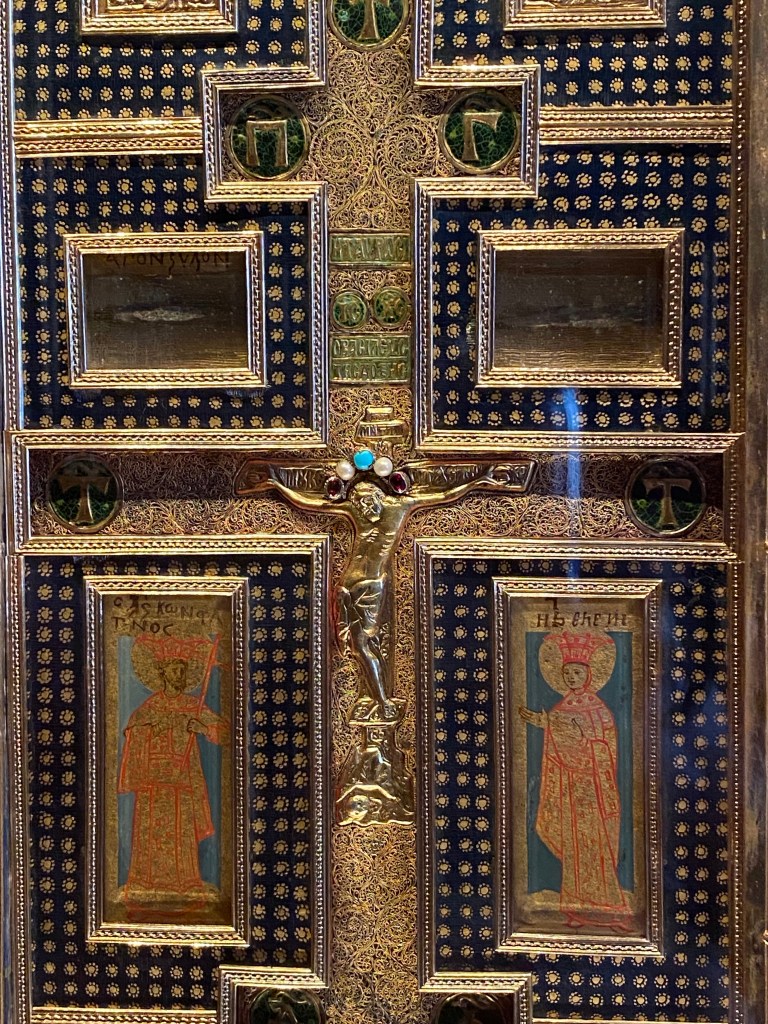
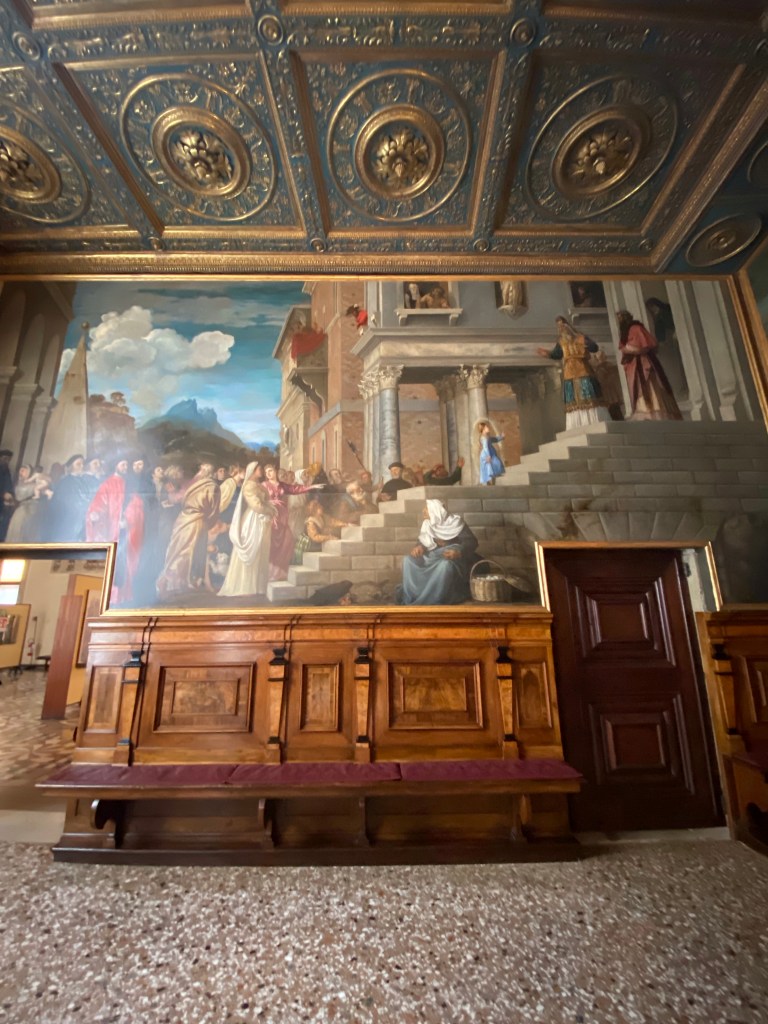
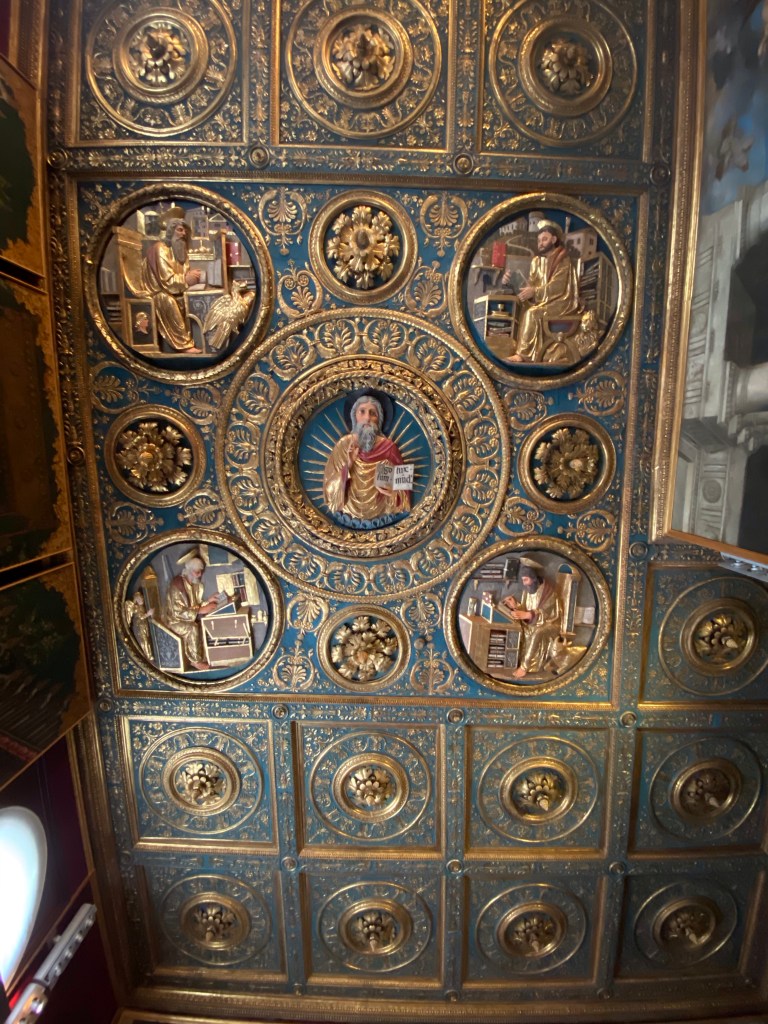
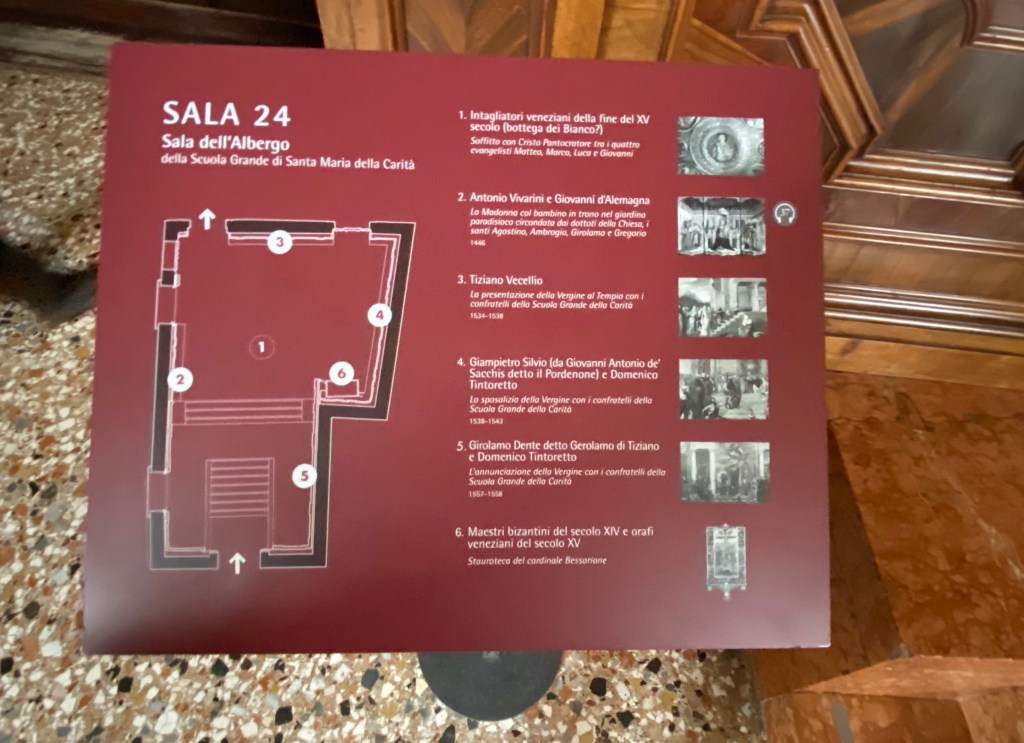
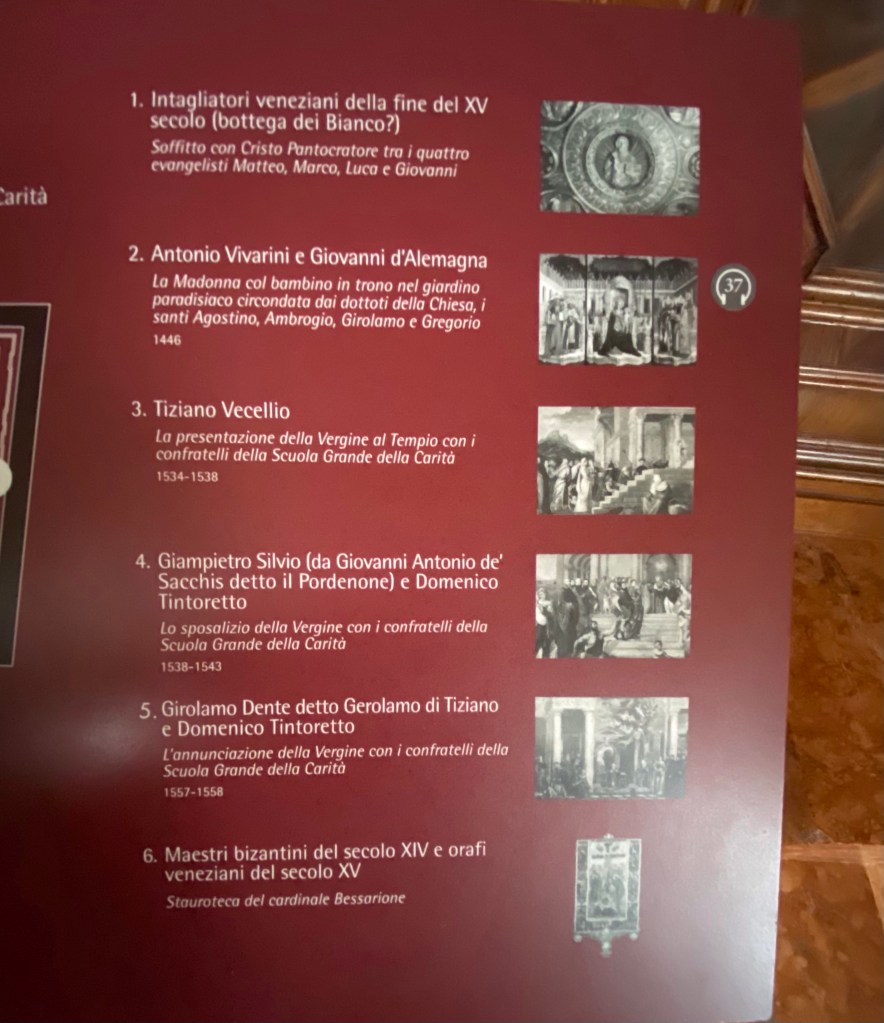
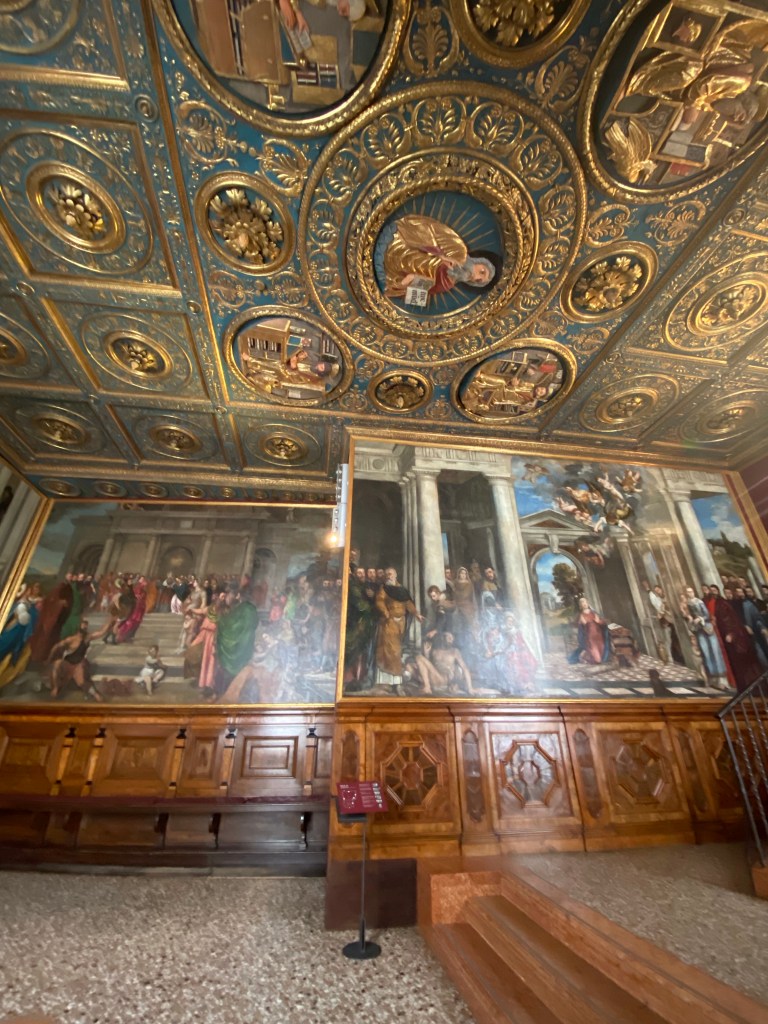
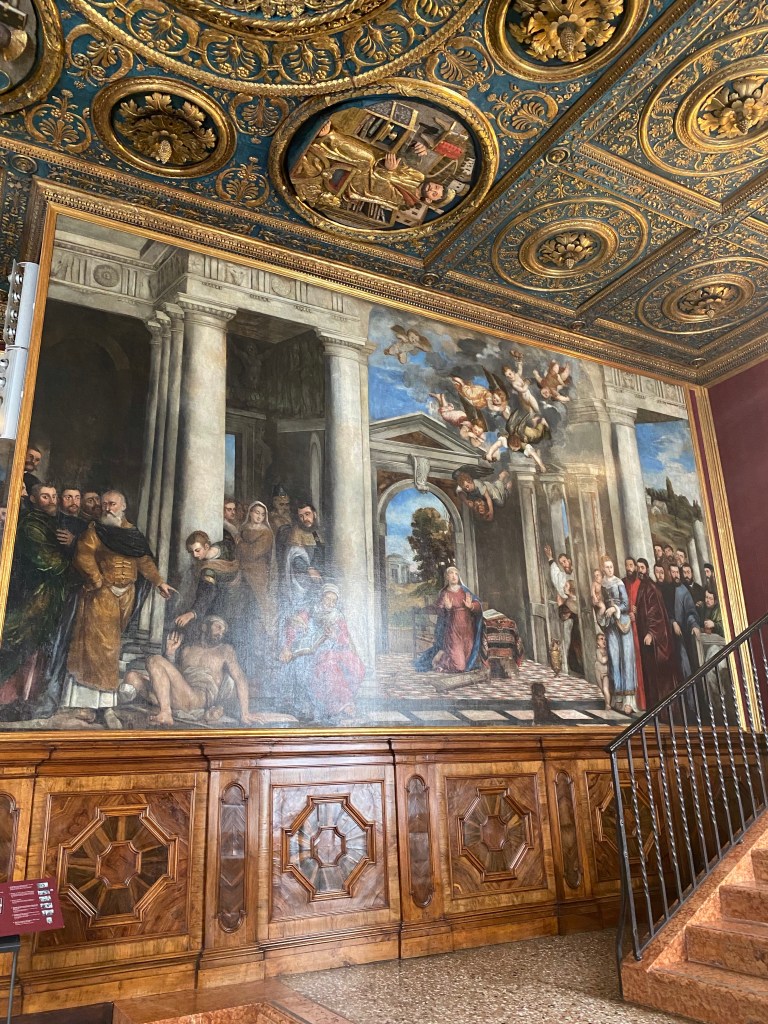
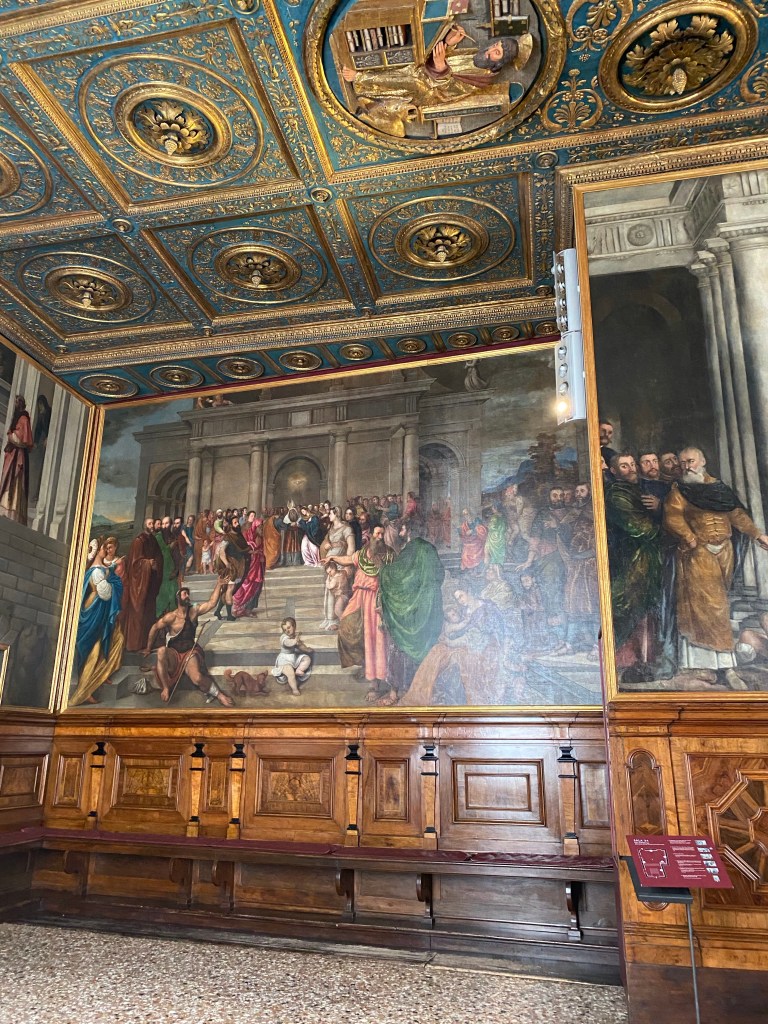
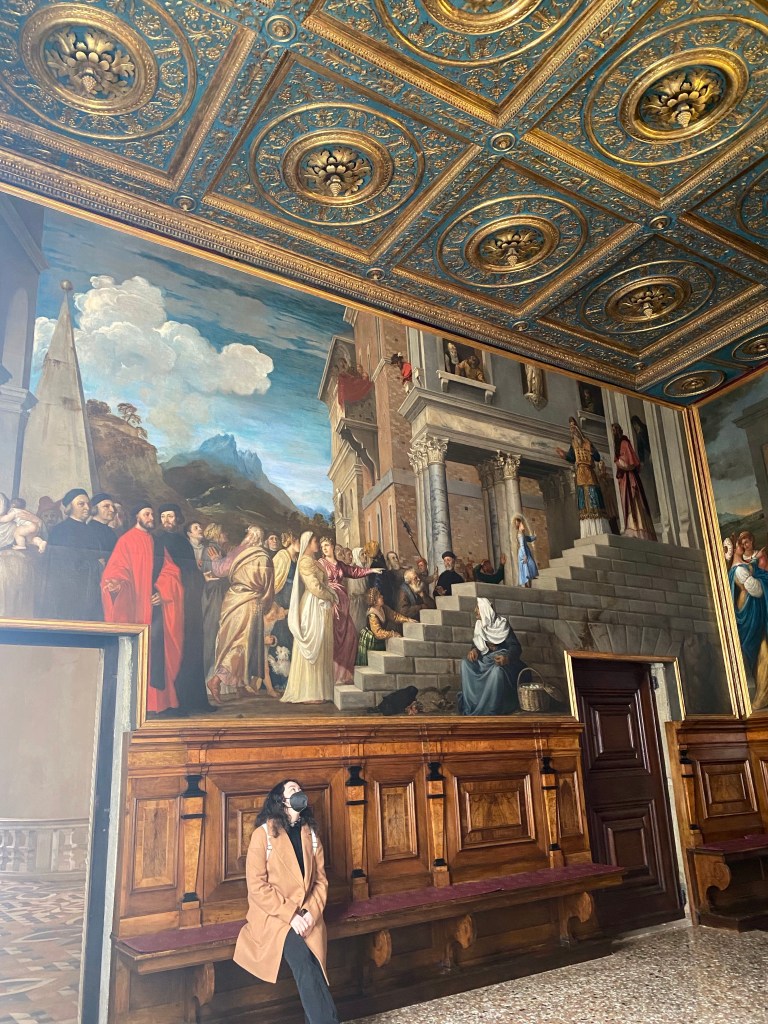
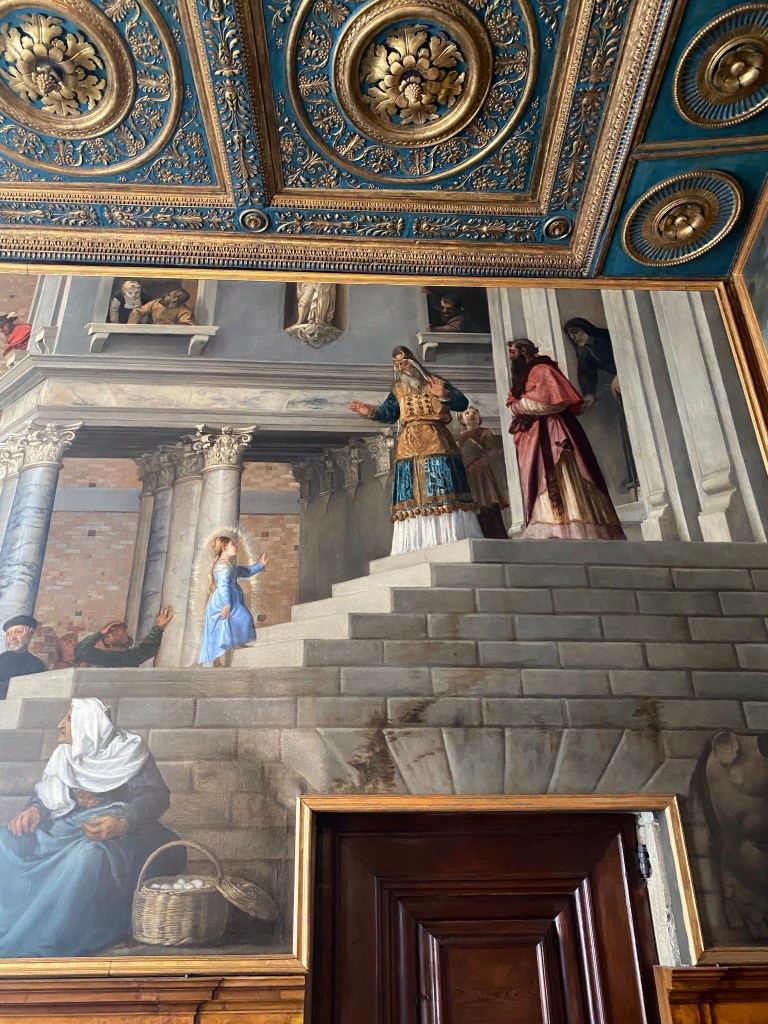
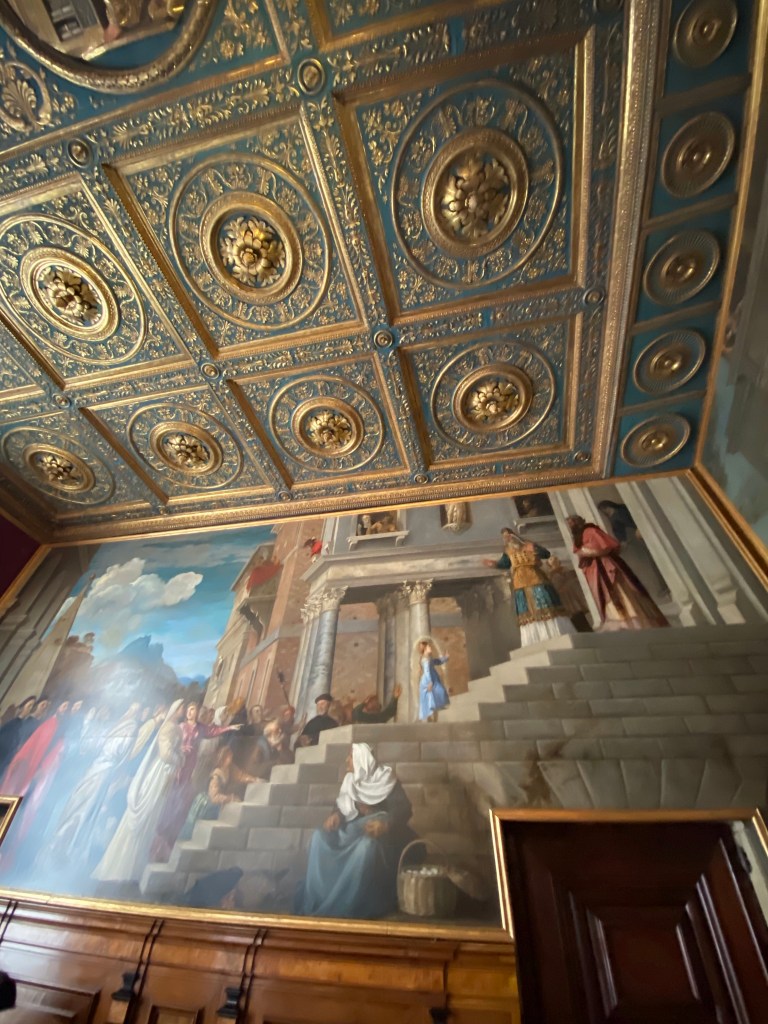
A landmark, a pleasure to see.
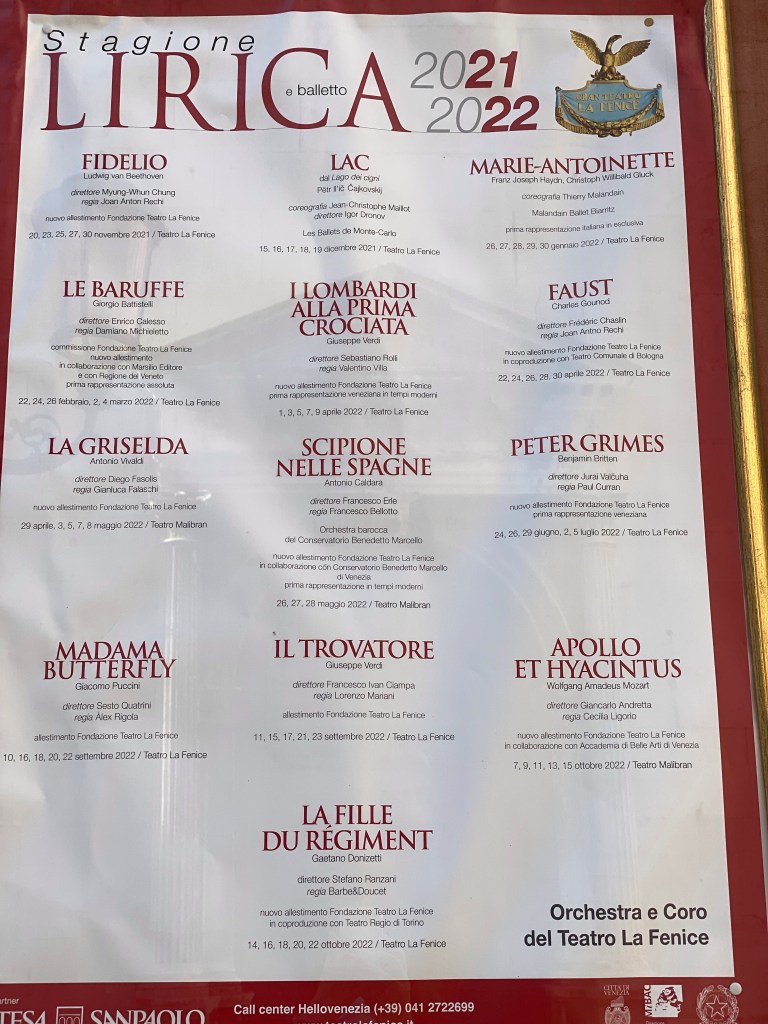
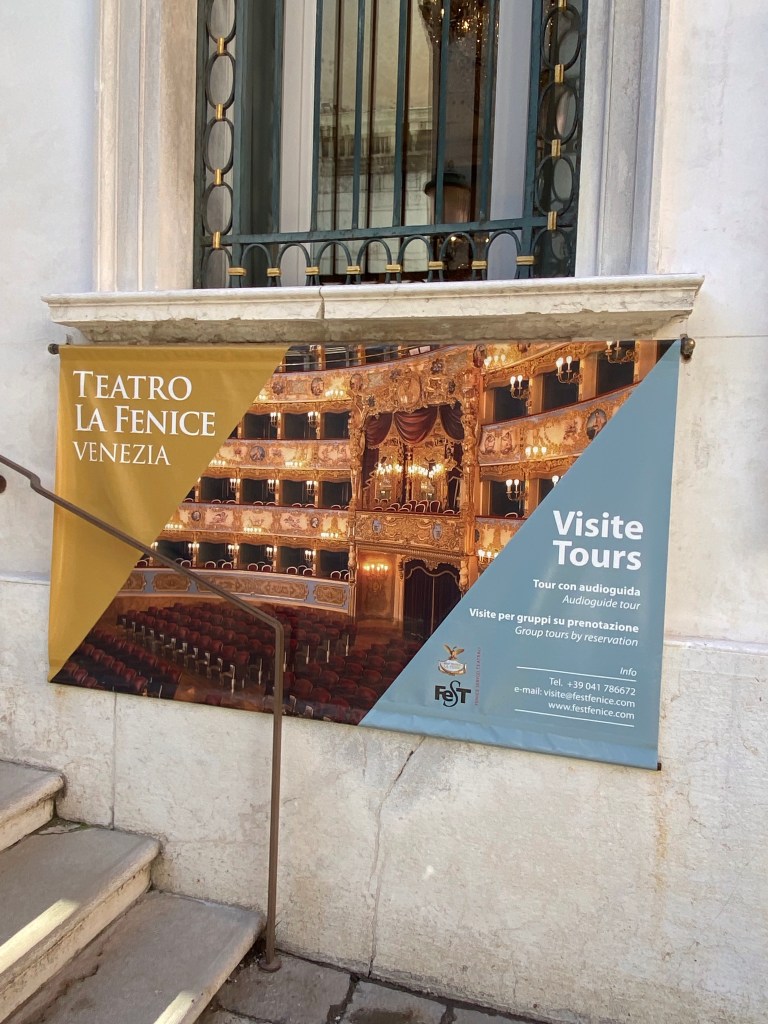
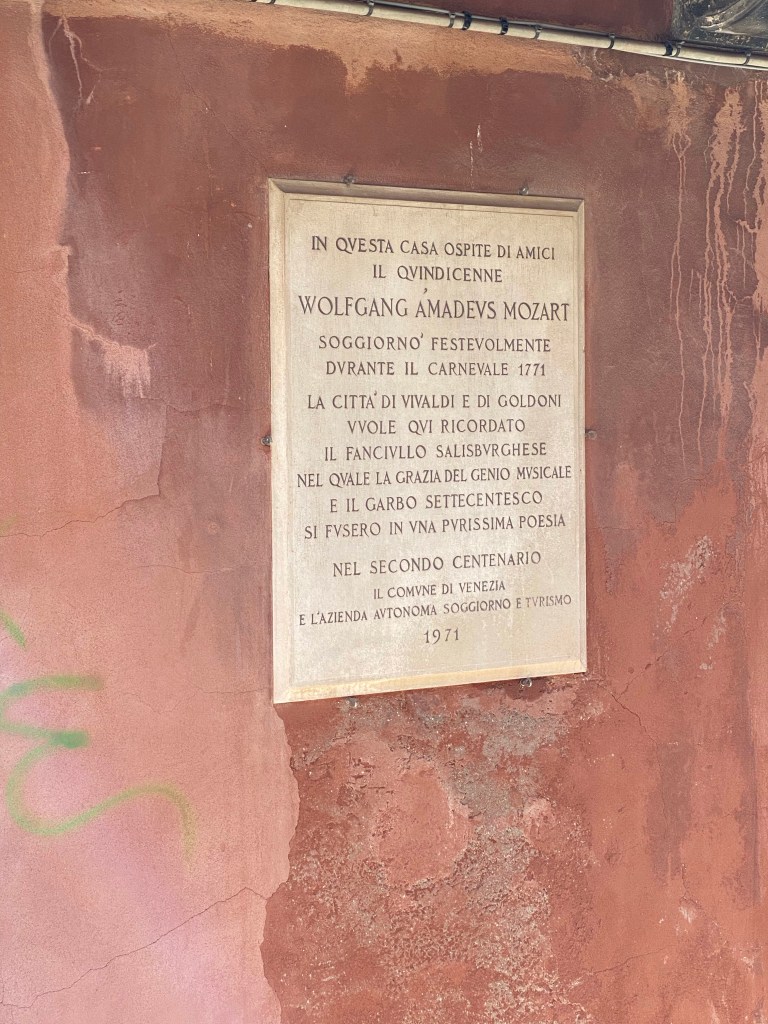
Below, not strictly related, but in the same vein:
Even Napoleon was impressed with this space, calling it “the world’s most beautiful drawing room.” Indeed. It still stuns with its beauty!
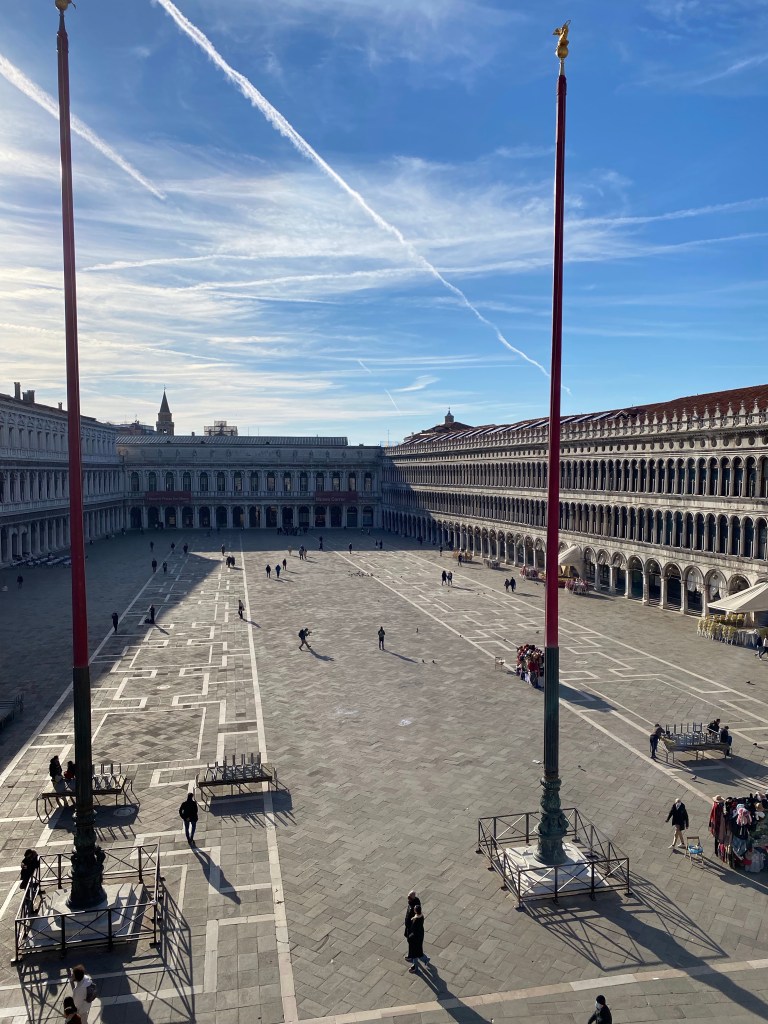
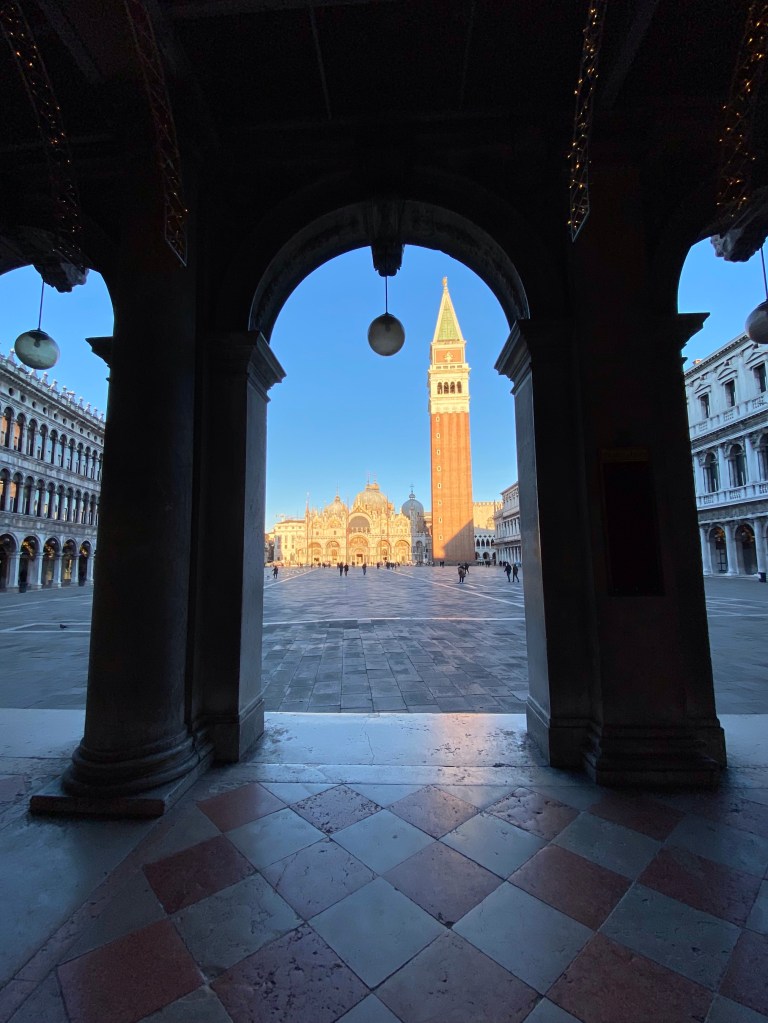
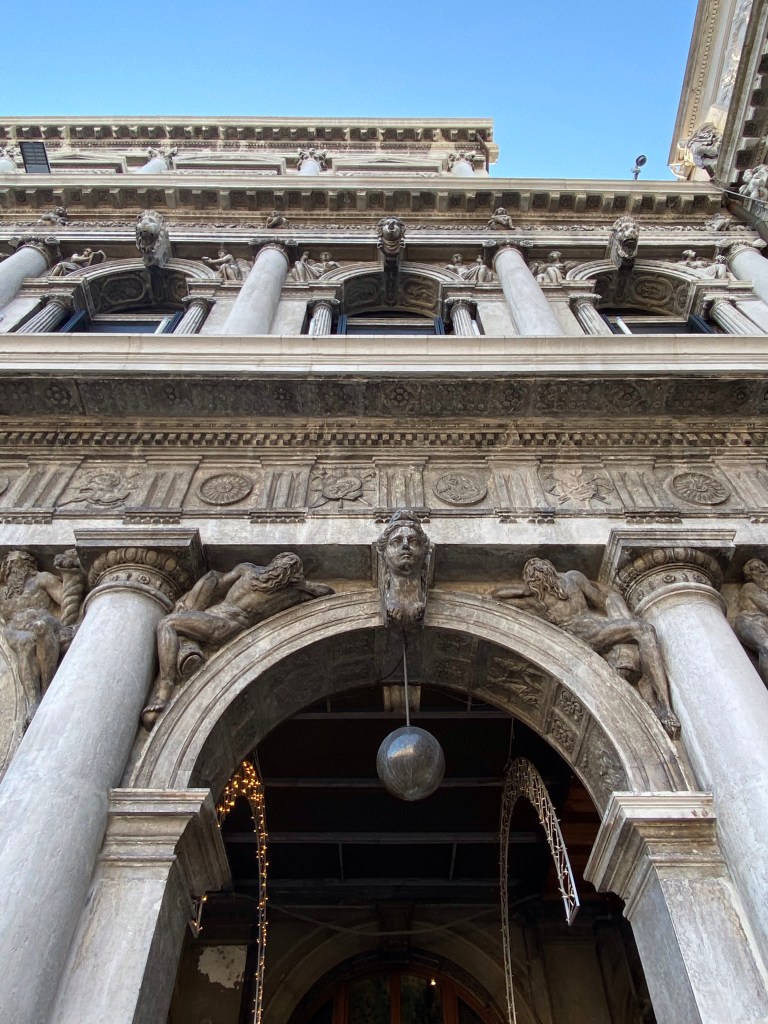
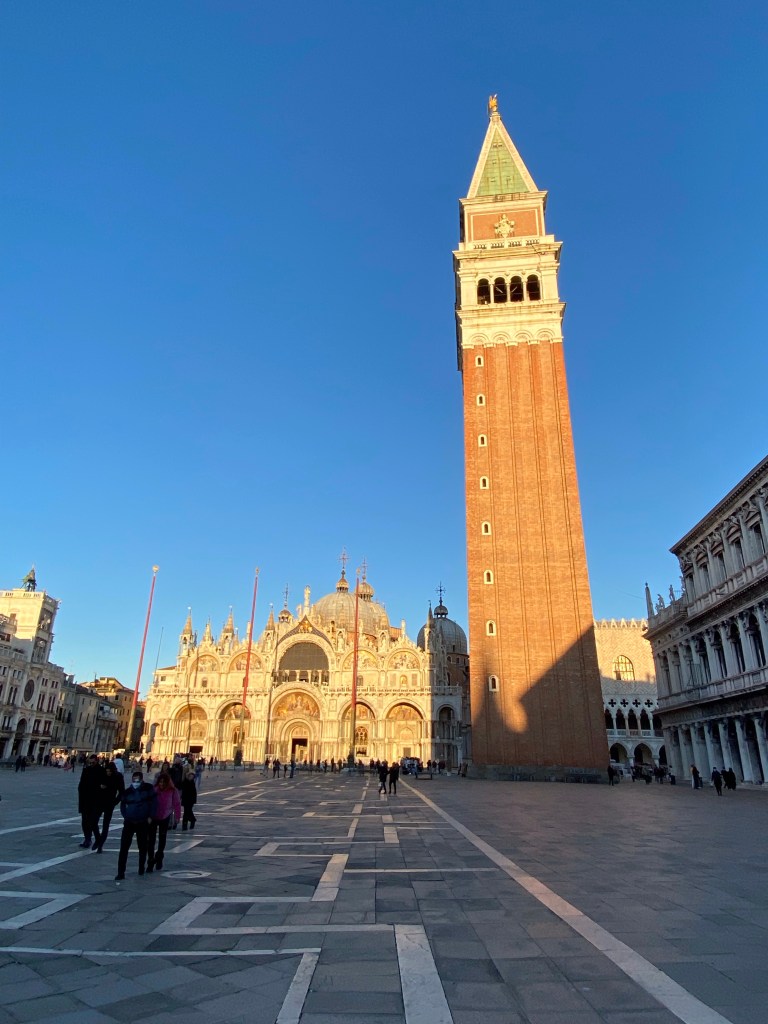
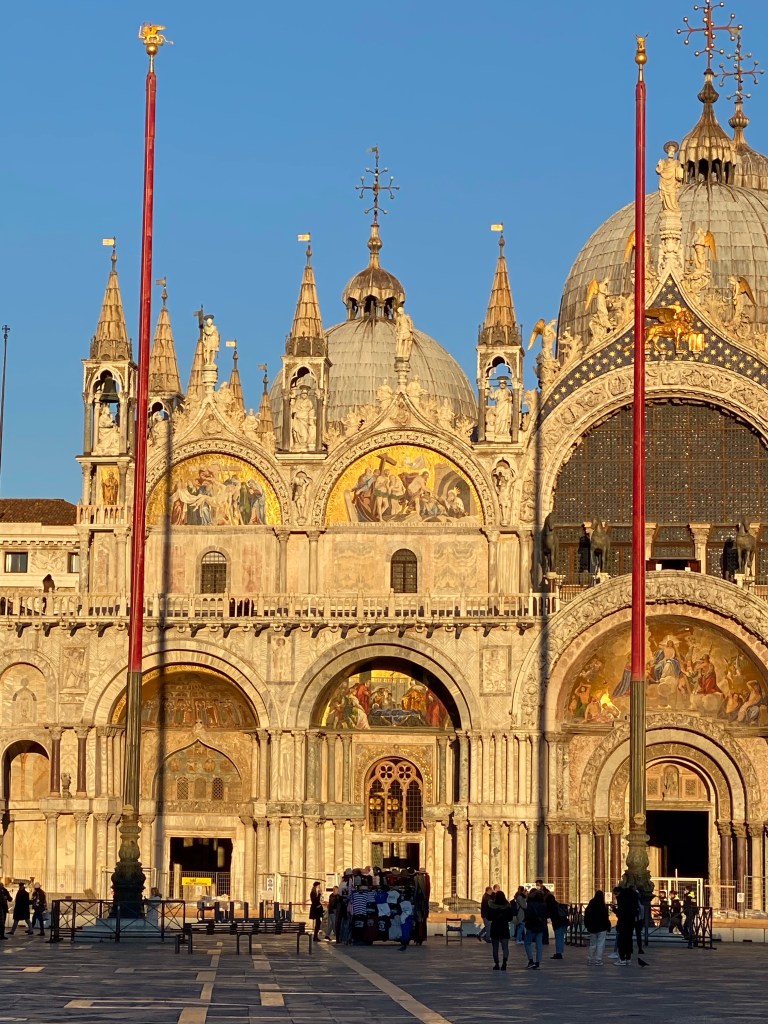
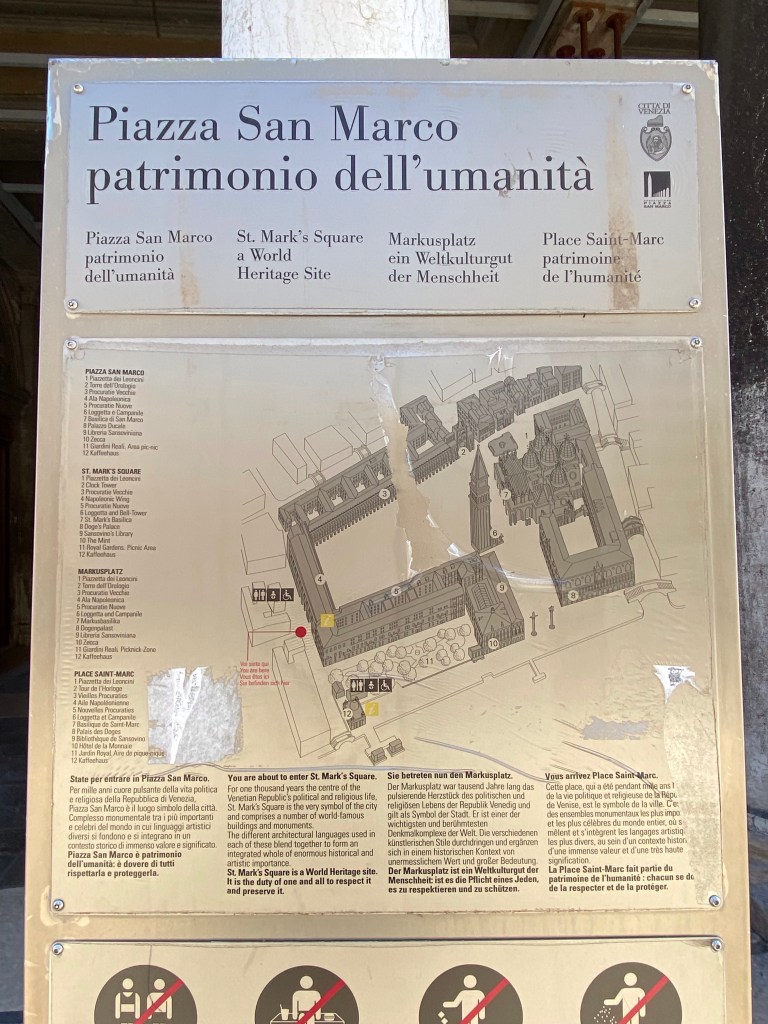
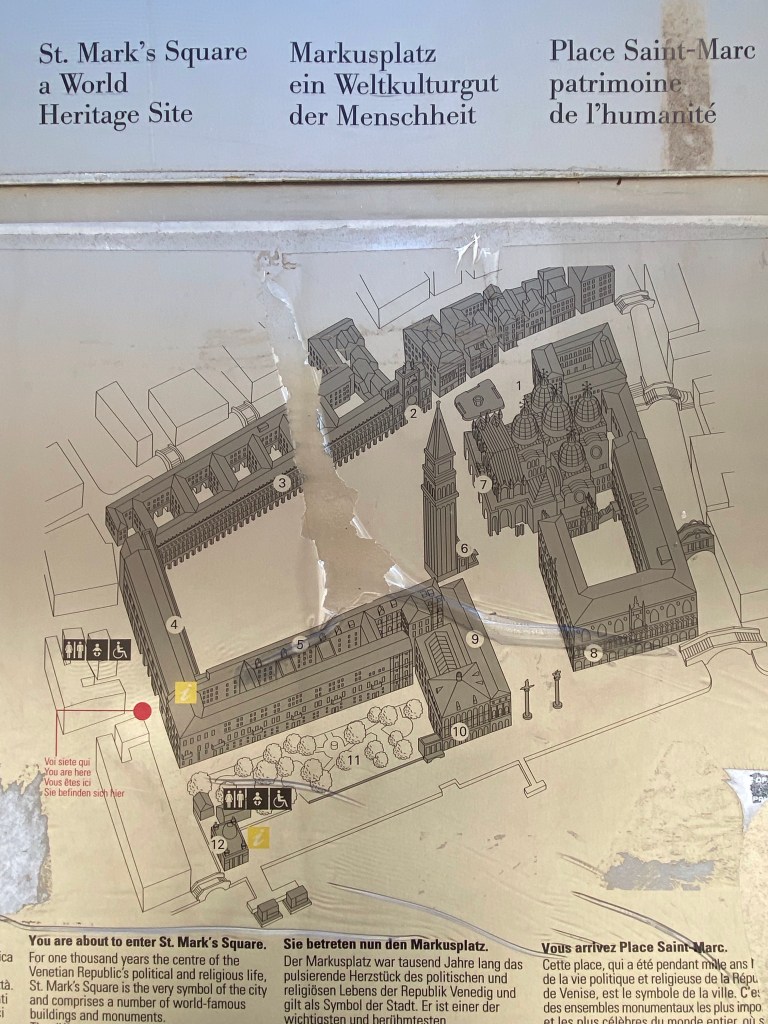
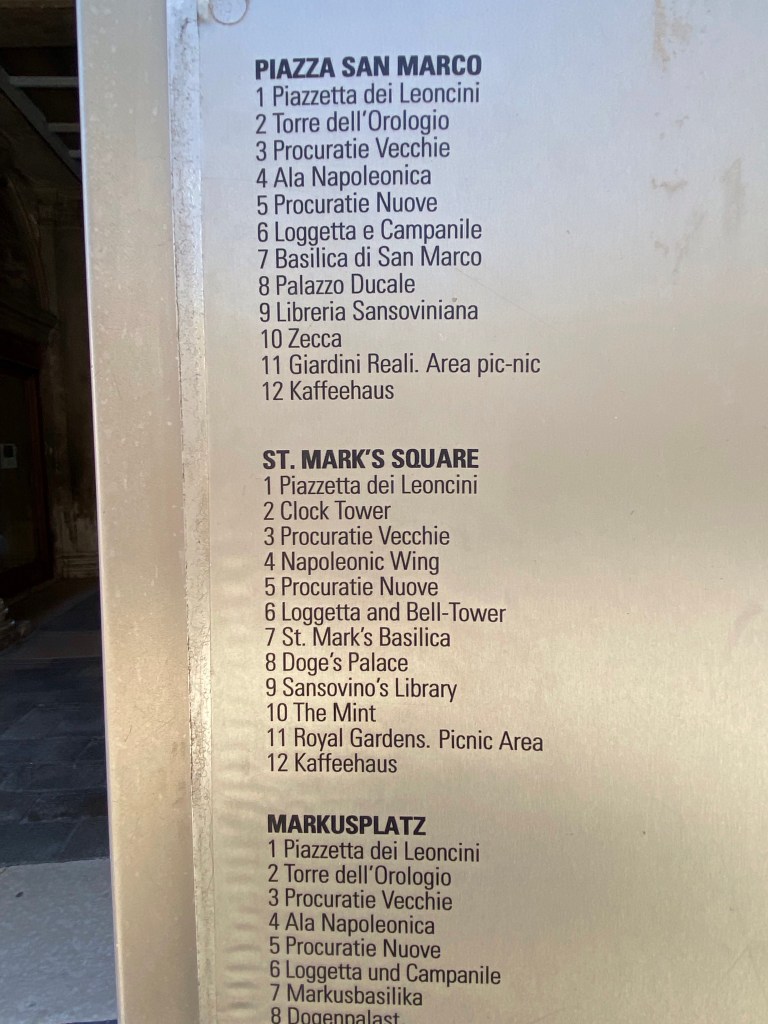
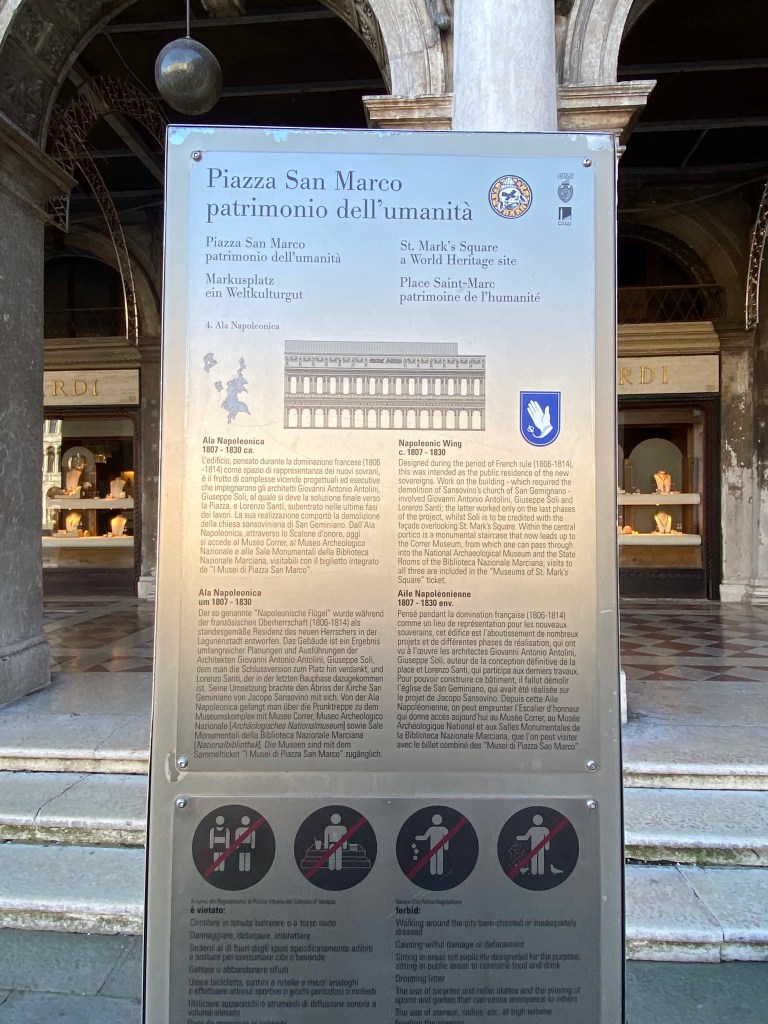
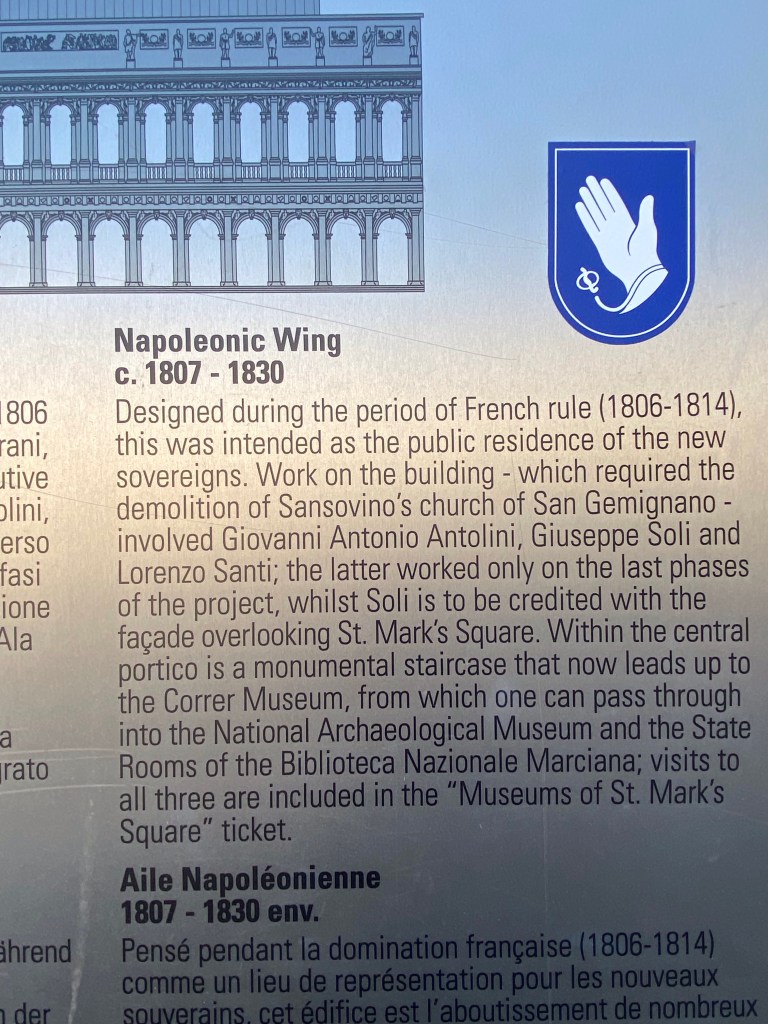
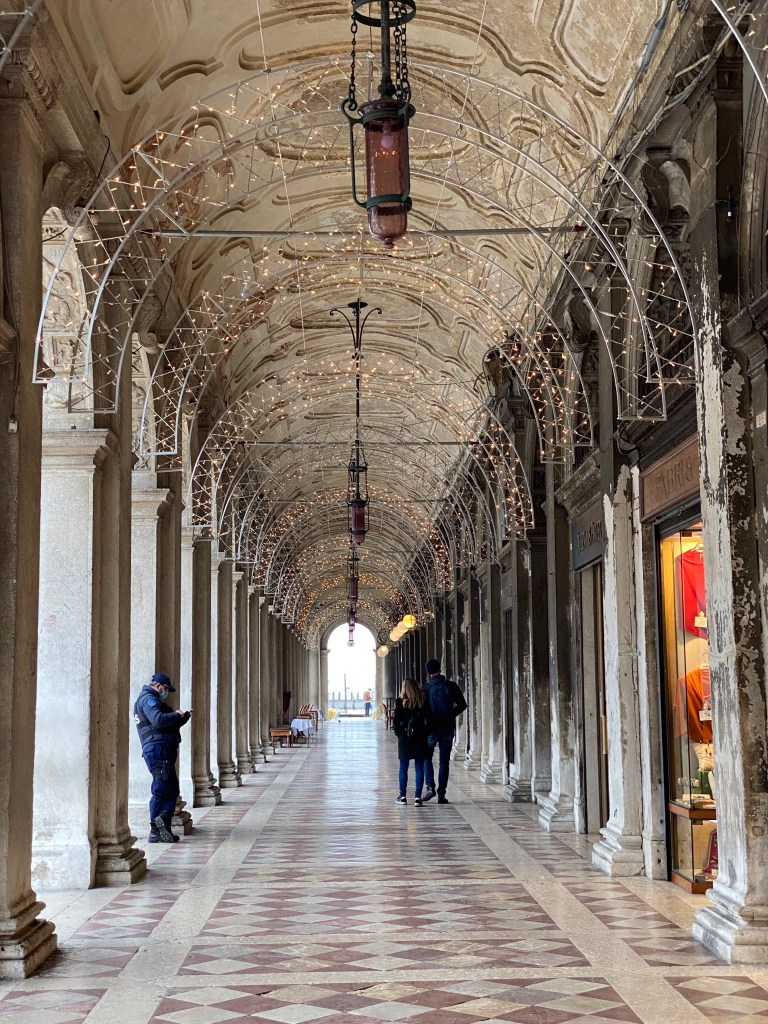
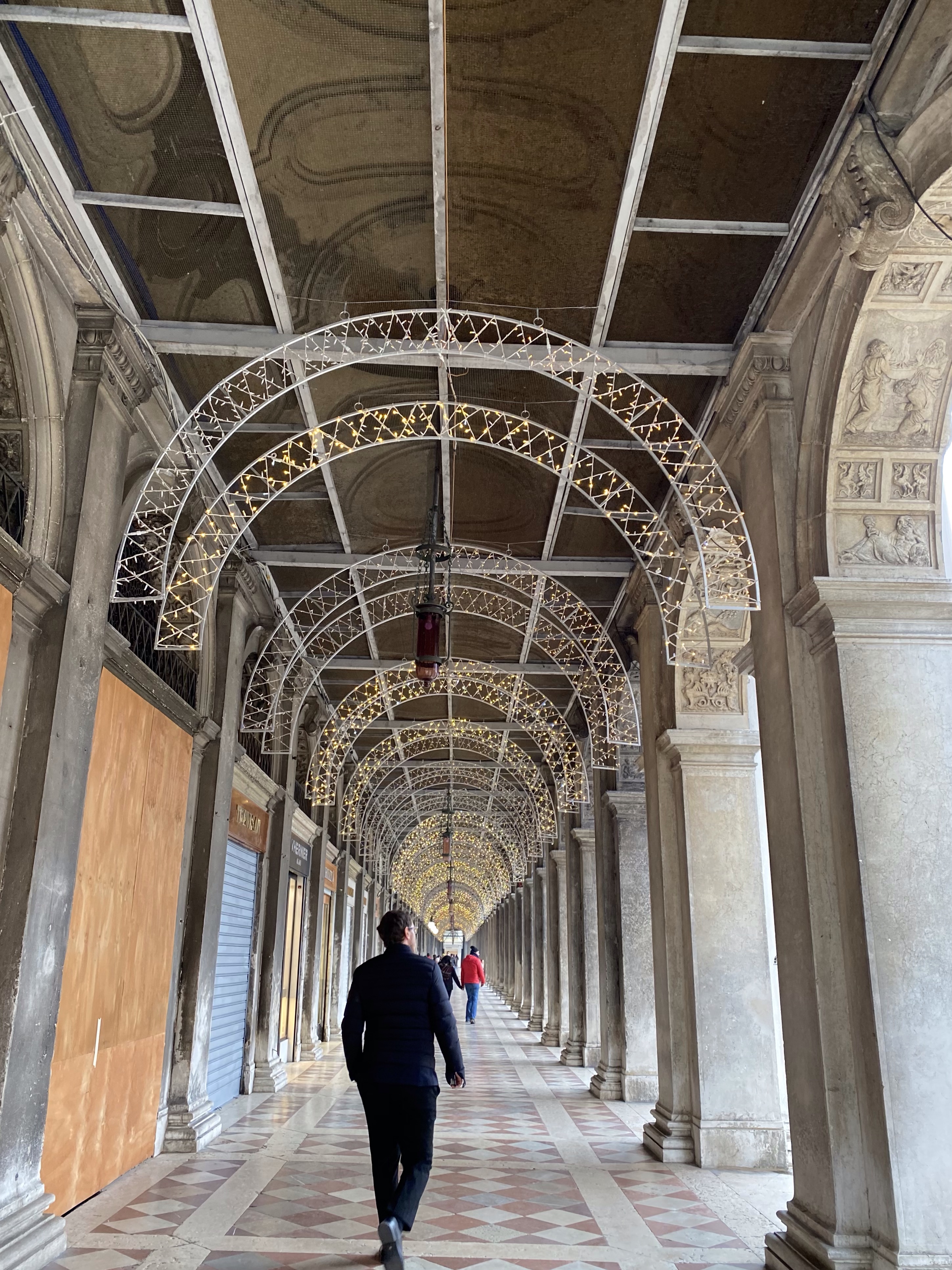
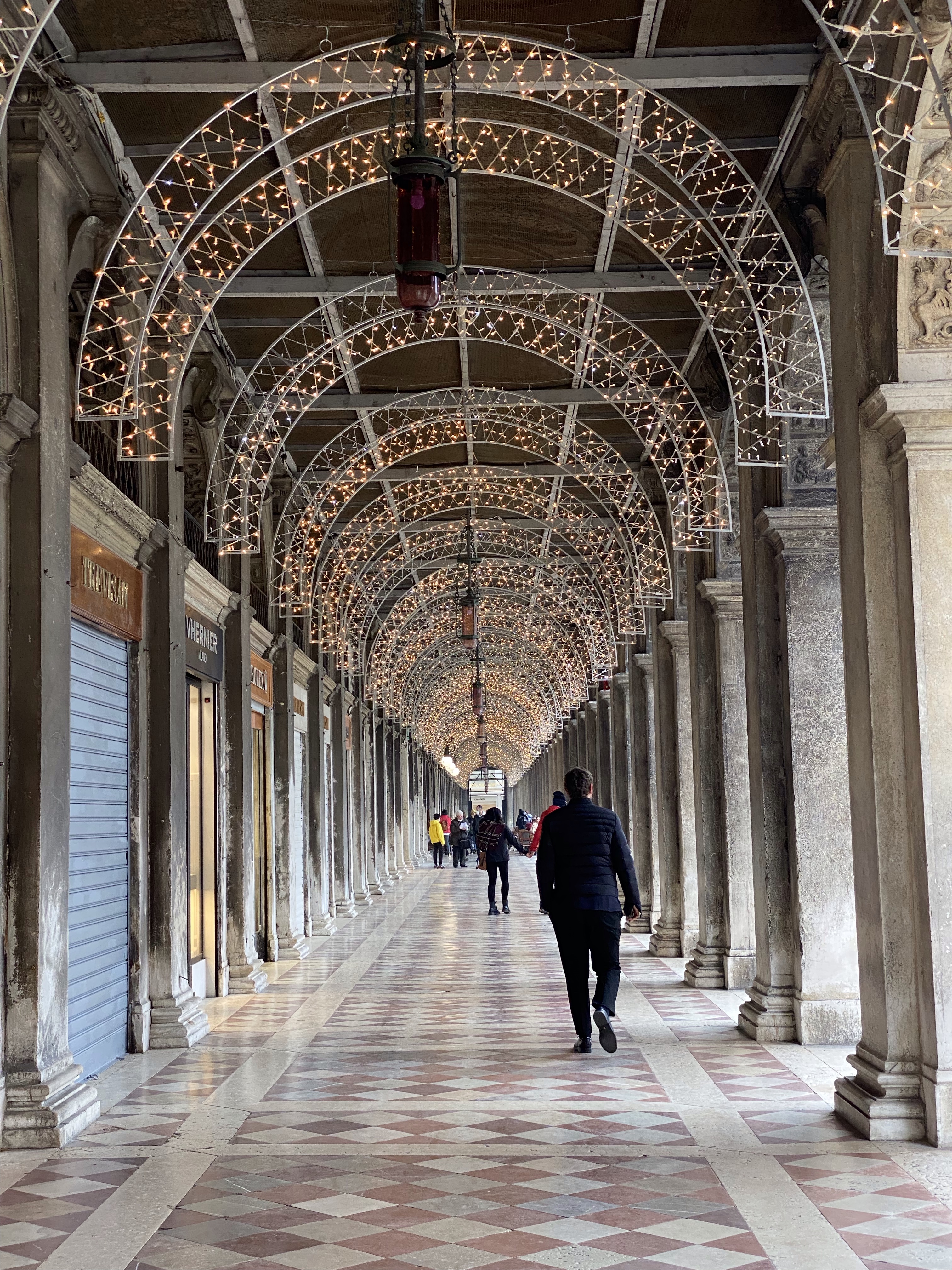
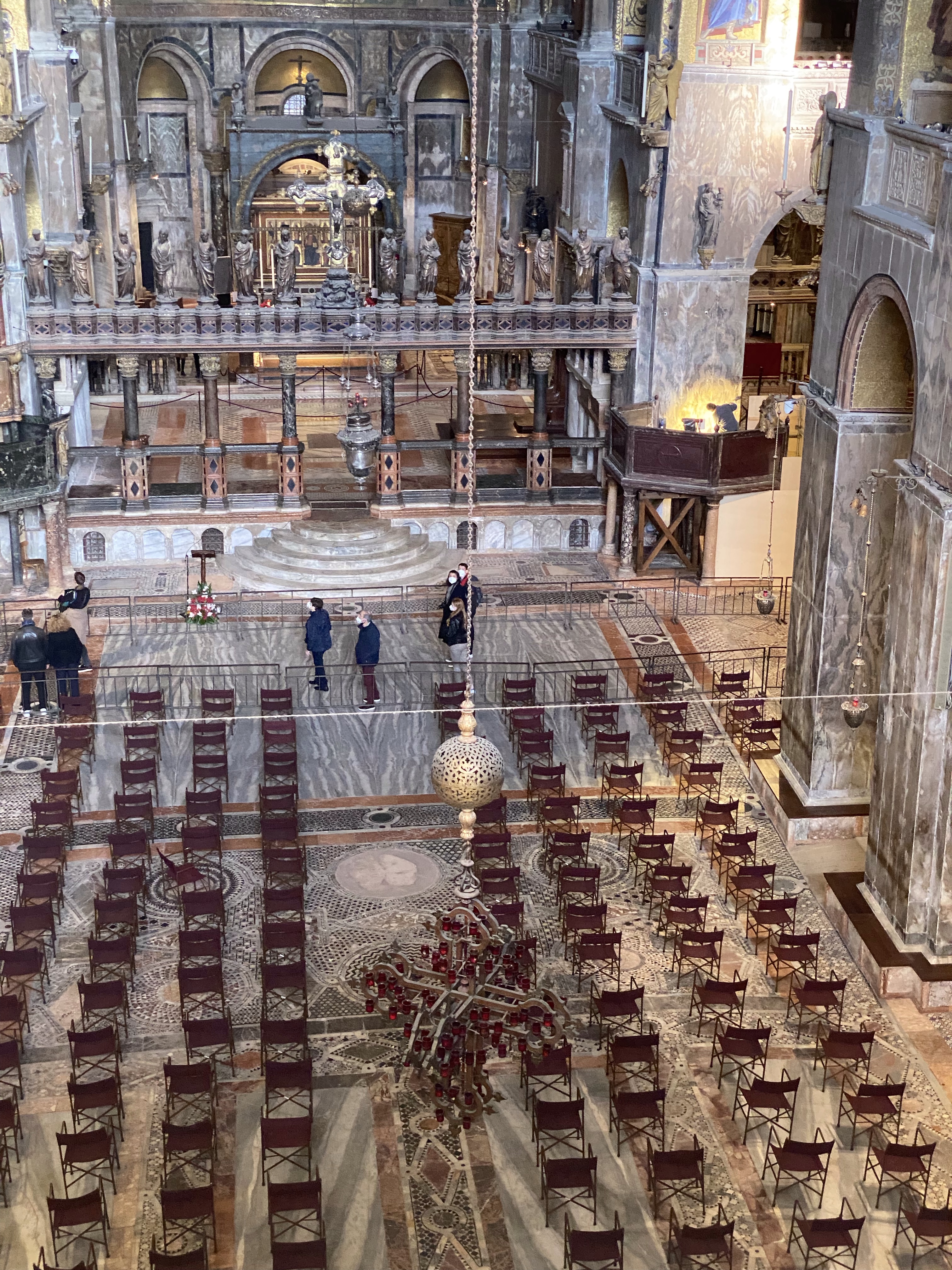
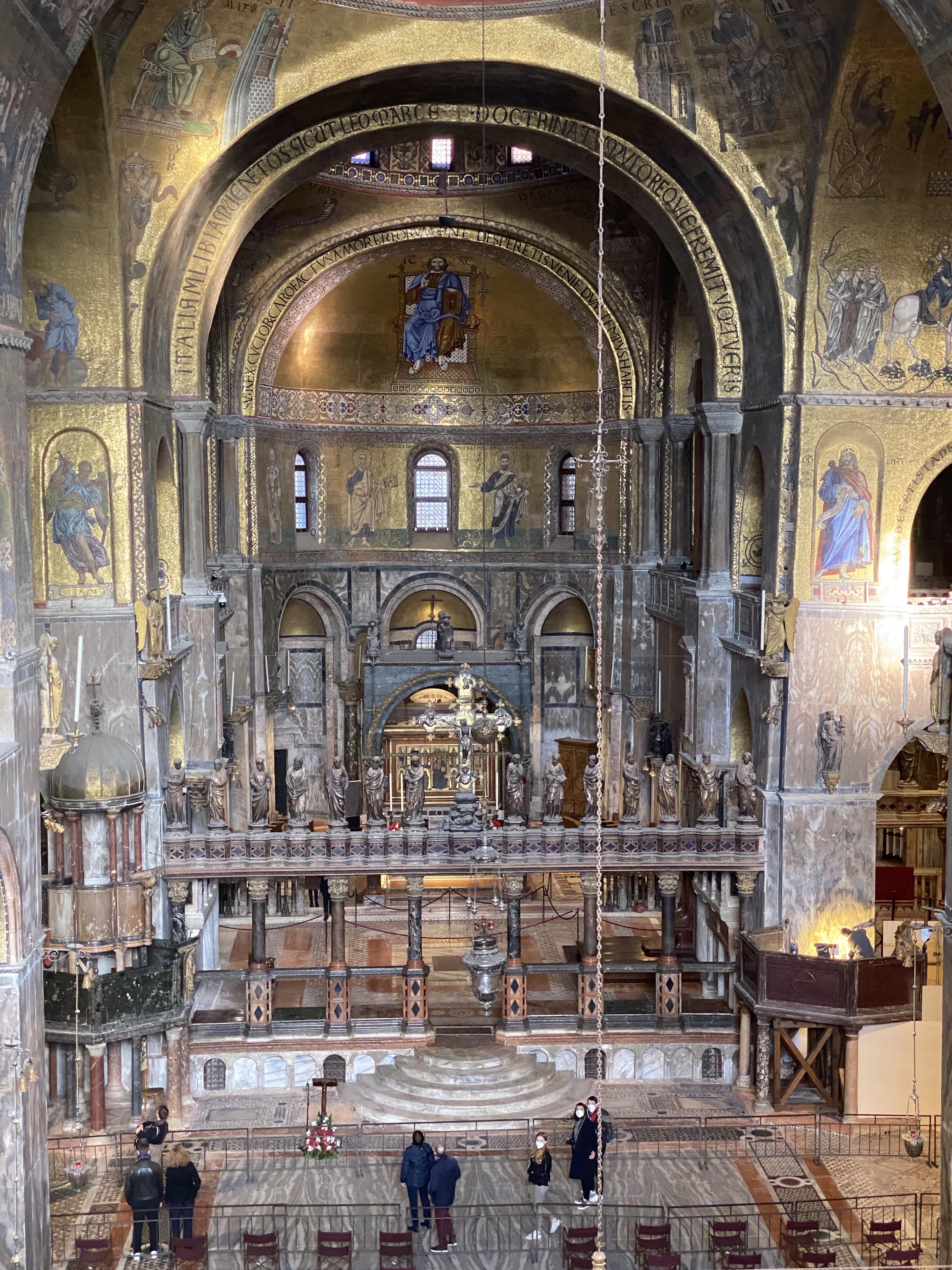
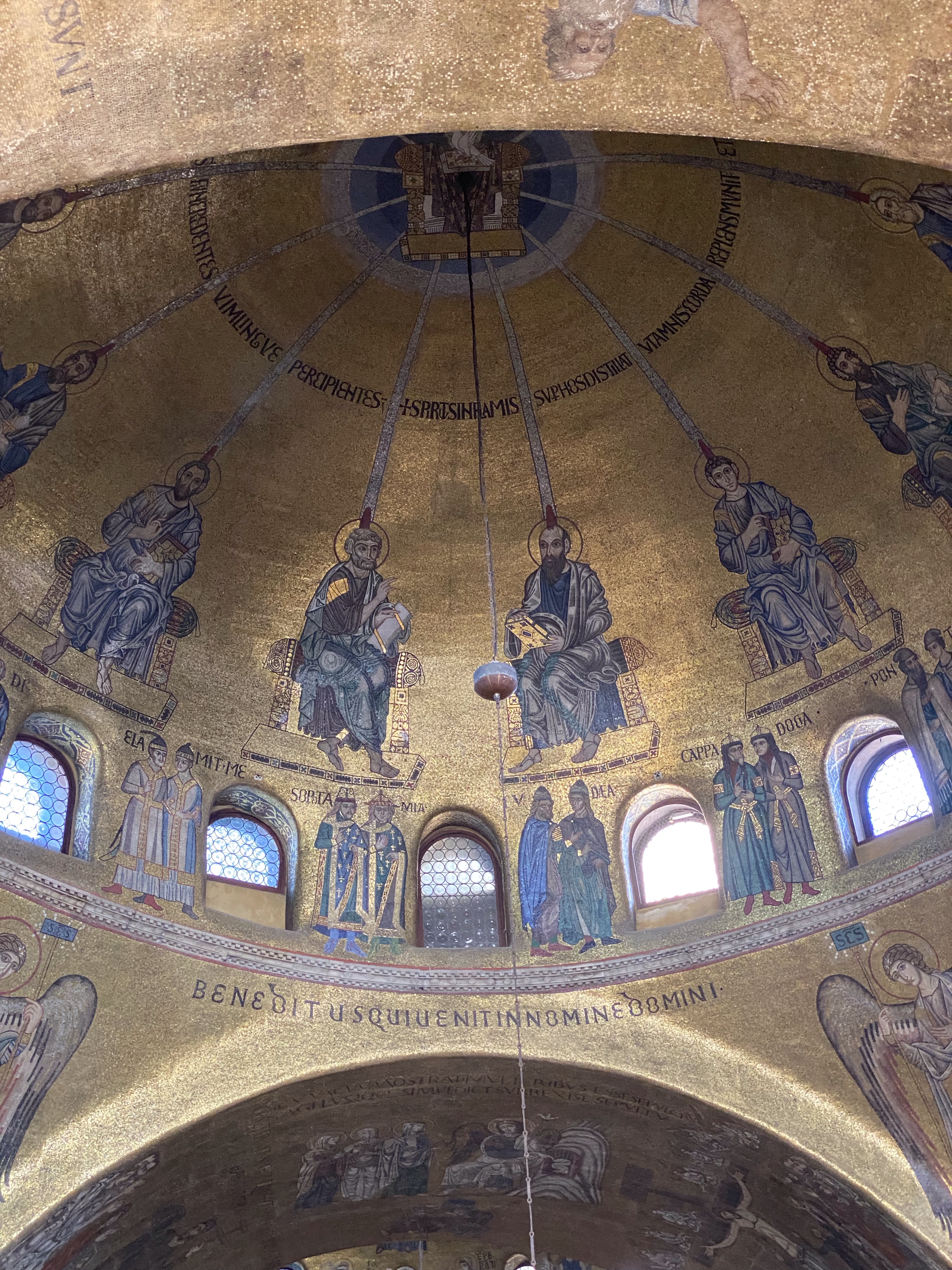
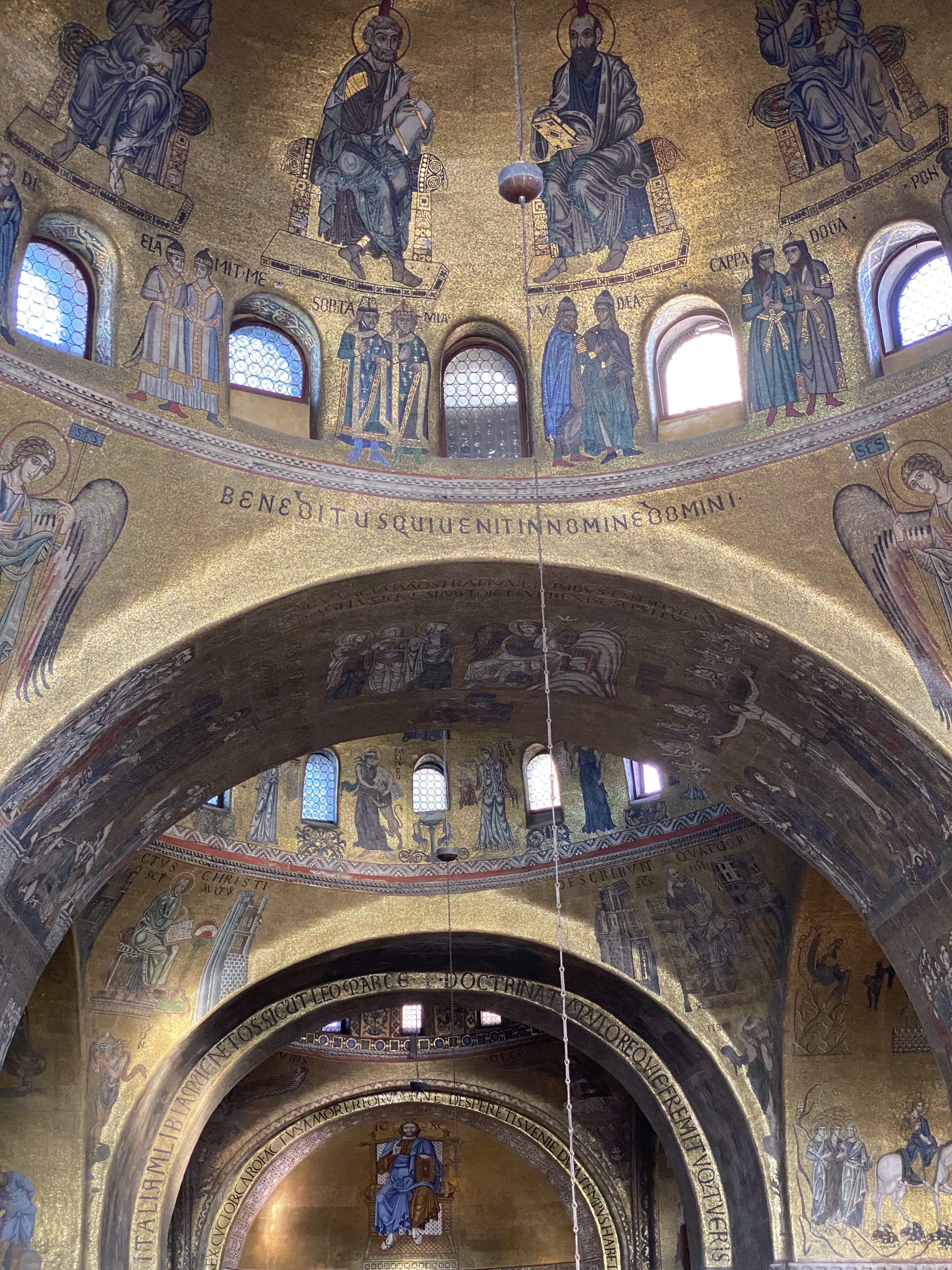
Piazza San Marco, known in English as St Mark’s Square, is the principal public square of Venice, where it is generally known just as la Piazza (the Square). All other urban spaces in the city (except the Piazzetta and the Piazzale Roma) are called campi (fields). The Piazzetta (little square) is an extension of the Piazza towards San Marco basin in its south east corner. The two spaces together form the social, religious and political centre of Venice and are commonly considered together.
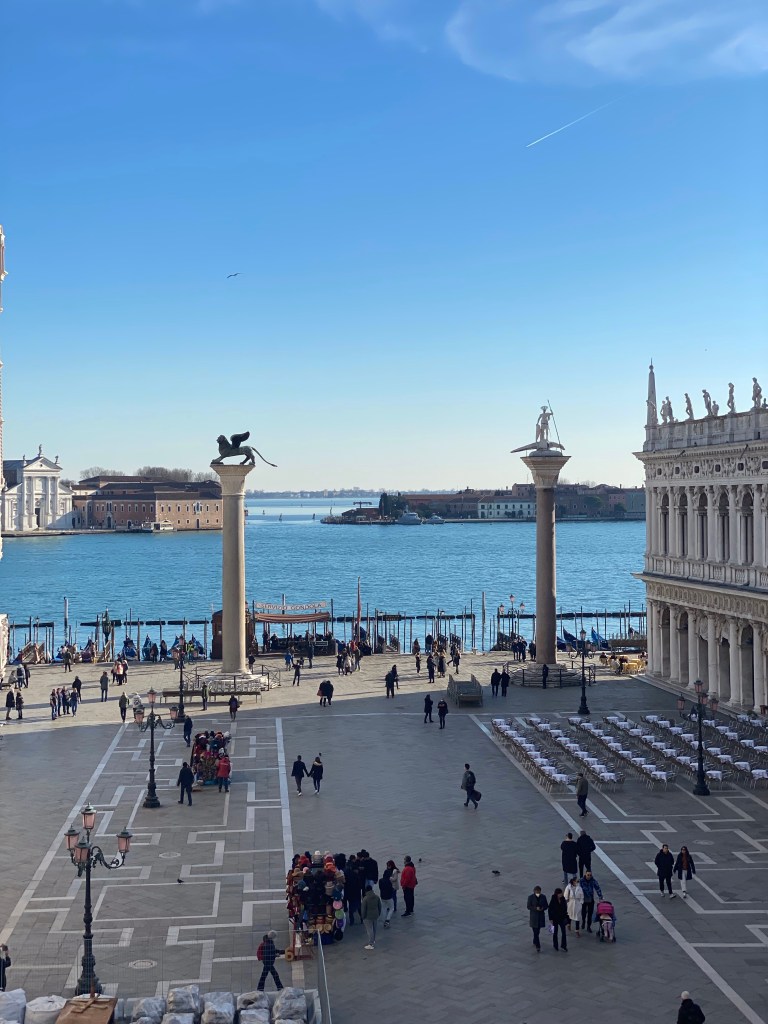
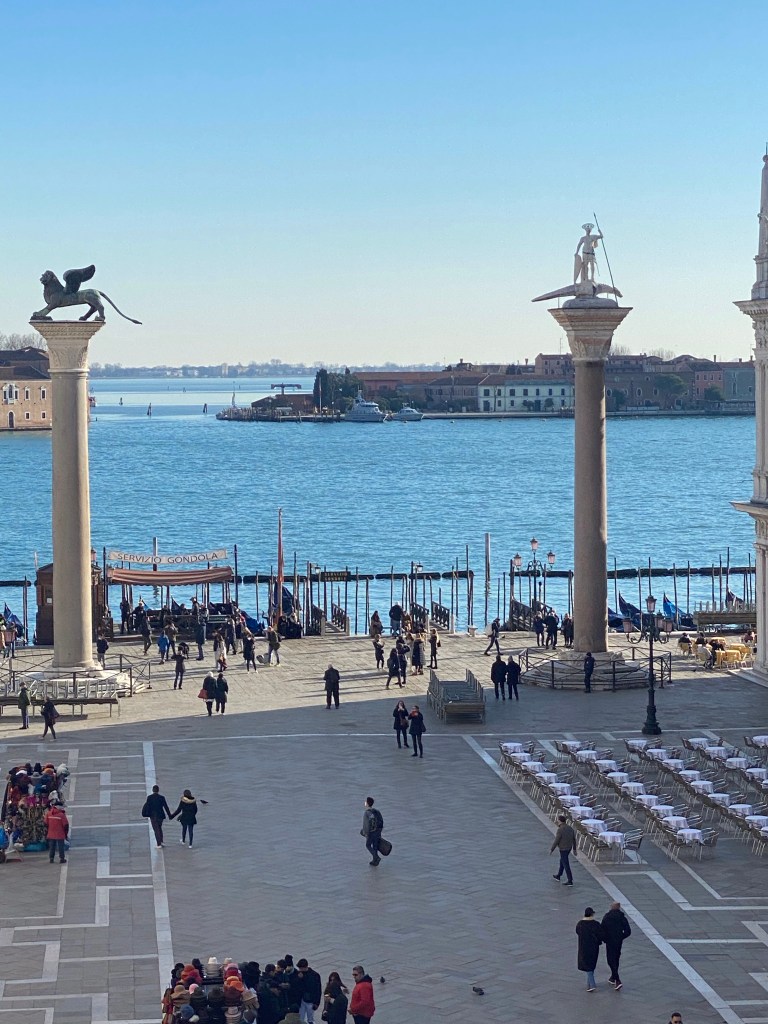
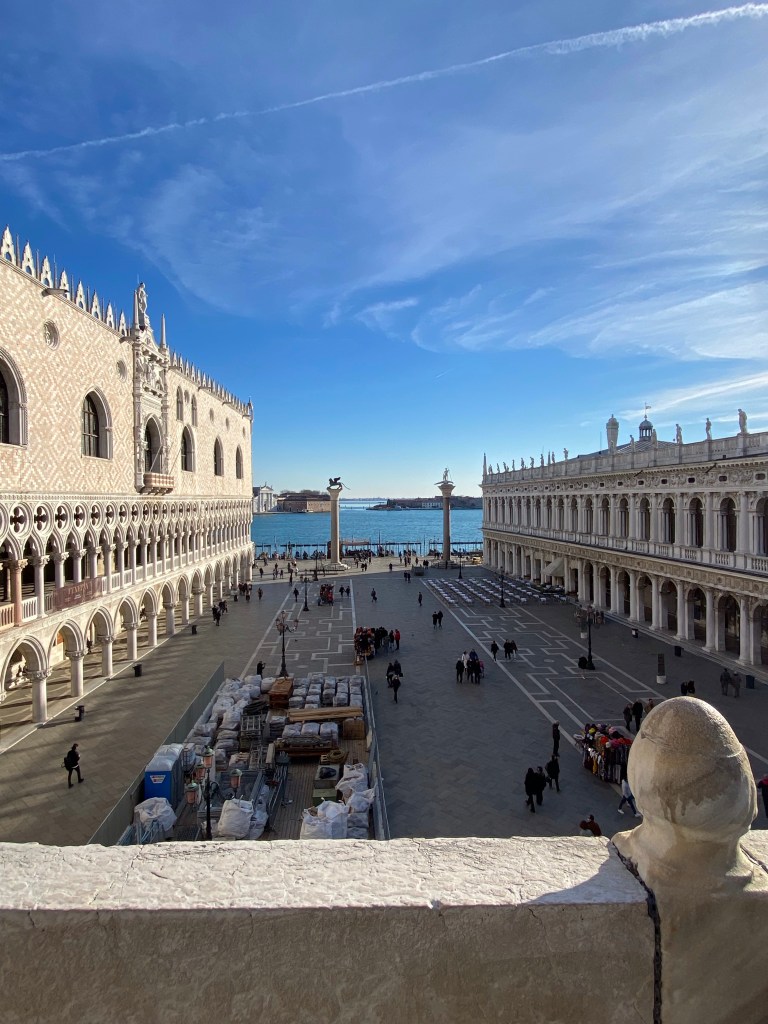
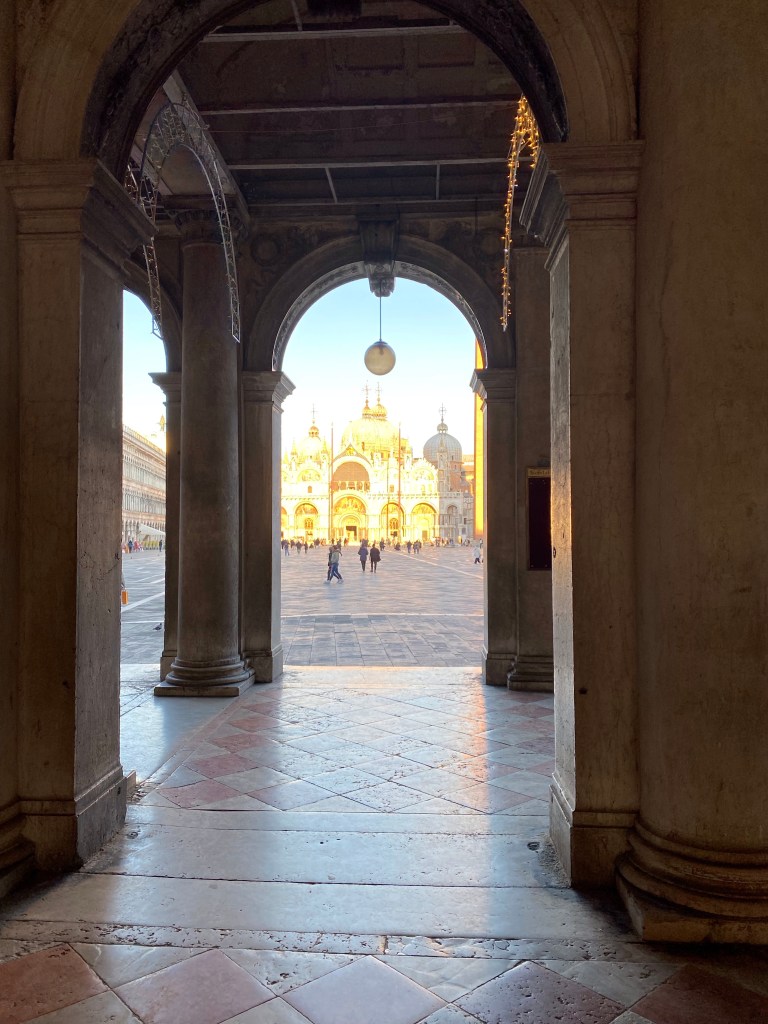
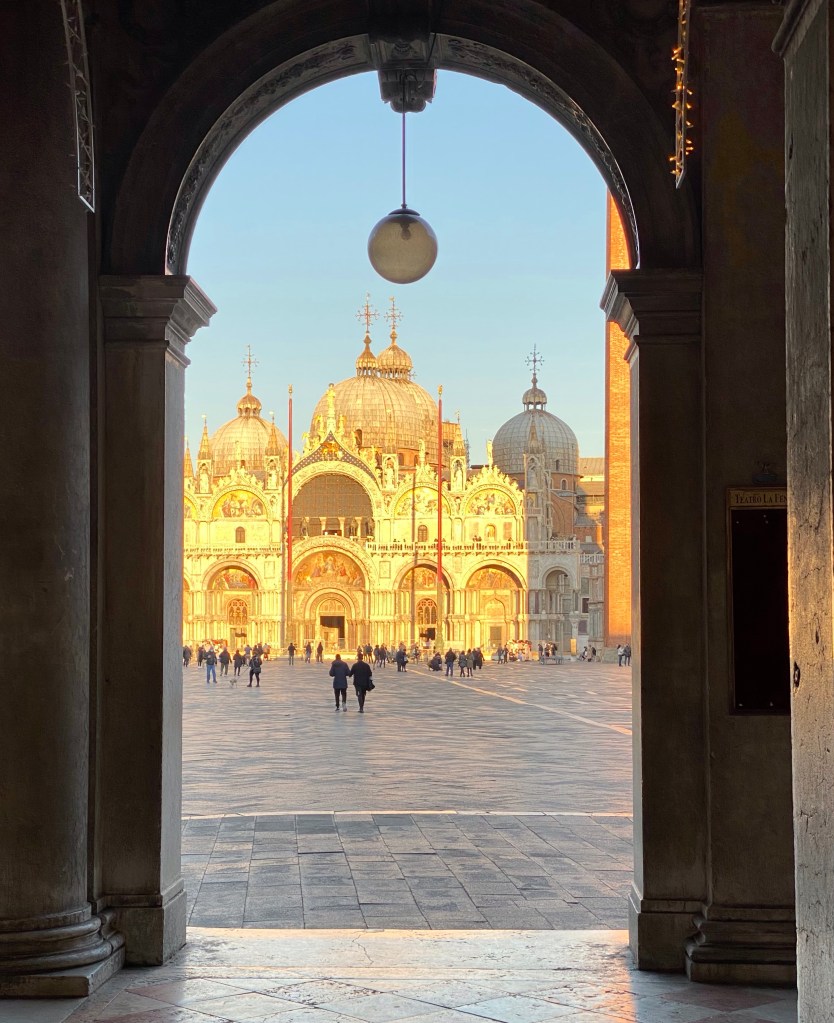
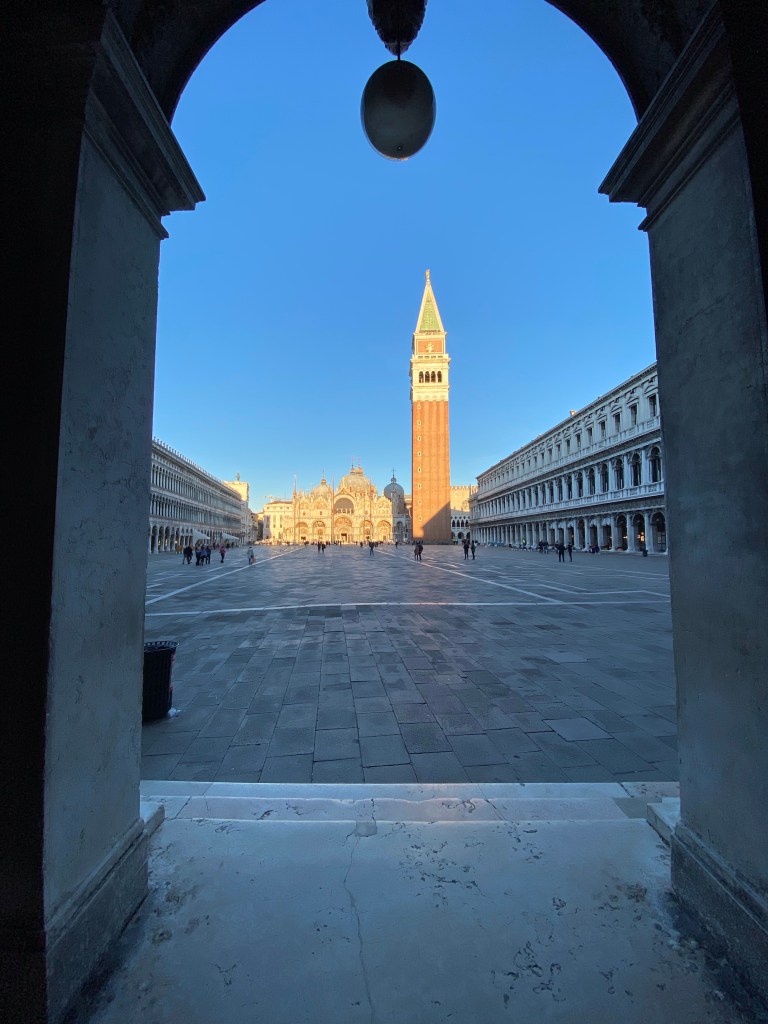
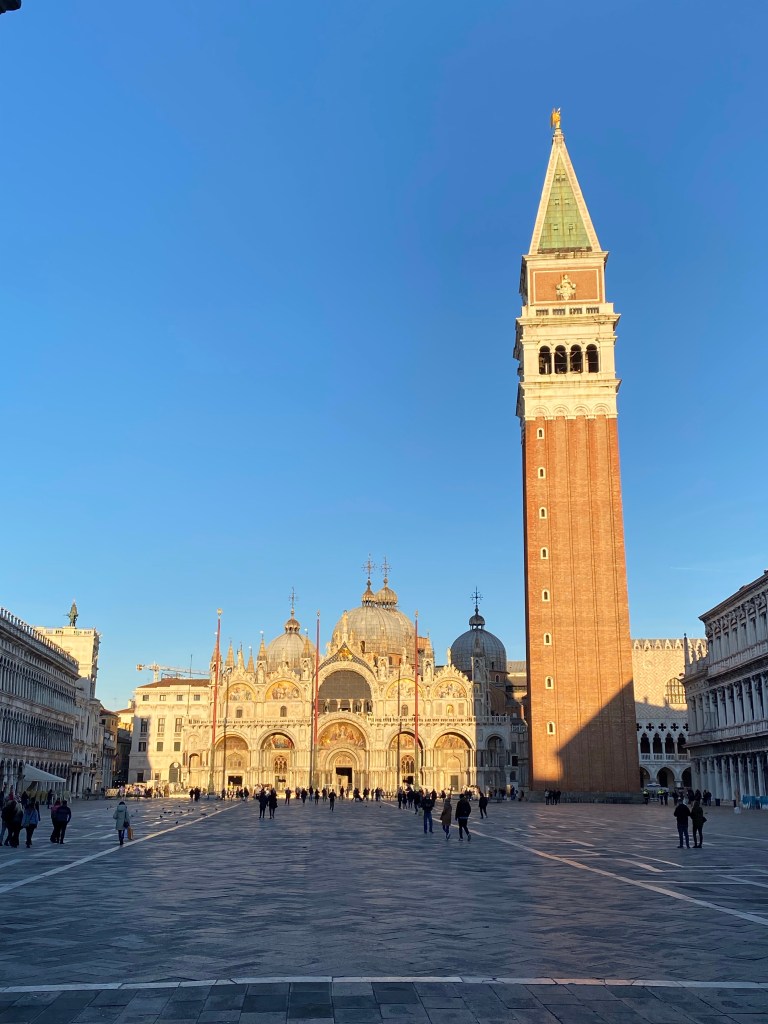
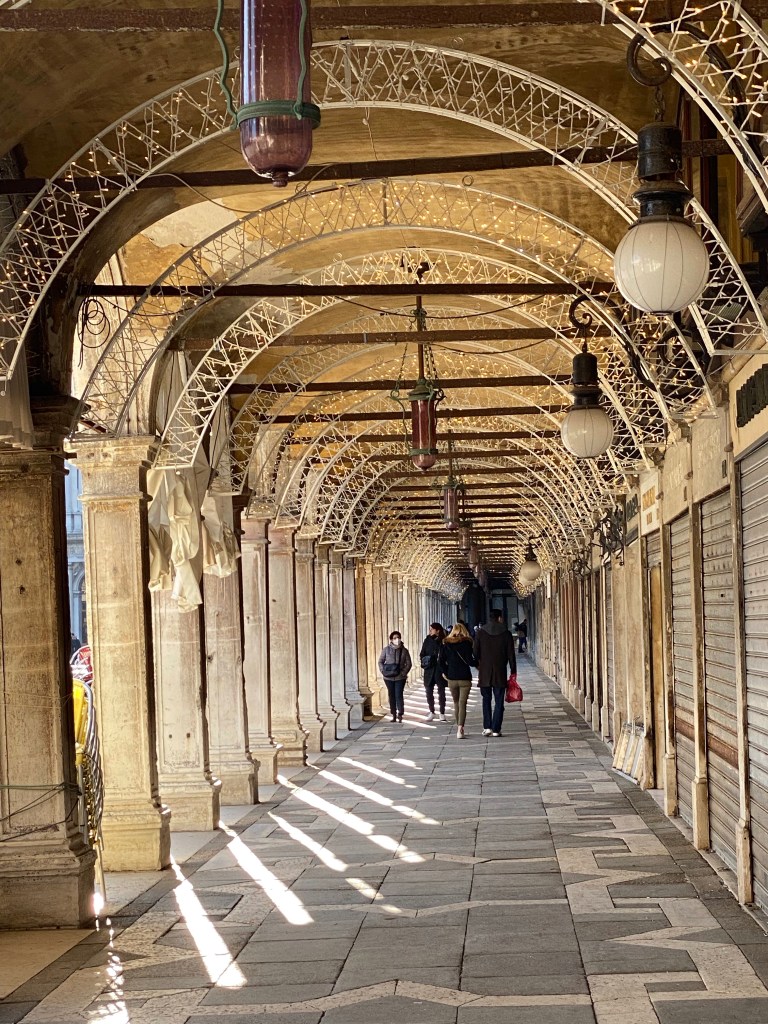
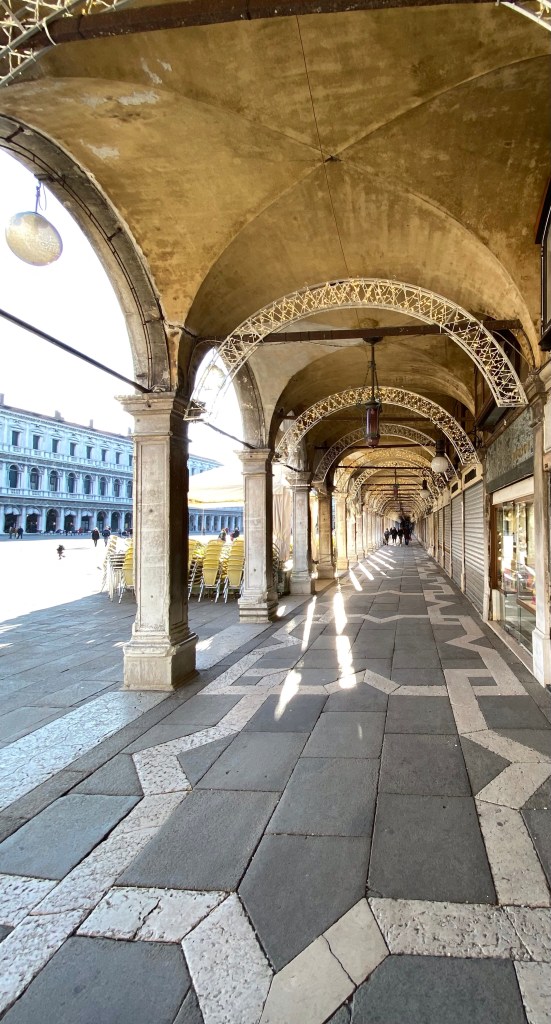
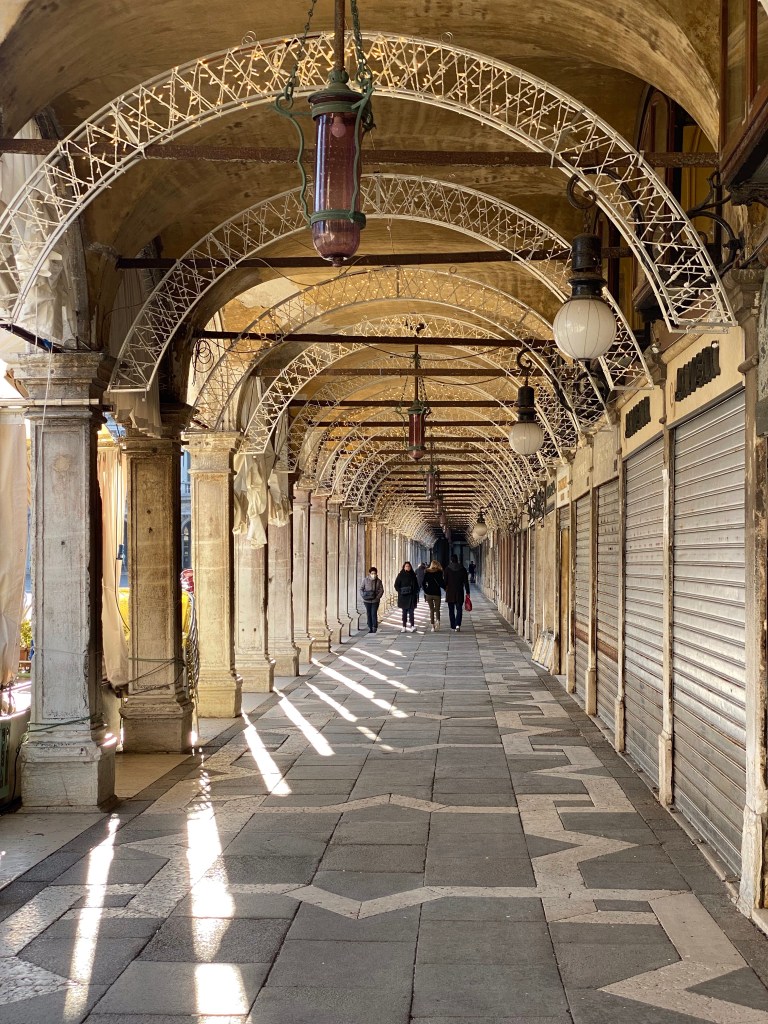
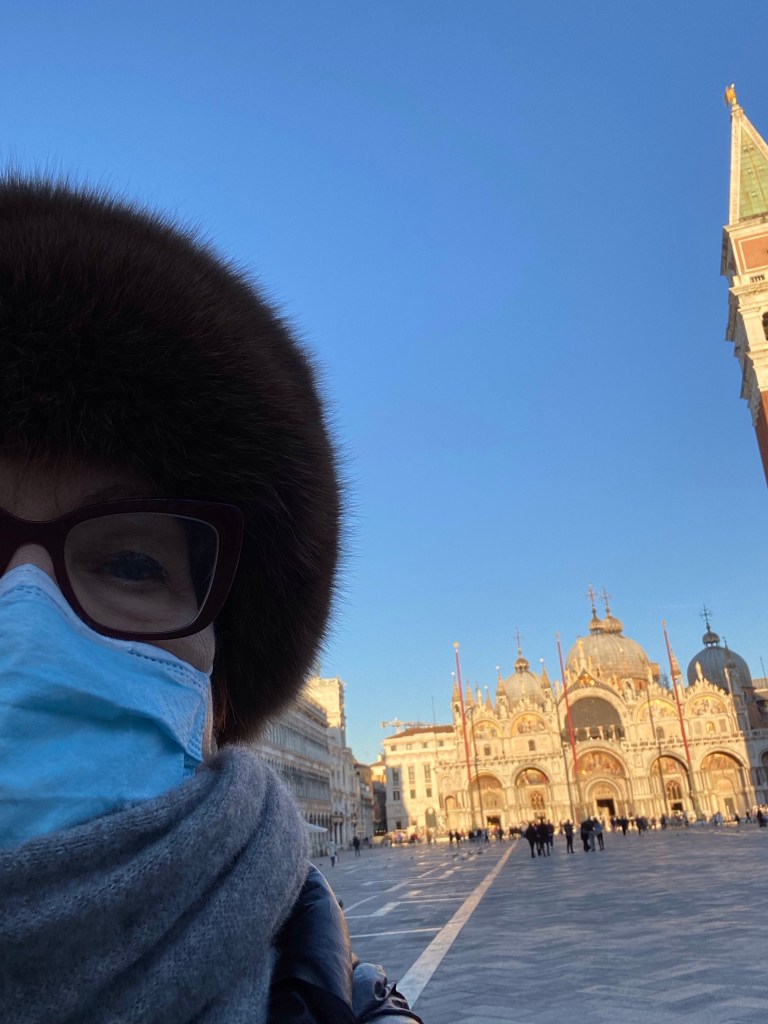
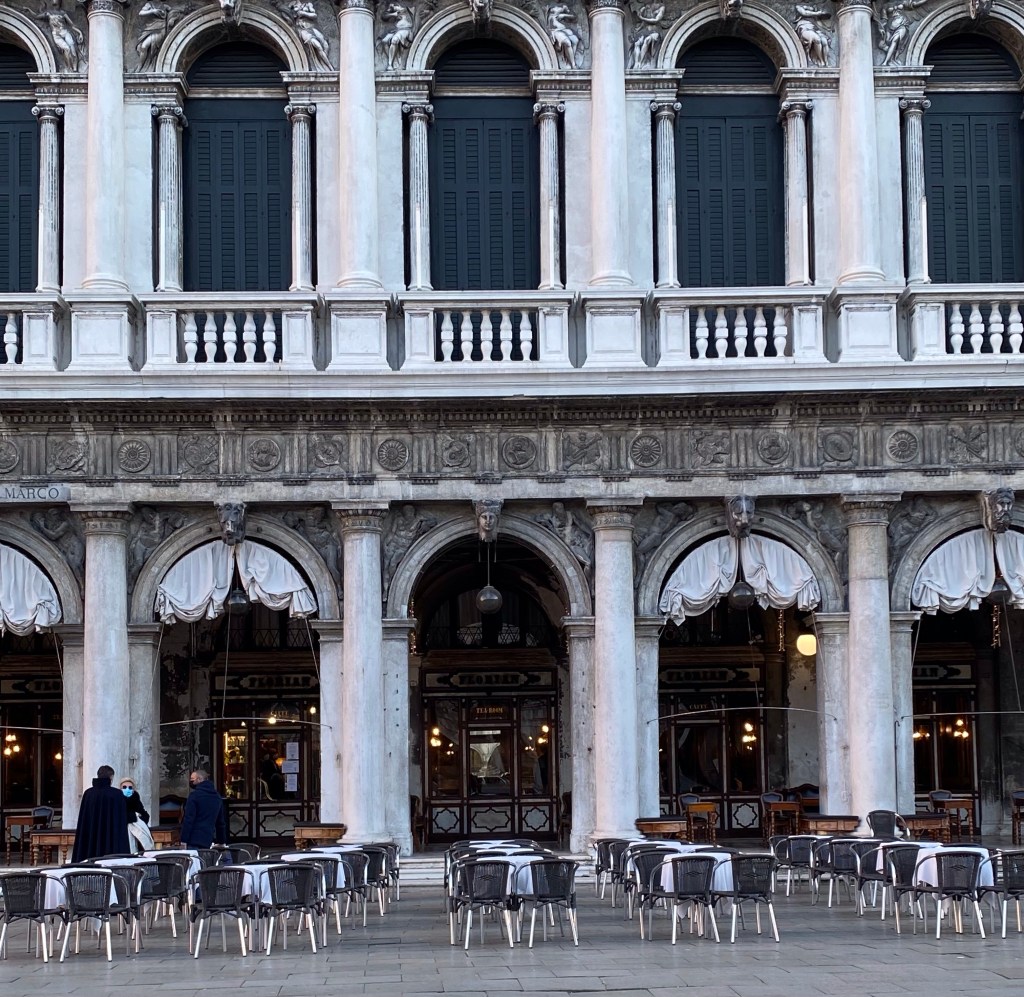
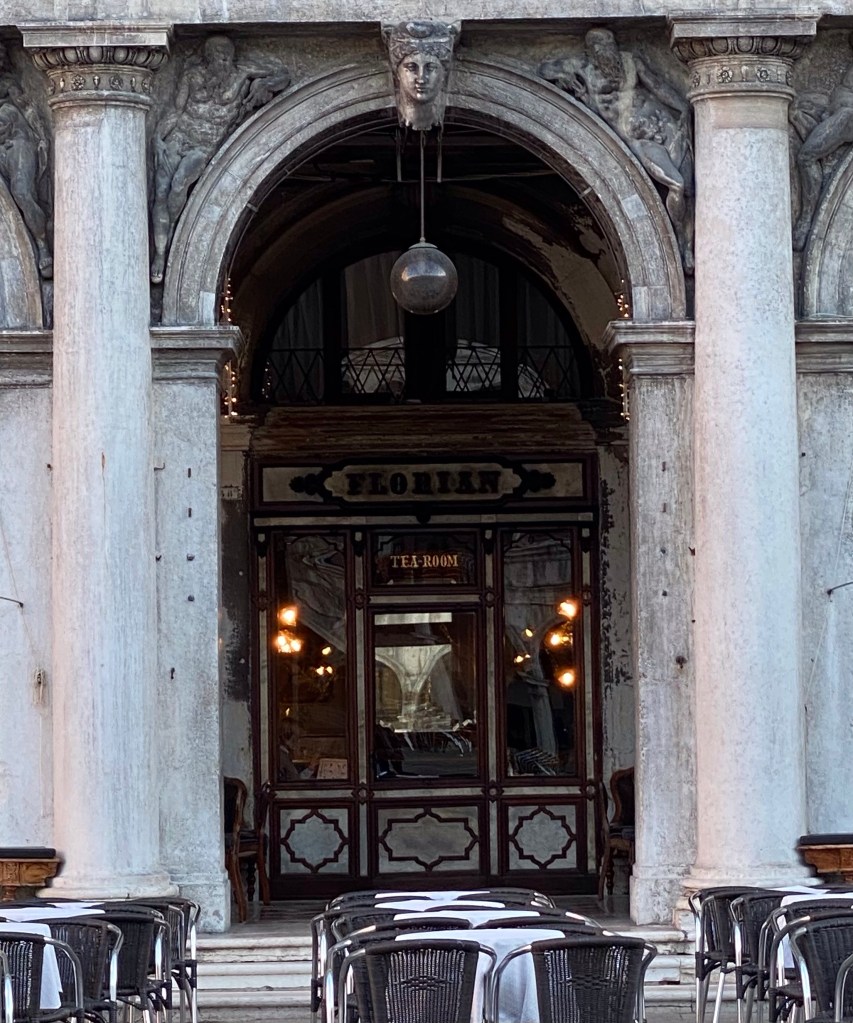
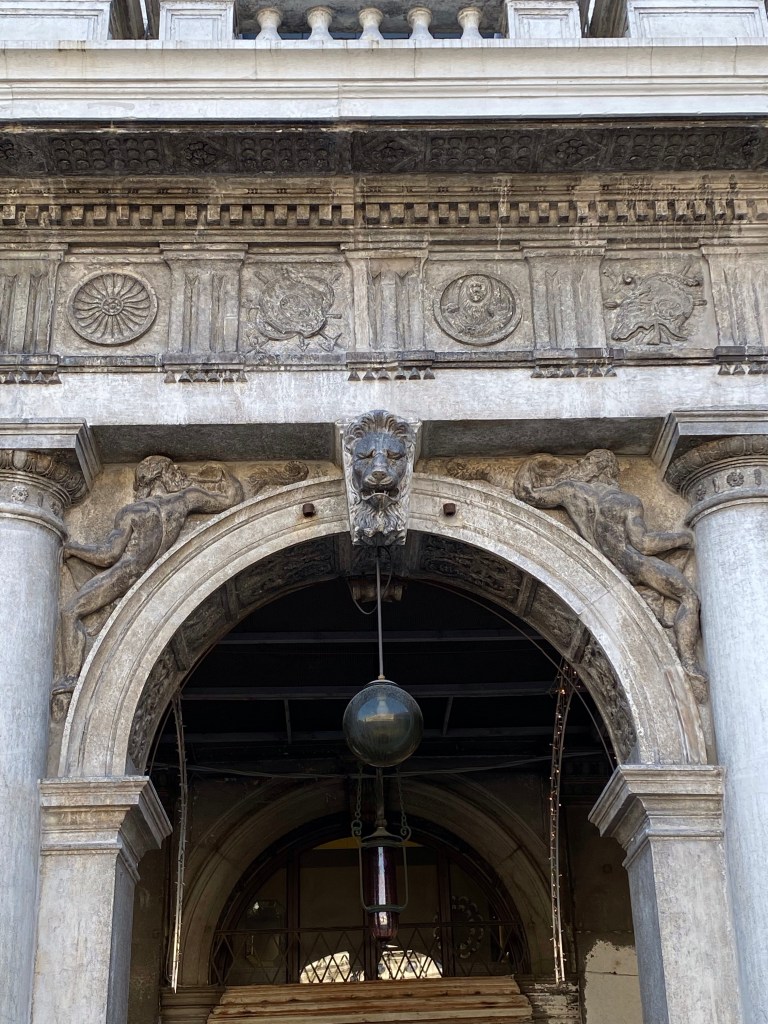
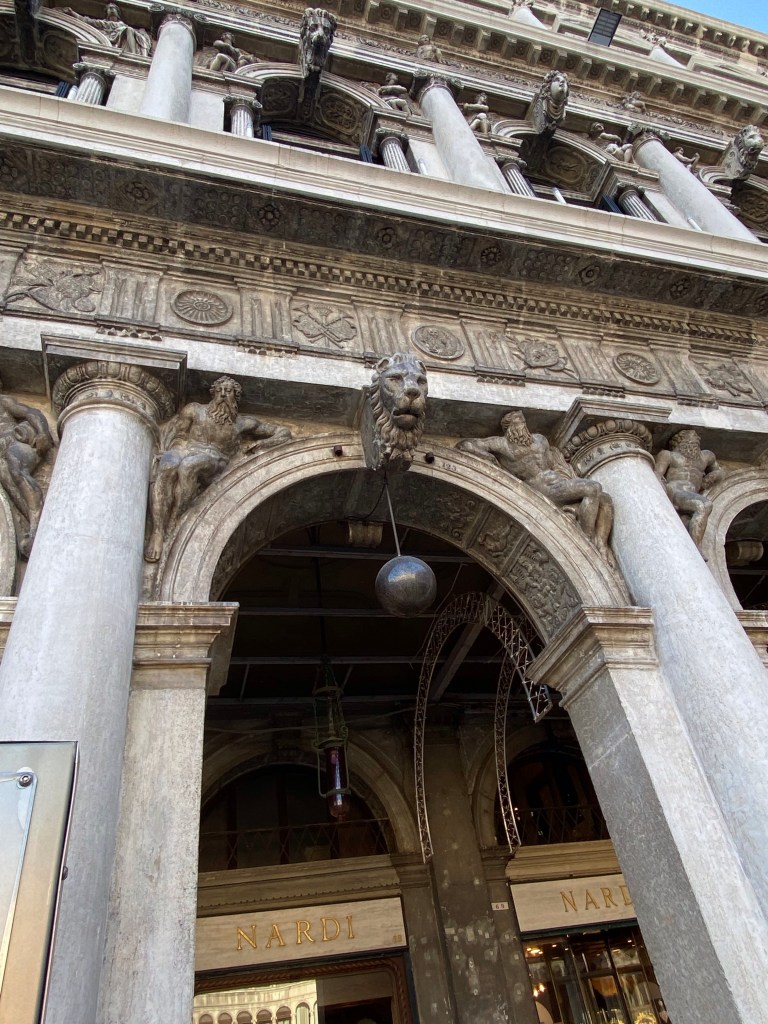
And then, of course, there’s Florians. Gallons of ink have already been spilled on the subject of this delightful relic of old Venice, so I will just show you a couple of pictures to refresh your memory!
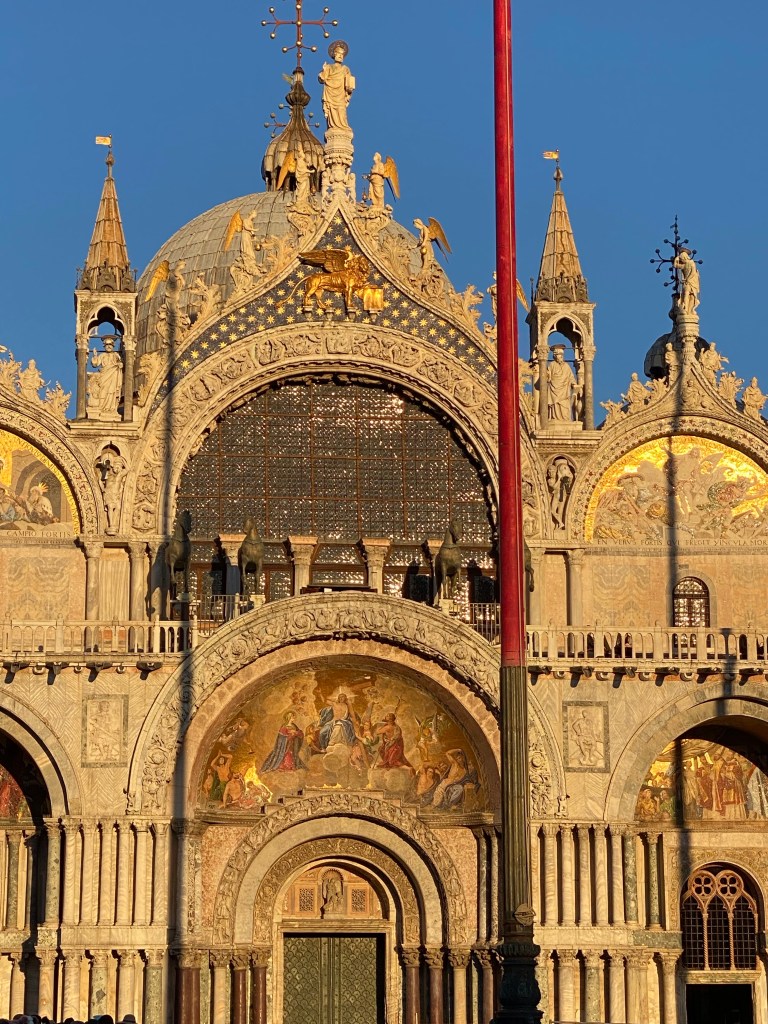
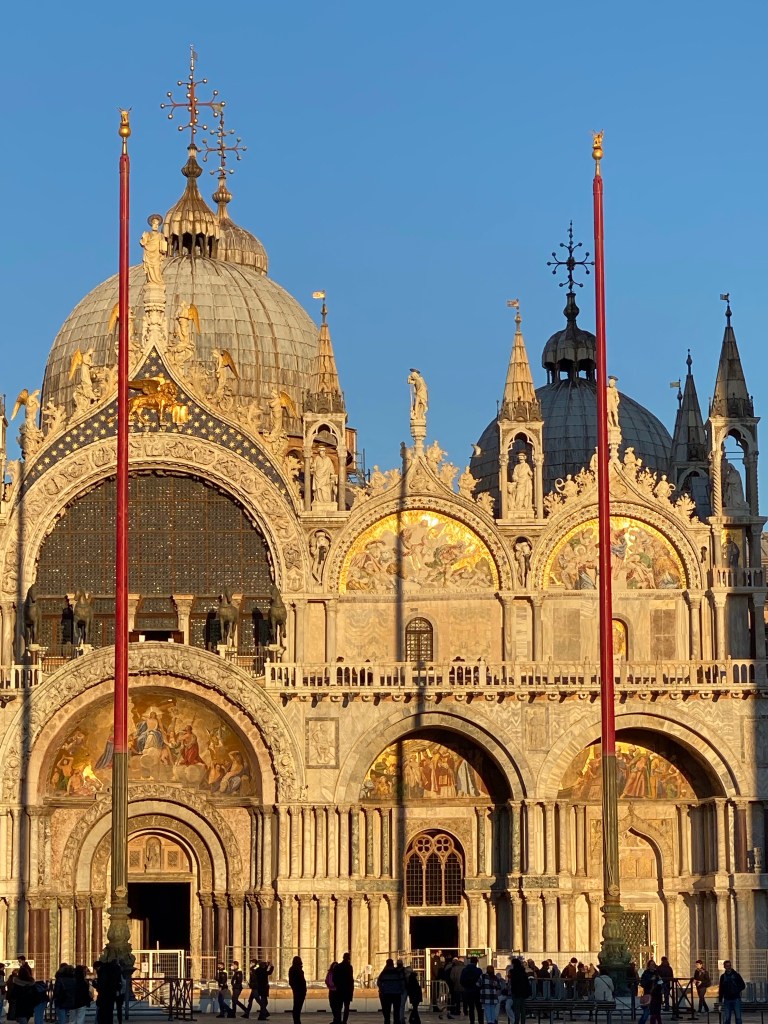
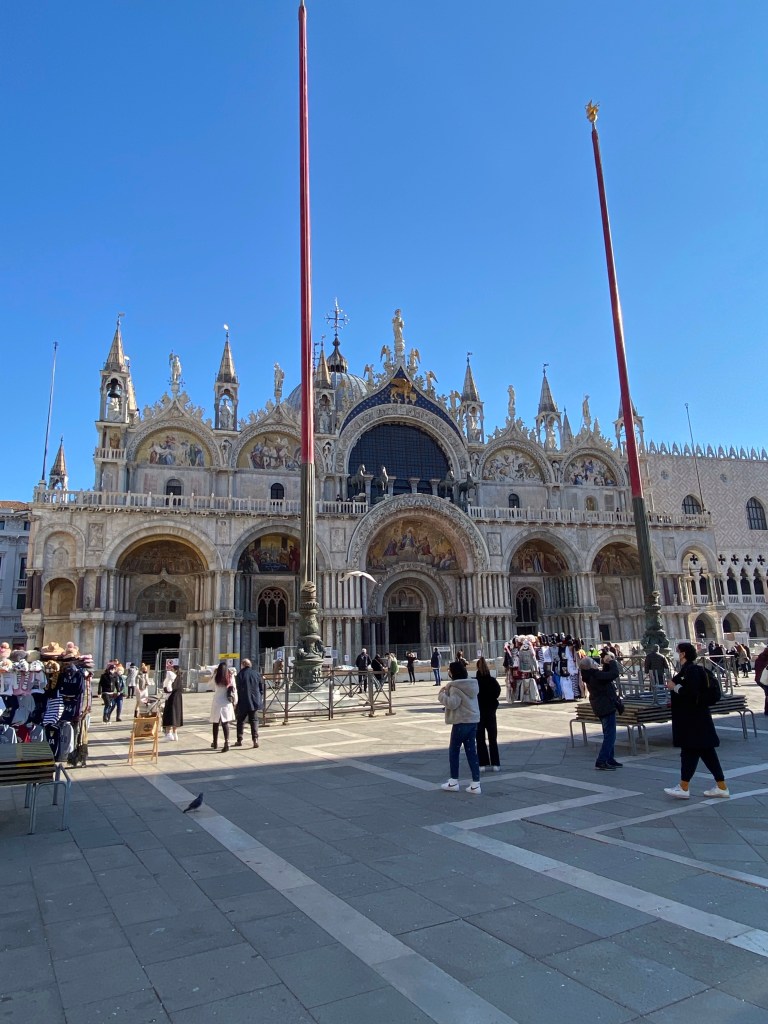
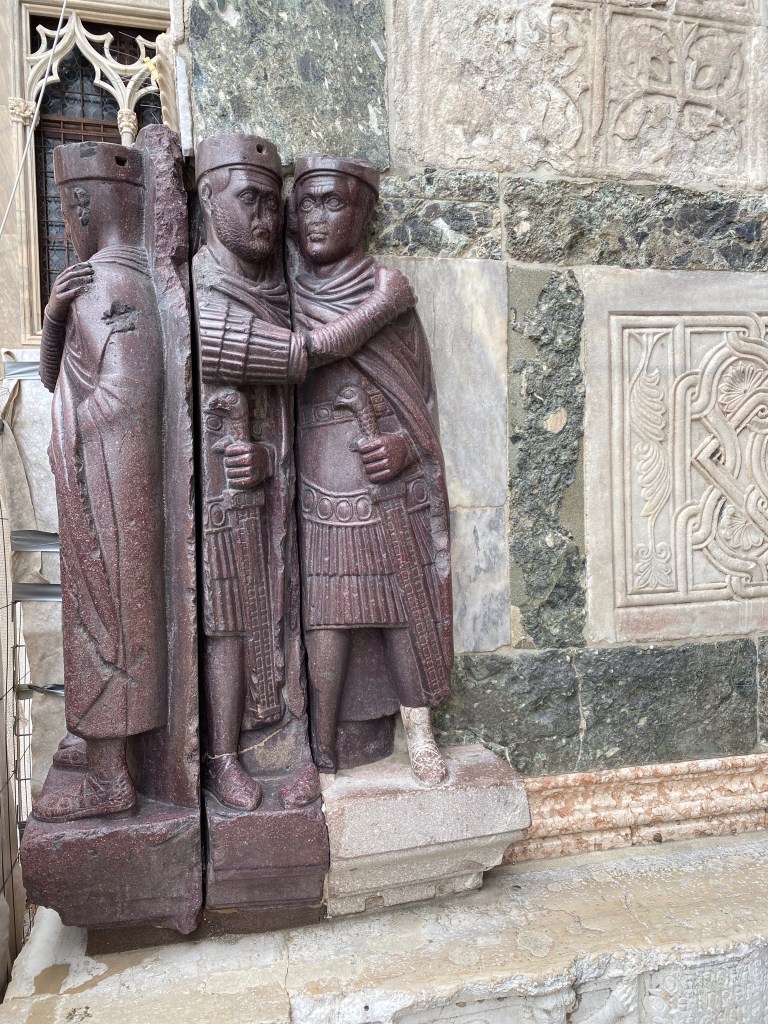
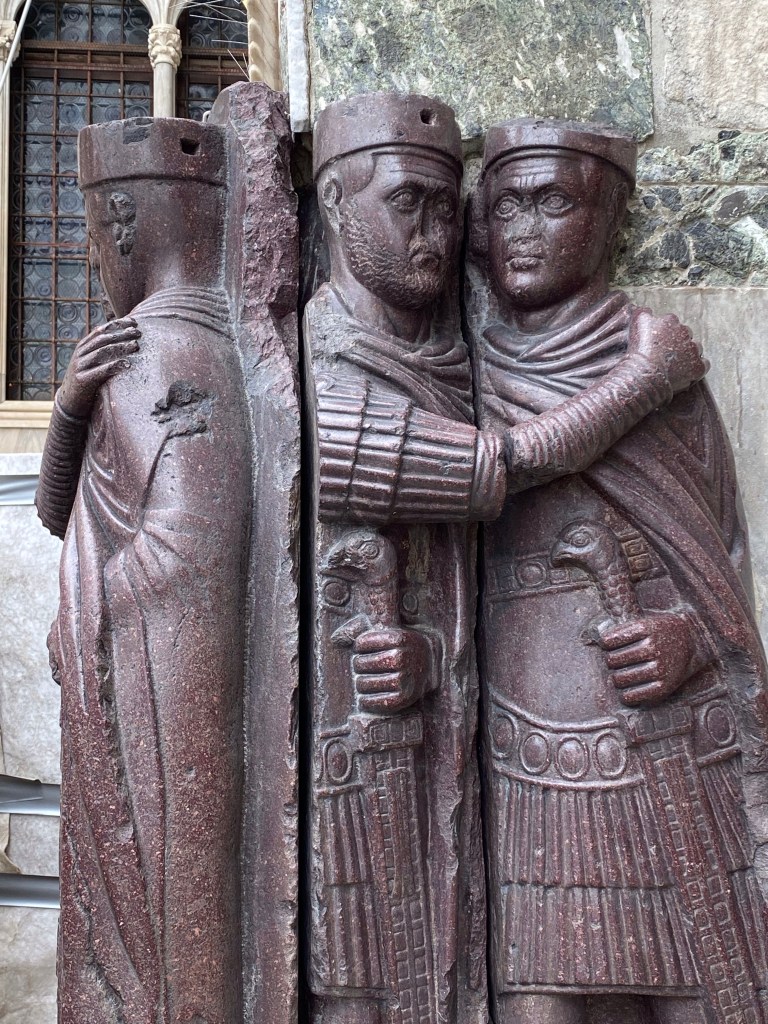
Below is one of my favorite art works in the whole wide world: the figures carved in porphyry. The Portrait of the Four Tetrarchs is a sculptural group of four Roman emperors dating from around 300 AD. The group has been fixed to a corner of the façade of St Mark’s Basilica since the Middle Ages. It probably formed part of the decorations of the Philadelphion in Constantinople, and was removed to Venice in 1204 or soon after.

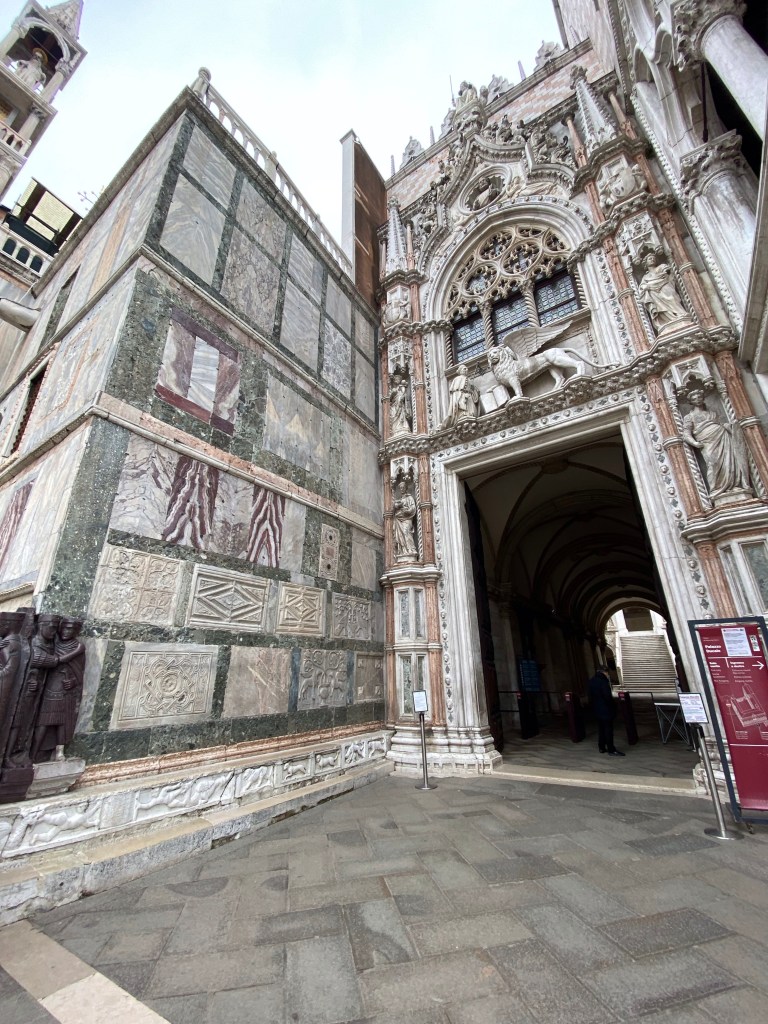
And, now, arrividerci to the piazza, until we meet again!
\
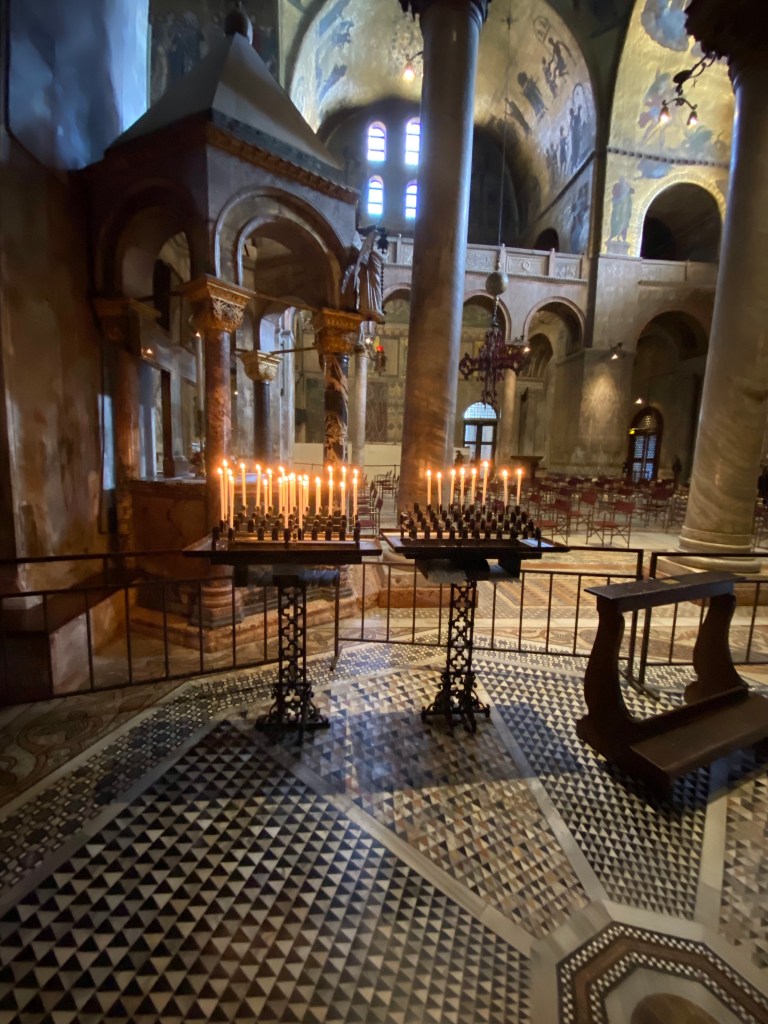
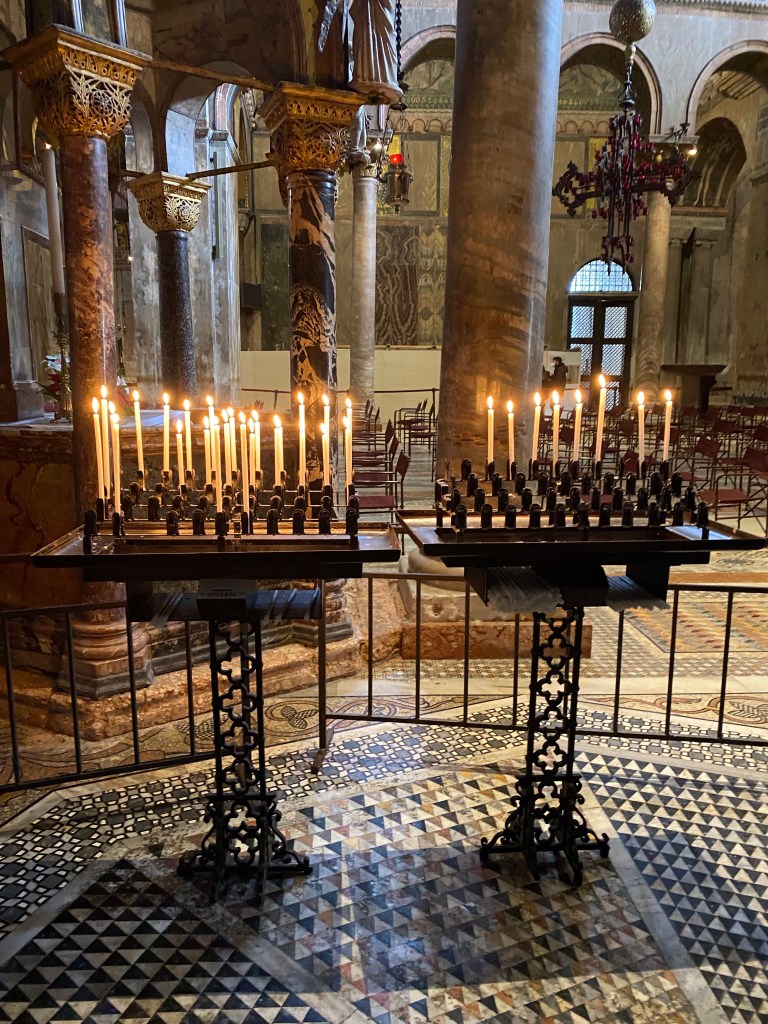
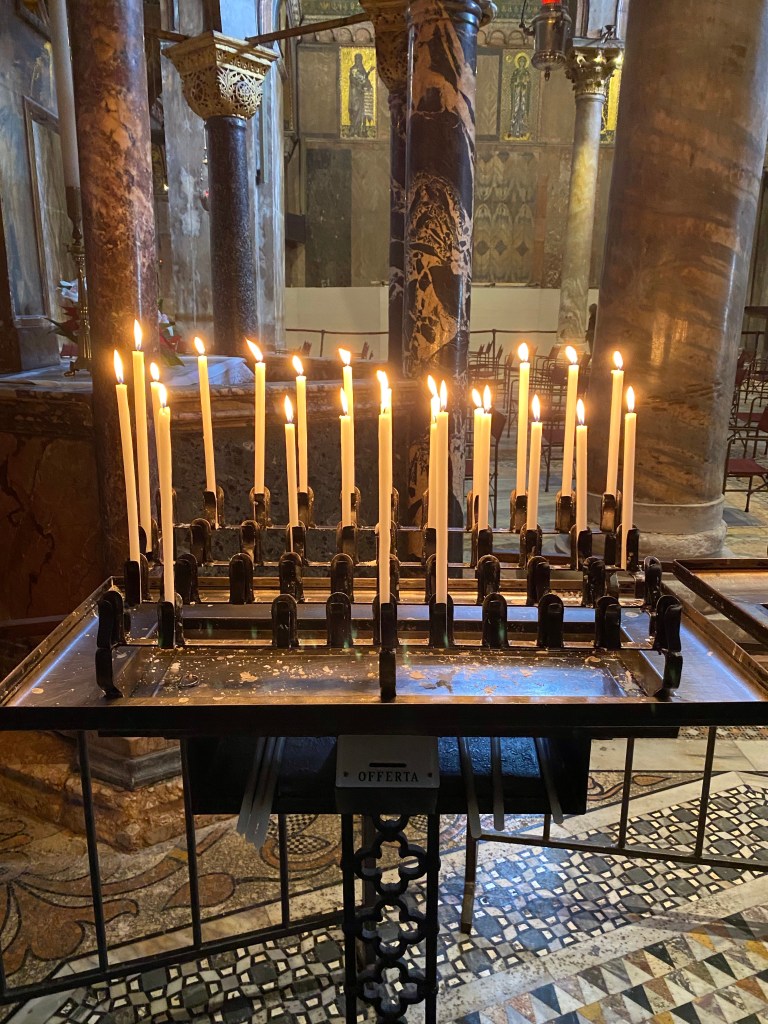
\
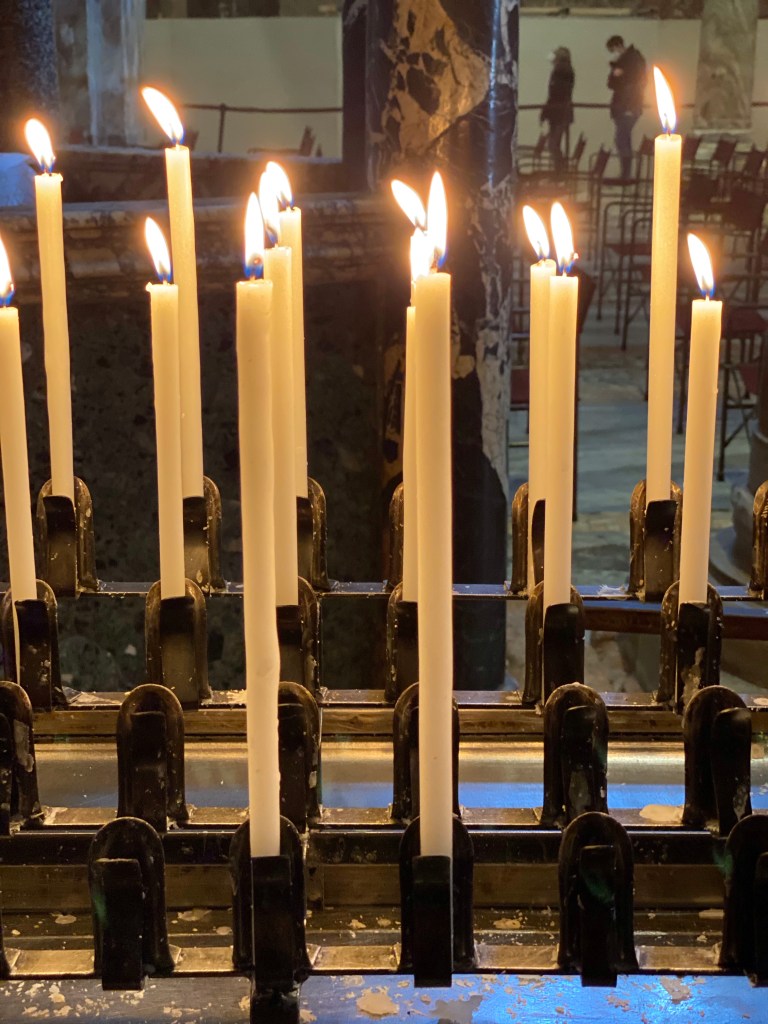
\
 get back, lauretta!
You must be logged in to post a comment.