Benozzo Gozzoli’s incredible fresco cycle in the private chapel, Palazzo Medici, Florence. My very favorite work of art in all of Florence!
Author: get back, laurettadimmick
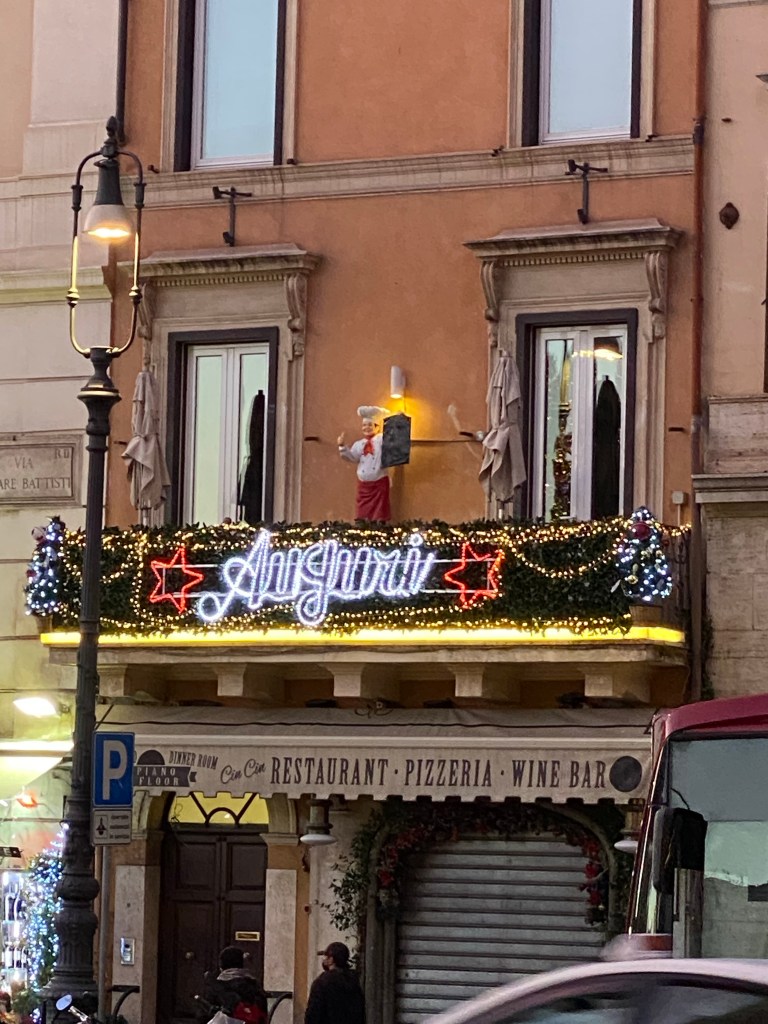
Advent 22; Roman Christmas decorations
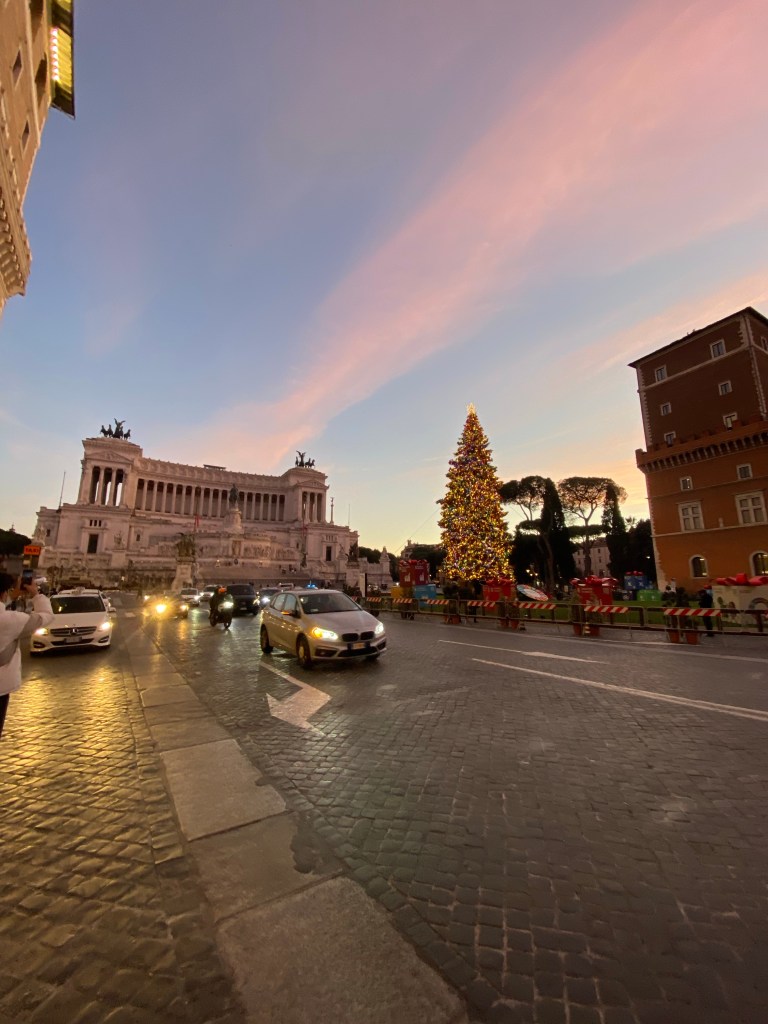
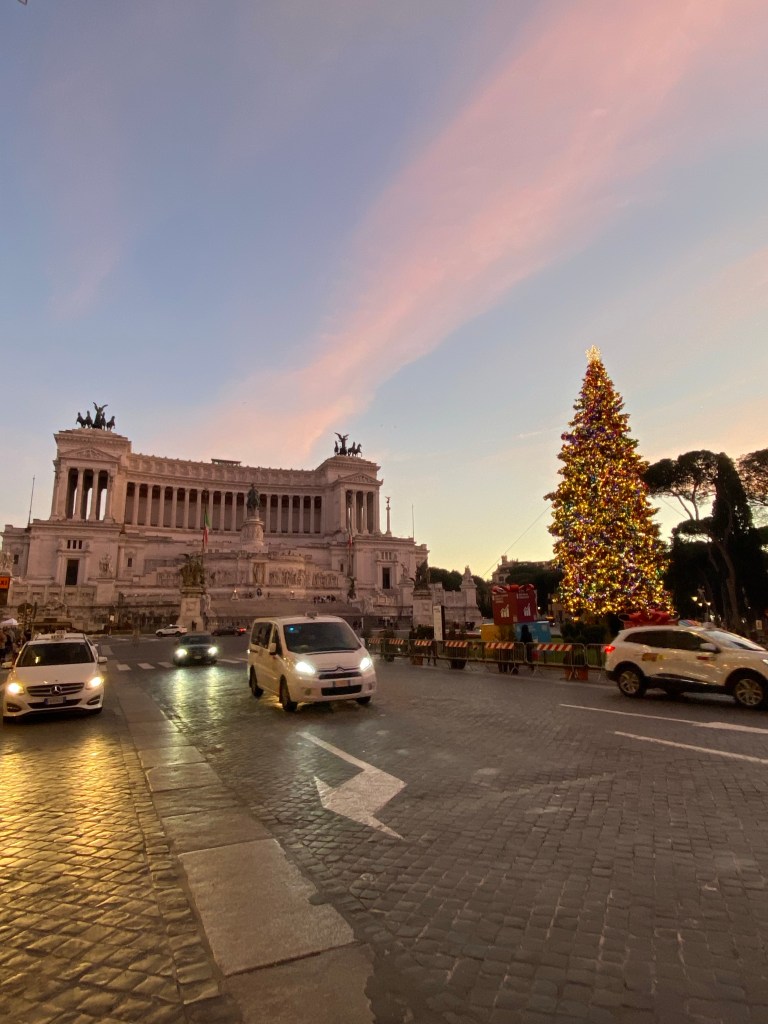

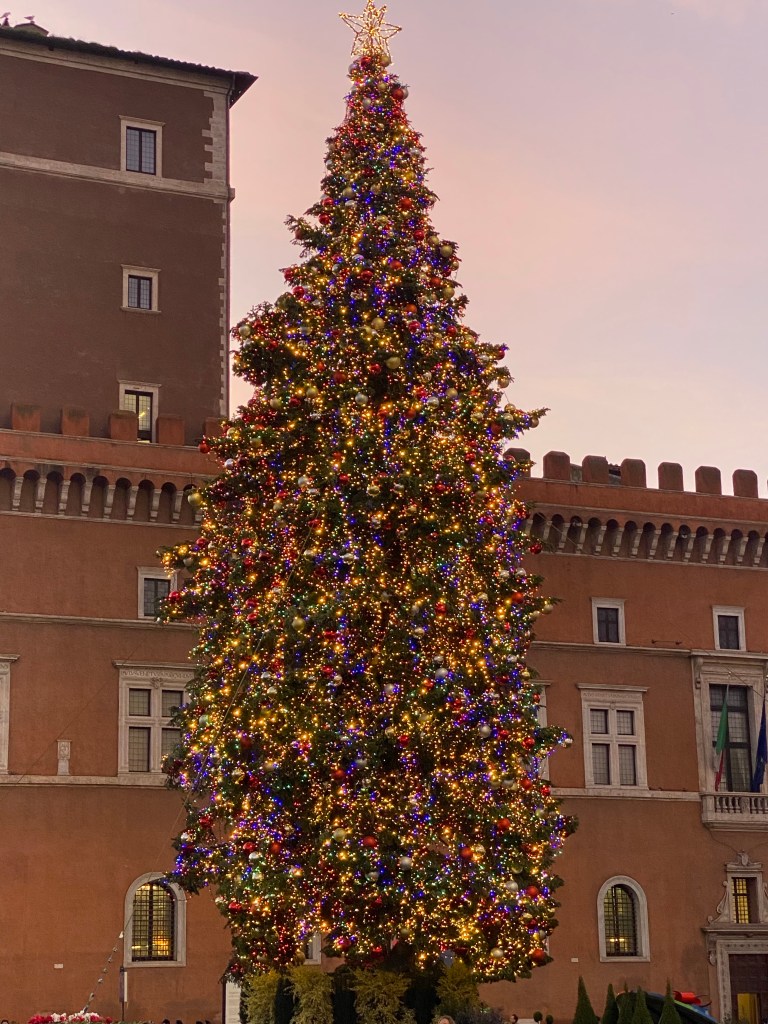
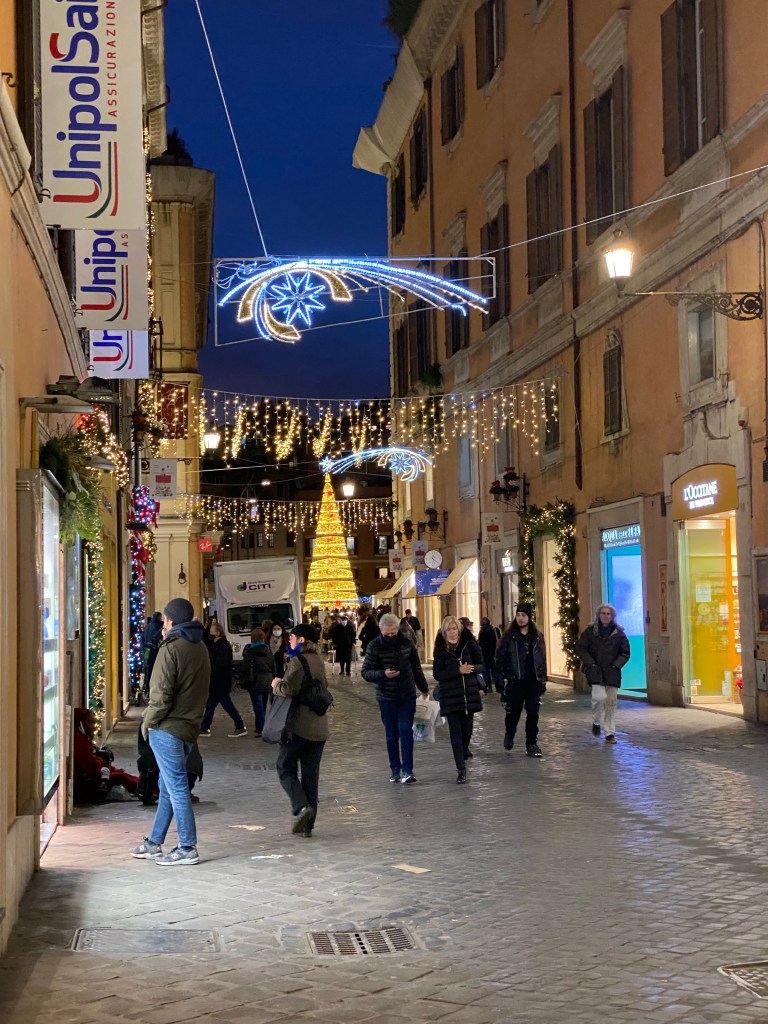
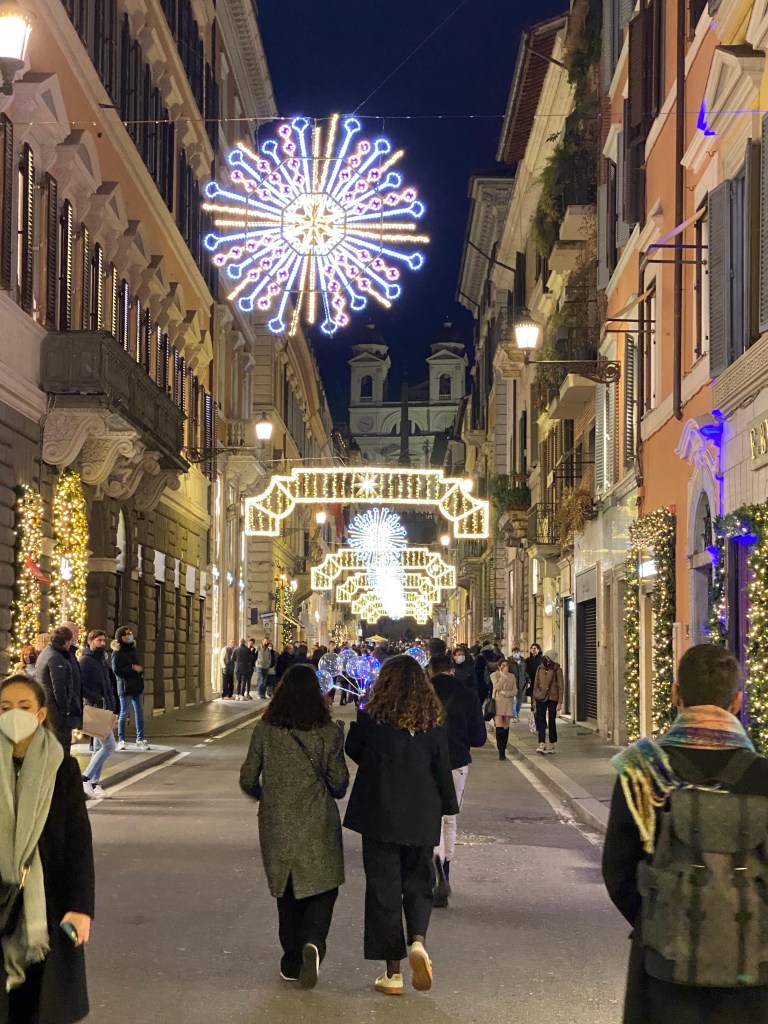
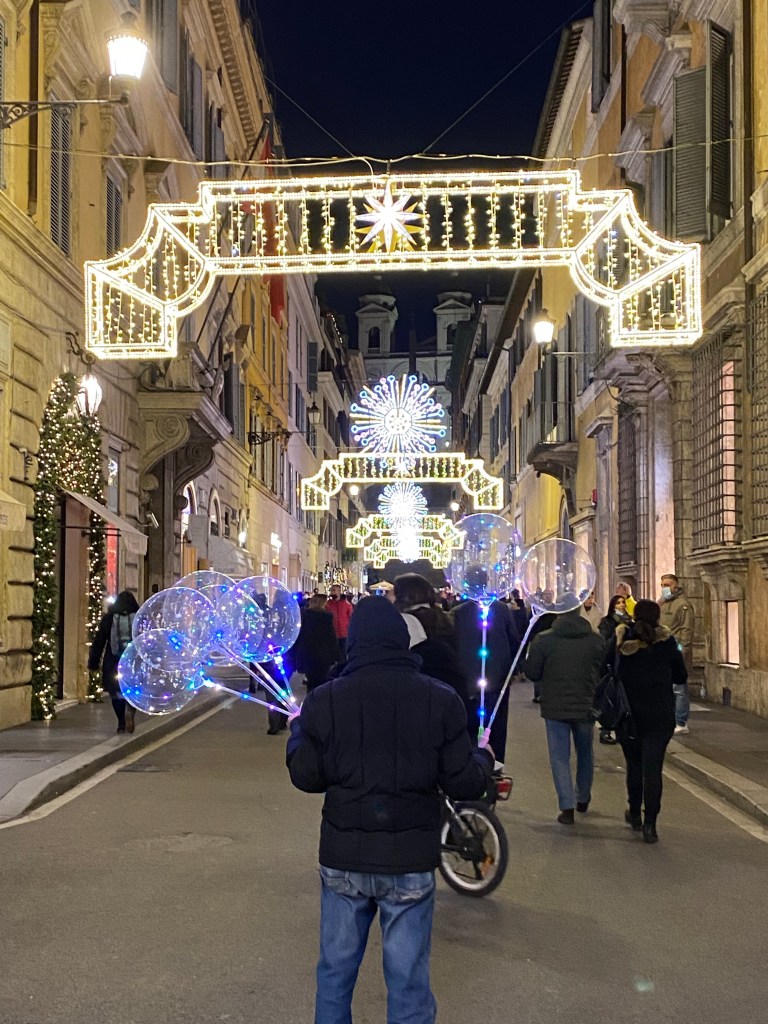
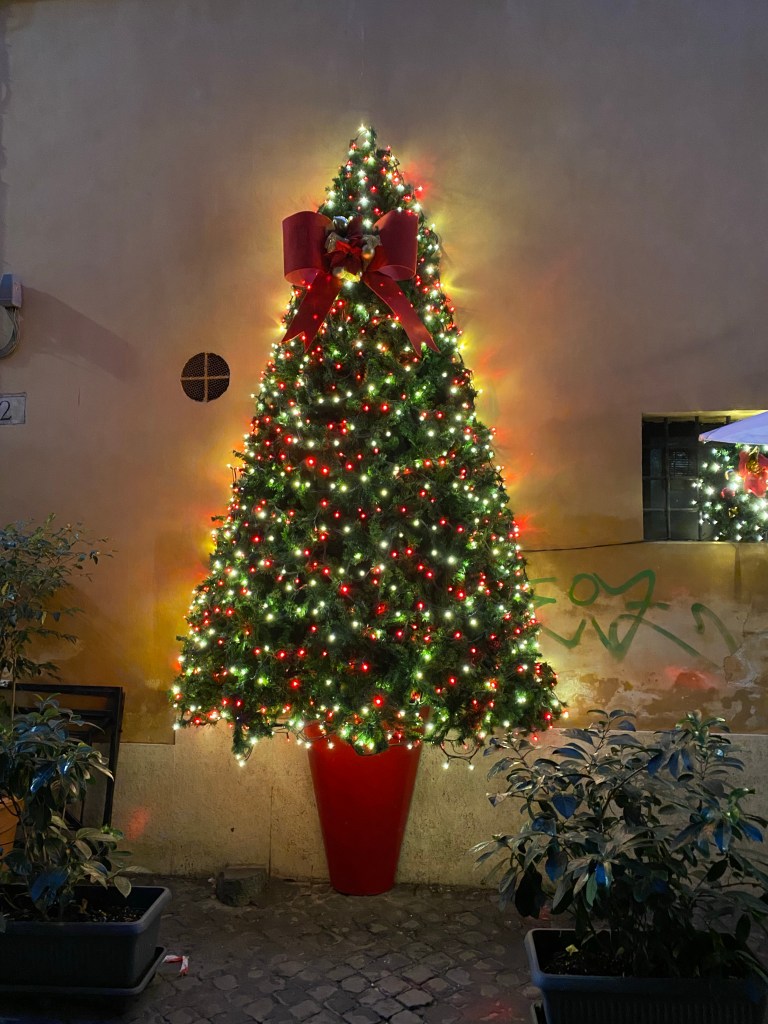
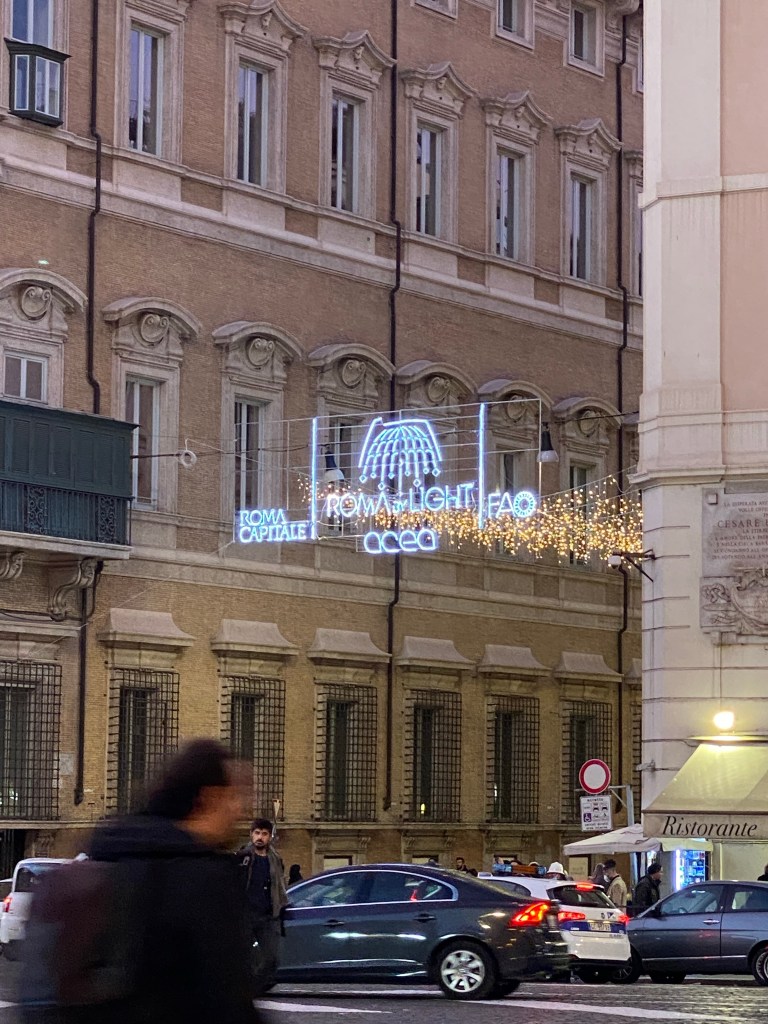
Advent, day 21, rehearsing for Christmas in one of Italy’s finest gothic cathedrals
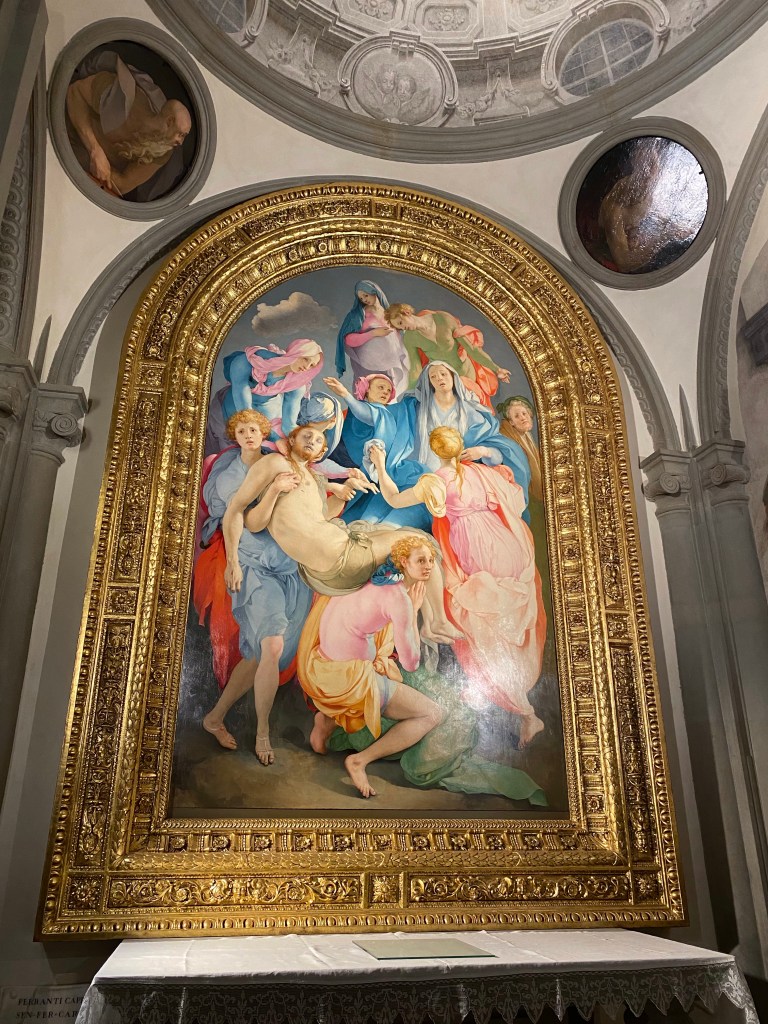
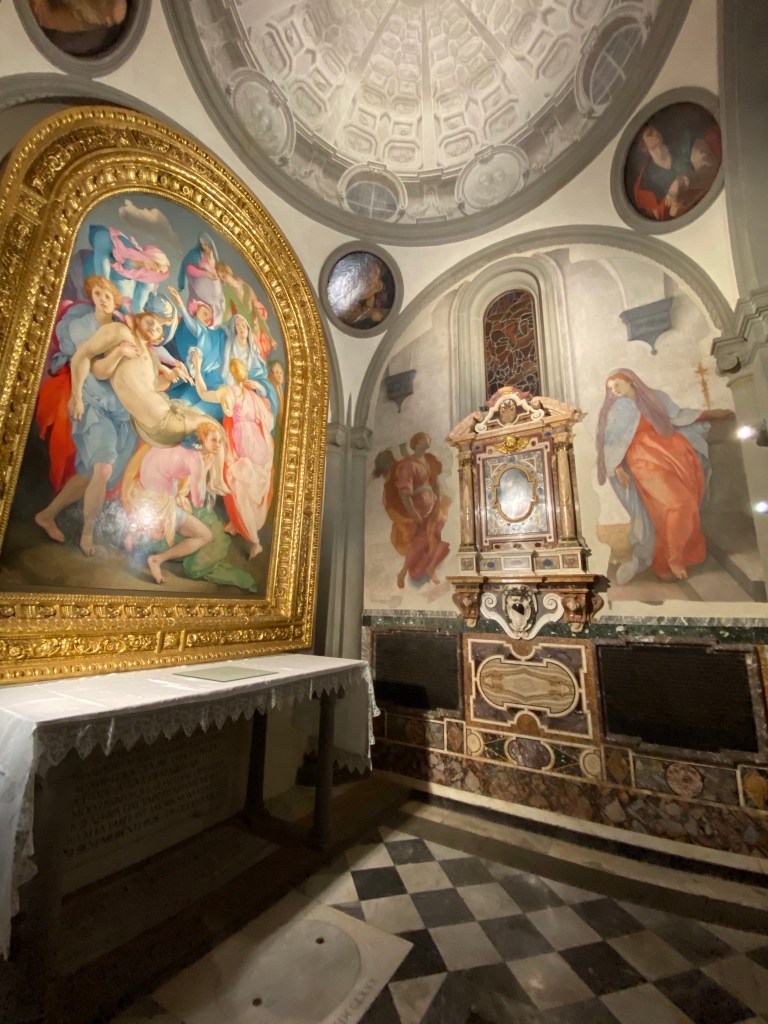
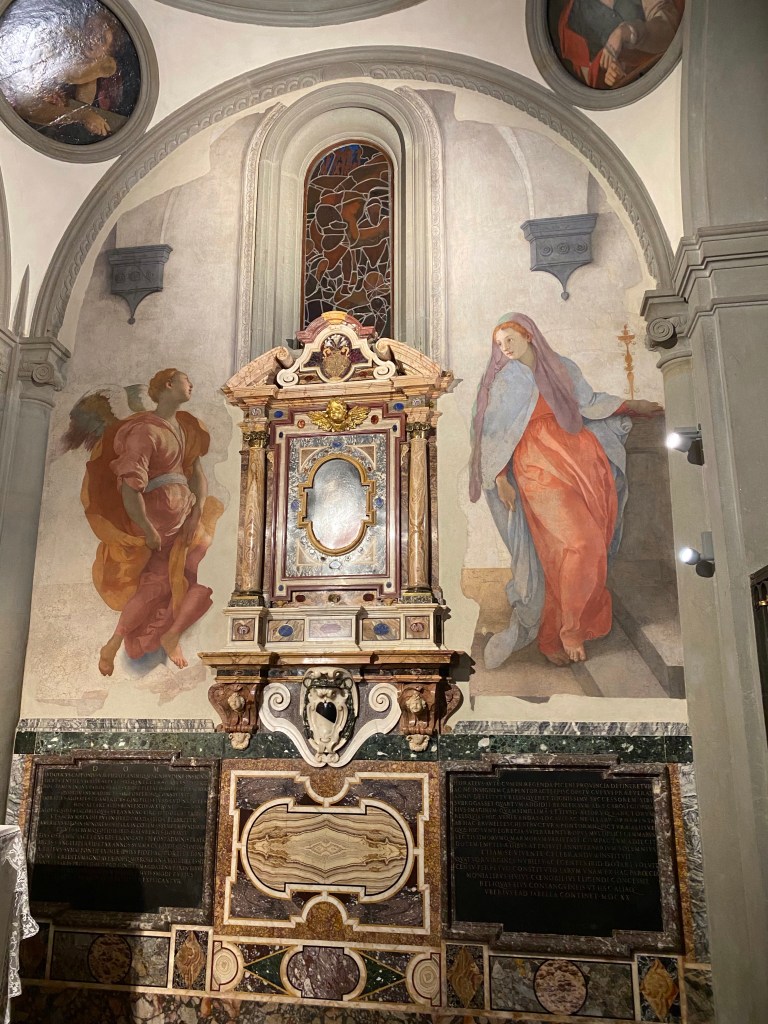
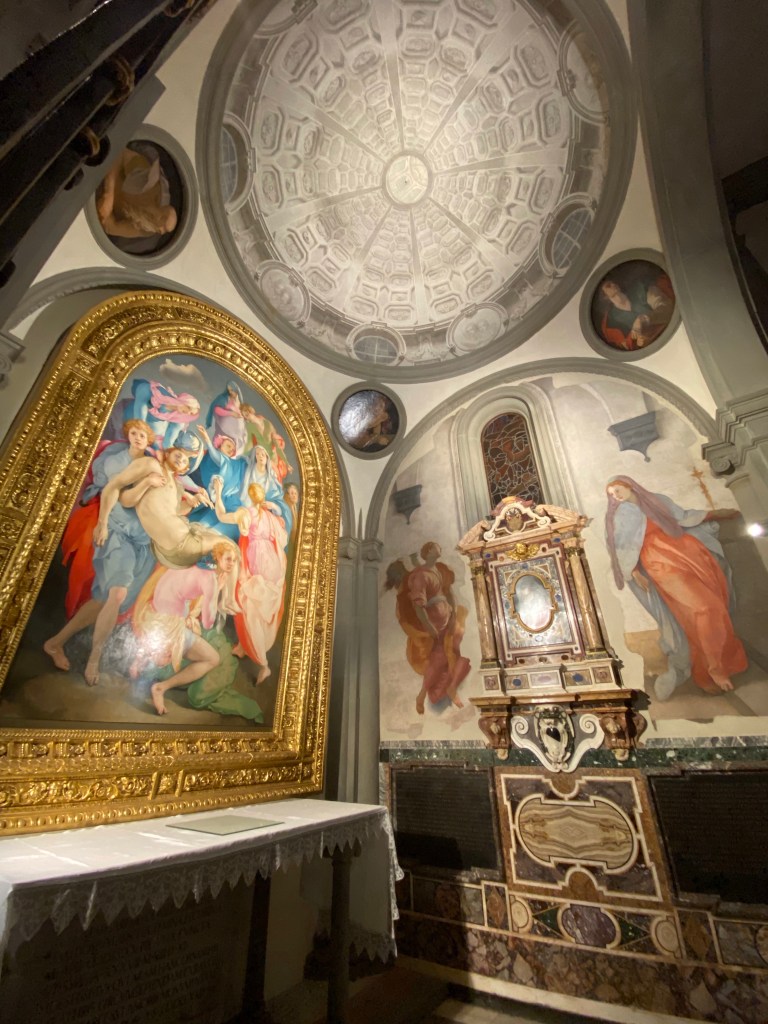
The Pontormo painting inside the church of Santa Felicita, Florence
These are not the best videos I ever made, but keep in mind that the painting is within a set of iron gates that are never open. I had to slide my phone thru the bars and film, while desperately afraid I was going to drop my phone inside!
No matter, this is one of my favorite Italian paintings! I’d do anything to photograph it!
The winter solstice is upon us: shortest day, longest night

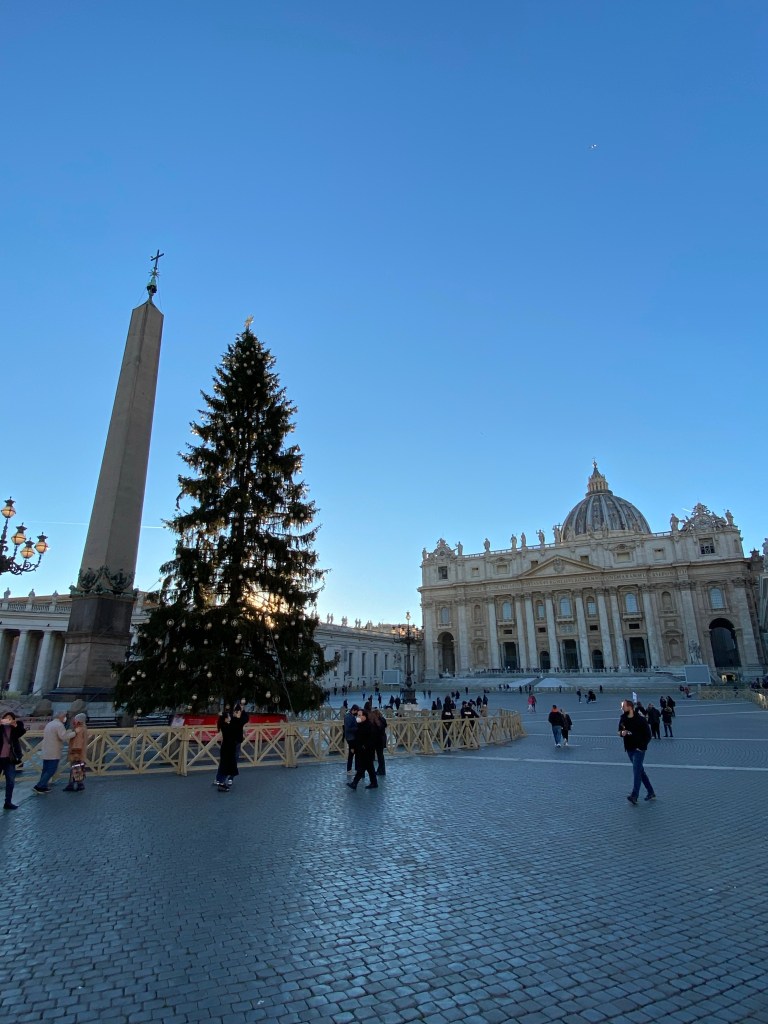
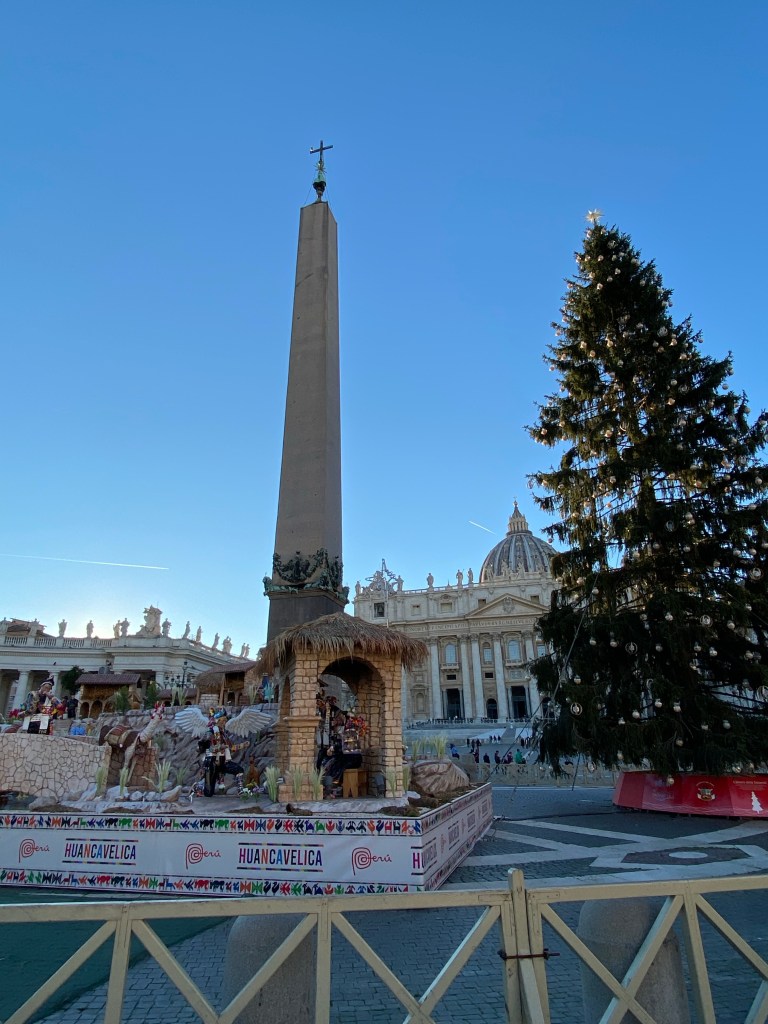
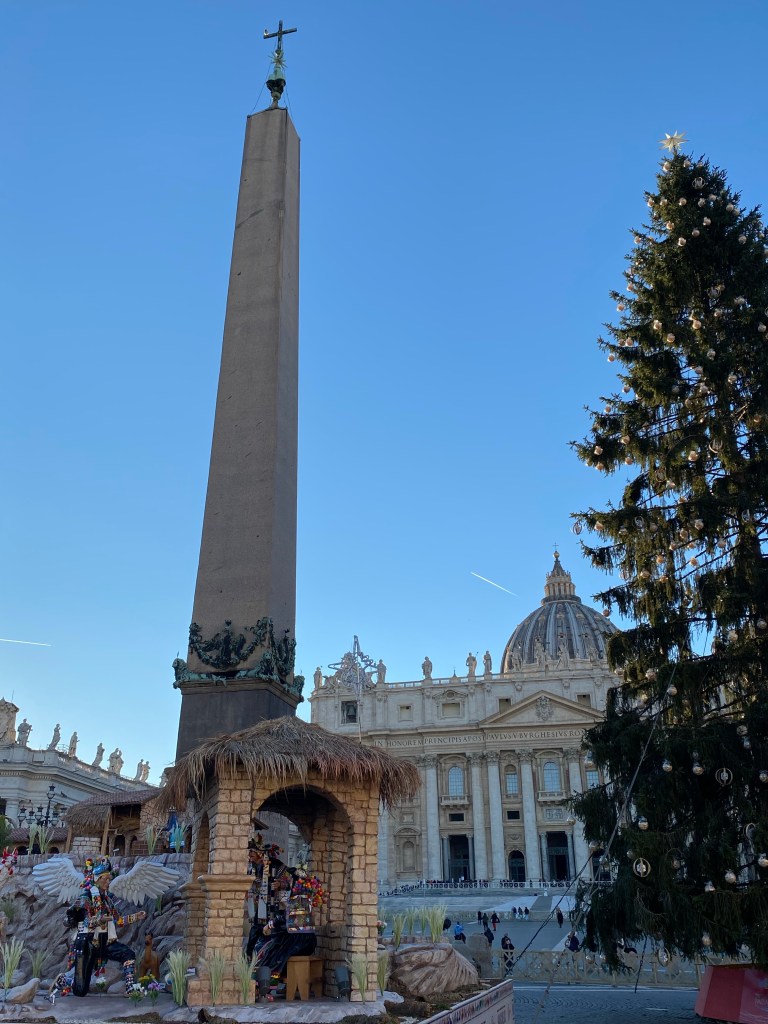
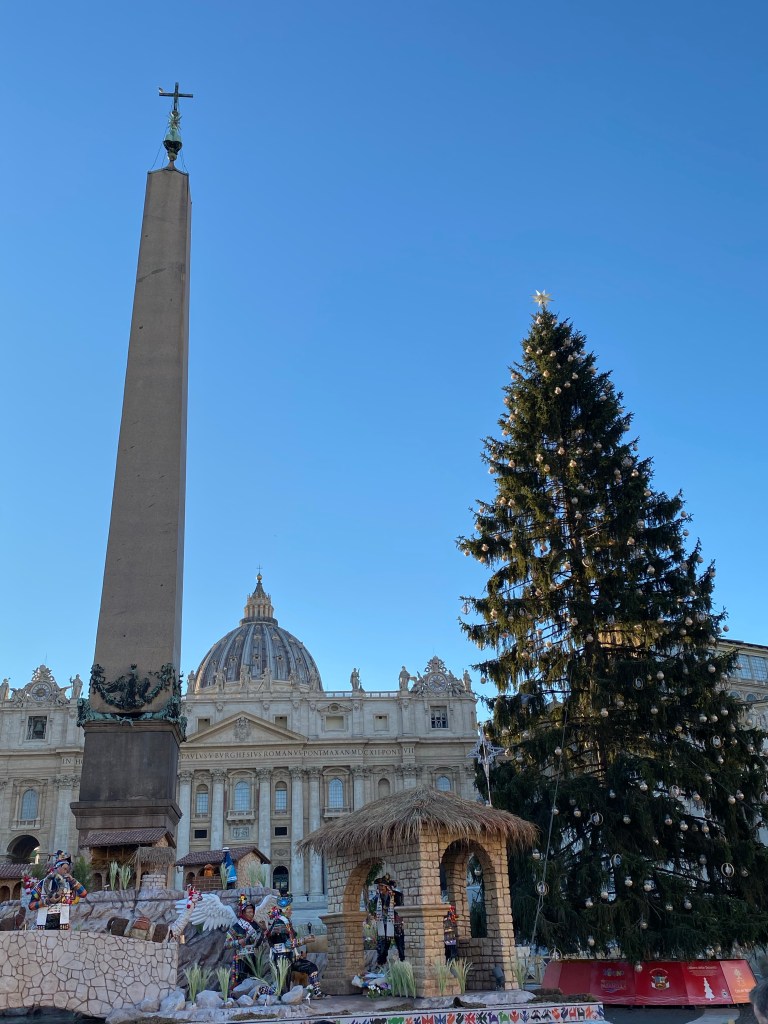
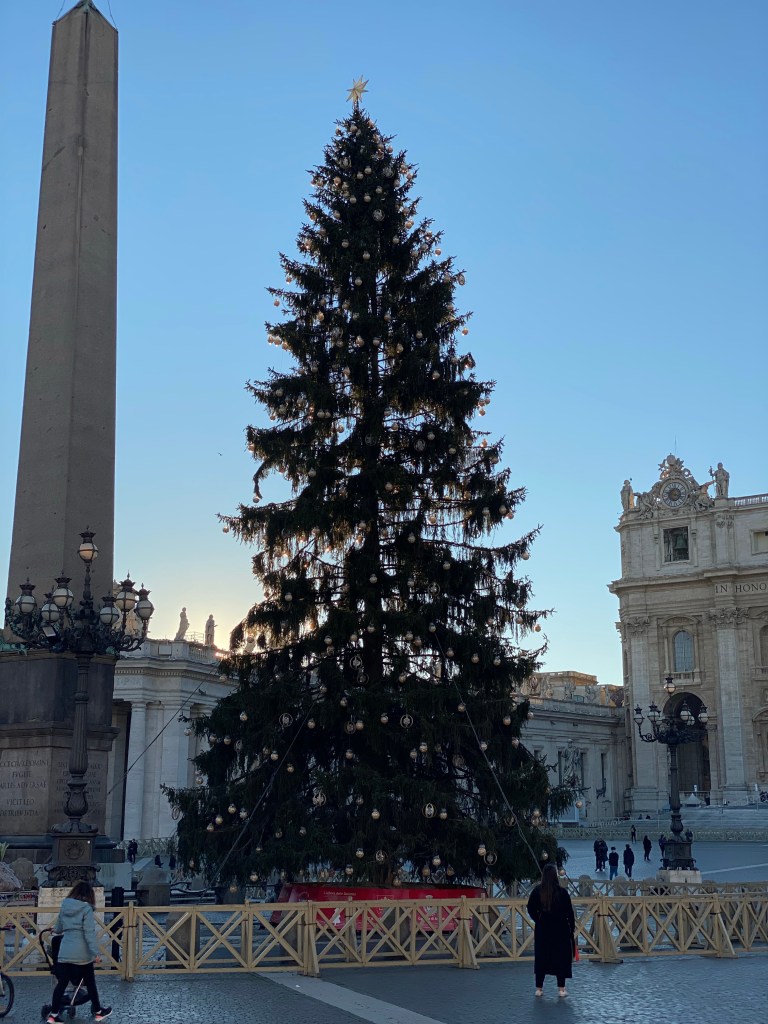
Advent, day 20; St. Peter’s, Rome


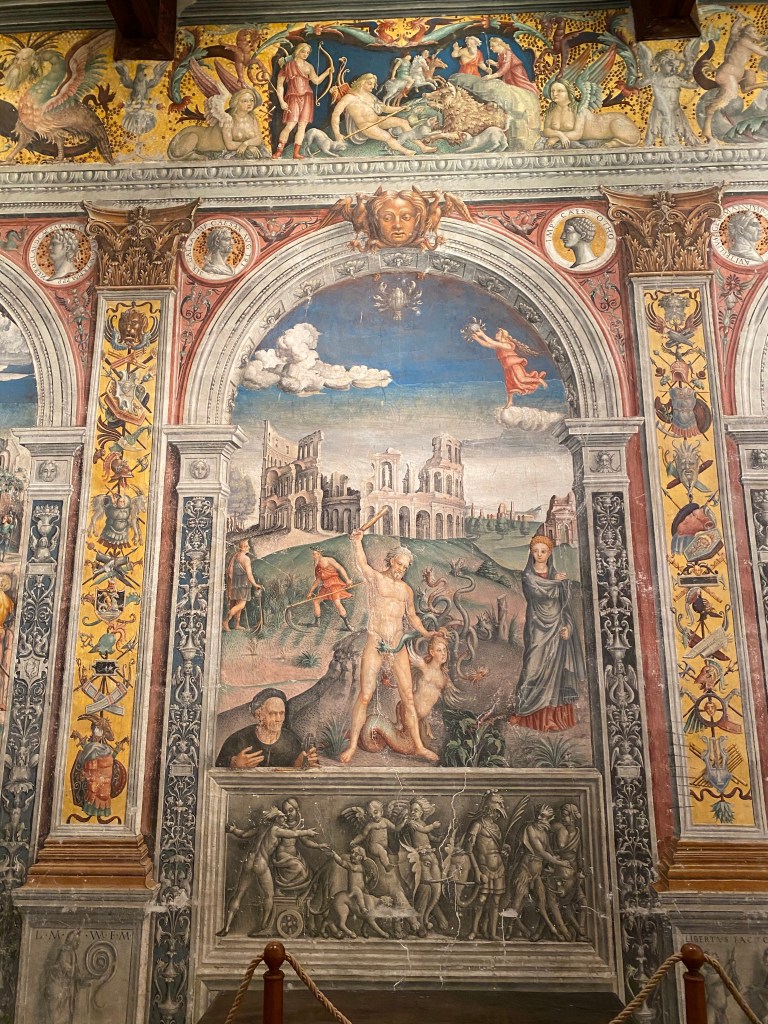
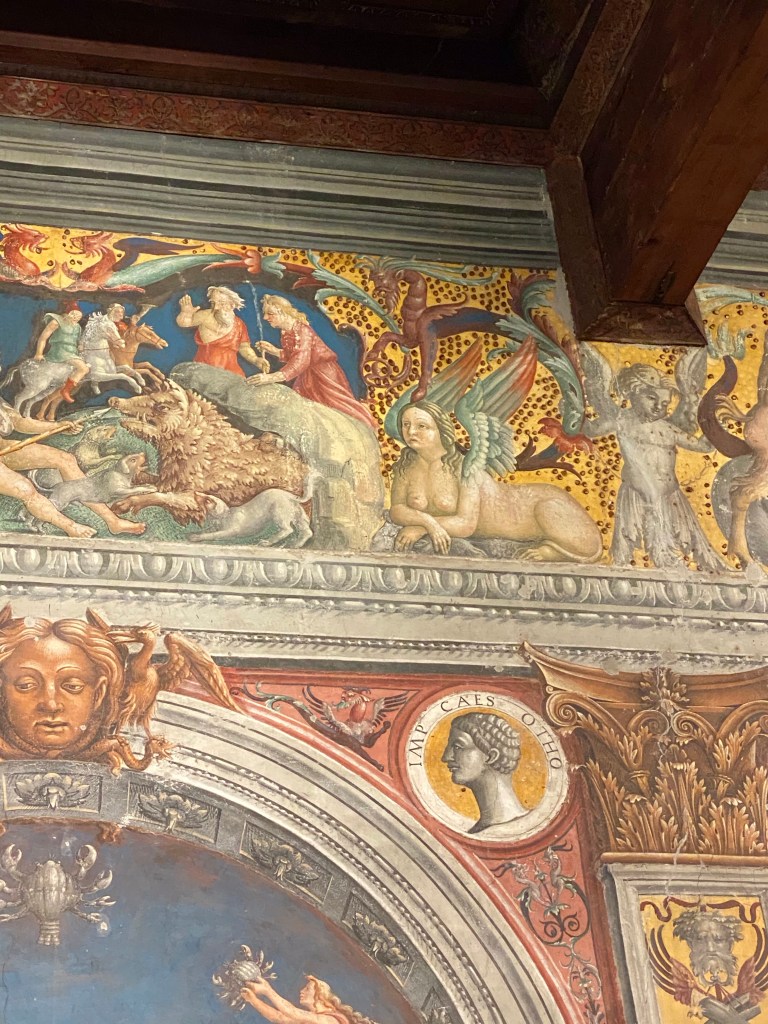
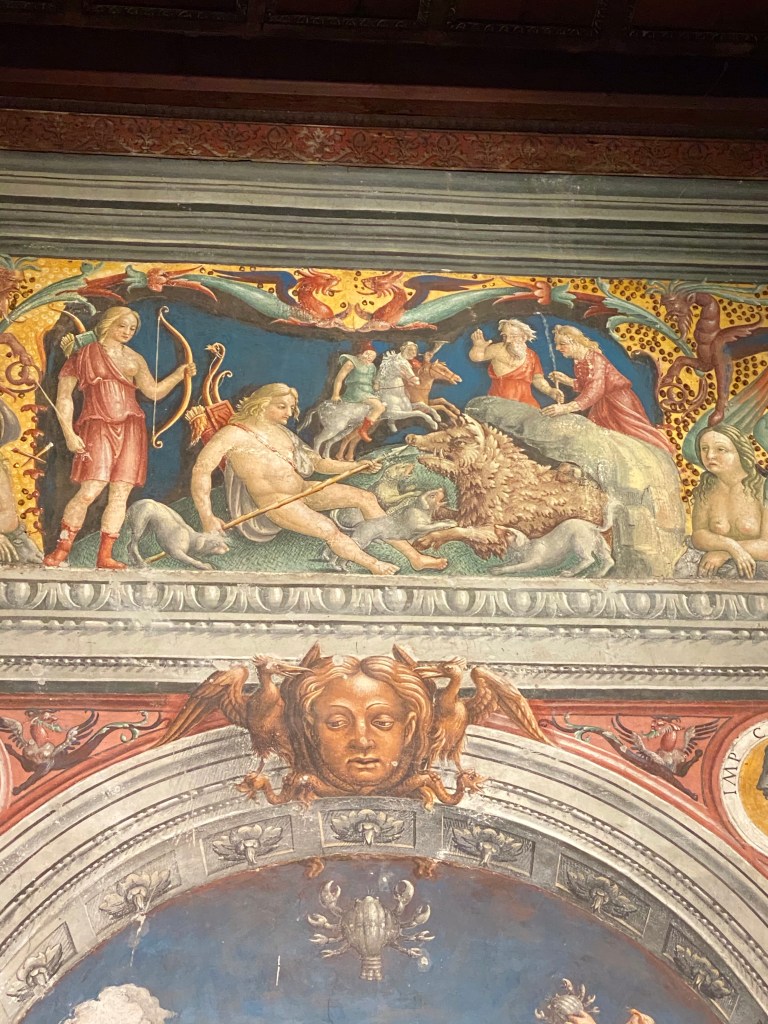
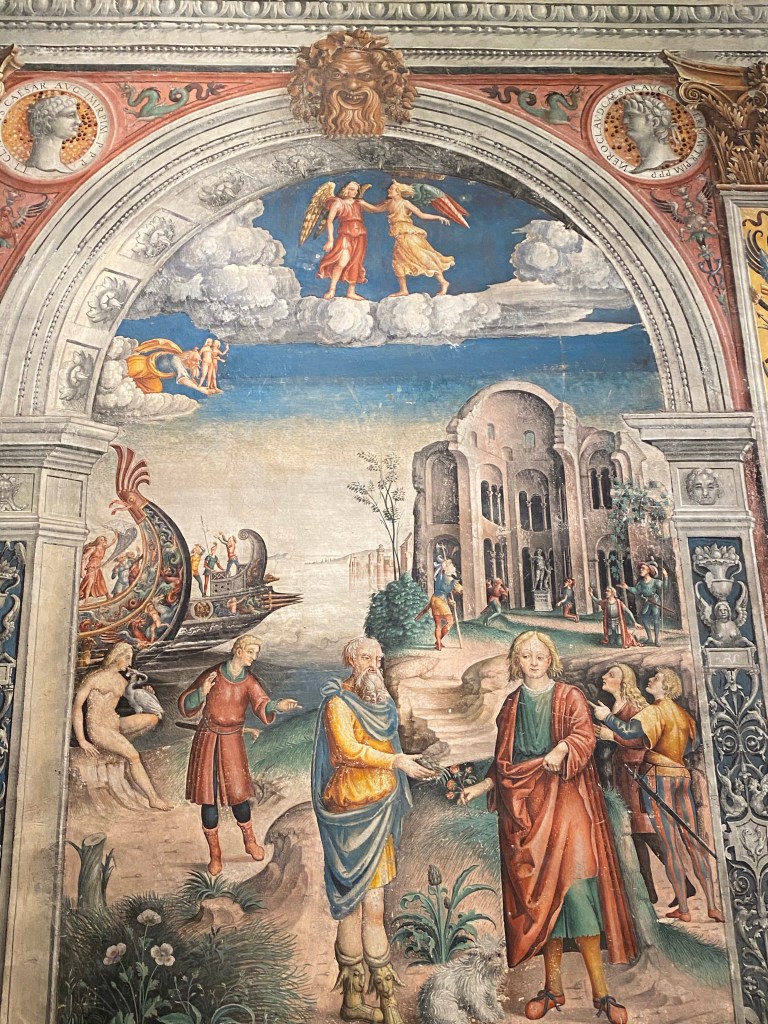
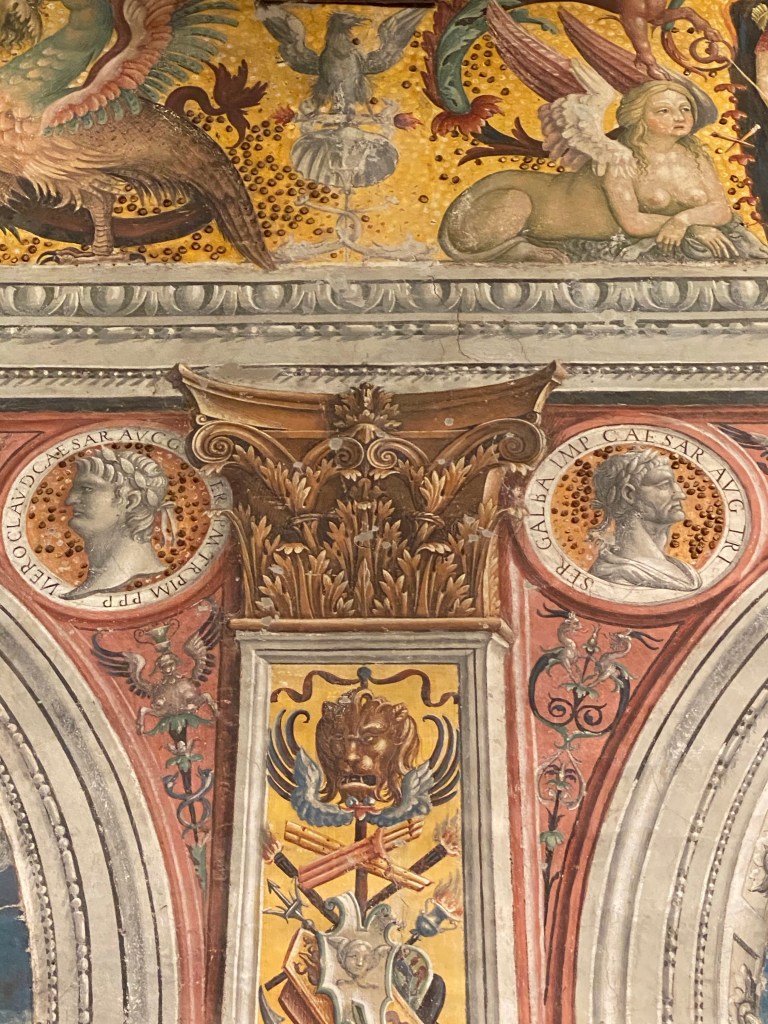
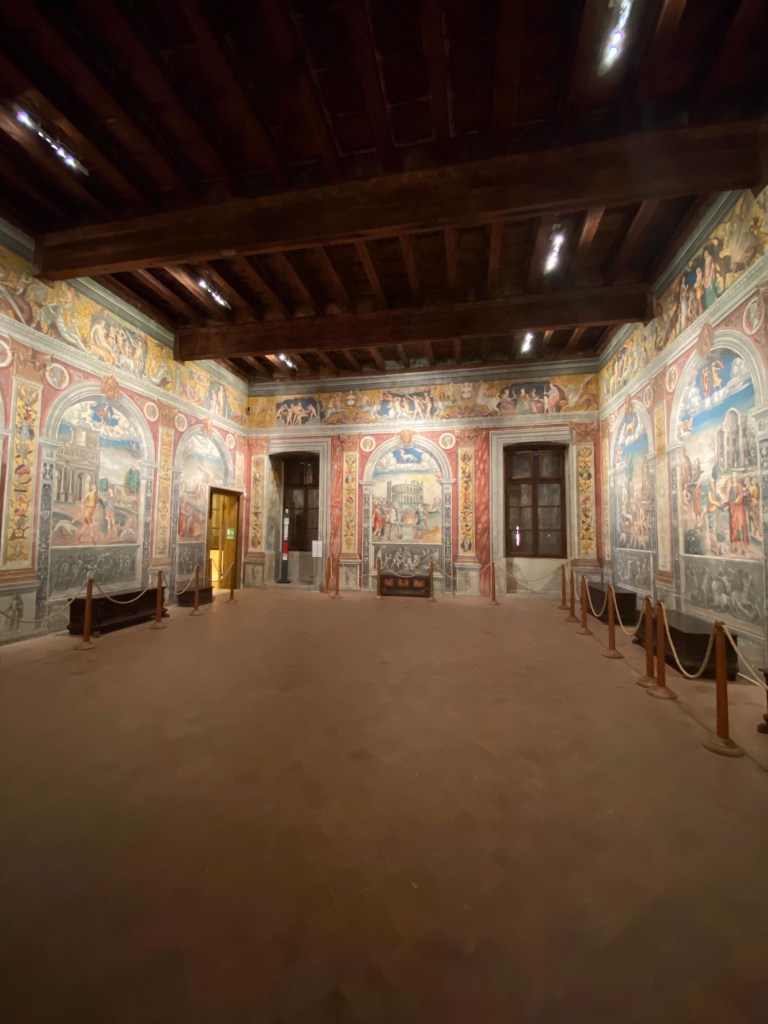
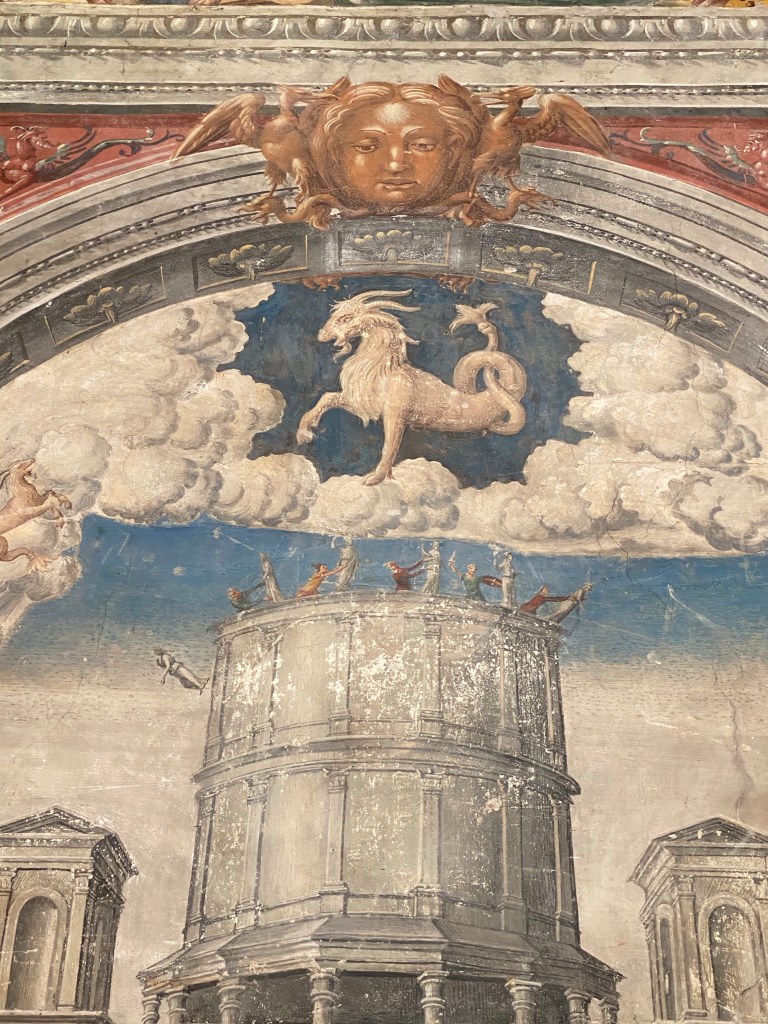
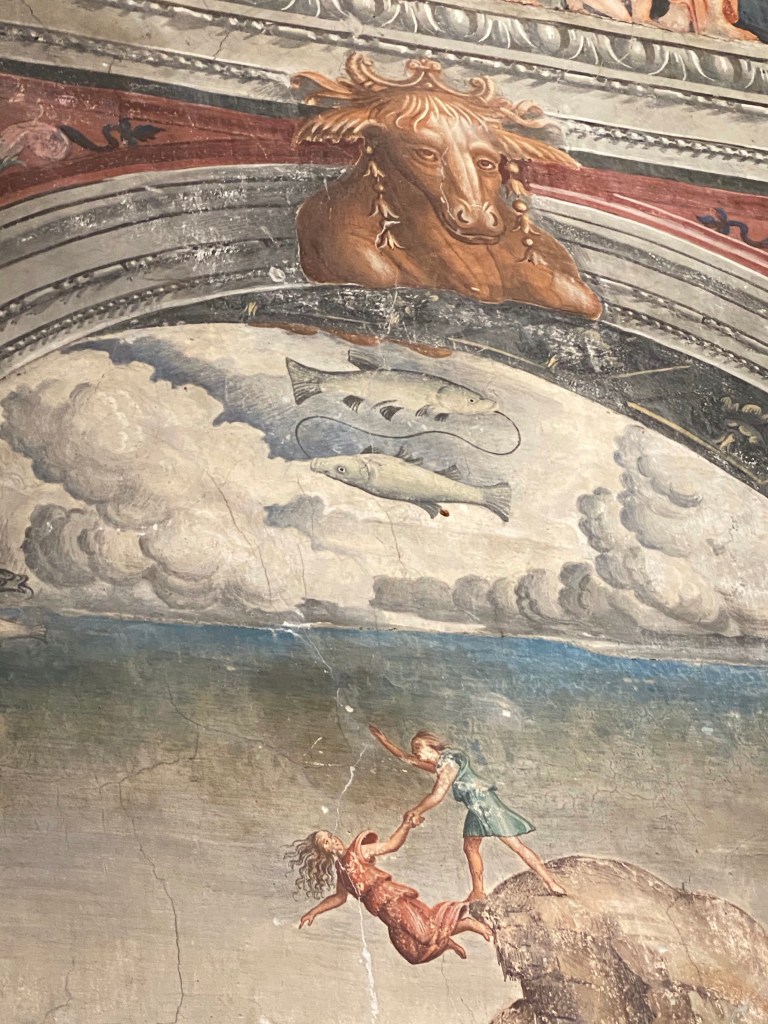
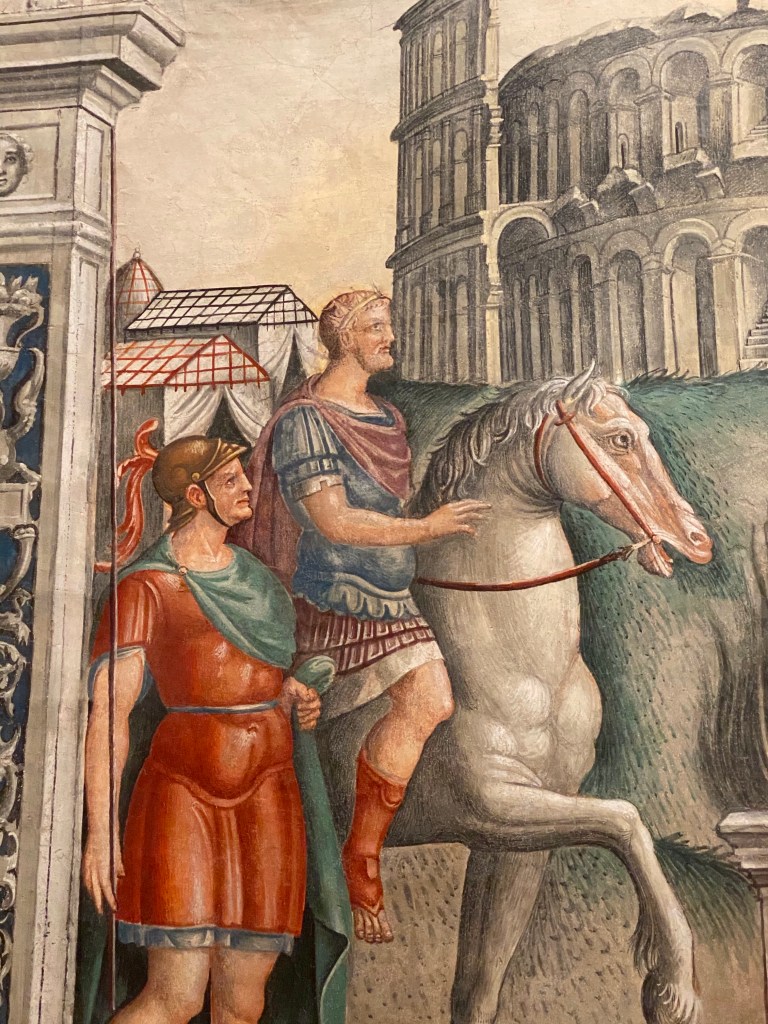
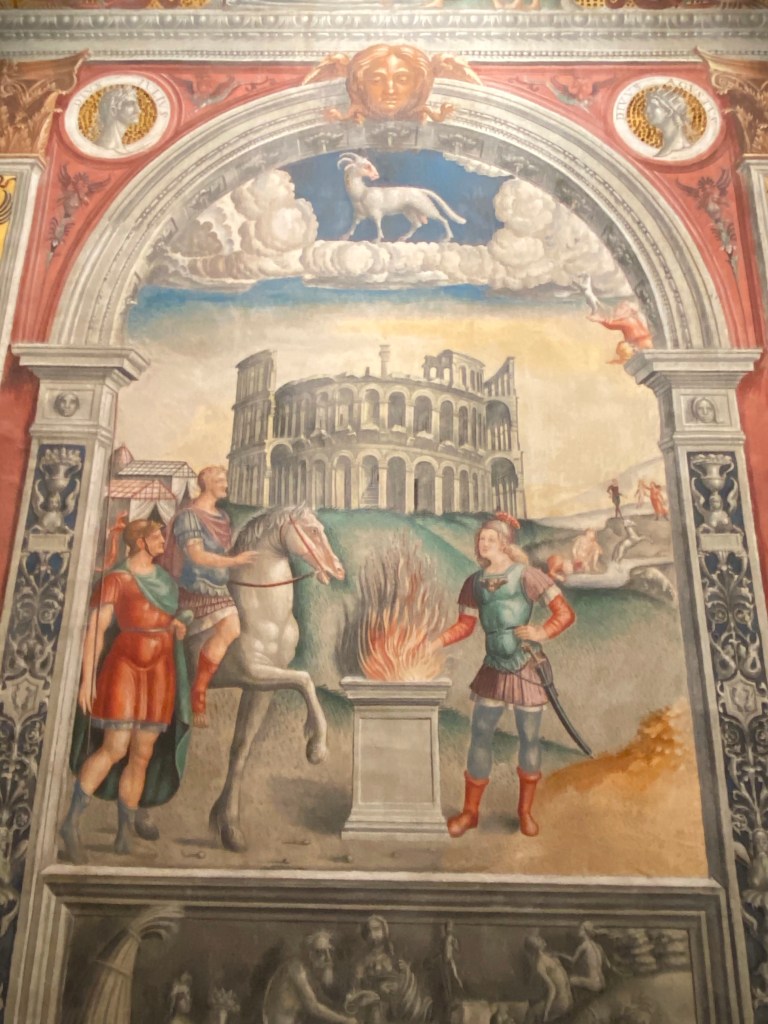
Zodiac Gallery, Palazzo D’Arco, Mantua
Mantova. Mantua. No matter how you say or spell it, you must see it! The treasures within are astounding.
One of the most amazing edifices in Mantova is the Palazzo D’Arco. Here is a video I took while visiting the Sala dello Zodiaco (Zodiac Room) in the palazzo:
The Palazzo D’Arco is a Neoclassical-style palace located on Piazza Carlo D’Arco #4. The palace houses the Museo di Palazzo d’Arco, which displays the furnishings and artwork collected by the Duke D’Arco.

The site had once likely housed a royal palace in the 12th-century. The palace we see today is a reconstruction around a series of earlier buildings, with a long and complex history.
The facade has elements that include the coat of arm of the D’Arco and Chieppio families, and also displays in the tympanum the Habsburg double-headed eagle of the then Austrian rulers of Lombardy.
In 1872 the building was enlarged further by Francesco Antonio d’Arco, buying by the neighboring Marquis Dalla Valle’s palace.
The palace was bombed during World War Two. Finally by the 1978, the will of the last member of the family, Signora Giovanna dei conti d’Arco Chieppio Ardizzoni, marchesa Guidi di Bagno endowed it to foundation to create a museum and retain the interior decor. The museum collections include furniture, ceramics, paintings, musical instruments, and a grand library.

My favorite part of the whole complex is the period kitchen. I’ll post about it separately.
One of the masterpieces in the house is the large frescoed room of Sala dello Zodiaco, painted by Renaissance painter Giovanni Maria Falconetto, circa 1520.




Nn







For more information, see:
The arts in Volterra: Rosso Fiorentino and a sculpture studio
Ask an art historian about Volterra and Rosso Fiorentino and his masterpiece, The Deposition, will be mentioned.
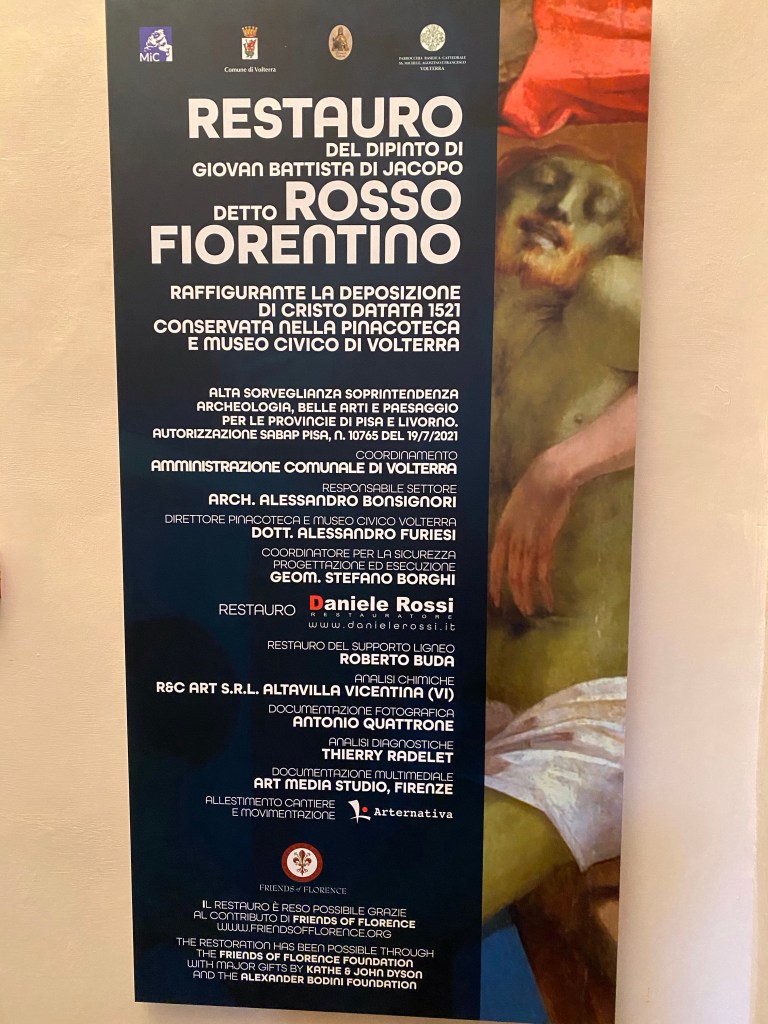
I got to see this fabulous altarpiece last month and it did not disappoint.
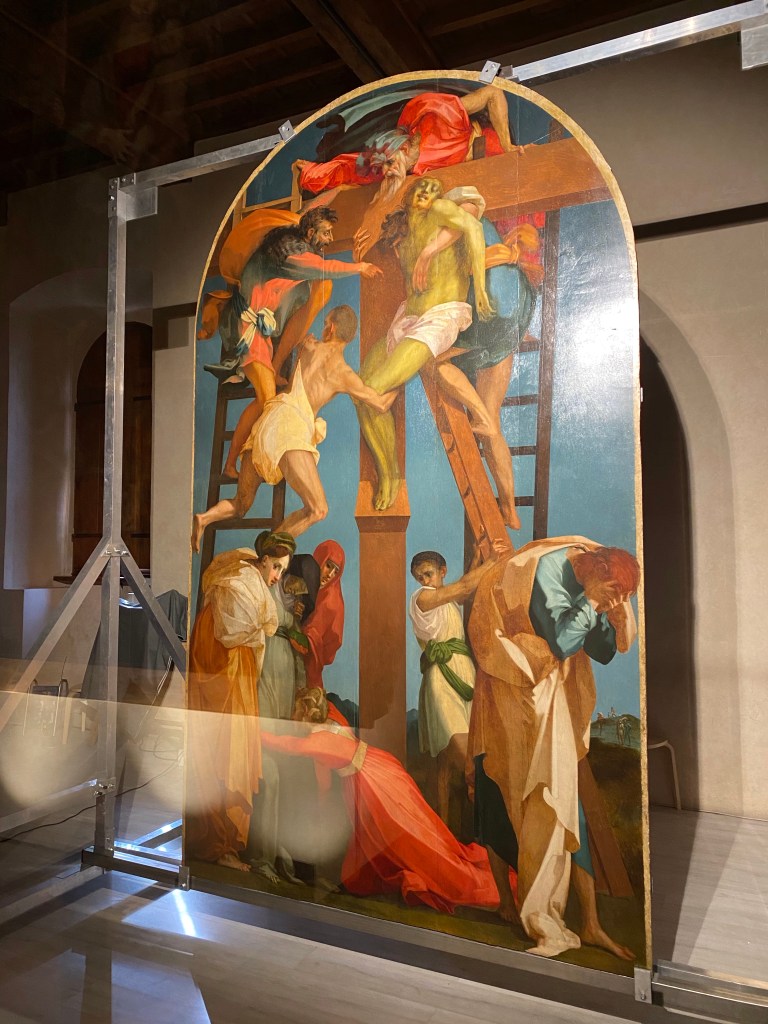
The painting is currently under restoration, so I could not get up as close as I would like, but I’m happy the painting is being well cared for!
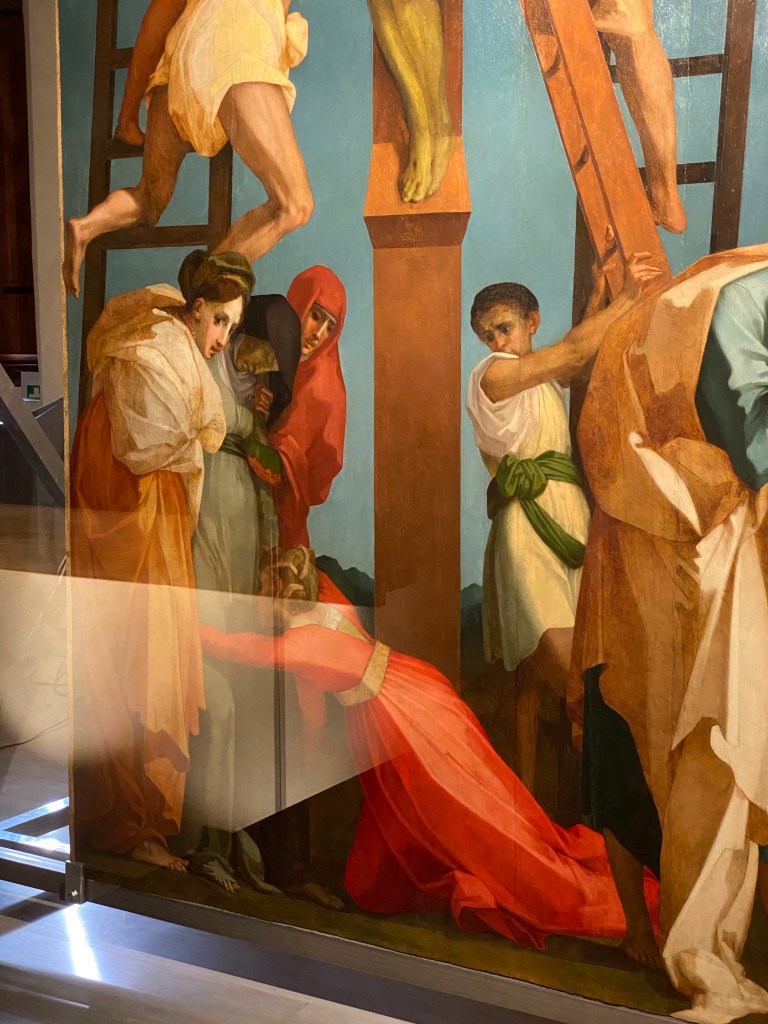
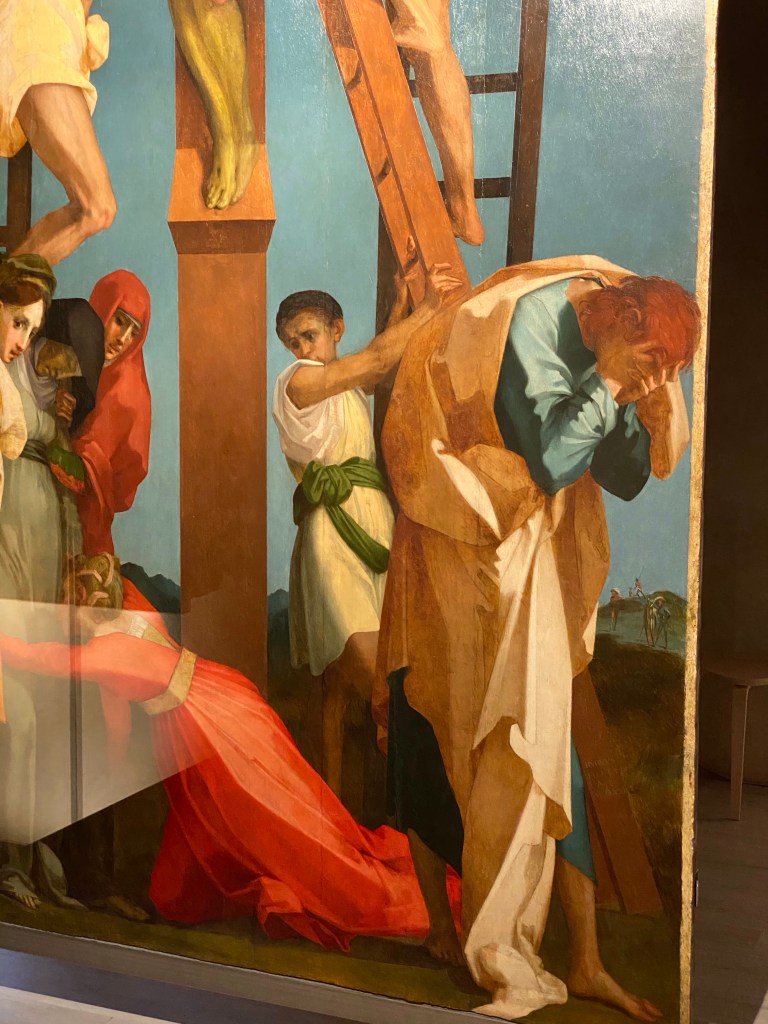
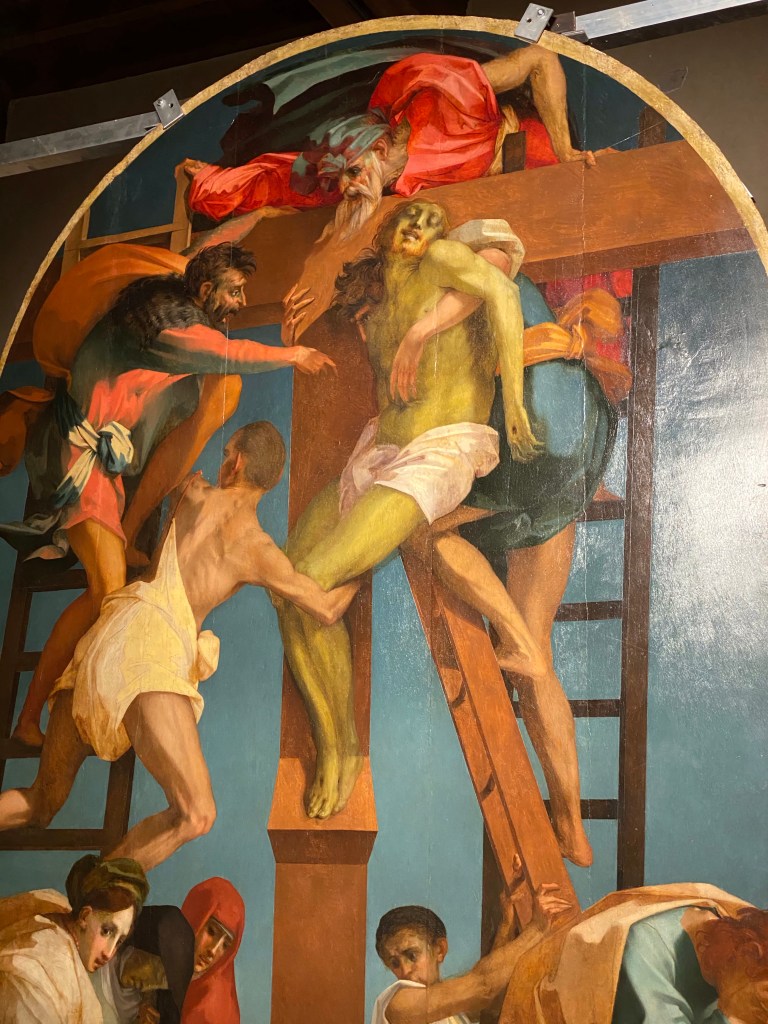
The Deposition is housed within the Art Gallery and Civic Museum of Volterra. The Museum is housed within the Palazzo Minucci Solaini, from the Renaissance era. The collection contains paintings, sculpture, medals, ceramics and coins from the Medieval to modern times. The collection is strong in Sienese and Florentine schools of the 14th and 15th centuries.
The museum also is home to this completely authentic 19th century sculpture studio, the Ecomuseo dell’Alabastro. The brochure says “In this museum, you can follow the history of the working and selling of alabaster that, for centuries, was at the base of Volterra’s economy. This stone has been known and has been worked on since the Etruscan period but it was only in the 18th century that an active industry centered on it, arose. Here you can admire vases, sculptures, and other objects’ there is also a large area dedicated to design and to works of art made in alabaster.”
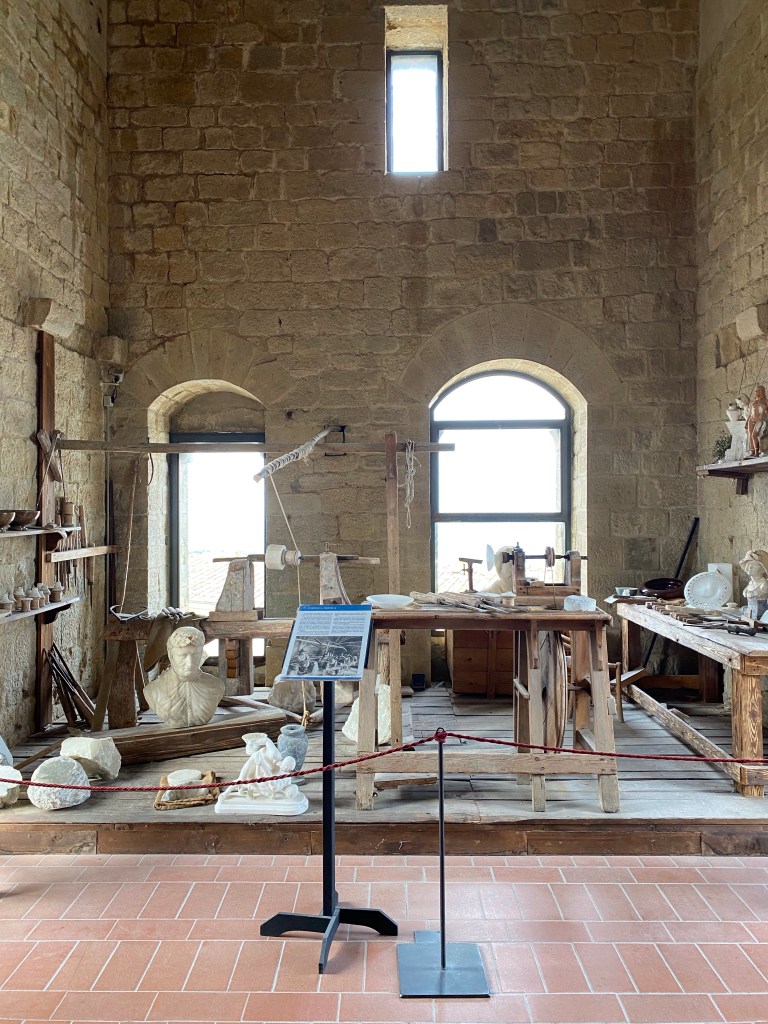
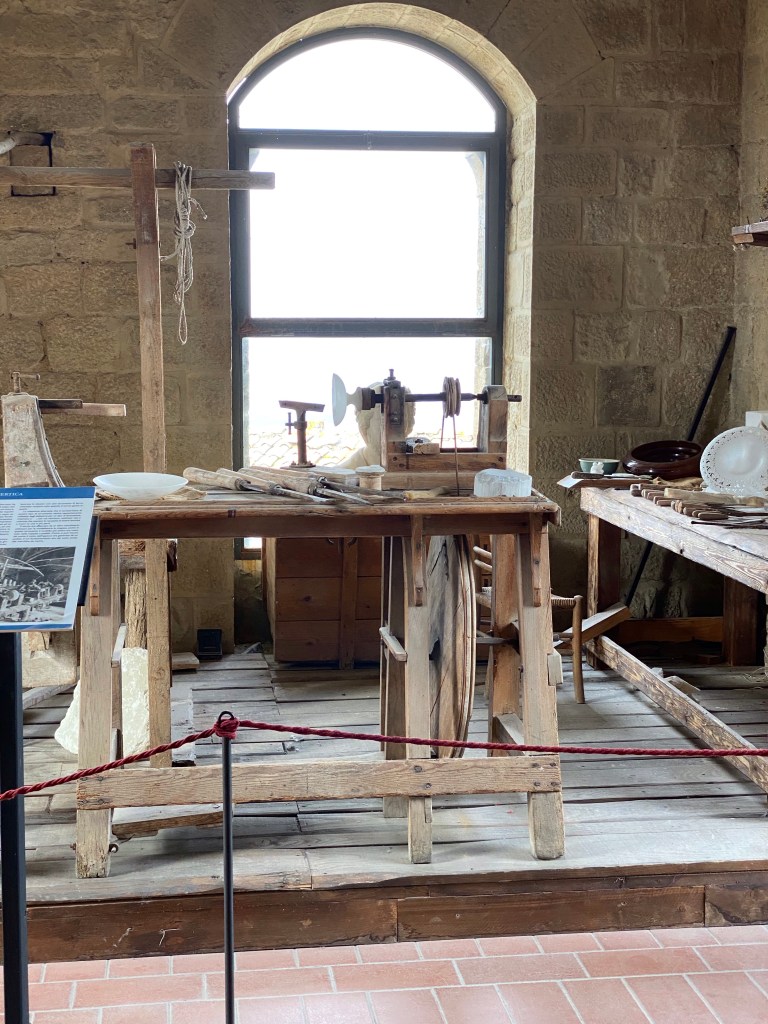
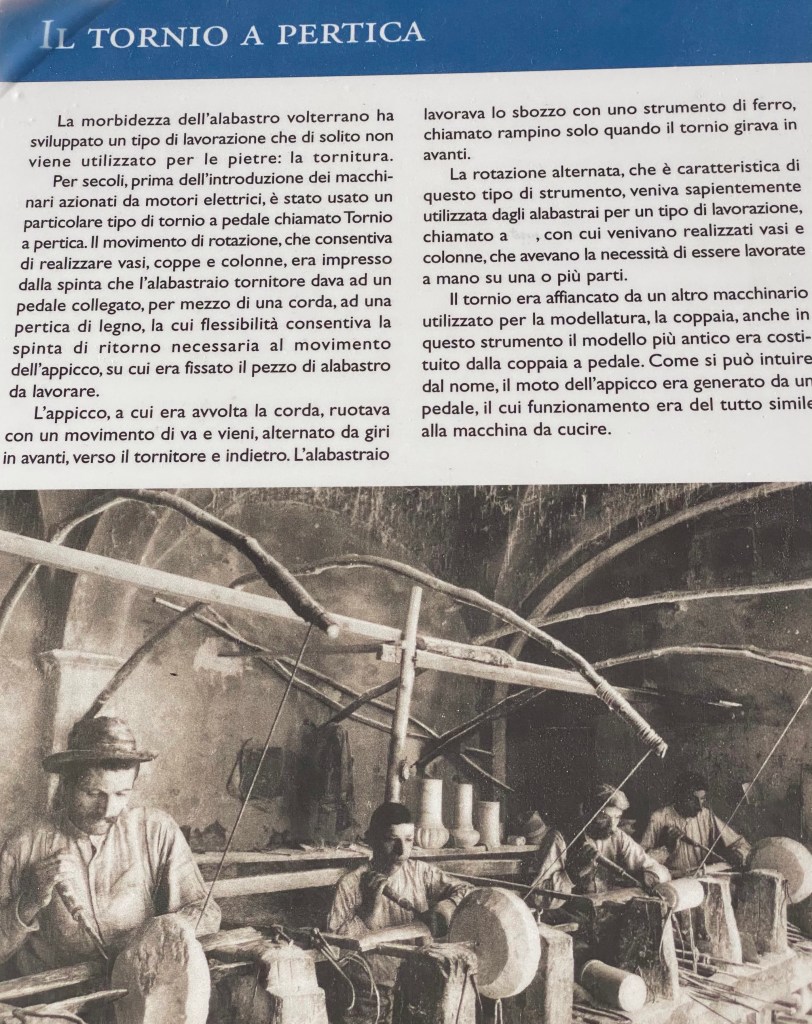
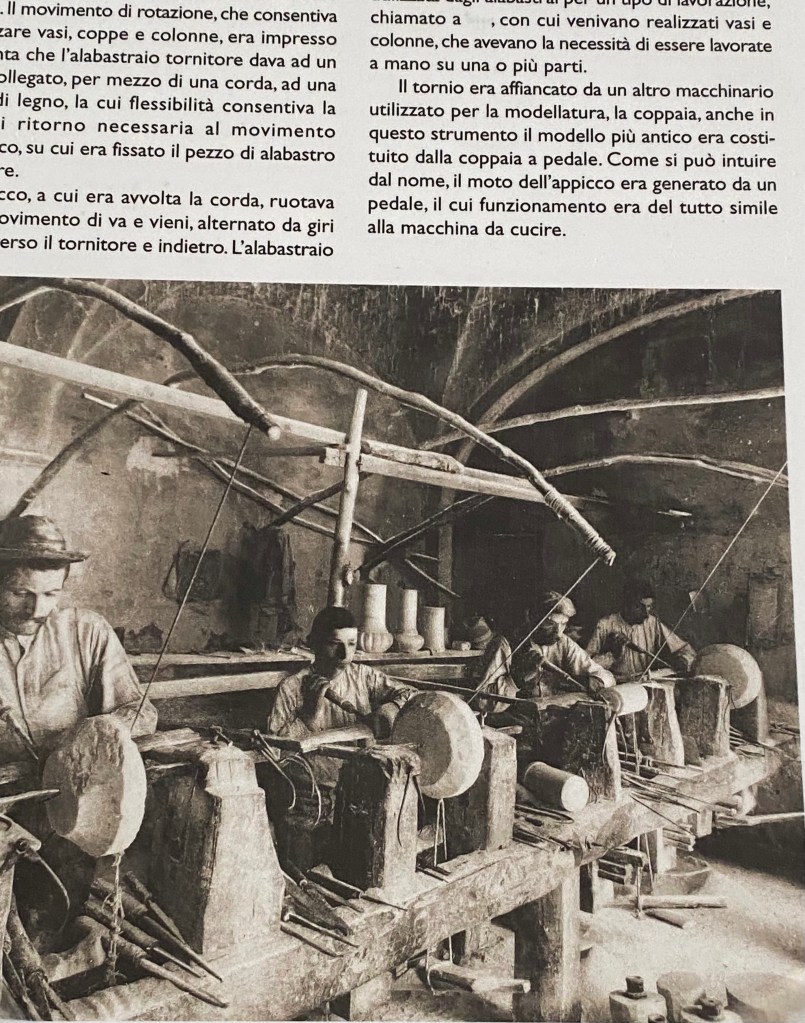
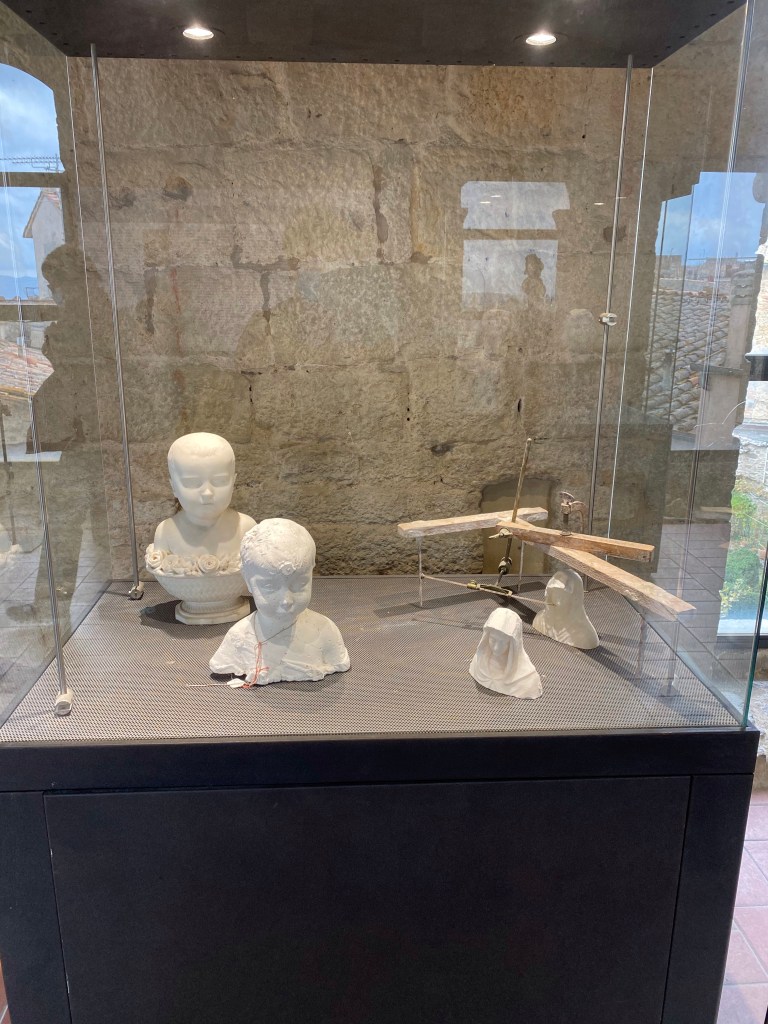
Bottega Pagni: I didn’t get to visit this site, but I want to give it some mention for anyone planning a visit to Volterra. Bottega Pagni shows how alabaster was worked before the use of power tools. There are drawings, tools, hand-powered machinery and rough stones in various stages of processing, as well as information about how artisans spent their days.
For more of the arts of Volterra, including Etruscan and Roman ruins, see my earlier post on Volterra, Nov. 1, 2021.
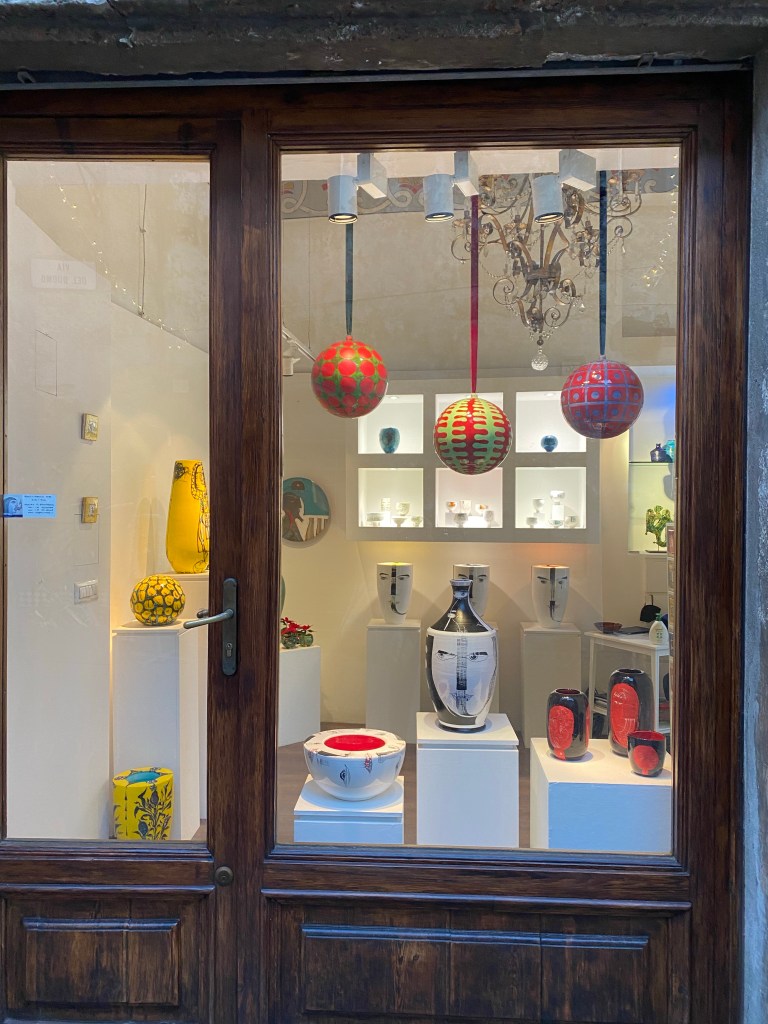
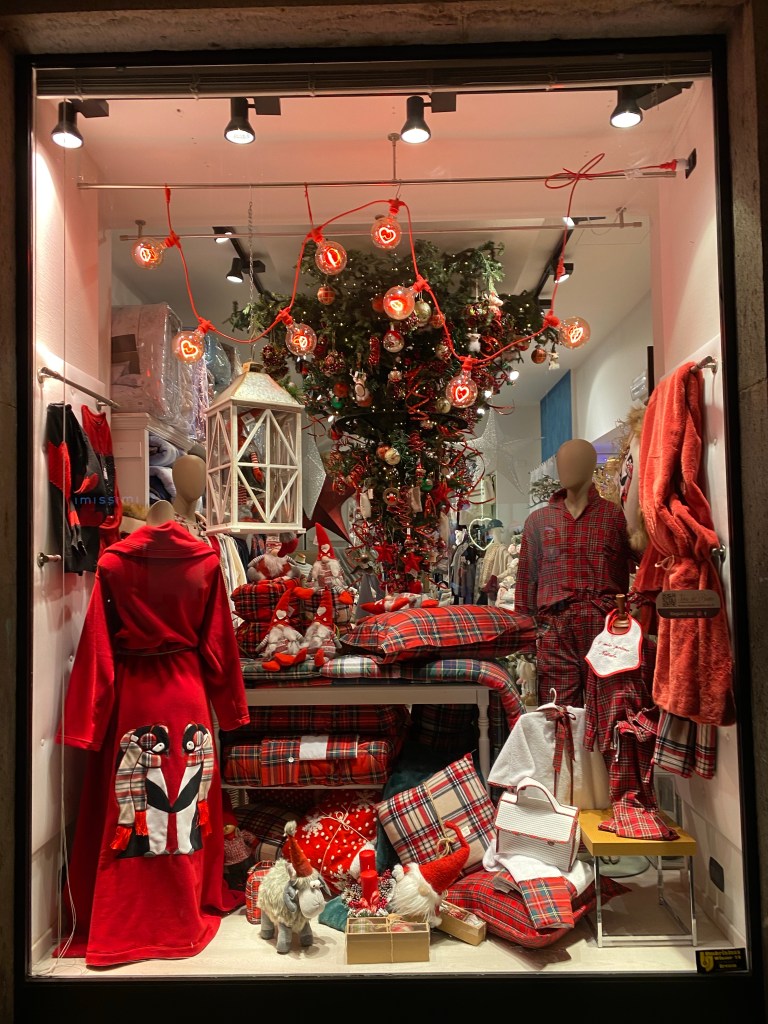
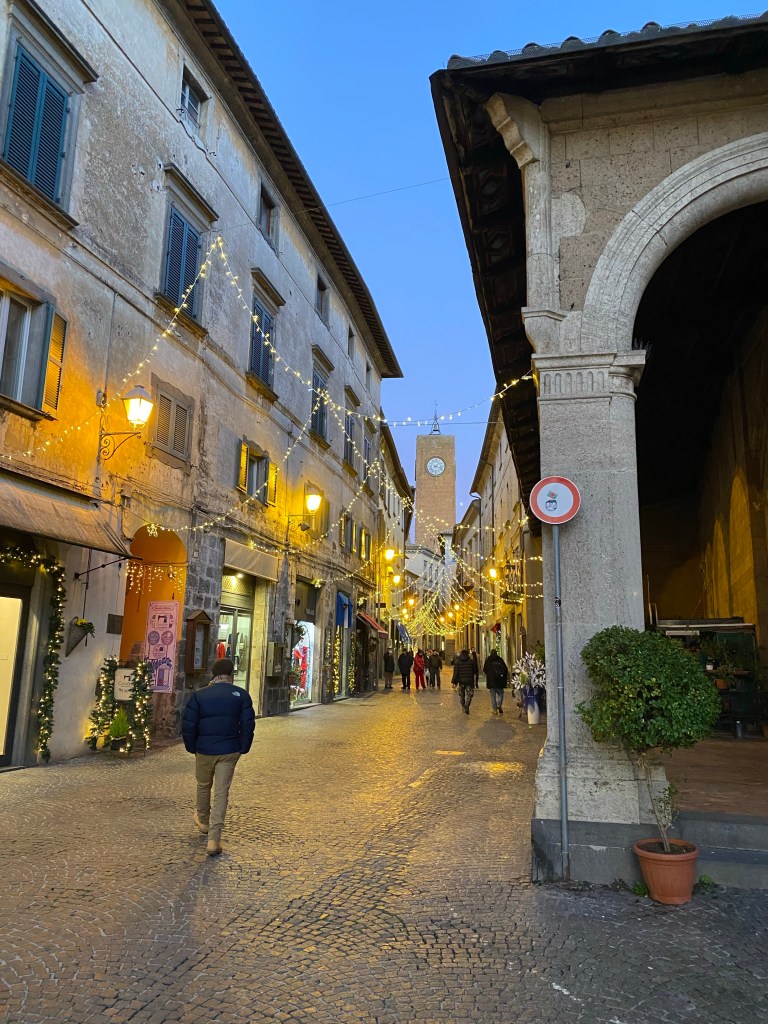
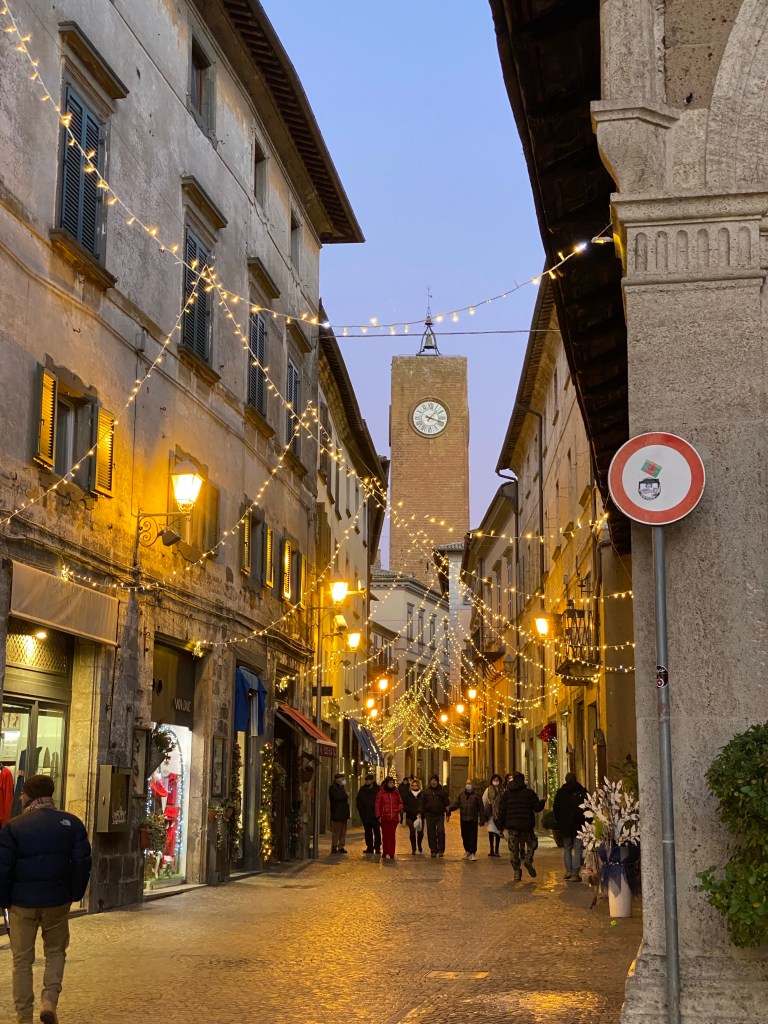
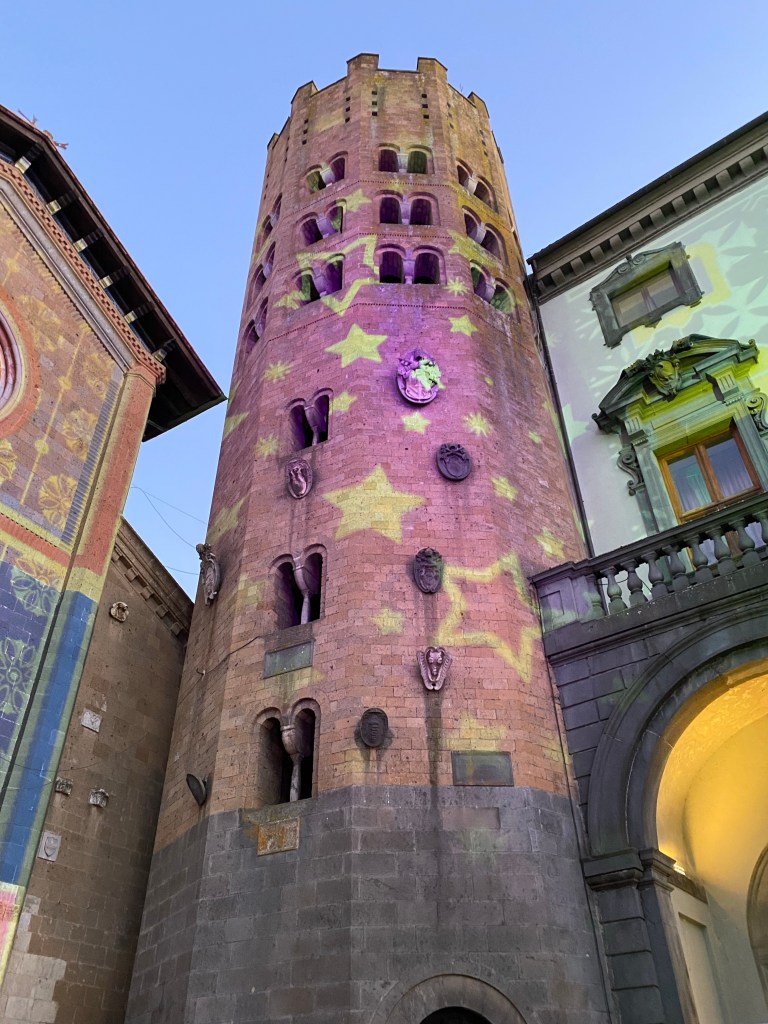
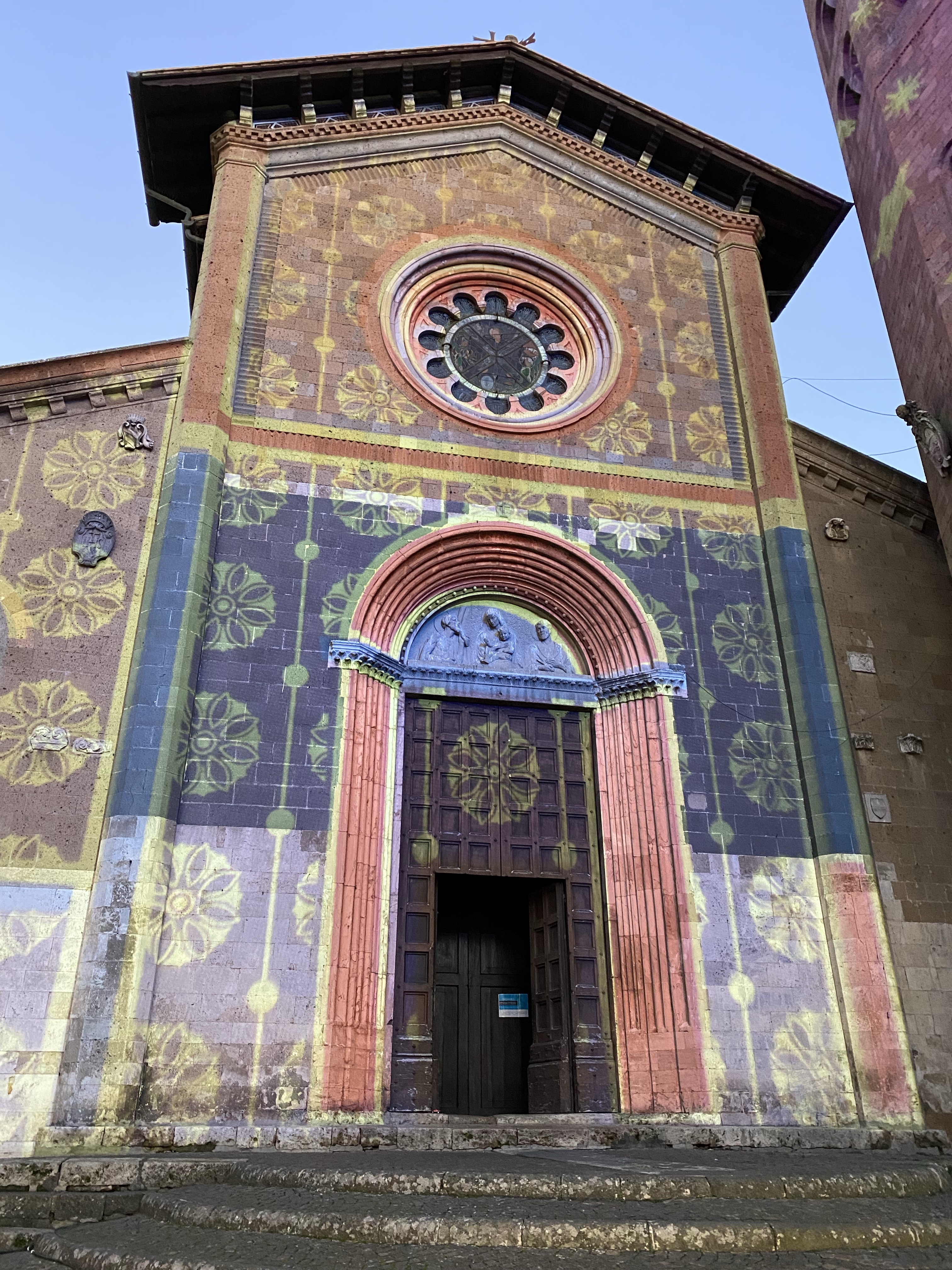
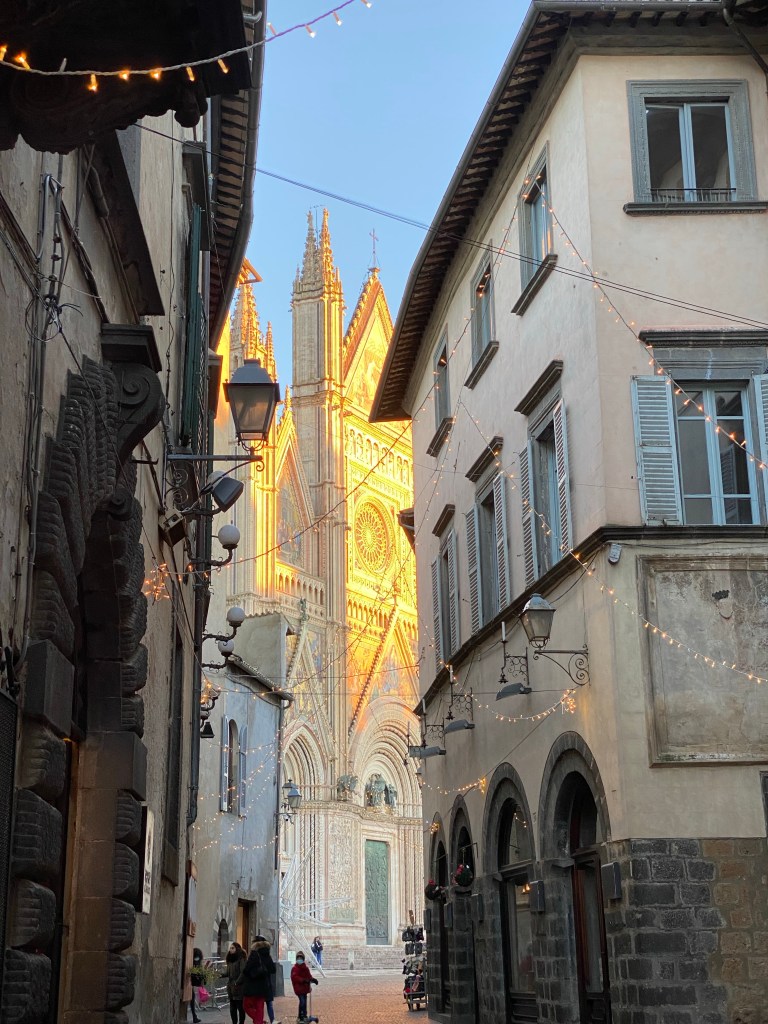
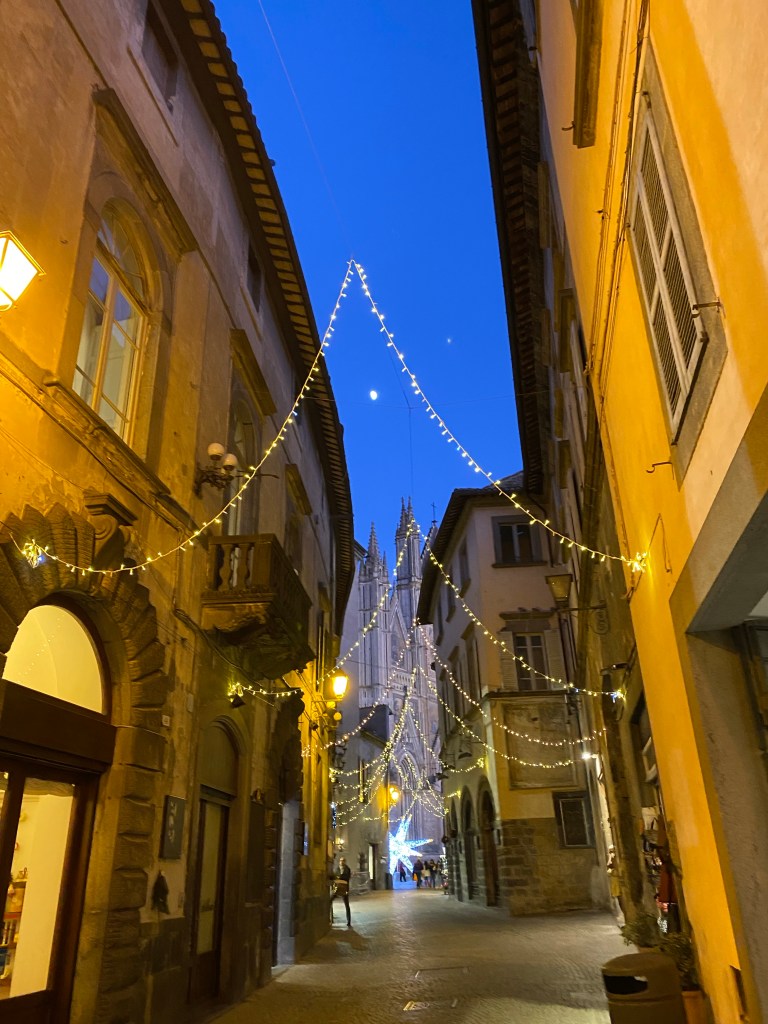
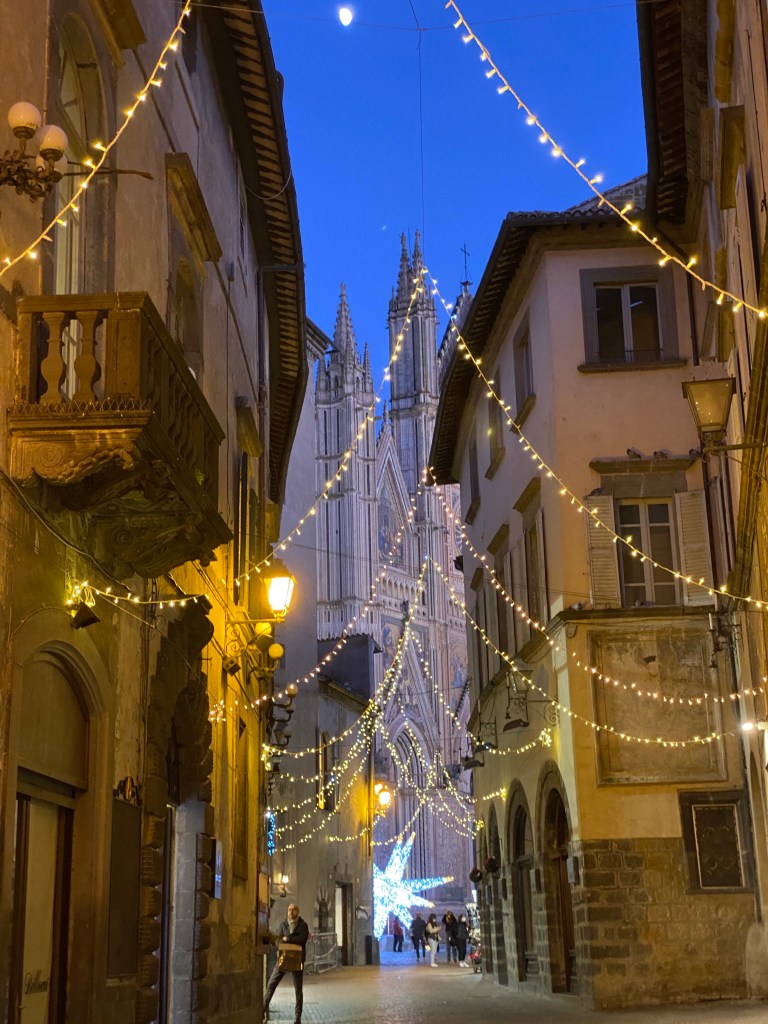
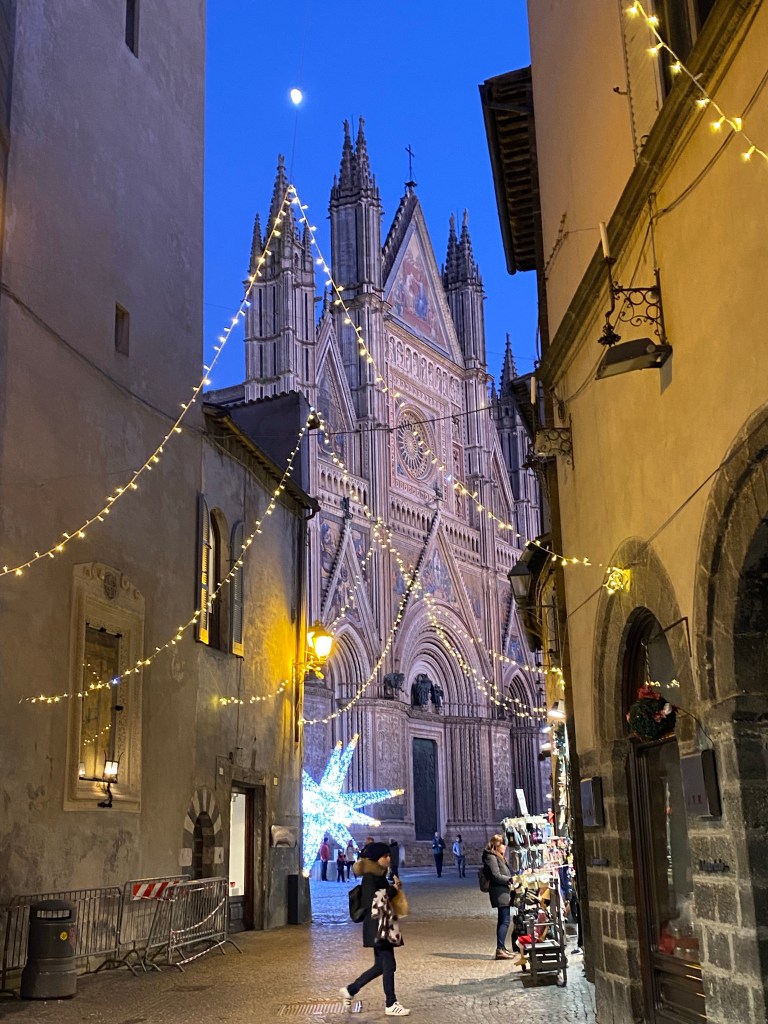
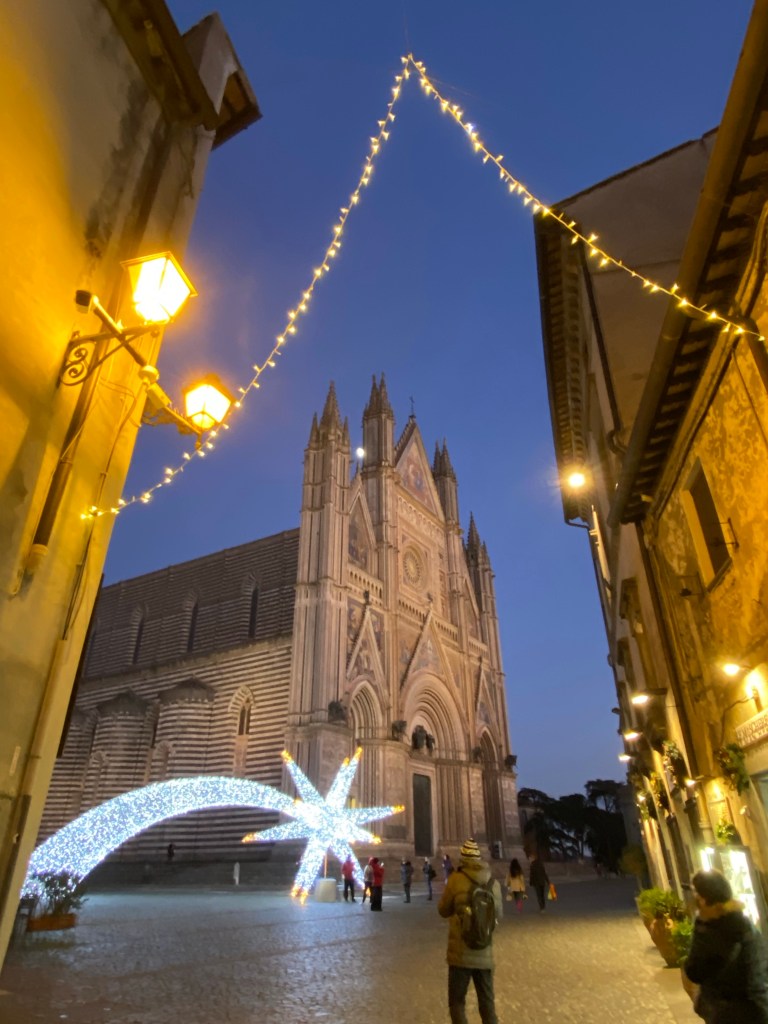
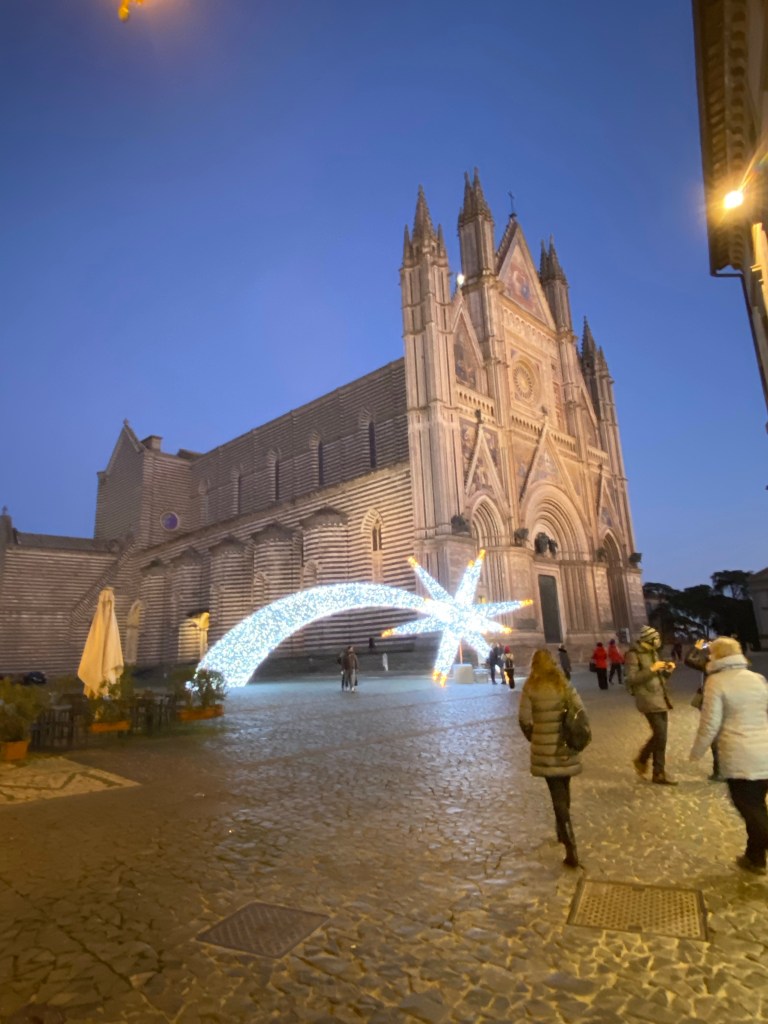
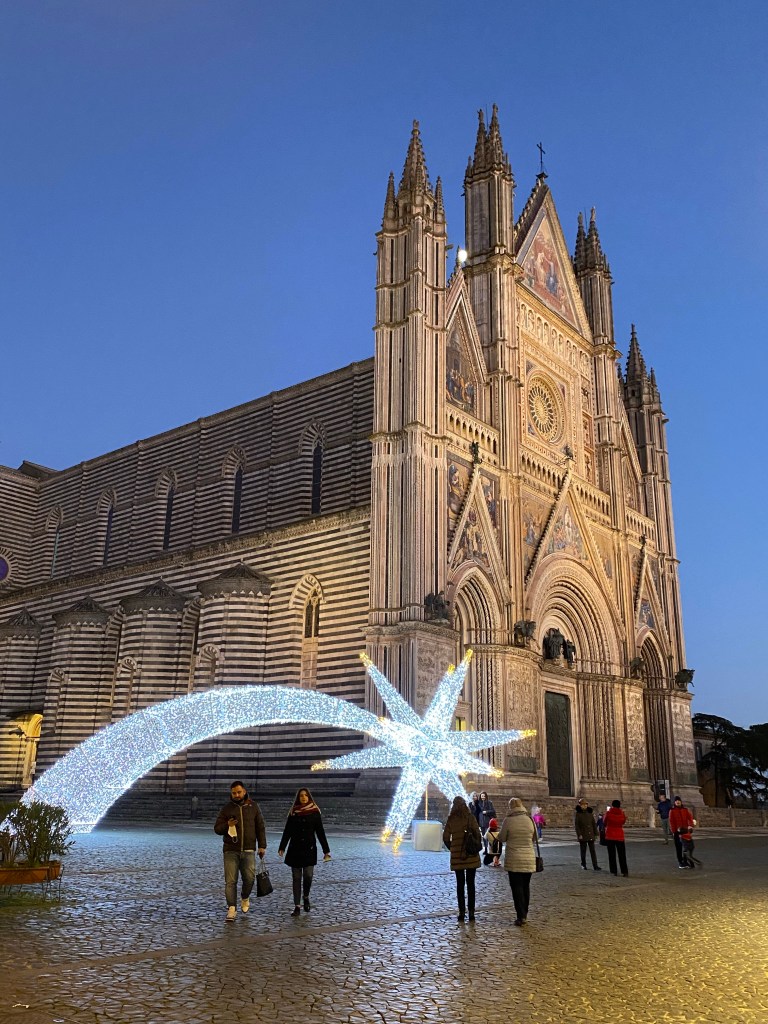
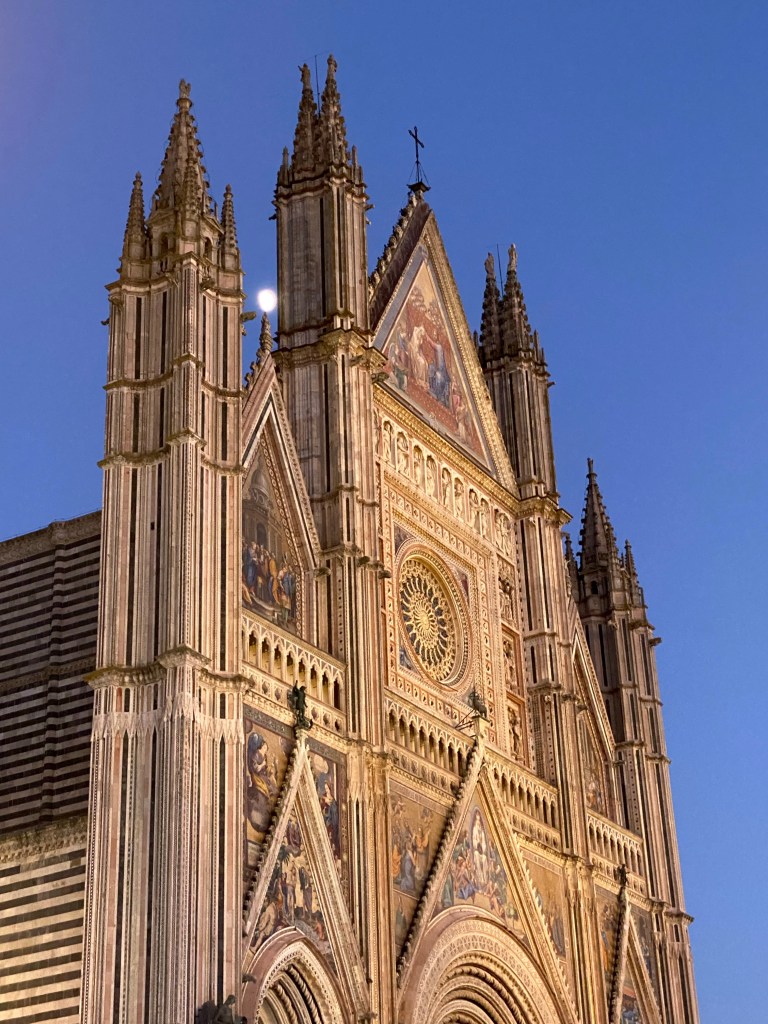
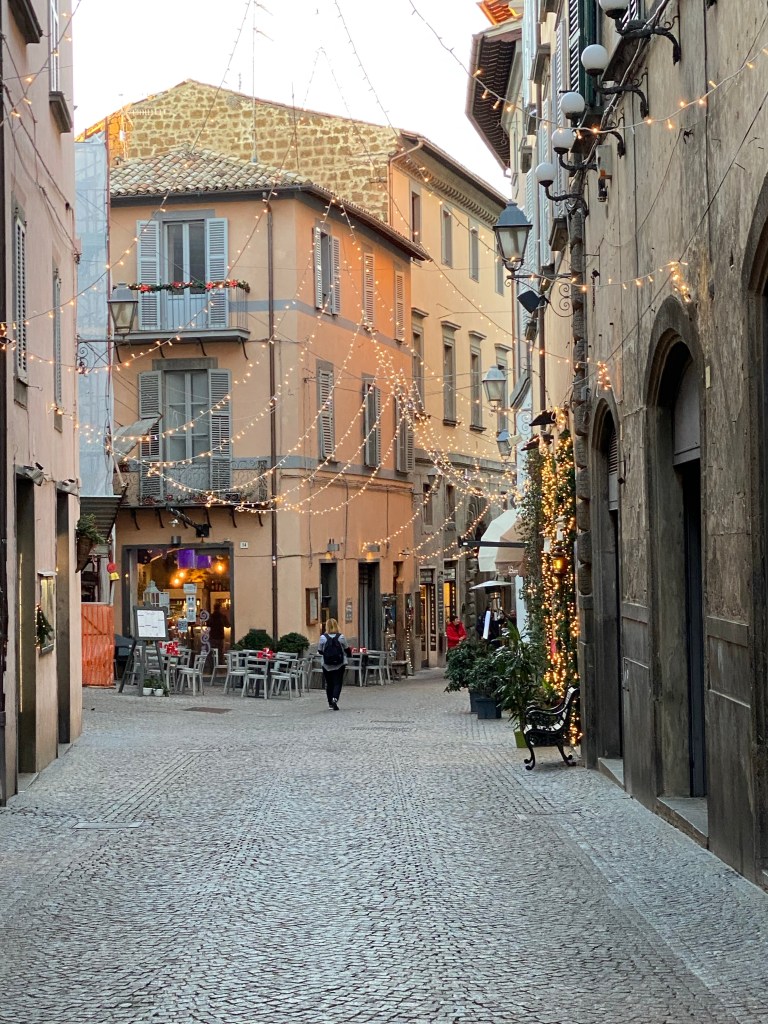
Advent, day 19; Christmas decorations in Orvieto
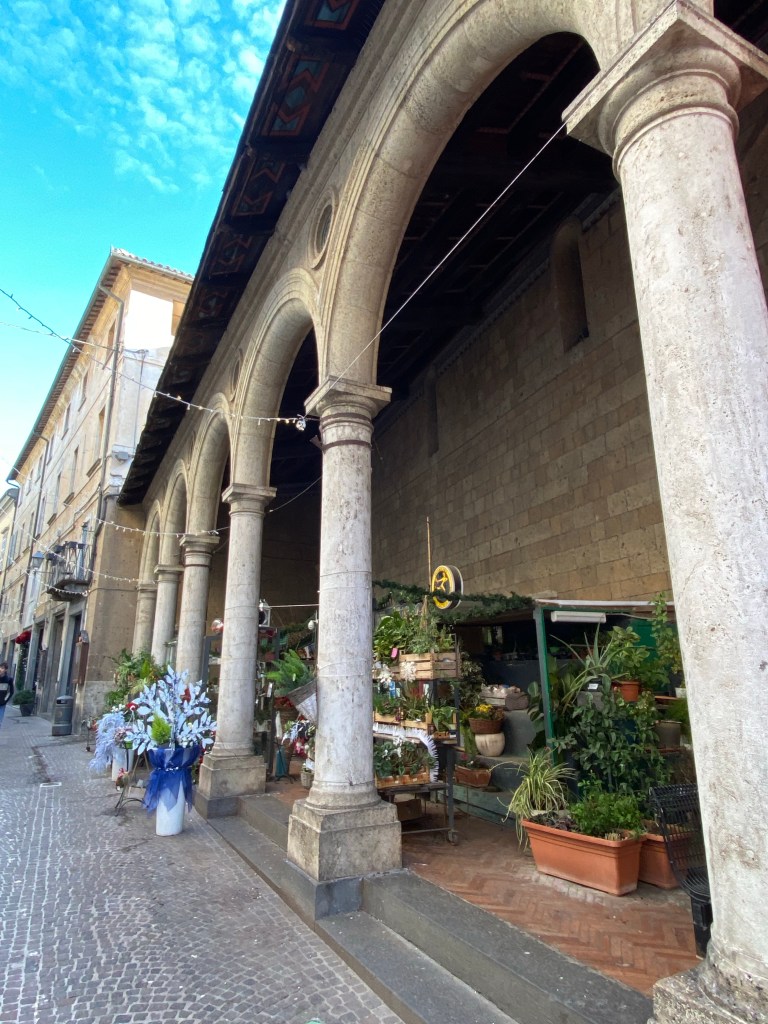
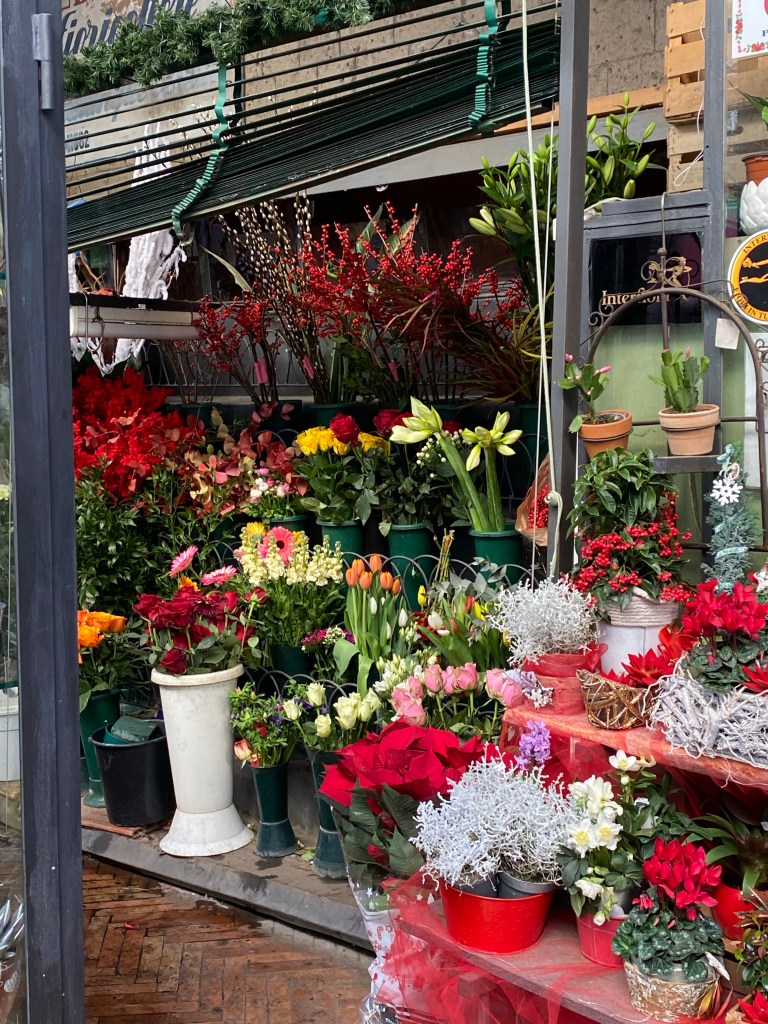
I got to make a day long visit to bella Orvieto last week and enjoyed seeing it with all its lovely decorations!


Volterra, November 1, 2021
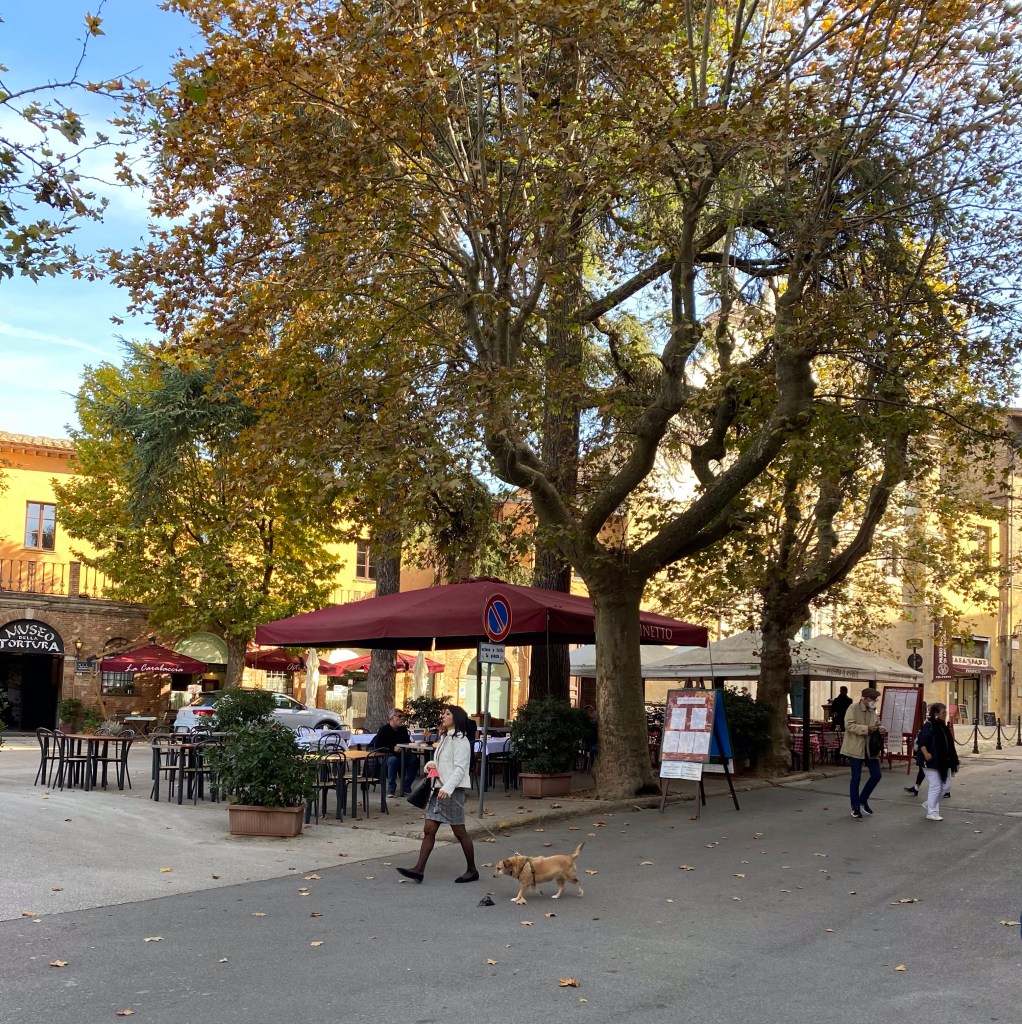
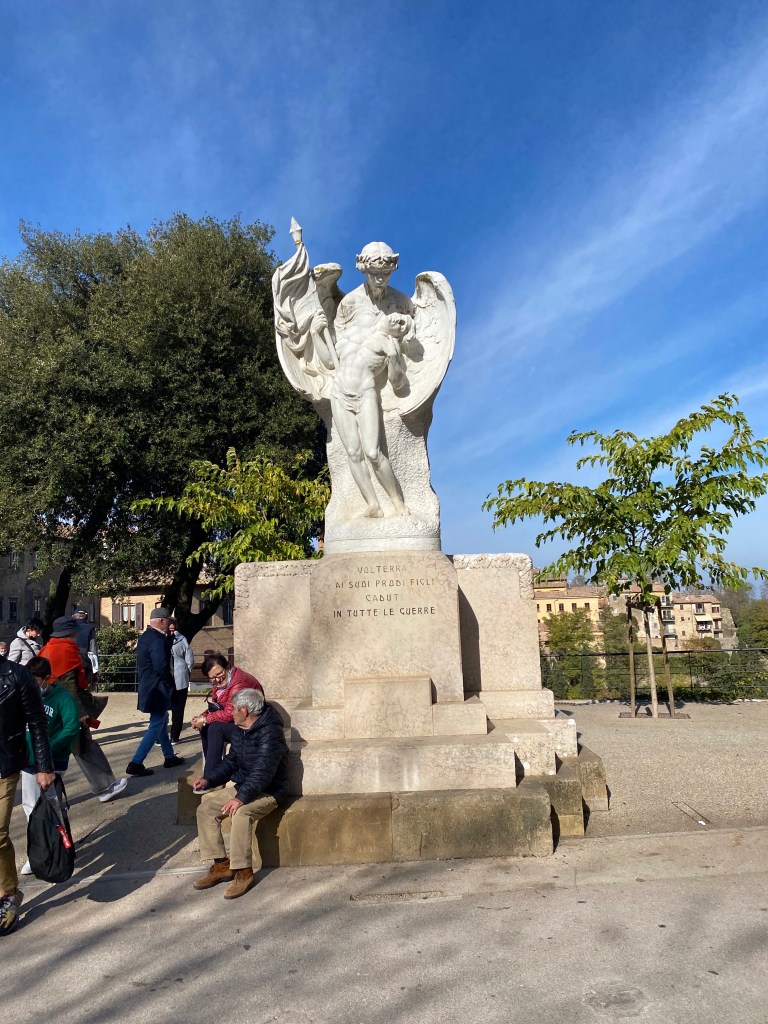
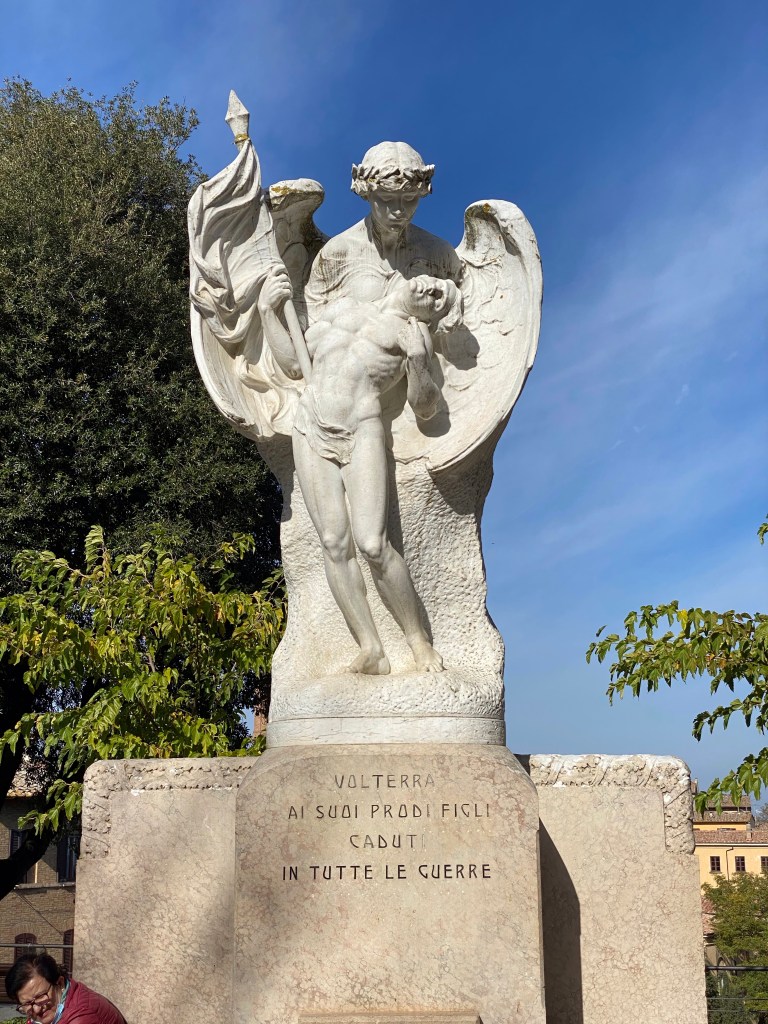
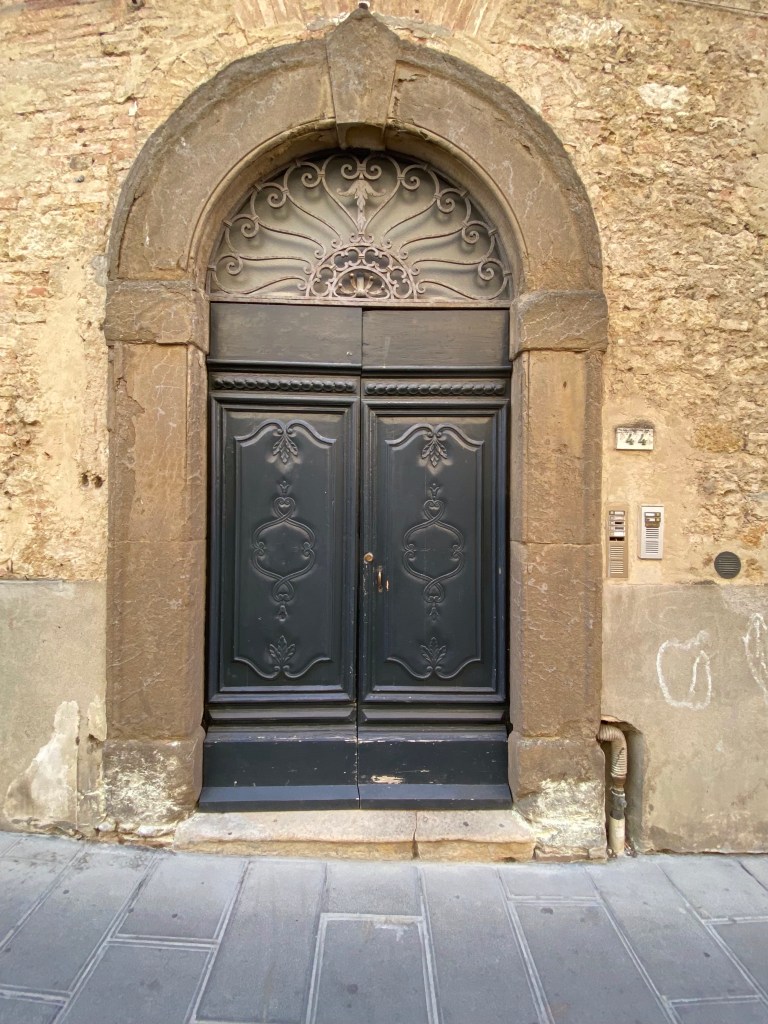
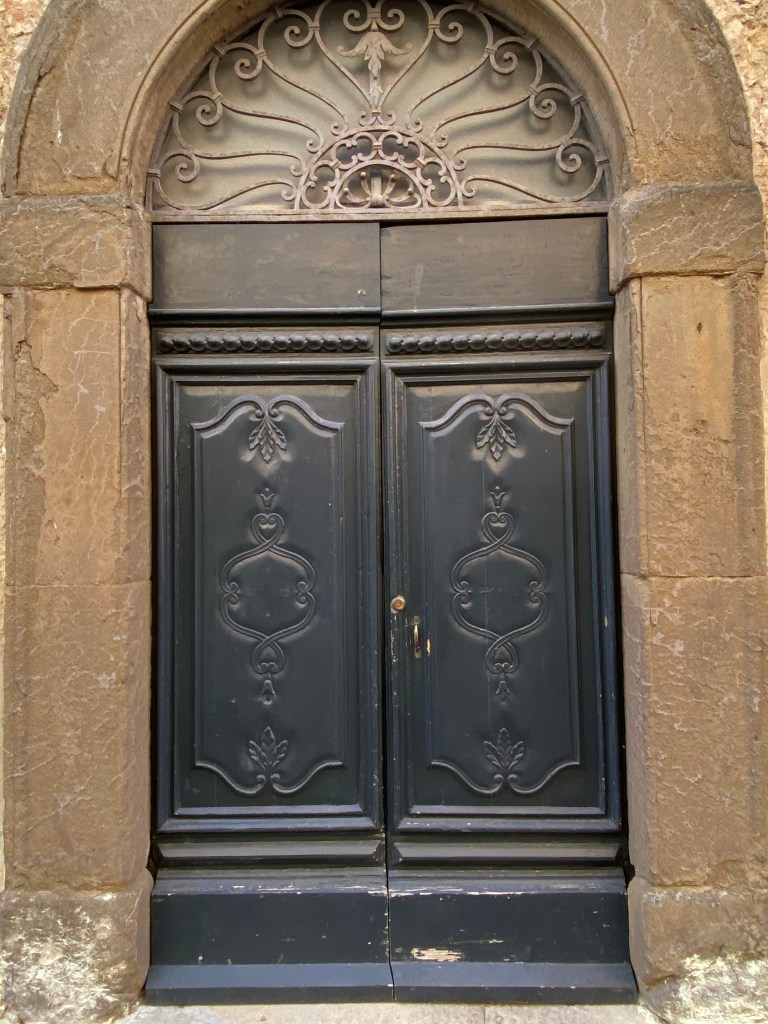
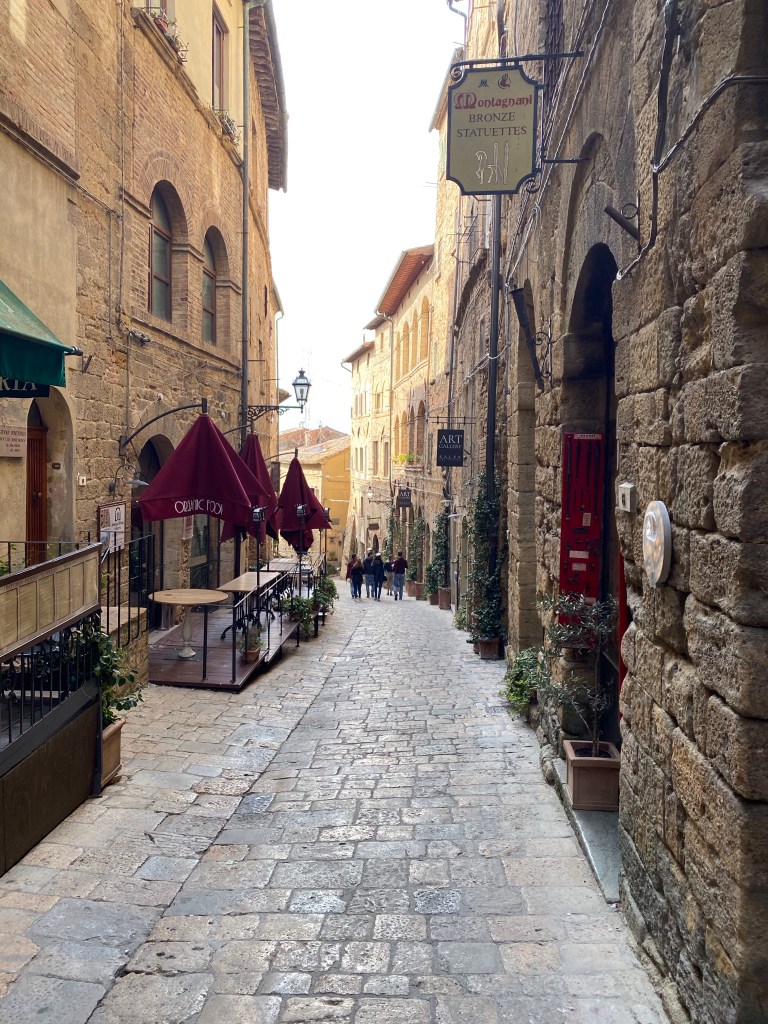
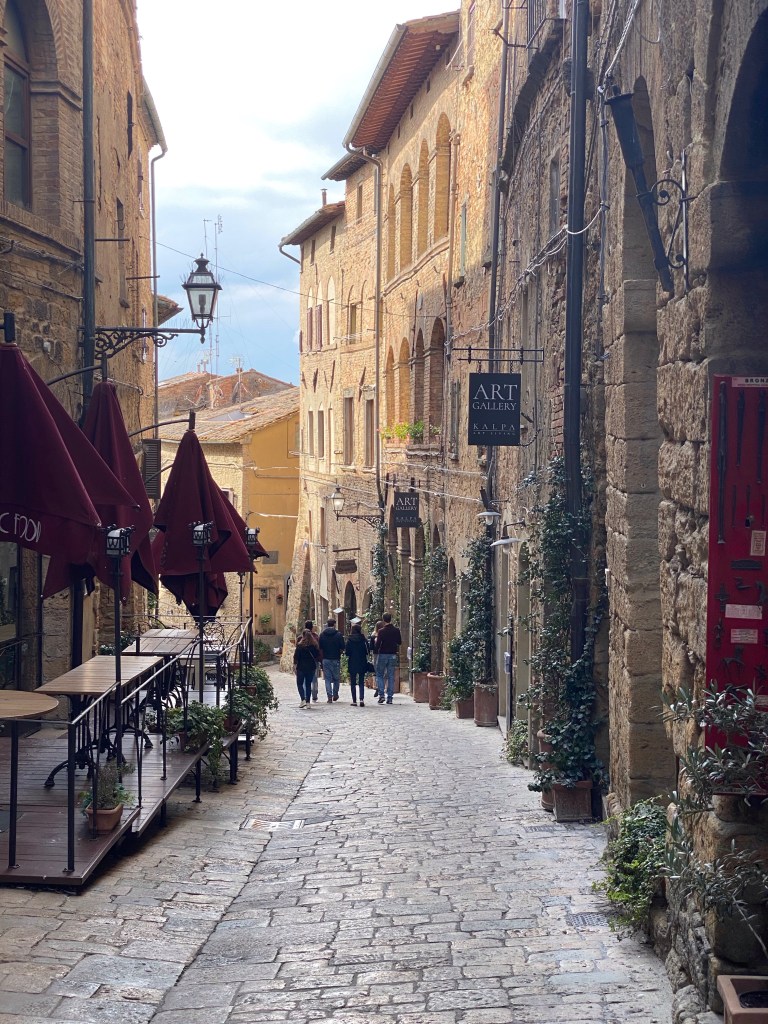
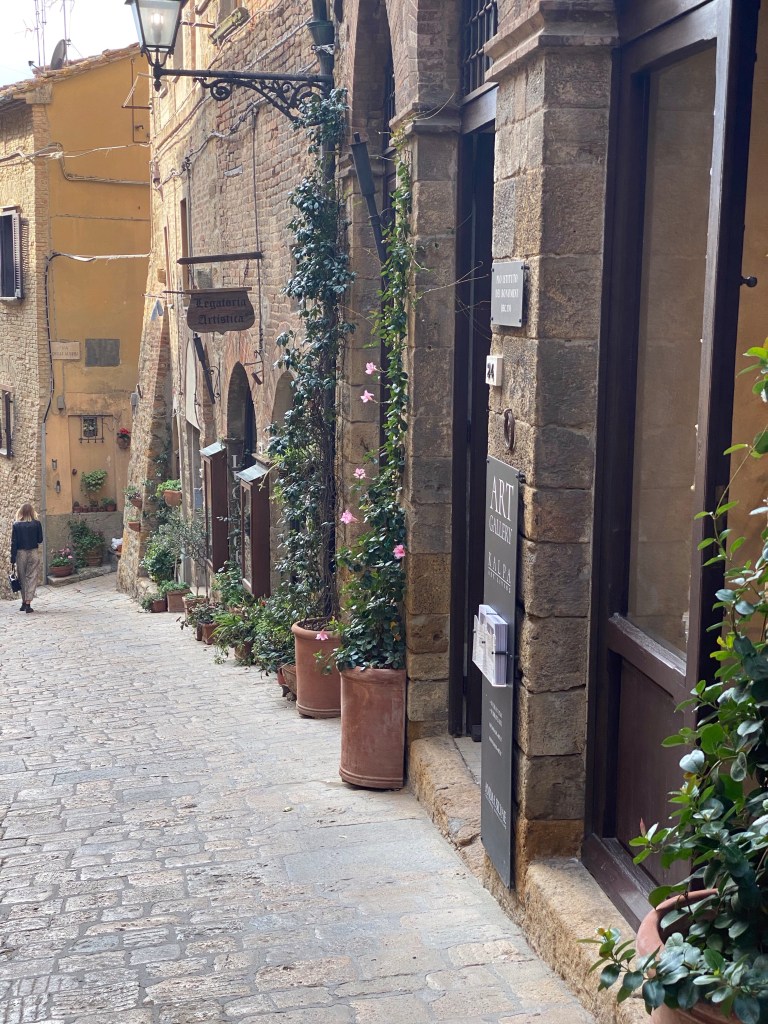
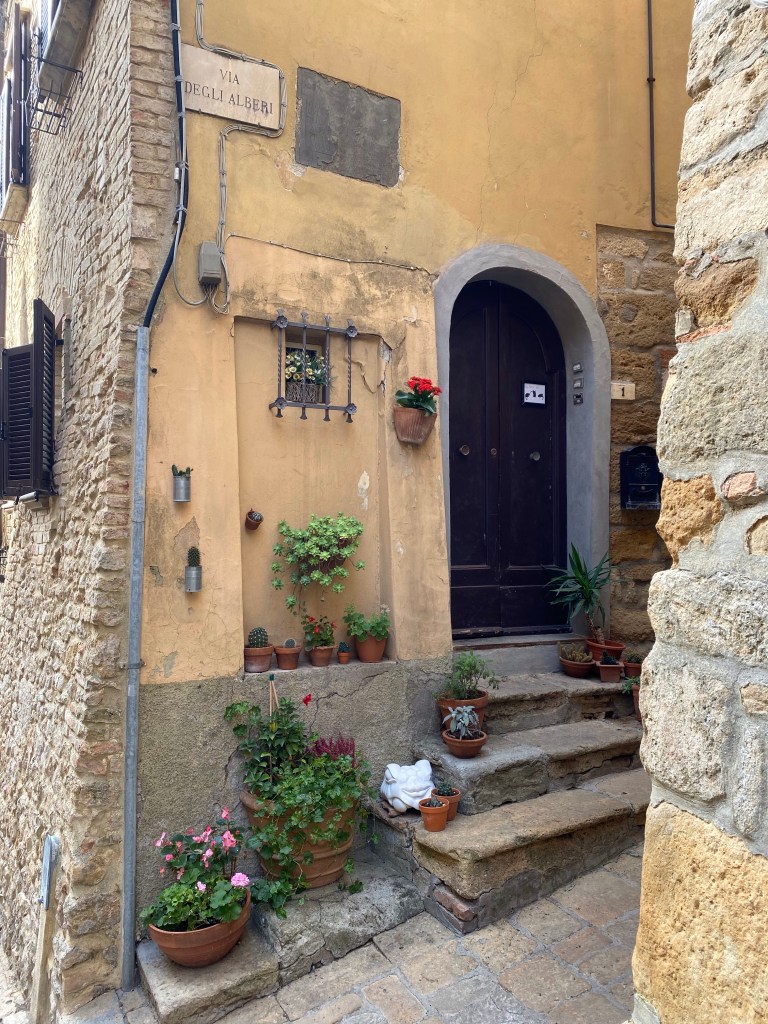
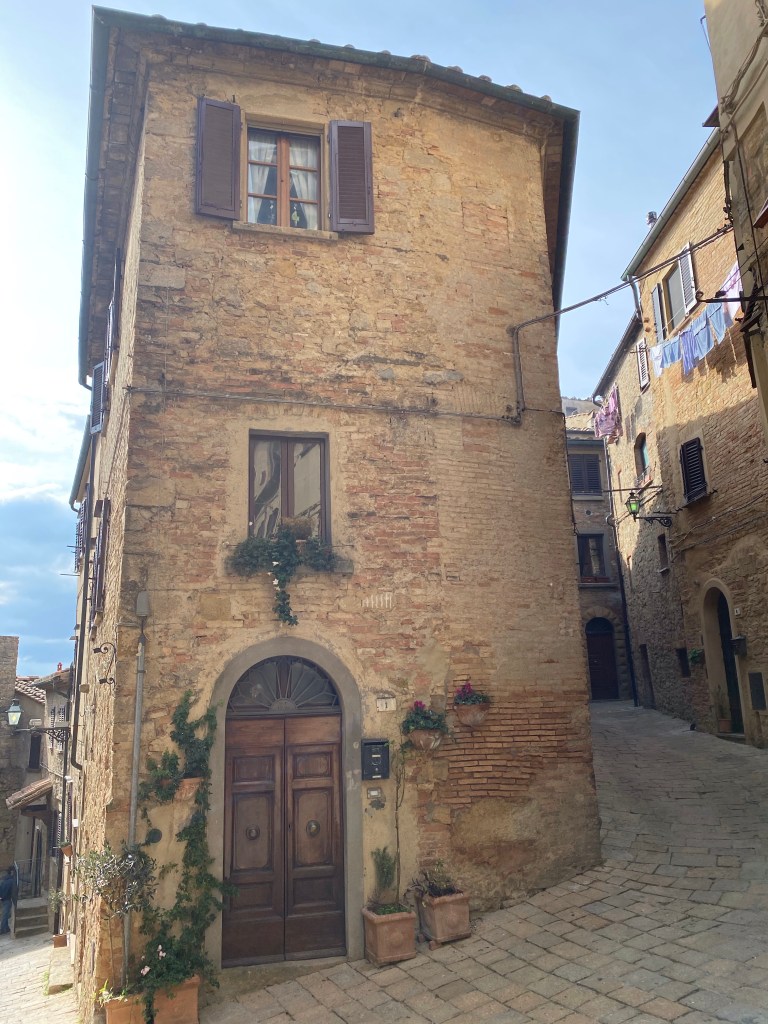
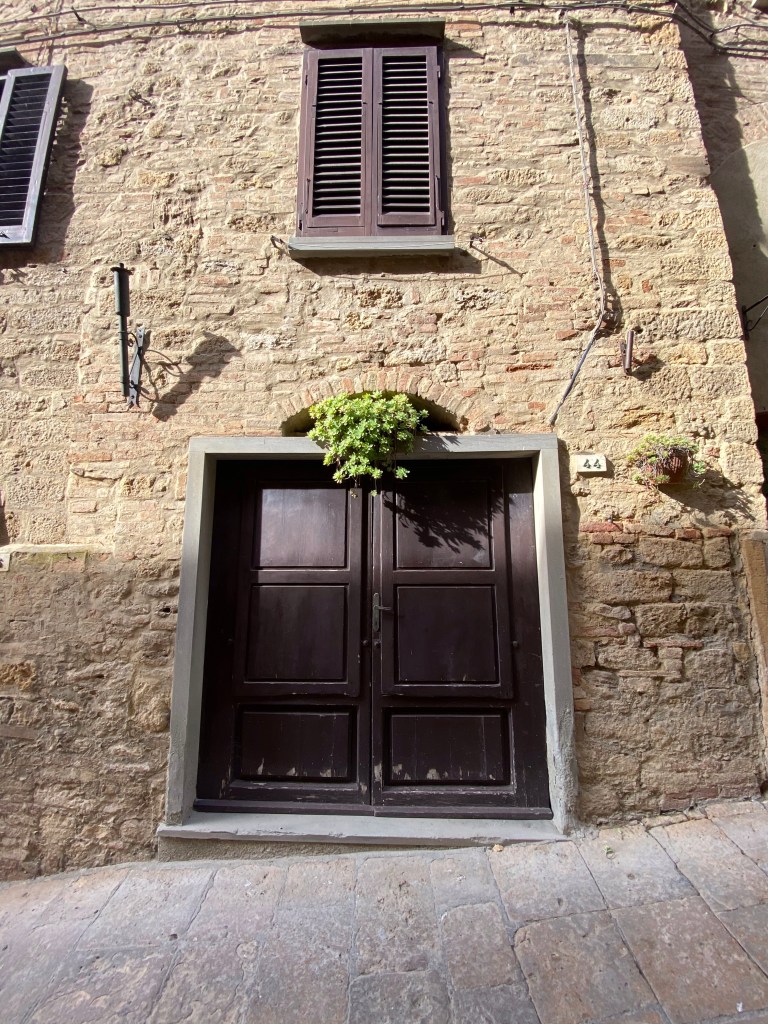
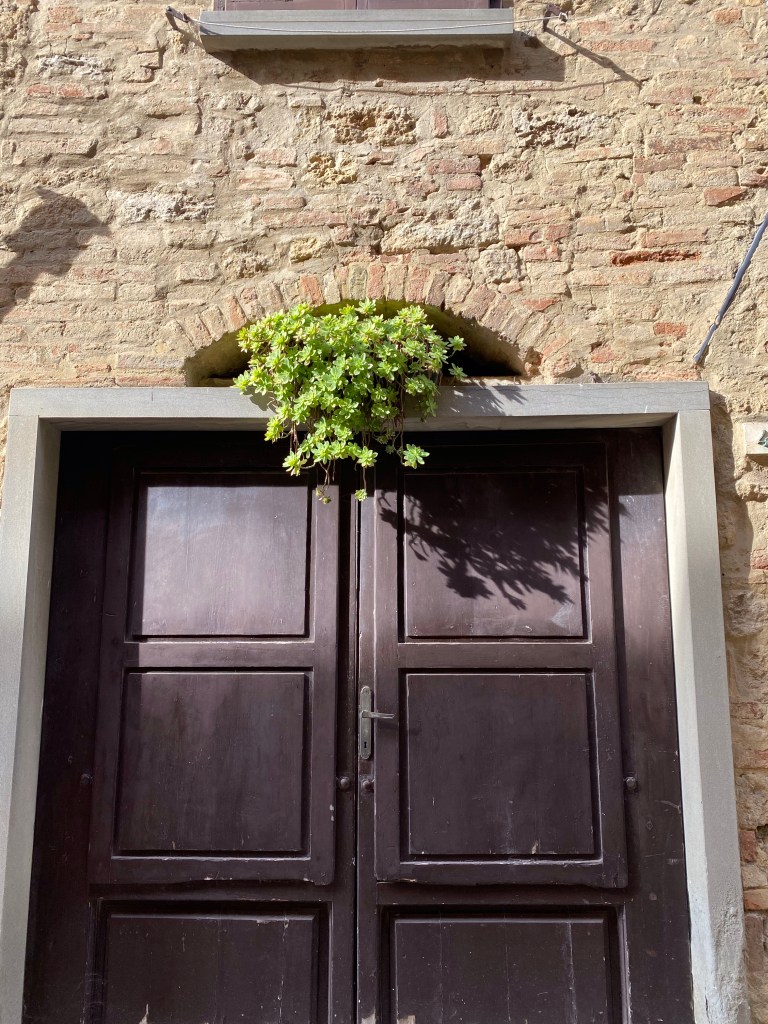
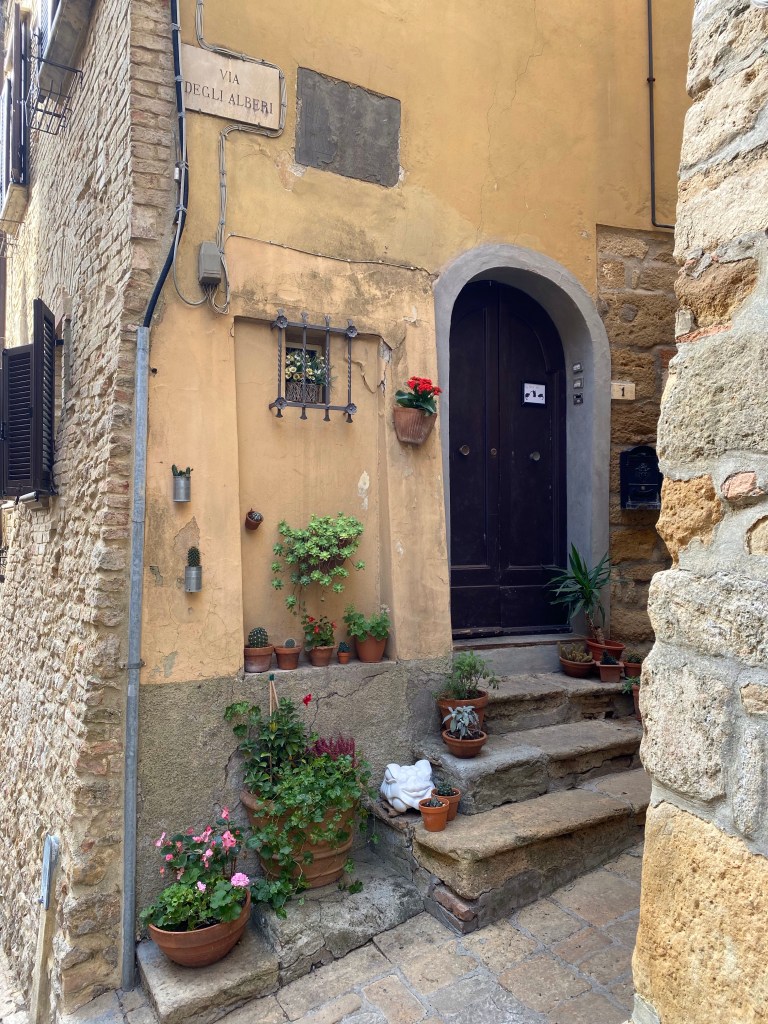
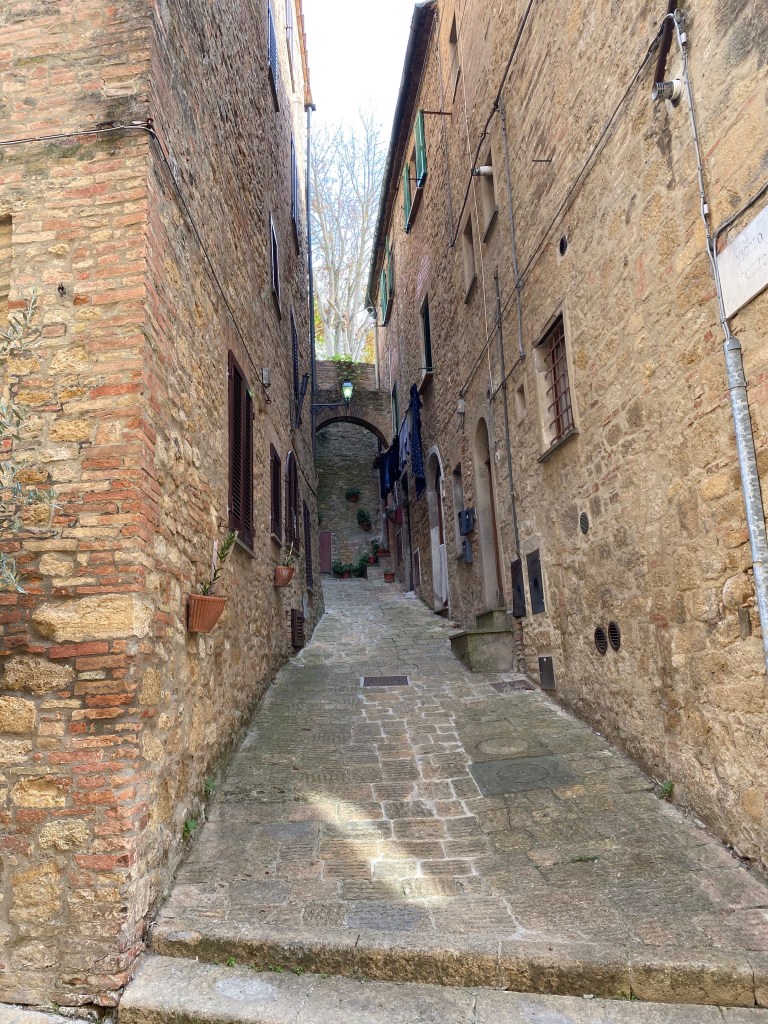
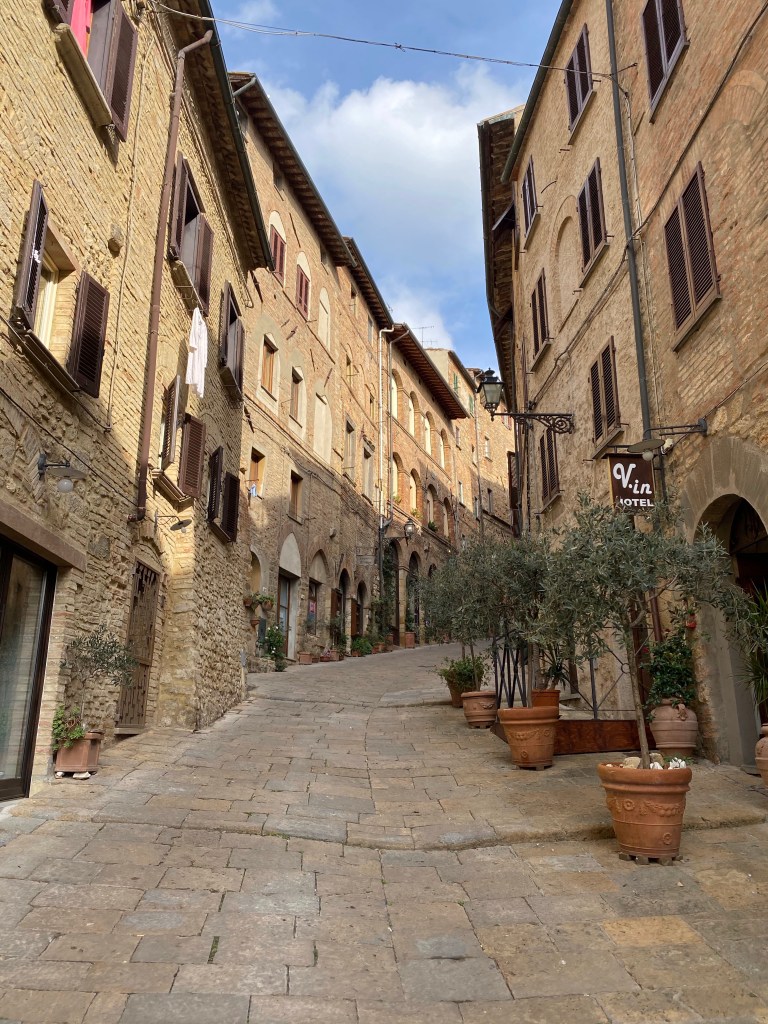
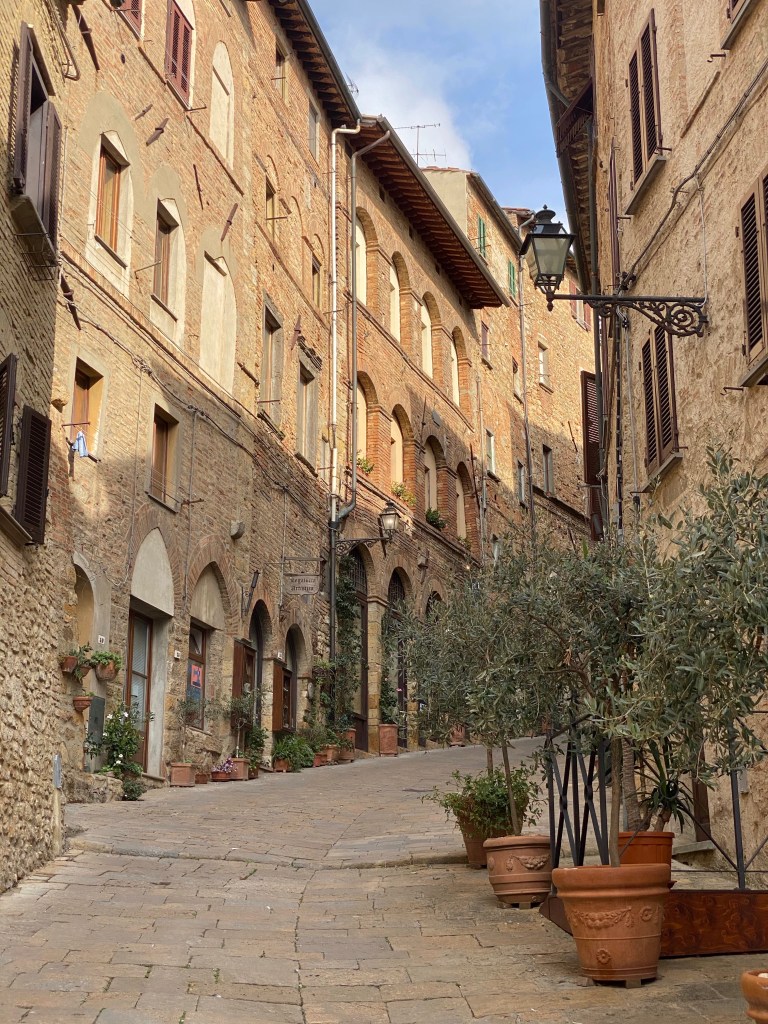
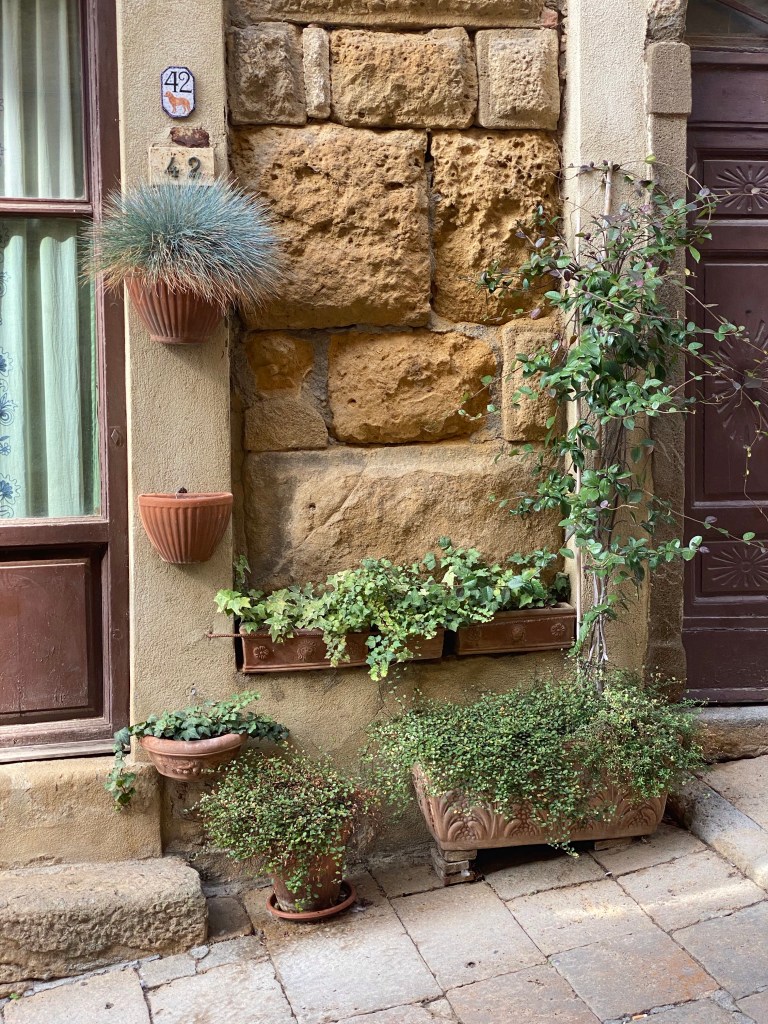
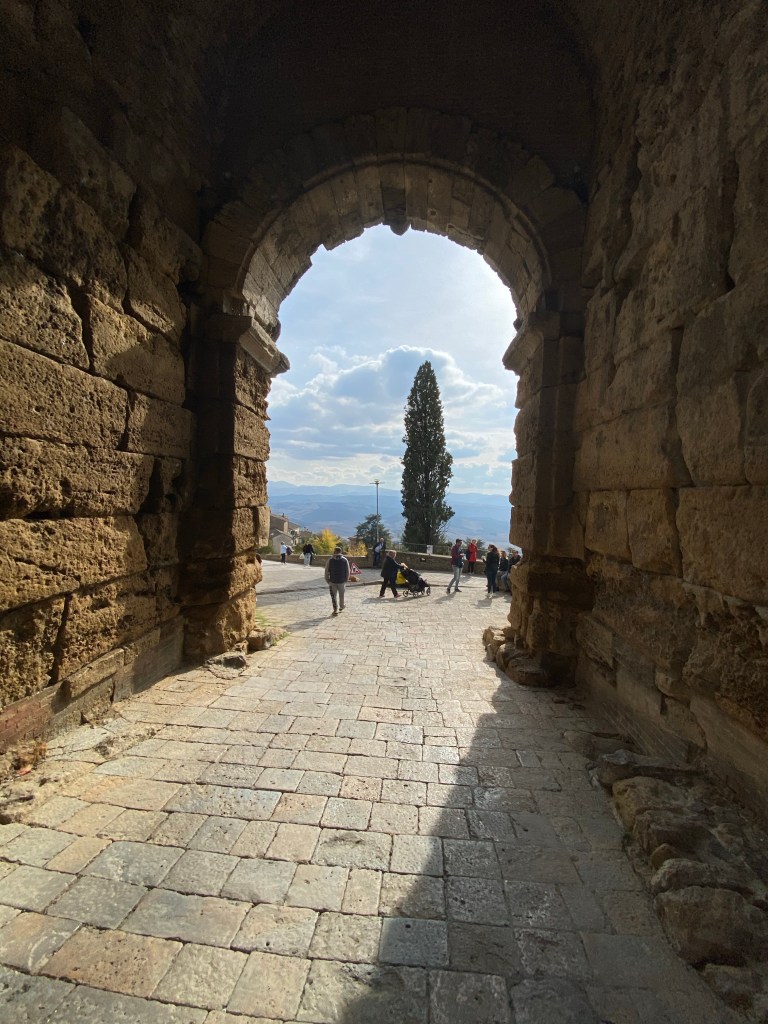
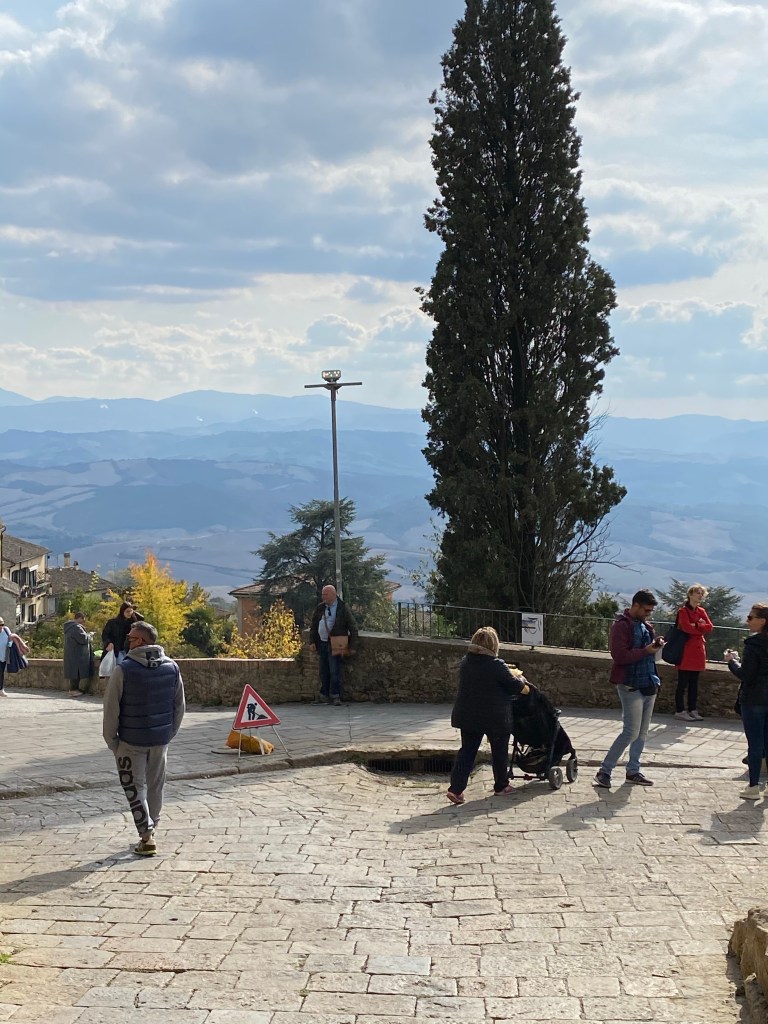
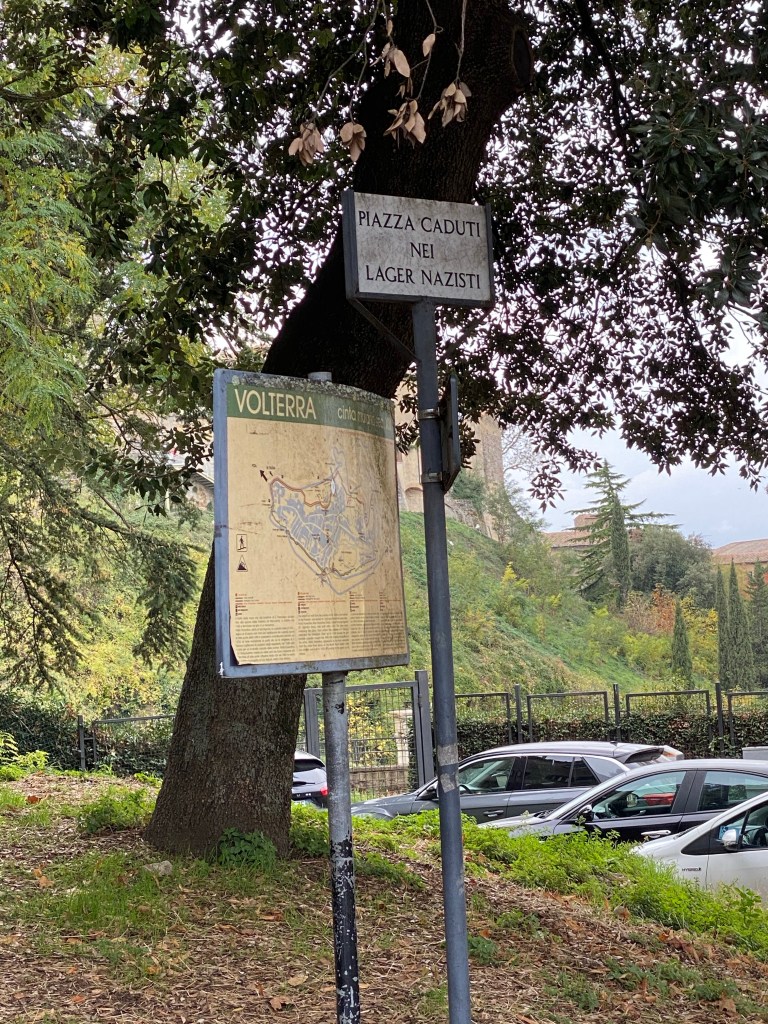
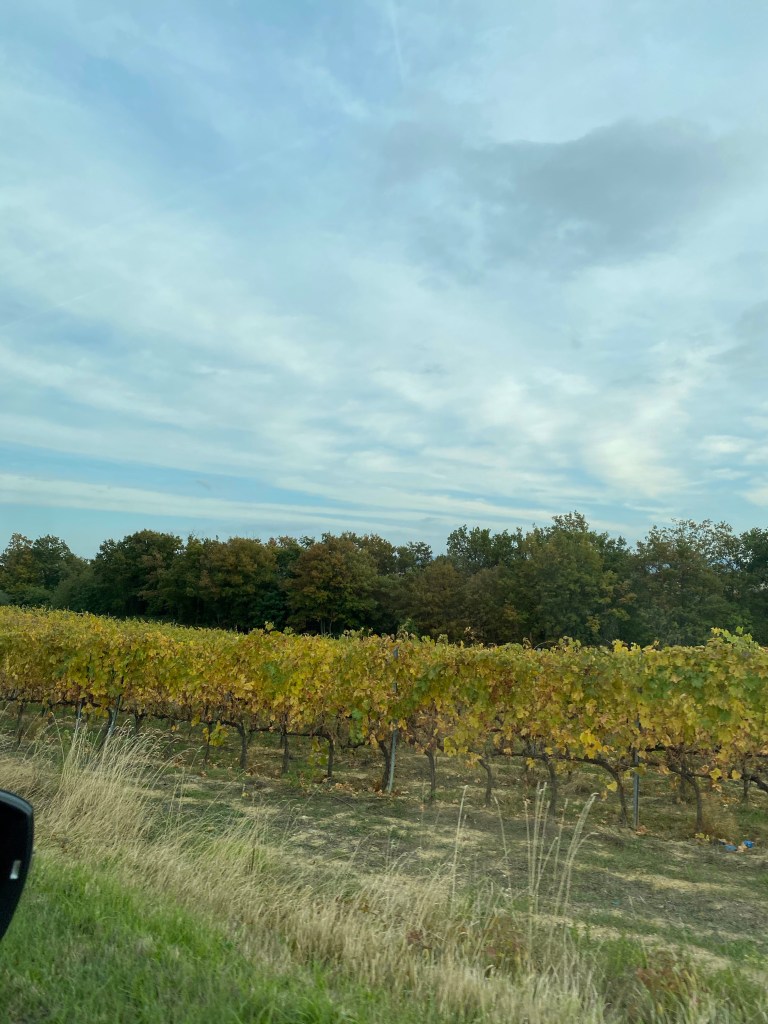
Last month, on a beautiful fall Saturday, a friend and I went to Volterra. I’ve always wanted to go there and finally got to! It was wonderful!
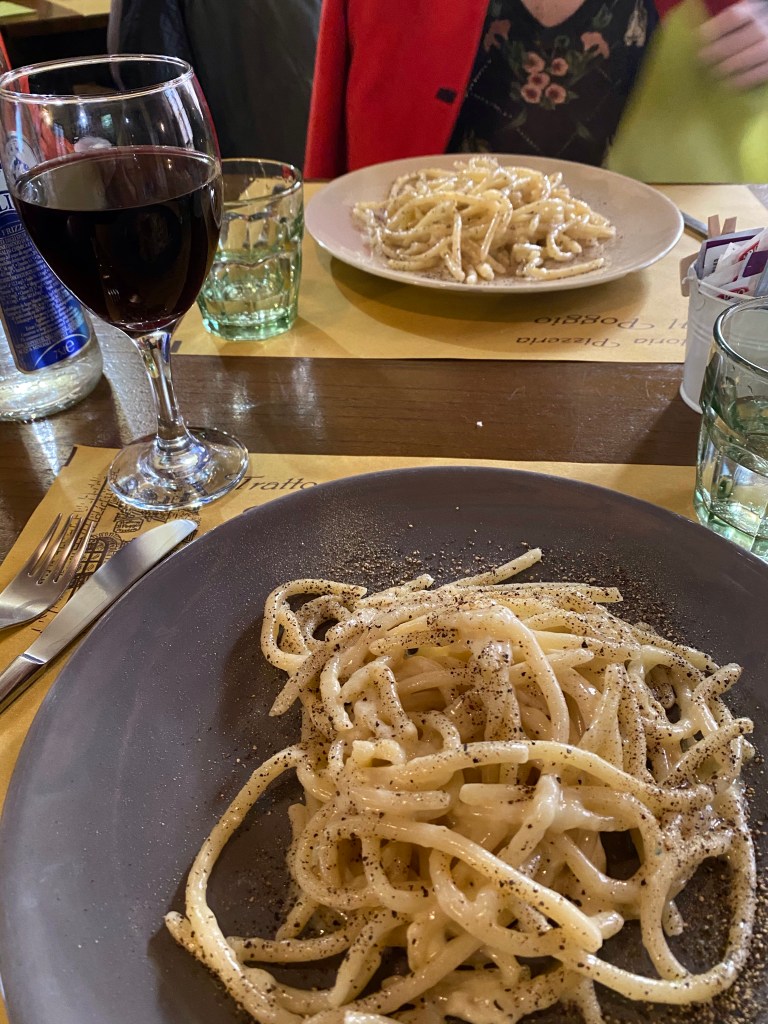
https://www.cucchiaio.it/ricetta/cacio-e-pepe/
I didn’t get to visit some of the sights in Volterra, including the Guarnacci Etruscan Museum, which is one of the oldest and most important Etruscan museums in Italy. Established in 1731, it holds works of exceptional importance in the history of ancient Volterra. The collection begins with the Villanovan section (the oldest phase of Etruscan civilization) with tombs in which bronze objects of the 9th C BC have been found: arms, tools and jewels. The extremely large collection of Etruscan urns makes this museum unique in the world: more than 600 examples of funerary caskets dating to between the 4th and 1st century BC, decorated with mythological scenes as well as with scenes of daily life. The museum also houses wonderful archeological finds such as the “ombra della Sera”, the shadow of the evening, 3rd C BC, showing a young man. You can also admire the lid of the “Urna degli Sposi” 1st c bc, the Stele of the warrior Avile Tite (4th century BC) or the “Kyathos di Monteriggioni (7th c bc).
Palazzo Viti, which I didn’t see but wanted to, is also notable. It is one of the finest private residential buildings in Italy. 12 rooms are open to the public, beautifully fitted with furniture, porcelains, alabaster collections and other valuable items representing Italian, European and Oriental art of the 15-20th centuries. The palace is still arranged as it was when kings and princes visited; and it was used by directors such as Luchino Visconti to shoot film. The palace is still inhabited by descendants of the Viti family.
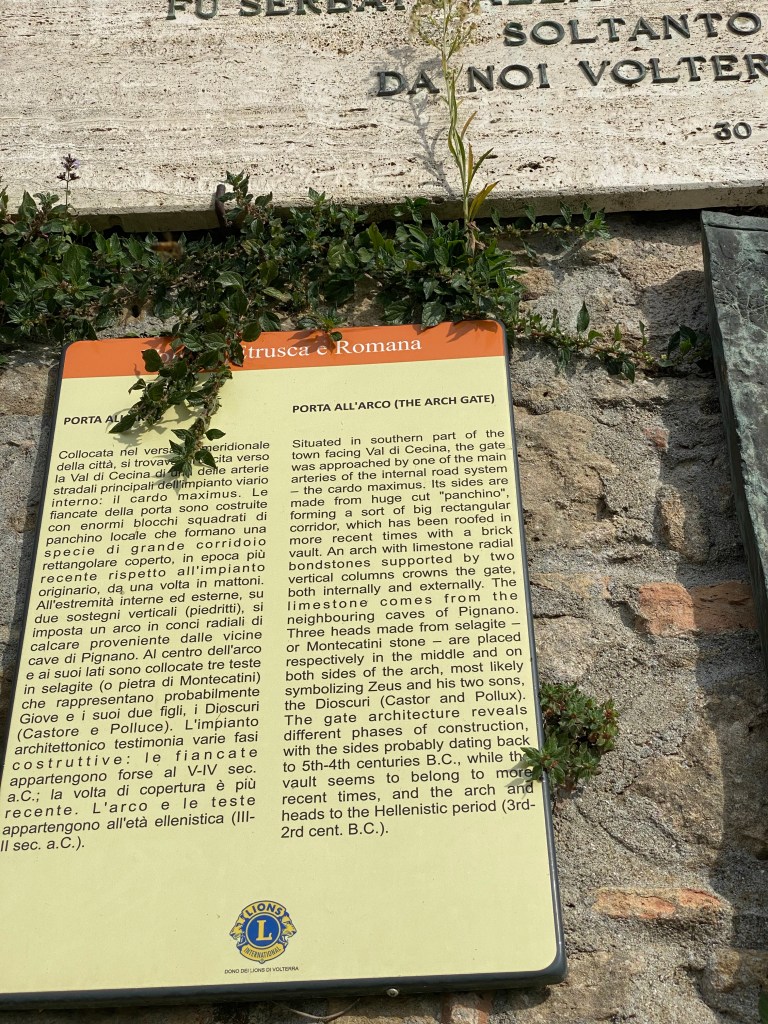
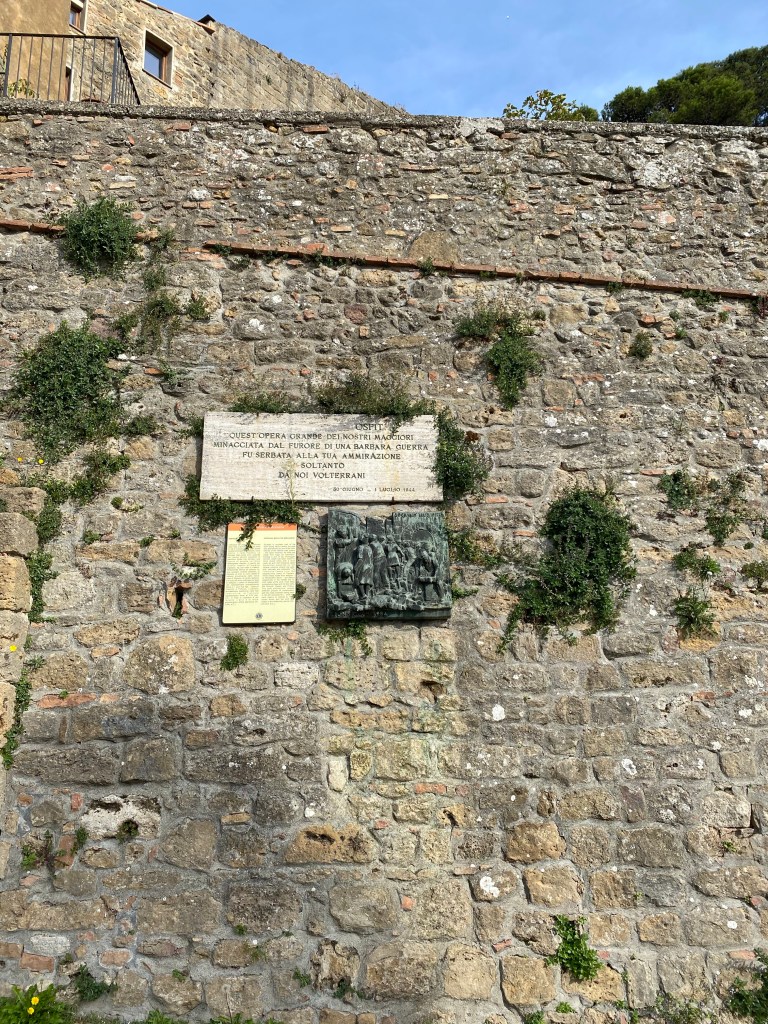
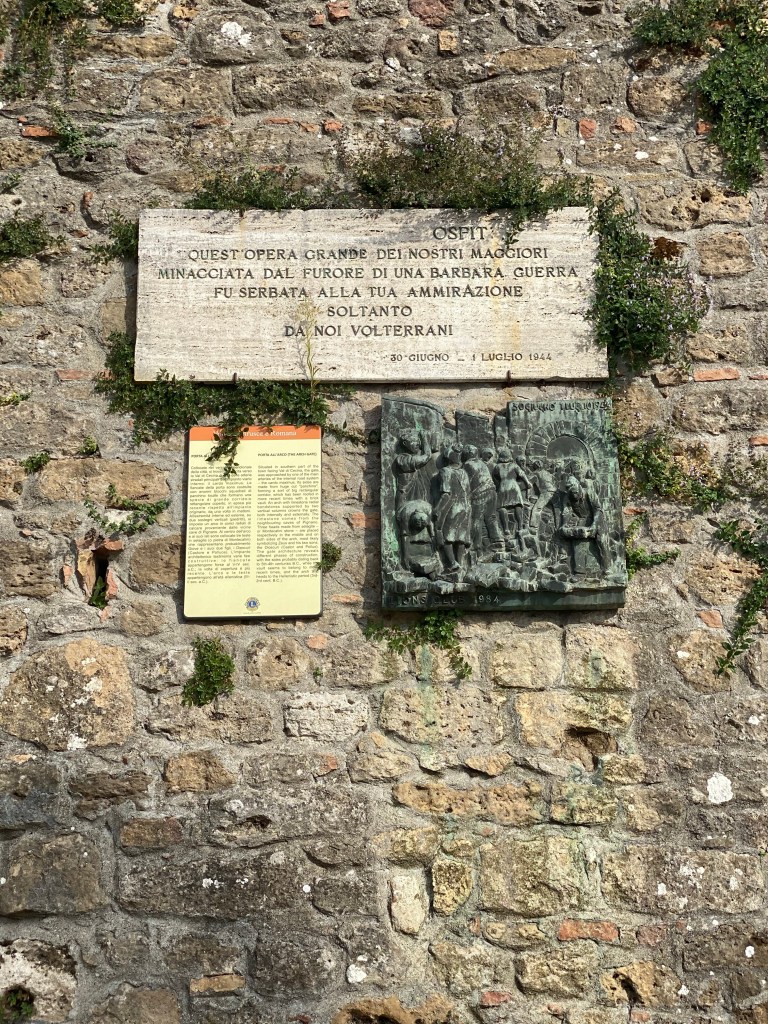
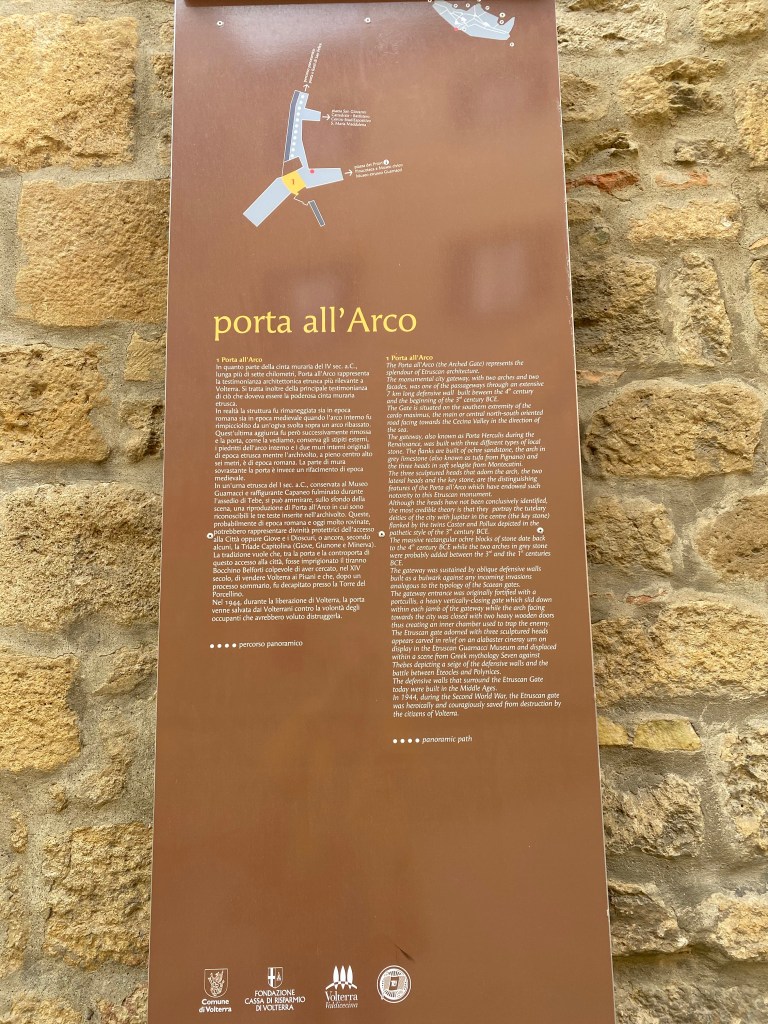
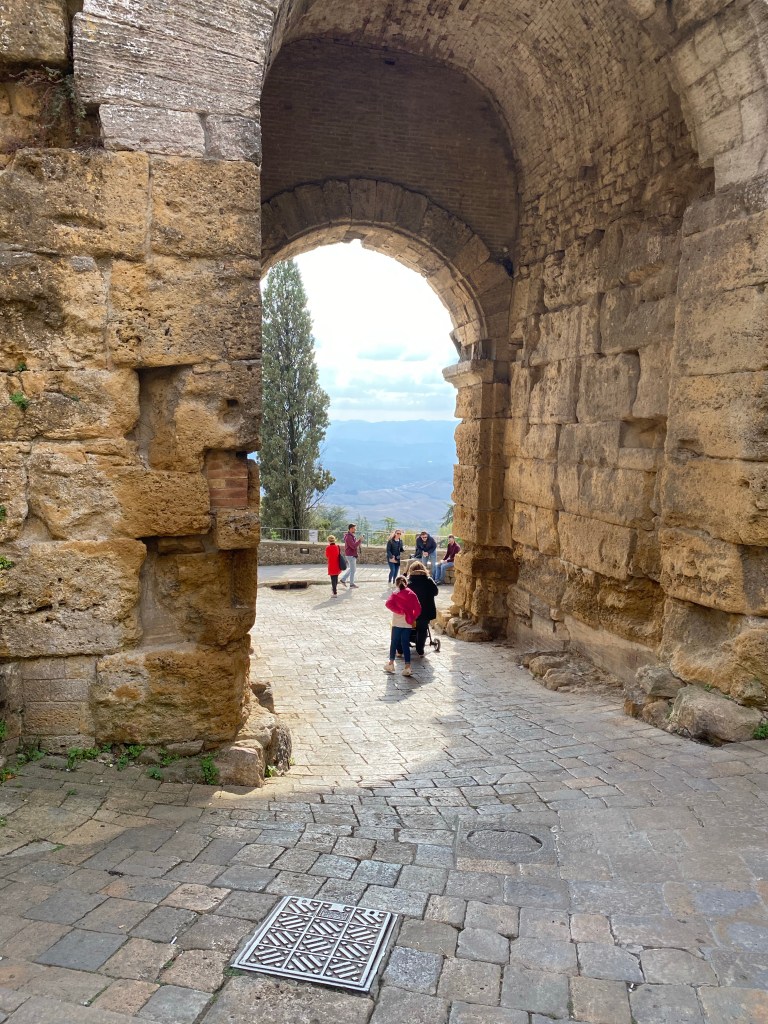
The Etruscans sites in Volterra. Several excavations have brought the light of day to the remains of a district planned to hold the main temples of this formerly Etruscan city. the Acropolis began to take form in and around the 7th C BC with the construction of its first temple. The remains visible today are those of 2 large temples and other buildings around them, dating back to the Hellenistic era.
You can also visit a large Roman underground reservoir that once supplied the city with nearly all its water.
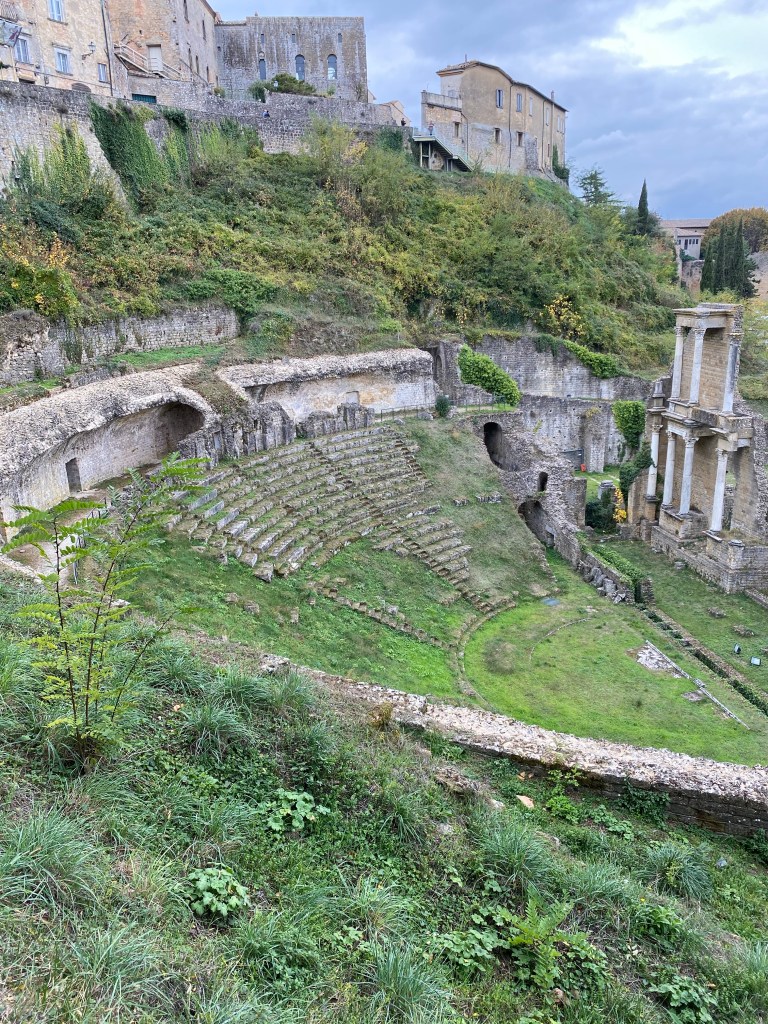
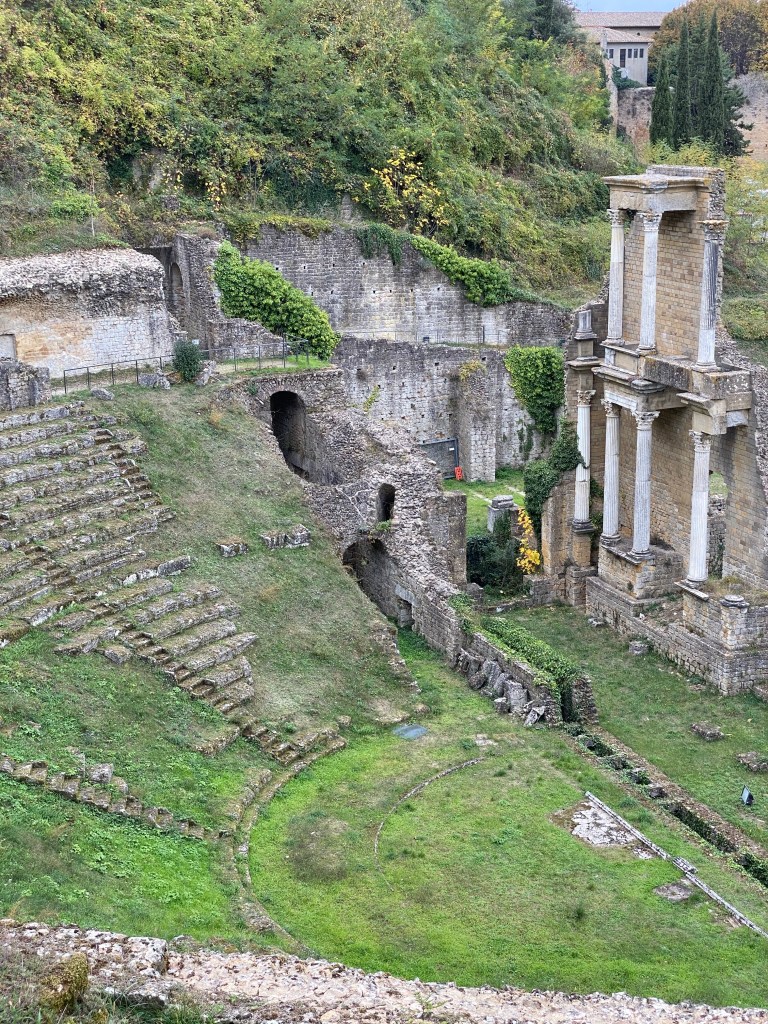
Teatro Romano: In the Vallebuona are remains of the most important Roman building in Volterra: the theater. Built at the end of the 1st C BC, it could hold more than 2000 people; it was abandoned at the beginning of the 3rd C AD. Its remains were used to build a thermal complex in the center of the porch, which stood behind the stage. Many of its original parts were decorated with marble and statues.
 get back, lauretta!
You must be logged in to post a comment.