La Foce

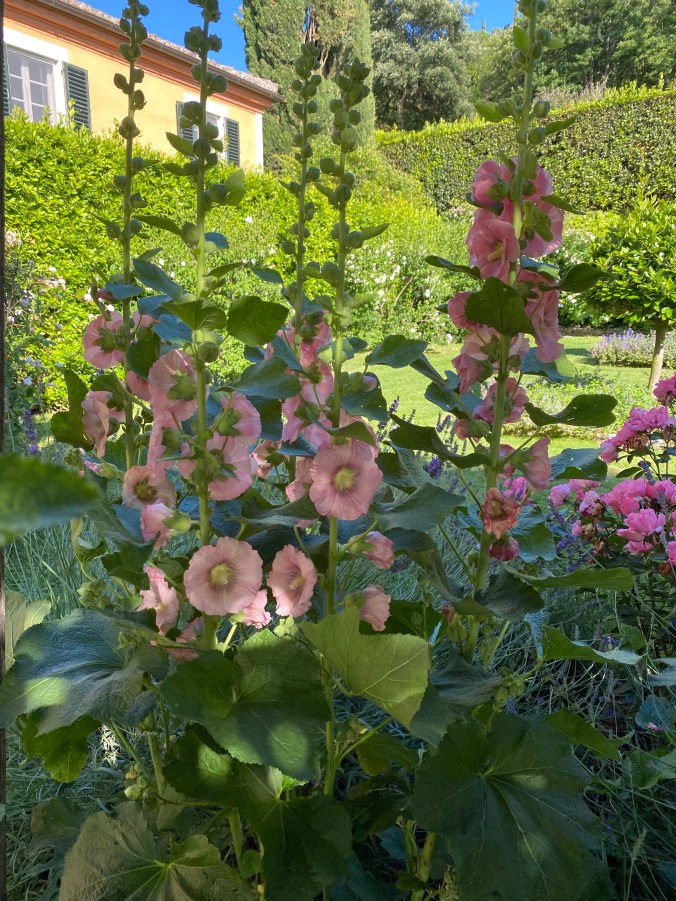
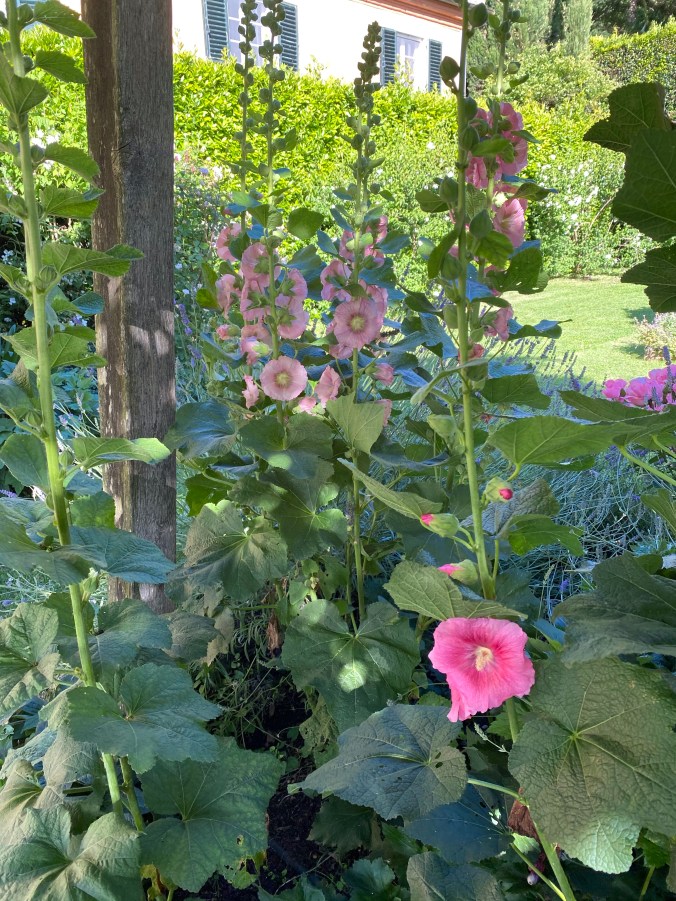
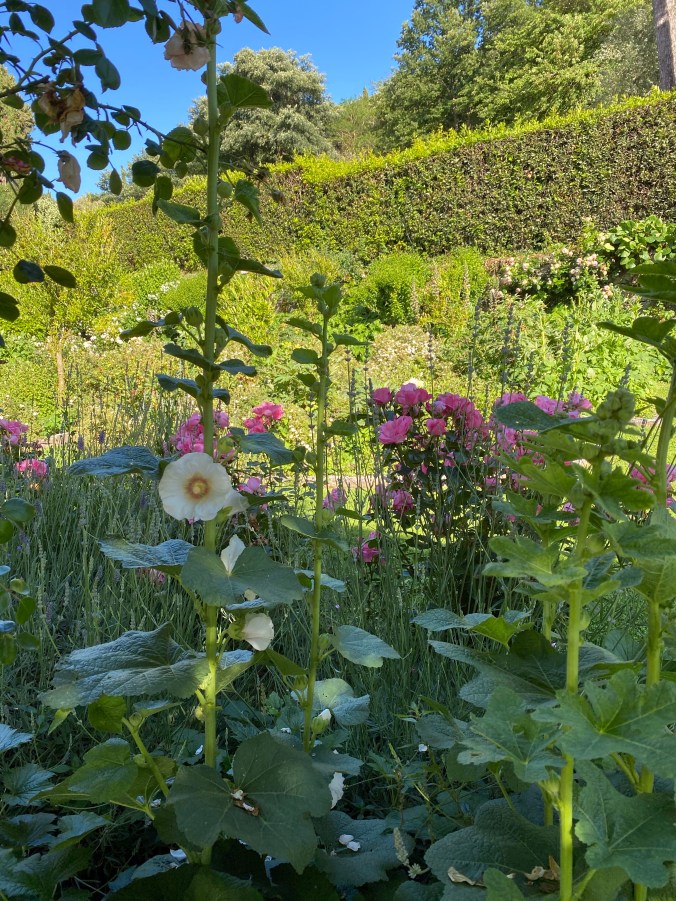
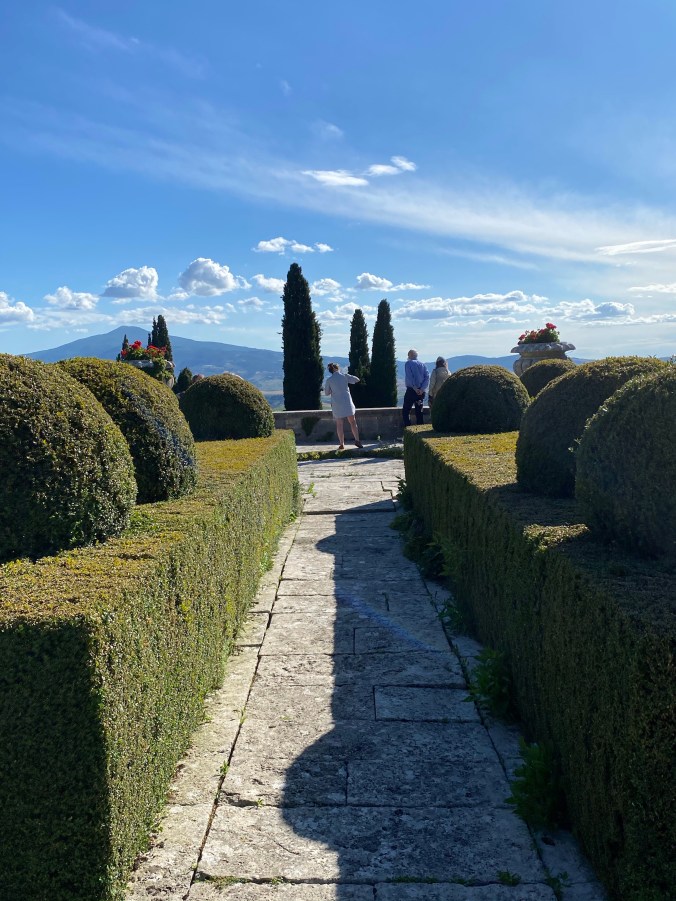
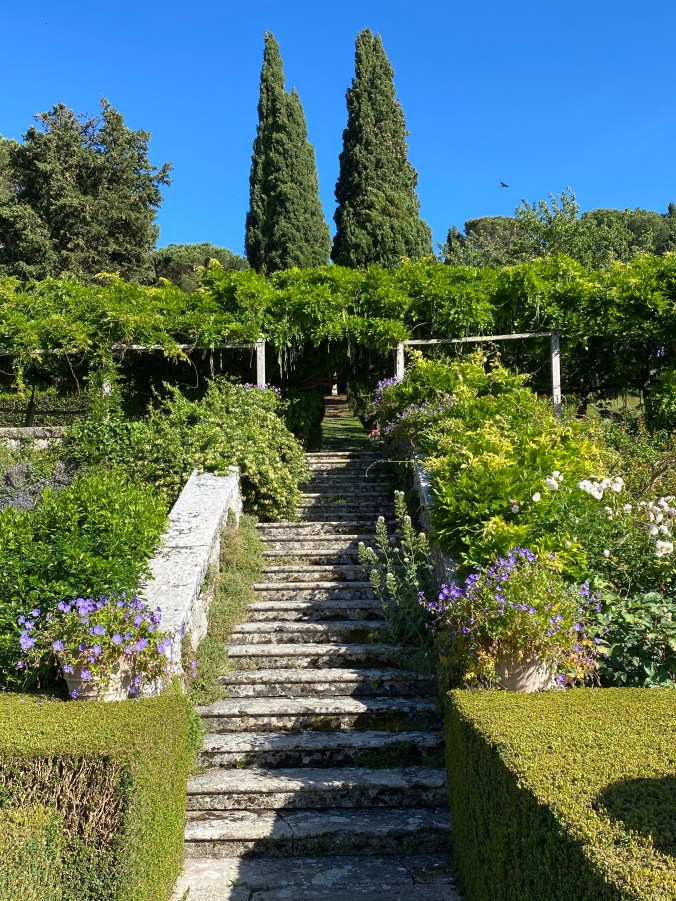
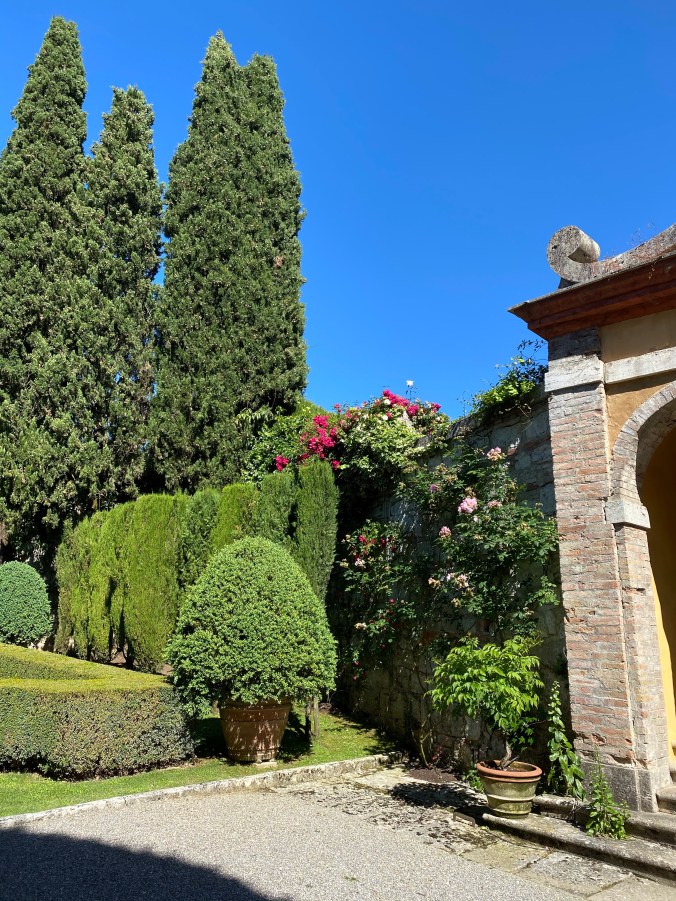
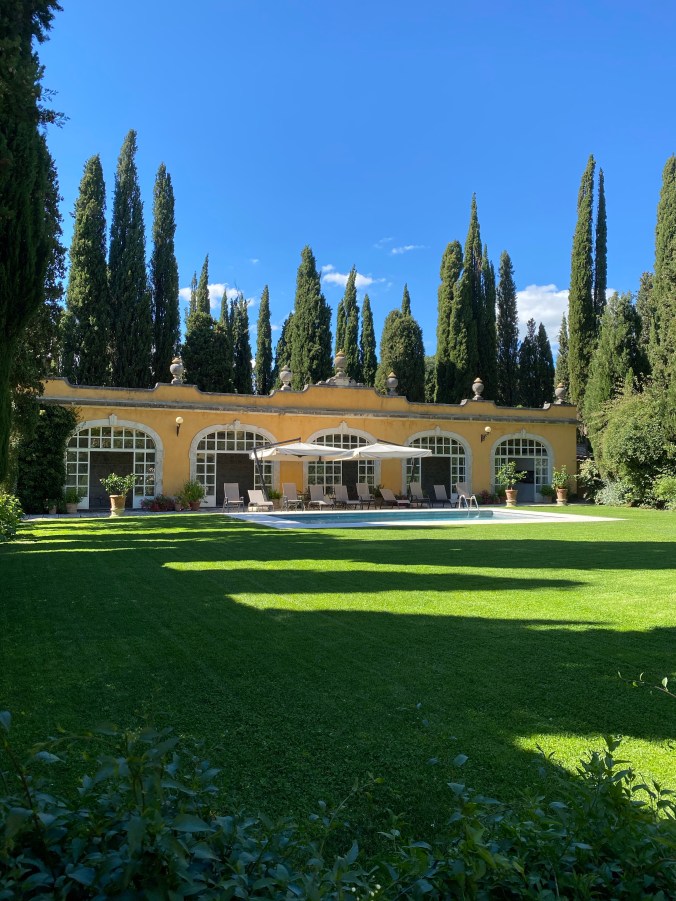
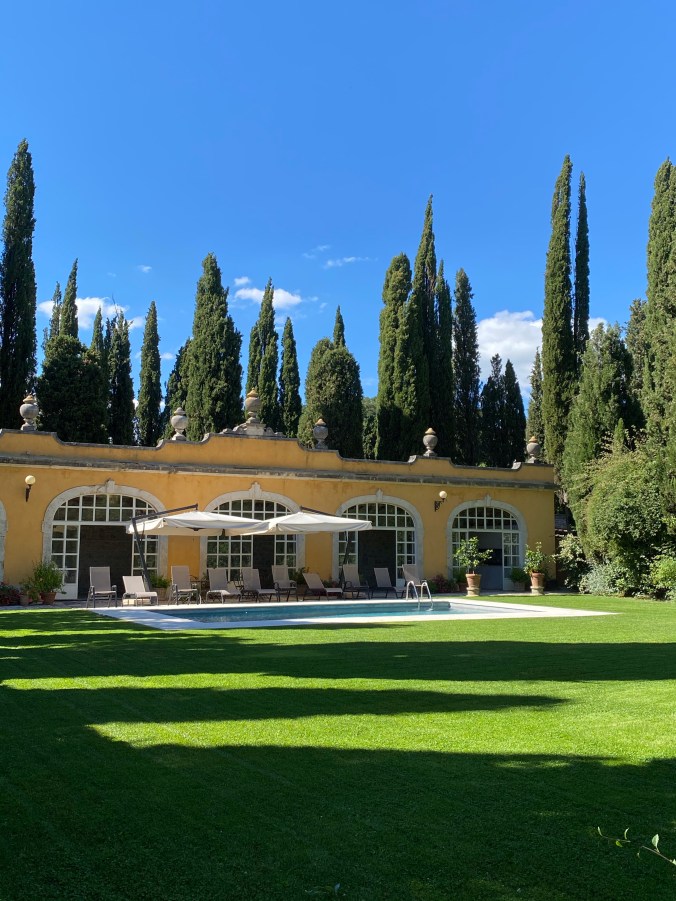
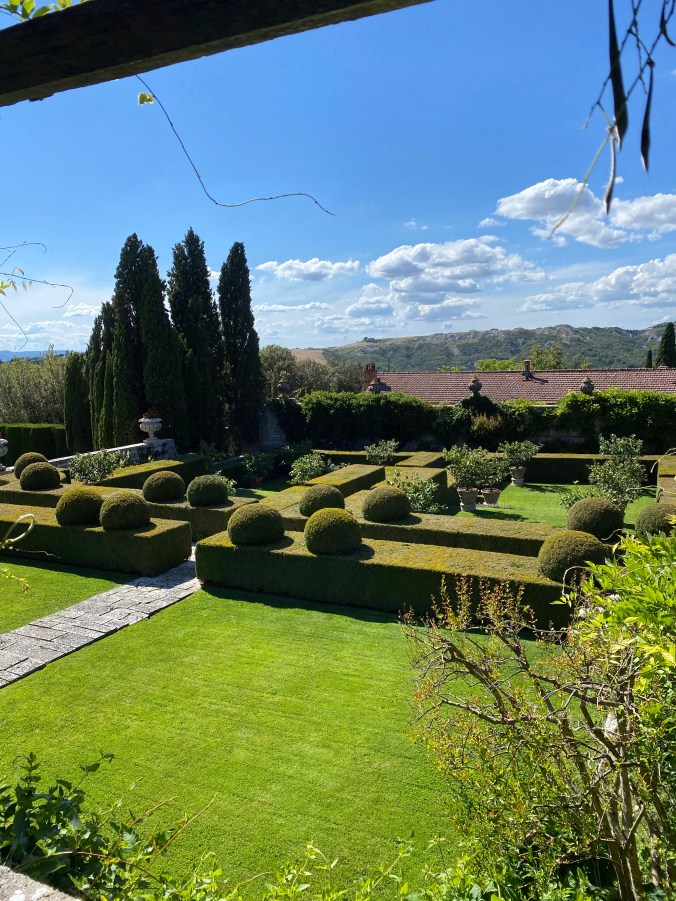
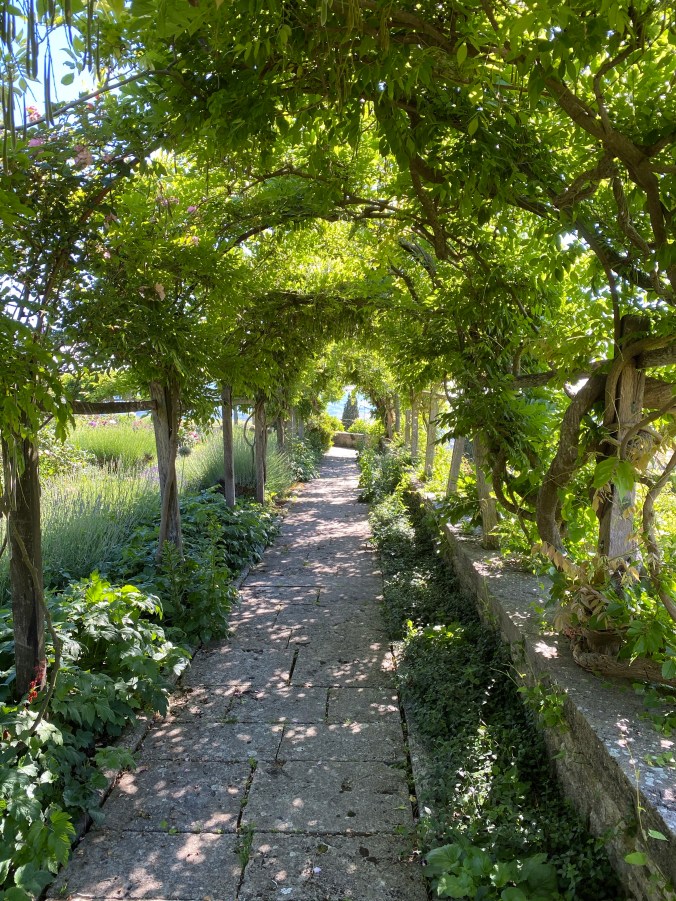
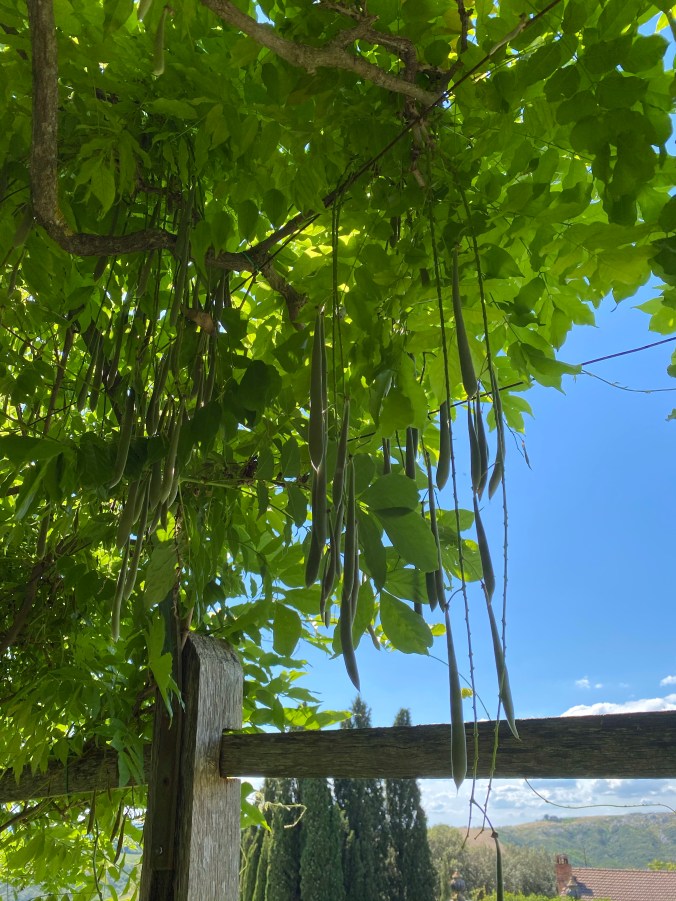
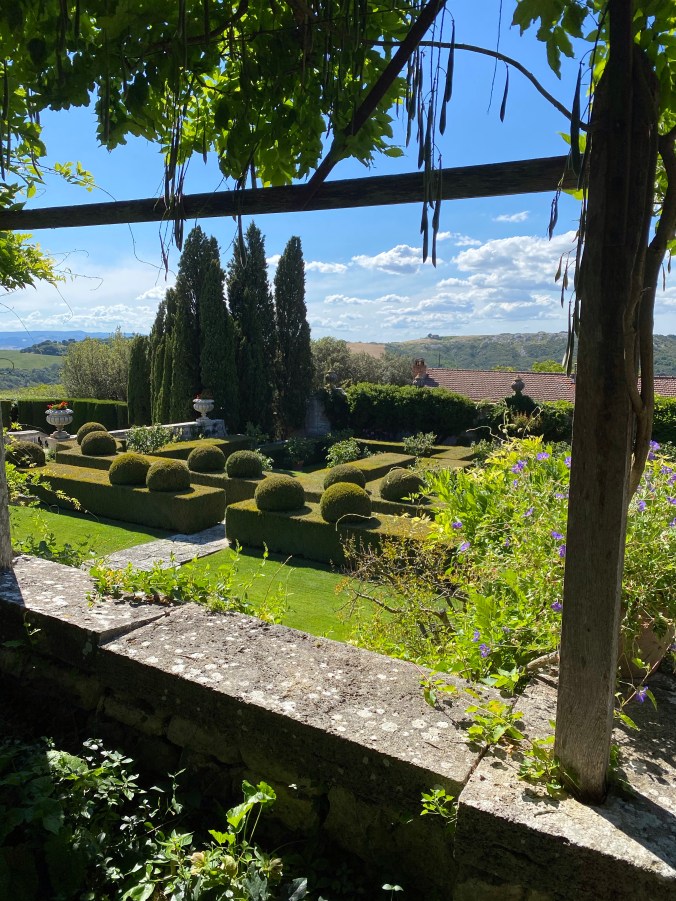
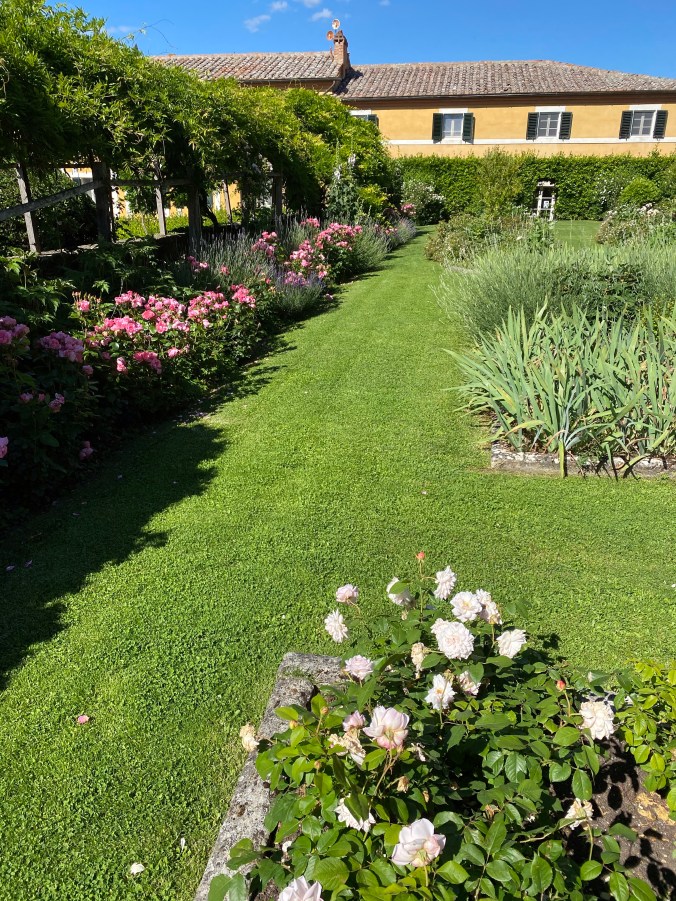
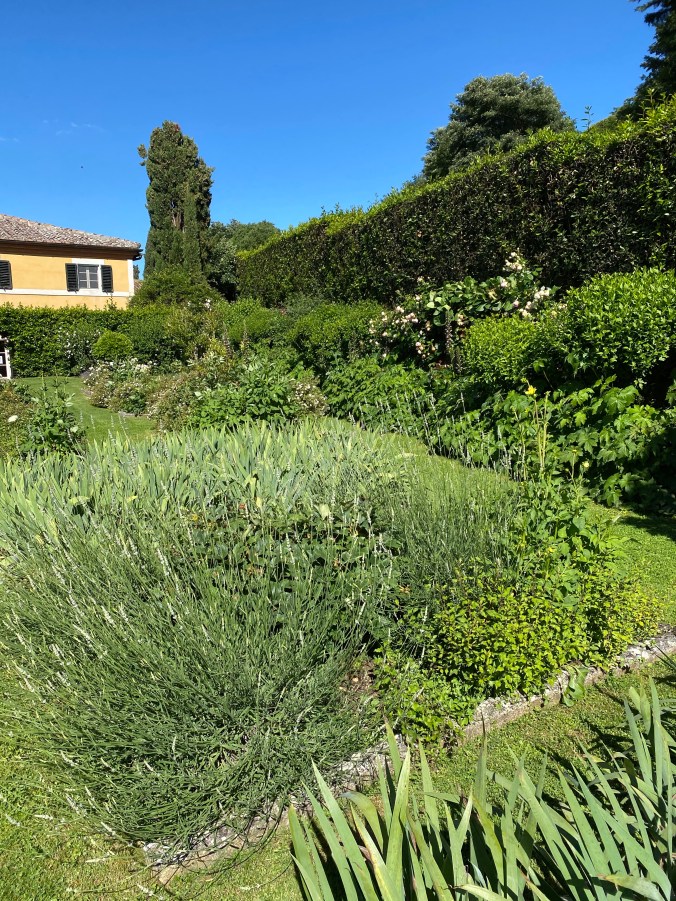
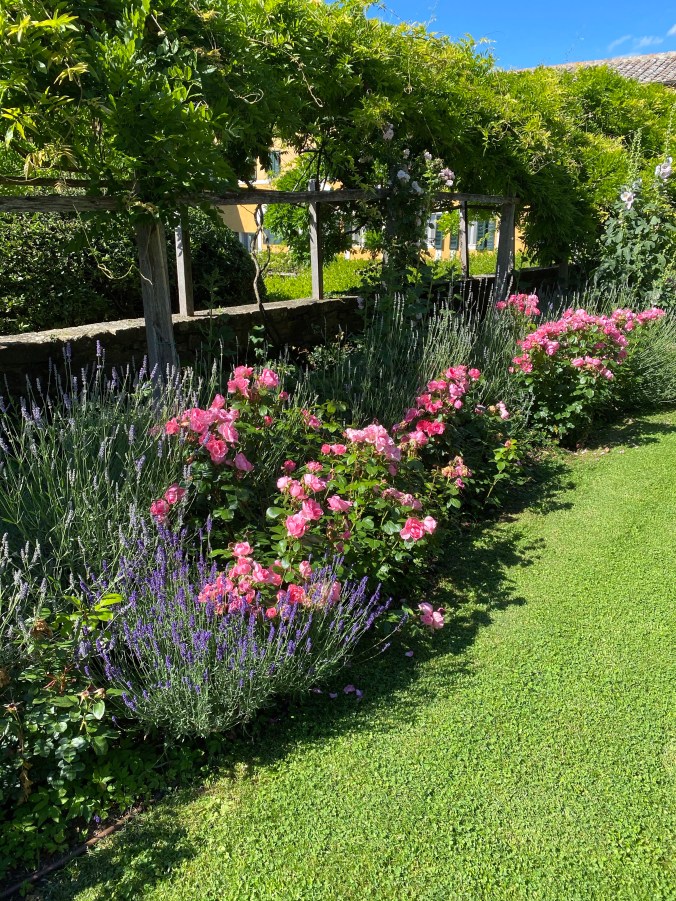
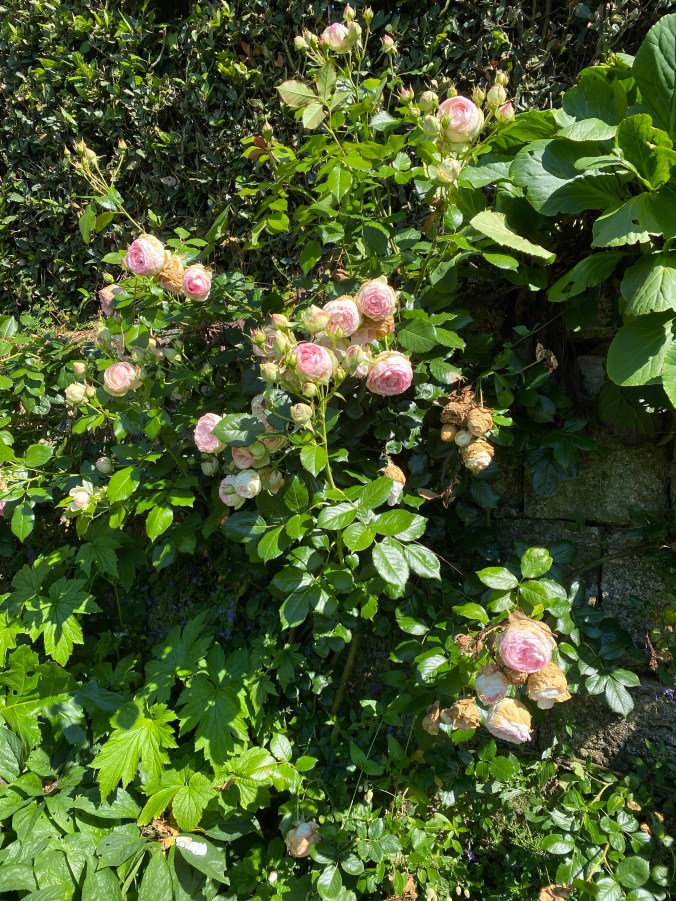
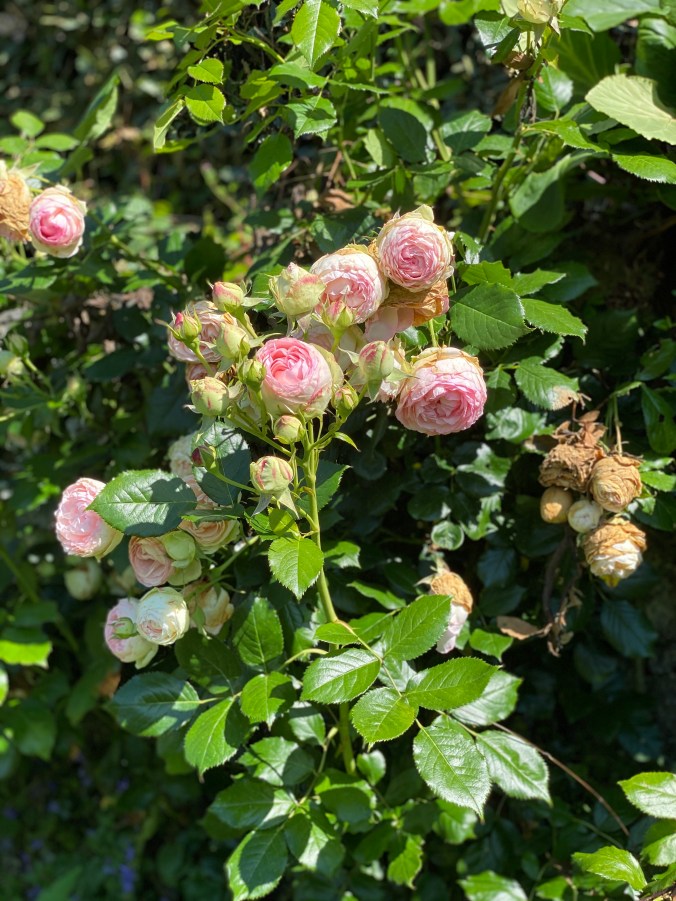
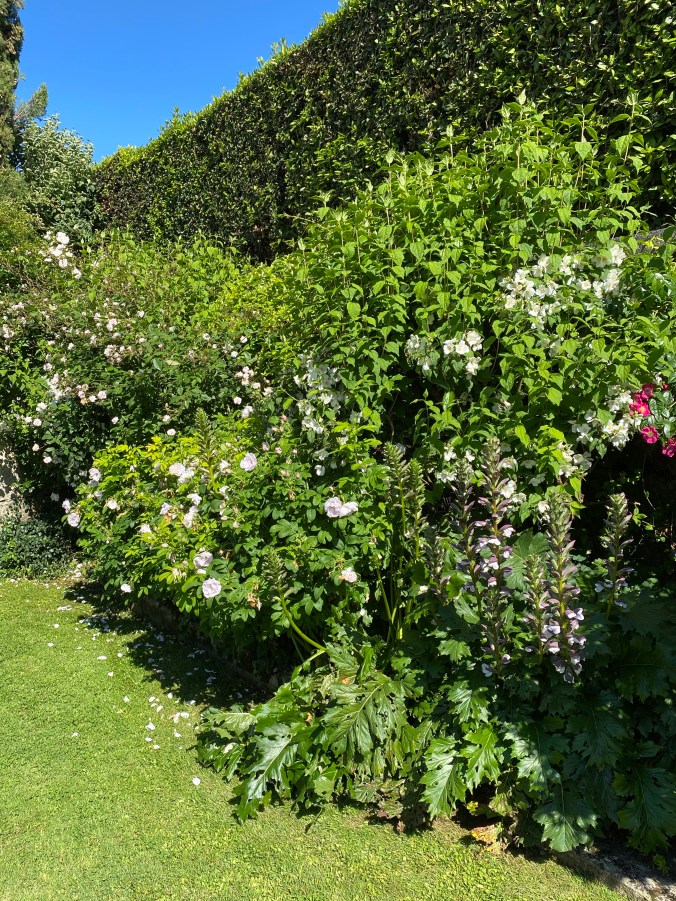
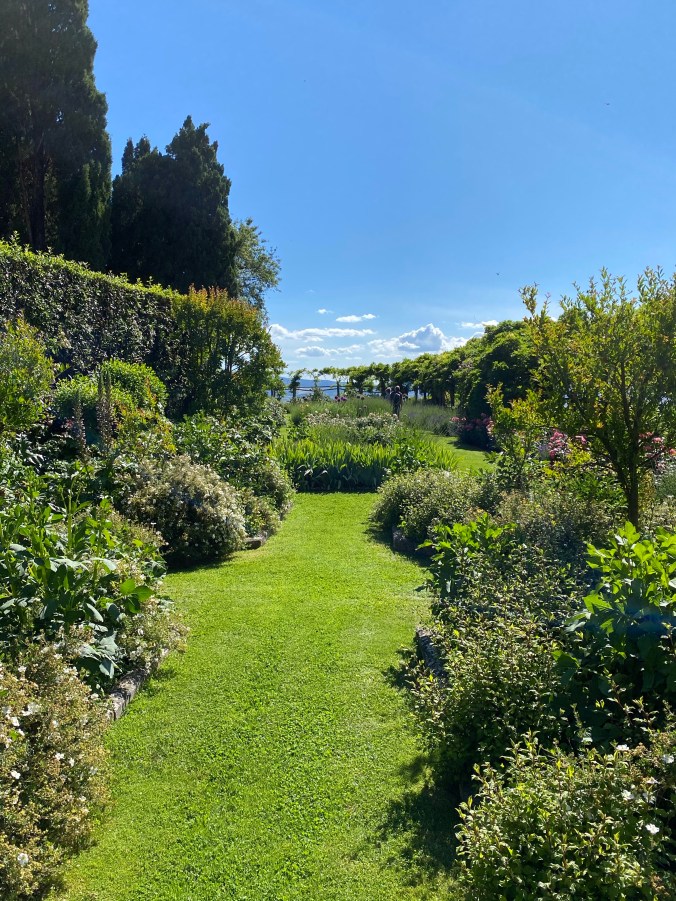
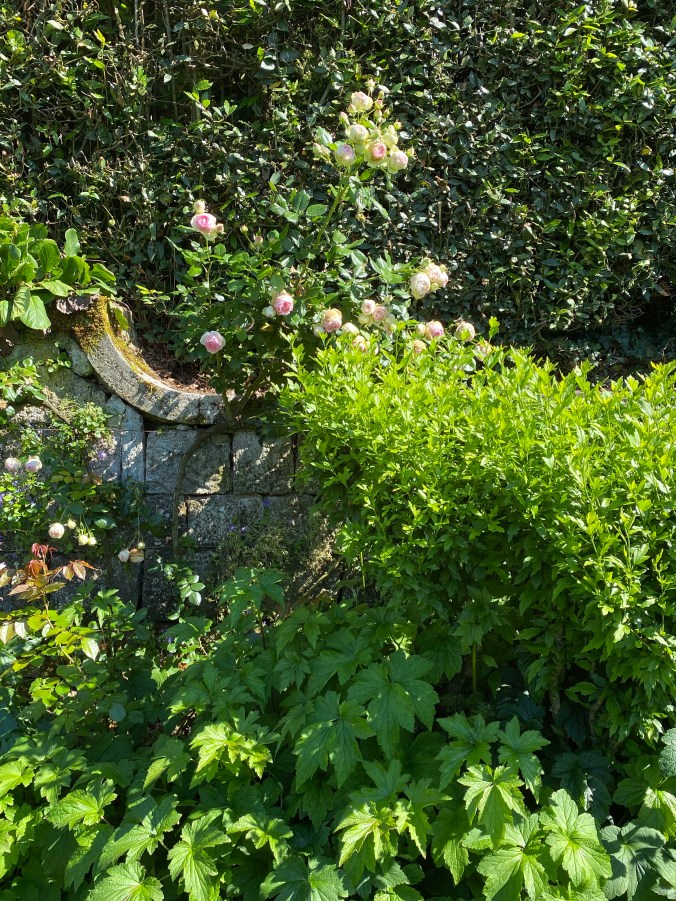
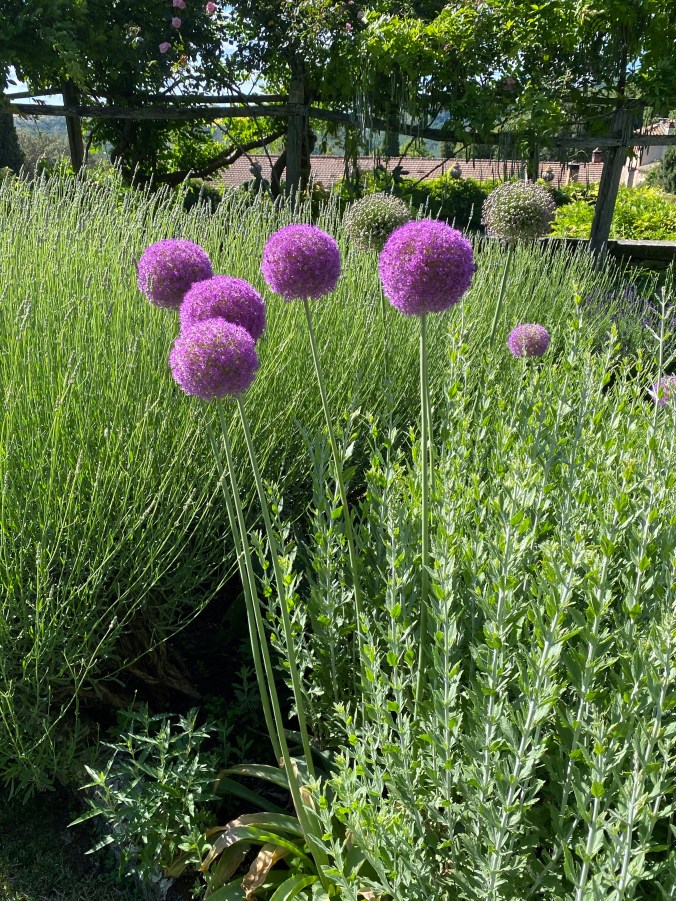
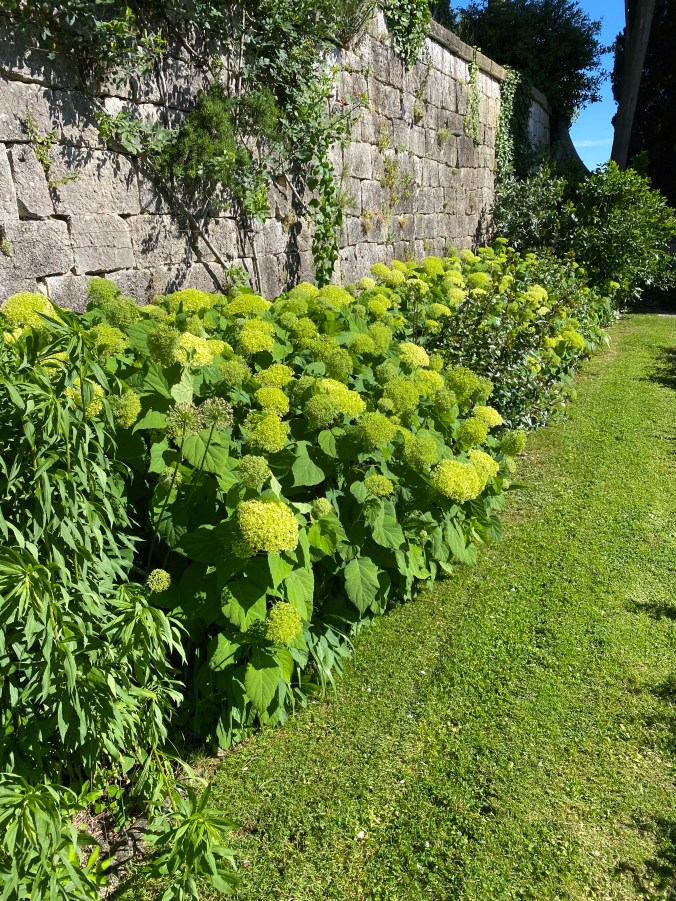
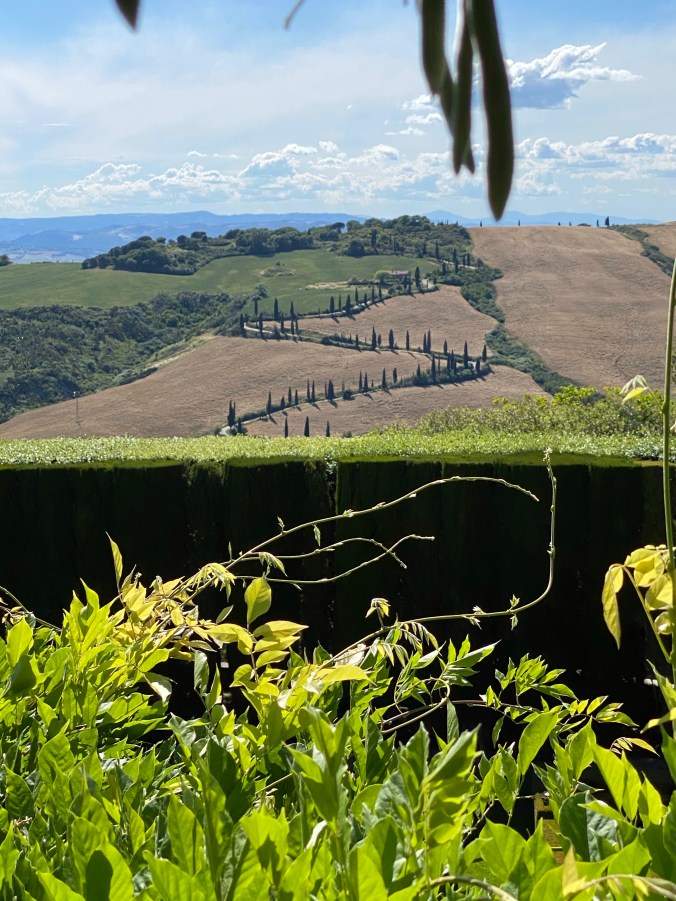
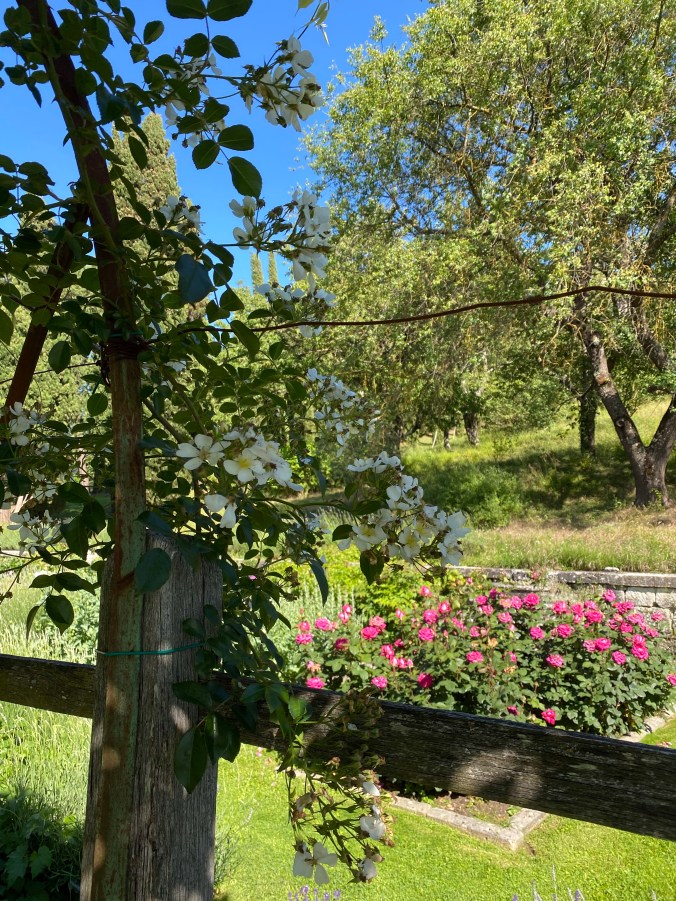
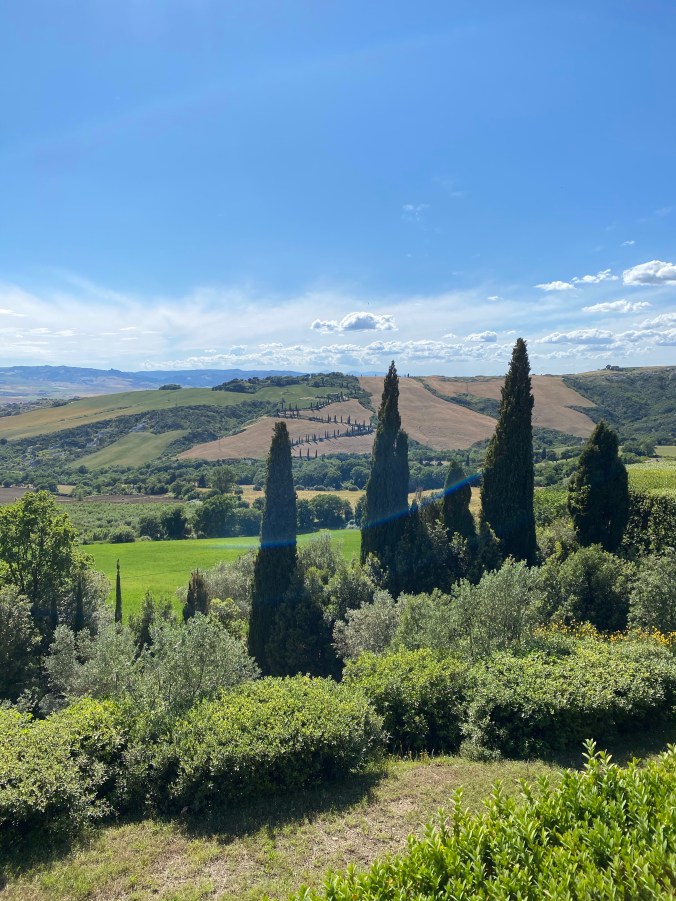
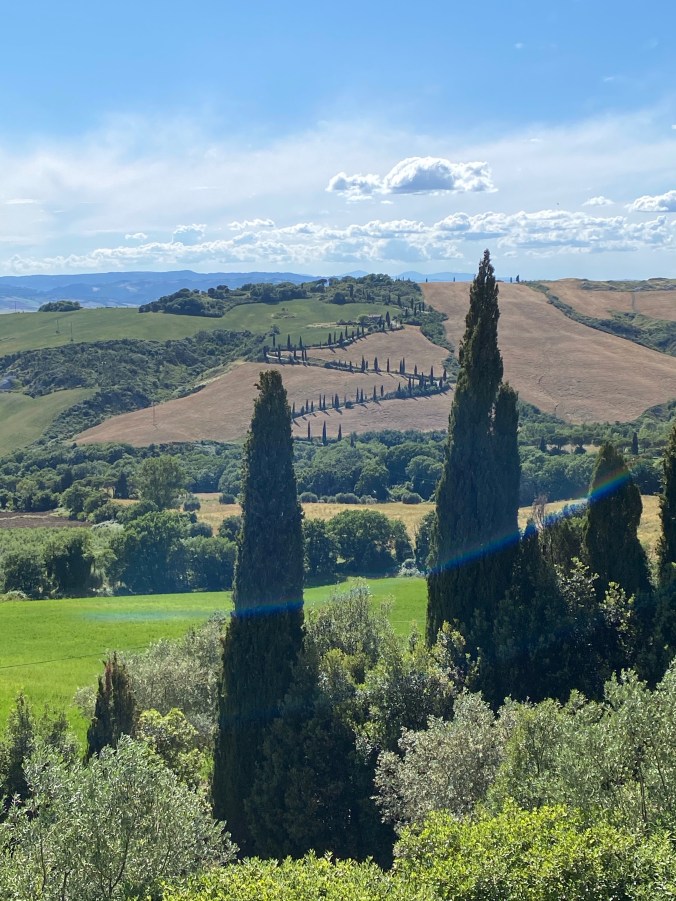
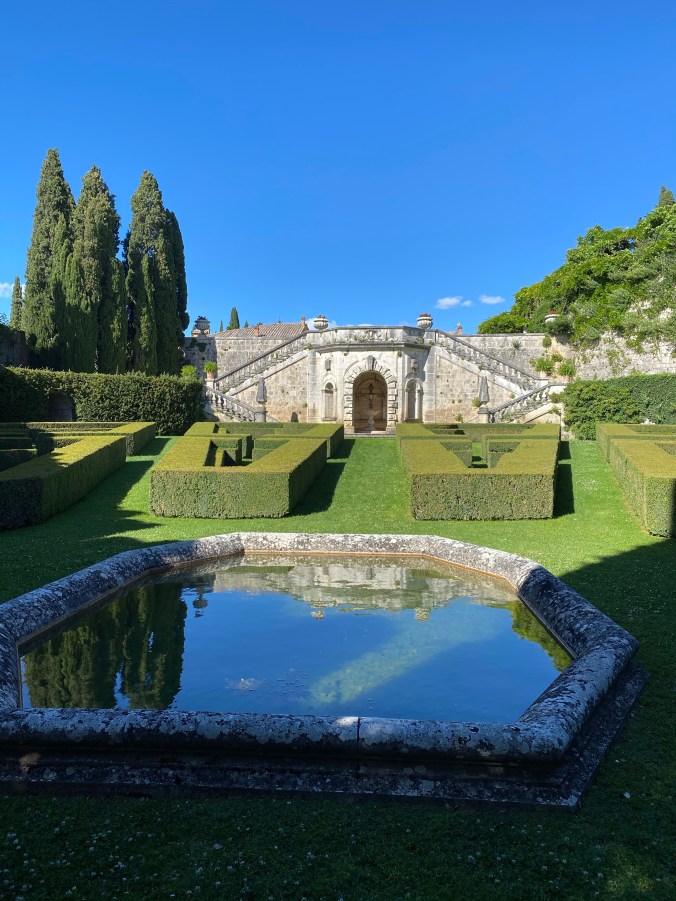
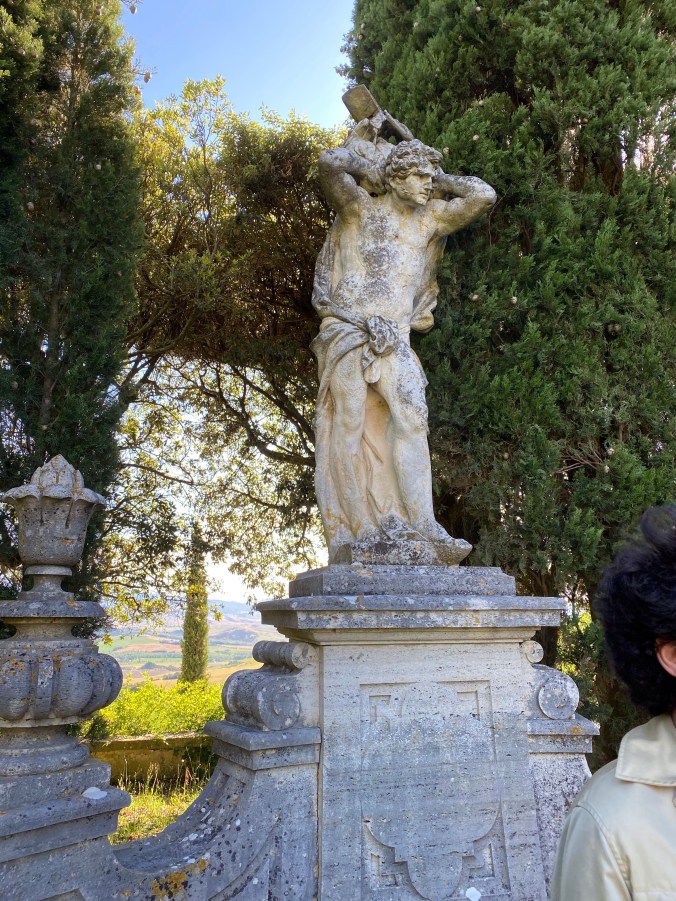
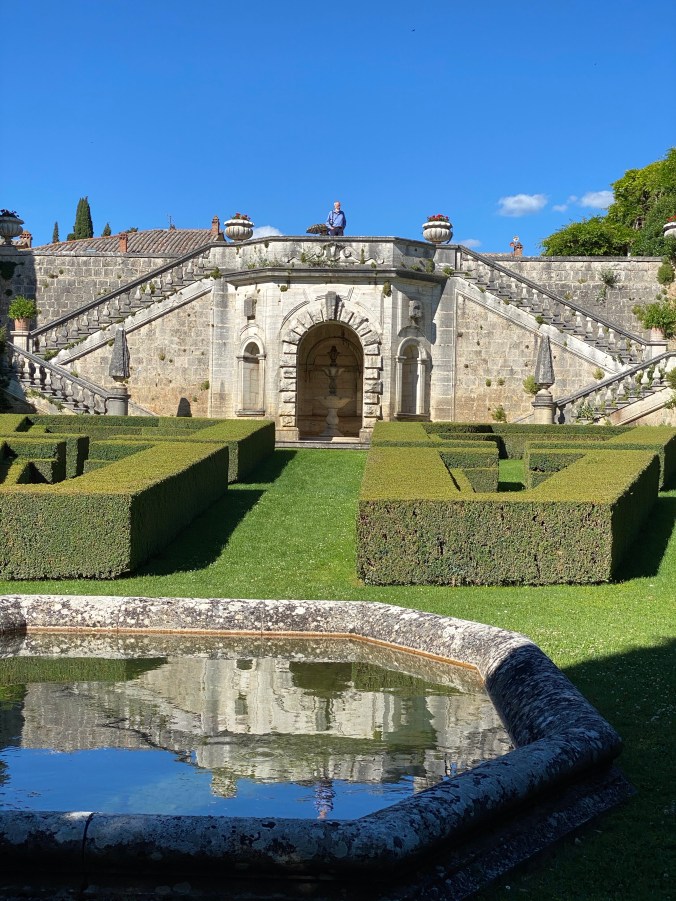
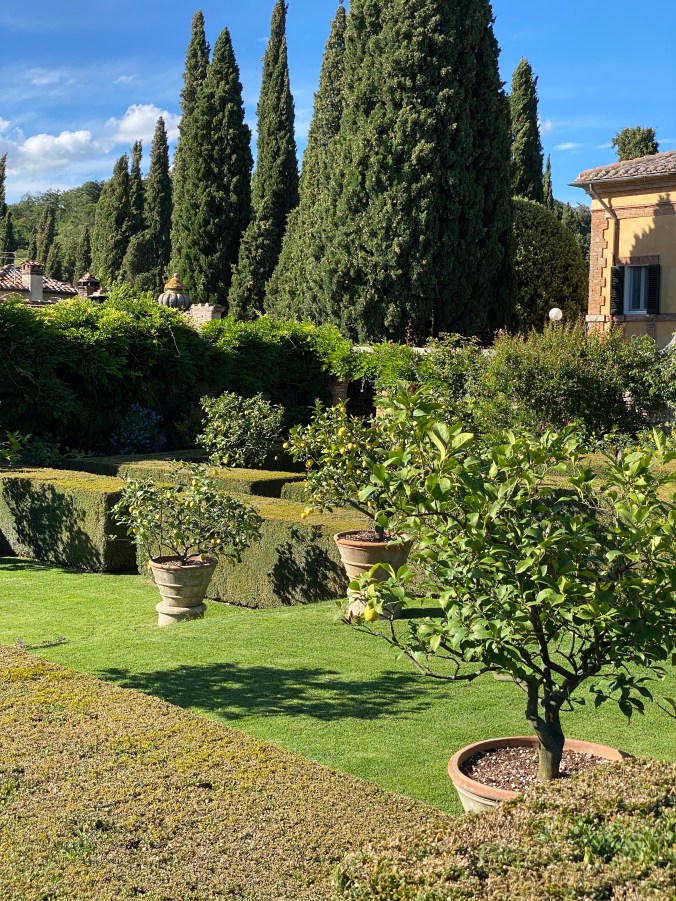
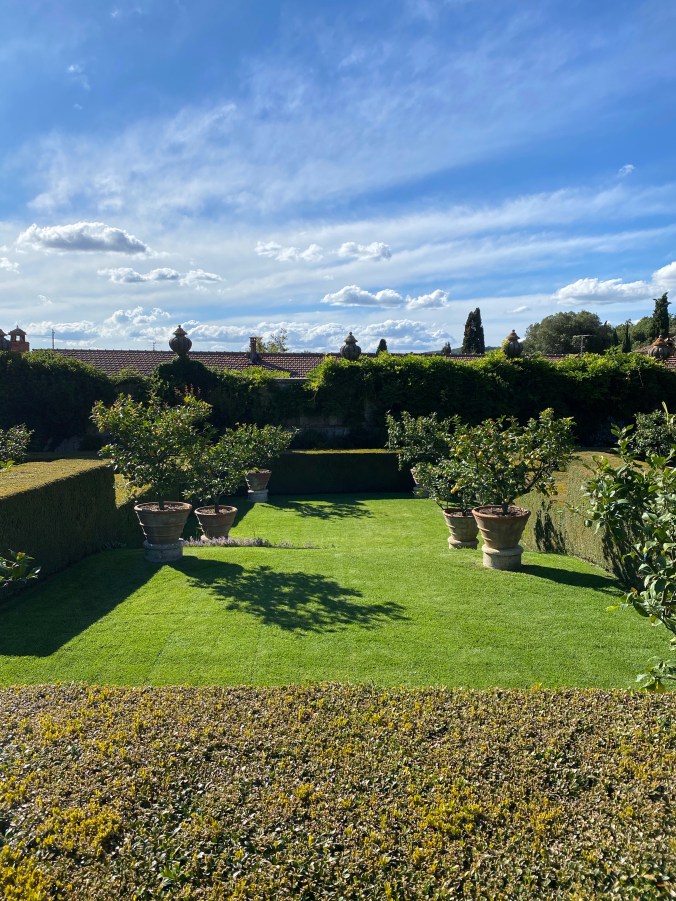
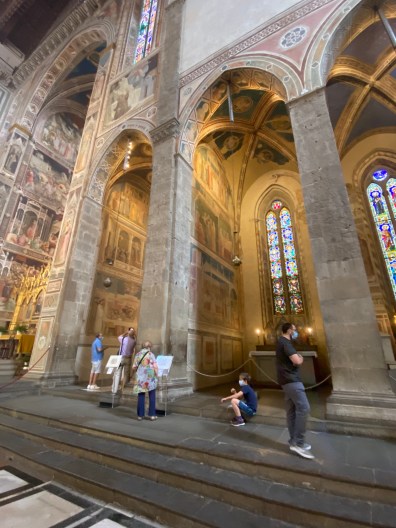
La Foce, or “the mouth” of the Orcia river, in the beautiful Val d’Orcia, Toscana.  If there is a more beautiful place on earth, I’ve yet to find it.

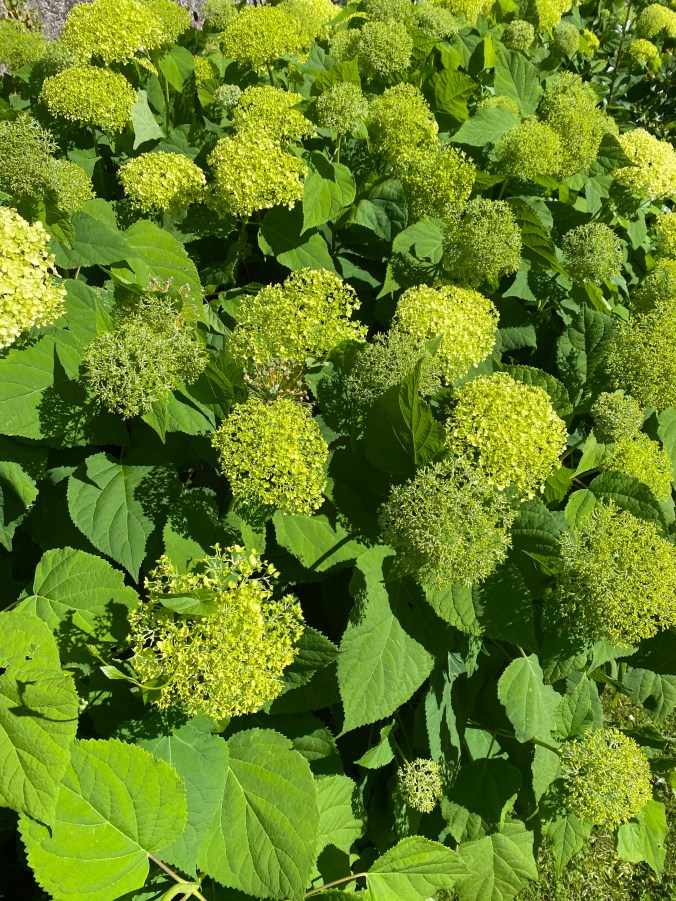
Created by Iris Origo and her husband, this incredible formal Italian garden is set amidst the rugged Crete senesi.  This was my second visit, but I know there will be more visits in the future.  Last time I was there, it was late summer and the earth and foliage was rather brown. This time, after the rains we have been getting, it was vibrantly green.  It is beautiful in any season.

img_6563


img_6562


img_6576


img_6570


img_6592-1


img_6591


img_6590


img_6589


img_6588


img_6587


img_6586


img_6534-1


img_6535


img_6536


img_6537


img_6538


img_6539


img_6540

img_6542


img_6543


img_6544


img_6545


img_6546


img_6547


img_6548


img_6549


img_6550


img_6551


img_6552


img_6553


img_6555


img_6556


img_6557


img_6559


img_6560


img_6561


img_6564


img_6565


img_6568


img_6569


img_6570-1


img_6571


img_6572


img_6573


img_6574


img_6578


img_6579


img_6581


img_6582

https://www.lafoce.com/it/


Inside the Upper Church in the Russian Orthodox Church of Florence

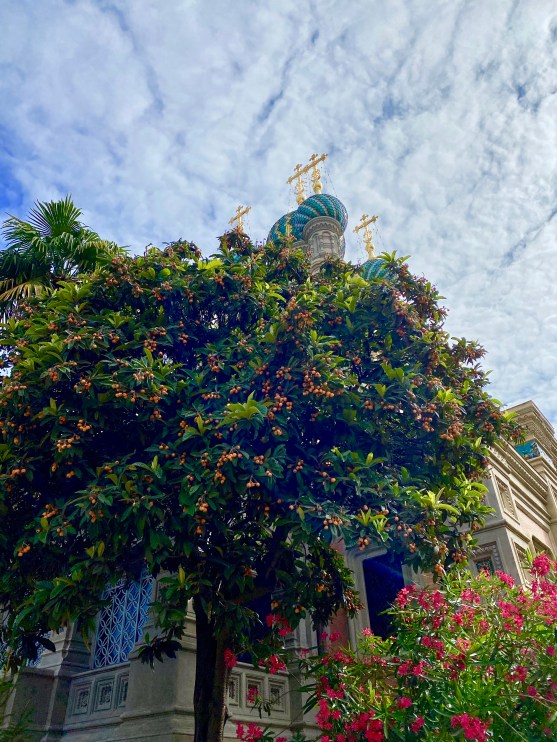
Chiesa_russa_ortodossa_della_natività_di_Firenze,_laterale

A recent visit to this beautiful church in Florence led me to write posts on the exterior and the interior of the lower church.  Today I want to focus on the upper church.

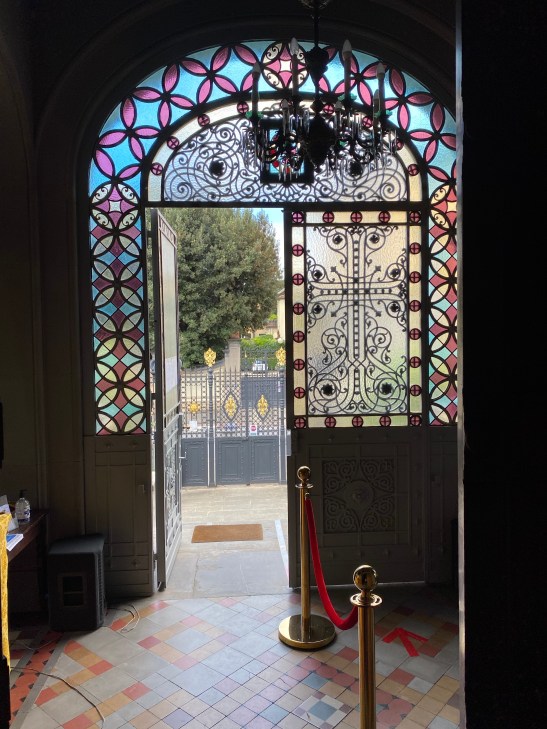
You climb the stairs outside the front door of the church, and enter the upper church through this lovely stained glass and iron work door.

W32JYM5zTqmu0TYs96RpYA


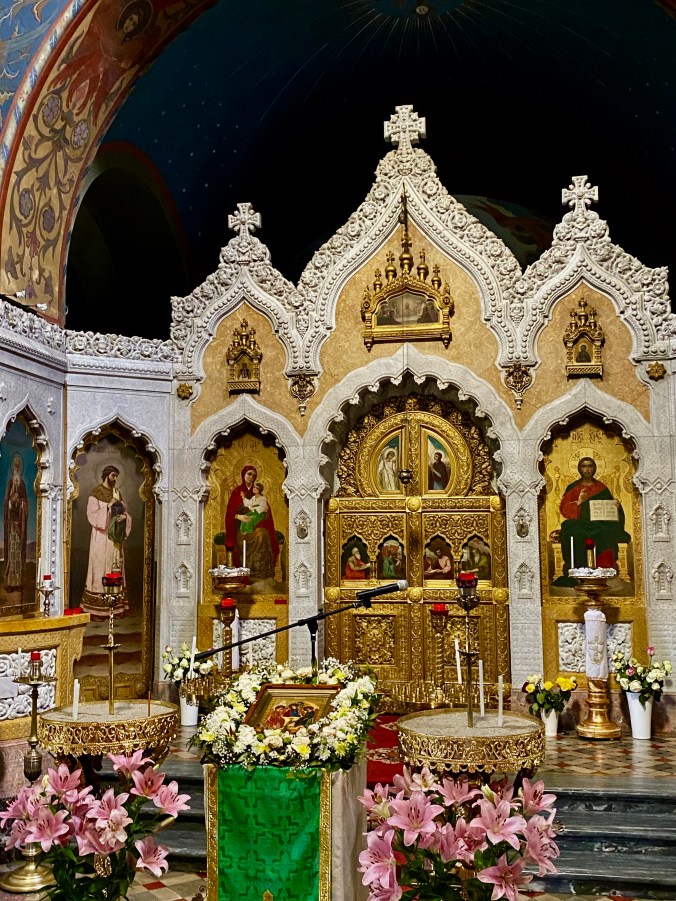
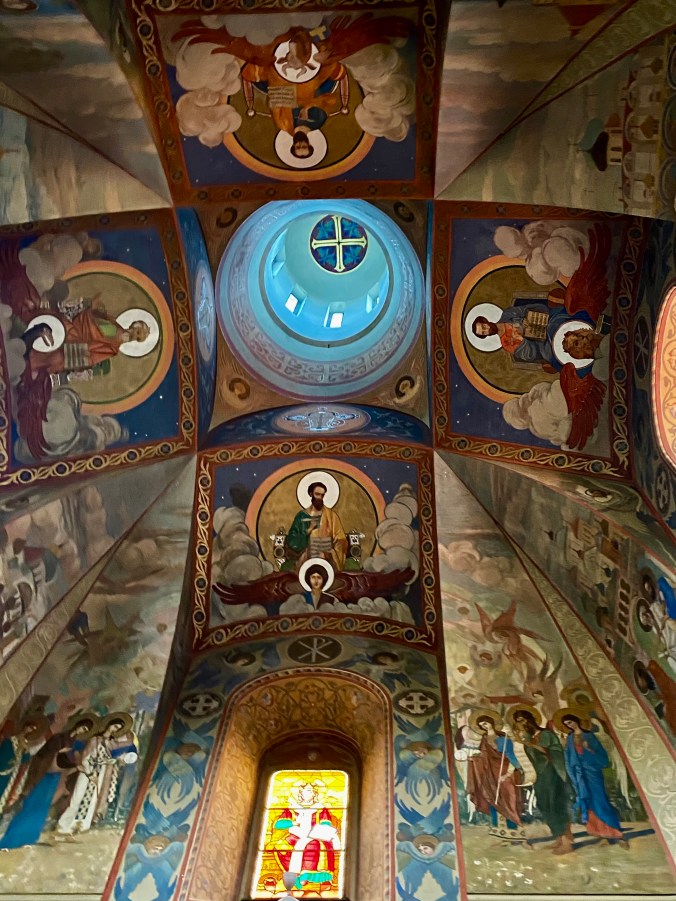
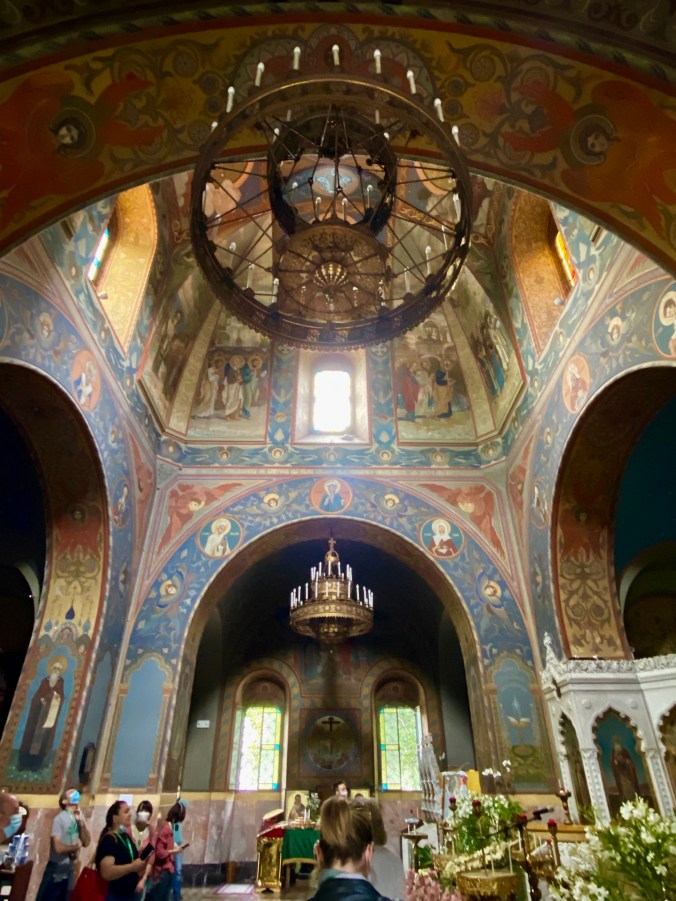
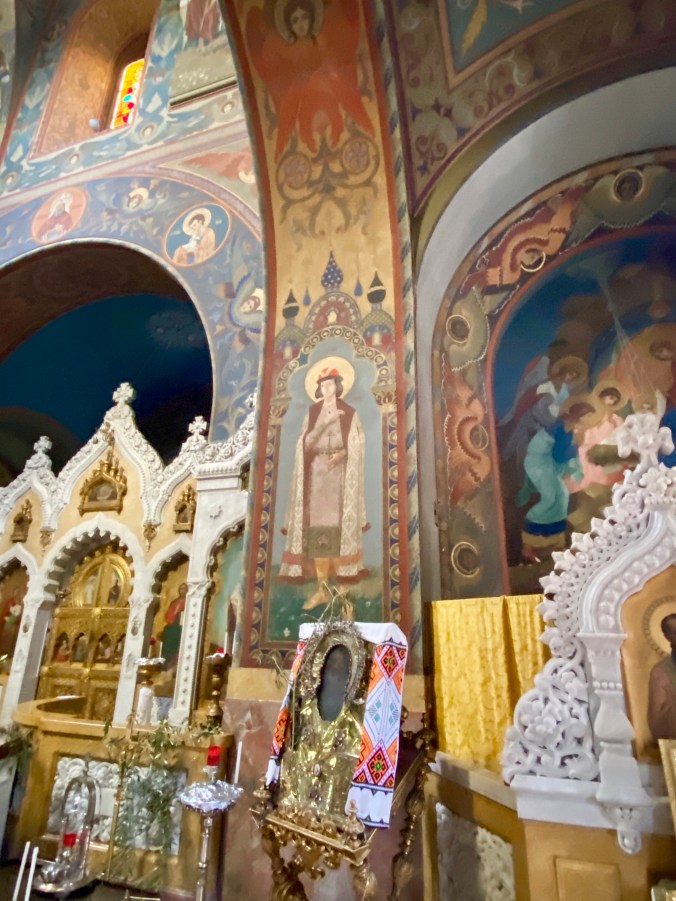
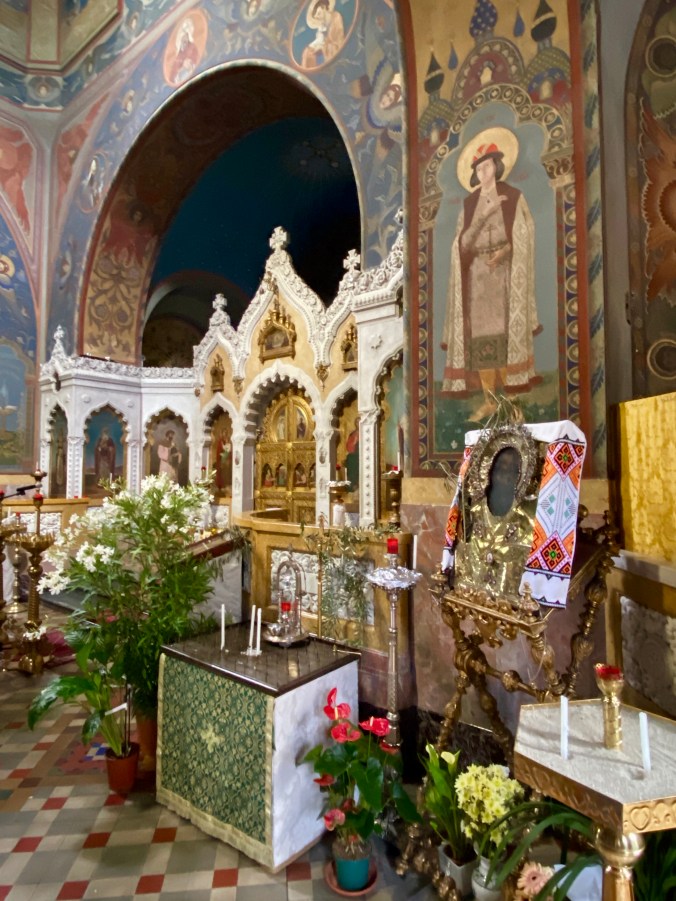
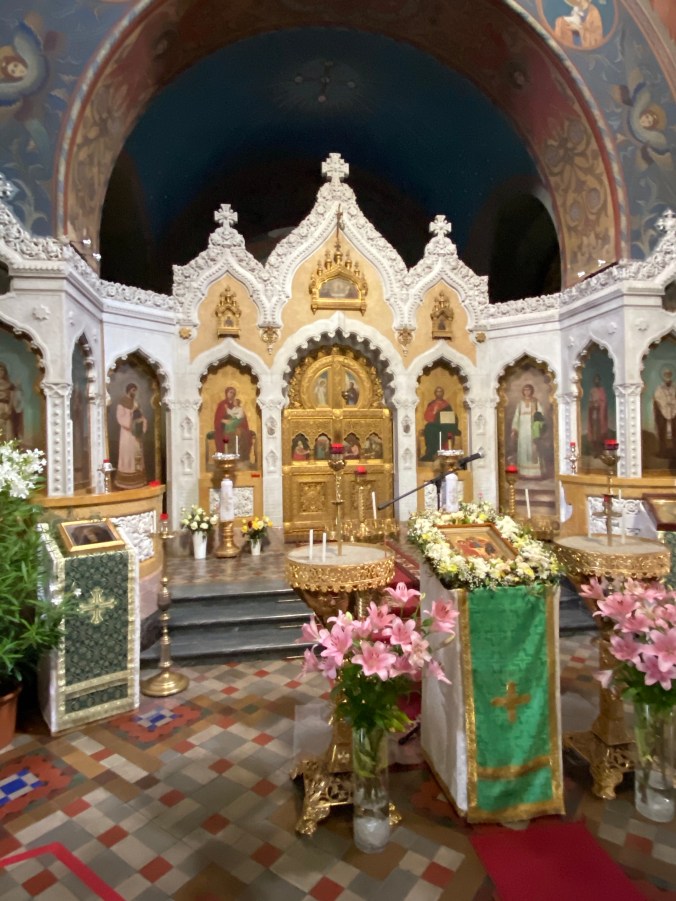
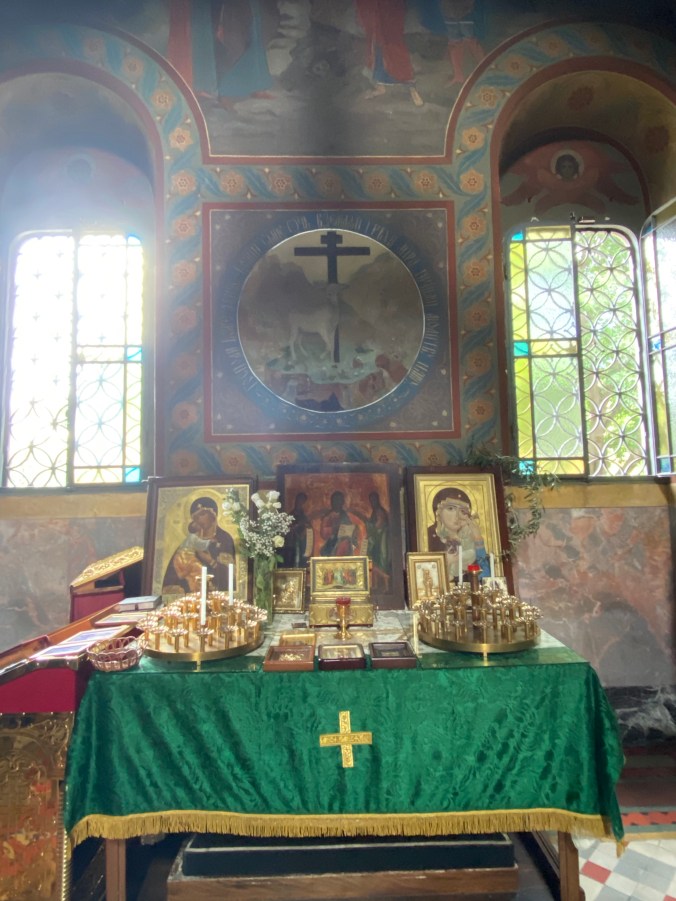
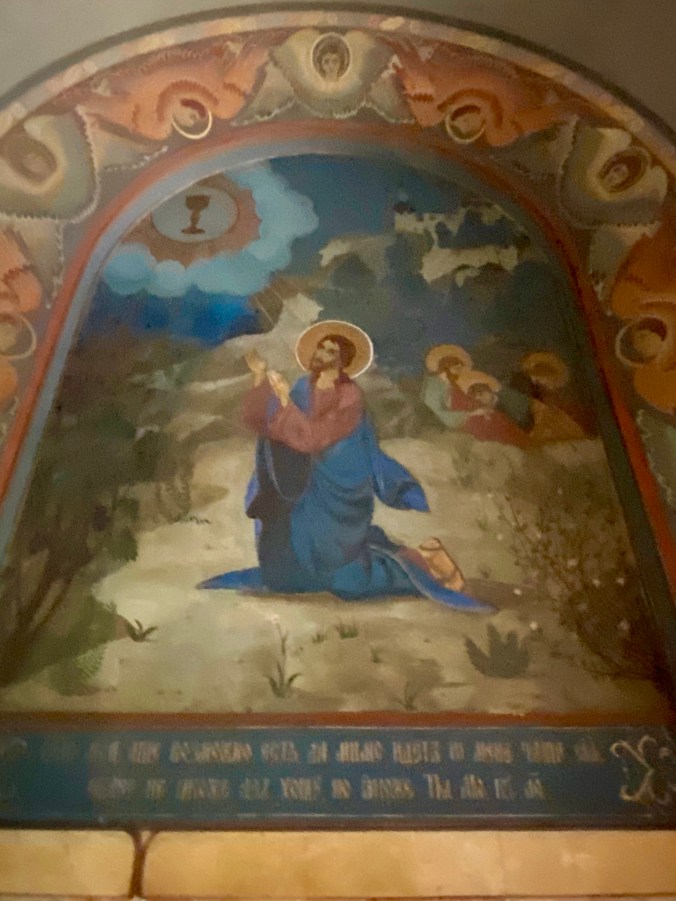
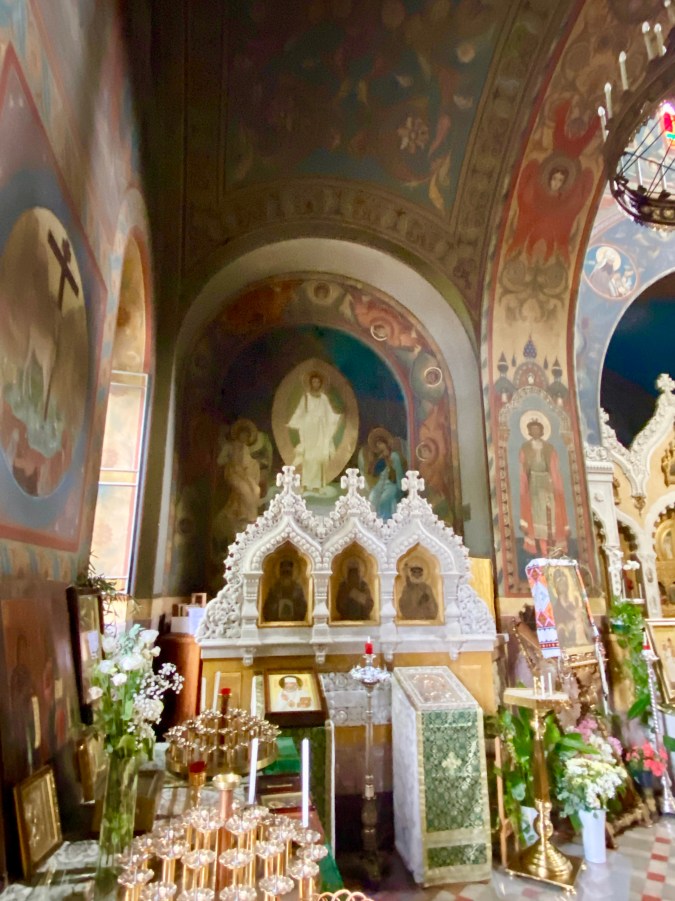
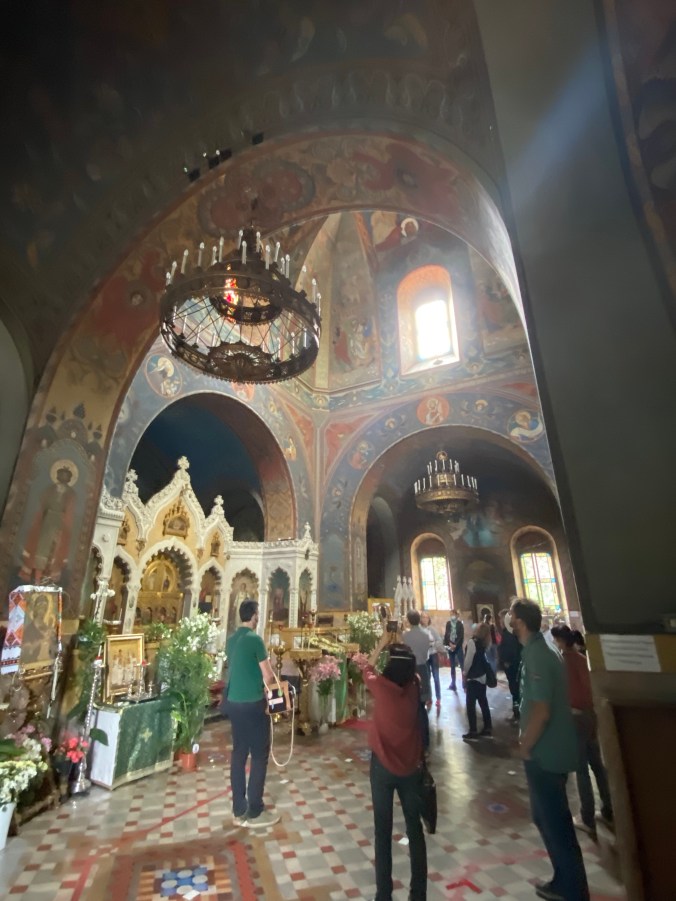
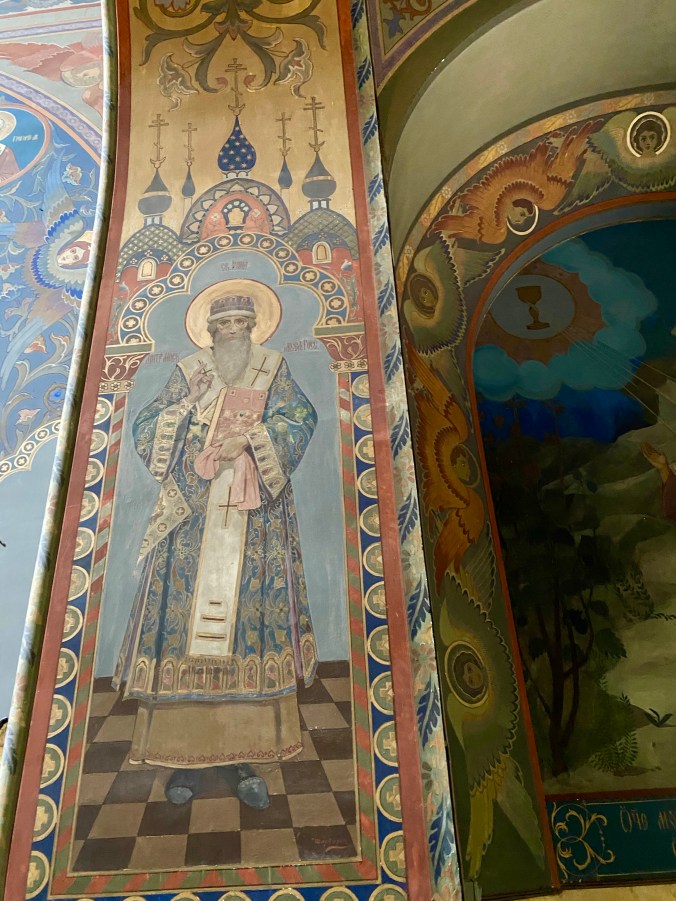
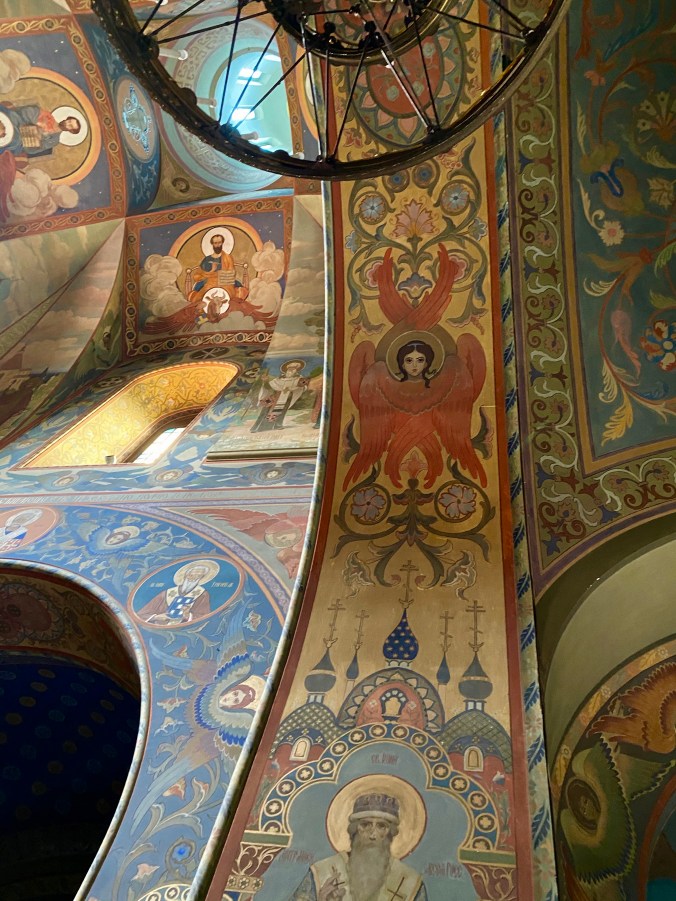
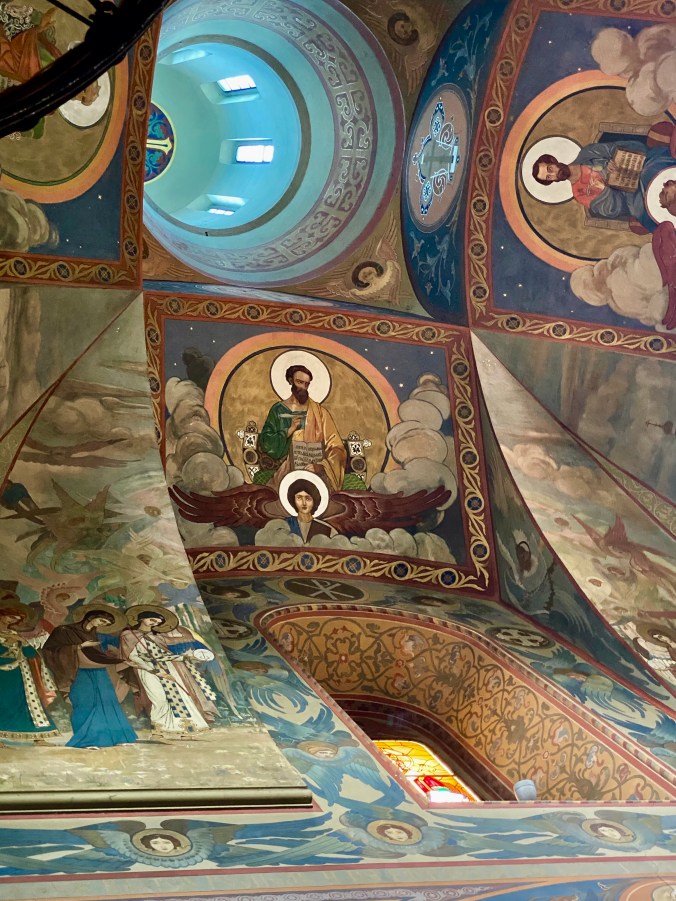
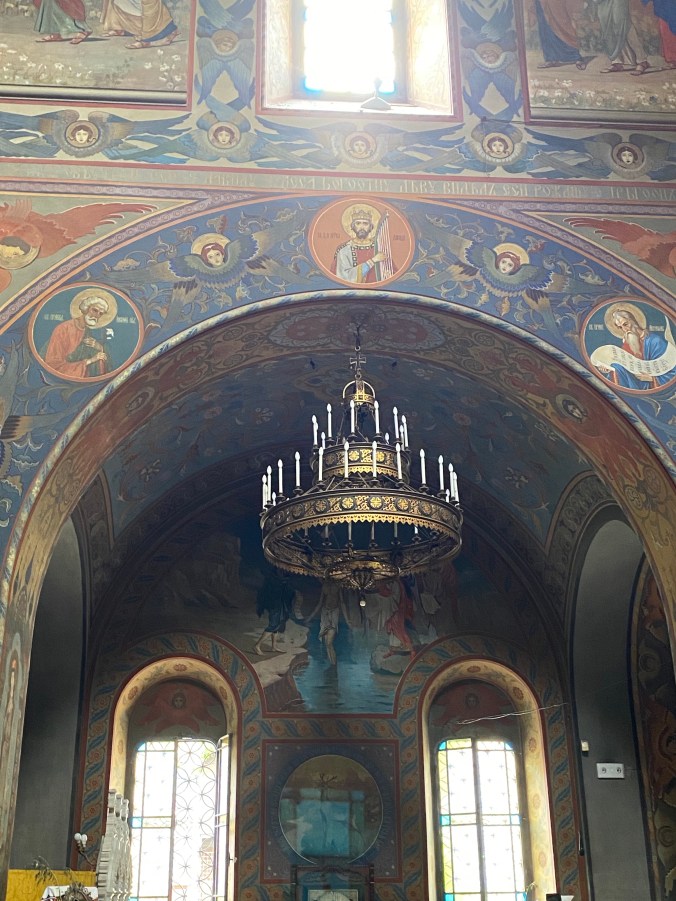
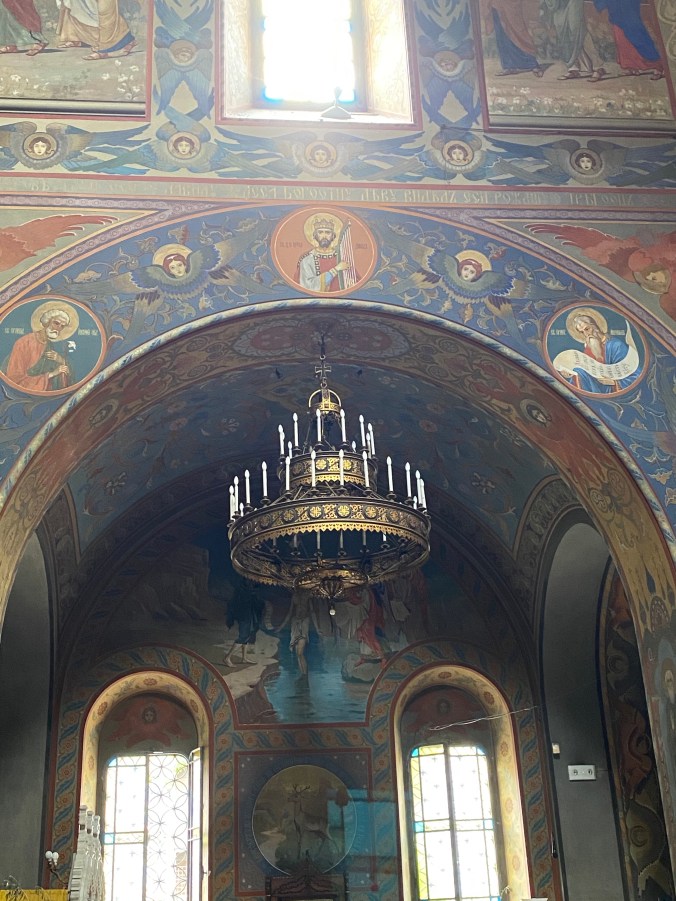
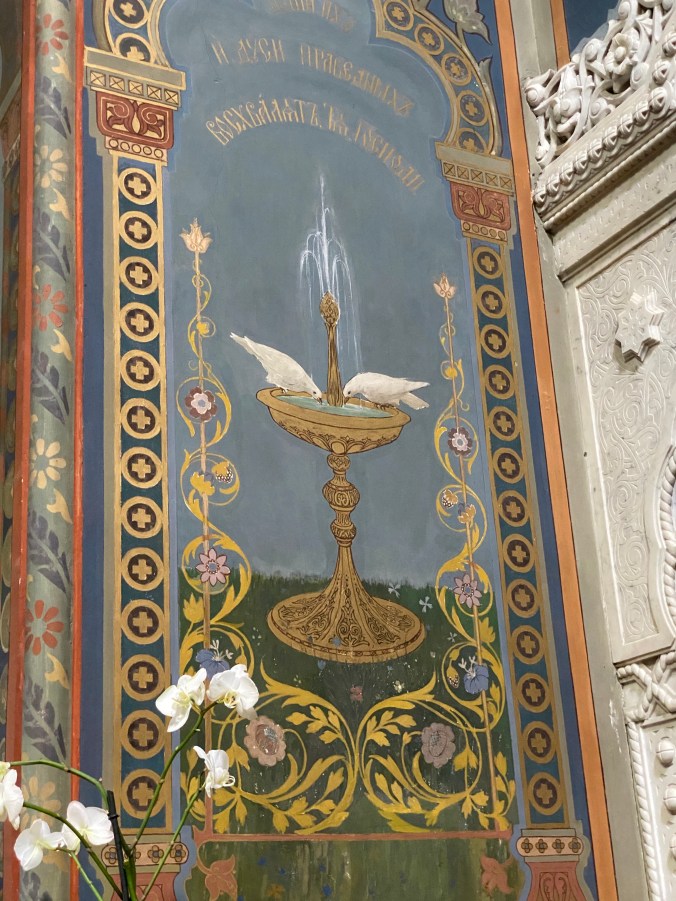
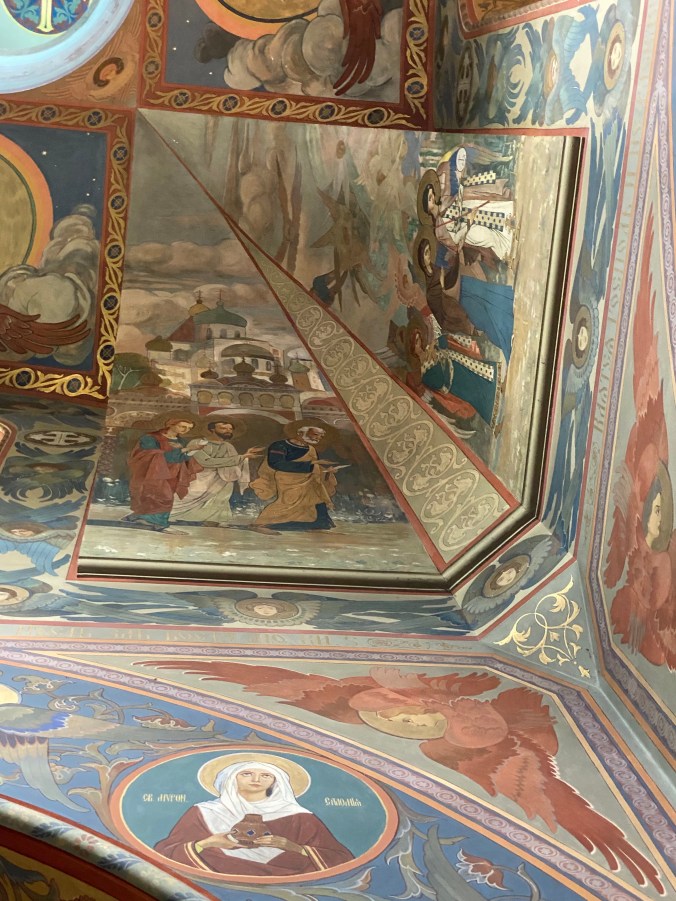
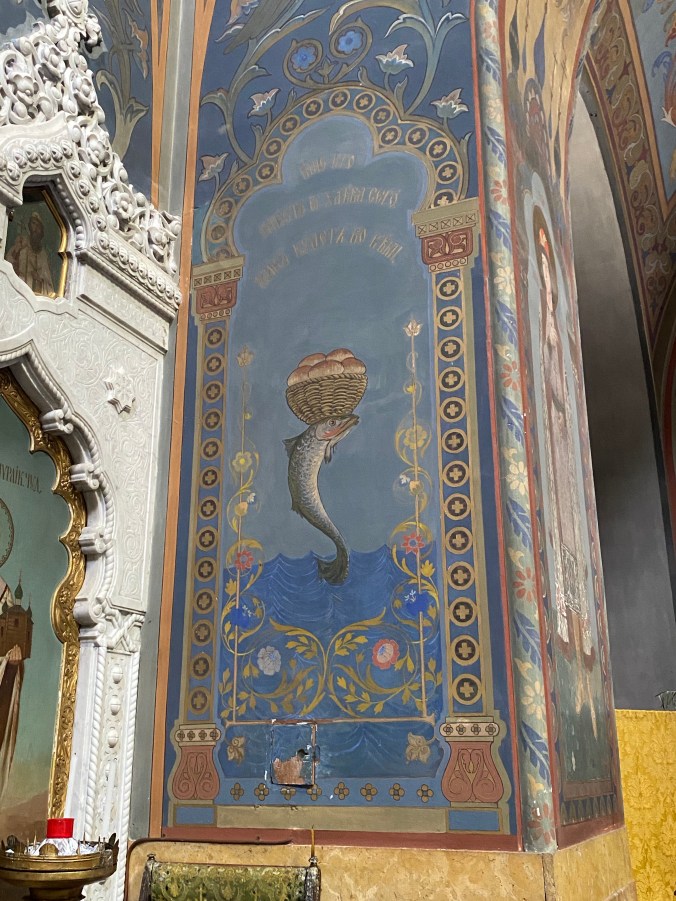
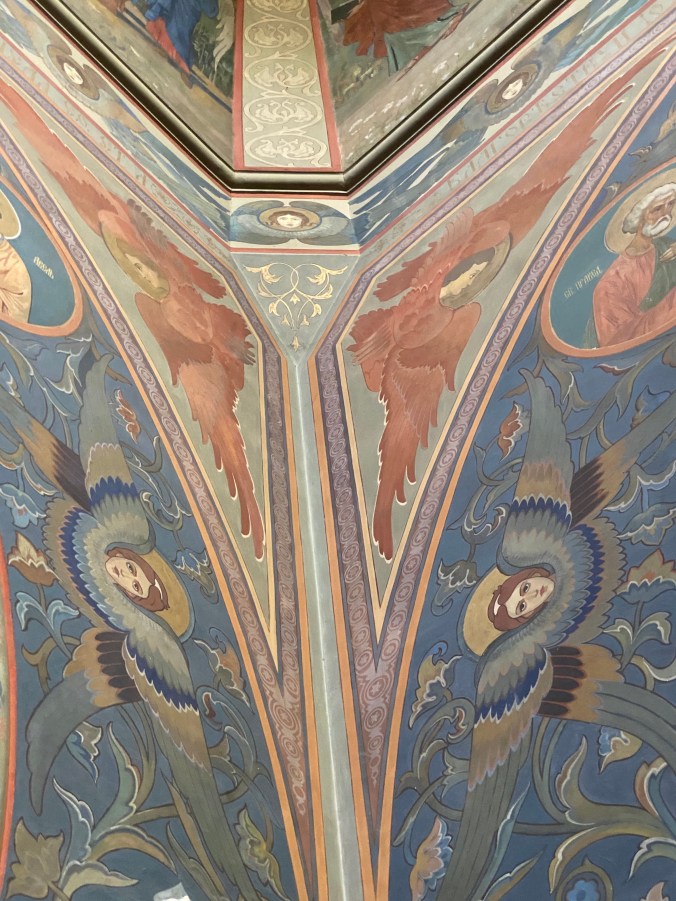
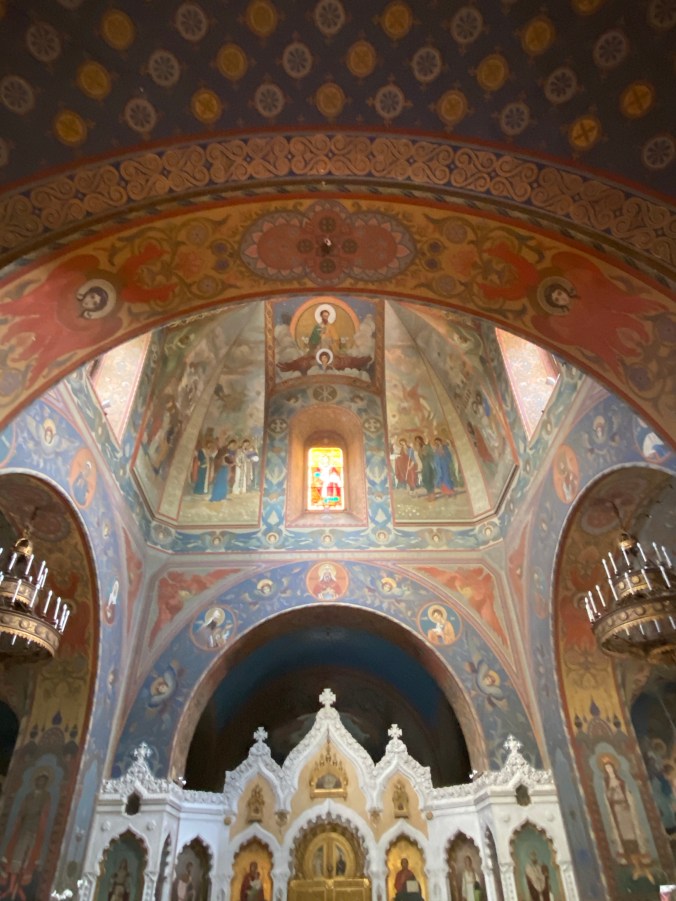
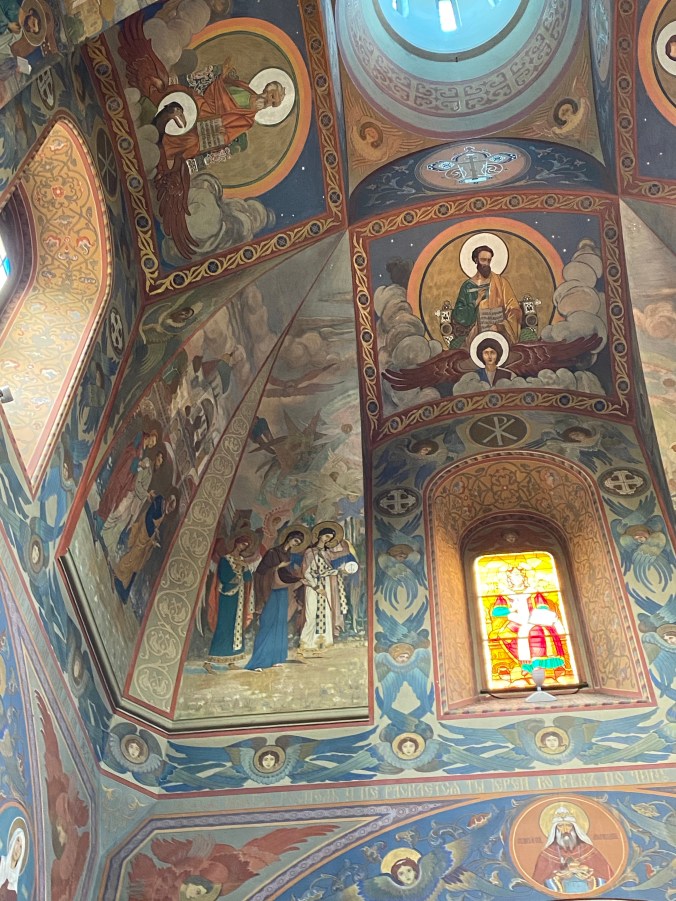
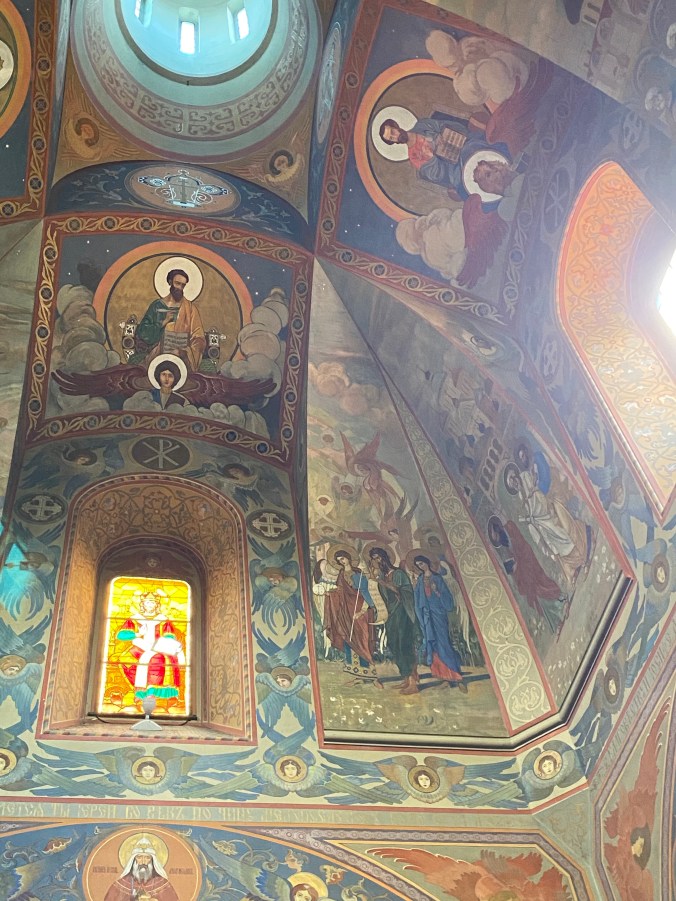
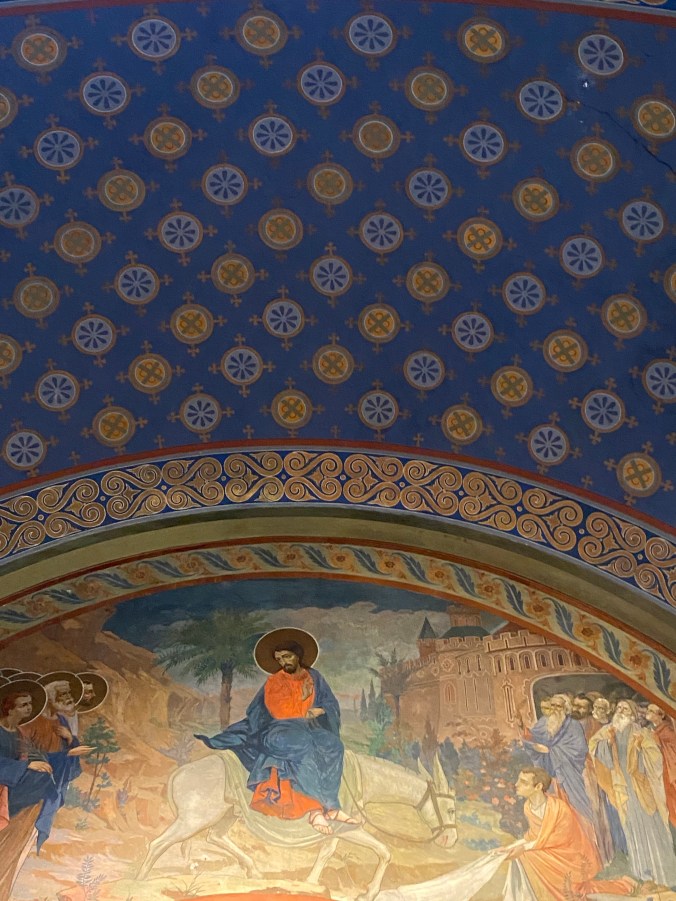
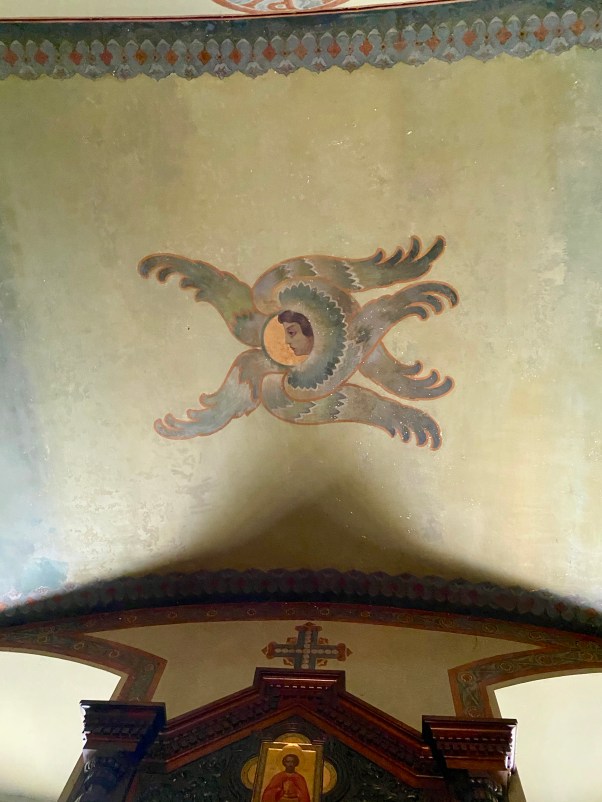
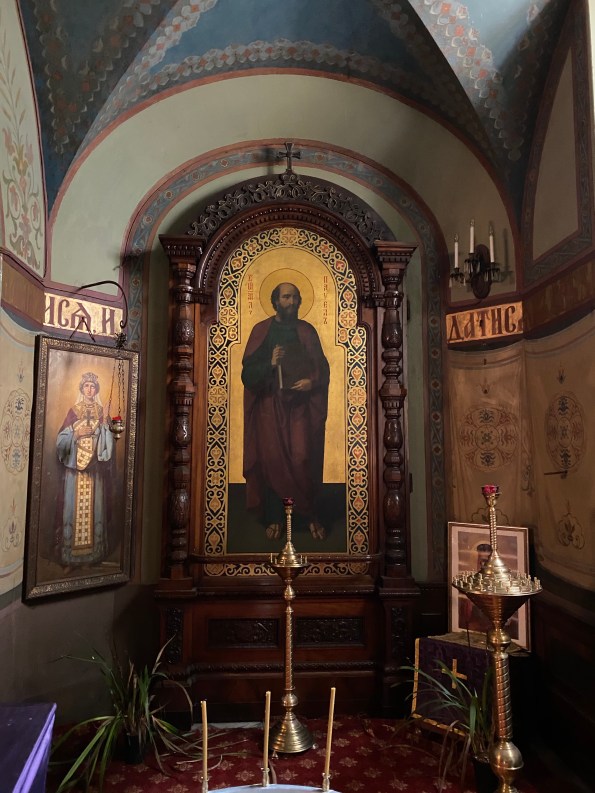
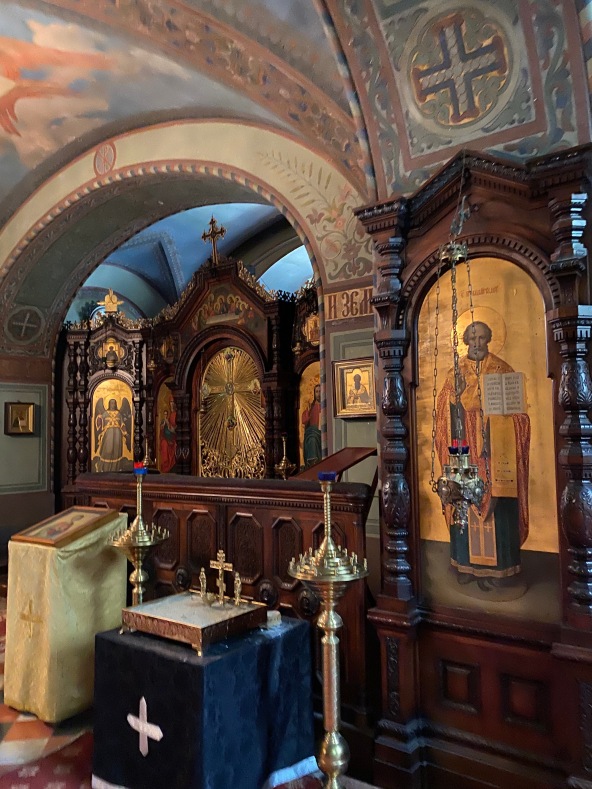
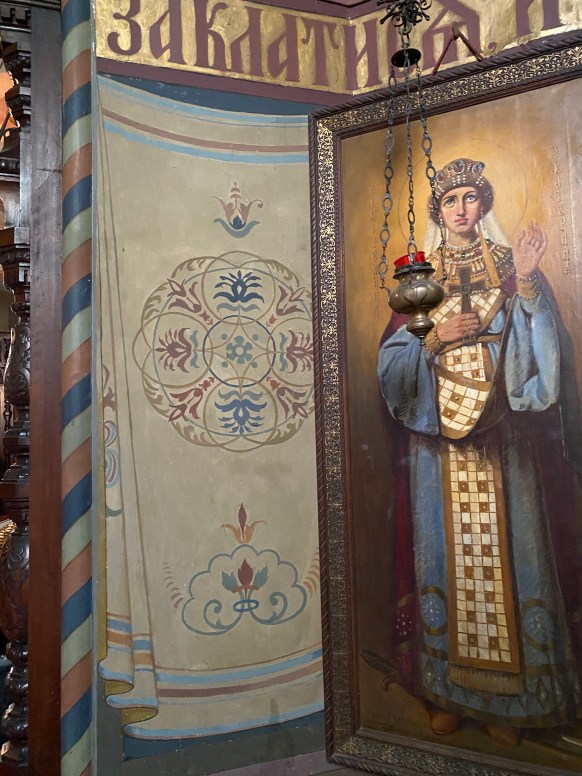
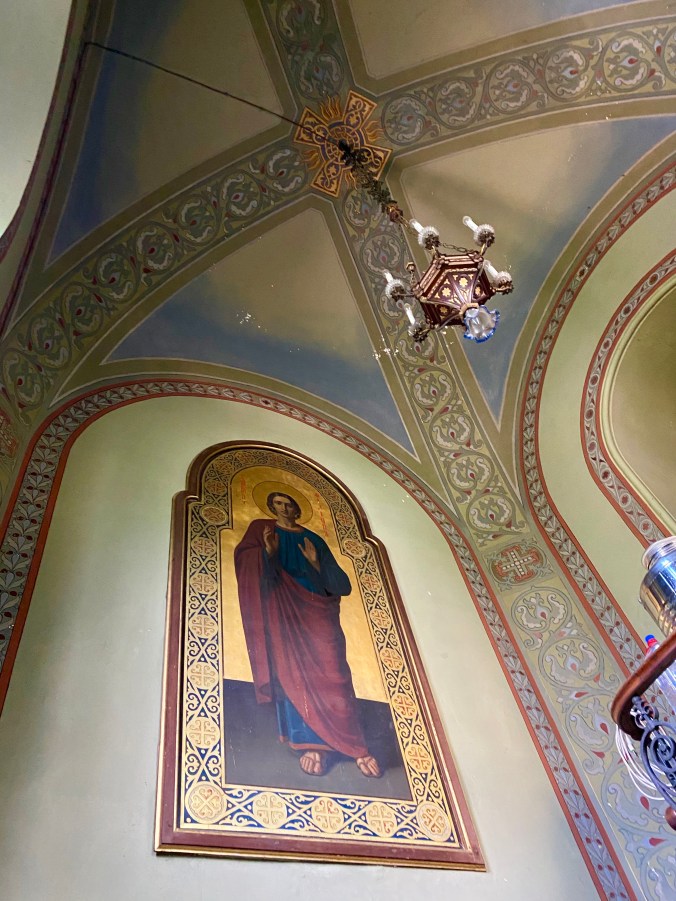
Walking through the door pictured above, I entered the upper church and my immediate thought was “more is certainly more.” I don’t think there is one square inch that is not decorated in this sacred space.

fullsizeoutput_371e


fullsizeoutput_3720


qTy5+Yj0ToCfT7zLMhjAag


fullsizeoutput_3722


fullsizeoutput_3726


fullsizeoutput_3728


MPGWe6TASrGw0NpaxdBJUQ


fullsizeoutput_372a


tEW7eu90QMqU6tFUCWWcMA


fullsizeoutput_3724


fullsizeoutput_372c


fullsizeoutput_372e


+1wbOA+1RziB93%7JhbR8g


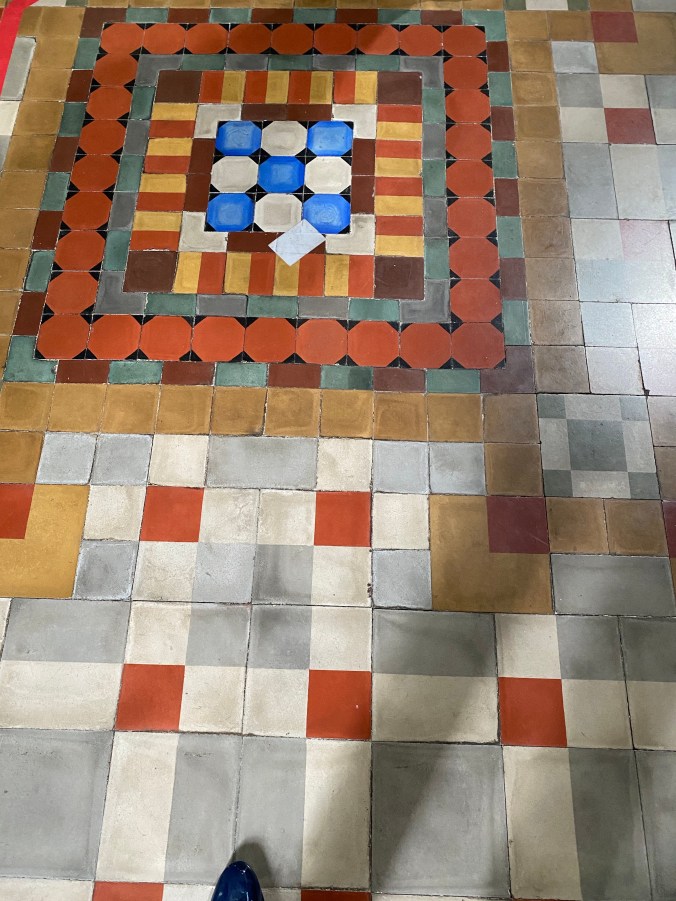
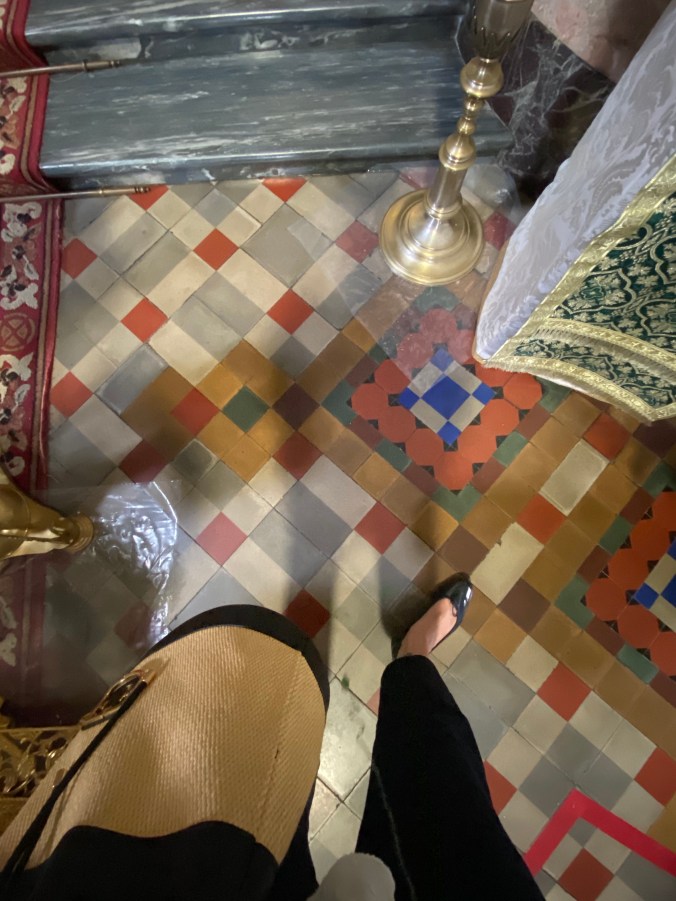
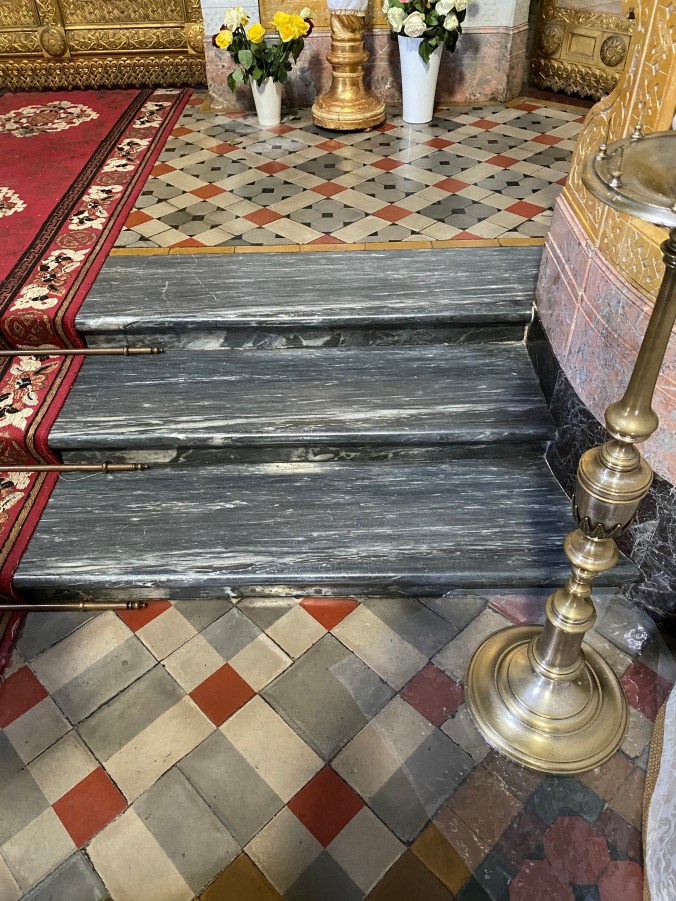
Even the pavement was quite interesting.  The entire upper church has the feeling of the arts and crafts movement.

DfwAADYiTGeNK9txoSnTYA


fullsizeoutput_3730


fullsizeoutput_3732


fullsizeoutput_3734


RsiDr3f1TQ2iEnvq0d%YyQ


bKLD1XehQVWV2MxsQbnPHw


XUMbyCnHRmWk%PpOWnbk8w


TCrpPNdWToqAWYPKwhFBXQ


qjrMIrwVRGa6wxi43DZr5w


WMJhca8vRqyo7u0%+bB+QA


ctfi18WbS3Gg%6%XNI39Yg


dGm5BQPKQ12U7F82bFwofQ


3z0A4DZdRAave%5jNUxsTA


q8RLpiPfQx+9LuUFgrP7Kw


uEikNaMxR1qS5bBSdkKWkQ


Een%4WD9R6CVZzYb+k2kHA


y1iRUdG6RSi6+8lJbLPCig


GDf9Y4wPRBK2bGAouElgdA


R0F5Aio%Td2rwH1JGiGaJw


8nCnv1x4QVW5vR17wliU%g


i2RoqhDOTNm3Wh6CH+qRDg


h0jopQ52RL2vOH3B+Dg


YrWVPqdrQoKeRUKzwcj75w


PgD3OwzCSzqLareXMyB3jA


8nCnv1x4QVW5vR17wliU%g


i2RoqhDOTNm3Wh6CH+qRDg


h0jopQ52RL2vOH3B+Dg


YrWVPqdrQoKeRUKzwcj75w


PgD3OwzCSzqLareXMyB3jA


While the consecration of the lower church took place on October 2, 1902, the upper church was not completed because of problems with insufficient funds.

A generous contribution from Princess Elena Petrovna Demidoff of San Donato saved the day and the upper church was consecrated on time, on October 28, 1903. Aside from the Russian locals, Russian diplomats and Orthodox clergy from Rome and Nice, where Preobrazhensky would also design the Orthodox cathedral, an admiral, the captain and the crew of the Russian battleship “Ossljabja,” then in dry dock in La Spezia, joined the celebrations.


Inside the lower church of the Russian Orthodox Church in Florence

DtqsJ860Sm+ezJdJW8YXmg

Following my recent tour of this gorgeous landmark in Florence, I posted on the exterior. Now let’s enter the building, starting with the lower church.

dG9WHKPCTCyg0JUg%yFy6g


s0ljM+x6THKVHbgbDAu7Cw


Q1lIOQALQ5Ku7FQD4k4itw

The lower church, dedicated to Saint Nicholas, was consecrated on October 2, 1902 in the presence of the Russian ambassador from Rome, the new rector and many Russian residents.

fullsizeoutput_370c


fullsizeoutput_3708


fullsizeoutput_370a


SlILFXbORCmDeEO+PgxleQ


fullsizeoutput_370e


fullsizeoutput_370f


fullsizeoutput_3711


3j5ouReUQN+2uCerPpN4qg


MfKF8AKfQCa0FiJlCAY9qg


qNcA9ne4ToeEim05s4Zcaw


0+yFiJQtRQWPSNZS+d8Xag


YB42gwRTQXi3R4PhVMhIgw


NxP8do6iTVGe5XUb9vbwug


fullsizeoutput_3690


%Kg33rv2Ree1Mq4ALfsFLg


fullsizeoutput_3713


fullsizeoutput_3714


V5wbCEY%SjDy2tCI4Yw


63ttaDpaSiy2qLDRSZlonA


IVy9OhfSTPmU1k4IVqOADQ


ts8KJrPaQsy5lXvbh3CQ2w


sqxJHkJCRIahOqNAP9HTHw


fullsizeoutput_3718


XHuNLWbFTauLfo0qSP4tkA


fullsizeoutput_371a


fullsizeoutput_371c


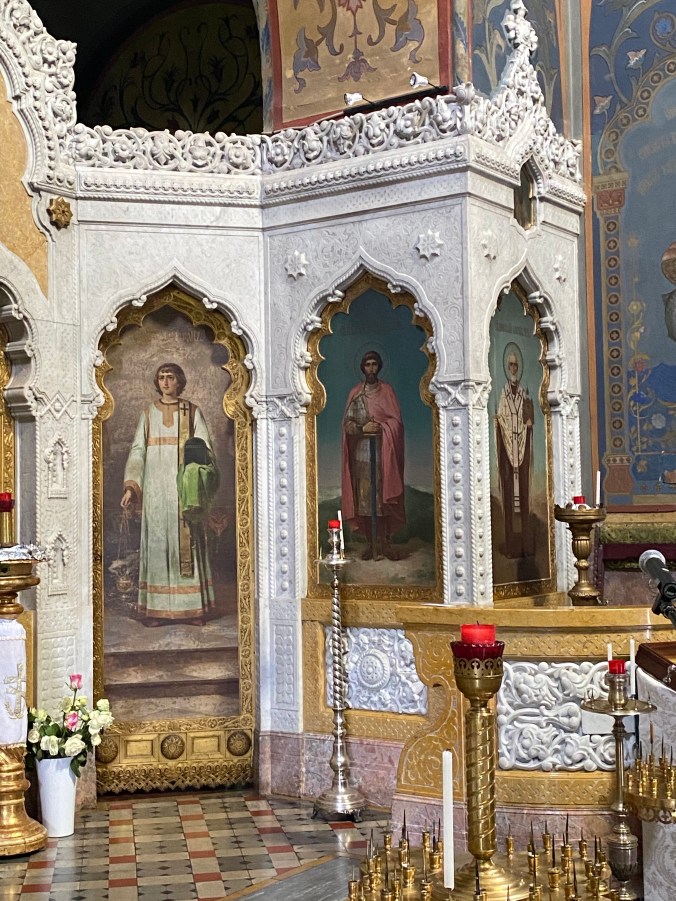
The lower church is decorated with sacred images in exquisite triptychs, Byzantine-style icons and tall figures of saints.

When the Russian diplomatic mission opened in Florence in 1815, it also had a chapel that housed a reliquary, which Tsar Alexander I had carried with him on his long military campaigns against Napoleon.

Before this church was built, Florence’s Russian community would congregate in the private chapels of its more illustrious members, such as that of Michail Boutourline, the son of the millionaire bibliophile Count Dimitri Boutourline, or that of the wealthy, aristocratic Demidoff family.  The Demidoff’s donated many iconostases and other objects from San Donato for the new church in 1880.


but in the end it was richly adorned with marble, frescoes and numerous other important decorative elements too, including the imposing Royal Gates.

True impetus was given to the church-building project when Archipriest Vladimir Levitsky (1840–1923) arrived in town in 1878. Despite many setbacks regarding, for instance, the designation of the land where the church should be built, Levitsky persevered and, in 1890, travelled to St. Petersburg to present the procurator-general of the synod with drawings prepared by the chosen architect, Preobrazhensky. Whilst a decree authorising the construction of the church was issued in May 1891, it took another seven years before the Russian Ministry of Foreign Affairs finally gave its permission.

The Russian Orthodox Church in Florence

I have the good fortune to live 2 blocks from this gorgeous landmark.  It is almost never open for visits, but I got lucky and snagged a ticket for a rare tour recently.

Chiesa_russa_ortodossa_della_natività_di_Firenze,_laterale

fullsizeoutput_36c7

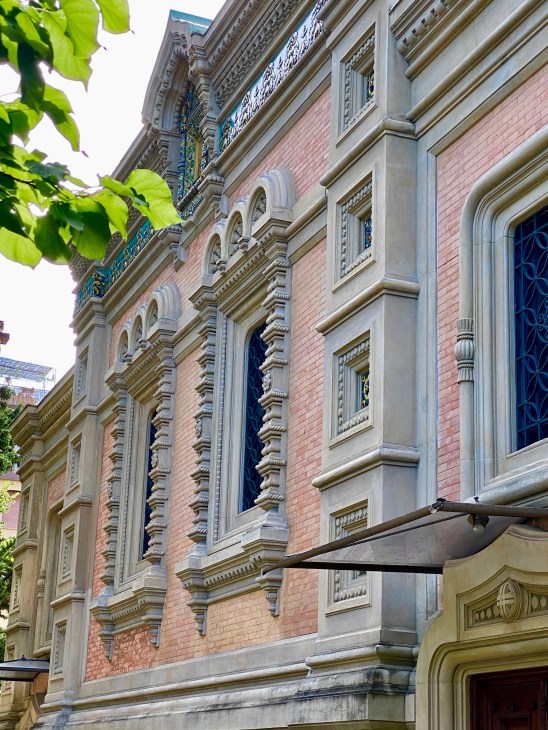
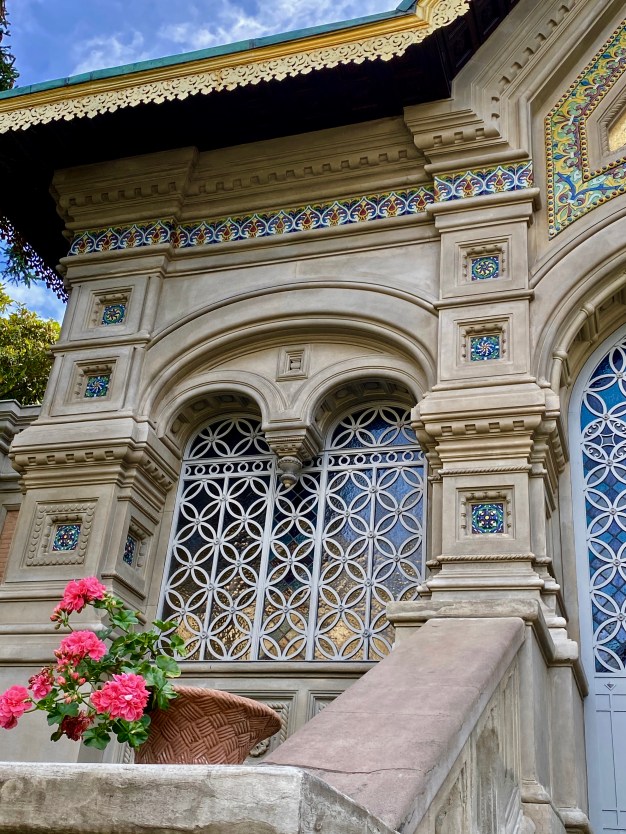
Known as the Church of the Nativity of Christ and St. Nicholas the Wonderworker (Chiesa della Natività di Nostro Signore Gesù Cristo e San Nicola Taumaturgo), The  Russian Orthodox church is located on via Leone X. Its style is a late 19th and early 20th century imitation of the earlier Naryshkin Baroque.

By the end of the 19th century, there was a small but elite Russian colony in Florence.  Their much desired permanent place of worship came to fruition between 1899 and 1903. It was the first Russian Orthodox church to be built in Italy and was designed by Russian architect Mikhail Preobrazhensky (1854–1930), who had trained at Moscow’s Academy of Arts, and was erected under the supervision of Italian architects Giuseppe Coccini (1840–1900) and Giovanni Paciarelli (1862–1929). The church is a fine combination of Russian and Italian artistry.


fullsizeoutput_36c9

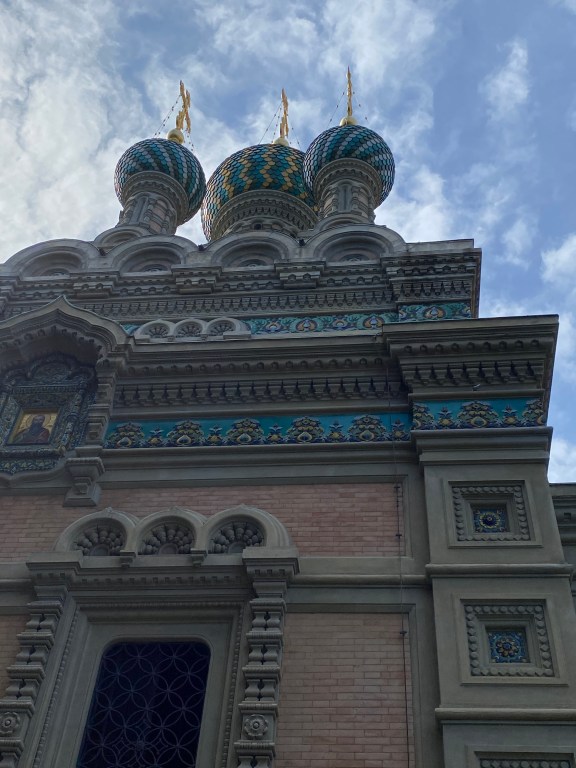
The church is topped with one large central onion-shaped dome and four smaller ones, all covered with bright turquoise, green and white scales of majolica (manufactured by the Cantagalli factory of Florence) and topped with gilt crosses and chains. Laid out in the form of a Greek cross, the church grounds are surrounded by an iron railing fence with three monumental gates decorated with the double-headed imperial eagle and Florentine lily forged by the Michelucci foundry of Pistoia.

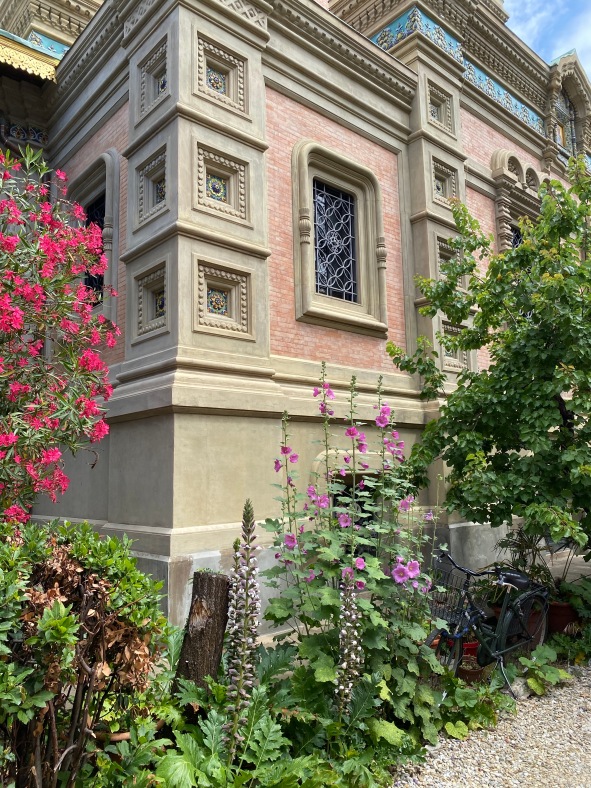
The church itself, constructed in red brick and grey stone (pietra Serena) from quarries near Fiesole, is decorated with 52 semi-circular or ogival arches known as kokočniki (named after the traditional Russian female headdress) and featuring six winged cherubs, like those of the Cathedral of the Resurrection of Christ in St. Petersburg.

Above the doorway, a canopy houses a Venetian-made mosaic icon of “Znamenie,” the mother of God, between stems of flowering lilies. On the north and south sides of the church, two other tabernacles house mosaics of the Peter and Paul.

The splendid wooden entrance door, which came from the private chapel at Villa Demidoff at San Donato, was inspired by Ghiberti’s Gates of Paradise. Depicting 22 scenes from the Old Testament, it had won its creator Rinaldo Barbetti first prize in a national exhibition in Florence in 1861.


fullsizeoutput_36cb


fullsizeoutput_36cc
True impetus was given to the church-building project when Archipriest Vladimir Levitsky (1840–1923) arrived in Florence in 1878. Despite many setbacks regarding, for instance, the designation of the land where the church should be built, Levitsky persevered and, in 1890, travelled to St. Petersburg to present the procurator-general of the synod with drawings prepared by the chosen architect, Preobrazhensky. A decree authorizing the construction of the church was issued in May 1891, but it took another seven years before the Russian Ministry of Foreign Affairs finally gave its permission.


fullsizeoutput_36ce


fullsizeoutput_36d0


fullsizeoutput_36d2


fullsizeoutput_36d4


fullsizeoutput_36c5


fullsizeoutput_36ce


fullsizeoutput_36d0


fullsizeoutput_36d2


fullsizeoutput_36d4


fullsizeoutput_36d6


fullsizeoutput_36d8


fullsizeoutput_36da


fullsizeoutput_36dc


ytUDNLkVRPWOD49i4gXKtQ


Cyf9LFCKQzukN53JnkKxbw

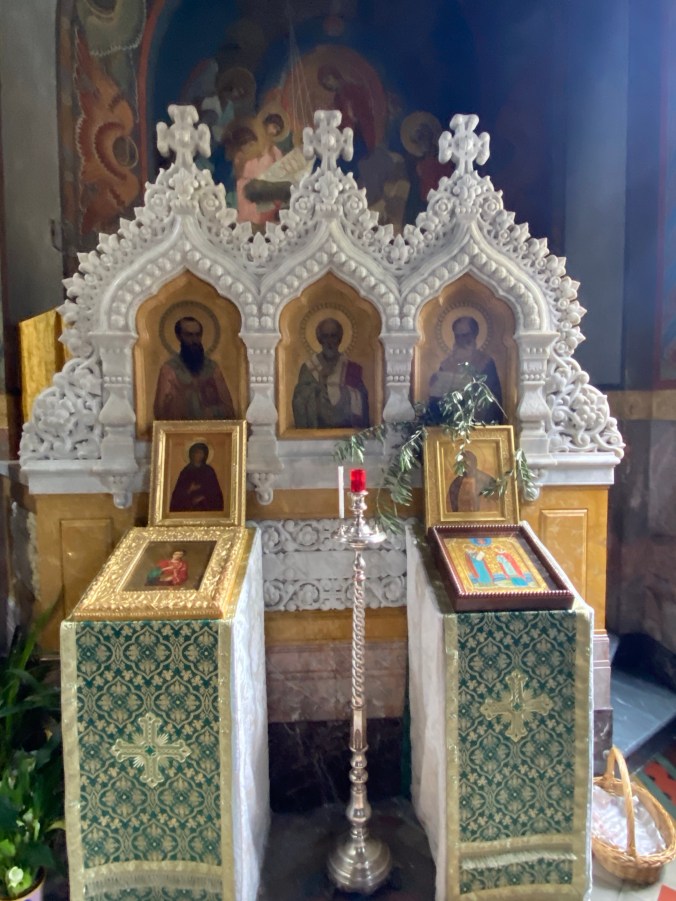
Typical of Orthodox churches in northern Russia at the time, the Florence church was built on two storeys: the lower church, designed to be warmer in winter, was dedicated to Saint Nicholas, in memory of the Demidoff chapel. The upper church, cooler in summer, was dedicated to the Nativity and features a magnificent marble iconostasis with icons of the patron saints of the imperial family gifted by the assassinated Tsar Nicholas II, a martyr of the Orthodox Church.
 

XGCIaIfUTo+tL4g5c31JzA


7Jo4DW%VR6OJcl7HsG+BeQ


fullsizeoutput_36de


fullsizeoutput_36e0


fullsizeoutput_36e2


fullsizeoutput_36e4


fullsizeoutput_36e6


fullsizeoutput_36e8


fullsizeoutput_36ea


fullsizeoutput_36ec


fullsizeoutput_36ee


fullsizeoutput_36f4


WjT2vaerQ4aB+huoremz0w


fullsizeoutput_36fc


fullsizeoutput_3700


fullsizeoutput_36fe


fullsizeoutput_3702


fullsizeoutput_3704


6XZdPZxYSSSwuVkTgLT05g


g%ku88VwSvWarZzbZpY%Cw


uxhkDPlDQkuobofdMG0eTQ


ojRBbYM3RySa756MJCu7wg


DtqsJ860Sm+ezJdJW8YXmg


o9CEOS56QJqeZwatF99bXQ


w4x3AsxOTeGBLBch1rLbAQ


PCf04bPcSX6Ub+8DjXHxUA


fullsizeoutput_365a


yF7pwKibRdibDEZhSCj3SA


g6tB%zomT0SH5%1iZuBLmA


y6CNrGIiTQGc8IzFJtV58w


Here’s the article from Wikipedia:


Nicholas I of Russia’s daughter Grand Duchess Maria Nikolaïevna first had the idea of building a church for Florence’s Russian community in 1873, but it was only six years later that a large gift from prince Paul Pavlovitch Demidoff of San Donato allowed construction to commence. Pietro Berti was initially taken on to design it by archpriest Vladimir Levitsky, then curate of the Orthodox church at the Russian embassy. However, he later switched to the Russian academician Mikhail Preobrazhensky and the Florentine engineer Giuseppe Boccini.

Preobrajensky’s first designs of 1883-85 were too ambitious, so a temporary church was built on a site acquired by the embassy. This became the parish church in 1888. Levitsky eventually raised enough funds to build a permanent structure and in 1897 the Russian ambassador and foreign minister approved plans produced in 1890 by Preobrajensky.

The first stone was laid on 28 October 1899 at a ceremony attended by count Caracciolo di Sarno, prefect of Florence, general Antonio Baldissera, the Russian ambassador Aleksandr Nelidov and consul general Tchelebidaky.

The lower part of the church (dedicated to St Nicholas the Wonderworker) was consecrated on 21 October 1902 and the upper church (dedicated to the Nativity of Christ) was consecrated on 8 November 1903. However, the building as a whole was only fully completed the following year.

After the 1917 Revolution the church in Florence lost Russian state support and in 1921 it became independent from the church back in Russia despite attempts by Soviet diplomats to claim ownership of the building. From 1920 onwards it was under the jurisdiction of Eulogius and in February 1931 it joined the jurisdiction of the Archdiocese of Russian Orthodox churches in Western Europe.

Constantine I of Greece died in exile in Palermo on 11 January 1923 and later that year he was buried in the church, followed in 1926 by his mother queen Olga Constantinovna of Russia and in 1932 by his widow Sophia of Prussia. All three sets of remains were moved to the Tatoi Palace in Greece in November 1936, a year after the restoration of the Greek monarchy.

4HNADwVJQCOGHvs3TiNywQ


fullsizeoutput_36f2


fullsizeoutput_36f6


fullsizeoutput_36f8


fullsizeoutput_36fa

To visit the church, it is necessary to make an appointment. For further information call +39 055 477986.
Margaret Bourke-White, a mighty photographer

104191302_3004722992897327_6141170769344365171_nA Mighty Girl

Margaret Bourke-White, one of the pre-eminent photographers of the 20th century, pictured here atop New York City’s Chrysler Building, was born on this day in 1904. A staff photographer for Life magazine since its founding in 1936, one of her photos was featured on the cover of the very first issue of the famous news magazine. For decades, Bourke-White traveled the world photographing key events of her time. Early in her career, she took dramatic pictures of architecture and inside steel mills and factories, pioneering a new style of magnesium flare that allowed her to capture incredible details and earned her national renown. In 1930, she became the first Western photographer allowed to take pictures of Soviet industry during the Soviet five-year plan. Like her contemporary Dorothea Lange, she spent much of the 1930s photographing the downtrodden victims of America’s Great Depression.

When World War II broke out, Bourke-White was the first woman permitted to work in combat zones. She was the only foreign photographer in Moscow when German forces invaded and she captured the bombardment of the Kremlin in a series of dramatic photos. LIFE staff started referring to her as “Maggie the Indestructible” after repeatedly coming under fire and surviving being on a torpedoed ship in the Mediterranean, stranded on an Arctic island, and getting pulled out of Chesapeake Bay after a helicopter crash.

While attached to General Patton’s forces in Germany, she was one of the first photographers to document the horrors of the Buchenwald concentration camp after it was liberated. The following year, she photographed Mahatma Gandhi in India, including taking a now iconic photo of him at his spinning wheel. She is considered “one of the most effective chroniclers” of the violence that erupted during the partition of India and Pakistan. Bourke-White had a reputation for being relentless in her pursuit of the perfect photograph to embody her subject. “I feel that utter truth is essential,” she asserted, “and to get that truth may take a lot of searching and long hours.”

For a historical fiction novel about Margaret Bourke-White, check out “Girl with a Camera: Margaret Bourke-White, Photographer” for ages 12 and up at https://www.amightygirl.com/girl-with-a-camera

She is also one of the women featured in “Reporting Under Fire: 16 Daring Women War Correspondents and Photojournalists” for ages 12 and up: https://www.amightygirl.com/reporting-under-fire

For two children’s books about another famous female photographer, Dorothea Lange, we recommend “Dorothea’s Eyes: Dorothea Lange Photographs the Truth,” for ages 6 to 10 (https://www.amightygirl.com/dorothea-s-eyes) and “Dorothea Lange” for ages 5 to 8 (https://www.amightygirl.com/dorothea-lange-faces-of-depression)

To introduce children and teens to more trailblazing women like Margaret Bourke-White, visit our “Role Models” biography section at http://amgrl.co/2wRJudE

Credit: This photo of Margaret Bourke-White was taken by her dark room assistant Oscar Graubner.


This post was taken from A Mighty Girl’s Facebook page.

The Pazzi Chapel at Santa Croce

Part 6 of my recent visit to the magnificent Franciscan basilica of Santa Croce. You can find the other posts here.

Check out Santa Croce from the front.  I wonder how long we can enjoy the city before the tourists return? Not sure, but I am enjoying every second of the city in its current, quieter state.

fullsizeoutput_348e


When you leave the interior of the church, walking into the cortile, you immediately see the splendid Pazzi Chapel.  The chapel wasn’t accessible yet when I was there, but even a look from the outside is enough to calm the soul.
 

8JlXcMXGRK+2d5B3fm9G3A

The Pazzi is seen in the plan below; note the circle in the plan and that’s the chapel. You can see how the green lawn in front sets it off.  Green grass is a rare commodity in Florence.


fullsizeoutput_34b6


fullsizeoutput_3480


5NCb63pHQ9qzr3EucBhSsg


5FelixgBRyGIUJVVspbFtg


vOVH4ftsRReNpD18NEX%yQ


f0+pdrvbSqutAPXb1Yst2g


n9xrLOGdTi+OmmtAN+MLQQ


Sm4IPF3nRkGufnv6lwXIUQ


bXVld1%JTFeTg8pWFHg


7VniUzNdRj2I36K81j9kiA


RhNZYjcCTN6nVK8hQeoyaw


A5IKIuoWQHSDdvASFLjGHQ

Santa Croce, Part 5, June 2020

We have finally reached the final stretch of my recent visit to Santa Croce.  For the past few days, I have posted similarly on other parts of the church (you can find the posts here).

First, this tomb commemorating Rossini:

tCCPqLXyQA+k2n24+2WbHw


Next up is one of the masterpieces of Santa Croce.  It is the tomb for Leonardo Bruni, created by Bernardo Rossellino:

mZpdjWGFTiCmxwq0gmRA2g

fullsizeoutput_347f


EsBdF4C9Q+CE5EPLoQtWHQ


LBl4U3uzSX6H1K2d6whfBQ


Then, the creme de la creme of sculpture in all of the Renaissance, in my humble opinion.  I adore this monument by Donatello.


fullsizeoutput_3485


fullsizeoutput_3489


9JeBp3xURHuwLPo2ttfArg


fullsizeoutput_348a


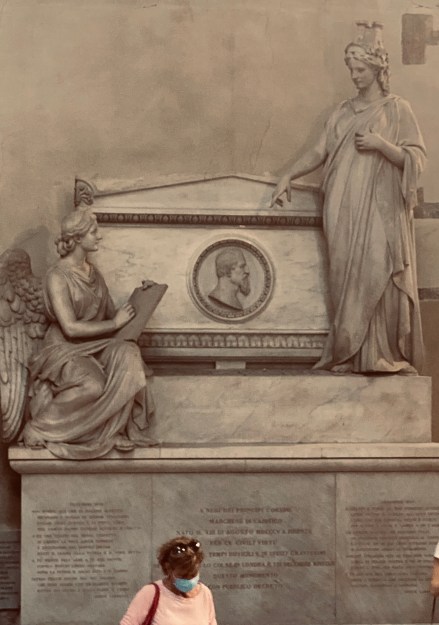
Moving further along towards the western end of the side aisle, we arrive at Canova’s tomb to Alfieri. I used to swoon for Canova and Neoclassicism.  I still like this sculptural work.

IN1cjypURZ+zEsYz%ygBOg


QC6ODowoQYinwtsFZTLrmw


dZz07b03Qd2VXi7fNJUBDw


And Dante, who was exiled and whose body is preserved in Ravenna.  In the 19th century he was given this cenotaph in the celebrity burial place of Florence, Santa Croce.


V4fBu4ERR1yhlFs7e0Q88g

I love the way the couple is admiring this monument in these pictures.

fTahUOhhSeWZ5Ru0E296UA


And then, of course, there is the tomb for Michelangelo, created by Vasari.

CNoxjAJuQ4i+BB7s+zCc0Q


r8RszXovRu+0rGxahkl9EQ


tLfnTI6pT1eOO2NxhEM+tQ


2uVoWJR4Q0uCa1bRFl0u6A


i45d1RziT9OqczLmTiCDaQ


x4iXrbjWQdKMcC5+keYe4g


And, upon leaving (or entering) the basilica, the font with holy water for the faithful is perhaps the most beautifully wrought example of its kind:

Q7N2qqCoTLu5F1zGLbRP4Q


YwHeHDdjTDaDZIG+h3ZFJA


i8JASWvMRfelVFVSXRjj+g


2zxIXRXsRzWKWjUs7GGnTg


FYM5tF4ZSV2dn+wjRY%K+g


Niccolini tomb on the western wall, between 2 portals.

U8V4O7zbS2OcMLKtIQCzJg


fullsizeoutput_348c


NxdyE98IQTudKE7oytapnA


Santa Croce, part 4, June 2020

Following the recent reopening of this Franciscan basilica, I continue with my first visit of the church (for parts 1, 2 and 3 see here).  We begin here at the east end of the basilica, in the chapels to the right of the Peruzzi Chapel:

fullsizeoutput_34b6


KtRzaByKQvye1a6rtU+Rrw


Below is a major reliquary.  I find this aspect of the Roman Catholic Church so strange.

fullsizeoutput_346f


fullsizeoutput_3471


Looking west from the eastern wall, I see this neoclassical tomb.

fullsizeoutput_3473


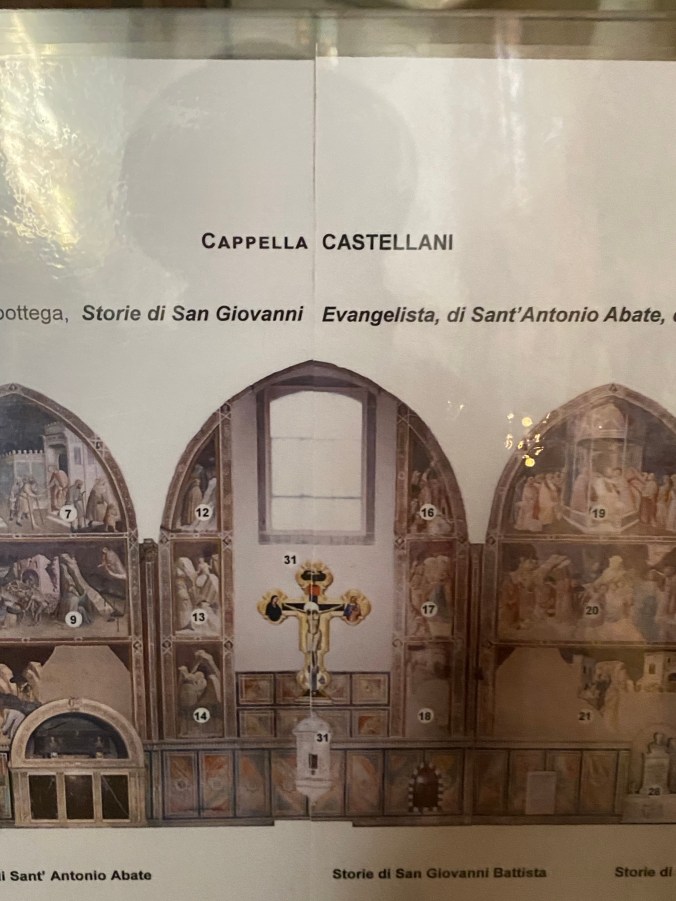
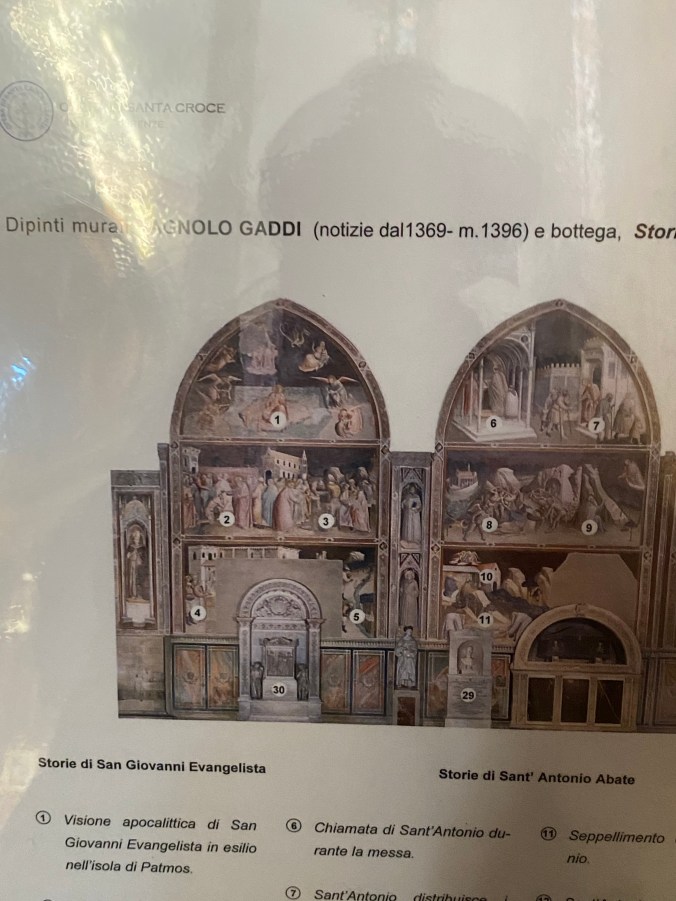
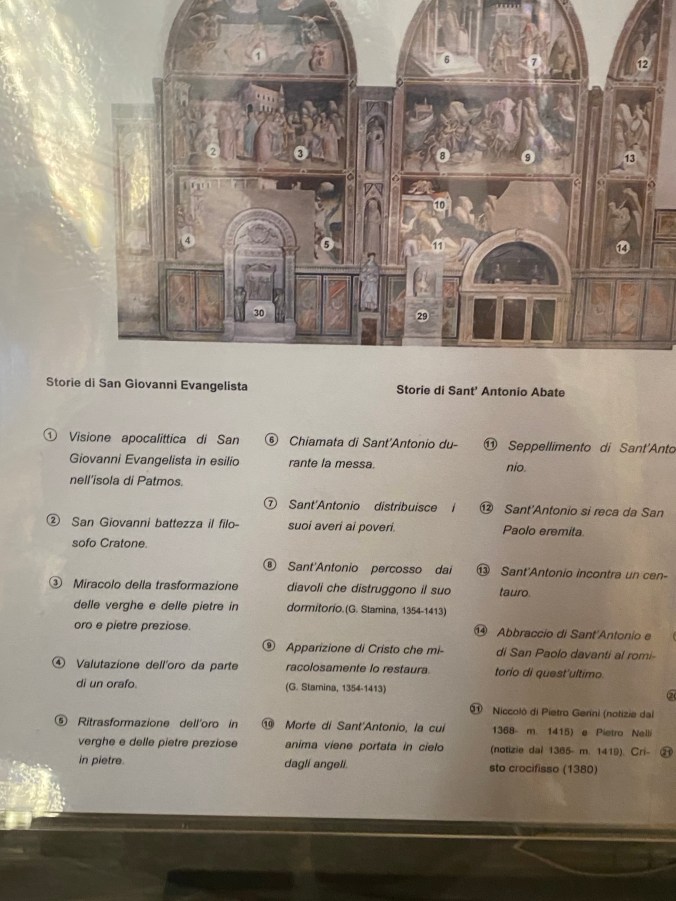
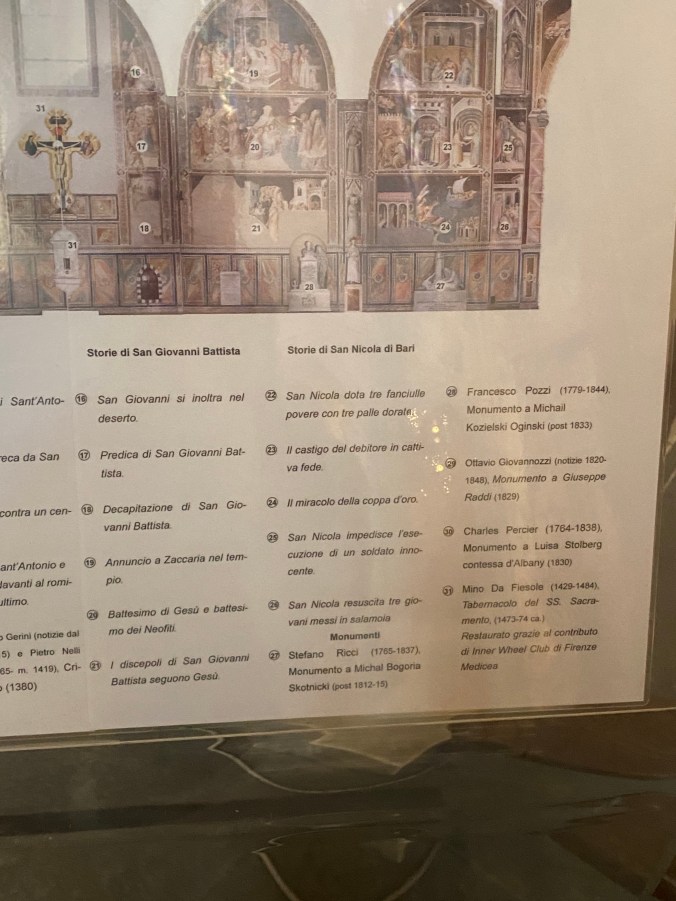
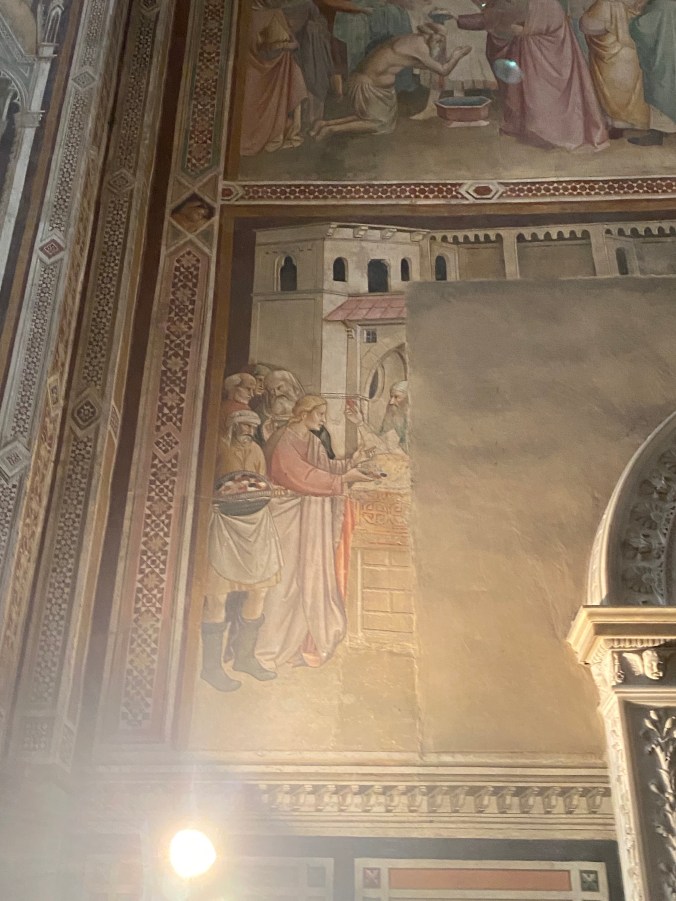
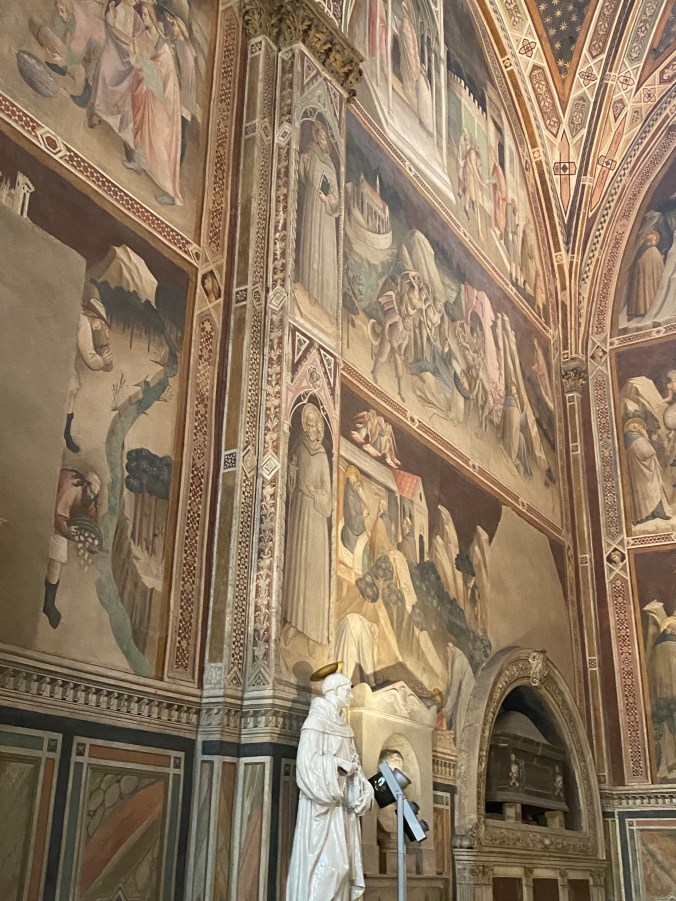
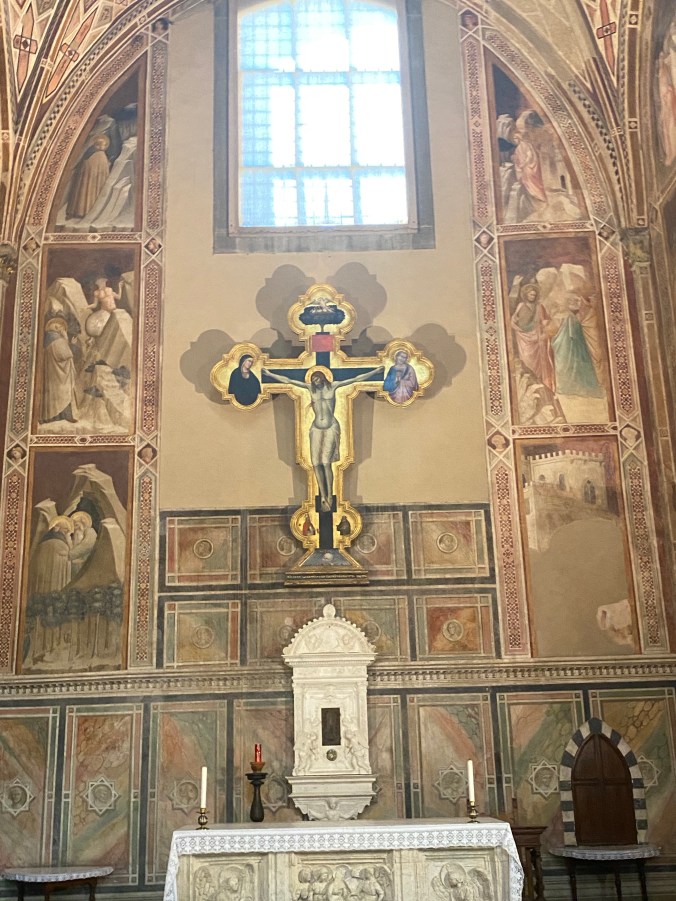
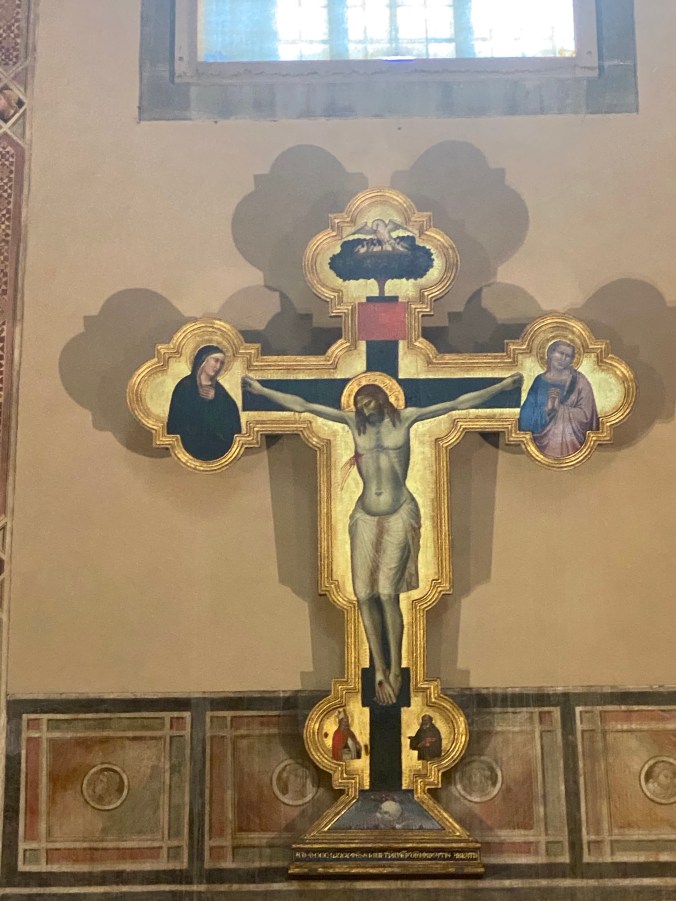
Castellani Chapel by Agnolo Gaddi and his workshop:

eIKdYzYVQoafhbe0AuTBgA


fullsizeoutput_3475


fullsizeoutput_347a


viyZGciWSF2GXb3U3t5dkw


fullsizeoutput_347b


fullsizeoutput_347d


jm40Eki2TpatpIT7oi8mbw


cdUDYZzRRa+ePrKLMxzaSw


Ougdn8MmQMi%DMAhb5roEw


LEYfucfcRVOioiXbntzuFw


Ev8v80KaSB+FoayKWR52jw


8xejta0JTguM6JZ95S2BlQ


IeeIKByBTbGEdDys5WP5wA


yO2mVXHwTN2tkCr2et+xUw


TugNgI7iSdK50aamCjaV6A


tsoyYC3SQtKQvaCc7QV1Aw


Iy9y9RCuRDWDt73fwXlqig


7Kd4vBB4R8mQ90QeoyrmvQ


rhej2NSsSaKPsjjMOuWZqw


PfHys3x0SBCDoMZTmXgq0g


5WSW7AVpRbW8a8sQRMxU0g


Santa Croce, part 3, June 2020

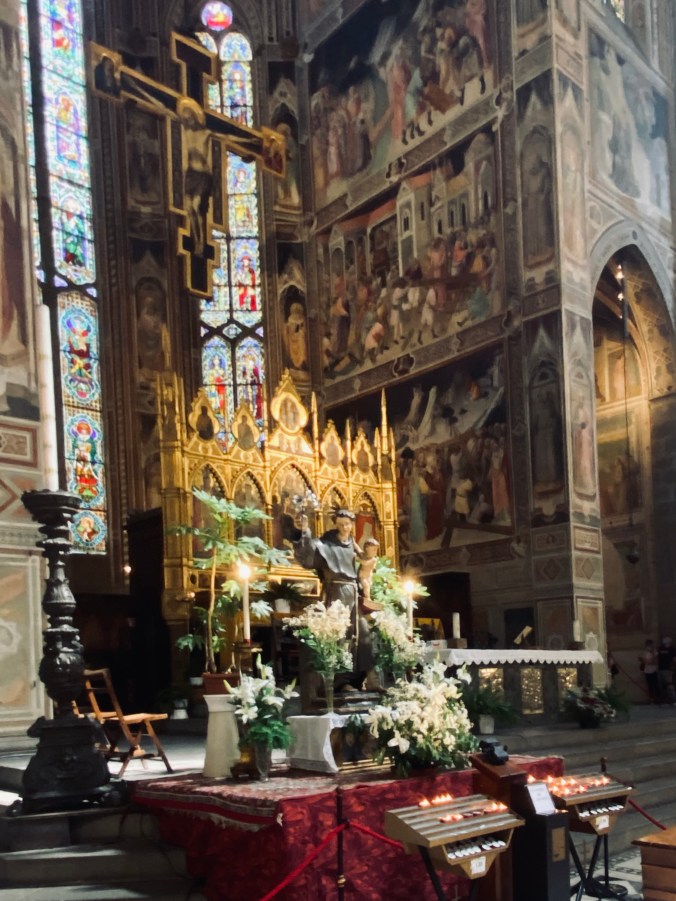
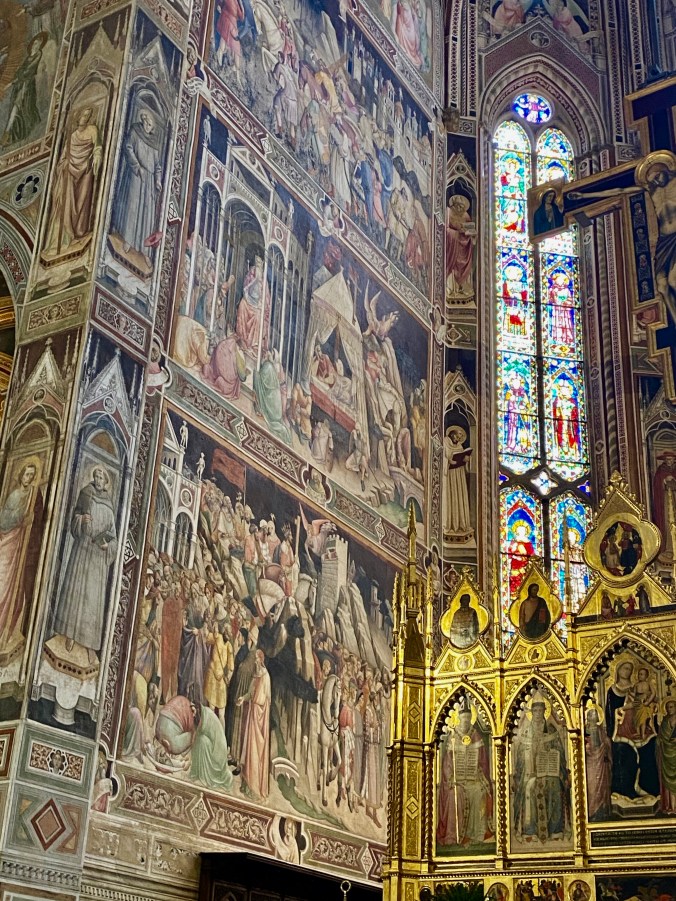
Following the recent reopening of Florence’s major Franciscan basilica, this is part 3 of my first visit of the church (parts 1 and 2 are here and here).  We have reached the altar end of the basilica and here it is in all its glory!

fullsizeoutput_3415

fullsizeoutput_34b6

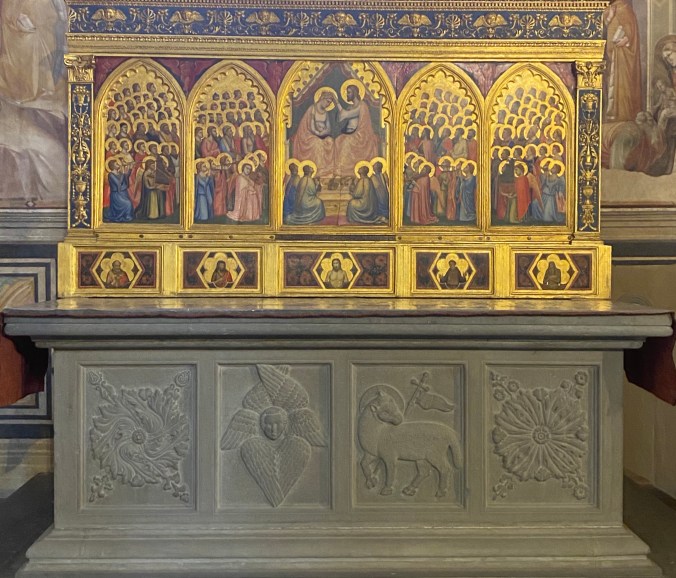
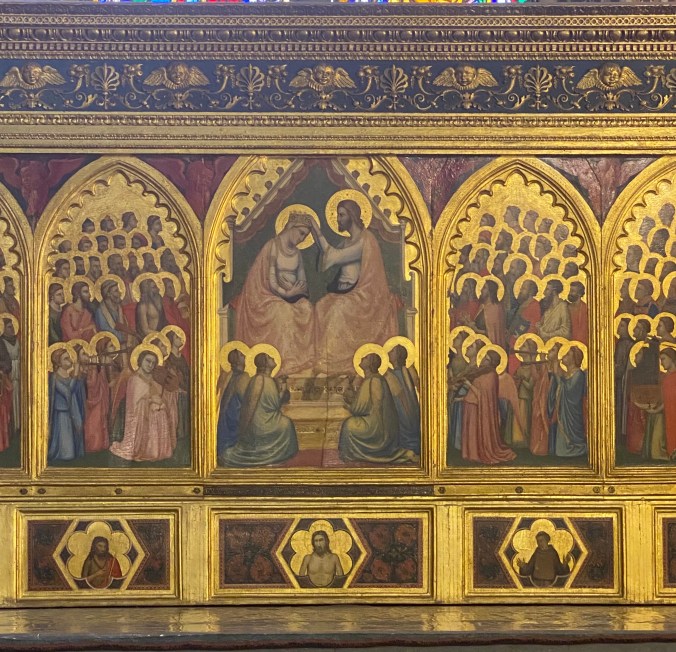
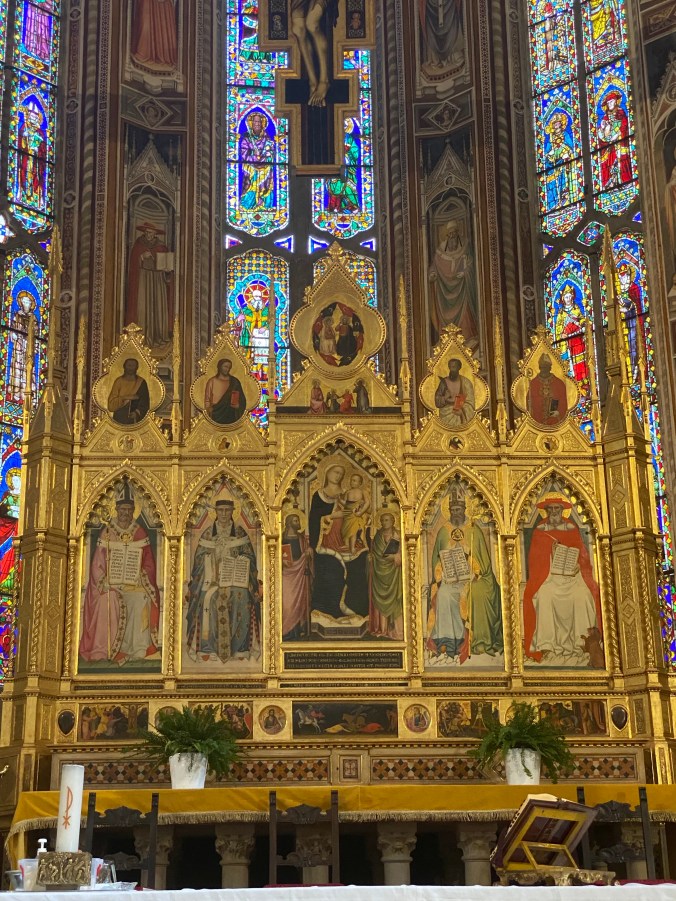
First, let’s have a detailed look at the altar in front of the apse:

fullsizeoutput_3463

w+OYYTNMQ6+yk6ErcEezNg

9sqA1xi6Qr6cSLEBnVRvYg


grsCH98+Qd6PjWbspjoOEQ


nrbh3wPzTFW4cQAmlDJ9cQ


hcfVzOi0RGK0HUWZgeoqcw


pFySFus3QACk7+G1xZF42Q


BvWpSEIYQUejGMCfveLJ8g


fullsizeoutput_35ac


fullsizeoutput_35ae


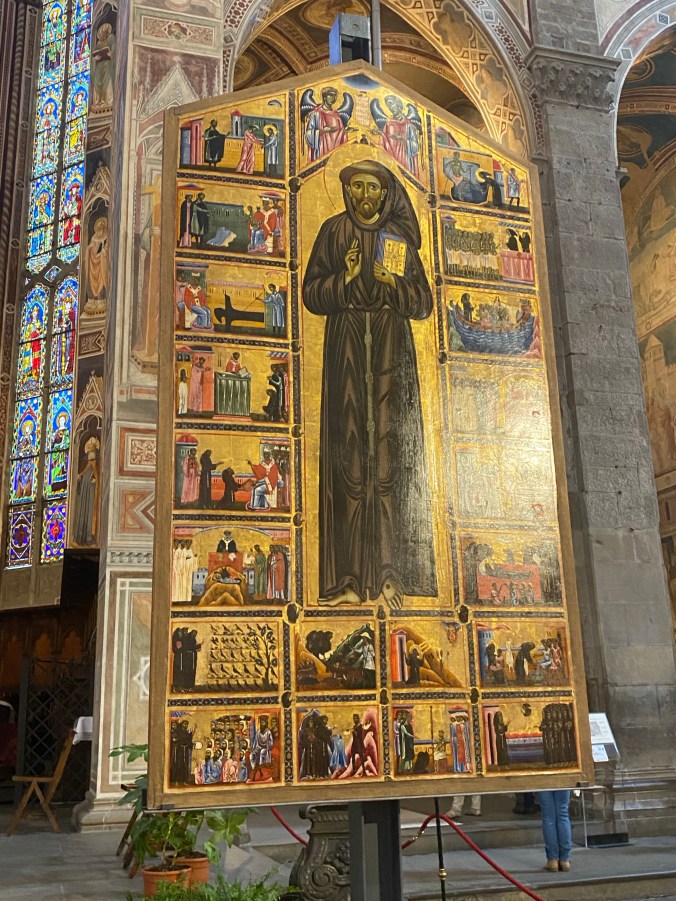
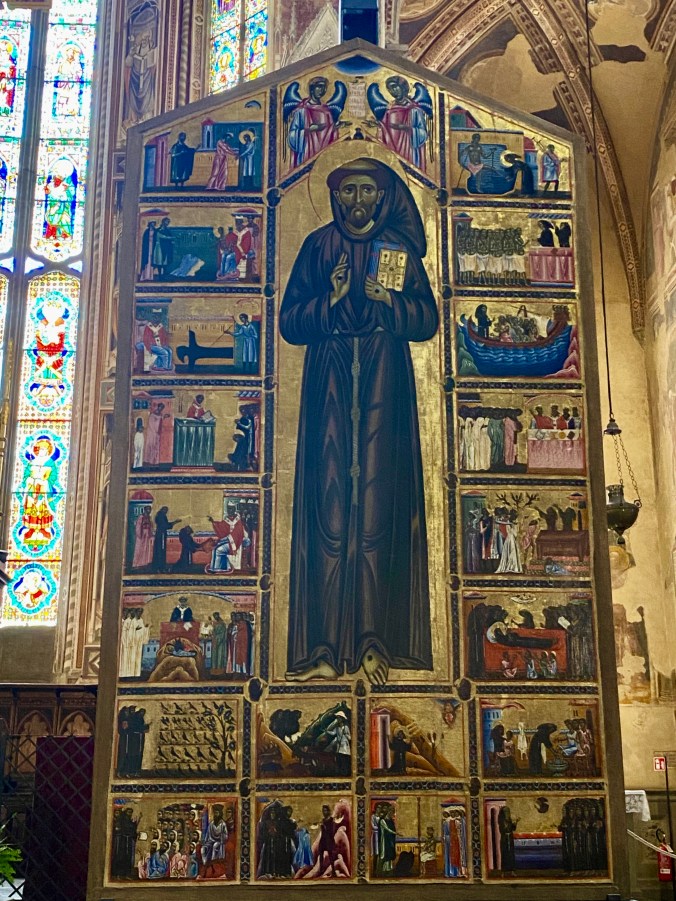
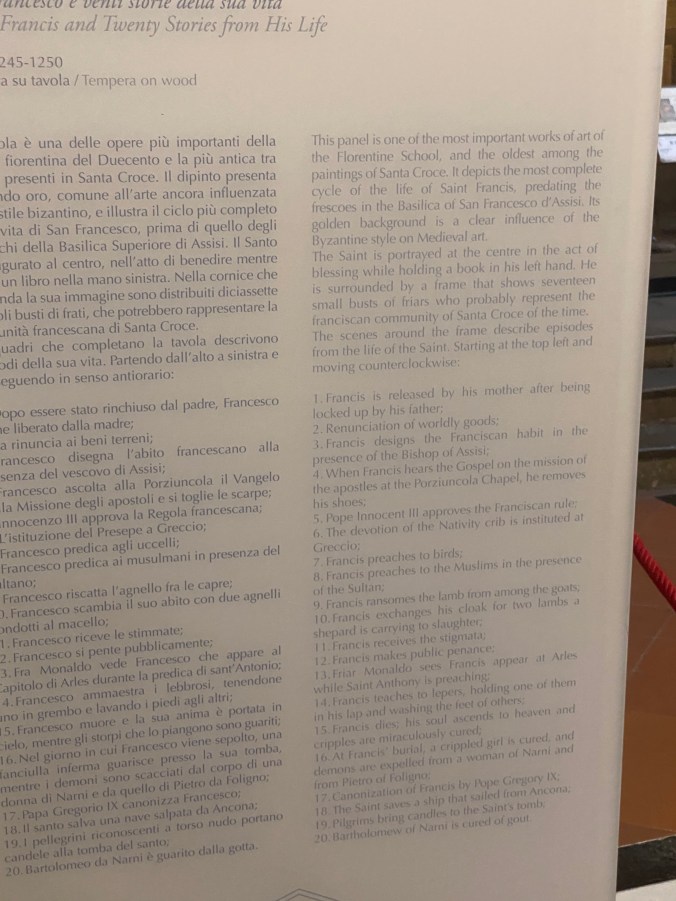
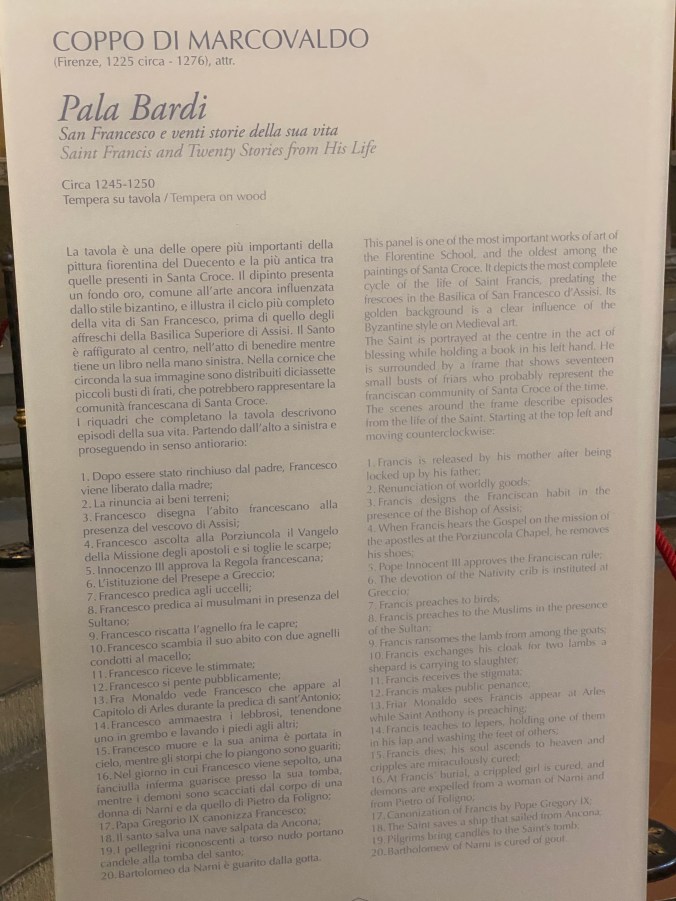
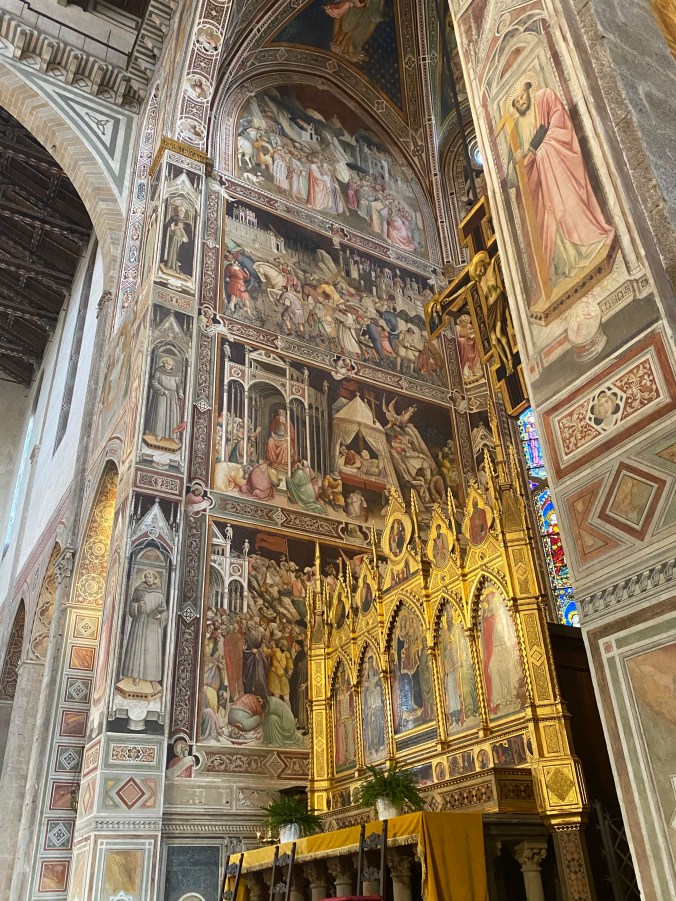
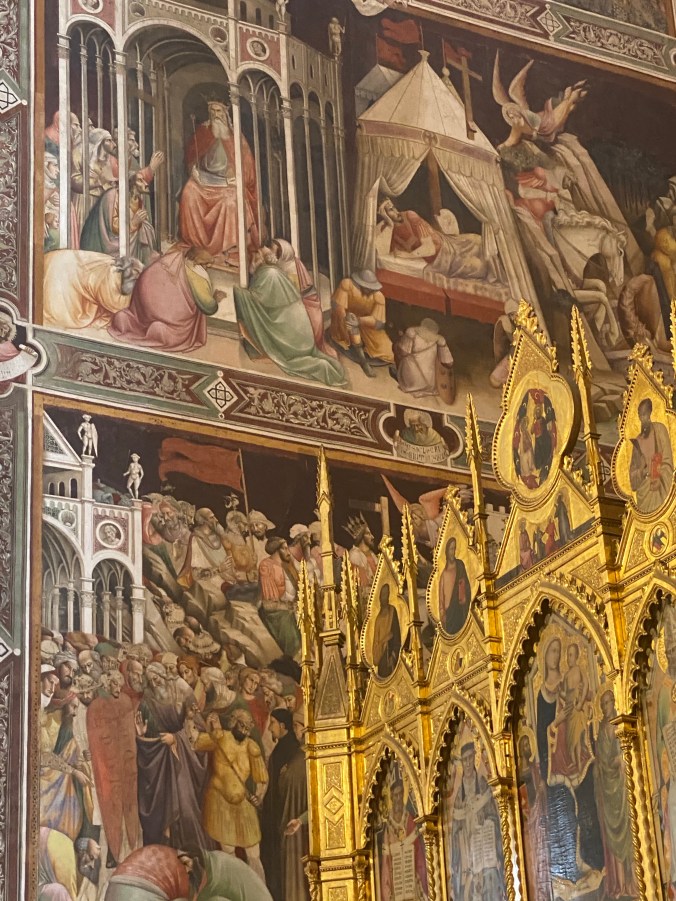
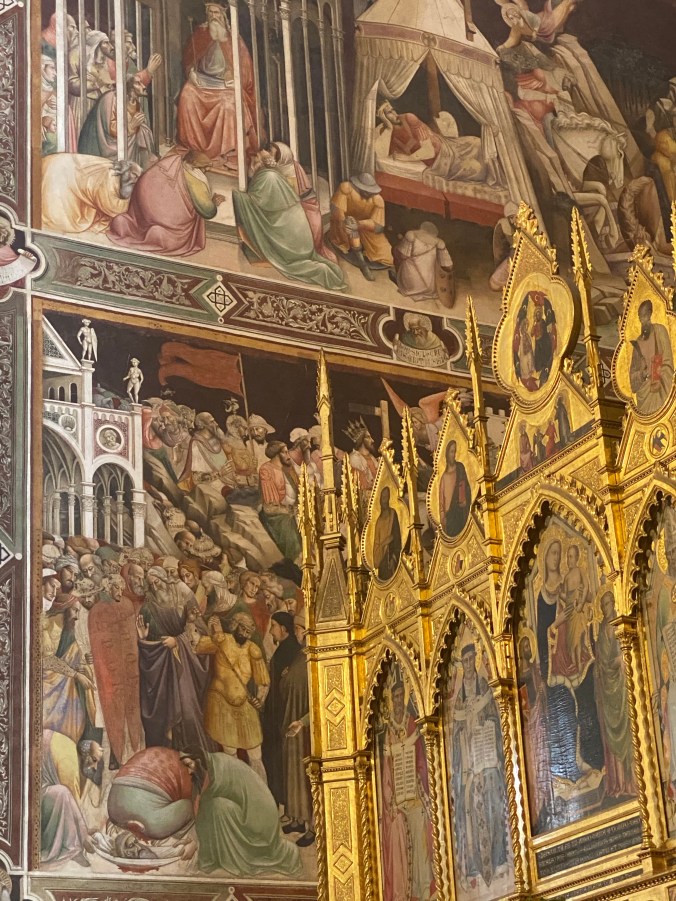
Also on display near the altar is this incredible Medieval painted altarpiece depicting St. Francis and scenes from his life:

o367pnJuS%q%+RilpCT1qA

fullsizeoutput_35b9

W60coa6fQKKci4WteWxXIQ


0njb5nLXSk2ZjPAK9EX+mw


OcVx7%YWRJ28sCLRada%Sw


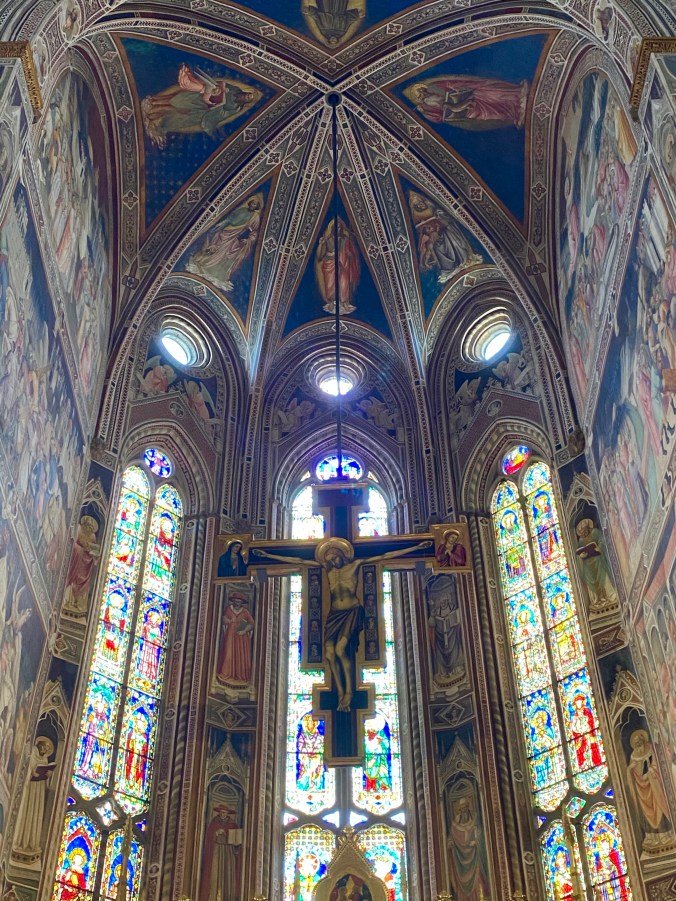
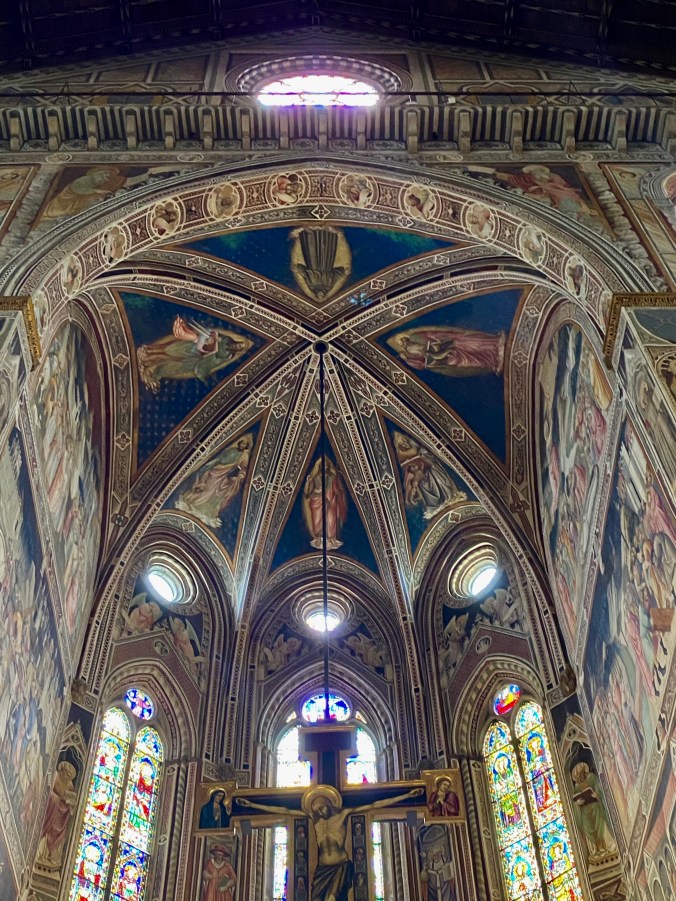
I will be writing a post on the frescoes in the main chapel behind the altarpiece.  Right now, they have it roped off and I couldn’t get into it to take decent pictures. Looking into the apse area behind the main painted altarpiece:

fullsizeoutput_35b2

ELV5QTKsQAaXxcfZ6tTPuw


F0Cn3NiKQy2RTLmo6AJTGg


AAn8LQCiTbKpbEZY3G66Xg


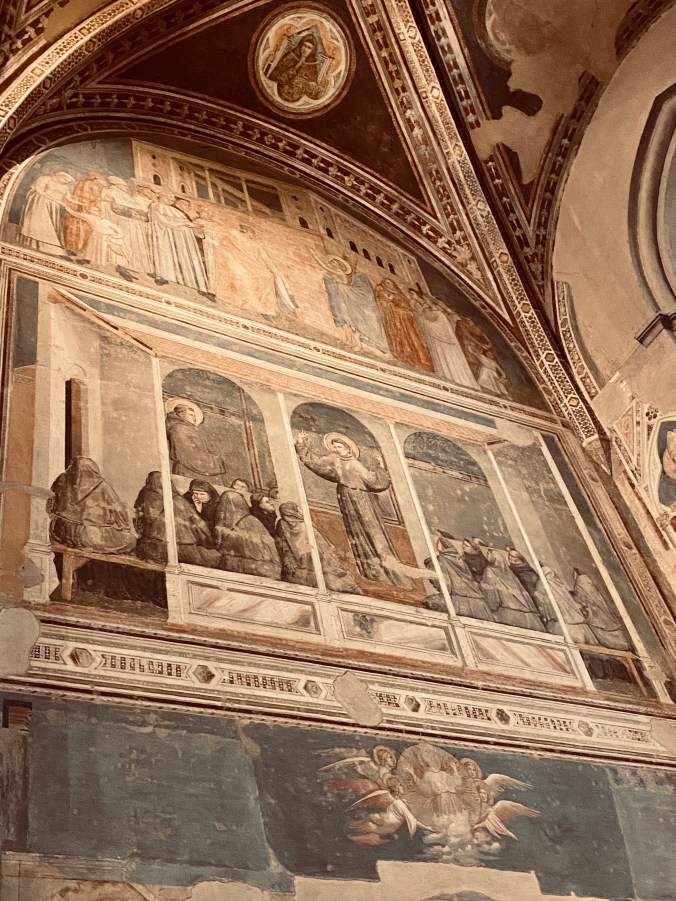
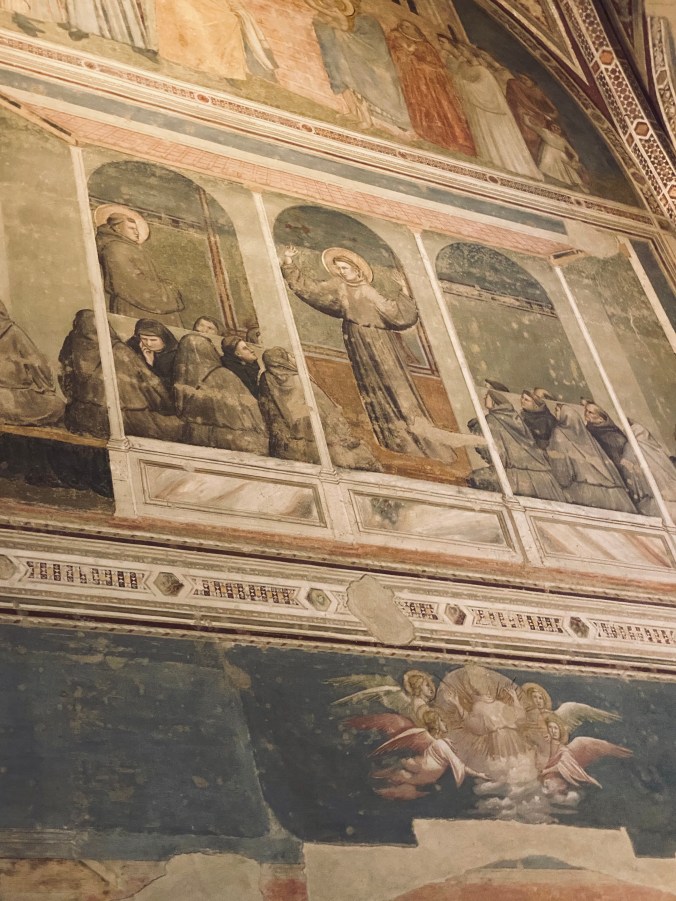
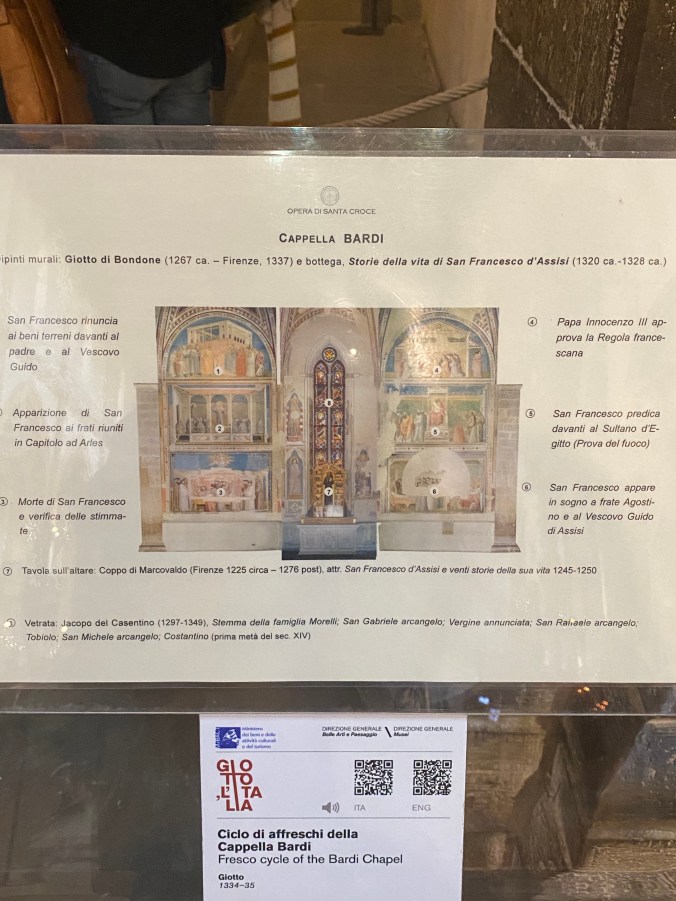
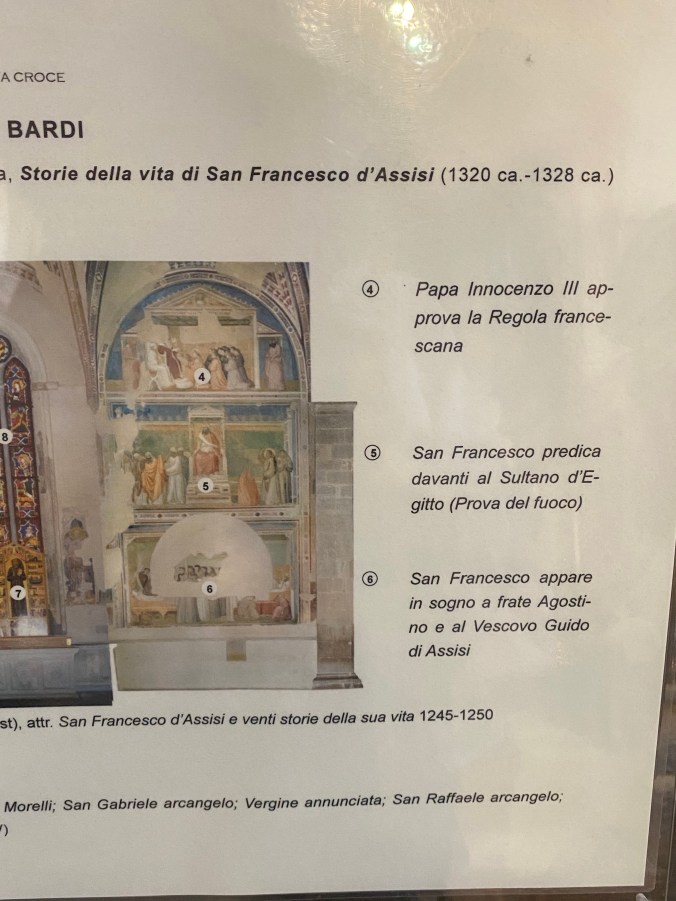
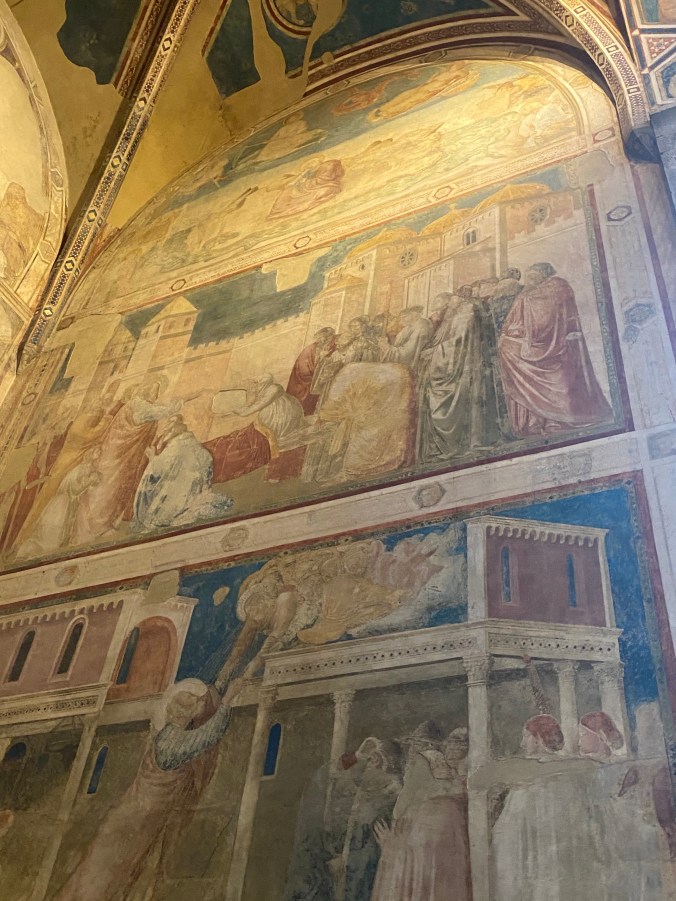
OK, so now we move into the big leagues as far as art historian are concerned.  Two of Giotto’s major works are to be found in adjoining chapels in Santa Croce.  They are the Bardi and Peruzzi family chapels. The first one is the Bardi chapel, depicting scenes from the life of St. Francis:

TgAsfx7uTI2J8I5aSzkFPw


fullsizeoutput_3465


fullsizeoutput_346a


A3GGNPlFTcOxHAPfSACDfQ


fullsizeoutput_346e


R+QJSvklTGm7fJpRBPSMag


w%2smJeLTyek4Bax6EoUrQ


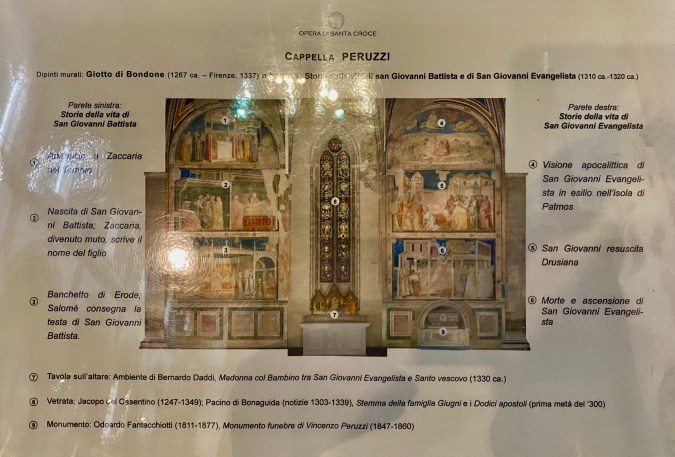
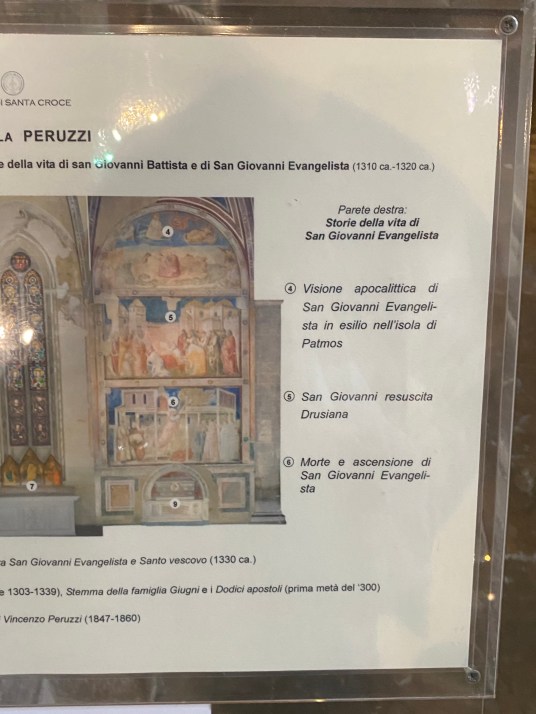
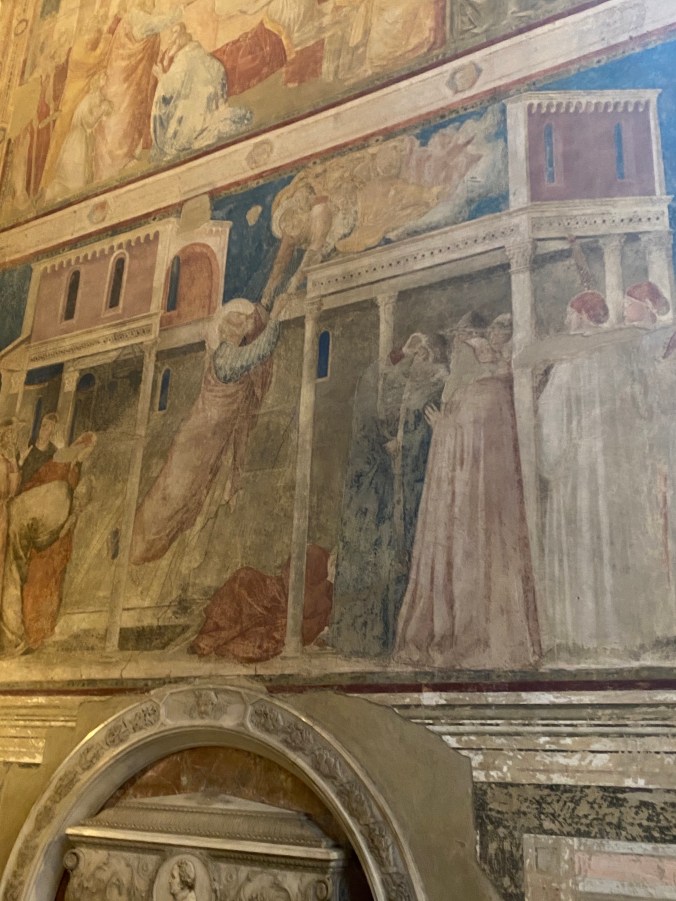
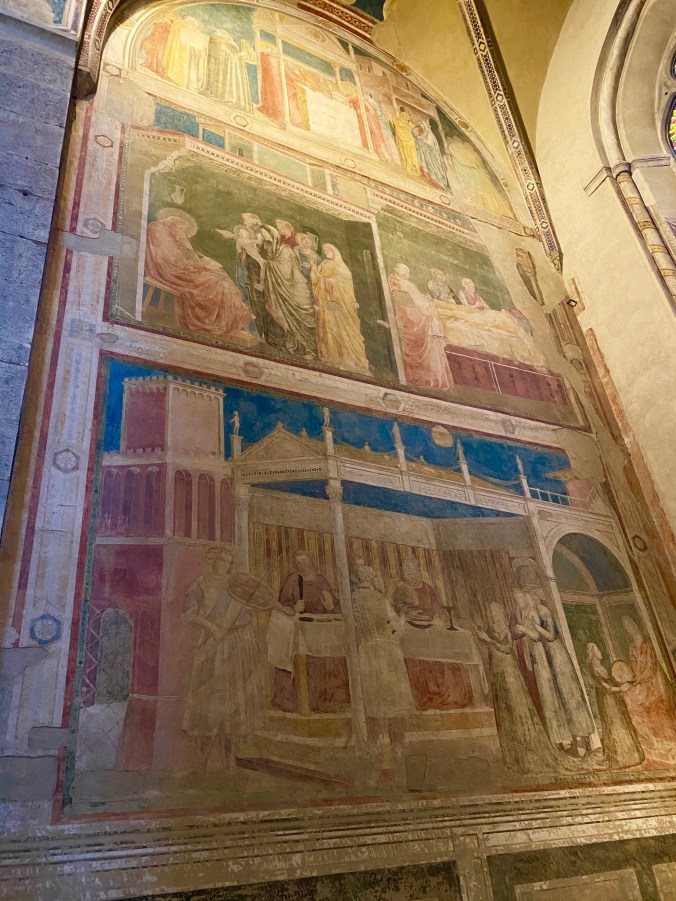
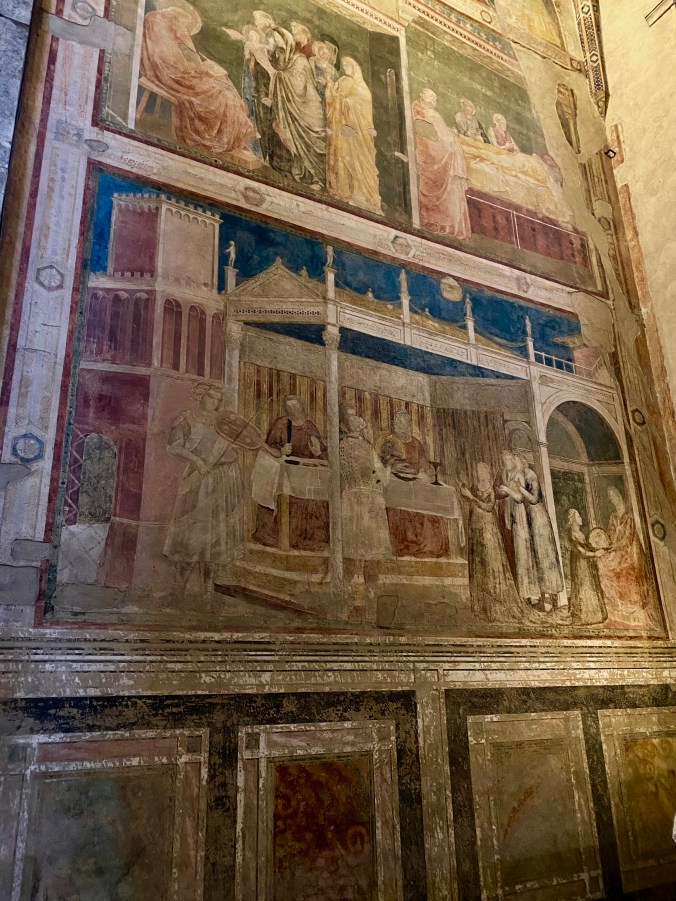
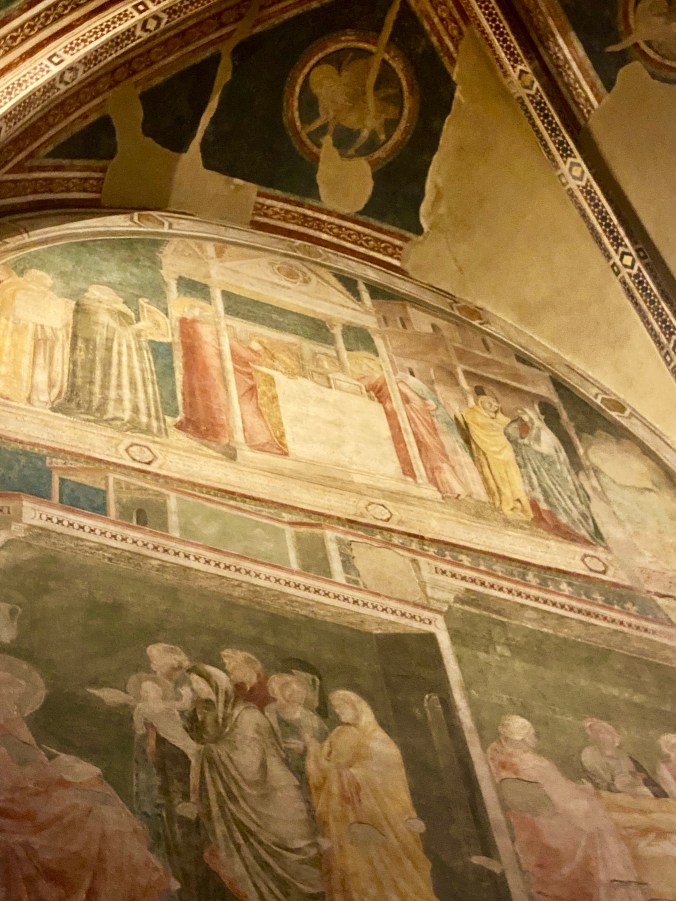
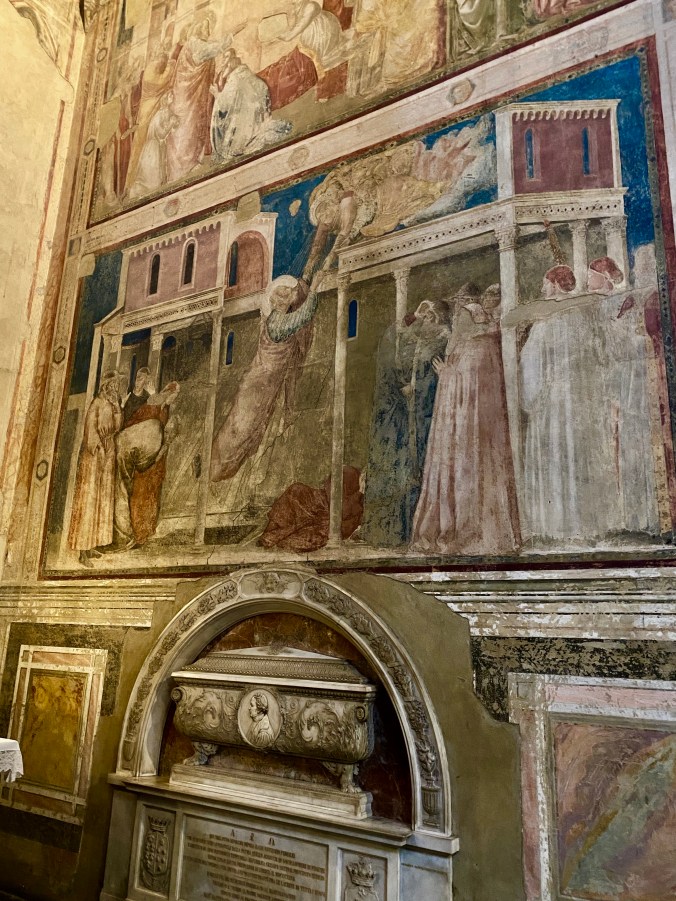
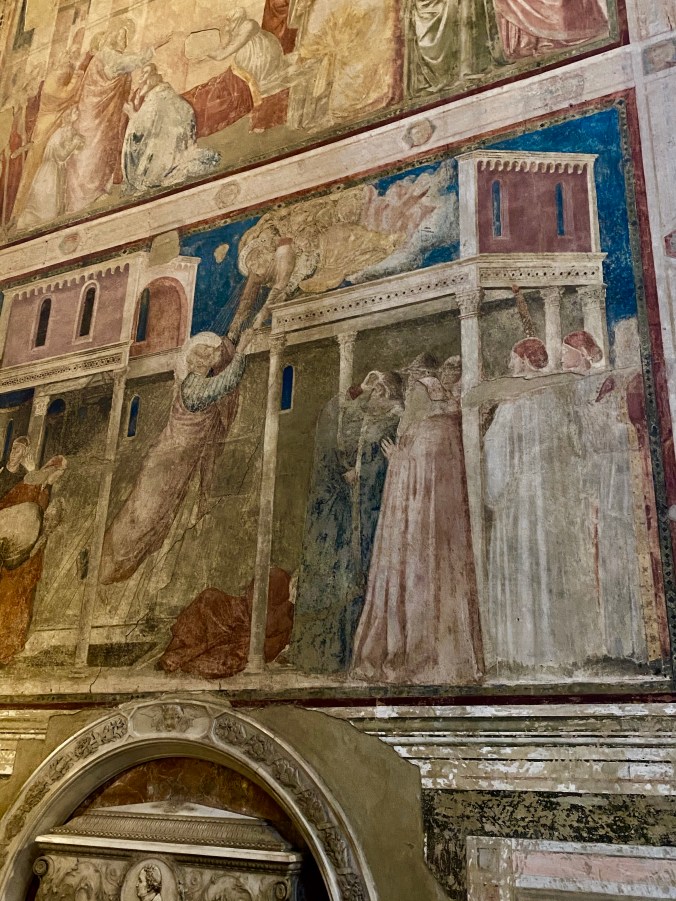
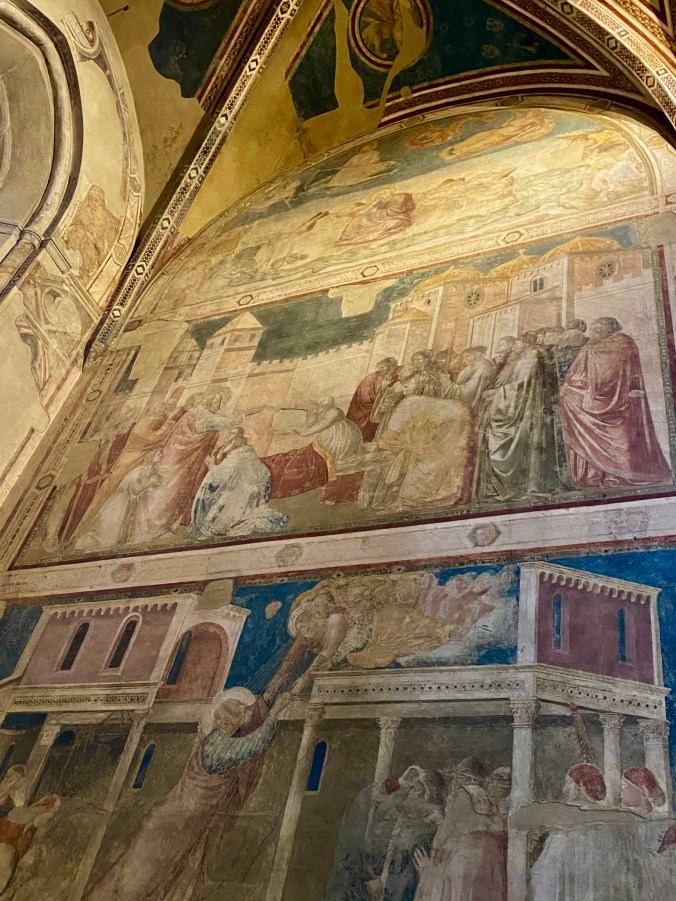
And now, the Peruzzi Chapel. Sadly, the frescoes are in very bad condition, having been partially painted a secco by Giotto, which means the true fresco technique did not allow the colors to become a part of the wall.  Plus, the frescoes were badly abused over the centuries, sometimes even being covered with white wash.

fullsizeoutput_3649

8CJ0AdReShezDQ2lkt766w


X9ReF8MKSWCMnjMzy%LaPQ


QEFtFX3VTYGq7D1qtvbrMw


WTu6Z8bcQGy9giICm+A1IA


G3rnjXtSQe66rINIb7lQQA


jojawYVYQq23%5JU9fSoSA


fullsizeoutput_35dd


fullsizeoutput_35df


fullsizeoutput_35e1


fullsizeoutput_35e3


fullsizeoutput_35e5


fullsizeoutput_35e7


fullsizeoutput_35e9


fullsizeoutput_35eb


Here’s an overall view of the 2 family chapels next to each other on the east end of the church. The Bardi is to the left, under the stained glass window, and the Peruzzi is to the right of it:

OZEgILRvT92C4hfo8XgQaw