Olive harvesting

In Maremma no one picks olives before November 2 (All Souls’ Day), by which point the green has begun mottling into black. This is why Tuscan olive oil is so justly famous; Umbrians and Apulians, by contrast, wait for the fruit to fall before they gather it, which makes their oil more acidic.

Usually it took us about three weeks, working six hours a day, to harvest our olives (from 38 trees). Once we were done, we’d pack them in plastic crates and haul them to one of the two frantoi (olive presses), this one located in a warehouse behind the consorzio agrario.

In the room through which you entered, tons of olives, either loose or in burlap bags through which a little moisture was already seeping, waited to be weighed and pressed. There would be at least one truck parked outside, bearing the immense crop of one of the larger aziende, a thousand kilos in comparison to which our five crates seemed meager.

Still, we gave them to the frantoiano to weigh, and he told us to how much oil we were entitled, using as the basis for his calculations a mysterious algorithm that took into account not only the quantity of olives but their relative oiliness in comparison to other years (on average, about twenty percent of the weight of the fruit). We’d nod acceptance of his terms.

Then he’d take our olives and throw them onto the pile with all the others, for generally speaking only huge crops were pressed individually; in the case of small harvests, the olives of several different families would be mixed together, which meant that one could never say truthfully, “This oil is mine,” though of course everyone said it anyway. Having deposited our olives, we followed the frantoiano into the next room, where the machinery itself was located.

This consisted of a huge tub and a stone grinding wheel, operated not by hand, as in the last century, but by a sophisticated system of gears. For sheer scale, it was daunting. The wheel was easily twice the size of the Bocca della Verità in Rome.

As for the tub: if you fell into it you would certainly be crushed in a matter of seconds. At the bottom, a muddy sludge of olive residue shifted and churned, while from its side a stainless steel pipe led to a series of distillation tubes and then to a tap from which a stream of oil was always pouring.

The oil was such a deep shade of green that you could not see light through it unless you held the bottle up to the sun. It gave off a slightly mulchy odor. This was the cold-pressed “extra virgin” oil for which Tuscany is famous. Later, the pulp would be pressed a second time, producing a paler oil; later still, the crumbly residue, by now the texture and color of potting soil, would be forced, thanks to the addition of certain chemicals, to yield yeta third grade of oil, almost colorless and used chiefly for deep frying.

Next the frantoiano—Paolo) who in the summer worked at the Bar Sport, and in the spring did construction at the Terme—asked us if we wanted to take our oil then or wait until “our” olives were pressed. We told him that now would be fine, at which point he began to fill our thirty-liter stainless steel oil urn.

One of our neighbors, a farmer with a lot of land, walked in and greeted us. We would have felt intimidated by his bigger harvest (this is the curse of masculinity) had not a tiny old man followed him in. In his right hand he held a straw basket containing at most twenty olives, in his left a biberon—a baby bottle.

Leavitt, David. In Maremma: Life and a House in Southern Tuscany (pp. 131-132). Counterpoint. Kindle Edition.


Leavitt, David. In Maremma: Life and a House in Southern Tuscany (p. 130). Counterpoint. Kindle Edition.

Leavitt, David. In Maremma: Life and a House in Southern Tuscany (p. 130). Counterpoint. Kindle Edition.


Casa Foscari; Brenta canal, part 4

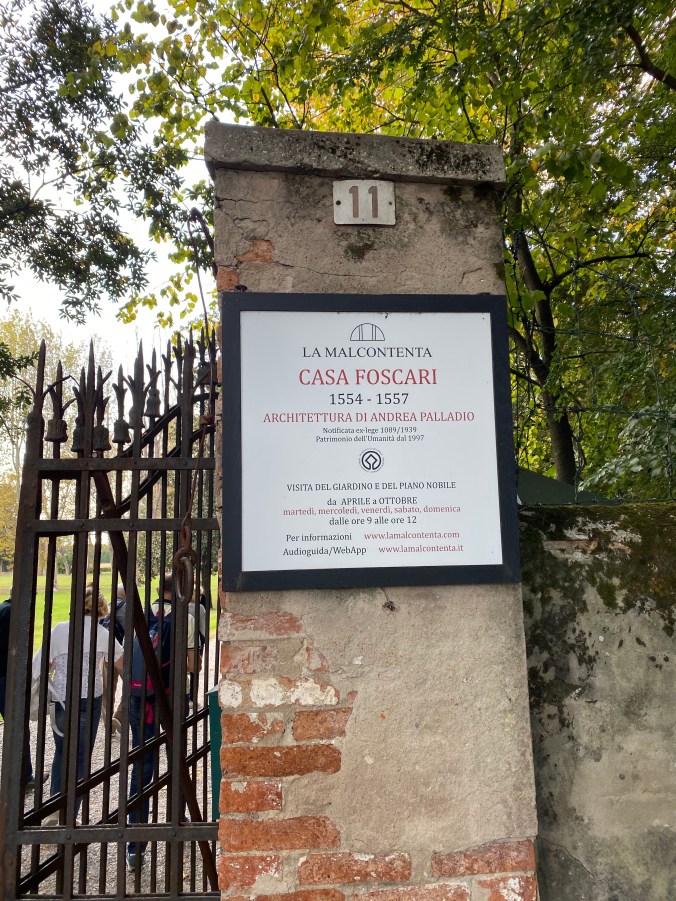
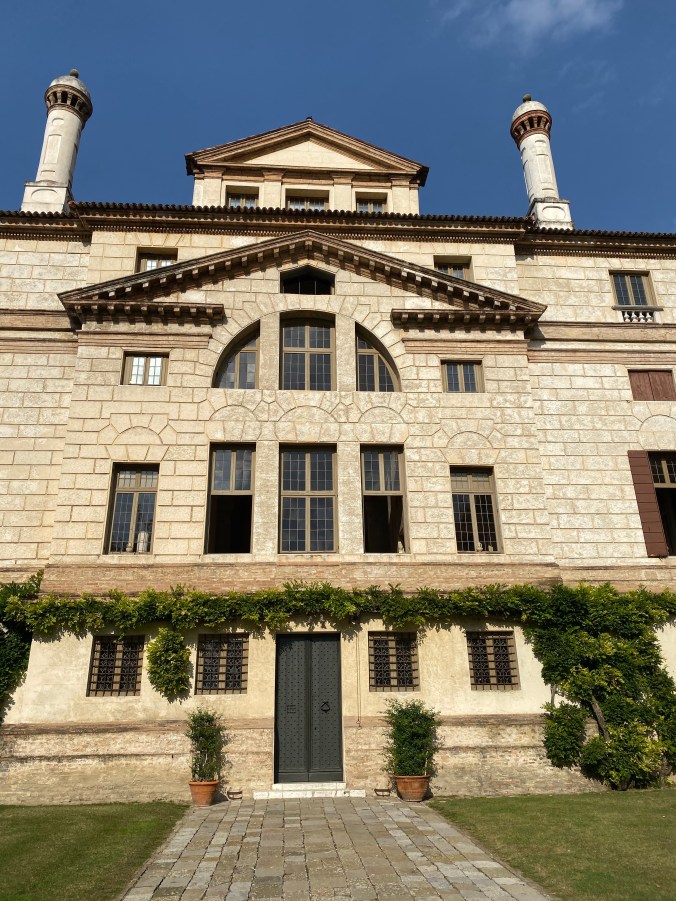
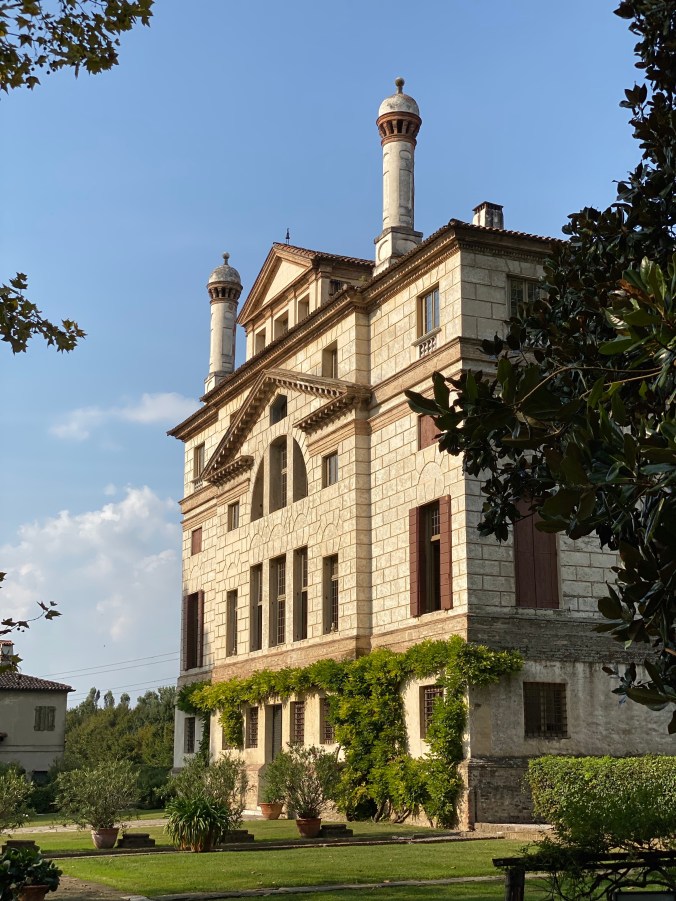
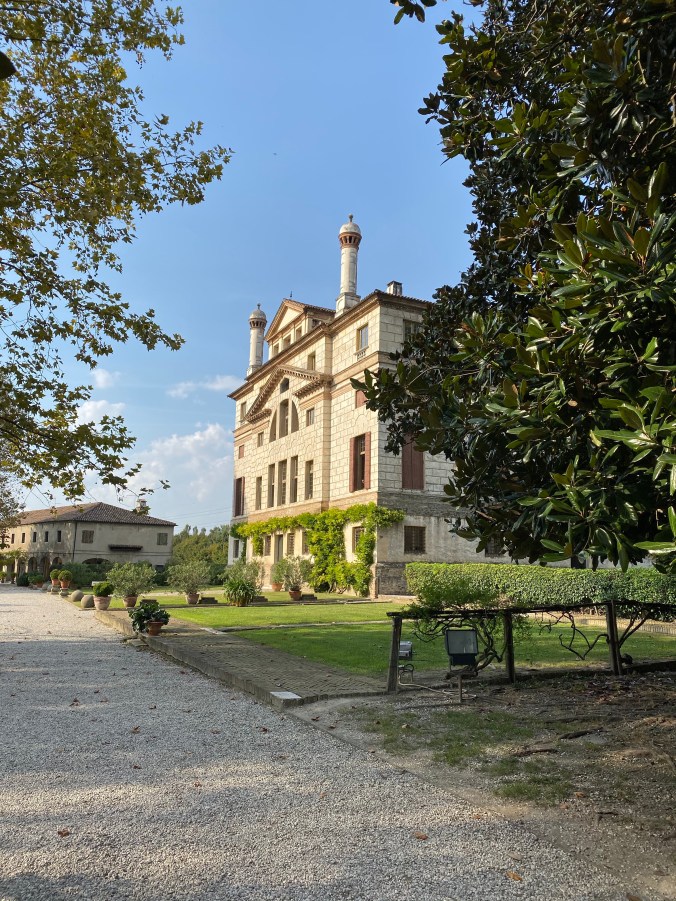
Continuing my cruise through the Brenta Canal (Il Naviglio del Brenta or the Brenta Vecchia) in late September 2019, our next stop was at La Malcontenta, aka Casa Foscari.

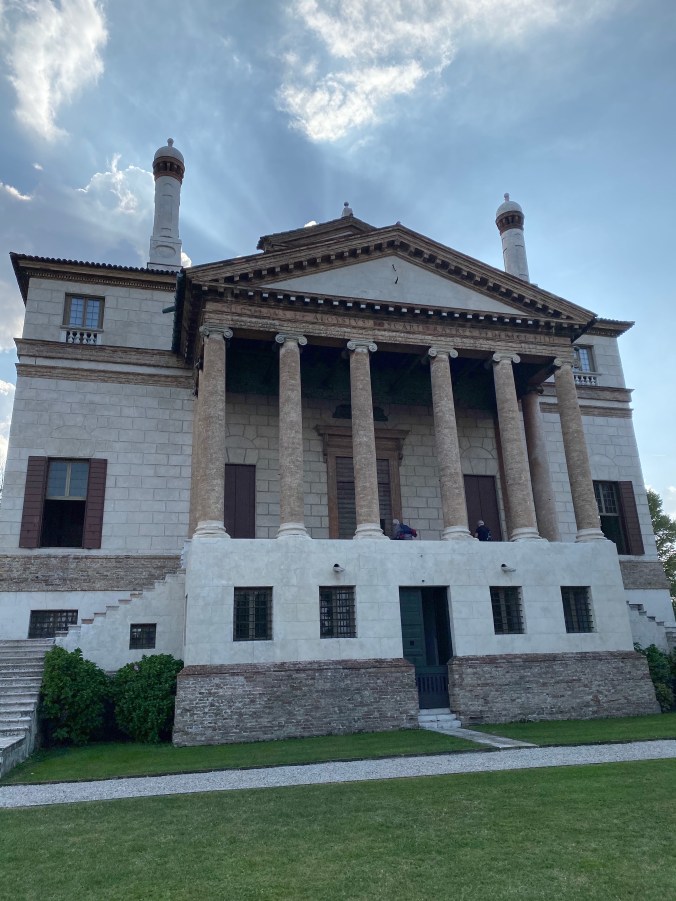
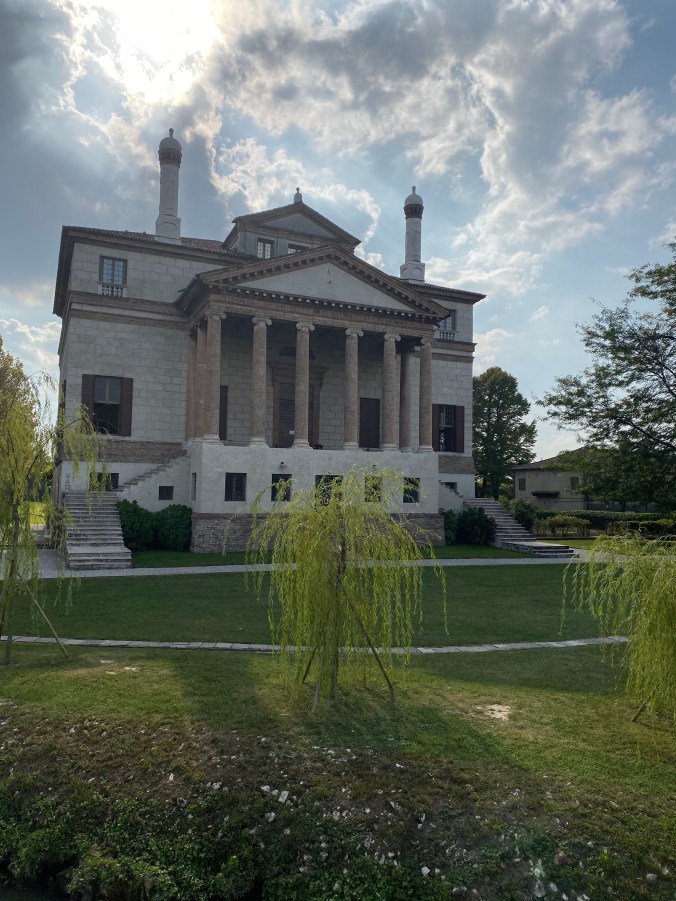
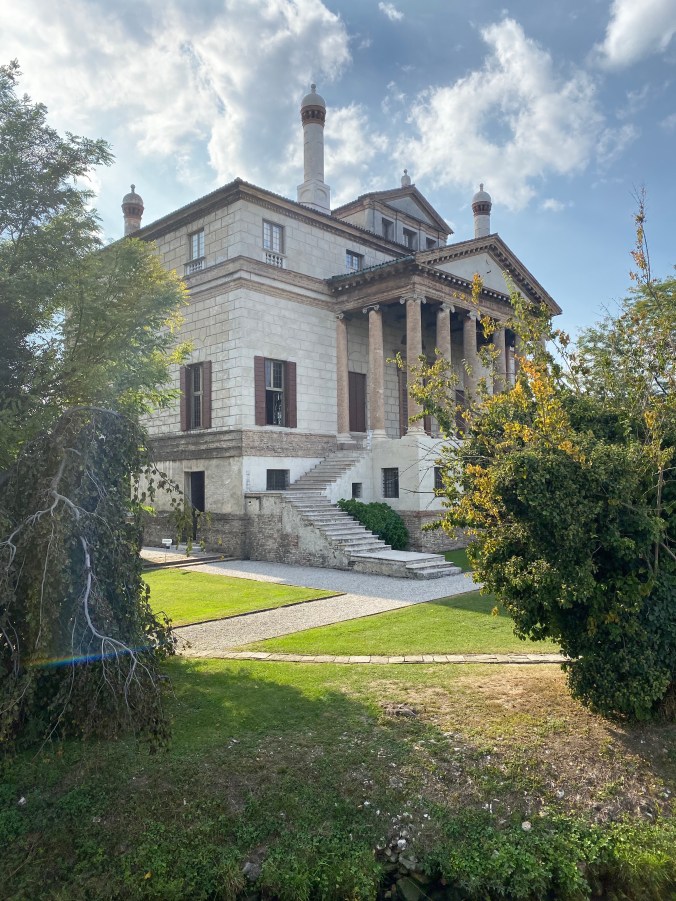
Casa Foscari, or the Foscari house. Only a very rich Venetian could call this Palladian masterpiece a “house.” For the rest of us, it is indeed a villa! And also a UNESCO World Heritage site, grazie a dio.
bApAP9CCSmKbxHjVPrXmZg

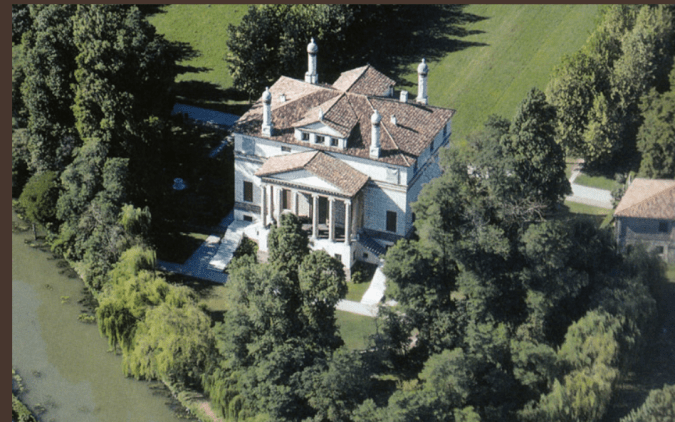
Villa (Casa) Foscari is a patrician villa in Malcontenta near Mira, not far from Venice. It was designed by the architect Andrea Palladio for the brothers Nicolo and Luigi Foscari, members of a very powerful Venetian family that included Francesco Foscari, one of Venice’s most noted doges. The villa was built between 1558 and 1560.

From above:
Screen Shot 2019-10-14 at 10.50.36


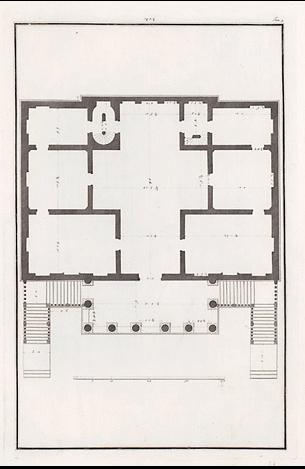
The plan:

Screen Shot 2019-10-14 at 10.32.51


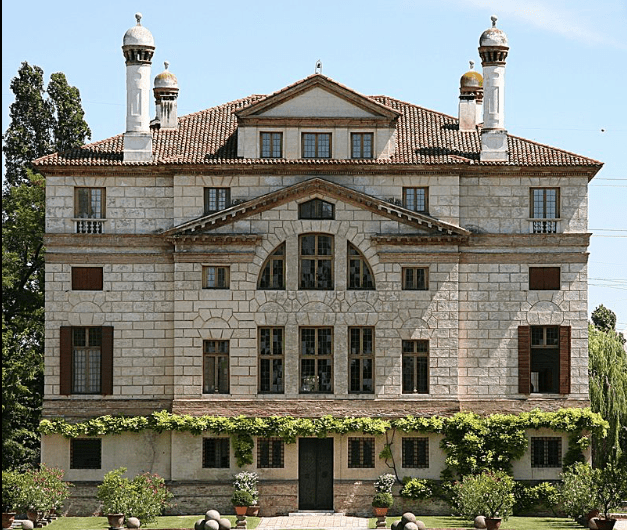
The rear facade:

Screen Shot 2019-10-14 at 10.32.36


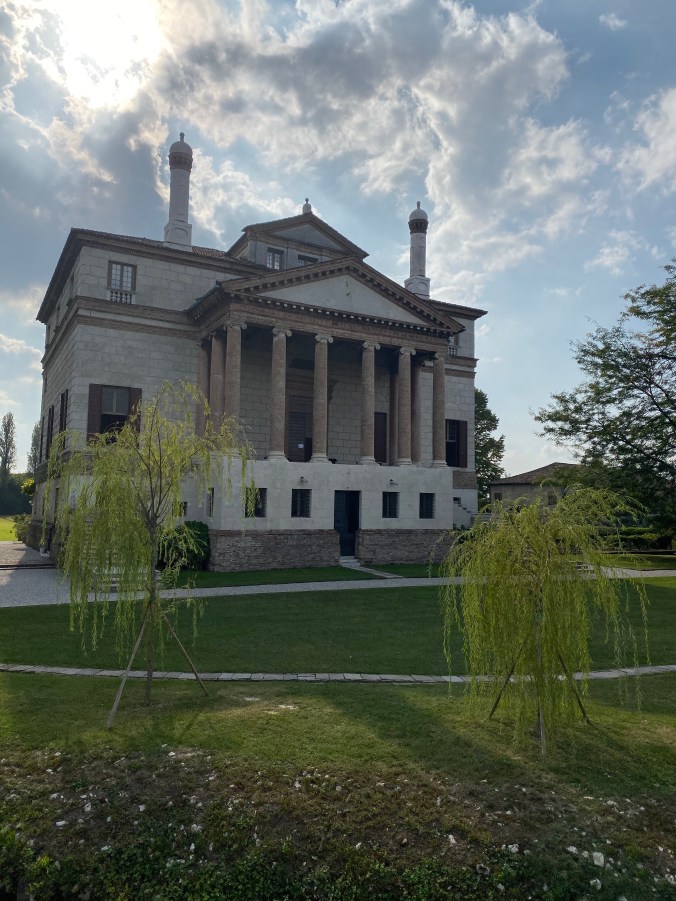
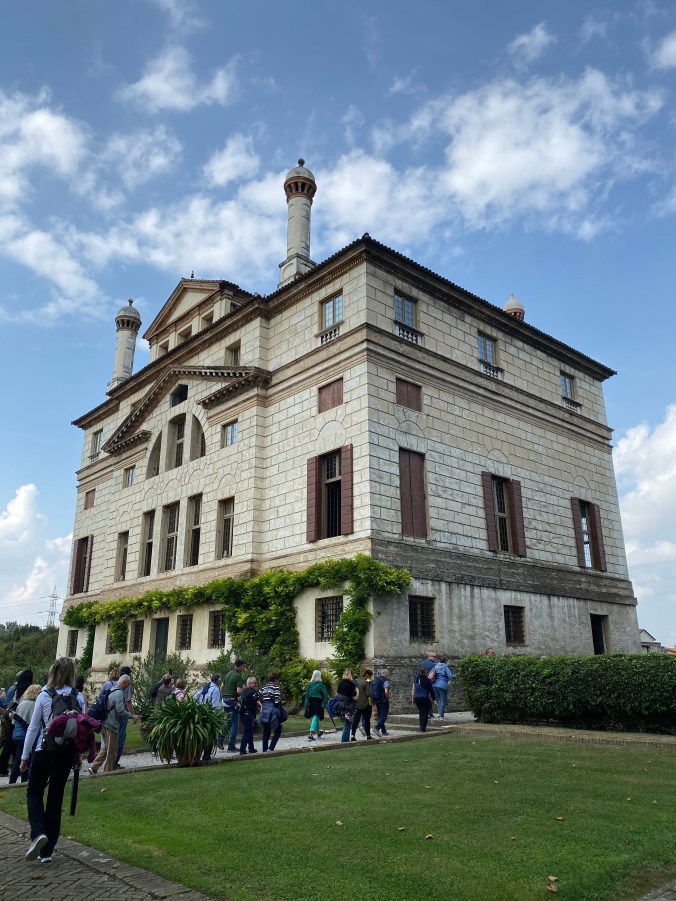
The villa is located beside the Brenta canal, where it stands in isolated splendor. Typical of Palladio’s villas, it is raised on a pedestal; this pedestal is more massive than most of Palladio’s villas (the base is 11 feet high, more than twice the height Palladio normally used) because it was not possible to construct a subterranean basement on the site and the architect needed to protect the interior from the moisture below.

The original villa lacked the agricultural buildings which were an integral part of some of the other Palladian villas. It was used for official receptions, such as that given for Henry III of France in 1574.
8cdHDpPISAOn7tOni5AgOA


KLRqeAkqTMe5F4OGe3xevQ


rAwLYL1LRh6xOpPkQcJwQQ


The Foscari family didn’t intend to create a villa farm, but rather a suburban residence, quickly reachable by boat from the center of Venice thanks to the position at the mouth of the Brenta Canal.

The project was entrusted to Andrea Palladio by at least 1554. Unfortunately, Nicolò Foscari died in 1560 and his brother Alvise oversaw its completion.


Painters Giambattista Zelotti and Battista Franco were commissioned to paint the interior with lavish frescoes, but Franco died in 1561, leaving the Fall of the Giants unfinished. While some details about the project are unknown, the building was most certainly completed by 1566, when it was visited by Giorgio Vasari.

I will discuss the frescoes in a separate post.

In the following centuries, the Foscari acquired more property and built outbuildings such as stables and ferries, among others.  They also constructed an inn and a guesthouse as well as various rental houses. In fact, they almost created a small village, the so-called “piazza Foscari alla Malcontenta.”

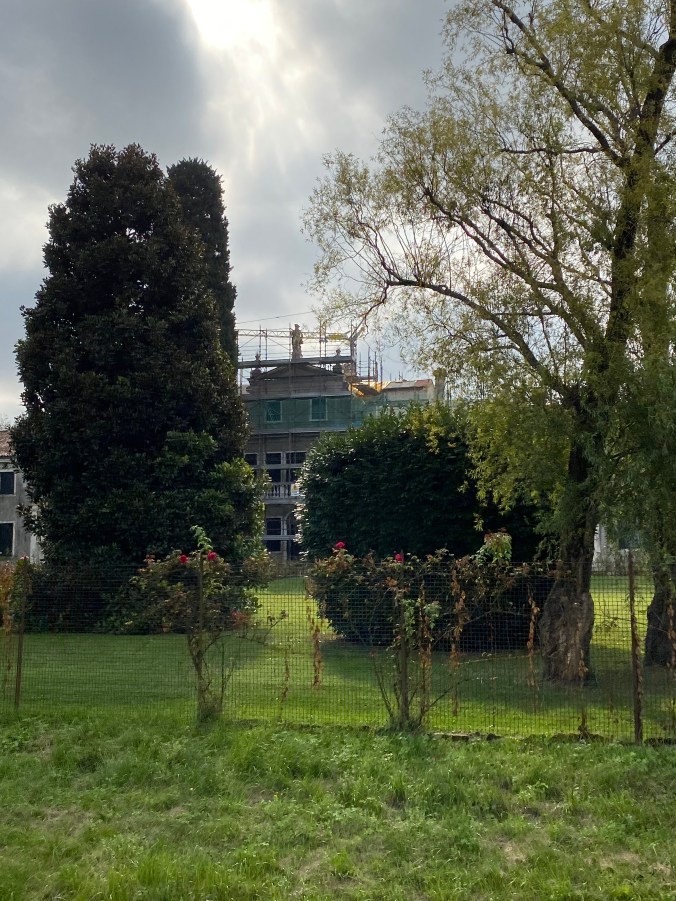
By the early 1800s, the villa was abandoned. In following decades the “piazza” complex was in ruins and during the uprisings of 1848 the various outbuildings were dismantled by the Austrians.

Between 1885 and 1954 the entire countryside along the Brenta Canal was changed with the addition of train tracks of the Padua-Malcontenta-Fusina line. By the 1920s, La Malcontenta was being used as an agricultural warehouse. In 1925 it was acquired by Alberto Clinton Landsberg, who began its first major restoration. A second restoration was implemented in the 1960s, with the collaboration of the Ente Ville Venete.

British travel write Robert Byron provided an eye-witness account of the villa in The Road to Oxiana:

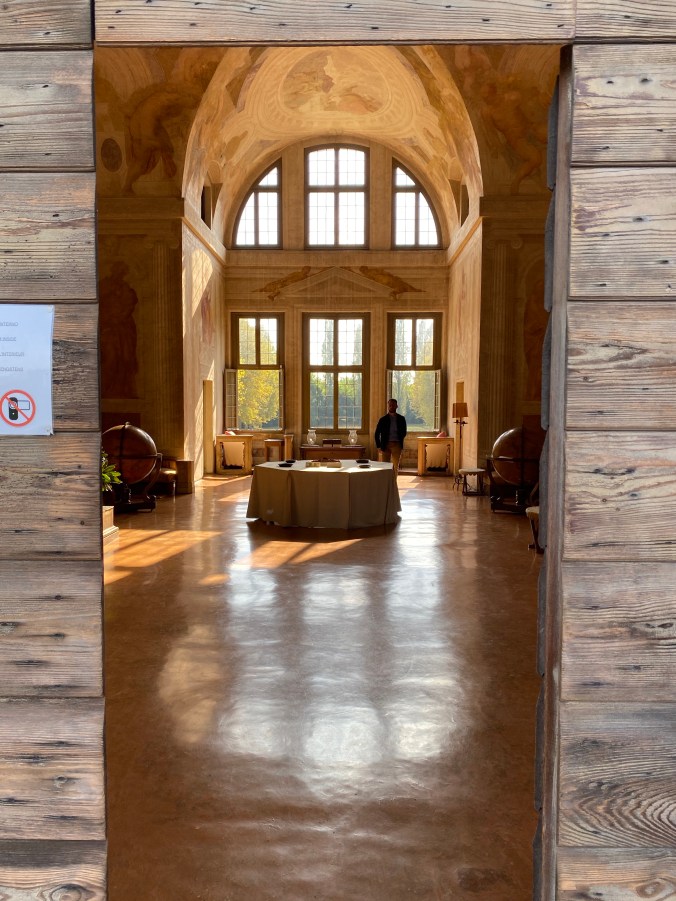
Trip by car to Malcontenta for tea. We took the new road built on the lagoon next to the railway. The famous villa, magnified in all its books on Palladio, was falling into disrepair when Landsberg saw it nine years ago: without doors or windows, it was used as a warehouse for various agricultural products. Landsberg made it habitable. The proportions of the great hall and reception rooms are a mathematical paean. Another would have filled the halls of so-called Italian furniture all with gilding, antiquarian bottoms. Landsberg had natural wood furniture made in the village. There is nothing “vintage” except candles, which you can’t do without in the absence of electricity.

In 1973 the villa was once again owned by a Foscari family member, Antonio “Tonci” Foscari.


nrTkkHRwTPiAAXer9U3magqQ2W4NWtQiSbEdsyiWwT9Q

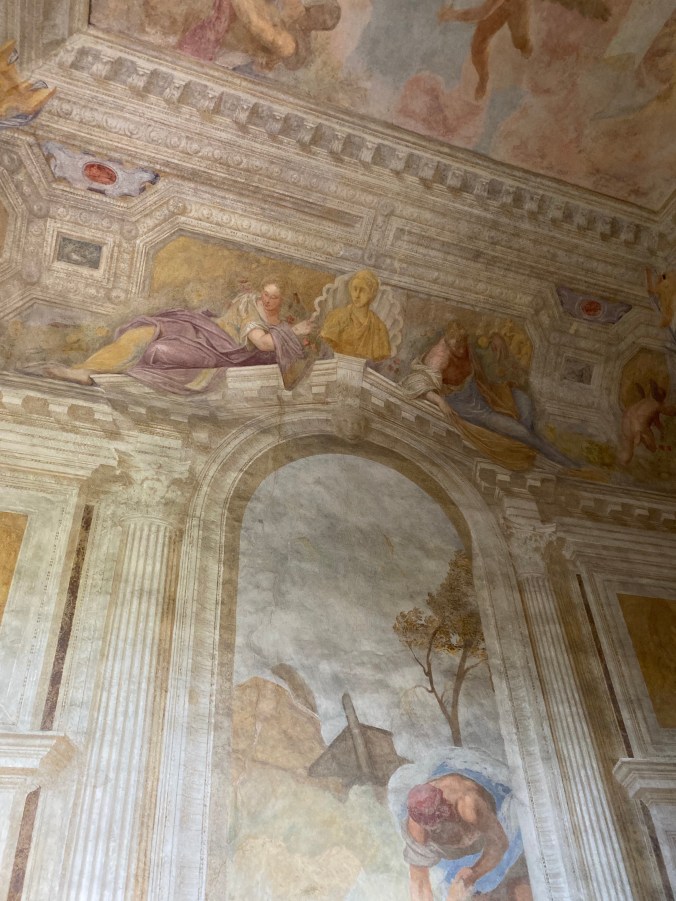
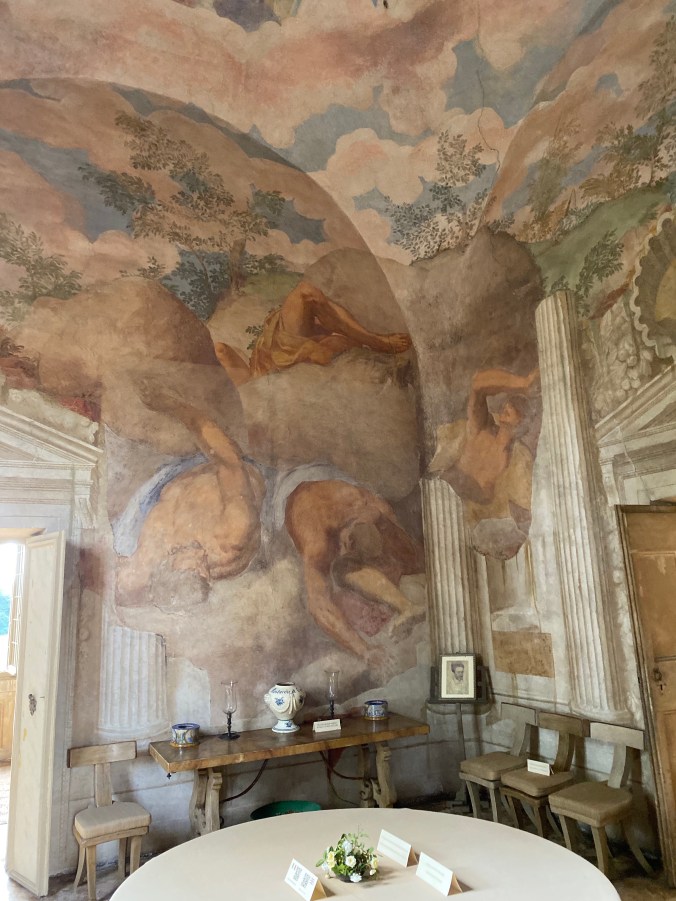
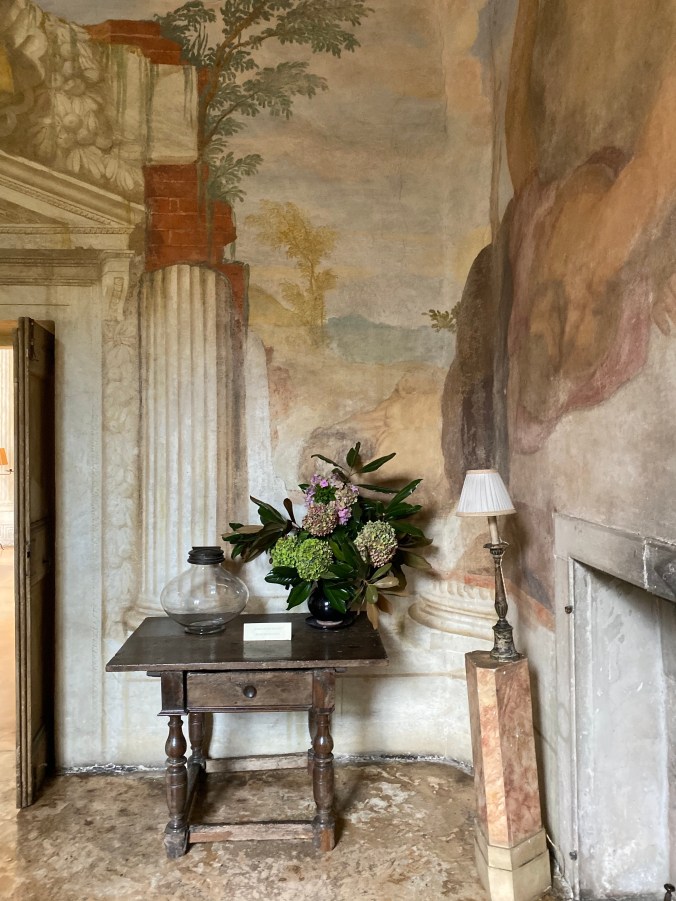
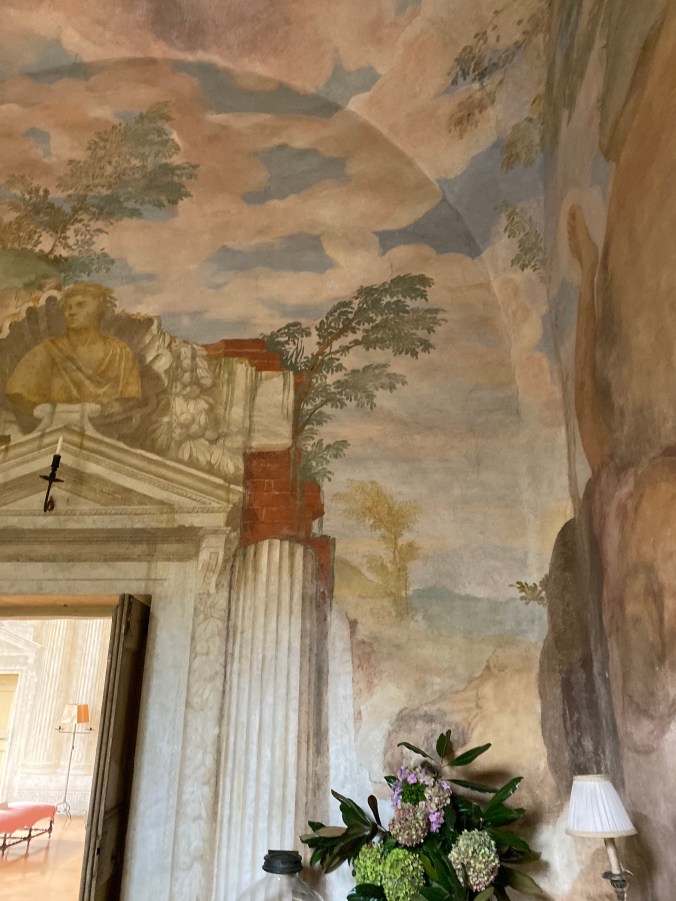
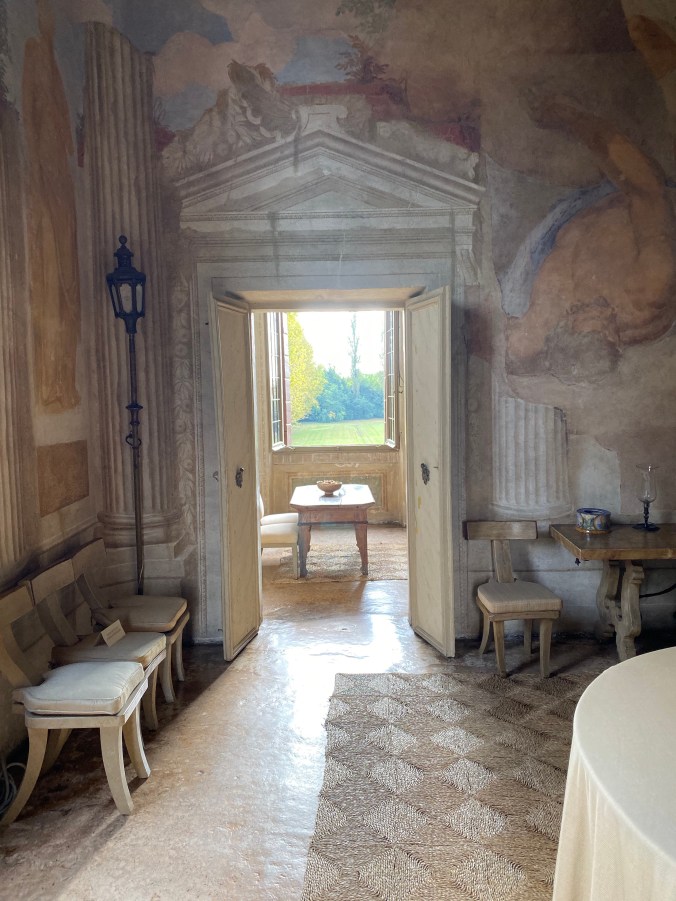
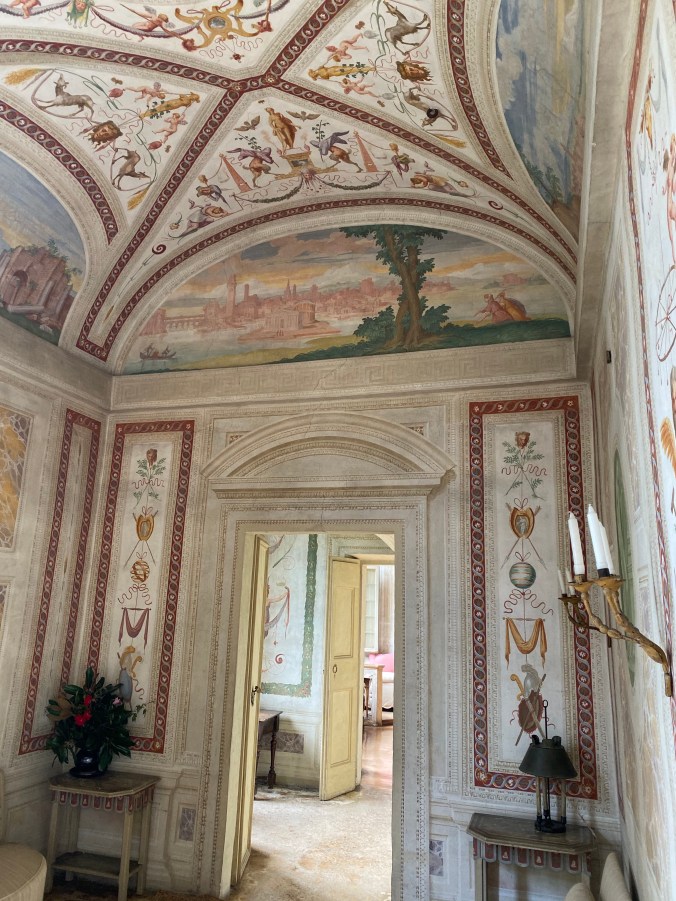
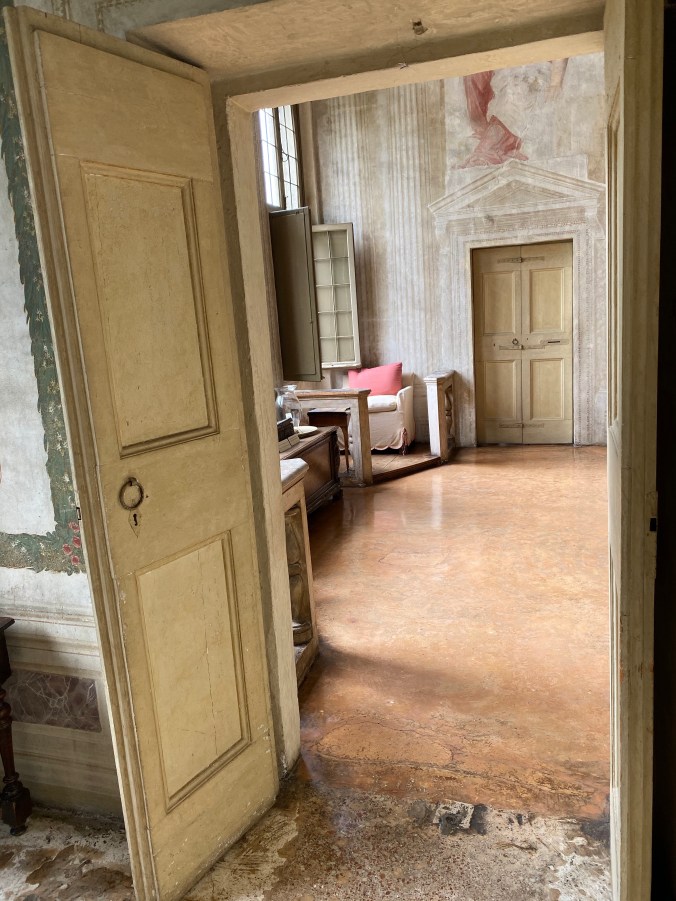
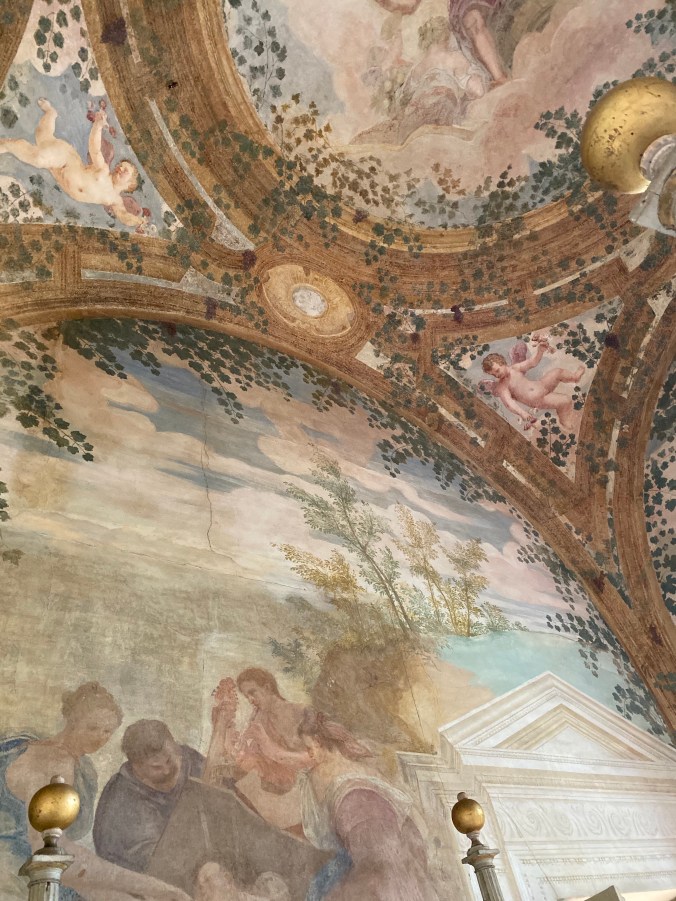
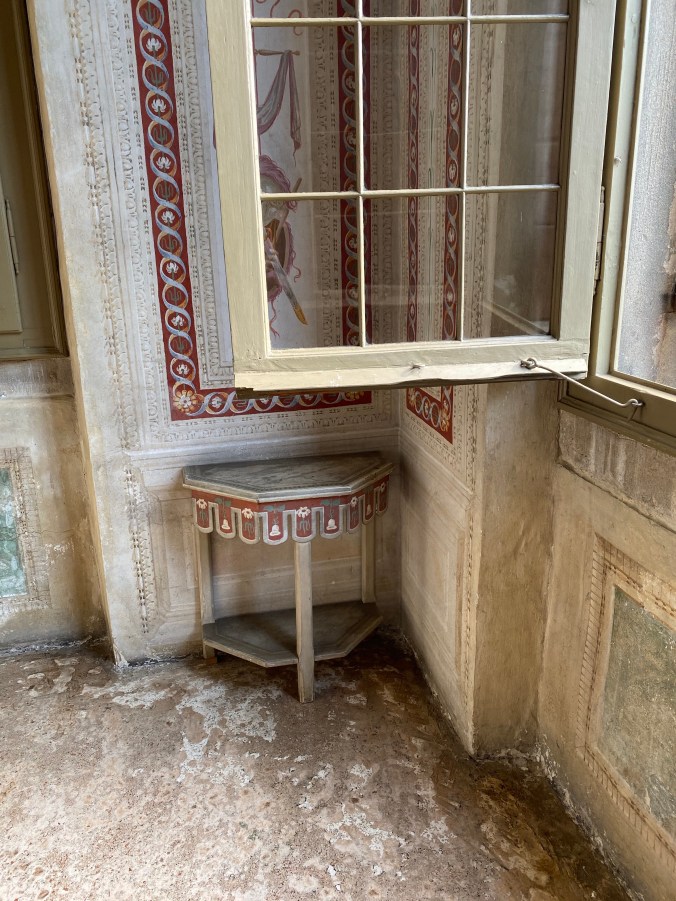
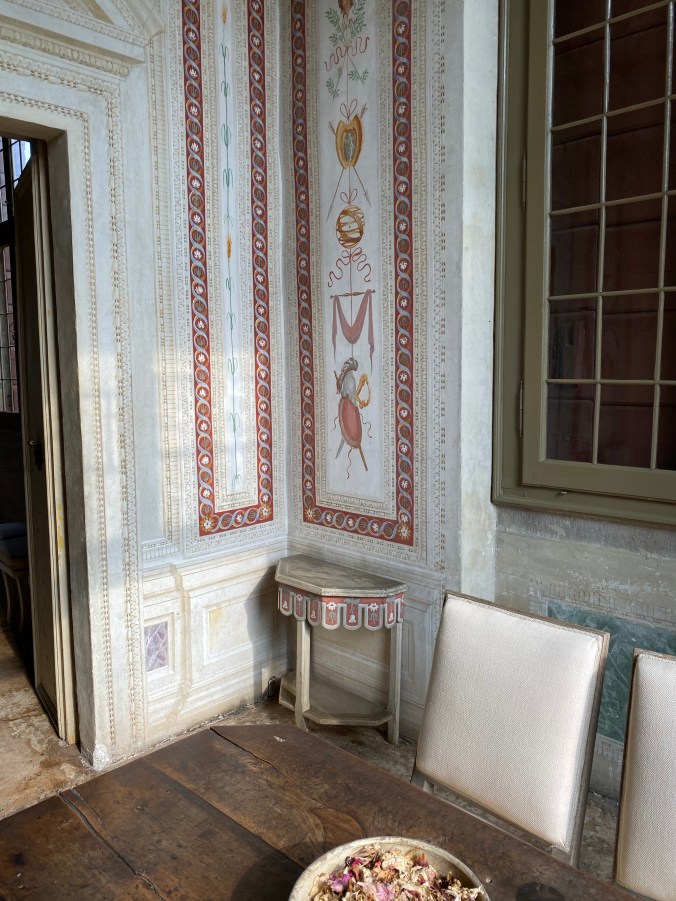
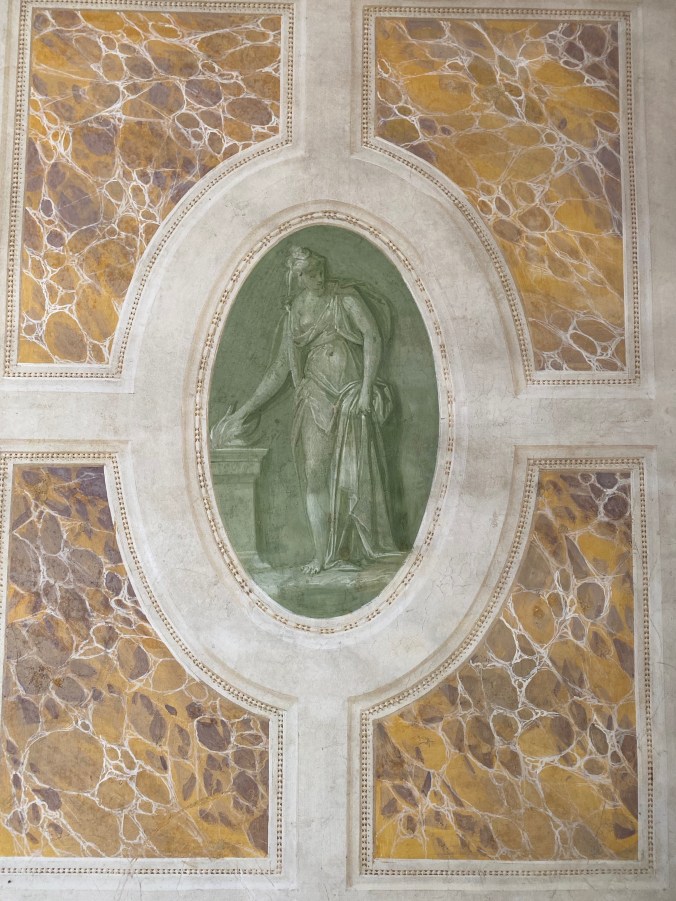
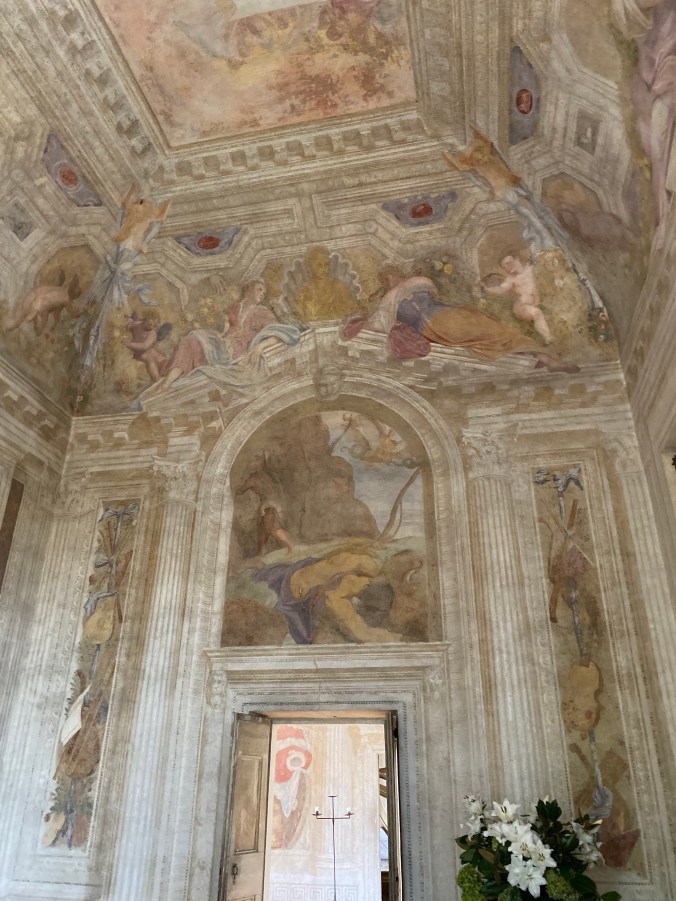
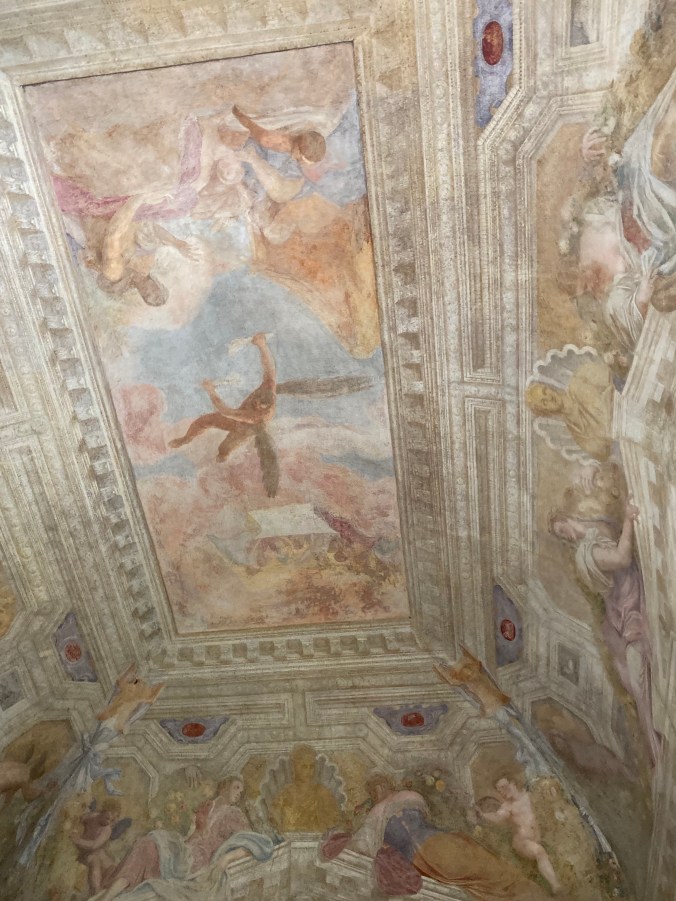
The interior of the villa is richly decorated with frescoes by Battista Franco and Giambattista Zelotti. Mythological scenes from Ovid alternate with allegories of the Arts and Virtues. As at other Palladian villas, the paintings reflect villa life in, for example, Astraea showing Jove the pleasures of the Earth. The frescoes have dulled over time, signs of the increasing threat that air pollution poses to works of art.


6lAmIo3ZS6eYCpwGx3Nhbwa6nB+7+iR76OXkuHPKcLsQzrvgRNwVTh6Cps7PsU9gTwWZClwT2vRyitRJ0UdpClCgB+7isd%TR3GMMCaRGqOKAw0%iRw1z2Qh+y1zx5is%tkQxYEVLwqISSqIIQNW7v7YngAKH0WpucR2GgymEZt9ZCYgPMfT7tDST9advuWBBCbkRQ

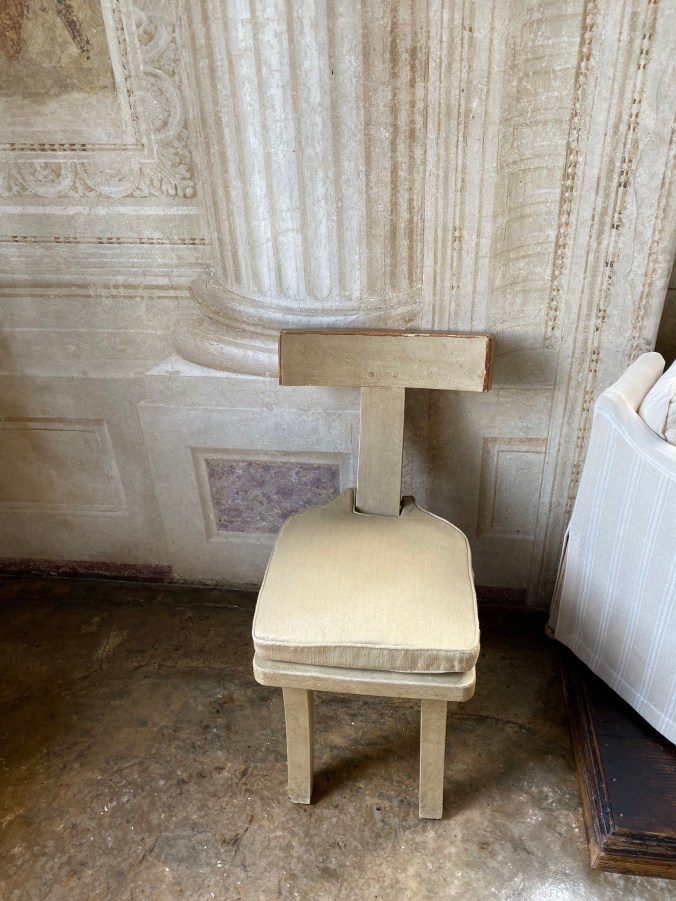
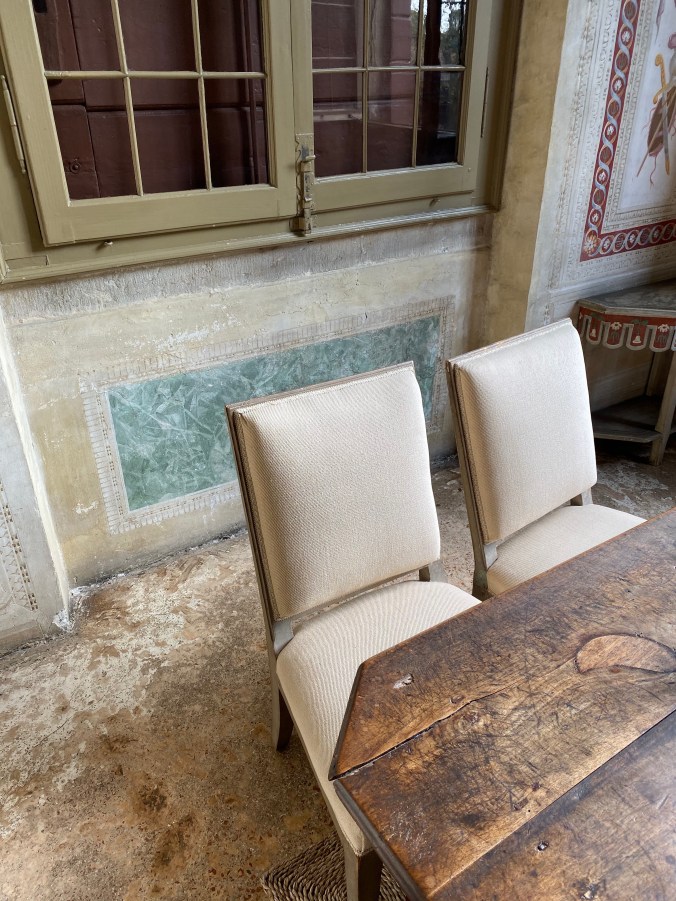
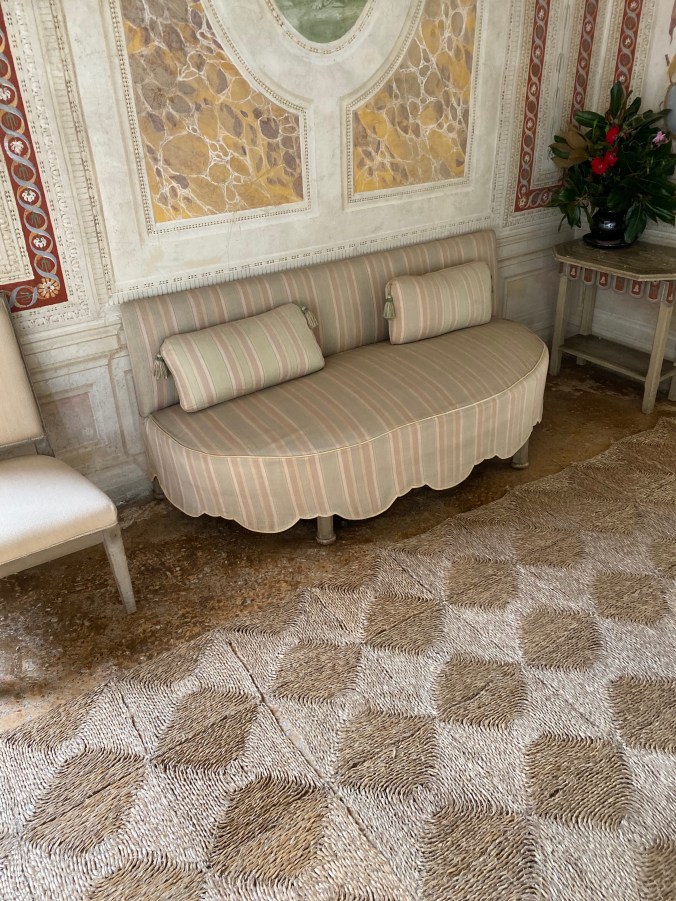
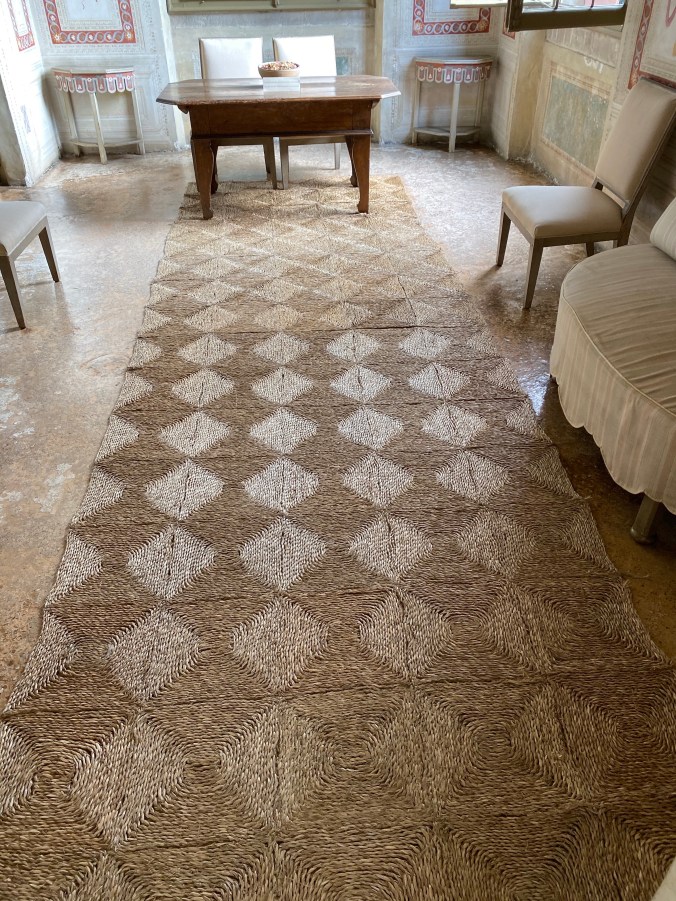
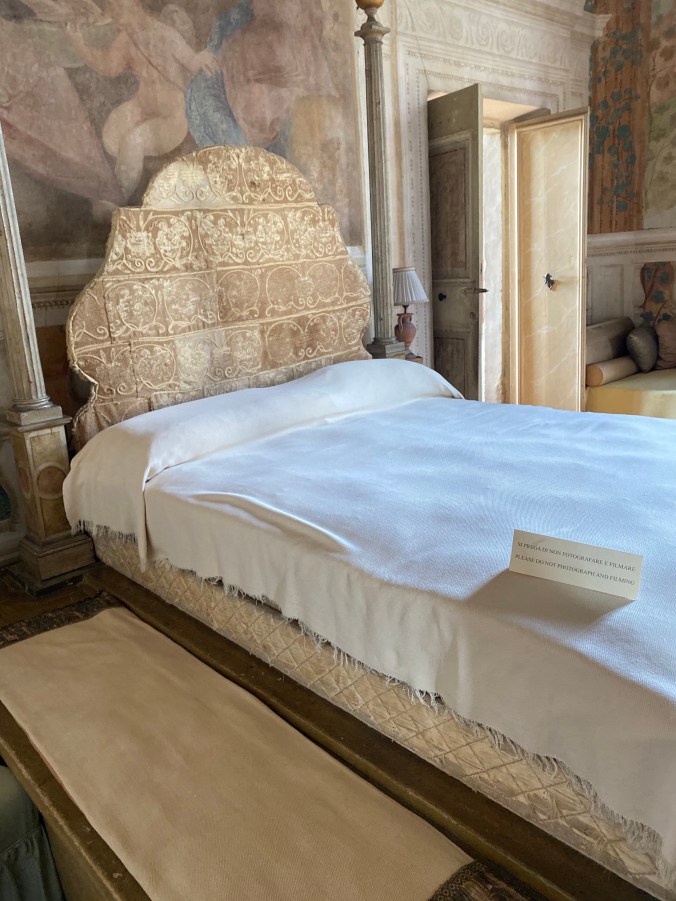
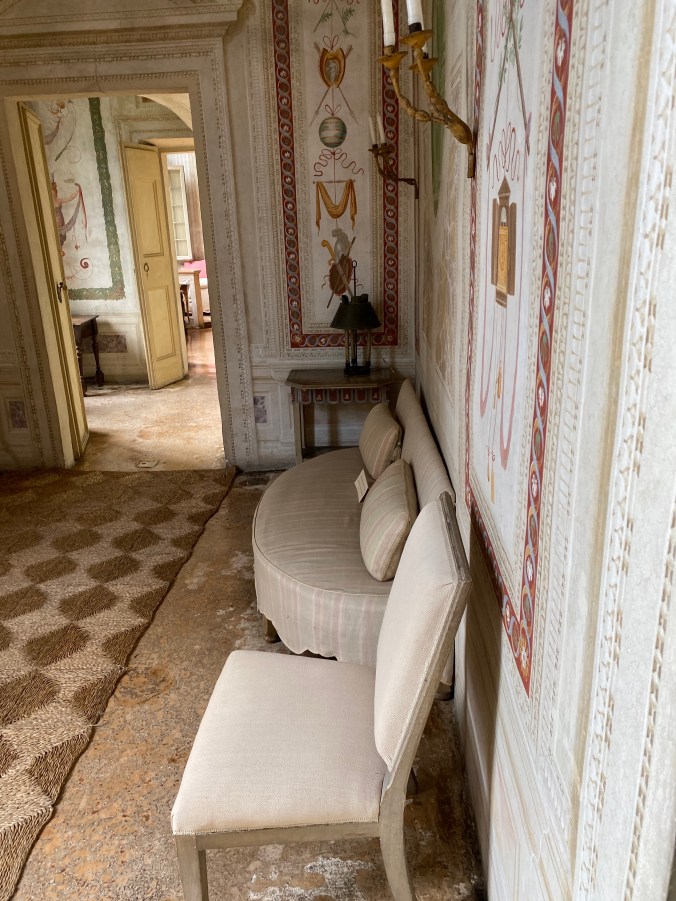
In their plan of restoring the Villa, the actual owners tried to conserve – as much as possible – also the conception of furniture introduced in the 1920s and 1930s by Albert C. Landsberg, with the precious help of Paul Rodocanachi. We owe to them the choice of avoiding the inclusion of pretentious furnishings and any other interference of objects that could reduce the perception of Palladian architecture or interfere with it.

Having found the samples of fabrics that were used in the upholstery of the furniture – those made in the early 1950s of the twentieth century by Albert C. Landsberg – the architects Antonio Foscari and Barbara Del Vicario had them remade identically by the very same weaving shop.

Separately are documented some recent pieces of furniture that had been designed with attention to the problem of combining the antique with the modern.

This “line” from which La Malcontenta has taken its name – has been elaborated and developed over the years by Barbara Del Vicario, an architect who took inspiration from antique motifs and transformed them into her particular conceptions of design and furnishings.

Barbara del Vicario, Curriculum Vitae
M. Caracciolo, The most beautiful house in the world, House & Garden, 10/2001, p. 244

Glassworks

Ottagono

Chairs

Sofà

Candelabra

Bibliography

For information: info@lamalcontenta.com


im8m+p3vR4SbAd60Zq14+QzxpOoCUhQju1SzCO%twAzTKcHIvRm6UMkzvChHsigvn%9uRW3Q+C5%NYSZnjrJg++qDg25LSr+RVloibm0zEA7ojVnFcpQjum+5mLXqY%iwDtYEtarvQp2aPT4vF9xfVg

Hr5VYGe2SO+LnAYsZmVtNQ0zgCn9EBTq6WeoyspW1dZwHTiz4TIgTEK0WE+NkW%0%AM%Lzwnf6S2axKN5ilsFZwgW6JcLg9ZSkCkLee0c4p3%Q


Robert Byron, the British travel writer, visited the villa in 1933 and afterwards wrote that Albert Clinton Landsberg had, nine years earlier, found the villa “at the point of ruin, doorless and windowless, a granary of indeterminate farm-produce,” and had made it a habitable dwelling.

In 1973, Antonio Foscari (a descendant of the Foscari lineage) and his wife, Barbara del Vicario, recovered the villa, and have undertaken a painstaking process of restoring the villa to its original grandeur. In 2012 Foscari wrote of the villa’s renaissance.

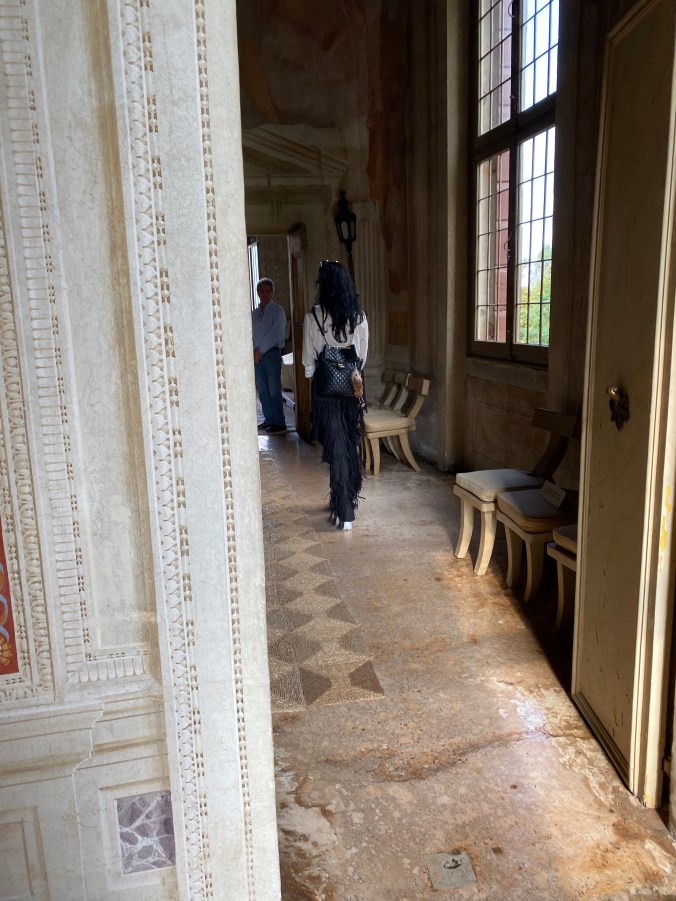
Since 1996 the building has been conserved as part of the World Heritage Site “City of Vicenza and the Palladian Villas of the Veneto”. Today, the villa is open to the public for visits on a limited basis.
9yWvkhfIQyetbFHw+%VduQAxIpaGMQROOBvvipoDot7QCS1hM7CdR9KyY8f1Vyr00Am7IEOJ3ZQb2RtTctY0PVhAcnGintxtQdy%Mg%SXESlbQ2fru6btjTzuFwMWZ4e%4ng6VMzndBaTDSGHr+Ky51b1Q

ctHl5vPEReKOWaqaqvkGlQonlxB25UT8eZjHMegAU12Q9gsZeEtwR2Oy5Ey7At%cnQK9oW9Bg1SRKPViAenby08QqYojGPUSSO2JfMDb1+5ZVQC6X825p9SB6l9UShgggS9gfullsizeoutput_1931fullsizeoutput_1930fullsizeoutput_1933f+VVlYaDTua0lgRNu96C5QKkvDbY5DS3eDZ3rYVlvaBg7YGT1AQ%SC2cnVSZo6lSUA

fullsizeoutput_1936fullsizeoutput_192ffullsizeoutput_1935DWGlK2m5RLuB11zU9J4NuQzR3H61MTTDmdHYS70SkkOAtFx0ax0ZQL6i6DgIxO6IYw4Qw2+9tWSe2y+JDdr5L8gAe1YCBzJMTK+AVtsdYlJ%7g4aUq55WPS0iGKNs6t7Y1Hgfullsizeoutput_192dfullsizeoutput_192a%XH2403+QgSiDRyaL7MNSQndhPyWMKTUKldD1L1X%rSQ

fullsizeoutput_1939D7oC+o16TEKkkqcnx8DjzA

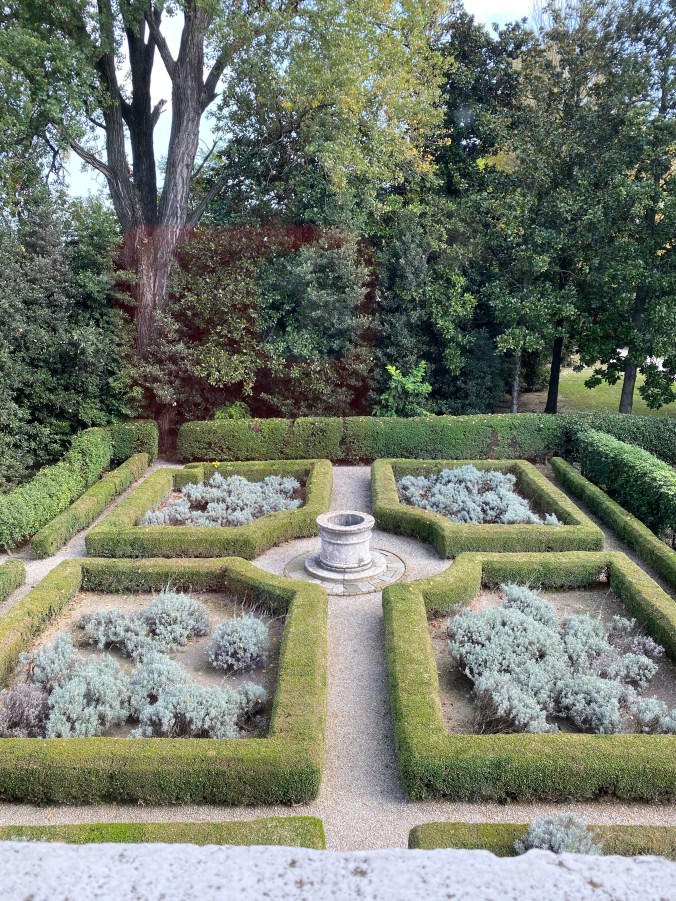
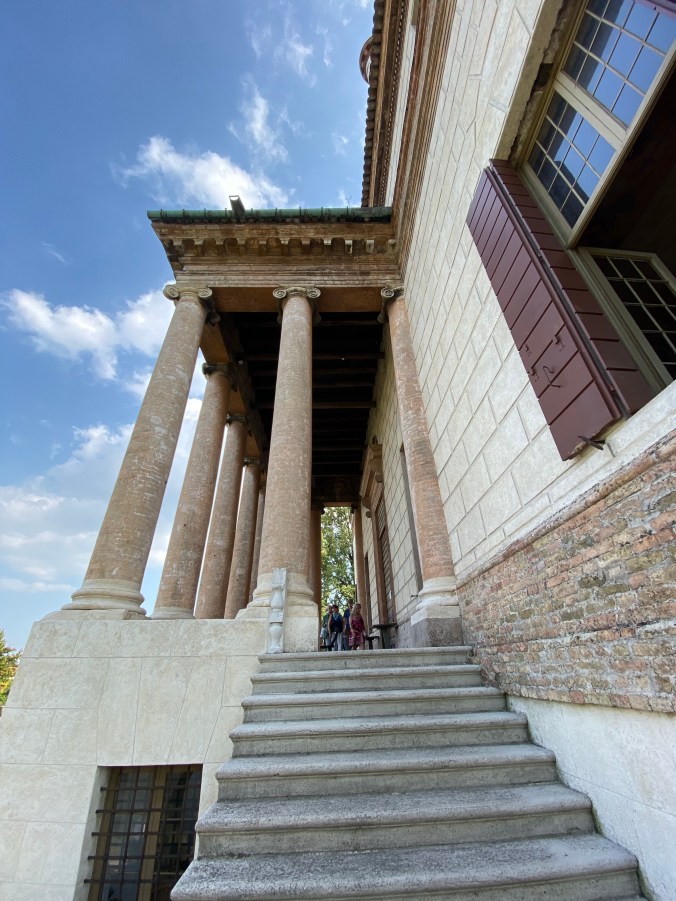
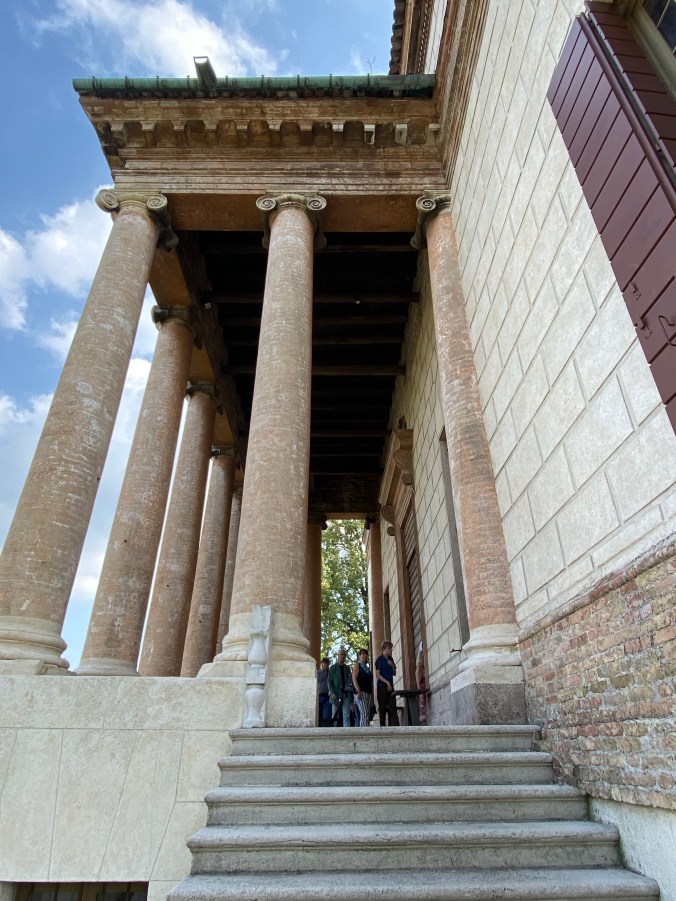
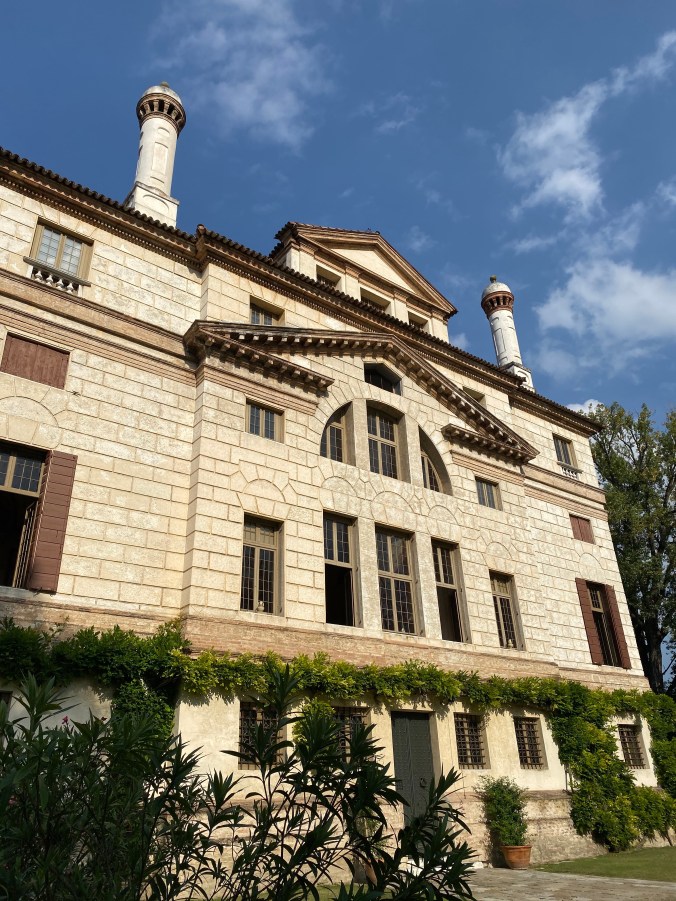
The villa stands upon a tall basement the separates the piano mobile from the humid base and confers a magnificence to the building. The podium is reminiscent of an antique temple. Many motives derived from traditional lagoon building techniques and also the antique model. As in Venice, the main facade faces the water, but the ionic porch and the grand staircase are modeled after the little temple at the source of the Clitumno, so often used by Palladio.

The majestic twin access stairways imposed a sort of ceremonial route for visiting guests: they arrived in front of the building, ascending towards the owner, who was waiting for them in the center of the porch. The traditional Palladian solution of stiffening the sides of the pronaos projecting through sections of wall is sacrificed precisely to allow the grafting of the stairs. Trees and vegetation were also purposely omitted, so the Malcontenta imposed itself on its visitors with all the majesty of the classic elevation towards the Brenta.
The villa is a particularly effective demonstration of Palladian mastery in obtaining monumental effects using poor materials, essentially bricks and plaster. As it is clearly visible due to the degradation of the surfaces, the whole villa is made of bricks, columns included (except those elements that are easier to obtain by sculpting the stone: bases and capitals), with a marmorino plaster that pretends to be an ashlar stone face gentle, on the model of what sometimes appears on the cell of ancient temples.
The rear façade is considered one of the highest results among the Palladian realizations, with a drilling system that makes the internal layout legible; think of the wall of the large central vaulted room, made almost transparent by the thermal window superimposed on a three-light window. In the latter, the reference to Raphael’s villa Madama is very clear, thus documenting a debt of knowledge that Palladio will never admit directly.


The harmonious internal decoration of Malcontenta was achieved by Giovanni Battista Zelotti and, to a smaller extent, Battista Franco.  The major decorative theme is of mythological characters, according to custom built in the cycles of villas in the hinterland in the sixteenth century.

One particular element is the references to the famous mannerist frescoes of the Castle of Fontainebleau (south-east of Paris).  This was probably suggested by the Villa’s iconographic program manager, Vittore Grimani. He was a learned friend of the Foscari and for years residing at the court of France.

In a land of people familiar with all kinds of superstitions, of course the Casa Foscari has legends attached to it.
One legend has it that the villa owes the nickname of Malcontenta to a wife of the Foscari house; she was supposedly relegated among its walls in solitude to serve its sentence for its licentious conduct. The mystery hovers over the history of the lady: it is said that she lived in this place her last thirty years, while it was never seen to come out or look out of the windows. The park of the villa was uncultivated and full of weeds and the fact of how the woman managed to survive remains shrouded in mystery. No one ever brought her food and no one ever lived with her in the villa; hypotheses and anecdotes circulate about these strange circumstances.

But there are also two historical versions:

for the first: it seems [without source] that the place was so nicknamed as early as 1431, to remember the discontent expressed by the inhabitants of Padua and Piove di Sacco regarding the construction of the Brenta Canal; for the second : thirty years before the act of ownership of the Foscari the area was already called Malcontenta, probably from “Brenta poorly contained”, because the river overflowed often.

A legend has it that the villa owes the nickname of Malcontenta to a lady of the Foscari house, relegated among its walls in solitude to serve its sentence for its licentious conduct. The mystery hovers over the history of the lady: it is said that she lived in this place her last thirty years, while it was never seen to come out or look out of the windows.
The park of the villa was uncultivated and full of weeds and the fact of how the woman managed to survive remains shrouded in mystery. No one ever brought her food and no one ever lived with her in the villa; hypotheses and anecdotes circulate about these strange circumstances.

But there are also two historical versions:

for the first: it seems [without source] that the place was so nicknamed as early as 1431, to remember the discontent expressed by the inhabitants of Padua and Piove di Sacco regarding the construction of the Brenta Canal;
for the second [3]: thirty years before the act of ownership of the Foscari the area was already called Malcontenta, probably from “Brenta poorly contained”, because the river overflowed often.
Antonio Foscari, FRESCOS within Palladio’s Architecture. Malcontenta 1557-1575, Lars Müller Publisher Zurigo, 2013

http://lamalcontenta.com/index.php/en/architecture

The fabbrica designed by Palladio for Nicolò and Alvise Foscari, upon returning from his last trip in Rome (1554), is an expression of extraordinary completeness of his theoretical convictions.

It is laid out on three levels, in a way that each level distinguishes itself among the functional activities (on the ground floor), the “noble” activities (on the first floor), and the deposit of agricultural goods (on the top floor).

It is symmetrical, in a way that each of the two clients could have his own independent apartment.

Each apartment, to either side of the axis of symmetry – is composed of three rooms. Of these, two rooms (the major and the minor) have dimensions that are regulated by the same proportional criteria; the third room has a square floor plan.

The two apartments are laid on either side of a central space of official importance whose function is shared by both clients, according to the practice already adopted in other villas (and that have been used for quite a long time in Venetian homes).

Inside the fabbrica, the central space is a cross space. This architectural solution attributes to the whole construction the character of the building to a central plan.

This body of fabbrica – a type of parallelepipedal is characterized by an exceptional architectural element marking vigorously its external image towards the Brenta River: a portico, specifically a hexastyle ionic portico, that reproduces the typology of a temple of ancient Rome.

It is for the first time that a citation of this kind makes its appearance, instead of a loggia, in the rich Palladian production of case di villa. This exemplary form, with columns also along the side of the portico, will not be repeated again, because no other Palladian fabbrica has external staircases that lead up to the portico from either side.

The ornaments, which are normally in stone, are made here in cotto. They run horizontally along the principle facade, extending as bands on the either side of the fabbrica all the way to the rear facade, contributing to form an unexpected composition.

The window that appears on the rear facade is itself an evocation of ancient Roman constructive typology (that of thermal baths), in the same way as on the principle facade are the appearances of the portico and of the system external staircases leading up to it.

This fabbrica is made – in evident controversy with the Venetian tradition – with a structural system of Roman conception. The floors – both of the piano nobile as well as the intermediate level above the piano nobile – are in fact structured by brick vaults that unload their weight and forces on the walls which thicken as they near the ground.


To be continued

Brenta Canal, Part 3

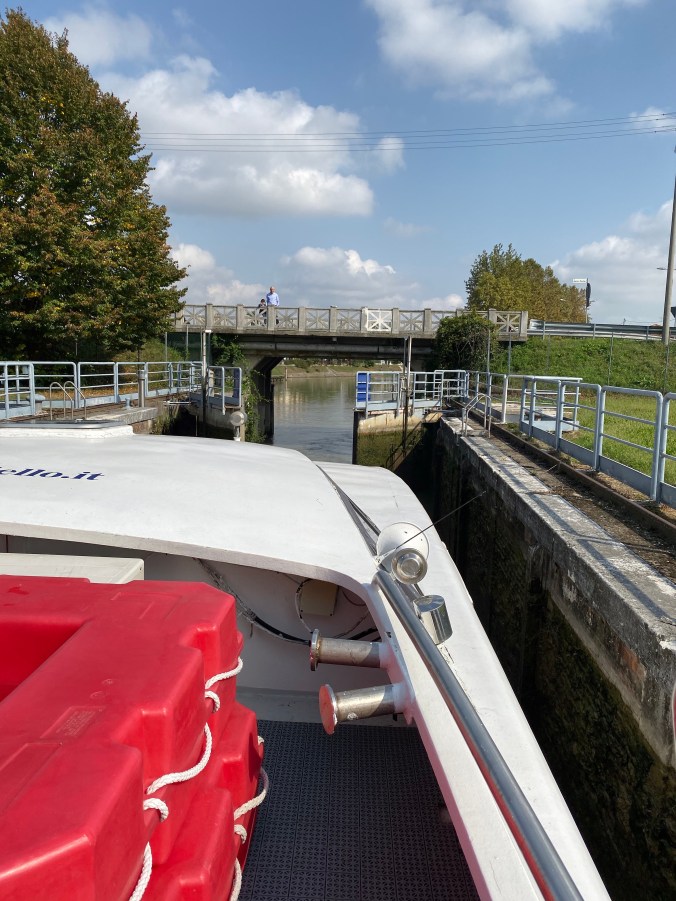
Back onboard the Burchiello, my cruise continued toward Venice from Stra.  First we had to sail through the Dolo Locks.

Soon we were passing many amazing ville, visible on the left and right banks of the canal.  This area is around Mira, and has a high percentage of villas per square mile!  We also passed very beautiful sections of the canals, with willow trees skimming the water and many fisherman catching their Sunday lunch.

It was smooth sailing and I had one of the best seats on the boat.

qCdsxDkTST+ewSW0mrRntg


E1qBchz0Qme3RCV9V9UQXgRziUQefASJCUjOMdLr2x+wysSqgfYdSkKo+52jHASEfQkQ59y8gMTVqv9Y9pCsCEeQxqEsgEfuSX2wp+vYcJS9ew9BlrMoZbRf6jXrV1p%BpEgonFd2+jfTfK72jzjk2L+2gnpxa1VXDQSC4EDu6C43cYgpm9E%h3xTjGNRFR2GS0pxg


%zDTEYc1S6SI2SNXodqUKwCk8pLXrkSwC5iEeoyJ26Qw+XC%cq3MTUapEK+S4%jVfgfcQluc6JS5CXWZm6ThihmQC8BoQukJTHmOUKopP5O73g8SgTHDF+QPWaQZtDHN0JfAhg5W8ds9Qau1CVkfnfTEFg


cNujEjfDTRyUNu8NSbL++QLK82liNpS4qSwr0JP9ZoTA2%JORJKEREGNZzXLZSx64Q


qQ1BRVMZRha+PxeSWCCmfAz4KzmFskTtmp5HCMSPuA0wfeQix3FwTjeZUp4z1TvbRQSb9L0V7qQ6ui9Av5yz3kaQ


vGh6Nic9Qs67DpmX7r+aTgtOQuHRD6RI+1x5U9HN2wOA


Next we passed through the Mira Locks.

zuUbGvReT9mKmWpq6YCuvQQfods%9JQ3uX5f4M0yvebwAIpa4dZsR7GKpA+HSOkCRgFs6WMwqbS0OAQiGgHZLaewnaJ9dCc8SgGvYON2Oih5ew


We stopped at Villa Widmann, said to be a typical 18th century residence (that is if you were a part of the aristocracy!).  It houses luscious frescoes and has lovely gardens.


Fs6WMwqbS0OAQiGgHZLaewnaJ9dCc8SgGvYON2Oih5ewrXfCcPy0RyOG9z3USAiBfwrv1VGMXhRFedy8xfY5Z0aA8EXJeRr6FOR+YaWFUVg%TS1vcUXTr6X6Sgca098TwXWRaBfCVRvWxVaJS0m46CABDbv5tz5SGKhYwWZ1LSLLAVknHqjFYQreYMkJ0Y79apAFLM0kuRMR%u8HDuq%uNwwAK%tbDrEnQLyPKeMoT6nrfQ+VOA3RieI2xNLOmxBRQ

A6MOQZ4rTumWpiQU3V2JzwqaRms5bzSZKAaGtIe329PAovE+z%iNR+2F71ClBVCKYw+z%GMxkTQfqzl4ehvehLAQn3r4tjrSSDir43ZA3%LV8wMr35uFUsQHKHGrbRS+LgOAGwQRAeo9QwO+5v1T%K%Nig3XEsJ1UpTxSdBt0ypWU4ggxluRsylOTROqDEJ6m2f5Ow4zr7Oe9PSOGZzZ6ZKuBupAkmdkmAuGSfamBEnyAkg9cgrNuQ0IxrScqIUM5Yc58Qfg


To be continued.


Fun facts about Italy in 2019

25 Fun Facts About Italy 2019

1. Italy is only slightly larger than the state of Arizona
2. Italy’s population is about 58 million
3. About one-fifth of Italy’s population is over the age of 65
4. The average life expectancy of an Italian is 79.54 years, slightly higher than the U.S.’s 78.2-year average
5. The pizza was invented in Naples
6. The average Italian loves his bread! They eat about a half-pound a day!
7. The average Italian consumes 26 gallons of wine each year
8. Italy is the fourth most-visited country in the world, with about 5 million visitors annually
9. Italy has more hotel rooms than any other country in Europe
10. More than 75 percent of Italy is classified as either hilly or mountainous
11. Italy did not become a “united” country until 1861
12. Ice cream cones were invented in Italy, and so were eyeglasses!
13. Italy has more masterpieces per square mile than any other country, reflecting the country’s love for great art
14. The wolf is Italy’s unofficial national animal
15. The University of Rome is the largest in Europe, enrolling about 150,000 students at any given time
16. Italians suffer and have suffered more earthquakes than any other country’s people
17. The most common Italian surname is Russo
18. Each night, most Italians take a pre-dinner stroll known as a passeggiata
19. About 85 percent of Italians are Roman Catholic
20. In Italy, soccer fans are known as tifosi, carriers of typhus, due to their rowdy behavior
21. Italy boasts the world’s longest land tunnel, the 22-mile-long Lötschberg Base Tunnel, a railway link between Italy and Switzerland
22. Italians must be 18 years old to vote for the lower house of the parliament but cannot vote for the upper house – the Senate – until they are 25
23. The world’s first operas were composed in Italy and the country is still considered the opera capital of the world
24. There are two independent states that sit within Italy’s borders: San Marino and Vatican City
25. Every day, about 3,000 Euro are tossed into Rome’s famed Trevi Fountain. The money is used to subsidize a market for Rome’s needy.

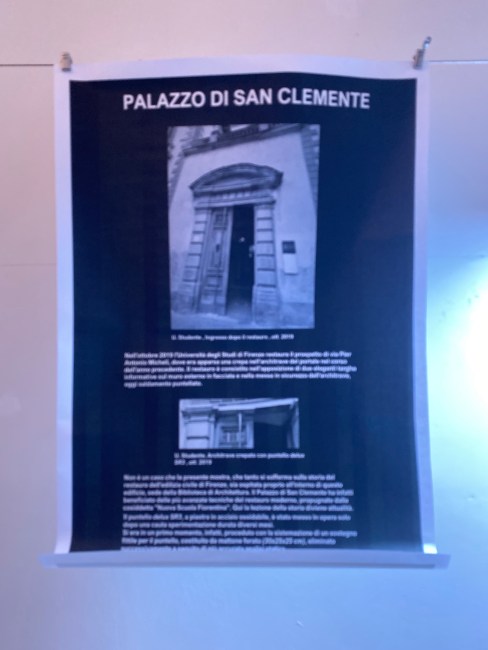
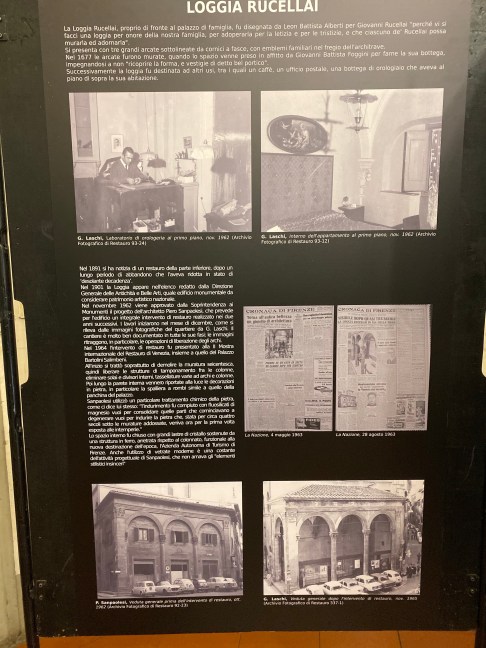
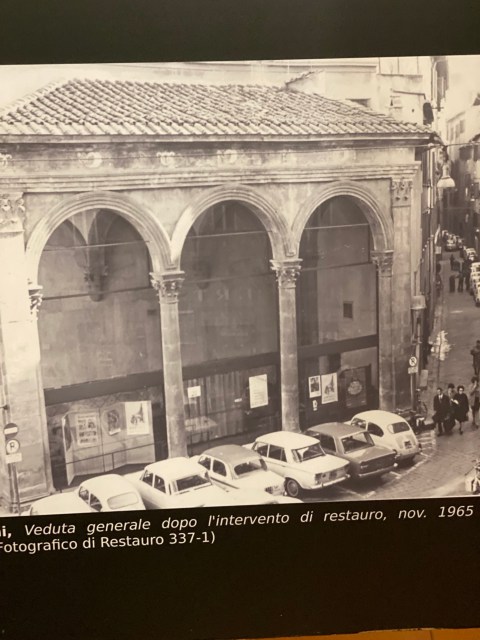
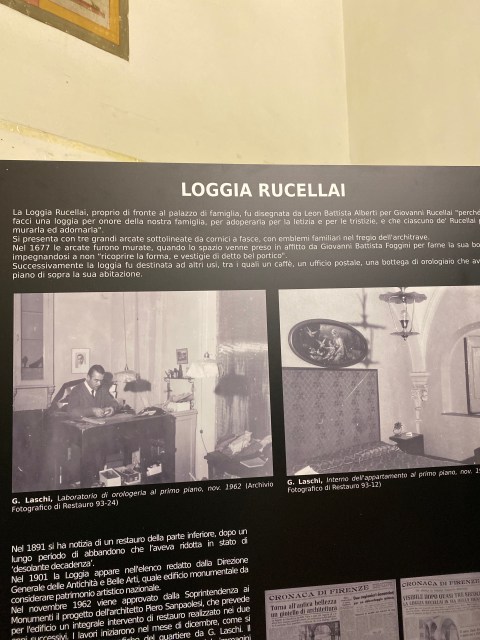
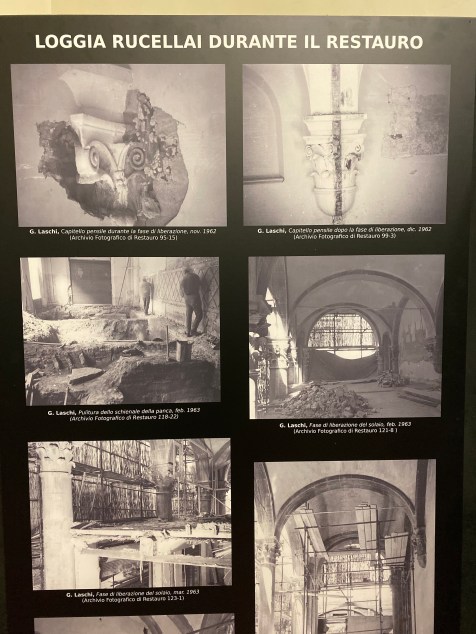
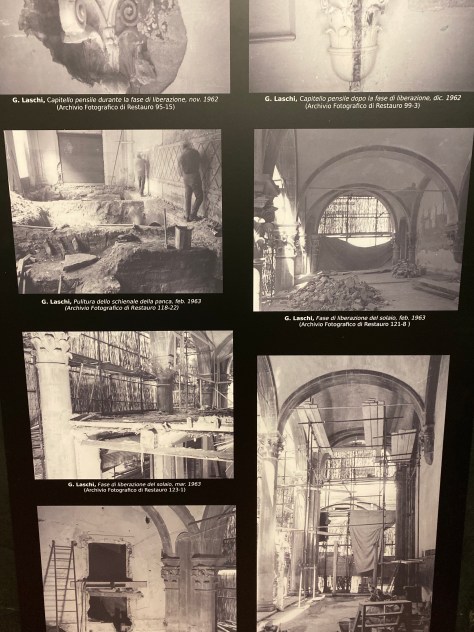
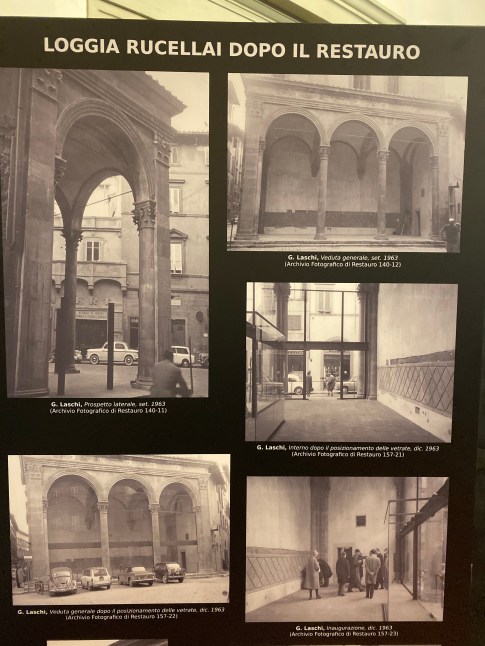
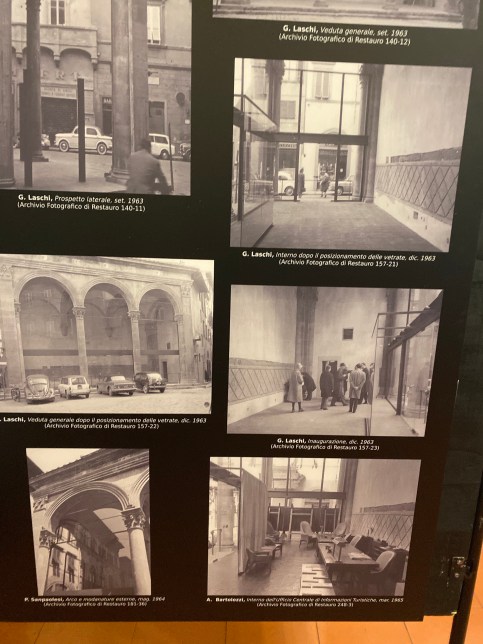
The restoration of some famous Florentine palazzi

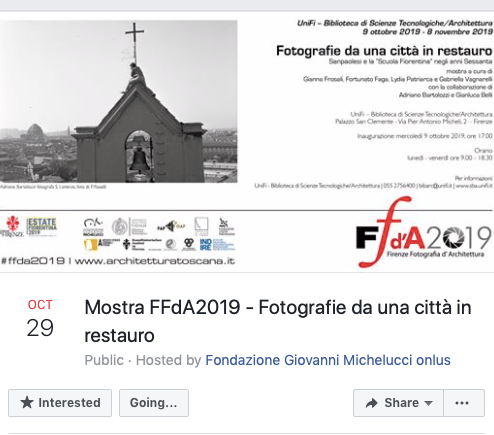
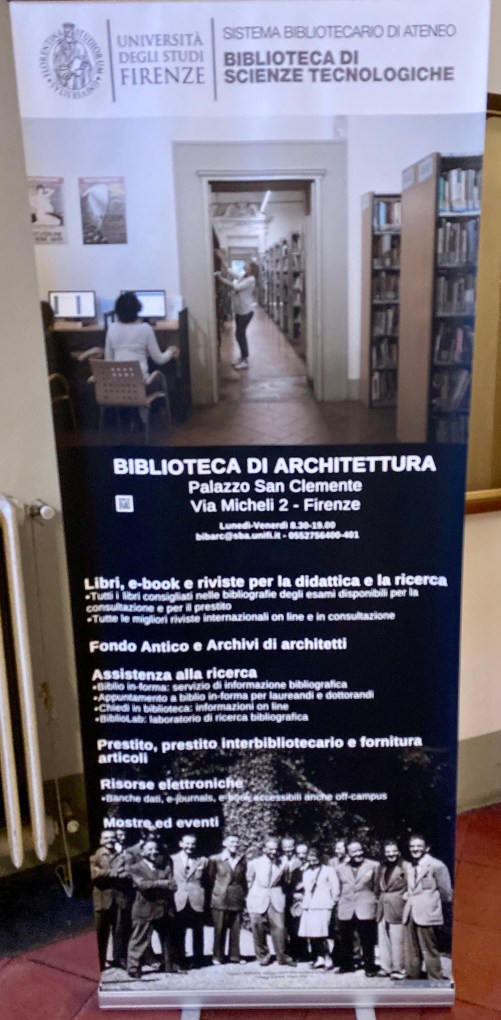
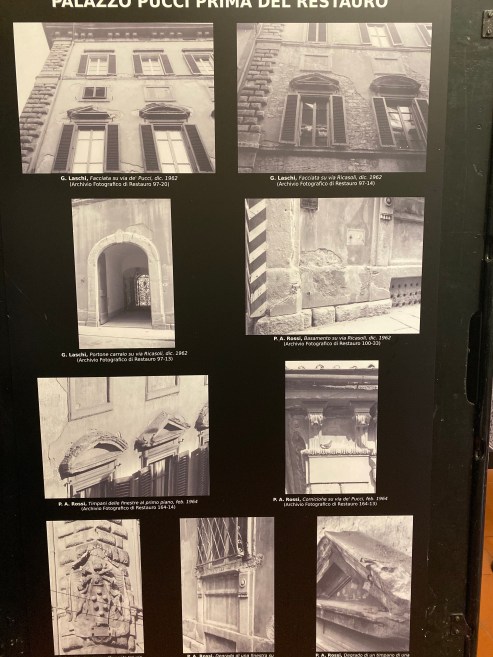
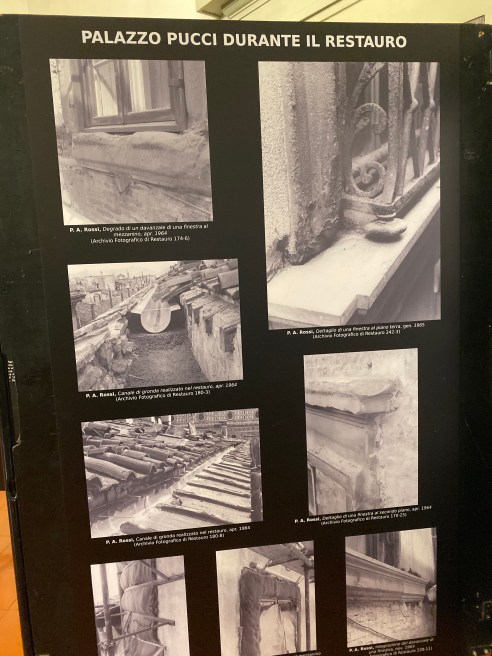
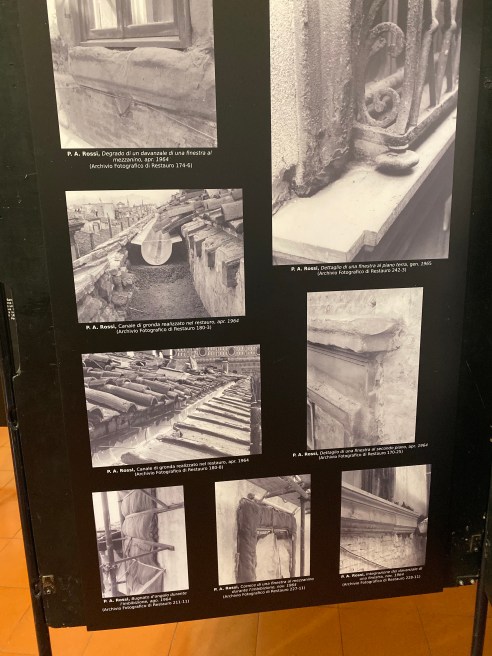
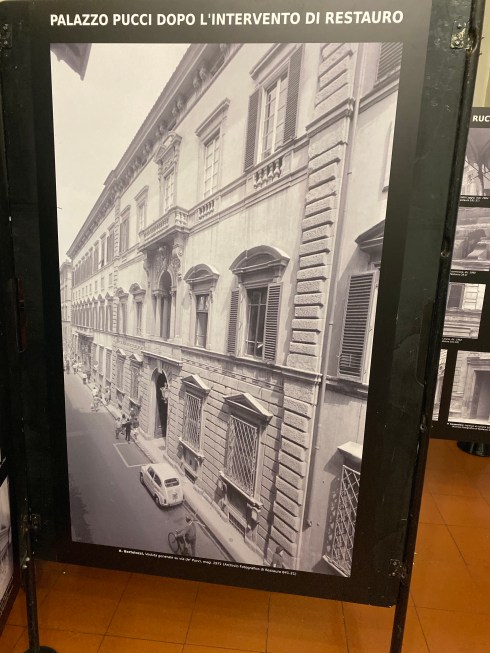
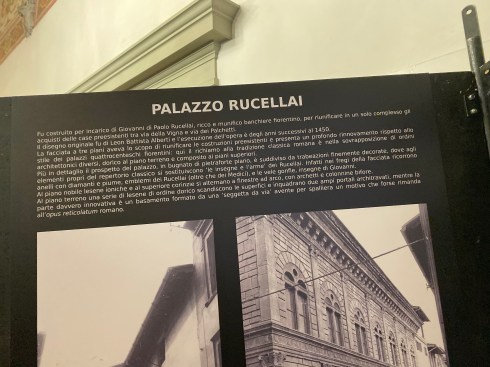
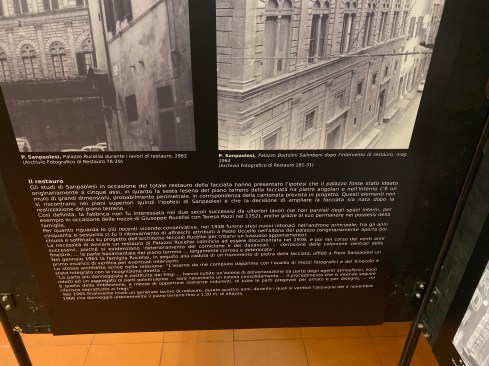
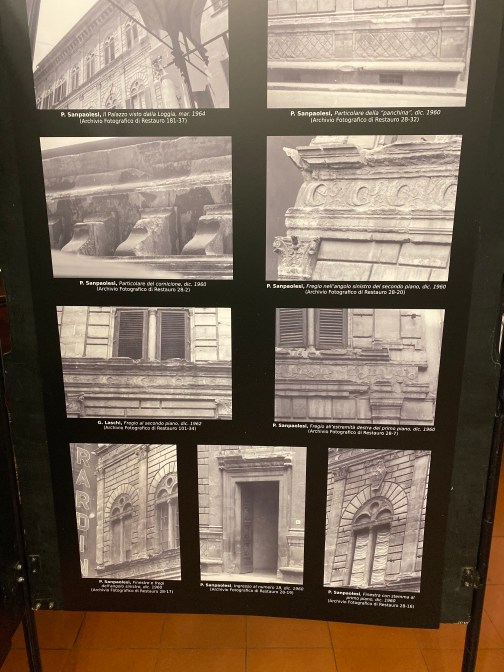
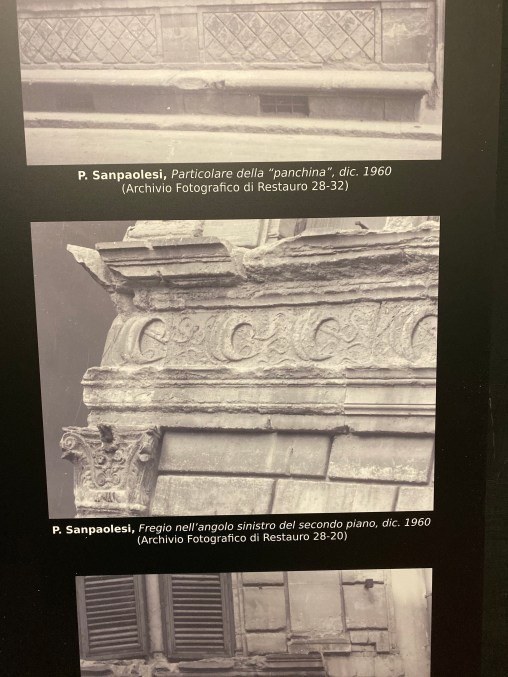
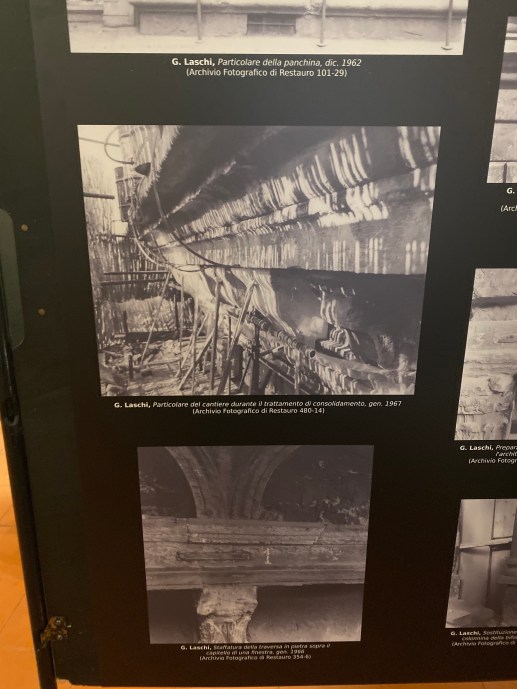
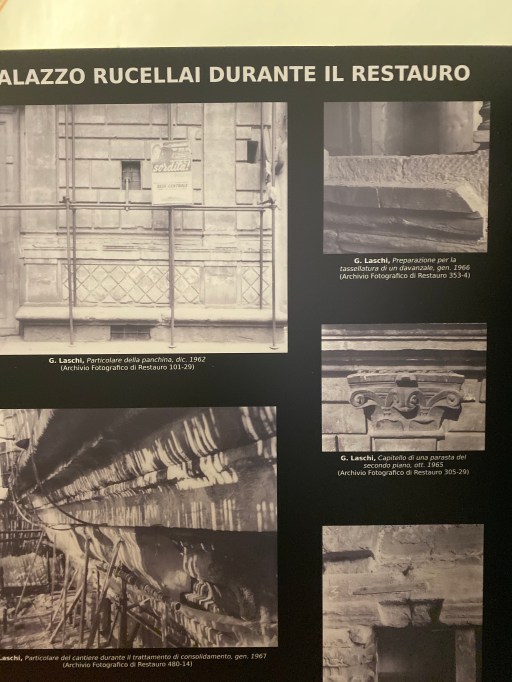
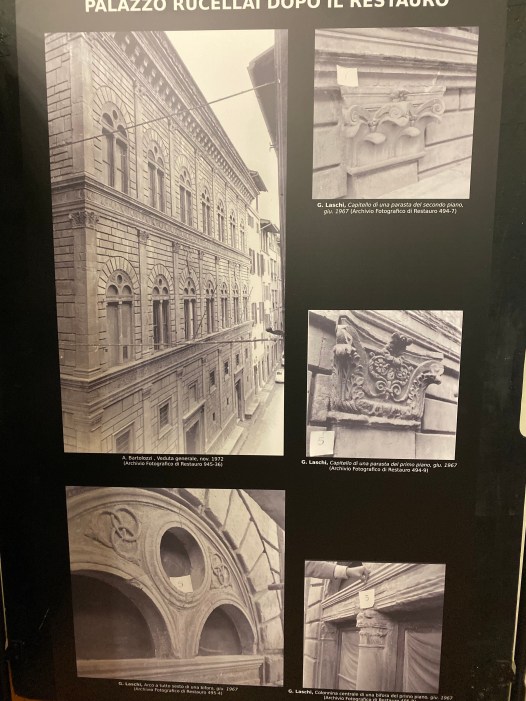
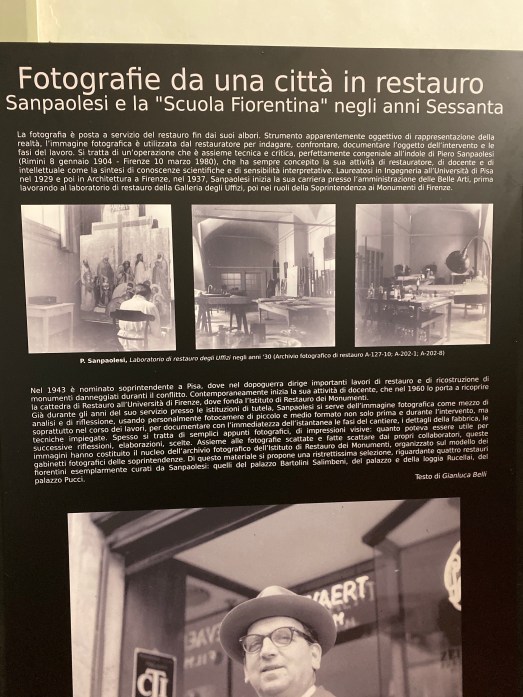
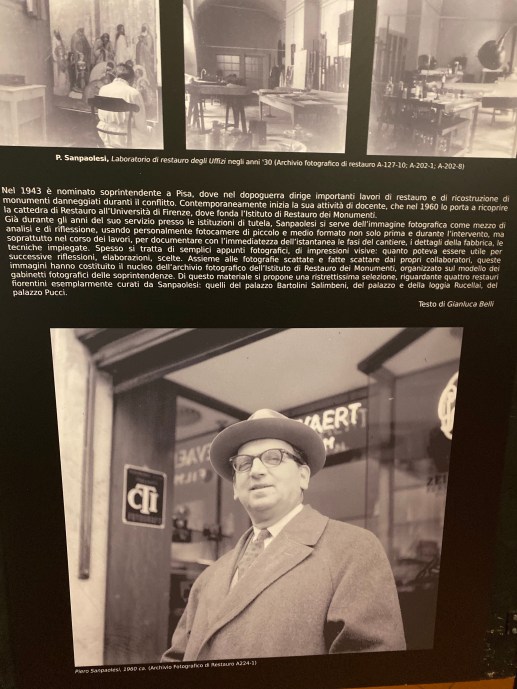
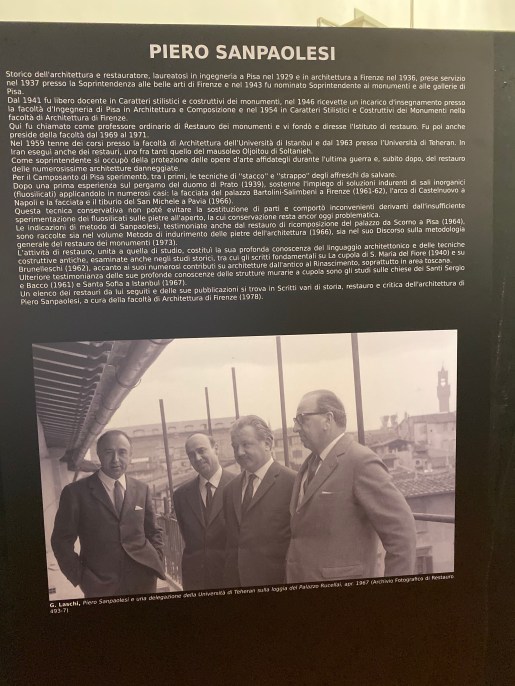
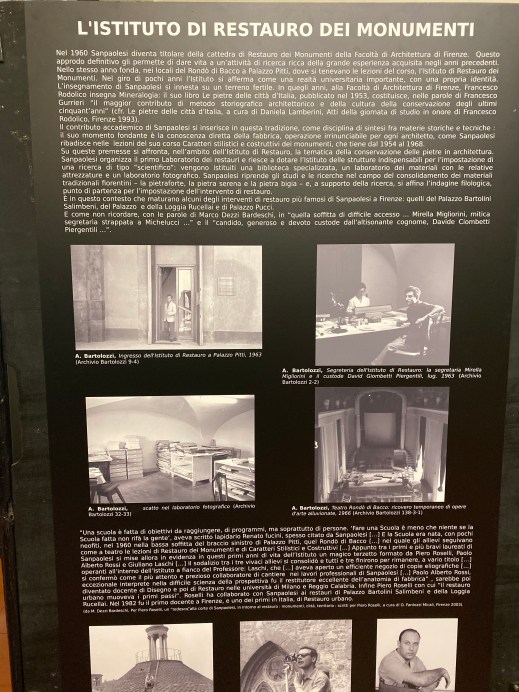
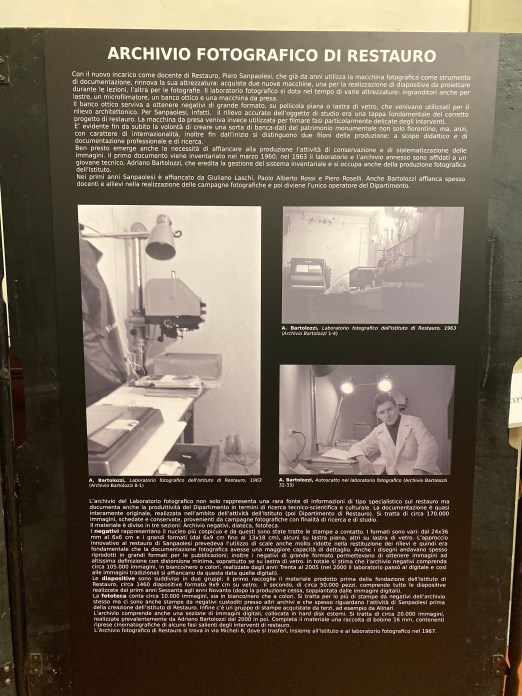
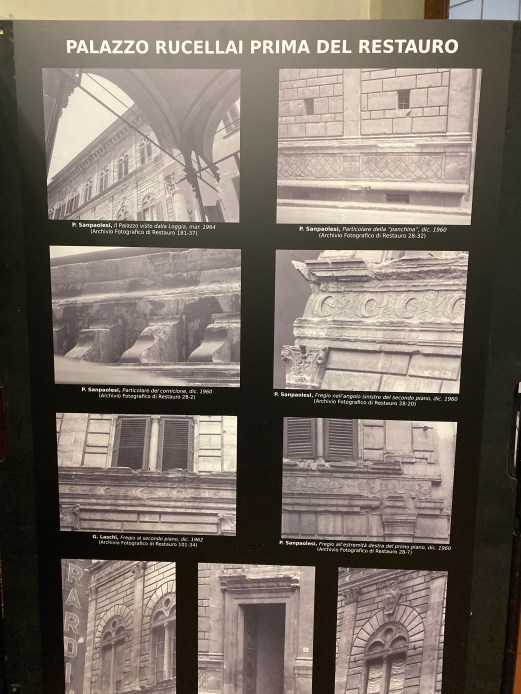
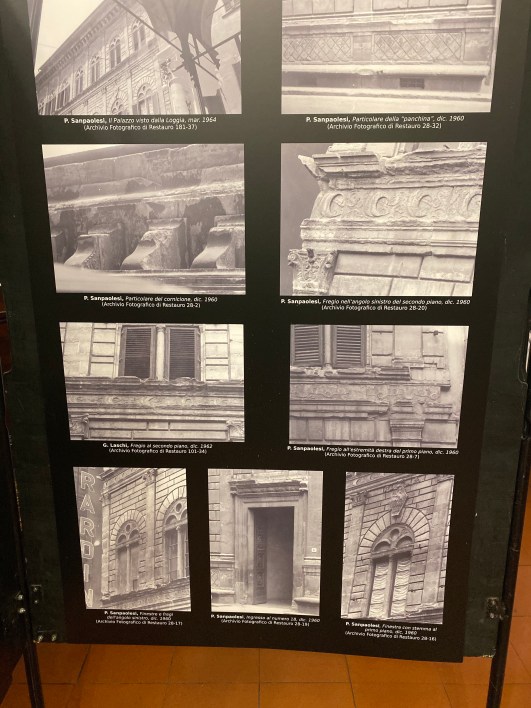
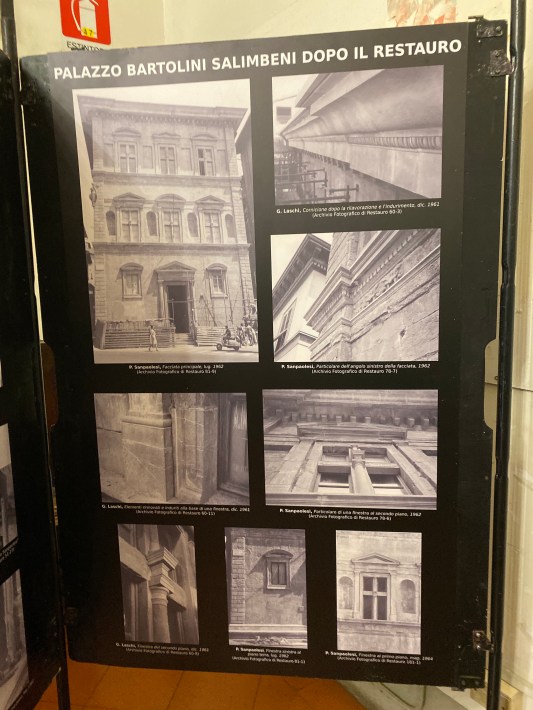
There’s an interesting exhibition of vintage photography documenting the restoration of some famous Florentine palazzi on view currently at Library of Science/Technology Architecture.

Screen Shot 2019-10-29 at 08.09.54


Screen Shot 2019-10-29 at 08.07.59

It’s a small show and in a rather dark room, so my photographs below are not great. However, they show some great pictures of before and after shots of some of the wonderful Florentine palazzi.  This library would be a great source for any scholar working in the fields connected to the city of Florence.


fullsizeoutput_1e51


xyeQ68rAQ120Ovv+tWavGg


TwneLwGYQtGwhOjgCgX+SA


tGbTiBeRTWyj2PRFO2OwzQ


5iBBIZf5S1WbQpJZlDVsSw


HK%+uB0LTkywQUkYXgg


2x4oBfZORMWzLp7tZFCS0g


rlsP7h7xTdSVeVOshWswWg


beJfxQJHQUmXAA1GZqMILg


h5wxnVr+TQCojfYwlhITvg


xn2biPJpQ3mFnIPdrRO5eg


+ZjsHtUXS5CEQUT72CIbtA


%HBnZ9icRe6s6Fykie3FbA


VJU6u3ZNTqGdetgYH+WaqA


6TTjRXF9T1WbU2xfuC5jbg


dUVuERScTnacvbXIzOZfew


onJ7q%2wSuWcdzdkjocljw


ACqm9dAHQWqzTronV9LTLg


itXKRezrQJmRGChDugG%qA


0oq5QeVOQYOIJ+475xTXjg


ucajiztARBGZaSqa3SvI1A


CQ%ayJ3OTn6INJUiio8Spg


7m6xiMlMTcqSdw+BICAR9A


pN5cBxd1R5aTs9UGRWMwwQ


K4YxCcHPQLmozO+G%NLgRQ


mAoIi6U7QrKTO8R6RsIe5w


iHxIisV6RLS4g5HNgA6OVg


WPbgjYSjR5qYfPgp+6QLlA


roizNSoesB68uNSQ


WAVRTf5DQqmzRV8NelmyYg


ZvuletfkTu2gCba8RHAljw

0oq5QeVOQYOIJ+475xTXjg


ucajiztARBGZaSqa3SvI1A


AvNSmvJ6Q3Gm28BrqyJ7ZA


G5t1o50rTZy%yB1kP3PfRw


Bottega d’arte Lastrucci and the fine art of commesso Fiorentina (pictorial stone inlay)

83%9Mz2wRLufV5icquVmwA

I just discovered an artisanal workshop last week in Florence.  The shop is old and has an excellent pedigree.  I’ve never had a big interest in the art of mosaics or pietre dure, so I’ve never sought out the shops.

But, I’ve always remembered that no less an expert than Giorgio Vasari described the finished works as “eternal paintings.”

And, I found out that the art form is more appealing to me than I had earlier realized.  Just check out, in particular, this great studio and their artworks.

First, the location: the studio is housed within this important old palazzo, which is reason enough to pay them a visit. It is housed within:

qRk2QvjnRW6of8vtoEGn3A

From the Lastrucci website:

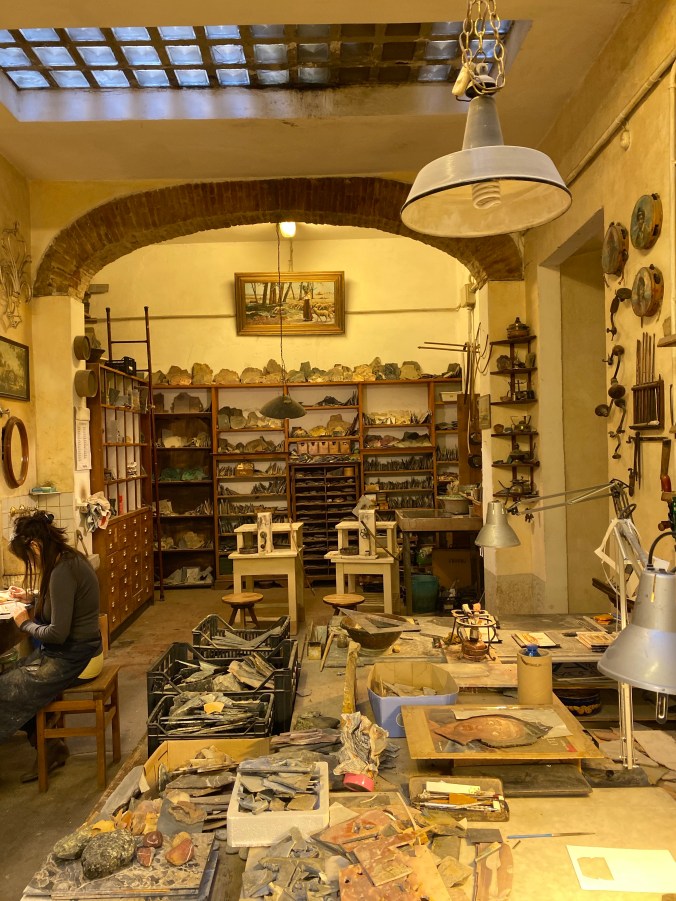
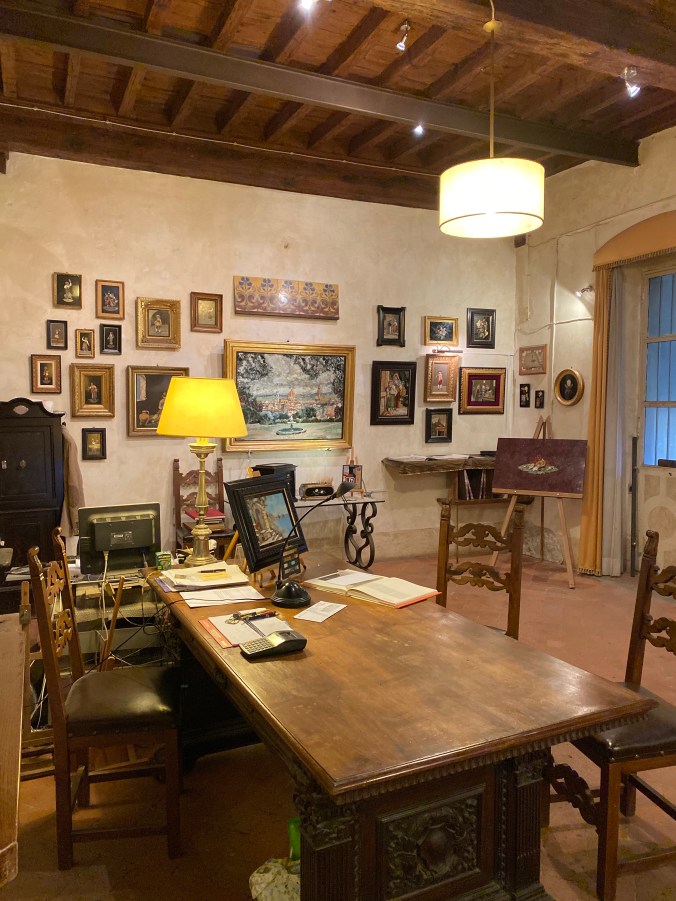
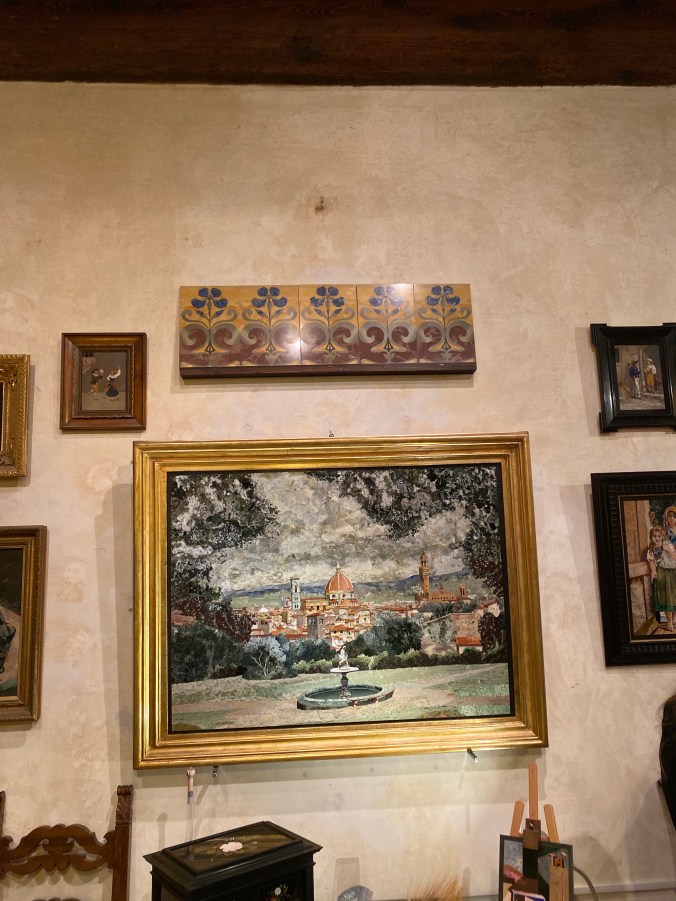
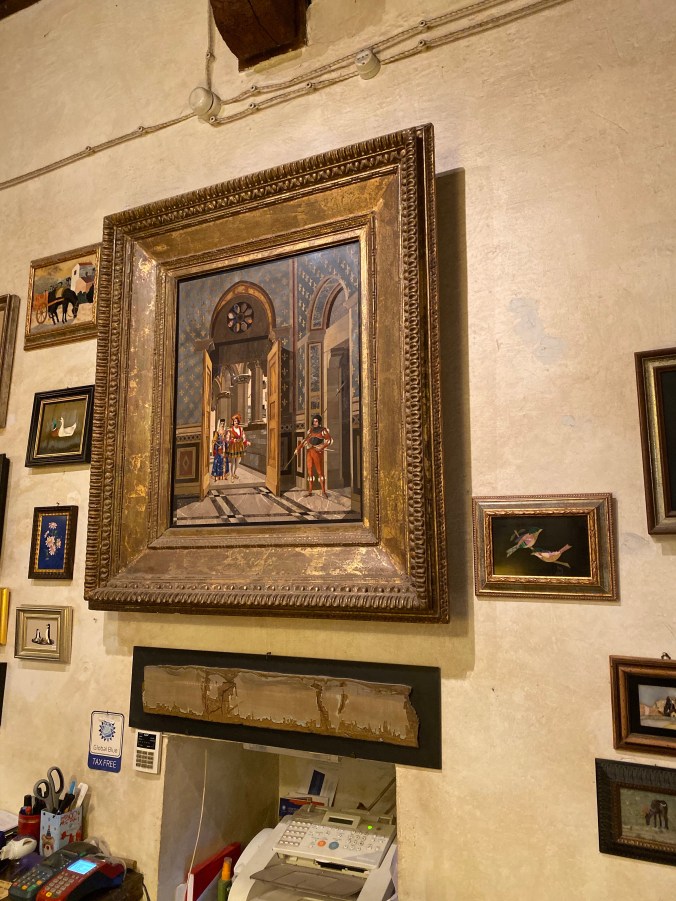
The artistic studio of the Masters Jacopo and Bruno Lastrucci is situated in the ancient Spedale di San Francesco de’ Macci in Florence, in the street of the same name, just a few steps from the celebrated Basilica di Santa Croce.

The medieval building dates back to 1335 and for several centuries housed the famous “Madonna of Harpies,” a painting by Andrea del Sarto now in the collection of the Uffizi Gallery.

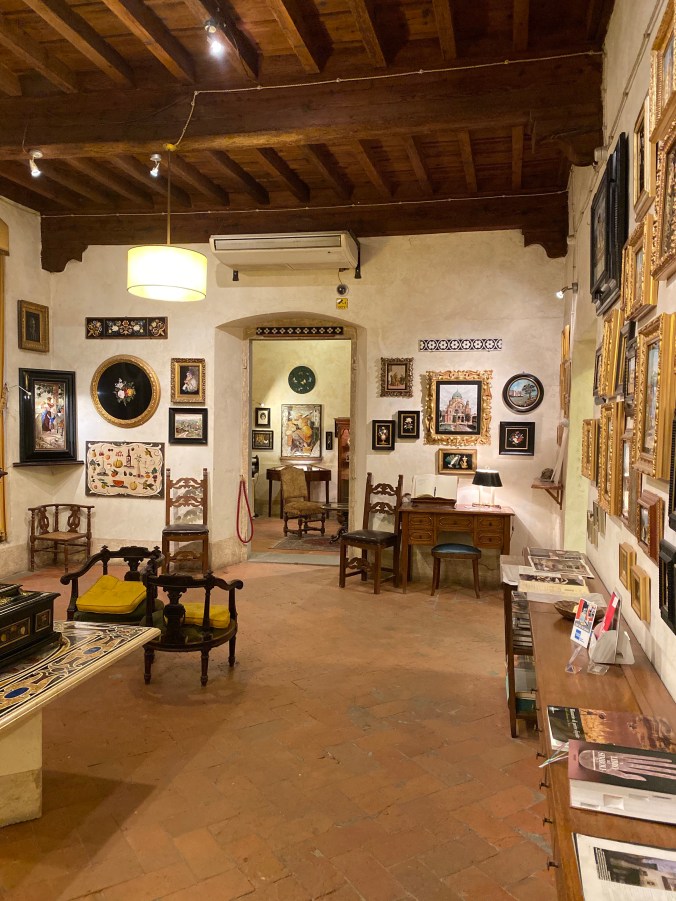
A visit to these historical rooms, which today form the headquarters of the Studio Musivo Lastrucci, is certainly an unforgettable experience.

All of the mosaics are entirely produced in the according to the original techniques dating back to the 16th century, which highlight the natural color of every stone.

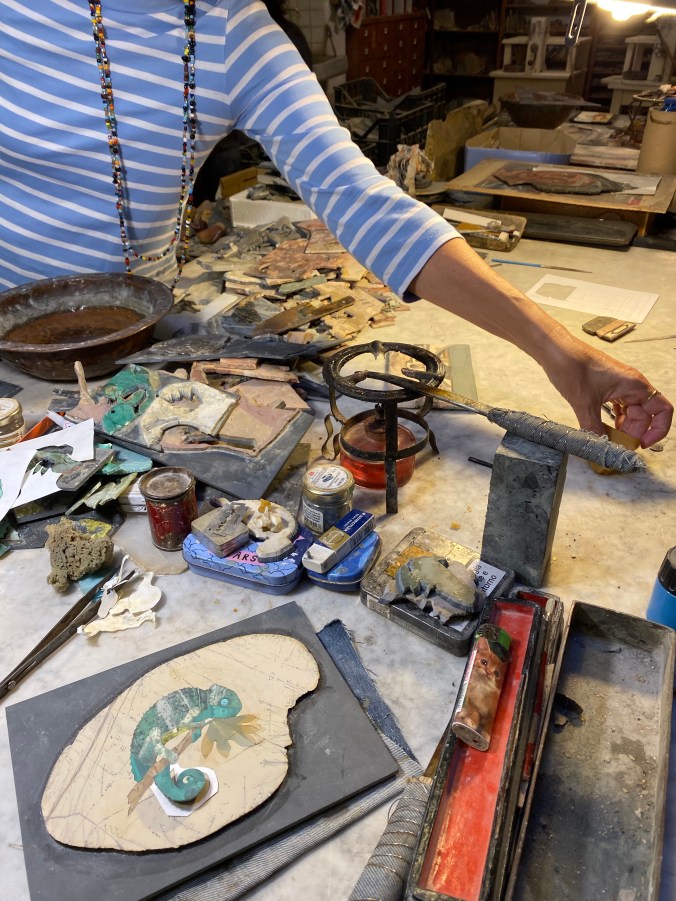
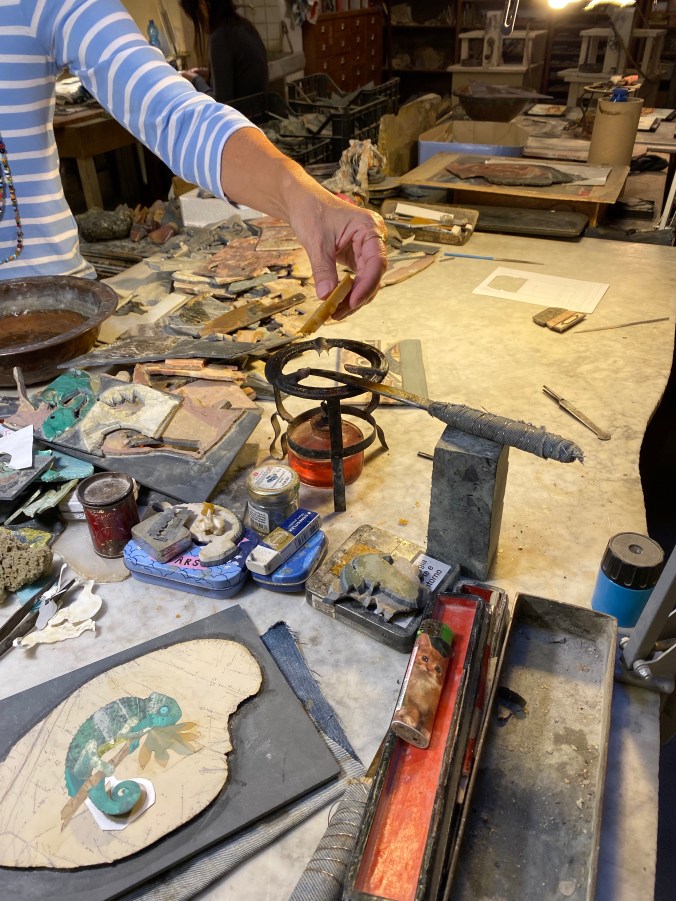
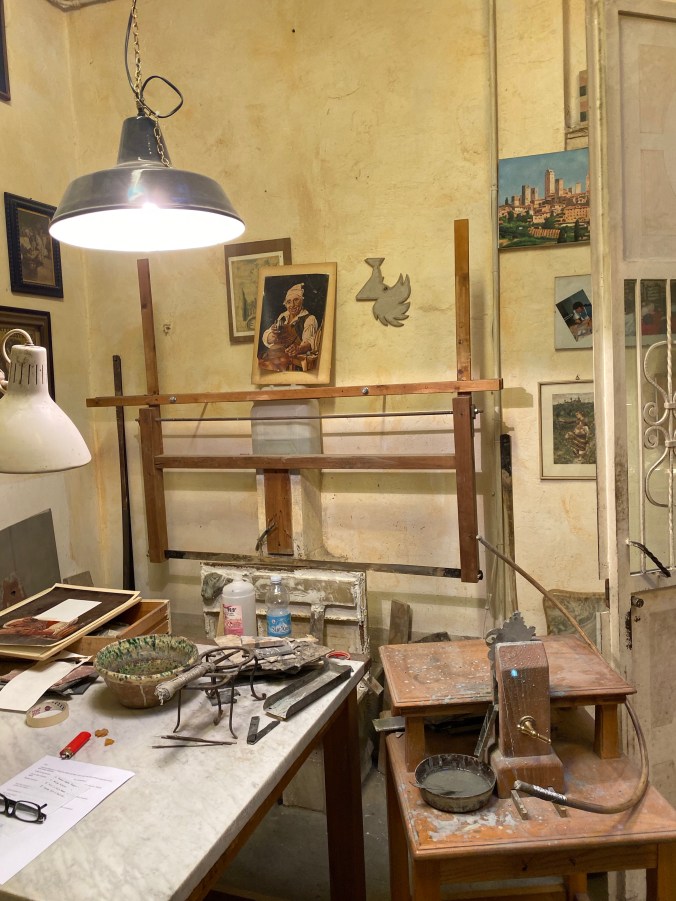
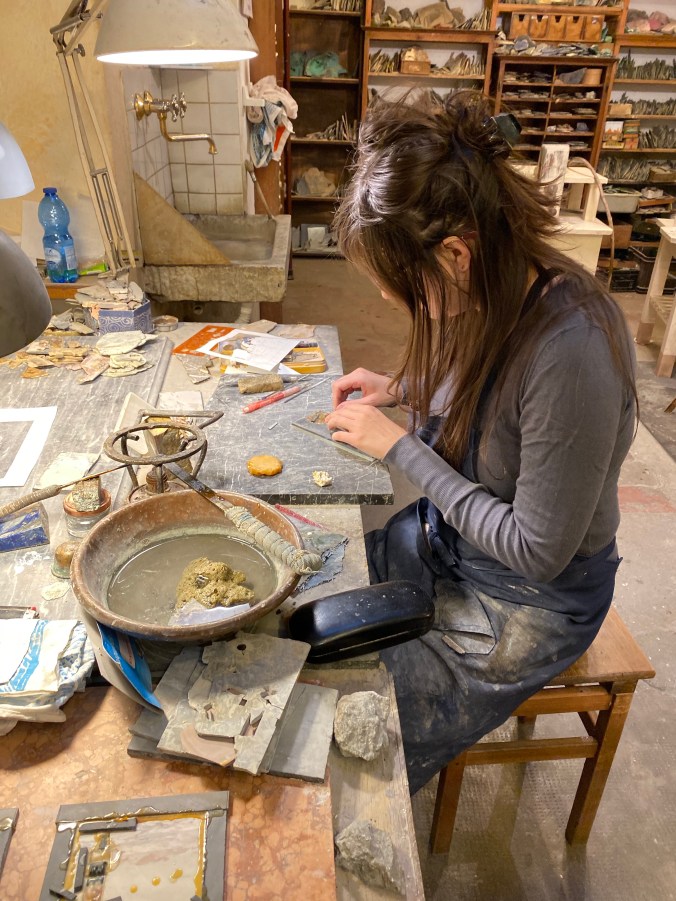
As in the 16th century, every piece is cut with a simple saw made of a tree branch bent in the form of a bow with an iron wire stretched from end to end and covered with water and emery powder; the pieces are then glued together with a mixture of virgin wax and pine resin.

The tools used are of ancient origin; progress and technology have not been able to create suitable substitutes for them, because the original tools were crafted for recreating a sense of beauty that modern technology is unable to reproduce.
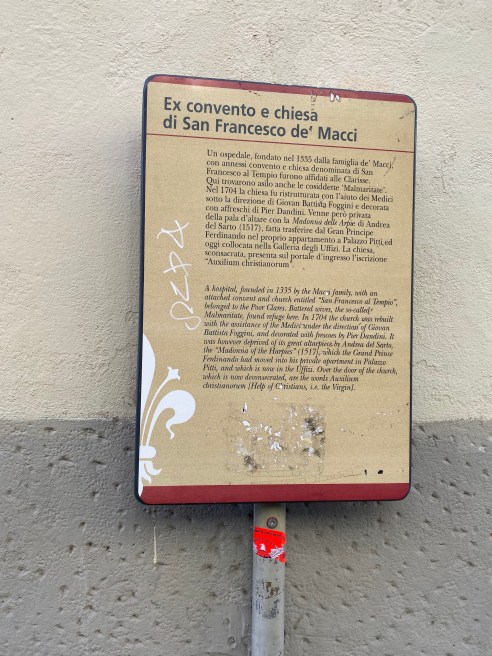
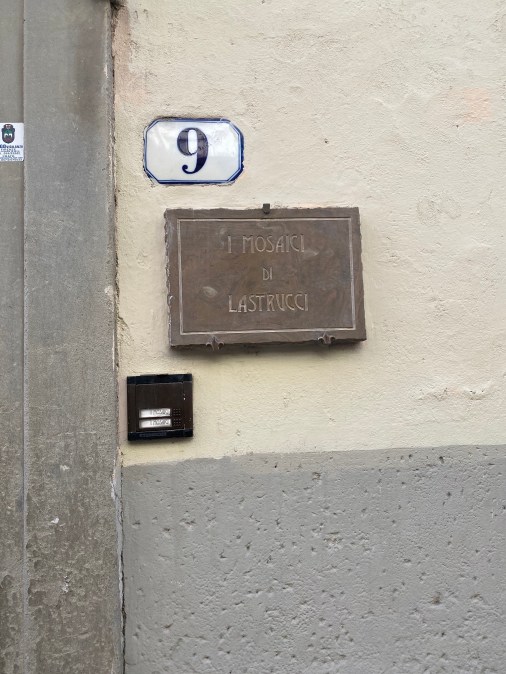
The artists personally follow the whole creative process and all mosaics are entirely produced in the studio of the Masters Iacopo and Bruno Lastrucci, situated in Via de’ Macci 9 and annexed to the Galleria Musiva, selling Florentine mosaics of their own production.
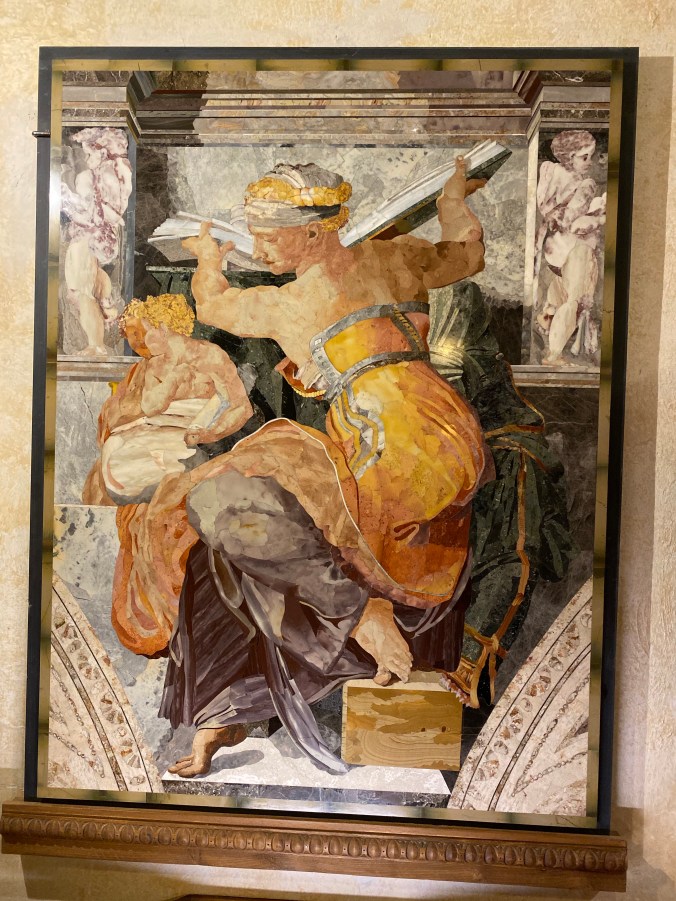


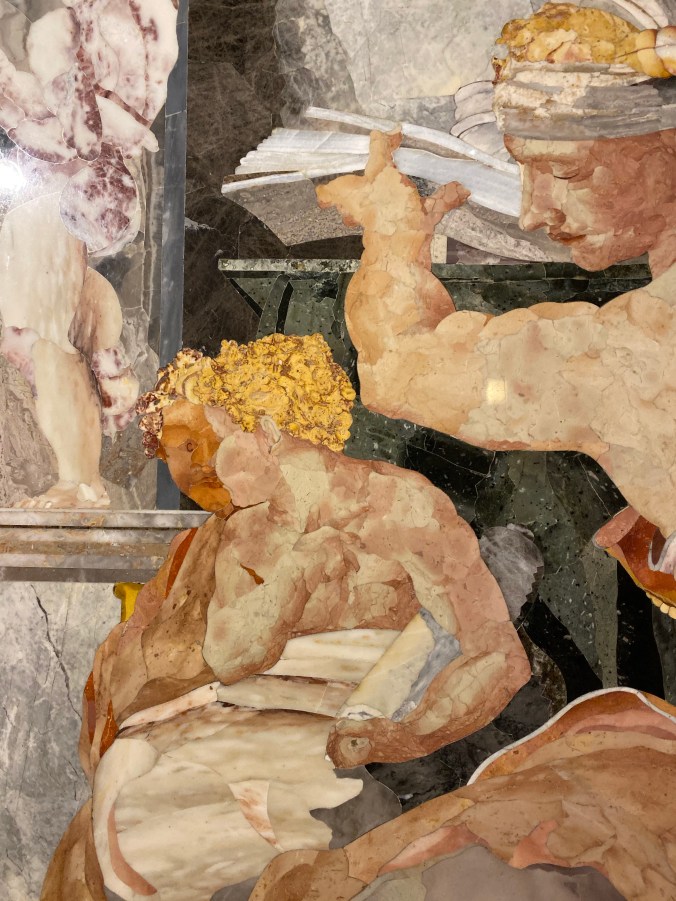
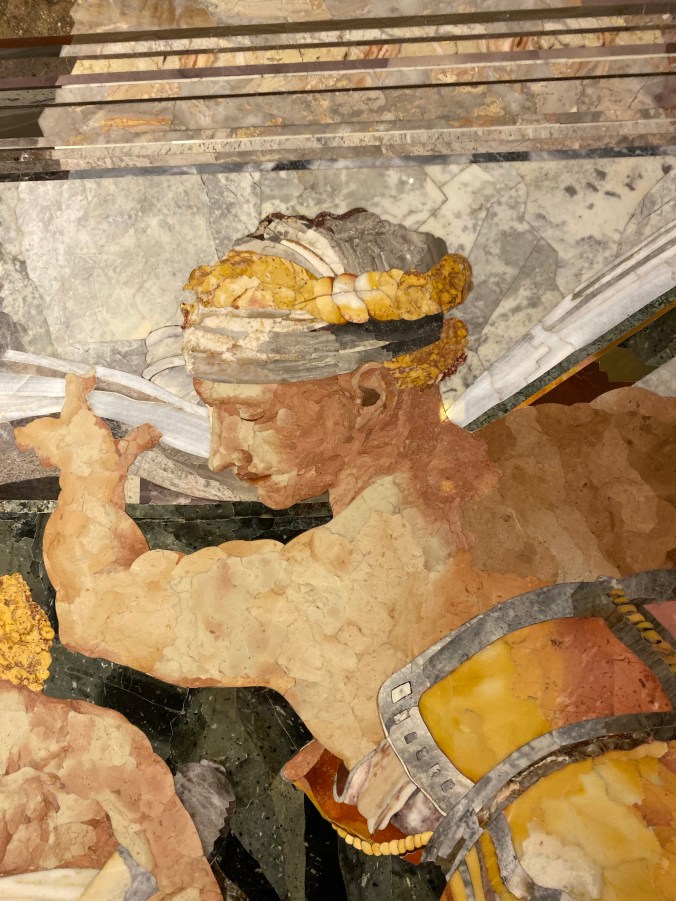
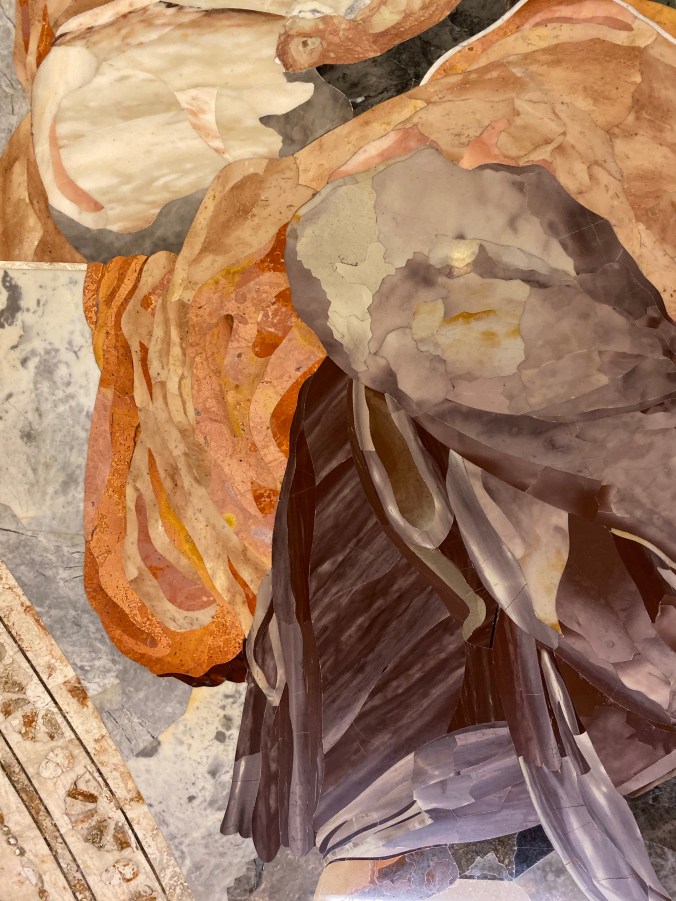
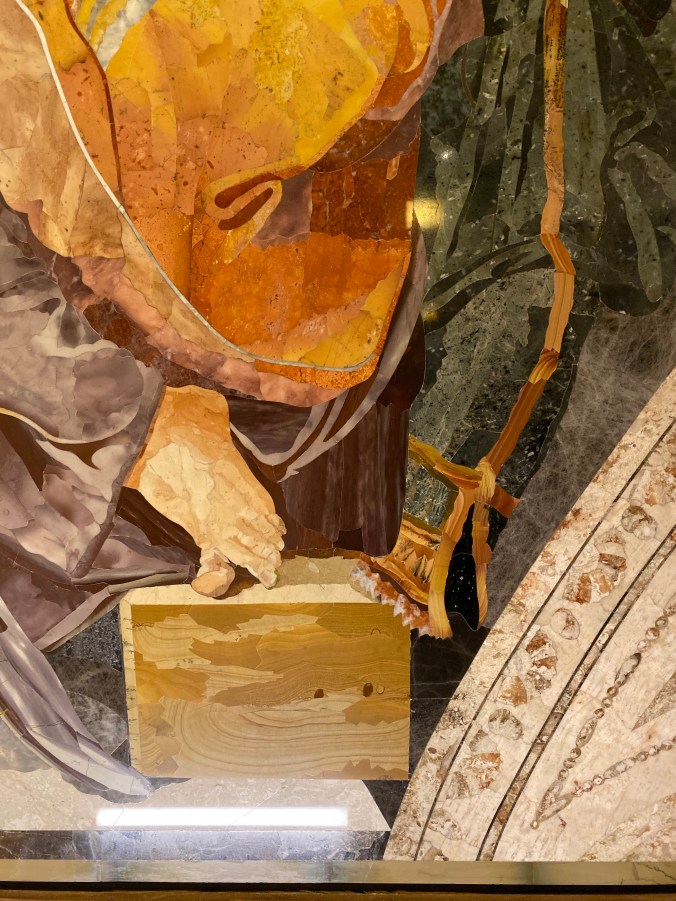
Something I want to clear up in case you, like me, were/are confused about the art form known as commesso Fiorentina.   I thought the name commesso Fiorentina referred to some sort of Florentine commission, or office, or something official promoting the artisanal artworks of Florence.  In fact, it is the (kind of inexact, if you ask me) name given to the fine art of making pictures with stone inlay.  Put another way, this ain’t your grandma’s mosaic.

I was happy to read online that in appreciating commesso Fiorentina,  I’m not the only one who confused it with regular mosaics. I always thought a mosaic is a mosaic is a mosaic.  Ho hum.  But commesso Fiorentina is in fact is a very separate (and elevated) technique, that just happened to have been created and developed in Tuscany.

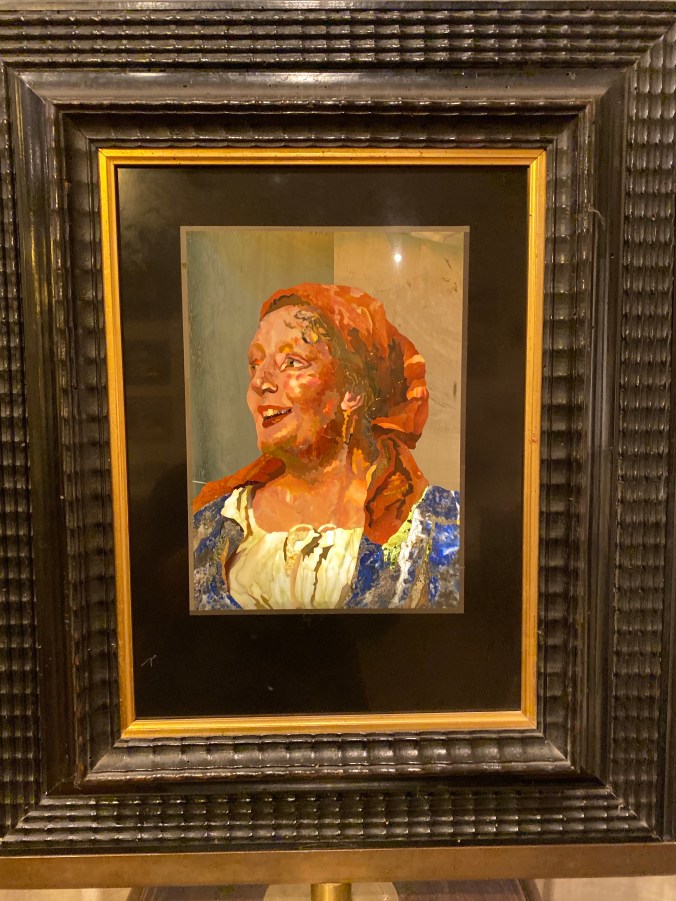
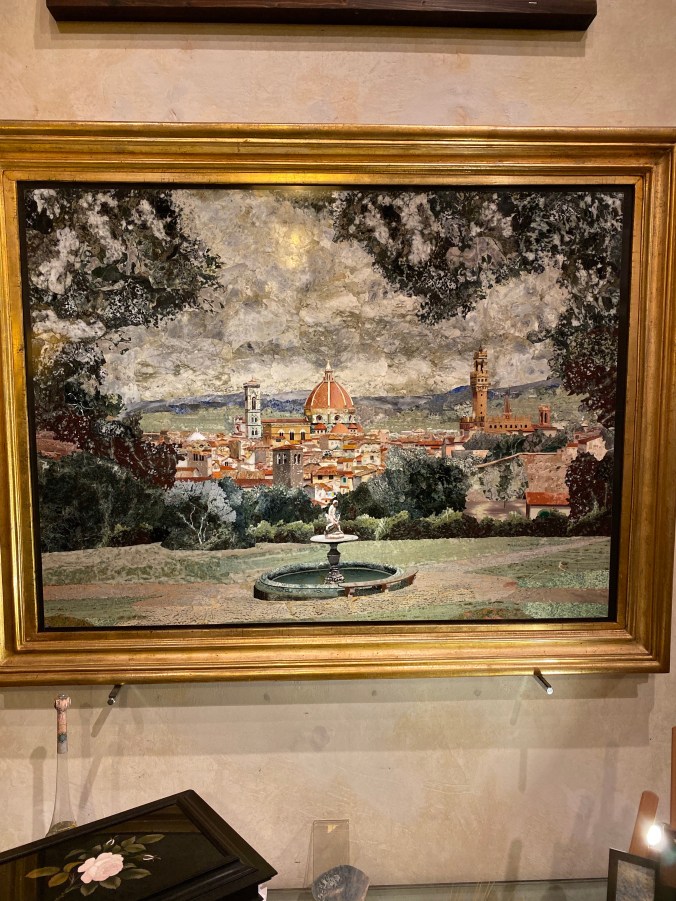
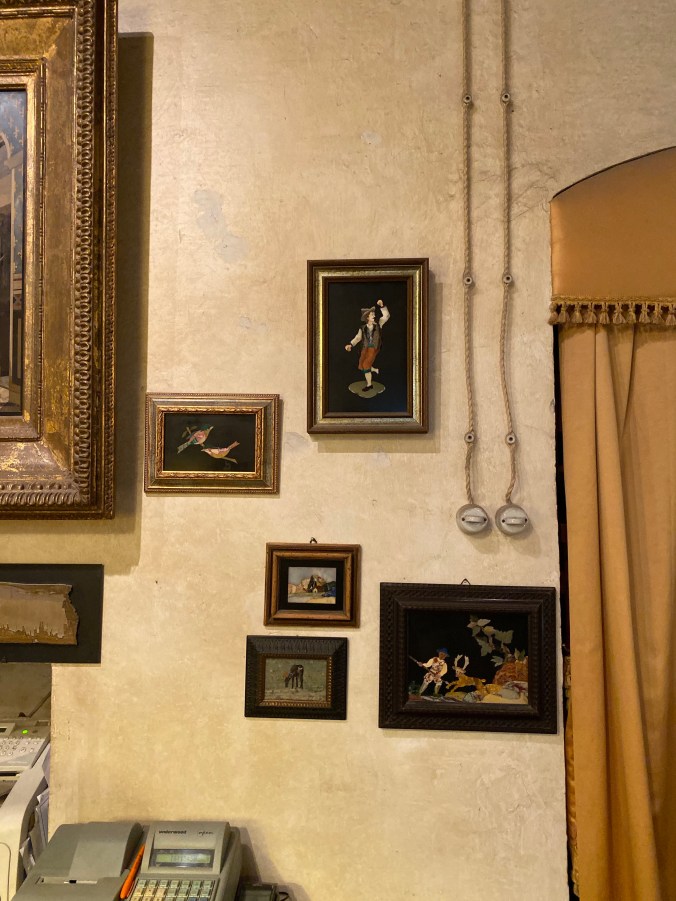
Here’s an example:

CZWYWKTiT3Ofn%Qgssmo3w

Perhaps you won’t be surprised to learn that the Medici family was the first to recognize qualities of this technique and they played a big role in promoting it. Cosimo I  had a strong interest in ancient precious marbles, and his interest extended to a new experimentation with precious stones.

Francesco I lured stone artists to Florence and Ferdinando I started the construction of the family mausoleum in San Lorenzo, adopting this artistic technique.

Here are the stages of a production in stone:

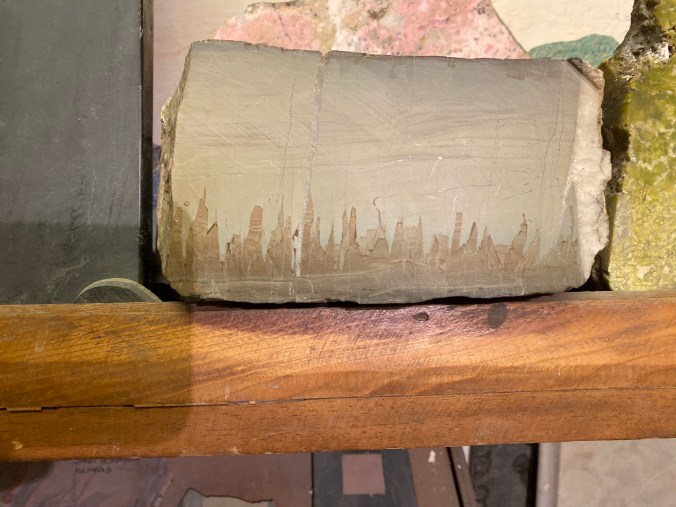
The idea comes to life in a preparatory drawing and then continues with the choice of the stones that will be used in the execution of the work – porphyry, lapis lazuli, granite or other precious stones.

Then the stones are cut, but they are not cut geometrically like mosaics.  This, in fact, is one of the enormous differences as compared to mosaic.  There is a particular and age-old way of cutting the stones in commesso Fiorentina. The stone cutting and the impeccable finishing and polishing work that follows, are part of what makes this technique exceptional.

QeSw2HLSSJ6dZGgo+ZzBOQ

The Studio Lastrucci was awarded the 2010 special Prize of Bottega Artigiana Fiorentina (under the patronage of UNESCO).

After working for years as artistic director of the most famous Florentine mosaic studio and workshop, in 2011, master Bruno, along with his son, decided to work exclusively on his own creations in the art studio in Via de ‘ Macci 9.

Bruno began his studies in this ancient art at the tender age of eight. Once he finished primary school, he spent all of his time in the mosaic workshop of Montici, owned by an American artist, Richard Almond Blow. The Montici school produced collaborations with some international contemporary painters.

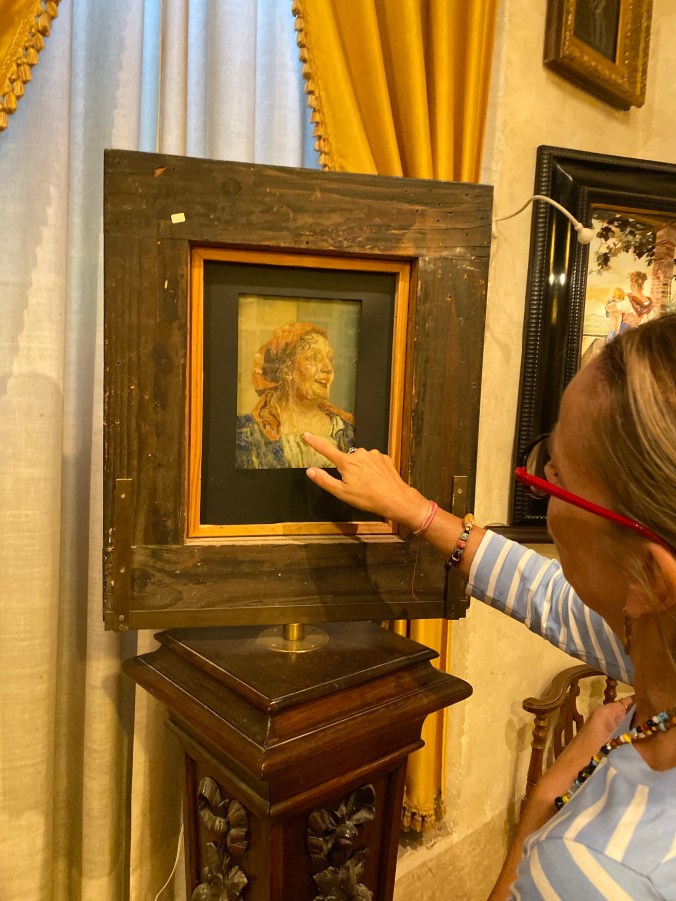
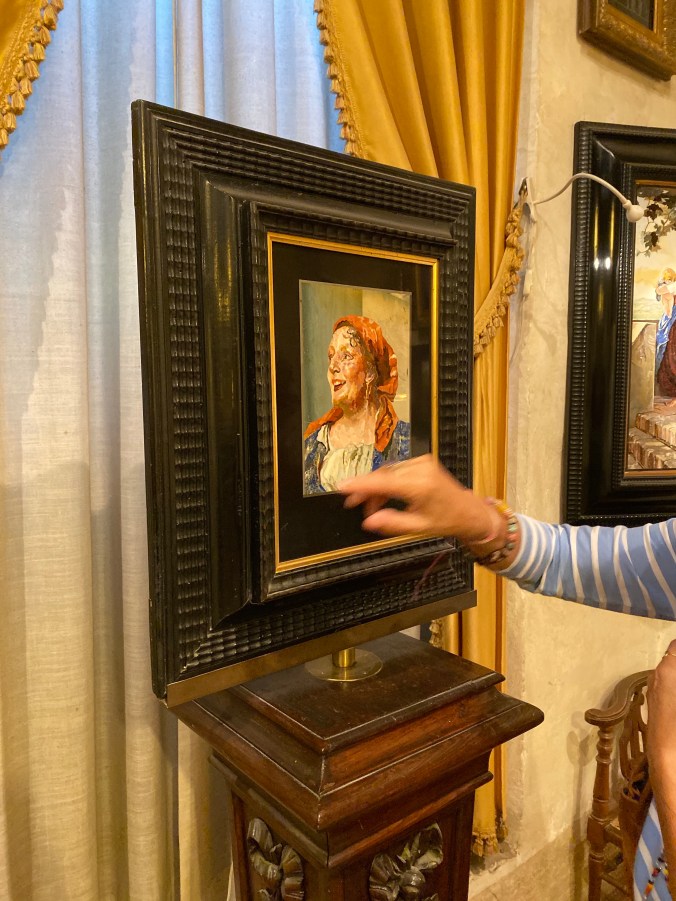
Bruno Lastrucci is a craftsman and visionary artist engaged in the technique of commesso fiorentina and he uses only the traditional tools and techniques. He focuses mainly on portraiture; his celebrated portrait of Joseph Lancaster is in the collection of the Lizzadro Lapidary Art Museum, and other important works of art are in prestigious private collections.

His passion and dedication was transmitted to son Iacopo, who was also apprenticed in the art.

3mFW3ukBRaeP0oqUTLkn8w


G2sR6vUrR2iP6OTXvI4IGw


fN7b6HZKRfaLfekMaExBiQ


The masters Jacopo and Bruno Lastrucci perform the artisan work of the Florentine technique known as Commesso Fiorentino. This technique entails the use of hot glues (beeswax primarily) and uses only natural colored stones. The technique dates back to the Medici period, and the Medici family was  a great patron of it.  The technique, of course, dates back to the classic mosaic artistry of the Roman era, using the artistic inlay of stones, with the creation of very realistic pictures, similar to paintings.

Although the working of hard stones has ancient origins, it was thanks to the support of the Medici that the work was perfected, to the point to that a specifically established entity, the Opificio delle Pietre Dure, still exists today.

tAuEmpZOTe2WSwpYtv1irw


s+av1JD5SPKB4NLywPZMvw

The largest number of works made to order are kept at the Opificio delle Pietre Dure, a renowned institute in the field of restoration.

The ancient factory was founded by Ferdinando I, who needed to train the workers needed to carry out the ambitious project of the Chapel of the Princes in San Lorenzo.

This first reality merged then, at the beginning of the 20th century, with the birth of the first modern restoration laboratory in Italy.

On the occasion of the tragic flood of 1966, the factory was confirmed as the excellence that it had already demonstrated to be, bringing back to light some extraordinary masterpieces that could have disappeared forever.

Examples of committed works can be found right inside the Chapel of the Princes.
Given the funeral tone of the work, more muted and dark colors were chosen with porphyry and granite for the upper part of the structure; in the wainscot instead, the colors become more vivid, to reproduce the coats of arms of the families loyal to the Medici . In the niches the statues of the Grand Dukes should have entered, also these in the order, the work turned out however too ambitious and only two were realized.
The salesman is a small jewel belonging to the city of Florence , still made today and a great treasure to be preserved, preserved and admired.


JKf56TlES82MRNc0K62pRg


G1cgbudqREOQx2H7DAXOBw


Wzf0Zs4bQyeS7QVTR3SArw


CZWYWKTiT3Ofn%Qgssmo3w


nE%vkdZcS+e7sRBPVj+Rlw


QeSw2HLSSJ6dZGgo+ZzBOQ


PfZ86ORMTpqjlP2hmvmRpw


l3Cwur2yQtCEuqx2Ho7eXA


SwYK7TOzSV2p5ojL1PZi3A


NU3f69IEQdGFlnJ%yEi7hg


tj+LjaD5Semy+BzOY+xbeg


qQkbcnJrSv2IRKml1PjcCw


K%+35SGASymQ047VVx+XvQ


EBO8g6swQkavUUMQQai0Ug


WYdF+yBCTha2RbHn3hm1PQ


xsYwsVlLRiumdOPJj%g8og

http://www.imosaicidilastrucci.it/index.php?i-mosaici-di-lastrucci-firenze


https://translate.google.com/translate?hl=en&sl=it&u=https://www.lastampa.it/casa-design/2015/04/03/news/commesso-fiorentino-la-pietra-che-decora-br-1.35269029&prev=search