Author: get back, laurettadimmick
Genoa’s majestic cathedral
The Genoa Gothic-style Cathedral was consecrated in 1118, completed 17th century. Interchangeably referred to as the Cathedral of Saint Lawrence (or, in Italian: il Duomo di Genova, Cattedrale di San Lorenzo), this magnificent edifice is a show stopper.


I have looked at a lot of art in my lifetime, and lots in particular of religious artwork in Italy. In all of my life, I have never seen any female figures shown while obviously pregnant, even though pregnancy is often a part of the narrative behind the work.
But, live and look and one day…you may see it!


The illustrious Grimaldi family, born in Genoa, moved to Monaco
I recently posted about the fabulous Grimaldi Palazzo in Genoa. Interestingly, many Americans will recognize the Grimaldi name, for that was the fabulously wealthy and royal family from Monaco into which Grace Kelly married in 1956.

Here’s what Wikipedia reports about the family:
The Grimaldis descend from Grimaldo, a Genoese statesman at the time of the early Crusades. Grimaldo became a consul in 1160, 1170 and again in 1184. His numerous descendants led maritime expeditions throughout the Mediterranean, the Black Sea, and soon the North Sea. They became one of the most powerful and wealthy families of Genoa.

The Grimaldis feared that the head of a rival Genoese family could break the fragile balance of power in a political coup and become lord of Genoa, as had happened in other Italian cities. They therefore entered into a Guelphic alliance with the Fieschi family and defended their interests with the sword.
But the Guelfs were banned from the City in 1271, and took refuge in their castles in Liguria and Provence. They signed a treaty with Charles of Anjou, King of Naples and Count of Provence to retake control of Genoa. In 1276, they accepted a peace under the auspices of the Pope which, however, did not put an end to the civil war.
In 1299, the Grimaldis and their allies launched a few galleys to attack the port of Genoa before taking refuge on the Western Riviera. During the following years, the Grimaldis entered into different alliances that would allow them to return to power in Genoa.
This time, it was the turn of their rivals, the Spinola family, to be exiled from the city. During this period, both the Guelphs and Ghibellines took and abandoned the castle of Monaco, which was ideally located to launch political and military operations against Genoa.
In the early 14th century, the Aragonese raided the shores of Provence and Liguria, challenging Genoa and King Robert of Provence. In 1353, the combined fleet of eighty Venetian and Aragonese galleys gathered in Sardinia to meet the fleet of sixty galleys under the command of Anthony Grimaldi. Only nineteen Genoese vessels survived the battle. Fearing an invasion, Genoa rushed to request the protection of the Lord of Milan.
Several of the oldest feudal branches of the House of Grimaldi appeared during these conflicts, such as the branches of Antibes, Beuil, Nice, Puget, and Sicily. In 1395, the Grimaldis took advantage of the discords in Genoa to take possession of Monaco, which they then ruled. This is the origin of today’s principality.
As was customary in Genoa, the Grimaldis organised their family ties within a corporation called albergo. In the political reform of 1528, the Grimaldi became one of the 28 alberghi of the Republic of Genoa, which included the Doria and Pallavicini families, and to which other families were formally invited to join. The House of Grimaldi provided several doges, cardinals, cabinet ministers, and military officers of historical note.
Genova in general: fabulous
I had the good fortune to travel to Genova (Genoa in English) for a very long weekend. I timed my visit with a semi-annual Genovese event known as “Rolli Days,” which is a 2 day occasion during which many (31) of the 100 UNESCO listed palaces are open for viewing. I’ll be posting about Rolli Days soon.
I’d never really been to Genova before and didn’t know what to expect. It was a fascinating visit and I am so happy I went! Below are miscellaneous pictures from my weekend. I am looking forward to returning!


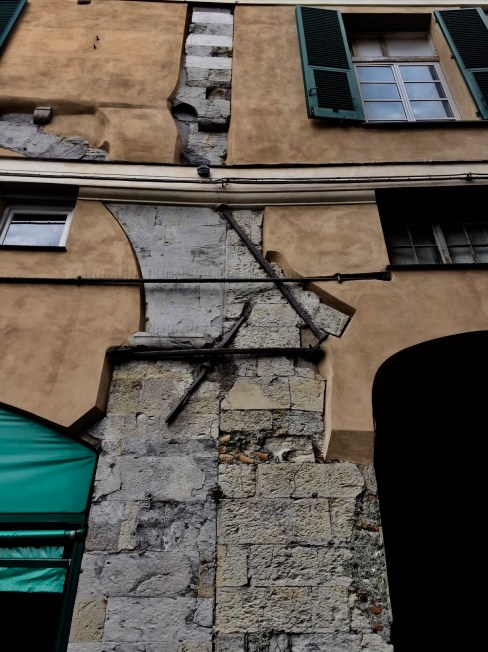


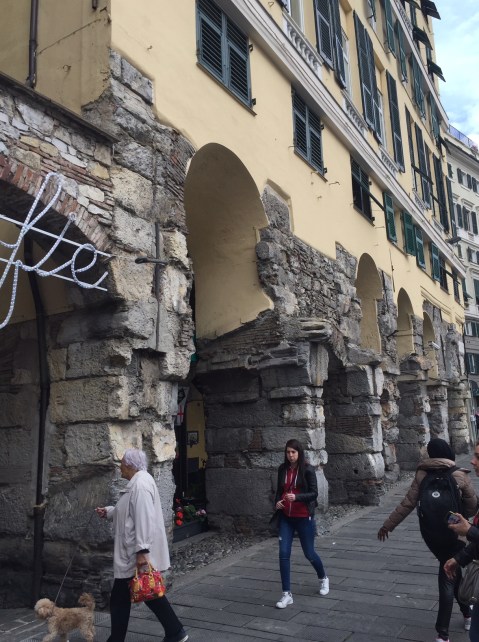


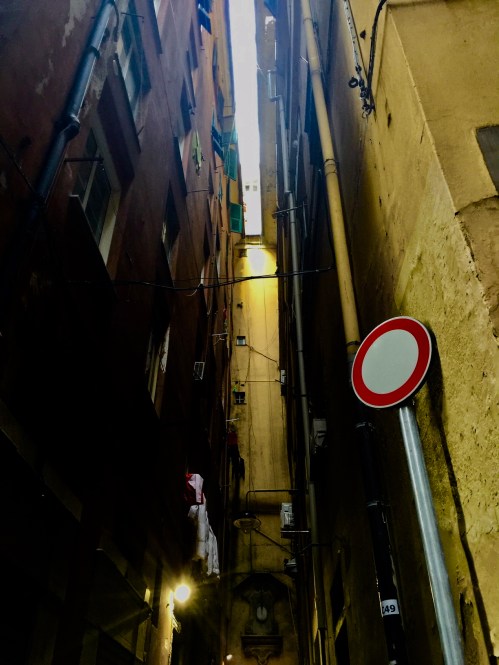
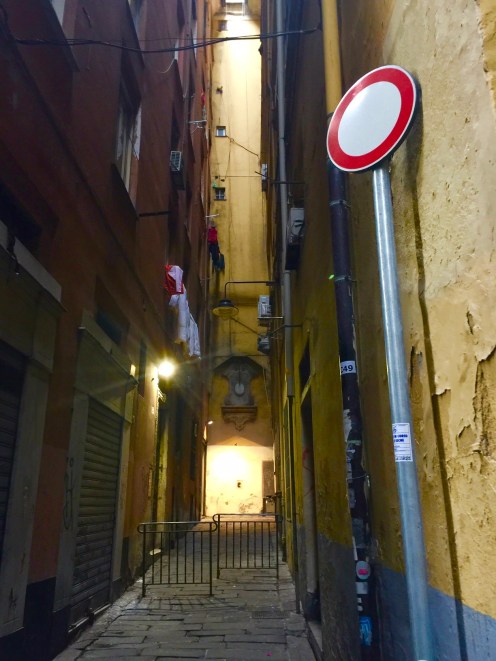


My amazing lunch!

My lunch deconstructed. It was as delicious as it looks!

My amazing dessert!






Cary Grant, filming North by Northwest in Rapid City, SD
 Actors Cary Grant and Eva Marie Saint in downtown Rapid City during filming of the Alfred Hitchcock movie North By Northwest. The film was released in 1959.
The Hotel Alex Johnson is visible in upper left.
Rolli Days, Genoa
Celebrating May in Florence, 1902
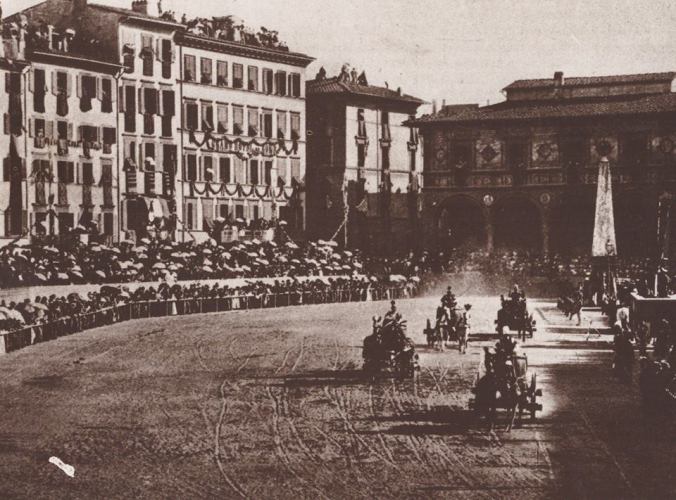
Maggio 1902, corsa dei cocchi in piazza Santa Maria Novella
Spring graduation, 1895
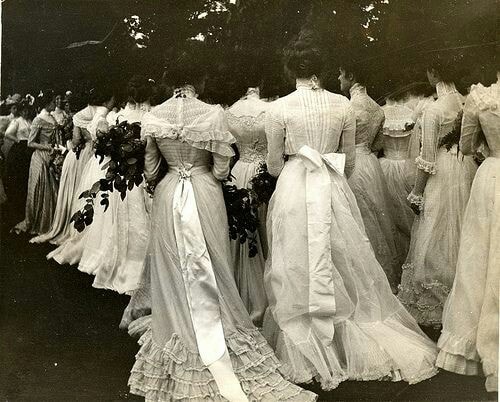
Seniors gather on the lawn for Class Day, the last time before graduation that the class meets as a group, 1895
Muguet de bois, May 1
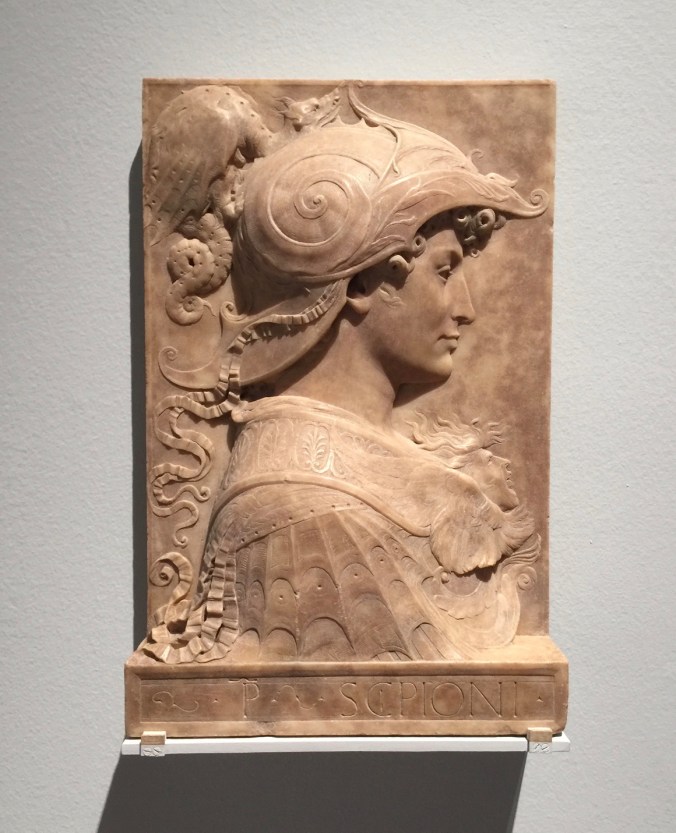
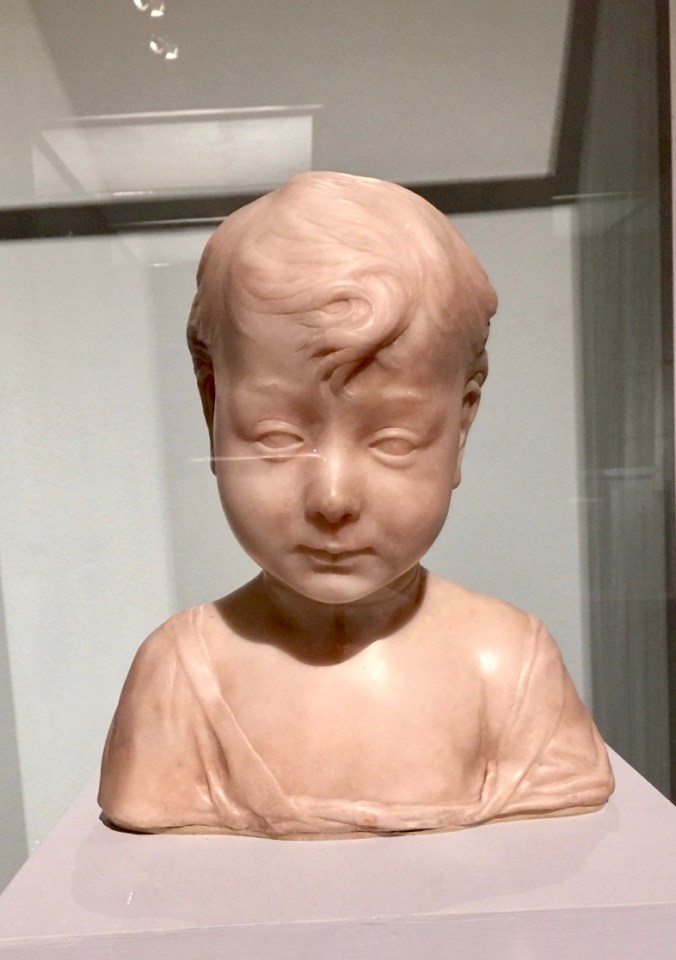
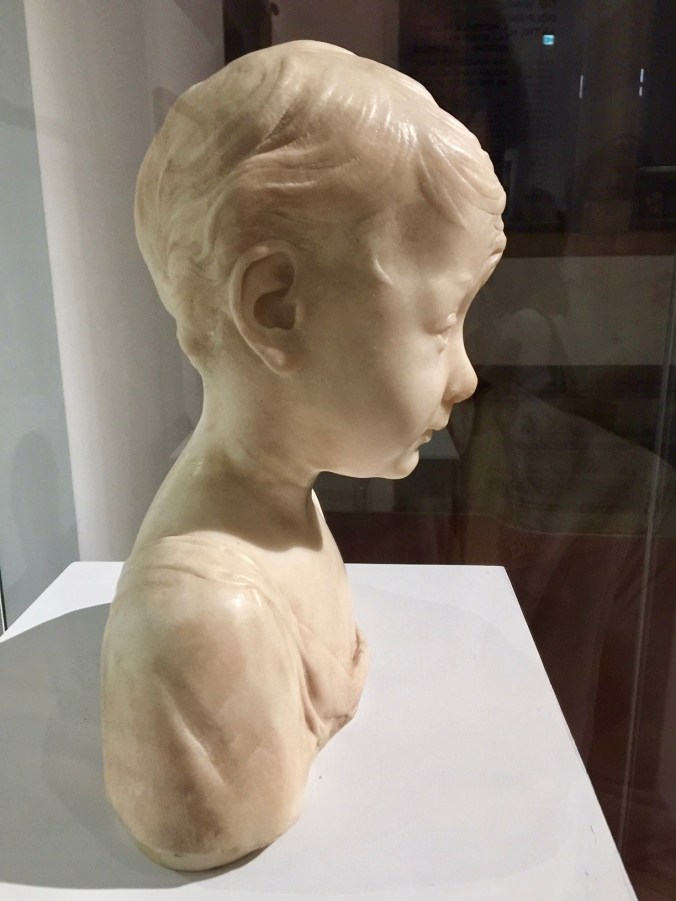
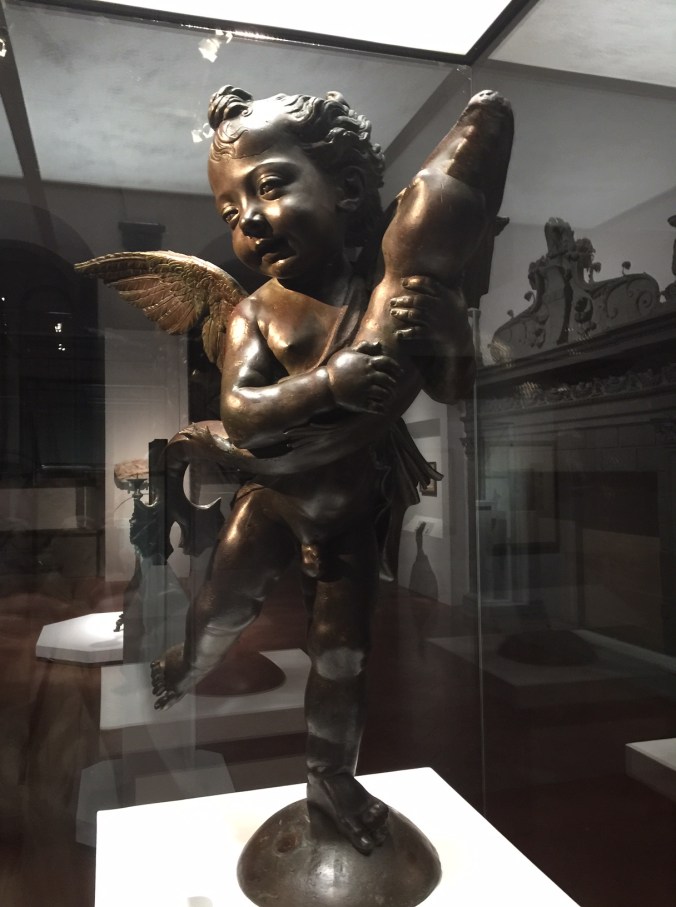
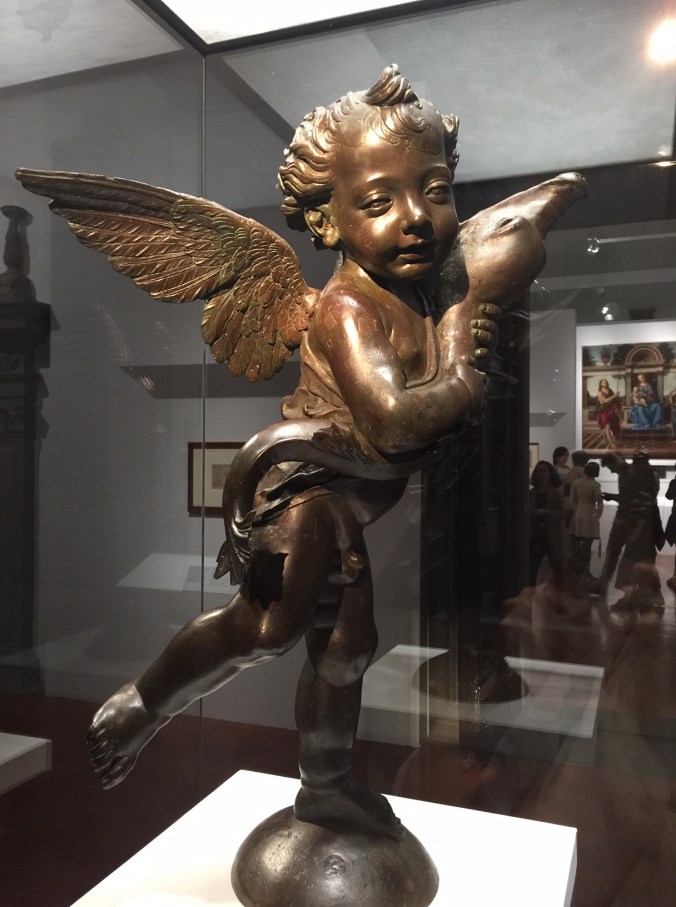
Verrochio, Renaissance master
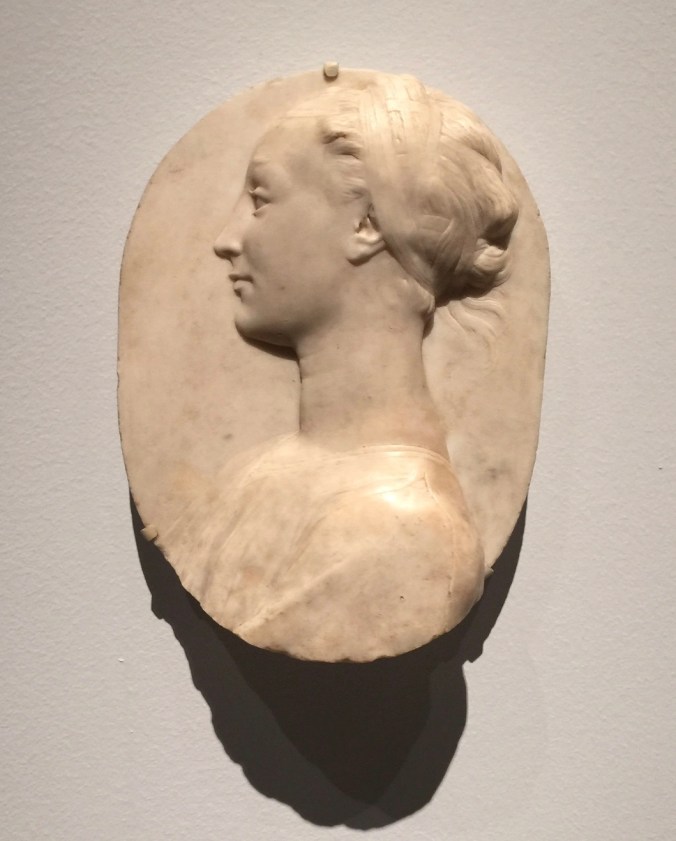
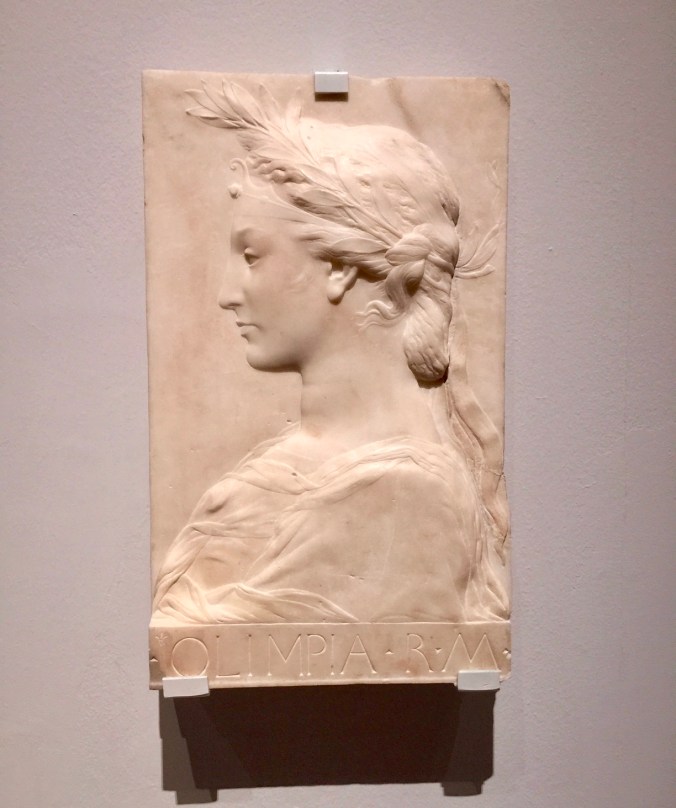
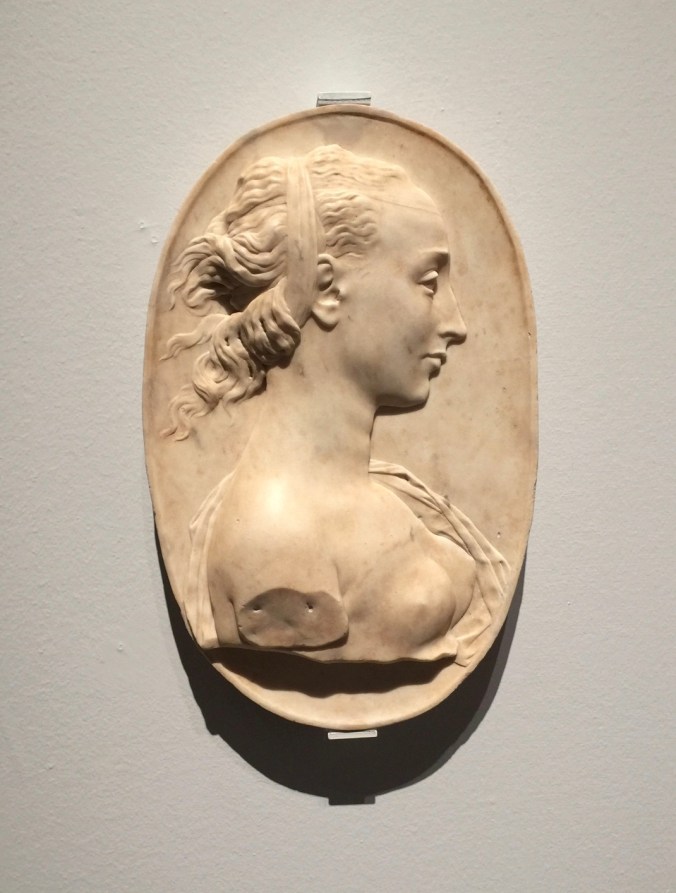
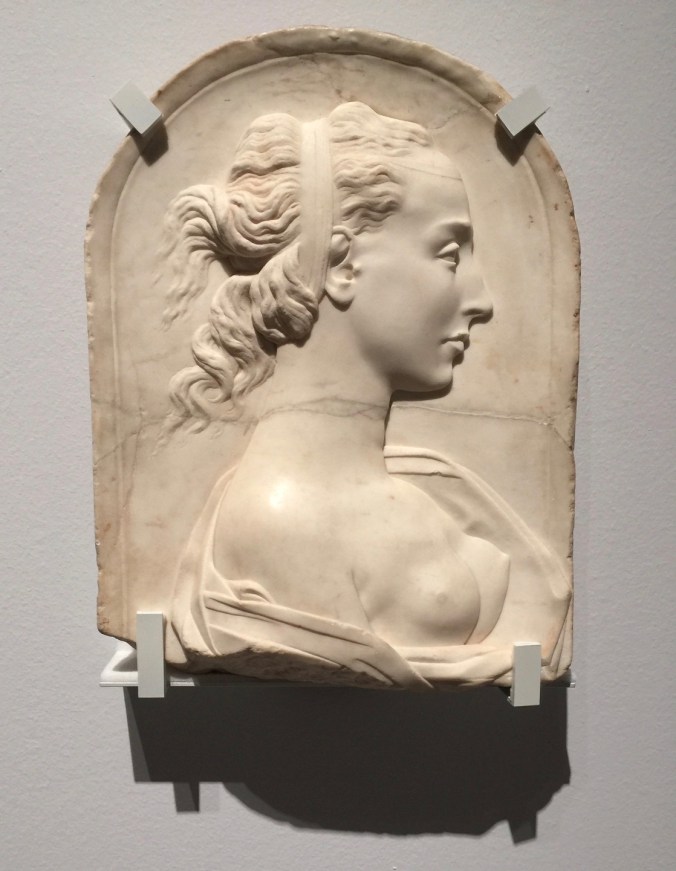
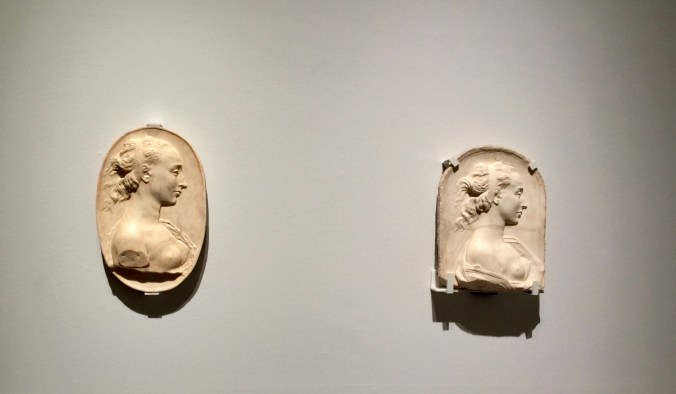
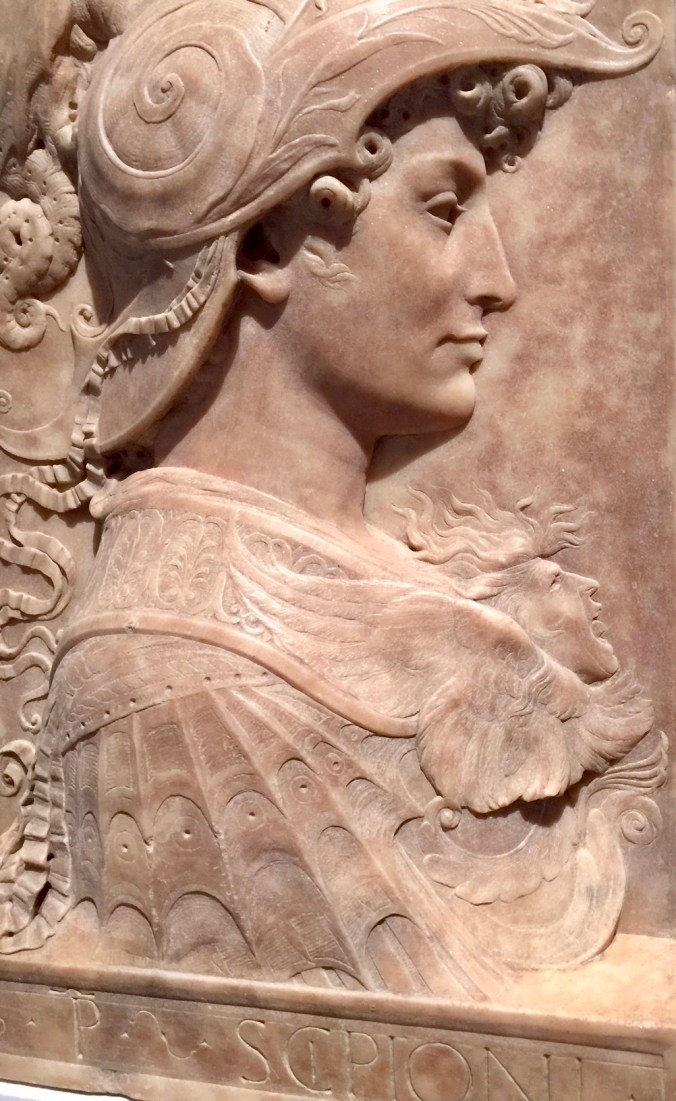
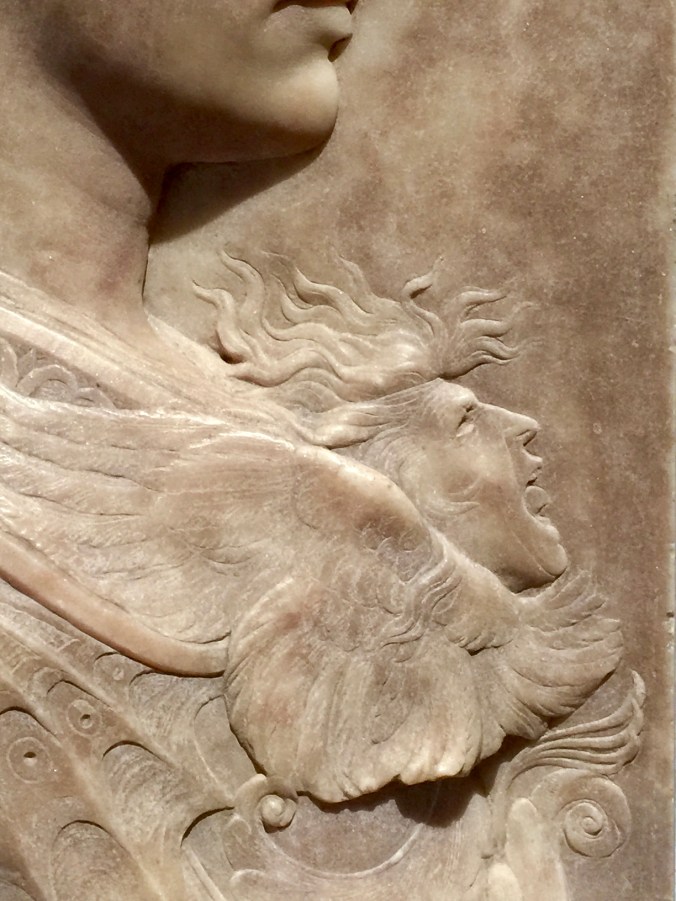
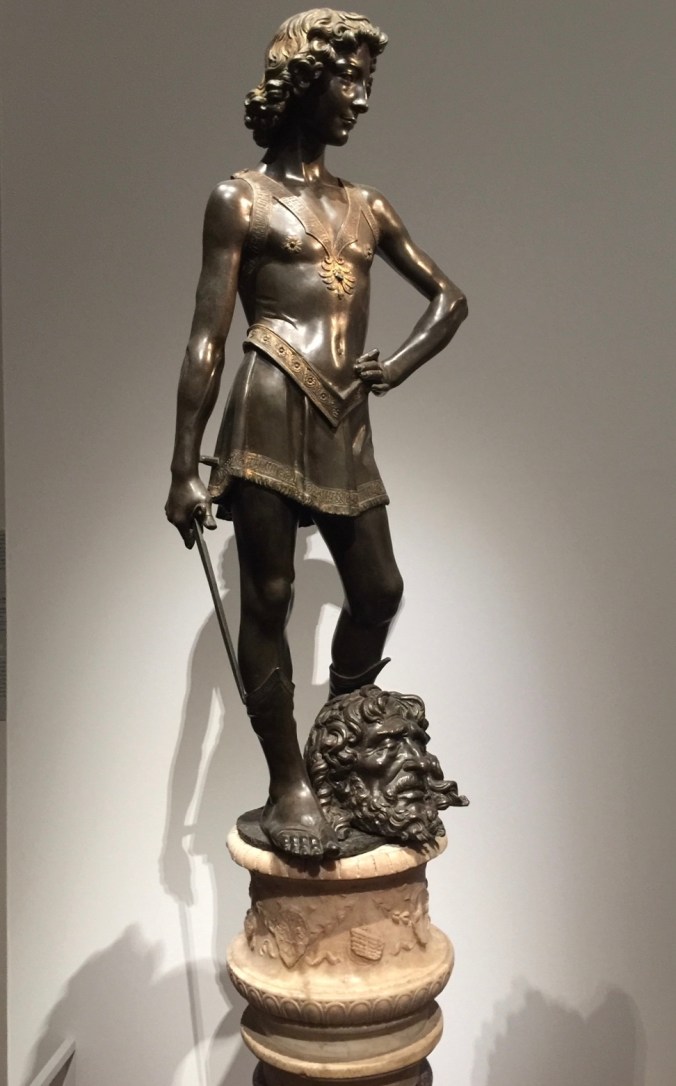
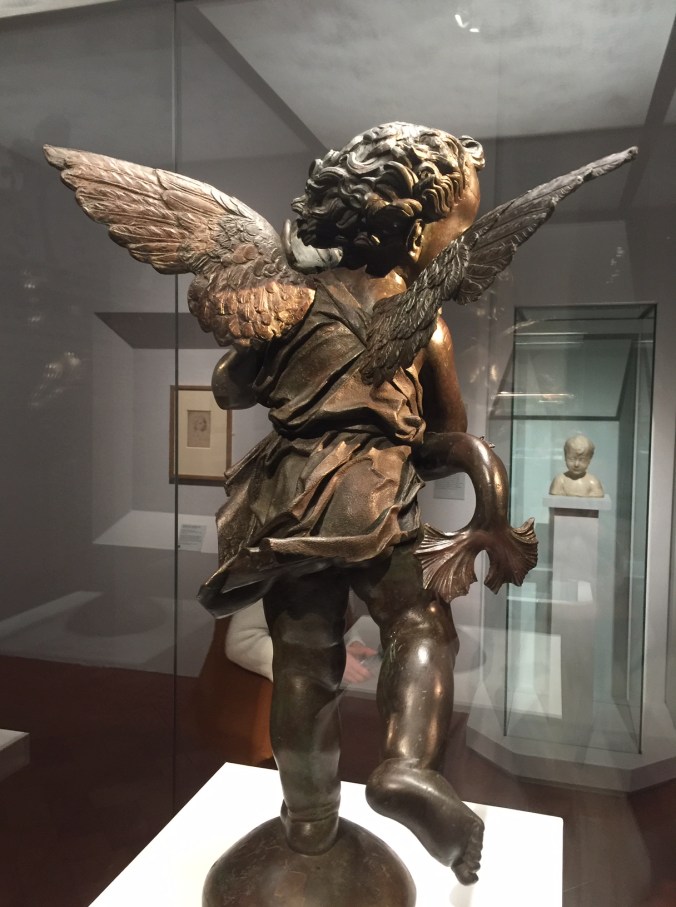
I have always loved the sculpture of Verrochio (1435-88).
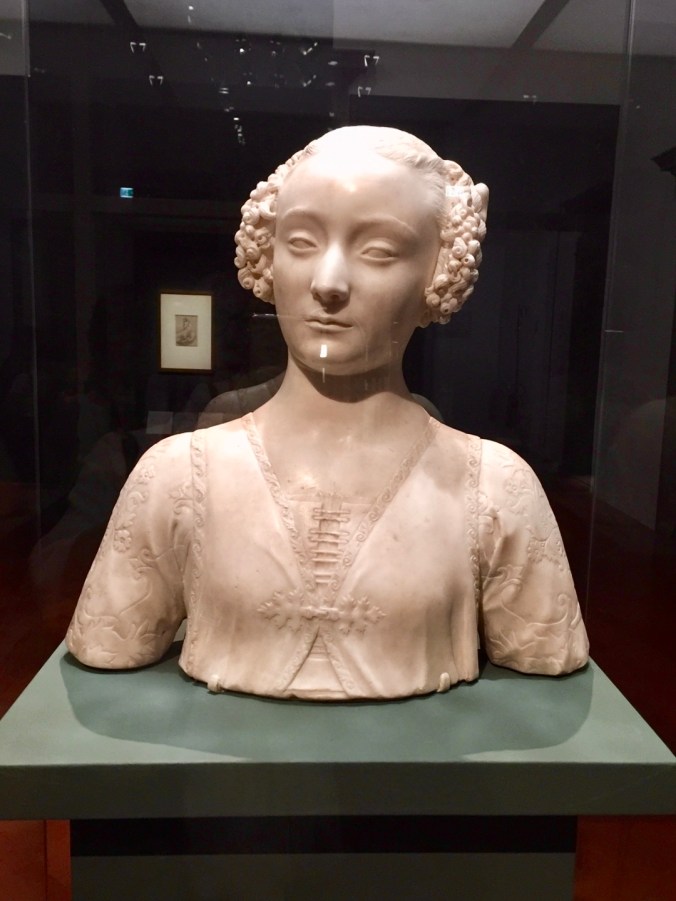
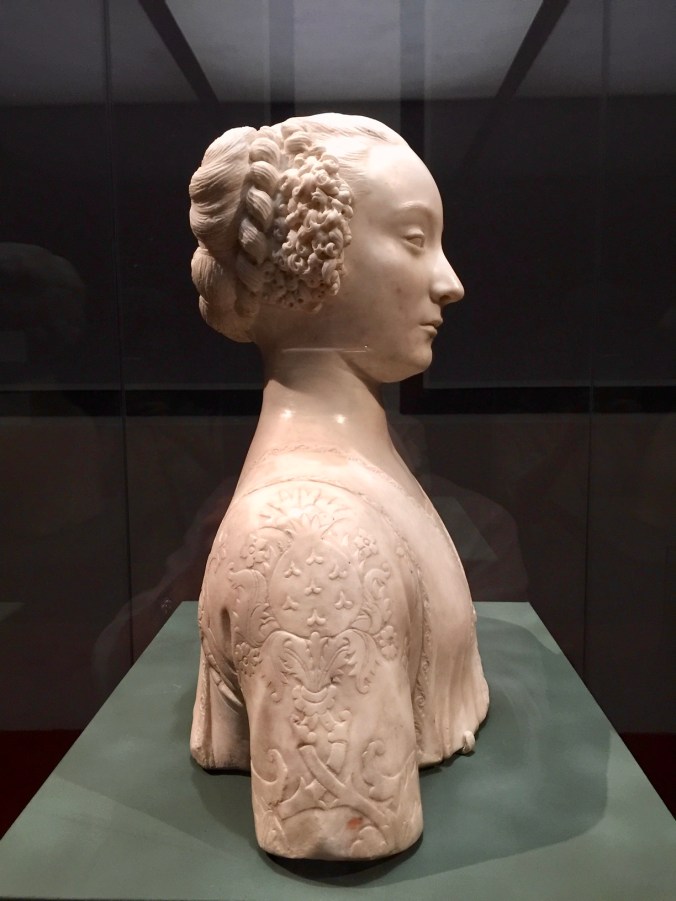
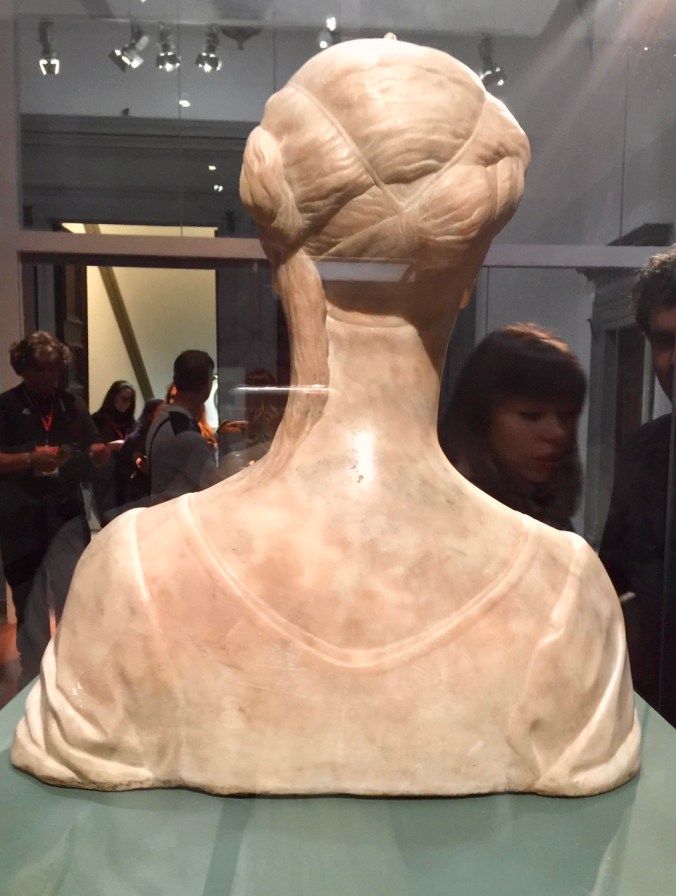
And, since there’s currently a fabulous exhibition in Florence featuring some of the master’s work in painting, sculpture, and work in gold, I think it is high time I wrote a post on him here.
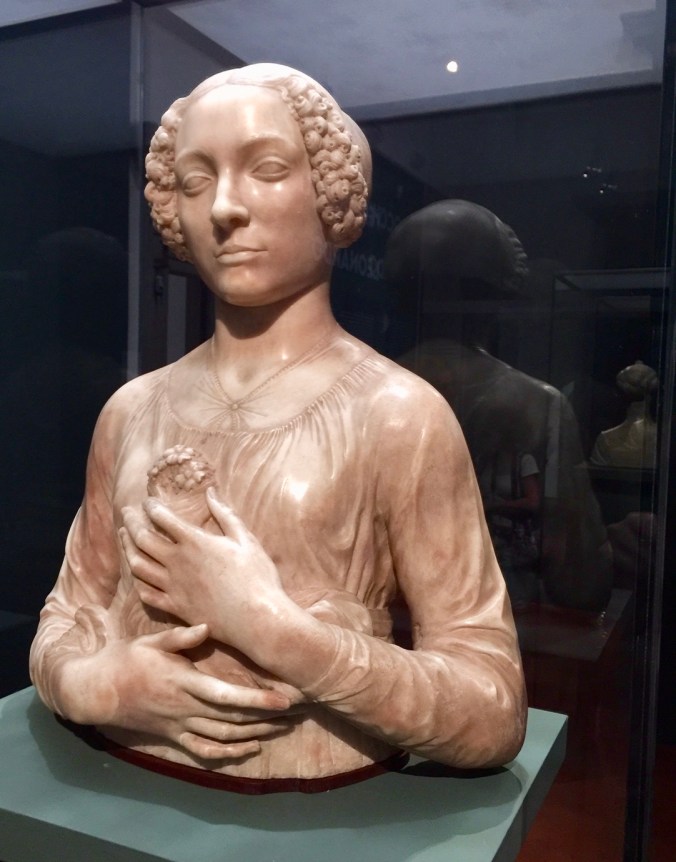
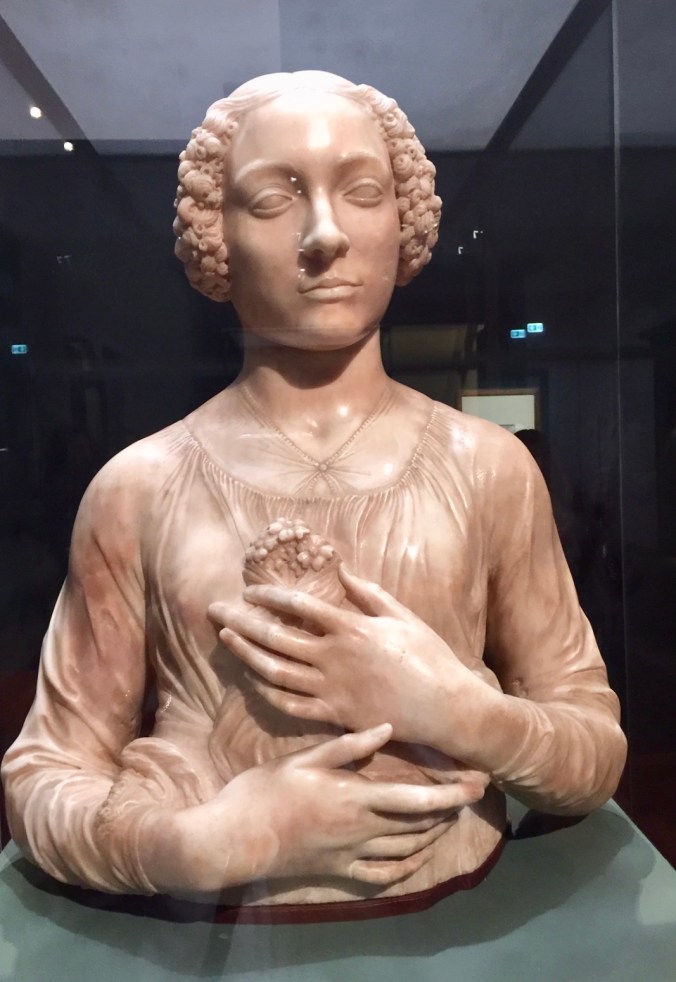
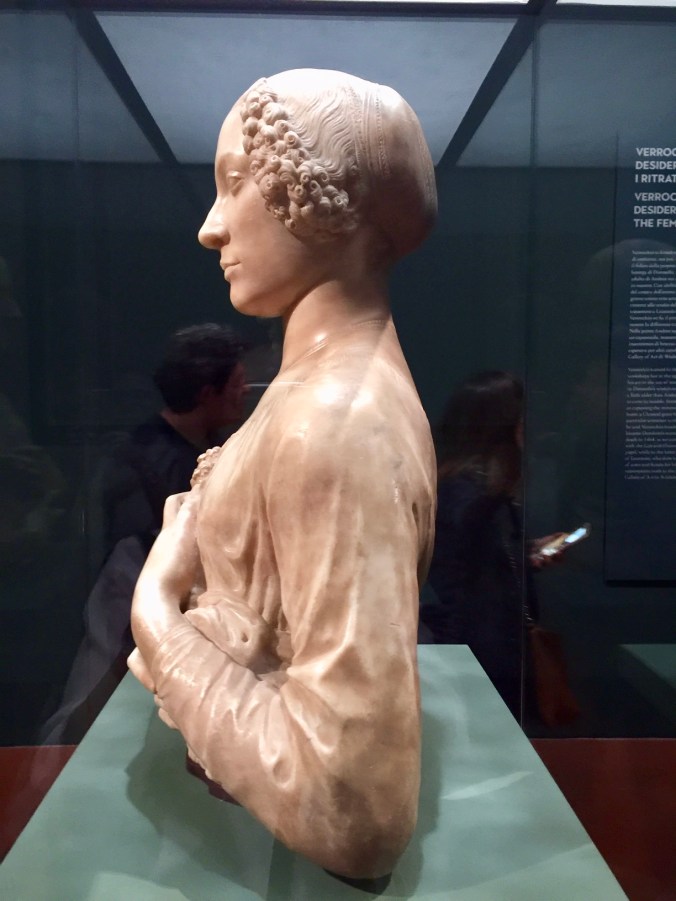
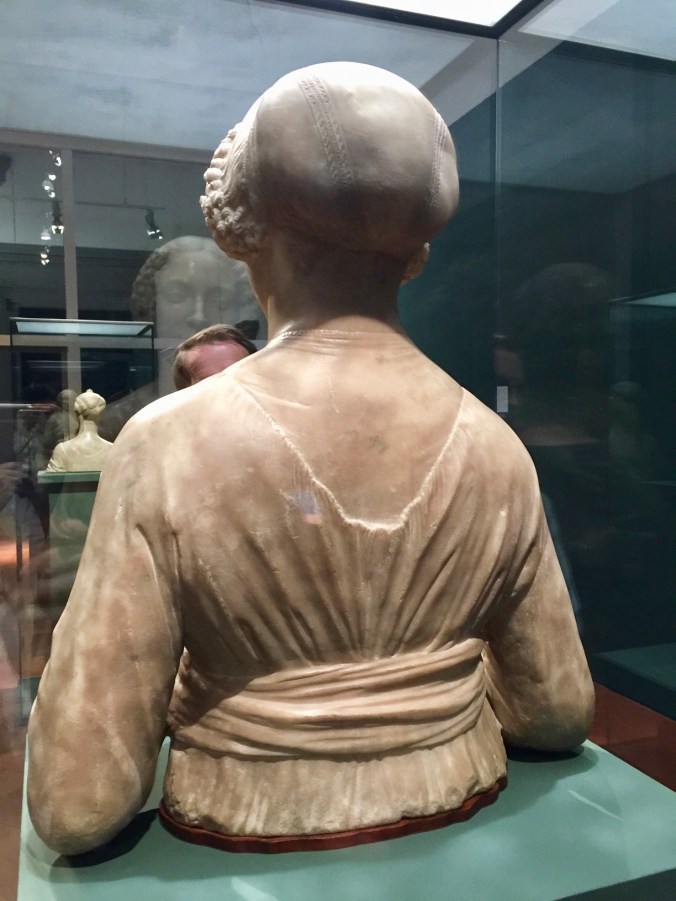
The exhibition, “Verrocchio, Master of Leonardo” can be seen from now until mid-July at the Palazzo Strozzi.
The show was organized by Fondazione Palazzo Strozzi and the Musei del Bargello in collaboration with the National Gallery of Art, Washington. The curators are Francesco Caglioti e Andrea De Marchi; both are leading experts in the art of the quattrocento.
This major exhibition showcases over 120 paintings, sculptures and drawings from the world’s leading museums and collections, including the Metropolitan Museum of New York, the Musée du Louvre in Paris, the Rijksmuseum in Amsterdam, the Victoria and Albert Museum in London and the Gallerie degli Uffizi in Florence.
The exhibition, with a special section at the Museo Nazionale del Bargello, brings together for the first time Verrocchio’s celebrated masterpieces and most important works by the best-known artists associated with his workshop in the second half of the 15th century, such as Domenico Ghirlandaio, Sandro Botticelli, Pietro Perugino and Leonardo da Vinci. Leonardo was his most famous pupil, and the exhibition reconstructs Leonardo’s early career and interaction with his master, thanks to outstanding loans and unprecedented juxtapositions.
This year is a big one all over the Italian cultural scene, for it marks the 500th anniversary of Leonardo’s death. The Strozzi exhibition is, moreover, the first retrospective ever devoted to Verrocchio.
At the same time the exhibition explores the early years of Leonardo da Vinci’s career, providing an overview of artistic output in Florence from roughly 1460 to 1490, which just happened to be the age of Lorenzo the Magnificent.
Few paintings are attributed to him with certainty, but a number of important painters were trained at his workshop. His pupils included Leonardo da Vinci, Pietro Perugino and Lorenzo di Credi. His greatest importance was as a sculptor and his last work, the Equestrian statue of Bartolomeo Colleoni in Venice, is generally accepted as a masterpiece.
Little is known about his life. His main works are dated in his last twenty years and his advancement owed much to the patronage of Lorenzo de’ Medici and his son Piero. His workshop was in Florence where he was a member of the Guild of St Luke. Several great artists like Leonardo da Vinci and Lorenzo di Credi passed through his workshop as apprentices; beyond this, artists like Domenico Ghirlandaio, Francesco Botticini, and Pietro Perugino were also involved and their early works can be hard to distinguish from works by Verrocchio.
At the end of his life he opened a new workshop in Venice where he was working on the statue of Bartolomeo Colleoni, leaving the Florentine workshop in charge of Lorenzo di Credi. He died in Venice in 1488.
So, okay, as a life-long art historian, I can’t seem to break the habit of providing lots of context. But, let’s leave that now and look at some of the beautiful work by Verrochio.


You must be logged in to post a comment.