

who is fascinated by European supermarkets!
Check out this great article on French yogurt!
there’s a way!
In Italiano, se dice “Volere e’ potere.”
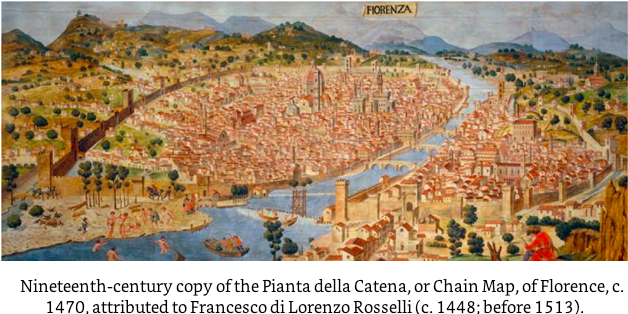
Fifteenth-century Florence was a small place, even by the standards of European cities at that time. We can get a sense of it from a late-fifteenth-century view known as the Veduta della Catena, or Chain Map. It shows a dense concentration of buildings clustering within protective walls on both sides of the river Arno.
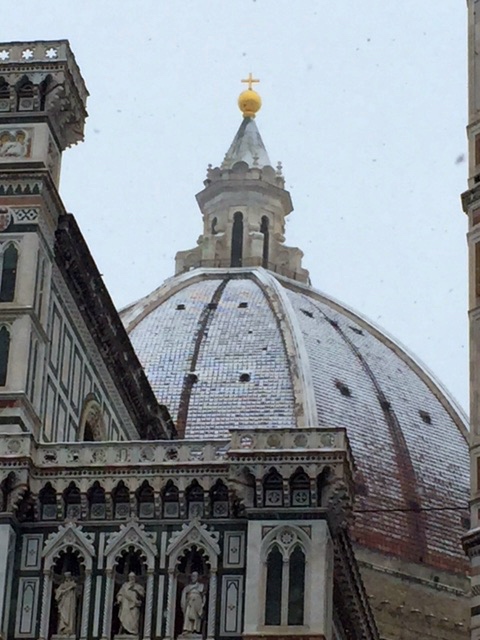
The Palazzo Vecchio, major churches and the swelling dome of the cathedral rise above a jumble of streets and houses. Beyond the gates, there are some scattered farms, villas and monasteries; in the distance, a ring of encircling hills. Just outside the walls, young men are seen bathing almost naked in the Arno. At this time Florence contained some 60,000 inhabitants and could be walked across within half an hour. Nonetheless, it was divided into four large subdivisions – the quartiere – and sixteen smaller districts known as gonfaloni, or banners. There were four gonfaloni within each quartiere. Each of these was a little world of densely interconnected relations, friends and neighbours (again, the crucial trio of Florentine parenti, amici, vicini).
Via de’ Bentaccordi is still visible there, a curving street that follows the outer wall of the vanished Roman amphitheatre, the miniature Coliseum of the classical city of Florentia. It is almost a fossil record of the classical building. The street is in the quartiere of Santa Croce and the gonfalone of Lion Nero, the Black Lion. Both of these localities and the people who lived in them continued to be of importance to Michelangelo throughout his life.
Source: Gayford, Martin. Michelangelo: His Epic Life (Kindle Locations 662-668). Penguin Books Ltd. Kindle Edition.
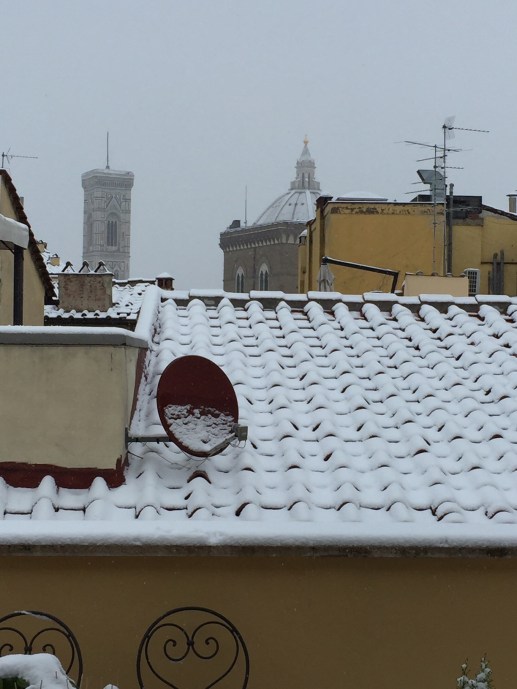
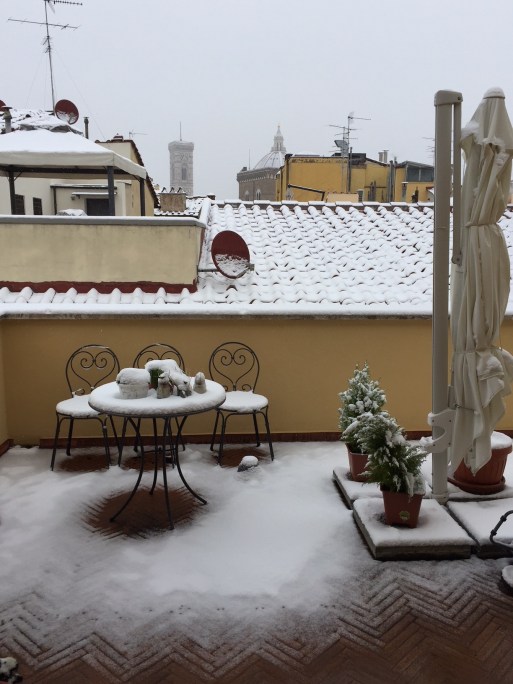
The view from my home:
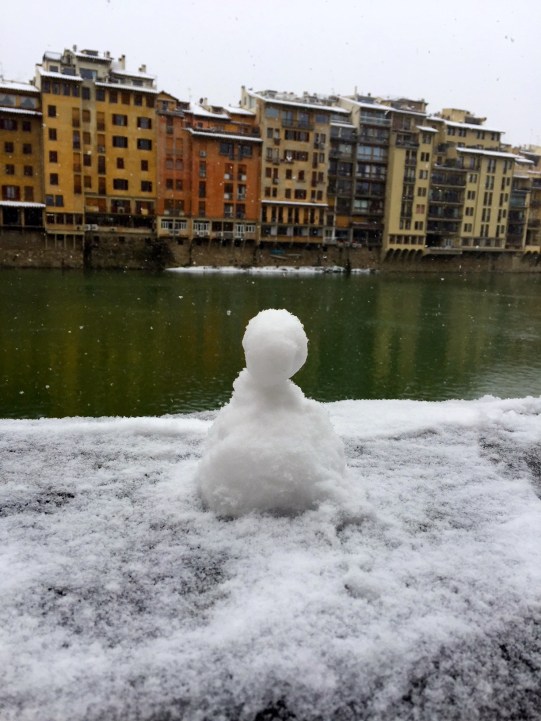
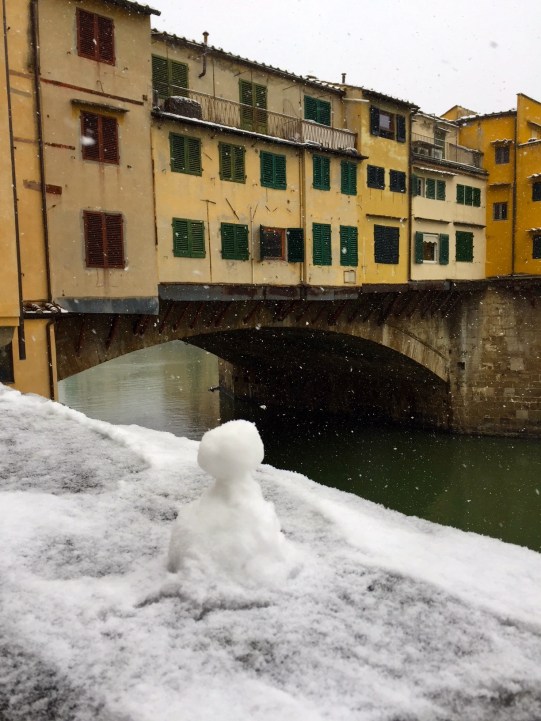
The Arno:


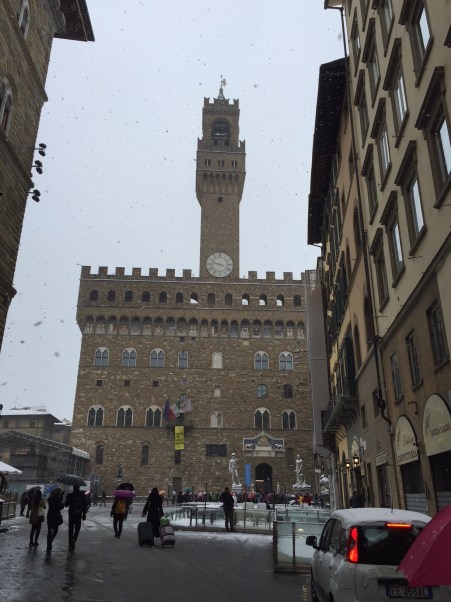
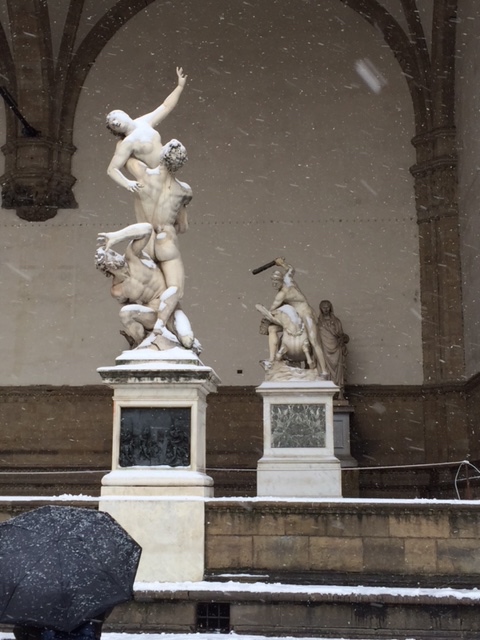
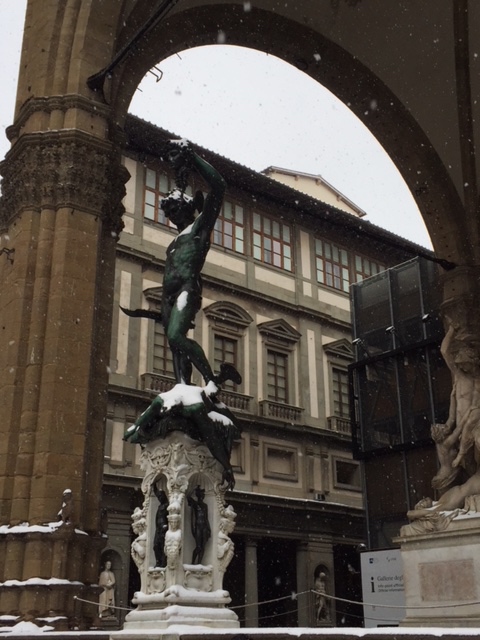
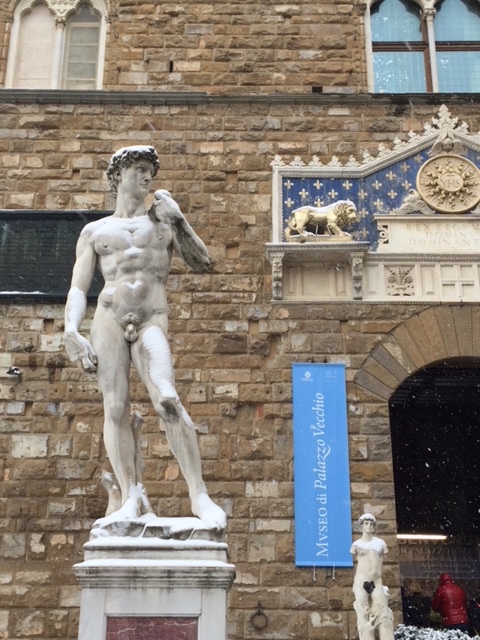
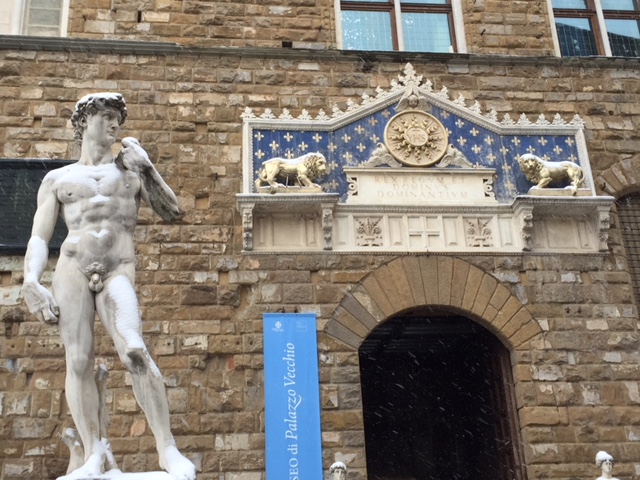
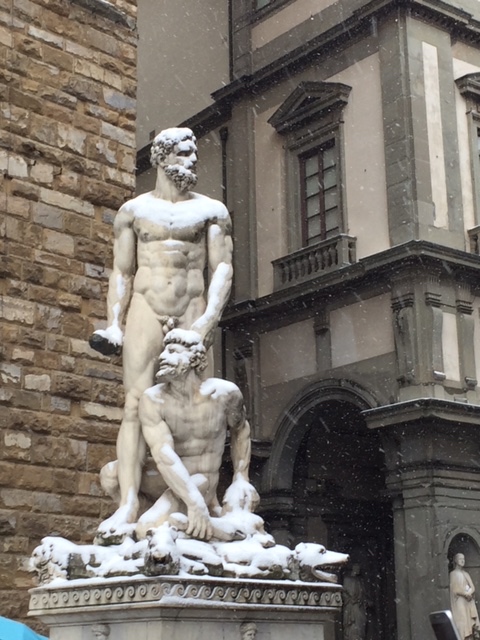
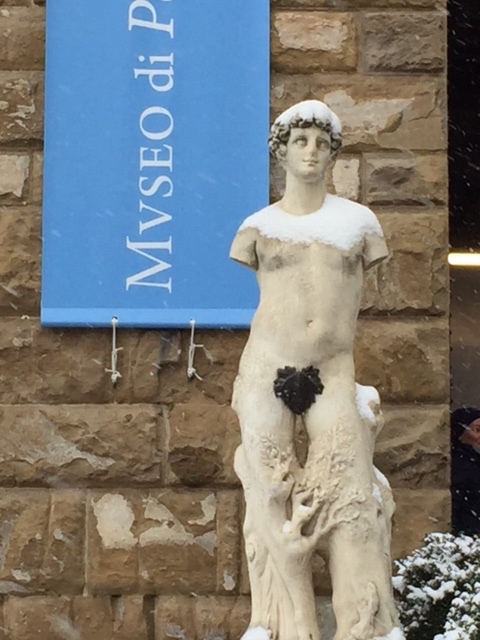
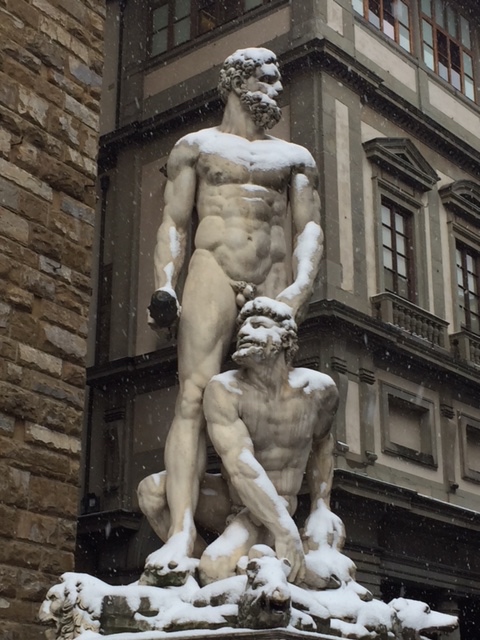
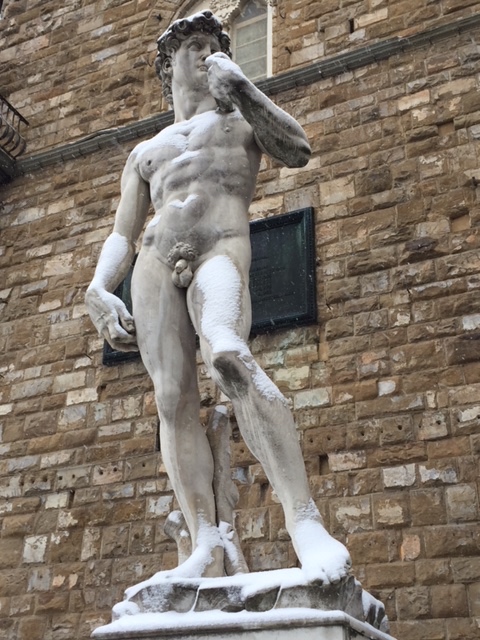
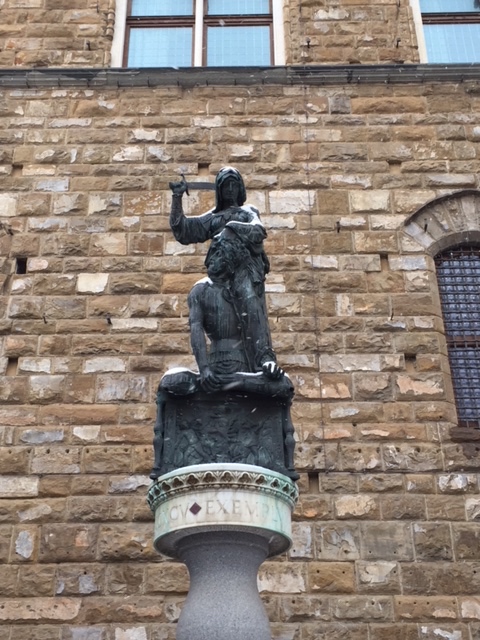
Piazza and Palazzo Vecchio:





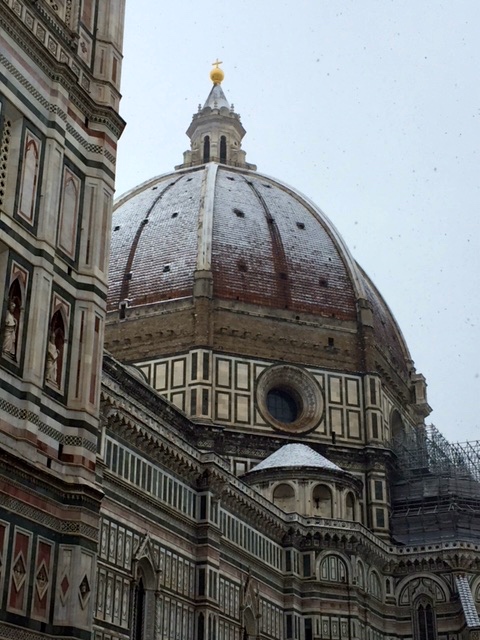
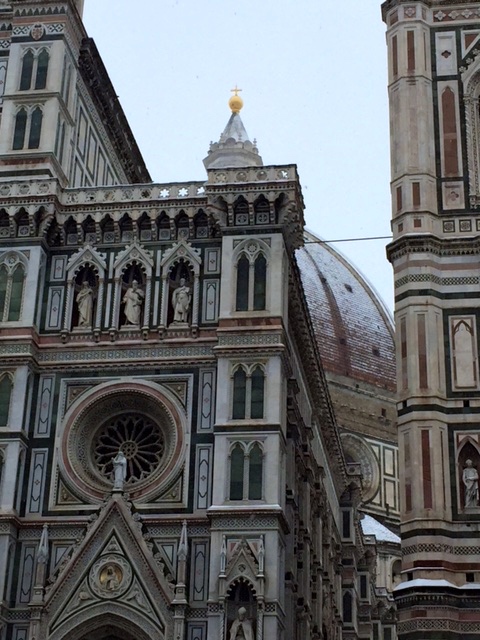
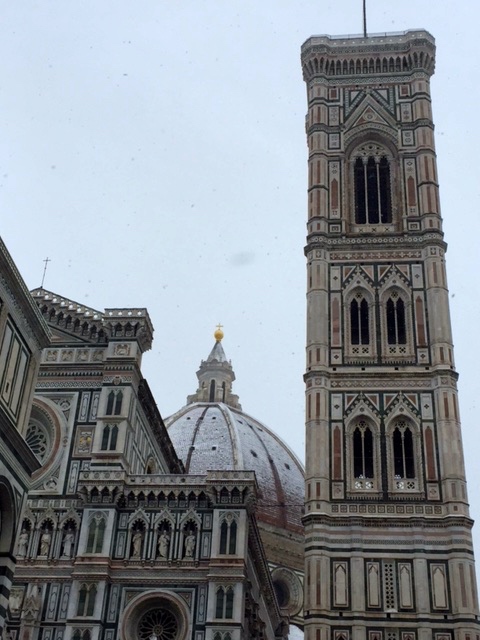
Il Duomo:

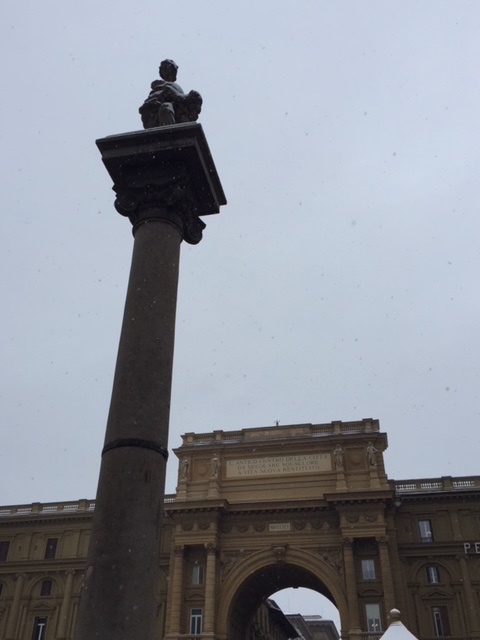
Piazza della Repubblica:

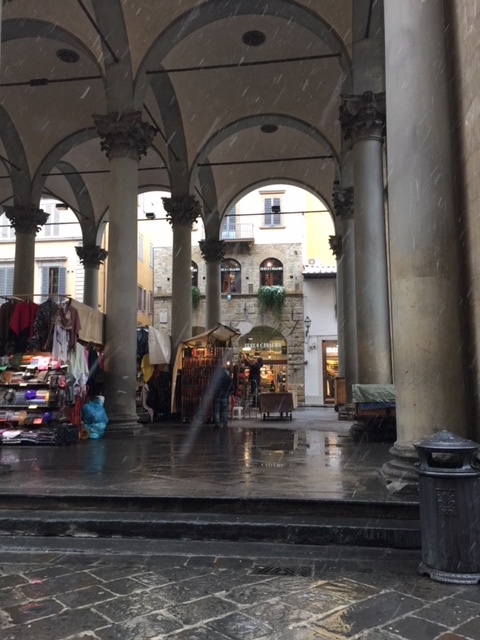
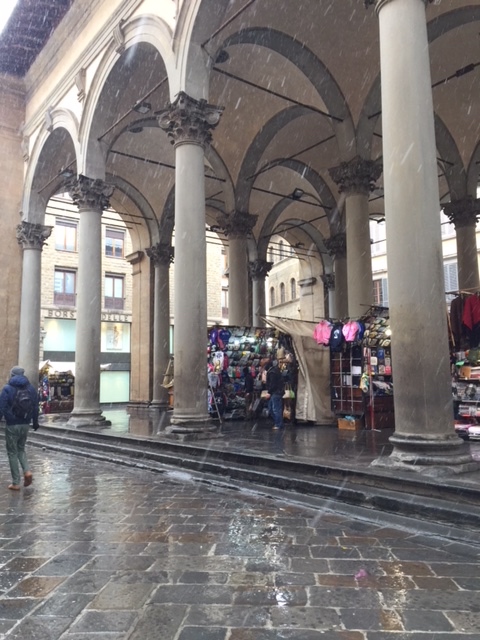
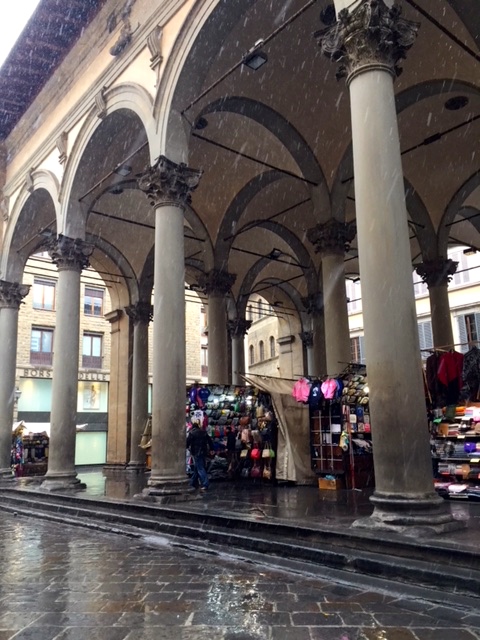
The almost empty Mercato Nuovo:




You must be logged in to post a comment.