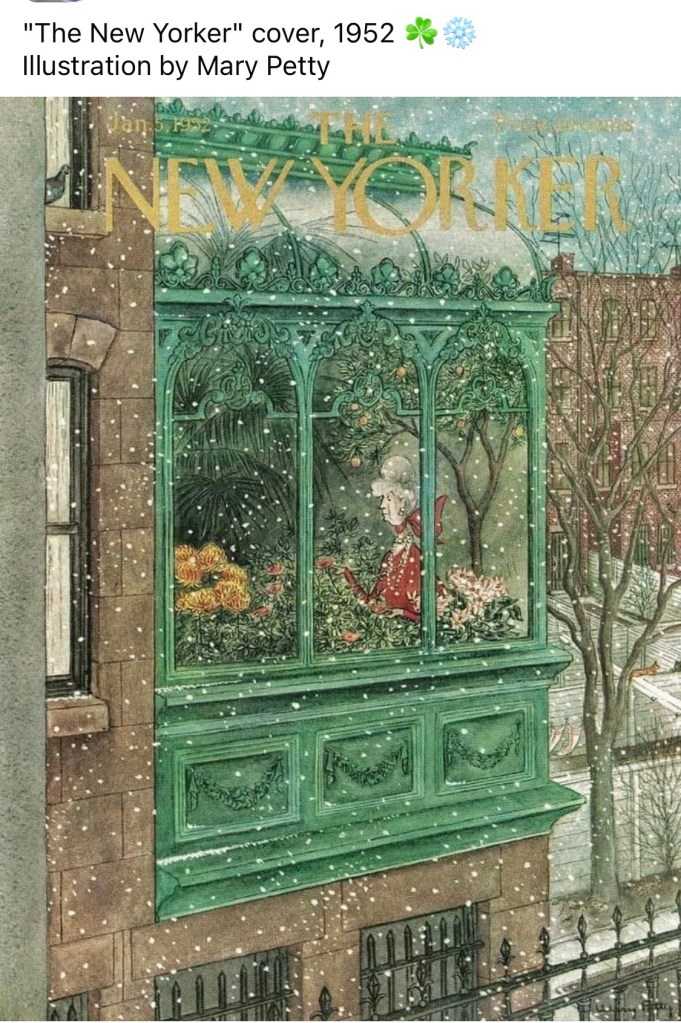
I really love this illustration. I saw several glass houses like this one attached to upper floors of the 19th century villas in Florence. Oh my. I miss Italy so much! sigh.
Until I can get back to Florence, I’m enjoying Lake Jasper. Here’s my up to date version of illustration above! My view is a bit more rustic, but lovely still. I put the suet out for the birds and am thrilled to see them eating from it!
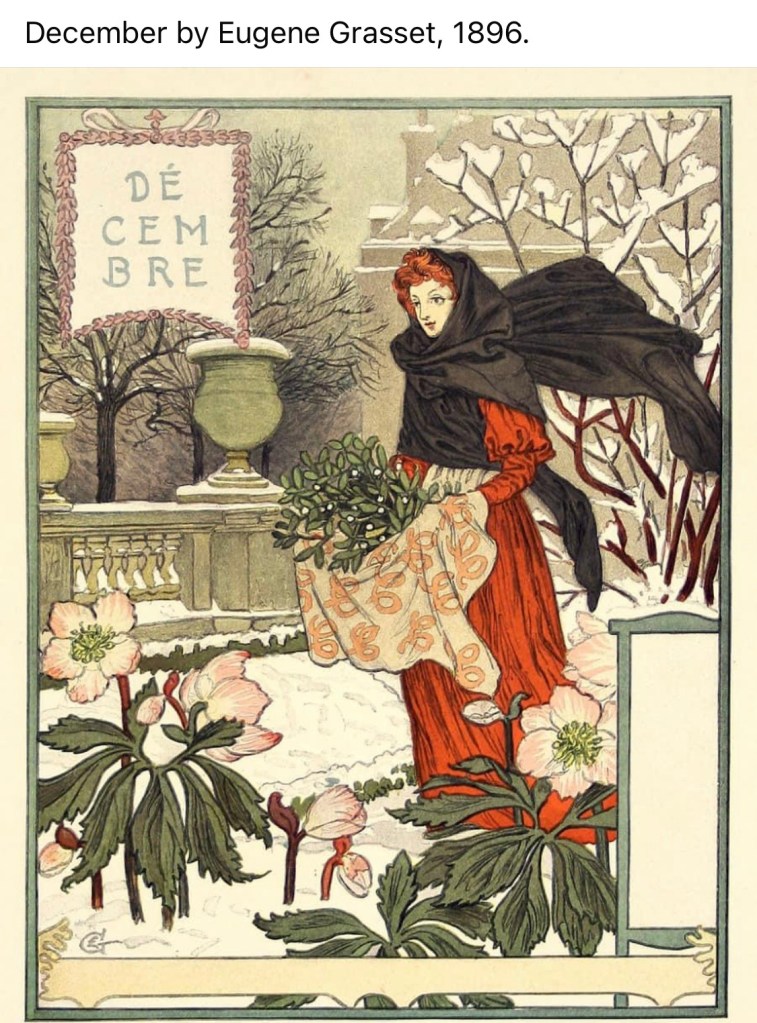
A little French by way of an illustration and a taste of the British tradition of greeting the first day of the month by saying “rabbit, rabbit” when you awake! Let’s be international this month!
I’ve already been out in the woodland to gather greenery. I love foraging!
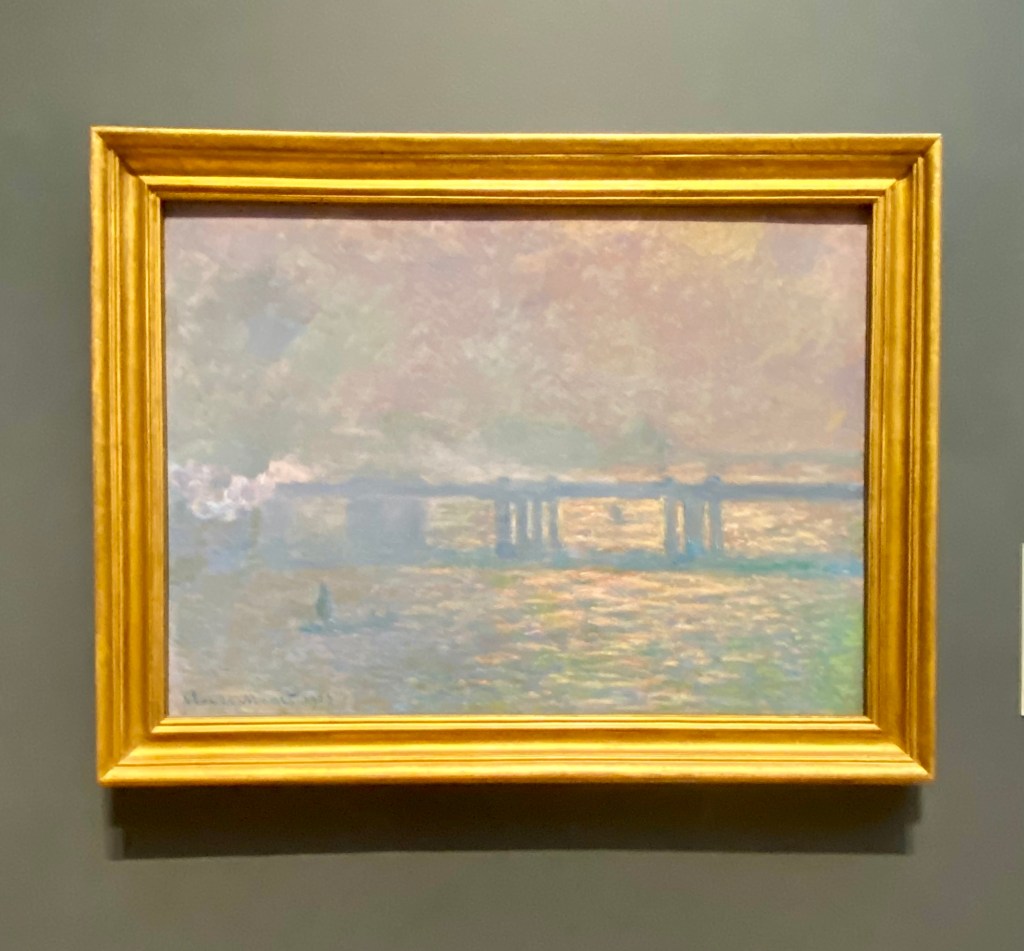
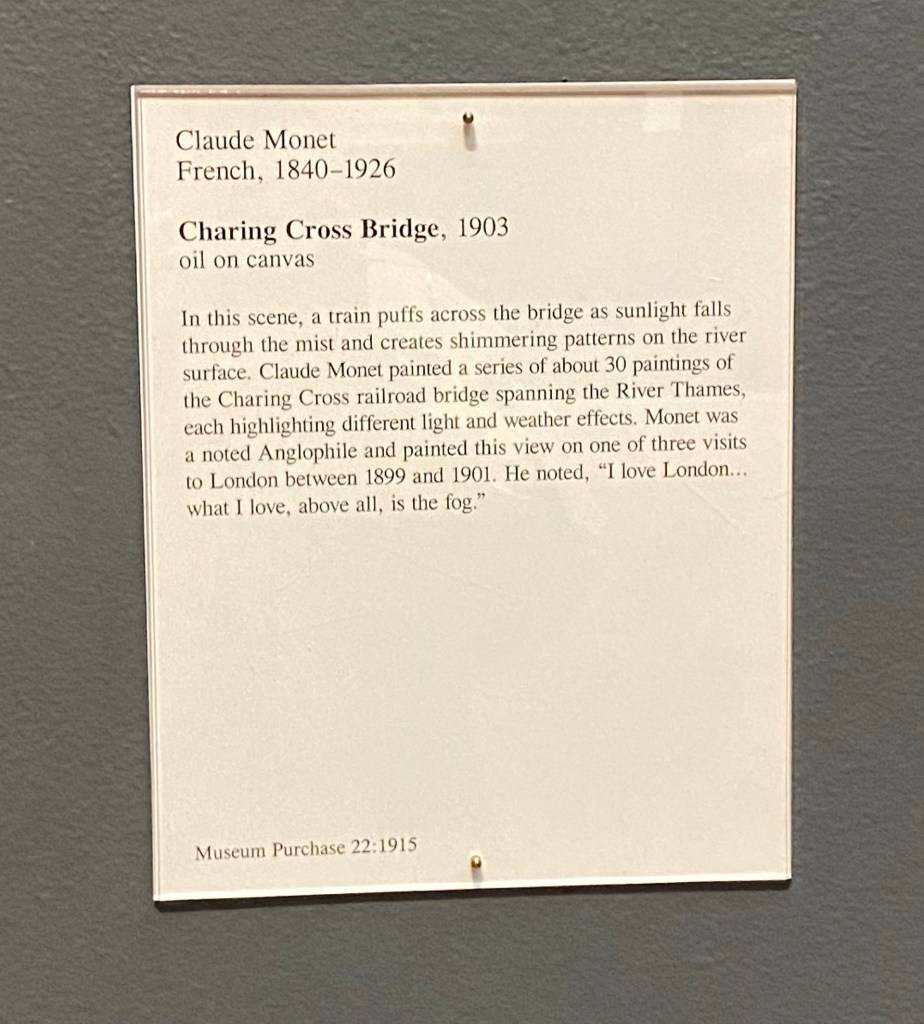
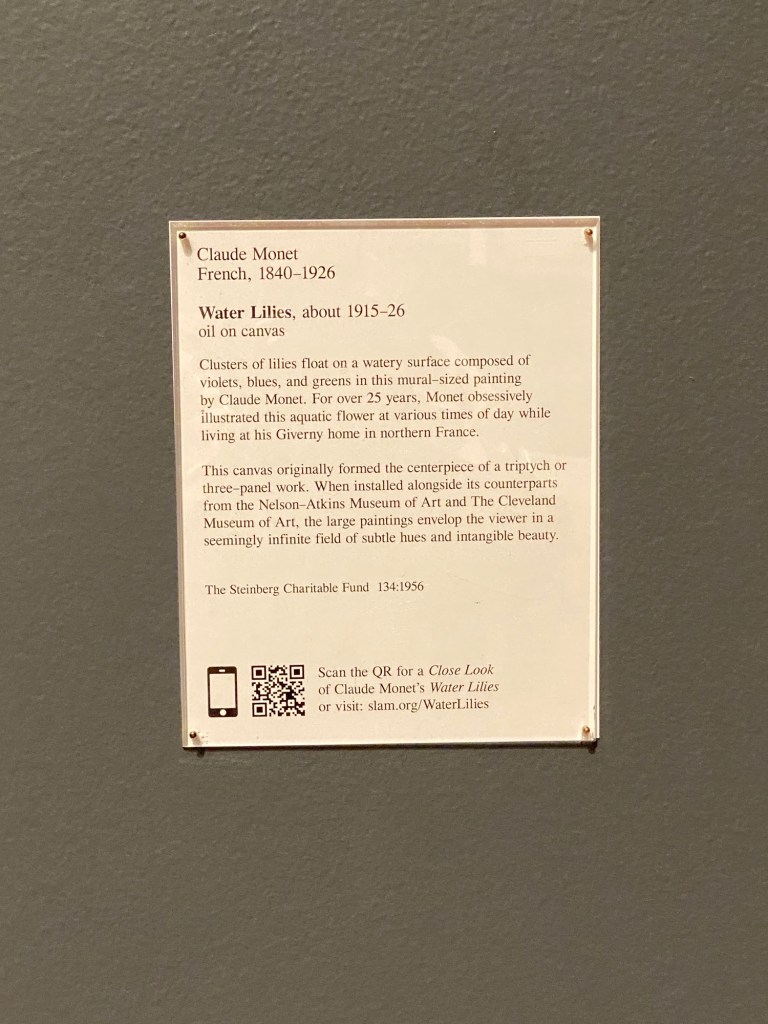
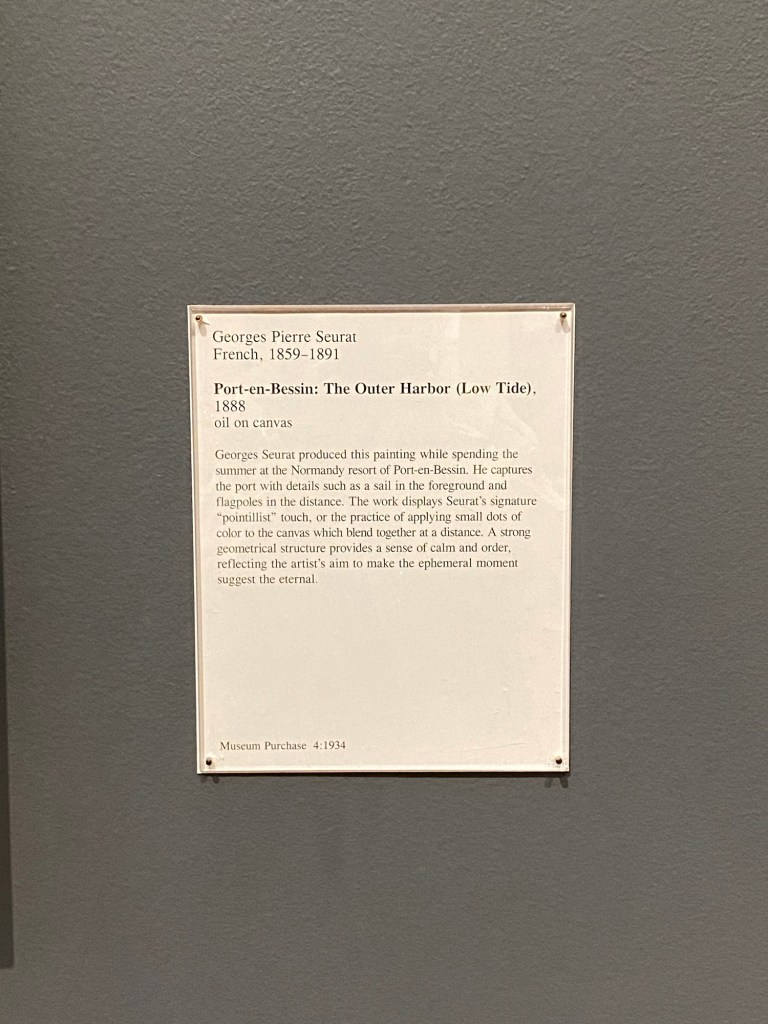
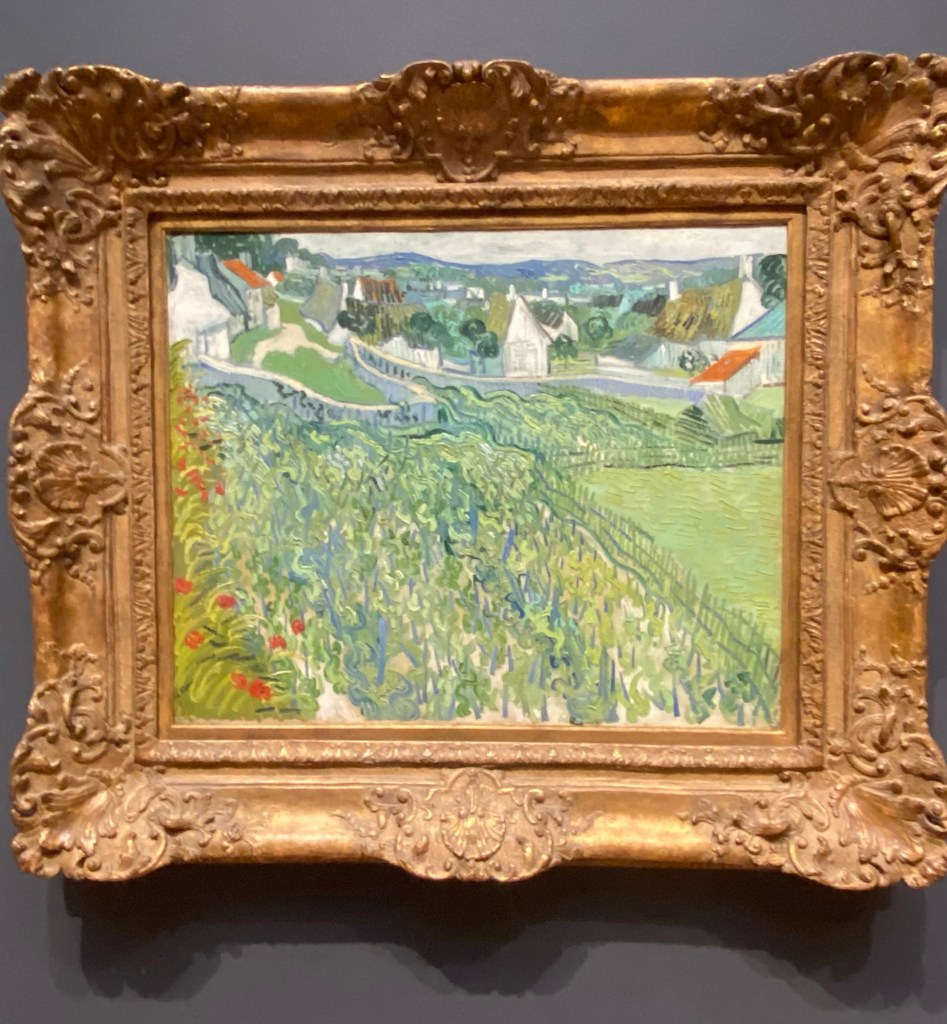
Riches? Yes! Fabulous riches! Come see what graces the walls at St. Louis Art Museum. These are some of the millions of things I am grateful for this year and every year.
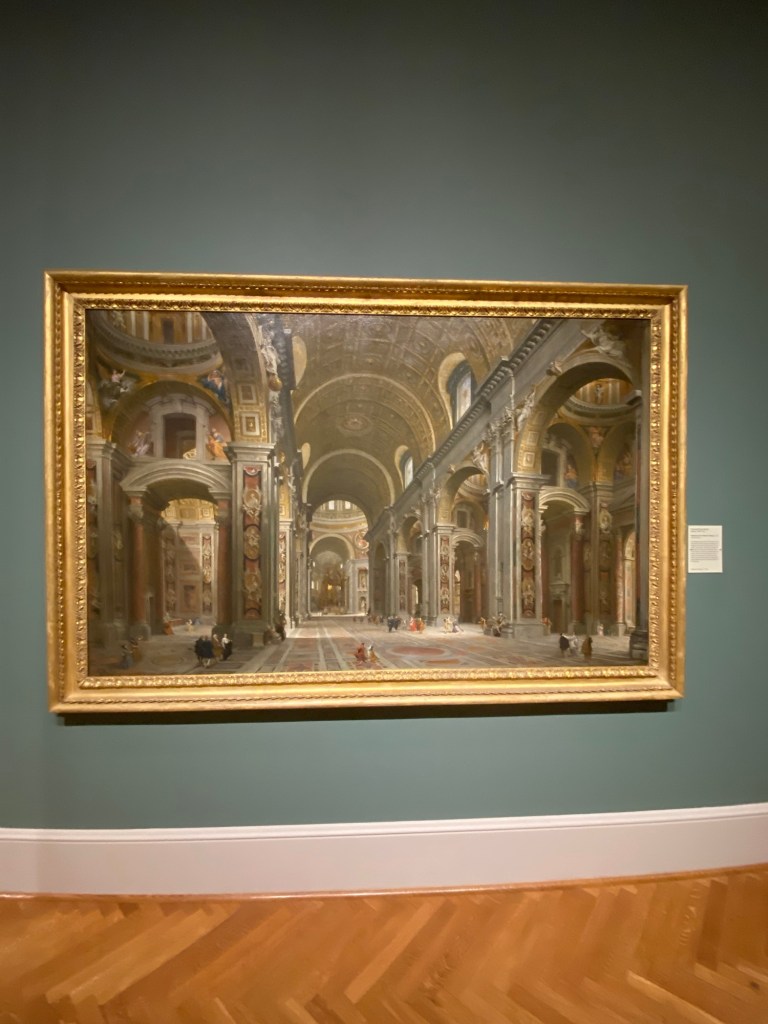
If there is an Italian painting in the house, I’m bound to find it! I was delighted to see this rendition of the interior of St. Peter’s in Rome from 1731 by Panini. Large and magnificent! And not just because of the subject matter!
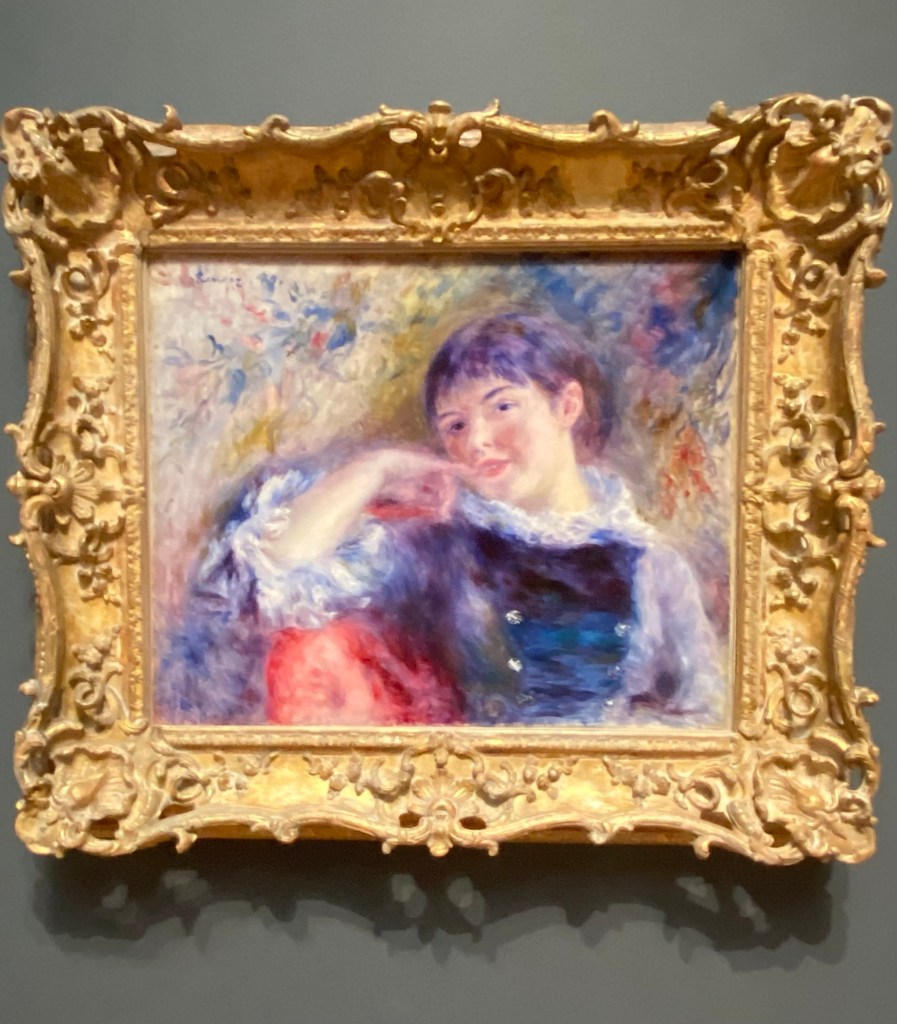
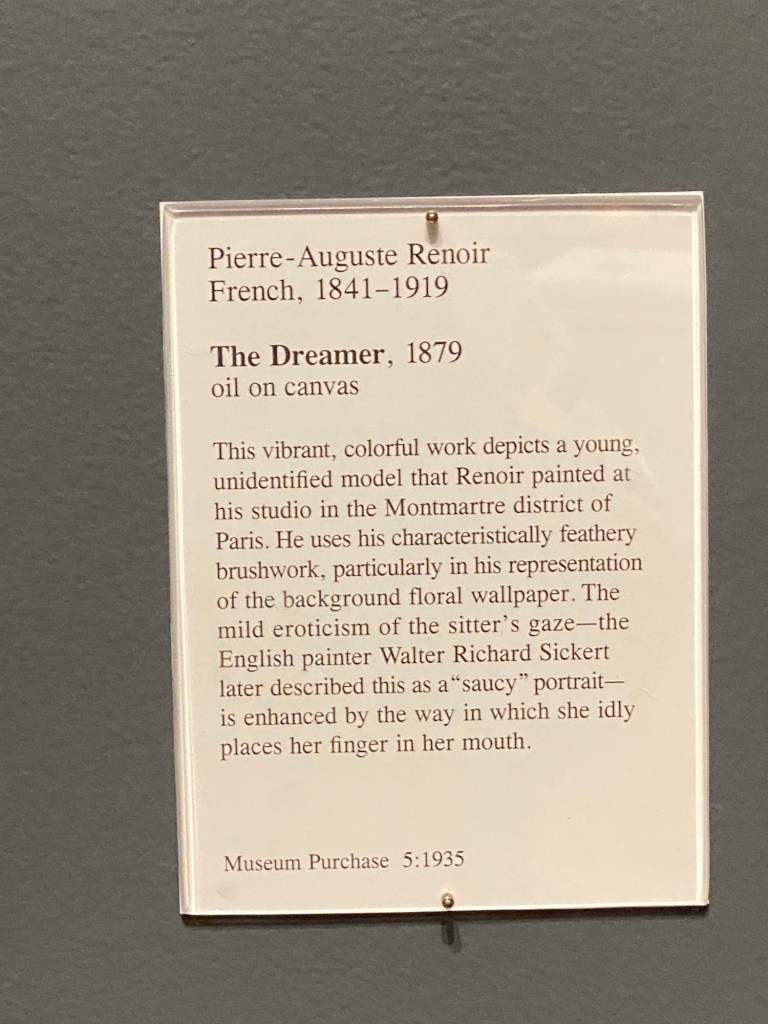
I’m not always a fan of Renoir’s work, but I liked the canvas below very much.
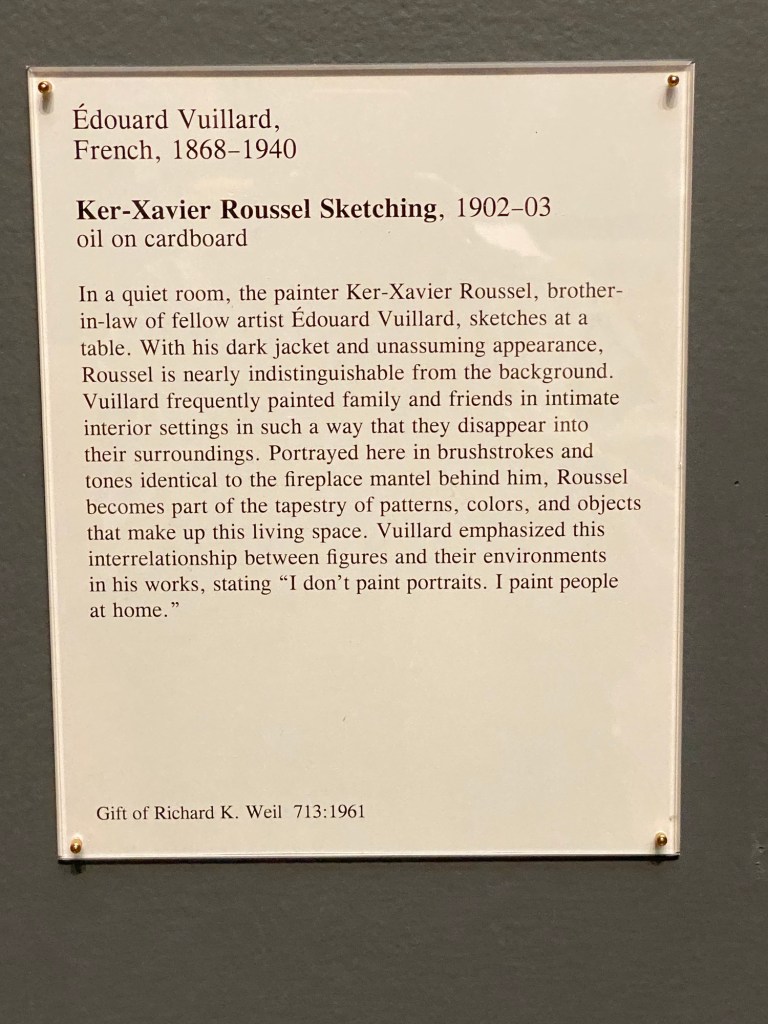
I very much like almost anything painted by Edouard Vuillard and finding this painting in St. Louis was a lovely surprise.
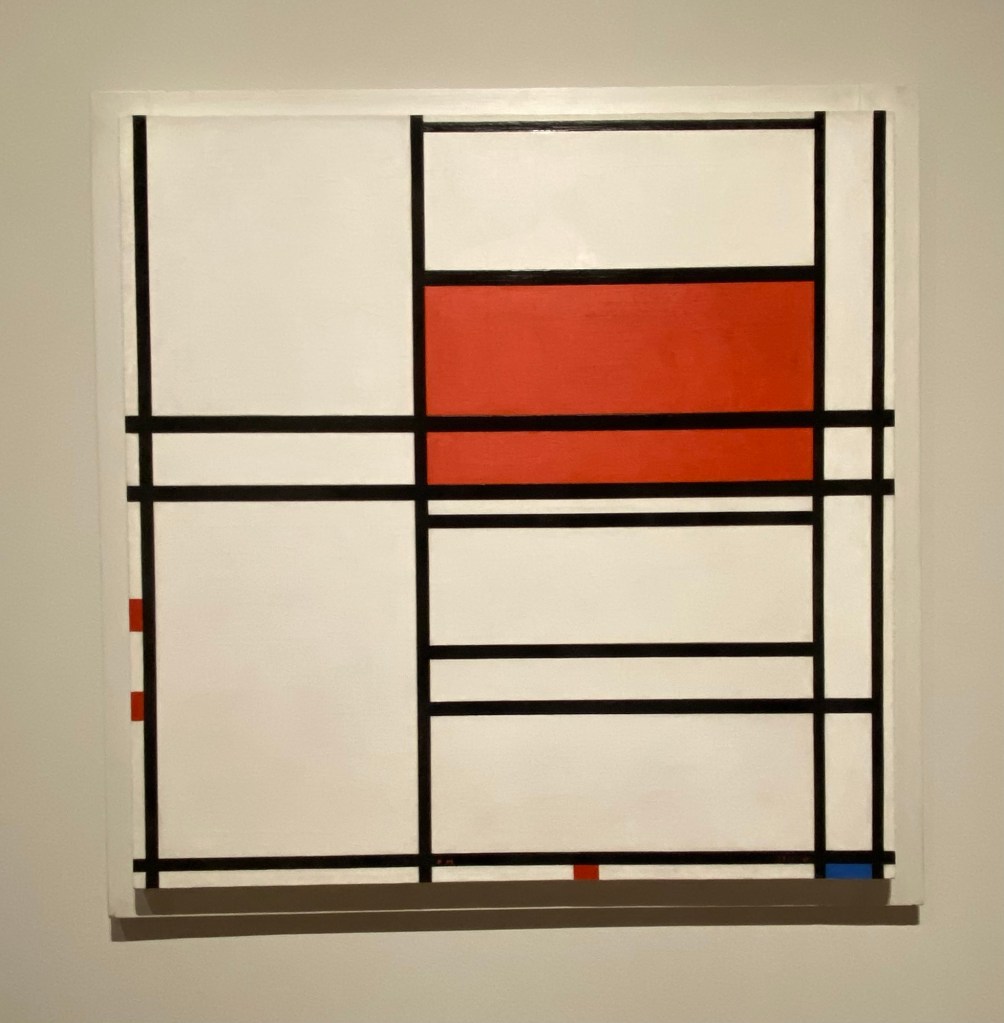
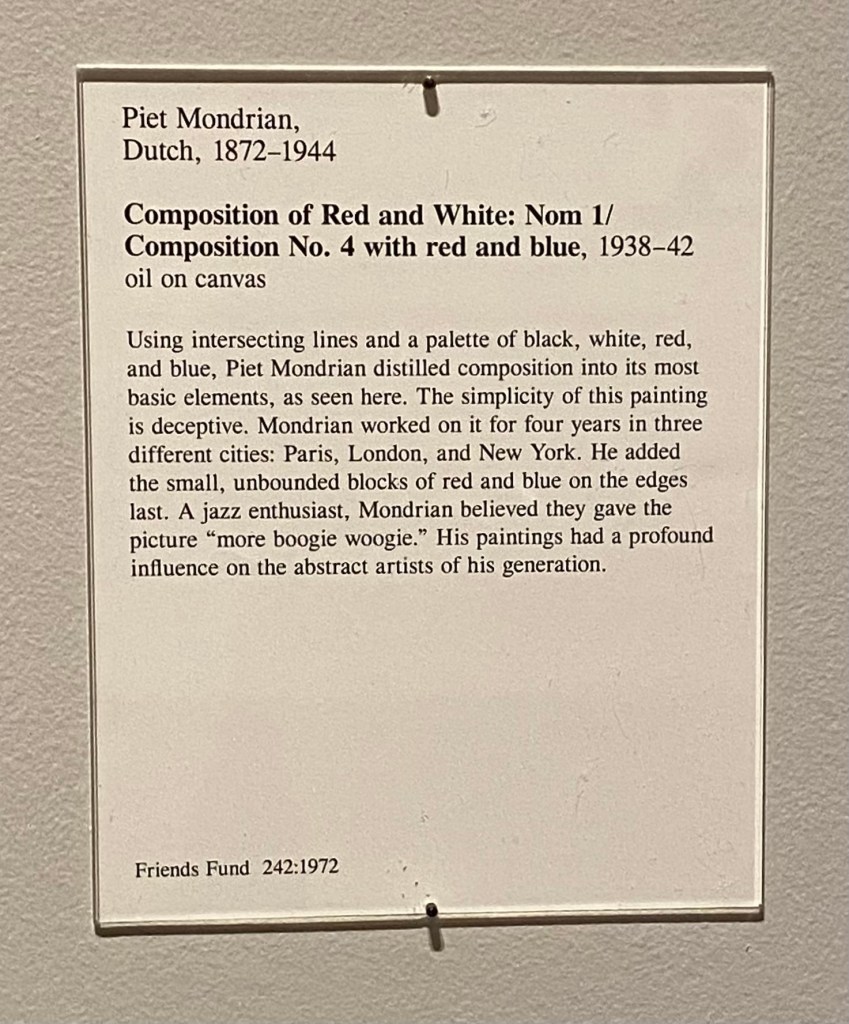
Love Mondrian and was happy to make the acquaintance of this work.
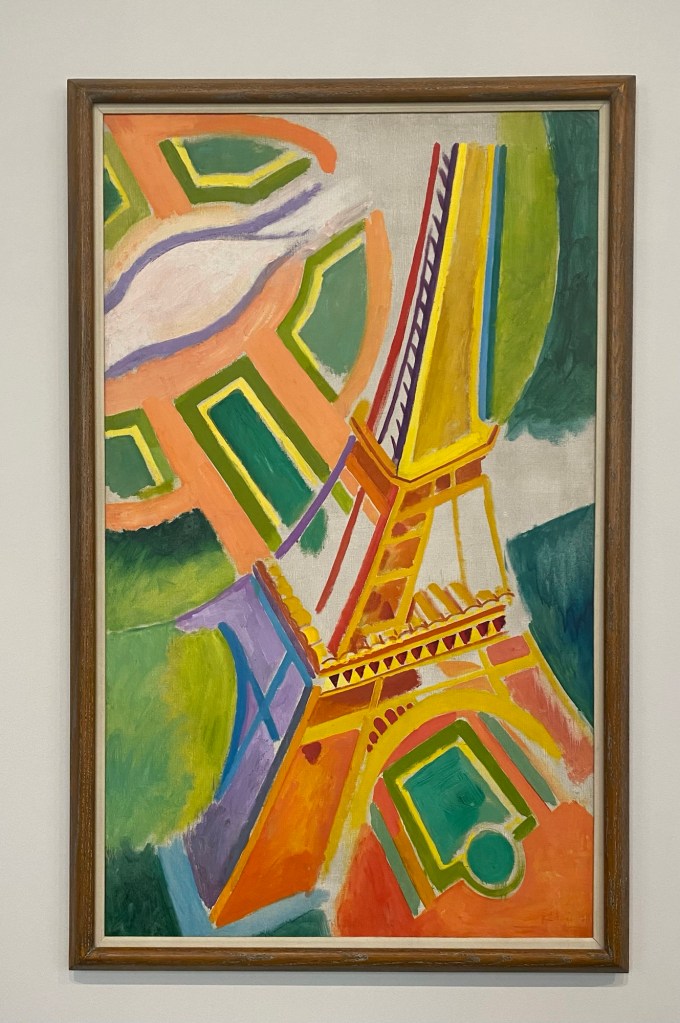
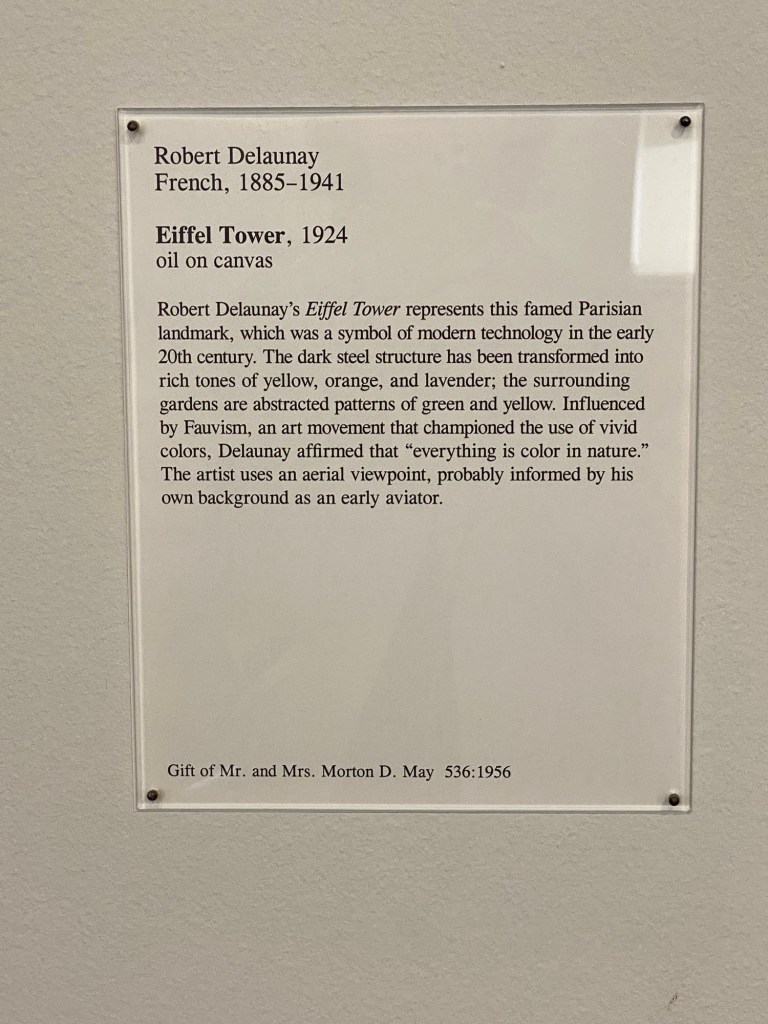
Also enjoy Delaunay and who wouldn’t love his bird’s eye version of the Eiffel Tower? How did he get this drone’s gaze?
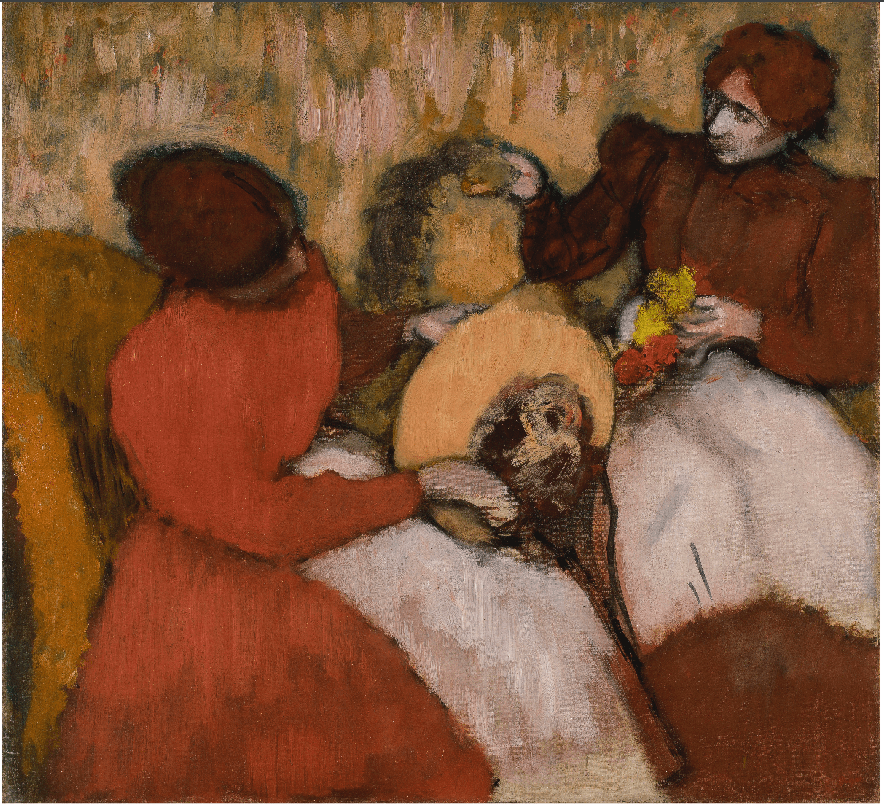
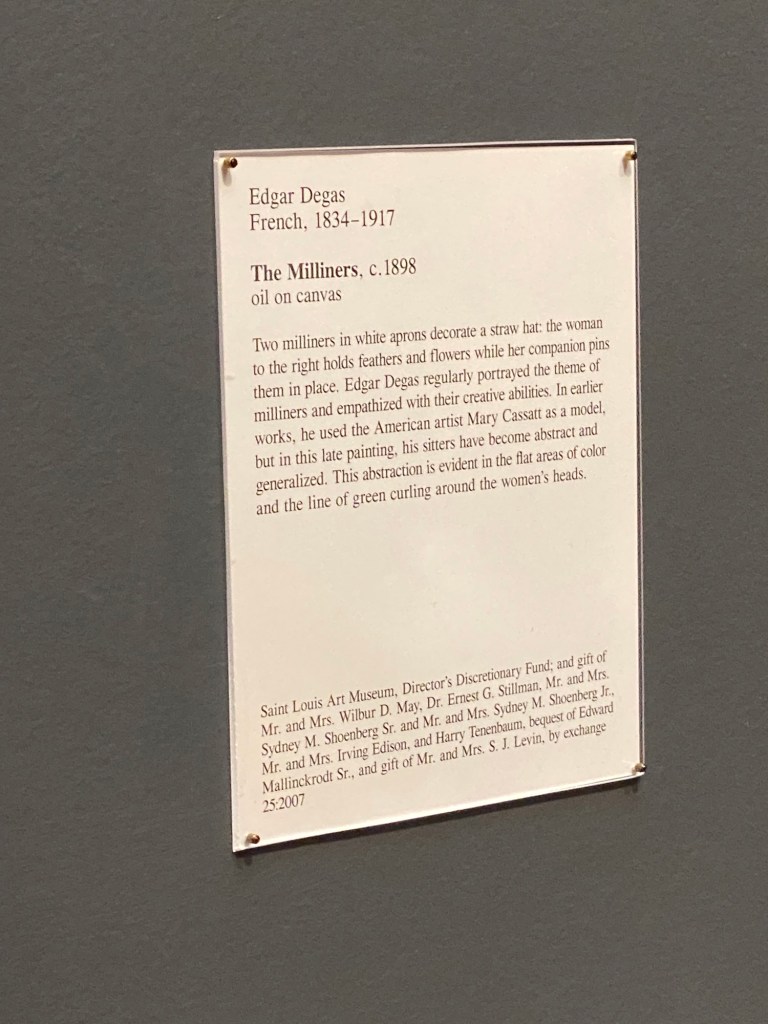
On my recent visit to SLAM, a gallery talk was being held behind Degas’ ballet dancer and right in front of his pastel of The Milliners. Without knocking someone off their stool, I could not get good photos. What you see below is a result of my best efforts.
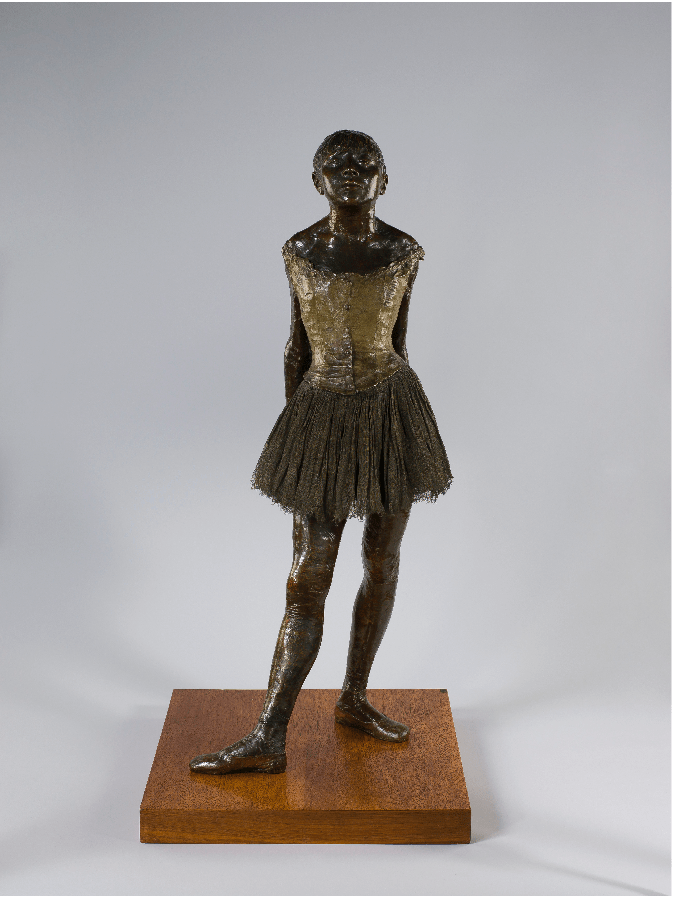
Oh, how I do love Degas’ dancer! I’ve seen various editions (all virtually the same) in a variety of art museums and have loved it since the first one I ever saw!
This work is one of many posthumous bronze casts completed after a wax sculpture displayed at the sixth Impressionist exhibition in 1881.The wax figure was the only sculpture that Edgar Degas showed during his lifetime. The artist meticulously created the form of the teenage ballet dancer Marie van Goethem with chin raised and eyes half-closed. The naturalism of the figure was enhanced by the artist’s use of real materials including a muslin dress and satin bow. The stark realism of Degas’ treatment caused the girl’s facial features to be caricatured by critics at the time as “monkey-like.” Art critics: what can you do? An eternal problem.
A. A. Hébrard in Paris had an arrangement with Degas’s heirs to oversee the posthumous casting of Degas’s sculptures, including Little Dancer of Fourteen Years, into bronze. The arrangement involved making casts for Hébrard himself, for the heirs, and another set for sale.
The sculpture stands about 38.5 inches tall.
Below is a photo from SLAM’s website.
SLAM purchased the sculpture in 1957 from the gallery, M. Knoedler & Co., New York, NY.
The Milliners:
Two milliners in white aprons decorate a straw hat: the woman to the right holds feathers and flowers while her companion pins them in place. Edgar Degas regularly portrayed the theme of milliners and empathized with their creative abilities. In earlier works, he used the American artist Mary Cassatt as a model, but in this late painting, his sitters have become abstract and generalized. This abstraction is evident in the flat areas of color and the line of green curling around the women’s heads.
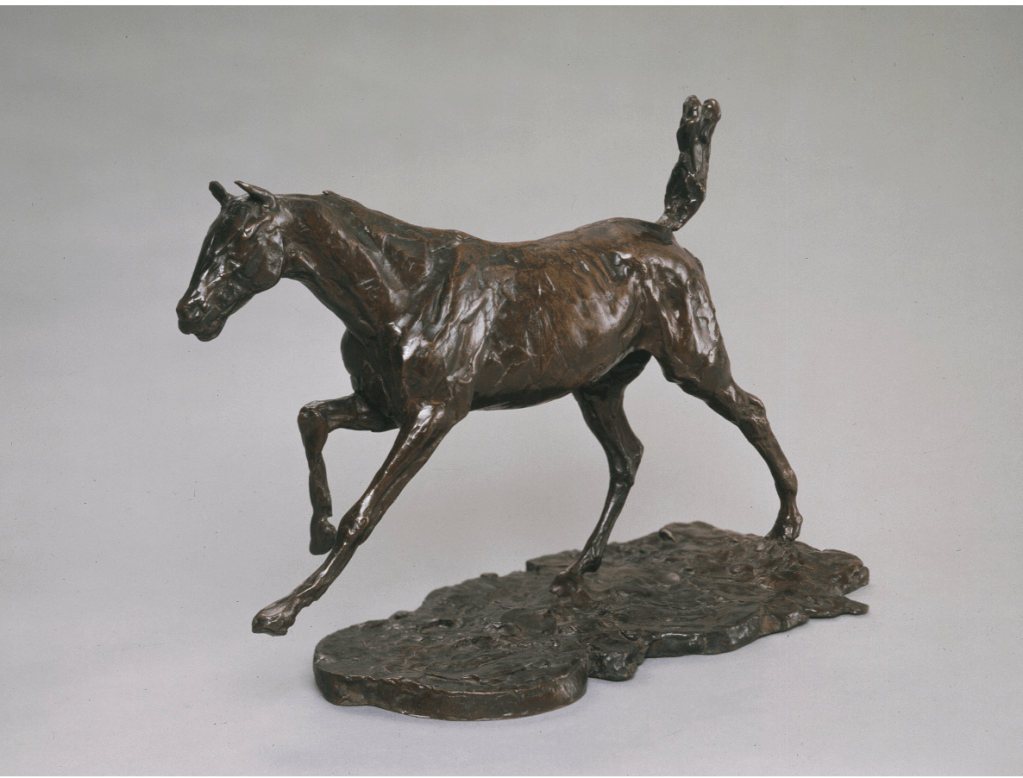
SLAM also owns a Degas bronze entitled Galloping Horse, though I didn’t see it on my recent visit.
Edgar Degas produced about fifteen sculptures of horses in which he aimed to capture the complexity of horses in motion. A regular visitor to the racetrack, he focused on elegant thoroughbreds rather than workhorses. This sculpture shows a running horse with head intently forward, tail raised, and front legs elevated; Degas succeeds in rendering the energy and tense musculature of the animal. Degas may have been influenced by Eadweard Muybridge’s sequential photographic studies of running horses, published in 1879.
All text above, except my personal observations, is borrowed from SLAM’s website.
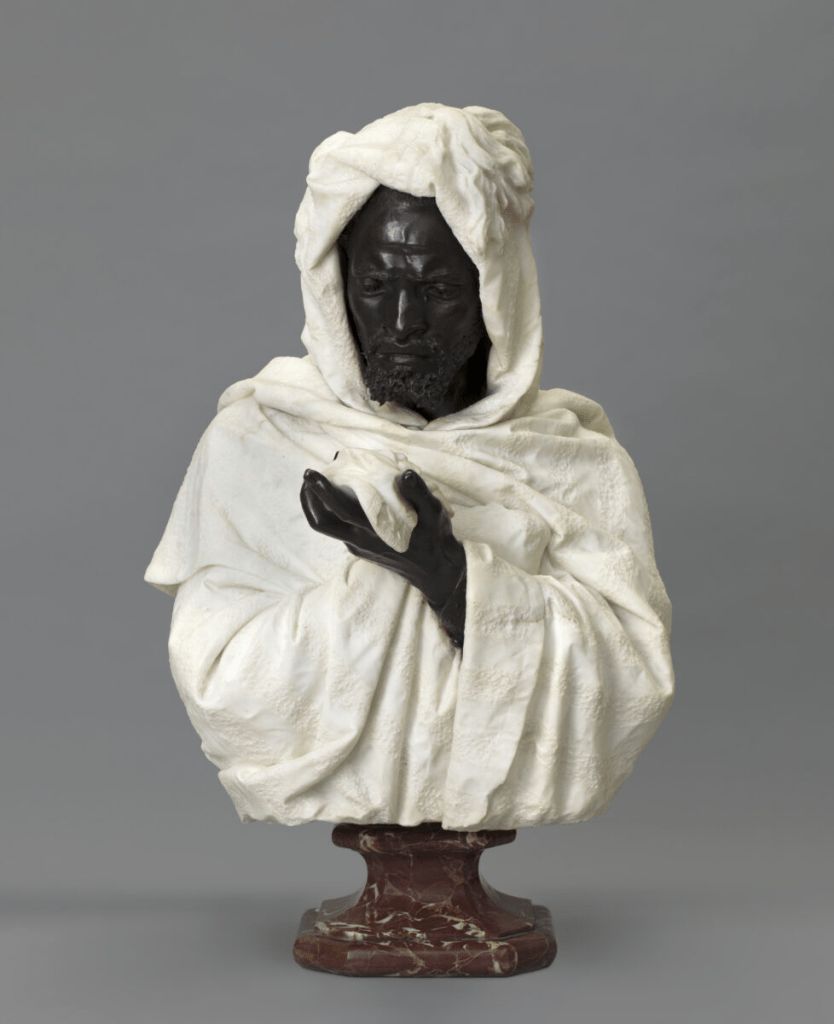
Beginning our tour of the galleries (and avoiding the teenagers there on a school field trip which we heartily applaud!), I was first arrested (truly!) by this magnificent and unusual 19th century sculpture.
Inscribed on back: Calvi fece (Made by Calvi)
Pietro Calvi was widely recognized during his lifetime for his skill and creativity as a sculptor. Born in Milan in 1833, he studied at the Accademia di Brera, learning techniques for working with both marble and bronze. An interest in ethnography led him to explore the creation of sculptures featuring people or popular characters of color—not a common subject for sculpture in this period. The results were dramatic works that combined white marble with the dark patina of cast bronze, an uncommon and even rebellious approach that moves away from the purity of the white marble works that had long dominated. Calvi’s sculptures were widely exhibited, including at the Parma Exhibition of 1870—a noted, pan-Italian exhibition intended to celebrate the newly unified states of Italy—as well as at the Royal Academy in London, the Paris Salon, and in a number of world’s fairs. In fact, Calvi exhibited pendant busts of “Selika” and “Othello” at the Royal Academy in 1872. In addition to his own works, Calvi also contributed to the sculptural programs of the Galleria Vittorio Emanuele and the Duomo cathedral in Milan. Source: https://www.slam.org/press/saint-louis-art-museum-acquires-calvis-bust-of-selika-a-19th-century-work-complementing-museums-othello/
This work is probably modeled on the Black actor Ira Aldridge (1807–67), who was internationally known for his portrayal of Othello, “the Moor,” and used his fame to speak out against slavery. Although Calvi’s sculpture was modeled a year after Aldridge’s death, the actor’s appearance was well known from photographs and prints. Source: https://art.thewalters.org/detail/98789/othello/. The Walters also has a version of this bust.
We are off to a fine start, admiring the holdings of SLAM. Will be posting more soon.
Last week Cindy snd I paid a visit to the first real art museum I ever got to know. I was a freshman in college at nearby Lindenwood College when my bff, Sarah, introduced me to the world of art through this institution. I’ve never looked back.
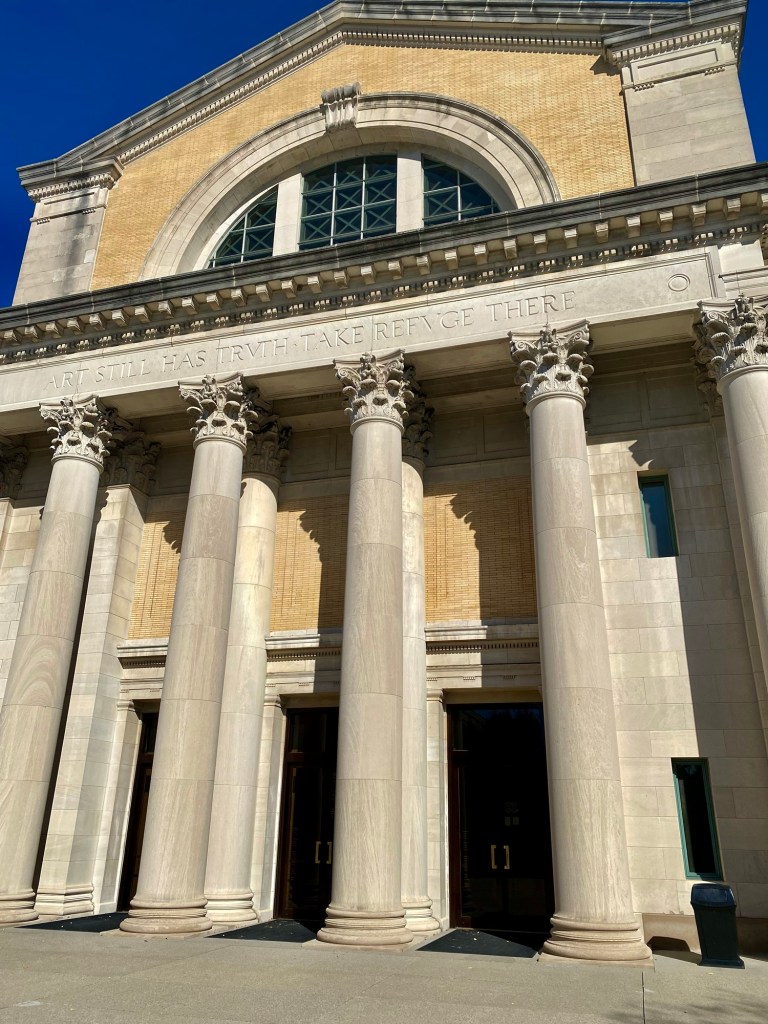
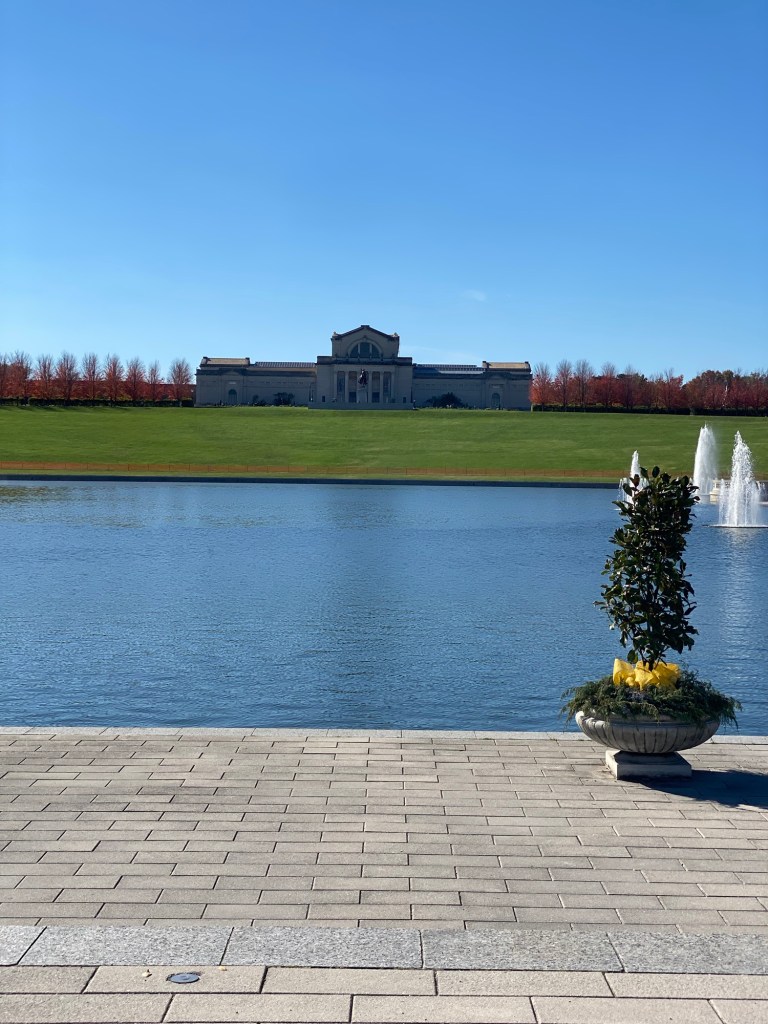
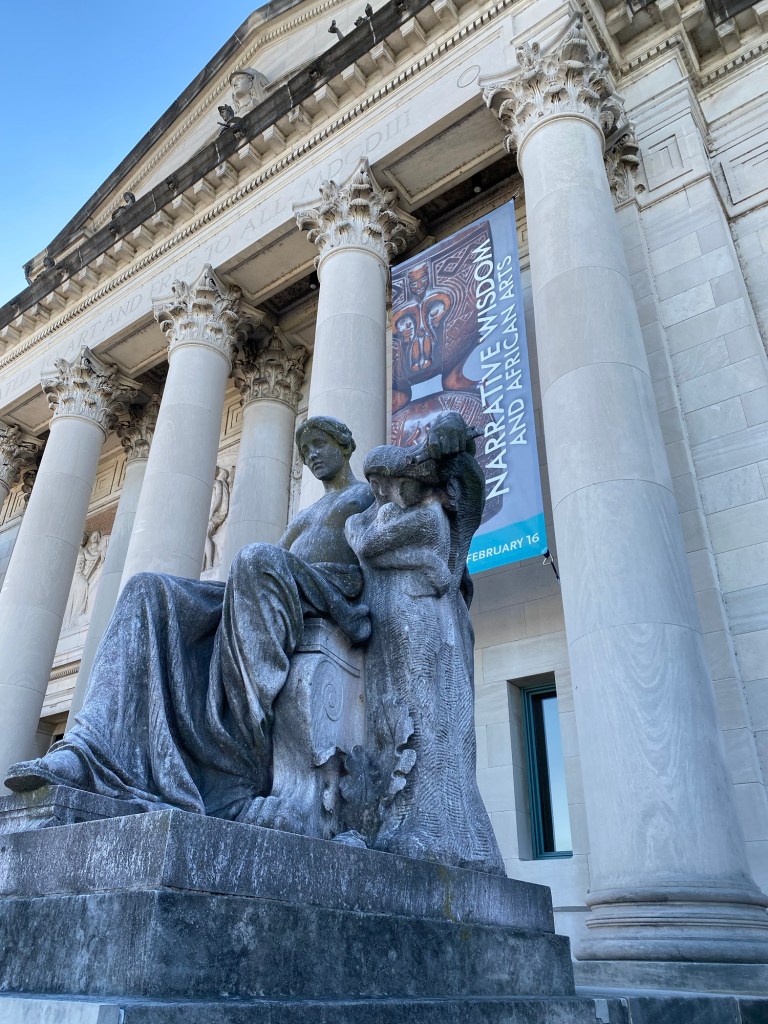
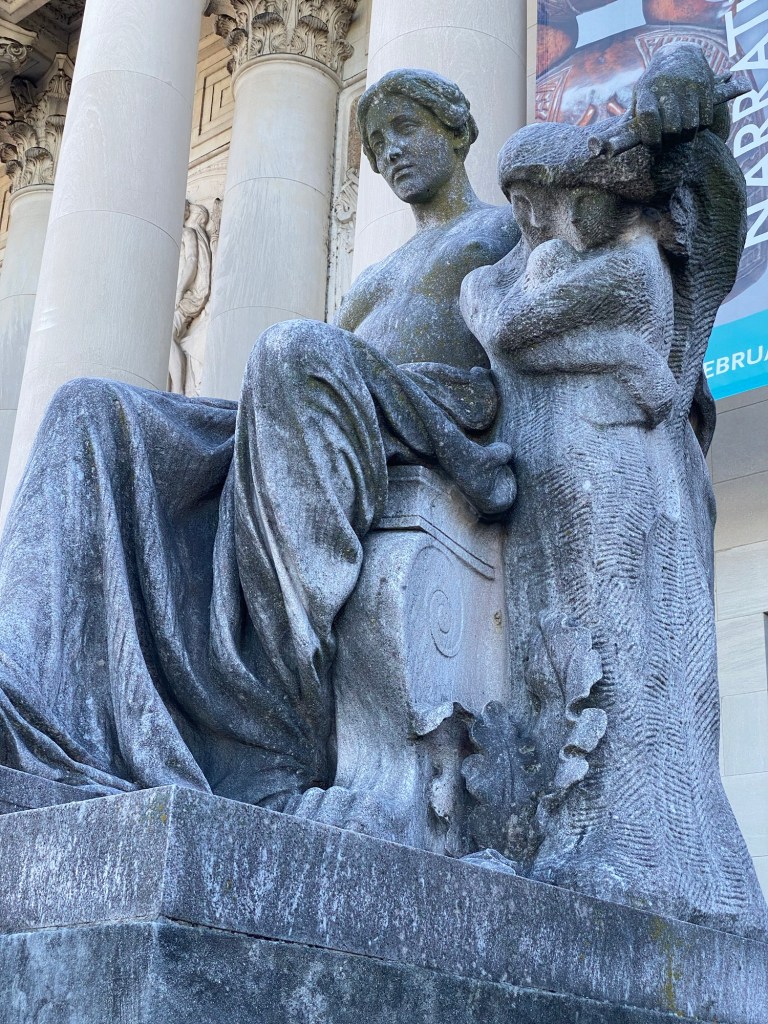
The museum looks fantastic from across Forest Park. The museum stands in a part of the siting of the 1904 World’s Fair.
This is the final post on the amazing museum. The first shot shows some folk art. I didn’t seem to take a label picture, so who knows what really caught my eye here.
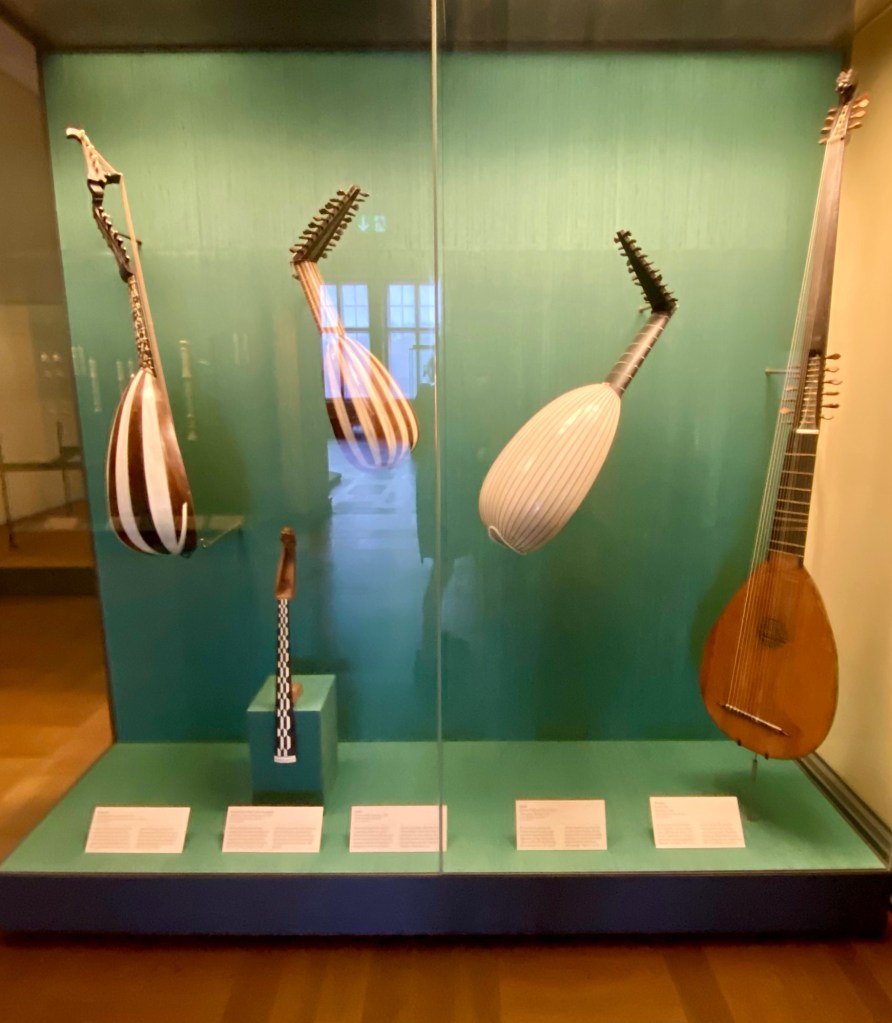
But the next gallery was as lovely as it was comprehensive. Musical instruments from the Renaissance. I’m lost in revery.
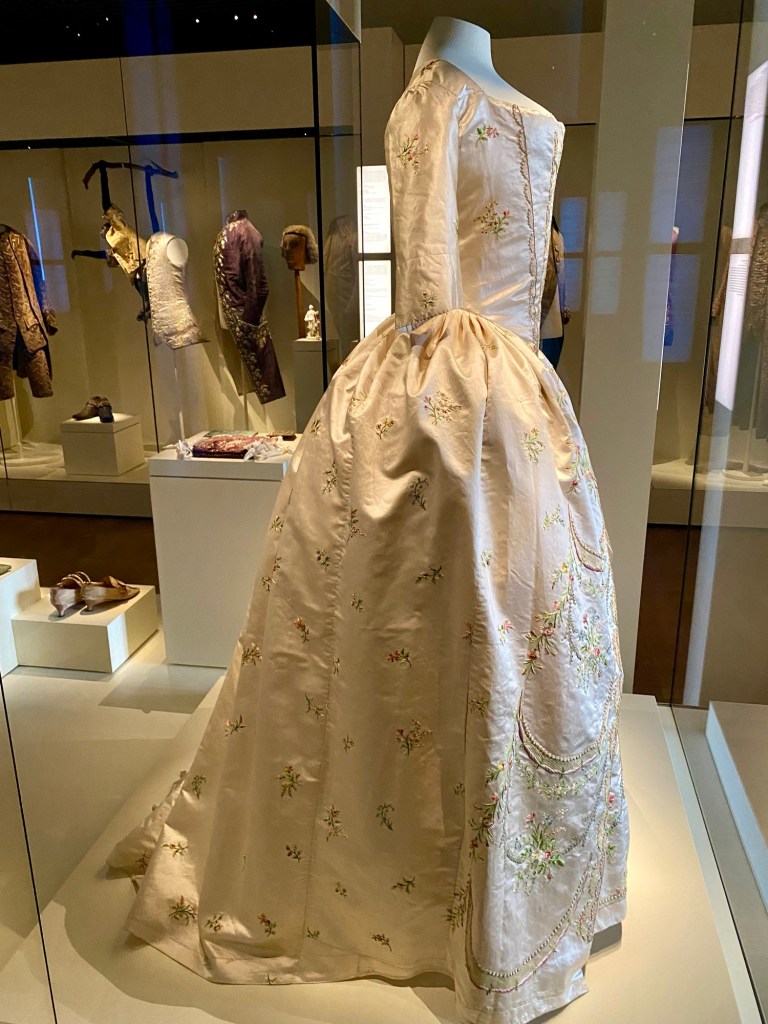
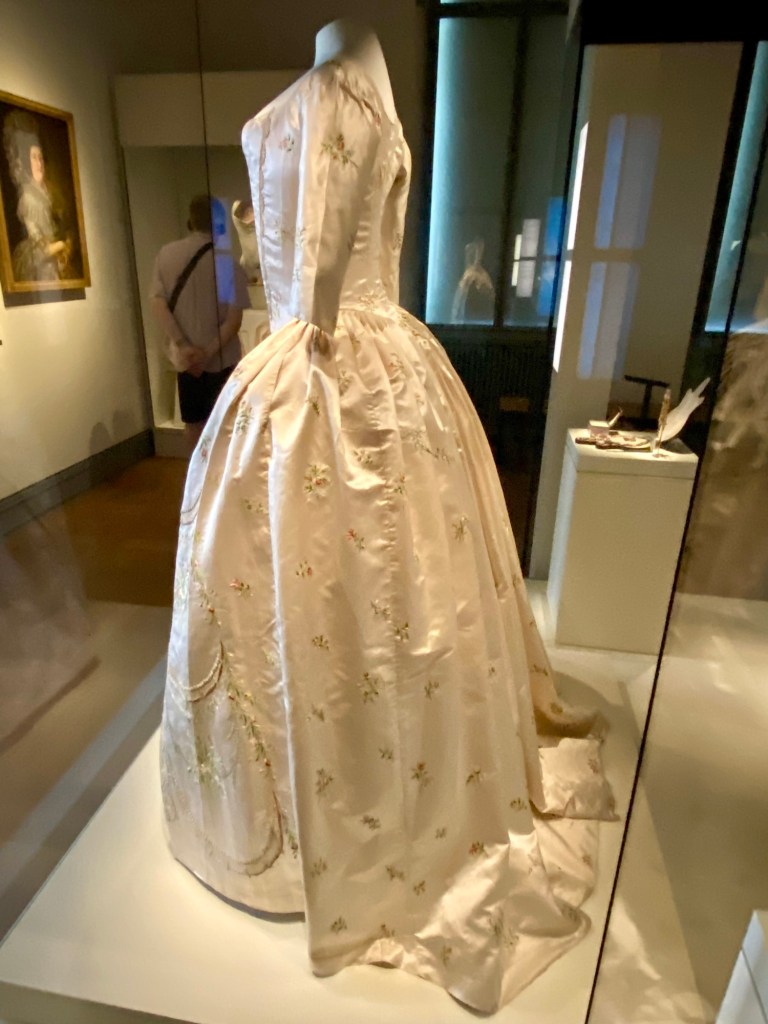
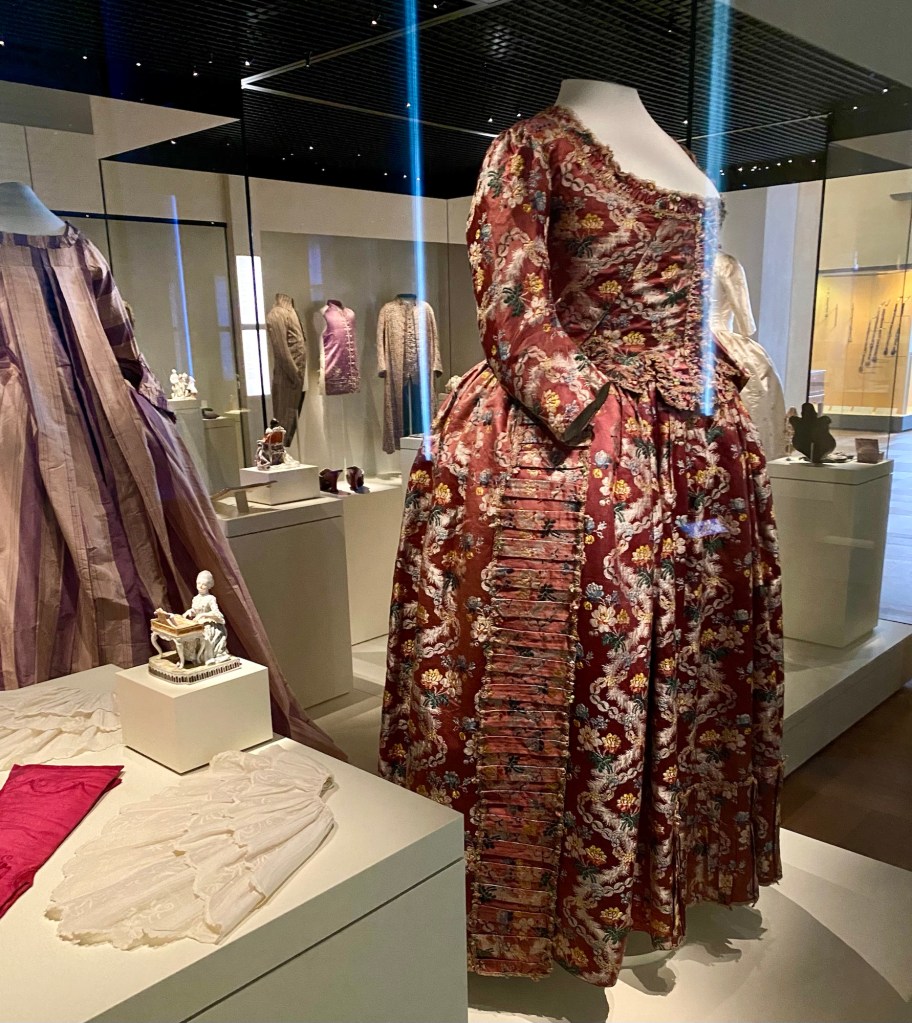
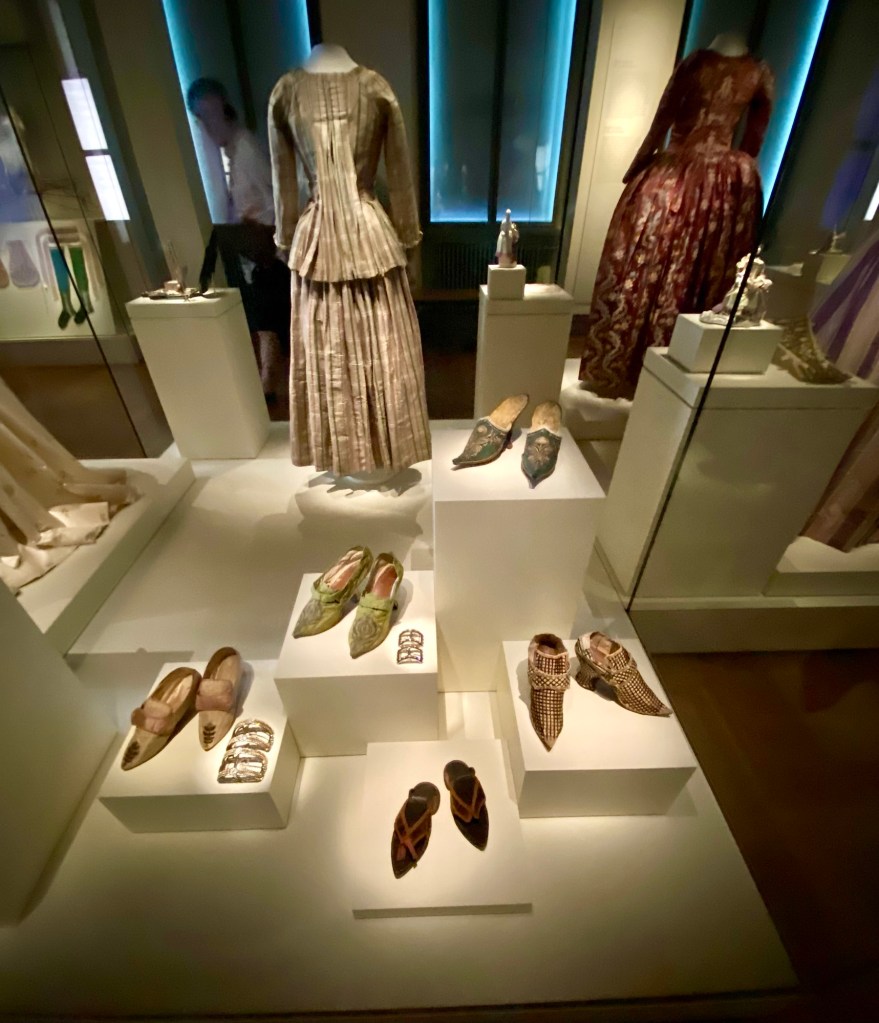
And then, the period clothing! Oh my ! what a great collection and fabulous exhibitions. Just because a museum has great holdings doesn’t mean they show they off in an engaging, beautiful, informative way. This museum delivers!
Love the next display! Fascinating to see what held those crazy gowns. Can you imagine walking around in the shape of a hedge?
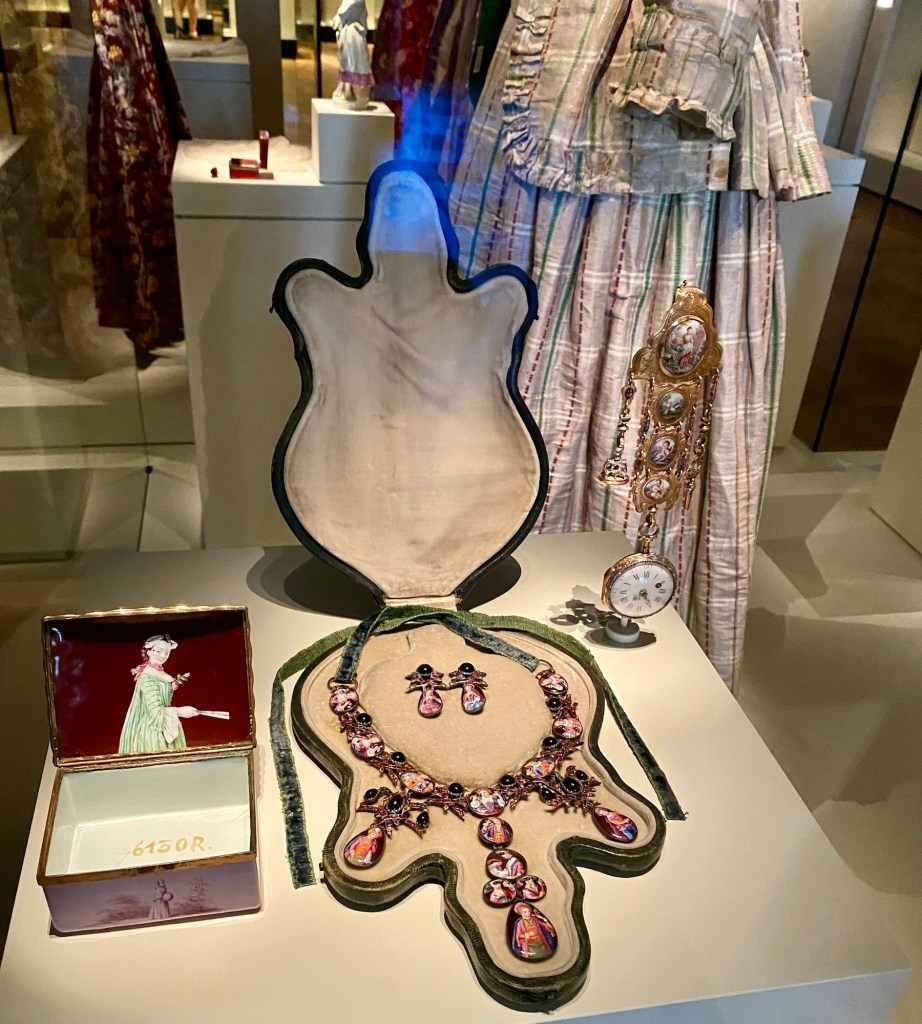
Look at this jewelry and its original case from c. 1760! My oh my!
The new style that swept Europe in the 1770s!
And children’s clothing too!
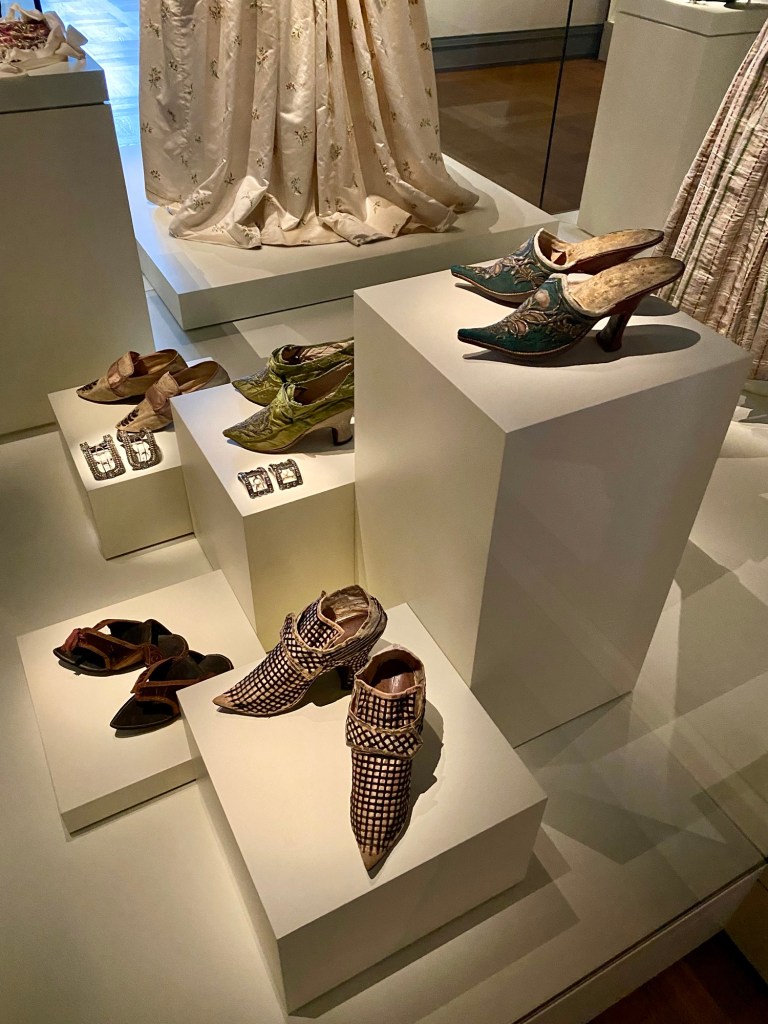
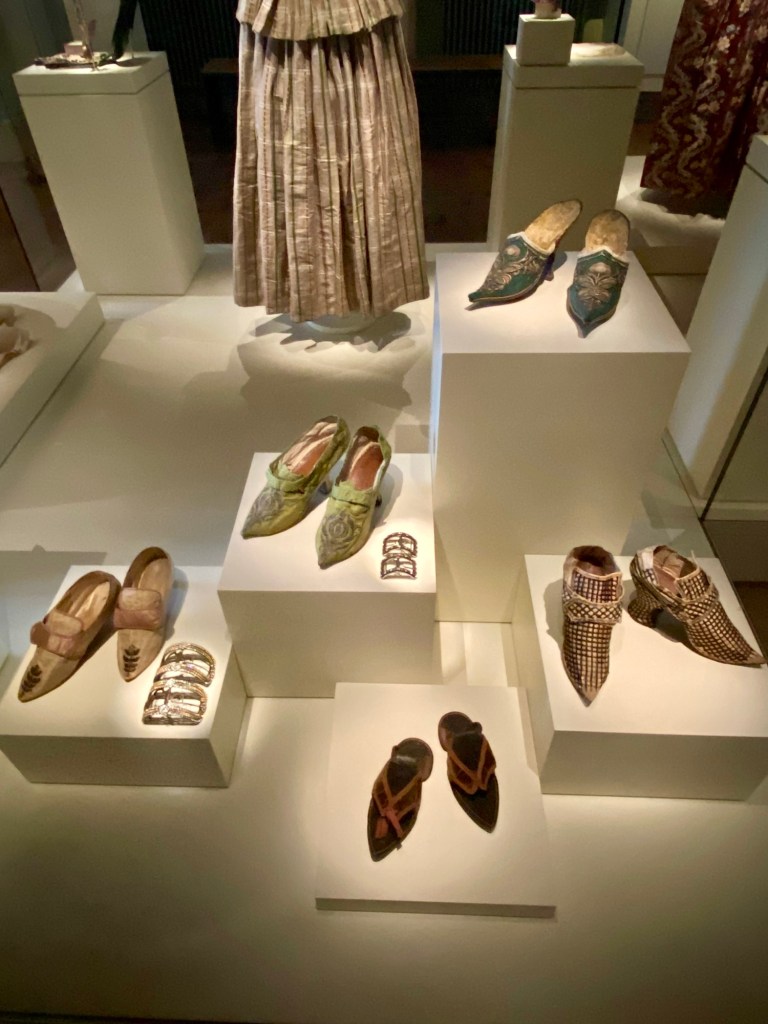
And the shoes!
And the ivory collections! The tusks alone are worth the visit!
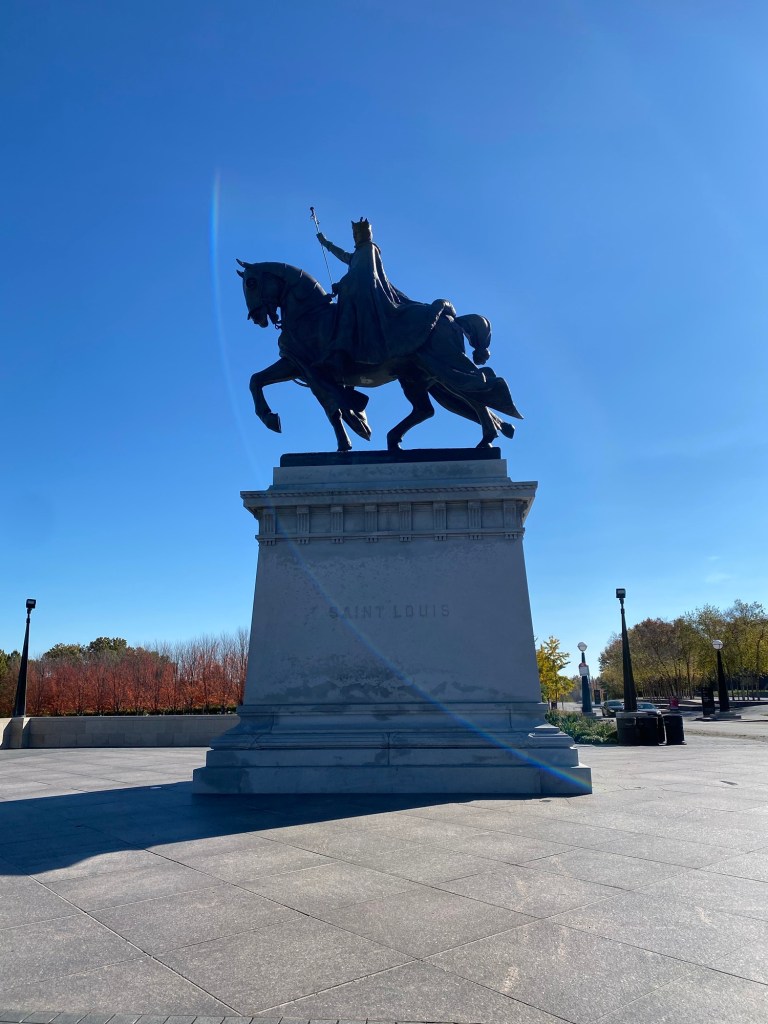
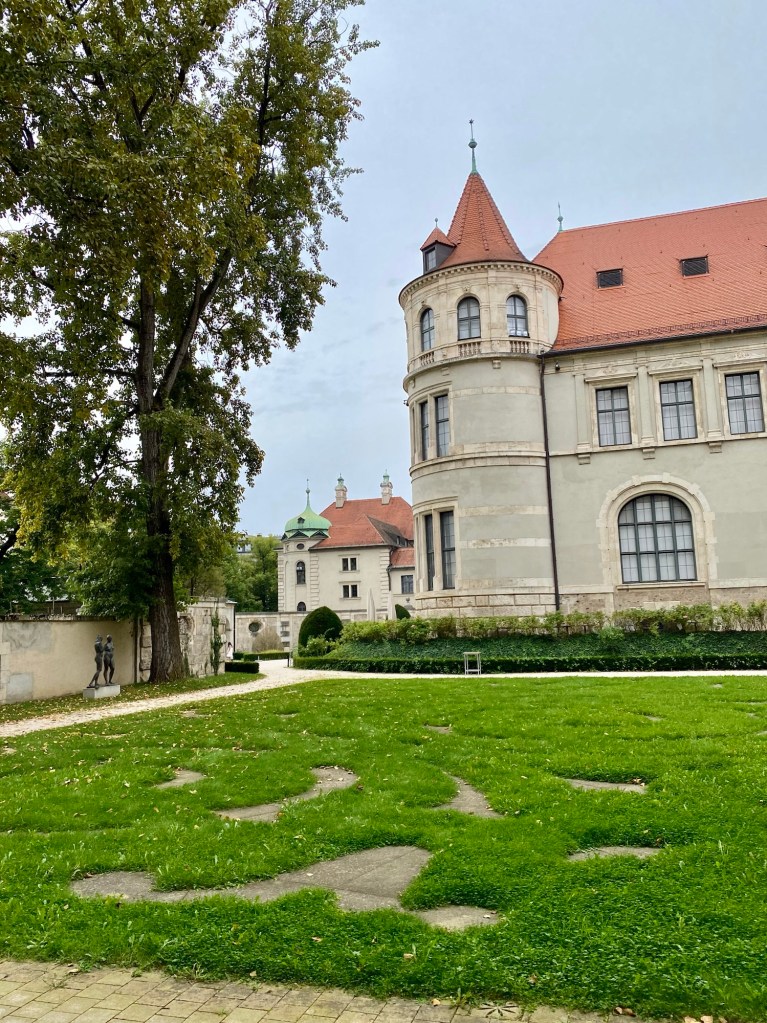
One last look at this marvelous place as I depart. A museum goer’s dream!






























 get back, lauretta!
You must be logged in to post a comment.