In June 1944 five resistance activists were murdered by fascists on Via di Capornia, north of Florence

Just above Florence in the hills to the north, I came upon this sweet little park in the forest that covers either side of the paved road.
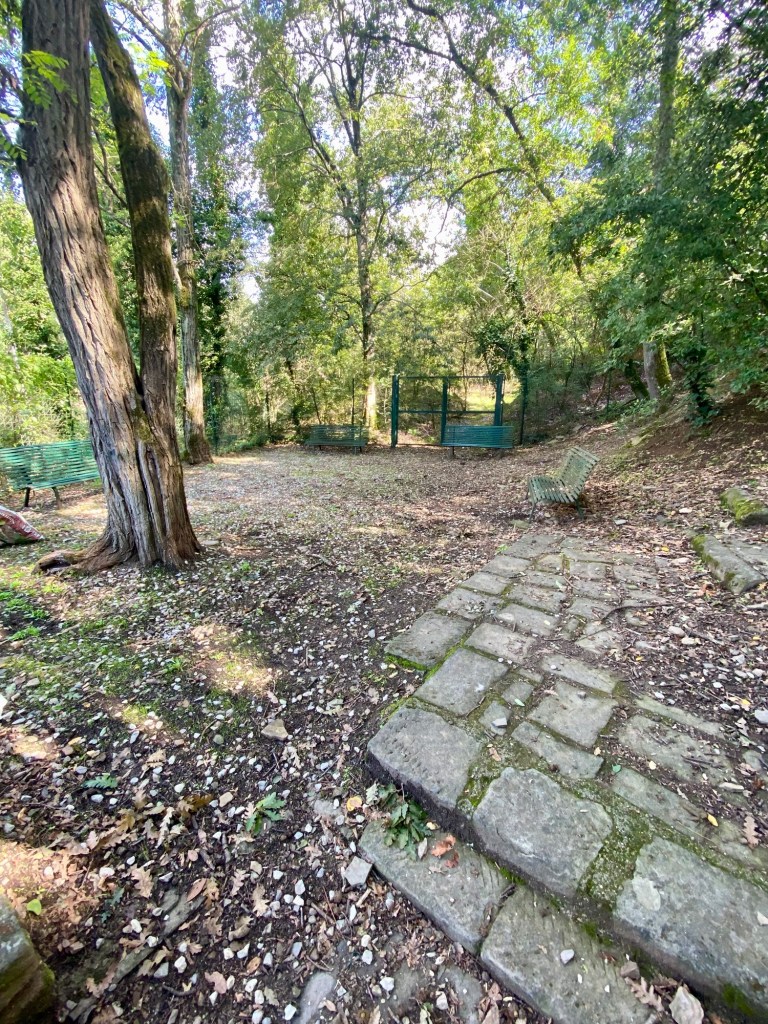
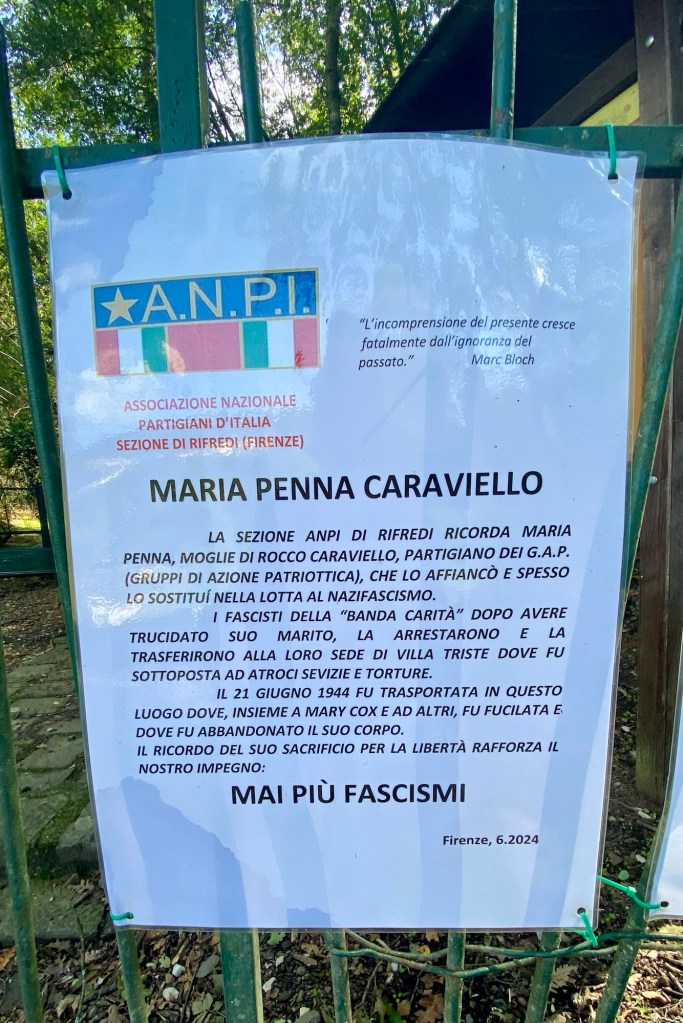
The sign attached to the fence tells the story. It reads “Commune of Florence, District Council. This small garden is located where the bodies of Mary Cox and Maria Penne Caraviello were discovered. Two women, victims of the ferocity of fascisim. For everlasting memory, June 22, 1986.”

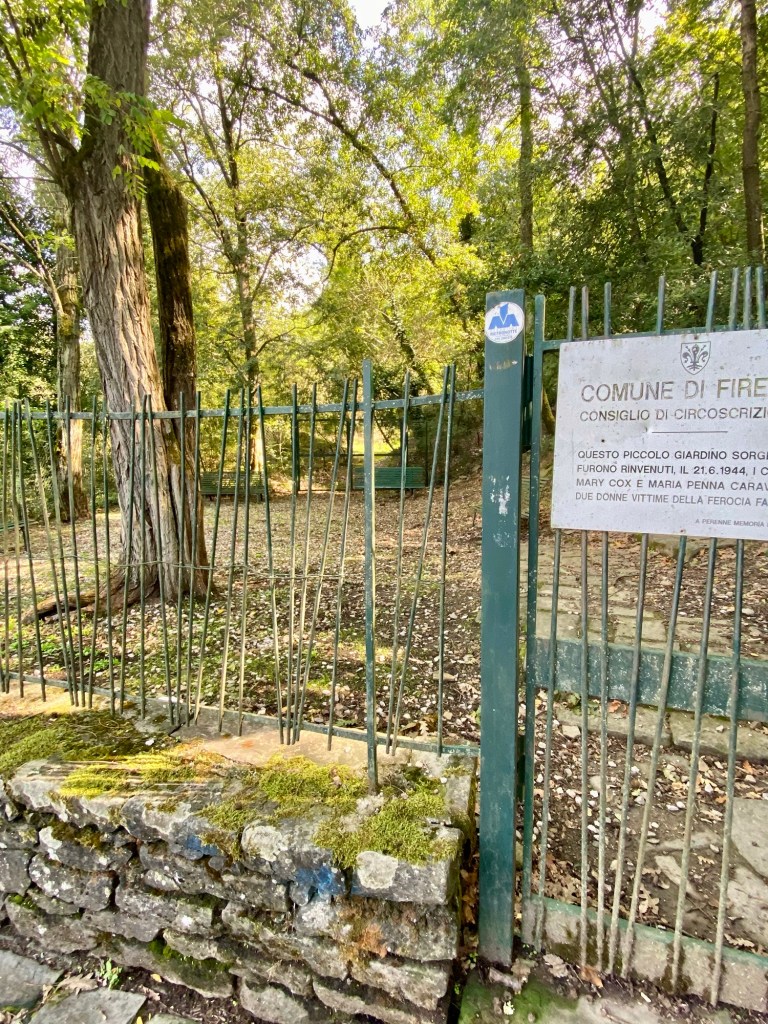
The quote at the top of this sign above says “The misunderstandings of the present fatally grow from the ignorance of the past. Marc Bloch”

“The ANPI section of Rifredi remembers Maria Penne, wife of Rocco Caraviello, partisan of the G.A.P. (group of patriotic action) who often supported him in the fight against nazi fascism. The fascists of the “Charity Band” after having murdered her husband, arrested her and transferred her to their post of villa Triste where she underwent severe atrocities and torture. The 21st of June 1944 she was transported to this place where, together with Mary Cox and others, she was shot and where her body was abandoned. In memory of her sacrifice for the Liberty supported our commitment: Never again fascism.”

Mary Cox’s memorial sign reads as follows:

“The ANPI section of Rifredi remembers Mary Rose Evelyn Cox, professor of English, courageously hosted partisan Florentines in her home. The 19th of June 1944 the fascists of the famous ” Charity band” arrested her and took her to their headquarters and subjected her to torture in Villa Triste. The 21st of June 1944 she was transported her and together with others she was shot and her body was abandoned. In memory of her sacrifice for Freedom strengthens our commitment: Never again fascism.”

If you are moved by this story, as I surely am, please go to https://stories.workingclasshistory.com/article/7849/via-di-capornia-murders to read about it in English. If you Google their full names, you will find more information as well.

Never forget.

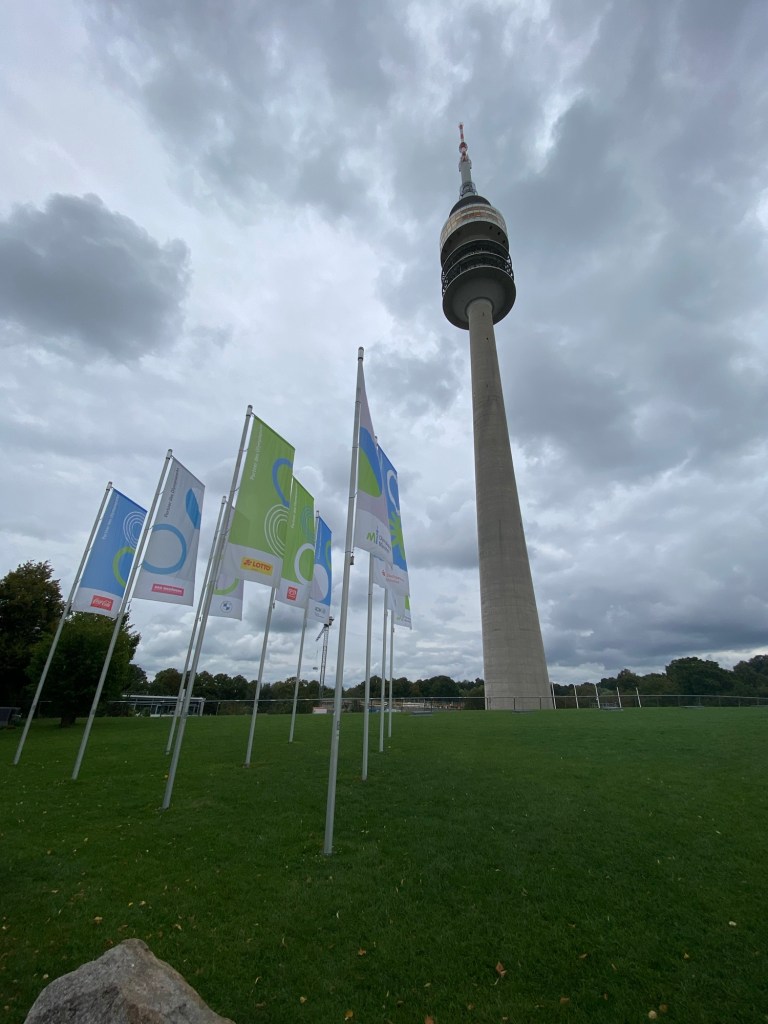
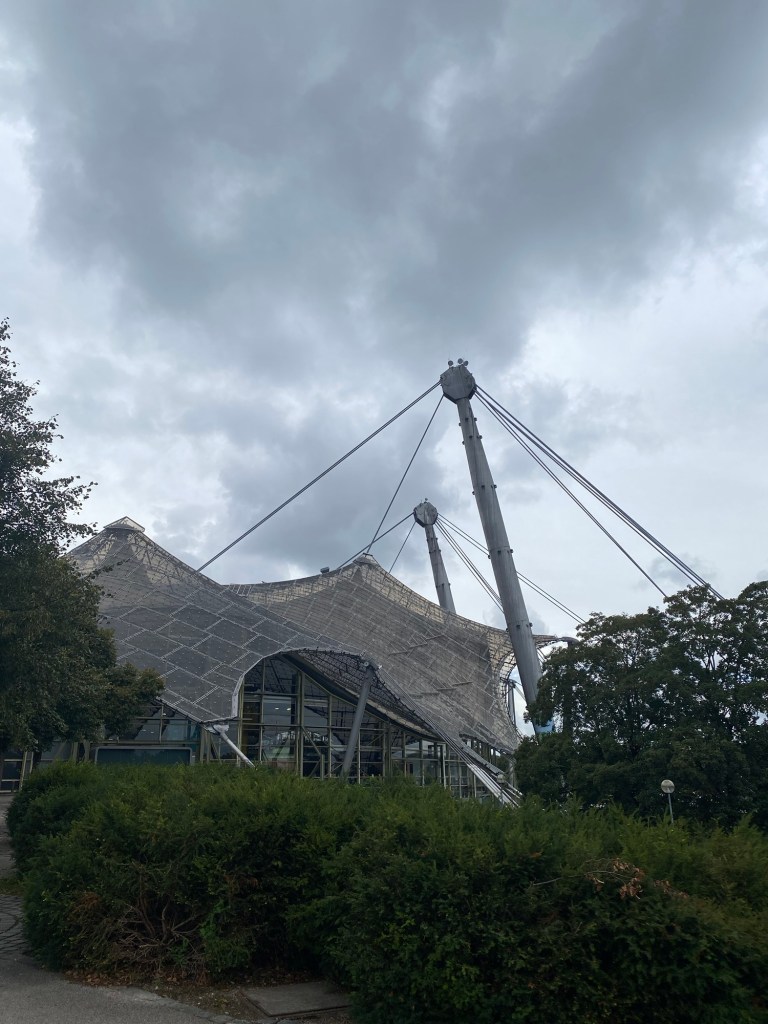
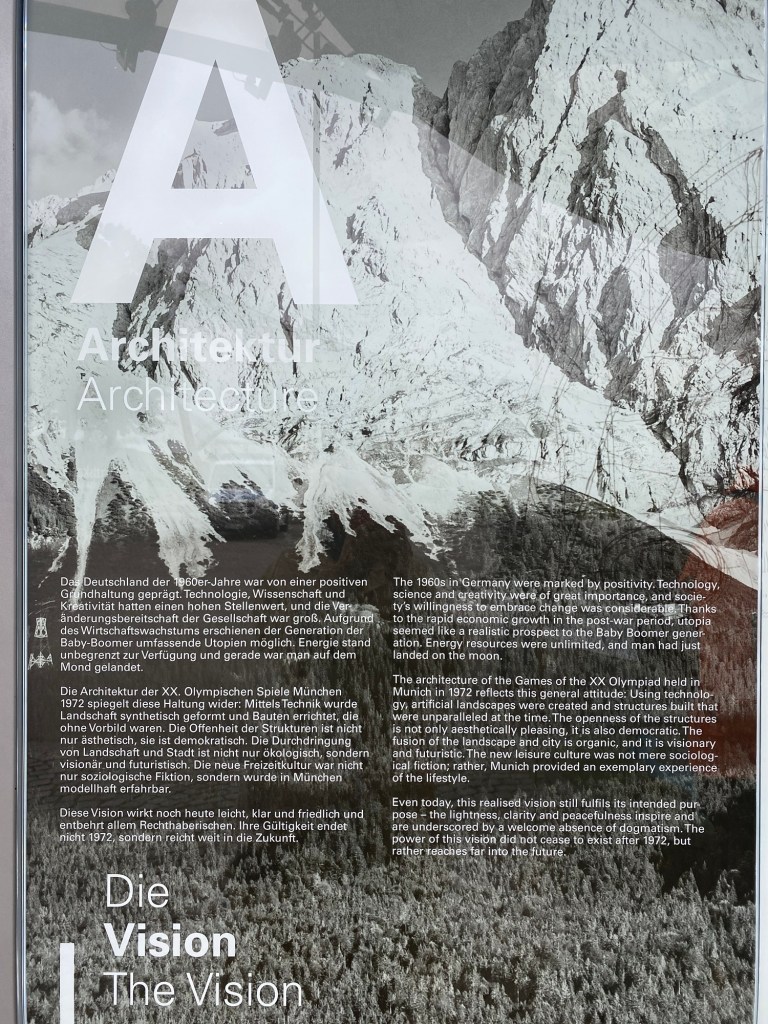
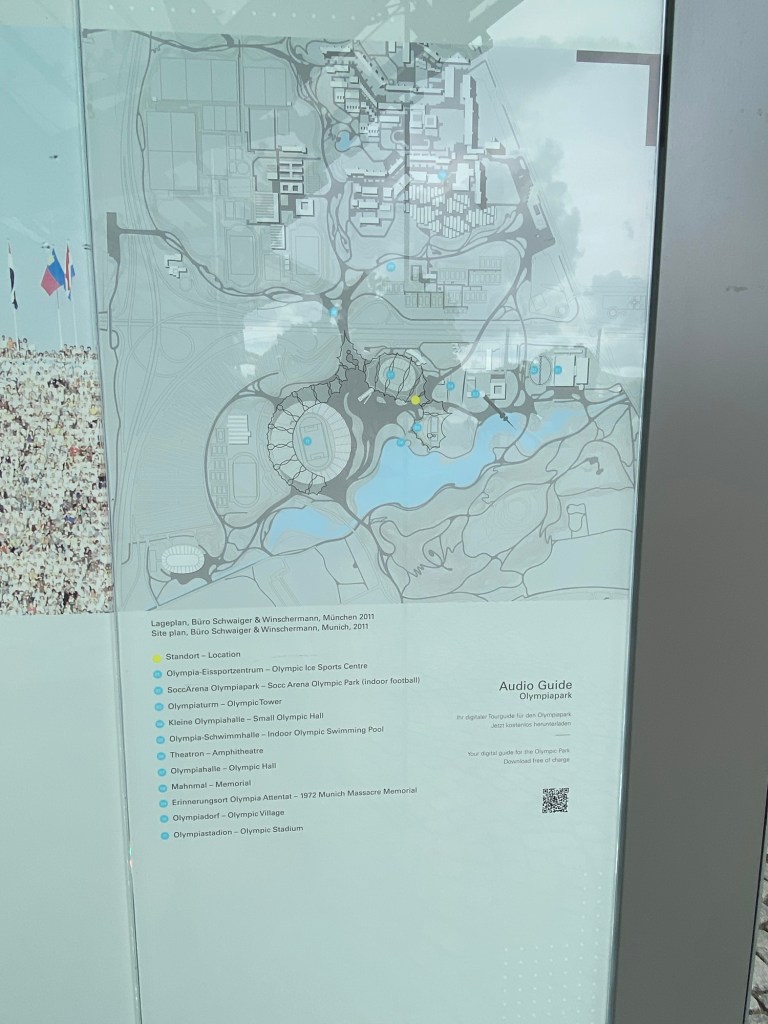
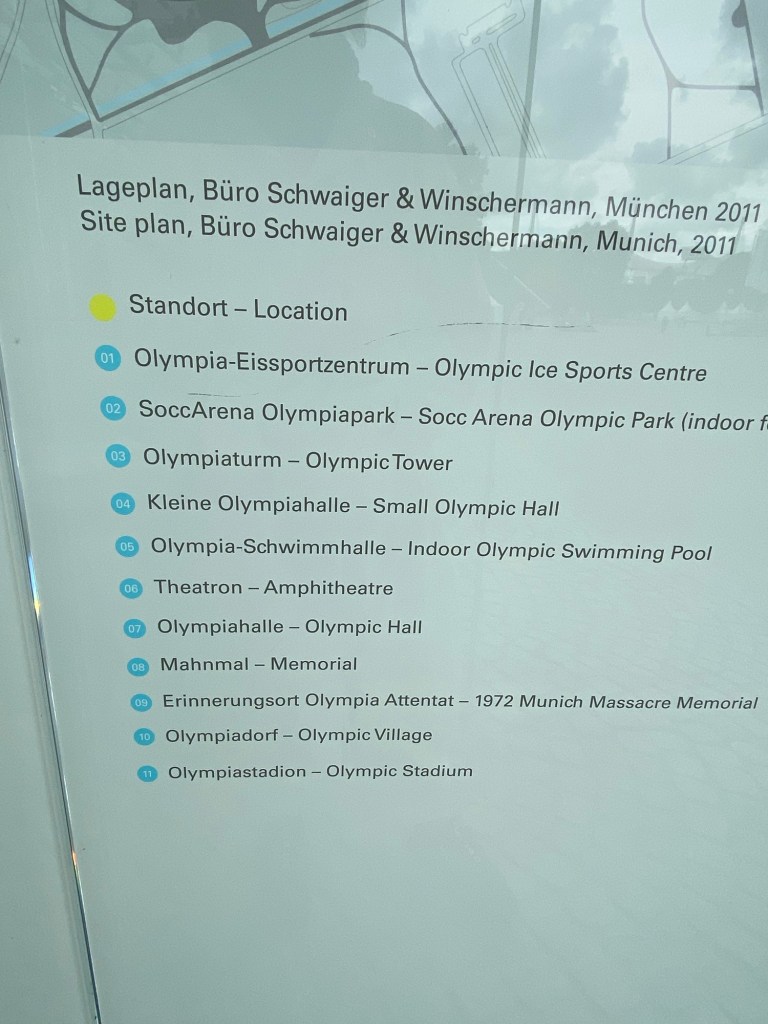
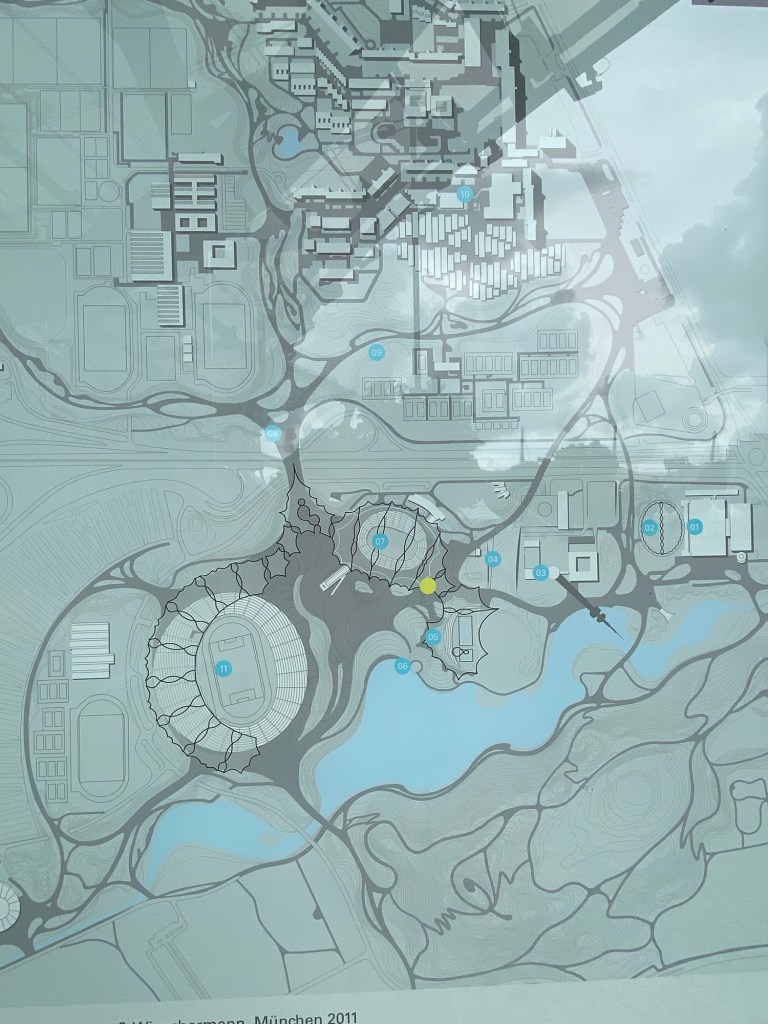
Munich’s Olympiapark, Part 1

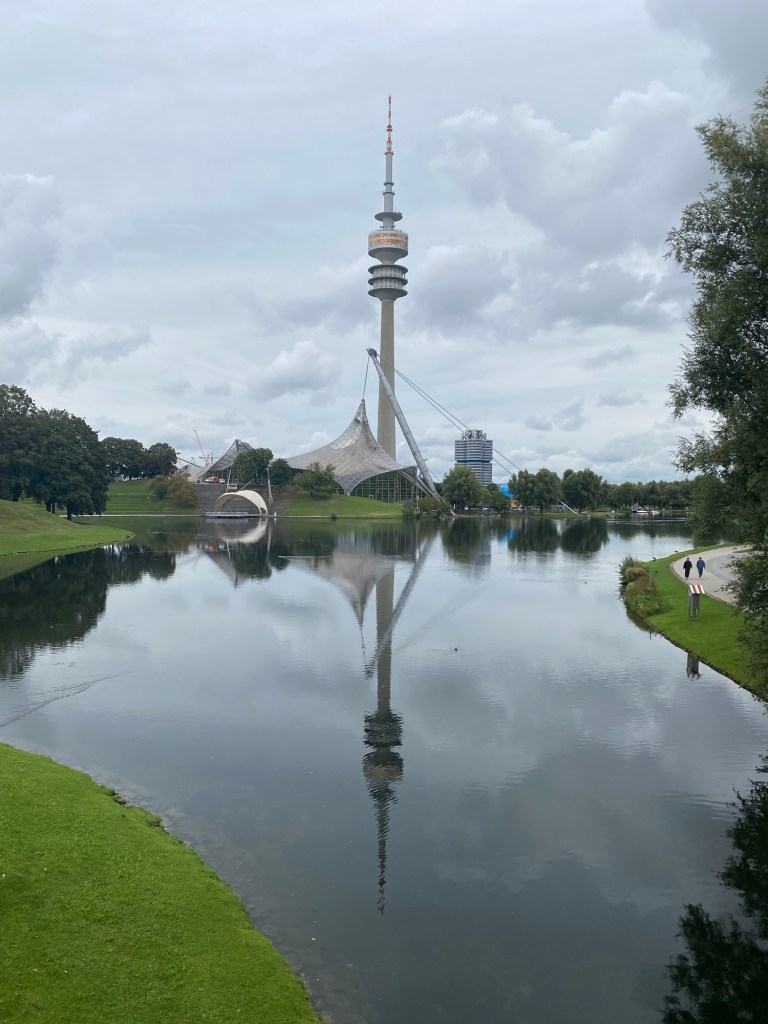
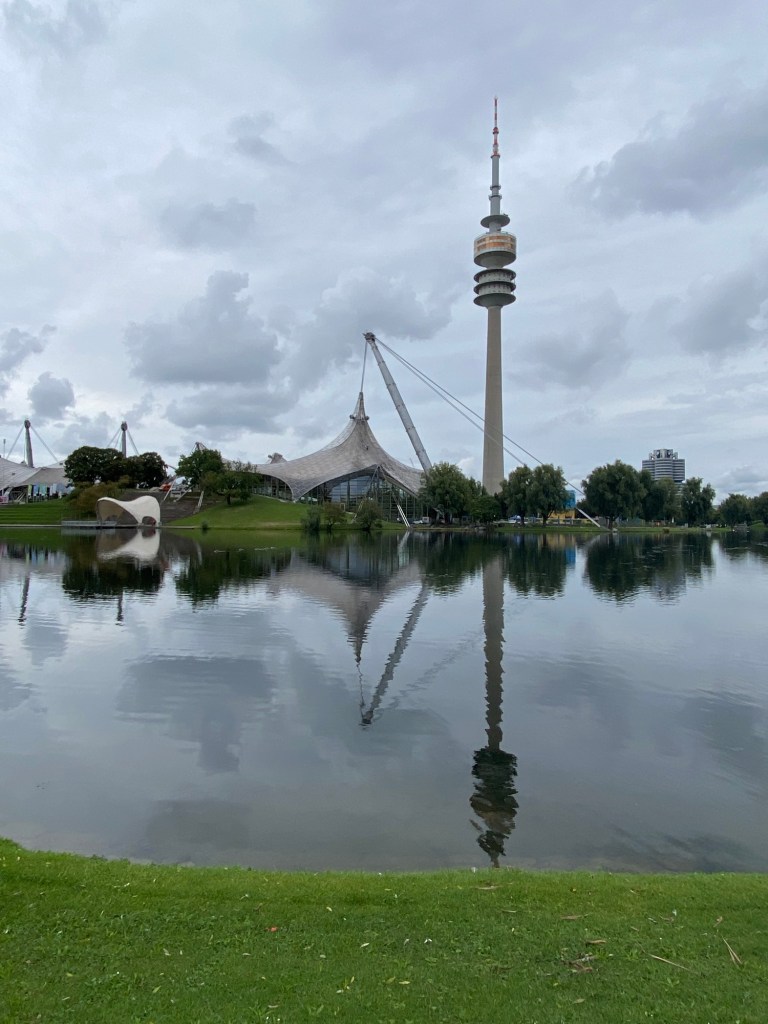
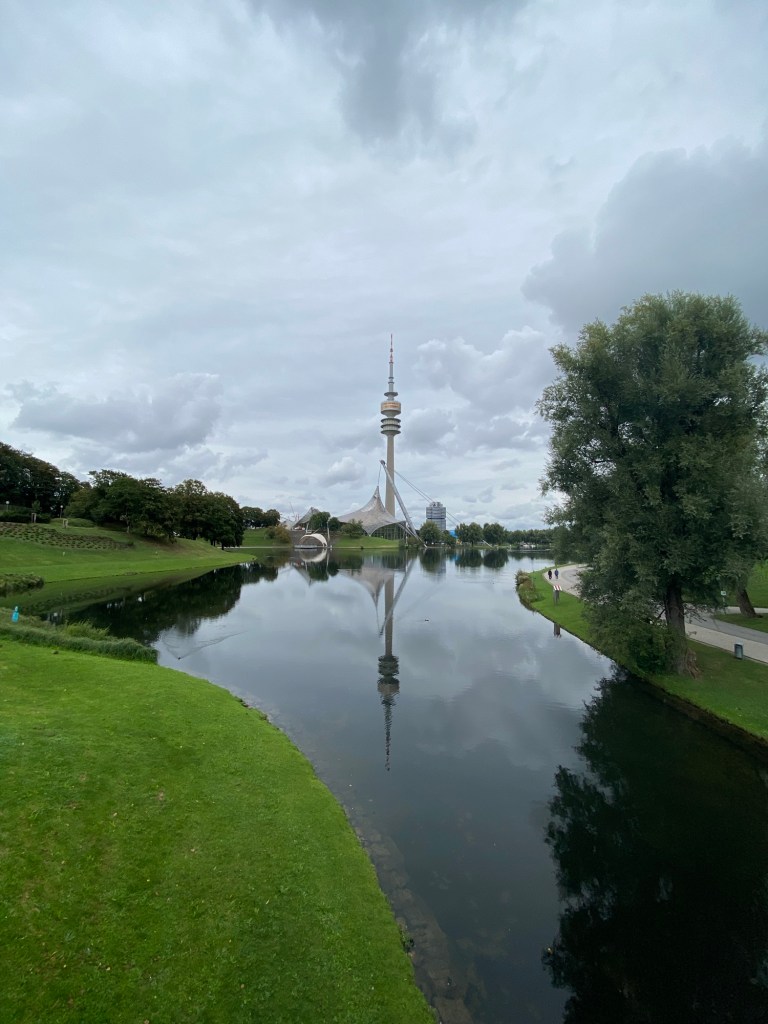
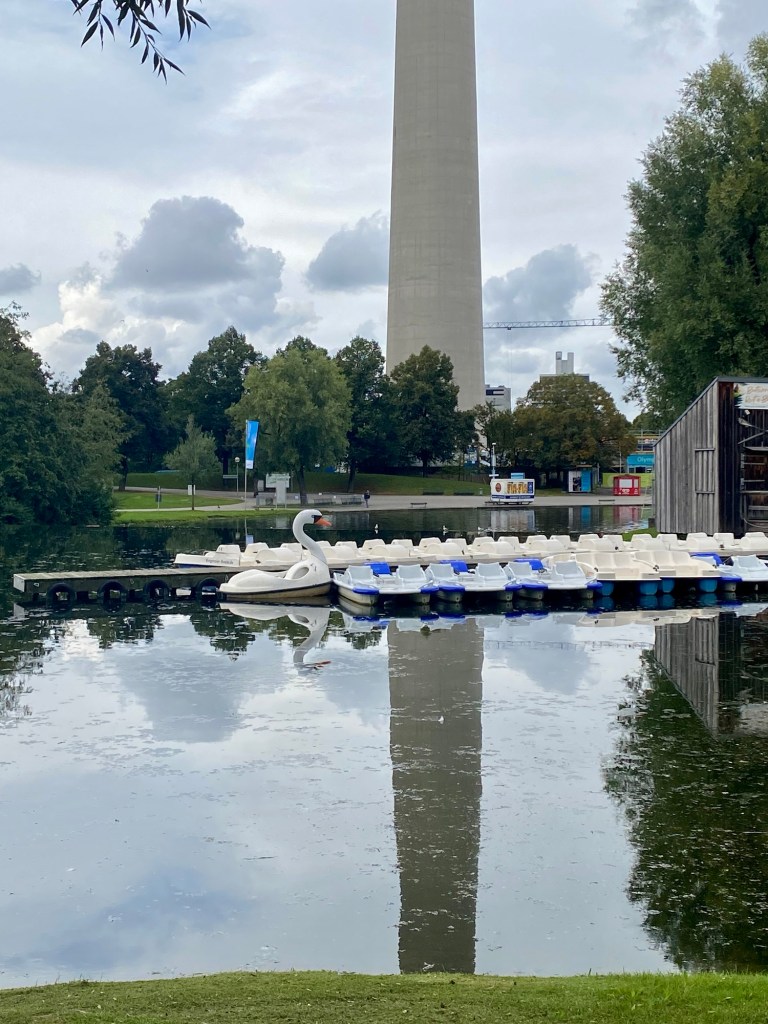
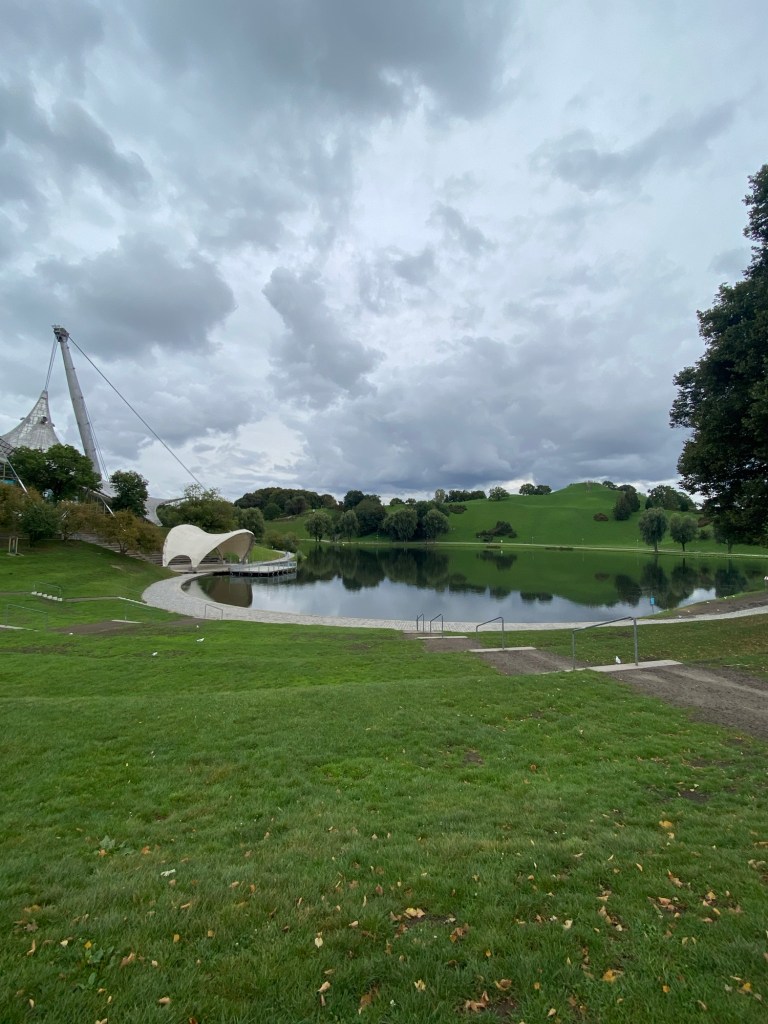
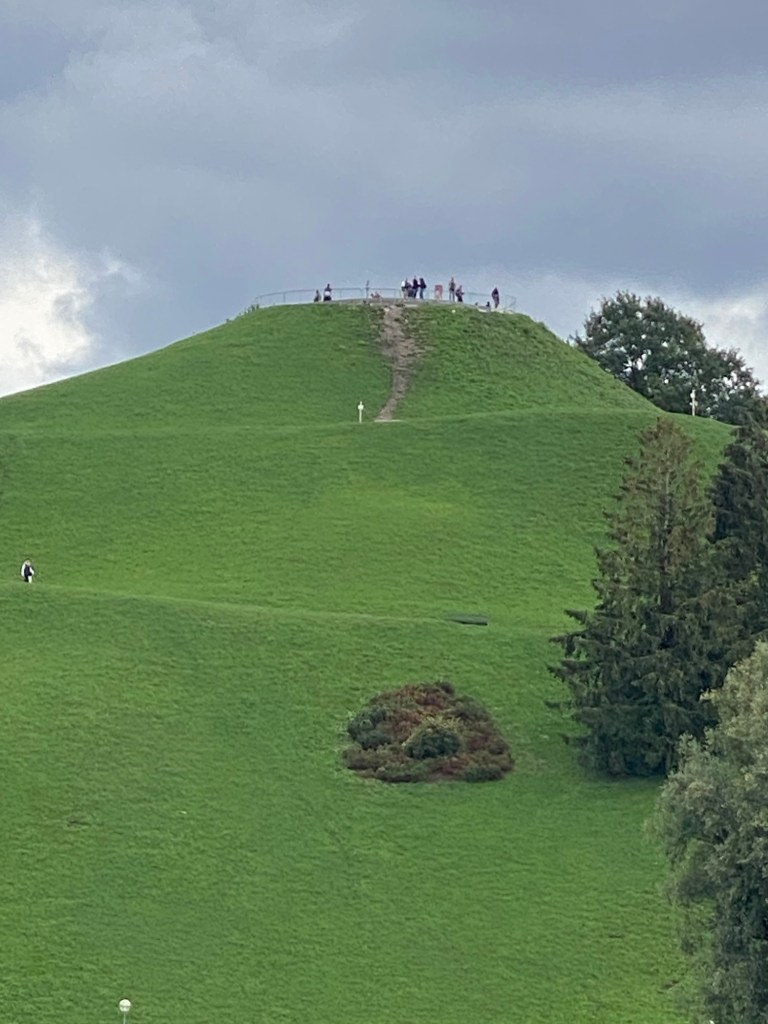
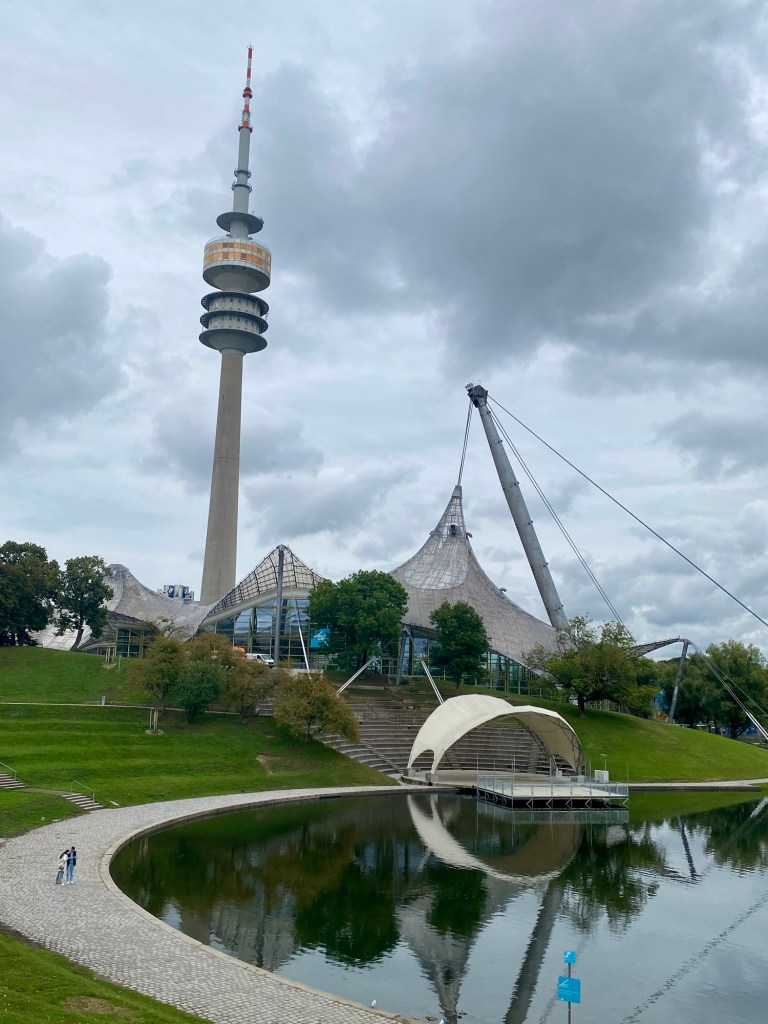
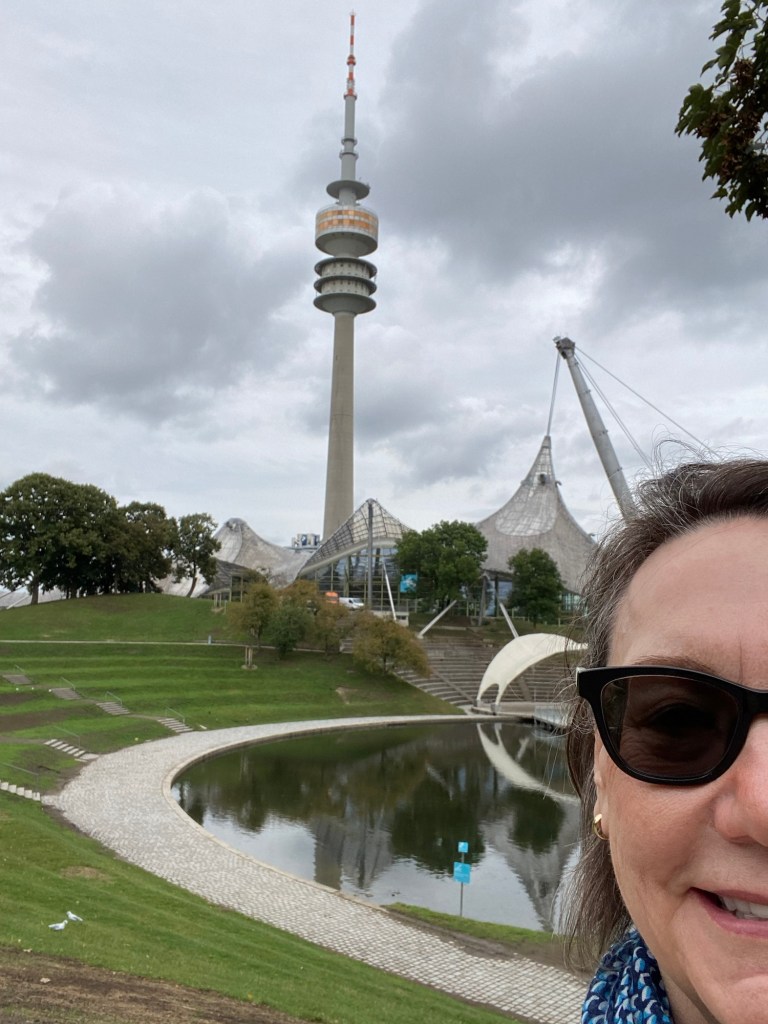
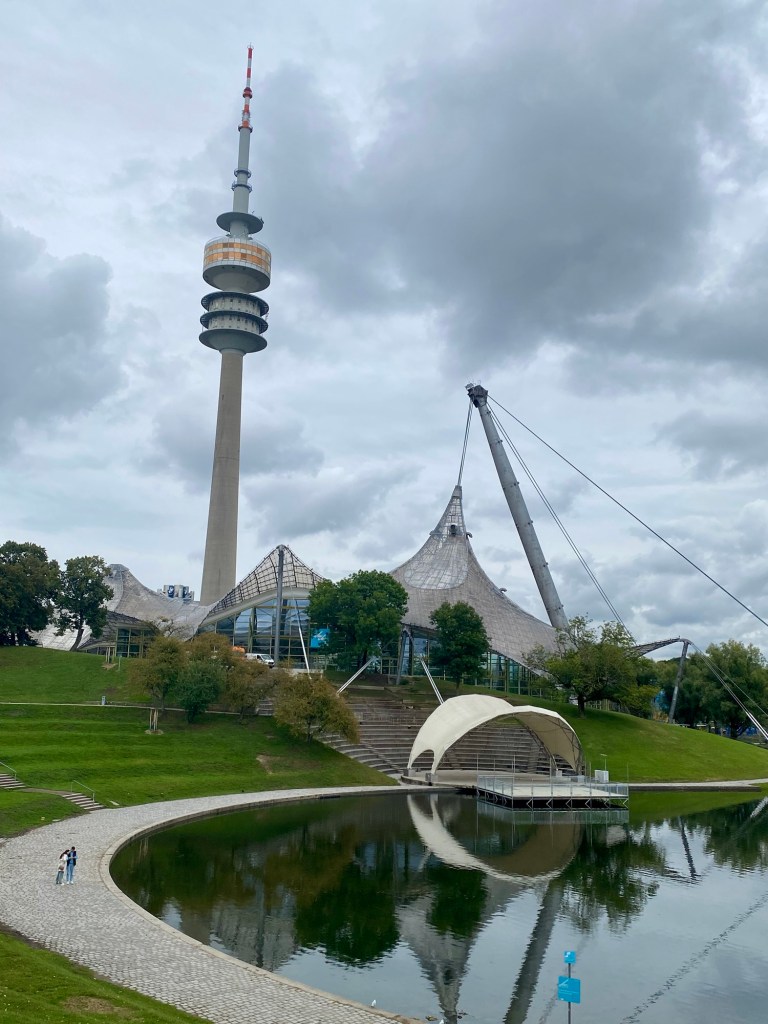
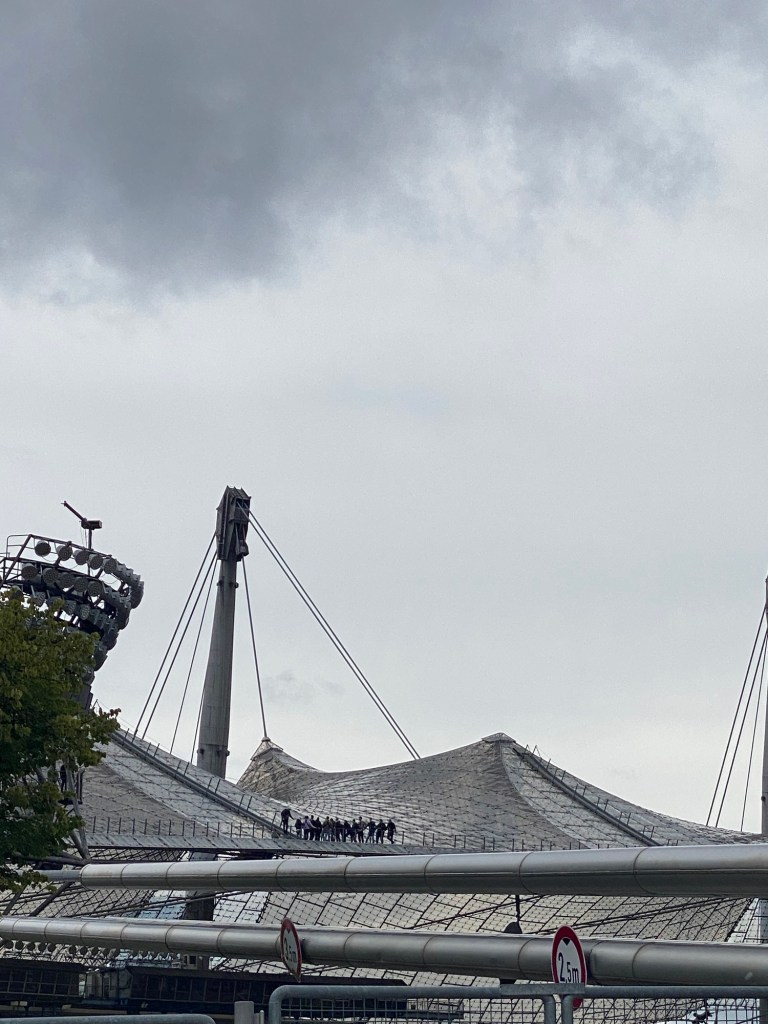
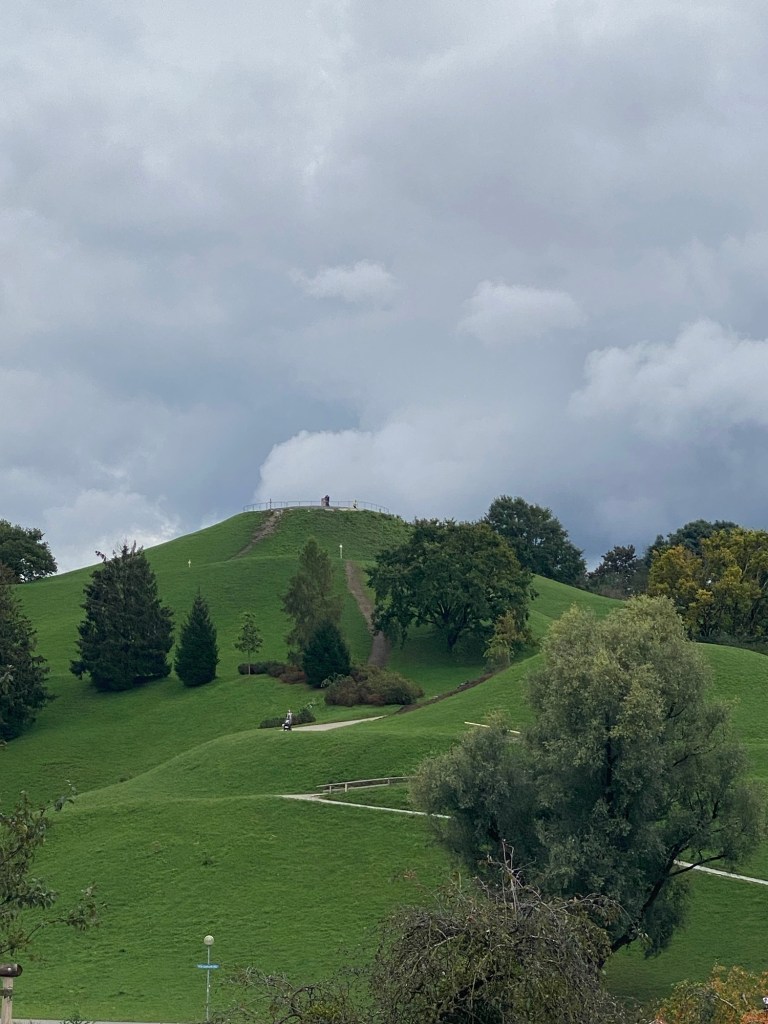
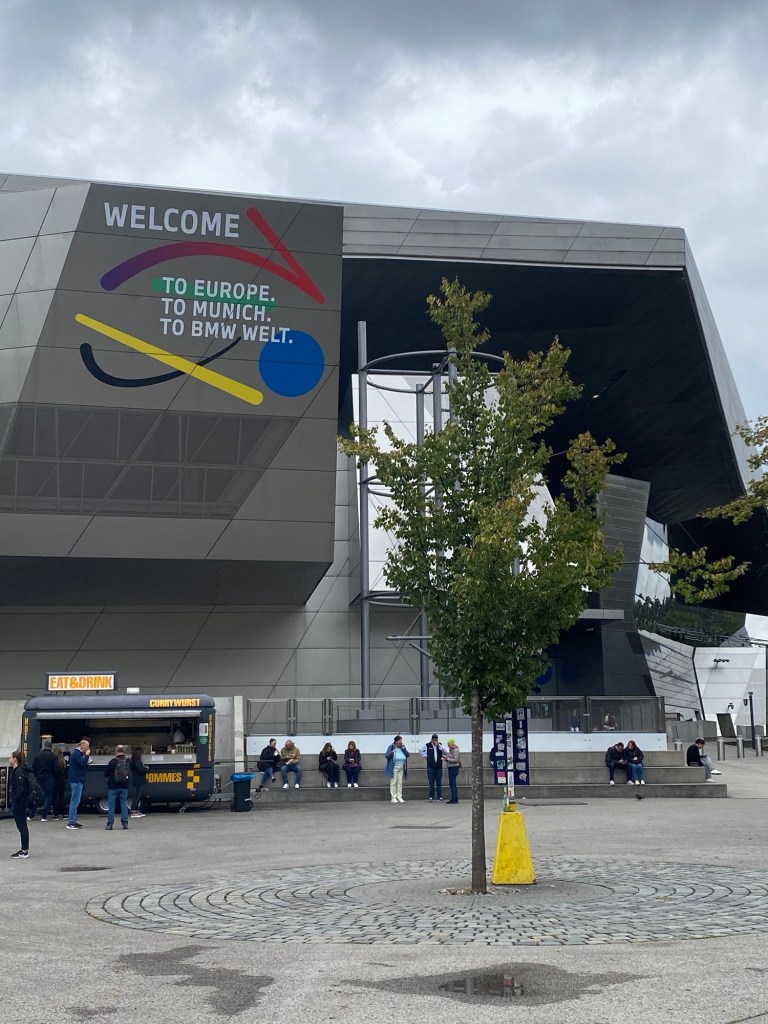
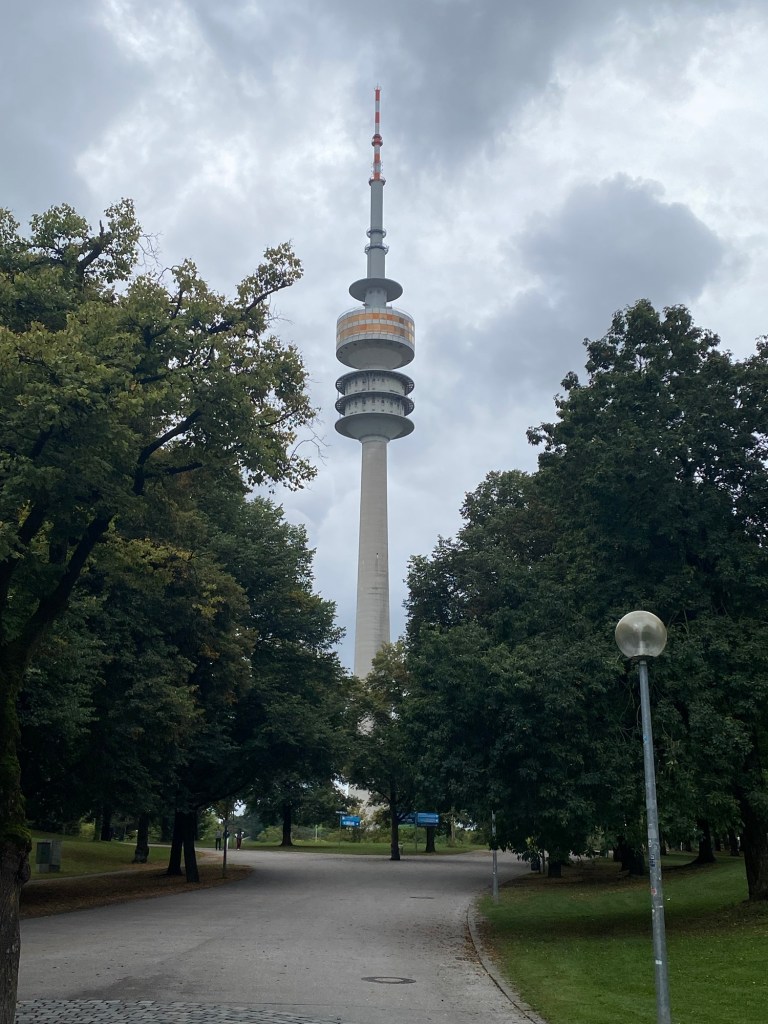
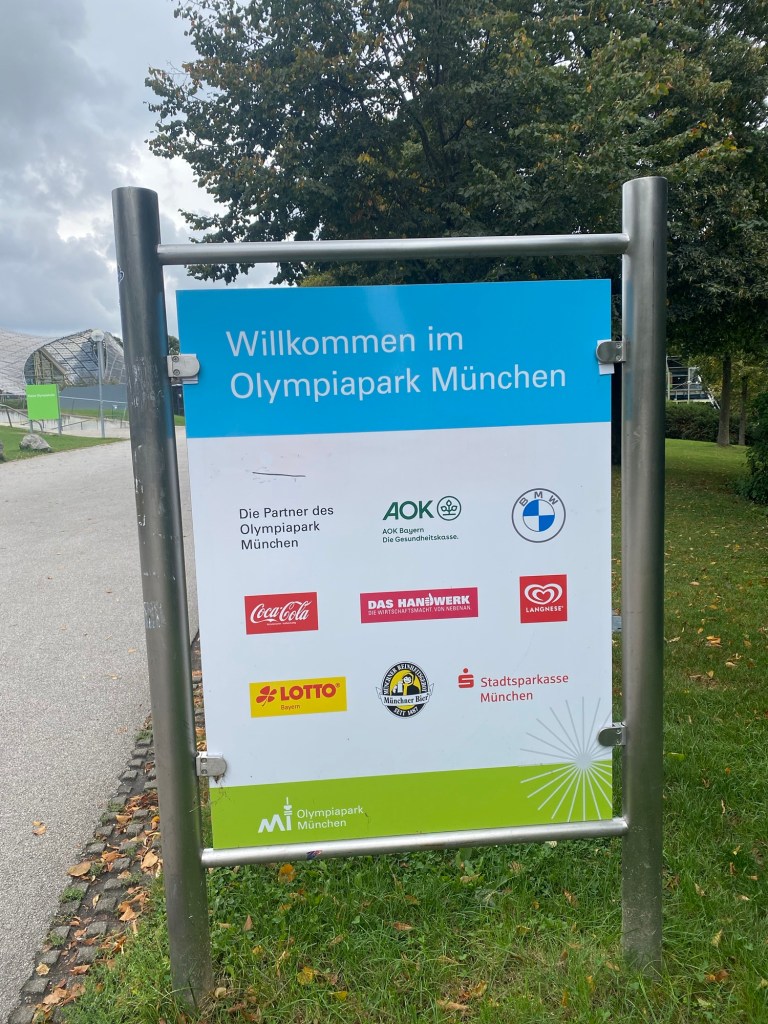
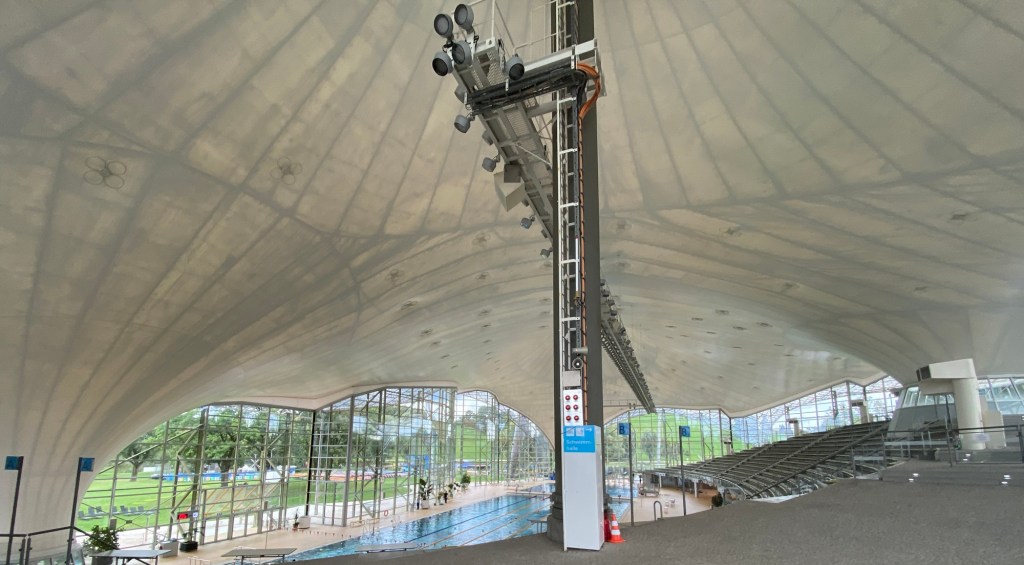
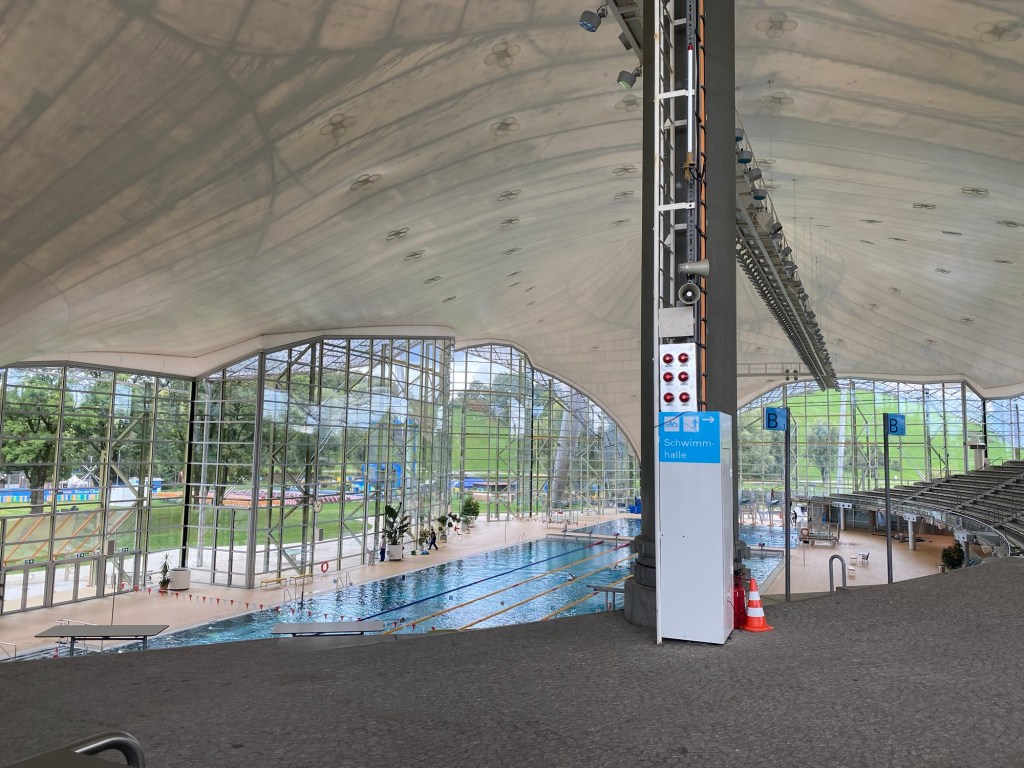
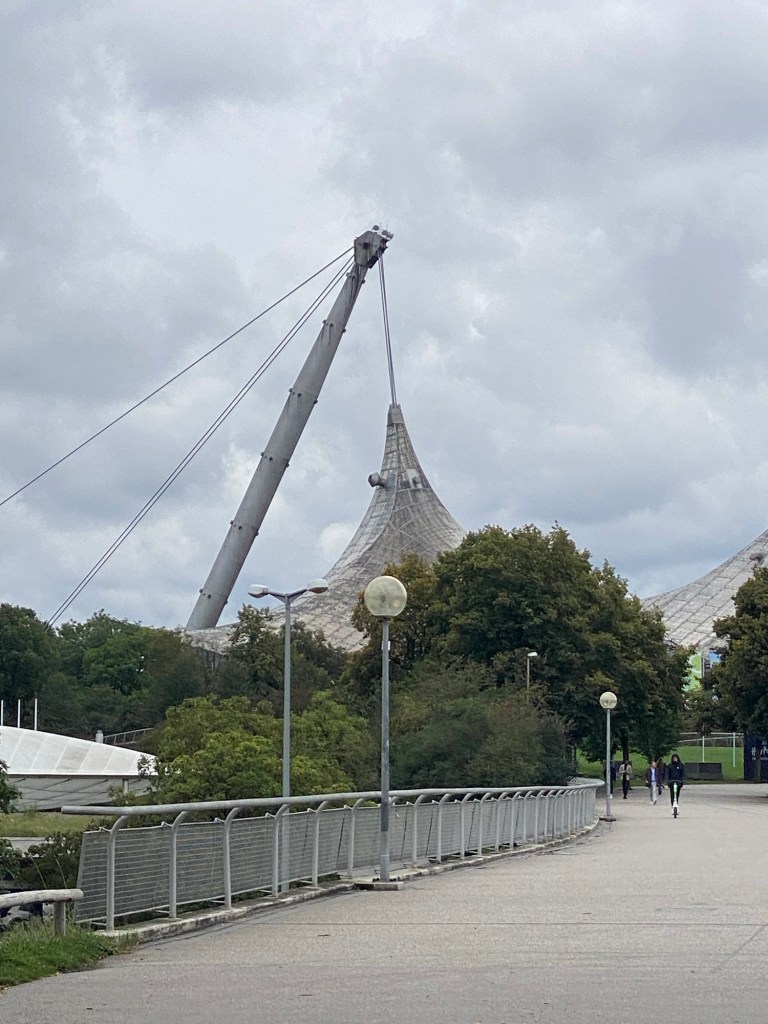
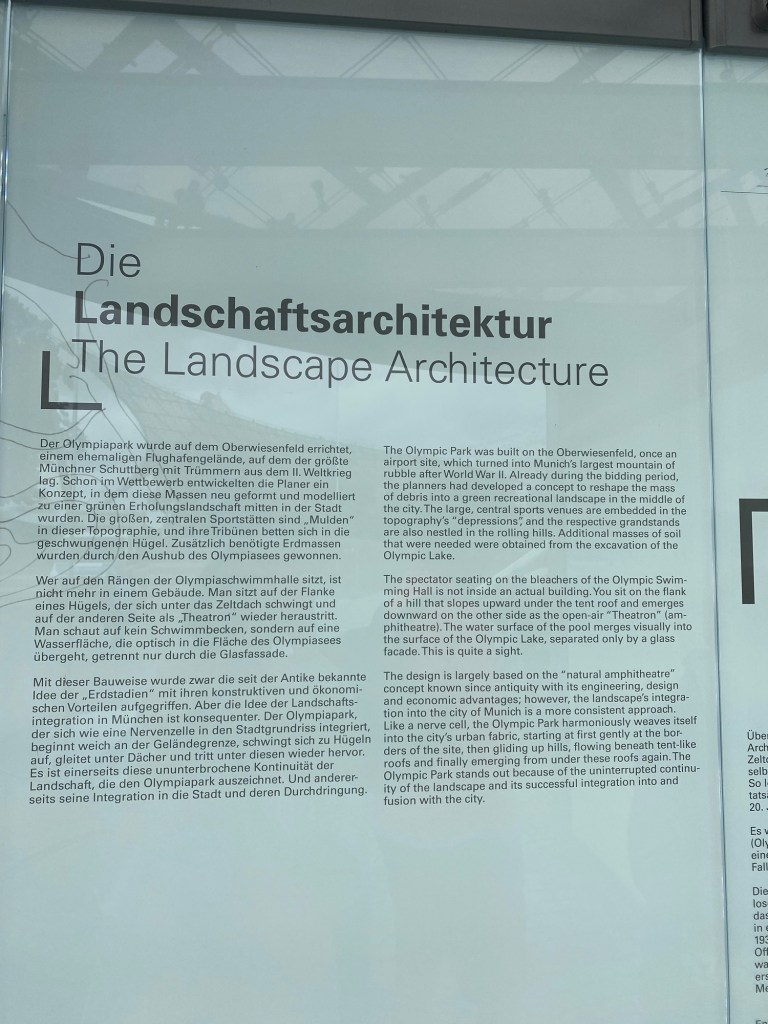
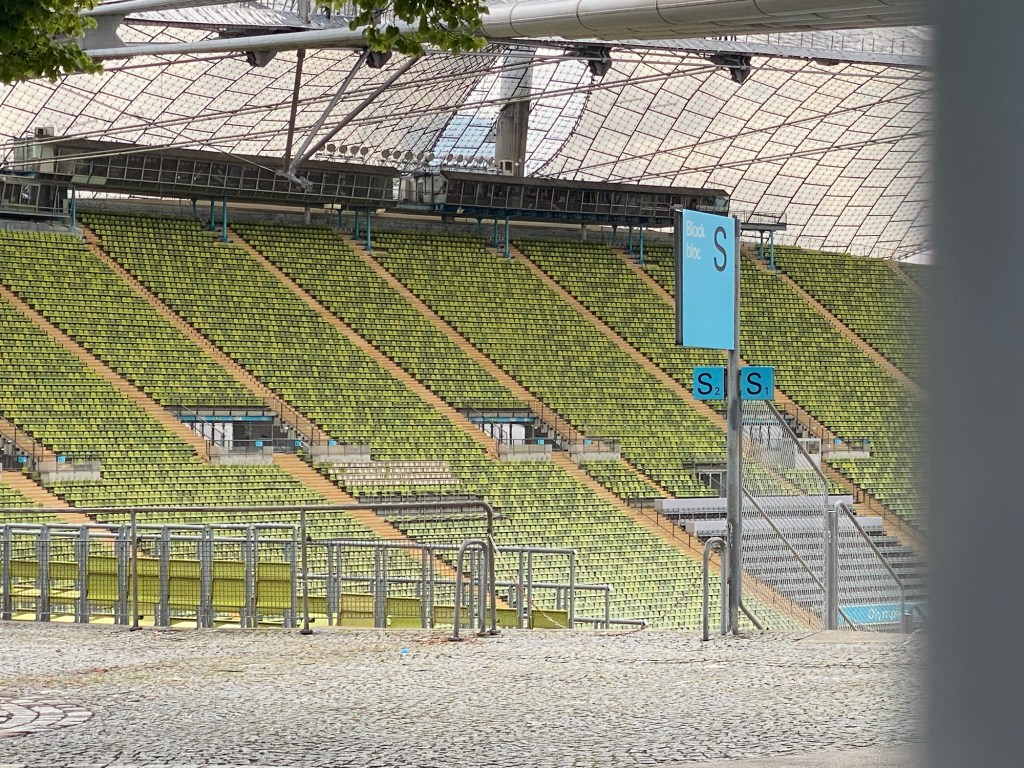
Some places are just too photogenic to resist. The day I spent walking around the site of the 1972 Olympics in Munich is one of those places. It was an early autumn day and very cool, but even still, my camera would not stop popping.
One of the places I enjoyed seeing the most was the inside of the swimming hall. It was very warm inside, which may have been part of the appeal?!

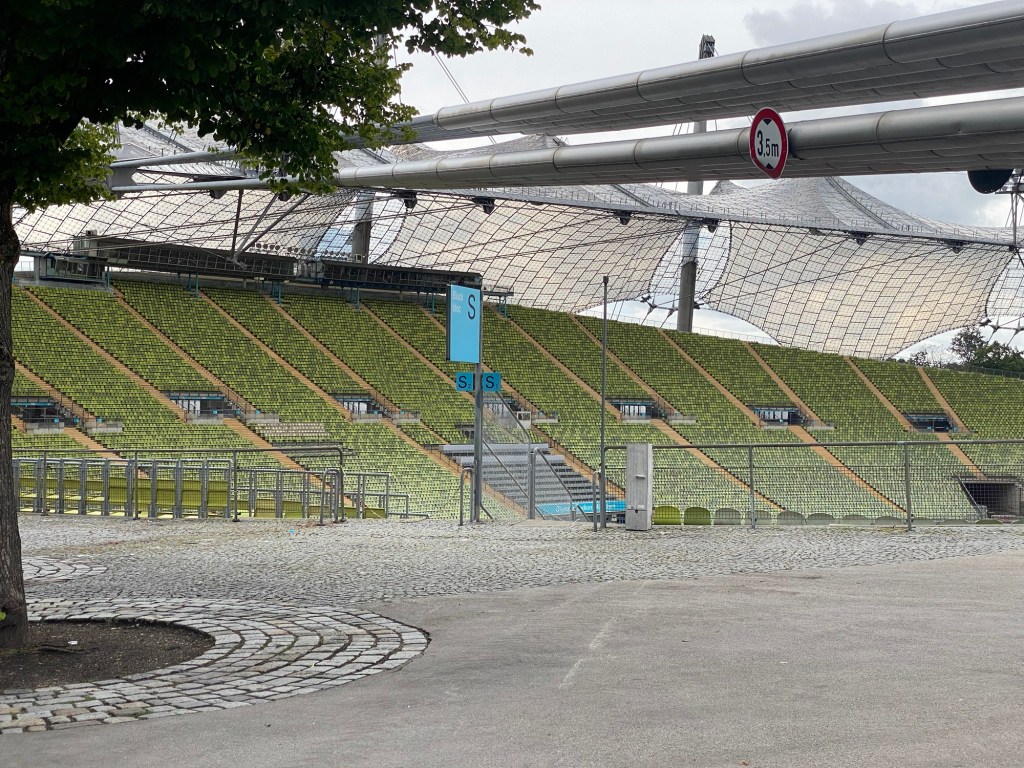
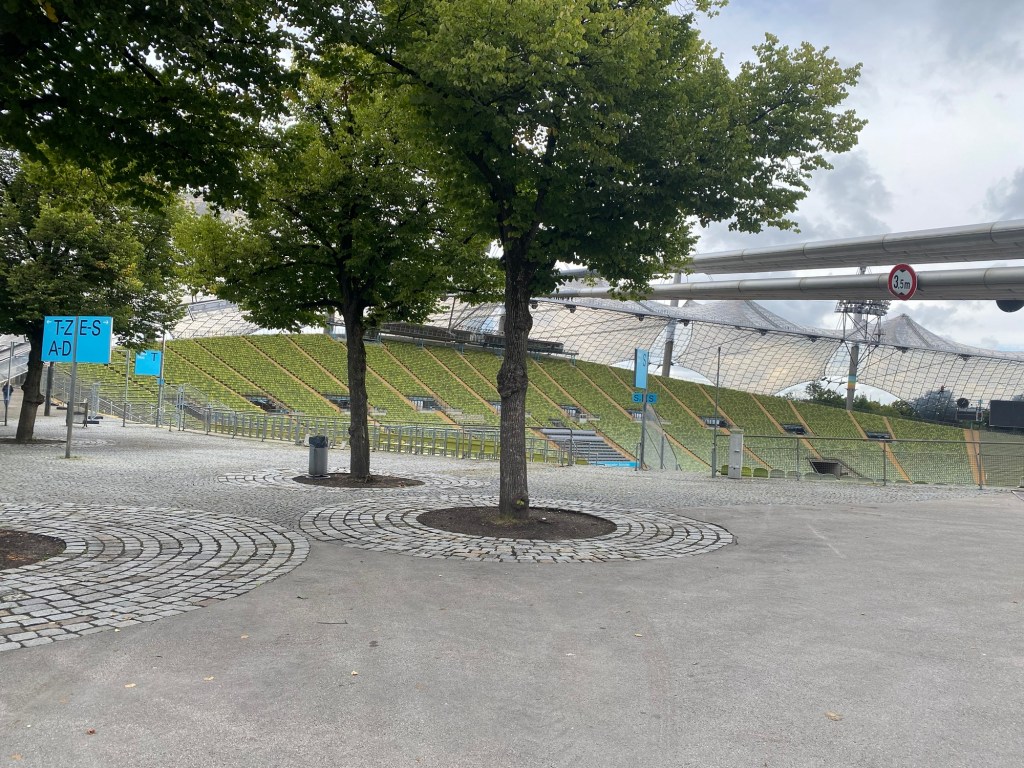
Back outside there was more to see.

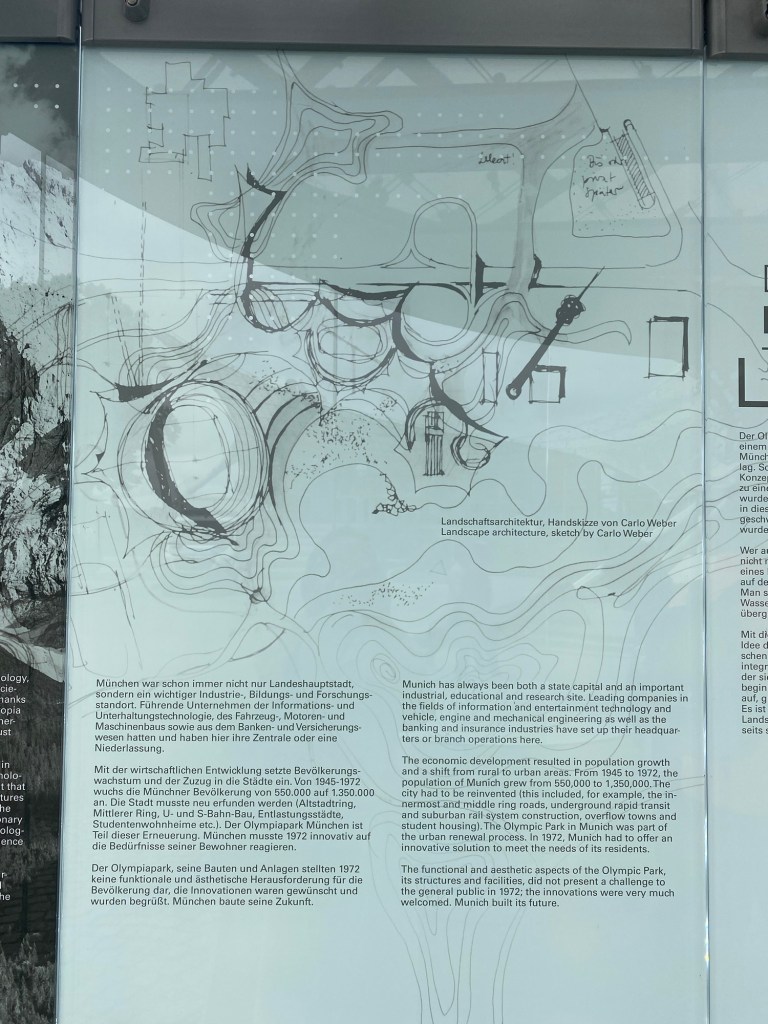
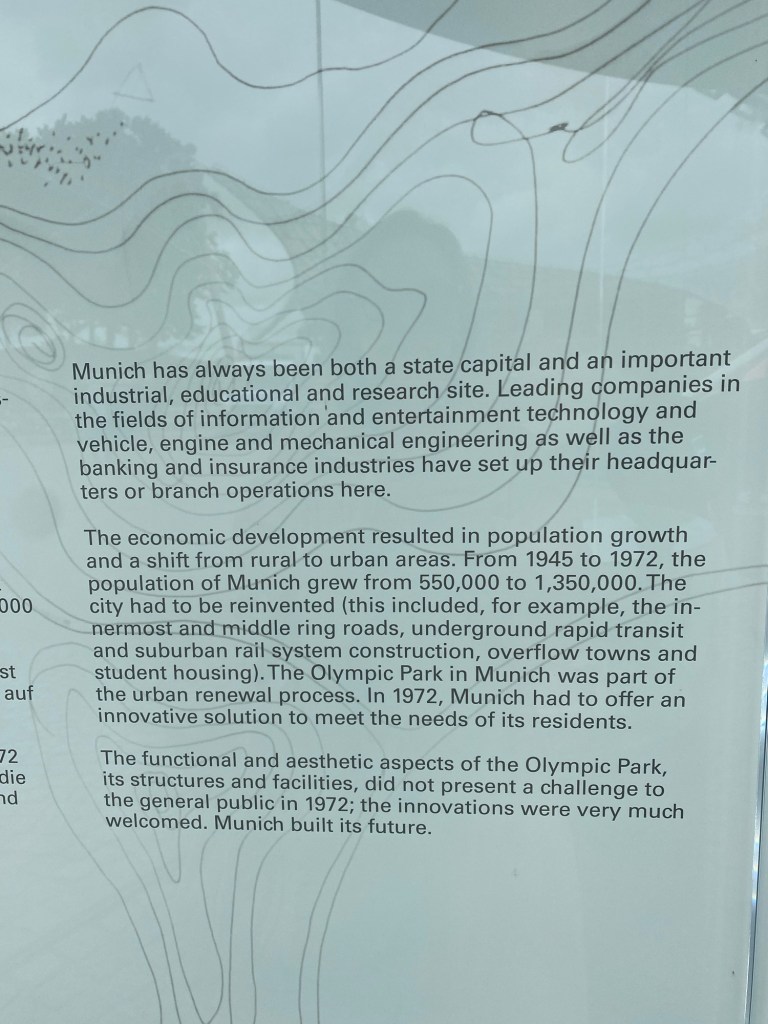
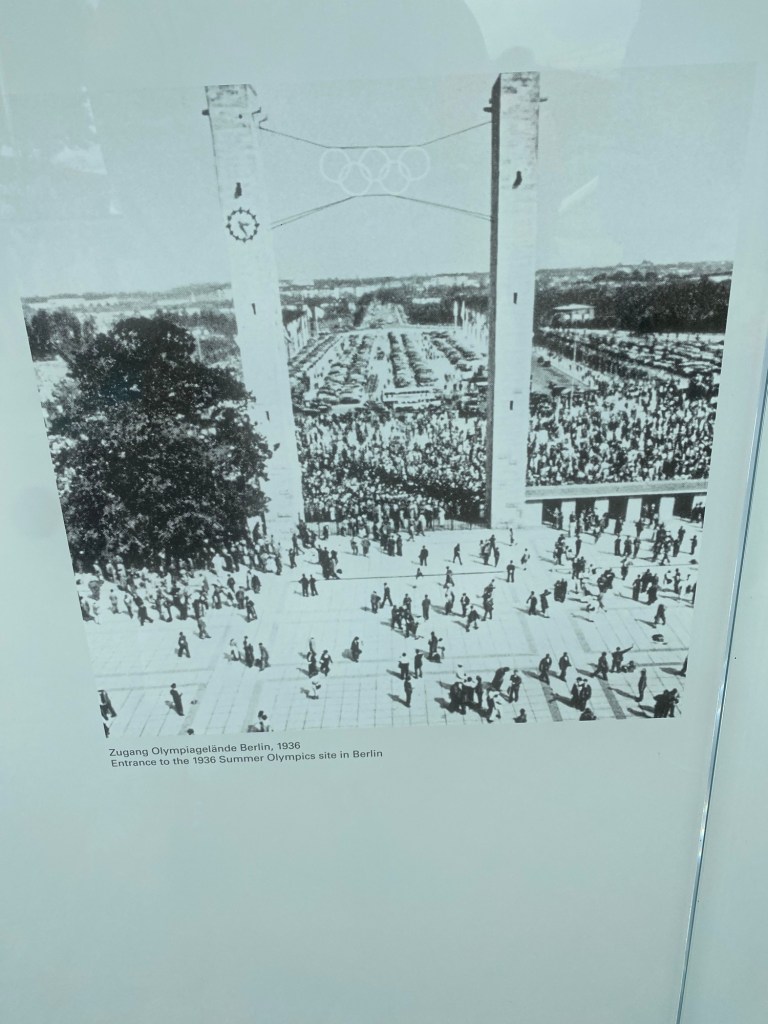
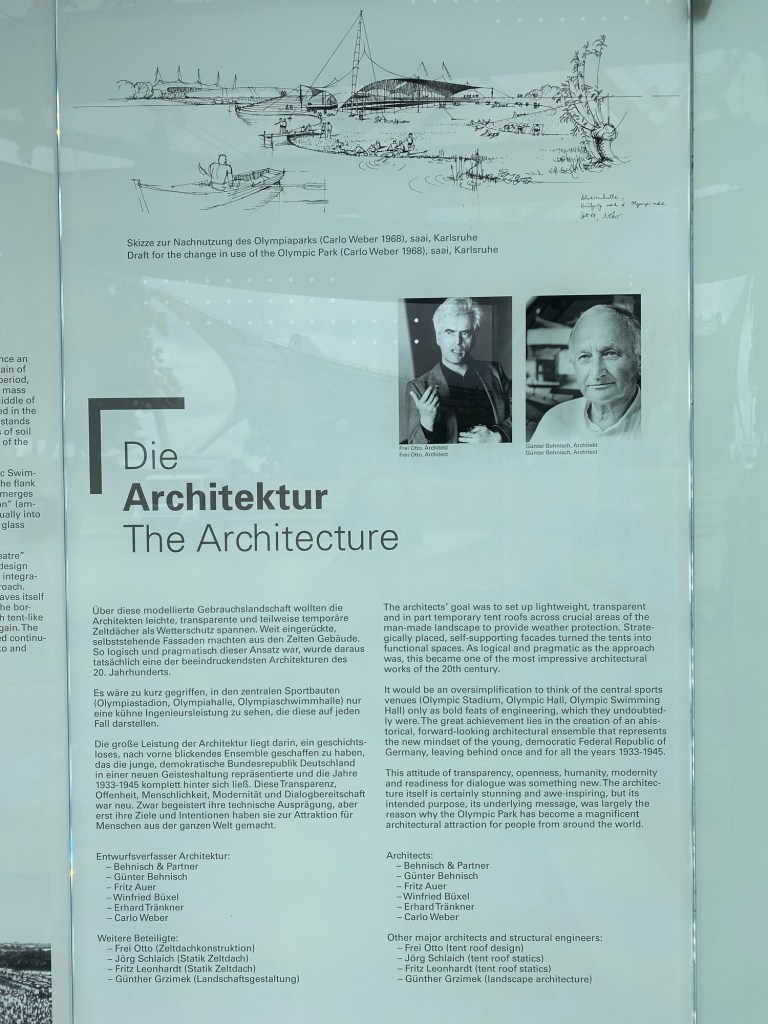
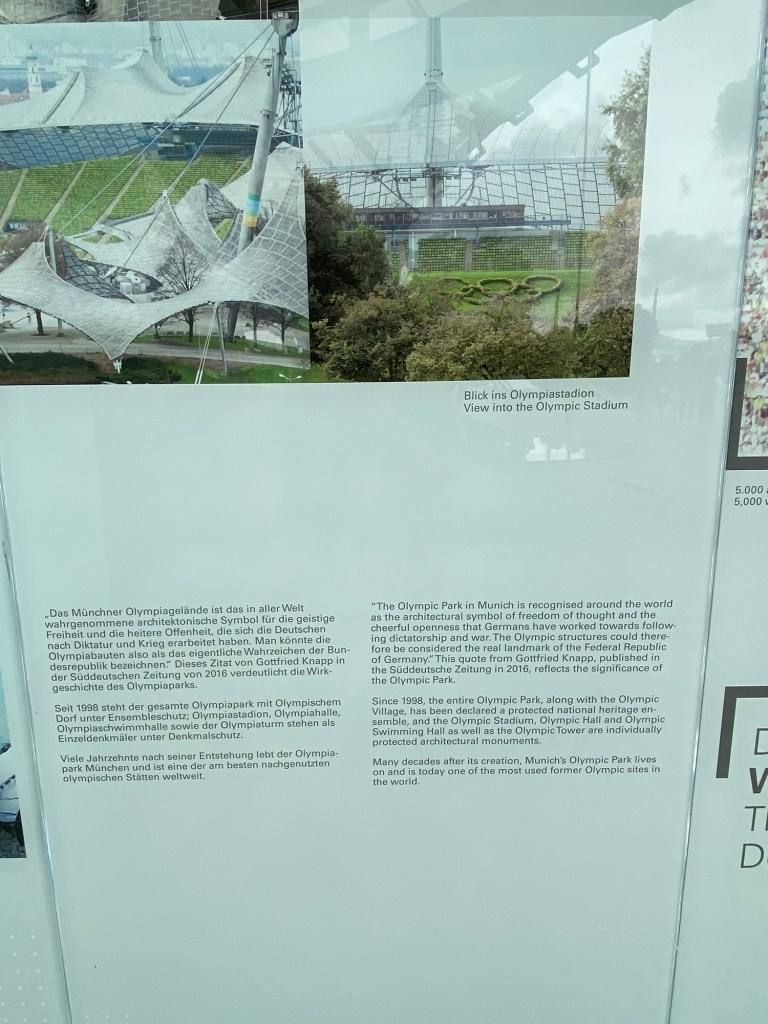
Now let’s look at some facts and figures:

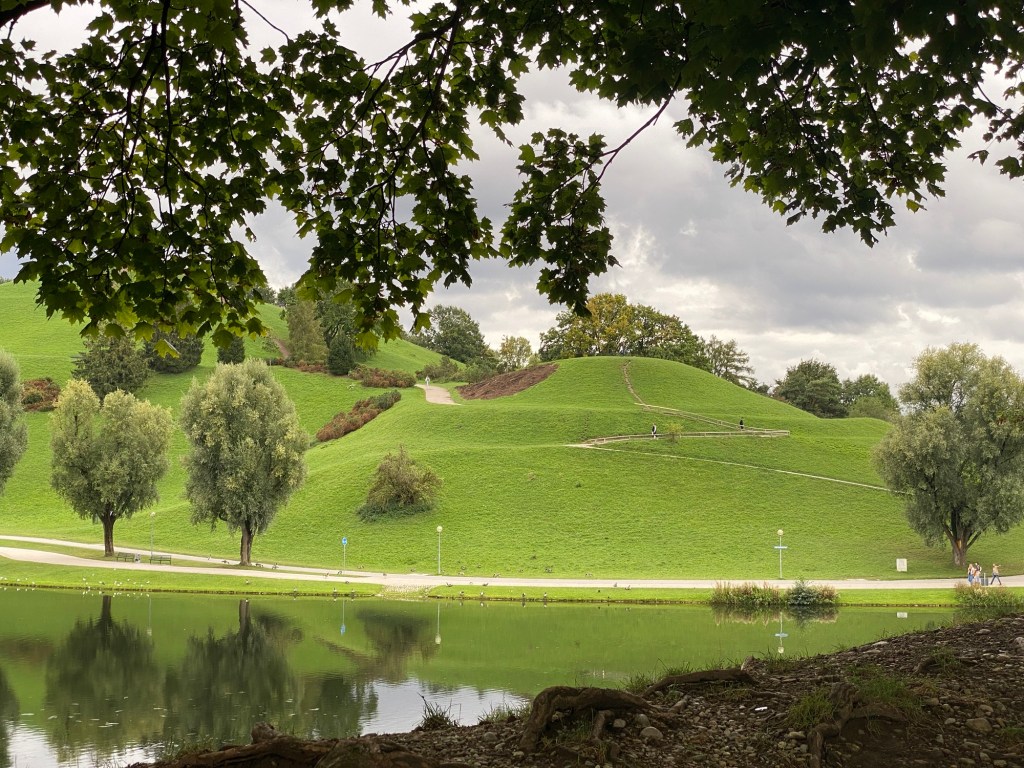
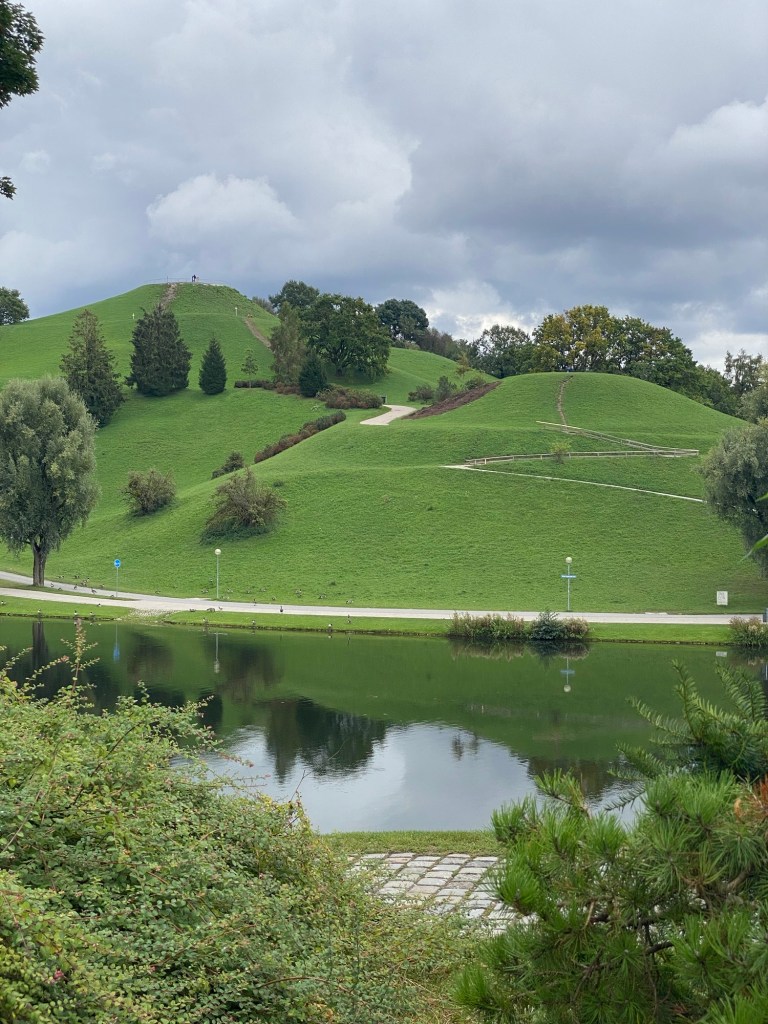
I’ll be posting part 2 of this visit soon. Hint: lots of photos of the beautiful rolling grounds.

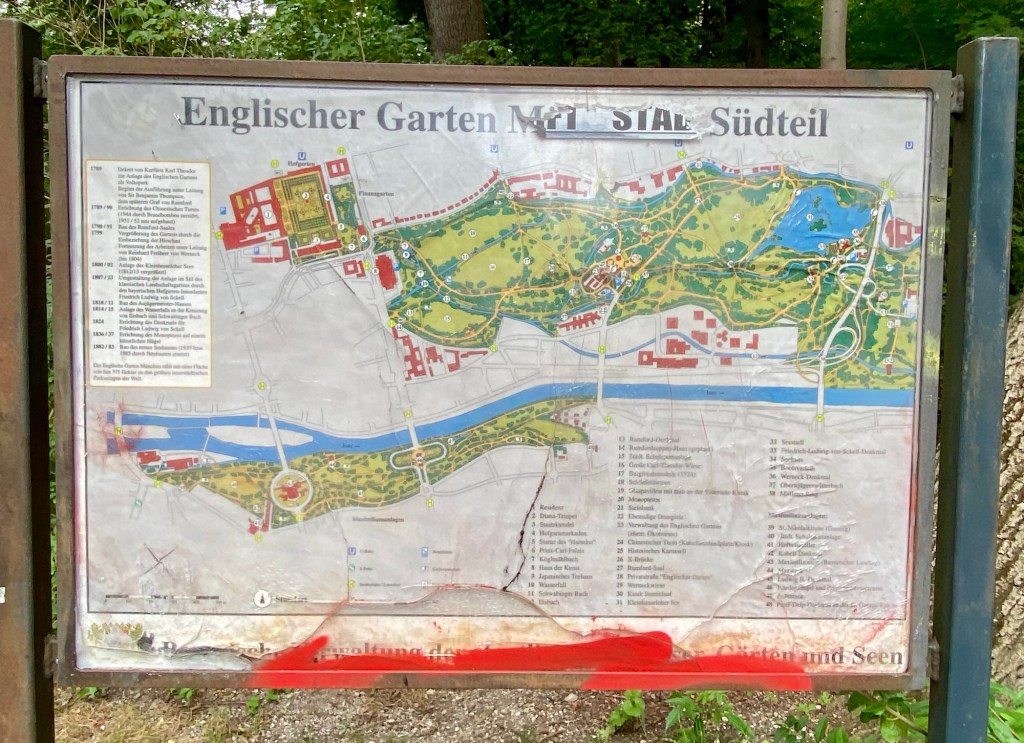
Englischer Garten, Munich

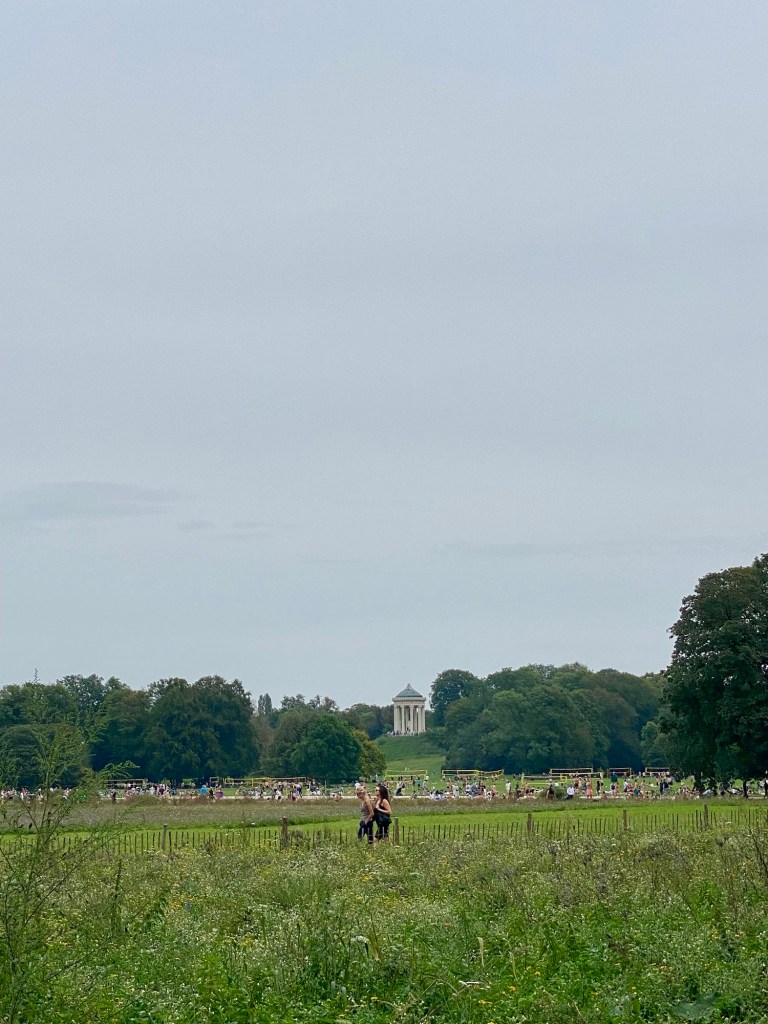
One of the most widely known places in Munich is the large and lovely Englischer Garten. Laid out by an English horticulturalist in the natural style as opposed to the formal French style, it is a nice place to wander through on a hot day, and now that fall is in the air, I can confirm that the autumn is fine there as well.

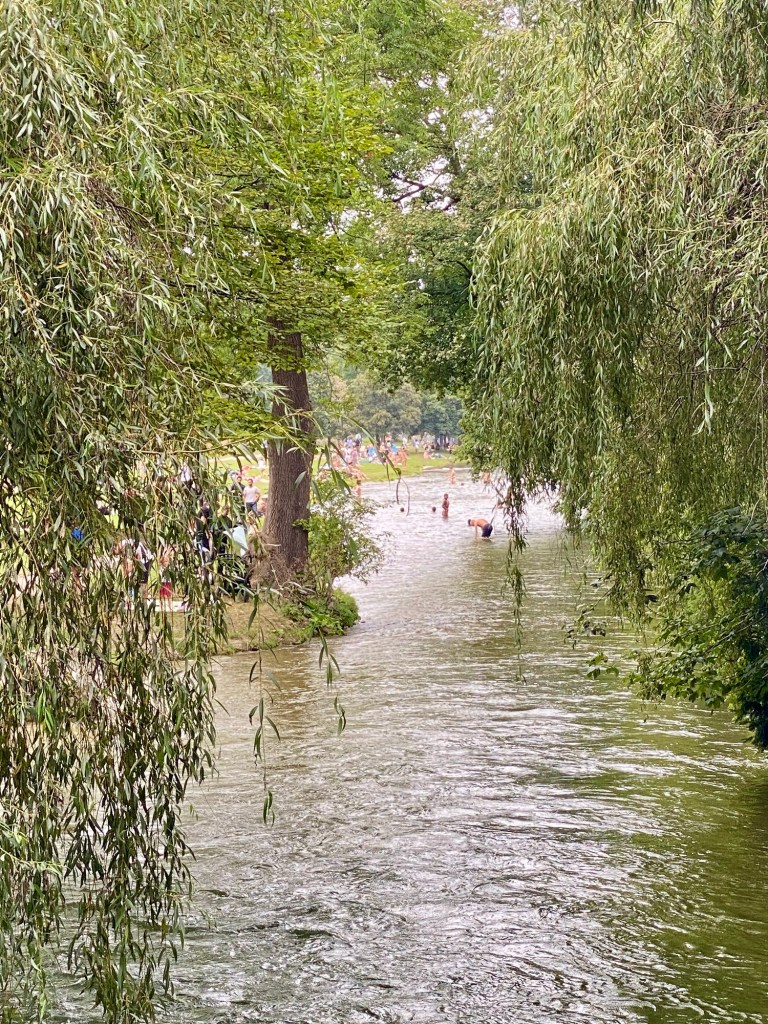
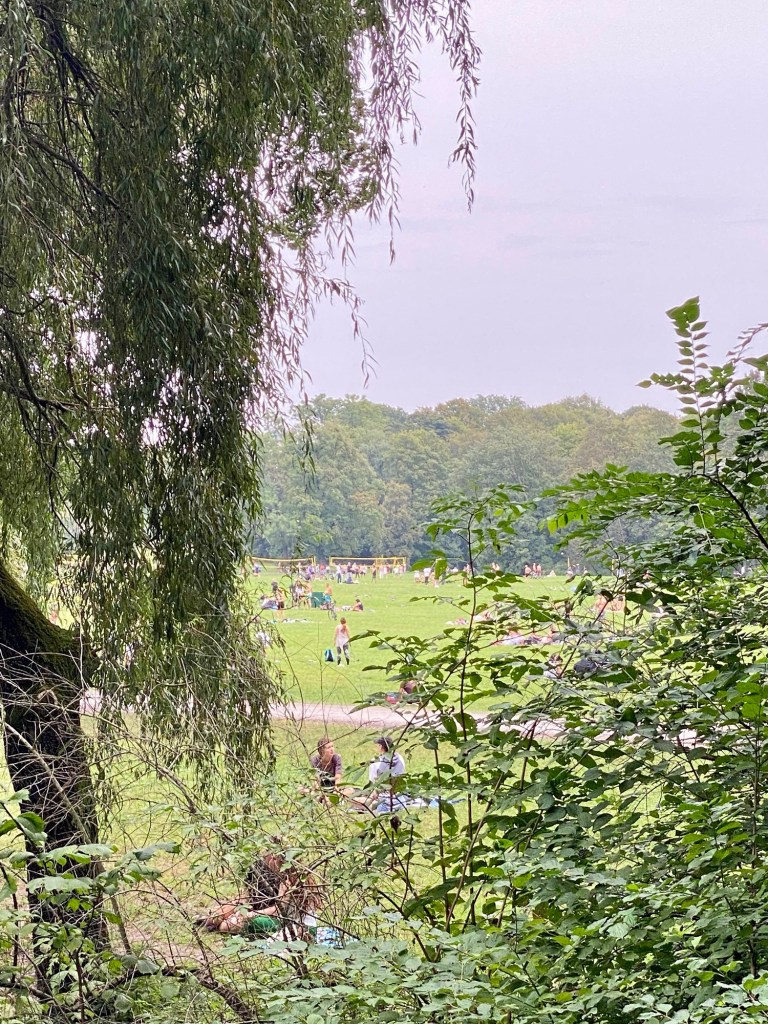
People swim in the water and play volleyball and other sports on the grass.

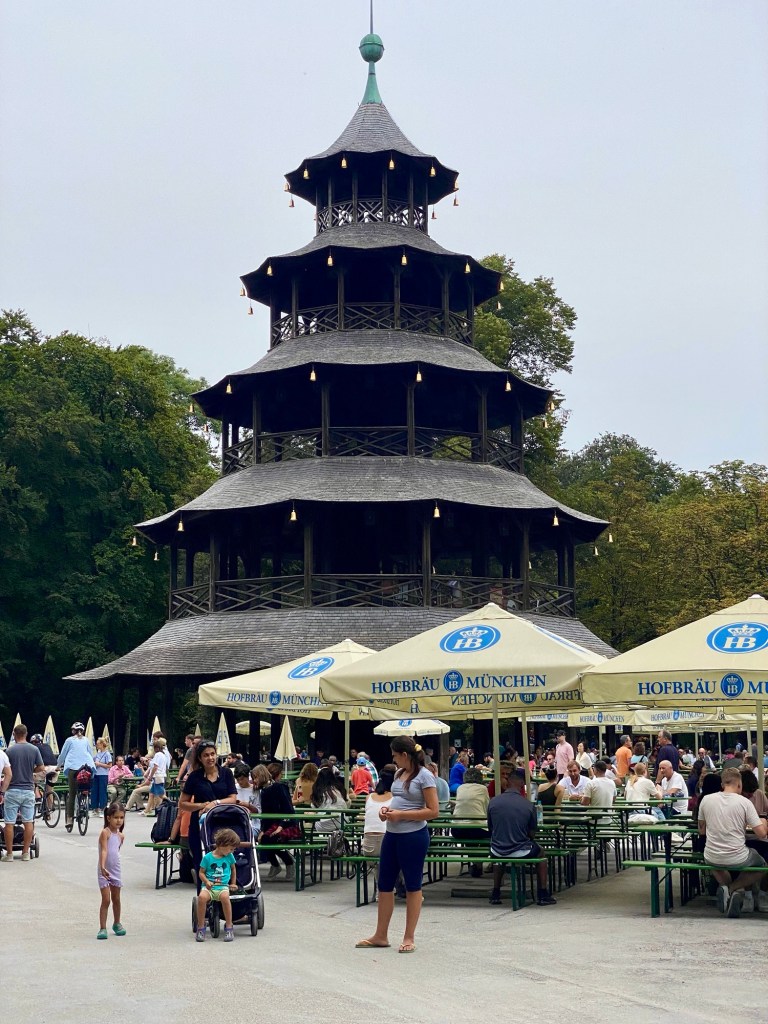
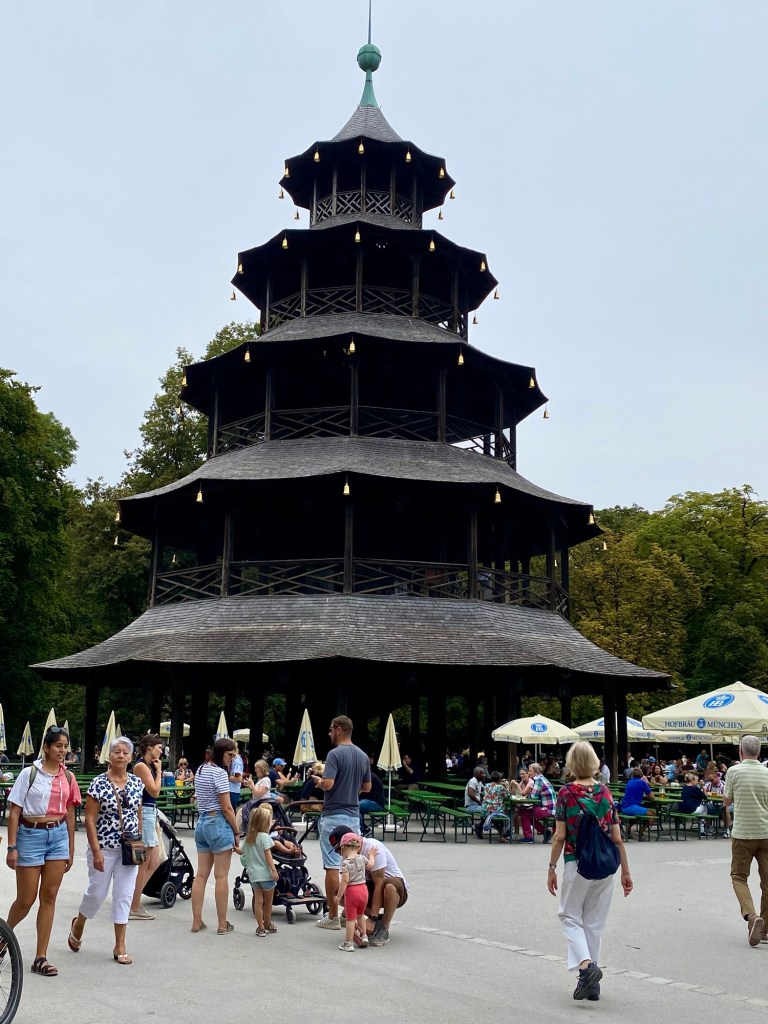
It has a famous beer garden around the Chinese Pagoda.

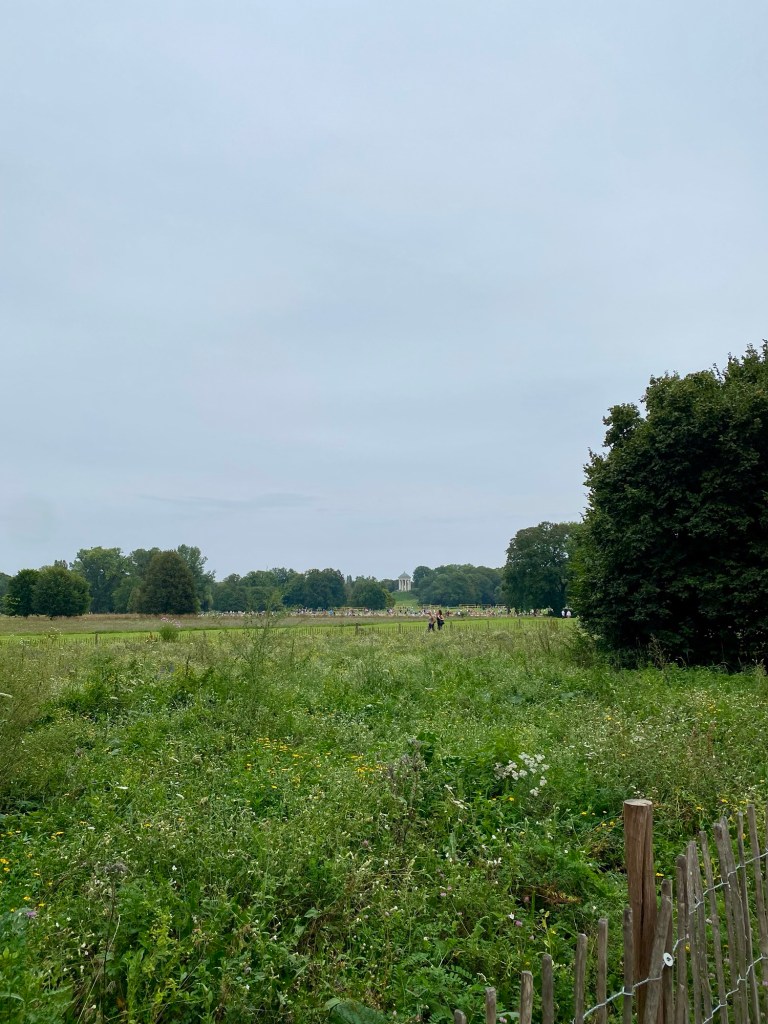
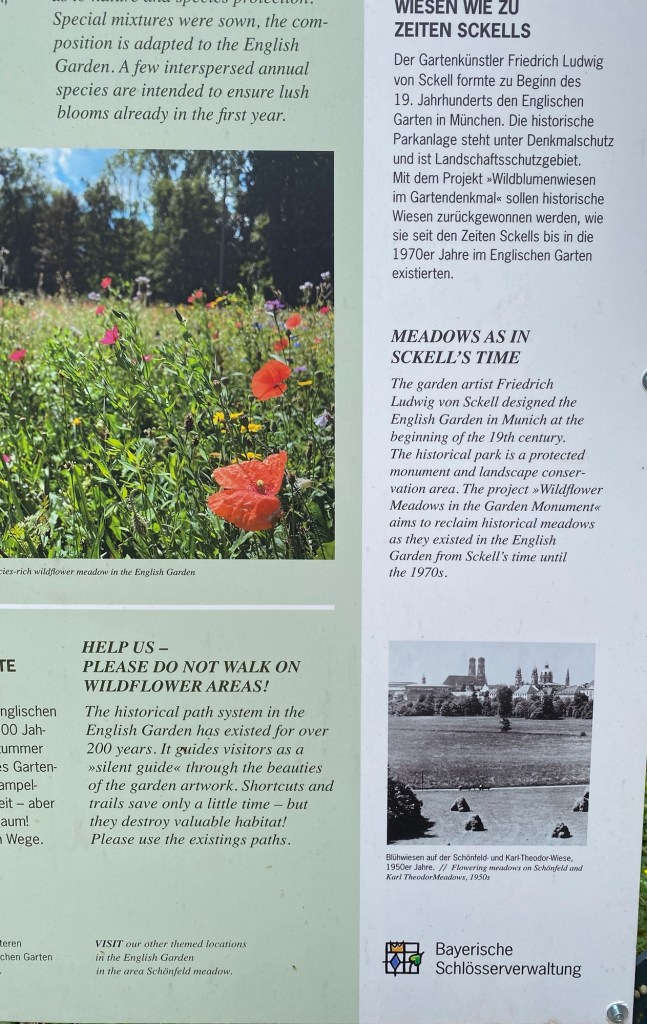
And enough room for wild meadows to grow as well.

Without question, the most popular place is where the garden begins and the water rushes in. I’ve already posted about this spot in “Riding the wave” in Munich. But these are new videos, taken from within the garden on the river banks.

Below is a reminder of what the “wave” looks like from the other side.

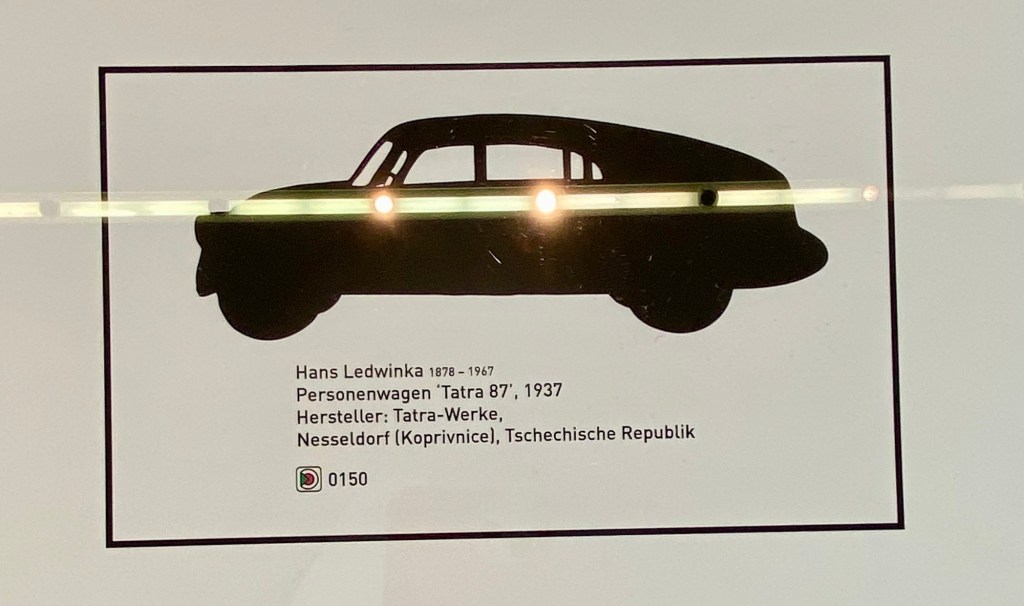
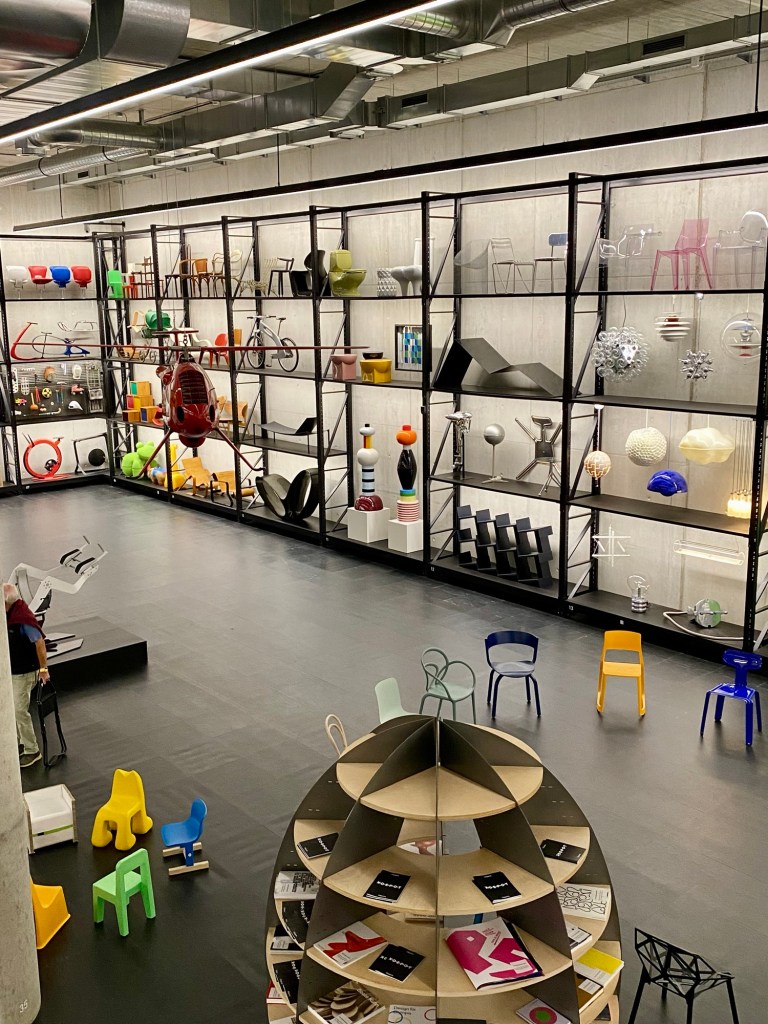
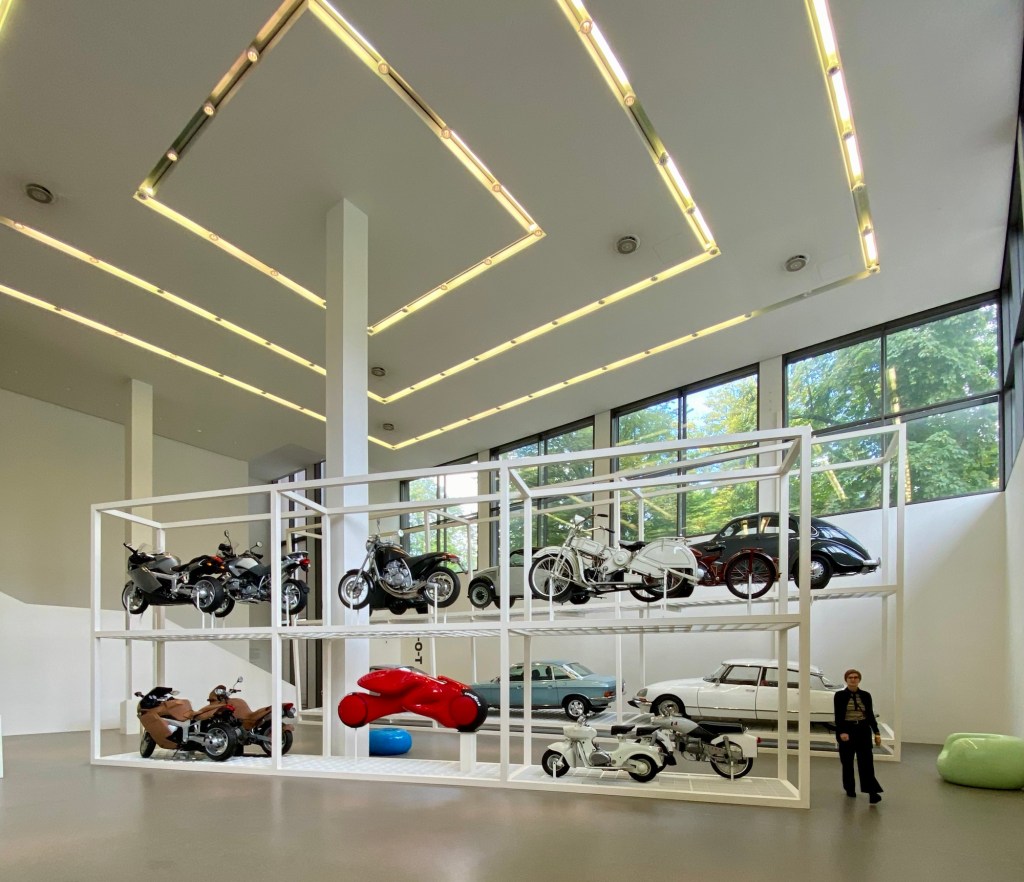
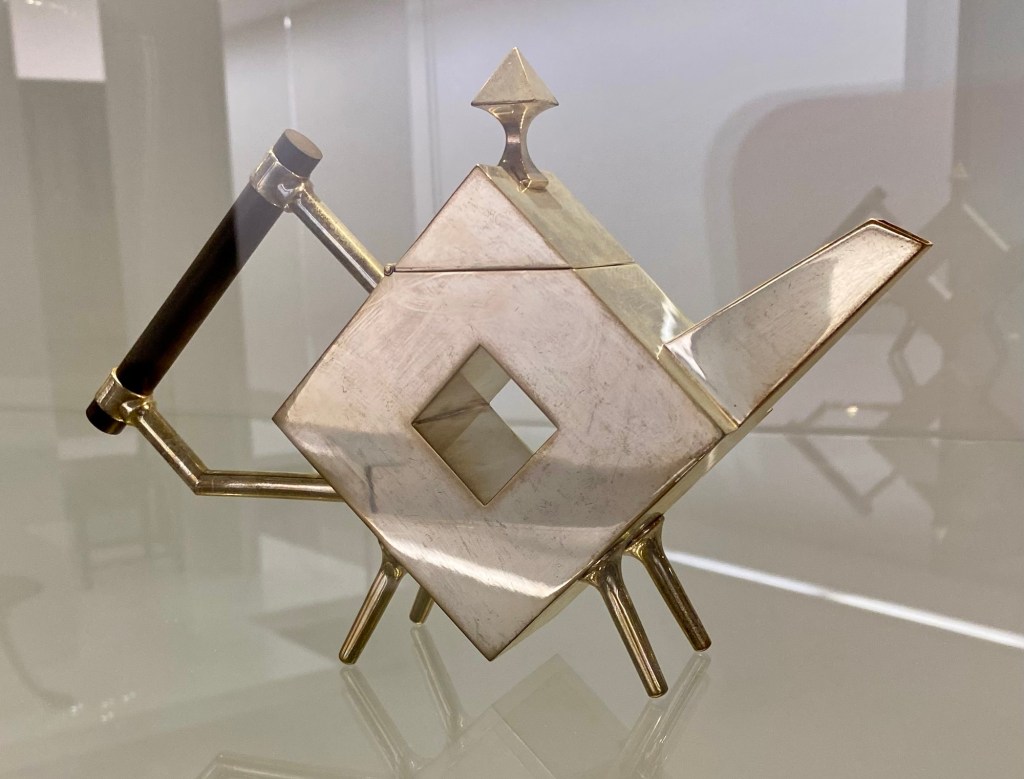
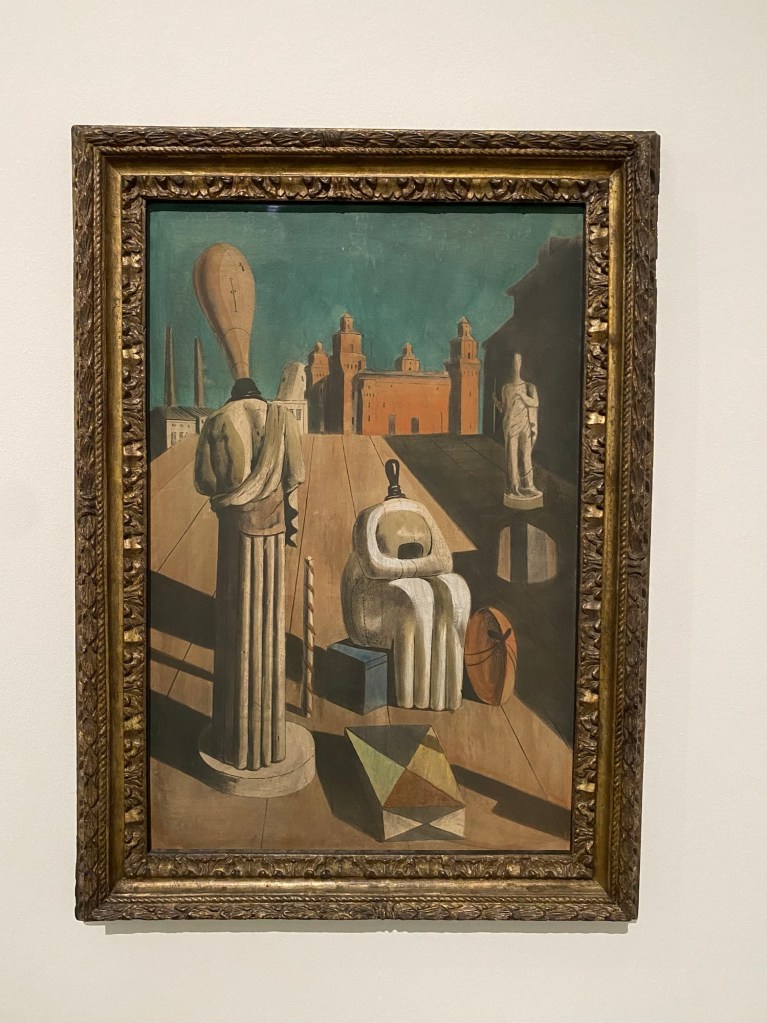
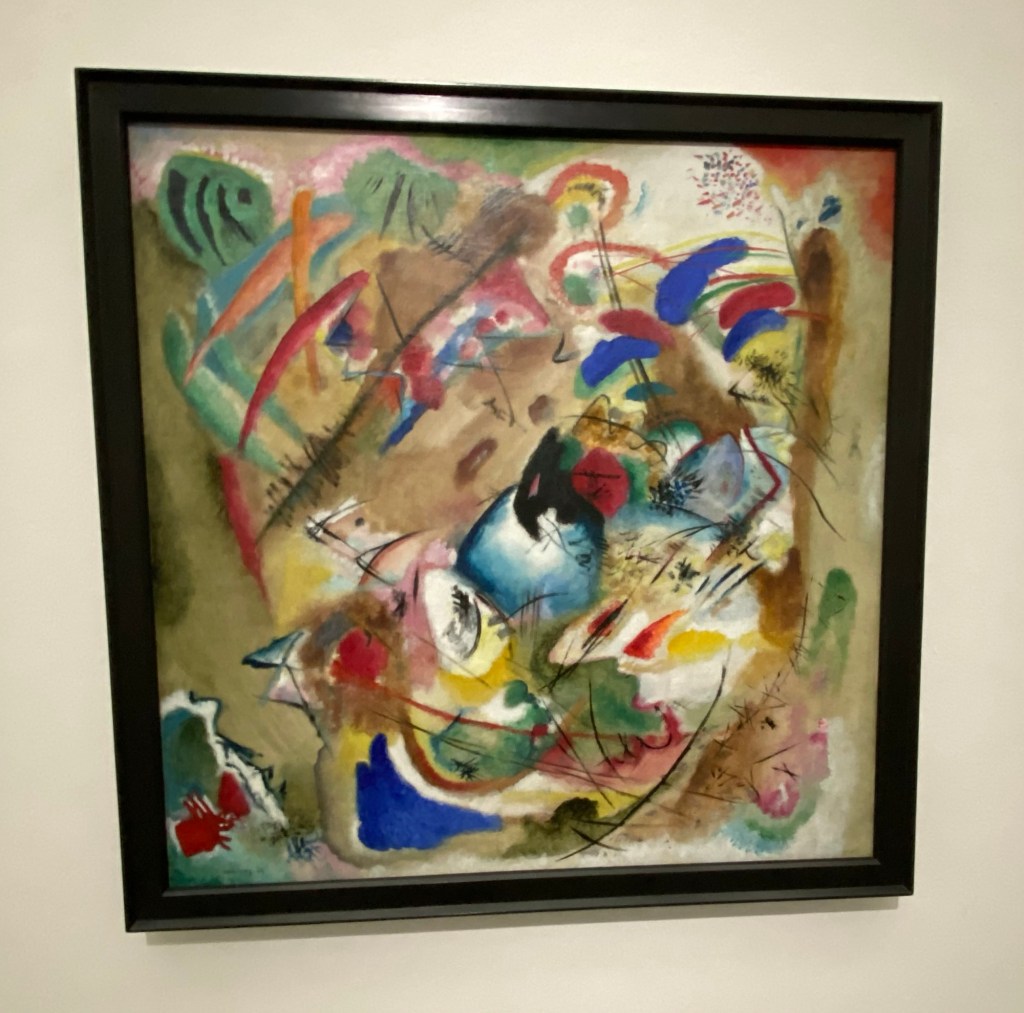
Pinakothek Der Moderne, Munich; Part 1

I’ll be honest with you. This museum was at the lower end of my to-do list in Munich. Above it by a lot was a visit to the Neue Pinakothek in the city. That museum is one of the most important in the world for the 18th and 19th centuries. Alas, it is closed for the time being and that just means that someday I will come back to Munich to see it and the Villa Stuck, which is also closed for now. Both museums are undergoing renovations and I can’t wait to see what they accomplish.

But, I’m interested in “modern” art to some degree (and the definition varies widely from country to country). For sure I was intrigued to see what I knew would be a fine museum in Munich.

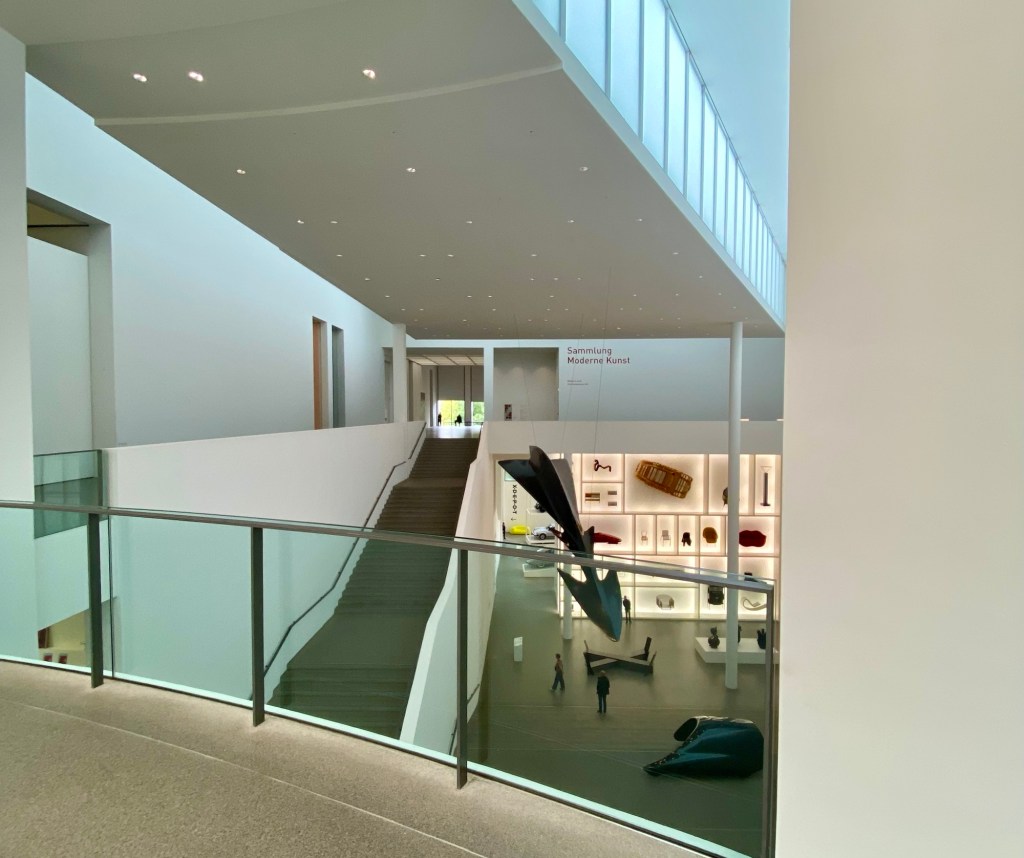
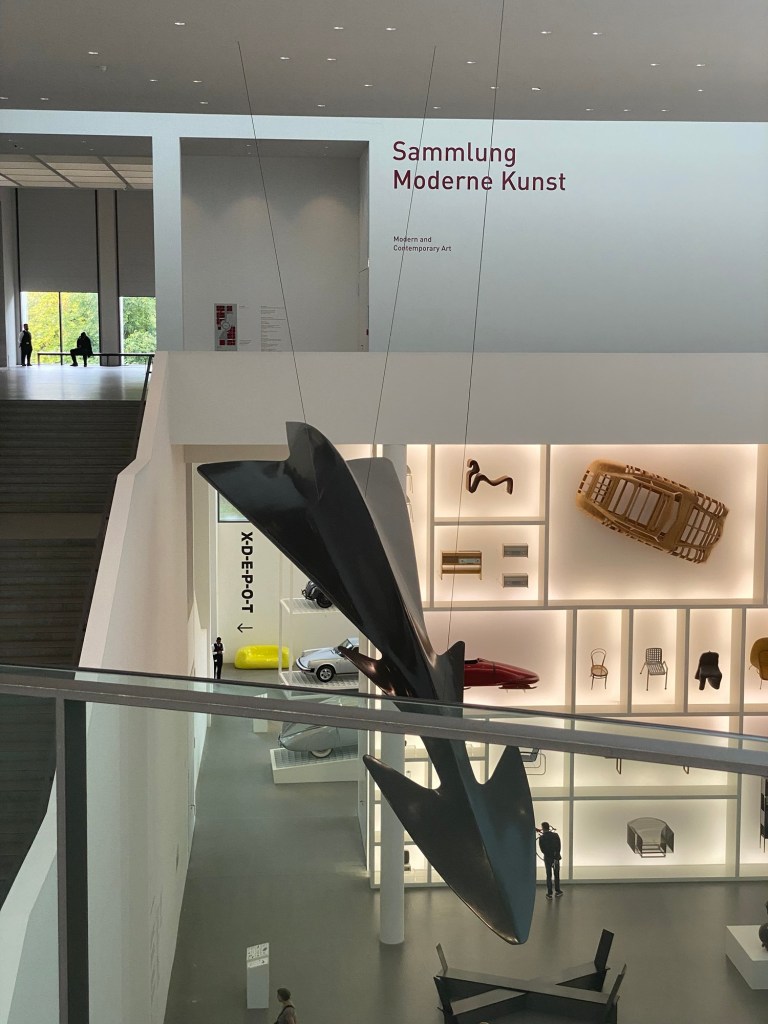
It’s new and it’s wonderful. The central courtyard is quite impressive just architecturally speaking, as you can see.

But, let’s go to the galleries and see what we can find.

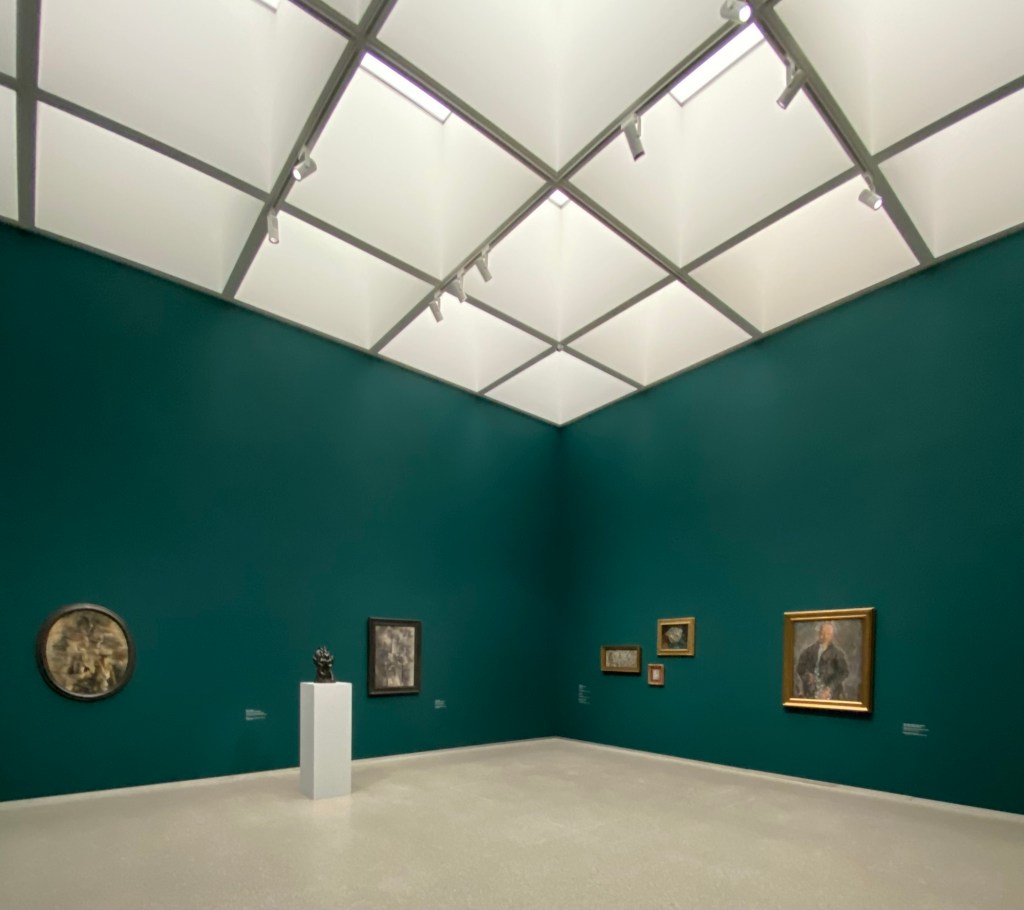
Loved this exhibition space for the color alone! I wish I had had a book of paint specimens with me, cause I’d like to use this color in some room someday. But, wait…isn’t that a Picasso or 2 or 3 over there? Let’s go see!

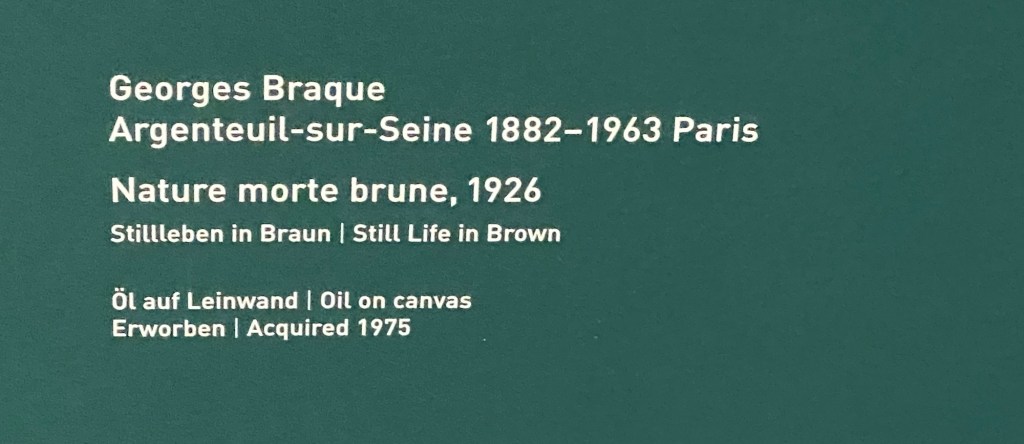
Uh, hello Georges Braque! Lovely to see you! I’m already in heaven.

An overview of the next wall:

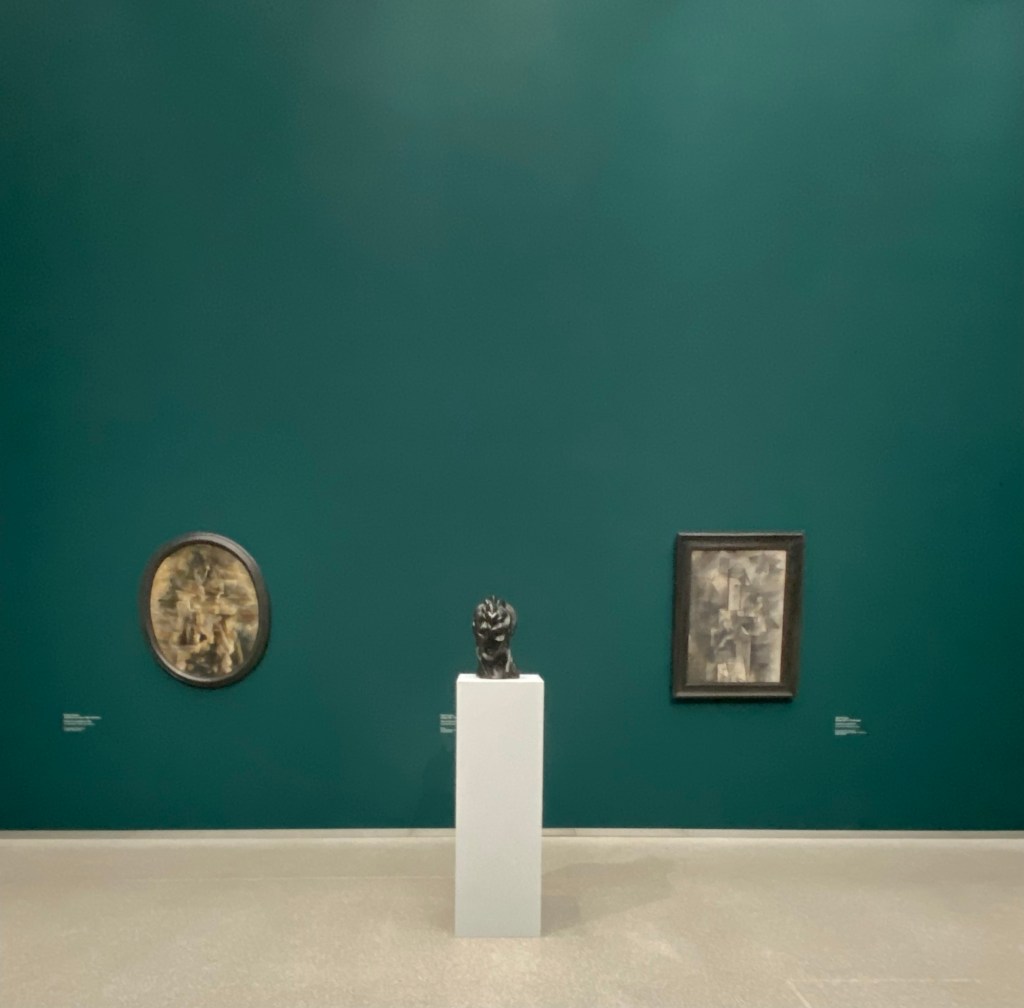
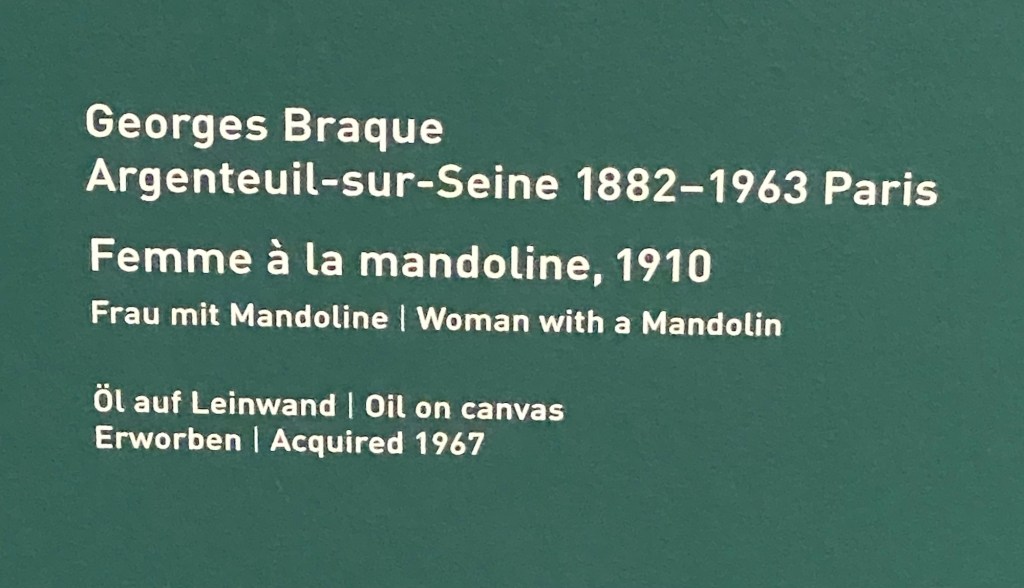
Hello again Braque. Love your oval oil on canvas, cubist style painting of a Woman with a Mandolin. Fantastic. I love this kind of “modern” art. I am in good hands here.
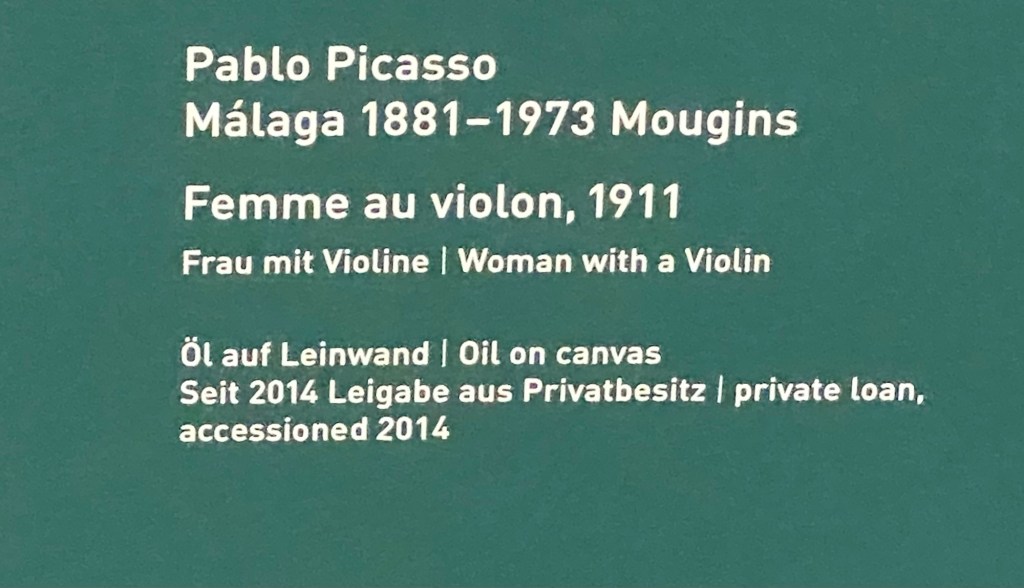
And, for a companion piece, hello Pablo Picasso! Lovely to see you to during your early Cubist period.

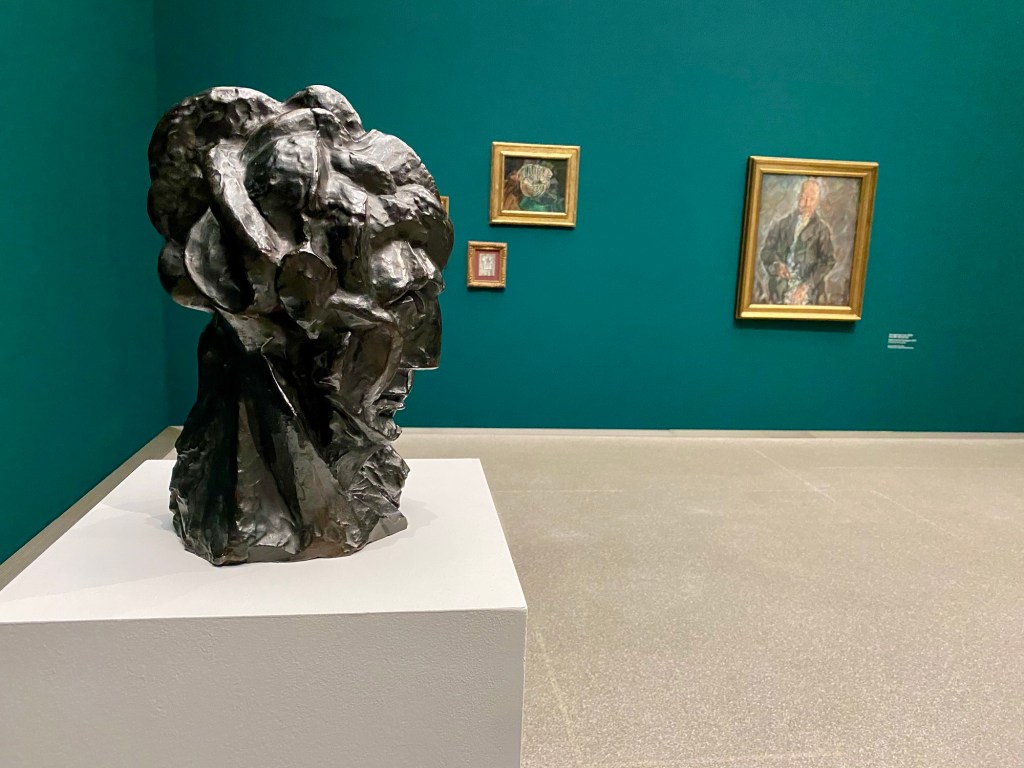
And between the 2 cubist works, Picasso’s portrait bust: Head of a Woman (Fernande) in bronze.

I had an interesting moment in this gallery, because I decided to make a video of the sculpture so I could remember it in the round. I made a few attempts and the guard in this room objected. I knew it was ok to take still photos, so I didn’t think a video was against the rules. But, this guard came over to me and told me I couldn’t use flash.


I had no intention of using flash, just a video in natural light. So I showed him what I was doing and there was no flash involved, and he was fine with that. I recorded it accidentally, and saved it to share with you. And, on the 3rd try, I got the video I wanted. Fab.

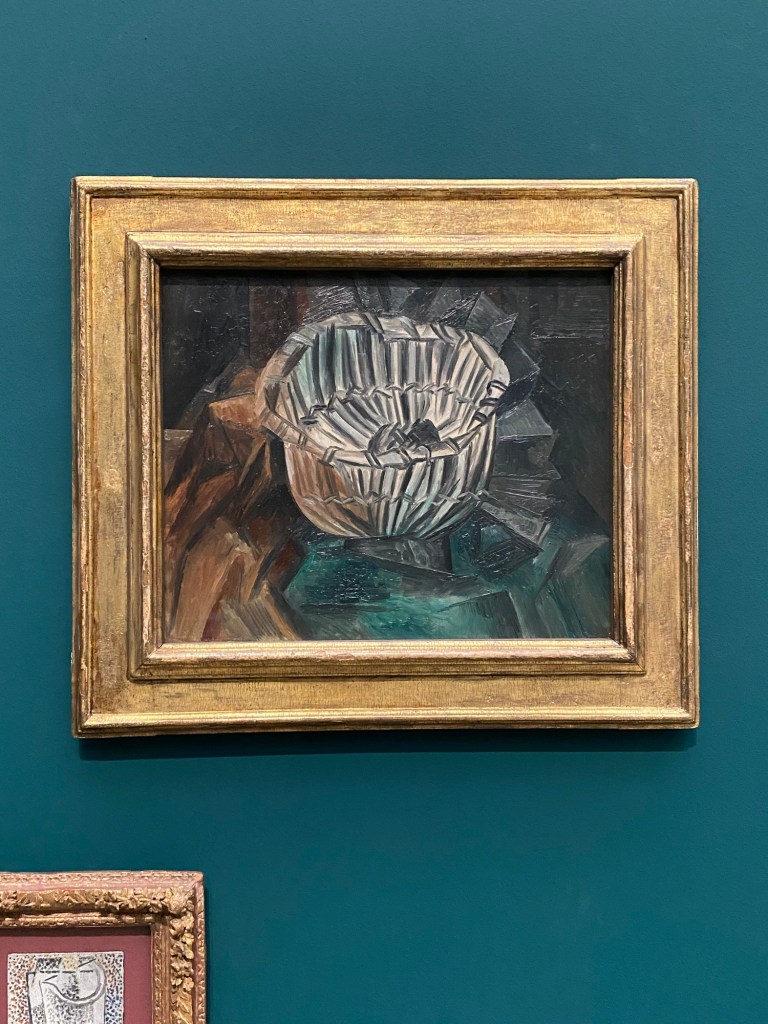
That kind of experience in an art museum tends to interfere with concentration. But I was back in the zone when I turned to the next wall. 3 Picassos in a group. This is indeed a good day!

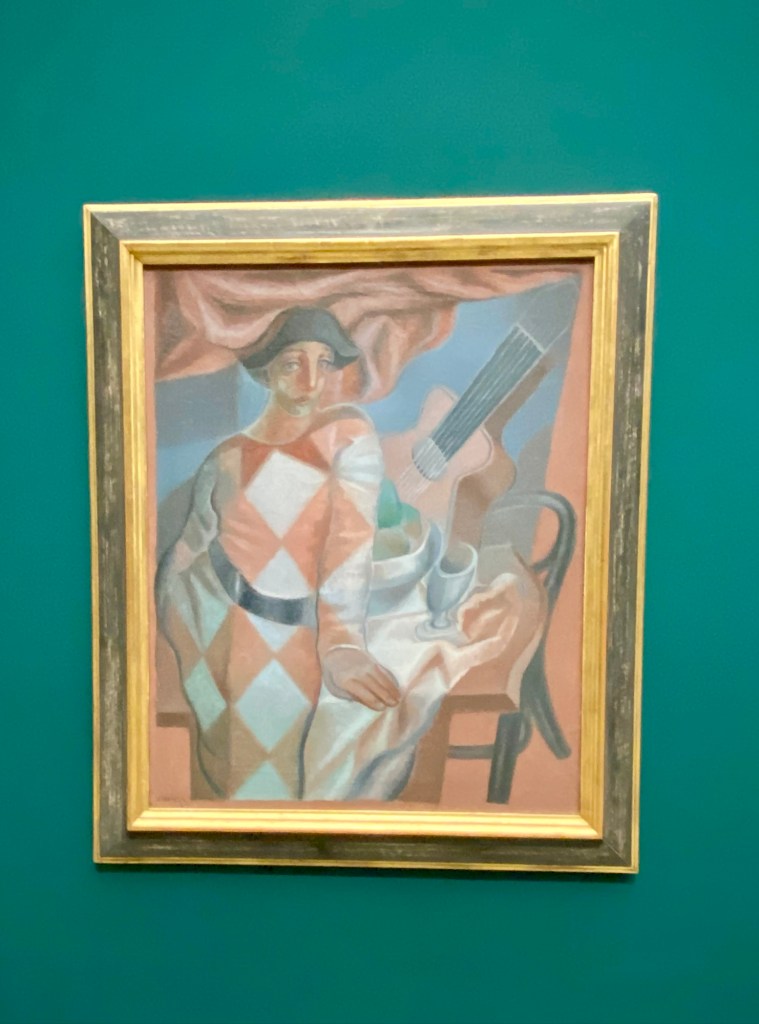
Next up, Juan Gris.

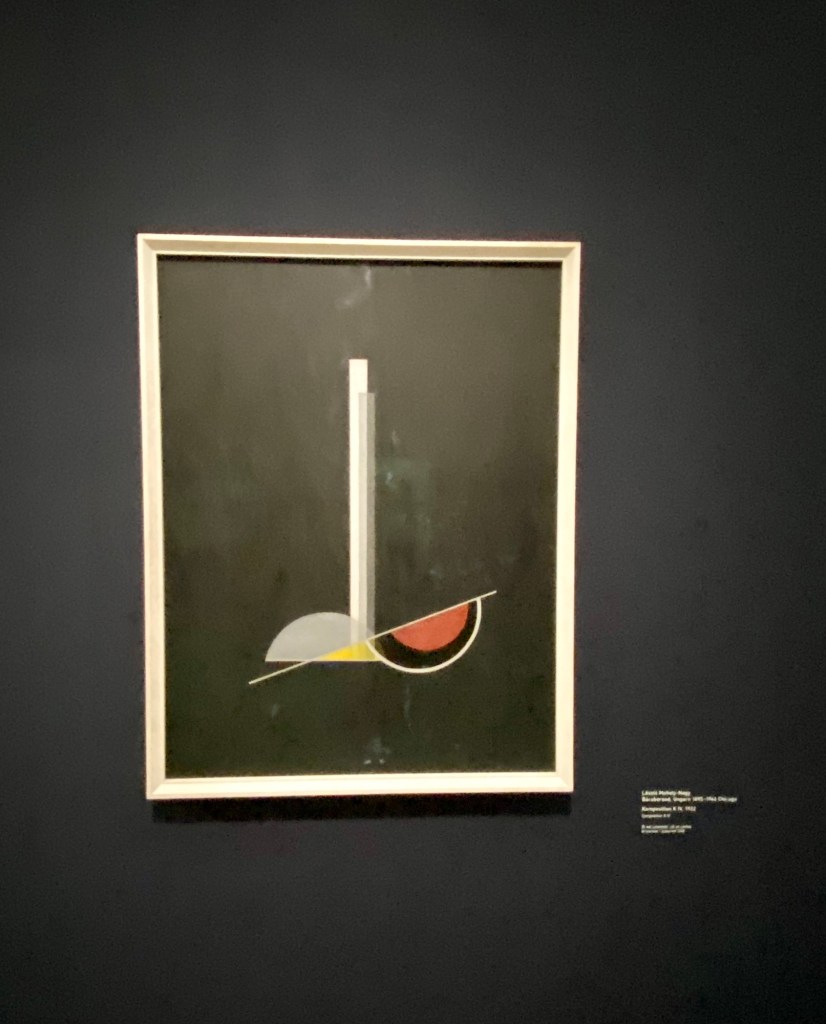
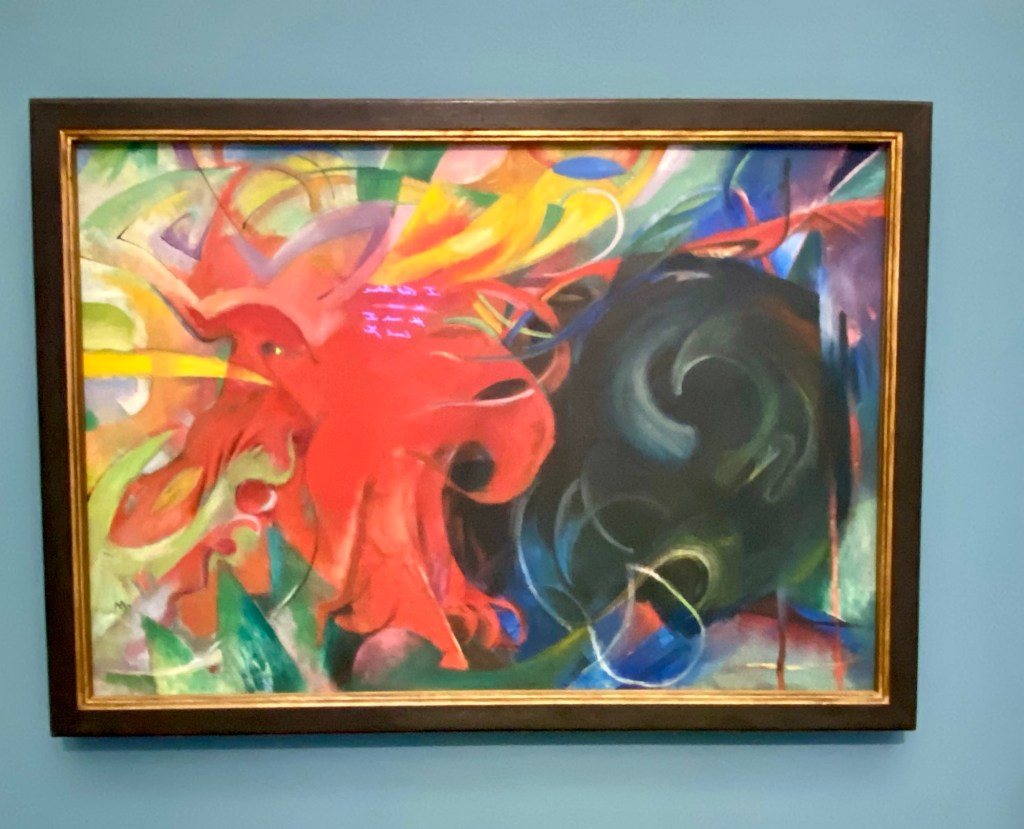
Another fabulous oil on canvas from 1922. This is the kind of art that Hitler called “degenerate.” I’m obsessed with WWII history at the moment and reading a great book: The Rise and Fall of the Third Reich. Hitler is on my mind here in Germany. I wish he weren’t. All of the artworks in this post would have been burned by him and his cult had they been able to get their hands on them. Despicable.

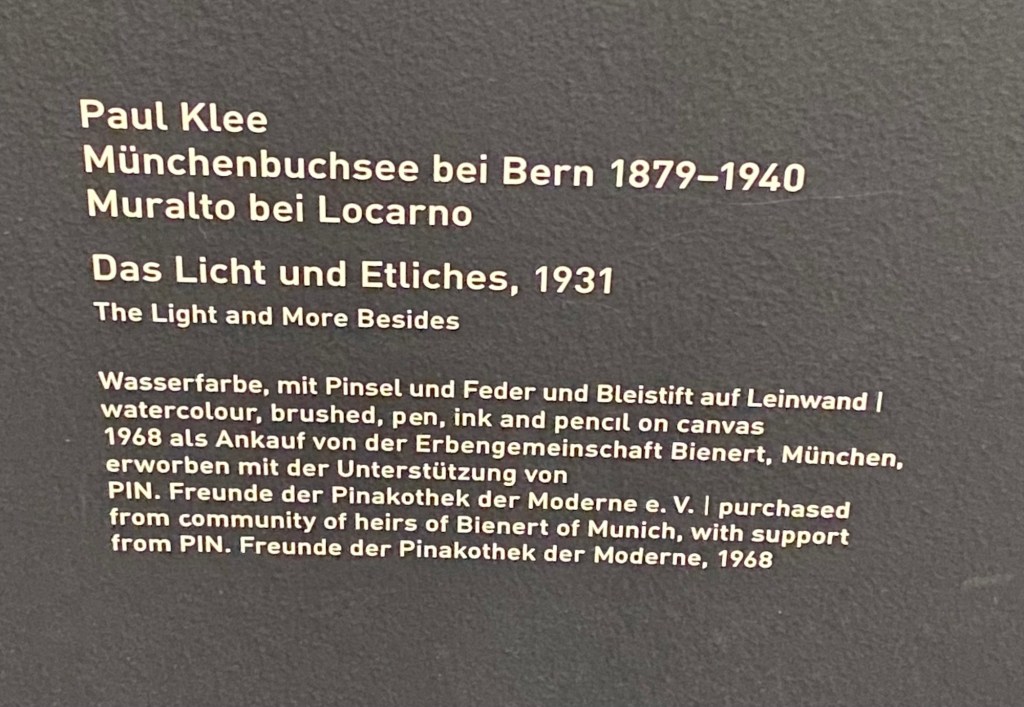
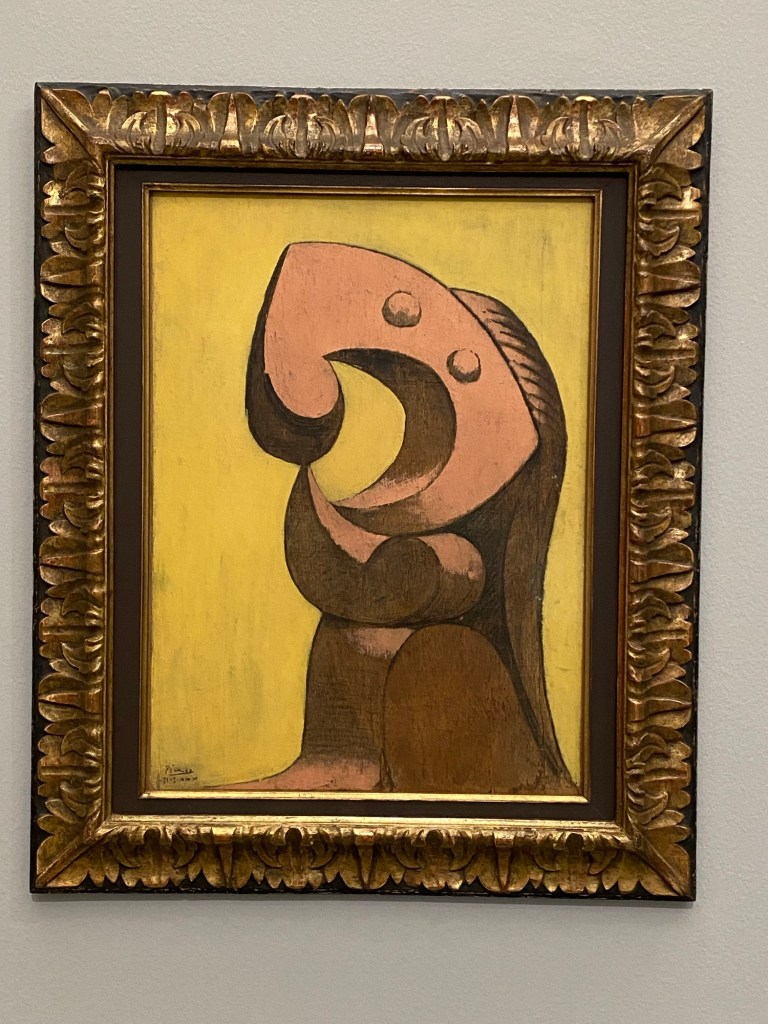
I love the work of Paul Klee:

Here are a couple of close ups of this minutely painted work.

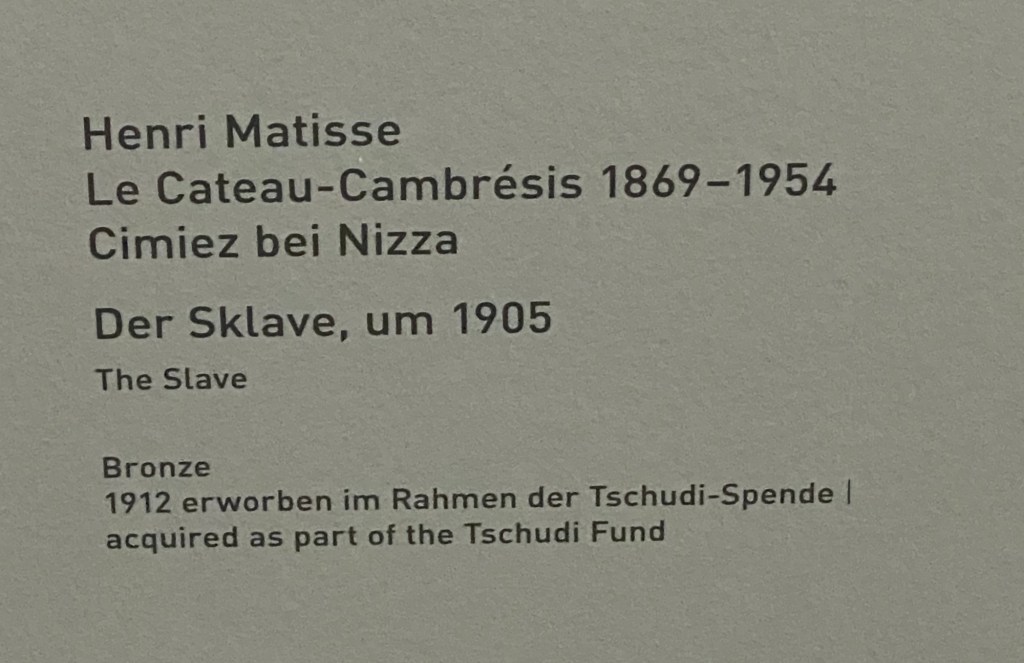
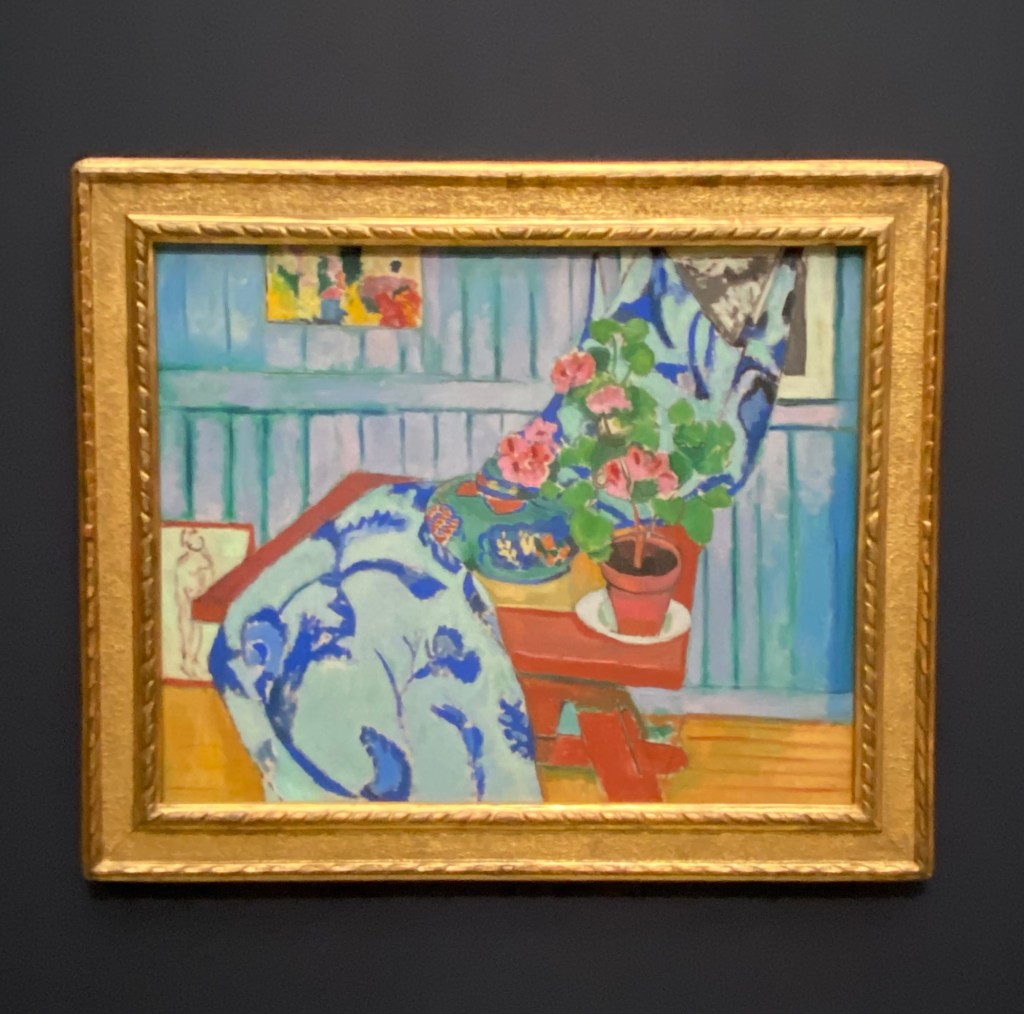
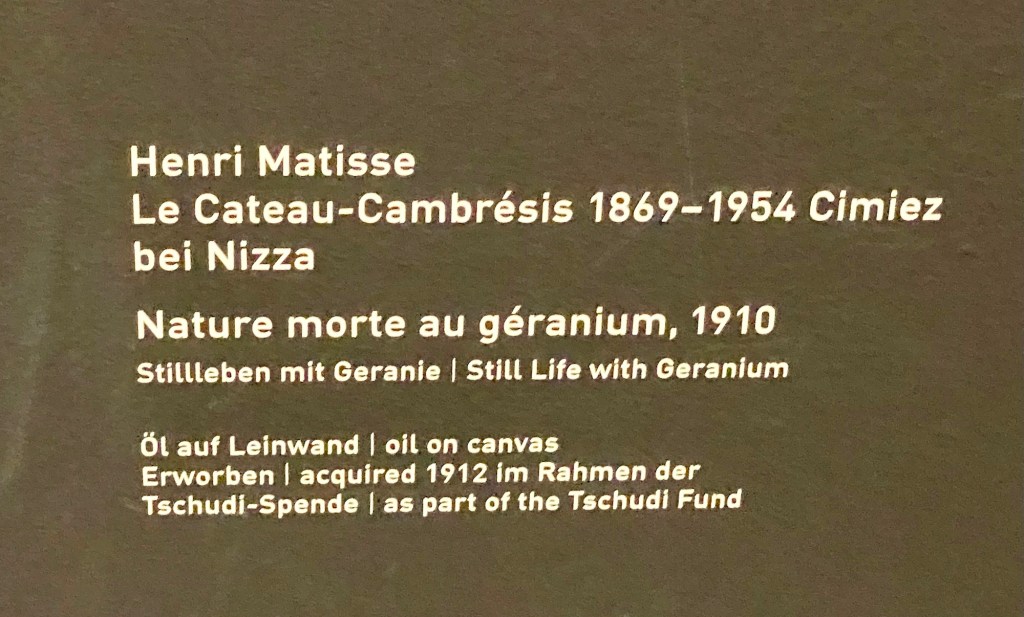
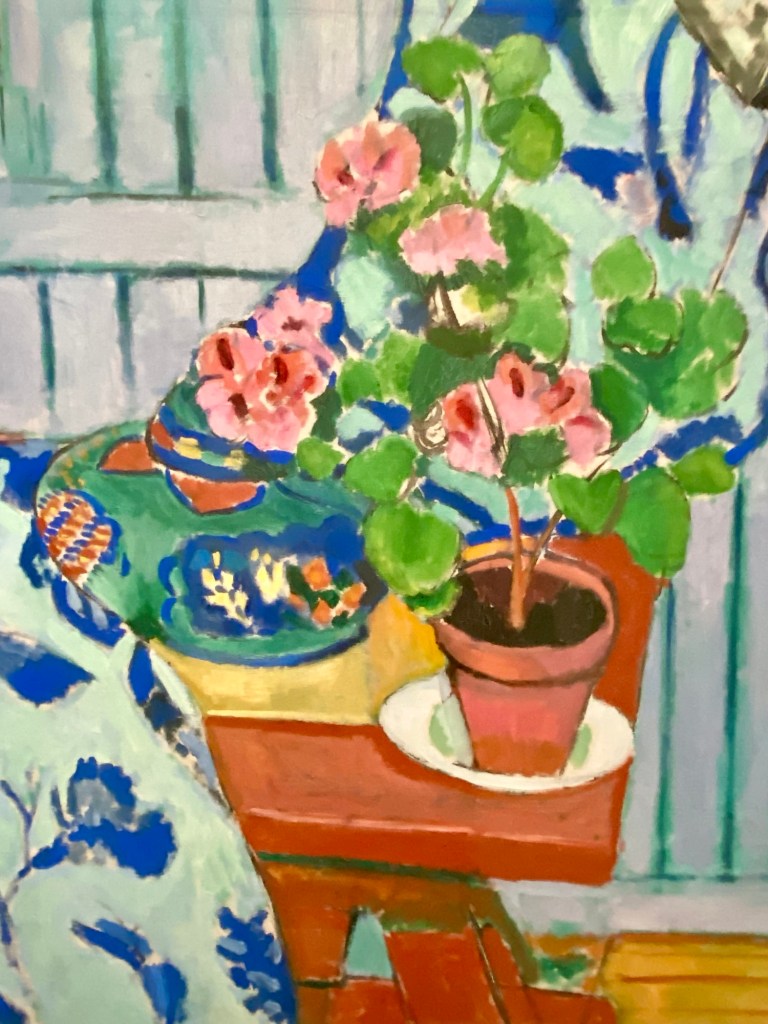
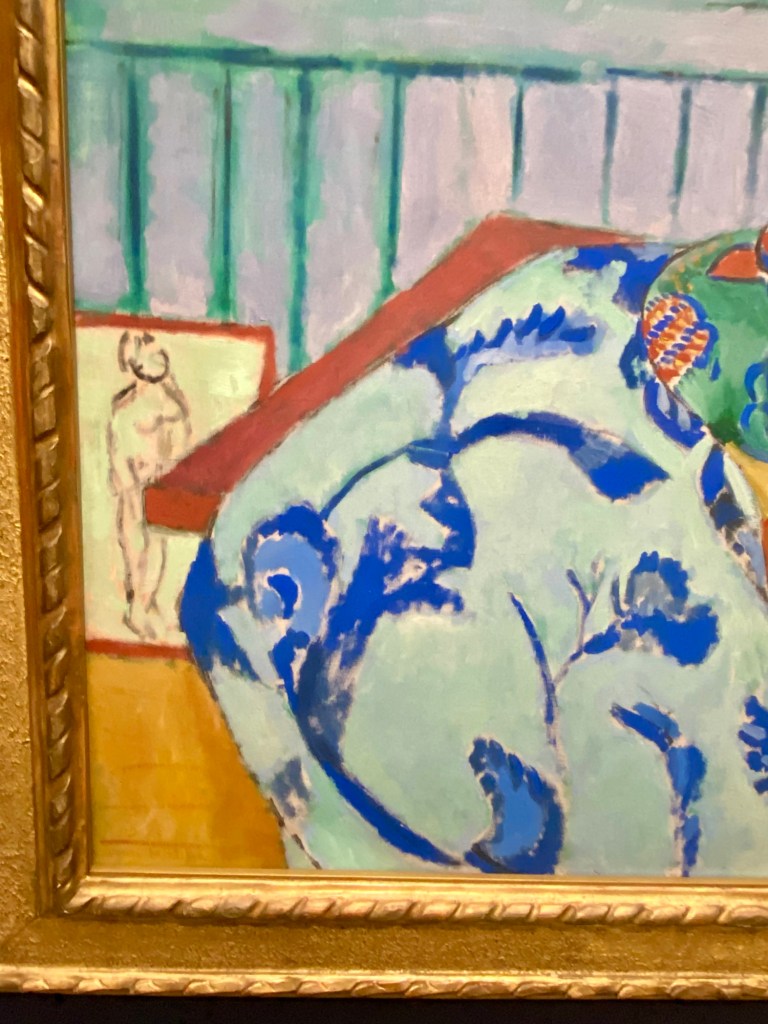
Oh, hello Henri Matisse. I do most certainly love your work!

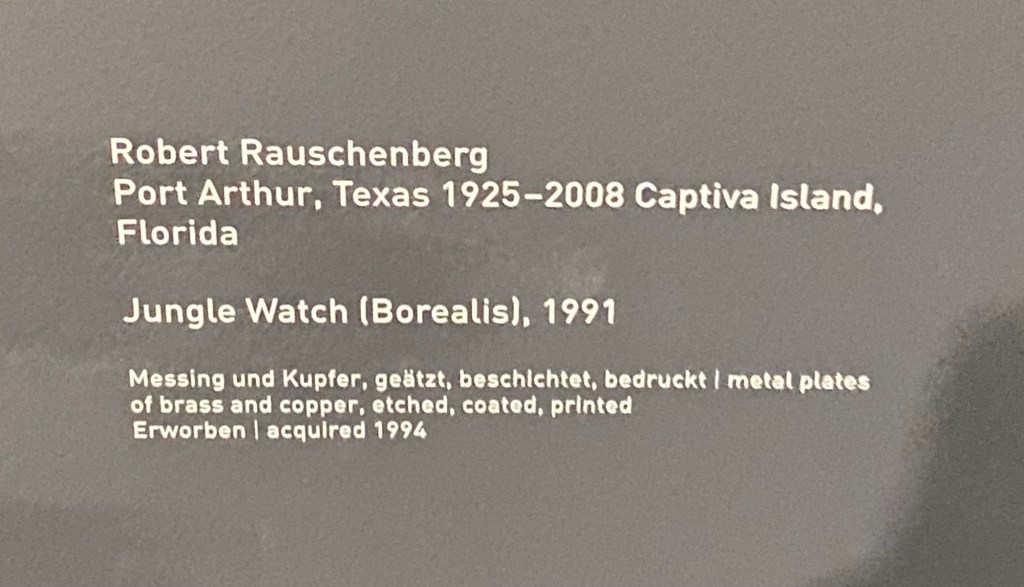
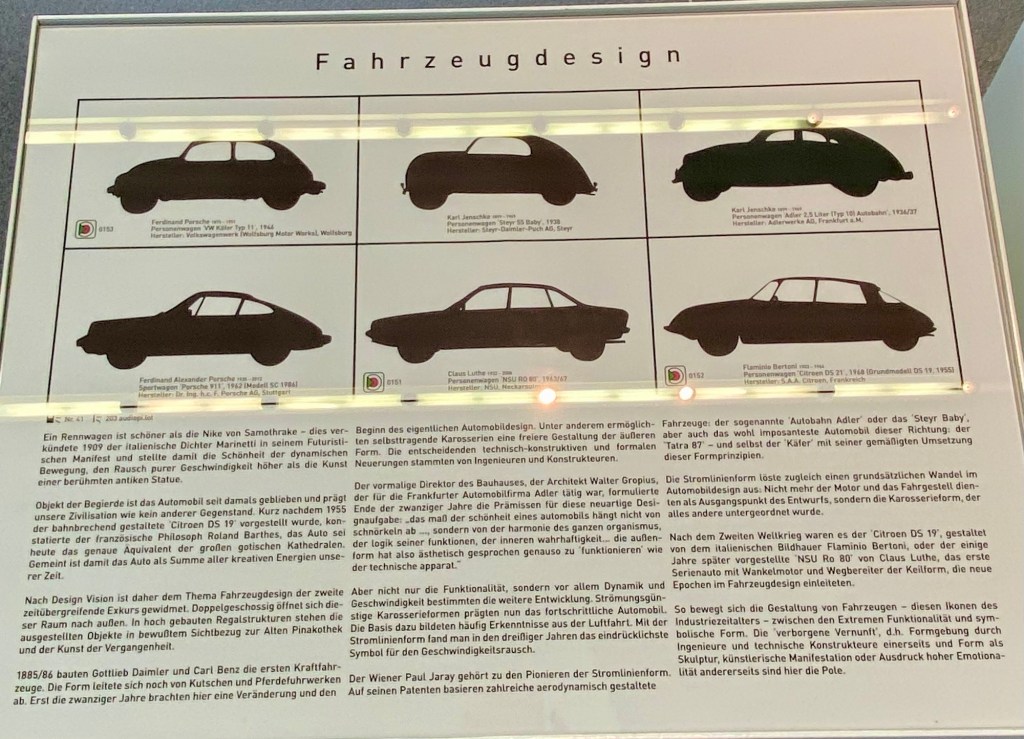
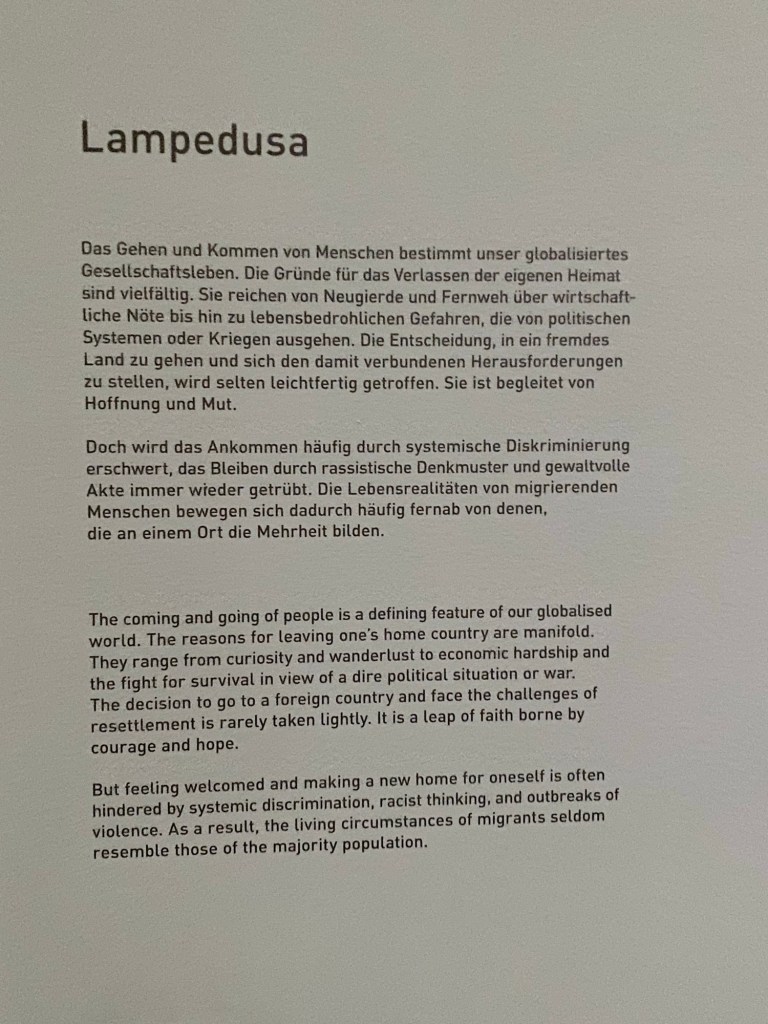
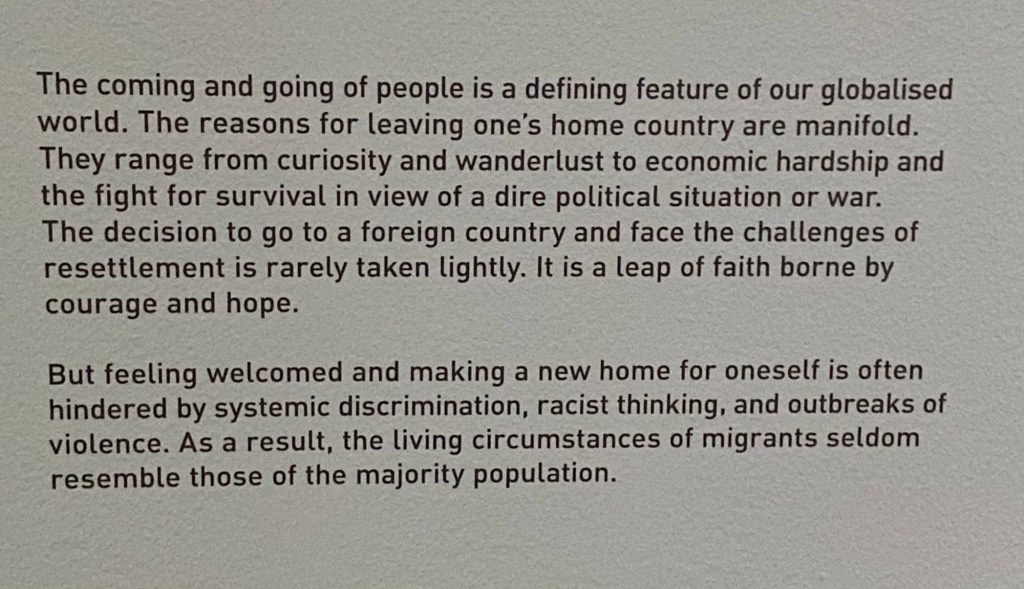
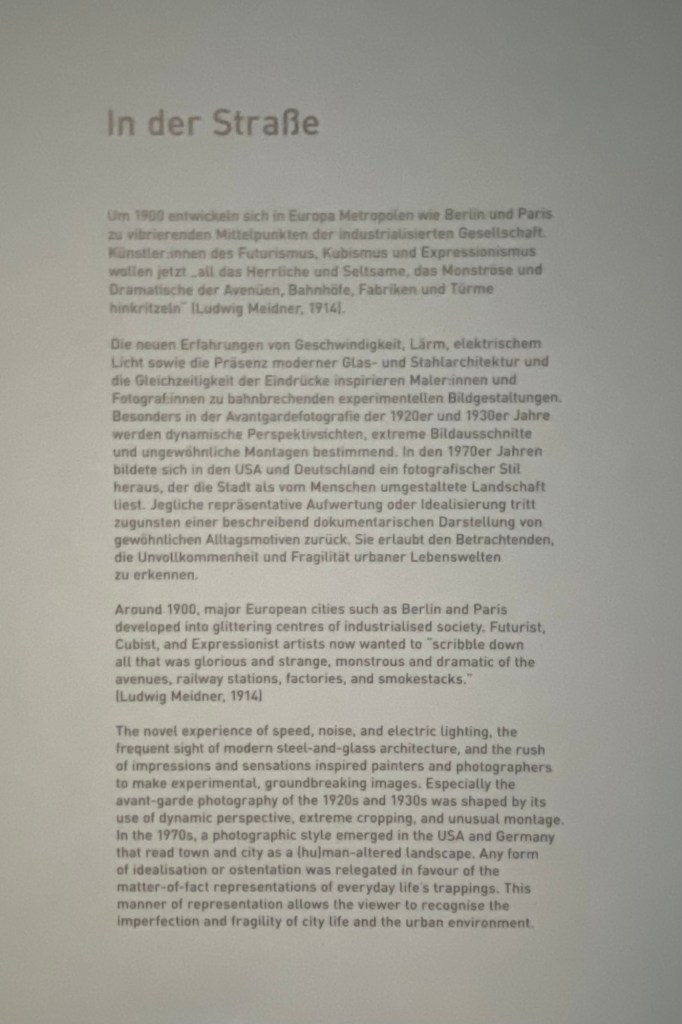
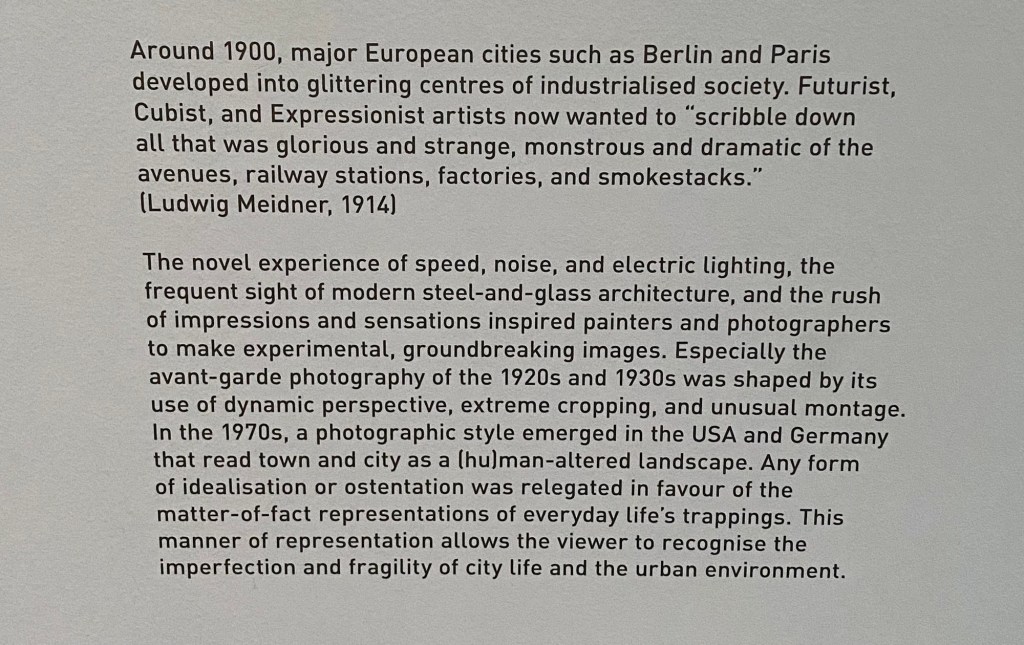
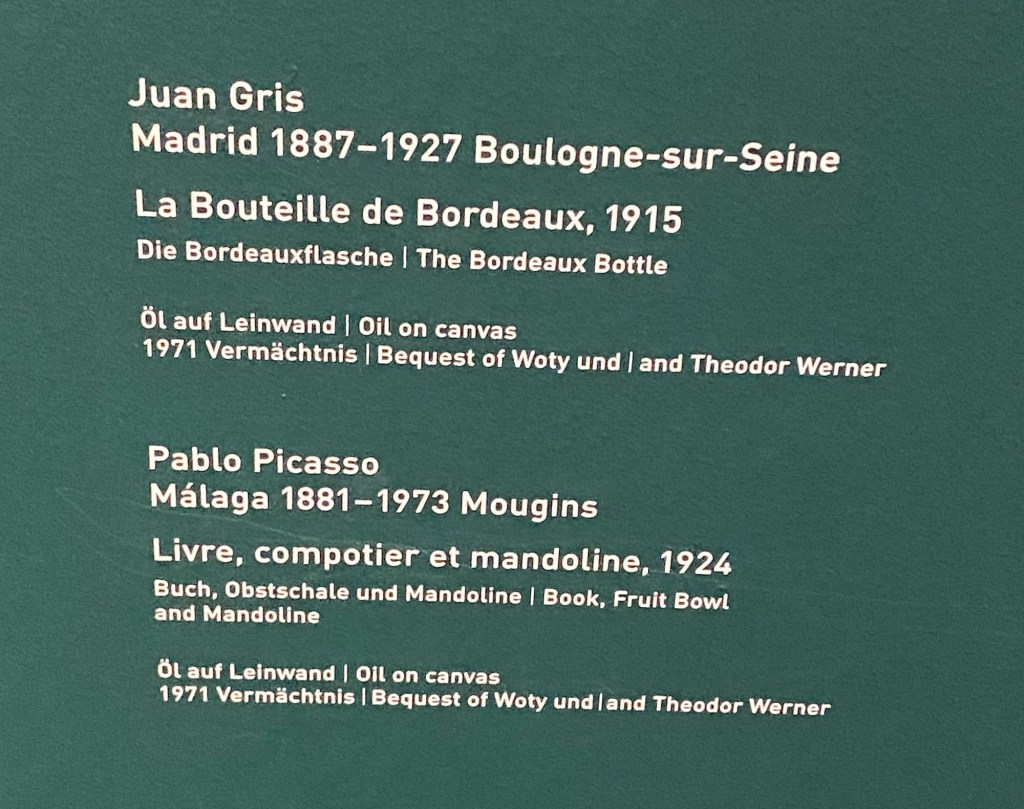
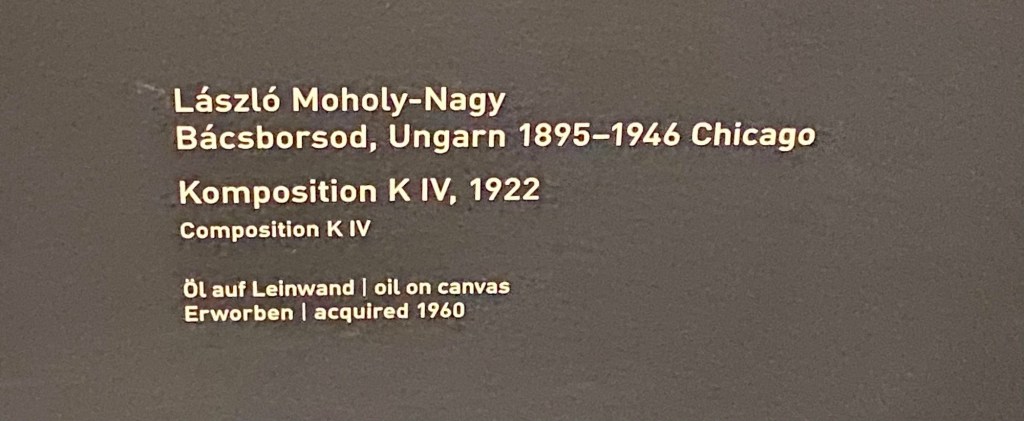
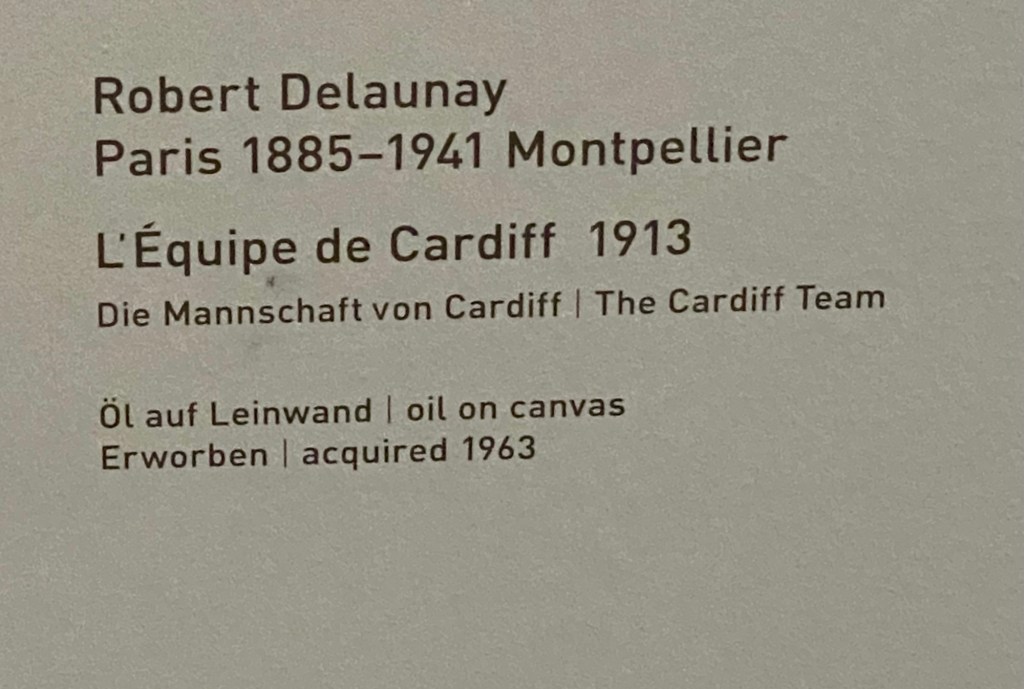
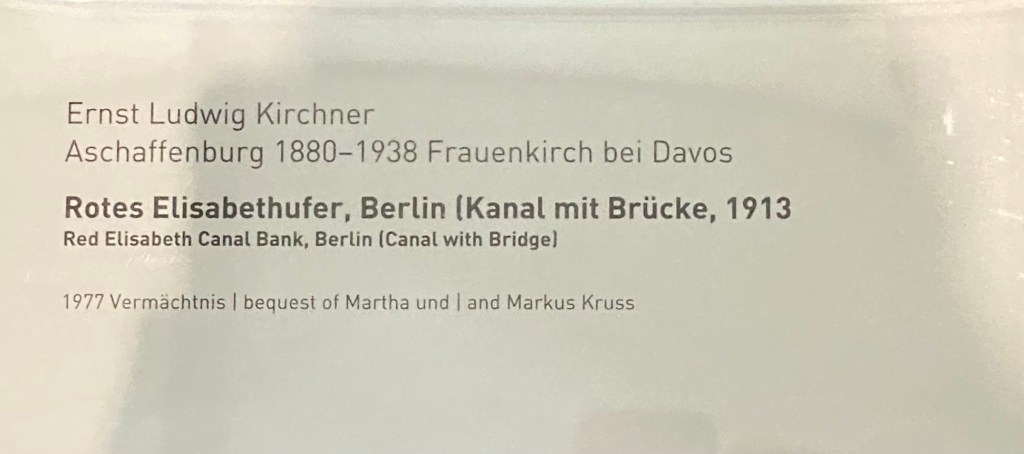
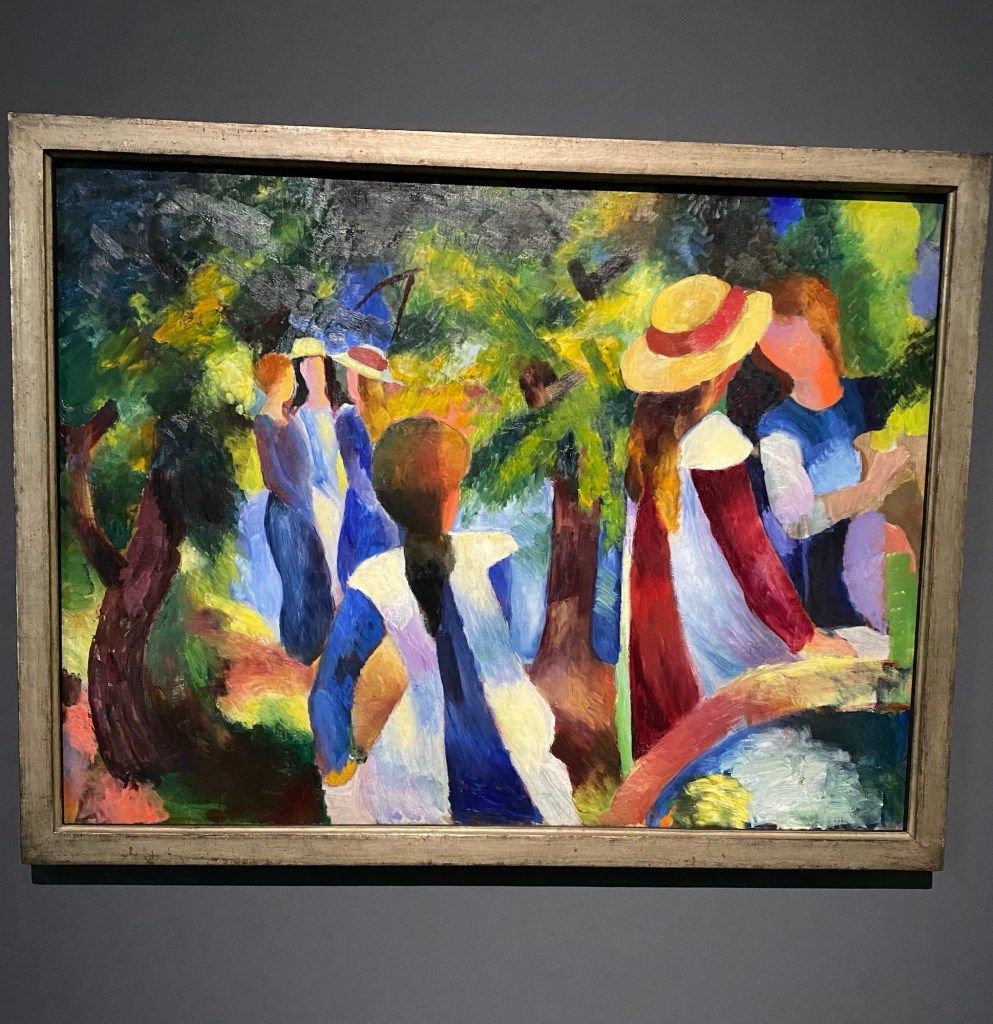
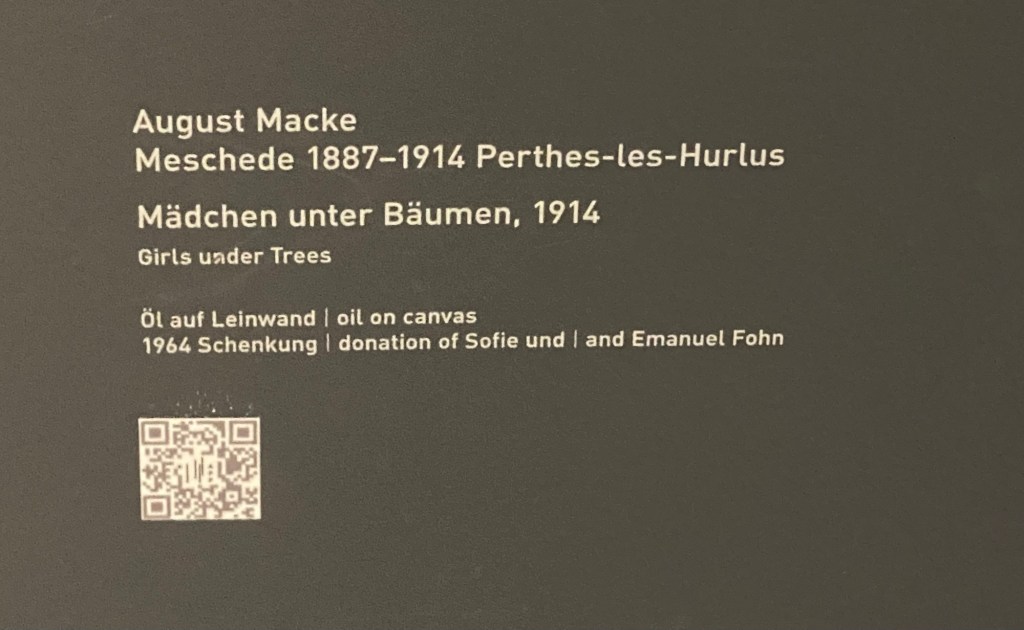
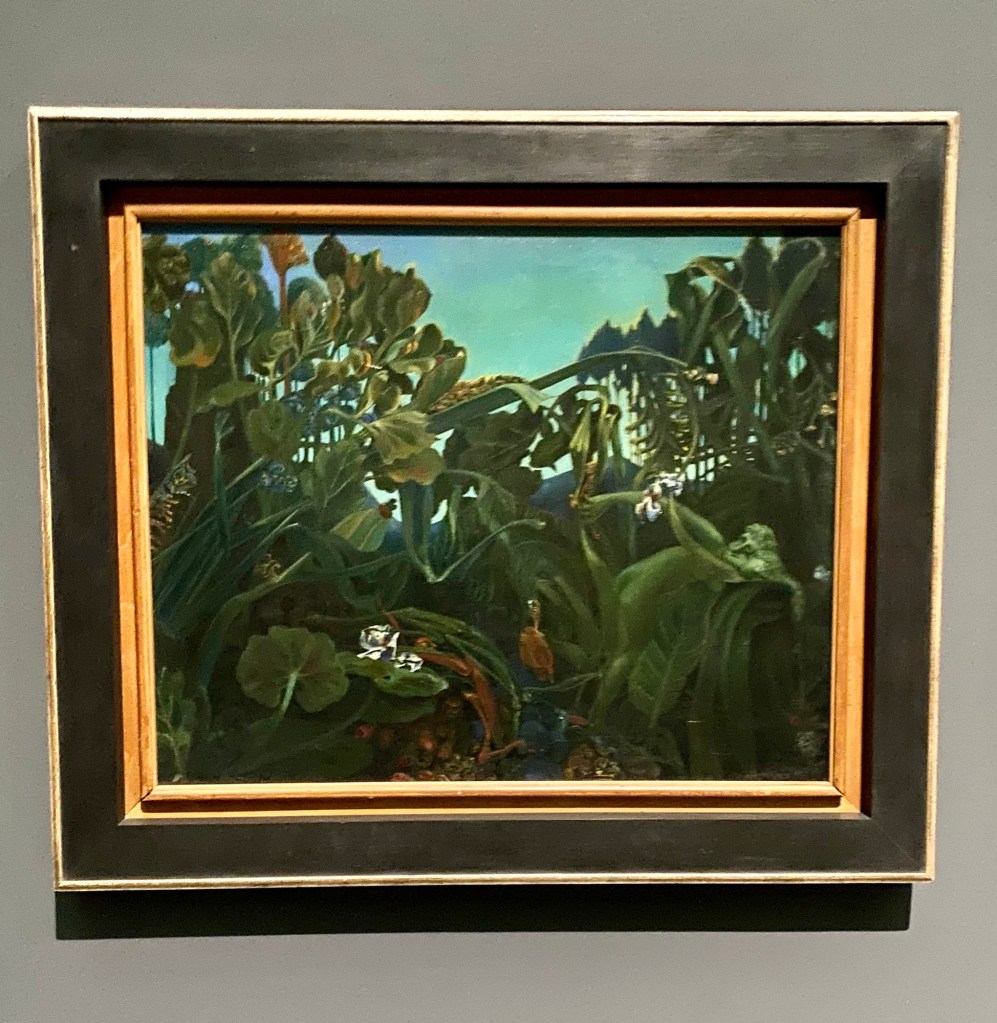
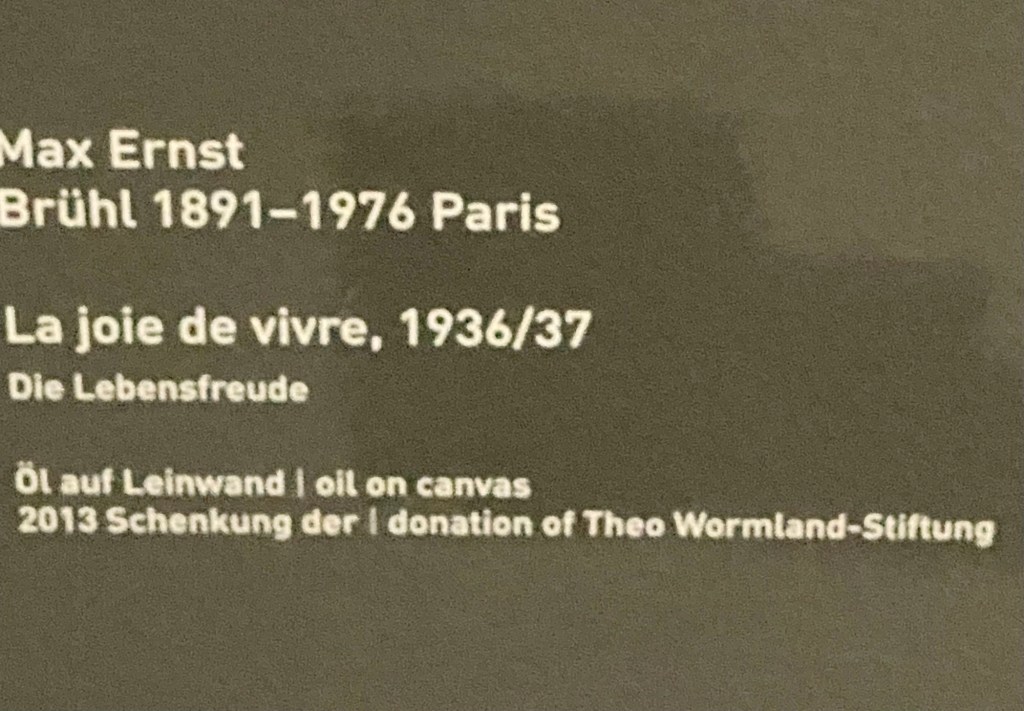
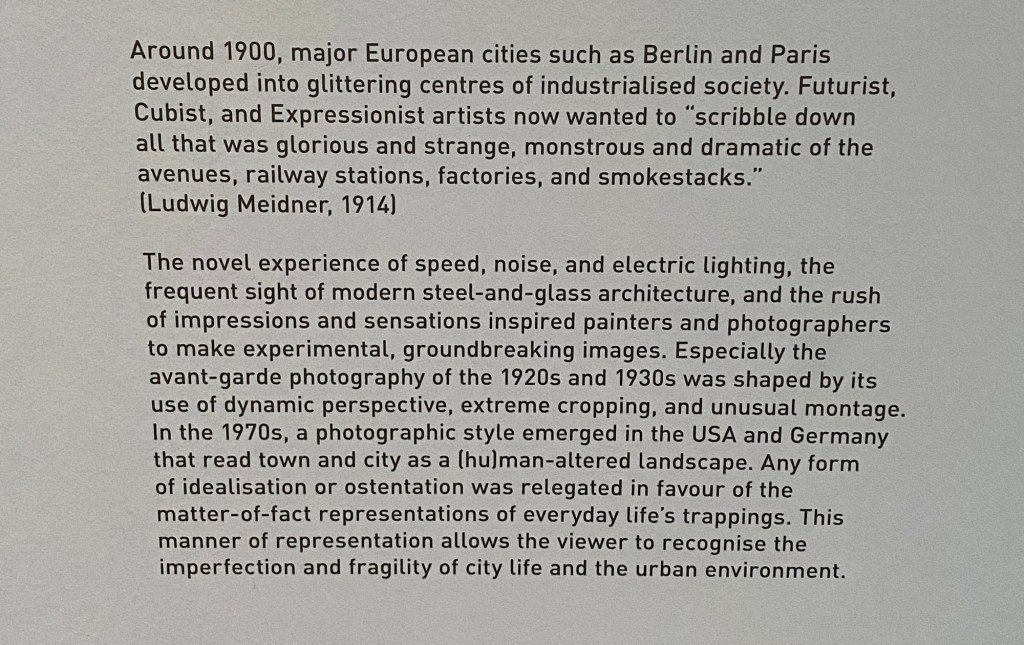
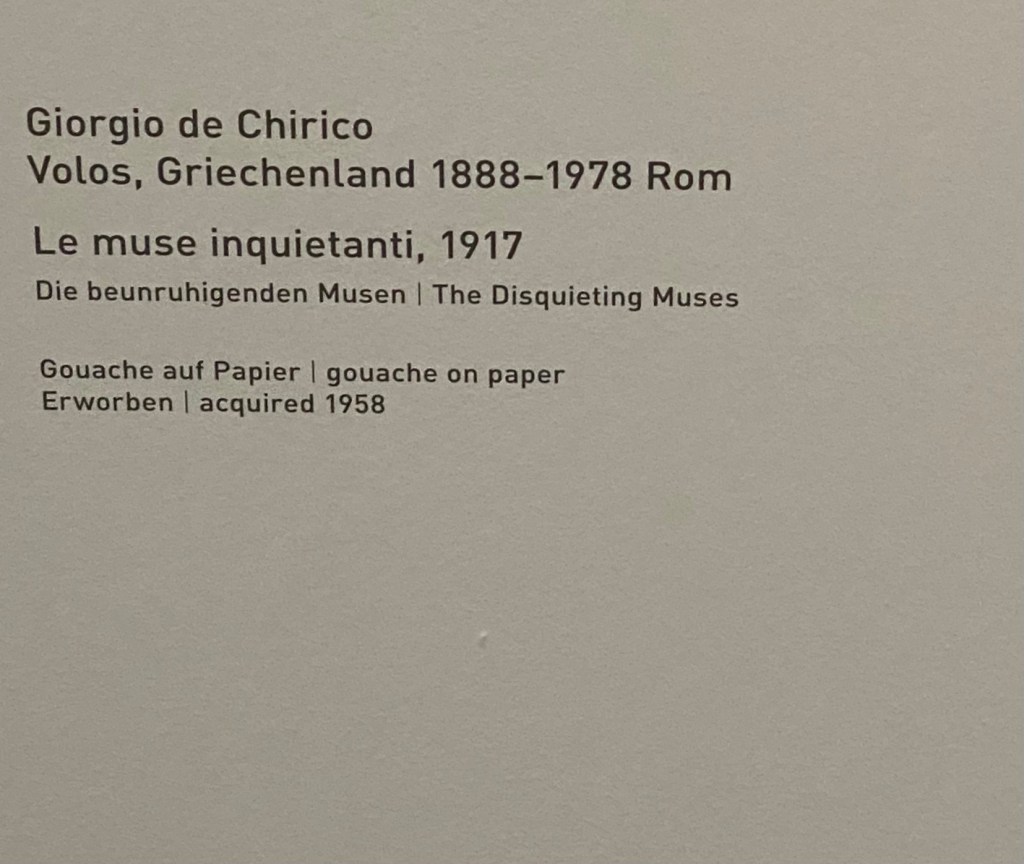
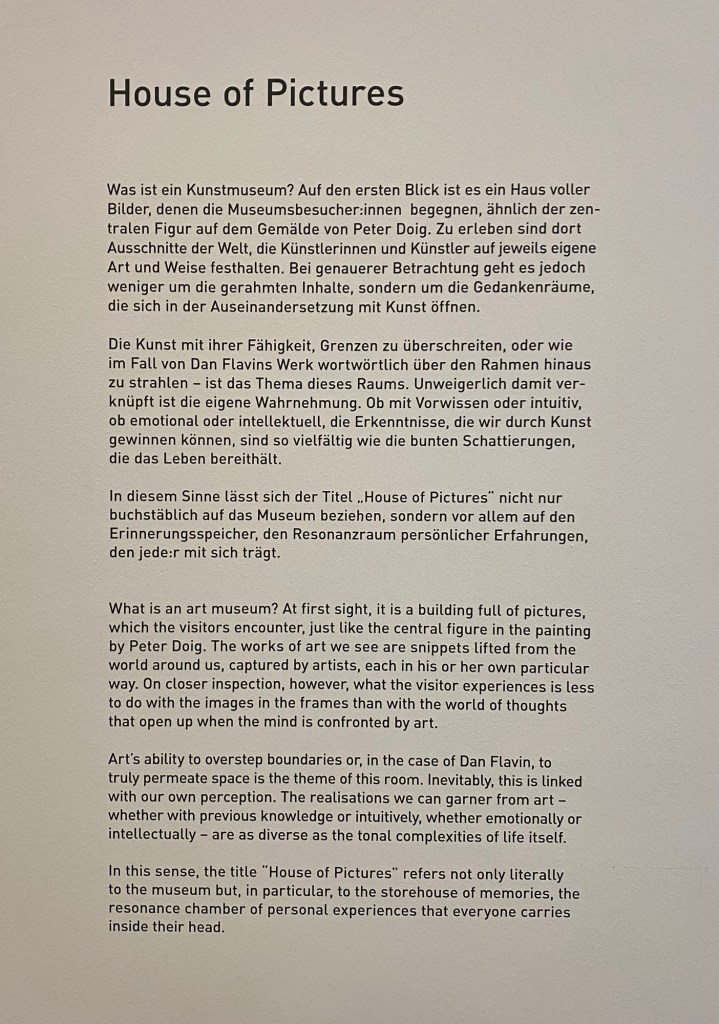
Sometimes I take pictures of the wall labels if they are interesting to me. I find these German museums to have very thought-provoking, informational summaries that I enjoy. I can certainly relate to parts of the next label, although thank god I am not a migrant. I have left my home country, though.

S

I’m very glad that I visited this excellent museum and will be back soon with another post about what I saw during the rest of my experience there.

Egyptian Museum in Munich, part 3

Here are the final images from my visit. It is always interesting to me to discover what element in a museum is going to capture my imagination on a random day. On this visit, I seemed to be beguiled by the relief sculptures as you may have guessed from my 2 earlier posts.

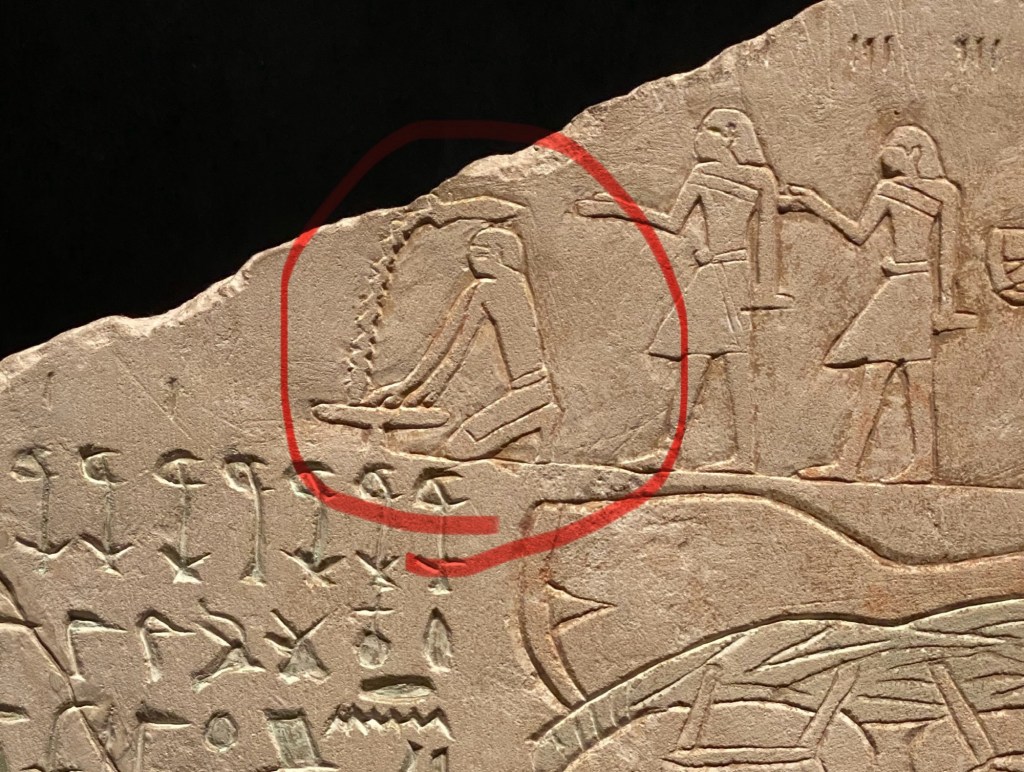
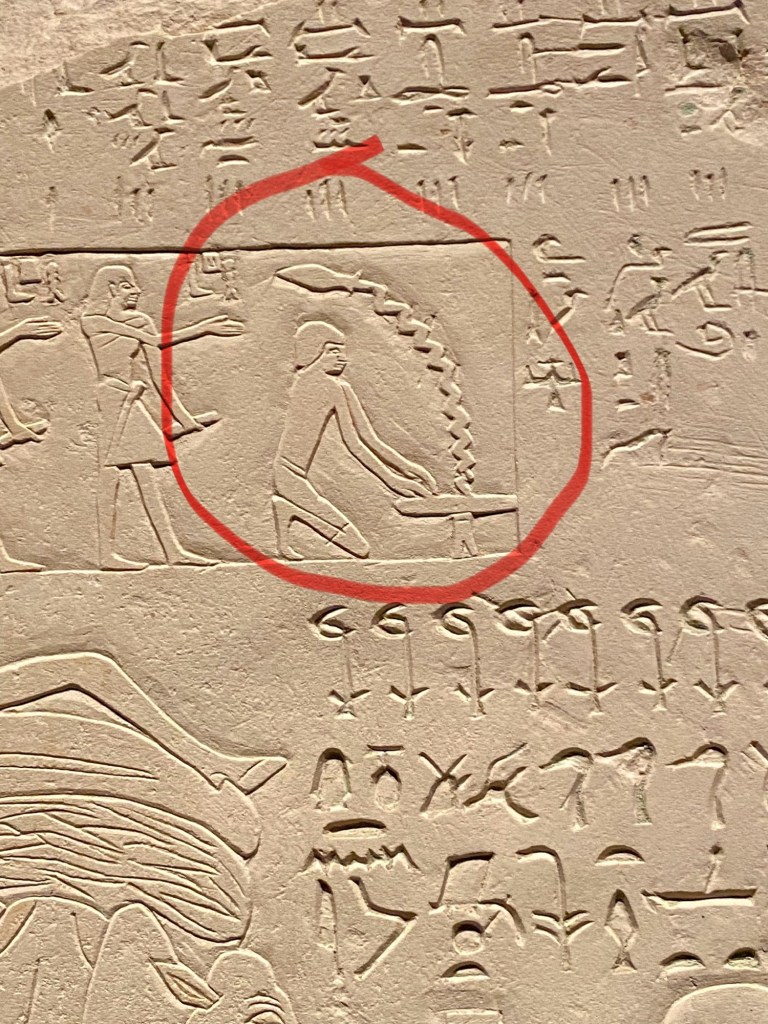
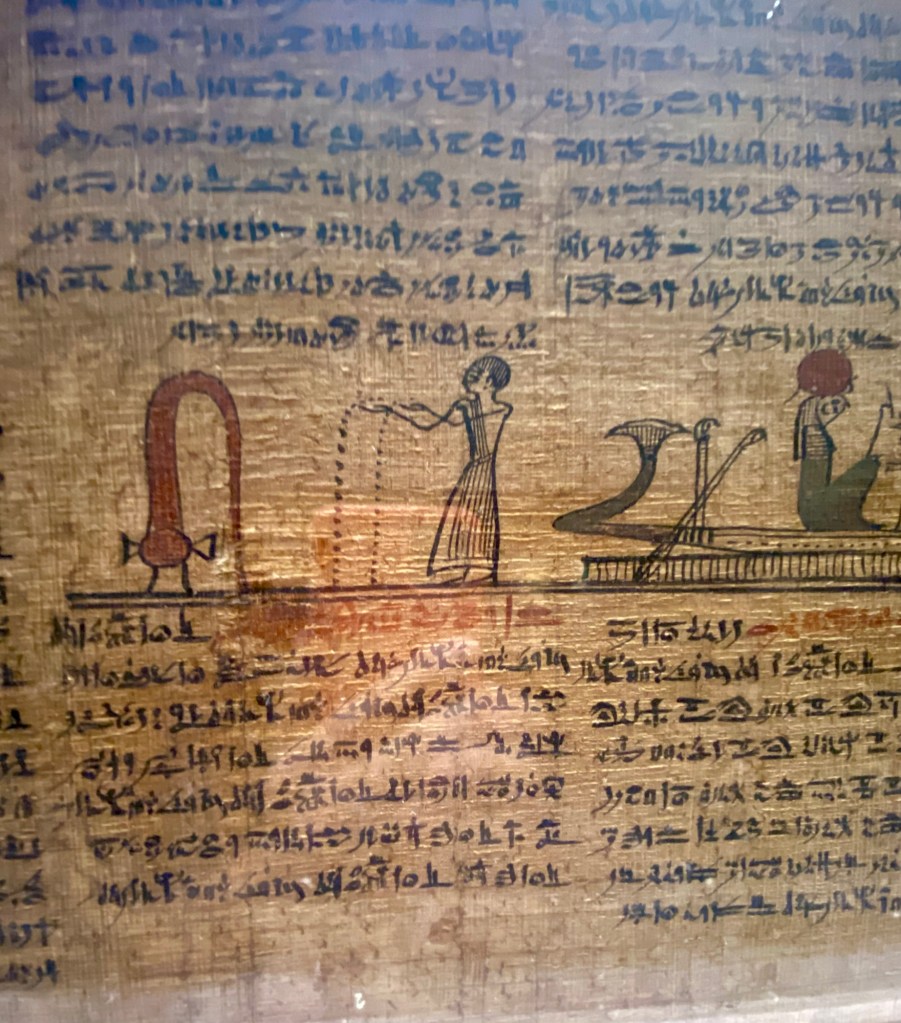
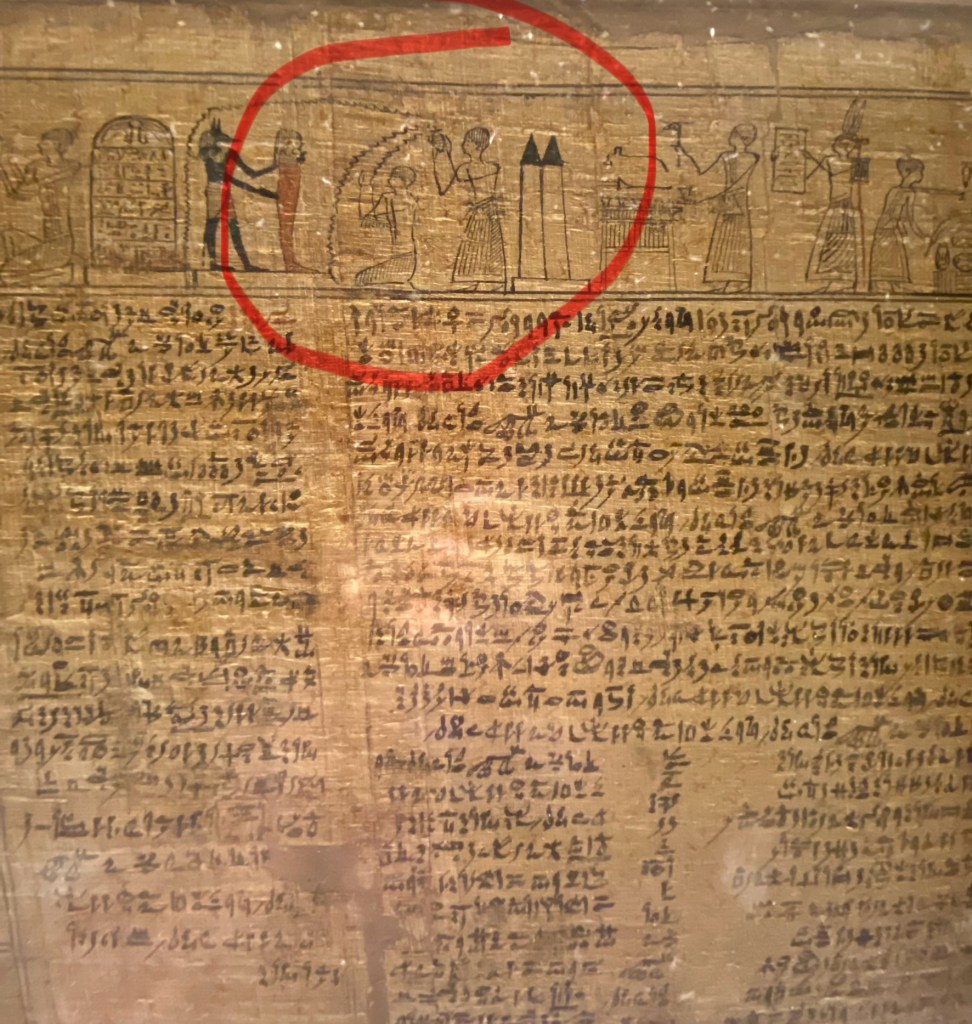
In the next several images, which I have indicated in marker on the photos, I was captivated by the depiction of moving liquid in these static Egyptian sculptures. Not sure what the precious liquid is that is being “offered” (?) in these tomb decorations, but I’d never noticed before that there is the attempt to showing wine/oil/water (?) in motion. That seems very radical to me.

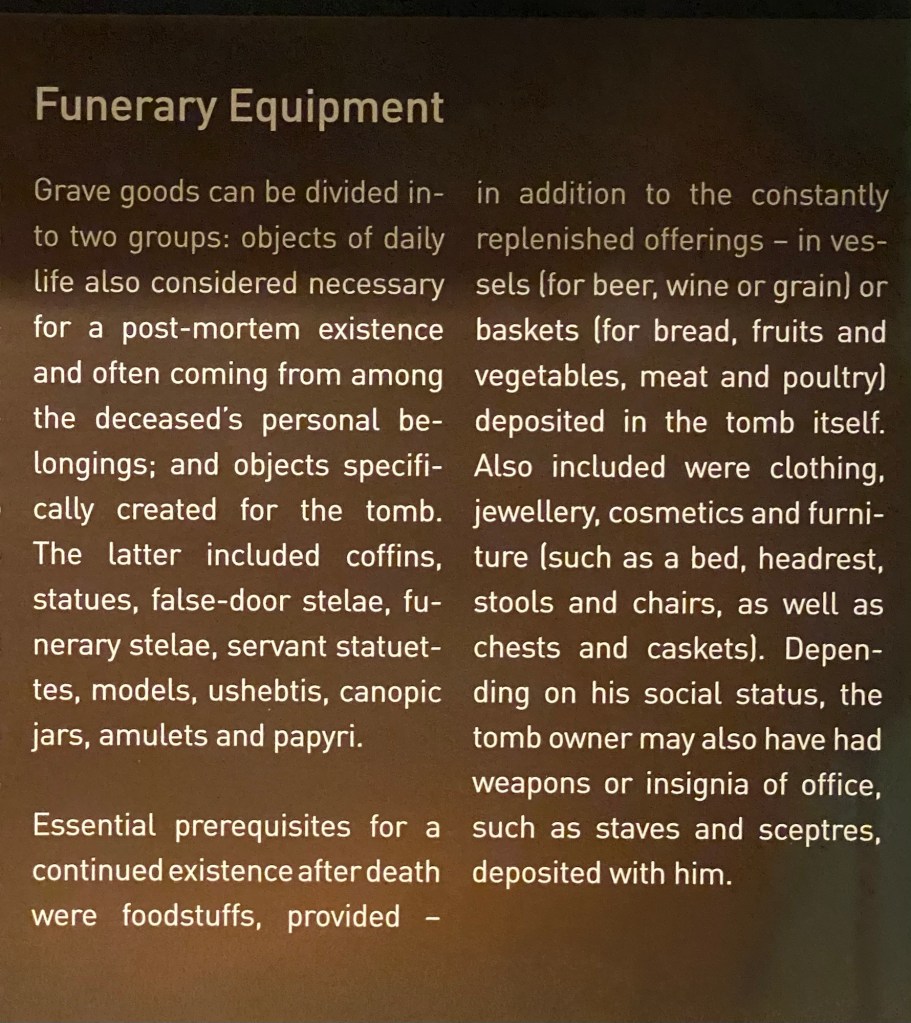
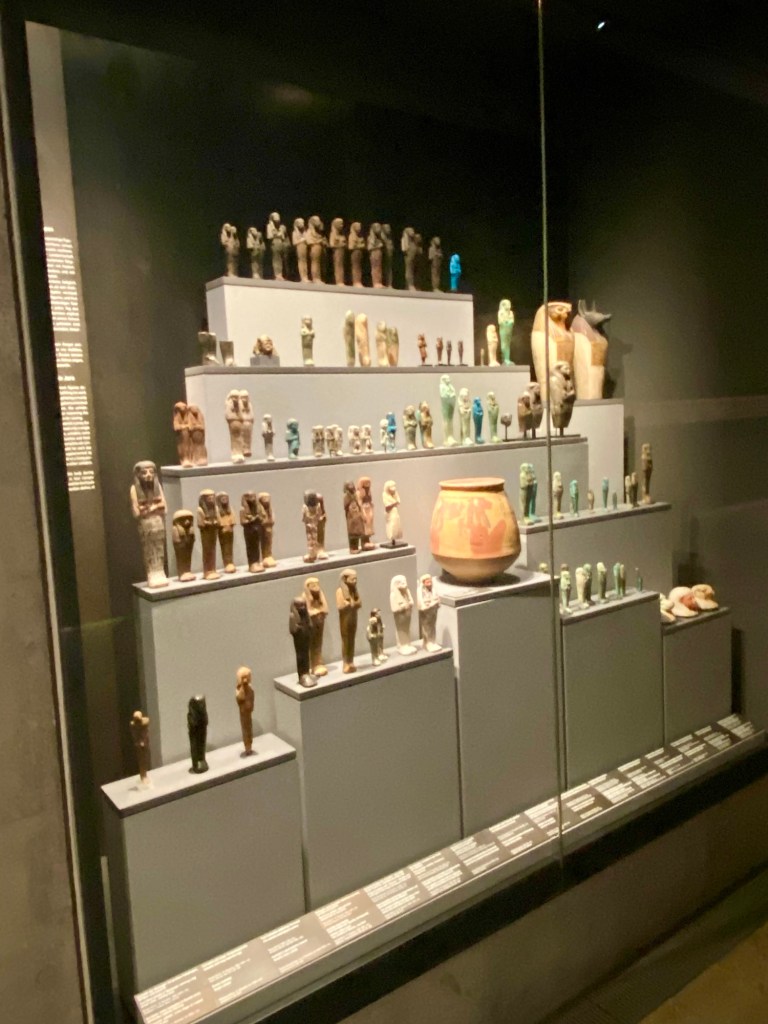
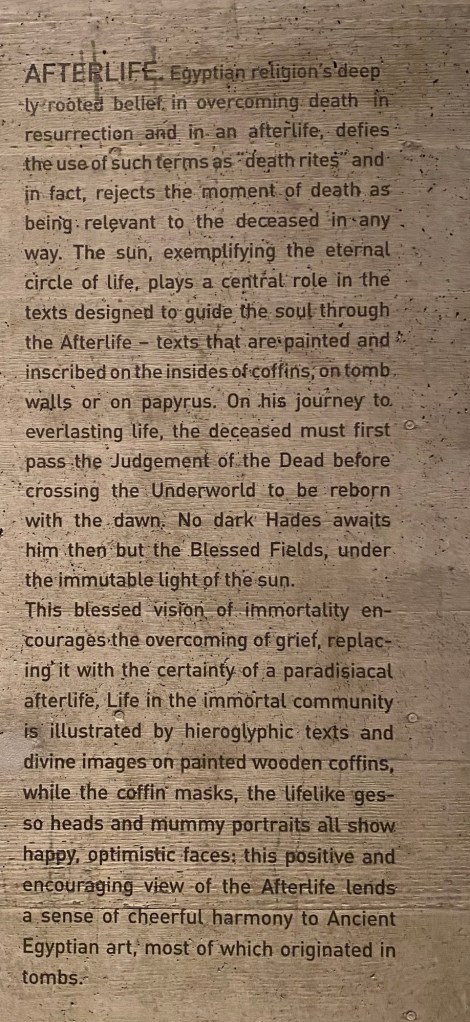
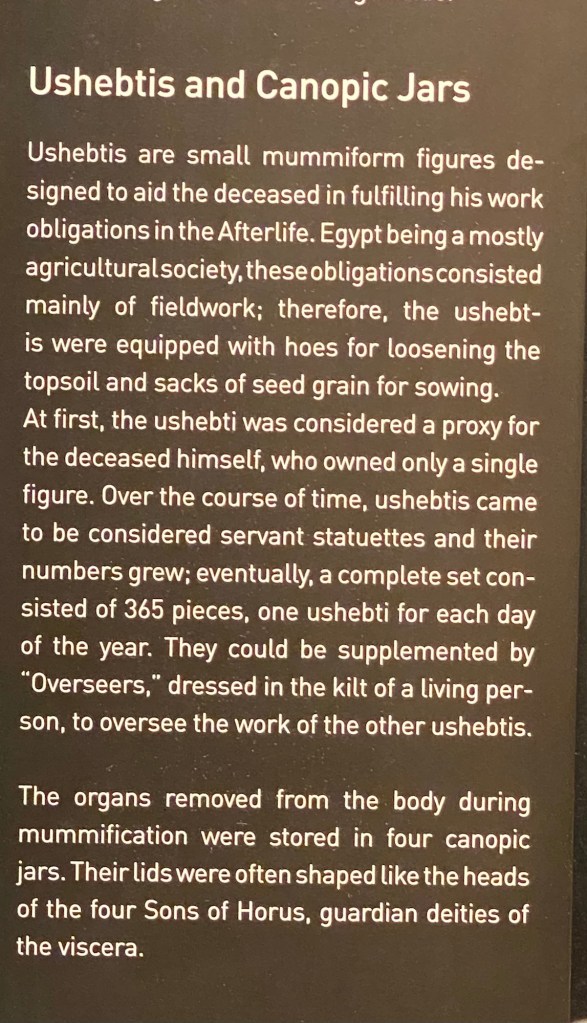
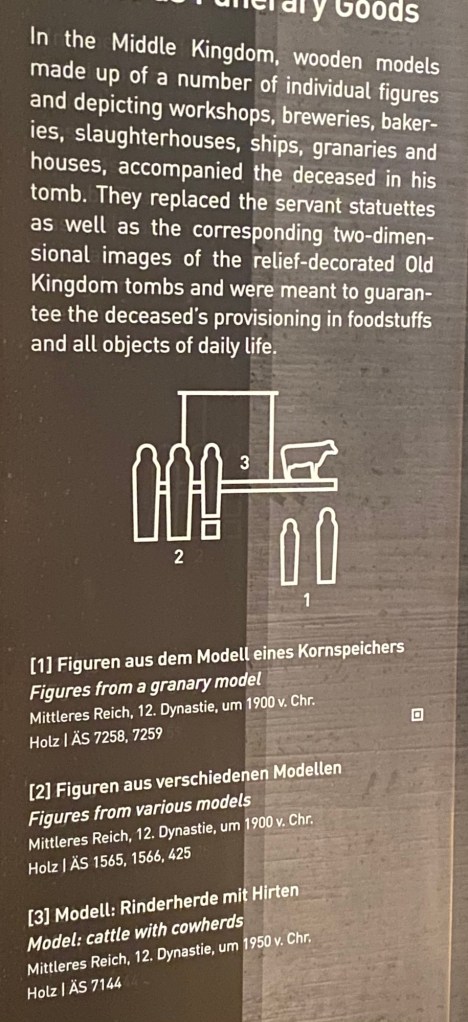
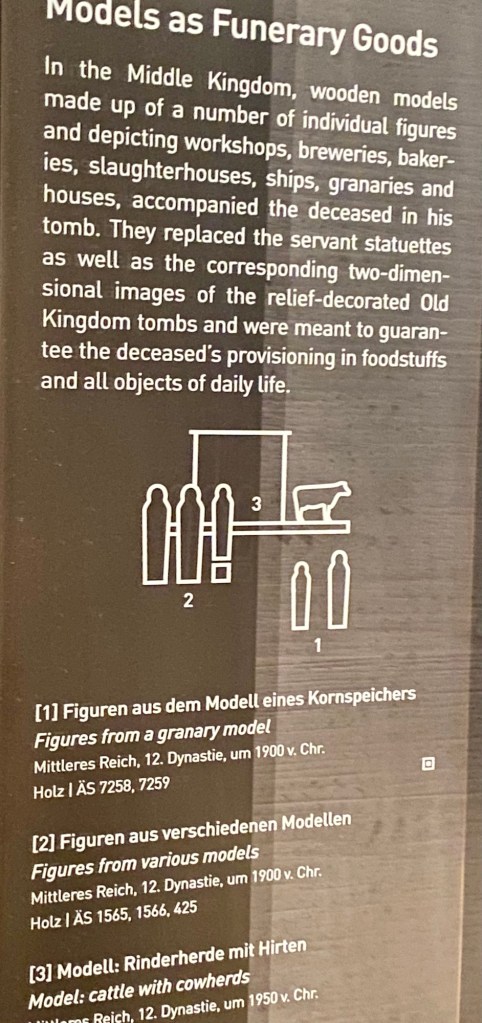
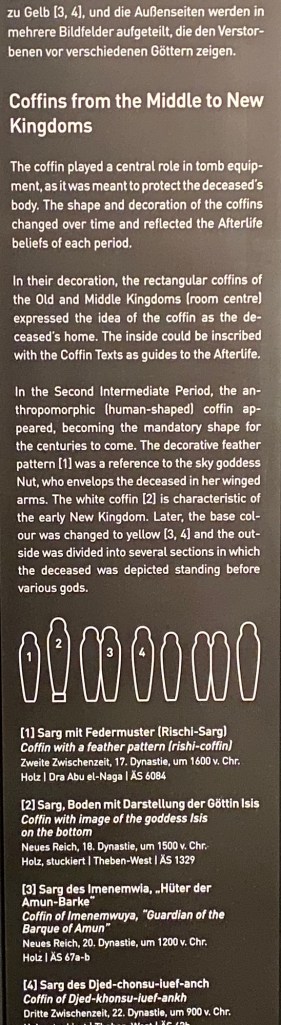
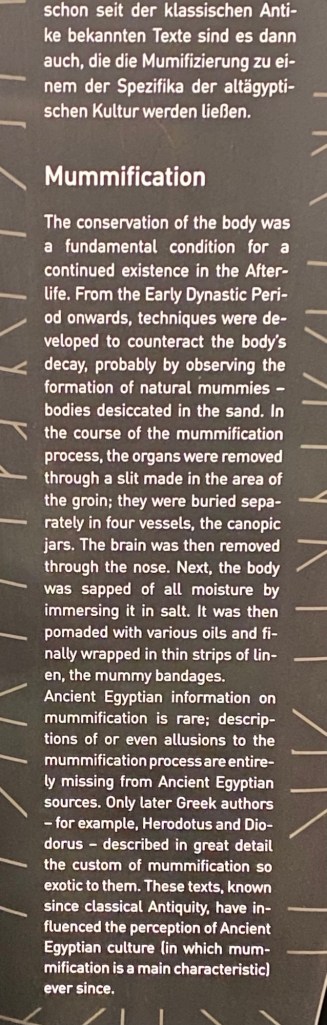
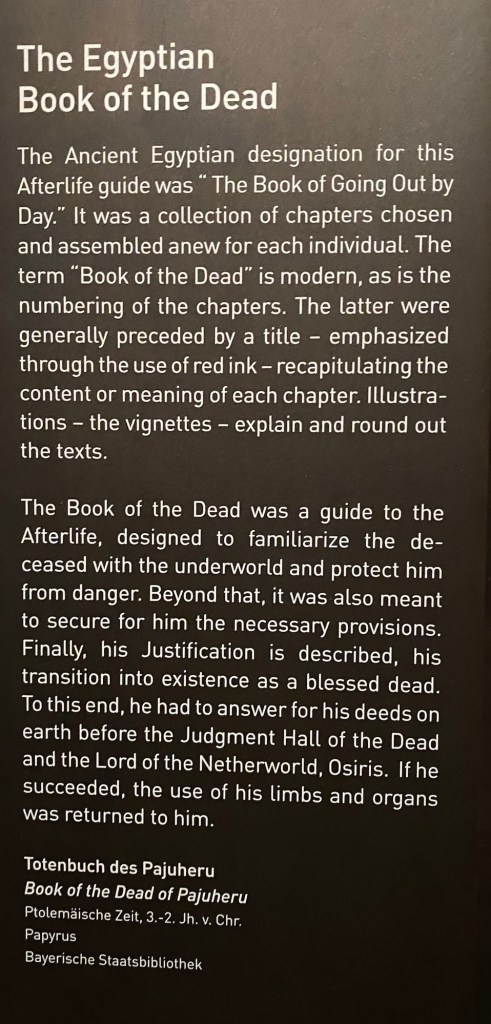
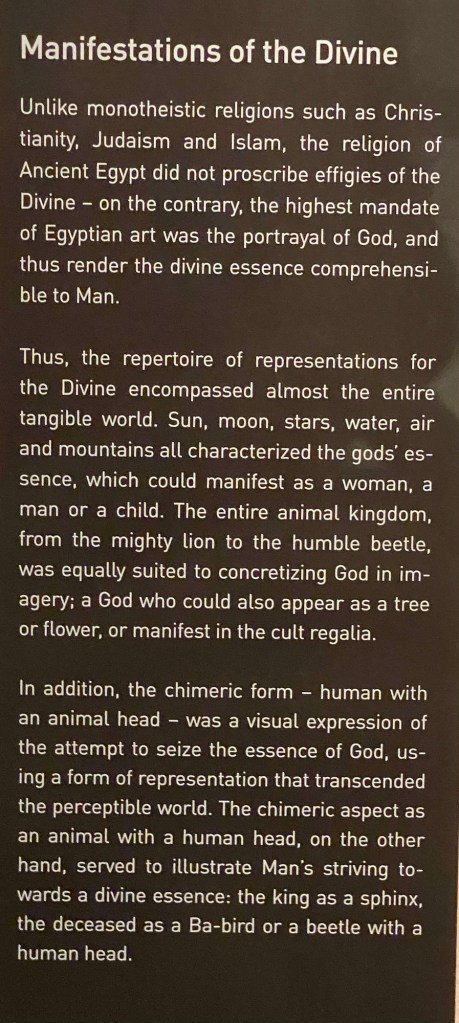
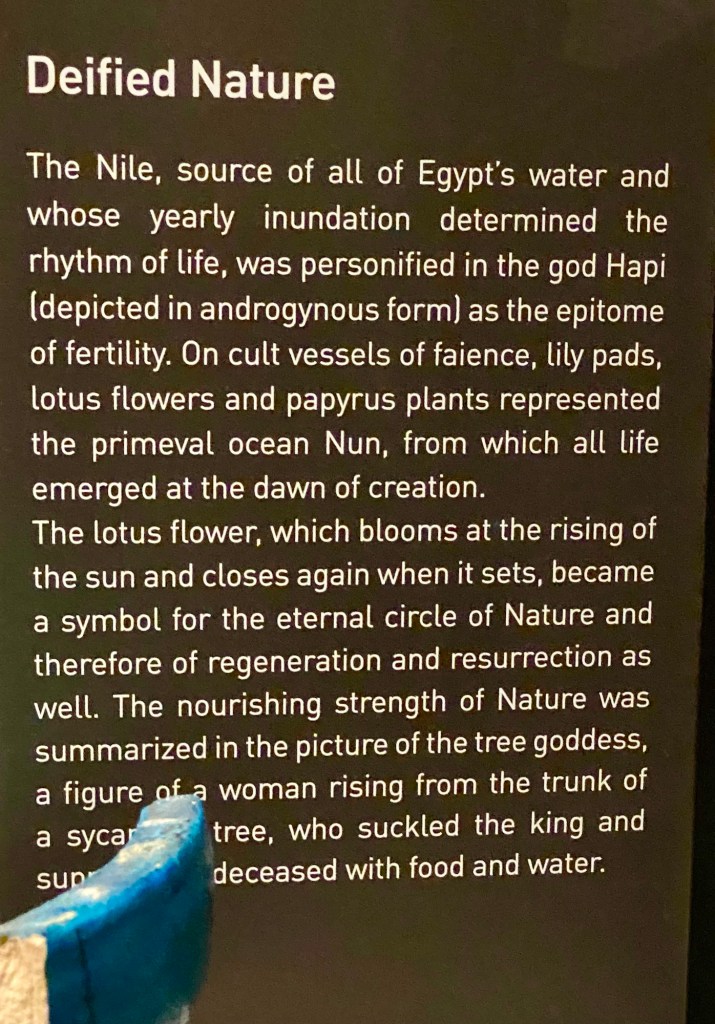
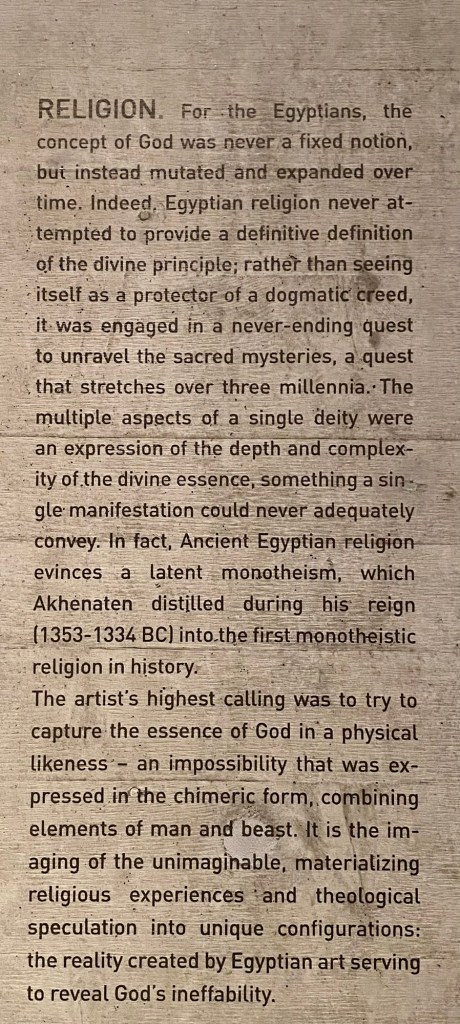
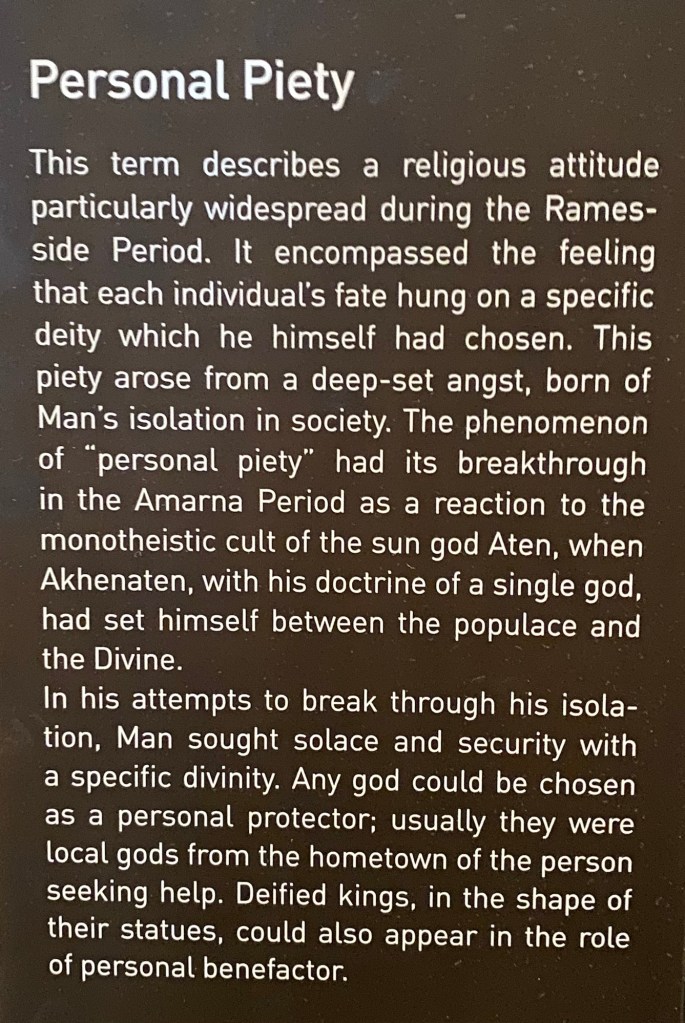
More fascinating labels, again, I might remark in Munich: in English! Thank you! Bitte! I didn’t regret one moment of time taken to read these illustrious summaries.

Below, a 3 d illustration parked in the gallery floor. This museum knows how to capture the visitor’s attention with a variety of exhibition devices.

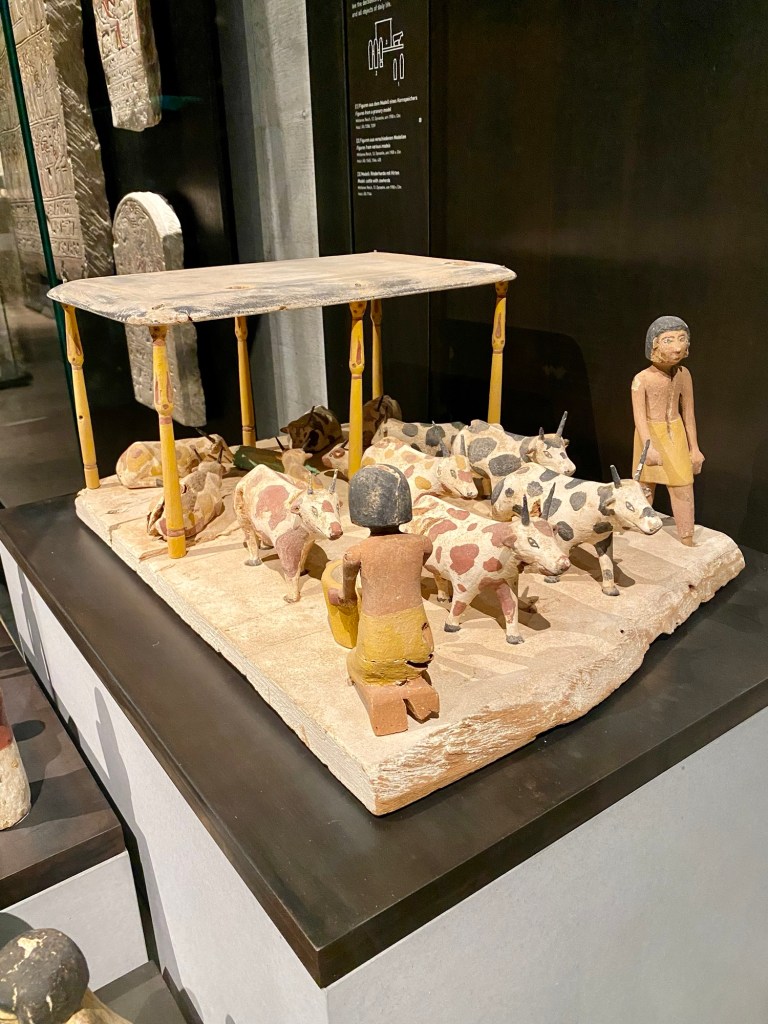
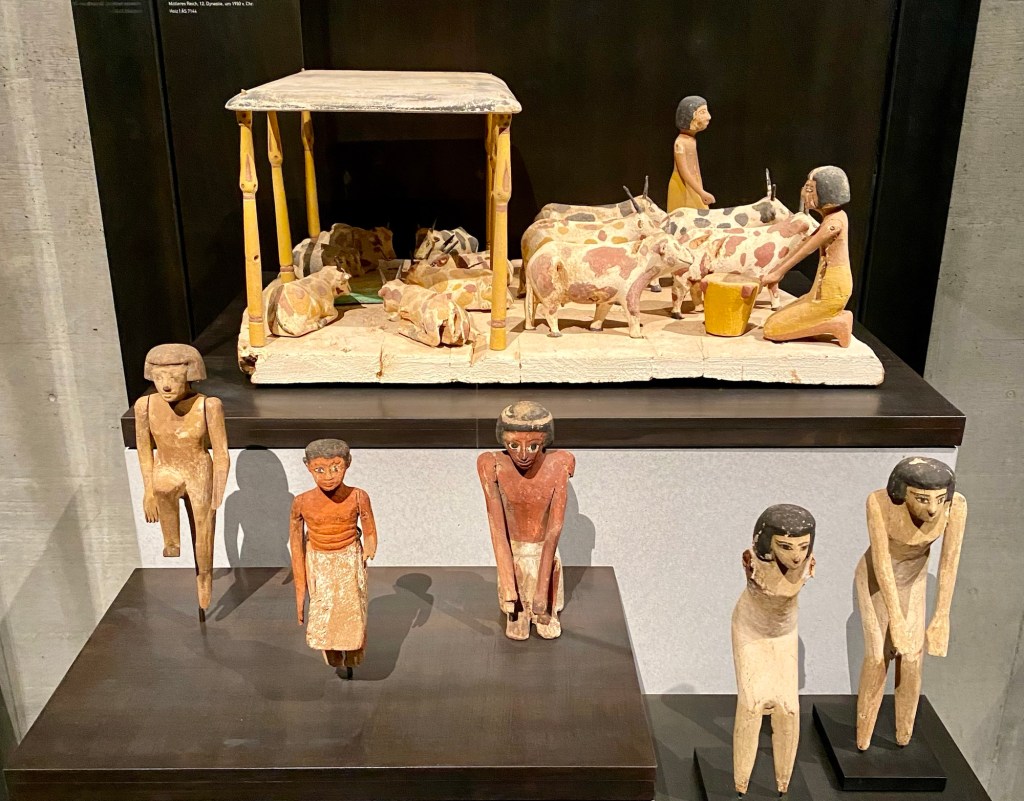
When I first saw the small scale models below, I first thought of Italian creche scenes. They are about the same size.

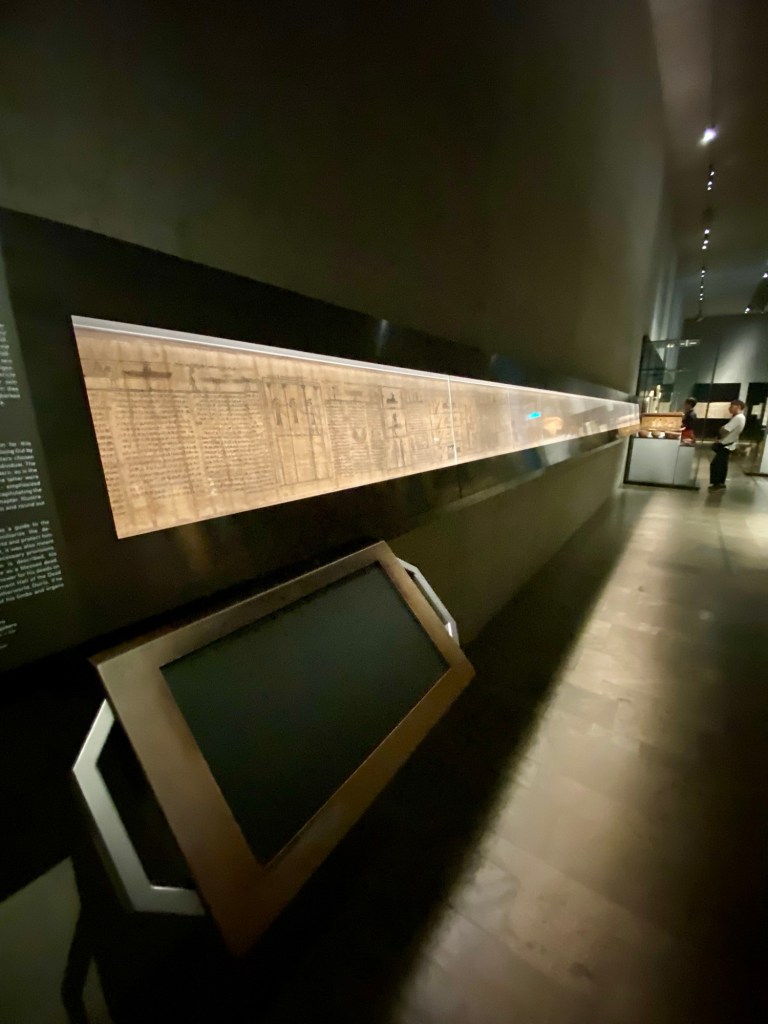
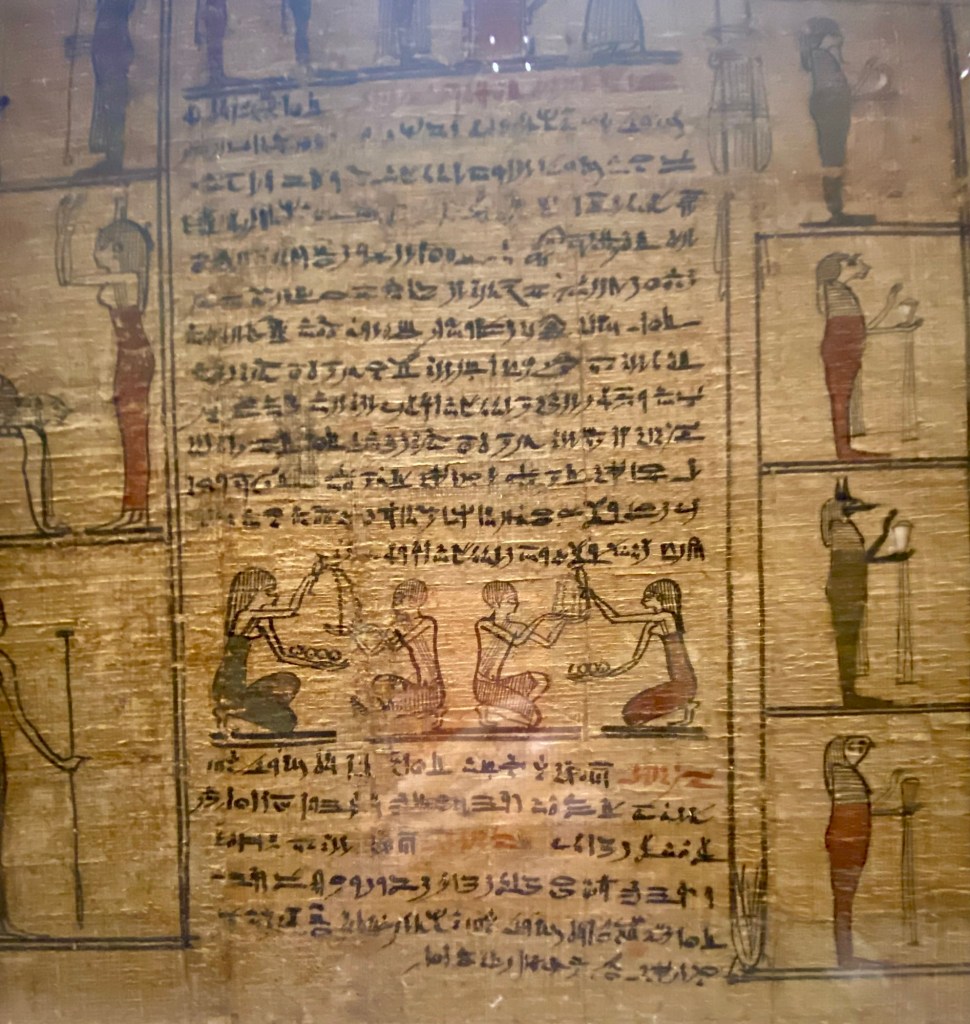
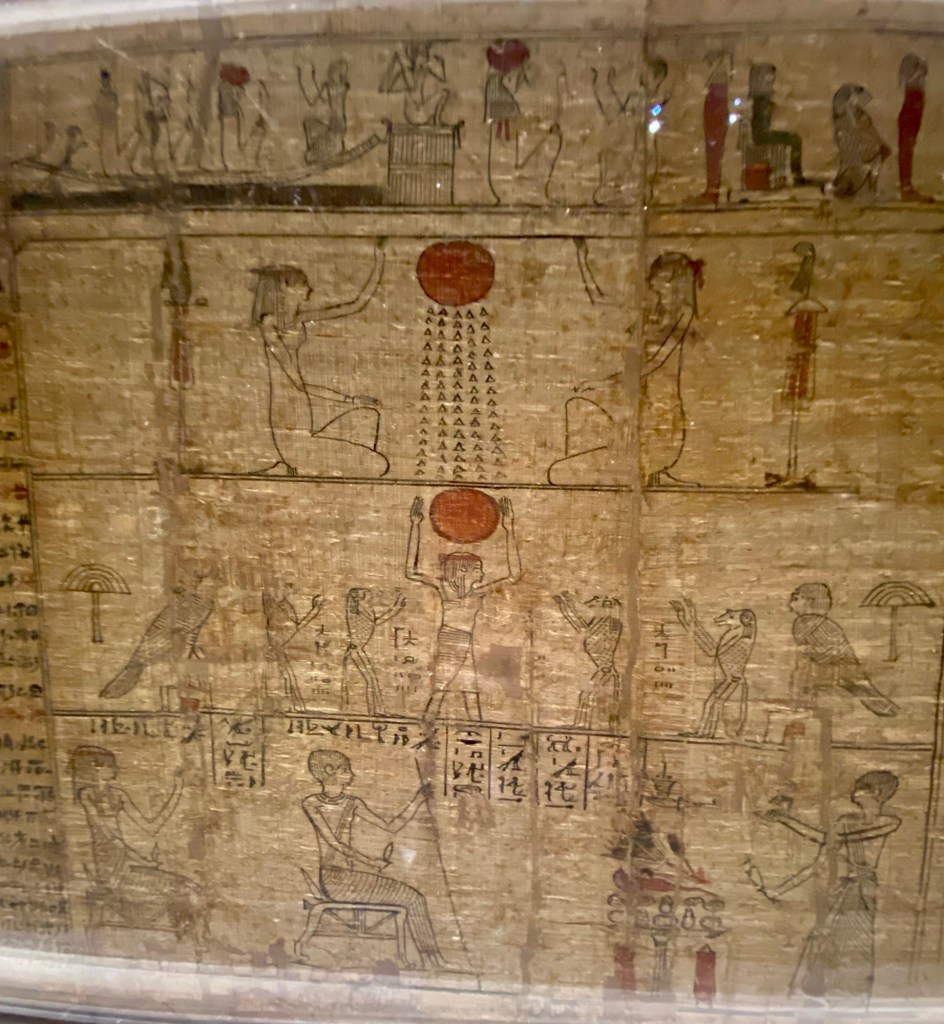
The next exhibit of the book of the dead was astounding. It is tremendously long and completely displayed. Remarkable.

Here are details from the displayed Book of the Dead. Note the depiction of moving liquid again, among other things.

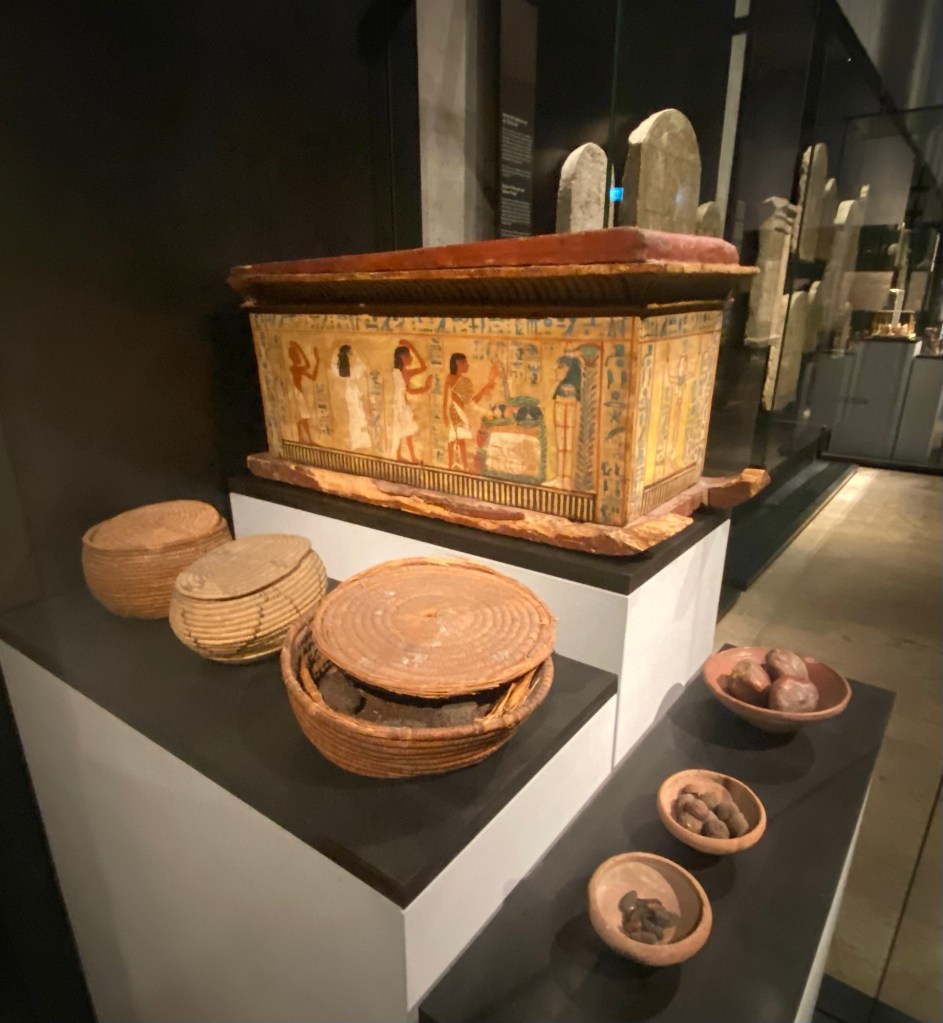
A child’s sarcophagus. Always an arresting subject to think about.

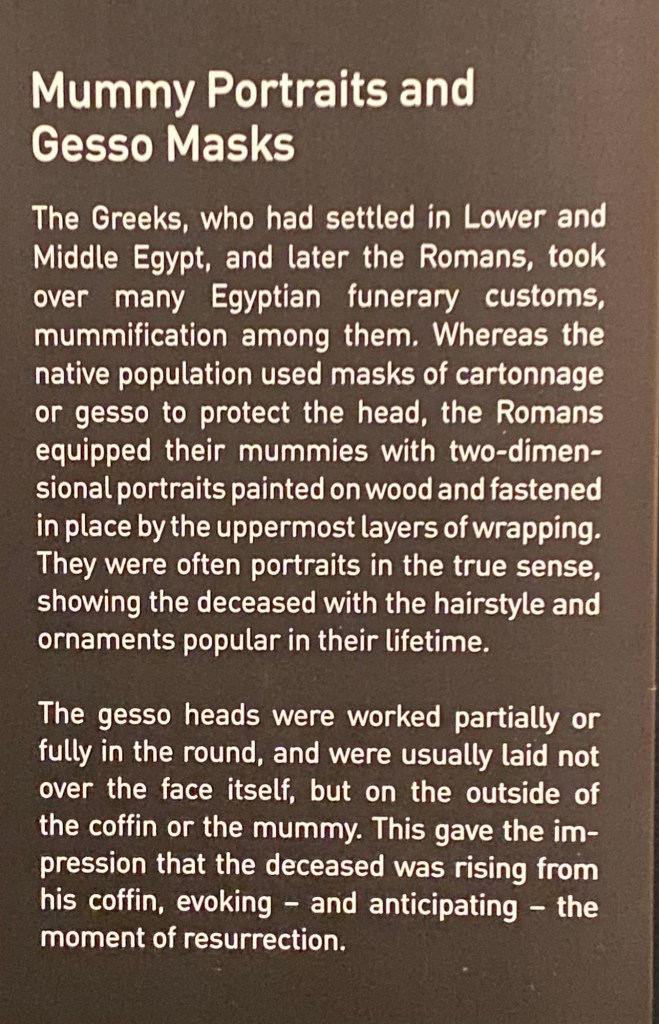
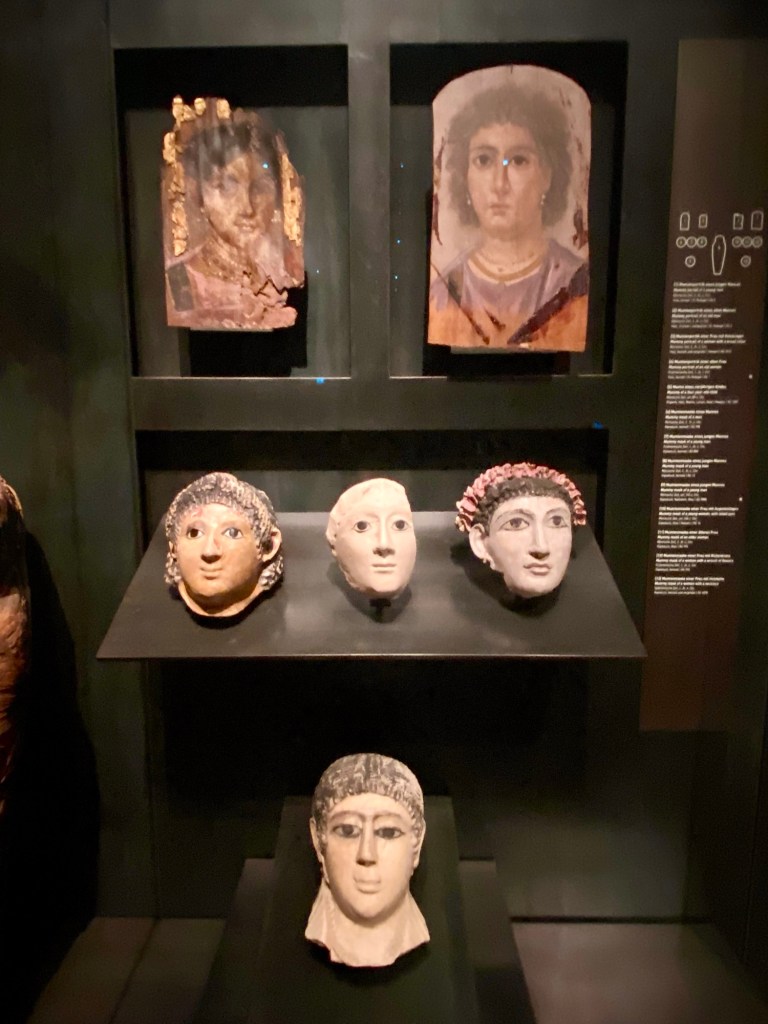
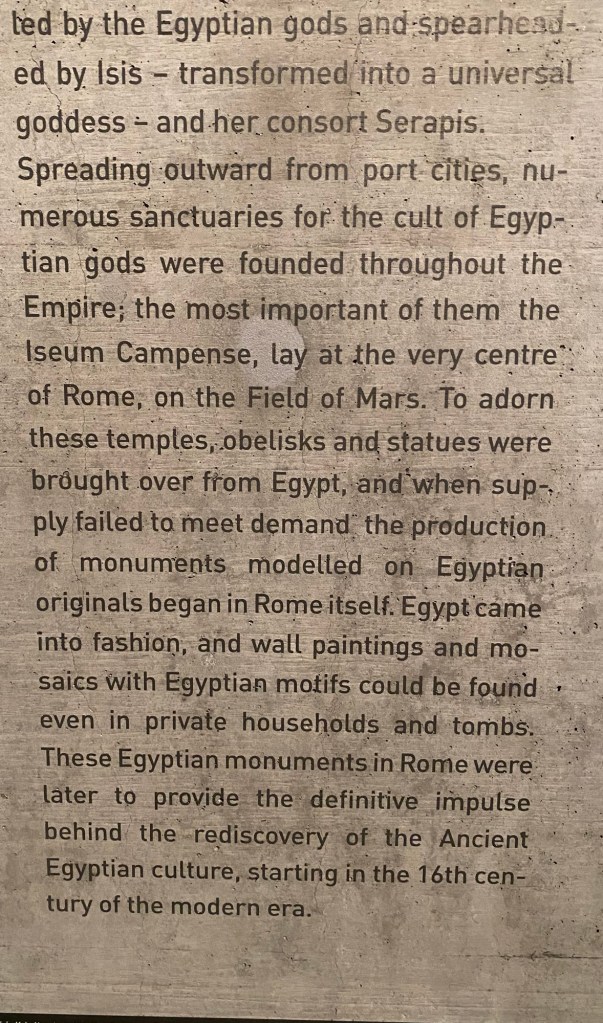
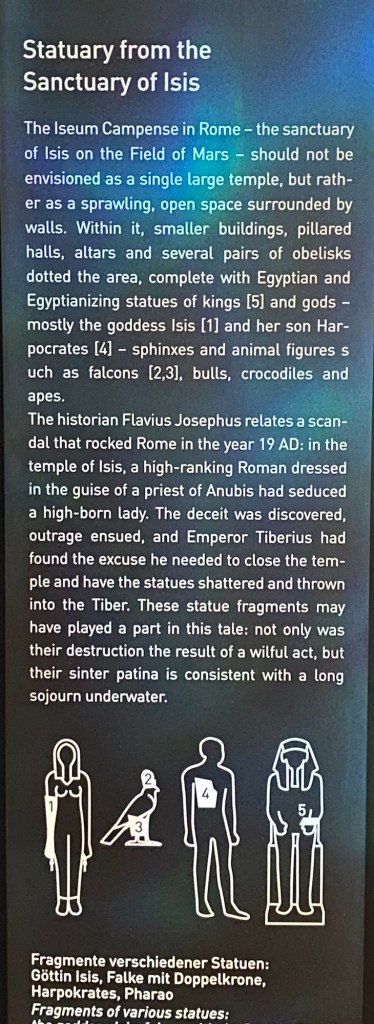
I’ve seen the mummy portraits created once the Romans got involved with Egypt in many museums. Never have I seen the phenomenon better explained.

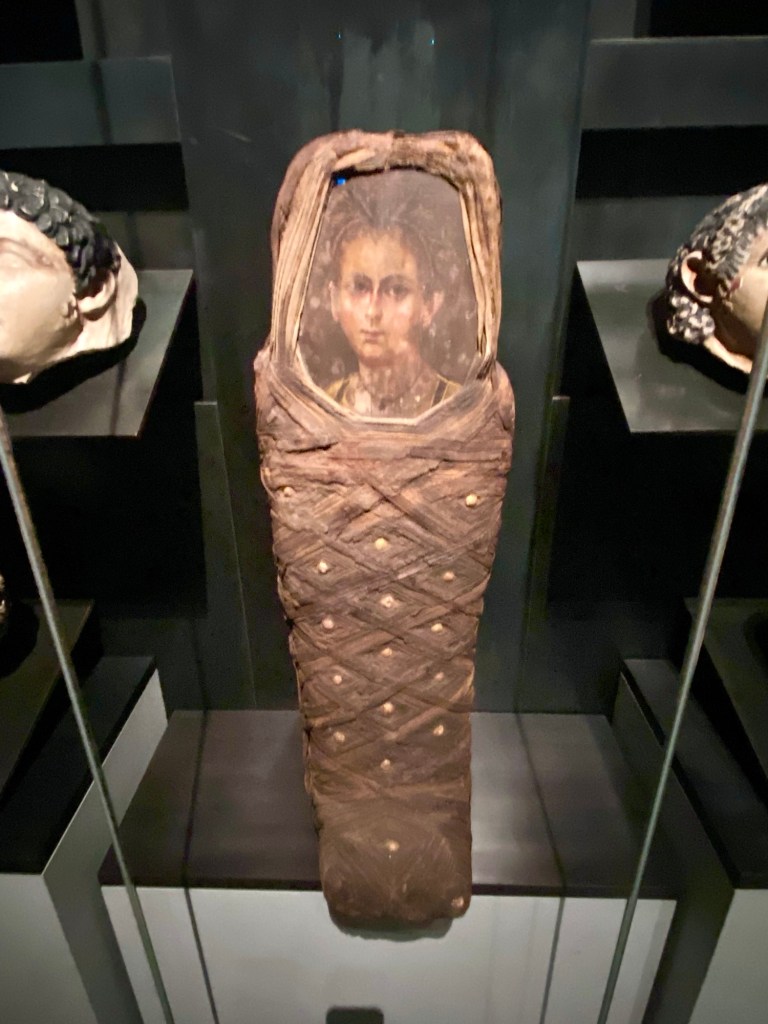
And never before have I seen an actual mummy with the portrait in place. Now it makes sense.

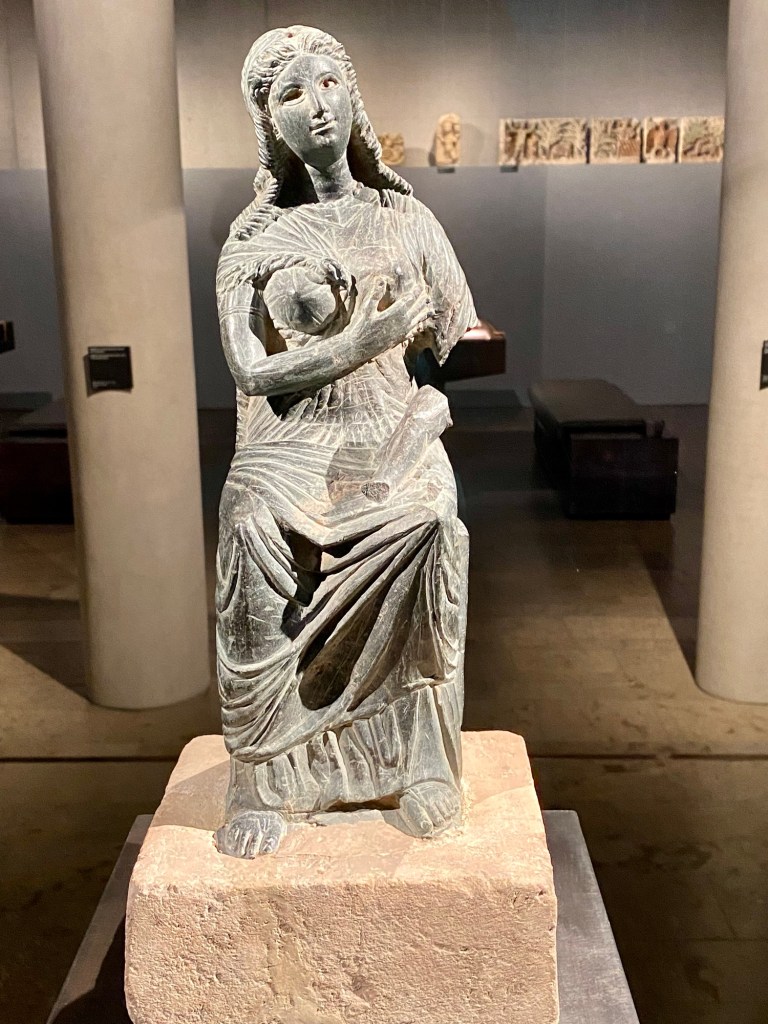
Isis holding Horus. I immediately thought of all the upcoming images of the Virgin and Child that will be produced in the Western world. Did they borrow this iconography?

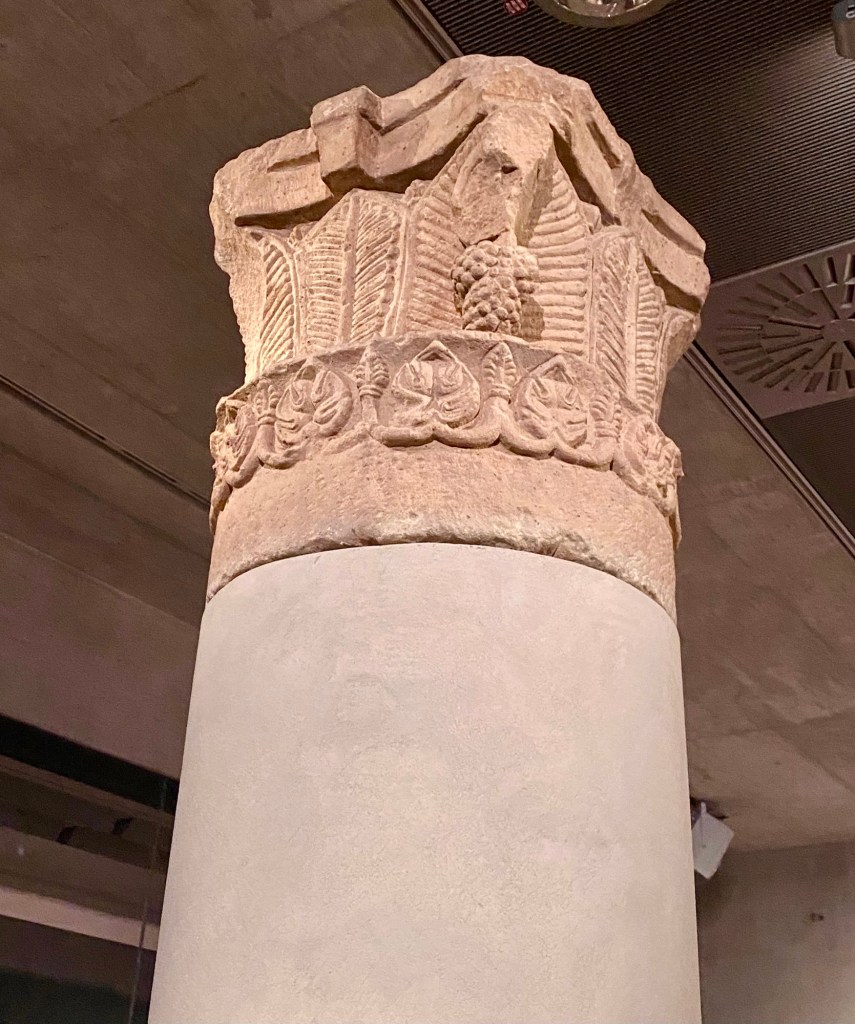
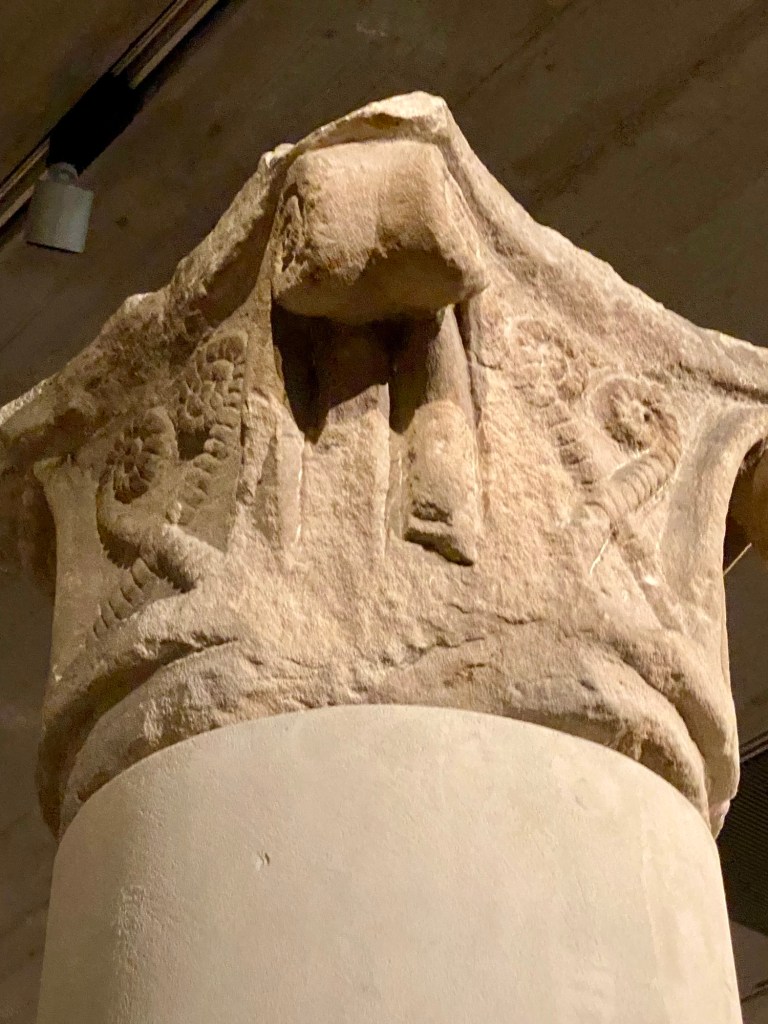
3 columns of Egyptian manufacture. I was intrigued by the capitals. I thought of the succeeding Greek capital designs and wondered about influences, back and forth.

Anyone lucky enough to spend time in this museum is fortunate indeed. I filled out a card at the reception desk remarking on the superlative experience I had on this vacation day, when I had intended to just float through a museum without much engagement. They caught me and I’m the richer for it.