



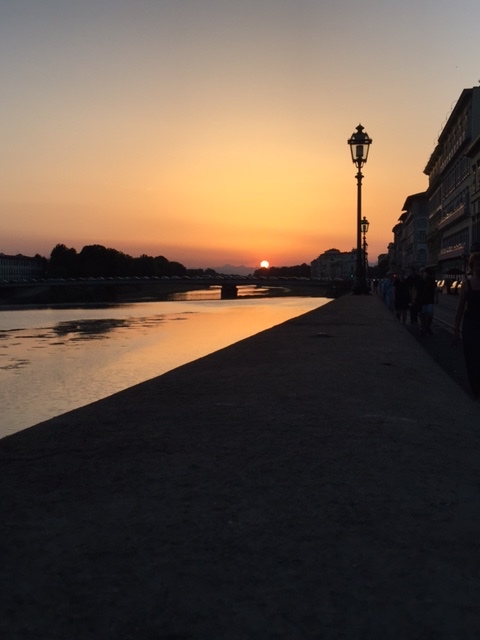
Author: get back, laurettadimmick
You know you are in trouble when…
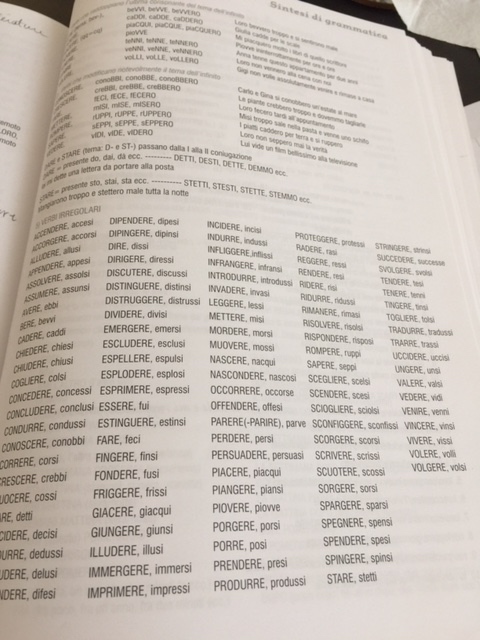
your Italian language textbook warns you that:
I verbi che hanno il passato remoto irregolare sono moltissimi: quasi tutti i verbi di uso comune. I verbi irregolari sono quasi tutti della II coniugazione in -ERE. E’ molto difficile dare delle regole per classificare i verbi irregolari che si possono imparare solo con la pratica. Molte grammatiche cercano inutilmente di riunirli in moltissimi gruppi. Noi ci limitiamo a QUATTRO GRUPPI.
Roughly translated, that says:
The verbs that are irregular in the past remote are many (the most): almost all of the verbs commonly used. The irregular verbs are almost all in the type 2 conjugation, that is, those ending in ERE. It is very difficult to give the rules of classification for the irregular verbs which you can really only learn with practice. Many grammatical errors are found in this pesky group. We will limit our studies to 4 groups.
OMG, when the book says, good luck, it’s too complicated: I know I’m in bigissimo trouble!!
So, go ahead and memorize this short list of irregular verbs and their sometimes stems in an afternoon.
In bocca al lupo!
Florentine miscellany, 31 July 2017
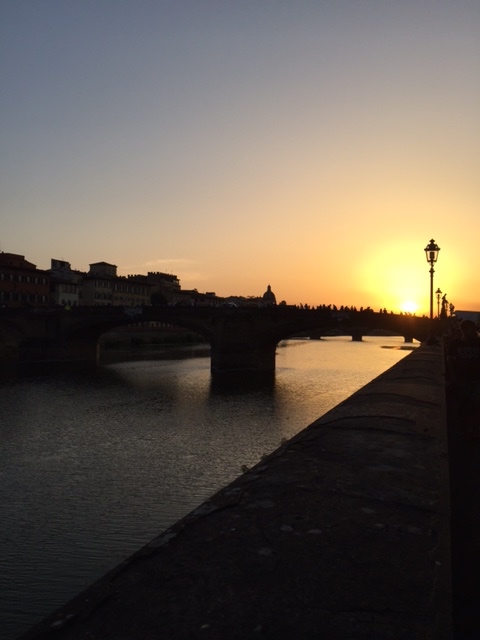
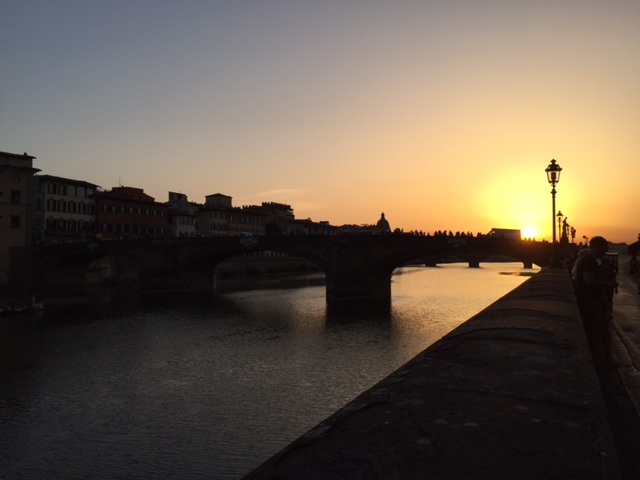
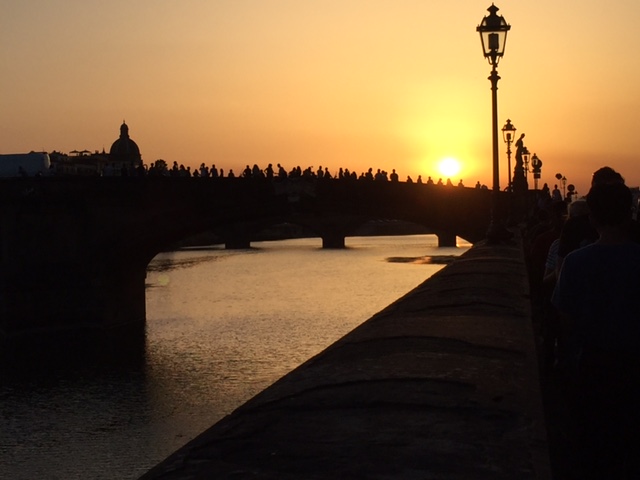
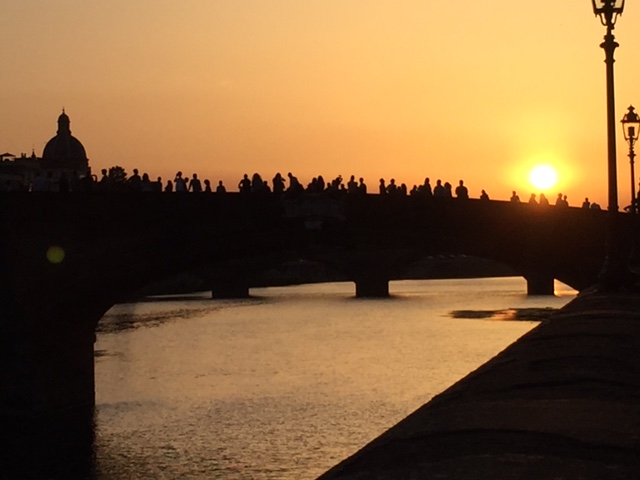
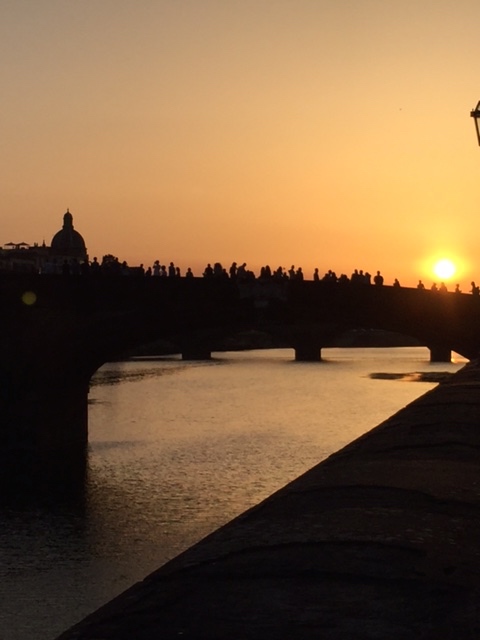
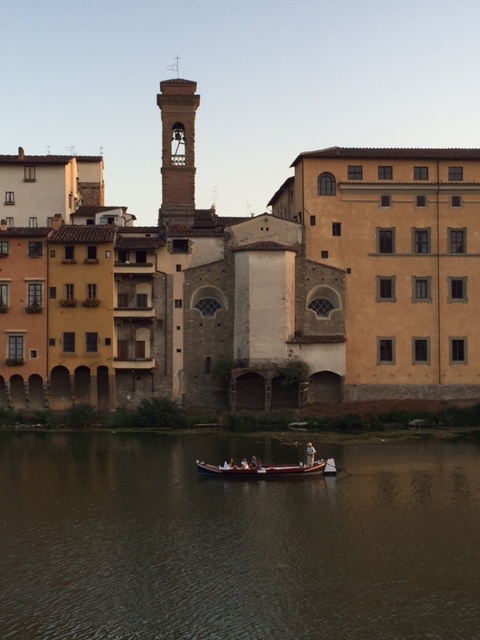
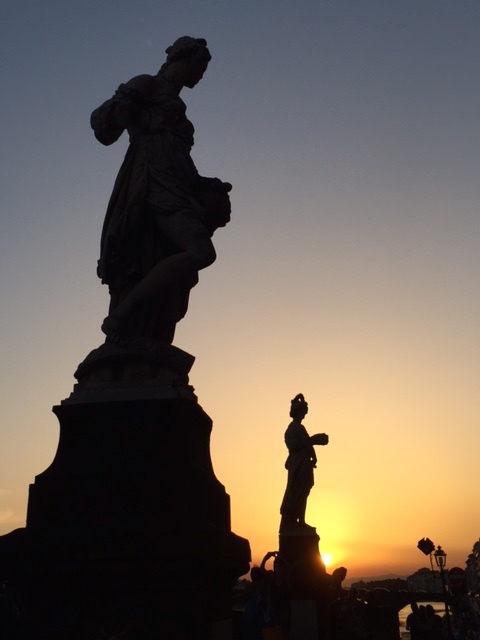
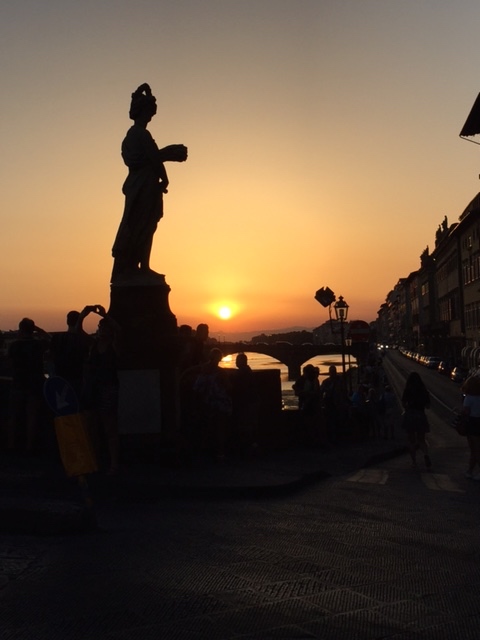
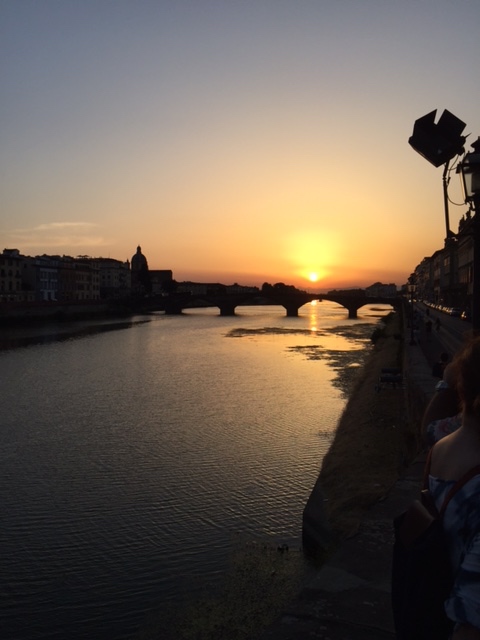
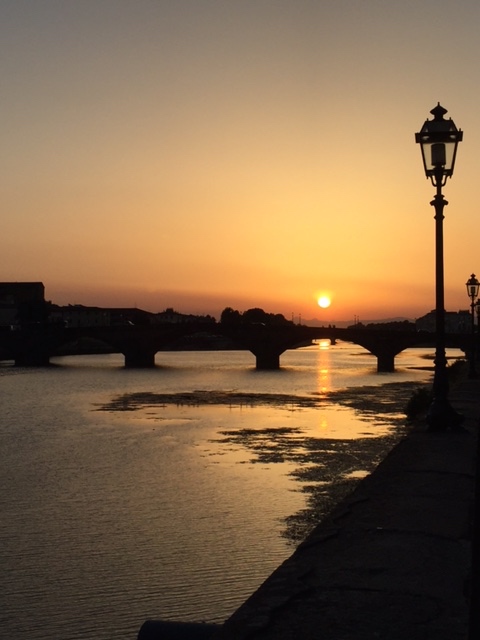
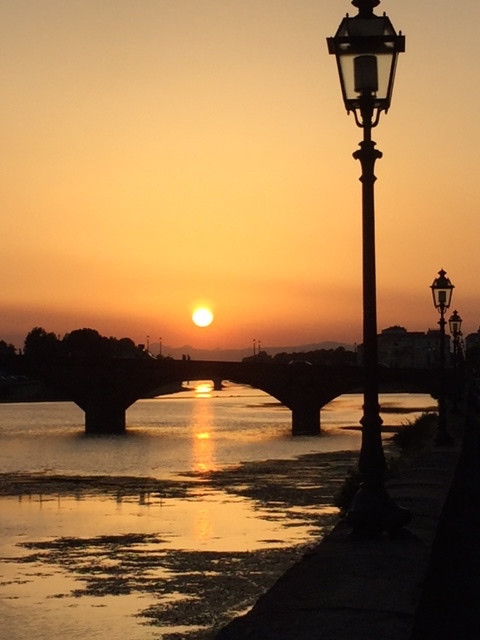
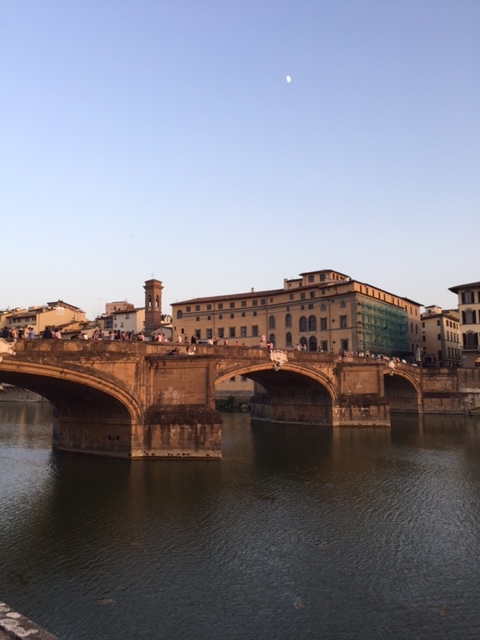
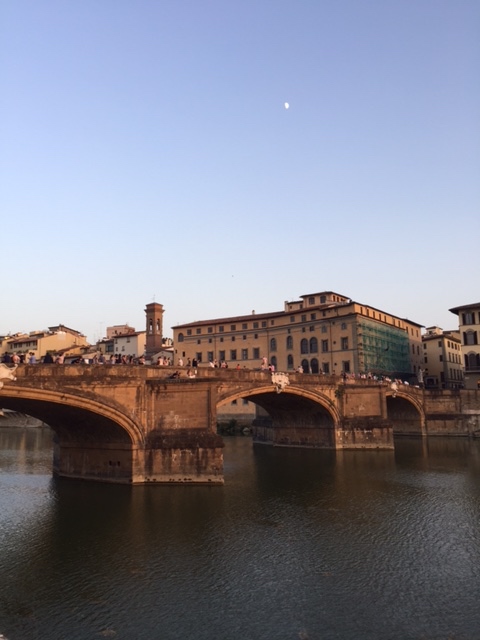
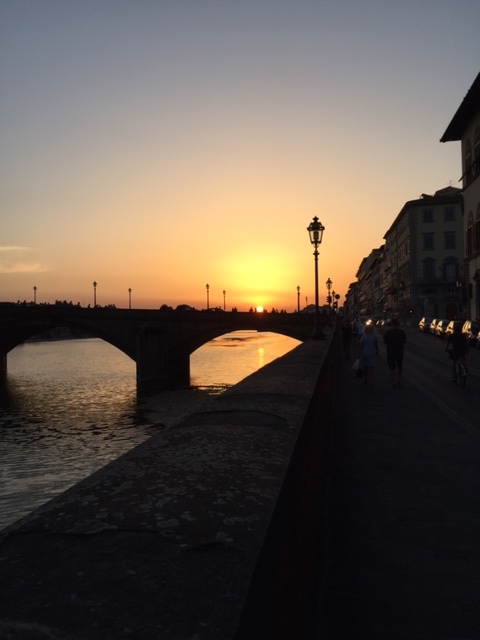
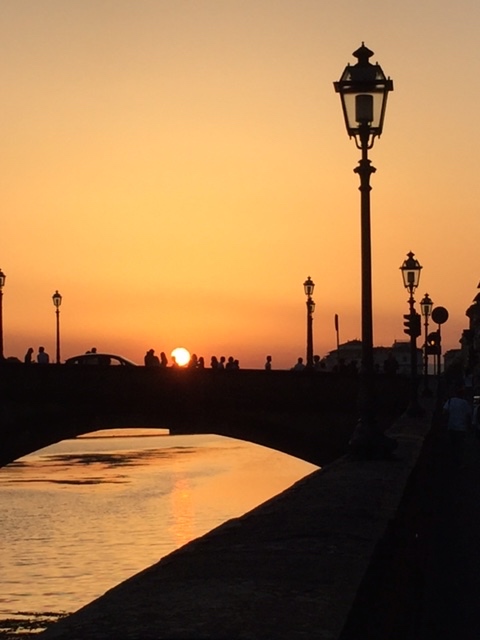
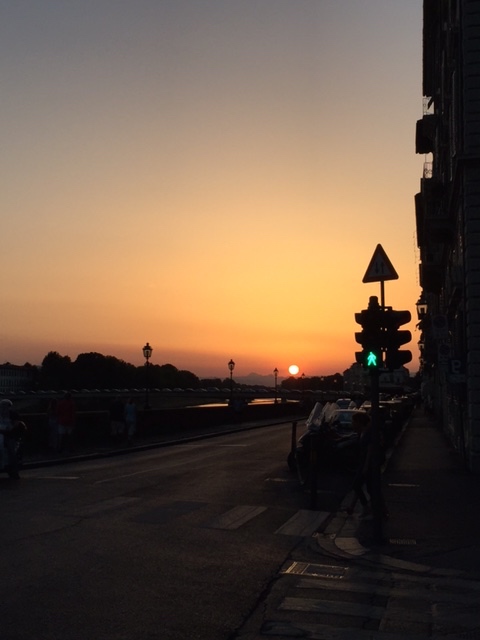
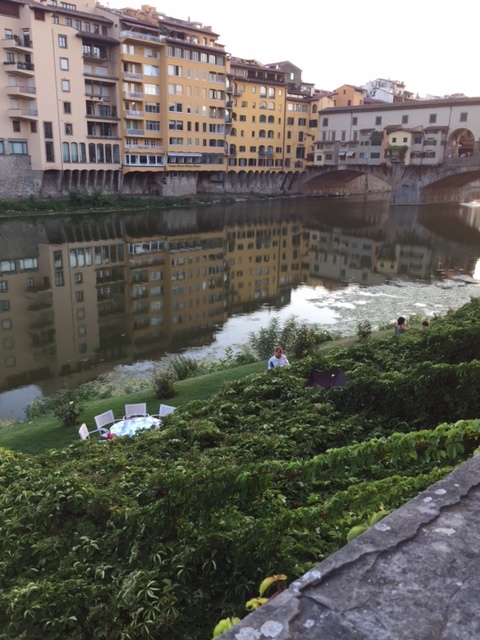
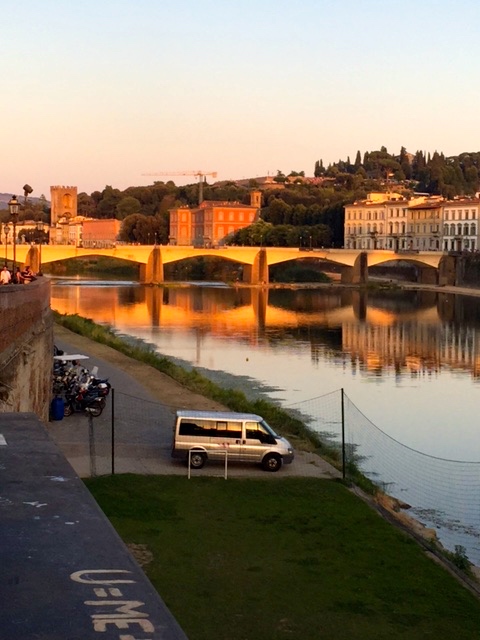
Random shots from this evening.


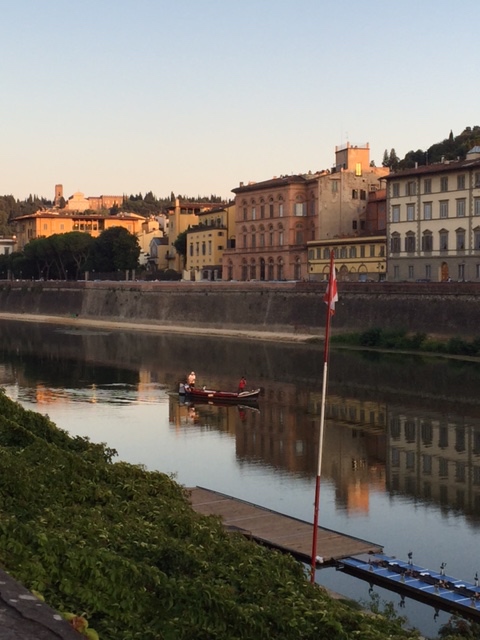
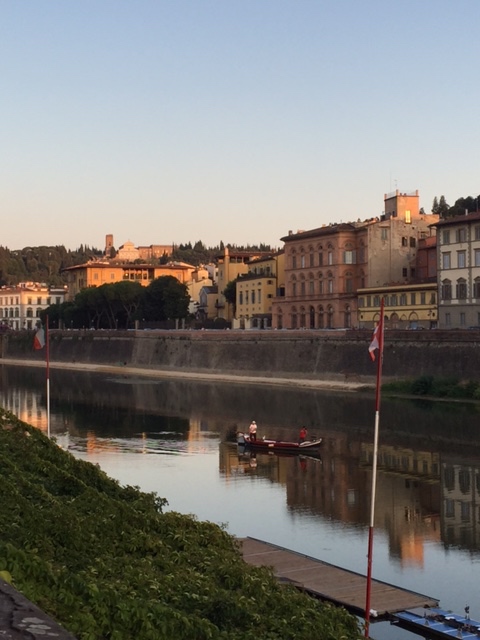

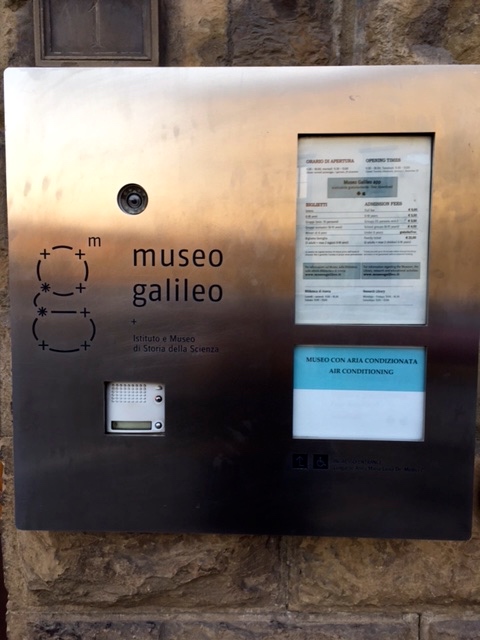
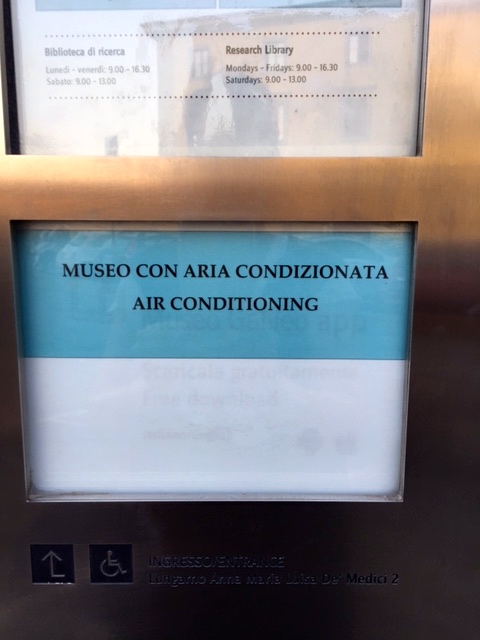
Museo Galileo; don’t hesitate, it has AC!!
How many American museums promote themselves by advertising their a/c? None that I know of. But, tomorrow, in Florence (when it will be over 100 degrees F), I’ll be checking it out. I’m not much of a science person, but it has AC!!
The medieval tower of San Nicolo


31 July 2017; Firenze
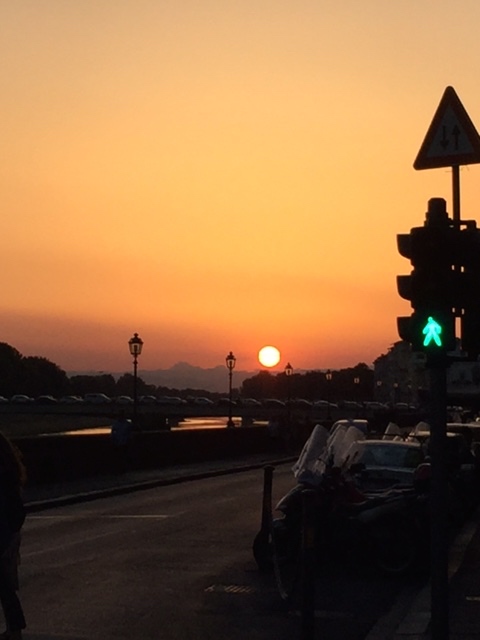
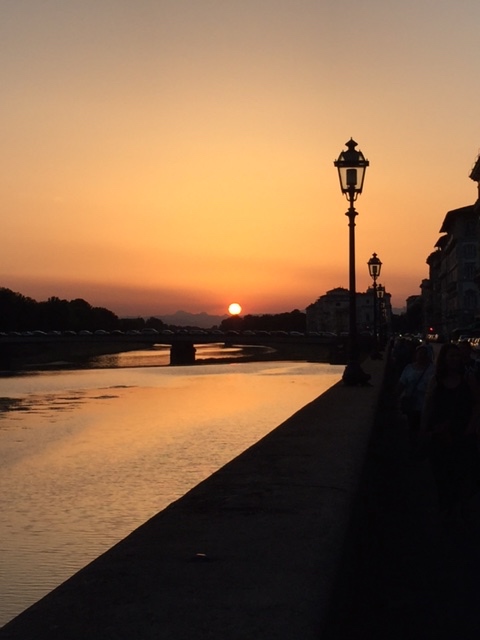
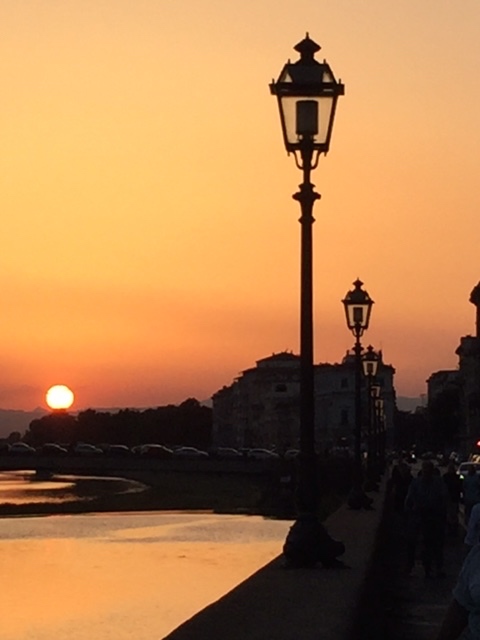
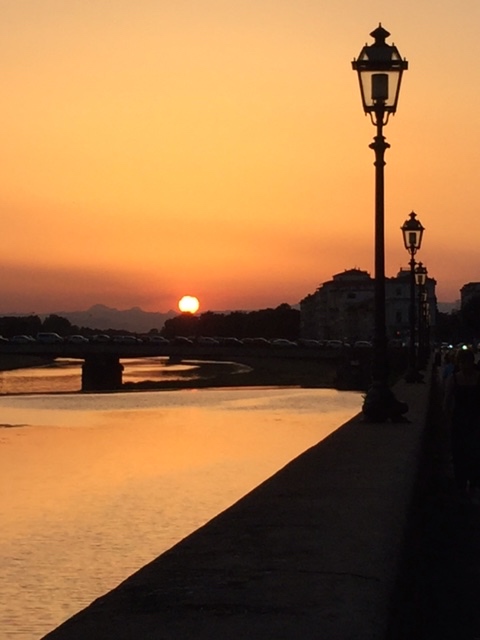
I can’t choose, so you get them all. Tonight; 8 p.m.; 35 degrees C.
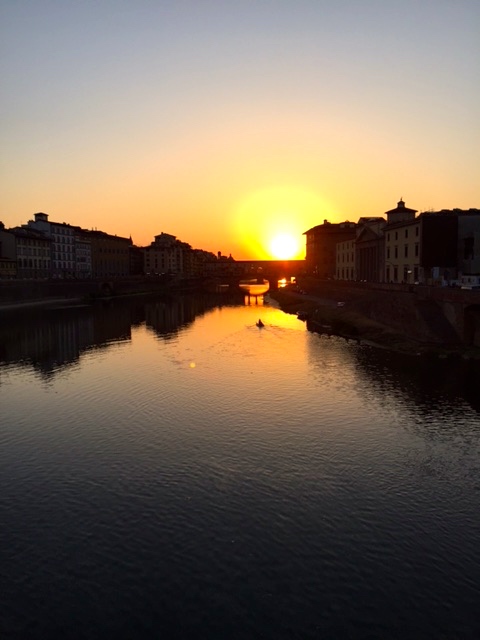
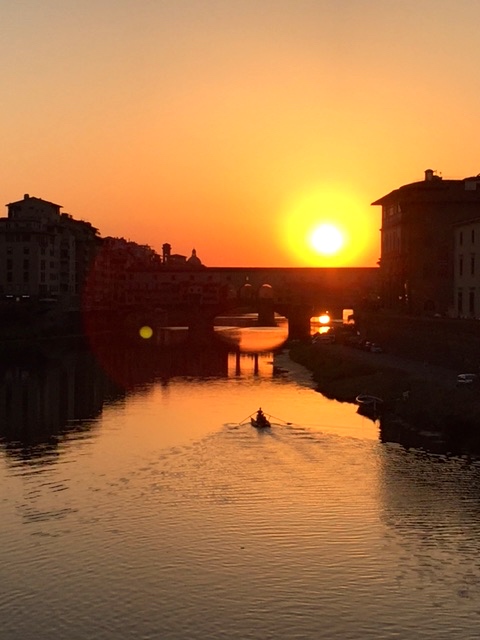
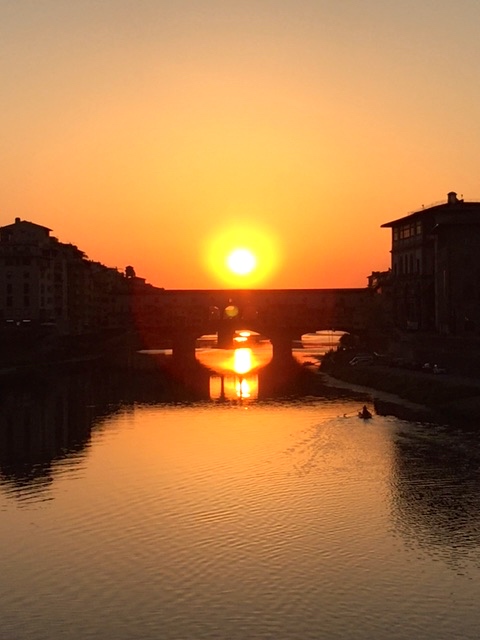
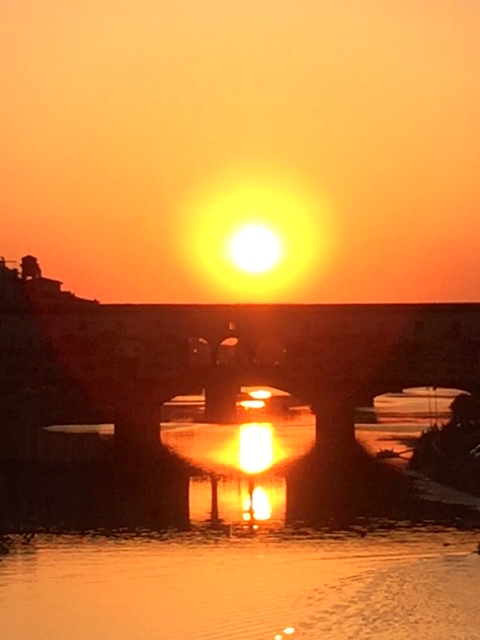
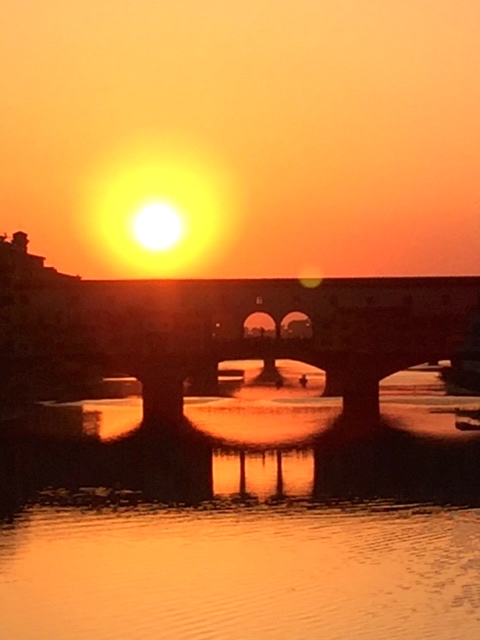
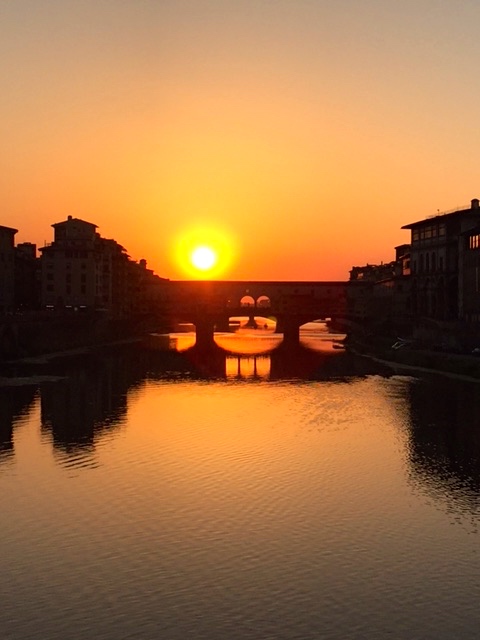
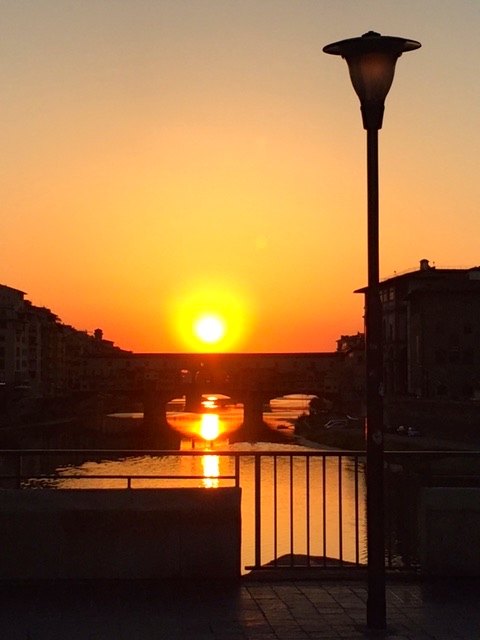
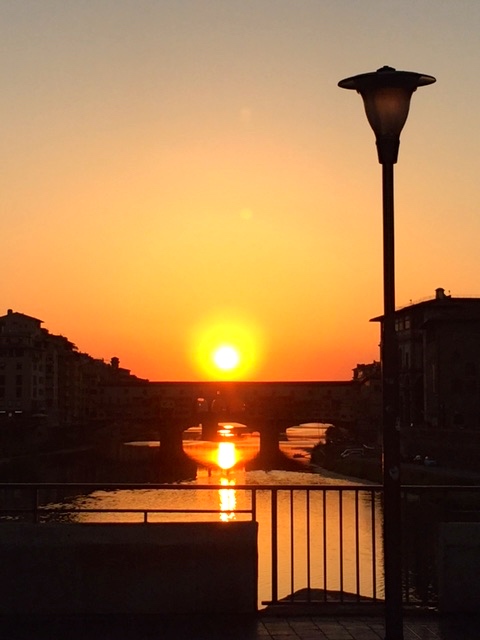
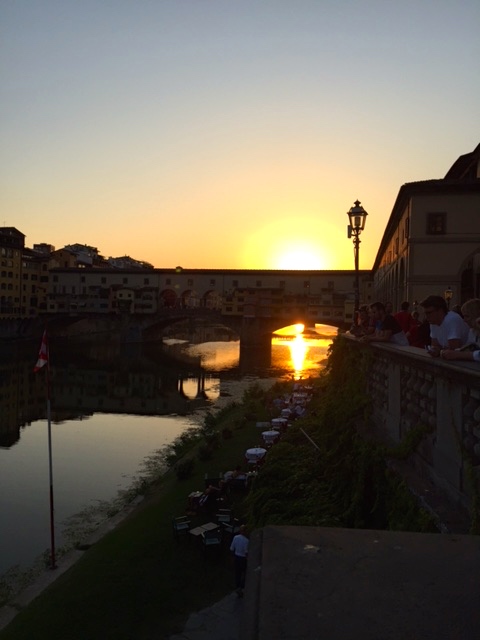
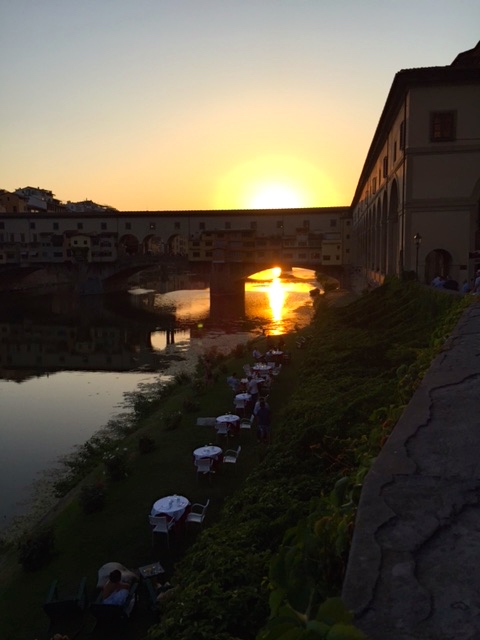
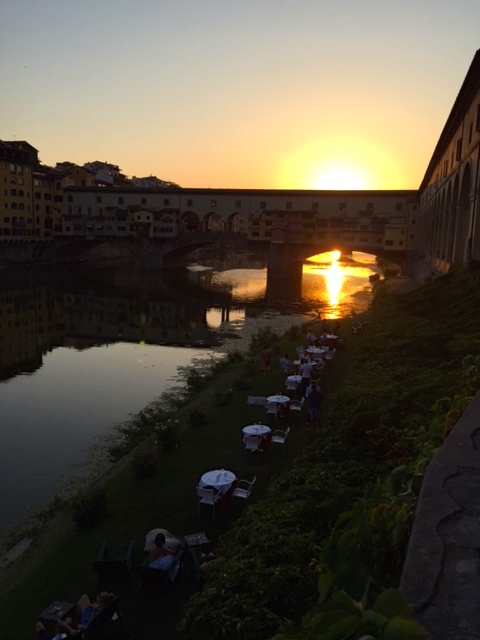
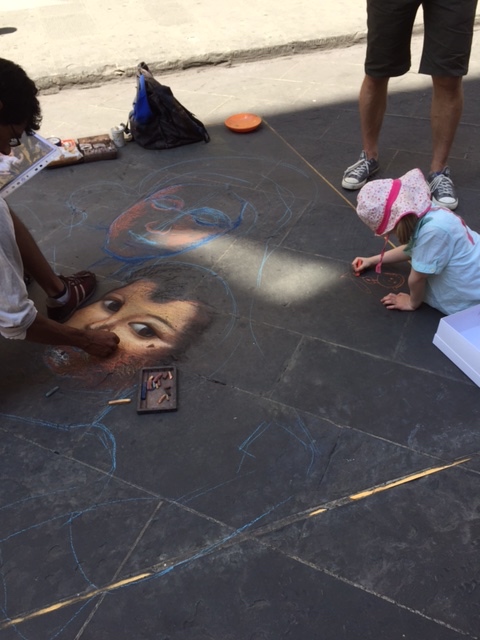
A young artist at work in Florence
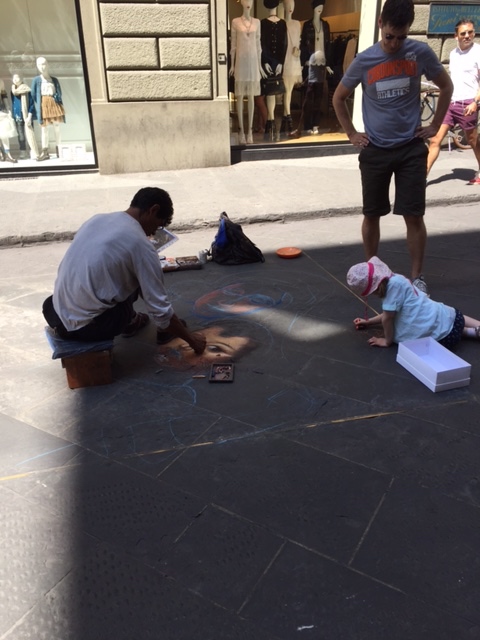
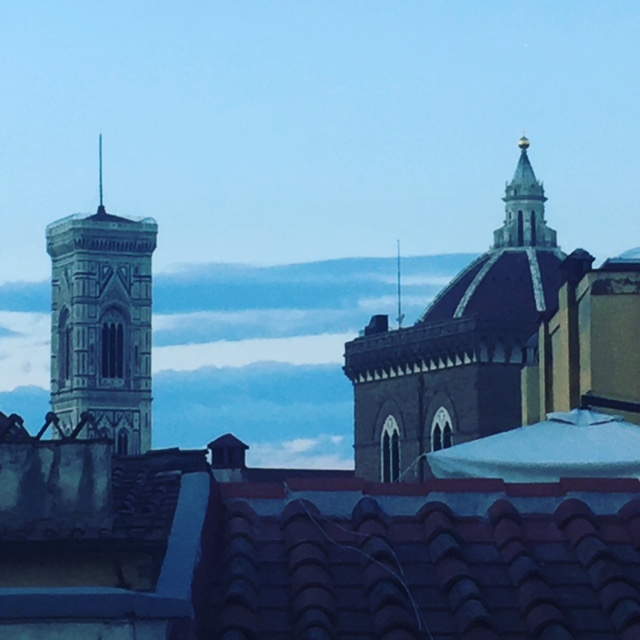
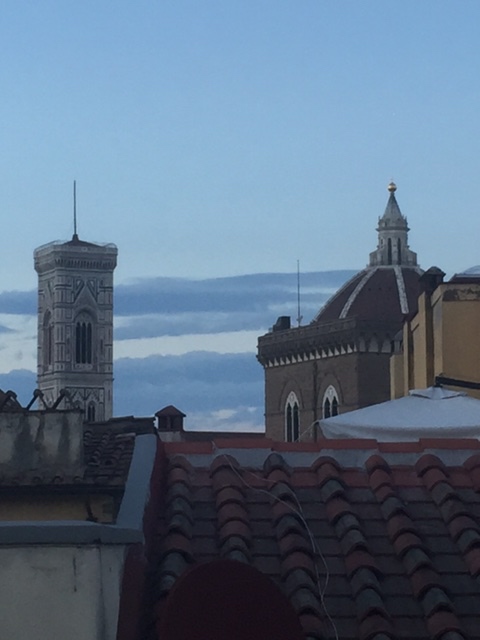
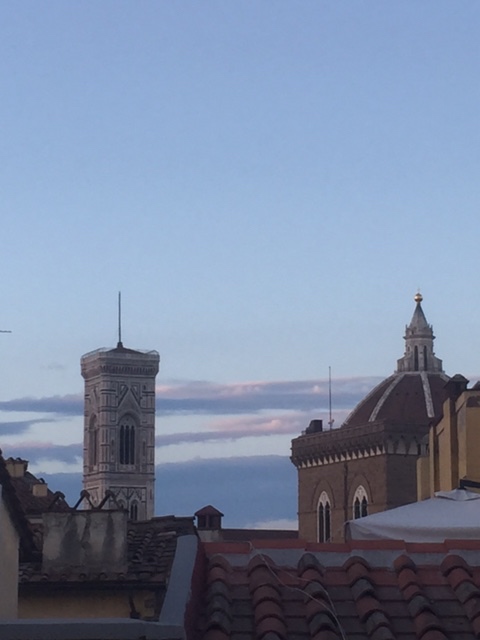
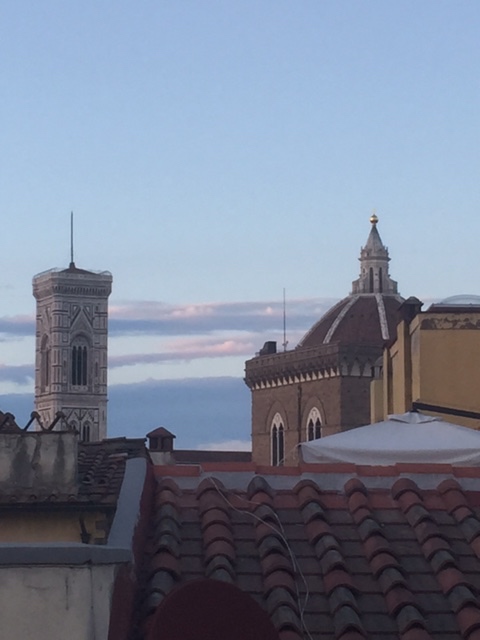
Every day a new view
Palazzo Farnese, Roma
The French Embassy: I made a quick trip to Rome this past week to visit the Palazzo Farnese, a reservation made several months ago. You have to reserve early and provide lots of personal information if you want to pay a visit to the French Embassy in Italy!
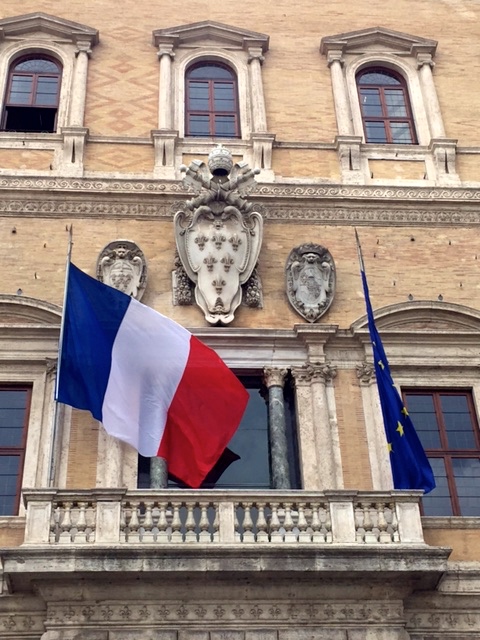
Today the Palazzo is owned by the Italian Republic. In 1936 an arrangement was made with the French to house their embassy for 99 years at the high cost of $1.00 per annum. The Italians have a similar arrangement in Paris.
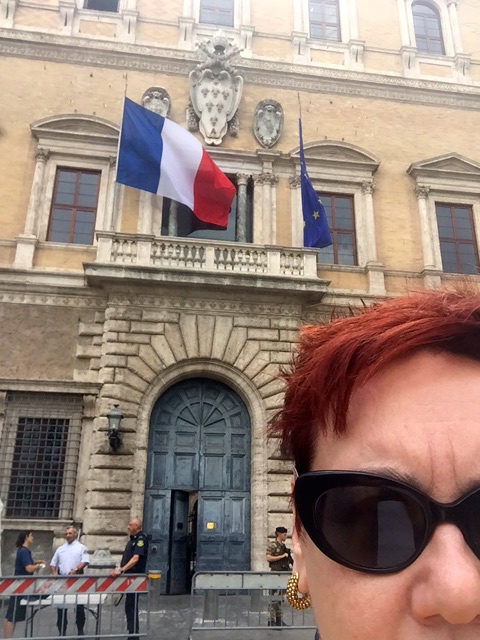
See those men behind me? They are there to make sure only authorized people enter the Embassy. Trust me, they do a good job! Even with my reservation, I almost wasn’t let in (it seems they needed my actual passport, not just a photocopy that serves me in 99.9% of cases….ummmm… I won’t be making that mistake again).
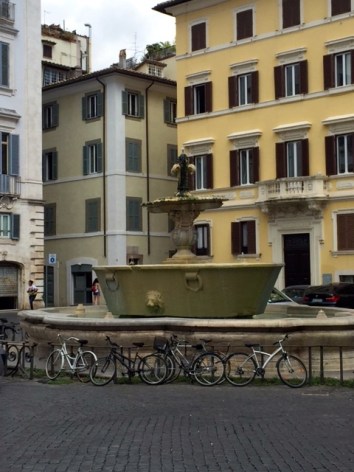
This pair of matching fountains stand symmetrically in front of the Palazzo.
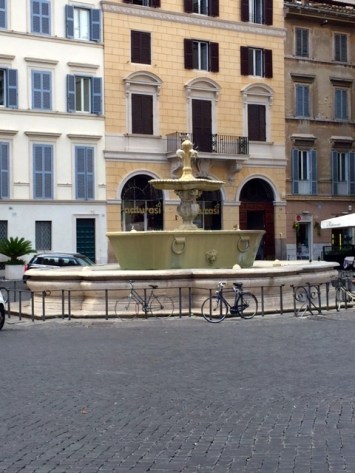
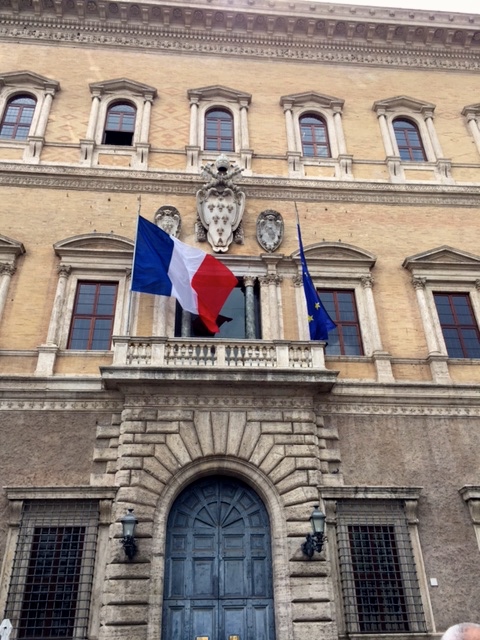
I was there as an art lover, of course, scheduled to take a tour in Italian of the many beautiful objets that adorn the fabulous palace. Chief among them being the fabulous frescoes by Carracci!
But, before moving to the frescoes, let’s look at the incredible building!
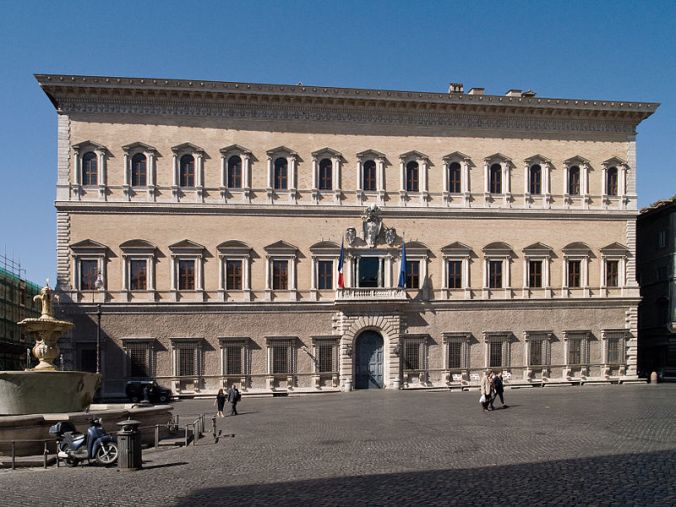
Above is an overview of this very important Renaissance palazzo, located in a prime area of central Rome. First designed in 1517 for the Farnese family, the building expanded in size and conception to designs by Antonio da Sangallo the Younger when Alessandro Farnese became Pope Paul III in 1534.
The palazzo’s construction involved some of the most prominent Italian architects of the 16th century, including Michelangelo, Jacopo Barozzi da Vignola and Giacomo della Porta.
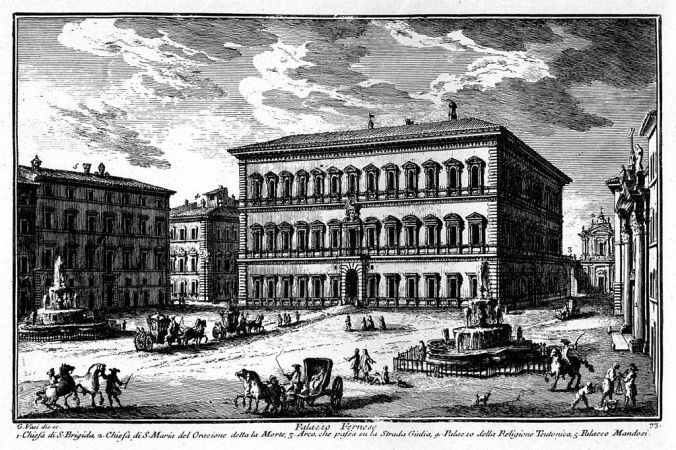
Above is an engraving of the Palazzo with the two matching fountains.
Let’s talk frescoes!
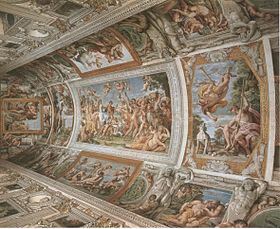
Several of the palazzo’s main salons were painted with elaborate allegorical programs including the Hercules cycle in the Sala d’Ercole or the Hercules Room; the “Sala del Mappamondo” or The Room of Maps; and the well known The Loves of the Gods (1597–1608) by the Bolognese painter Annibale Carracci.
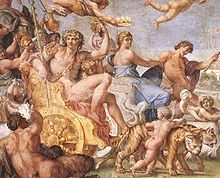
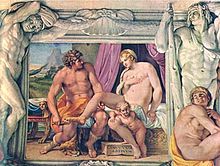
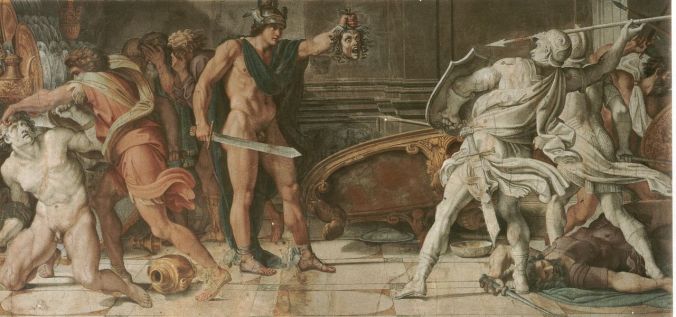

In 1595, Annibale and Agostino Carracci had traveled to Rome to begin decorating the Palazzo with stories of Hercules, appropriate since the it housed the famous Greco-Roman antique sculpture of the hyper muscular the so-called Farnese Hercules.
Annibale developed hundreds of preparatory sketches for the major work, wherein he led a team painting frescoes on the ceiling of the grand salon with the secular quadri riportati of The Loves of the Gods.
Although the ceiling is riotously rich in illusionistic elements, the narratives are framed in the restrained classicism of High Renaissance decoration, drawing inspiration from, yet more immediate and intimate, than Michelangelo’s Sistine Ceiling as well as Raphael’s Vatican Logge and Villa Farnesina frescoes.
Throughout the 17th and 18th centuries, the Farnese Ceiling was considered the unrivaled masterpiece of fresco painting for its age. They were not only seen as a pattern book of heroic figure design, but also as a model of technical procedure; Annibale’s hundreds of preparatory drawings for the ceiling became a fundamental step in composing any ambitious history painting.
The lucky French, to occupy this magnificent building!
Obama in Milan
Not a new picture, but a great one:


You must be logged in to post a comment.