After school snack.

When I was young, my mother would pick me up from school in the afternoons and stop at the little market in our town on our way home.  I was usually famished, and she would typically let me choose a candy bar or some other snack.  I almost always had a Snickers bar or a Hersey’s milk chocolate with almonds.  If the Hersey’s bar didn’t have almonds, I wouldn’t eat it.  It was too sweet for me if it didn’t have the flavor and crunch of almond to break it up.

img_0623

Now that I am pretty much a grown up, I stop at my own choice of businesses, and the stores that I choose have an array of indulgences I could not have imagined as a child.

img_0624

There’s tiramisu for when I really need to be picked up.

img_0628

There are all manner of chocolate goodies.  I alway like to look at the ones with the candied violets on top.  Horticulture + chocolate = heaven.

img_0629

An ode to the nuts in the Hersey’s bars I used to eat.

img_0630

img_0617

Okay, now we’re talking.  A merenda made with fresh berries!  Woo hoo!

img_0618

A couple of amaretti with a caffè macchiato.  Perfection.

img_0619

Meringhe, or in inglese, meringues.

img_0620img_0621

A pretty cake with the Florentine lily on top.

img_0622img_0625

After school or after anything!

Need a “pick me up?”

Sugar and caffeine to the rescue!

images-10

Without a doubt, tiramisù is the spoon-eaten dessert most-loved by the Italians. For this reason, many different regions claim to have invented it, each one with its one legend to back it up.

images-9
Even if this creamy dessert probably derives from some traditional recipes that were modified over time, one of the most widespread legends suggests that a primitive version of this dessert was created at the end of the 17th century in Siena. According to the same story, the Grand Duke of Tuscany, Cosimo II de’ Medici, was in town for a couple of days to attend the city’s famous horse race, the Palio.

images-11
To honor his presence, the pastry chefs of Siena got together to invent a new dessert using the most decadent ingredients for the grand duke was known to be a real food lover. The dessert, which in honor of Cosimo II was called the “soup of the dike,” was a huge success among the Florentine nobles that they decided to introduce it to the court, a sort of nursery of intellectuals and artists, who in turn helps to spread the dessert throughout the rest of Italy.

Tiramisù finally reached Venice where, according to the legend, it was considered a powerful aphrodisiac by the courtesans. It was here in the city of Giacomo Casanova that the dessert was given its current name, which means “pick me up” in English.

Want to make it?  Here’s how!

http://www.academiabarilla.com/italian-recipes/desserts-fruit/tiramisu.aspx

Enter the past: the oldest church in Florence: Santi Apostoli

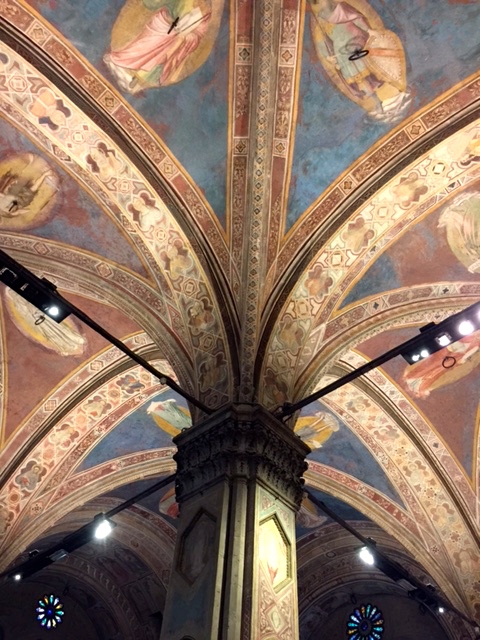
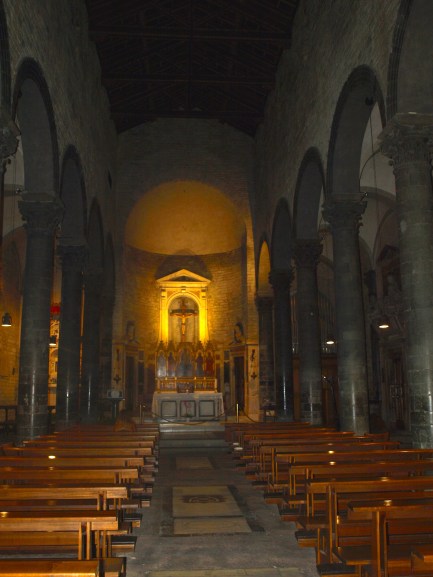
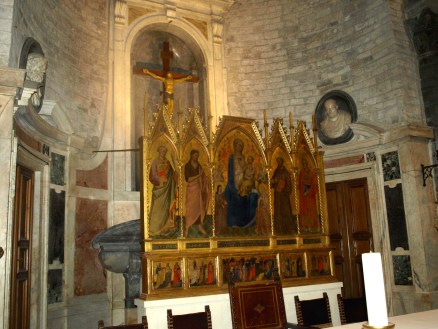
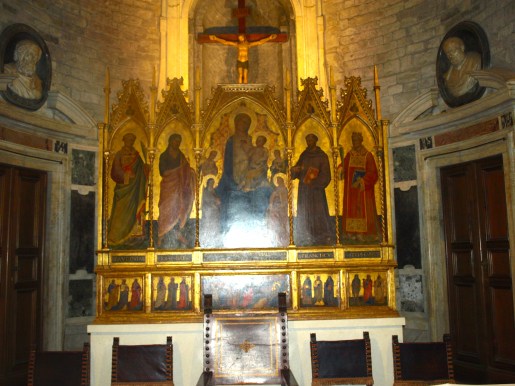
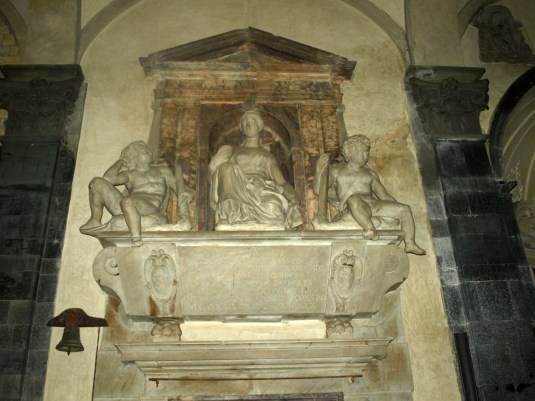
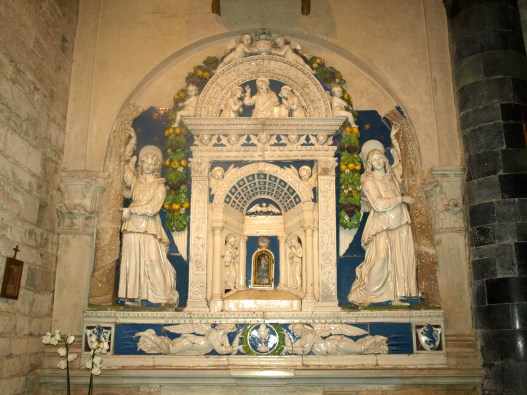
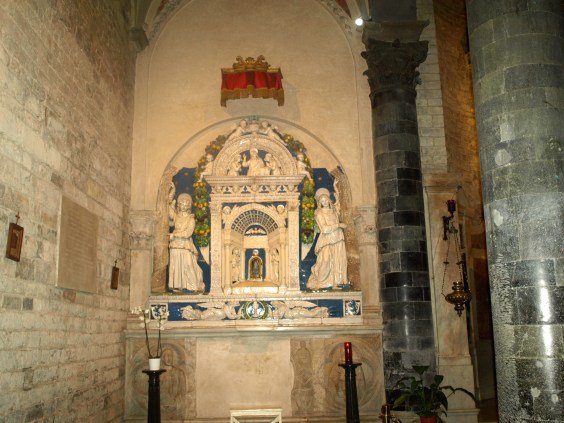
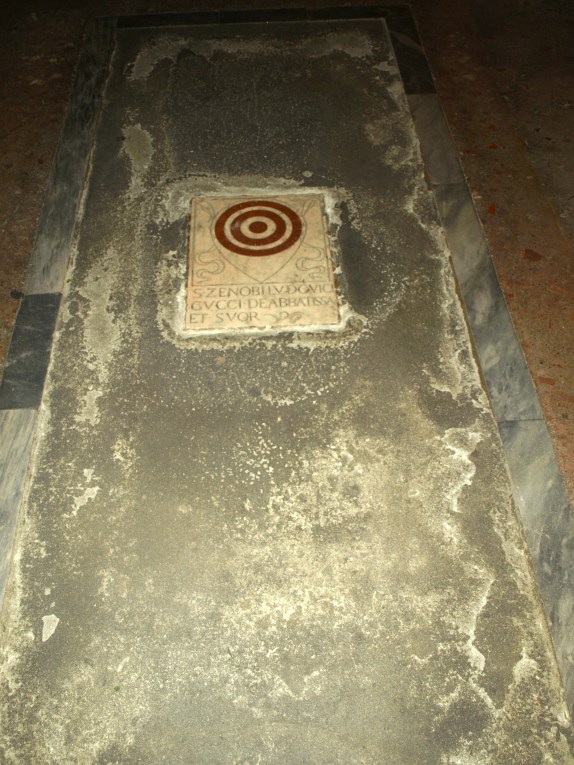
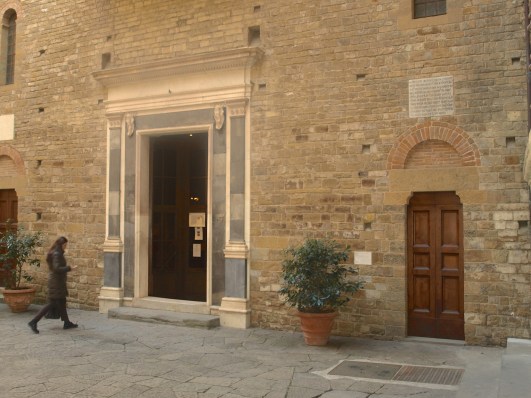
I recently had the good fortune to find this old church in Florence (among the oldest) Santi Apostoli, open.  Here are my photos of the inside and outside of this lovely, antique space.

OLYMPUS DIGITAL CAMERAOLYMPUS DIGITAL CAMERAOLYMPUS DIGITAL CAMERAOLYMPUS DIGITAL CAMERA

OLYMPUS DIGITAL CAMERAOLYMPUS DIGITAL CAMERAOLYMPUS DIGITAL CAMERA


OLYMPUS DIGITAL CAMERAOLYMPUS DIGITAL CAMERAOLYMPUS DIGITAL CAMERAOLYMPUS DIGITAL CAMERA


Santi Apostoli sits on the Piazza del Limbo, which as the sign below says, was “Gia Piazza di Apostoli” or formerly the Piazza di Apostoli.

OLYMPUS DIGITAL CAMERA

And in this piazza, as in so many places throughout Florence, there is a sign showing how high the water reached during the flood of November 1966.  With the water at this height, most of Santi Apostoli would have been under water.

OLYMPUS DIGITAL CAMERA


A primer: Where did the Italian language come from, anyway?

The history of the Italian language is naturally incredibly complex.

images-2

However, the modern standard of the language was largely shaped by relatively recent events. The earliest surviving texts, dating between 960 and 963, and which can definitely be called Italian, as opposed to its predecessor Vulgar Latin, are legal formulae from the region of Benevento, about 50 km northeast of Naples.

images-3

Even more importantly, during the 14th century the Tuscan dialect began to predominate.  This was due to at least 2 major factors: 1: the central position of Tuscany in Italy; and 2: the aggressive commerce of Florence, Tuscany’s most important city.

In fact, Florentine culture produced the three literary artists who best summarized Italian thought and feeling of the late Middle Ages and early Renaissance: Petrarca, Boccaccio and, especially, Dante Alighieri. It was Dante who mixed southern Italian languages, especially Sicilian, with his native Tuscan, which was supposedly derived from Etruscan and Oscan, in his epic poem known as the Commedia, to which Giovanni Boccaccio later affixed the adjective Divina.

italian-language-history

During the 15th and the 16th centuries, grammarians attempted to codify the pronunciation, syntax, and vocabulary of 14th-century Tuscan. Eventually this classicism, which might have made Italian just another dead language, was widened to include the organic changes inevitable in a living tongue.

In the dictionaries and publications of the Accademia della Crusca, founded in 1583,  compromises between classical purism and living Tuscan usage were successfully integrated.

images-4

In 1525 the Venetian, Pietro Bembo (1470-1547), set out his proposals (Prose della volgar lingua) for a standardized language and style: Petrarca and Boccaccio were his models and thus became the modern classics.

images-7

In fact, the 1st edition of an official Italian vocabulary, published in 1612 by the Accademia della Crusca, was based on the Florentine works: Divina Commedia by Dante, Decameron by Bocaccio and Canzionere by Petrarca. Today, Toscano is still considered the “cleanest” of all Italian dialects, as it is the most similar to the original or classical Latin.

italian-language-5-728

However, it was not until the 19th century that the language spoken by educated Tuscans  became the language of a new nation. The unification of Italy in 1861 had a profound impact not only on the political scene but also socially, economically, and culturally. With mandatory schooling, the literacy rate increased, and many speakers abandoned their native dialect in favor of the national language.

images-8

Long live Italian!

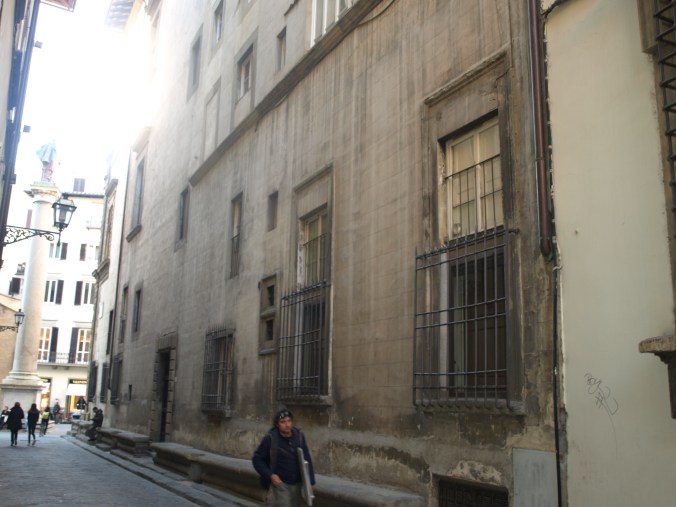
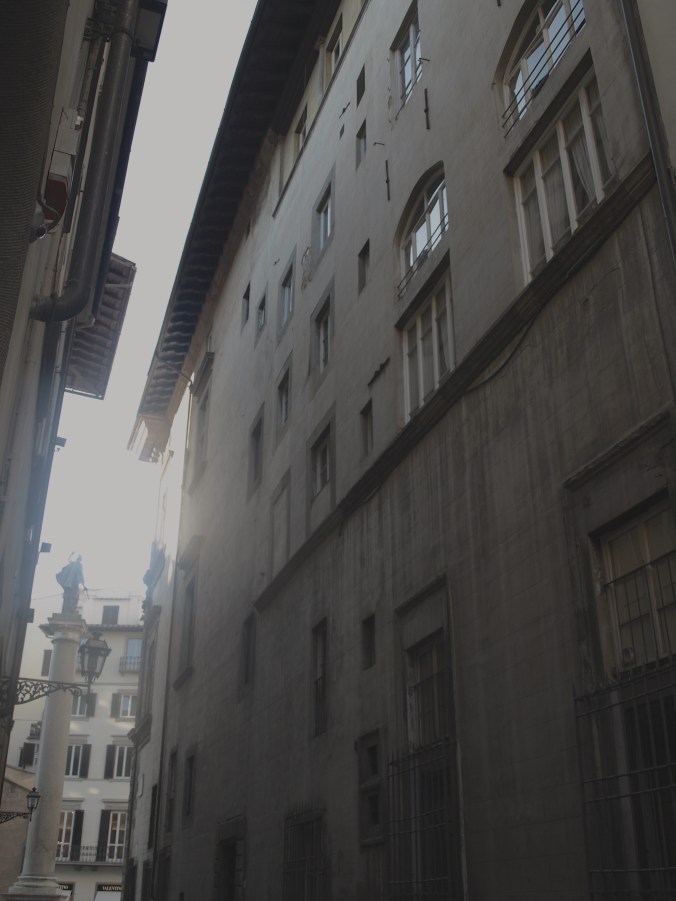
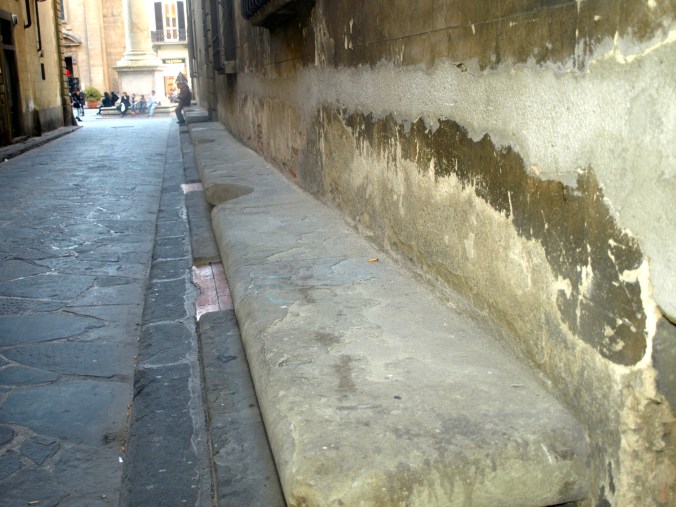
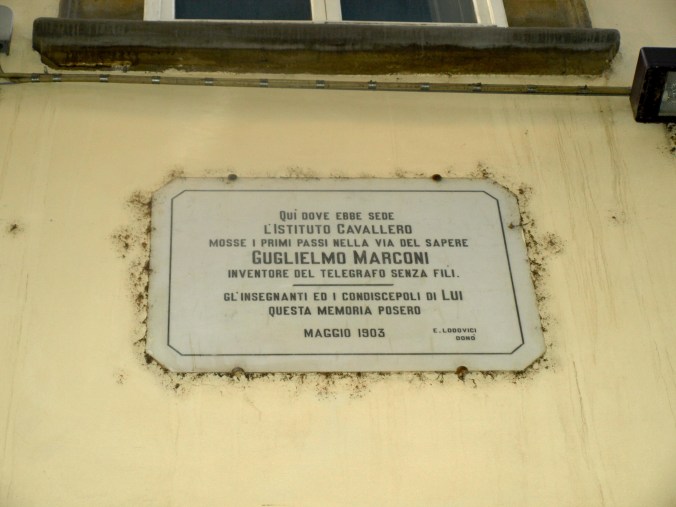
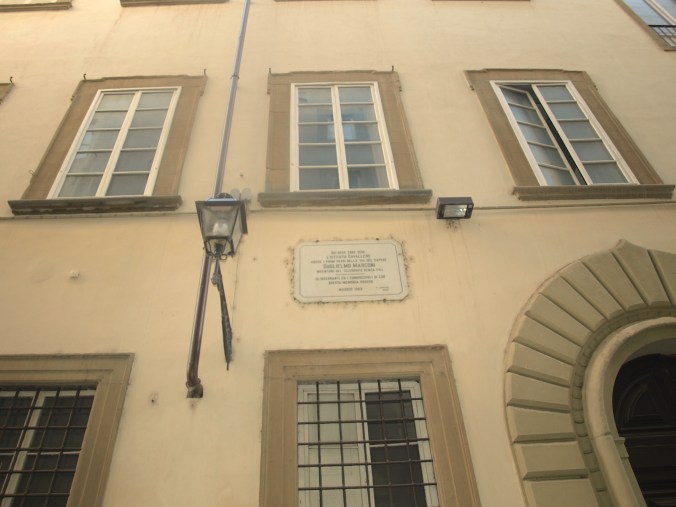
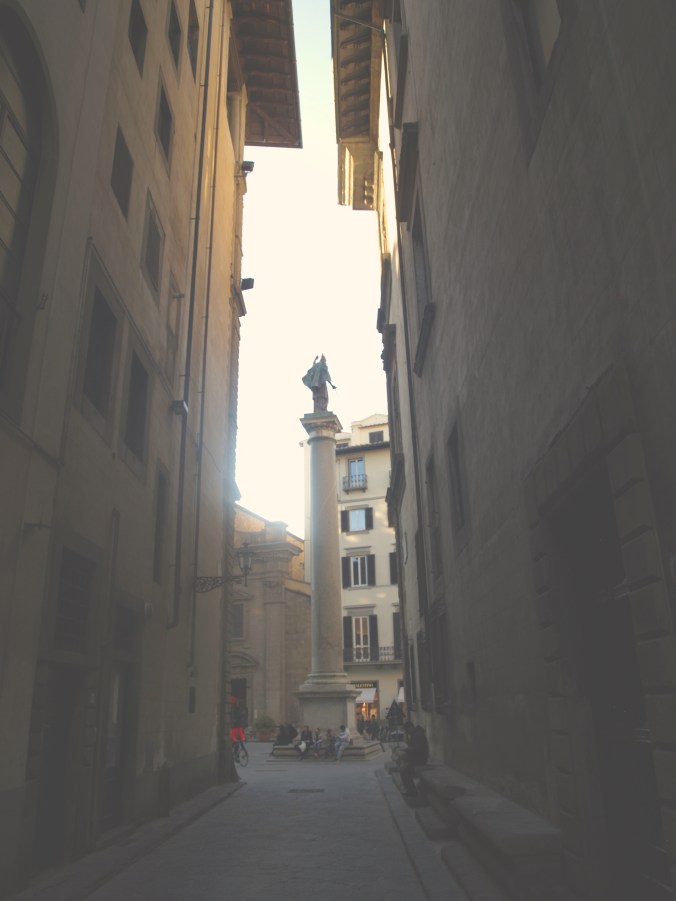
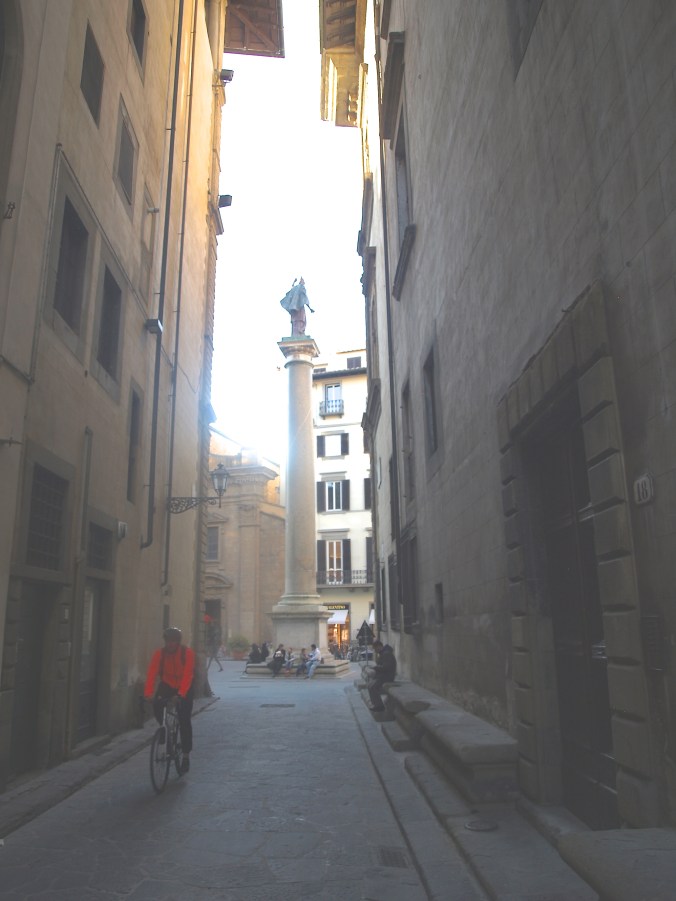
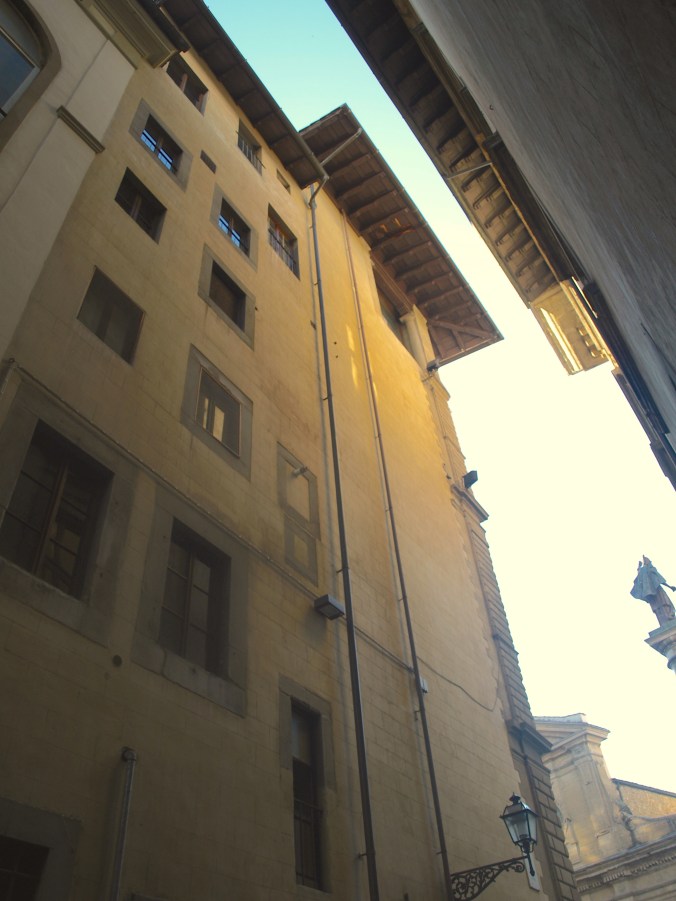
A pictorial walk down Via delle Terme, Florence

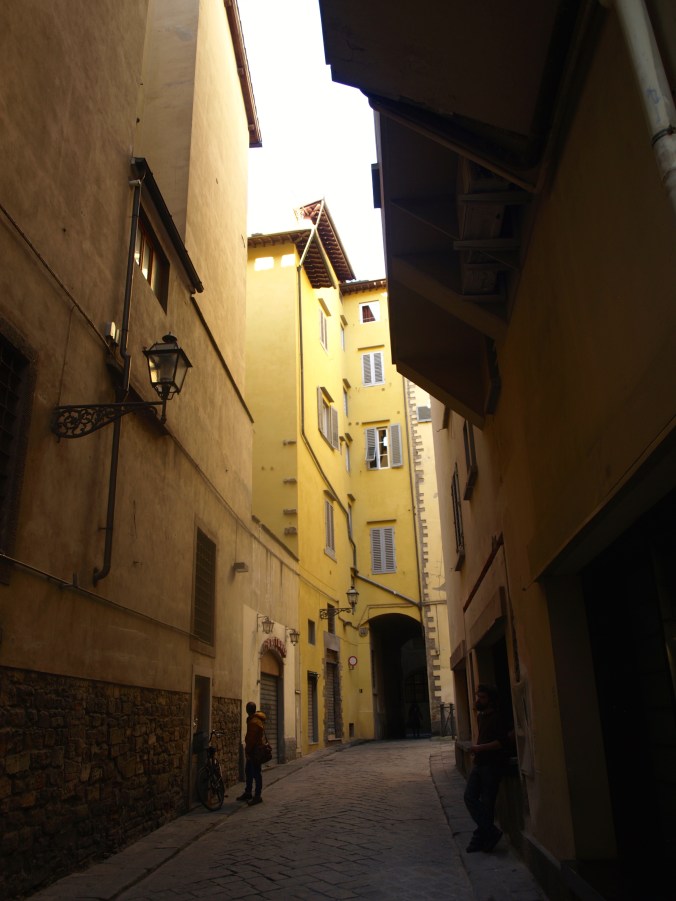
A few days back I posted about the Florentine street, the Via delle Terme, that evokes the city’s Roman foundation.

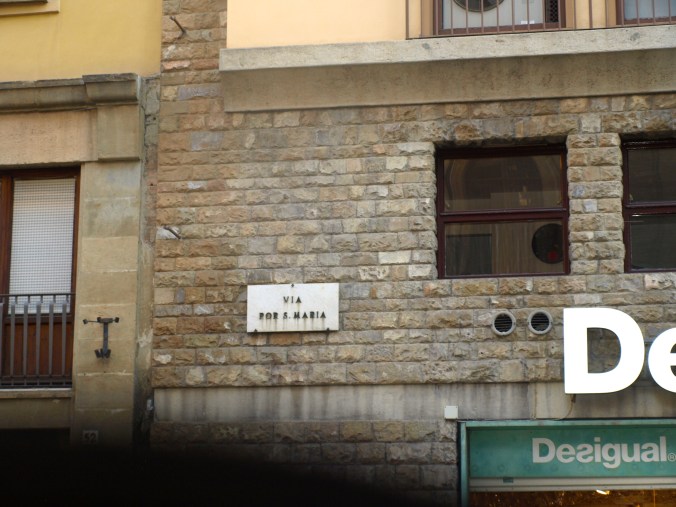
Today I took a long walk down this street from east to west, starting at Por Santa Maria to Piazza Santa Trinita. Here are the pictures I took on this beautiful, sunny, spring day.

OLYMPUS DIGITAL CAMERA

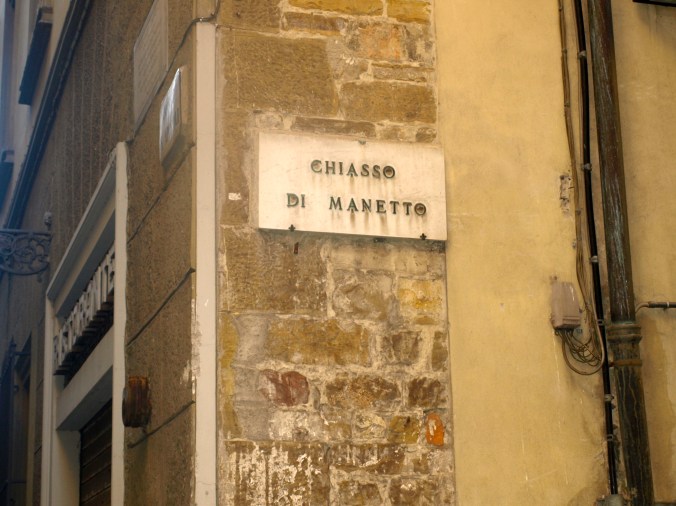
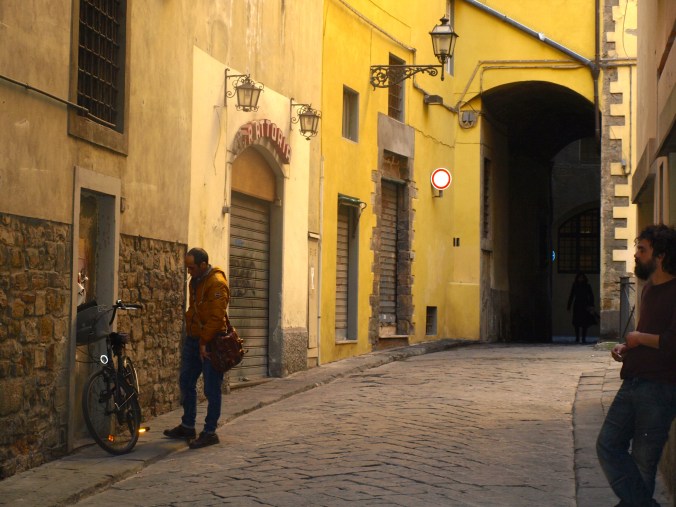
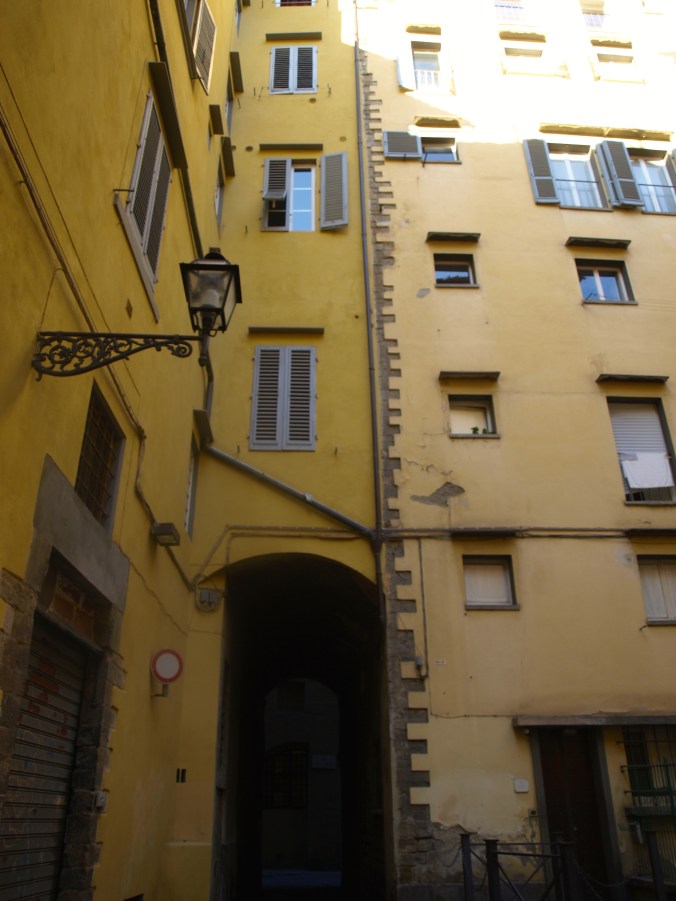
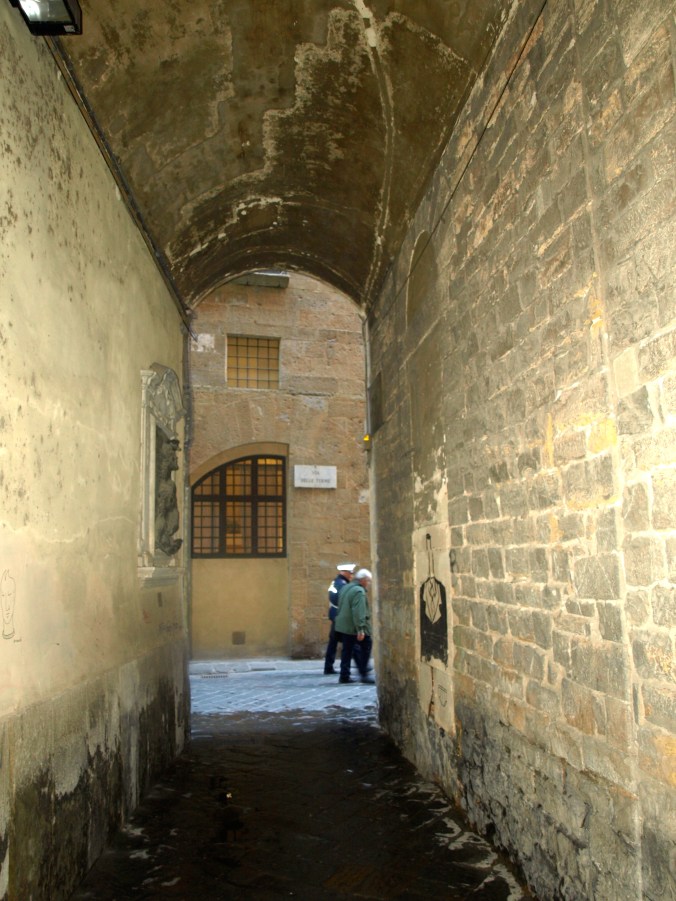
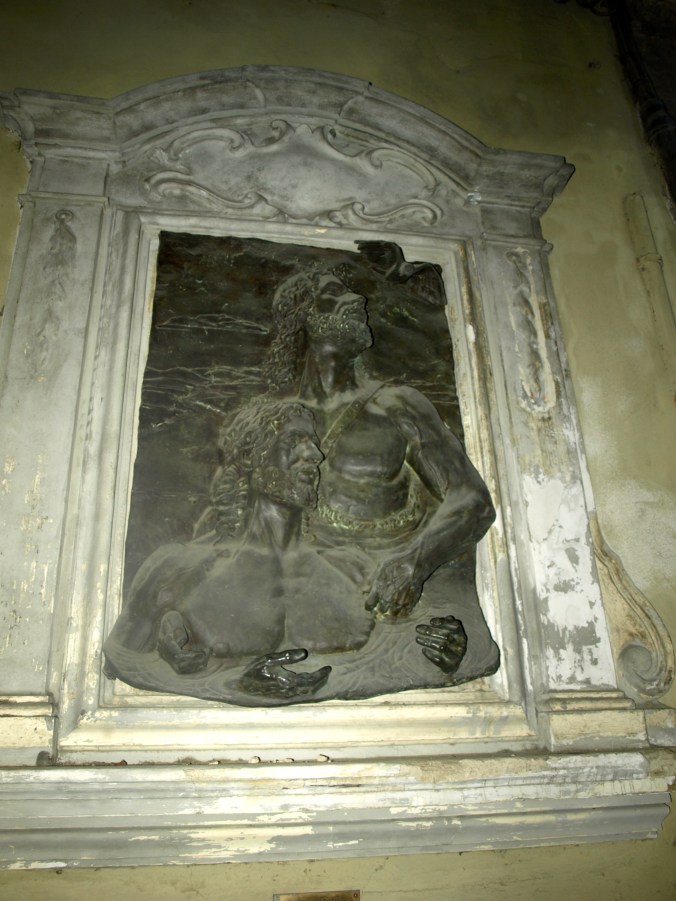
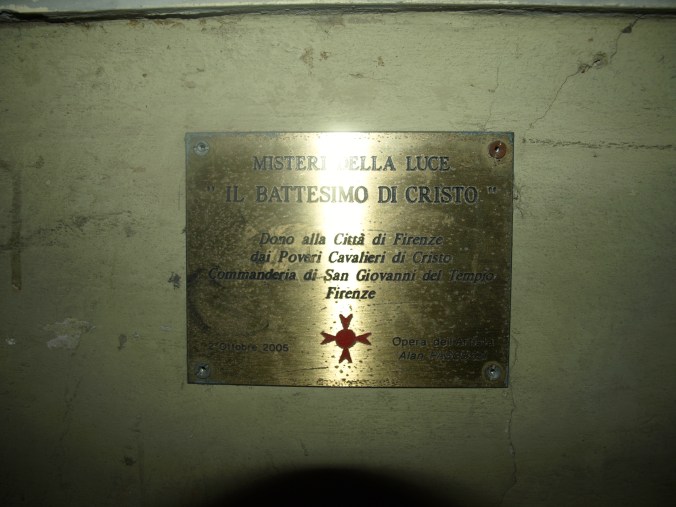
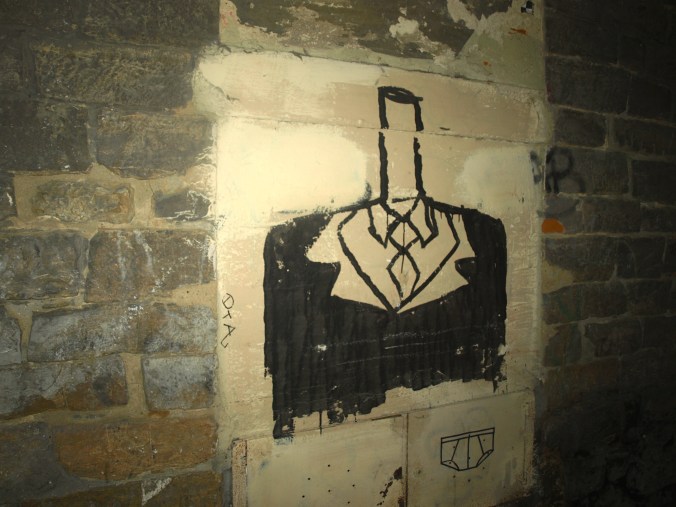
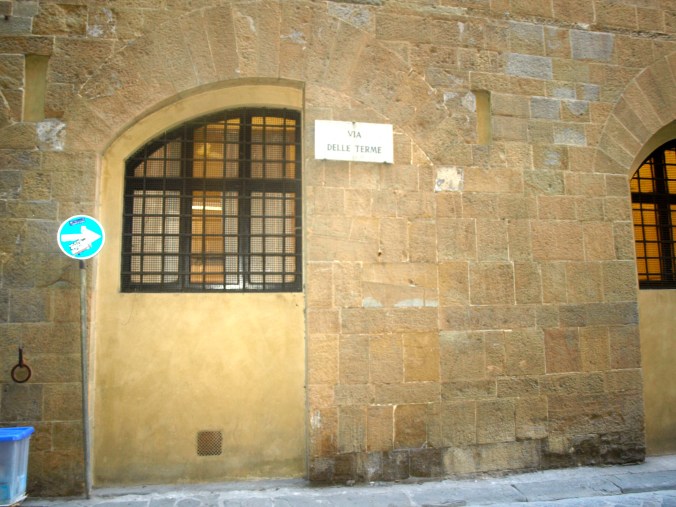
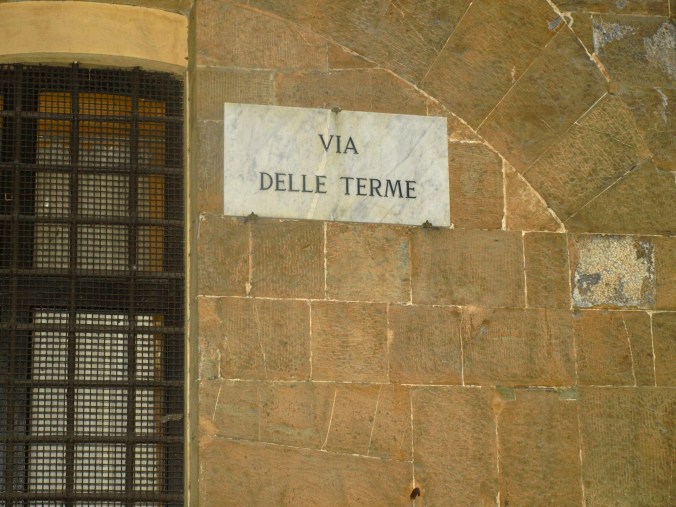
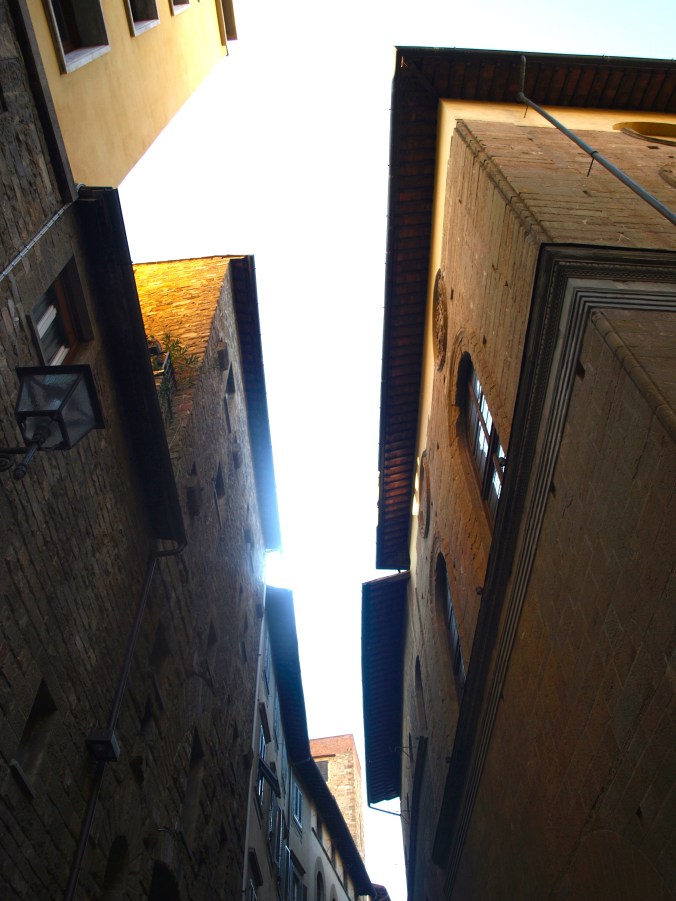
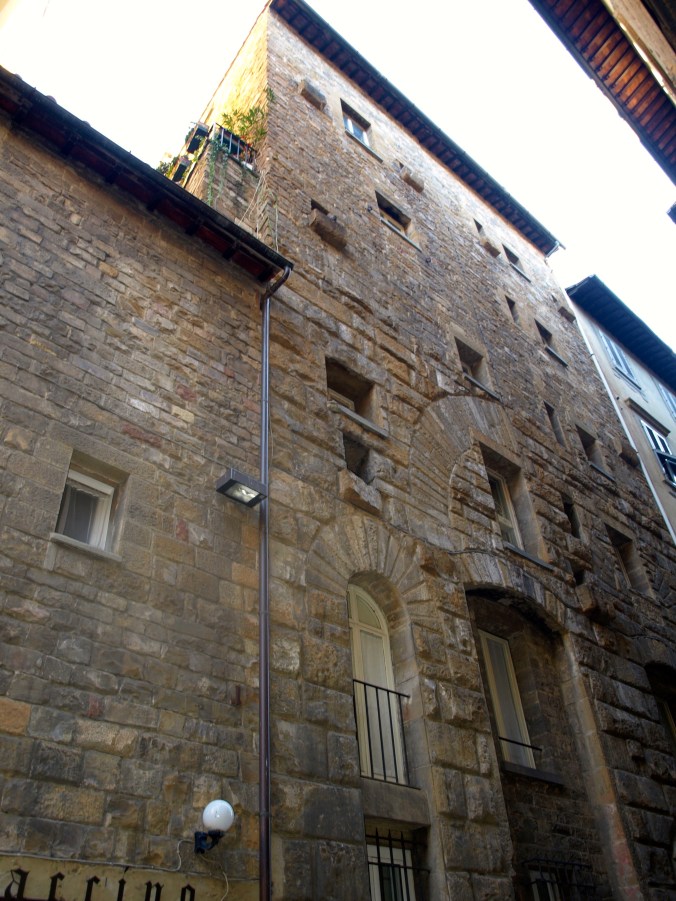
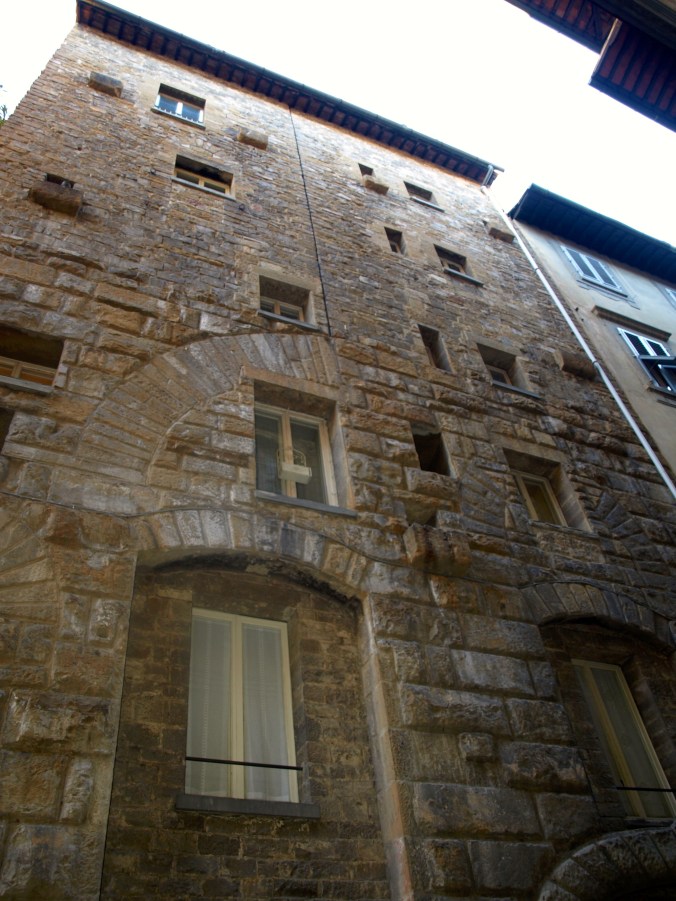
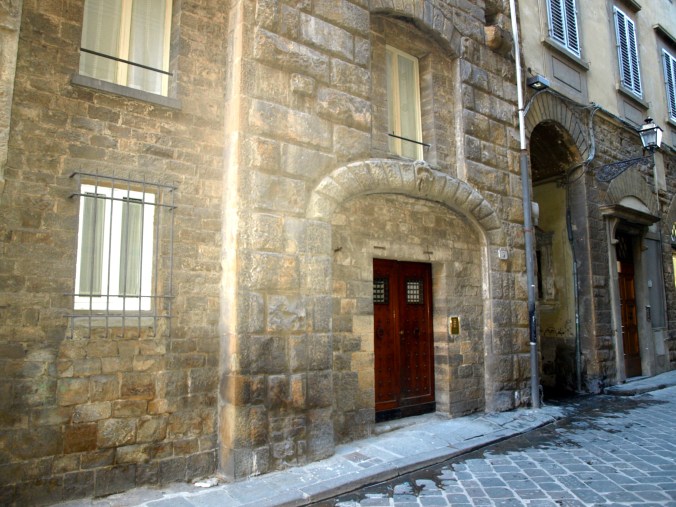
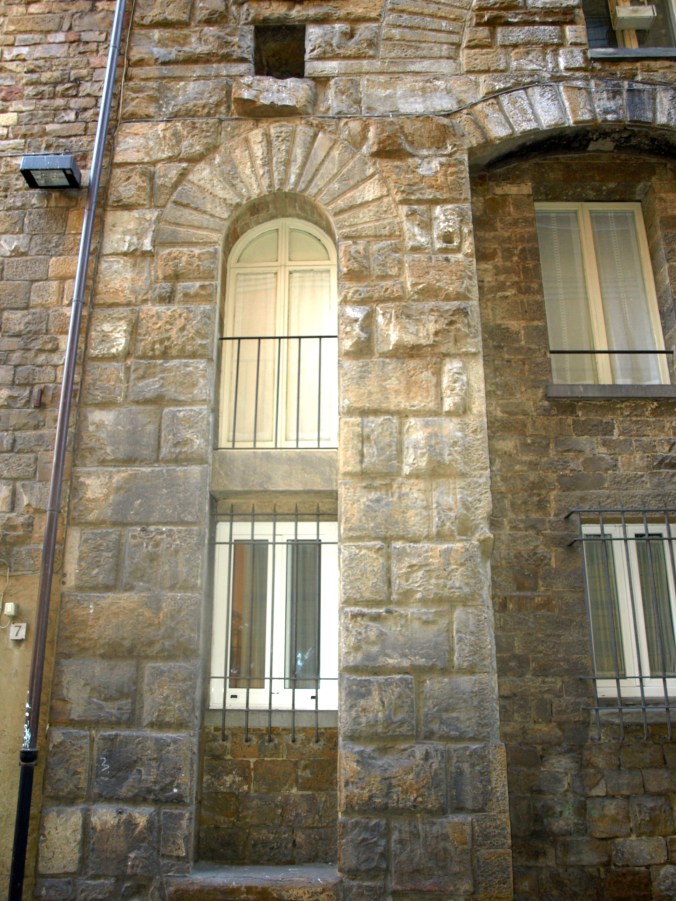
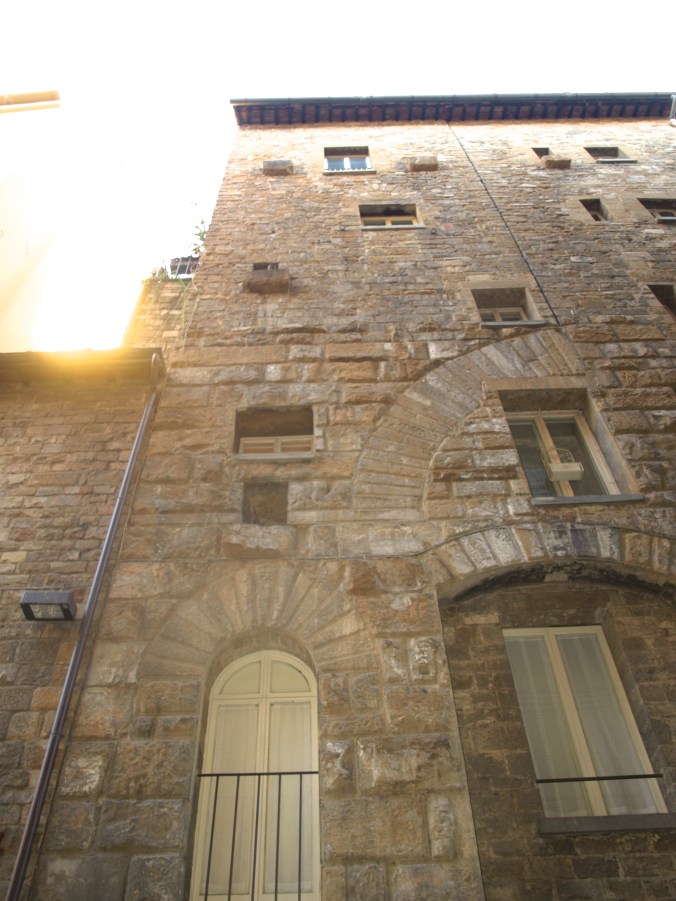
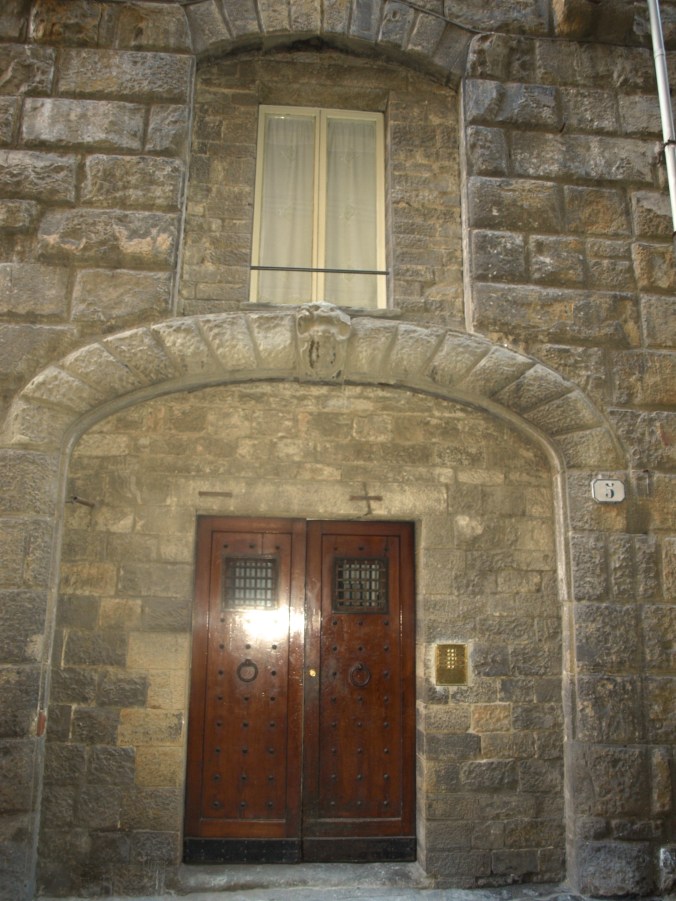
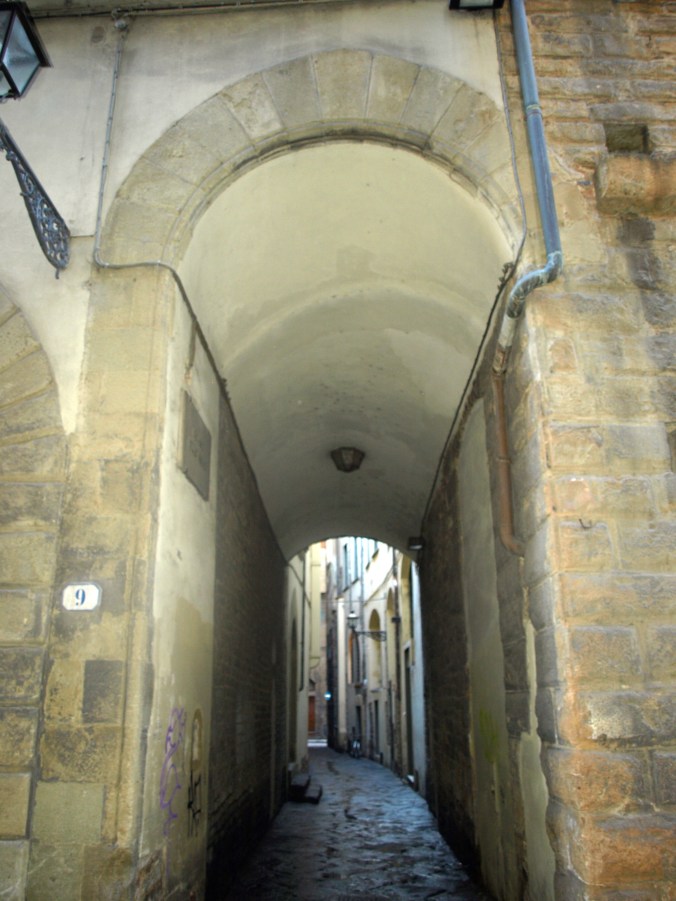
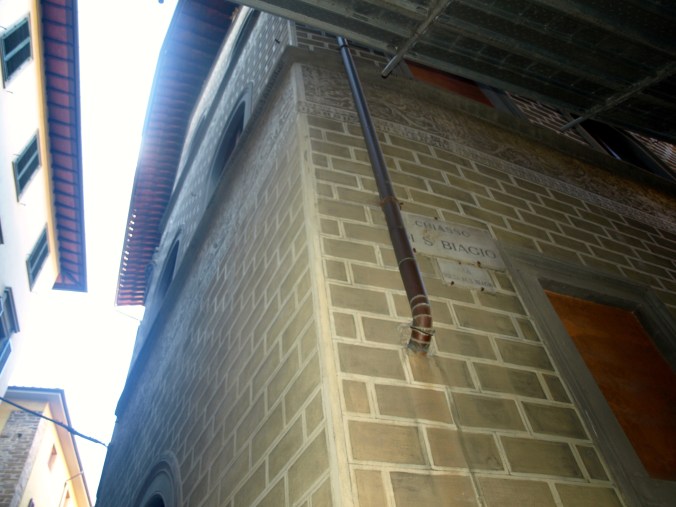
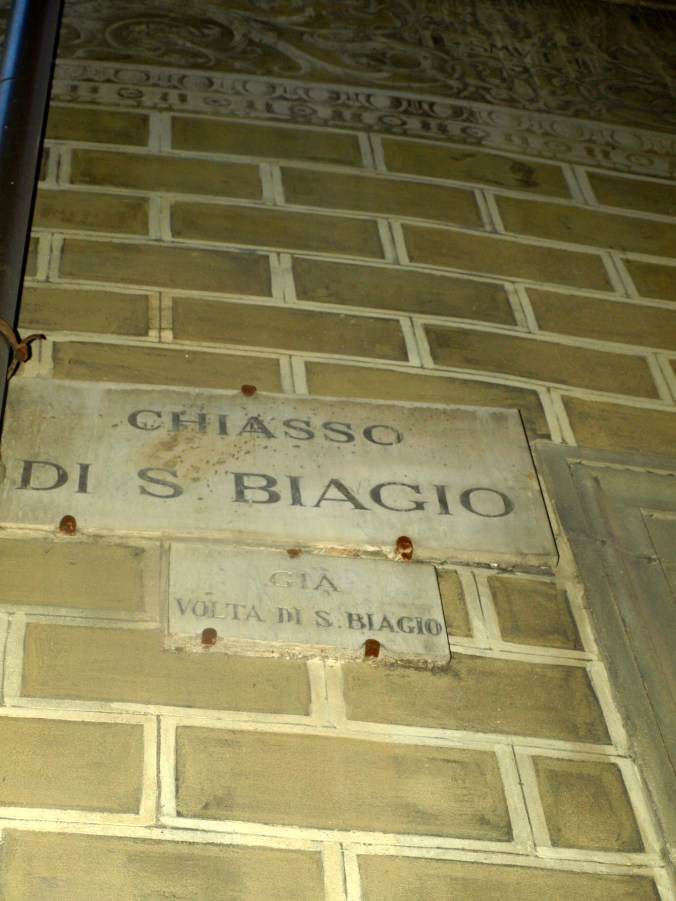
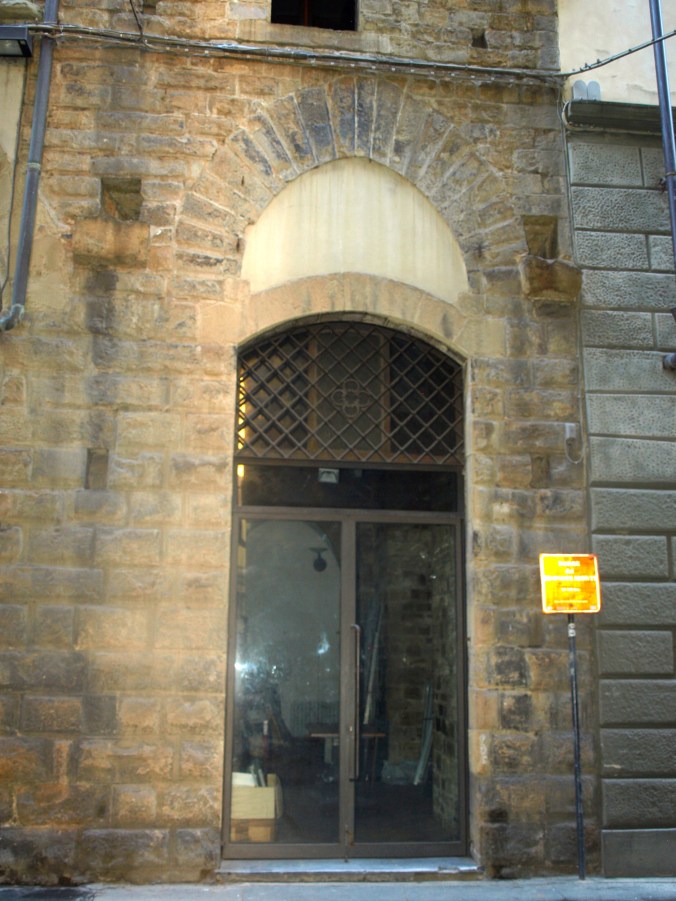
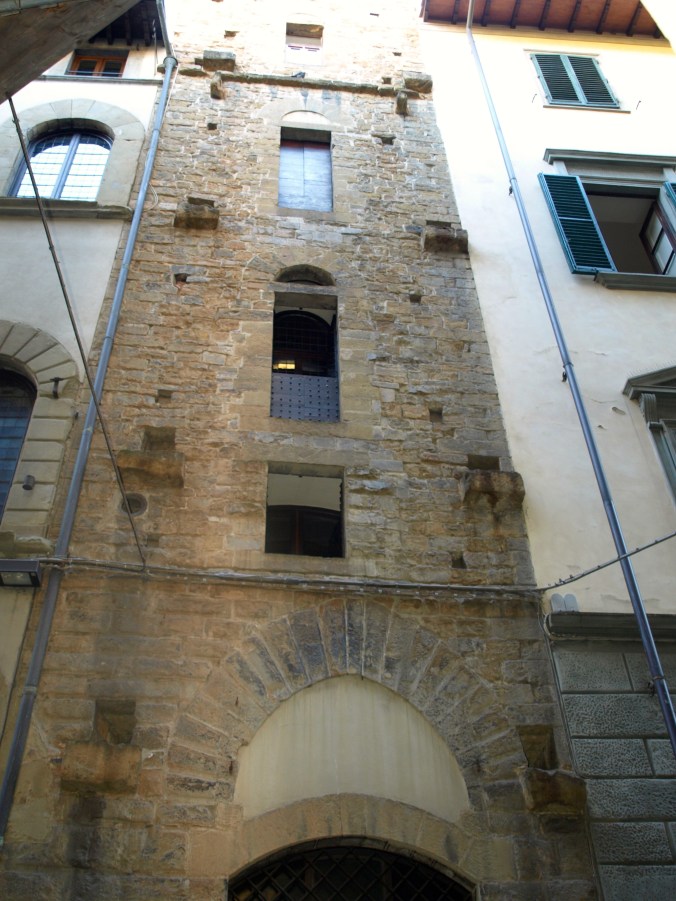
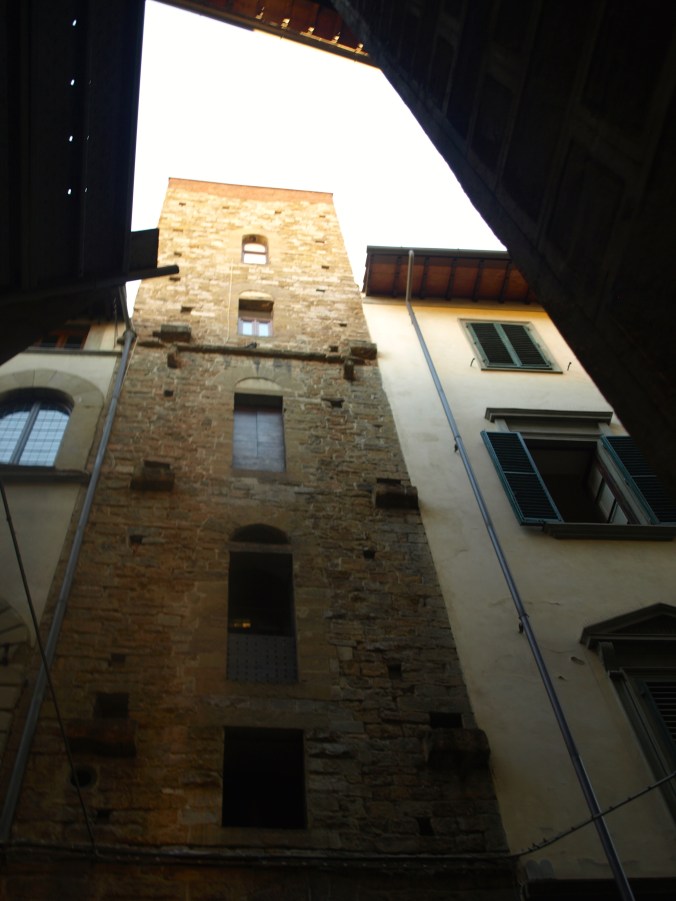
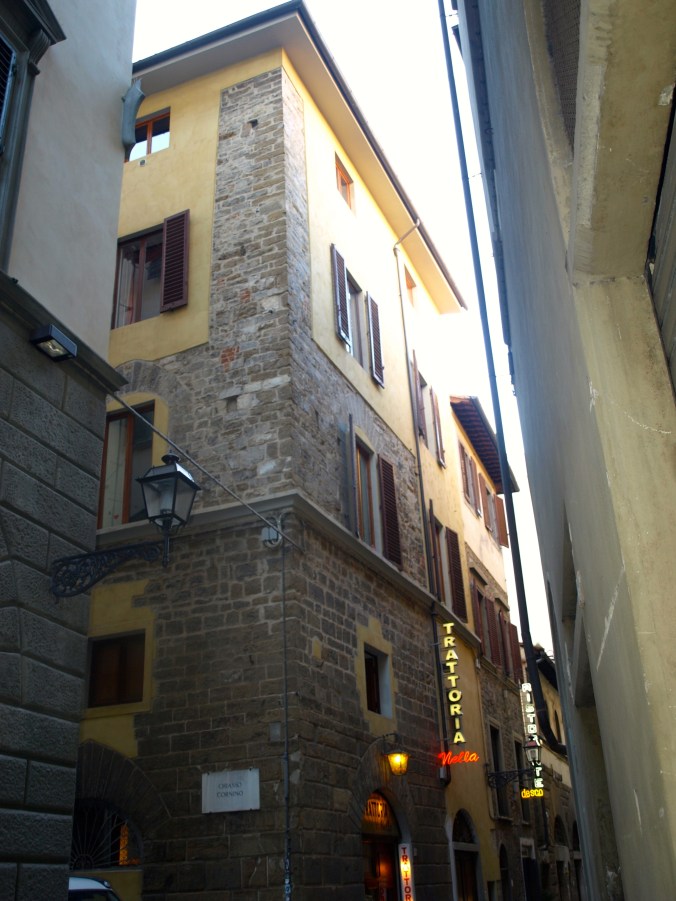
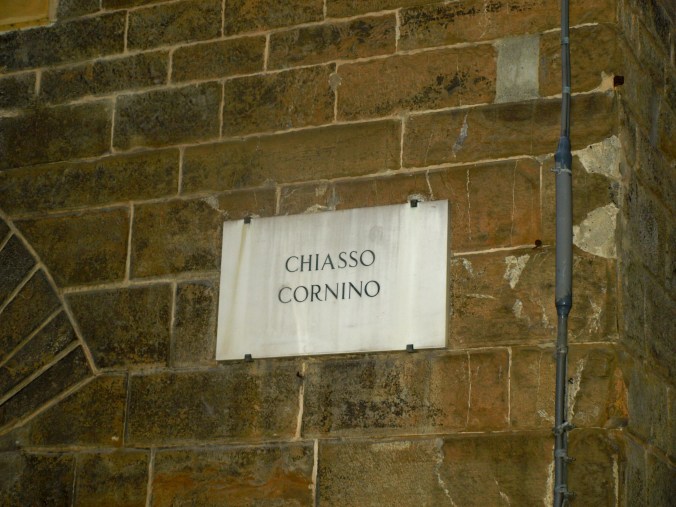
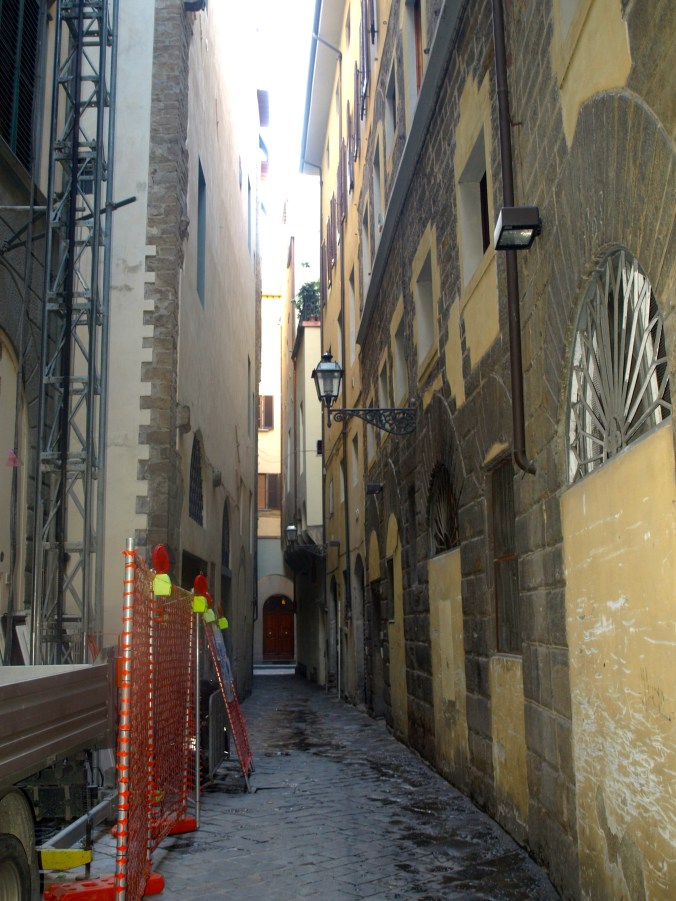
I started my walk on this corner and shot pictures of the fabric of the street as I walked to its western end. I photographed signs of each of the little alleys that lead off the Via delle Terme.  There is a lot of Medieval and Renaissance building on this lovely old strada.

OLYMPUS DIGITAL CAMERA

Above is the intersection of Via delle Terme and Via Por Santa Maria, the easternmost point of the former street.

OLYMPUS DIGITAL CAMERAOLYMPUS DIGITAL CAMERAOLYMPUS DIGITAL CAMERAOLYMPUS DIGITAL CAMERAOLYMPUS DIGITAL CAMERAOLYMPUS DIGITAL CAMERA

OLYMPUS DIGITAL CAMERAOLYMPUS DIGITAL CAMERAOLYMPUS DIGITAL CAMERAOLYMPUS DIGITAL CAMERAOLYMPUS DIGITAL CAMERAOLYMPUS DIGITAL CAMERAOLYMPUS DIGITAL CAMERAOLYMPUS DIGITAL CAMERAOLYMPUS DIGITAL CAMERAOLYMPUS DIGITAL CAMERAOLYMPUS DIGITAL CAMERAOLYMPUS DIGITAL CAMERAOLYMPUS DIGITAL CAMERAOLYMPUS DIGITAL CAMERAOLYMPUS DIGITAL CAMERA

OLYMPUS DIGITAL CAMERAOLYMPUS DIGITAL CAMERAOLYMPUS DIGITAL CAMERAOLYMPUS DIGITAL CAMERAOLYMPUS DIGITAL CAMERAOLYMPUS DIGITAL CAMERAOLYMPUS DIGITAL CAMERAOLYMPUS DIGITAL CAMERAOLYMPUS DIGITAL CAMERAOLYMPUS DIGITAL CAMERAOLYMPUS DIGITAL CAMERAOLYMPUS DIGITAL CAMERAOLYMPUS DIGITAL CAMERAOLYMPUS DIGITAL CAMERAOLYMPUS DIGITAL CAMERAOLYMPUS DIGITAL CAMERAOLYMPUS DIGITAL CAMERAOLYMPUS DIGITAL CAMERA


OLYMPUS DIGITAL CAMERAOLYMPUS DIGITAL CAMERAOLYMPUS DIGITAL CAMERAOLYMPUS DIGITAL CAMERAOLYMPUS DIGITAL CAMERAOLYMPUS DIGITAL CAMERAOLYMPUS DIGITAL CAMERAOLYMPUS DIGITAL CAMERAOLYMPUS DIGITAL CAMERAOLYMPUS DIGITAL CAMERAOLYMPUS DIGITAL CAMERAOLYMPUS DIGITAL CAMERAOLYMPUS DIGITAL CAMERAOLYMPUS DIGITAL CAMERAOLYMPUS DIGITAL CAMERAOLYMPUS DIGITAL CAMERAOLYMPUS DIGITAL CAMERAOLYMPUS DIGITAL CAMERA

OLYMPUS DIGITAL CAMERAOLYMPUS DIGITAL CAMERAOLYMPUS DIGITAL CAMERAOLYMPUS DIGITAL CAMERAOLYMPUS DIGITAL CAMERAOLYMPUS DIGITAL CAMERA