Last week I had the great pleasure of dining at Cantinetta Antinori, one of my all-time favorite Florentine eateries. As a starter, I enjoyed a raw artichoke and parmesan cheese salad. It was dressed with the finest olive oil and fresh lemon juice, salt and pepper.
I didn’t get the chance to photograph my salad, as sometimes that just seems inappropriate. But, I haven’t forgotten the salad and today I found a nice primer on how to prepare it.
Facciamo cuocere una torta! A torta margherita is a traditional Italian cake. One of the most popular cakes in Italy, it was named after the country’s first Italian queen: Margherita di Savoia.
The first recorded recipe for the torta was in the 19th century, but it probably had been handed down from mother to daughter for centuries earlier.
I recently baked a yummy torta margherita from a box mix in my Florentine kitchen and next I wanted to try one from scratch. Here’s my guide.
If you want to try one too, here’s the modern recipe:
5 eggs
180 grams sugar
zest of a lemon to taste
150 grams flour
150 grams potato starch
1/2 teaspoon baking powder
vanilla, 1 Tablespoon I’m guessing
salt
80 grams melted butter, cooled
powdered sugar to sprinkle on top of baked cake
Beat eggs, sugar and zest of a lemon on high until you get a light mixture that looks like the example in the Youtube video. The mixture should be a pale yellow and hold its form enough that you can “write with it” as la signora says.
Next, with mixer on low, add flour and starch, baking powder, salt and vanilla. The vanilla in the video is a powdered form available in Italy. La signora reminds us to only mix the flours, etc., in; you don’t want to lose the lift you got by beating the eggs.
Last, slowly mix in the melted butter.
Pour mixture into a round baking tin, buttered, floured and lined with parchment paper. Bake at 180 degrees C. for 40 – 50 min. Sprinkle the cooled cake with powdered sugar.
It worked! My yummy cake looks like this:
And I eat it like this:
But, you want to make it without potato flour?
Since we, in our American kitchens, don’t typically have potato starch on hand, I believe it is possible to change the recipe slightly, by adding an additional 100 grams of 00 flour. Here’s another recipe I found on the internet for a Torta Margherita sensa fecola di patate. I haven’t tried it yet, but probably will soon.
Tempo di preparazione: 20 minuti, Tempo di cottura: 40 minuti, Tempo totale: 1 ora
Ingredienti per Torta Margherita senza fecola da 22 cm di diametro
250 g di farina 00)
200 g di zucchero
80 g di burro
4 uova
1 bustina di vanillina
1 bustina di lievito per dolci Paneangeli
120 ml di latte
zucchero a velo vanigliato q.b.
Buona fortuna!
Always on the search for history, I found the following article in the August 2015 issue of BBC History Magazine.
In every issue of BBC History Magazine, picture editor Sam Nott brings you a recipe from the past. In this article, Sam recreates Torta Margherita, a 19th-century cake from Italy that is both gluten and dairy-free.
This recipe comes from Pellegrino Artusi’s 1891 cookbook La Scienza in Cucina e l’Arte di Mangiare Bene (The Science of Cooking and the Art of Fine Dining), and is a cake that has been enjoyed in many Italian households.
Artusi’s introduction to his cookbook gives an insight into the origins of the cake. He originally made it for a friend of his, Antonio Mattei, who took the recipe and, after making a few changes, sold it in his restaurant.
The cake was such a success that it soon became the norm to finish a meal with Torta Margherita. The moral of the story, according to Artusi, is that if you grab opportunities when they arise (as Mattei did) fortune will favour you above someone who merely sits back and waits.
Ingredients
120g of potato starch, sifted
120g of fine white sugar (caster sugar)
4 eggs
Juice or zest of a lemon (optional)
Butter and baking paper (to line the baking tin)
Method
Separate the yolks from the whites and beat the yolks together with the sugar until pale and creamy. Add the lemon (optional) and the potato starch and beat.
In a separate bowl, whisk the egg whites until stiff peaks form, then delicately fold the whites through the batter. Place the mixture into a round cake tin (buttered and lined with baking paper). Bake at a moderate heat for about an hour or until golden on top and firm to the touch.
Time: 60 minutes
Verdict:
When I found this recipe I was intrigued: a gluten and dairy-free cake that tastes nice? And with only three ingredients? But the picture in the recipe book looked very enticing so I gave it a try.
And I’m glad I did! I ended up making several of these as they were so delicious; friends and family devoured them all. The cake is incredibly light, goes well with tea or coffee, and takes just an hour to make.
I haven’t had time to post anything because school has started, and I am immersed in Italian! I am conjugating verbs, learning various tenses, and expanding vocabulary.
Wherever you are, whatever you are doing to celebrate the arrival of 2017, I send you auguri!
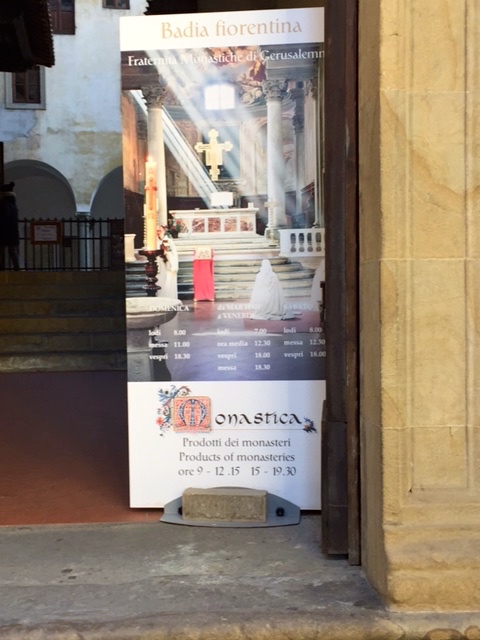
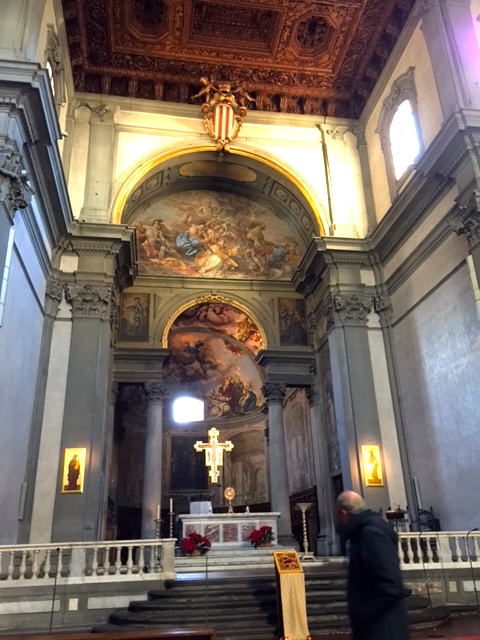
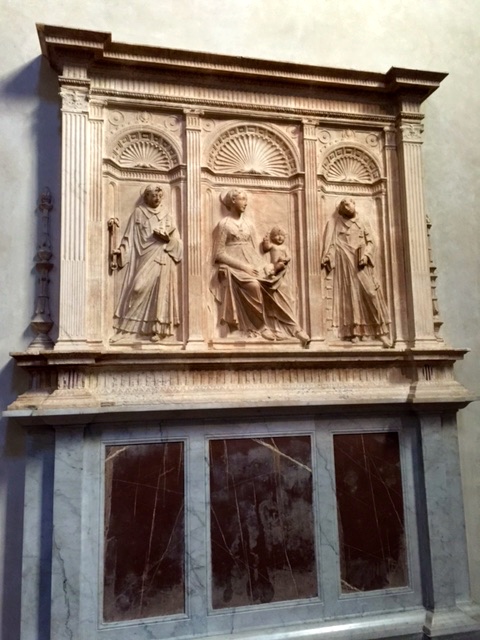
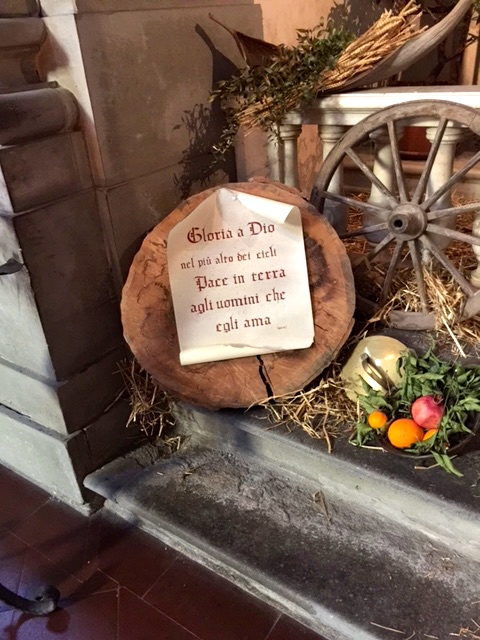
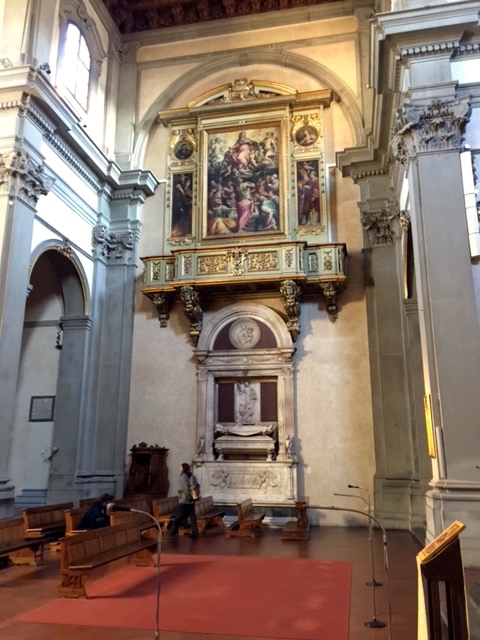
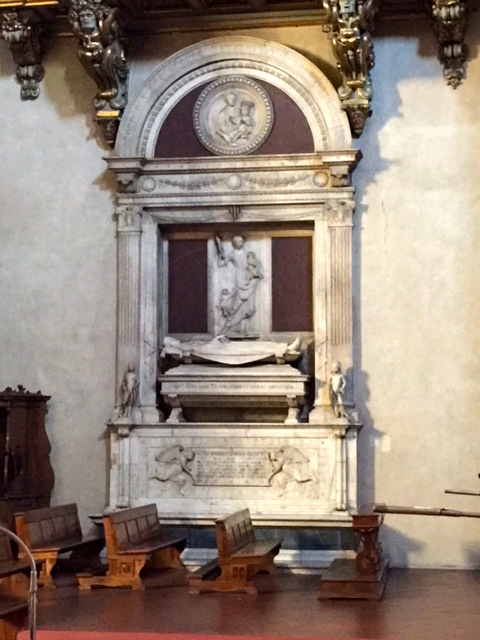
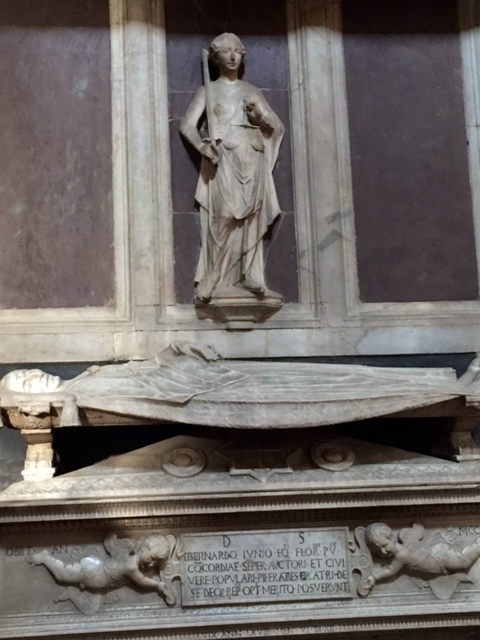
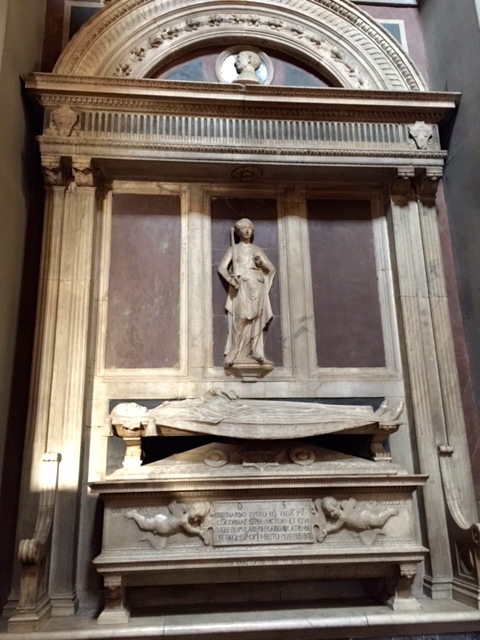
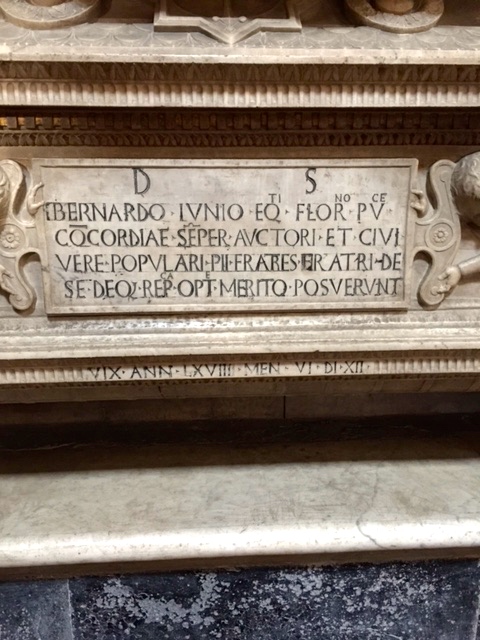
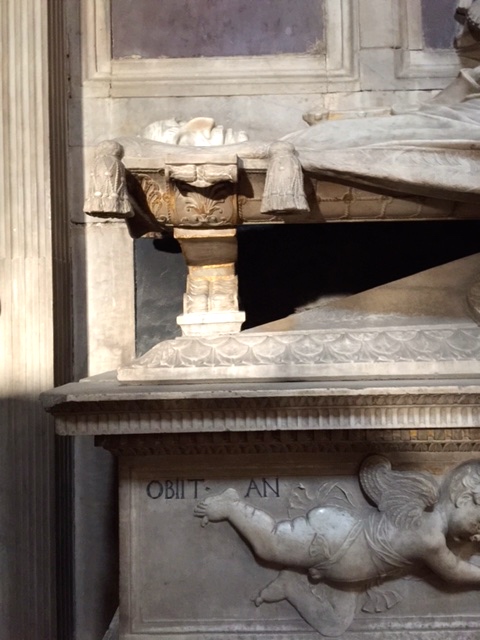
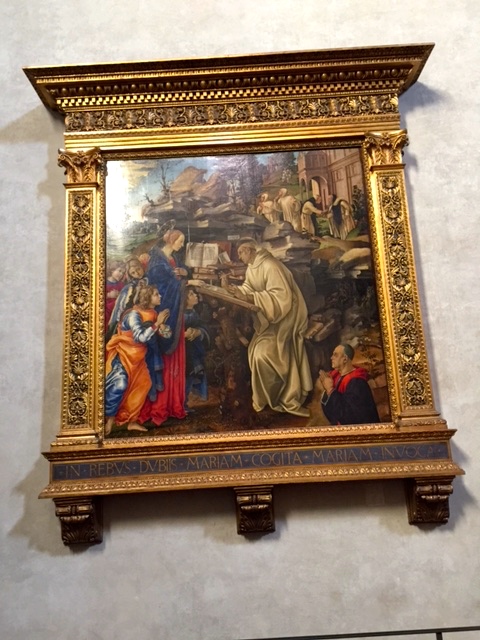
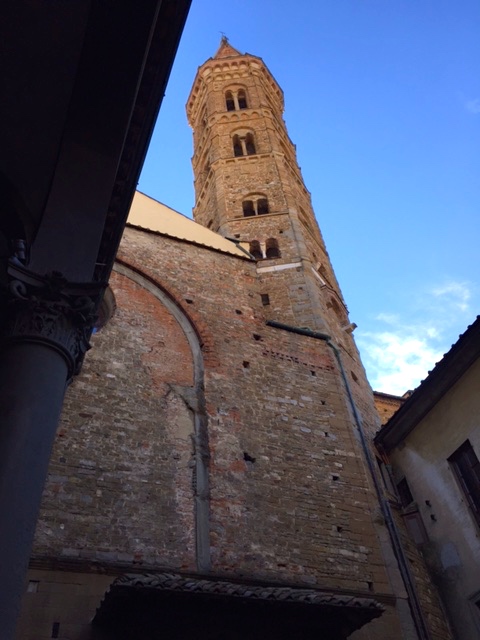
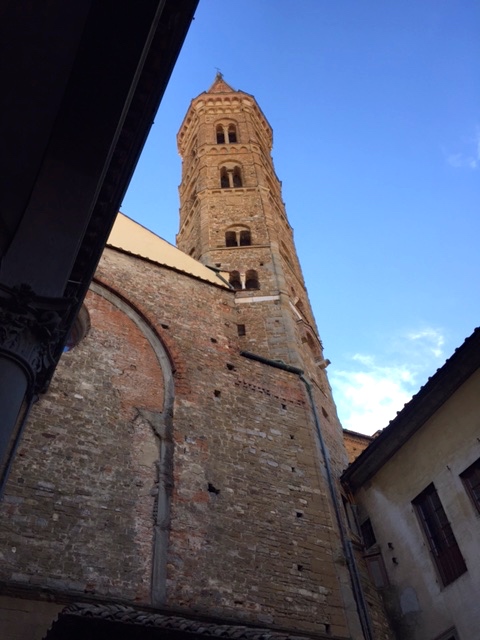
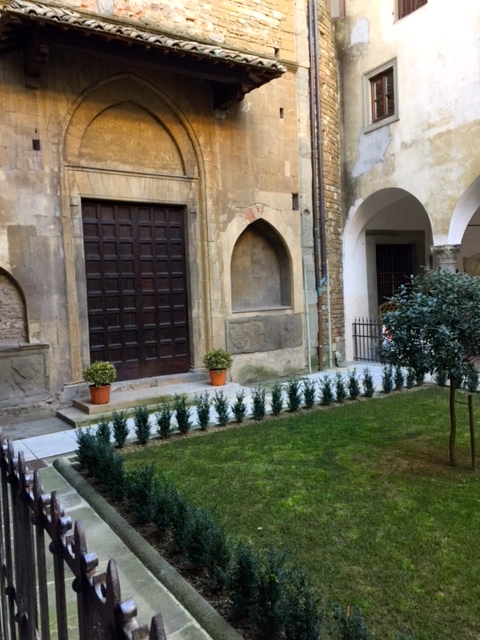
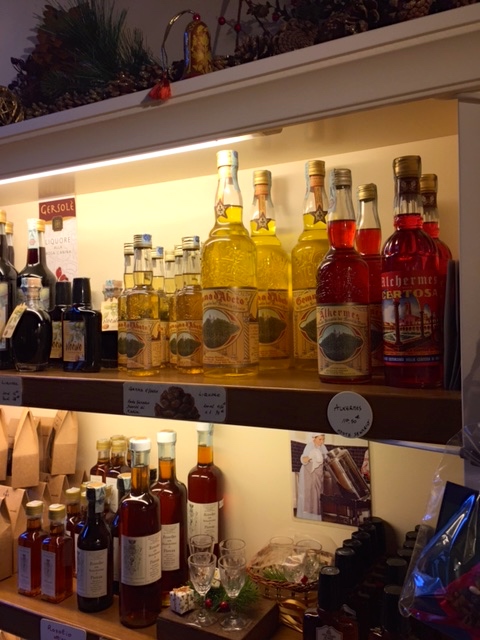
I’ve been busy, although I haven’t been posting much this past week. But today I share with you the photos I took today of the Badia fiorentina, complete with its Nativity scene. Two major tombs are part of the interior of this fine, ancient church in Florence, as well as a gorgeous coffered wood ceiling. Also, a fine altarpiece by Fra Filippo Lippi is still in situ.
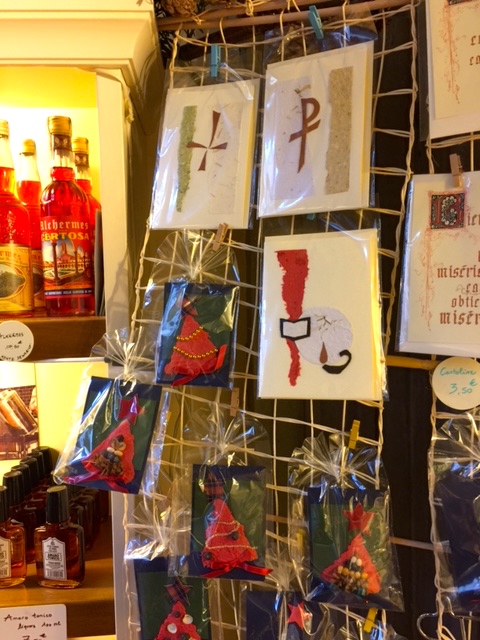
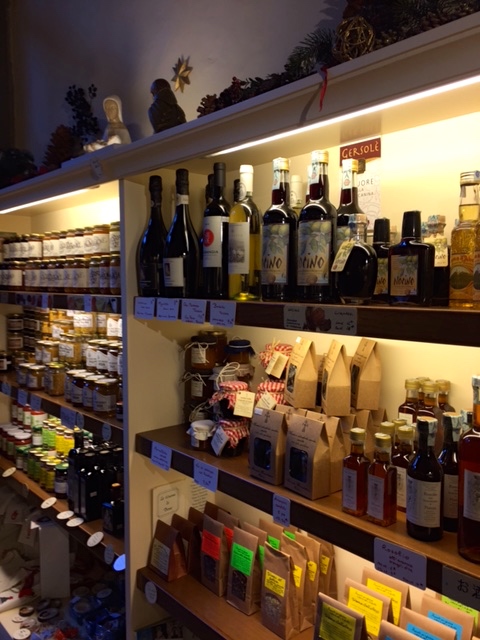
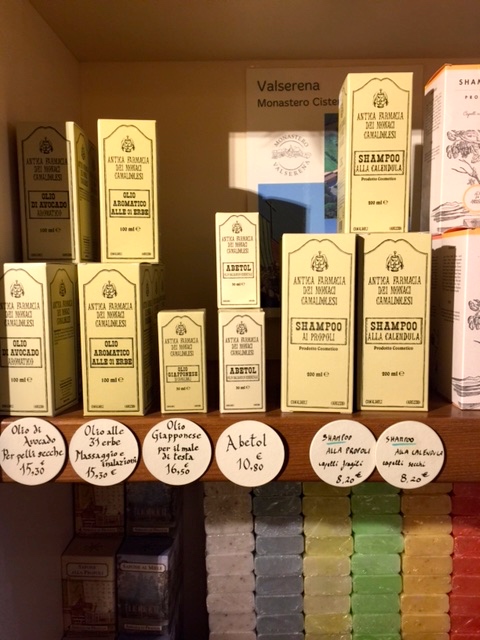
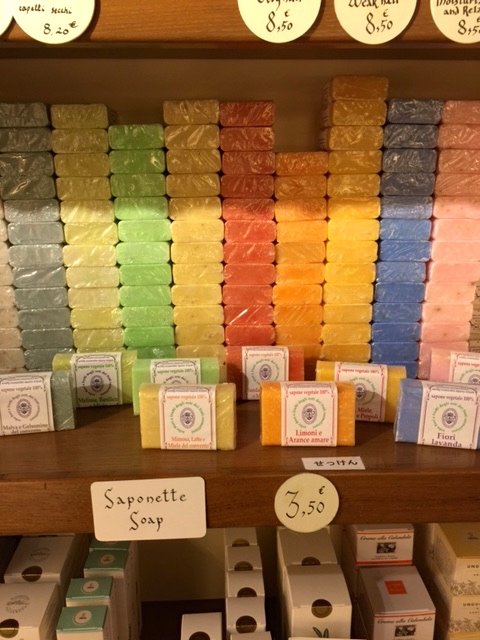
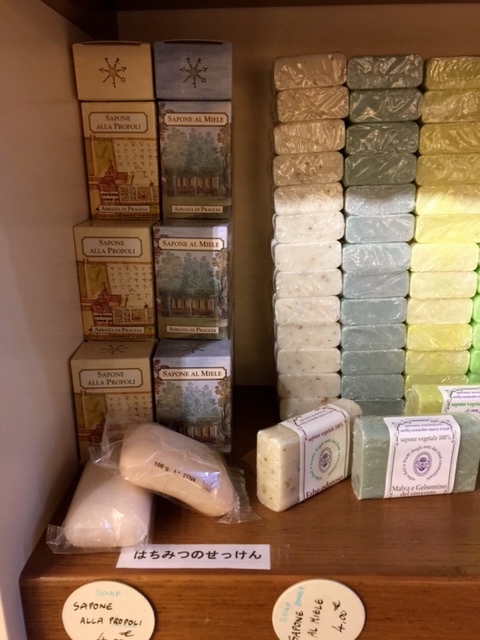
At the end of the pictures, I’ve included the offerings from the shop attached to the church. Here one may buy jams and jellies, spirits and wines, soaps and lotions, all made by the monastic orders.
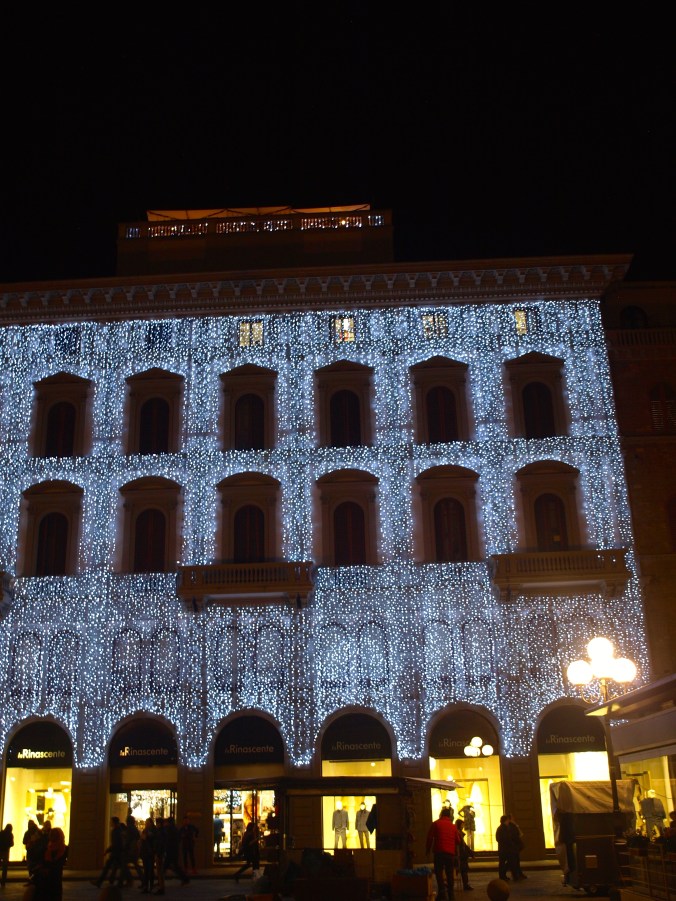
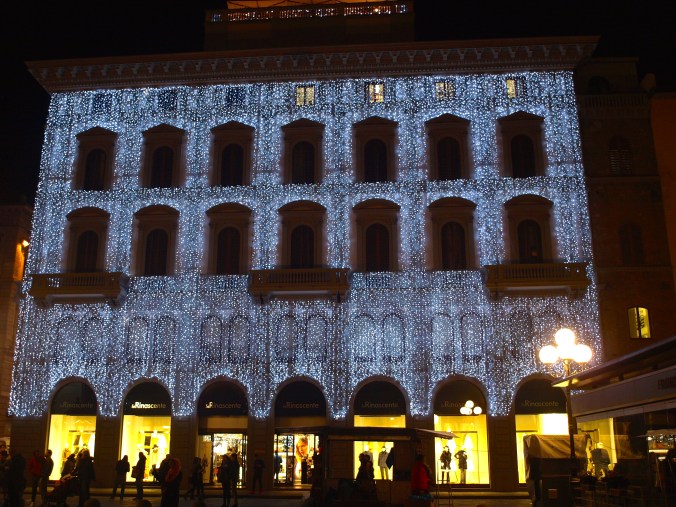
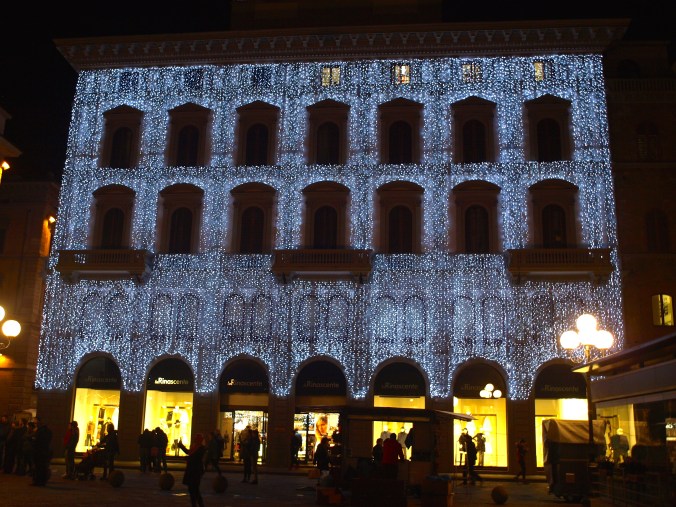
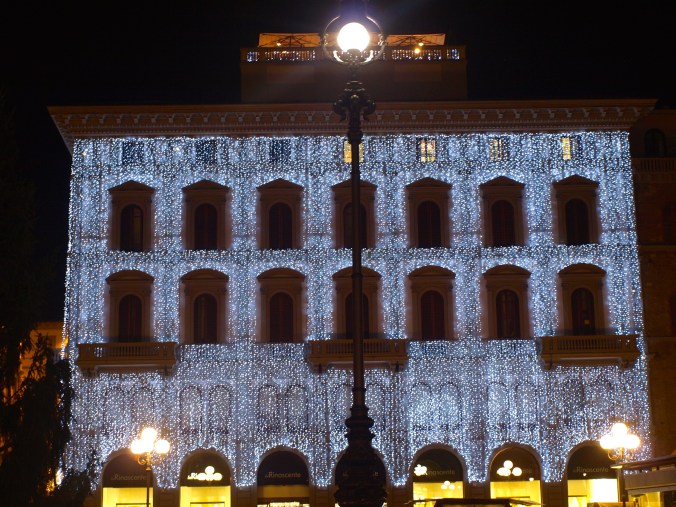
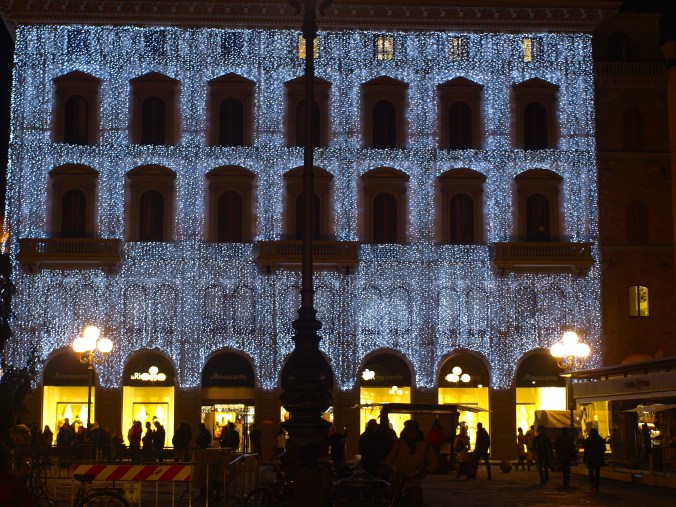
I adore this store, and have for decades. The housewares department is always a blast for me. The best towels, bed linens, dishes, knives, glasses, candles, Kartell products, Alessi products…I could go on and on. The terrace is always a thrill with its view of the Duomo.
But nothing is better than the Rinascente at Christmas!
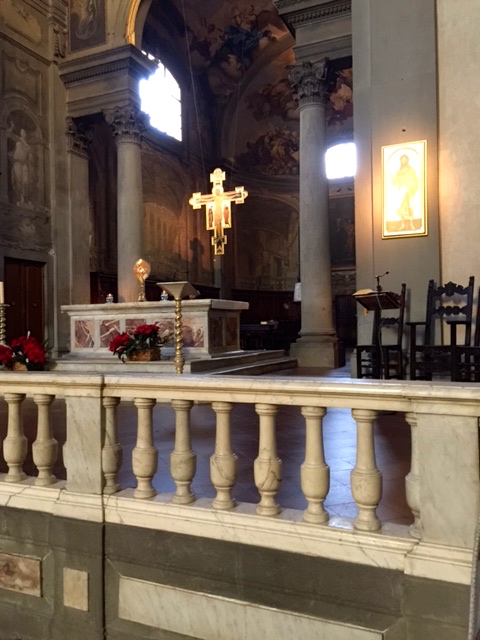
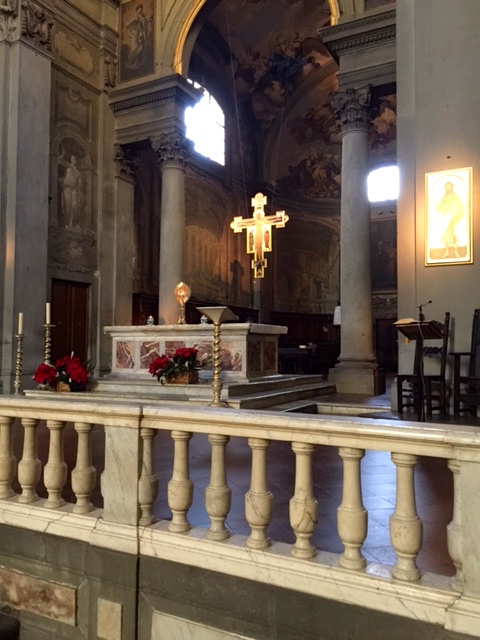
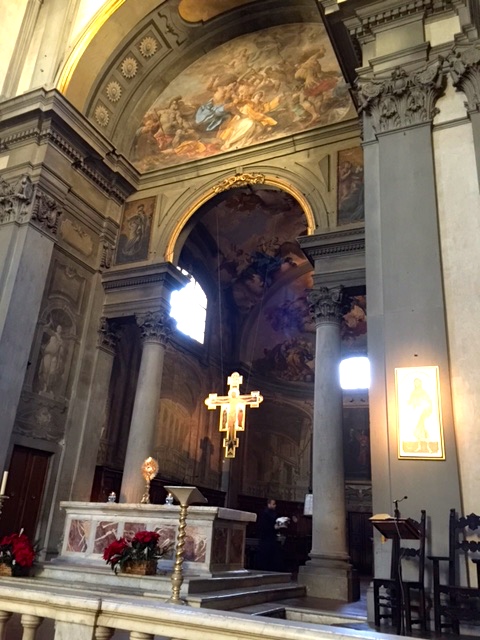
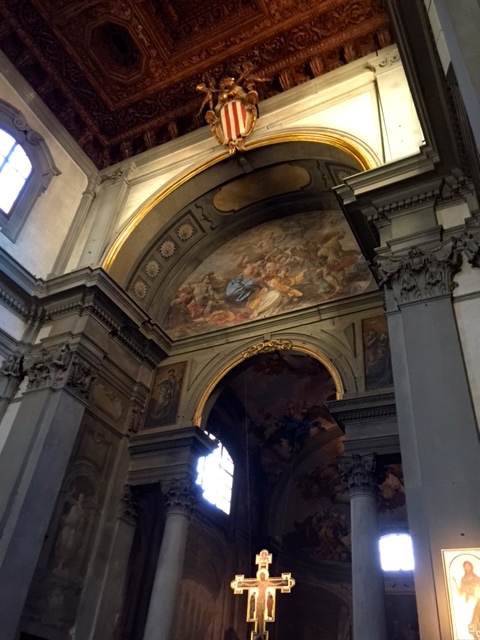
To my utter amazement and delight, I am living directly across the Ponte Vecchio from the lovely church known as Santa Felicita. It is my church, if I am ever moved to go to mass (unlikely). I tend towards atheism.
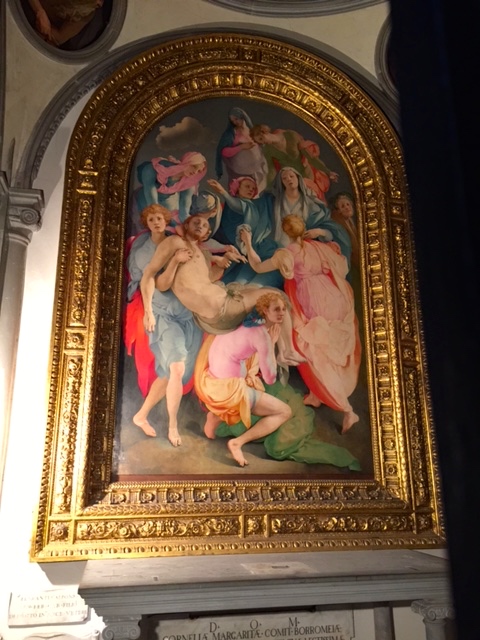
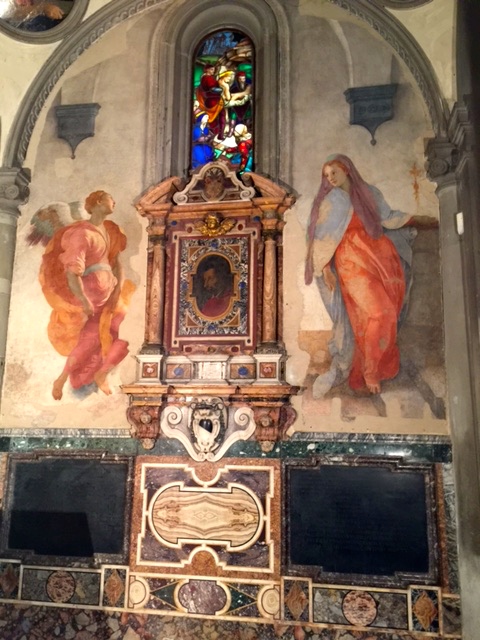
But that doesn’t stop me from entering this fine church, especially to admire the Pontormo Deposition. I love this painting, as well as the frescoes in the same chapel.
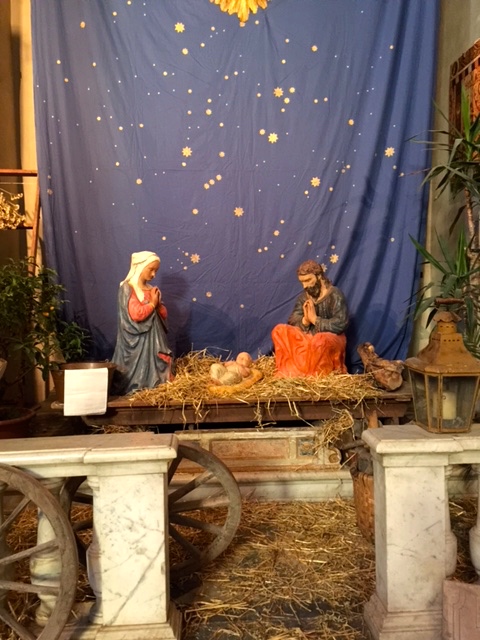
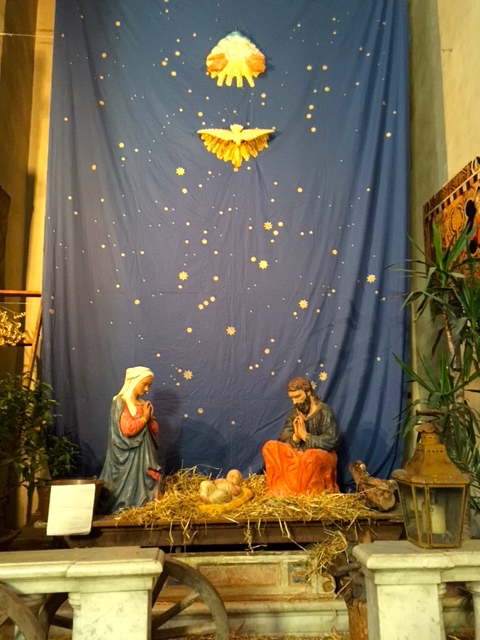
It is especially fun to visit churches in Italy after Christmas, because the Nativity scenes will now include the figure of the baby Jesus. His figure is not added until Christmas eve.
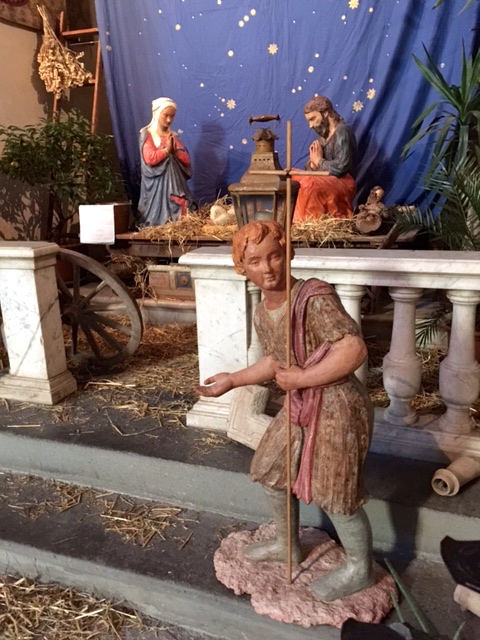
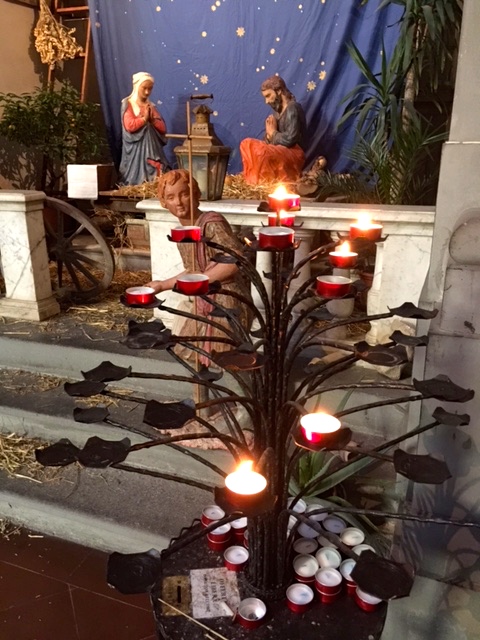
Look closely in the Nativity below, for there in the center is the baby. Santa Felicita’s Nativity scene is quite small.
I also really like the way the church is decorated outside with Christmas stuff. I didn’t expect to see Christmas trees at churches.
So, there you have it, for Christmas of 2016 at Santa Felicita.










You must be logged in to post a comment.