“Everything you see, I owe to spaghetti,” Sophia Loren.

“Everything you see, I owe to spaghetti,” Sophia Loren.
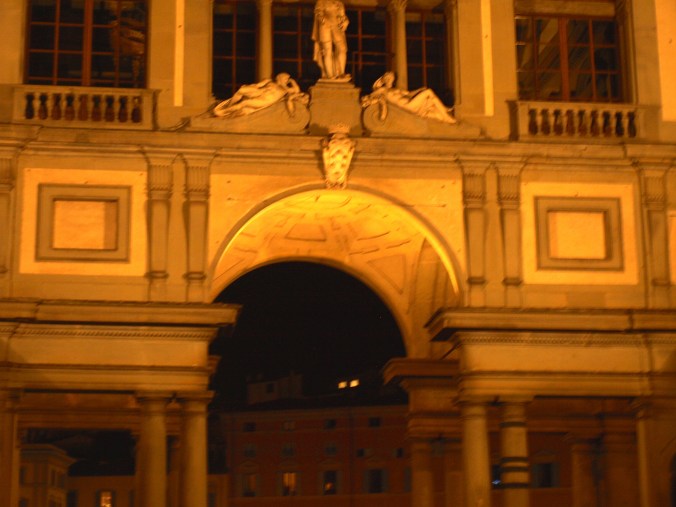
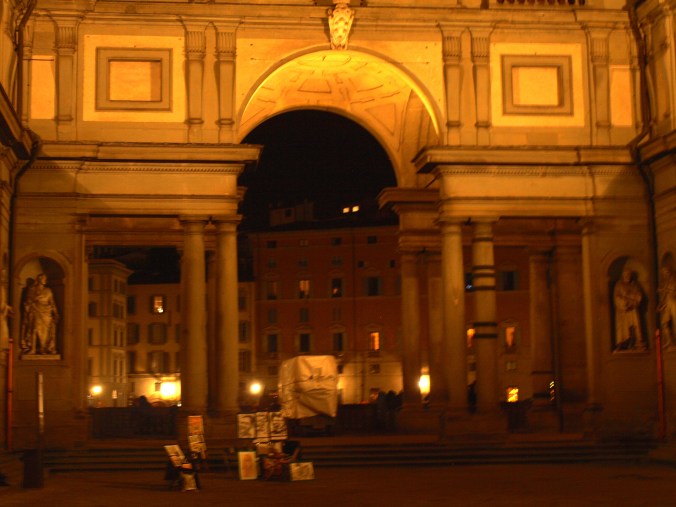
It is sweet for me to end the day by stopping by my local grocery and choosing something wonderful to make for dinner at home. There I sip a glass of chianti and gaze across the Arno at the Uffizi. With white and red candles lit around my home, it a lovely way to spend an evening.
Last night I found this amazing confection in the fresh pasta department:

Fresh pasta shaped like candy!


Filled with spinach and ricotta.
The package describes the pasta as “pasta fresca all’uovo con ripieno e caramelle fatte a mano con ricotta e spinace.” In English: “fresh egg pasta, handmade in the shape of a candy with a filling of ricotta and spinach.” Delicious!
I also purchased a container of sugo con carne, red sauce with minced beef, and came home and had a beautiful dinner in less than 10 minutes. I doctored the sugo up with some tomato sauce, red wine, and a few herbs. I can’t resist playing with my food.
For dessert, I enjoyed the local clementines. A perfect meal!

Clementines
And wait, there’s more: While that was already the perfect day, a few hours later I bundled up and walked to a new yoga studio for a late evening class. On my way home, I bumped into a classmate from school.
Perfection! I love that I can be a yoga 10 minutes after leaving my apartment!

What’s more beautiful than a colorful, flavorful clementine?
Nulla! Nothing!
Happy Citrus Season!
Clementines on my tavola
Here’s what Wikipedia has to say about the clementine:
A clementine (Citrus ×clementina) is a hybrid between a mandarin orange and a sweet orange, so named in 1902. The exterior is a deep orange colour with a smooth, glossy appearance.
Clementines can be separated into 7 to 14 segments. Similarly to tangerines, they tend to be easy to peel. They are almost always seedless when grown commercially (without cross-pollination), and therefore are also known as seedless tangerines.
The clementine is also occasionally referred to as the Moroccan clementine.They are typically juicy and sweet, with less acid than oranges. Their oils, like other citrus fruits, contain mostly limonene as well as myrcene, linalool, α-pinene and many complex aromatics.

I love that the fruits are sold here with the leaves still attached!
Most sources say that the clementine came to exist because of accidental hybridization, with the first fruits discovered by Brother Clément Rodier (after whom the fruit was named in French and then English) in the garden of his orphanage in Misserghin, Algeria. However, there are claims it originated in China much earlier; one source describes it as nearly identical to the Canton mandarin widely grown in the Guangxi and Guangdong provinces in China.
The clementine is not always easy to distinguish from varieties of mandarin oranges. As such, it should not be confused with similar fruit such as the satsuma or honey sweet orange, or other popular varieties.
How about this for a pretty presentation!!!?


I told him: “you don’t need to look beyond the open-air markets to find out, silly.”
And he said: “well let’s head to the market because I am running out of ideas for the 12 days of edible delights and it’s only the 5th day.”

So, we headed to the Sant’ Ambrogio market in Florence and here’s what we saw on the 5th day of December:
kale (cavolo riccio), potatoes (patate), broccoli (broccoli), artichokes (carciofi), thistle (cardo), cauliflower (cavolfiore), cabbage (cavolo), fennel (finocchio), onions (cipolle), spinach (spinaci), carrots (carote), beans (fagioli) and lentils (lenticchie), radicchio (radicchio), oranges (arancie), clementines (clementine), mandarins (mandarini), persimmons (cachi), pomegranates (melagrane), pears (pere), kiwis (kiwi), almonds (mandorle)
The Campo dei Fiori in Rome hosts an open-air food market that offers delicious food year round.
In Florence, look no further than the Sant’Ambrogio market.
Winter food is mostly a continuation of the stronger autumn harvests that continue to grow, but there are also some unexpected veggies that ripen even in the thick of the coldest months.
Eating in Italy in the winter is all about these hearty gems: cabbage, cavolo nero, kale, and cauliflower are perfect in hot soups while carrots, fennel, and lettuce add some color to the season’s salads.
Speaking of salads, another stunningly good veggie that makes its debut in December is radicchio. It adds a bitter, spicy note to salads and can also take center stage when grilled with lemon and parmesan shavings. For a special treat, try the decadent radicchio al lardo – radicchio leaves dressed in pig fat. Yowza!
Italian tradition has it that the best, most flavorful cabbage is harvested after a frost. This means that the markets and restaurants fill up with the stuff after the first frost of the year.
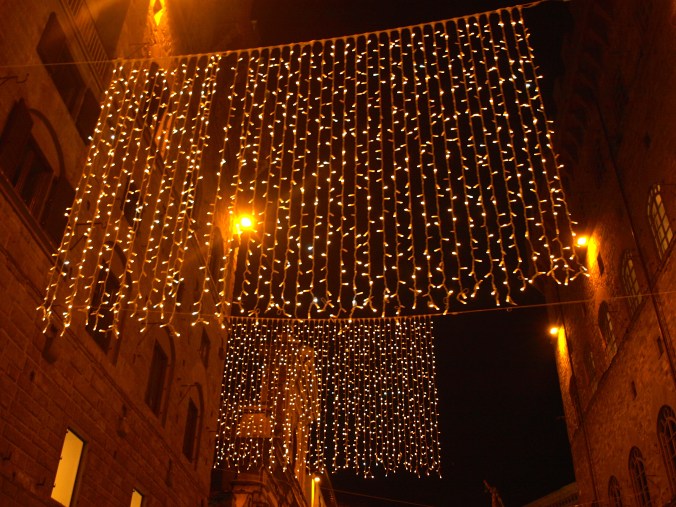
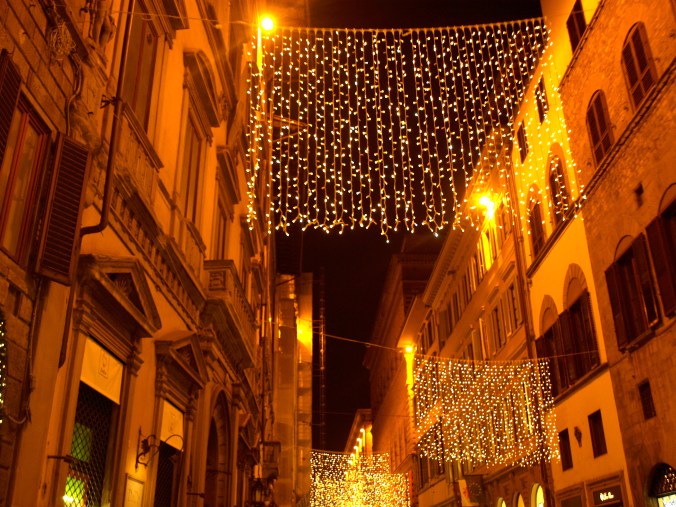
It was warmish and very festive!
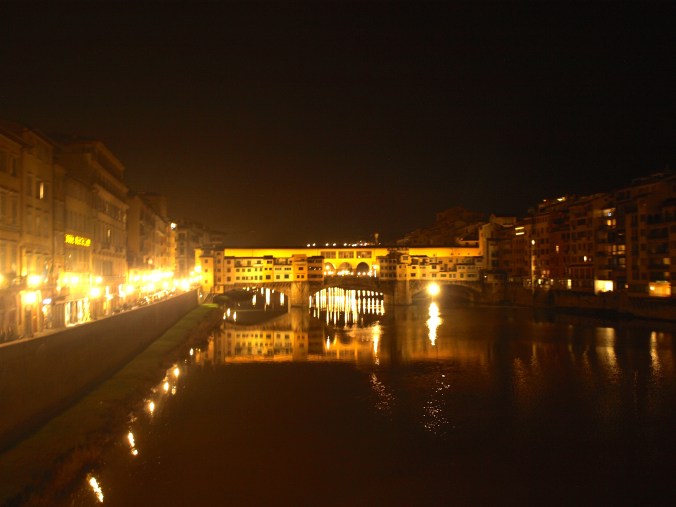
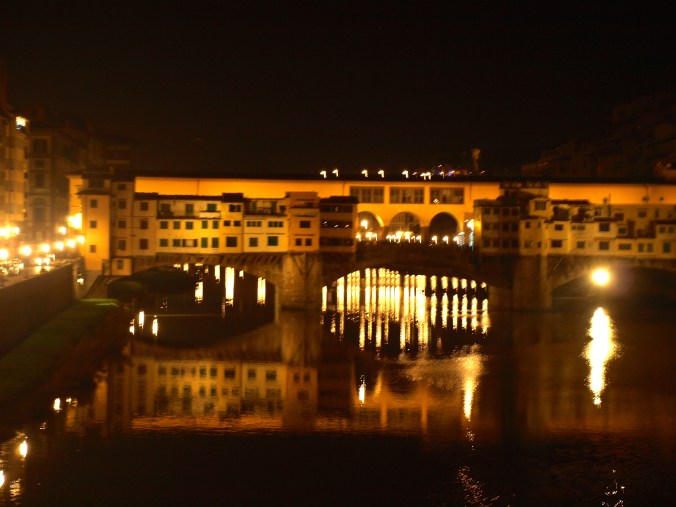
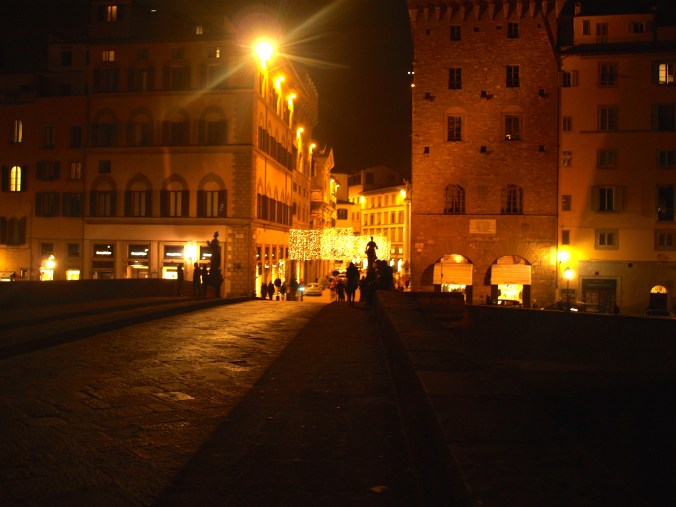
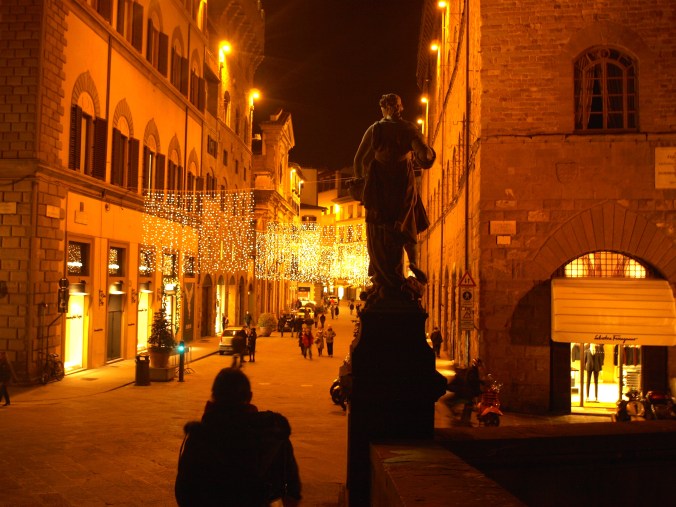
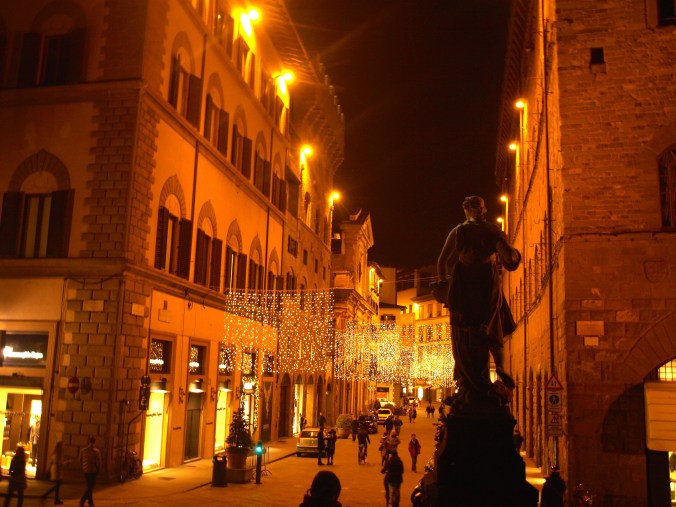
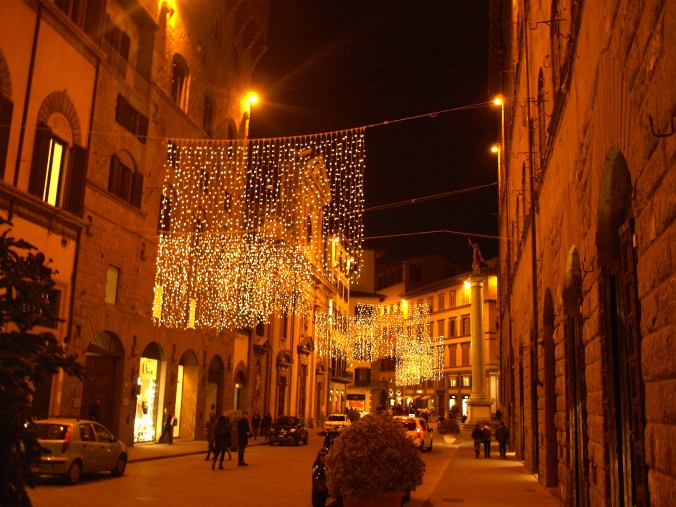
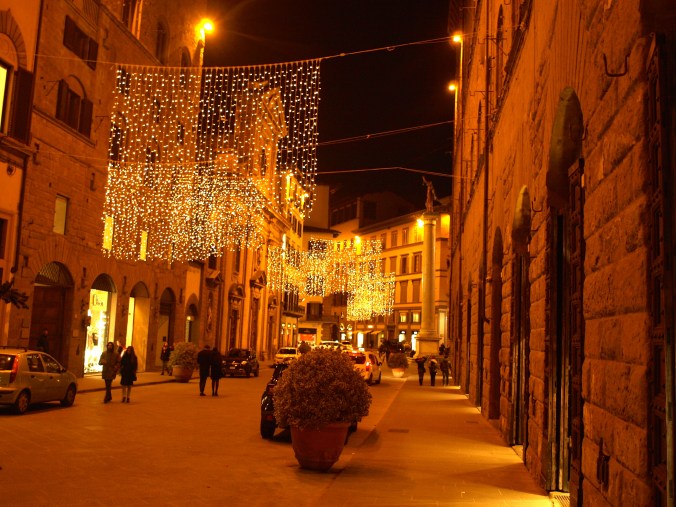
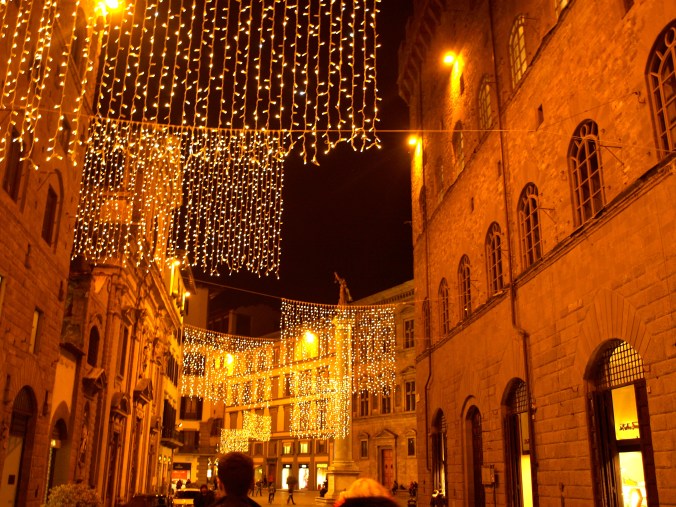
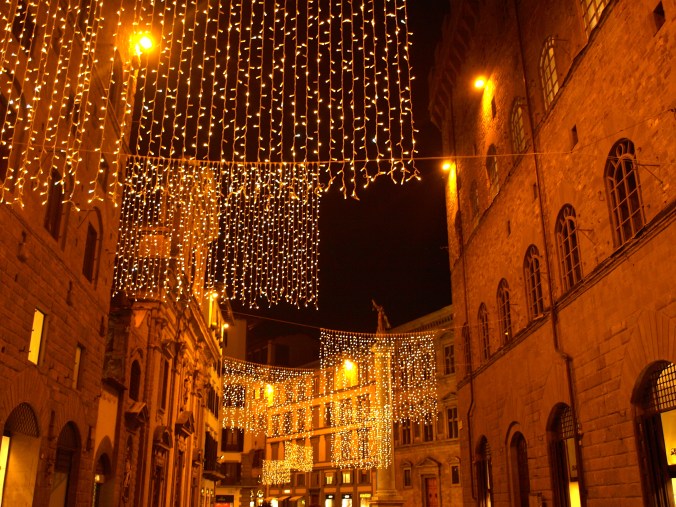
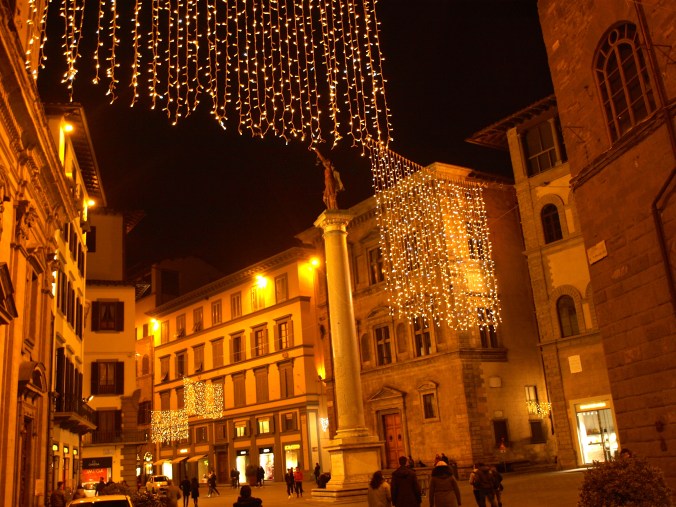
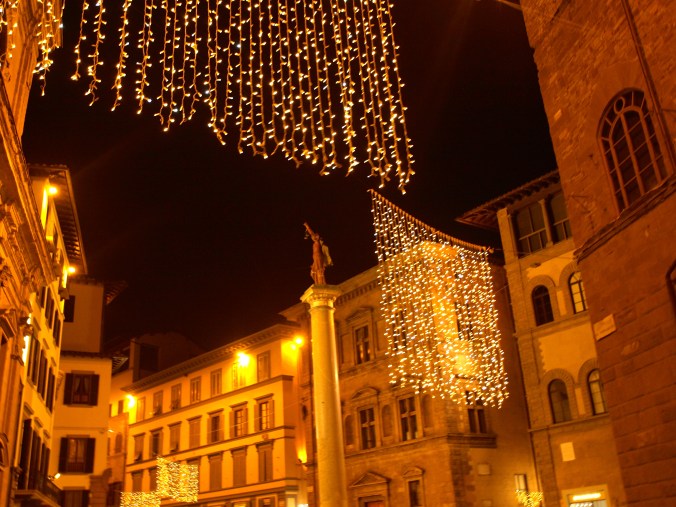
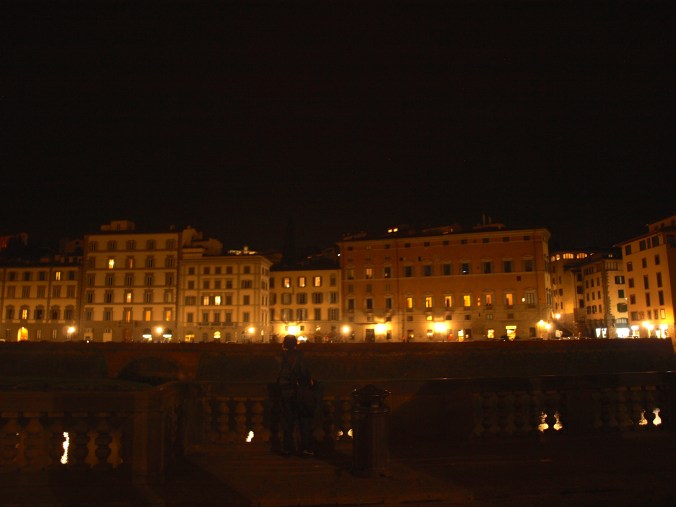
Lungarno

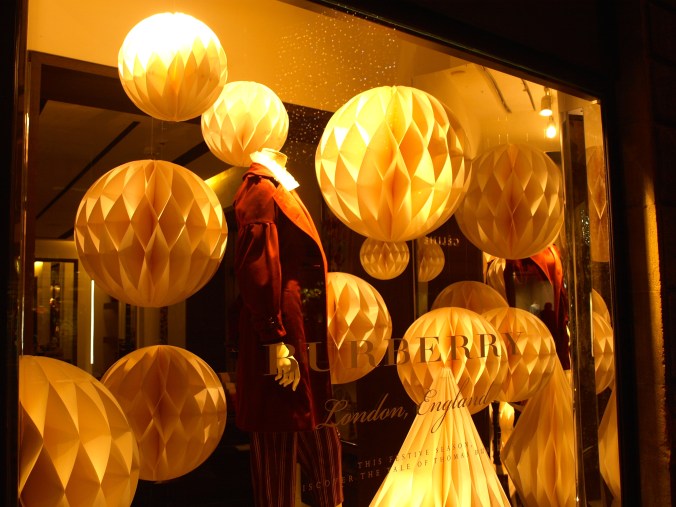
Dolce and Gabbana


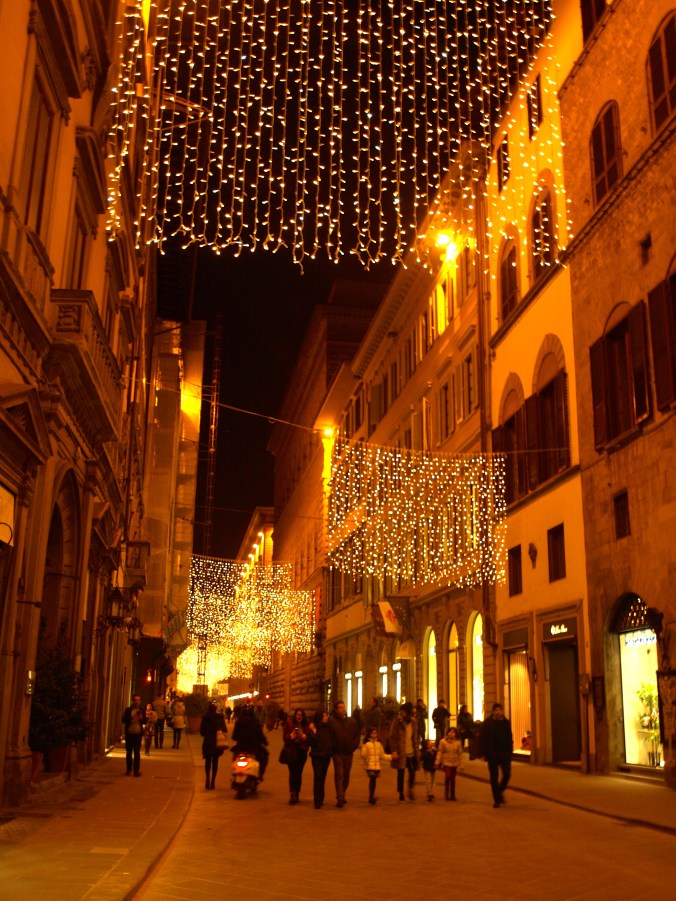
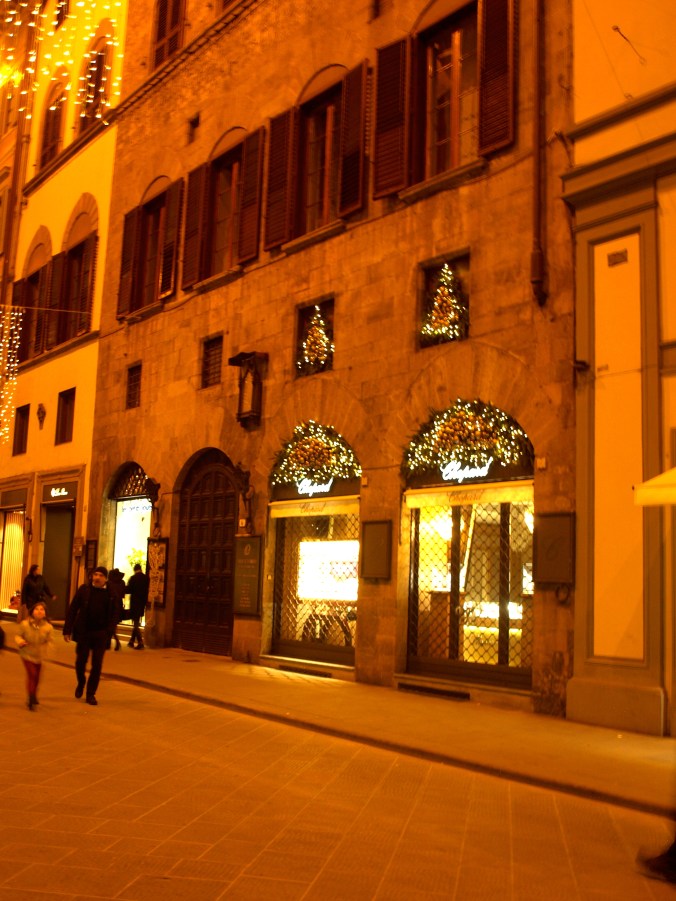
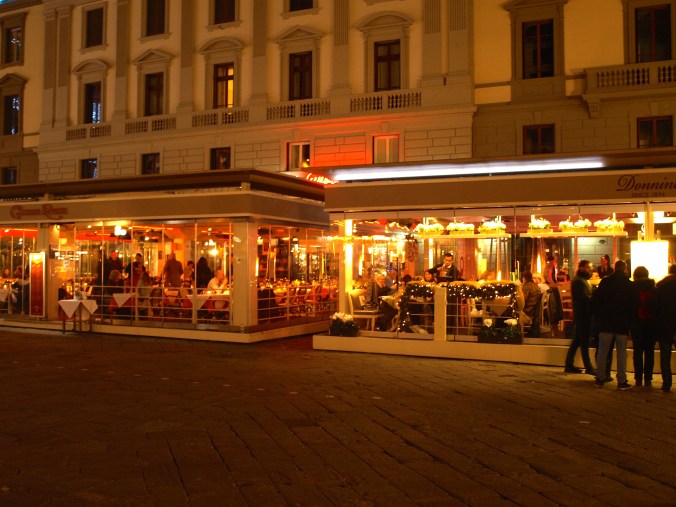
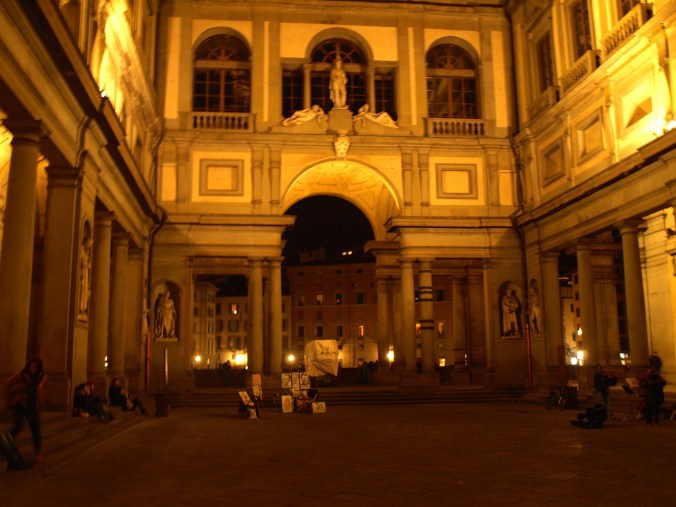
How sweet he is!
And I can buy these at my ordinary local grocery store in Florence. Will wonders never cease?
In Italy these are called ribes rosso.


There are two distinct fruits which are called currants: (1) the dried zante grape; like a raisin, used in baked goods and (2) a fresh tiny berry related to the gooseberry.
Currants are black, red, or white.
The black ones are used for preserves, syrups and liqueurs; while the red and white berries are for eating out of hand.
The red ones are really good just for looking at! Looking at beautiful things is my favorite pastime. Always has been.
I simply cannot help myself.
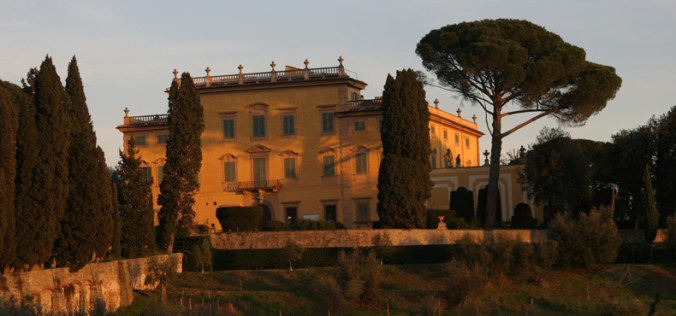
Virgil, Aeneid, Book 4:
Italiam non sponte sequor
“It is by divine will, not my own, that I pursue Italy.”
ITALY’S 6 SWEET CHRISTMAS BREADS: PANETTONE AND BEYOND

Italy boasts a dizzying variety of Christmas sweets—including lots and lots of holiday “breads.” Or so their names, which all include the word “pane” or “pan,” would make you think.
But they’re not all really breads. And they’re definitely not all the same. Here’s how to tell the difference between them!
An Italian Christmas breadPandoro, popular in Verona and Venice
Pandoro: This sweet Christmas bread from Verona is star-shaped and dusted with powdered sugar (some say to make it look like the nearby mountains). The name pan d’oro means “bread of gold,” and since white bread cost a lot in the Middle Ages and was consumed only by the wealthy, that’s exactly what this would have seemed like to the Veronese families who pinched pennies to enjoy this treat once a year! Today, you’ll sometimes see a hole cut in pandoro and filled with chantilly cream or gelato.
Pandolce: Meaning “sweet bread,” pandolce is the variety from Genova. Legend has it that the famed 16th-century Doge of Genova, Andrea Doria, invited Genovese chefs to submit recipes for a food that would represent the Republic’s wealth, as well as be nutritious, durable and suitable for long sea voyages—and so pandolce was born. It’s dense, crumbly, and filled with spices and candied fruits. According to tradition, a part of the pandolce should be set aside for the poor, while another should be kept for the feast day of St. Blaise on Feb. 3.
One of the sweet Italian Christmas breads Panforte, a Christmas sweet from Siena
Panforte: Despite the name, this isn’t really a bread at all. Instead, it’s a chewy, dense fruitcake from Siena, heavily flavored with honey, cloves, coriander, cinnamon and white pepper. Thanks to its durability, Crusaders carried panforte with them on their quests. Records showing that cakes of panforte even were paid to Sienese monastery as a kind of tithe in 1205!
Holiday Italian bread Panpepato—the chocolate version.
Panpepato (or pampepato): Not really a bread, either, panpepato (“spiced bread”) is a heavy gingerbread cake spiced with cloves, cinnamon, nutmeg, honey, nuts dark chocolate, and candied fruit. It dates back to 15th century Ferrara, although some say its origins are Tuscan, and the cake’s shape is supposed to look like a clergyman’s cap. In 1465, the first reference to panpepato showed up in writing in no less than a record book for the noble house of d’Esta, saying that the Duke gave his butler a gold ducat, telling him to put it inside the panpepato being served to the guests.
Holiday sweet bread in Italy Panettone, one of the most famous Italian Christmas sweets
Panettone: Hailing from Milan, panettone is a sweet, dome-shaped bread loaf studded with raisins and candied citrus peels. Interestingly, the dough takes several days to make: Like sourdough, it has to be cured. Serve it up with either a hot beverage or a sweet wine like Moscato d’Asti.
Pangiallo: From Rome and the Lazio region, pangiallo, a golden yellow (giallo) bread filled with nuts, raisins, spices, and candied fruit (including lime peels), has ancient origins. Pagan Romans baked up pangiallo’s predecessor during the winter solstice as offerings to facilitate the sun’s return. The nuts, though, are a recent addition; previously, Romans used dried plum and apricot kernels instead, since nuts were simply too expensive.
the above article is taken from: https://www.walksofitaly.com/blog/food-and-wine/italian-christmas-treats-pandoro-panettone-italy


You must be logged in to post a comment.