Berlin isn’t Paris or anything like Italy, both of which places I can’t seem to get enough pictures. But it has its own charm, which is incredible when you think that 80 years ago it was bombed almost to smithereens.
Above, the avenue known as Kurfurstendamm, where I was lucky enough to be at home during my stay.
Above and below, neighborhood boys play soccer.
Below: Other parks for other children, where grandparents swing their progeny.
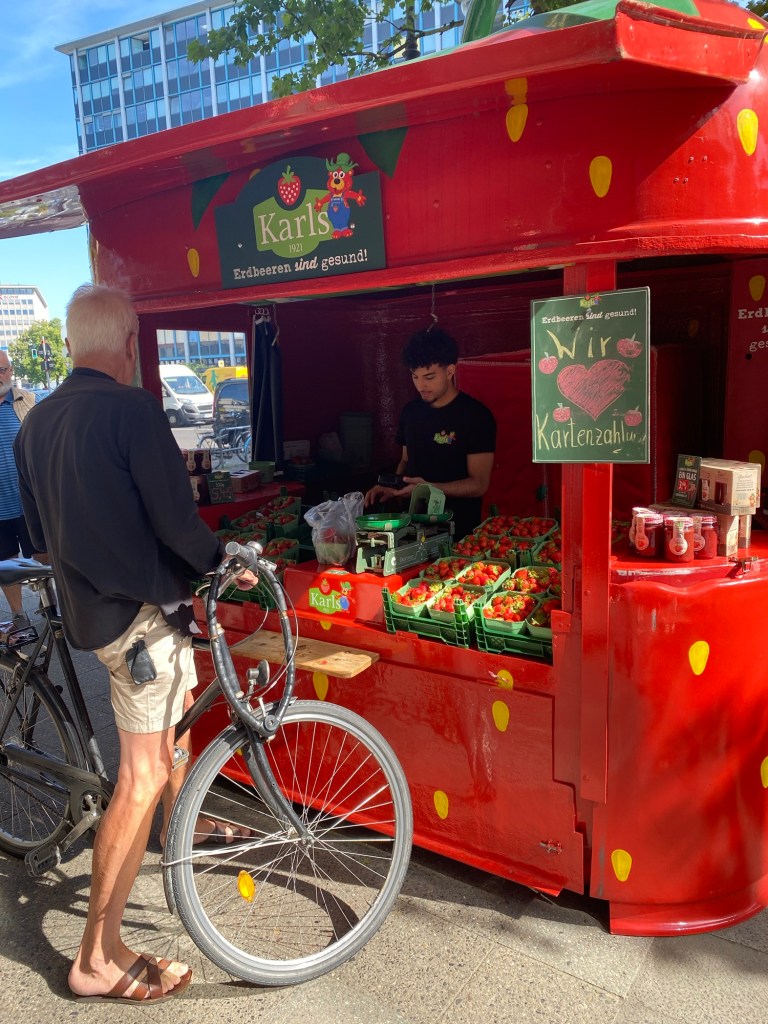
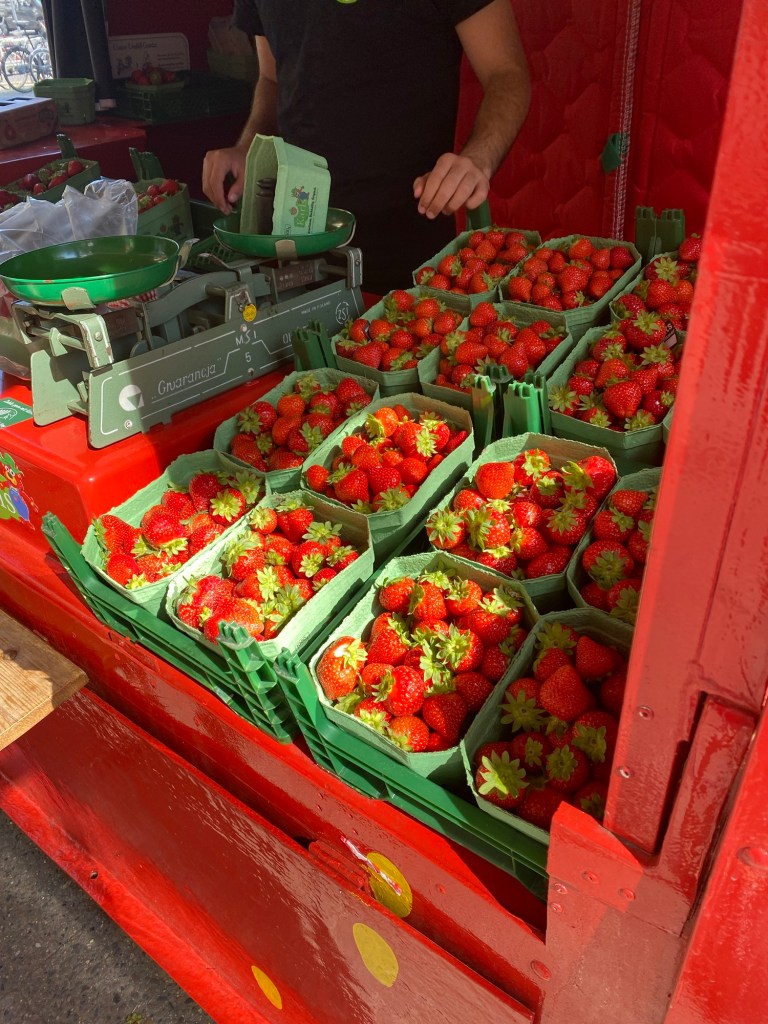
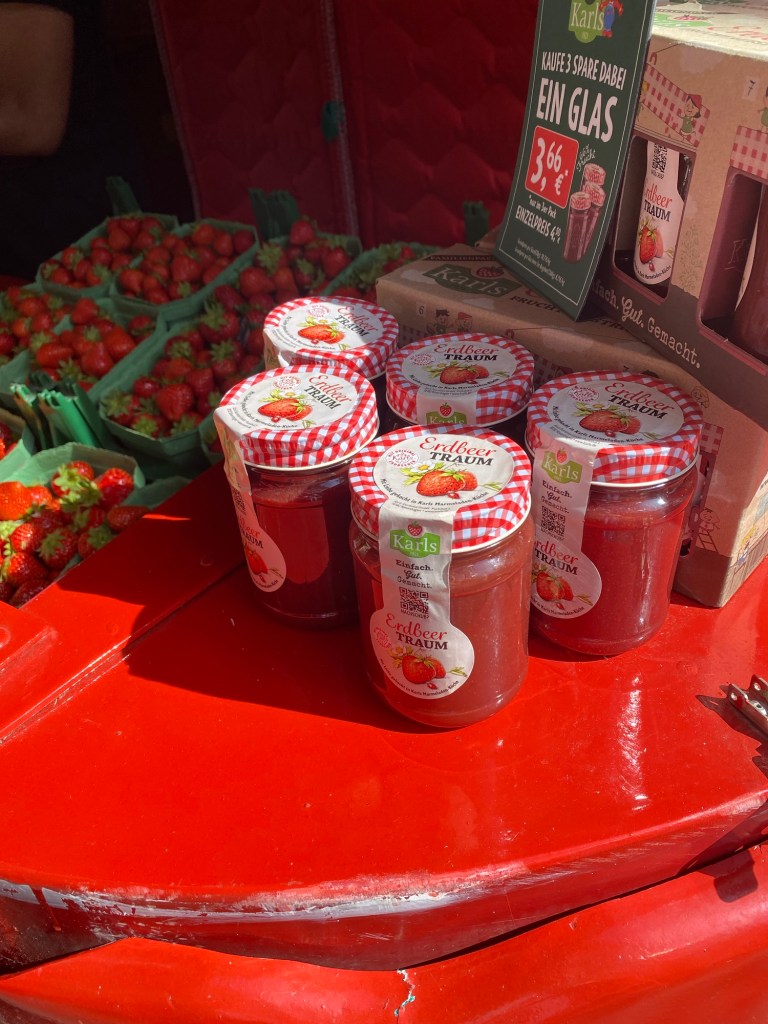
The leafy streets and the famous German store named Manufactum and a strawberry stand.
Bells tolling from the Kaiser Wilhelm Memorial, the remnants of a church that was all but destroyed during WWII. Sidewalk cafes.
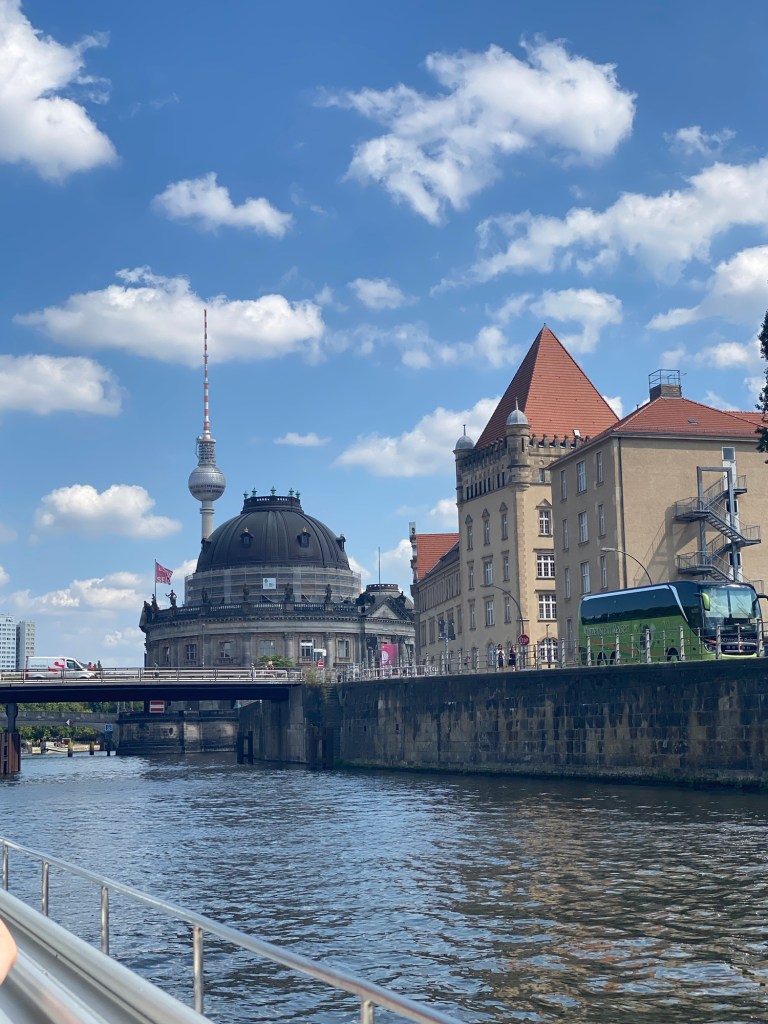
Above, the Spree River is a source of pleasure cruising.
Miscellaneous interesting things.
Gesundheit. The first word of German I ever learned. I was 3 years old at the time! I still remember who taught the word to me!
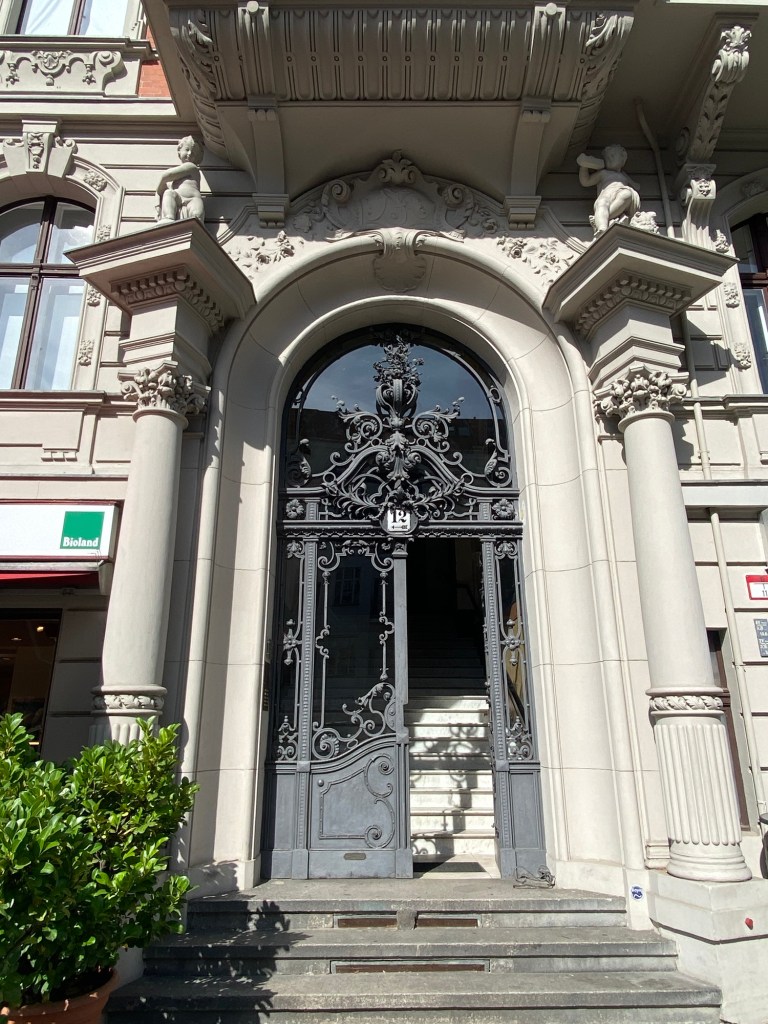
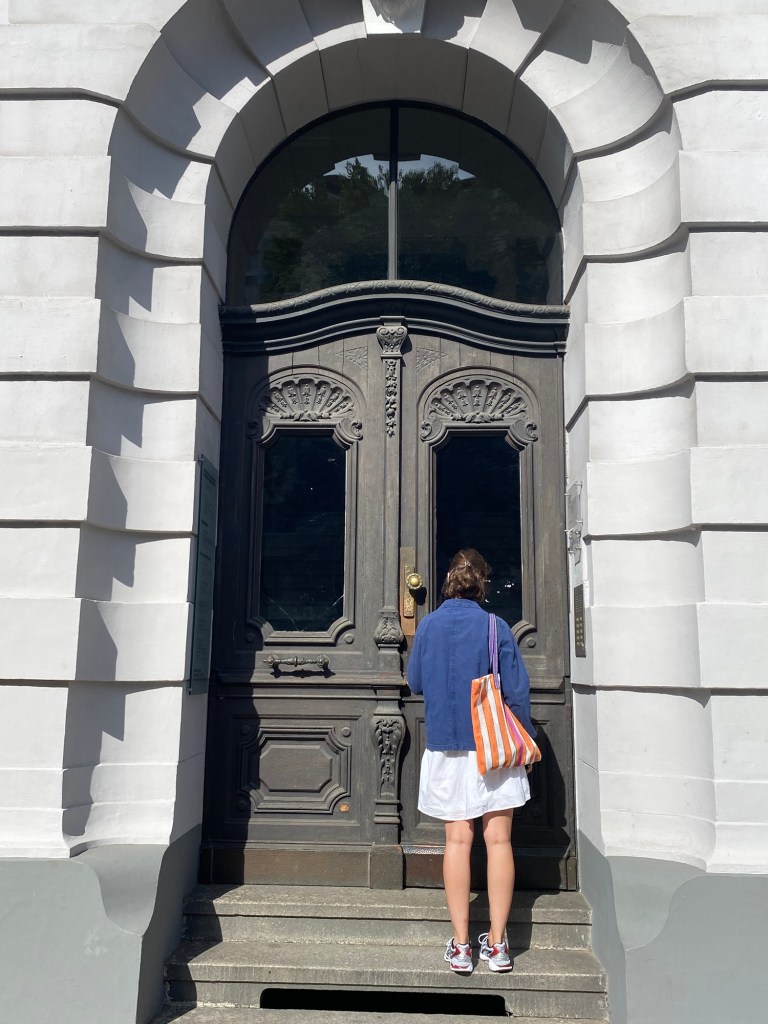
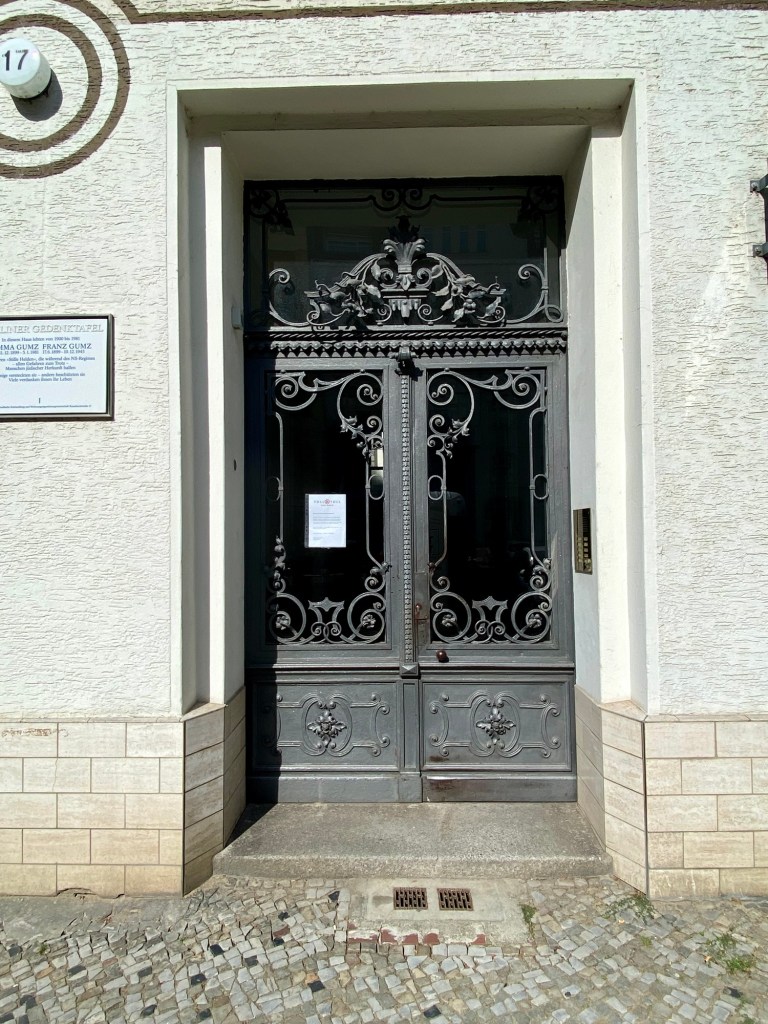
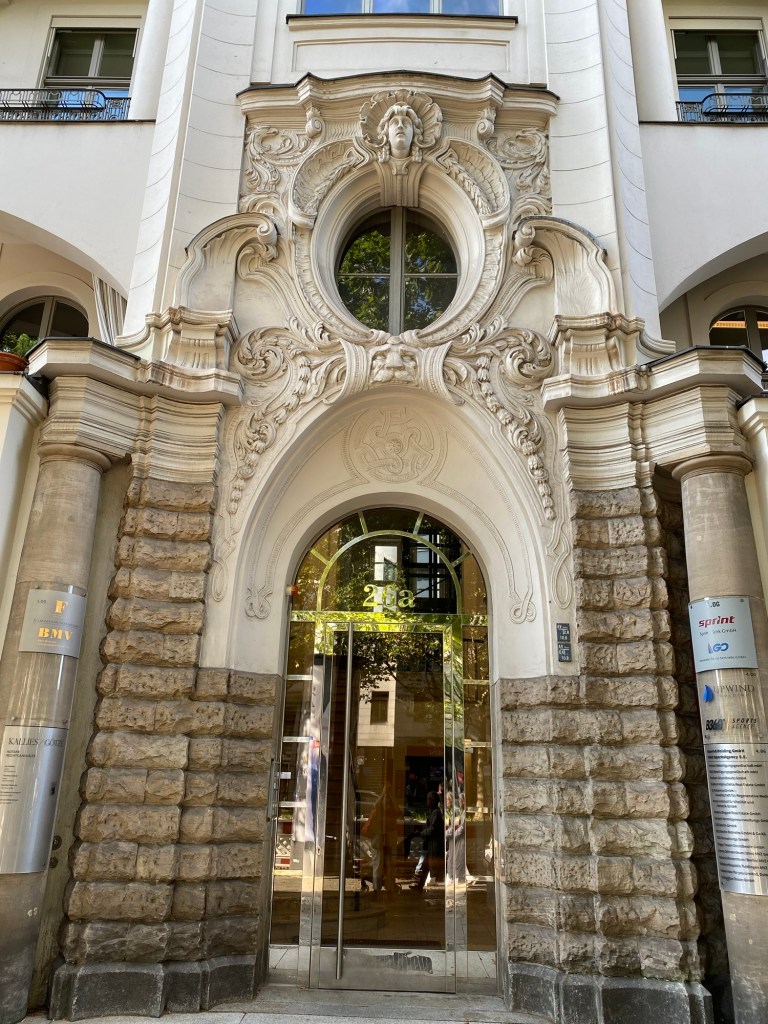
Pretty doorways
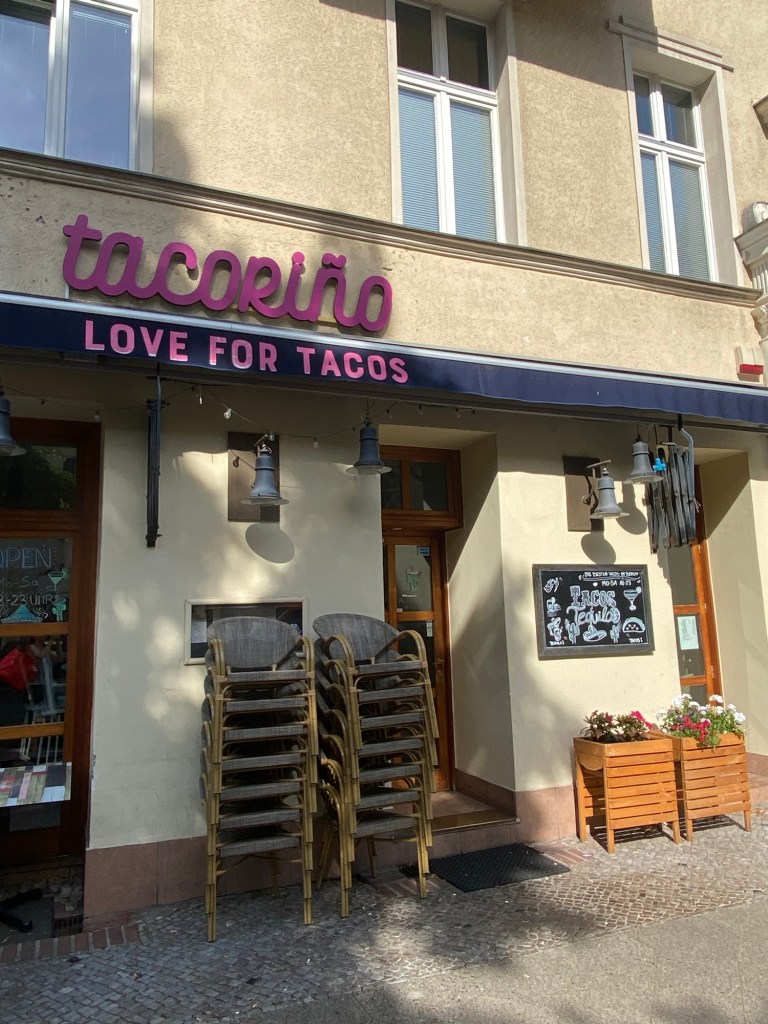
A taste for tacos
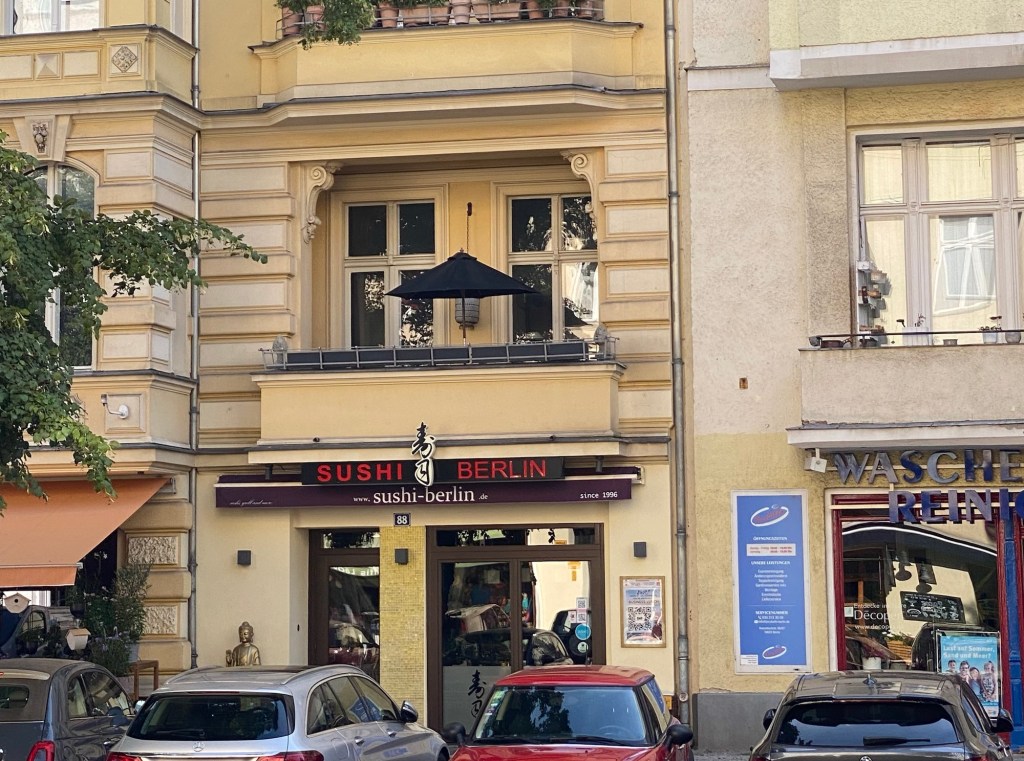
A taste for sushi
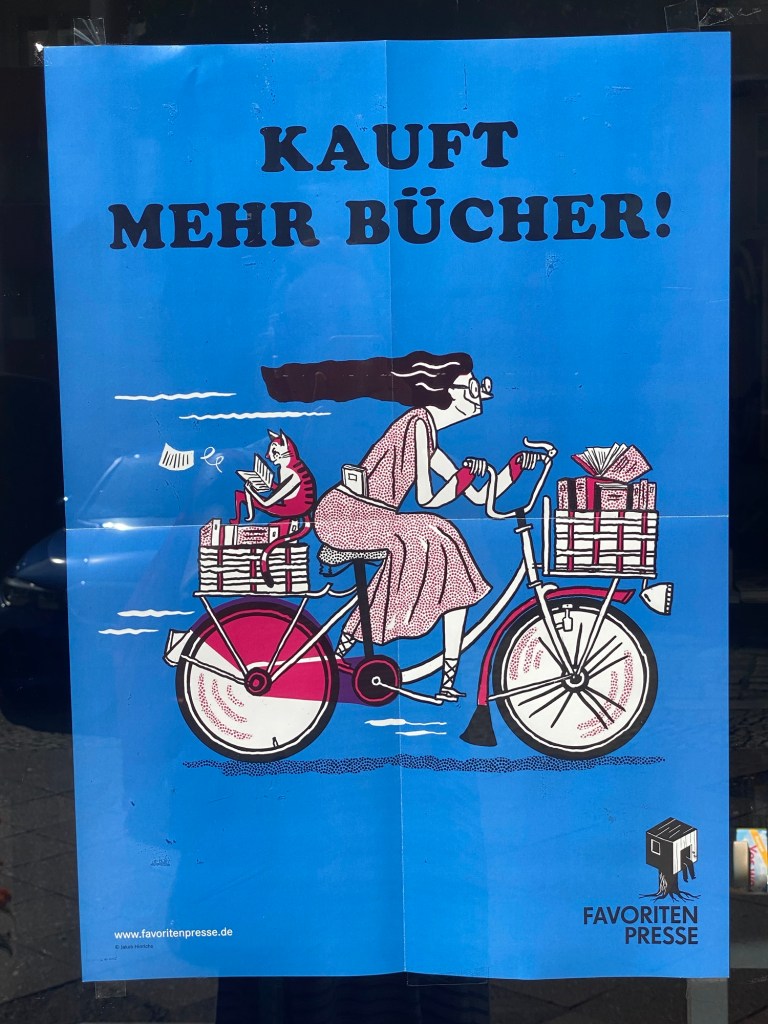
A taste for books. It says “buys more books!”
A hair salon’s menu with pricing.
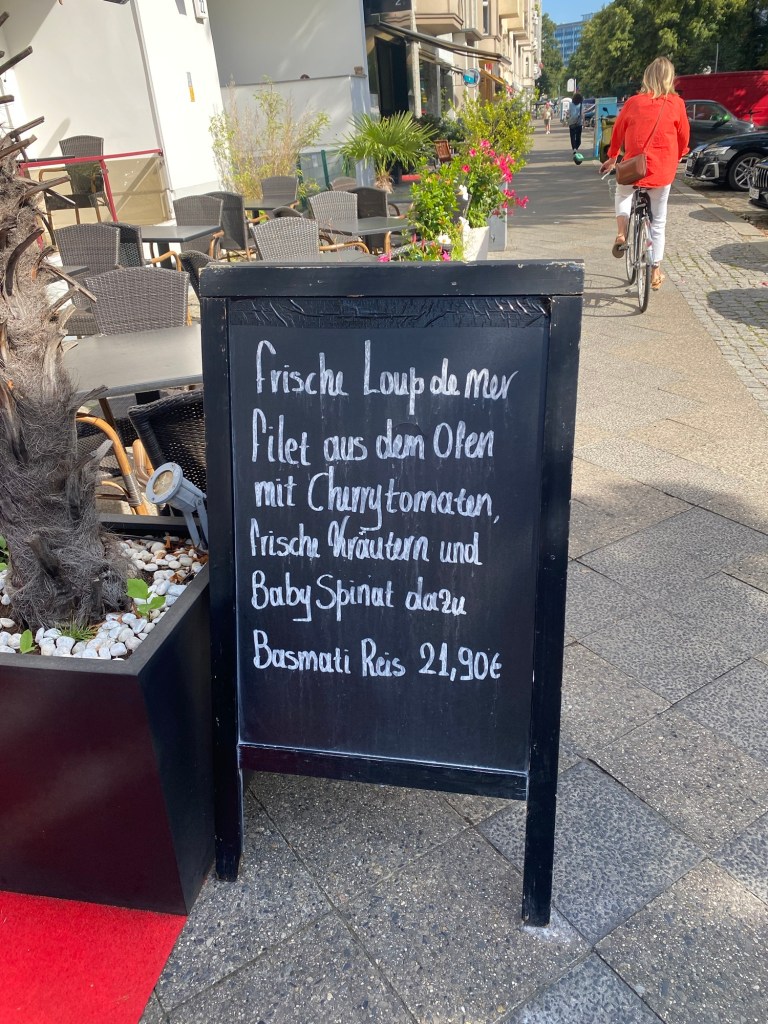
A cafe menu, as one sees in France or London.
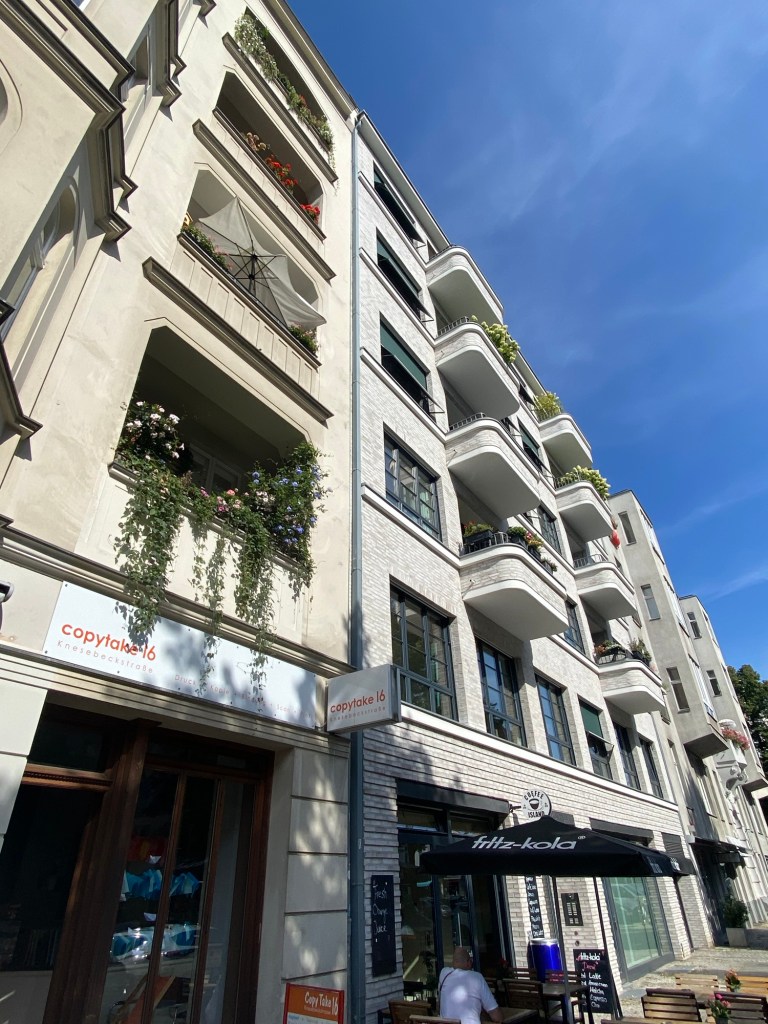
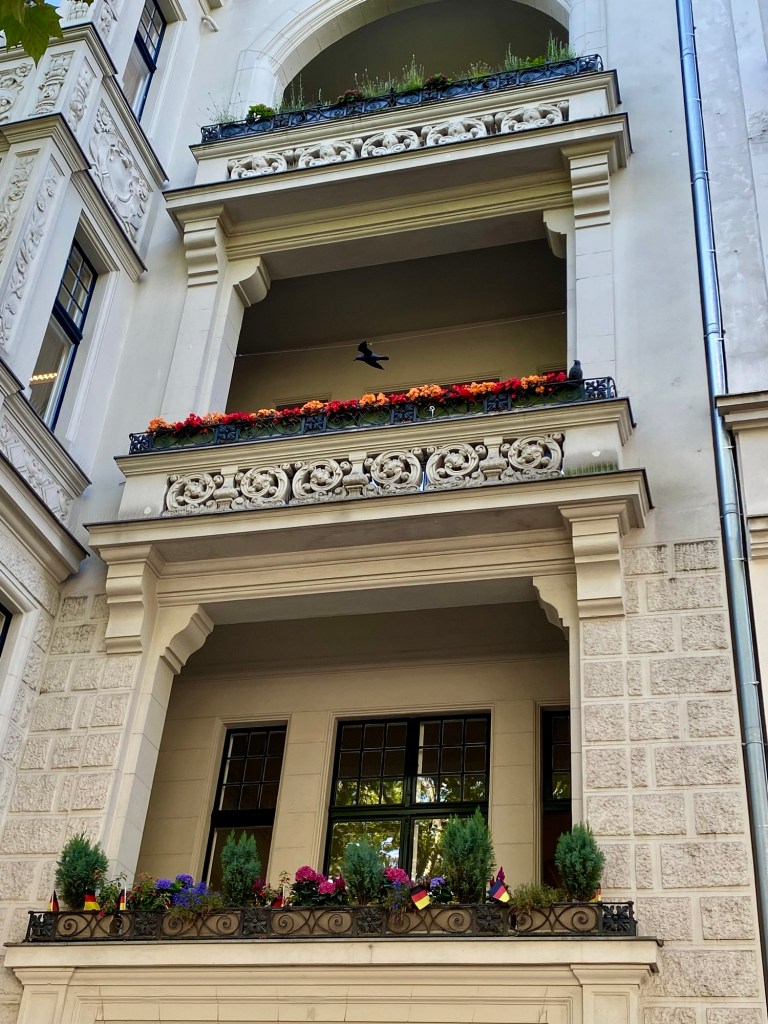
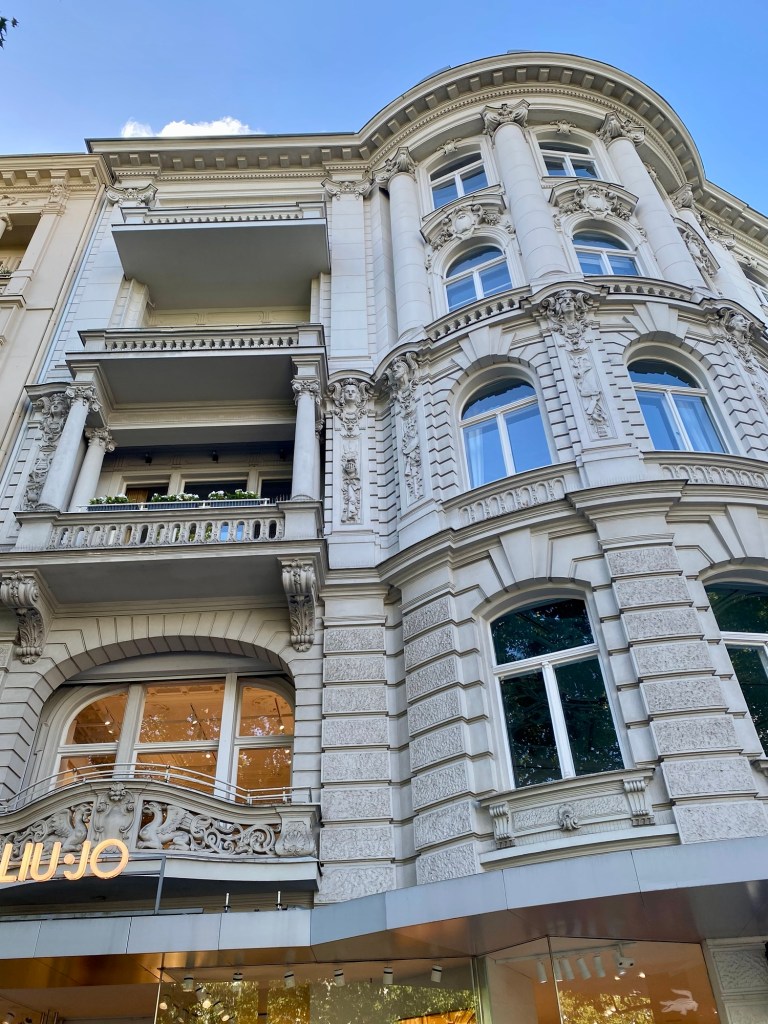
Attractive apartment buildings
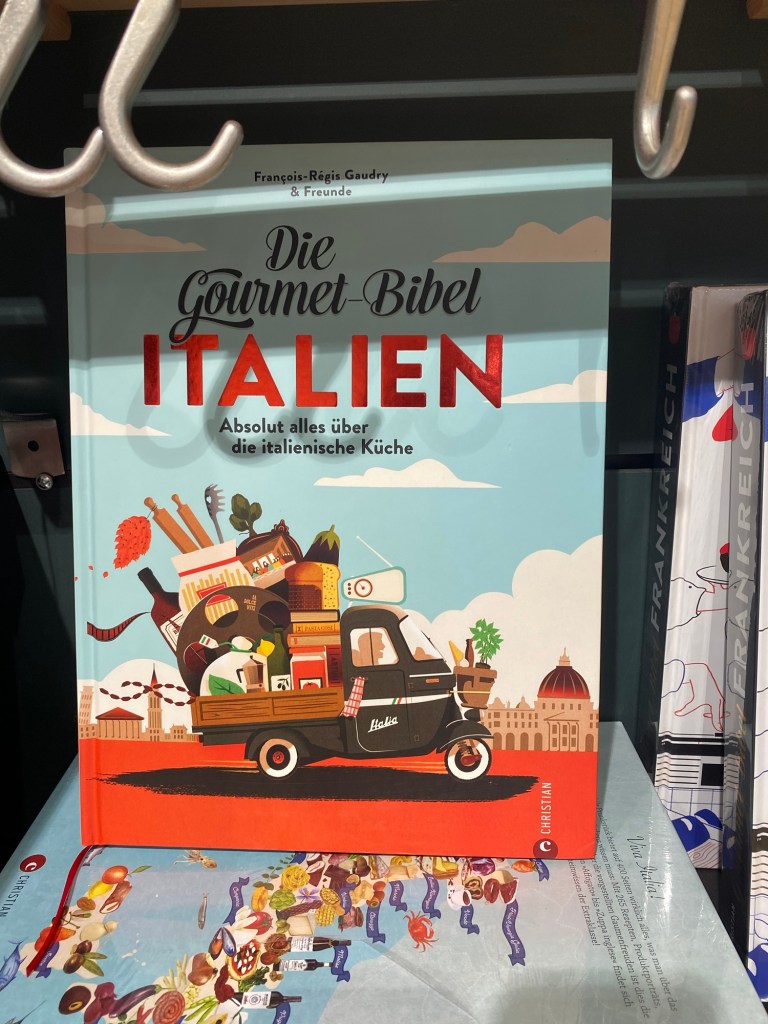
Attractive bookshops.
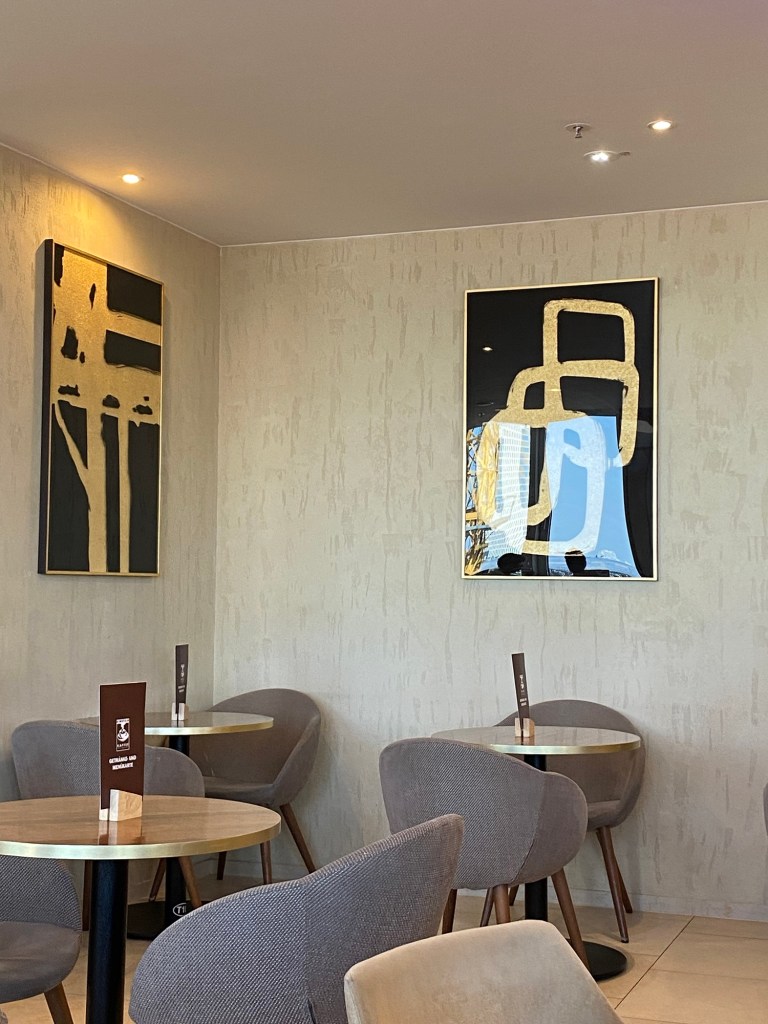
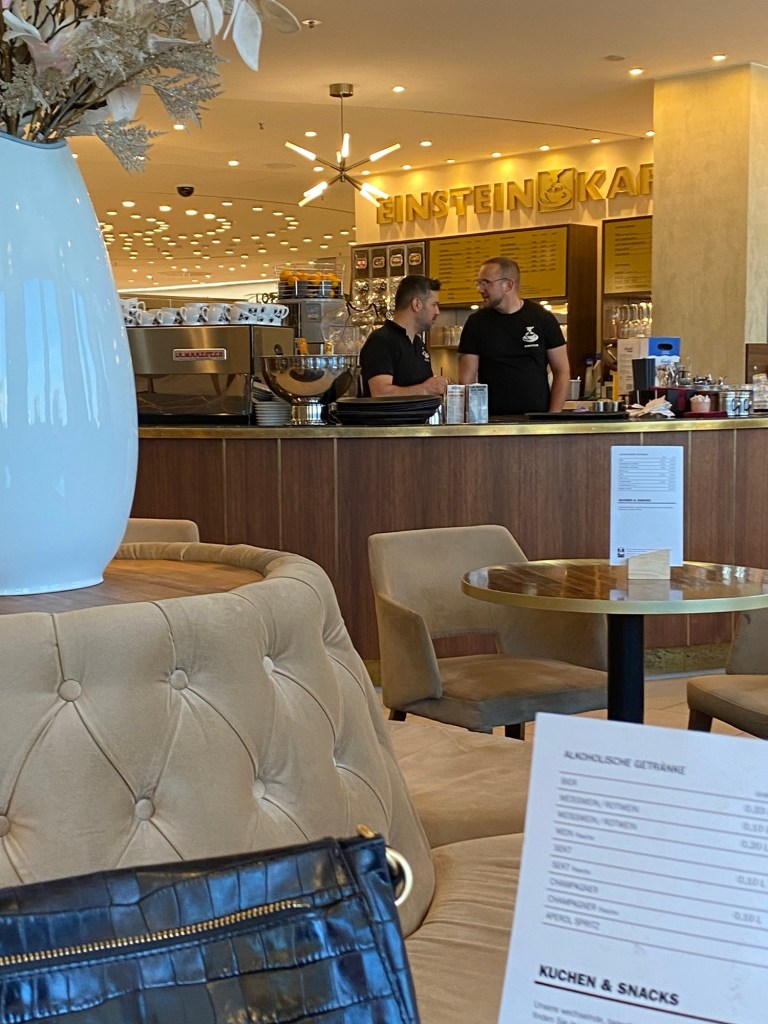
The influence of Italian coffee culture is everywhere in Berlin. I enjoyed some excellent coffee here.
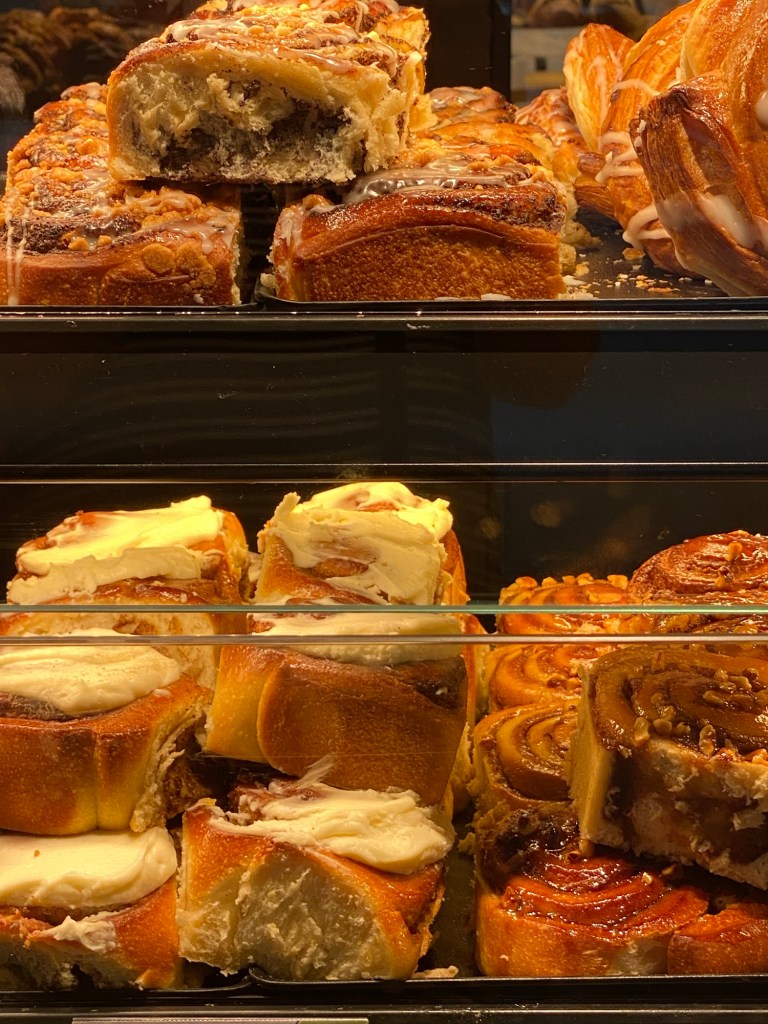
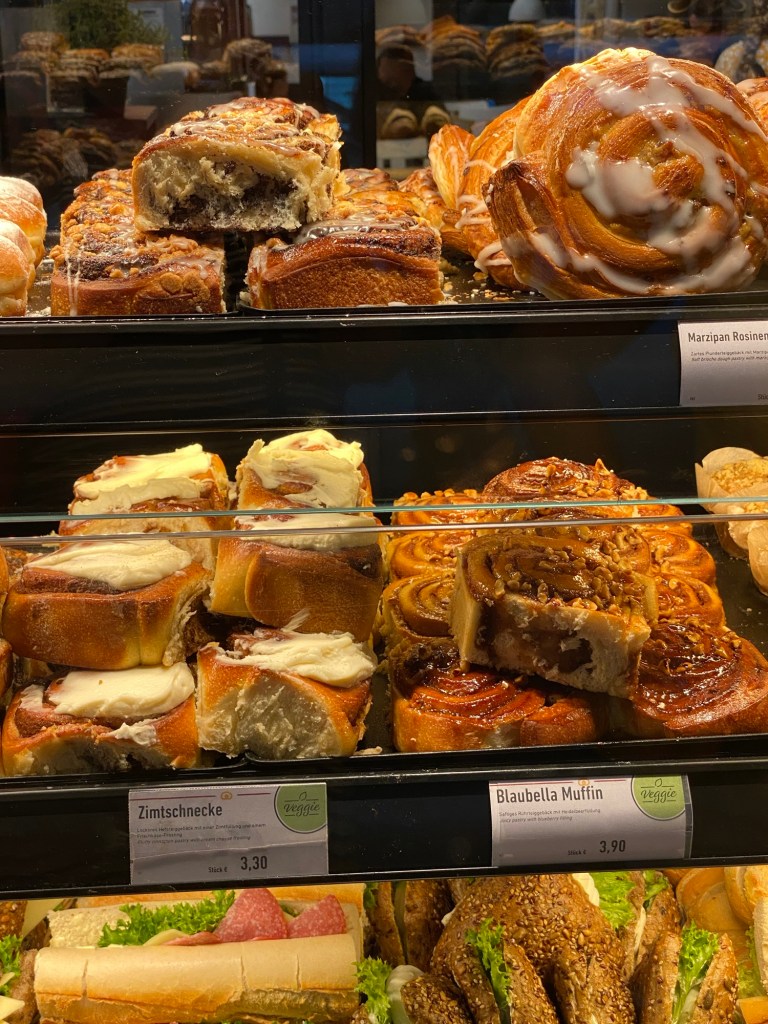
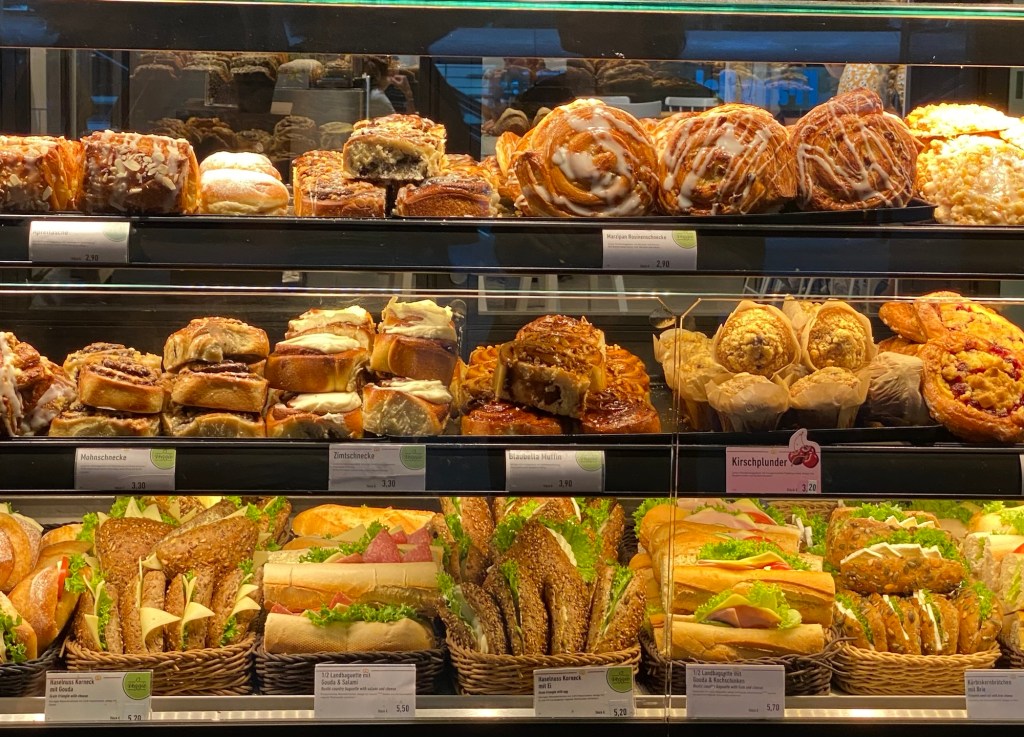
The baked goods! OMG!
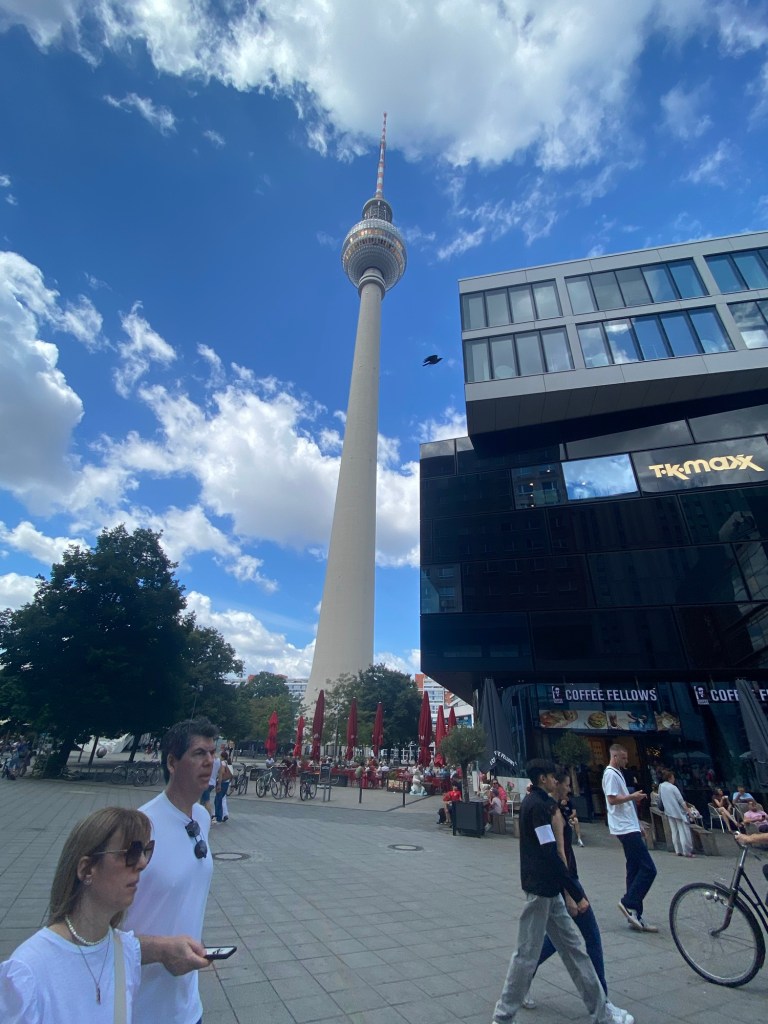
The soviet era TV tower at Alexanderplatz
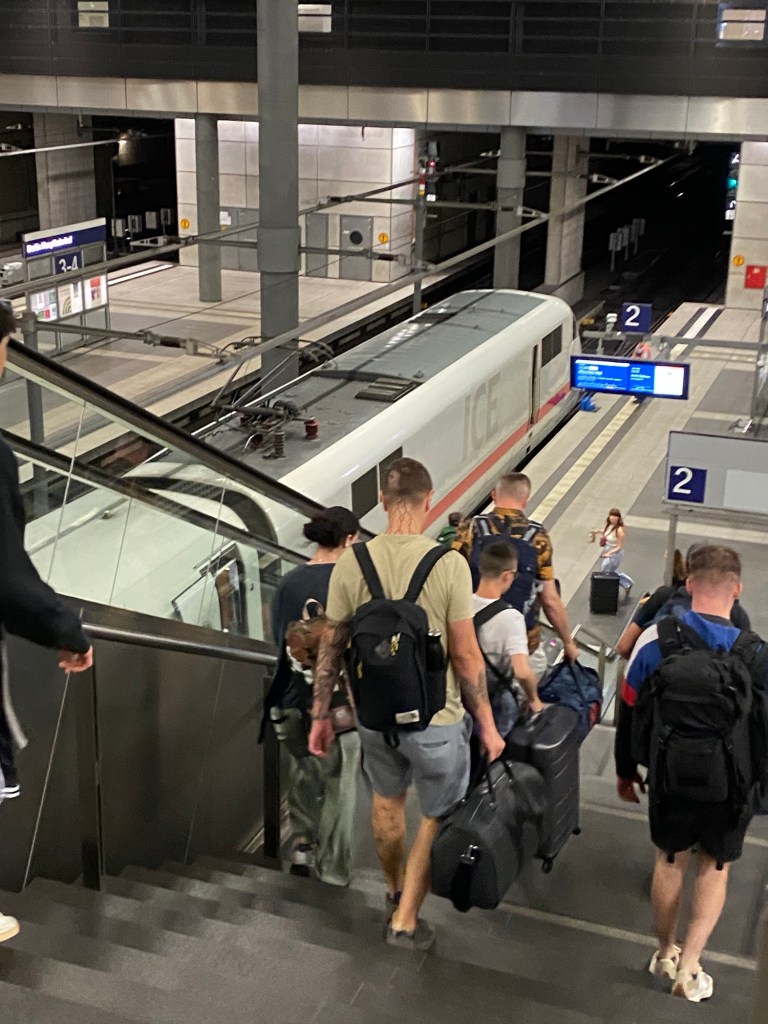
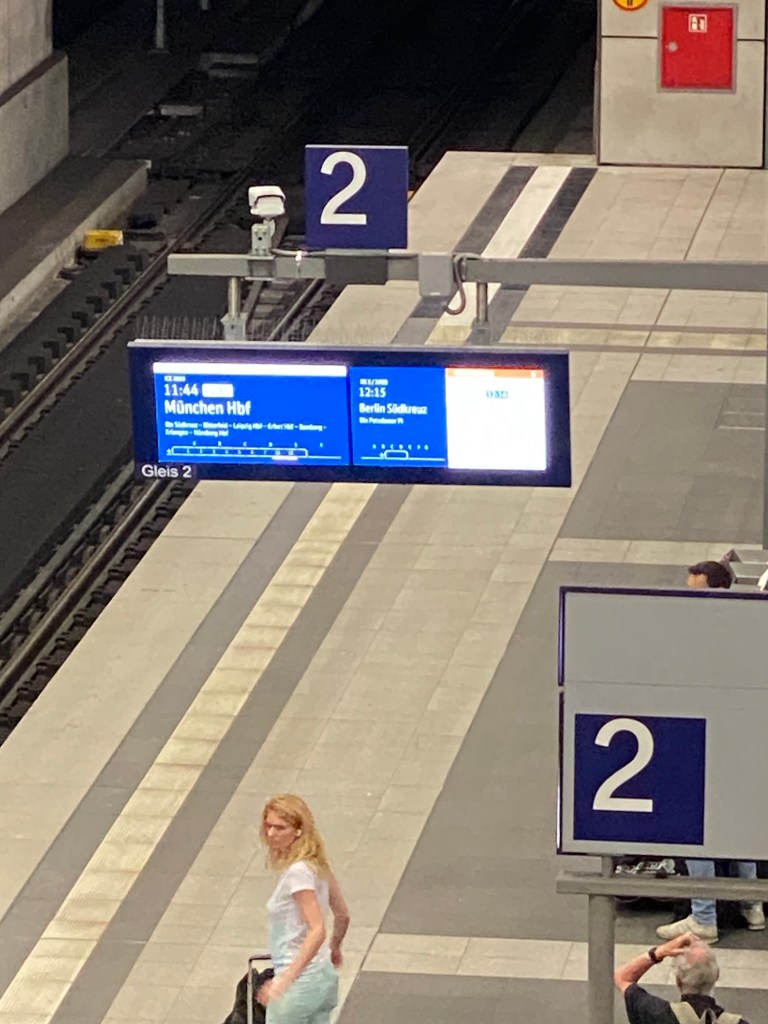
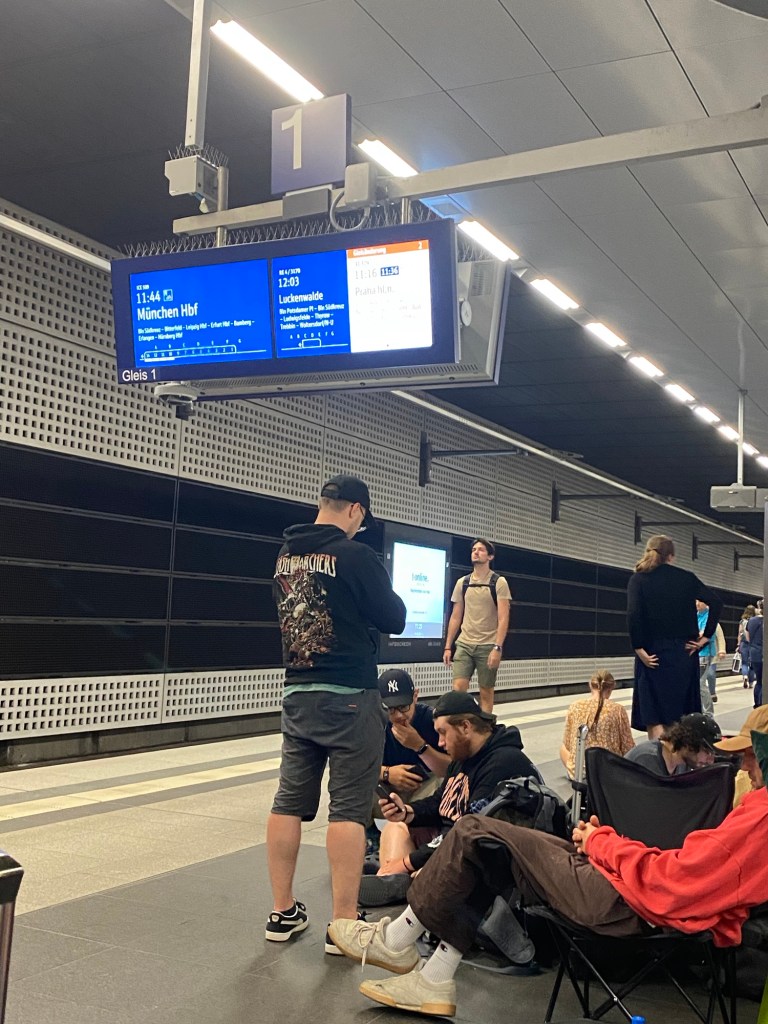
The high speed train service.
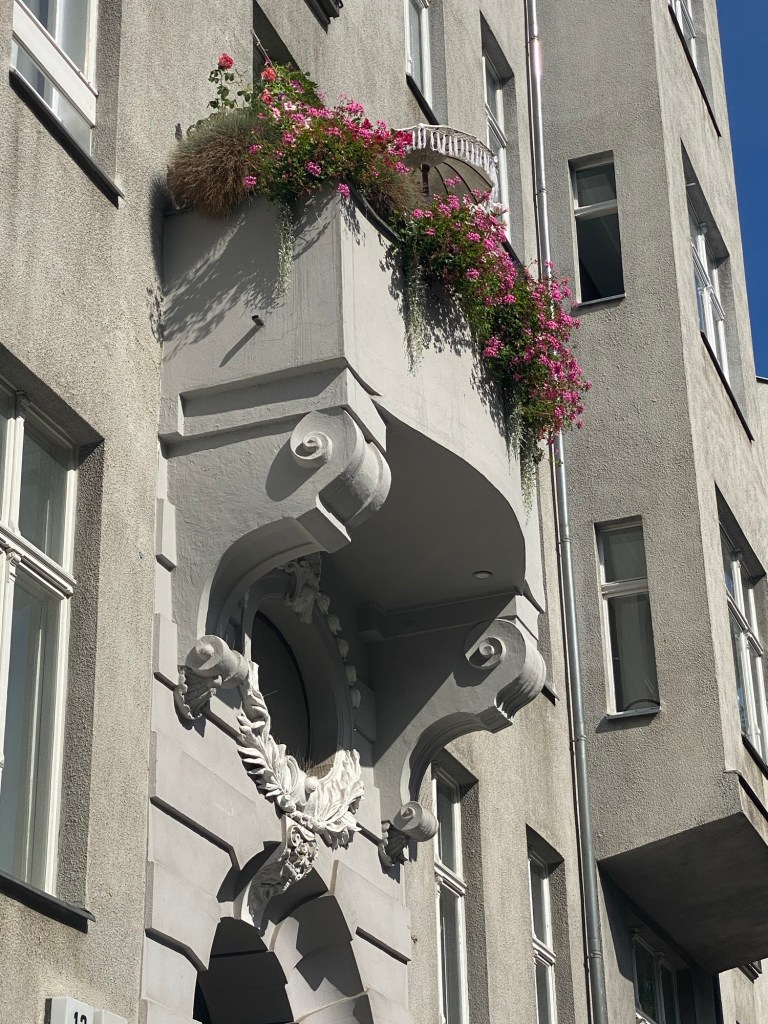
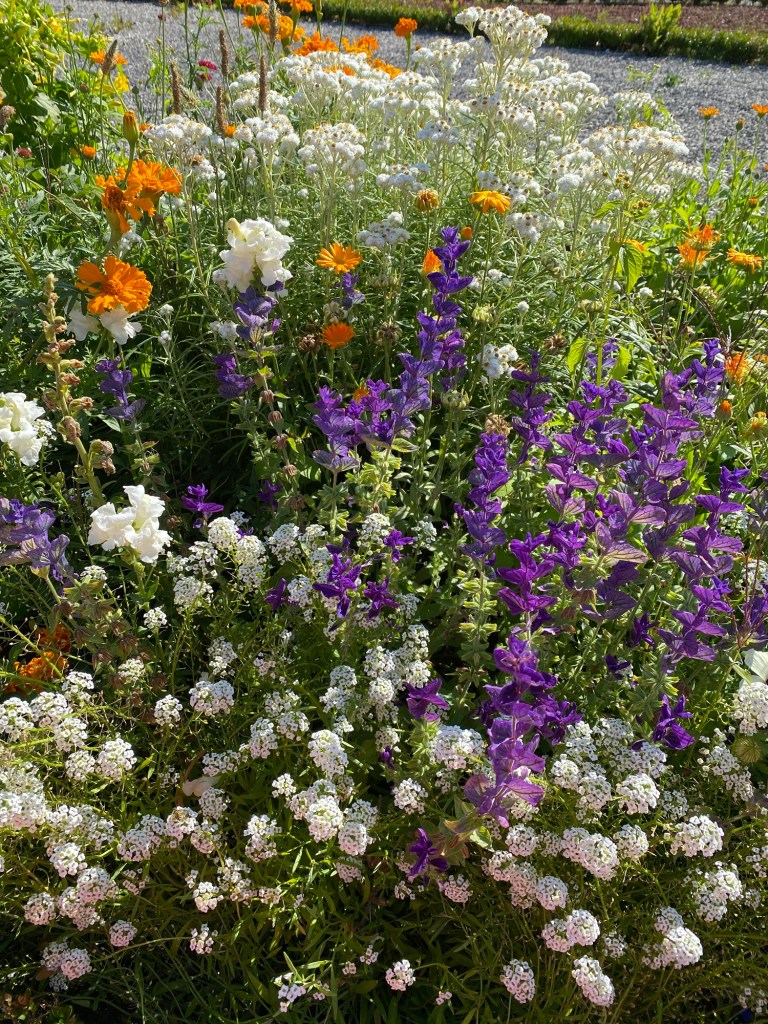
The terraces with flowers.
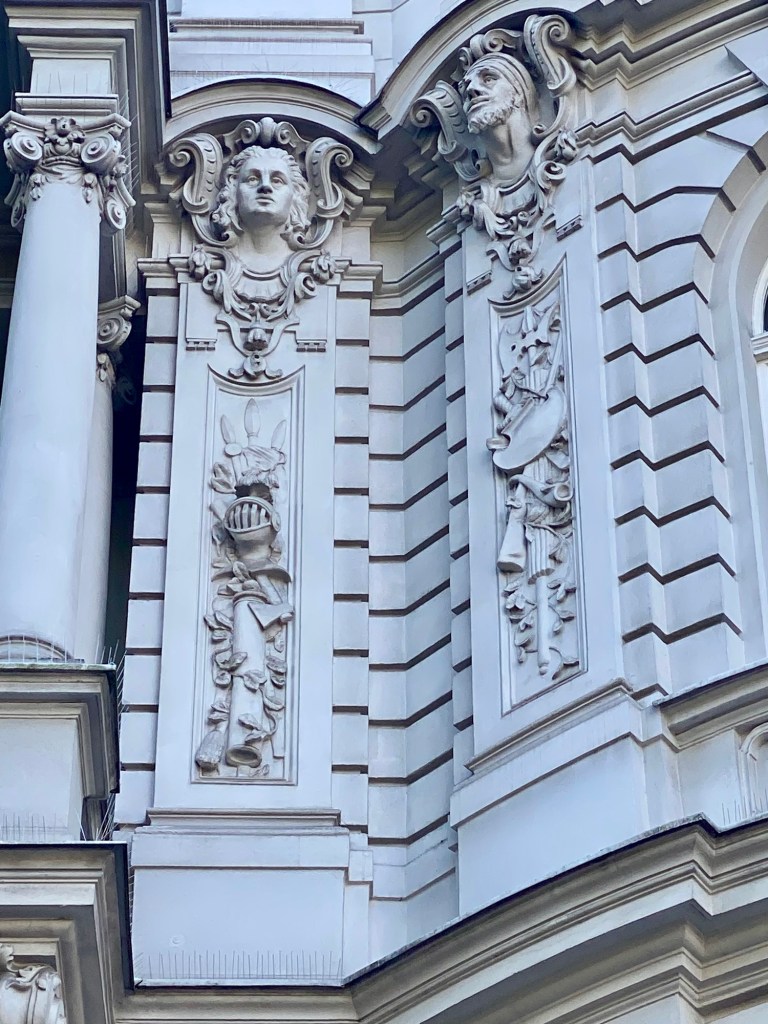
The interesting architecture.
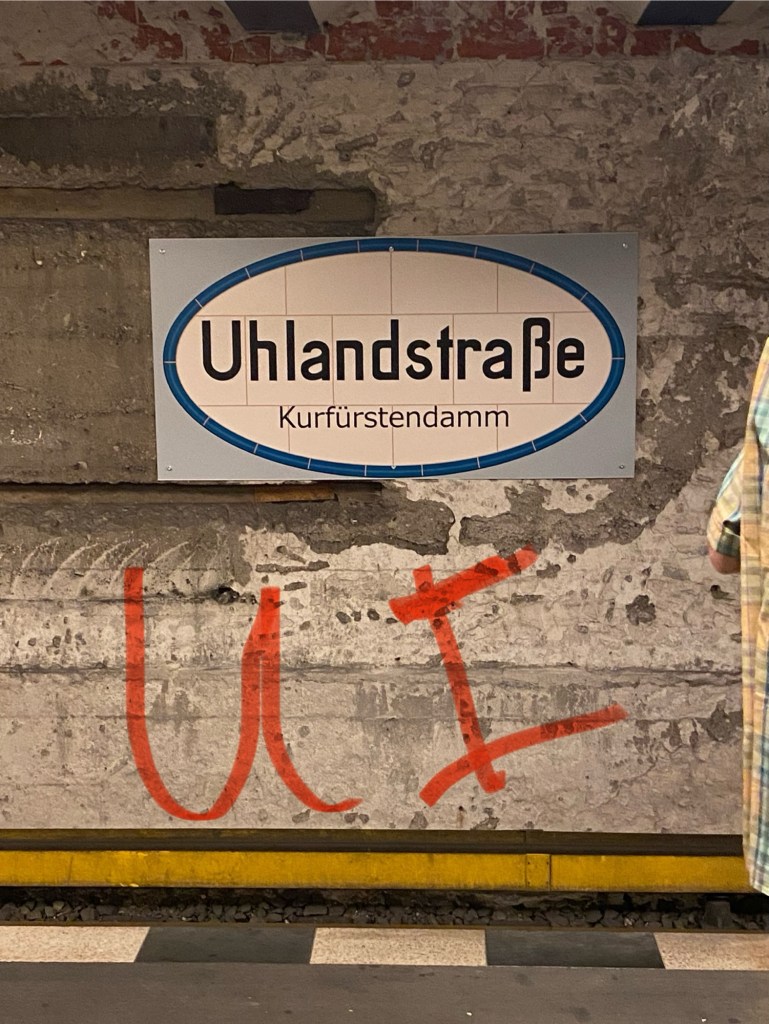
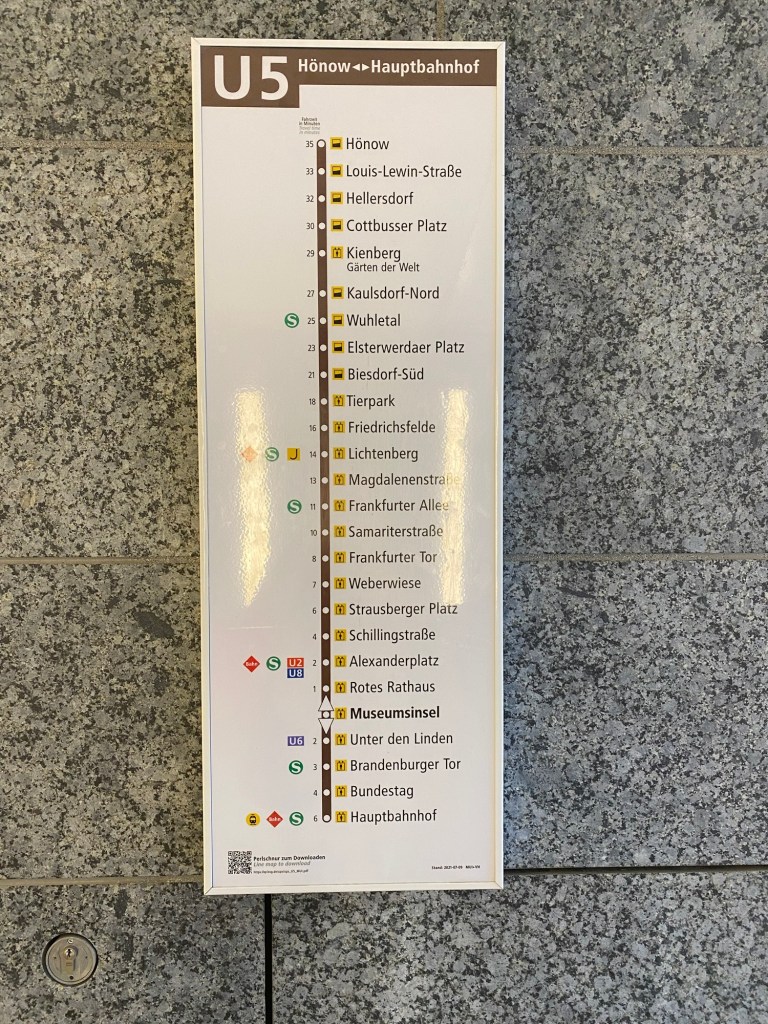
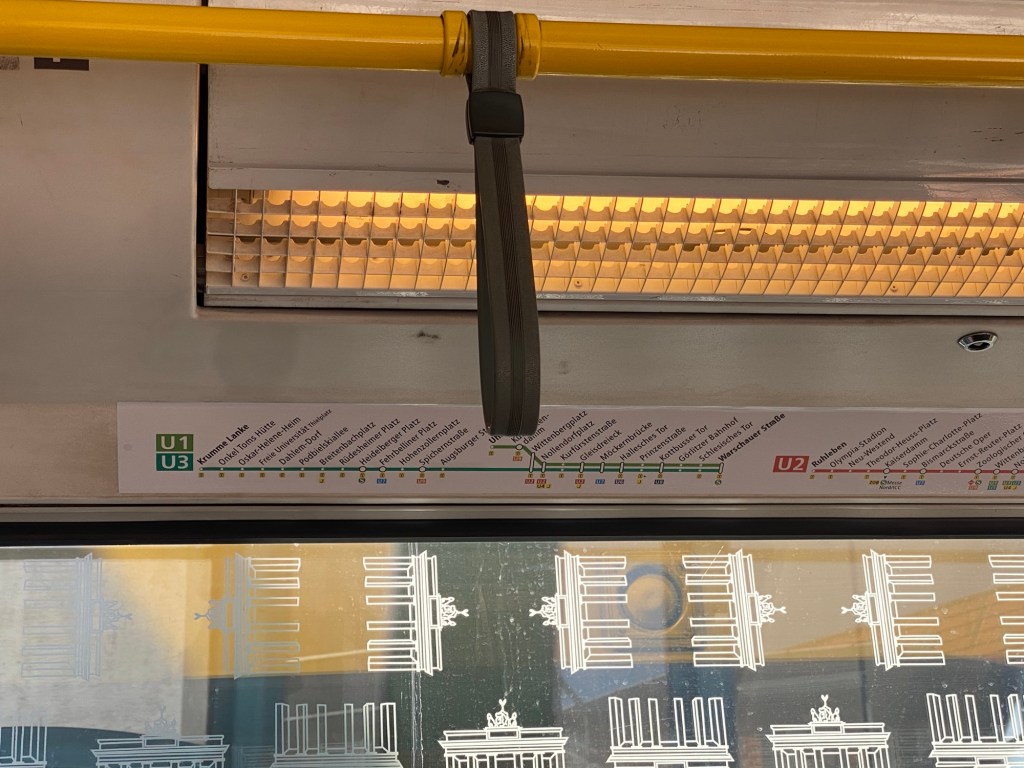
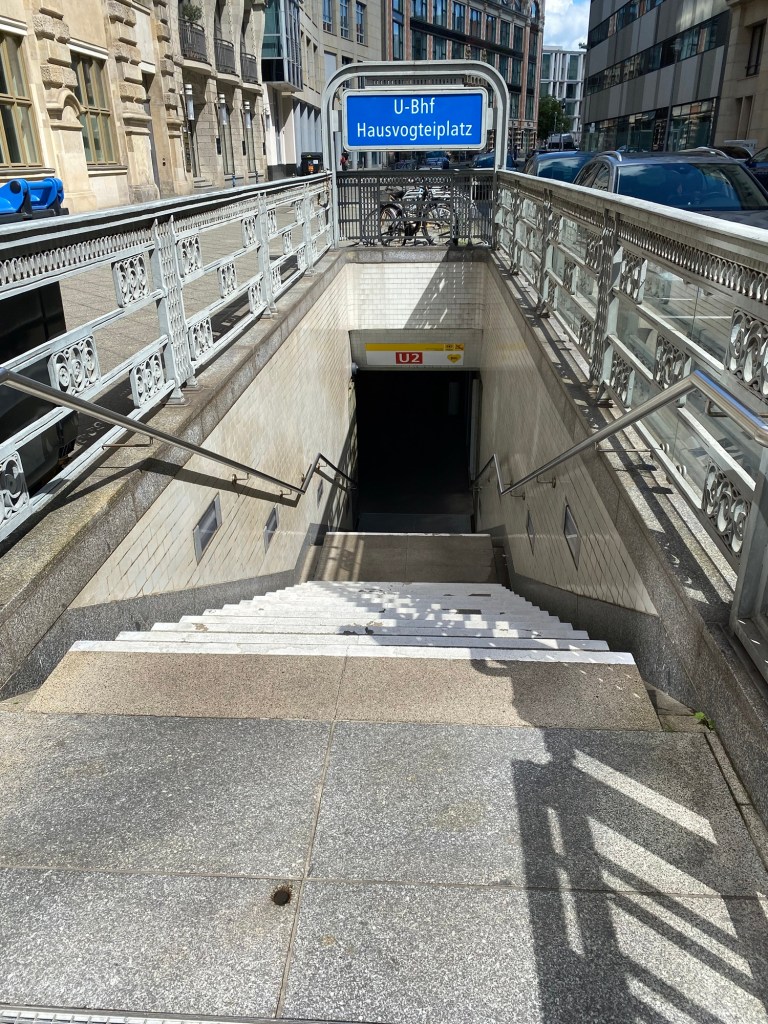
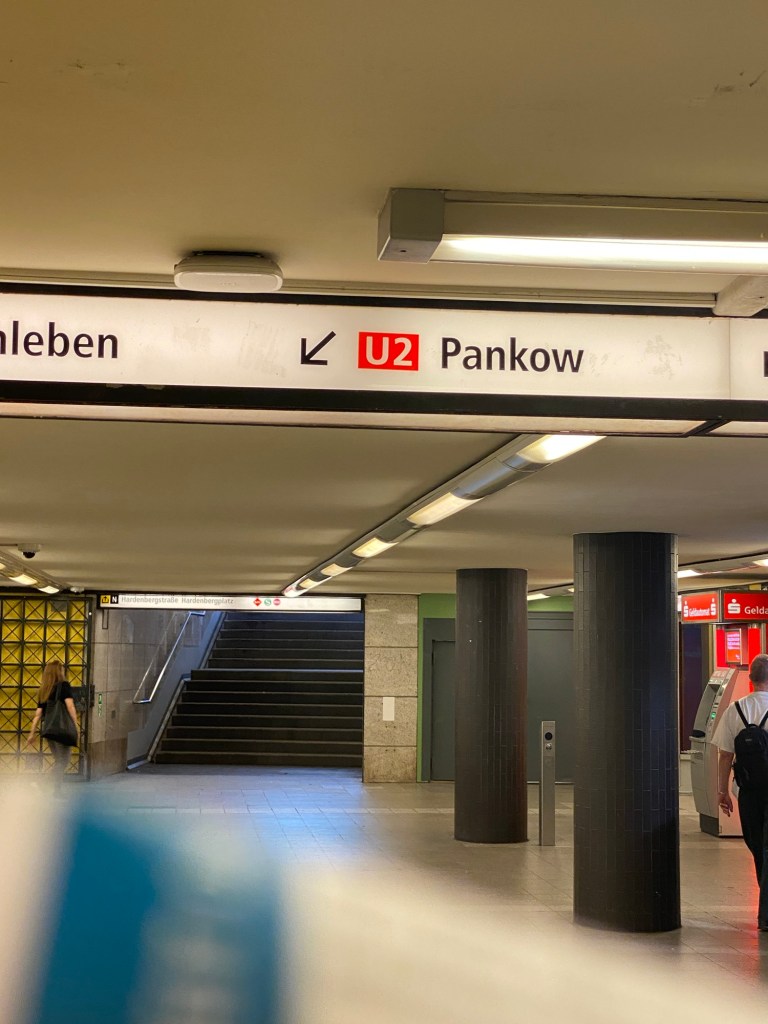
The confusing but excellent Ubahn
Museuminsel: my home away from home in Berlin.
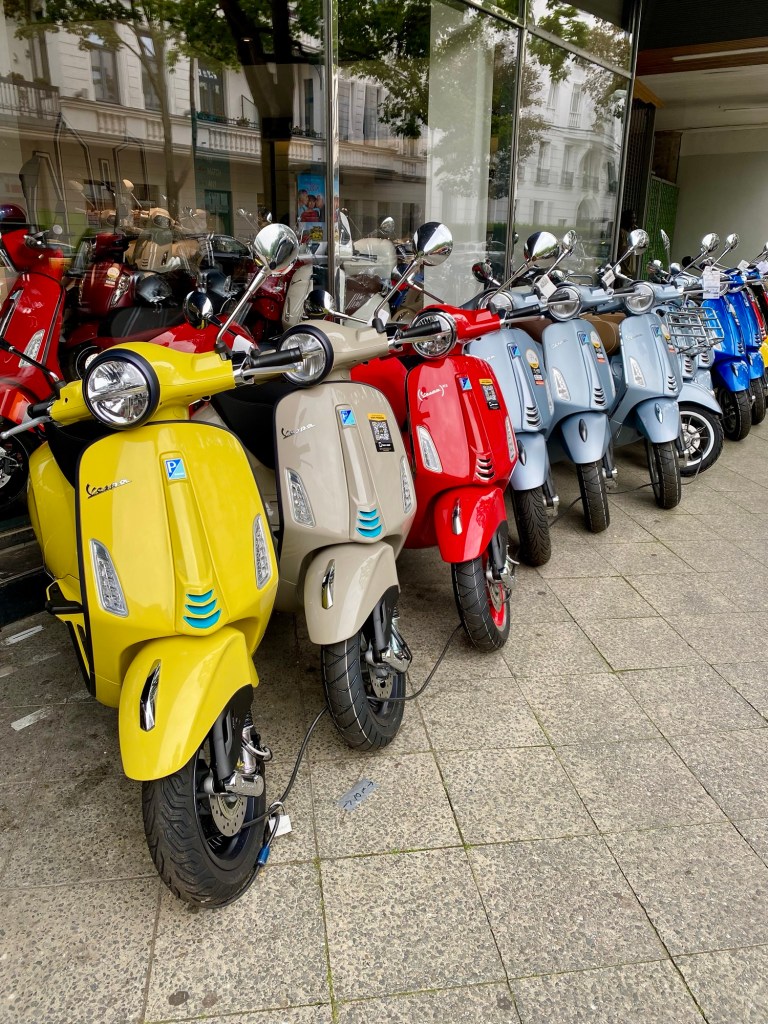
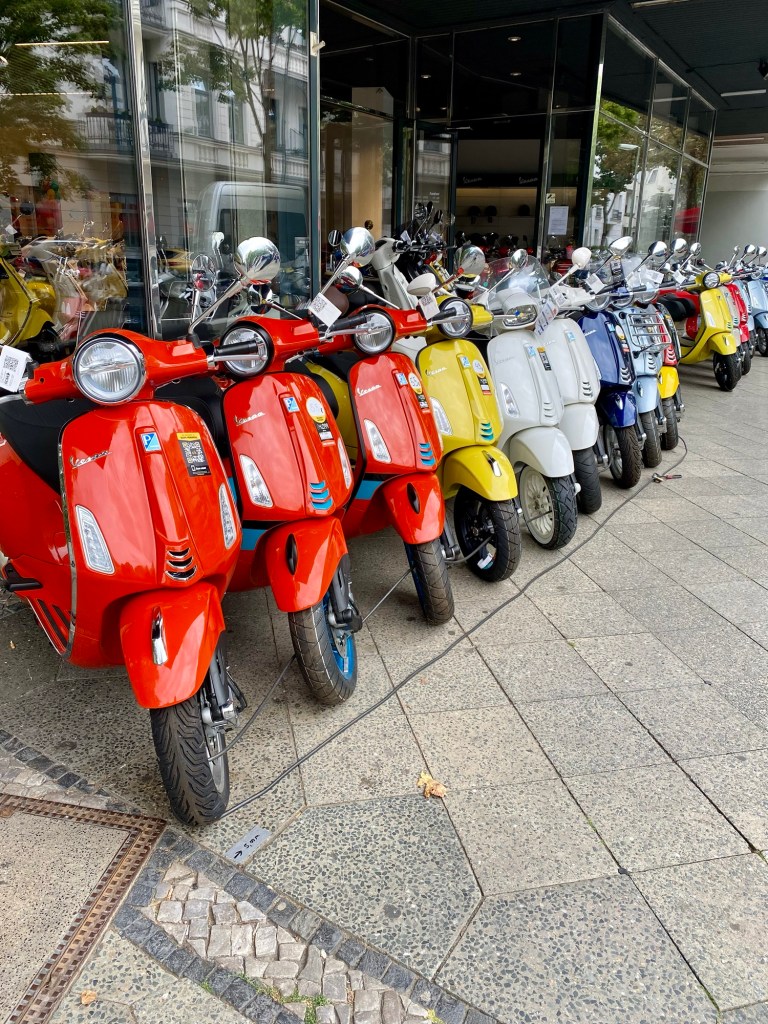
The Vespas!
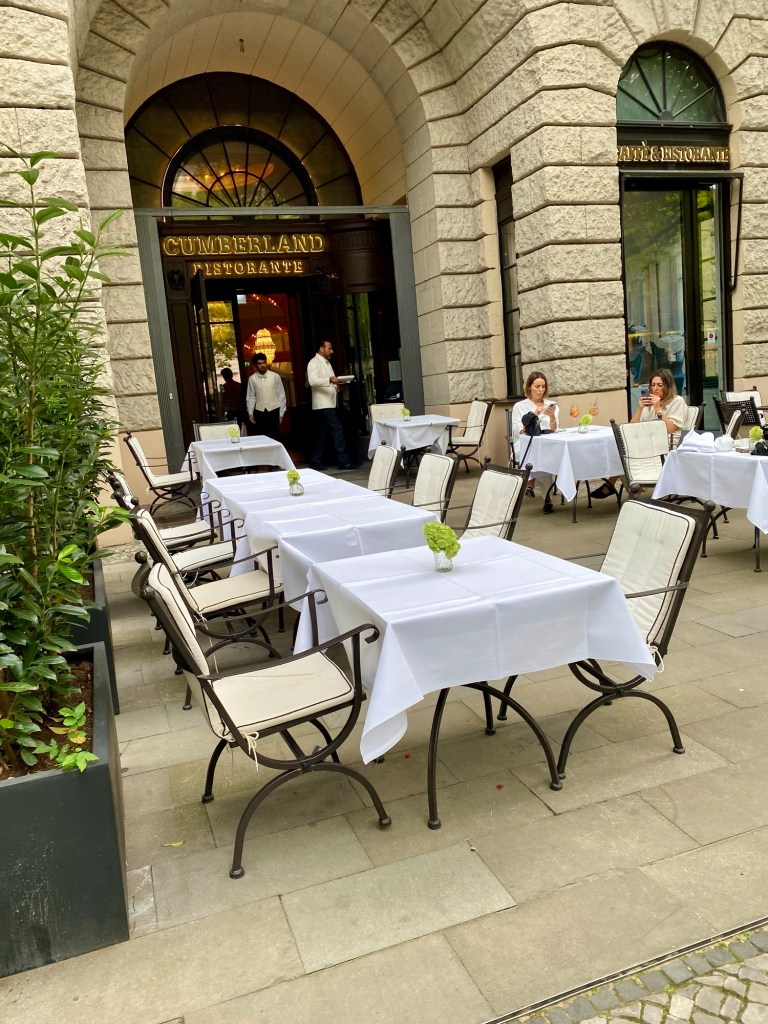
The elegant sidewalk cafes.
More beautiful architecture
Learning German
Did I mention the baked goods?!
I’m sure you’re visually exhausted, so let me condense the last group of this and that taken in Berlin.
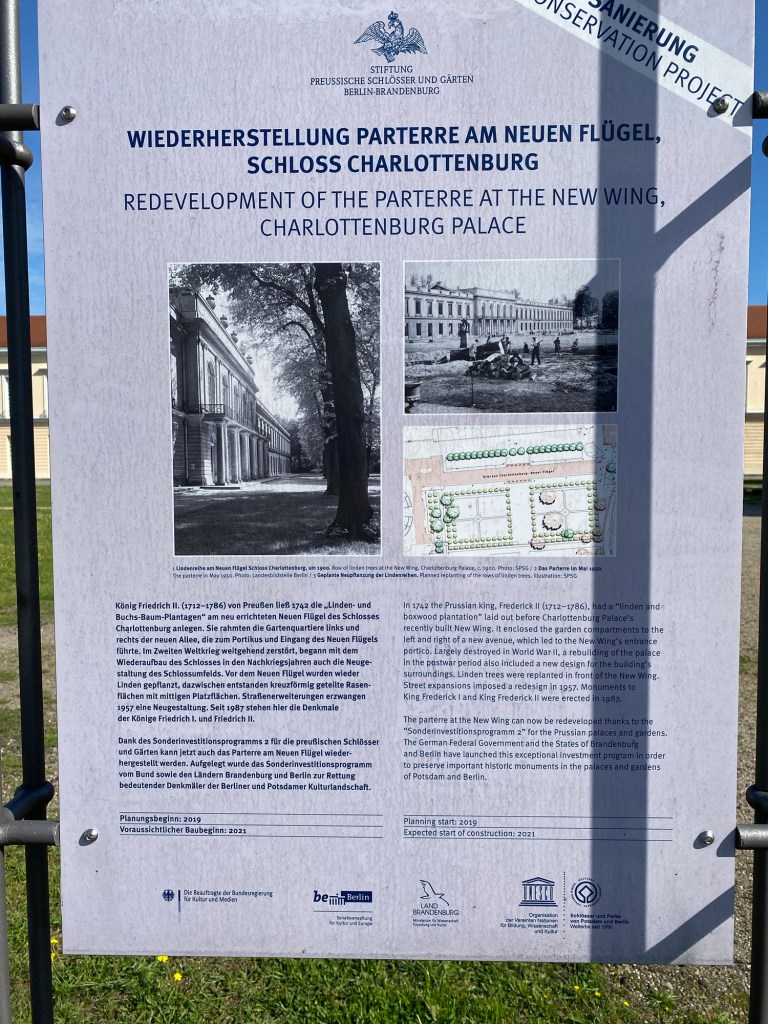
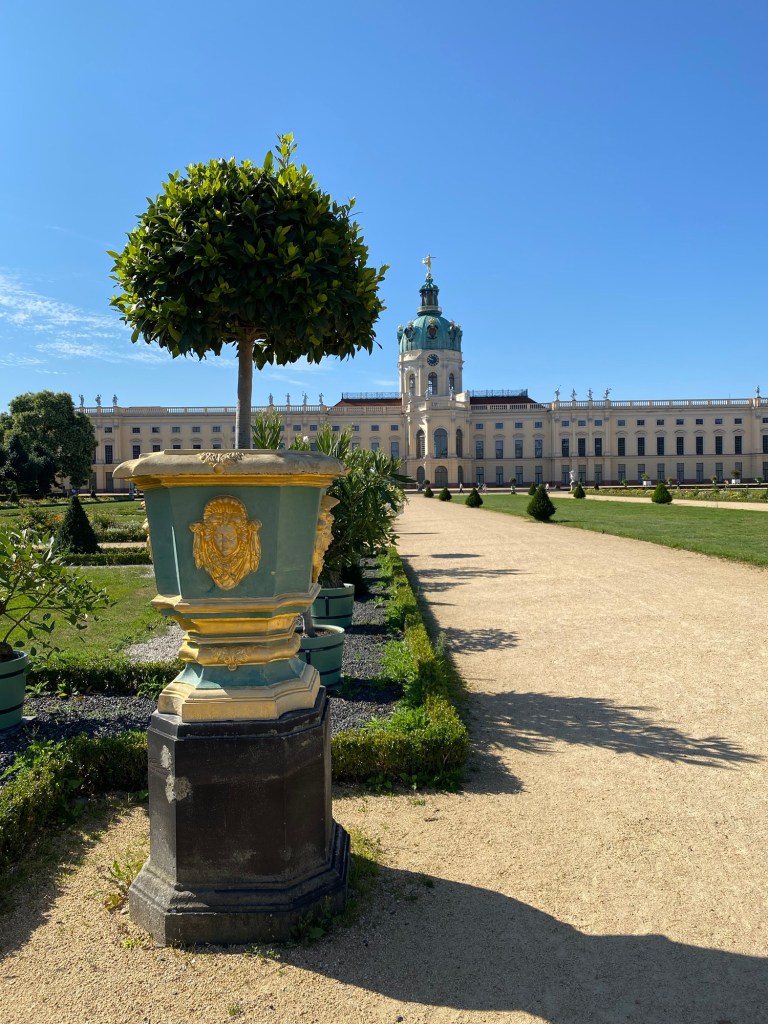
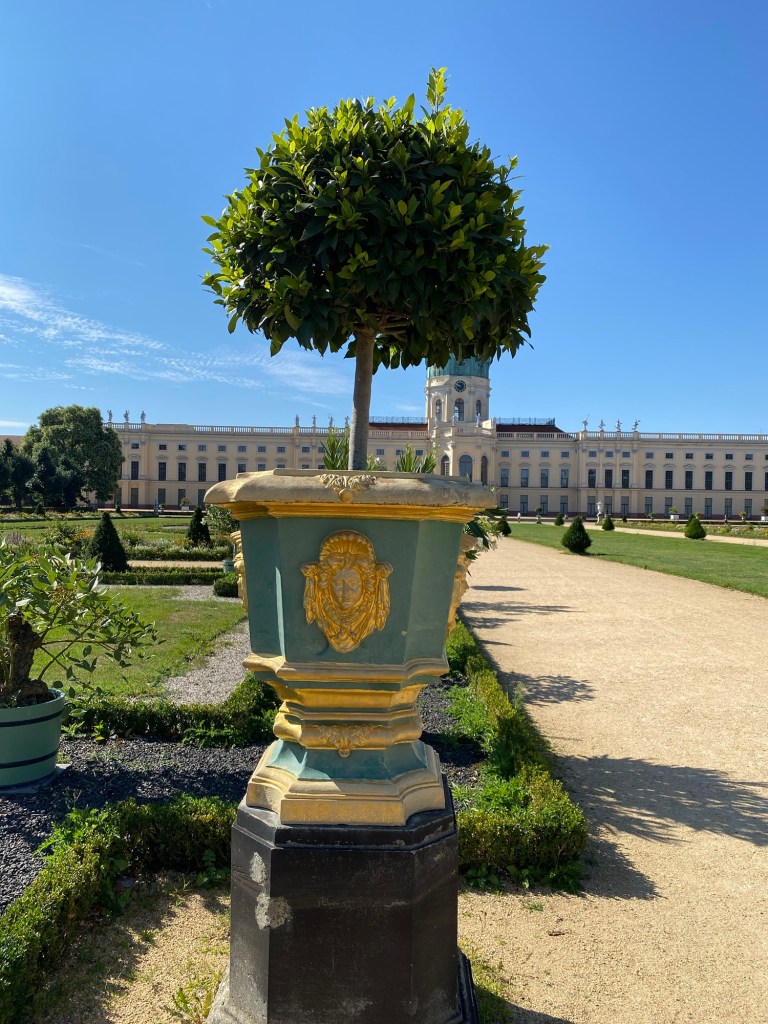
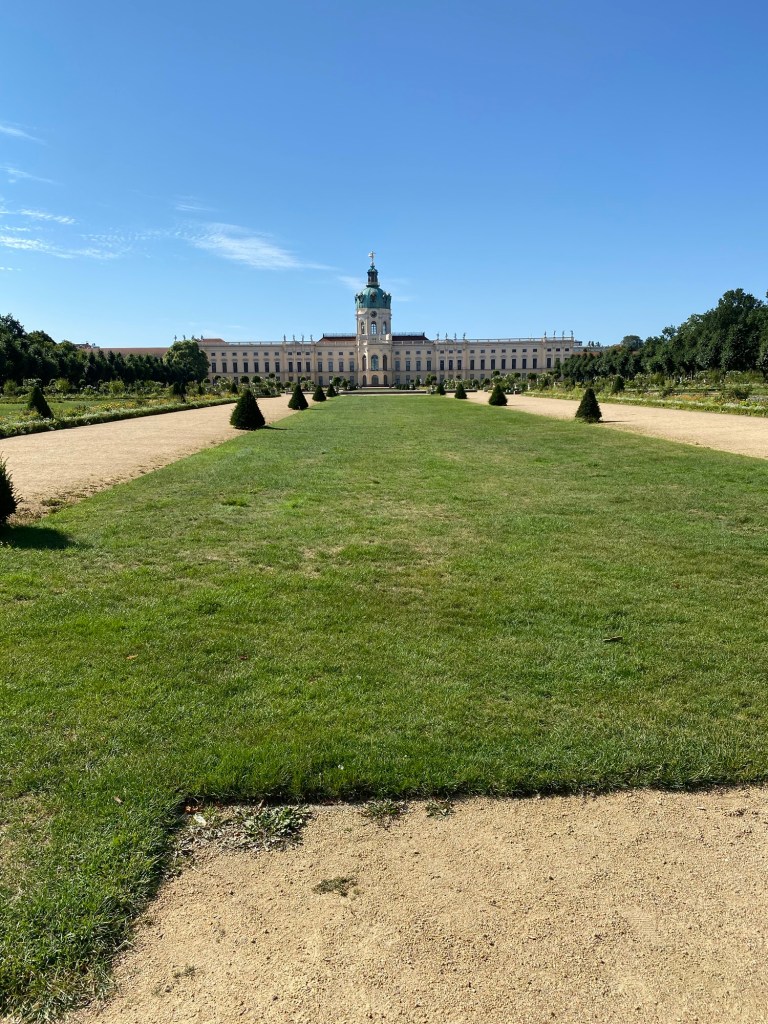
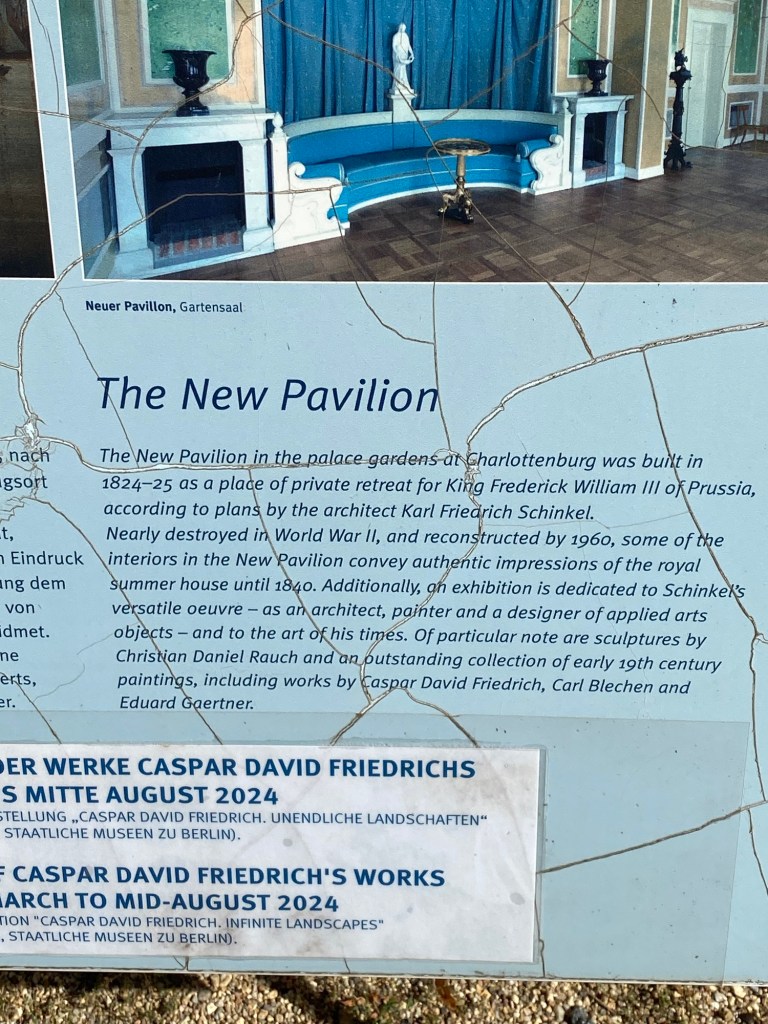
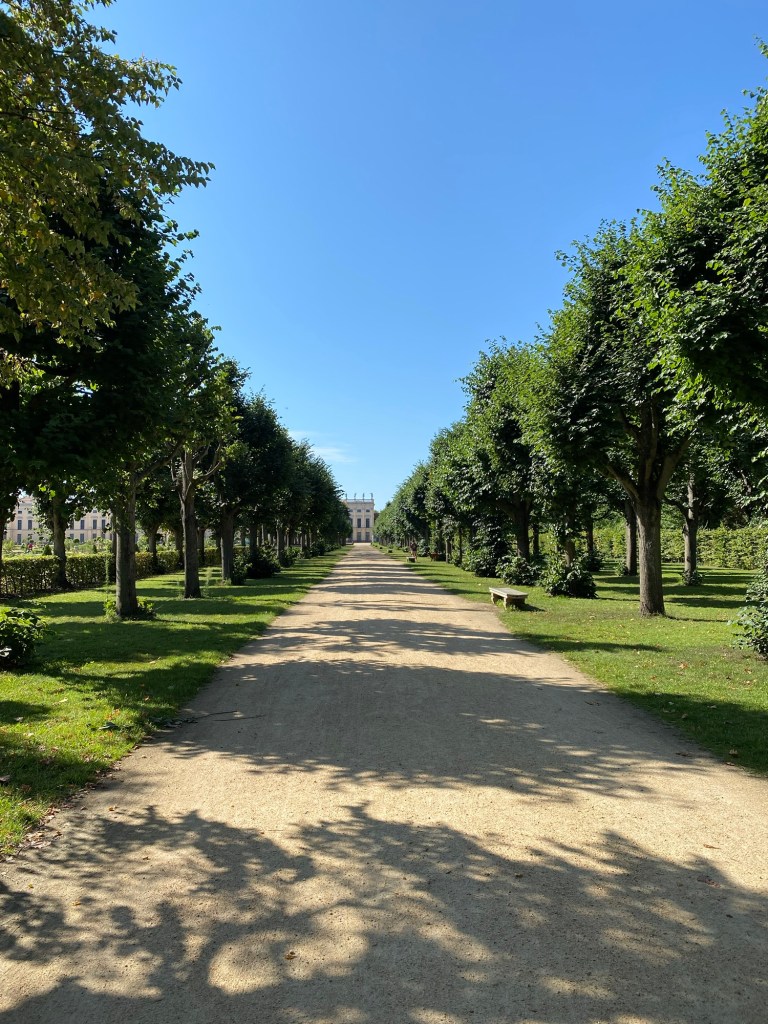
We have more exterior shots to look at before heading inside. I think you can tell that I was very attracted to this lovely summer palace.
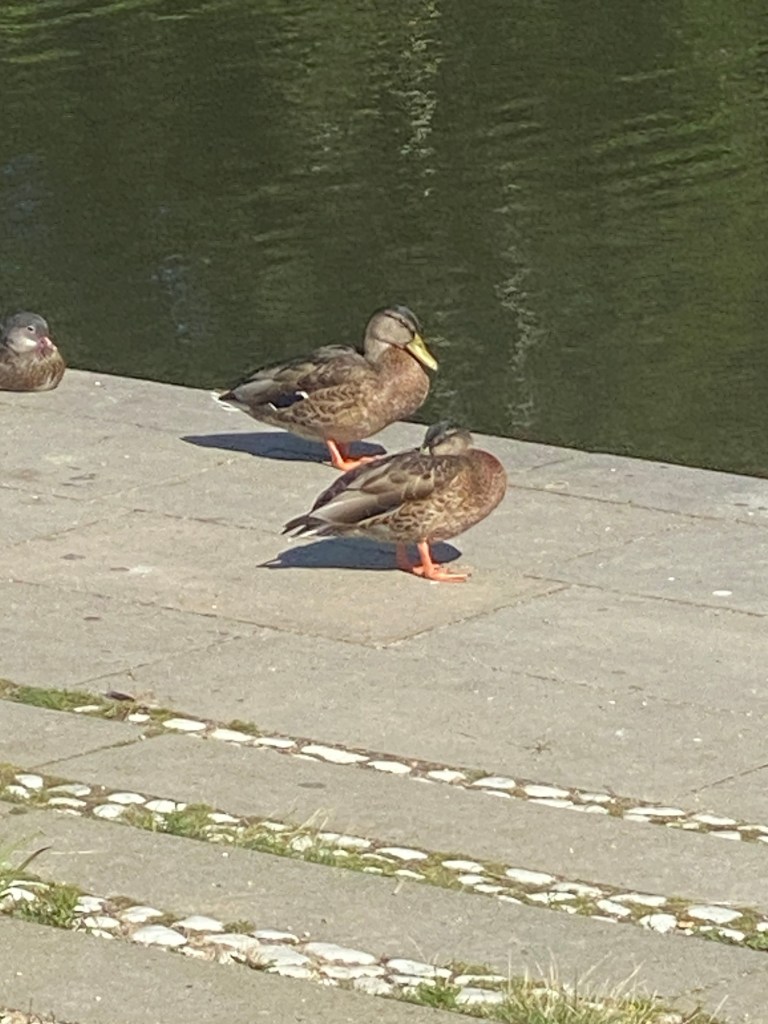
I believe the rather unusual ducks below are known as Mandarin ducks. I may be wrong. I always thought the dish on Chinese restaurant menus called “Mandarin duck” was the way in which the fowl was cooked. Maybe it refers to the type of duck? Can anyone tell me?
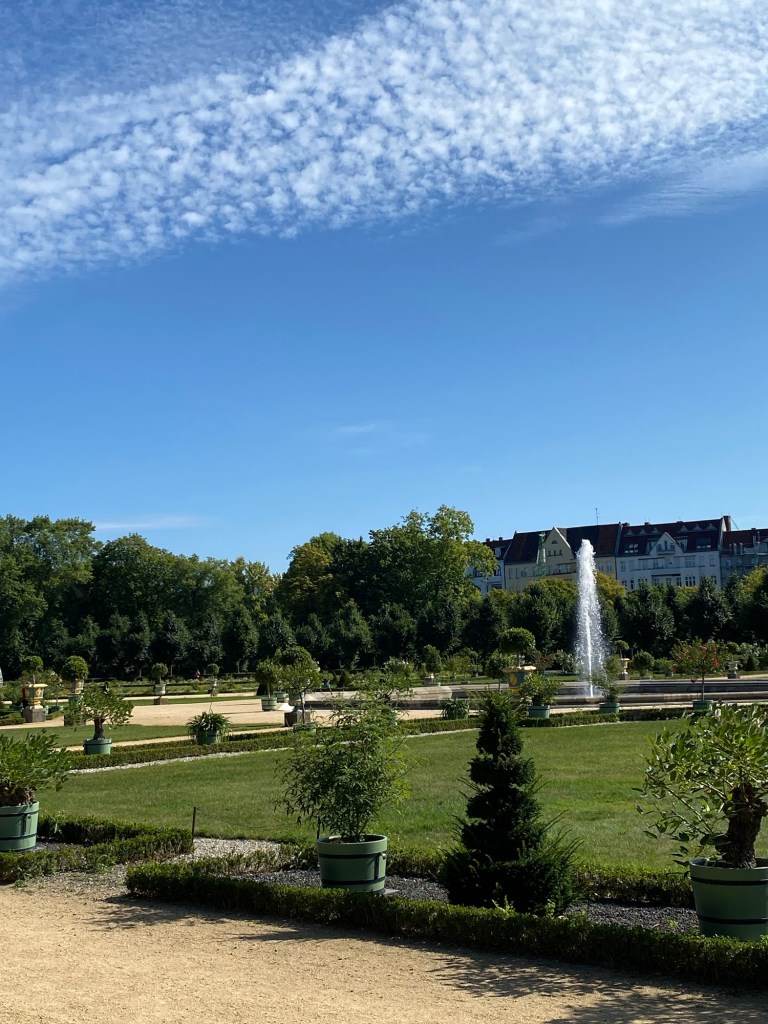
To the sides of the central formal garden are these more naturally styled areas that evolve into totally irregular and natural formations to the boundaries of the property.
Today I jumped on one of the many tourist motor boats that ply the River Spree through Berlin. It was a sunny, warm day and floating on the water seemed like a great idea. Unfortunately, my phone was almost dead, so I only got the bare minimum of images. But, trust me, it was fun.
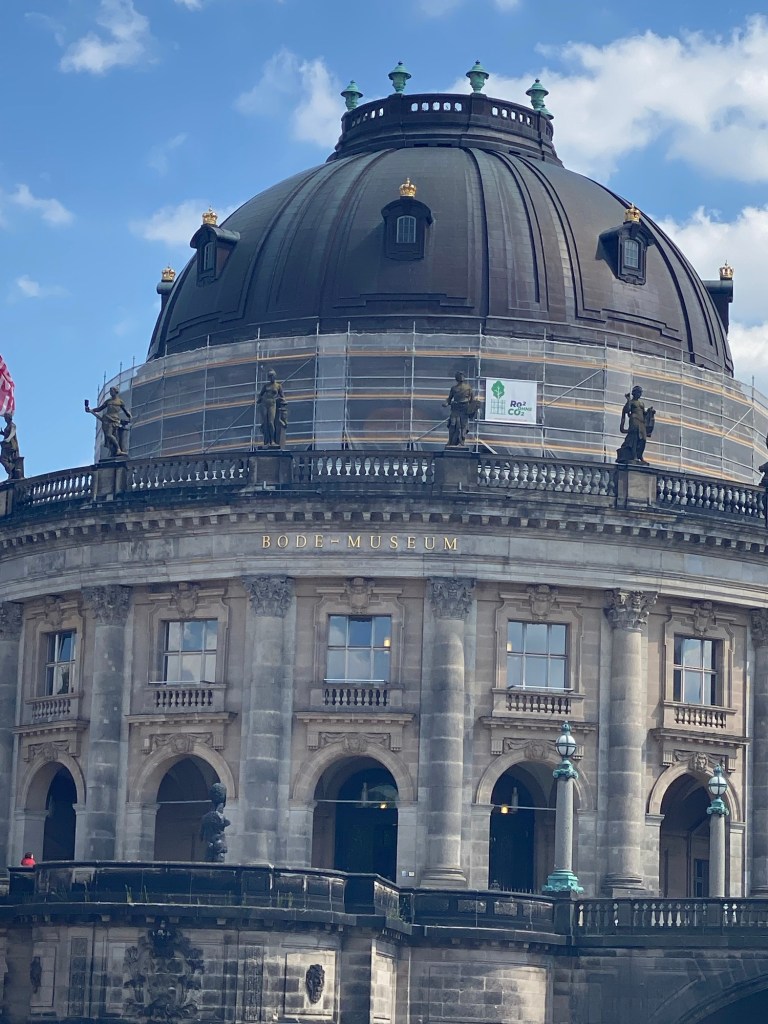
I had actually spent the first part of the day at the amazing, underrated Bode Museum. OMG! If you come to Berlin, set aside a day for this incredible museum and its collection! Posting on it soon!
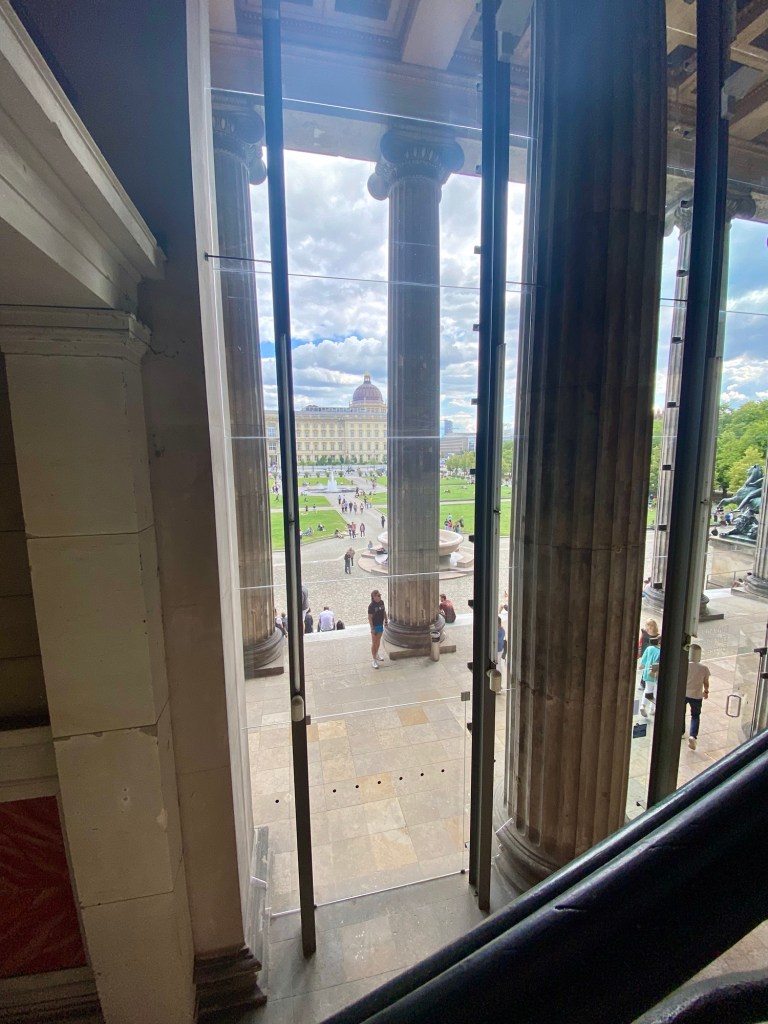
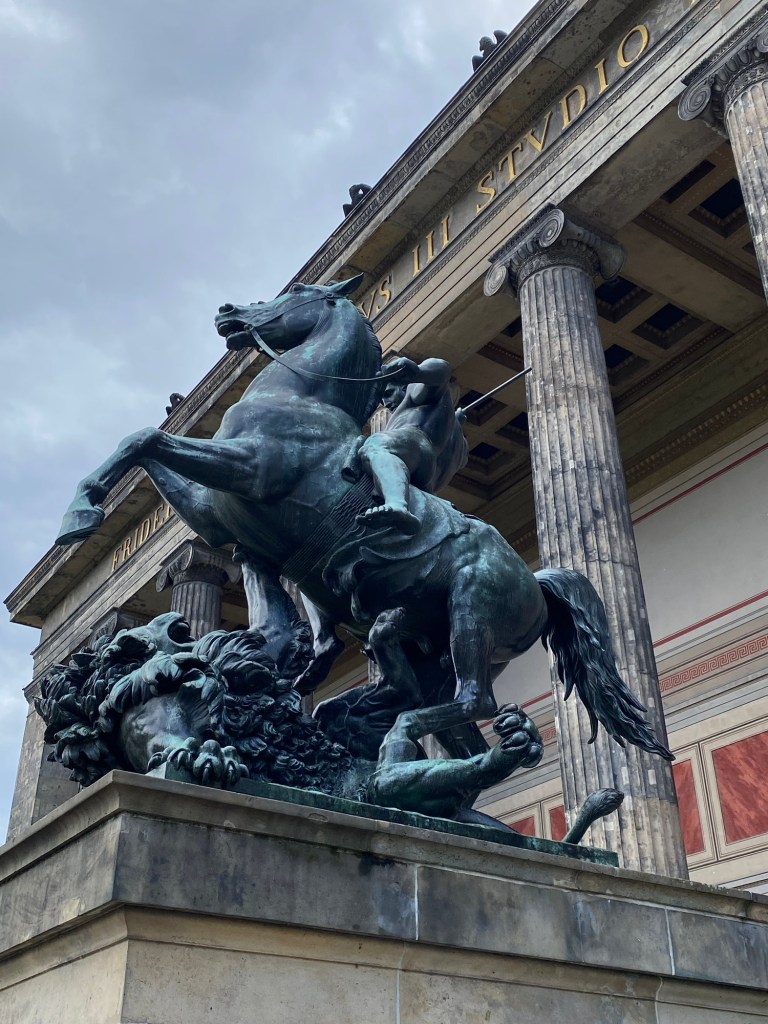
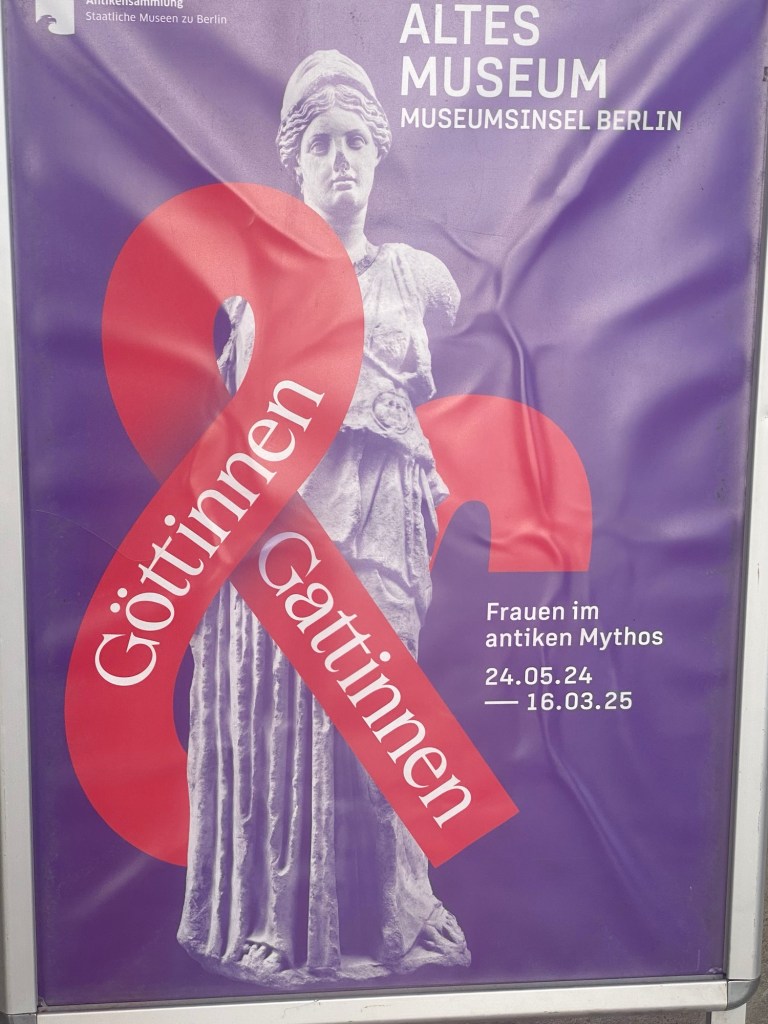
Wow! Berlin delivers! This “old” museum is fantastic!
Above and below are pictures of the exterior of this magnificent old building, and the Greek, Etruscan and Roman collections will be the subject of some upcoming posts. I was absolutely blown away!
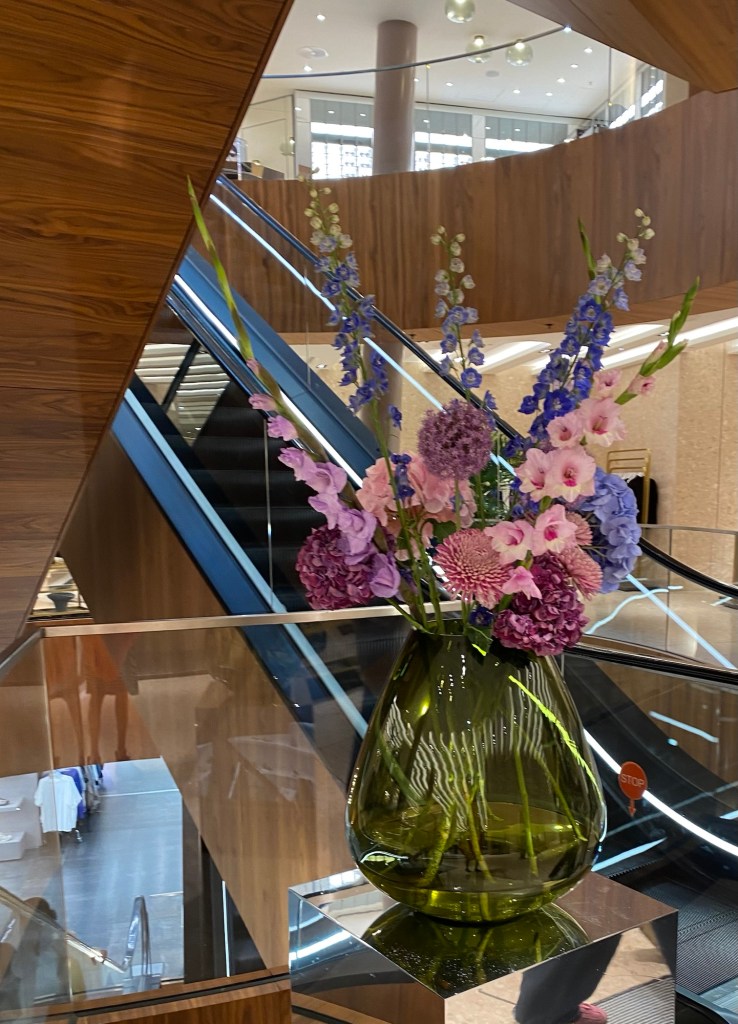
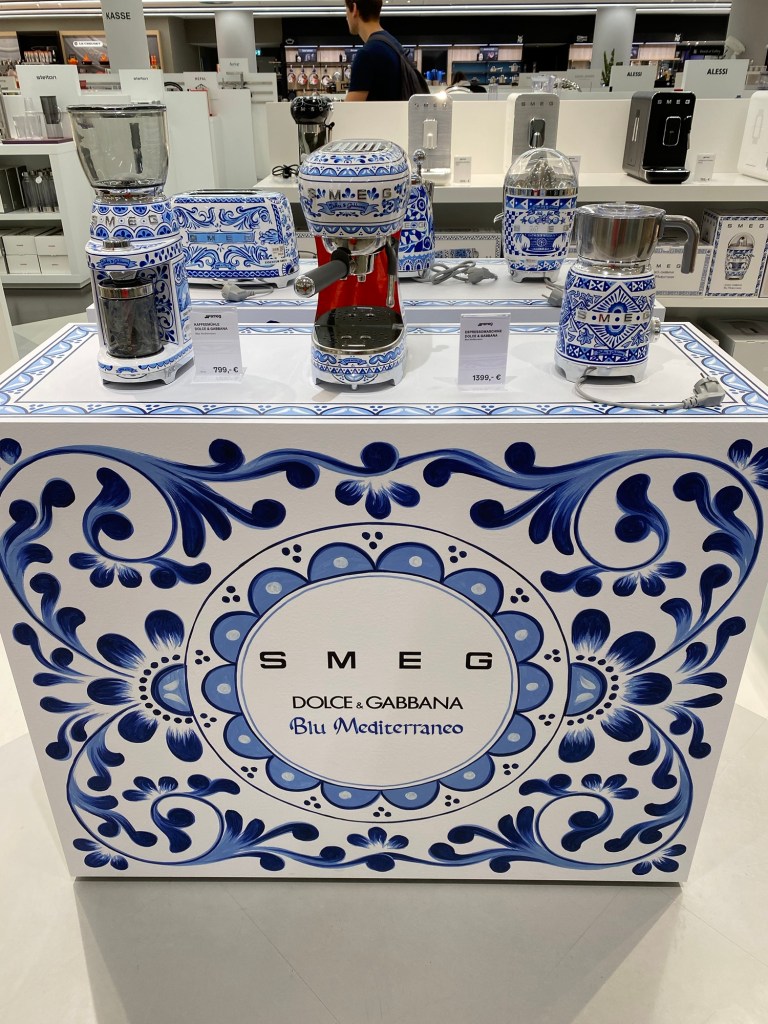
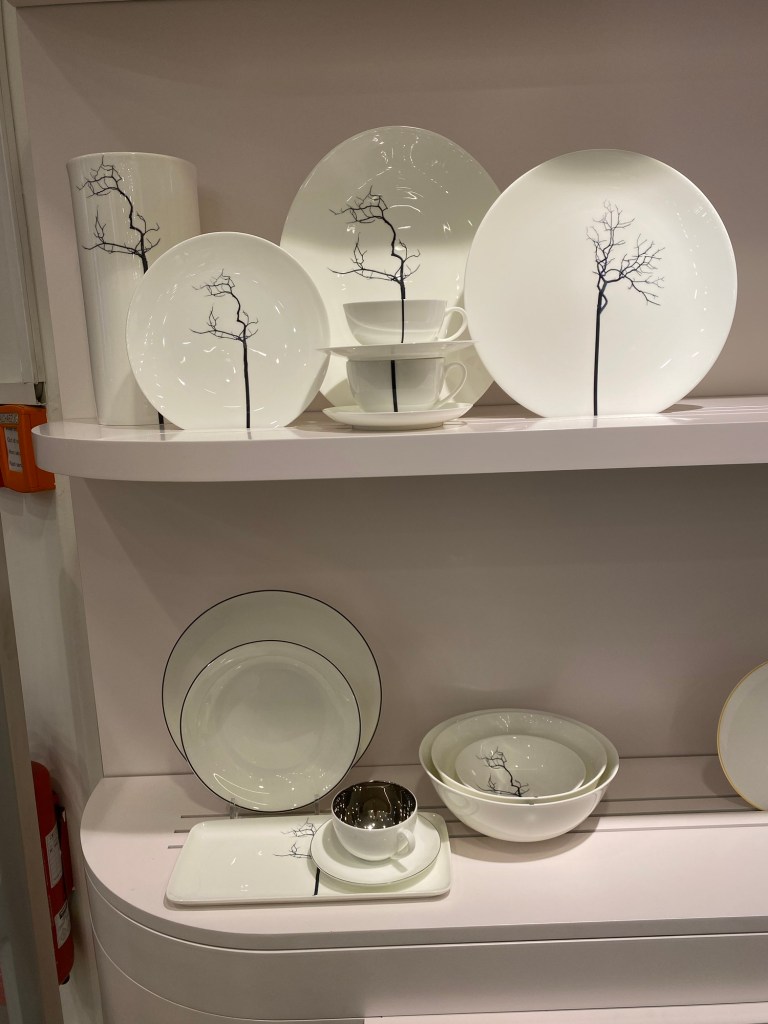
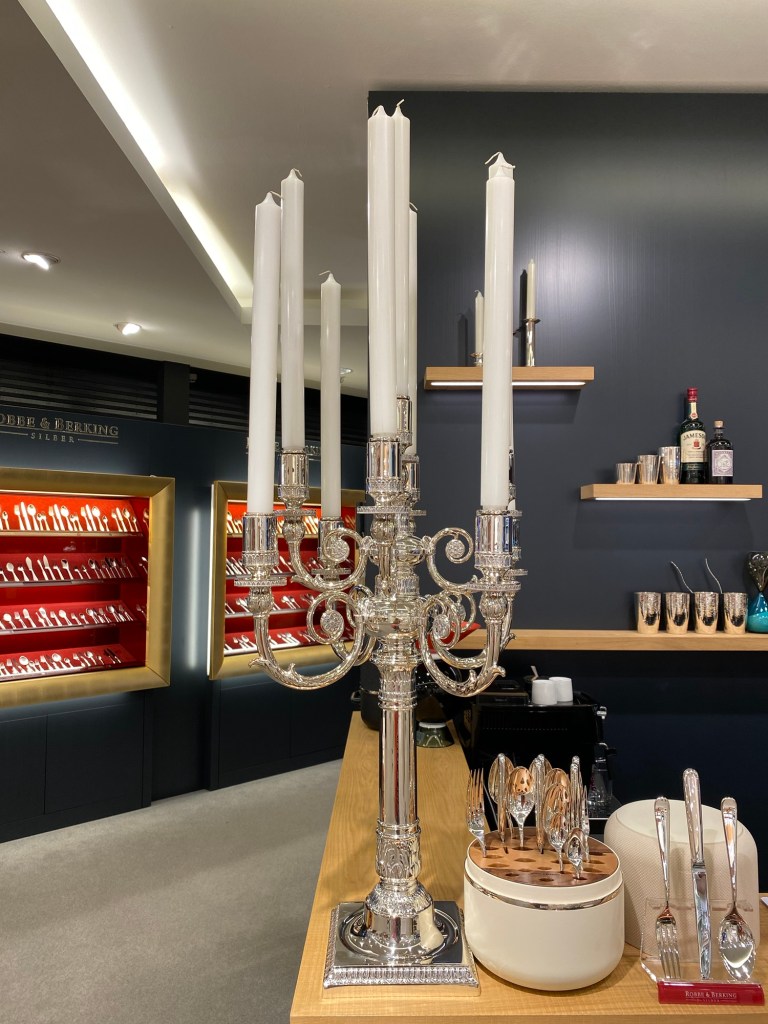
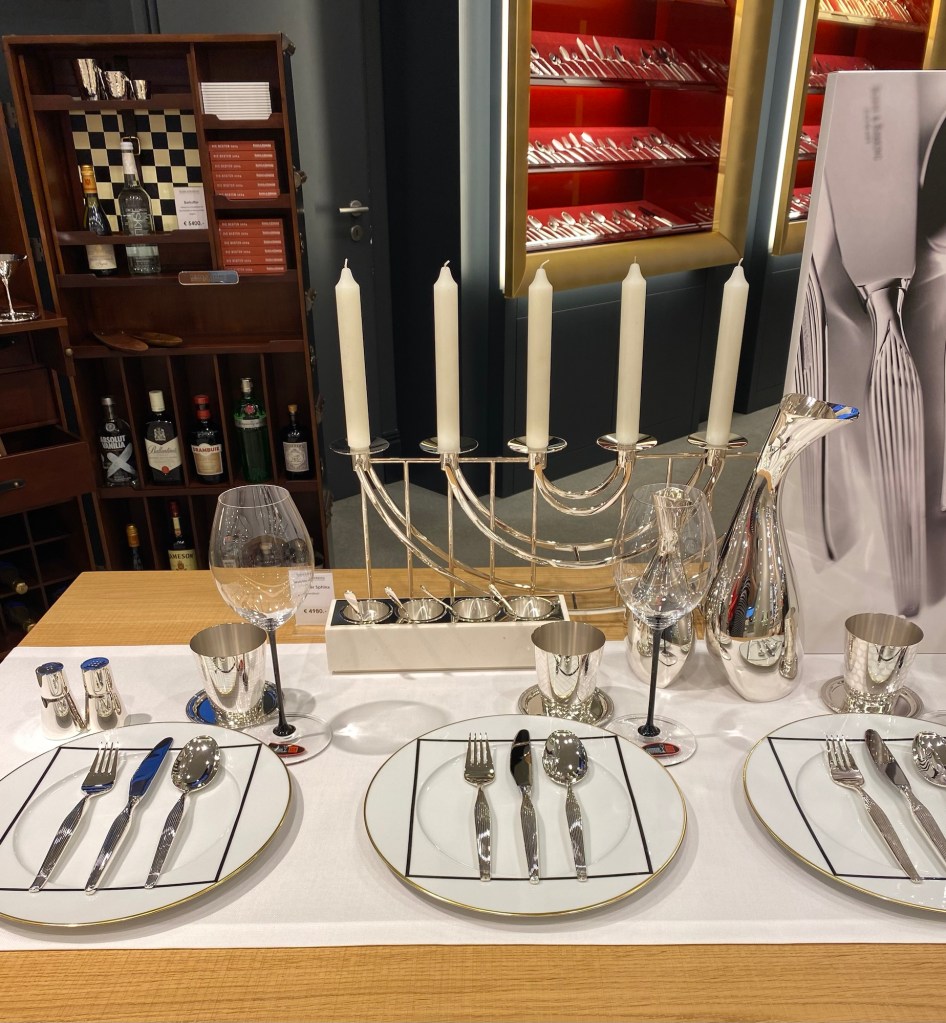
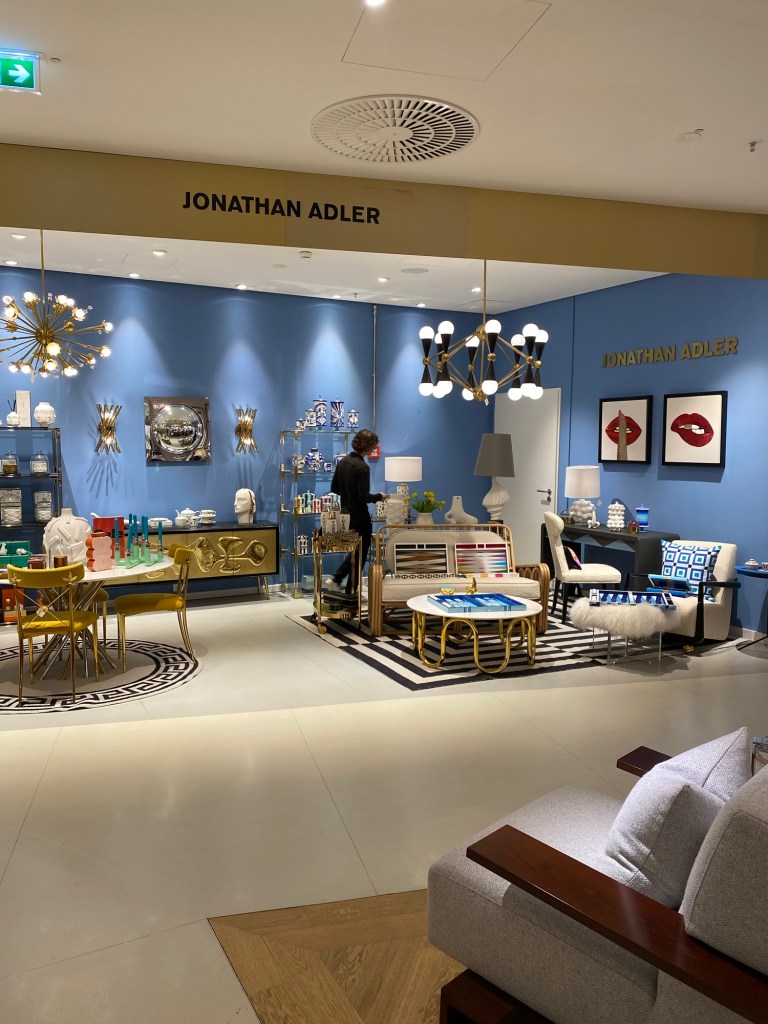
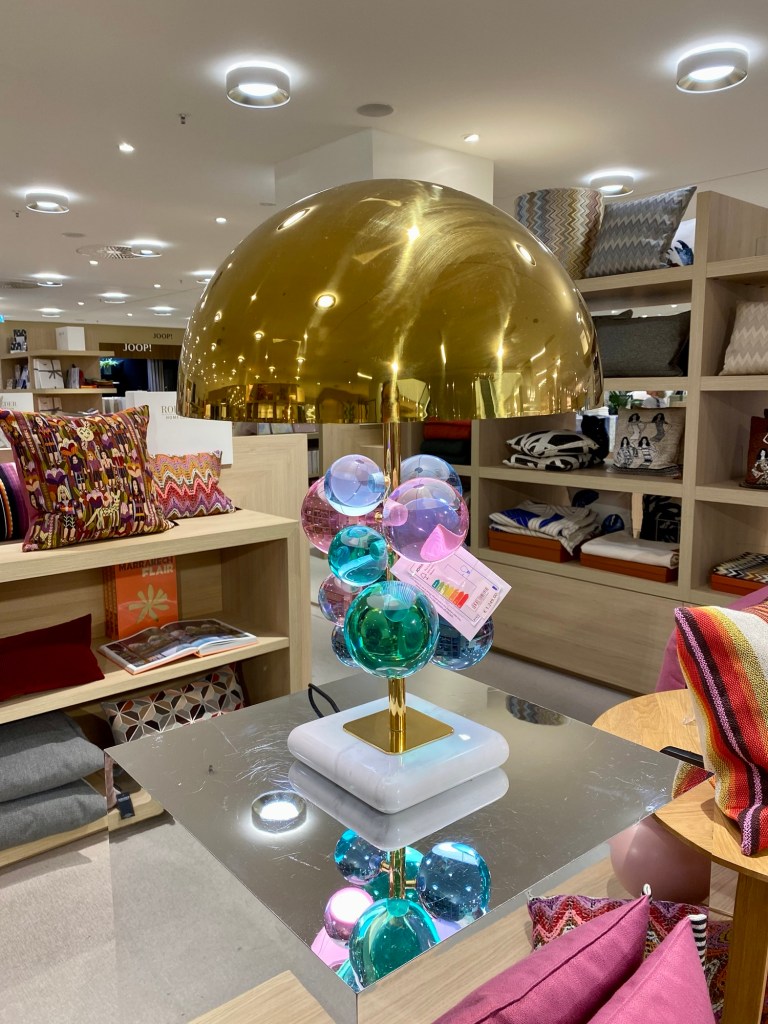
Today I had the opportunity to visit a department store in Berlin that is as storied as it is famous.
The Kaufhaus des Westens (German for ‘Department Store of the West’), abbreviated to KaDeWe, is a department store in Berlin, Germany. With over 60,000 square meters of retail space and more than 380,000 articles available, it is the second-largest department store in Europe after Harrods in London. It attracts 40,000 to 50,000 visitors every day.
The store is located on Tauentzienstraße, a major shopping street, between Wittenbergplatz and Breitscheidplatz, near the heart of former West Berlin. It is technically in the extreme northwest of the south Berlin neighborhood of Schöneberg.
Empire and Weimar Republic: the Jandorf Era
The businessman Adolf Jandorf had opened six stores for basic needs with his company A. Jandorf & Co. in Berlin by 1905. Like the competitor stores Wertheim Leipziger Strasse (1894) and the Warenhaus Tietz (1900), also on Leipziger Strasse, Jandorf wanted to cater for the high consumer desires of the Wilhelminism elite. Jandorf’s seventh branch was supposed to “satisfy the spoiled demands of the top ten thousand, the top one thousand, the very top five hundred,” as the weekly cultural magazine Der Roland von Berlin (Zeitschrift) [de] wrote. Jandorf began planning the new store in 1905 under the name Kaufhaus des Westens (KaDeWe). It was planned that the term Kaufhaus (department store) should set itself apart from the usual store and wholesaling warehouse. The abbreviation KaDeWe was used from the start and, according to a commemorative publication from 1932, was based on the abbreviation of company names that had become common in the US at the time.
The department store was built to designs by the architect Emil Schaudt [de]. It opened on 27 March 1907. In June 1927, ownership changed to Hermann Tietz OHG, which was responsible for modernizing and expanding the store. The company wanted to add two new floors, but because of the Nazi rise to power in the 1930s these plans came to a sudden halt.
Nazi era Hermann Tietz OHG was a Jewish-owned partnership and because of the Nazis’ anti-Jewish laws the company was aryanized—that is, transferred to non-Jewish owners—and its name changed to Hertie.
During World War II, Allied bombing ruined most of the store, with one shot-down American bomber actually crashing into it in 1943. Most of the store was gutted, which caused its closure.
Postwar The reopening of the first two floors was celebrated in 1950. Full reconstruction of all seven floors was finished by 1956. “KaDeWe” soon became a symbol of the regained economic power of West Germany during the Wirtschaftswunder economic boom, as well as emblematic of the material prosperity of West Berlin versus that of the East.
Between 1976 and 1978, the store’s floor space was expanded from 24,000 sq m to 44,000 sq m. Just after the fall of the Berlin Wall in 1989, KaDeWe recorded a record-breaking number of people going through the store. By 1996, with a further floor and restaurant added, the sales area had expanded to 60,000 sq m.
In 1994, the KarstadtQuelle AG corporation acquired Hertie and with it, KaDeWe. Most of the floors were renovated between 2004 and 2007 in preparation for the store’s one hundredth anniversary.
In January 2014, a majority stake in Karstadt Premium GmbH was acquired by the Signa Holding GmbH. In 2015, it was acquired by the Bangkok-based Central Group.
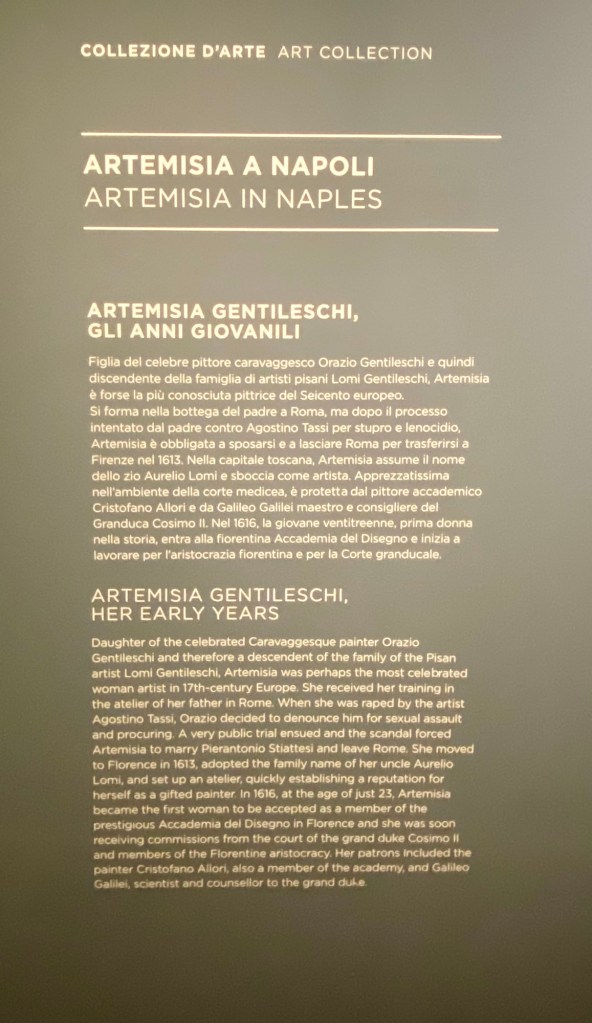
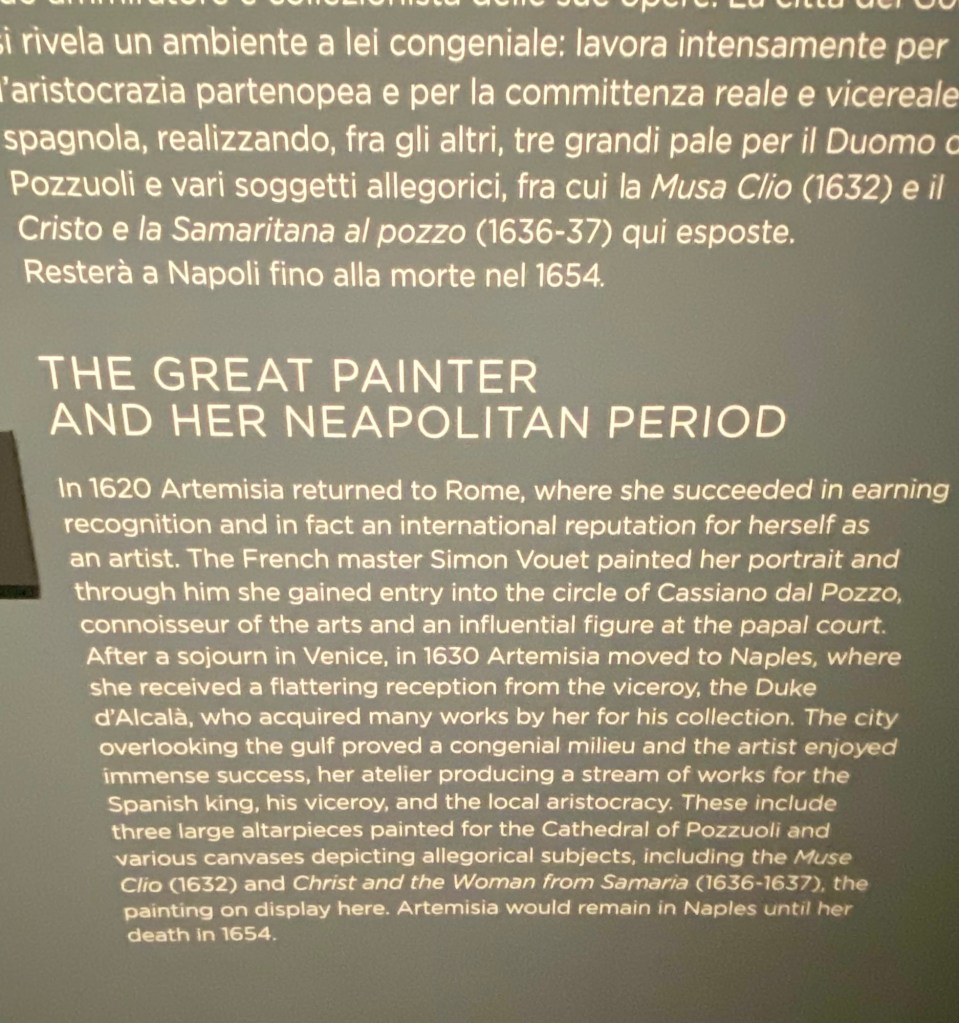
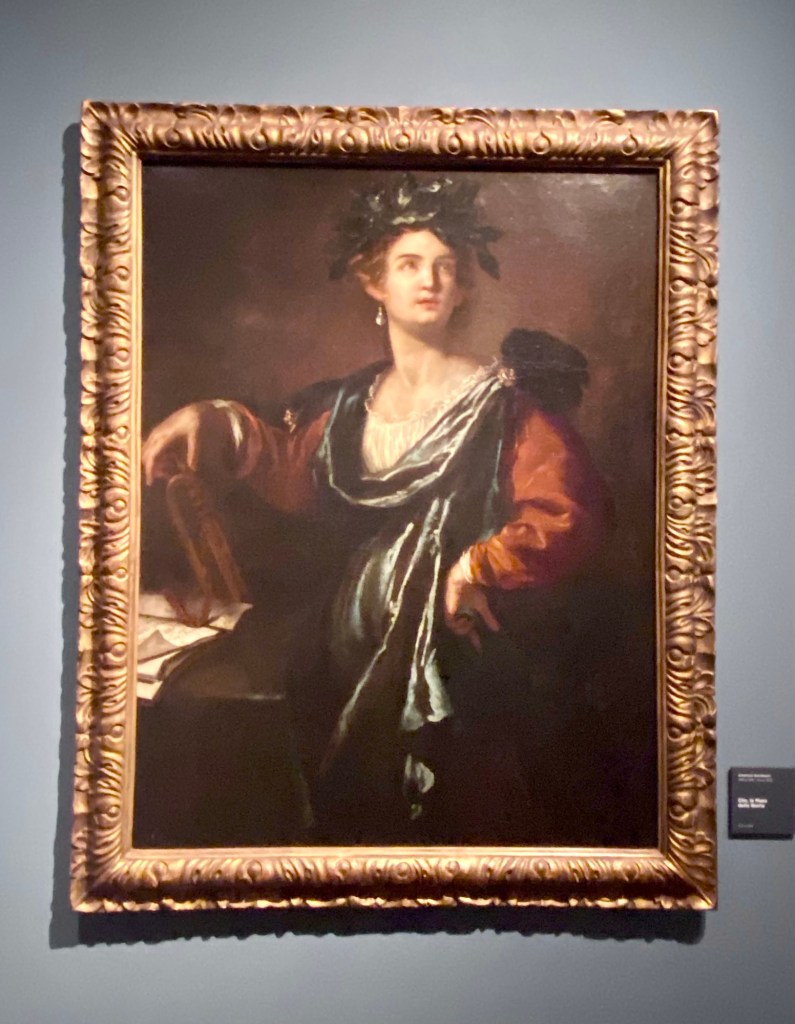
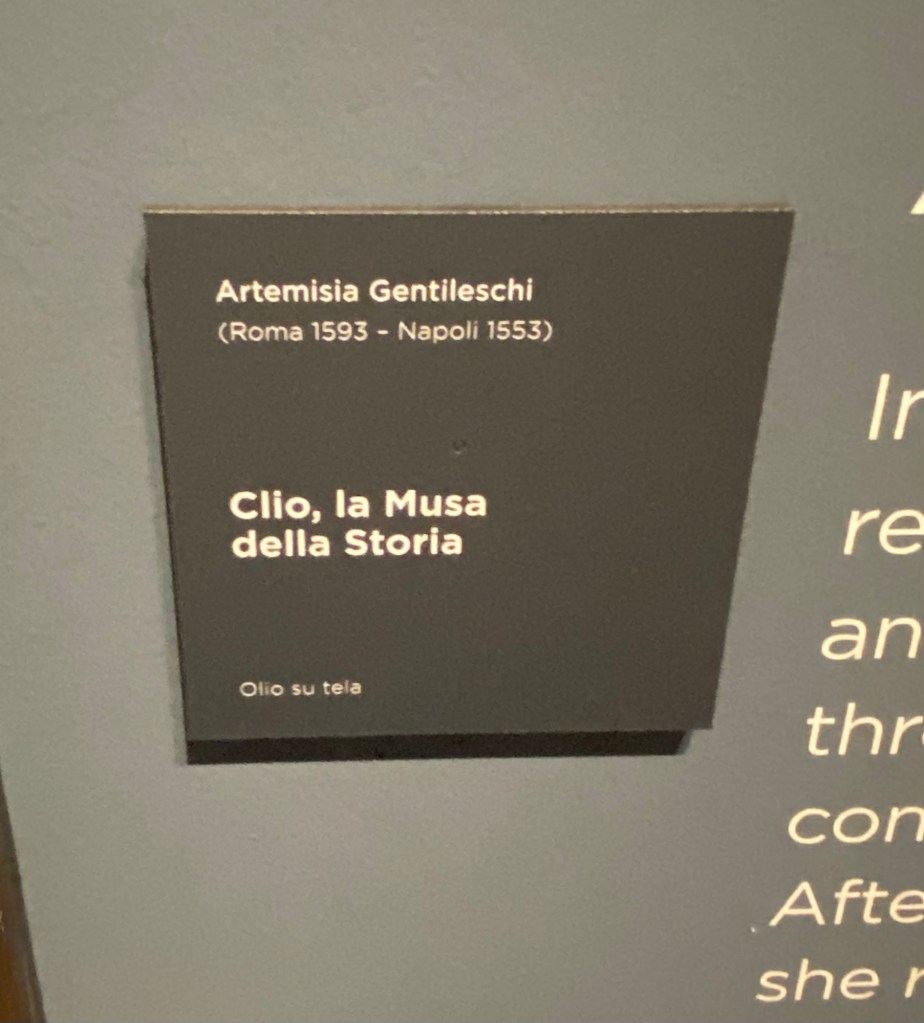
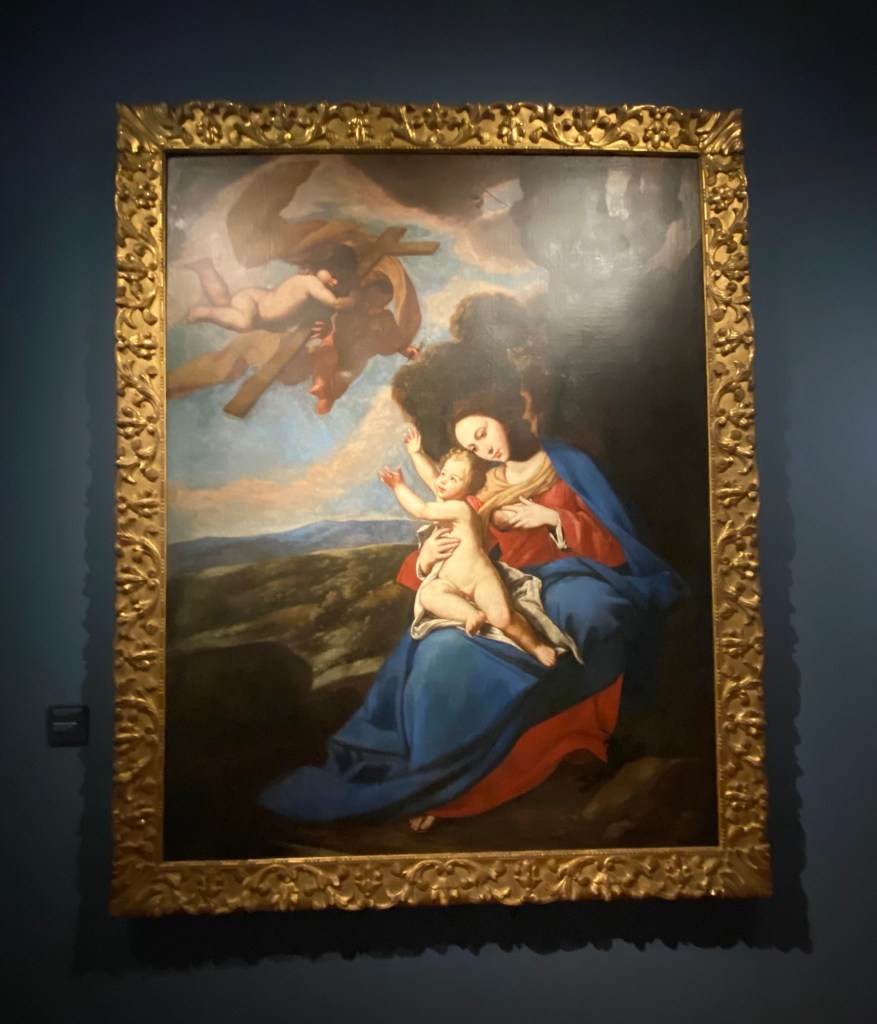
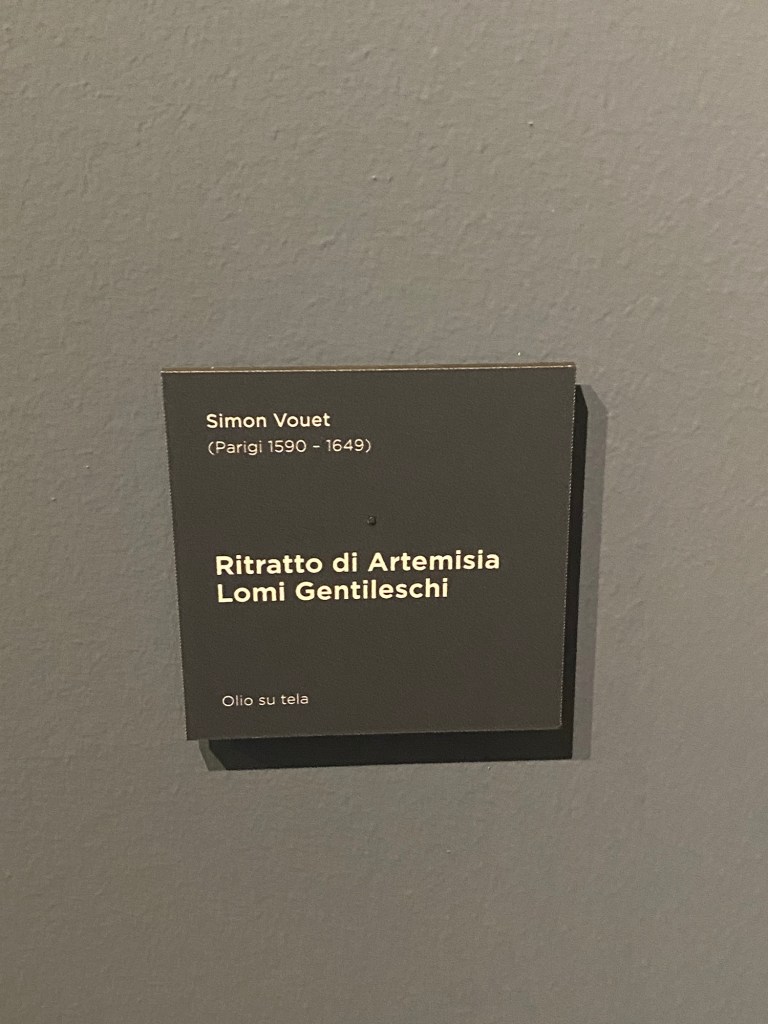
Palazzo Blu held many wonders for me when I was lucky enough to spend a couple of days in Pisa recently. Not least of which was this small collection of paintings by Artemisia G.
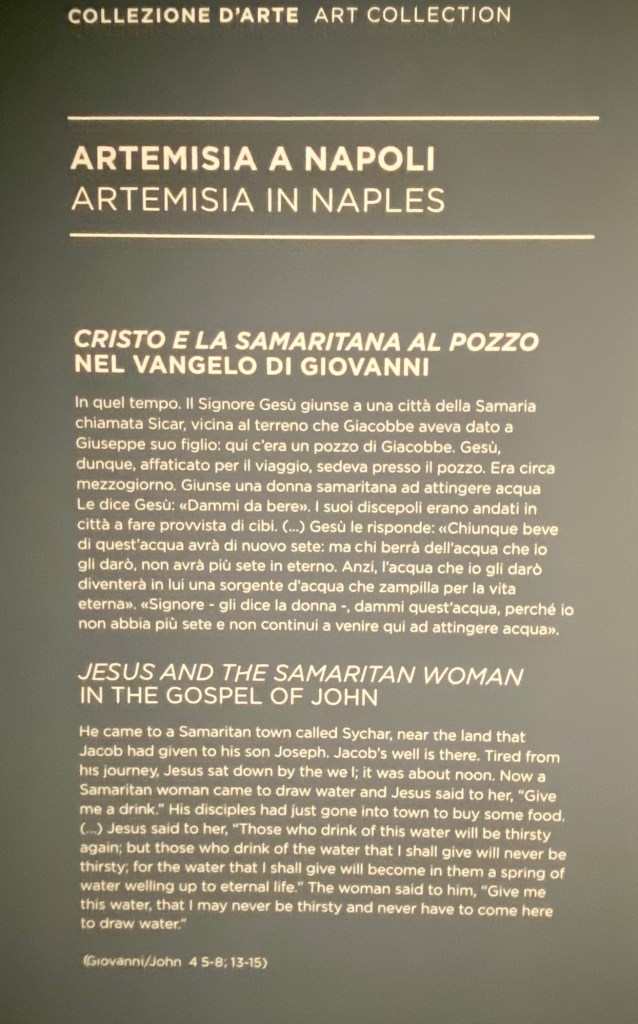
It is so rare in Italy to find educational material printed next to works of art, especially in English, that I wanted to include it here as a shout out to Palazzo Blu! Bravo!
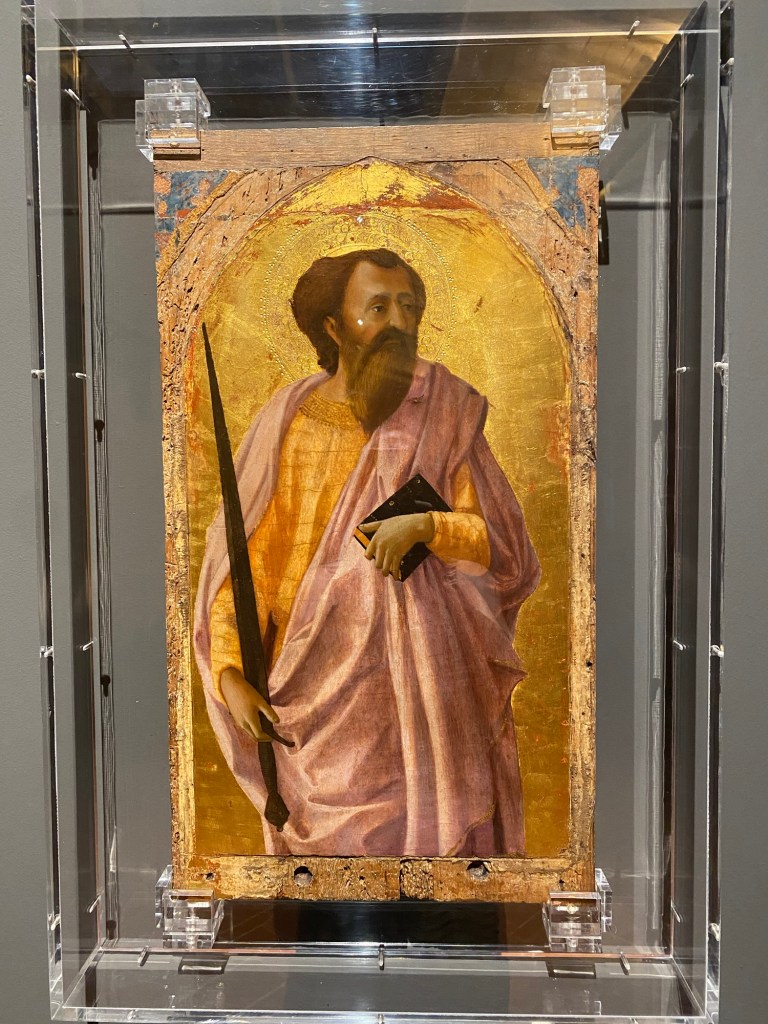
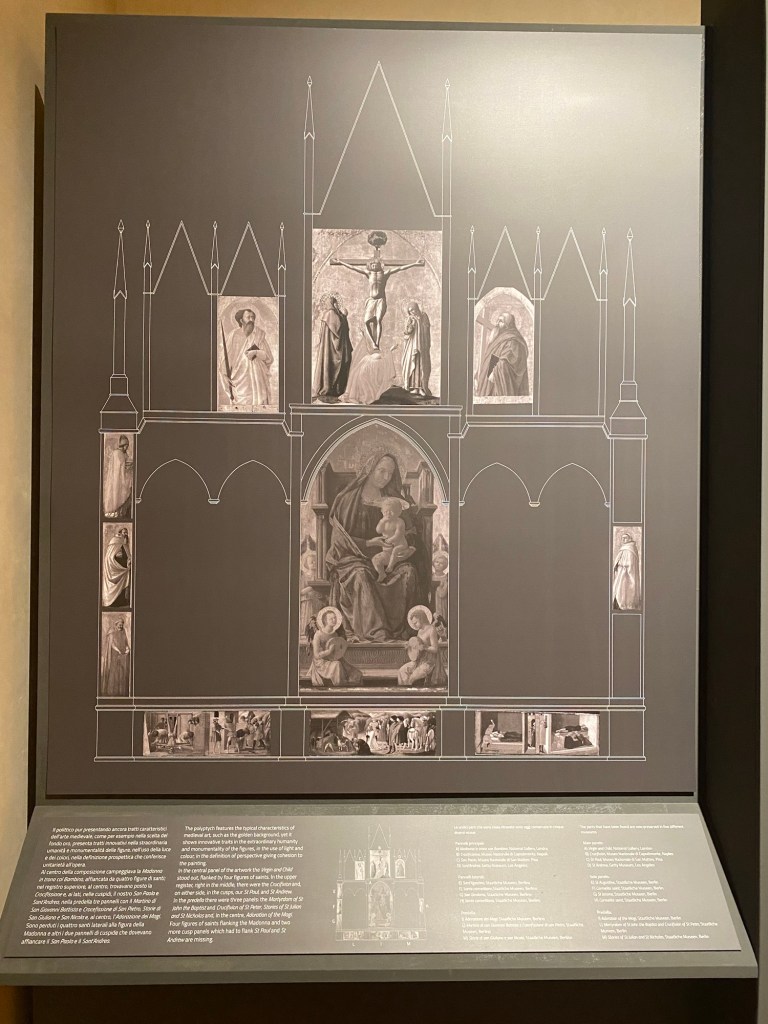
Following my post yesterday on finding Donatello and Masaccio in Pisa, I was also delighted to encounter a very fine panel by Masaccio at the Museo Nationale di San Matteo in that city.
What makes the experience of viewing the Masaccio painting even richer is the didactic labels that accompany the work, showing its original placement within an elaborate altarpiece. The altarpiece is dismantled today and many part of it are in different cities/countries, but Pisa is proud to own this impressive work.






















































 get back, lauretta!
You must be logged in to post a comment.