Did you know? I didn’t. Madame Tussaud edition.

I’m talking about the history of Madame Tussauds museums. I assumed it was French. That was about all I knew. If you’d have asked me, I’d have guessed it was probably started sometime in the early to mid 20th century.

But, I saw this interesting video linked at the bottom of this post and to my surprise I learned that the actual Madame Tussaud was born in the 18th century and was imprisoned during the French Revolution! Who knew? She immigrated to England and took her collection of life-size, life-like wax figures with her.

So, I looked her up and here’s what I now know:

Marie Tussaud was born as Marie Grosholtz in 1761. Her mother had worked for Philippe Curtius, a physician with a skill in wax modeling., in Switzerland. When the doctor moved to Paris, Marie and her mother followed. In time, the doctor taught Marie how to model a wax figure and she
created her first wax sculpture, of Voltaire, in 1777. At 17, according to her memoirs, she became art tutor to Madame Elizabeth, the sister of King Louis XVI. During the French Revolution, she was imprisoned for three months, but was subsequently released. During and after the Revolution, she made models of many prominent victims.


Marie inherited Curtius’ vast collection of wax models following his death in 1794. For the next 33 years, she travelled around Europe with a touring exhibit from the collection. She married Francois Tussaud in 1795 and renamed her show as Madame Tussaud’s. In 1802 she accepted an invitation from lantern and phantasmagoria pioneer Paul Philidor to exhibit her work alongside his show at the Lyceum Theatre, London. She did not fare particularly well financially, as Philidor took half of her profits.


Unable to return to France because of the Napoleonic Wars, she travelled throughout Great Britain and Ireland exhibiting her collection. By 1835, Marie Tussaud had settled down in London on Baker Street and opened a museum. One of her museum’s main attractions was the “Chamber of Horrors.” This part of the exhibition included victims of the French Revolution and newly created figures of murderers and other criminals. Other famous people were added, including Lord Nelson, the Duke of Wellington, Henry VIII, and Queen Victoria.

And that, in a nutshell, is how the famous attraction began. A smart woman made the most of her unusual skill and, surviving the French Revolution, took her show on the road.

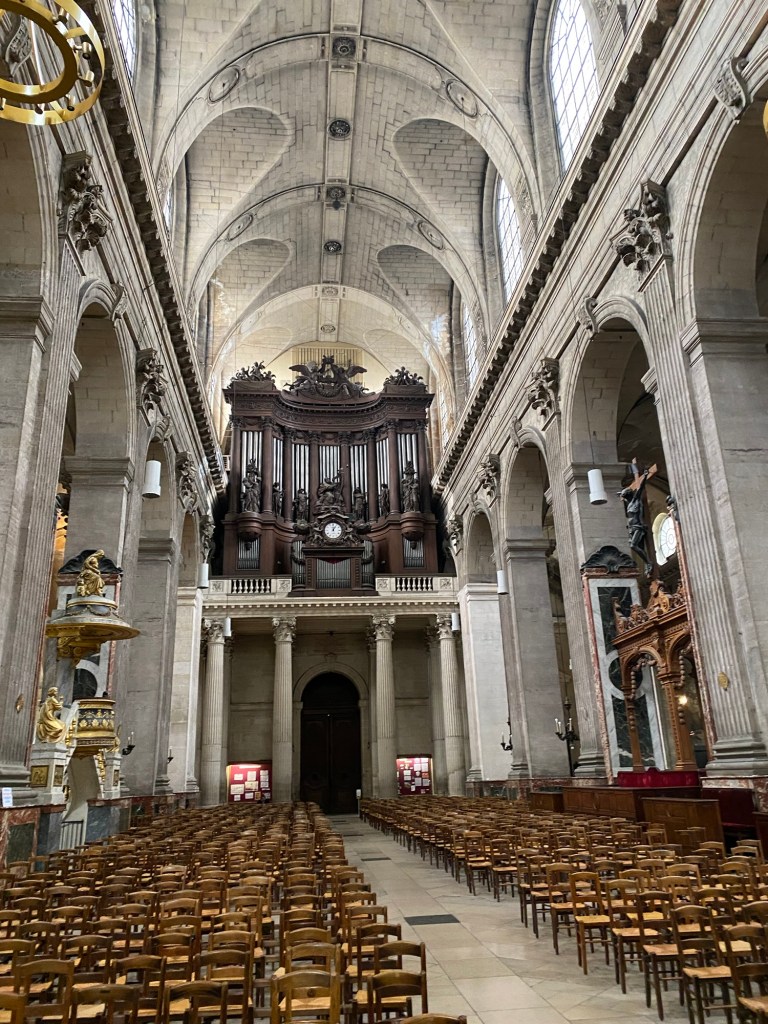
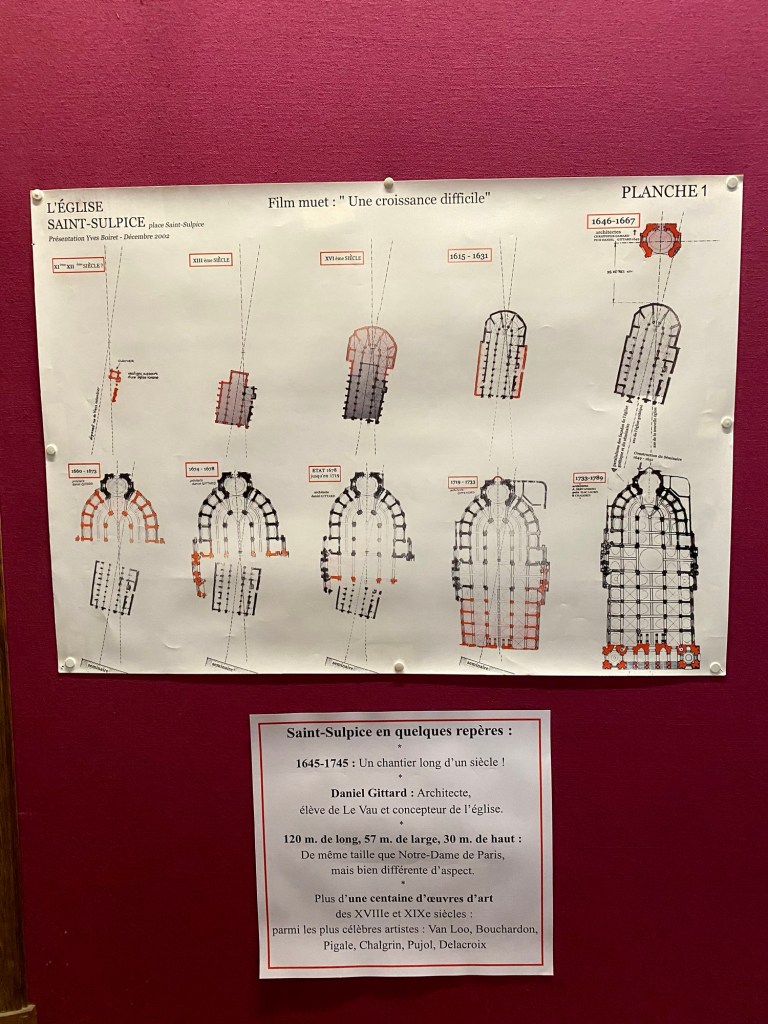
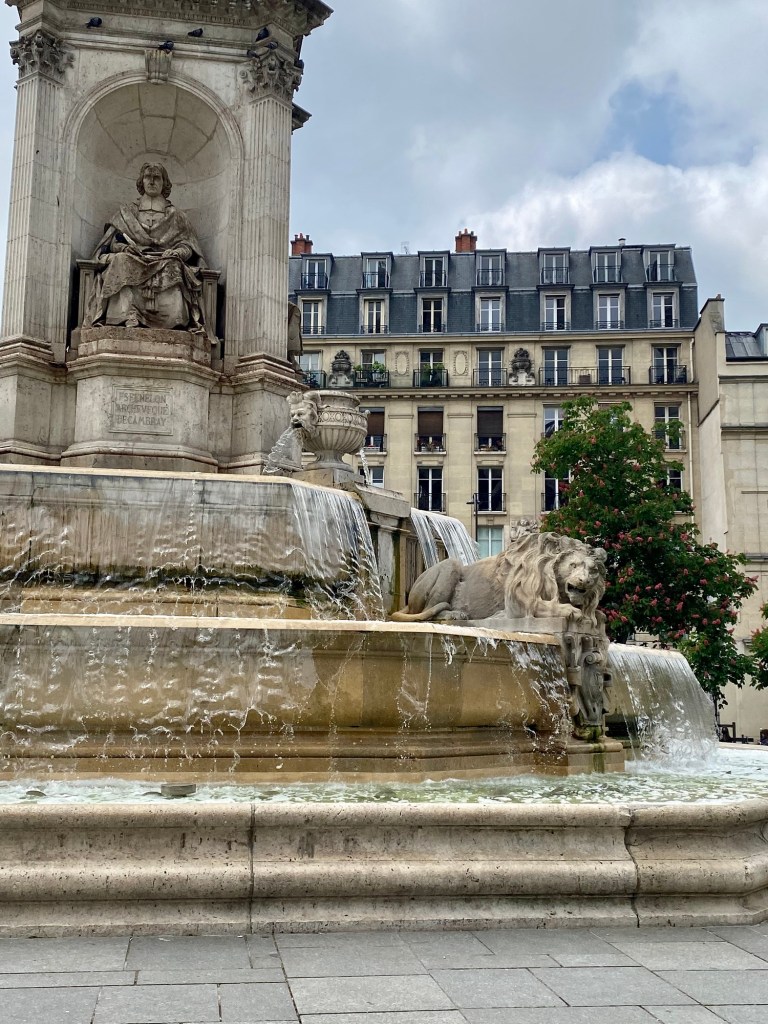
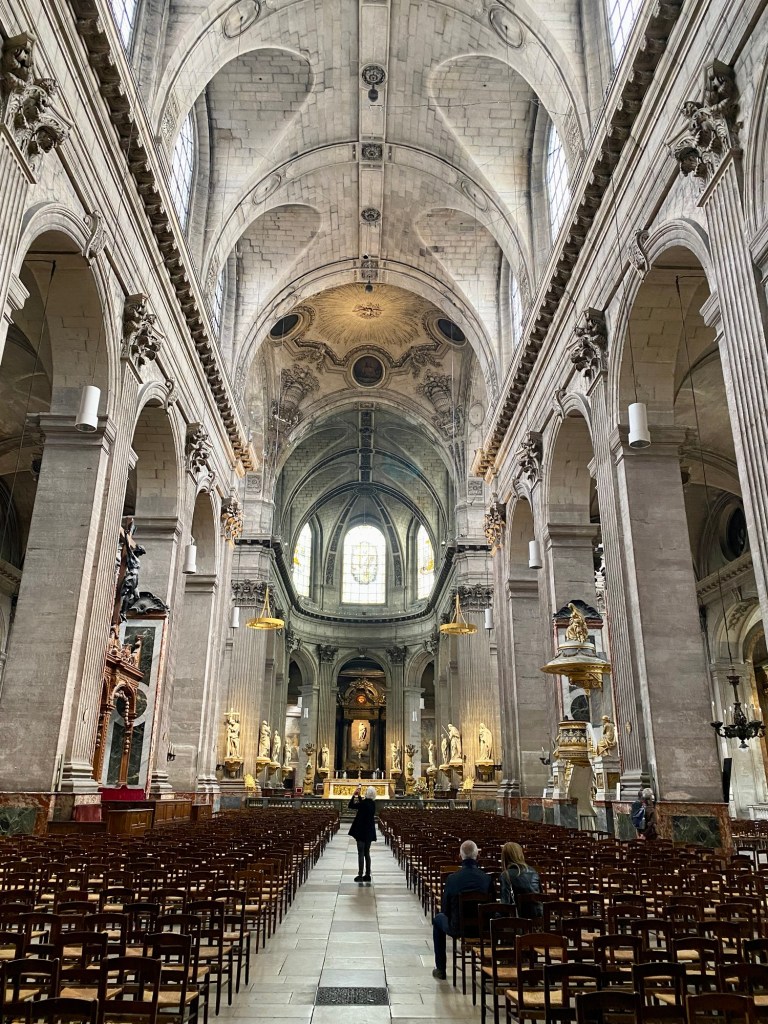
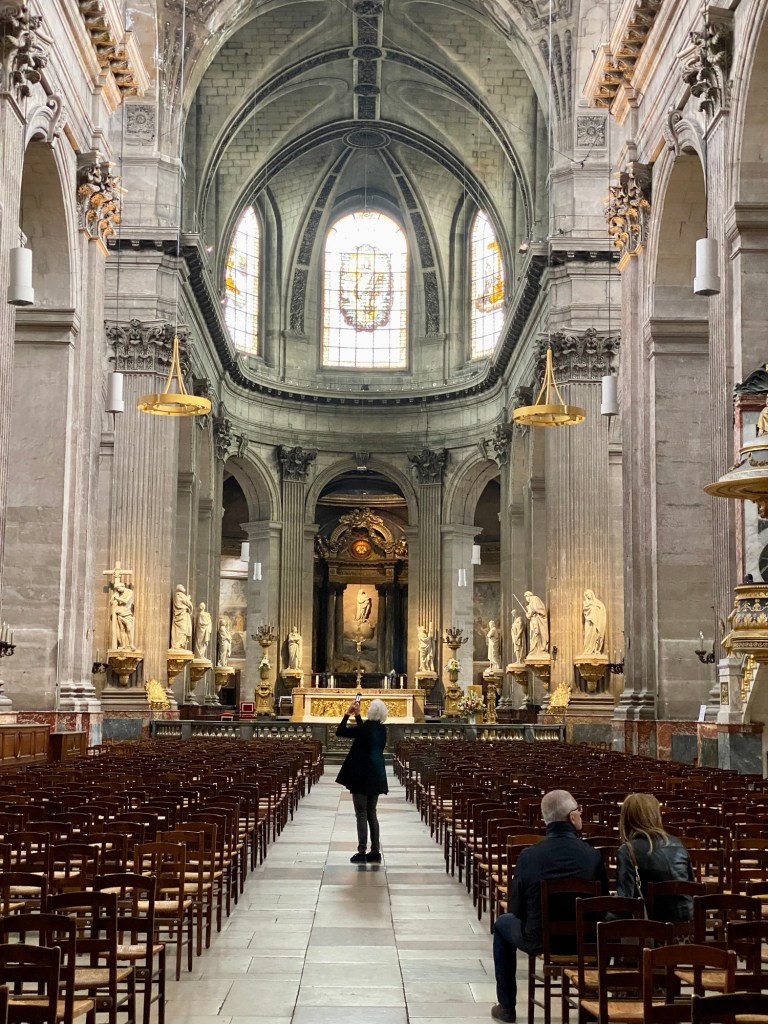
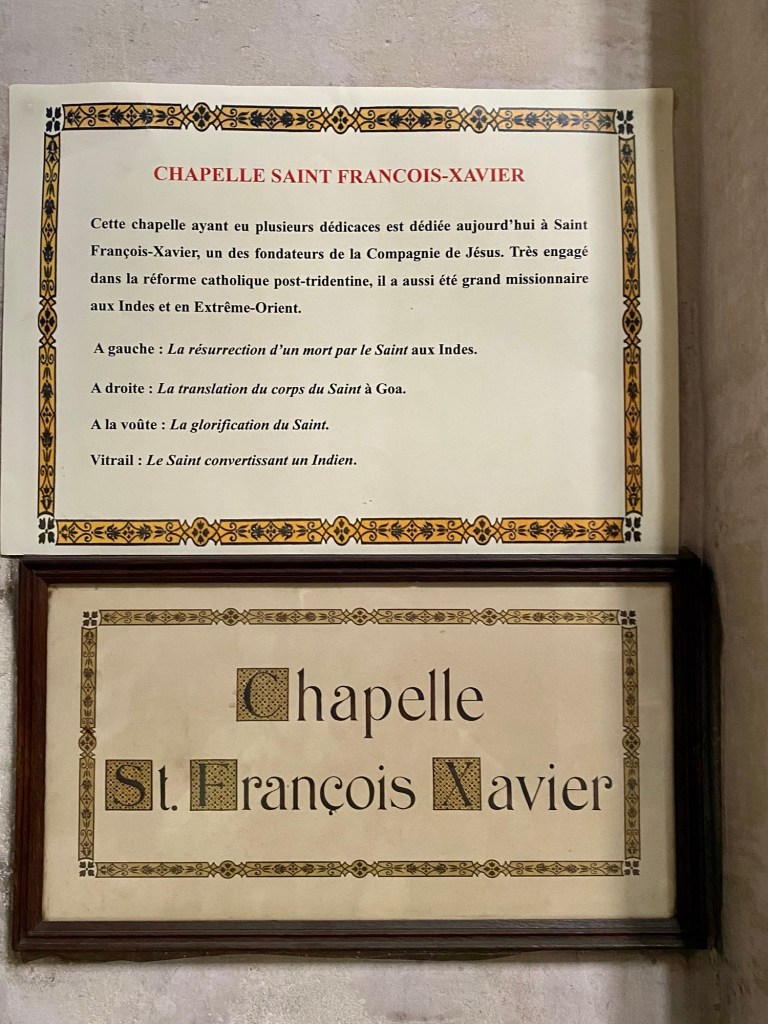
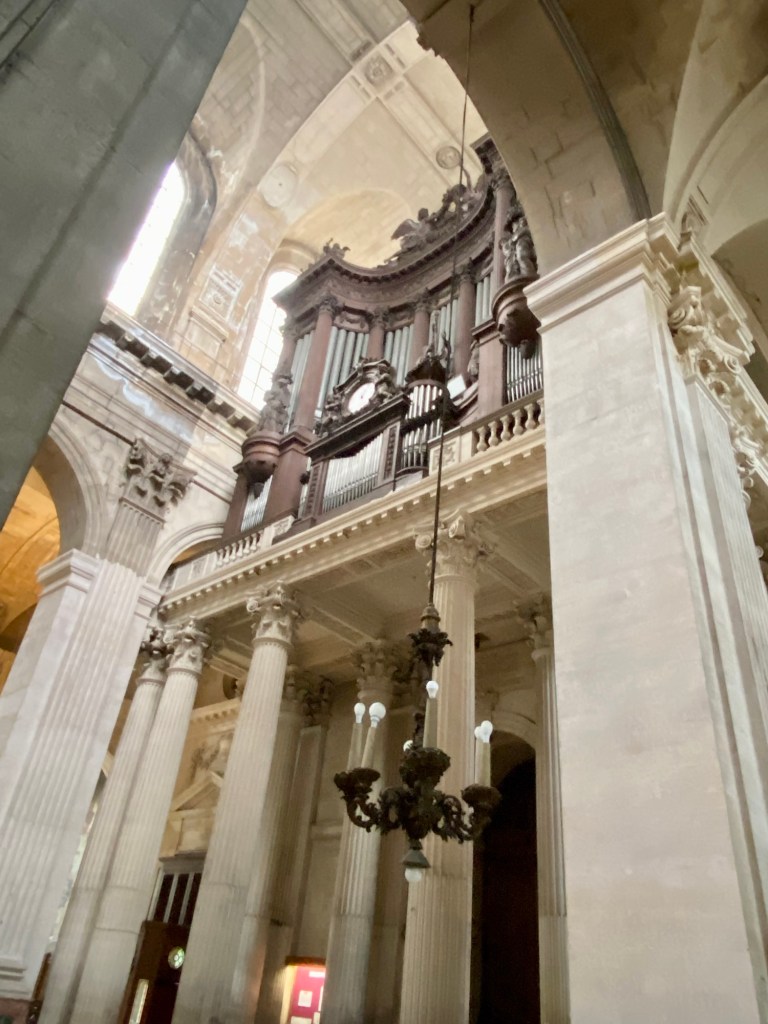
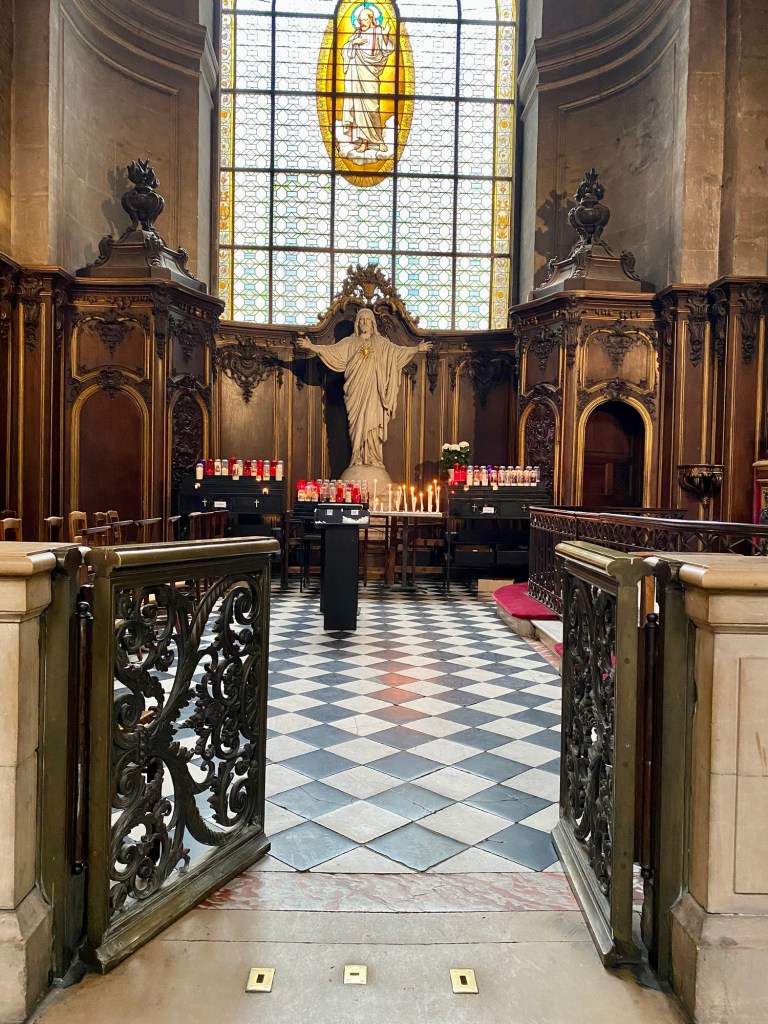
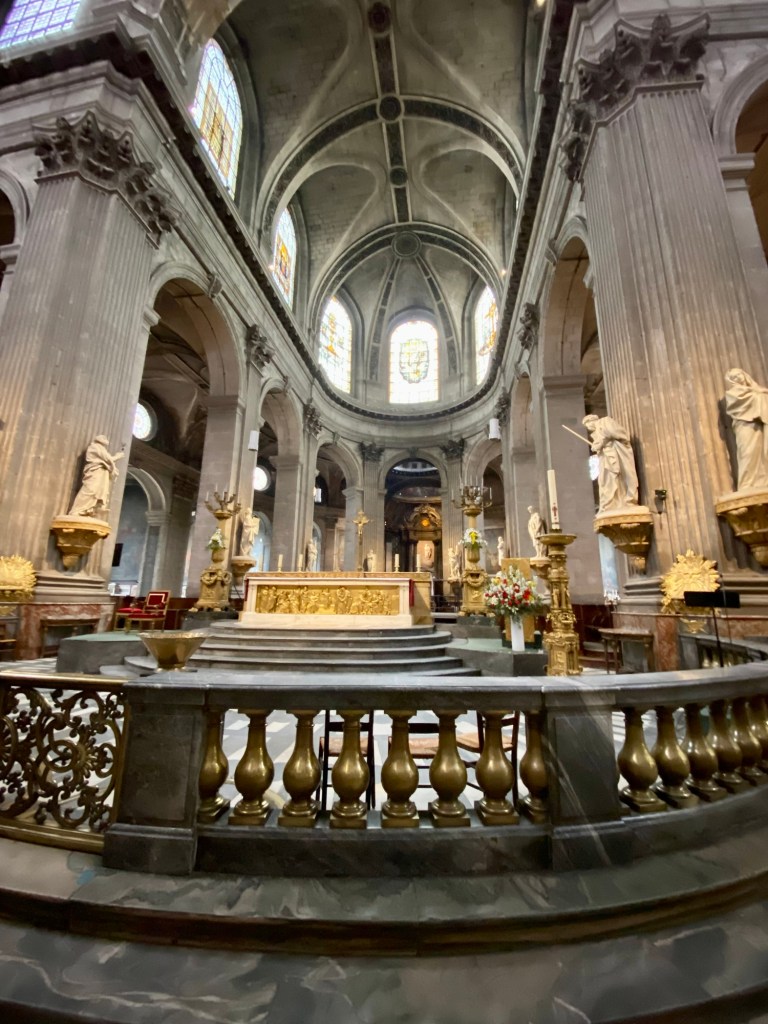
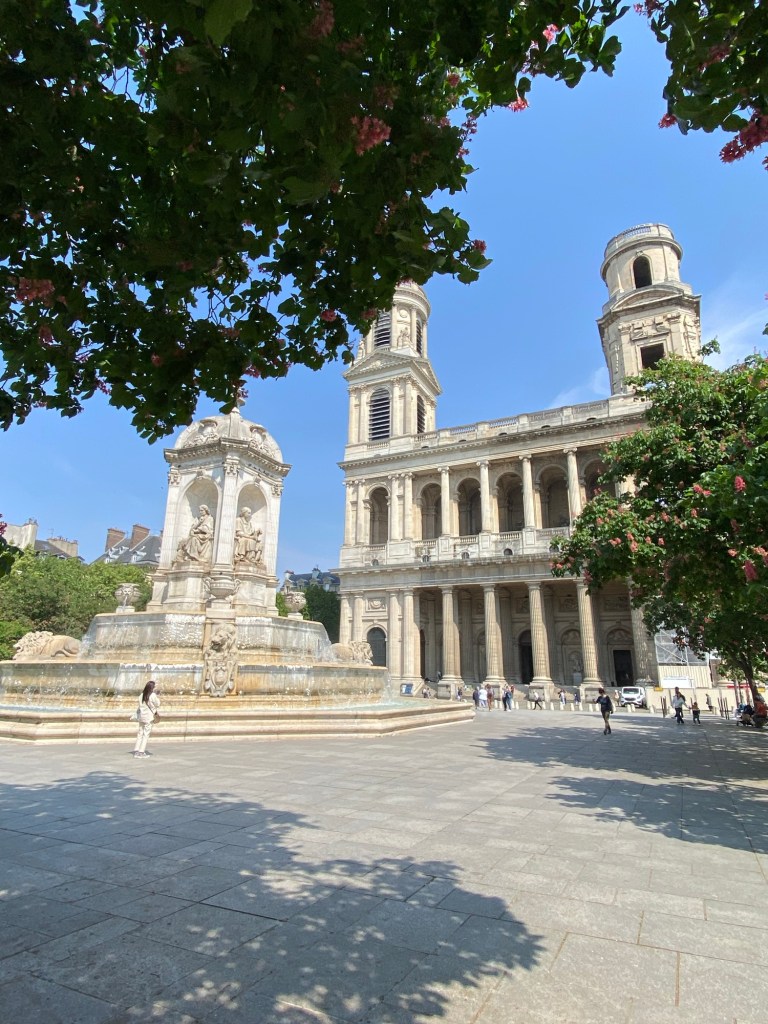
The Church of Saint-Sulpice, Paris

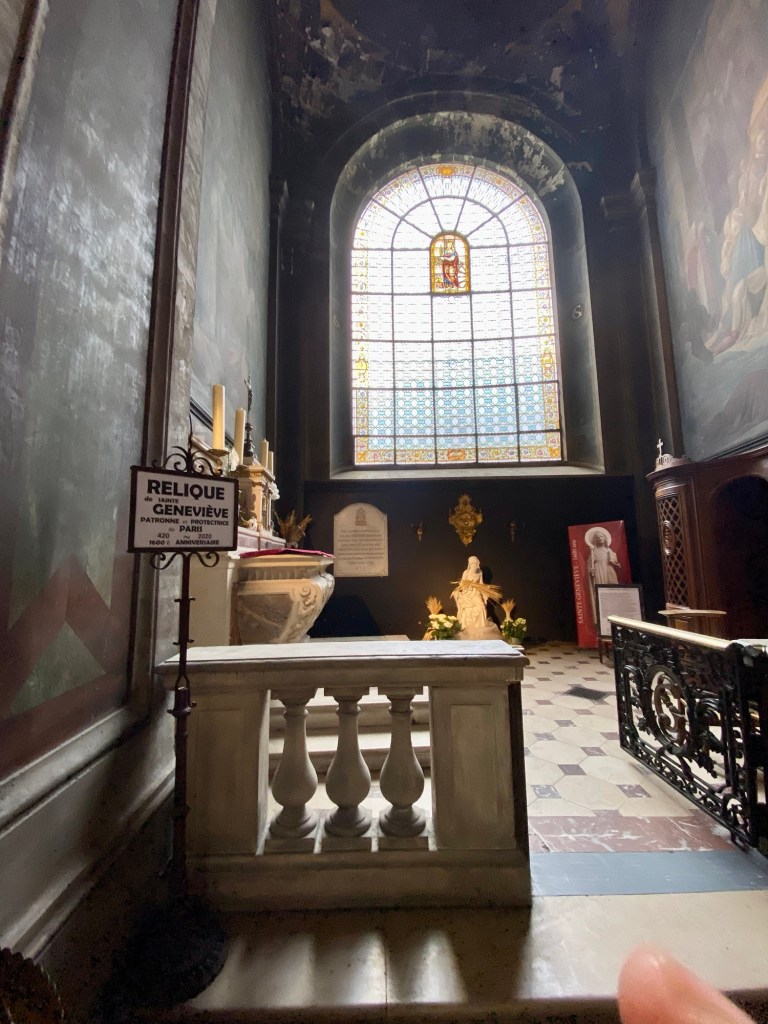
Once again, I am shocked at how long it has taken me to post this. I took the pictures nearly 2 years ago, on my last month-long stay in Paris. I can’t wait to return. This church is beautiful and the Delacroix murals had just been refurbished when I visited. Highly recommend!

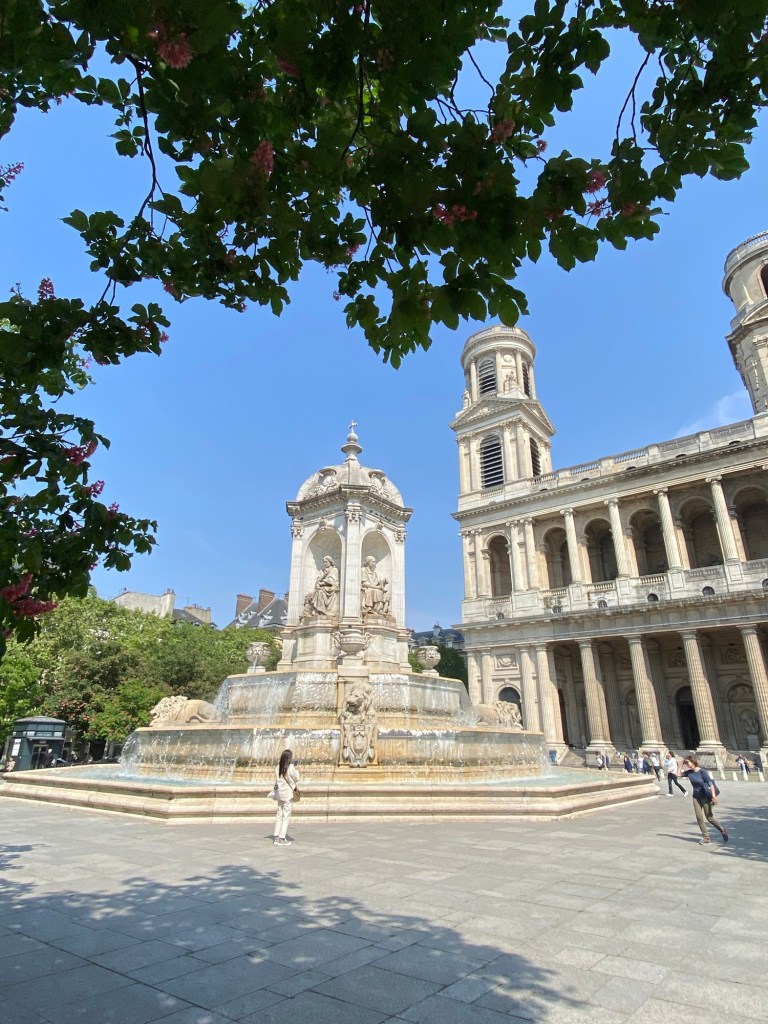
Built in the 17th century, with foundations from the 12th century, the Eglise Saint-Sulpice is one of the biggest churches in Paris. Located in the heart of the 6th arrondissement, in the Saint-Germain-des-Près district, it is definitely worth a visit. Inside, admire the nave, the Chapelle de la Vierge with a statue of Jean-Baptiste Pigalle, the sacristy and its wood-panelling in a Louis XV style, mural paintings in the Chapelle des Saints-Anges by Eugène Delacroix, and the large organ by Cavaillé-Coll. Another curiosity: the gnomon, (the part of a sundial which casts a shadow), with a strand of brass wire incrusted on it which represents the meridian line. Outside, from Place Saint-Sulpice, admire the beautiful facade with its two recognizable towers.


Gardens of the Palais-Royal

Thinking back and itching to get back to Paris.

The first garden of the Palais was planted by Cardinal Richelieu in 1629, where the Court of Honor is today. In 1633, Richelieu obtained authorisation to extend the garden northeast into the land occupied by the obsolete medieval city walls of Paris. He also received permission to sell forty-five building sites around the garden.

The new garden site was 170 meters by 400 meters, making it the third largest garden in Paris, after the Tuileries and Luxembourg Gardens. The new garden featured long alleys shaded by trees, elaborate parterres and flower beds, a fountain in the centre, and a circular water basin at the north end. The master hydraulics engineer Jean-Baptiste Le Tellier designed the fountain, which, like the Louvre Palace, took its water from the La Samaritaine pump on the Seine.

The garden was redesigned several times, notably in 1674 by Andre Le Notre, and his nephew Claude Desgots in 1730. In 1817, under Charles X of France, the main water basin was enlarged to twenty-five meters in diameter, and the longitudinal parterres were remade in 1824. In 1992 the landscape gardener Mark Rudkin created new lawns and flower beds, termed “Salons of greenery,” with seasonal flowers enclosed by grills covered with climbing plants. The garden was classified as a French historical monument in 1920, followed by the rest of the Palais-Royal in 1994.

A small cannon was installed in the middle of the bowling green at the north end of the garden in 1786. It fired a shot each day at noon, regulated by an ingenious mechanism that used a magnifying lens pointed at the sun’s noontime position to light the match which fired the gunpowder. Between 1891 and 1911, the official noontime in France was defined by the cannon shot. It was stolen in 1998, but recovered and returned to its place in 2002.

The two major alleys of the gardens are named for two of the famous 20th-century residents of the neighbouring buildings, the writers Colette and Jean Cocteau.

The Alley of Colette

Parma, Italy and a notable nose

Two years ago today I was enjoying the charms of Parma for the first time. It seems like it was yesterday. Parma impressed me and I have plans to return soon.

One of the things I learned on that trip was that the Duchess of Parma was the sister of Marie Antoinette and the daughter of Empress Maria Theresa and Emperor Francis I. She, the duchess, was born in 1746 as Maria Amalia Josepha Johanna Antonia. She married Ferdinand I, Duke of Parma and became the duchess of Parma, Piacenza and Guastalla.

In Parma I learned that the Duchess of Parma and was in love with violets and their scent. I bought several vials of violet perfume and some lovely handmade soaps in the same fragrance. What I didn’t know is that Parma has a reputation for scent science and craft!

And so I was fascinated by this article in today’s New York Times.