

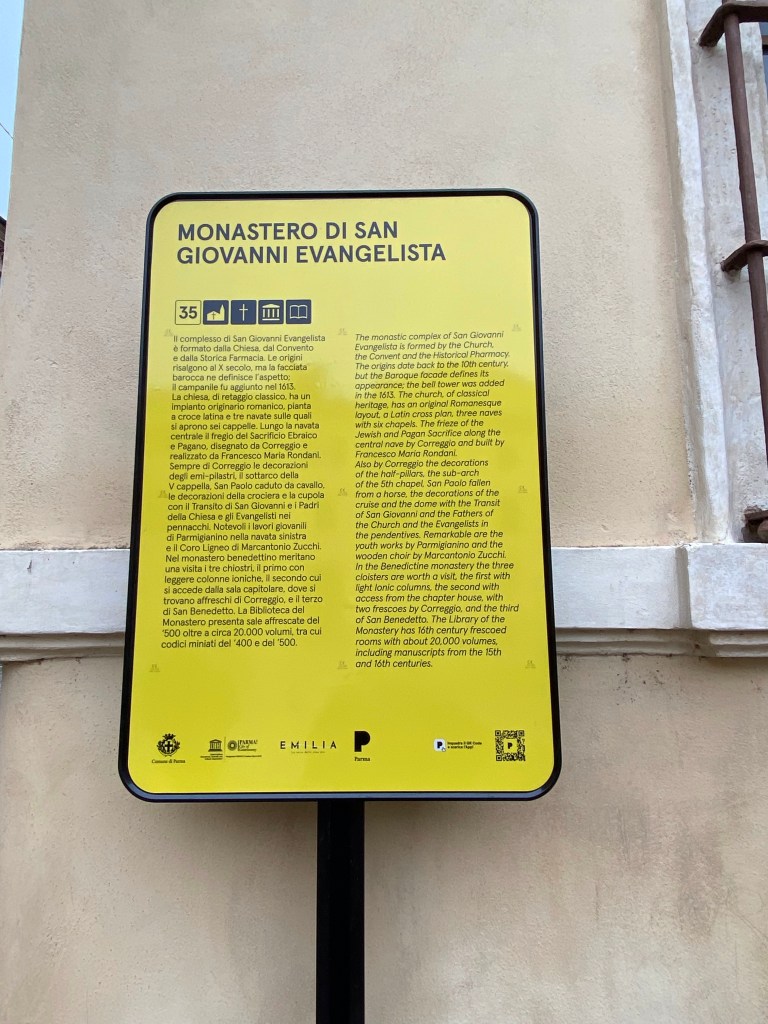


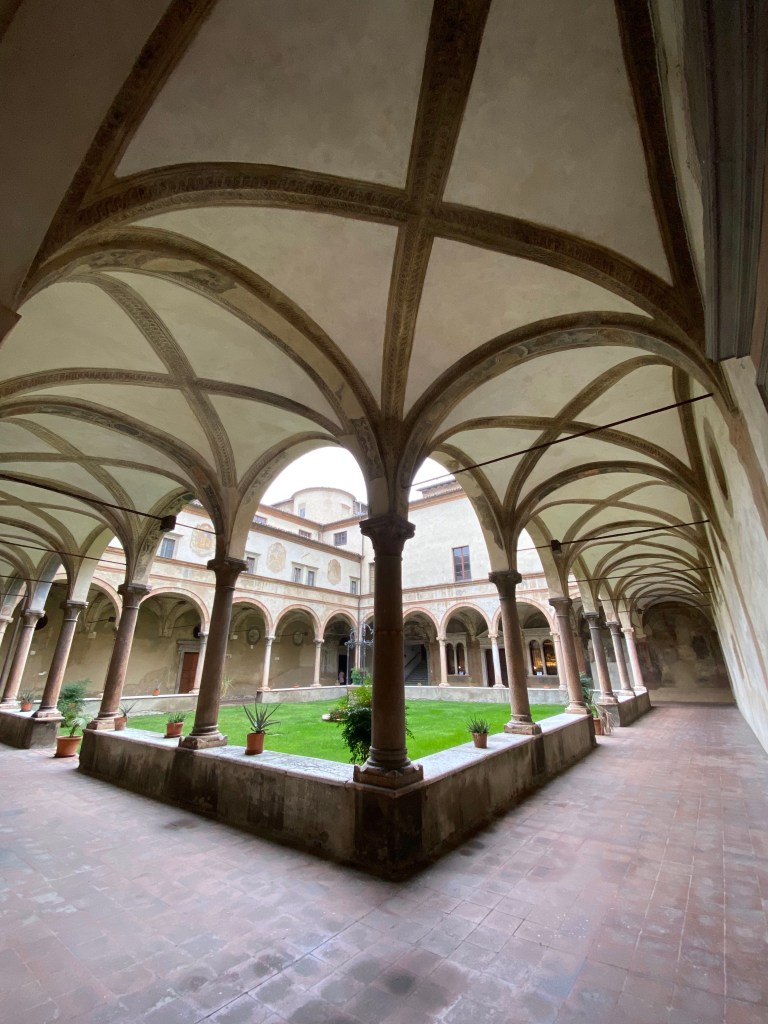
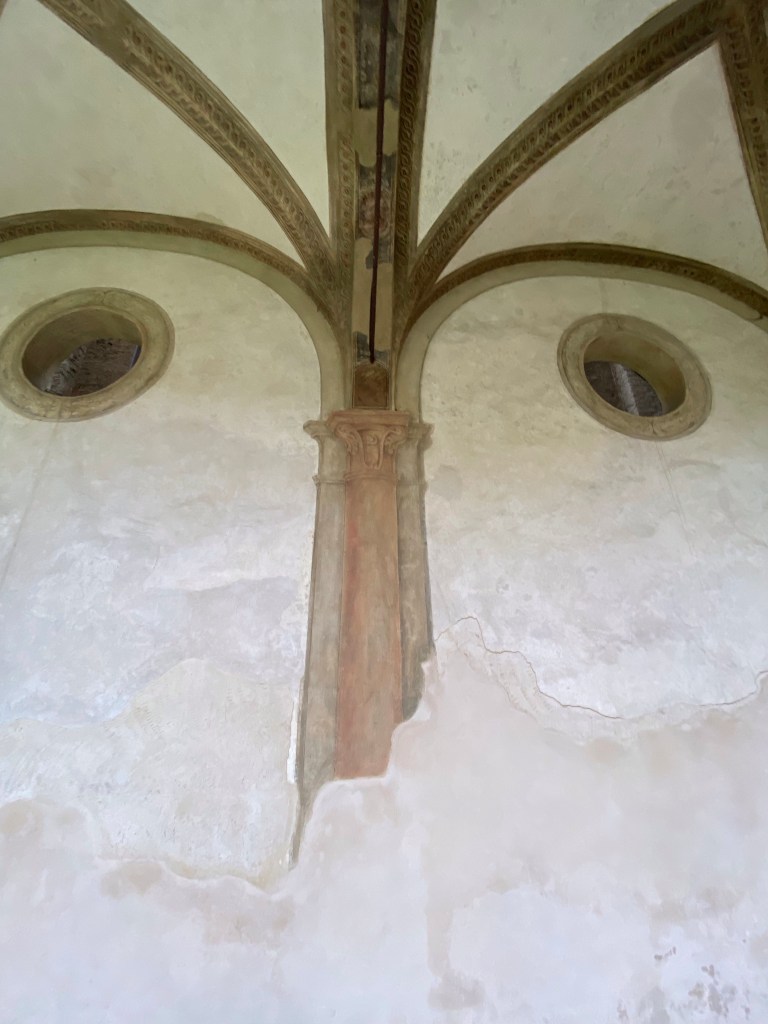

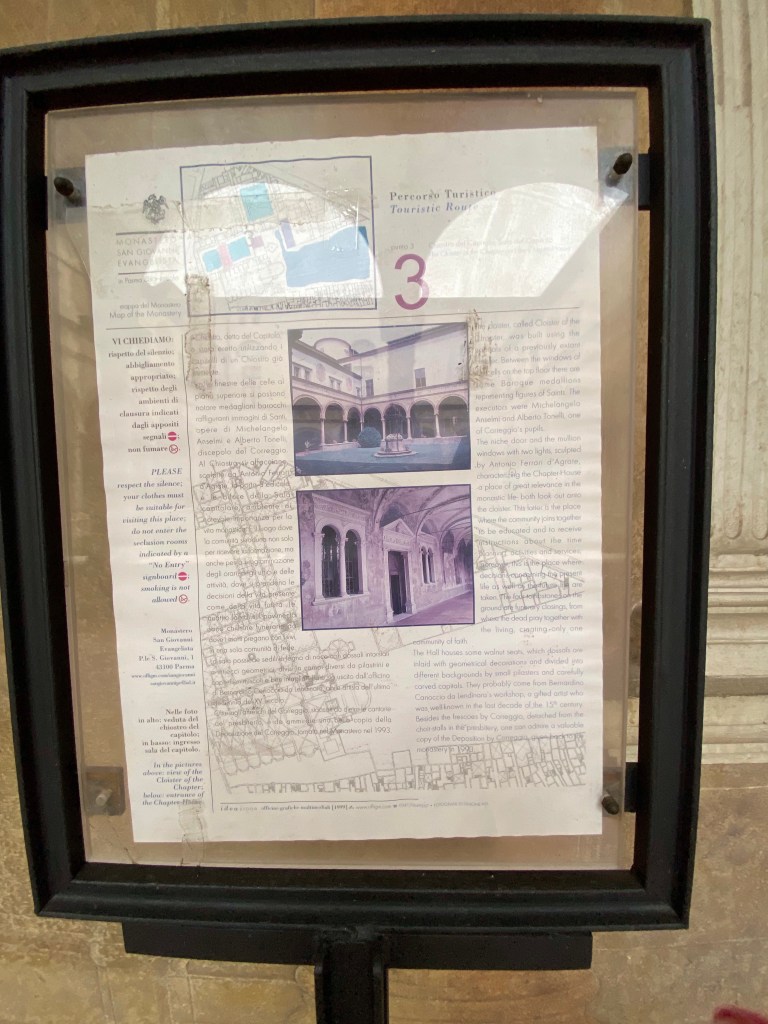

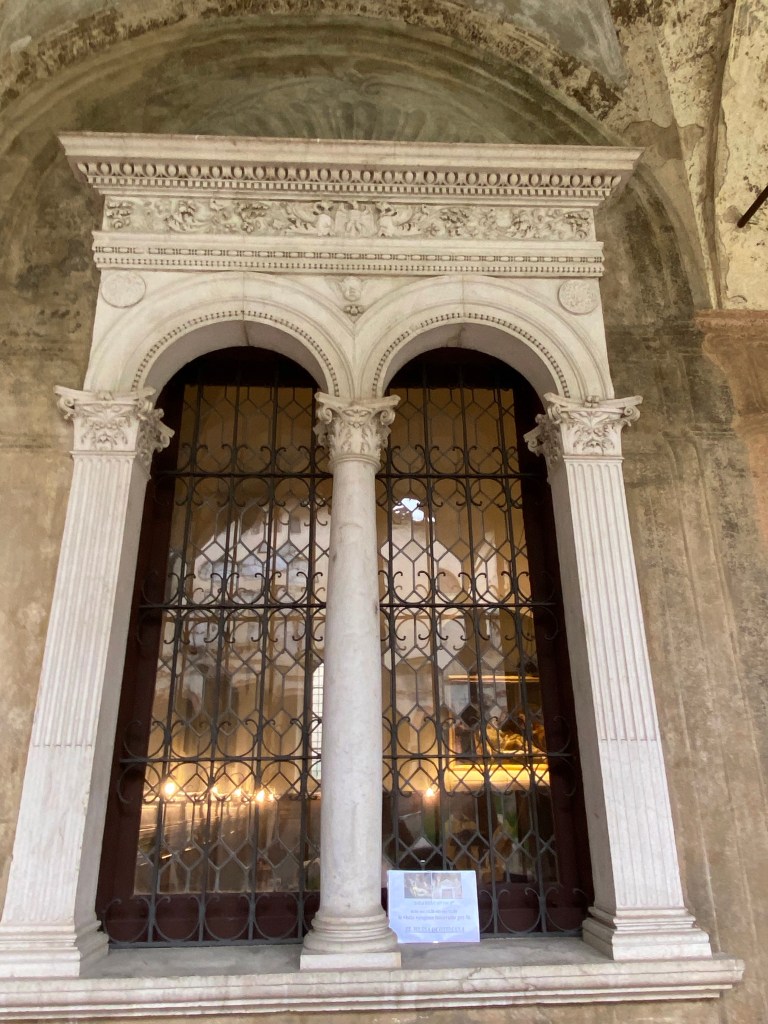
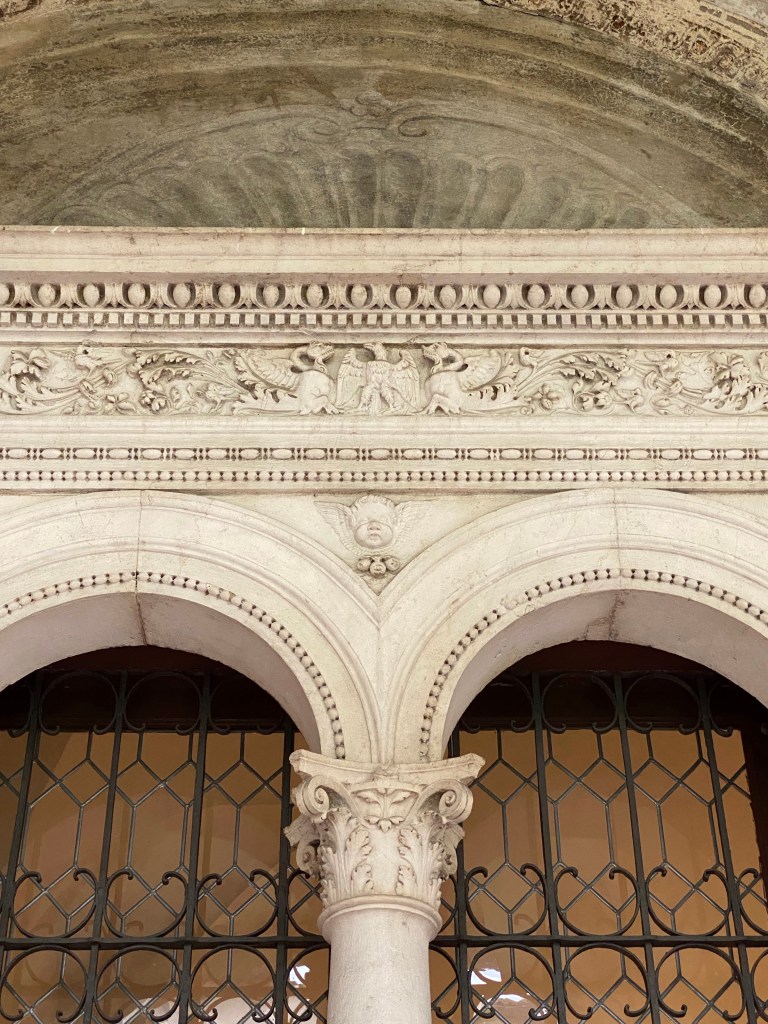
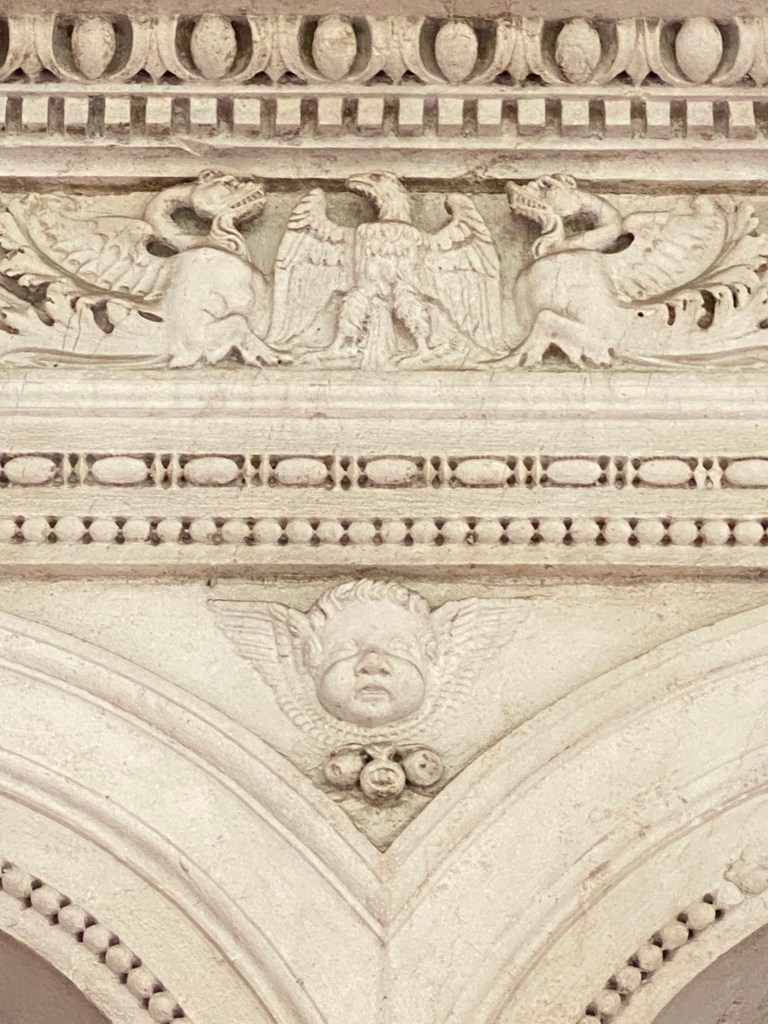
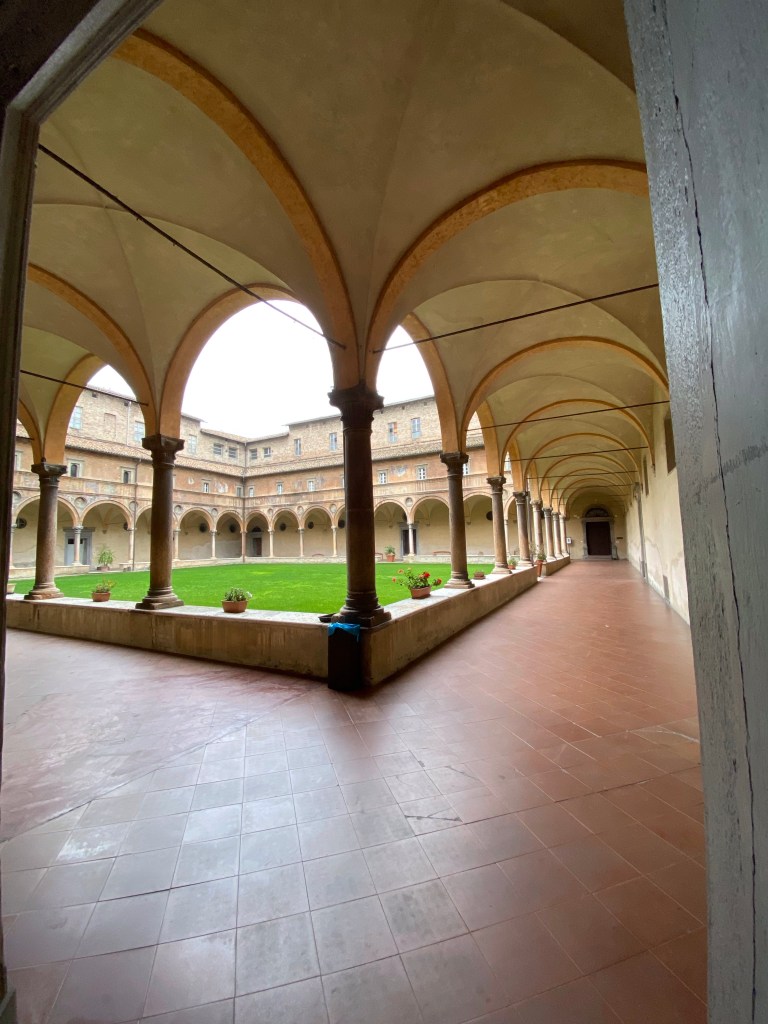
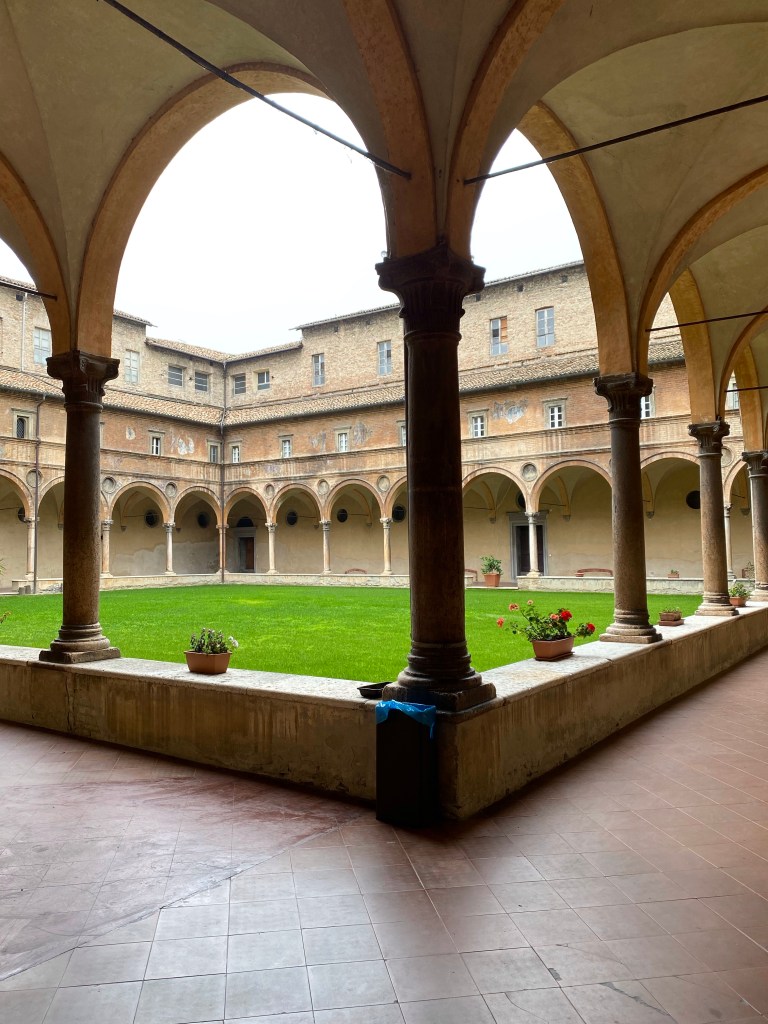




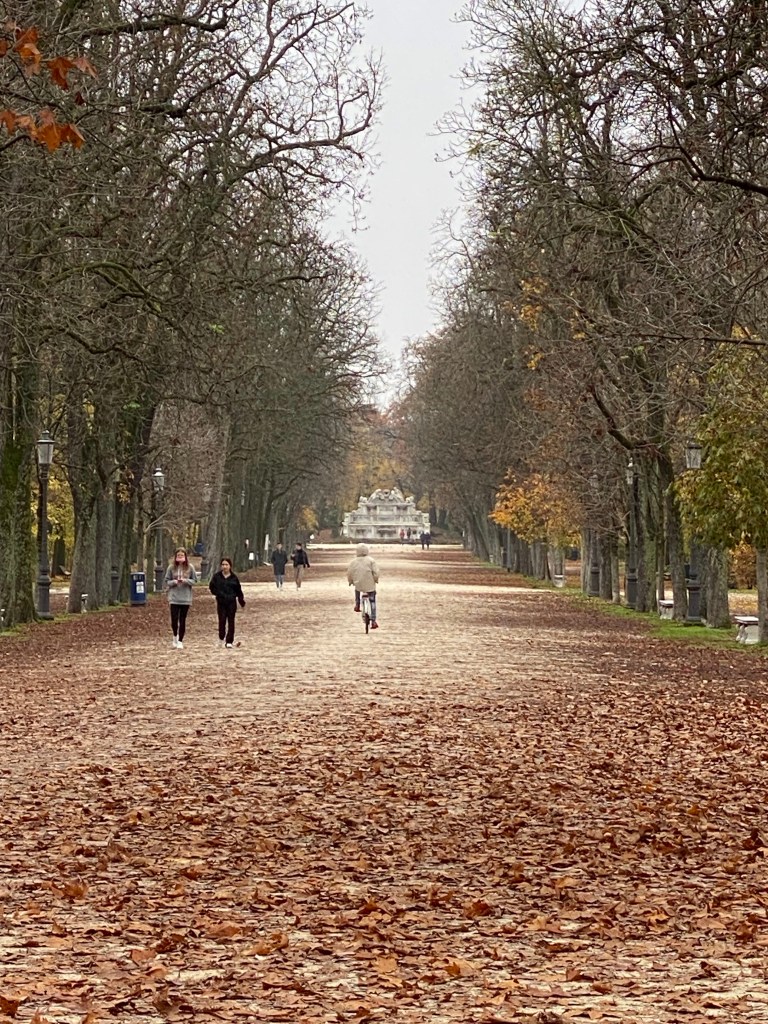
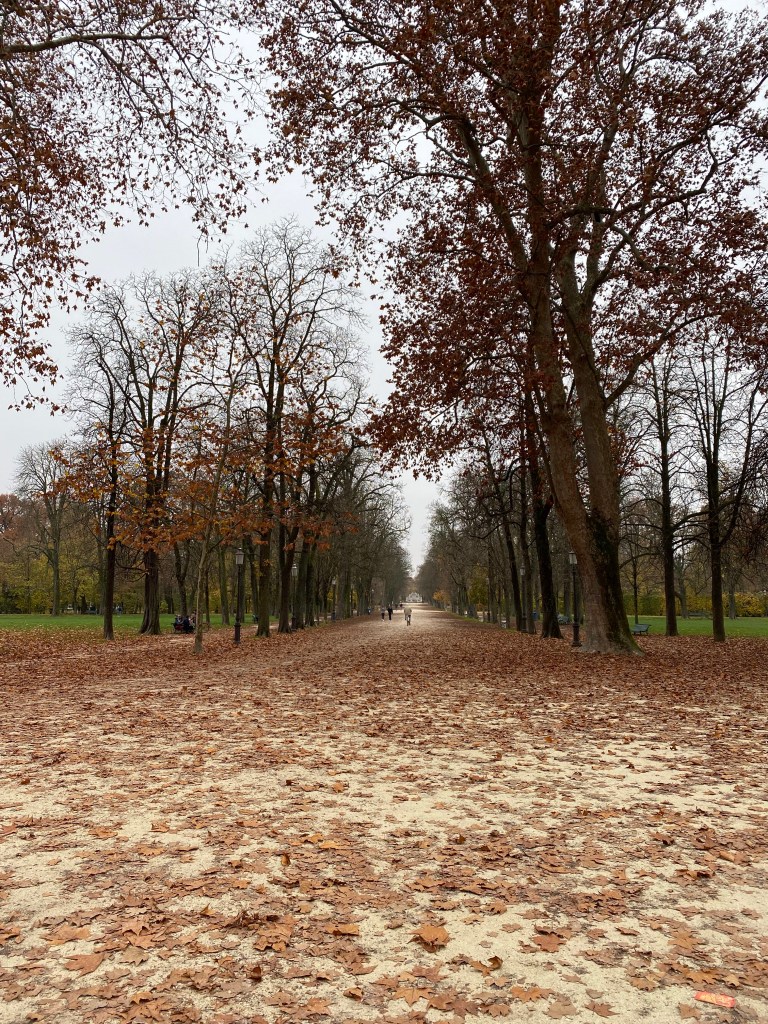
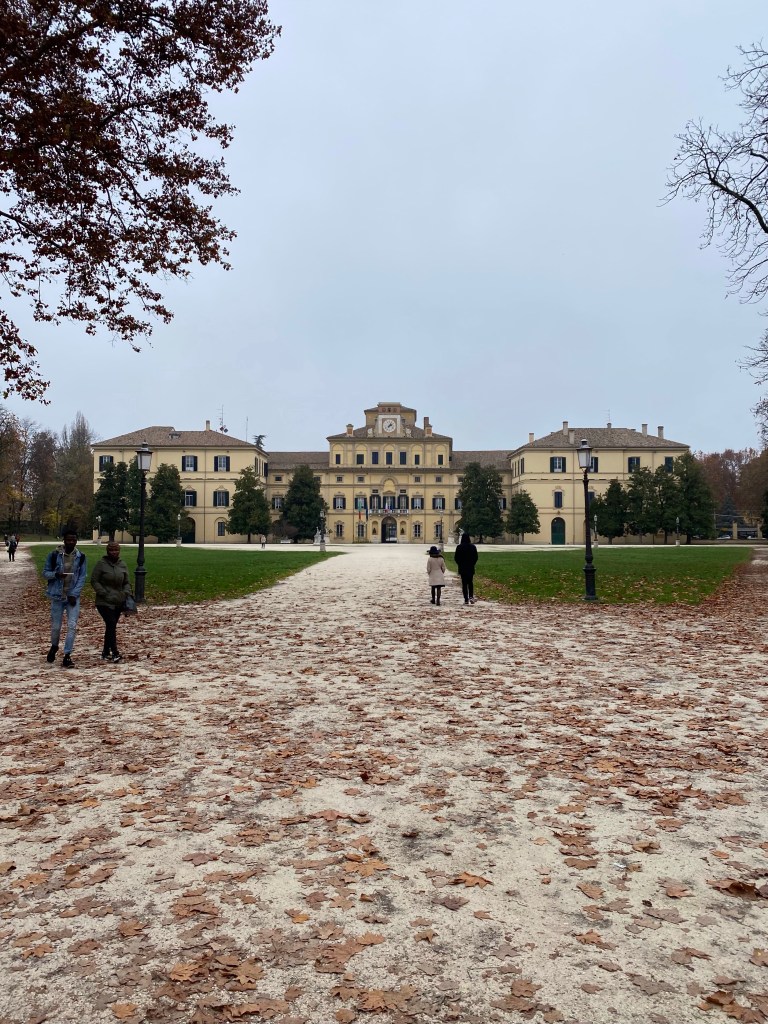
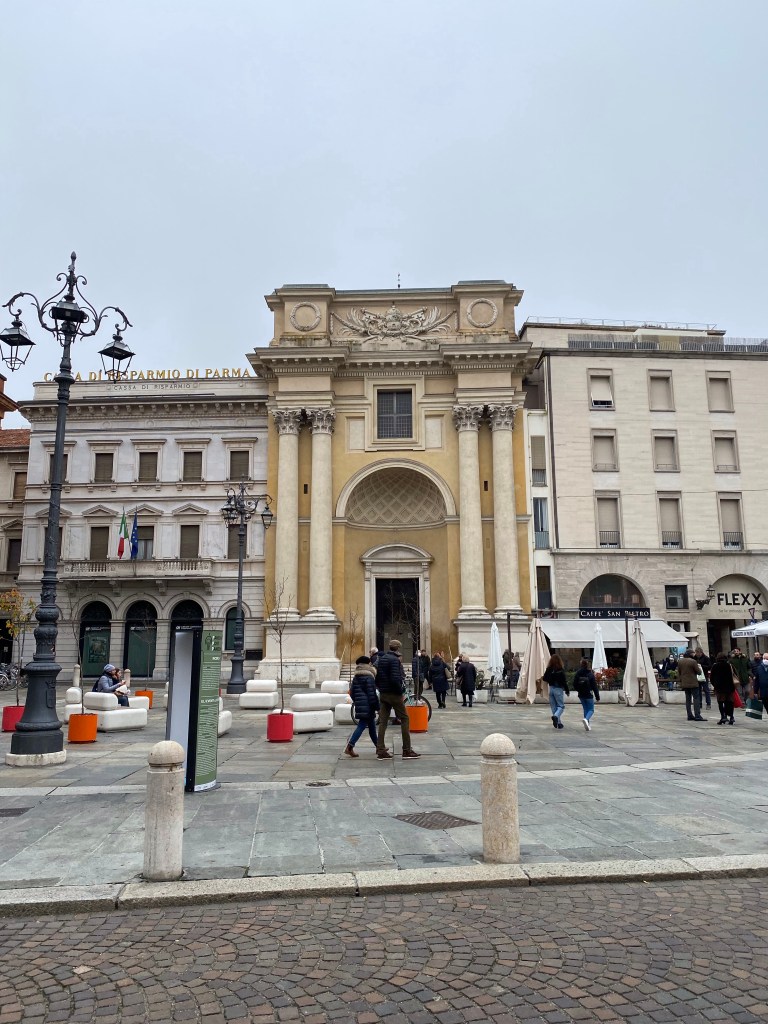
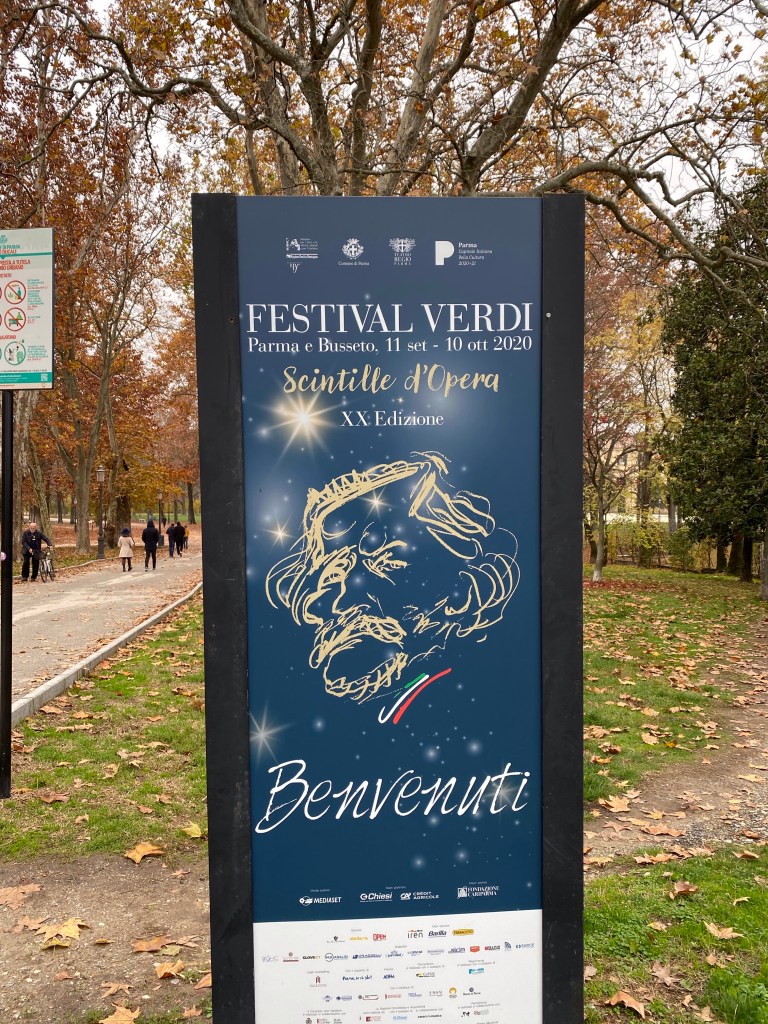
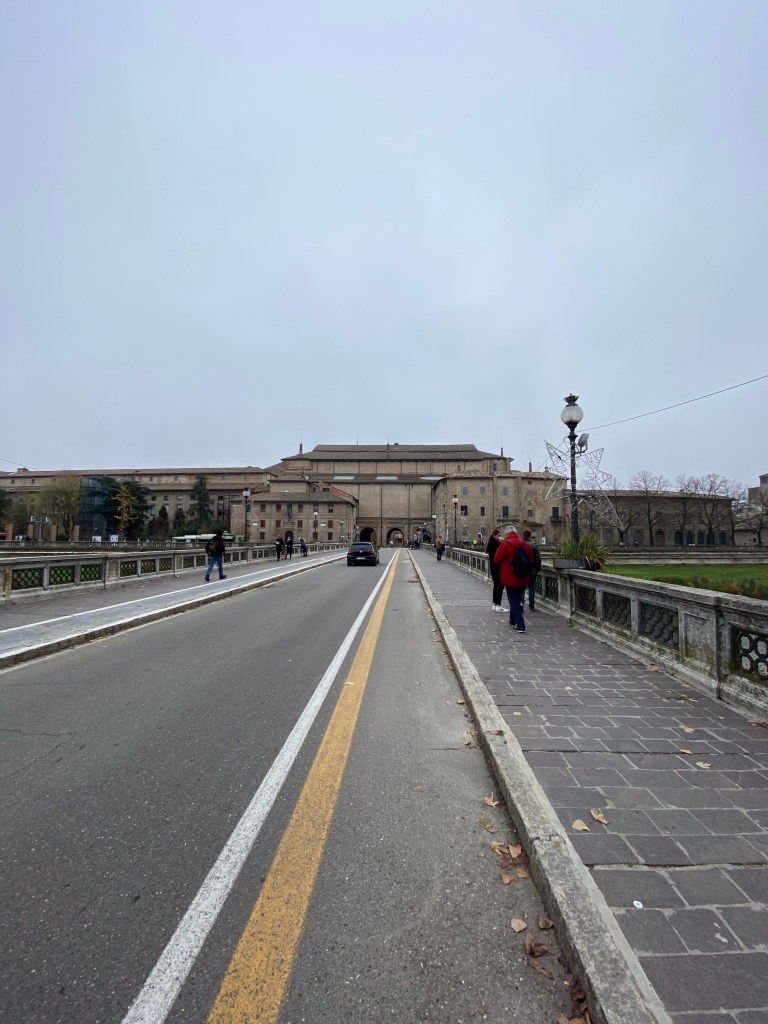
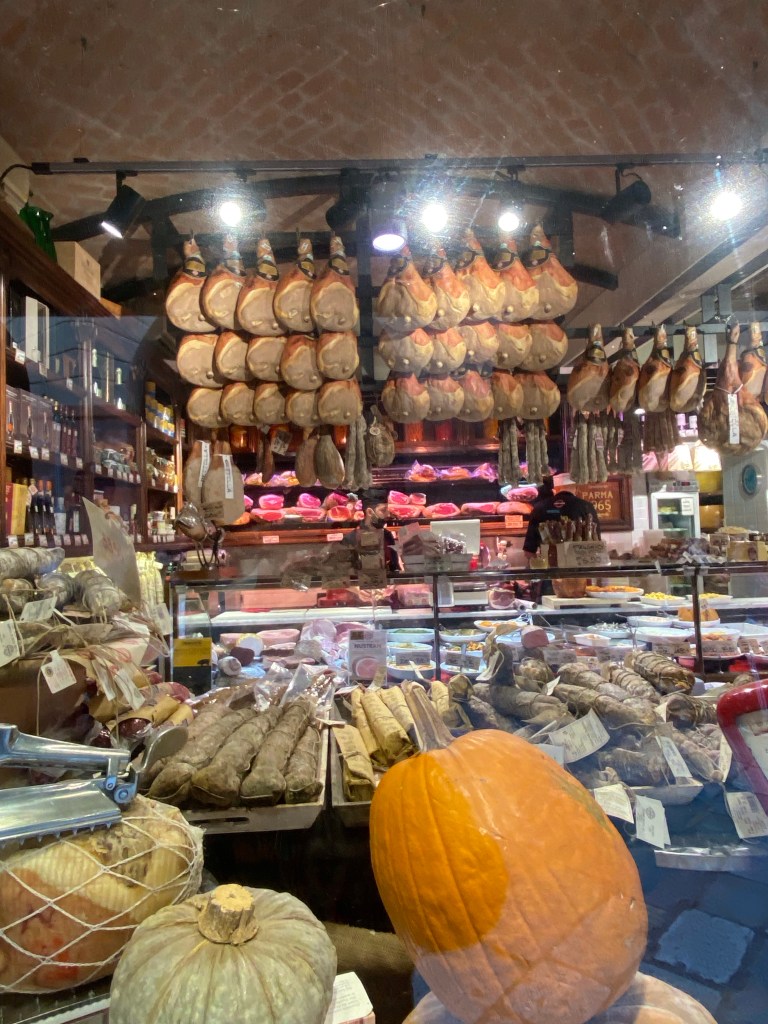
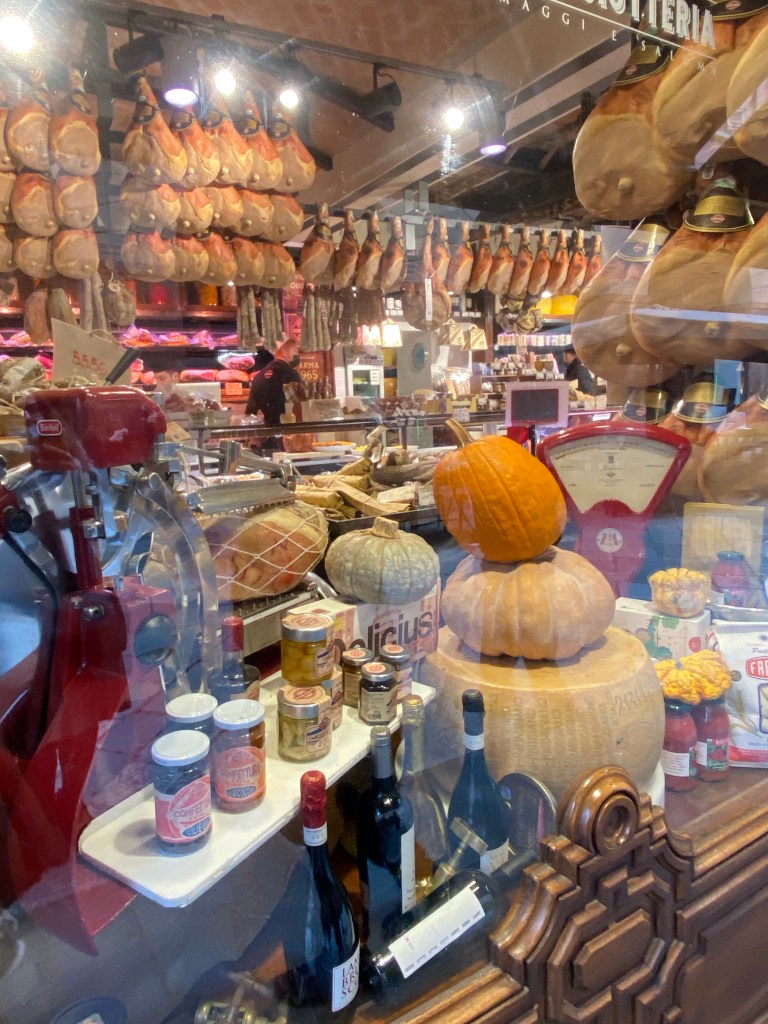
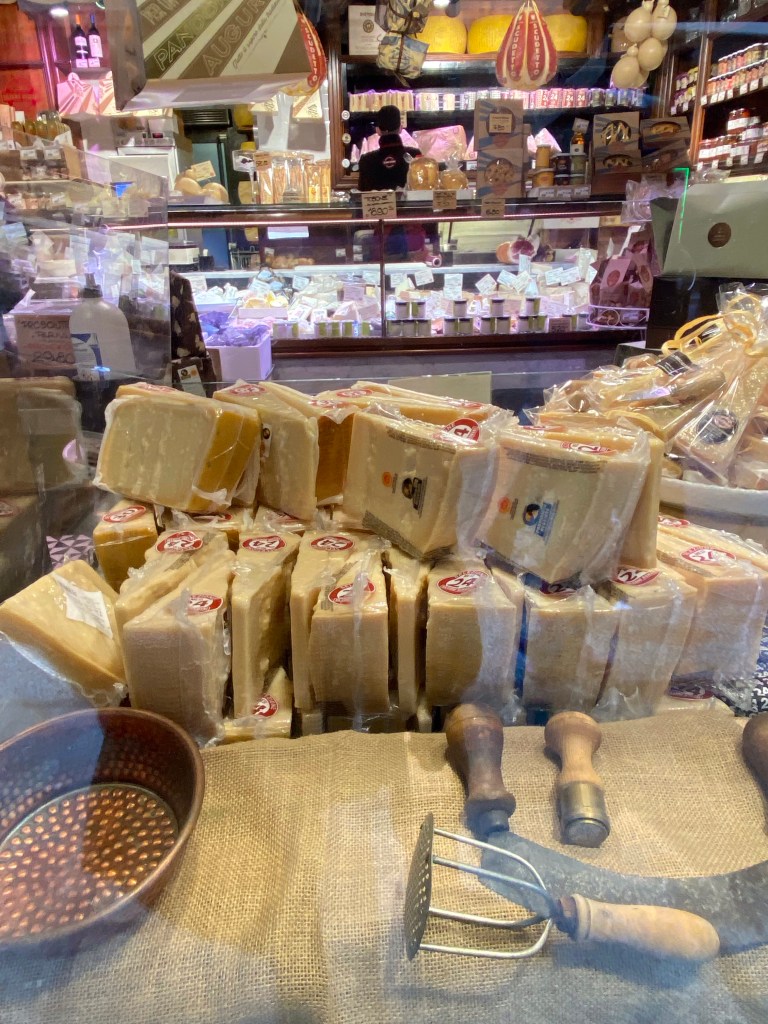
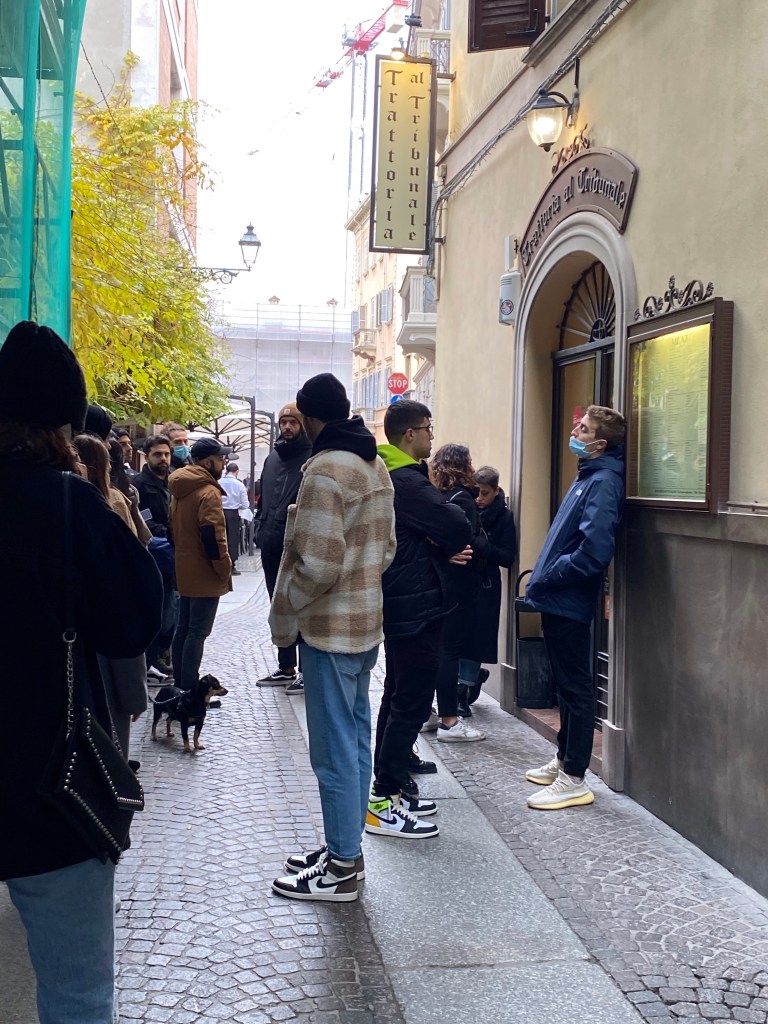
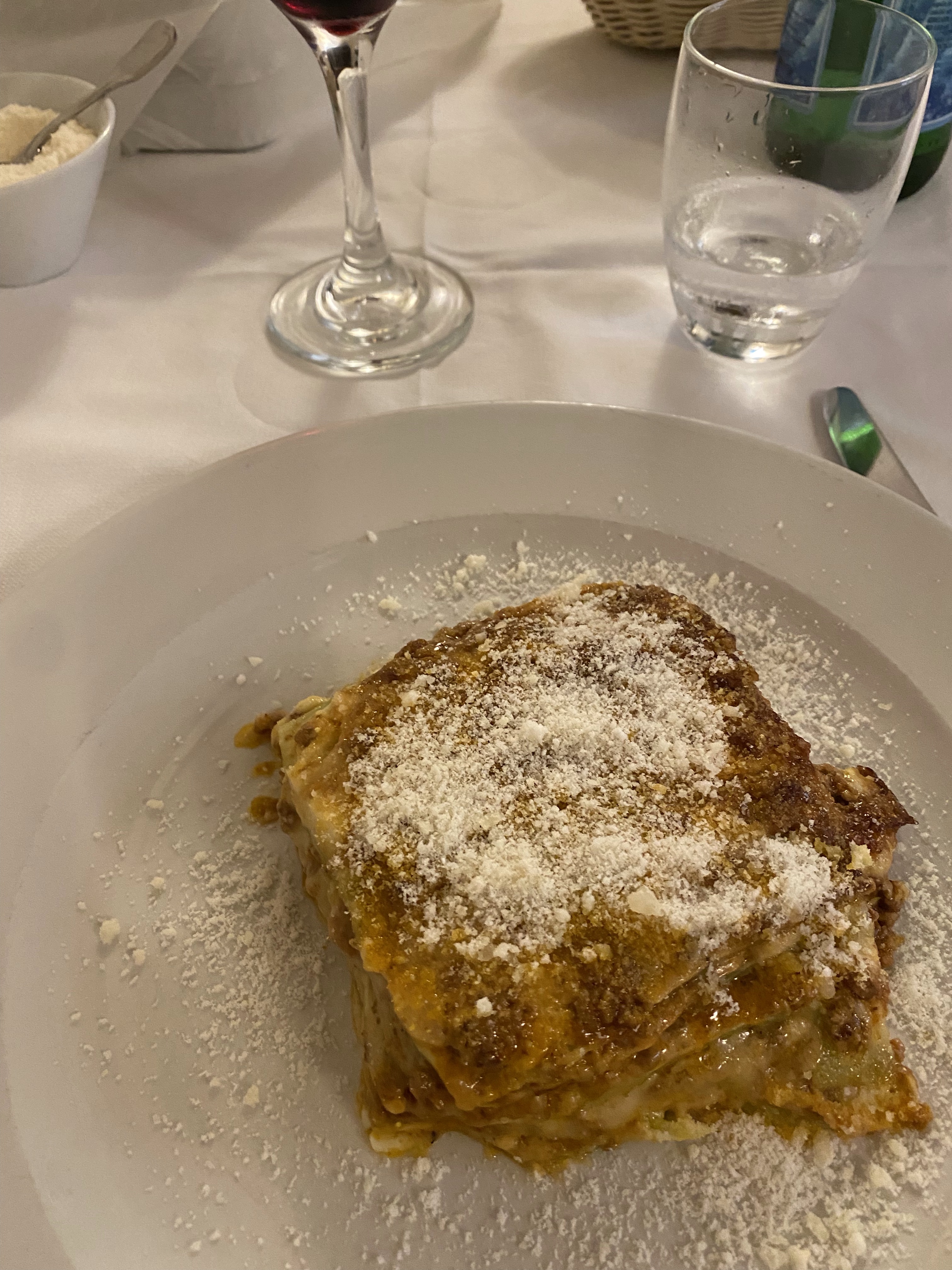
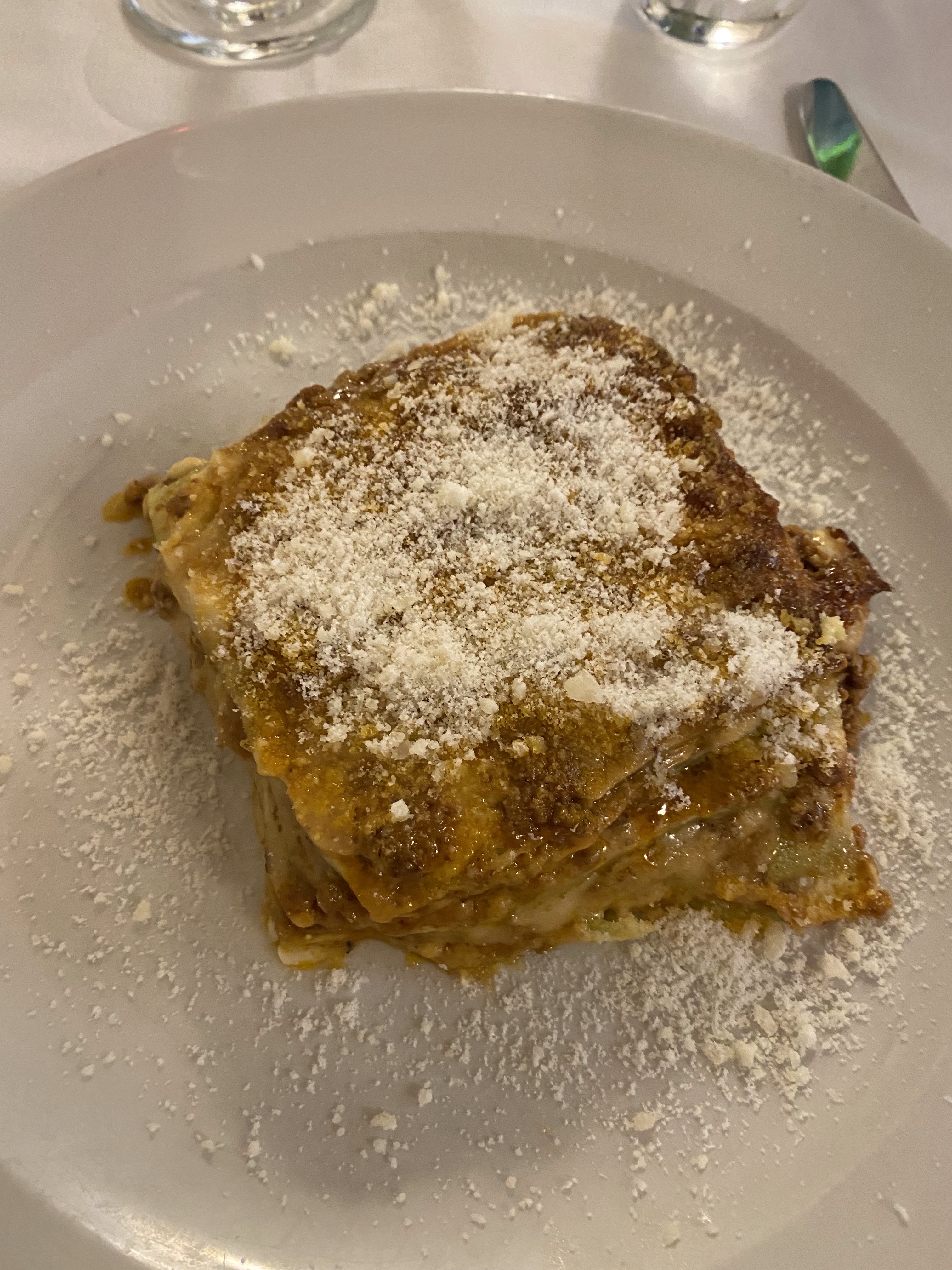
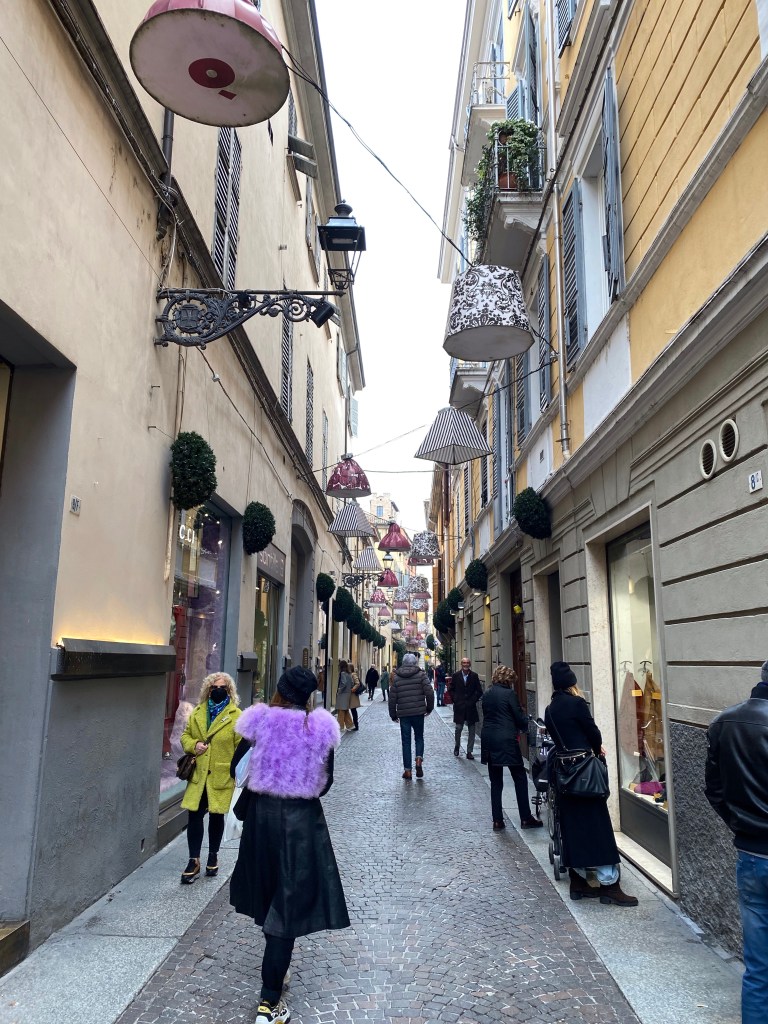
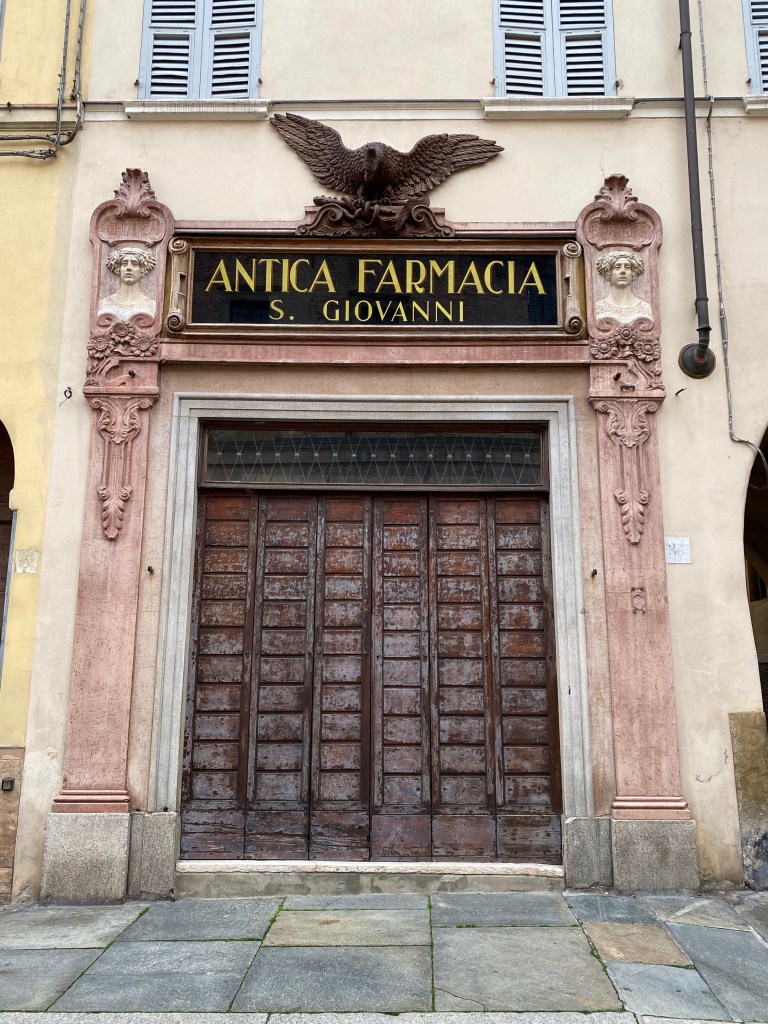
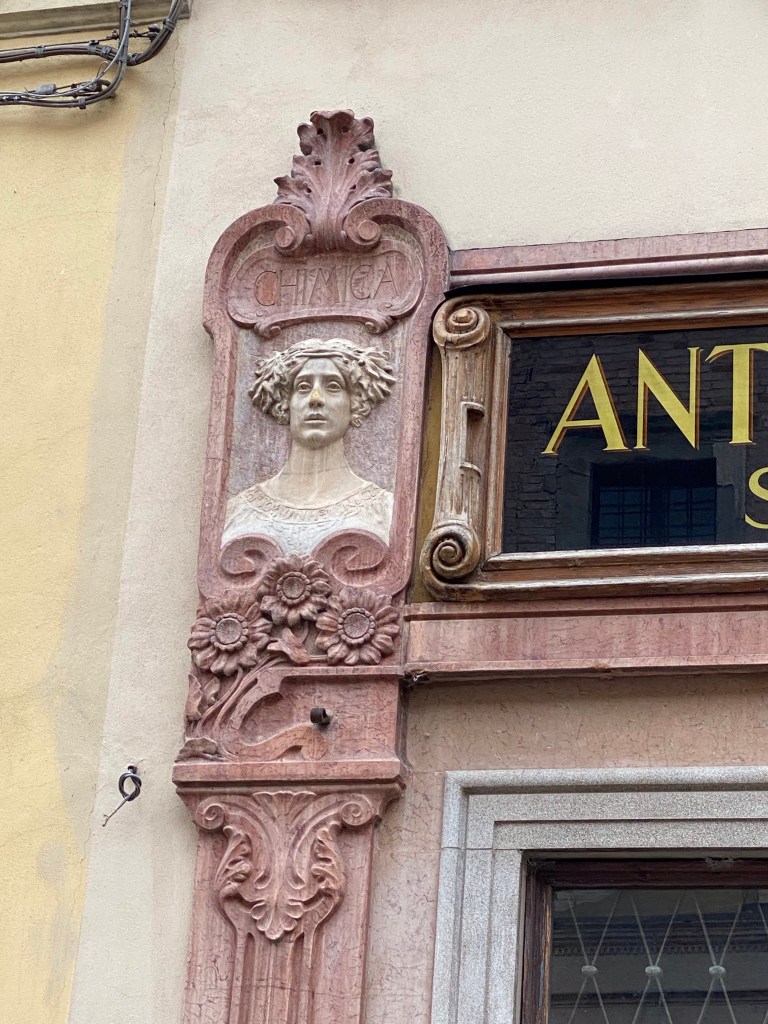
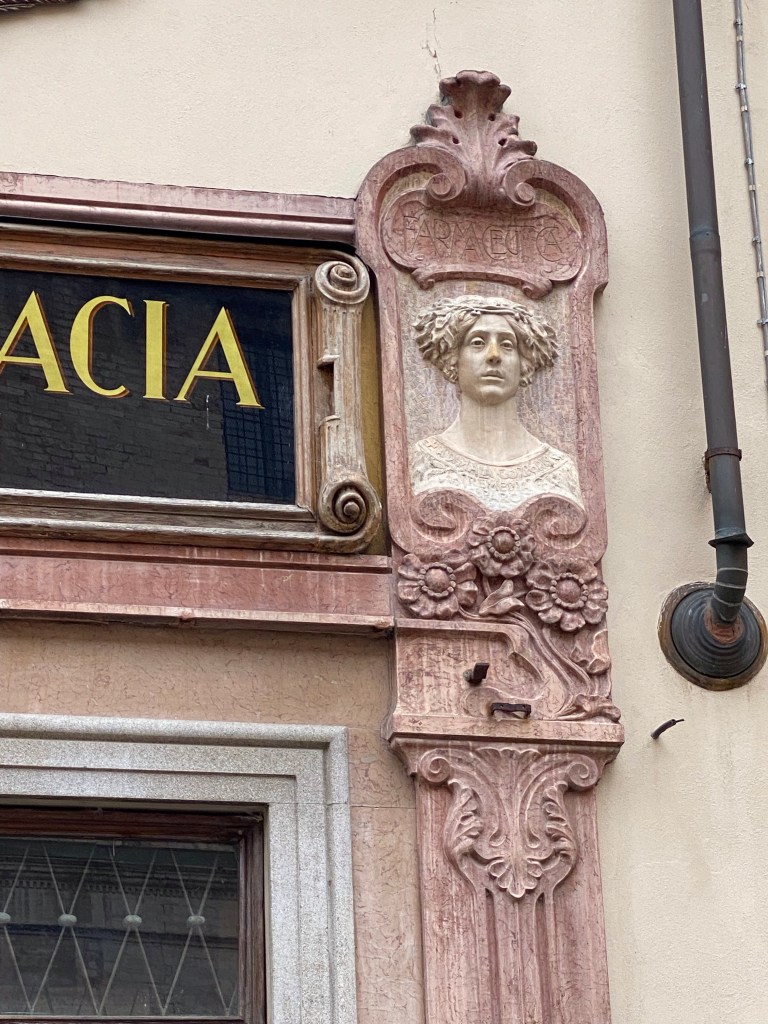
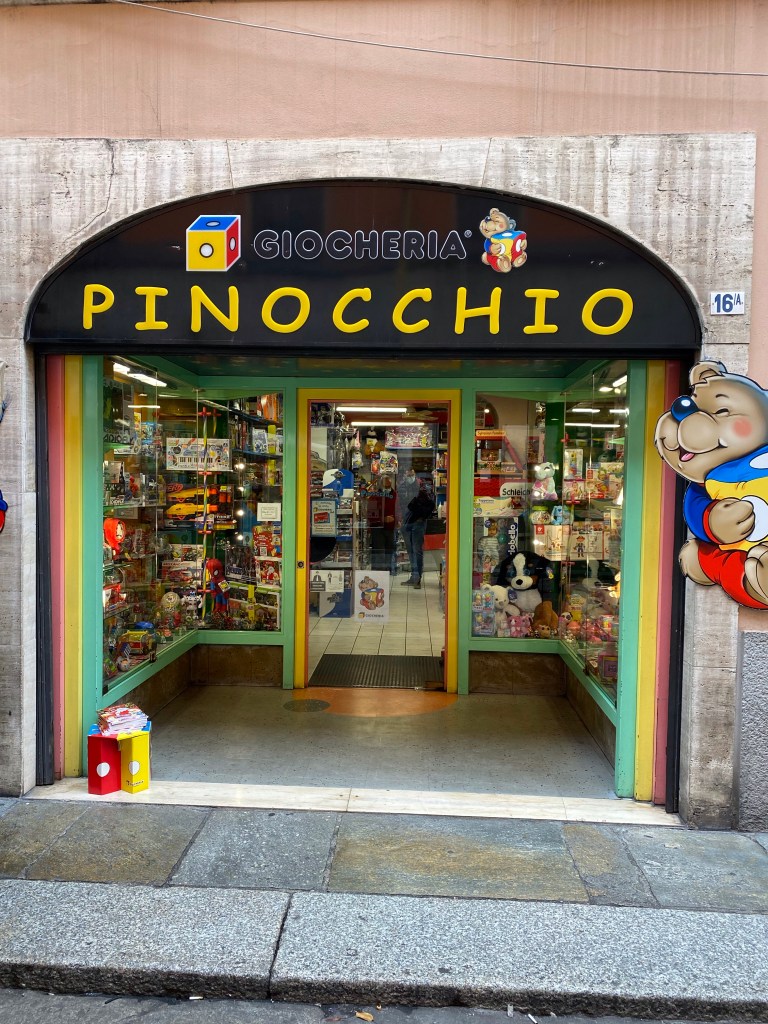
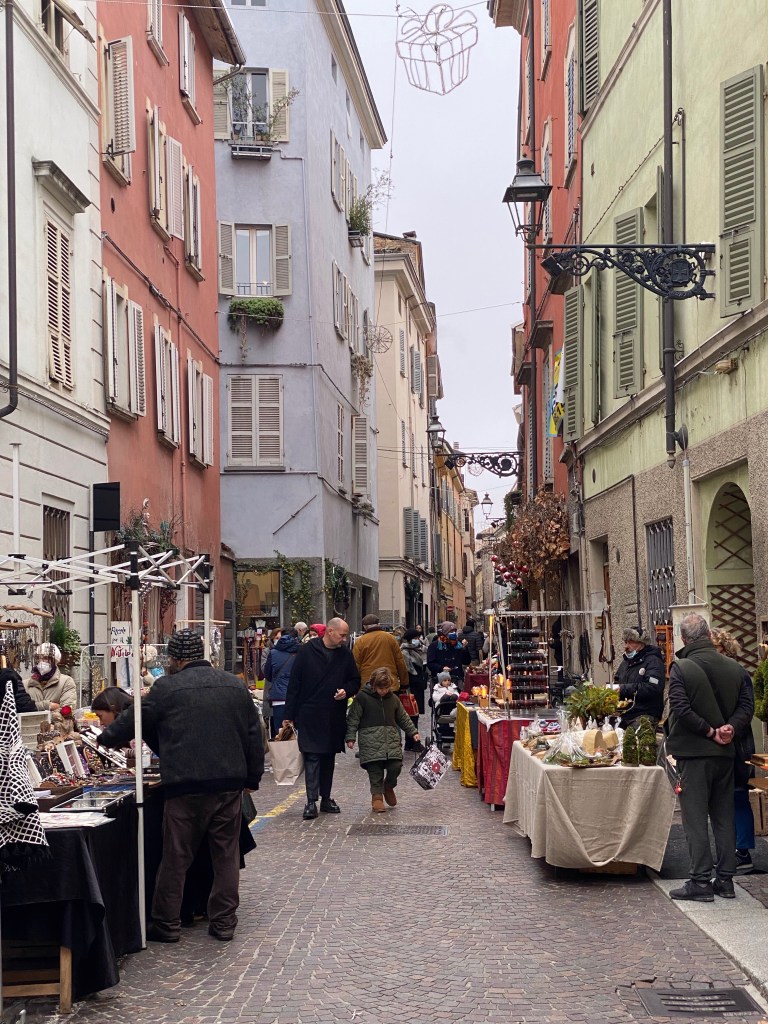
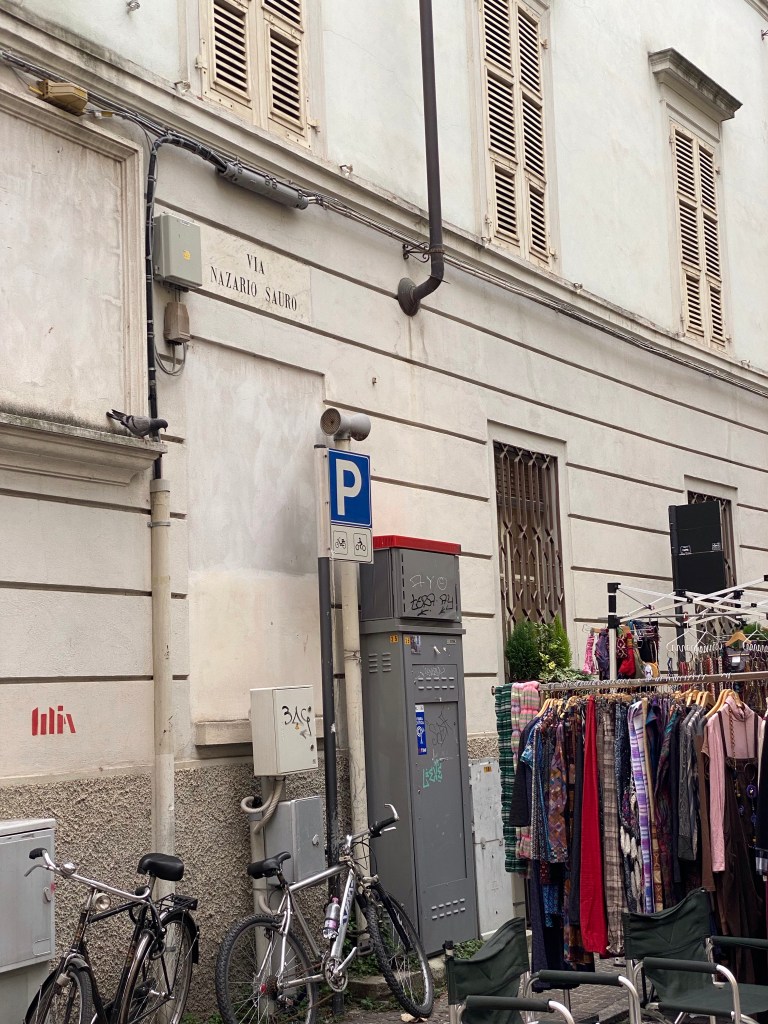
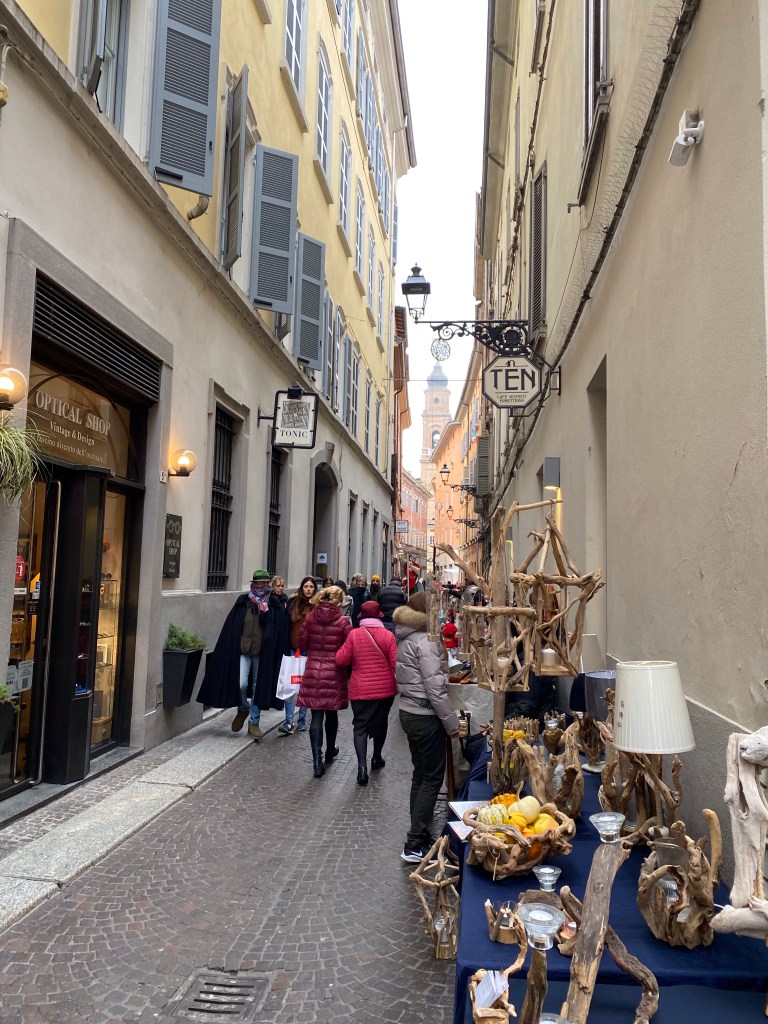
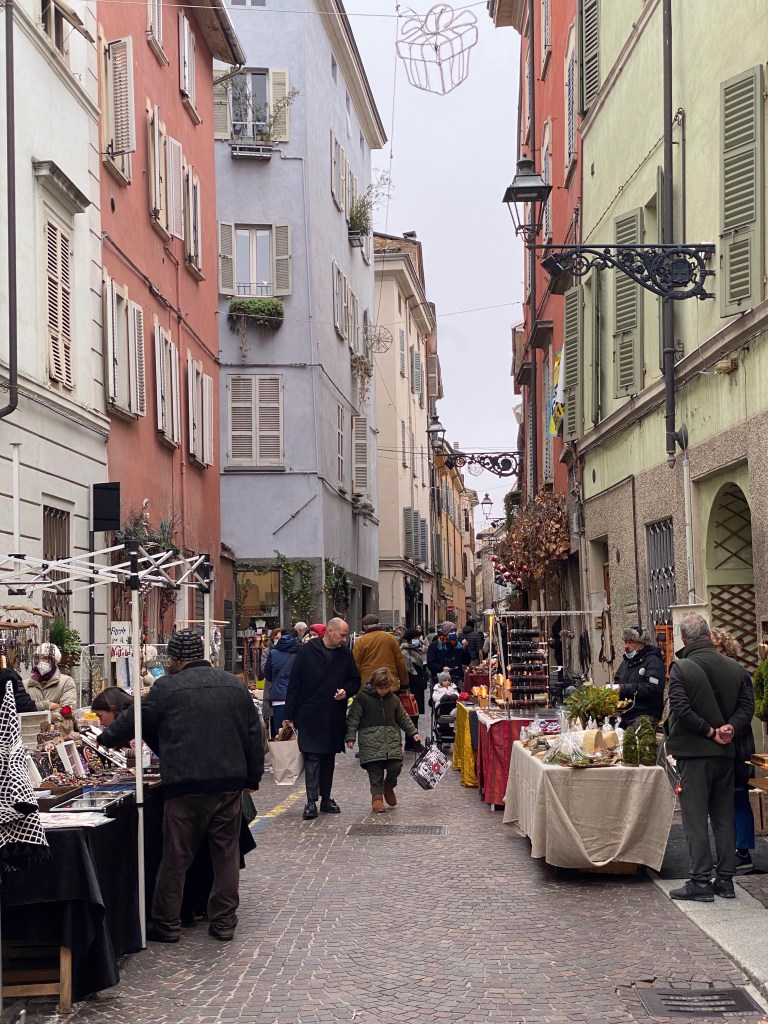
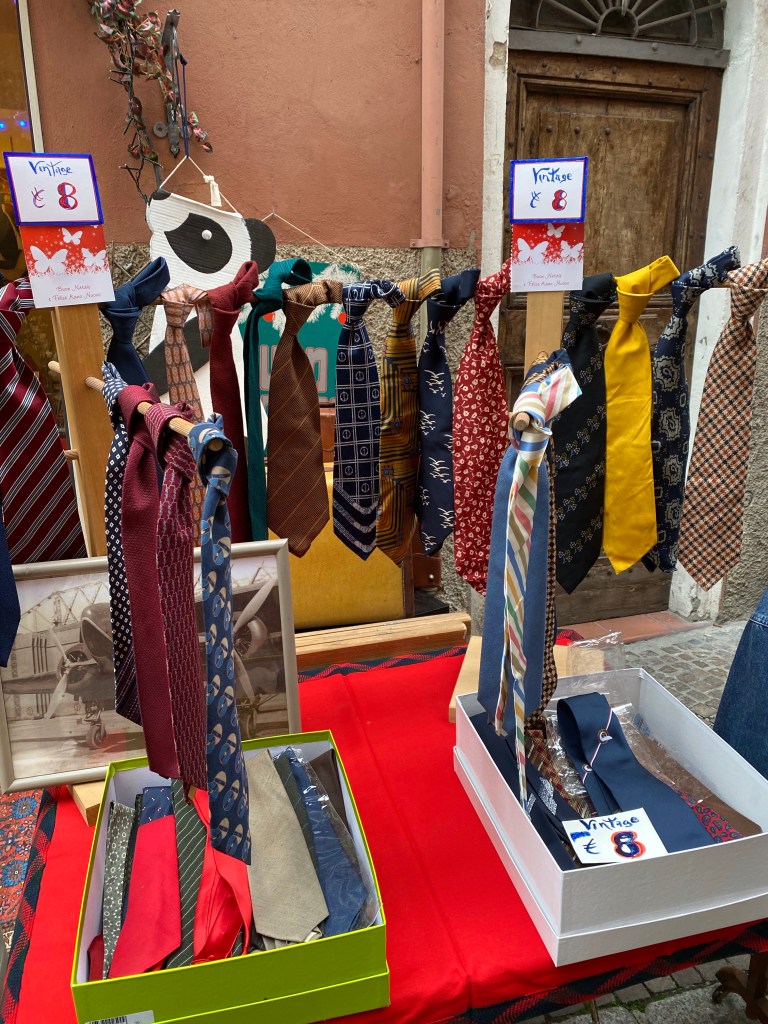
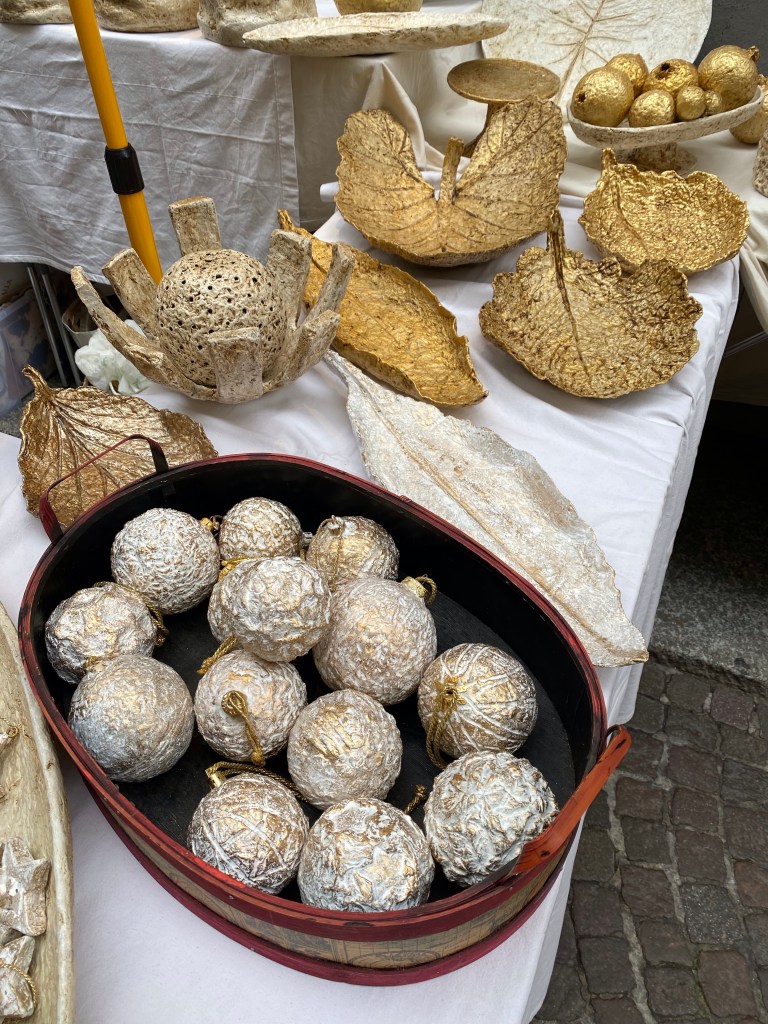
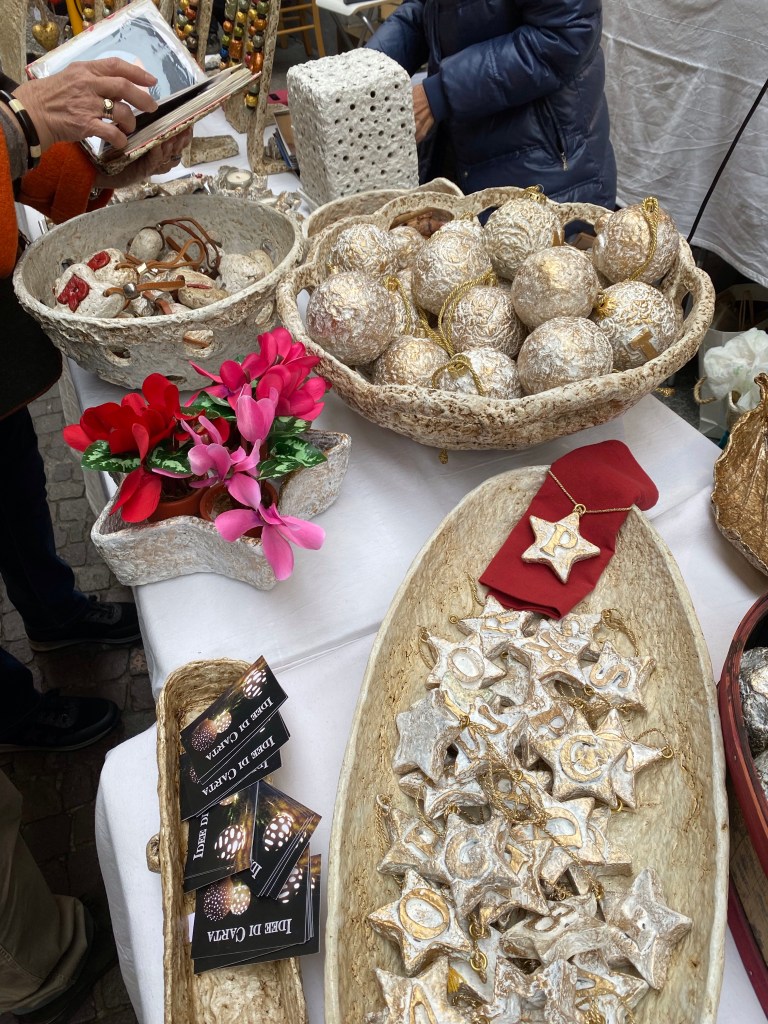
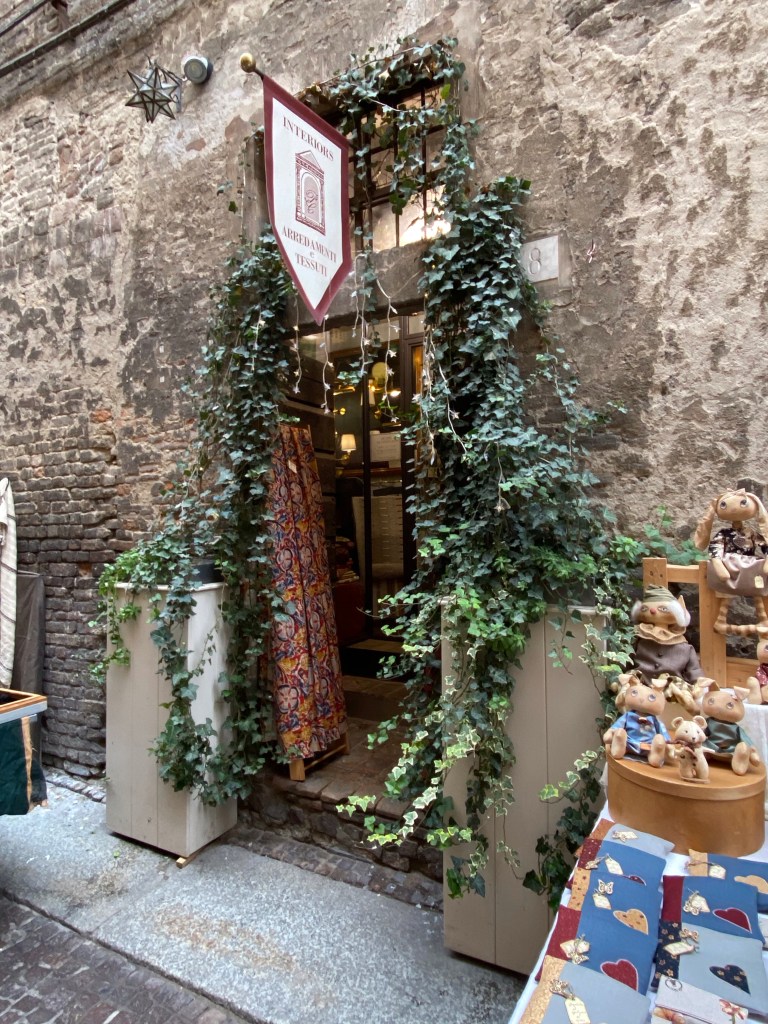
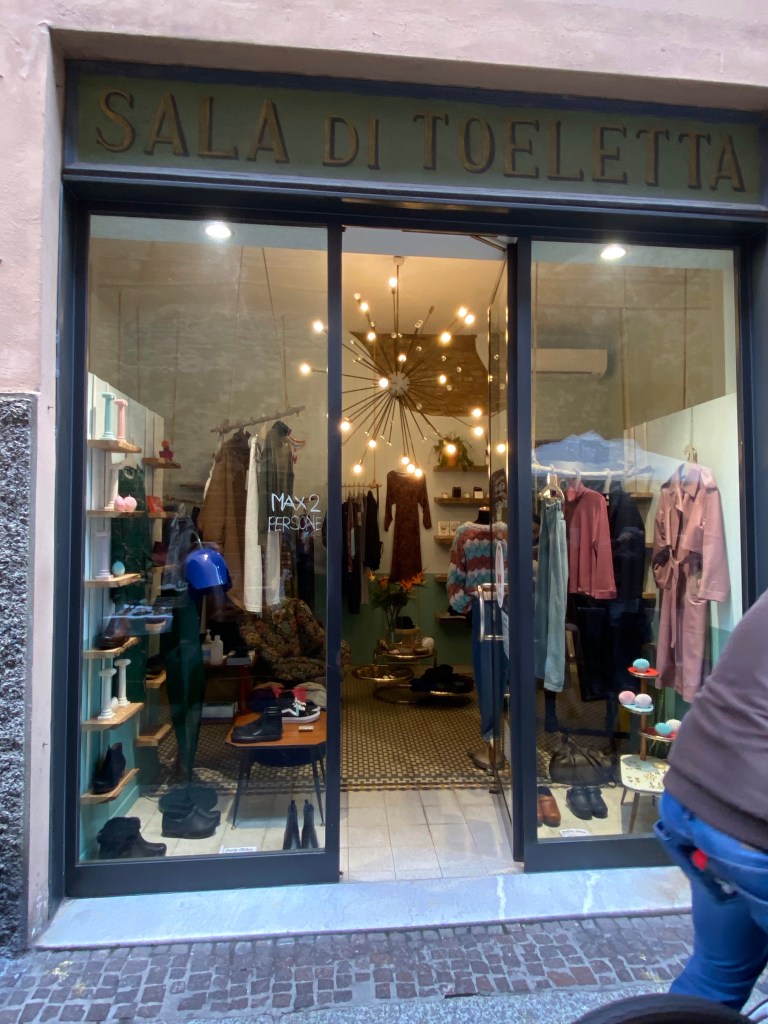
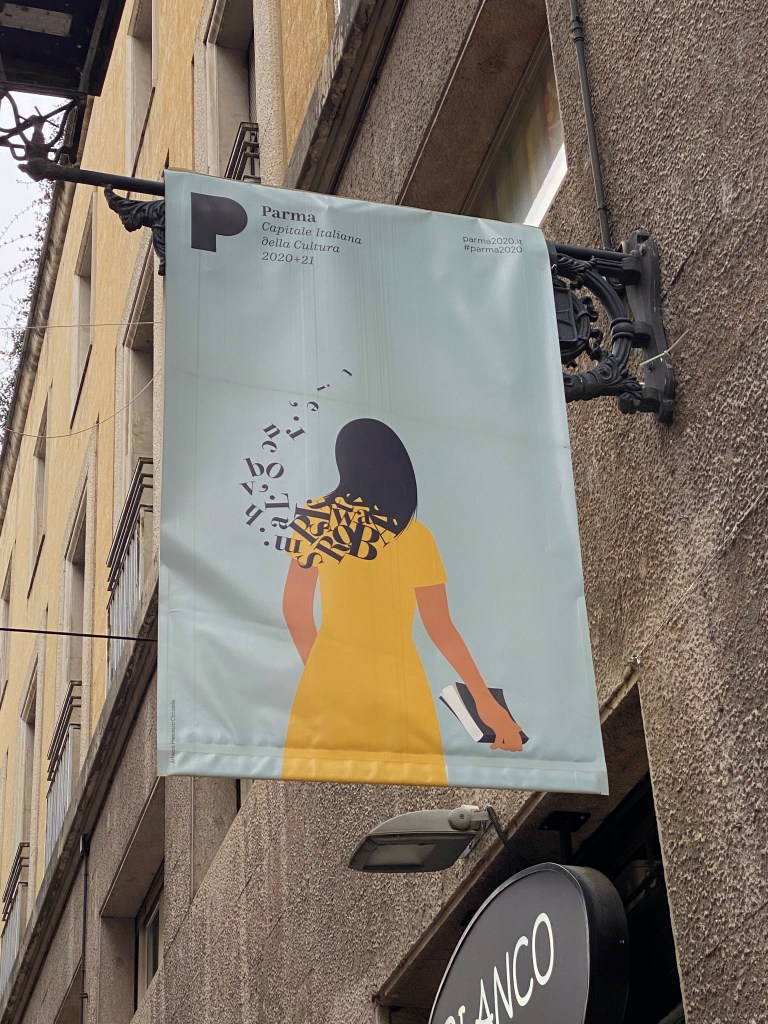
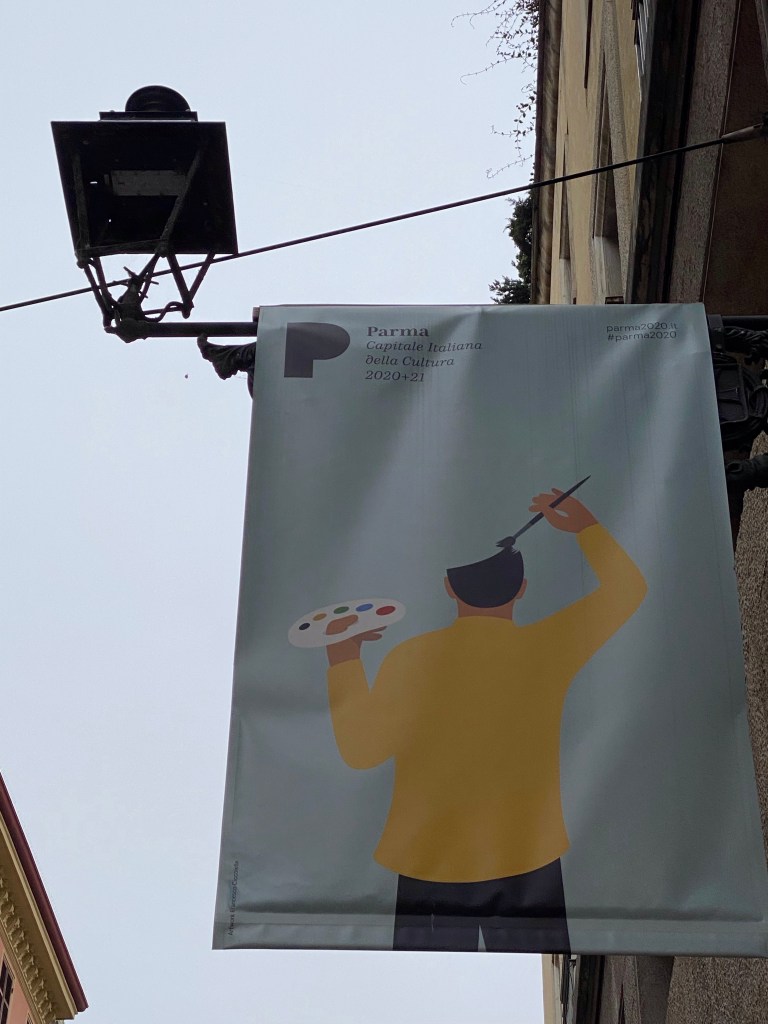
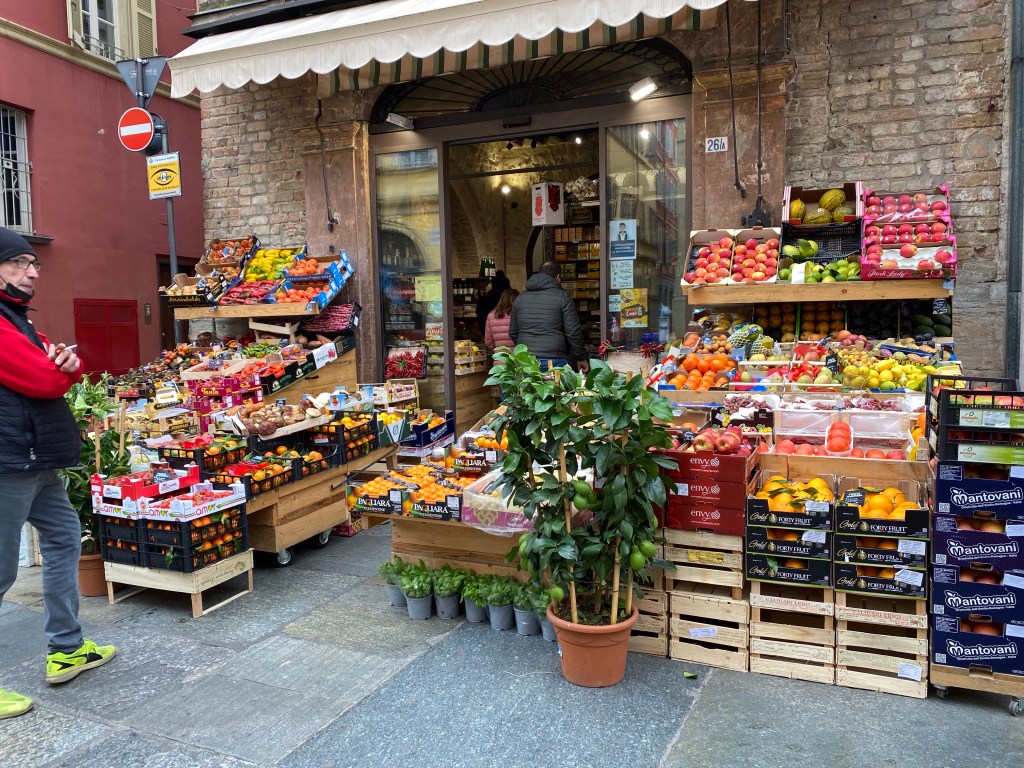
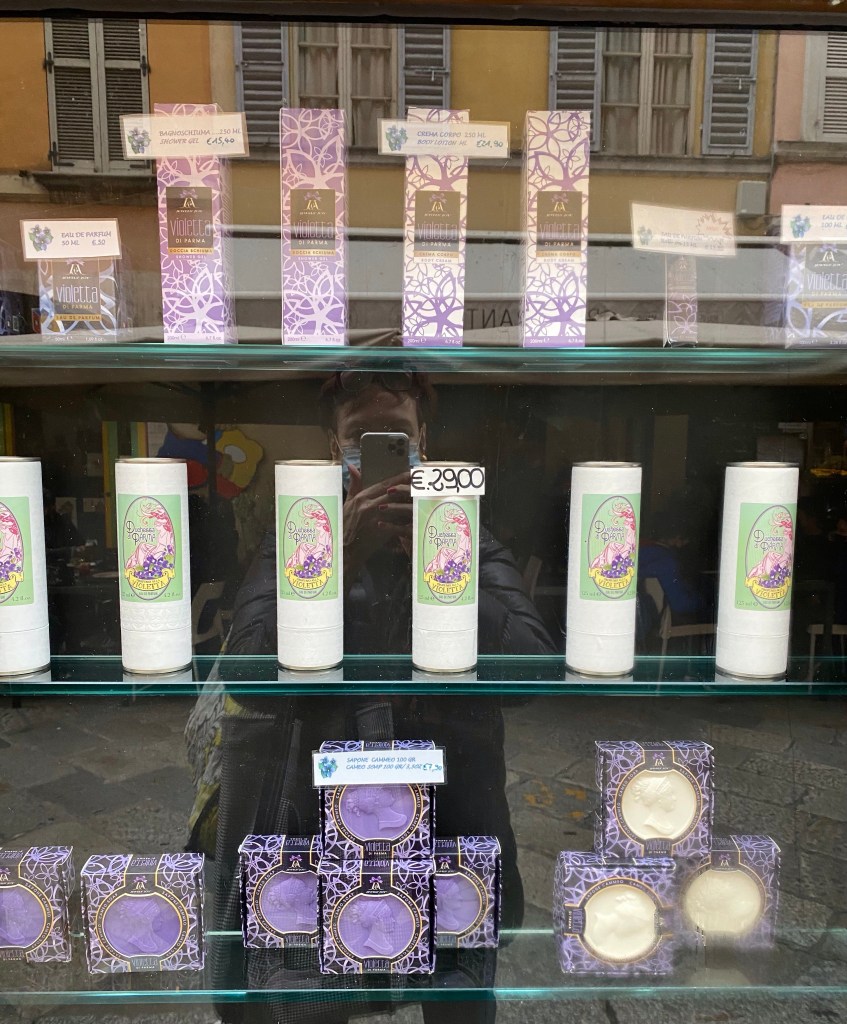
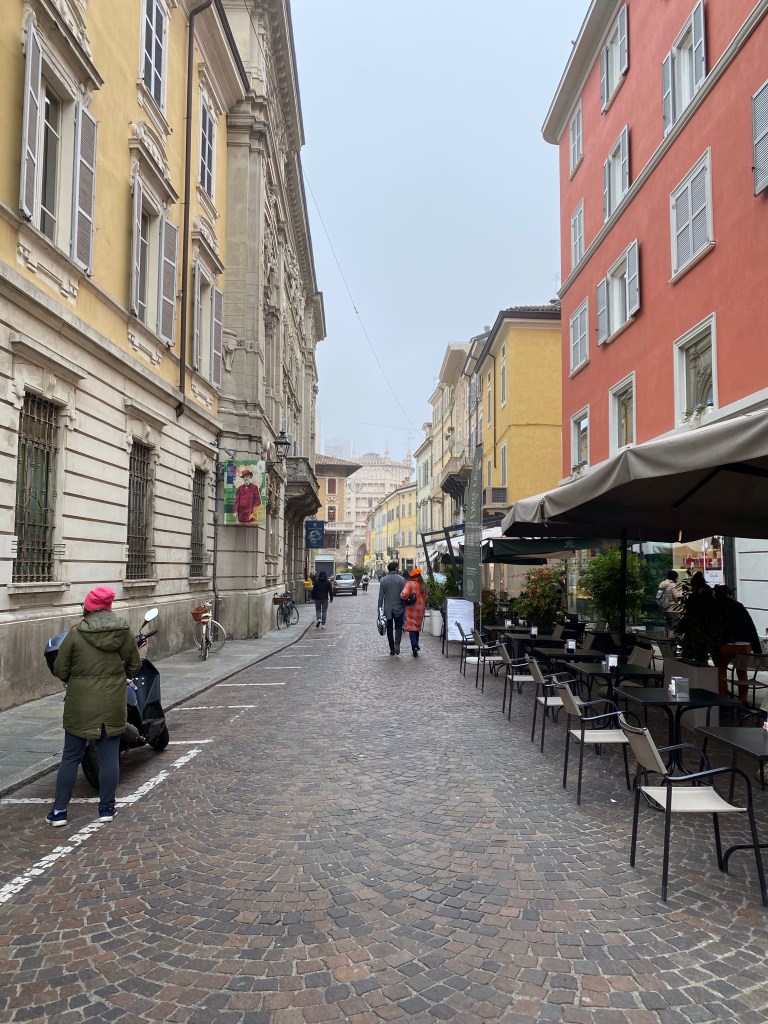
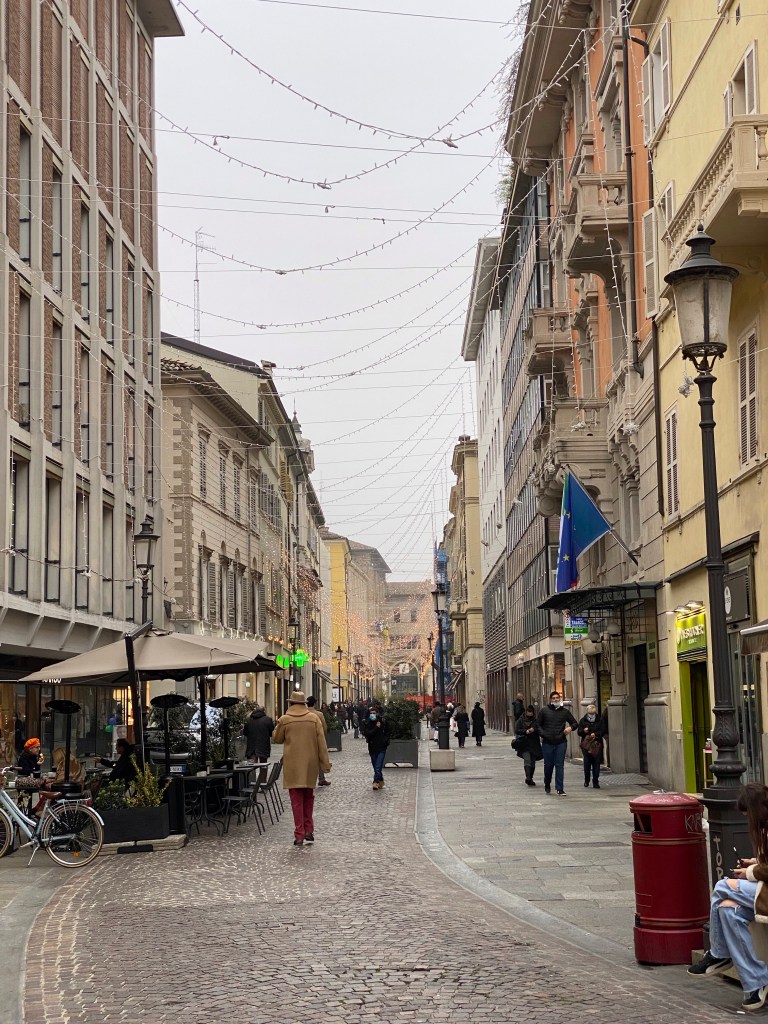
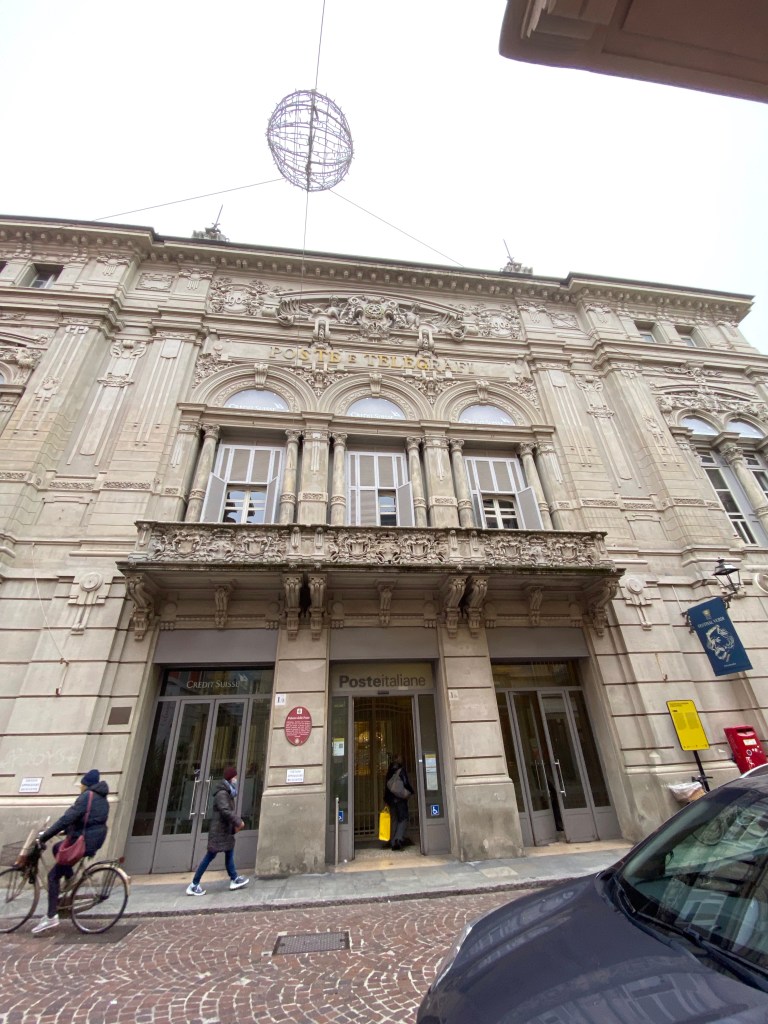
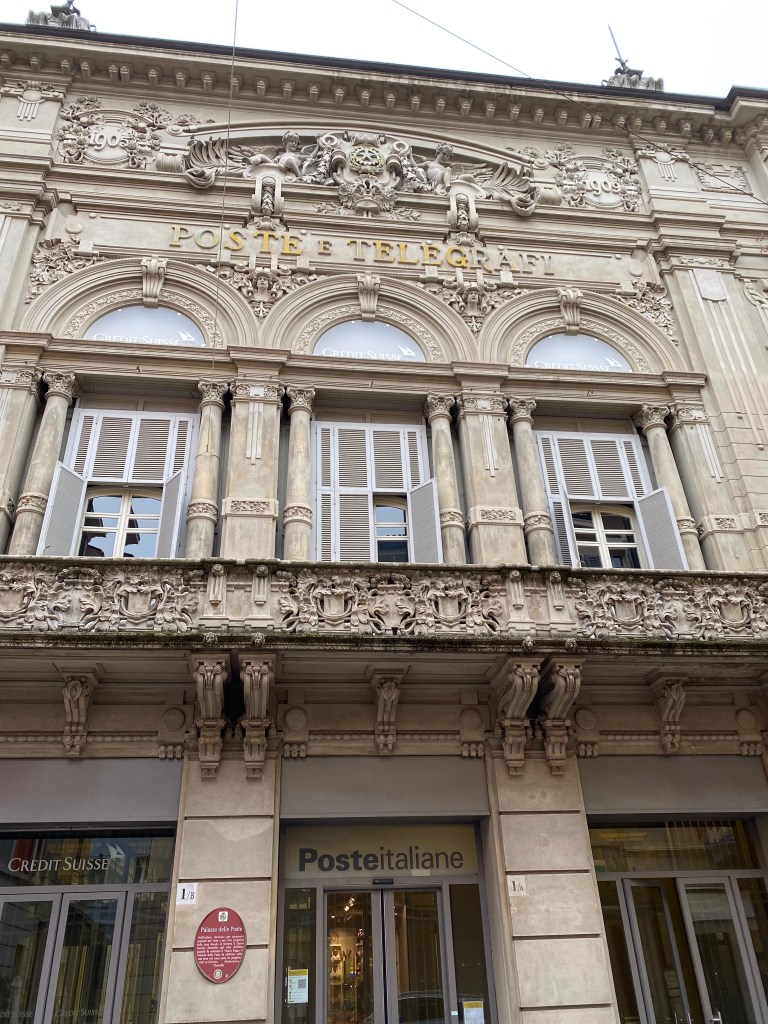
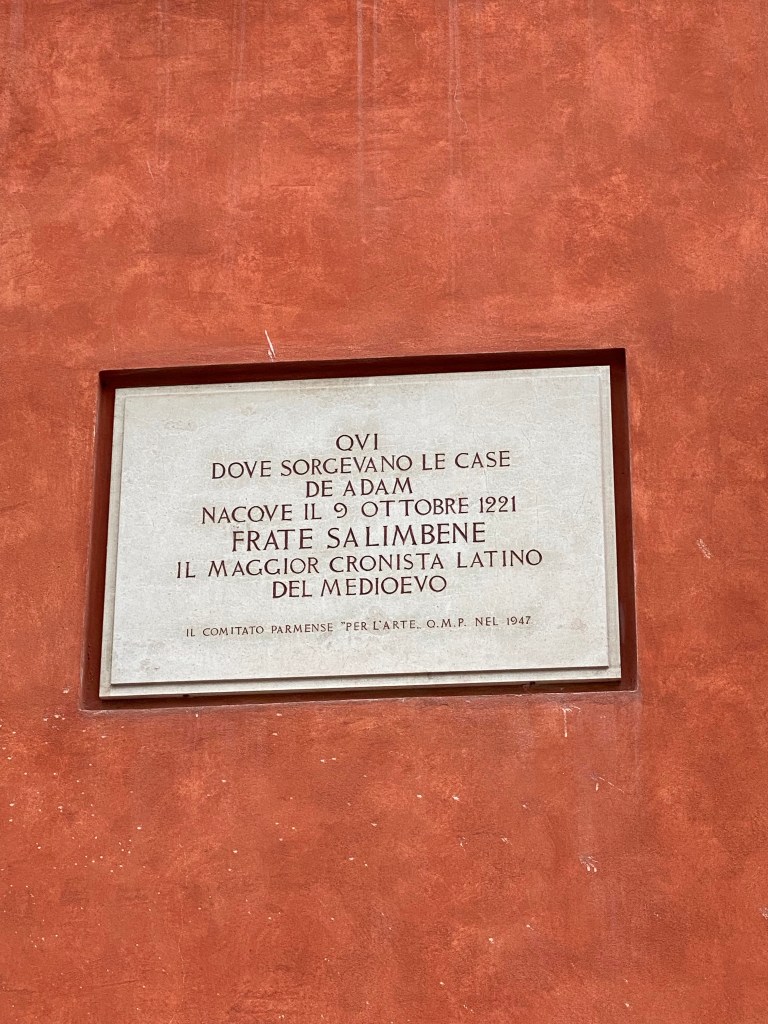
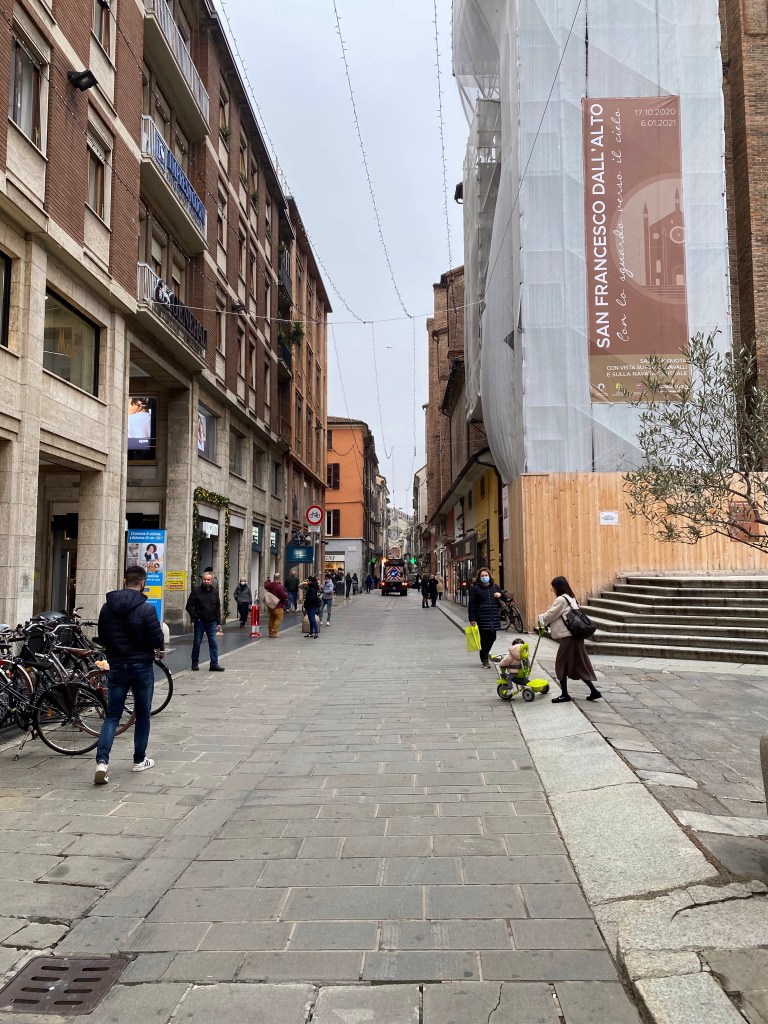
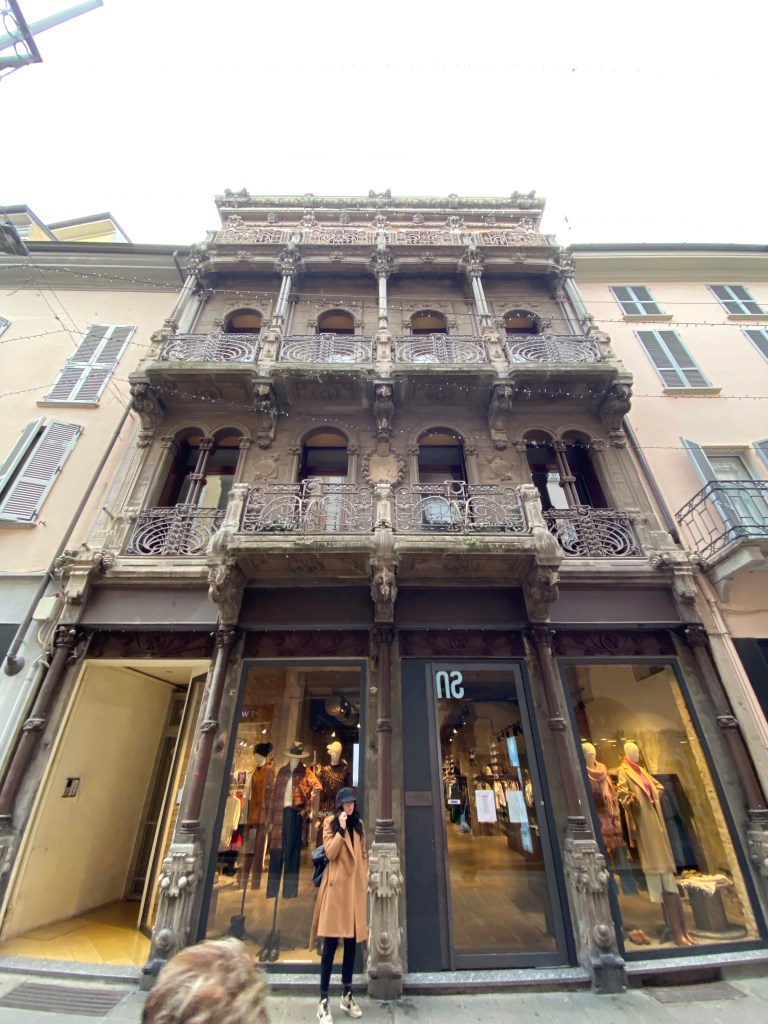
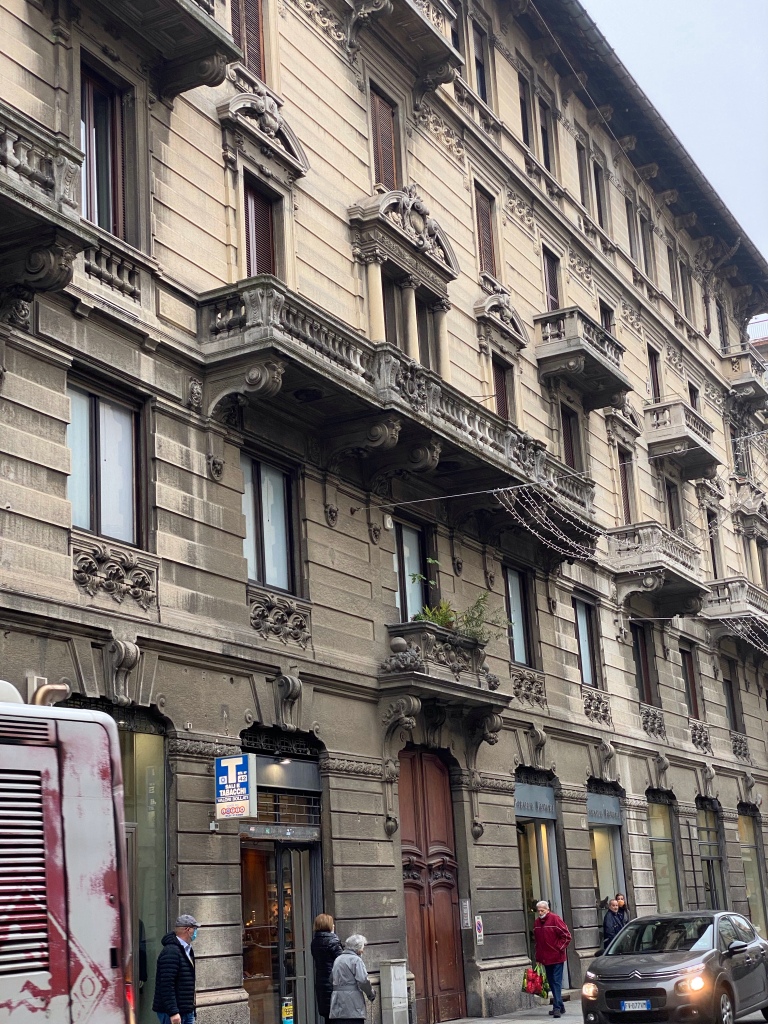
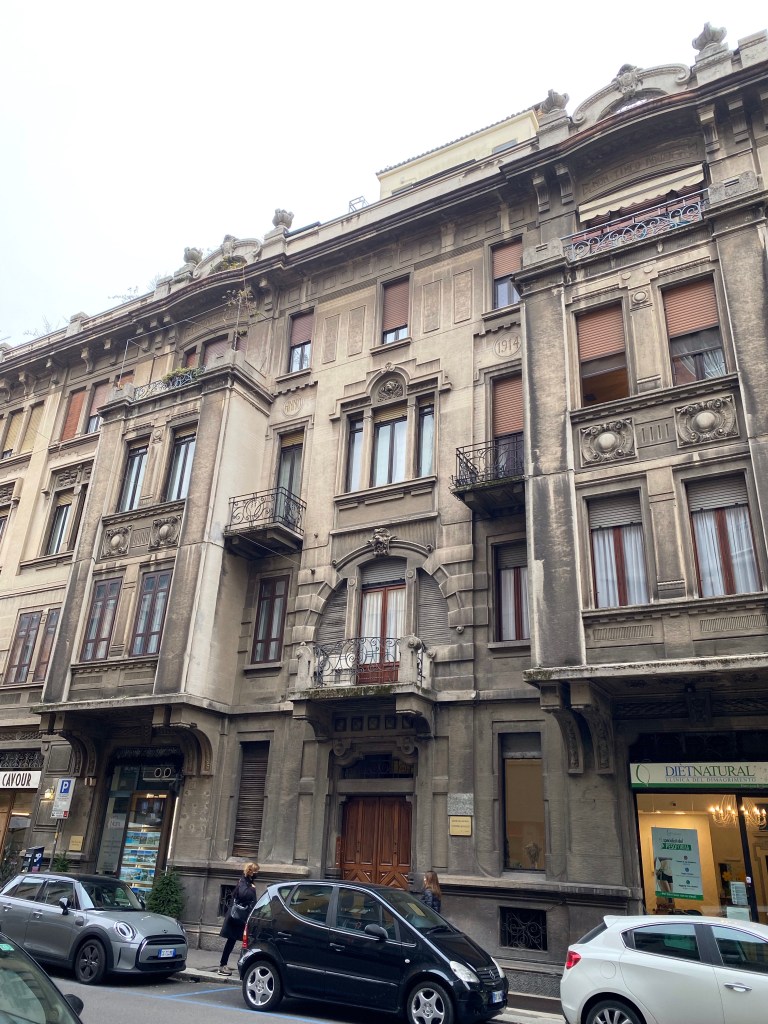
Exactly two years ago, I was living in Florence and traveling around Italy, exploring the countryside and cities. One of the highlights of that travel was my first visit to Parma. I fell in love with this old grande dame!
I
















I made a new friend at the Denver Art Museum recently. This fairly recent acquisition delighted me!

This is why I love the history of art! I can time travel and see what St. Peter’s looked like around 1855. I’ve stood on the Janiculum Hill in Rome many times and gazed at St. Peter’s from this vantage point. It looks oh, so different nowadays!

Born near Edinburgh, Roberts came to be known as the “Scottish Canaletto” after the 18-century Italian cityscape painter famed for his precise representations of cities and their buildings. For over two decades Roberts traveled through Europe, North Africa, and the Middle East painting and architectural and topographical subjects. He painted this picture following a visit to Italy in 1853, the final stop of his travels before returning to London. For over a century such works had been enormously popular among British collectors as mementos of their Italian sojourns. In an inscription by Roberts he informs us that the work was a gift to the wife of his friend Joseph Arden, “…A Souvenir / of her Visit to Rome.”


Another old friend from the Denver Art Museum is this lovely still-life by Berthe Morisot.


Born in 1841, Berthe Morisot wanted to become a professional artist, which countered the societal expectations of her upper middle-class family. If paint she must, she was expected to take up painting as a hobby and not as a professional career. Morisot persisted and not only became a well-known artist but also developed a radical style. She identified strongly with the aesthetic principles of the Impressionists, a group of young artists who, in the early 1870s, began to challenge the status quo of what constituted excellence in the art of painting. Impressionist paintings are characterized by an emphasis on the play of light, loose brushstrokes, and “modern” scenes of everyday events taking place in urban or country settings.
Morisot was a central member of the Impressionists and her home was a meeting place for intellectuals and artists. Morisot’s connection with these painters, particularly Edouard Manet, allowed for the exchange of artistic ideas, comparison, and criticism. She exhibited in seven of the eight Impressionist exhibitions and, even though she was not financially dependent on sales, her work fetched prices similar to (or higher than) many other well-known members of the group such as Monet and Renoir.
Morisot, who is perhaps more well-known for her landscapes and images of women, painted relatively few still lifes (Soup Tureen and Apple is one of only four from the 1870s).

The Impressionists liked to paint subjects from modern life, but during Morisot’s formative years throughout the 1860s, women couldn’t wander the streets alone or paint in cafes. Given this handicap, she compensated during her early career by selecting subjects close at hand for her as a woman, such as intimate domestic scenes or other still-life paintings. The objects in this painting probably came from her home. She chose to arrange them on a shiny table top, which offered the added dimension of reflections on the surface. The covered goblet allowed her to demonstrate her skill in representing a challenging subject like clear glass.

Like many other Impressionists, Morisot worked quickly and in a sketchy style suited to her aim, which was to “capture something transient.” Looking at Morisot’s pearly colors and light brushstrokes, many art critics assumed that her working process was as delicate as her finished paintings, even likening it to the scattering of flower petals. But Morisot herself described painting as being “engaged in a pitched battle,” and her mother claimed that when Morisot was working she had “an anxious, unhappy, almost fierce look.”

I’ve always admired this fine painting in Denver by the important Impressionist, Morisot. The icy shades with pale blues and light green make this work soothing for me to look at.
I’ve been haunting the Denver Art Museum lately, reacquainting myself with old friends. And by friends I mean works of art that I used to be in charge of. That was a long time ago, but I’m happy to find that my old friends still are looking great!
Among many friends, this stunning example of 19th century American art by Thomas Cole is and was always one of my favorites. He was an English born, self-taught painter. Both Cole and I had/have a thing for Italy.
In this painting, The Dream of Arcadia from about 1838, Cole drew his inspiration from Greece. The art museum’s website supplies this information:
The theme of Thomas Cole’s Dream of Arcadia is man’s relationship to unspoiled nature. Cole felt that the American wilderness was beginning to disappear as a result of the industrialization of the nation. In this painting, Cole harks back to the land of Arcadia, a rustic, secluded area of ancient Greece. The people who lived in Arcadia led simple, happy lives, in harmony with nature. Cole creates an idyllic image of an unblemished landscape—one where people frolic in the trees, sheep roam the hillside, and children play in the gentle river.


I’ll be posting other old friends from the museum over the next weeks. I’m so happy to see them again!

This reminds me of me. I used to love helping my mother hang clothes on our clothesline. She would have to bring a step stool outside for me, making her job harder!


Thanks to Facebook for reminding me!
These memories are one of the 1,000,000 things I am grateful for this year! Happy Thanksgiving!









 get back, lauretta!
You must be logged in to post a comment.