

The iconic statues of the 4 seasons on the Ponte Santa Trinita are going to get cleaned up soon. Florence has announced (http://www.theflorentine.net/news/2018/07/ponte-santa-trinita-statues-cleaning/) that the sculptures need some TLC.


Interestingly, these 4 statues (only 2 of the 4 are in my pictures above) were sculpted to celebrate the marriage between Cosimo II de’ Medici and Maria Maddalena of Austria in 1608.
Even more interestingly, they were originally intended to be placed in niches or against a wall in the giardino of Villa Corsini al Prato in Florence. They were not designed to be seen in the round, but in the round they have always been on the bridge.
The following artists were commissioned to create: Primavera by Pietro Francavilla; L’estate e L’autunno by Giovanni Caccini; and L’inverno by Taddeo Landini.
On the night between 3 and 4 of August 1944, the bridge was destroyed by retreating German troops on the advance of the British 8th Army. A Bailey bridge was built for temporary use by the Royal engineers.

The Renaissance replica bridge was constructed in 1958 with original stones raised from the Arno or taken from the same quarry, under the direction of architect Riccardo Gizdulich and engineer Emilio Brizzi.
Miraculously, the statues were more or less intact and returned to the replacement bridge upon its completion. Only the head of Primavera was missing. The missing head was recovered from the bed of the Arno in October 1961 and added to the sculpture we see today.
The cleaning, which will involve the Istituto Lorenzo de’ Medici, will include ridding the statues of the layers of soot that has settled on them over the years and treating the works with a waterproof layer to protect them from further damage by atmospheric agents.


Della Oake is wearing organdy blouse with voluminous sleeves and long slim satin skirt by Schiaparelli, 1951.

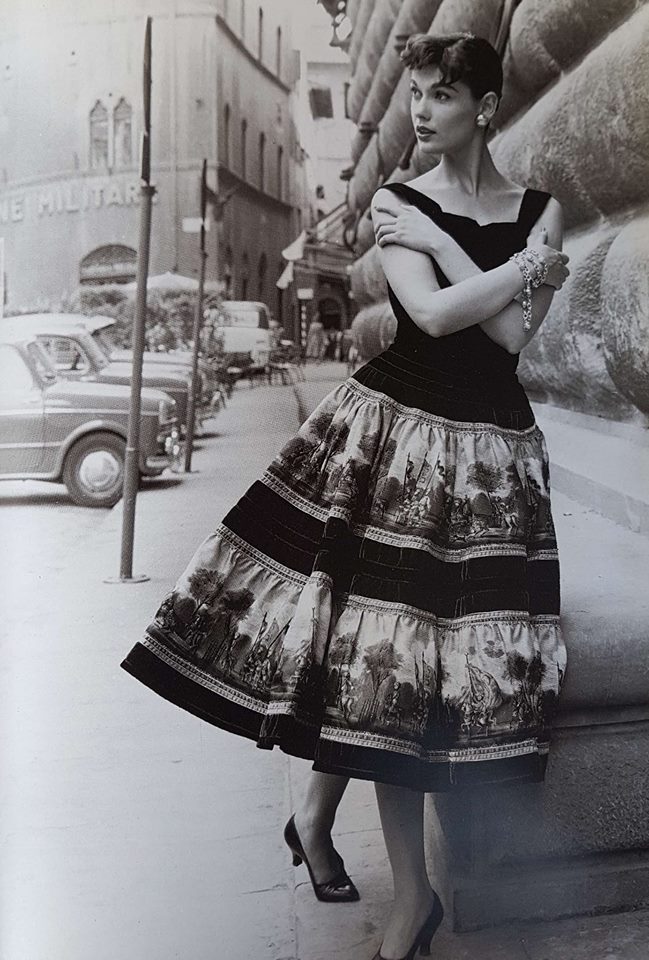
Photo taken by the Palazzo Strozzi.
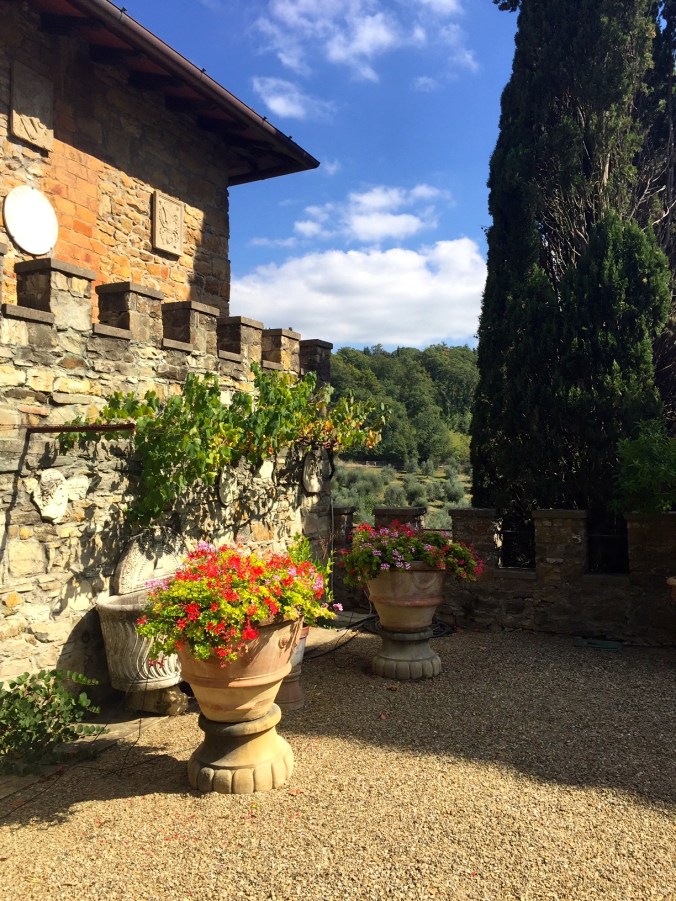
Oh, Villa Peyron! How lovely you are, sitting in your pretty setting high above Florence!
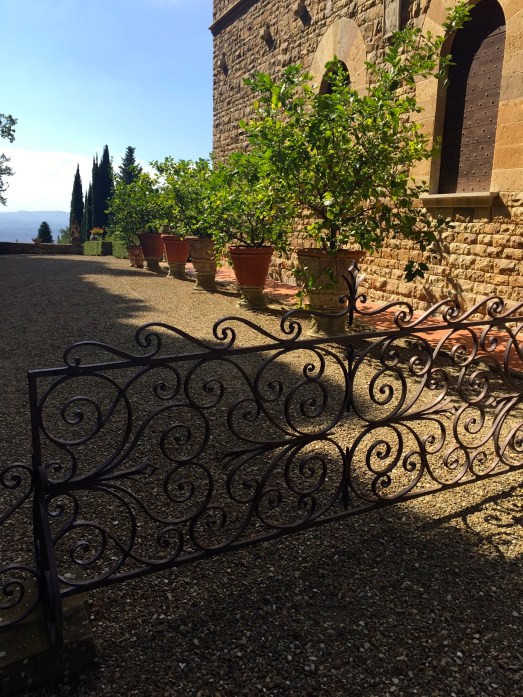
Situated in a beautiful position up in the hills around Fiesole, one can view both Florence and Castel di Poggio from the Villa.

The Villa Peyron is a large complex, with buildings, formal gardens, and the surrounding olive groves. The villa is located in the woods named Il Bosco di Fonte Lucente, named after a spring above the villa.
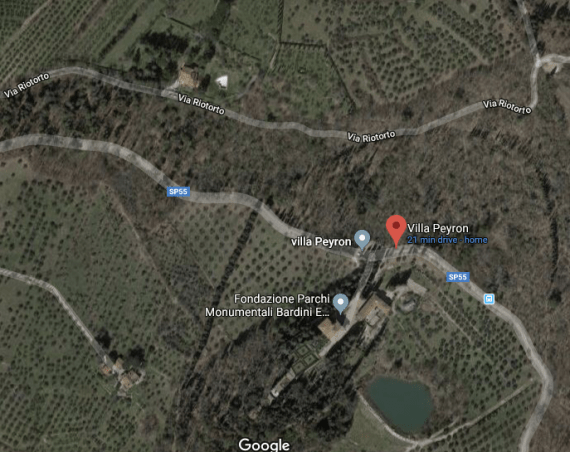
The spring is said to supply the water necessary to work the many fountains in the garden and park, although I will say that the fountains weren’t working when I was there recently. Even without the fountains, the gardens are beautiful.
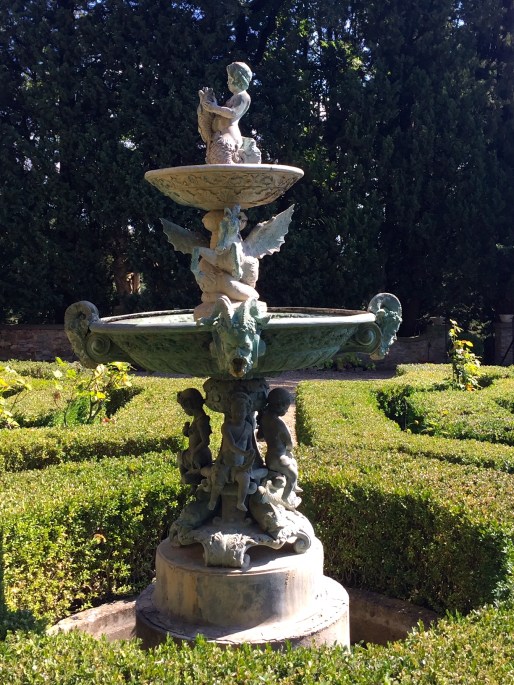
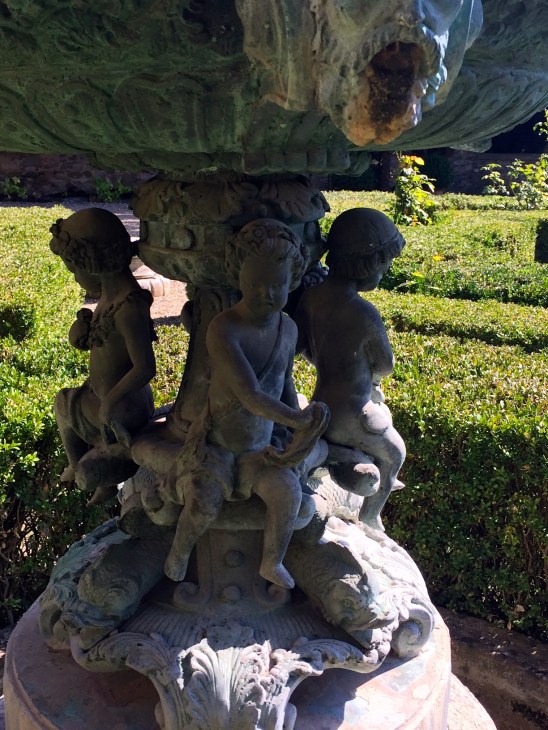
It is likely that the villa itself was built on top of Etruscan ruins, traces of which can be seen in the underground chambers and in the immediate surroundings; there are, for example, antique stones in the walls found in the forests around the villa.
The garden is built on three terraces that slope southwards and has a wooded parterre parallel to the villa.
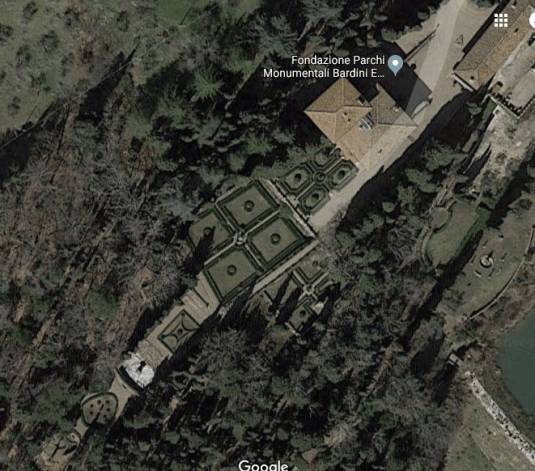
What we see today bears nothing harking back to the Etruscans, but of course the villa has been subjected to a series of renovations and transformations over many centuries.
In the late 19th century, the Florentine architect, Ugo Giovannozzi (1876-1957), gave the villa its current appearance, working for Peyron family members who envisioned a very grand villa.
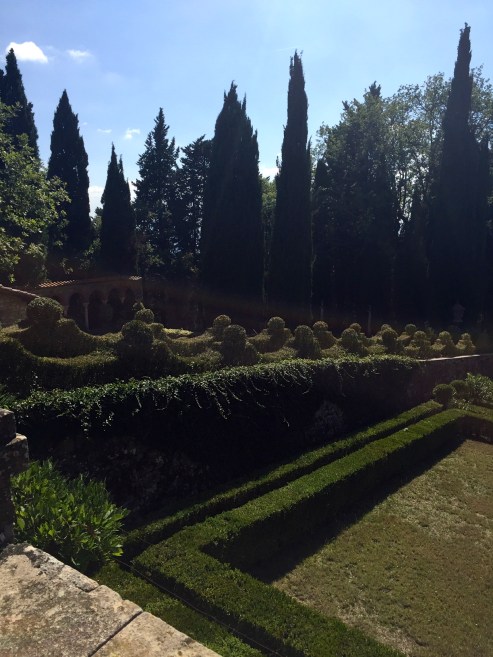
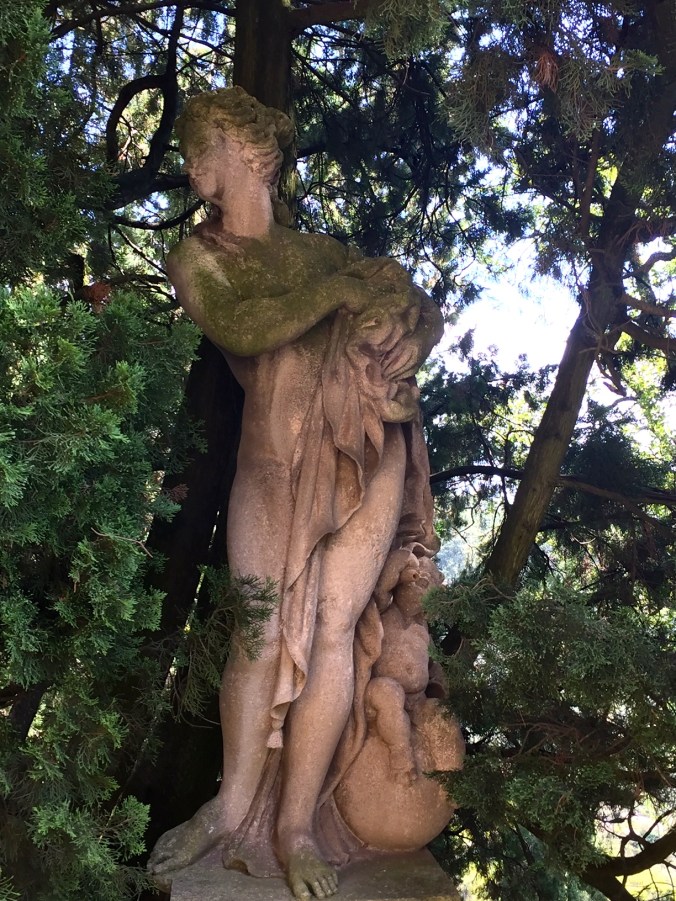
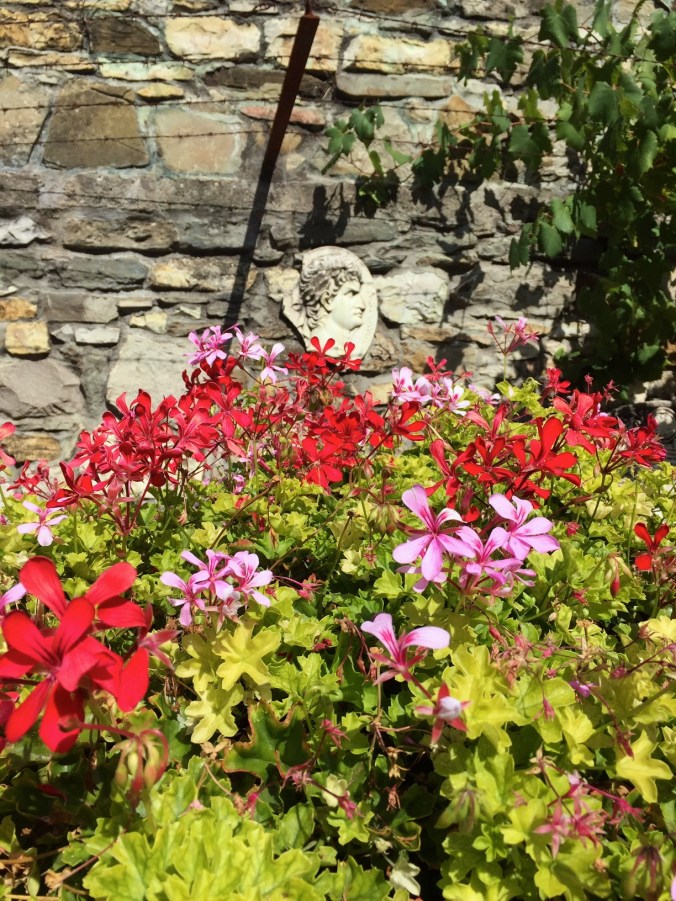
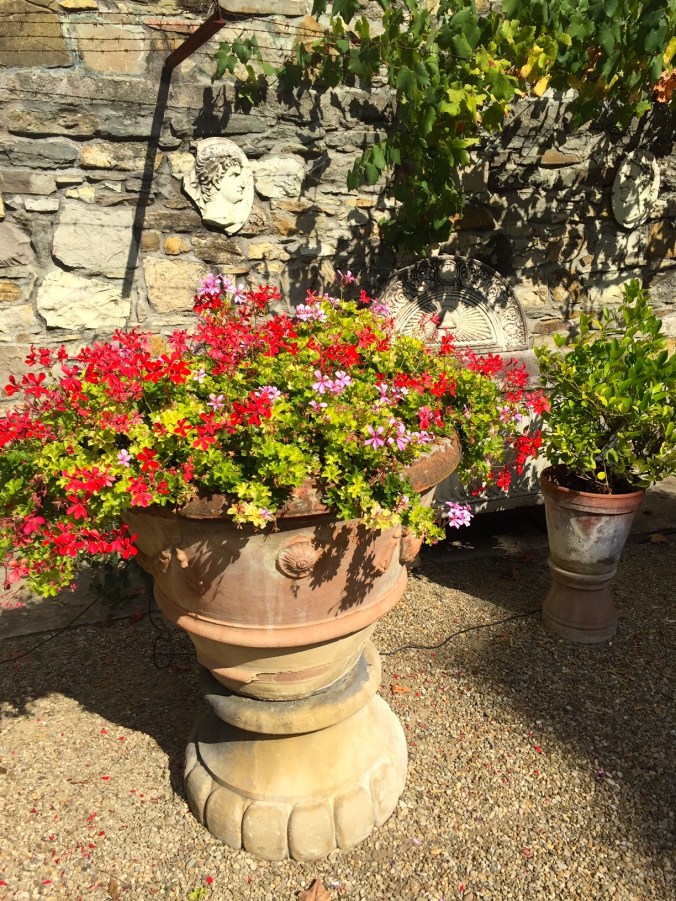
There’s a lot of statuary placed throughout the villa grounds; these sculptures come from the Venetian villas of the Brenta. These prestigious works were installed to take the place of those which were destroyed during World War II.


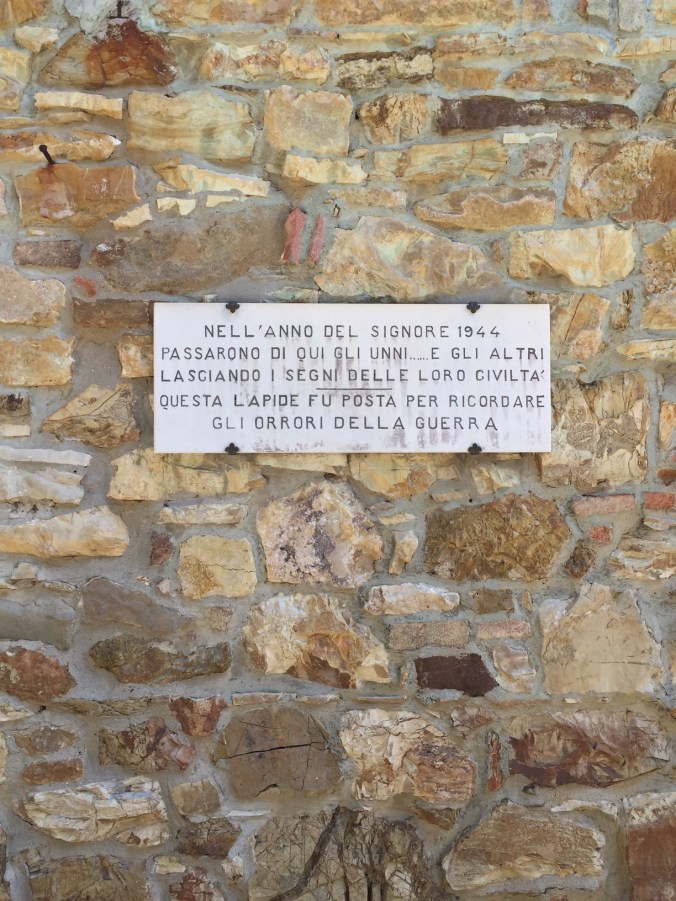
In fact, a plaque is installed on a building near the entrance to the villa grounds, which speaks to the horrors of war. During WWII, the villa was requisitioned by the high German command. Later it was occupied by the Allies who also installed a military hospital there. (I can’t help thinking of the film, The English Patient.)
You might say that some of the minor horrors of war were even clearly imprinted on this villa. When Paolo Peyron returned to his home after the war, it was a very bittersweet homecoming: all the objects that Peyron had tried to save by hiding them in a room in the farmhouse were destroyed and scattered in the garden. Paintings and gilded frames were mockingly attached to olive trees; furniture was smashed; rare books, incunabula and prints of Piranesi, inherited from his father’s library, lay on the ground in the open, irremediably spoiled by the rain.
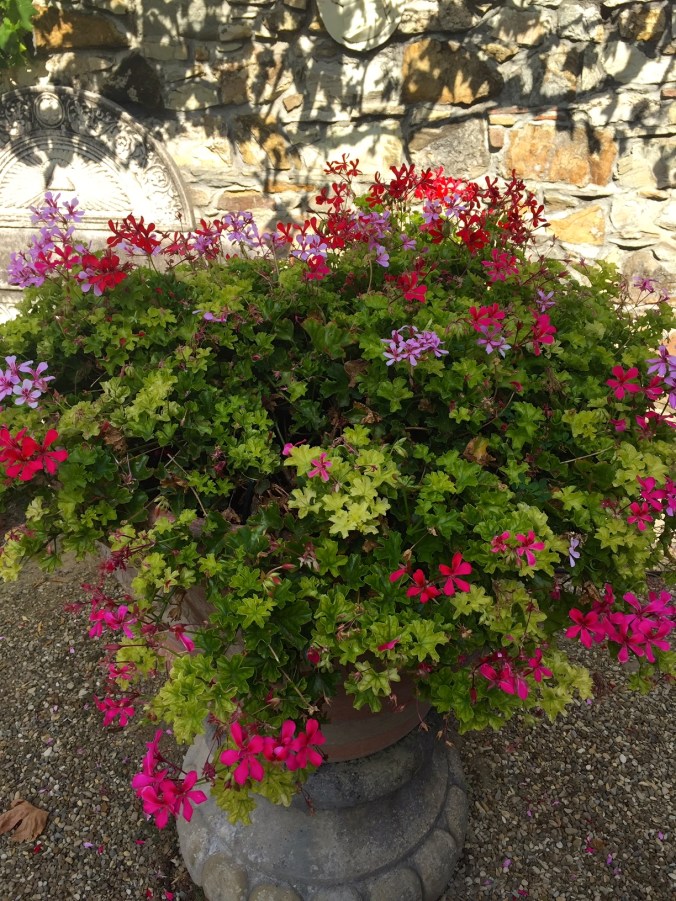
And now I will stop talking and simply place the photos of this beautiful locale on my post. Enjoy!
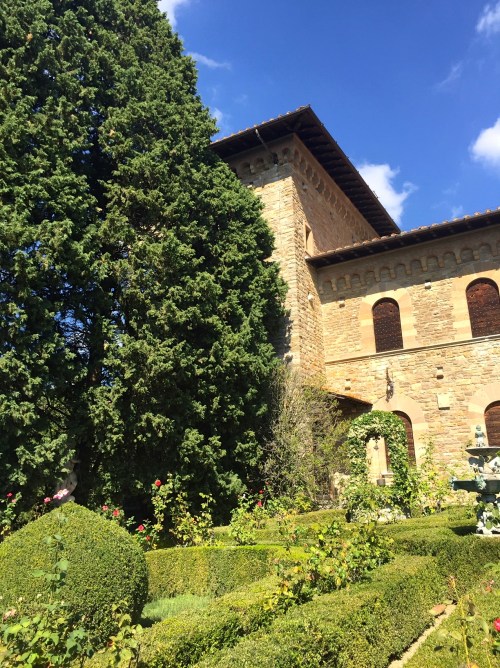
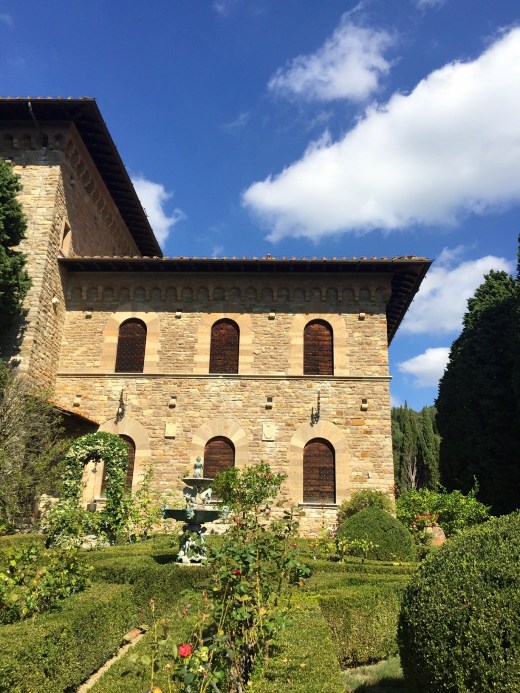
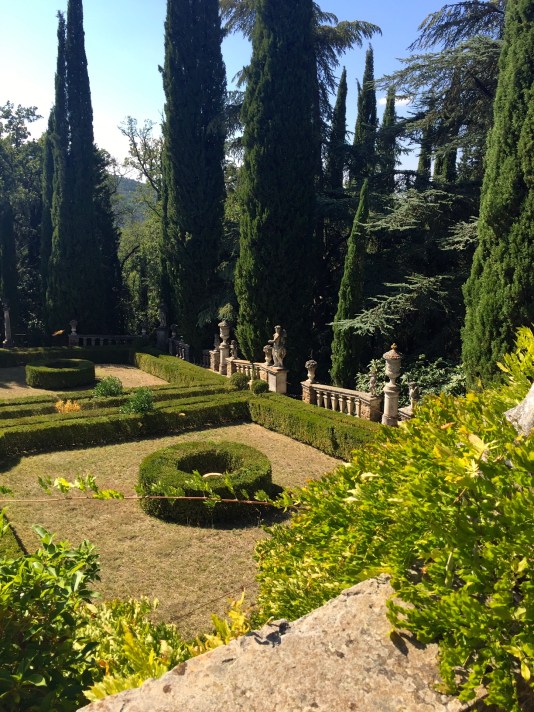
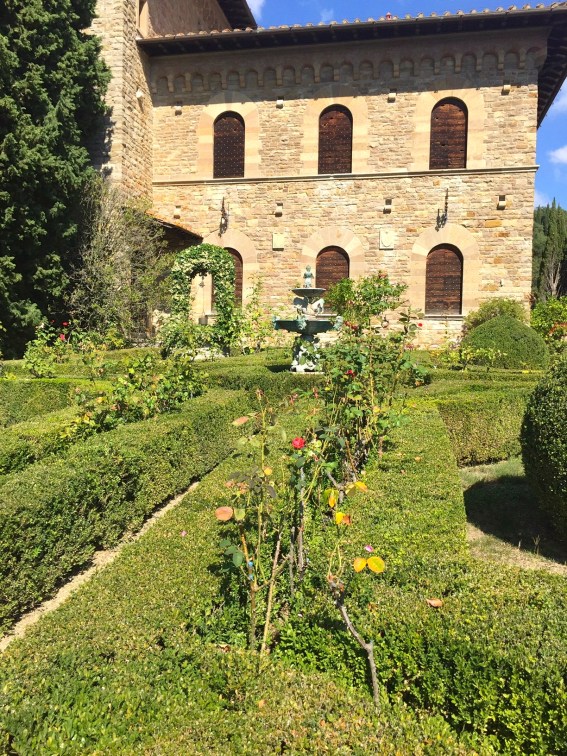
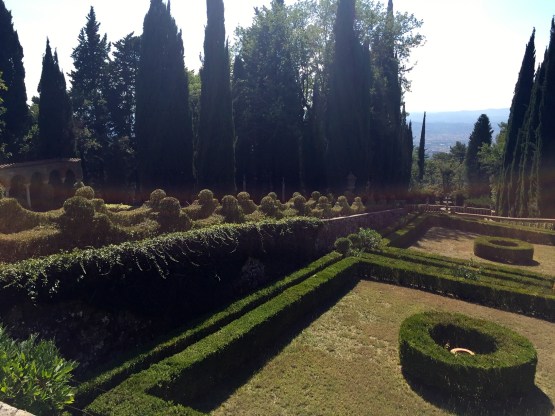
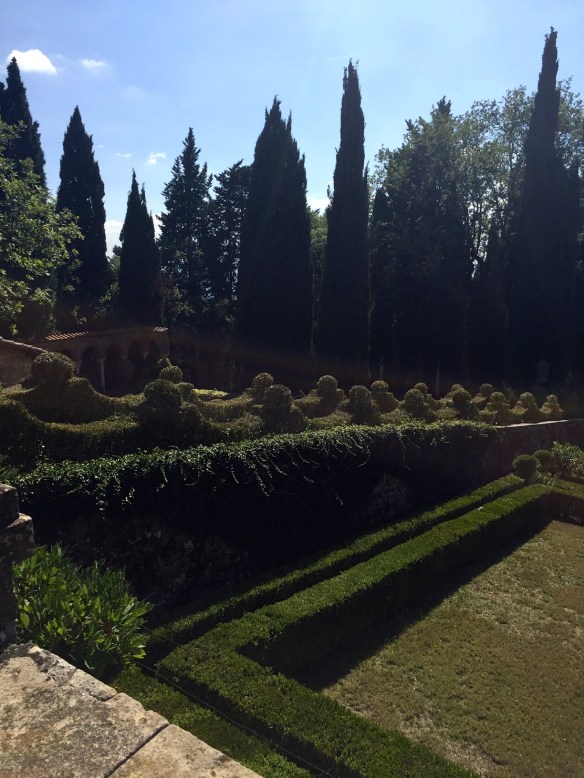
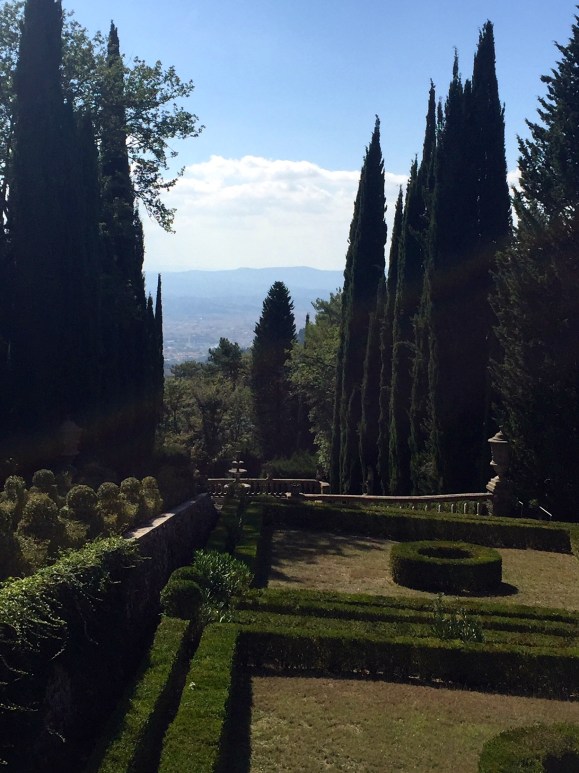
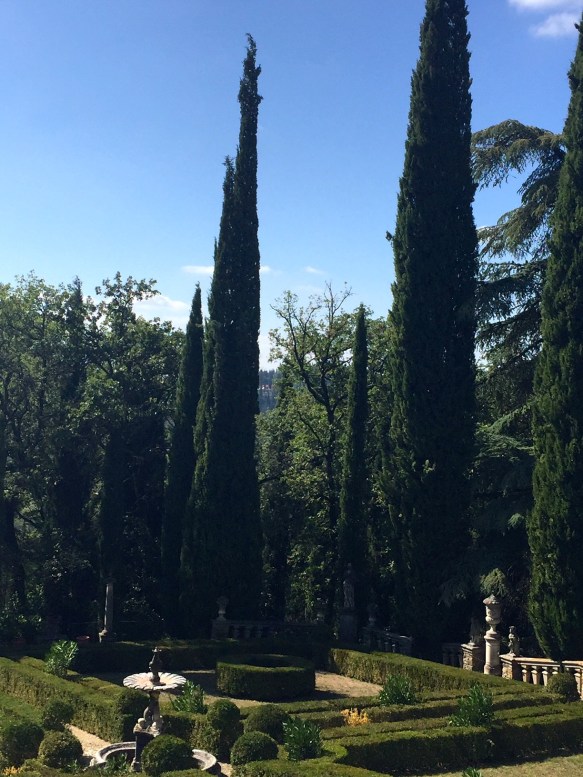
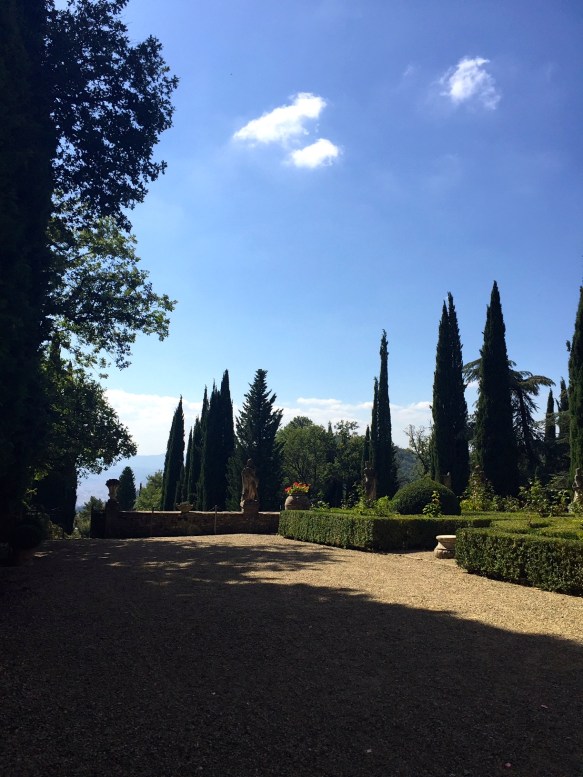
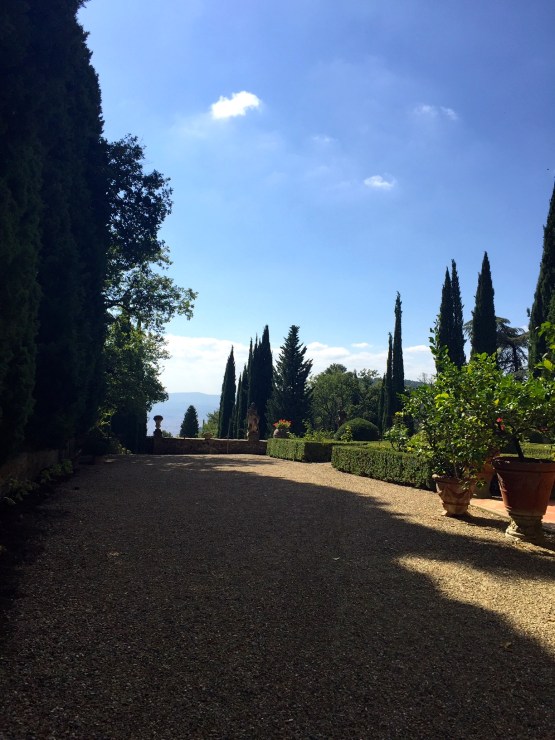
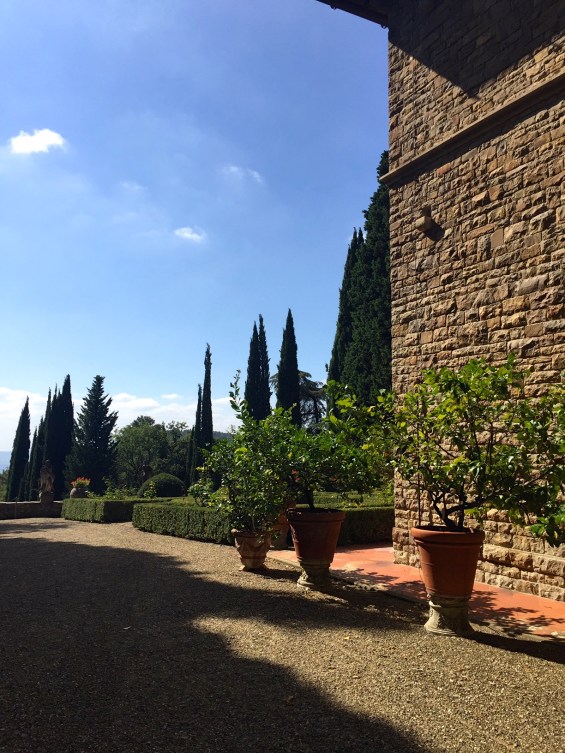
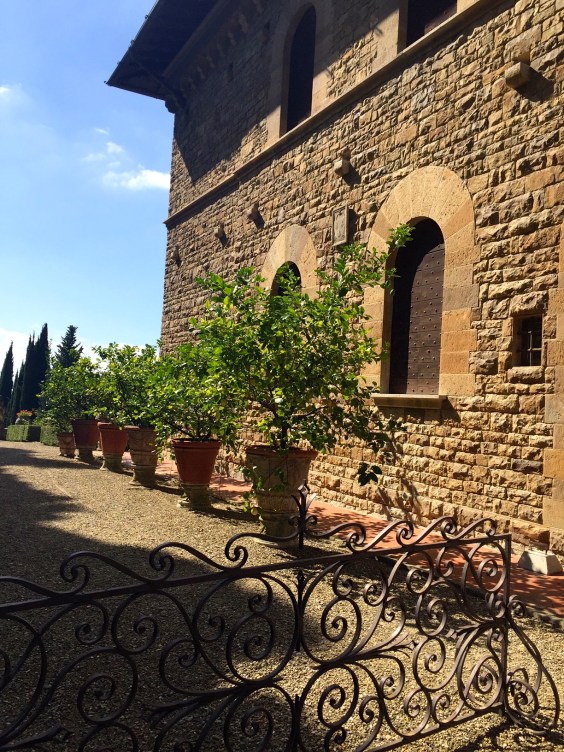
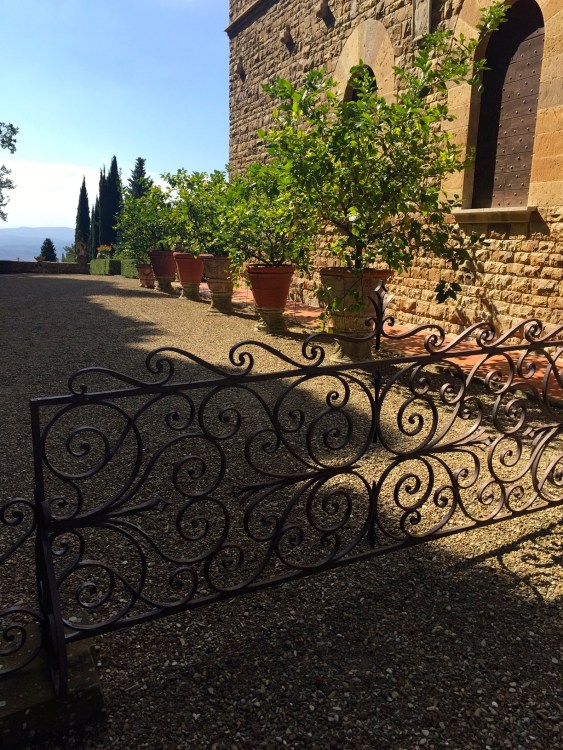
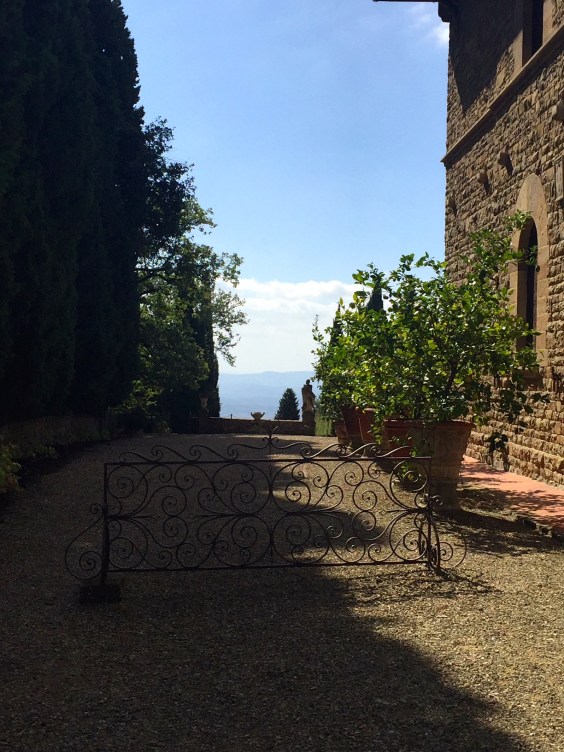
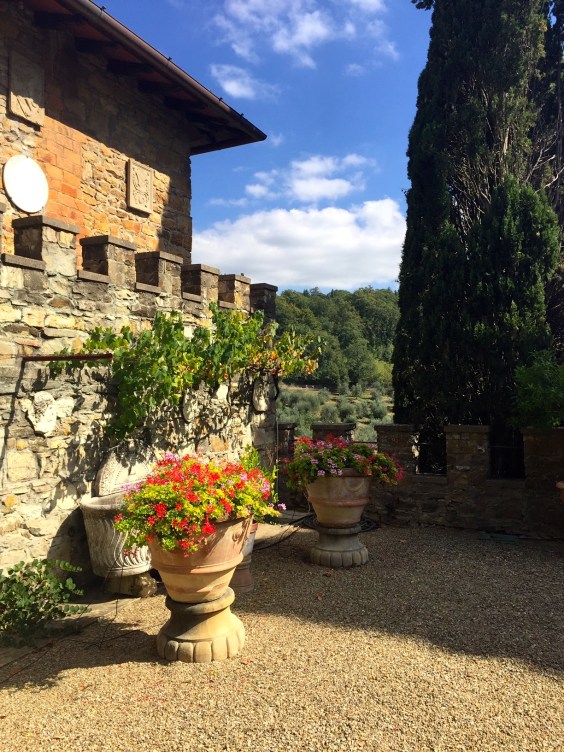
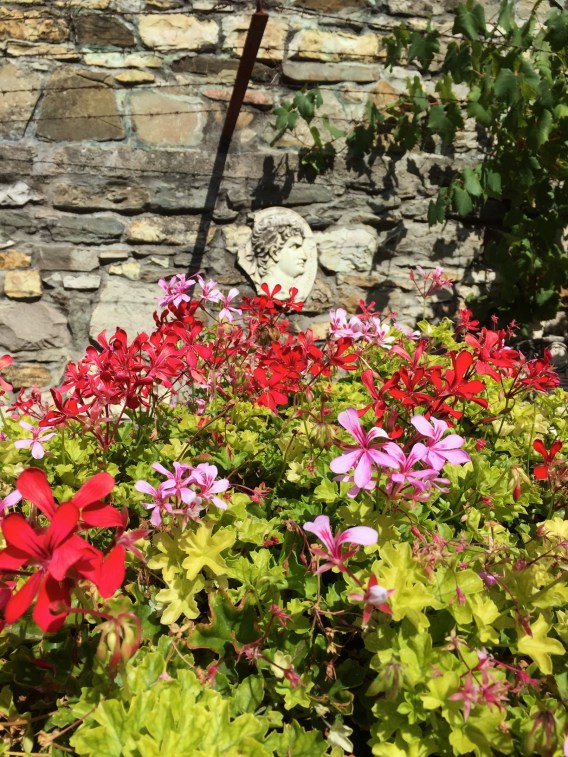

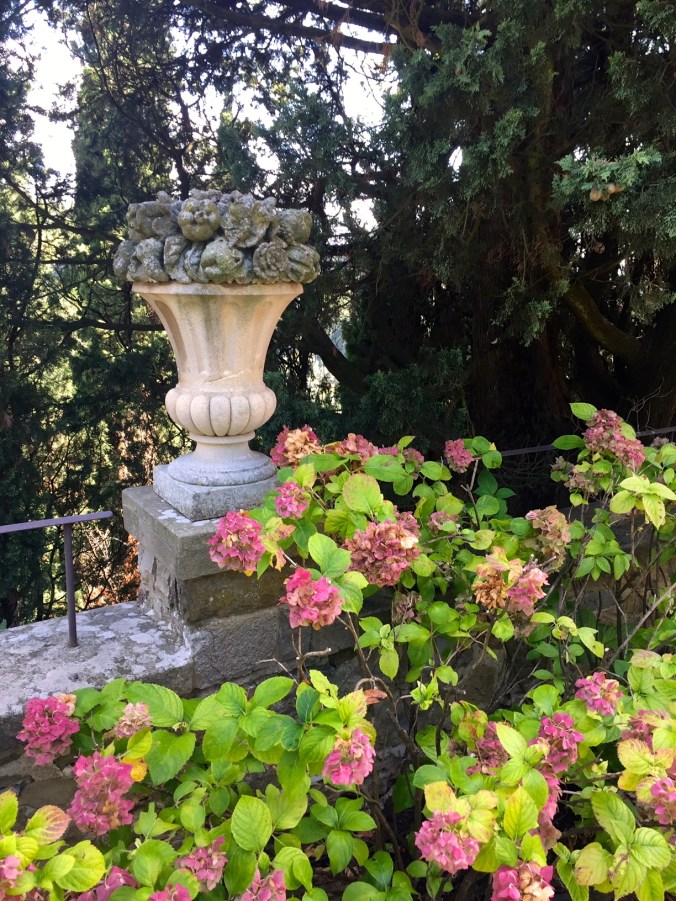
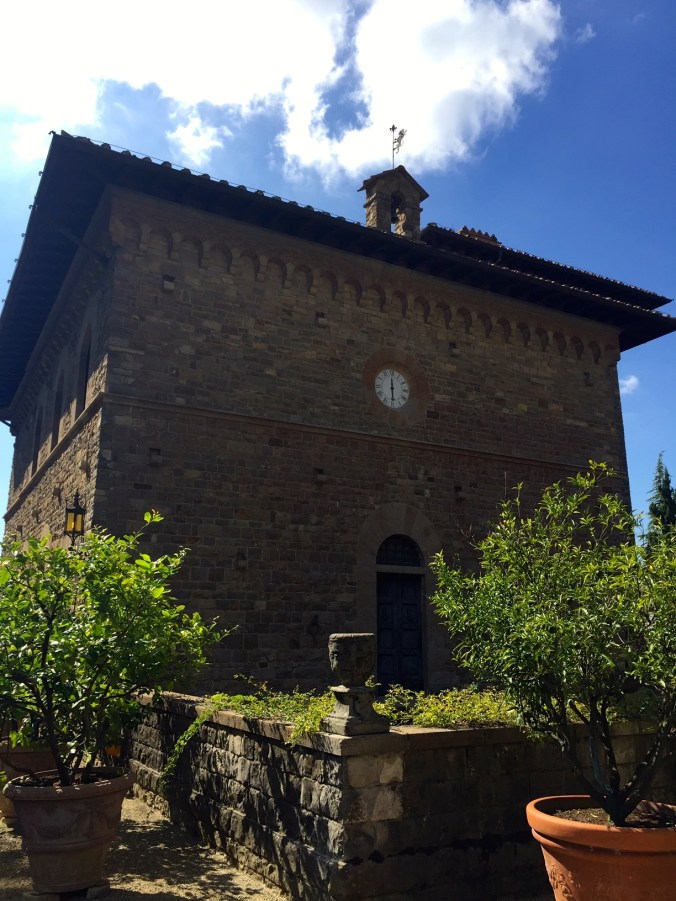
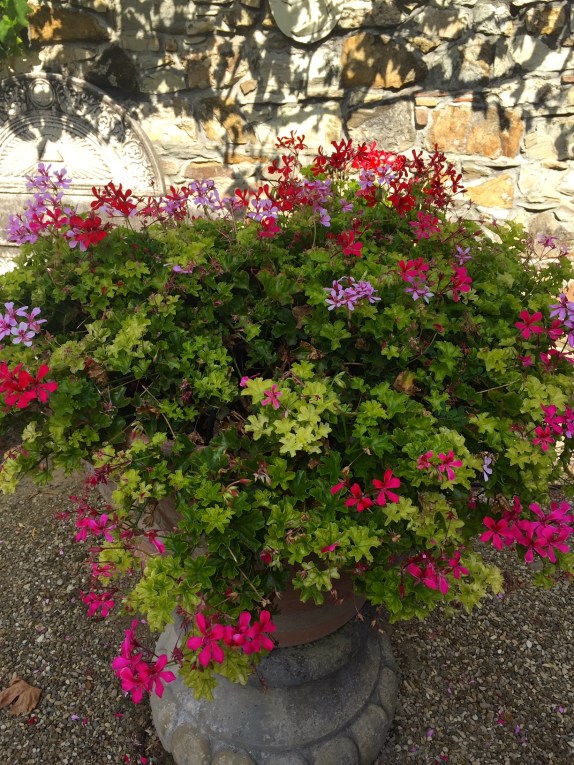
This gorgeous villa, open for visits, lies just beyond Fiesole. It’s an easy trip by Ataf bus (#7) from Florence to Fiesole, and catch a connecting bus #47. The #47 is unreliable (it has only 3 runs on Sundays, for example, and they are all in the morning). But you can do what I did, and take a taxi to the Villa from Fiesole.
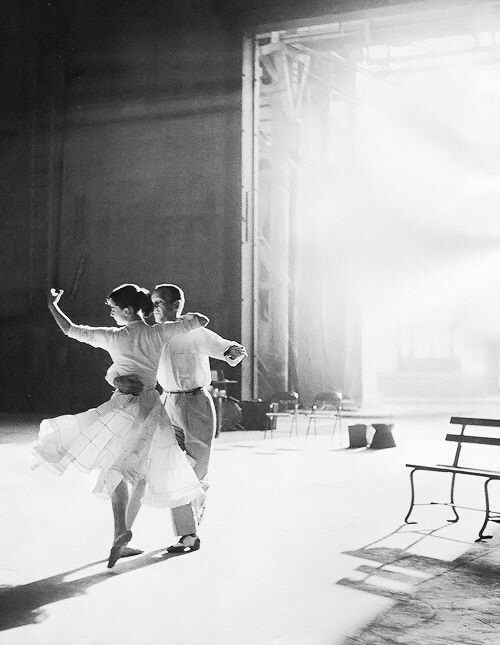
Audrey Hepburn and Fred Astaire rehearsing for Funny Face (1957)
 get back, lauretta!
You must be logged in to post a comment.