Watercolors by one of America’s finest painters.
Watercolors by one of America’s finest painters.
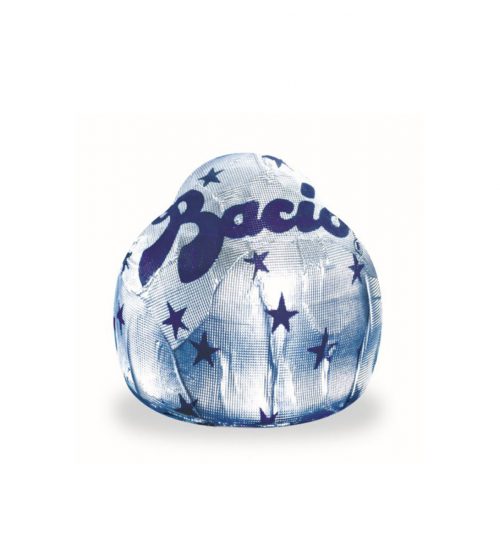
When Perugia-born clothing designer Luisa Spagnoli first invented the hazelnut-centred chocolate in 1922, she called it a cazzotto because it resembled a fist. The name didn’t ring right to Giovanni Buitoni, managing director of the Perugina chocolate factory and Spagnoli’s younger lover—Buitoni was 14 years her junior.
The idea of asking a shop assistant for a “punch” just didn’t resonate with the entrepreneur, who was also on the board of directors of the famous pasta brand. Buitoni commissioned futurist artist Federico Seneca to design the packaging and concept, hence the silver wrapping and the tiny slip of paper printed with a quotation about love we still unfurl today.
The box depicting two lovers locked in an embrace was inspired by Venetian Francesco Hayez’s The Kiss (1859), on display in Milan’s Pinacoteca di Brera. All these factors proved a winning recipe; a 1927 advertisement claimed, “In only five years, Perugina has sold 100 million Baci”.
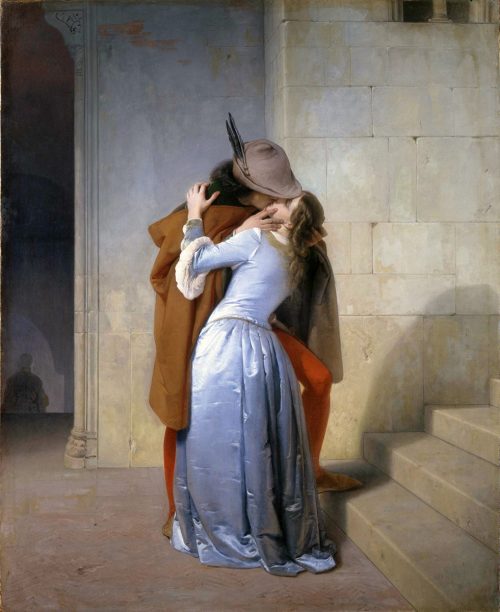
Francesco Hayez’s “The Kiss” (1859)
For Spagnoli and Buitoni, business was never solely about making money (he was also the mayor of Perugia between 1930 and 1934). The pair looked after their employees in a time when corporate social responsibility was practically inexistent: terraced housing and a swimming pool were built near the workplace; dances, football matches and social occasions were regular occurrences; and a nursery was opened at the Fontiveggi factory during the First World War, so that female employees could bring their children to work while the men were away at war.
In 1939, the chocolates set sail to the States, opening a shop to rave reviews in New York’s Fifth Avenue. Luisa Spagnoli did not live to see the overseas success of her chocolates. In 1935, at age 58, the businesswoman passed away in Paris with throat cancer, Buitoni steadfastly by her side.
The enterprise continues to go from strength to strength. In 2018, Baci Perugina were rebranded. Gone are the entwined lovers, replaced with a scattering of gold and white stars topped with a contemporary logo. Limited Edition, Extra Dark 70% and Milk are minor variations on the original dark chocolate recipe. Looking down from the firmament, Luisa Spagnoli and Giovanni Buitoni, who went on marry the opera singer Letizia Cairone two years after Luisa’s death, surely would be proud to see the product of their love sweetly primed for the future.
This article is from: http://www.theflorentine.net/lifestyle/2019/02/the-backstory-on-baci-chocolates/?mc_cid=1f26260e4d&mc_eid=2a398b6f2f
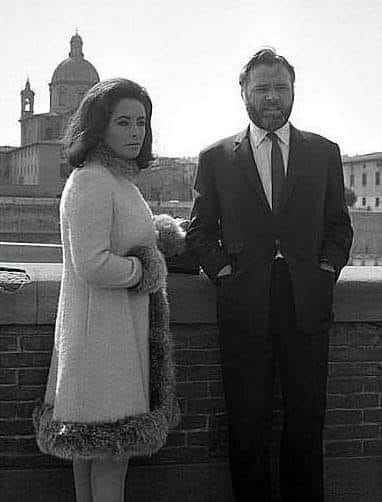
Liz Taylor e Richard Burton a Firenze negli anni ’60
Taylor and Burton along the Lungarno; they were staying at the nearby Excelsior Hotel, according to local sources
Think of Carnevale in Italy and you are sure to think first of Venice. I know I do!
But the season is alive throughout the peninsula and the small ones have a charm that Venice, for all its glory, lacks.

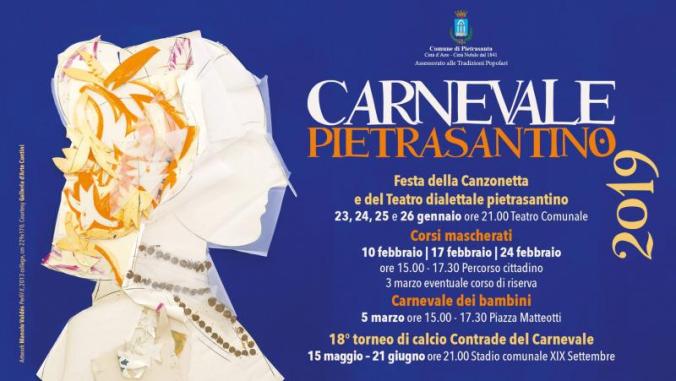
Yesterday I had my first taste of a smaller, home-grown version of the Carnevale parade in the lovely little artsy town of Pietrasanta. This small town is part of Versilia on the coast of northern Tuscany, about 20 miles north of Pisa and 15 miles south of Carrara. Only 2 miles from the coast, you can quickly reach the beach of Marina di Pietrasanta and the fashionable Forte dei Marmi. But those two places are best reserved for a warmer time of year.
The Carnevale in Pietrasanta is composed of locals, young and old, and devoid of pretension.

That’s what I liked most about it!
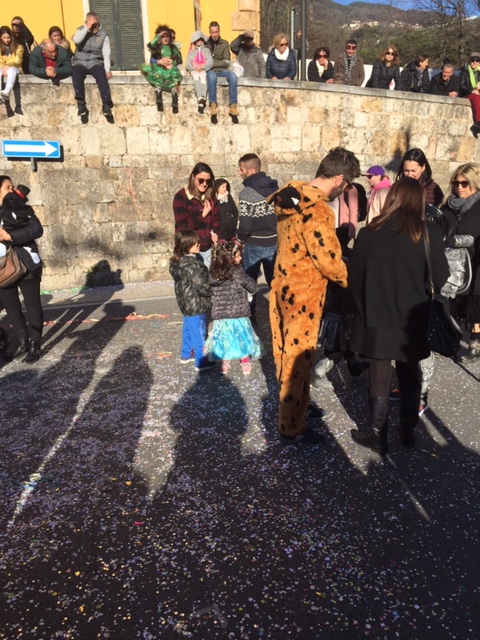
Of course it didn’t hurt that it was a beautiful, almost spring-like day with cerulean skies and puffy white clouds.
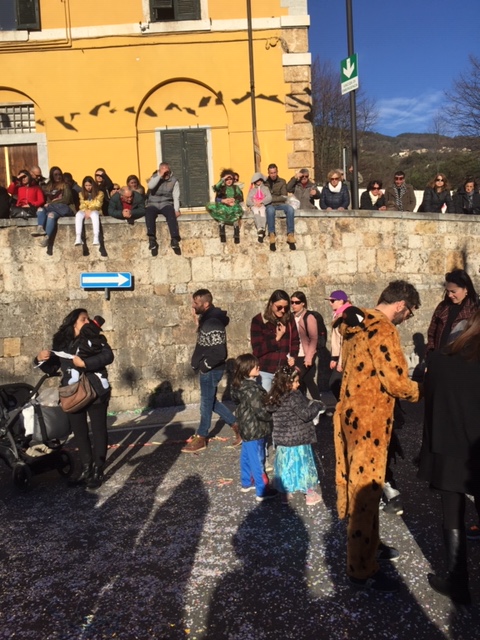
Now, here’s the thing: I don’t know what I was expecting, but the Pietrasanta parade was made up of about 6 major floats with companies of participants associated with each float. The floats ranged in subject matter from the Moulin Rouge, to Dr. Spock, to Michael Jackson’s Killer.

To me, it felt more like a Halloween parade than a celebration of a religious matter.
But, it was unabashed, and I loved it for that. It reminded me of my home town, way across the pond in the prairie states of the US.
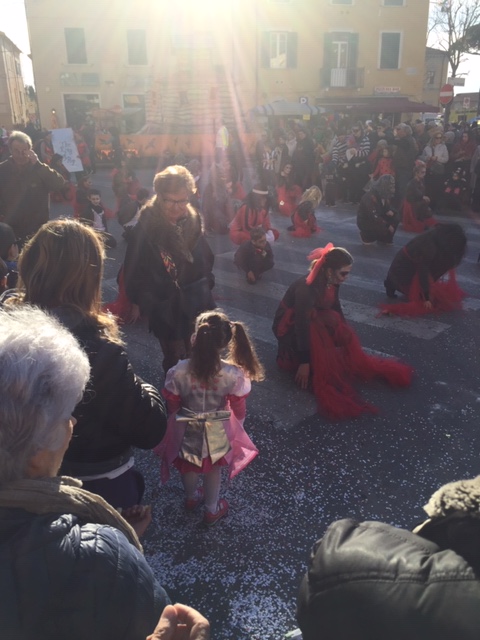
A fun time was had by all!
These are my pictures of the carnivale from 2017. I can hardly believe that I never got around to posting them. It was a wild, exuberant experience I will never forget.
Here’s everything you need to know about this year’s event: https://veniceevents.com/news-blogs/venice-carnival-2019-dates-and-events
And now, finally, 2 years late, my photos:

I was in Venice in 2017 for the water parade. Amazing floats skimmed along the Rio di Cannaregio waterways. It was quite a spectacle. I managed to get a bird’s eye view in the 2nd floor home of a perfect stranger, a delightful Venetian man and his wife! All of these images were shot from their window.


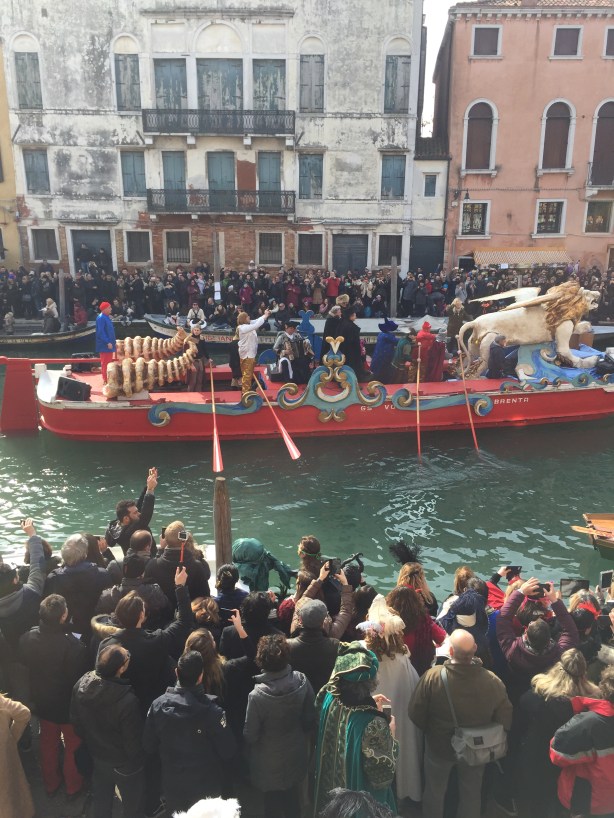


As I left, I got a couple of shots of the delightful Venetian man who shared his window with me and a woman from Russia who went with me to Venice.


The Russian woman (we were classmates in Italian language school in Florence) wanted to buy an elaborate mask and she did!


The wigs available in Venice at this time of year are astounding.


And the costumes, oh my Lord!


Santa Maria della Salute, possibly the world’s most beautiful church and location.


After the liberation of Rome on June 5, 1944, it took nearly 11 months of fighting before U.S. troops reached the Po River on April 22, 1945.
This was the most intense historical period of interaction between Americans and local Italians and Sammarinesi, a period that generated millions of individual stories, some tragic and some joyful.
 A flour sack that contained flour donated to Italy by the U.S.A.
On the American side were hundreds of thousands of troops making their way north. On the Italian and Sammarinesi side were millions of soldiers fighting alongside the Americans and civilians trying to survive the chaos and carnage of war.
Some of the most violent chapters of this story occurred along the so-called Gothic Line, the Nazi’s series of 2,000 fortified positions that ran through the mountains from Carrara to a point on the Adriatic south of Ravenna.
As part of the American Consulate’s bicentennial outreach, they recently visited two points along the Line: Carrara on the Ligurian Sea and Vernio in the Val di Bisenzio, north of Prato.
In both cities, the memory of the Gothic Line and of the American and Allied troops who fought and died there remains vivid. In both cities, the local government is keen to develop educational materials and touristic itineraries to keep this memory alive for future generations. We look forward to working with both cities as they explore and explain this piece of our shared history.
When I walk across the Ponte Vecchio, I often notice this marble plaque.
Who, I always wonder, was Gerhard Wolf?

Knowing that Germany occupied Florence during the war, I’ve been puzzled to find a German commemorated on the one bridge in Florence that wasn’t destroyed by German forces when they departed the city as the Allied Forces moved ever northward during the war.
It turns out that Wolf was the Consul in Florence and was a reluctant member of the Nazi Party. I read that he only joined the Party because it was necessary in order to be in the diplomatic corps.
Despite being German and a Nazi, Wolf risked his life while he rescued political prisoners and Jews during the barbarism of the War. Apparently he assisted the famous American, Bernard Berenson, who was Jewish, making it possible for Berenson to successfully hide from the Nazis. The plaque also says that Wolf was instrumental in the saving of the Ponte Vecchio.
Interestingly enough, I’ve read quite a lot about Florence during the war and, outside of this plaque, I’ve never read anything about the fact that Gerhard Wolf helped Berenson specifically or that he played a role in saving the Ponte Vecchio when the retreating Germans blew up all of the other Florentine bridges. I have no reason to not believe Wolf’s role in these things, but I am surprised I’ve never found this information anywhere else. Oh, well…live and learn. I’ll keep my eyes pealed for future references.
So, here’s a translation of what the plaque says: “Gerhard Wolf (1886–1971). German consul, born at Dresden—subsequently twinned with the city of Florence—played a decisive role in saving the Ponte Vecchio (1944) from the barbarism of WWII and was instrumental in rescuing political prisoners and Jews from persecution at the height of the Nazi occupation. The commune places this plaque on 11 April 2007 in memory of the granting of honorary citizenship.”
Here’s what Wikipedia adds to the Wolf story:
Wolf was born in Dresden, the 7th child of an attorney of family law. After serving in the military, he studied philosophy, art history and literature, and completed a doctorate in philosophy. In 1927, he joined the foreign ministry and was posted to Rome at the time Adolf Hitler came to power in 1933. He was first invited to join the Nazi Party that year, but he declined and did not join until 1 March 1939, after it became clear that his diplomatic work would be impossible otherwise.
Between 1940 and 1944, Wolf was the German Consul in Florence. After the German occupation of Italy in 1943, he worked to save many Jews from the Holocaust, including the famous art historian Bernard Berenson, who testified to that in 1946. In his efforts, he was supported by Rudolf Rahn, the deputy ambassador at Rome. Wolf, along with Ludwig Heinrich Heydenreich, director of the Kunsthistorisches Institut in Florenz, also saved many artworks from being spirited off to Germany. He also prevented the Ponte Vecchio from being destroyed.
In 1955, Wolf was made an honorary citizen of Florence. Ten years after his retirement, he died in Munich. In 2007, a marble plaque in his honour was unveiled on the Ponte Vecchio by the acting mayor of Dresden.
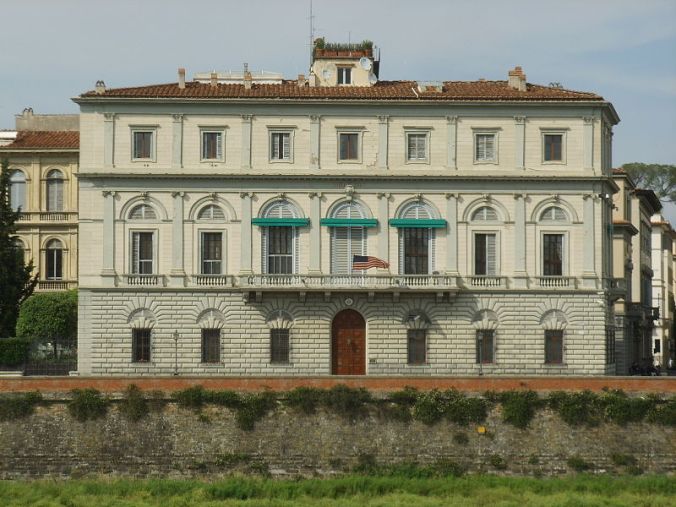
The American Consulate in Florence is part of the United States Mission to Italy and is located at Lungarno Vespucci 38, in the former Palazzo Calcagnini (built 1876-77). This palazzo was purchased in 1949 by the American government, to serve as the site of the Consulate General.
Long before the United States acquired the palazzo however, its presence was already in Tuscany. The first American consulate to the Grand Duchy of Tuscany was established in Livorno (then known in English as Leghorn), with consular agent Phillip Felicchi being appointed on 29 May 1794.
For some reason, Tuscany would not recognize any consulates posted in Florence, so the first U.S. Consular Agent to serve Florence was Vice Consular Agent James Ombrosi, who was under mandate from the U.S. Consulate at Leghorn (Livorno). Ombrosi was accredited on May 15, 1819.
In the years after the U.S. Civil War and the transition of the capital of the Kingdom of Italy from Florence to Rome, the U.S. Consul General was James Lorimer Graham. Graham was a New York banker and art collector; he and his wife Josephine lived in a building that is now known the Palazzo dei Congressi.
In the early 1870s, Florence was suffering the grave economic consequences of the sudden transfer of the capital, a move that left the city deeply in debt and had bankrupted many investors when boom turned to bust in “Firenze Capitale.”
Resulting higher taxes and slower growth led to widespread poverty. Mrs. Graham was a committed philanthropist back in New York, and so responded to this situation in a way familiar to her. She rallied members of the “American Colony” and started selling mistletoe baskets and Christmas trees to raise funds for the poor.
Then there was the more fraught holiday season of December of 1944. Though Florence had been liberated by the Allied Forces in August of that year, there was little rejoicing along the Gothic Line—the German defensive line that stretched from Carrara to Pesaro—as fighting raged and civilian and combatant casualties mounted.
In the early morning hours of a bitterly cold December 26, Axis forces launched a counter-offensive in the Garfagnana region of Lucca province, focused on and around the town of Barga.
The first target was the hilltop village of Sommocolonia, garrisoned by several hundred African-American “Buffalo Soldiers” and a handful of local partigiani.
During the fighting, German forces drove the Allied troops back. To avoid a complete rout, Army Lieutenant John R. Fox remained in his position in the Sommocolonia bell tower, calling in artillery strikes on the town and finally on his own position in order to slow the Axis advance. For Fox’s bravery and self-sacrifice, he was posthumously awarded the U.S.’s highest military honor, the Medal of Honor.
Today the American International League of Florence (AILO), organizes annual events to collect thousands of euro each year that are then donated to local charitable organizations.
Incidentally, the United States also has 5 other representations in Italy: American Consulate in Palermo; American Consulate in Naples; American Consulate in Milan;
American Consulate in Genoa; and the American Embassy in Rome.
The American Consulate in Florence represents one of 402 foreign consular and diplomatic representations from around the world in Italy.
**********************************************************************************

Do you have personal experiences or stories that were passed on to you about historic events that occurred in Tuscany, Emilia Romagna or the Republic of San Marino? Were you a Mud Angel? Did you have relatives who worked with the American Red Cross during World War I or witnessed the 5th Army’s fight along the Gothic Line in World War II? Are you doing something now that is strengthening the U.S.-Italy partnership? If so, the U.S. Consulate General in Florence would love to hear from you!
The Florence American consulate is collecting stories in anticipation of the bicentennial of its diplomatic presence in Florence in 2019.
Throughout that year, we hope to see a series of events across Tuscany, Emilia-Romagna and the Republic of San Marino exploring all facets of our past, present, and future together.
These commemorative events and related information will be highlighted on the Consulate’s social media platforms with the #Insieme200 (#Together200) hashtag.
Our 200 years here are built on a foundation of millions of personal and organizational ties, so we need your help to properly celebrate our bicentennial!
If your organization has an idea for a 200th anniversary commemorative event—large or small—or wants to get involved with the events being organized by the Consulate, please let us know:CGFIProtocol@state.gov.
To receive updates on the Consulate’s 200th anniversary and more, join the Consulate’s community by liking its Facebook page @USCGFlorence or following on Twitter!
I’ve made my feelings on Starbucks in Italy known before, so I’ll skip that rant for today. I was recently in Milano and I made a special trip to the new Starbucks there and to try their coffee. My expert opinion below.
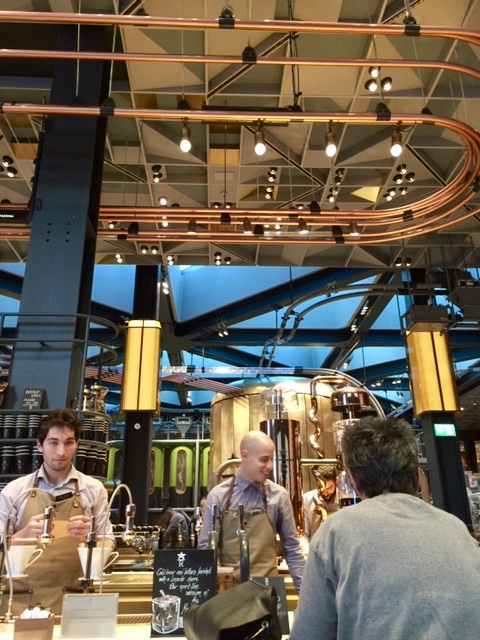
They chose a beautiful building, not far from La Scala and il Duomo, for their home. Obviously Starbucks wanted to land with a big impression. So far as the location goes, they were successful. Money was clearly not an object.

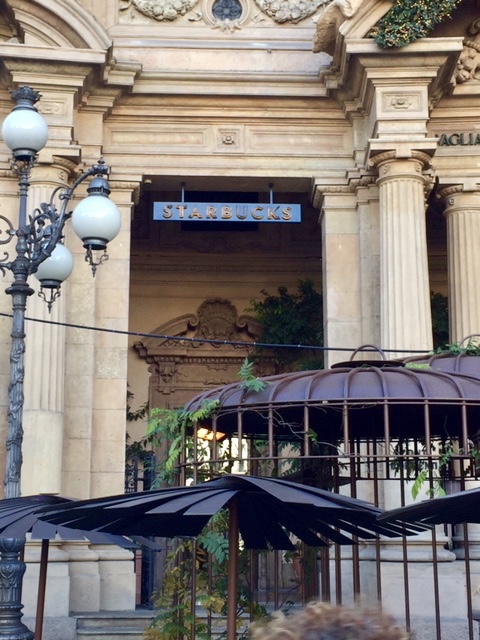
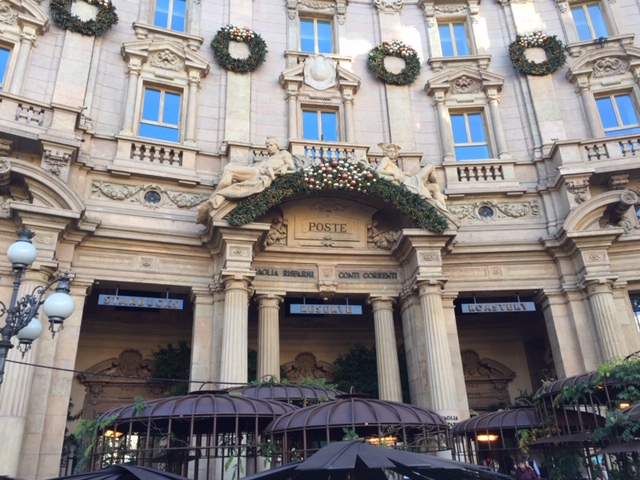
It’s fancy and high tech inside. Instead of the green that typifies all of the other Starbucks in the world, they have chosen warm and coppery colors and materials, maybe to match the coffee beans (ha ha) or to express wealth (metallic colors can do that). Either one works for Starbucks.
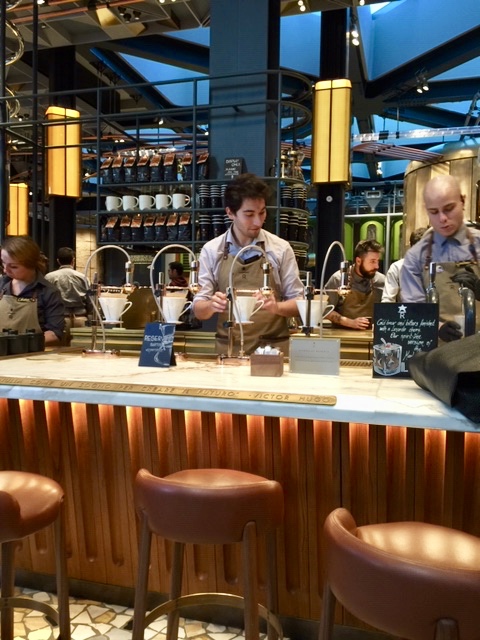


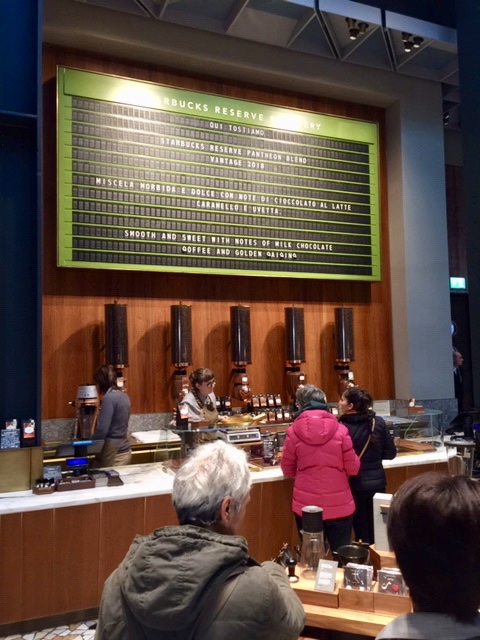
This message board above changes every few seconds with new info. Unfortunately, I didn’t have the time to linger and decode the information. It reminded me of the departures/arrival times at the Termini train station in Rome as it used to be. Now it is digital too.
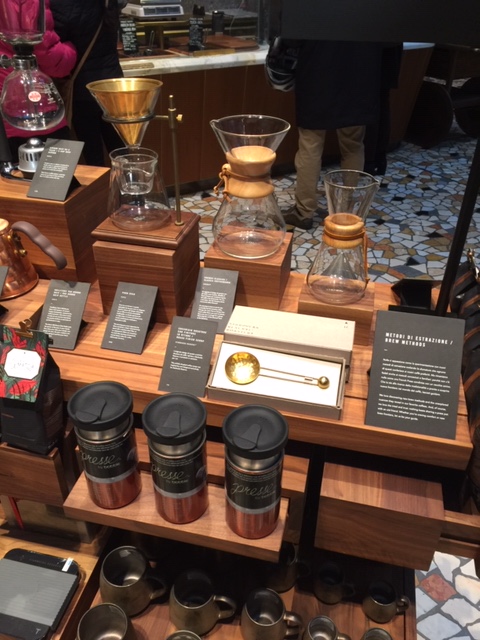
The usual coffee paraphernalia on offer.

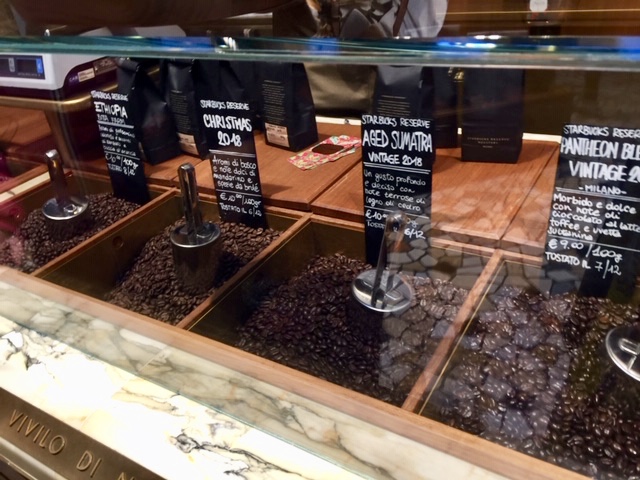
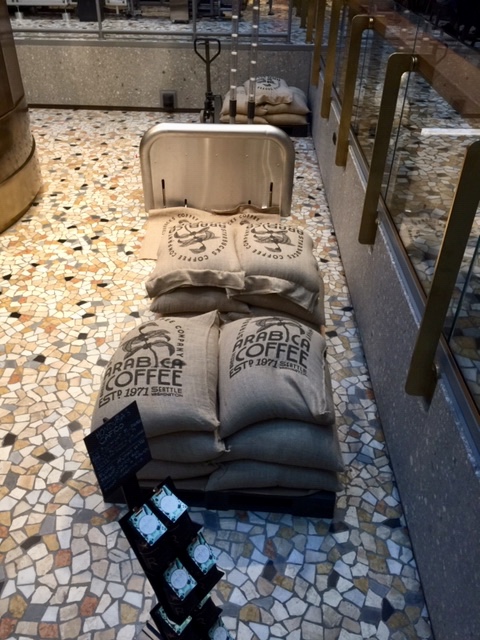
Every sort of bean imaginable is for sale.

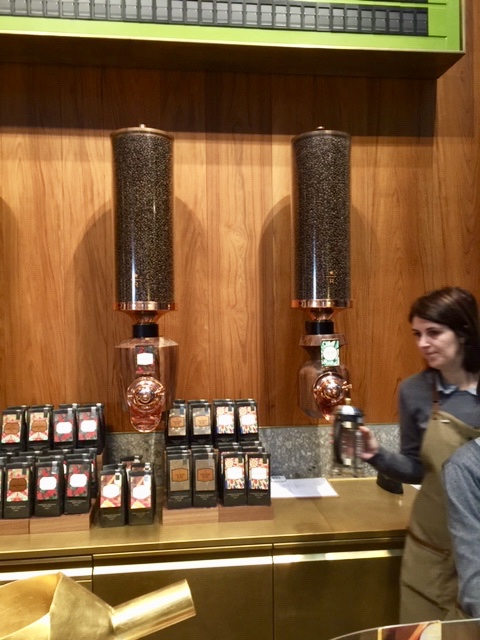
The coffee roasting area:
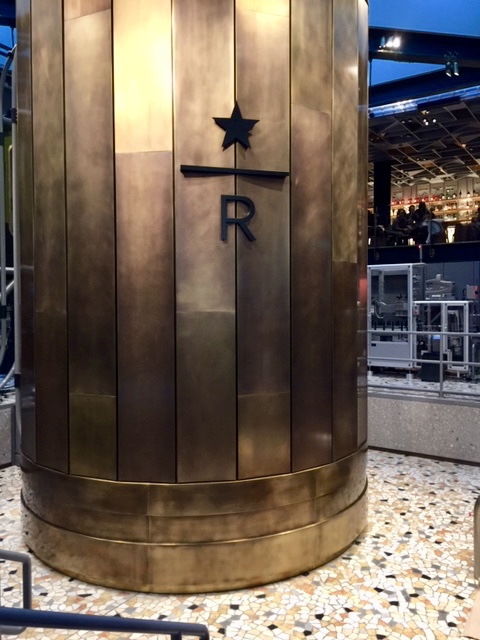
The symbol for the Starbucks “roastery” shops. I think there are 4 worldwide.
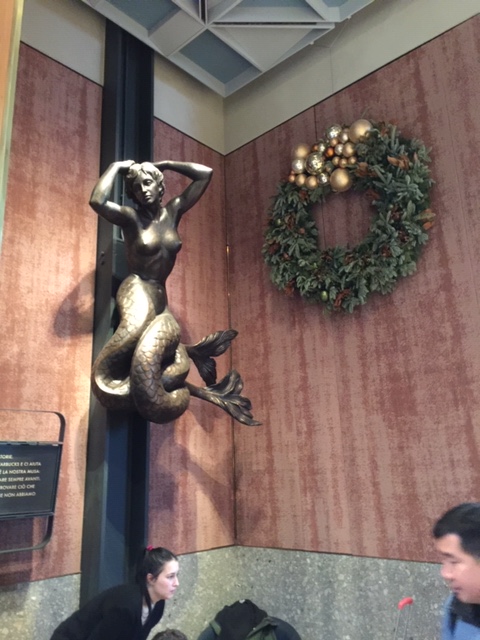
A few artworks pay homage to Starbucks.
Oh, and the aspirational wall. This metallic globe is “dedicated to Milan, the city that has inspired our dreams. Every coffee that we have served came from here.”
Cheesy or what?
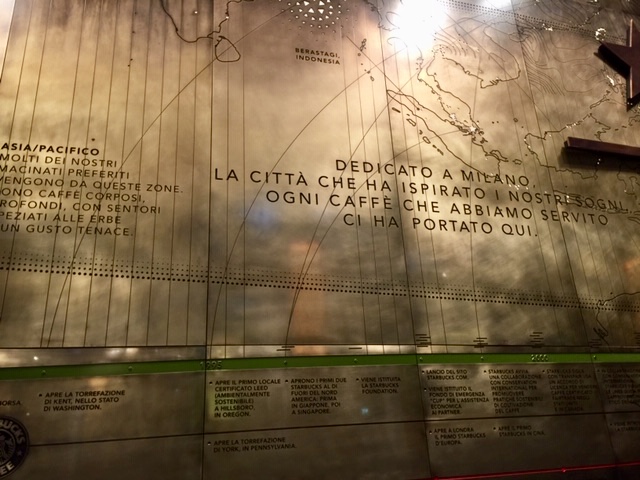
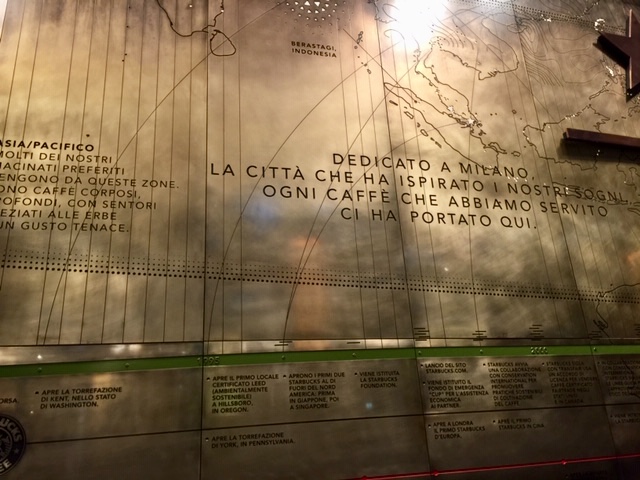

Oh, and here’s my cappuccino, the worst one I’ve ever had anywhere in the world:
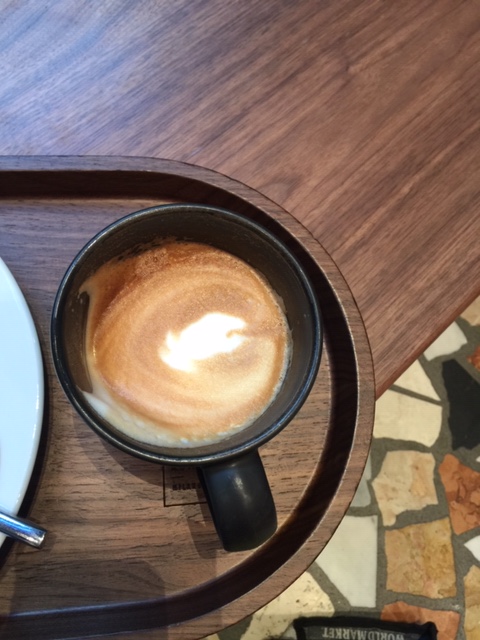
It doesn’t even LOOK right, does it? I drank a few sips and then found one of the thousands of workers milling around and told her that I am from the US and that I know Howard Schultz (he used to be a neighbor), and that I thought he’d be sad about my cap.
She asked what was wrong and I said, well look at it.
She asked if she could make me another one and I agreed, as long as it was takeout. I needed to catch a train. She refabricated my old cap, making it milkier, and dumped it into takeout cup. It was still awful.
Don’t come to Florence, Starbucks. I’m warning you.
Everybody knows Italians invented the coffee culture that is beloved around the world today. I will never forget seeing a Starbucks in Dubai. I almost fell to the ground in gratitude for something I recognized in that (to me) very foreign place!
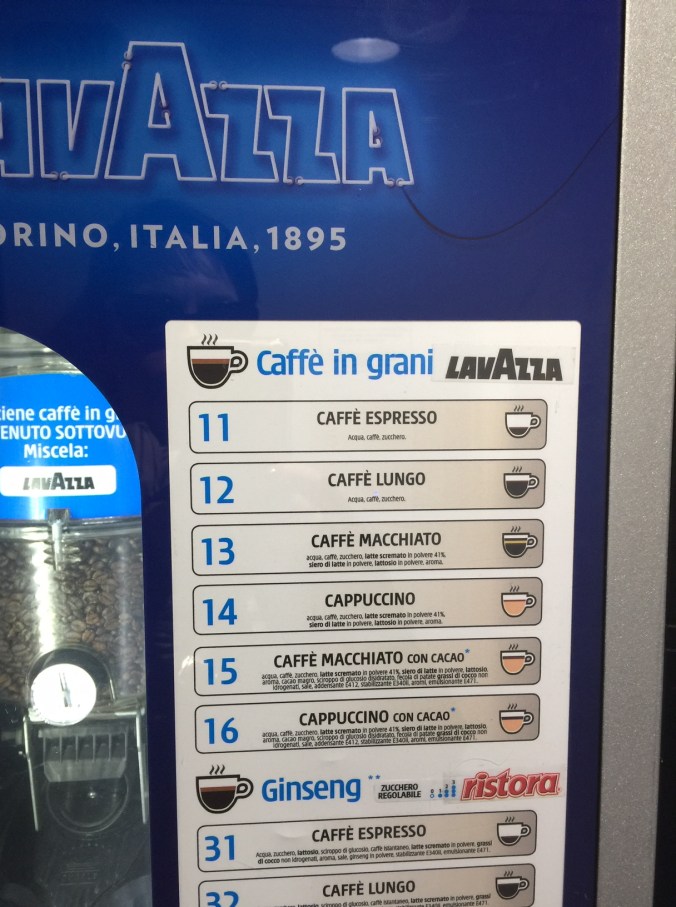
But despite how many places I have seen coffee on offer in Italia, nothing surprised me and yet didn’t surprise me at the same time as much as seeing fresh coffee beans ready to be ground and brewed on an Italo train from Milan to Verona last week. I mean, per che no? It only makes sense!
And this was a self service coffee maker at the end of a train car. There is also a cafe car that serves freshly made espresso…but this machine is available closer to your seat and avoids the messy interaction with live people! And sometimes train workers will pass by and offer you coffee or other things from their carts. But, Italians, at least on this train, have yet another coffee option. They might want to grind and brew their own joe on their own.
You have got to love this culture!


Eat your heart out, Starbucks!
 get back, lauretta!
You must be logged in to post a comment.