Pisa, all but destroyed during WWII

SEPTEMBER–NOVEMBER 1944

The disappearance of its priceless artworks aside, Florence had been far more fortunate than Pisa. The Tuscan capital had lost a great number of medieval structures, but Florence and its citizens were alive.

In contrast, the city of Pisa—or what was left of it—was ghastly and quiet. War had emptied the streets and piazzas. While Deane Keller focused on saving Pisa’s Camposanto, his overarching concern was restoring life to the city itself.

U.S. Fifth Army troops battled the Germans for six weeks before liberating the city on September 2. Allied bombers had done their work well; the devastation had rendered the city largely uninhabitable.

Even then, German long-range artillery pounded the city for an additional three weeks. As Keller noted in his report, little remained undamaged: “Thirty-eight of her monumental churches exhibited major war damage; eight of her secular buildings of monumental importance suffered severely; numerous houses dating back to the Renaissance times were hurt . . . this in addition to the loss of her bridges, railroad station and other public utilities.”

Keller had other responsibilities in Pisa besides the Camposanto. The nearby Leaning Tower had been closed due to an accumulation of water that some thought might threaten the foundation. The water proved more of a nuisance because of the horrid smell than any structural problem. After arranging for the water to be pumped out, and rerouting traffic away from the building, he reopened the Leaning Tower to the public. It became an instant attraction for soldiers.

Well aware of Pisa’s reputation as a center of learning, Keller put his knowledge of academic life to good use by jump-starting the university. “Without the University the town has no economic future at all let alone its importance as an intellectual center. All its factories and industries are destroyed.” It took two months to locate the faculty, remove mines that the Germans had placed throughout the university’s buildings, and return to its library books that had been stored off-site for safekeeping.

On November 25, General Hume returned to Pisa and hosted a ceremony celebrating the reopening and the enrollment of some six hundred students. The city’s key institution was operational. The dead city Keller had encountered when he first arrived started to resuscitate.

Edsel, Robert M.. Saving Italy: The Race to Rescue a Nation’s Treasures from the Nazis (p. 204). W. W. Norton & Company. Kindle Edition.
 

Dateline: Florence, August 4, 1944

In liberated Florence, war correspondent Martha Gellhorn—Mrs. Ernest Hemingway—filed this heartbreaking report:

“The botanical gardens are now a graveyard and they are the most frightening place in Florence. The Germans had taken all the hearses; the cemeteries of Florence lie to the north of the city and are in German hands, and there is no wood for coffins. Add to these basic facts the daily normal deaths in a city of three hundred thousand and the daily deaths resulting from mines, mortars, shells and snipers and you have the ghastly problem of Florence. Dead had been left unburied by the Germans, and it was not always possible to retrieve bodies. For instance, one body lay for days on the stumps of Alle Grazie Bridge. No one could reach it, first because of snipers and then because of mines. So trenches are dug in the botanical gardens and the uncasketed bodies are laid in them.”

Even after Allied forces gained control of the north side of the Arno, life remained miserable for Florentines. People accessed the north and south sides of the city by walking across the broken remains of the other shattered bridges. Few buildings had intact windowpanes.

Stretches of what had once been one of the world’s most cultivated city centers had been replaced with piles of rubble thirty to forty feet high along sections of both sides of the Arno.

Women picked through the pieces searching for heirlooms. Men, armed with picks and shovels, hacked away at the remnants of their beaten city to clear paths for workers and begin the process of rebuilding. Gaunt faces conveyed the hardship endured by the Florentines.

Barefoot women, standing shoulder to shoulder, prepared spartan meals on outdoor stoves in the Boboli Gardens. Others hunched over on their knees along the banks of the Arno, using its dirty water to scrub even dirtier clothes on pieces of stone debris created by the blasts. Despite the filth, thousands of people sought relief from the heat and dust by swimming in the muck.

No one indulged in vanity. Young, dark-haired women looked thirty years older, with their once-well-coifed hair standing on end, caked with grayish dust. Men patched and repatched their ragged clothes. A cluster of people usually indicated the location of one of the city’s temporary clean-water supplies. Such oases were fairly easy to find; just follow someone carrying straw-covered wine jugs or gasoline cans in each hand. The children of Florence sat in circles on the ground, devouring meager suppers.

It was a desperate moment in the city’s storied history.

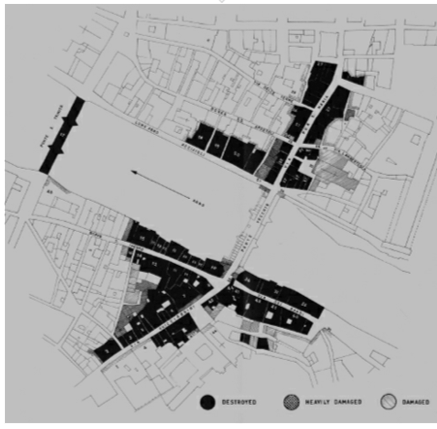
Here’s a diagram of what was destroyed in Florence on that fateful day:

Screen Shot 2017-07-23 at 1.07.14 PM

The Ponte Vecchio is in the middle of the image, Ponte Santa Trinita  to the upper left.


Edsel, Robert M.. Saving Italy: The Race to Rescue a Nation’s Treasures from the Nazis (p. 189). W. W. Norton & Company. Kindle Edition.
Florence in late summer, 1944

Mid-August–October 1944

New York Times reporter Herbert Matthews observed that “Florence is no longer the Florence that the world has known for 400 years. . . . the heart of Florence is gone.” Of its six bridges—San Niccolò, alle Grazie, Vecchio, Santa Trinita, alla Carraia, and alla Vittoria, only the Ponte Vecchio survived. In fact, the Germans had rigged it with demolition charges as well. Some among the Allies theorized that the Germans had changed their plans at the last minute, perhaps concerned that the debris caused by the destruction of the two-story bridge would actually have facilitated an Allied crossing by providing enough rubble to form a new foundation in the low water of late summer.

[American Monumnet’s Man, Frederick Hartt described the horrifying scenes during the initial days of liberation:]

In the city there was no water, no light. . . . the mosquitoes came in clouds from the stagnant Arno, the heat was intense and the air suffocating with the odors from the broken sewers and gas mains, the unflushable closets [toilets], and the corpses still buried under the ruins along the Arno.

Fascist snipers from windows all over the town picked off civilians at random. During this period nearly four hundred persons, mostly civilians, were killed by the German batteries which continued to shell the town sporadically from Fiesole.

Edsel, Robert M.. Saving Italy: The Race to Rescue a Nation’s Treasures from the Nazis (pp. 188-189). W. W. Norton & Company. Kindle Edition.

How Italian treasures survived WWII

De Rinaldis informed Cott that most of the works of art in Rome had been safely stored in the Vatican….the Vatican [itself] possessed one of the greatest collections of art in the world. [During the early 1940s, however, it housed as well] the temporary addition of works from the Brera Picture Gallery in Milan, Accademia in Venice, Borghese Gallery in Rome, Museo Nazionale in Naples, the holdings of dozens of less prominent museums, and many priceless riches from the nation’s churches, it now had few, if any, rivals anywhere on earth. Joining its remarkable collection were—to name just a few—the Caravaggios from Santa Maria del Popolo and San Luigi dei Francesi, and oversize canvases by Titian, Veronese, Tintoretto, and Tiepolo from Venice. Never before or again would the results of such creative genius be gathered in one place.

Edsel, Robert M.. Saving Italy: The Race to Rescue a Nation’s Treasures from the Nazis (p. 138). W. W. Norton & Company. Kindle Edition.
The bombing of Pompeii, 1943, on the anniversary of eruption of Mt. Vesuvius.

Things didn’t go so well for Italy’s artistic treasures at the beginning of the Allied invasion.  To wit:

No one wanted another embarrassing incident, such as the recent bombing of Pompeii. The Allies had flown at least eleven missions, dropping 156 bombs on suspected German command posts around the ancient archaeological site. This accomplished little beyond killing Pompeii’s dead, again and again. The southern portion of the site lay in rubble; the Pompeii Antiquarium was “half demolished” with “serious losses to the collection.” Adding irony to insult, the date of the first Allied raid—August 24—marked the 1,864th anniversary of the devastating eruption of Mount Vesuvius.

Edsel, Robert M.. Saving Italy: The Race to Rescue a Nation’s Treasures from the Nazis (pp. 61-62). W. W. Norton & Company. Kindle Edition.
Palermo, December 1943

The daily life in Palermo of a Monument Man, described in a letter sent home:

It’s a curious city of poverty & plenty, breadlines & marvelous pastry cakes, telephone wires strung by the Signal Corps on the heads & outstretched arms of marble saints, mounds of uncleared rubble in alleys, bombed Baroque churches, hot roasted chestnuts, walnuts, almonds & oranges, salvage dumps & hospitals, blackouts & bomb shelters. The things which effect [sic] life most are the lack of glass—most windows were shattered, shortage of water (I have to fill my helmet & wash in it morning & night), constant G.I. food (all restaurants are off bounds) & the cold (one is never quite warm).

Edsel, Robert M.. Saving Italy: The Race to Rescue a Nation’s Treasures from the Nazis (pp. 59-60). W. W. Norton & Company. Kindle Edition.
Summer reading.

I know, the calendar hasn’t officially cleared summer for take off.  But, as I write this in Florence on Saturday evening at 6:30 p.m., the temperature is 91 degrees F.  Summer has arrived, secondo me. If it gets much hotter than this, I may have to move way way up north to Scotland.

Keeping cool for me requires a lot of good reading material.  My latest enjoyment has been found in this great non-fiction tome, filled with art intrigue, a connection between Italy and the US, and historical context of the 1960s and 1970s.  A fun book to read, and not just for art historians, I promise!


51dYJhPEQ5L._AC_US218_


The Boston Raphael: A Mysterious Painting, an Embattled Museum in an Era of Change & A Daughter’s Search for the Truth by Belinda Rathbone

Great summer reading.

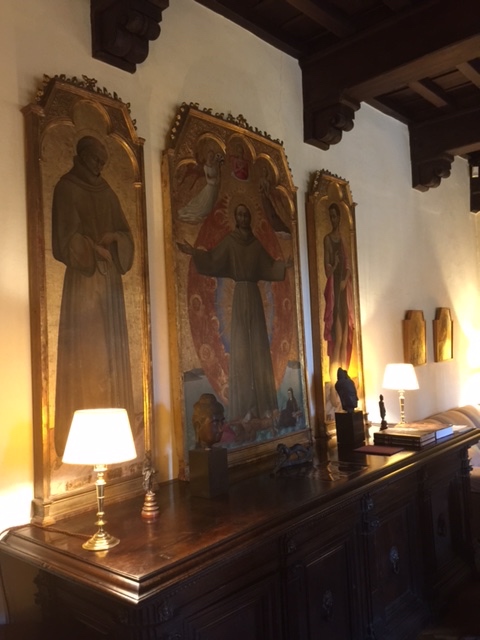
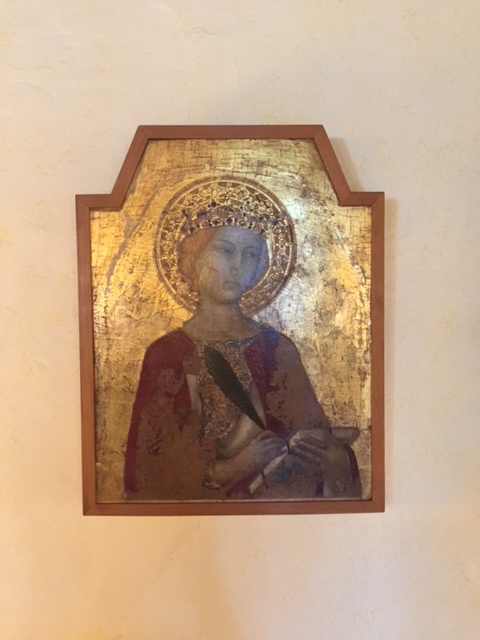
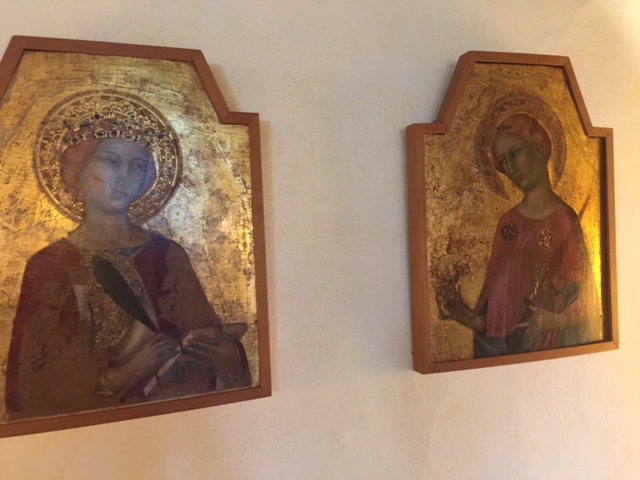
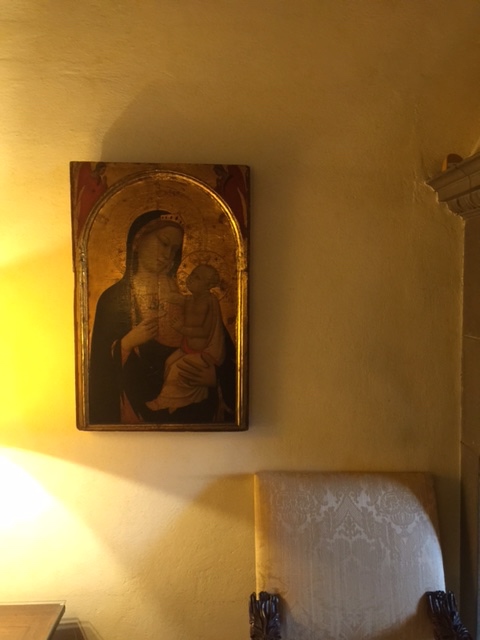
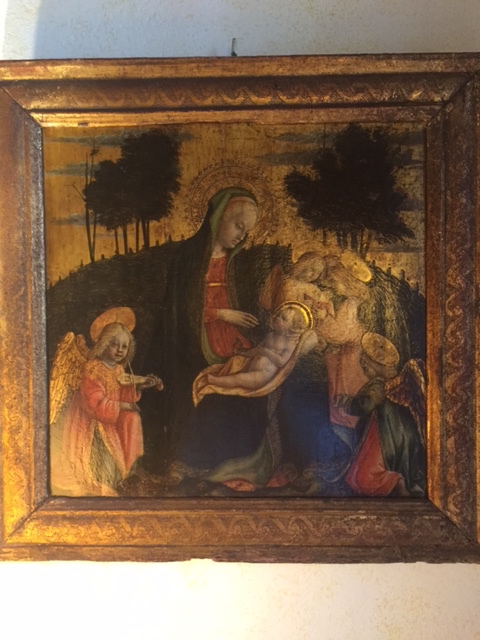
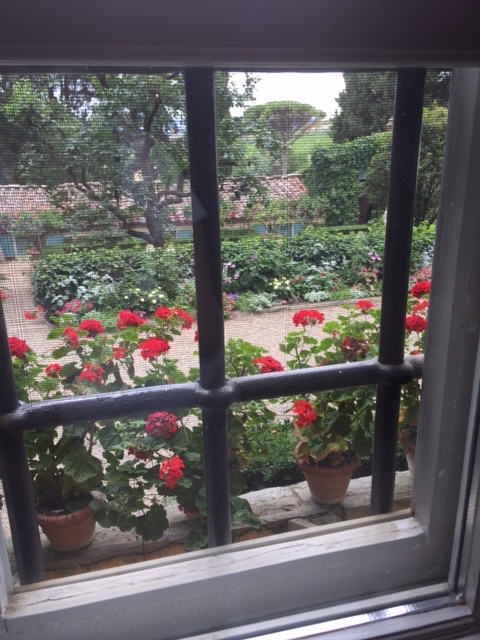
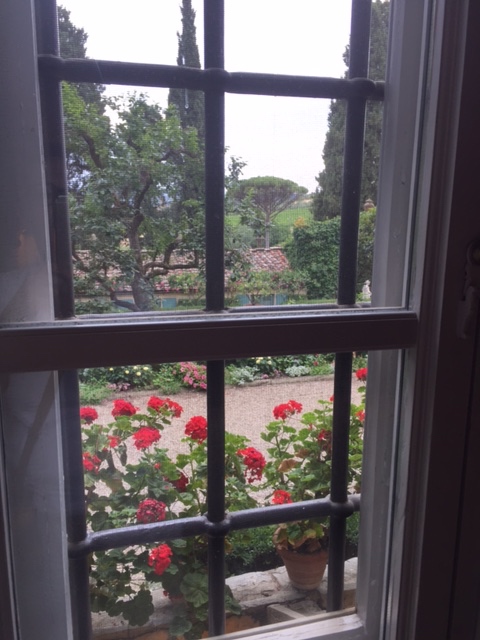
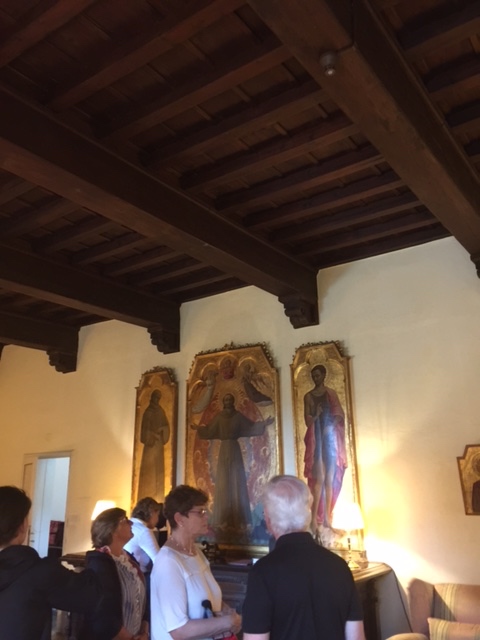
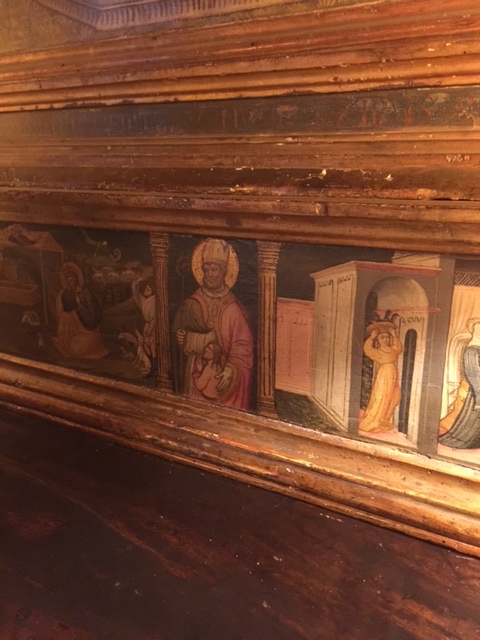
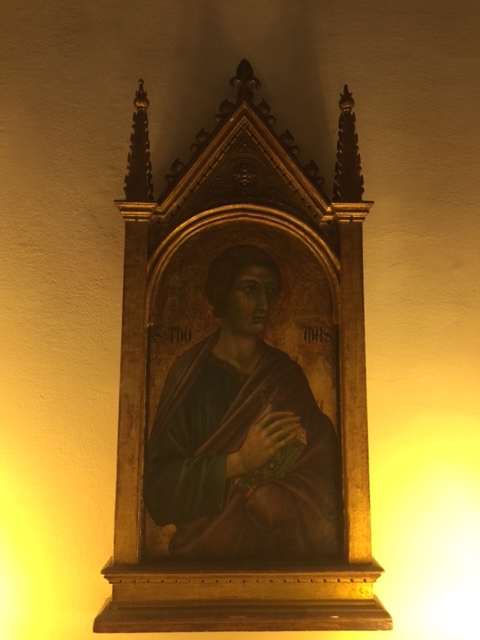
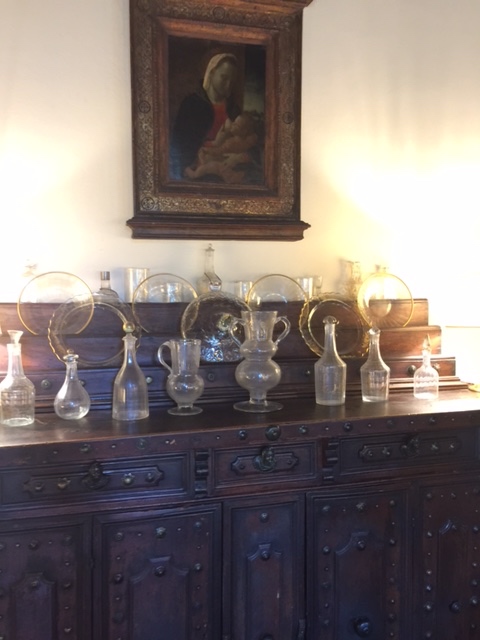
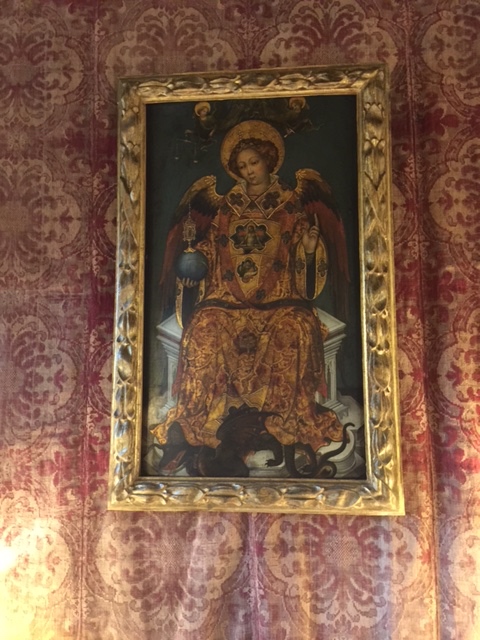
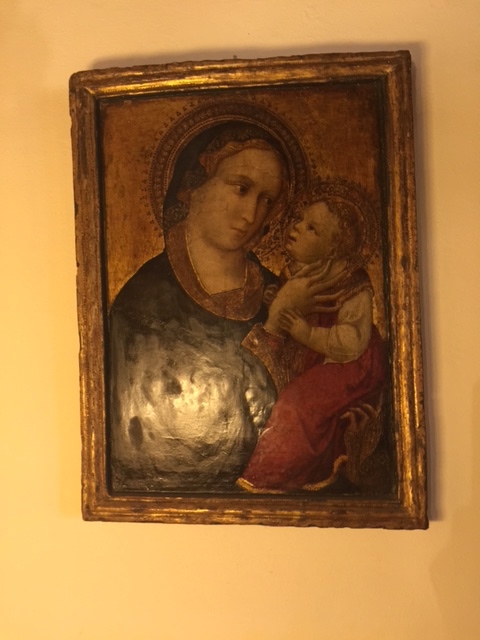
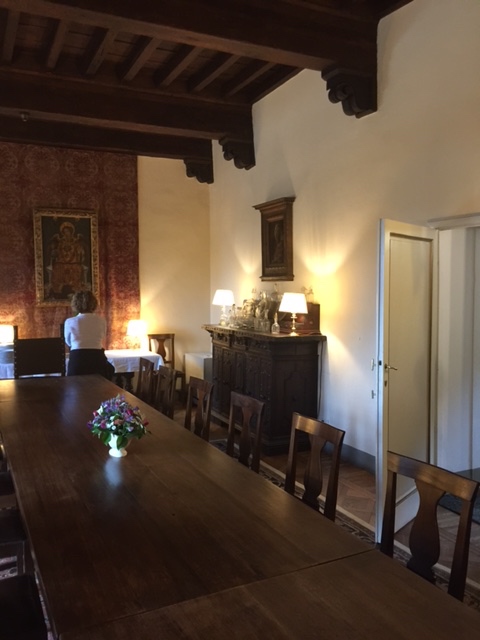
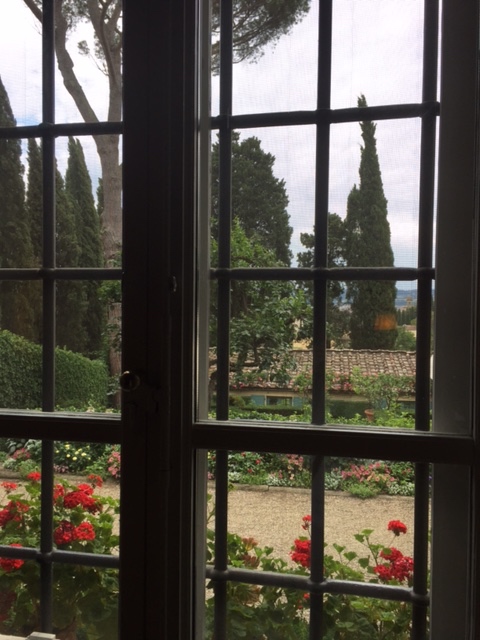
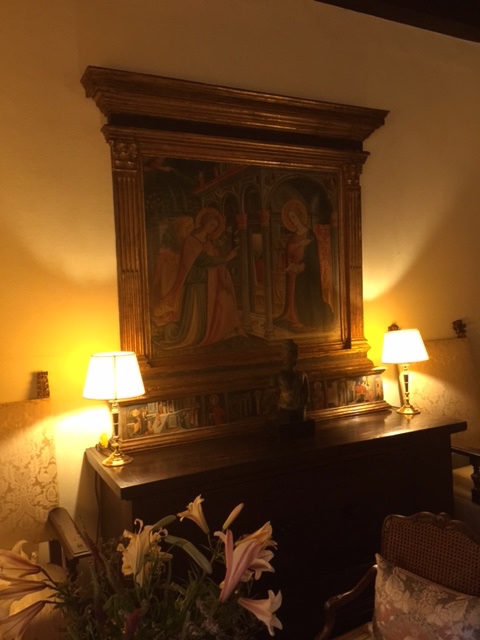
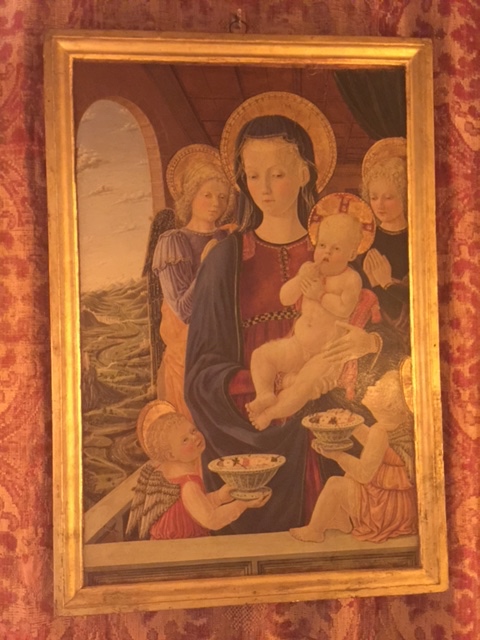
Villa i Tatti; inside the palazzo and library

IMG_3417

I’m a rule breaker and a rebel.

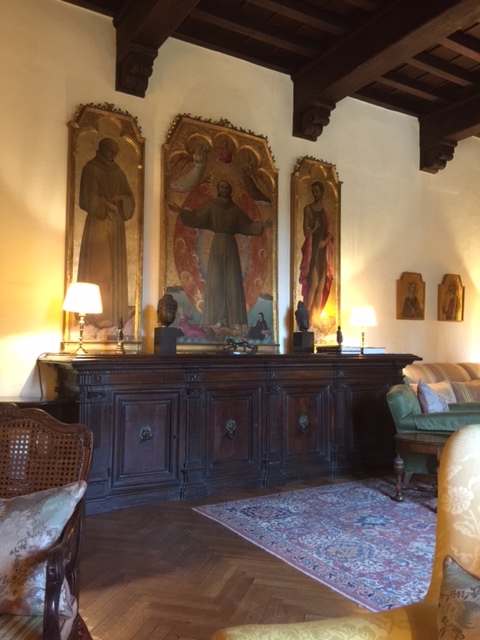
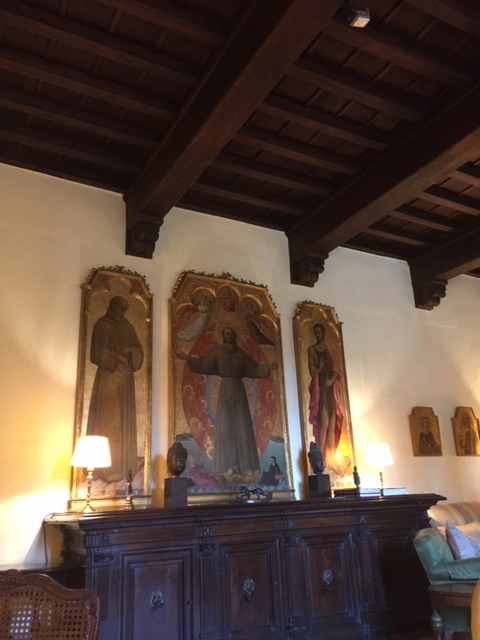
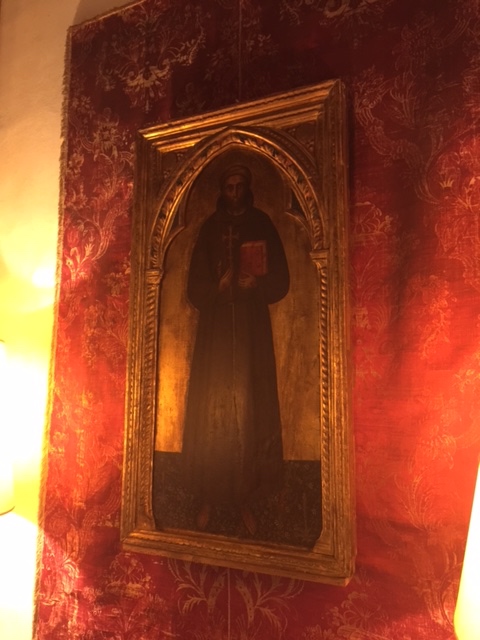
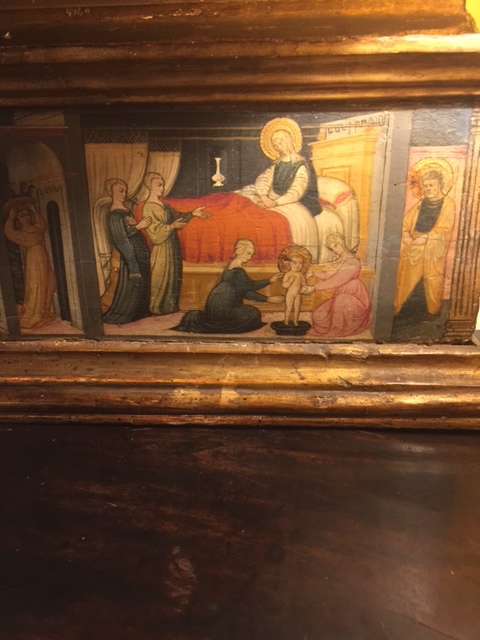
The following pictures were not allowed.

I’m not sorry. :-)


Somehow I feel Bernard Berenson would understand me.  I mean, he took a few liberties (ahem) in his gathering and collecting of Italian paintings.  Ahem.

If the Villa would like to lock me up for having snapped these pictures (with no flash), I’d be happy to do time at the Villa.  Just let me know.  I’ll be right over to start my incarceration.


IMG_3418

IMG_3419

IMG_3420

IMG_3421

IMG_3422

IMG_3423

IMG_3424

IMG_3425


IMG_3426

IMG_3427

IMG_3428

IMG_3429

IMG_3430

IMG_3431

IMG_3432

IMG_3433

IMG_3434

IMG_3435

IMG_3436

IMG_3437

IMG_3438

IMG_3439

IMG_3440

IMG_3441

IMG_3442

IMG_3443

IMG_3444

IMG_3445

IMG_3446

IMG_3447

IMG_3448

IMG_3449

IMG_3450

Some light-hearted levity is required…

at least now and then, when in Rome….

I love Mark Twain and I need him today; in Innocents Abroad he wrote:

In this connection I wish to say one word about Michelangelo Buonarroti. I used to worship the mighty genius of Michelangelo–that man who was great in poetry, painting, sculpture, architecture–great in everything he undertook….

In Genoa, he designed everything;

in Milan he or his pupils designed everything;

he designed the Lake of Como;

in Padua, Verona, Venice, Bologna, who did we ever hear of, from guides, but Michael Angelo?

In Florence, he painted everything, designed everything, nearly, and what he did not design he used to sit on a favorite stone and look at, and they showed us the stone.

In Pisa he designed everything but the old shot-tower, and they would have attributed that to him if it had not been so awfully out of the perpendicular.

He designed the piers of Leghorn and the custom house regulations of Civita Vecchia.

But, here [Rome]–here it is frightful.

He designed St. Peter’s;

he designed the Pope;

he designed the Pantheon,

the uniform of the Pope’s soldiers,

the Tiber,

the Vatican,

the Colosseum,

the Capitol,

the Tarpeian Rock,

the Barberini Palace,

St. John Lateran,

the Campagna,

the Appian Way,

the Seven Hills,

the Baths of Caracalla,

the Claudian Aqueduct,

the Cloaca Maxima–

[Michelangelo] the eternal bore designed the Eternal City, and unless all men and books do lie, he painted everything in it!

I never felt so fervently thankful, so soothed, so tranquil, so filled with a blessed peace, as I did yesterday when I learned that Michelangelo was dead.