
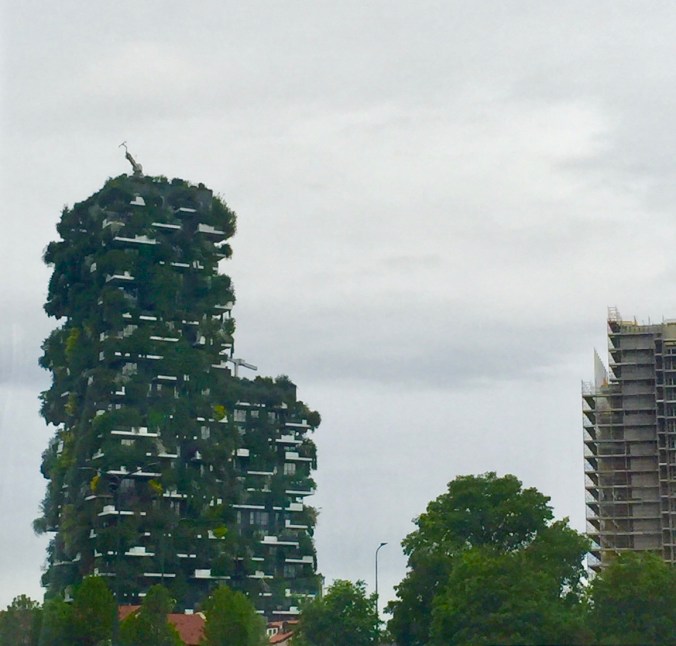

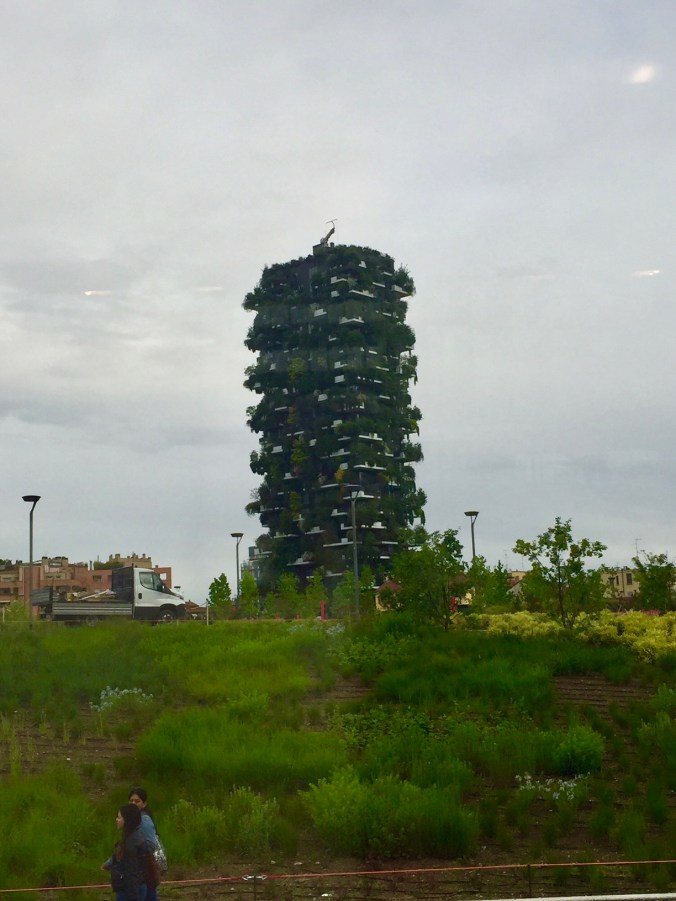
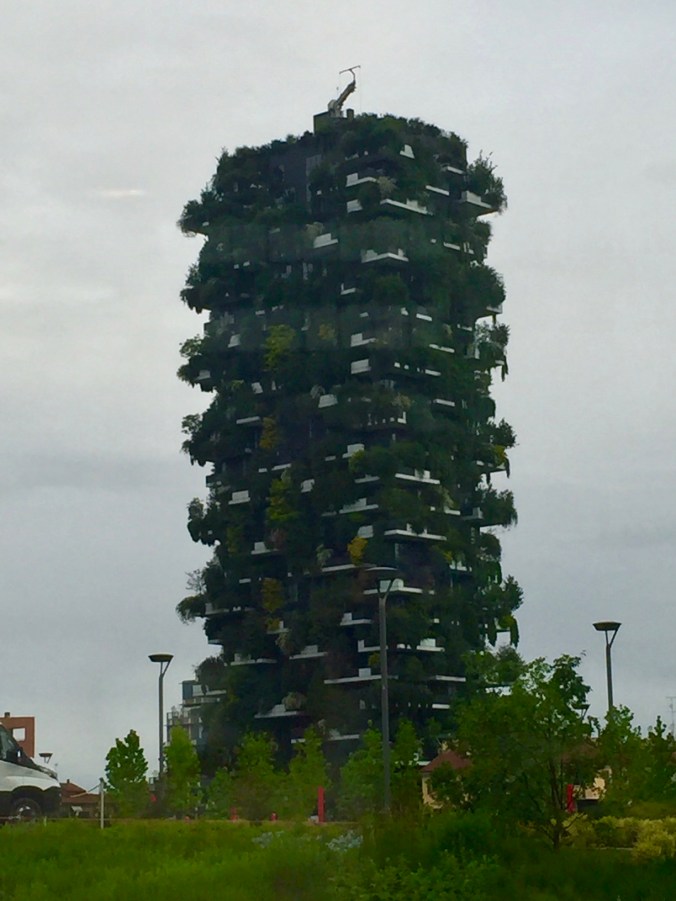
Here’s an older version of the same thing.
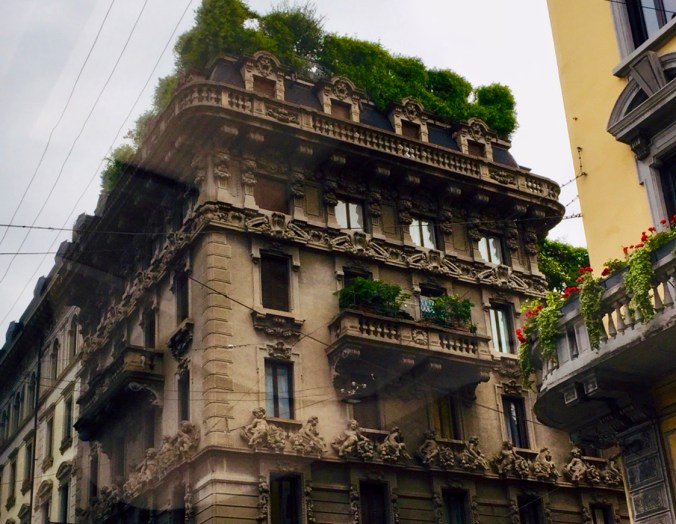
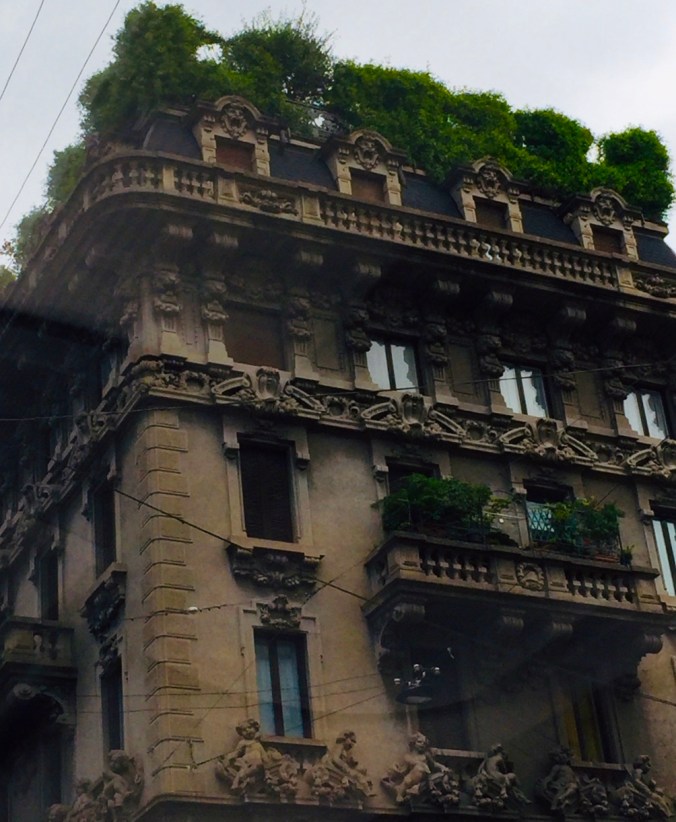
Here’s an older version of the same thing.


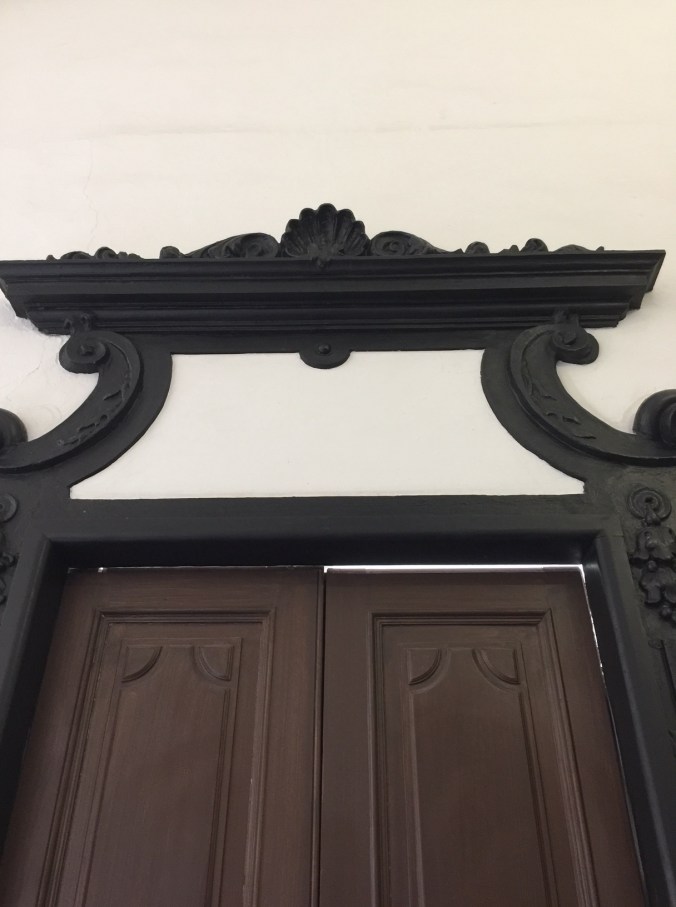

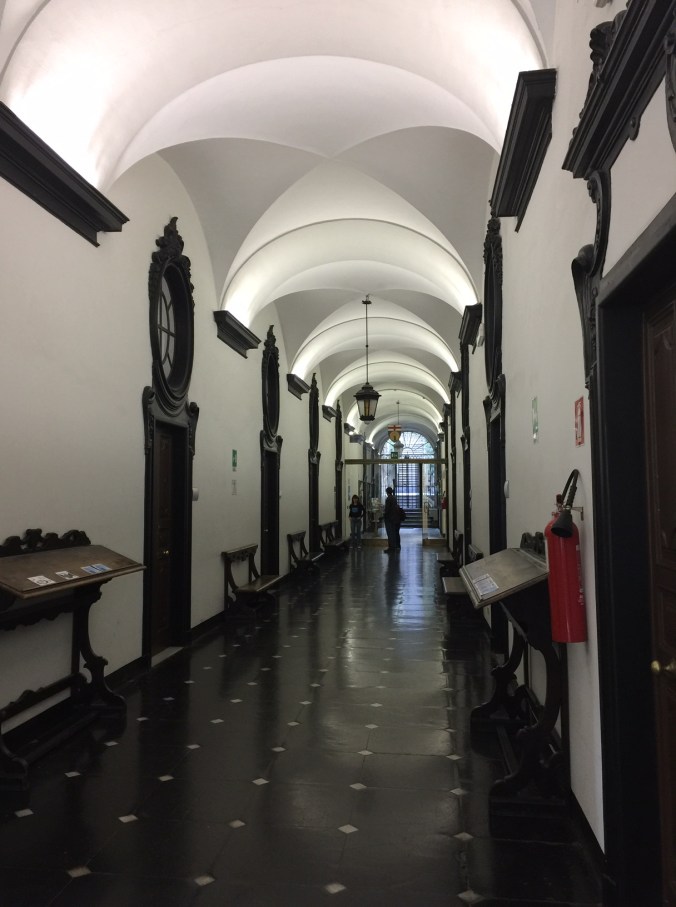


Inside the Jesuit chapel are found 9 bas-relief sculptures by Giambologna.


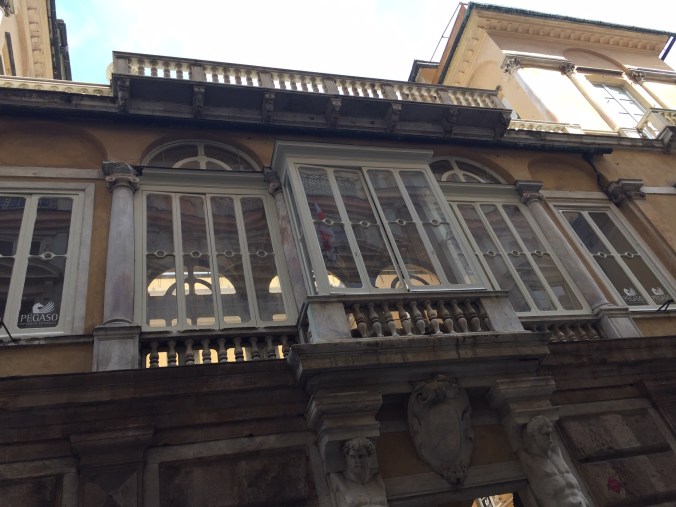
Another of the famous palazzi opened for Rolli Days in Genoa.


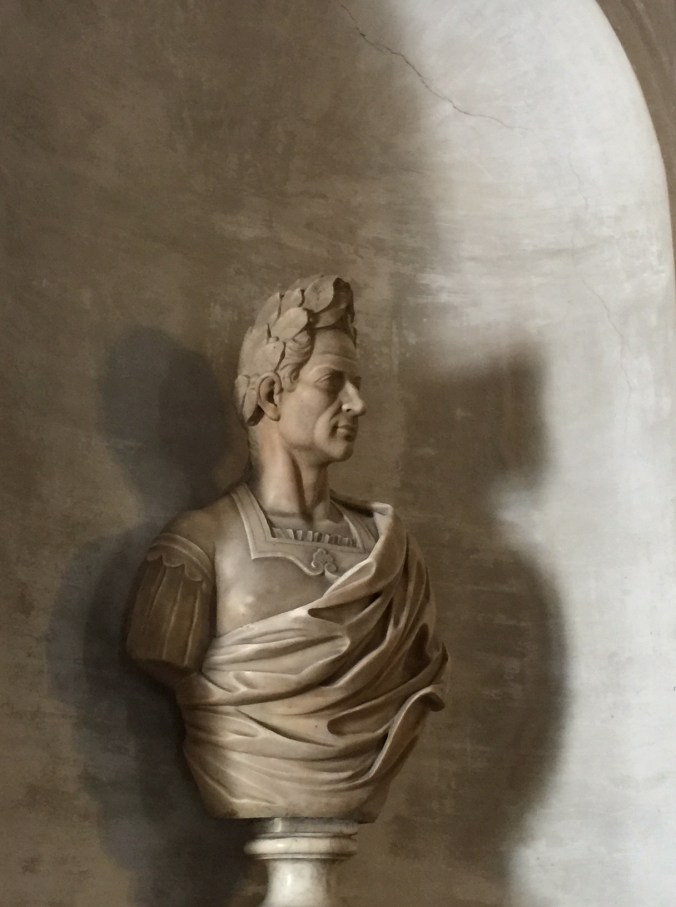


Once known as Strada Nuova, this remarkable street in the heart of Genoa is lined with elaborate palazzi. This one caught my eye because of the symmetrical covered balconies it has on either end of the top floor. I’d like to spend an afternoon in such a place!
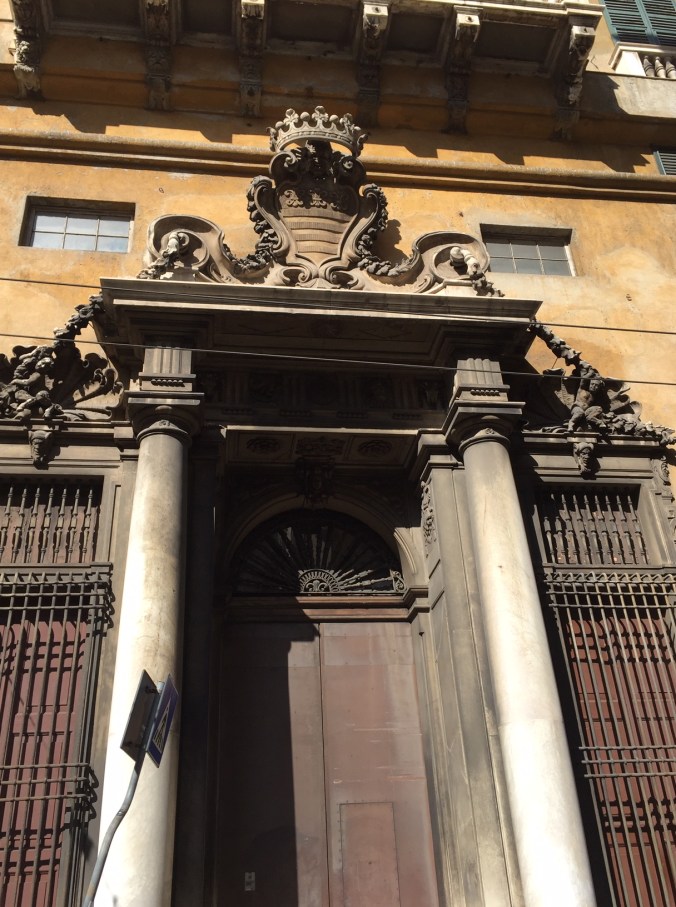

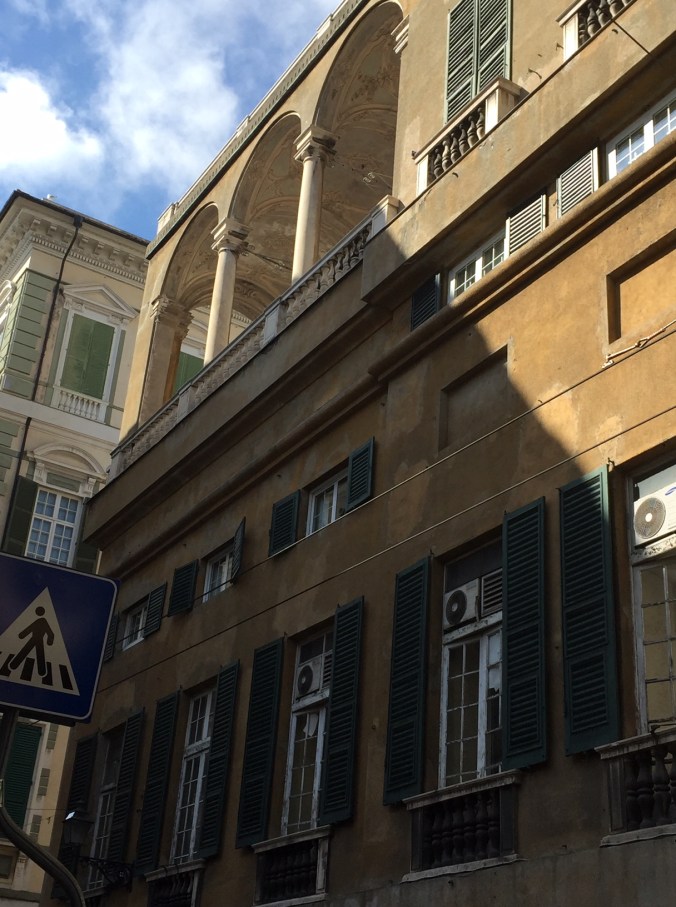

Genoa, Italy was once a naval powerhouse. Sometimes it outshone even the Venetian republic in its power and influence.
During the heyday of Genoa’s power, very rich families vied to impress each other by building magnificent palazzi. Today, more than 100 of them still survive and Genoa is protected under UNESCO status for these buildings.

Of the more than 100 palazzi still extant, about 31 of them are opened for viewing one or two times a year. The event is known as “Rolli Days.” Rolli means list in Genoa and the “list” referred to is the list of fabulous mansions that were kept on file by the political leaders of Genoa.

They kept this prestigious list and, when a dignitary came to town–which happened a lot–the leaders decided which of the 100 family mansions would be chosen to host any expected dignitary. It must have been an honor to be on that list, even though it meant that the family would foot the entire bill for housing and entertaining the dignitary. Some of these included Popes and European royalty, to name but a couple.

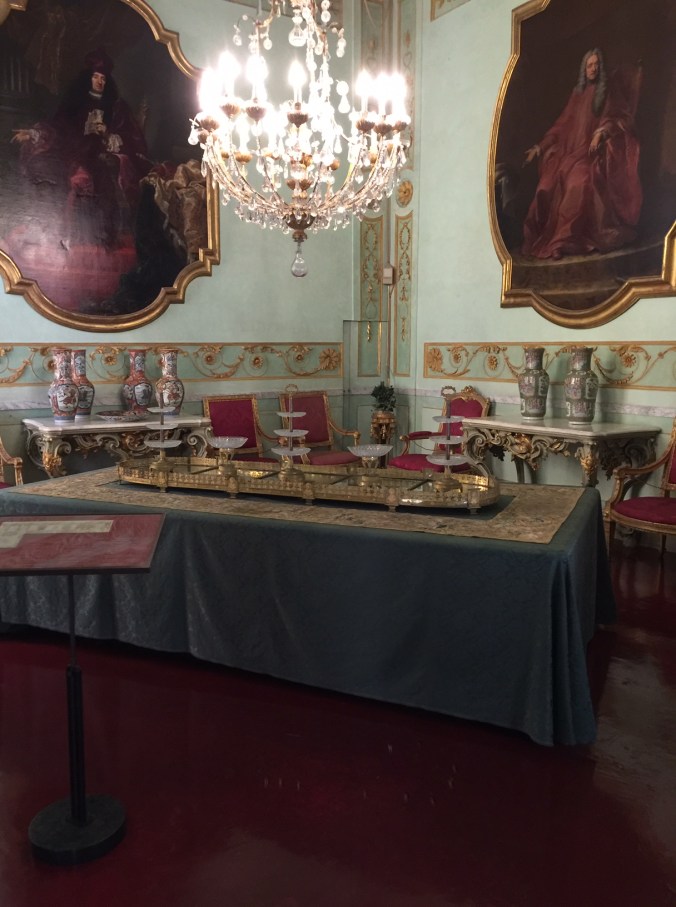
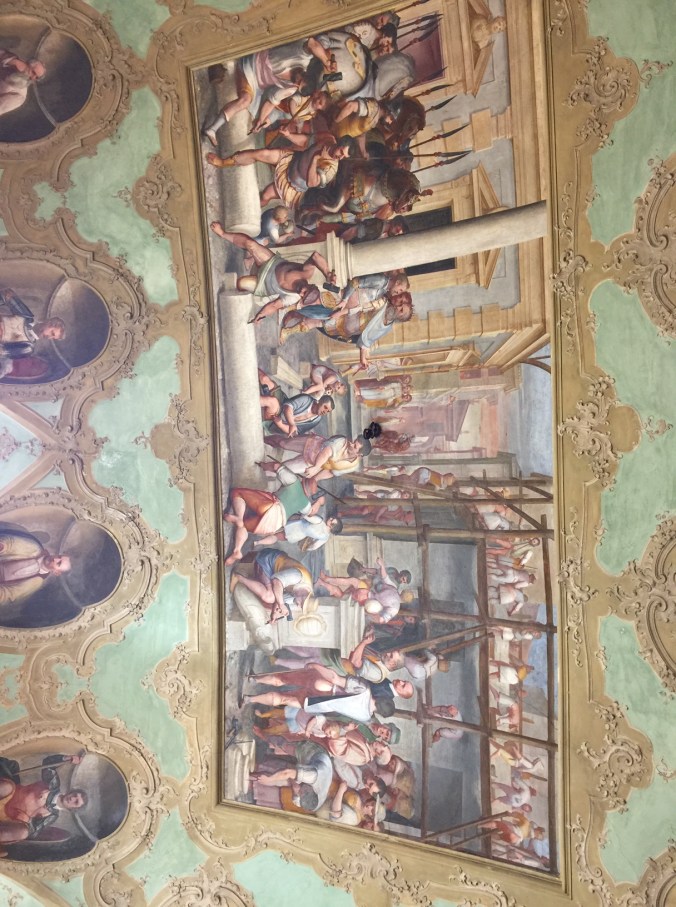
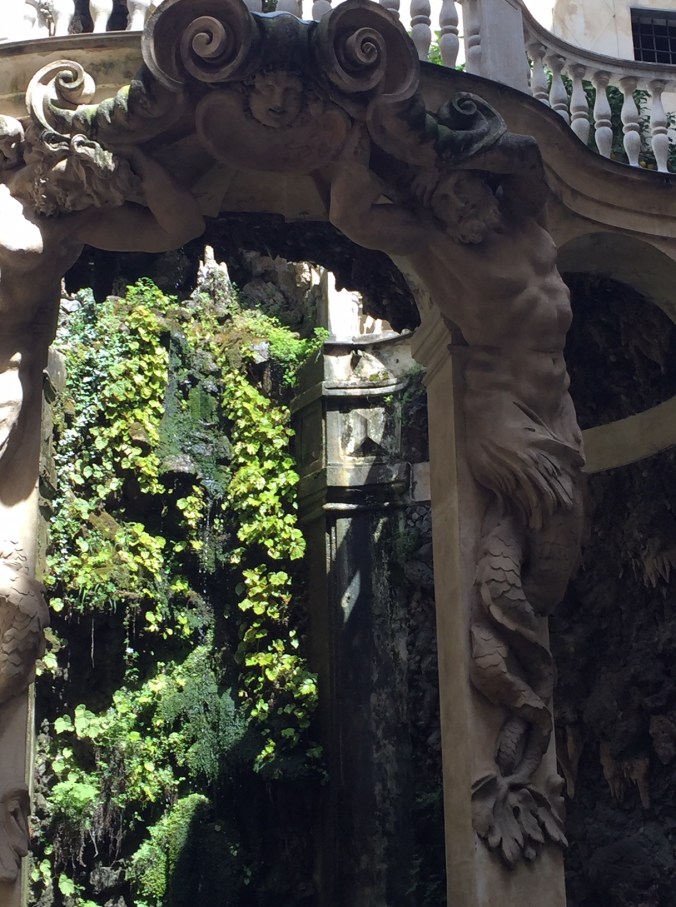
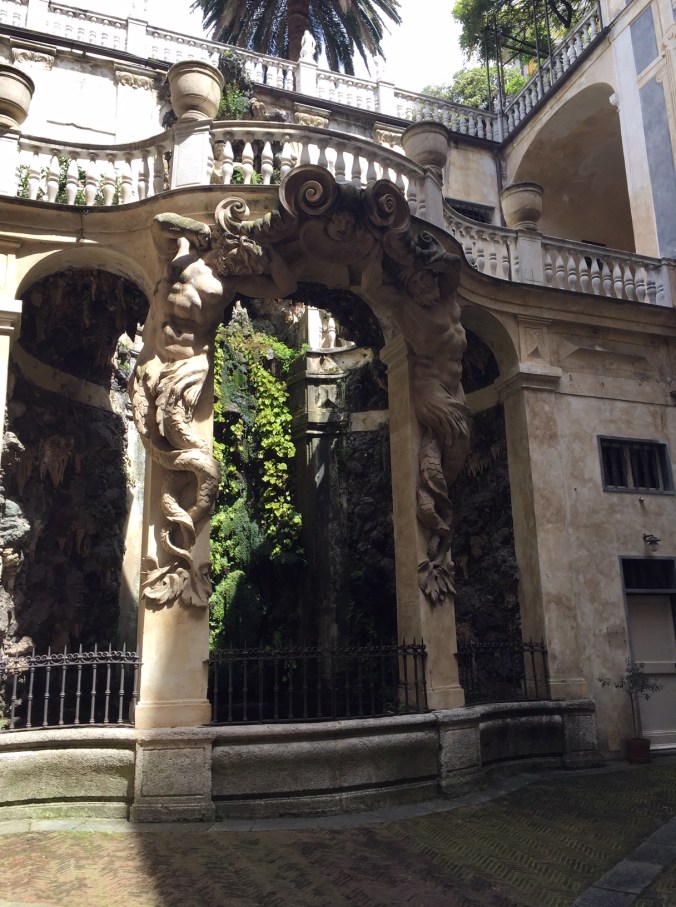
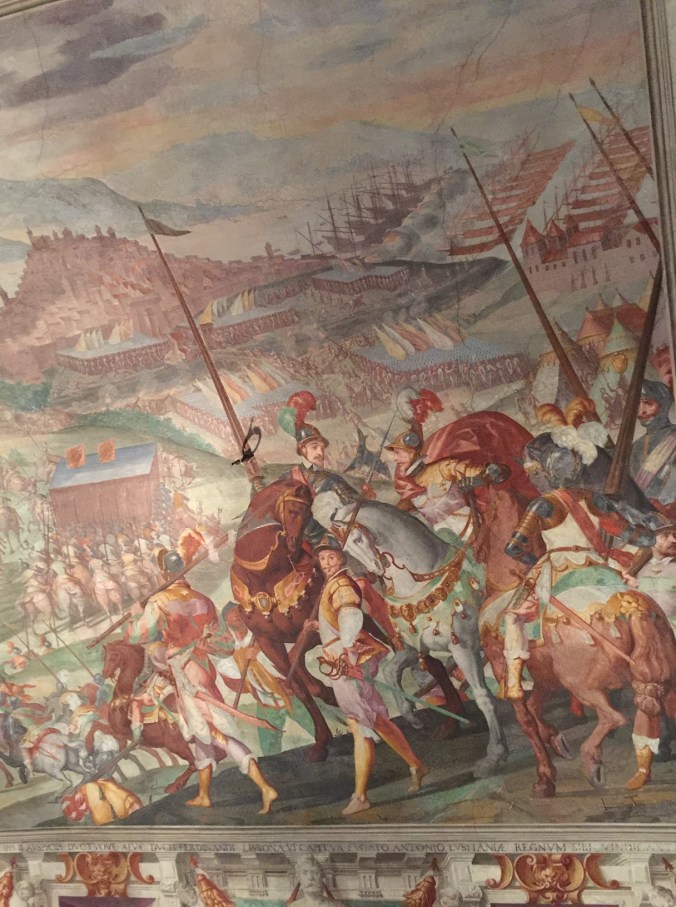
I had the pleasure of visiting Genoa recently to take advantage of the opportunity to see some of these amazing mansions. There were about 30 open and I saw a good number of them. One of the most impressive is the Palazzo Francesco Grimaldi, aka Galleria Nazionale di Palazzo Spinola. Below are just some of the fabulous things I saw:




The Grimaldi family tree. Now that’s how to illustrate a family tree!











The Genoa Gothic-style Cathedral was consecrated in 1118, completed 17th century. Interchangeably referred to as the Cathedral of Saint Lawrence (or, in Italian: il Duomo di Genova, Cattedrale di San Lorenzo), this magnificent edifice is a show stopper.


I have looked at a lot of art in my lifetime, and lots in particular of religious artwork in Italy. In all of my life, I have never seen any female figures shown while obviously pregnant, even though pregnancy is often a part of the narrative behind the work.
But, live and look and one day…you may see it!


I had the good fortune to travel to Genova (Genoa in English) for a very long weekend. I timed my visit with a semi-annual Genovese event known as “Rolli Days,” which is a 2 day occasion during which many (31) of the 100 UNESCO listed palaces are open for viewing. I’ll be posting about Rolli Days soon.
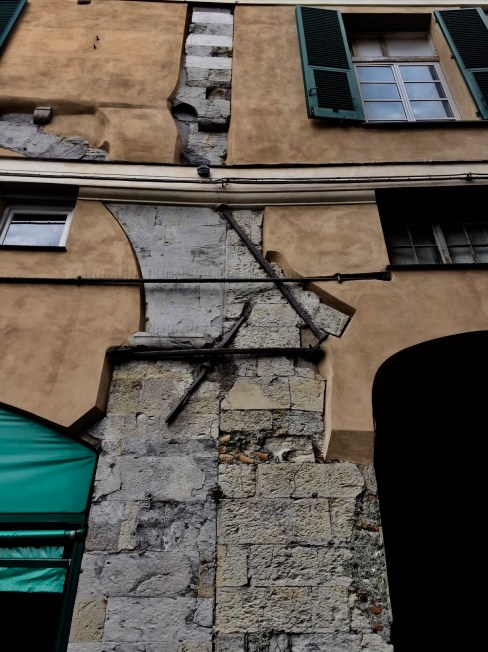
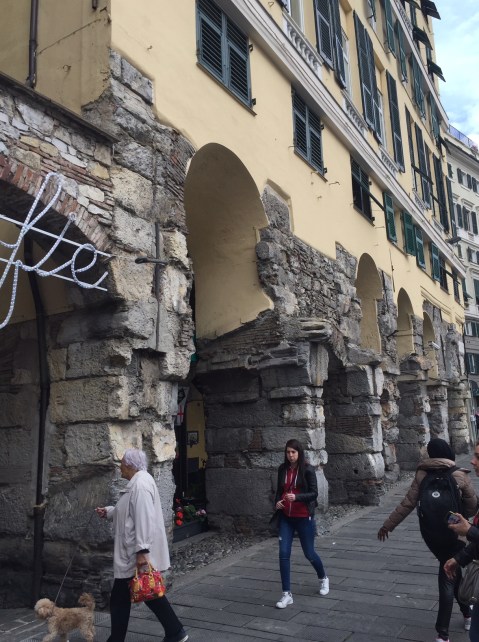
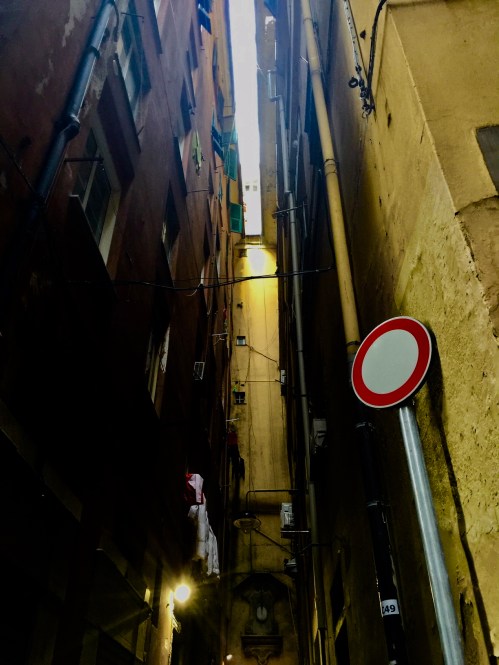
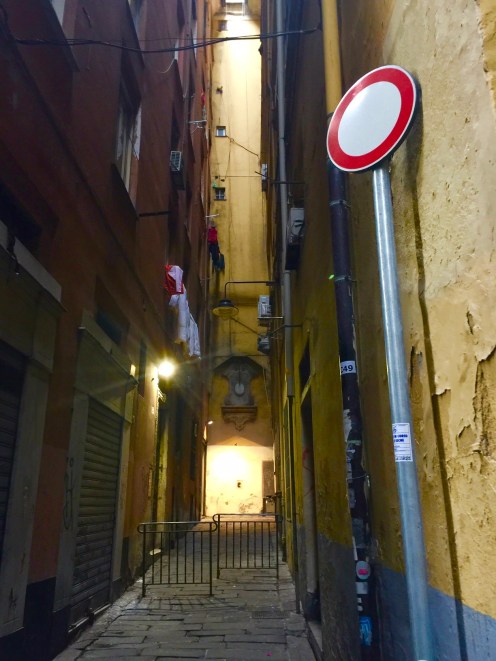
I’d never really been to Genova before and didn’t know what to expect. It was a fascinating visit and I am so happy I went! Below are miscellaneous pictures from my weekend. I am looking forward to returning!








My amazing lunch!

My lunch deconstructed. It was as delicious as it looks!

My amazing dessert!






The Palazzo dei Mozzi is a grand old palace beautifully situated on the piazza of the same name, in the Oltrarno section of Florence. It was built around the middle of 13th century as a part of the fortifications guarding the old Ponte di Rubaconte (today’s Ponte alle Grazie): hence its fortress-like structure.
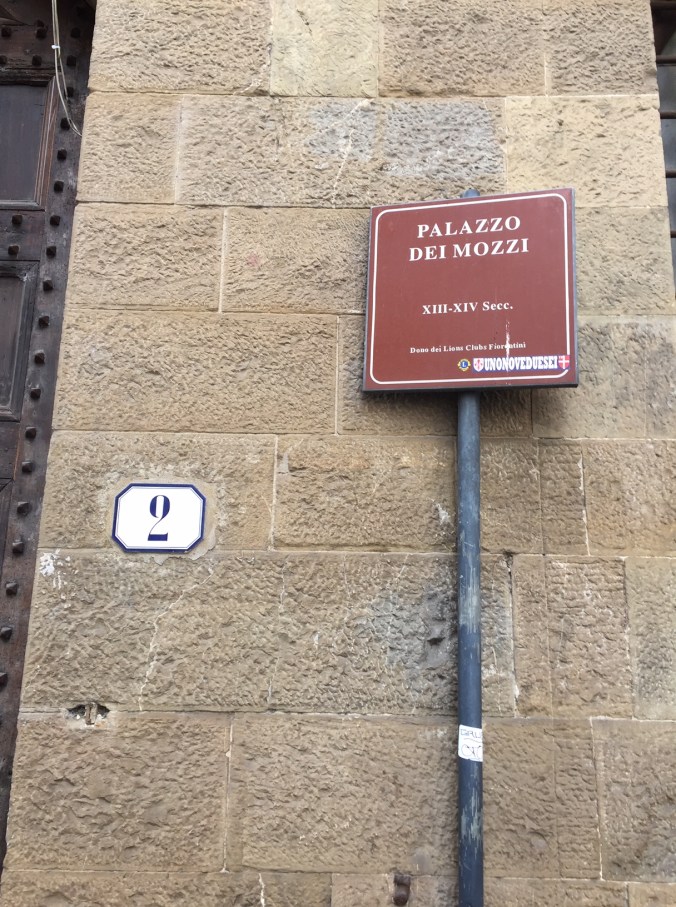
The palazzo is an early Renaissance building, located at the south end of the Piazza dei Mozzi that emerges from Ponte alle Grazie and leads straight to the palace where via San Niccolò becomes via de’ Bardi in the Quartiere of Santo Spirito (San Niccolò).


The Mozzi family was among the most important and powerful families in the city in the Medieval period, and many important persons were received in the palace during their official visits in Florence; Pope Gregory X, for example, visited the palazzo in 1273.

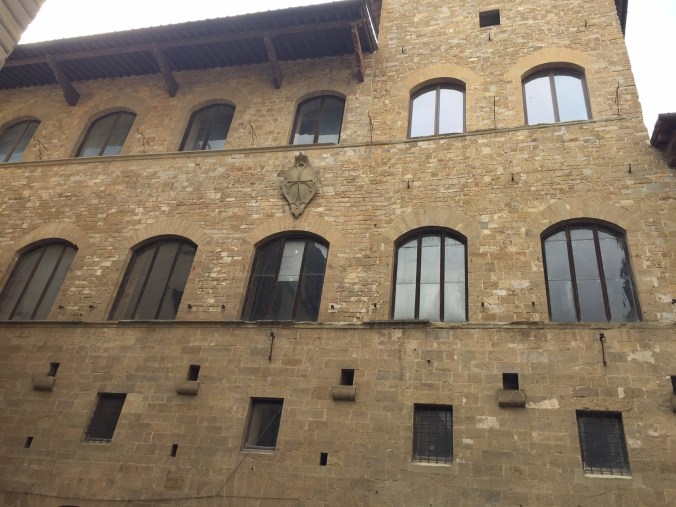
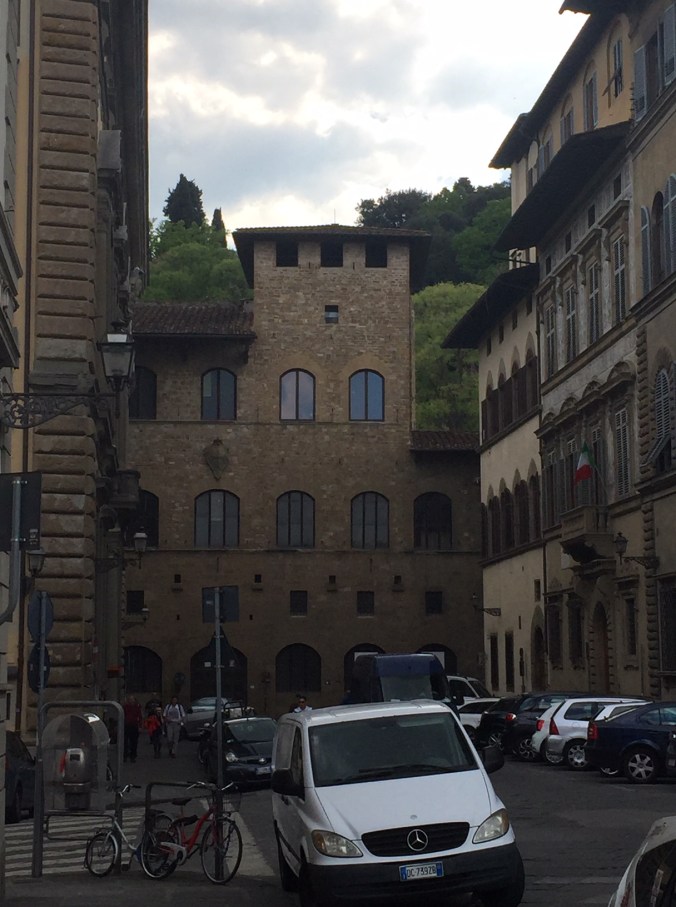
On the facade facing the Via de’ Bardi, we see the tower and the large coat-of-arms of the Mozzi family. Also note the tower’s crenellation, covered nowadays by a roof.
The large garden on the rear of the palace was built in 16th century, when the Mozzi bought a wide plot of ground in order to transform it into an olive-grove.
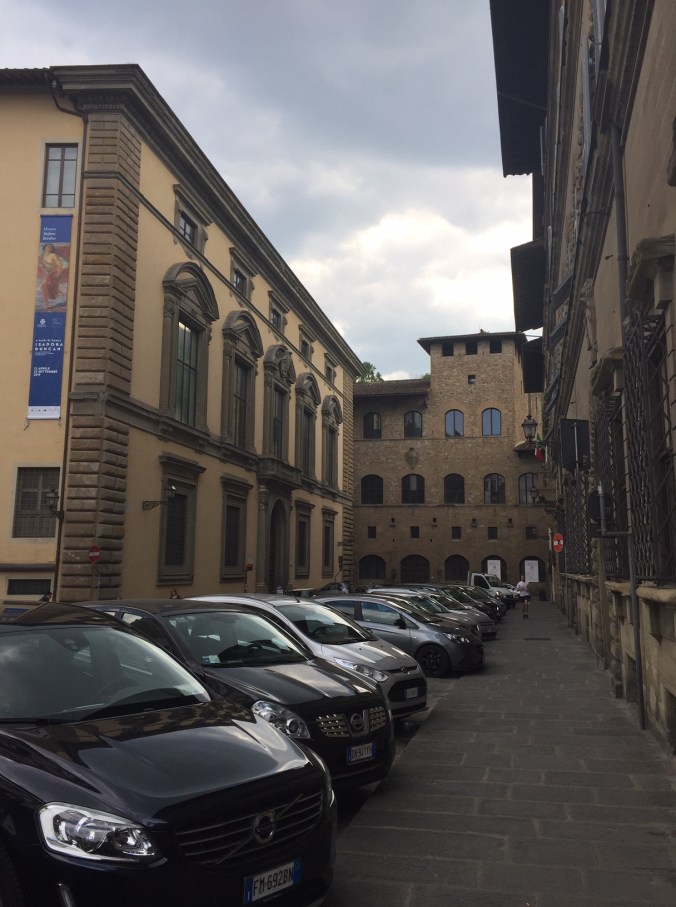
Around the middle of 19th century, the palace was purchased by the antiquarian Stefano Bardini, who owned another palazzo across the street (see pictures below). Today that amazing garden is open to the public as a part of the Museo Bardini complex. It is one of the most spectacular gardens in all of Florence, especially in spring when the trees and wisteria are in full bloom!
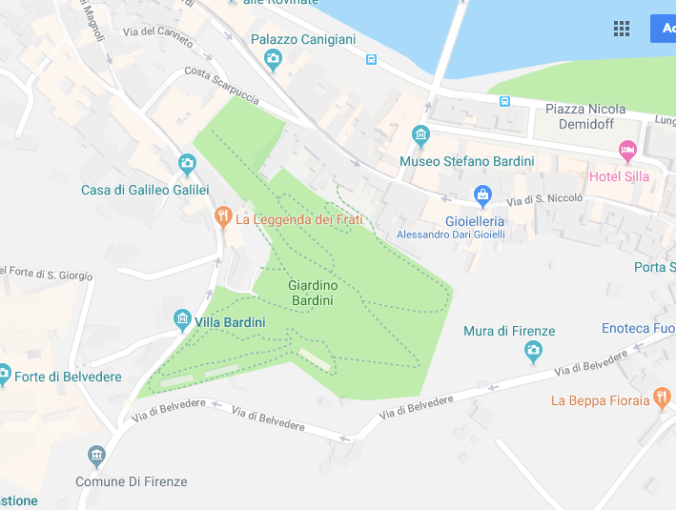
Bardini transferred his extensive art collections and laboratories to the Palazzo dei Mozzi and changed the olive-grove into a garden; he decorated the garden with statues and elements he saved from the demolition of ancient buildings in the center of Florence. In a subsequent time the garden was futher decorated with a loggia and big stairs.
After the death of Ugo Bardini, the son of Stefano, the palace remained closed for a long time, until it was bought by the Italian State; it is currently under restoration and will become a centre for exhibitions and cultural events.
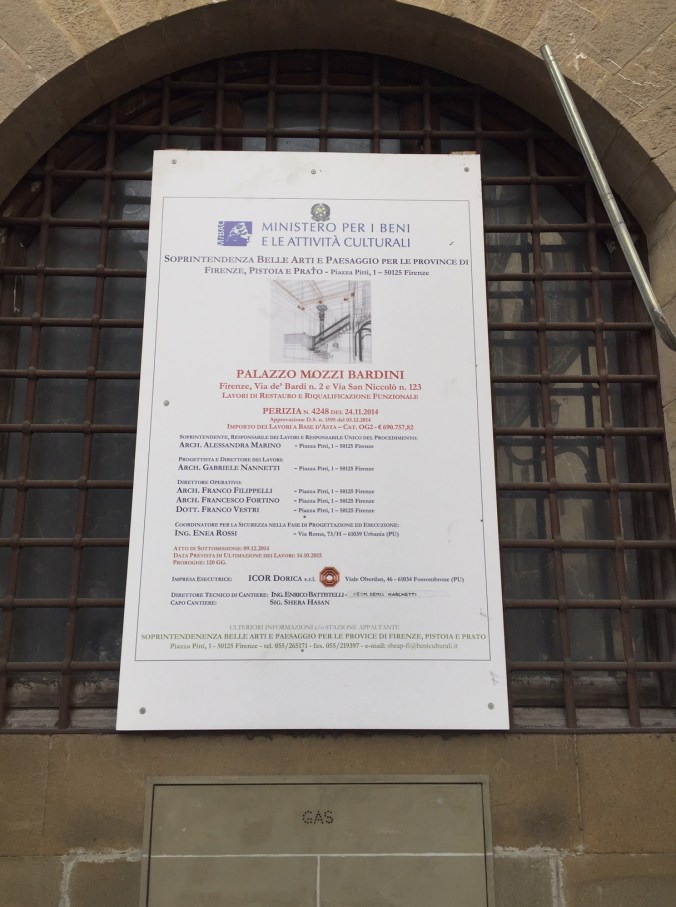
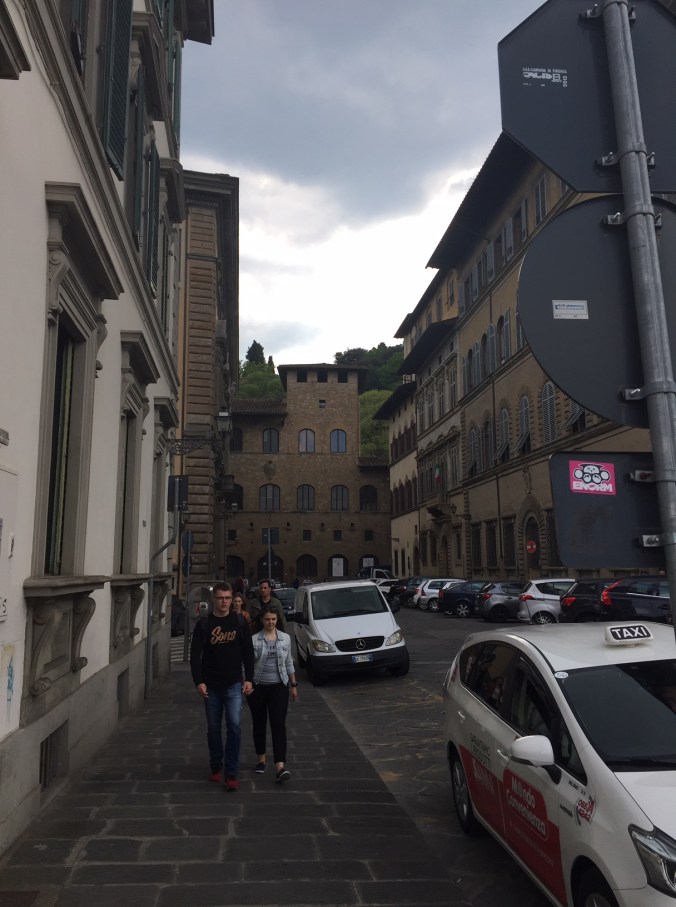
Palazzo Bardini on left, Palazzo dei Mozzi at far end.
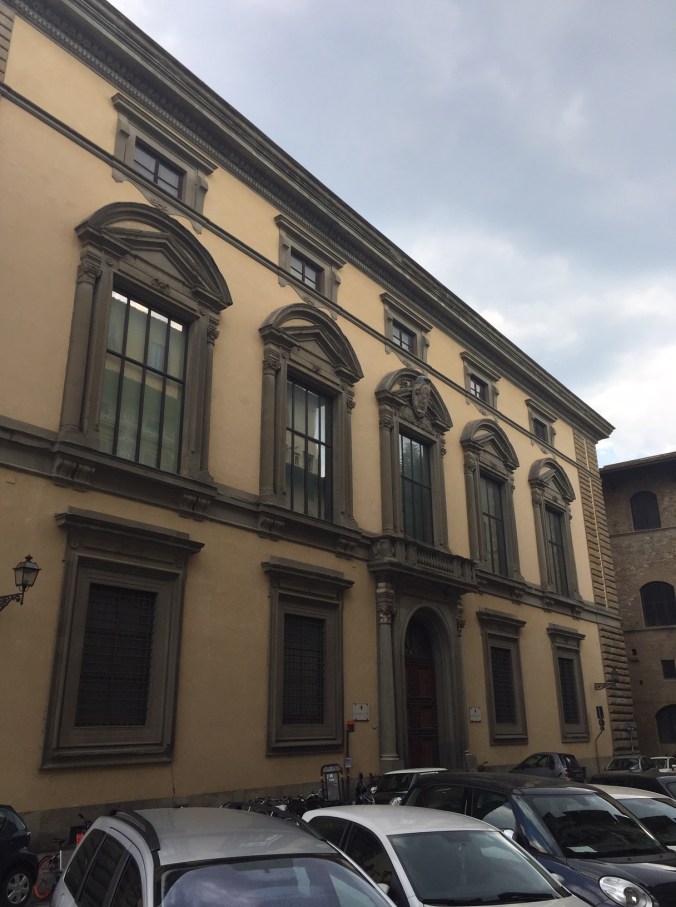

Below, another view of facade of Palazzo dei Mozzi, looking eastward along via San Niccolò.

 get back, lauretta!
You must be logged in to post a comment.