Architecture
5 Maggio, beautiful day, some greatest hits
(As I posted yesterday, I can’t use my best photos until I get home to my camera cord! Coming soon!)
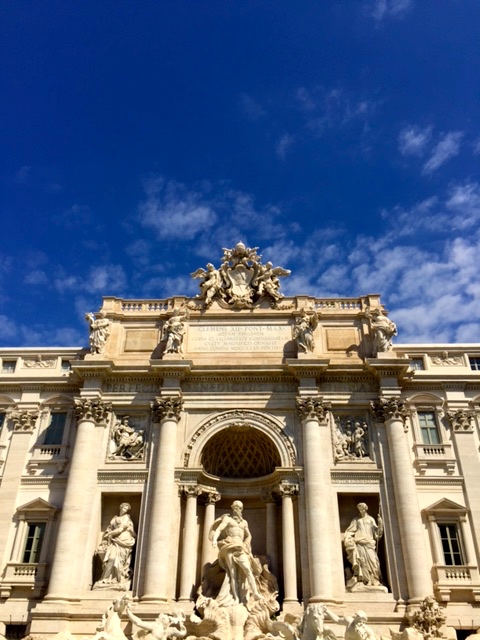
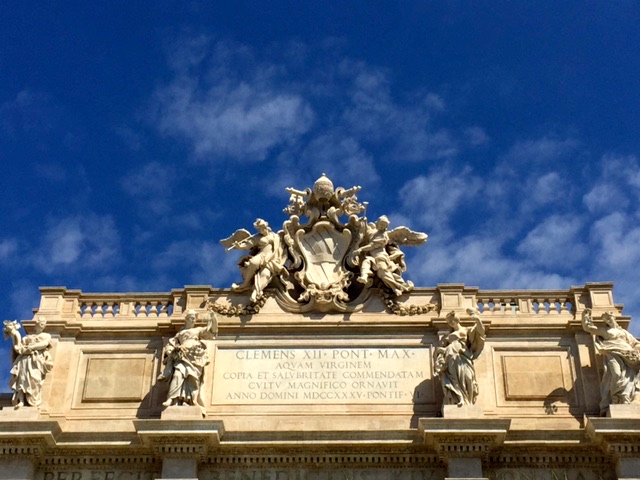
Trevi Fountain, always spectacular.

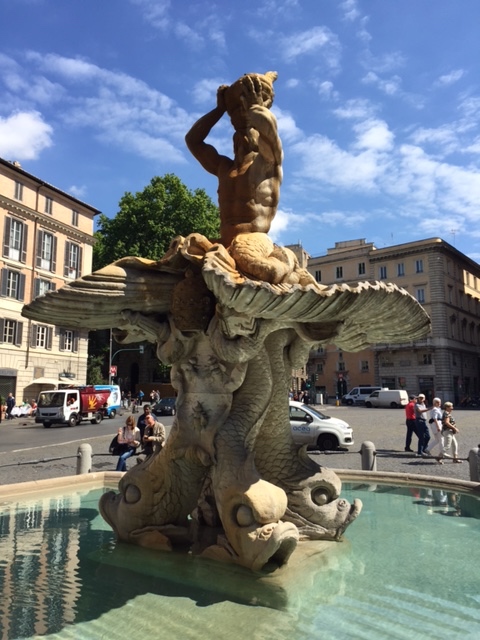
Bernini’s Triton Fountain. Always enjoyable, even without the water flowing as today.
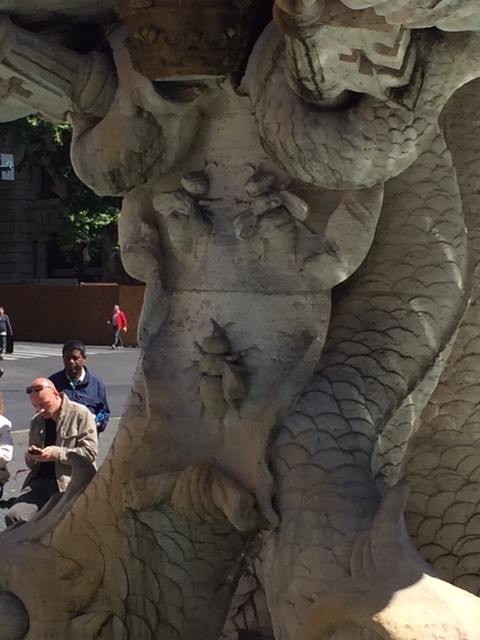
Love those Barberini bees!
Quattro Fontane. Always requires risking your life to look at on one of Rome’s busiest streets!

Borromini’s lovely church, San Carlo alle Quattro Fontane.


Some light-hearted levity is required…
at least now and then, when in Rome….
I love Mark Twain and I need him today; in Innocents Abroad he wrote:
In this connection I wish to say one word about Michelangelo Buonarroti. I used to worship the mighty genius of Michelangelo–that man who was great in poetry, painting, sculpture, architecture–great in everything he undertook….
In Genoa, he designed everything;
in Milan he or his pupils designed everything;
he designed the Lake of Como;
in Padua, Verona, Venice, Bologna, who did we ever hear of, from guides, but Michael Angelo?
In Florence, he painted everything, designed everything, nearly, and what he did not design he used to sit on a favorite stone and look at, and they showed us the stone.
In Pisa he designed everything but the old shot-tower, and they would have attributed that to him if it had not been so awfully out of the perpendicular.
He designed the piers of Leghorn and the custom house regulations of Civita Vecchia.
But, here [Rome]–here it is frightful.
He designed St. Peter’s;
he designed the Pope;
he designed the Pantheon,
the uniform of the Pope’s soldiers,
the Tiber,
the Vatican,
the Colosseum,
the Capitol,
the Tarpeian Rock,
the Barberini Palace,
St. John Lateran,
the Campagna,
the Appian Way,
the Seven Hills,
the Baths of Caracalla,
the Claudian Aqueduct,
the Cloaca Maxima–
[Michelangelo] the eternal bore designed the Eternal City, and unless all men and books do lie, he painted everything in it!
I never felt so fervently thankful, so soothed, so tranquil, so filled with a blessed peace, as I did yesterday when I learned that Michelangelo was dead.
The Pantheon from above.
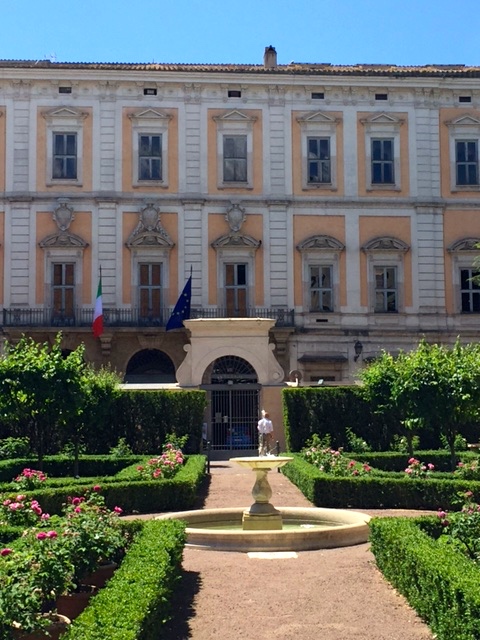
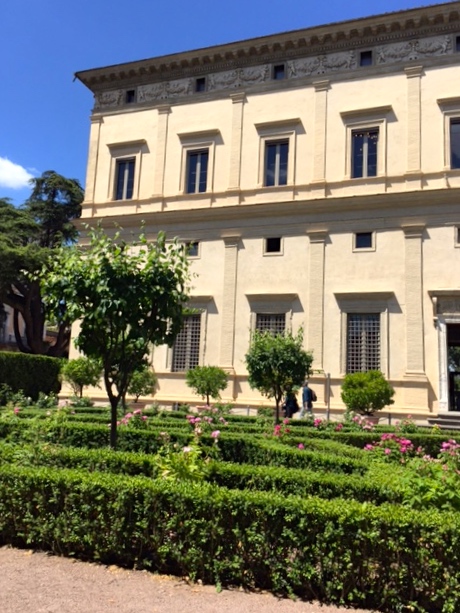
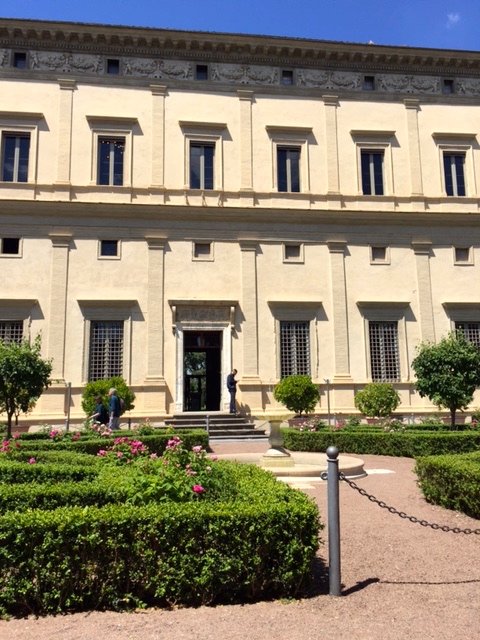
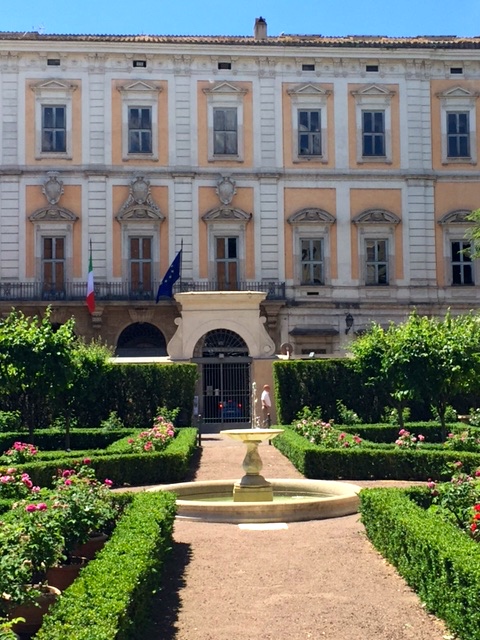
Villa Farnesina
Well, darn it! I made a big mistake. I left my camera cord in Florence so I can’t transfer my photos from my camera to my computer for another couple of weeks. So, I am going to have some big holes in my posts until I get back home to Florence. Oh well, what can you do?
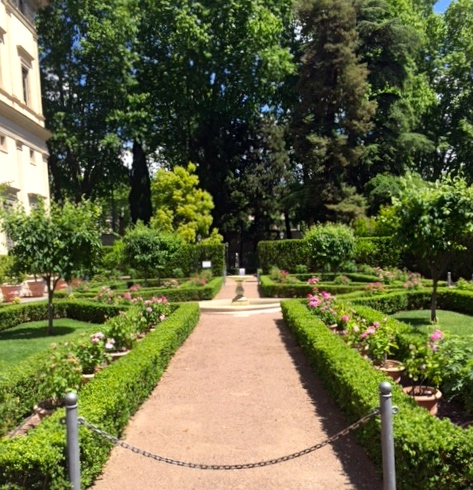
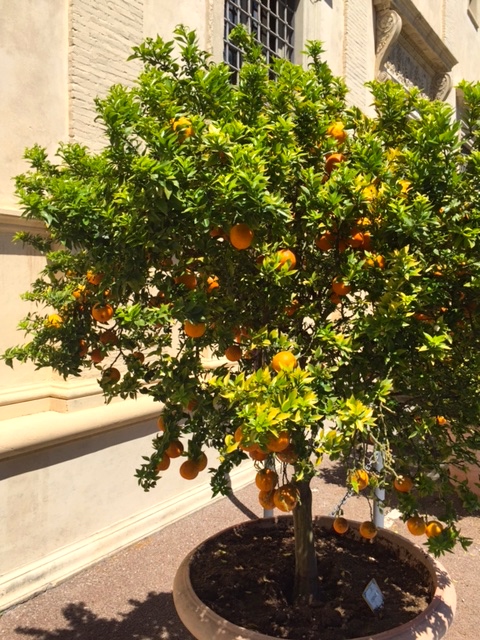
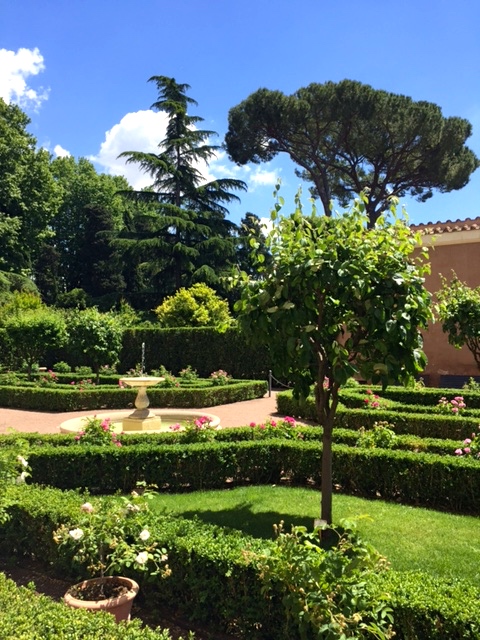
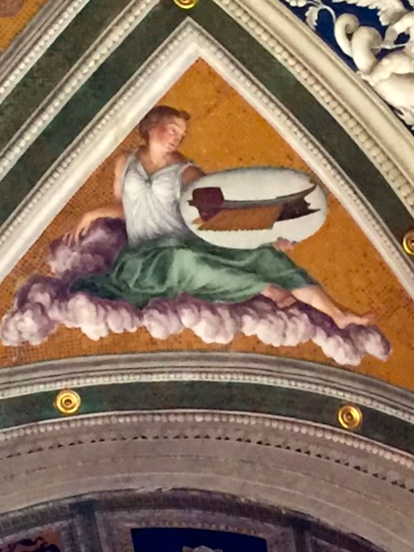
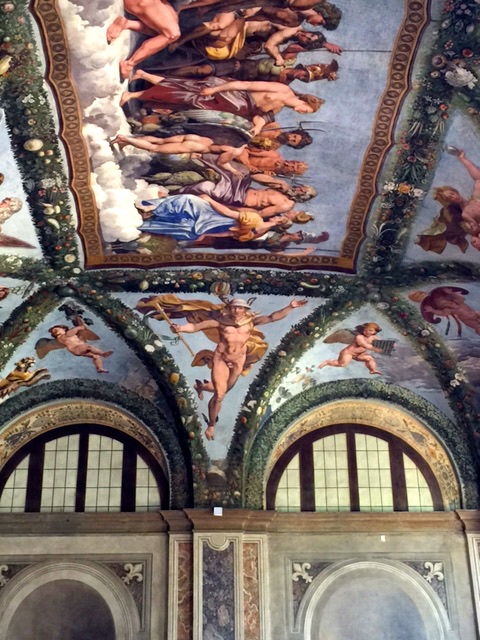
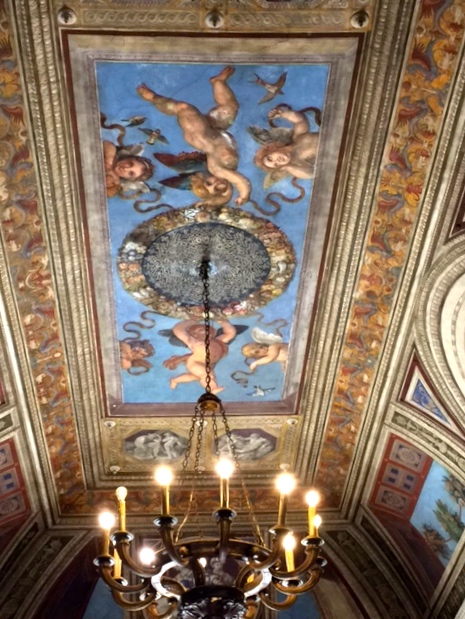
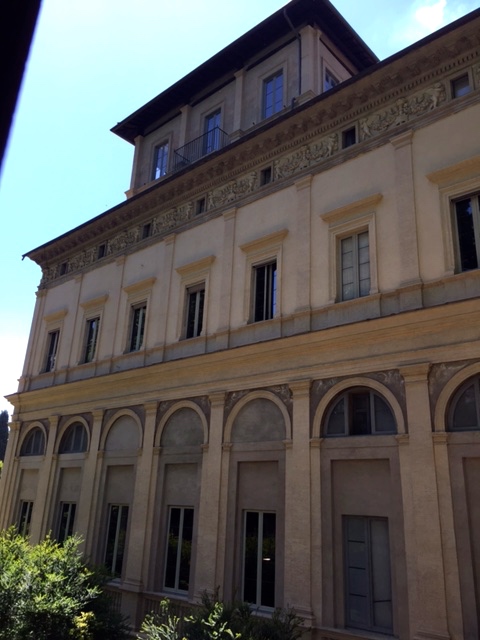
Until then, here are some shots I snapped with my phone camera at the gorgeous Villa Farnesina today. The place is so amazing, even the phone shots are pretty great! Also, the weather….70 degrees and sunny skies.
Allora, on to the Villa, the quintessential Renaissance palazzo.
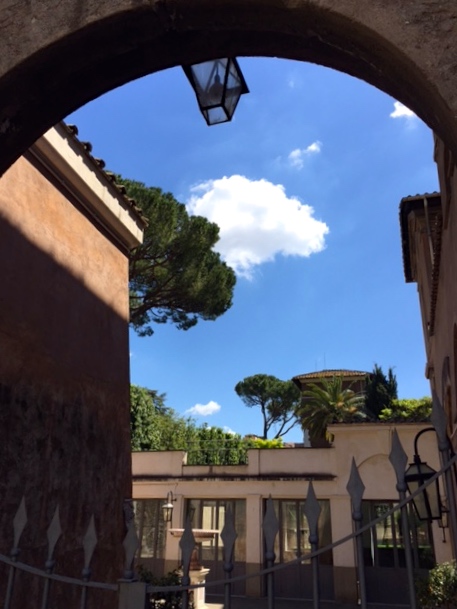
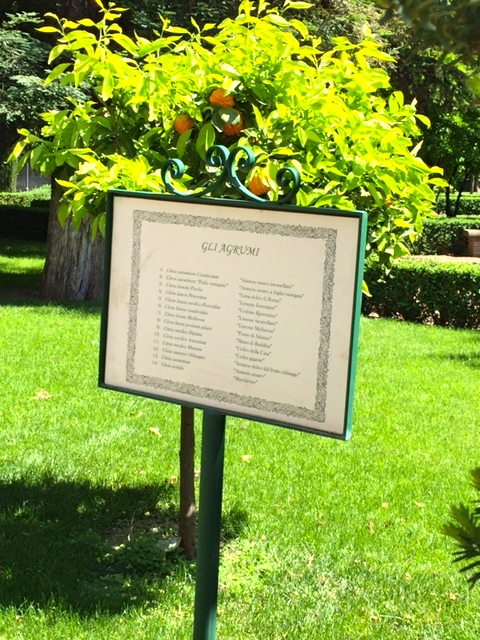
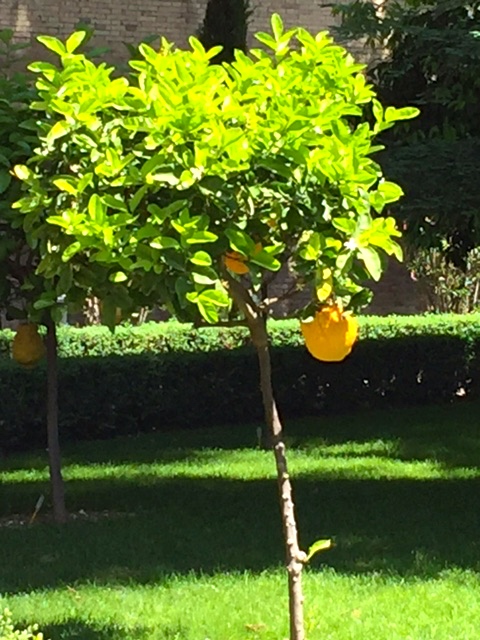
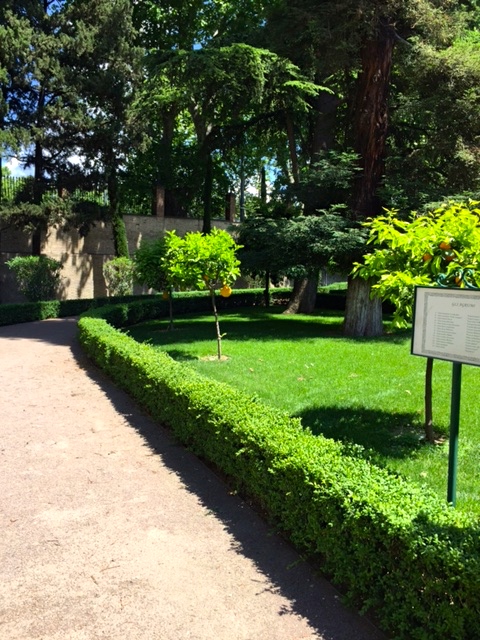
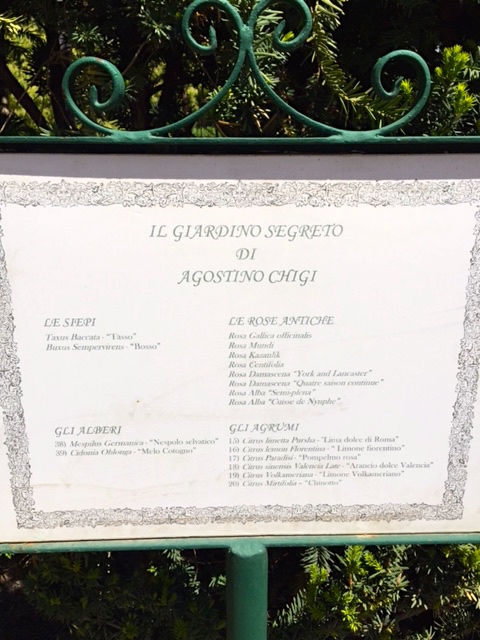
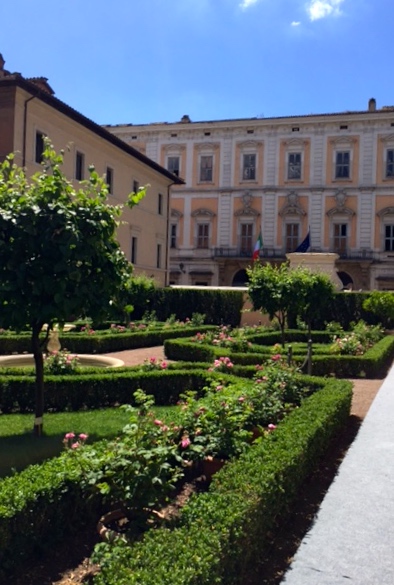
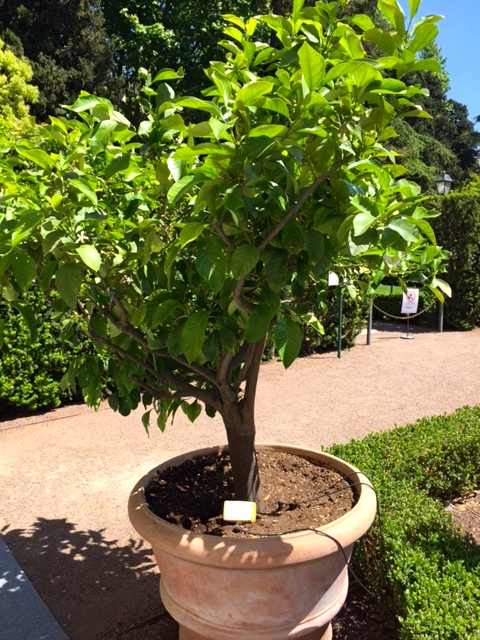
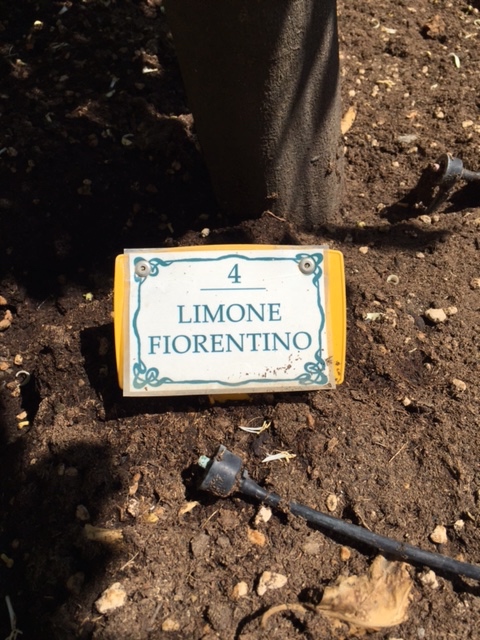
The Villa’s exterior:
Before we head inside, let’s have a history lesson.
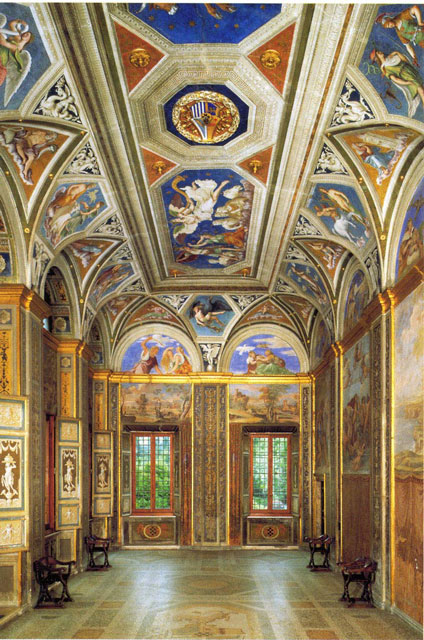
Villa Farnesina: a Renaissance suburban villa in the Via della Lungara, in the district of Trastevere in Rome.
The villa was built for Agostina Chigi, a rich Sienese banker and the treasurer of Pope Julius II. Between 1506–1510, the Sienese artist and pupil of Bramante, Baldassarre Peruzzi, aided perhaps by Giuliano da Sangallo, designed and erected the villa.
The novelty of this suburban villa design can be discerned from its differences from that of a typical urban palazzo (palace). Renaissance palaces typically faced onto a street and were decorated versions of defensive castles: rectangular blocks with rusticated ground floors and enclosing a courtyard.
This villa, intended to be an airy summer pavilion, presented a side towards the street and was given a U shaped plan with a five bay loggia between the arms. In the original arrangement, the main entrance was through the north facing loggia which was open. Today, visitors enter on the south side and the loggia is glazed.
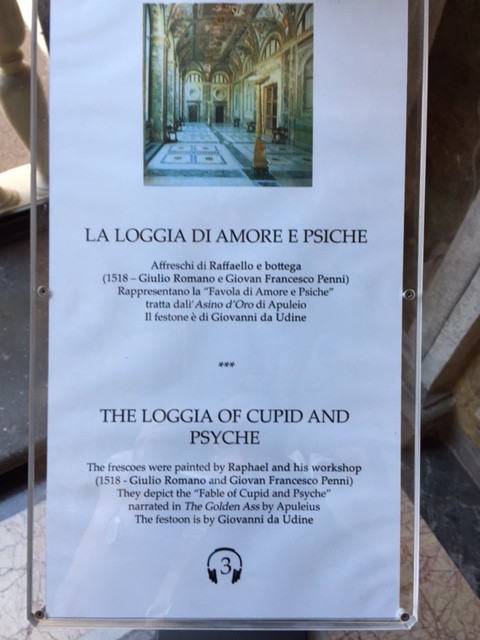
Chigi also commissioned the fresco decoration of the villa by artists such as Raphael, Sebastian del Piombo, Giulio Romano, and Il Sodoma. The themes were inspired by the Stanze of the poet Angelo Poliziano, a key member of the circle of Lorenzo de Medici.
Best known are Raphael’s frescoes on the ground floor; in the loggia depicting the classical and secular myths of Cupid and Psyche, and The Triumph of Galatea. This, one of his few purely secular paintings, shows the near-naked nymph on a shell-shaped chariot amid frolicking attendants and is reminiscent of Botticelli’s The Birth of Venus.
This same “Galatea” loggia has a horoscope vault that displays the positions of the planets around the zodiac on the patron’s birth date, 29 November 1466. The two main ceiling panels of the vault give his precise time of birth, 9:30 pm on that date.
On the piano nobile, Peruzzi painted the main salone with troupe l’oeil frescoes of a painted grand open loggia with city and countryside views beyond. The perspective view only works from a fixed point in the room otherwise the illusion is broken.
In the adjoining bedroom, Sodoma painted scenes from the life of Alexander the Great, the marriage of Alexander and Roxana, and Alexander receiving the family of Darius.
The villa became the property of the Farnese family in 1577 (hence the name of Farnesina). The Villa’s second owner, Cardinal Alessandro Farnese, became Pope Paul III in 1534, and the Farnese family’s wealth and influence continued to soar. Also in the 16th century, Michelangelo proposed linking the Palazzo Farnese on the other side of the Tiber River, where he was working, to the Villa Farnesina with a private bridge. This was initiated, remnants of a few arches are in fact still visible in the back of Palazzo Farnese towards via Giulia on the other side of the Tiber, but was never completed.
Today, the Villa is owned by the Italian State; it accommodates the Accademia dei Lincei, a long-standing and renowned Roman academy of sciences. Until 2007 it also housed the Gabinetto dei Disegni e delle Stampe (Department of Drawings and Prints) of the Istituto Nazionale per la Grafica, Roma.
The Villa’s interior (better photos are coming, in about 2 weeks; see above):
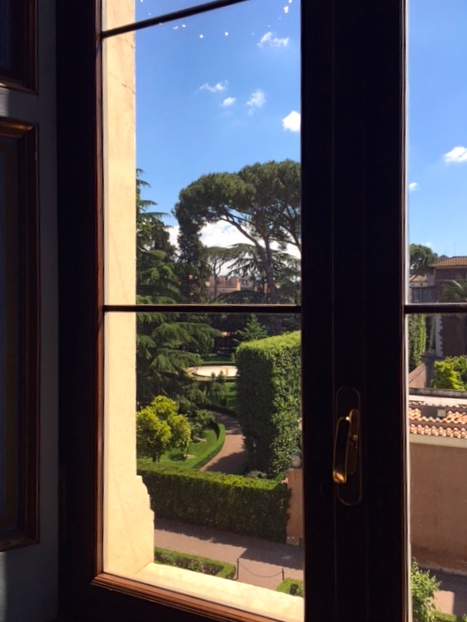
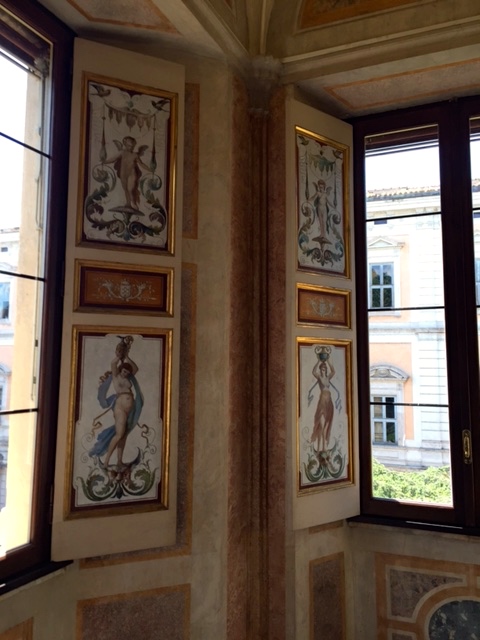
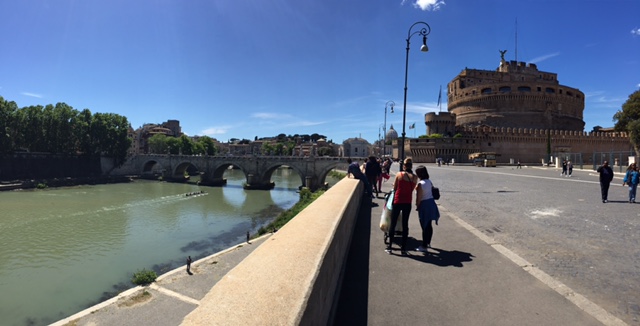
Random (but lovely) Roman shots
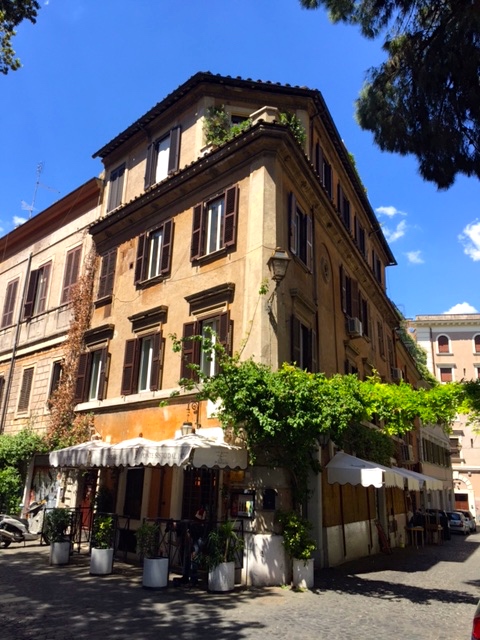
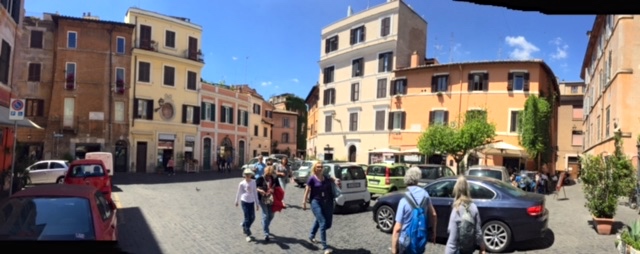


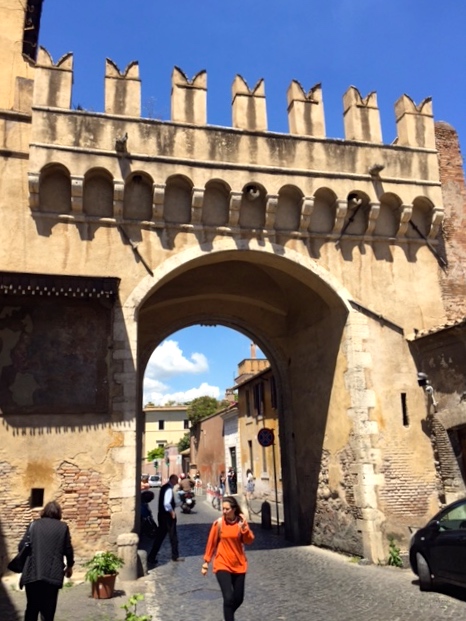
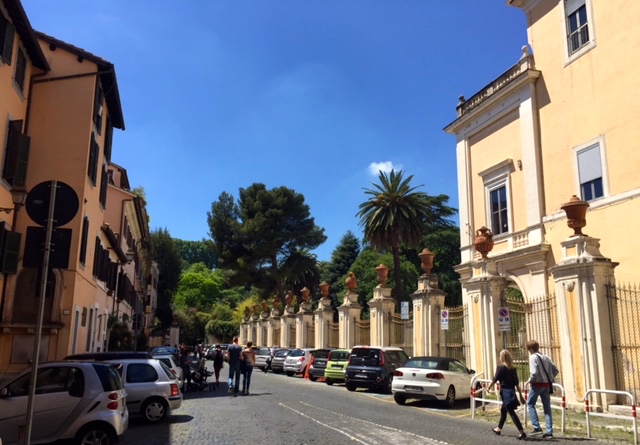
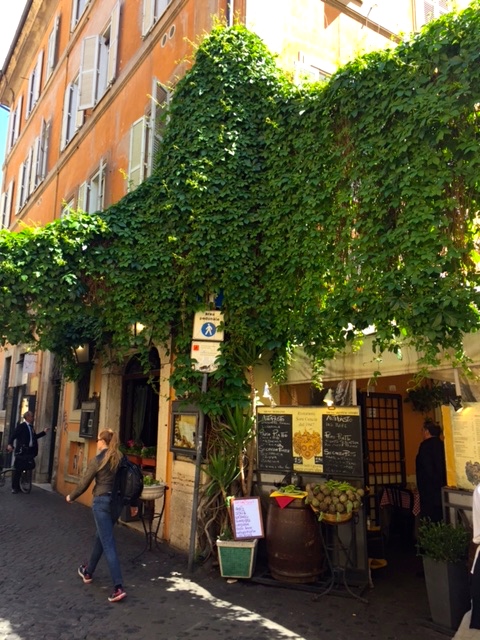
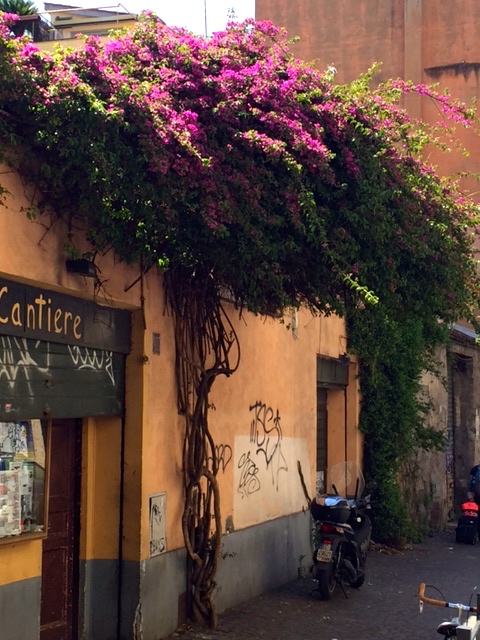
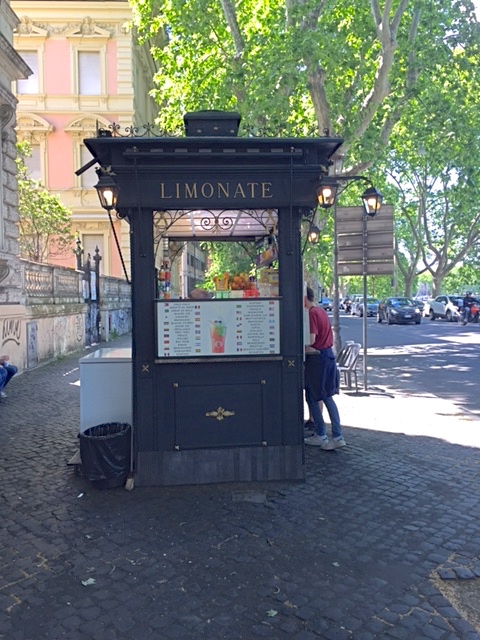
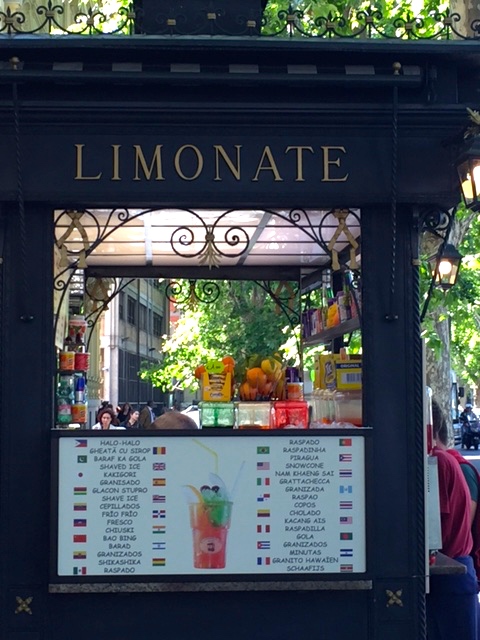
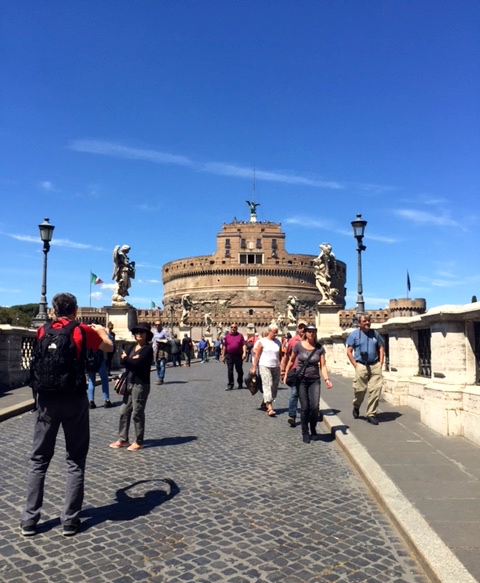
Lungotevere, 3 Maggio.

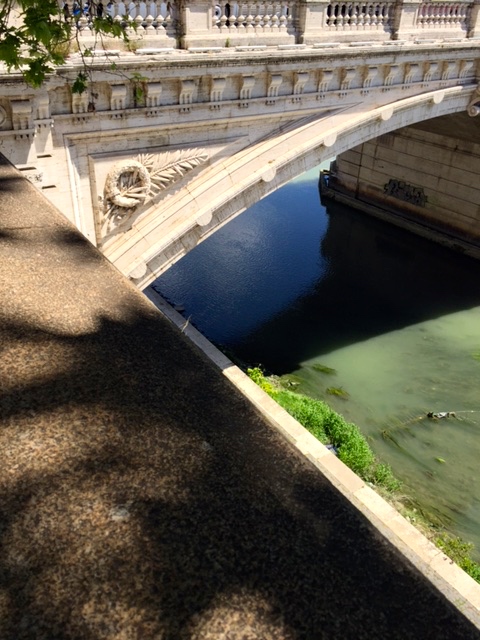
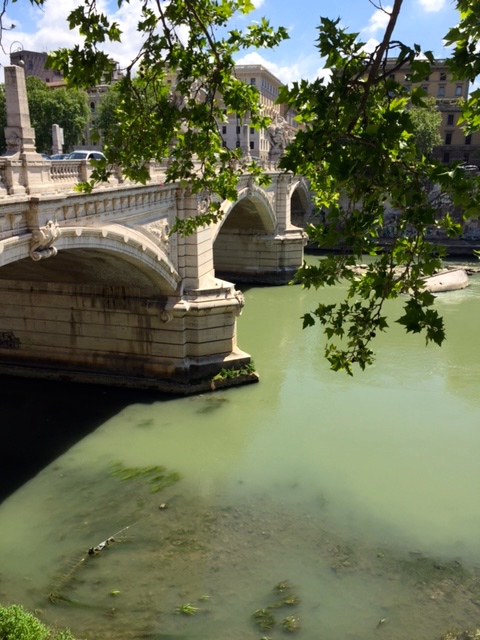
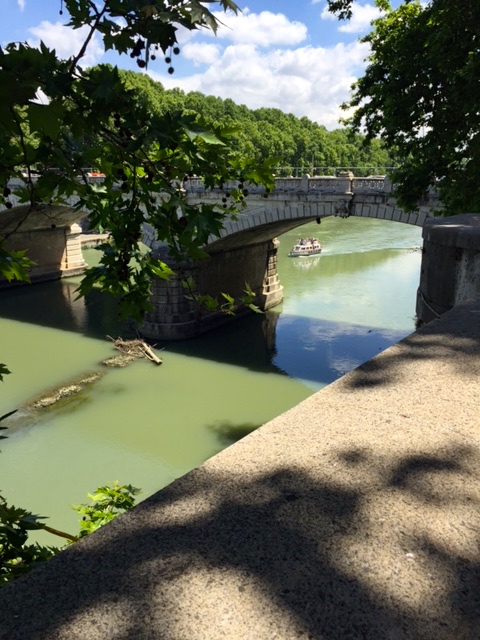

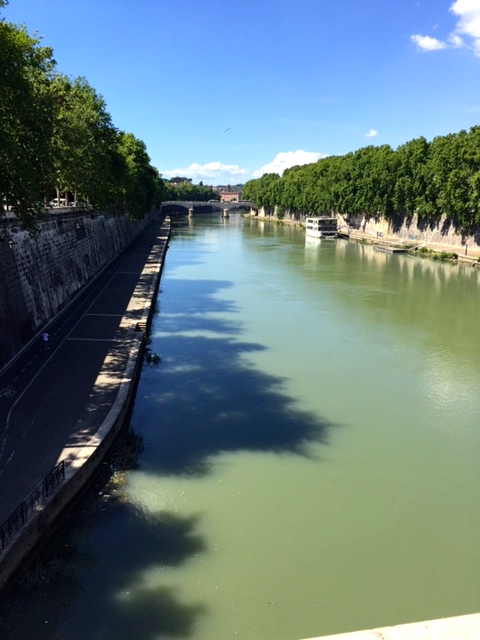
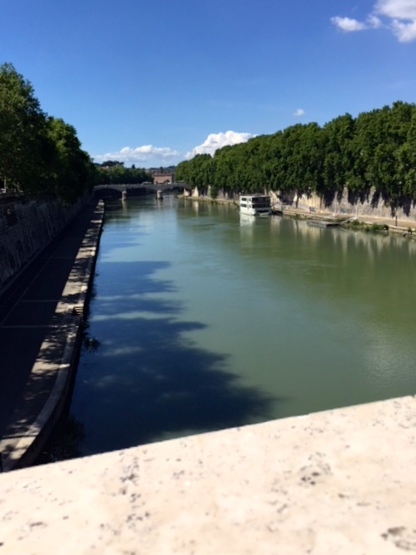

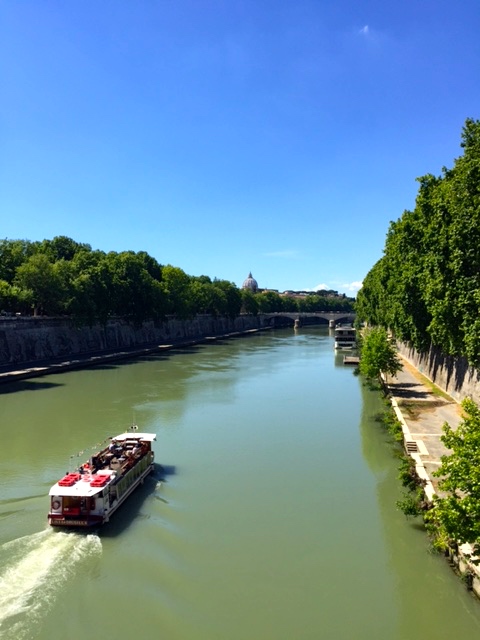


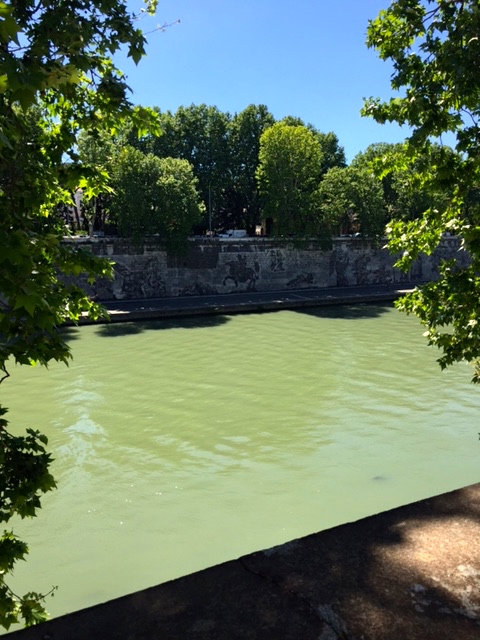
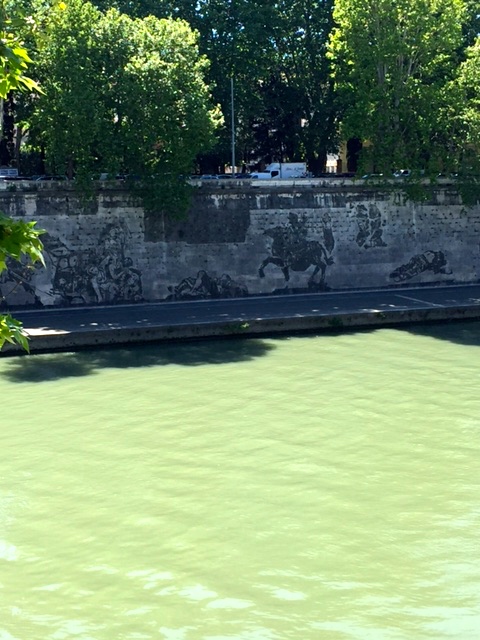
Charmed by Rome and Roman springtime.
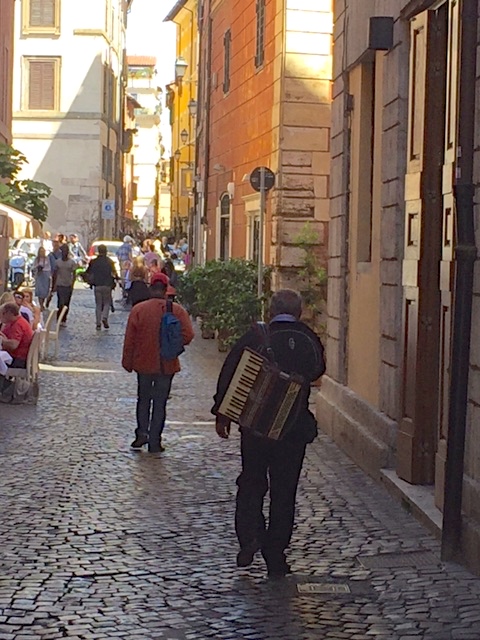
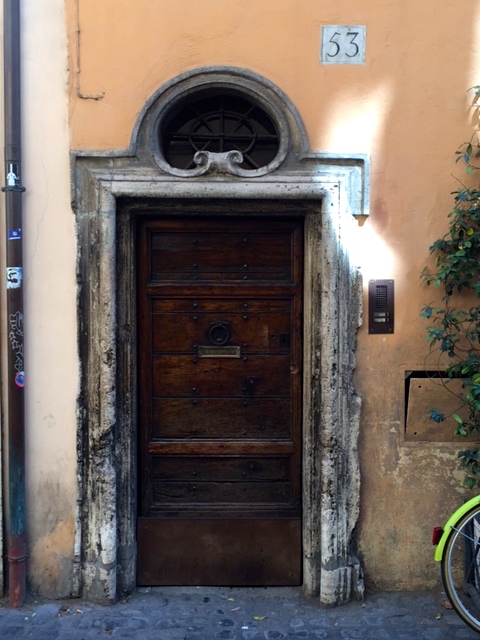
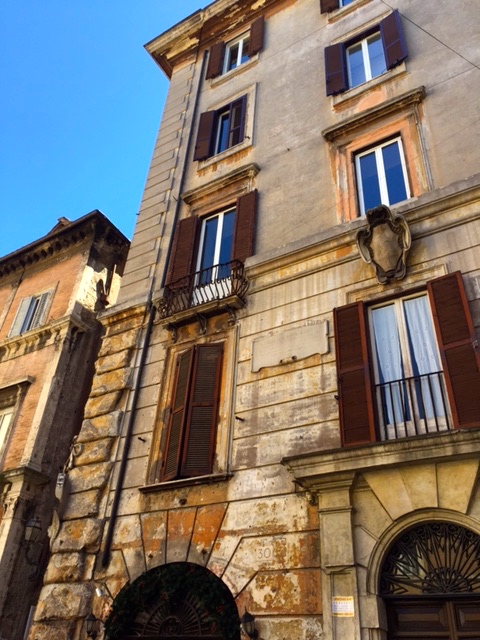
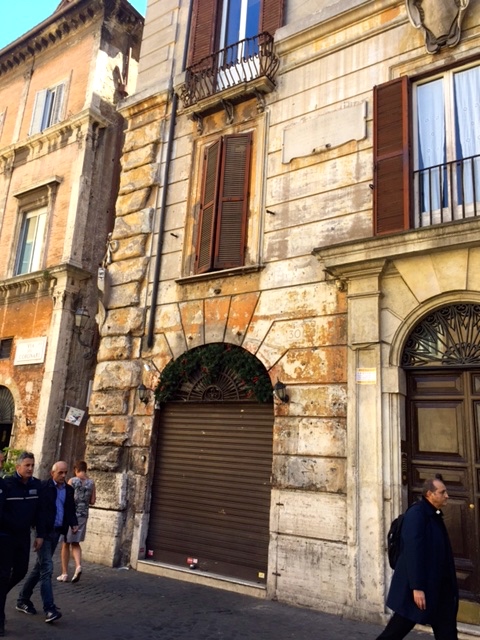
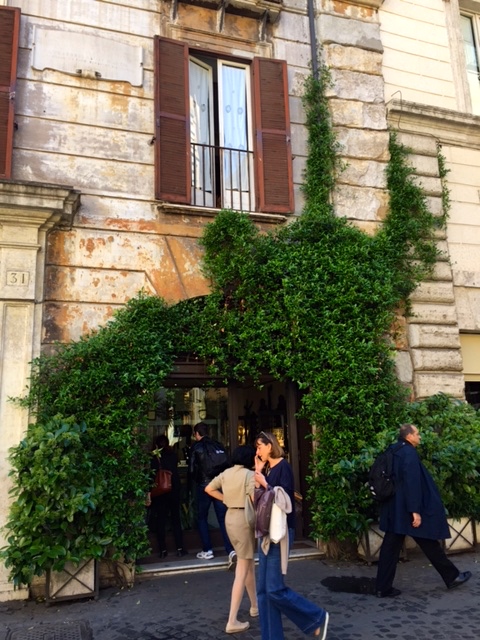
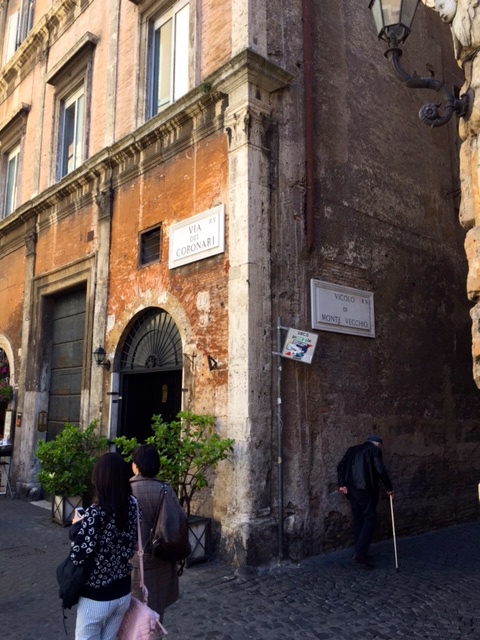
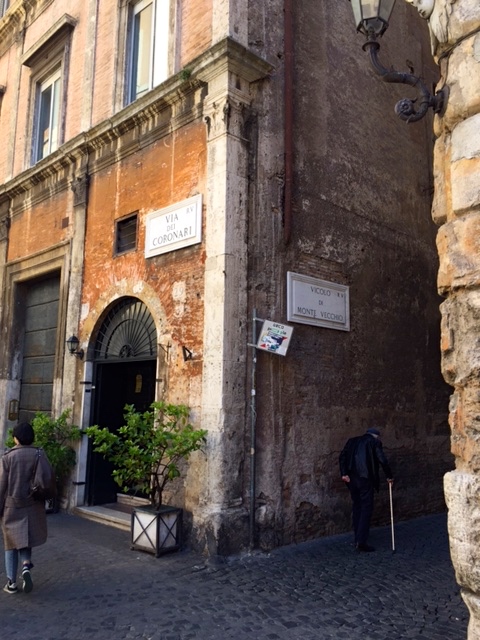
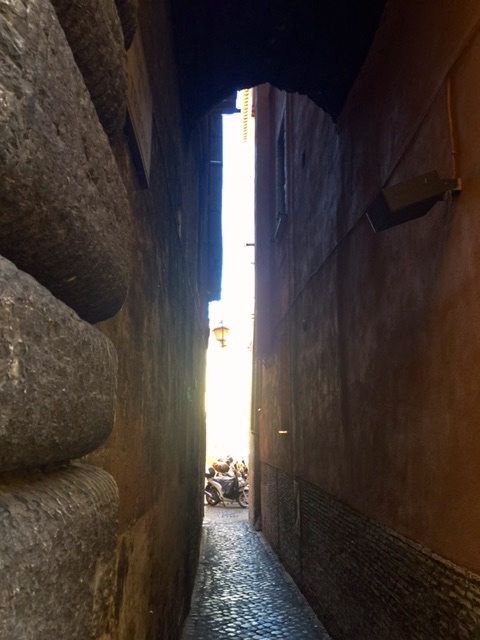
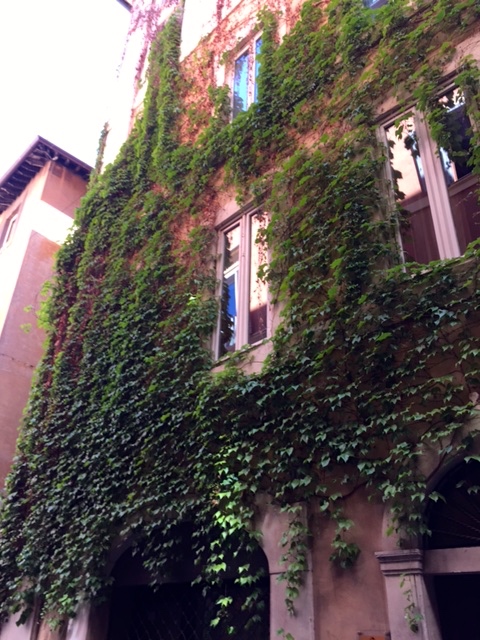
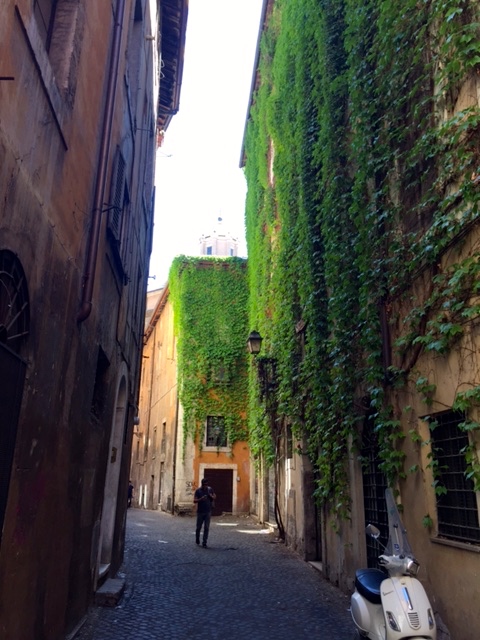
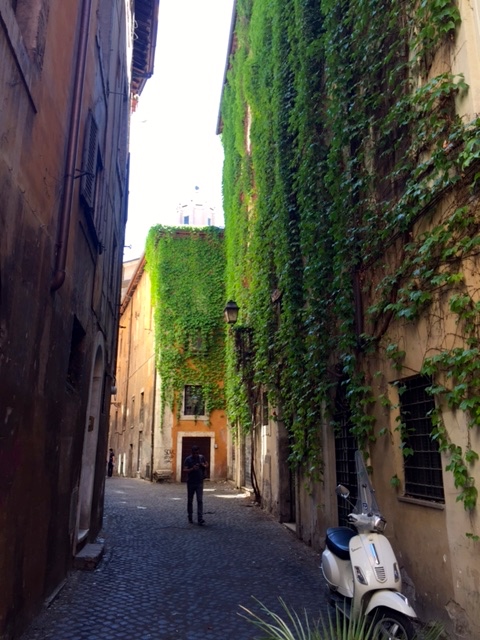
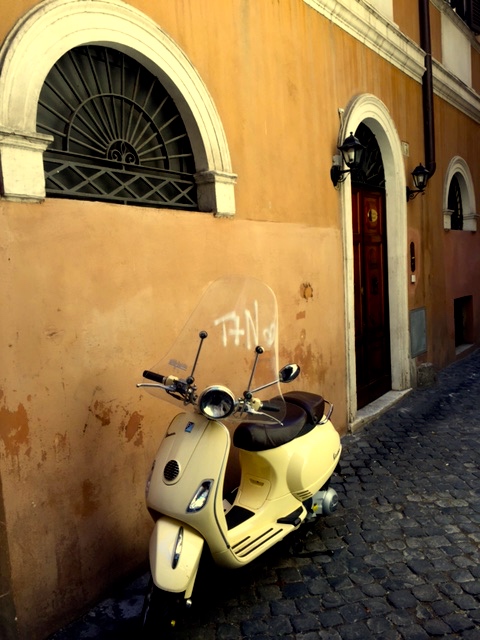

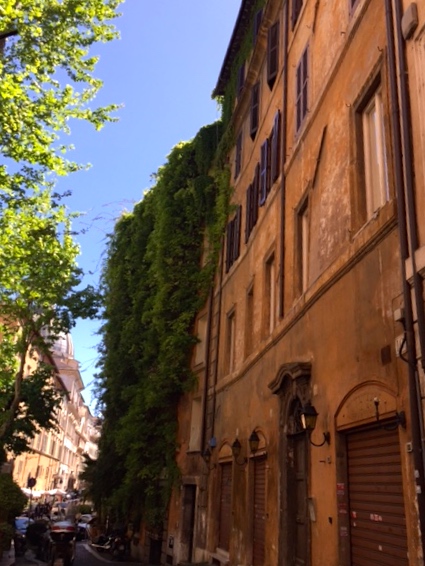
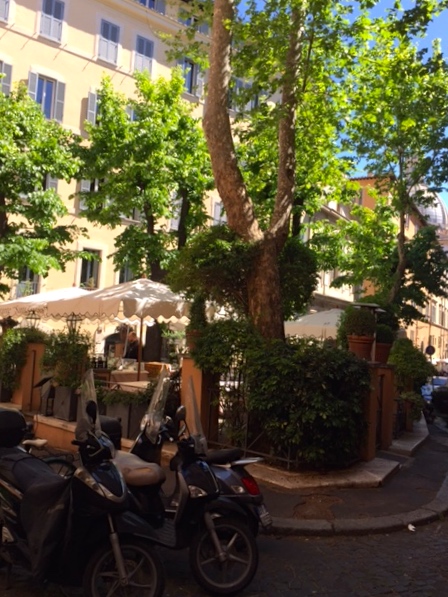
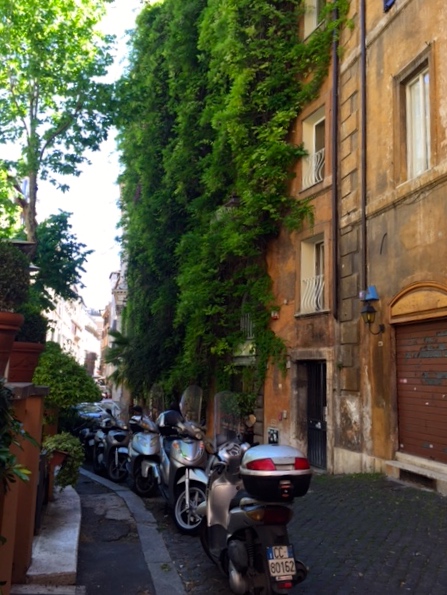
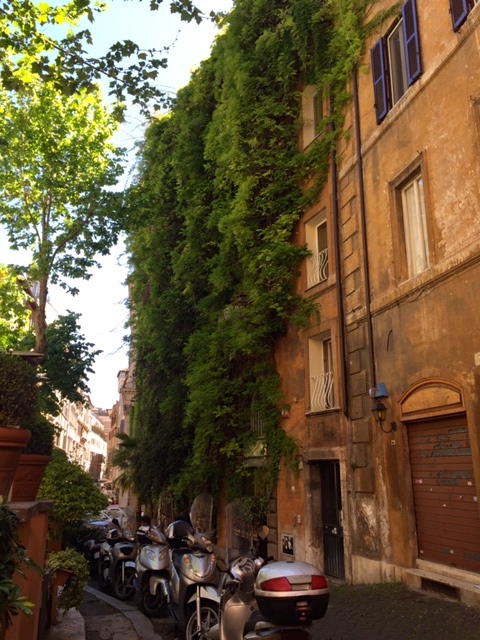
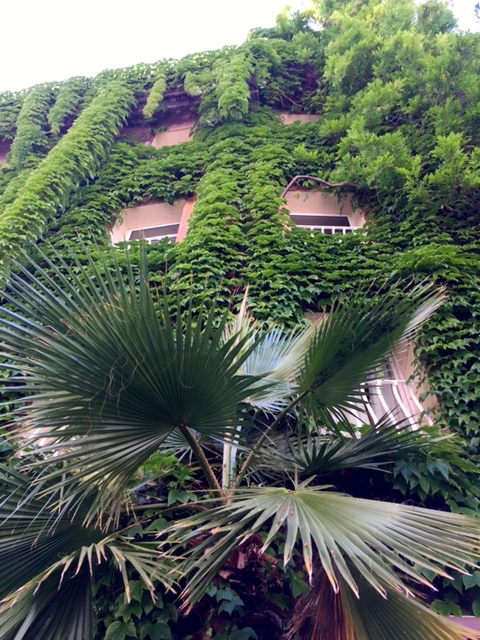
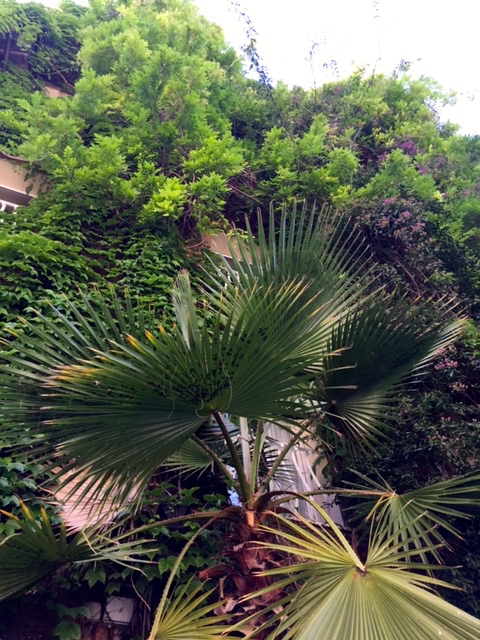
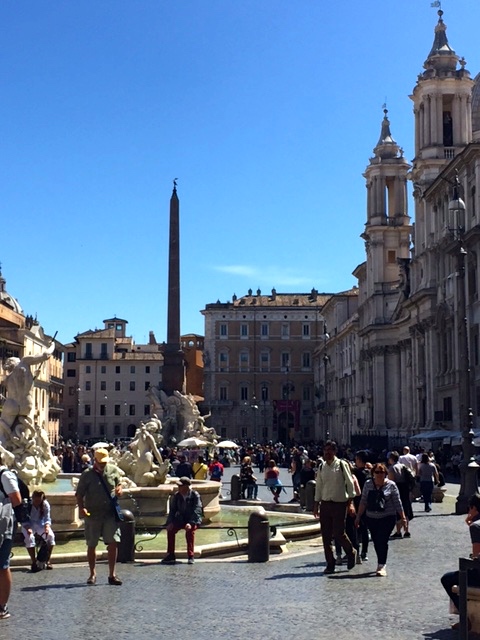
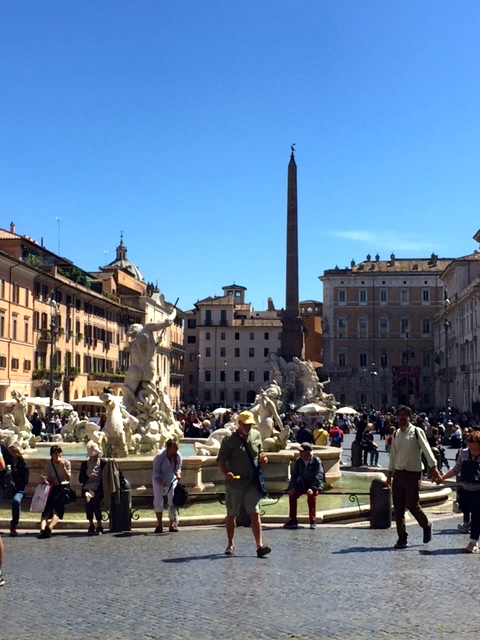
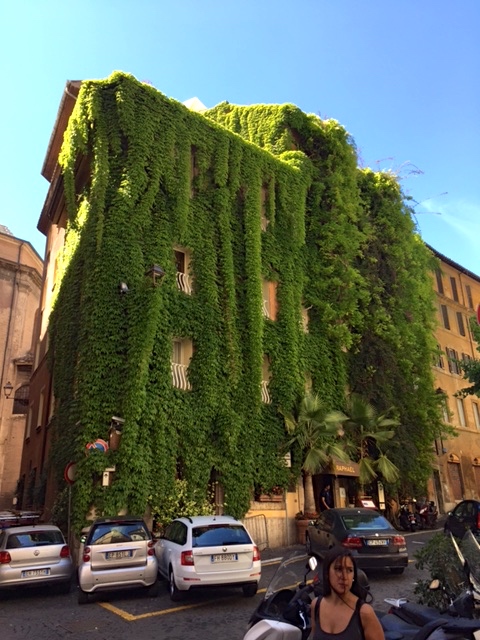
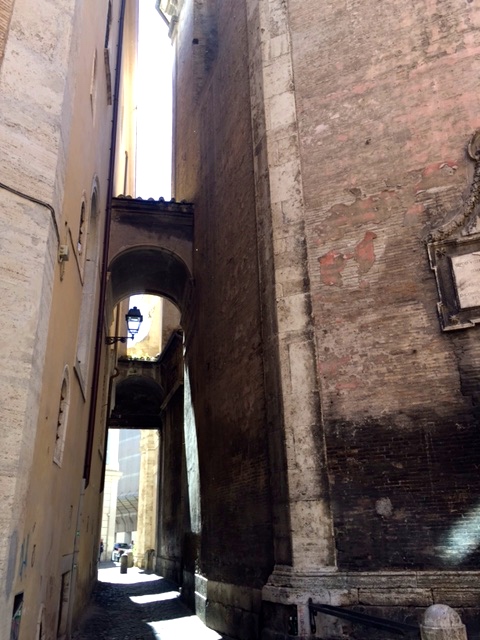
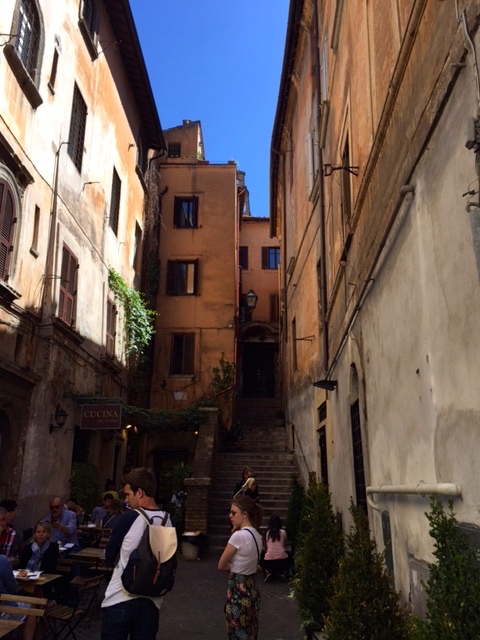
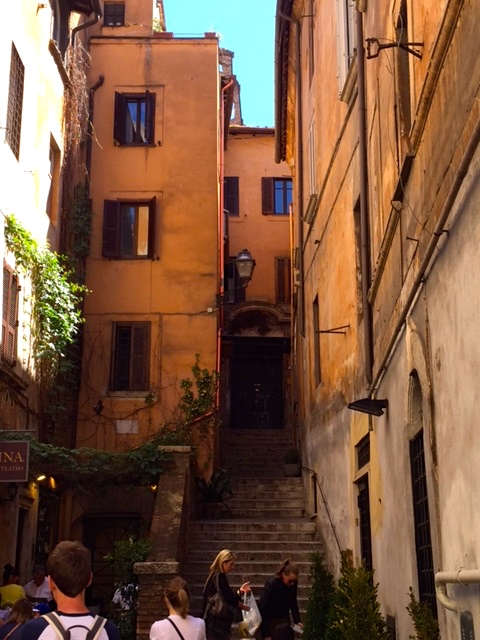


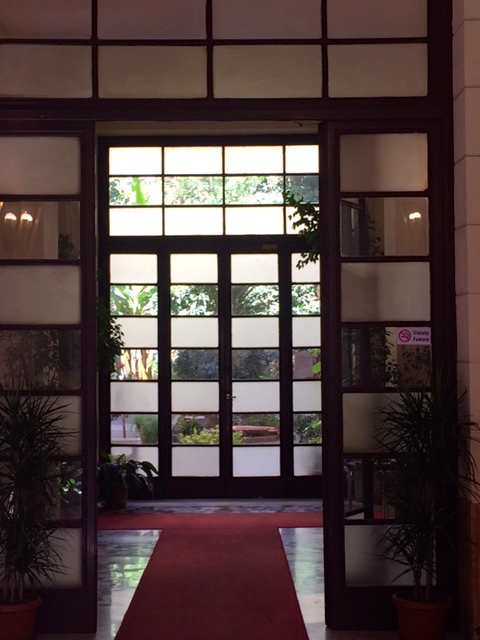
Rome, impossibly beautiful.

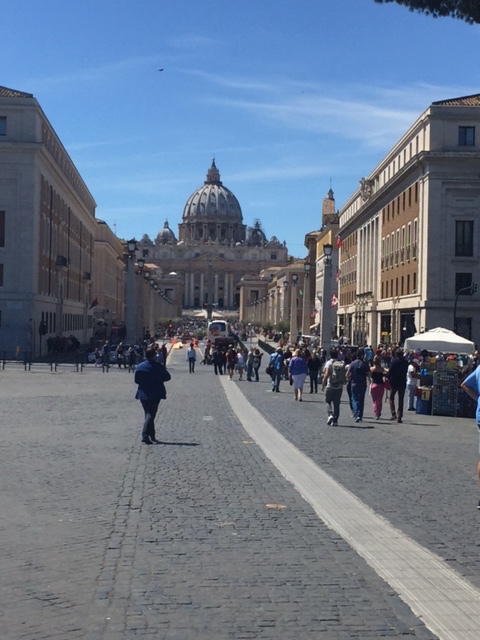
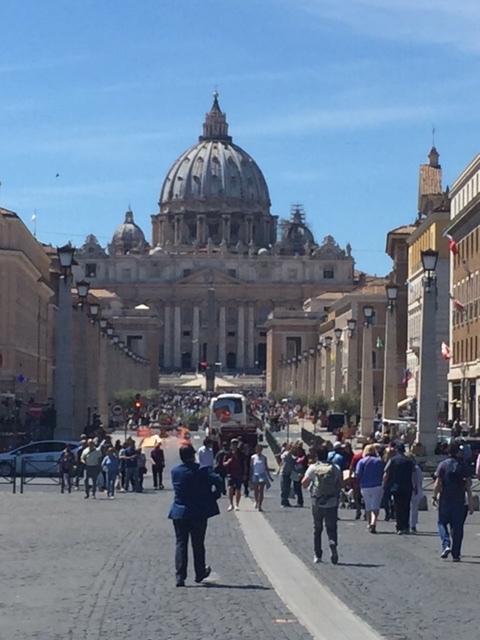
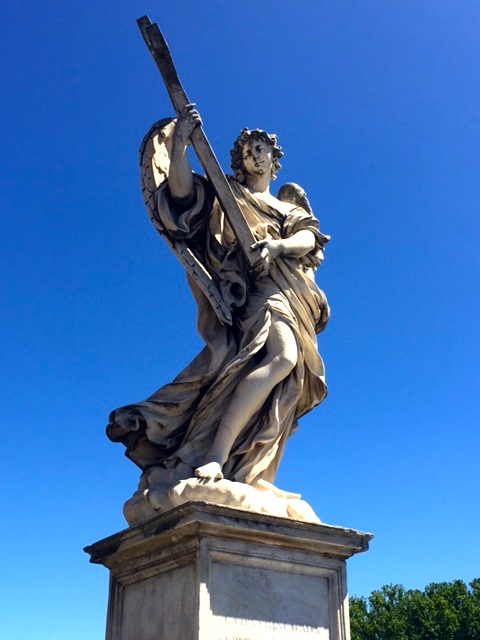
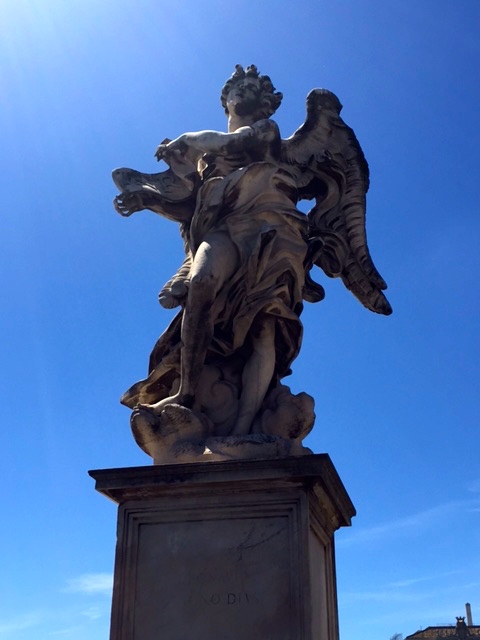
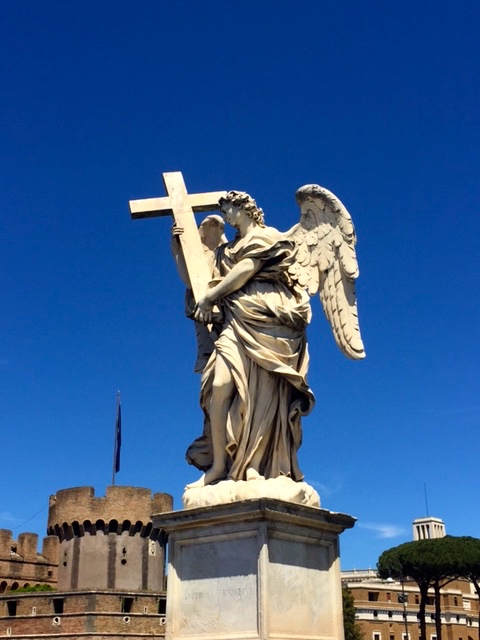
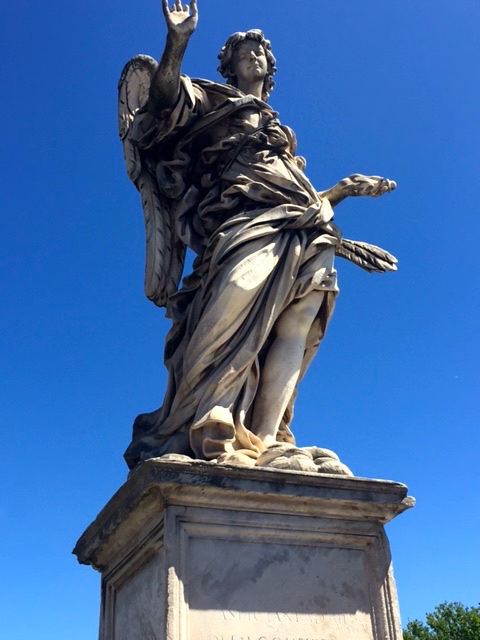
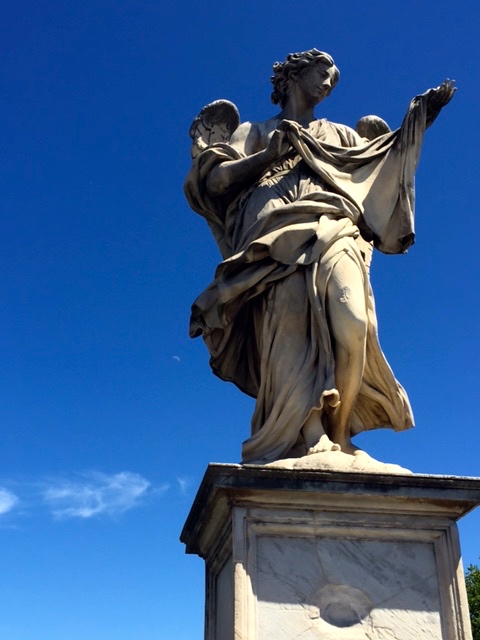
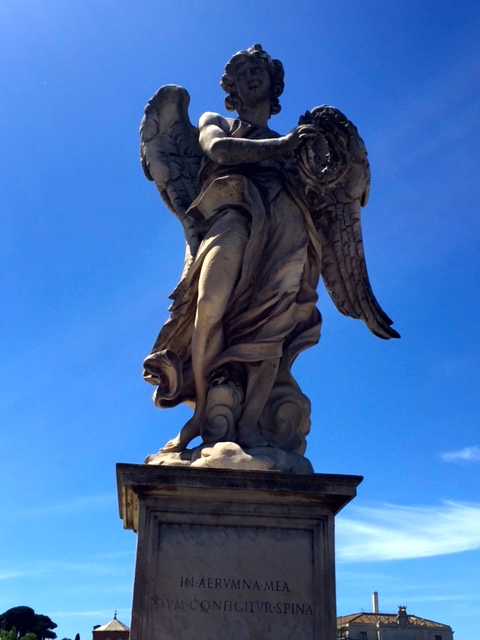
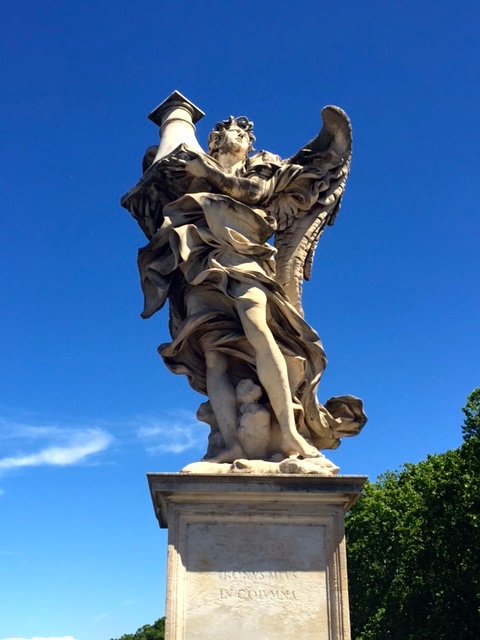
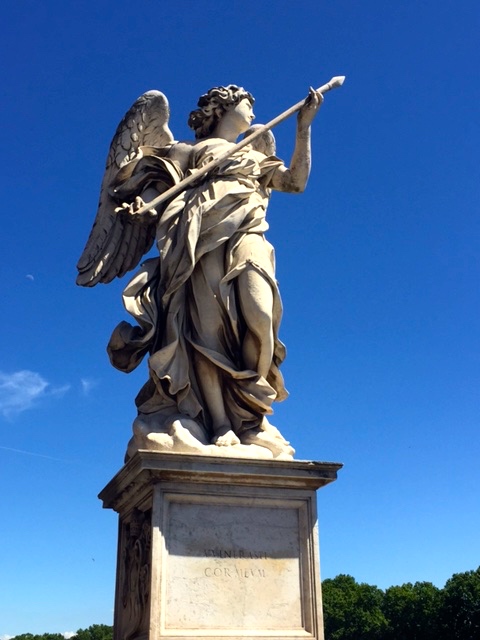

You knew I would soon veer to art, didn’t you?
Oranges and Italian art:
Because of a combination of new artistic techniques and some apparently reasonable, but mistaken, assumptions about the history of citrus, oranges appeared frequently in paintings by any number of the great masters of the Italian Renaissance.
In making the break from Byzantine scholasticism to the new humanism of the Renaissance, artists began setting their religious figures against naturalistic backgrounds. Not having seen the Holy Land, they glibly set their Annunciations and Resurrections in Italian villas and on Italian hills.
Crusaders, among others, had long since reported that orange trees flourished in Palestine, so, as a kind of hallmark of authenticity, the painters slipped orange trees into masterpiece after masterpiece, remaining ignorant to their deaths that in the time of Christ there were no orange trees in or near the Holy Land.
In his “Maestà,” the Sienese painter Duccio di Buoninsegna showed Jesus entering Jerusalem through the streets of Siena, past orange trees in full fruit.
Fra Angelico painted Jesus resting under an orange tree.
It was almost unthinkable for a great master to do a “Flight into Egypt” without lining the route with orange trees.
A “Last Supper” was incomplete without oranges on the table, although there is no mention of oranges in the Bible.
Titian’s “Last Supper,” which hangs in the Escorial, shows oranges with fish.
A Domenico Ghirlandaio “Last Supper” goes further: a mature orange grove is depicted in murals behind the Disciples.
The deterioration of Leonardo’s “Last Supper” has been too extensive for any oranges in it to be identified, but in all likelihood, according to Tolkowsky, they were there.
Most painters thought of the Annunciation as occurring indoors, and Paolo Veronese, for one, moved orange trees indoors to authenticate the scene, setting the plants in trapezoidal pots, of the type in which orange trees were grown in his time in northern Italy.
Fra Angelico also used orange trees to give a sense of the Holy Land to his “Descent from the Cross,” which was otherwise set against the walls of Florence, and, like many of his contemporaries, when he painted the Garden of Eden he gave it the appearance of a citrus grove.
Benozzo Gozzoli’s frescoes in a family chapel of the Medici show Melchior, Balthasar, and Gaspar looking less like three wise kings from the East than three well-fed Medici, descending a hill that is identifiable as one near Fiesole, dressed as an Italian hunting party, and passing through stands of orange trees bright with fruit.
Actually, Gozzoli’s models for the magi were Lorenzo de’ Medici; Joseph, Patriarch of Constantinople; and John Palaeologus, Emperor of the East.
~~~~~~~~~~~~~~~~~
The orange tree was more than a misplaced landmark. It was also a symbol of the Virgin, erroneously derived from an earlier association that medieval theologians had established between Mary and the tall cedars of Lebanon.
Thus, countless paintings of the Madonna or of the Madonna and Child were garlanded with orange blossoms, decorated with oranges, or placed in a setting of orange trees.
Mantegna, Verrochio, Ghirlandaio, Correggio, and Fra Angelico all complemented their Madonnas with oranges.
Sandro Botticelli, in his “Madonna with Child and Angels,” set his scene under a tentlike canopy thickly overhung with the branches of orange trees full of oranges.
In the Neo-Latin of the Renaissance, oranges were sometimes called medici— an etymological development that had begun with the Greek word for citron, or Median apple.
It is no wonder, therefore, that in art and interior decoration the Medici themselves went in heavily for oranges. In Florence, oranges are painted all over the ceilings of the Medici’s Pitti Palace.
The Grand Duke Francesco de’ Medici was one of the world’s earliest collectors of citrus trees, and in Tolkowsky’s view the five red spheres on the Medici coat of arms were almost certainly meant to represent oranges.
When Botticelli painted his “Primavera,” under a commission from the family, he shamelessly included Giuliano de’ Medici as the god Mercury, picking oranges.
Botticelli also painted his “Birth of Venus” for the Medici.
It was Venus, and not the Hesperides, according to a legend current at the time, who had brought oranges to Italy.
Botticelli’s model was Simonetta dei Cattanei, wife of Marco Vespucci and Giuliano de’ Medici’s Platonic love. Simonetta came from Porto Venere, where Venus was alleged to have landed with the original oranges, so Botticelli painted her in the celebrated scallop shell bobbing on the gentle swells off Porto Venere, and lined the coast behind her with orange trees.
Giuliano’s son, Giulio de’ Medici, who became Pope Clement VII, commissioned Raphael to design a villa for him with a great double stairway leading to a sunken garden full of orange trees.
All this was bound to engage the envy of royalty in the north, and at the end of the fifteenth century, in an expedition often said to mark the dividing point between medieval and modern history, Charles VIII of France went to Italy intending to subdue the peninsula by force of arms. Instead, he fell in love with Italian art, architecture, and oranges. When he returned to France, every other man in his retinue was an Italian gardener, an Italian artist, or an Italian architect. Charles was going to transform the castles and gardens of France.
McPhee, John (2011-04-01). Oranges. Farrar, Straus and Giroux. Kindle Edition.
 get back, lauretta!
You must be logged in to post a comment.