Architecture
Palazzo Vecchio, Firenze: an idiosyncratic tour
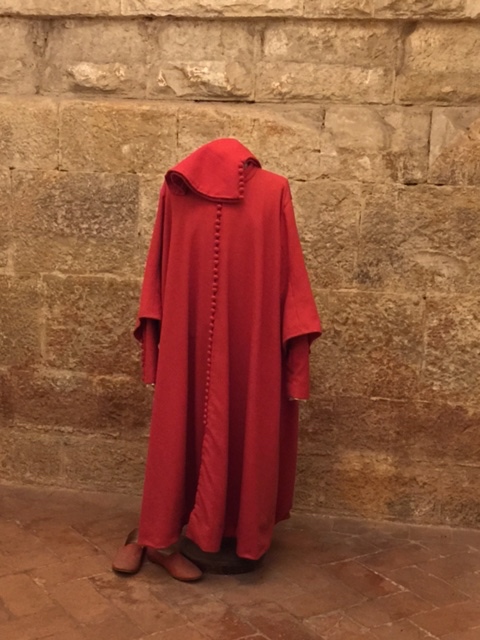
By the Middle Ages, the Florentine republic was ruled by a council, known as the signoria. The signoria was chosen by the gonfaloniere (titular ruler of the city), who was elected every two months by Florentine guild members. Below is the robe and shoes typically worn by the counsil members.

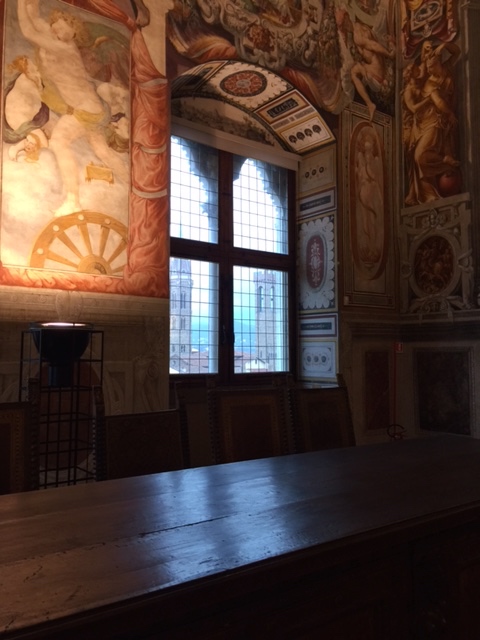
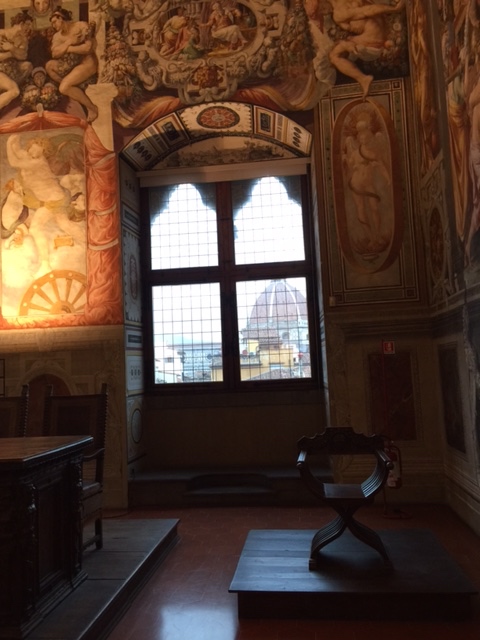
The magnificent Salone dei Cinquecento. Absolutely amazing!



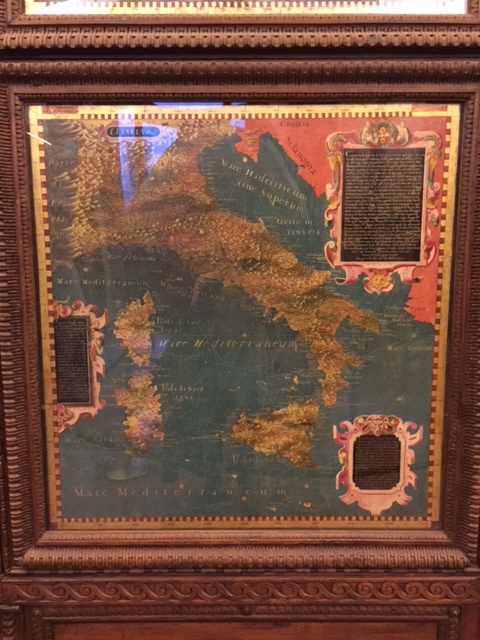


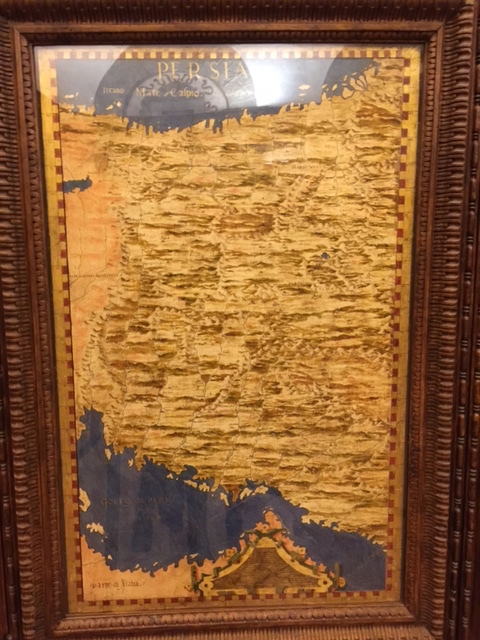
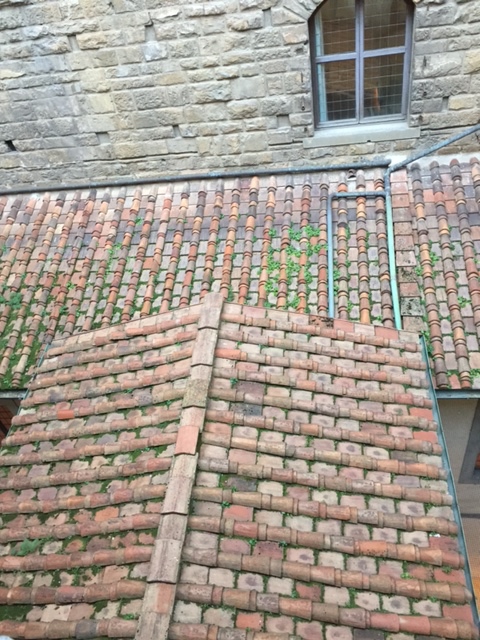


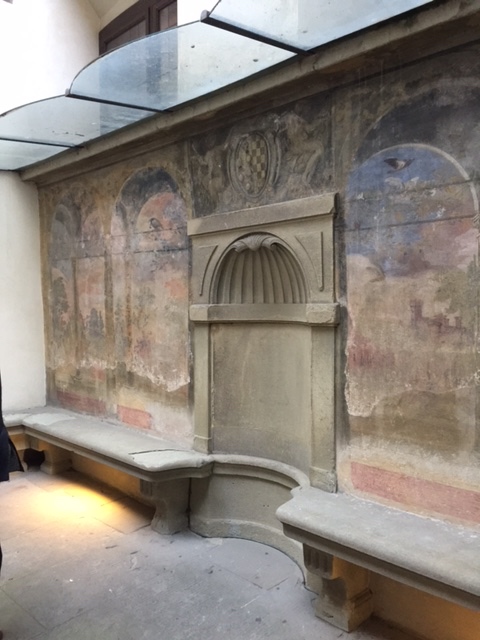
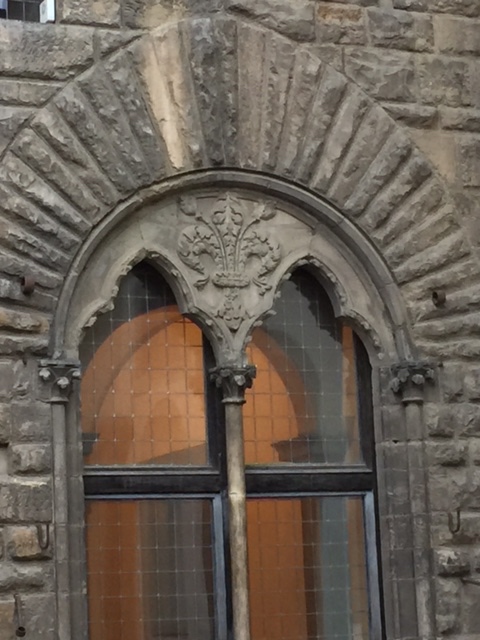
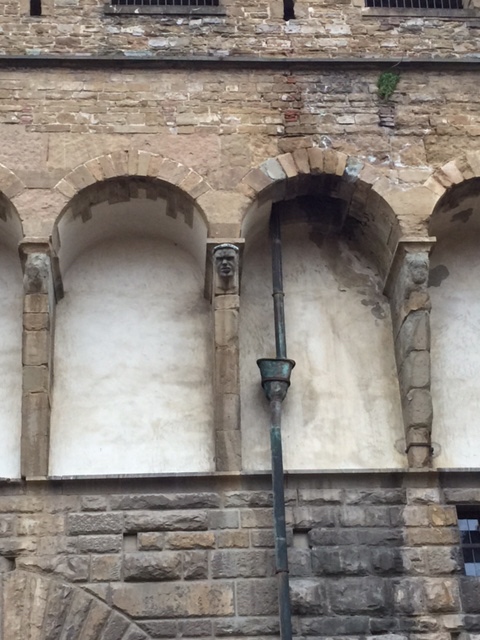
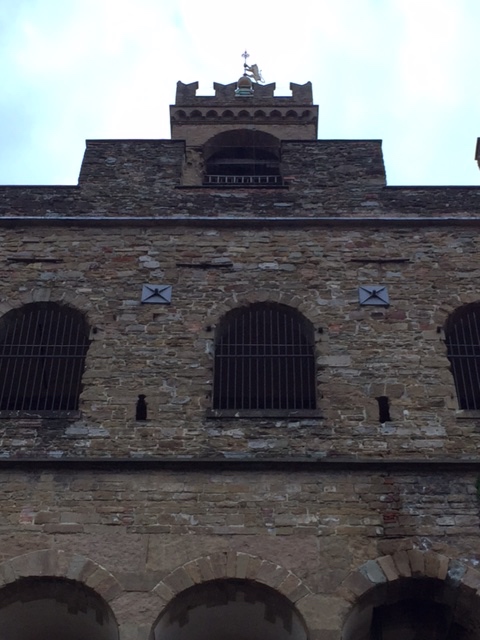
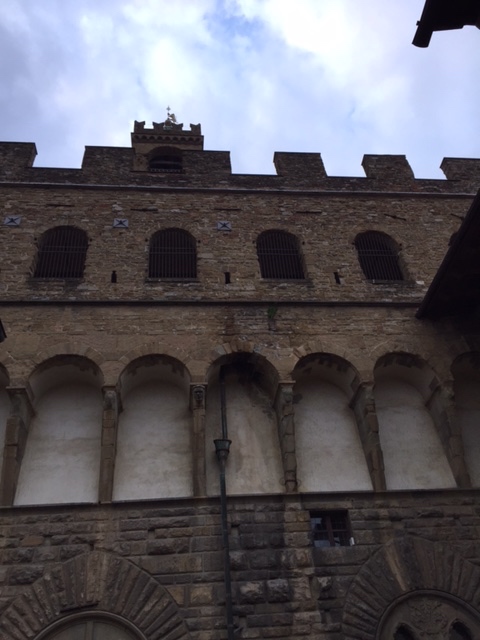
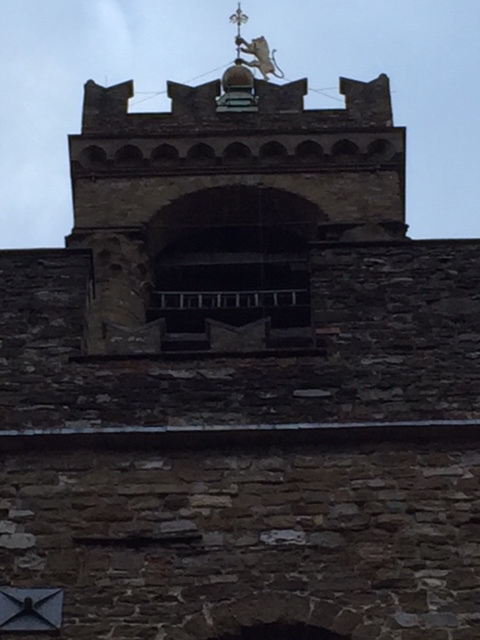
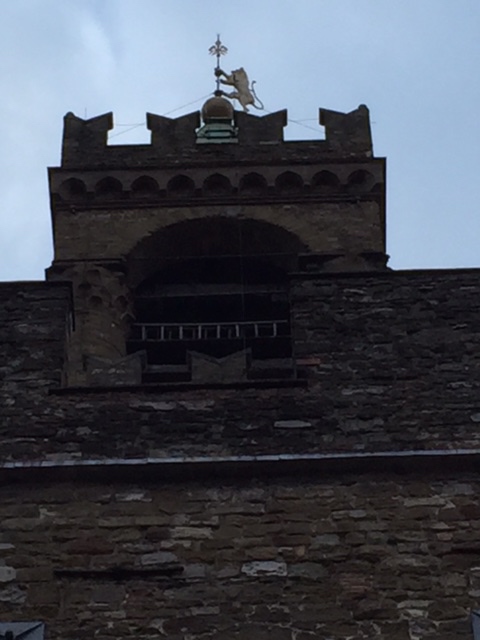


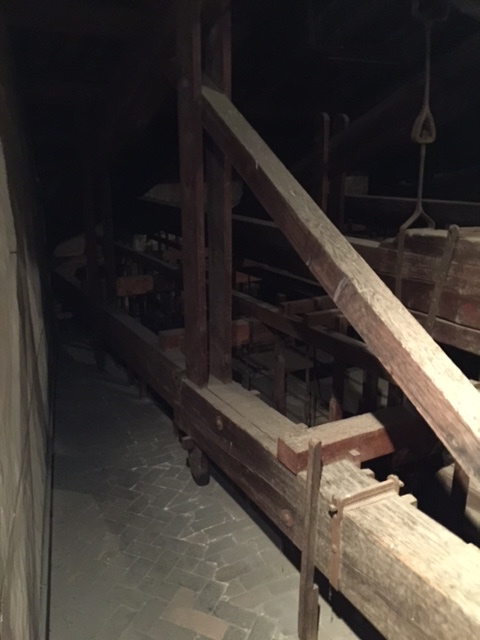
My tour group got to climb into the rafters over the main Salone and marveled not only at the engineering feat, but the fact that most of these timbers were placed in the 14th century. Oh, what this lumber has endured–manmade and natural.


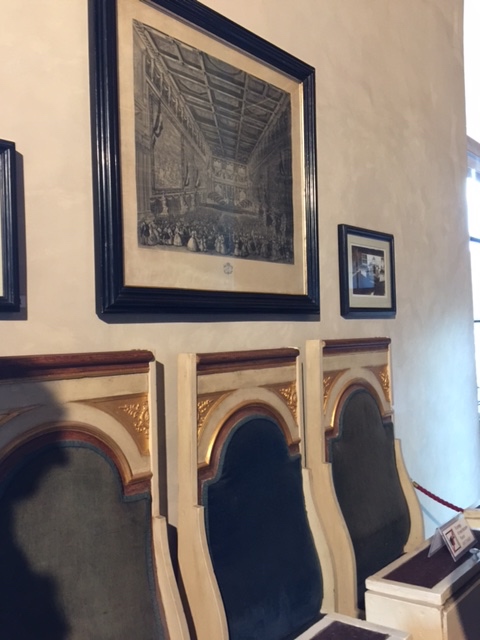
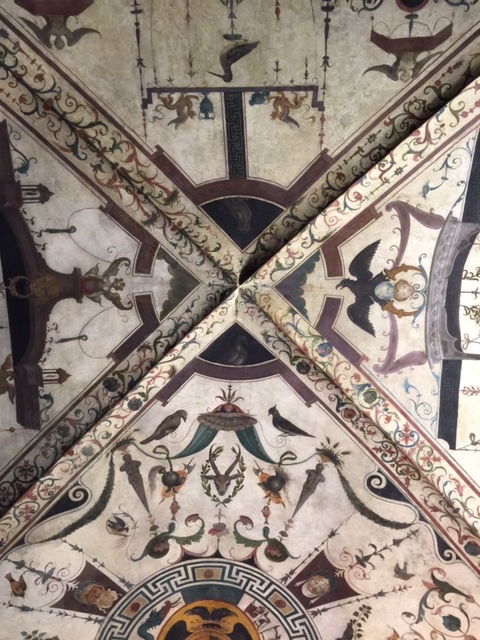
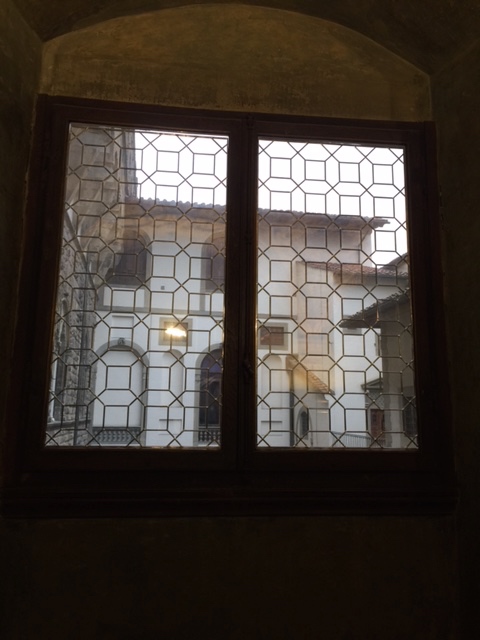
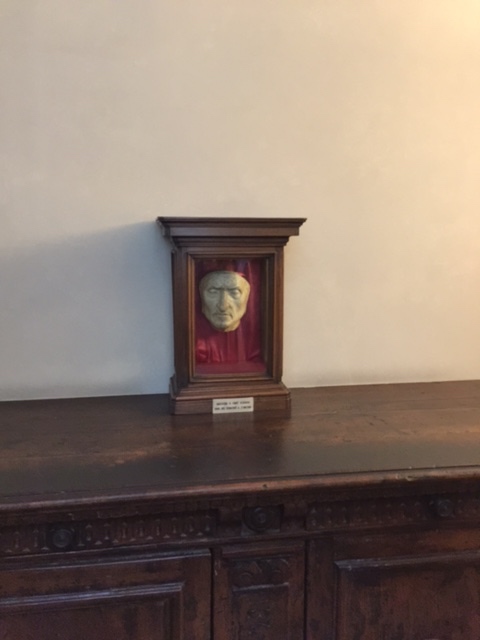
Dante’s death mask below.
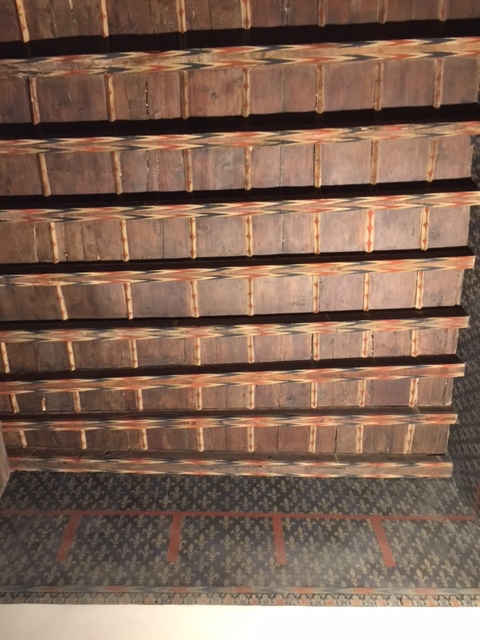
The painted ceiling of the room in which the Dante mask is stored.
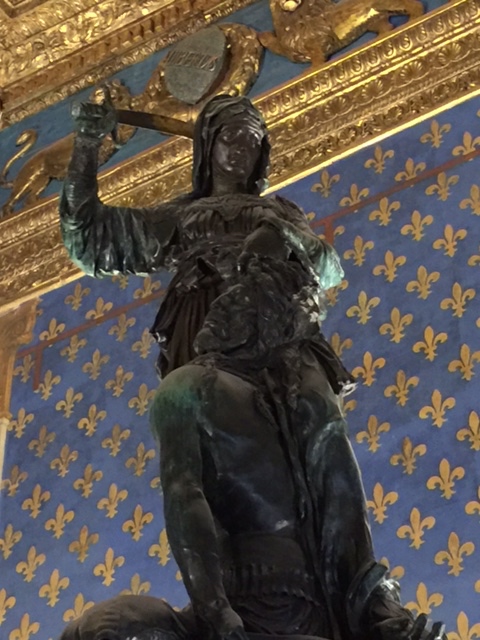

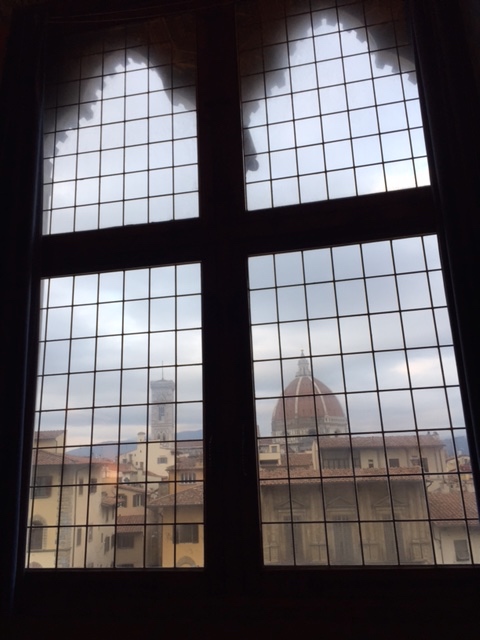
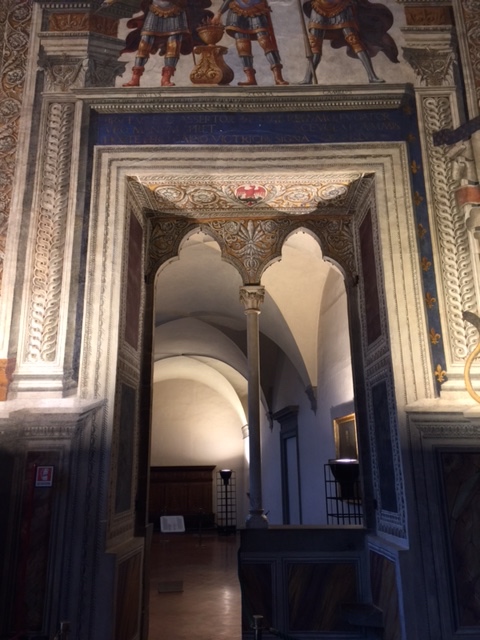


Orsanmichele, Florence. The real deal.
I posted an appetizer for this lovely, historic masterpiece in Florence yesterday. Here’s the real entry.

Inside the church is Andrea Orcagna’s bejeweled Gothic Tabernacle (1355-59) encasing a repainting by Bernardo Daddi’s of an older icon of the Madonna and Child.

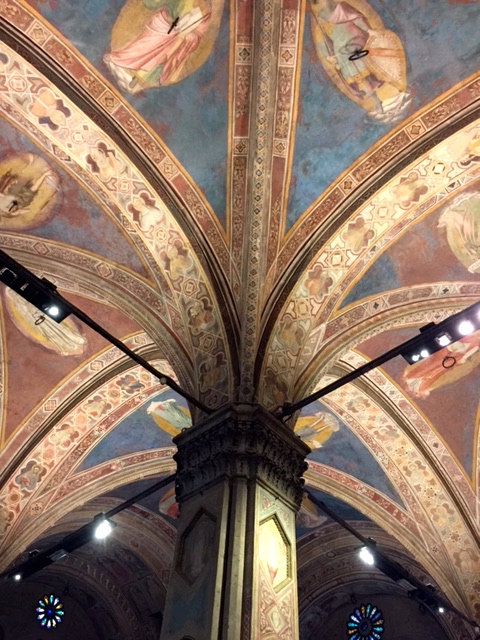
The ceiling paintings of the central square interior on the ground floor. This special building in Florence was initially a palazzo, which became the city’s main granary, and later was transformed into this gorgeous church. It is about halfway between the Duomo and the Palazzo Vecchio, occupying a central place in the city and religious spheres of Florence.

Stained glass doesn’t play a prominent role in Florentine medieval architecture, as it does, for example in France. Yet Orscanmichele has some gorgeous stained glass.
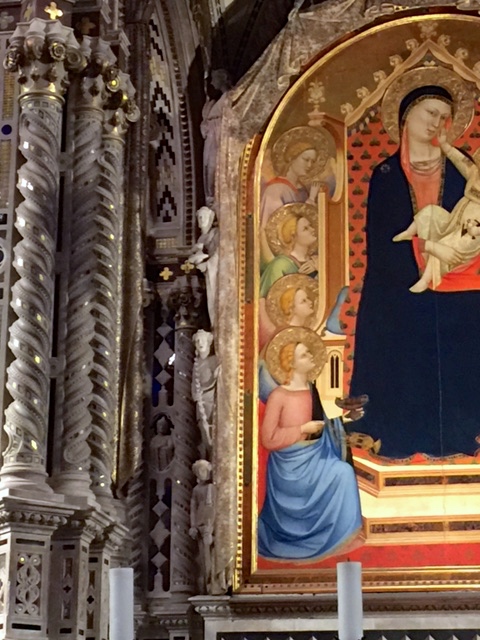
Orcagna’s frame surrounding the beautiful painting is breathtaking in its beauty.

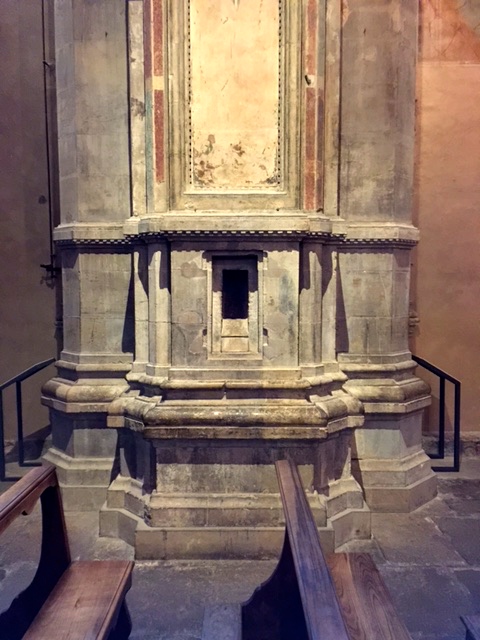
This opening shown below is place in the building from which the grain was distributed.

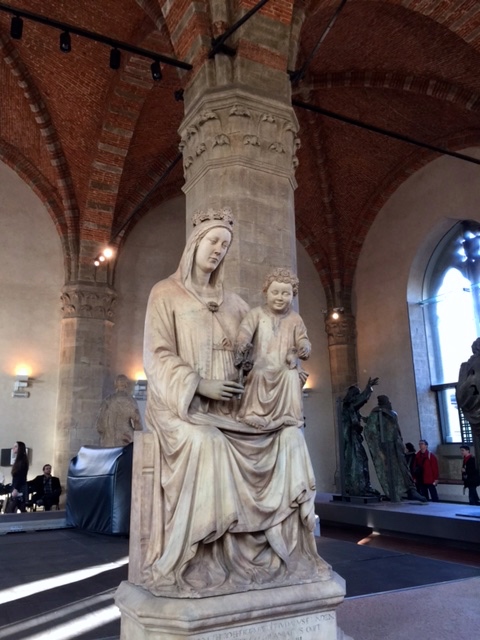
For art historians, Orsanmichele means sculpture. Some of the finest works of late Gothic through Renaissance works were created for this edifice, and remain within its walls.

Verrochio’s masterpiece, Christ with Doubting Thomas, can be appreciated up close, as can all of the sculptural works created for the building’s exterior niches.


The other works are equally accessible and lovely.
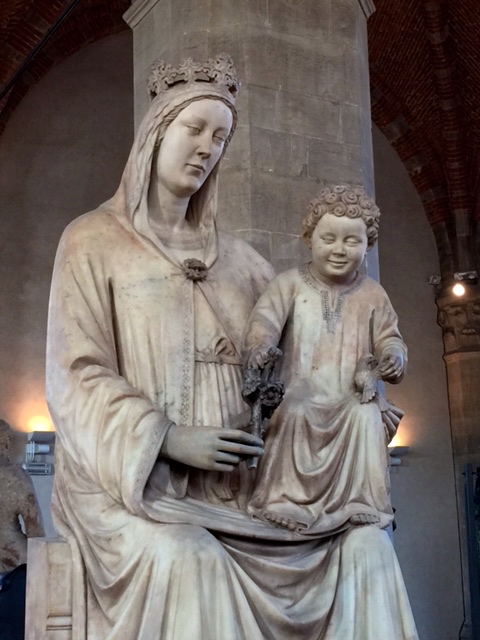
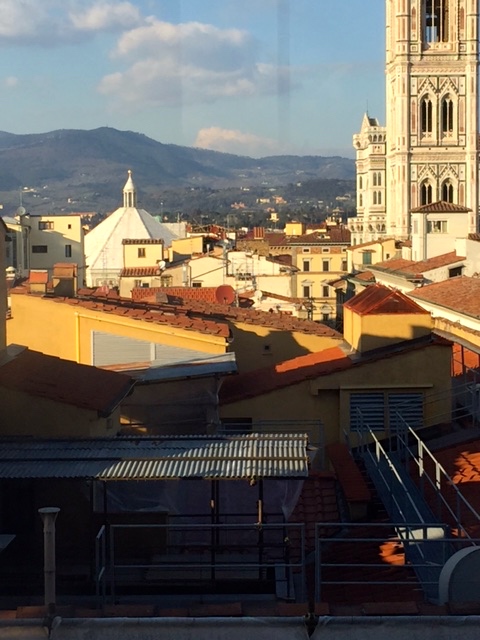
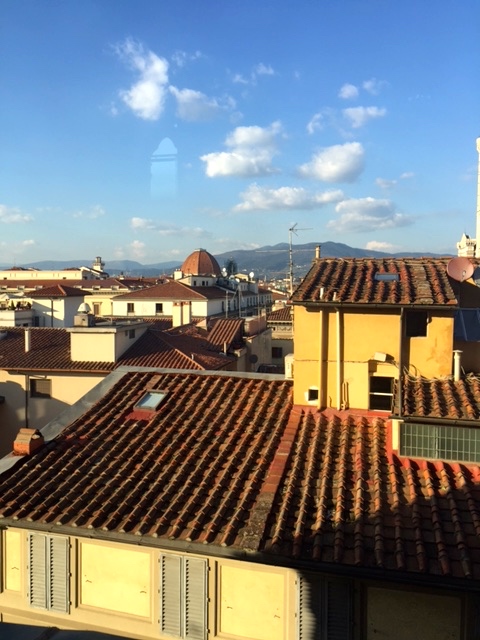
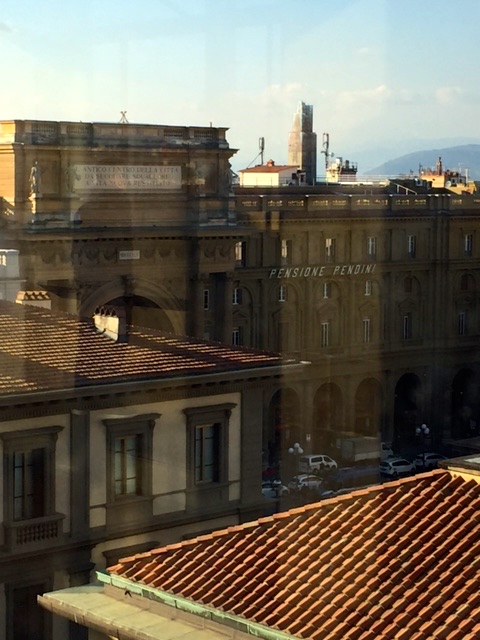
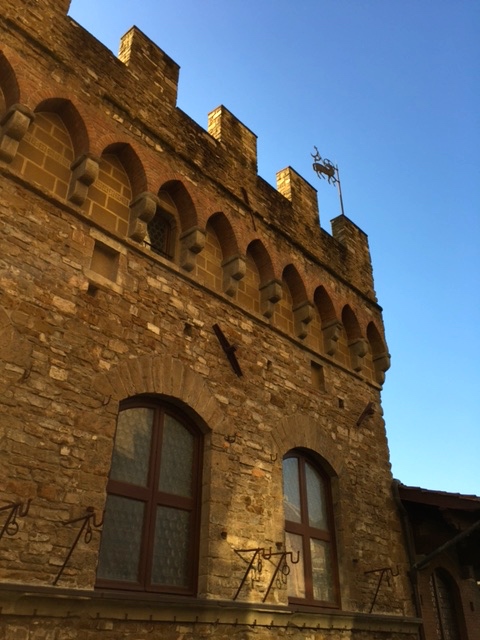
The hike to the 3rd floor is only for the fit. But, what a payoff! The vistas of surrounding Florence will take your breath away as well. Only in a good way.


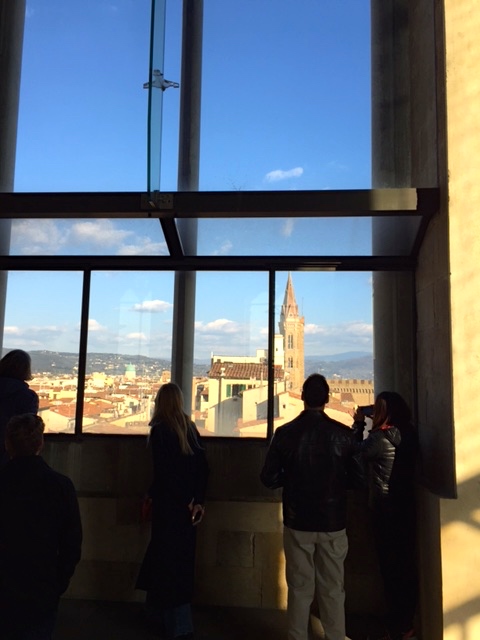
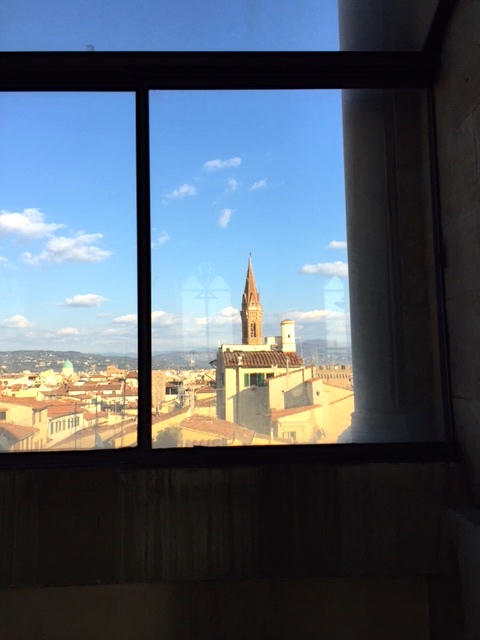


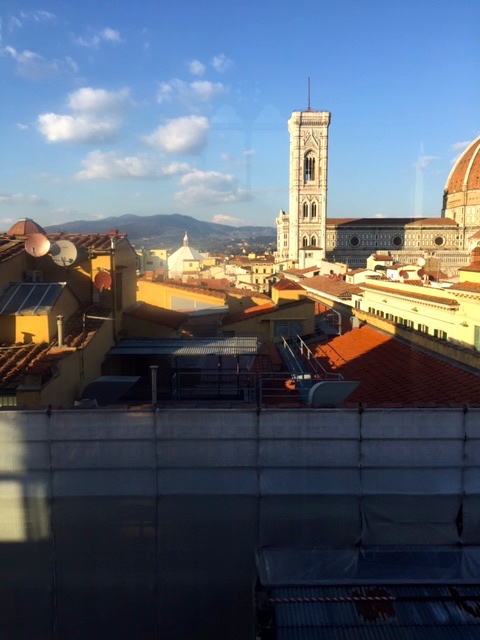



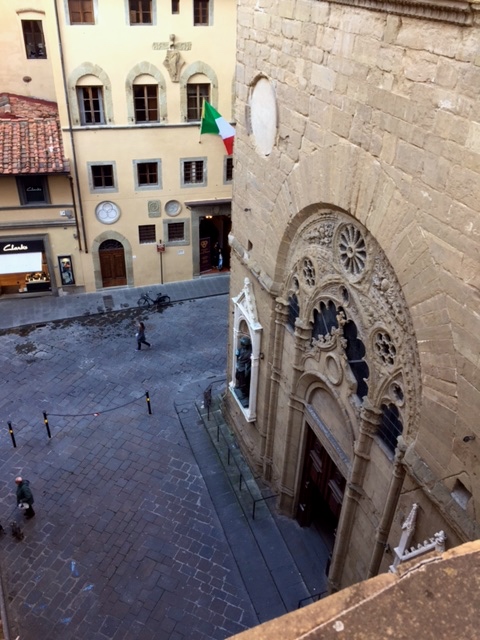
Find the days the church is open and by any means necessary--vai!
A pictorial walk down Via delle Terme, Florence
A few days back I posted about the Florentine street, the Via delle Terme, that evokes the city’s Roman foundation.
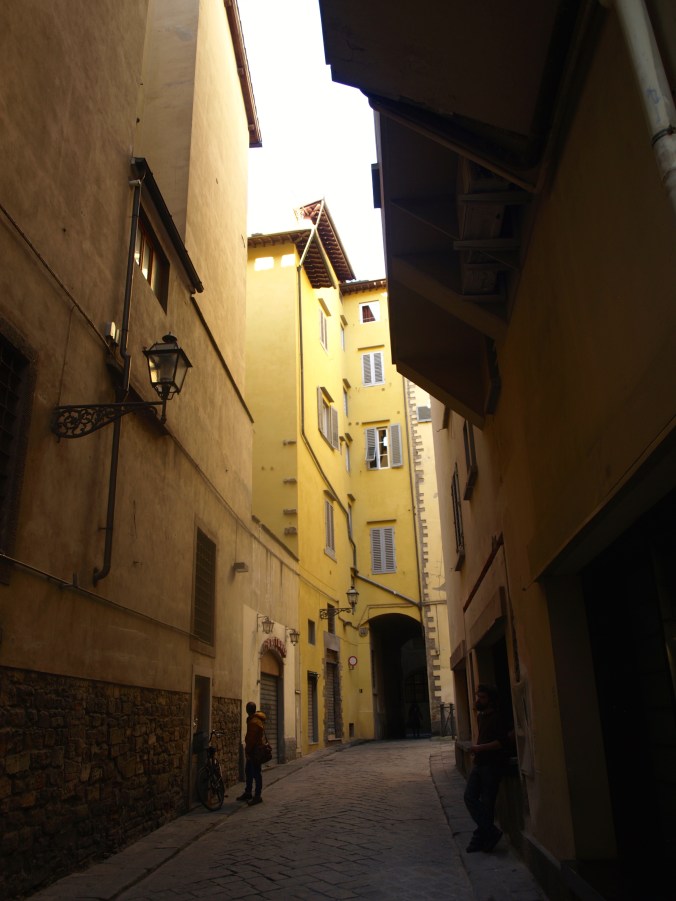
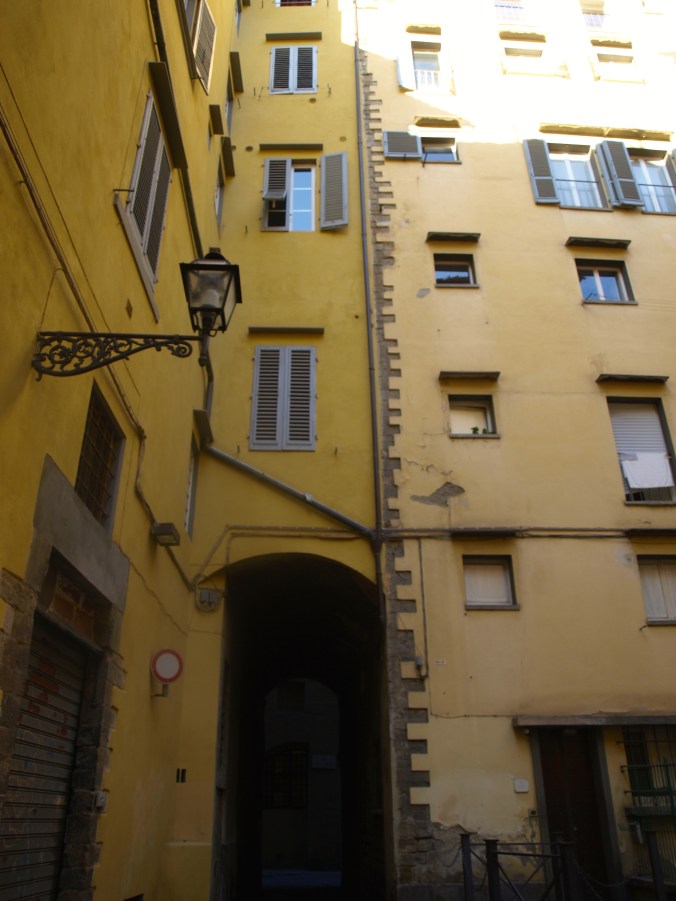
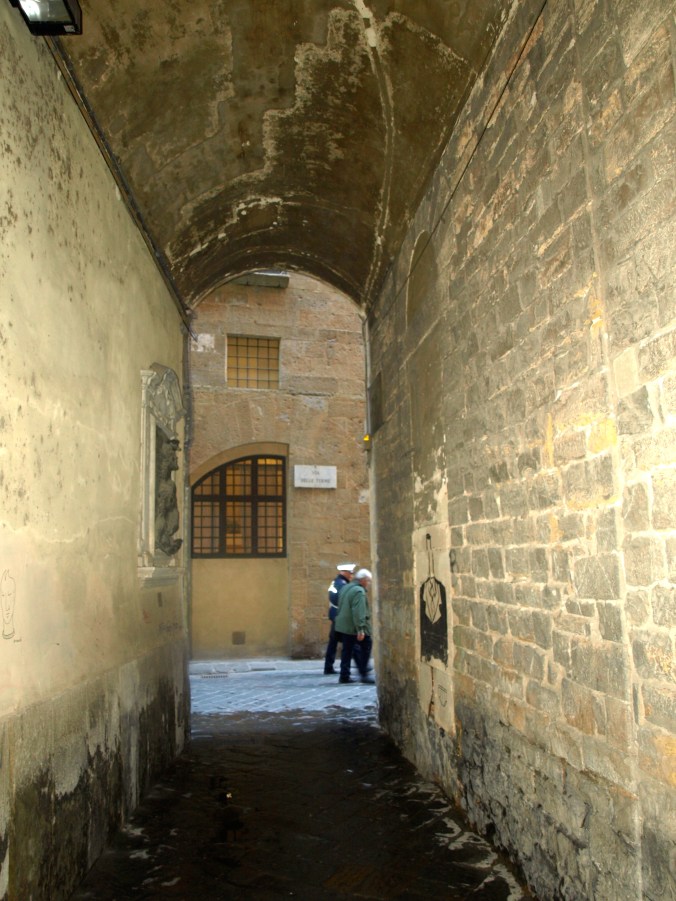
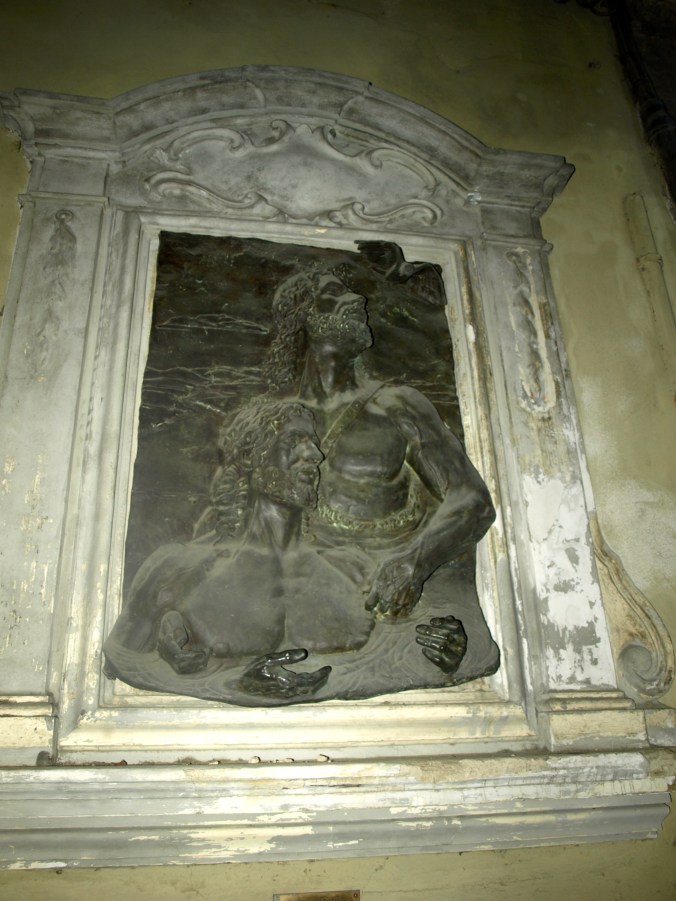
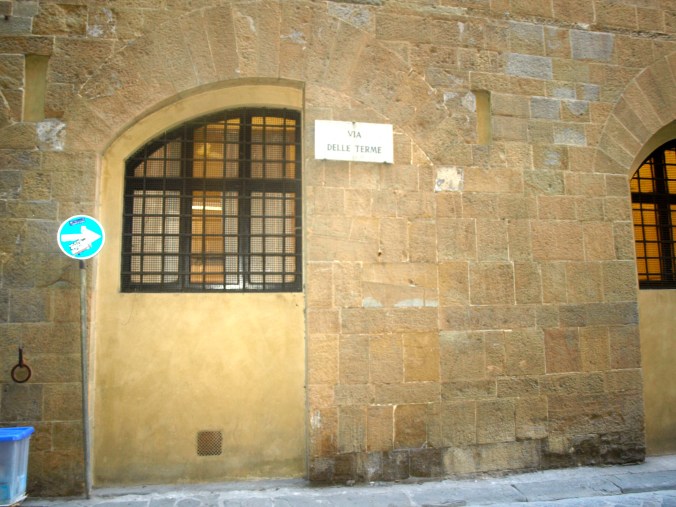
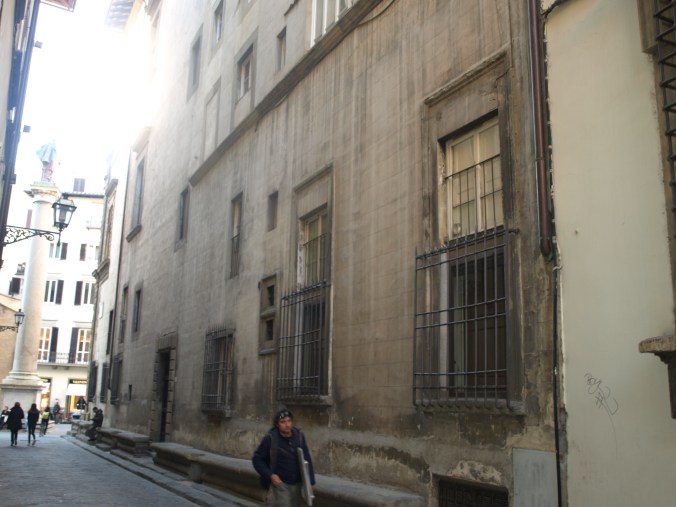
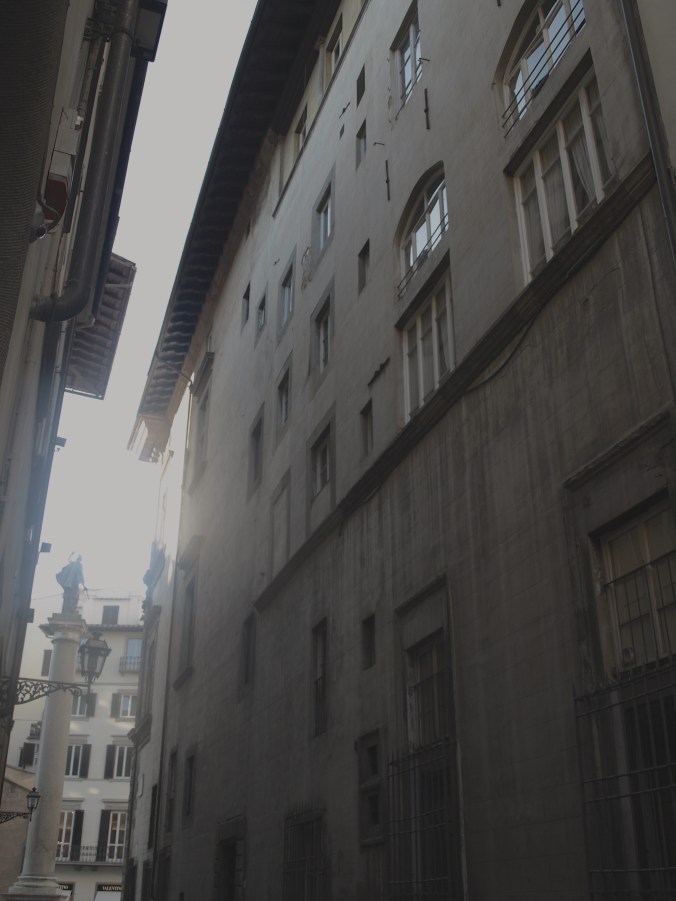
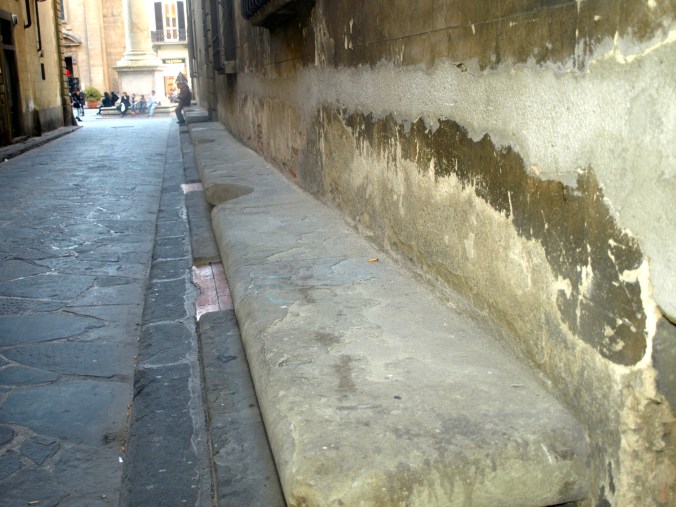
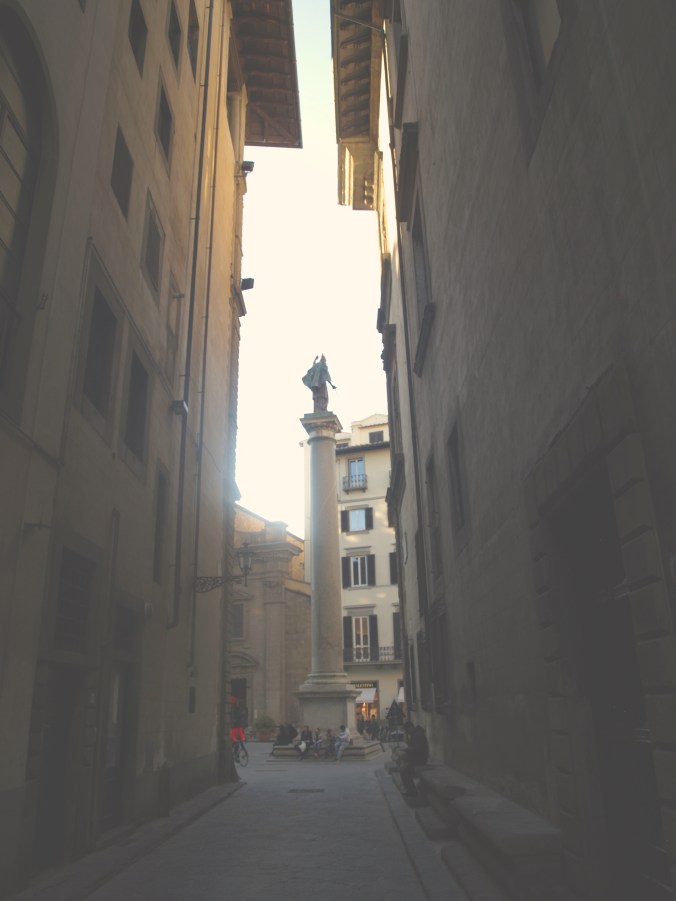
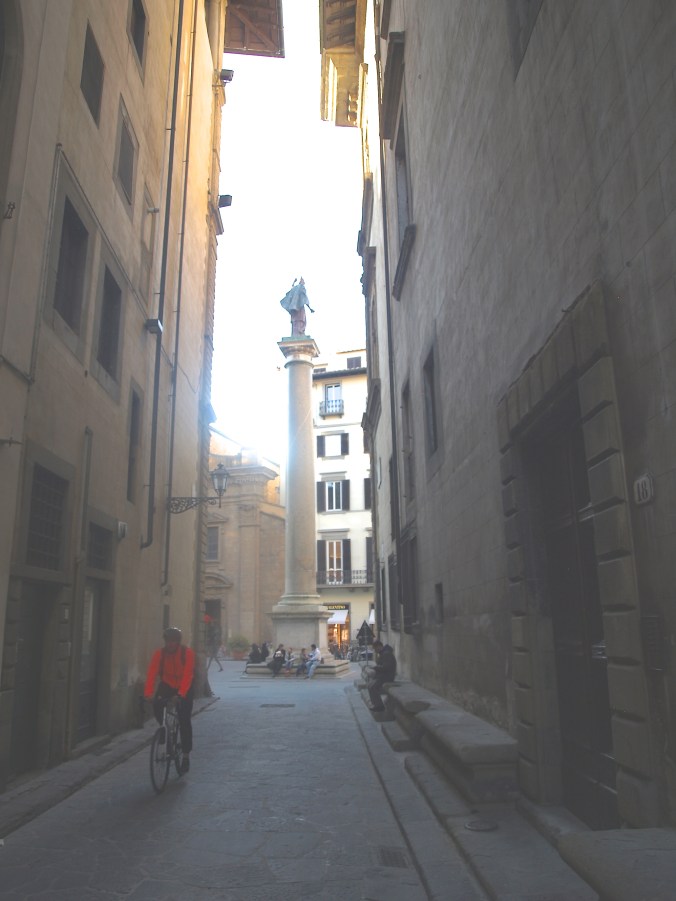
Today I took a long walk down this street from east to west, starting at Por Santa Maria to Piazza Santa Trinita. Here are the pictures I took on this beautiful, sunny, spring day.
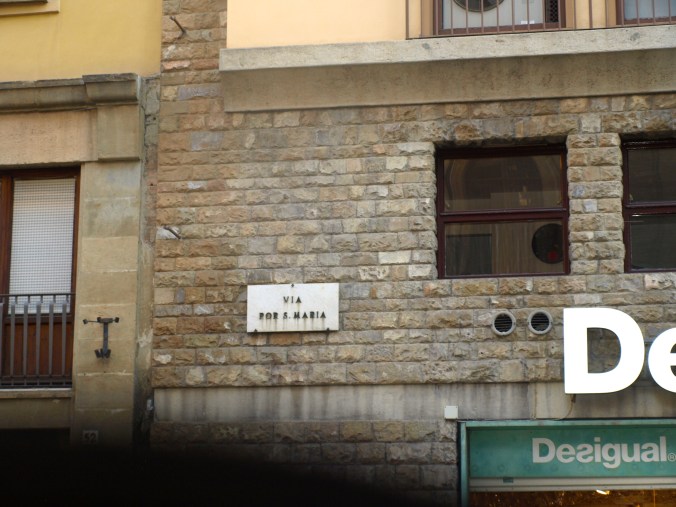
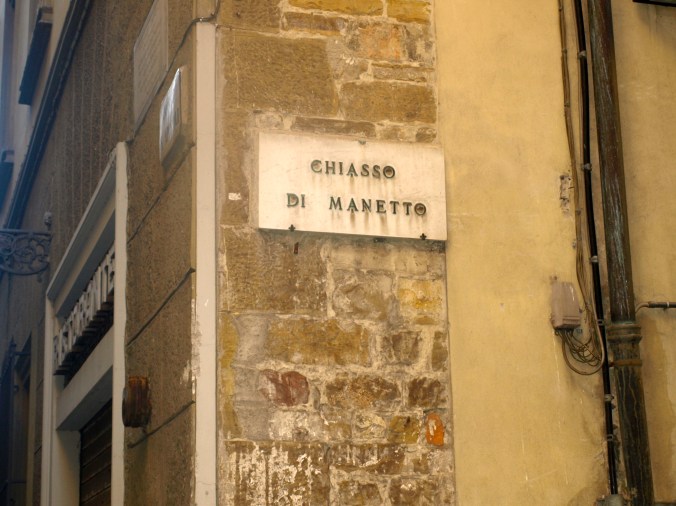
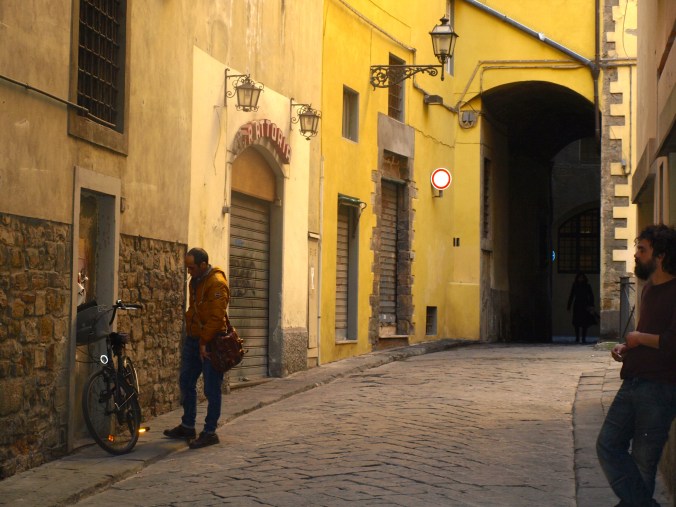
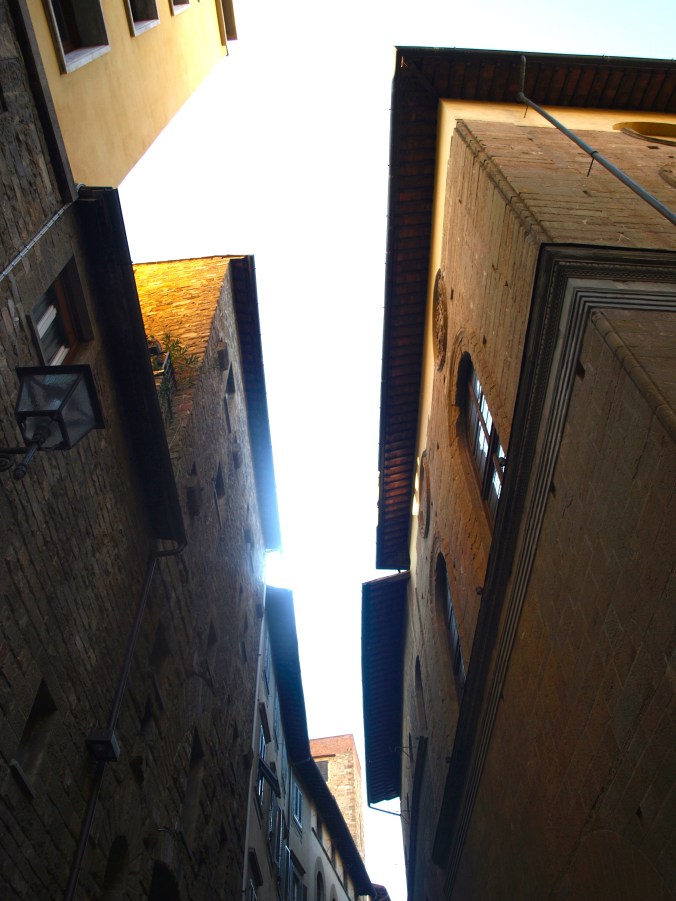
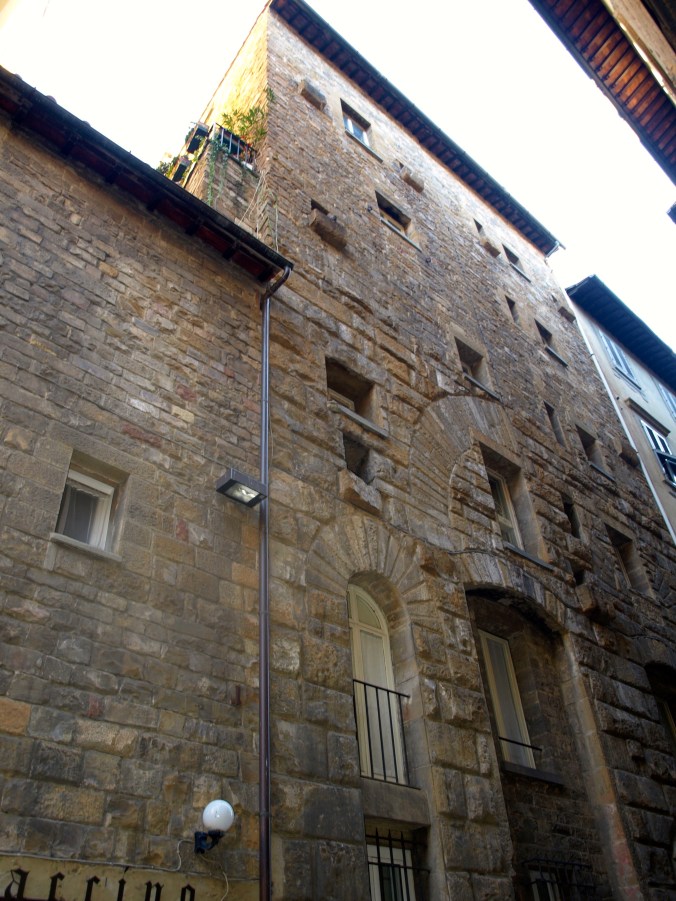
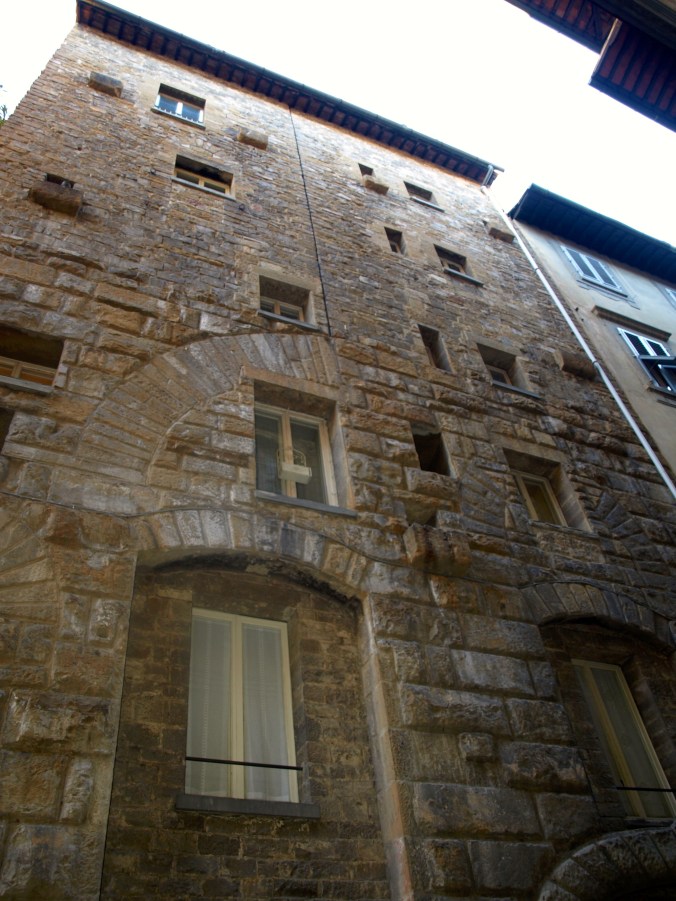
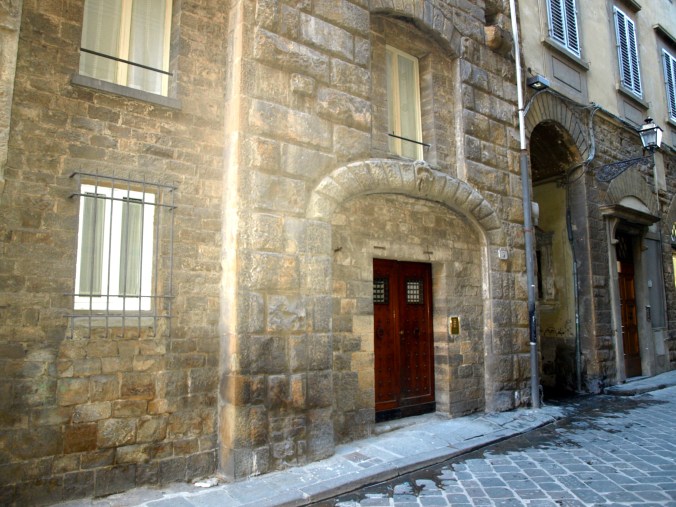
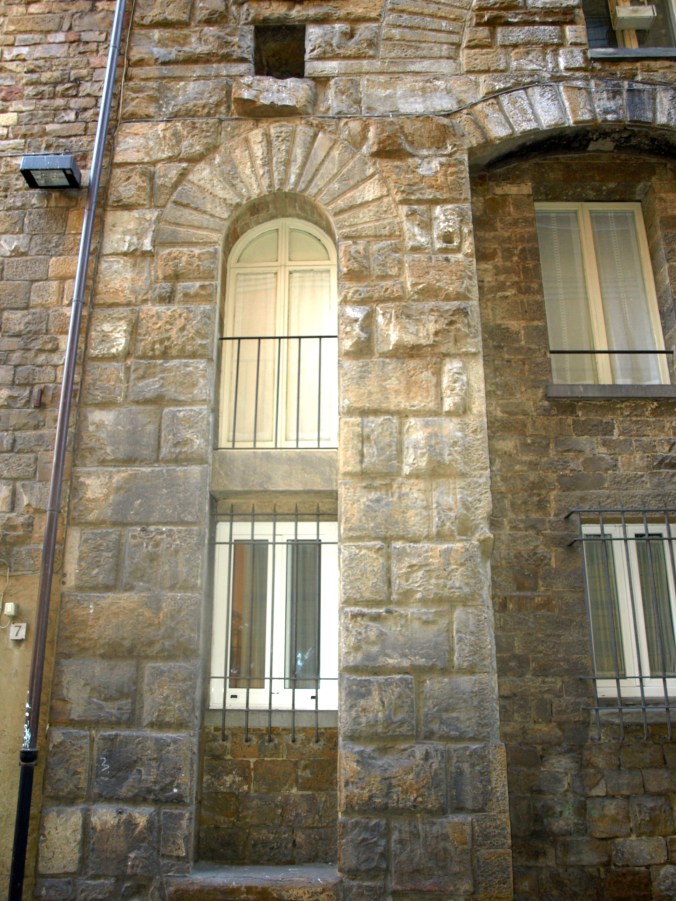
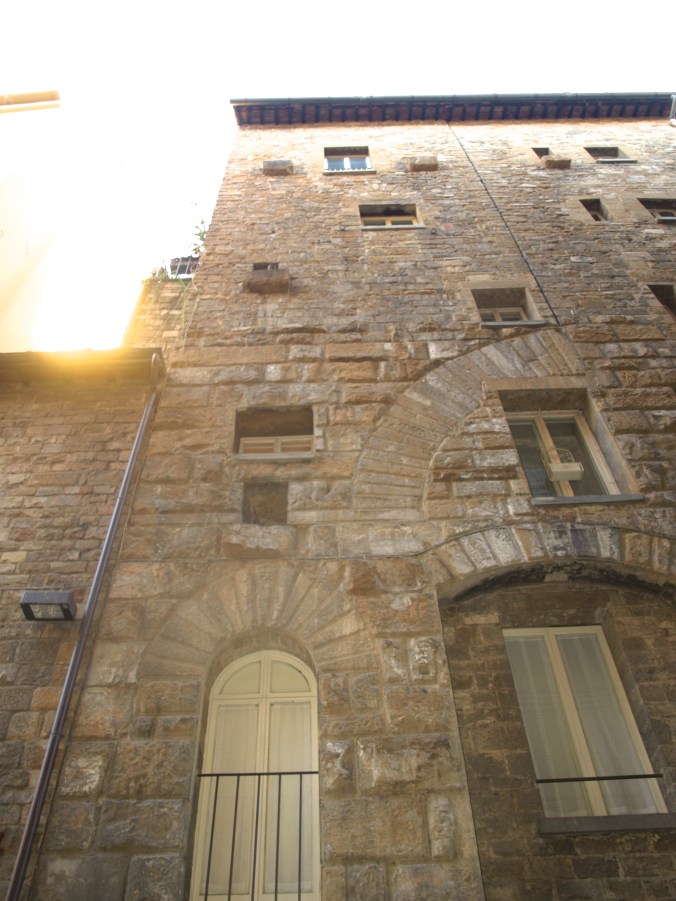
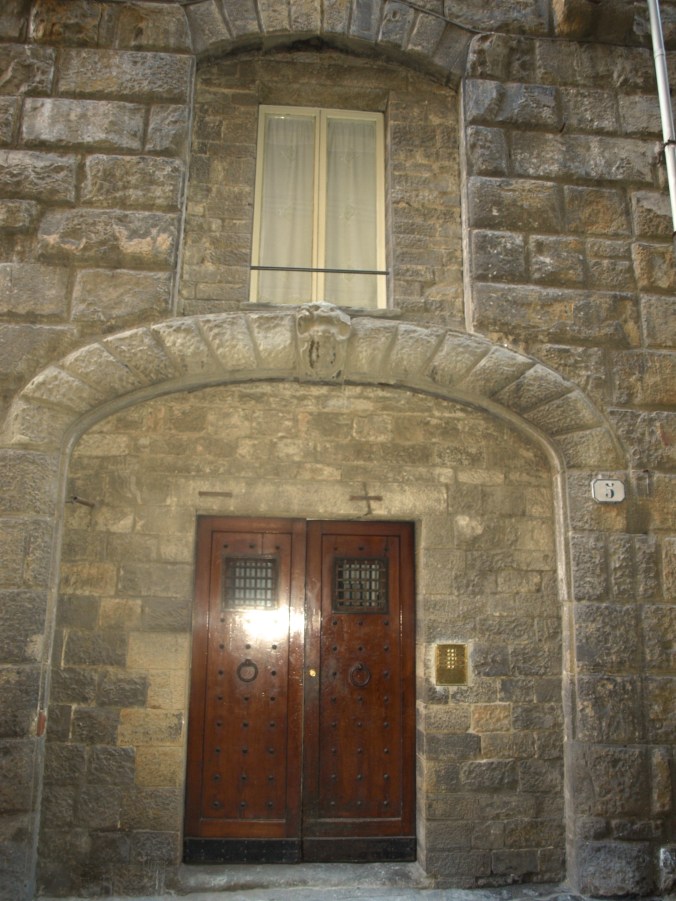
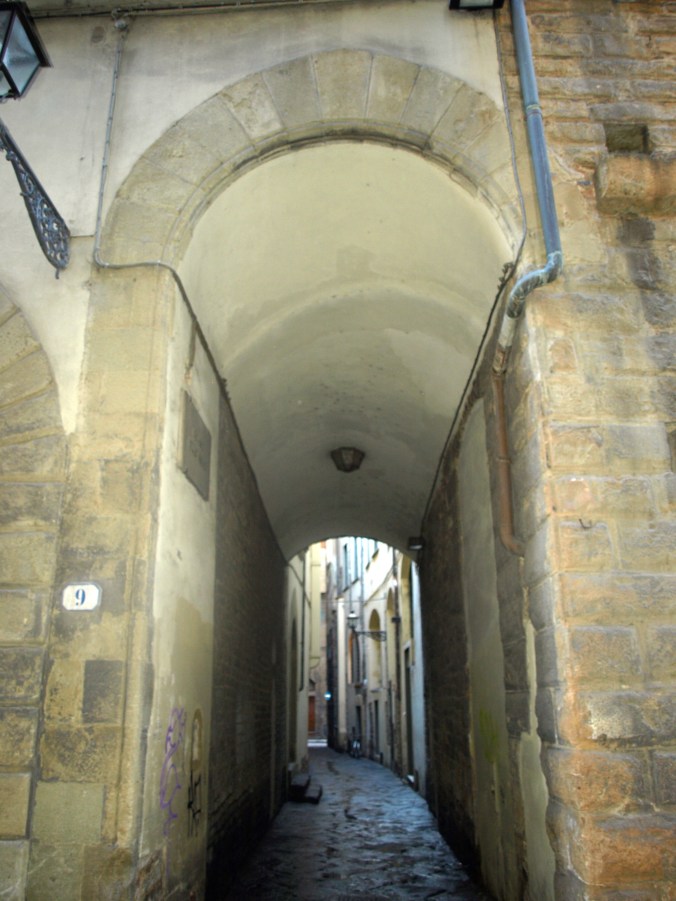
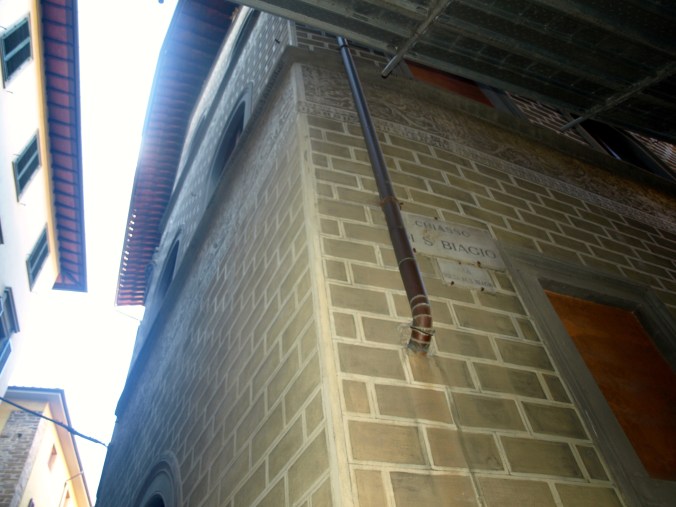
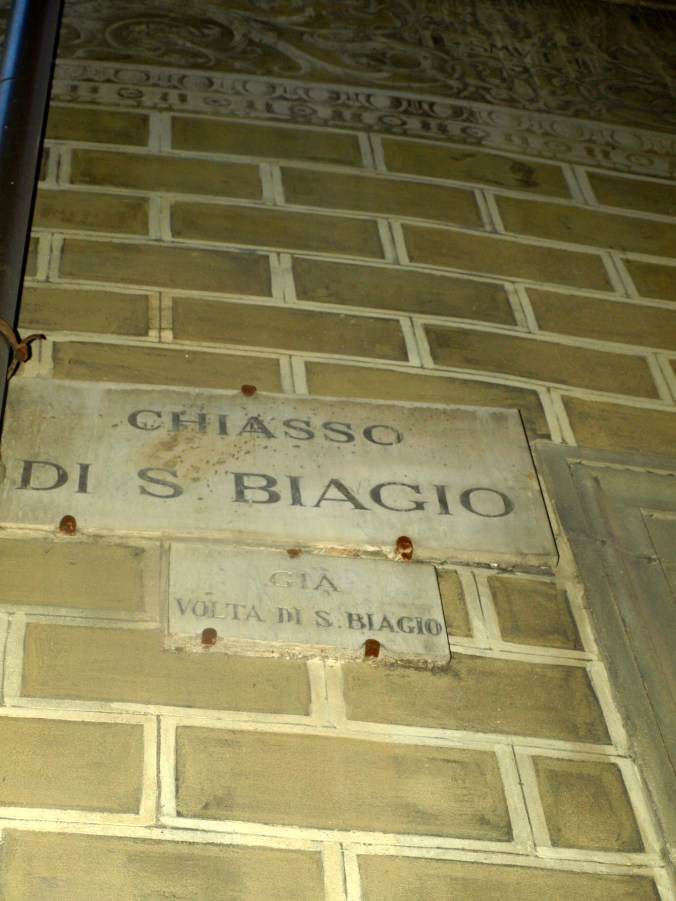
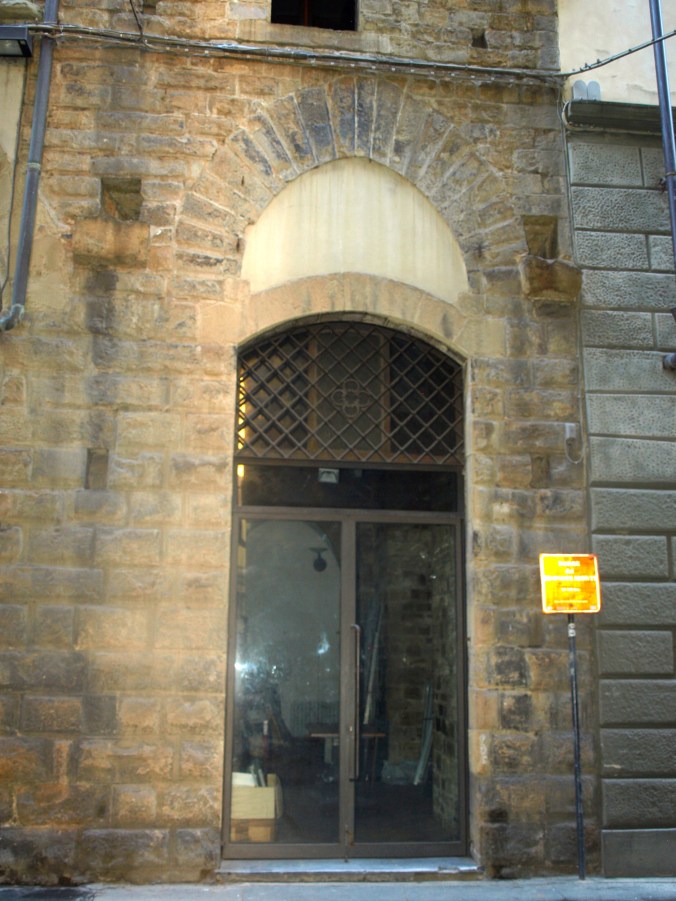
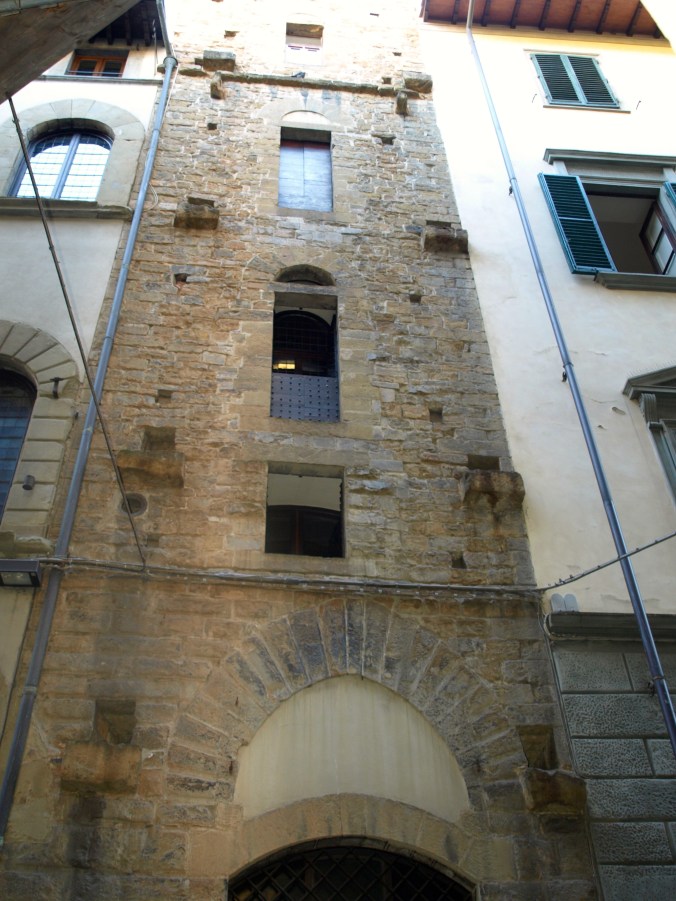
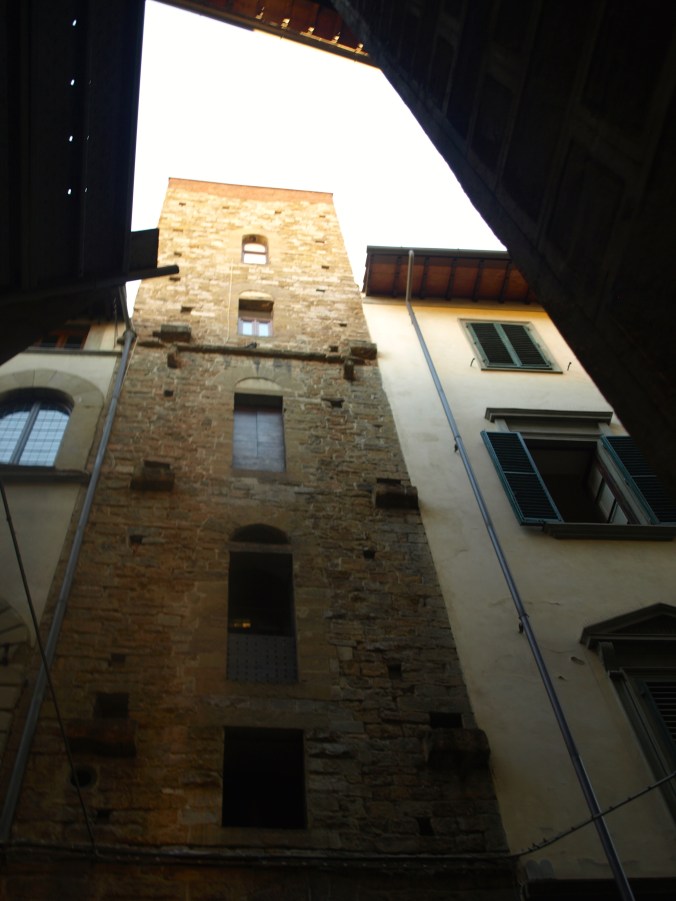
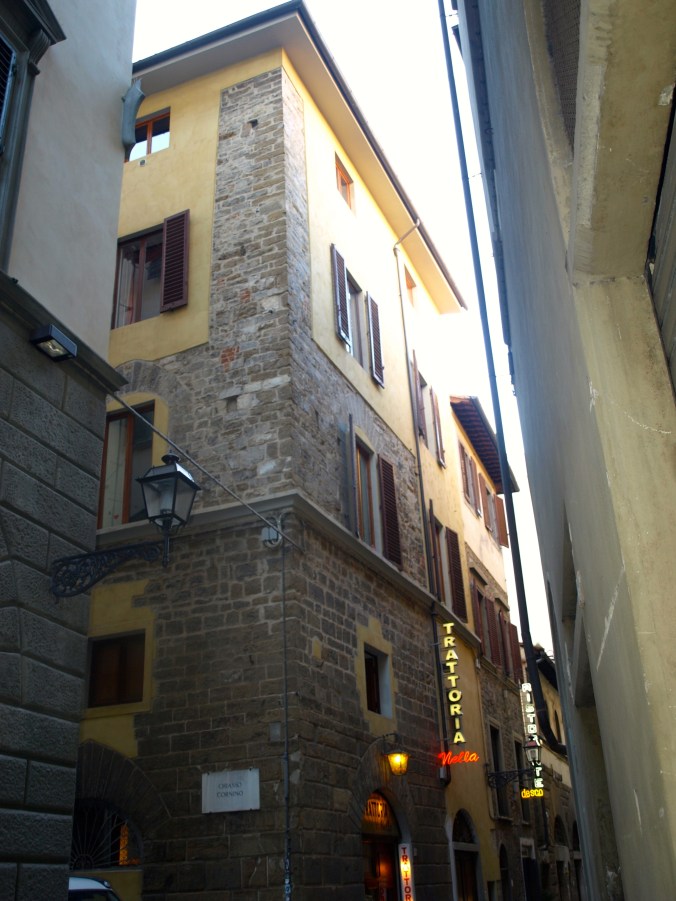
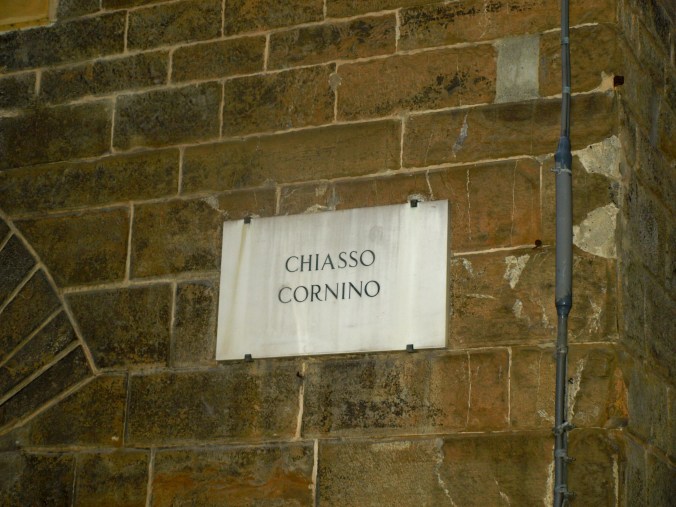
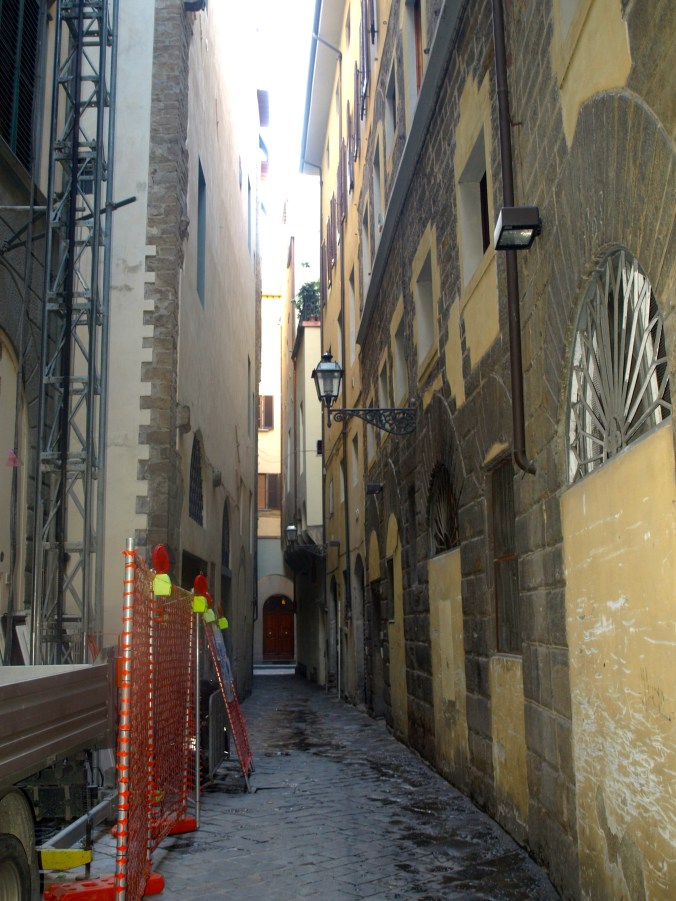
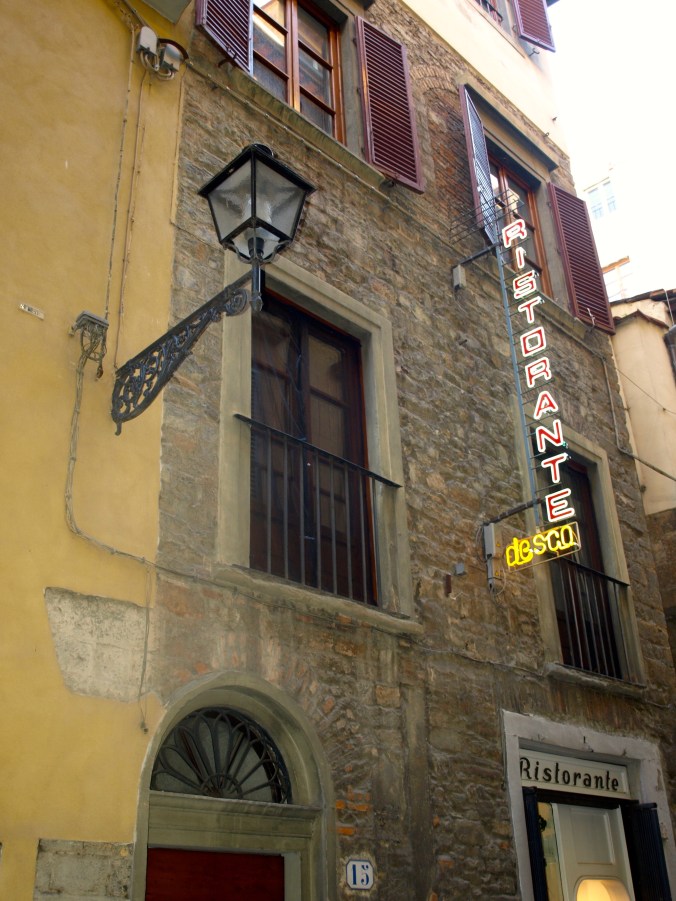
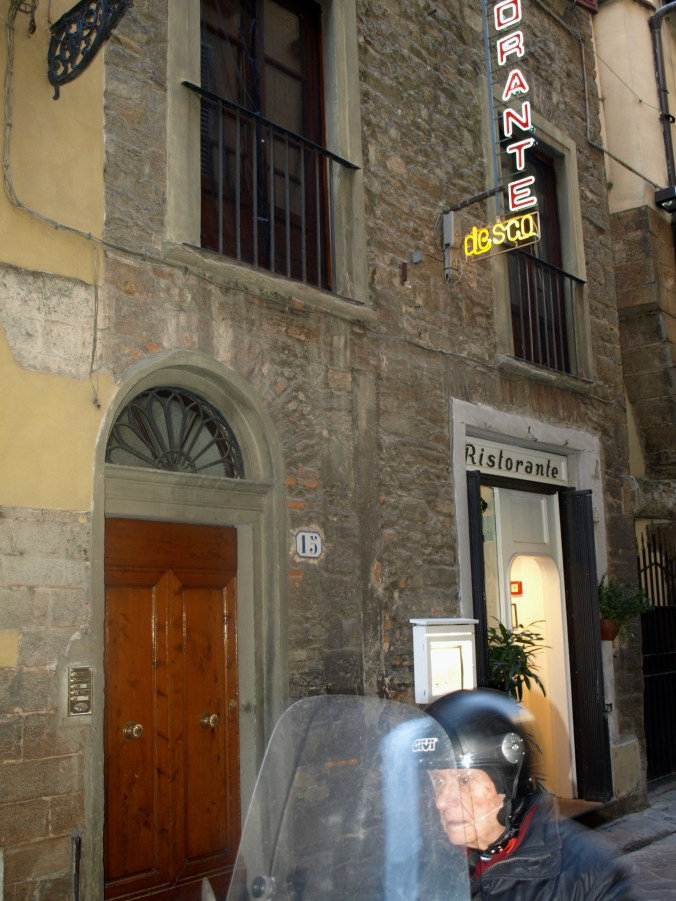
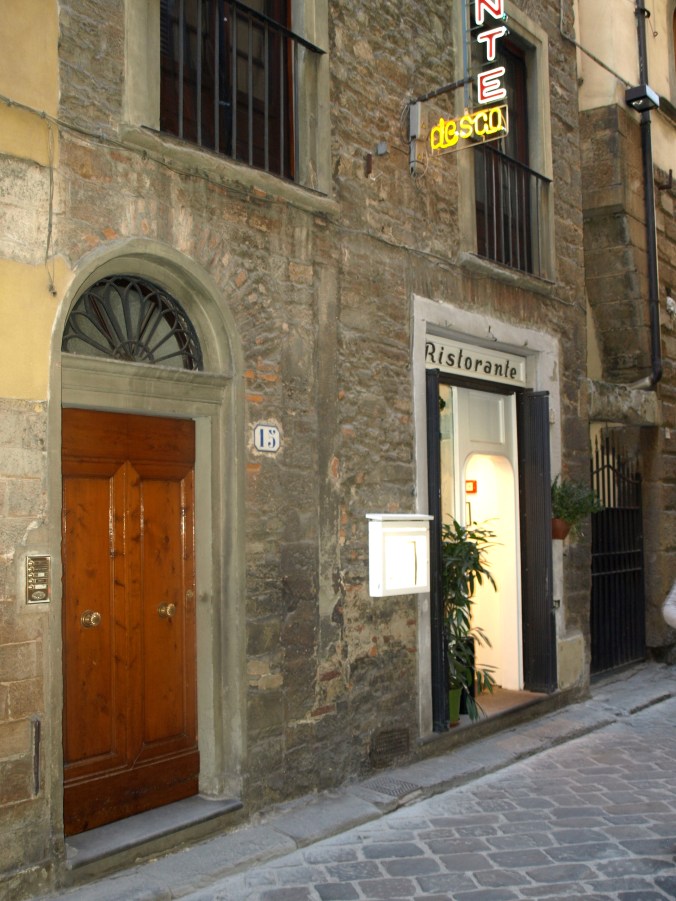
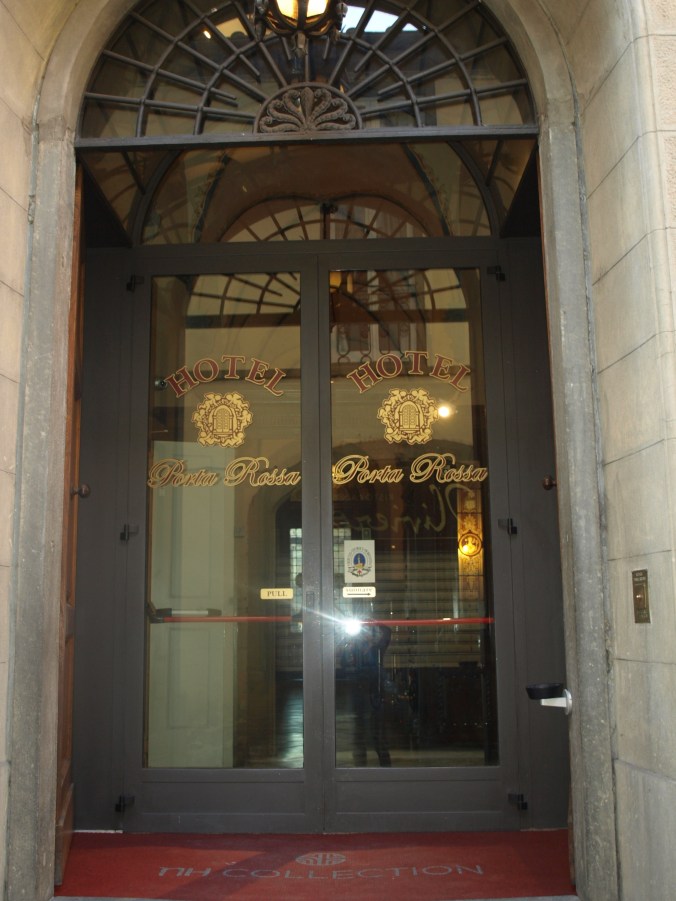
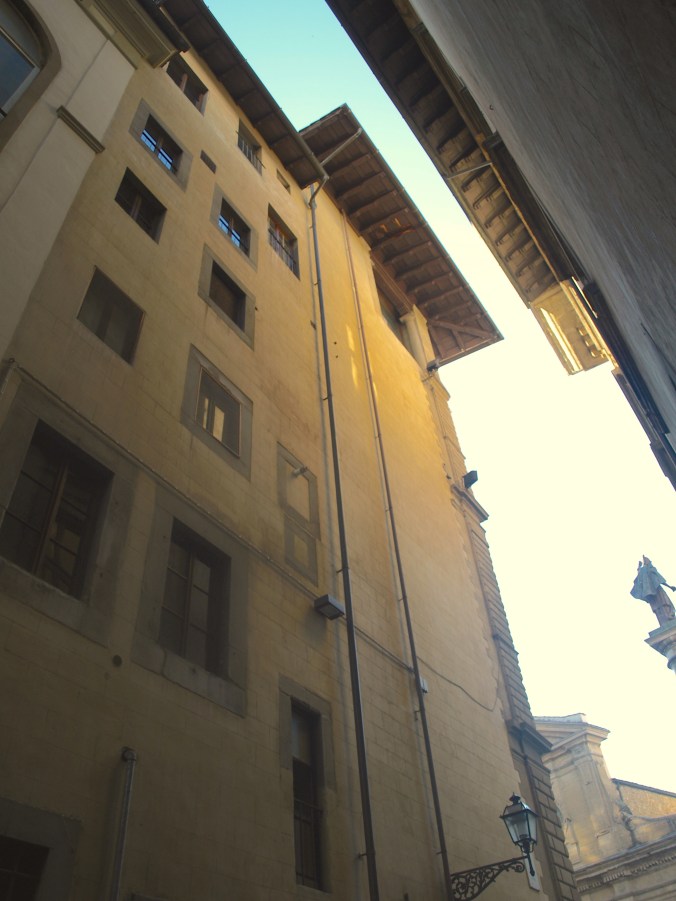
I started my walk on this corner and shot pictures of the fabric of the street as I walked to its western end. I photographed signs of each of the little alleys that lead off the Via delle Terme. There is a lot of Medieval and Renaissance building on this lovely old strada.

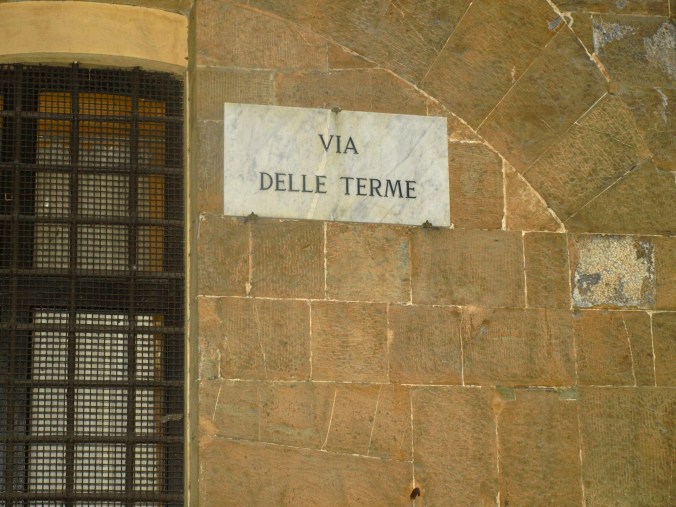
Above is the intersection of Via delle Terme and Via Por Santa Maria, the easternmost point of the former street.






Santa Maria della Salute, Venezia

In the afternoon

And at sunset.
My favorite church on earth and water.
Santa Maria della Salute, Venezia


OLYMPUS DIGITAL CAMERA
OLYMPUS DIGITAL CAMERA

OLYMPUS DIGITAL CAMERA

OLYMPUS DIGITAL CAMERA

OLYMPUS DIGITAL CAMERA

OLYMPUS DIGITAL CAMERA
Bella Venezia!
Venice is so much more than Carnevale.
Here are random photos from my recent whirlwind tour of bella Venezia.

OLYMPUS DIGITAL CAMERA

The lifters sit ready to become walkways when Venice floods this winter.

OLYMPUS DIGITAL CAMERA


Roman baths in Florence

There is a street near me that evokes the Roman foundation of Florence. Oh, to time travel back two thousand years!!
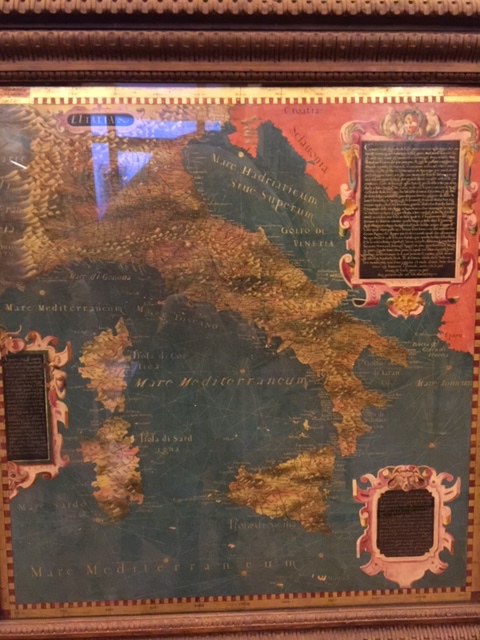
Via delle Terme. The street of baths. You can find the street roughly in the center of the map, running roughly east/west between the Piazza Santa Trinity and Via Por Santa Maria.

The ancient Roman baths were located in this area, receiving the waters by a sophisticated water system which began on Mount Morello. According to Wikipedia, the baths fell into disuse with the barbarian invasions.
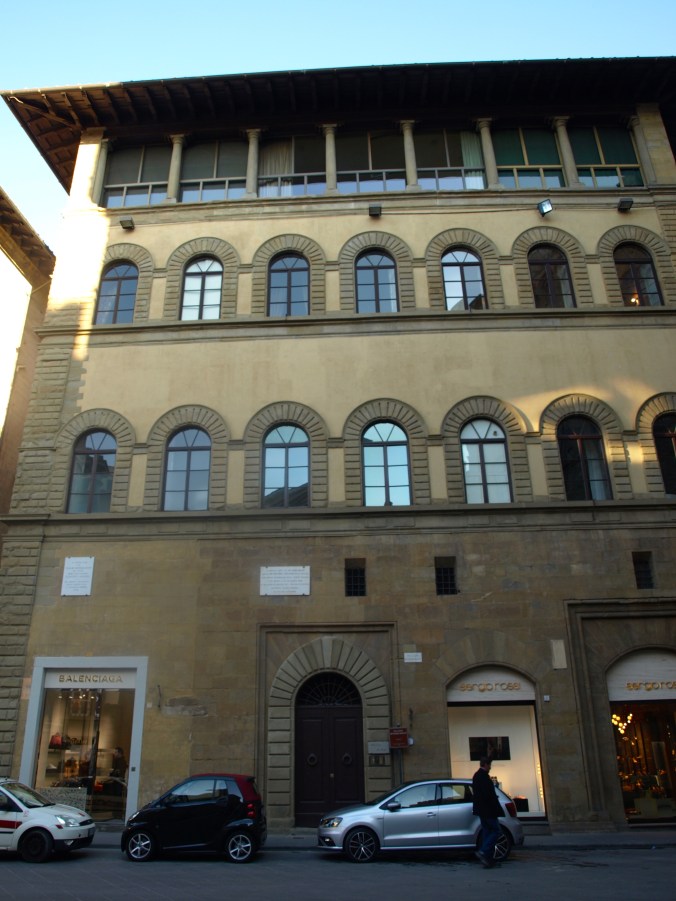
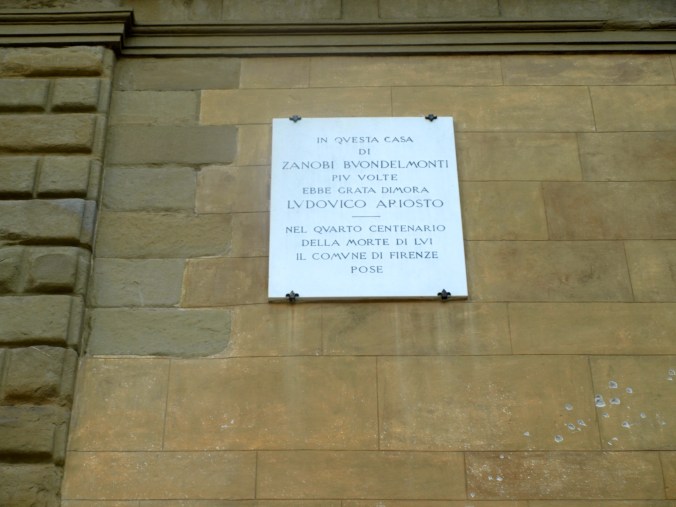
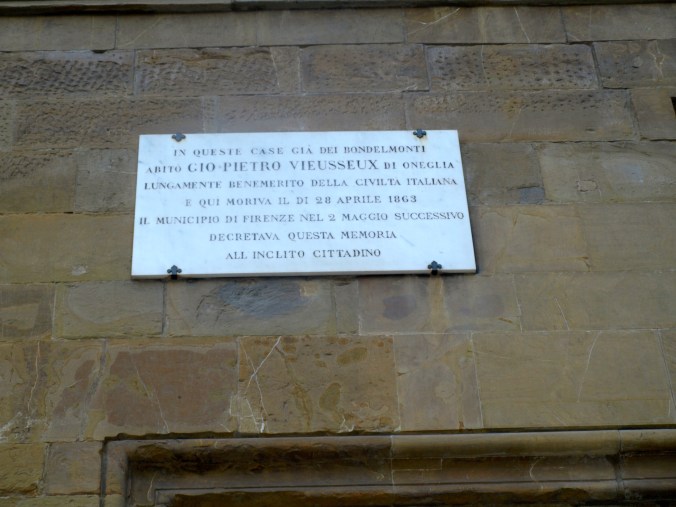
By the late Middle Ages, wealthy Florentine families were settling in this area, building their fortified palaces with tall towers. The street was, for example, the headquarters of the famed Buondelmonti family. When Buondelmonte Buondelmonti was killed by a rival family near the Ponte Vecchio, the funeral procession wound its way over what is today the Via delle Terme.
During the 19th century, many old Florentine streets in the center were revamped. Fortunately, the via delle Terme escaped both that tampering as well as, mercifully, any destruction as a result of World War II.
Also according to Wikipedia, the Buondelmonti palace is still in situ, as well as the nearby Tower of Buondelmonti. Wiki says the tower is located in front of the back of the Guelph palace and Canacci palace. I have no idea about this, but will look into it soon.
Other interesting buildings on via delle Terme are the Palazzo de’ Nobili, on the corner of Via del Fiordaliso, and the Palazzo Scali-Ricasoli and Palazzo Bartolini-Salimbeni. The latter’s facade faces Piazza Santa Trinita. During the 19th-century, the Hotel du Nord was located within the Palazzo Bartolini-Salimbeni, and an epigraph on the south wall of the building notes that the American poet, James Russell Lowell, spent the winter of 1874 therein:
Here in the ancient Hôtel du Nord
James Russell Lowell
American poet and critic
Dante scholar
Lived during the winter of 1874
Inspired by the beauty
The city of Florence
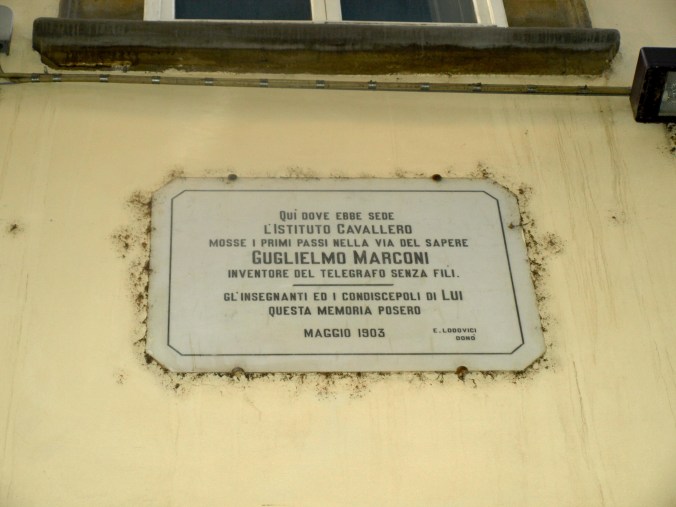
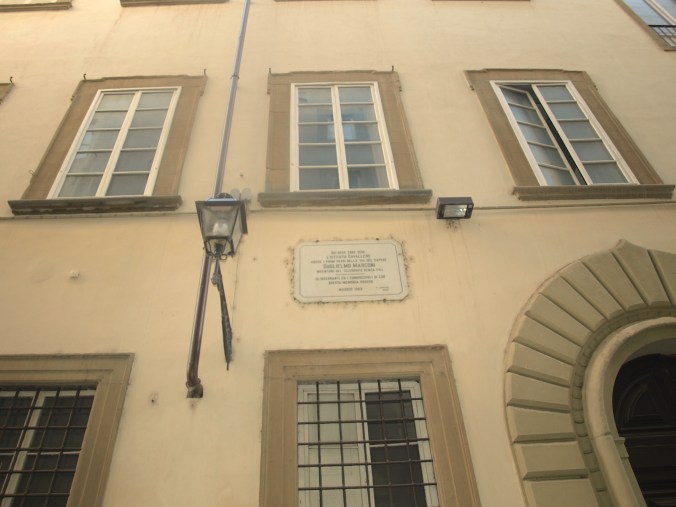
Another epigraph appears on the facade of the Palazzo Scali-Ricasoli, in memory of the location where Guglielmo Marconi, inventor of the wireless telegraph, worked :
Here, where the Institute was located Cavallero
He first forayed on the path of knowledge
Guglielmo Marconi
Inventor of wireless telegraphy
His teachers and fellow scientists
Place this memory
May 1903 »
This fertile area has never been the site of extensive archaeological research as, for example, the foundation of the Duomo has been. But, during the laying of foundations for new buildings, in 1926 and 1948, impressive masonry below the current street level was found. We know that there were Roman era thermal baths along the southern wall of the city, occupying a vast space from the entrance of the Vacchereccia to a Guelph square. In looking at a plan of the Via delle Terme, we see that the souther edge is continuously broken by alleys and chiassi (Manetto Chiasso, Chiasso measures, Chiasso Cornino, Via del Fiordaliso, Vicolo delle Bombarde, Chiasso de’ Ricasoli), all of which lead to the Santi Apostoli church.
On the north edge of the Via delle Terme, we find the Via di Capaccio and the San Biagio alley. After them, the north edge is not intersected; this is because the Roman walls of the city were originally located here, and subsequent Medieval buildings were seamlessly built along those walls. For example, a series of houses including the Canacci, the House of the Nobels, etc., extend to the Palazzo Bartolini-Salimbeni.
Remarkably many of these houses and medieval towers still exist on the street. Fortunately, this street and its many buildings were not destroyed by the 19th-century refiguring of the city, nor by the retreating German army in 1944 when they placed mines throughout the area.
Even the pavement of the street, according to Wikipedia, contributes to the character of the place, having been “laid ‘in bulk ‘, with short sidewalks on both sides.”
While there is no doubt that this street and its environs will provide future archaeologists with fascinating findings about Roman Florentine, for now we can just be grateful that the overall character of the street is still essentially residential. The via delle Terme, together with the parallel Borgo Santi Apostoli, are both considered to be of exceptional urban value, both historically and artistically.
Another fun fact: Until the Merlin Law, the road was “popular” in Florence for being the home of one of the most famous brothels.
Florence today


Next door to Art nouveau
Another piece of art nouveau, but I am afraid, as lovely as it is, it is overshadowed by its next door neighbor.
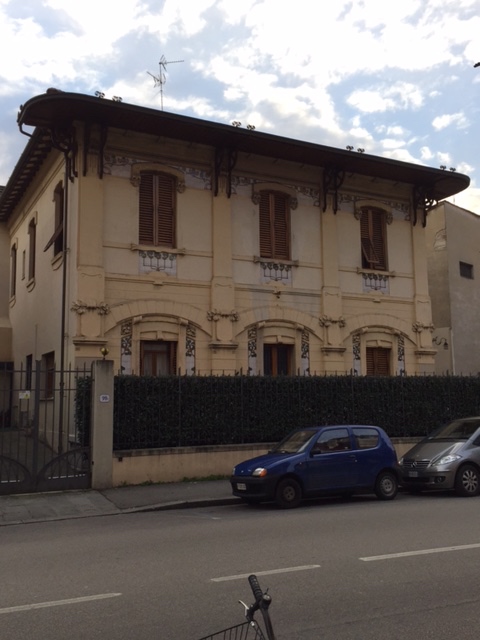
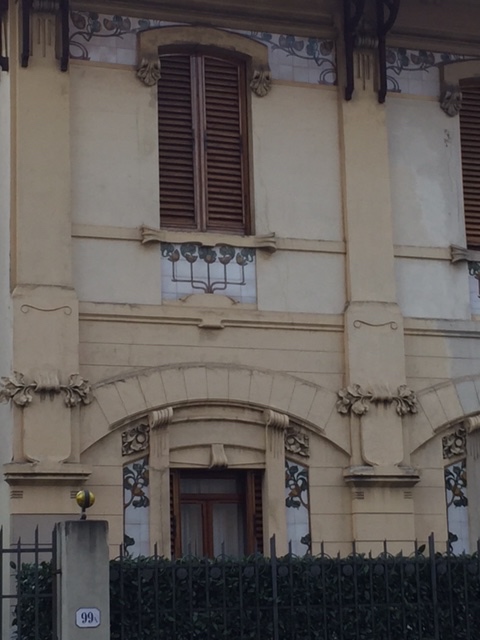
Still, this building is a knock out. I’ll go back for more photos soon.
 get back, lauretta!
You must be logged in to post a comment.