
That Napoleon! he had style!
As I look back on my travel to Piacenza exactly 2 years ago, I am filled with longing to return. There is still so much left to explore. Soon, self, I promise!













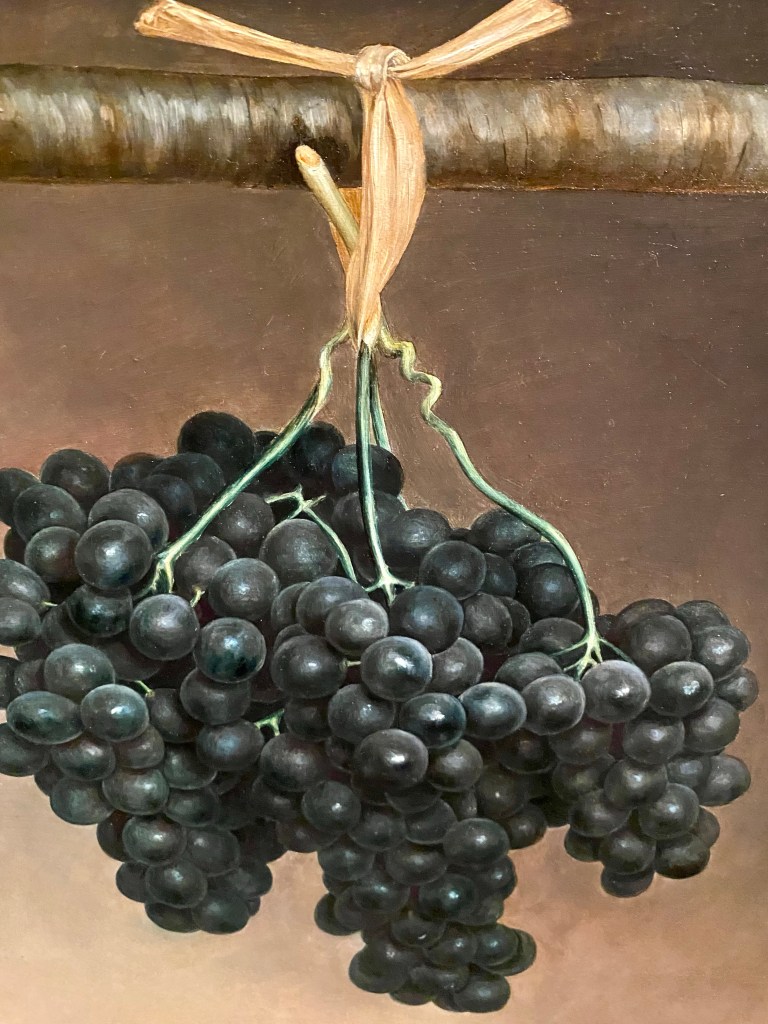
They don’t come much finer than these two lovely specimens!


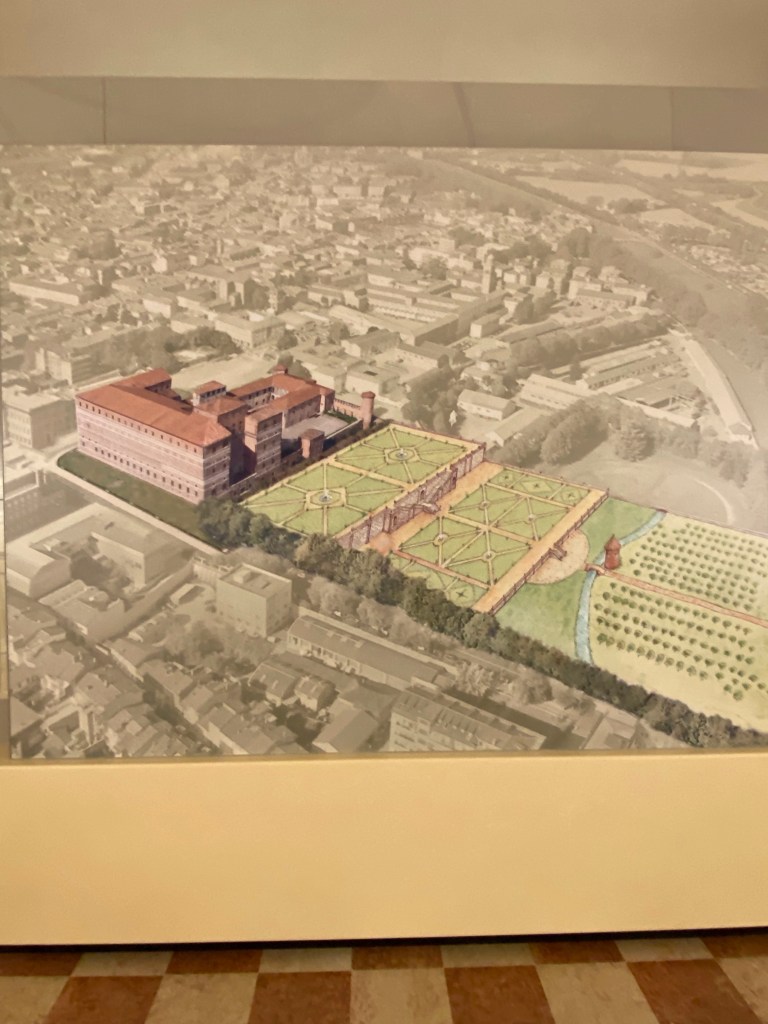
Drones are a new bonus in life!


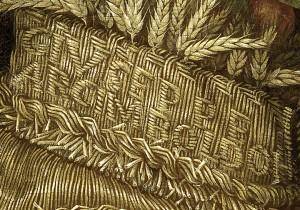
The Artist’s “Signature”: The artist’s name is woven into the wheat on Summer’s collar. The date 1572 can be found on his shoulder.
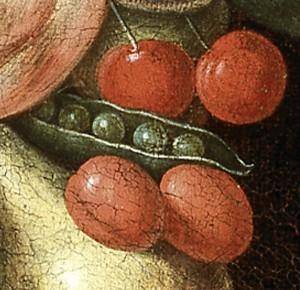
Arcimboldo painted each piece of fruit realistically and arranged them to form an actual human face, imitating skin and musculature, all the while creating a character with personality. A row of peas in a pod make for perfectly spaced teeth, while ripe cherries form plump lips. A round peach creates the perfect rosy cheek and a cucumber imitates a bumpy weathered nose.

Depicting the season’s harvest: The painting of Summer includes realistically portrayed green grapes, plums, mulberries, melon, hazelnuts, assorted pears, cherries, peaches, corn, garlic bulbs, onions, pea pods, eggplant, various squashes, cucumber, artichokes, and wheat.

The profile format of this painting was probably inspired by portrait heads of Roman emperors, known to Renaissance artists as depicted on Roman coinage. By using the same format in his portraits, Arcimboldo associated Emperor Rudolph II—to whom these works were linked—with a powerful Roman emperor.


Giuseppe Arcimboldo was born to a distinguished family in Milan, Italy, and began working as an artist at the Milan Cathedral, creating stained glass, fabrics, and paintings. His father, a painter, probably provided his early training. As the official artist and Master of Festivals for three successive German Emperors, Arcimboldo designed costumes, stage settings, chariots, and other diversions for courtly events and ceremonies. He was also in charge of making acquisitions for the royal cabinet of curiosities, which included art, antiques, curios, oddities of nature, and exotic animals and birds. He engineered creative water works, and even dreamed up a “color-piano” that was played by court musicians. He was perfect for the job and was richly rewarded for his inventiveness.
Arcimboldo was best known for his fantastical “composite head” paintings. These were portraits composed of objects such as fruit, flowers, books, or even a plate of meat. During his time, he acquired international fame and the public reacted to his paintings much the way we do today: with admiration, humor, and fascination. Summer belongs to a set of four paintings that depict the four seasons of the year. Arcimboldo and his workshop painted numerous copies of this set, as did many imitators of the master.
WHAT INSPIRED IT
Arcimboldo, a master of allegory, painted each portrait in the Four Seasons series using vegetation associated with that time of year. While his paintings amused and fascinated wealthy courtiers with their apparent whimsy, they also appealed to the intellect. For this set, Arcimboldo suggested that each season corresponds to a stage of human life: Spring stands for youth; Winter, old age; and Summer shows a man in his prime. The series also carried a specific political message—the paintings were meant to symbolically glorify the Emperor. As an Emperor ruled over human affairs, he could also be said to run the greater world, including the seasons. The harmonious combinations of fruit and vegetables reflect the harmony that exists under the Emperor’s rule. Each head also wears something that can be seen as a wreath or a crown. Because of the underlying political messages, these paintings were the perfect, flattering gift for the German Emperors to give to other courts.
WHAT INSPIRED IT
Arcimboldo, a master of allegory, painted each portrait in the Four Seasons series using vegetation associated with that time of year. While his paintings amused and fascinated wealthy courtiers with their apparent whimsy, they also appealed to the intellect. For this set, Arcimboldo suggested that each season corresponds to a stage of human life: Spring stands for youth; Winter, old age; and Summer shows a man in his prime. The series also carried a specific political message—the paintings were meant to symbolically glorify the Emperor. As an Emperor ruled over human affairs, he could also be said to run the greater world, including the seasons. The harmonious combinations of fruit and vegetables reflect the harmony that exists under the Emperor’s rule. Each head also wears something that can be seen as a wreath or a crown. Because of the underlying political messages, these paintings were the perfect, flattering gift for the German Emperors to give to other courts.
A very short two years ago (how time flies!), I had the immense pleasure of visiting Piacenza for the first time. I loved every second of my time there.
Here are some highlights from the beautiful little city. I arrived about twilight on a November afternoon, which is captured pretty well in these pictures.


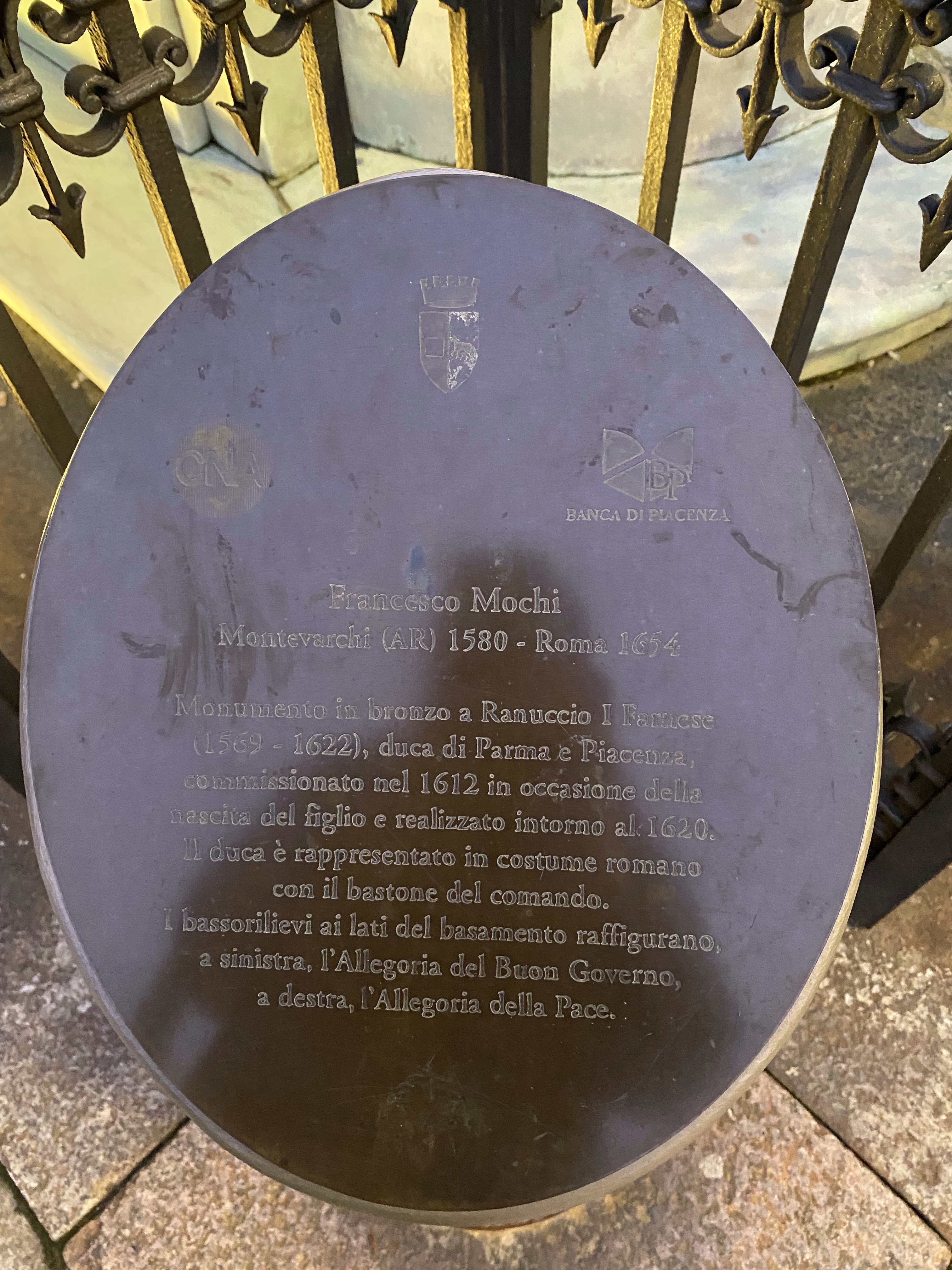
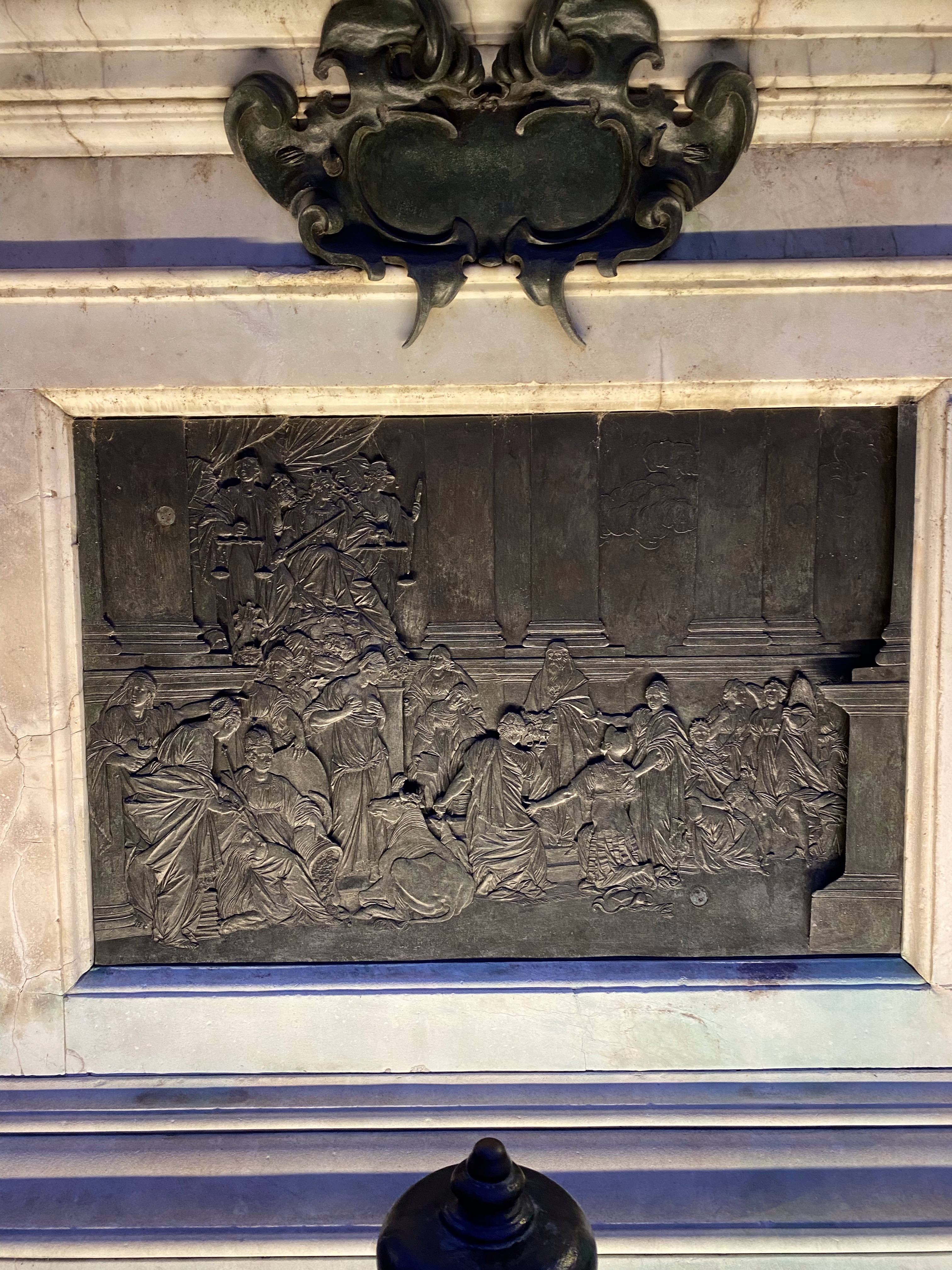


The Piazza dei Cavalli is highly photogenic. The city does an excellent job with elegant lighting.


More to come, stay tuned!


\







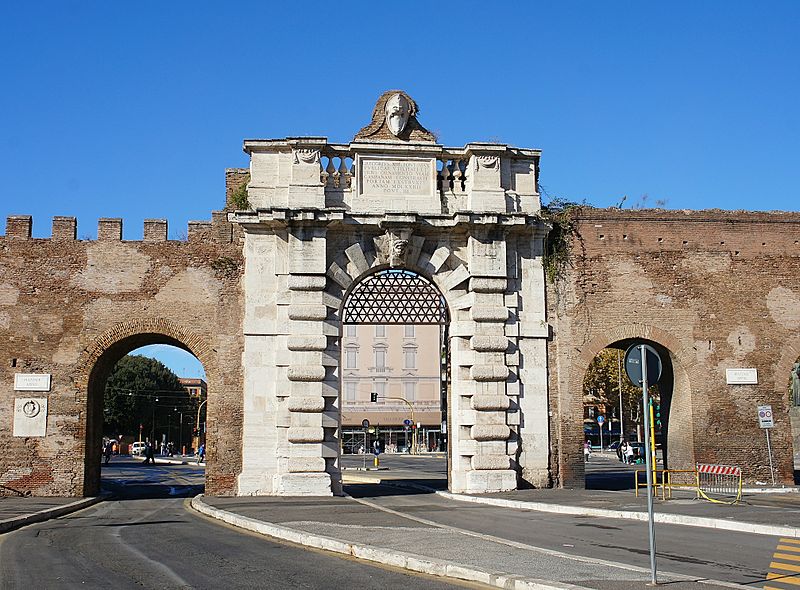
The Capture of Rome on September 20, 1870, was the final event of the long process of Italian unification, known as the Risorgimento. It marked both the final defeat of the Papal States under Pope Pius IX and the unification of the Italian peninsula under King Victor Emmanuel II of the House of Savoy.
The capture of Rome ended the approximate 1,116-year reign (AD 754 to 1870) of the Papal States under the Holy See and is today widely memorialized throughout Italy with the Via XX Settembre street name in virtually every considerable town. Rome has a major thoroughfare named Via XX Settembre of course, and so does Florence. I happen to live on the Florence street.
Of course it was important for this important event to be memorialized in Rome and the Piazzale di Porta Pia was the result.
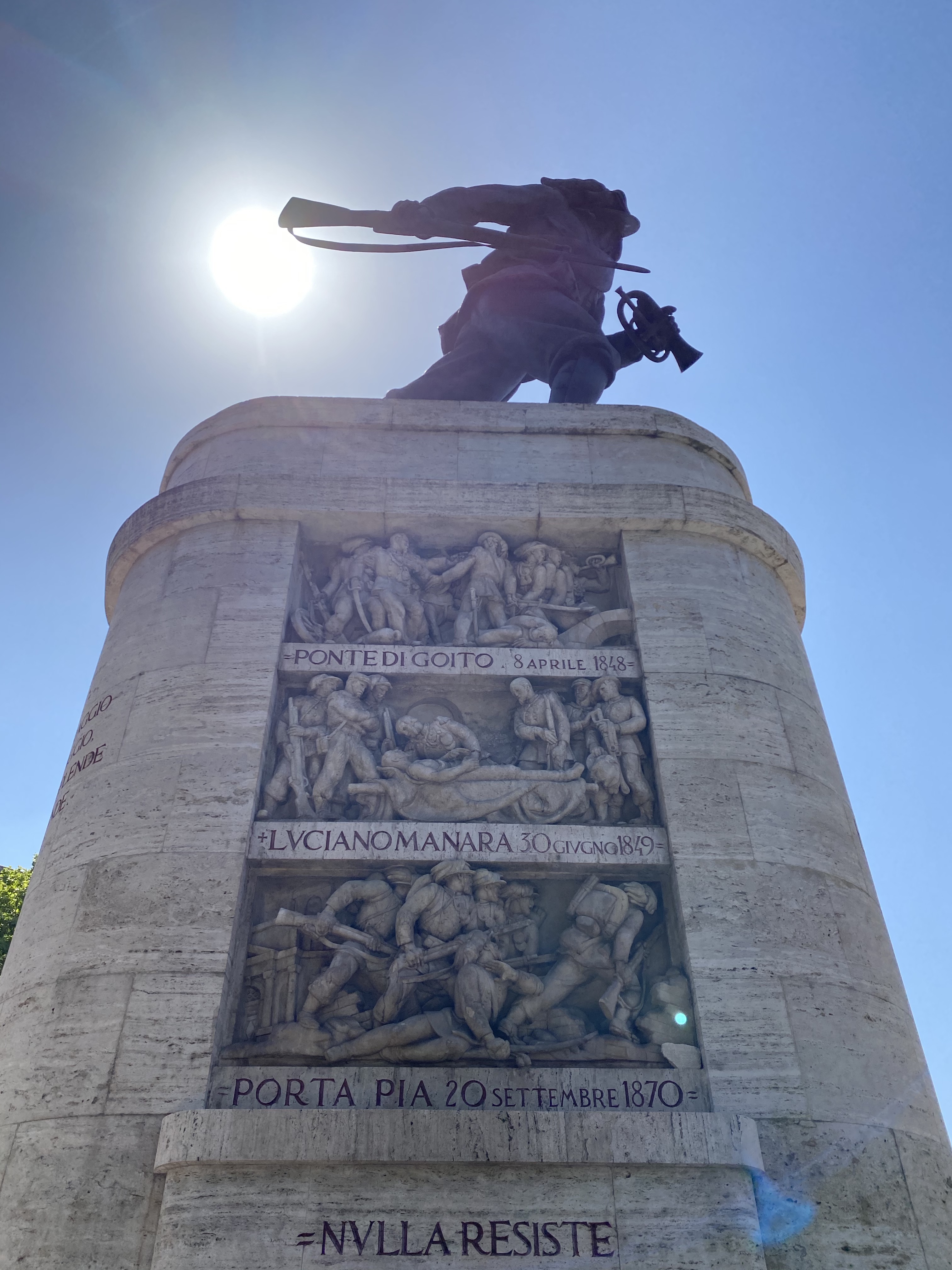
Just outside the Porta Pia stands the Monumento al Bersagliere, erected in 1932 by Publio Morbiducci on a commission from Mussolini. Moreover, the building between the two arches facades of the Porta Pia, the internal and external facades of the gate, houses the Historical Museum of the Bersaglieri, with the monumental tomb of Enrico Toti. The Bersaglieri (means sharpshooter in English) are a speciality of the Italian Army’s infantry corps.
A marble monument from 1920 and a commemorative column commemorate the event. Even today the signs of the fighting are visible on part of the Aurelian walls and on the door itself. In front of the external door, in eternal memory of the liberation of the city from the Austrian troops during the First World War, in 1932 a monument to the bersagliere was placed by the sculptor Publio Morbiducci.
HISTORICAL MUSEUM OF BERSAGLIERI
Between the two facades that make up the door, connected by small buildings originally having a defensive function, there is a small courtyard which now houses the Historical Museum of the Bersaglieri, inaugurated on 18 September 1932 , which preserves memorabilia and memories related to the institution and the evolution of the Bersaglieri body.
In the courtyard of the Museum there are bronze busts of the most illustrious representatives of the Corps, including that of Enrico Toti , hero of the Risorgimento. In the Hall of Honor, among the various precious memorabilia, there is the original Proposition, a handwriting written by La Marmora to obtain the constitution of the Corps from King Carlo Alberto. The ground floor houses the Shrinededicated to the over one hundred thousand fallen for the homeland. At the center of the room is the saber that La Marmora wielded on 8 April 1848 in Goito. In the rooms on the first floor, memorabilia are exhibited, such as uniforms, firearms and side arms, documents and memories relating to the campaigns of the Risorgimento, from 1848 to 1866. The upper floor is dedicated to the colonial campaigns , from the first landing of the bersaglieri to Massaua, on February 5, 1885, to conquer East Africa in 1936. The lower floor is dedicated to the 1st World War with plaques, photographs, department pennants, celebratory statues, portraits and medals of commanders and simple bersaglieri, Italian weapons and Austrian. To the 2nd World Warthe ground floor where the memorabilia and objects relating to the numerous operational theaters in which the bersaglieri fought are dedicated and dedicated.



 get back, lauretta!
You must be logged in to post a comment.