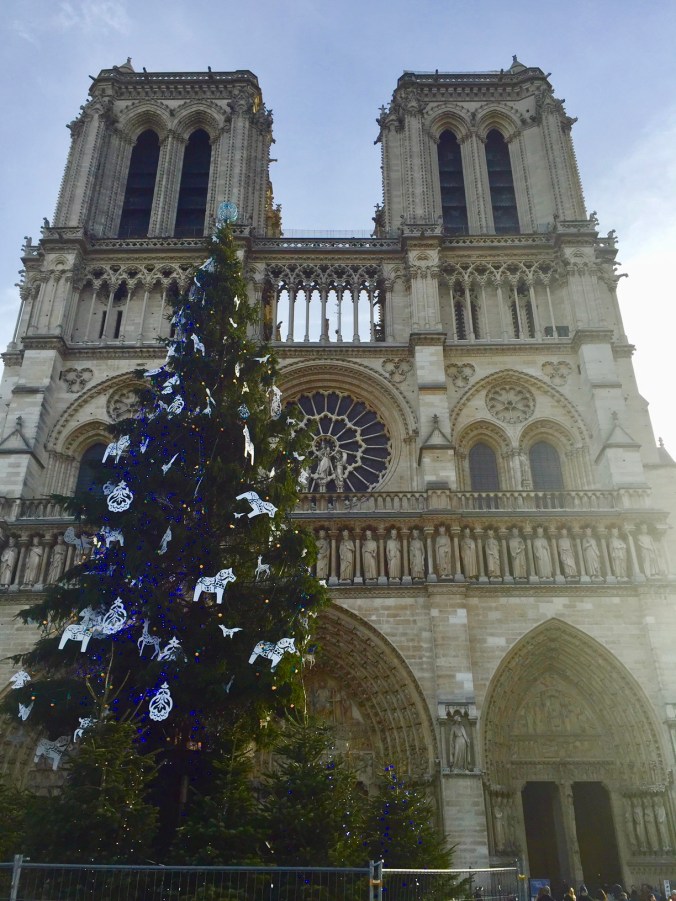
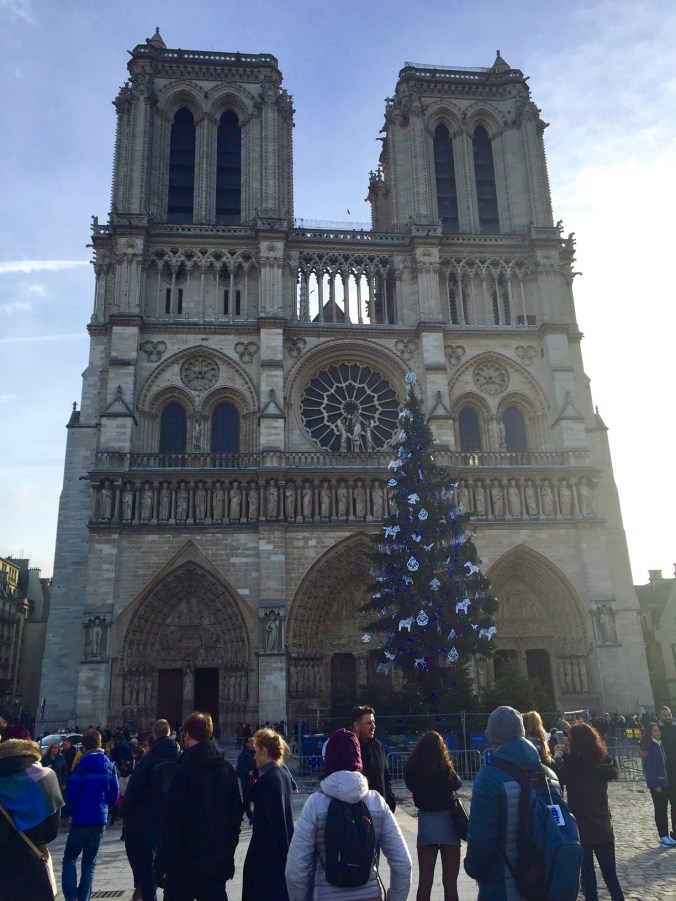
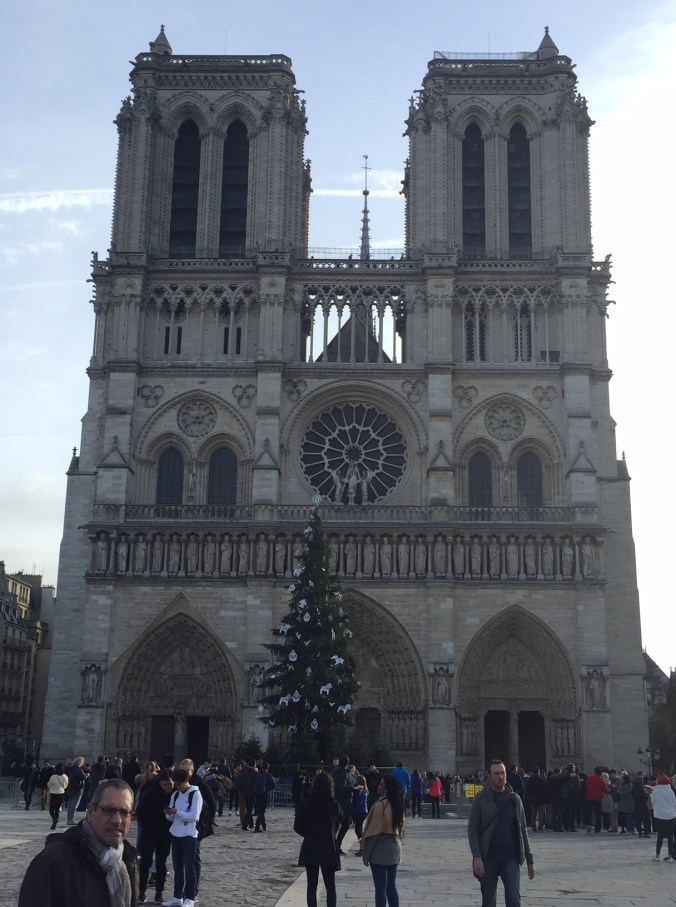
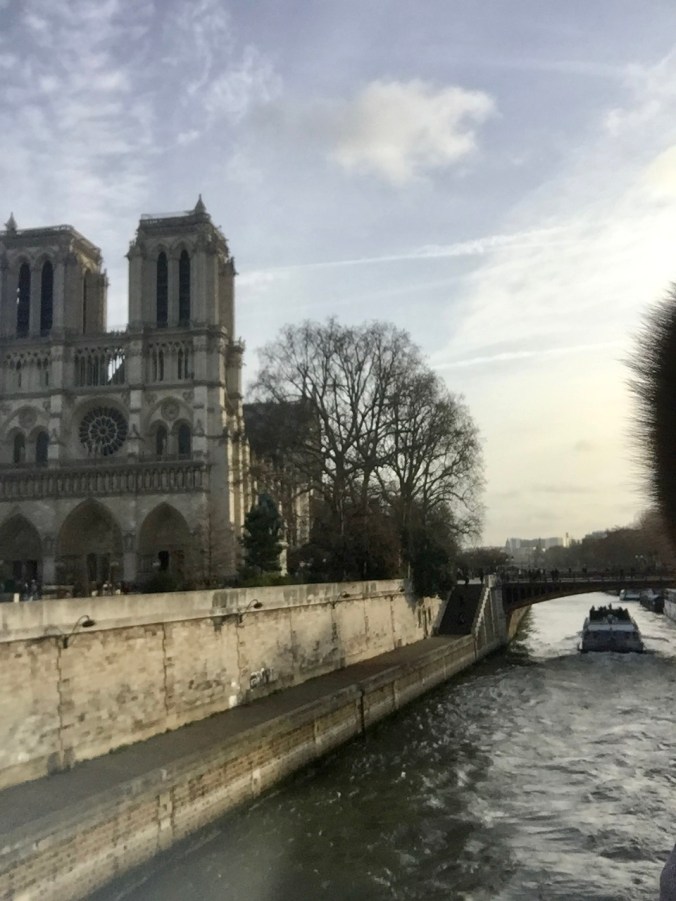
La belle Paris!

It’s been a few years since I’ve been in this elegant beautiful capital and I’ve missed her! Just arrived last night and spent a fun day revisiting old haunts.  More to come!

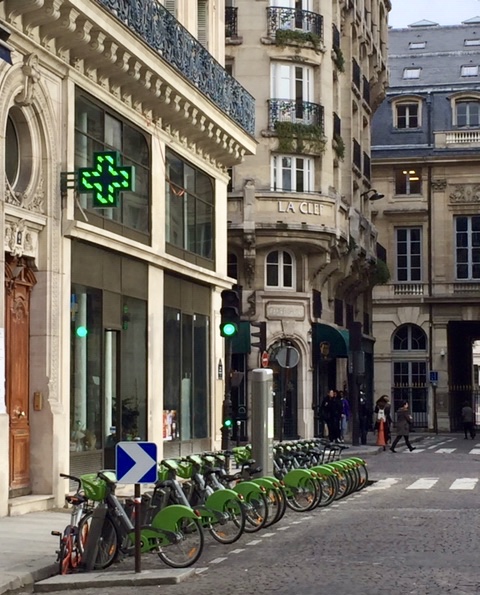
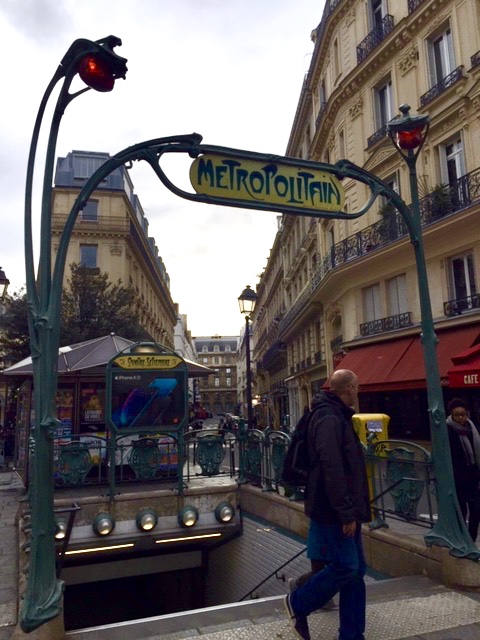
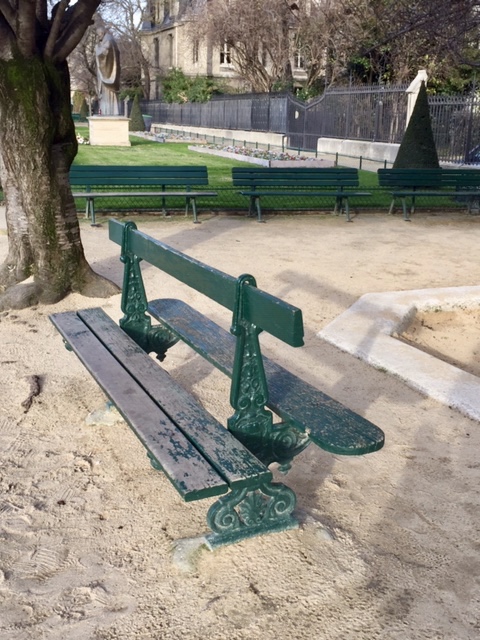
Green is the color of the best shots of the day:
fullsizeoutput_87c


fullsizeoutput_85b


fullsizeoutput_856


fullsizeoutput_87b


So, what’s new in gay Paree?

Well, the I.M. Pei Louvre Pyramid has a gold throne floating inside:
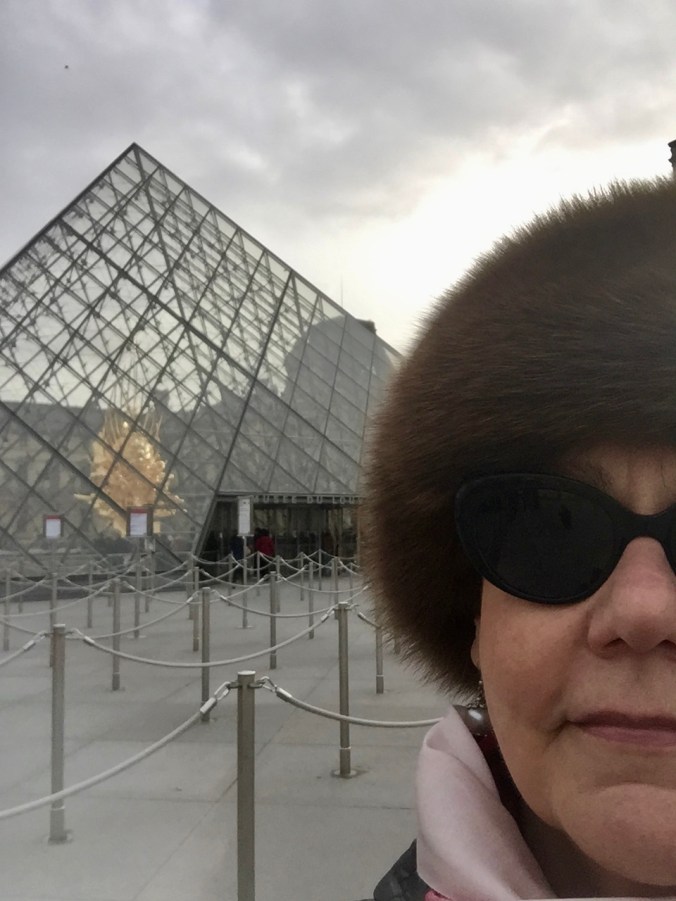
fullsizeoutput_864

It’s the Throne by Kohei Nawa, exhibited from July 2018 – January 14, 2019.

A monumental floating throne by the sculptor Kohei Nawa. As part of “Japonismes 2018: Souls in Resonance,” the pyramid of the Louvre will house a monumental sculpture by Kohei Nawa, beginning in the month of July 2018 and running through 14 January 2019.  The work, inspired by the shapes and origins of the chariots used in the Orient during religious festivals, is a combination of the art of gold leaf gilding, which dates back to Ancient Egypt, and the latest 3D modeling techniques.

fullsizeoutput_886

This 10.4 meter-high monumental sculpture will float in the middle of the Louvre Pyramid for six months, in order to question the notions of power and authority that have been perpetuated in the past, and to question the future that awaits us.

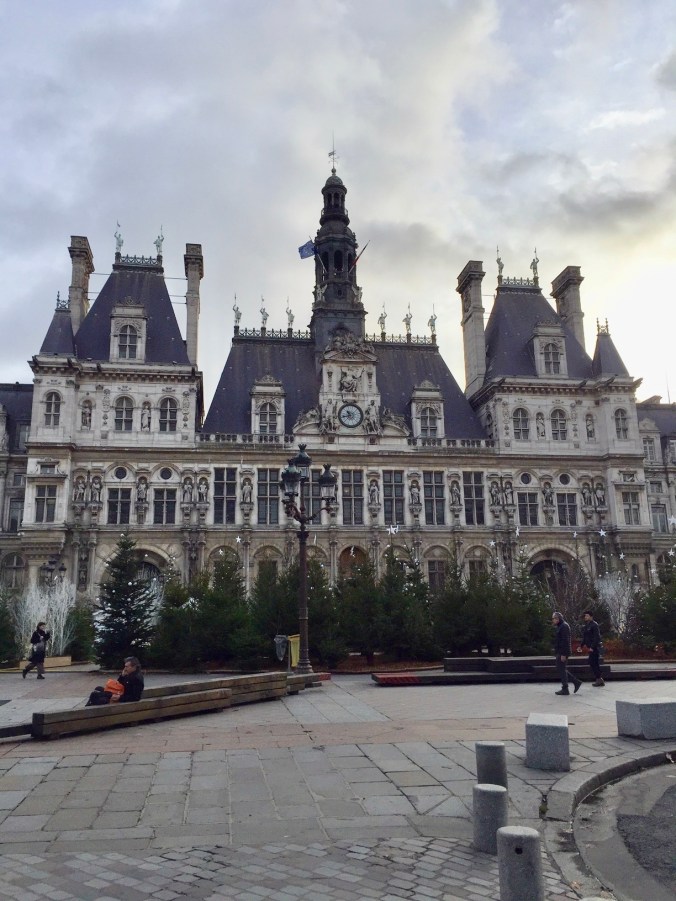
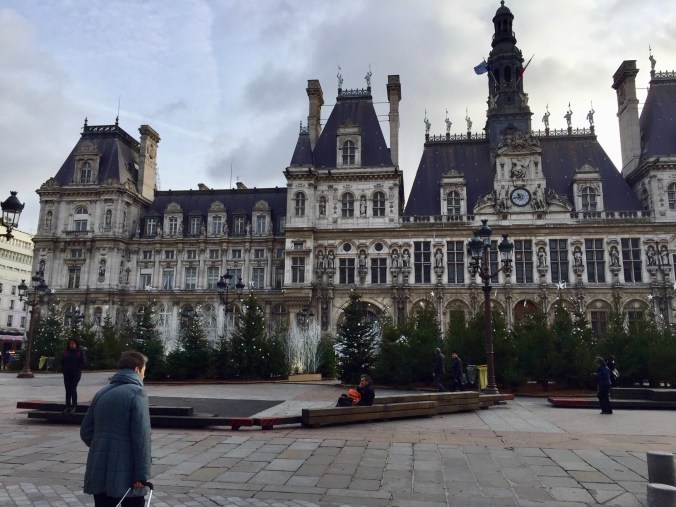
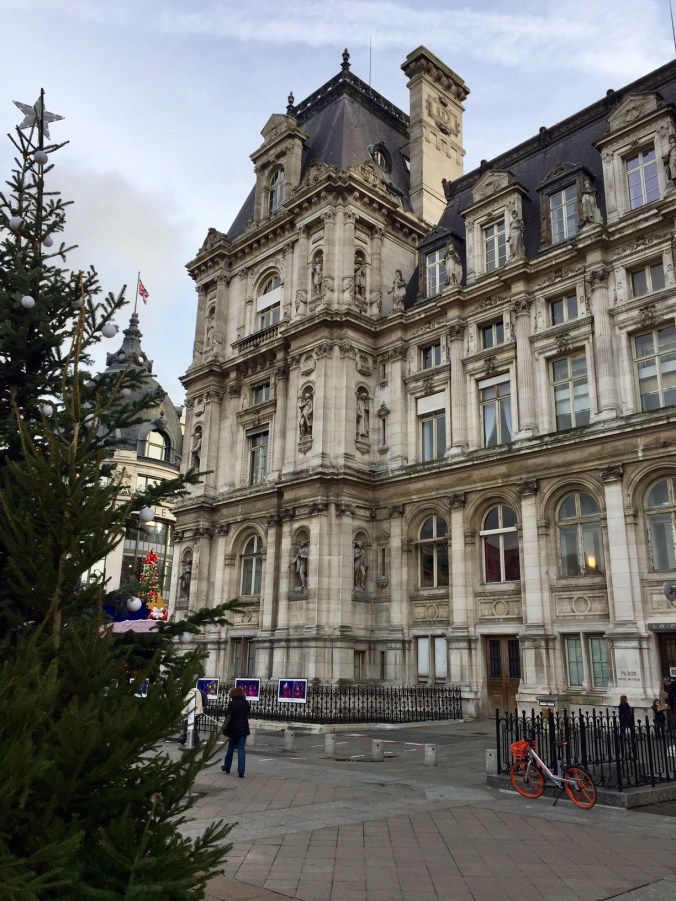
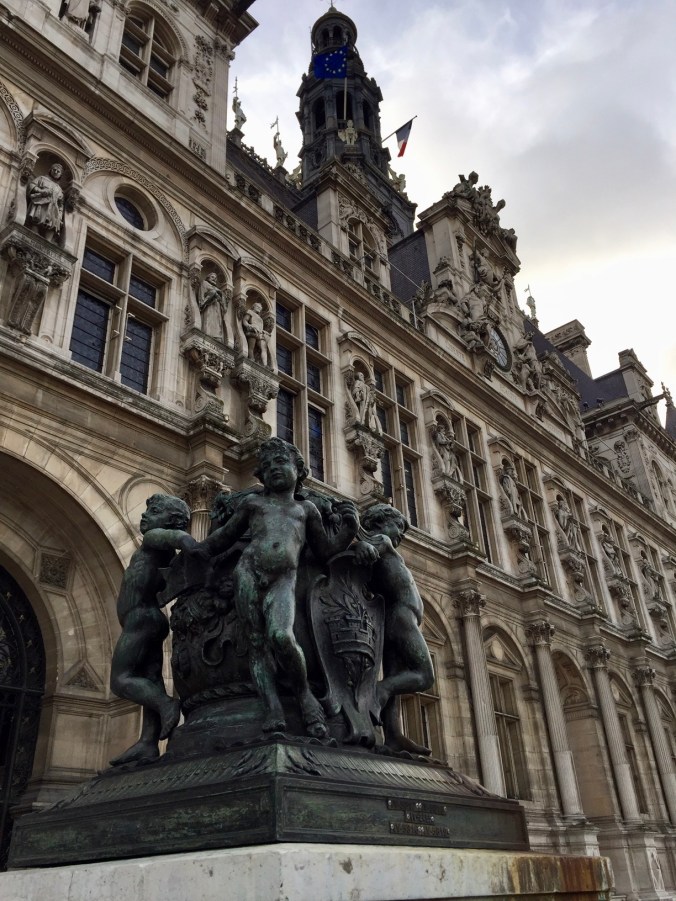
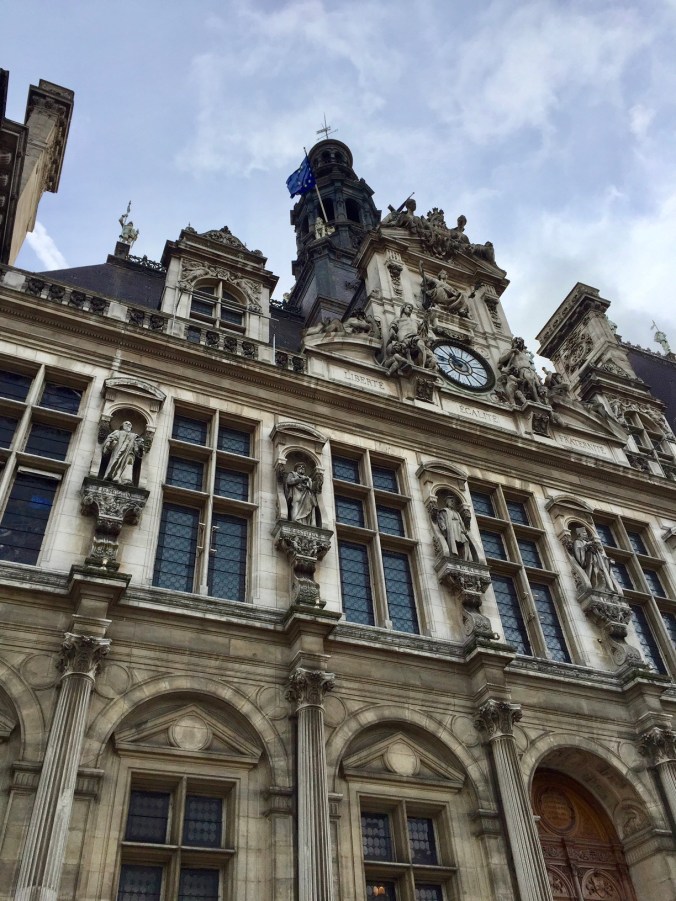
Place de l’Hôtel-de-Ville; no other city hall ever looked so good! I am still a sucker for great Neoclassical sculpture:
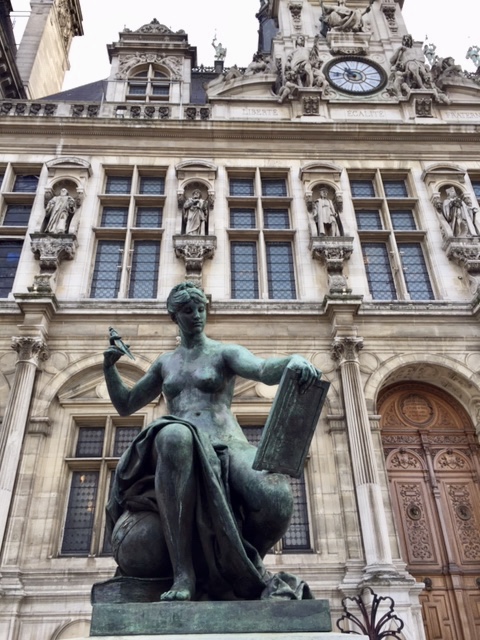
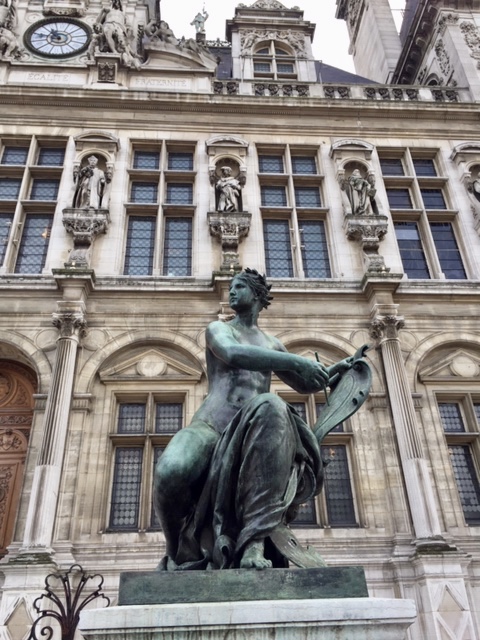
fullsizeoutput_885fullsizeoutput_884

fullsizeoutput_89ffullsizeoutput_8a1fullsizeoutput_8a2fullsizeoutput_8a4fullsizeoutput_8b7fullsizeoutput_8b6fullsizeoutput_8b5fullsizeoutput_8b4fullsizeoutput_8b3


Strolling through the city I saw this fashion photo in a vitrine; the best way to ride a horse is in your pink silk taffeta ballgown!  I wish I had known that growing up on the back of my horse!
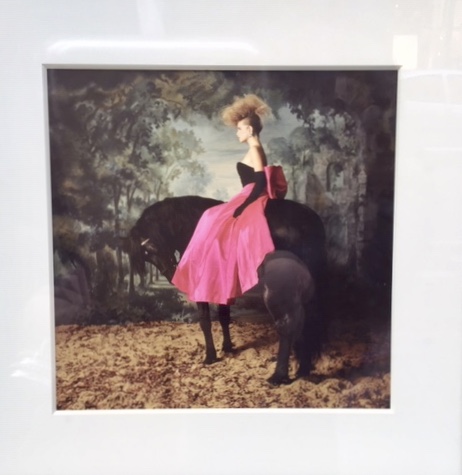
fullsizeoutput_880


Not far from city hall I wandered by Place Louis Aragon.
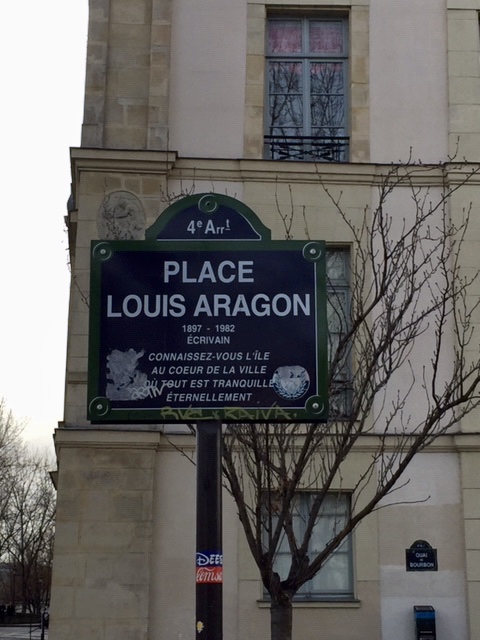
fullsizeoutput_87f

I was intrigued by the inscribed lines speaking of a tranquil island.

Connaissez-vous l’île
Au cœur de la ville
Où tout est tranquille
Éternellement


In English:

Do you know the island

In the heart of the city

Where everything is quiet

Eternally

I looked Louis Aragon up when I got back to my hotel:  Louis Aragon (1897 – 1982) was a French poet and one of the leading voices of the surrealist movement in France. Place Louis Aragon is located at the tip of Ile Saint-Louis, near Quai de Bourbon, with amazing views of the cathedral of Notre Dame and the Seine This small but extraordinarily located square is close to the apartment of Aurelian, where in Aragon’s novel of the same name the hero lived.


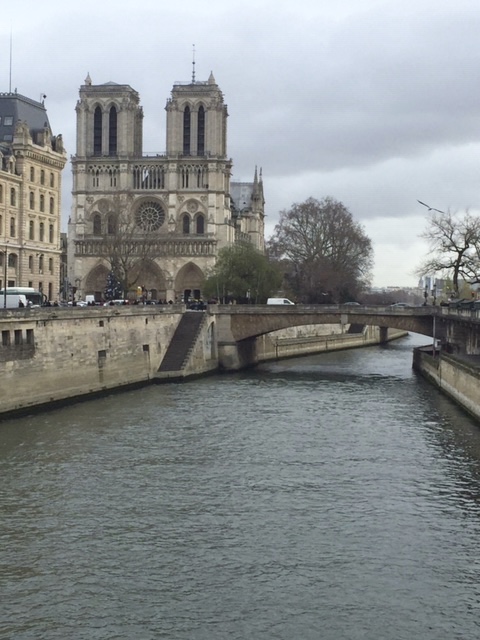
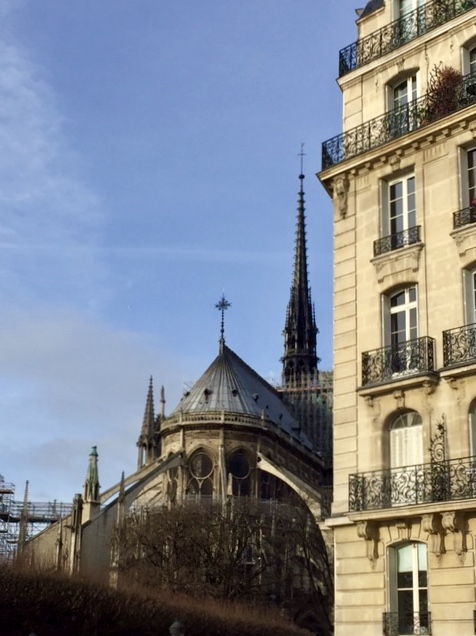
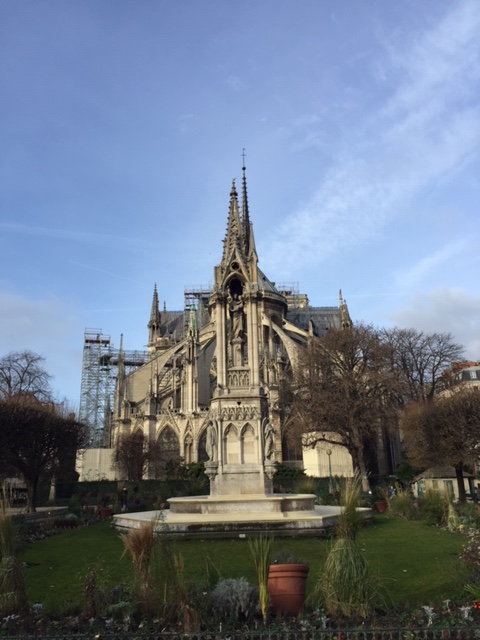
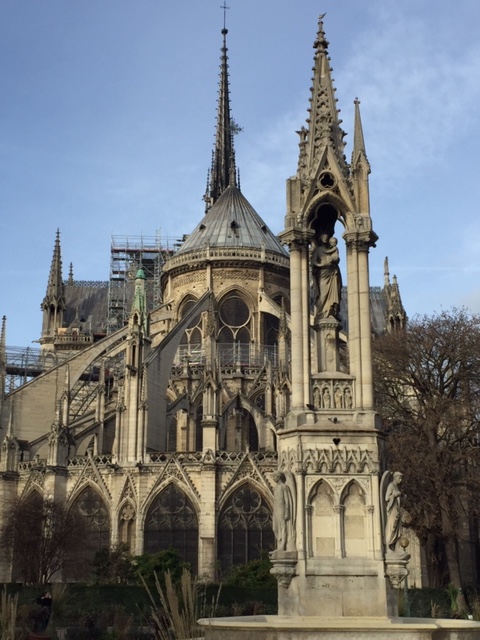
The apse end of Notre Dame begins to beckon:
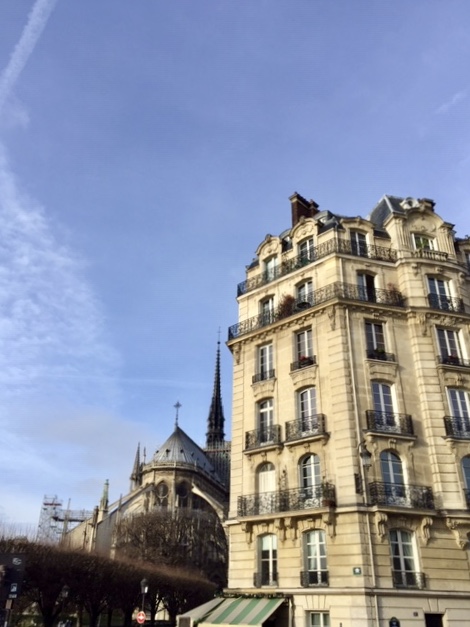
fullsizeoutput_87e


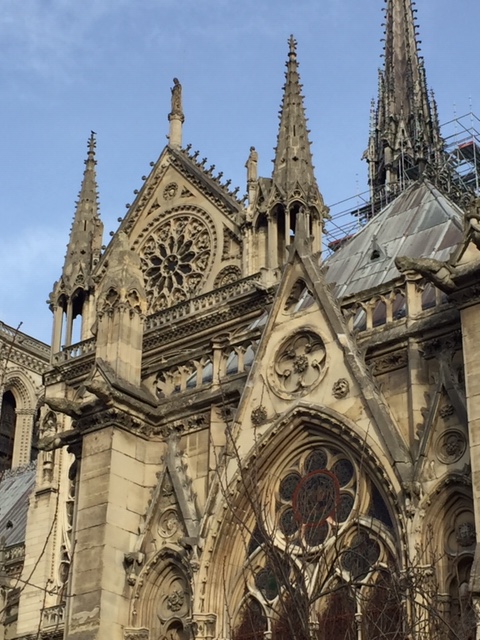
I spy the famed flying buttresses!

fullsizeoutput_87d


IMG_3951


IMG_3952


Once a garden designer, always a garden designer.  I was interested to see that the gardeners here had tied up the ornamental grass plants.  That must mean that the grasses don’t winter kill in Paris (they do in Colorado where my garden is), so they want to maintain the foliage.  Who knew?!
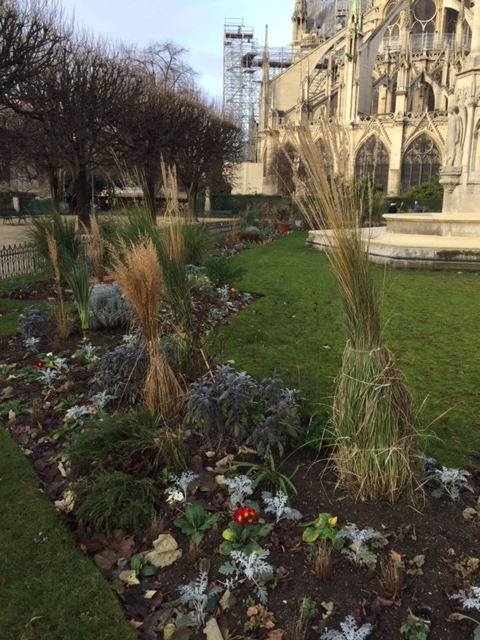
IMG_3954


Walking along the Seine and rounding Notre Dame from the back to the front, I saw other gardens with roughly-cut and crudely crafted structures for plants to climb. These came as a surprise in Paris, where everything is so formal and structured.
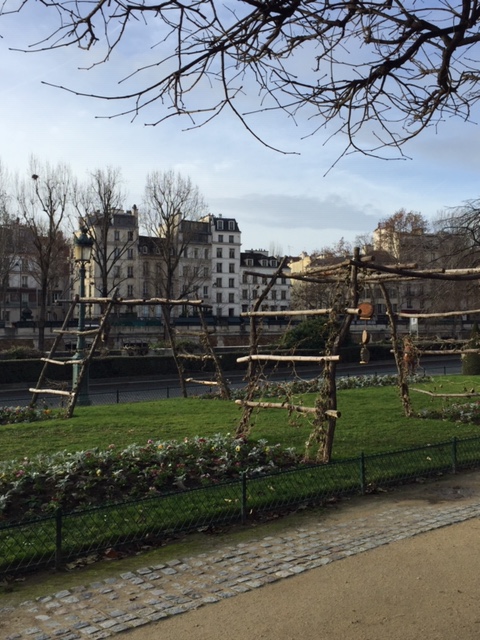
IMG_3957


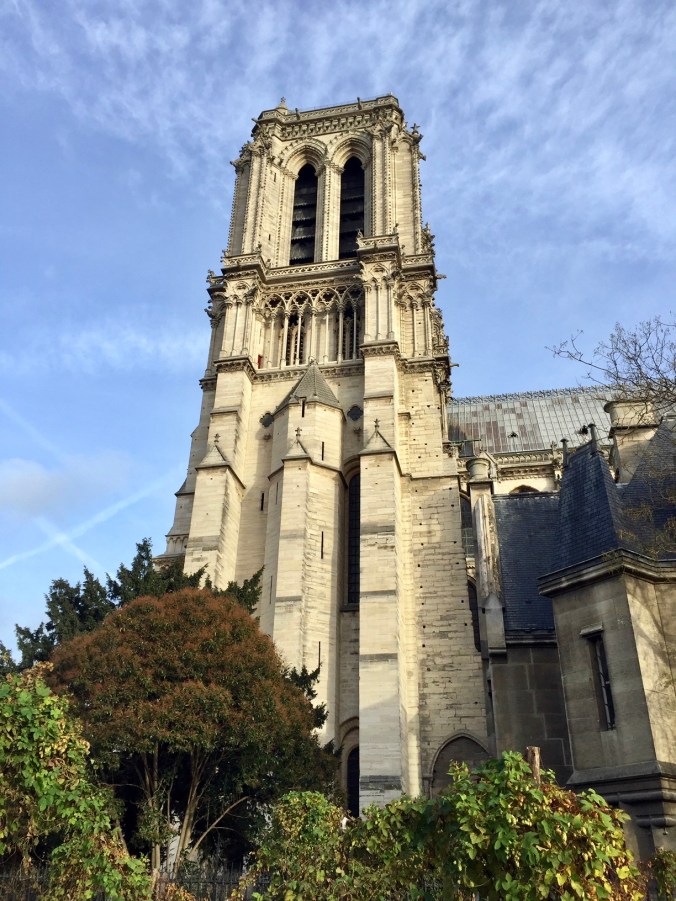
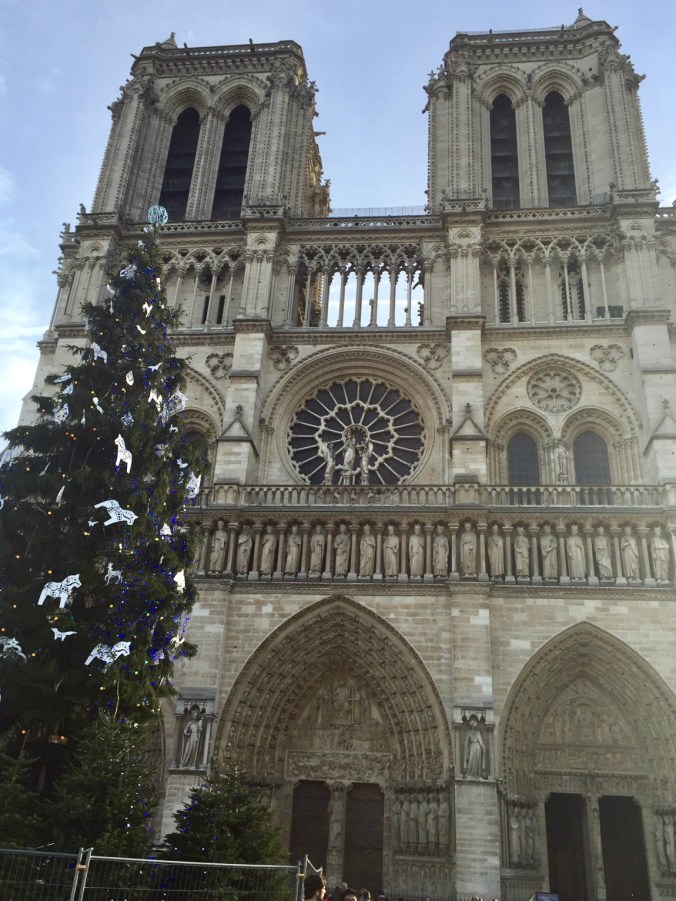
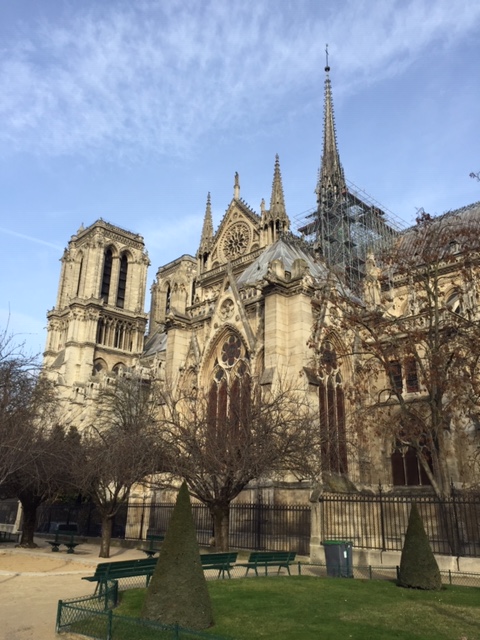
I’m going to post the next few pix of Notre Dame in silence.  This beautiful, iconic building needs nothing from me:
IMG_3958


IMG_3959


fullsizeoutput_895


fullsizeoutput_896


fullsizeoutput_8a5


fullsizeoutput_8a6

fullsizeoutput_8a7fullsizeoutput_8a8IMG_3974


fullsizeoutput_87b

fullsizeoutput_8af


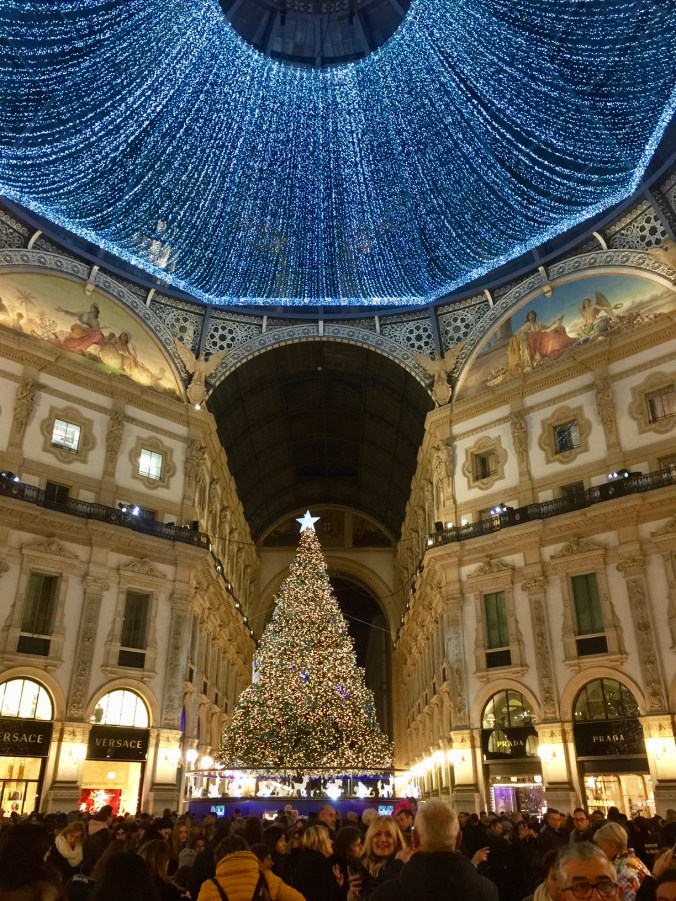
Milano, dicembre 2018; ready for Christmas

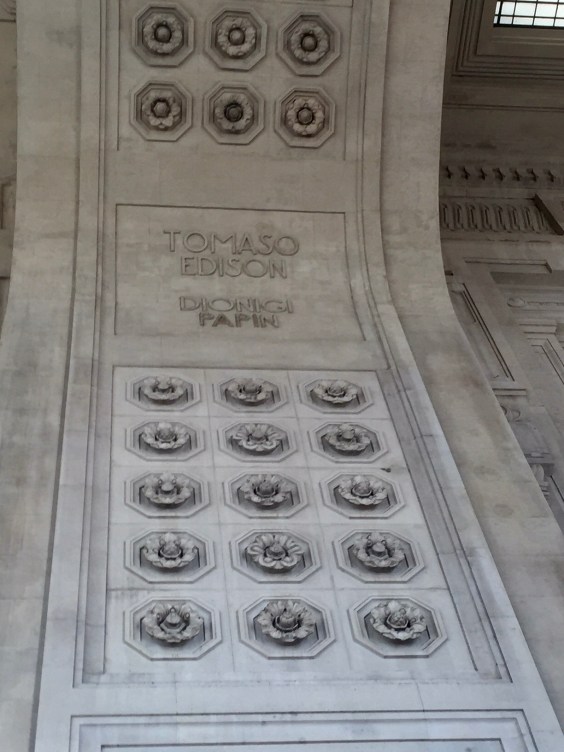
Arrived in Milan from Florence and admired the fabulous Milanese train station.  It always awes me.

It was fun to see American Tomaso Edison inscribed as one of the world’s great minds.

fullsizeoutput_7f0


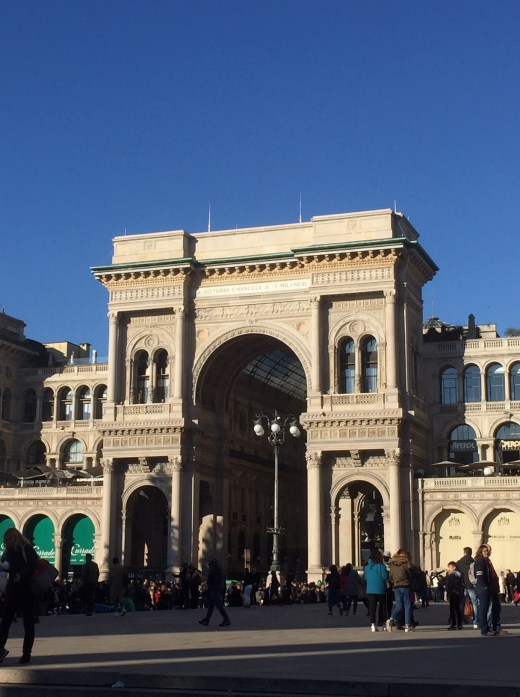
No time to linger: places to see, people to avoid (crowds that is!). Here’s the archway leading to the Galleria Vittorio Emmanuel; I’ll be back to admire the Christmas decorations when the sun sets.  See below.

IMG_3280
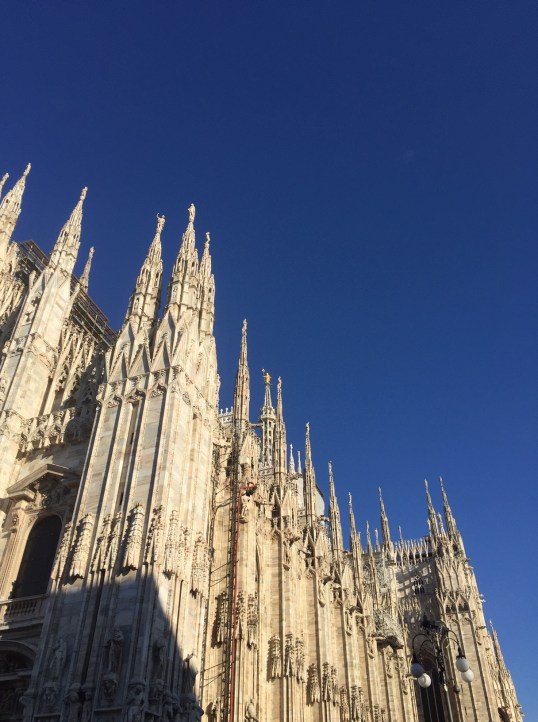
A quick glance of our first stop: il Duomo. We bought our tickets and got in line to wait for our turn to enter the cathedral and then climb to the roof.

IMG_3277
I’ll talk about the duomo in a separate post, coming soon.

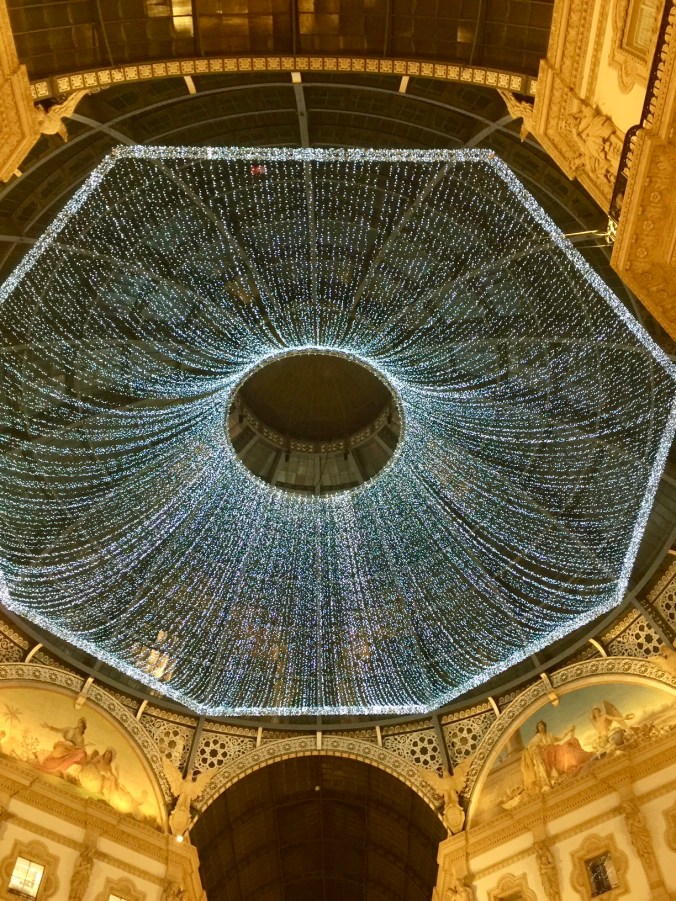
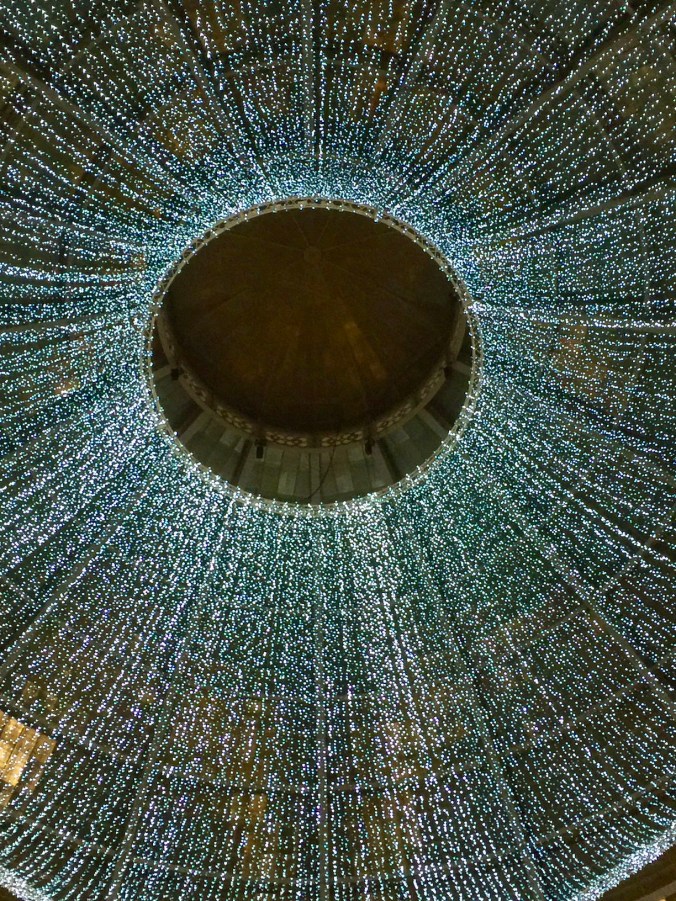
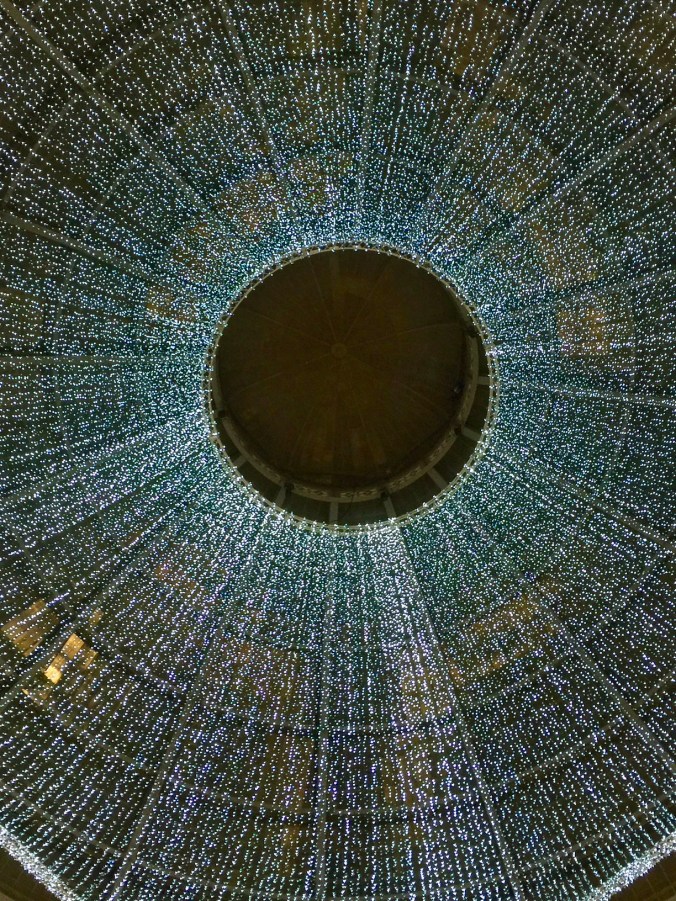
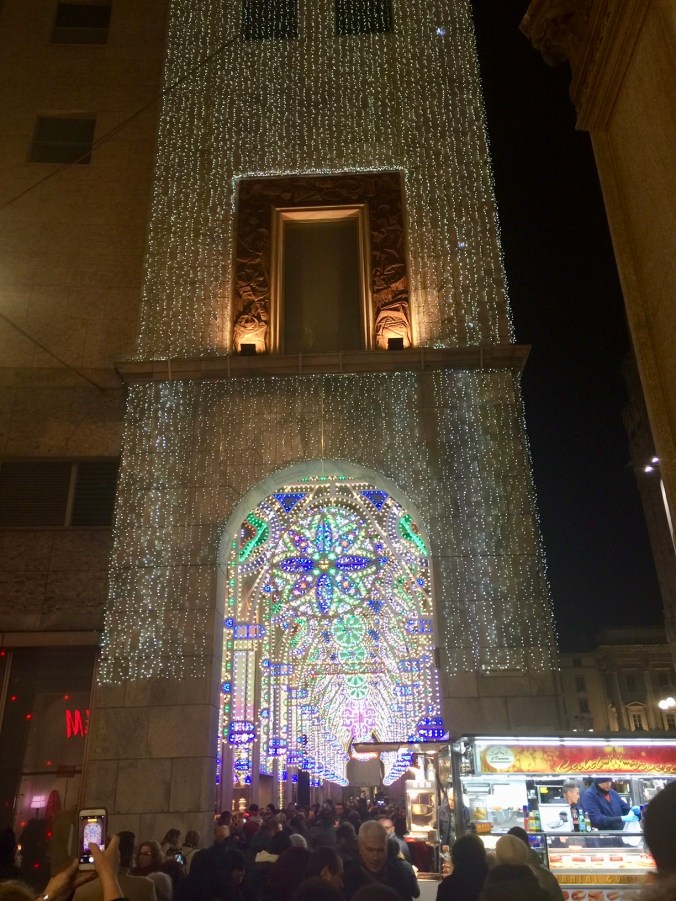
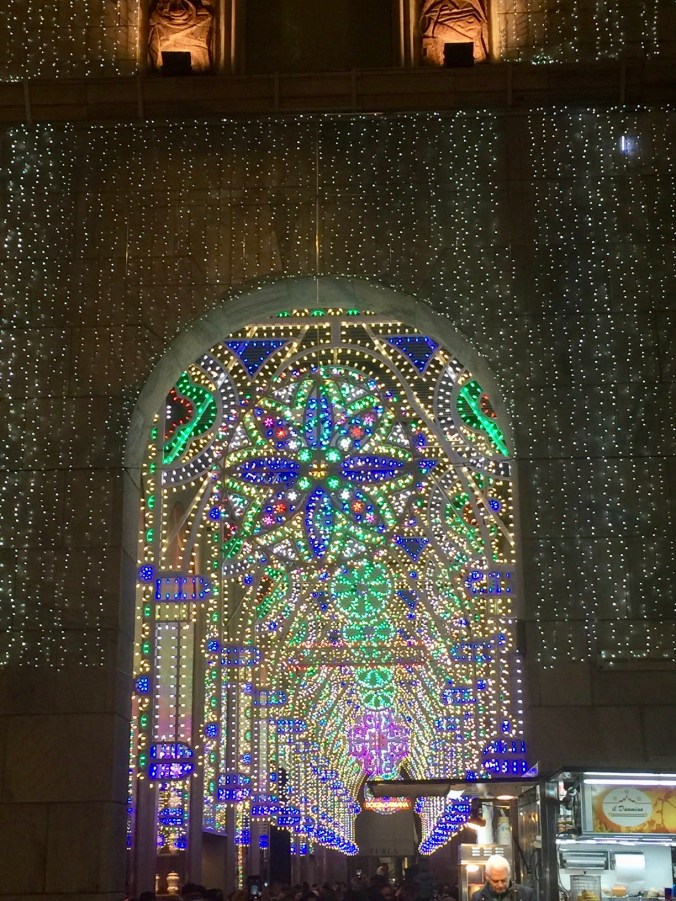
So, the duomo took up the entire afternoon and the sun set.  Back into the Galleria to admire the amazing Christmas decorations.


Absolutely spectacular! Milan knows how to play up its strong points!

fullsizeoutput_83d


fullsizeoutput_83f


fullsizeoutput_840


fullsizeoutput_841


IMG_3397


fullsizeoutput_842


fullsizeoutput_843
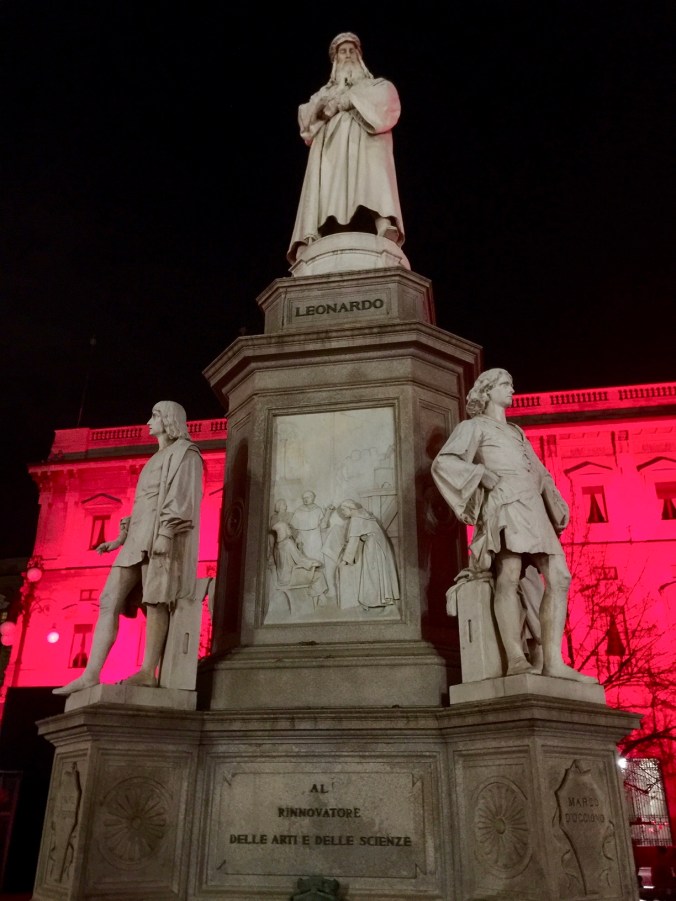
Milano plays host to one of the great Florentine artists: Leonardo da Vinci.

fullsizeoutput_844


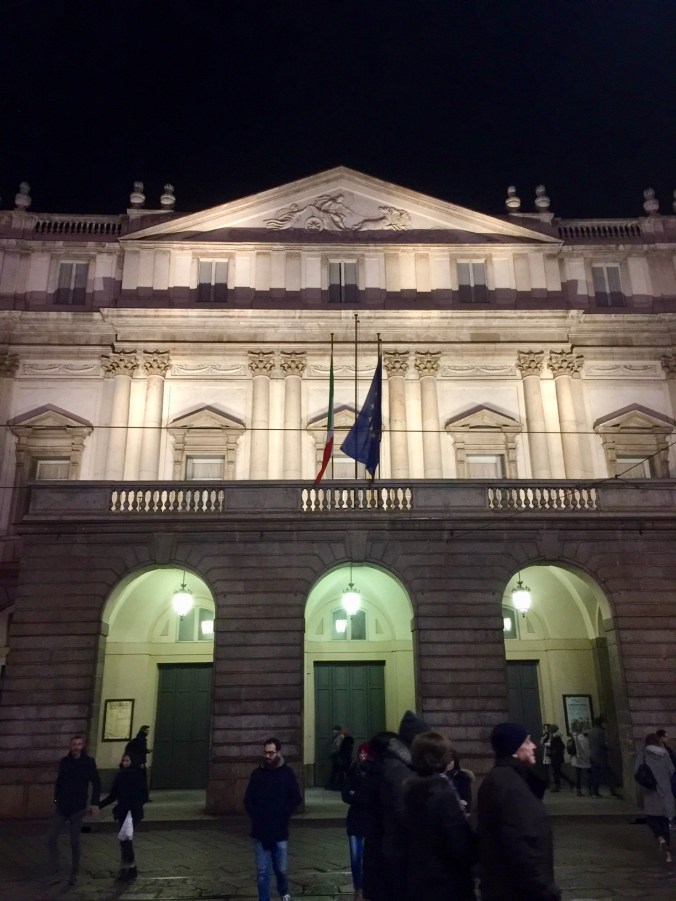
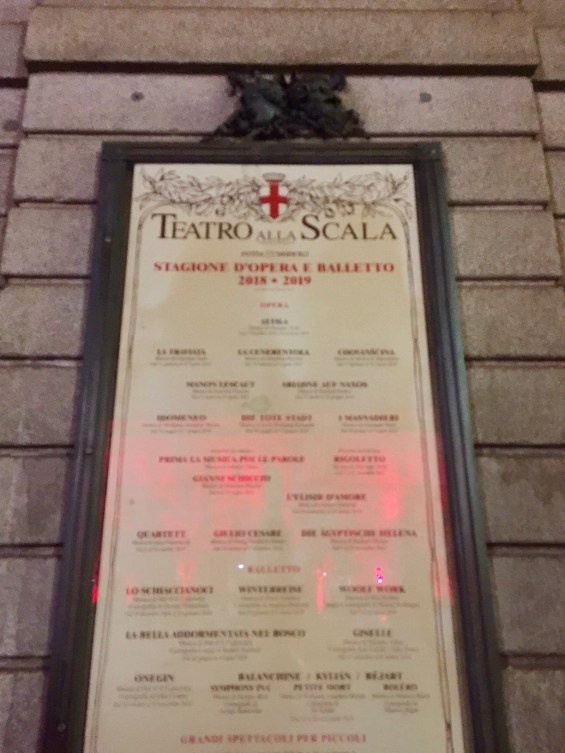
La Scala is nearby to add its gravitas:

fullsizeoutput_845


fullsizeoutput_846


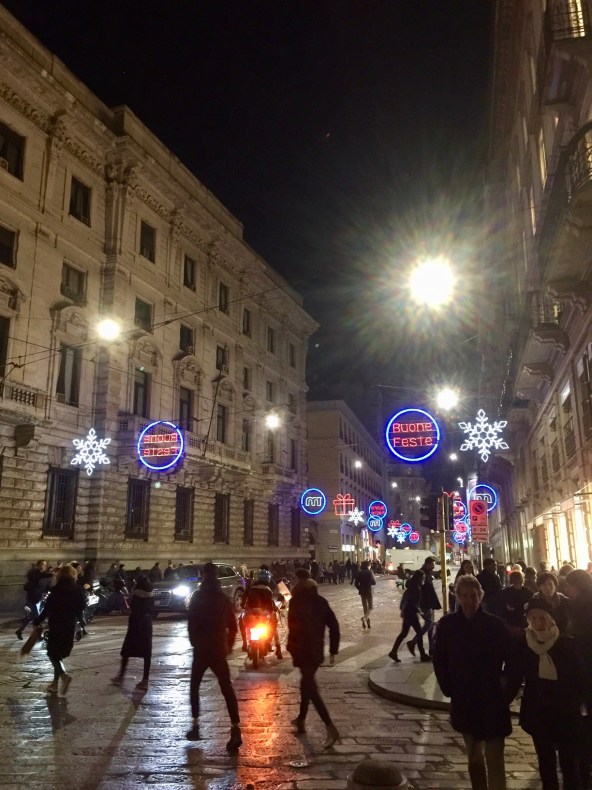
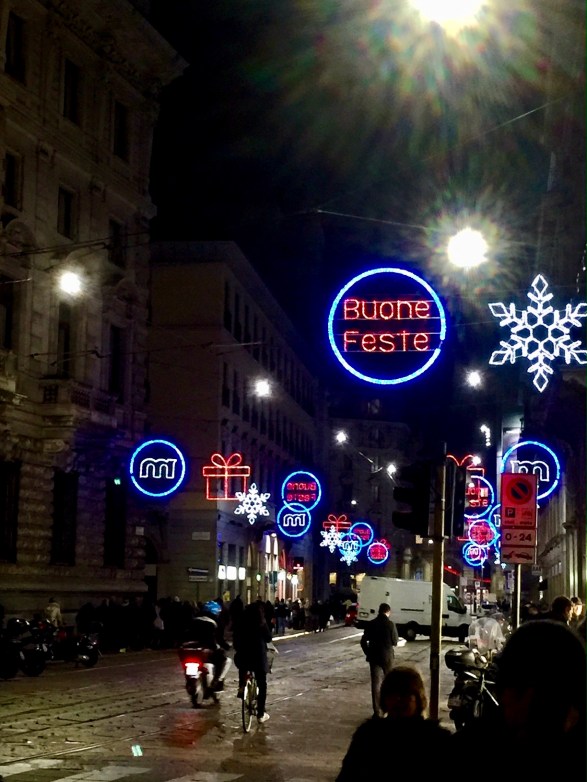
The downtown streets of Milan have a modern Christmas vibe:

fullsizeoutput_847


fullsizeoutput_84a

fullsizeoutput_848

 
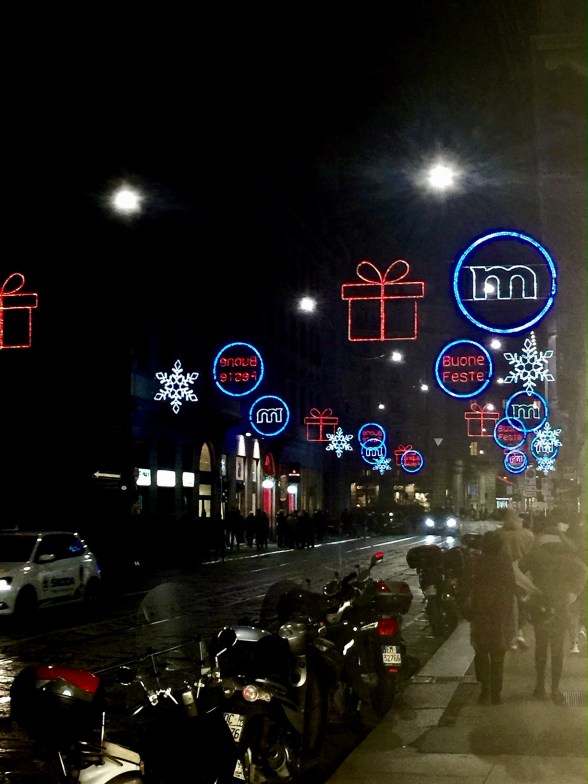
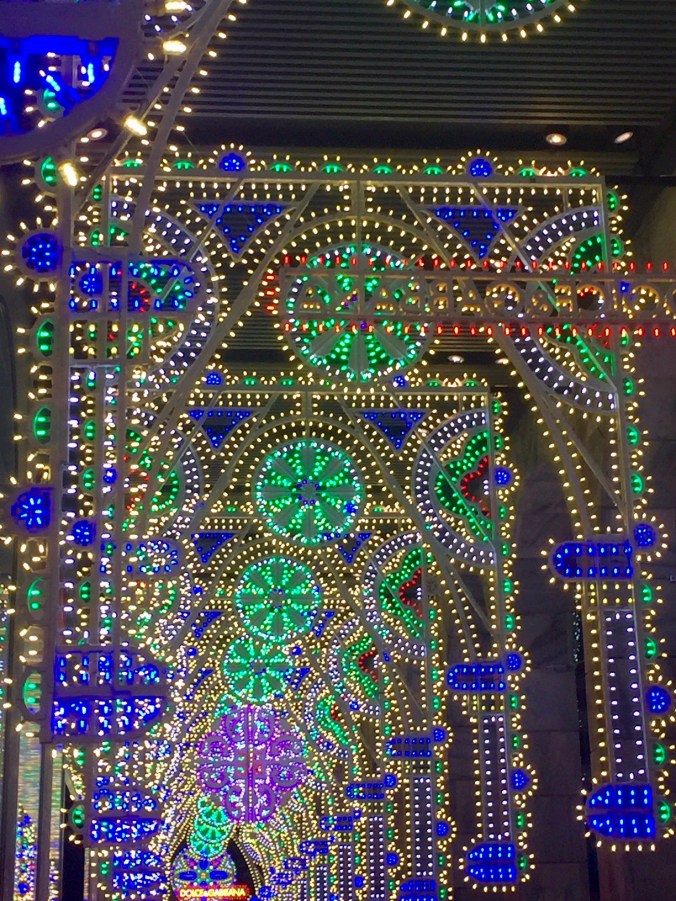
Back inside the Galleria, we approach the Dolce and Gabbana store, all lit up and no place to go.  D&G has no need to go anyplace: the crowds throng to it!


fullsizeoutput_84b


fullsizeoutput_84c


You can see D & G’s neon sign at the end of these over-the-top decorations.

fullsizeoutput_84e

See it?

And that’s how Milano preps for Xmas!


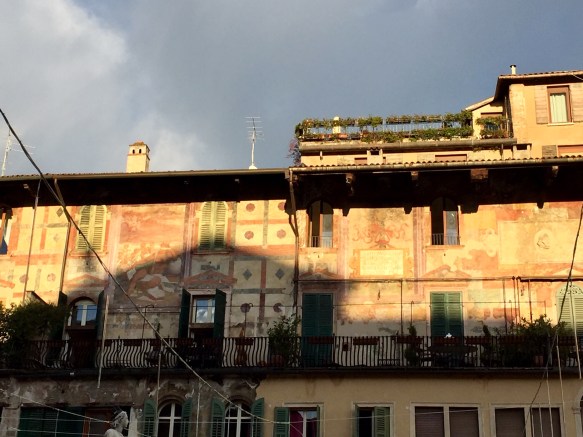
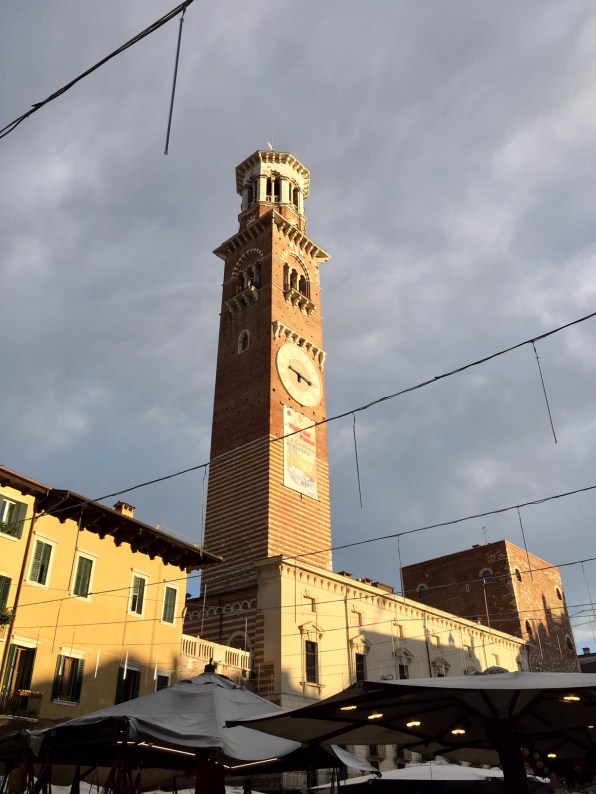
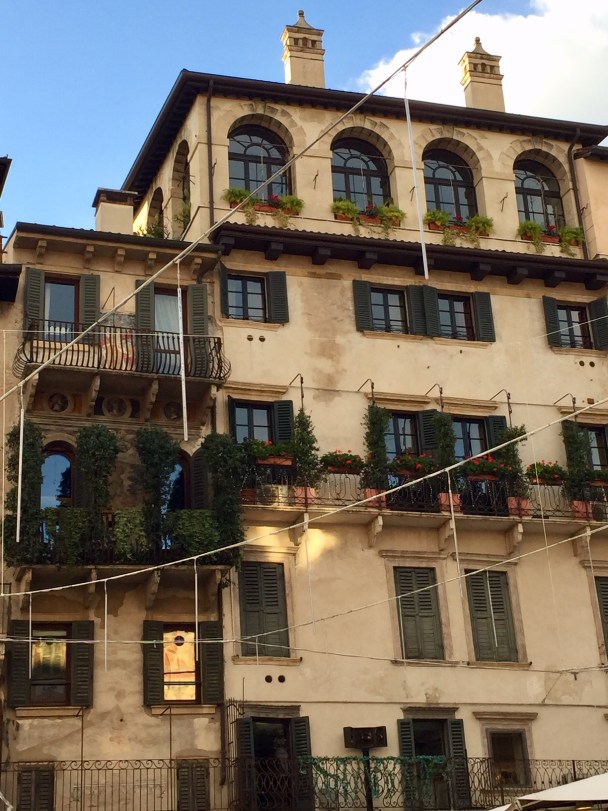
Verona, Italy in December

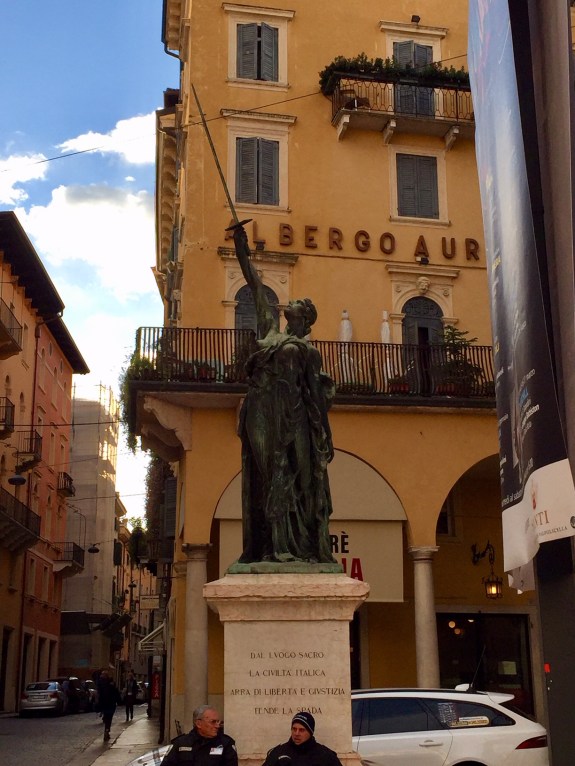
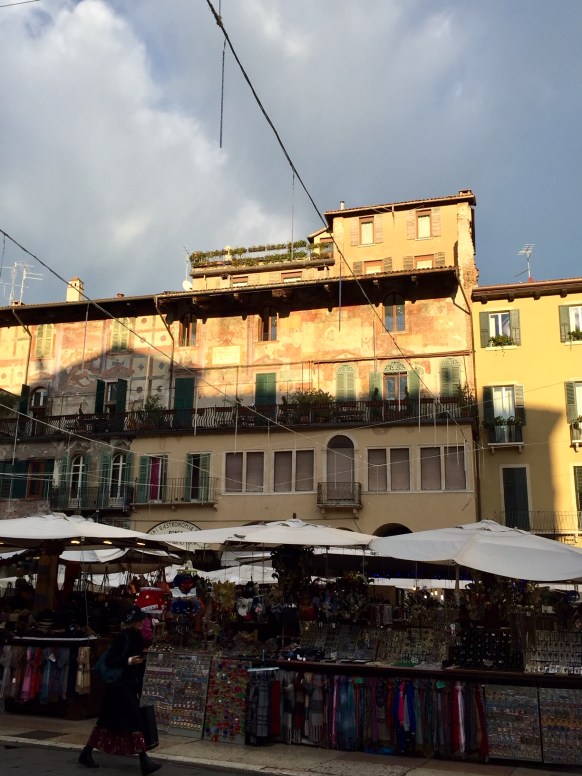
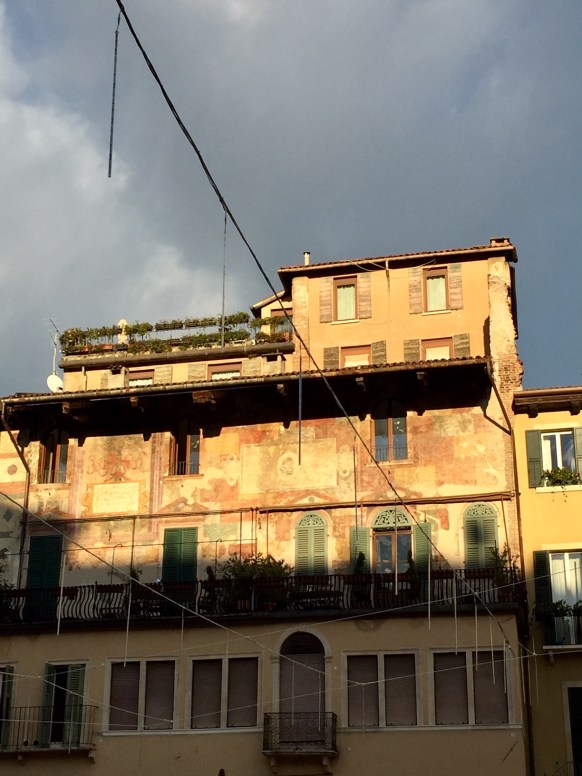
What a lovely small city is Verona.  I understand why Shakespeare chose it as his setting for Romeo and Juliet!

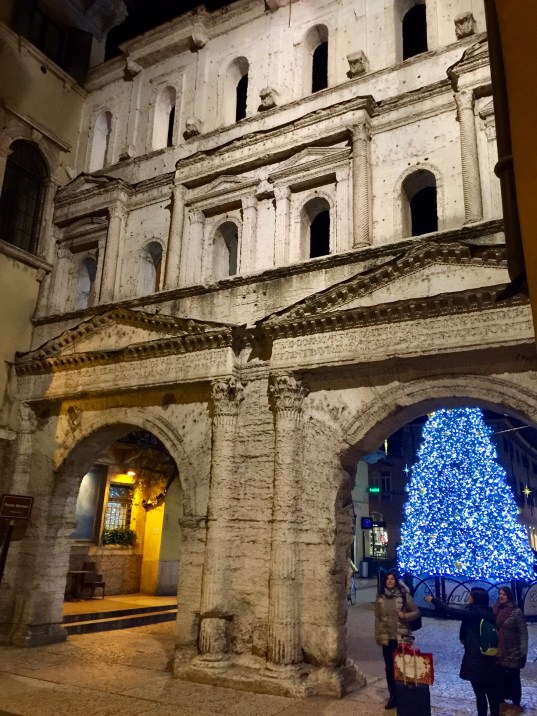
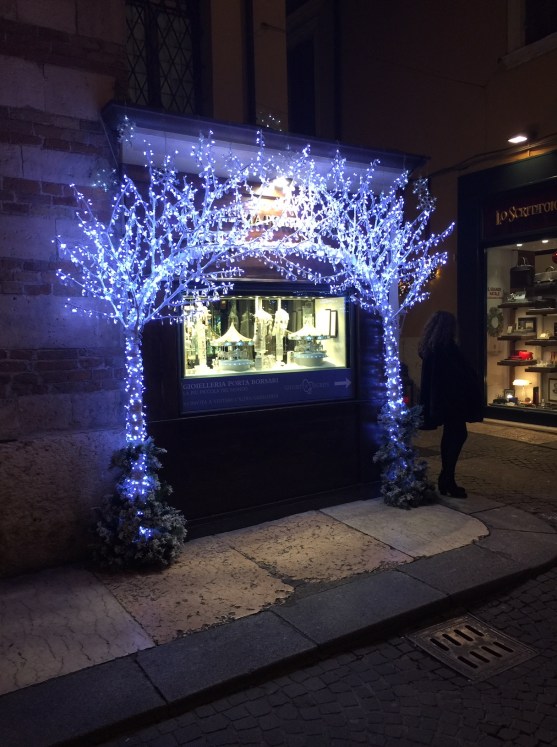
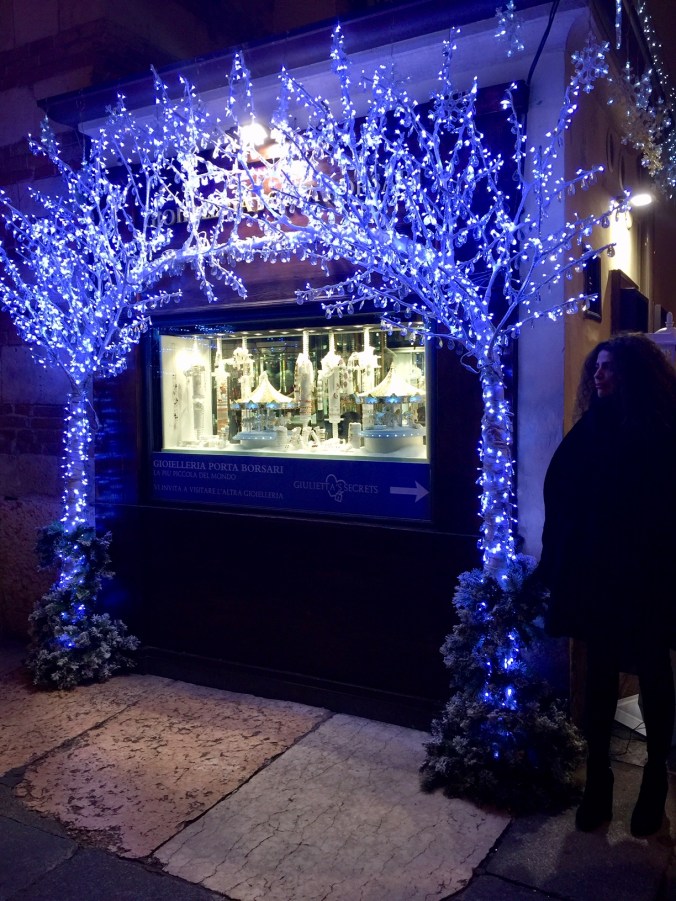
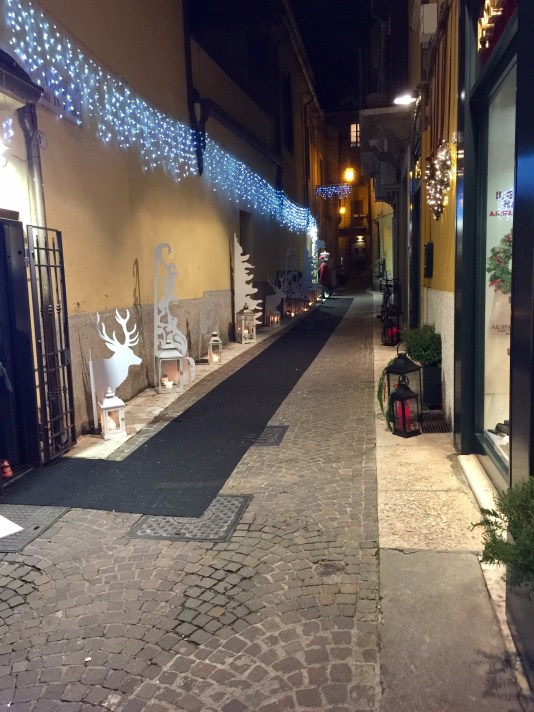
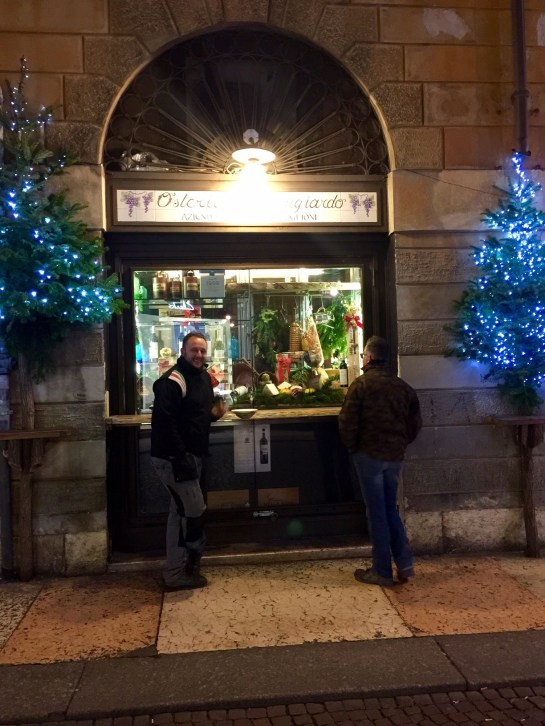
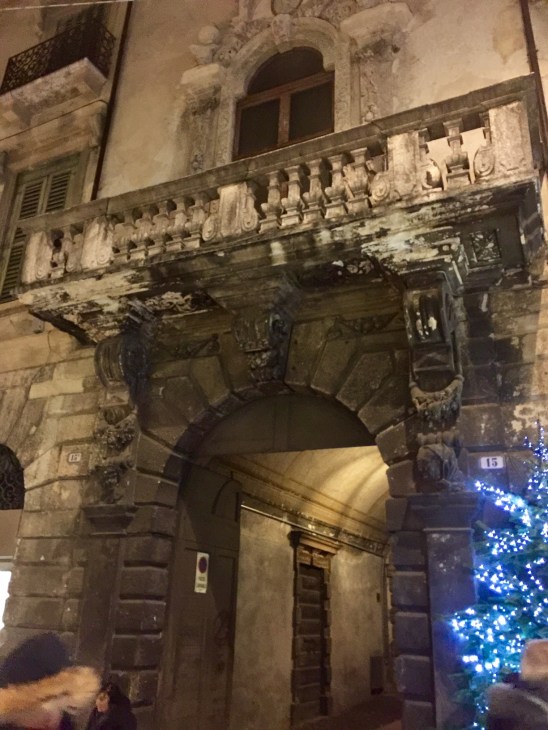
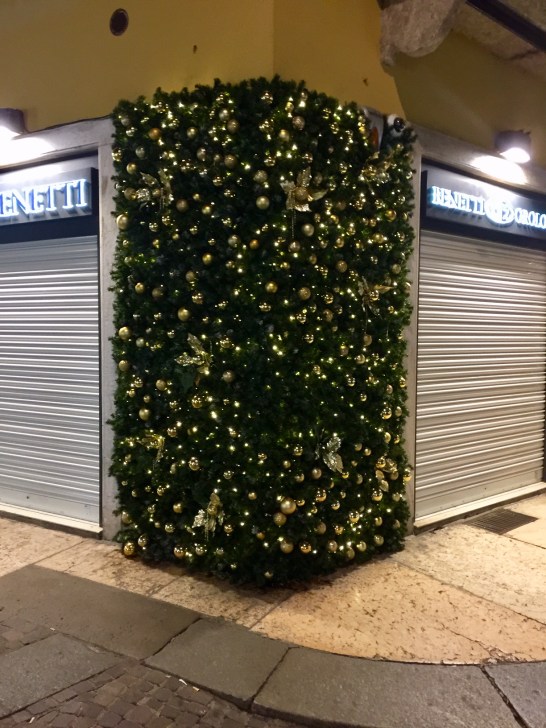
I had the good fortune to spend a few days in Verona recently and the city was all decked out for Christmas.

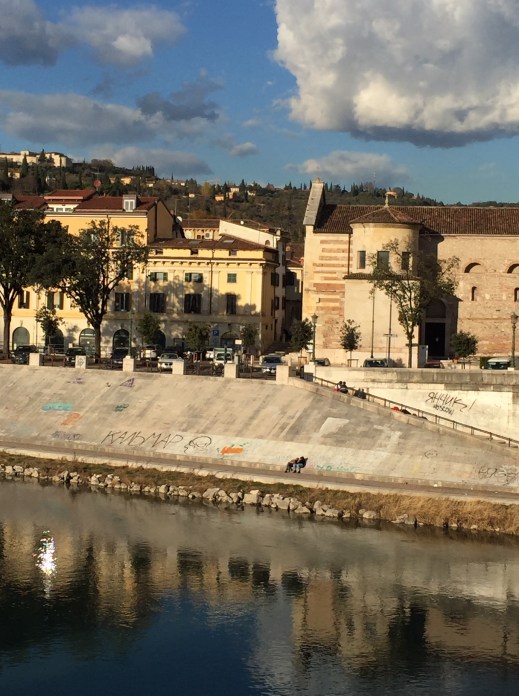
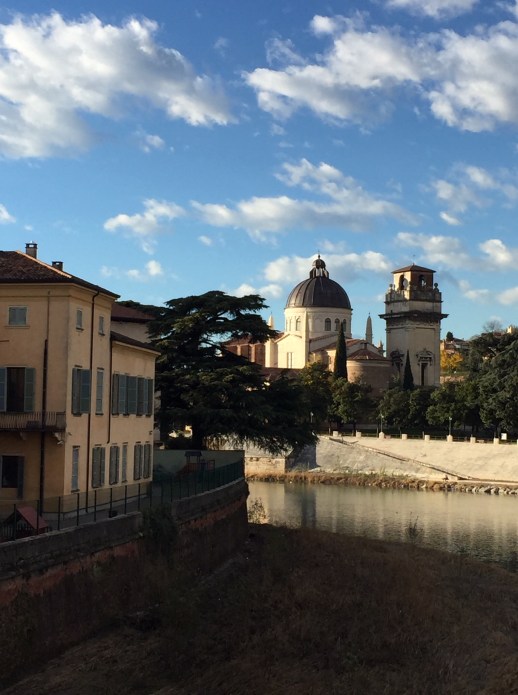
To begin, here is our home away from home, with a beautiful terrace next to the Adige River.  A large persimmon (cachi in Italiano) tree attracted many local ucelli!


Here are some of my favorite pictures:

IMG_3463


IMG_3464


IMG_3465


IMG_3467


IMG_3469


IMG_3470


IMG_3471


IMG_3472


IMG_3474


IMG_3475


IMG_3478


IMG_3479


IMG_3480


IMG_3481


IMG_3482


IMG_3483


IMG_3484

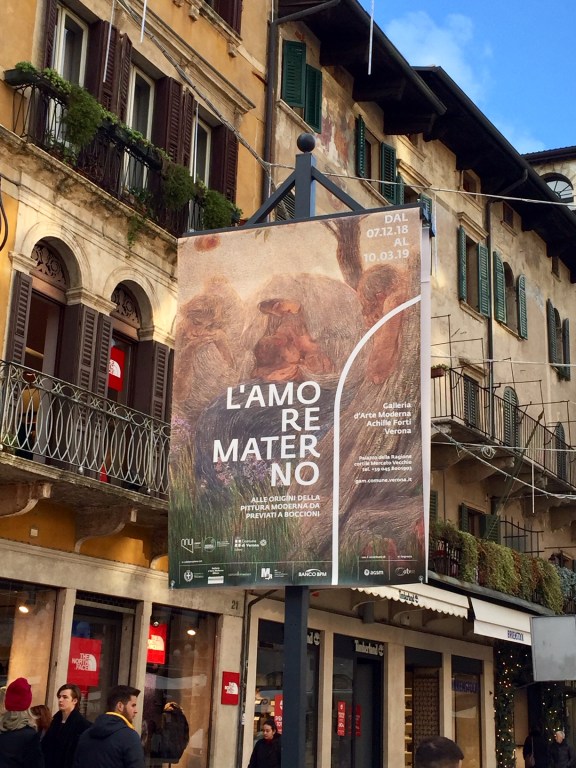
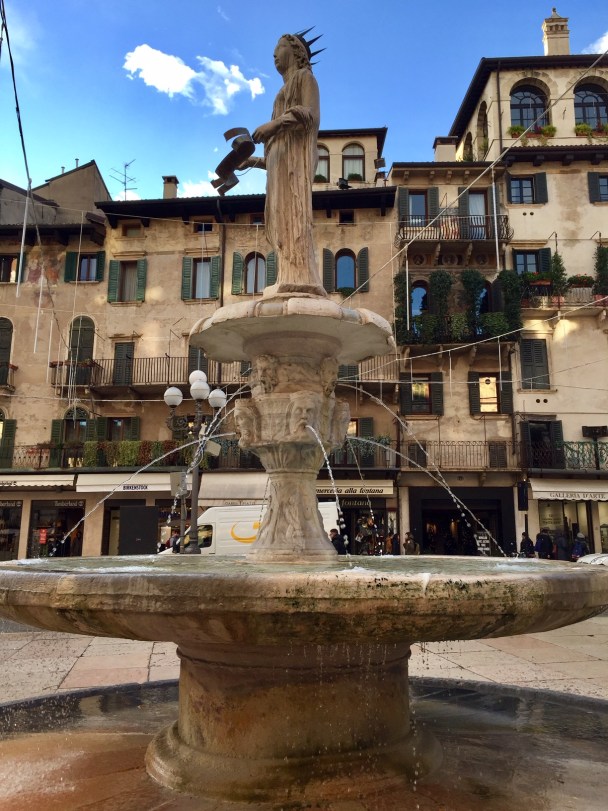
L’amore materno–Mother Love


IMG_3485


IMG_3486


IMG_3487


IMG_3488


IMG_3489


IMG_3491


IMG_3494


IMG_3495


IMG_3496


IMG_3497


IMG_3500


IMG_3503


IMG_3506


IMG_3507


IMG_3508


IMG_3510


IMG_3511


IMG_3512


IMG_3513


IMG_3514


IMG_3517


IMG_3519


IMG_3520


IMG_3522


IMG_3524


IMG_3525


IMG_3526


IMG_3527


IMG_3532


IMG_3535


IMG_3536


IMG_3537


IMG_3538


IMG_3540


IMG_3541


IMG_3542


IMG_3543


IMG_3544


IMG_3548


IMG_3552


IMG_3556


IMG_3557


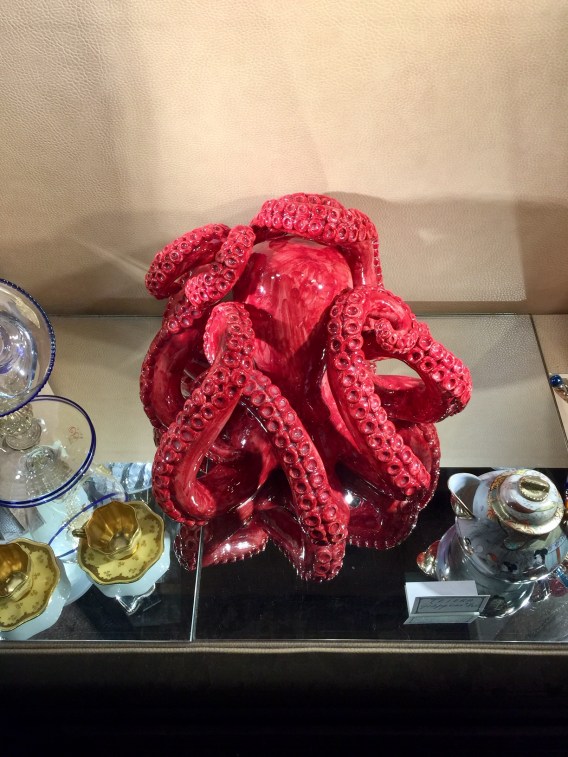
I love a decorative octopus!

IMG_3559


IMG_3560


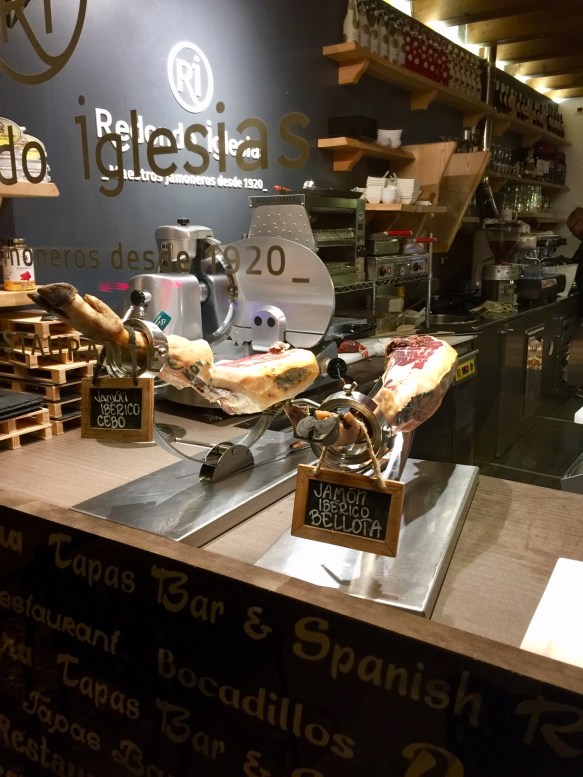
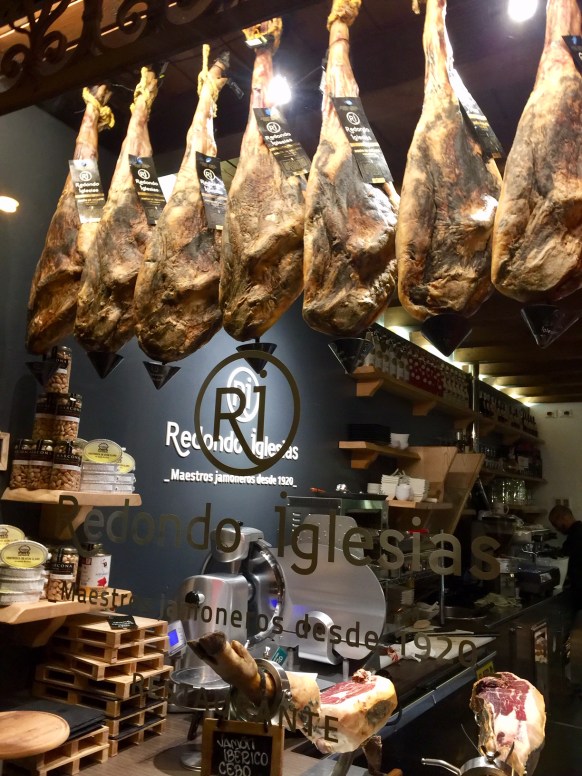
Check out the foot still attached to this prosciutto!  OMG!

IMG_3561


IMG_3562


IMG_3563


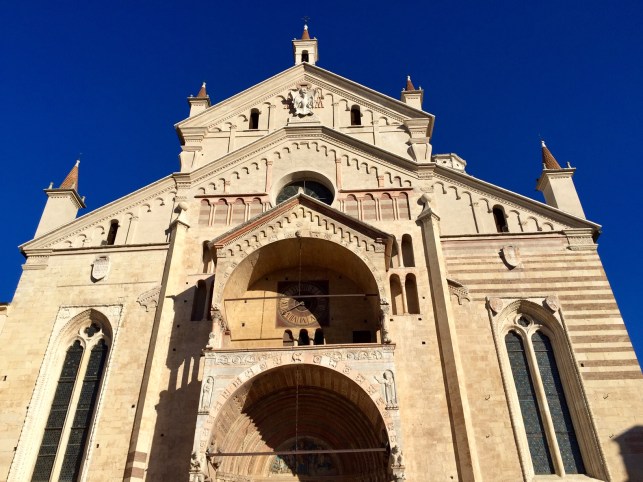
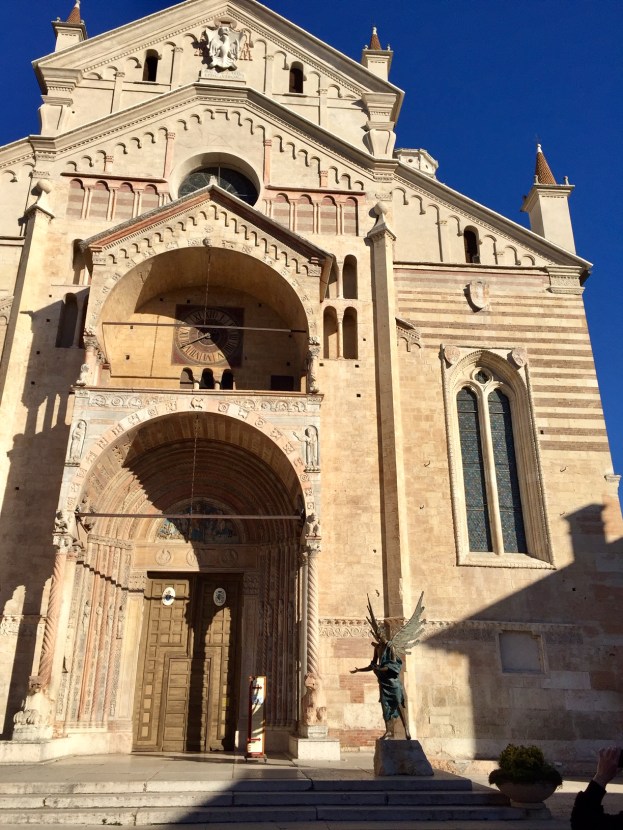
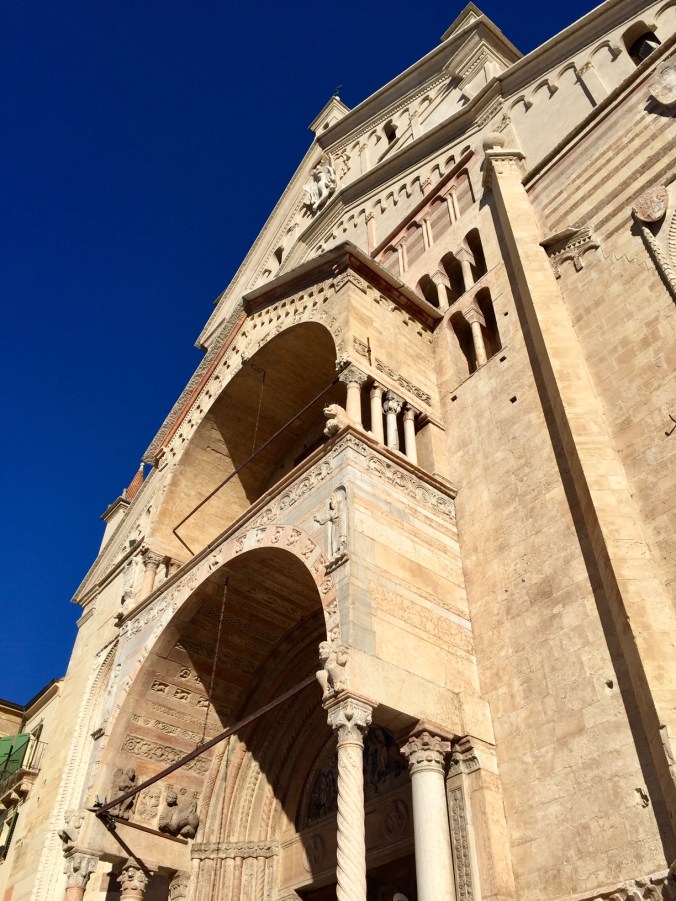
Verona’s magnificent Duomo below:

IMG_3573


The bell tower:IMG_3569


The apron front of the facade reminded me of church architecture in Lucca.

IMG_3570


IMG_3571


IMG_3572


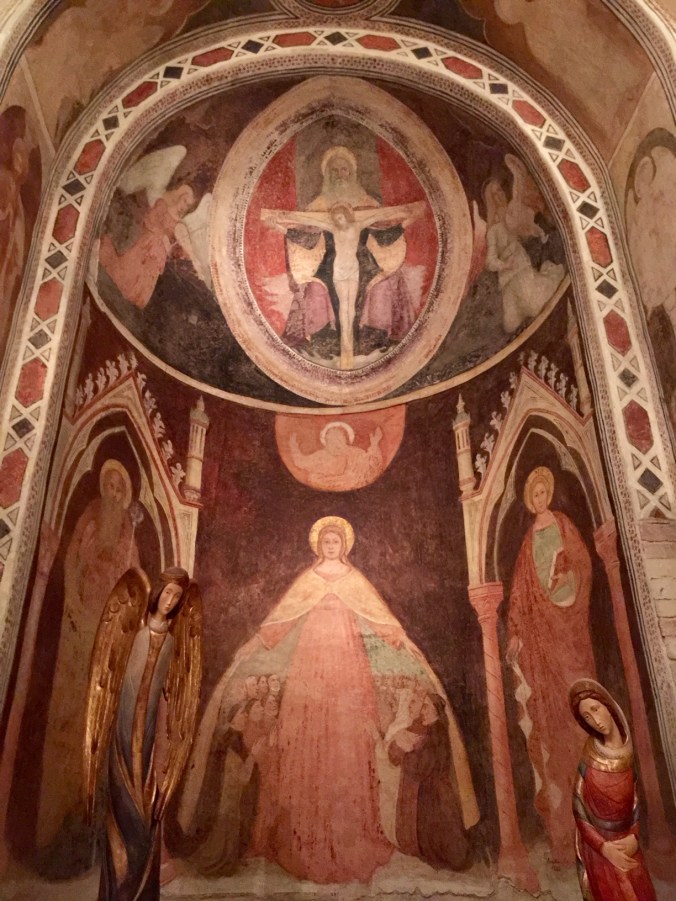
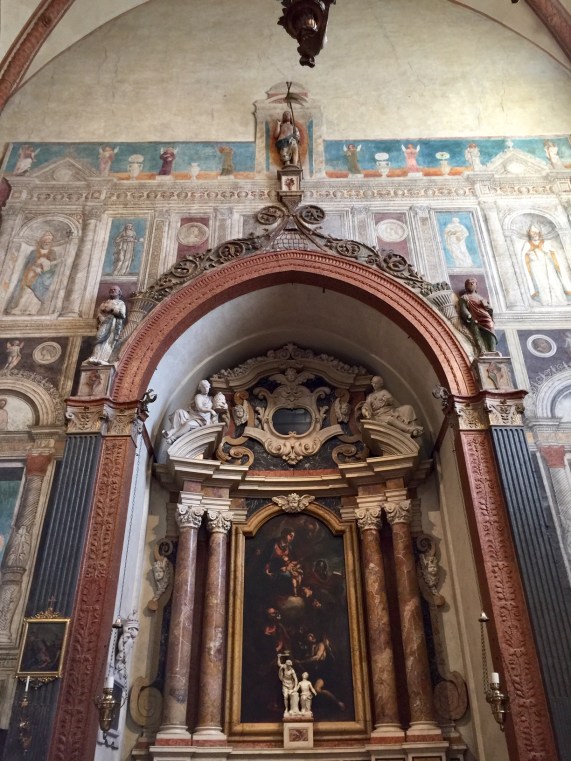
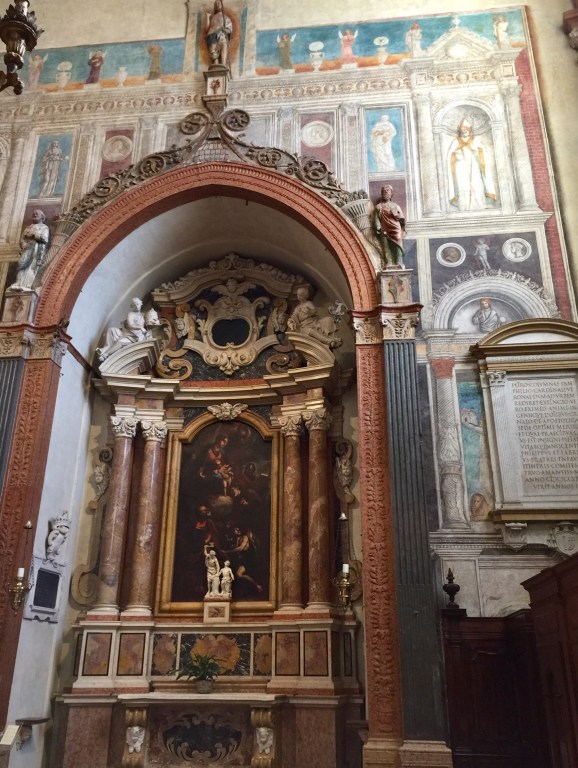
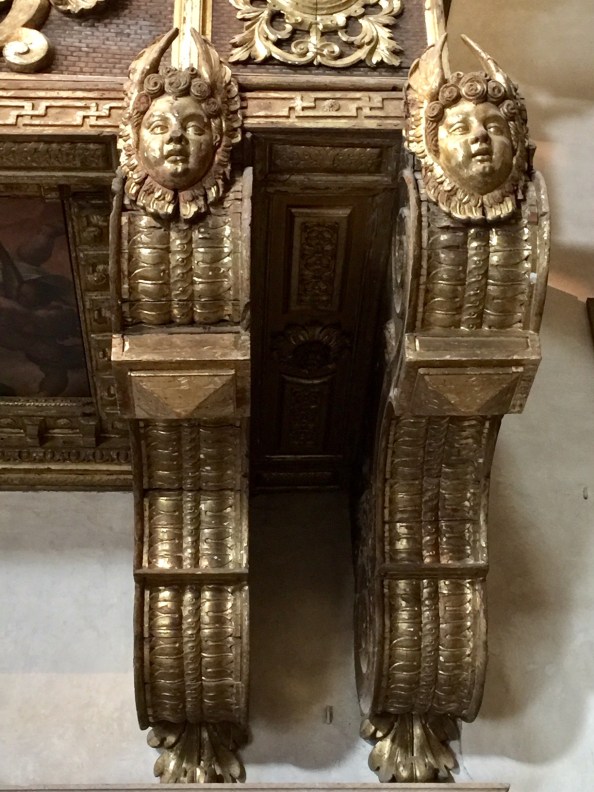
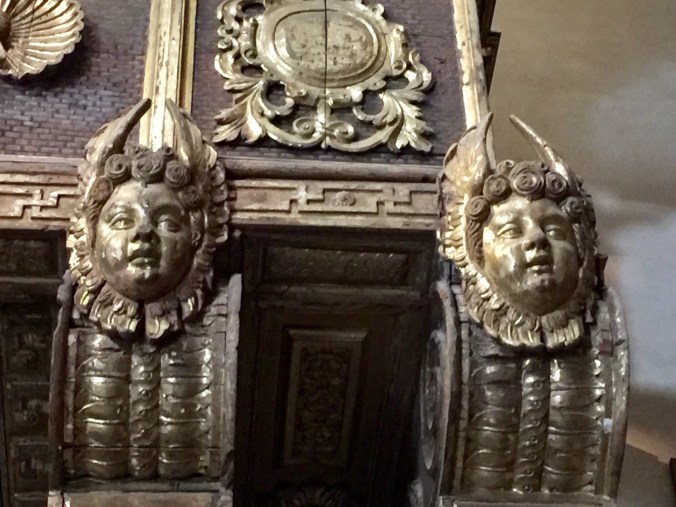
The altar below is painted and has matching sculptures in front.  I’d never seen anything like this before.

IMG_3577


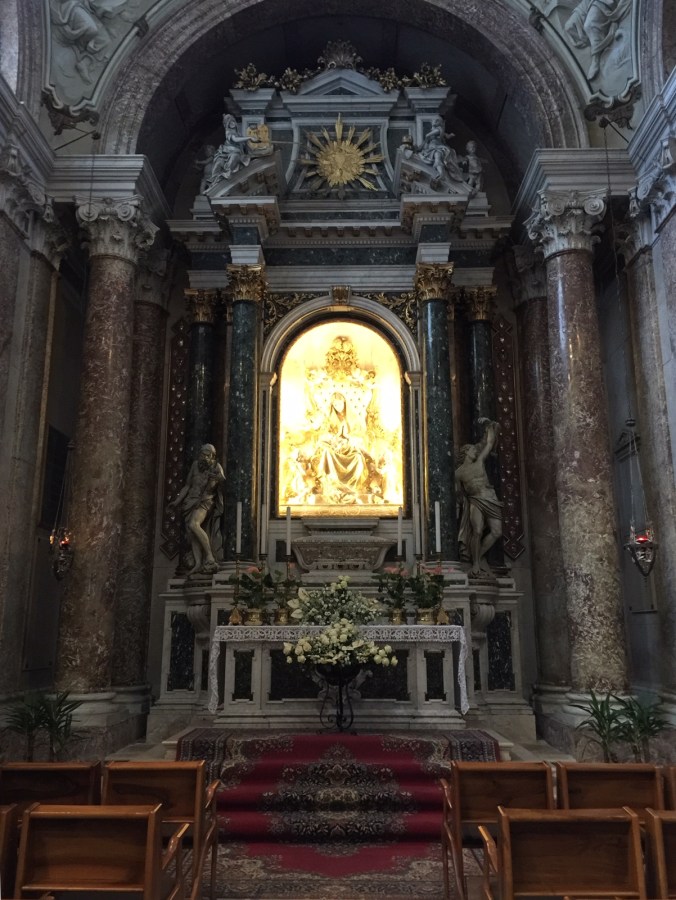
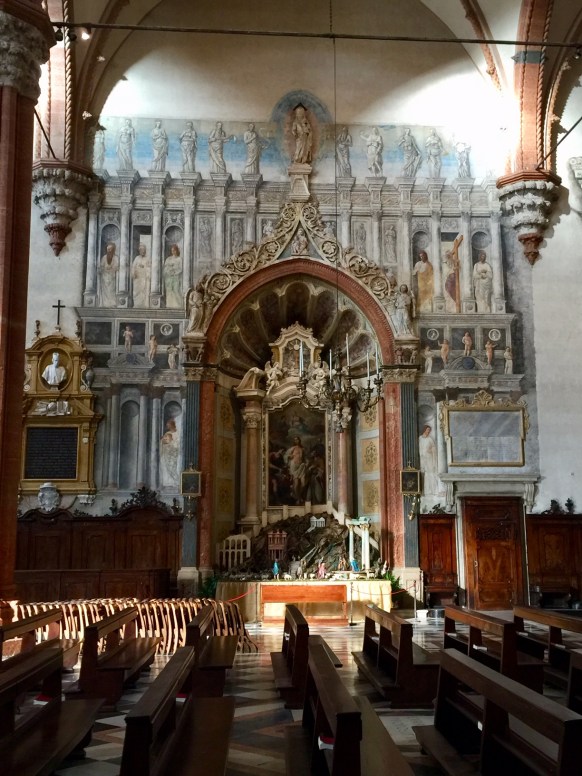
The altar below beckons from across the church.  Such lavish gold, again, I’ve never seen anything quite like this and I’ve seen a lot of altars in my day.  I love that Italy is always surprising me.

IMG_3578

See what I mean below:

IMG_3579


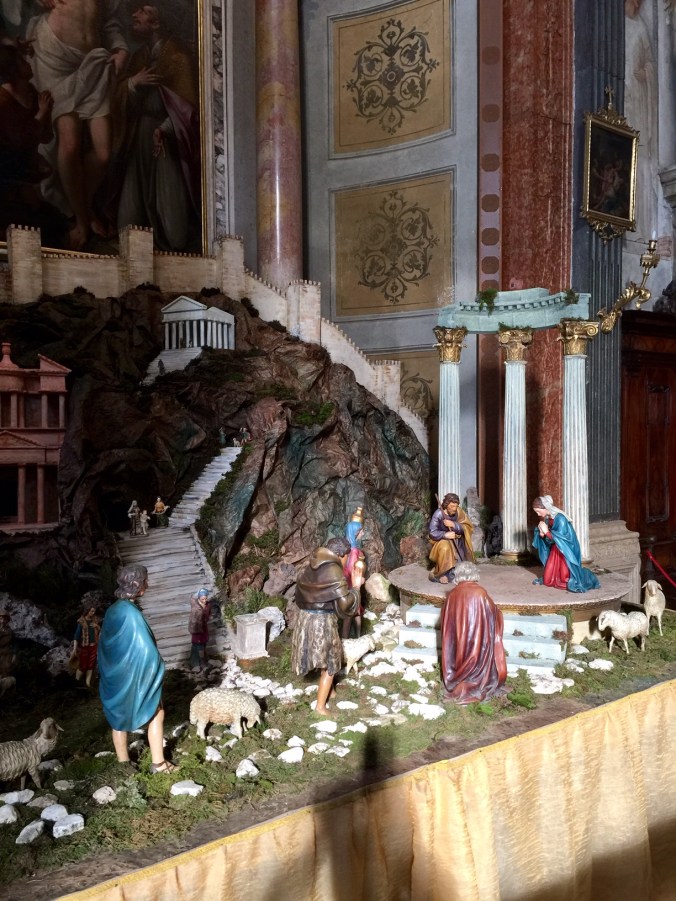
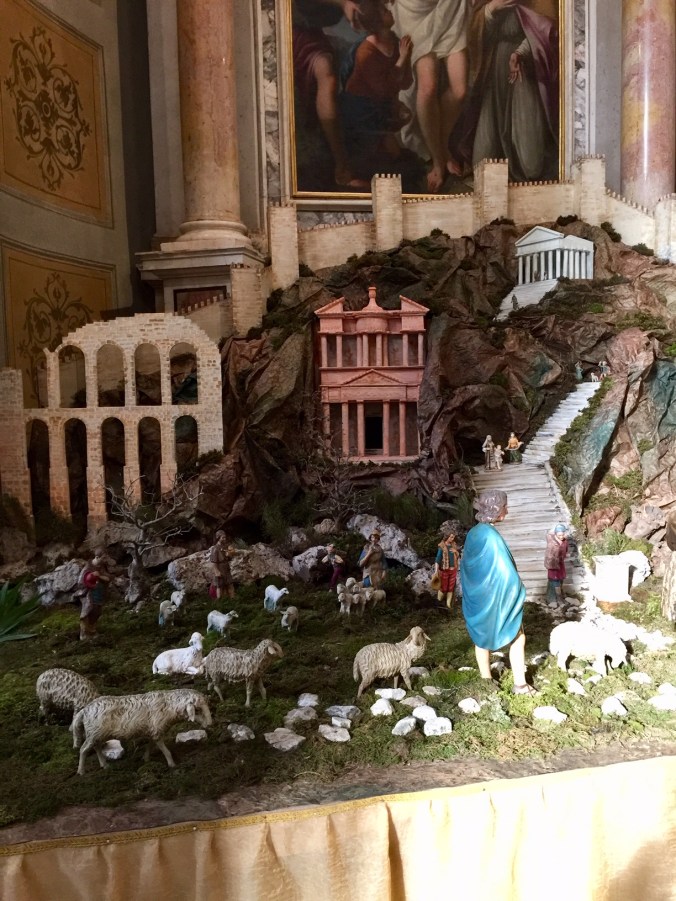
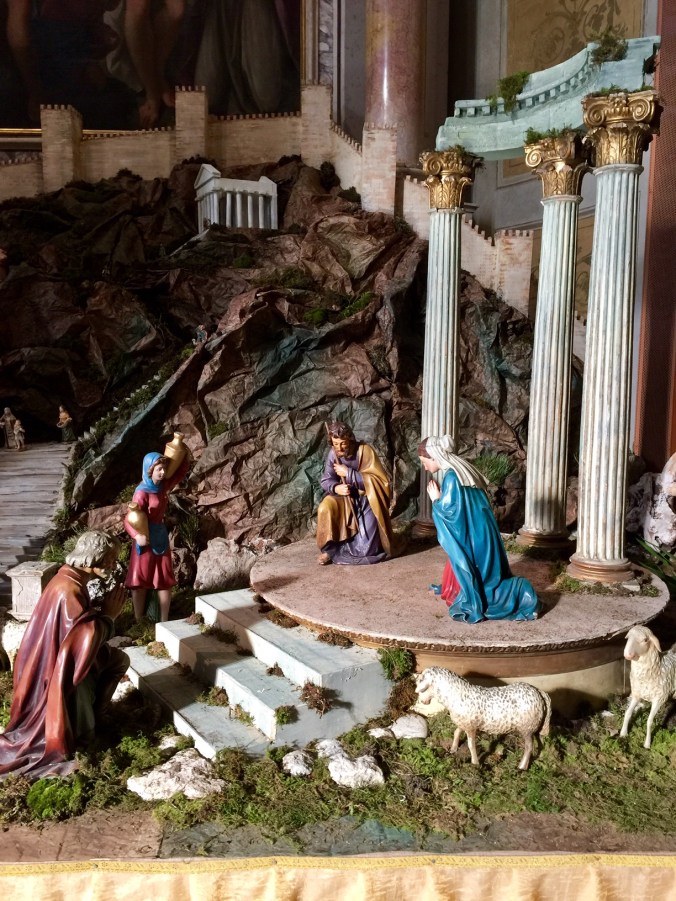
The ubiquitous December creche scene: the figure of the baby Jesus will not appear until midnight of the 25th.

IMG_3580


IMG_3581


IMG_3582


I guess the placard below is for those sinners who don’t remember or know how to confess.

IMG_3583


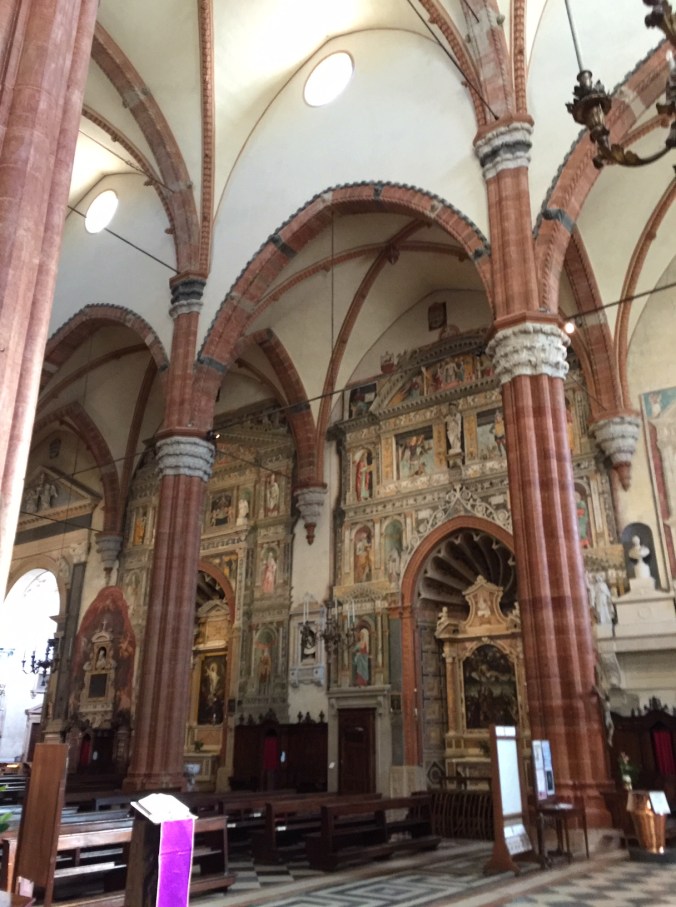
These pictures are from the interior of the duomo in Verona.  It is a beautiful church.  Verona was obviously a wealthy city during the Renaissance and after, as it still is today.

IMG_3584


IMG_3585


IMG_3588


IMG_3589


IMG_3590


IMG_3591


IMG_3592


IMG_3593


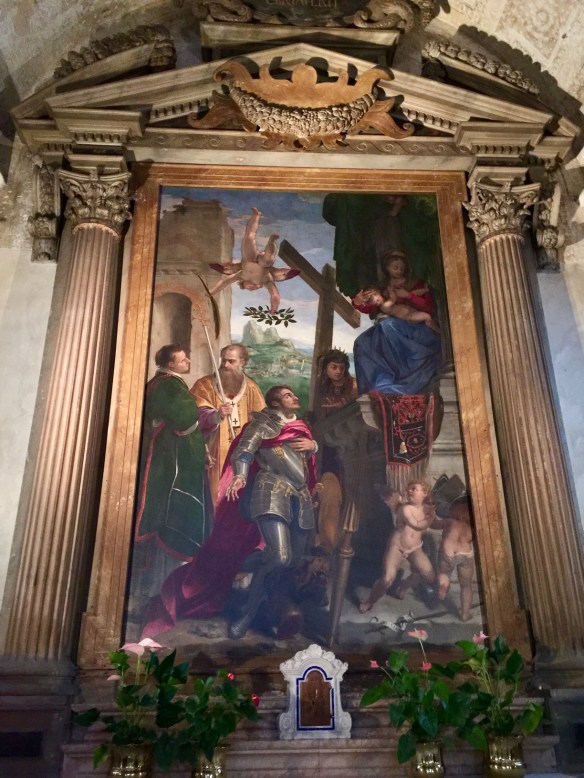
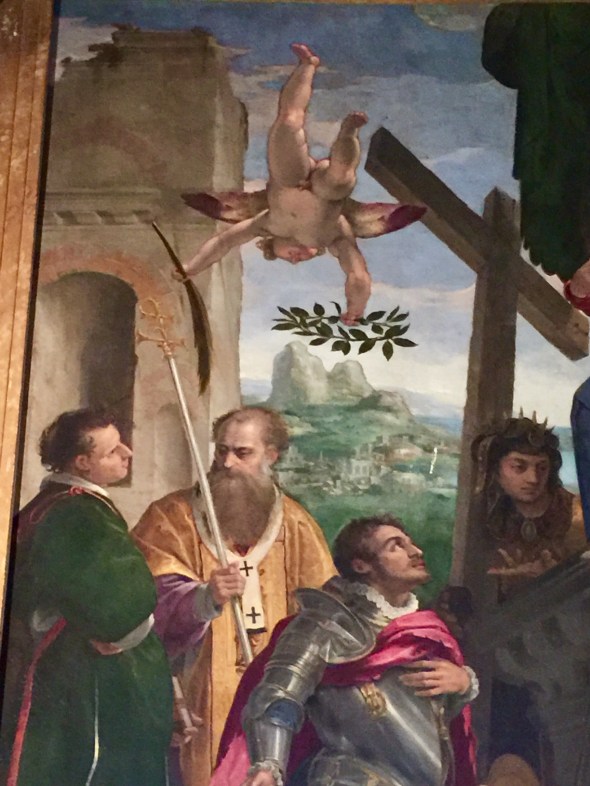
I’ve looked at a lot of paintings in my day, but I’ve never seen such a foreshortened putto flying in from this angle, to crown with laurel the knight in armor.

IMG_3594


IMG_3595


While this sculpted doorway below looks to be monumental, it was actually at my eye level on a wall in the duomo, and measured about 12 inches tall.

IMG_3596


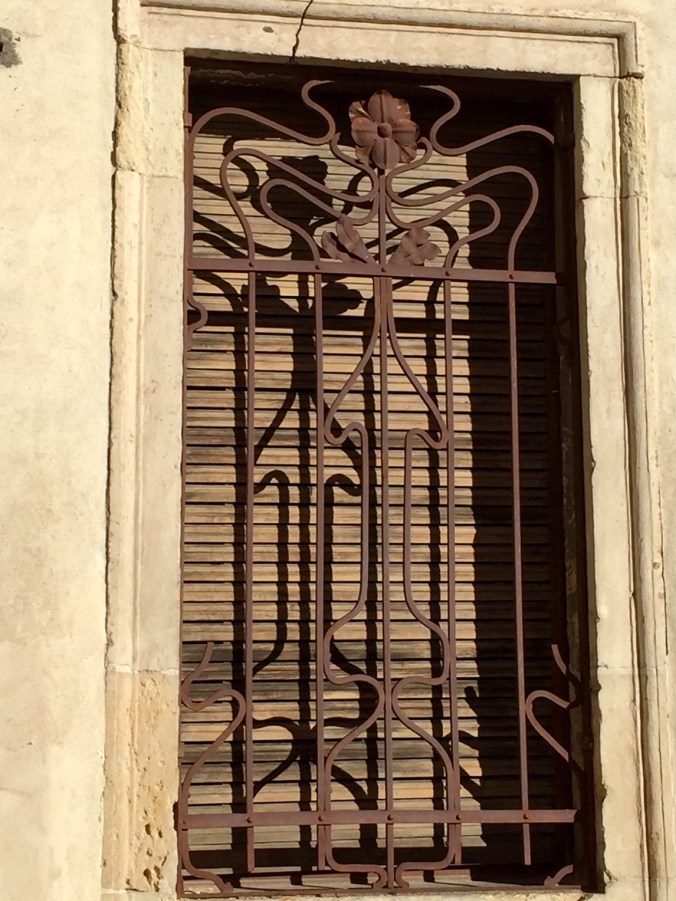
Back out in the lovely streets of Verona, I admired this art nouveau wrought iron in a window.  It’s unusual for Italy and I love it.

IMG_3597


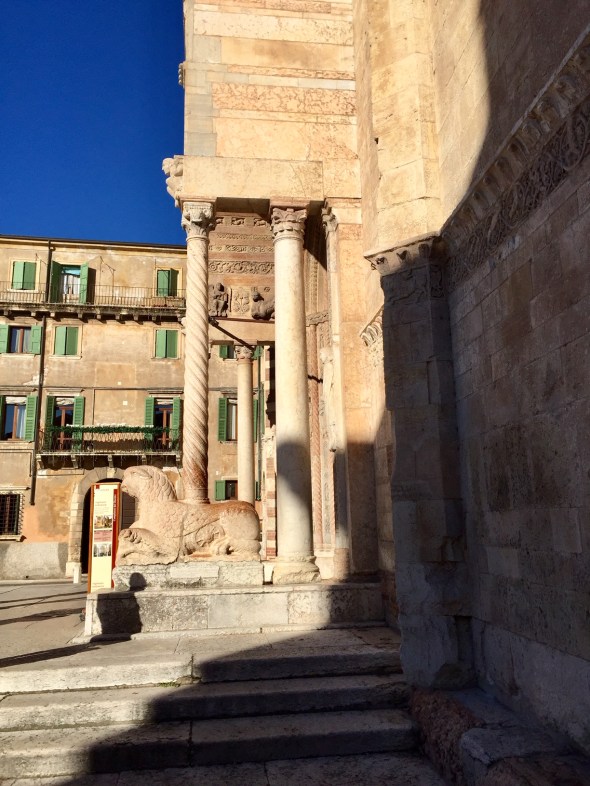
Below is the gorgeous facade of the duomo.

IMG_3598


IMG_3599


IMG_3600


IMG_3604


There are Roman ruins on the hillsides in Verona.  I took this picture to remind me of this new (to me) fact: I want to go back and see more of the town.

IMG_3607


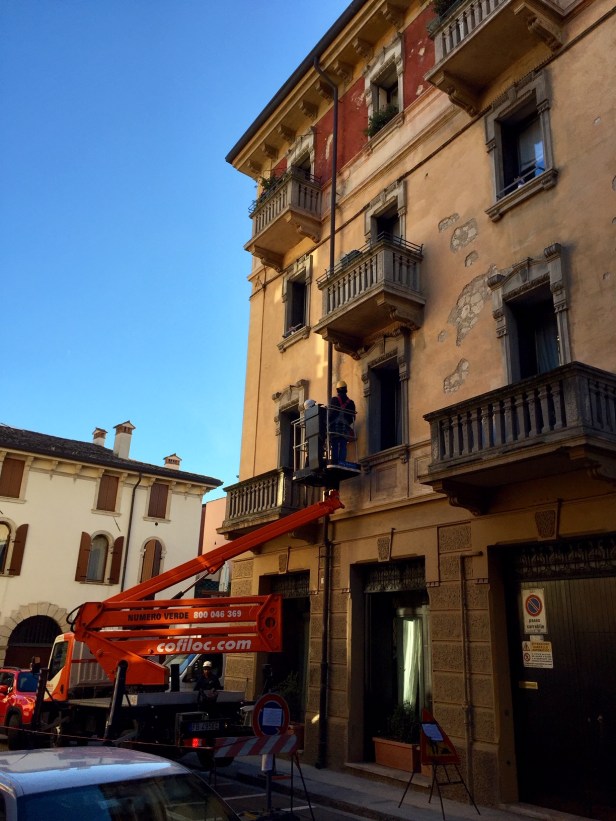
The facade below is getting some TLC.

IMG_3608


IMG_3609


IMG_3610


IMG_3611


IMG_3612


IMG_3615


IMG_3616


IMG_3617


IMG_3618


IMG_3619


Walking along on the sidewalk along a wall, there are death notices posted.  I find these fascinating.


IMG_3700


IMG_3702


IMG_3705


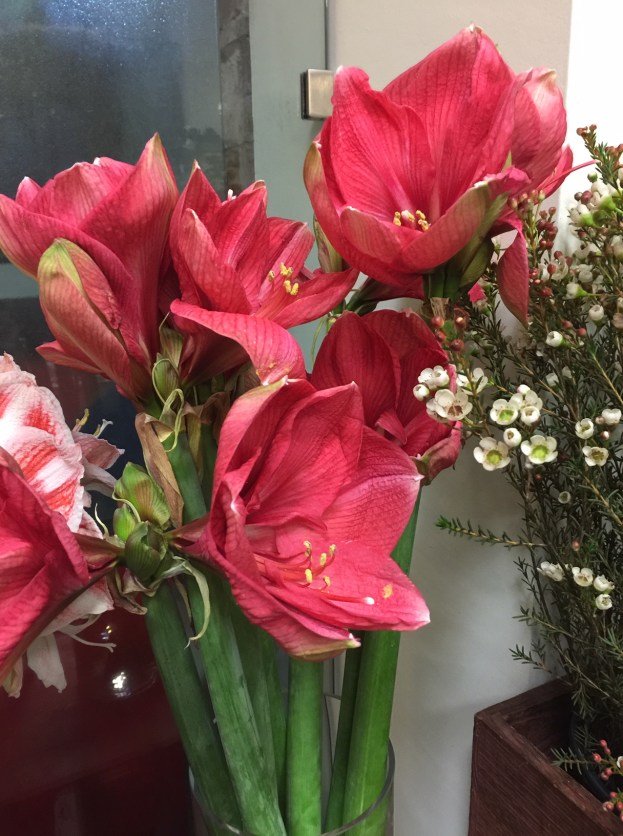
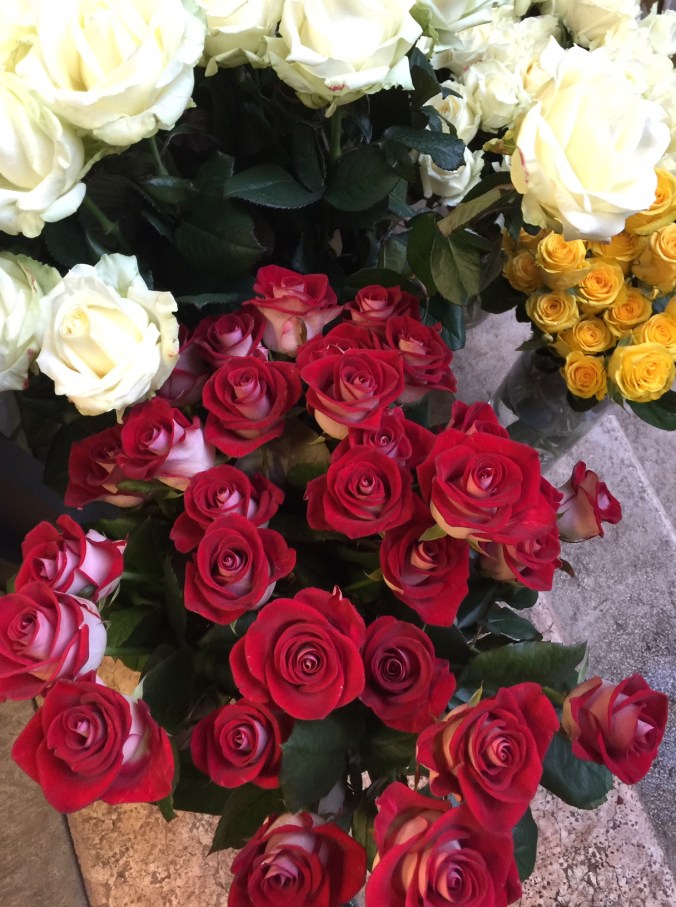
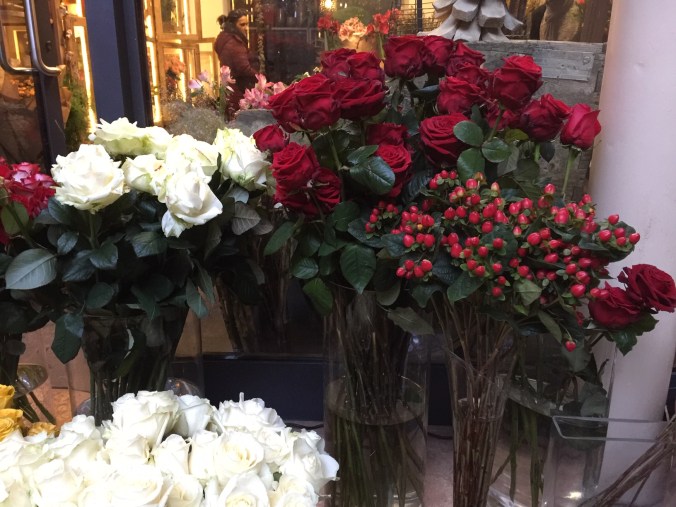
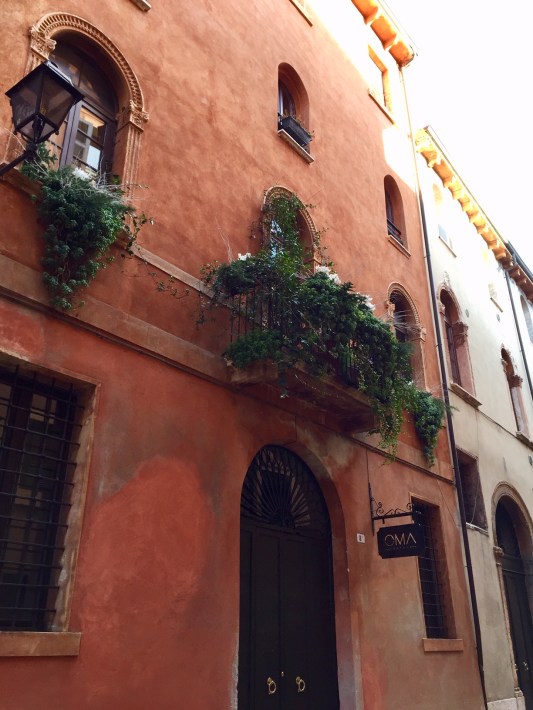
Flower shops are magnets to me:
 

IMG_3707


IMG_3713


IMG_3714


IMG_3715


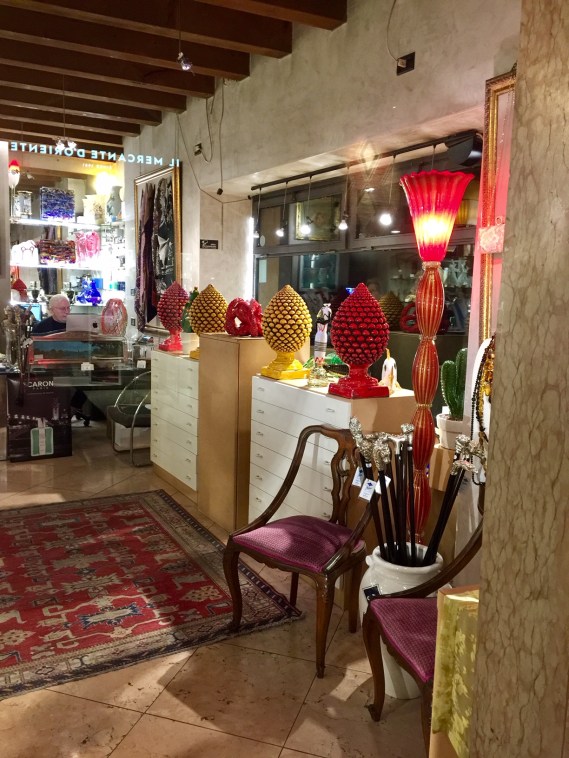
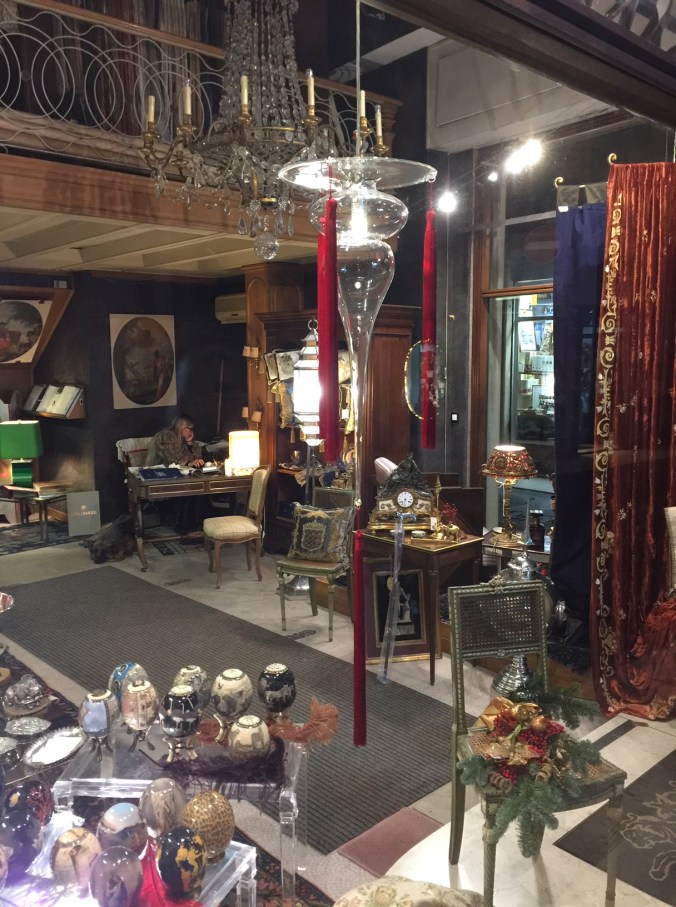
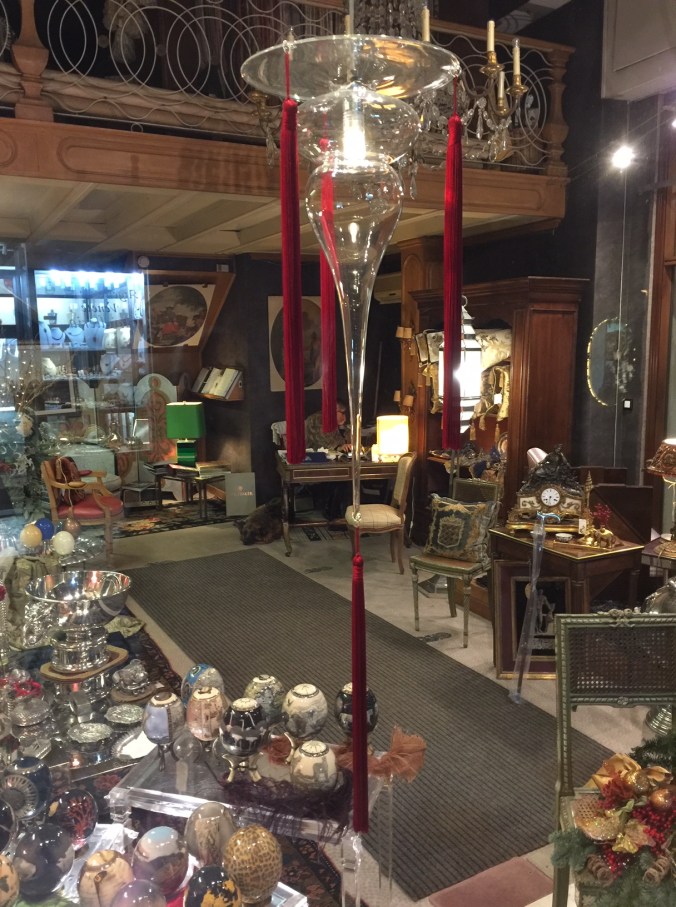
I am obsessed with this crystal lamp with the red tassels.  Obsessed.

IMG_3716


Obsessed I tell you!

IMG_3717


Finally, the end.  A shout out to my girl, Jenny, for being an awesome traveling companion.  More to come, I am sure!

Oh, and p.s., I have a few more Verona posts coming, including Giardino Giusti.  Watch this space!


The Bridal Chamber frescoes, Andrea Mantegna


fullsizeoutput_75b

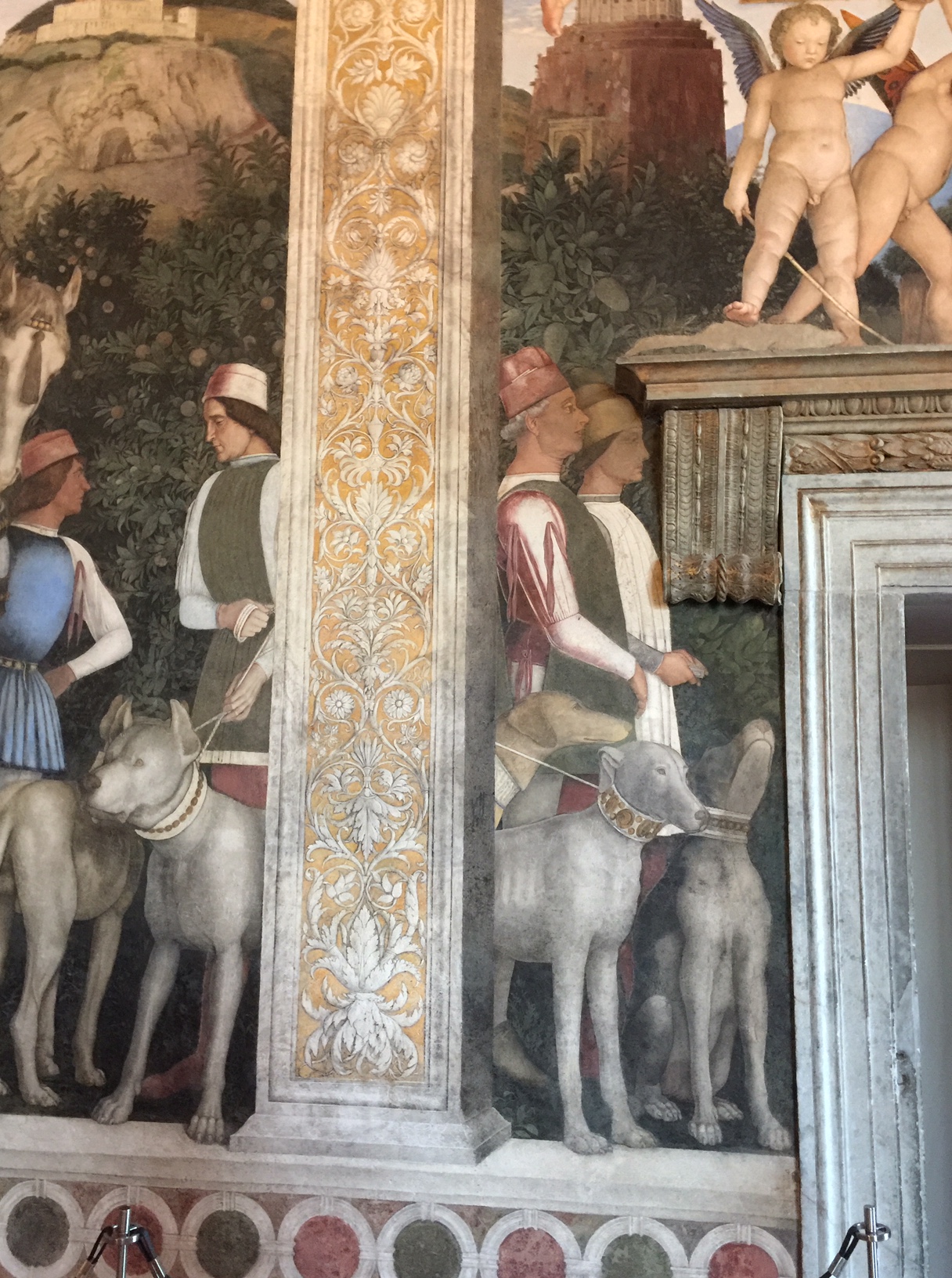
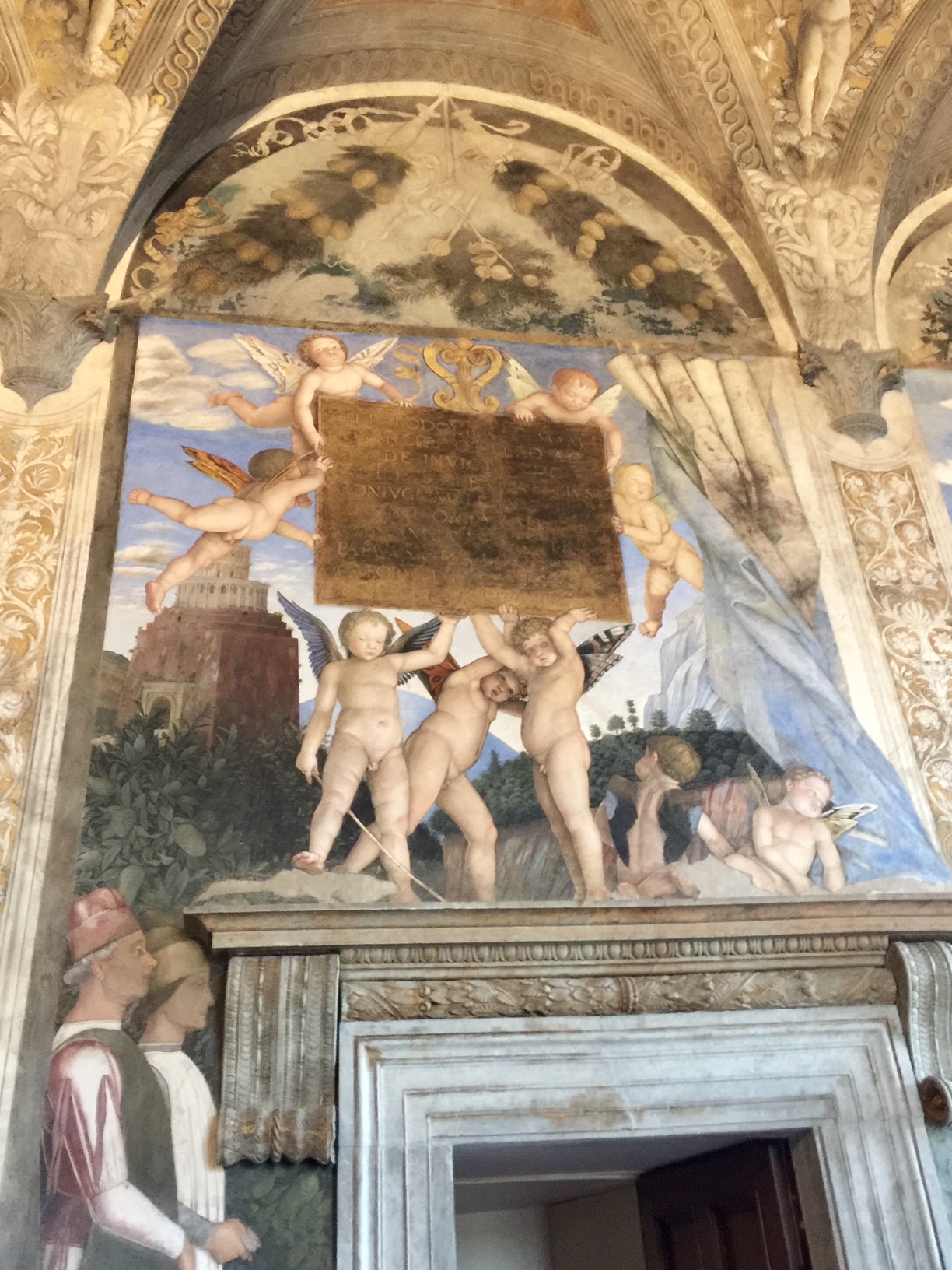
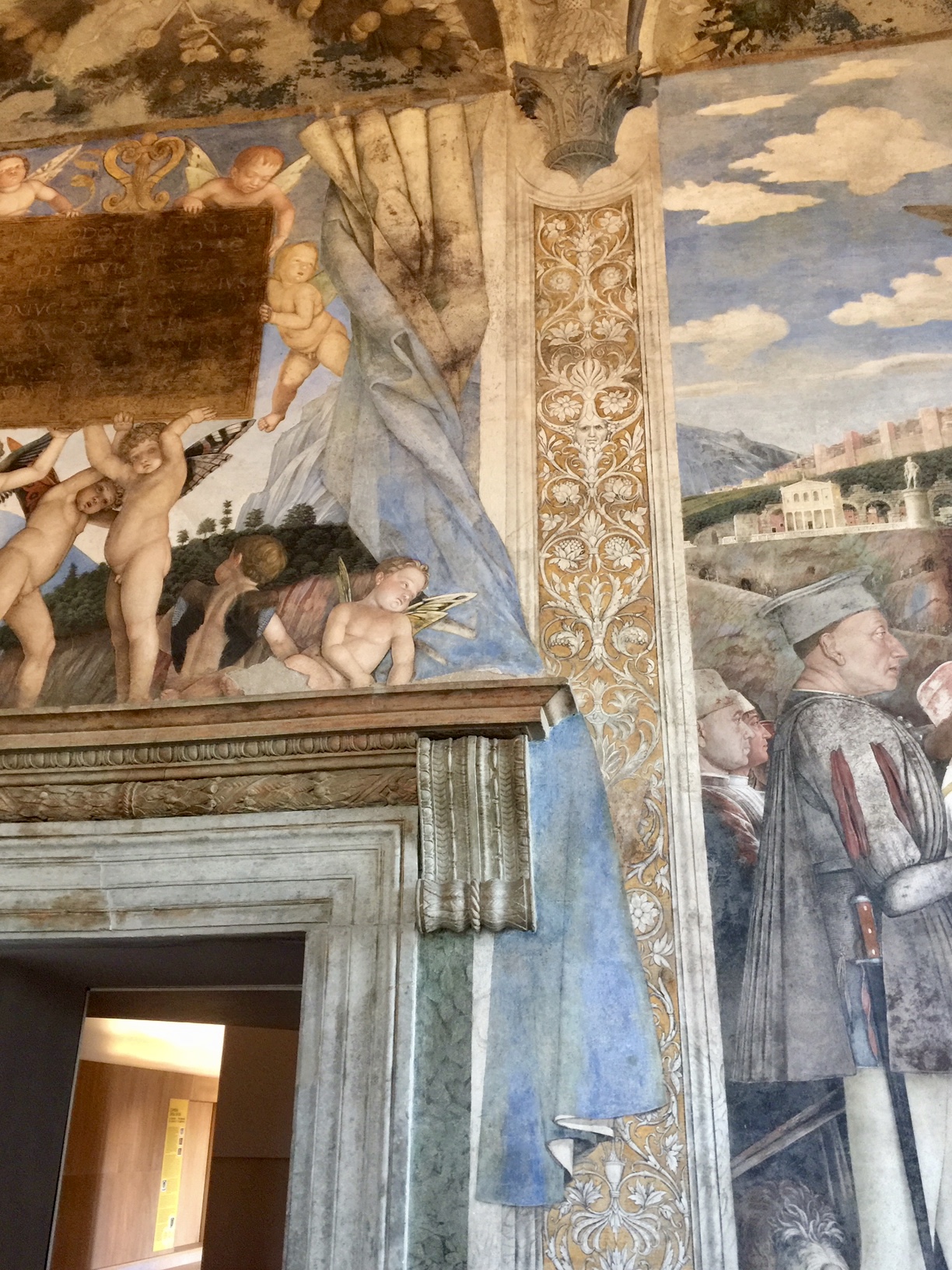
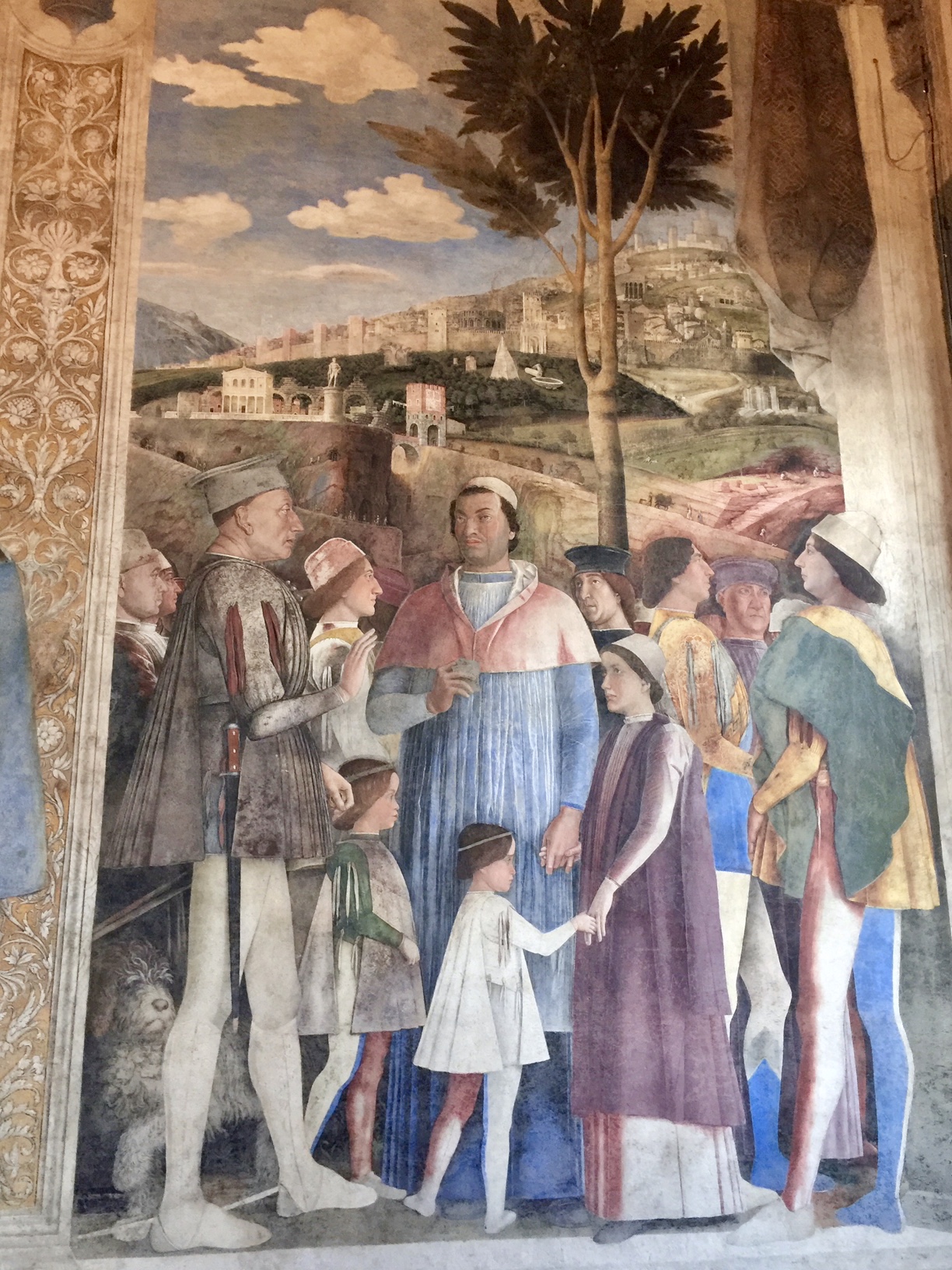
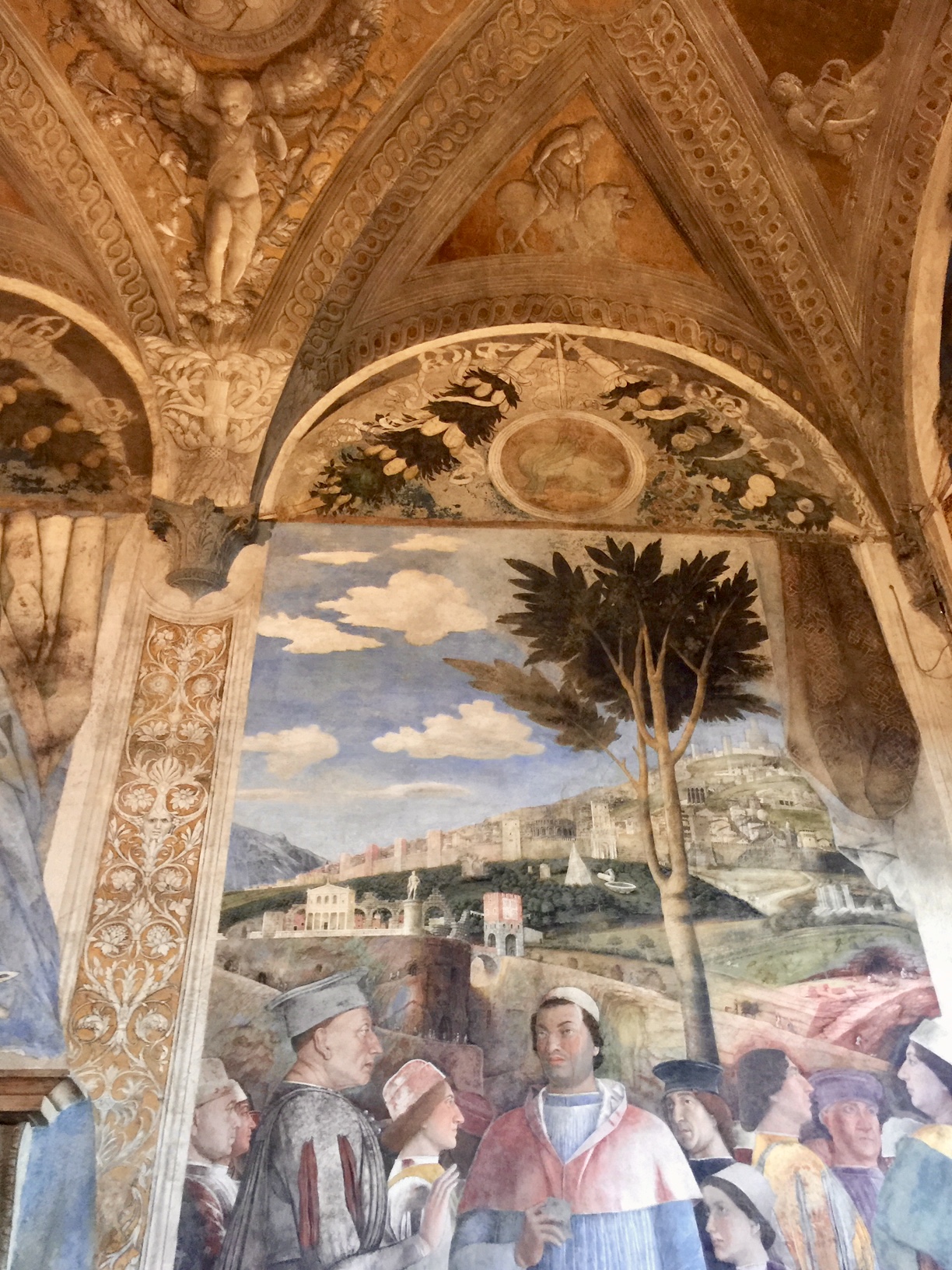
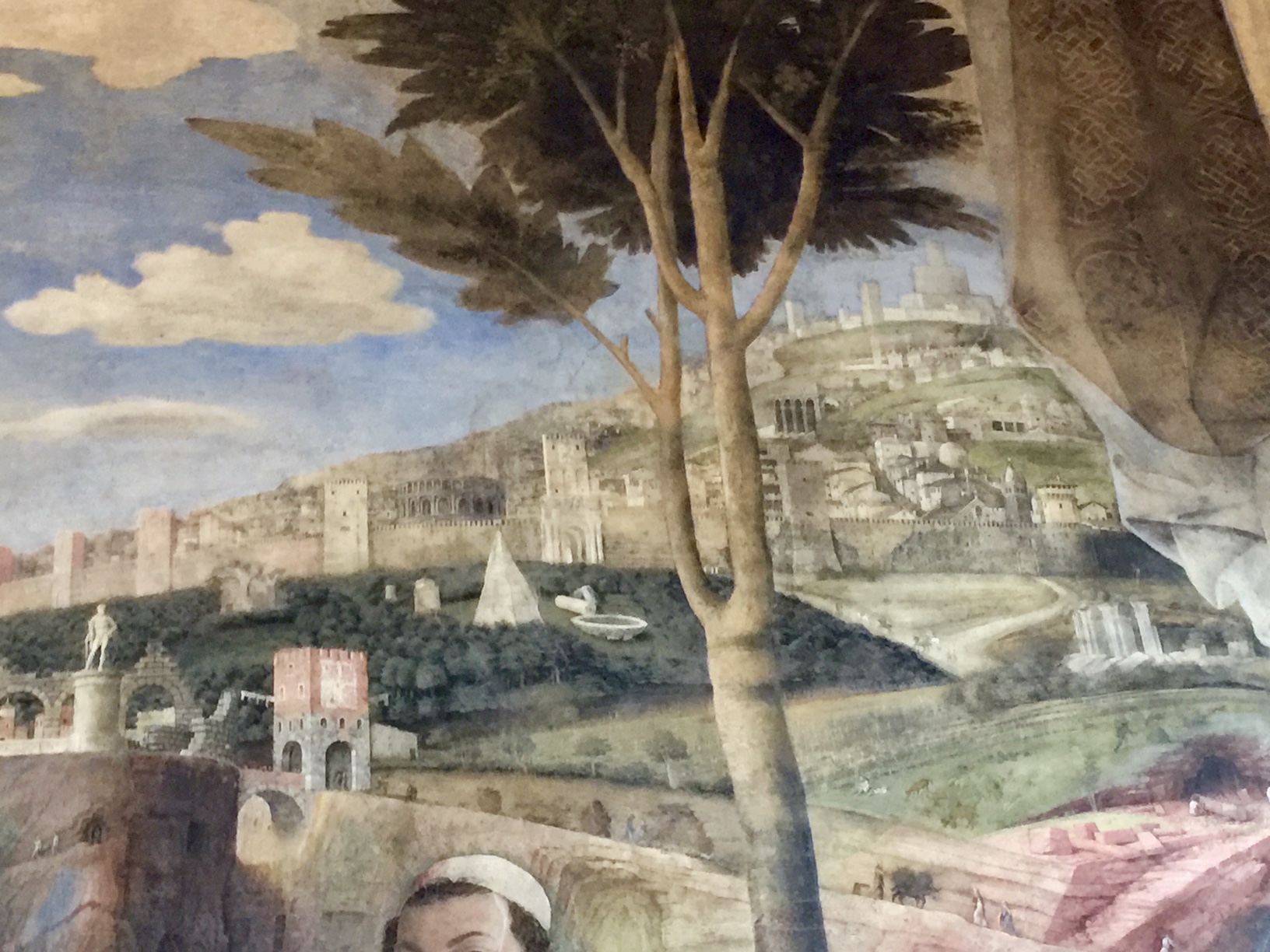
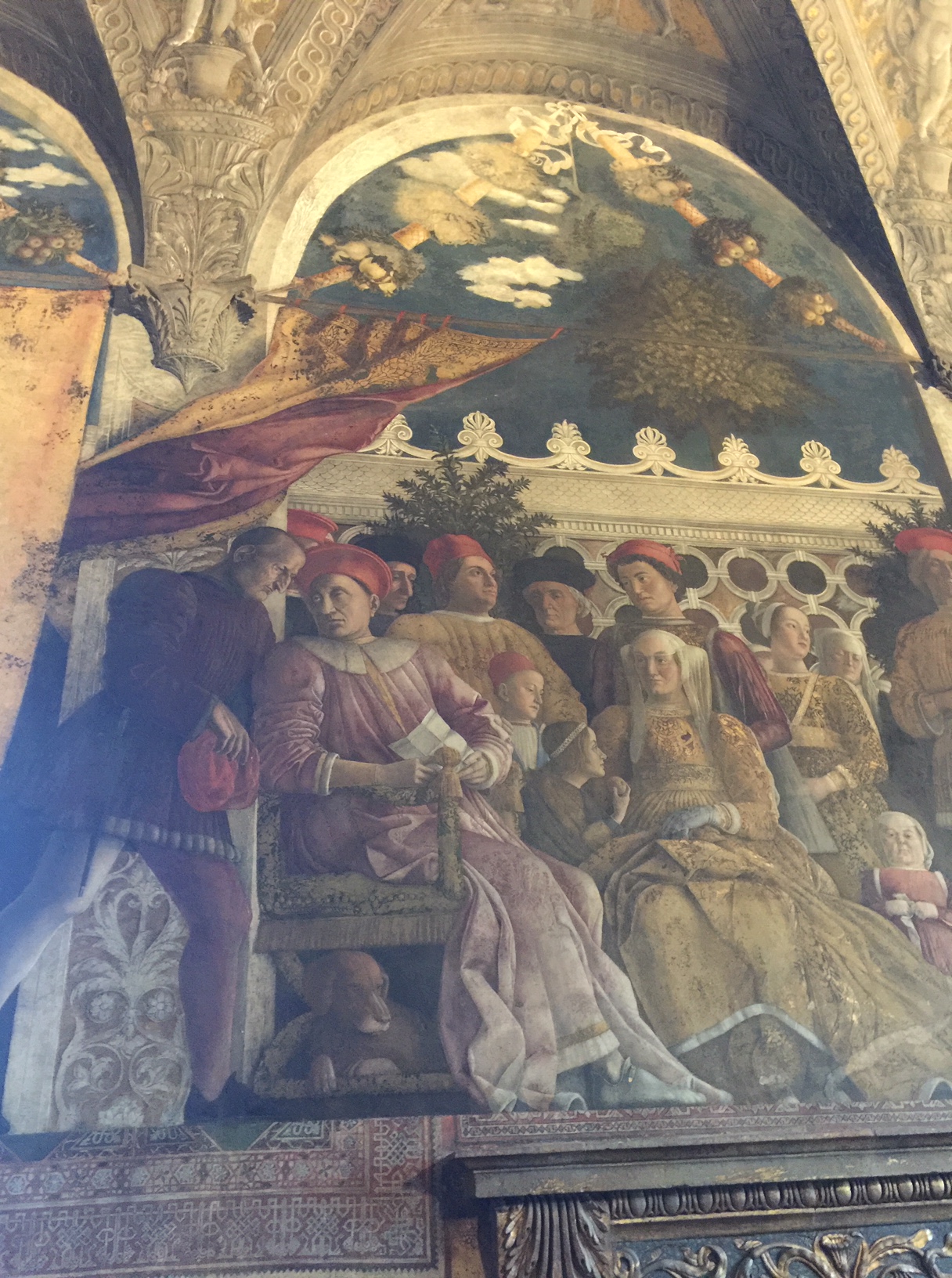
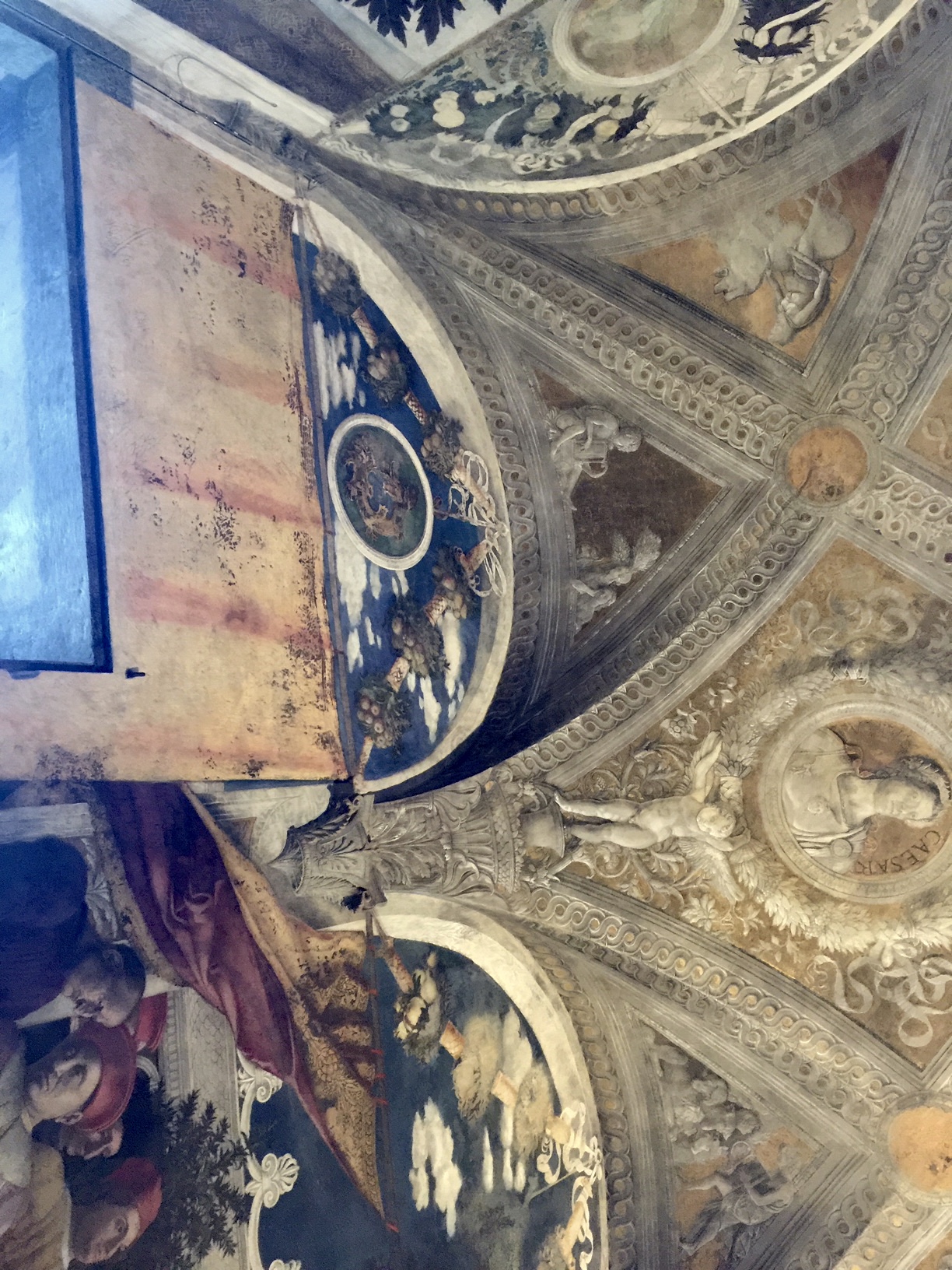
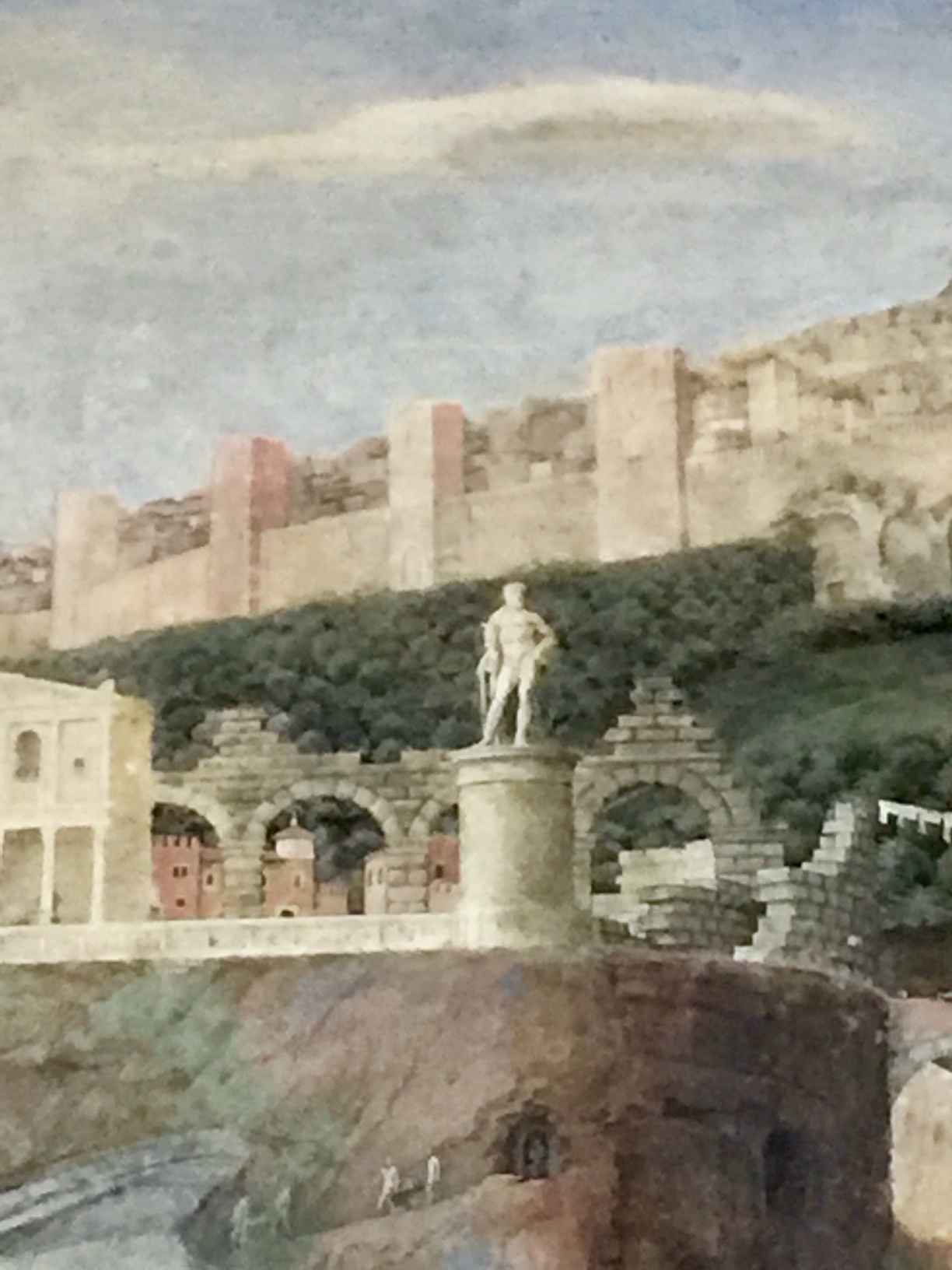
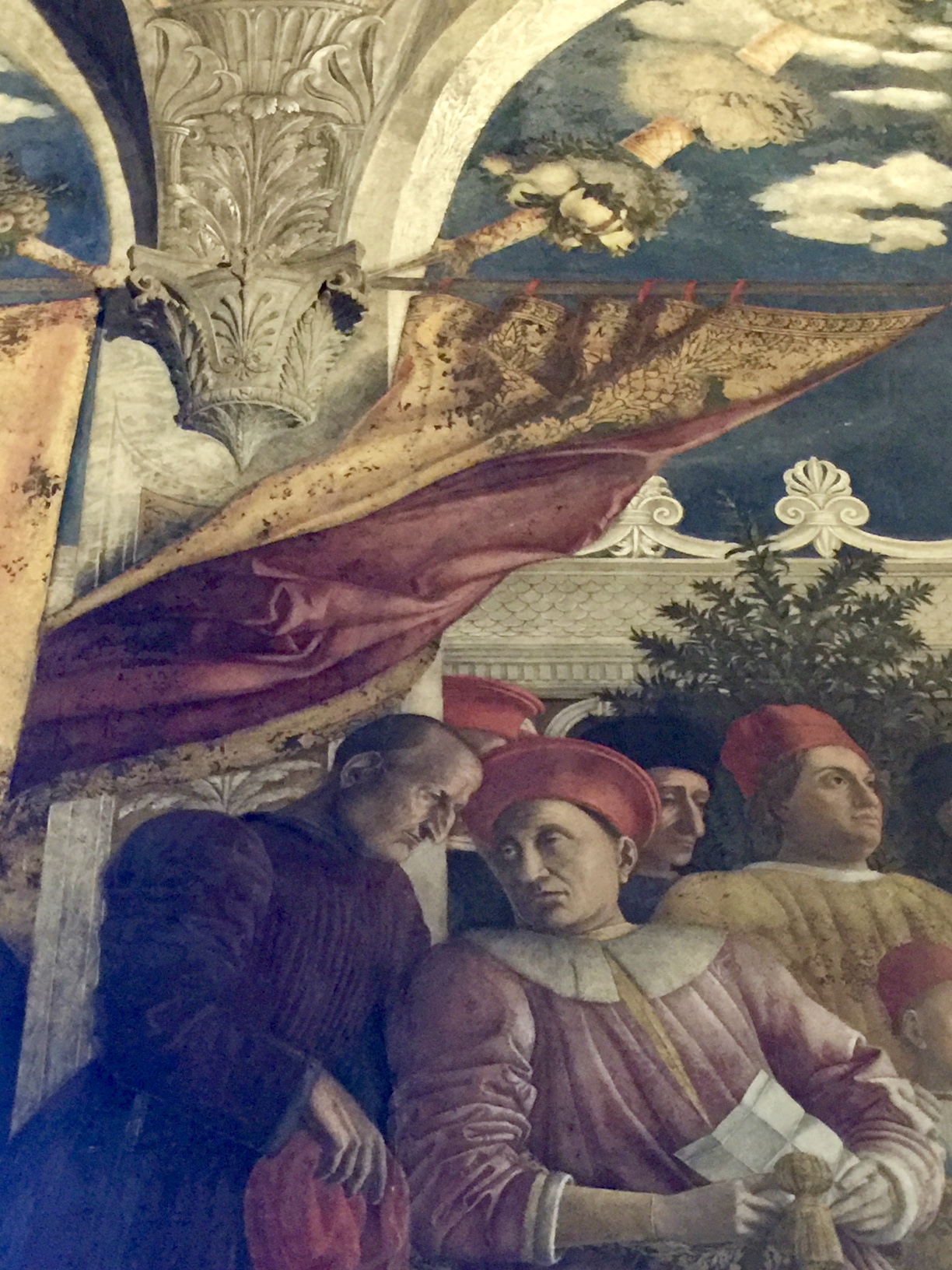
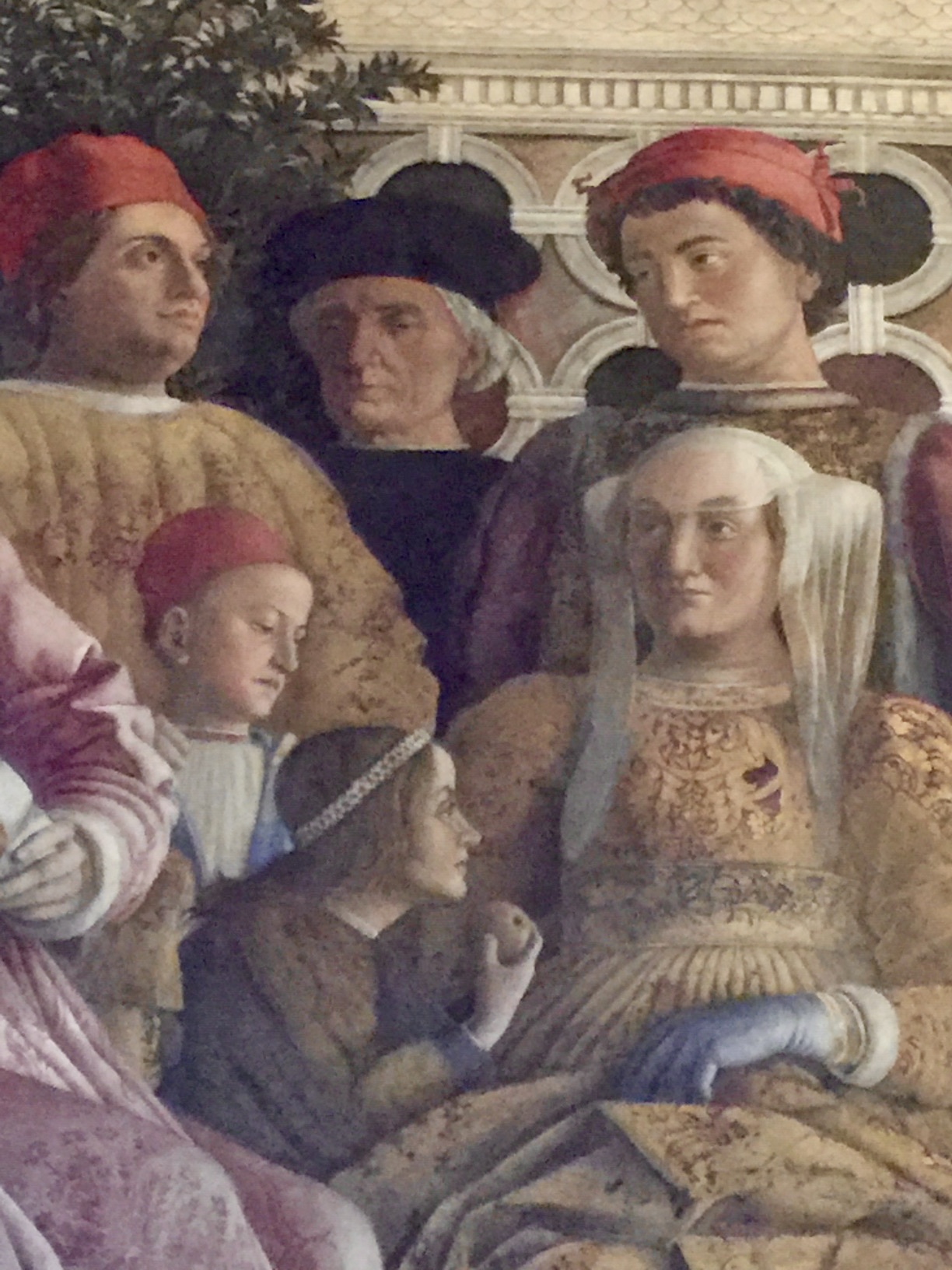
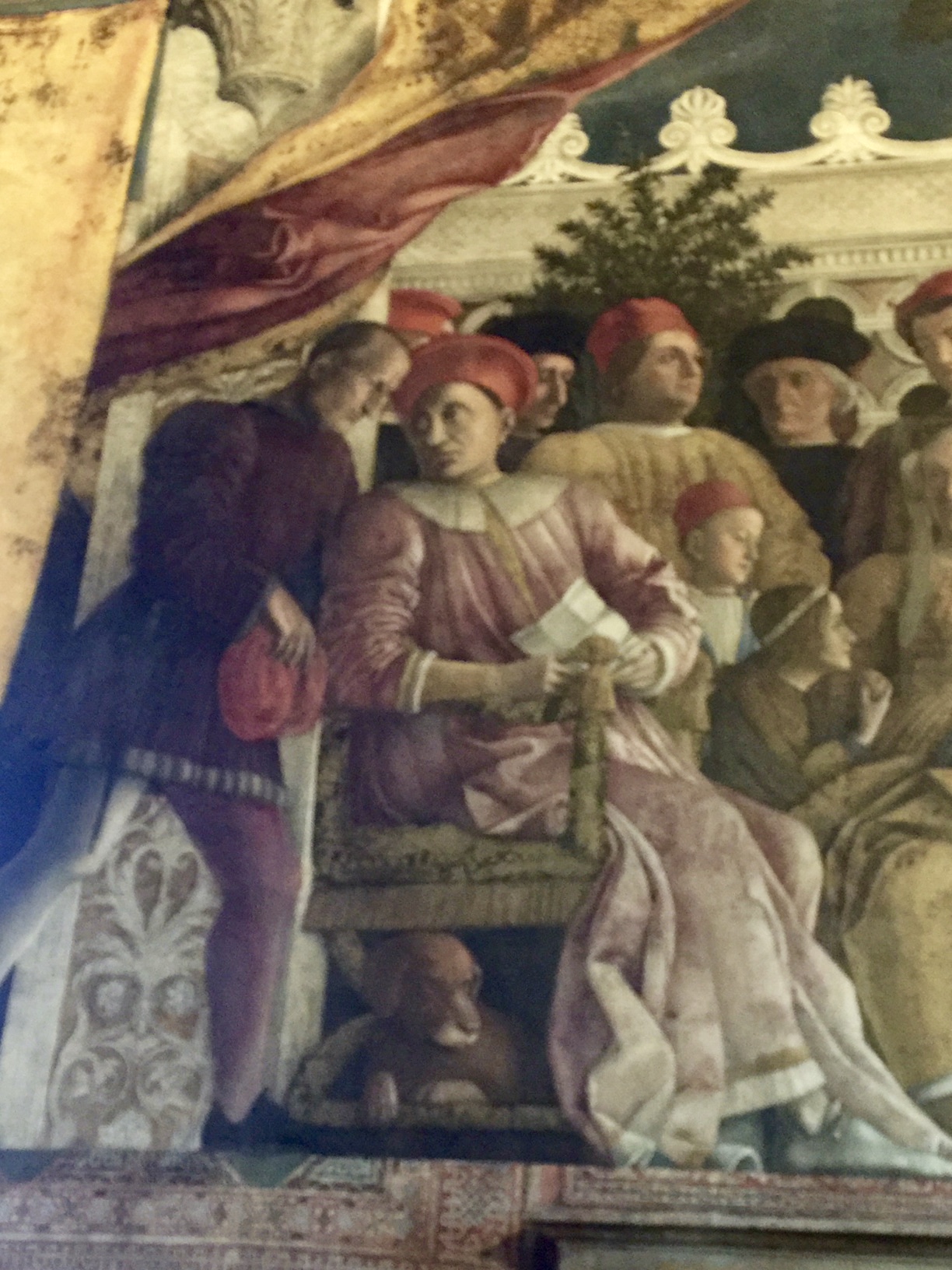
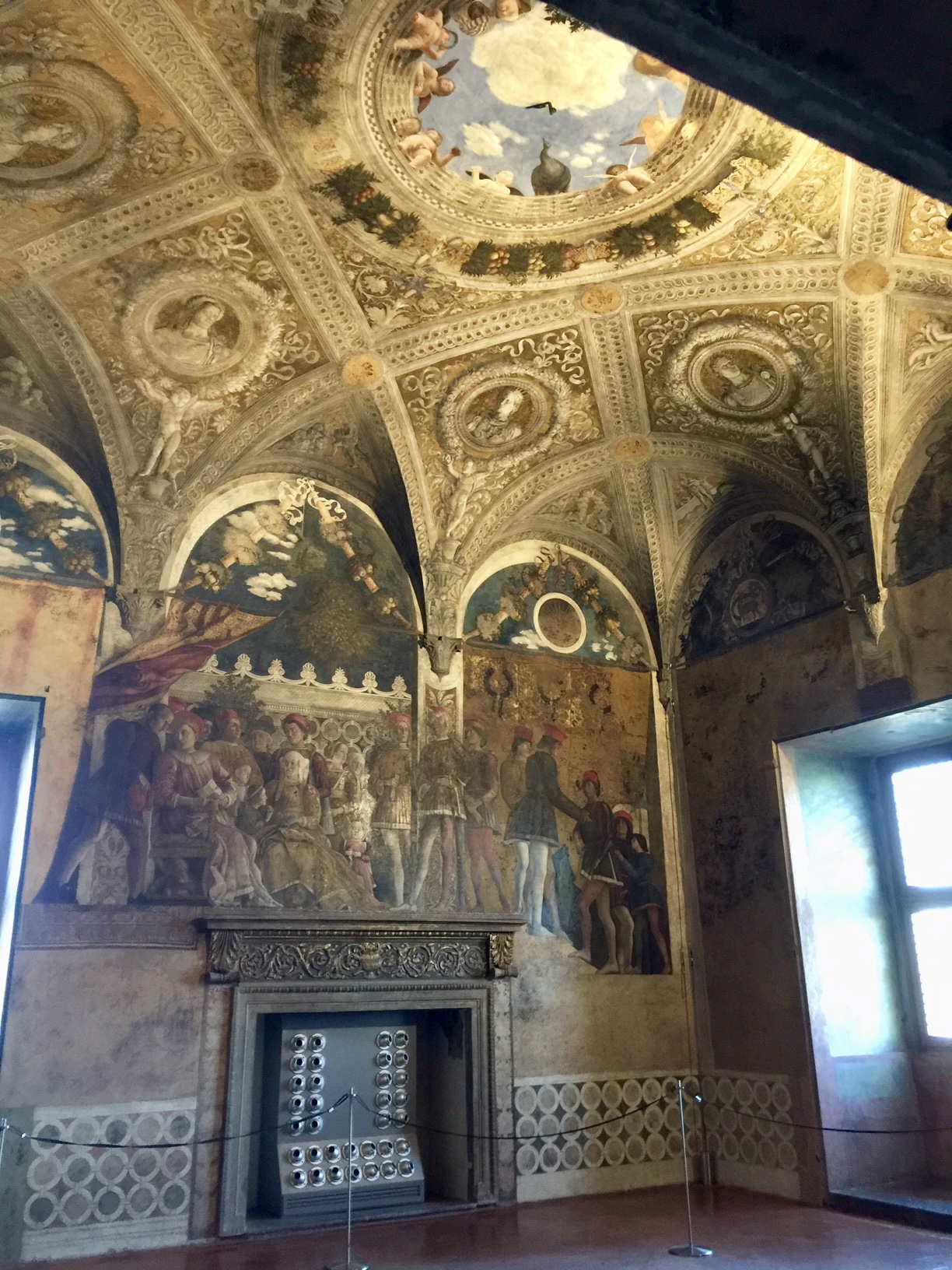
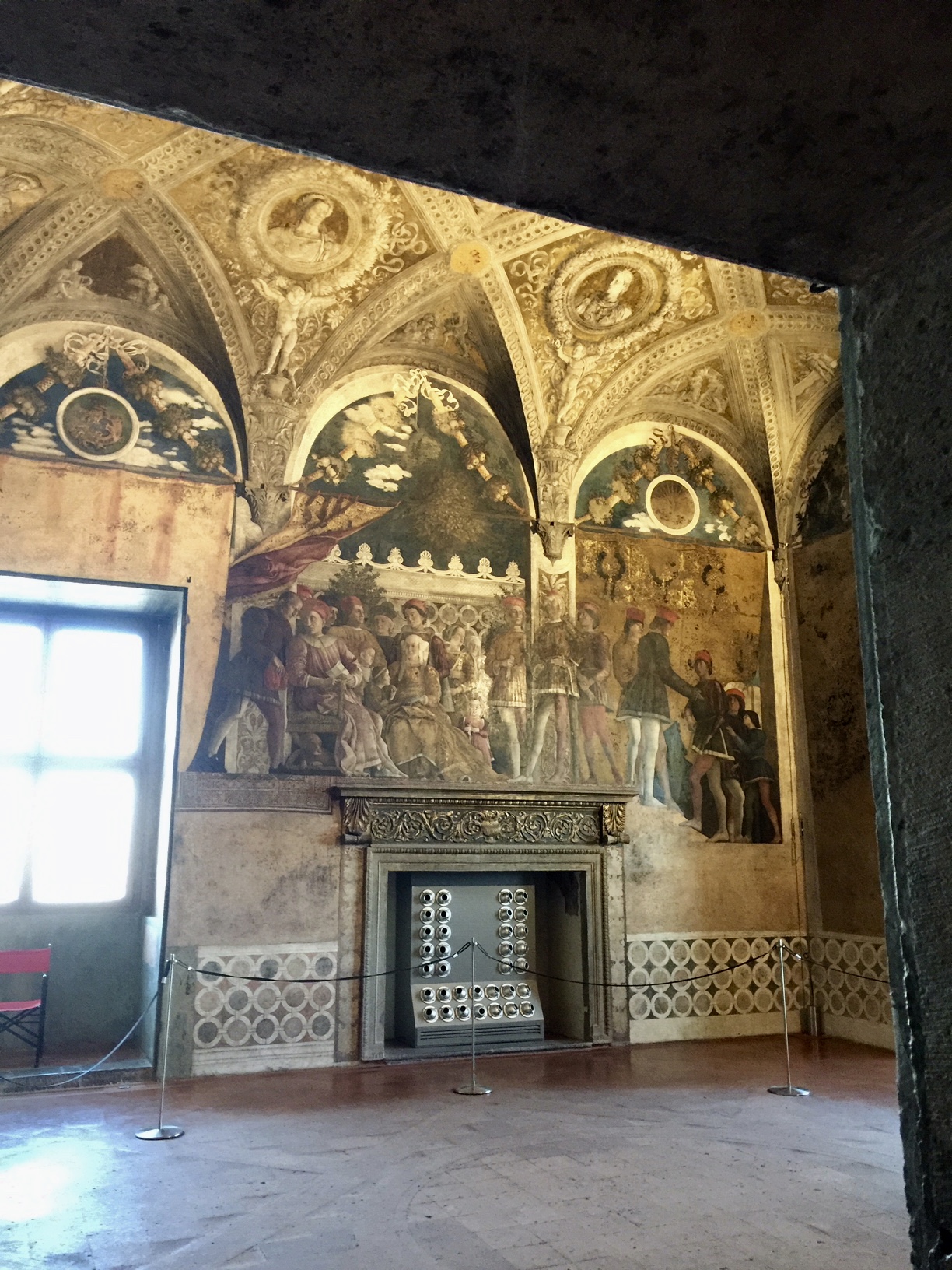
One of the two most enchanting places I have ever been is in the Bridal Chamber of the Palazzo Ducale in Mantua, Lombardy, Italy.  I won’t share my other top most favorite place here, but I will tell you it is a Renaissance room of about the same size somewhere in Tuscany and was painted by Benozzo Gozzoli.  

But recently in Mantua, I found Andrea Mantegna’s Cameral degli Sposi, and I fell in love. Again. I knew it would happen.

It was December and I was alone in this beautiful chamber, with time to study the details to my heart’s content.  I took about a million photos and I am sharing them here. 

Let’s start with a video:


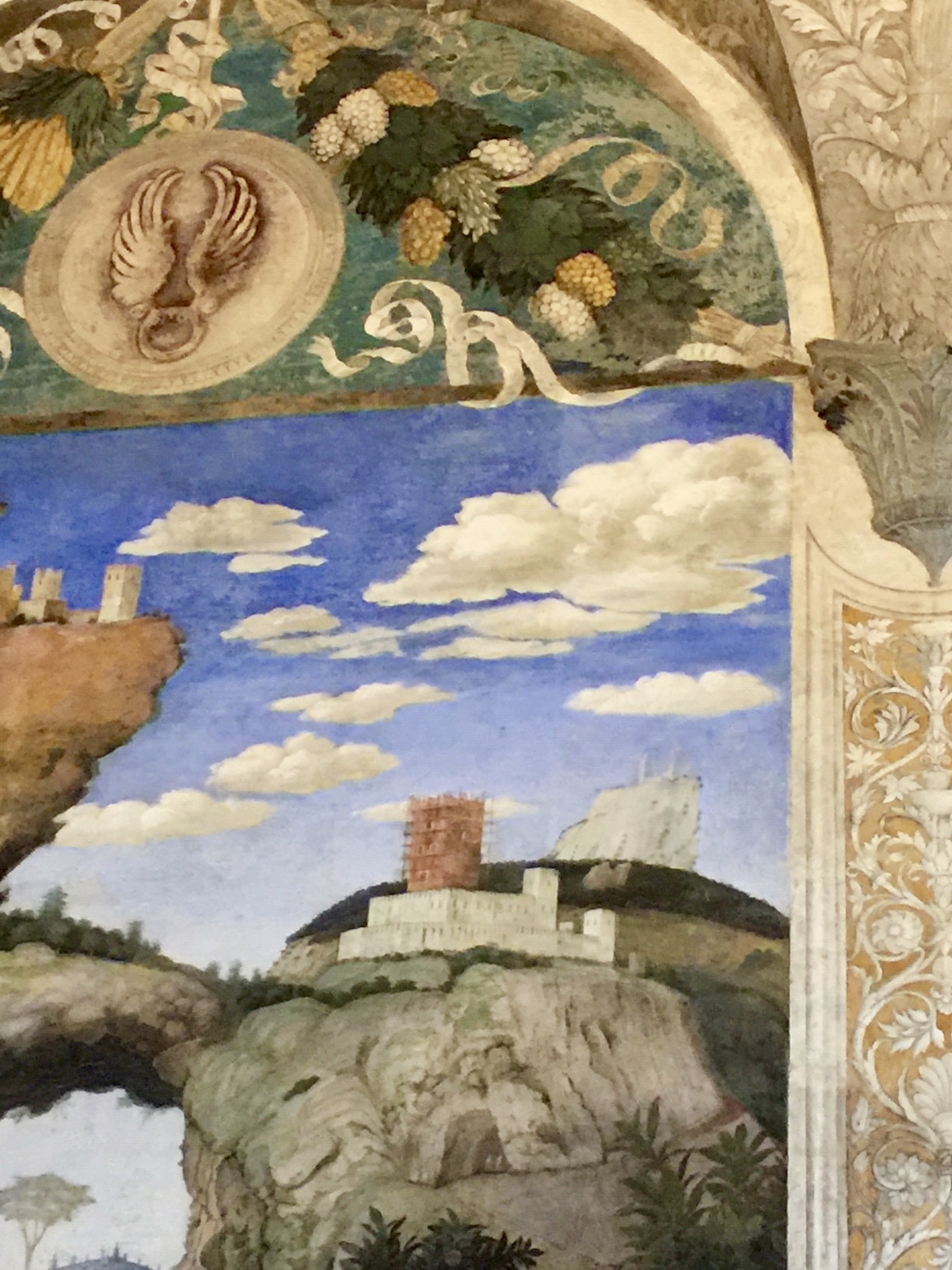
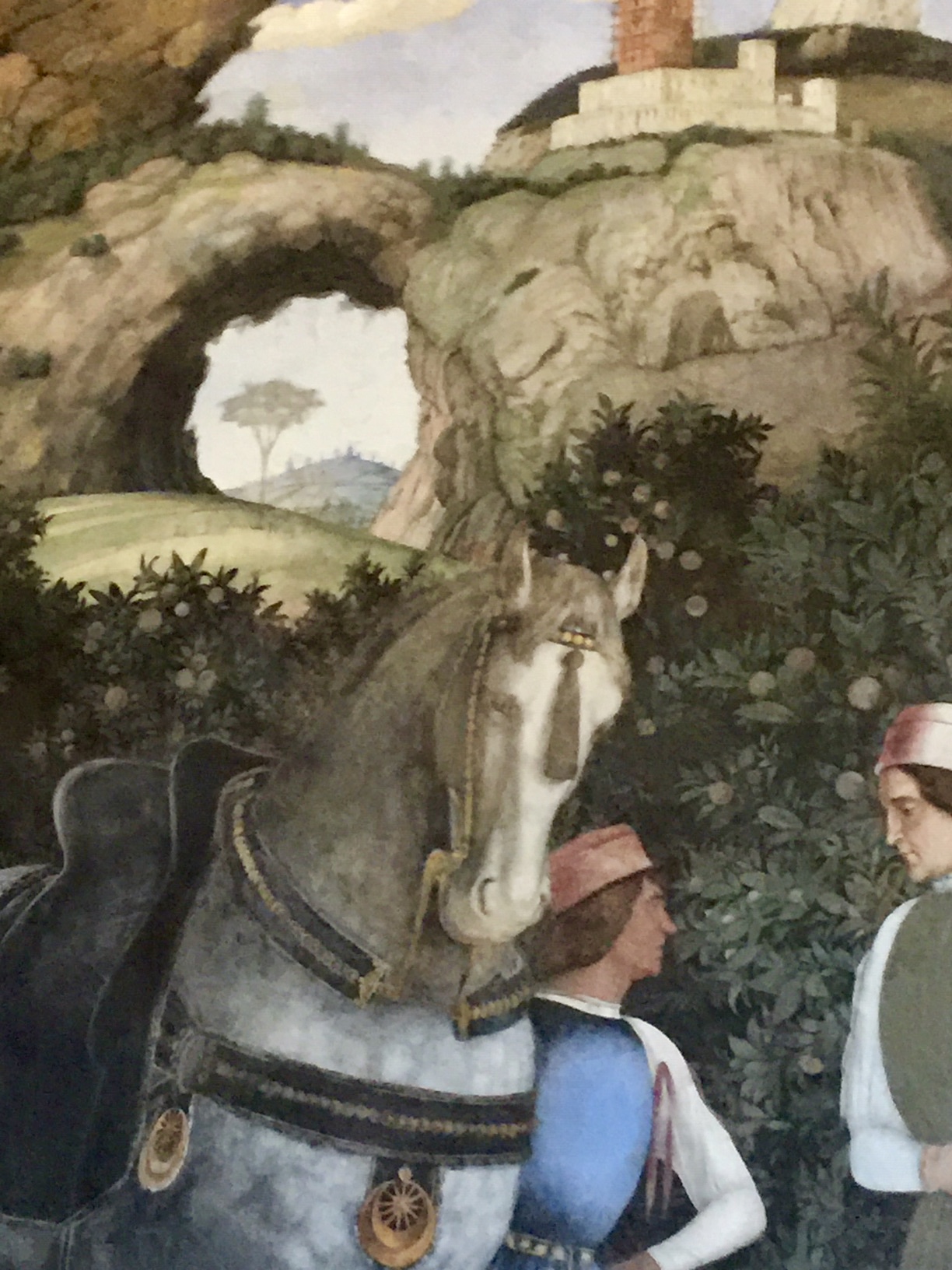
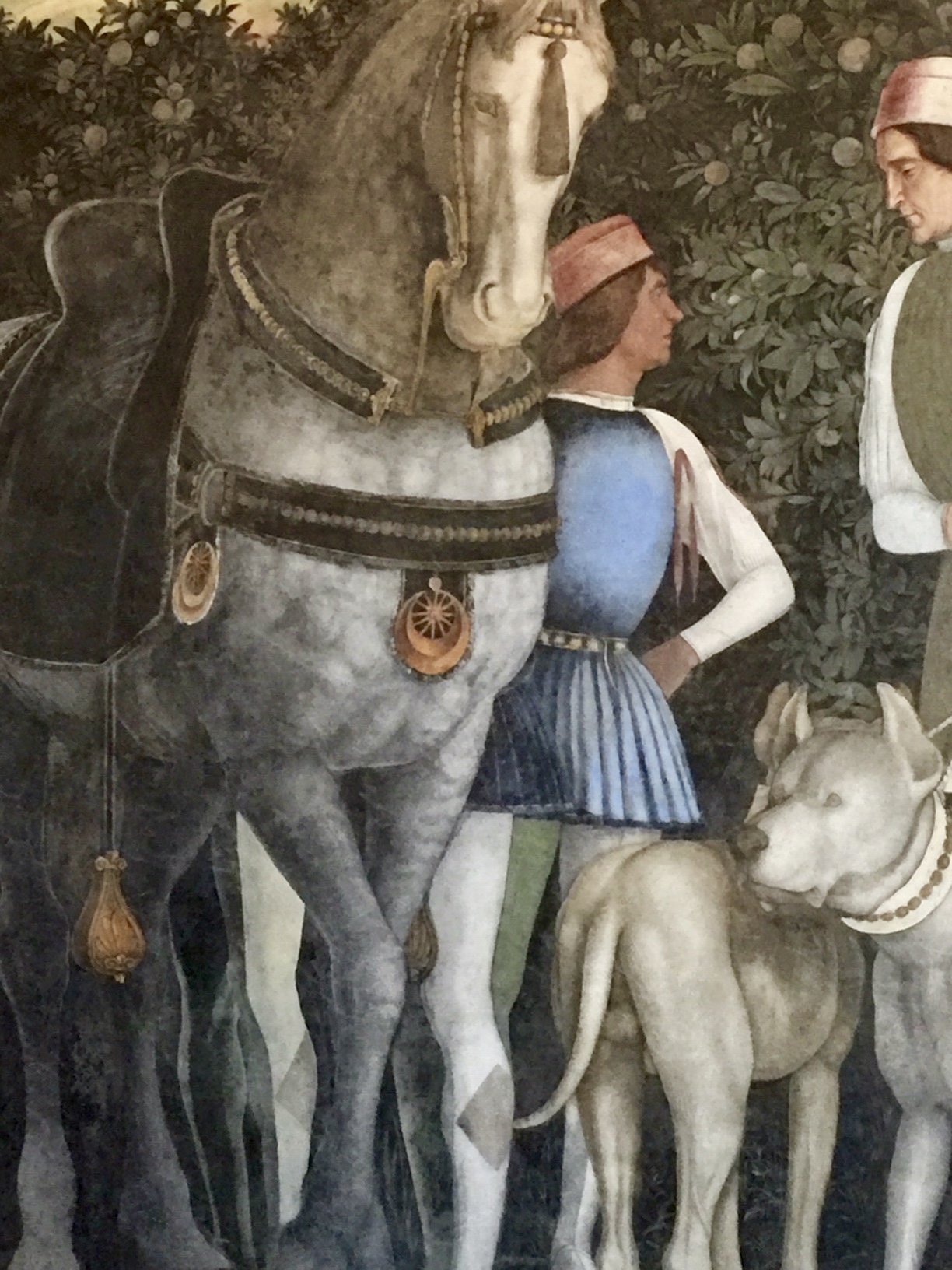
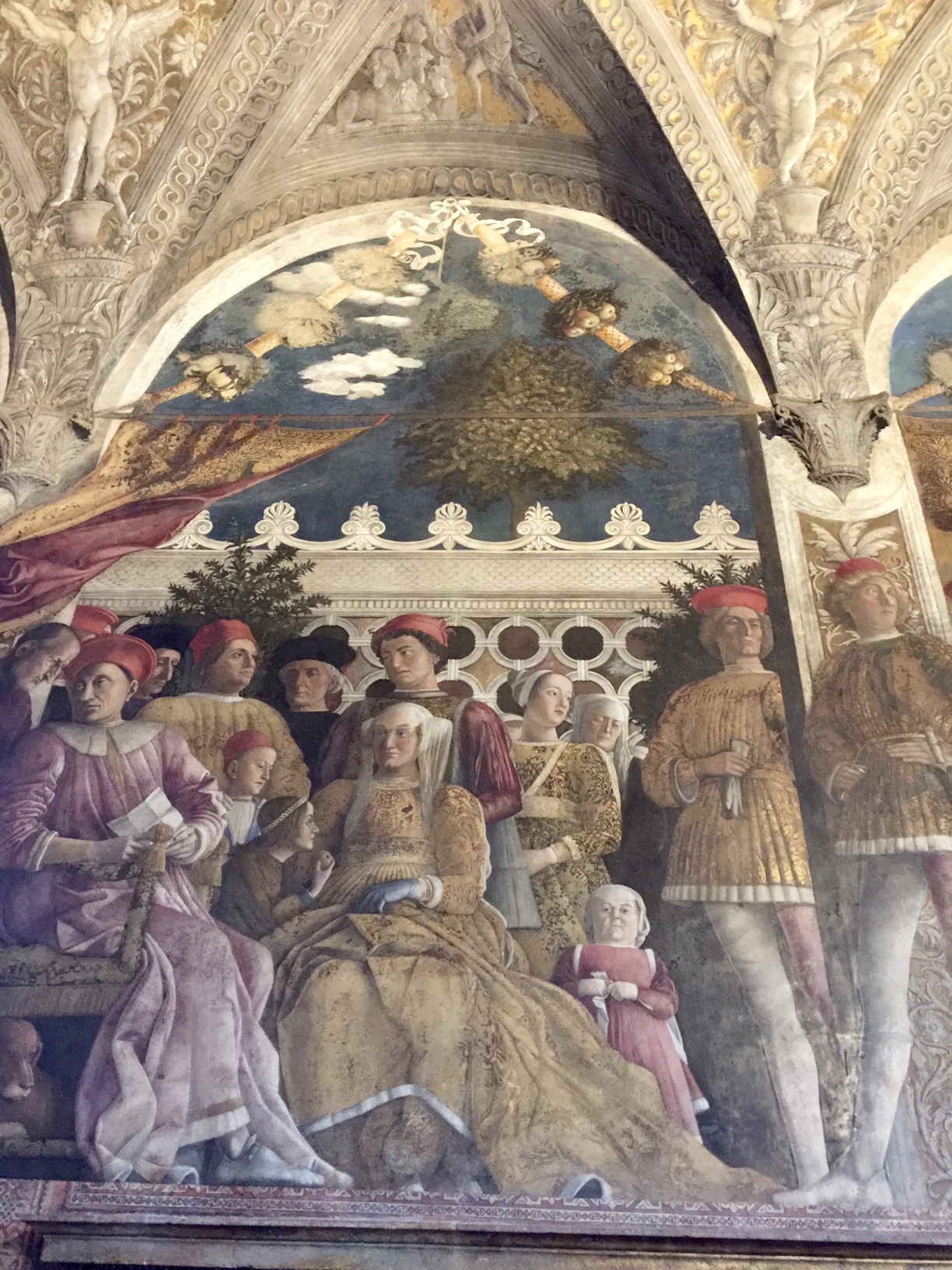
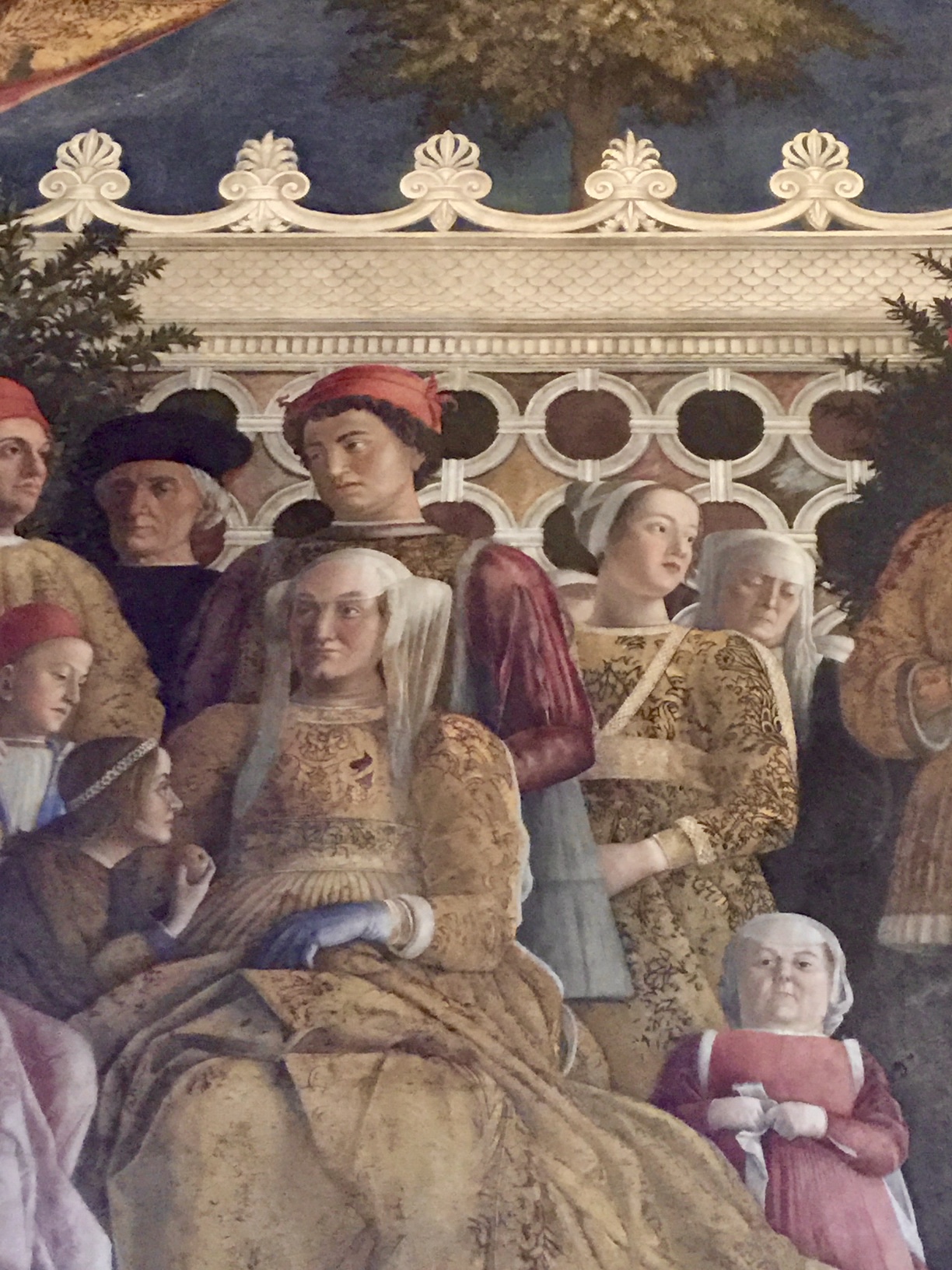
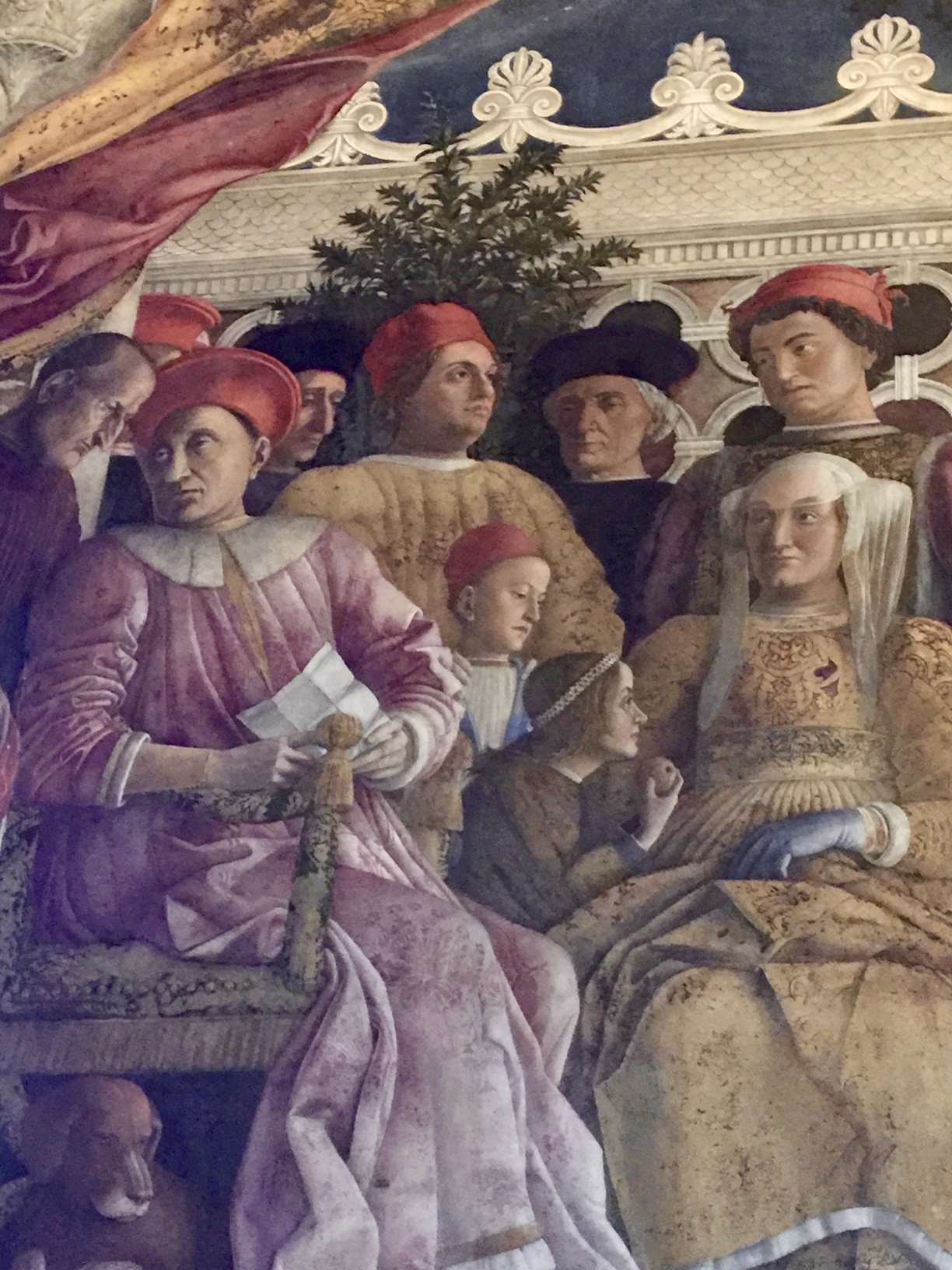
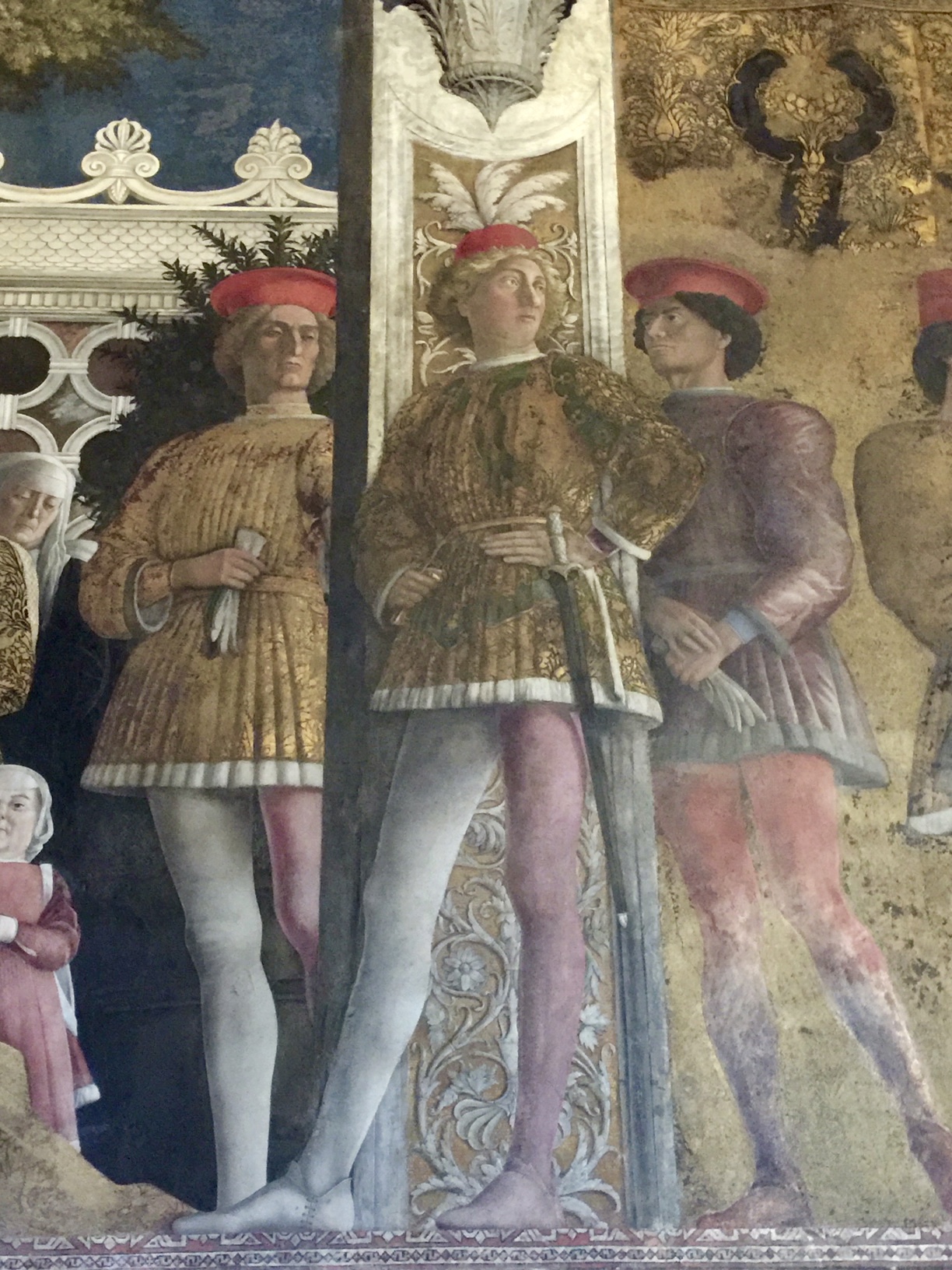
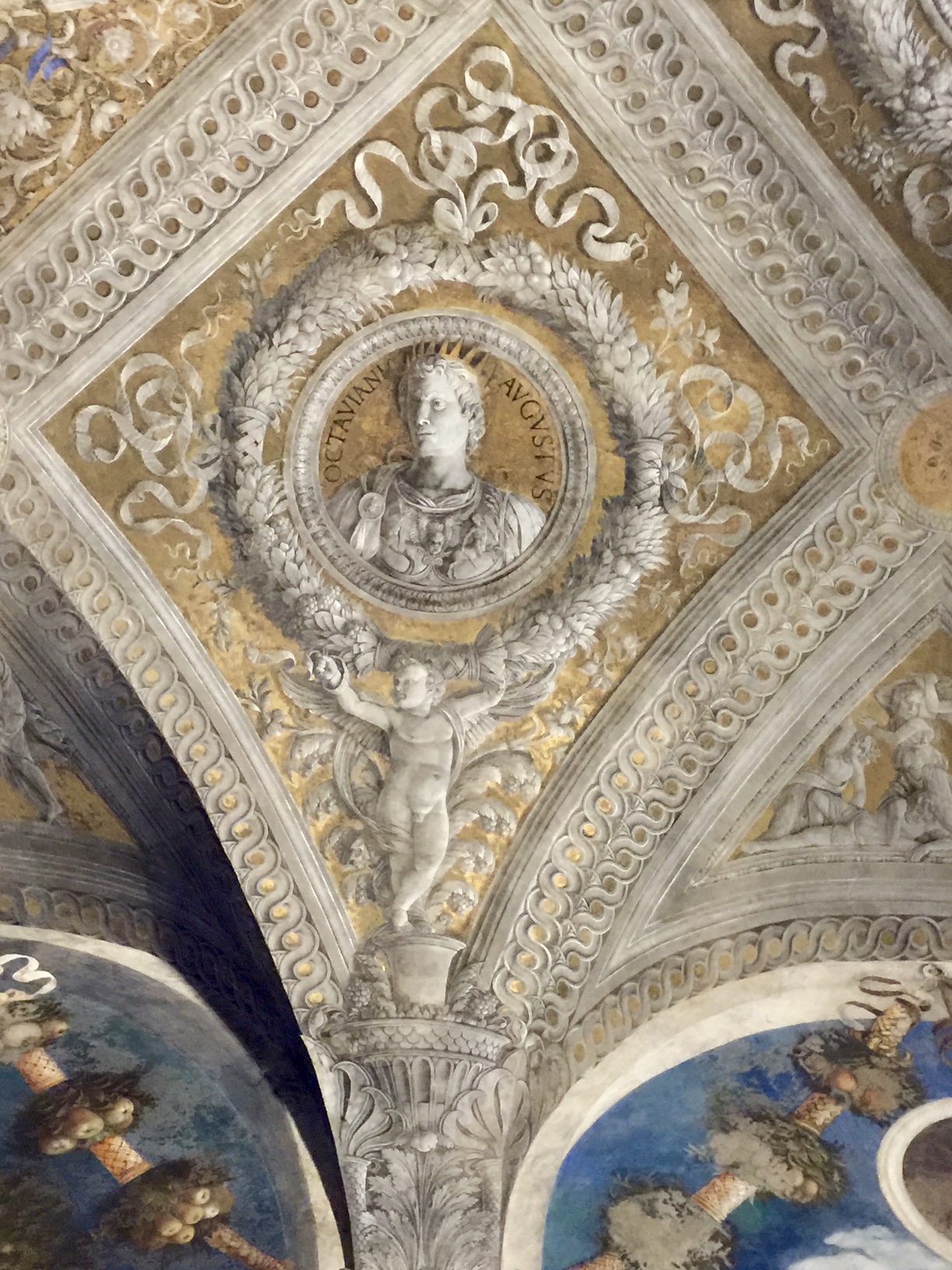
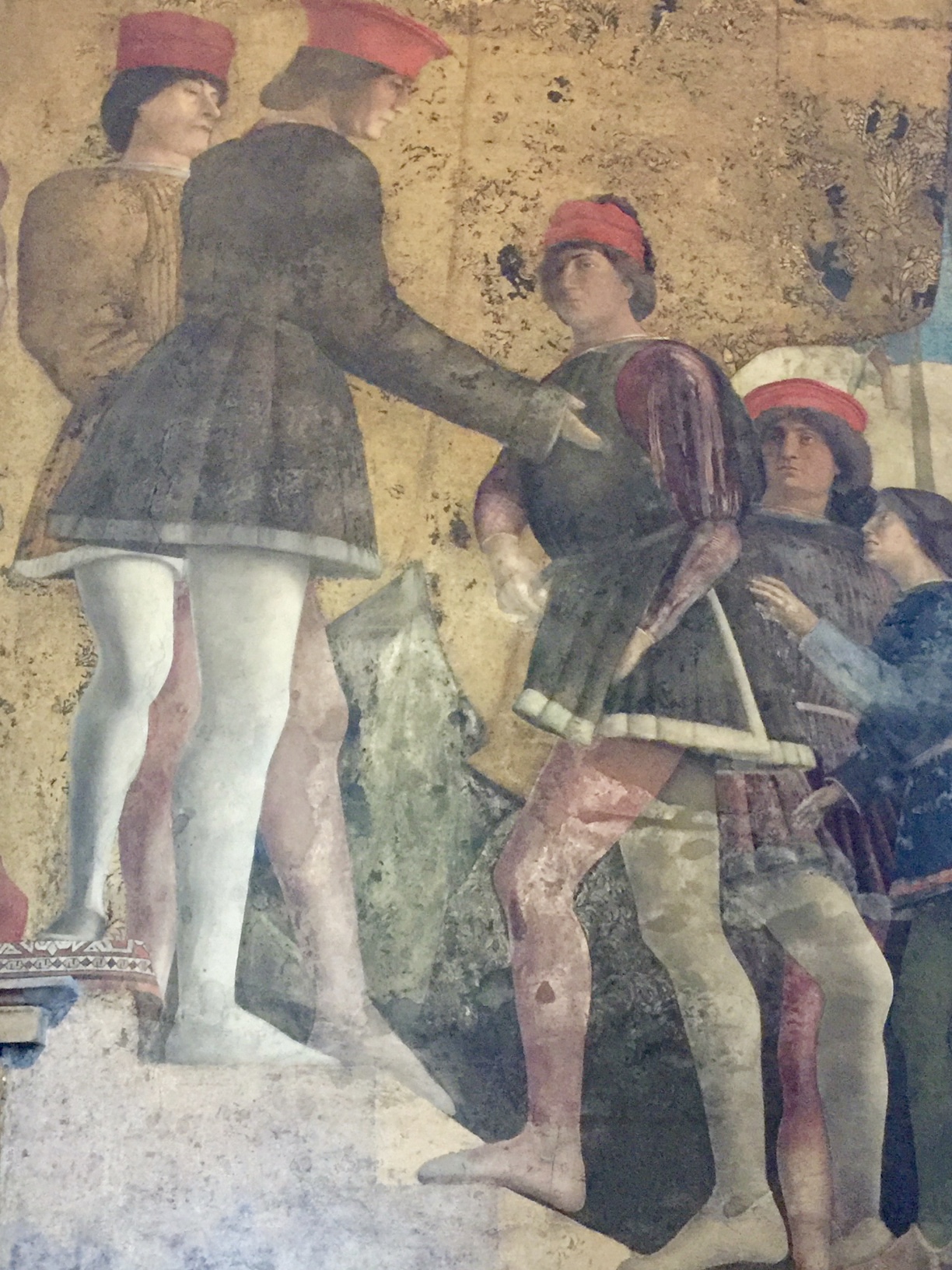
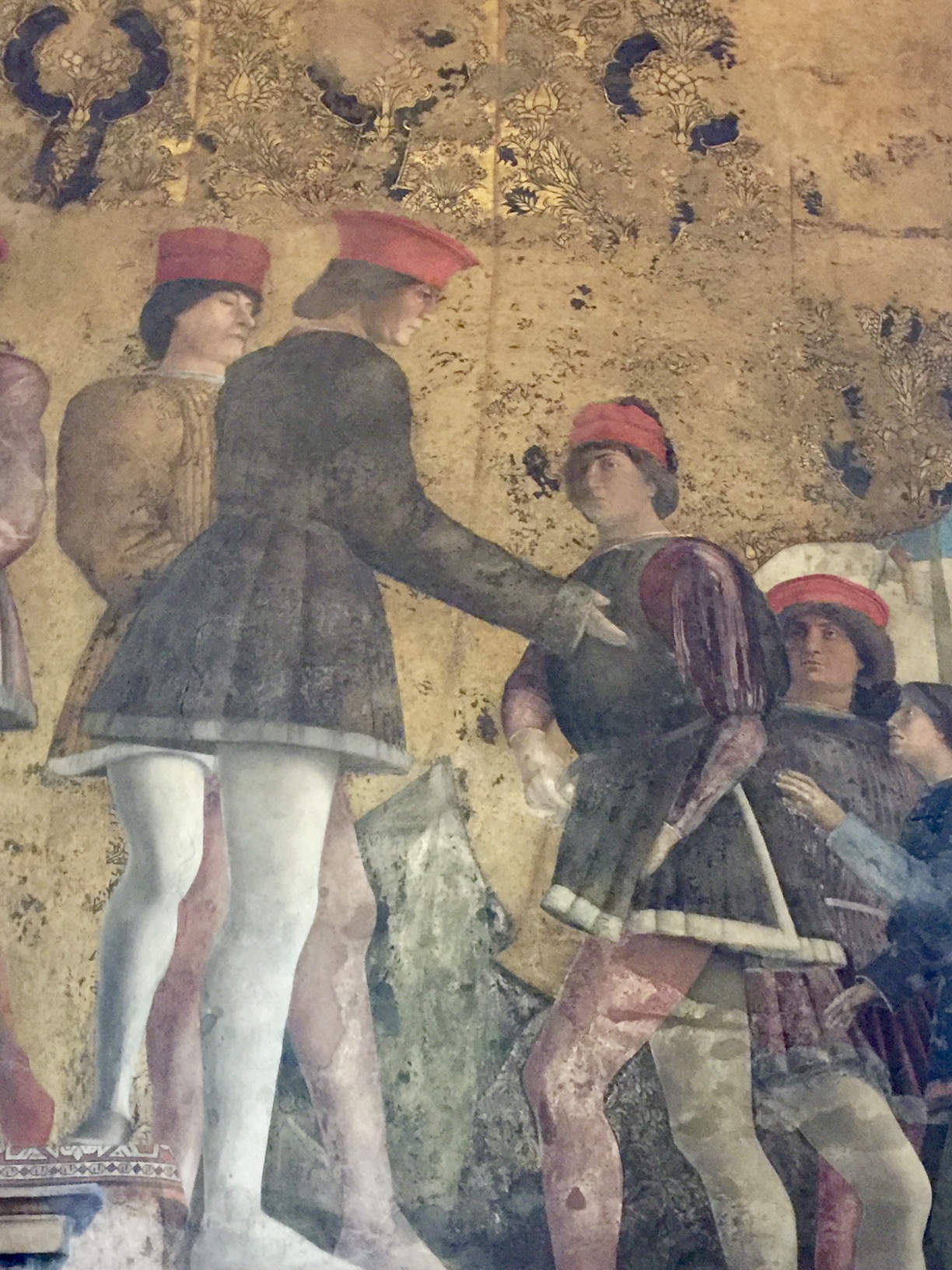
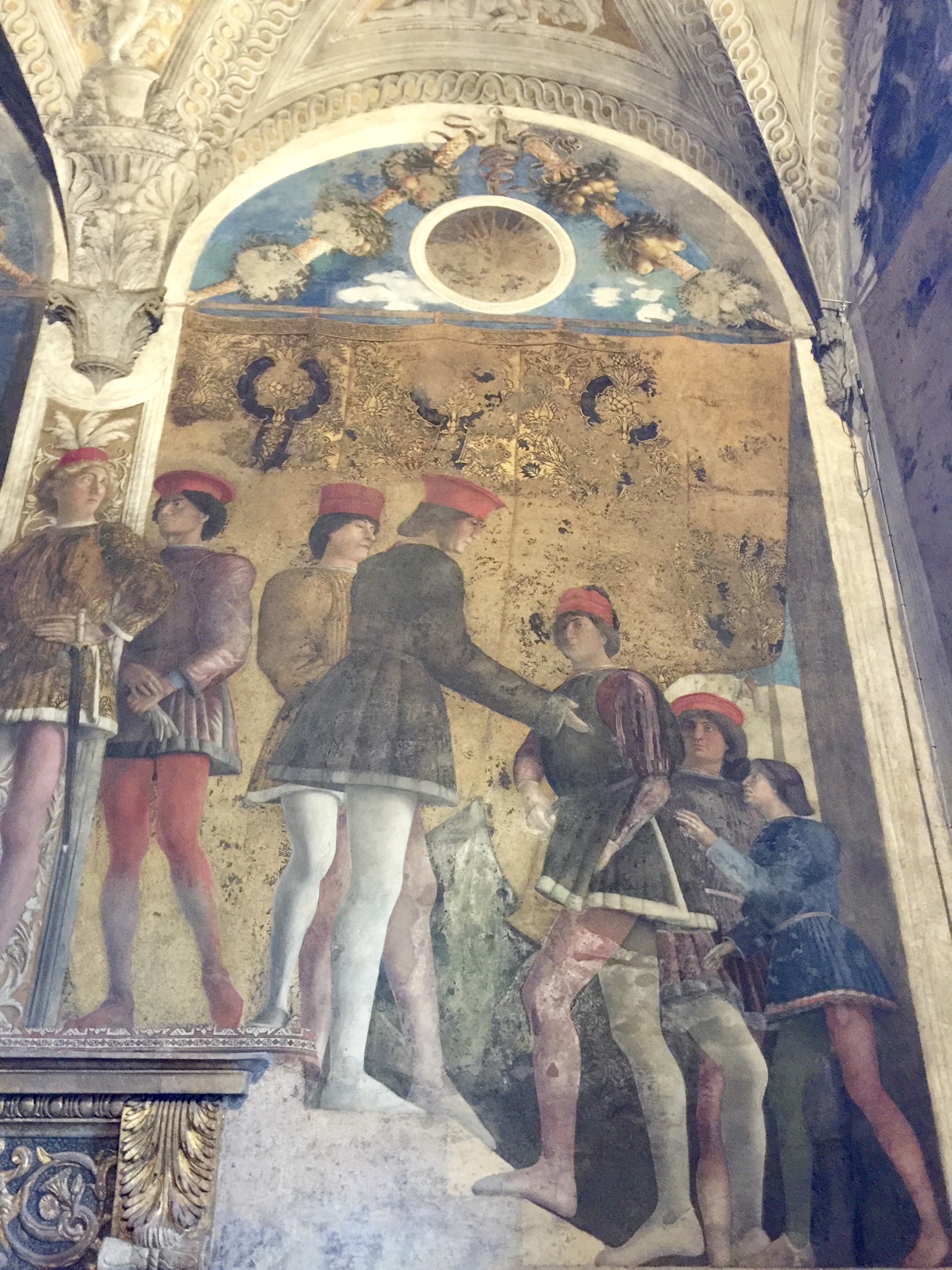
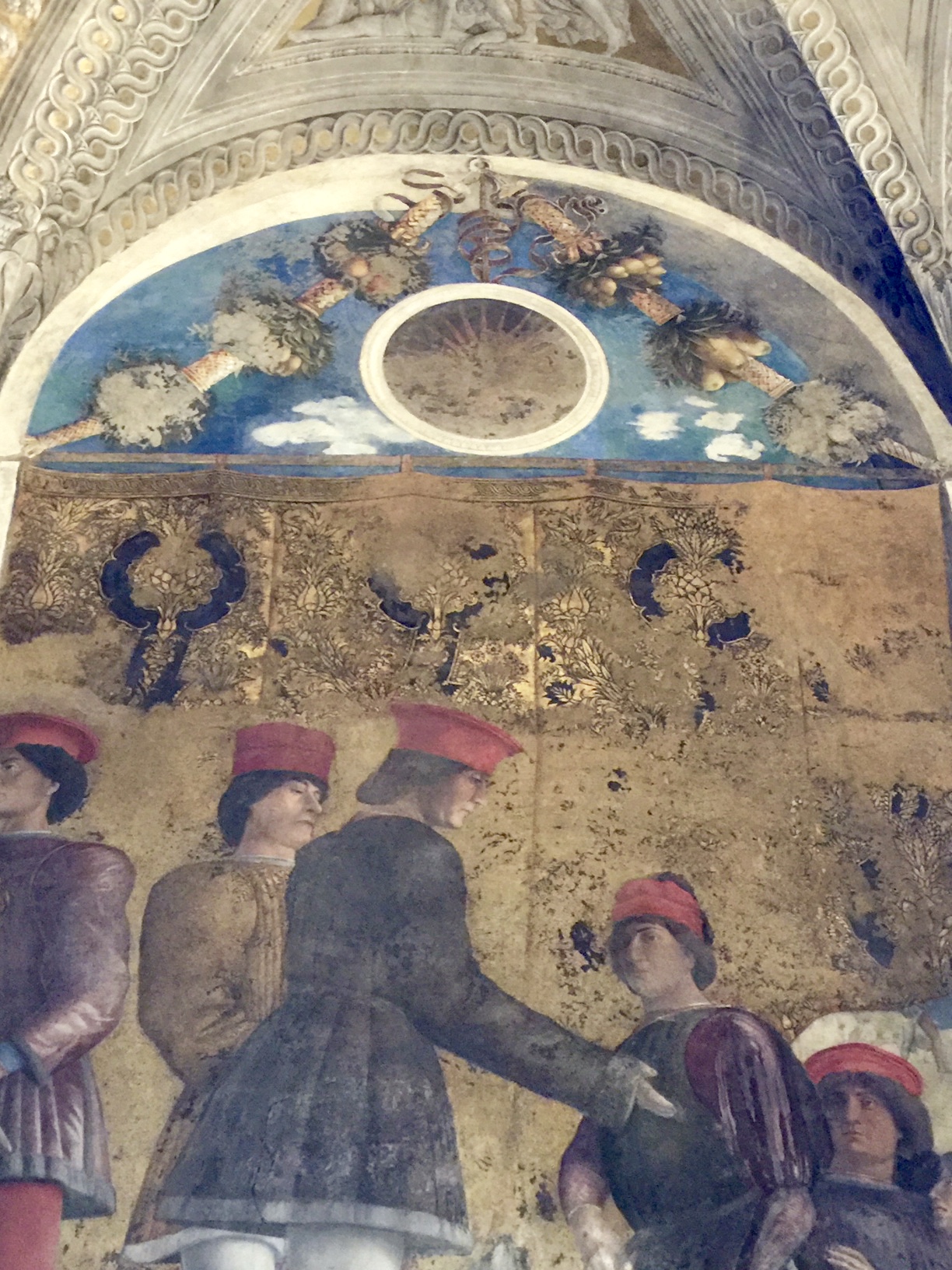
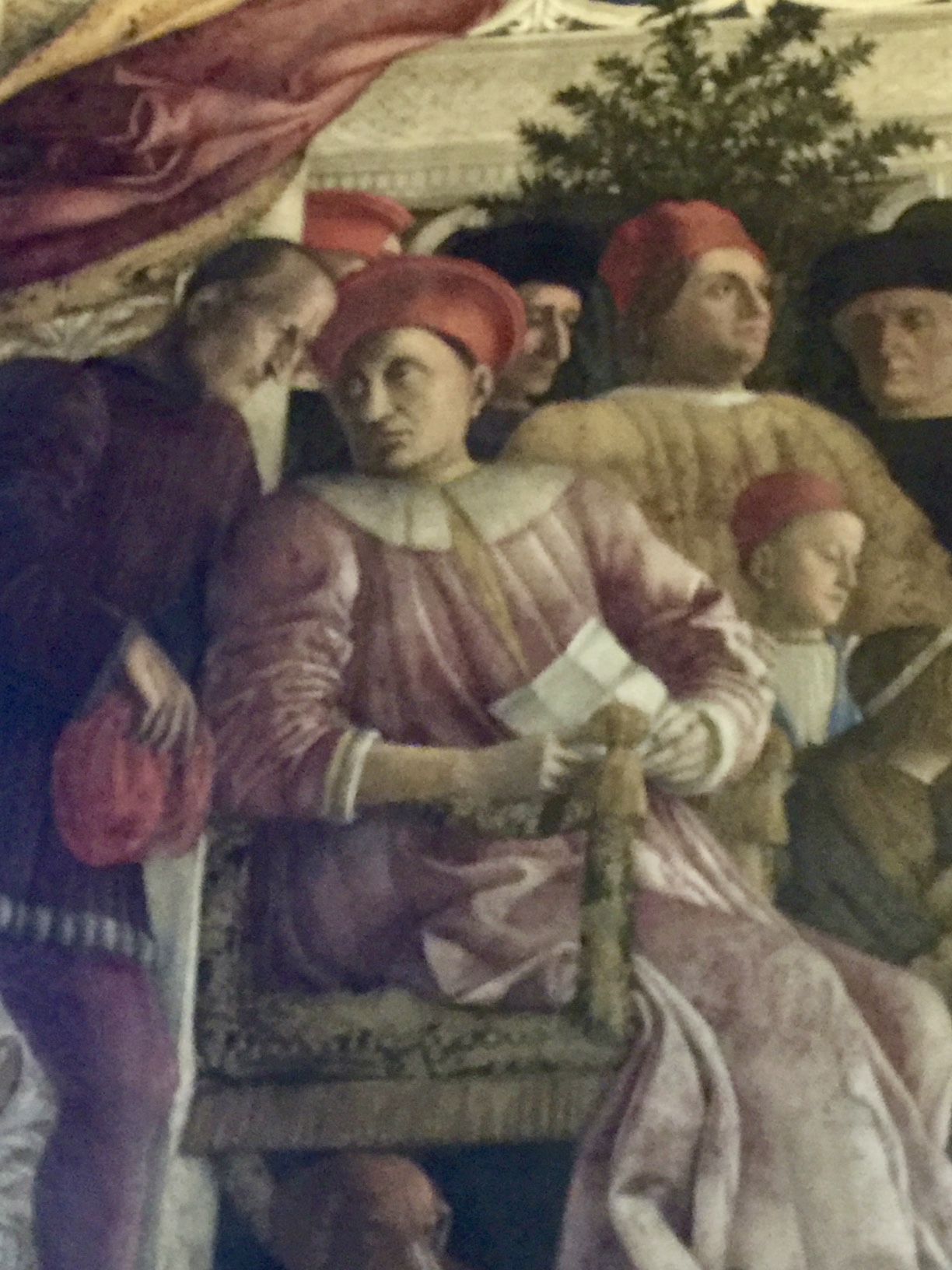
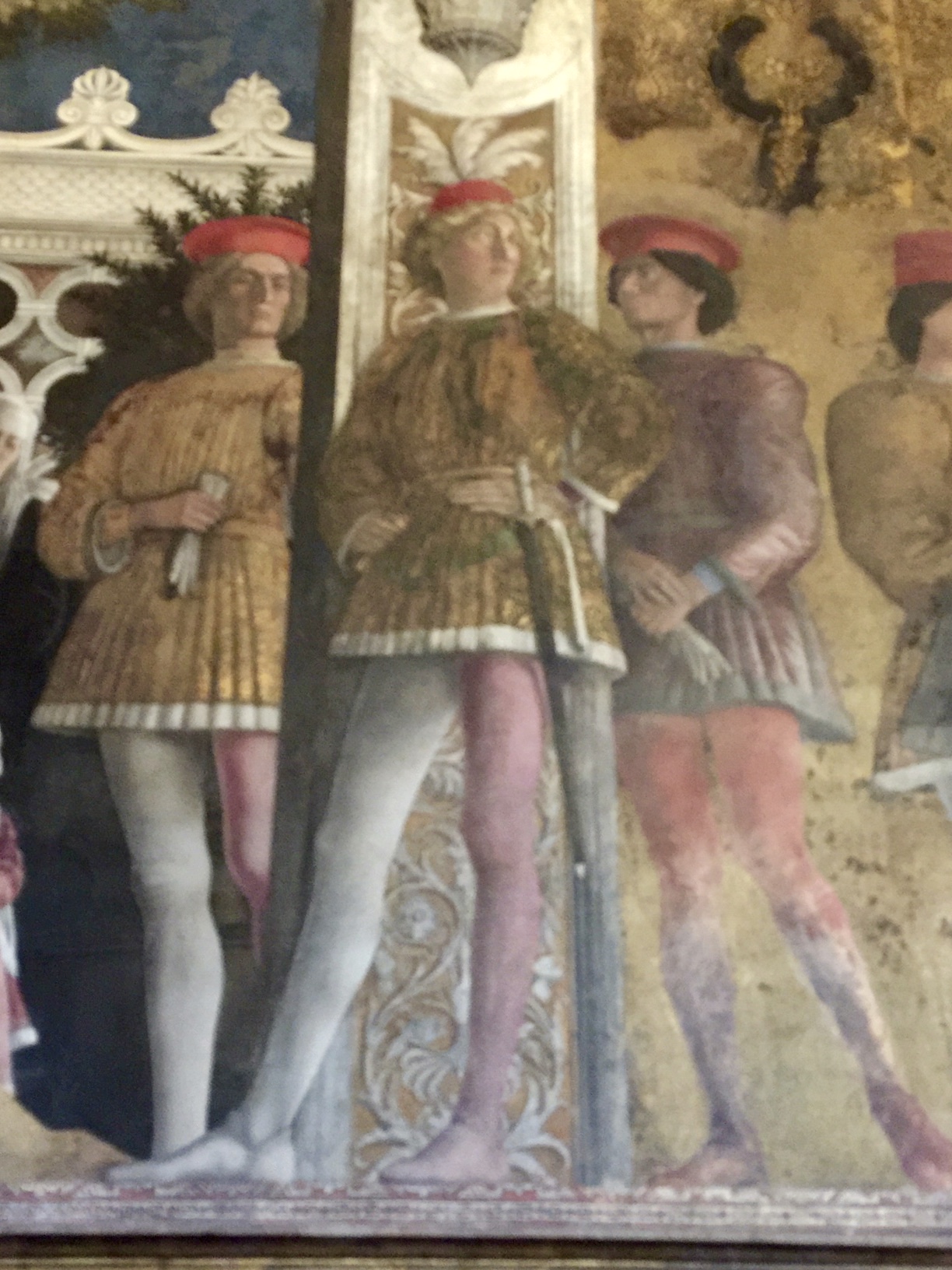
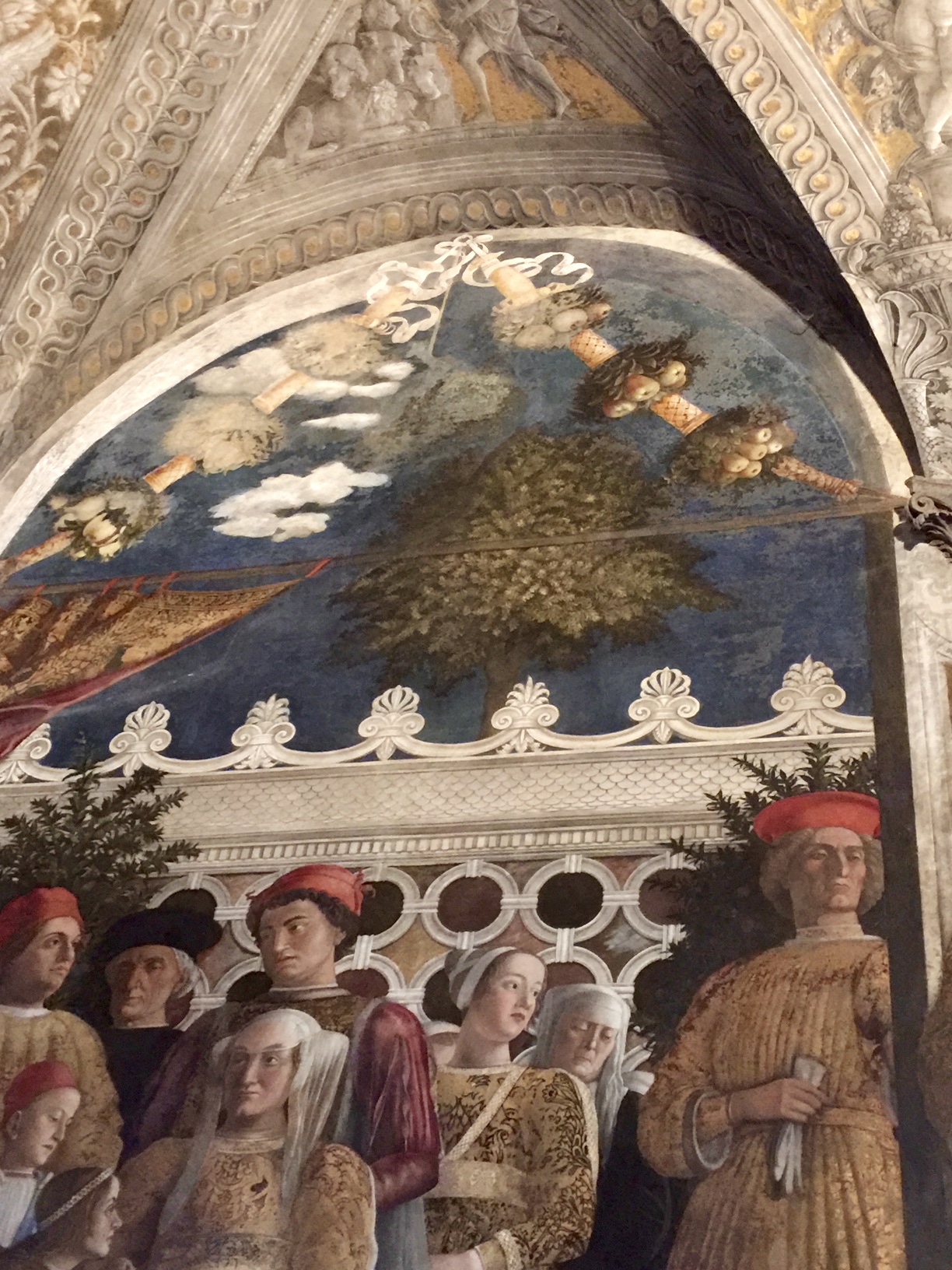
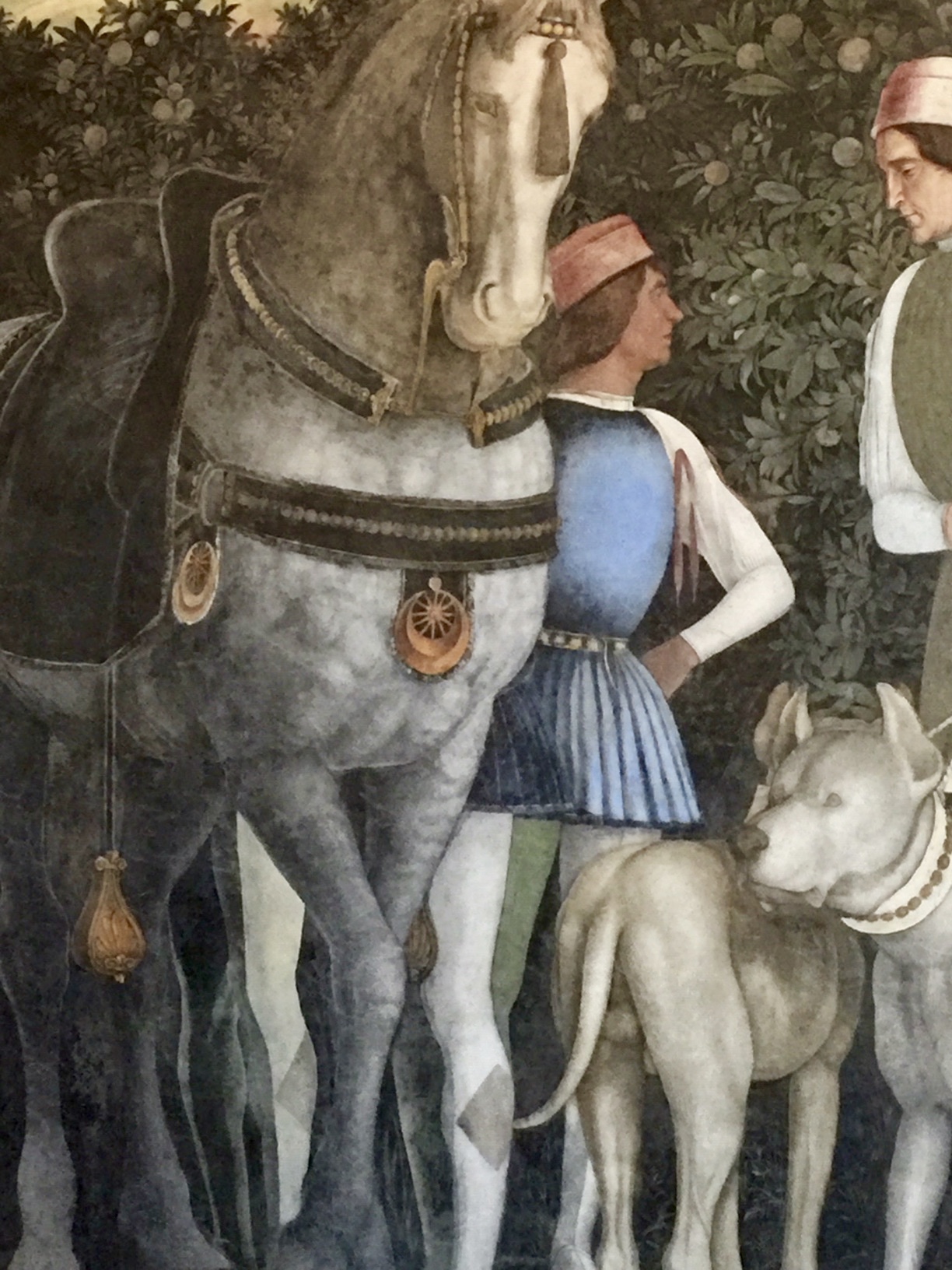
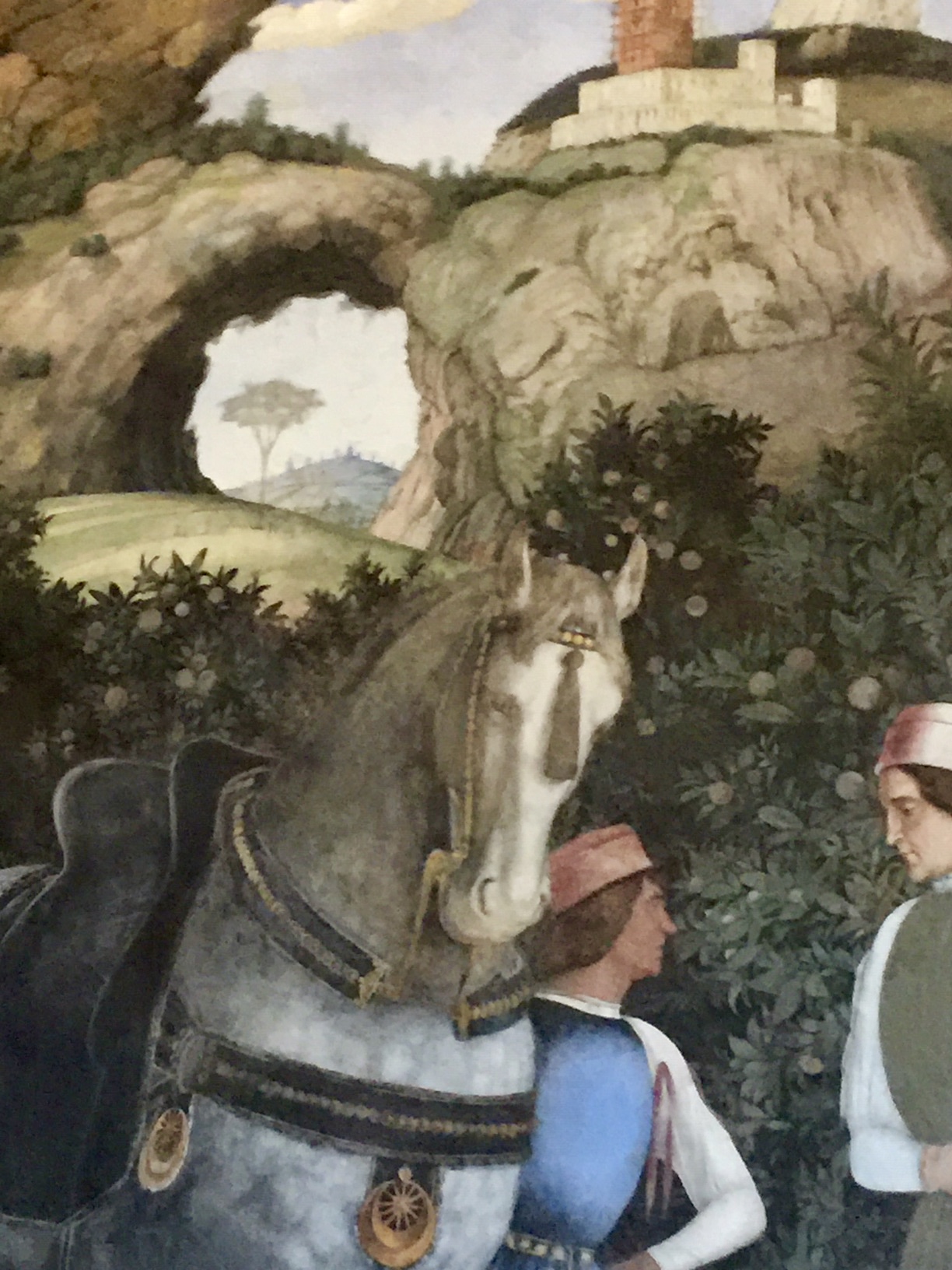
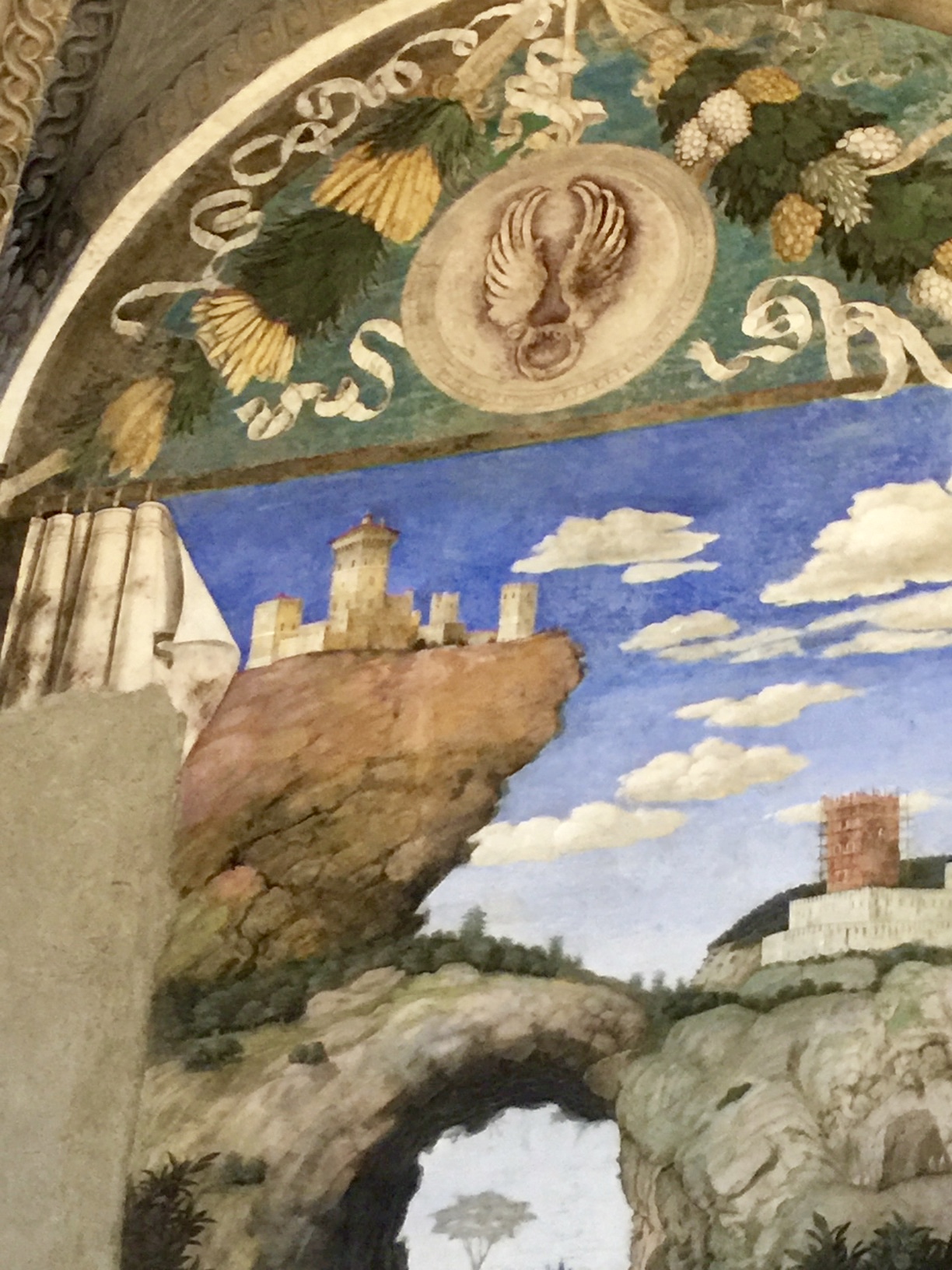
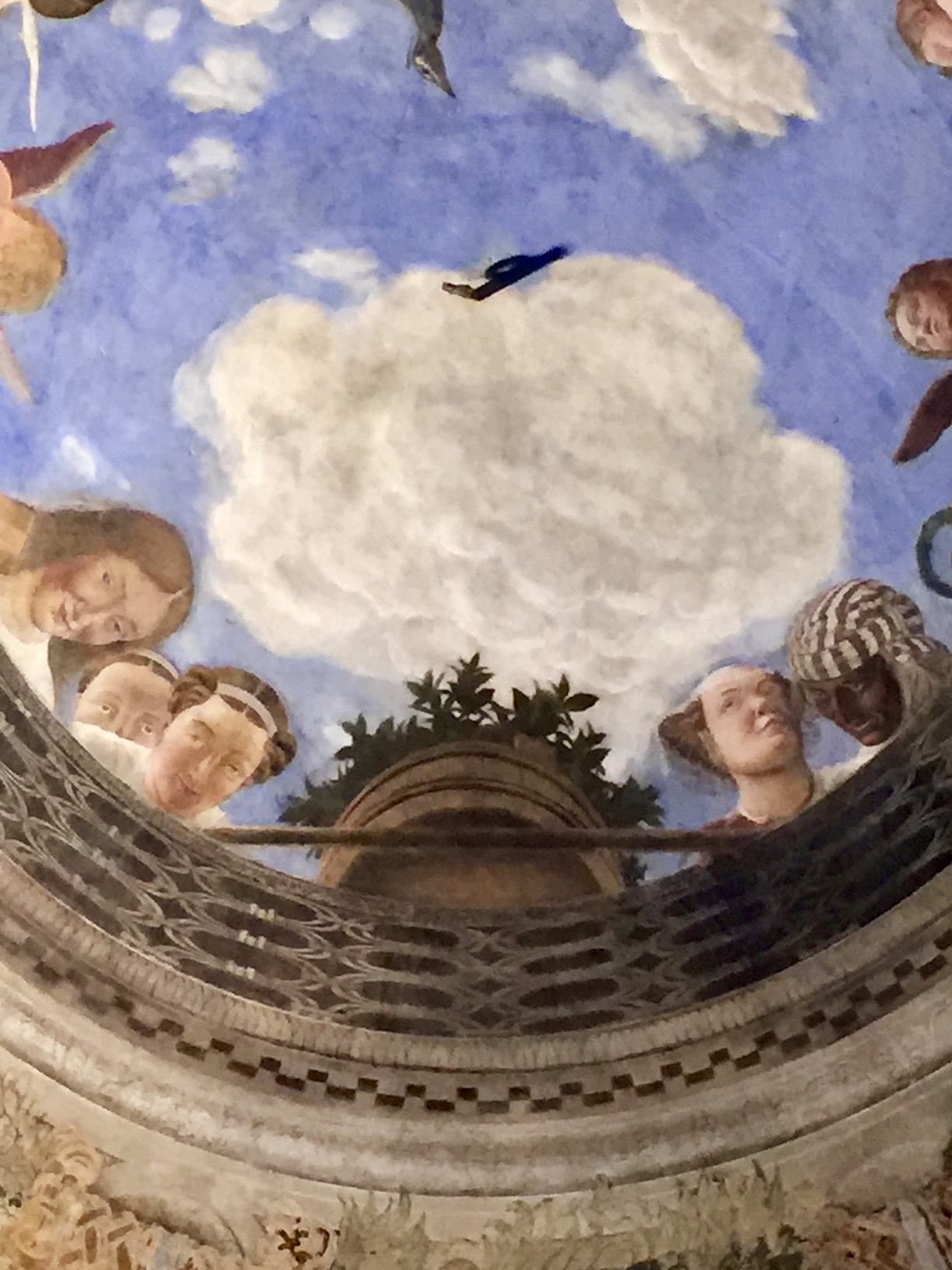
I’m not even going to talk about the paintings, except to say that they –the 4 walls and the amazing ceiling– were frescoed by Andrea Mantegna  between 1465 to 1475.  Mantegna’s painted scheme creates an illusionistic space, as if the chamber was a loggia with three openings facing country landscapes among arcades and curtains. The painted scenes portray members of the Gonzaga family.

But, for once, that is all I will say with words.  My million photos will become this post. If you can get to Mantua, DO SO!


fullsizeoutput_729


fullsizeoutput_72a


fullsizeoutput_72b


IMG_3791


fullsizeoutput_730


fullsizeoutput_731


fullsizeoutput_732


fullsizeoutput_737


fullsizeoutput_73a


IMG_3797


fullsizeoutput_740


fullsizeoutput_741


fullsizeoutput_748


fullsizeoutput_74e


fullsizeoutput_754


fullsizeoutput_756


fullsizeoutput_757


fullsizeoutput_758


fullsizeoutput_759


fullsizeoutput_75a


Va bene, it’s time to look up:

fullsizeoutput_75b


fullsizeoutput_75c


fullsizeoutput_75f


fullsizeoutput_761


fullsizeoutput_78b


fullsizeoutput_78c


fullsizeoutput_78d


fullsizeoutput_78e


fullsizeoutput_792


fullsizeoutput_793


fullsizeoutput_794


fullsizeoutput_795


fullsizeoutput_79a


fullsizeoutput_726


fullsizeoutput_725


fullsizeoutput_724


fullsizeoutput_72b


fullsizeoutput_72a


fullsizeoutput_729


fullsizeoutput_728


fullsizeoutput_727


fullsizeoutput_722


fullsizeoutput_71f


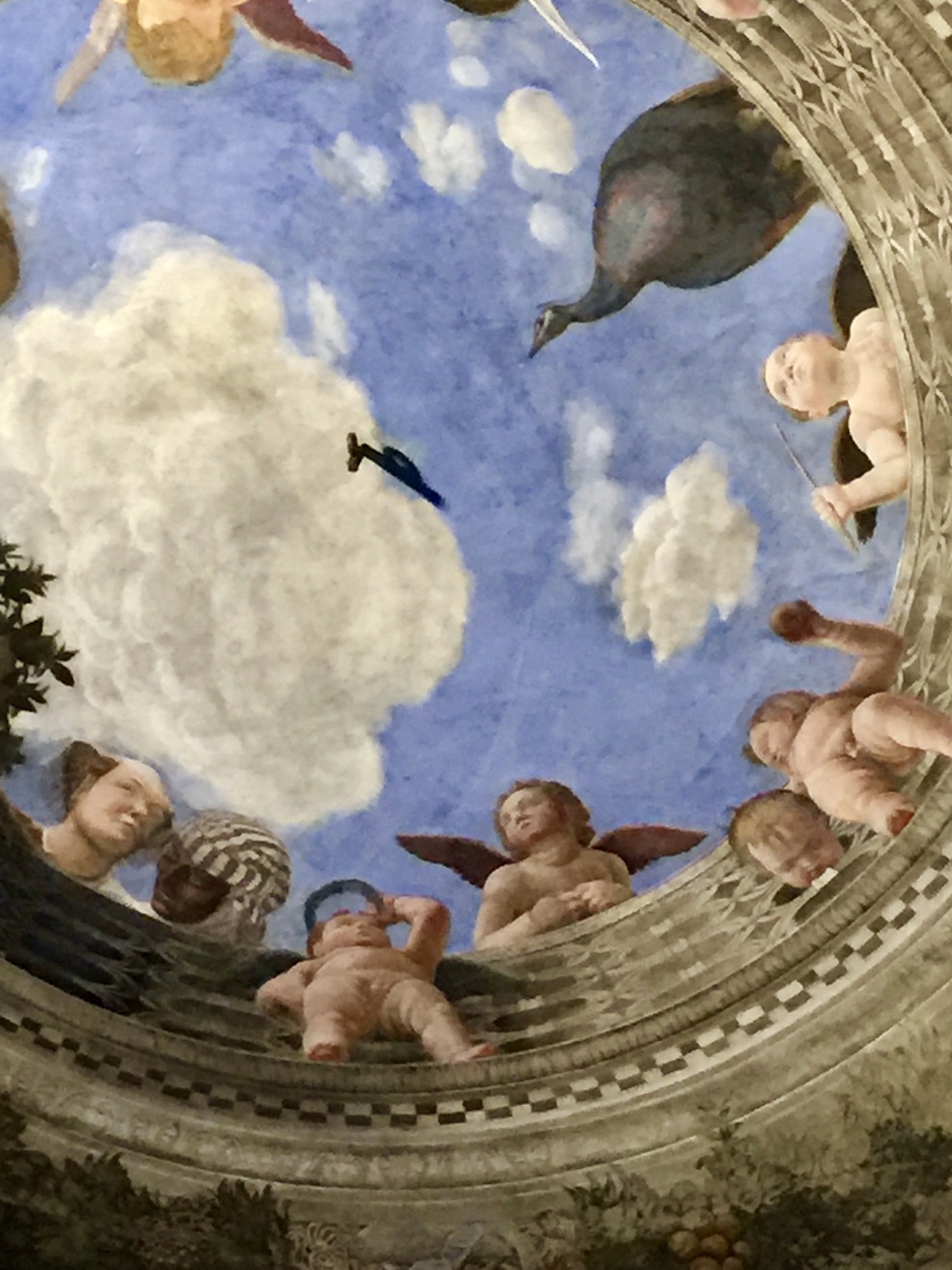
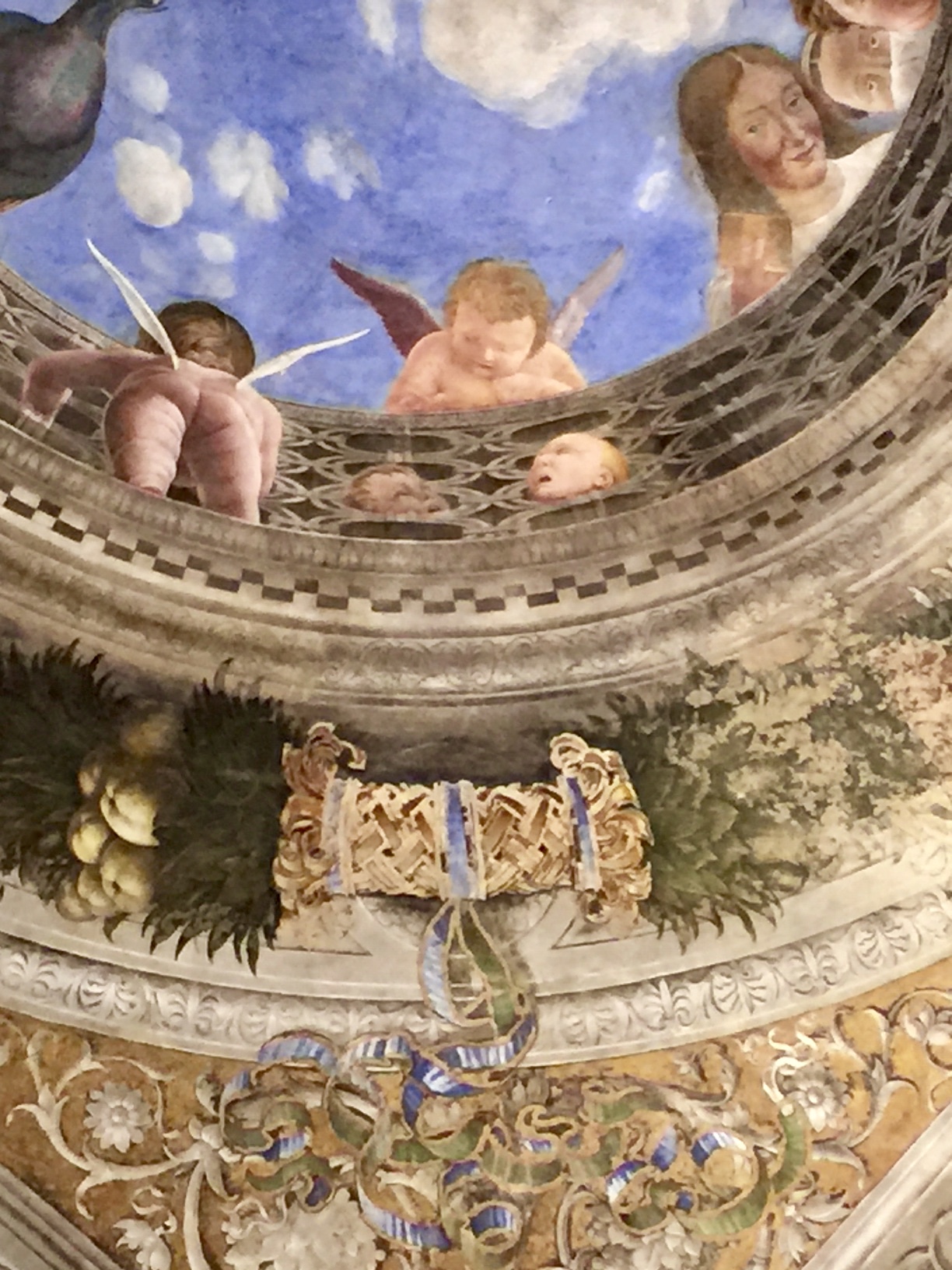
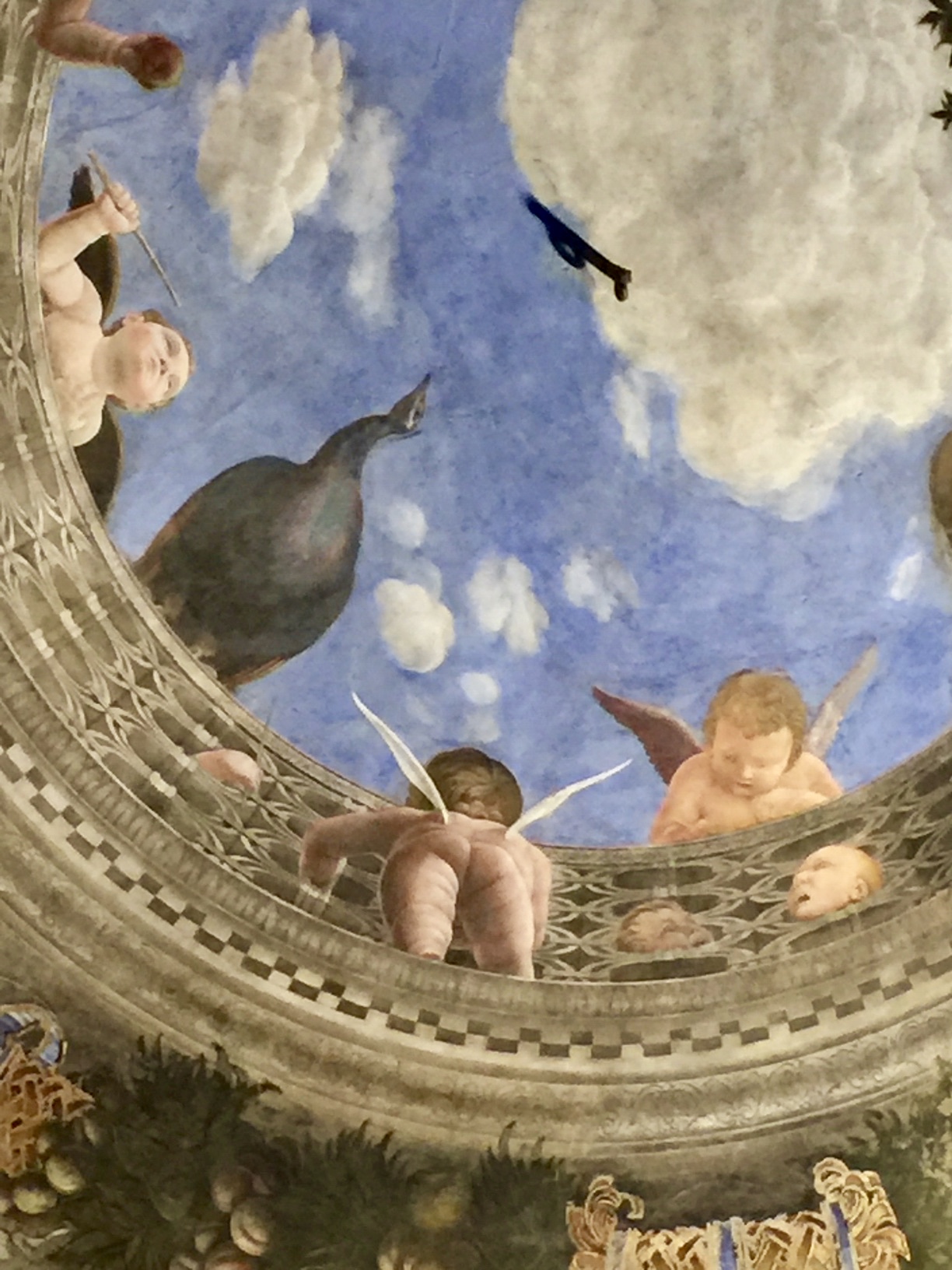
Executed between 1465 and 1474, the room, which is entirely painted, shows the marquis, Lodovico, going about his courtly business with family and courtiers in tow in impressive 3D. Painted naturalistically and with great attention to perspective, the arched walls appear like windows on the courtly world – looking up at the Duke’s wife Barbara, you can even see the underside of her dress as if she’s seated above you. Most playful of all though is the trompe l’œil oculus featuring bare-bottomed putti (cherubs) – the point of view is quite distastefully realistic in places – balancing precariously on a painted balcony, while smirking courtly pranksters appear ready to drop a large potted plant on gawping tourists below.


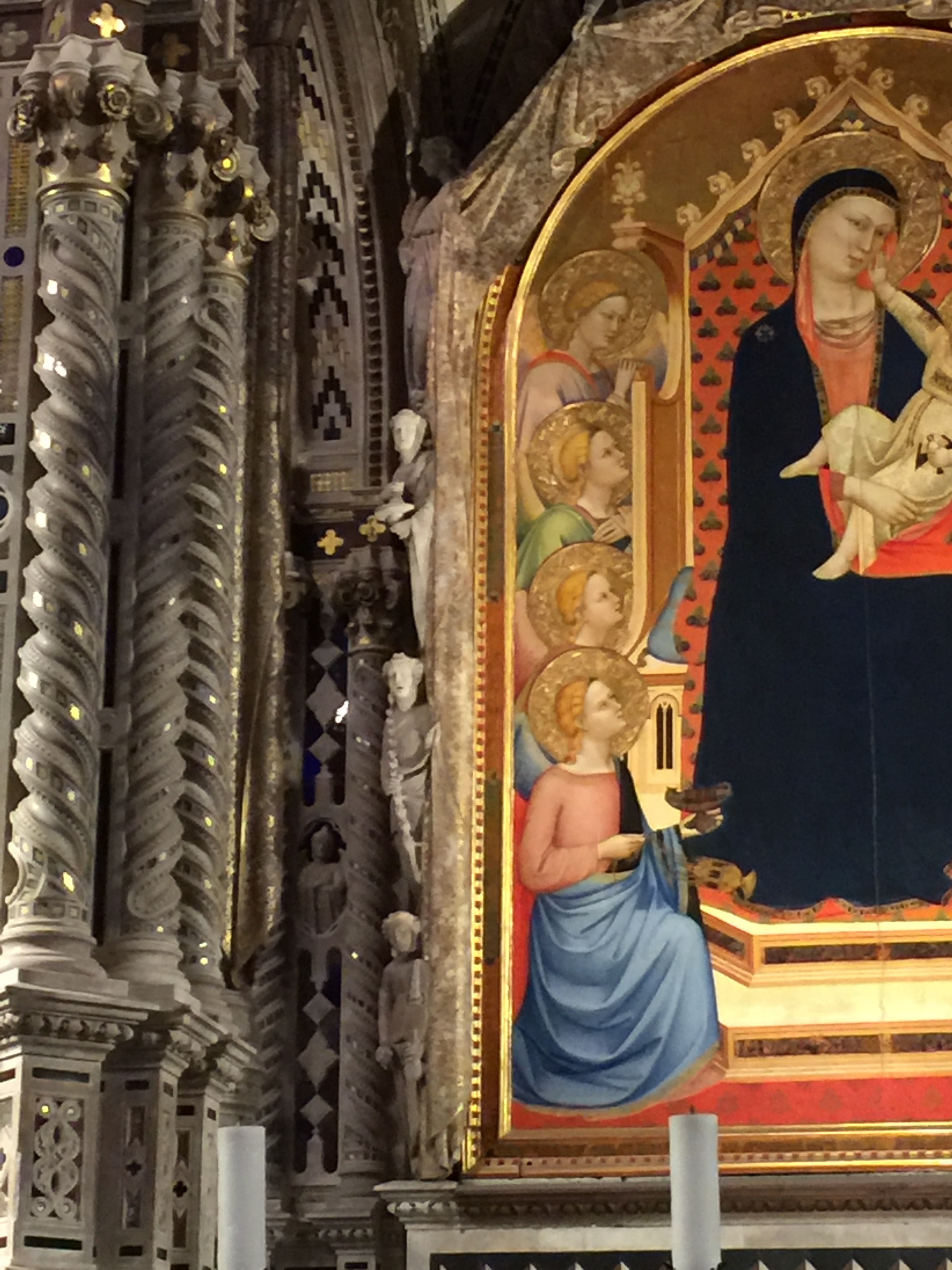
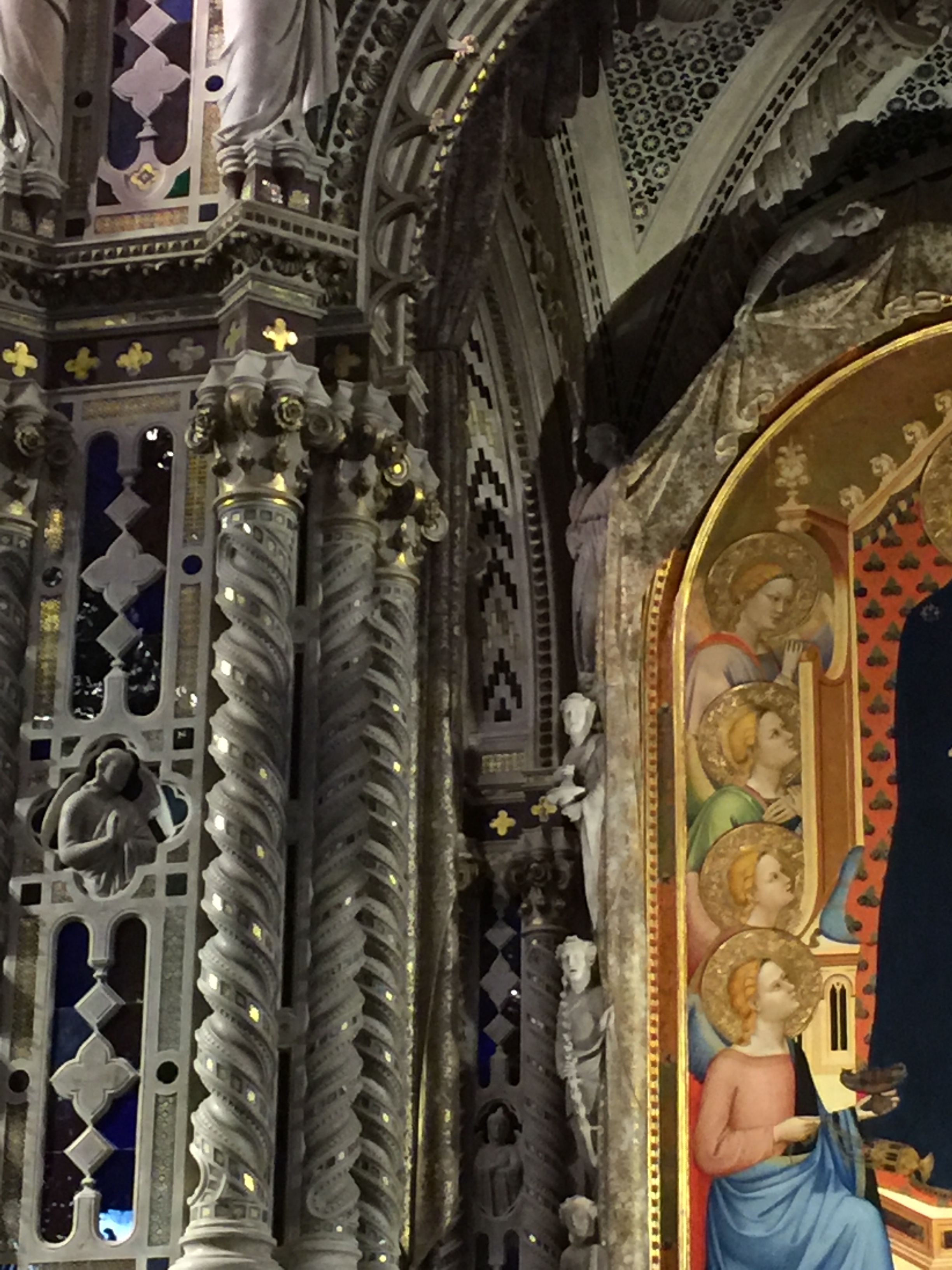
Orsan Michele, Firenze

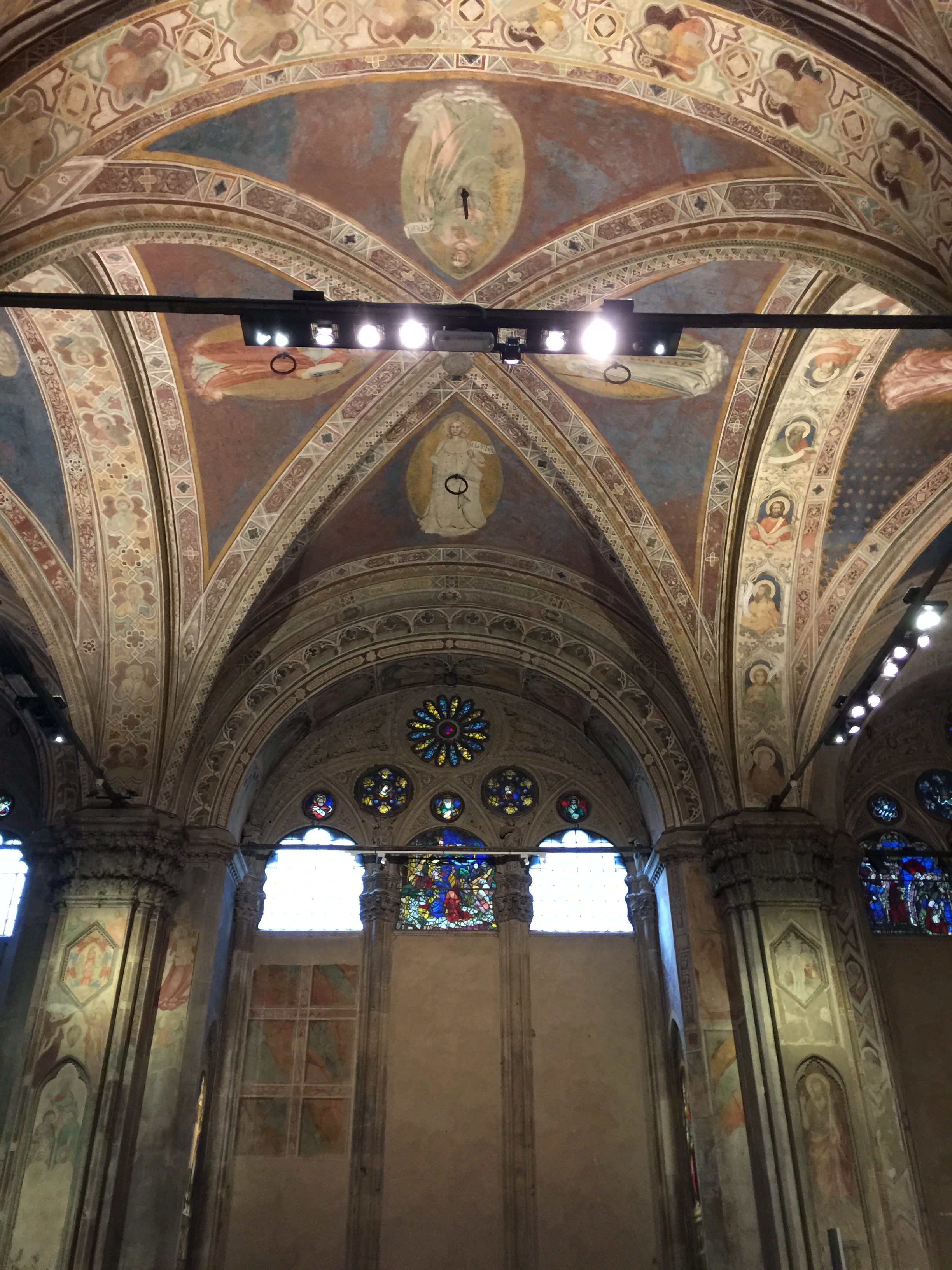
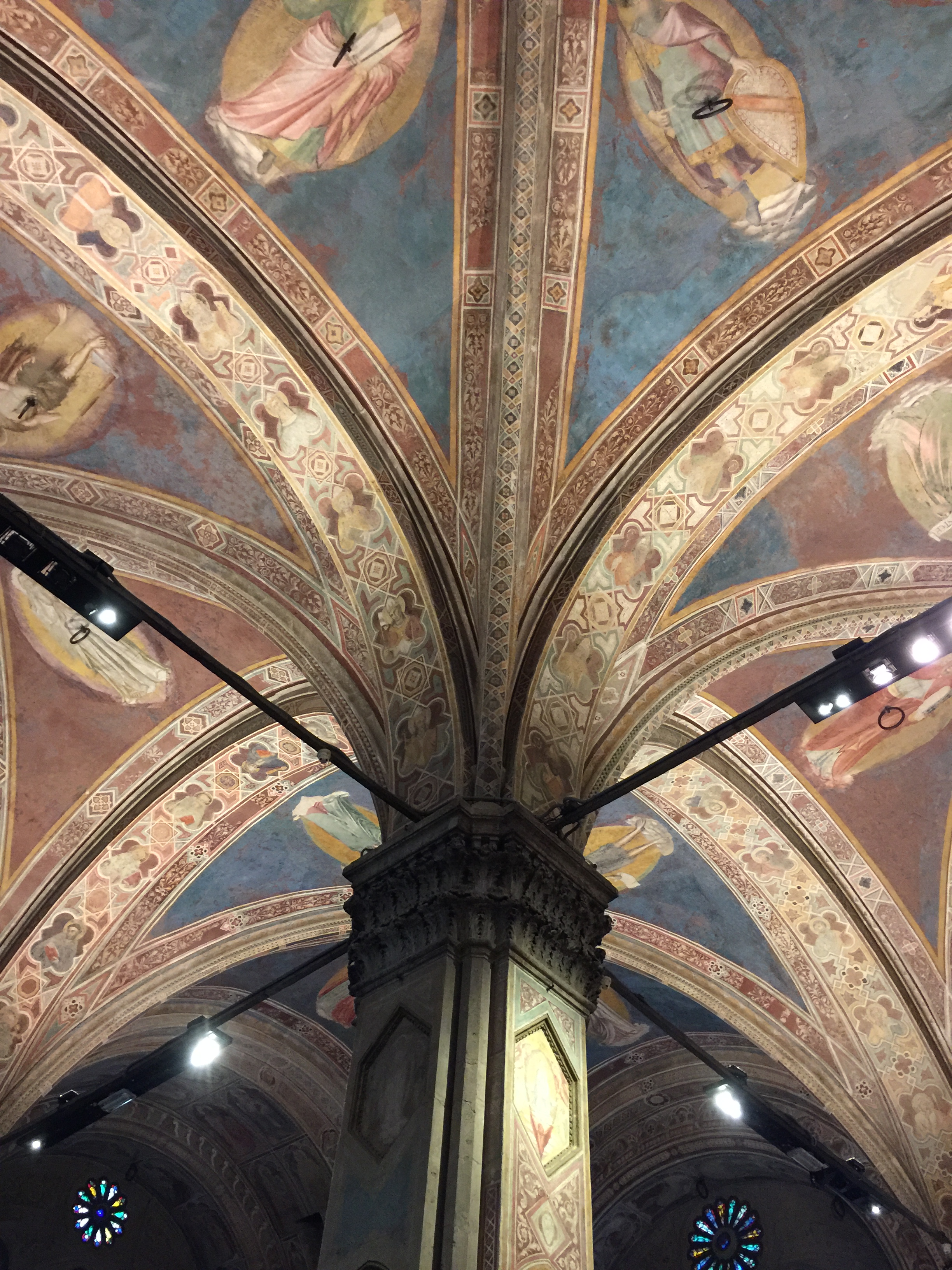
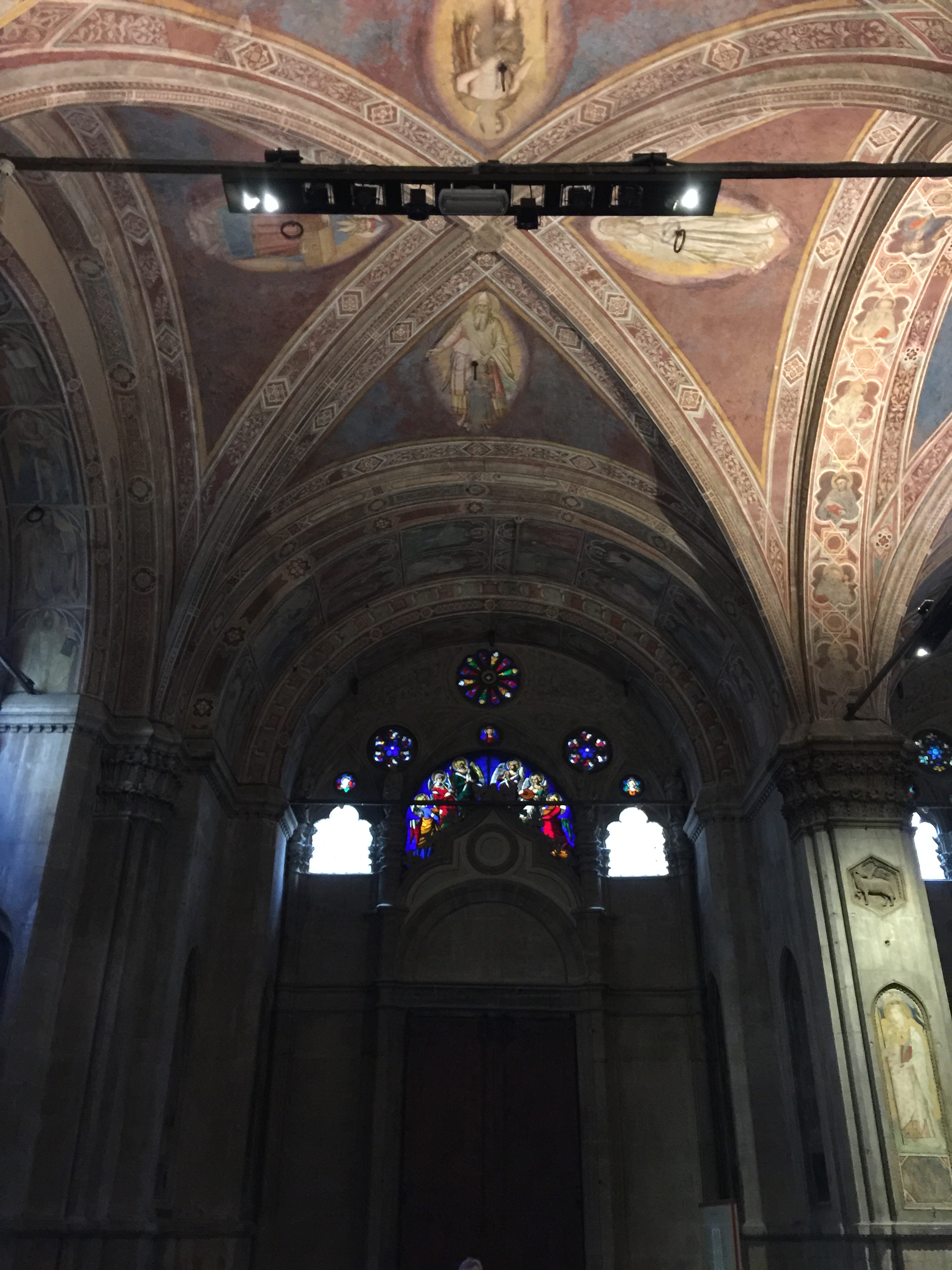
A while back I took the opportunity to pay a visit to the famous Florentine church, built in a former granary.  It is opulent and lovely.

IMG_0570IMG_0571IMG_0572IMG_0573IMG_0574IMG_0575IMG_0576

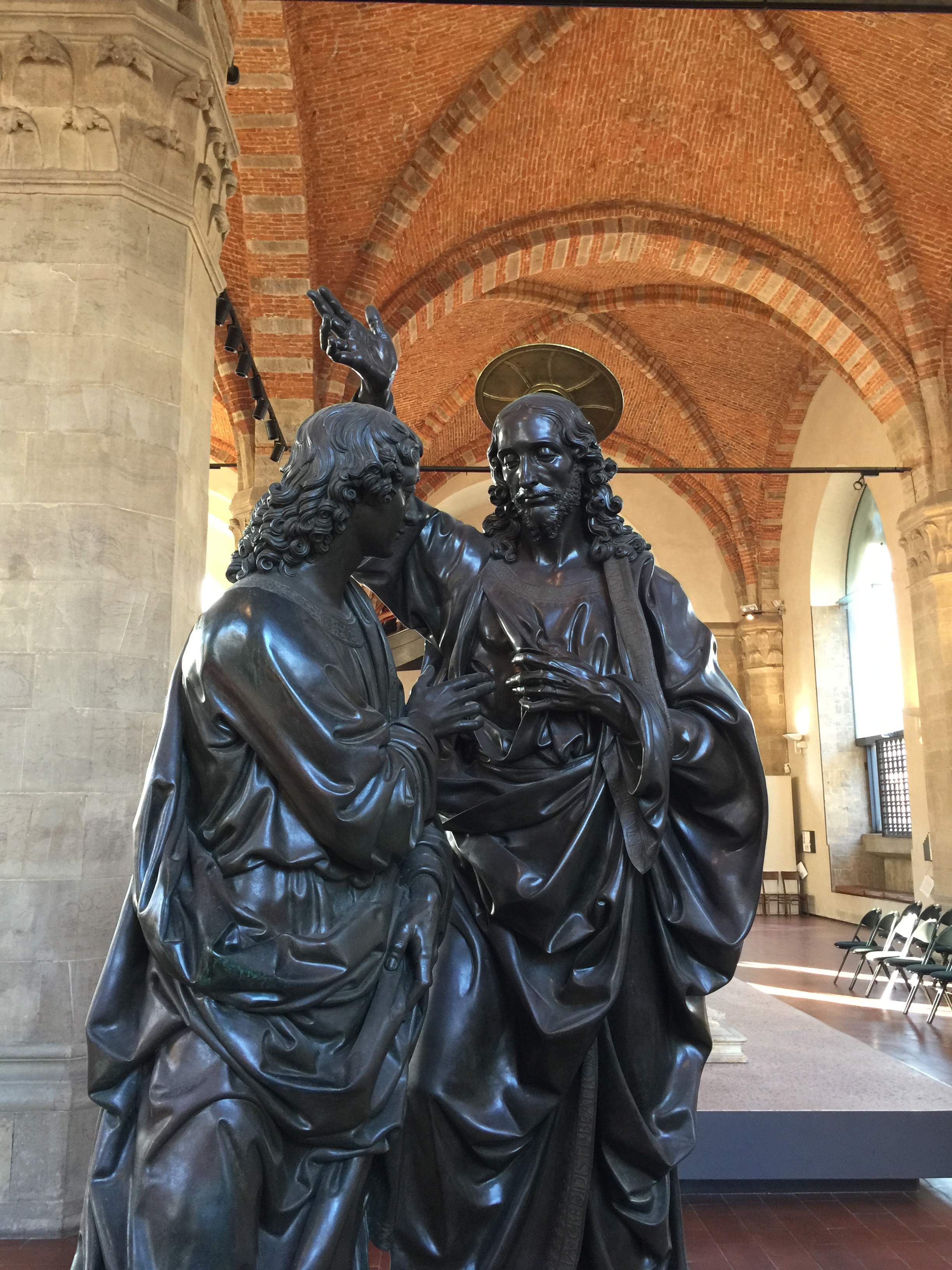
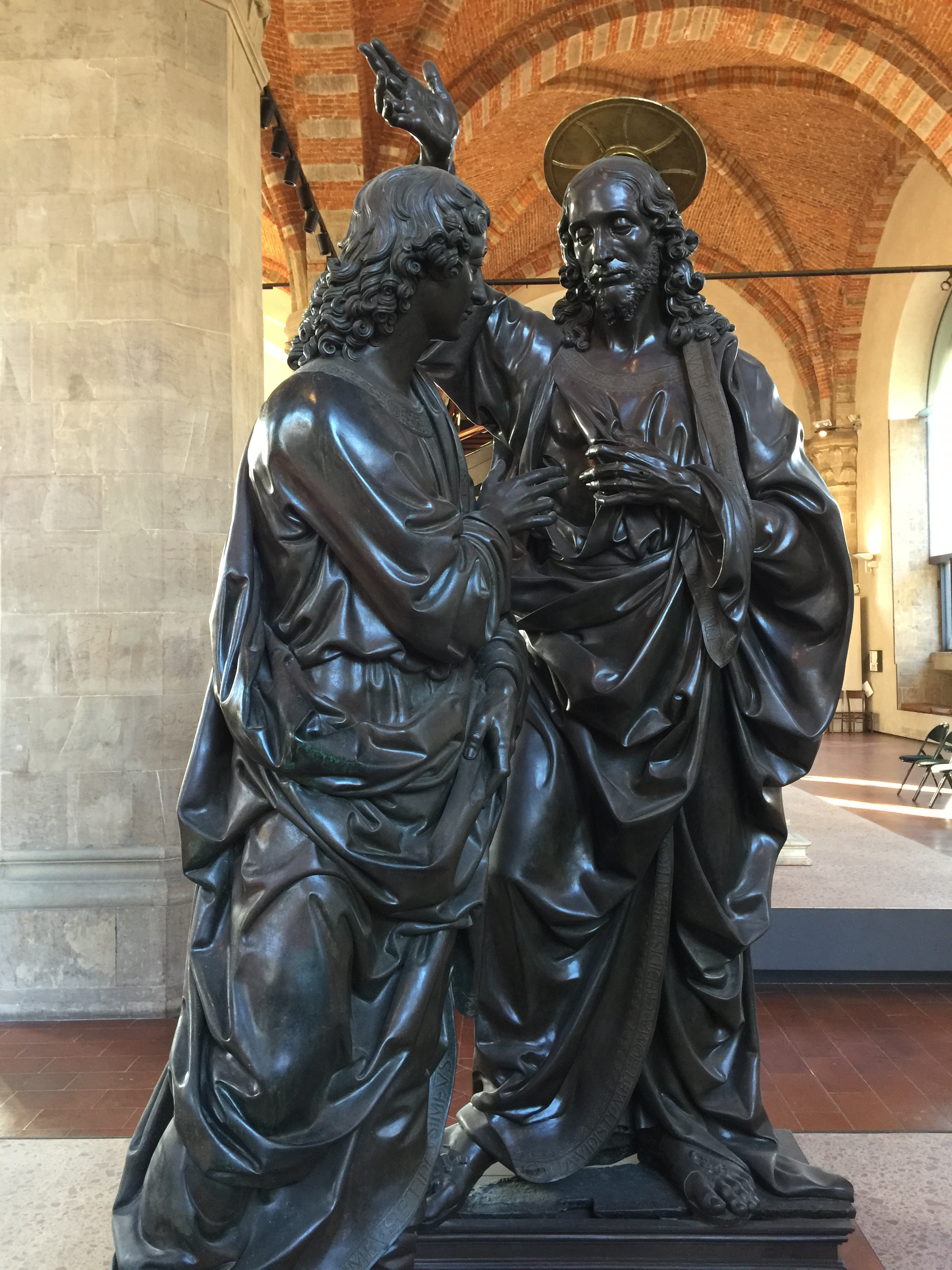
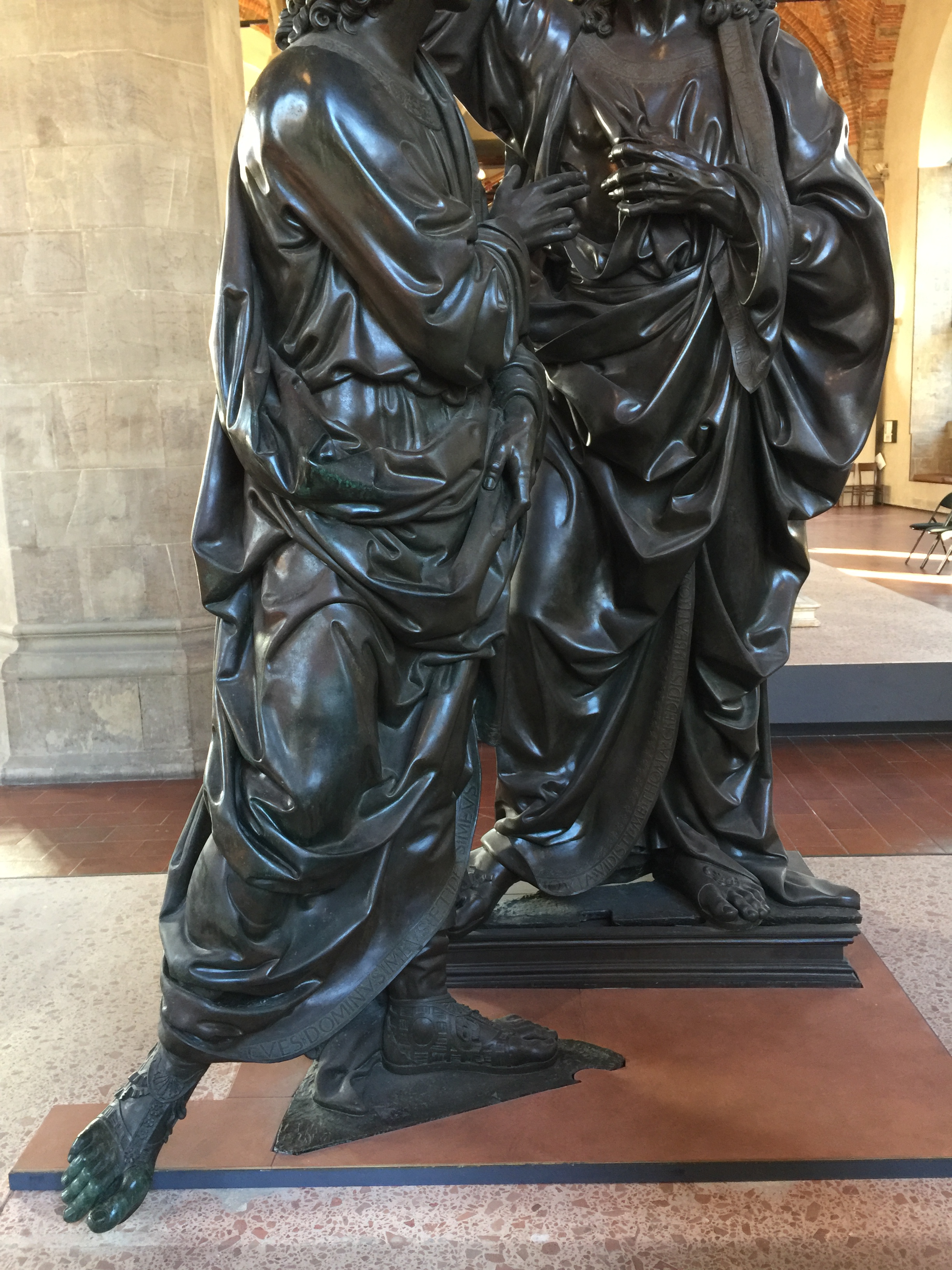
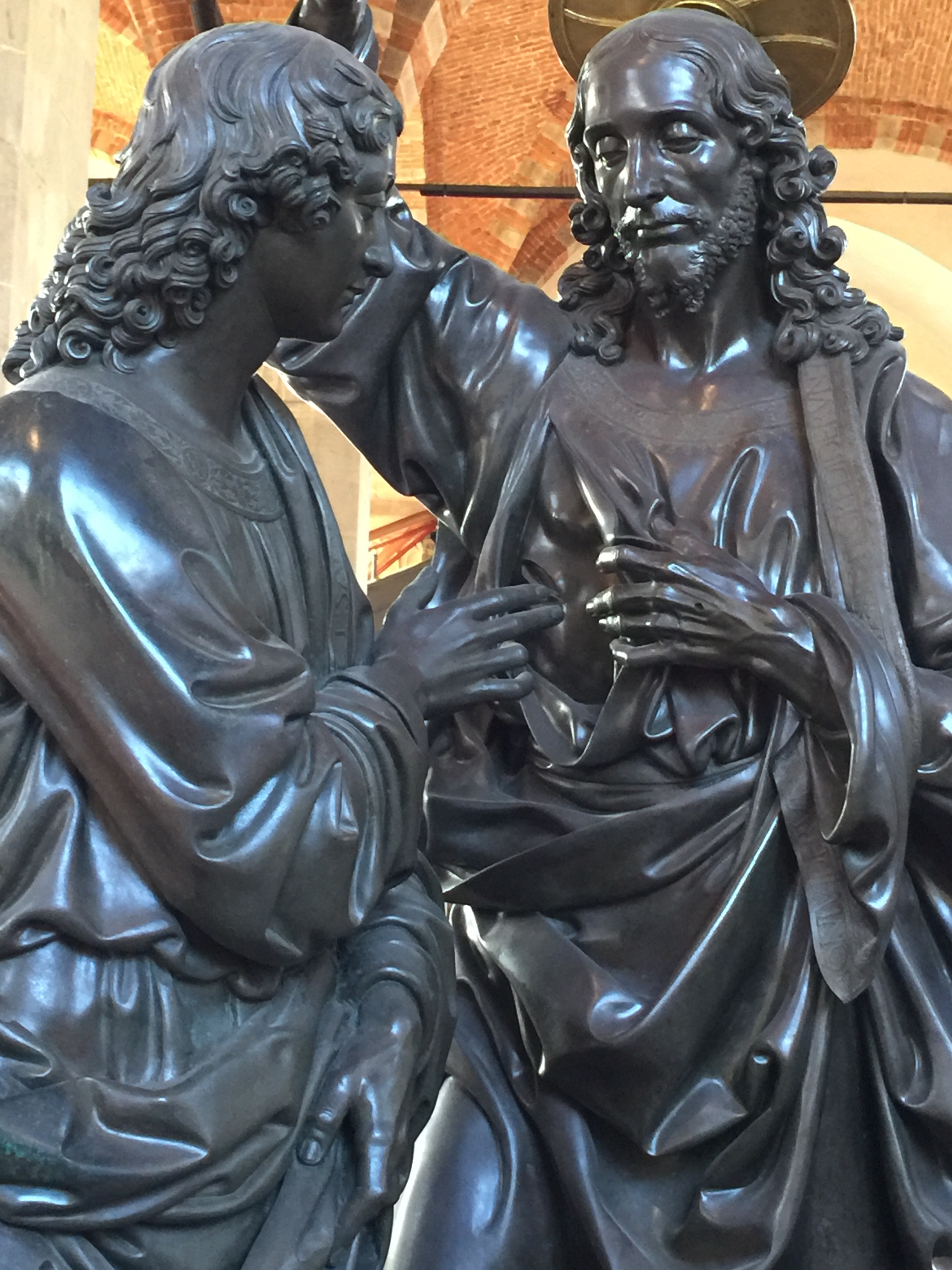
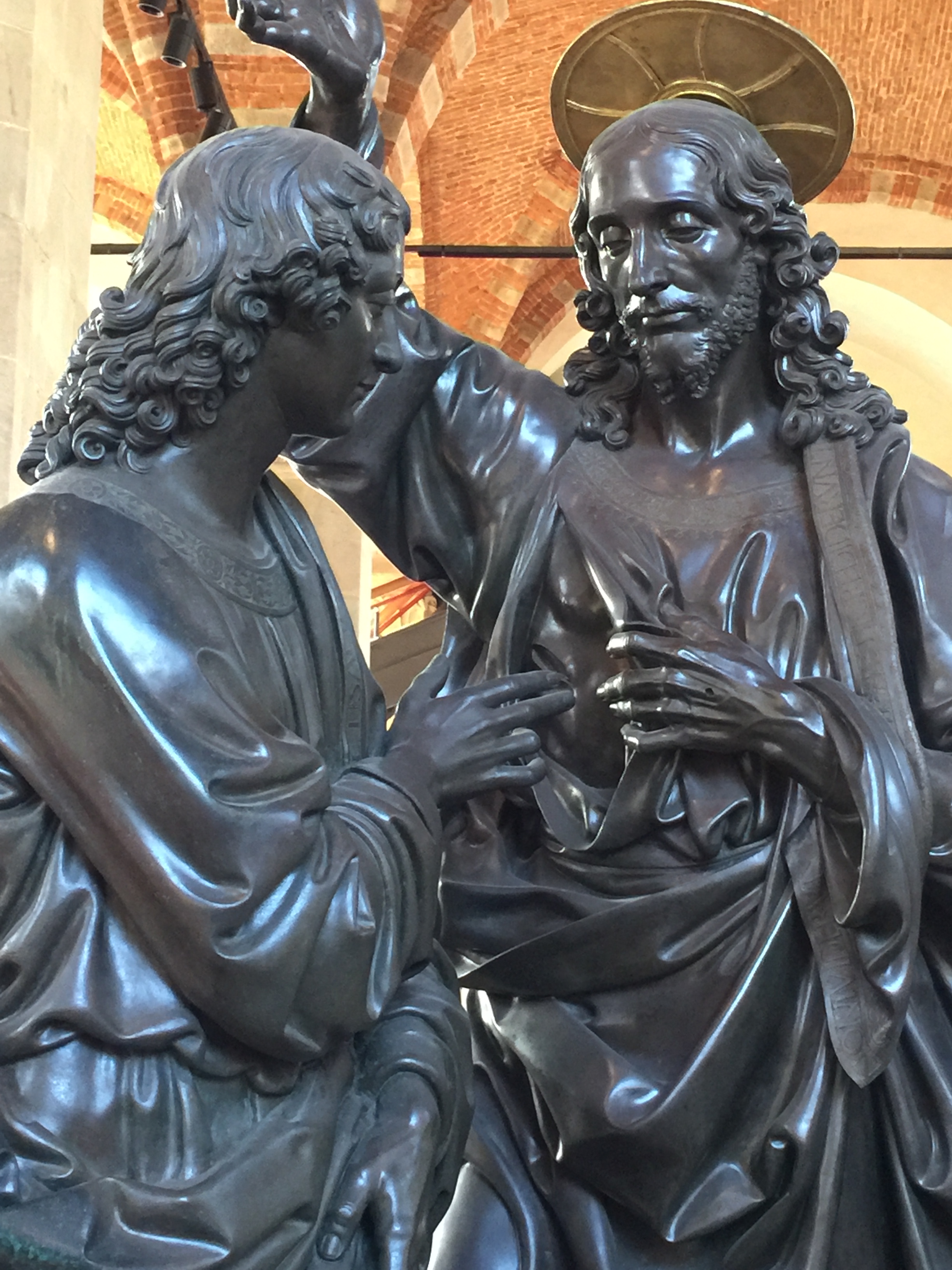
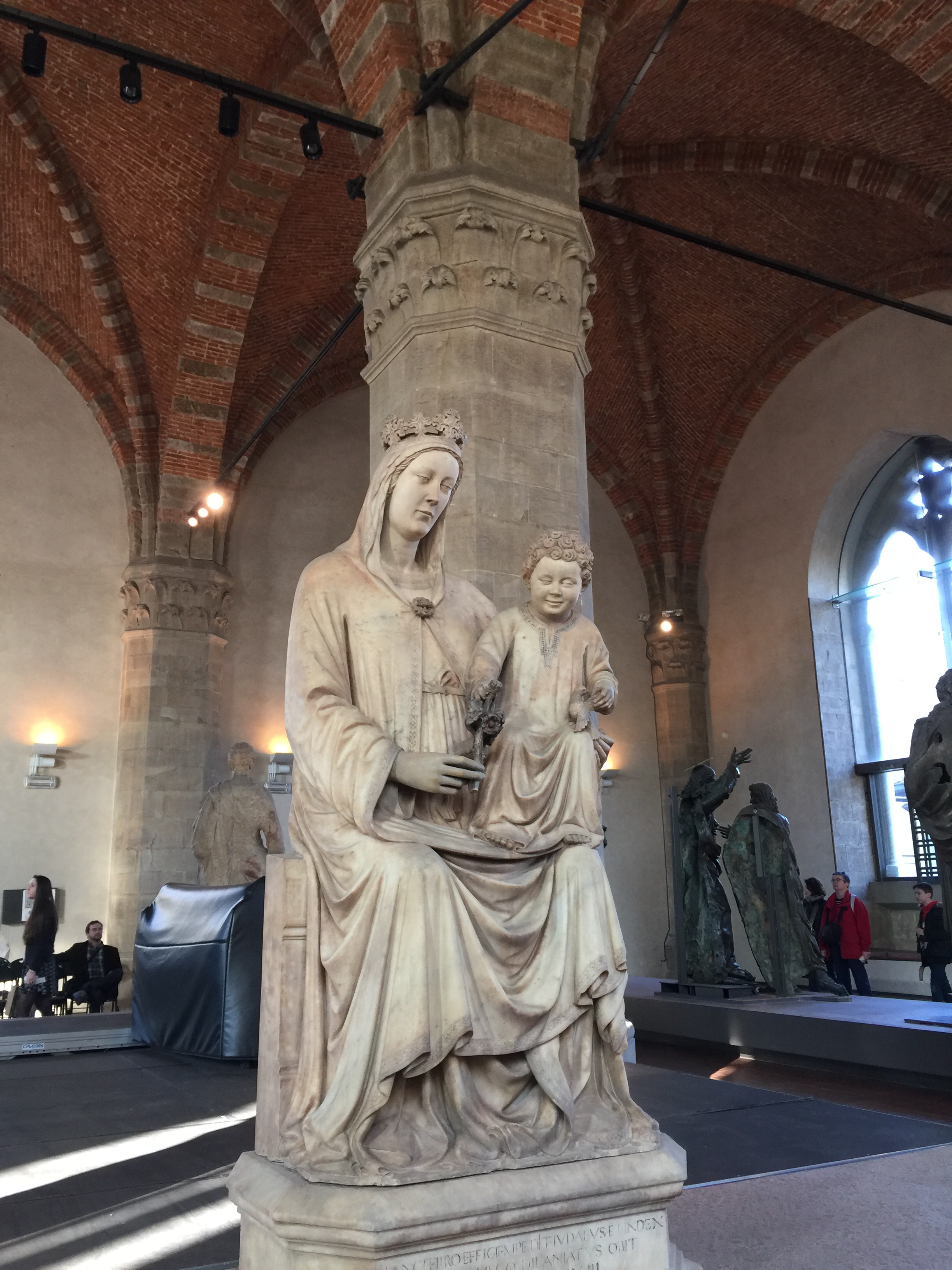
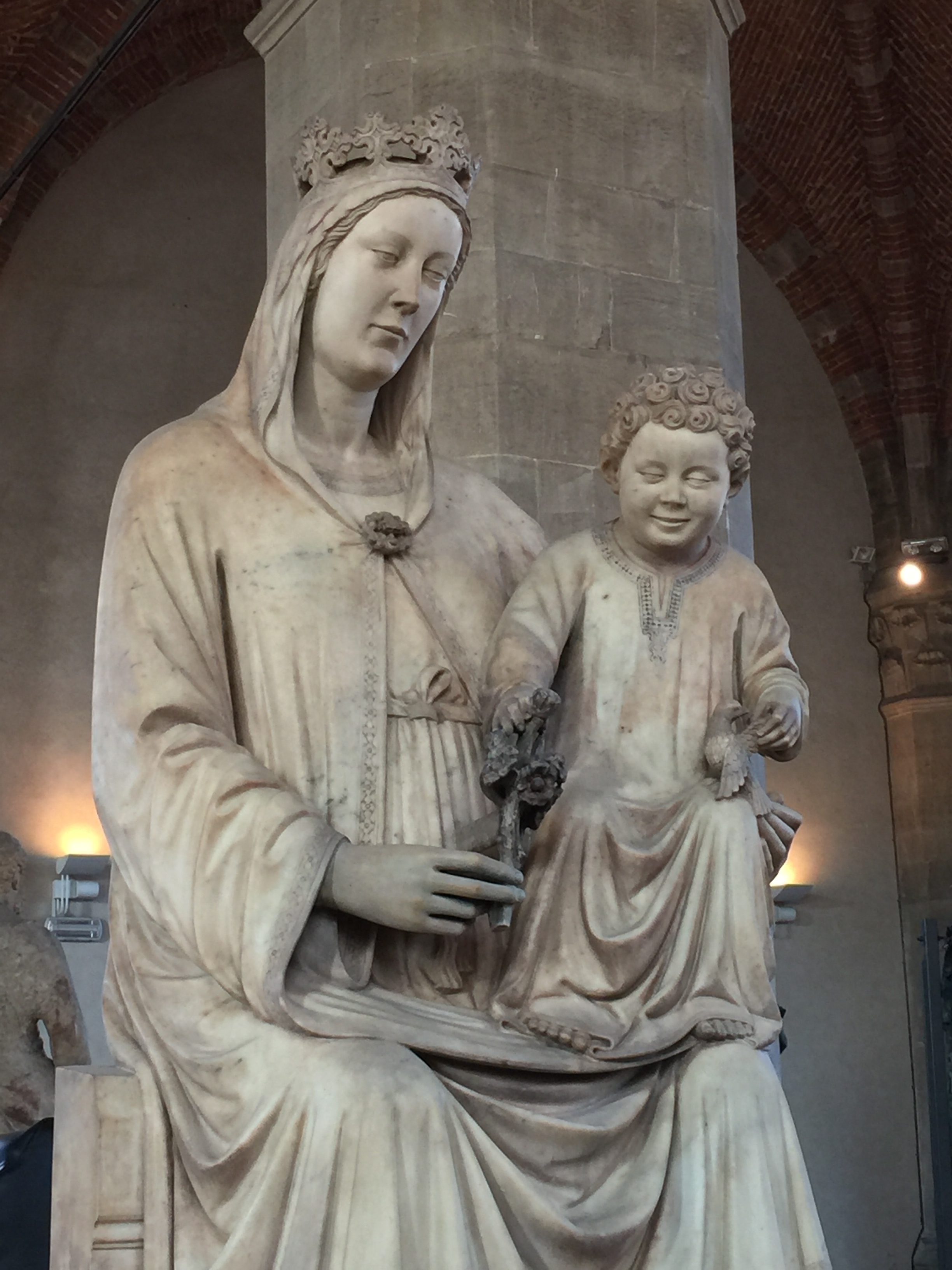
Above the church is a museum where all of the significant Renaissance sculptures originally placed in niches on the 4 facades of the church are now housed.  Copies of these grand works are now in the niches on the building’s facade.

Here are some of the original works:

IMG_0577IMG_0579IMG_0580IMG_0581IMG_0582IMG_0583IMG_0584

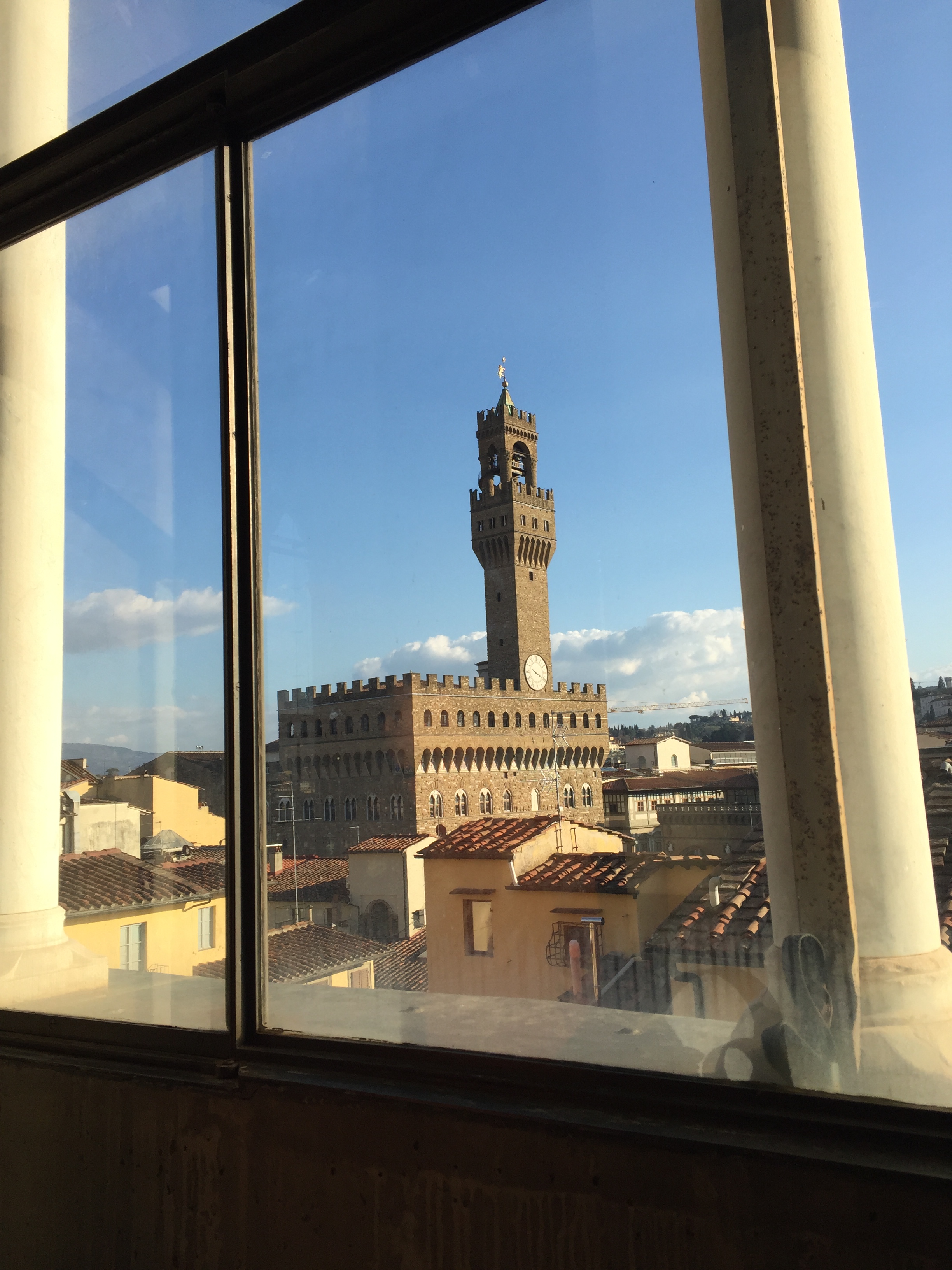
The views of the city from the 2nd floor of Orsan Michele are pretty amazing.

IMG_0585IMG_0586IMG_0587IMG_0588IMG_0589IMG_0590IMG_0591IMG_0592IMG_0593IMG_0594IMG_0595IMG_0596


IMG_0599

The waterlilies of Claude Monet

Yesterday I saw the new film, The Waterlilies of Monet, at the Odeon theater in Florence.  I didn’t know much about the film, just that it featured Monet and his waterlily paintings.  That was enough to get me there.  I’m happy I saw it.

The film is a bit strange, part mystical, part historical.  I don’t think it will have wide appeal, but it appealed to me.  Here’s info from the press release, in first Italian and then a rough translation. And the film’s trailer.

Milano – Per soli tre giorni, il 26, 27 e 28 novembre, in esclusiva nei cinema LE NINFEE DI MONET. UN INCANTESIMO DI ACQUA E DI LUCE. Un percorso, narrato da Elisa Lasowski de Il trono di spade, che ci porta alla scoperta del più grande progetto pittorico di Claude Monet: le Grandes Décorations, le ninfee.

For just three days, on November 26th, 27th and 28th, exclusively at MONET’s WATERLILIES cinemas. A SPELL OF WATER AND LIGHT. A journey, narrated by Elisa Lasowski of The Game of Thrones, leads us on a discovery of Claude Monet’s greatest pictorial project: the Grandes Décorations, the water lilies.


Il film, prodotto da Ballandi Arts e Nexo Digital, condurrà il pubblico a Parigi, tra il Musée Marmottan, il Musée de l’Orangerie e il Musée D’Orsay, a Giverny con la Fondation Monet, la casa e il giardino dell’artista, e tra i magnifici panorami di Étretat. A guidare gli spettatori alla scoperta dei luoghi, delle opere e delle vicende del maestro, ci sarà Elisa Lasowski, attrice ne Il Trono di Spade, mentre la consulenza scientifica sarà affidata allo storico e scrittore Ross King, autore del best seller Il mistero delle ninfee. Monet e la rivoluzione della pittura moderna, edito in Italia da Rizzoli.


The film, produced by Ballandi Arts and Nexo Digital, takes the public from  Paris, between the Musée Marmottan, the Musée de l’Orangerie and the Musée D’Orsay, to Giverny with the Fondation Monet, the artist’s house and garden, and shows the magnificent views of Étretat. Guiding the audience’s discovery of the places, works and events of the master, is Elisa Lasowski, actress in The Game of Thrones, while the scientific advice will be entrusted to the historian and writer Ross King, author of the best seller The mystery of water lilies; Monet and the revolution of modern painting, published in Italy by Rizzoli.

Il grande progetto di Monet
Seguendo il percorso della Senna, il film prende le mosse da Le Havre, dove Monet trascorre il primo periodo della sua vita artistica, e risale il fiume verso gli altri paesi dove ha dimorato: Poissy, Argenteuil, Vétheuil, e infine Giverny. Qui, a 70 anni di età e ormai quasi cieco a causa della cataratta, mentre piovono le bombe della Prima Guerra Mondiale, Monet concepisce il progetto di dipinti di enormi dimensioni, nei quali lo spettatore possa immergersi completamente. Il soggetto, le sue amate nymphéas. Dopo dieci anni, nel Musée de l’Orangerie di Parigi, la sua speranza trova finalmente il giusto compimento, nelle magnifiche sale ovali da lui stesso disegnate. Nel maggio del 1927, l’amico George Clemenceau inaugura finalmente il museo dedicato alla Grand Décoration.

The great project by Monet
Following the route of the Seine, the film starts from Le Havre, where Monet spends the first period of his artistic life, and goes up the river to the other areas where he lived: Poissy, Argenteuil, Vétheuil, and finally Giverny. Here, at 70 years of age and now almost blind because of the cataract, while the bombs of the First World War are raining down, Monet conceives the project of paintings of enormous dimensions, in which the viewer can immerse himself completely. The subject, his beloved waterlilies. After ten years, in the Musée de l’Orangerie in Paris, his paintings find superb fulfillment, in the magnificent oval rooms he himself designed. In May 1927, his friend George Clemenceau finally inaugurated the museum dedicated to Grand Décoration.

Go get truffled! San Miniato, Tuscany

Want to see a darling hill town in Tuscany?  Then head for the hills! Get yourself to San Miniato, a very lively and attractive hill town near Pisa, famous for the white truffles found in the surrounding area.

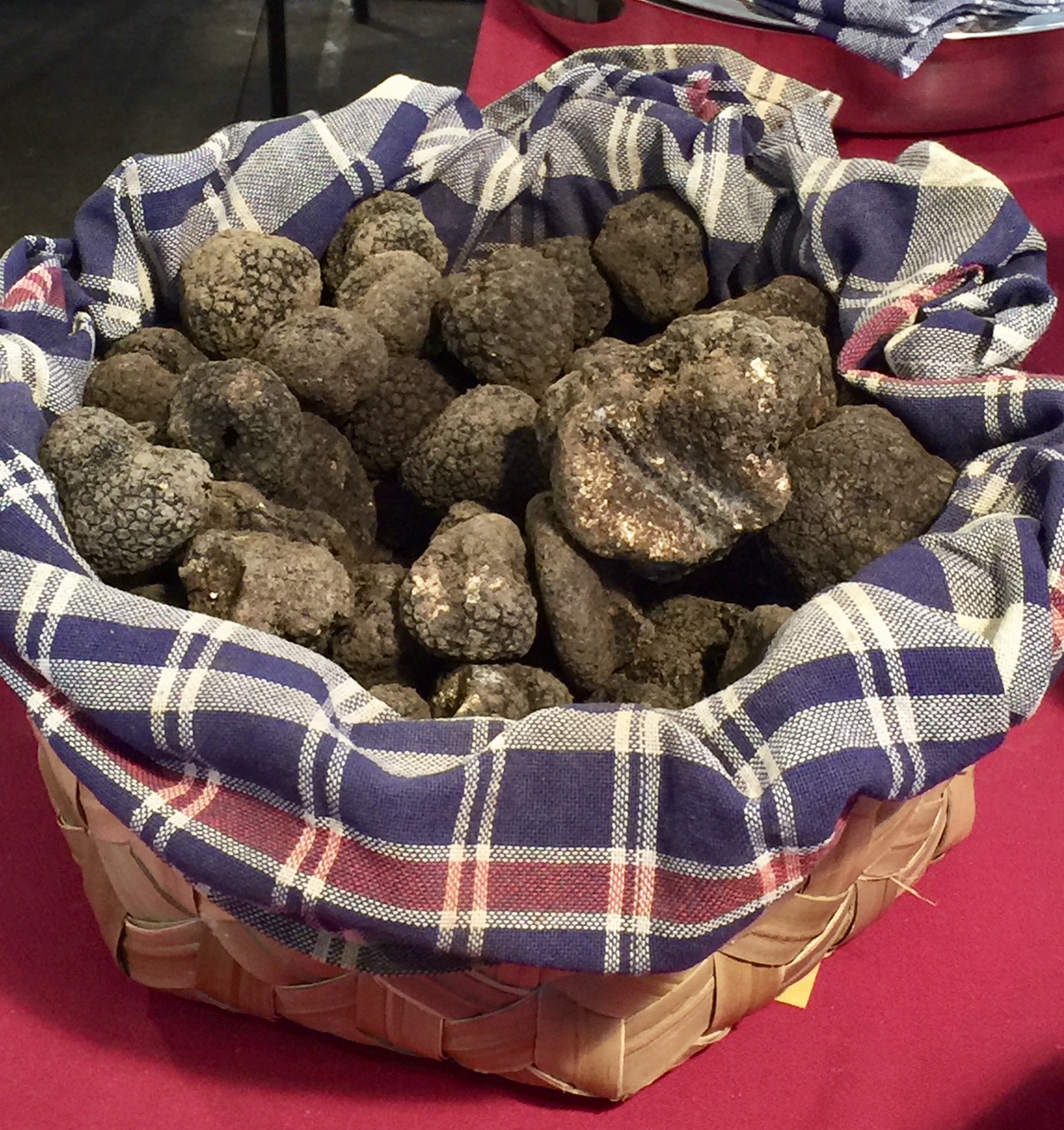
Want to see truffles? The famous tartufo aren’t very pretty, but oh my goodness, do they taste good in Italian cuisine! Here’s a basket full of them:

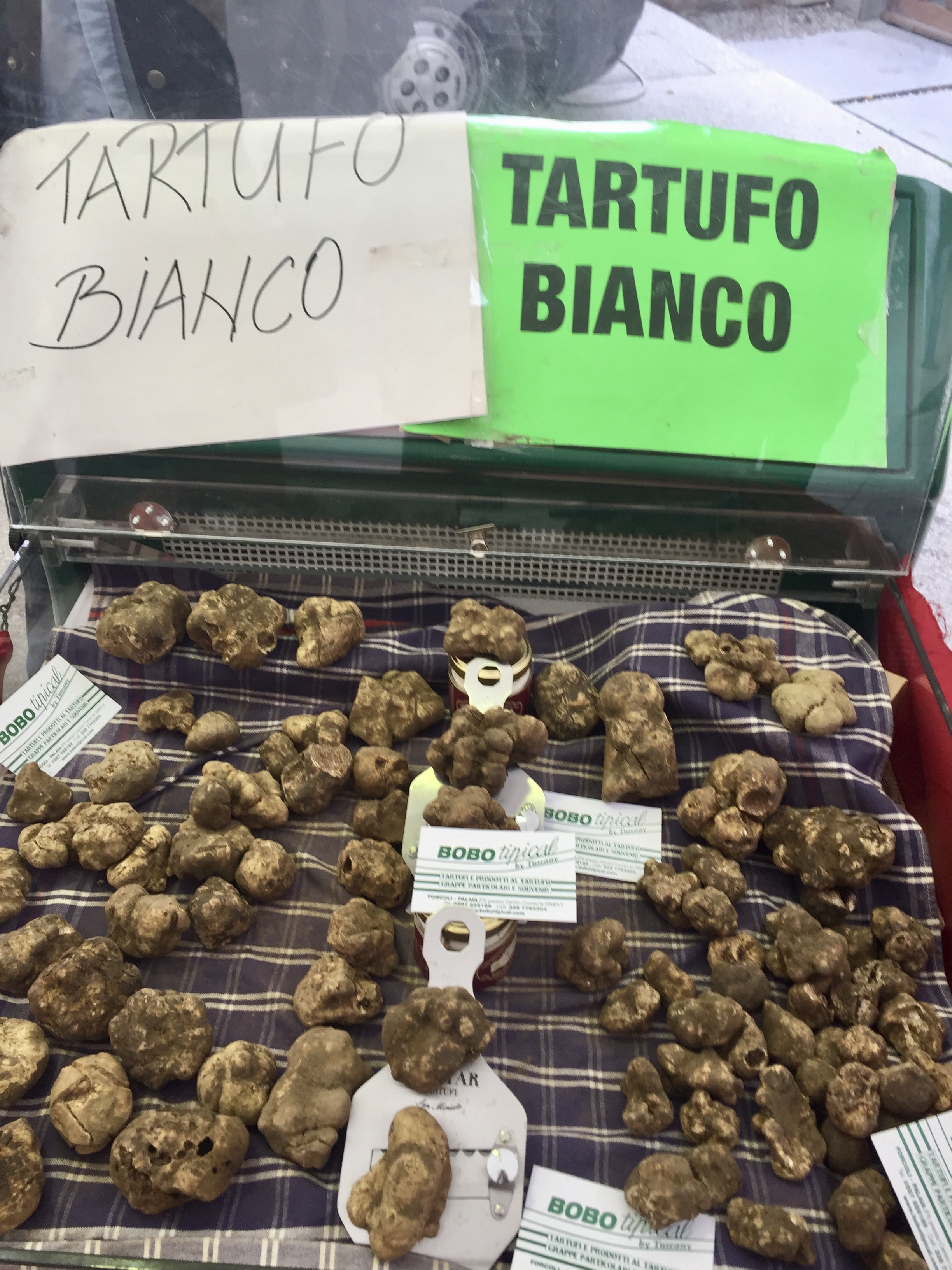
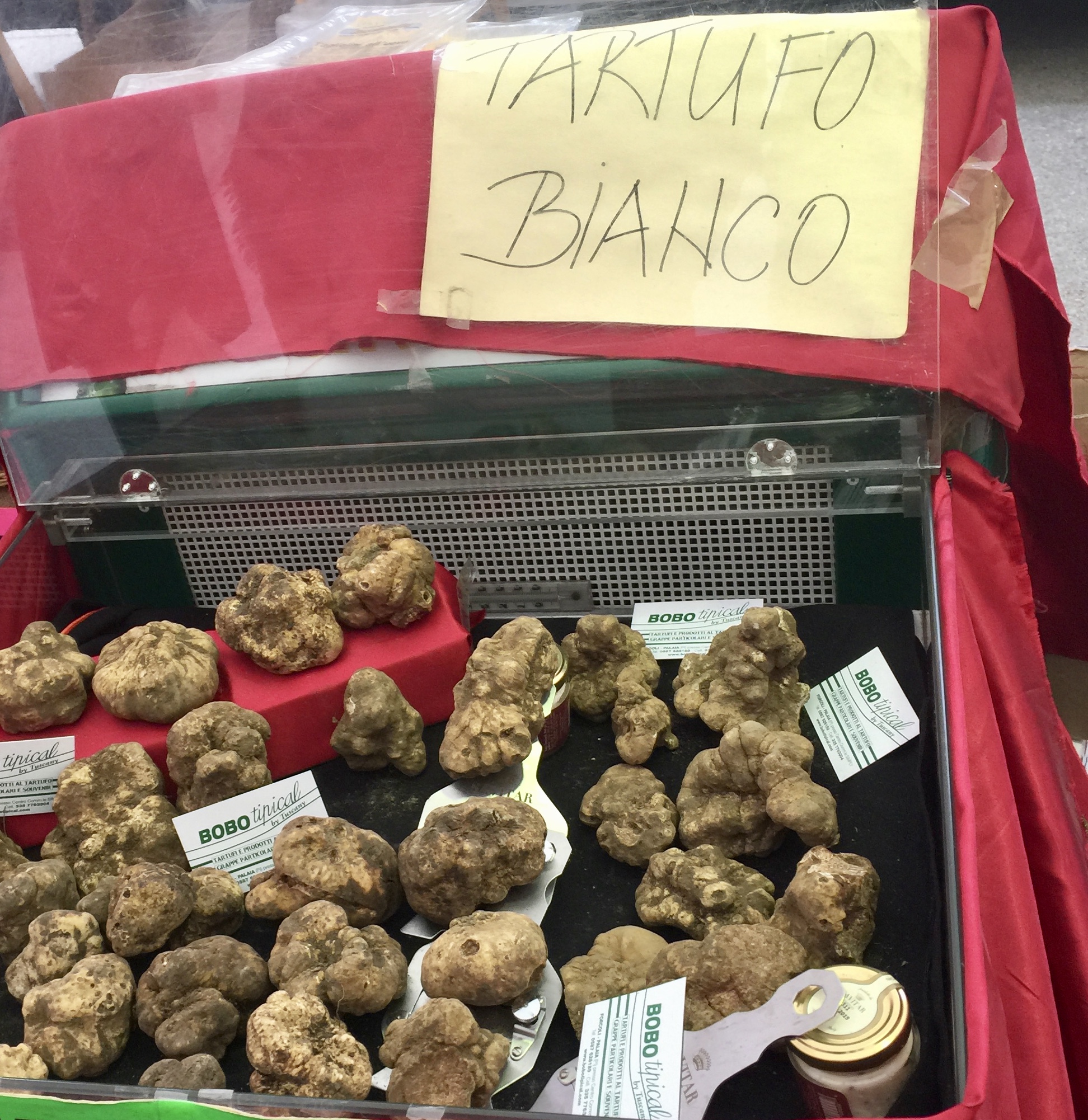
fullsizeoutput_61bfullsizeoutput_626fullsizeoutput_625

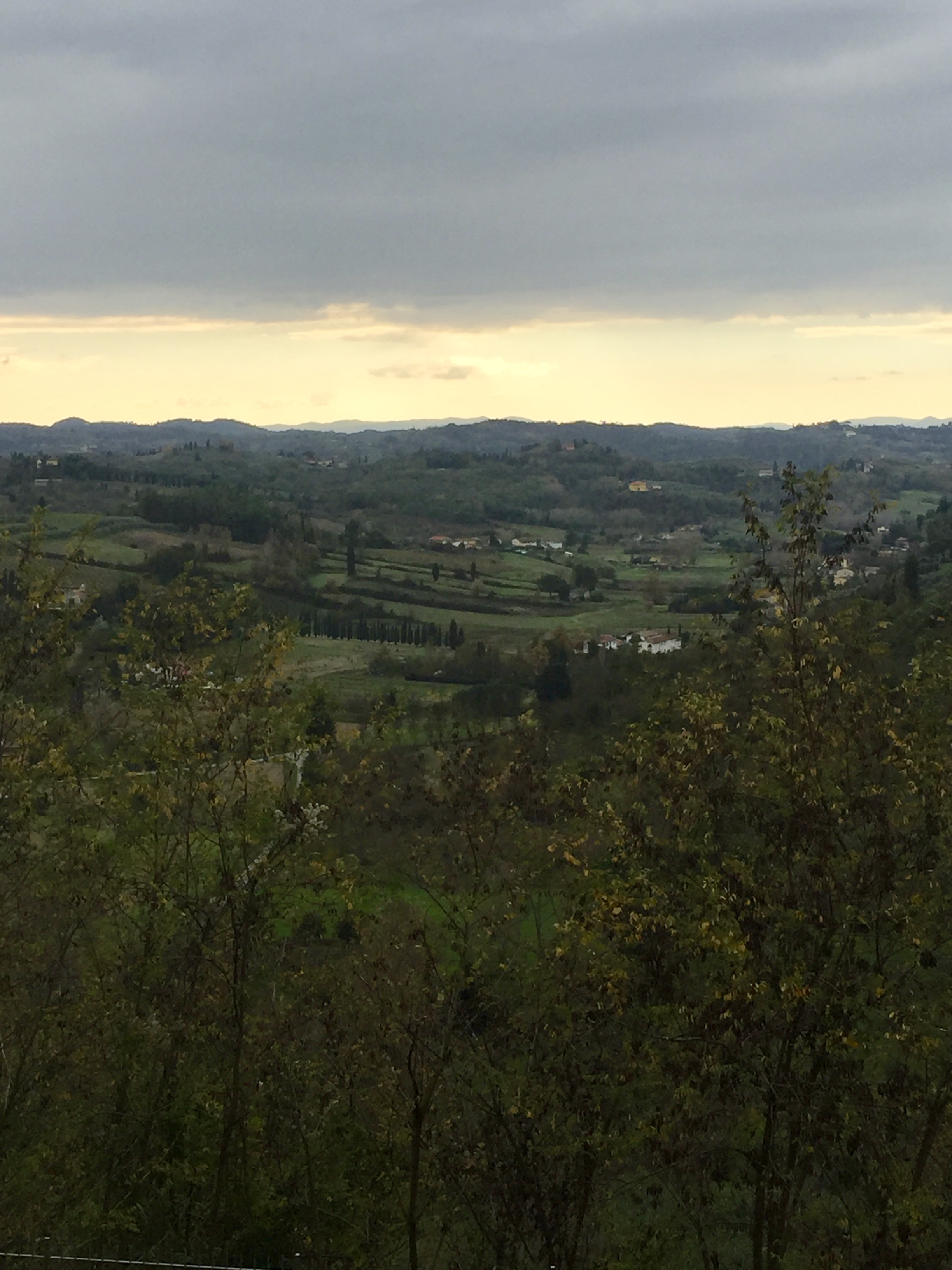
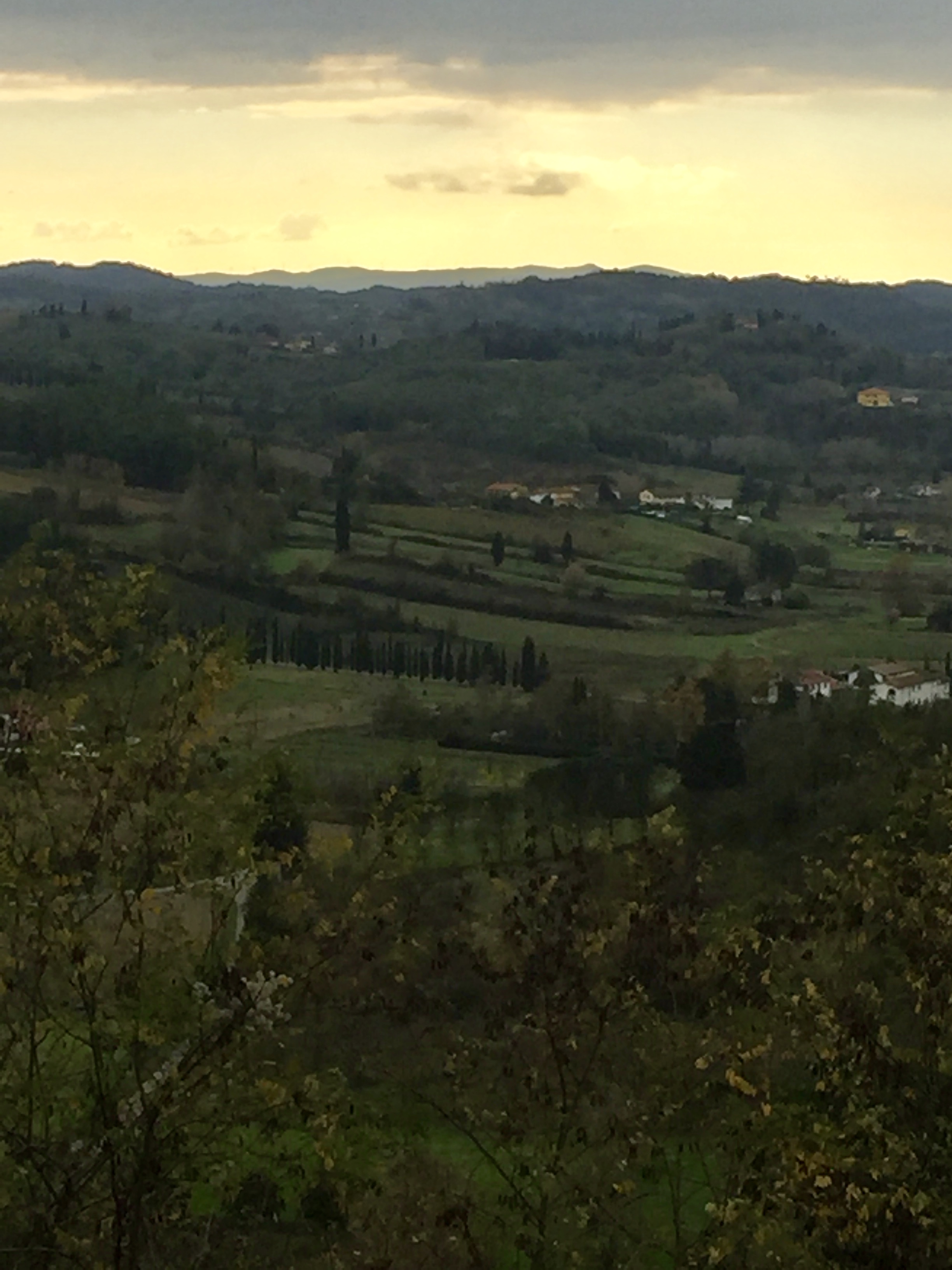
I visited San Miniato yesterday, 17 November, during the annual truffle sagra held by the town.  Fall has definitely arrived in Tuscany and it was cold and overcast.  It almost makes me wistful about the heat of last July.  Almost. The next 2 pictures capture the weather as well as the beautiful vistas as seen from San Miniato of the beautiful Valdarno.

fullsizeoutput_62bfullsizeoutput_62a

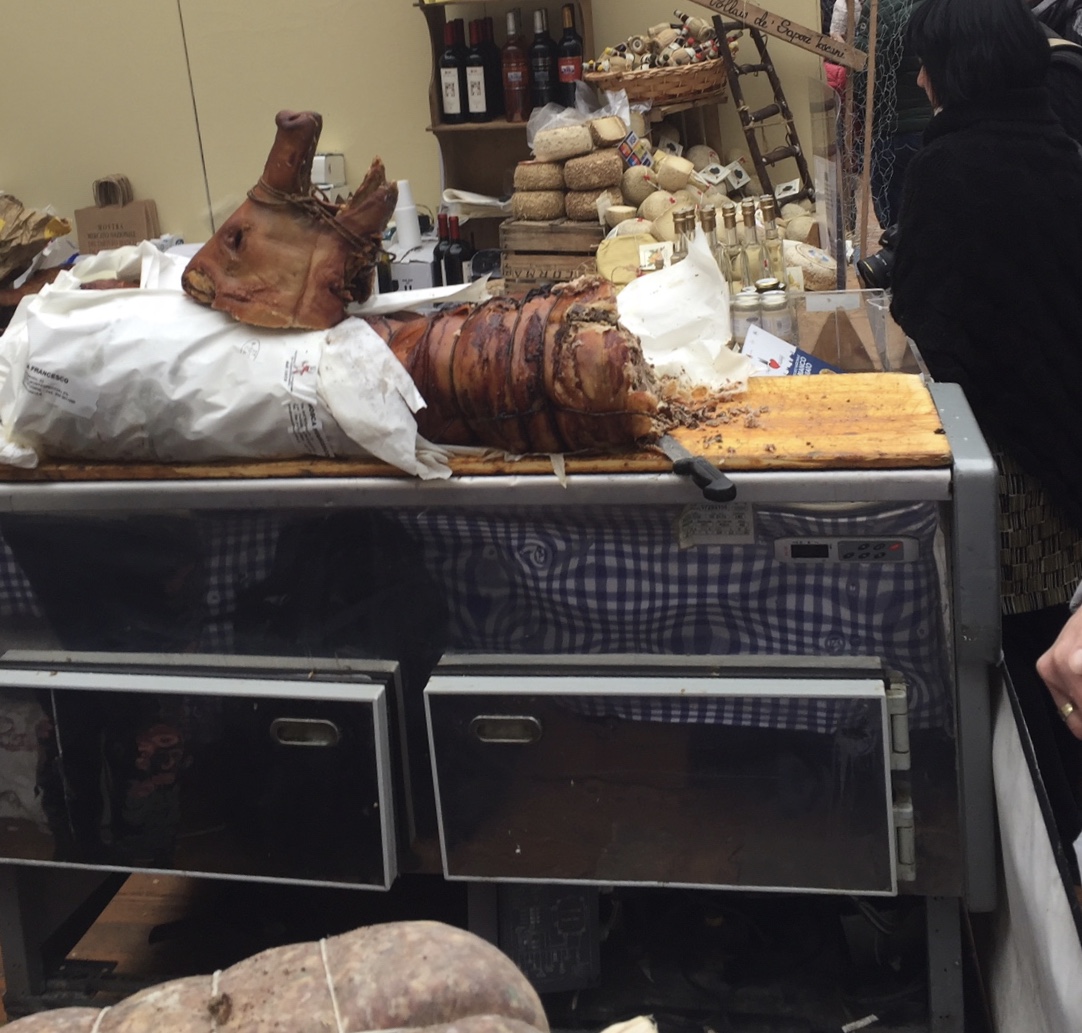
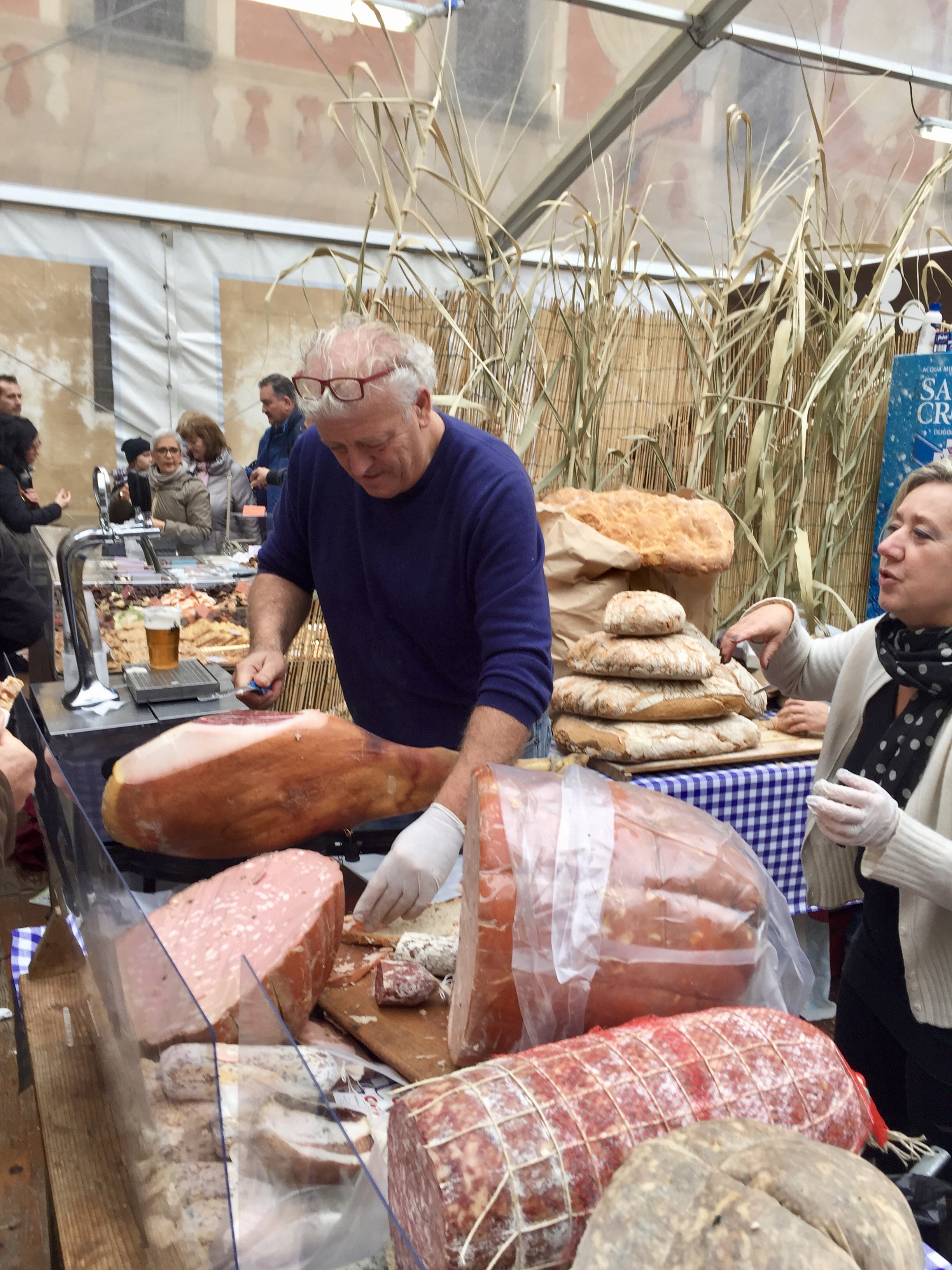
The truffle festival also features artiginale production of prosciutto, and there were lots of pork products on show, to taste, to purchase, and you could even buy specialized equipment for the home to slice the hams.  All shown below:

fullsizeoutput_622fullsizeoutput_61f


But the truffles are the raison d’être:  The festival San Miniato hosts every November is devoted to the gastronomically precious white truffle found locally. The white truffle is more highly valued than the black truffles found in Umbria and the Marche, and commands very high prices, reflected in the cost of restaurant dishes that incorporate truffles. In 1954 a record-breaking truffle found close to the nearby village of Balconevisi weighed in at 2,520 grams (5.56 lb) and was sent to the United States of America as a gift for President Dwight D. Eisenhower.

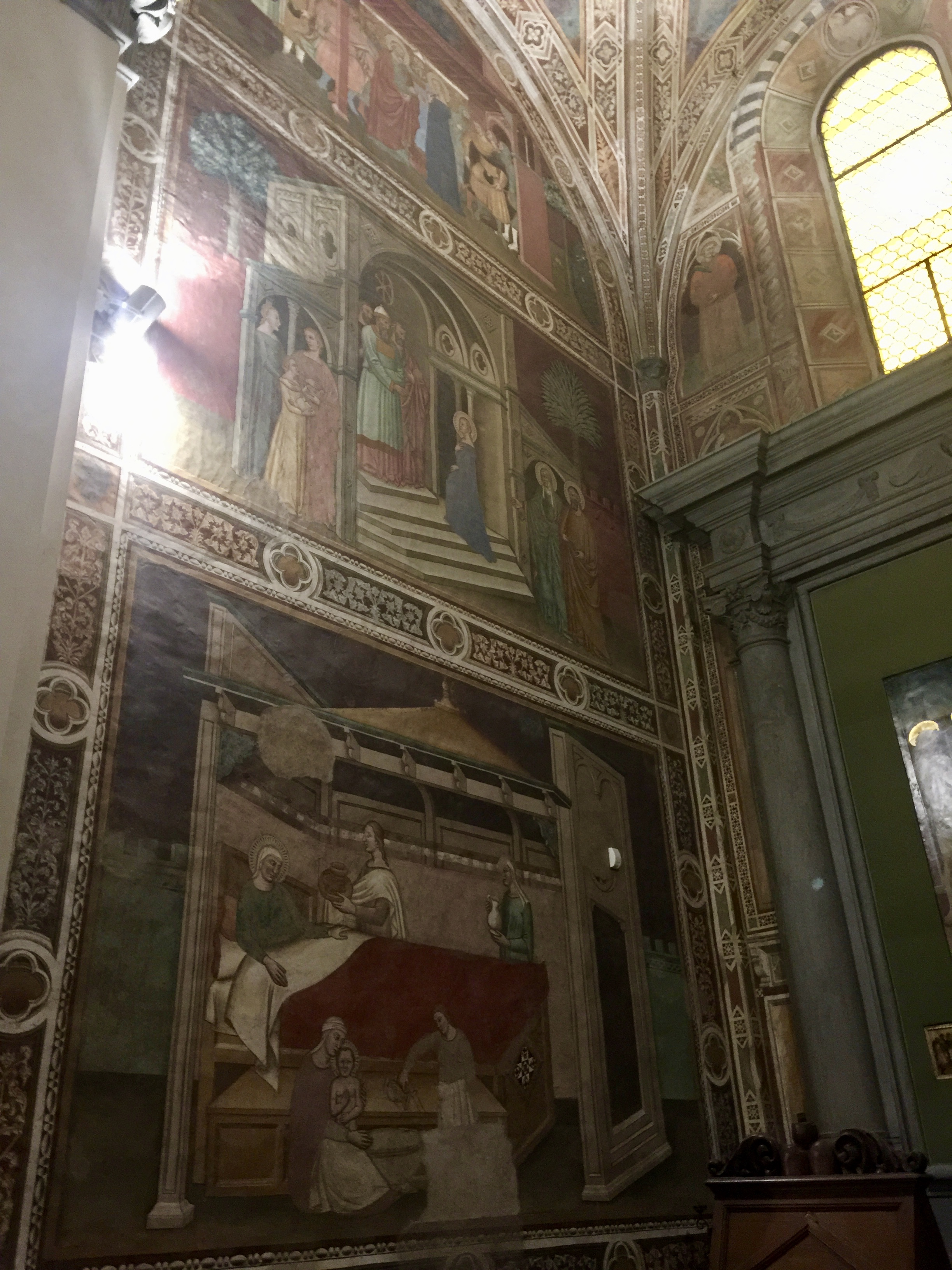
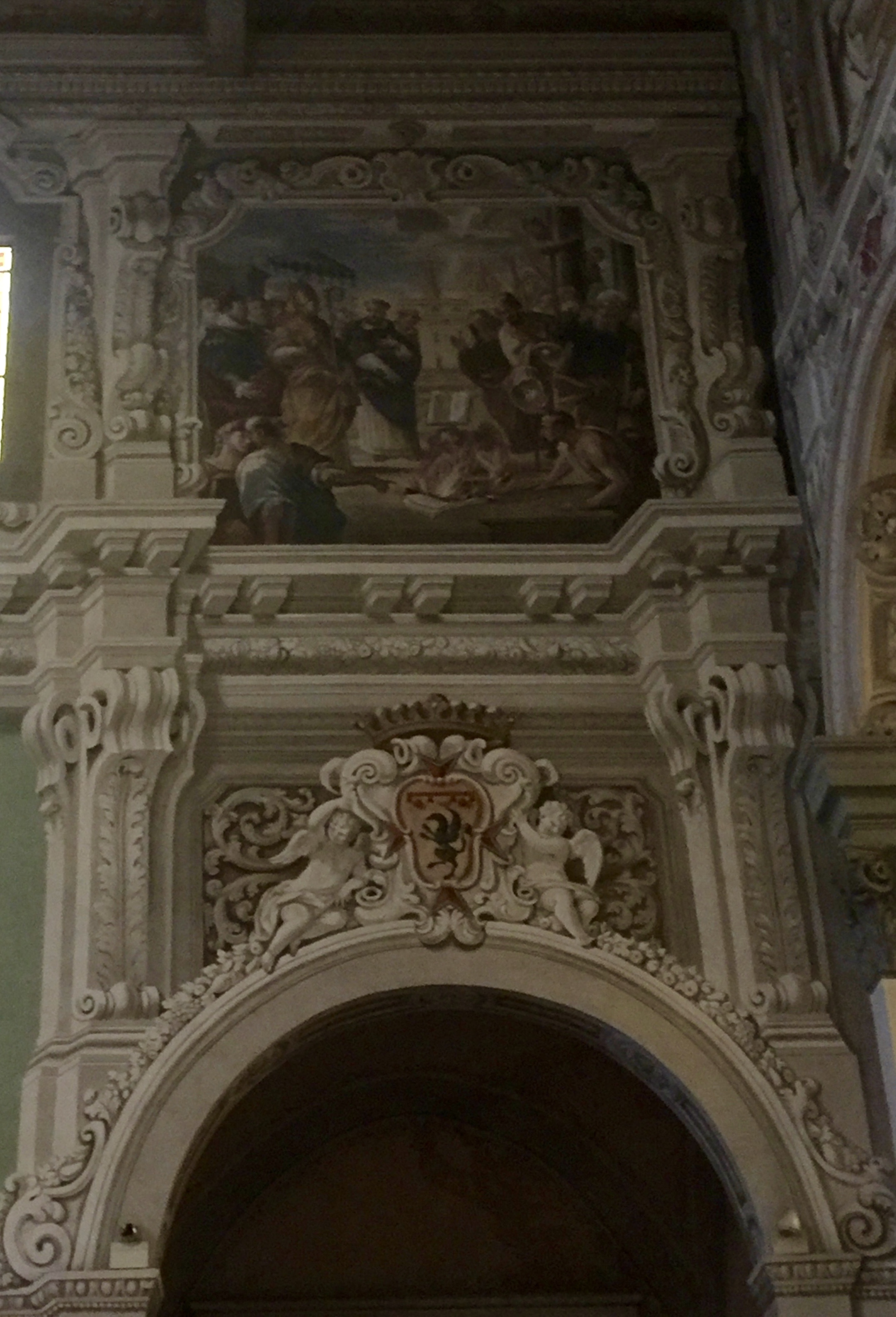
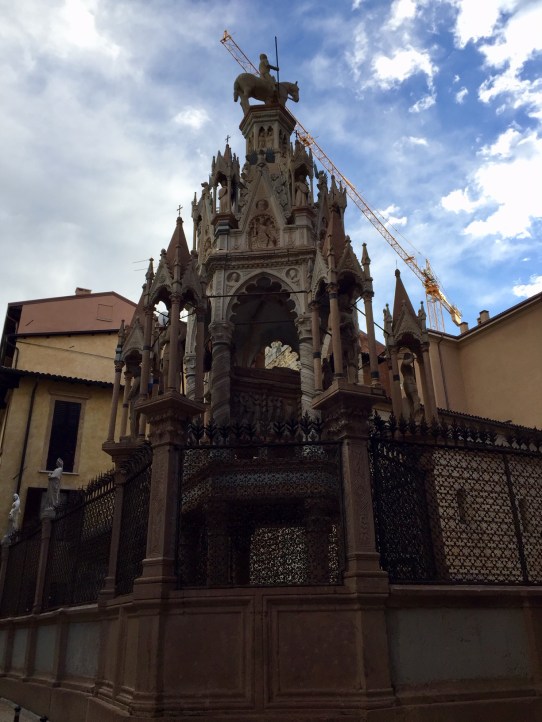
But even if you aren’t a fan of truffles or hams, there is still much to enjoy about this little gem of a town. For example, there is a lovely church with important Quattrocento frescoes:
fullsizeoutput_635fullsizeoutput_634fullsizeoutput_633fullsizeoutput_632


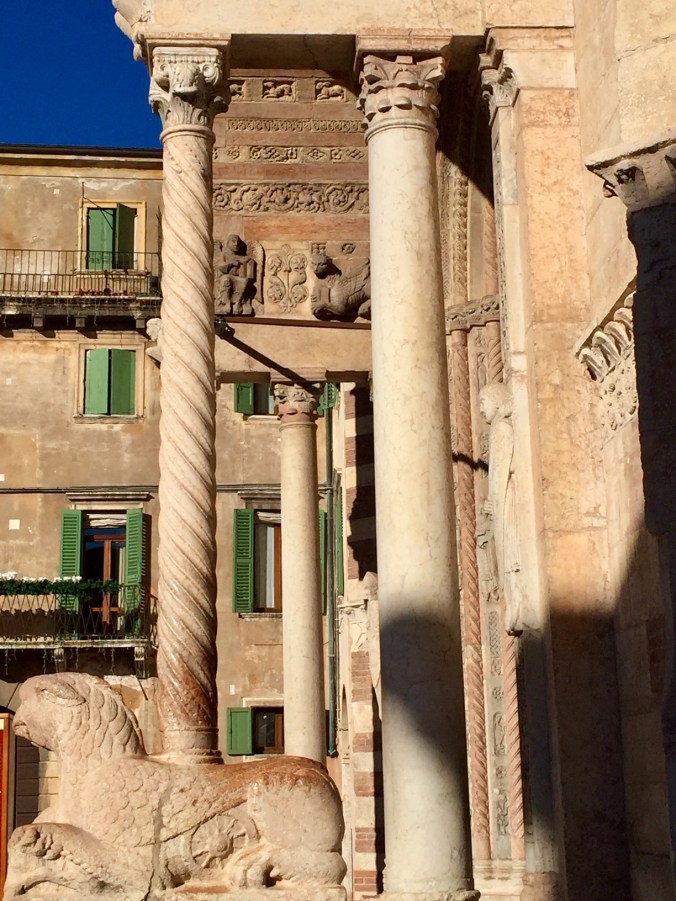
The ceiling and upper sections of the basilica walls are painted with trompe’oeil marble architecture:
fullsizeoutput_630

fullsizeoutput_62f


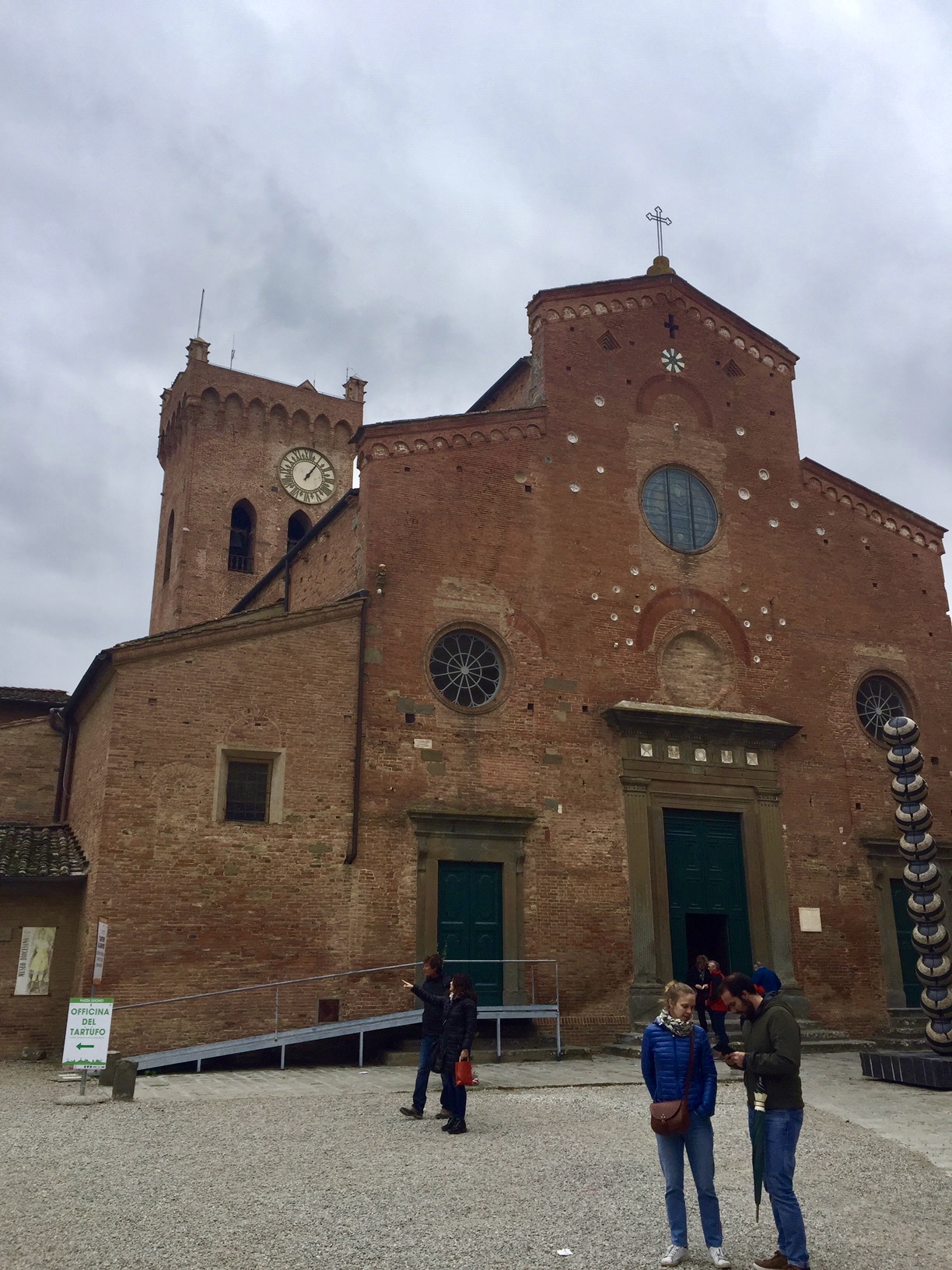
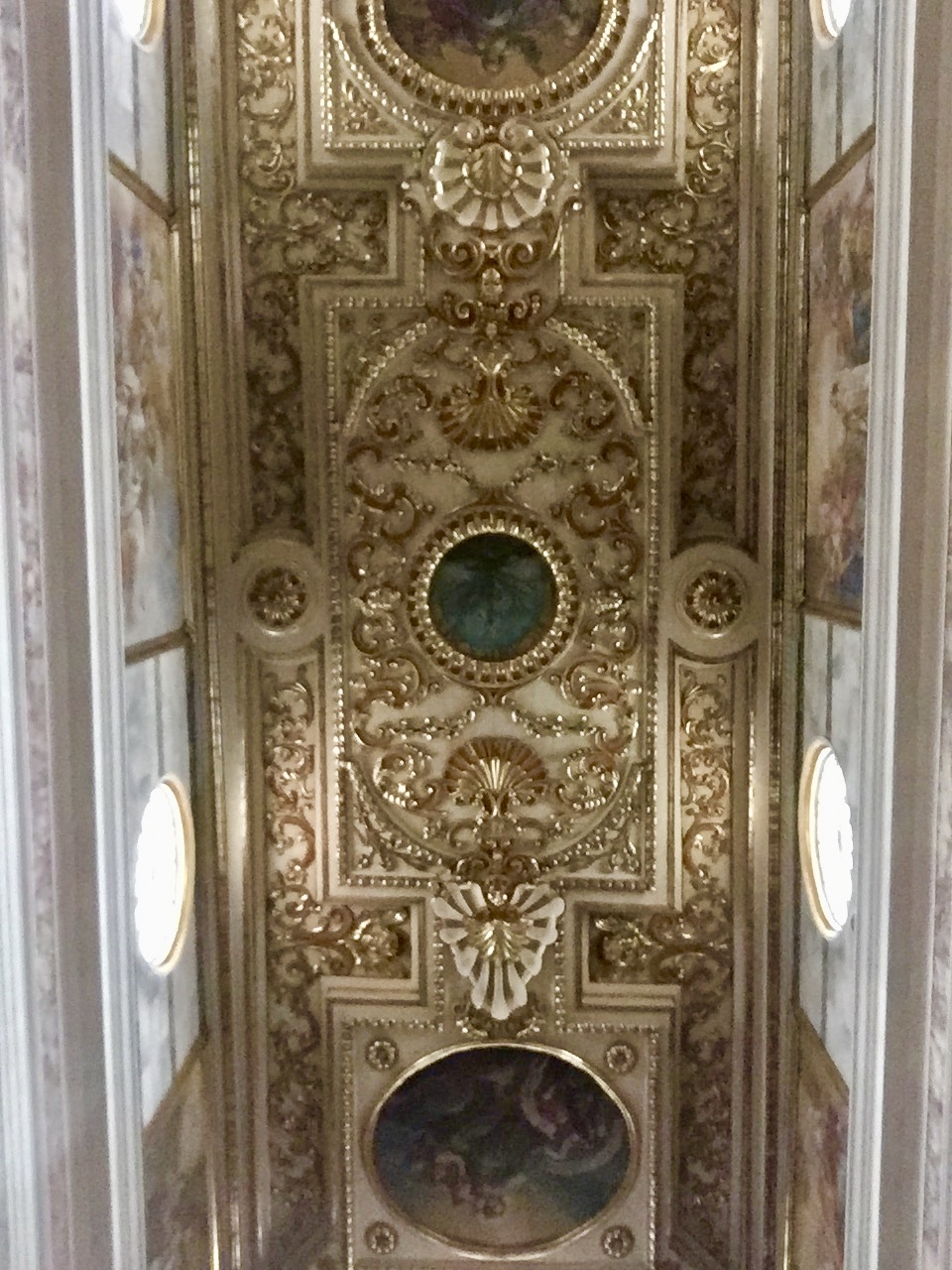
And the town’s Duomo has a simple Tuscan facade which doesn’t prepare you for the opulent interior filled with porphyry marble columns and a gorgeous, gold leafed ceiling:
fullsizeoutput_61dfullsizeoutput_61c
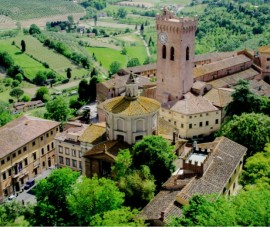
The Duomo is dedicated to both Sant’ Assunta and Santo Genesio of Rome. It was originally a Romanesque building, but it has been remodelled several times and exhibits Gothic and some Renaissance arcchitectural elements. The façade incorporates a number of colorful majolica bowls. The interior has Latin cross plan with a central nave with two side aisles. The cathedral’s campanile, a fortification annexed in is called the Matilde Tower and features an asymmetrical clock. Very charming.

In medieval times, San Miniato was on the via Francigena, or the main connecting route between northern Europe and Rome. It also sits at the intersection of the Florence-Pisa and the Lucca-Siena roads. Over the centuries San Miniato was therefore exposed to a constant flow of friendly and hostile armies, traders in all manner of goods and services, and other travelers and pilgrims from near and far.

Archaeological evidence indicates that the site of the city and surrounding area has been settled since at least the paleolithic era. It would have been well known to the Etruscans, and certainly to the Romans, for whom it was a military post called “Quarto.”

The first mention in historical documents is of a small village organized around a chapel dedicated to San Miniato built by the Lombards in 783. By the end of the 10th century, San Miniato boasted a sizeable population enclosed behind a moat and protected by a castle built by Otto I.

In 1116, the new imperial vicar for Tuscany, Rabodo, established himself at San Miniato, supplanting Florence as the center of government. The site came to be known as al Tedesco, since the imperial vicars, mostly German, ruled Tuscany from there until the 13th century.

During the late 13th-century and the entire-14th century, San Miniato was drawn into the ongoing conflict between the Ghibelline and Guelph forces. Initially Ghibelline, it had become a Guelph city by 1291, allied with Florence and, in 1307, fought with other members of the Guelph league against the Ghibelline Arezzo.

By 1347 San Miniato was under Florentine control, where it remained, but for a brief period from 1367-1370 when, instigated by Pisa, it rebelled against Florence, and for another brief period between 1777 and 1779 during the Napoleonic conquest. It was still part of the Grand Duchy of Tuscany when the Duchy was absorbed into the newly formed Kingdom of Italy in 1860.

The first walls, with defensive towers, were thrown up in the 12th century during the time that Italy was dominated by Frederick Barbarossa. Under his grandson, Frederick II, the town was further fortified with expanded walls and other defensive works, including the Rocca and its tower.

The city is enclosed within a well-preserved medieval precinct. Main landmarks include:

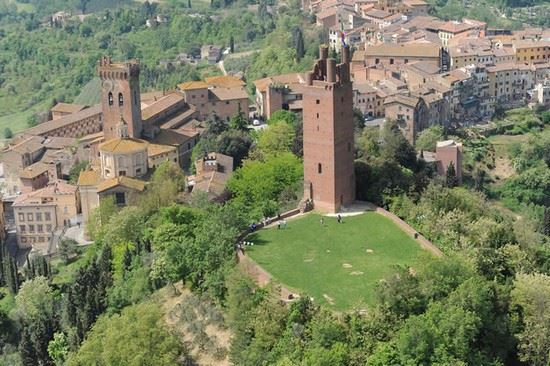
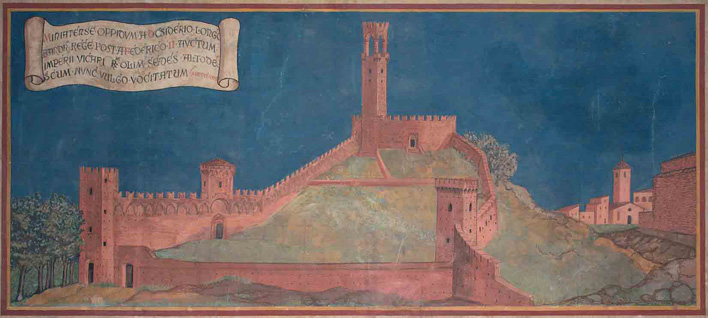
The Tower of Frederick, built by Frederick II in the 13th century on the summit of the hill at an elevation of 192 metres (630 ft), overlooking the entire Valdarno.

95478_la_torre_di_federico_secondo_san_miniato


I love the frescoes showing all the parts of the Italian peninsula in the corridors of the Vatican.  Interestingly enough, the tower and San Miniato is among them:

federico_II

During World War II the tower was destroyed by the German army to prevent the Allies from using it as a gun sighting tower, but was reconstructed in 1958 by architect Renato Baldi.
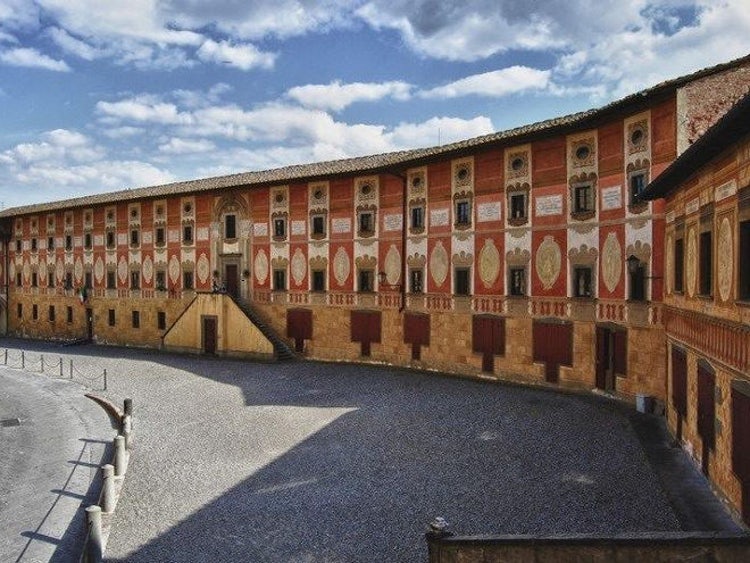
The remarkable Seminary, located in the central, unusually shaped Piazza della Repubblica, has a unique and spectacular set of frescos decorating the outside. as you can see in this photo and in my video taken yesterday:

san-miniato


san_miniato_view_10-11_0


If you can’t get to San Miniato yourself, at least you can enjoy this great Youtube video of the town filmed with the help of a drone.


The Neptune Fountain in Florence is disassembled for restoration

Nine bronze statues, depicting nymphs, fauns and satyrs, were removed with a crane and taken to a workshop in via Livorno, where they will be restored by Ires e Nicola Salvioli Restauri. Work on the fountain began in February 2017, using funds donated by the Salvatore Ferragamo fashion house, which is providing 1.5 million euro throughout the project. The bronze statues will be restored not only on the outside but on the inside as well, which has deteriorated substantially due to water and atmospheric agents.


In 1559, Cosimo I de’ Medici held a competition for the creation of the city’s first public fountain, with Bartolomeo Ammannati and his Neptune design eventually taking the prize, judged the best for its clear exaltation of the Grand Duchy of Tuscany’s glorious seafaring achievements. The sculpture was completed in 1565 and inaugurated for the wedding of Francesco I de’ Medici and the Grand Duchess Giovanna d’Austria on December 10 of that year. Close observers might notice that Ammannati used Cosimo I’s features to depict the strapping Neptune rising above the other figures.

http://www.theflorentine.net/news/2018/11/restoration-continues-neptune-fountain/