The heraldic lion—aka Il Marzocco—is the animal symbol representing the free Republic of Florence.
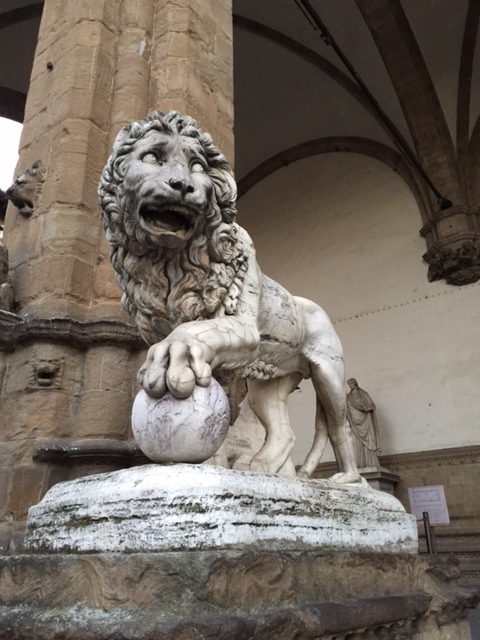
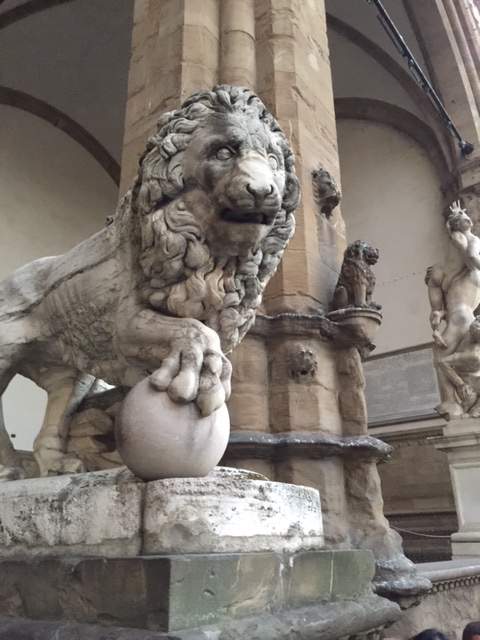
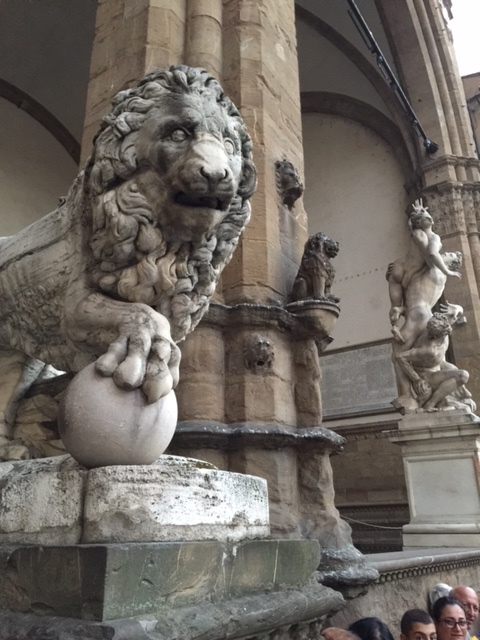


The heraldic lion—aka Il Marzocco—is the animal symbol representing the free Republic of Florence.
All the marble from the Italian Renaissance came from these mountains in Carrara. I had a fly-by view of them from the train last summer. I plan to visit Carrara again soon.


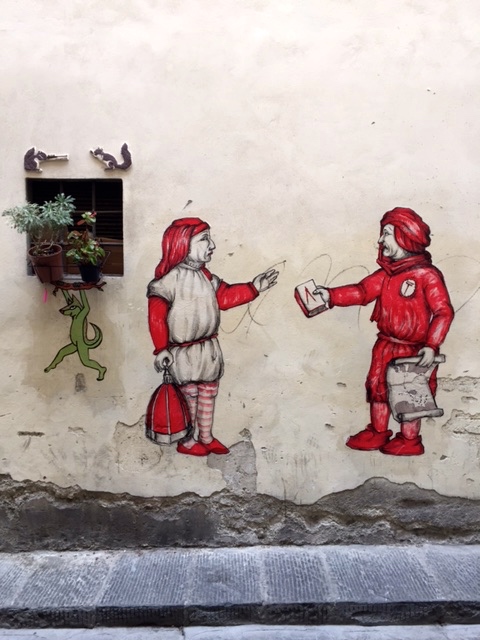
Do you know the work of Giovanni Duprè (1817 – 1882), the Italian sculptor?
This year marks the 200th anniversary of Duprè’s birth in Siena, and there is currently an exhibition honoring his work open in Sorano.


Duprè was born in Siena, where his father was a sculptor and young Duprè learned his trade both in his father’s carving workshop and that of Paolo Sani. They had a steady business in the production of fake Renaissance sculpture in marble.


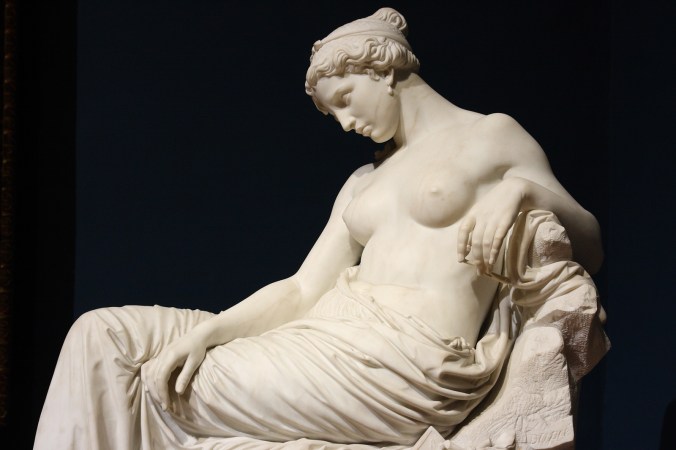
On a trip to Naples he passed through Rome and saw Antonio Canova’s funeral monument to Pope Pius VI, which influenced his style in a classical direction resulting in the brooding and melancholy statue of Sappho of 1857–61, with its Michelangelesque flavour (now in the Galleria Nazionale d’Arte Moderna in Rome); contemporary critics acclaimed it as his best work to date.
The sculptor received many commissions and his work can be located in and around Florence, as well as Assisi, Turin and Siena.*** Perhaps his finest work, the Pietà (1860–65), was created for the family tomb of the Marchese Bichi-Ruspoli in the cemetery of the Misericordia, Siena. This group was awarded the Grande medaille d’honneurat the International Exhibition in Paris.


Duprè’s memoirs, Pensieri sull’arte e ricordi autobiografici (Florence, 1879, 2nd ed. Milan 1935), were translated into English by F. Peruzzi (Edinburgh, 1886). His daughter Amalia achieved some reputation as a sculptor.
***Many works of Giovanni Dupre can be found gathered in two particular places in Tuscany. The recently closed Dupre Museum in Fiesole was curated until recently by Dupre’s descendant, Amalia Dupre.
The other significant treasury of Dupre works, featuring plaster molds for many of his most famous marble sculptures including the Abel and two sculptures for the Loggia of the Uffizi is held in the gipsoteca, a secret museum near Siena’s Contrada dell’Onda in via Fontanella 1, beneath the Contrada’s Chapel. This was opened in 1961.
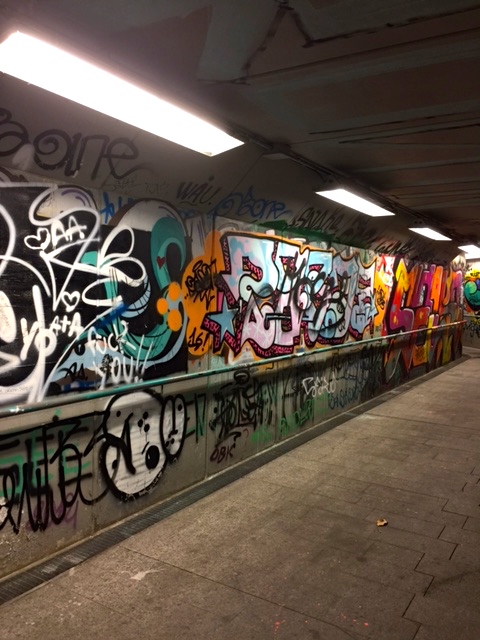
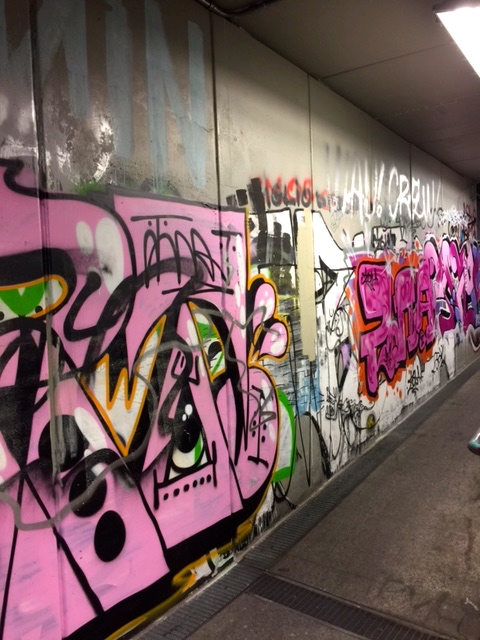
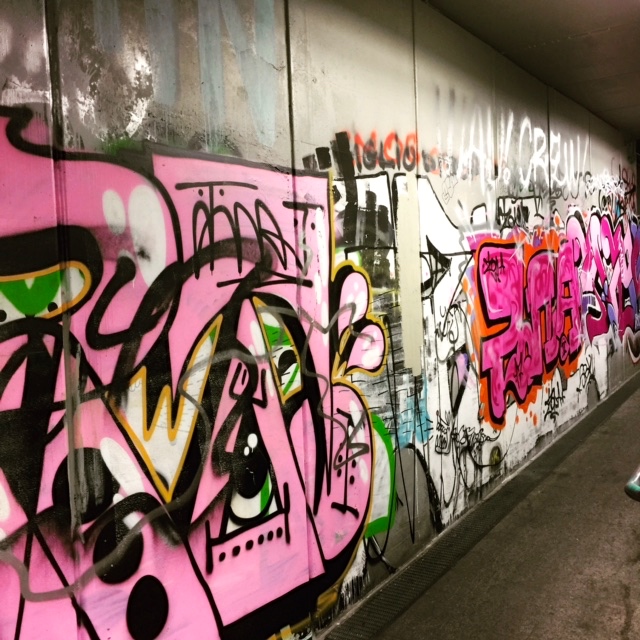
Chances are, you don’t know this Florentine piazza, even though it’s right in the city. Unless you live near this particular neighborhood, you probably wouldn’t have reason to ramble over to it.
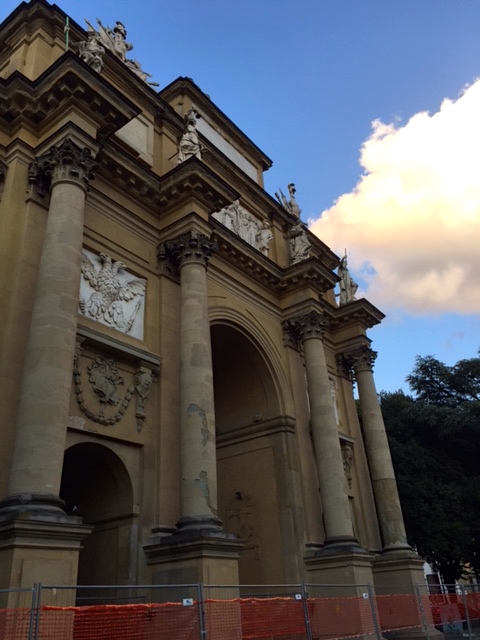
But, maybe you should! The Piazza della Libertà.
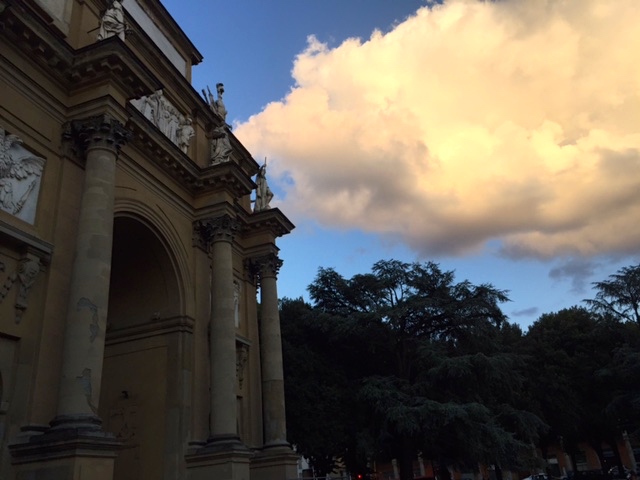
I happened to be there on a recent evening, on my way to meet a friend for dinner at a great neighborhood trattoria, and the sky was particularly dramatic as I walked by the piazza’s centerpiece, the neoclassical arch pictured above.
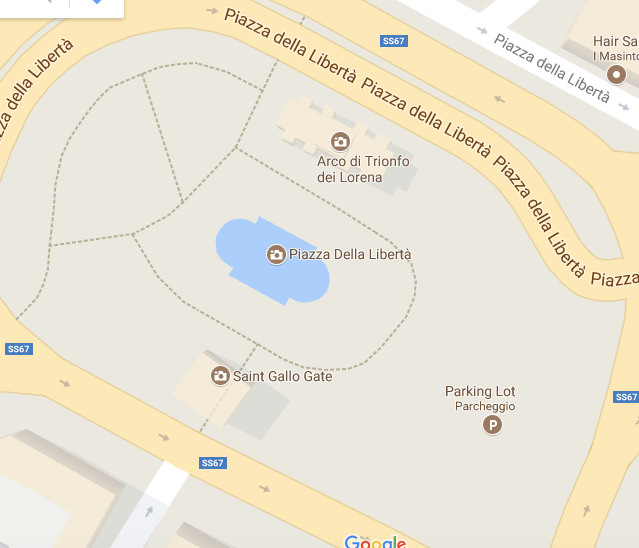
Piazza della Libertà is, in fact, the northernmost point of Florence’s historic center, at the end of Via Cavour. The piazza was created in the 19th century when the Viali di Circonvallazione was constructed around the city. You can find the piazza in the center of this Google map.

The most recognizable aspect of the piazza is the neoclassical Arco di Trionfo dei Lorena, or the Triumphal Arch of the Lorraine, which was constructed on this spot in the 1730s to celebrate the arrival of the new rulers of Tuscany, the Habsburg-Lorraine dynasty.
The arch was begun after 1737 in order to be finished in time for the January 1739 arrival of Francis Stephen of Lorraine, Holy Roman Emperor and Grand Duke of Tuscany. Francis traveled to Florence with his wife, Maria Theresa, and his brother Charles. They arrived on 20 January 1739 and stayed 3 months. Tuscany was governed by a viceroy, Marc de Beauvau-Craon, for the entire reign of Francis.
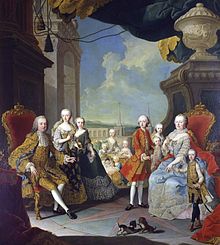 Francis I and his family, by Martin van Meytens
The arch is attributed to Jean Nicolas Jadot, who was sent to Florence in anticipation of the arrival of the new ruler. It is likely that Francesco Schamant of Lorraine also helped design the arch. The statuary was added later, in 1744.

To celebrate the arrival of the Habsburg-Lorraine dynasty, the newly-constructed arch would have been decorated with many ephemeral elements, including tapestries, to greet the new rulers as they processed along the Via San Gallo and into Florence in January 1739. Below are the Grand Duchy of Tuscany’s flag and coat-of-arms.
.svg)  |
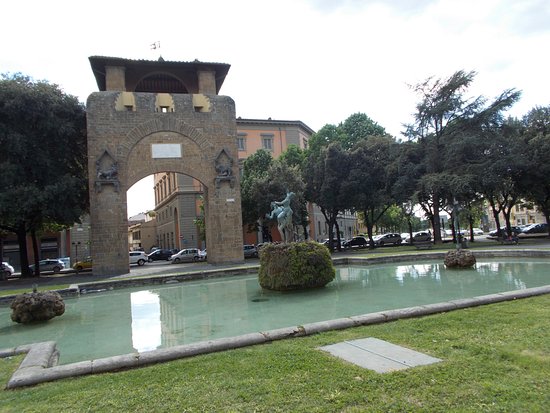
The arch itself has 3 openings, a larger central one flanked by two smaller ones. Ten classical columns with Corinthian capitals are attached to the arch. Most of the sculpture on the arch were added later, after the entry of the Habsburg rulers. The sculptural program was probably produced locally. They include bas-reliefs and depictions of flags and arms. The southern facade has two double-headed ages, which were the symbol of the Habsburg dynasty. An equestrian statue is mounted on top of the arch; it is supposed to depict King Francis.
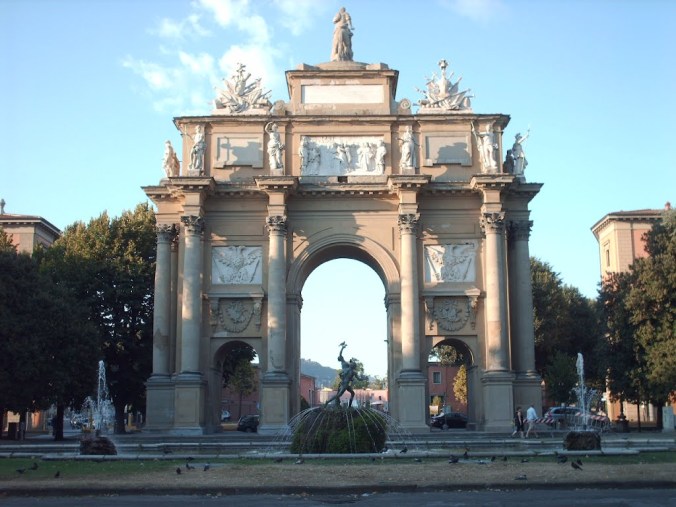
Six allegorical figures perch along the plinth, appearing to cringe as they are besieged by the swirling traffic that zooms around the piazza.
As for the rest of the elliptical shaped piazza, it was designed by architect Giuseppe Poggi in the 1860s and 70s; it is surrounded by palazzi Poggi designed, and has a pool with fountains in the center of the tree-lined park.
The square was originally named Piazza Camillo Cavour; it was changed in 1930 to Piazza Costanzo Ciano, in 1944 to Piazza Muti, and in the 1945 to Piazza della Libertà.
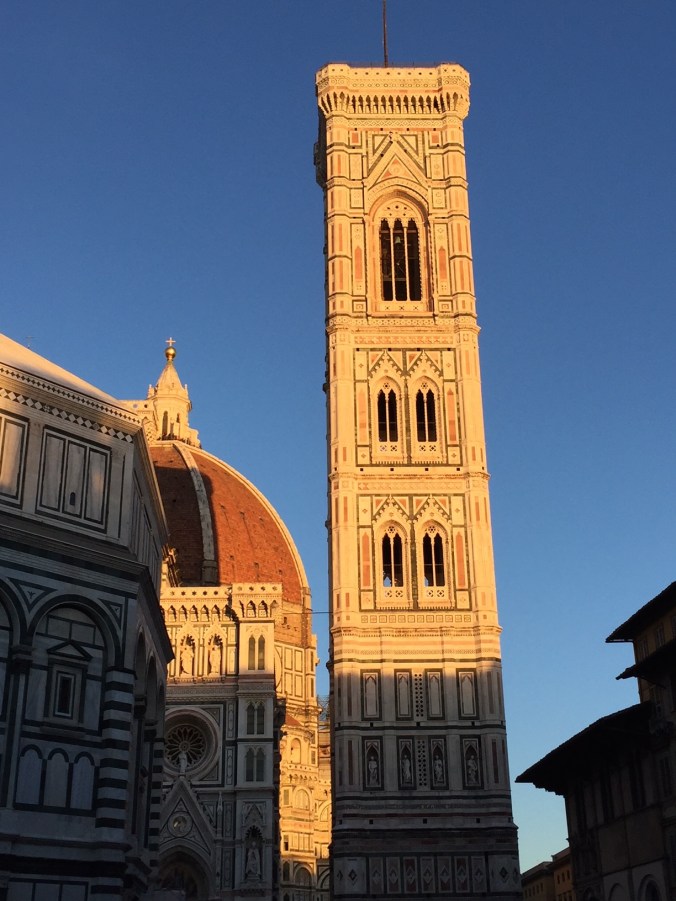
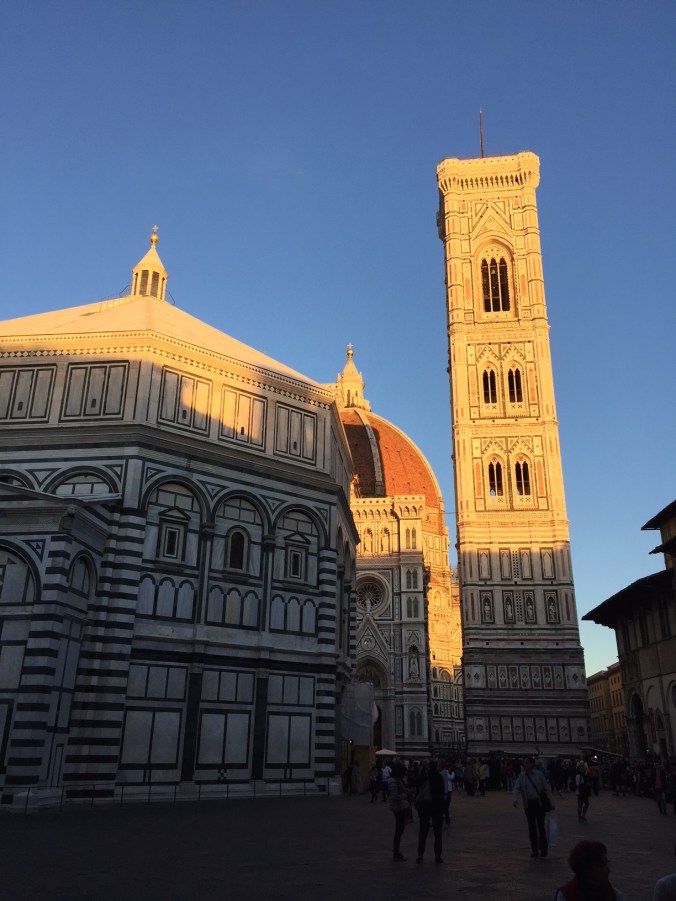
The sunlight of October is dazzling as it shimmers off the cream, pink and green marble of Il Duomo, the campanile and the baptistry. These buildings never fail to impress, no matter what the light. I think the October sunshine brings out the very best of the building complex.
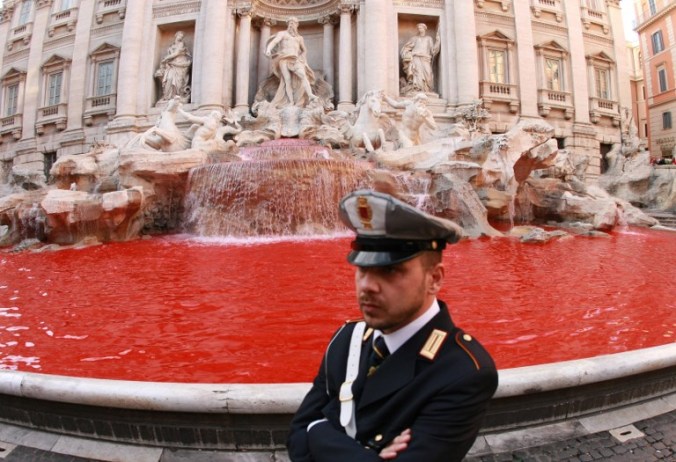
 get back, lauretta!
You must be logged in to post a comment.