A sliver of the Duomo visible from my classroom. I never tire of this building!


A sliver of the Duomo visible from my classroom. I never tire of this building!
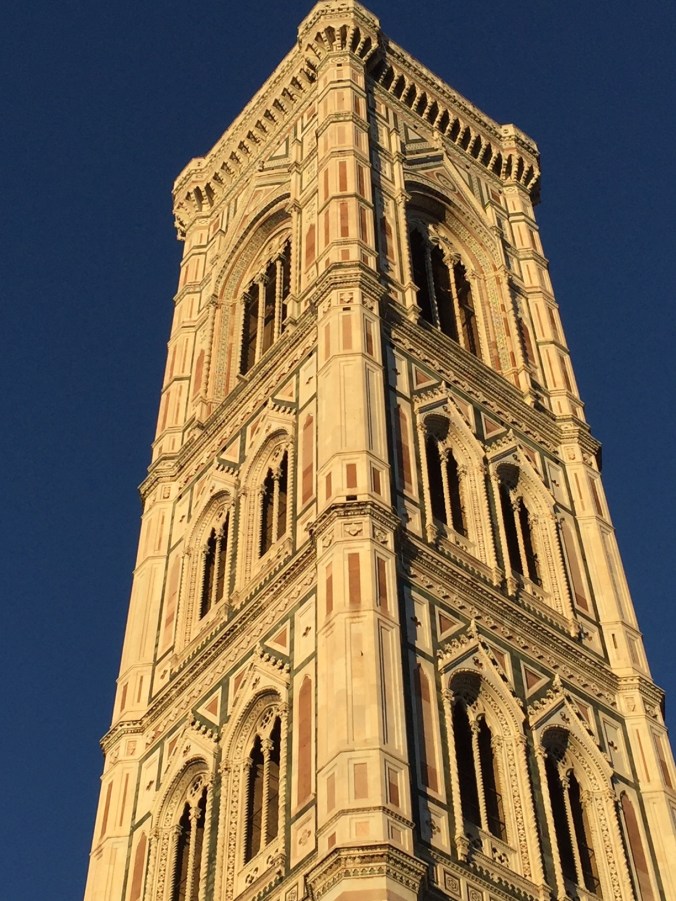
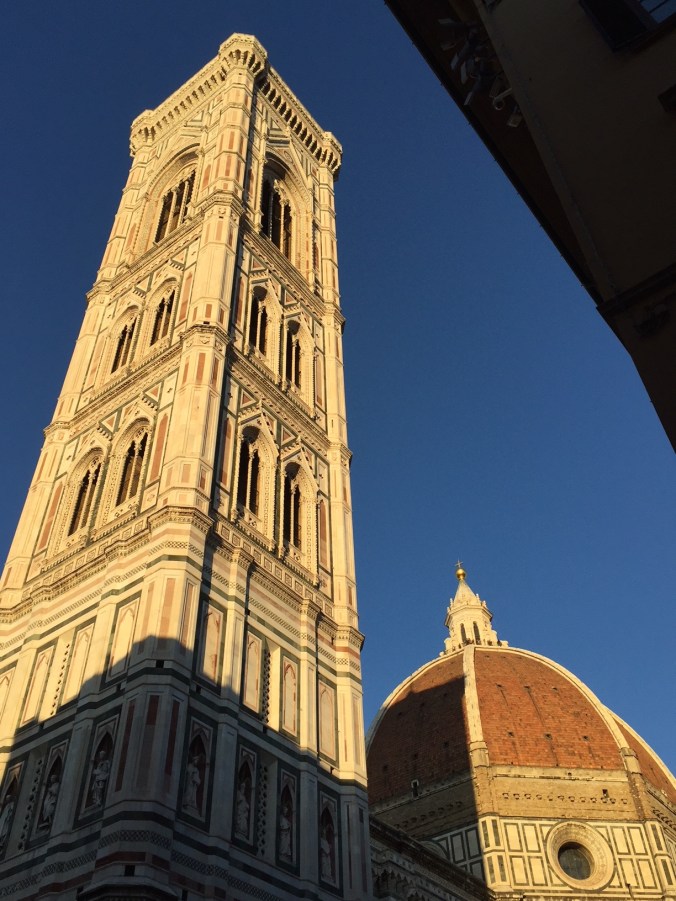
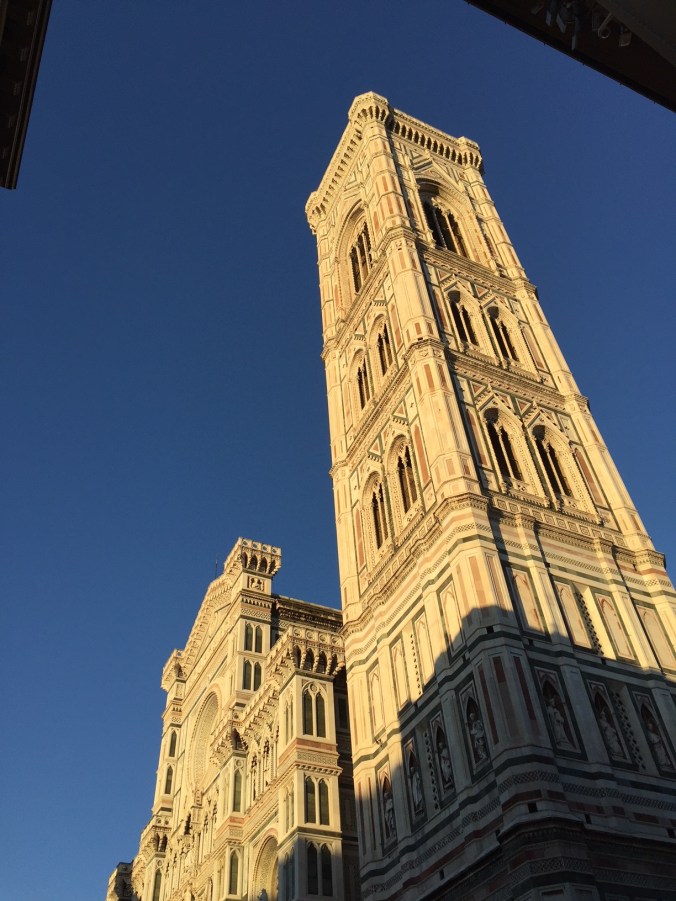
The Duomo shimmers in the late October sunshine.
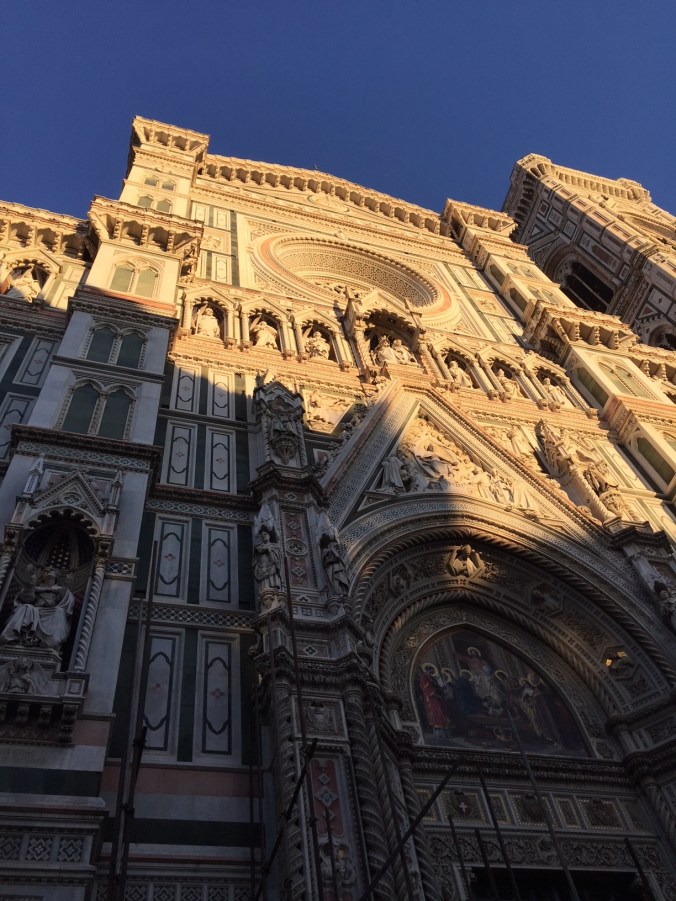
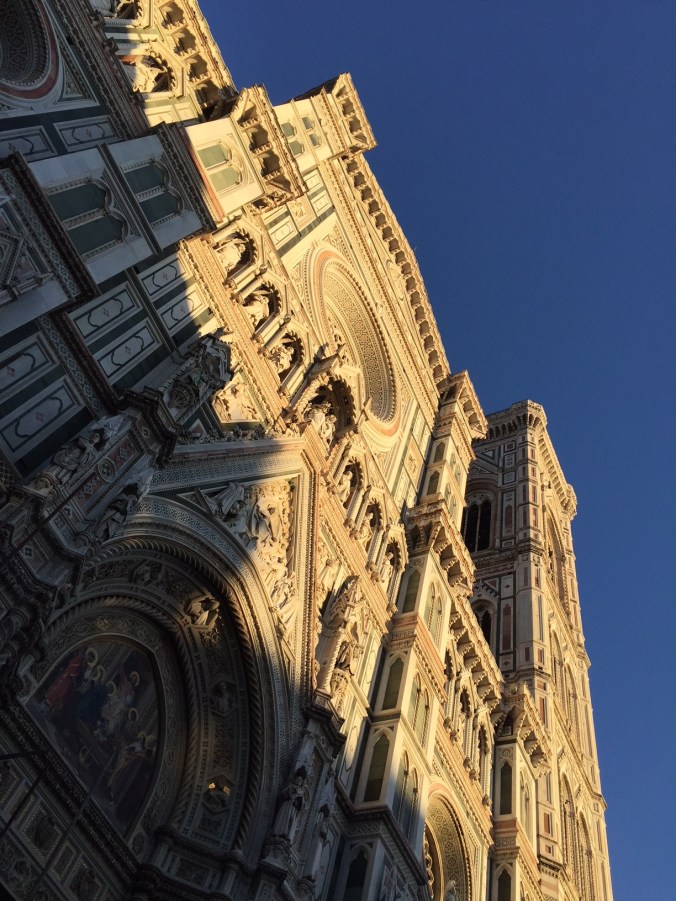
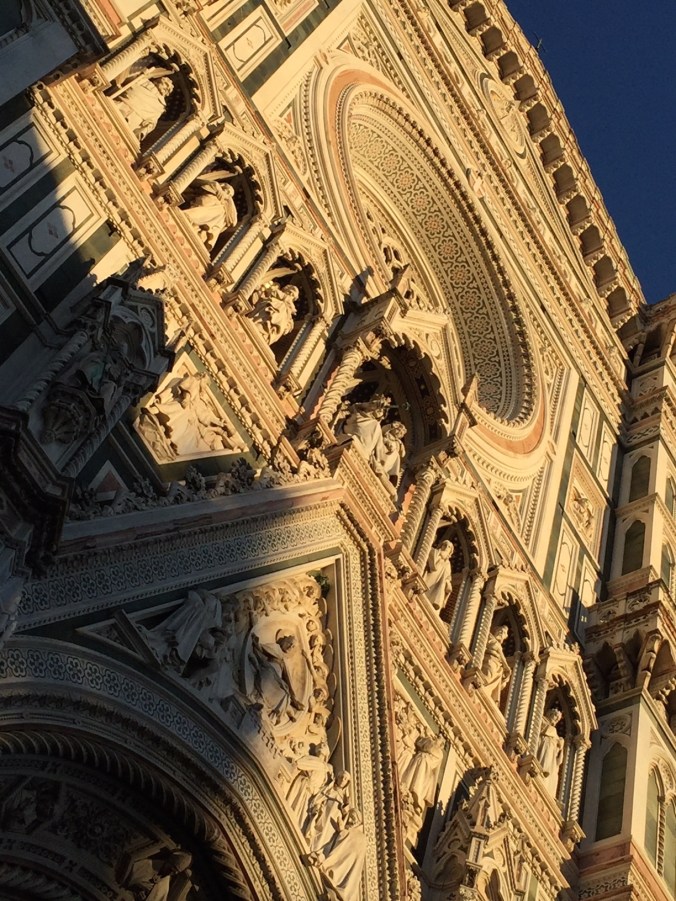
Ciao! Giotto’s campanile.
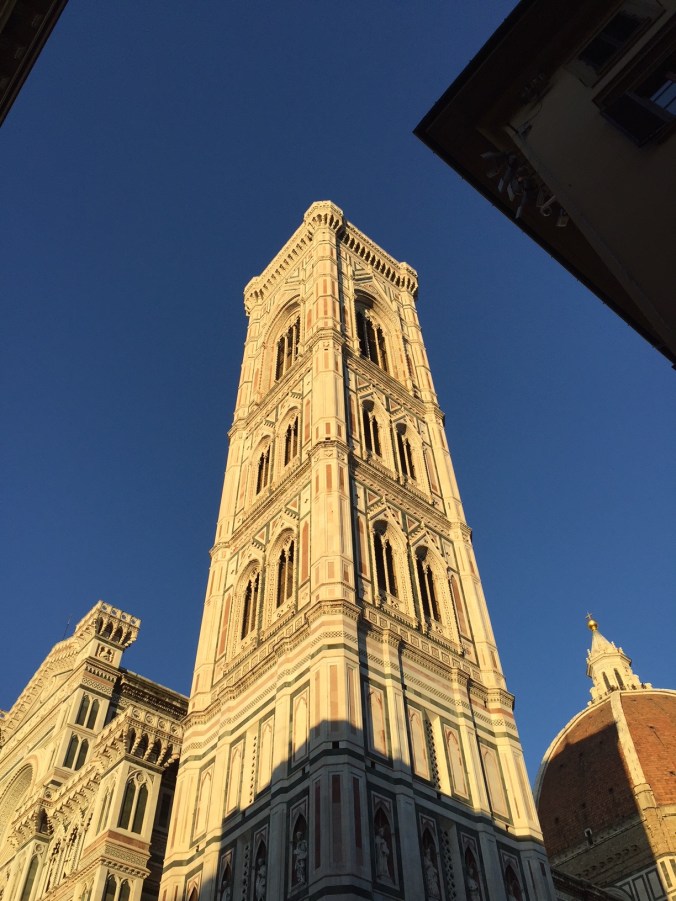
And, how about that Palazzo Vecchio?!!
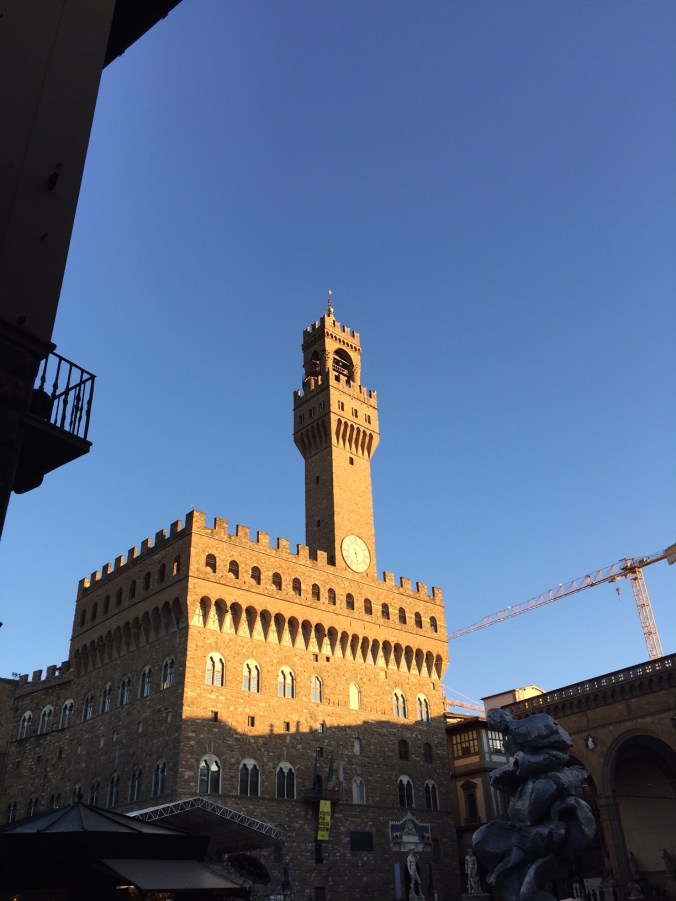


Fantastico!


Glorious!
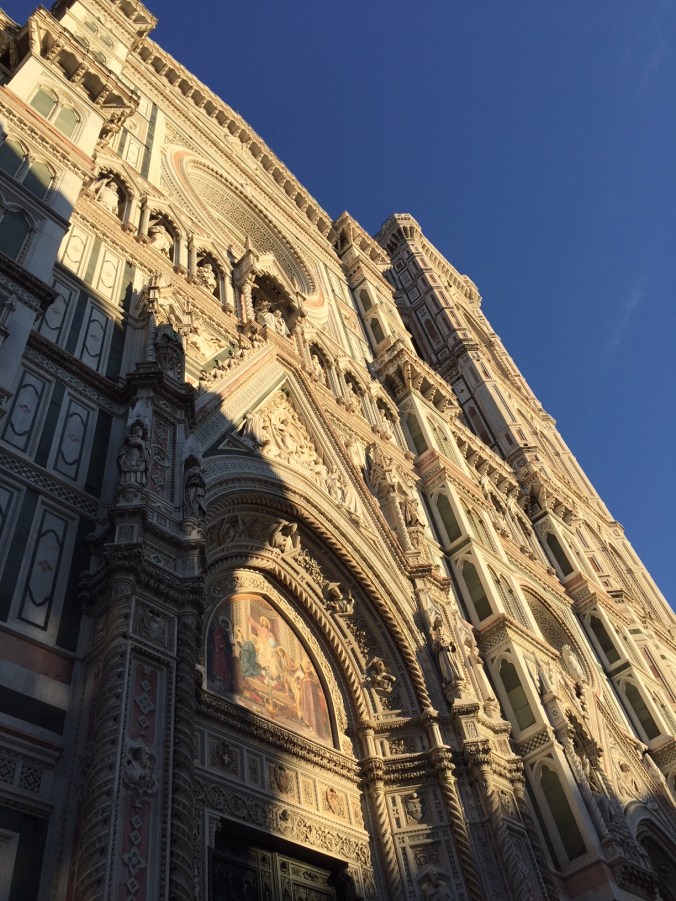
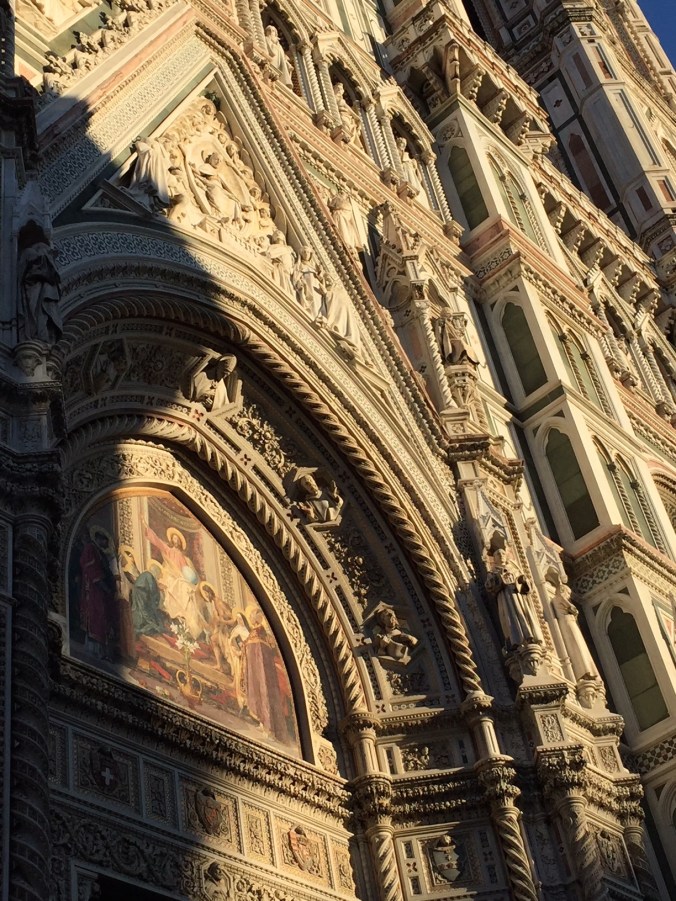
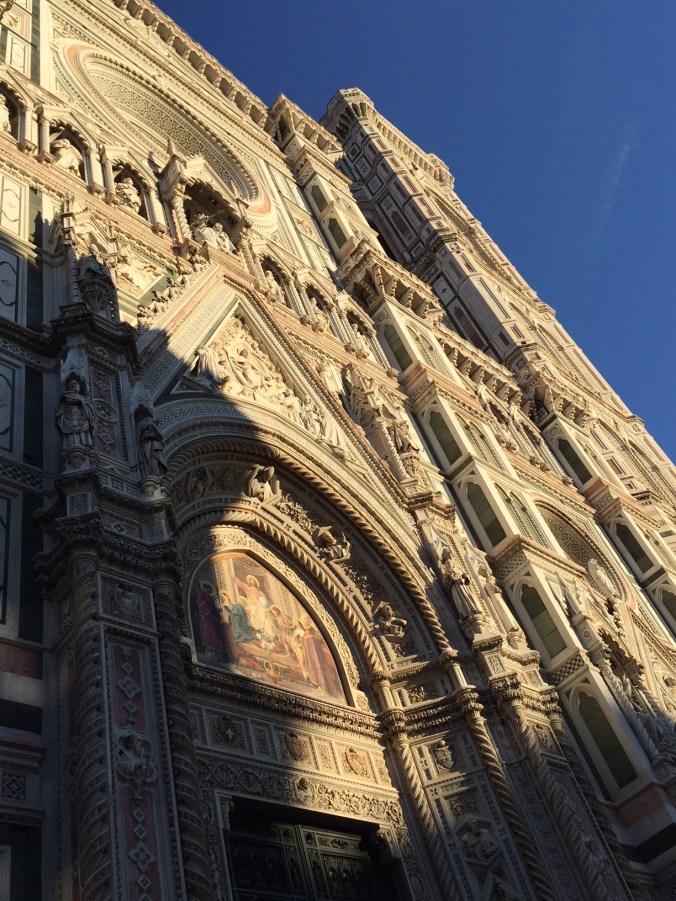
The highlights and shadows on the facade are truly stunning!
Colombo believes, however, that the building has “enormous potential, enabling us to alternate operas in rapid succession and involve even casual passersby with video projections of rehearsals in the outdoor amphitheater. I feel the house could well become the focal point of a new Florentine Renaissance in the twenty-first century.”
In Florence, there is indeed a feeling that anything can happen, and the great Renaissance of the fourteenth, fifteenth and sixteenth centuries still envelops even the most distracted of visitors.
If one prowls the narrower streets late at night or crosses the Piazza della Signoria as morning rises, one has a real feeling of history still interacting mysteriously with the present.
This was certainly the case for Franco Zeffirelli, who attributes much of the underlying inspiration for his work in the opera house to his upbringing and training in this city haunted by ghosts of the distant past.
Here’s how an architect in Florence advertises her office. Pretty beautiful, no?

It’s clearly a class act!!
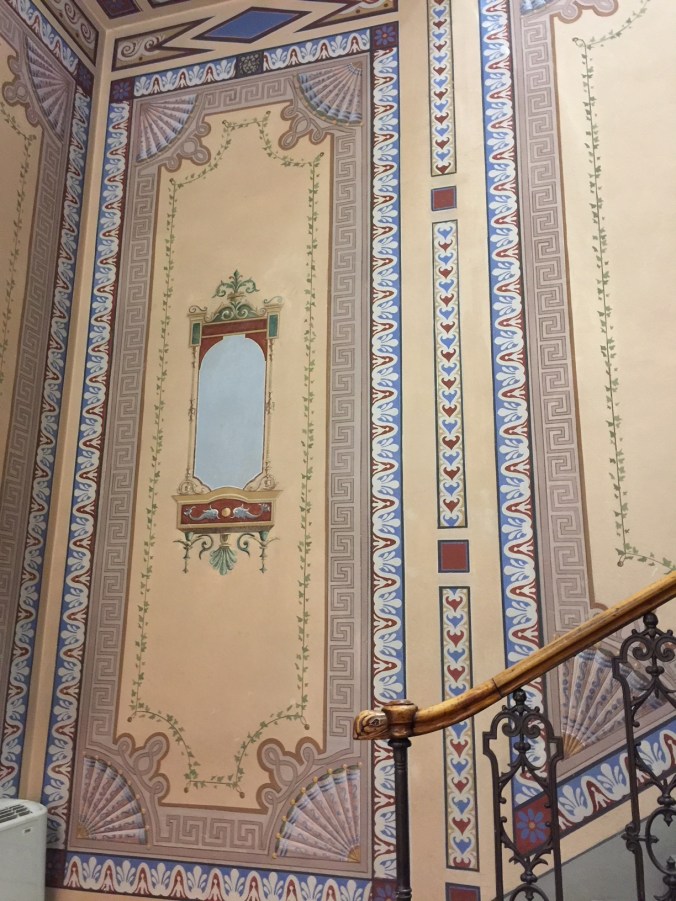
For reasons too long to go into, I needed a chest X-ray. I went today to the medical practice to get the X-ray, and this is the waiting room.
I mean, come on!
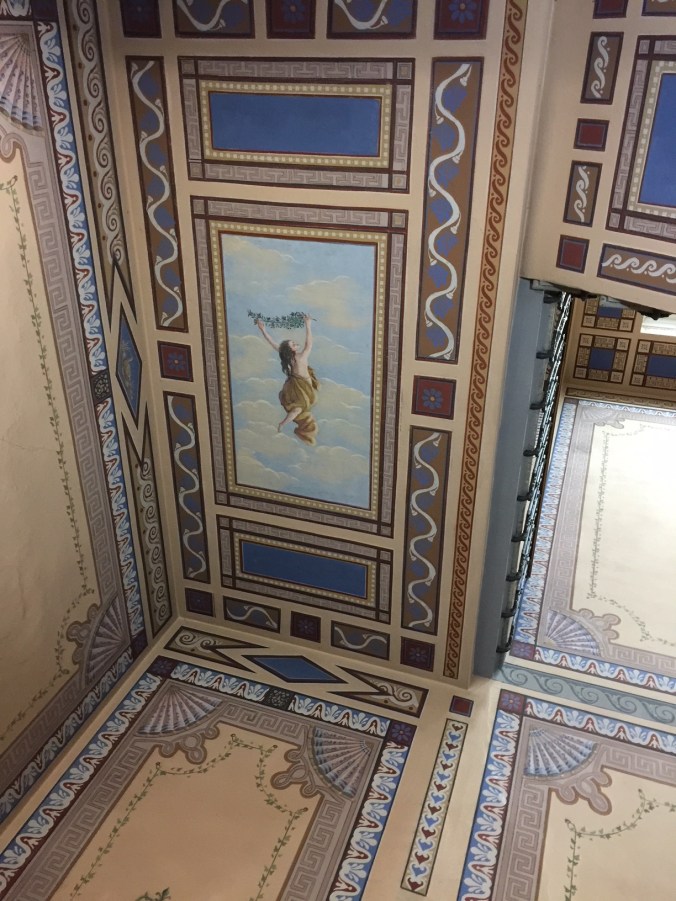
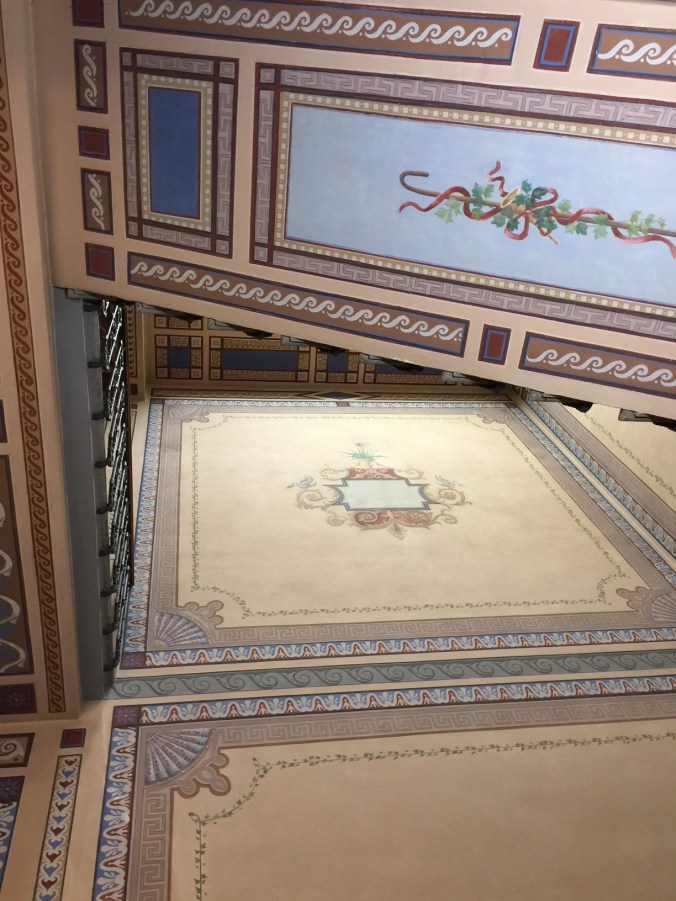
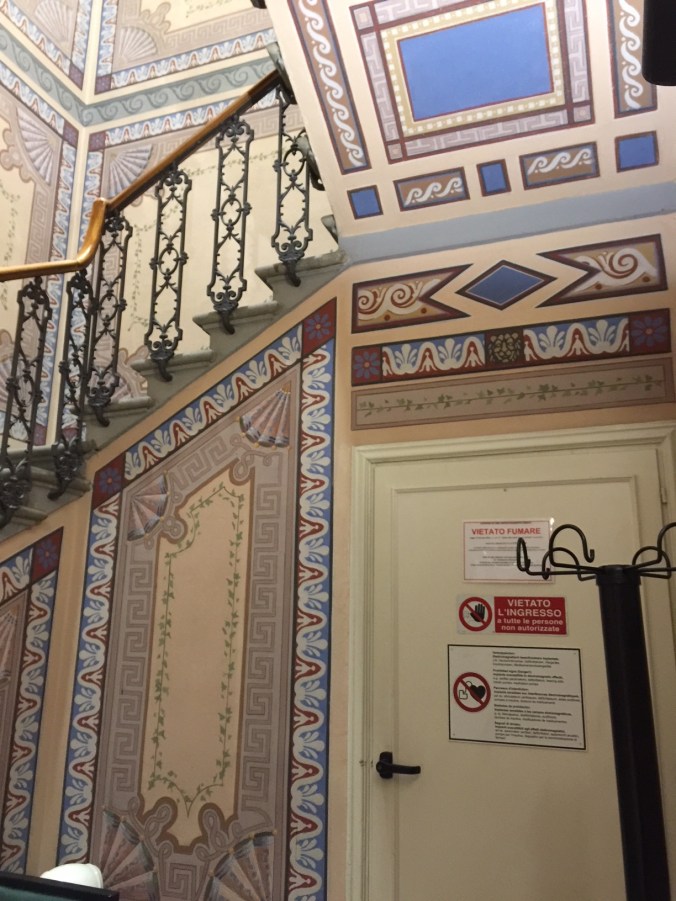
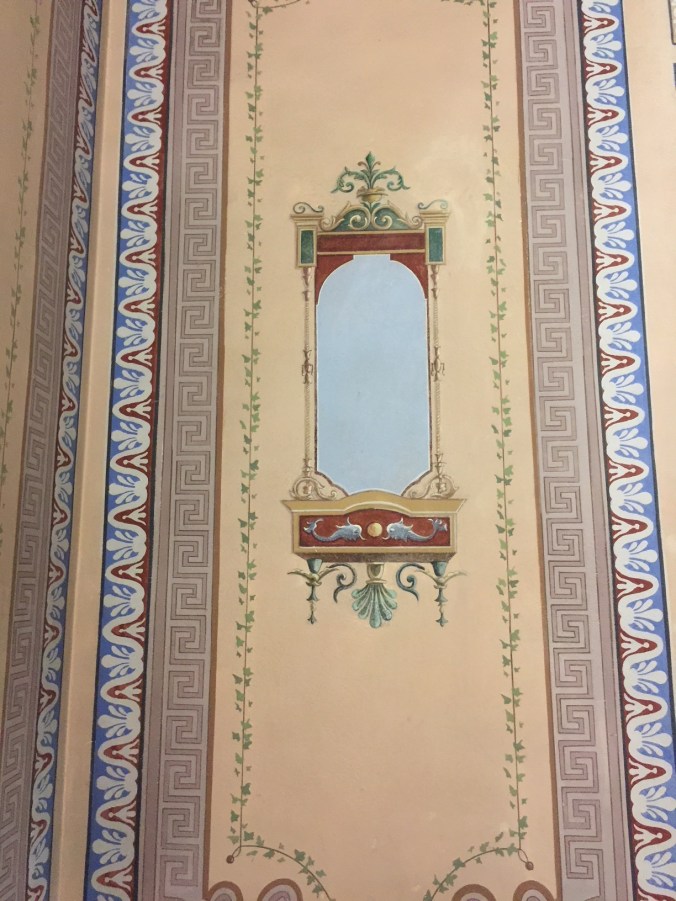
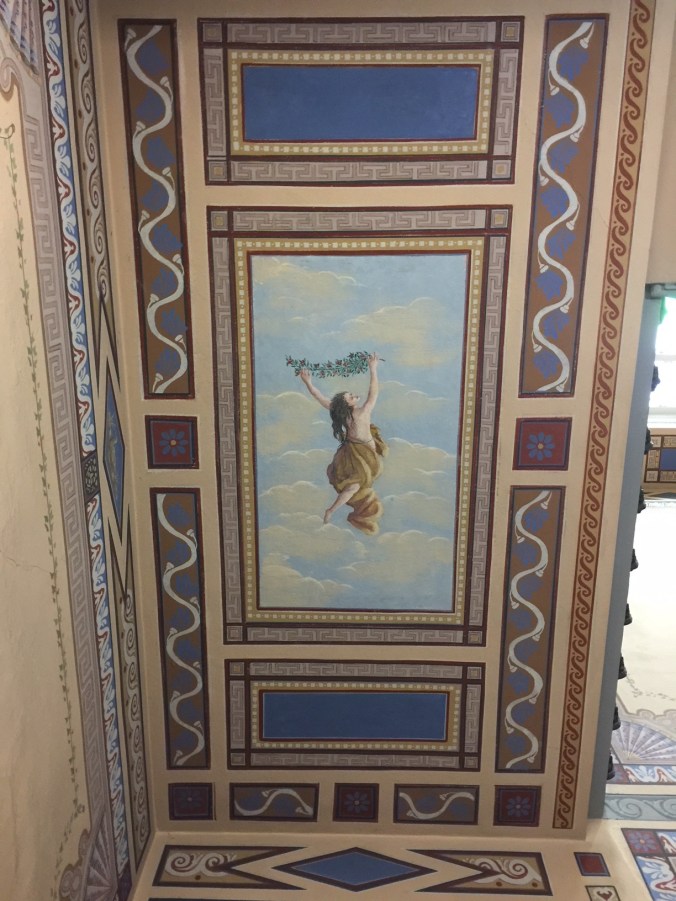
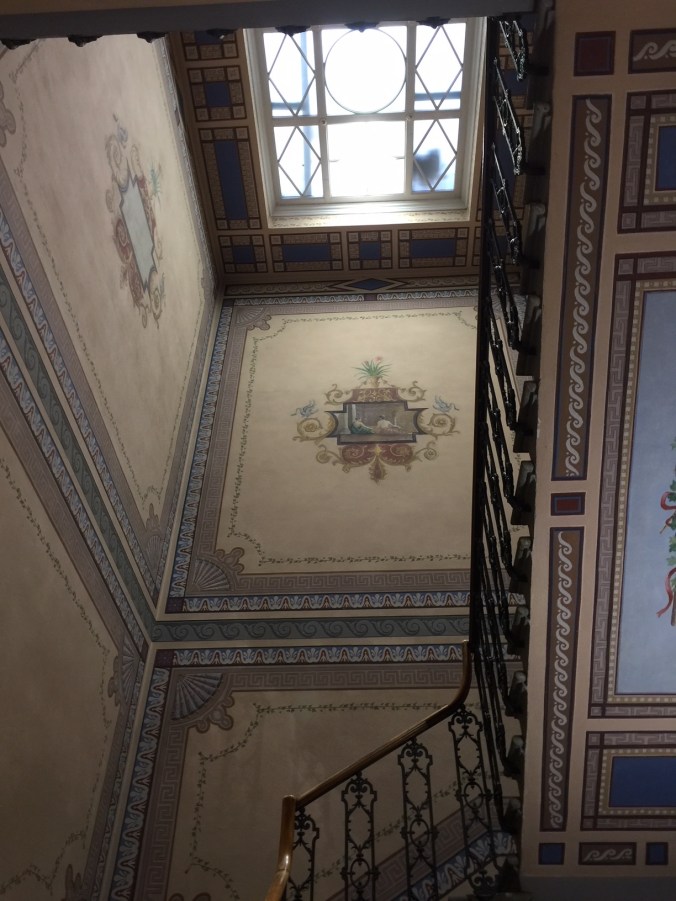
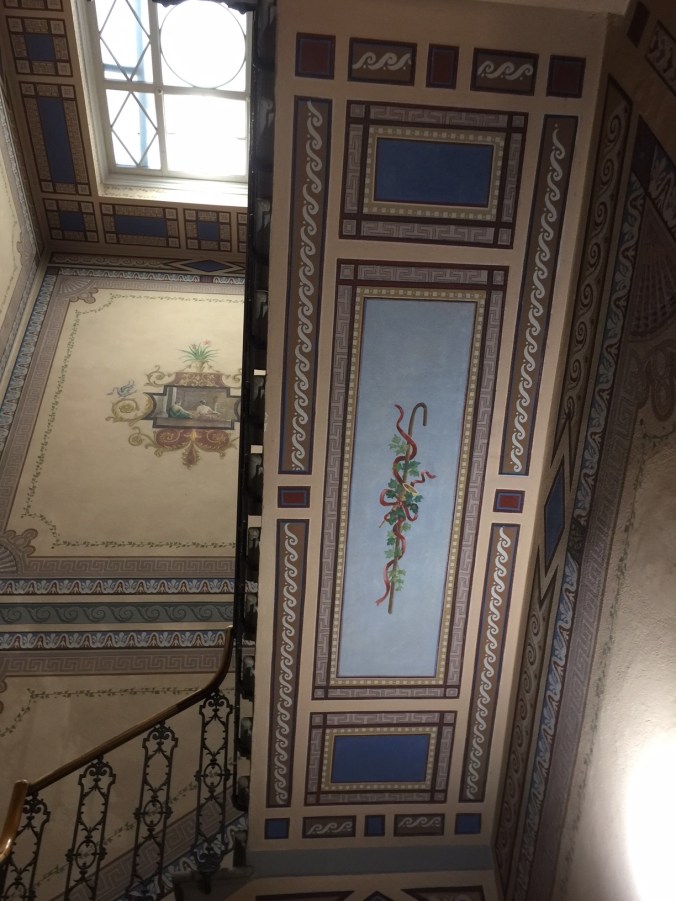
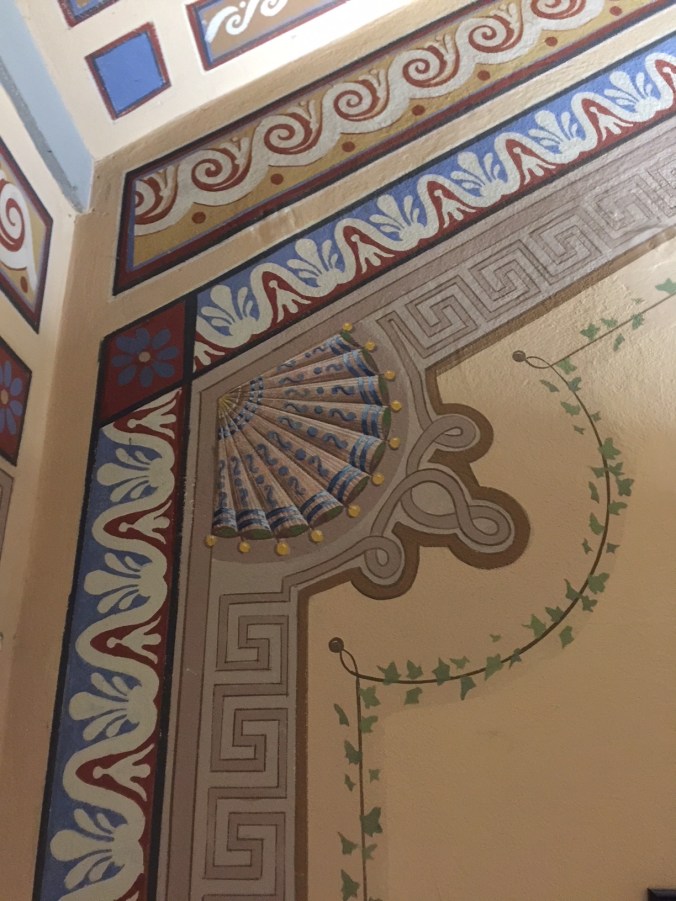
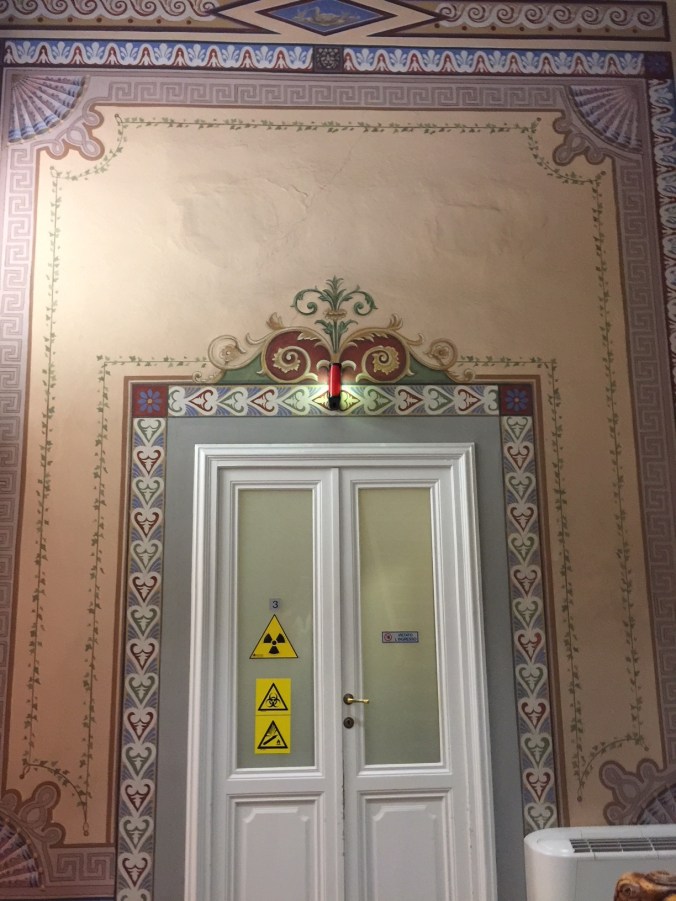
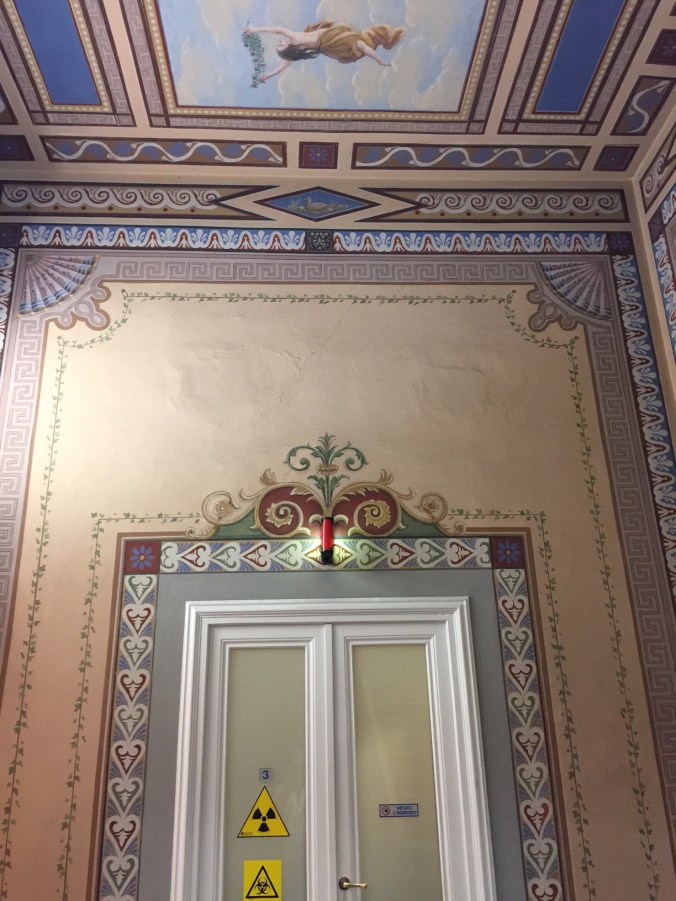
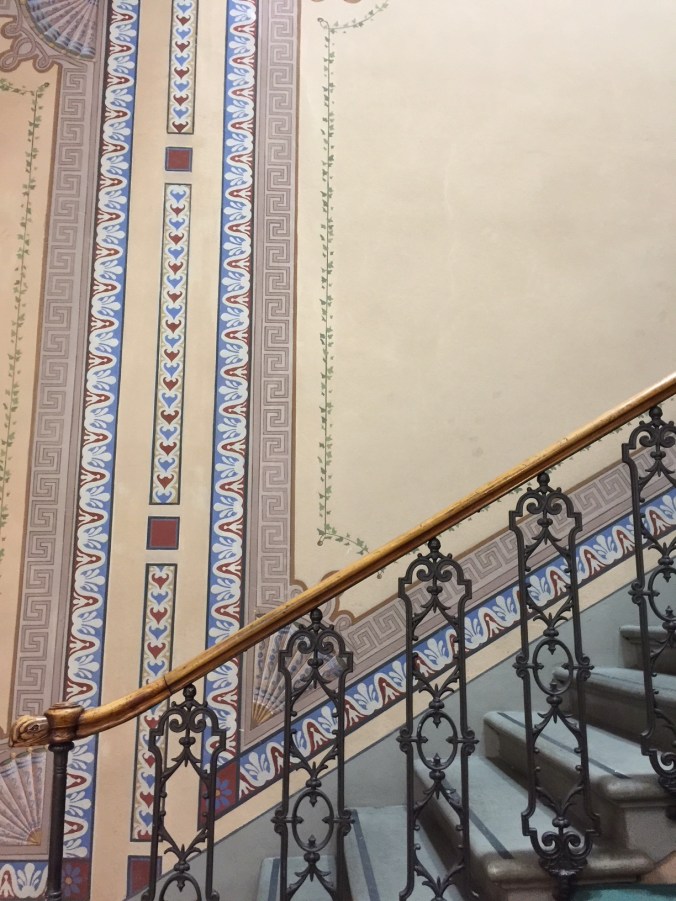
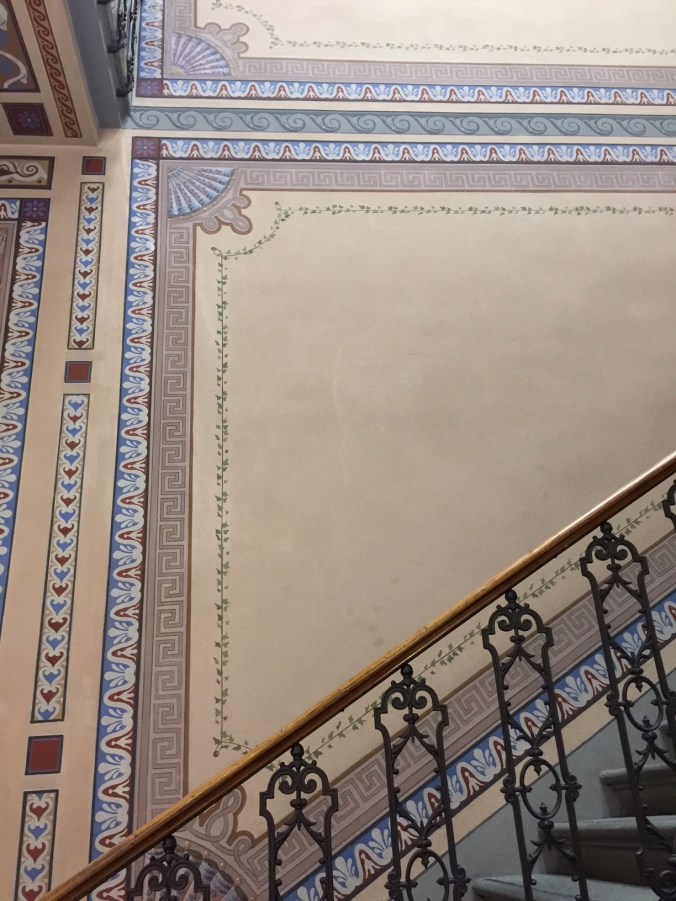
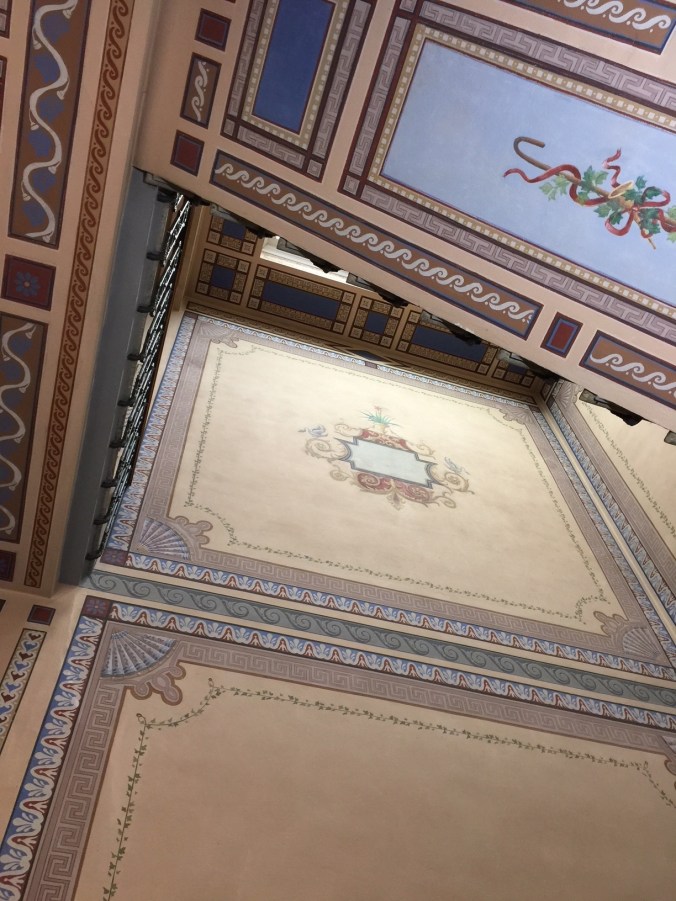
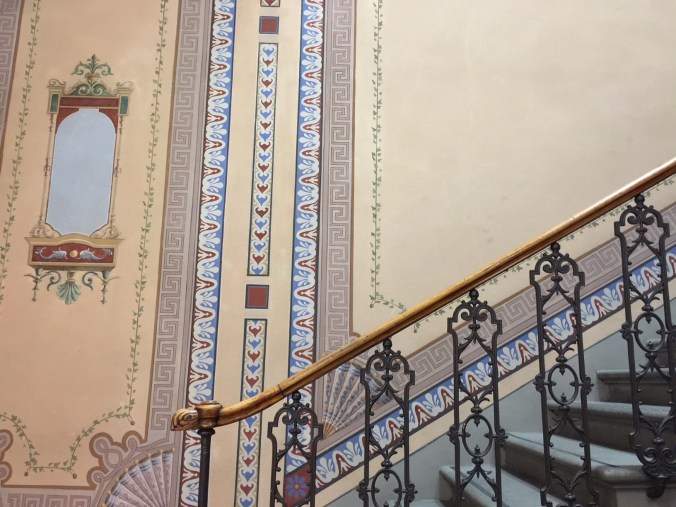
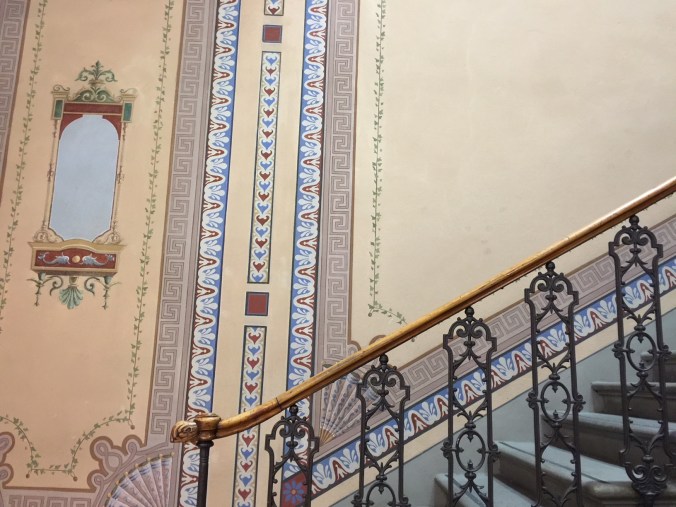



That is another reason for the importance of what is visible: the sheer enthusiasm for beauty that infuses life in Italy. Unless they go back to classical times, Italians cannot take pride in a glorious imperial past. Even the Venetian Empire was pretty small beer when compared with the empires of Spain and Portugal, or more recently those of Britain and France. There were moments when the states of central and northern Italy were richer than any in Europe.
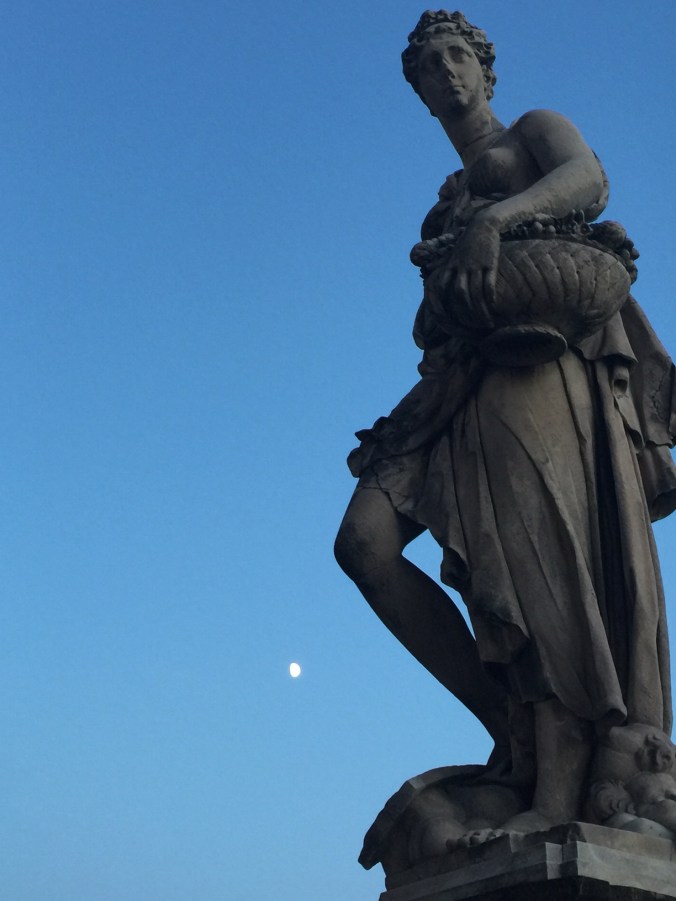
And from Galileo Galilei to Enrico Fermi, Italians have more than held their own in the area of scientific discovery. But their truly outstanding contributions to mankind have been in the arts, and particularly the visual arts.
Historically, Italians have stood out in anything that has to do with what is visible, be it the art of the Renaissance or modern car design.
The areas in which they have excelled include painting, architecture, sculpture, cinema and of course opera, which gives visual expression to music.
As for fashion, they have been setting international trends since Shakespeare had York in Richard II cite Report of fashions in proud Italy, Whose manners still our tardy apish nation Limps after in base imitation . . .
Hooper, John. The Italians (p. 76). Penguin Publishing Group. Kindle Edition.
“To locate a thought is child’s play; to express it means work.” Aby Warburg in Florence, December 1898
Another Clet spotted this week. What is the theme? A rock and roller slams his electric guitar and the earth cracks open. What am I missing?


 get back, lauretta!
You must be logged in to post a comment.