Opera in Florence

Yesterday I had the great pleasure of attending a performance of La Boheme at Florence’s ultra modern opera house.  It was a fabulous experience!


Soon I’ll post about the performance, but for now I want to focus on the building itself.


Unusual for an Italian city, the new opera house complex includes green space.


I don’t know about you, but generally speaking, when I think of opera lyrica together with Florence, I think of the Belle Époque (or some other, older) period, with gorgeous, lush architectural interiors.  This theater is non of that.
7308237840_c54cced3dc_z_wp6_8386
In fact, the thoroughly modern new Teatro revitalized a section of Florence, bordering the northeast corner of the Casine park.
1
The rooftop amphitheater has magnificent views of historic Florence.
images-4
The location is strategic, near the Arno River and between the Leopolda Station and the Cascine Park, It was the intention of the builders to integrate the historical center of Florence with the Cascine, or the “green” section of Florence.  Indeed, the mowed lawn outside the entrance of the theater was the first manicured green grass I’ve seen in all of Italy in the past year.
Map+-+Florence
The complex is marked with red in the photo above.
new-florence-opera-house-b


Florence is, of course, the city where opera was born in 1597 and where opera has been performed in numerous venues including, for many years, a functional but ungainly theater called the Teatro Comunale. When Matteo Renzi was mayor of Florence from 2009 to 2014, among his projects was this new opera house and concert hall, not far from the Teatro Comunale.

Renzi, who became prime minister of Italy at the age of 39, was an audacious and controversial leader, but there is no denying that he effectively set the national discussion on a new course.

Before Renzi became Prime Minister, some laws were passed that tried to reform arts funding and administration in Italy. These laws require, in exchange for federal money, more administrative control from Rome of some of the fondazioni—the entities that run the 14 important theaters in Italy that present opera.


RenaissanceOpHouse3hdl512

The New Florence Opera House, is  one of the most innovative in all of Europe. After years of deliberating the need to provide Florence, and its renowned opera festival Maggio Musicale Fiorentino, with a modern venue, at last this new complex took shape.


The complex is comprised of three large and spacious halls: the opera hall, built with special walls that direct soundwaves towards the audience without echoing; the concert hall which holds 1000 seats; and the spectacular rooftop amphitheater, which offers 2000 outdoor seats with an captivating panoramic view of the city.

Finally finished and opened in May 2014, a new square in front of the theater was inaugurated at the same time.  The piazza is the largest in Florence and one of the biggest in Italy. The new large garden square is named after Vittorio Gui, the founder of the Maggio Musicale Fiorentino.
The theatre hosts not only classical music, but also pop, theatrical productions, film, meetings and conferences, making it a central place in the life of city and its inhabitants.
The exterior features a smooth surface on which images and videos can be projected, or which can simply be flooded with light to stand out against the night sky.
6546190949_85d707db70_z

With its stark, modern structure and cutting-edge technologies, the new opera house is one of the most modern opera houses in the world, uniting modernity and antiquity, vision and tradition, in the city that gave birth to the first opera in the 1600s.

firenze_inaugurazione_teatro_opera_firenze_dicembre_2011_3.jpg_1379307876
2b
dettaglio1330705341
 The heart of the new theater is the opera hall itself, the simple and bold cavea.  The building materials stem Tuscany’s architectural tradition: marble, wood, terracotta and gold.  Cipollino marble covers the volumes of the new theatrical complex; the baked enamel of the great “urban lantern” of the tower; the gold used for the curved walls of the large and majestic foyer are all materials, textures and colours belonging to the historical tradition of Medician architecture.
The theater boasts outstanding acoustics, which were designed by the German team Müller-BBM.
firenze_inaugurazione_teatro_opera_firenze_dicembre_2011_3.jpg_1379307876
Most critics agree that the streamlined auditorium is undeniably handsome.
However, those audience members who are seated in lateral boxes have little or no eye-contact with the rest of the audience, as if Paolo Desideri the architect, had wished to suppress the conviviality of the traditional Italian opera house, in which spectators interact with each other while responding to what is happening onstage.
Nevertheless, the modern and multifunctional building seems to have won over the Florentines, who have an understandable reputation of usually being very wary when it comes to the construction of modern buildings in the cradle of the Renaissance.
The theater is the official home of the Maggio Musicale Fiorentino see http://www.maggiofiorentino.com/
The New Opera House was planned from the beginning to take on all those functions of the theater as envisioned by the ancient Greeks; the opera house is thus a avant-garde cultural center for all of Europe, where music, arts, education and entertainment converge.

For this reason the opera house is open and accessible to the public during daytime hours.  The bookshop and café will be always open and families can go for a walk, wander among the fountains, or meet with friends on the grounds.

The project was undertaken by the Presidenza del Consiglio dei Ministri with funds made available (150 million Euro grant) for the celebration of the 150th anniversary  (in 2011) of the unification of Italy and with contributions from the Regione Toscana and the city of Florence.  A 255 million Euro public investment partially financed the ambitious project of the New Florence Opera House which represents.

The theater also boasts one of the most technologically advanced scene-changing mechanisms in the world that enables rapid scenography changes so as to allow even multiple and simultaneous performances in the same day, increasing the theater’s potential.


Credits

Presidenza del Consiglio di Ministri
Executive Officer Dr. Elisabetta Fabbri (Architect)
Project Manager Dr. Giacomo Parenti (Engineer)
Director of Works Dr. Giorgio Caselli (Architect)
Contractors A.T. I : S.A.C Spa e I.G.I.T Spa
Project Coordinator Dr. Angelo Reale (Engineer)
Executor Co-ordinator of the project and its operative phases Dr. Angela Ranieri (Engineer)

Design
Architects Studio A.B.D.R – Roma
Structural Design Italingegneria – Roma
Systems Design Enetec – Roma

Consultants
Acoustics Müller – BBM Monaco
Stagecraft Biobyte


In Florence, I believe, one of the problems is that despite the city’s history with opera, it is not widely popular with local people and with the millions of visitors who come here for days of intensive touring of museums full of the masterpieces. And with the old and new theaters slightly out of the heart of tourist traffic, no one walks past them as part of a stay here.

Construction on the new theater (based on designs by Paolo Desderi) began in 2009 and it was inaugurated on December 21, 2011 so that it could be said to have opened in the year of the 150th anniversary of the Unification of Italy. It was quickly closed after one concert as it was nowhere near complete. It has had a couple of more “openings” and its official one was on May 10, 2014.
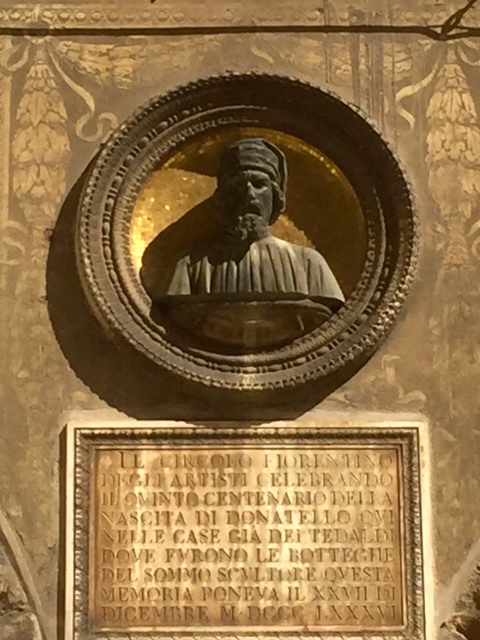
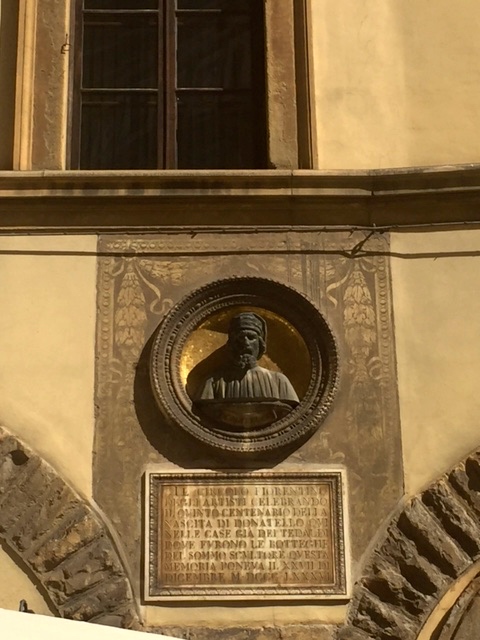


Donatello’s studio

Let’s say you are one of the major sculptors of Renaissance Italy, and that you live in Florence.  Where would you want to have your studio?

How about, right on the piazza around il duomo?  Non e’ male!

IMG_5545IMG_5544

Screen Shot 2017-09-29 at 1.15.29 PM

Using the map above, you will find the bust of Donatello and the plaque recording his studio location about where the P in “Panini Toscani.”  You can find Panini Toscani words on the upper right side of the map.

Donatello-top

We know some, but not enough, about Donatello (c.1386-1466).  He was apparently born in Florence and grew up with the Martelli family, where it is hypothesized that he received early training from a goldsmith, before training and working in the studio of the famous metalworker and sculptor, Lorenzo Ghiberti.

There is very little known about his life as he was growing up; however, Vasari tells us a few stories which give insight to the generous and proud man that he was. Vasari, in his “Life of the Artists” where he wrote biographies of other artists, enjoys playing with the name Donato which is a variation on the Italian verb “to donate”. Several pieces of Donatello’s artwork were donated to those whom he held in high esteem.

It is possible to see many pieces of Donatello’s works throughout Florence – but be aware that several pieces available on display outdoors are expert copies since the originals have been moved indoors for safe keeping.

The map below shows the spots in Florence where you can find major Donatello works.

Screen Shot 2017-09-29 at 1.26.39 PM

Both the Museo of the Opera del Duomo and the Bargello have extensive works by Donatello. It is so easy to forget that many pieces were made for a specific setting, like the facade of a church or an altar. Once they’re in a museum, even if the work is beautiful on its own, you sense that if viewed in its original position, the work of art would seem different.

If you decide to go outside of Florence and still want to see works he had a part in, here’s a short list to guide you:

PISA

In the San Matteo National Museum in Pisa, you can view the Reliquary of San Rossore, statue, gilded bronze. Via San Matteo in Soarta 1 (Pisa)

LUCCA

At the Villa Guinigi in Lucca, (also known as “pleasure palace” but which is now a national museum), you can admire Madonna and Child relief in tile. Piazza della Magione (ex Manifattura Tabacchi), Lucca

AREZZO

Inside the impressive Cathedral in the center of the historic part of Arezzo, you can admire the baptismal font with a bas-relief marble carving of the Baptism of Christ.

SIENA

Between the Baptistery of San Giovanni, the Cathedral of Siena and the Museum dedicated to the artwork from the Duomo, you will find several works of art dating from the time Donatello worked in Siena.


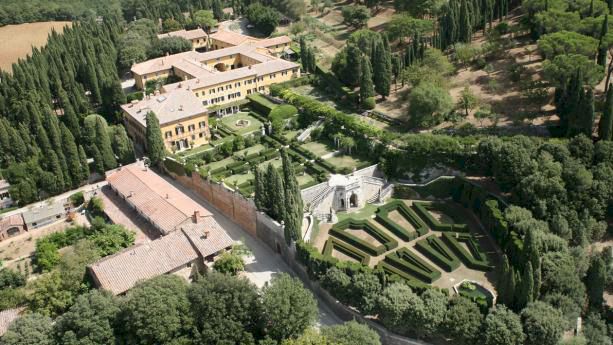
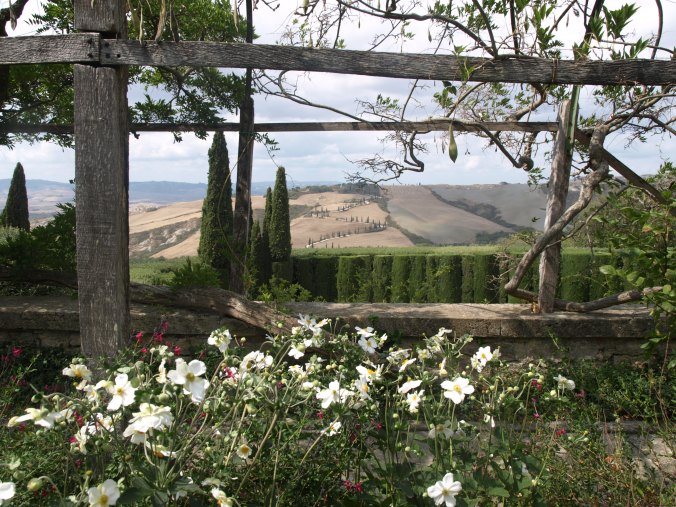
Villa La Foce; a magnificent garden in Tuscany

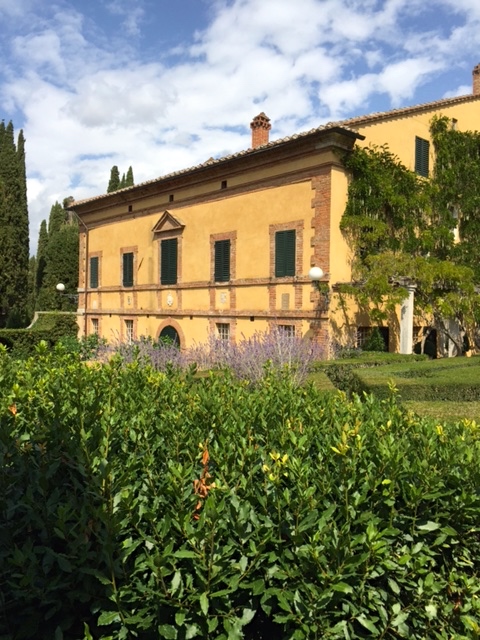
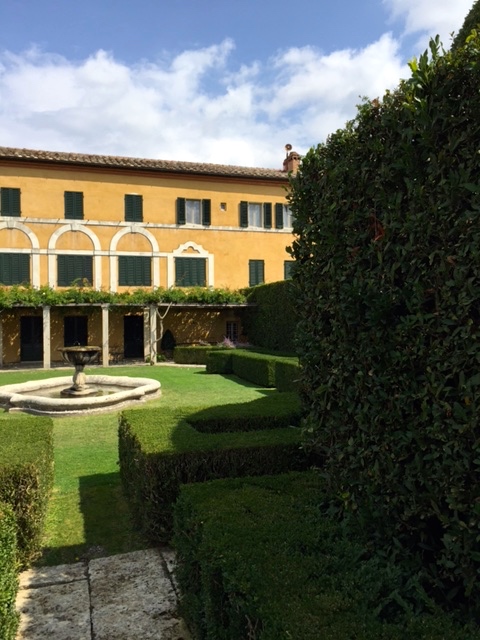
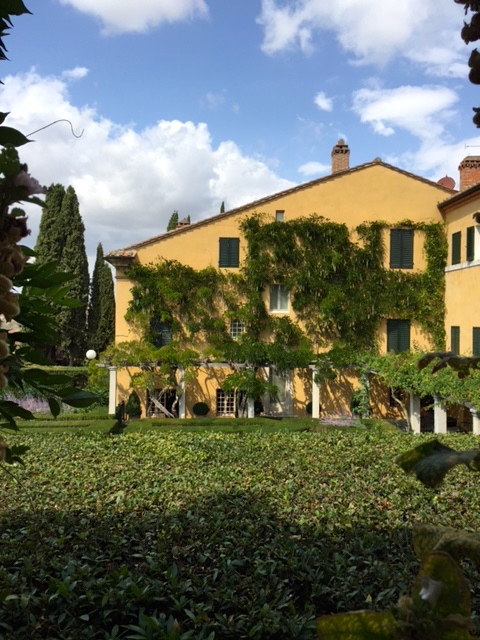
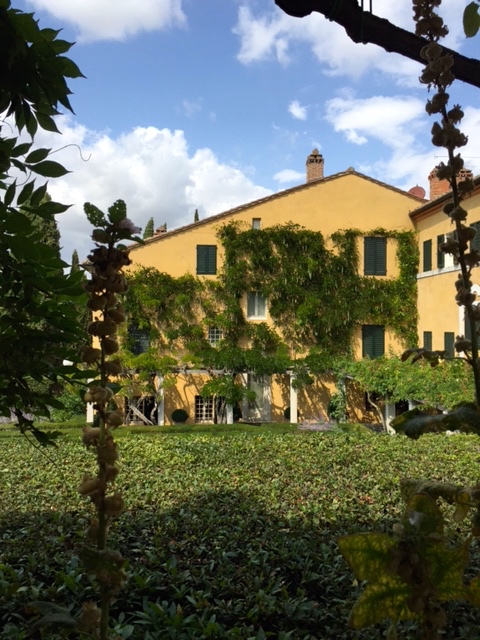
I’ve been a few places.  I’ve seen a few gardens. So you can trust me when I tell you that   Villa La Foce, the villa and farm created by Iris Origo and her husband, Antonio Origo, is truly magnificent.

villa_la_foce

The villa is located in the crete sense (clay hills of Sienna) overlooking the beautiful Val d’orcia in souther Tuscany.  La Foce is located near the site of an Etruscan settlement and  burial-place that were in use from the 7th C. BC to the 2nd C. AD.

La Foce has been continuously inhabited for many centuries, partly because of its location on the Via Francigena (“the road that comes from France,” this ancient highway was a pilgrim route running from France [some say Canterbury, England] to Rome. In medieval times it was an important road and pilgrimage route for those wishing to visit the Holy See and the tombs of the apostles Peter and Paul).


OLYMPUS DIGITAL CAMERA


OLYMPUS DIGITAL CAMERA

 The Origos dedicated their lives to bringing prosperity and cultural and social changes to this formerly poverty-stricken area of the Val d’Orcia.  Years of work were devoted to preparing the difficult terrain for modern agriculture.

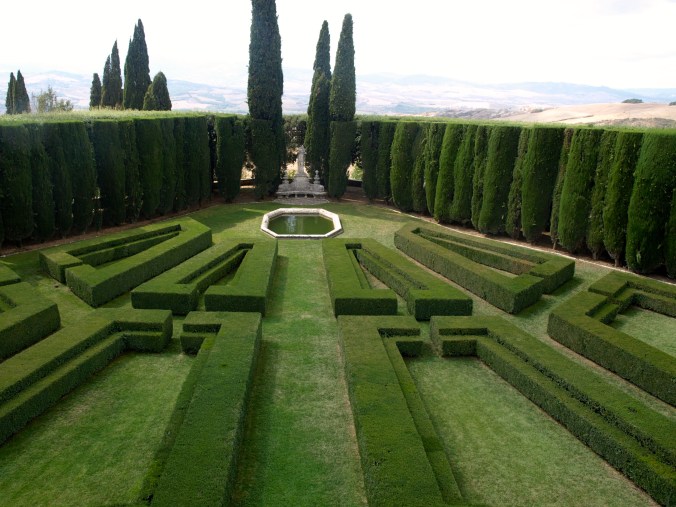
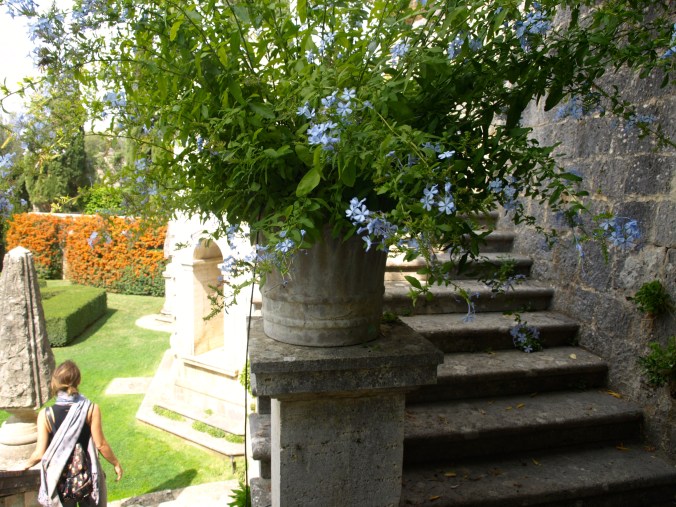
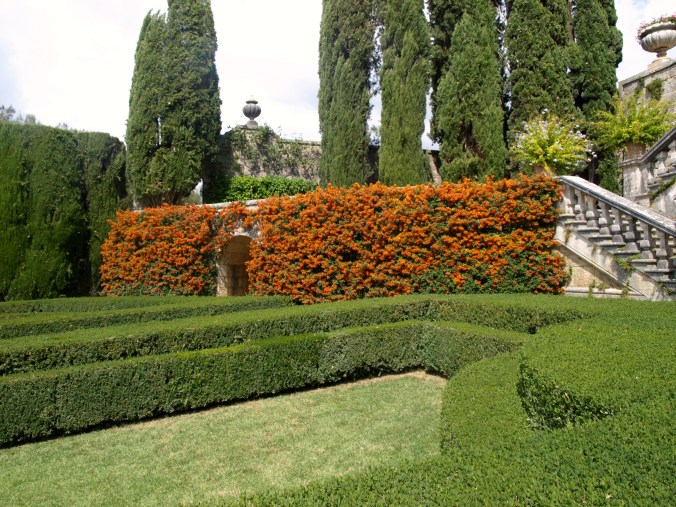
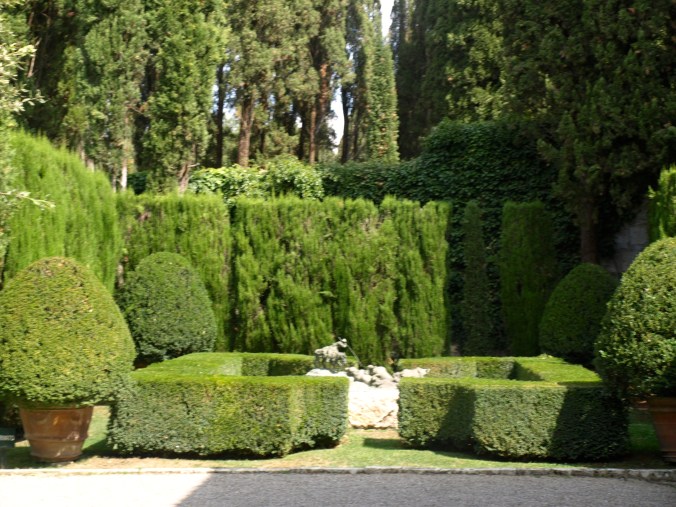
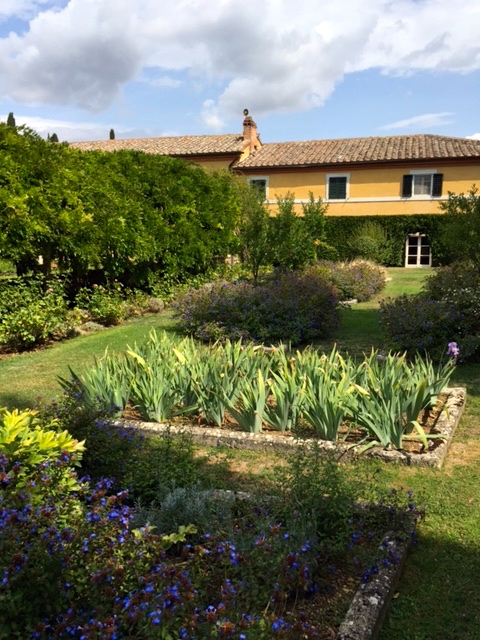
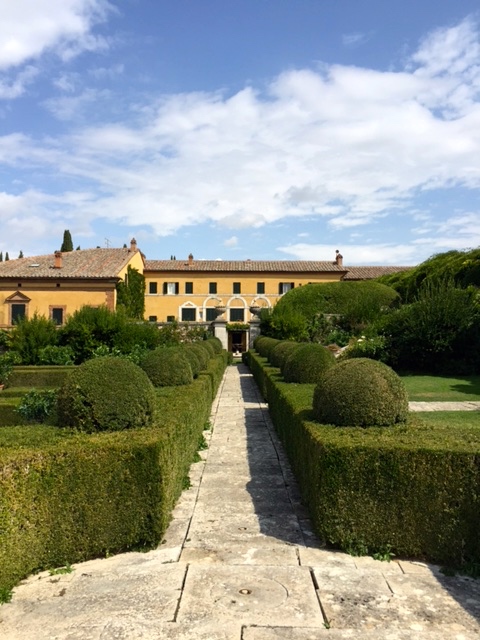
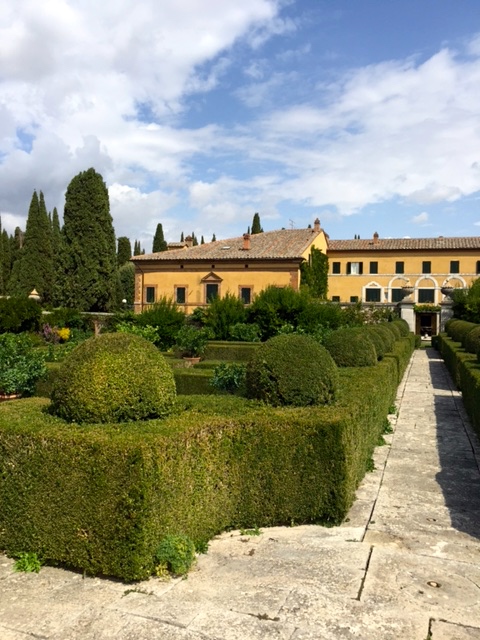
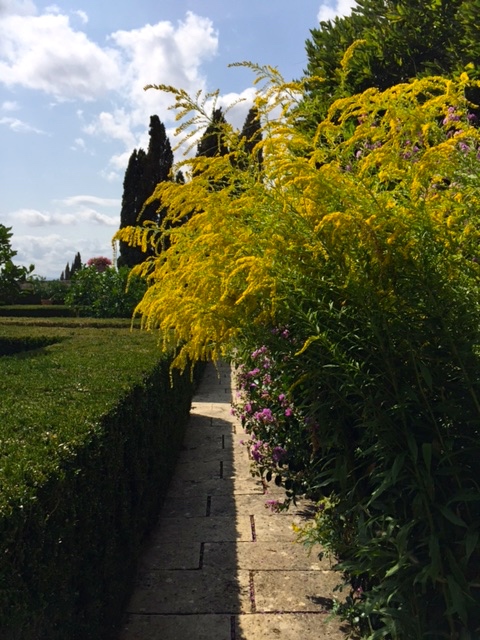
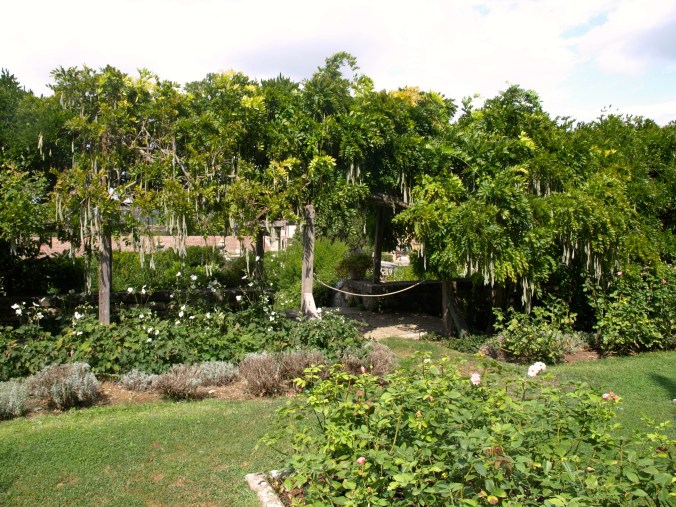
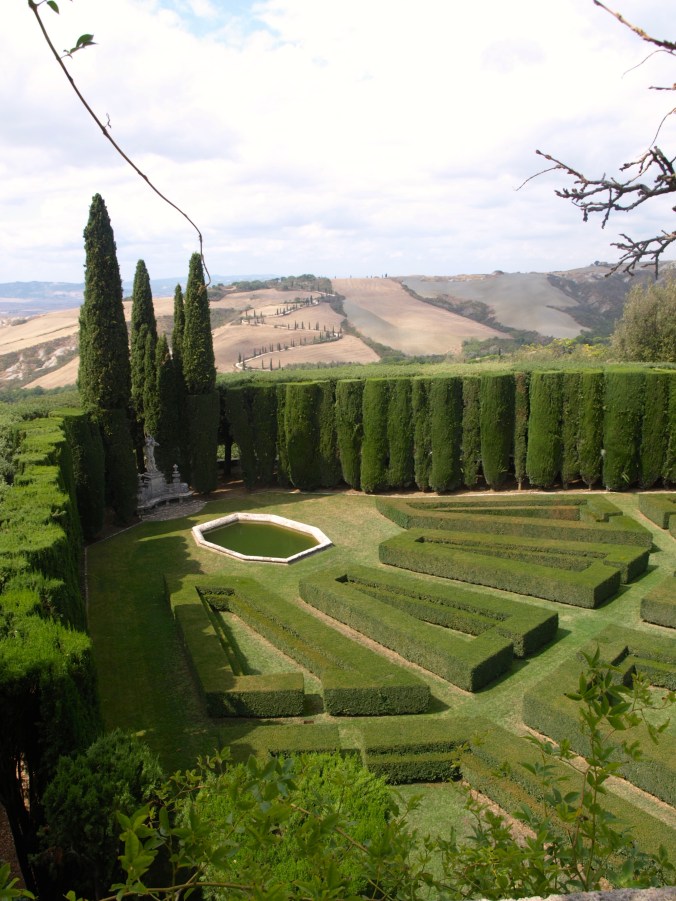
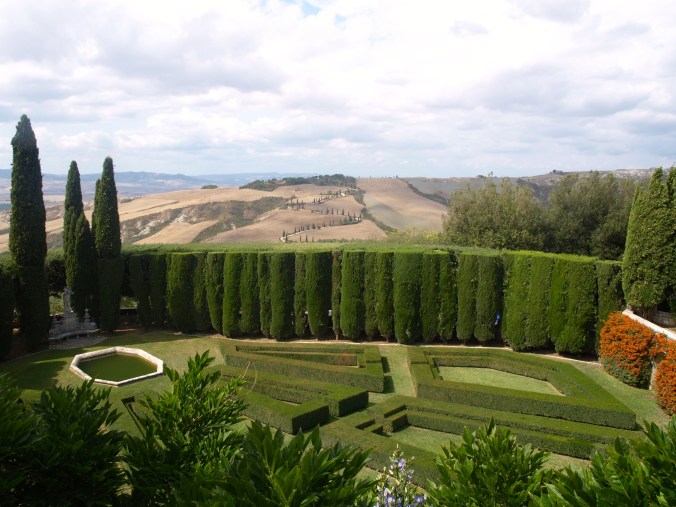
The gardens and estate of La Foce are among the most important and best kept early 20th-century gardens in Italy. Amid 3,500 acres of farmland in the countryside near Pienza, with sweeping views of the Tuscan landscape, La Foce was the dream garden of Iris Origo.

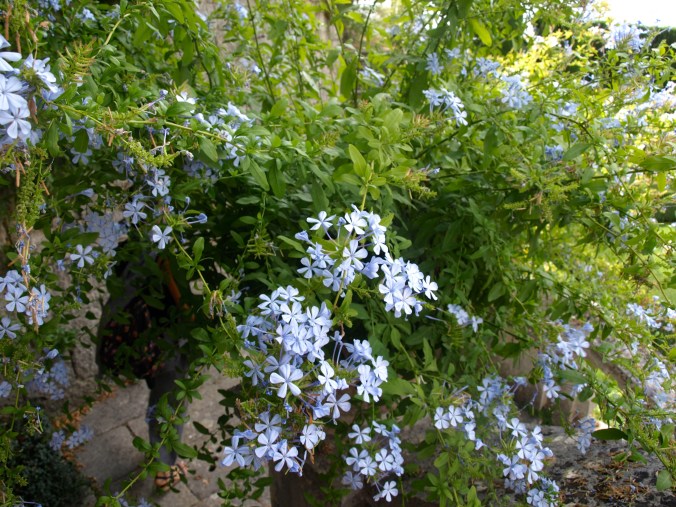
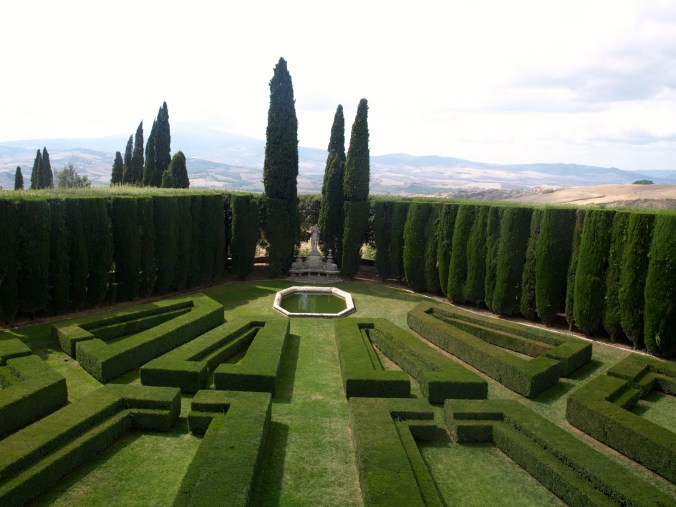
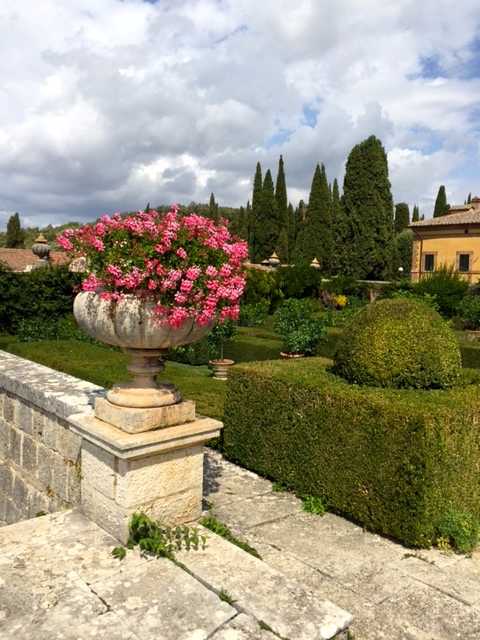
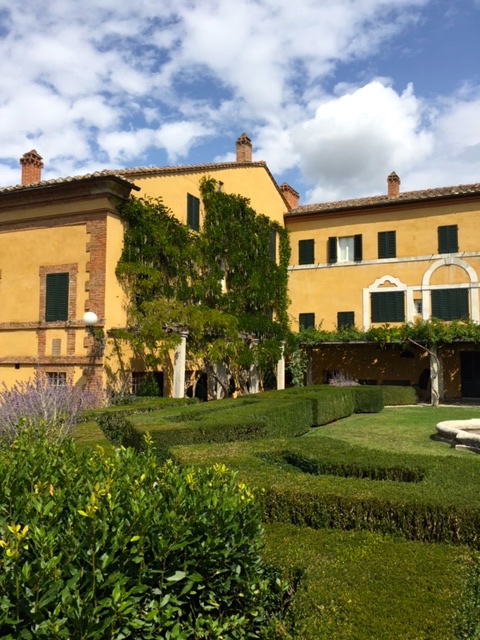
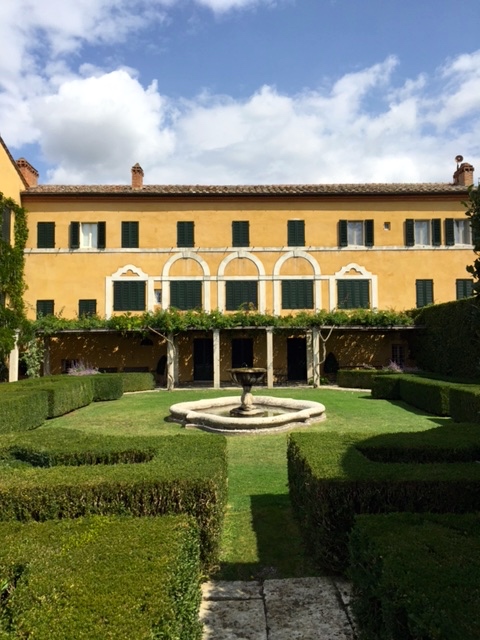
Passionate about the order and symmetry of Florentine gardens, she and Antonio employed the talented English architect and family friend Cecil Pinsent,  who had designed the gardens at Villa Medici, to enhance the natural beauty of the site. Pinsent designed the structure of simple, elegant, box-edged beds and green enclosures that give shape to the Origos’ shrubs, perennials and vines, and created a garden of soaring cypress walks, native cyclamen, lawns and wildflower meadows.

Today the estate is run by the Origo daughters, Benedetta and Donata, and is open to the public one day a week.


OLYMPUS DIGITAL CAMERA


OLYMPUS DIGITAL CAMERA

The property was purchased in 1924 by Antonio Origo and his Anglo-American wife, Iris. Iris was the daughter of Lady Sybil Cutting who owned the Villa Medici at Fiesole, where Iris spent much of her childhood.


OLYMPUS DIGITAL CAMERA


OLYMPUS DIGITAL CAMERA


OLYMPUS DIGITAL CAMERA

The Villa itself was built in the late 15 C as a hospice for pilgrims and merchants traveling on the via Francigena.

IMG_5332IMG_5377IMG_5378IMG_5379IMG_5380

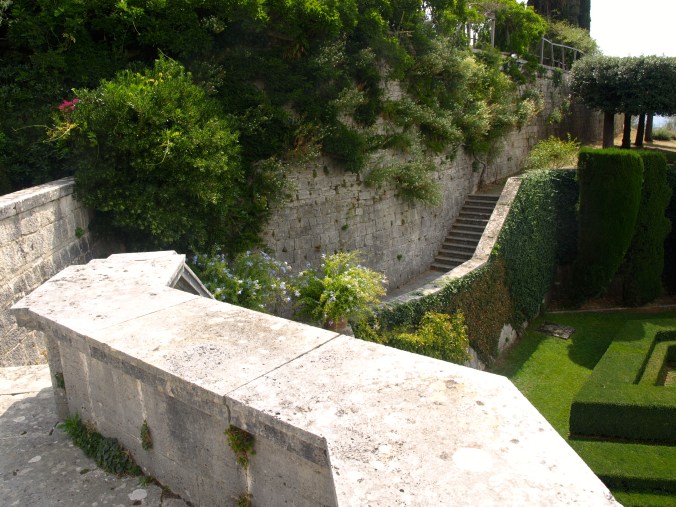
The garden is divided into three distinct sections on different levels, and was created between 1927 and 1939 in several stages, all parts composed to follow the lay of the land.


IMG_5381


IMG_5394


IMG_5397


IMG_5398


IMG_5399


IMG_5400


IMG_5403


IMG_5404


IMG_5420


IMG_5421


IMG_5422


IMG_5423


IMG_5428


IMG_5429


OLYMPUS DIGITAL CAMERA


OLYMPUS DIGITAL CAMERA


OLYMPUS DIGITAL CAMERA


OLYMPUS DIGITAL CAMERA


OLYMPUS DIGITAL CAMERA


OLYMPUS DIGITAL CAMERA

http://www.telegraph.co.uk/travel/destinations/europe/italy/tuscany/articles/Italy-Val-dOrcia-Tuscanys-happy-valley/

Basilica Santo Spirito, Firenze

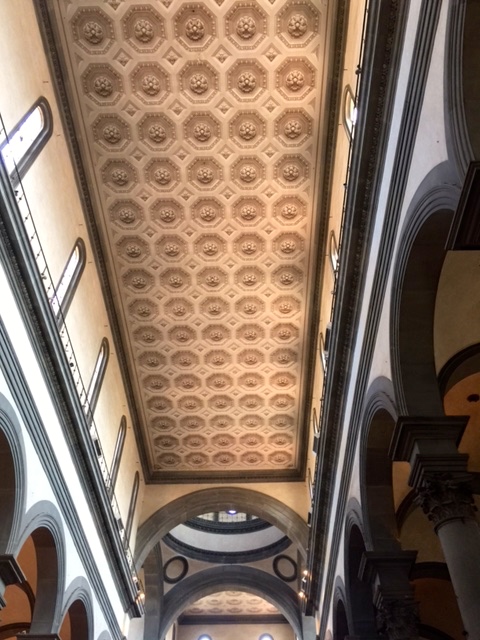
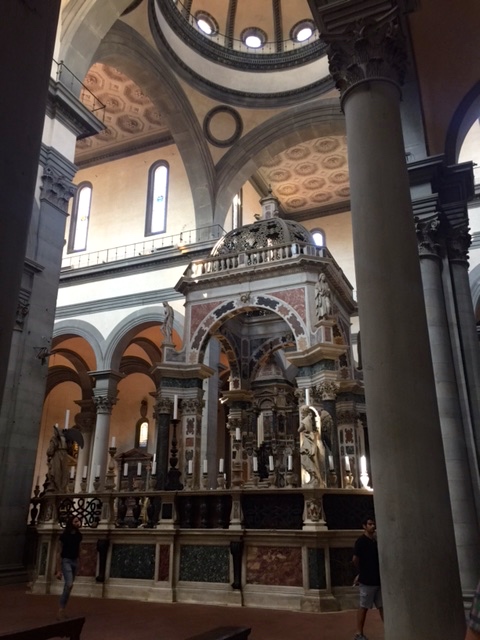
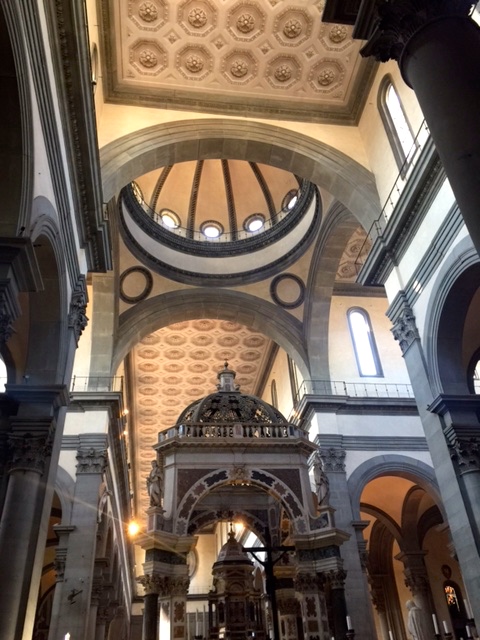
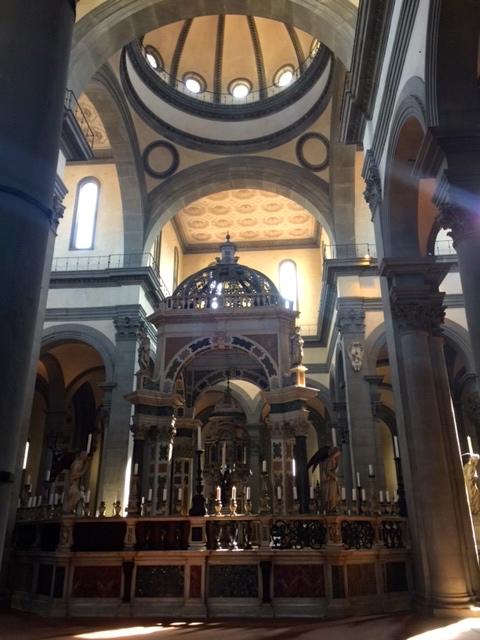
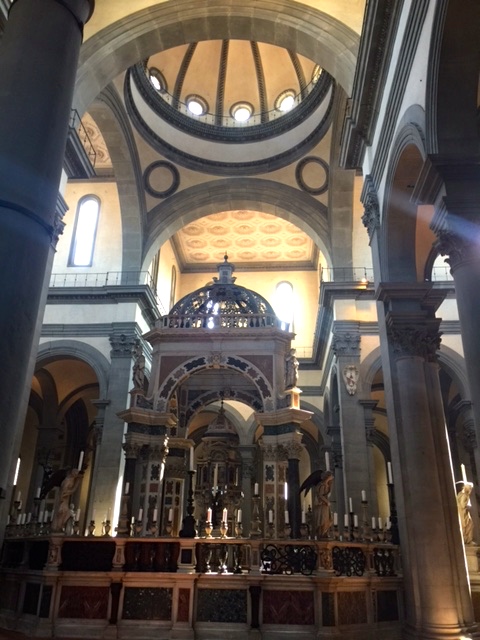
Brunelleschi, Michelangelo and many other important artists have major works within this Renaissance architectural masterpiece in the Oltrarno that is so easy to miss.  The church’s facade is so unimposing,  it is almost invisible.

But step inside and behold: Brunelleschi’s lovely basilica.


IMG_5266

IMG_5265

Brunelleschi began designs for this interior as early as 1428. The first pillars to the building were delivered in 1446, ten days before his death.  After his death, his plans for the church were carried on by his followers Antonio Manetti, Giovanni da Gaiole, and Salvi d’Andrea; the latter was also responsible for the construction of the cupola.

Unlike the Basilica of San Lorenzo, where Brunelleschi’s ideas were thwarted, his designs were carried through here with some degree of fidelity, at least in the ground plan and up to the level of the arcades.

The Latin cross plan was realized and the contrast between the nave and the transept, that caused such difficulty at S. Lorenzo, was here also avoided. The side chapels, in the form of niches, all the same size and 40 in number, run along the entire perimeter of the basilica.

Brunelleschi’s facade was never built and left blank. In 1489, a columned vestibule and octagonal sacristy, designed by Simone del Pollaiolo, known as Il Cronaca, and Giuliano da Sangallo respectively, were built to the left of the building. A door was opened up in a chapel to make the connection to the church.

Dominating the interior of the basilica is a Baroque baldachin with polychrome marbles, by Giovanni Battista Caccini and Gherardo Silvani, and placed over the high altar in 1601.

The church remained undecorated until the 18th century, when the walls were plastered. The inner façade is by Salvi d’Andrea, and has still the original glass window with the Pentecost designed by Pietro Perugino. The bell tower (1503) was designed by Bacio d’Agnolo.

The exterior of the building was restored in 1977-78.

IMG_5268

The Augustinians had begun building the church and the convent in 1252.  It was originally dedicated to Mary, All Saints and the Holy Spirit, changing by the end of the century to Mary, the Holy Spirit and Matthew.

The churches and convents of various mendicant orders were constructed with the financial support of the commune; the same is true for Santo Spirito beginning in 1267, and then again from 1292 to 1301.

The convent of S. Spirito became a center of scholarly activities and was recognized as Studium Generale of the Augustinian order in 1284. The first Rule and Constitutions of the Augustinians were approved in 1287 by the general chapter of the order that was held in Florence.
IMG_5269

Santo Spirito was associated with the early humanism in Florence. One of the groups, led by Bocaccio, gathered there in 1360s and 1370s. Upon his death in 1375, Bocaccio bequeathed his library to the convent.

In the 1380s and early 1390s another circle of humanists met daily in the cell of Luigi Marsili (1342–94). Marsili had studied philosophy and theology at the Universities of Padua and Paris. He came into contact with Petrarch at Padua in 1370 and later became a friend of Bocaccio. This group included Coluccio Salutati  (1331-1406), Chancellor of Florence from 1375. He soon became the central figure of the circle.

The most important of Salutati disciples was Leonardo Bruni (1370-1444), a future Chancellor of Florence. Another member of the circle was Niccolo de’ Niccoli,  a humanist and an associate of Cosimo de Medici.


IMG_5270

IMG_5271

It was after the Florentine victory over the Milanese in 1397 during the second Milan war on the feast day of Saint Augustine (28 August), that the Florentine signoria decided to rebuild this church to honor the saint, and placing it under the patronage of the city.

Despite this decision, nothing much happened until 1434, when the operai retained the services of Filippo Brunelleschi. Work on the new church progressed slowly until March 1471. During the Descend of the Holy Spirit sacra rappresentazione organized by the laudese in honor of the visit of Galeazzo Maria Sforza the old church caught fire and was heavily damaged, together with parts of the convent.

IMG_5285IMG_5286IMG_5287IMG_5288


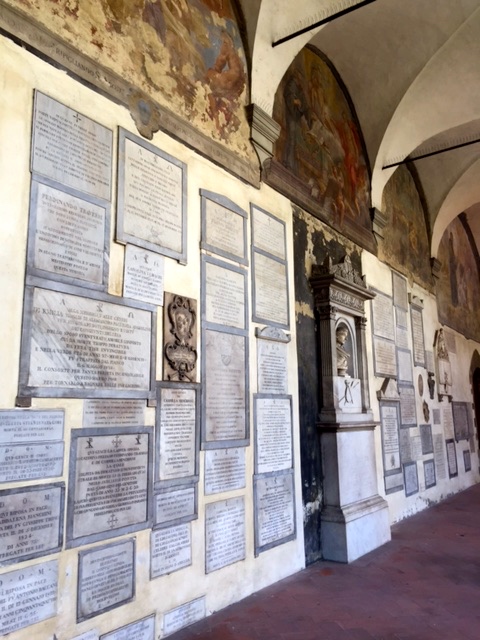
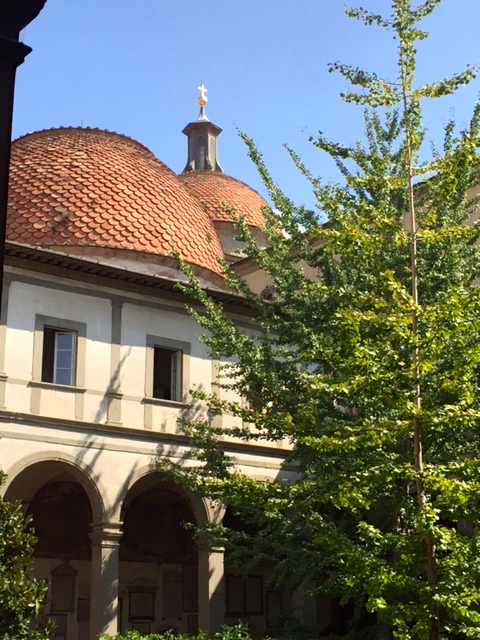
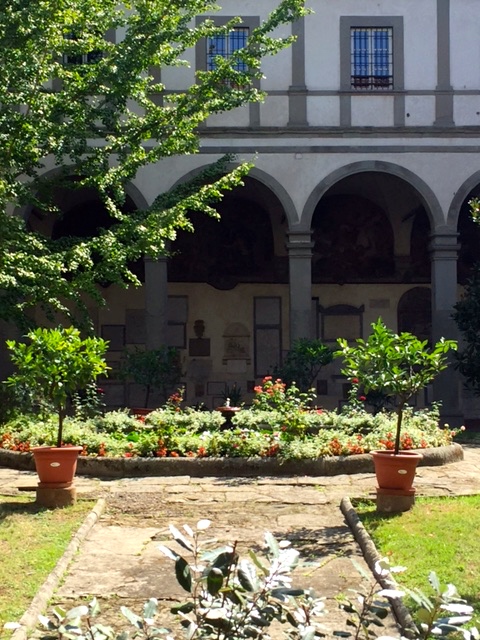
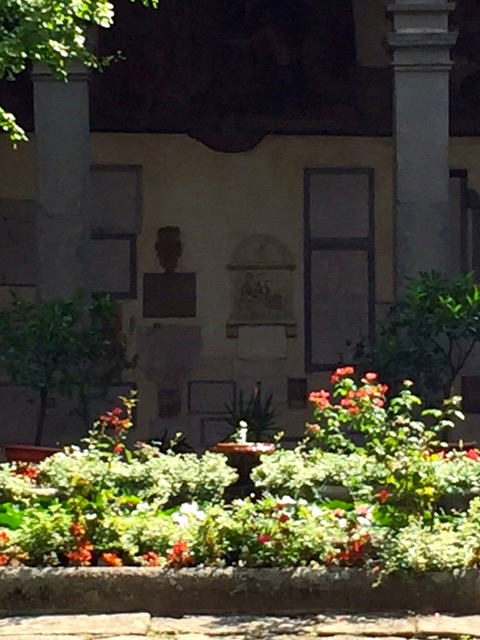
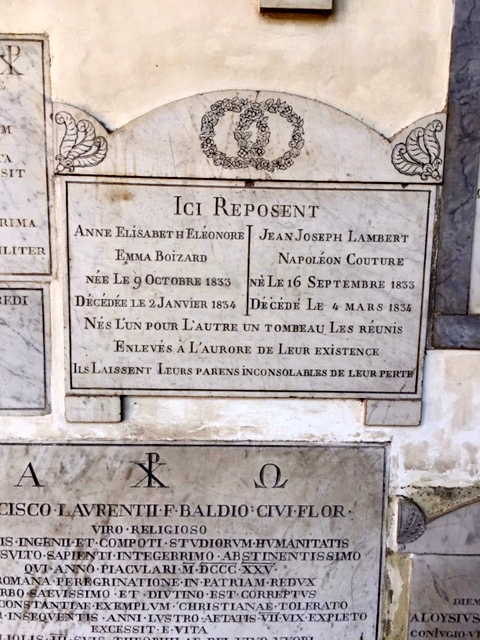
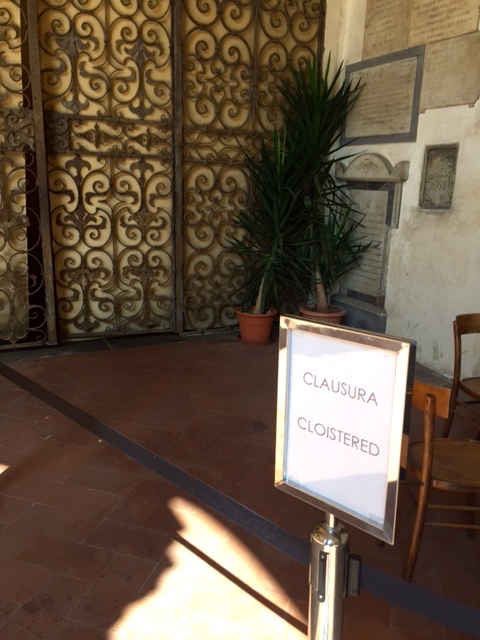
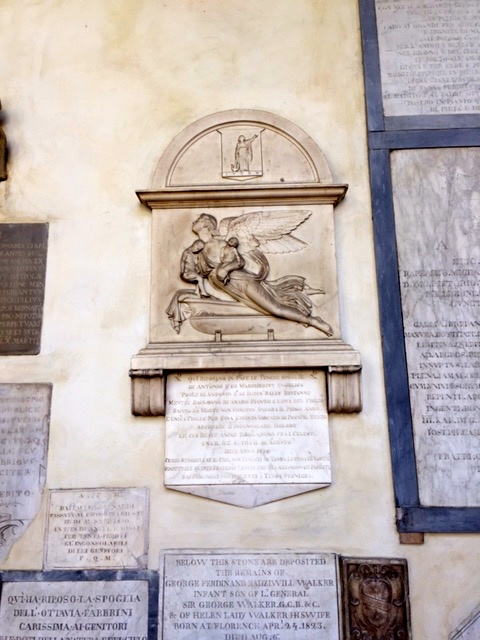
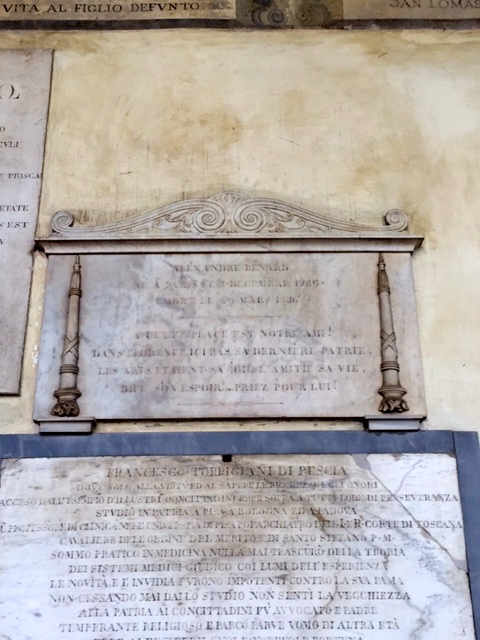
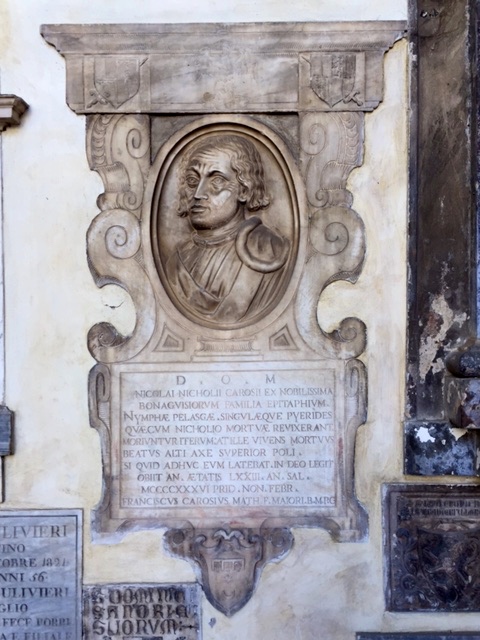
The walls of the cloister to the left of the basilica are lined with tombstones from all nationalities and eras.

The convent attached to Santo Spirito has two cloisters; they are known as the Chiostro dei Morti (cloister of the dead) and Chiostro Grande (Grand Cloister). The former takes its name from the great number of tombstone decorating its walls, and was built c. 1600 by Alfonso Parigi.  The latter was constructed in 1564-1569 by Bartolomeo Ammannati in a classicistic style.

The former convent also contains the great refectory (Cenacolo di Santo Spirito) with a large fresco portraying the Crucifixion over a fragmentary Last Supper, both attributed to Andrea Orcagna  (1360–1365). It is one of the rare examples of Late Gothic Art which can still be seen in Florence.

The room also boasts a collection of sculptures from the 11th-15th centuries, including two low reliefs by Donatello, a high relief by Jacopo della Quercia (Madonna with Child) and two marble sculptures by Tino da Camaino (1320–1322).

IMG_5291

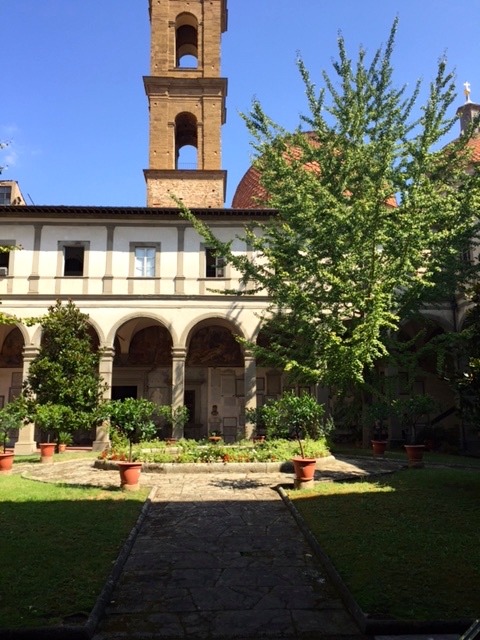
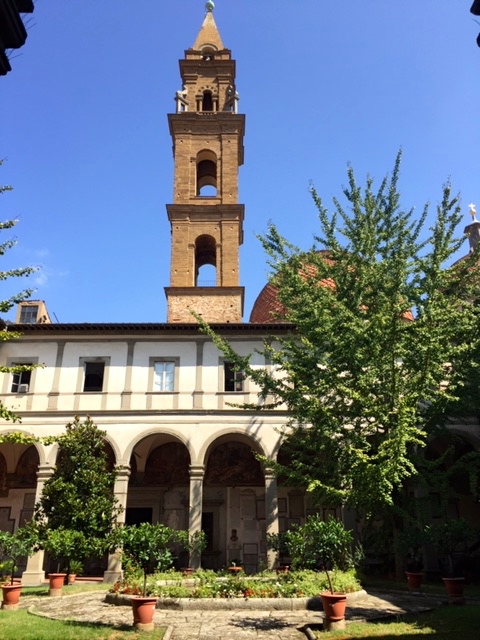
The central courtyard of the cloister is lovely and green.

IMG_5292IMG_5293IMG_5290

The bellower, as seen from within the cloister.

IMG_5289IMG_5294


A fountain graces the center of the garden within the cloister.

IMG_5295IMG_5296


One of the hundreds of tombstones within the cloister walls.

IMG_5301IMG_5302IMG_5303IMG_5304IMG_5305IMG_5306

Michelangelo’s Crucifix


The young Michelangelo was allowed was allowed to make anatomical studies of the corpses coming from the convent’s hospital; in exchange, he sculpted this wooden crucifix,  which was originally placed over the basilica’s high altar. Today the crucifix is in the octagonal sacristy that can be reached from the west aisle of the church.

Frescoes Crucifixion and The Last Supper were painted by Andrea Orcagna and his workshop in the 1360s.

Let there be light! Sia la luce!

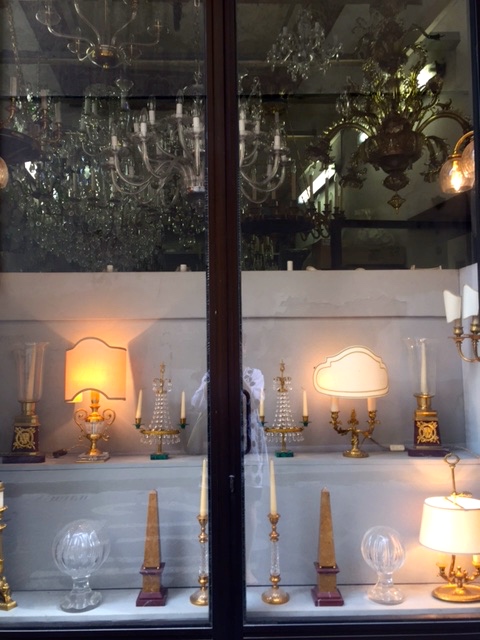
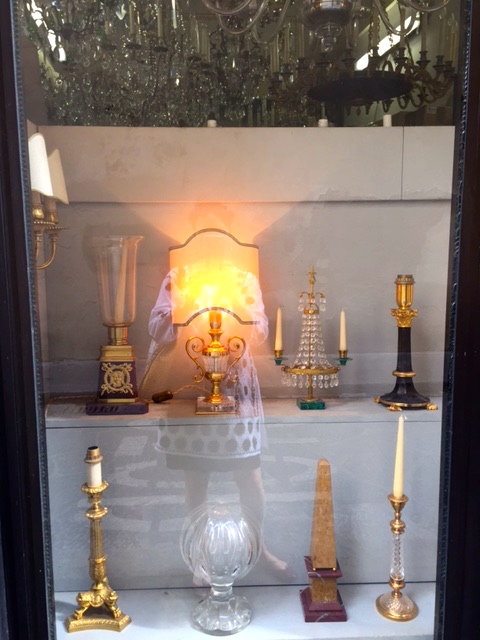
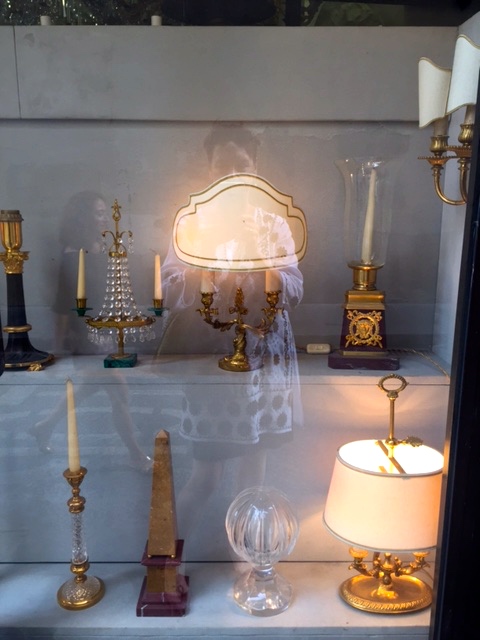
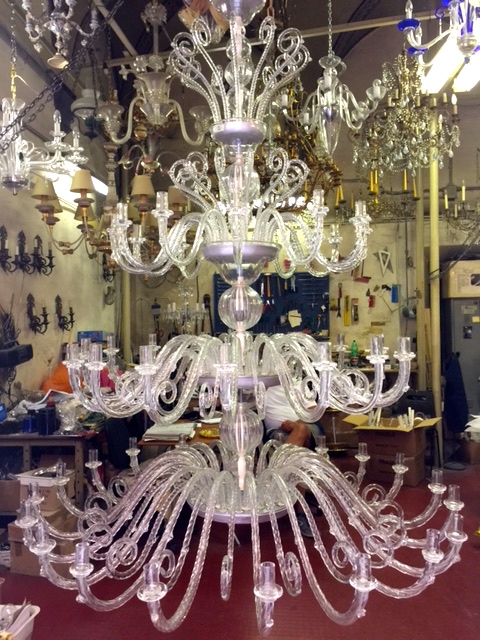
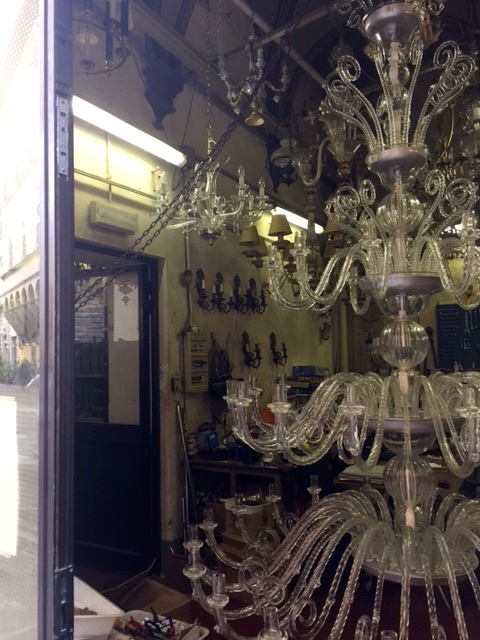
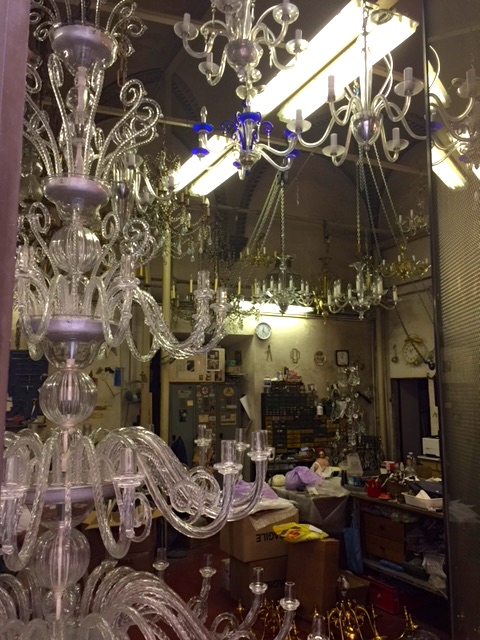
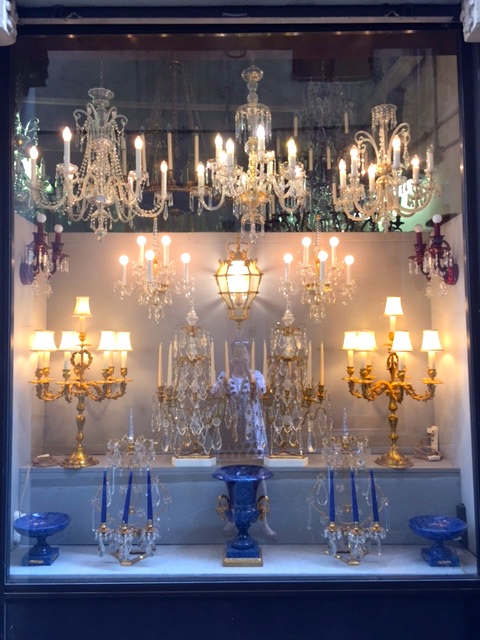
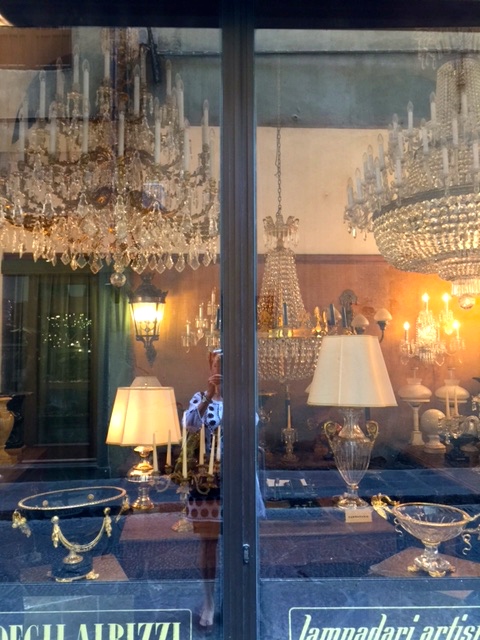
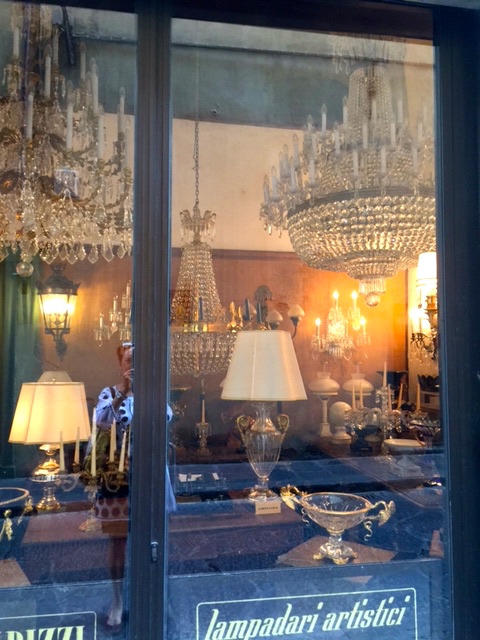
Look at this beautiful Florentine store, filled from floor to rafters with elegant lighting choices!


IMG_5243


I happened upon the store while wandering around the Oltrarno oggi.  I had planned to pay a visit to Chiesa Santo Spirito, only to discover the church is closed on Wednesdays.  Who knew!?

IMG_5244


Not to worry, when in Florence, there is always something new to see.

IMG_5245


I have adored these lamps with half shades all of my life.  Eventually I will have to purchase one!  Haven’t found the right one yet, but I’m still looking.

IMG_5246

The chandelier above was hung just inside the workroom doorway and was hung at body level and is bigger than I am.


IMG_5247


IMG_5248


IMG_5249


IMG_5250


IMG_5251


IMG_5252


I’m going to Arezzo today and I cannot wait! Non vedo l’ora!!

  • Musa - 0

DISCOVER AREZZO

DISCOVER AREZZO, CITY OF ART, HISTORY AND TRADITION, KNOWN WORLDWIDE FOR THE WONDERS OF ITS MUSEUMS, FOR THE FAMOUS SARACEN JOUST, FOR THE MOST ANCIENT ANTIQUES FAIR (FIRST WEEKEND OF EACH MONTH), FOR ROBERTO BENIGNI’S THREE ACADEMY AWARD WINNING FILM “LIFE IS BEAUTIFUL”.

From the Etruscans to the Romans, then on through the Middle Ages and the Renaissance, Arezzo has been home to many illustrious names, such as the poet Petrarca and many great artists, including Piero della Francesca, Giorgio Vasari, Masaccio, Michelangelo, Luca Signorelli and Pietro da Cortona, who all helped the city achieve a splendour that has remained unparalleled over the centuries. Even now, Arezzo is honoured to be the custodian of several unquestioned artistic masterpieces, in particular:

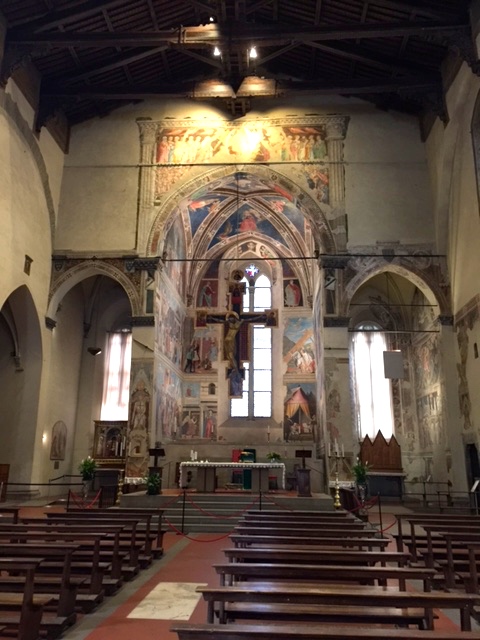
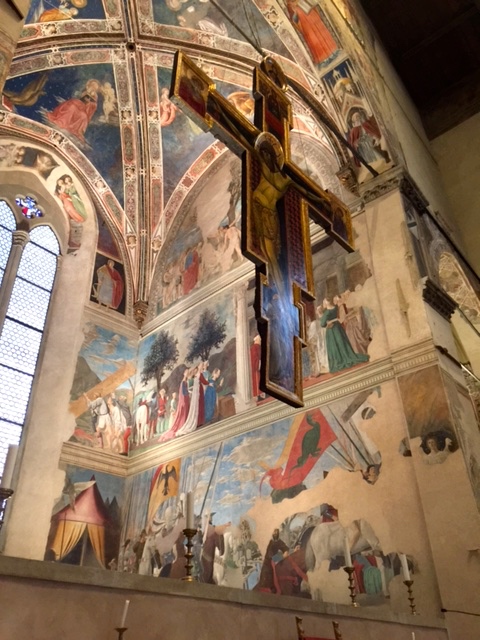
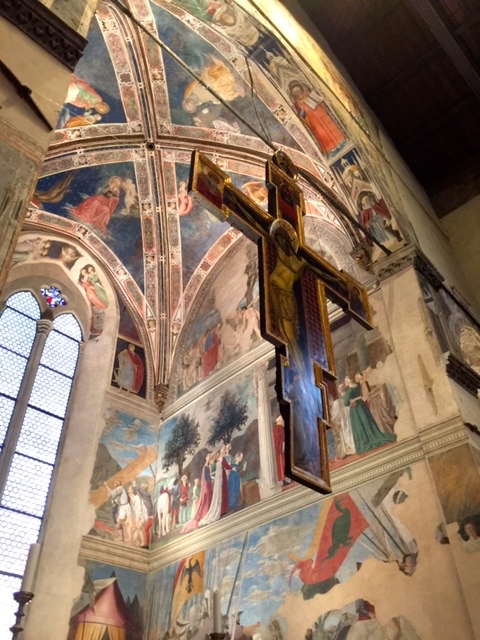
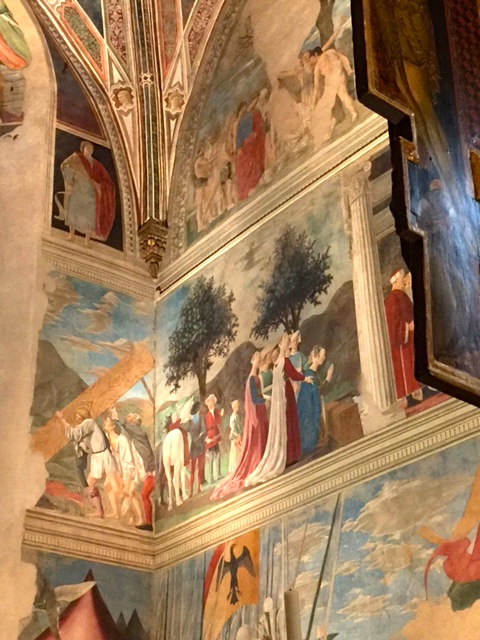
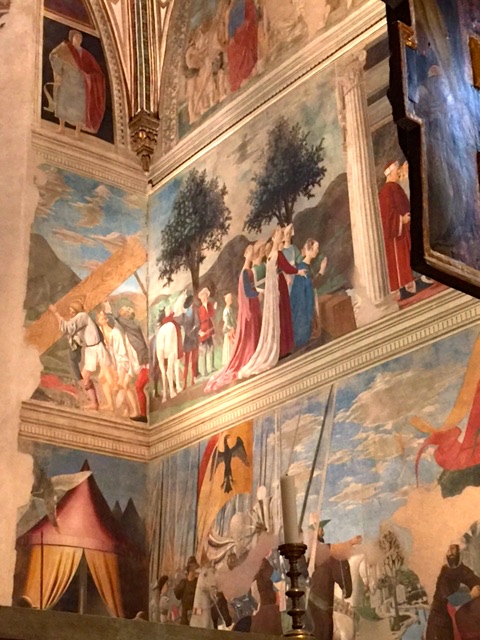
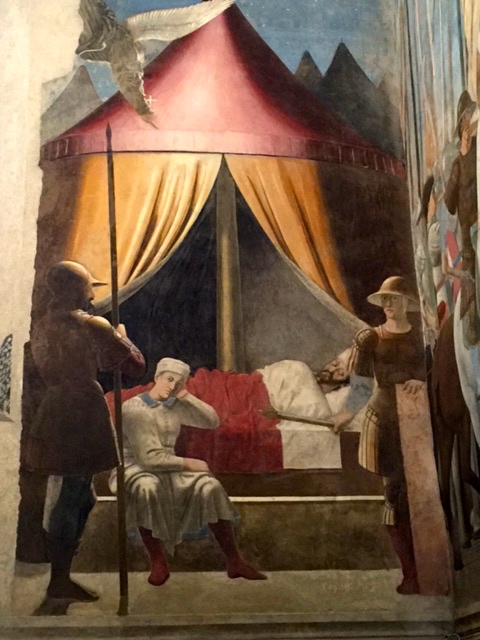
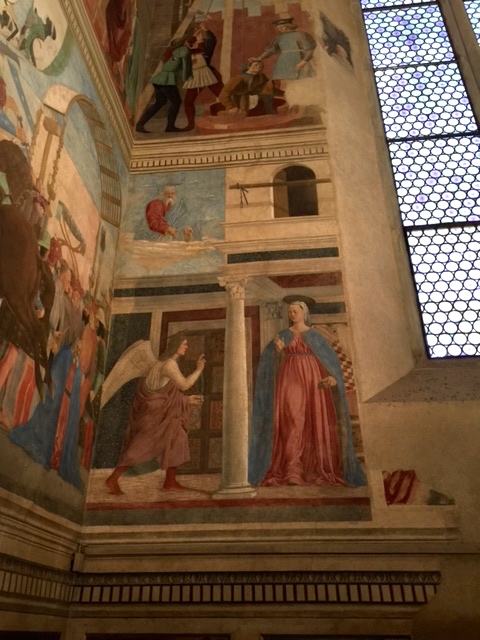
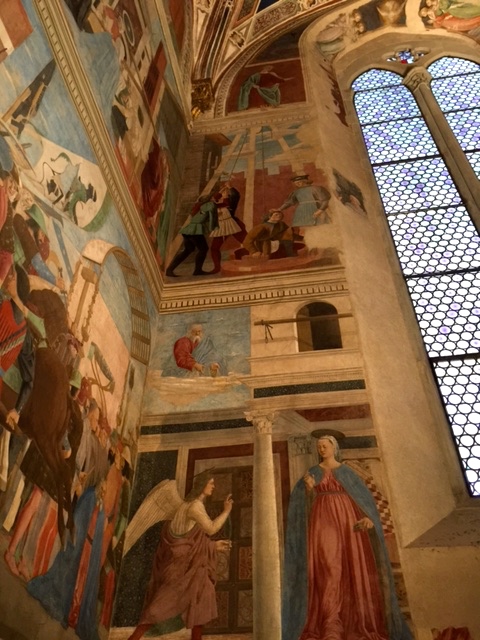
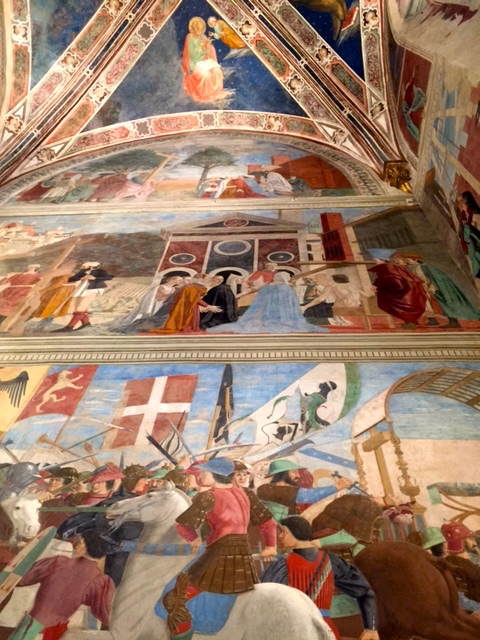
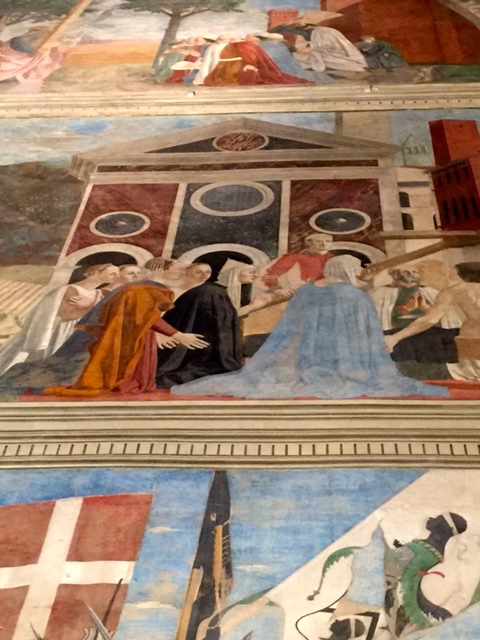
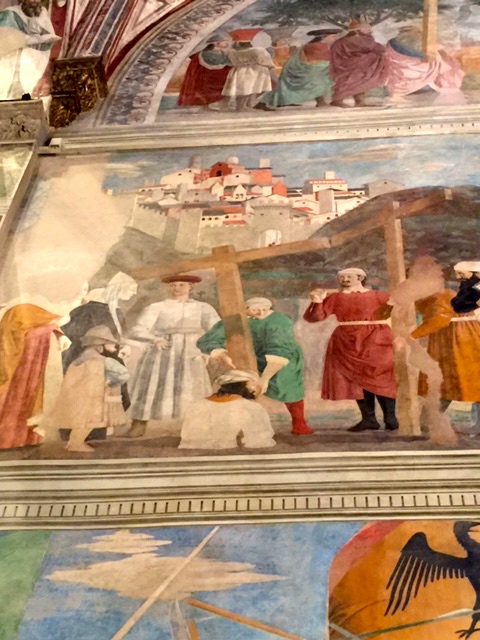
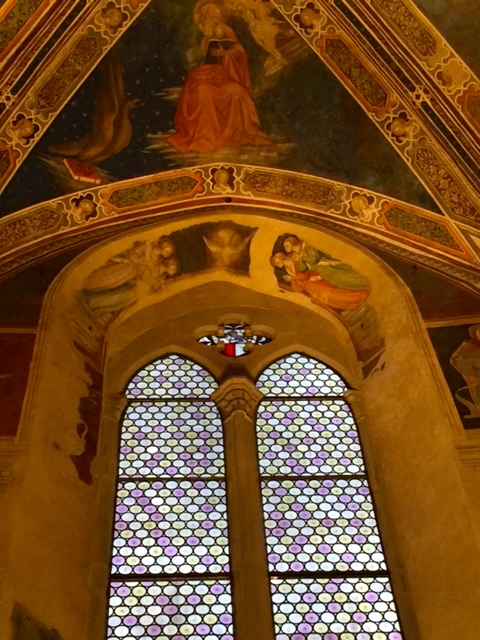
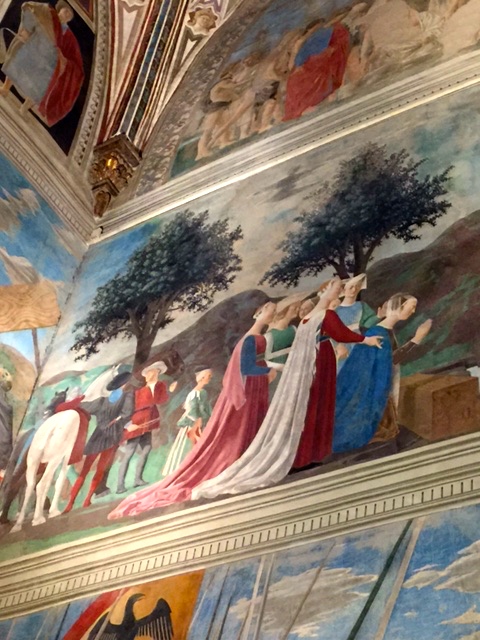
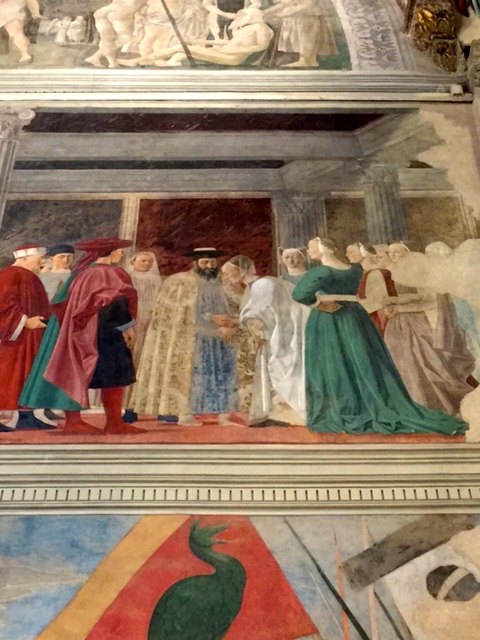
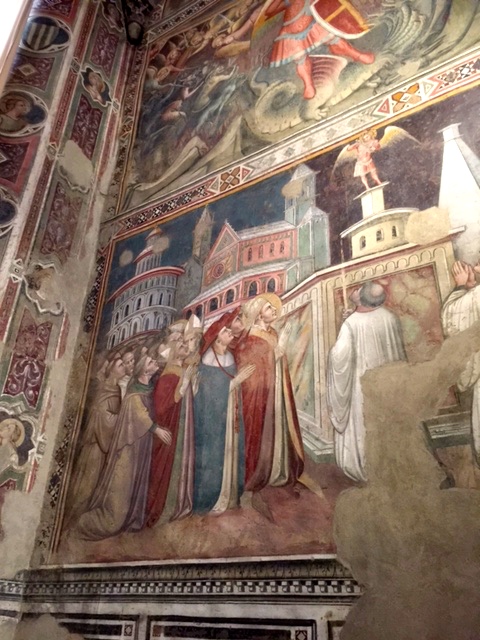
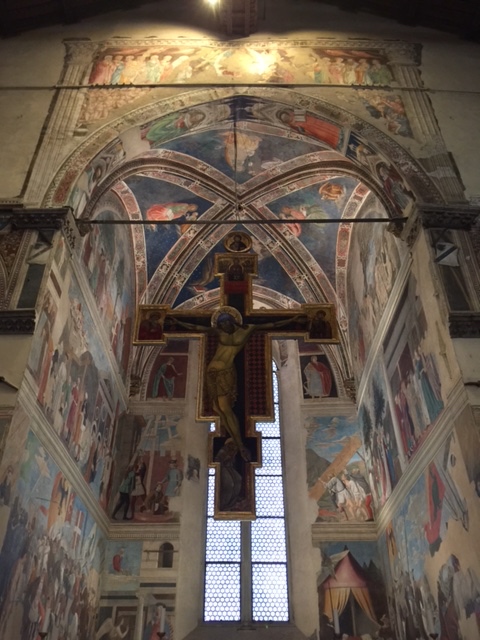
  • The Basilica of St Francis, with frescos by Piero della Francesca. The Bacci Chapel constitutes one of the masterpieces of all Renaissance painting, the cycle of frescos of the Legend of the True Cross painted by Piero della Francesca between 1452 and 1466, which depicts historical episodes from the lives of the emperor Constantine and his mother, the empress Helena, including the world-famous Dream of Constantine.
  • The Vasari House Museum was the family home of the painter, architect and art historian Giorgio Vasari. It now houses a small but priceless collection of works of art and above all the magnificent frescos executed by Vasari himself in some of the rooms.
  • The Gaius Cilnius Maecenas National Archaeological Museum and Roman Amphitheatre, housed in the building that was previously the Monastery of the Olivetan Benedictines of St Bernardo Romano and is now home to an important collection of Etruscan and Roman artefacts, including the world-famous “coralline” ceramics known as sealed Arezzo ware. Every summer, the Roman Amphitheatre hosts an important programme of live music, theatre, performances and other events.
  • The State Museum of Mediaeval and Modern Art houses works by Arezzo’s leading artists (Margarito, Spinello Aretino, Luca Signorelli and Giorgio Vasari), a coin collection and one of the most interesting collections of Renaissance pottery wares.
  • The Ivan Bruschi House Museum was established in Arezzo as a tribute to Ivan Bruschi, who first devised the celebrated City of Arezzo Antiquities Fair back in the 1960s. Now housed in a venerable mediaeval building, the Palazzo del Capitano del Popolo, it contains artefacts that date from the prehistoric period to late antiquity. The Banca Etruria established the Ivan Bruschi Foundation, basing it on the bequest of Bruschi’s own priceless collections and the labour of the Banca Etruria manager. Its purpose is to make Ivan Bruschi’s dying wish come true: to spread a love of art and of the culture of antiquities.
  • The Palazzo della Fraternita dei Laici, completed by Bernardo Rossellino in the sixteenth century in the Renaissance style, is the home of the Secular Fraternity, a body whose 750 years of history is peppered with important events that determined the development of the city of Arezzo. The Fraternity has a special focus on assisting the needy and on cultural undertakings, whose aim is to preserve its artistic heritage and make it accessible and enjoyable.


  • Piazza Grande, with the Vasari Loggias, is the city’s oldest piazza and one of the most beautiful in all of Italy. Although the buildings that line it date to all sorts of different periods, the overall effect of the piazza is incredibly harmonious. The buildings along the southern and eastern sides are mediaeval (Palazzo Tofani and the Làppoli Tower), while the northern side is occupied by a sixteenth-century building with the Vasari Loggias and the west is graced by the Parish Church of St Mary, the Court Building and the fifteenth-century Palazzo of the Secular Fraternity. Twice every year, Piazza Grande, which the world came to know and admire in Roberto Benigni’s film Life is Beautiful, provides the setting for the traditional Saracen Joust, as well as hosting the Antiquities Fair on the first Sunday of every month and the preceding Saturday.


  • Piazza Guido Monaco is a circular piazza laid out in the nineteenth century at the intersection of three very important streets: via Guido Monaco, via Petrarca and via Roma. In the centre of the piazza is a monument, the work of Salvino Salvini (1882), to Guido Monaco (also known as Guido D’Arezzo), who first devised modern musical notation and the system of the four horizontal lines used to inscribe it, known as the tetragram.
  • The Petrarca House, in via dell’Orto. It was here that the celebrated poet was born in 1304, although the building that now stands on the site is the result of reconstruction in the sixteenth-century and successive restoration projects. It now houses the Petrarca Academy of Letters, Arts and Sciences.
  • The Medici Fortress was built by the Florentine ruling family of the Medici in the sixteenth century at the highest point of the hill of Arezzo, where it boasts a marvellous panoramic view. The Fortress is now laid out as a public park and the gardens know as the Prato (or lawn).
  • The Cathedral of St Donatus is the home church of the people of Arezzo, whose chequered history it has followed over the centuries. Built on the site of the city’s ancient acropolis, it boasts breathtakingly beautiful stained glass by Guillaume de Marcillat and the Mary Magdalene painted by Piero della Francesca in 1465. The Diocesan Museum next door is home to several masterpieces by Vasari, Luca Signorelli and others. The marble panel depicting the Baptism of Christ that decorates the font in the cathedral has been attributed to Donatello.
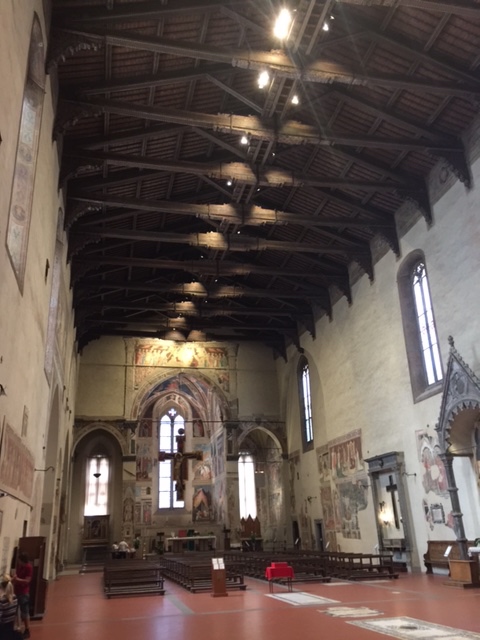
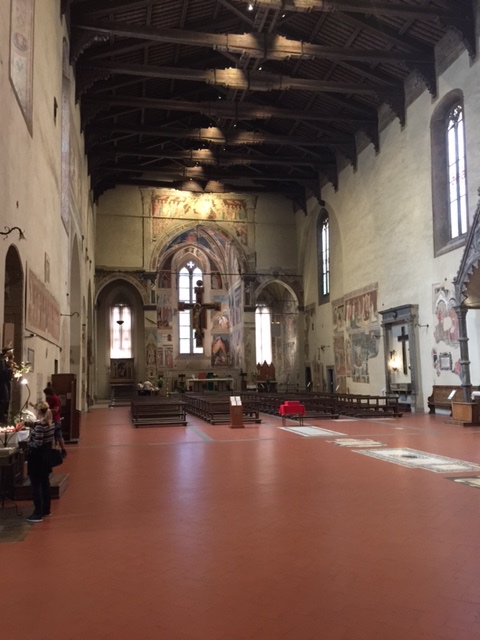
  • The Basilica of St Dominic is a must on any itinerary, because of the major attraction of the Cimabue Crucifixion. Standing more than three metres tall, this great cross is the first work attributed to Cimabue, who painted it at some time between 1268 and about 1271. A belfry adorns the otherwise incomplete façade of the basilica’s Romanesque-Gothic exterior. Inside, the single nave is decorated with frescos, most of which have decayed, while the Gothic altar in the Dragondelli Chapel is still clearly visible.
  • The Palazzo dei Priori, or Priors’ Palace, now home to the Arezzo City Council, is located in Piazza della Libertà. Built in the fourteenth century, it has a typical tower on a square footprint and a large loggia on three levels. Inside are frescos by Parri di Spinello and by Teofilo Torri, as well as canvases by Giorgio Vasari and other artists from Arezzo.
  • Visit the Parish Church of Santa Maria Assunta to see a polyptych by Pietro Lorenzetti (1320), as well as a Madonna and Saints and a wooden cross by Margarito (thirteenth century). Features in the original twelfth-century façade include the lunette with a bas relief depicting the Crowned Madonna and two angels and the extraordinary cycle illustrating the twelve months of the year, a masterpiece of mediaeval sculpture that painstaking, detailed restoration has now rendered once again visible.
  • Arezzo’s hinterland is also a treasure trove of incredibly valuable artistic venues. To single out just a few of them, don’t miss the Castle of the Counts of Guidi at Poppi, which looms high above the mediaeval hilltop town of Poppi and now houses the Rilliana Library, with its hundreds of mediaeval manuscripts and incunabula, and the Chapel of the Counts of Guidi, with a cycle of fourteenth-century frescos attributed to Taddeo Gaddi, a pupil of Giotto. Our guided tours also feature a fascinating itinerary that starts from a jewel of the Renaissance, the Piero della Francesca masterpieces in the Basilica of St Francis in Arezzo, and progresses to the mediaeval jewel of Poppi, on a journey that takes in the hills of the Casentino area and also includes a welcome stop to savour some fine foods and wines.

Arezzo also hosts several major events, some with traditions going back a thousand years:

  • The Antiquities Fair was established in 1968 and has been held every month of the year ever since, without a single interruption in over 45 years, on the first Sunday of every month and the preceding Saturday, in Piazza Grande and the adjacent streets in the city centre, where more than 500 exhibitors showcase large numbers of objects.
  • OroArezzo is the event devoted to the art of the goldsmiths, silversmiths and jewellery craftsmen that showcases the output of Italy’s leading gold working district. This exhibition of original jewellery work offers an important preview of the stylistic trends to be expected from the forthcoming creations of Italy’s jewellery and gold craftsmen, who are increasingly in tune with trends in fashion. This prestigious event offers its exhibitors an opportunity to present previews of their new jewellery designs and include them in the exhibition’s major promotions and visibility campaign.
  • The Saracen Joust is a competition on horseback that is held in Arezzo in the evening of the last Saturday but one of the month of June (the Joust of St Donatus) and in the daytime on the first Sunday in September (the September Joust). Preceded by a colourful procession, in which more than 350 participants dressed in historical costumes parade along the city streets, the actual tournament takes place in the unique setting of Piazza Grande. The joust consists of a challenge between the city’s four quarters, which are named after its main gates (gate in Italian is porta): Porta del Foro, Porta Crucifera, Porta Sant’Andrea and Porta Santo Spirito. The aim is to hit a target placed on the shield wielded by the Buratto (a dummy that represents the Saracen “King of the Indies” and turns on its own axis) with a stroke of the lance at the end of a fast charge on horseback… all without the rider being struck in turn on the back of the head by the weapon wielded by the Buratto himself: a string of three lead balls that is activated by a spring-loaded mechanism.
  • The Arezzo Wave is a festival, mostly of rock music, that has been held in July every year since 1987. First established to provide a launch platform for young Italian rock bands, it now lasts up to six hours. In recent years, the festival has started featuring multiple stages all over the city, where increasing numbers of non-musical cultural activities also take place.