Quattrocento Fiorenza

site_162618-6859

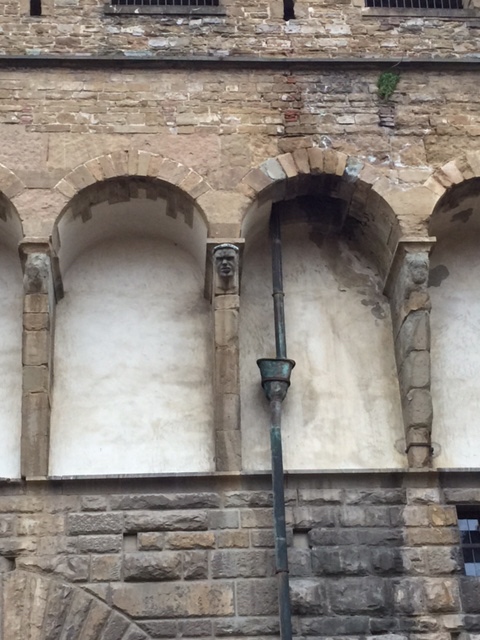
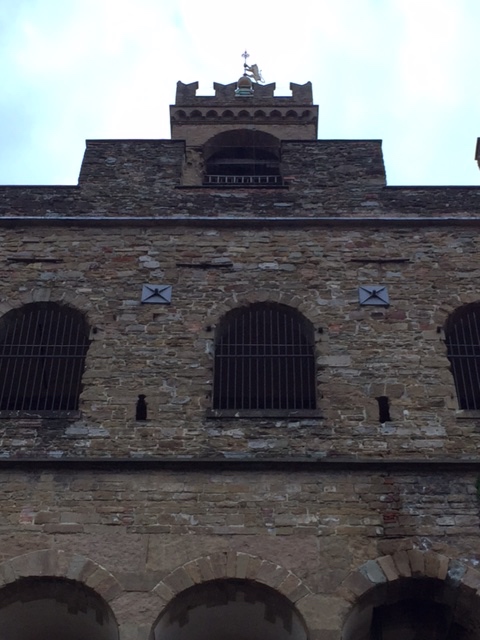
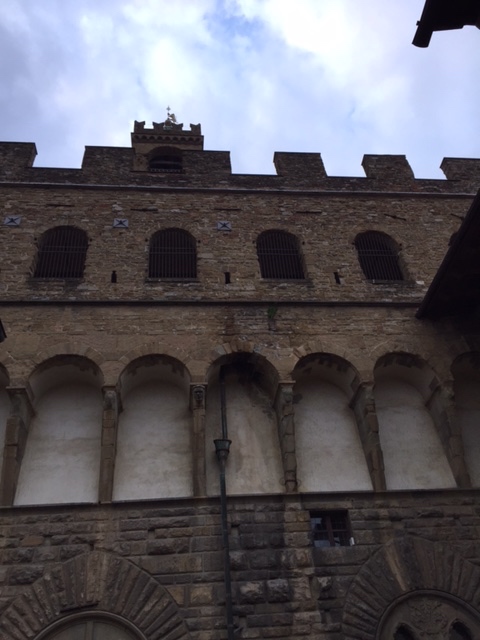
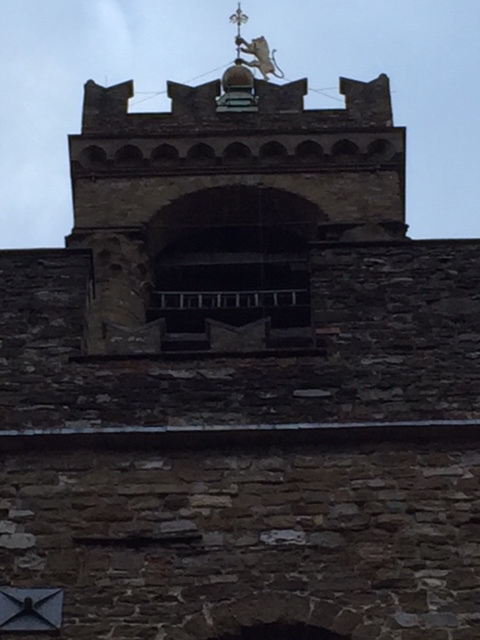
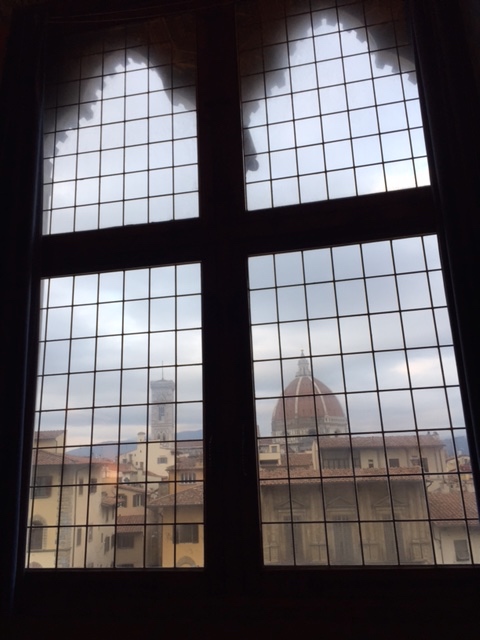
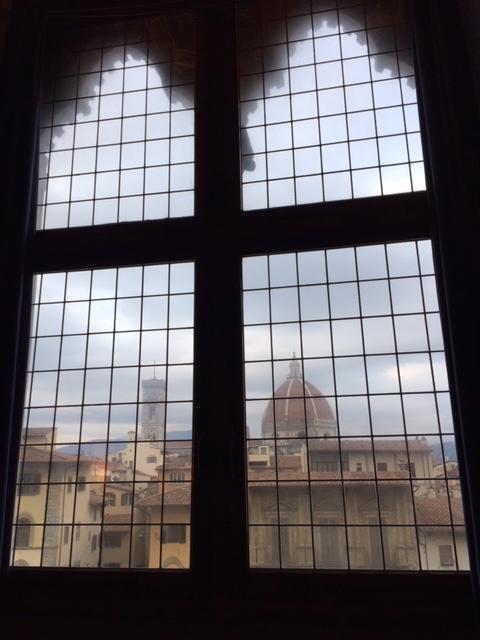
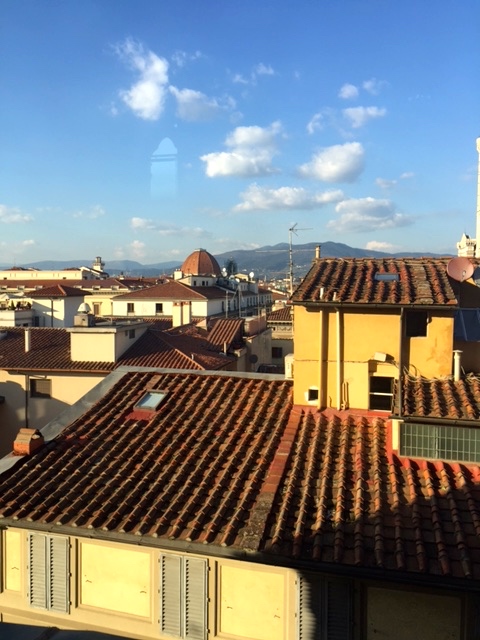
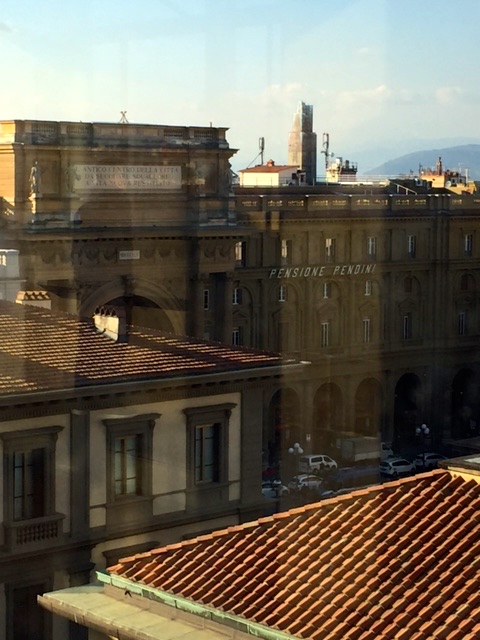
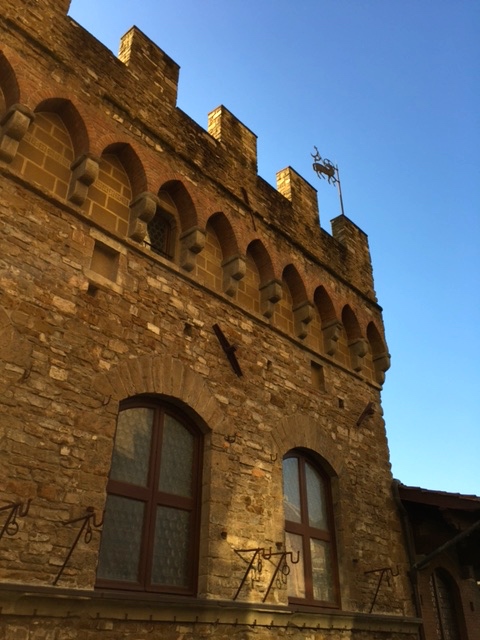
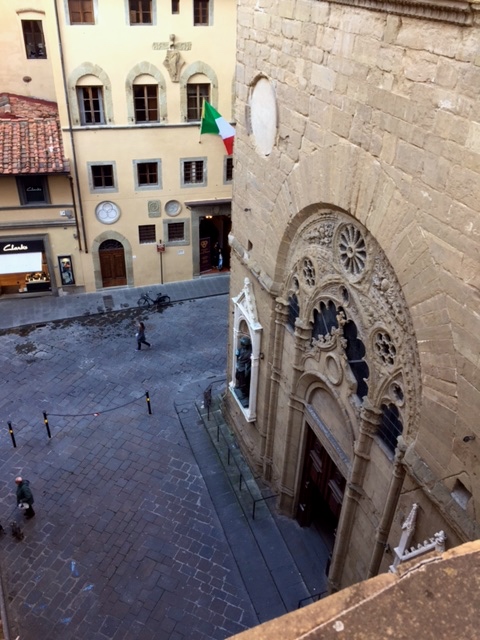
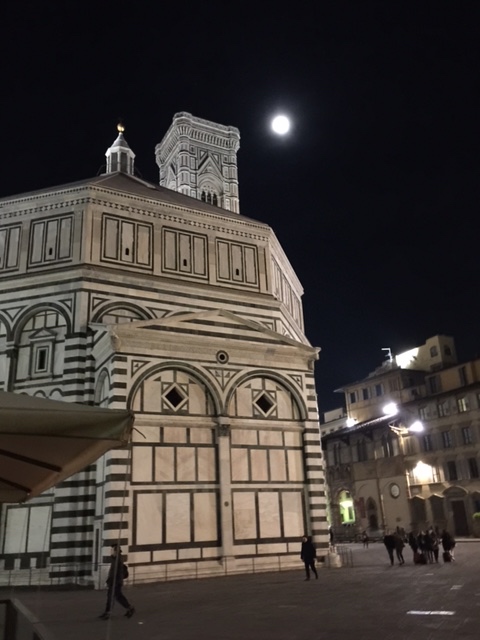
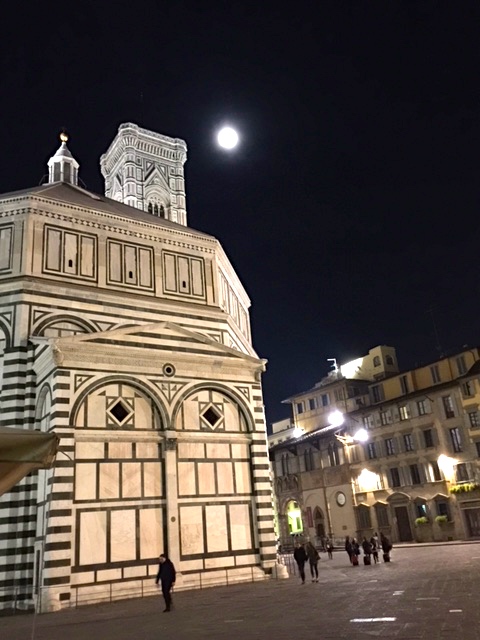
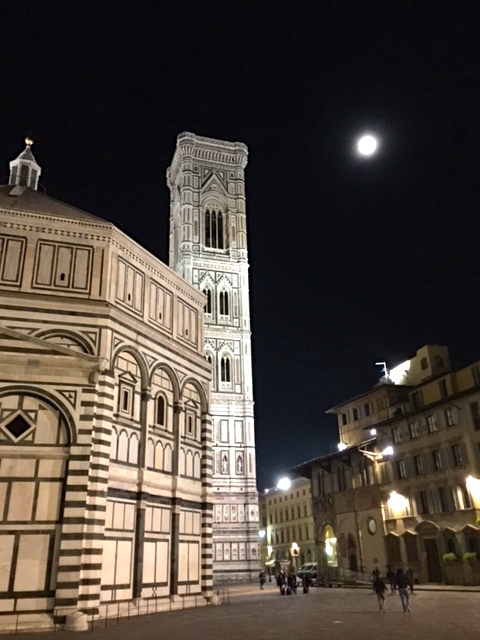
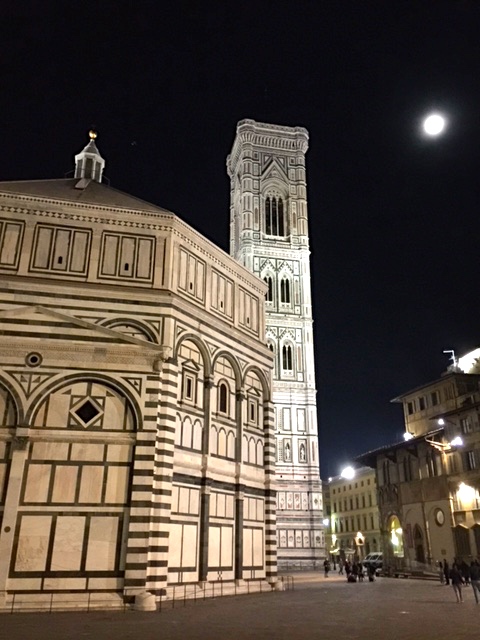
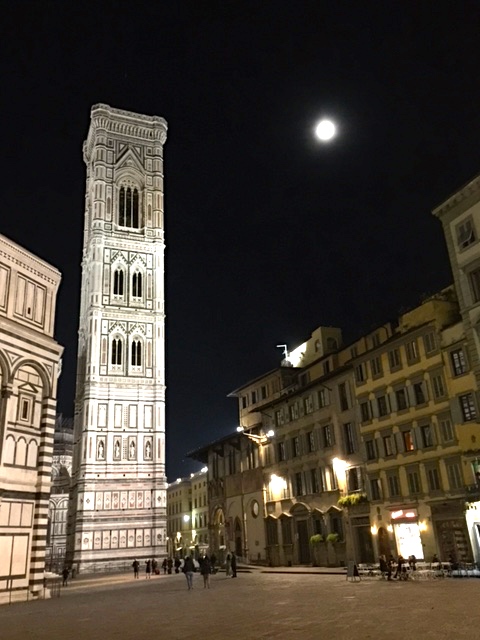
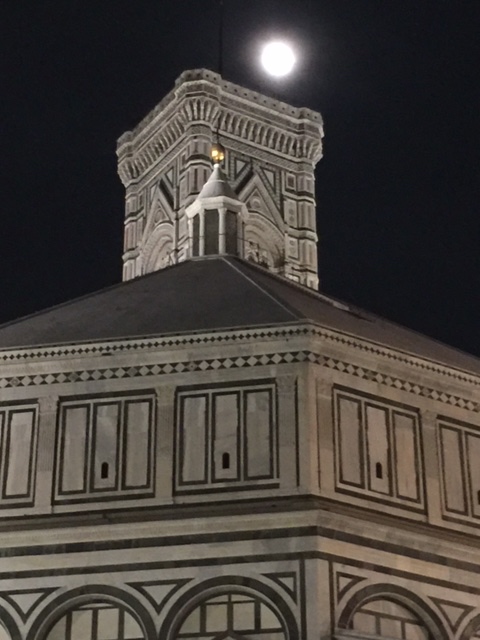
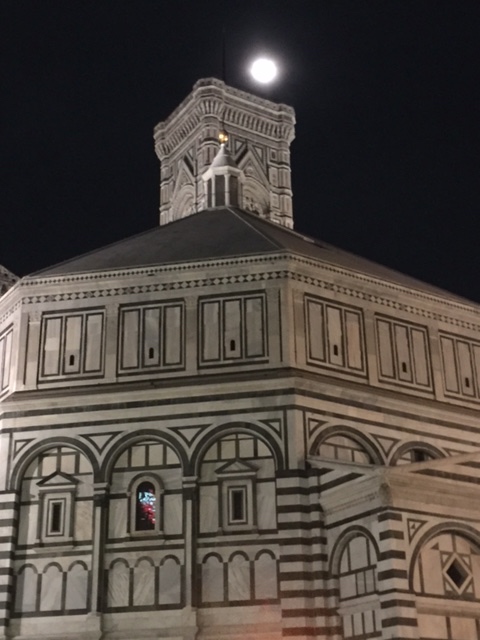
With fifty thousand people, Florence must have been an impressive sight for a young man like Leonardo arriving from Vinci. “Nothing more beautiful or more splendid than Florence can be found anywhere in the world,” the scholar Leonardo Bruni had declared in about 1402. Fifty years later, a Florentine merchant, taking stock of his hometown, believed it even more resplendent than in Bruni’s day, with beautiful new churches, hospitals, and palaces, and with prosperous citizens sauntering through the streets in “expensive and elegant clothing.” Florence at this time could boast fifty-four dealers in precious stones, seventy-four goldsmith shops, and eighty-three silk-weaving firms. There was, the merchant acknowledged, a further attraction: the astonishing proliferation of Florence’s architects, sculptors, and painters.  Highly conspicuous by the time Leonardo arrived in Florence were frescoes, statues, and buildings by men like Giotto, Brunelleschi, Masaccio, Donatello, and Lorenzo Ghiberti.

fiorenza2

King, Ross (2012-10-30). Leonardo and the Last Supper (pp. 23-24). Bloomsbury Publishing. Kindle Edition.

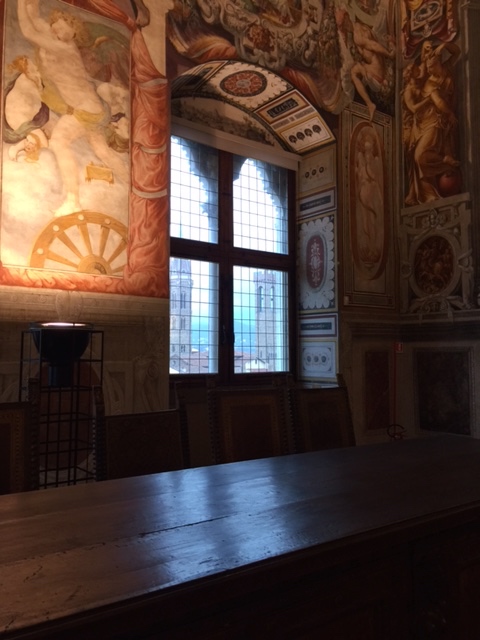
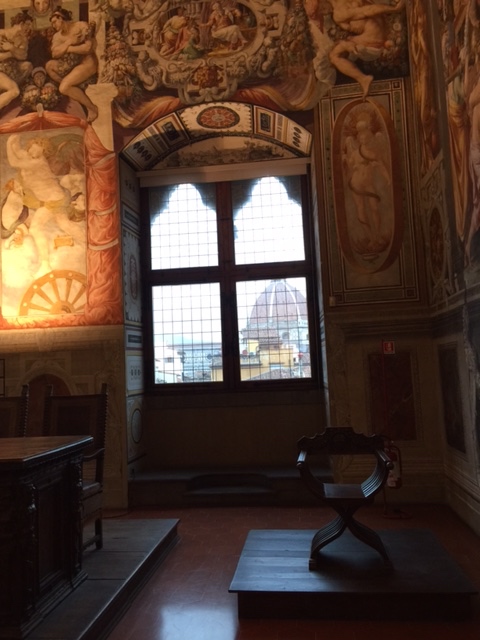
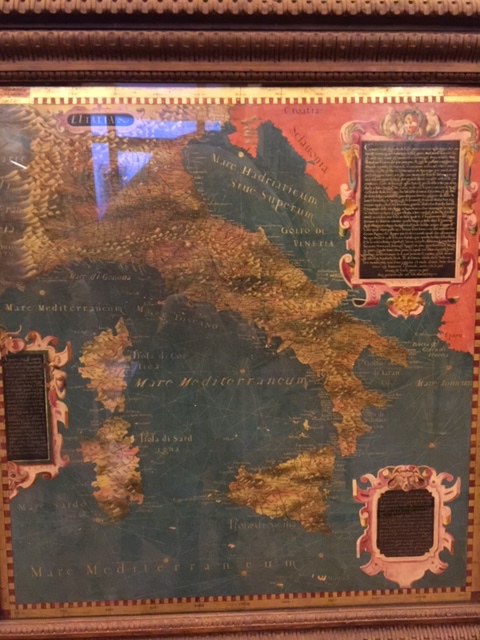
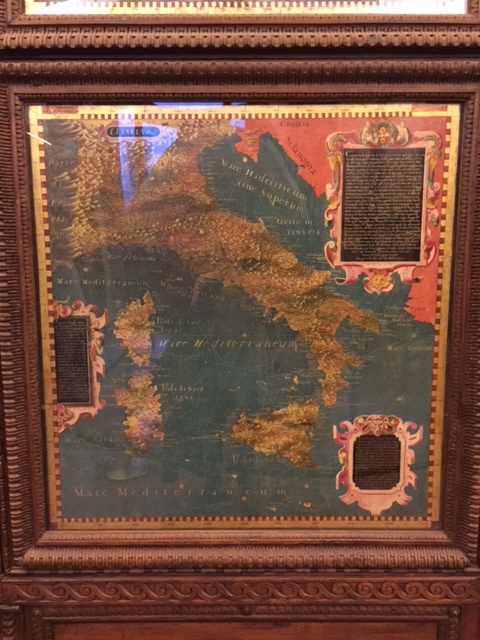
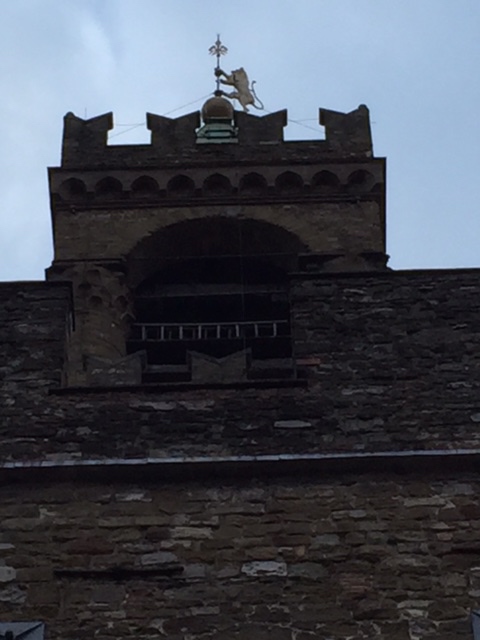
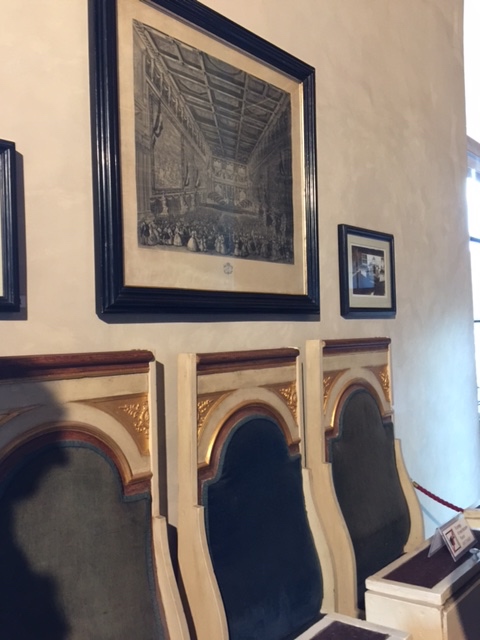
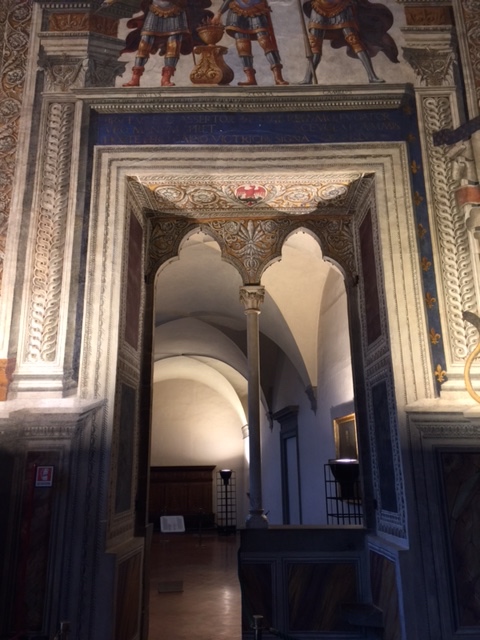
Palazzo Vecchio, Firenze: an idiosyncratic tour

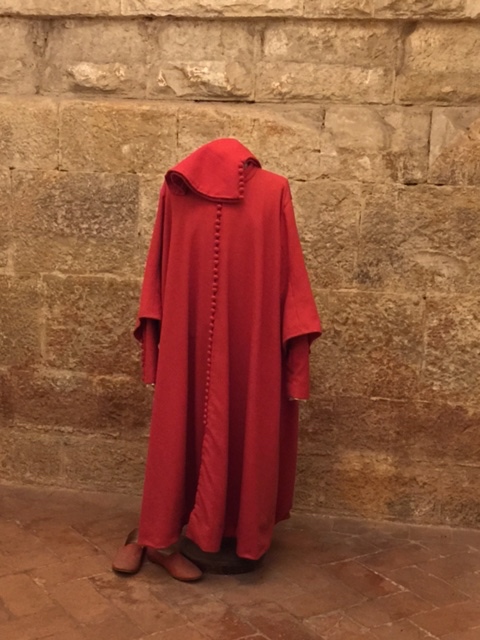
By the Middle Ages, the Florentine republic was ruled by a council, known as the signoria. The signoria was chosen by the gonfaloniere (titular ruler of the city), who was elected every two months by Florentine guild members.  Below is the robe and shoes typically worn by the counsil members.

img_0664img_0665


The magnificent Salone dei Cinquecento.  Absolutely amazing!

img_0673

img_0717img_0731img_0732

img_0750img_0752img_0753img_0754img_0755img_0756img_0757img_0758img_0759img_0760img_0761img_0762img_0763img_0764img_0765img_0766img_0767img_0768


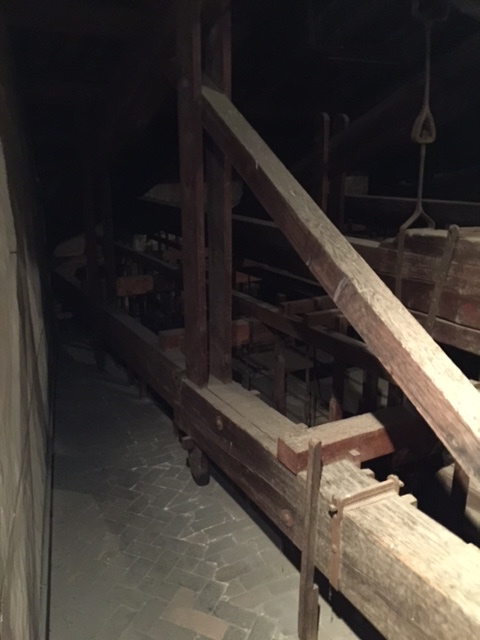
My tour group got to climb into the rafters over the main Salone and marveled not only at the engineering feat, but the fact that most of these timbers were placed in the 14th century.  Oh, what this lumber has endured–manmade and natural.


img_0682

img_0683


img_0690

img_0691img_0700img_0701


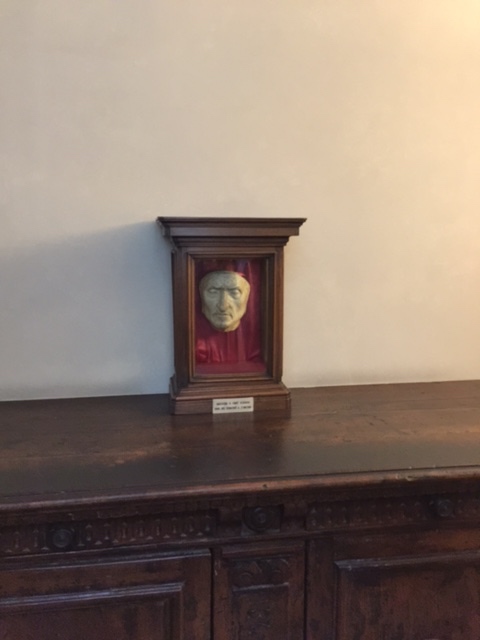
Dante’s death mask below.

img_0708


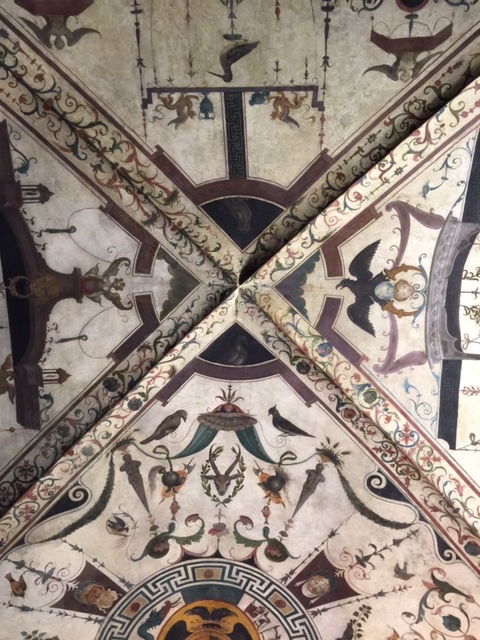
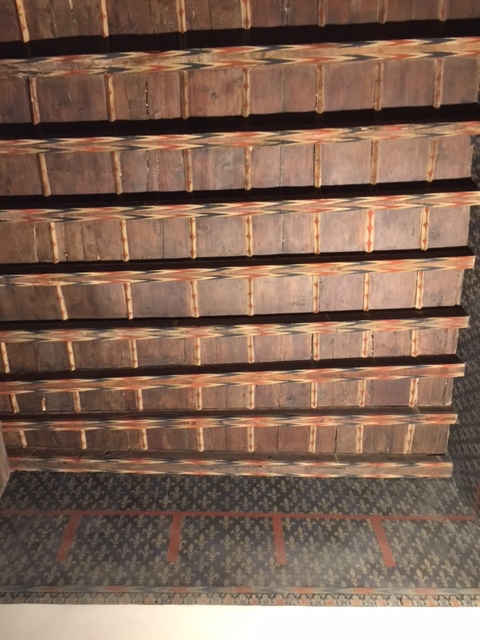
The painted ceiling of the room in which the Dante mask is stored.

img_0709img_0740img_0741img_0742img_0743img_0744img_0745img_0746img_0747img_0748img_0749

Orsanmichele, Florence. The real deal.

I posted an appetizer for this lovely, historic masterpiece in Florence yesterday.  Here’s the real entry.

img_0569

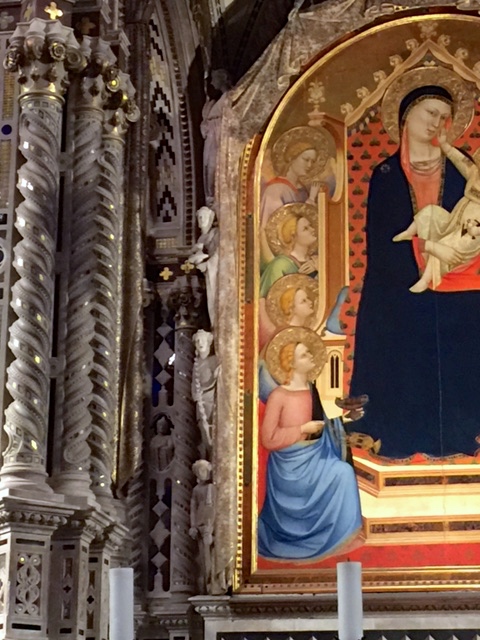
Inside the church is Andrea Orcagna’s bejeweled Gothic Tabernacle (1355-59) encasing a repainting by Bernardo Daddi’s of an older icon of the Madonna and Child.

img_0570

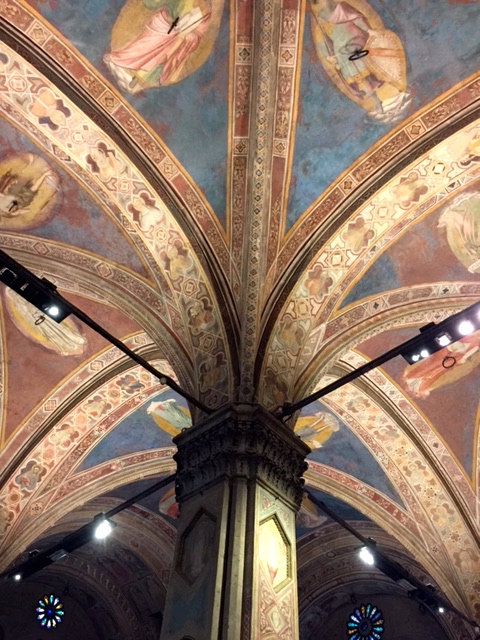
The ceiling paintings of the central square interior on the ground floor.  This special building in Florence was initially a palazzo, which became the city’s main granary, and later was transformed into this gorgeous church.  It is about halfway between the Duomo and the Palazzo Vecchio, occupying a central place in the city and religious spheres of Florence.

img_0571img_0572

Stained glass doesn’t play a prominent role in Florentine medieval architecture, as it does, for example in France.  Yet Orscanmichele has some gorgeous stained glass.

img_0573

Orcagna’s frame surrounding the beautiful  painting is breathtaking in its beauty.

img_0574


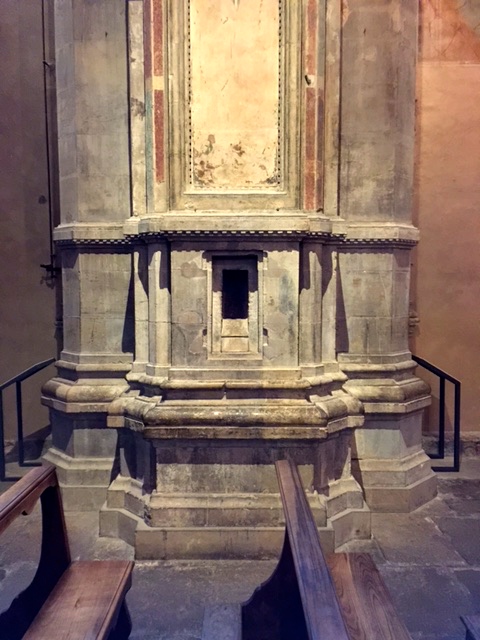
This opening shown below  is place in the building from which the grain was distributed.

img_0575img_0576

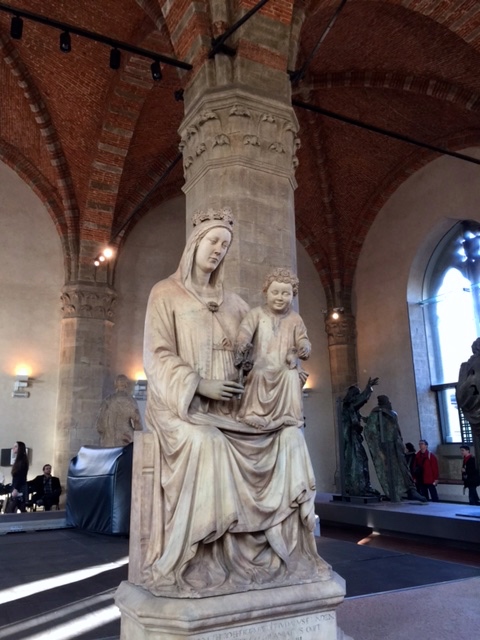
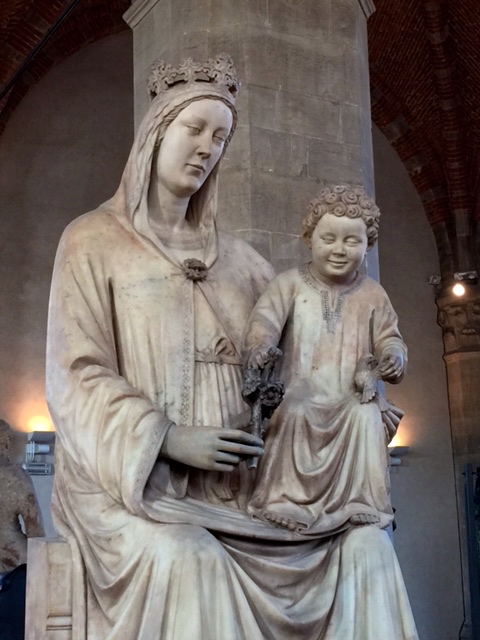
For art historians, Orsanmichele means sculpture.  Some of the finest works of late Gothic through Renaissance works were created for this edifice, and remain within its walls.

img_0577

Verrochio’s masterpiece, Christ with Doubting Thomas, can be appreciated up close, as can all of the sculptural works created for the building’s exterior niches.

img_0578img_0579img_0580img_0581img_0582

The other works are equally accessible and lovely.

img_0583img_0584

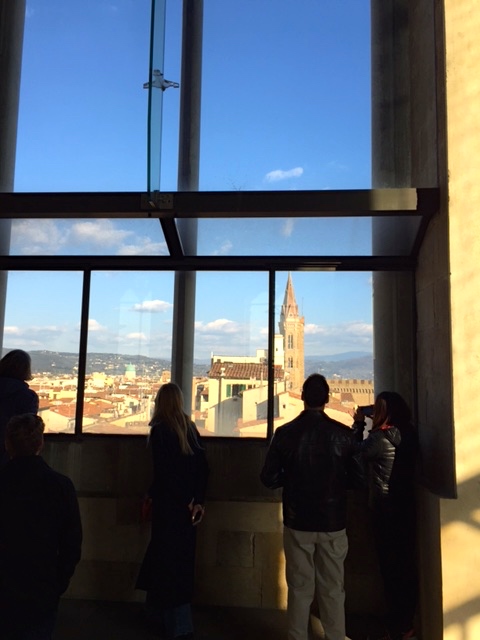
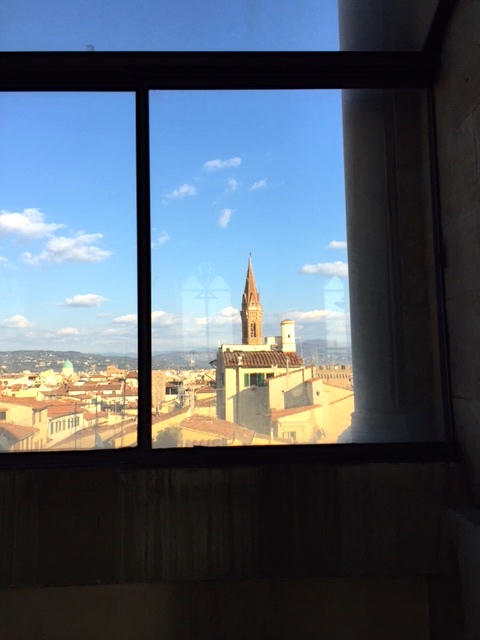
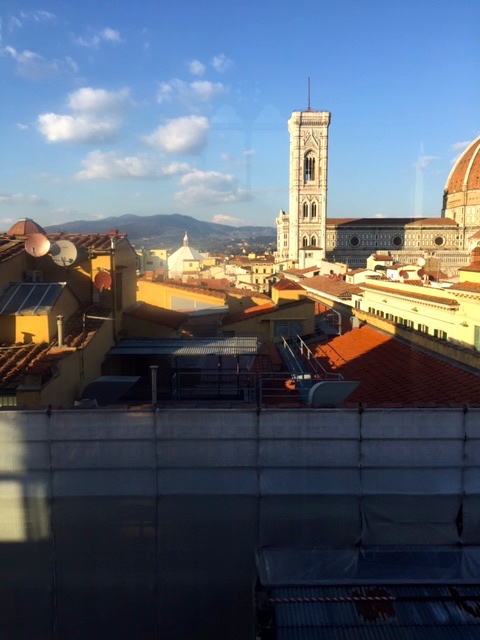
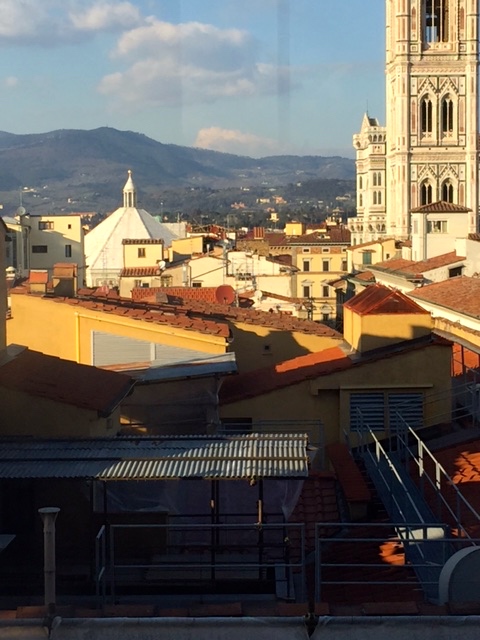
The hike to the 3rd floor is only for the fit.  But, what a payoff!  The vistas of surrounding Florence will take your breath away as well.  Only in a good way.

img_0585img_0586

img_0587img_0588img_0589img_0590img_0591img_0592img_0593img_0595

img_0596img_0599img_0600img_0601img_0602img_0603img_0604

Find the days the church is open and by any means necessary--vai!

Enter the past: the oldest church in Florence: Santi Apostoli

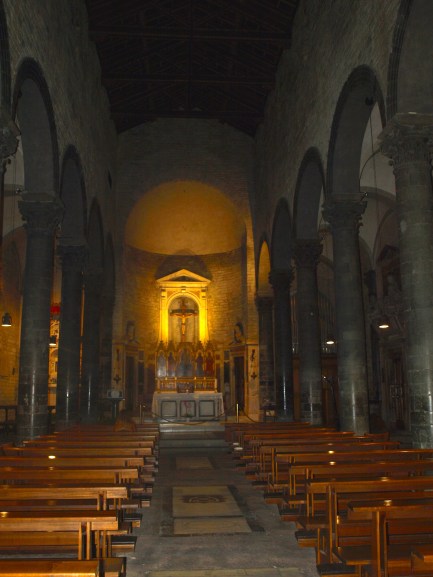
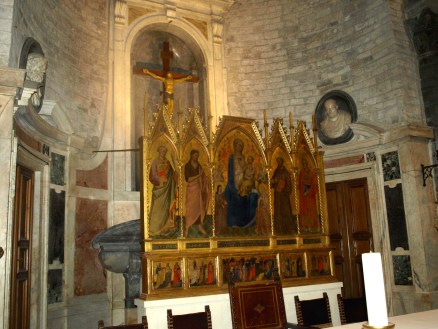
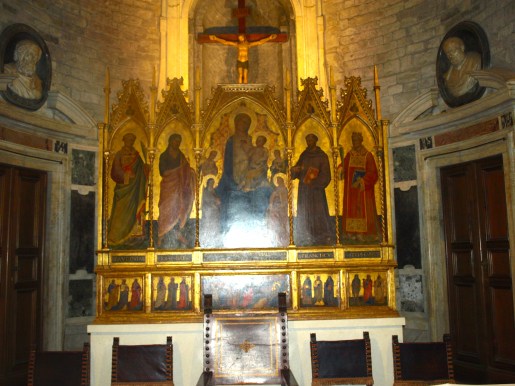
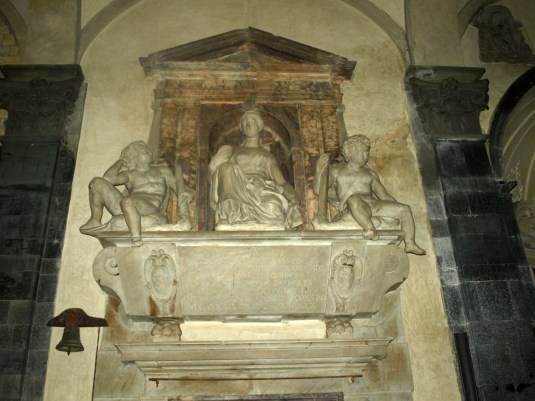
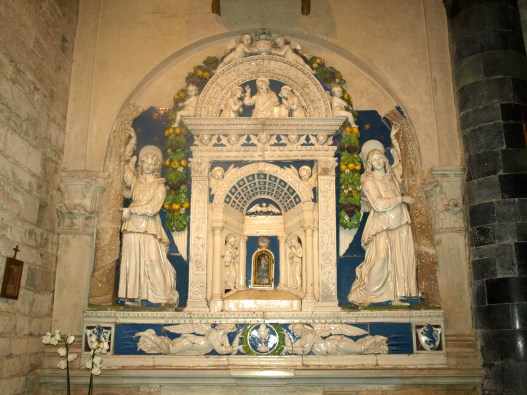
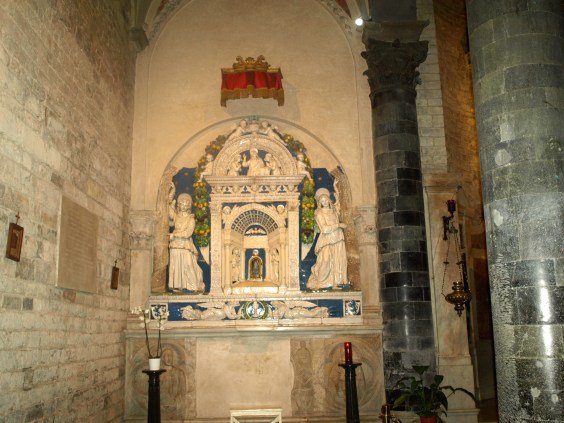
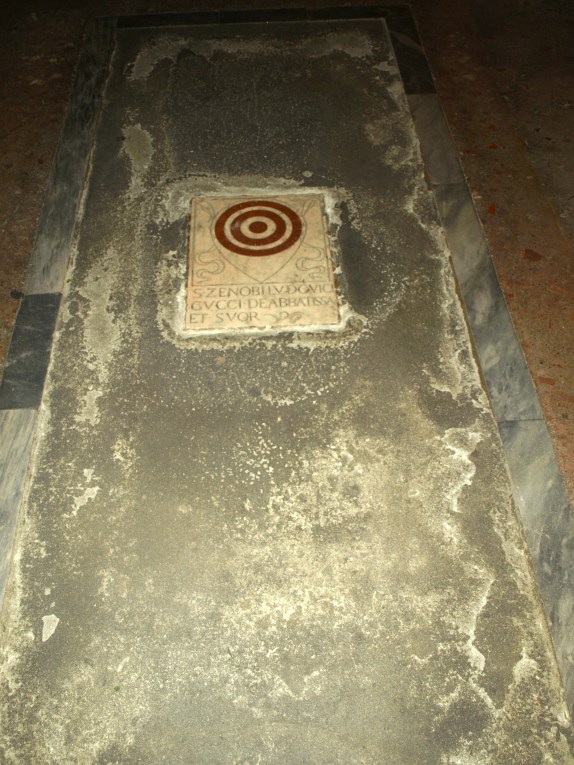
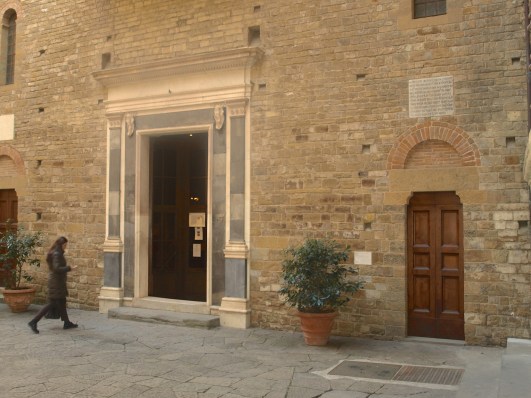
I recently had the good fortune to find this old church in Florence (among the oldest) Santi Apostoli, open.  Here are my photos of the inside and outside of this lovely, antique space.

OLYMPUS DIGITAL CAMERAOLYMPUS DIGITAL CAMERAOLYMPUS DIGITAL CAMERAOLYMPUS DIGITAL CAMERA

OLYMPUS DIGITAL CAMERAOLYMPUS DIGITAL CAMERAOLYMPUS DIGITAL CAMERA


OLYMPUS DIGITAL CAMERAOLYMPUS DIGITAL CAMERAOLYMPUS DIGITAL CAMERAOLYMPUS DIGITAL CAMERA


Santi Apostoli sits on the Piazza del Limbo, which as the sign below says, was “Gia Piazza di Apostoli” or formerly the Piazza di Apostoli.

OLYMPUS DIGITAL CAMERA

And in this piazza, as in so many places throughout Florence, there is a sign showing how high the water reached during the flood of November 1966.  With the water at this height, most of Santi Apostoli would have been under water.

OLYMPUS DIGITAL CAMERA