This is India 4. Let’s look at inlaid tiles and other patterns.

Here’s what I know: You can pick just about any topic in the world and the variety of that topic in India is infinite.  Absolutely.

Let’s take the subject of gorgeous inlaid tiles found in so many Islamic buildings throughout the world.  I loved them in Andalucia, Spain; I loved them in Morocco; and, not surprisingly, I loved them in India.  Of course the Indian tiles have a distinctly Indian flavor; how could they not?

OLYMPUS DIGITAL CAMERA OLYMPUS DIGITAL CAMERA OLYMPUS DIGITAL CAMERA

The palette of colors is completely “Indian.”  Similar applications of tiles in Islamic buildings in Morocco and Spain have a completely different palette.

For example: here’s Morocco

moroccan-tiles

And here is an example from the Alhambra in Spain:

Alhambra

It was in Spain that I first fell in love with Islamic architecture and decorative arts.

So, now you see how different the Indian palette of colors is.

OLYMPUS DIGITAL CAMERA

And then there are these incredibly complex ceilings in some old Indian major monuments, completely unlike anything in Morocco or Spain.  This one fascinates me.

OLYMPUS DIGITAL CAMERA OLYMPUS DIGITAL CAMERA

OLYMPUS DIGITAL CAMERA

Then there are the carved traceries (carved stone) that cover so many windows and other openings.

OLYMPUS DIGITAL CAMERA OLYMPUS DIGITAL CAMERA

Just look at the amazing use of inlaid tiles.  Every piece hand cut.

OLYMPUS DIGITAL CAMERAOLYMPUS DIGITAL CAMERA  OLYMPUS DIGITAL CAMERA OLYMPUS DIGITAL CAMERA OLYMPUS DIGITAL CAMERA OLYMPUS DIGITAL CAMERA OLYMPUS DIGITAL CAMERAOLYMPUS DIGITAL CAMERA OLYMPUS DIGITAL CAMERA OLYMPUS DIGITAL CAMERA

The photo above and the one below are taken looking up along an outer wall of the Taj Mahal.

OLYMPUS DIGITAL CAMERA

OLYMPUS DIGITAL CAMERA OLYMPUS DIGITAL CAMERA  OLYMPUS DIGITAL CAMERA

My pedicure blends in with the palette of tile work. I am wearing slippers from my hotel room.  You bring them with you in your bag because you will be required to remove shoes at the entrance to monuments.  But, if you bring your slippers or socks, you can wear them.  Stone tile floors are cold in February on a misty morning!

OLYMPUS DIGITAL CAMERA OLYMPUS DIGITAL CAMERA

A stucco ceiling.

OLYMPUS DIGITAL CAMERA

And the cut out metal lanterns create amazing patterns.  This is not at Taj, but the pattern the light casts on the wall reminds me of the traceries found at the Taj and other places throughout beautiful India.

OLYMPUS DIGITAL CAMERA

And finally for today, here is a huge wall well, which means there is a well at the bottom of this wall with the stairs leading ever downward in these incredibly intricate patterns.  It is mind-bogglingly beautiful.

OLYMPUS DIGITAL CAMERA

Chihuly time!

It has been too long.  Chihuly is too wonderful.

Of course Chihuly learned his craft in Italy, so for me looking at his glass is like looking through a glass into the Italian past.  It’s how I roll.

I can’t get enough of his work.  I take all out-of-towners to the Seattle Center to see the exhibit there and everyone is amazed.

All of these works are from the Seattle Center exhibit.

IMG_0404

IMG_0403

You have heard of the Sistine Chapel ceiling.  But, at Seattle Center, there is a luminous ceiling composed of glassworks. Gorgeous.

chihuly1

IMG_0371                  

IMG_0372

IMG_0370

And then there is this humongous outdoor installation.

Chihuly_Garden_and_Glass_outside_1

Then, back inside:

OLYMPUS DIGITAL CAMERA

OLYMPUS DIGITAL CAMERA

OLYMPUS DIGITAL CAMERA

Some of his glass creations, like this white one above, reminds me of a taffy pull or some elaborate French confection.

Get yourself to a Chihuly exhibit next chance you get, in Seattle or anywhere!

Mariano Fortuny, Renaissance man

International_pleating_2790

Do you know what this lovely objet is?

~~~~~~~~~~~~~~~~~~~~~~~~~~~~~~~~~~~~~~~~~~~~~~~

~~~~~~~~~~~~~~~~~~~~~~~~~~~~~~~~~~~~~~~~~~~~~~~

How about now?

International_pleating_2790

~~~~~~~~~~~~~~~~~~~~~~~~~~~~~~~~~~~~~~~~~~~~~~~

~~~~~~~~~~~~~~~~~~~~~~~~~~~~~~~~~~~~~~~~~~~~~~~

Are you stumped? I’ll give you a clue. 

unnamed1

Like a lot of the world’s best stuff, it comes from Italy.  The objet under discussion actually comes from Venice.

Venice is home to many marvels.  One of my favorites among them all is the Fortuny Museum.

Palazzo_Fortuny

If you are lucky enough someday to find yourself in Venice with a little extra free time, then consider yourself fortunate indeed!  If this unusual scenario is yours, then you owe it to yourself and to the gods of fortune to get off the typical turista track and hightail it over to this museum in this fabulous old palazzo.  Trust me, you’ll be glad you did.

For there you will find lots of this stuff.

International_pleating_2790

Lots and lots of it.  It is a textile.

You will find it in dresses.

MarianoFortuny-gown

Lots and lots of very amazing dresses:

2006AP3491_jpg_l

6a01156f47abbe970c0148c781da94970c  6a01156f47abbe970c0147e1784a5b970b

1977.363.14_d

Fortuny Vintage Textile 2 blue dress

fortuny33

kırmızı

h2_1995.28.6a

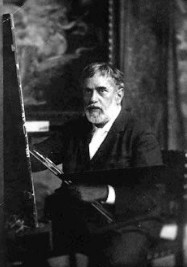
And all of it was designed by this one man, Mariano Fortuny.
Mariano-Fortuny-portrait

Are you familiar with the amazing artistic career of Mariano Fortuny y Madrazo (1871-1949)?  If not, you should be!  Let’s get to work!

rq-1

As you can see from this portrait, Fortuny was very “artistic!”  Quote unquote! His contemporaries considered him to be a Renaissance man, for he was astoundingly creative and versatile, working in many media.

Fortuny was, like all of us, influenced by the contemporary styles and designs of his day. These fashions were informed by the latest aesthetic and functional concepts promoted by reformers of the applied arts, such as William Morris and Edward Burne-Jones. Leaders of the Arts and Crafts movement, the theories of these men and others called for a modern style freed from the restraints of convention.

Fortuny was born in Spain, the son of the painter Mariano Fortuny y Marsal. His mother was the daughter of another famous painter, Raimundo de Madrazo y Garreta, so Fortuny came by his artistic abilities naturally.

Sadly, Forturny’s father died when he was only three, but his mother supplied him with an extraordinary childhood. She moved her family to Paris after her husband’s death in Spain and in 1889 the family moved again, settling finally in Venice.  Lucky Venice!

Fortuny’s mother was an inveterate collector of rich, oriental textiles and had collections of them from the various shops she had visited throughout Europe. Her son spent his childhood around these gorgeous fabrics and adopted his mother’s love for them. It is said that as a child he amused himself by tinting various fabrics to see what effects he could achieve.

fortuny6

As Fortuny reached his maturity, it became apparent that he was an extremely gifted person with many artistic abilities. He was successful in an astounding number of media, including painting, photography, sculpture, architecture, printmaking and even theatrical stage lighting.  His creativity led him to register and patent more than twenty inventions between 1901 and 1934.

Picture 18

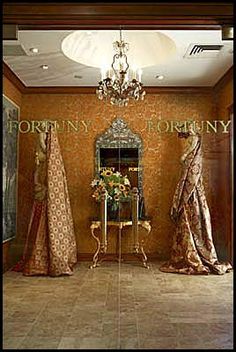
The world remembers him mainly, however, for his contributions to fabric design and for a few fabulous garments. He opened his house of couture in 1906.

OLYMPUS DIGITAL CAMERA 71bd49808396a7c49a75a358576d288d

Fortuny is best remembered for his dress designs, which were fabricated from an innovative pleated silk, produced by machines designed and patented by the artist himself. Modern eyes will see Fortuny’s fabric and usage as a forerunner to Issey Miyake’s designs.

The artist:

fortuny

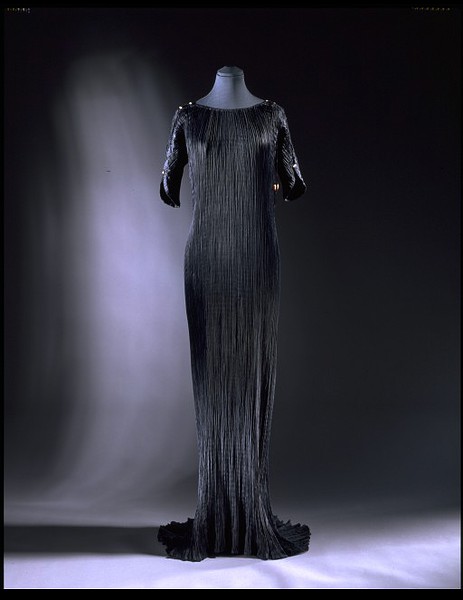
In 1907, Fortuny created his most spectacular Art Nouveau dress, the so-called “Delphos robe” in his signature pleated silk. The dress was worn by theatrical legends Isadora Duncan and Sarah Bernhardt.

fortuny1   Mariano-Fortuny-y-Madrazo-Queen-Sofia-Spanish-Institute-Oscar-de-la-Renta-201105170295

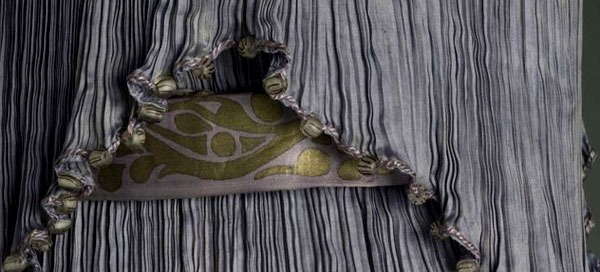
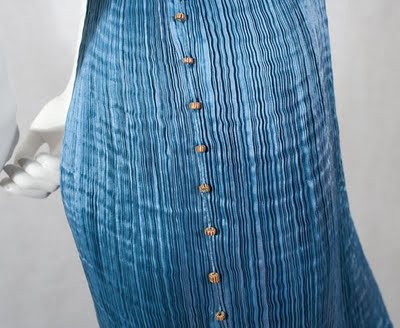
Designed in a revolutionary shape, inspired by ancient Grecian gown, the long dresses were simple and loose, artistic and functional; their borders were usually finished with Venetian colored glass beads, which were both ornamental and functional.

Mariano-Fortuny-y-Madrazo-Queen-Sofia-Spanish-Institute-Oscar-de-la-Renta-201212180293

These finely pleated fabrics fall to the floor in long vertical lines, while closely following the sleek figure below.  This is the Fortuny manner.  When you hear someone refer to a Fortuny dress, this is what they mean.

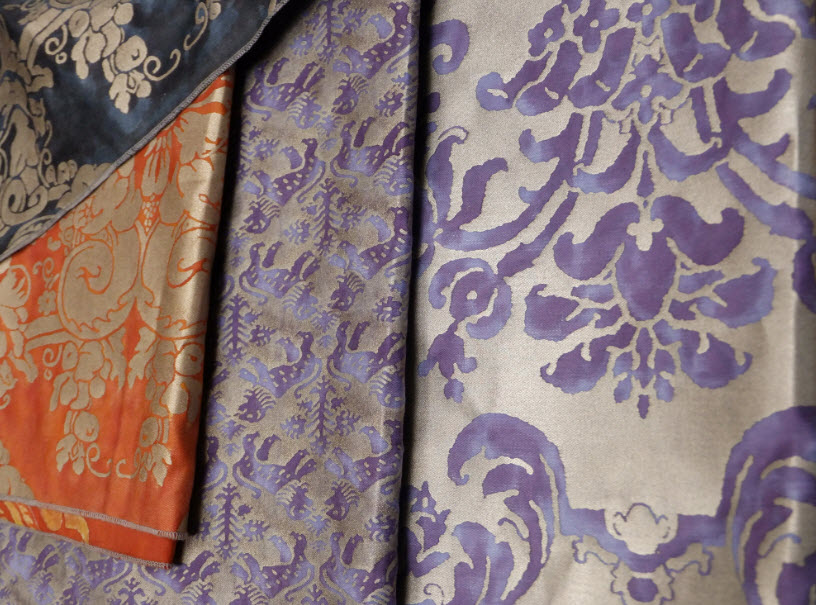
All the pleated and printed silk, the dresses, and the scarves were hand-made in Fortuny’s studio, as were the multi-colored velvets, the satin linings, the silk cording and belts. Before being made up, the silks were dyed in every color imaginable, with different designs or color combinations.
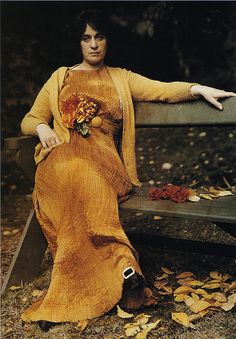
b1c5f8cdfb064b6963ed228be4f76966

It is a lot of fun to have a Vogue Magazine clipping from 1912 which discusses the current trend of all things Fortuny in America.

FASH fortuny_0001

It is almost impossible to read the Vogue article here, but you can find it online here: http://www.oldmagazinearticles.com/Mariano_Fortuny_Article_Knossos_Scarf_Vogue_Magazine_1912.  Do you take time everyday to thank the gods of fortune for the internet?  I do! I really do.

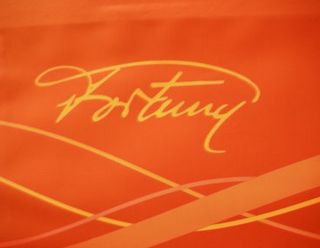
Vintage Fortuny gowns have labels like this:

fortuny8

and this:

fortuny-detail1-500x372

Here’s a vintage Fortuny, with one of his jackets on top:

fortuny-AZ-1920-374x800

And another:

fortuny-abba

Every little once in a while, a Fortuny style gown is resurrected for current fashionistas:

FortunyDresses

nataliavodianovainfortunygown

mariano-fortuny-lanvin-ss2011

fortuny3

Fortuny devoted his life to “Art” with a capital A, and was not only an accomplished dress and fabric designer, but he excelled in  stage design as well general interior design.

fortuny book image

OLYMPUS DIGITAL CAMERA

Screen-Shot-2013-04-17-at-11.03.19-AM-461266_429x246

5bfef9f403debfc0b047587a01d56d75

Fortuny-Silk-Wingback-7

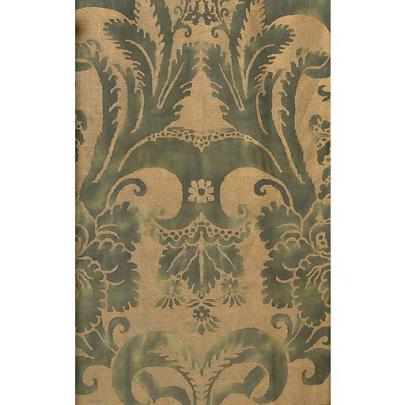
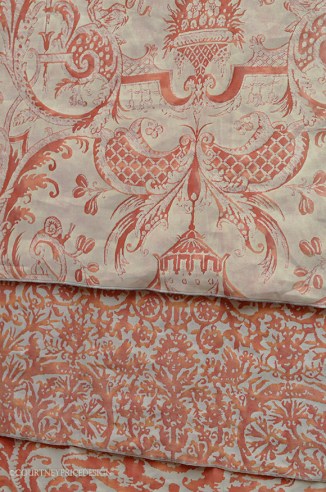
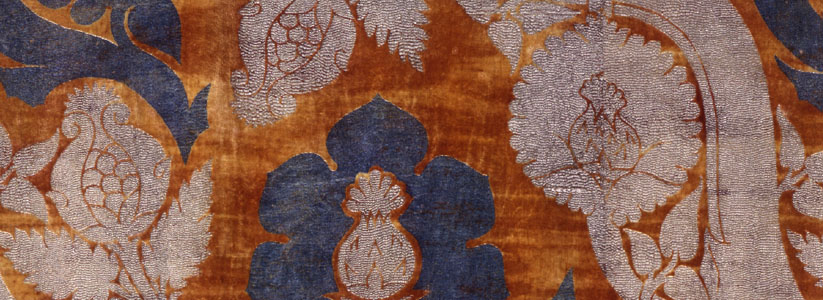
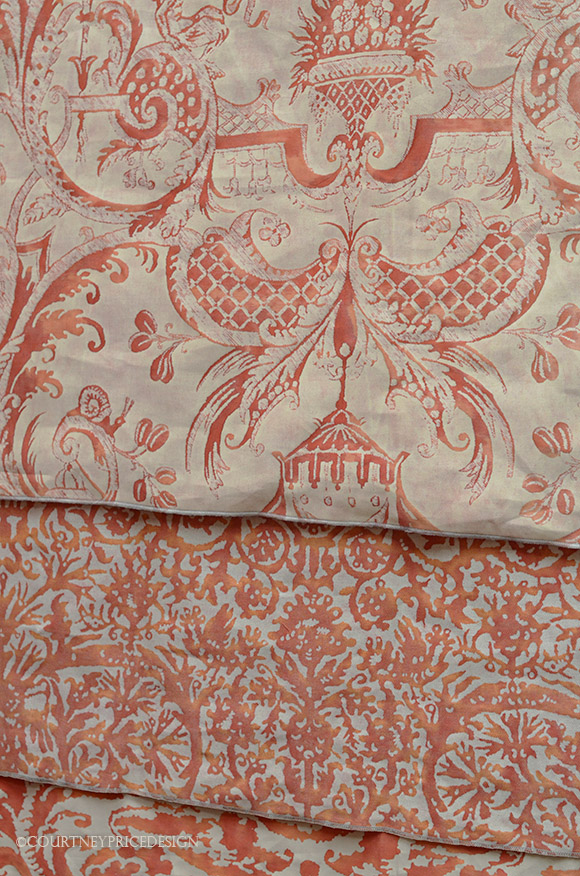
Fortuny invented methods of textile dyeing and printing, which allowed him to reproduce the depth of color and beauty of ancient brocades, velvets, and tapestries. In 1919, he he moved his textile workshop to a former convent on Giudecca, which is one of the many islands in the Venetian lagoon.
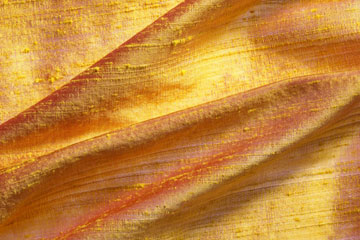
lighting-projects-fortuny-lamp-360x240

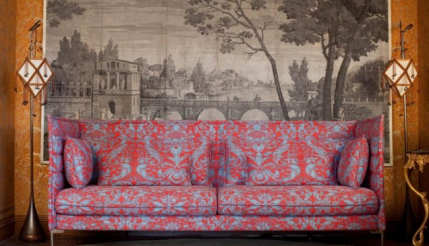
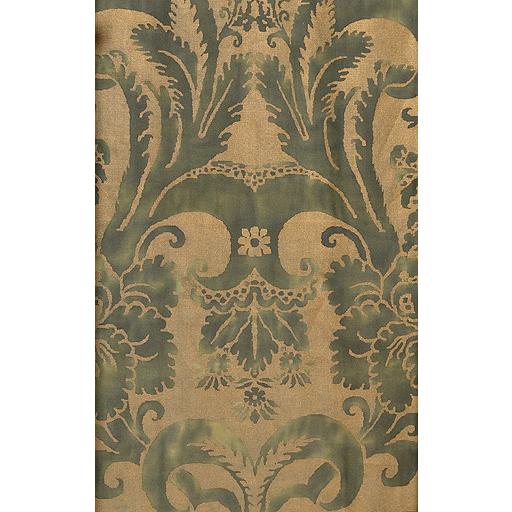
Luxe fabrics such as this one are signatures of Fortuny.  The rich color is immediately suggestive of Venice in particular and Italy in general.

Here’s another:

Tessuti-Fortuny1

And another:

fortuny-185

I could go on like this forever:

Fortuny-Fabric_0

And ever:

Fortuny-Orange-Fabrics

fortuny3-001

FortunyFabric

fortuny3

Here is another look at the Fortuny Museo:

Museo Fortuny

A vintage shot of the artist in his library in his Venetian palazzo:

Mariano_biblioteca

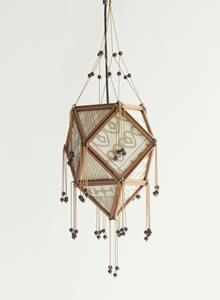
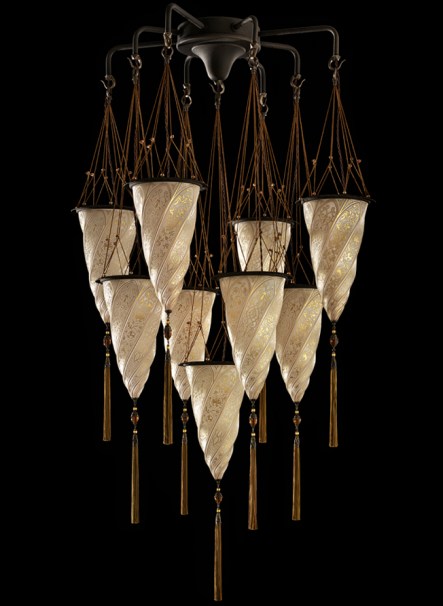
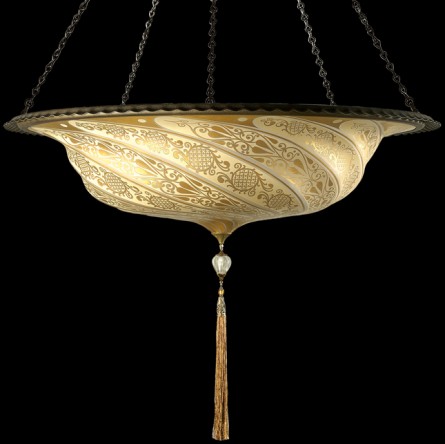
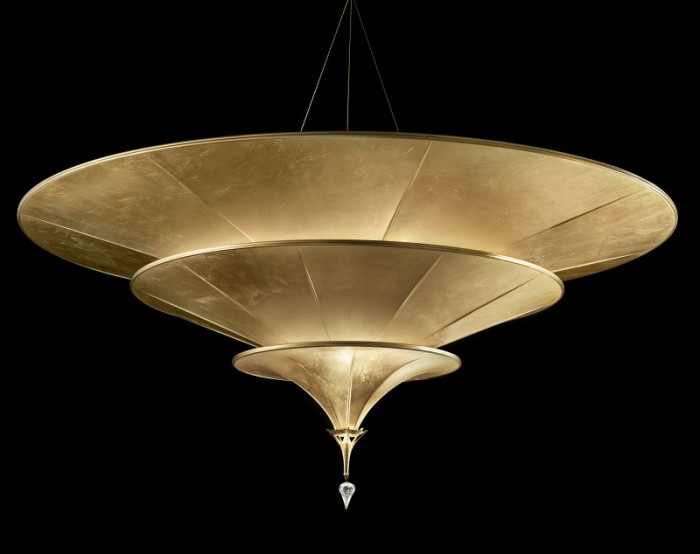
As if all of the above was not enough, Fortuny also created elegant lamps which diffused subtle light through opalescent silk shades, stretched over delicate wire form. The silk was hand-painted with gold motifs inspired by Oriental art and as a finishing touch, the lamps were decorated with glass beads and silk cording.

ORO_profilo__72036_zoom

ICARO-FORTUNY®-CHANDELIER-CARBON-FIBER-AND-GOLD-LEAF126CAR_BY-VENETIA-STUDIUM_-MAISON-oBJET-2014-e1391177413968

Here are two small lampshades for wall sconces.

il_340x270.535867745_52zk

thumbProductd5452a39-799c-483a-980d-7ba6ff4a7be1

GCM019-9_flush_mounted_ceiling_composition_9_lights_Fortuny__44057_zoom

Fortuny’s life and work was a source of inspiration to the French novelist Marcel Proust.  Not bad!

Synchronicity. Hepburn and Givenchy.

37261ecadd16b0ef1edfe317067cb150

Have you ever seen anything more beautiful than this image?

Synchronicity brought it into being.  Hepburn and Givenchy.

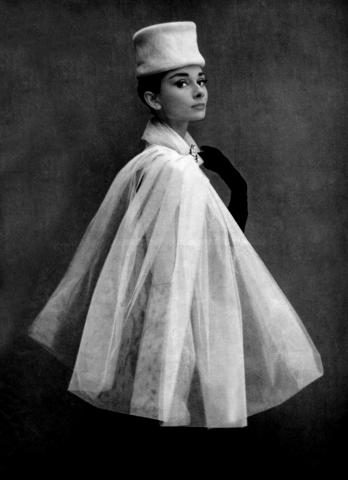
As I have been posting, many of actress Audrey Hepburn’s movie costumes were designed by Hubert de Givenchy, the famed French fashion designer.

?????????????????????????????????????????????????????????????????????????????????????????????????????????????????????????

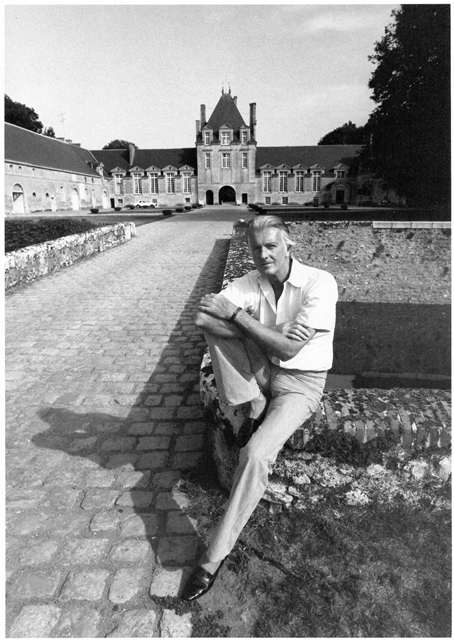
Here we see the fashion designer above.

fd3c0db99b3b41160f2692273421bae6

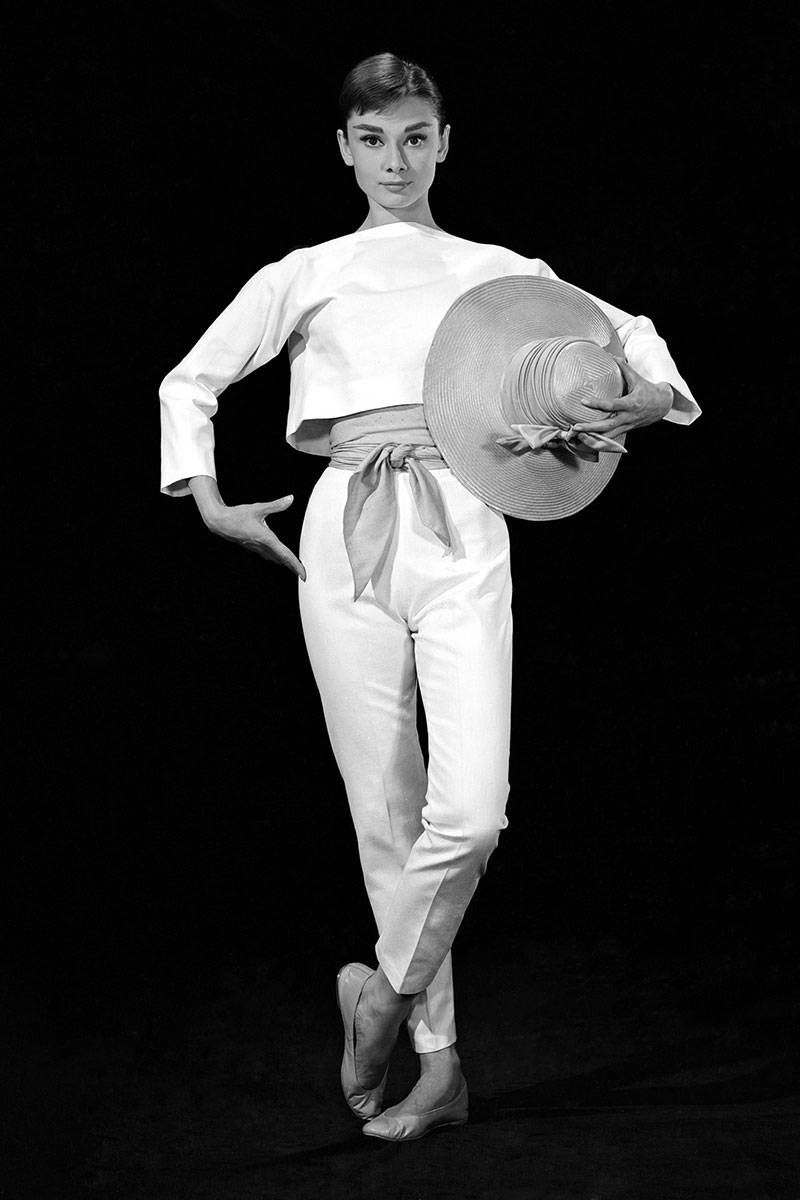
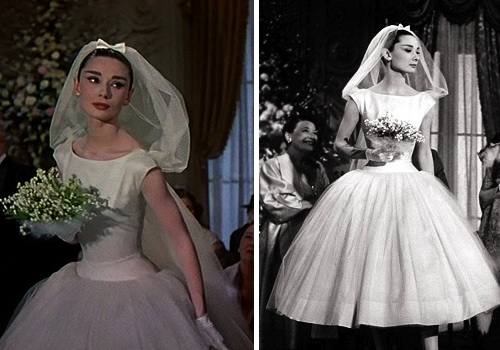
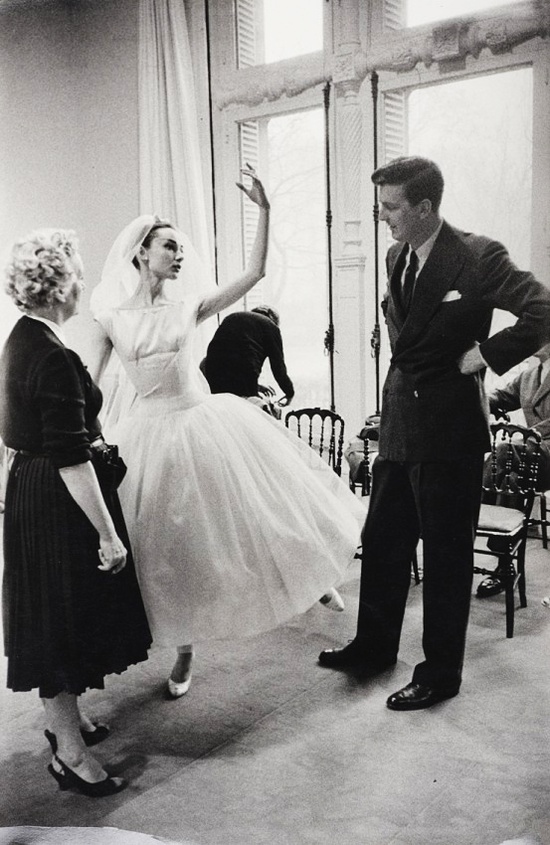
And here, in the photo, above we see a candid still of Audrey with Givenchy.  She is modeling the wedding dress she wears in Funny Face and appears to be dancing some ballet steps.

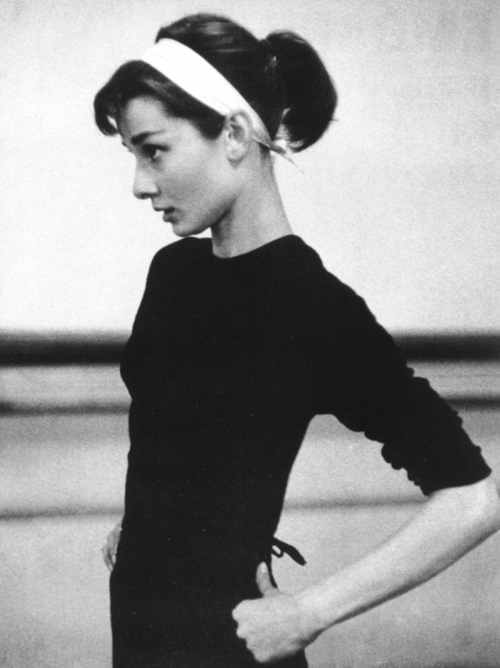
Fortunately, for us and all of posterity, a lot of photos of Audrey and her favorite designer, or Audrey in his clothing, live in the ether net. For me, the photo below is one of the most beautiful pictures ever taken of any person, ever. Beauty personified.

37261ecadd16b0ef1edfe317067cb150

I just can’t get enough of this image.  I could look at it for the rest of my life.  And I plan to do just that!

Givenchy

But let’s talk a little turkey about Hubert himself.

Count Hubert James Marcel Taffin de Givenchy was born in 1927 and is of course a French aristocrat and the founder of The House of Givenchy in 1952.

He is, as we have been discussing, famous for having designed much of the personal and professional wardrobe of Miss Hepburn:

funnyface3

givenchy1

(and the two of them together is a pretty amazing sight)

Audrey-Hepburn-with-Hubert-de-Givenchy

audrey_2

Givenchy also created clothing for other amazing clients such as Jacqueline Bouvier Kennedy, seen below:

030_hubert_de_givenchy_theredlist

In 1970 Givenchy was named to the International Best Dressed List Hall of Fame.  Like Miss Hepburn in the field of acting, Givenchy is the top of his profession.  Their synchronicity was perfect.
Here are a few of the outstanding garments he designed throughout the years.

8a44544f117bf2857915e658de244717

058_hubert_de_givenchy_theredlist

But there was something very special going on between Hepburn and Givenchy.

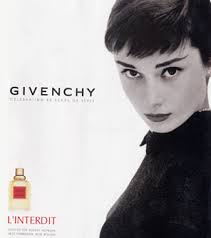
He even designed a fragrance especially for the actress.

Hepburnperfume

As I said in my recent post on Funny Face, it is obvious that Miss Hepburn became the muse for many amazing artists, including Givenchy but also for the photographer Richard Avedon.

Givenchy, the designer, seen below, is himself is a pretty nice tall drink of water.

img358

Hubert de Givenchy

Wouldn’t you have loved to receive a personal note from him as below?

product_full_14165_0

And here, to end this post, is a gorgeous Miss Hepburn in an equally gorgeous Givenchy design.  Sigh.  Absolutely breathtaking.

r-AUDREY-HEPBURN-RICHARD-AVEDON-large

Au revoir mon ami, happy le weekend!

I love your funny face!

feda5e867d90208ee1f114dd4f2184ae

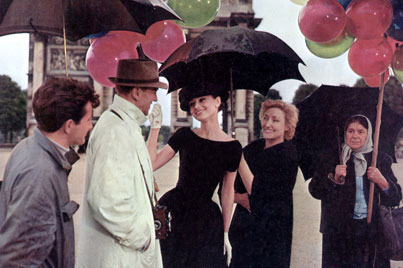
Three years after her fabulous performance with Eddie Albert and Gregory Peck in the 1953 hit, Roman Holiday, Audrey joined forces with Fred Astaire to star in Funny Face.  This time the backdrop was Paris.  Not bad, eh?  First Rome and then Paris.  A good life for sure!

funnyface

Actress Kay Thompson, well-known author of the Eloise series of children’s books, joined Audrey and Fred in the production. Here’s a still of Miss Thompson in a great set using the hot colors of the late 1950s, pink and gray:

3793212176_a4193d6a00

The film was enhanced by the contributions of famed photographer Richard Avedon who designed the opening title sequence and consulted throughout. In fact, Astaire’s character in the film is a still photographer named Dick Avery, based upon Avedon. Here’s a picture of the photog.

avedon

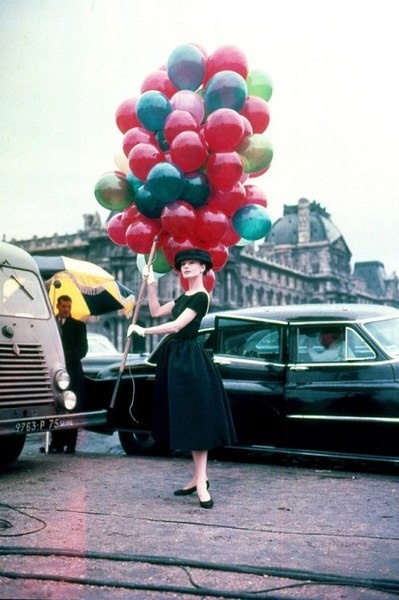
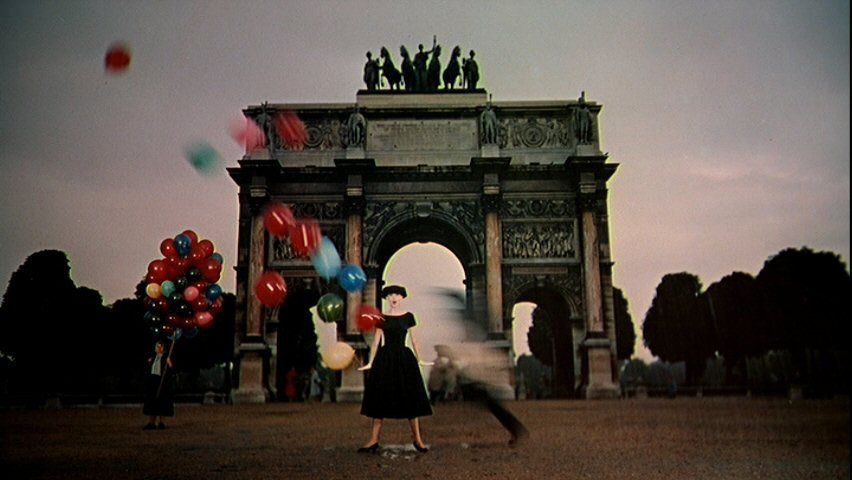
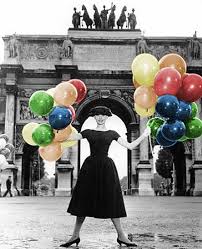
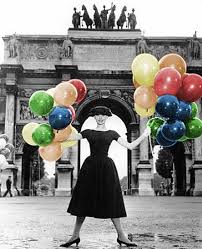
And here are a couple of famous shots he took of the luminous Miss Hepburn for Funny Face:

5101e6fc36b2a383c3f8b9c38e874064

funny-face-audrey-hepburn-black-dress-balloons-arc-de-triomphe-1-50s-vintage-clothing

Funnyface1

Avedon supplied some of the still photographs used in the production, including its most famous single image: an intentionally overexposed close-up of Miss Hepburn’s face with only her famous eyes, eyebrows, nose and mouth. It is still recognizable as Audrey.

3349595_f260

Here’s how the famous still was used:

funnyface

Hepburn was actually Avedon’s muse in the 1950s and 1960s, and about her he said “I am, and forever will be, devastated by the gift of Audrey Hepburn before my camera. I cannot lift her to greater heights. She is already there. I can only record. I cannot interpret her. There is no going further than who she is. She has achieved in herself her ultimate portrait.”

Of course Miss H got to show off some of her famous dance skills in the movie:

audrey-hepburn

Including dancing with Mr. Astaire:

audrey and fred

004

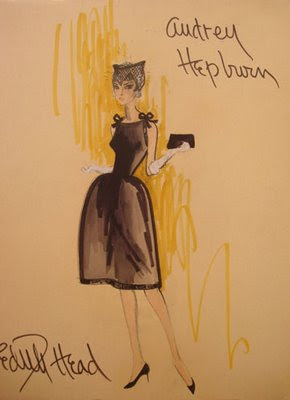
Edith Head was again, as in Roman Holiday, responsible for the overall look and fashions Miss Hepburn wears in Funny Face.  Here is Miss Head with some of her sketches.

3020781-slide-edithhead

EdithHeadAudrey

This sketch provided the inspiration for the dress worn in the famous Avendon shots with Audrey and the balloons.

f33c5

Funnyface1

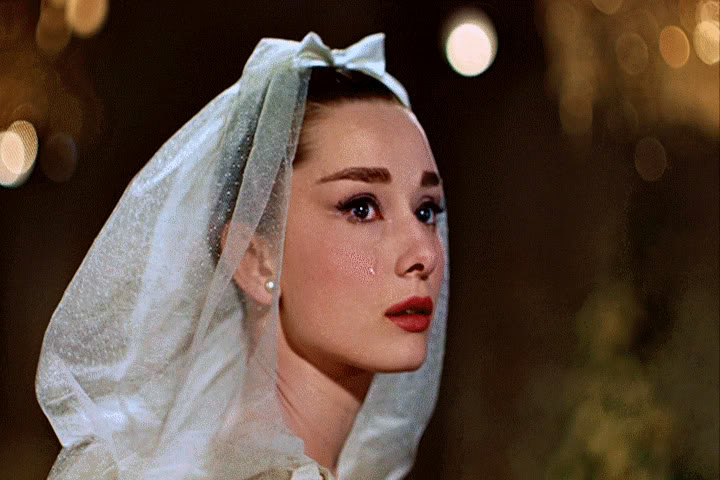
The divine Miss Hepburn also wears sumptuous gowns designed by Hubert de Givenchy as below:

744bbbb0bf6afadcef770a97f121757d
.

7ae696bbdbc3ecef_0-hepburn

Funny Face

MCDFUFA EC013

There is a silly plot involving the photographer Dick Avery and the bookstore intellectual turned model, Jo Stockton, played by Miss A.

funnyface-wallpaper

The fictional photog and model fuss and fume:

funny7

And then they potentially marry:

funnyface4

To find out if they do marry, you’ll have to watch the film! Here is a clue.

Funny Face 1

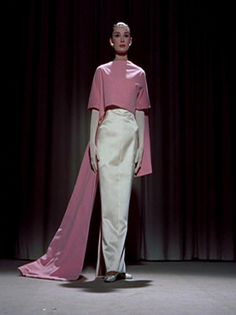
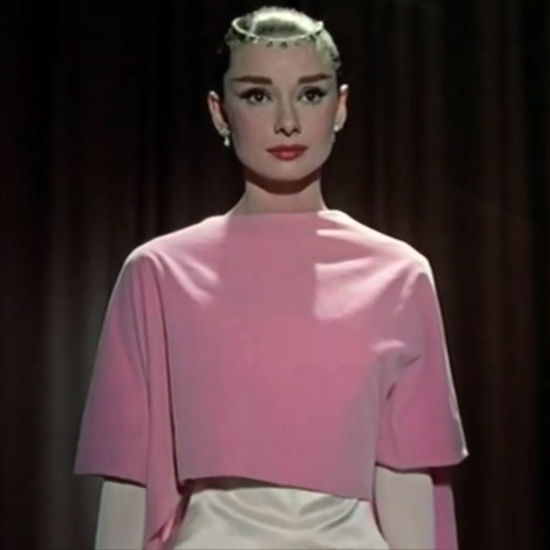
There is a superfluous number called “think pink” that is a lot of fun:

thinkpink

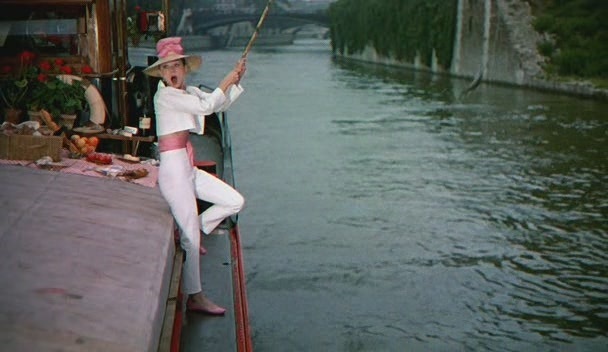
And of course the city of Paris plays a role as well. Here are two shots of Audrey set off by the River Seine.

audrey in paris

Funny-Face-funny-face-4980963-608-352

And even the Louvre and the famous Victory of Samothrace play a role in the gorgeous film.

Audrey in louvre

audreylouvre2

The entire extravaganza is a lot of fun to watch!  Just go and see!

Hola muchachos! Today I am feeling Flamenco!

I am thrilled to be out from under that alphabet.  Whooda thunk running through 26 letters could be so onerous!  Not I.

So, I feel like something different for absolutely no good reason!

Let’s head to Spain!  Ole!

KONICA MINOLTA DIGITAL CAMERA

The first thing you need is music.  Let’s look at a handsome guitar player.  Very nice!

guitar

Then you get a talented, beautiful dancer or two.  Next, you sit back and prepare to marvel at the experience this visual glory!

Flamenco

Paco Pena and the flamenco dance company.

flamenco_1825412b

flamenco_s29529676.jpg_5796651

I took all of the following pictures a few years ago when I was in Spain to celebrate a birthday. Nights of flamenco in Sevilla and other nights of fado in Portugal, while drinking vinho verde, all of this was muy fantastico!

It was hard for my camera to focus, because the dancers move so quickly.  I actually like the blurry images and the fact that the pictures are out of focus.  It fits the dance.

DSCN1544

DSCN1548

DSCN1545

DSCN1546

DSCN1547

DSCN1542

And then, if we are talking flamenco, which we are, I must include my favorite John Singer Sargent painting of all: El Jaleo.

El_Jaleo

I can hear the guitars and the castanets!

Addios!

Finally! The Letter A, which for me can only be Audrey. Part 1.

In case you hadn’t noticed, I tend to be very verbal.  However, there are just some times in life when words cannot express how I feel.  This is one of those times.  This woman is my idol.  I worship at her feet.  Color is not needed either.  Just black and white film, the model, and the camera.  Done. Perfection achieved.

       Sabrina-audrey-hepburn-824943_1300_1629       

sabrina-black-top-and-leggings-1

1152630696_1024x768_audrey-hepburn    

           ah9

Audrey_Hepburn_black_and_white       


Audrey-Hepburn-audrey-hepburn-30174987-500-668

Photo of Audrey Hepburn

B is for Bernini. Meet me in Rome to find him.

When you are nearing the end of the alphabet (which in my case is the front end with A, since I started this exercise with the letter Z), you gotta go Italian. Personally, I don’t think it is ever wrong to go Italian.  It is my default.  I once spoke Italian to a man in Tokyo because my brain told me I was traveling and so it must be Italy.  It wasn’t.  But it was funny!

So, Bernini.  Think Rome.

banner

Good.  Now, drill down.

percorso_barberini_big

Great. We are getting there.

The Triton Fountain by Gian Lorenzo Bernini.  Check out the hotel at the top of the building behind the fountain.  In case you can’t tell who the artist is, they named a hotel for him!

Berninifountain-L

I love the Triton Fountain in the daytime.

Bernini

I love the Triton Fountain at night.

Very dramatic with the lighting!

But, let’s keep moving.  We have other Bernini works to admire.

Let’s go to the Borghese Galleries. First, let’s locate the Villa Borghese grounds in Rome.  There they are, at the top of the map below.  Gallery Borghese is circled in red in the Villa.  Rome looks small in this map.  It isn’t.

borghesemap

Now, for the building:

borghesegalleries

Got it!  Gorgeous, right?  This is one of my favorite spots in Rome.  I have a funny story about a red balloon and a red-haired boy, age 10, aka Jamie, for another day.  We bought this balloon just outside the Borghese and it went with us all around Italy, on trains, into buildings, it caused quite a stir.  That’s all I can say for now.

So, let’s go inside.

borghesegalleryinterior

Uh huh.  Can you say beautiful in Italian?  Bella.  Actually, bellisimo would be more appropriate, don’t you think? I certainly do. This is Italian opulence at its finest.  Do you see that big white sculpture in the center of this lovely gallery?  Let’s go look at it up close.  It’s a Bernini!

bernini6

Nice.  Let’s see another view including its luscious setting.

borghesegallery9

Sweet.  I think you can see now why Bernini is considered a virtuoso sculptor!  He carved this two figure group in his typically exuberant style, convincingly showing the female figure in the process of transforming from a woman into a tree.  What is going on?

The story Bernini is exploiting (in a good way) is that of the god Apollo, who has been struck by Cupid’s arrow.  The first girl he sees is Daphne, the maiden daughter of a river god, and he is overwhelmed by her beauty and his desire for her.

Unfortunately for Apollo, Daphne has also been struck by Cupid’s arrow, only her arrow was the kind that made her repel the love of men.  So, as Apollo chases her, promising her the moon, she prays to her father, who grants her wish to get away from Apollo.  The wish is performed by the nymph Daphne turning into the shrub Daphne.  And, for all you gardeners out there, that is where the evergreen Daphne shrub gets its name.

Pretty cool, yes?  Let’s look at a detail.  See how Daphne’s fingers are turning into leaves and branches?  It is very cool indeed.

borghese-gallery-photo_2006066-260tall

Our time for today’s tour is almost up, so let’s quick hightail it over to the church of Santa Maria della Vittoria.  Let’s find it on a map so you can go there someday without me.

mappa_roma_santa_maria_vittoria

You got it!  The A above.

Look for the church.

Santa_Maria_della_Vittoria_exterior

Isn’t it lovely!  Santa Maria della Vittoria. Saint Mary of Victory in English. The Italians have a lot of churches and dedicating a church to Saint Mary would not be specific enough in a city the size of Rome.

So, let’s enter.

santa-maria-della-vittoria

Wow, gorgeous.  We are most definitely not in Kansas anymore.  Look around for the Cornaro Chapel. Let me know when you find it.

p1353240230-3

Uhh, yeah, you found it.  It is kind of hard to miss, don’t you think?  Look at all those expensive materials: all colors of marble for starters. Bernini designed the setting as well as the sculpture. Let’s see the statues in the center.

Bernini5

This is another Bernini masterpiece.  It is called the Ecstasy of Saint Teresa.  A Catholic saint from Avila in Spain described her experience of religious ecstasy in her encounter with the angel is described as follows:

I saw in his hand a long spear of gold, and at the iron’s point there seemed to be a little fire. He appeared to me to be thrusting it at times into my heart, and to pierce my very entrails; when he drew it out, he seemed to draw them out also, and to leave me all on fire with a great love of God. The pain was so great, that it made me moan; and yet so surpassing was the sweetness of this excessive pain, that I could not wish to be rid of it. The soul is satisfied now with nothing less than God. The pain is not bodily, but spiritual; though the body has its share in it. It is a caressing of love so sweet which now takes place between the soul and God, that I pray God of His goodness to make him experience it who may think that I am lying.

bernini2

Wow.  That must have been quite the experience. And you thought art history was boring?  Ha!  I rest my case.

I think that is enough art for today.  Ciao a tutti!

C is for Camellia.

There are two things I love about the camellia. For starters, the blossoms are my favorite on the planet.

camellia-english-school

camellia-first-pink

Camellia2

My Description

camellia5

camellia8

define-camellia-3

I mean, really, how can you not love all these blossoms?  And the glossy green leaves on the shrubs.  Love, love, love.  Truthfully, the camellia plant is one of the main reasons I moved to Seattle.  It starts blooming here in late November and various shrubs of various varieties bloom through late spring.  Now that’s a plant I can really get behind.

But, even more importantly for my everyday existence, the leaves of this plant produce my favorite beverage.  I can’t live a day without this substance. What is it, you ask?  Well, here’s where it comes from and how you get it.

tea4

Plucking_tea_in_a_tea_garden_of_Assam

tea2

Of course, it is tea, the aromatic beverage commonly prepared by pouring hot or boiling water over cured leaves of the tea plant, Camellia Sinensis. Tea is the most widely consumed beverage in the world, just behind plain water. Camellia is a genus of flowering plants in the family Theaceae. They were originally found in eastern and southern Asia, from the Himalayas east to Japan and Indonesia. There are at least up to 250 described species. The genus was named by Linnaeus after the botanist Georg Joseph Kamel. This genus is famous throughout East Asia; camellias are known as cháhuā (茶花) in Chinese, “tea flower”, an apt designation, as tsubaki (椿) in Japanese, as dongbaek-kkot (동백꽃) in Korean and as hoa trà or hoa chè in Vietnamese.

I saw an episode of the Charlie Rose show recently in which Charlie was interviewing Howard Shultz.  It turns out that Starbucks is setting out to introduce the world the product of tea, just as they have already done with coffee.  Keep in mind that before Starbucks, the Chinese, for example, did not drink coffee.  They do now!

And another piece of trivia is that India has not permitted Starbucks (or Apple) to open any stores.  When I was in India last February, I looked everywhere for a Starbucks.  I saw McDonald’s (yuck), but no Starbucks.  When I flew into Dubai from Delhi, Starbucks was there: I almost fell on the ground in adoration!  Don’t get me wrong: I am not all about American commercialism spoiling all of the world.  It’s just that in India I needed some reminders of home.  I felt like I was on Mars.

Check it out: Starbucks at the Dubai airport.  Sign in English and Arabic.  What you don’t see in this picture are my tears of joy for seeing a company I recognized!  I am usually a strong, vital tourist.  India brought me to my knees and not in a good way!
IMG_1884

And another piece of trivia is that India has excellent teas.  I loved the chai that was prepared even at truckstops!  I’d love a cup right now. Nameste.

a6dbcbd5cd384a574b77a9601e7e4c1f

Pretty blossoms and tea.  It just doesn’t get any better than that.

Arrivderci!  Go have a cuppa.