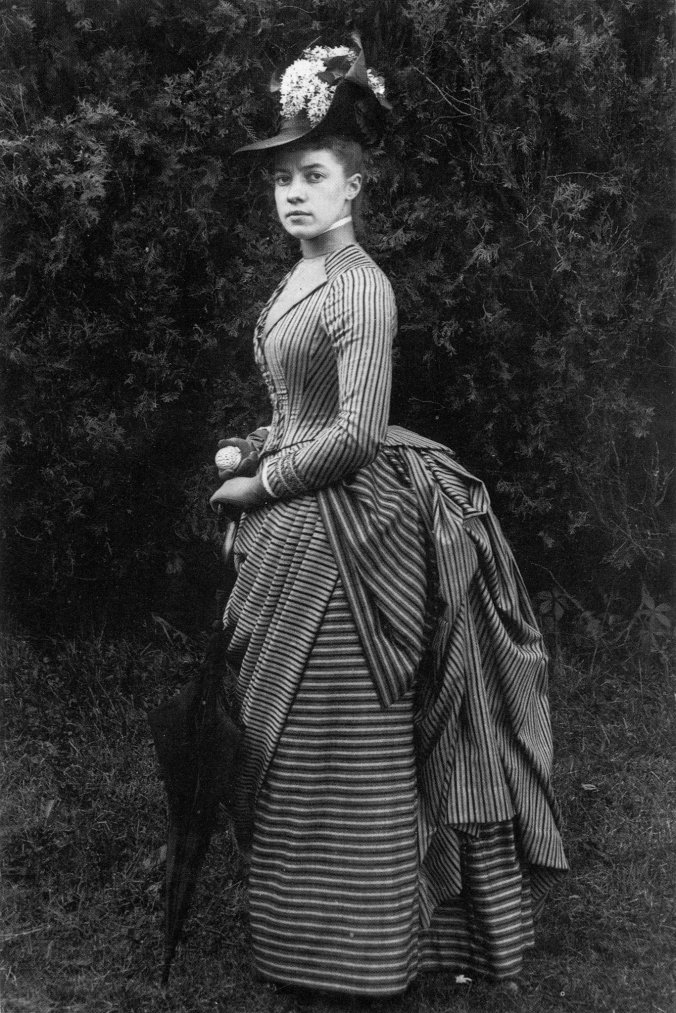
Photographed here is a beautifully-dressed Alice Austen:
Alice Austen
Documentary photographer
Alice Austen was born to wealth on Staten Island, but ended her life in poverty.CreditFriends of Alice Austen House, via New York Public Library
Before Diane Arbus and Helen Levitt, there was Austen, one of the earliest female photographers in the country, who produced more than 8,000 images over the course of a long life that began in 1866.
She was, additionally, a landscape designer, a cyclist, an expert tennis player and the first woman on her native Staten Island to own a car. She took her camera everywhere — documenting immigrant communities in New York, street life, lawn tennis matches, her friends, parties, interiors. She often lugged around equipment weighing as much as 50 pounds.
L’attrice Olivia de Havilland, nata il 1 luglio 1916, in Lambretta presso la loggia dei Lanzi nel 1955 circa. L’attrice nota per aver partecipato al film americano Via col Vento (Gone with the Wind).
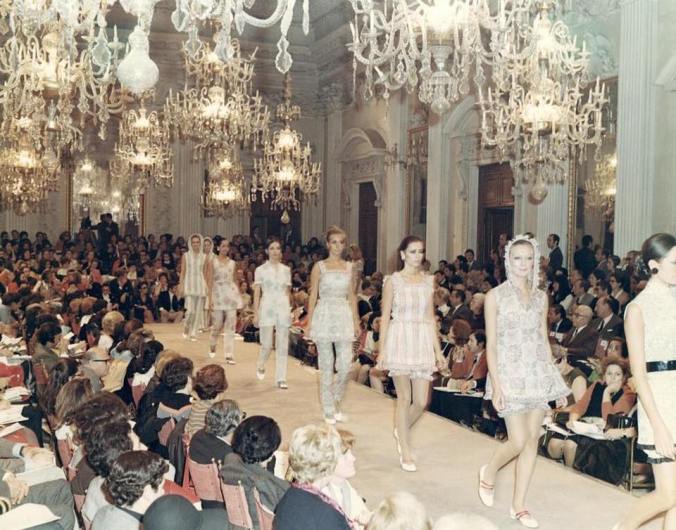
The Sala Bianca in the Palazzo Pitti, with its gorgeous crystal chandeliers and elegant proportions, was the site chosen in 1952 by Giovanni Battista Giorgini for the fashion shows he launched. The elegant salon offered a perfect backdrop for a that showcased emerging Italian fashion designers. Along with his shows, Giorgini introduced the ” Made in Italy ” merchandising concept.
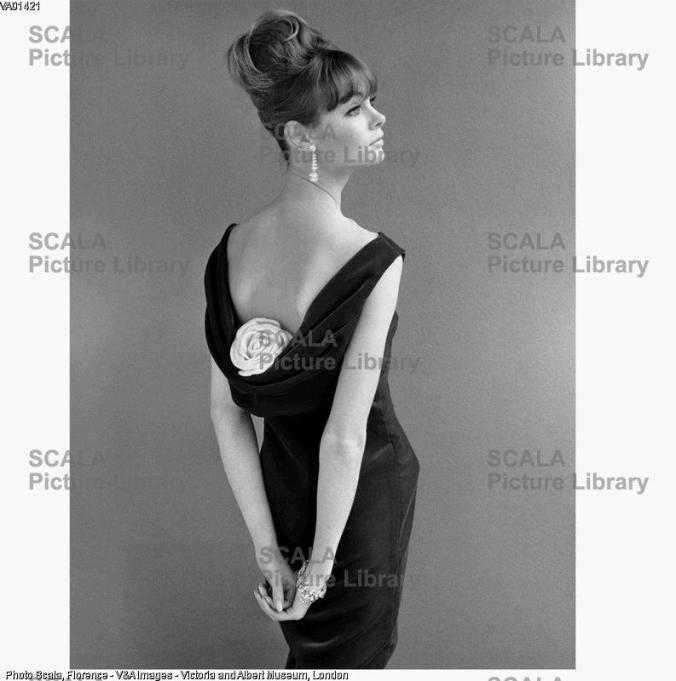
Code: VA01421 Artist: French, John (1907-1966) Title: Jean Shrimpton in an evening dress, for London Town. London, England, 1960s. Location: Victoria & Albert Museum City: London Country: Great Britain Period/Style: Post 1945 Genre: Photography
Note: Black and white photography
Credits:Photo Scala, Florence/V&A Images/Victoria and Albert Museum, London
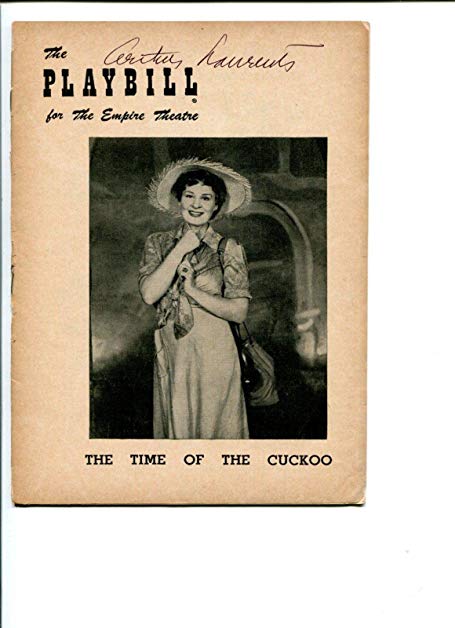
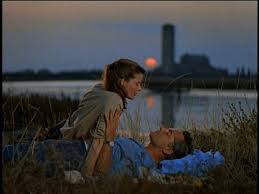
A beautiful film for a relaxing, lovely summer evening is Katharine Hepburn in Summertime. This achingly bittersweet dream of a film was directed by David Lean and released in 1955. The debonair Rossano Brazzi played Miss Hepburn’s love interest and the movie was based on the play The Time of the Cuckoo by Arthur Laurents.
Beginning with Summertime, Lean began to make internationally co-produced films financed by the big Hollywood studios.
Interestingly, Arthur Laurents had written The Time of the Cuckoo specifically for Shirley Booth, who starred in the 1952 Broadway production and won the Tony Award for Best Actress for her performance.
Ever faithful Wikipedia tells us that: Italian officials initially resisted director David Lean’s request to allow his crew to film on location during the summer months, the height of the tourist season. The local gondolieri, fearful they would lose income, threatened to strike if he was given permission to do so.
The problem was resolved when the American production company, United Artists, made a generous donation to the fund for the restoration of St. Mark’s Basilica. Lean also had to agree to a Catholic cardinal that no short dresses or bare arms would be seen in and around the city’s holy sites.
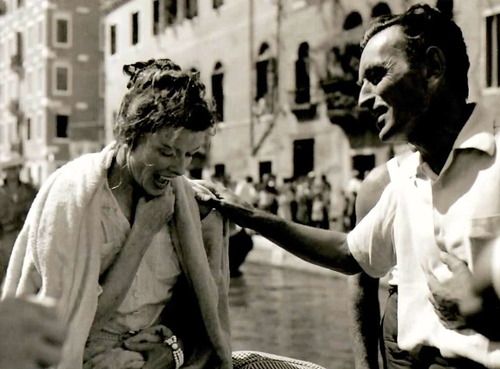
In one scene, Miss Hepburn’s character, Jane Hudson, falls into a canal when she steps backward while photographing Di Rossi’s shop in Campo San Barnaba.
Hepburn was concerned about her health and didn’t want to be in the Venetian waters. Lean persuaded her to do it anyway because he felt it would be obvious if there was a stunt double.
Lean poured a lot of disinfectant into this spot on the canal, but that caused the water to foam, which only added to Hepburn’s reluctance. The coup de grace was that he needed to film the scene 4 times until he was satisfied with the results. That night, Hepburn’s eyes began to itch and tear. She eventually was diagnosed with a rare form of conjunctivitis that plagued her for the remainder of her life.
Don’t forget it was the 1950s in a conservative world. Upon seeing the completed film, the Production Code Administration head, Geoffrey Shurlock, notified United Artists that the film would not be approved, because of the theme of adultery. Of particular concern was the scene in which Jane and Renato consummate their relationship. Eighteen feet of footage was deleted, and the PCA granted its approval.
The National Catholic Legion of Decency, however, objected to a line of dialogue that was later trimmed, and the organization bestowed the film with a B rating, designating the film “morally objectionable in part.”
In later years, Lean described the film as his favourite. He became so enamoured with Venice during filming he made it his second home.
Bosley Crowther of The New York Times observed that:
“The challenge of making Venice the moving force in propelling the script has been met by Mr. Lean, as the director with magnificent feeling and skill…through the lens of his color camera, [captures] the wondrous city of spectacles and moods. It becomes a rich and exciting organism that fairly takes command of the screen. And the curious hypnotic fascination of that labyrinthine place beside the sea is brilliantly conveyed to the viewer as the impulse for the character’s passing moods…It is Venice itself that gives the flavor and the emotional stimulation to this film.”
The film was successful: It was nominated for the BAFTA Award for the Best Film; David Lean won the New York Film Critics Award for Best Director and was nominated for the Academy Award for Best Director. Hepburn was nominated for the Academy Award for Best Actress and was also was nominated for the BAFTA Award for Best Foreign Actress.
Watch this video in which Suzy Menkes, the fashion editor of The International Herald Tribune, speaks with the creative director of the Gucci Museum, a fun museum in Florence.








 get back, lauretta!
You must be logged in to post a comment.