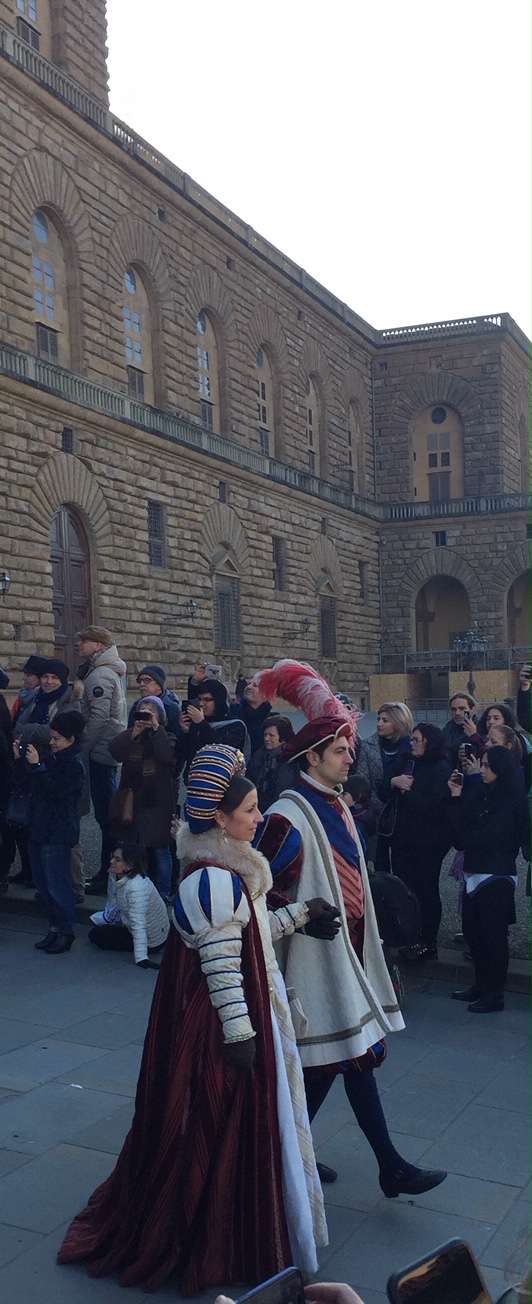
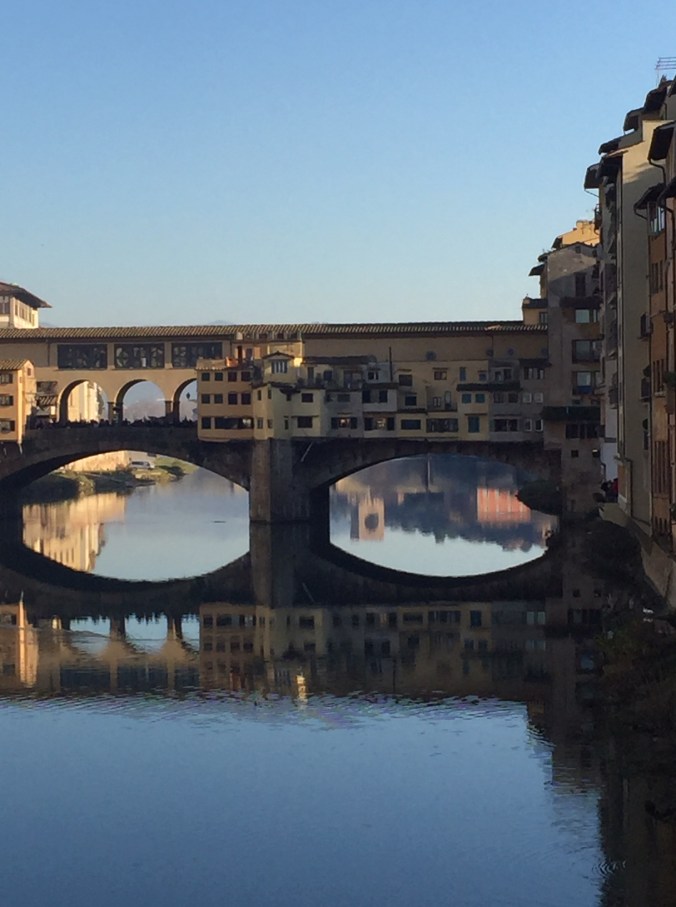
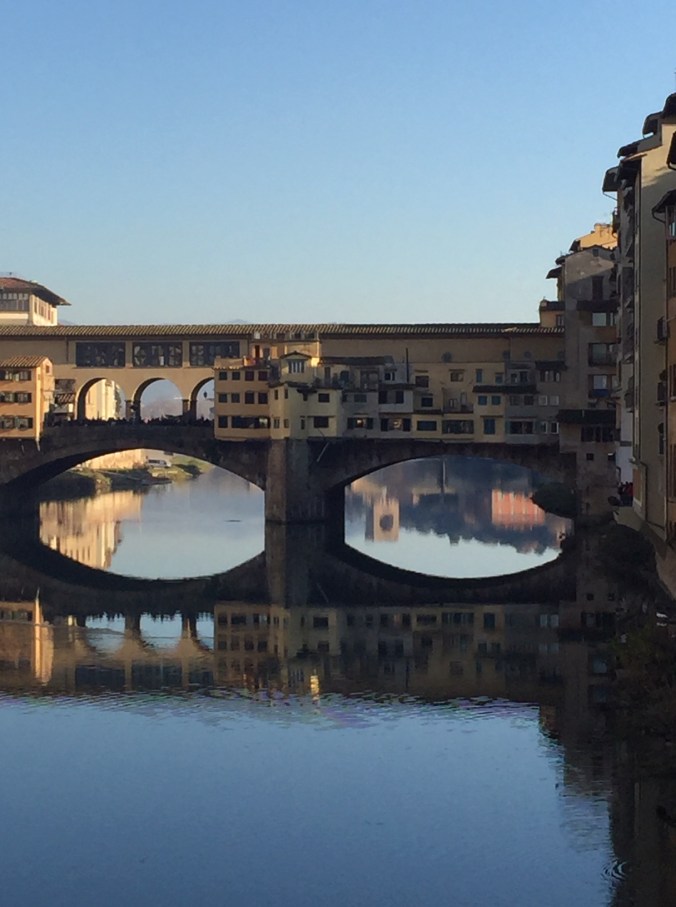
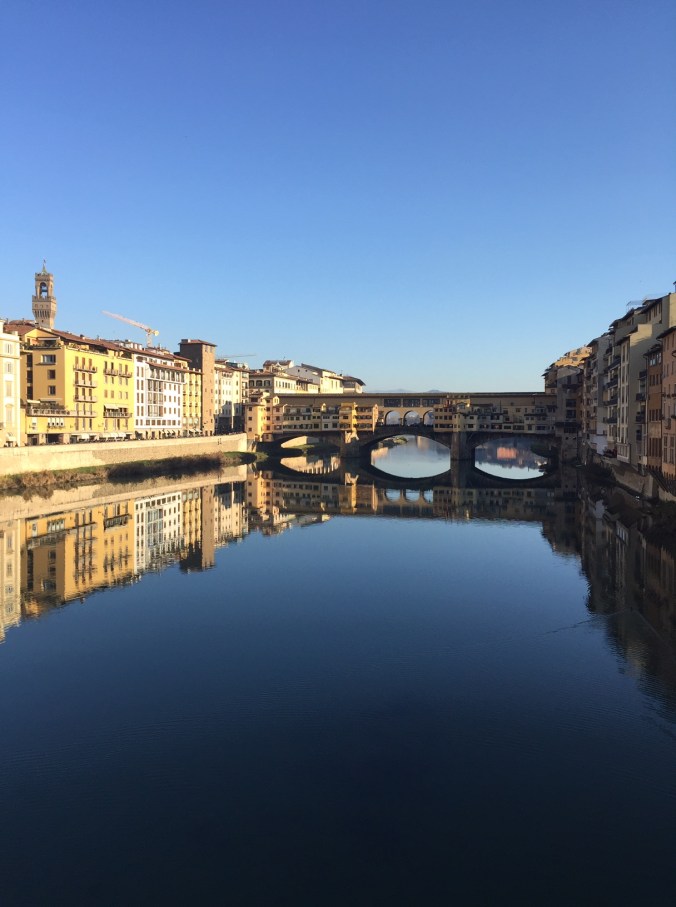
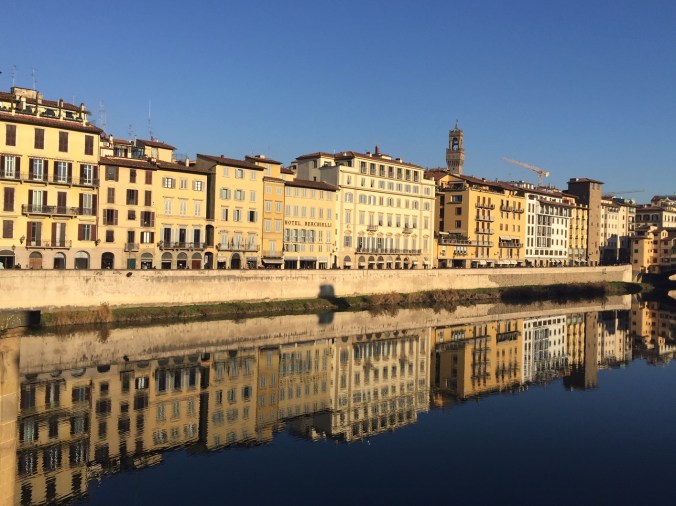
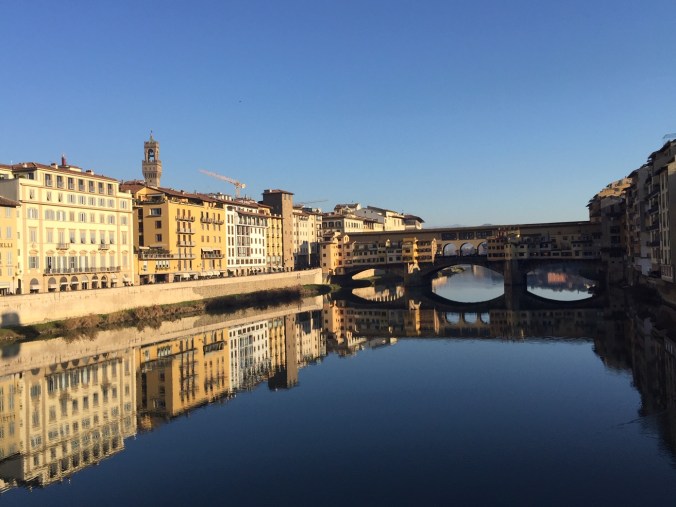
Sunday, 6 January, was a beautiful sunny day in Florence! And the city was celebrating big-time with the annual cavalcade parade. I’ve posted about this in years past, so I won’t repeat myself. But, behold the views of Florence on that gorgeous day!
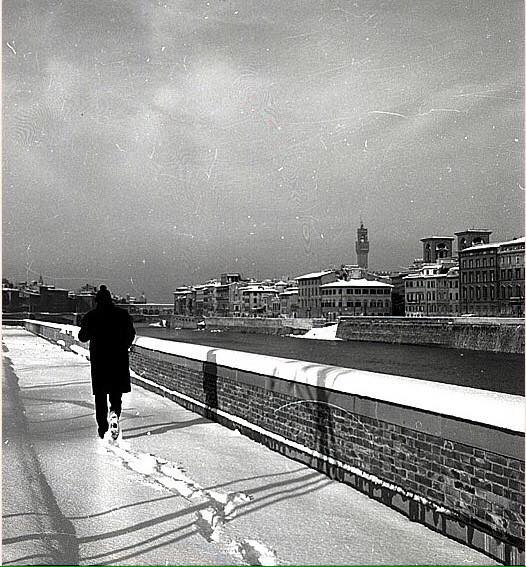
The Arno river was as smooth as glass:
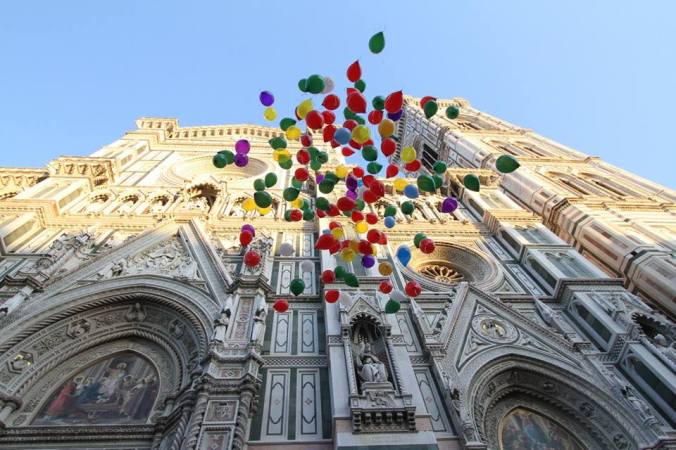
And, when all the festivities were finished, these balloons were released to mark the day!
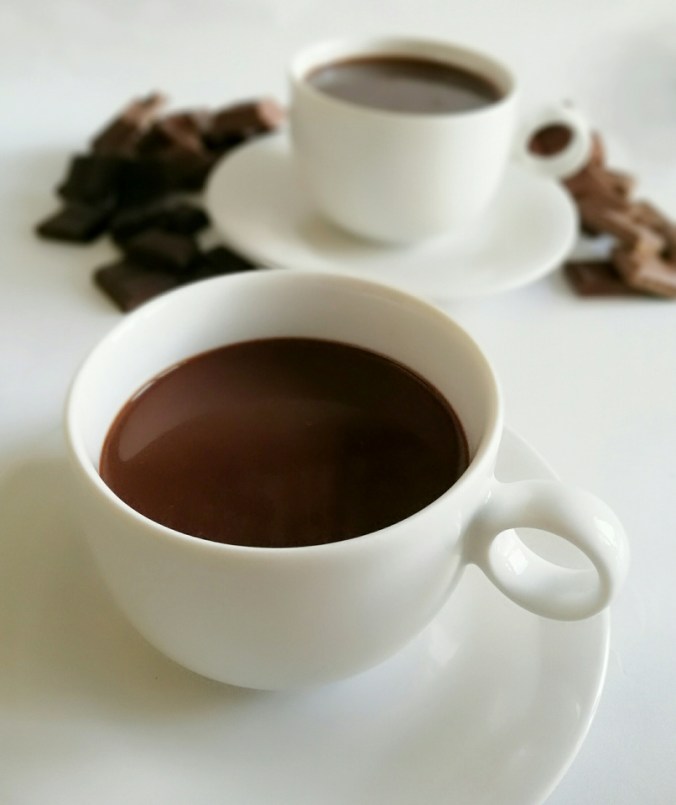
Did you know that hot chocolate is a Florentine tradition? From its first appearance at the Medici court in the 16th century, the city’s nobles went crazy for the bitter drink, which was served instead of wine or water at meals in Palazzo Pitti.
It experienced a second moment of importance in the 19th century, when some of the city’s now-historic bars served it to travelers, aristocrats and intelligentsia. I recently learned about Hot Chocolate in Florence on a thematic tour of the city with Francesca from the cultural association Tre Passi Per Firenze, organized by Yelp Firenze, and I’ve asked her to tell us more about it. The article below is composed thanks to her research, with my words.
History of chocolate in Florence: where and whom
Christopher Columbus may have sailed the ocean blue in 1492 but it took him until his fourth expedition, in 1502, to discover chocolate. The nice people of the island of Guanaja in Honduras sent some home with him, having also served it to him as a drink, which he found disgusting. Cortés did a better job of diffusing the love for chocolate, having found it in Mexico in 1519 and imported it to Spain in 1528. It took half a century until it became regularly available in Europe – Italy was the second country to adopt it.
The “gift from the gods” was prepared as a drink – the possibility to make chocolate harden into a bar came only later – following the methods brought back via Cortés. The seeds of the cacao were ground into a powder and combined with boiled water to make a bitter drink. Early reports say it was healthy and provided much energy. Its success in European cities, including Florence, was that it provided an alternative to wine and beer when the water couldn’t be drunk unless boiled. It wasn’t entirely to the taste of Italians until combined with cane sugar: Girolamo Benzoni, an important merchant, said in the middle of the 16th century that it wasn’t fit for men but for pigs. He changed his mind when he tasted the sugared version.
Director of the Uffizi Galleries, Eike Schmidt, has kicked off the new year with an appeal: return a painting stolen from the Palazzo Pitti’s collections by Nazi soldiers, healing a 75-year-old wound that is not uncommon in the post-war art world.
During their retreat in 1944, Wehrmacht soldiers removed Vase of Flowers by Jan van Huysum, along with several other still-life masterpieces from the 17th and 18th centuries, from the Villa Bossi-Pucci, where it was transferred in 1943, having previously been on display in the Palatine Gallery since 1824.
The artwork was eventually brought to Germany, where it ended up in the hands of an unidentified family.
Though its whereabouts were unknown for decades, following reunification in 1991, several intermediaries came forward on behalf of the family to demand the Italian authorities pay to have the painting returned.
These attempts were unsuccessful and Florence’s district attorney’s office eventually concluded that the painting belongs to the Italian State, and so it cannot be bought.
“Germany must abolish its law regarding paintings stolen during the war,” says Schmidt, referring to the statute of limitations preventing prosecution for crimes committed more than 30 years ago, “and ensure that these works be returned to their rightful owners. Germany has a moral duty to return this work to our museum, and I hope that the German state will do so as soon as possible, along with every other work of art stolen by the Nazis.”
Underlining Schmidt’s plea is a black and white reproduction of the painting newly on display in the Sala dei Putti in Palazzo Pitti, alongside an Italian, English and German-language panel explaining that the work was stolen in 1944.
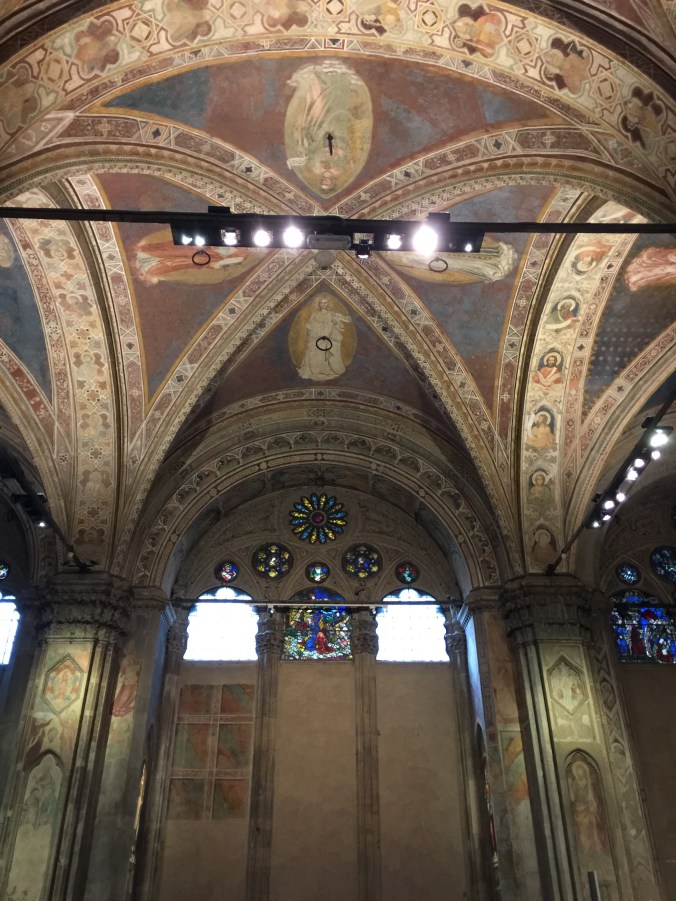
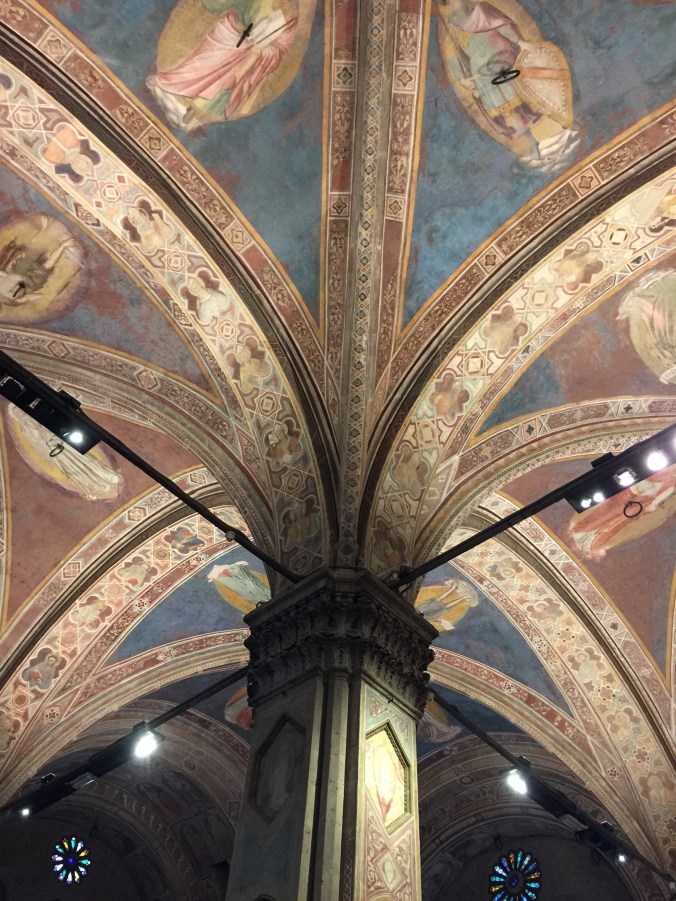
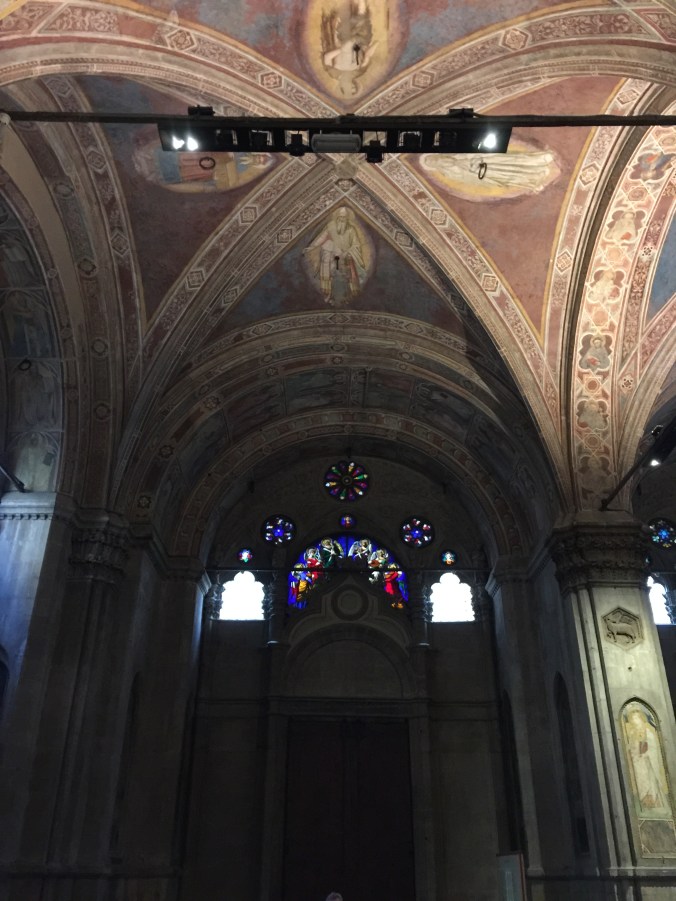
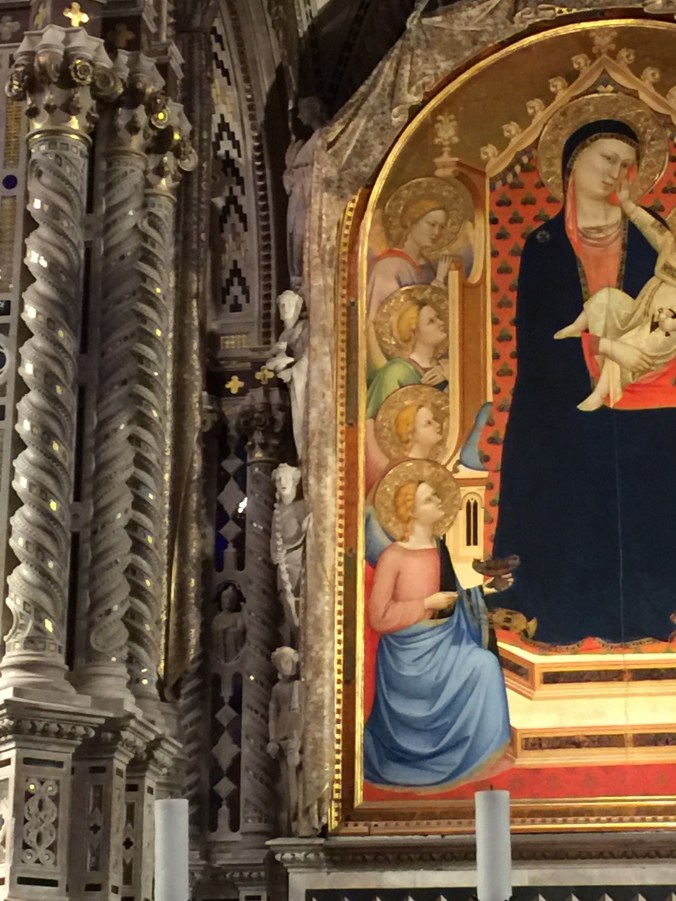
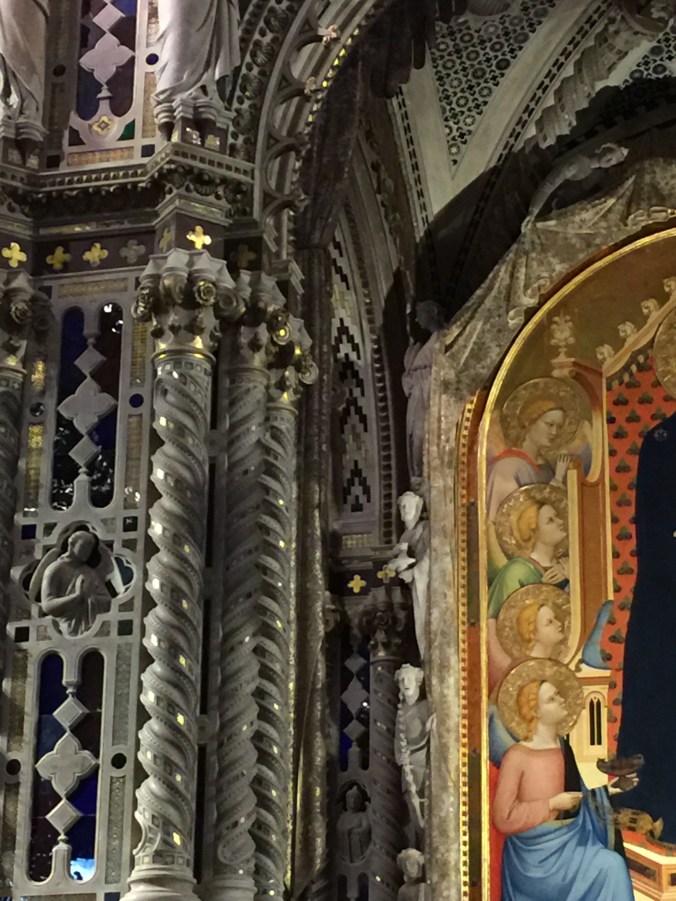
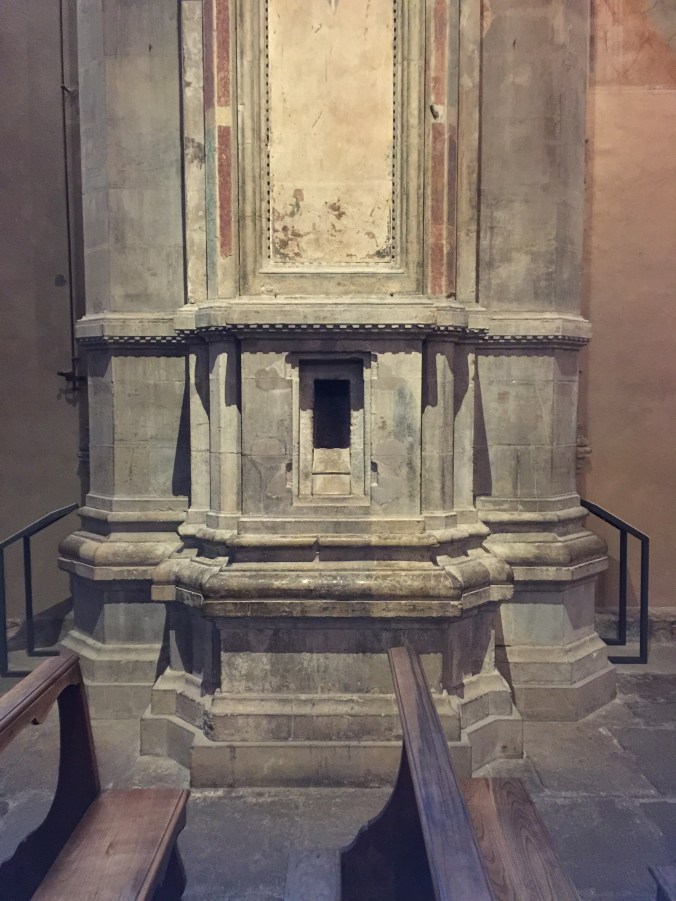
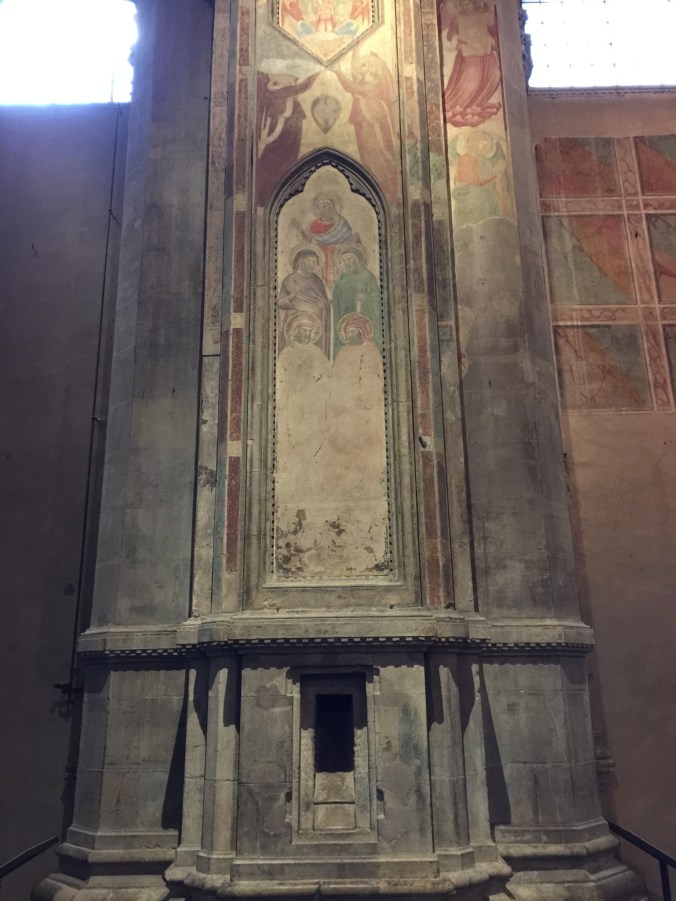
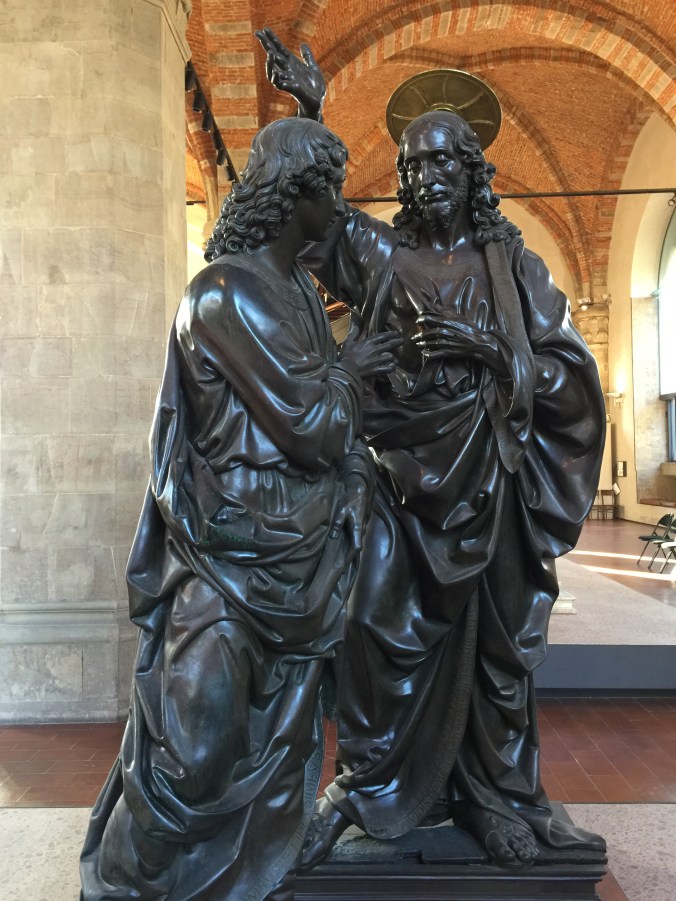
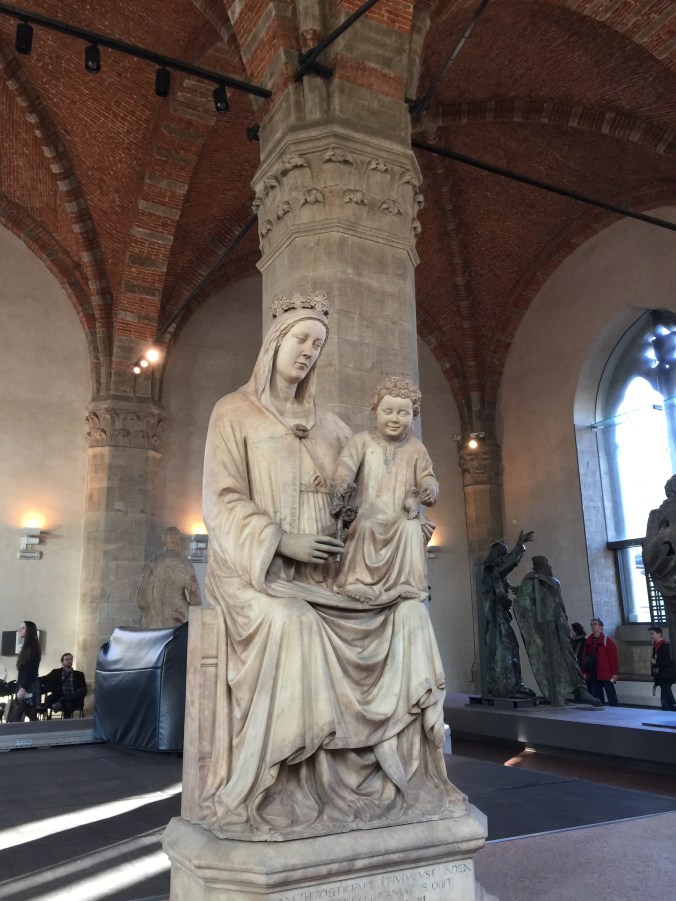
A while back I took the opportunity to pay a visit to the famous Florentine church, built in a former granary. It is opulent and lovely.
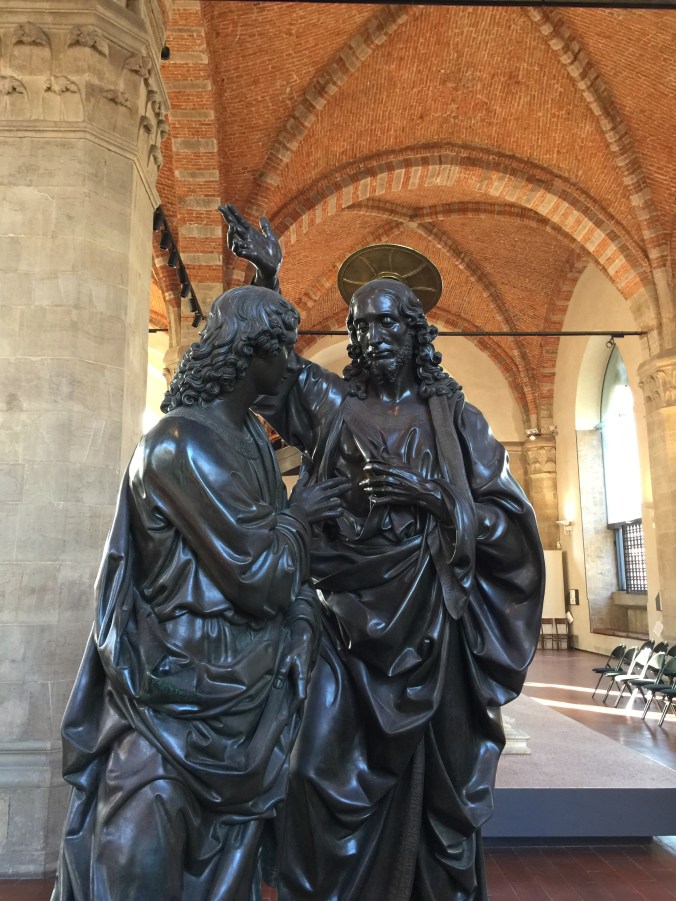
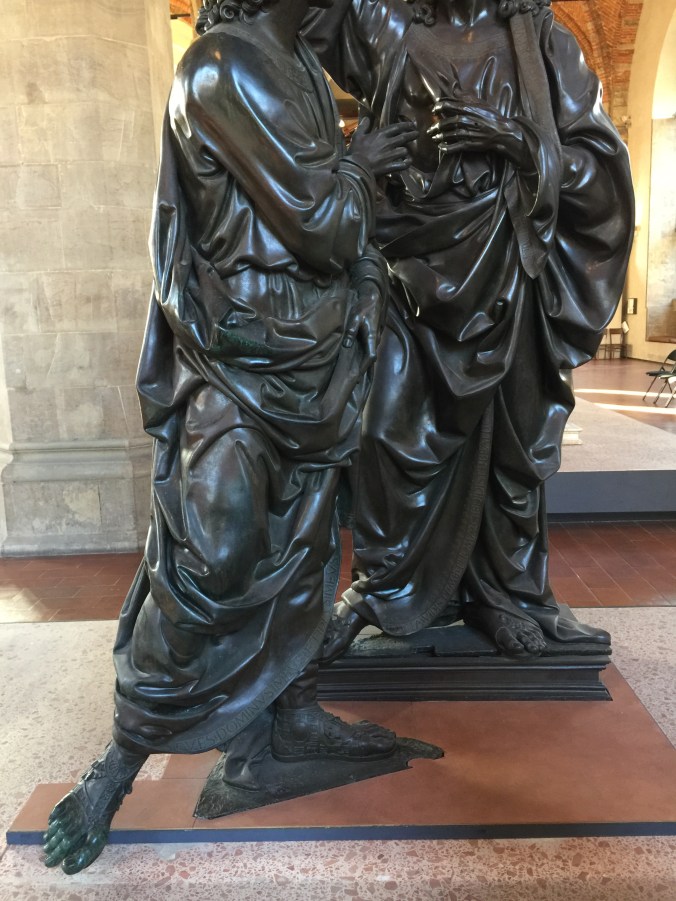
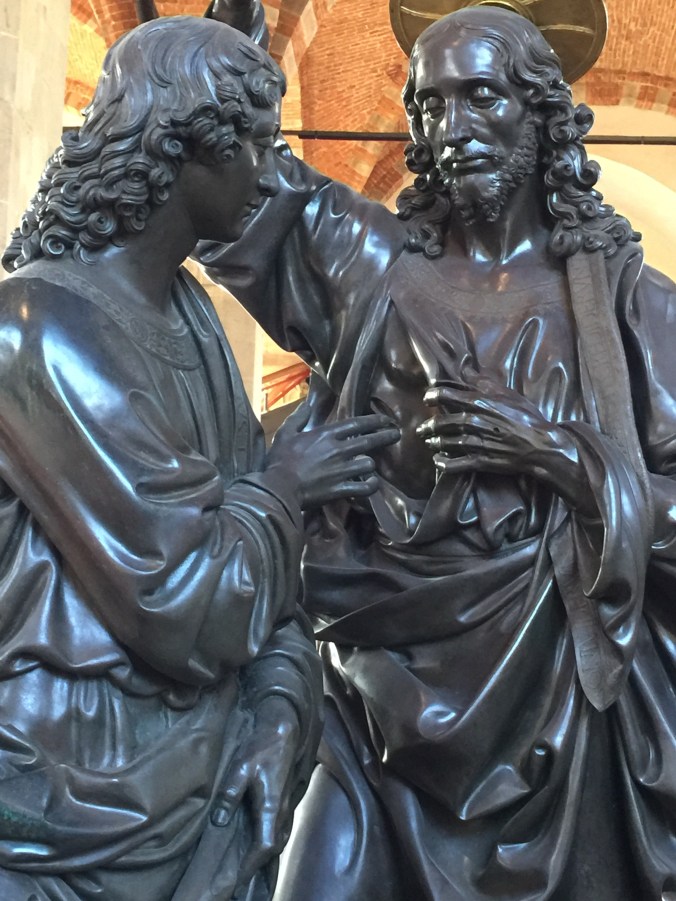
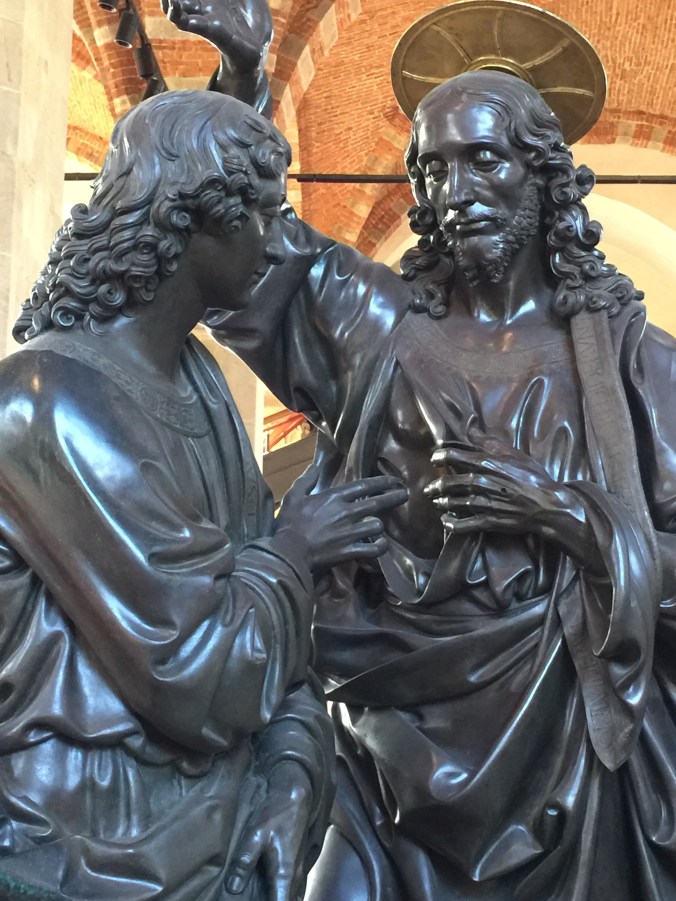
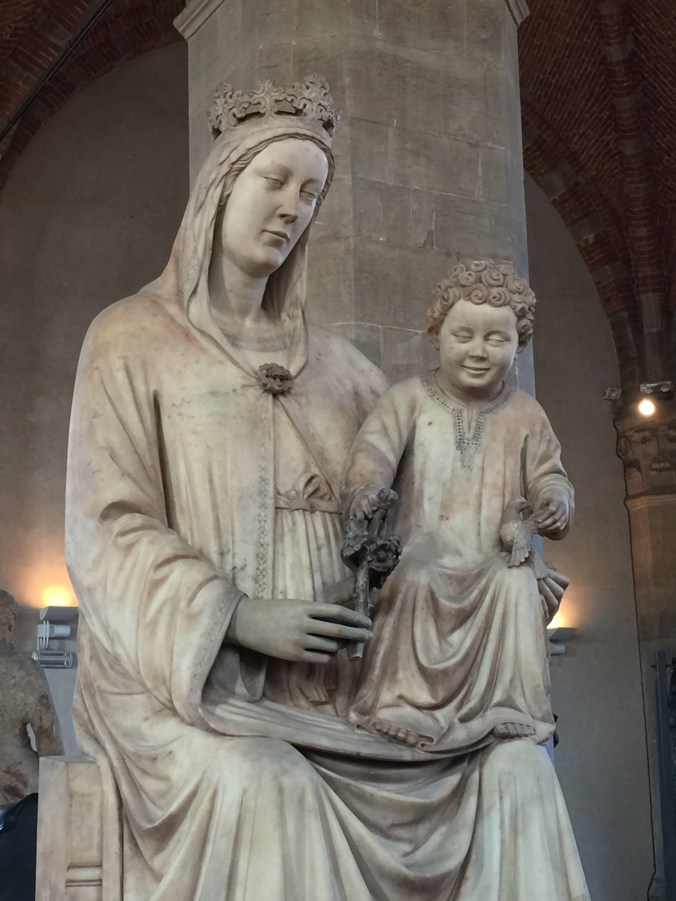
Above the church is a museum where all of the significant Renaissance sculptures originally placed in niches on the 4 facades of the church are now housed. Copies of these grand works are now in the niches on the building’s facade.
Here are some of the original works:
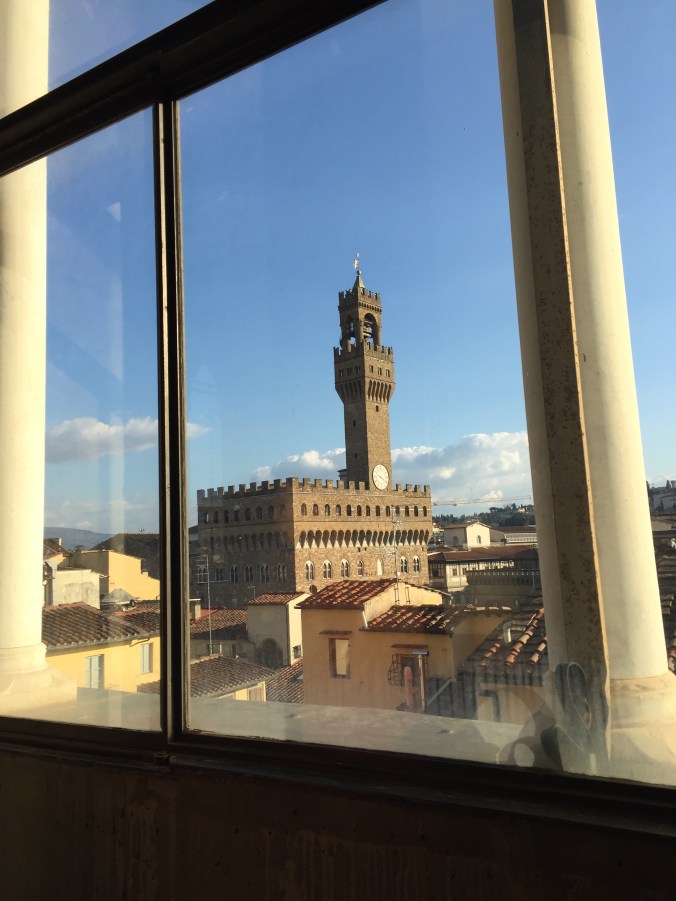
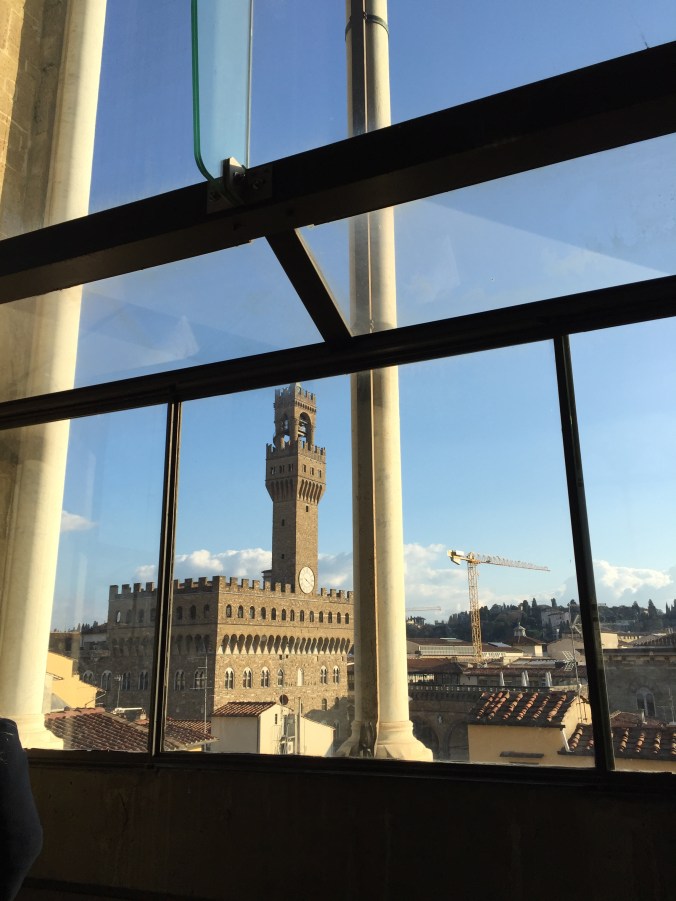
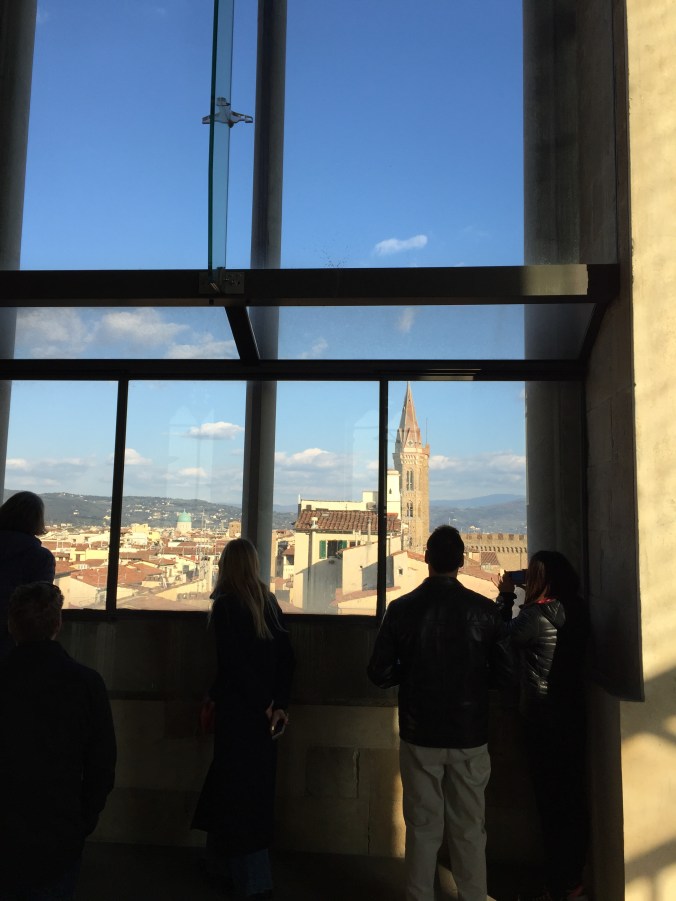
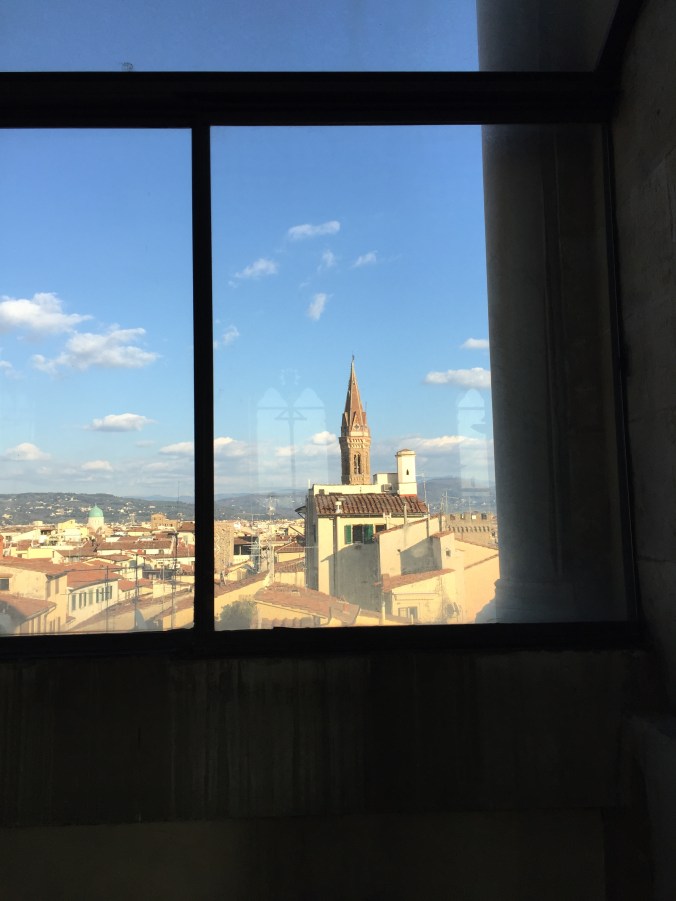
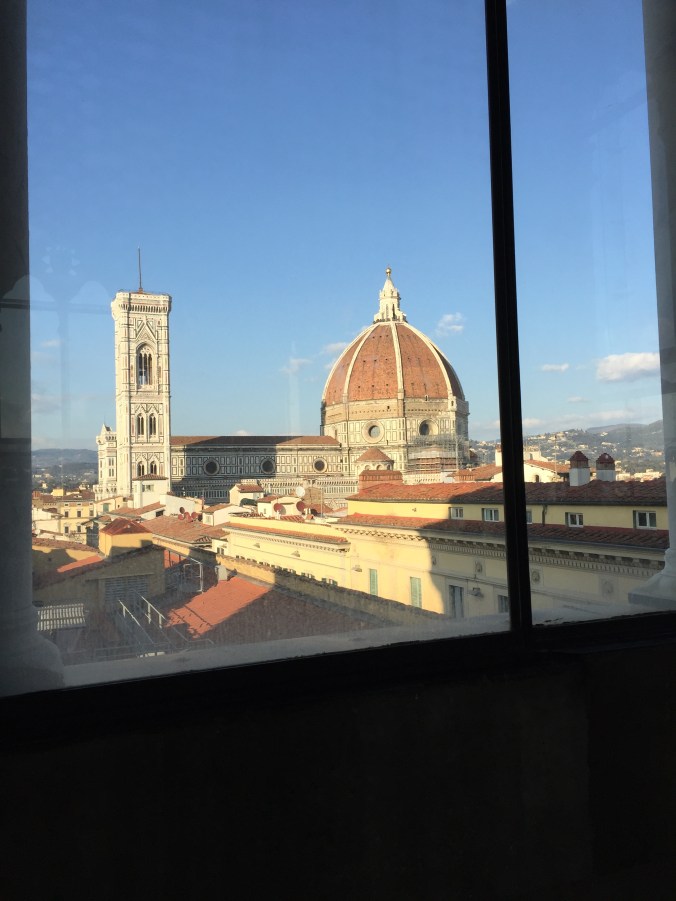
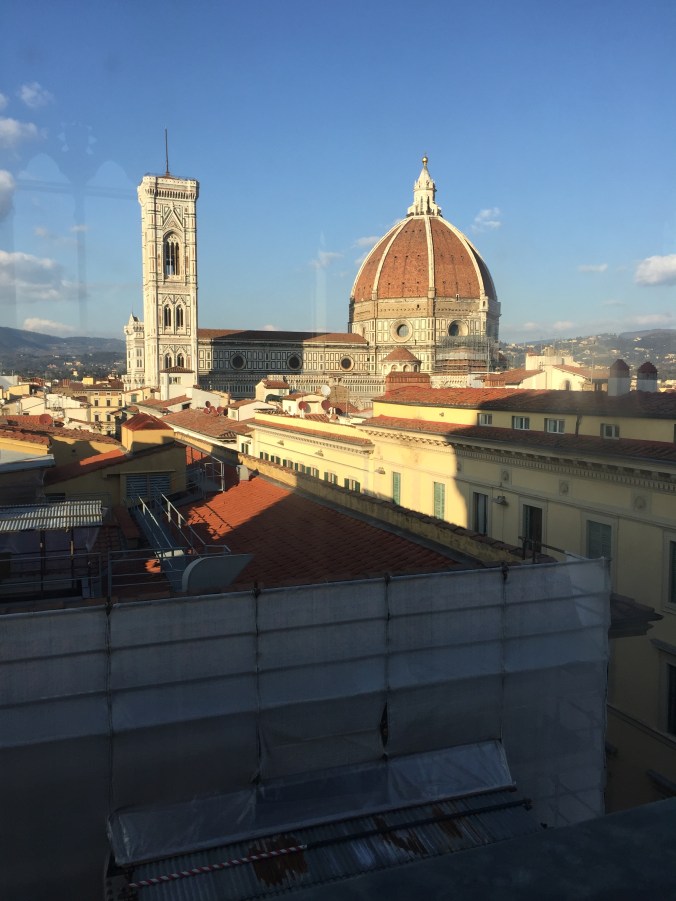
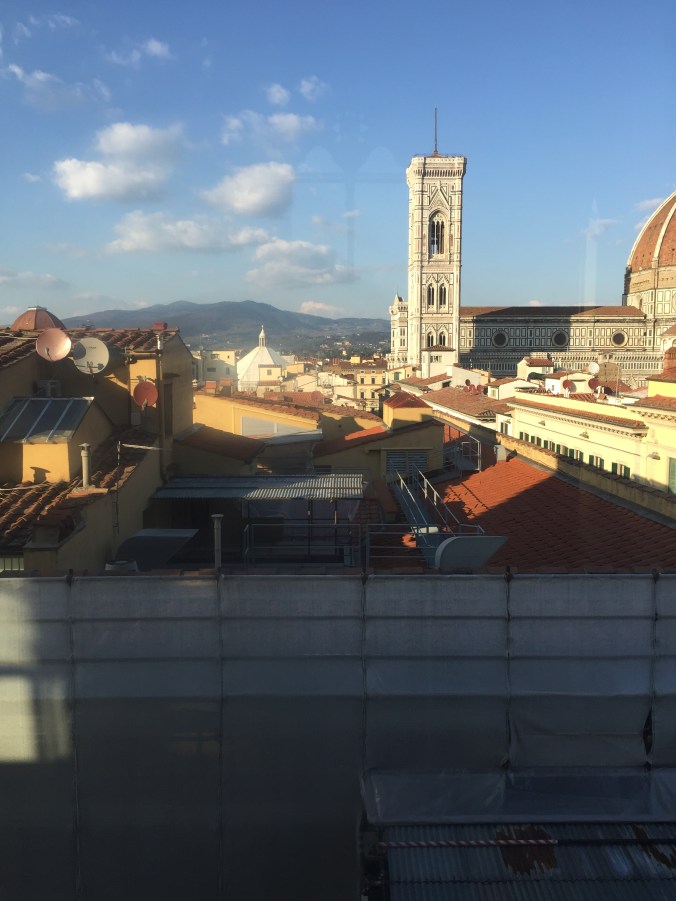
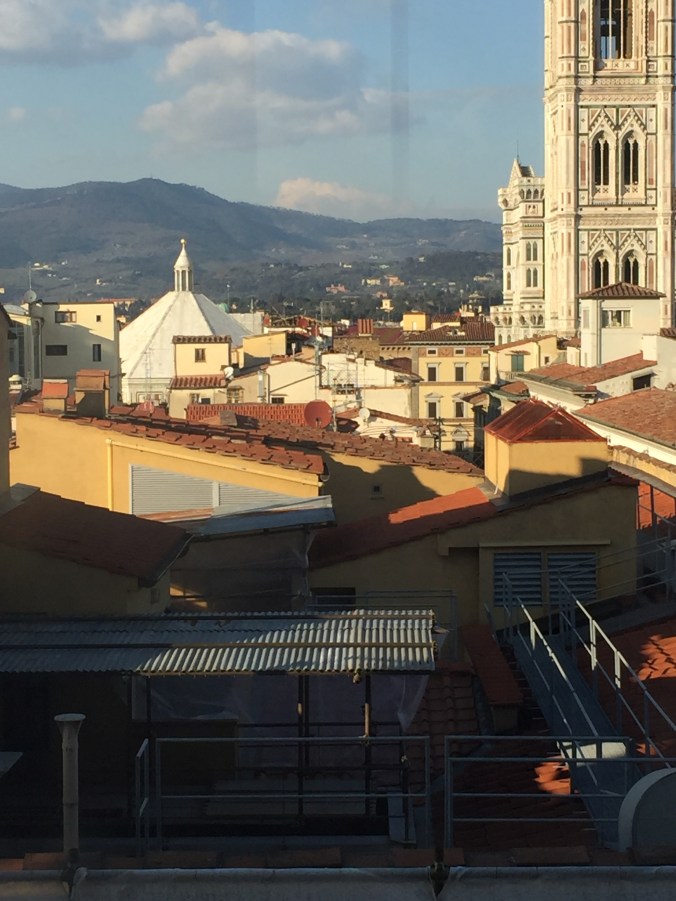
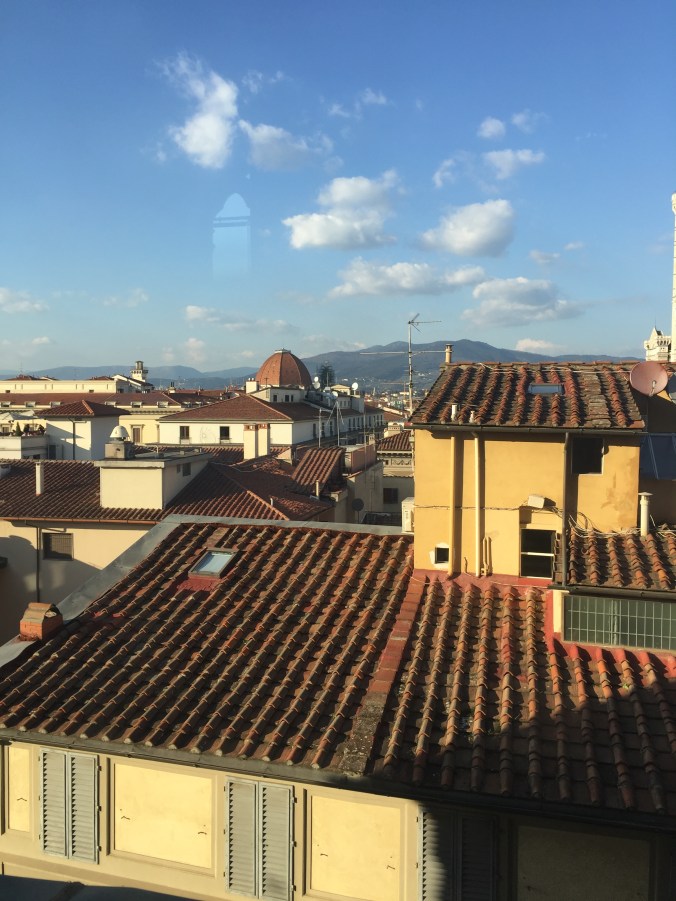
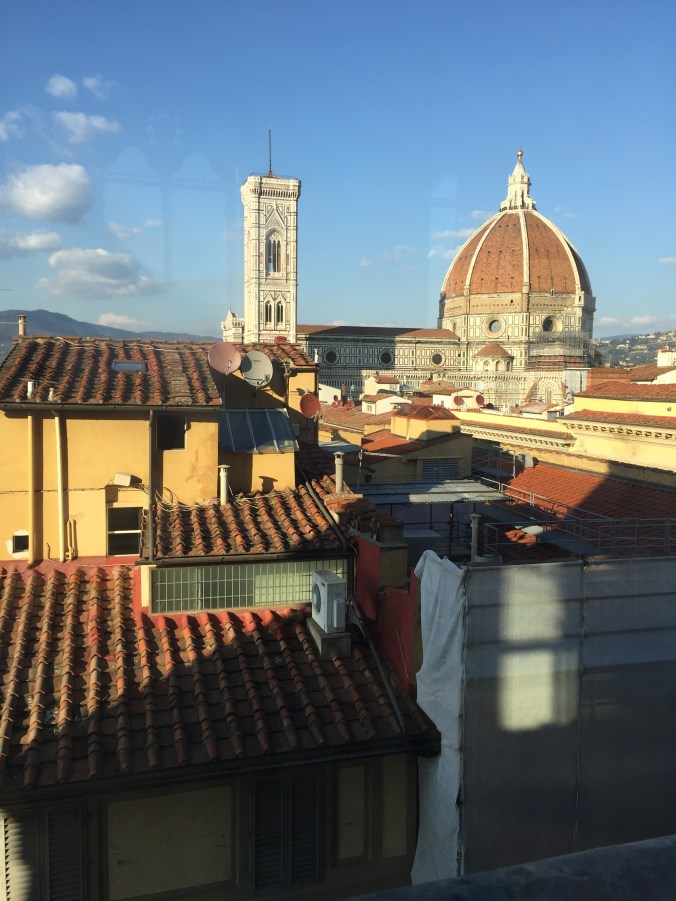
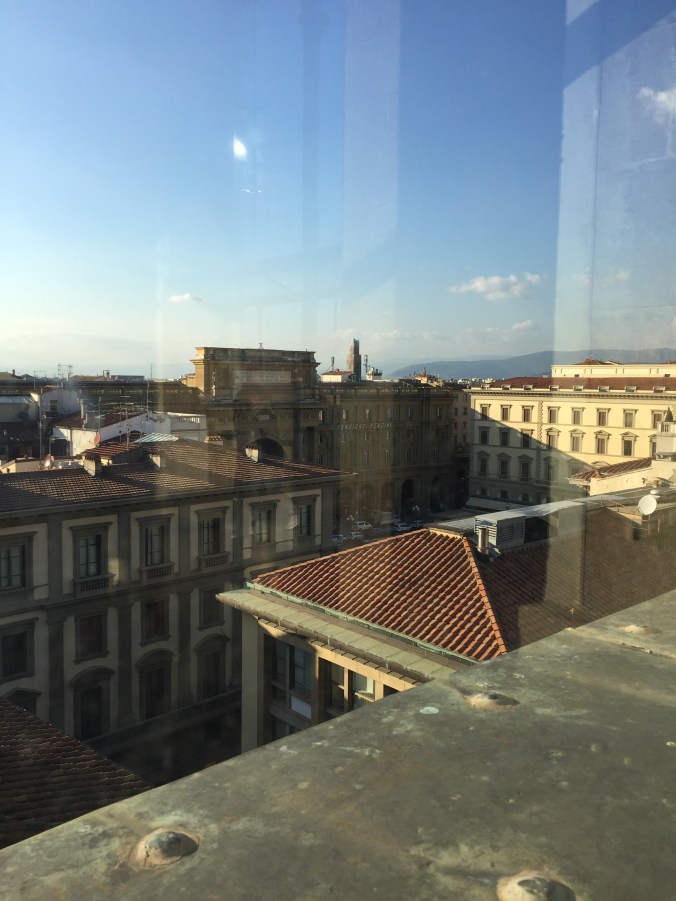
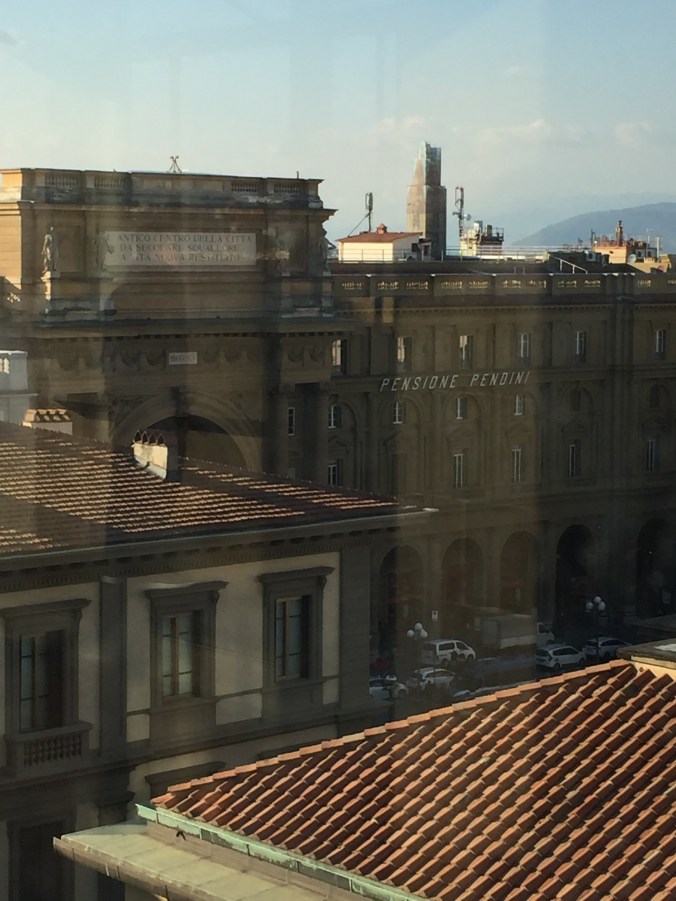
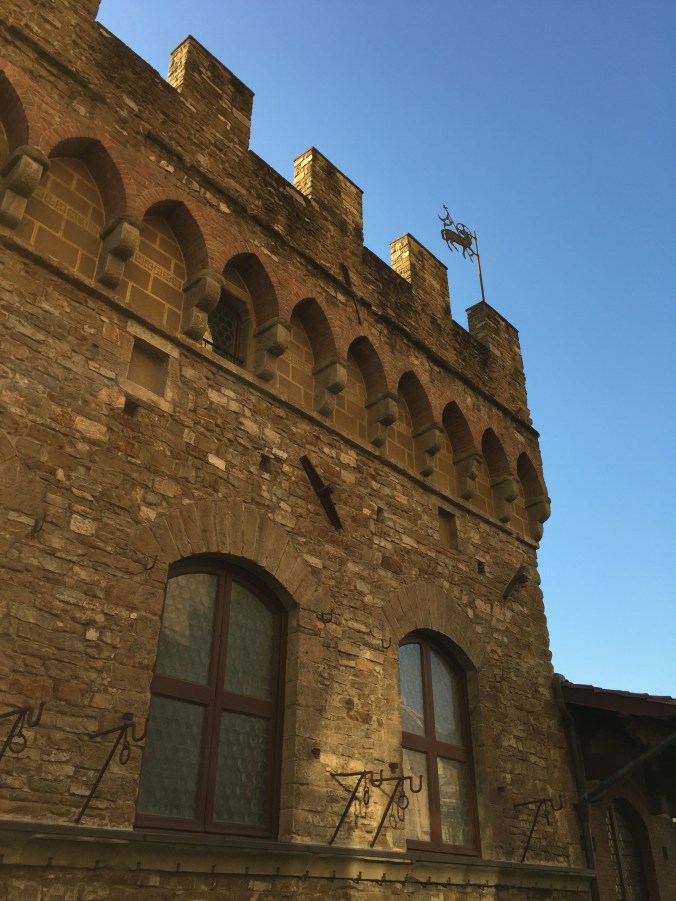
The views of the city from the 2nd floor of Orsan Michele are pretty amazing.
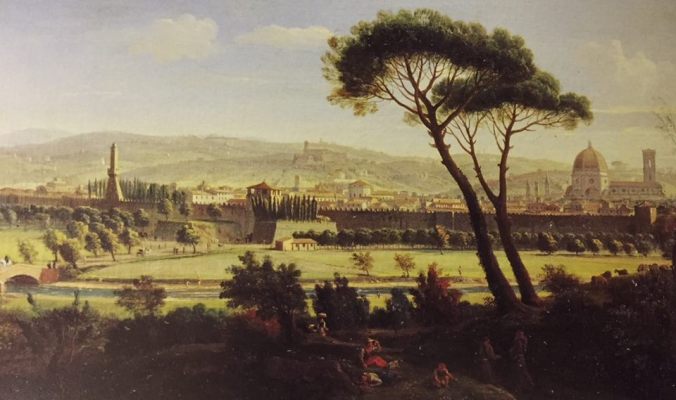
Today I live in the northern section of Florence, the part you see below in an area that was a grassy field in 1695. Florence has undergone a few changes since then. I love my new neighborhood; a huge pleasure is I am no longer in the touristy area. I meet and interact with Florentines all day every day. It’s heavenly.
Una inconsueta veduta di Firenze da via Bolognese, di Gaspar Van Wittel, del 1695. (An unusual view of Florence from Via Bolognese, by Gaspar Van Wittle, 1695.)
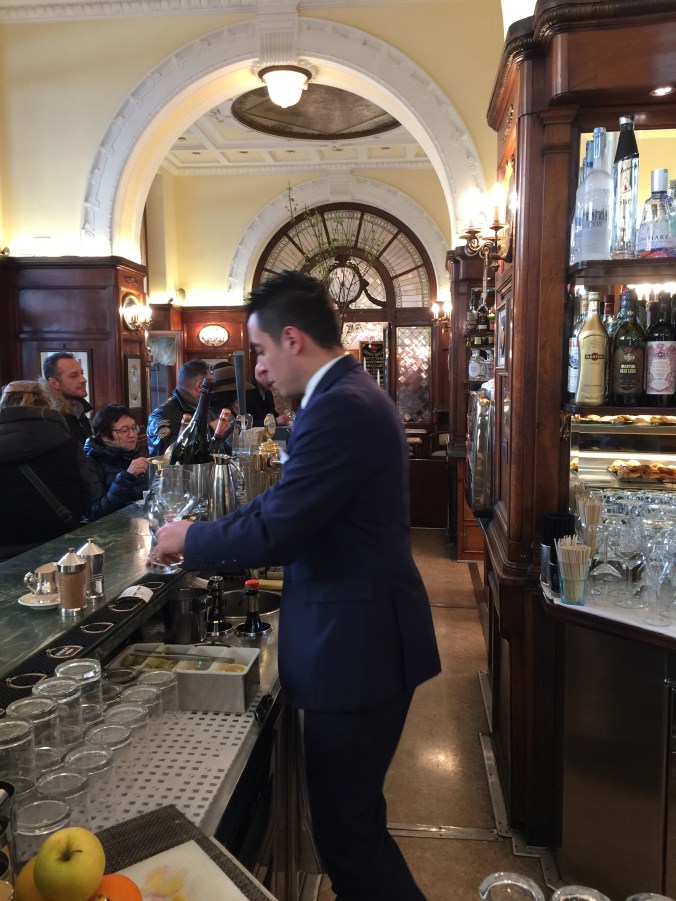
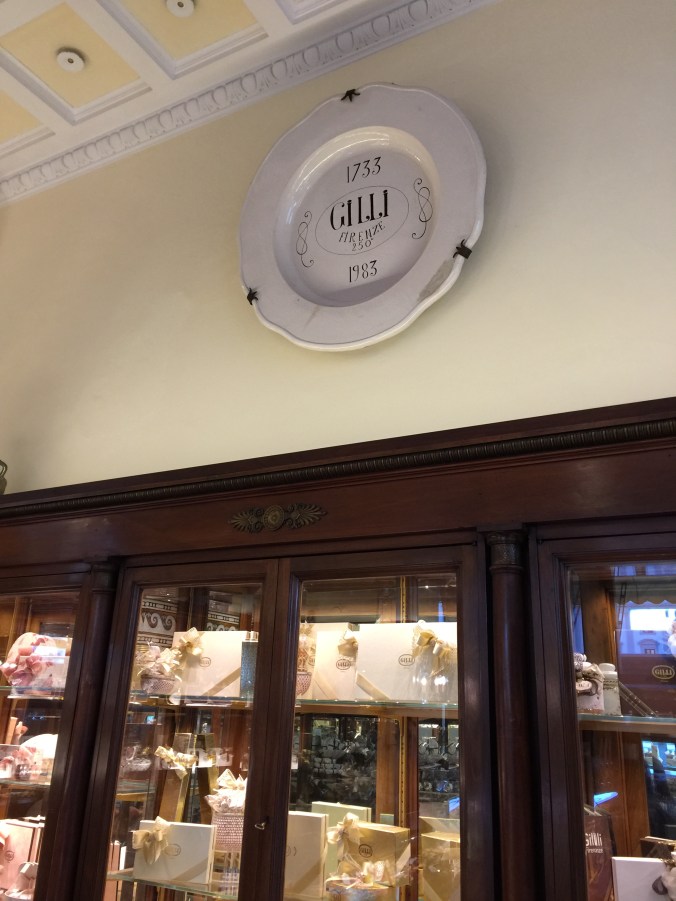
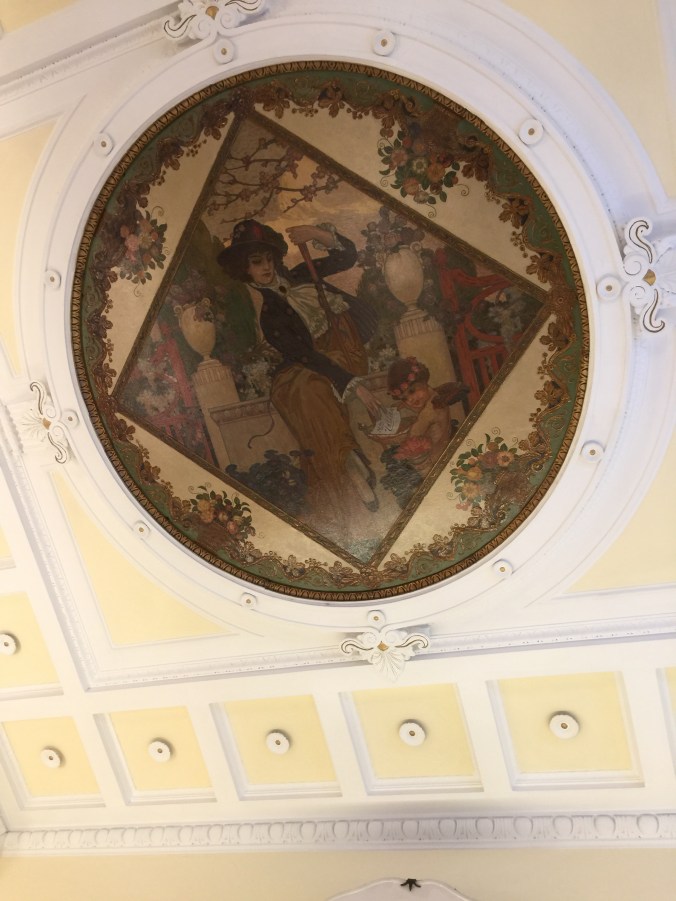
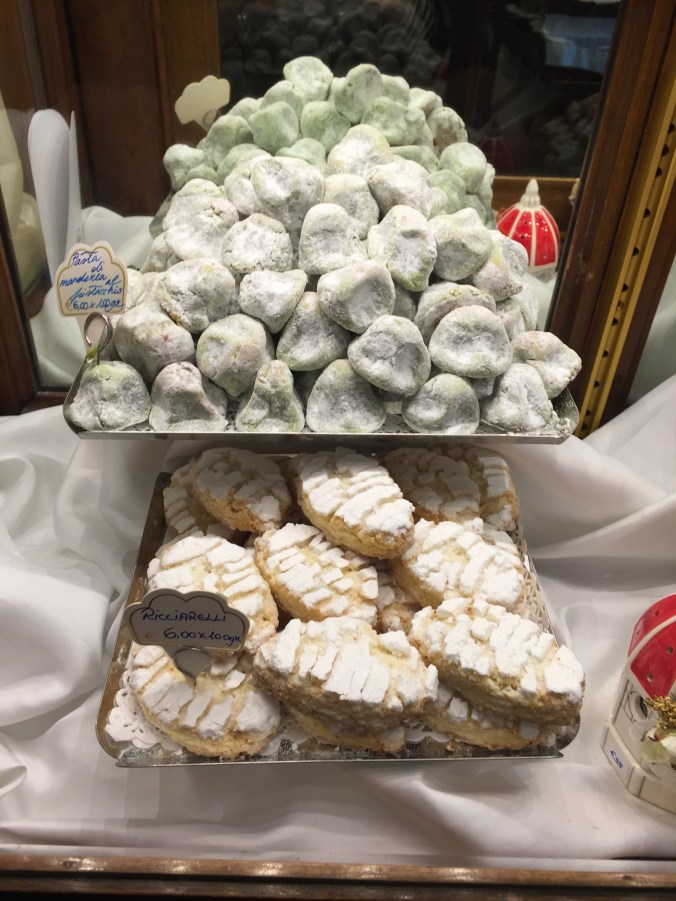
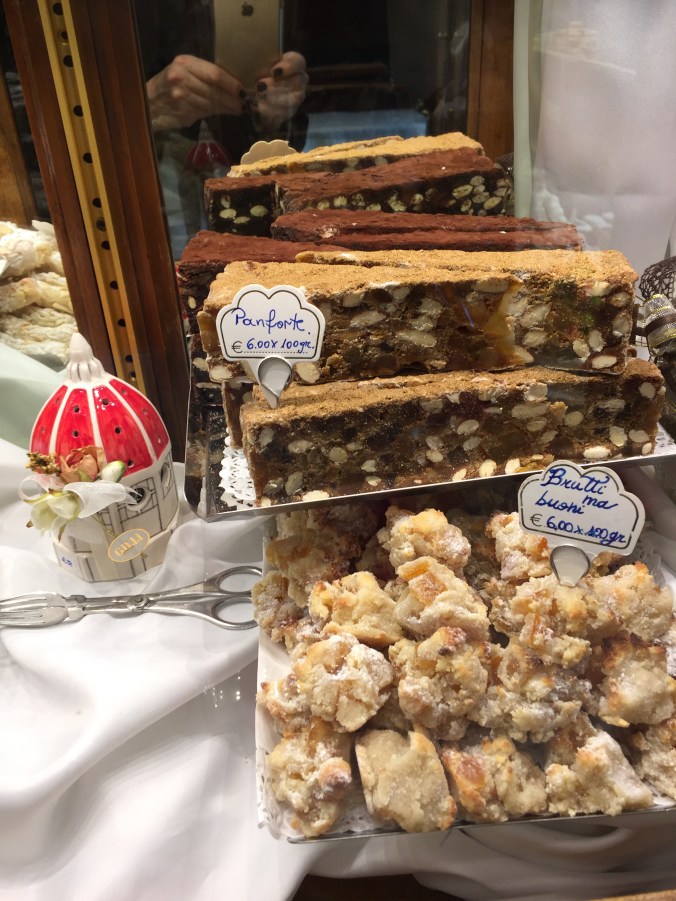
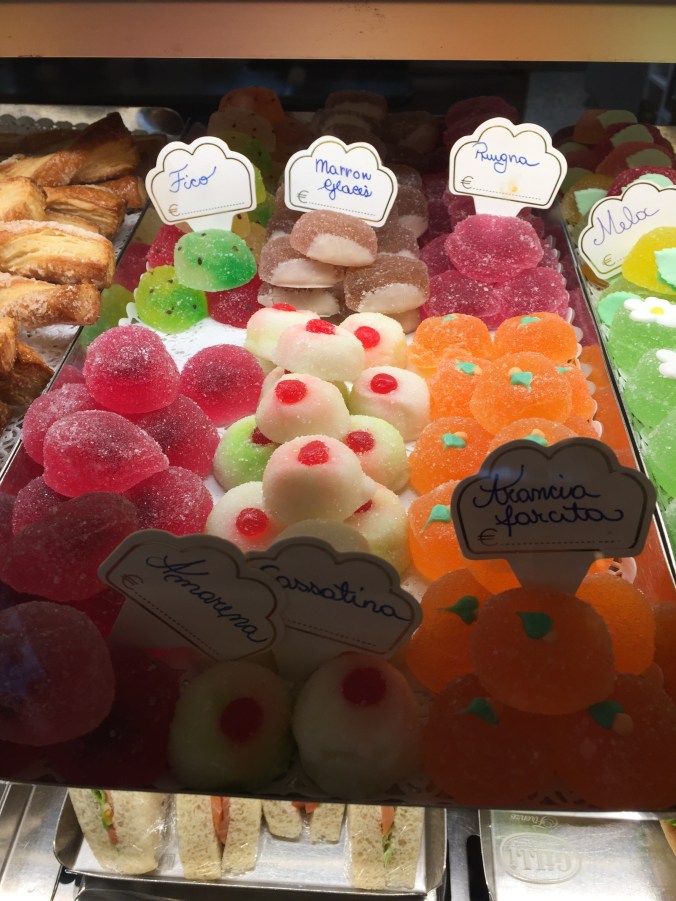
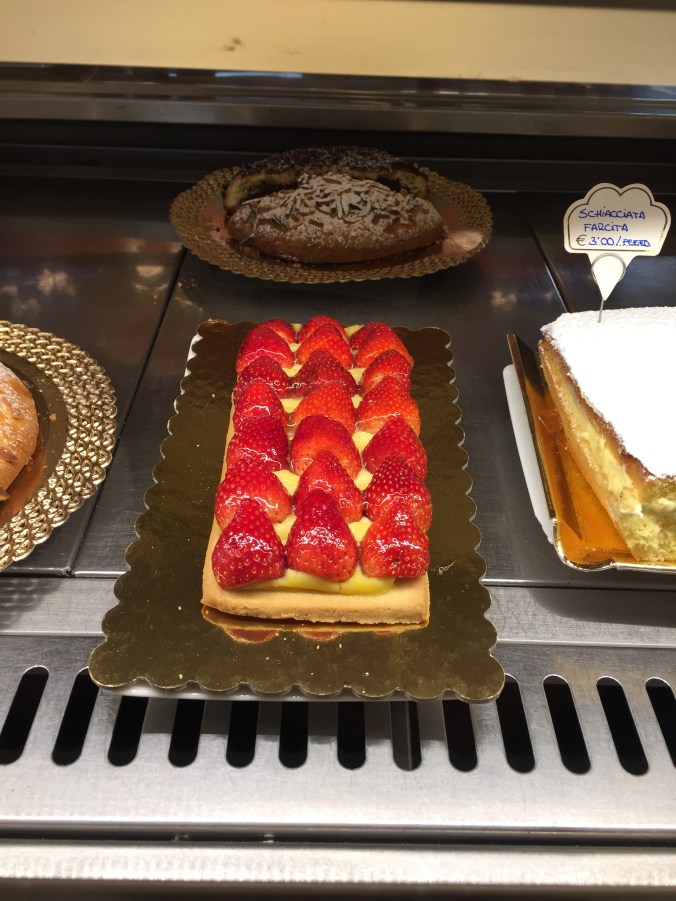
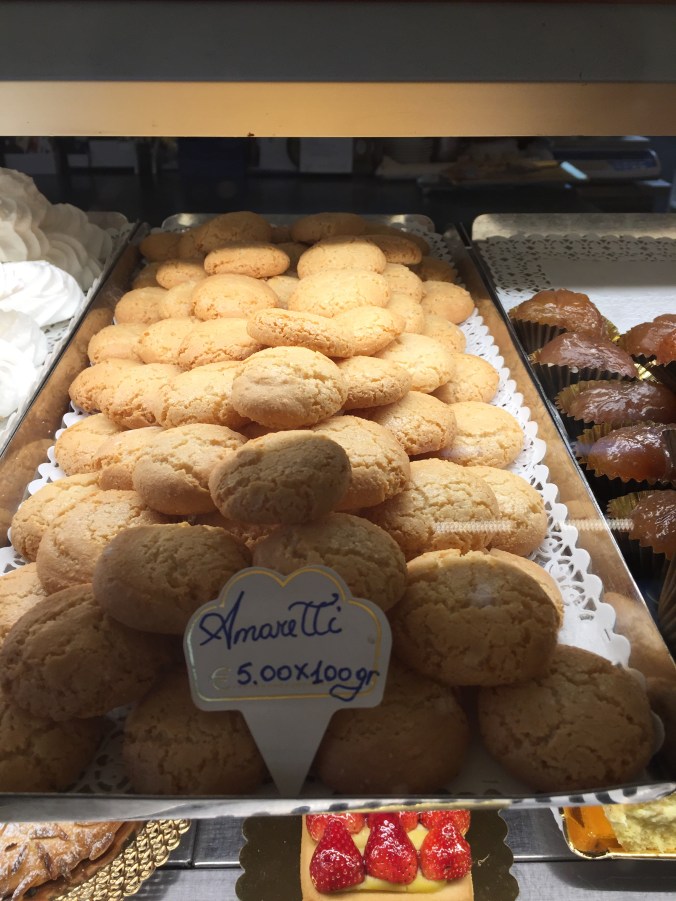
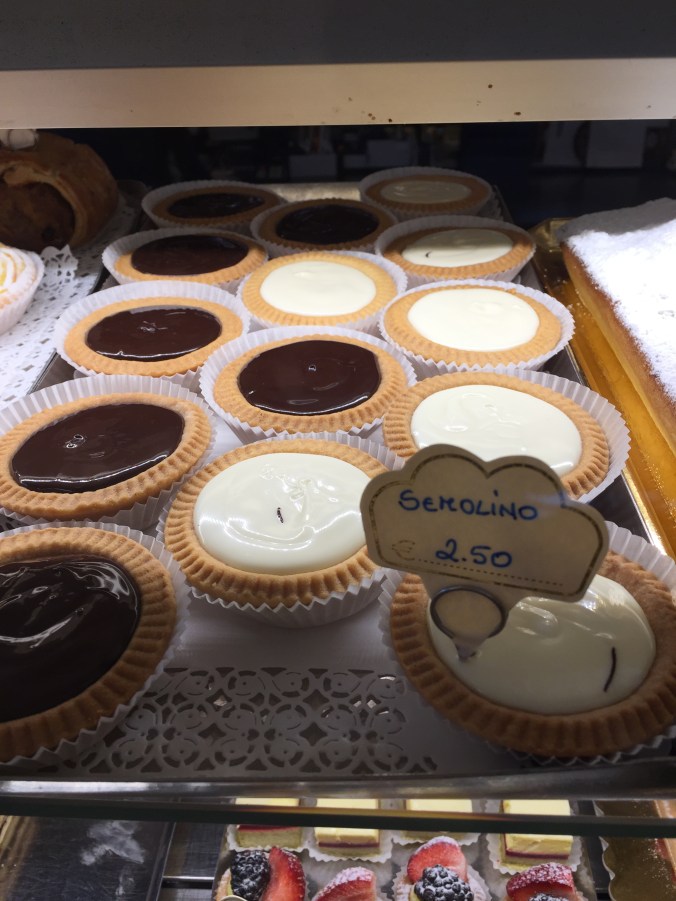
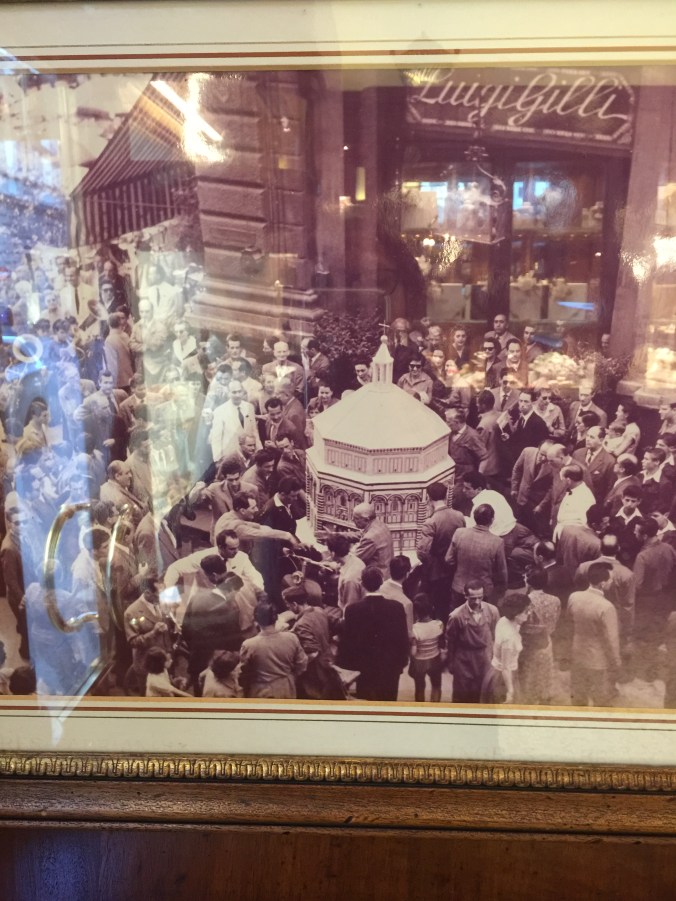
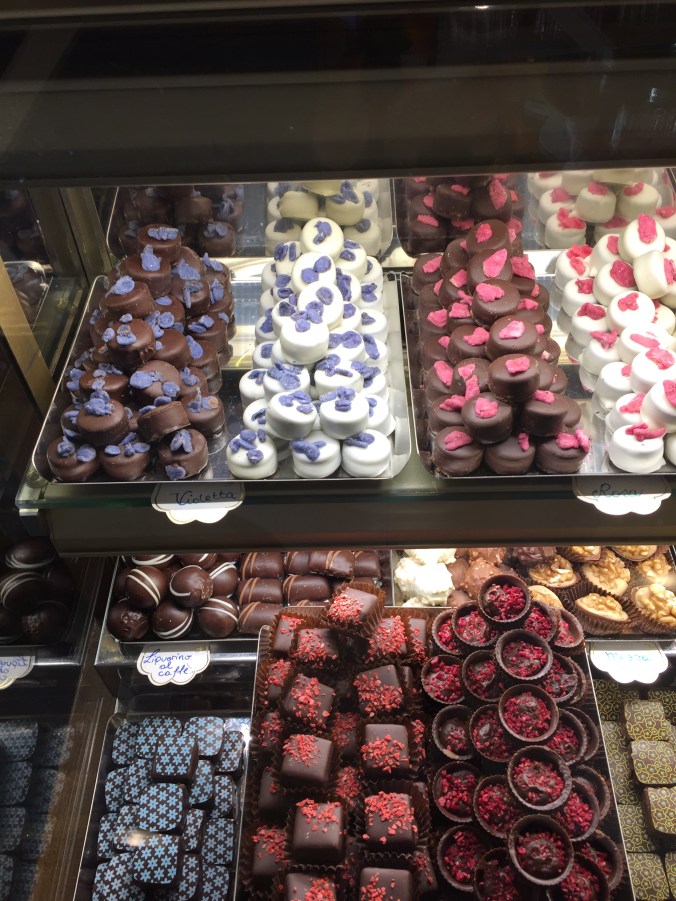
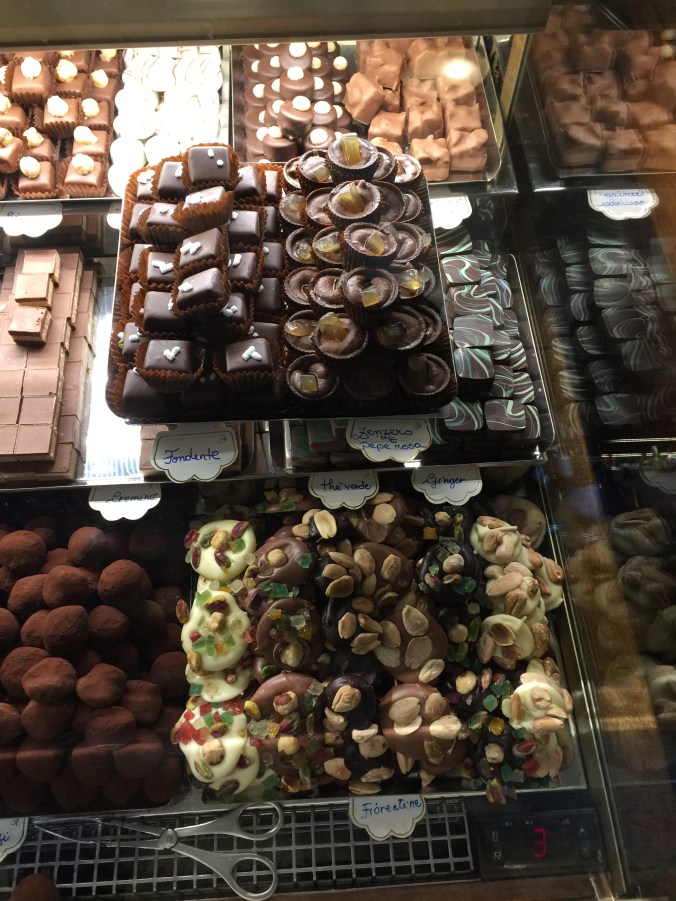
Every chance I get, I stop in at Gilli’s, a bar/pasticceria on the Piazza della Repubblica in Florence. Stepping in the door, one enters an Old World establishment at its very finest. I love it!
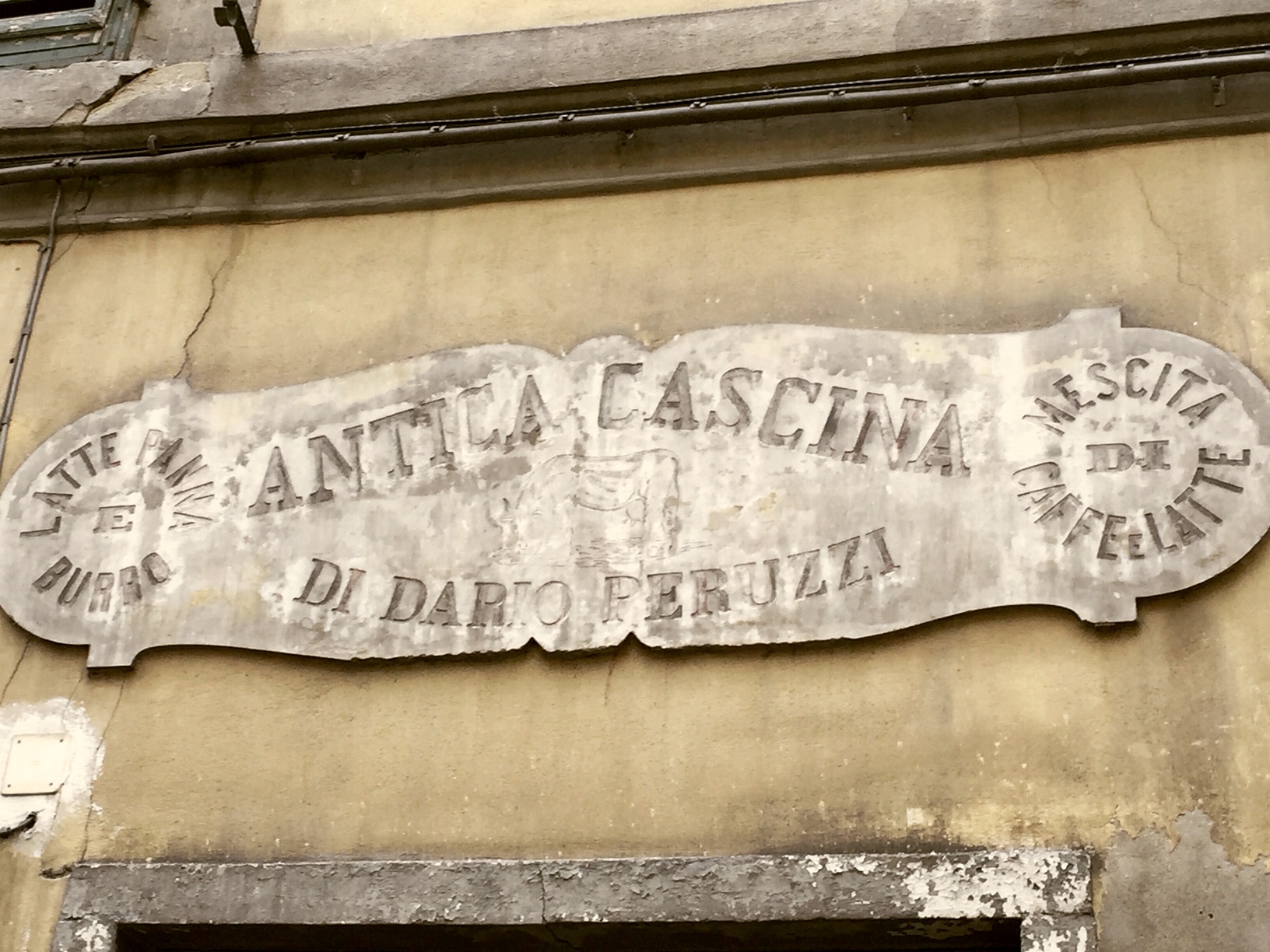
This sign in marble. The sign of a gone but not forgotten Florentine business.
This evocative old surviving street sign for this long lost business in the heart of Florence, announces “Antica Cascina di Dario Peruzzi.”. Translated it advertises this “old farmhouse,” which served (or sold for takeaway) milk, cream and butter and “a bar room” of coffee and milk. I wish I could time travel in for a moment or two to see what like was like inside this lost business. Dario Peruzzi, whoever you were, I remember you.
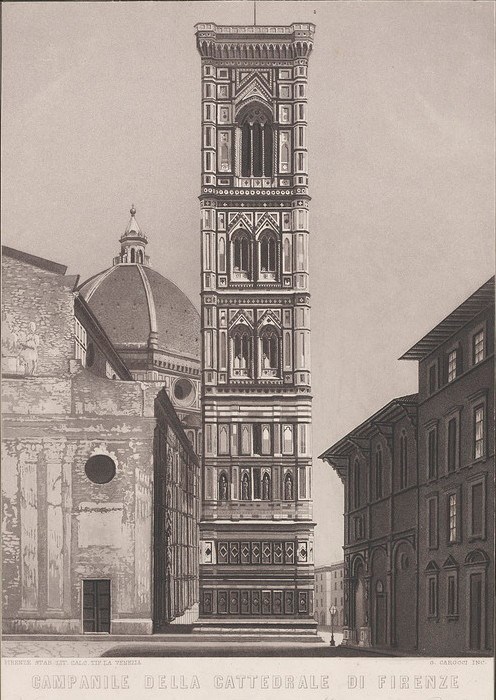
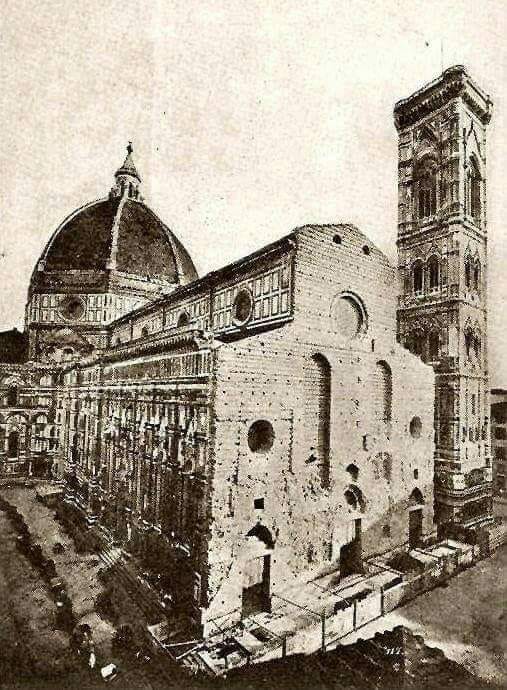
Here are wonderful images of how Florence looked as late as 1870s:
The façade was then left bare until the 19th century. In 1864, a competition held to design a new façade was won by Emilio De Fabris (1808–1883) in 1871. Work began in 1876 and was completed in 1887. This neo-gothic façade in white, green and red marble forms a harmonious entity with the cathedral, Giotto’s bell tower and the Baptistery, but some think it is excessively decorated. The whole façade is dedicated to the Mother of Christ.
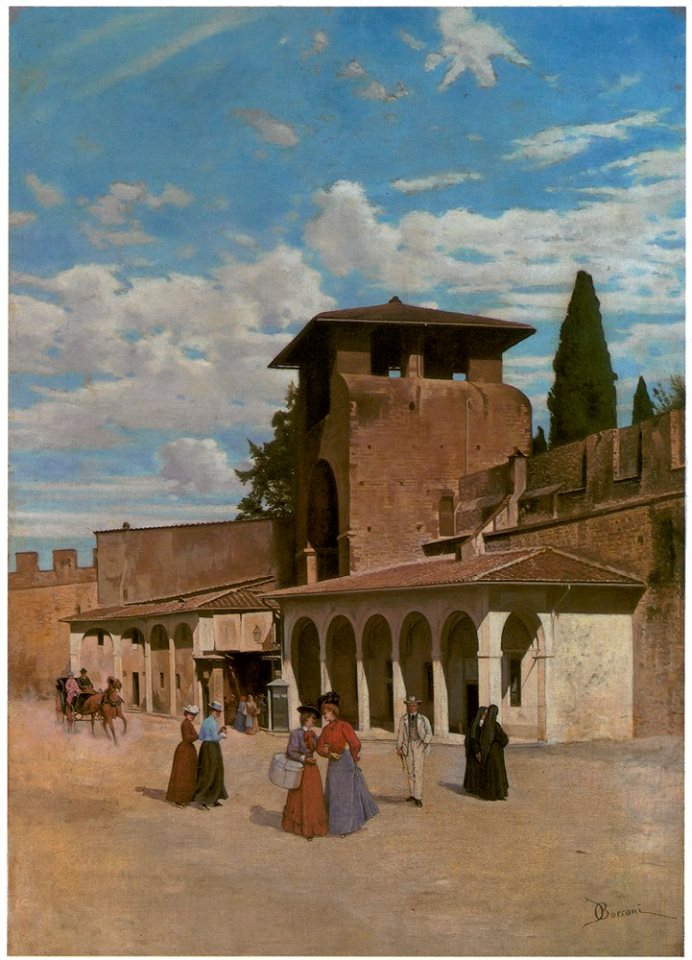
This is an oil painting of La Porta di San Gallo by Odoardo Borrani, c. 1880. I admire it for its flavour and for showing us how the medieval walls around Florence still looked.
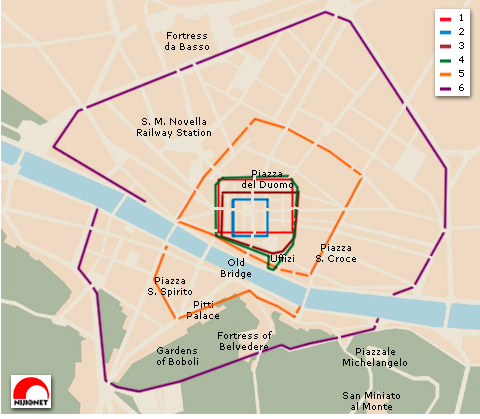
The city walls surrounding Florence were widened and rebuilt many times over the millennia .
In the 2nd century A.D. Florence had 10,000 inhabitants and was surrounded by a 1st wall
2. After the fall of the Western Roman empire, the city suffered deeply and in the 6th century it had only 1000 inhabitants: a 2nd city wall was built, protecting a smaller area than the earlier Roman one.
3. Florence flourished again, and, at the beginning of 10th century the city was surrounded by a wider 3rd wall, which for the first time extended itself to the river Arno.
4. The building of the 4th wall was begun in 1078: Florence was a 20,000 inhabitants city and the Duke of Tuscany had moved his capital from Lucca to Florence. The new city walls surrounded also Piazza del Duomo, but the quarters of Oltrarno remained still unprotected.
5. In the years 1173-1175, the city built a 5th city wall: for the first time a defence wall was built also in Oltrarno, due to the increasing importance of the dwellings around the churches of San Felice, San Jacopo in Soprarno and Santa Felicita. Three city gates were built in Oltrarno (near today’s Piazza San Felice, Costa de’ Magnoli and Piazza Frescobaldi), but a real stone wall was not built: the protection consisted of palisades connecting the gates and houses whose outer façades were built without windows in order to offer more protection.
6. A 6th wall was planned by at least 1284 (possibly under direction of Arnolfo di Cambio). These walls enclosed a very wide area and protected the whole city with all its newer and outer dwellings. The gates were 35 meters tall, and were decorated with religious frescoes (the Madonna and Saints); originally, on the square in front of each gate was also a statue of a famous Florentine writer or poet. The building of the walls was completed in 1333 – and finally the quarters of Oltrarno received a complete protection. In 16th century, the city prepared to face the army of the German emporer, Charles V, and in 1530 new fortifications were added around San Miniato al Monte. After that, Grand-duke Ferdinando I commissioned Bernardo Buontalenti to build a fortress; it was completed in the years 1590-1595 near the gate of San Giorgio and was named Fortress of Santa Maria, but became rapidly known as Fortezza Belvedere.
Between 1865 and 1871 Florence was provisory Capital of Italy: the city walls were demolished in order to build the new ring road. Only the walls in Oltrarno survived, with all their towers.
In 1998 a part of the wall between the gate of Porta Romana and Piazza Tasso has been restored and opened to visitors.











 get back, lauretta!
You must be logged in to post a comment.