On a relatively recent visit to San Miniato, we were treated to the beautiful sounds of Gregorian chanting monks:
After enjoying the interior of the church, we went out back to visit the extensive cemetery. While there, the church bells rang.
On a relatively recent visit to San Miniato, we were treated to the beautiful sounds of Gregorian chanting monks:
After enjoying the interior of the church, we went out back to visit the extensive cemetery. While there, the church bells rang.
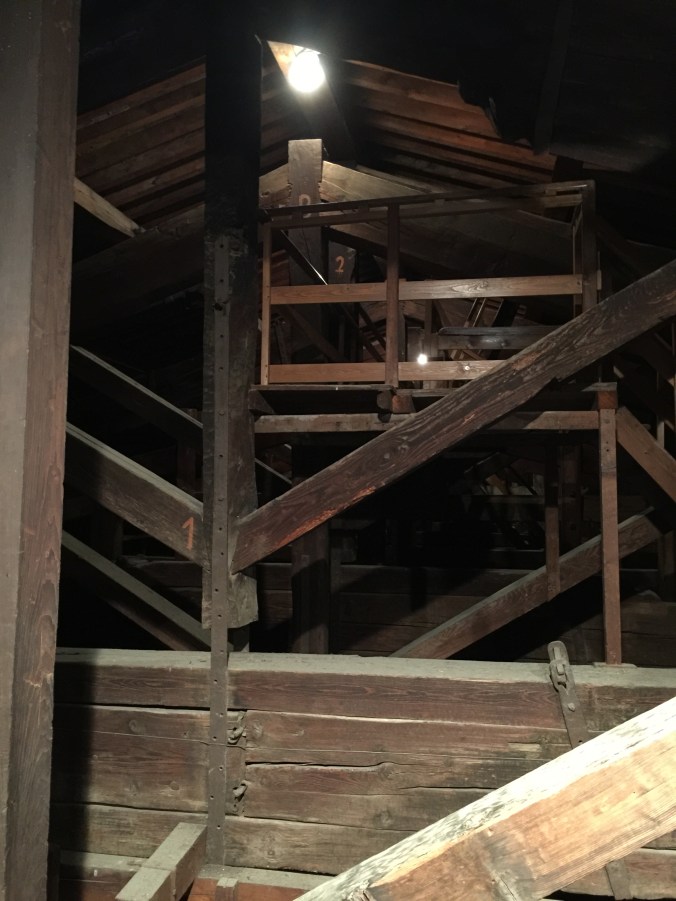
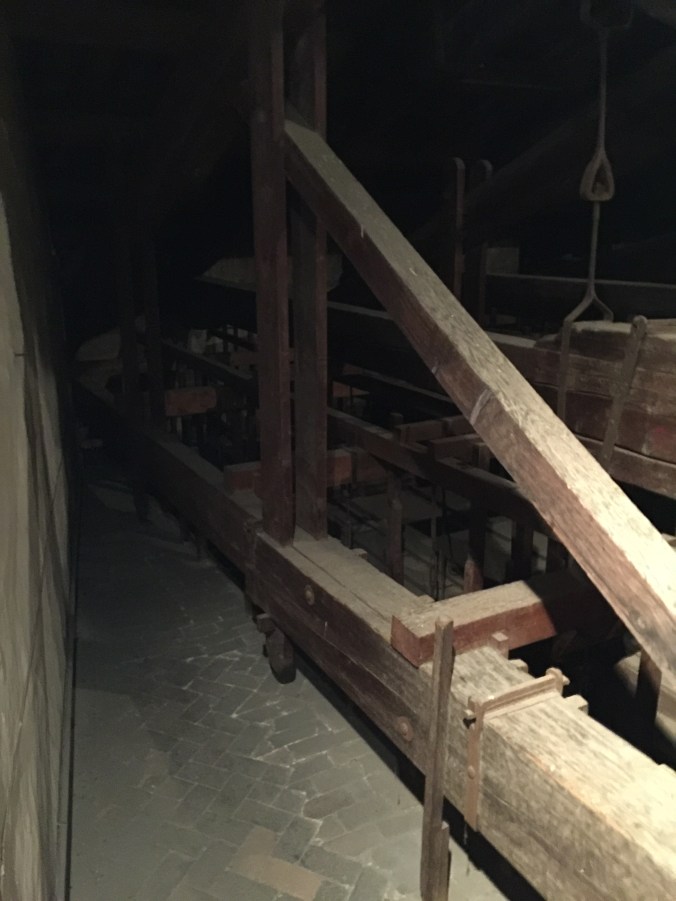
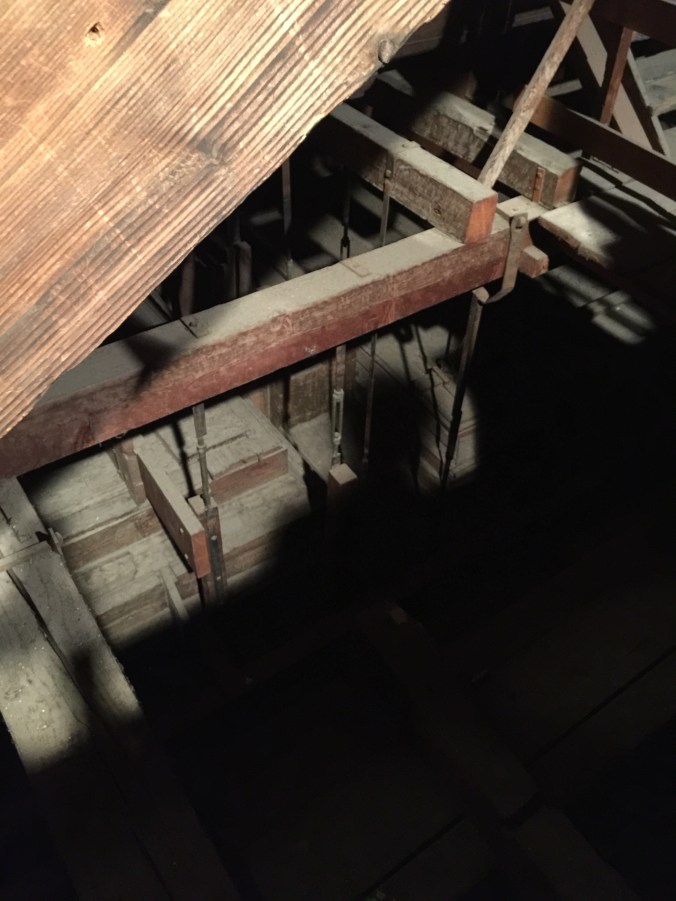
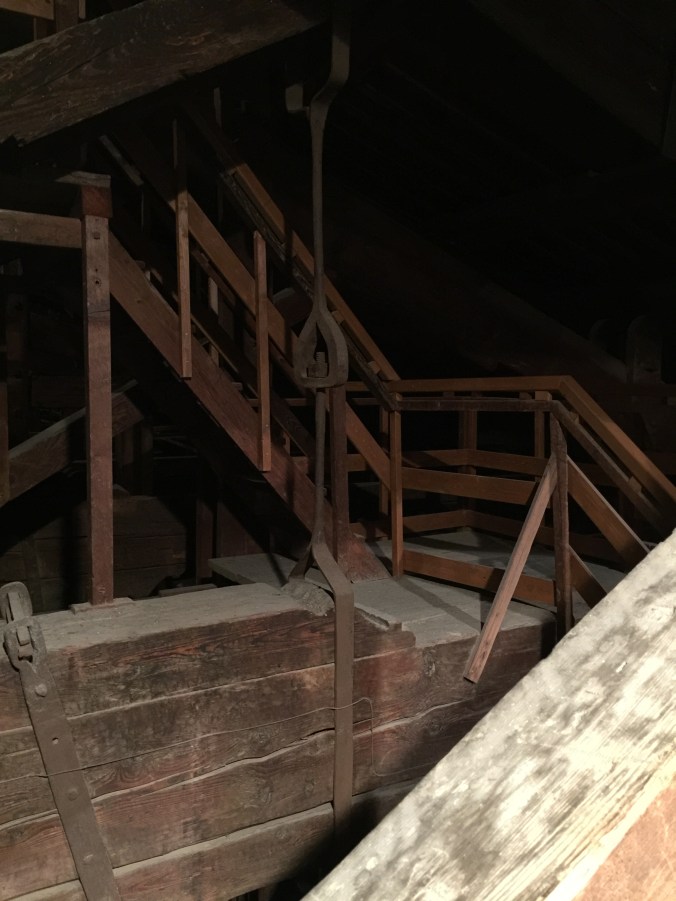
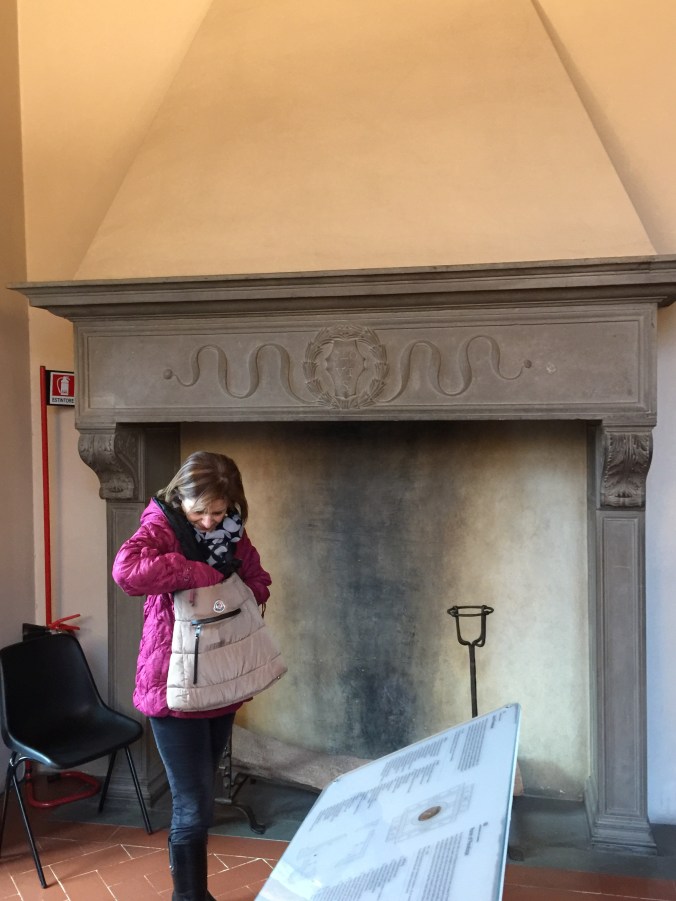
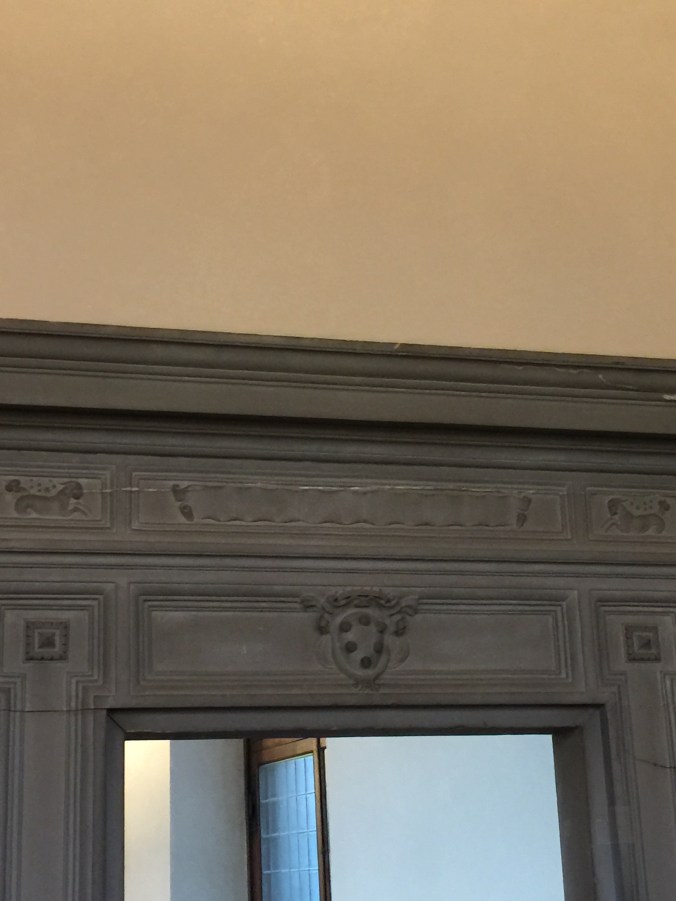
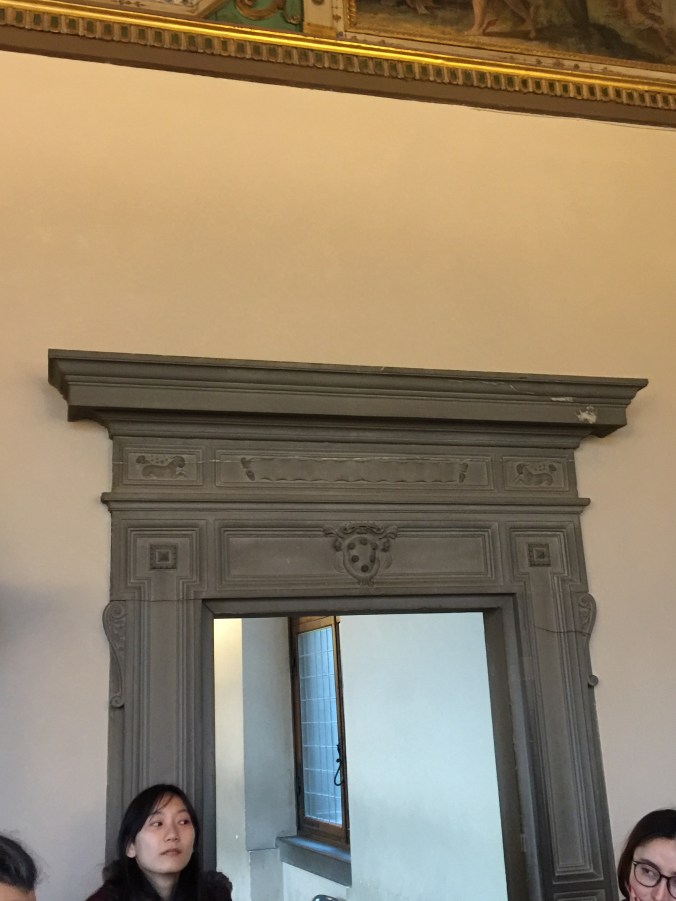
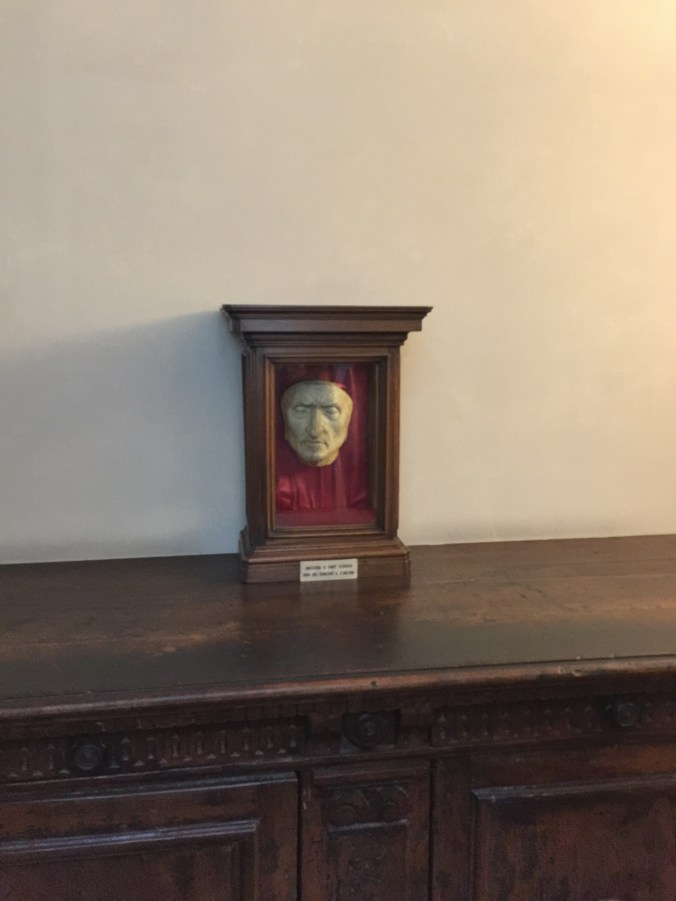
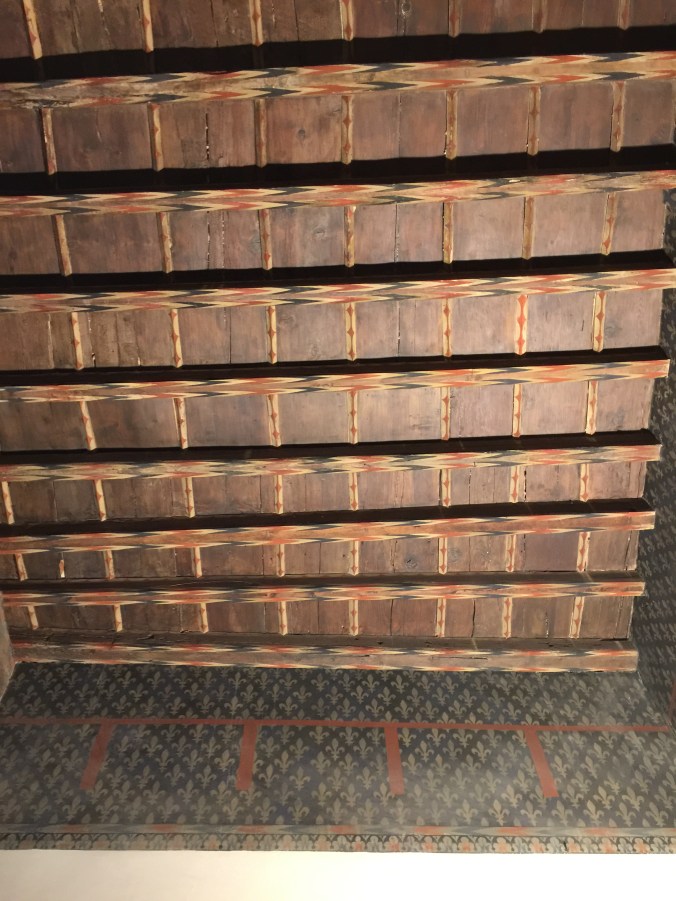
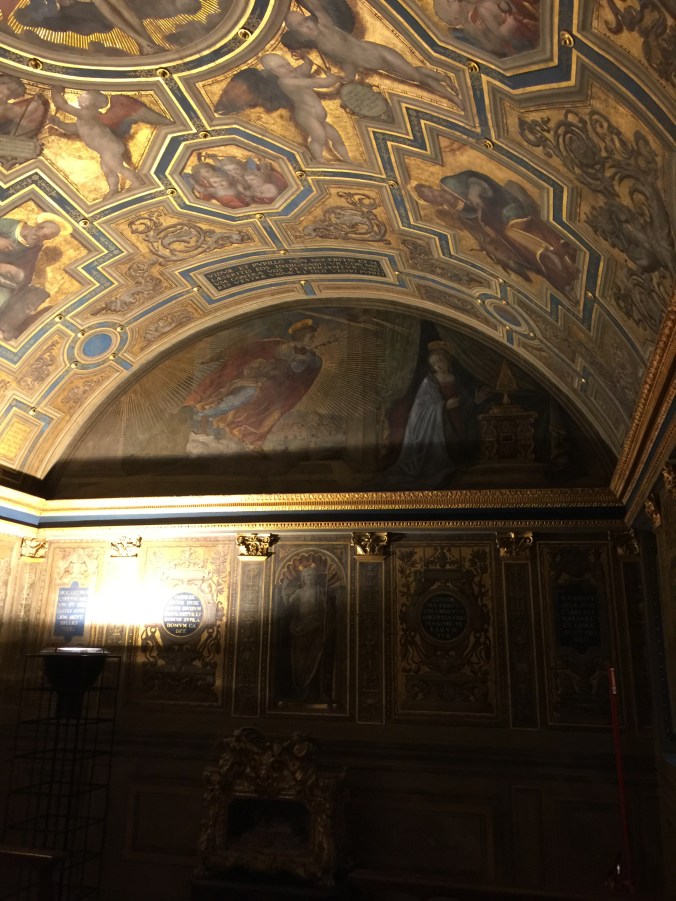
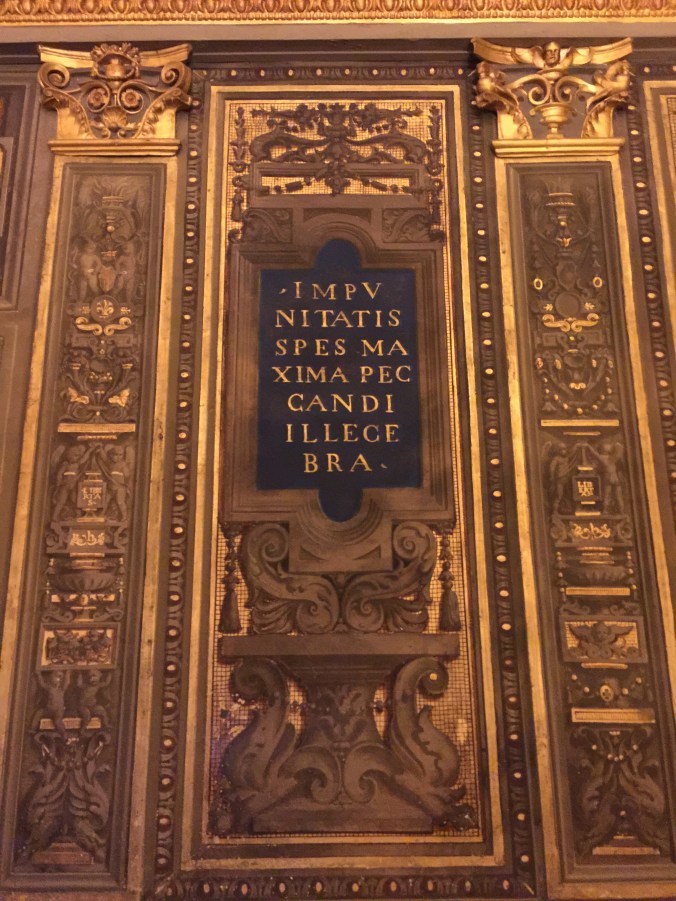
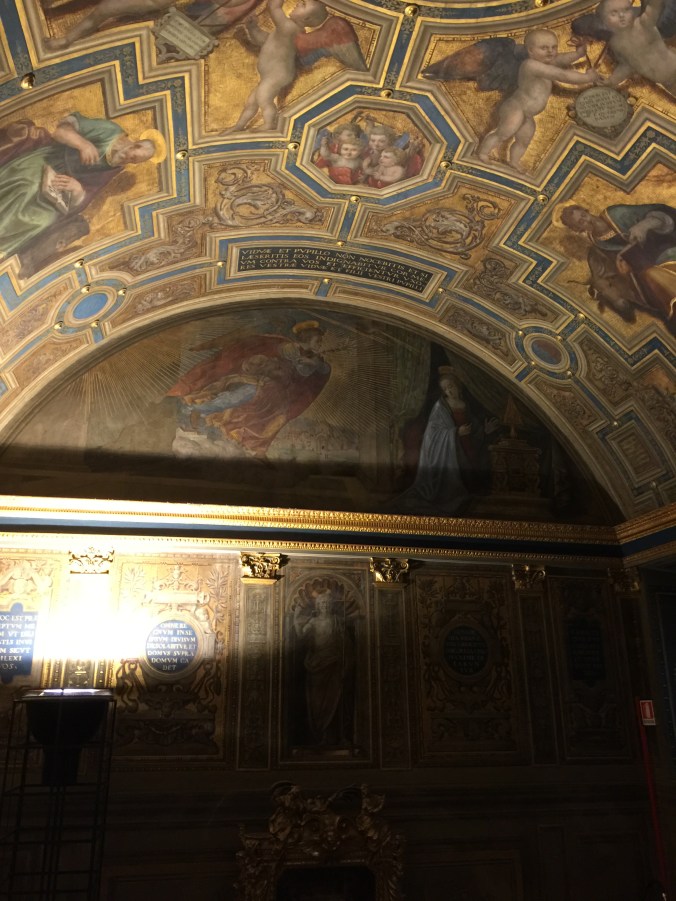
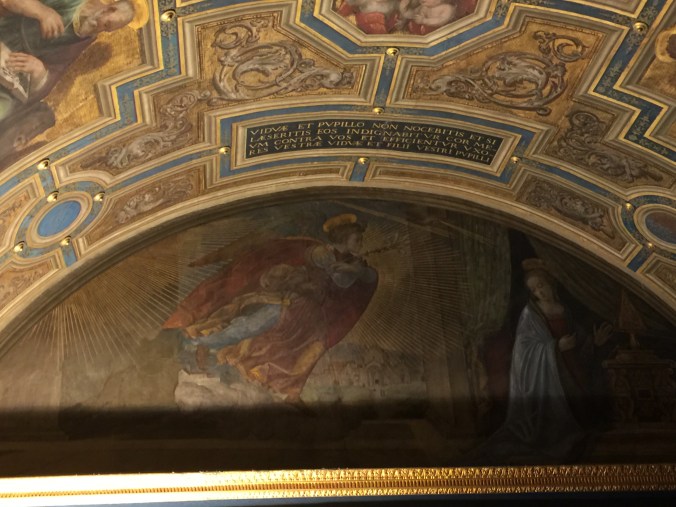
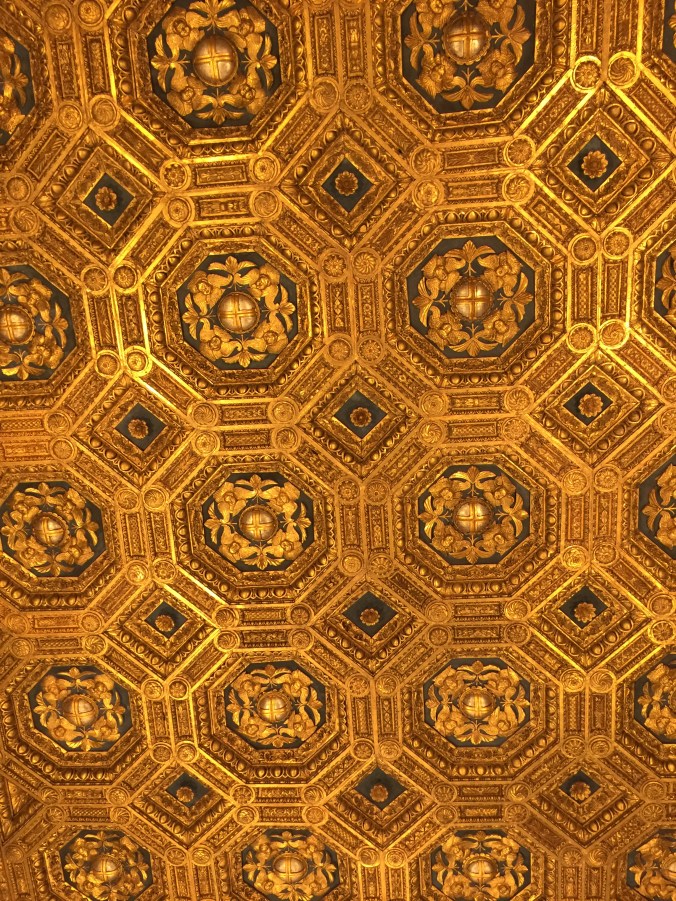
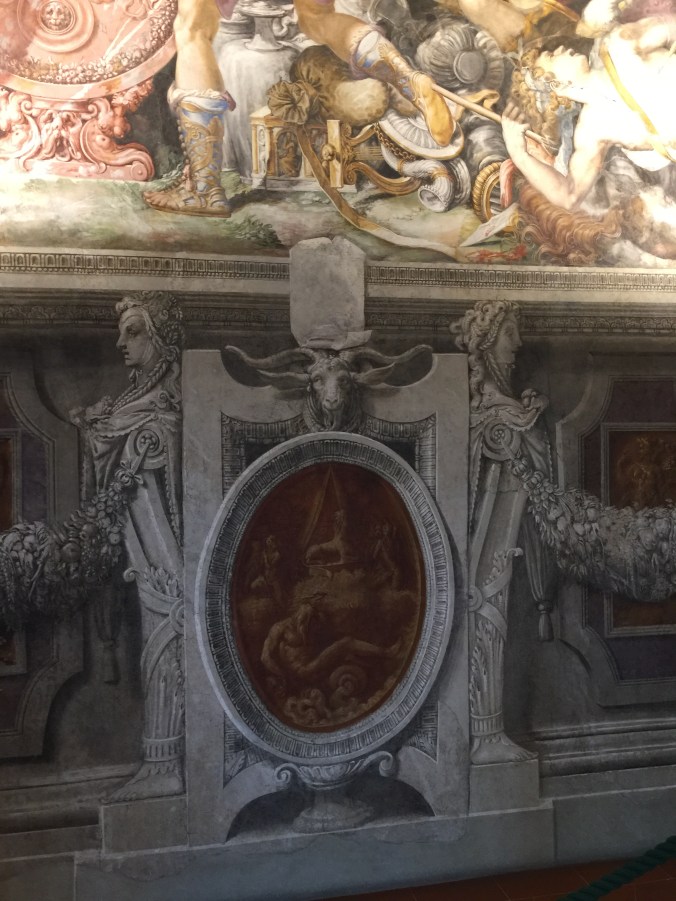
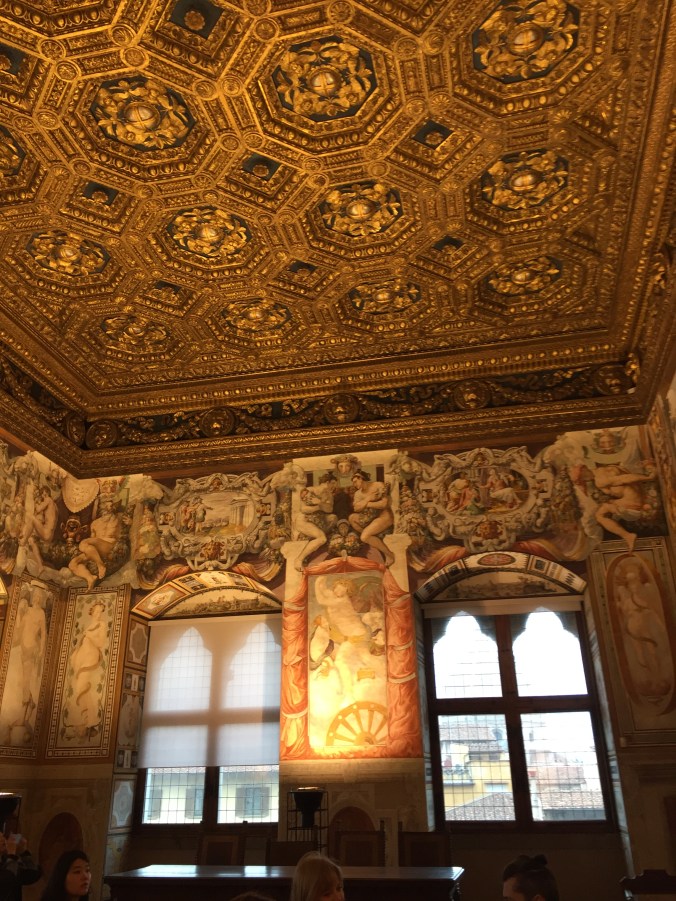
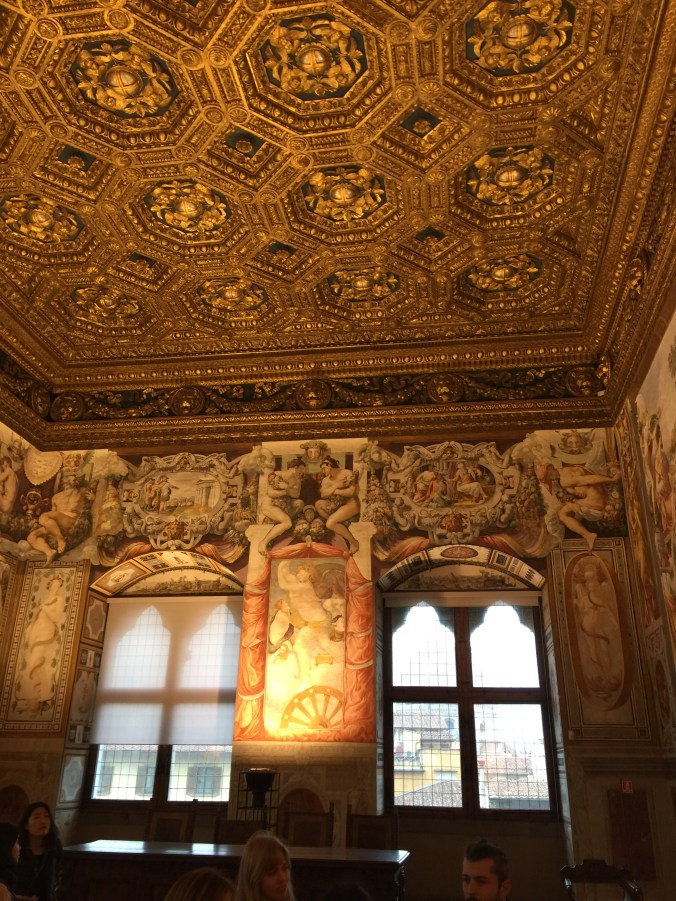
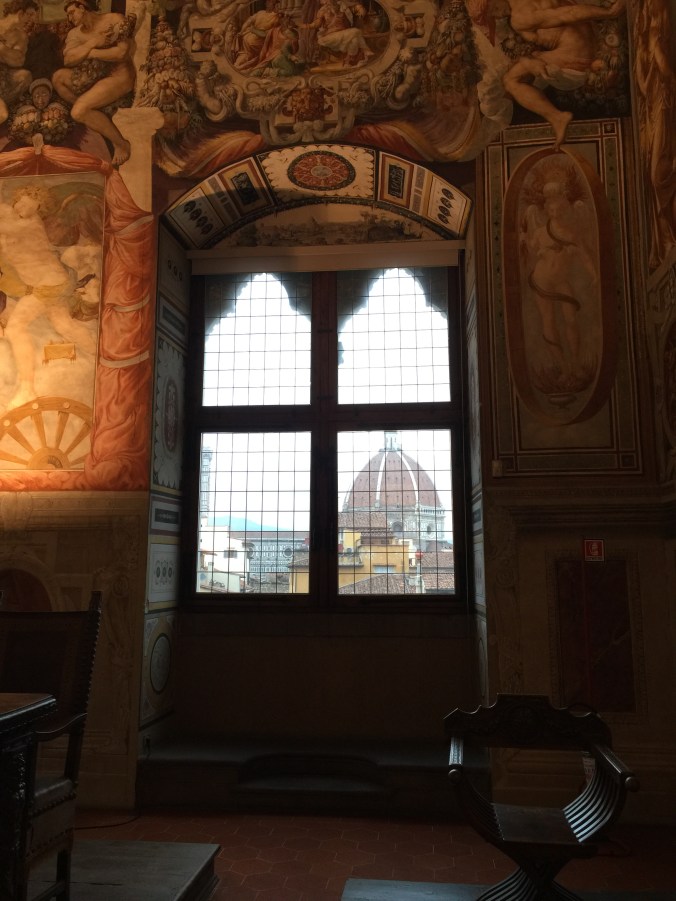
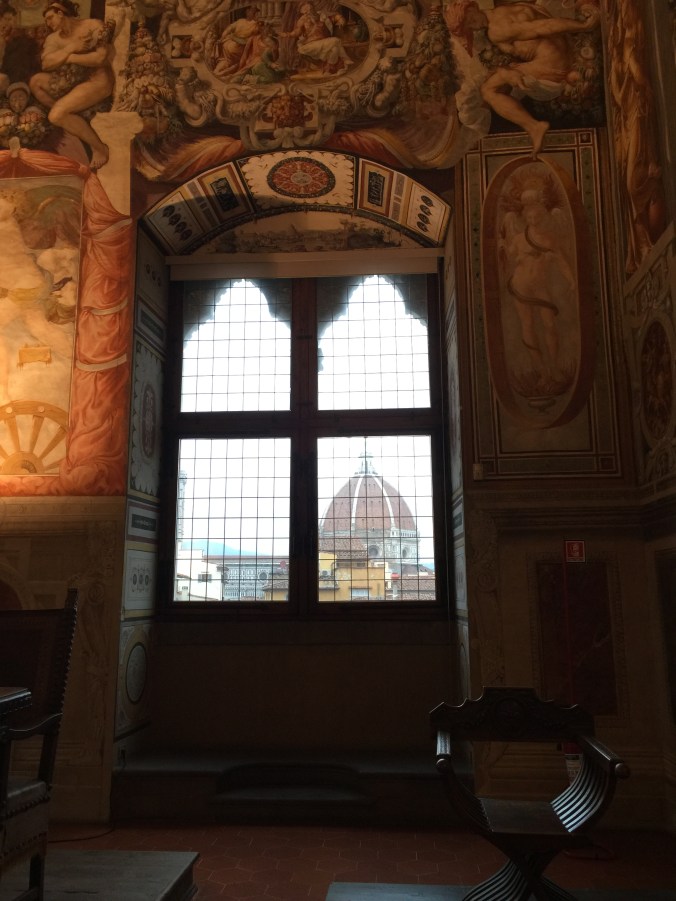
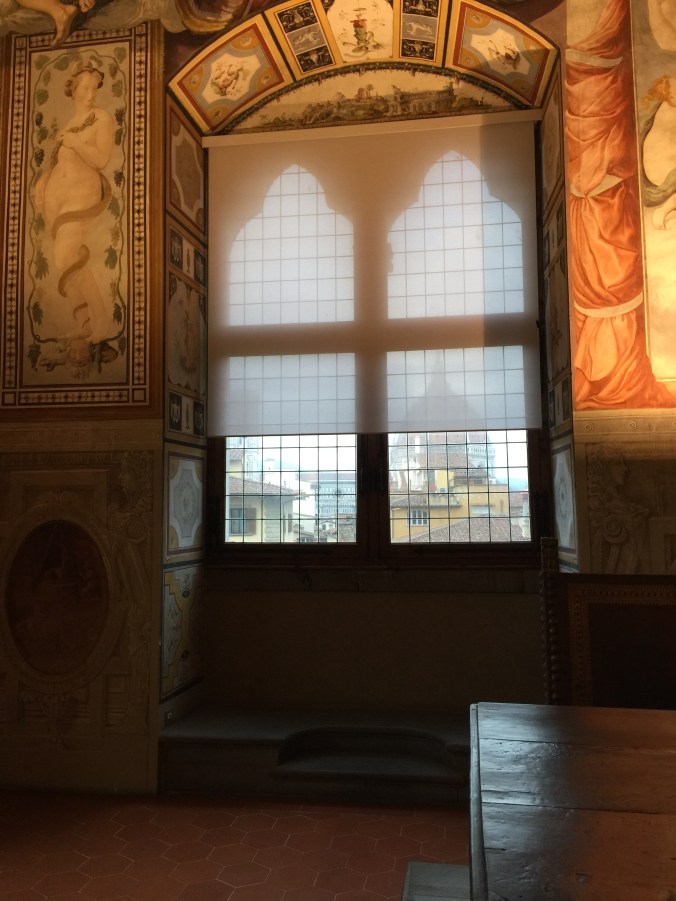
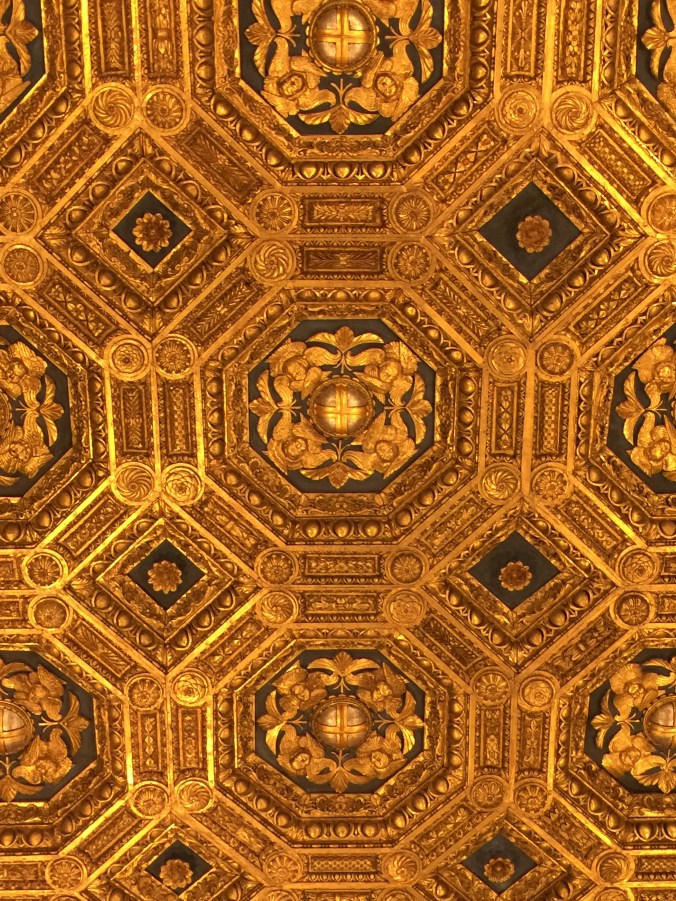
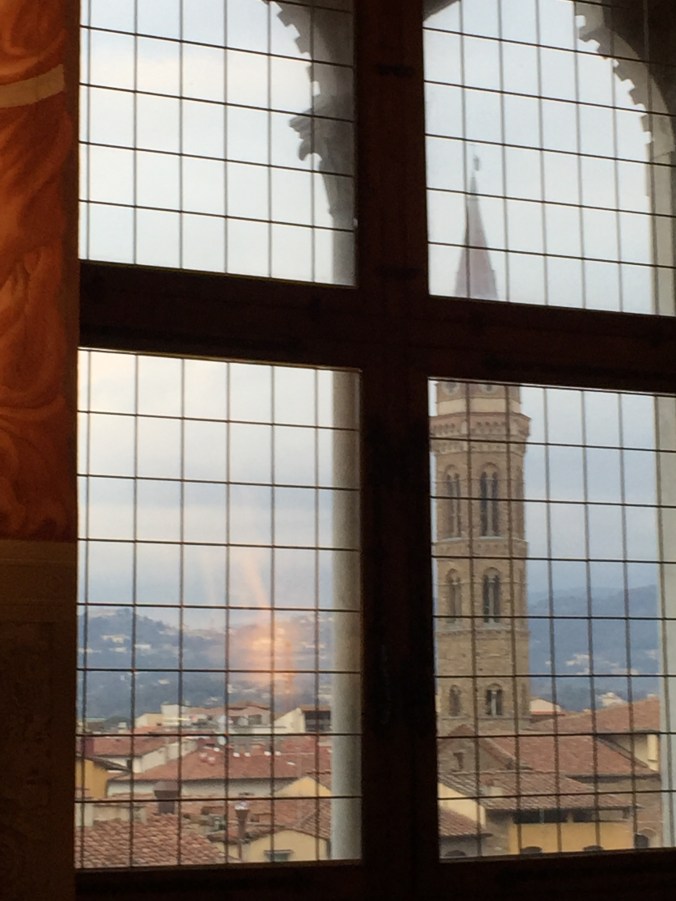
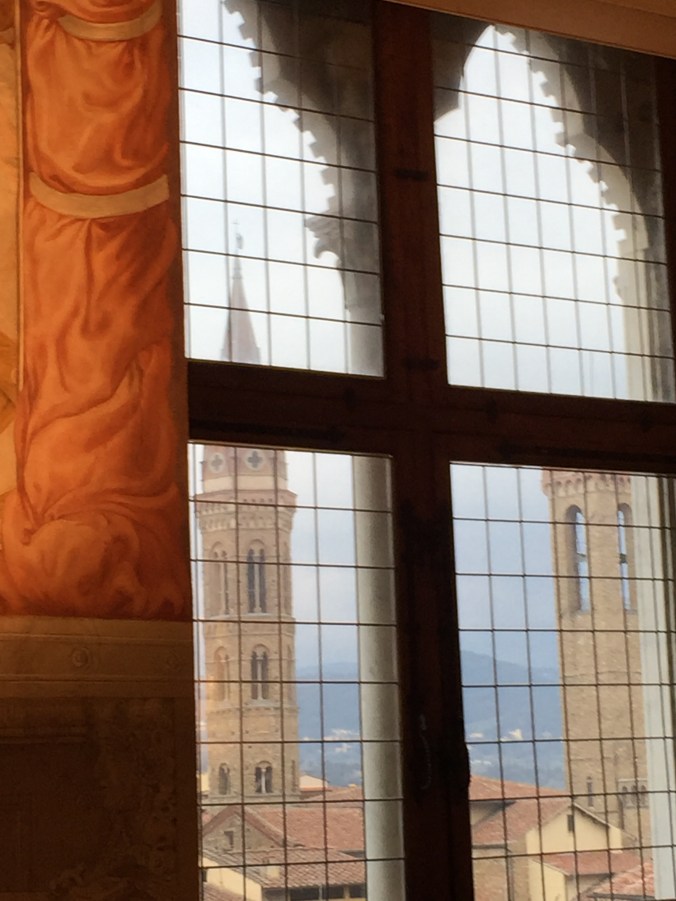
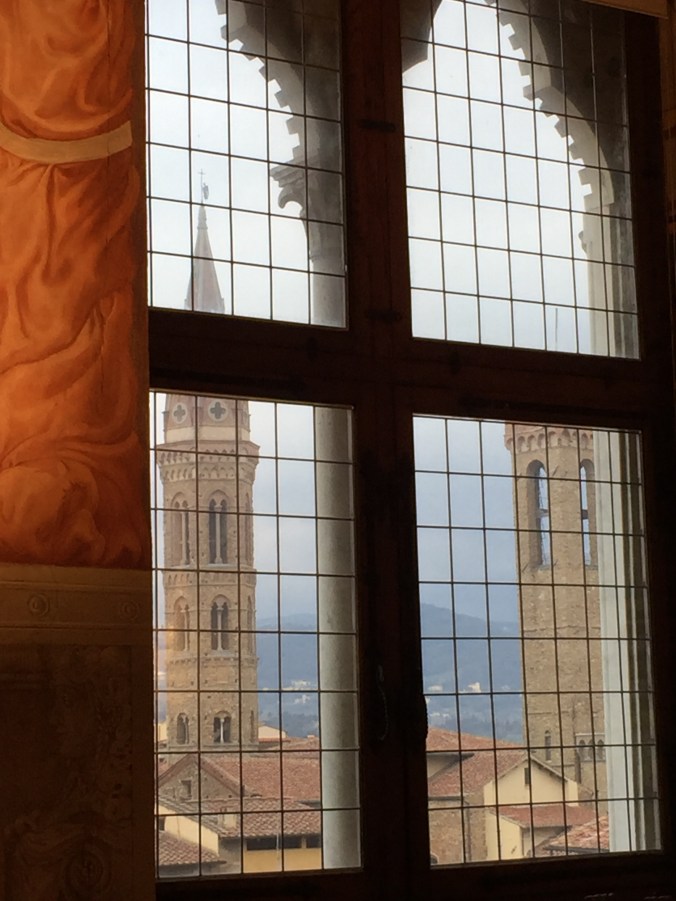
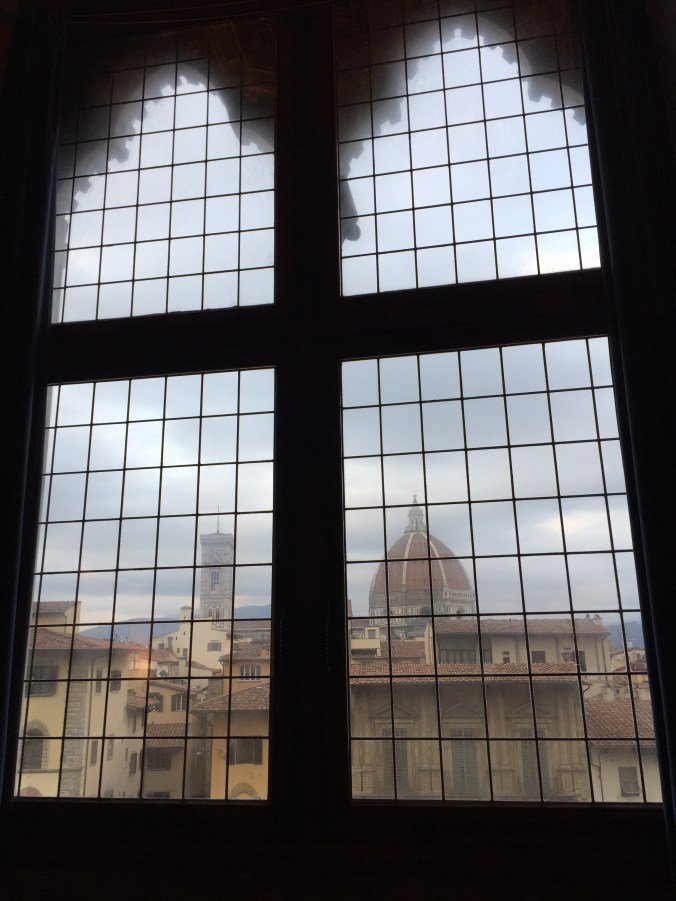
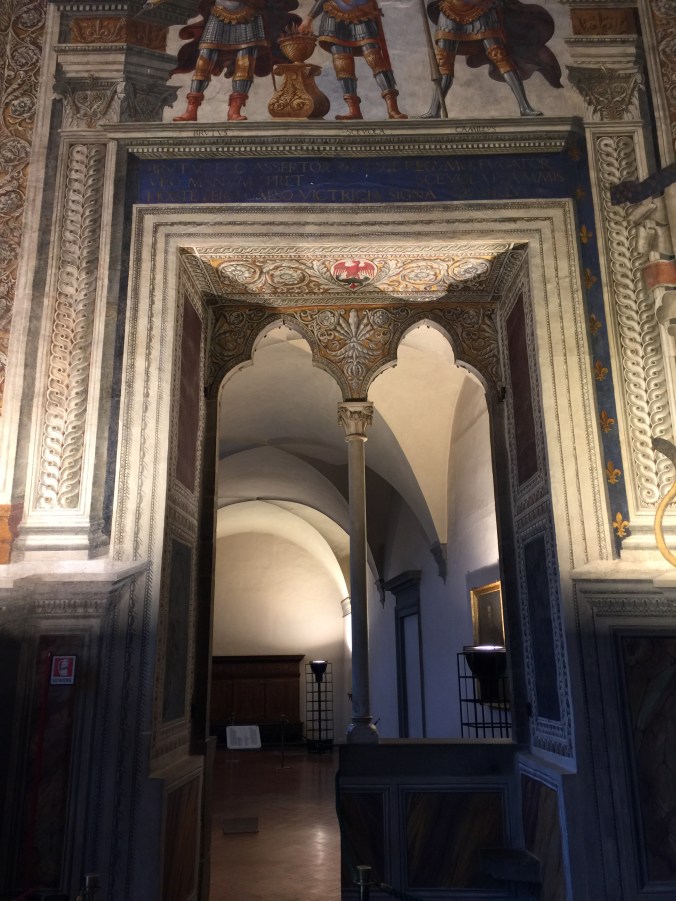
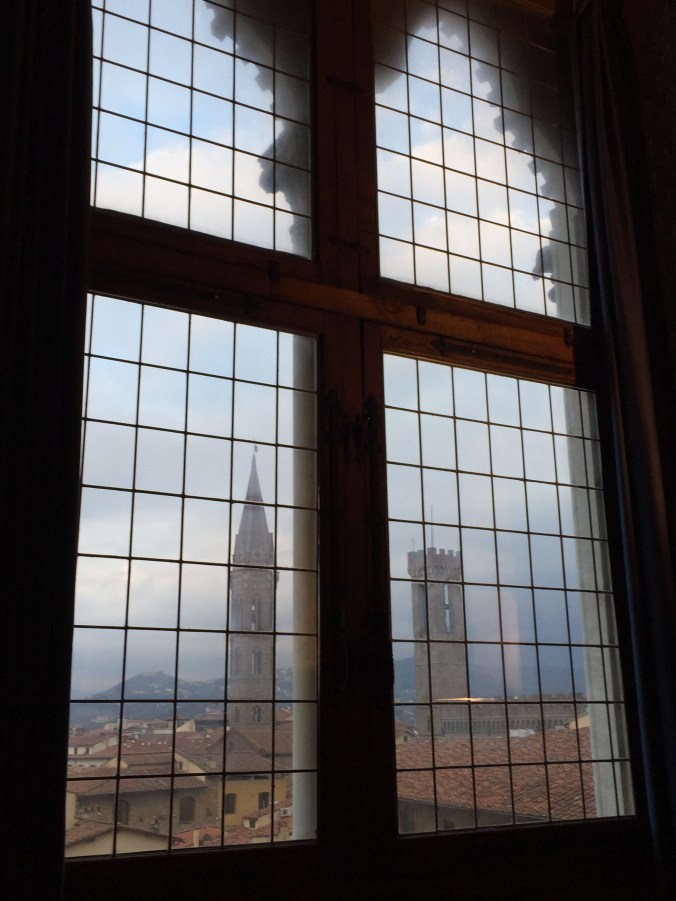
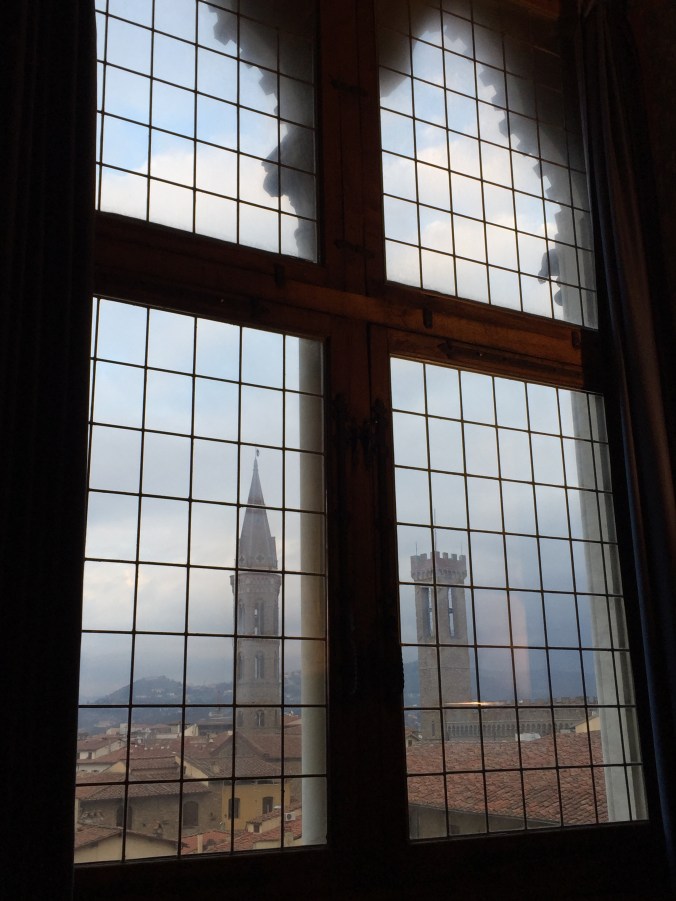
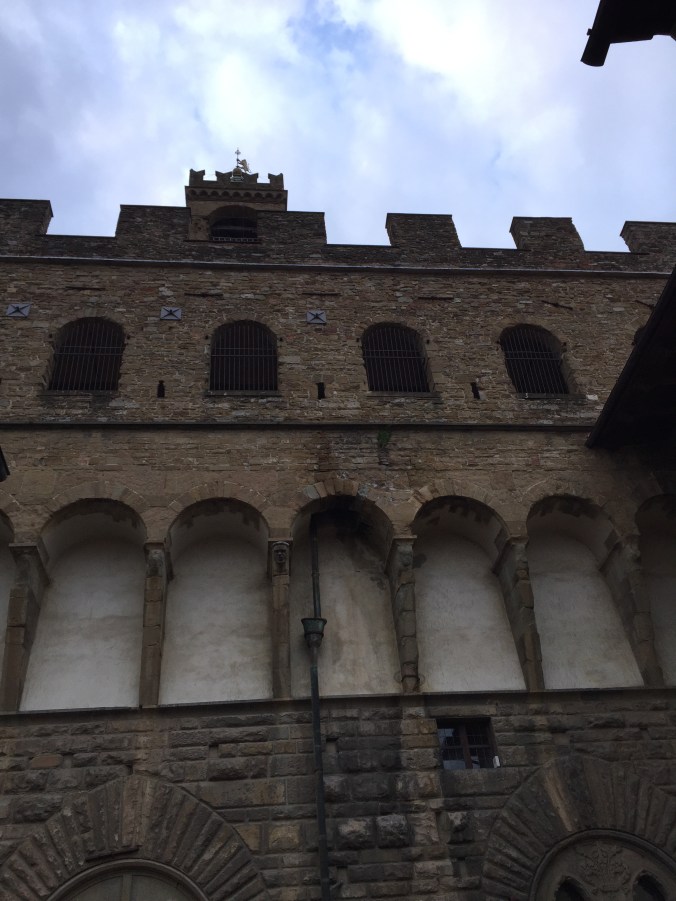
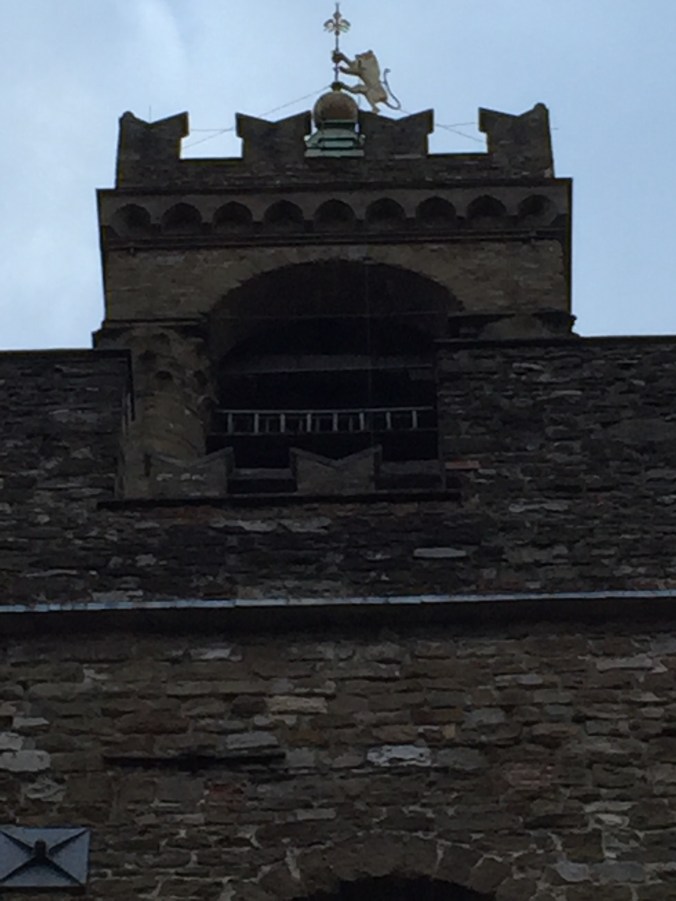
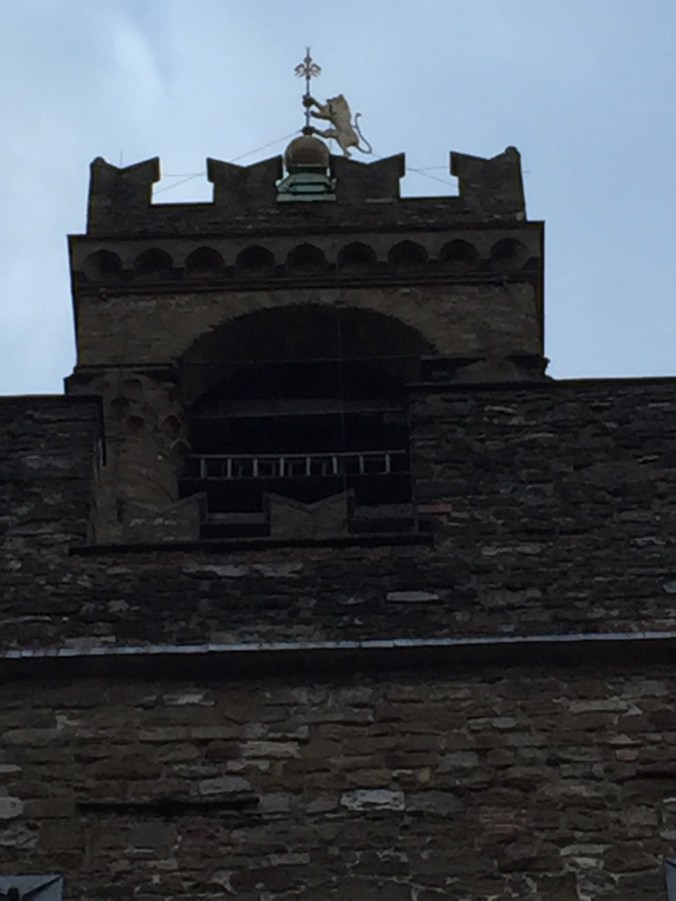
I walk by the Palazzo Vecchio almost daily. This big set of photos are from a fairly recent tour I took of the Palazzo.
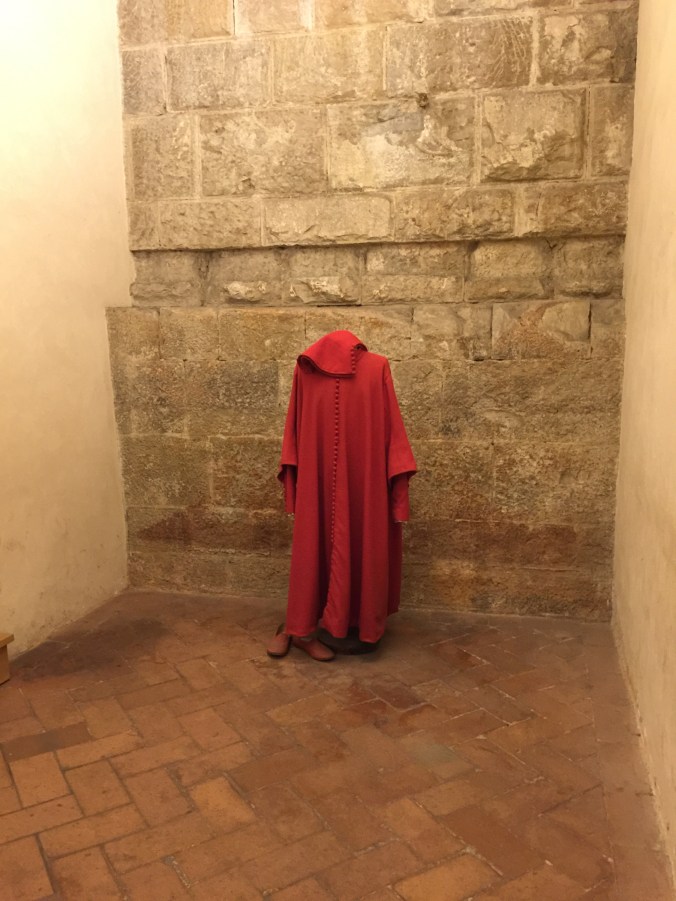
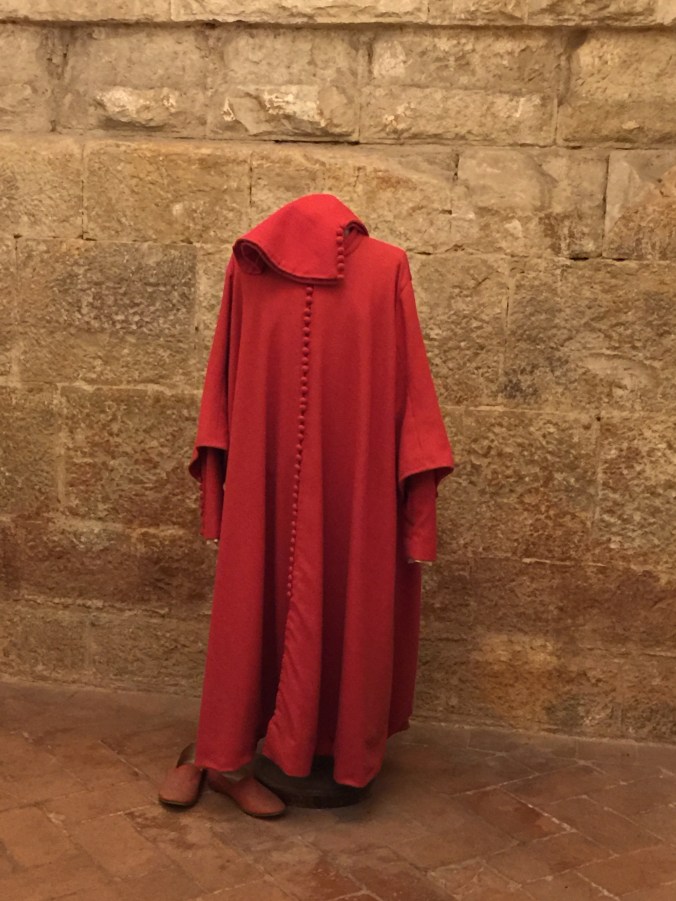
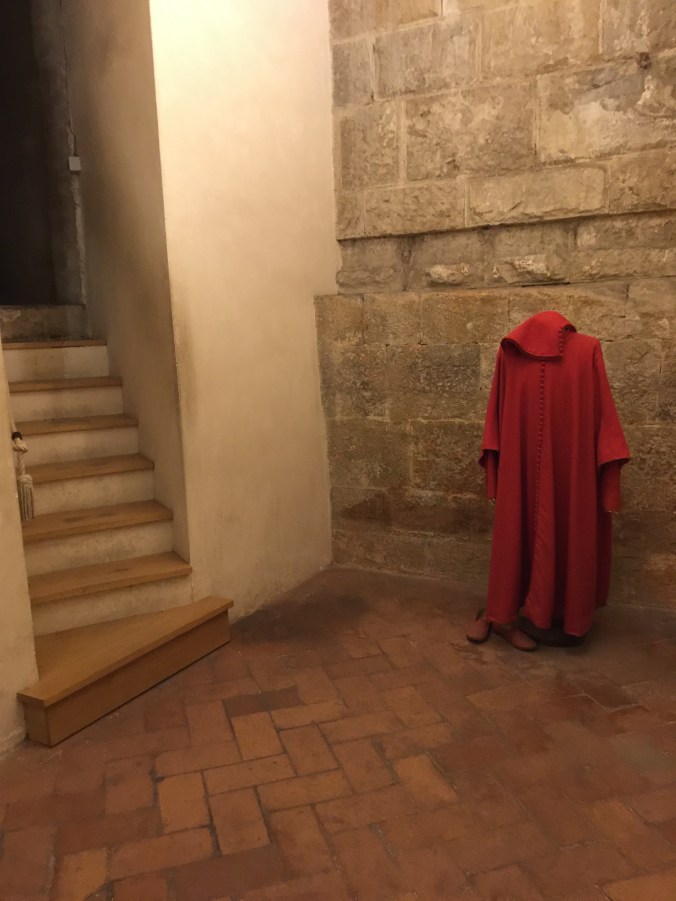
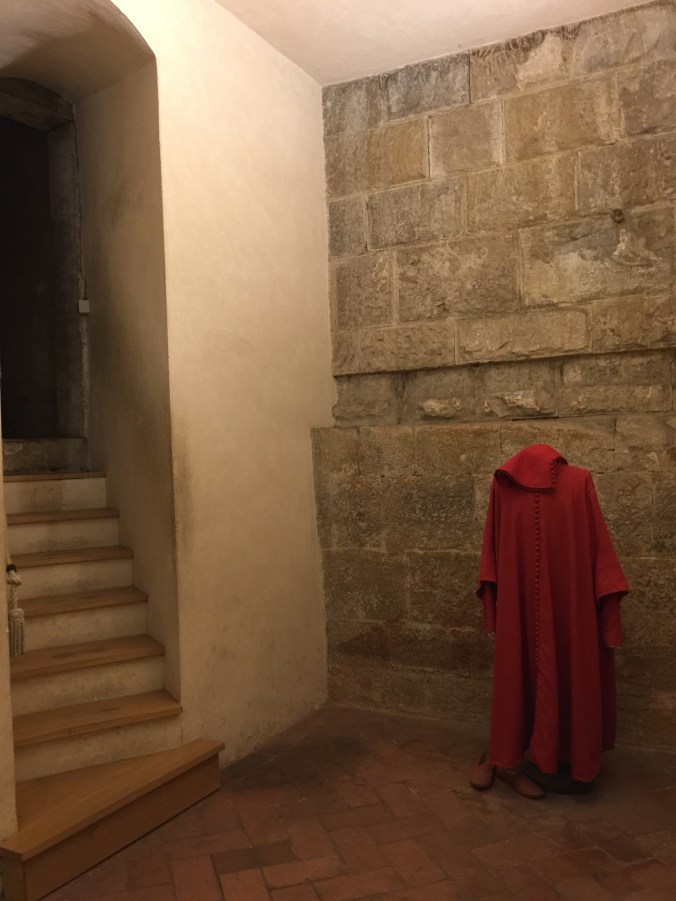
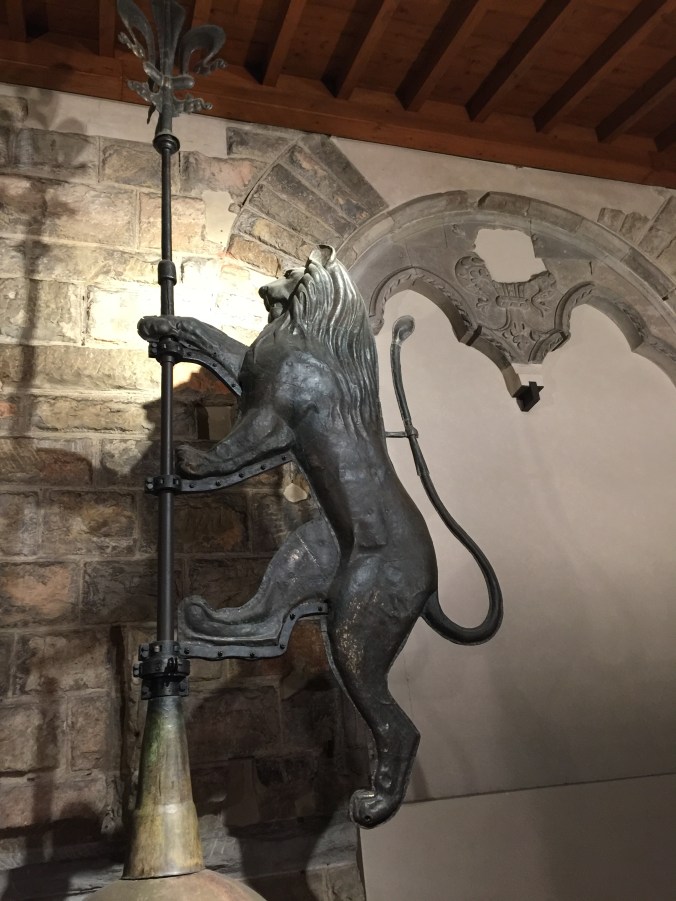
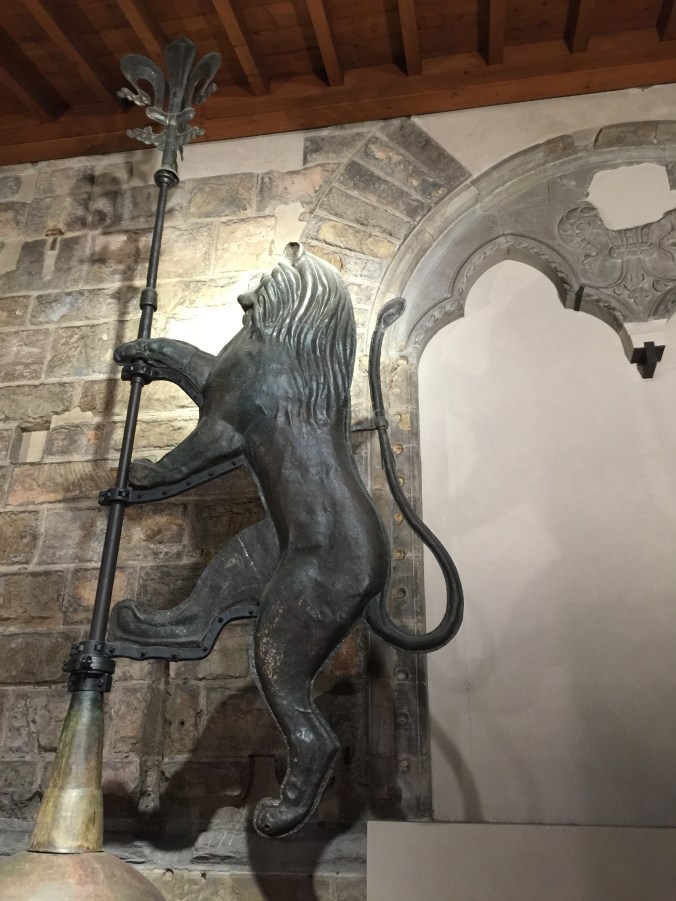
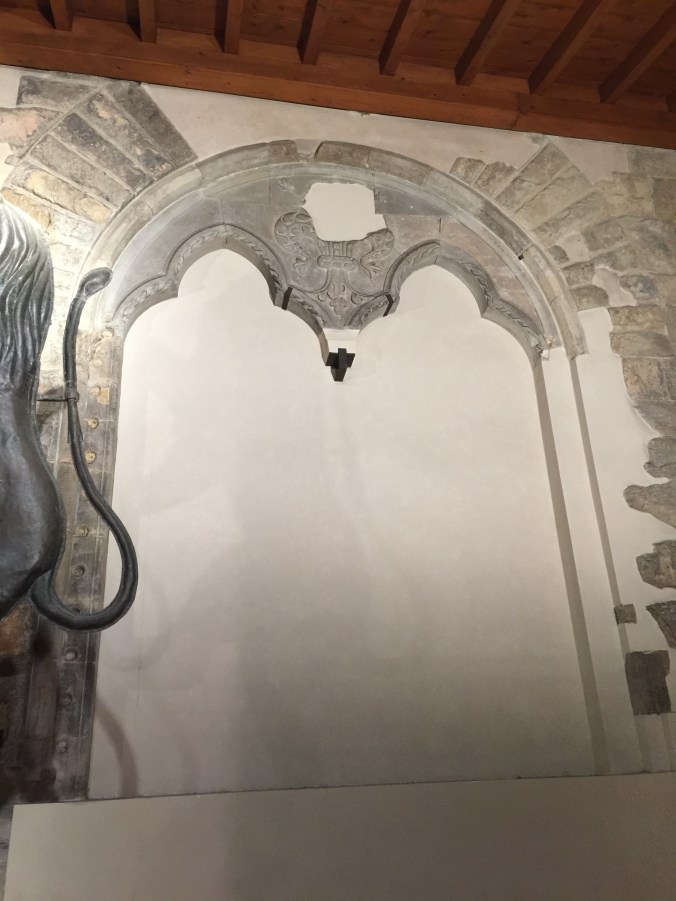
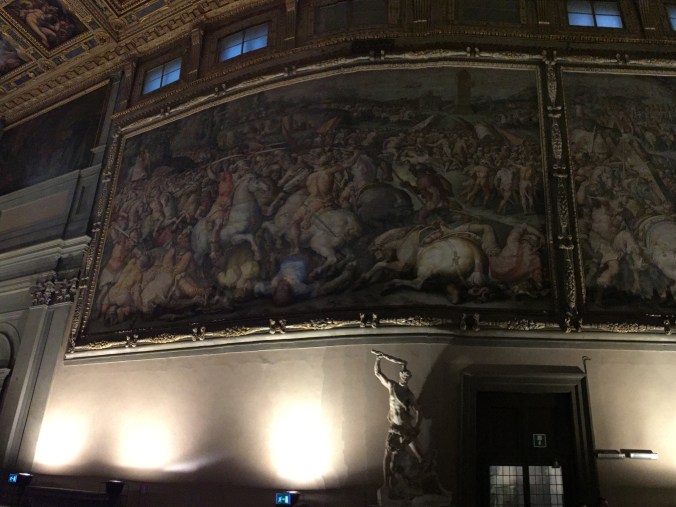
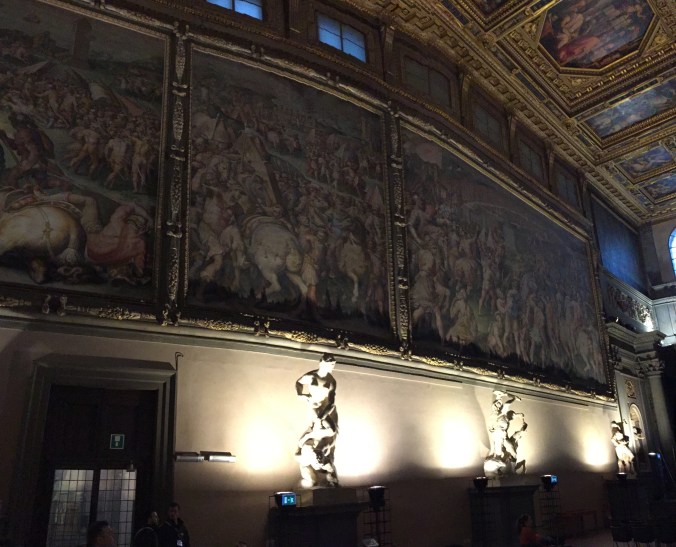
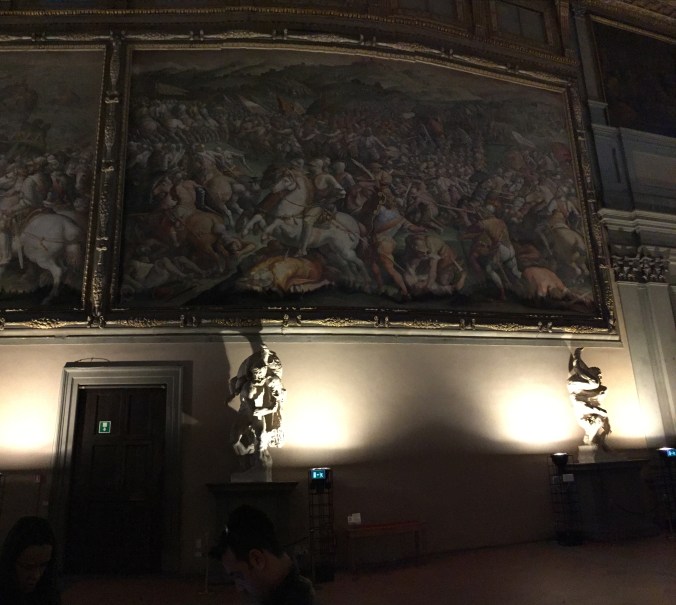
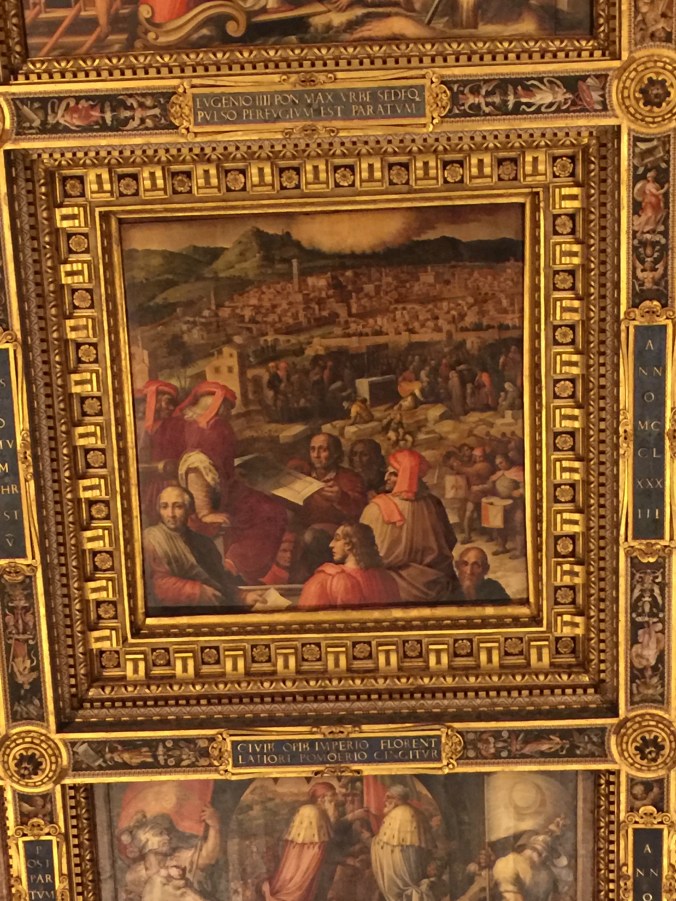
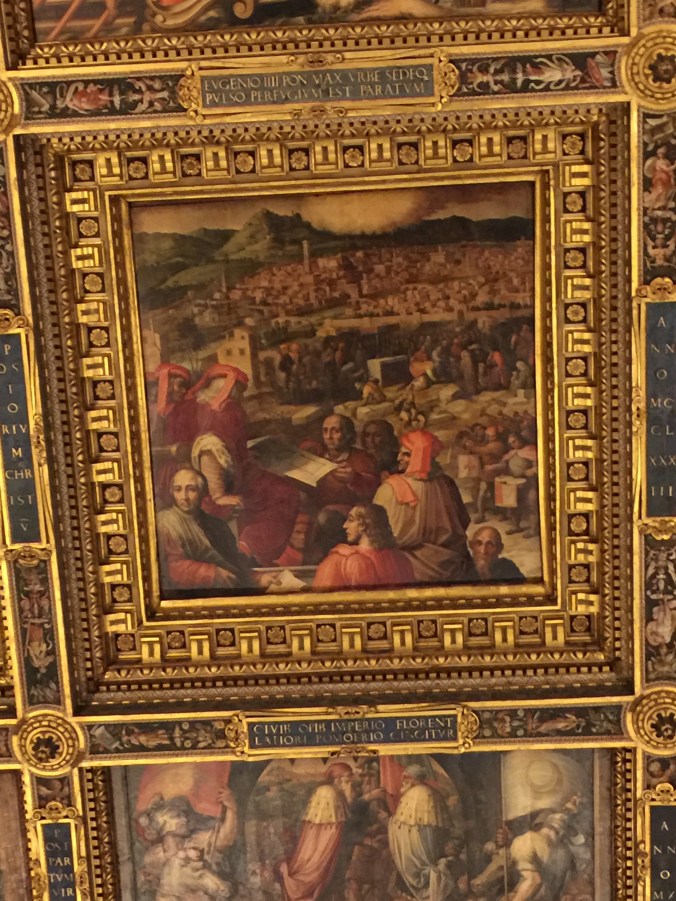
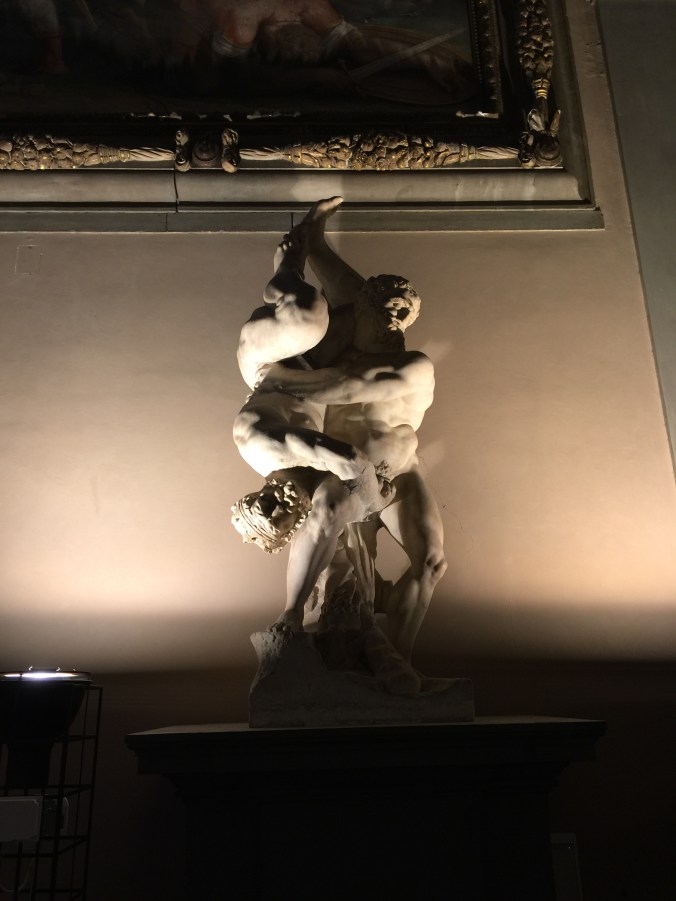
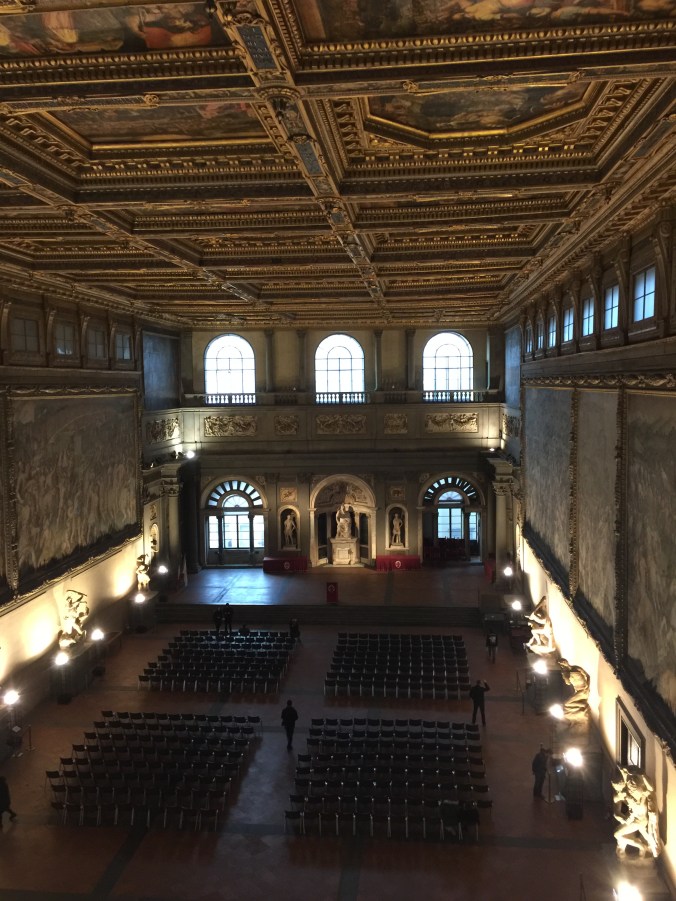
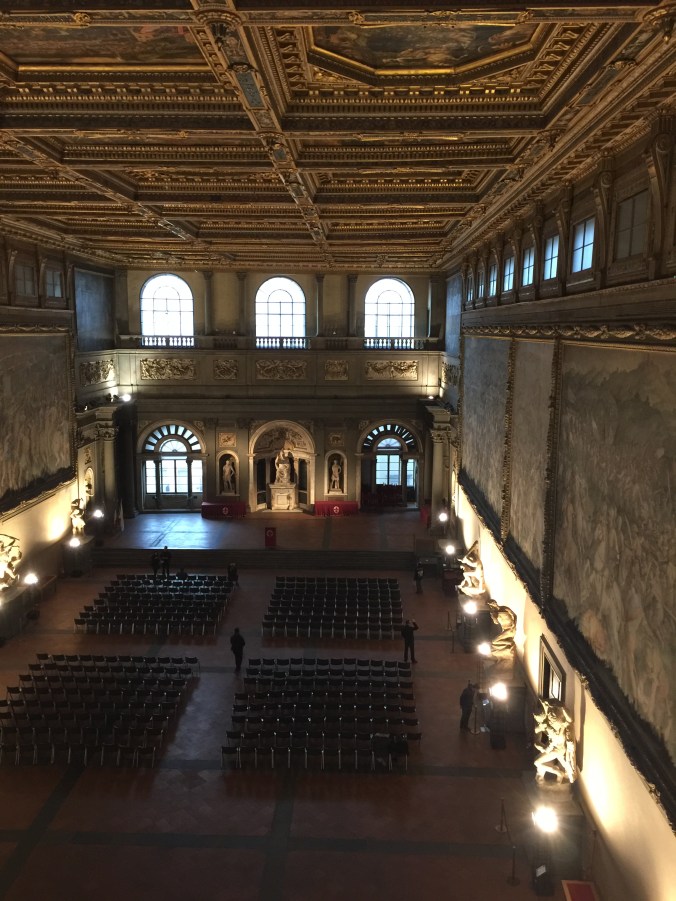
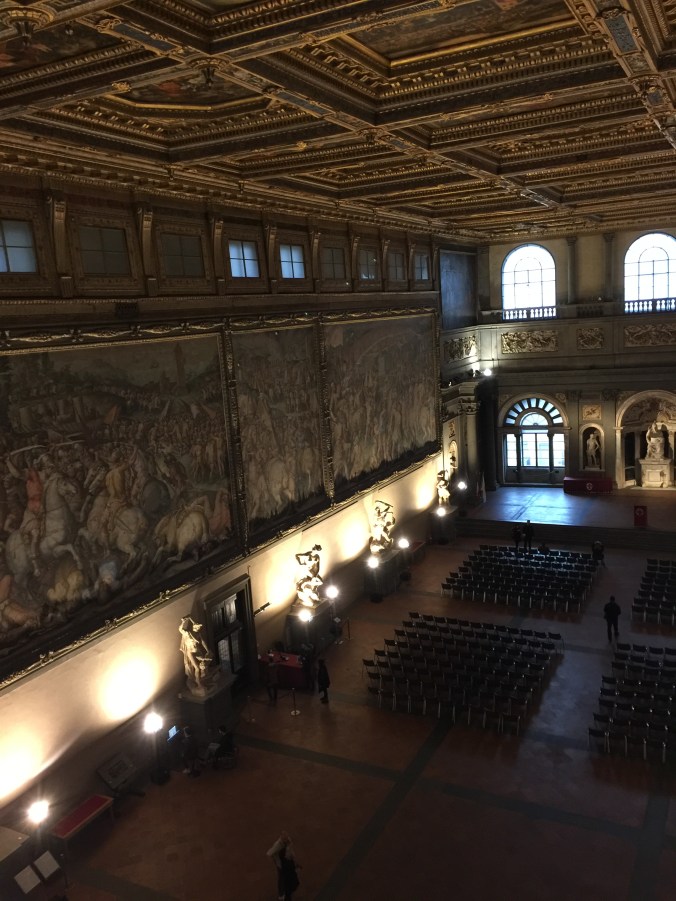
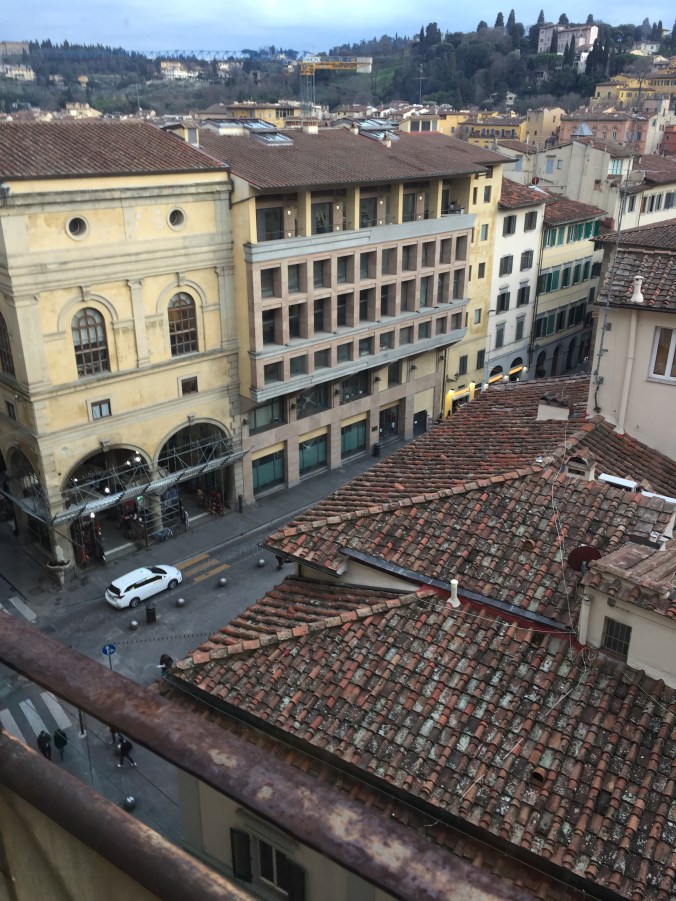
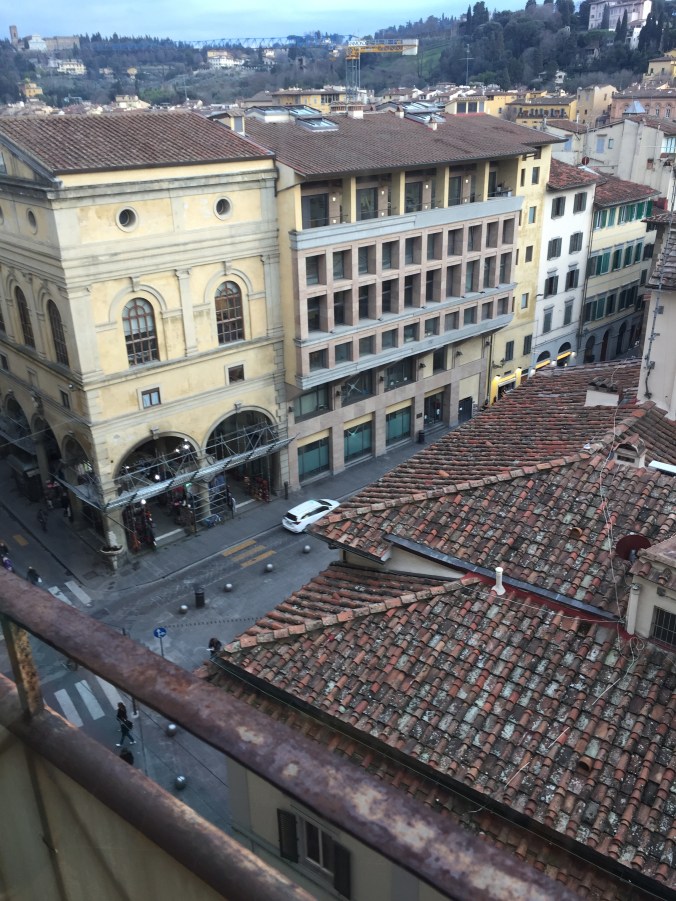
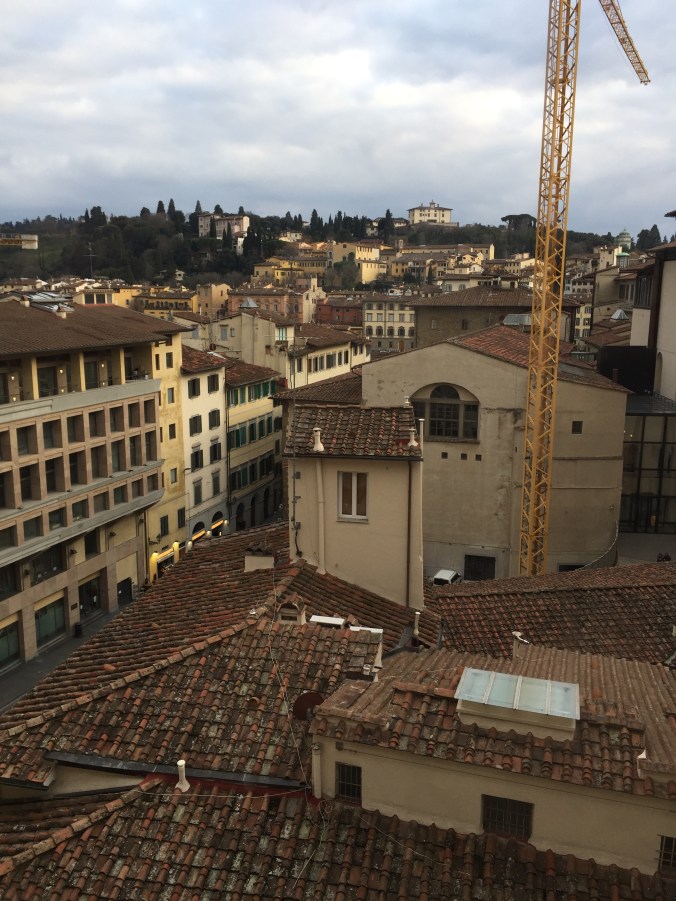
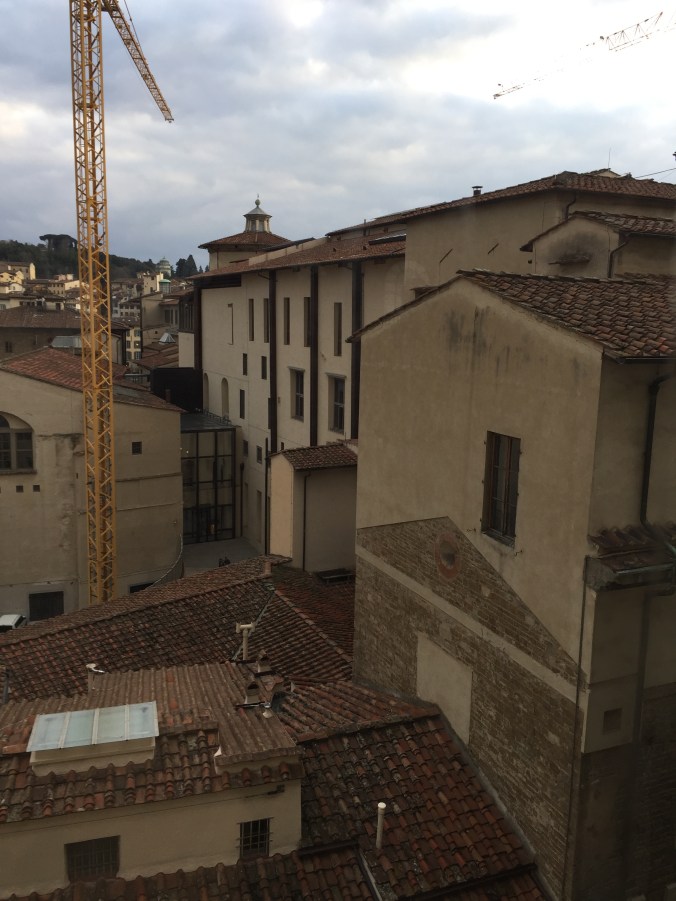
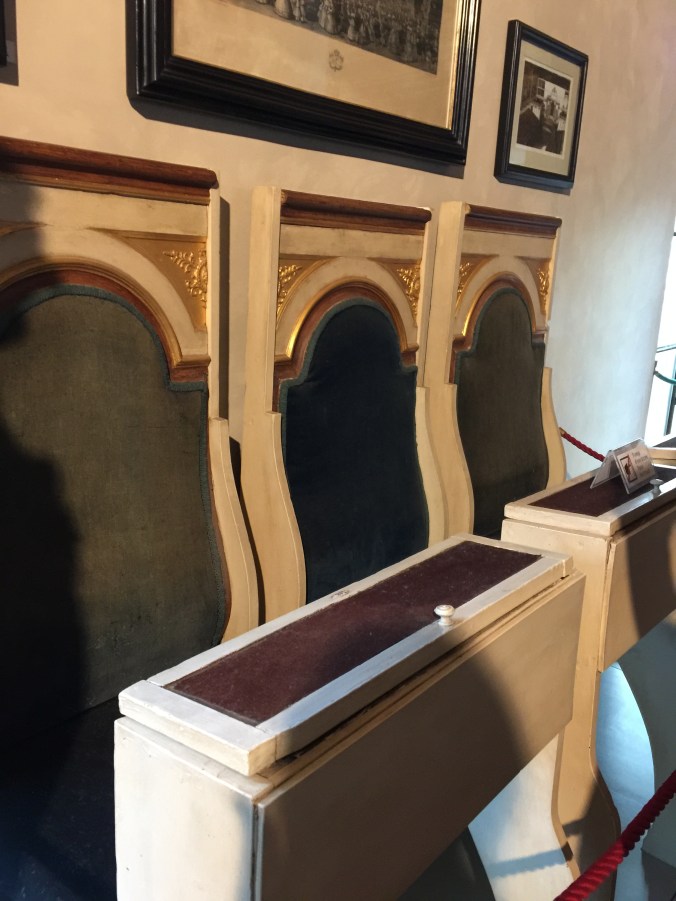
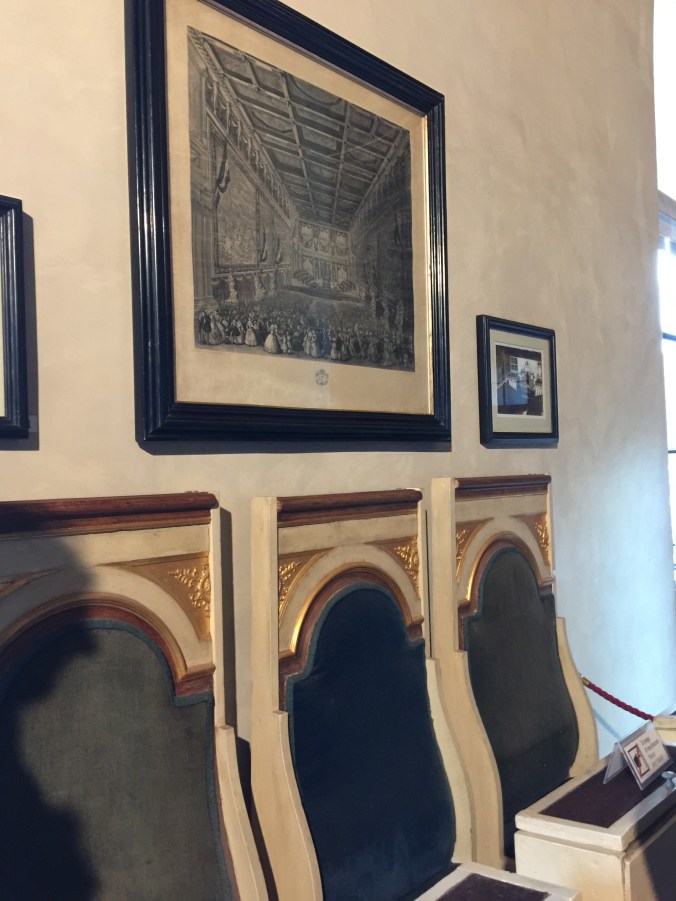
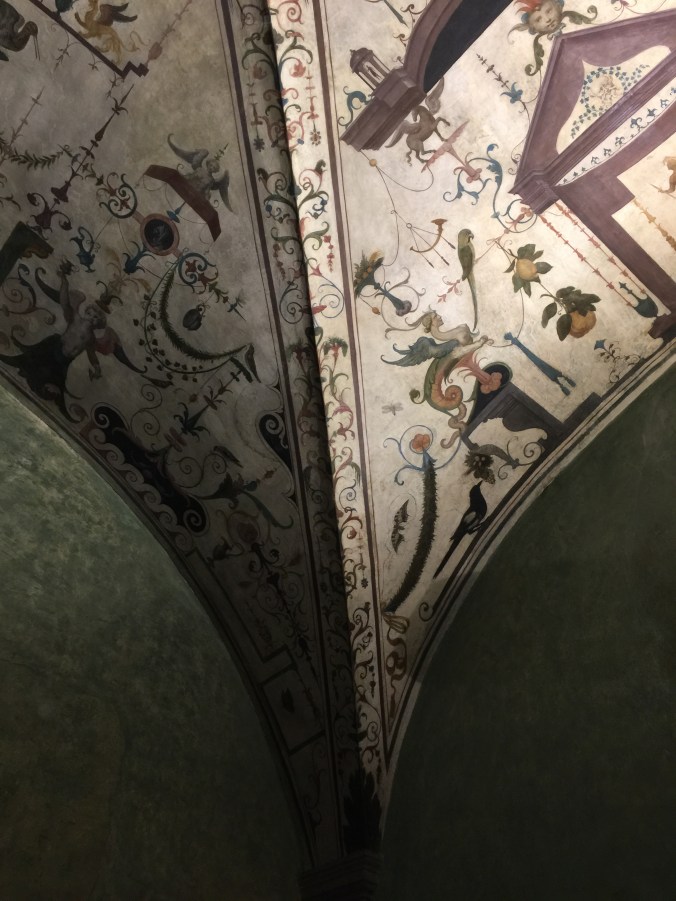
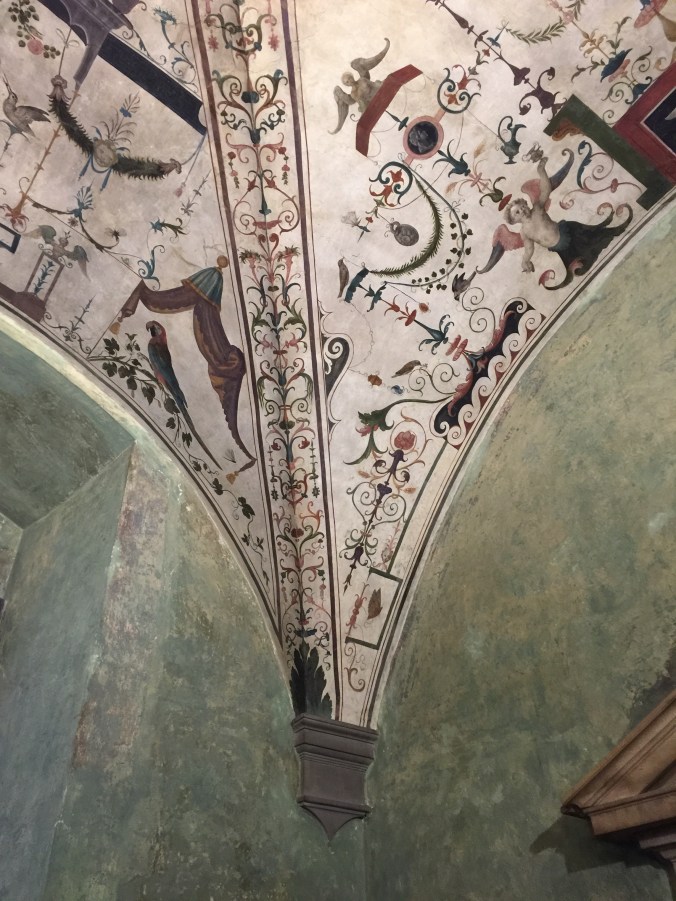
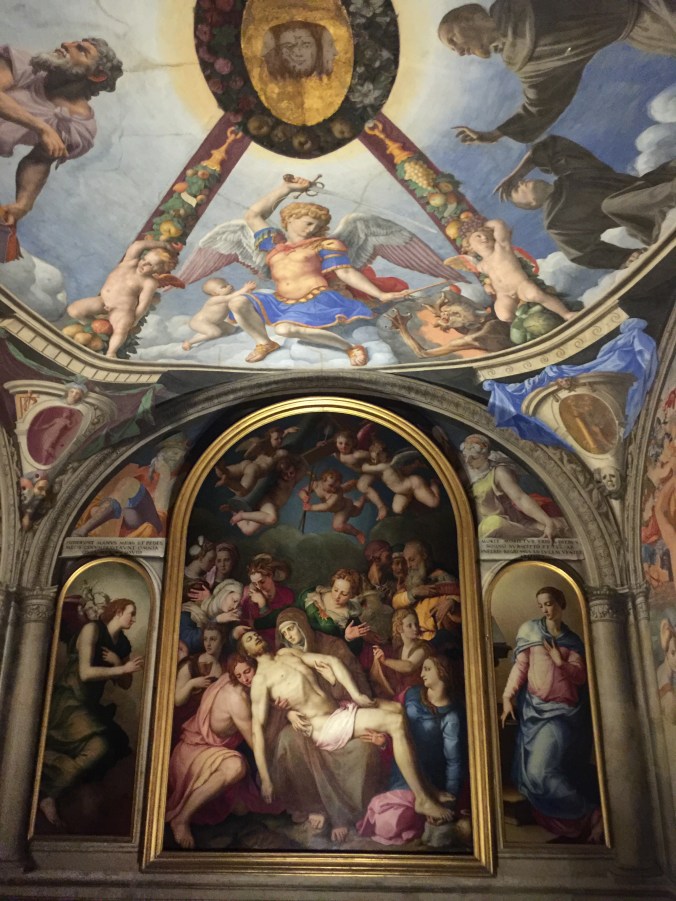
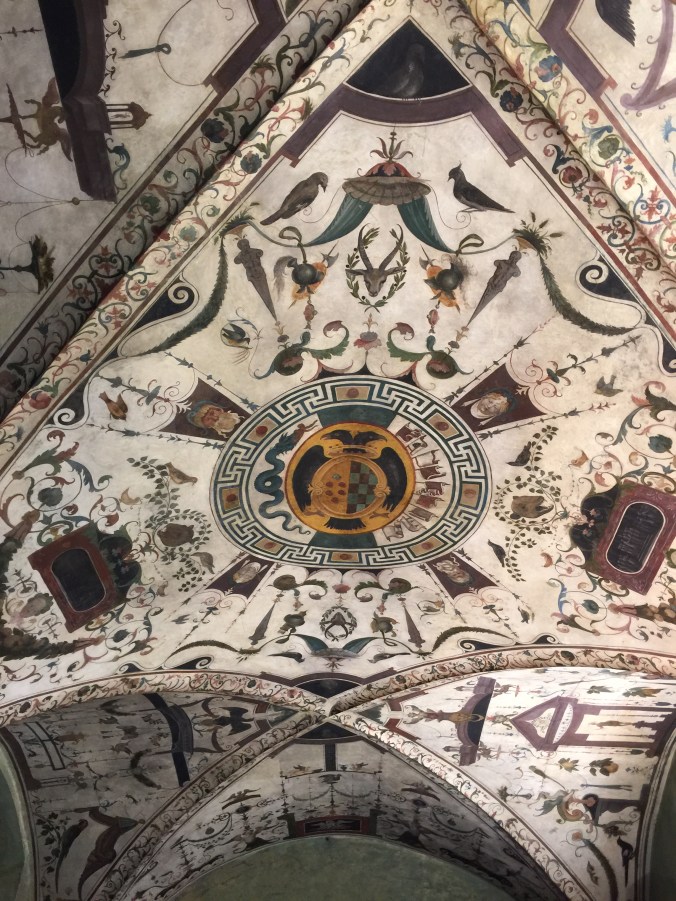
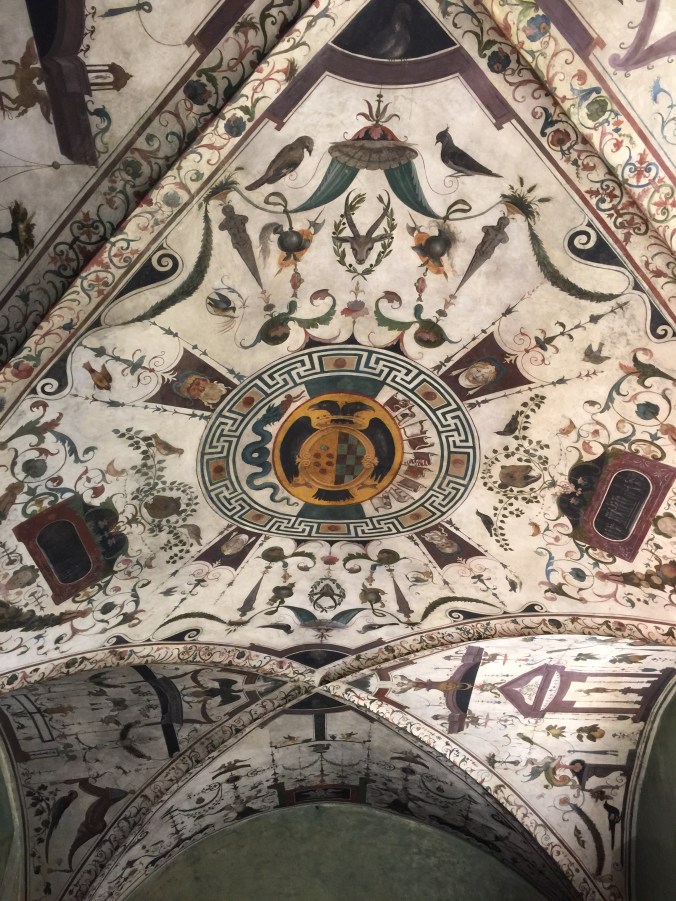
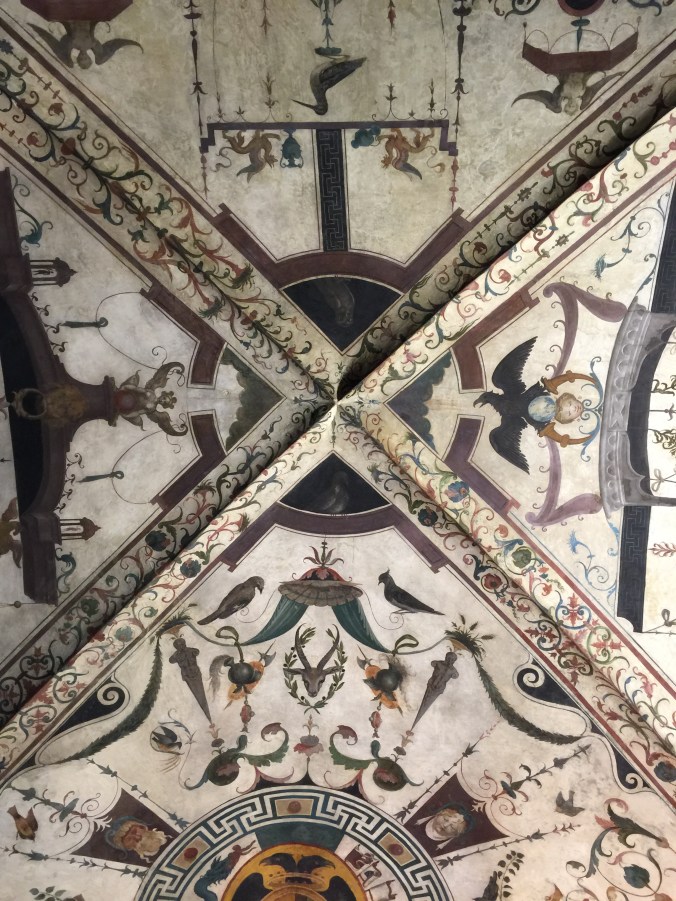
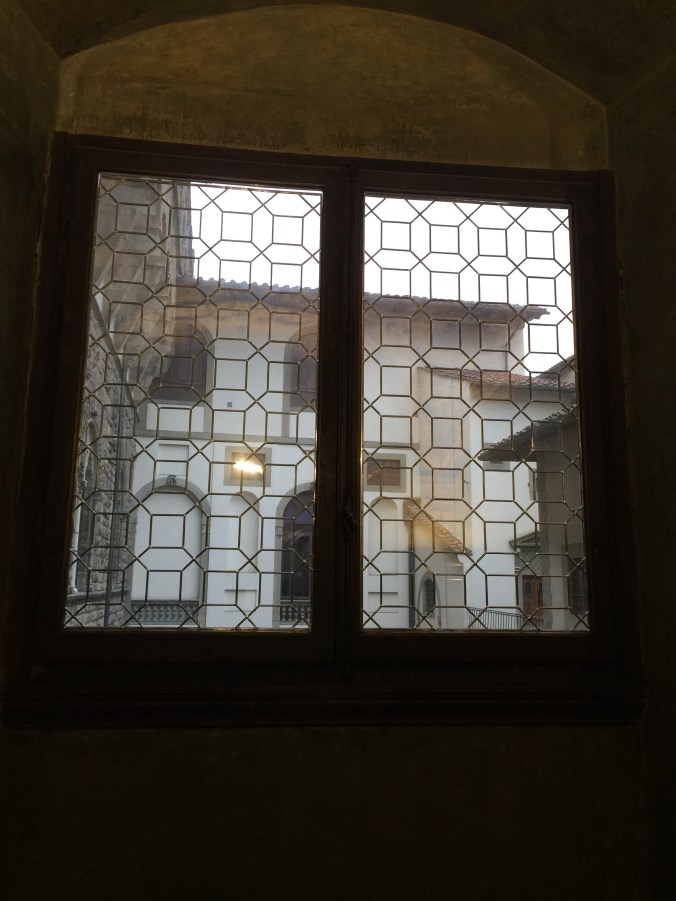
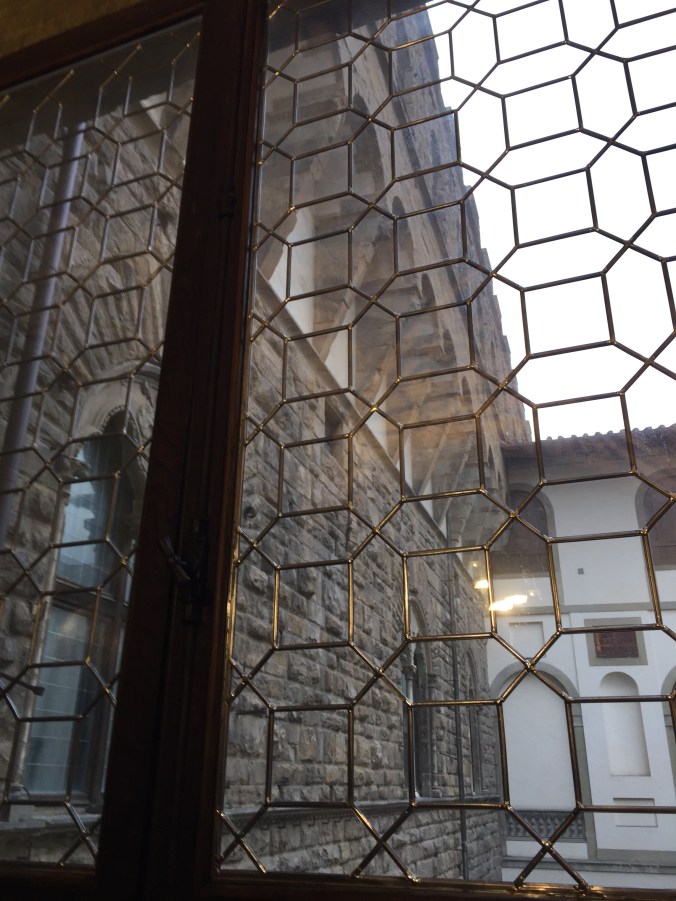
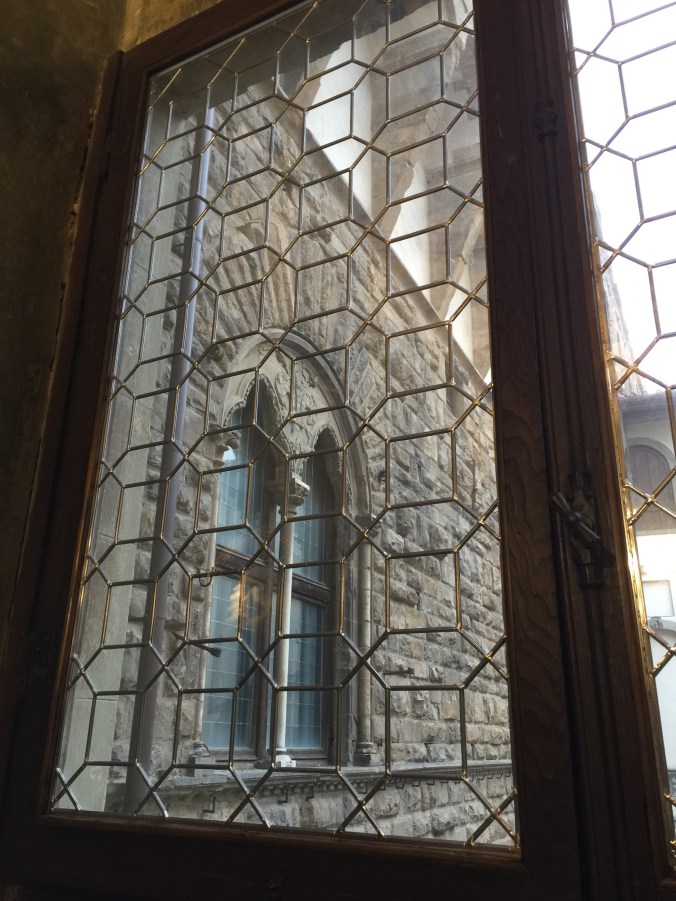
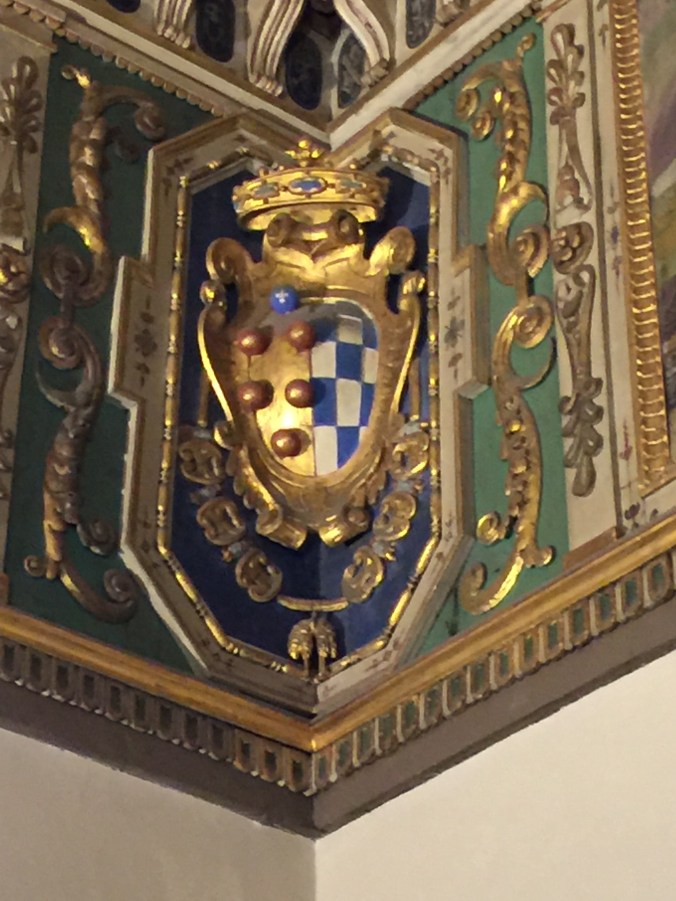
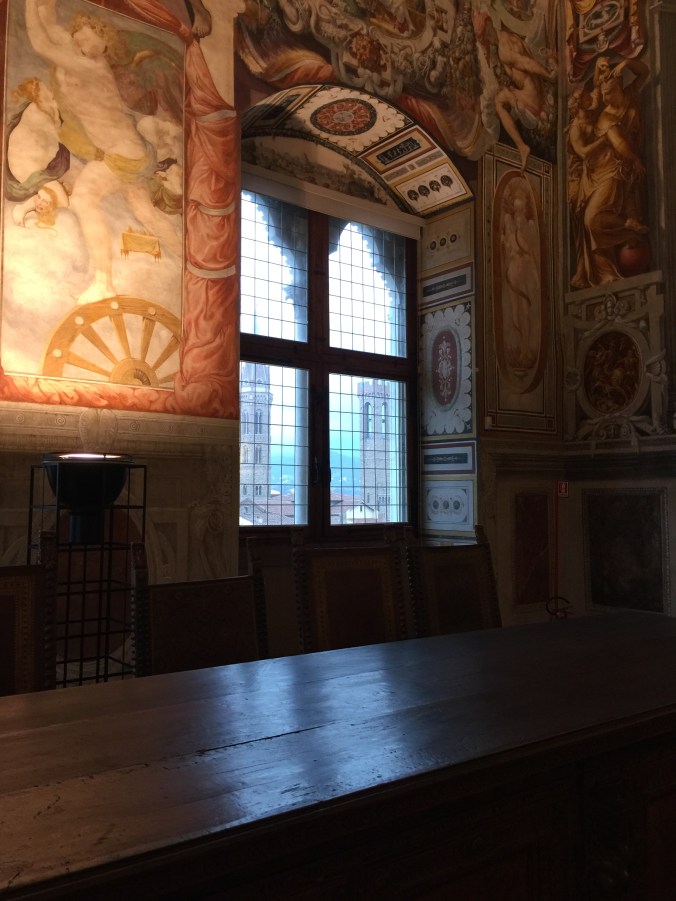
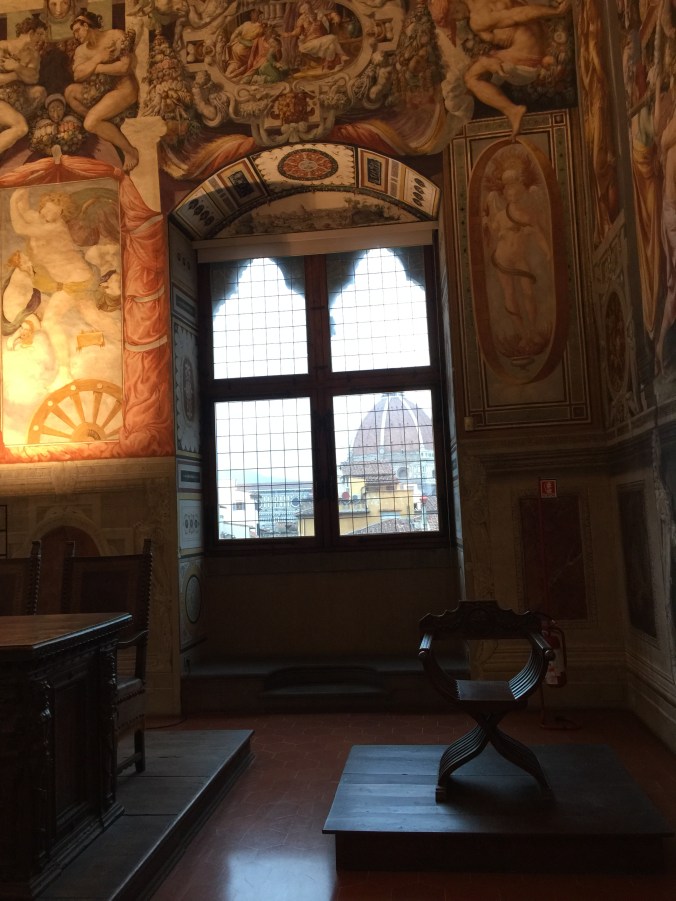
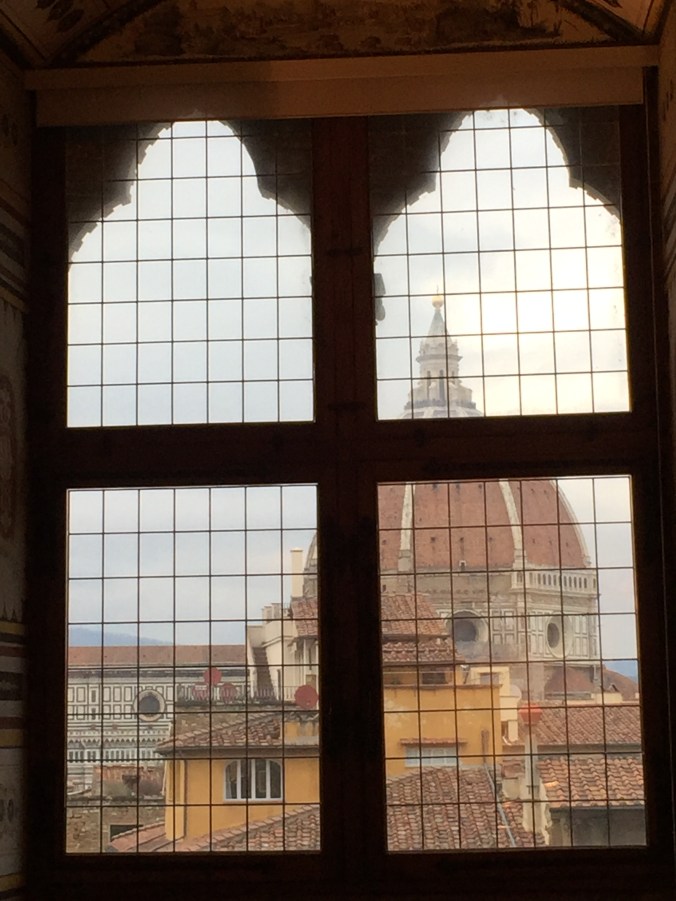
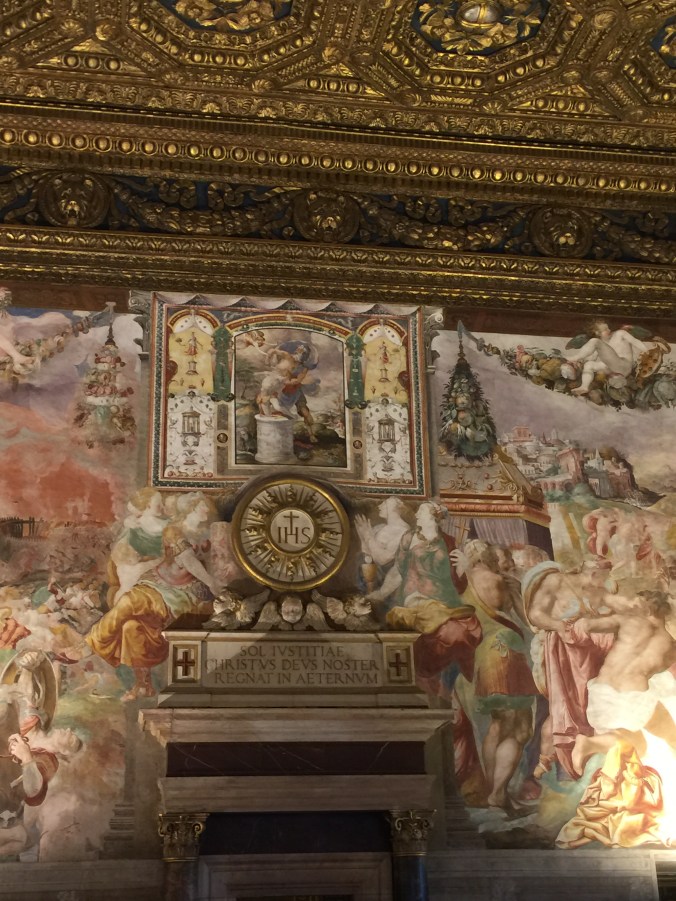
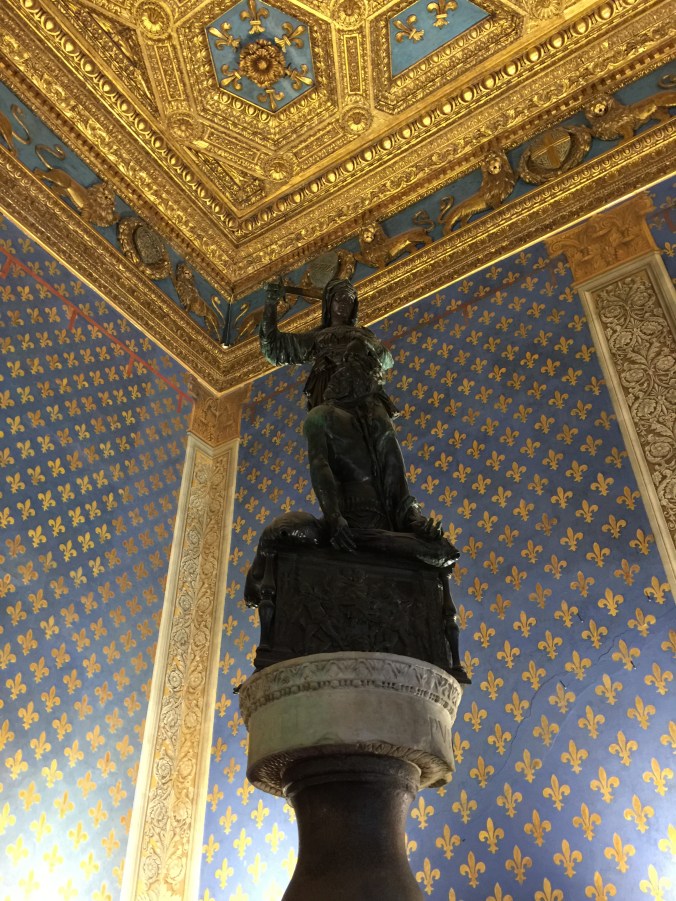
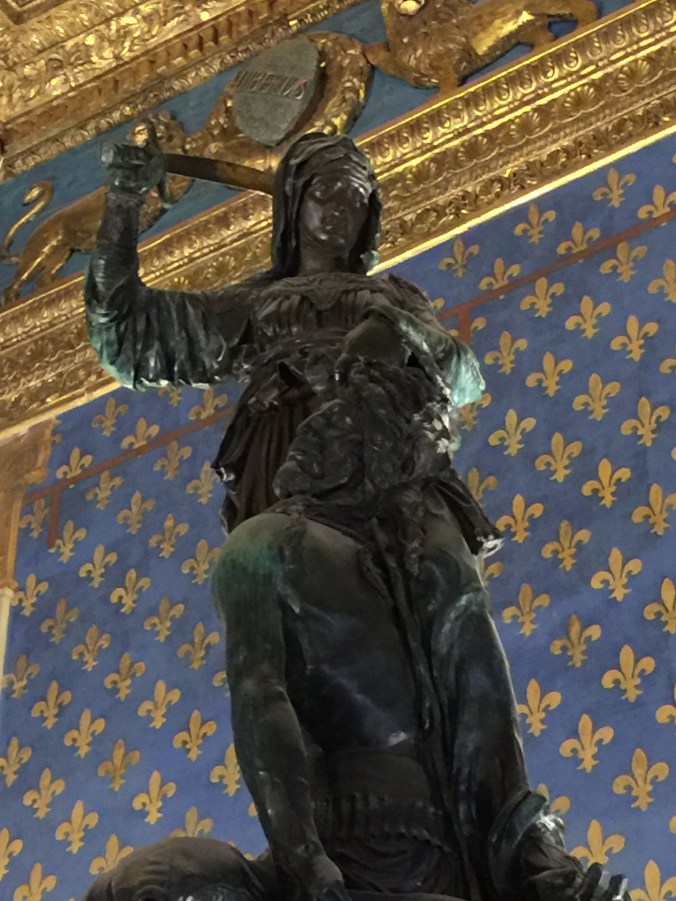
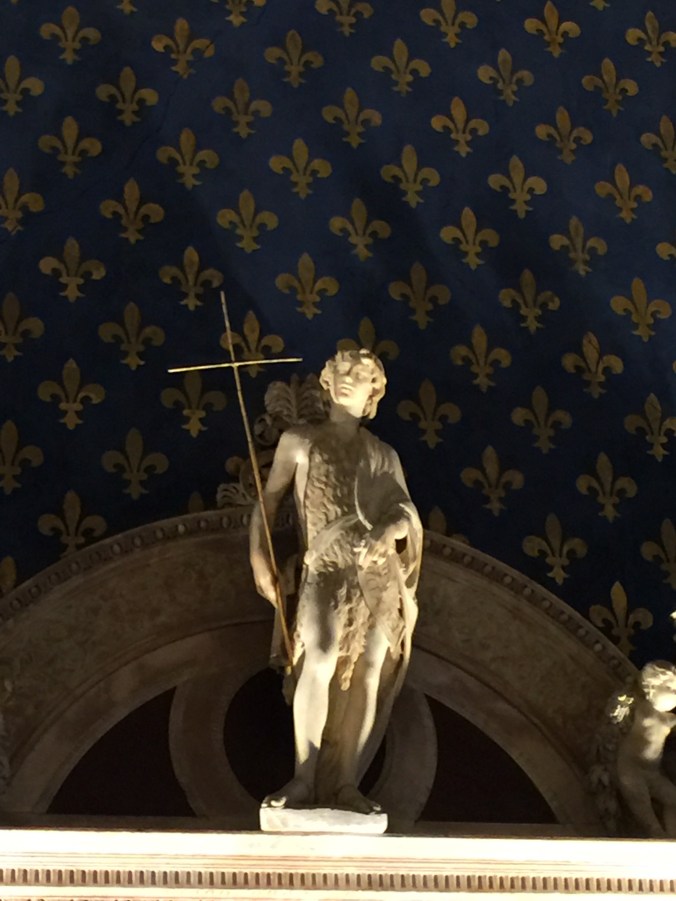
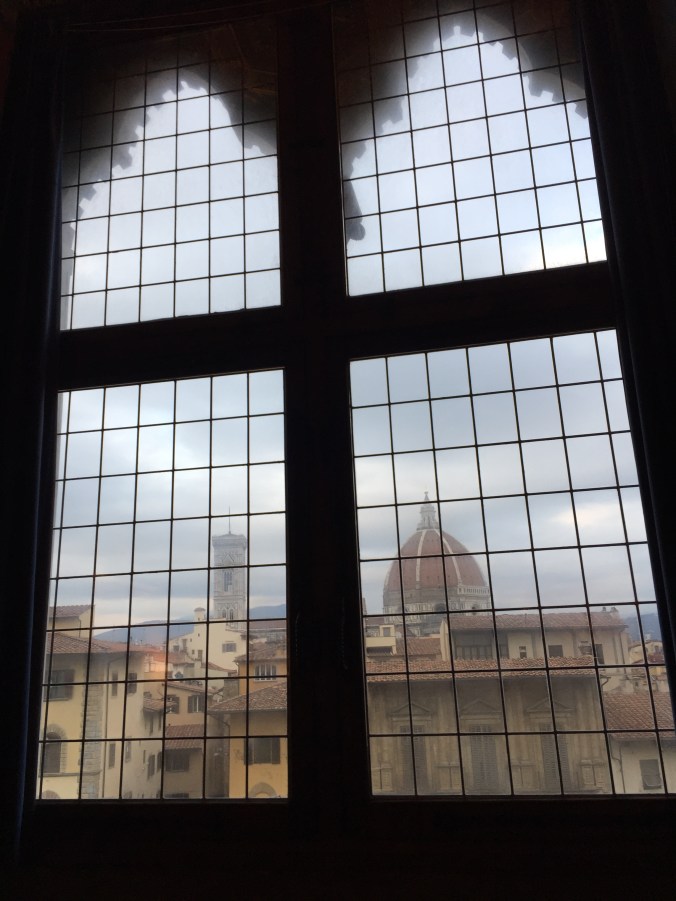
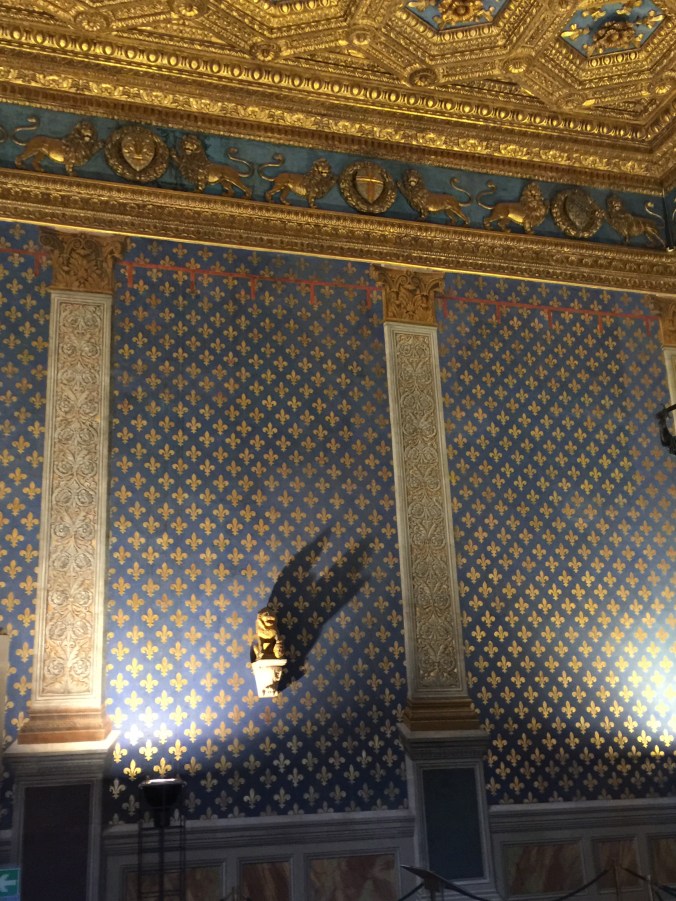
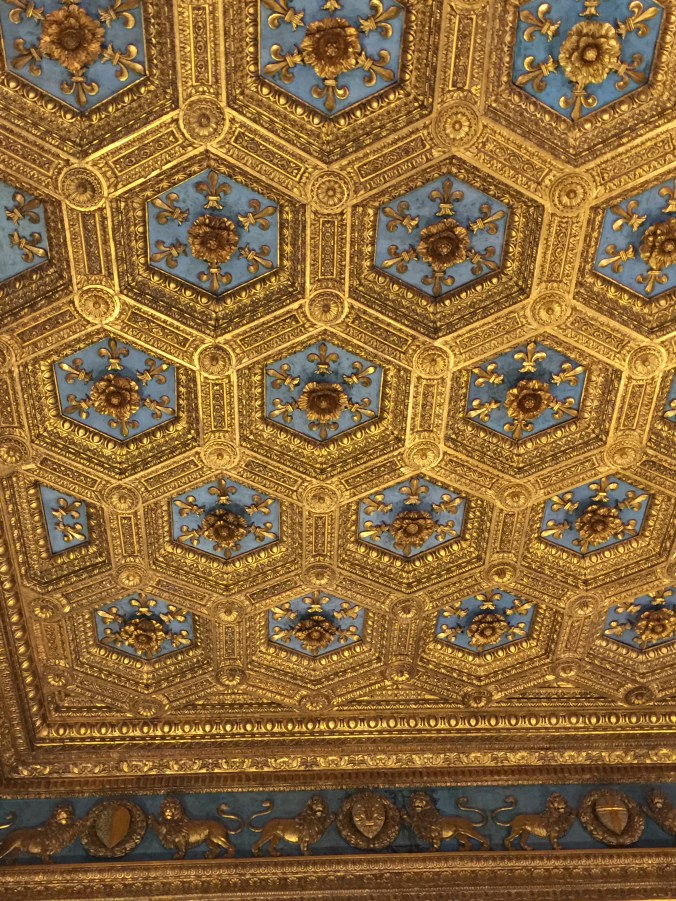
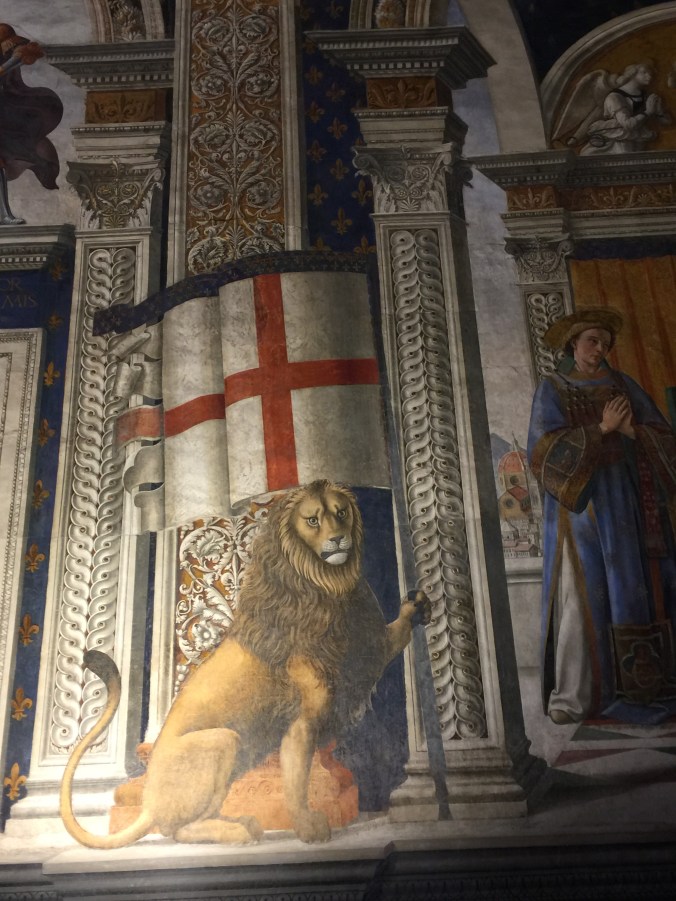
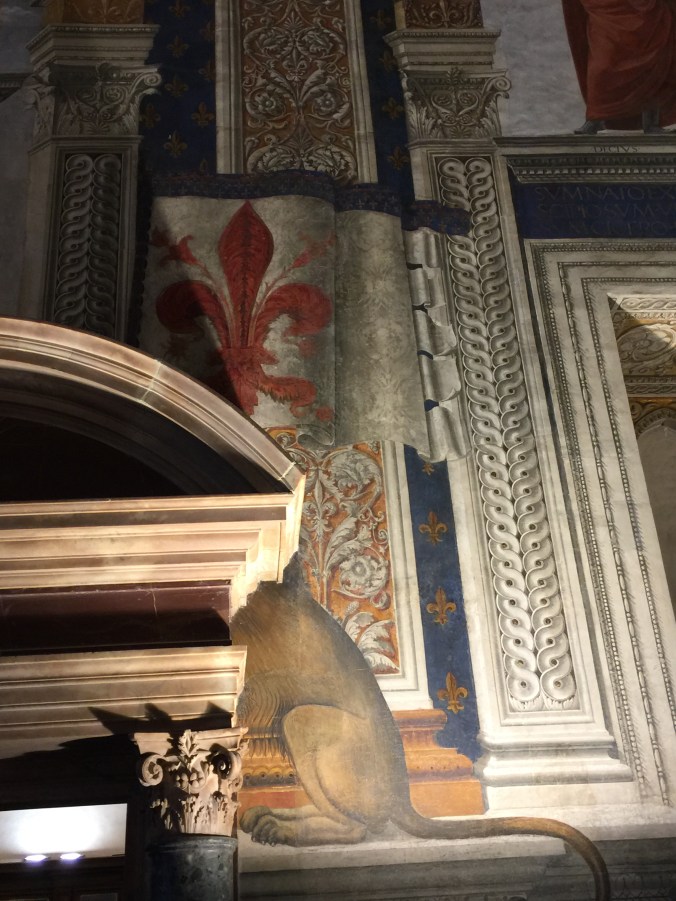
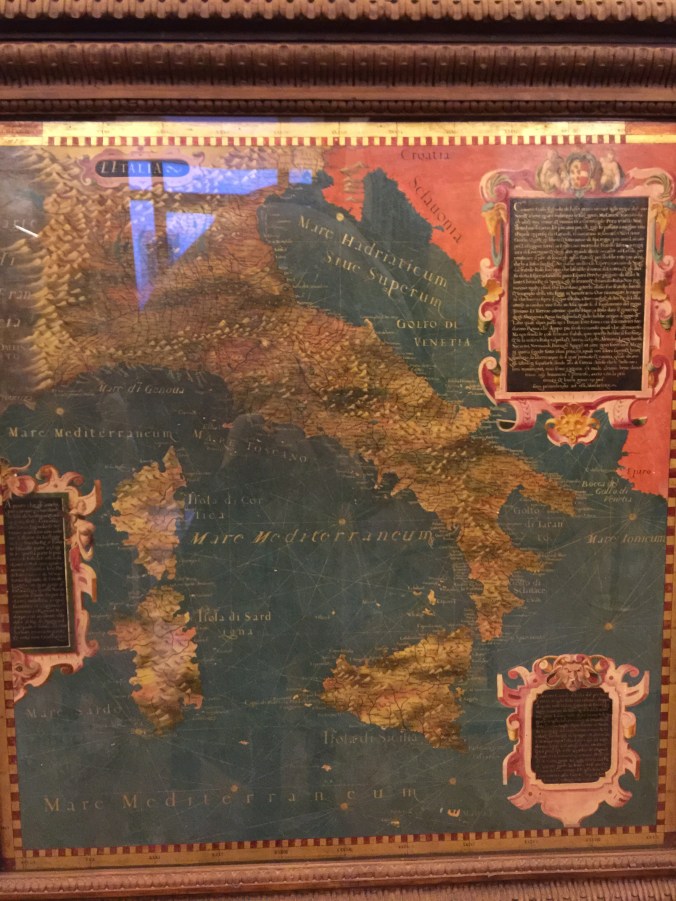
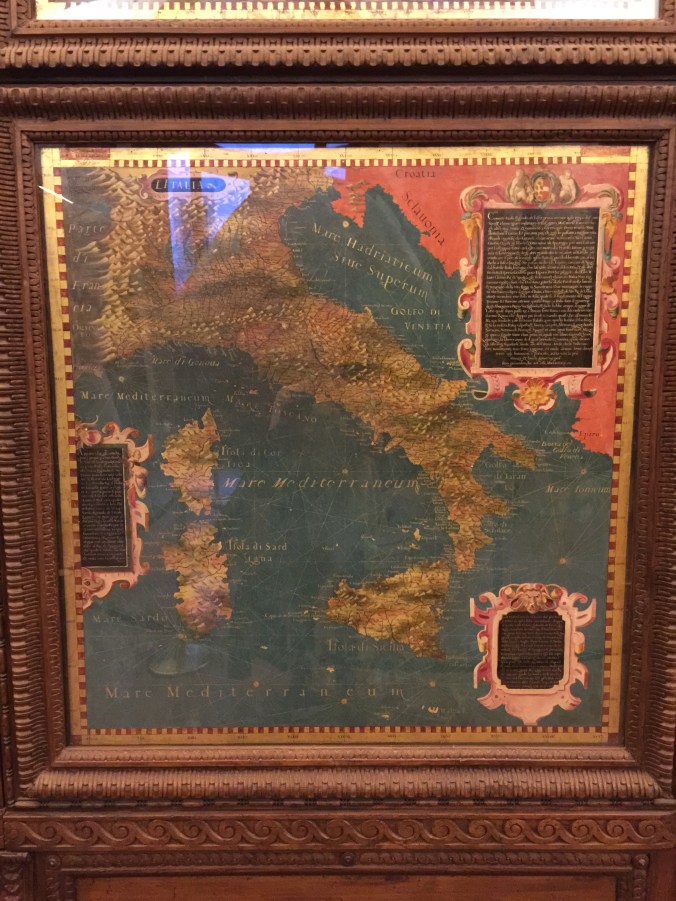
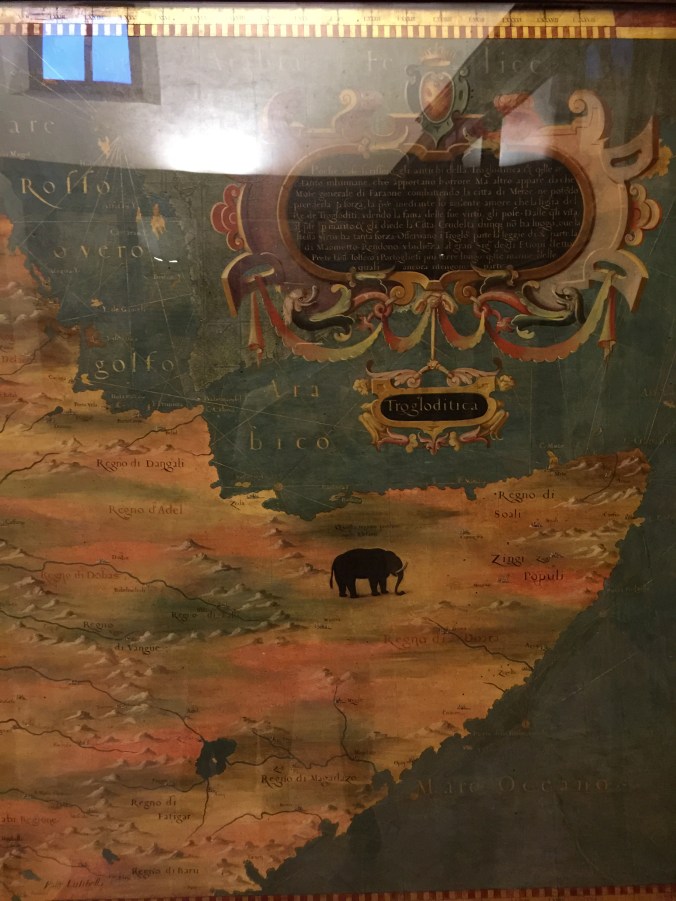
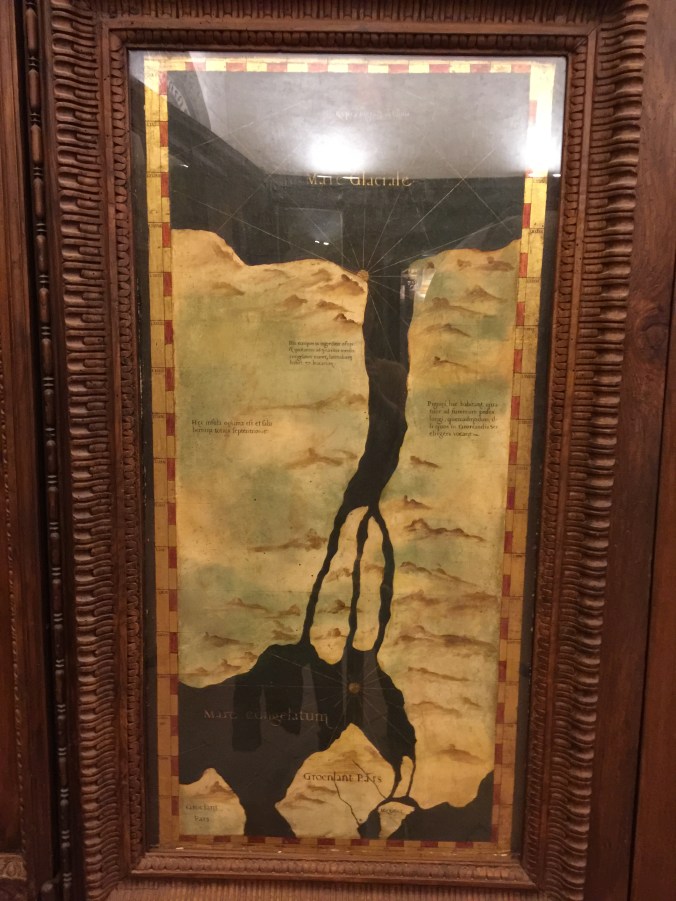
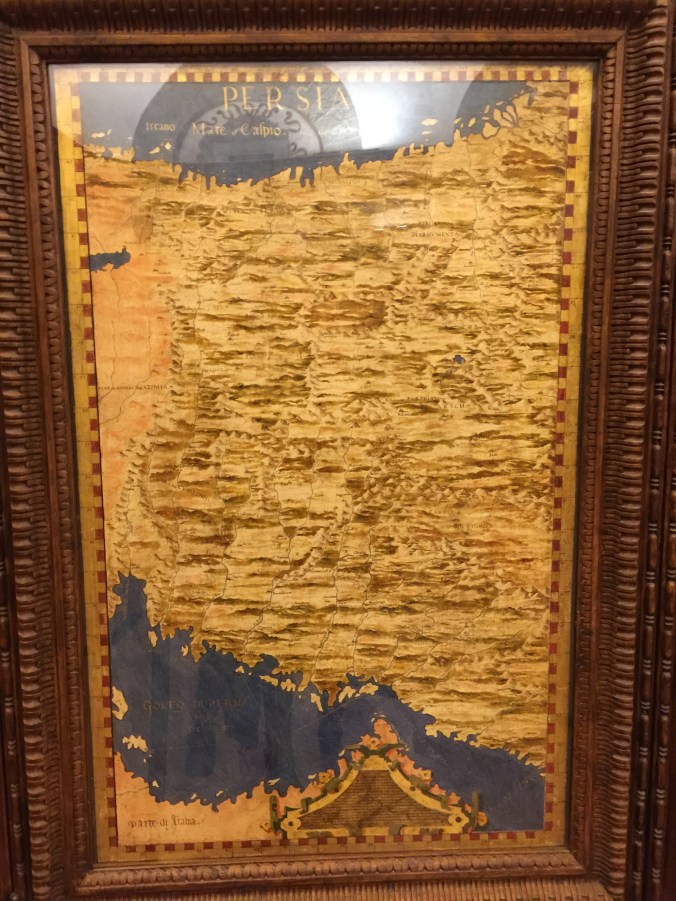
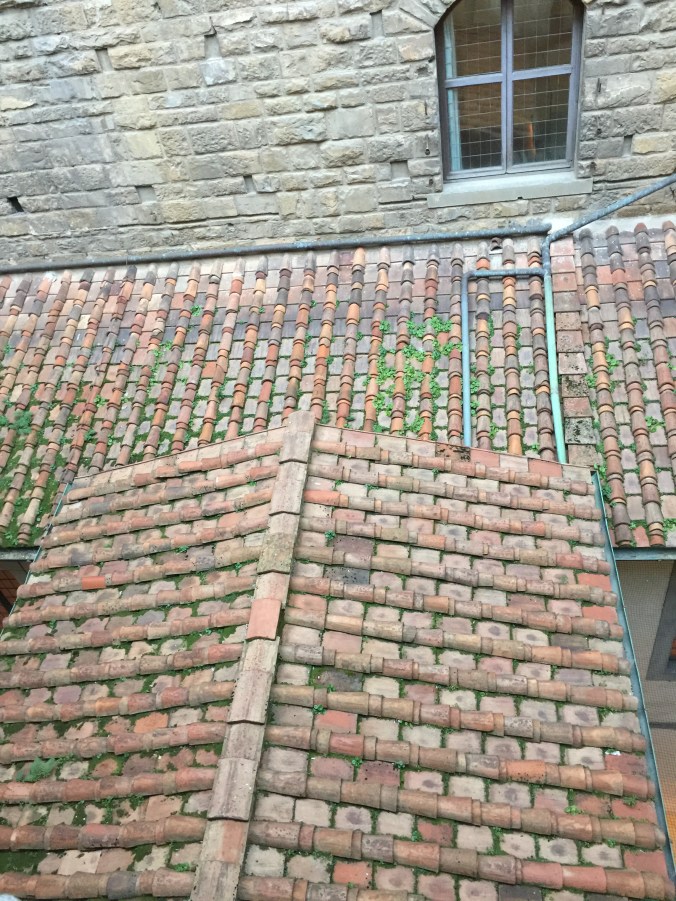
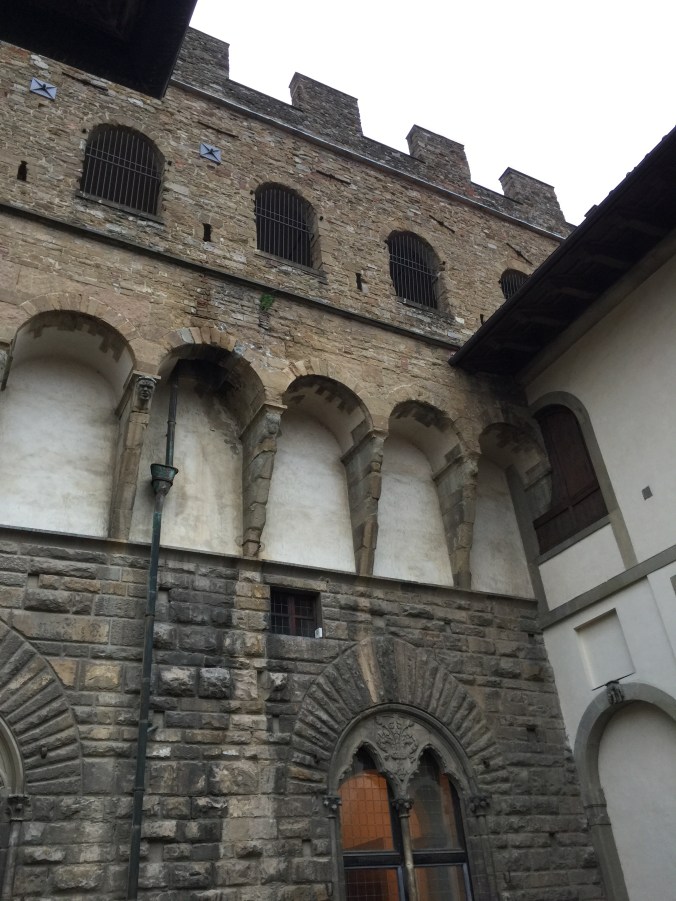
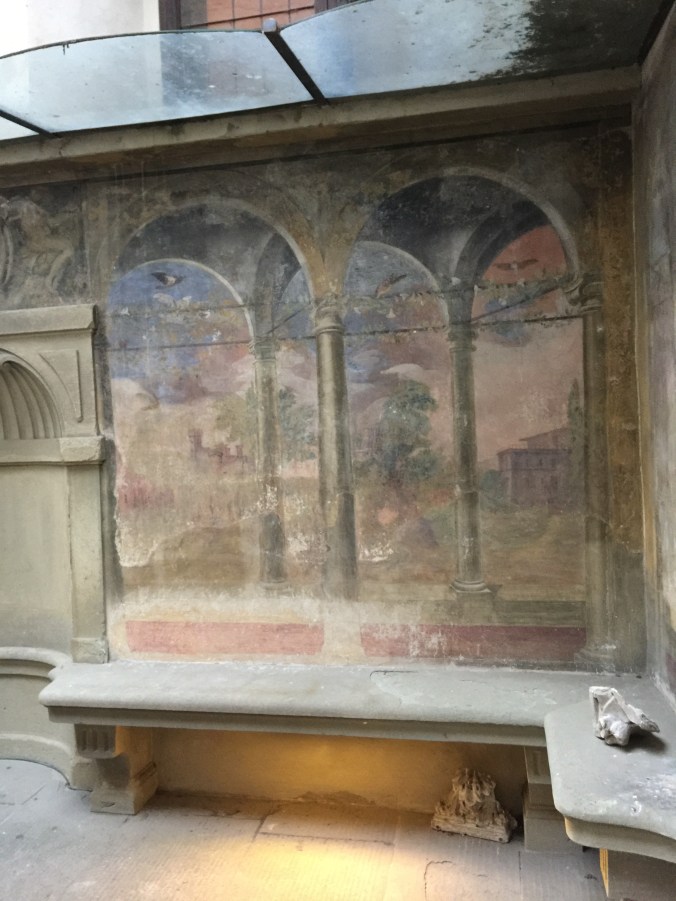
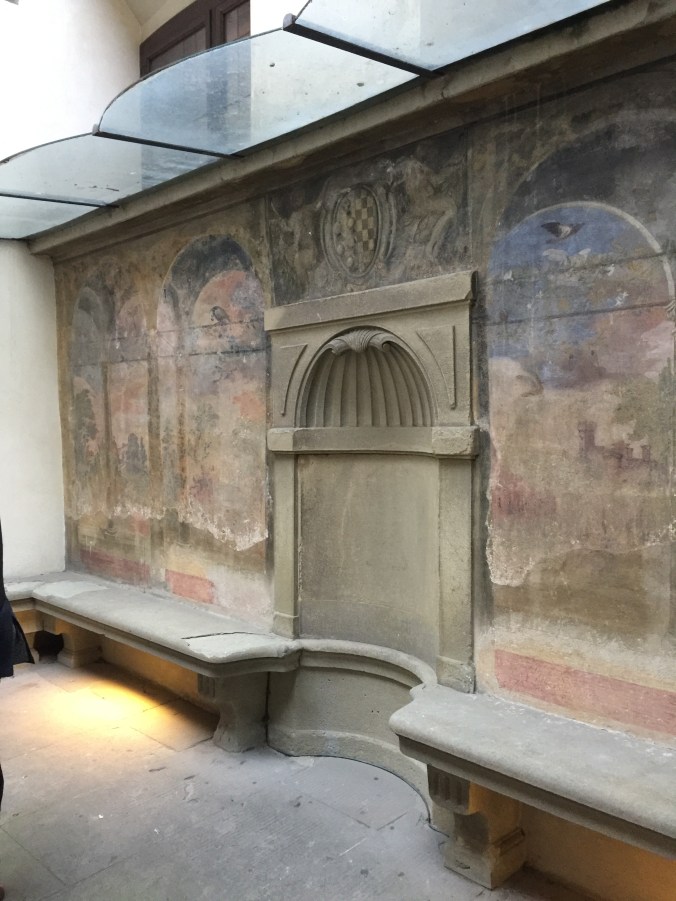
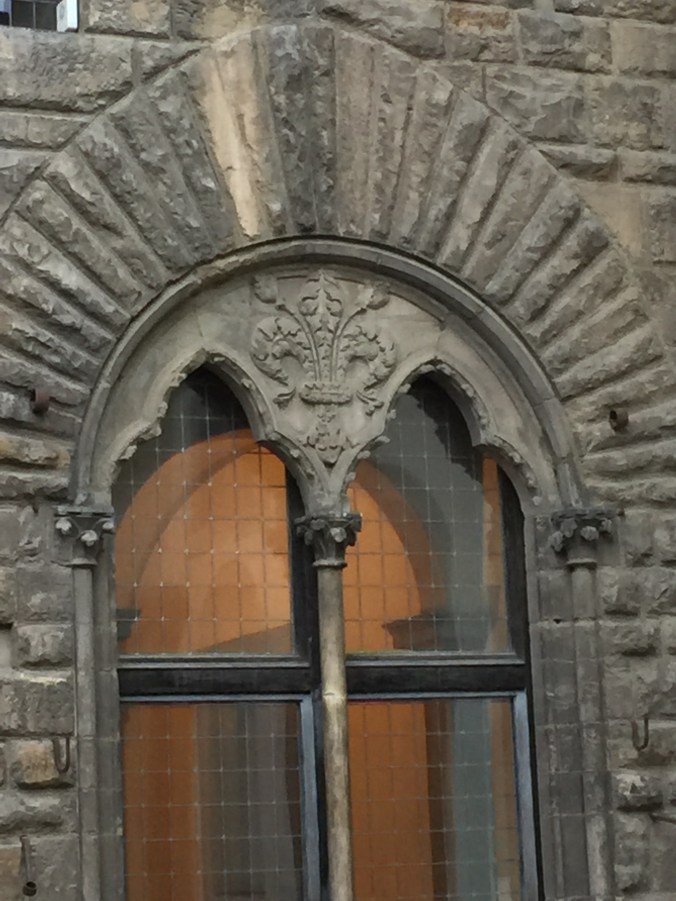
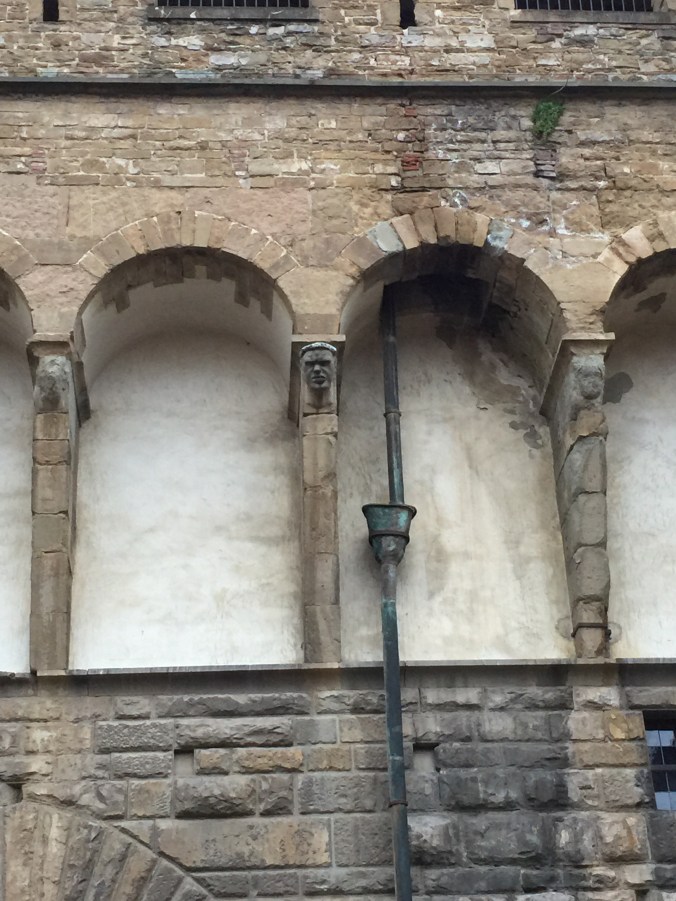
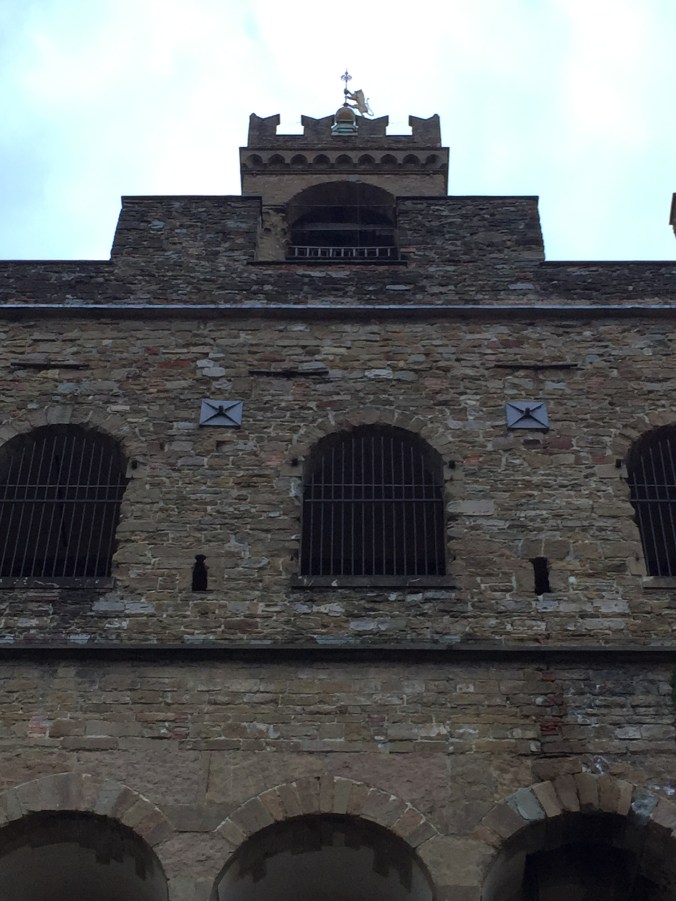
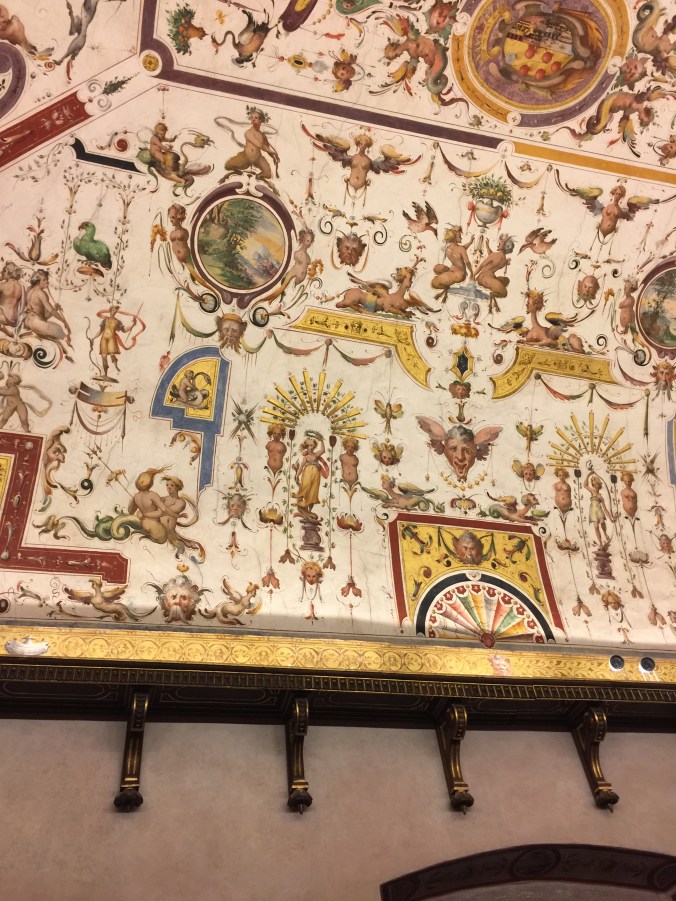
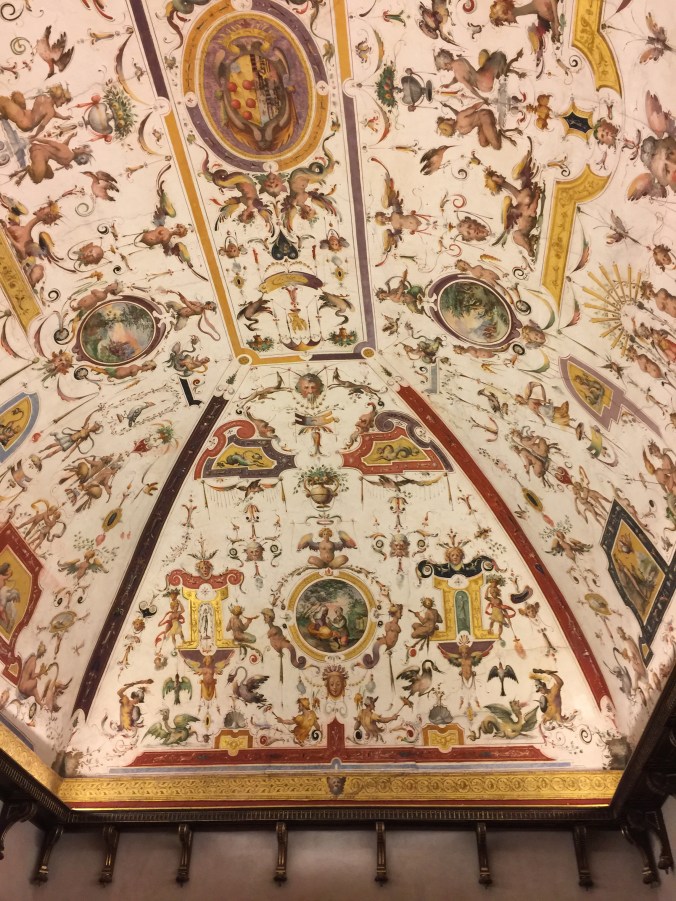
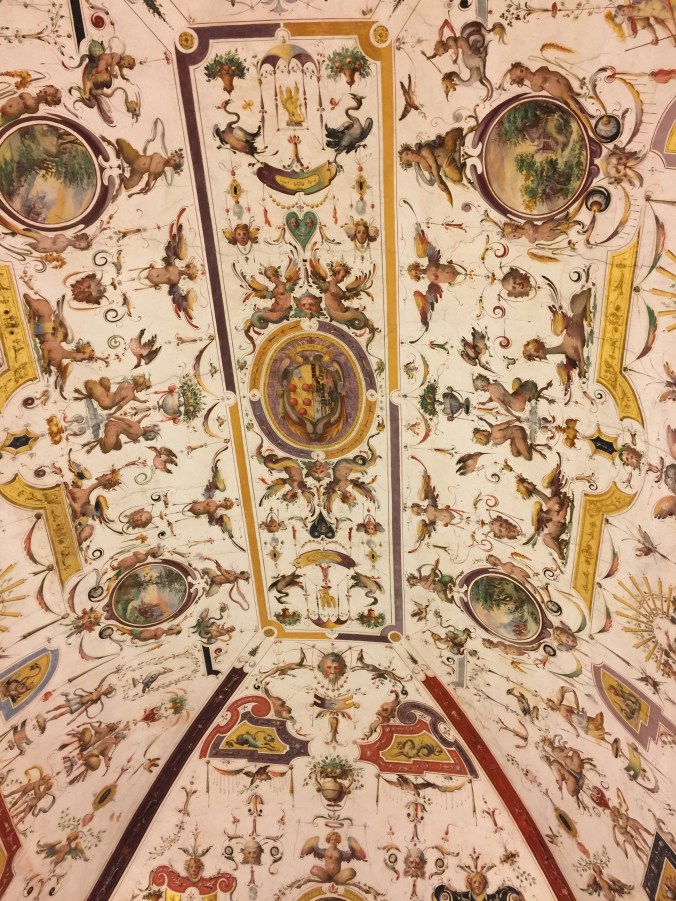
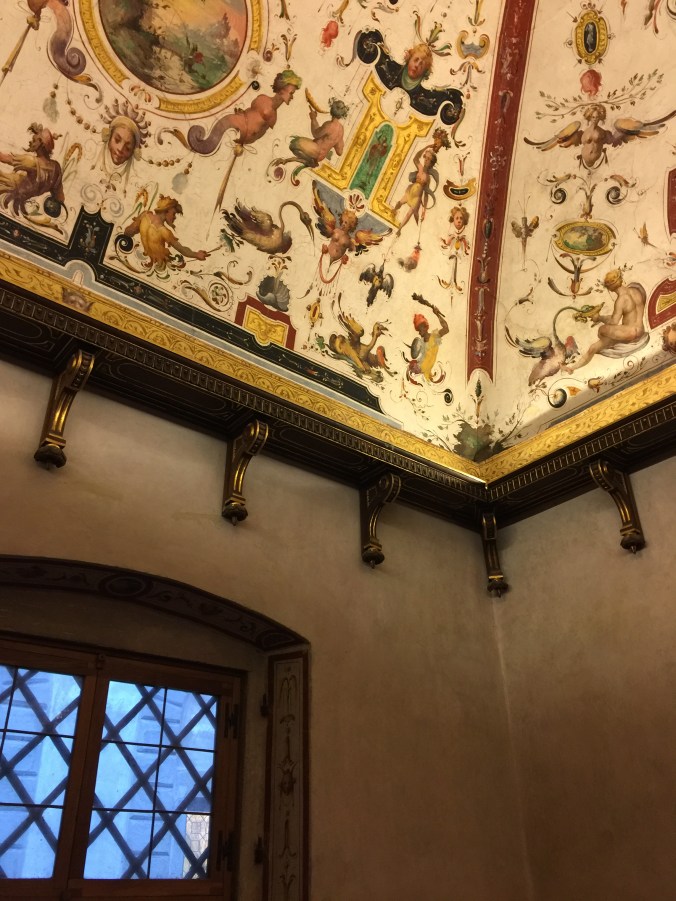
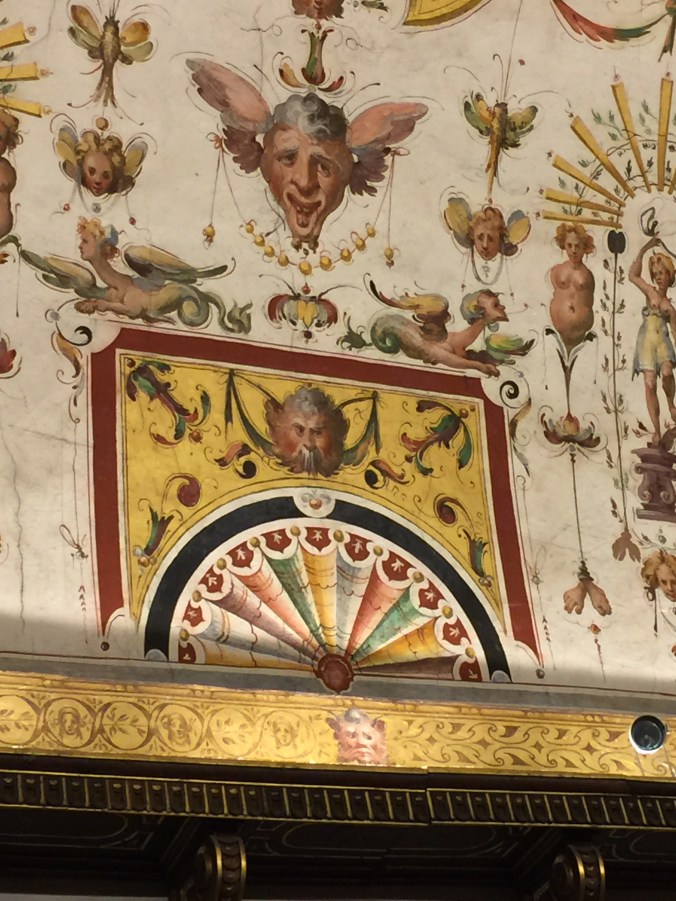
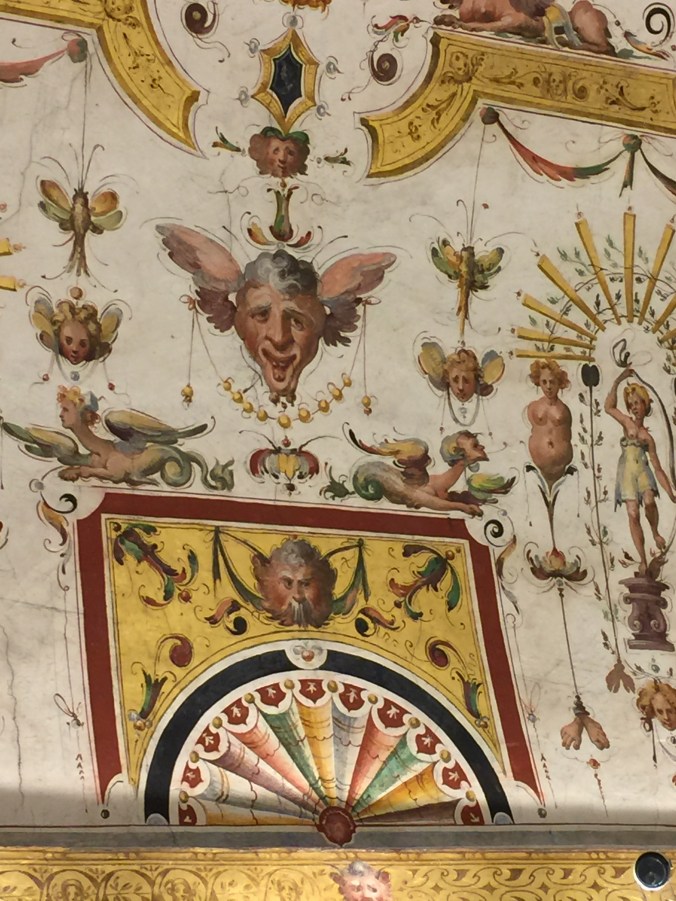
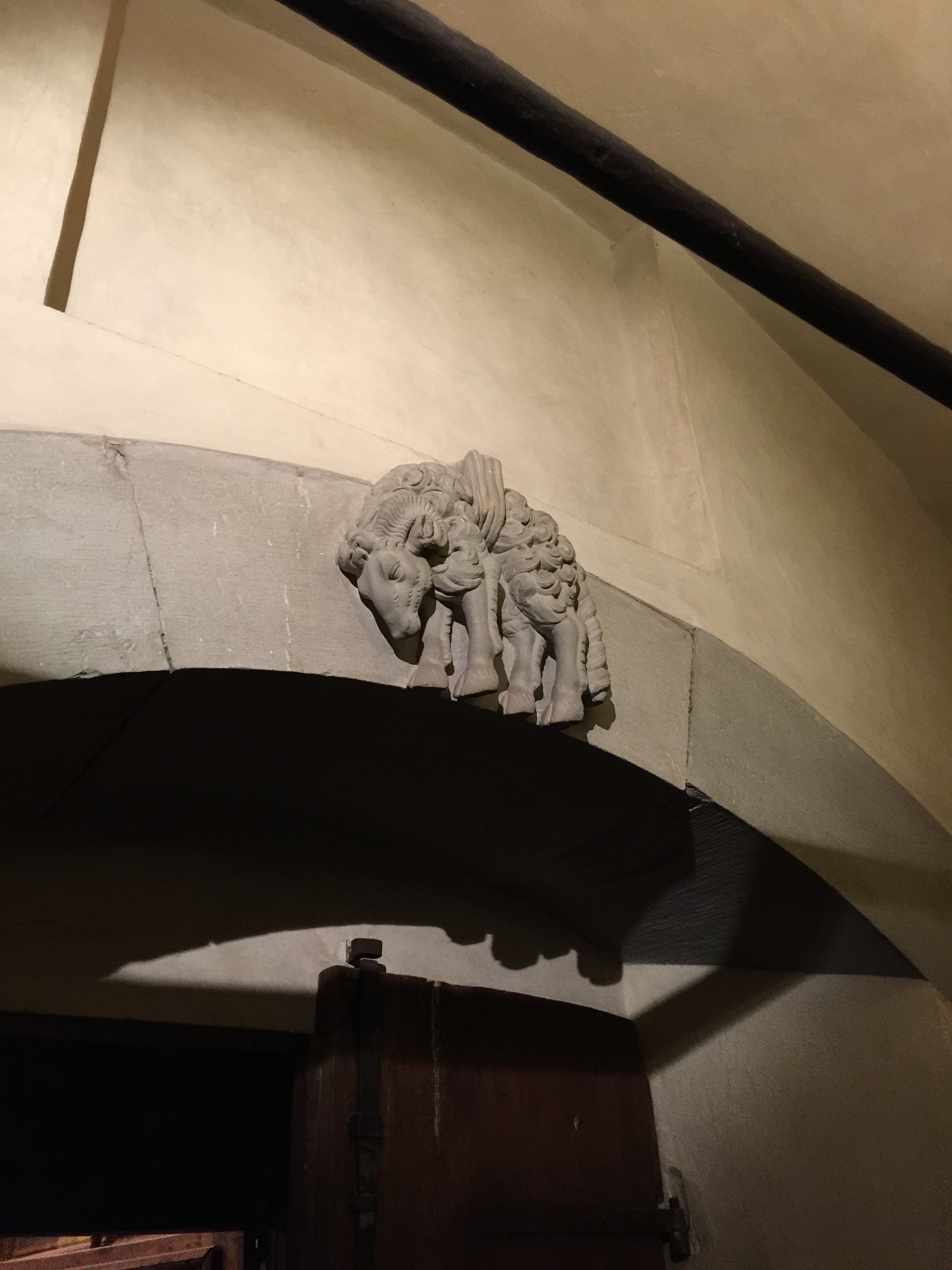
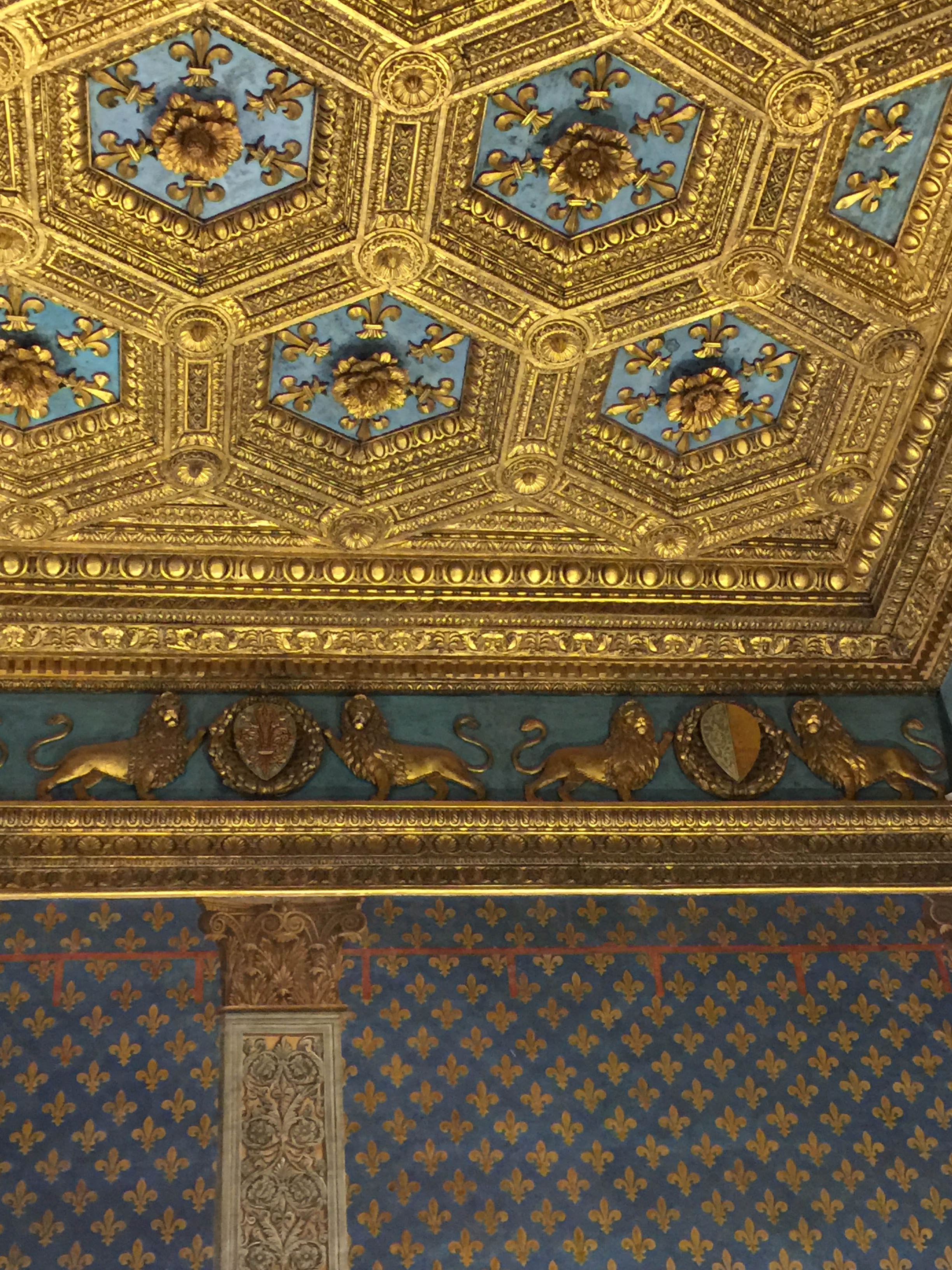
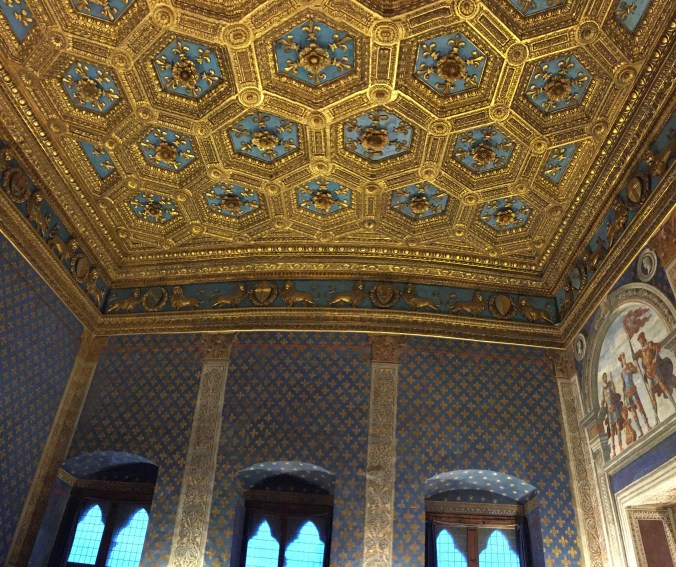
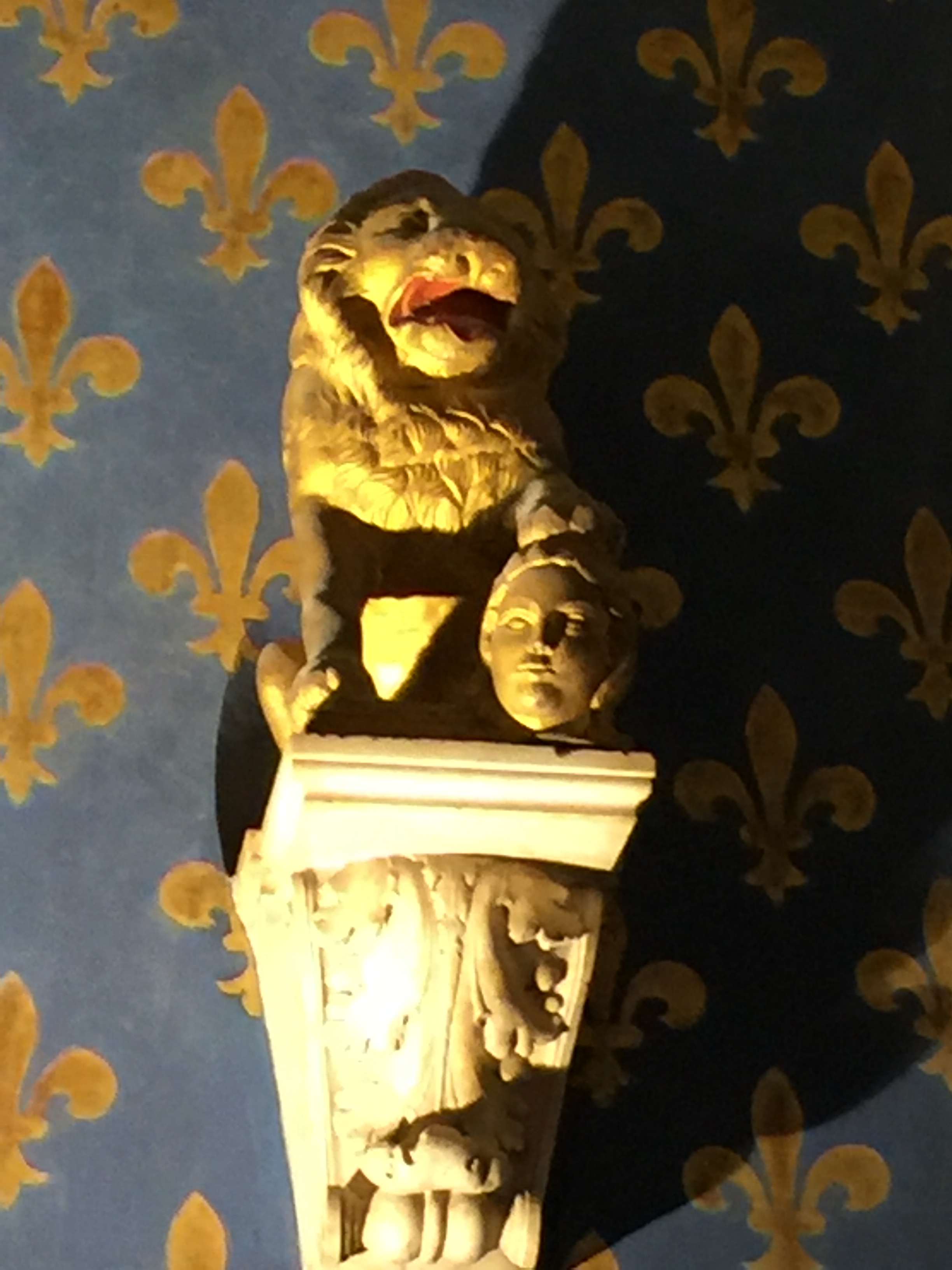
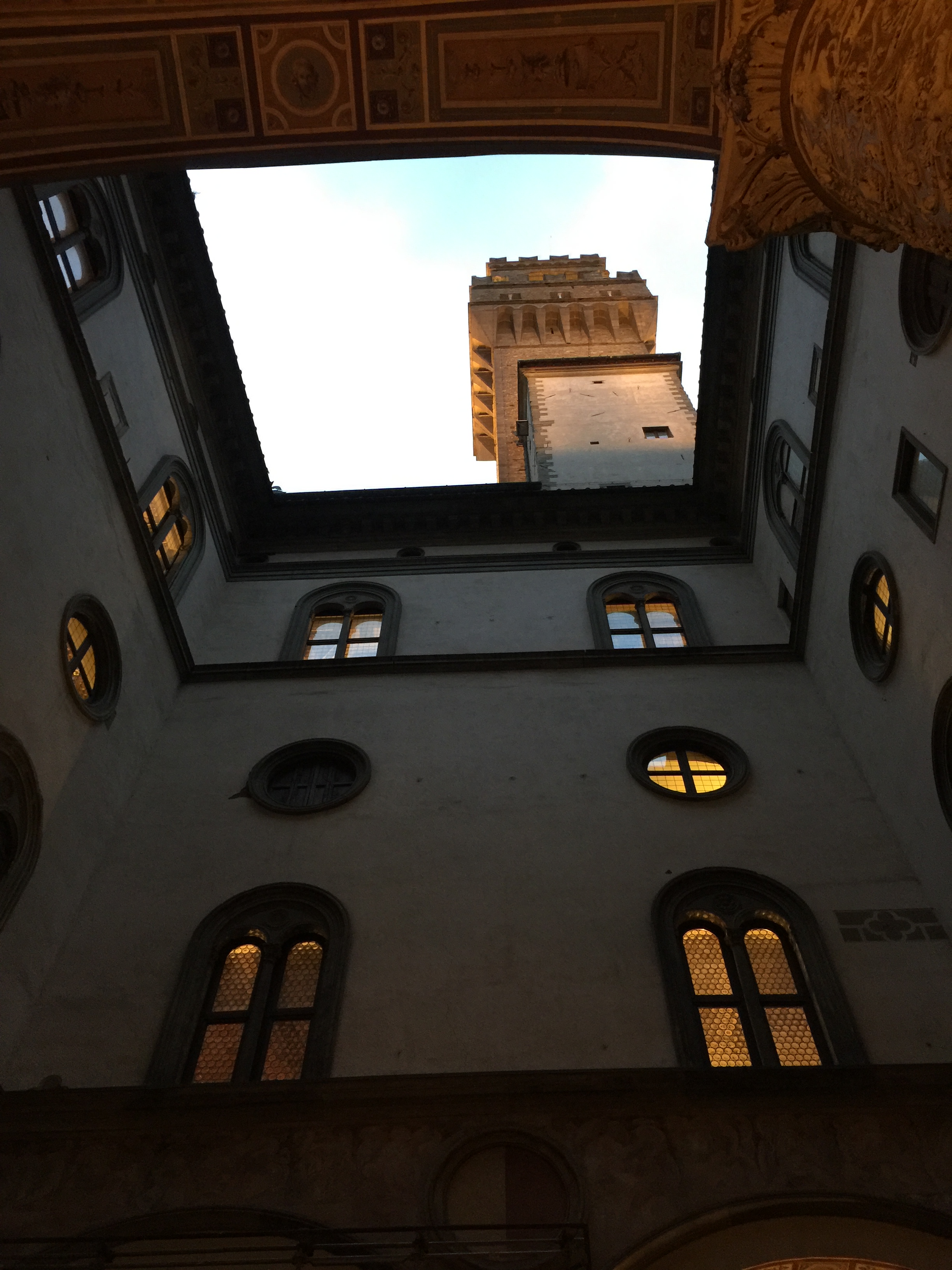
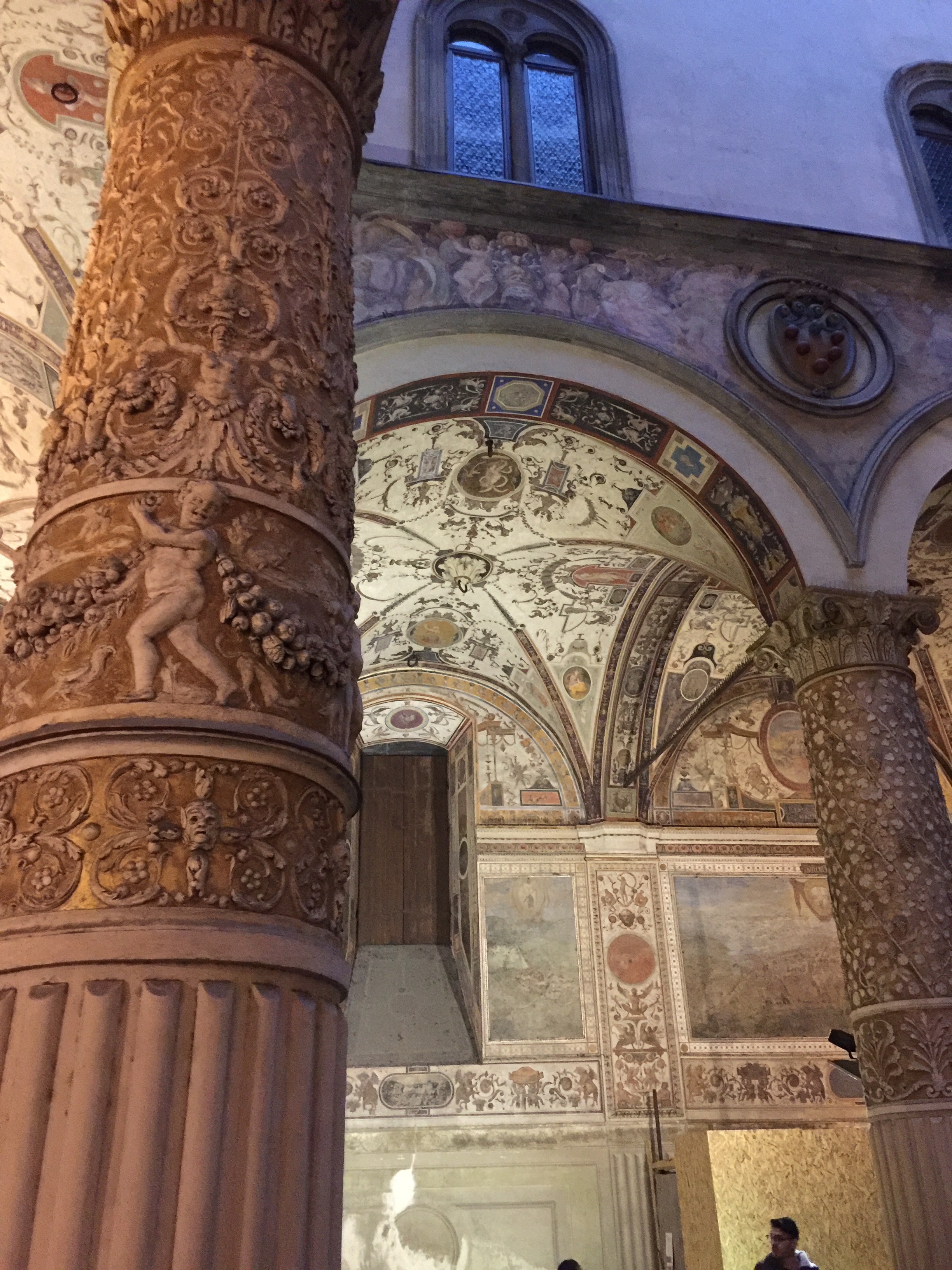
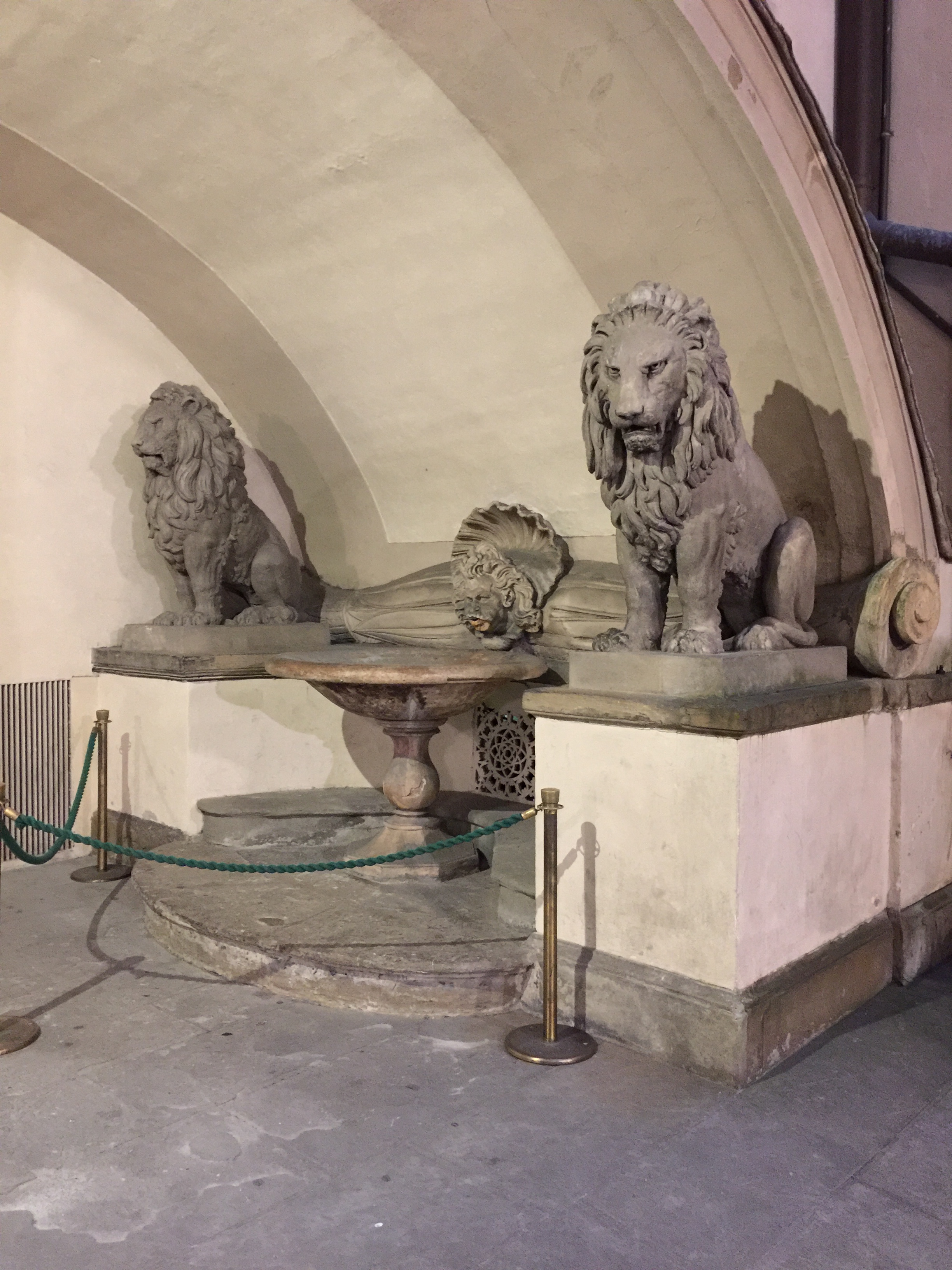
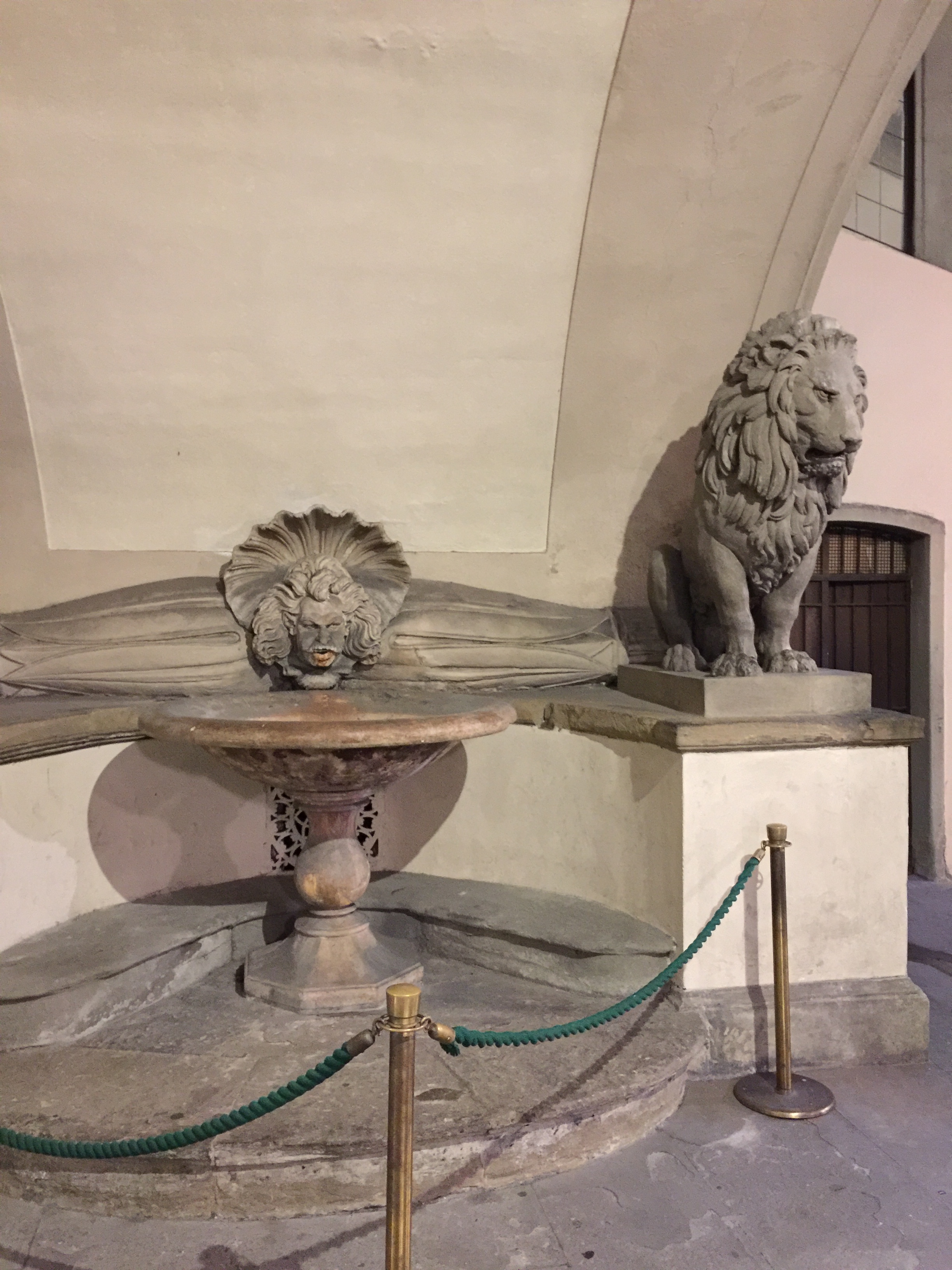

The moon shone brightly last night (which was Thanksgiving night, in the United States) over the Renaissance city.
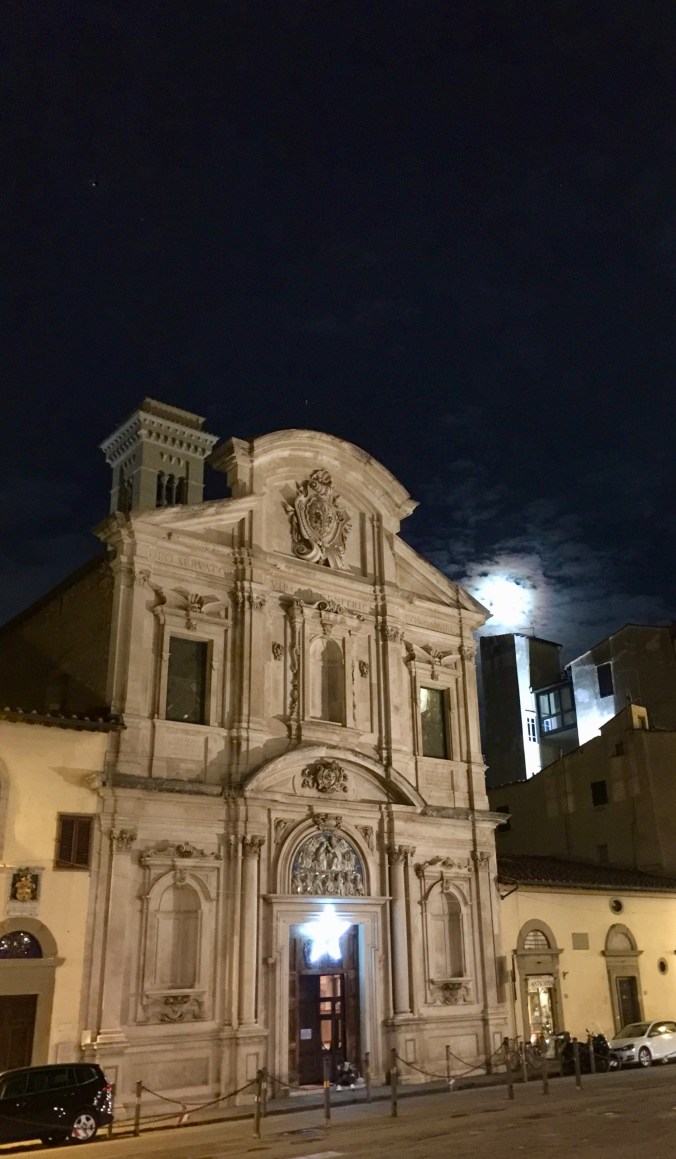
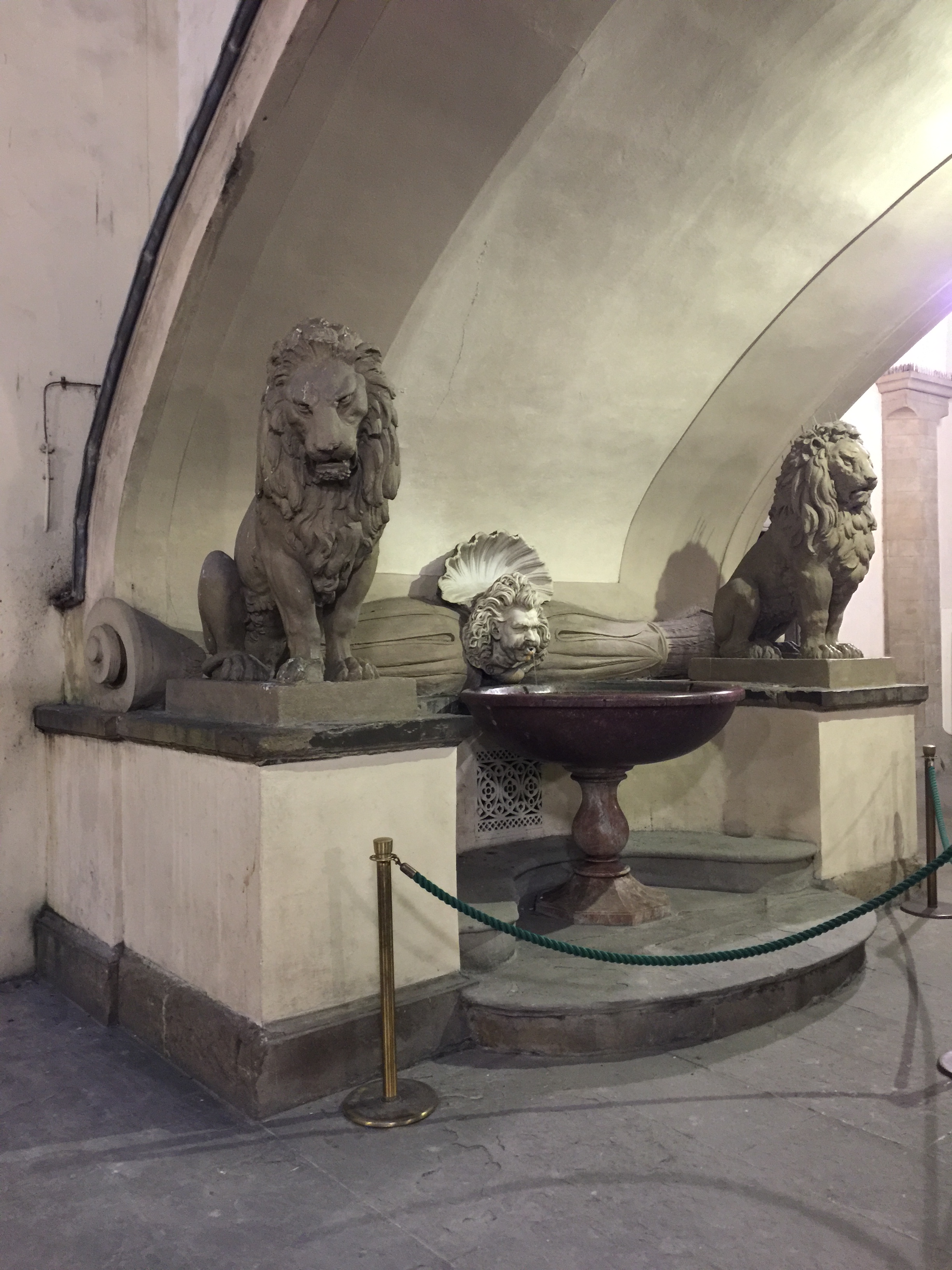
Earlier today I posted about a concert I once heard at the Franciscan church called Ognissanti. As luck would have it, I had the chance to spend some time last night admiring the interior of the church when it was beautifully lit up in the early evening.
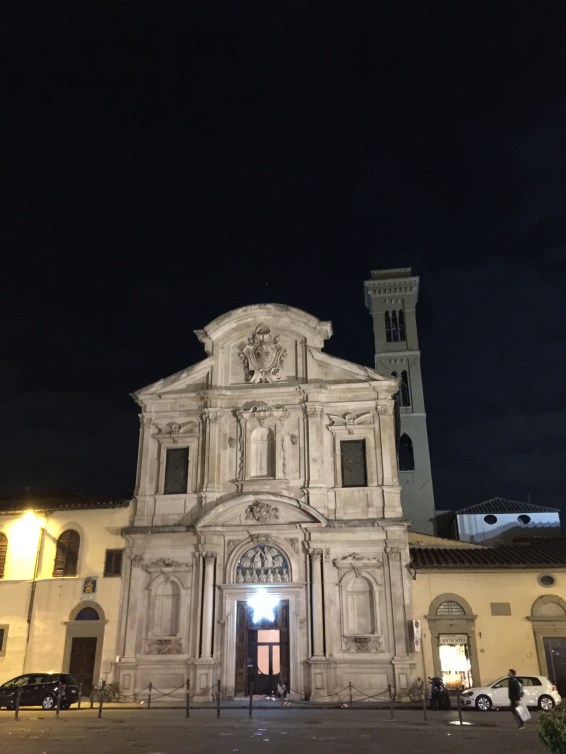
Ognissanti has a harmonious Baroque facade, as seen from the piazza that separates it from the Arno river. The chiesa was originally built in the 1250s by the Umiliati, but it later became a Franciscan church. It was renovated c. 1627 in the Baroque style, by architect Bartolomeo Pettirossi.
Here’s how it looks in the daytime:

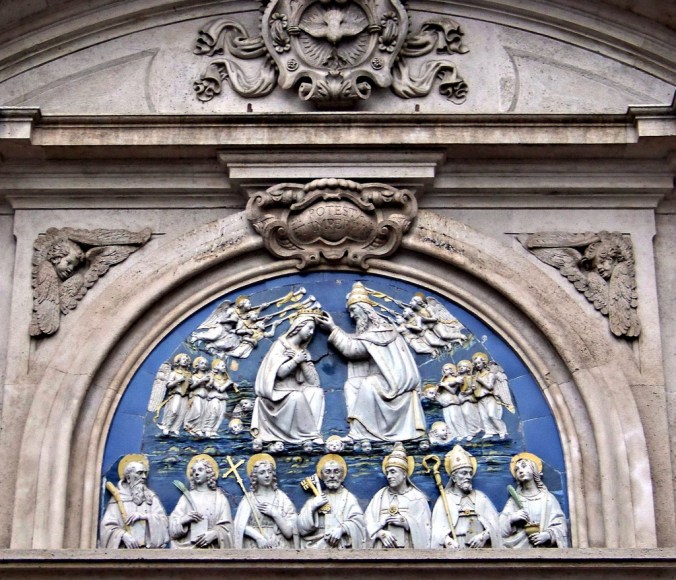
In 1637 the church was given this façade, based up designs by Matteo Nigetti. Fortunately, the glazed terracotta lunette depicting the Coronation of the Virgin and placed over the central doorway was conserved. While the lunette resembles the work of Luca Della Robbia, it is now attributed to Benedetto Buglioni. Buglioni was almost the only artist working in the glazed terra-cotta style made famous by the Della Robbia workshop after that enterprise ended.
Ognissanti was among the first examples of Baroque architecture to penetrate this Renaissance city. Its two orders of pilasters enclose niches and windows with elaborate cornices. The campanile, of late 13th and early 14th-century construction, sits back from the front of the church, on the east side.
The church’s interior is equally grand and richly ornamented. It received the same Baroque style remodeling as the exterior in the early 17th-century, when the apse was rebuilt with a pietre dure high altar and, later, in 1770, the incredible sotto in su perspective painting was added to the vaulted nave ceiling.

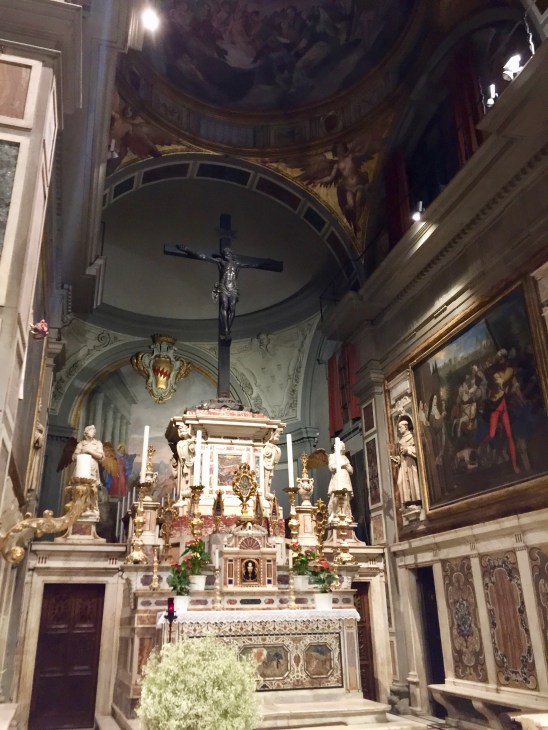
To start with the perhaps the most important aspect of this venerated church, we turn to Giotto’s celebrated Madonna and Child with Angels (c. 1310), which was painted for the high altar of this church.
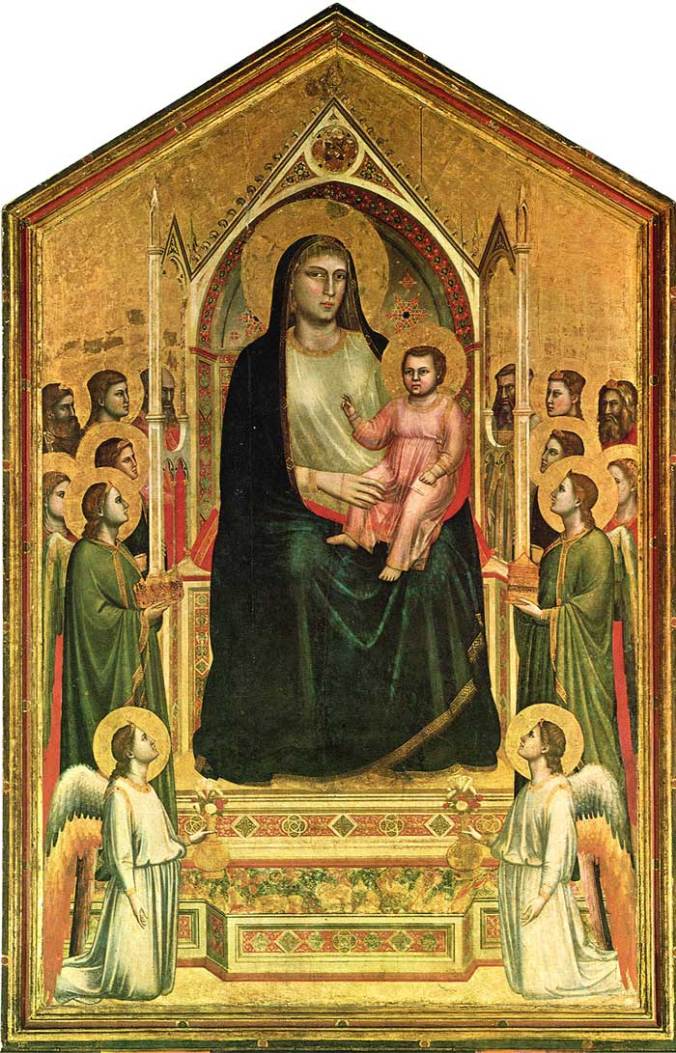
This outstanding painting by Giotto was completed in Florence. Today, if you wish to see the masterpiece, you will find it in the collection of the Uffizi. Giotto’s capolavoro is not only one of the finest works in the Uffizi, but it shows the exact moment when painting in Italy turned from Gothic to a proto-Renaissance style.
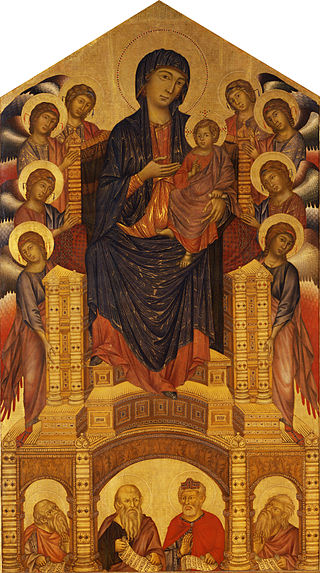 In the Uffizi galleries, Cimabue’s celebrated altarpiece (above), which was created for the same type of setting and dealing with the same subject matter as Giotto’s altarpiece, one can witness the changes in artistic approach.
But, although the Ognissanti is missing its famous and beautiful altarpiece, it is fortunate to have another work now attributed by Italian scholars to Giotto: the large crucifixion. Giotto painted this large-scale (15 feet tall) cross c. 1315 for the Umilati friars who then held this church.


The Crucifixion is displayed under the Medici coat of arms in the left transept of the church.
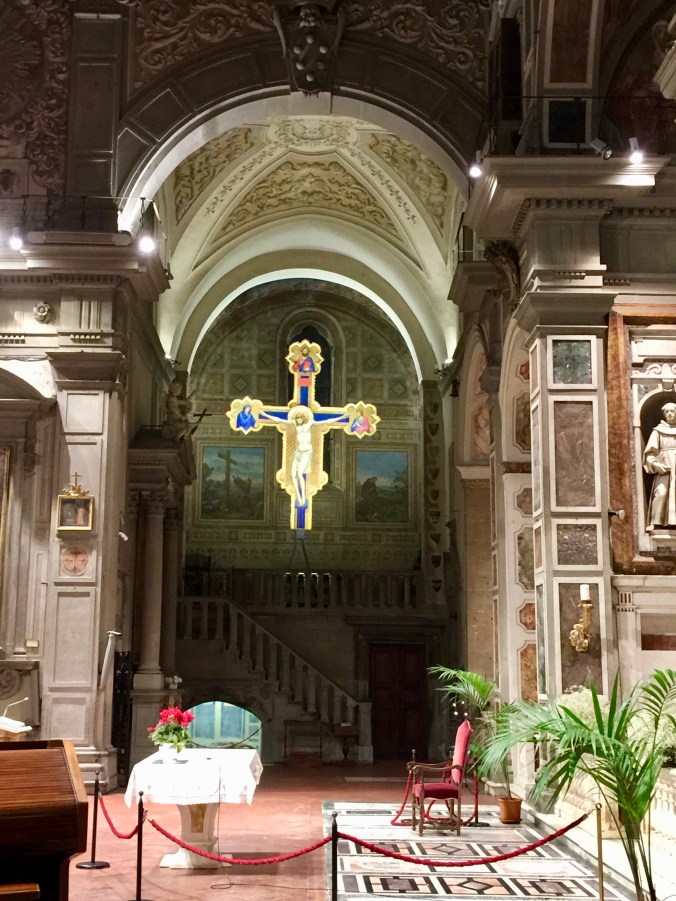
Only recently was this Crucifixion recognized as a work by Giotto. For decades it sat, unappreciated, in the storerooms of Ognissanti. There was a rumor that it was by Giotto, but no one was certain. But then, it was restored!
The restoration of Giotto’s Ognissanti Crucifix was started by Paola Bracco in 2002. The majestic tempera on panel, now believed to have been painted by Giotto and his workshop around 1310-1320, had been sadly neglected for centuries. Kept in the sacristy of the church of Ognissanti, it was rarely seen and the vigorous modelling of the flesh tones of the figures, and the many precious details of the pictorial surface, were hidden by layers of varnish from previous “restorations” and centuries-old grime.
Fortunately, this monumental work is now back in the Florentine church, after a careful 8-year restoration.
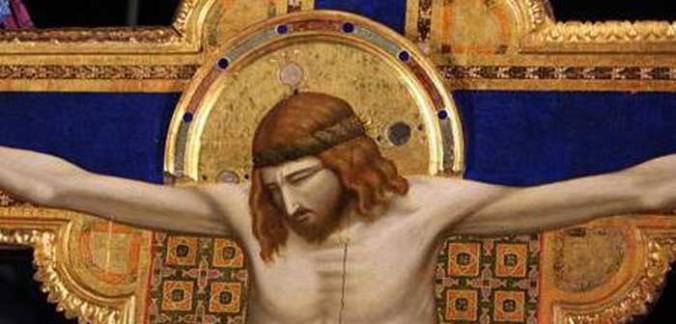
In the Crucifix (painted in egg tempera), Christ is represented as Christus patiens, suffering, about to expire. The tension in the muscles of the arms is treated with delicacy, and the ashen flesh colors are very impressive. The body hangs on a very decorative Cross, an overflowing mosaic of starred crosses, squares and ellipses. The ‘beams’ of the Cross are painted in bright, but deep and intense blue, the precious lapis lazuli inlaid with greater or lesser amounts of lead white, as in the sloping pedestal to which Christ’s feet are pinned (by a single nail). The blue is crossed by thin red lines, cinnabar blood with more purplish glazes. On the forehead are a few drops of “pure red lacquer,” the color of blood, which springs from Christ’s flesh in response to the crown of thorns.
Here are some other fascinating artifacts from Ognissanti:
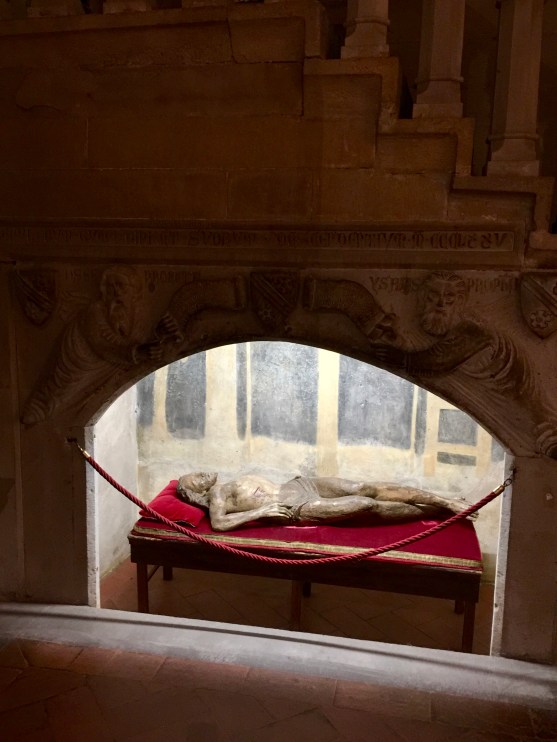
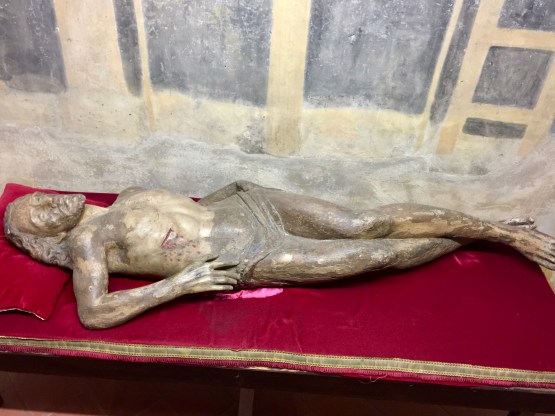
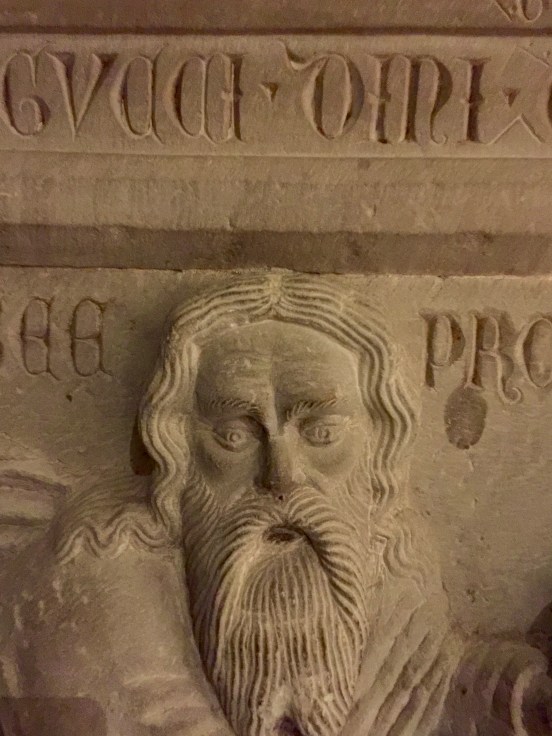
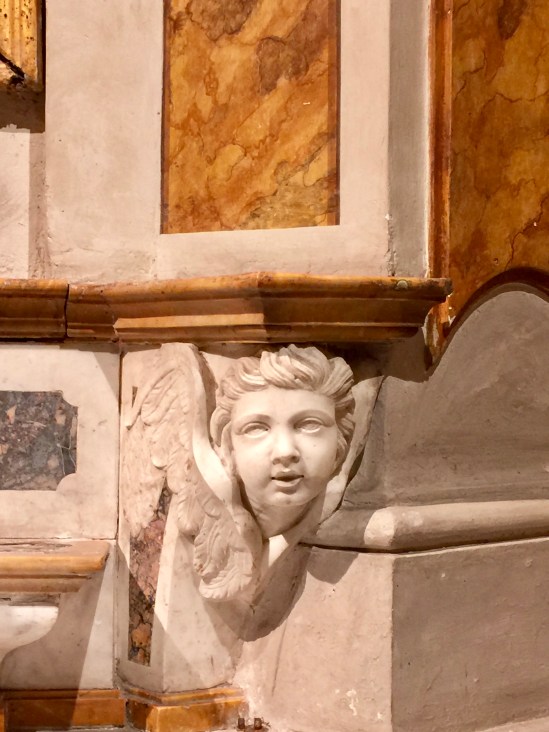

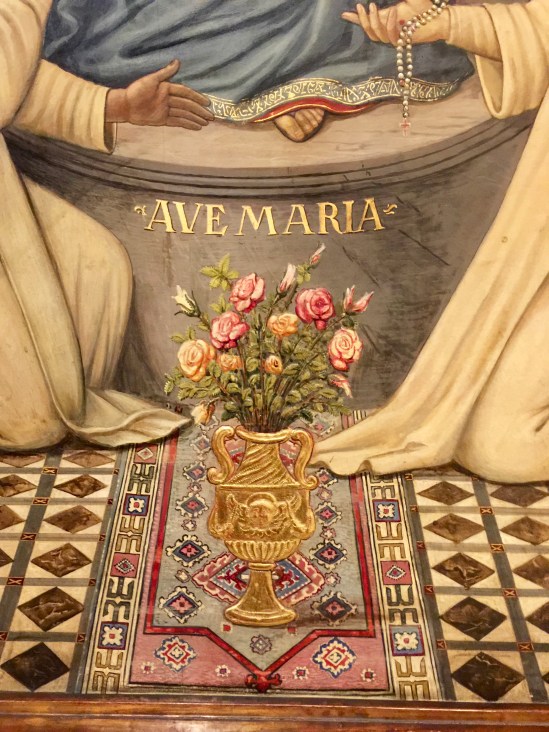

Last night I discovered that Sandro Botticelli is buried within the church, near his beloved Simonetta Vespucci.
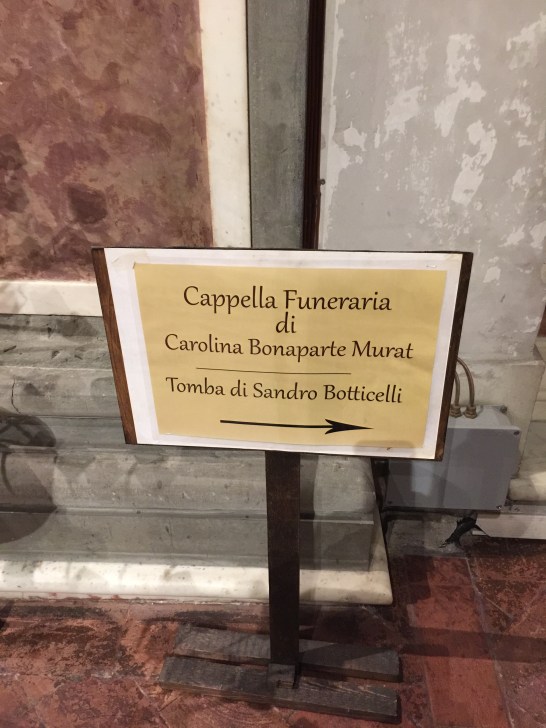
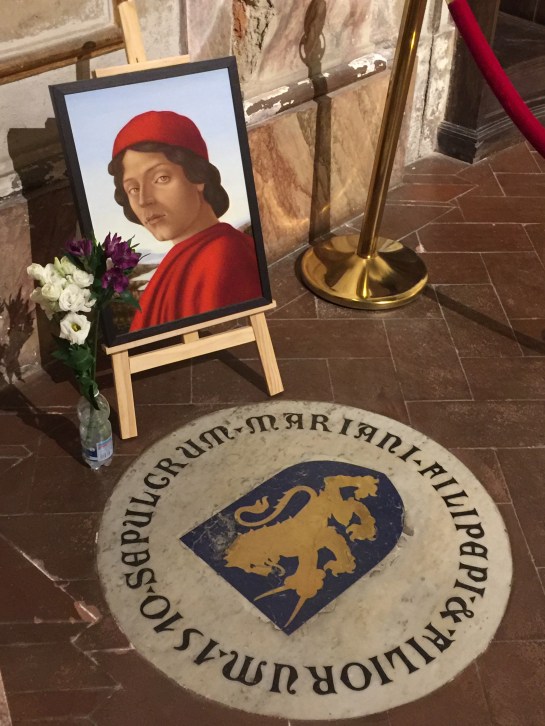
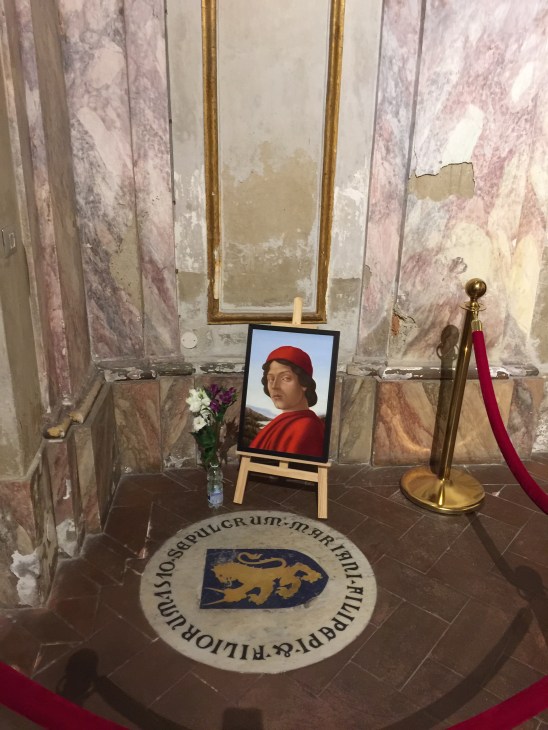
Botticelli who is buried in the church near his beloved, Simonetta Vespucci.
Amerigo Vespucci is also interred here:

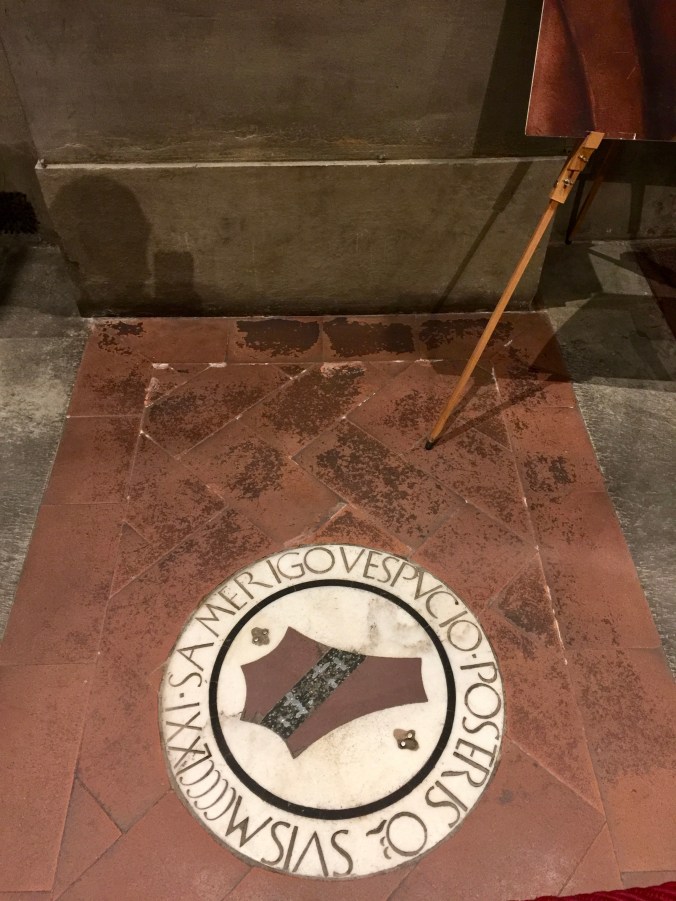
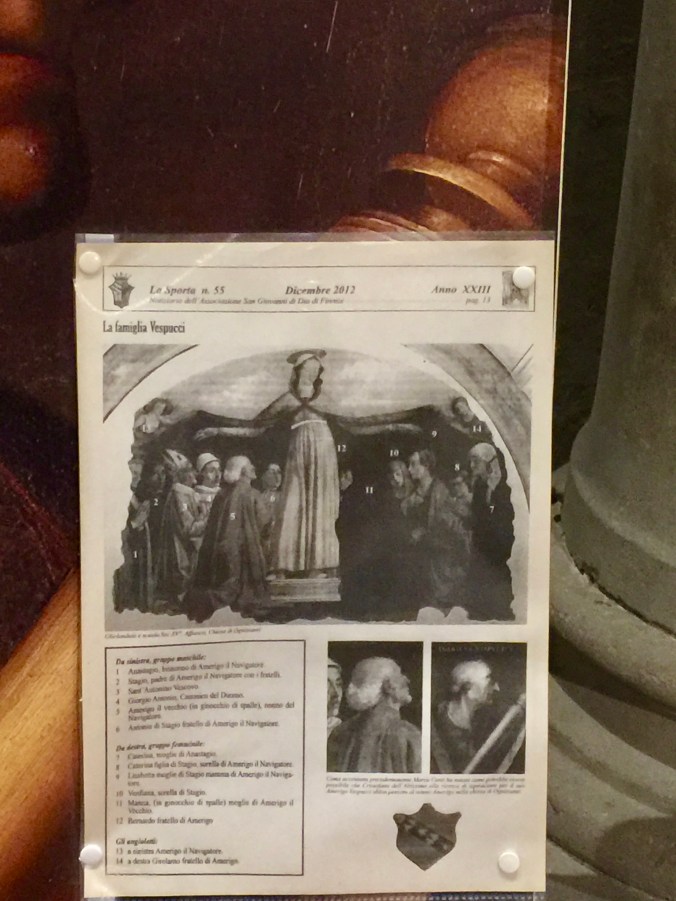
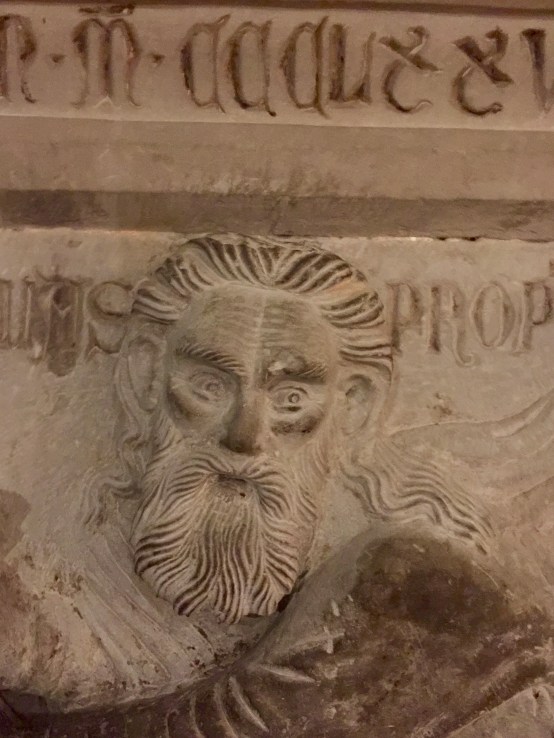
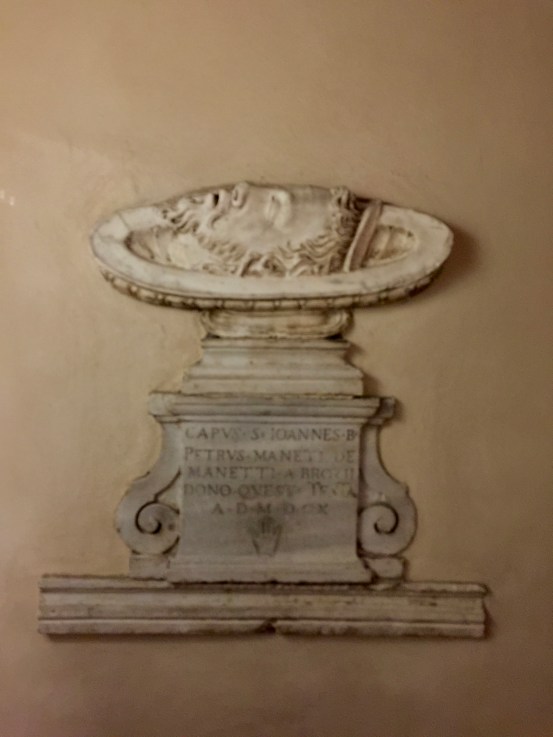
Here’s an unusual funerary monument found within the church. I am not certain whose head this portrays…
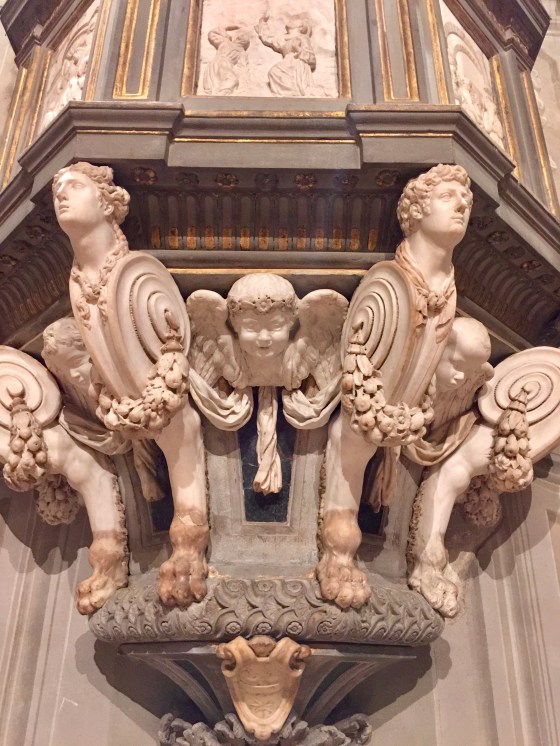
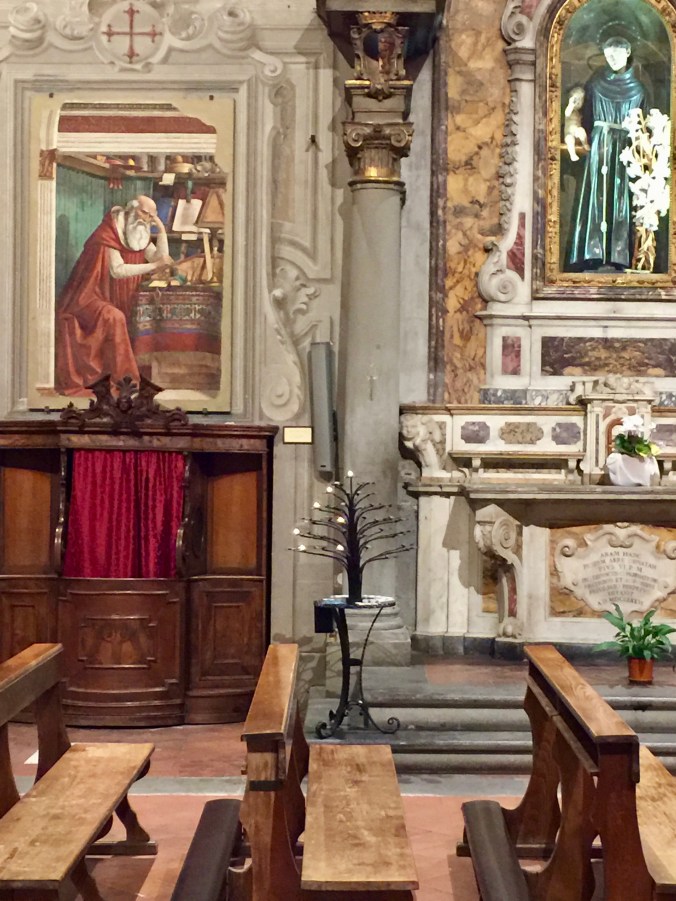
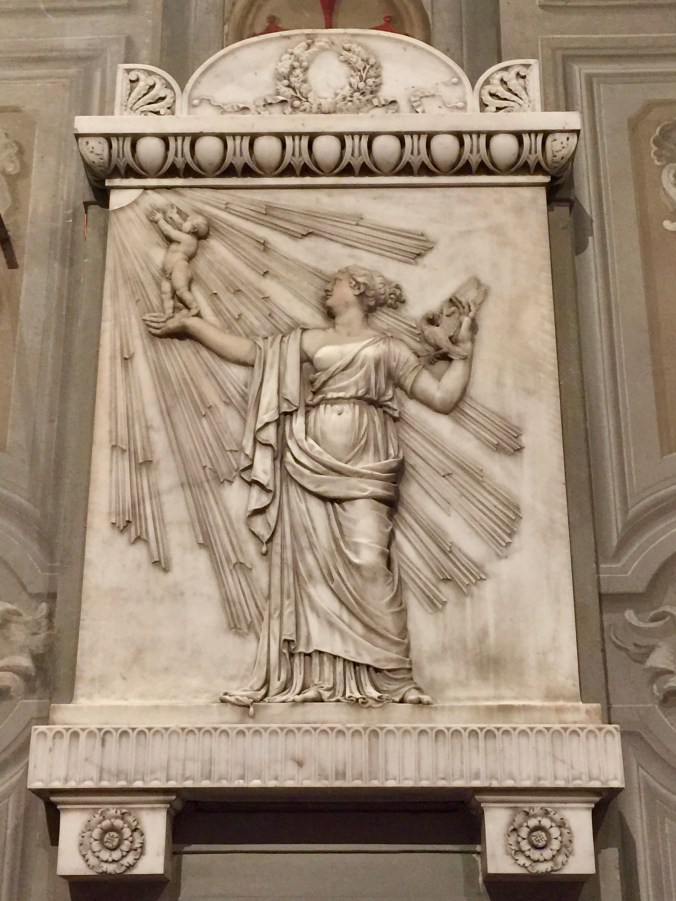
And I end this long post with a photo of a significant Neoclassical funerary monument, found within the center of this important church.
The iconic statues of the 4 seasons on the Ponte Santa Trinita are going to get cleaned up soon. Florence has announced (http://www.theflorentine.net/news/2018/07/ponte-santa-trinita-statues-cleaning/) that the sculptures need some TLC.


Interestingly, these 4 statues (only 2 of the 4 are in my pictures above) were sculpted to celebrate the marriage between Cosimo II de’ Medici and Maria Maddalena of Austria in 1608.
Even more interestingly, they were originally intended to be placed in niches or against a wall in the giardino of Villa Corsini al Prato in Florence. They were not designed to be seen in the round, but in the round they have always been on the bridge.
The following artists were commissioned to create: Primavera by Pietro Francavilla; L’estate e L’autunno by Giovanni Caccini; and L’inverno by Taddeo Landini.
On the night between 3 and 4 of August 1944, the bridge was destroyed by retreating German troops on the advance of the British 8th Army. A Bailey bridge was built for temporary use by the Royal engineers.

The Renaissance replica bridge was constructed in 1958 with original stones raised from the Arno or taken from the same quarry, under the direction of architect Riccardo Gizdulich and engineer Emilio Brizzi.
Miraculously, the statues were more or less intact and returned to the replacement bridge upon its completion. Only the head of Primavera was missing. The missing head was recovered from the bed of the Arno in October 1961 and added to the sculpture we see today.
The cleaning, which will involve the Istituto Lorenzo de’ Medici, will include ridding the statues of the layers of soot that has settled on them over the years and treating the works with a waterproof layer to protect them from further damage by atmospheric agents.


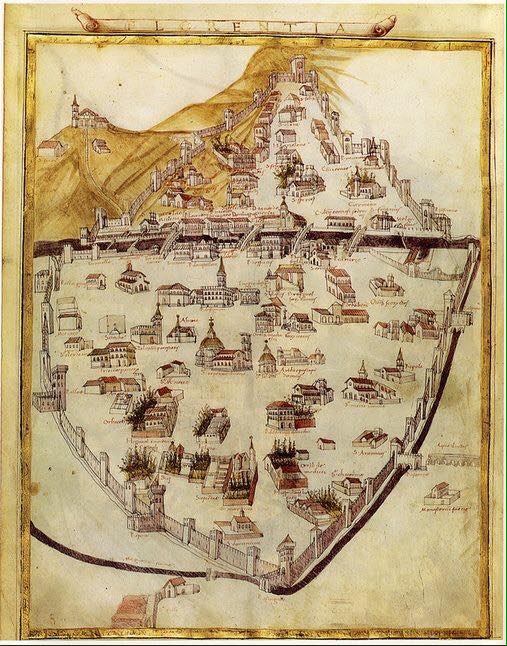
Map by Piero del Massaio, showing Firenze in 1472.
It finally happened. I snapped, and needed to get to the asylum asap!
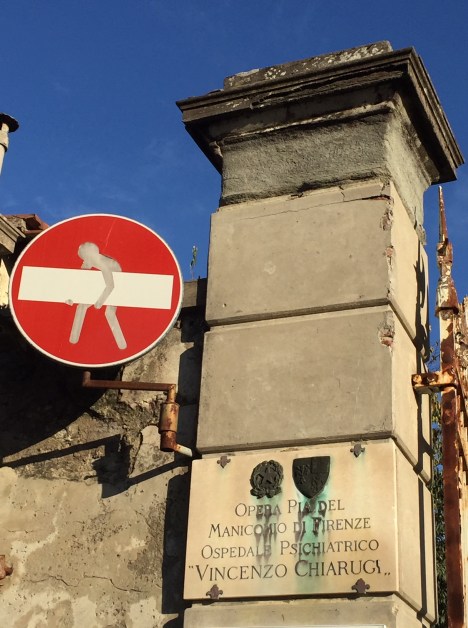
Actually, I’m kidding. But for a while yesterday I thought I might lose my marbles. I was joining a very sophisticated Florentine educational institution for a guided tour of the old grounds of Florence’s historic psychiatric hospital and it seemed as if fate was against my plan. (Maybe she thought they would keep me if I got there?). It took 2 buses and a taxi to get me to a place I could have walked to easier and faster. I made it just in time to join the tour. Live and learn; next time I’ll walk.
So, the place: as you can see in the plaque above, I was about to enter the Manicomio di Firenze, ospedale psichiatrico. Founded by Vincenzo Chiarugi, the psychiatric hospital was opened in 1890 (an earlier hospital was on Via San Gallo).
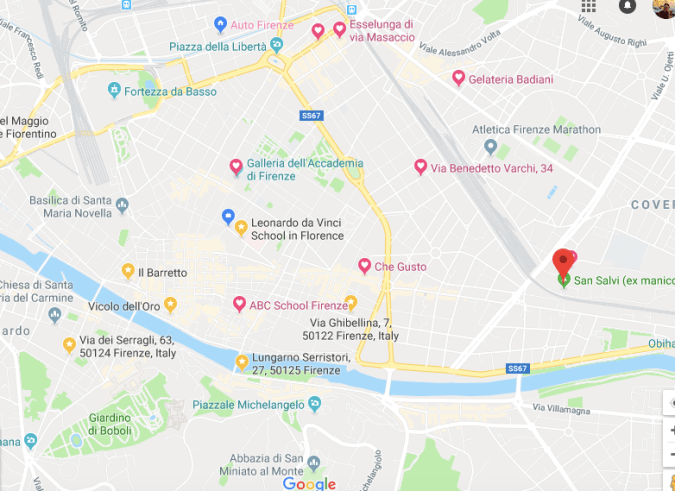
Almost 100 years later, in 1968, this hospital located on Via di San Salvi #12, was shuttered. The city has been attempting to refill the site with various cultural and non-profit organisations ever since. It would be a shame not to use this large campus, composed of 32 hectares and housed in 20 buildings, for something. It is prime property on the outer eastern edge of the city. You can find it with the big red pin below:
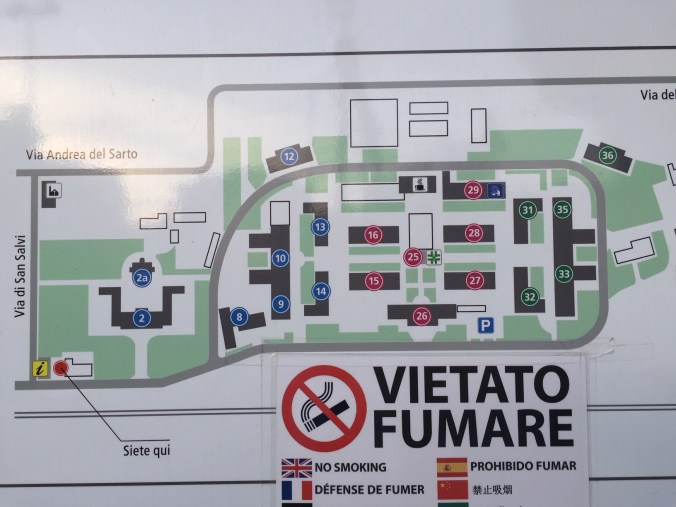
Below is a map of the San Salvi grounds, showing how the buildings are laid out and a key to how they are/will be used:
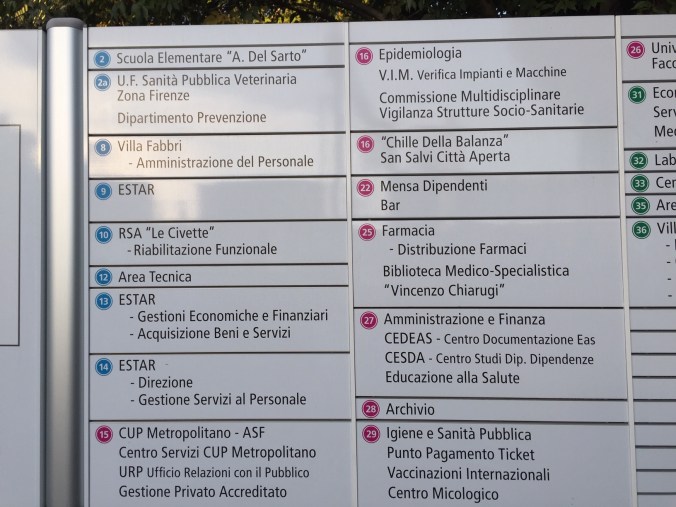
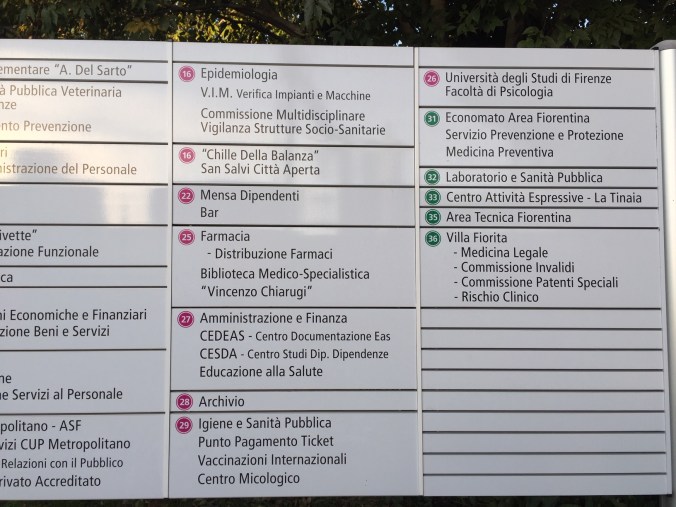
Here’s how the guided tour was advertised to an erudite audience:
“Come with us to walk along the tree-lined avenues of (hospital) San Salvi, a unique place immersed in the city and at the same time quite isolated. Here, in what was once a very active psychiatric hospital– the “crazy” poet Dino Campana was here for a while–as well as important and respected people involved with the field of psychiatry. Today – among the various cultural associations that have a home here – La Tinaia cooperative and the Chille della Balanza theatrical group make it a social and artistic destination, thanks to shows, events and meetings.”
Yesterday was a beautiful fall day in Florence, following a week of continual rain, and we viewed the campus in this amazing autumn sunlight:
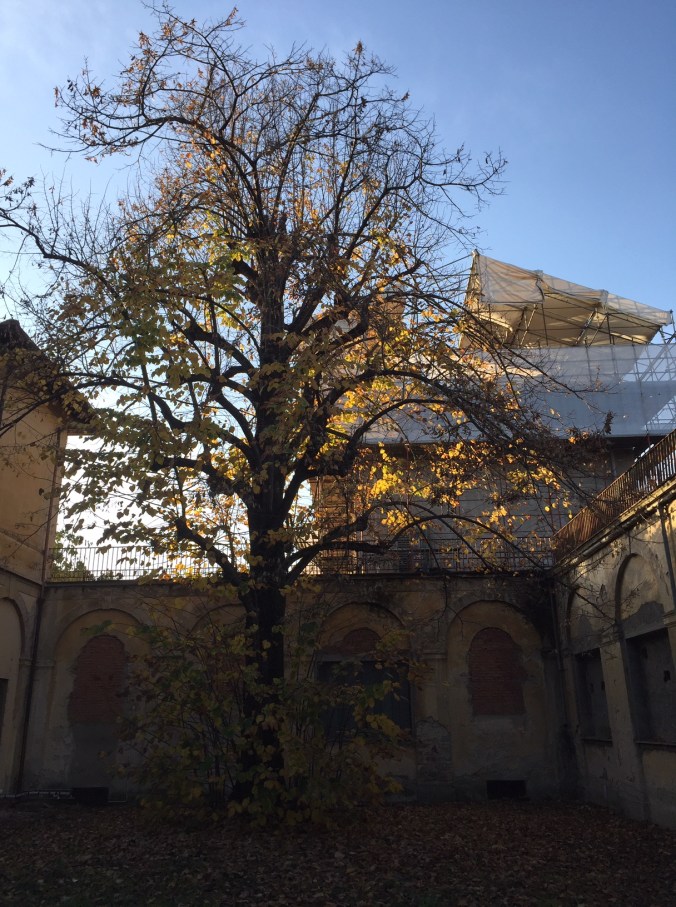

Two well-known Italian photographers, Carla Cerati and Gianni Berengo Gardin, documented, in chilling photographs, the story of San Salvi and its inmates, with “harsh images of women and men prisoners, jailed, bound, punished, humiliated, reduced to suffering and need.” If you Google Manicomio Firenze, you can find vintage photographs of the hospital and the patients. It was gruesome.
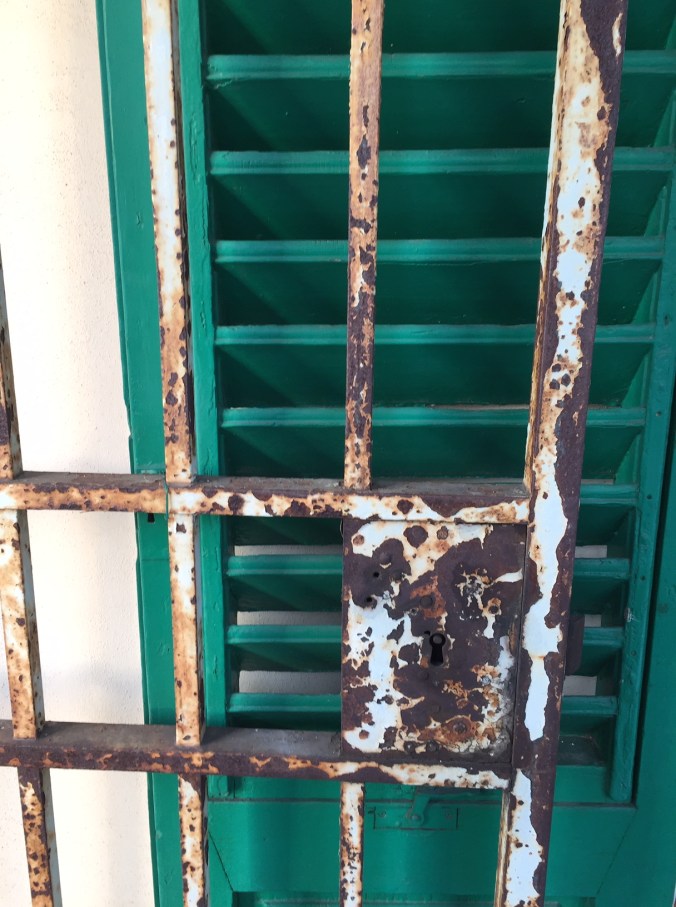
As I was leaving the campus, this old rusted iron gate seemed to sum up the history of the place for me. The key hole especially records the memory of patients locked in.
Nine bronze statues, depicting nymphs, fauns and satyrs, were removed with a crane and taken to a workshop in via Livorno, where they will be restored by Ires e Nicola Salvioli Restauri. Work on the fountain began in February 2017, using funds donated by the Salvatore Ferragamo fashion house, which is providing 1.5 million euro throughout the project. The bronze statues will be restored not only on the outside but on the inside as well, which has deteriorated substantially due to water and atmospheric agents.
In 1559, Cosimo I de’ Medici held a competition for the creation of the city’s first public fountain, with Bartolomeo Ammannati and his Neptune design eventually taking the prize, judged the best for its clear exaltation of the Grand Duchy of Tuscany’s glorious seafaring achievements. The sculpture was completed in 1565 and inaugurated for the wedding of Francesco I de’ Medici and the Grand Duchess Giovanna d’Austria on December 10 of that year. Close observers might notice that Ammannati used Cosimo I’s features to depict the strapping Neptune rising above the other figures.
http://www.theflorentine.net/news/2018/11/restoration-continues-neptune-fountain/
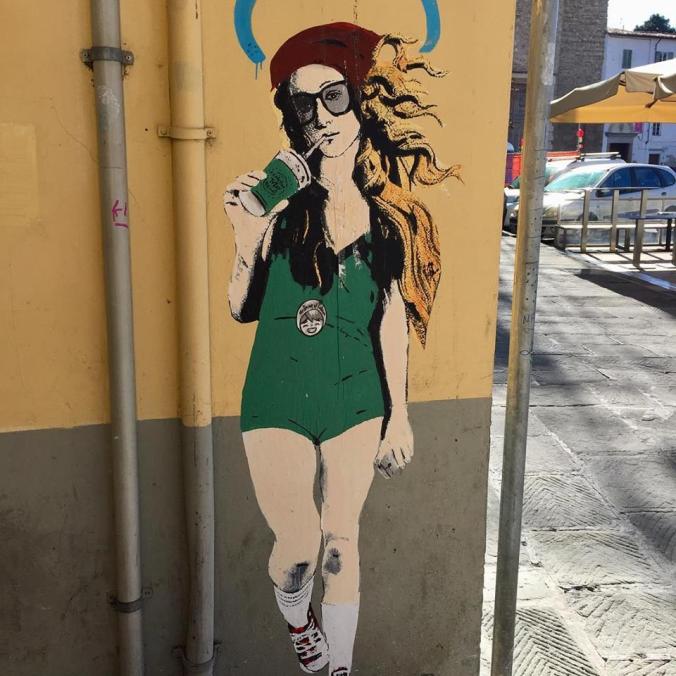
Then: Botticelli, The Birth of Venus, 1480s (Uffizi)

Today: street art in Florence

DAA-S-085004-0060
Florence flood of November 4, 1966: US soldiers distribute food to citizens, Piazza della Signoria
Mandatory photo credit:
Dufoto / Alinari Archives
WARNING:
Permission must be required for non editorial use. Please contact Alinari Archives
Place of photography: Florence, Piazza della SignoriaCollection:
Dufoto / Alinari Arch
 get back, lauretta!
You must be logged in to post a comment.