Fratelli Alinari, Firenze, archivi fotografici

Today I had an amazing opportunity for art historians: I got to take a guided tour of the Fratelli Alinari headquarters here in Florence.

What a story.

What an archive.

IMG_0554

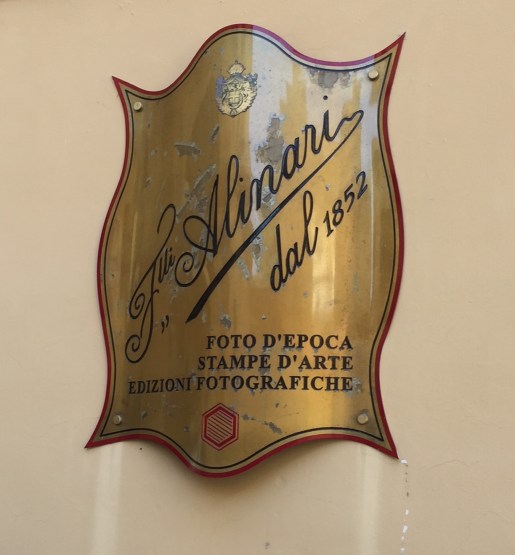
As you can read on the sign above, this photographic business began in Florence in 1852.  What you might not know is that this firm was the world’s first of its kind.

When you consider that it was only in 1839 that that Louis-Jacques-Mandé Daguerre developed the first commercially viable photographic process, you understand that these Florentine brothers were astute businessmen, beginning their firm in 1852.

If you want a good source of info, go here: http://www.britishmuseum.org/research/search_the_collection_database/term_details.aspx?bioId=185116

IMG_0488


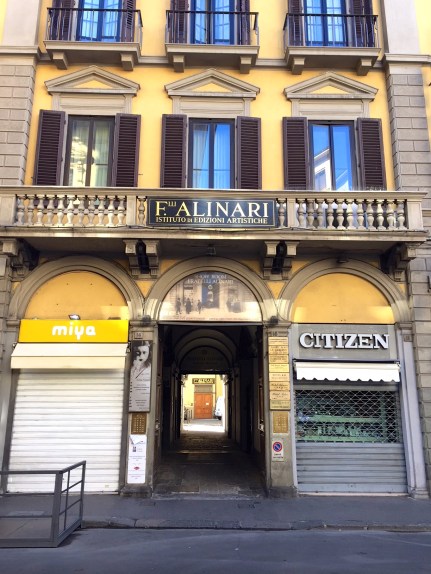
The shop is still in its original location in Florence, not far from the train station.

IMG_0486


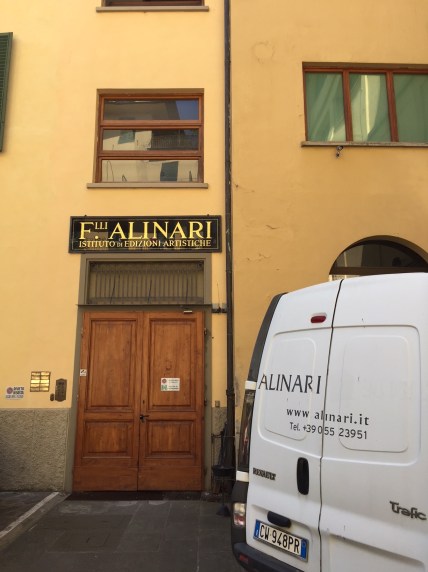
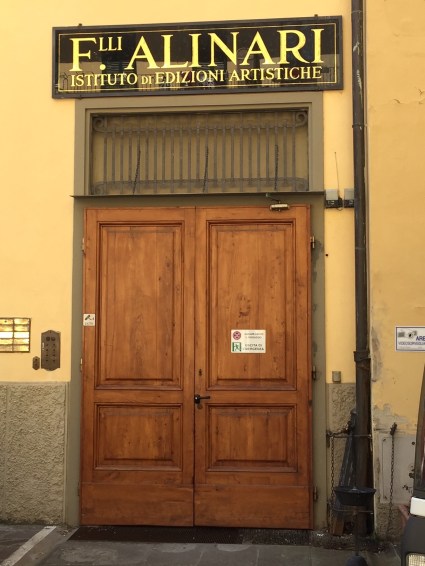
When you pass into the courtyard, you find the company’s bookshop, where you are offered an array of great posters and books, and also the actual entrance to the Alinari business.


IMG_0551

IMG_0552

Our guide showed my group some of the earliest cameras ever made and described the methods used to make glass plates.


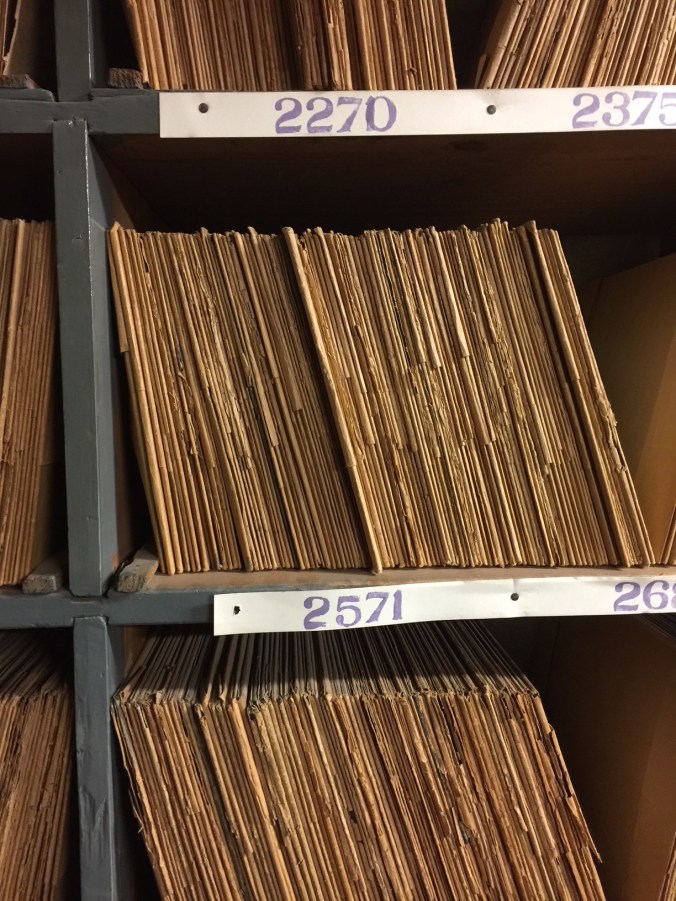
He also showed us some of the rooms where the vast archives are kept, including rooms where the hundreds of thousands of glass plates are stored.

IMG_0522

There used to be a museum of the Alinari photographs, but according to Google Maps, it is permanently closed.  Fortunately, the online archives are vast.

The Alinari firm was the first to be entrusted with photographing some of the world’s finest collections of art, including the Vatican and the Louvre.

IMG_0549

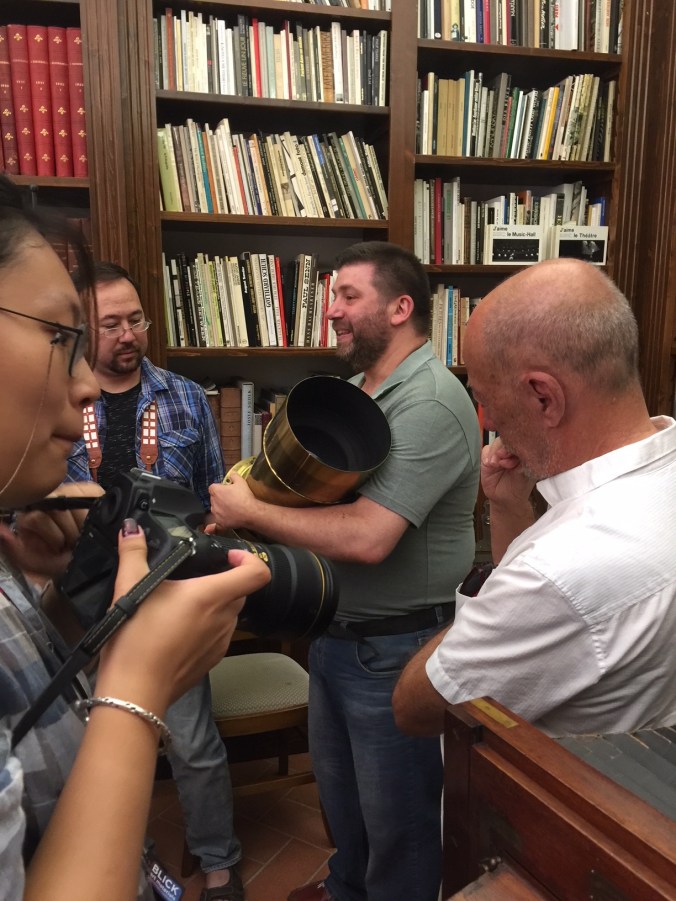
The large object our guide (in green shirt) is showing us was the lens that Alinari built in the 19th century to photograph the Sistine Chapel ceiling.  Very impressive.


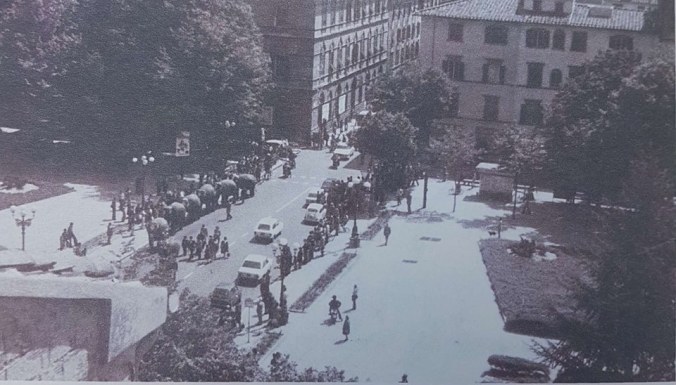
Borgo San Iacapo prior to 1940s

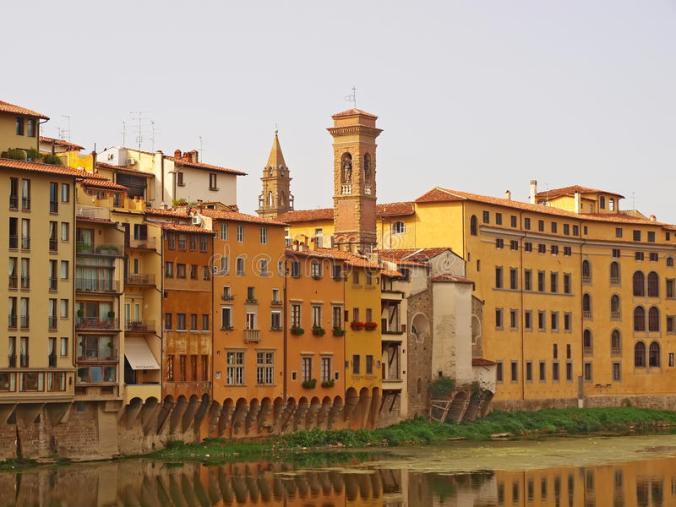
Today the string of palazzi that line the south side of the Arno River just west of the Ponte Vecchio looks like the picture below.  Pay special note to surviving bellower of the church San Jacopo sopr’ Arno in the foreground.

florence-houses-along-river-arno-29274247


And now here’s a vintage photo of the same area, with a string of older (much) palazzi.

36030819_238157740325721_8688152952096948224_n

Ponte Vecchio e dietro le case dì Borgo San Iacopo.

In comparing the 2 photographs you can see that the palazzi have been replaced.  The entire area was destroyed by German explosives in 1944 as they were being driven out of Florence by the Allied Forces.  The newer structures are about 75 years old now.


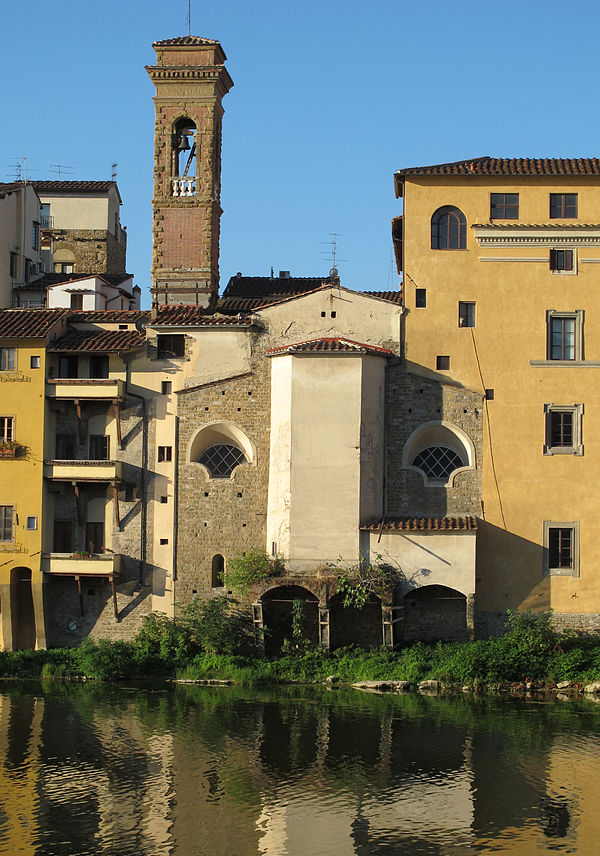
This church, San Jacopo sopr’ Arno, is very interesting as well:

San_jacopo_soprarno,_retro_(mattina)_02

If you want to learn more about this old church that lies between the Arno and Borgo San Jacopo, here’s a good source: https://wikivisually.com/wiki/San_Jacopo_sopr%27Arno


The (almost) unknown Florentine museum attached to the refectory of San Michele a San Salvi

Yesterday I posted about Andrea del Sarto’s Last Supper in Florence.  Attached to the same building is a small but fine museum of 15th and 16th century art, in addition to the main event of the Last Supper.

IMG_0102

I might lose my membership in the world of art historians because while I took pictures of a few of the artworks that grabbed my attention in this smallish museum, I didn’t take adequate pictures (or, god forbid, hand-written notes) of the labels that identify the artist.  From the depths of my heart, I apologize.  It was a hot, hot, hot day in Florence and I simply failed to live up to my creed. :-)


IMG_0103

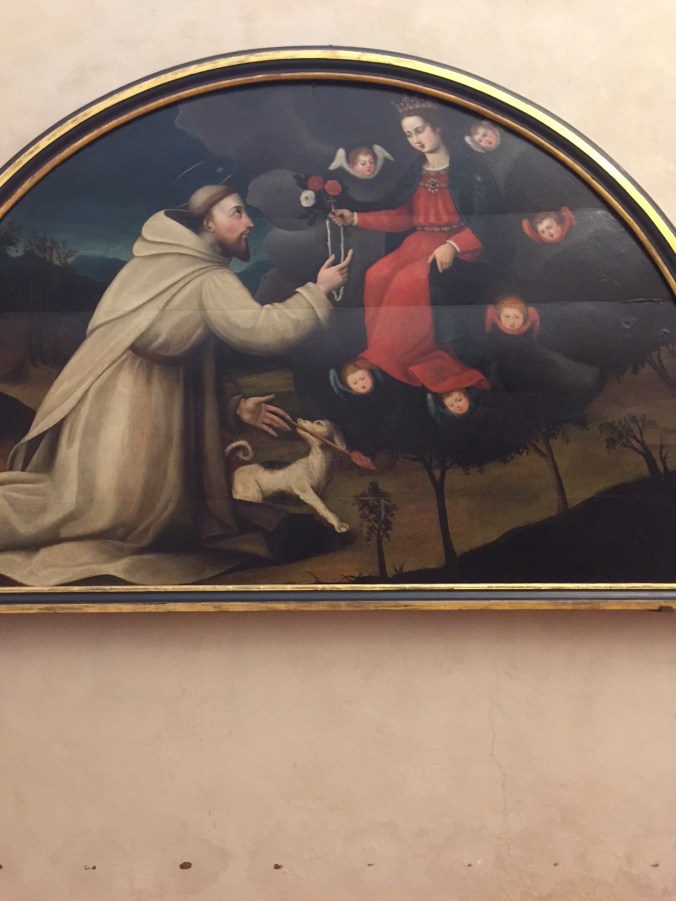
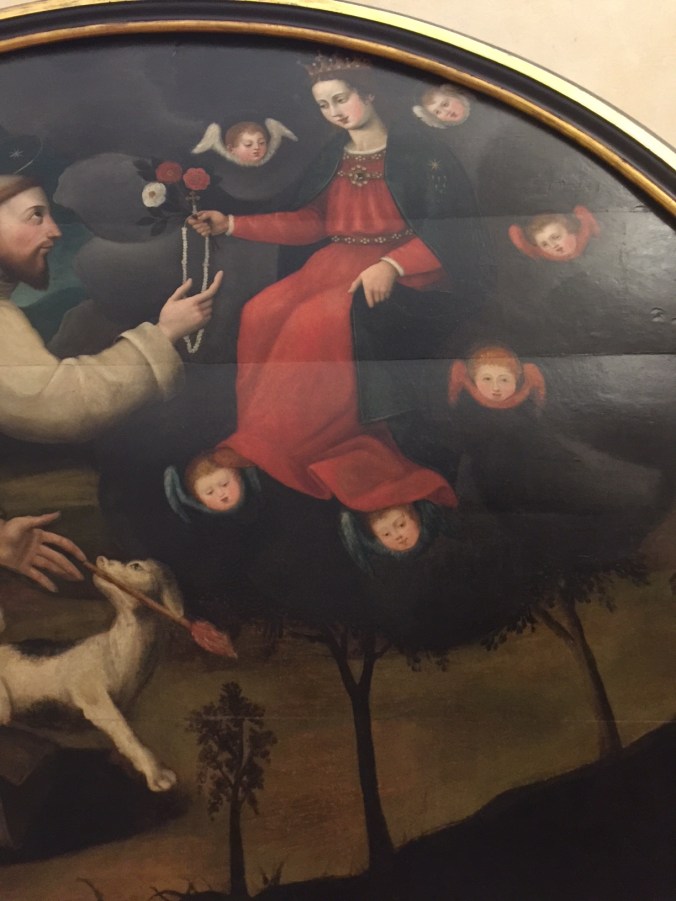
But this odd painting certainly did grab my attention!  It is, I assume, a vision of Saint Mary in heaven, bestowing a string of pearls? beads? to someone below her on earth, I would guess?

Anyway, what I liked is the bodiless angels floating around Mary in the shape of a mandorla (almond).  Their heads and wings are kind of creepy, floating as they do around Mary.


And, speaking of being surrounded by cherubim and seraphim, look at this oil painting!

IMG_0100

Again, I would be fired as a curator, but I don’t know who painted this work. (But I know where the label is if I need the info; it’s right beside the painting for goodness sake! My art historical training is playing out in this post, as a kind of Catholic guilt.  I am smiling as I write this silly thing.)

But, check out the multitudes surrounding Christ on the cross, above whom is God the Father, and below is Mary and 2 others.


But, as entertaining to me as the 2 works above were, the one that really gave me a jolt was this:

IMG_0089


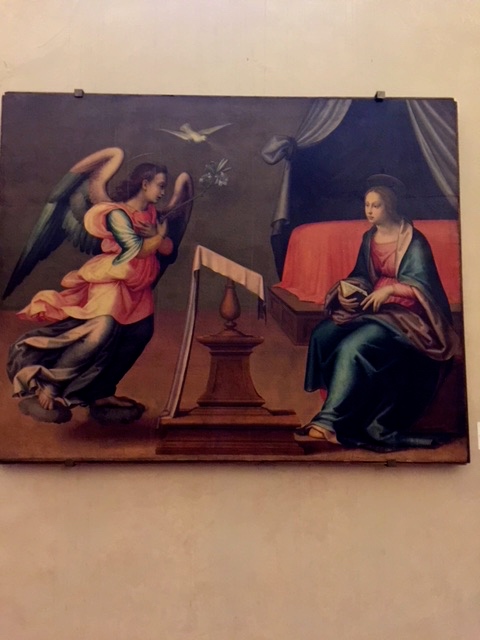
It represents, of course, the Annunciation, when the angel Gabriele tells the Virgin Mary that she will bear the Son of God.  I’ve seen thousands of renditions of this scene, which one of the most hopeful moments in Christian art.

But, what I have never seen before is Gabriel standing on 2 little clouds, one for each foot, that makes it look like he is hover-boarding up to Mary!

IMG_0090

Crazy funny to me!

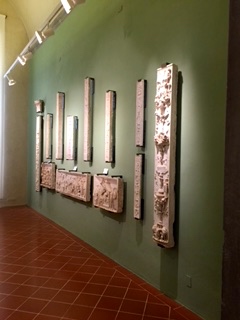
There are many fine works of painting and some sculpture in this fine museum.

IMG_0098

Vai!  You’ll be glad you did!

How to beat the heat & crowds in Florence & have a major Renaissance painting all to yourself

I don’t usually give this kind of advice or information.

Typically I write my impressions of places I visit, without giving away too much info, mainly because Florence is so heavily visited and information is easily obtainable.

But today I will share a secret. It is good for any time of year, but in summer, it serves 2 purposes.  You will be in peace, perhaps even alone, and you can appreciate an under-known masterwork by a well-known artist.
IMG_0078


So, let’s say it’s over 90 degrees F.; you are in Florence; you love Renaissance art; you’ve visited all of the usual venues (museums/churches/artworks); and you’ve had it up to your eyebrows with the swarms of tourists that engulf this city.  What to do?
IMG_0073

Head yourself over to an empty, cool, beautiful former refectory on the east end of Florence.  It’s easy to get to by taxi or by bus and when you get there you will probably be alone, like I was last week, in the space.


Screen Shot 2018-07-11 at 11.38.29 AM

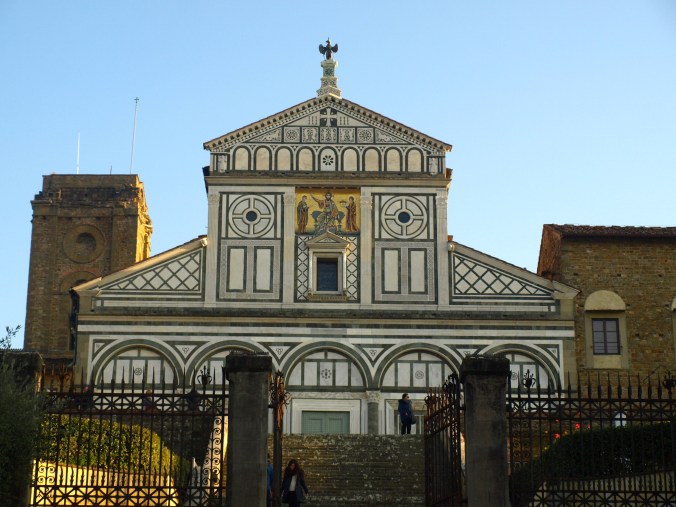
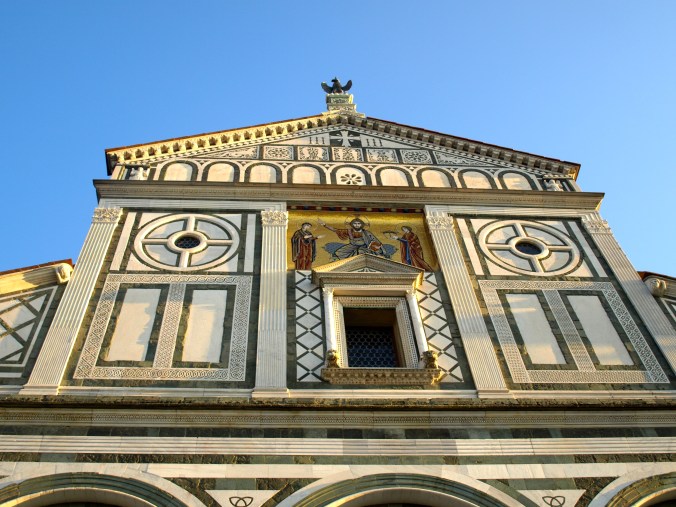
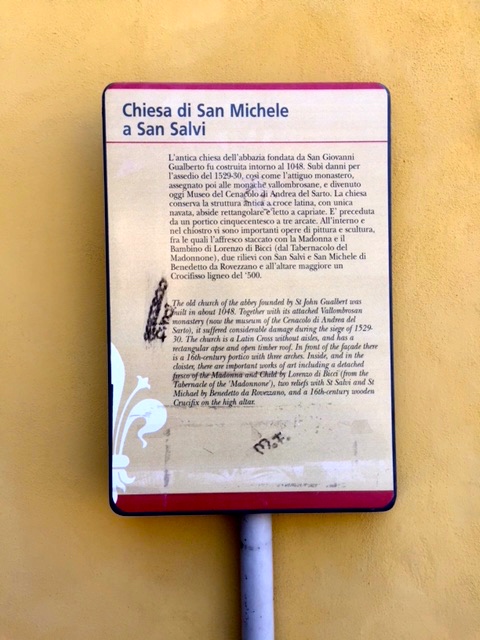
This church of San Michele a San Salvi is one of the most important ancient churches located outside Florence’s (former) circle of medieval walls. The adjacent Cenacle of San Salvi is a real hidden gem of the city.

You can find the location on the right side of this Google map screen shot. It is marked with a pin and titled “Cenacolo di Andrea del Sarto.”
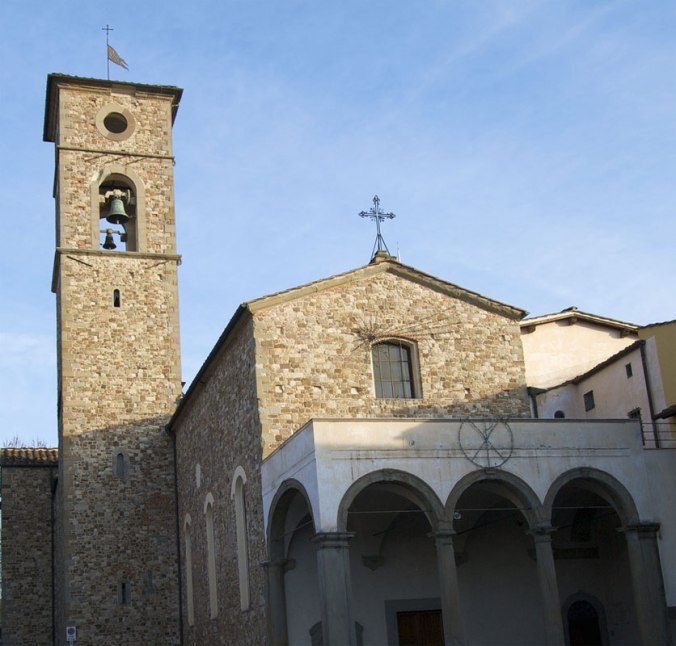
8


IMG_0074

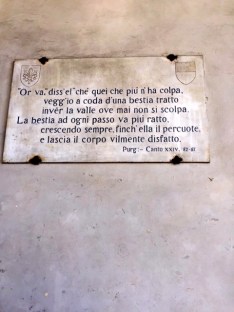
(For some reason I am not educated enough to understand, the picture above shows the plaque with a citation from Dante’s Purgatorio, which is placed on a wall near the church’s facade.  If you know why it’s there, please leave me a comment!  Grazie!!)

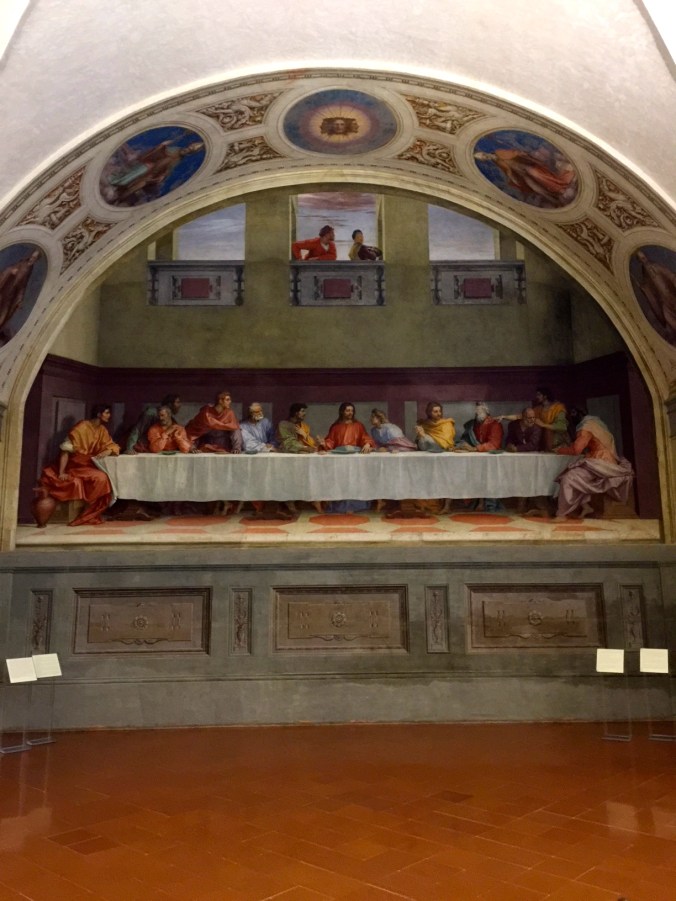
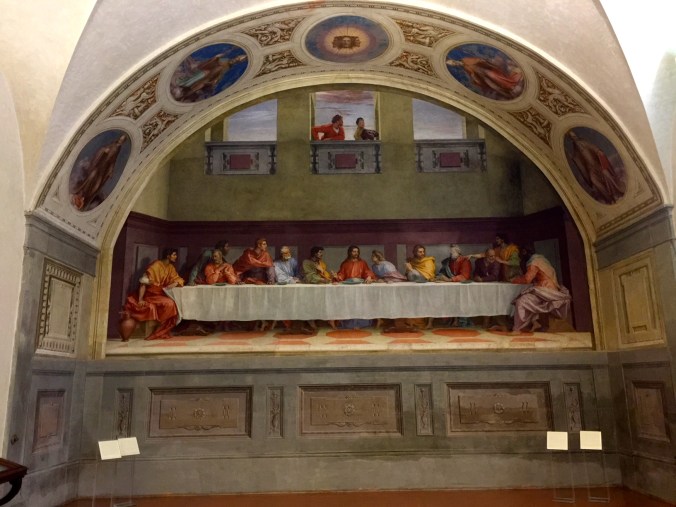
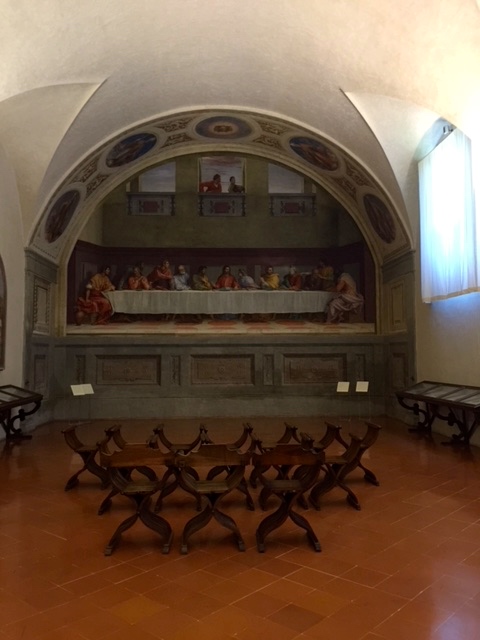
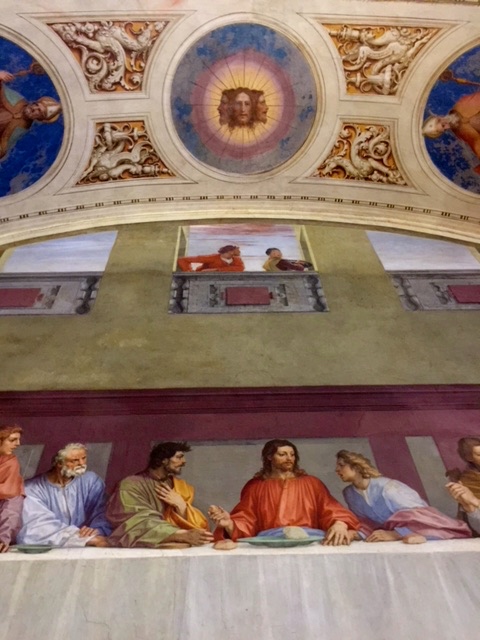
By traveling to this location, you will be rewarded not only with a coolish tranquility but also with a masterpiece:  Andrea del Sarto’s fresco of The Last Supper (called Cenacoli in Italian), which is as monumental as it is beautiful.

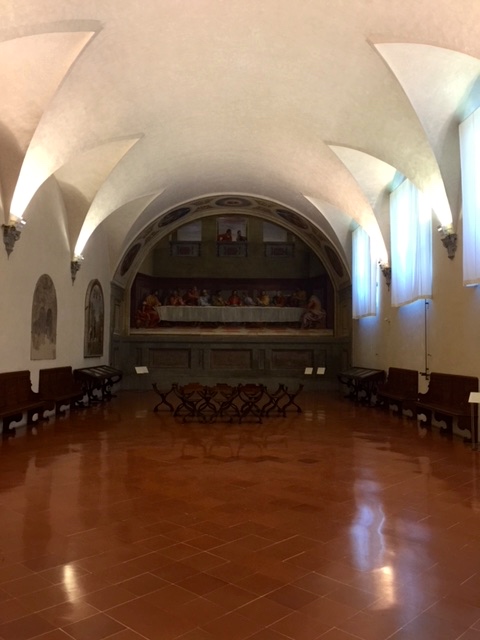
You walk into this calm typically Tuscan space (pale walls, red floor, accents of gray pietra serena stone) and this is what you see.  For me, this is where my blood pressure begins to regulate; soon I will be lost in the experience of the painting.
IMG_0075IMG_0076IMG_0077

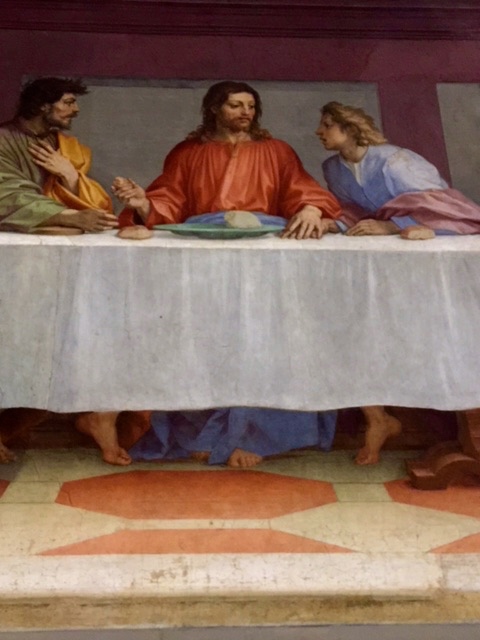
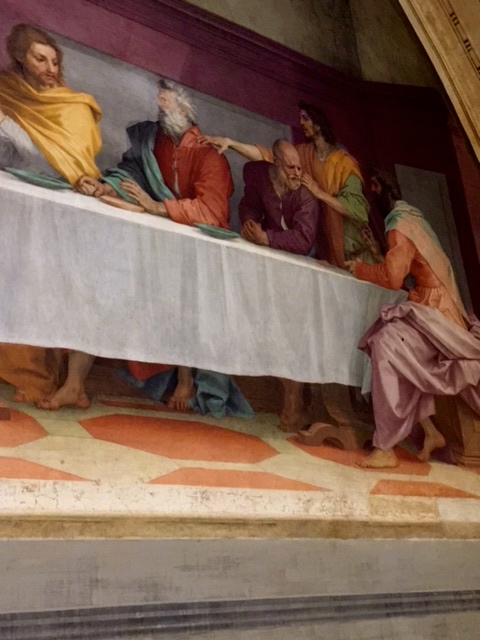
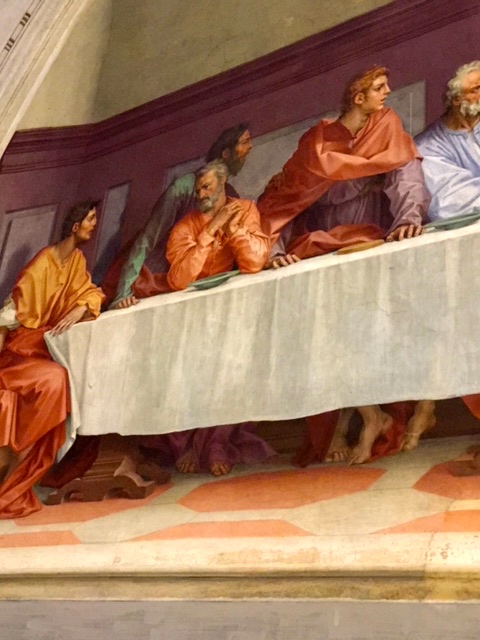
This relatively unknown jewel of the art of fresco was lovingly described by none other than the world’s first true art historian, Giorgio Vasari. About it he said: “Andrea del Sarto, the flawless painter, is the author of the Last Supper kept in the Great Refectory of the San Salvi convent. [The fresco has] endless majesty with its absolute grace of all the painted figures.”

Here are some details of the glorious painting:
IMG_0080IMG_0081IMG_0082IMG_0083

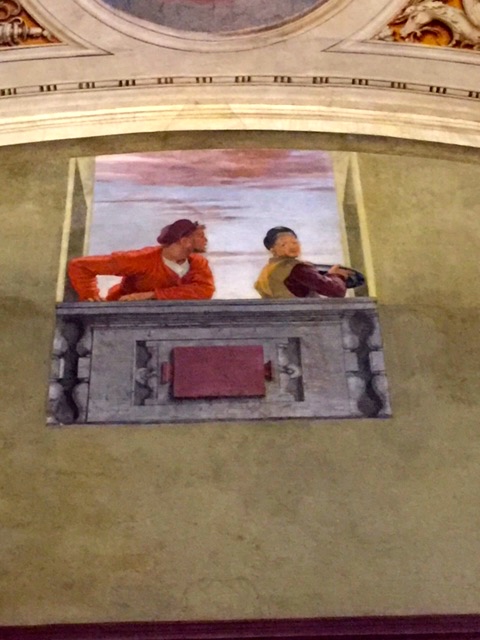
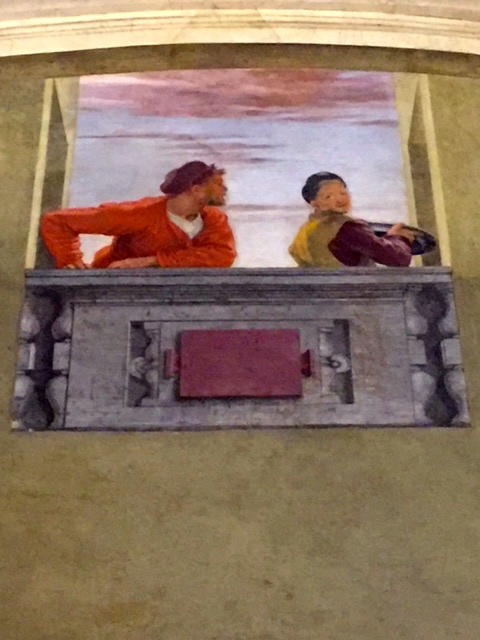
I simply adore this casual slice of everyday Florentine life captured by Andrea del Sarto in the top of the lunette over the last supper.  One man appears to just be hanging out on a balcony over the people eating, while the other, possibly a server for the dinner, seems to be walking away.
IMG_0086IMG_0085


Not pictured here, but to the right and left of the room, along the walls in glass topped cases, are many sketches for the fresco by Andrea del Sarto.  It is a rare opportunity to see sketches by an artist from this period.  And, to see them in conjunction with the final work is an extraordinary opportunity.
 

IMG_0079

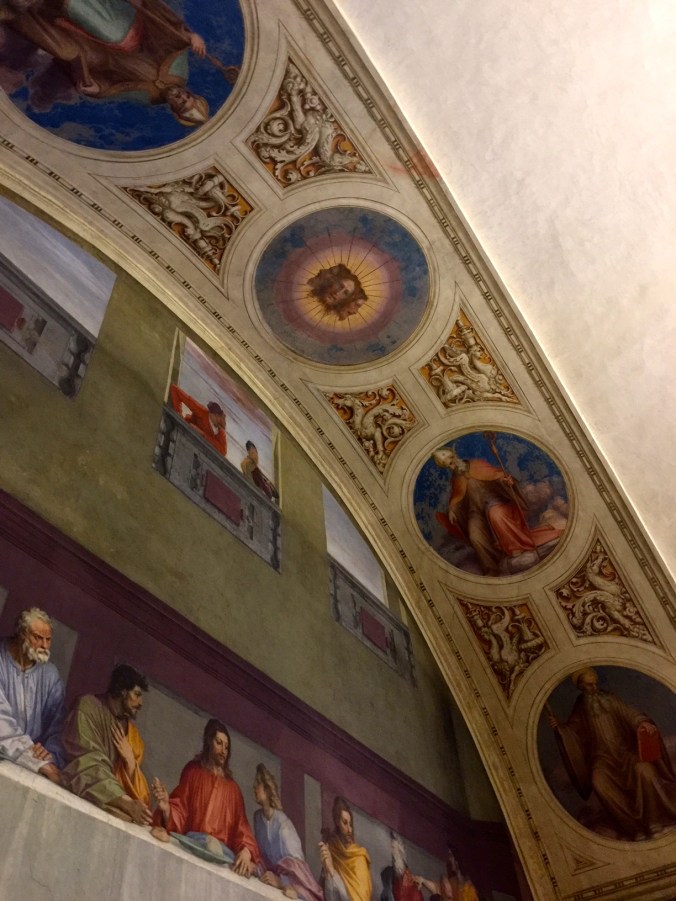
Notice in the picture above, Andrea del Sarto’s treatment of the Trinity.  A 3-faced head shot of sorts.

Who knows!? You might be as lucky as I was and have the place all to your self on the middle of a Saturday in July.  This is almost unheard of in Firenze!

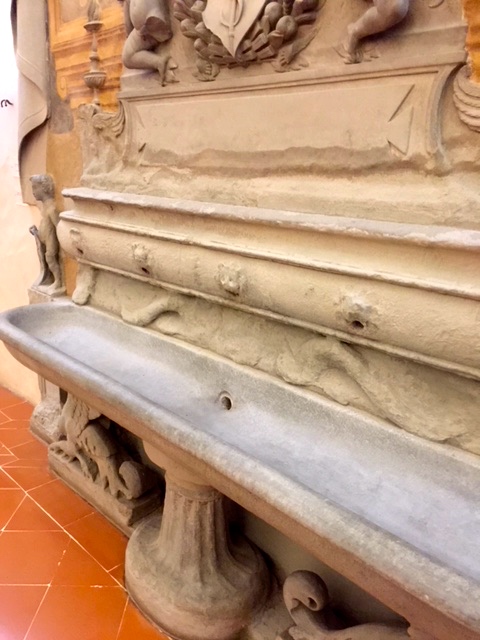
Just outside the refectory is a fountain where the convent members could wash their hands before entering the refectory to dine.
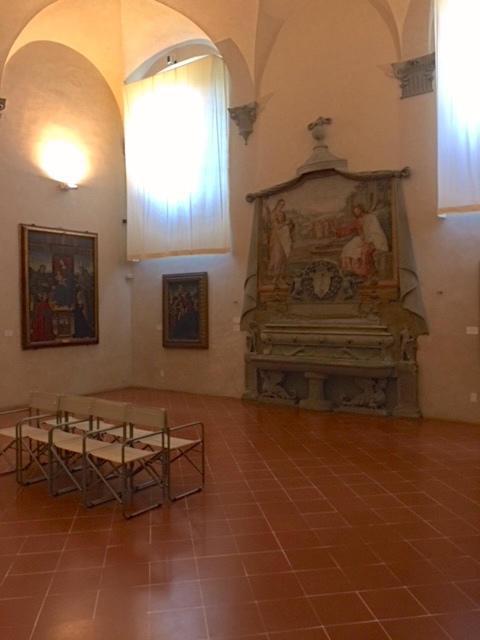
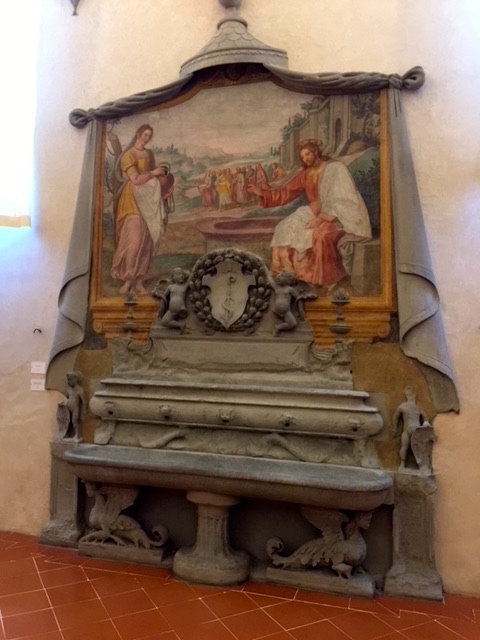
IMG_0093IMG_0094IMG_0095

Utilitarian yet artistic.


Here is some info about the venue: http://www.polomusealetoscana.beniculturali.it/index.php?it/177/firenze-cenacolo-di-andrea-del-sarto