It’s a constant effort and the city does a good job. Street sweepers sweep the streets continually.
A couple days ago, while walking through the Piazza della Signoria, I spied the newest assistant. Here she is:

She has her work cut out for her!
It’s a constant effort and the city does a good job. Street sweepers sweep the streets continually.
A couple days ago, while walking through the Piazza della Signoria, I spied the newest assistant. Here she is:
She has her work cut out for her!
Watch this video in which Suzy Menkes, the fashion editor of The International Herald Tribune, speaks with the creative director of the Gucci Museum, a fun museum in Florence.
Farmacia della delegazione inglese aperta in via Tornabuoni nella prima meta’ dell’ ottocento da H. Roberts e C.

After living in Seattle for a few years, I’ve yet to see any other micro-climate produce the the amazing magnolia trees that grow there. But, Florence is no slouch when it comes to these monumental trees.
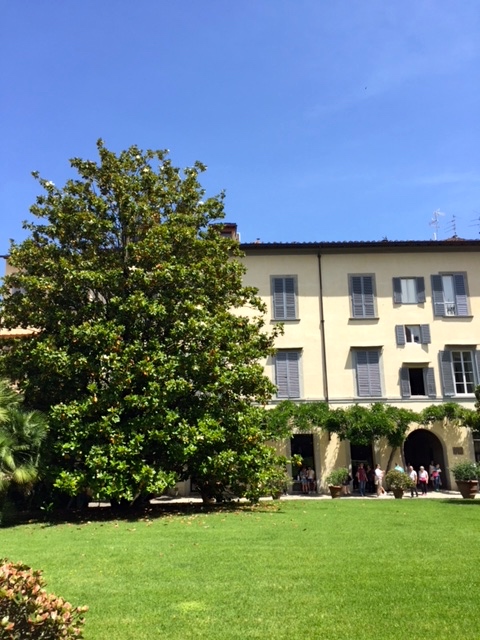
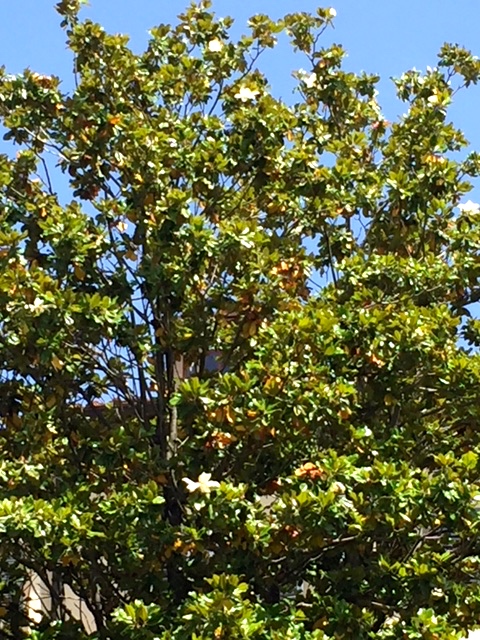
Last weekend I was in the lovely garden behind the Palazzo Guicciardini, and this beautiful speciman was putting on a pretty show. My pictures, unfortunately, do not capture the majesty or the beauty of the big white blossoms, but I hope you get the picture. Look at the top section in this picture below and you will see some of the white blooms.

Another closer view:
Here’s a view I found on the internet to better show the white blooms.
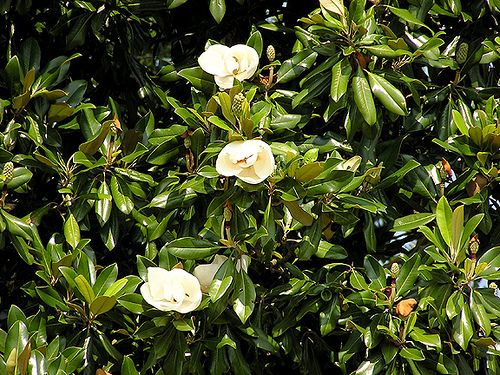
And yes, the blooms are gorgeous, but even the foliage of this tree is lovely.

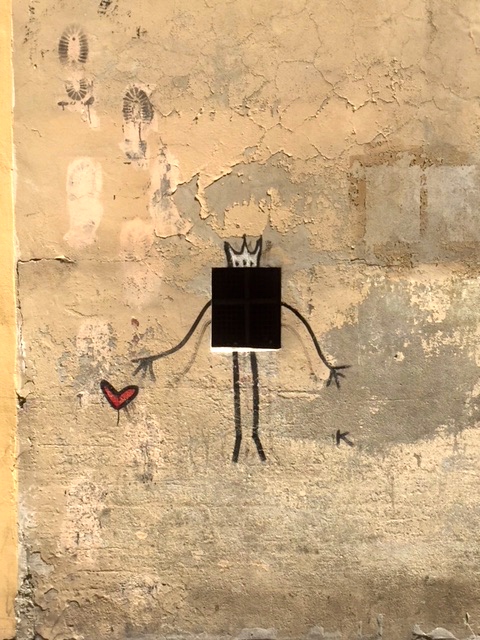
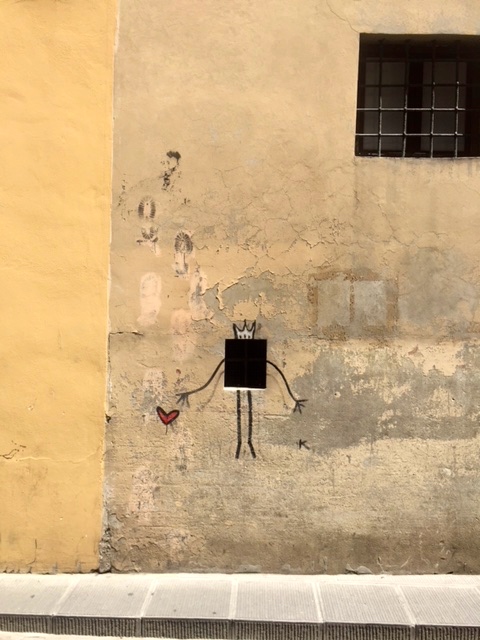
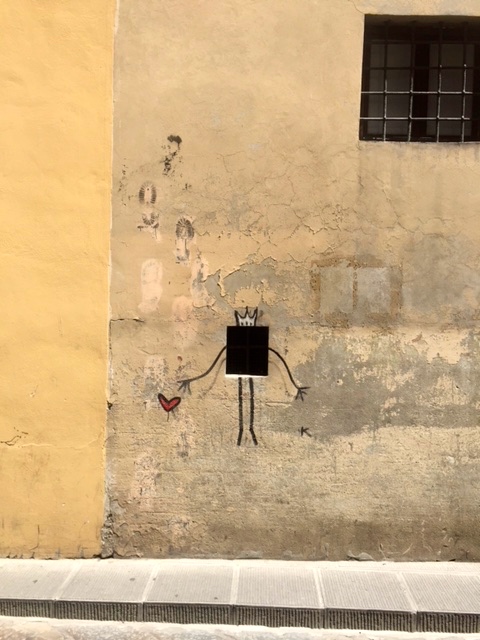
Spotted another great work by street artist Exit/Enter this week. He takes a metal cover or a small window on any Florentine wall, and uses the irregularity as a part of his design. I love his light-hearted take.
About eating healthily, that is.
That was not the question today!
I’m not very proud, but it was a lark and very enjoyable! Today I had a chocolate croissant from Riviore for breakfast, and, since I found myself near my favorite gelateria in the Oltrarno, I treated myself to artigianale gelato for lunch (with 2 flavors: buontalenti and chocolate [the chocolate was so rich and chocolately it was almost too intense]; the buontalenti was heaven on earth)! There was a bit of a chocolate theme happening, and I’m not a chocoholic.
I didn’t take pictures, bc you know what both of these things look like. ;-)
I make a weekly walk through a lovely residential neighborhood in an outer area of Florence. You see all Florentines and Italians here. I’ve never ever seen a tourist in this area, which is kind of amazing if you understand the waves of tourists that swarm this amazing city.
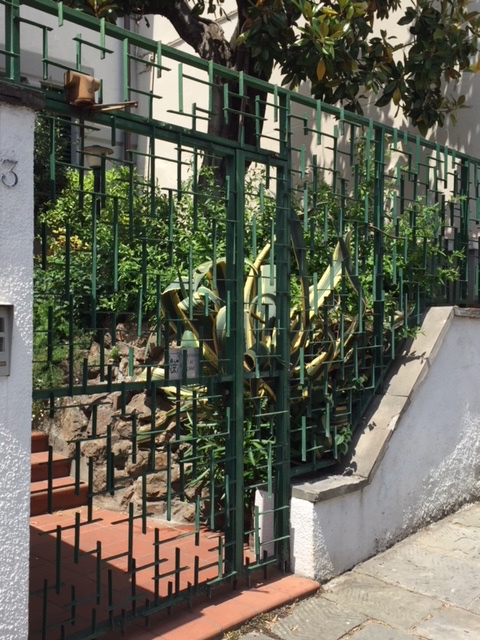
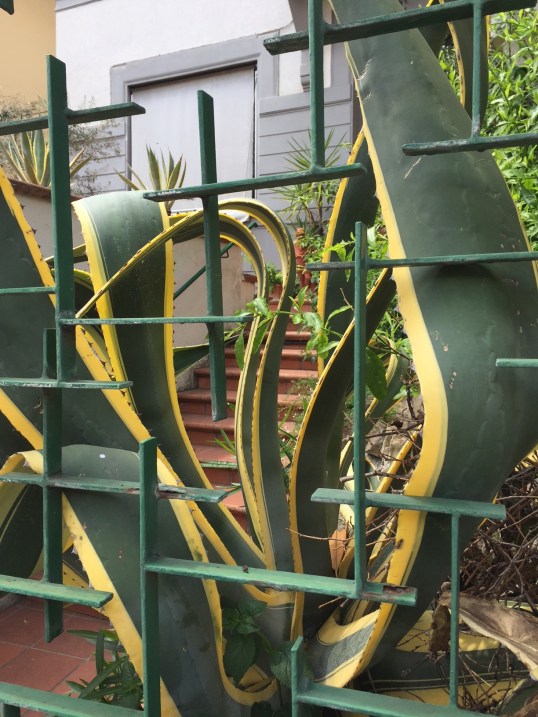
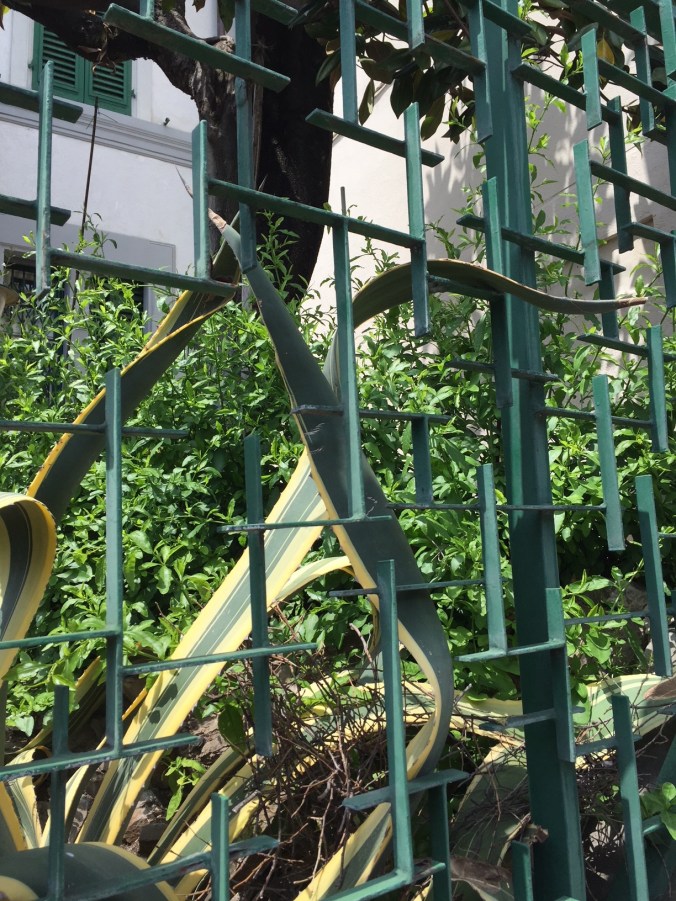
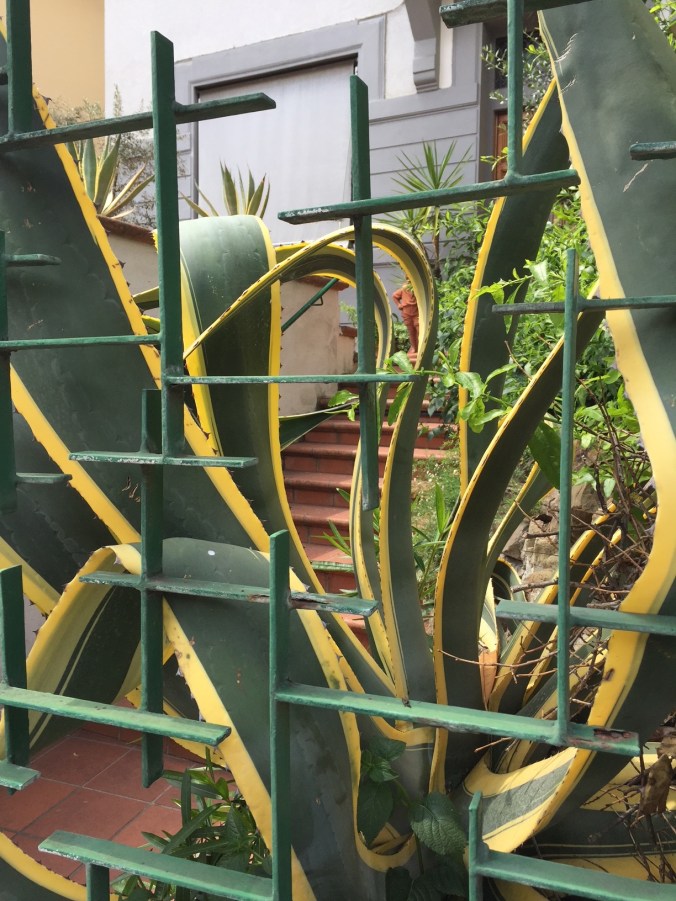
My weekly walk takes me by a very interesting front garden of one of the many villinos in the neighborhood. The first time I saw this large cactus (I don’t actually know what the plant is, if I’m wrong, please leave a comment!) it looked like a caged animal to me, one that was trying to work its way out of the surrounding metal enclosure.
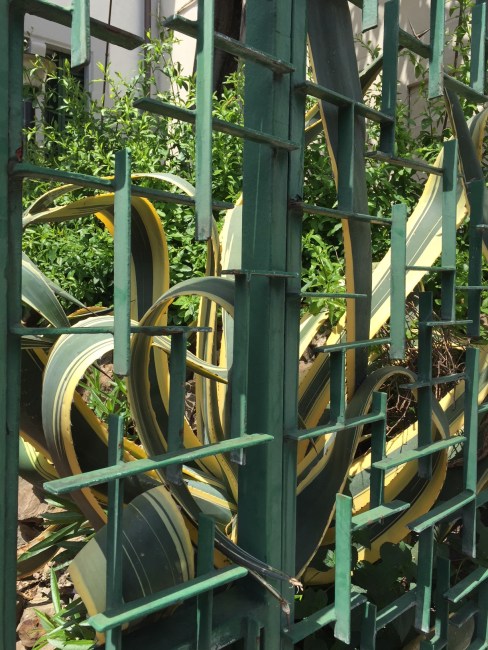
Yesterday I walked through the area again and wanted to take more inclusive pictures to show how this front garden is organized. Here they are:
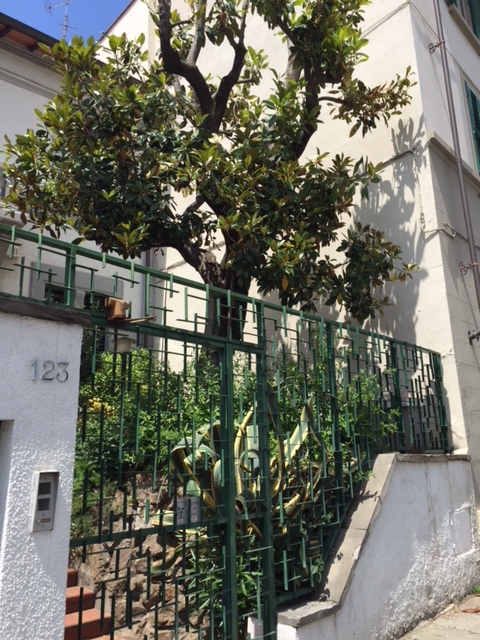
As you can see, the cactus has a fantastic magnolia tree behind it.
Here is how the entrance to the home is organized and decorated. Very lovely to my eyes,
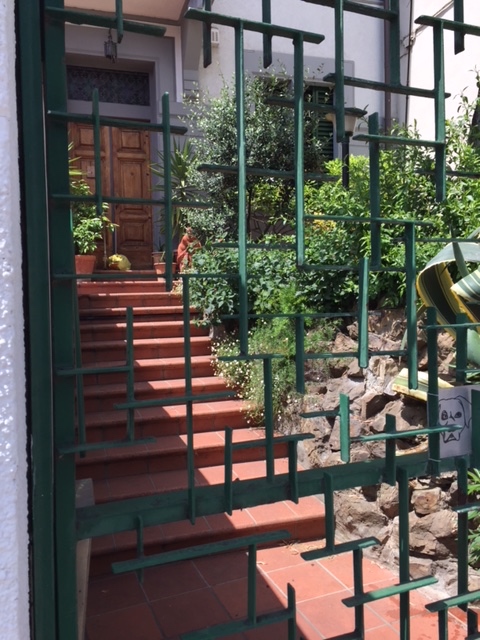
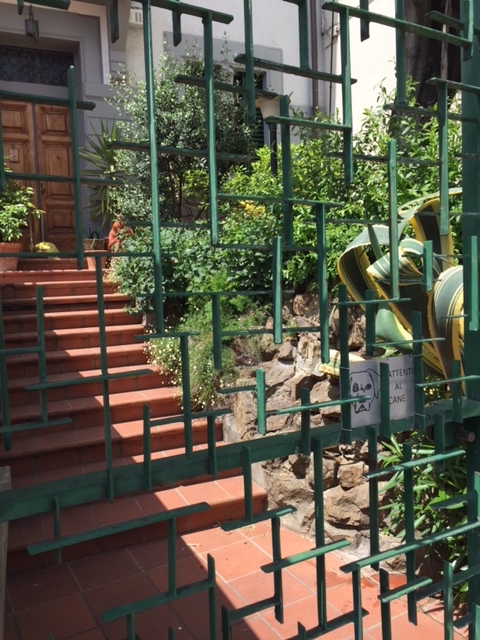
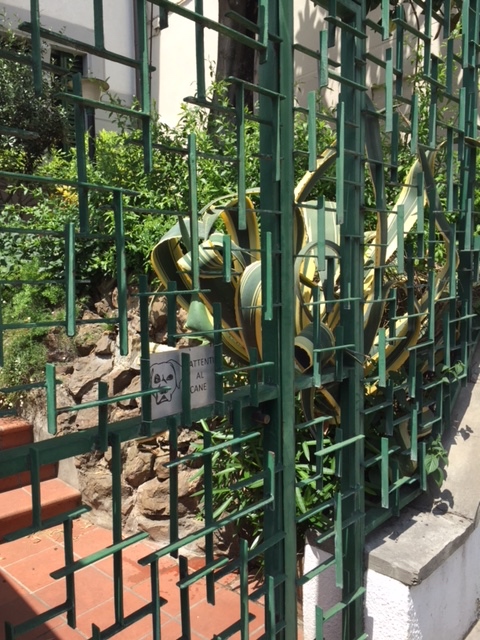
And then, here’s that massive plant! Love it!

If you’ve ever been lucky enough to come to Florence and if you arrived by train, chances are good that you’ve been at the Stazione Santa Maria Novella to the west of the historic center of the city. Every time I’m in that station nowadays, I always time travel in my mind back to the day when I was 27 years old and first set foot in Florence and Europe. Just walking through this classic 1930s building makes me remember the wonder and excitement I felt that day.
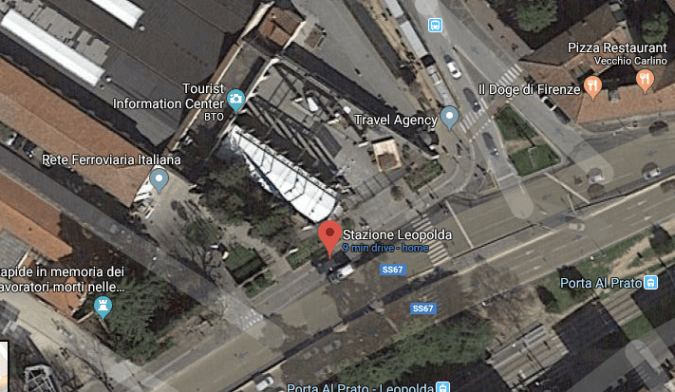
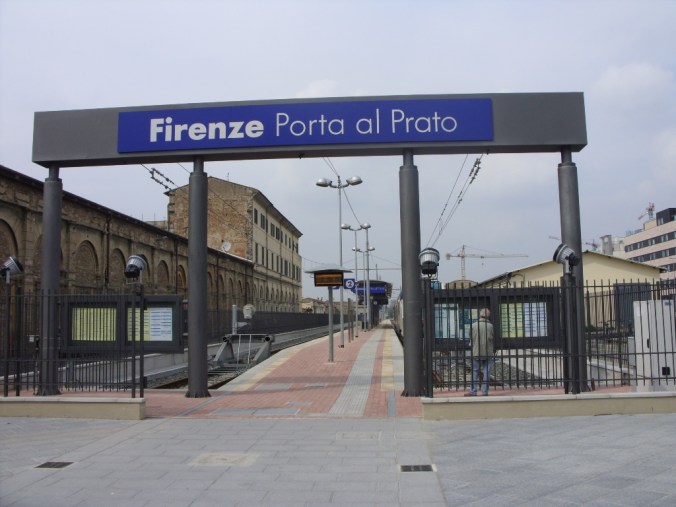
But, you probably didn’t know that this famous stazione was not Florence’s first train station. That distinction goes to the Stazione Leopolda which is over by the Porta al Prato, just outside what would have been the circle of walls surrounding Florence when the station was built. It is also next to the Teatro Maggio Musicale Fiorentino, located on the Viale Fratelli Rosselli. The stazione has gone through many transformations, as you will see below, but it is still in situ and is used today as a venue for many exhibitions, meetings and congresses.
Here’s a Google Map image to help you situate the area in your mind:
So, let’s time travel back to the 1840s together and have a look at this interesting building complex.
Today it looks like this:
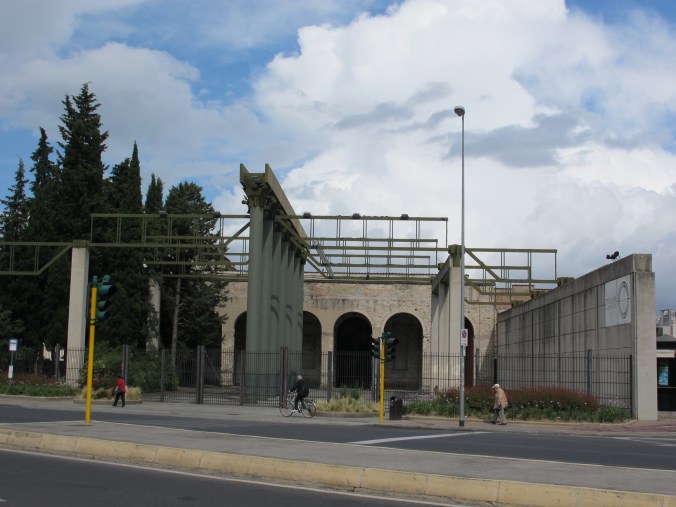
But when it was first inaugurated in 1848, it looked like this:
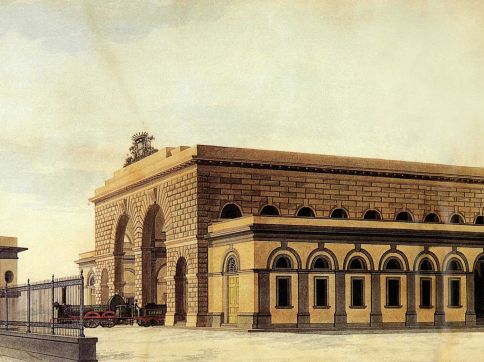
And by 1861 it looked like this:
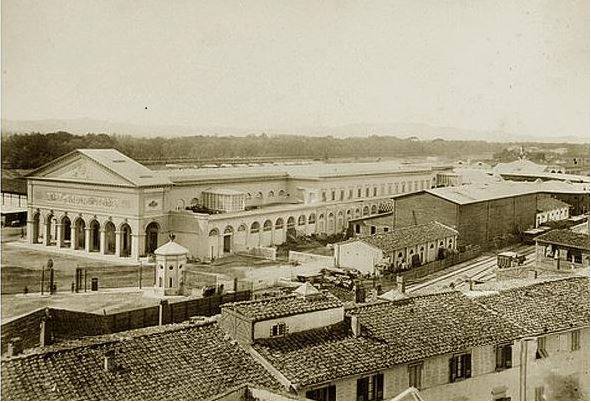
Stazione Leopolda. Foto del 1861.
Do you know your railroad history? Well, the very first railway line constructed in all of Tuscany was the route that connected Livorno, an important port, to Pisa. In 1841, work began to connect Florence with Livorno as well.
A new station in Florence would thus be needed to allow for arrivals and departures on the new Livorno/Florence line and the Grand Duke Leopold II commissioned architect Enrico Presenti to build a large terminus station to be situated in an open space just outside the Florentine walls, near Porta al Prato. The new station, Stazione Leopolda, was opened on 12 June 1848, taking its name from the Duke himself.
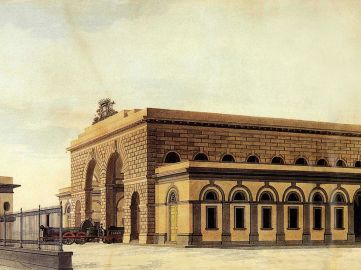
The new station was designed with 3 large rooms, the central one was for the tracks and the arrivals/departures and the 2 side rooms were for services. The station was constructed with a stone and stucco finish, using rounded arches and pilasters borrowed from the neoclassical style.
Almost simultaneously, another train station was envisioned and built; this one was constructed closer into the city center and this is the station that is still in use for passenger arrivals and departures 24/7, the Stazione Santa Maria Novella. As time went on, the SMN stazione saw a continuous increase in passenger traffic and it was decided to divert all regional and national lines to it, and to close the Leopolda. This happened by 1860.
Now it just so happened that the reunification of Italy was happening through these same years. Authorities had to figure out what to use the Leopolda for and, since the first annual Esposizione Nazionale Italiana delle Arti e delle Scienze was scheduled to be held in Florence in 1861, it was decided to rework and reuse the Leopolda for this grand exposition. Architect Giuseppe Martelli (1792-1874) was commissioned in 1861 to rework the Leopoldo in order to provide a good venue for the exposition.
It opened to great fanfare and the day it opened it looked something like this:
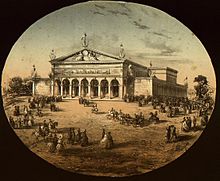
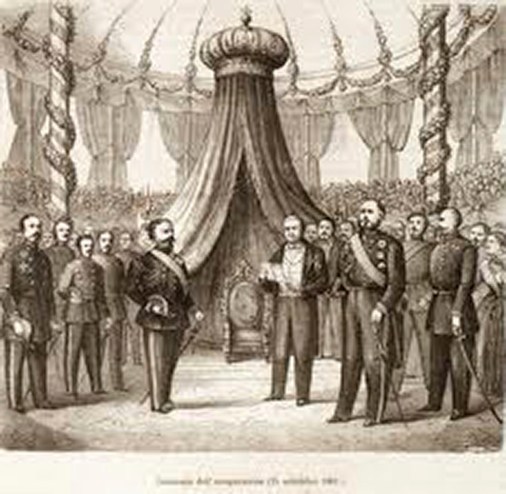
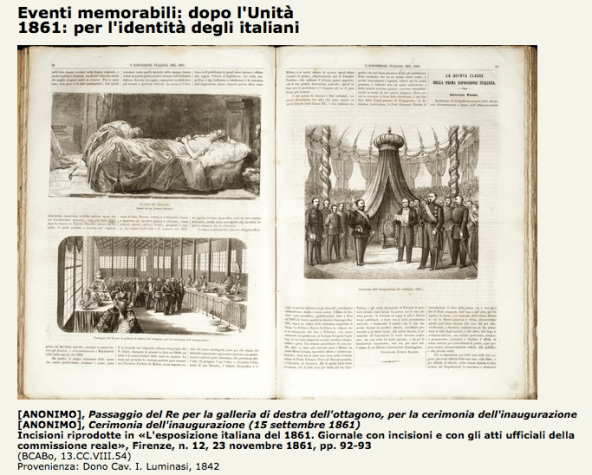
The exposition was large, with more than 6,000 exhibitors in the fields of the arts, sciences, and Italian industries. It was visited by about 30,000 people.
Incidentally, this exhibition was one of the first venues in which the nascent school of the macchiaioli were shown.
On March 17, 1861 the new Kingdom of Italy was officially proclaimed, with King Vittorio Emanuele II as the the monarch. He was on hand to inaugurate the exposition later that same year.
Unfortunately, the exhibition was a disappointment financially and the annual expositions did not come to pass. Italy would have a few subsequent expos, but never an annual event as such.
The Leopolda, having served 2 purposes so far in its history as first a passenger train station and then the home of a grand exposition, it would soon be reworked again, for Florence soon became the capitol of the new Italian state in 1865.
This time architect Marco Treves was commissioned to expand and modify the Leopolda so it could house many small offices needed for the bureaucracy in Florence. Treves added a mezzanine to make better use of the interior space.
In 1871 the Capitol of Italy was moved to Rome and, you guessed it, the Leopolda was yet again put to another use. It came to house a workshop for train maintenance, using small parts of the old, original railroad tracks.
During the WWI, bullets were manufactured in Leopolda. During WWII, Leopolda housed factories devoted to maintaining and repairing train equipment. During the Nazi occupation, Resistance workers used the site to sabotage and clog up the delivery of raw materials. These activities continued right up to May 2, 1944, when Florence was bombed and the workshops were closed.
In the post-war period the building was once again modified, leaving intact essentially one large room in the center of the building which was used until 1993 as a railway depot. After that, the complex was repurposed once again.
Finally–or perhaps I should say currently–the Leopolda got a spruced up front by Gae Aplenty in 1996 and the old train station connection to the space ended. Today the space is open for fashion events and exhibitions, among which is the Pitti Imaggine, SRL which oversees the Leopolda nowadays.
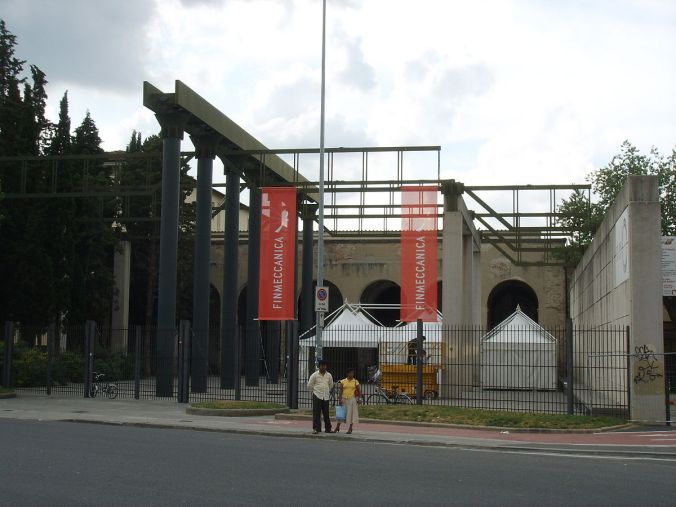
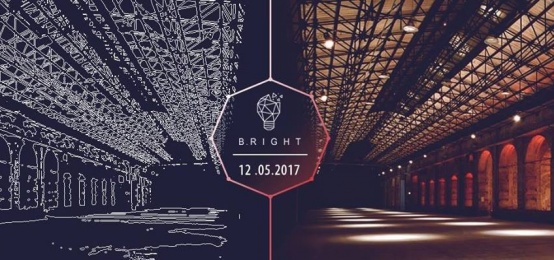
Indeed, today the Leopolda is one of the most exhibition spaces in all of Florence, managed by Stazione Leopolda Srl (a Pitti Immagine company) and the great central vault is now used for music, fashion and markets.
Quick as in an hour. I found this BBC documentary very enjoyable and informative and a good reminder of how the Renaissance developed under Medici patronage. (I found the tie-ins to art being the hot commodity it is in the modern world less interesting/persuasive). A great, quick visual trip to see the world created by the Medici clan.
 get back, lauretta!
You must be logged in to post a comment.