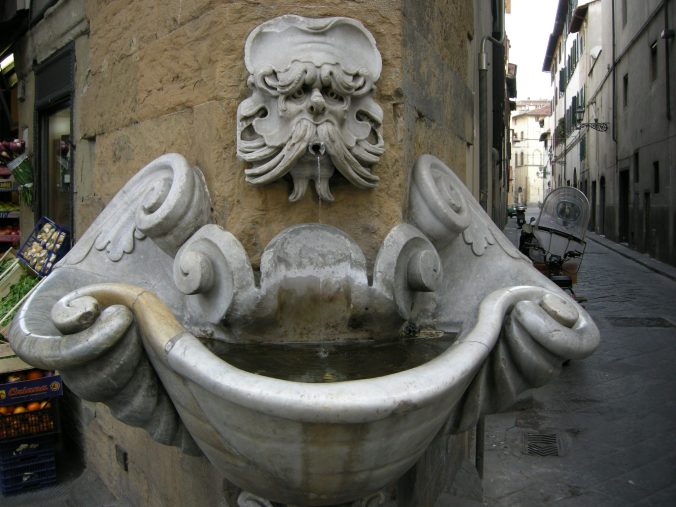
When I grow up…

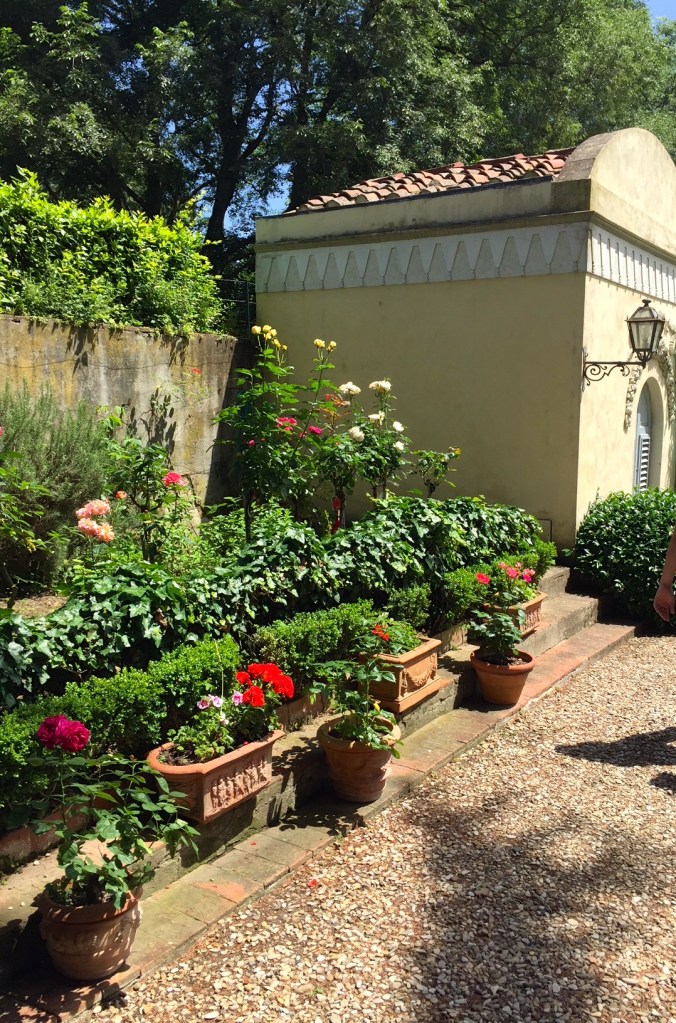
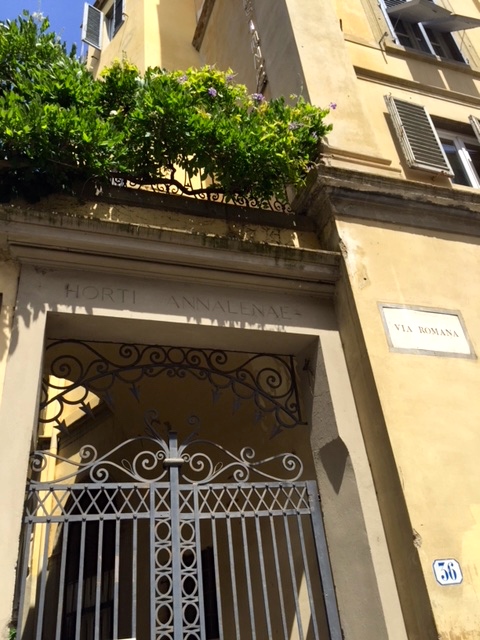
I want to live here, in Florence:

IMG_9421IMG_9422


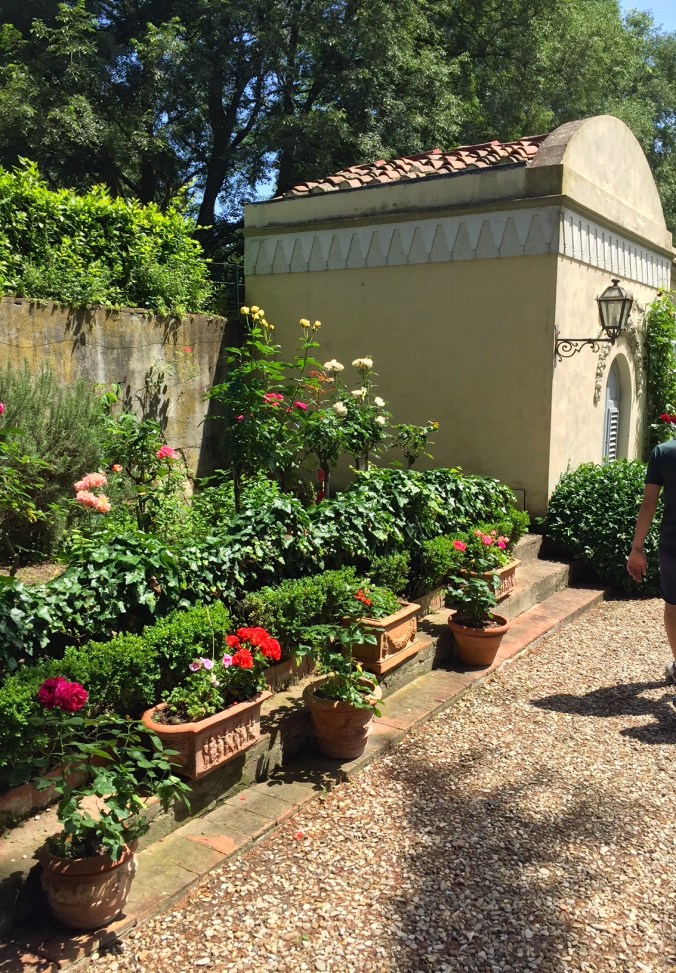
Or, maybe I’ll live here, which is right next door:

IMG_9405IMG_9406IMG_9407IMG_9408IMG_9410

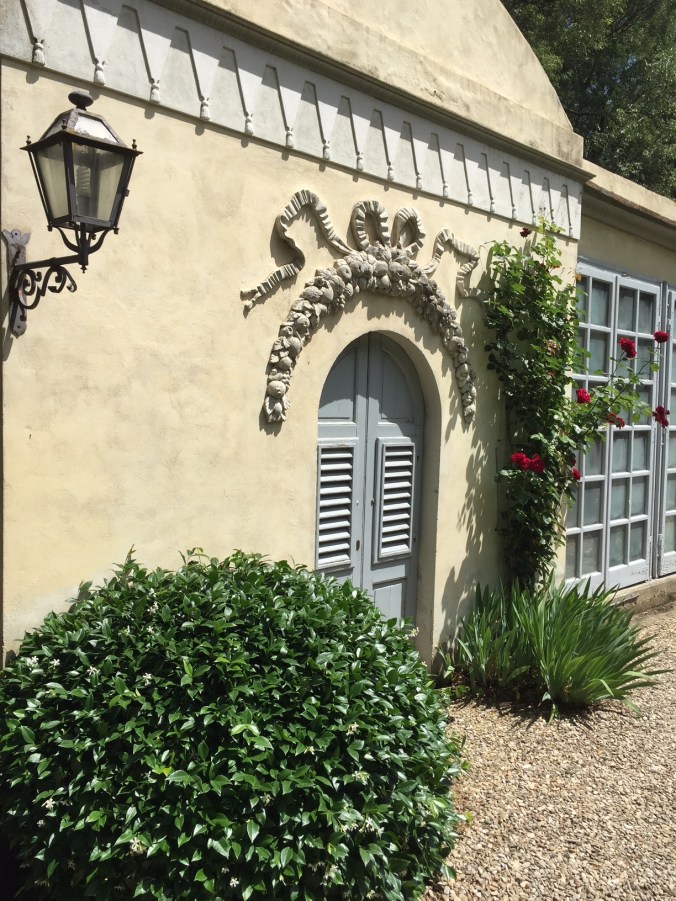
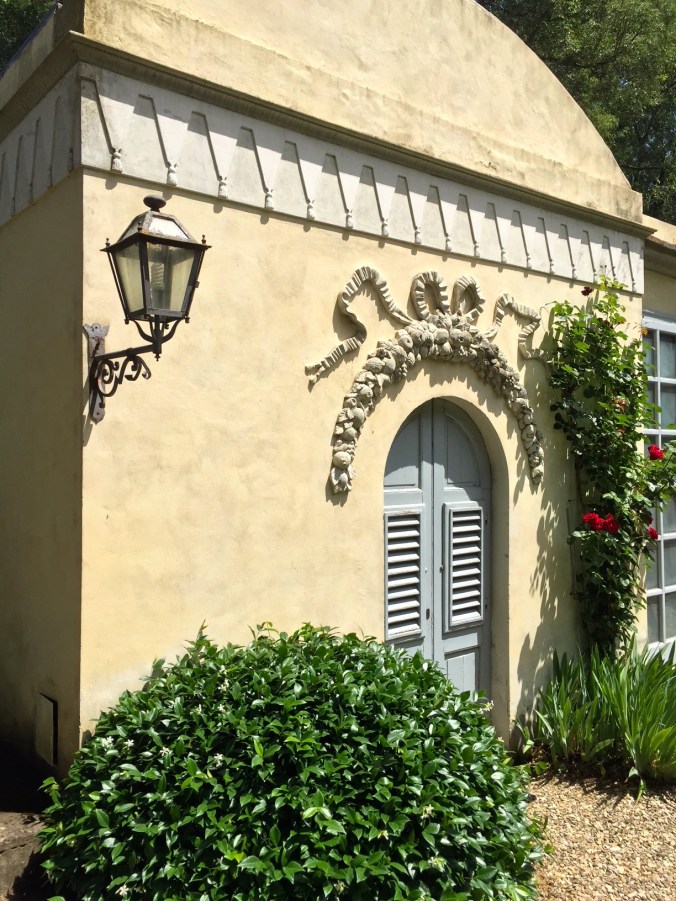
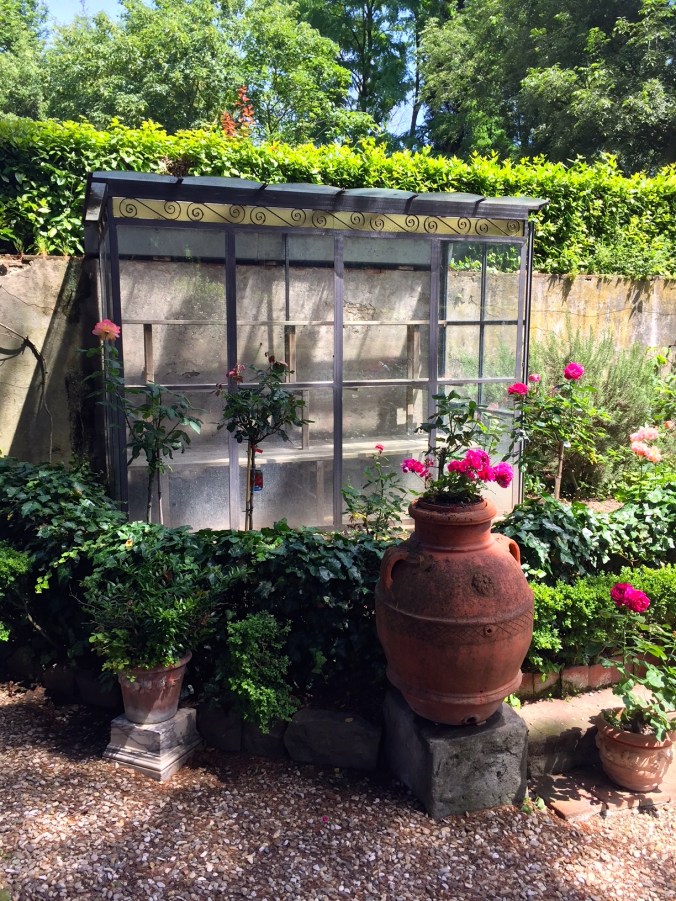
Yes, I think I’ll choose the 2nd one, because it has a fantastic glass house and room to garden right next to it:

IMG_9404


If I can live in Florence, in one of these 2 neighboring houses, I think I could just spend my days reading and writing and gardening and listening to the birds, inhaling the roses and jasmine. It looks to me like paradise.

And, lest I forget where I found this place, which could happen because every day brings new wonders and it is hard to keep track of all this splendid stuff:

IMG_9457


Florence, an open-air museum and a protected UNESCO site

I think it is always worth reminding ourselves that Florence, the Renaissance city, is one of the most beautiful and visited art cities in the world. It is truly an open-air museum, placed in the UNESCO’s World Heritage List in 1982. Let’s make a quick rundown of some of the major sites within the city.

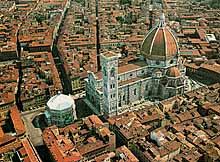
Piazza Duomo is the religious centre of the city, featuring the Cathedral of Santa Maria del Fiore and the majestic Brunelleschi’s Dome, Giotto’s Bell Tower, and the Baptistery of St. John the Baptist, with its world renowned bronze doors.
ub
The square is surrounded by wonderful palaces, such as the Archbishop’s Palace, the 14th-century Loggia del Bigallo and the recently renovated Museo dell’Opera del Duomo (Museum of the Works of the Cathedral) which recreates the original feeling of the 14th-century façade according to the first project by Arnolfo di Cambio with great technical virtuosity.

The absolute masterpiece housed within the Museo dell’ Opera is the Deposition (or Pietà) sculpted by Michelangelo for his own grave.

250px-Pieta_Bandini_Opera_Duomo_Florence_n01

In the sculpture, Nicodemo, represented at the top centre, has Michelangelo’s facial features. Some parts of this marble sculpture are unfinished, as Michelangelo often did in order to witness the spirit struggling to break free from block of stone. In 1555, in an outburst of rage, the same artist partially damaged his own sculpture with a hammer.

Piazza della Signoria is the heart of the socio-political life, as well as the seat of civil power with Palazzo Vecchio (previously known as dei Priori and della Signoria). The square hosts important works of art such as the equestrian monument of Cosimo I de’ Medici, by Giambologna. Next to the palace, you can admire the fountain of Neptune by Bartolomeo Ammannati, also called the ‘Biancone’ due to the huge white marble statue of the sea god at the centre of the fountain, riding in a chariot roomed by four horses.

In front of the main entrance of Palazzo Vecchio, you will find copies of two sculptures by Donatello: Marzocco (the lion symbolising the city of Florence) and Judith Beheading Holofernes, in addition to a copy of the David by Michelangelo, whose original statue is preserved inside the Galleria dell’Accademia (Gallery of the Academy of Florence). Next to David, the statue of Hercules and Cacus by Baccio Bandinelli, symbolises strength and ingenuity prevailing over evil.

On the right, facing Palazzo della Signoria, you will find the Uffizi Gallery, one of the most important museums in the world, which once hosted the offices and the state archives of the Grand-Duke. The museum boasts an incomparable collection of Italian and European art from the 13th century on.

In addition to masterpieces by Cimabue, Giotto, Masaccio, Botticelli, Leonardo, Piero della Francesca, Michelangelo, Raphael, Titian, Caravaggio, Dürer, and many others, there is also a remarkable collection of ancient sculptures.

The Vasarian Corridor is a spectacular elevated enclosed passageway, connecting Palazzo Vecchio with Palazzo Pitti and offering, from above Ponte Vecchio, a breath-taking view on monuments and on the Arno with its bridges. The corridor hosts a collection of self-portraits, in addition to an important 17th and 18th-century collection of paintings.
The Galleria dell’Accademia hosts the highest number of sculptures by Michelangelo, such as the Prisoners, St. Matthew and the famous David, in addition to important paintings from the second half of 13th century to the end of 16th century, as well as the Musical Instruments Museum.

The National Museum of the Bargello, located inside a palace built in mid-13th century for the Capitano del Popolo (Captain of the People), boasts some of the most important statues of the Renaissance by Ghiberti, Donatello, Verrocchio, the Della Robbia family, Michelangelo, Giambologna, and others. Do not miss the prestigious collections of little bronze statues, maiolica, wax models, enamels, medals, ivory, tapestry, furniture, seals and textiles coming from the Medicean collections or donated by private collectors.

Palazzo Pitti, with its wonderful Boboli Gardens, represents one of the most important monumental complexes with its museums – the Palatine Gallery, the Monumental Apartments, the Silver Museum, the Modern Art Gallery, the Costume Gallery, the Porcelain Museum and the Carriages Museum.

Among the most representative testimonies of the Florence Renaissance, the city boasts some masterpieces planned by Filippo Brunelleschi (in addition to his world renowned Dome) – the Ospedale degli Innocenti (Hospital of the Innocents) and the two churches of San Lorenzo and Santo Spirito – and by Leon Battista Alberti – the façade of the Santa Maria Novella church and Palazzo Rucellai.
Piazza della Repubblica is the “élite square” of the city, with its great historic cafés and 19th-century buildings. The historic centre of Florence is a shopping and entertainment paradise, with the most famous fashion designer boutiques, traditional handicraft workshops, historical markets and typical restaurants, as well as American bars, lounge bars and discos.
Do not miss the churches of San Miniato al Monte, Santa Croce and Santa Maria Novella, as well as the great masterpieces of Italian 20th -century architects, such as the Central Railway Station of Santa Maria Novella and the Artemio Franchi football stadium, respectively by Giovanni Michelucci and Pier Luigi Nervi.
Florence used to have a palio too!

Do you know about the annual horserace in the heart of Siena?  Have you been?  I have and it is crazy and wonderful, and, for the horses and riders, quite dangerous.

But, did you know that Florence had its own Palio?

Above: The Florentine palio in a print by Jacques Callot

It did and the race was called the Palio dei Berbieri.  And, there were other horse races as well in Firenze.

This jockeyless horse race was held until 1870, with the course running from via Ponte alle Mosse to porta alla Croce, the site of the present day Piazza Beccaria. The empty stables and antique carriages still exist within an old palazzo, but are unfortunately closed to the public.  They are a reminder to us of those lost, glorious equestrian days, in Firenze.

Here’s what Wiki has to say about the race: (Google translation)

Race of the barberi

 The Palio dei Barberi or the Barberi race was a horse race and a popular festival in various cities, including Rome , Florence , Padua , Chieti , Pistoia (today the bear’s joust ). A version is still held today in Ronciglione .

In Florence [ edit | wikitesto change ]

The race has very ancient origins, certainly medieval, as also testified by Dante Alighieri , who in the Paradiso tells the great-great-grandfather Cacciaguida :
“My ancients and I were born on the spot
where the last sixth is to be found
from what runs our annual game. »
( Paradise XXVI , 40-42 )

Traditionally it was held on June 24, the day of St. John the Baptist and was one of the many palios that animated the Italian festivals. In particular, similar to the Palio of Siena, a specific type of equine breed was run, the Berber (the name later transformed into a barbero by the people), but did not include any participation of jockeys.

The race started from via Ponte alle Mosse, which owes its name to the fact that it was the starting point, that is, the moves were made, to pass from the Porta al Prato along the Prato’s clearing, where the race was staged for the Grand Duke , the Royal Lodge. From the nearby Palazzo Corsini al Prato, nobles could watch the race from the specially built terrace.

The race continued through the streets of the center, with Via Palazzuolo, then Via degli Strozzi, then Via del Corso (which perhaps is called so for the course of the race), then to the arch of San Pierino and the door to the Cross, where the finish line was and the horses were “sheltered.”

An ingenious system got the race results reported back to the Grank Duke, through a system of colored smoke and messengers with mirrors who were placed upon the rooftops and city bell towers.  The Grand Duke in the stands in Via il Prato and the rest of Florence didn’t have to wait long to hear the news of the winning horse.

The ambitious prize for the winner consisted of a cloth of considerable value (the “palio”), decorated with the Florentine lily and the red cross of the people.

The race took place regularly until 1858. When Florence was later made the capitol city of the newly formed Italy,  demolition took place in the city center, and thus compromised the route. Thus, the long-running Florentine race came to an end.

The race used a particular breed of horses, the Berber, who – in the vernacular became  “Barbera” – gave the name to the competition: Palio dei Barberi, in fact, also called the race of the Barberi .

According to several sources, the origin would be medieval: even Dante quotes this game in the 26th canto of Paradiso.

The departure was always in the same spot, Ponte alle Mosse (the little bridge on the Mugnone from which the street of the same name took its name): from here the race took off .

The route of the palio passed from Porta a Prato, then winding along the streets of the center (via Palazzuolo, via degli Strozzi, via del Corso, arch of San Pierino). The finish line was at Porta alla Croce , in the center of Piazza Beccaria. Those who arrived first received as prizes an expensive cloth decorated with lily, which was replaced with a cash prize since the 18th century.

The Palio of Sant’Anna in Florence

Less well-known, but equally ancient, is the palio that was held in honor of Sant’Anna, every year on July 26th . The celebrations were decided, as our Mattia wrote in a post dedicated to the Florentine festival of Sant’Anna , to commemorate the expulsion of the Duke of Athens Gualtieri di Brienne, on 26 July 1343, the day of Sant’Anna.

The Saint was proclaimed protector of the city and the day became a party, with the celebrations that took place around Orsanmichele and with a prize that included a prize of 32 gold florins.

Feast and Palio of Sant'Anna in Florence - Orsanmichele

And the other palios of Florence

Florence was full of horse racing : they represented one of the greatest entertainments for popular festivals. Palios were held for June 11 (San Barnaba), eight days later for the feast of Santo Noferi. And again on 29 June for San Pietro and Paolo, on 12 July in honor of San Gualberto, on 29 July for San Vittorio, on 10 August on the occasion of the feast of San Lorenzo , co-patron of Florence.

During the summer there were other types of races. On June 23rd, on the eve of San Giovanni, there was the Palio dei Cocchi , a race between 4 wooden carriages along an oval path set up in Piazza Santa Maria Novella, around the two obelisks that still exist today.

Palio dei Cocchi - Giovanni Signorini (Florence 1808-1862) The Palio dei Cocchi in Santa Maria Novella, 1844, oil on canvas

On July 25, San Jacopo, was instead the day of the Palio dei Navicelli : since 1250 the boatmen competed in a “regatta” on the Arno, between Ponte Vecchio and the fishing of Santa Rosa. Departure from the Church with the ass in the Arno , as the church of San Jacopo Soprarno is called in Florence.

http://www.teladoiofirenze.it/storie-firenze-2/anche-a-firenze-si-correva-un-palio-anzi-10/

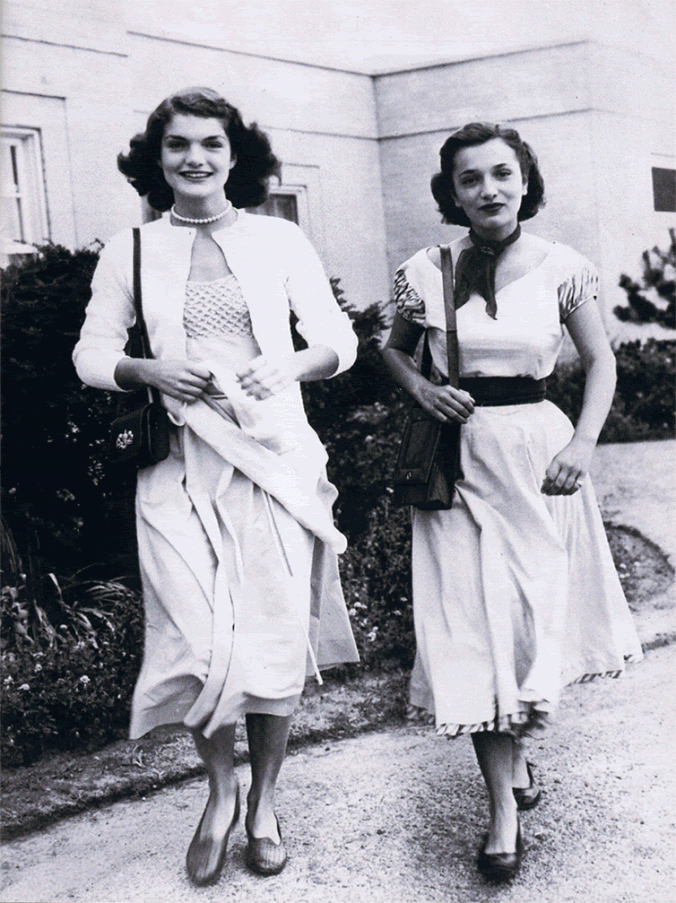
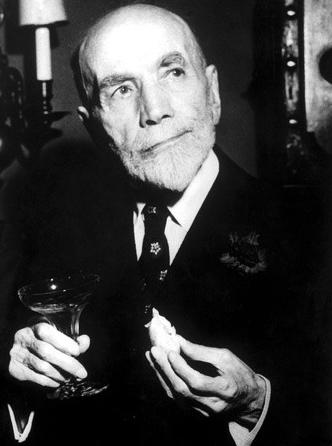
Jacquie and Lee Bouvier meet Bernard Berenson in Florence in 1951

This is just something I never would have believed had happened, but it apparently did. It is discussed in a very interesting book on Berenson by Rachel Cohen, which I quote below. Lee Radziwill left her impression of the sophisticated but very much older Berenson:

“Nicky Mariano [Berenson’s amour and assistant) was sometimes jealous…of Berenson’s flirtations and affairs and of the great many women who made up what she called ‘B.B.’s Orchestra.’ “

In fact, as he aged, Berenson’s seductive power became somewhat legendary. Lee Radziwill (Lee Bouvier when she visited Berenson in 1951 with her sister, who became Jacqueline Kennedy Onassis) still thought of Berenson as “one of the most fascinating men I ever knew,” sixty years later. She compared his powerful appeal to Jawaharlal Nehru’s: they were “seductive mentally, rather than physically.”

a444d42333169cf1f775db03c2931889

Berenson’s catalog of mistresses and of epistolary romances, like all his other collections, was exhaustive. He had first found both sexual tolerance and a large network of youthful romantic friendships with women and men in bohemian and Edwardian circles, and among the expatriates in Italy.

berensimg1

In the years of his maturity, he found a similar atmosphere among his mistresses and flirtations in the aristocratic milieu of the European art world. Berenson adored, and was adored by, titled women, and he was interested in beauty wherever he saw it. Attractive young women who visited I Tatti were regularly surprised by his physical attentions.

After WWII…Berenson nce again he appeared to be a magician. There were those who found his presence staged, but others felt that even to be near him was a magical experience.

The young sisters who became Jackie Kennedy and Lee Radziwill wrote to their mother of visiting Berenson in the summer of 1951 and of how they saw him approaching through the woods at I Tatti. Berenson sat down and immediately began to speak to them of love, distinguishing between people who are “life-enhancing” and “life-diminishing.”

“He is a kind of god like creature,” they wrote. “He is such a genius, such a philosopher, such a pillar of strength and sensitivity, and such a lover of all things. He is a man whose life in beauty is unsurpassable.”

Rachel,Cohen. Bernard Berenson (Jewish Lives)  Yale University Press. Kindle Edition.


Botticelli’s plant world

Screen Shot 2018-05-14 at 10.29.30 AMScreen Shot 2018-05-14 at 10.28.43 AM

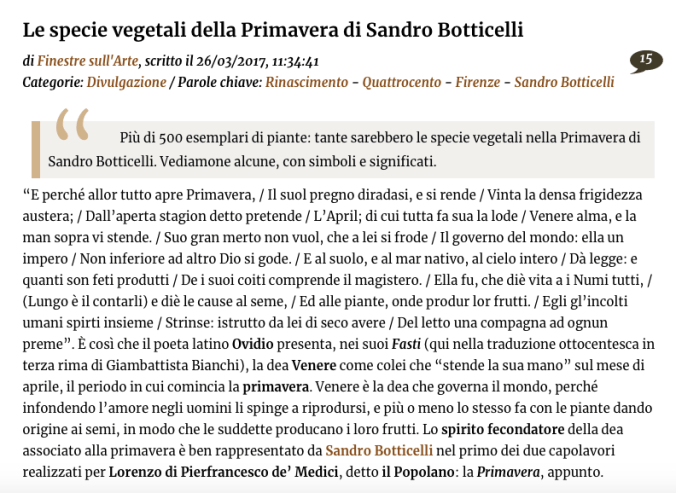
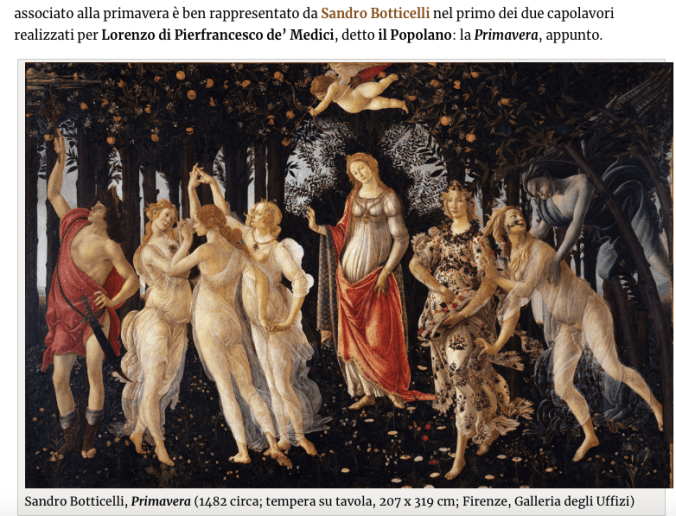
conservato agli Uffizi, non faccia accenno al fatto che Botticelli vi ha rappresentato centinaia di esemplari tra fiori, arbusti, erbe, alberi e vegetali in generale. Una così cospicua presenza di piante risponde a diverse esigenze: la prima è ovviamente circoscrivere il periodo dell’anno oggetto dell’opera, perché le specie rappresentate da Botticelli, com’è lecito immaginare, fioriscono, crescono e germogliano tutte in primavera. La seconda è suggerire rimandi simbolici: in tal modo si spiega, per esempio, la presenza degli alberi d’arancio che sì presentano le loro zagare, i fiori bianchi tipici degli agrumi, ma sono anche carichi di frutti, quando è noto che l’arancio dà i suoi frutti verso la fine dell’autunno. L’arancio è infatti un emblema mediceo: facile comprendere perché se si conosce la denominazione latina citrus medica, che oggi designa scientificamente il cedro ma che anticamente, almeno secondo il botanico ottocentesco Giorgio Gallesio, era utilizzata per indicare anche l’arancio. Inoltre, l’agrume è anche simbolo di matrimonio, perché secondo la mitologia antica la dea Giunone avrebbe donato al marito Giove piante d’arancio come dote nuziale. Se peraltro si prende per buona la pur discussa datazione che vorrebbe la Primavera dipinta nel 1482, la realizzazione dell’opera cadrebbe nell’anno del matrimonio tra Lorenzo di Pierfrancesco de’ Medici e Semiramide Appiani.

https://www.finestresullarte.info/659n_specie-vegetali-della-primavera-di-sandro-botticelli.php

Jasmine

Aka gelsomino in italiano.

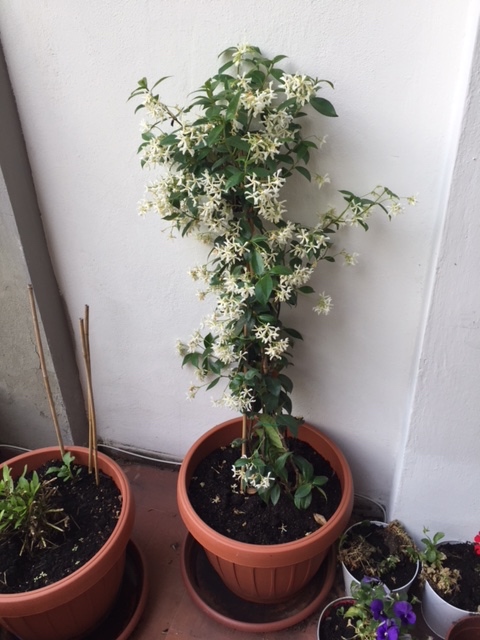
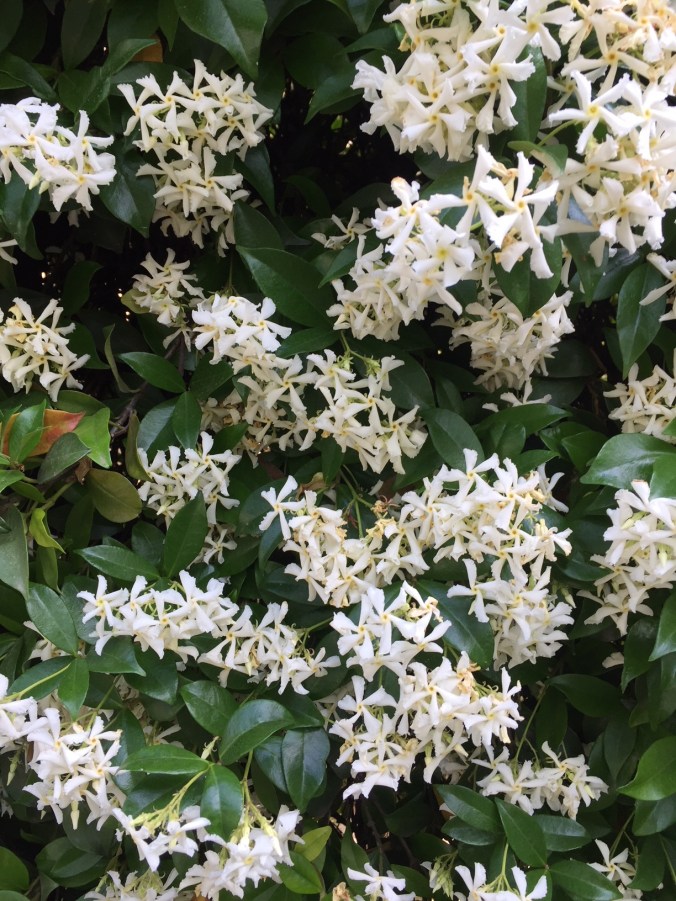
In any language, I love this hardy plant!  Below is my new pot filled with this very fragrant vining shrub.

IMG_8891


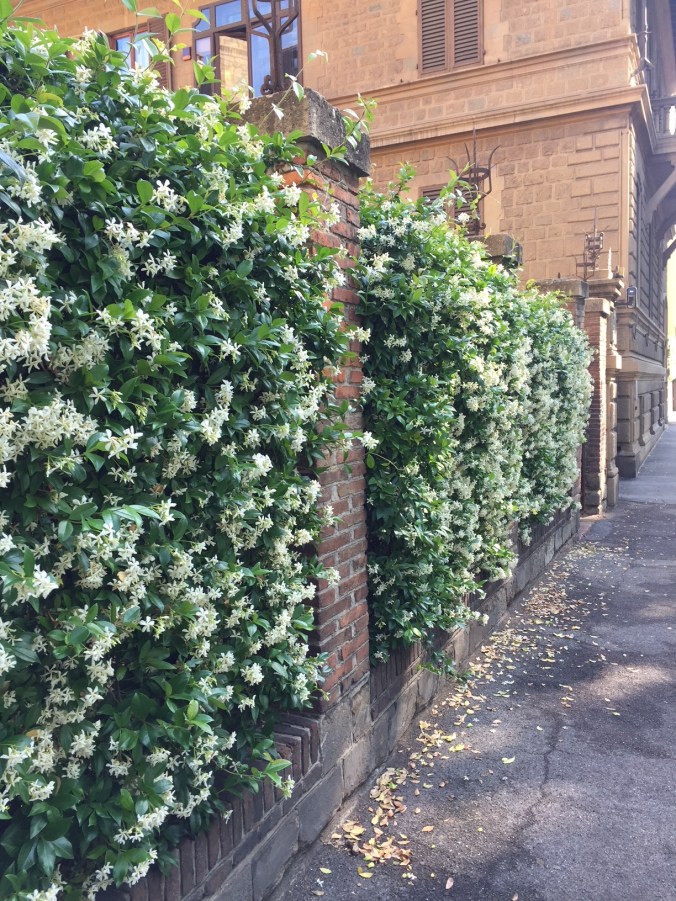
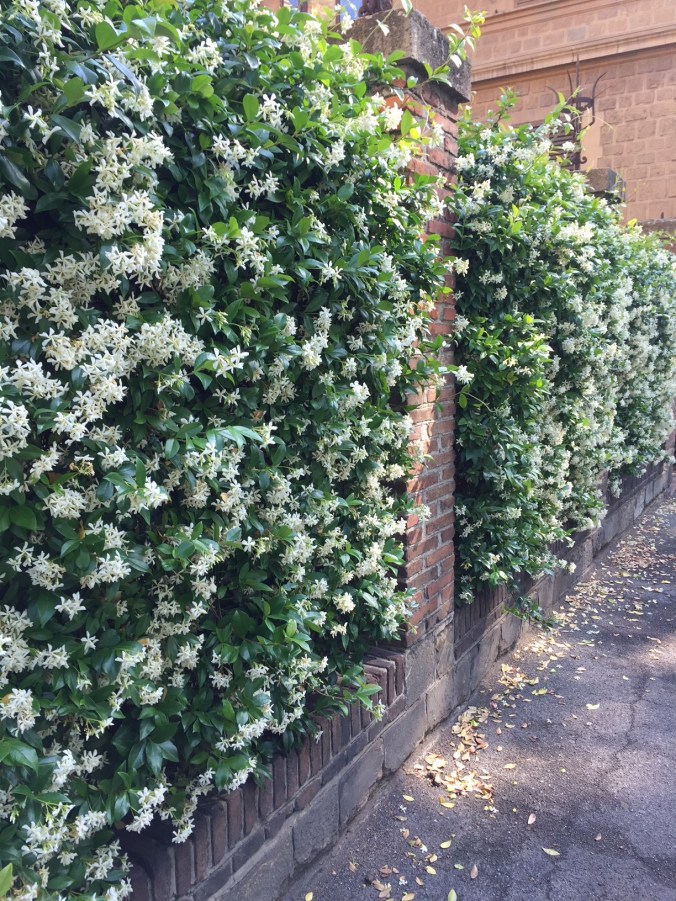
And, here is gelsomino growing next door to my building:  wow, I can’t wait for mine to grow!  Just walking down the street near these flowers is like being in a garden!

IMG_9221IMG_9220IMG_9222

Fiera Firenze, an exhibition space extraordinaire, inside a Medicean fortress

What does a city do with an historic fortress, when the idea of a fortress and its original capabilities are no longer needed/wanted?

Well, if it is Florence, you turn it into a modern asset–an exhibition/conference space like no other.

Known as Fiera Firenze, the Fortezza de Basso is now a leading exhibition centre in Tuscany located at the heart of the city, with 100,000 sq m, 65,000 of which are roofed. Among the venues constituting the exhibition area are The Fortezza da Basso, with its 55,000 sq m of covered area, Palazzo dei Congressi (with a congress capacity of around 1,500 seats and an auditorium for 1,000 guests) and Palazzo degli Affari, a modern and multifunctional venue of over 4,000 sq m, with an overall capacity of 1,300 people.

Its privileged location and its charming spaces, reflecting a perfect dialogue between historical architecture and contemporaneity, are the key factors making it a unicum in the fair & congress world.

Every year, the company boasts a portfolio of important events – some of which are leading events for men’s fashion and high quality crafts- as well as important local and international conventions and congresses, mainly focusing on medical-scientific subjects and on the IT sector.
Firenze Fiera also features a Development Department, as well as a Press & Communication Office, actively supporting the organisers of events, fair and congresses.


Palazzo dei Pittori, my new neighbor

My new apartment is right across due viale from the very handsome Palazzo dei Pittori.  The palazzo and I are separated by 2 viale or boulevards and one stream (the Mugnone), and I always admire the facade of the palazzo whenever I gaze across this space.  There is nothing blocking my view except some beautiful green trees and a stream, and two grand-scale viali or boulevards.  The Palazzo provides a gorgeous backdrop!

Here is a Youtube video about the palazzo and its current iteration.

And here is some background info garnered from the web on this fine structure:
 
On Saturday May 16th, 2016, the beautiful Palazzo dei Pittori  reopened to the public – on the occasion of the 150th anniversary of Florence Capital – a building that has always fascinated and intrigued Florentines and others. The president of the culture commission of the Municipality participated in the event.

The building, intended for the studies of artists, has always been called “Palazzo dei Pittori” and located on the southern bank of the Mugnone stream, today Viale Giovanni Milton, at numbers 47 and 49.

The building was commissioned by an English painter named Lemon who was living in Florence. It was designed by the architect and engineer Tito Bellini and built in the 2nd half of the 19th century to host artists of various nationalities including English, German, Russian, Swiss and also Italians, all of whom created art during the time that Florence was the capital of Italy (1860-1865).

The Palazzo dei Pittori itself was built during the “Umbertino period,”  with its large spaces and austere decoration.

From its construction to the present day, there have been many well and lesser known artists who have worked in the palace, including the Sicilian sculptor Domenico Trentacoste, the Macchiaiolo painter Egisto Ferroni, Giovanni and Romeo Costetti, the sculptor Giuseppe Graziosi and many others.  It was also home to a prestigious school of painting called the “Florentine School of Painting,” directed by professors Giuseppe Rossi and Alberto Zardo.

Other creative artists also worked in this atelier, including poets and writers such as Gabriele D’Annunzio and Mario Luzi.

This is therefore a place that houses an important but forgotten past, vaguely mysterious, waiting to be discovered.

http://www.palazzodeipittori.it


Palazzo Davanzati and Elia Volpi

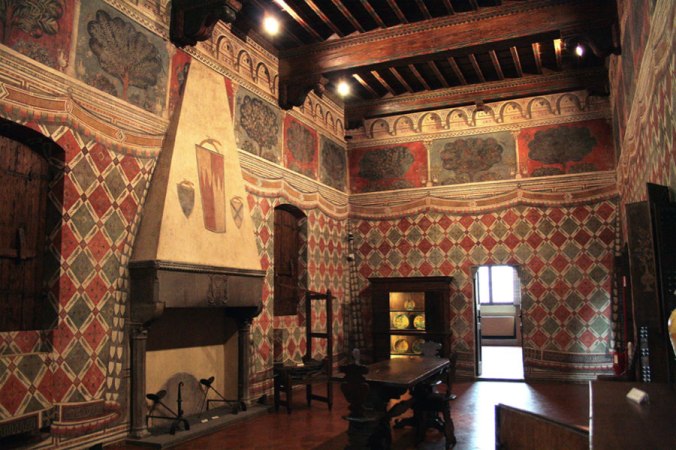
One of my favorite places in Florence is the Palazzo Davanzati. One look at one of the rooms in the palazzo will show you why I love it.  I visited it on my very first trip to Florence, almost 40 years ago.  It hasn’t changed one bit, except maybe it is even better now with more didactic info available.

11


We have the art dealer, Elia Volpi (1858–1938), to thank for having saved the Palazzo as it appears today.  In Florence, Volpi is known as the “father” of the Museum of the Old Florentine House in Palazzo Davanzati, as he was responsible for restoring the building and turning it into a private museum in 1910.


e07783b5edc1fcaea3ad2a886e8bc82a47b96f


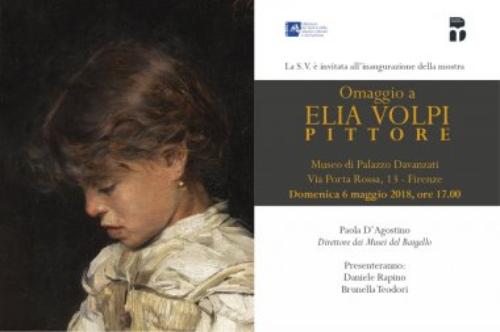
Now the museum, on via Porta Rossa, is opening its “Homage to Elia Volpi the Painter” exhibition, which offers the chance to discover a lesser-known side of the illustrious collector and antiquarian, that is, to see him as an artist.

11


Volpi trained at Florence’s Academy of Fine Arts. The current exhibition focuses on his training and the paintings he produced from the 1870s through the 1890s, with examples of his sketches and finished paintings, mostly in pristine condition.  All of these works have been donated to the museum from private collections.

Volpi’s sketches are testament to his studies of the Italian Renaissance masters and, along with the male nudes, show off the early artistic skills of a young Volpi.

The paintings demonstrate his broad range; during the 1880s he explored church scenes before concentrating on the subjects and style of the Macchiaioli and more contemporary artists such as Francesco Gioli and Niccolò Cannicci.


The show also includes a multimedia section featuring a video that focuses on the artist’s personal life and a touch-screen panel with photographs that demonstrate the creation of the museum.


The exhibition is open from May 6 to August 5 in the Palazzo Davanzati Museum.


The source of this info comes from:

http://www.theflorentine.net/art-culture/2018/05/elia-volpi-exhibition-palazzo-davanzati/