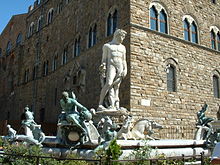
Bella Firenze da Settignano, ieri

A perfect day in spring.  The temperature warm enough that not even a sweater is needed, the sun bright, the sky blue, the birds singing (I never hear this sound in Florence herself, not enough trees and too urban), the views majestic.

Settignano = the perfect day trip.
IMG_1162


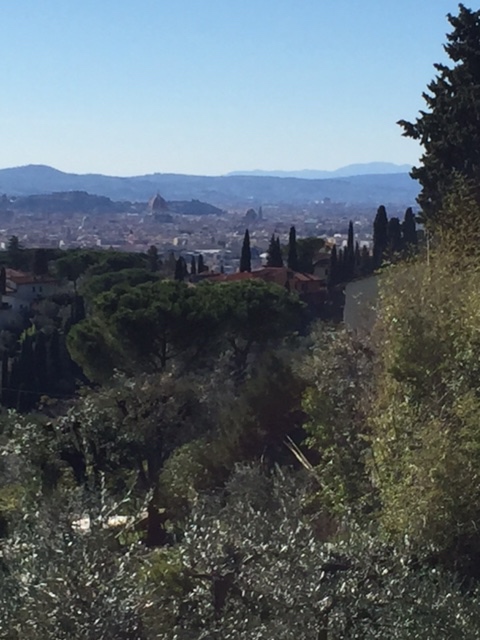
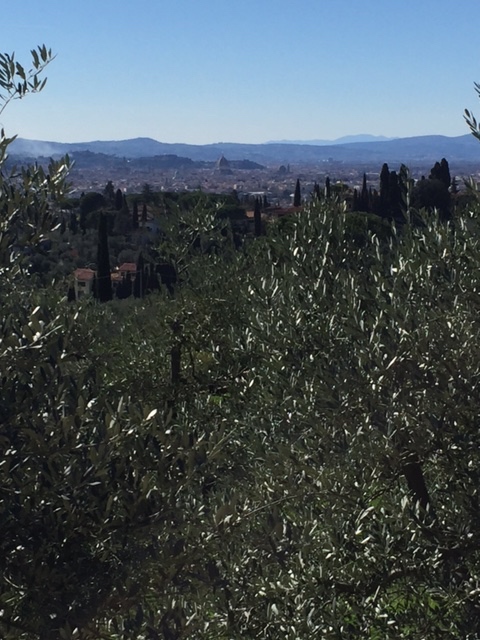
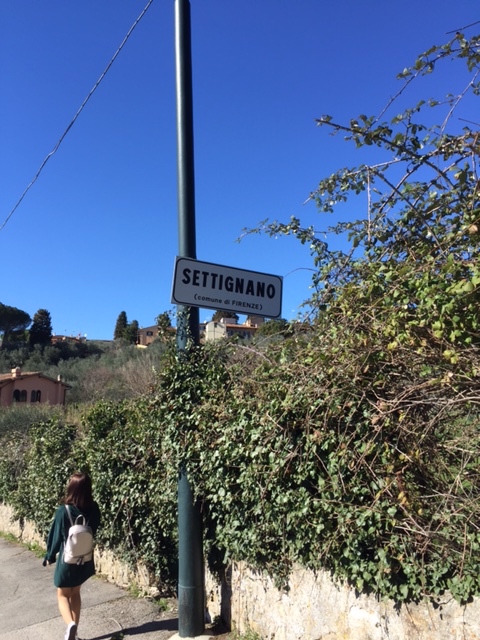
Florence, with her unmistakable dome, as seen from the hilltops of Settignano.
IMG_1157IMG_1158


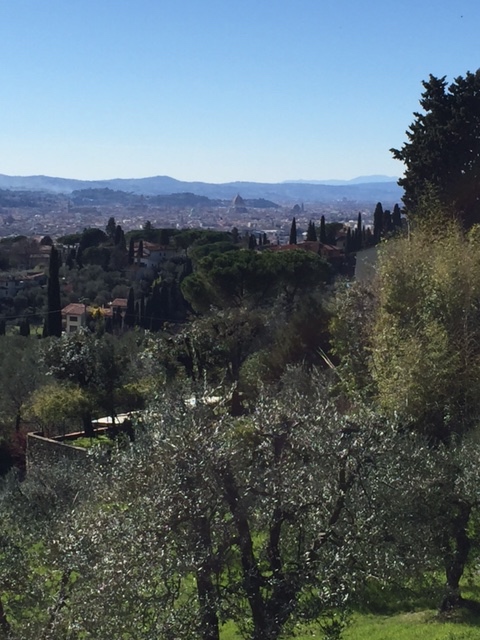
Back in piccola, picturesque, Settignano.
IMG_1160


IMG_1144

Settignano is a picturesque frazione ranged on a hillside just northeast of Florence, Italy, easy to get to by bus from San Marco (#10). With spectacular views, Settignano has attracted visitors for generations.

The little borgo of Settignano carries a familiar name for having produced three sculptors of the Florentine Renaissance, Desiderio da Settignano and the Gamberini brothers, better known as Bernardo Rossellino and Antonio Rossellino.  It’s a rather romantic to think we are following in the footsteps of inspiring artists who walked these tiny, bendy streets.

The young Michelangelo lived with a sculptor and his wife in Settignano—in a farmhouse that is now the “Villa Michelangelo”— where his Michelangelo’s father owned a marble quarry.

In 1511, another sculptor was born there, Bartolomeo Ammannati.

It is rather amazing to consider that the marble quarries of Settignano produced this amazing series of sculptors.

But it was not only Renaissance sculptors who lived here; the Italian poet, writer and prince Gabriele D’Annunzio called this place home for a while. In 1898, d’Annunzio purchased the trecento Villa della Capponcina on the outskirts of Settignano, in order to be nearer to his lover Eleonora Duse, at the Villa Porziuncola.

The American humorist, Mark Twain, stayed here at Villa Viviani for the good part of a year in 1892-1893. Twain was very productive here, writing 1,800 pages including a first draft of Pudd’nhead Wilson. Twain said of  Settignano: it “affords the most charming view to be found on this planet, and with it the most dreamlike and enchanting sunsets to be found in any planet or even in any solar system.”  High praise indeed!

In fact, the borgo has Roman remains which claim connections to Septimius Severus, in whose honor a statue was erected in the oldest square in the 16th century.  Unfortunately, the statue was destroyed in 1944.

It is known that this area was inhabited long preceded the Roman emperor.

During the Medieval and Renaissance periods, Settignano was a secure refuge for members of the Guelf faction of Florence.

Giovanni Boccaccio and Niccolò Tommaseo both appreciated its freshness, amidst the vineyards and olive groves that are the preferred setting for even the most formal Italian gardens.

Near Settignano are the Villa Gamberaia, a 14th-century villa famous for its 18th-century terraced garden, and secluded Villa I Tatti, the villa of Bernard Berenson, now a center of Italian Renaissance studies run by Harvard University.
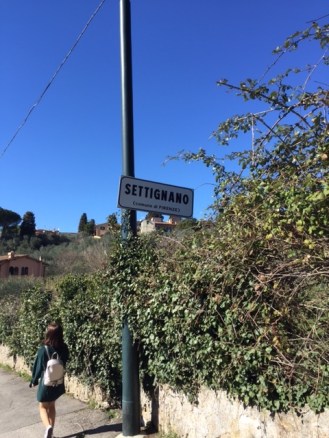
 

IMG_1162
If you’ve come by bus from the centre of Florence, you’ll be dropped off right in the piazza next to the post office. Head down via della Capponina, which is to the right of the church entrance. A handsome street with pot plants and high walls, it will take you down to an intersection where you can turn left on via del Pianerottolo and wander another pretty street with views overlooking the hills and Florence’s southern neighborhoods. You will pass down towards the town cemetery, past olive groves and rampant blackberry bushes to the cypress-lined park, where you’ll see the sign for the hiking trail. If you’re the hiking type, you can also get to Settignano by hiking from Fiesole over Montececeri (or vice versa). The Sentiero degli Scalpellini follows in the footsteps of the stone-cutters who carved blocks of pietra serena and pietra forte for Florence’s palazzi and streets.  It’s a walk of over 6 km that climbs over Montececeri, where Leonardo da Vinci tested his flying experiments. In la primavera, you might spot wild asparagus.

And if you want to experience this romantic view of Florence twinkling below that Twain would have seen, head down from the main piazza, on via Simone Mosca, a 2 minute walk away, for a great panoramic spot.
Settignano’s main square, Piazza Tommaseo, has all the essentials: a church, a post office, a bar, a tabacchi, an alimentari, and an enoteca.
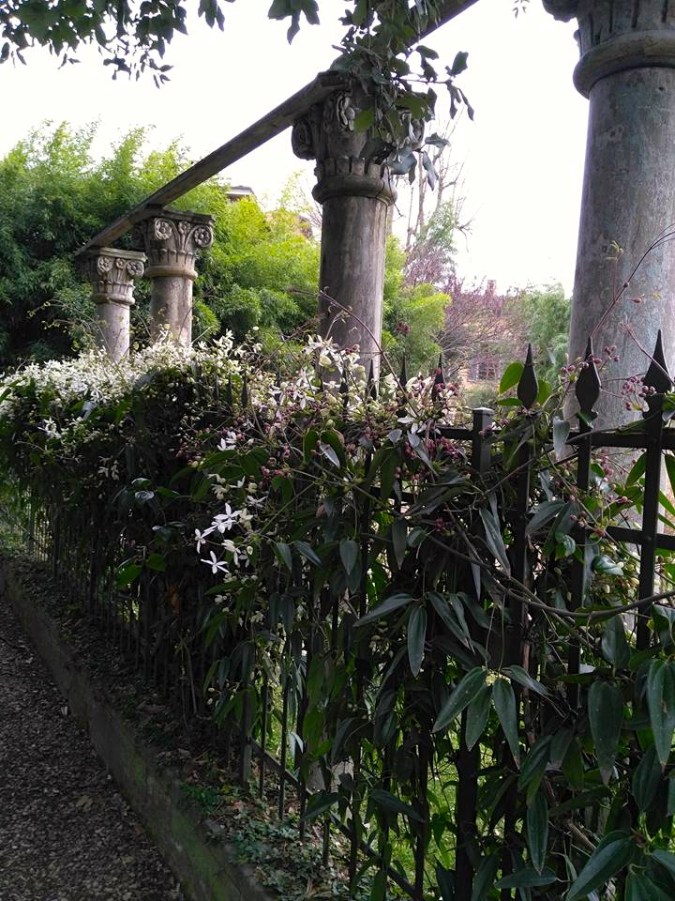
 

More of Giardino Torrigiani

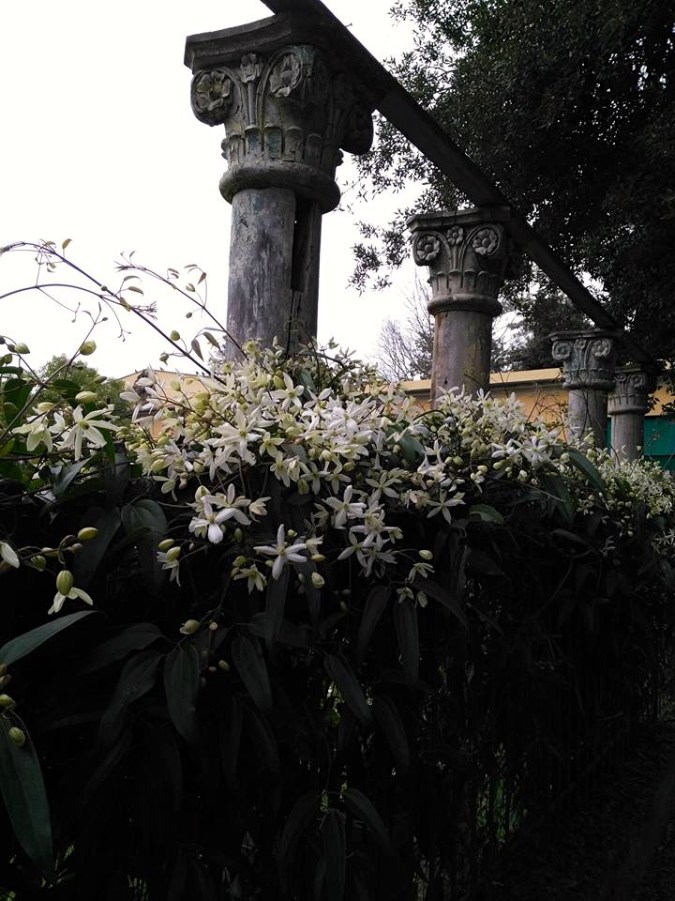
Perennial clematis in bloom in March!

17155224_1328949537147913_7630549727469730587_n

17155299_1328949457147921_4664554874203158275_n

IMG_1068

IMG_1085IMG_1084

OLYMPUS DIGITAL CAMERA

OLYMPUS DIGITAL CAMERA

OLYMPUS DIGITAL CAMERA

OLYMPUS DIGITAL CAMERA

OLYMPUS DIGITAL CAMERA

OLYMPUS DIGITAL CAMERA

17155832_1328946770481523_7743309905695125794_n17103589_1328949407147926_4267480516284456990_n

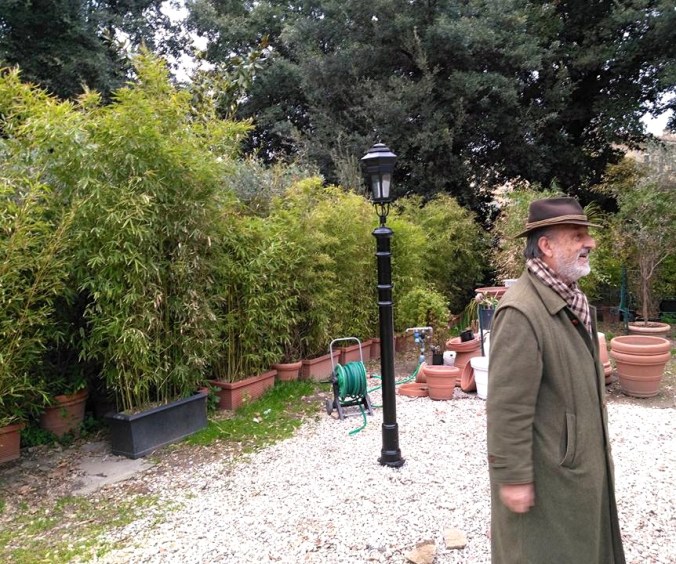
Our guide below.

17156167_1328946760481524_431897622836902758_n17155882_1328946853814848_2317507623376326789_n

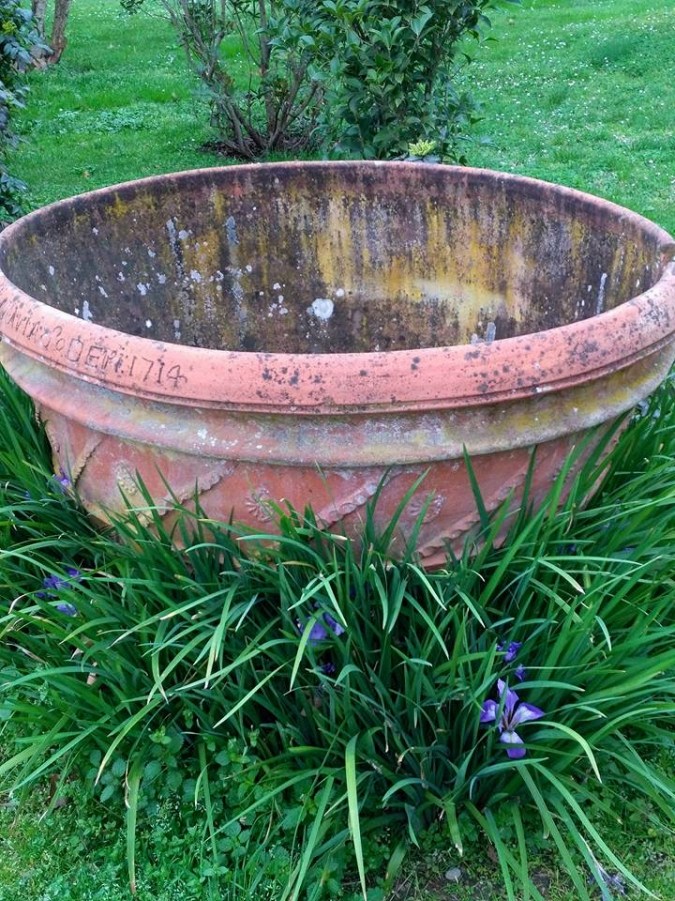
A ceramic container dated 1714 above.


OLYMPUS DIGITAL CAMERA

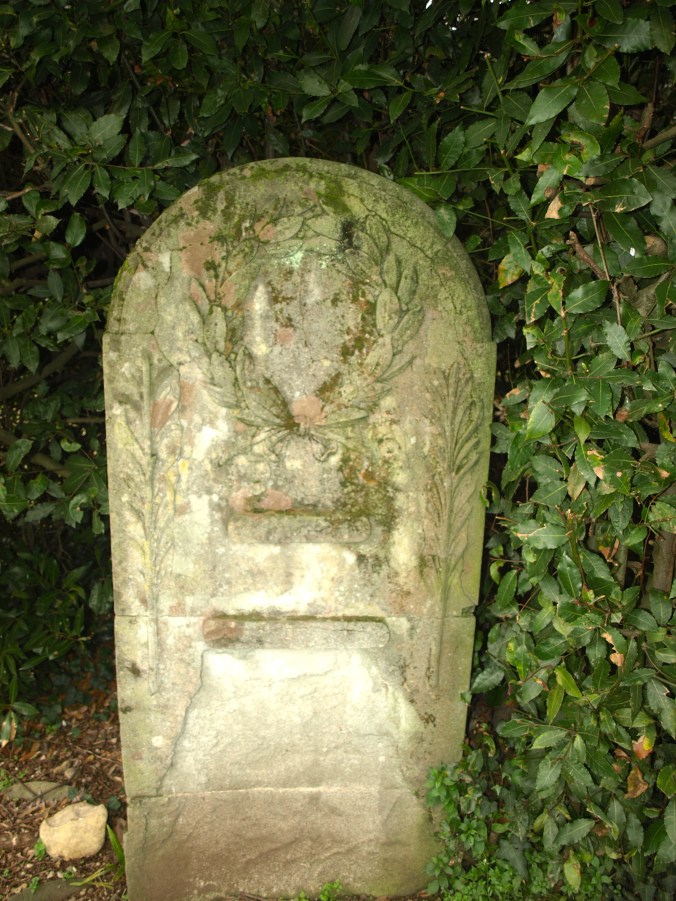
A Masonic marker inside garden

OLYMPUS DIGITAL CAMERA

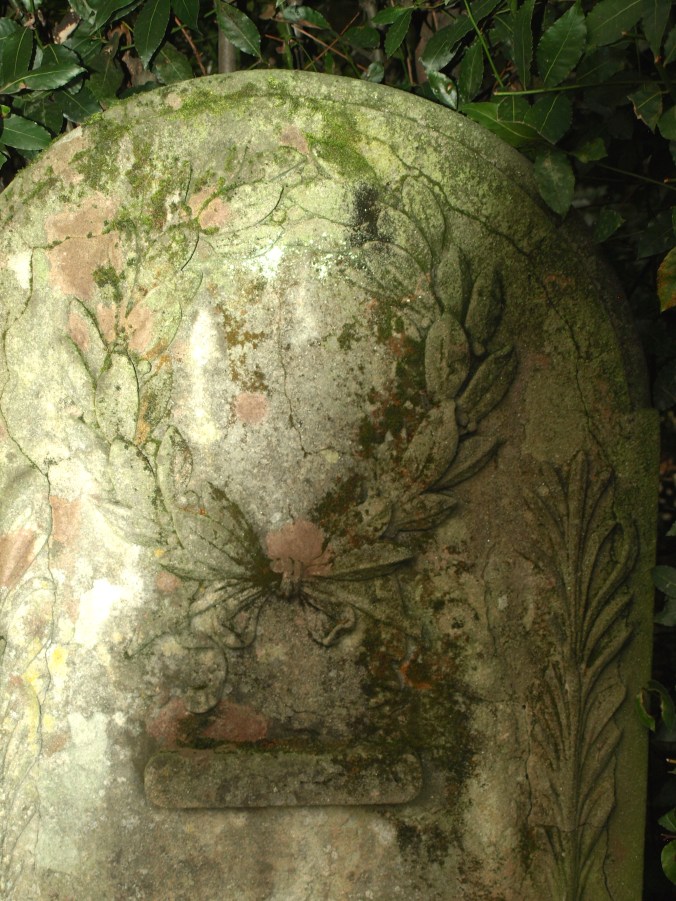
detail

OLYMPUS DIGITAL CAMERA

OLYMPUS DIGITAL CAMERA

OLYMPUS DIGITAL CAMERA

OLYMPUS DIGITAL CAMERA

OLYMPUS DIGITAL CAMERA

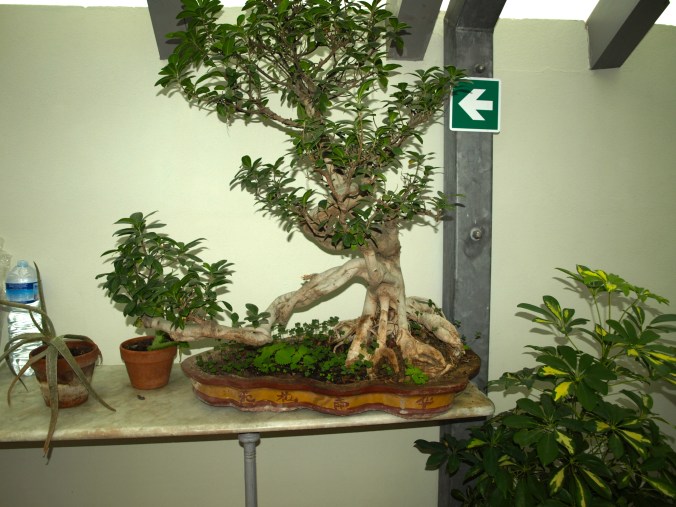
A very old  and very healthy bonsai

IMG_1084IMG_1085IMG_1086

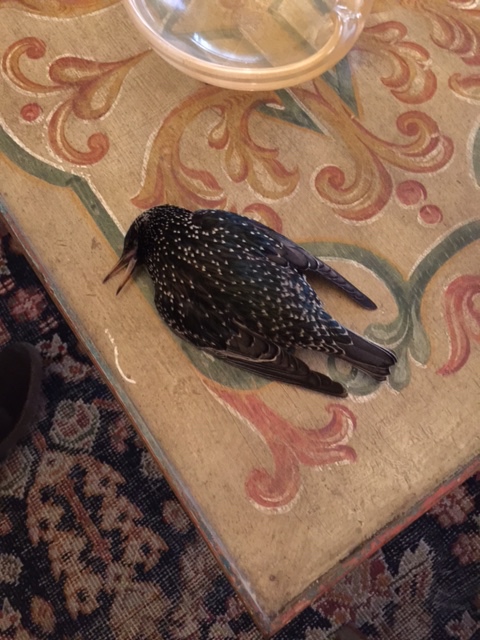
The garden’s owner discovered this beautiful starling on the property.  The poor thing was dead, but still lovely in its markings.

17191035_1328951807147686_3990862948898155259_n

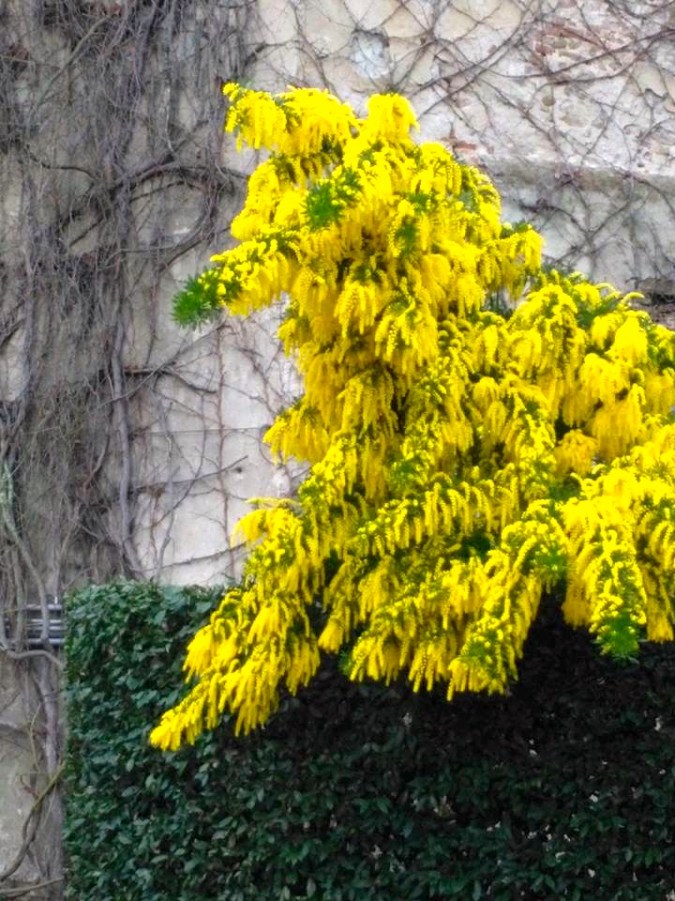
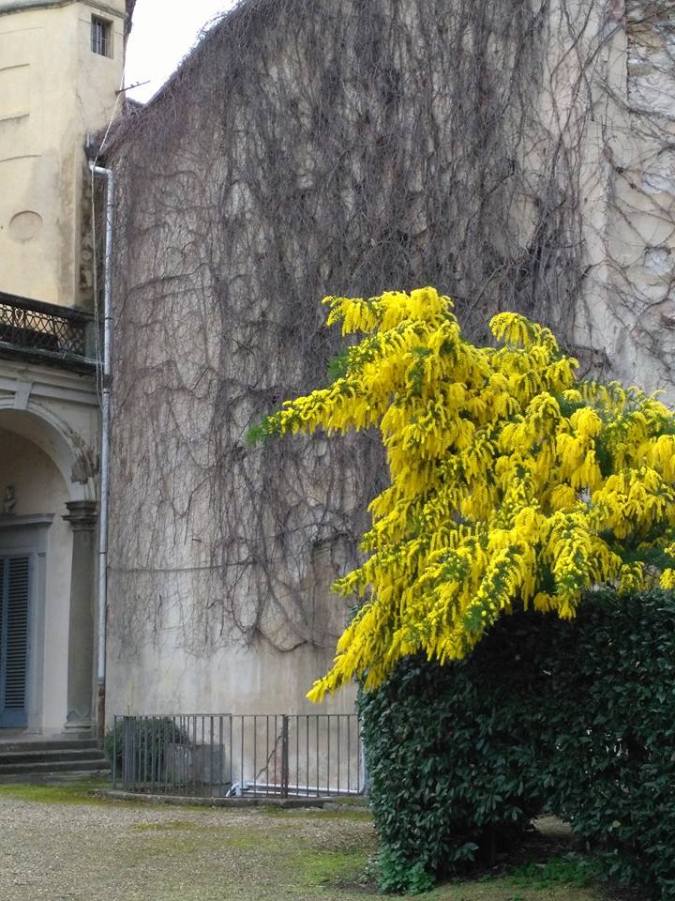
Amazing mimosa!

17190853_1328951793814354_7181653888625914555_n17191137_1328946860481514_7733955515856683495_n

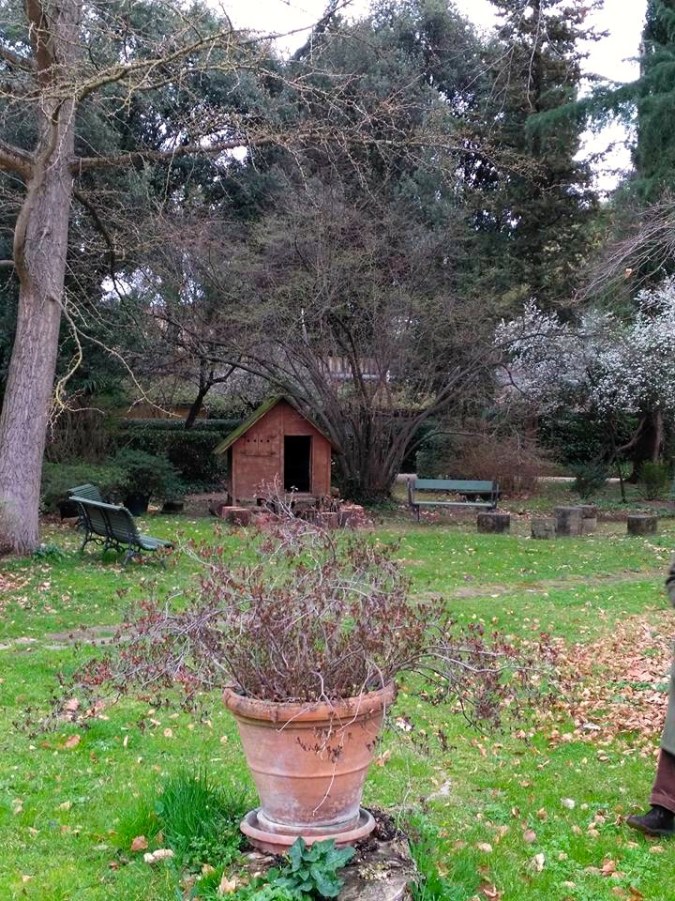
A playhouse for children in one part of the property.


17103526_1328951930481007_5829728791061464655_n


16996119_1328949280481272_3193093928289736794_n

IMG_1061IMG_1062IMG_1064

OLYMPUS DIGITAL CAMERA

OLYMPUS DIGITAL CAMERA

OLYMPUS DIGITAL CAMERA

OLYMPUS DIGITAL CAMERA

OLYMPUS DIGITAL CAMERA

OLYMPUS DIGITAL CAMERA


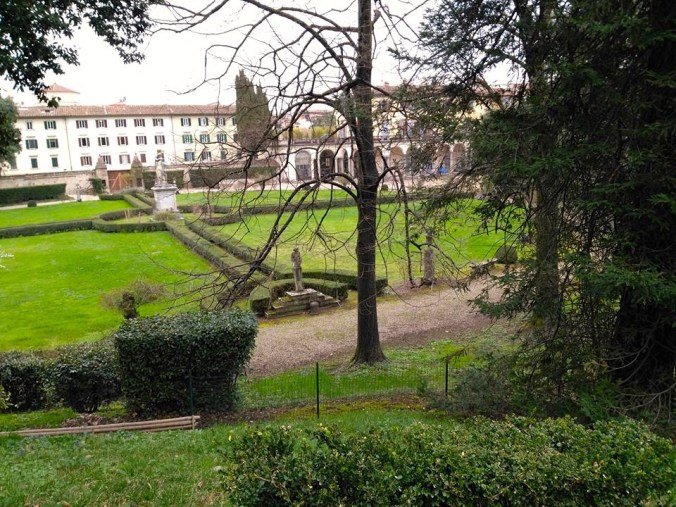
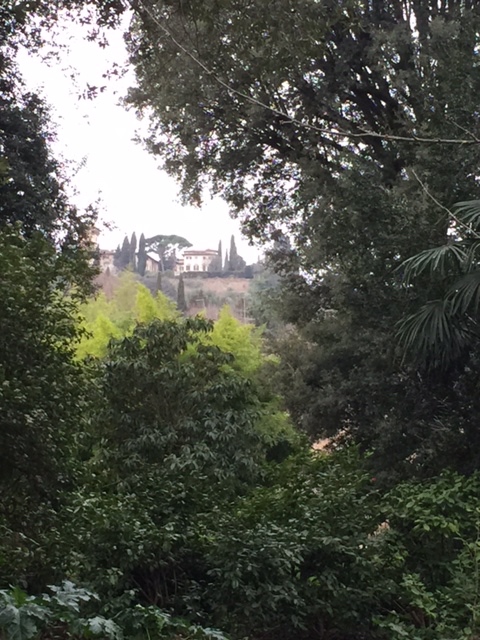
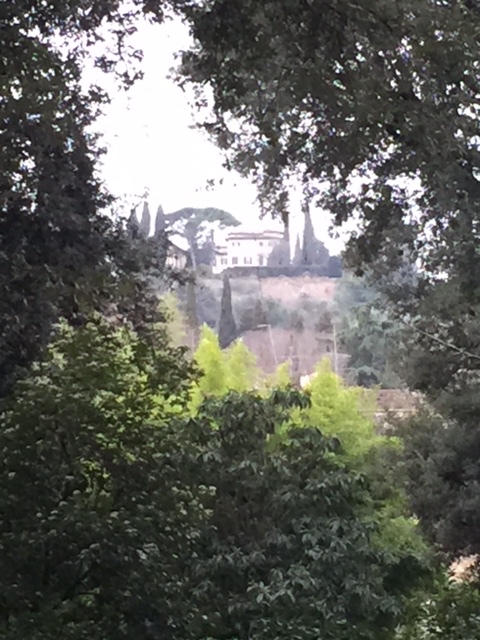
And last, but not least, look at this truly astounding  view of the hill outside Florence:

IMG_1058IMG_1056

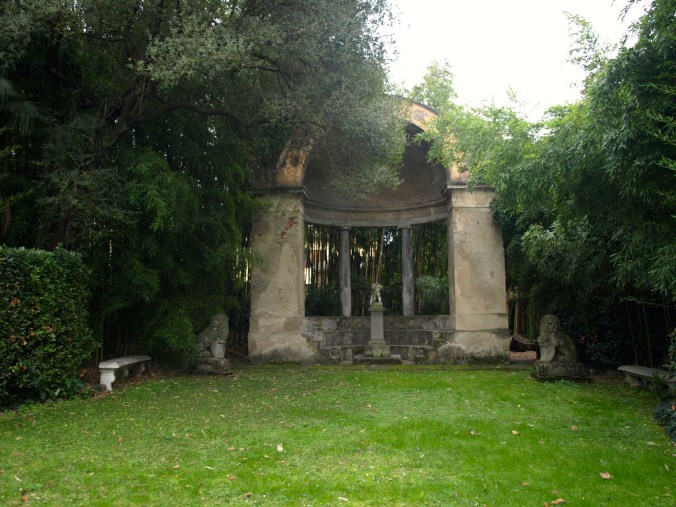
In case you didn’t get my drift: this garden is astounding!


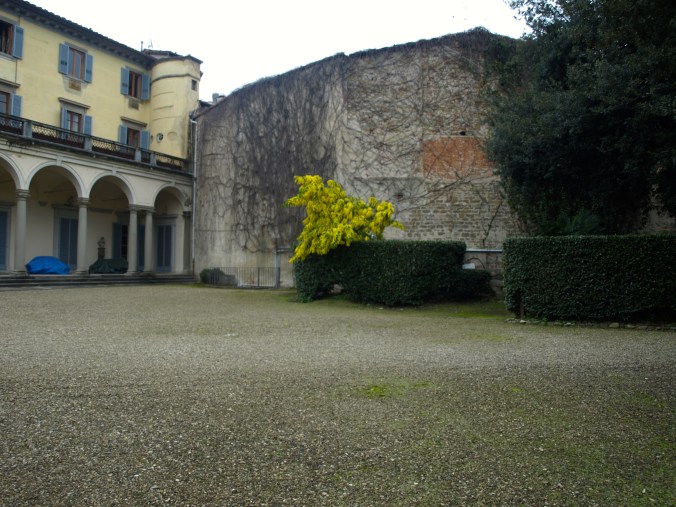
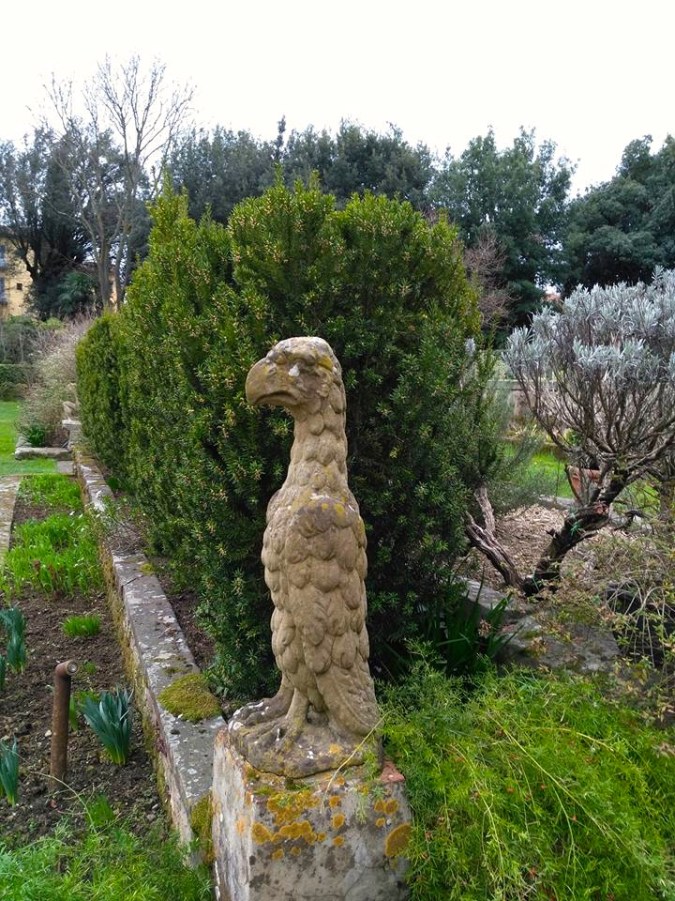
Giardino Torrigiani

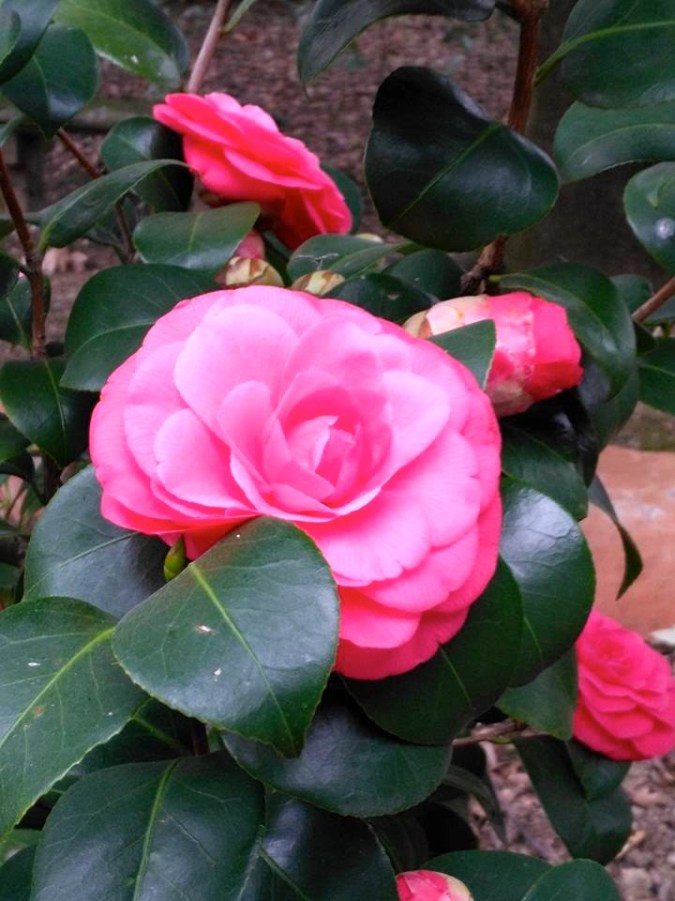
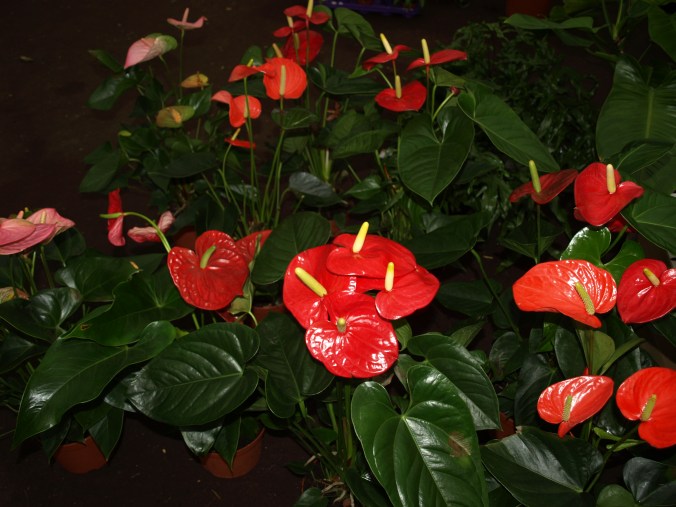
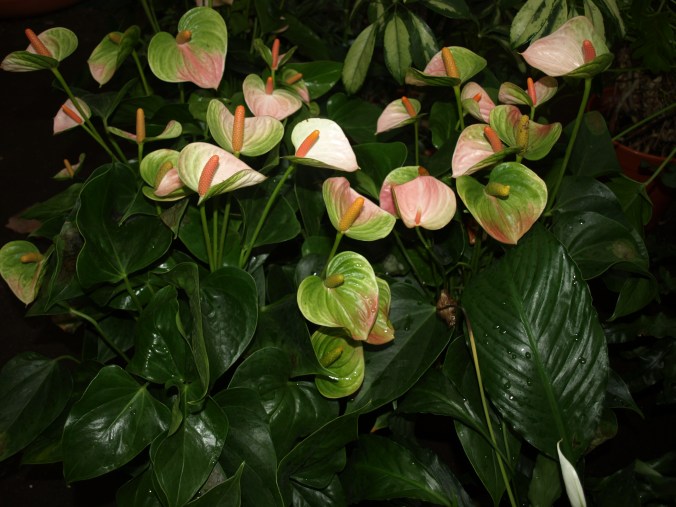
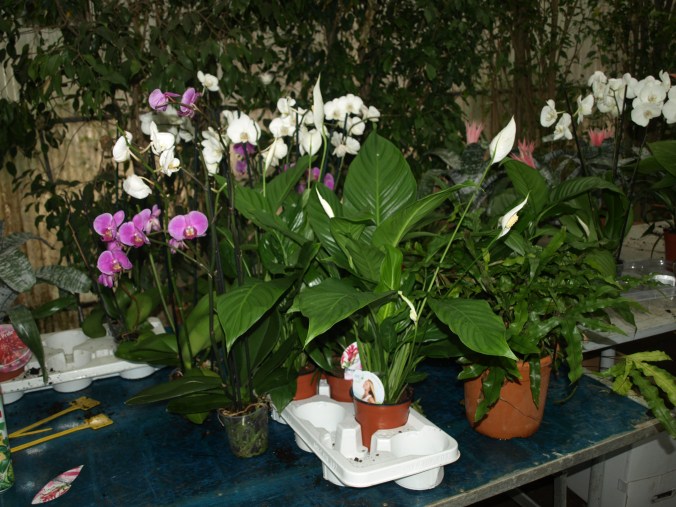
My mind is still reveling in images from my recent visit of this great private Florentine garden.  The owners of the Giardino have branched out into a few related businesses, and supplying local hotels and events with potted plants is one of them.  We got to go through the greenhouses on our tour and I loved these blooming plants.

OLYMPUS DIGITAL CAMERA

OLYMPUS DIGITAL CAMERA

OLYMPUS DIGITAL CAMERA

OLYMPUS DIGITAL CAMERA

OLYMPUS DIGITAL CAMERA

OLYMPUS DIGITAL CAMERA

OLYMPUS DIGITAL CAMERA

OLYMPUS DIGITAL CAMERA

OLYMPUS DIGITAL CAMERA

OLYMPUS DIGITAL CAMERA

OLYMPUS DIGITAL CAMERA

OLYMPUS DIGITAL CAMERA

OLYMPUS DIGITAL CAMERA

OLYMPUS DIGITAL CAMERA

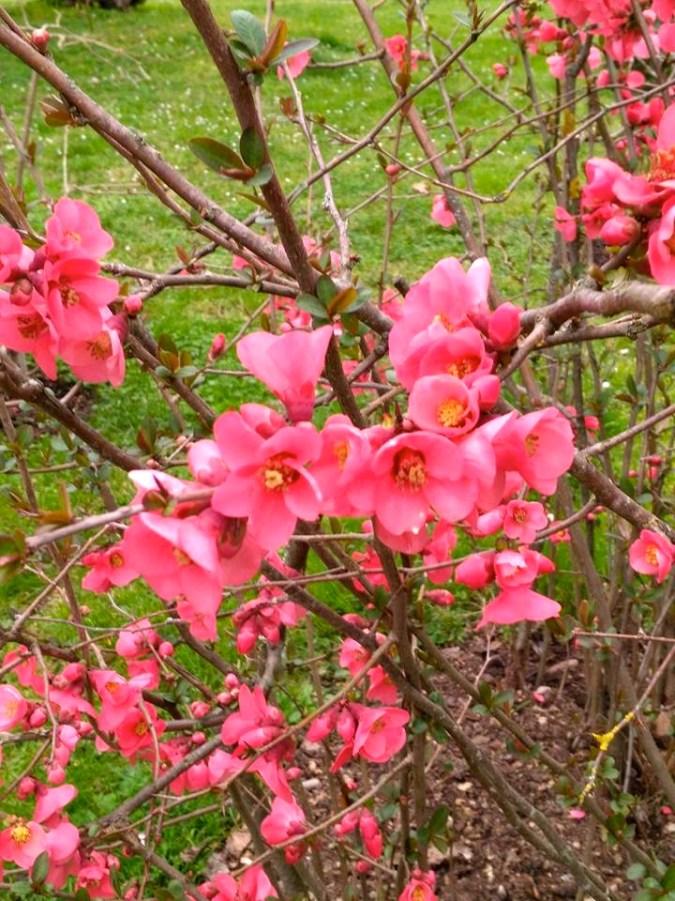
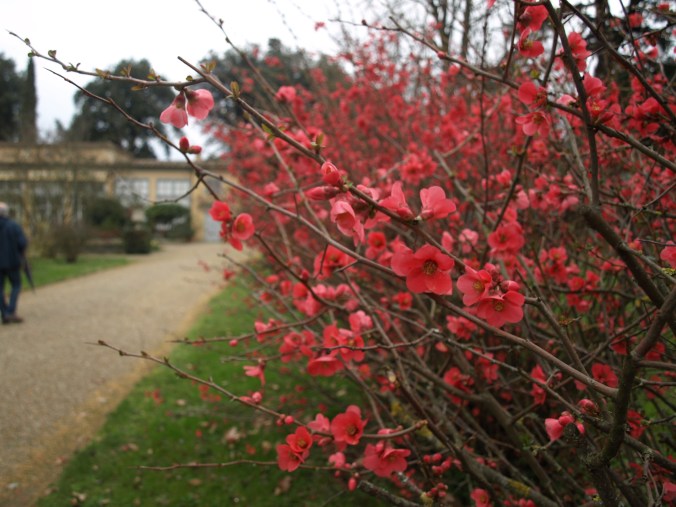
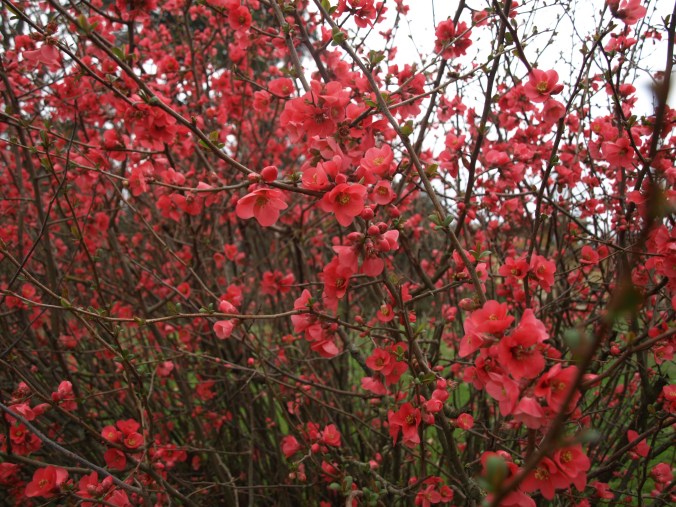
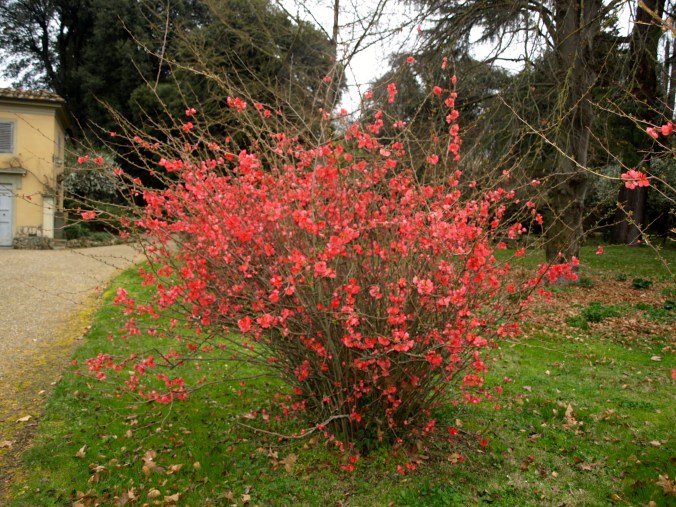
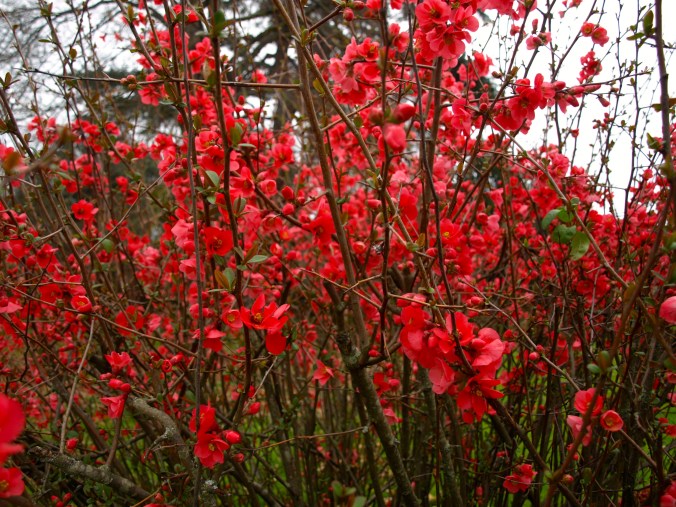
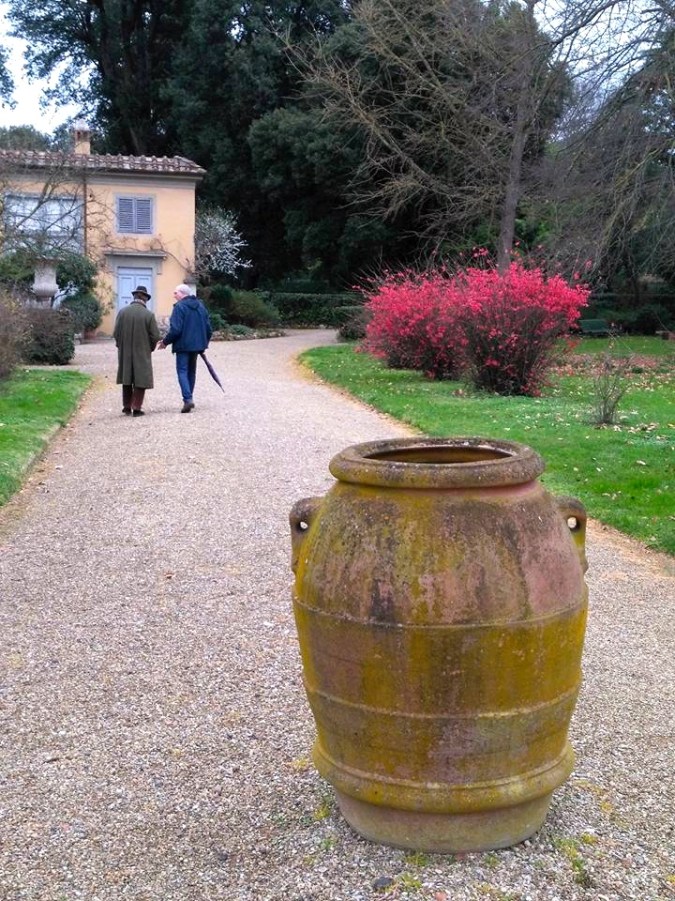
Japanese flowering quince (Chaenomeles Japonica), now flowering in Florence.

Last weekend I paid a visit to the amazing private Giardino Torrigiani in the heart of Florence.  The chaenomeles japonica was in full bloom.  Oh, how I love this coral colored madness!

16938454_1328946867148180_6896632114334611131_n

OLYMPUS DIGITAL CAMERA

OLYMPUS DIGITAL CAMERA


Japanese flowering quince shrubs are a heritage ornamental plant. These shrubs light up the spring with a brief, but memorably dramatic, floral display.

OLYMPUS DIGITAL CAMERA

OLYMPUS DIGITAL CAMERA

This species is an old one, and has been cultivated in Asia for thousands of years. A member of the rose family, it arrived in Europe and the United States in the 1800’s.

OLYMPUS DIGITAL CAMERA

OLYMPUS DIGITAL CAMERA

OLYMPUS DIGITAL CAMERA

OLYMPUS DIGITAL CAMERA

OLYMPUS DIGITAL CAMERA

OLYMPUS DIGITAL CAMERA

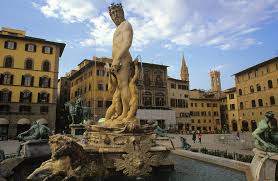
Fountain of Neptune, Florence, 1574

images-2

Ammannati’s huge white marble statue of Neptune, surrounded by rearing seahorses and frolicking bronze satyrs, towers over visitors to Piazza della Signoria. Despite its imposing character and lavish design, Bartolomeo Ammannati’s Fountain of Neptune has not always been well received. Almost as soon as it was unveiled on December 10, 1574, it was criticised by Florentines as a waste of marble: “Ammannato Ammannato, quanto marmo hai sciupato!” residents are said to have chanted.

neptune-fountain-florence-guillaume-piolle-1-680x453

Now, however, 1.5 million euro was being spent to restore the fountain, once considered barely worth the raw materials used to create it. The money, donated by Salvatore Ferragamo SpA thanks to the Italian Art Bonus legislation that promotes cultural patronage through tax breaks, will finance a new pump system, allowing water to circulate through the fountain for the first time in years. The donation also goes towards repairing the damaged marble, returning it to its original white brilliance. The restoration project is set to take just over two years; the plan is to unveil the fountain anew on December 10, 2018, the same day it was originally unveiled in 1574.

In 1559, Cosimo I de’ Medici launched a competition to design the first public fountain in Florence. This followed technical innovations in the water systems of the city and the construction of a new aqueduct. The figure of Neptune, god of the sea, is likely to have been chosen to symbolise Florence’s maritime prowess at the time. It was said that the sculpted Neptune’s face, fierce and bearded, actually resembled that of the Grand Duke Cosimo himself.

Baccio Bandinelli, who had recently worked on the Hercules and Cacus statue also in Piazza della Signoria, was chosen for the commission, but managed to complete only the design before he died. Ammannati was drafted in to take over the job, much to the annoyance of competitor Benvenuto Cellini, who wrote a satirical poem expressing his pity for the marble in Ammannati’s hands.

It was hoped that the fountain would be completed in time for the wedding procession of Francesco I de’ Medici and Joanna of Austria in 1565, which was to pass through the piazza, but a series of unfortunate events—“porcherie” as Ammannati described them in his letters to the Duke—delayed the completion date again and again. The arrival of the marble, from the quarries of Seravezza and Carrara, was postponed many times; when it finally did arrive, the marble cutter damaged it so much that it could not be used. As a result, for the wedding ceremony Ammannati had to cobble together the horses and river gods out of painted stucco, which promptly disintegrated in the water.

When the statue was completed in 1574, it was greeted by Florentines with a mixture of amusement and bewilderment. It certainly wasn’t the fearsome emblem of Florentine might that had been intended. The statue of Neptune was swiftly dubbed Il Biancone (“the white giant”), a nickname still used now with a certain affection. Residents decided to wash clothes and inkpots in the basin almost as soon as the fountain was unveiled, and still today we can read the plaque dated 1720 on the wall of the Palazzo Vecchio, which forbids such irreverent activities. The sculptures have been vandalised many times over the years, most recently in 2005.

Perhaps the new restoration project for the Fountain of Neptune will bring with it a fresh respect for this late Renaissance monument. Let’s hope these works do not face the same delays as those of the poor Ammannati, and that the fountain will be ready for our appraisal by the end of 2018.

This article is largely taken from:

http://www.theflorentine.net/art-culture/2016/07/new-life-neptune-fountain/

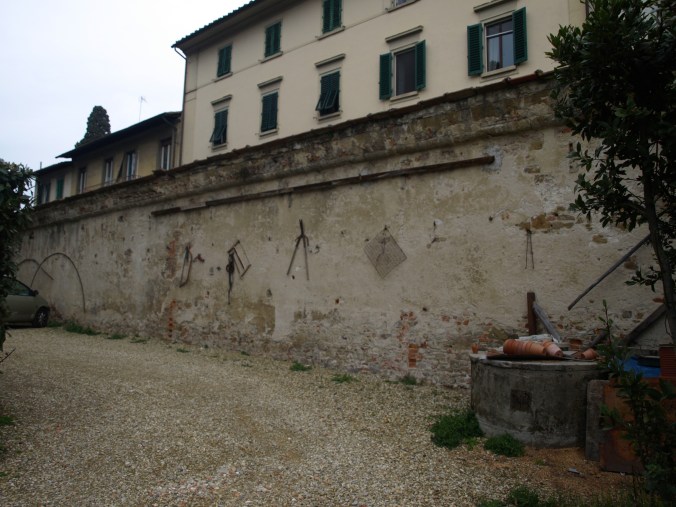
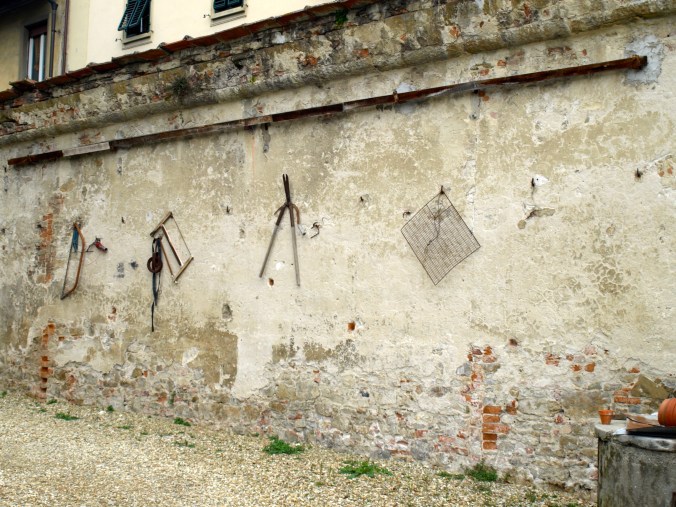
I live in the house where Bartolomeo Ammannati lived and died.

You must pardon my astonishment, but my mind is blown!

images-2

Bartolomeo Ammannati (1511 – 1592), was the Italian architect and sculptor, who is perhaps best known today for his giant Fontana del Nettuno on the Piazza della Signoria in Florence.  Ammannati was born at Settignano, near Florence, and studied with Baccio Bandinelli and Jacopo Sansovino. He carved statues for various Italian cities during the 1530s and 40s.


Although he is best known to us as a sculptor, during his lifetime he was more known for his architecture. He was called to Rome in 1550 by Pope Julius III on the advice of fellow-Florentine, the architect and art historian, Giorgio Vasari. Ammannati’s most important work in Rome was in collaboration with Vasari and Giacomo da Vignola on the villa of Pope Julius, the Villa Giulia (begun 1551).

He also worked in Lucca. We know he assisted Jacopo Sansovino  on the design of the Biblioteca Marciana, in Venice, which closely imitated the style of Michelangelo.
Cosimo de’ Medici (Cosimo I) brought Ammannati back to Florence in 1555; he was to spend almost all of his remaining career in service to the Medicis. His first commission was to finish the Laurentian Library, begun by Michelangelo. Ammannati interpreted a clay model sent him by Michelangelo in 1558 to produce the especially impressive staircase, leading from the vestibule into the library proper.

Ammannati’s masterpiece in Florence is the Palazzo Pitti, where, beginning in 1560 (and through 1570), he enlarged the basic structure by Filippo Brunelleschi, designing a courtyard and facade opening onto the Boboli Gardens. The facade overlooking the courtyard is very unusual in its heavily rusticated (rough-hewn) treatment of successive levels of Doric, Ionic, and Corinthian attached columns. At the Pitti Palace, this rustication provides an appropriately rural yet impressive backdrop for the gardens.


220px-boboli-gardens-from-palazzo
Garden entrance of the Ammannati Courtyard in the Pitti Palace.

Ammannati was named Consul of Academia delle Arti del Disegno in Florence, which was founded by the Duke Cosimo I in 1563.


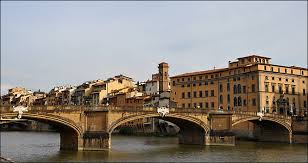
In 1569, Ammanati was commissioned to build the Ponte Santa Trinita, a bridge over the Arno River.

images-3

The bridge’s three arches are elliptic, and though very light and elegant, it has survived even when floods had damaged other Arno bridges at different times. Santa Trinita was destroyed in 1944, during World War II, and rebuilt in 1957.

220px-fountains_of_neptune

Ammannati designed what is considered a prototypic mannerist sculptural ensemble in the Fountain of Neptune (Fontana del Nettuno), prominently located in the Piazza della Signoria in the center of Florence. The commission was originally given to the aged Bartolommeo Bandinelli; however when Bandinelli died, Ammannati’s design bested the submissions of Benvenuto Cellini and Vincenzo Danti and Ammannati was awarded the commission.

From 1563 and 1565, Ammannati and his assistants, among them Giambologna, sculpted the block of marble that had been chosen by Bandinelli. He took Grand Duke Cosimo I as model for Neptune’s face. The statue was meant to highlight Cosimo’s goal of establishing a Florentine Naval force. When the work on the ungainly sea god was finished, and sited at the other corner of the Palazzo Vecchio of Michelangelo David statue, the then 87-year-old irascible elder sculptor, is said to have scoffed at Ammannati that he had ruined a beautiful piece of marble, with the ditty: “Ammannati, Ammanato, che bel marmo hai rovinato!”


Ammannati continued work on this fountain for a decade, adding around the perimeter a cornucopia of demigod figures: bronze reclining river gods, laughing satyrs and marble sea horses emerging from the water.

In 1550 Ammannati married Laura Battiferri, an elegant poet and an accomplished woman. In his old age, Ammannati was strongly influenced by the Counter-Reformation philosophy of the Jesuits. He repudiated his earlier nude sculptures as lustful, and he designed several austere buildings for the Jesuits.


He died in Florence in 1592.  In my apartment!!