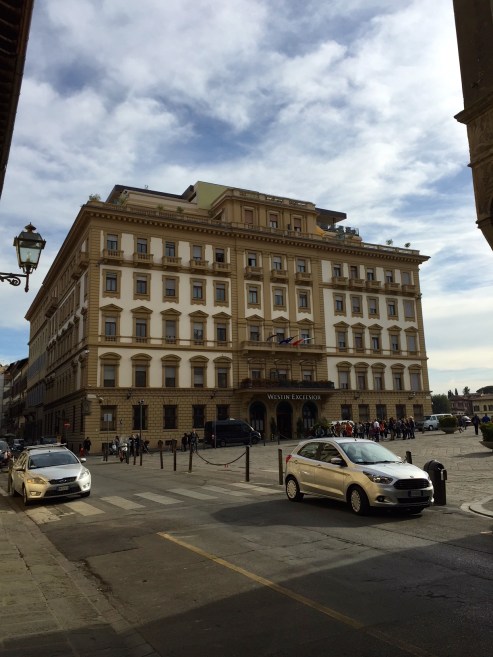
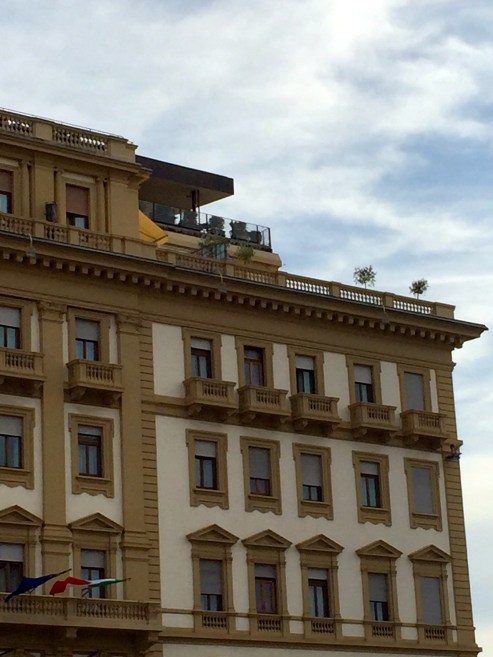
All I can say is, you just have to see it to believe it. :-))
All I can say is, you just have to see it to believe it. :-))
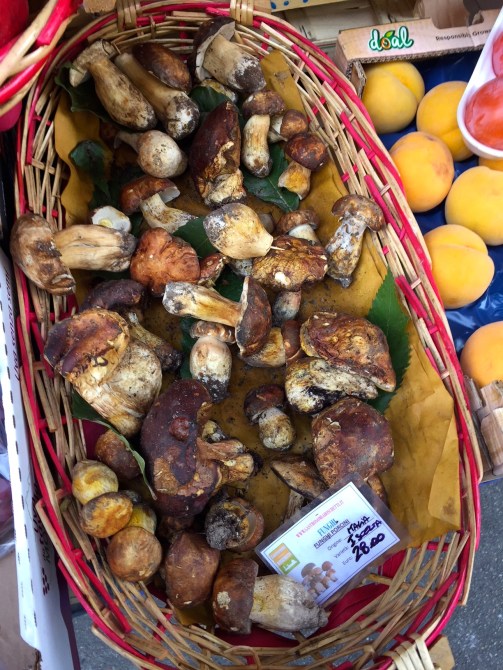
Mushrooms:
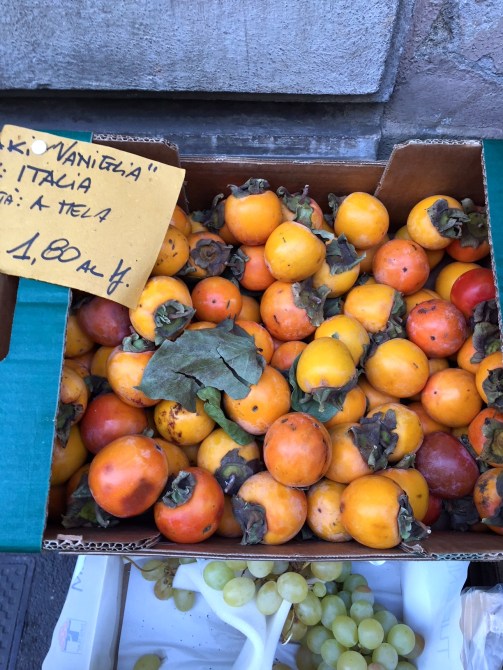
Persimmons (cachi):
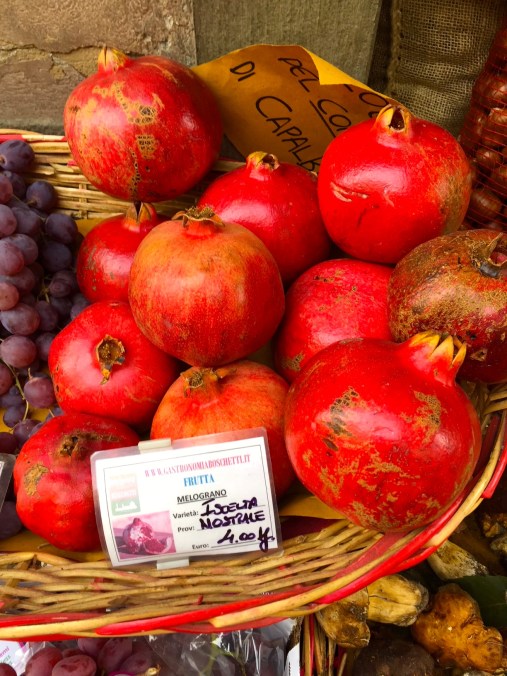
The season’s earliest pomegranates (melograni):
Personally, I’d never seen these fruits until I spotted them in Italy. Fichi d’India = Indian figs. They are actually part of the cactus family and originated in Mexico! Their name is a bit of a puzzle!
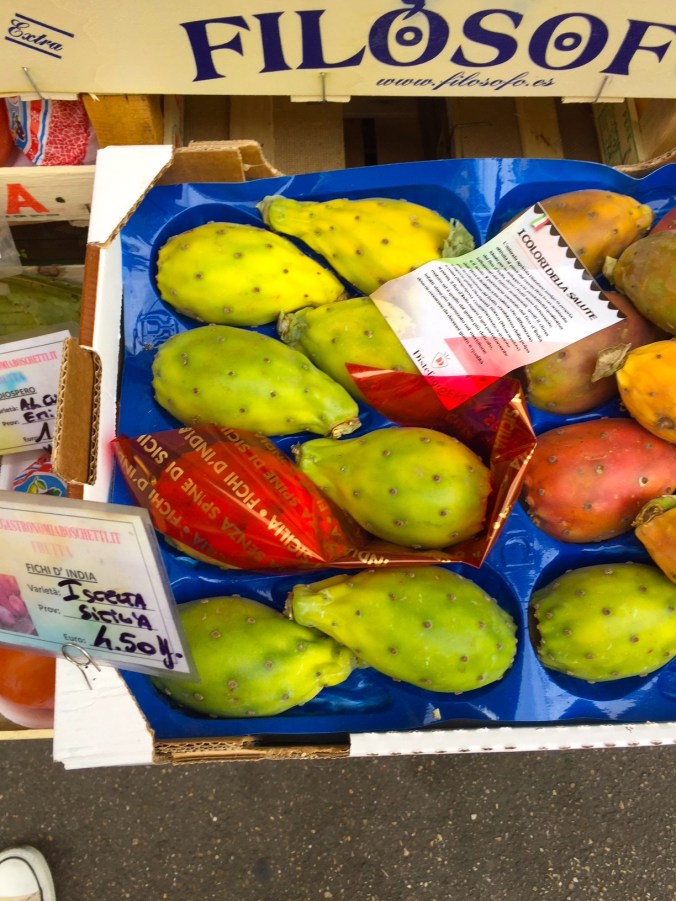
Origin – Indian fig is native to Mexico.
Scientific Name – Opuntia ficus indica
Appearance – The flesh of the fruit will be in bright red/purple or white/yellowish color. The fruit contains many tiny seeds that are usually swallowed.The fruit is often used in the preparation of jams and jellies which resembles both strawberries and figs in flavor and color. Opuntia ficus indica is used as a dietary supplement to decrease oxidative stress and lower blood lipid levels.
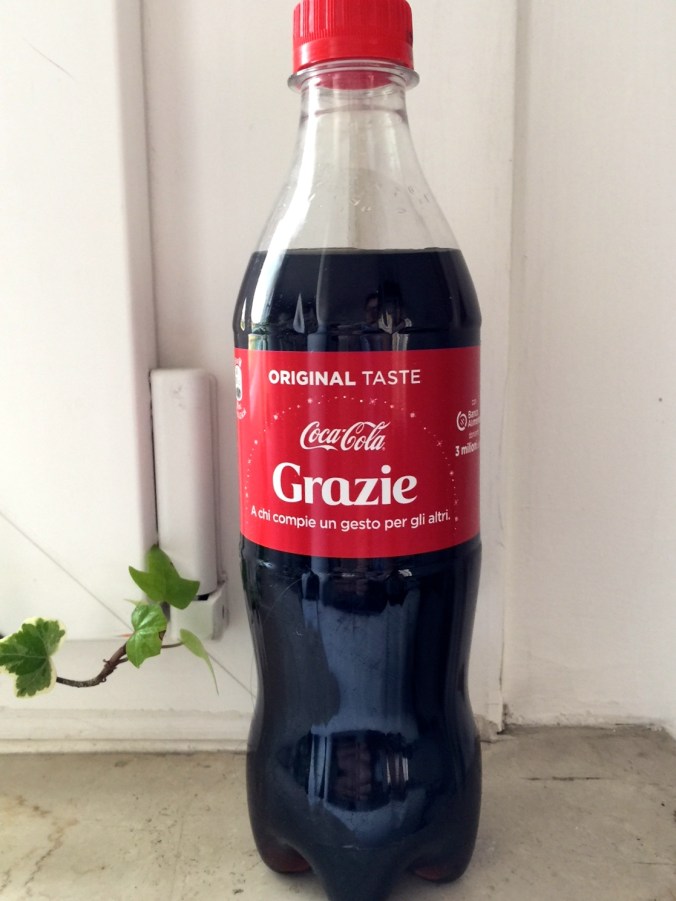

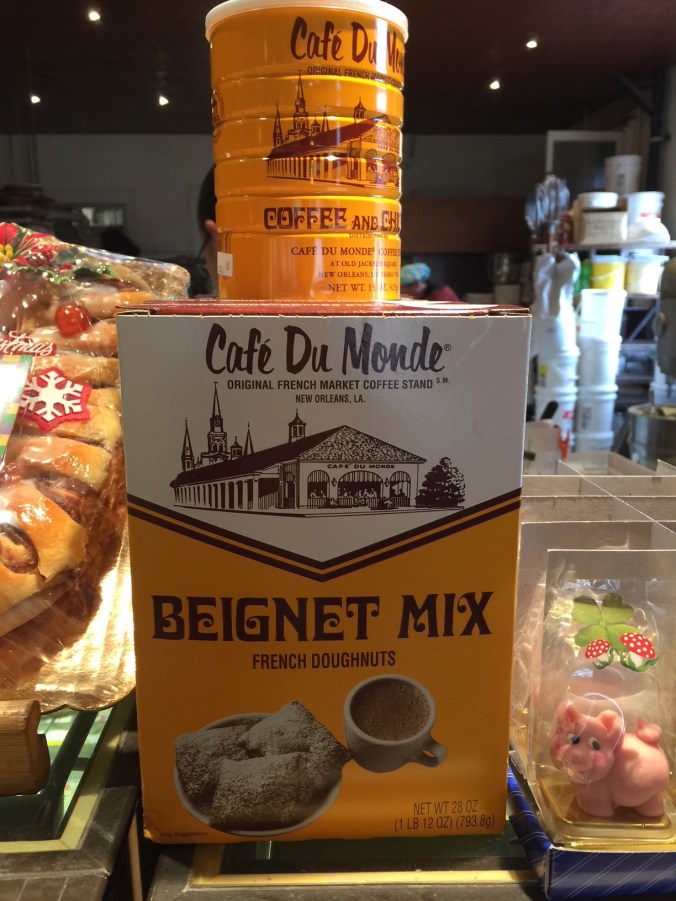
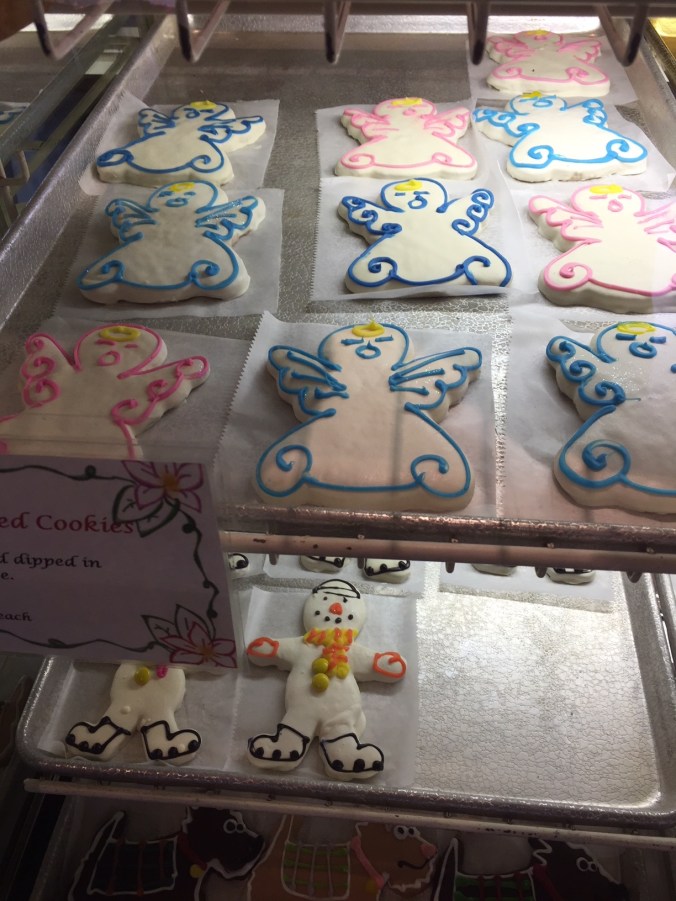
Saw these today in a bakery in Denver. Made me remember good times in New Orleans. Oh, for a real Cafe du Monde beignet right about now!



A museum I visited in Arezzo this fall has a very interesting installation recreating a Roman era dining room. I love these reinterpretations of kitchens and dining rooms.
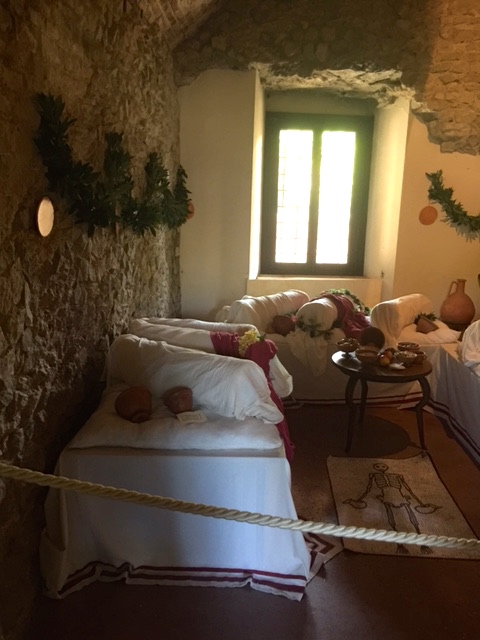
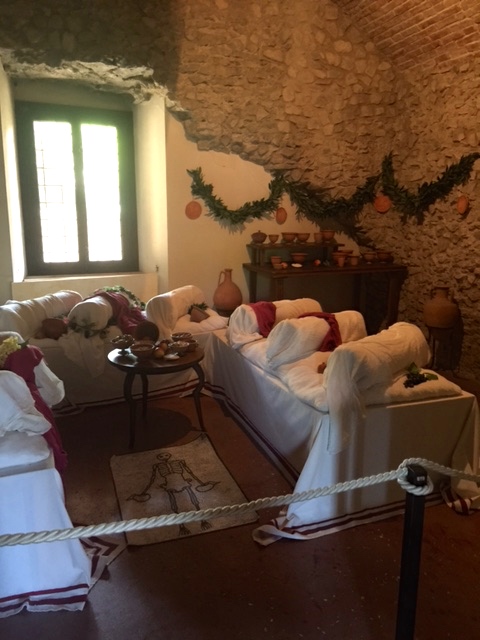
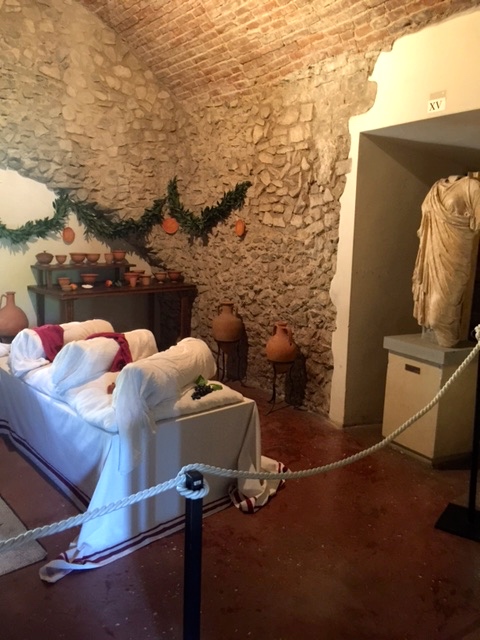
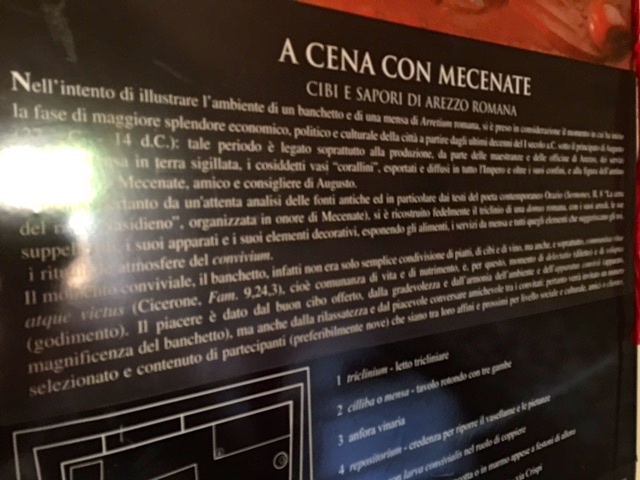
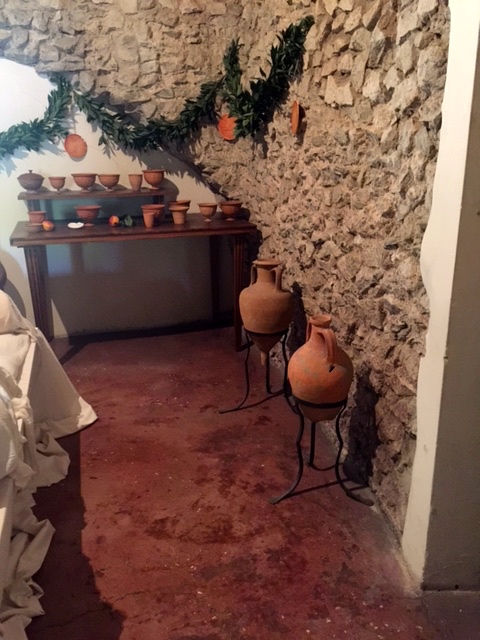
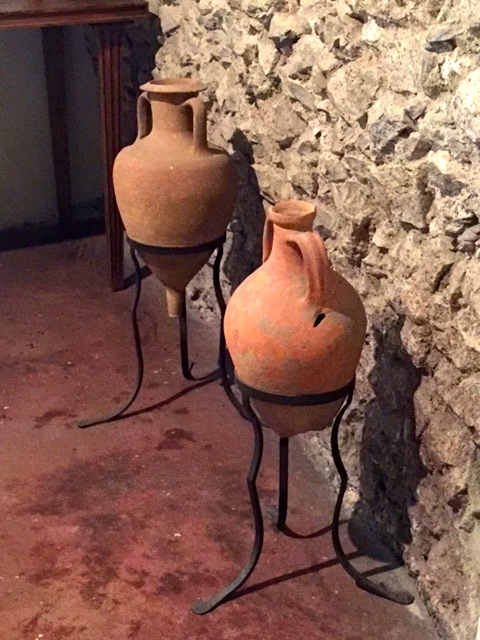
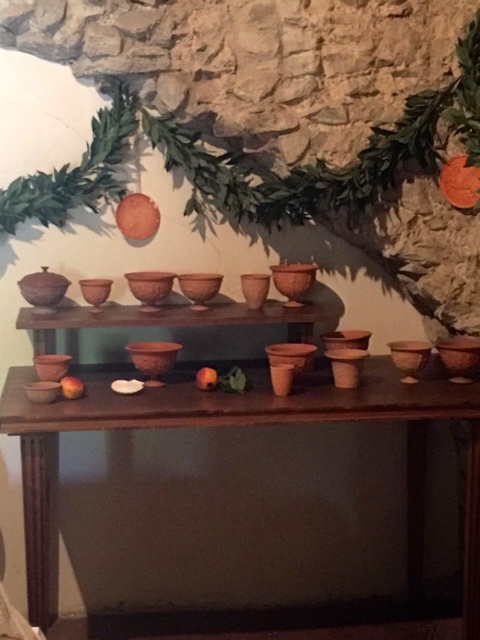
Don’t forget that the Romans dined while reclining on their sides! Very uncomfortable to me!

Vitello Milanese. As delicious to eat as it is beautiful to look at!


This gorgeous confection, the marron glacé, as seen in a Florentine pasticceria this week, originated in northern Italy and southern France, long before those geographical distinctions meant much of anything.
The marron glacé is made from a chestnut that is both candied and glazed in a sugar syrup. These lovelies are eaten on their own as well as found in many desserts.
Marron glacés appeared in chestnut-growing areas in Italy and France shortly after the crusaders returned to Europe with sugar. Cooking with sugar allowed the creation of all kinds of new confectioneries.
It is believed that a candied chestnut confection was probably served around the beginning of the 15th century in Piedmont, among other places. But the marrons glacé as such (with the last touch of ‘glazing’), may have been created only in the 16th century.
The first written recipe for the marron glacé was made by an Italian cook working for the Duke of Savoy around 1580. The French recorded it at the Versailles court at the end of the following century.
If you are feeling adventurous, you can make your own. Here’s how:
And here’s a written recipe:
http://www.buttalapasta.it/articolo/ricetta-marron-glace/24877/http://www.buttalapasta.it/articolo/ricetta-marron-glace/24877/
Buon appetito!


Gorgeous!
 get back, lauretta!
You must be logged in to post a comment.