Go get truffled! San Miniato, Tuscany

Want to see a darling hill town in Tuscany?  Then head for the hills! Get yourself to San Miniato, a very lively and attractive hill town near Pisa, famous for the white truffles found in the surrounding area.

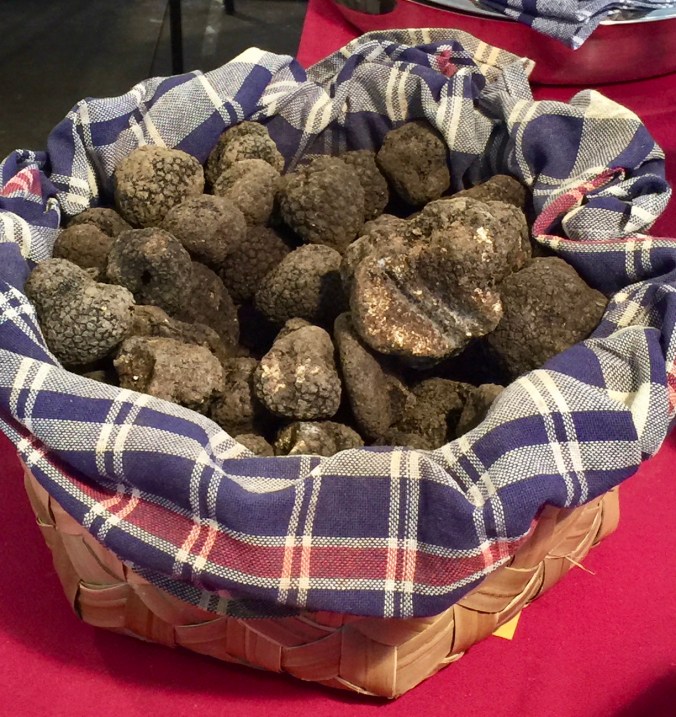
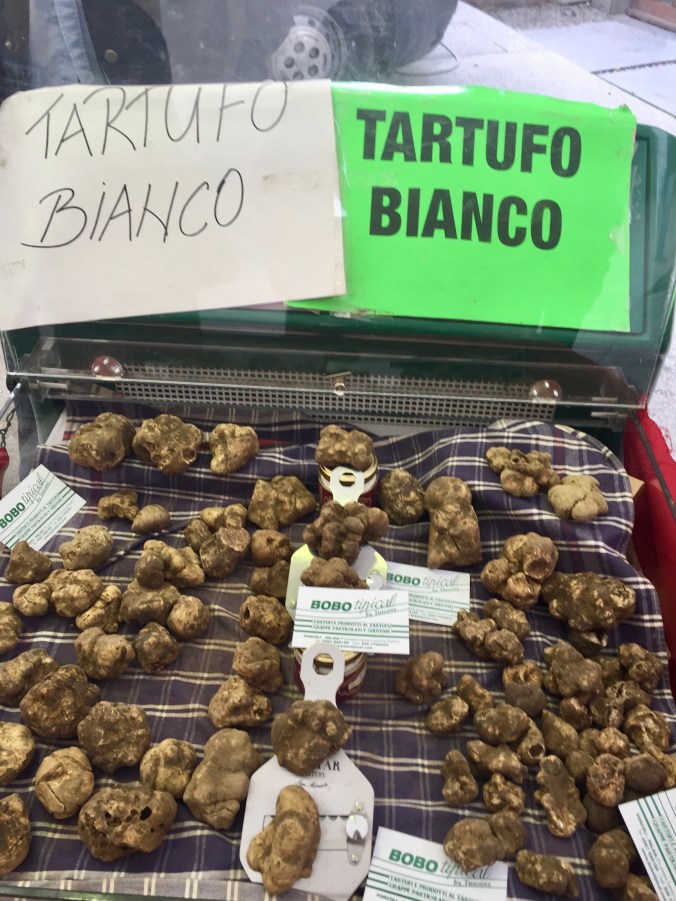
Want to see truffles? The famous tartufo aren’t very pretty, but oh my goodness, do they taste good in Italian cuisine! Here’s a basket full of them:
fullsizeoutput_61bfullsizeoutput_626fullsizeoutput_625

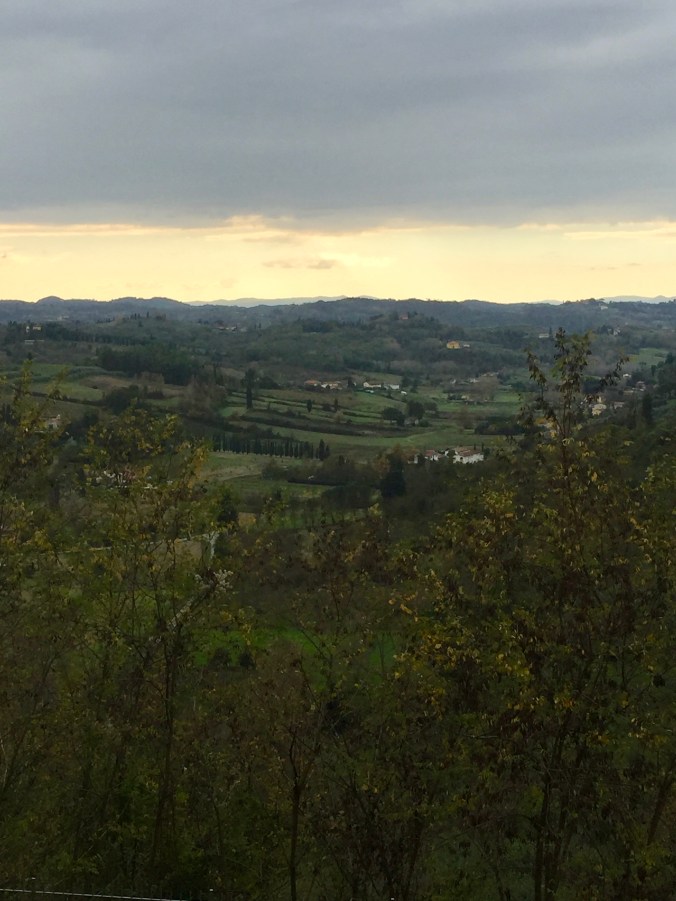
I visited San Miniato yesterday, 17 November, during the annual truffle sagra held by the town.  Fall has definitely arrived in Tuscany and it was cold and overcast.  It almost makes me wistful about the heat of last July.  Almost. The next 2 pictures capture the weather as well as the beautiful vistas as seen from San Miniato of the beautiful Valdarno.
fullsizeoutput_62bfullsizeoutput_62a

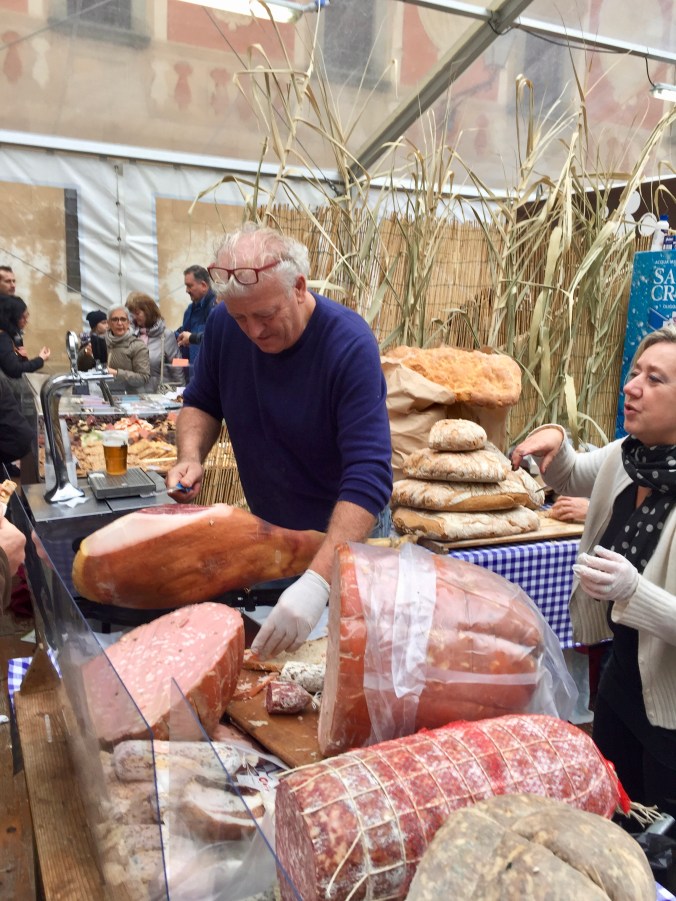
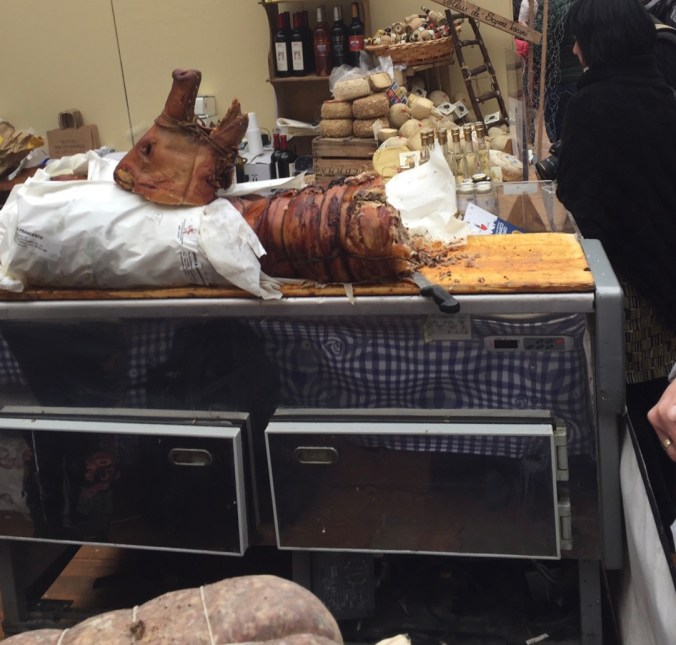
The truffle festival also features artiginale production of prosciutto, and there were lots of pork products on show, to taste, to purchase, and you could even buy specialized equipment for the home to slice the hams.  All shown below:
fullsizeoutput_622fullsizeoutput_61f


But the truffles are the raison d’être:  The festival San Miniato hosts every November is devoted to the gastronomically precious white truffle found locally. The white truffle is more highly valued than the black truffles found in Umbria and the Marche, and commands very high prices, reflected in the cost of restaurant dishes that incorporate truffles. In 1954 a record-breaking truffle found close to the nearby village of Balconevisi weighed in at 2,520 grams (5.56 lb) and was sent to the United States of America as a gift for President Dwight D. Eisenhower.

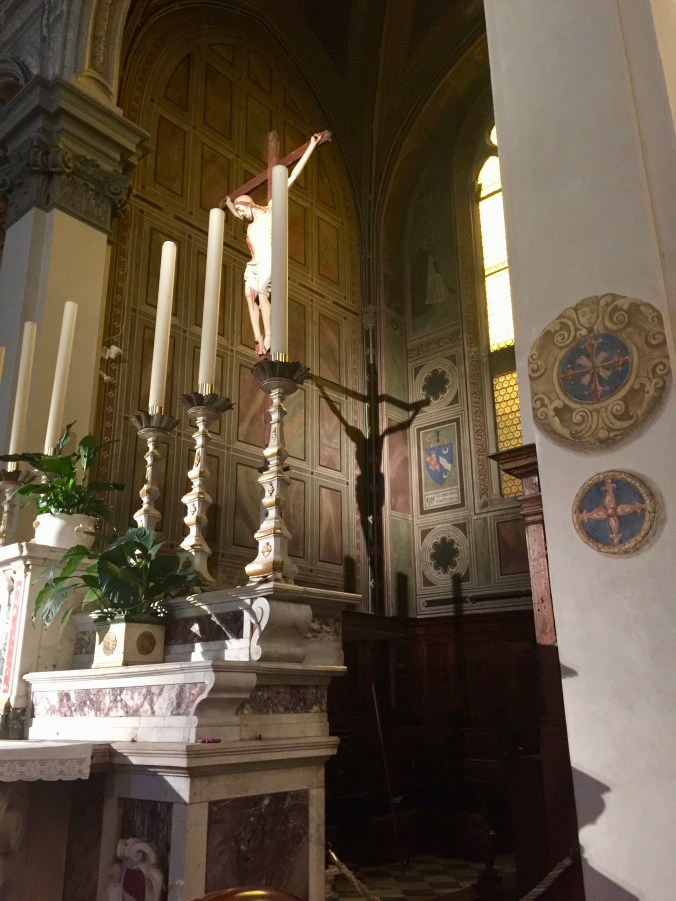
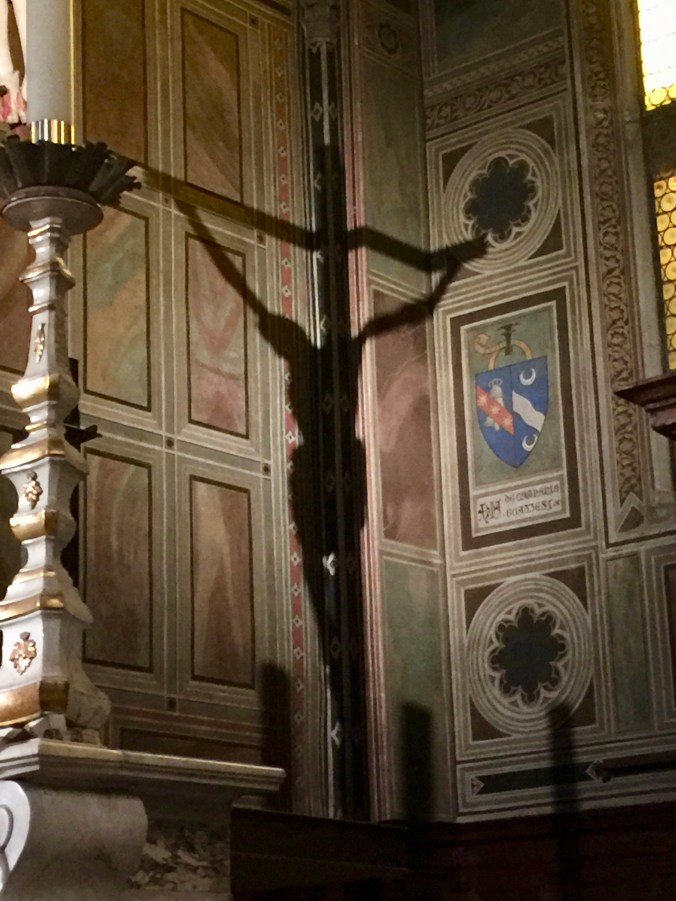
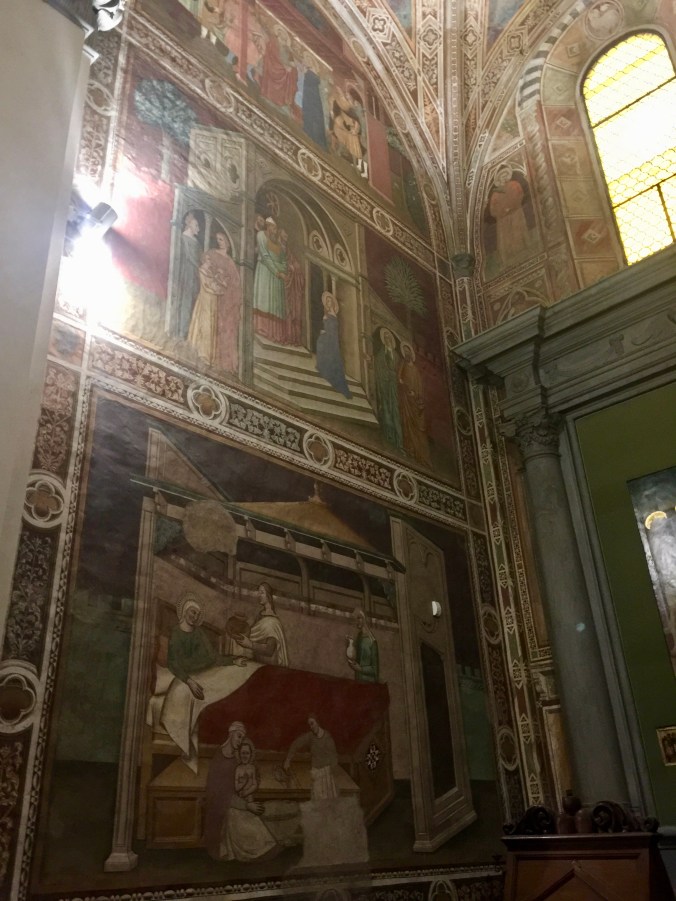
But even if you aren’t a fan of truffles or hams, there is still much to enjoy about this little gem of a town. For example, there is a lovely church with important Quattrocento frescoes:
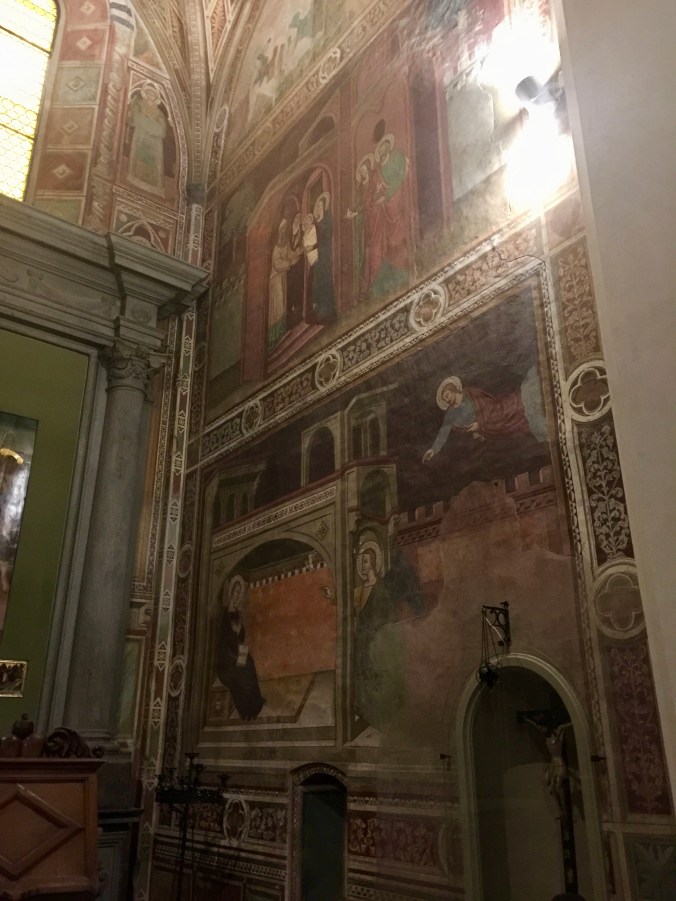
fullsizeoutput_635fullsizeoutput_634fullsizeoutput_633fullsizeoutput_632


The ceiling and upper sections of the basilica walls are painted with trompe’oeil marble architecture:

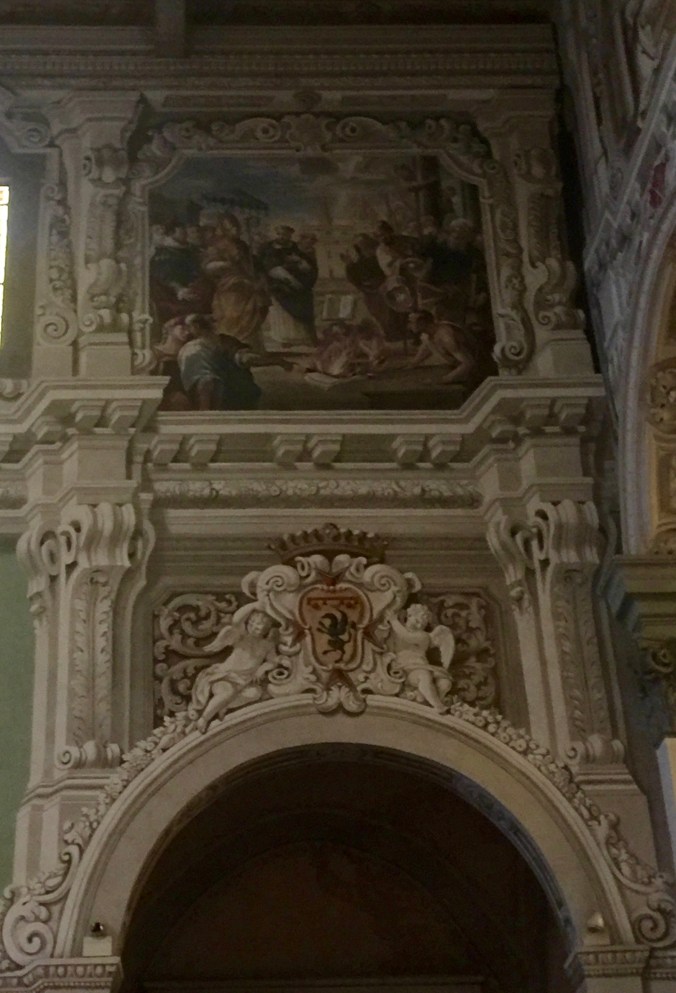
fullsizeoutput_630

fullsizeoutput_62f


And the town’s Duomo has a simple Tuscan facade which doesn’t prepare you for the opulent interior filled with porphyry marble columns and a gorgeous, gold leafed ceiling:

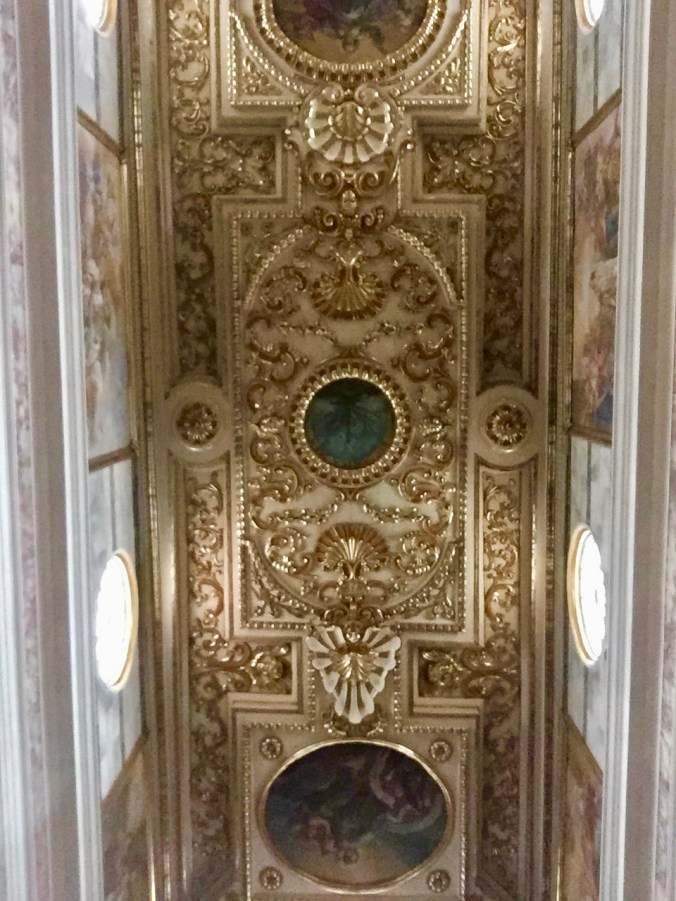
fullsizeoutput_61dfullsizeoutput_61c
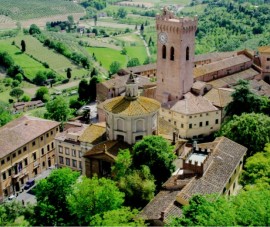
The Duomo is dedicated to both Sant’ Assunta and Santo Genesio of Rome. It was originally a Romanesque building, but it has been remodelled several times and exhibits Gothic and some Renaissance arcchitectural elements. The façade incorporates a number of colorful majolica bowls. The interior has Latin cross plan with a central nave with two side aisles. The cathedral’s campanile, a fortification annexed in is called the Matilde Tower and features an asymmetrical clock. Very charming.

In medieval times, San Miniato was on the via Francigena, or the main connecting route between northern Europe and Rome. It also sits at the intersection of the Florence-Pisa and the Lucca-Siena roads. Over the centuries San Miniato was therefore exposed to a constant flow of friendly and hostile armies, traders in all manner of goods and services, and other travelers and pilgrims from near and far.

Archaeological evidence indicates that the site of the city and surrounding area has been settled since at least the paleolithic era. It would have been well known to the Etruscans, and certainly to the Romans, for whom it was a military post called “Quarto.”

The first mention in historical documents is of a small village organized around a chapel dedicated to San Miniato built by the Lombards in 783. By the end of the 10th century, San Miniato boasted a sizeable population enclosed behind a moat and protected by a castle built by Otto I.

In 1116, the new imperial vicar for Tuscany, Rabodo, established himself at San Miniato, supplanting Florence as the center of government. The site came to be known as al Tedesco, since the imperial vicars, mostly German, ruled Tuscany from there until the 13th century.

During the late 13th-century and the entire-14th century, San Miniato was drawn into the ongoing conflict between the Ghibelline and Guelph forces. Initially Ghibelline, it had become a Guelph city by 1291, allied with Florence and, in 1307, fought with other members of the Guelph league against the Ghibelline Arezzo.

By 1347 San Miniato was under Florentine control, where it remained, but for a brief period from 1367-1370 when, instigated by Pisa, it rebelled against Florence, and for another brief period between 1777 and 1779 during the Napoleonic conquest. It was still part of the Grand Duchy of Tuscany when the Duchy was absorbed into the newly formed Kingdom of Italy in 1860.

The first walls, with defensive towers, were thrown up in the 12th century during the time that Italy was dominated by Frederick Barbarossa. Under his grandson, Frederick II, the town was further fortified with expanded walls and other defensive works, including the Rocca and its tower.

The city is enclosed within a well-preserved medieval precinct. Main landmarks include:

The Tower of Frederick, built by Frederick II in the 13th century on the summit of the hill at an elevation of 192 metres (630 ft), overlooking the entire Valdarno.
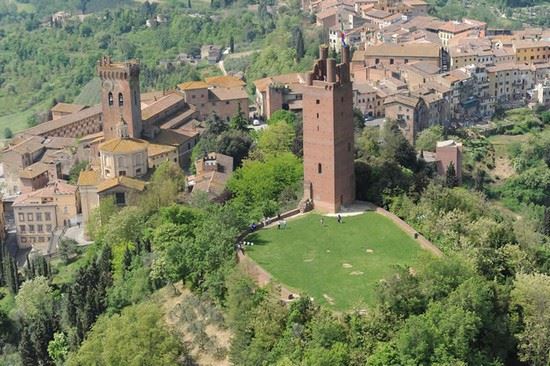
95478_la_torre_di_federico_secondo_san_miniato


I love the frescoes showing all the parts of the Italian peninsula in the corridors of the Vatican.  Interestingly enough, the tower and San Miniato is among them:
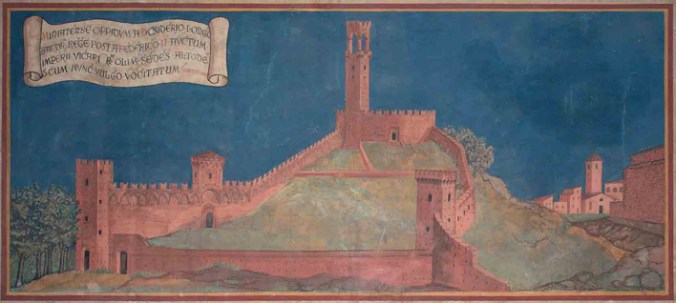
federico_II

During World War II the tower was destroyed by the German army to prevent the Allies from using it as a gun sighting tower, but was reconstructed in 1958 by architect Renato Baldi.
The remarkable Seminary, located in the central, unusually shaped Piazza della Repubblica, has a unique and spectacular set of frescos decorating the outside. as you can see in this photo and in my video taken yesterday:

san-miniato


san_miniato_view_10-11_0


If you can’t get to San Miniato yourself, at least you can enjoy this great Youtube video of the town filmed with the help of a drone.



La melegrana, the pomegranate

This is the season of this beautiful fruit and pomegranates are spilling over the counters in markets and alimentare all over Italy.

45069618_1048206598684155_3602232549109137408_n

In this splendid painting by Botticelli in the Uffizi, we encounter a seasonal fruit, beautifully portrayed. According to the Facebook page of Conosci i luoghi di culto della Toscana:

La melagrana è un frutto tipico di questo periodo dell’anno, in cui tradizionalmente il confine tra il mondo dei vivi e il regno dei morti si assottiglia, l’ombra si impadronisce degli ultimi spazi luminosi e tutti noi iniziamo un cammino di riflessione e ripiegamento verso l’interno. L’involucro della melagrana è come uno scrigno che custodisce qualcosa di molto prezioso: tantissimi chicchi di un color rosso brillante che non può non far pensare al sangue e a tutta la sua simbologia. Frutto sacro a Venere e a Giunone e simbolo del percorso iniziatico di Persefone, la melagrana è spesso raffigurata come attributo delle grandi dee madri, coloro che presiedono al ciclo nascita-vita-morte-resurrezione. Colei che dà la vita, colei che la toglie.

Translated to English: The pomegranate is a typical fruit of this time of year, a time in which the border between the world of the living and the kingdom of the dead is less obvious (i.e. today is All Soul’s Day). The shadows overtake the last of summer and fall’s bright spaces and we all begin a journey of inward reflection. The tough skin of the pomegranate is like a casket that holds something very precious: many grains of a bright red color that make us think of blood and its symbolism. Pomegranate is the fruit sacred to Venus and to Juno and symbol of the journey of Persephone. Moreover, the pomegranate is often portrayed as the attribute of the great mothers, the goddesses who preside over the cycle of birth-life-death-resurrection.


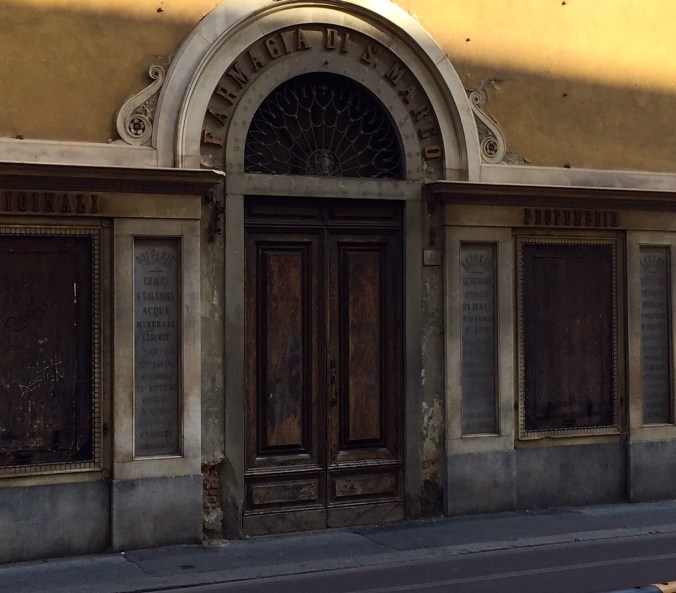
Farmacia di San Marco

Fate is truly fickle.

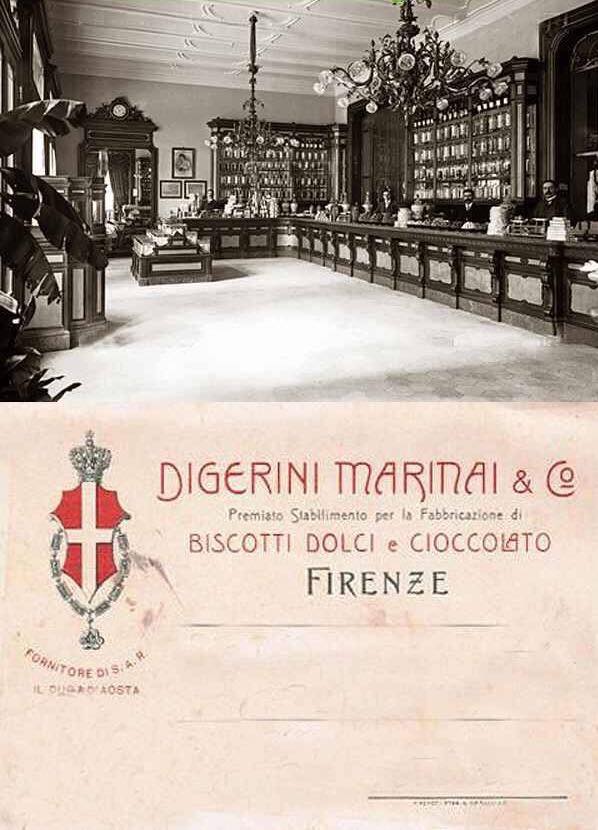
You take 2 historic pharmacies, founded in Florence long, long ago. I’m speaking of the le farmacie di San Marco and di Santa Maria Novella. Santa Maria is still going strong, while the farmacia di San Marco shuttered its doors in 1995.  It obviously had a good run!

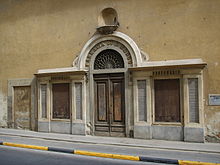
I’ll be discussing the components of the facade below, but first please notice the little niche with a shelf above the lunette over the door.  There was once a small marble statue, depicting the lion of San Marco, placed there.

220px-Farmacia_di_San_Marco

I’d never heard anything about the San Marco pharmacy, although I wasn’t surprised to learn the there once was a farmacia attached to this church complex.  It was customary for conventi (in Italian, a convent denotes what in English we would call a monastery) to have a farmacia, selling medicinal products that the monks created.

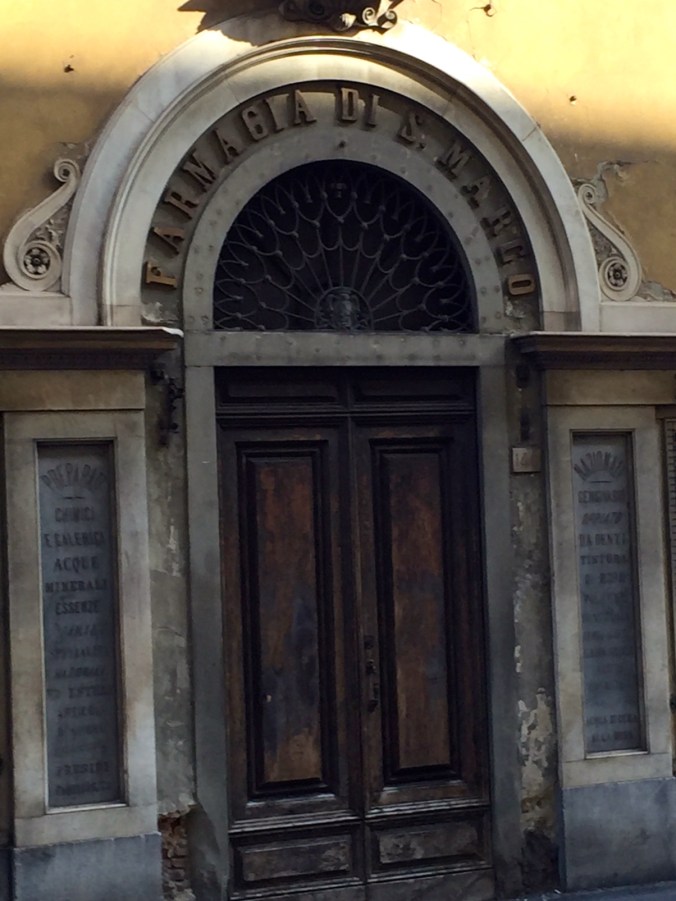
But, many times a week I ride or walk by the old entrance to the pharmacy of San Marco on Via Cavour in Florence.  The pharmacy is now defunct, but it is lovely that the authorities who closed the shop in 1995 left the old, 19th-century facade.  It speaks volumes and is a charming relic of days gone by.

IMG_1993

The San Marco pharmacy was established in 1450 by the Dominican friars, along with its twin, the still operating Farmacia di Santa Maria Novella. Cosimo de’ Medici had a particular interest in San Marco and there is little doubt that his patronage helped the church in all of its endeavors.

IMG_1994

The Dominicans were known to be people with considerable culture. The  medicinal preparations they created inspired confidence.

What were the medicines they had on offer? We know they sold at least the following:

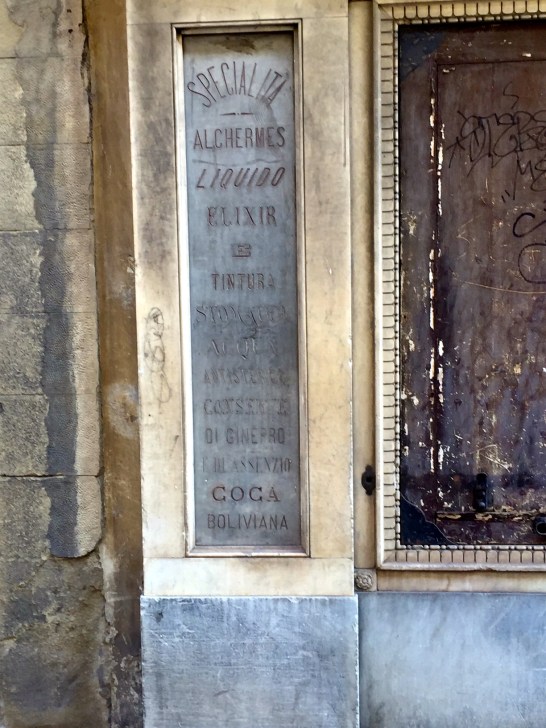
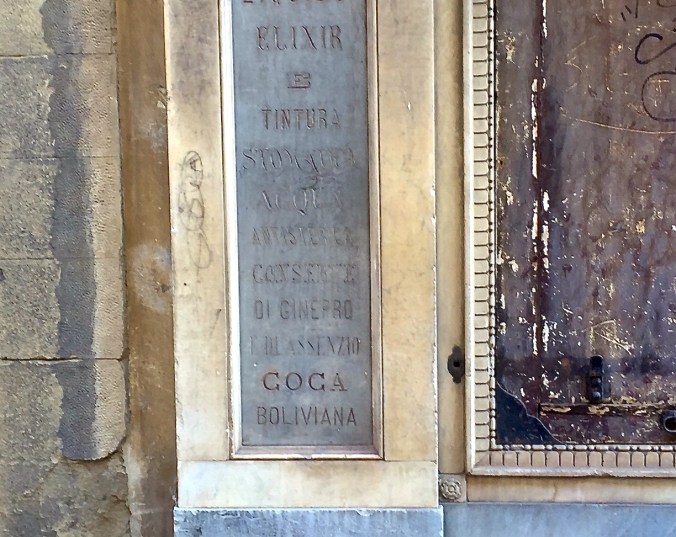
  • The Alchermes, much appreciated by Lorenzo the Magnificent
  • Anti-hysteria water, for nervous ladies
  • Elixirs for the stomach
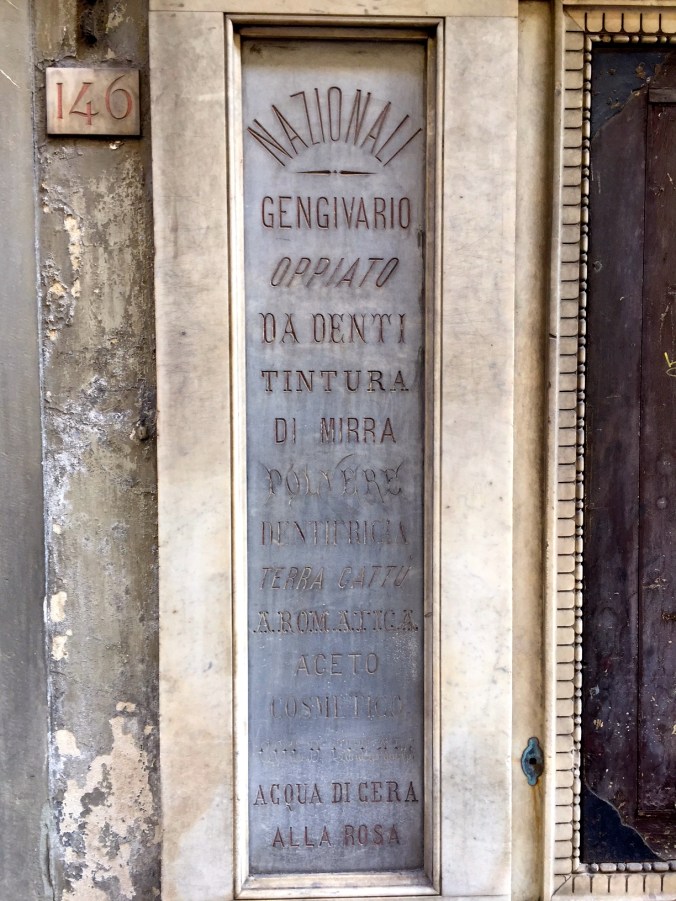
  • Rose water

IMG_1995

We know that the monks drew from long-held botanical remedies and experimented with others.  They made their medicines by dissolving the helpful plant material (whether from the flower, the leaves, the roots, or the stems) in alcohol.  Their various products could take the forms of a tincture, a solution, a suspension, an infusion, a potion, elixir, extract, essence, quintessence and or a concentrate.

IMG_1997

IMG_1997

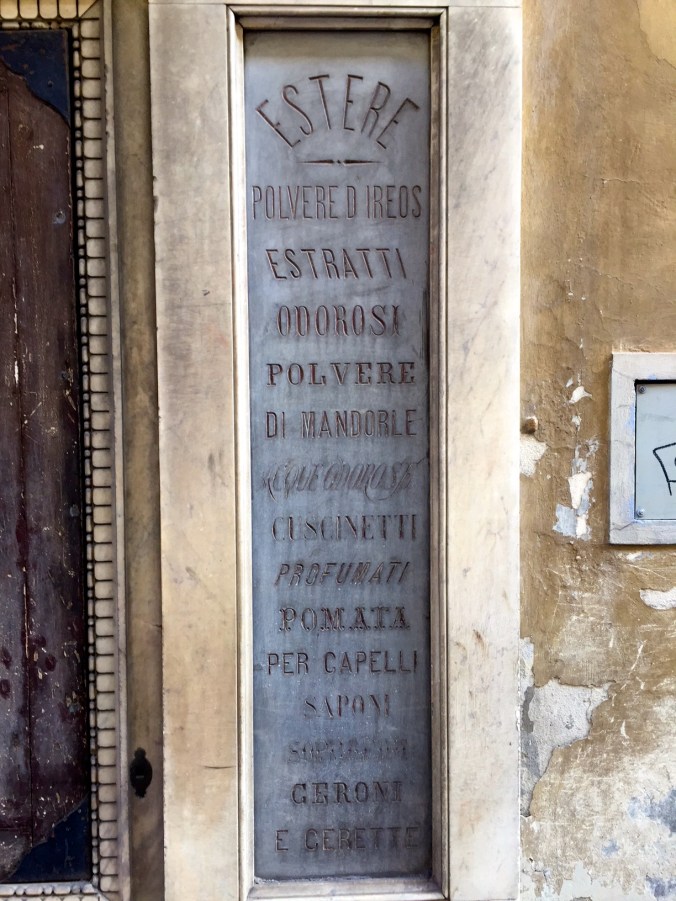
My favorite product listed on the engraved stone menus is “Coca.”  This would indicate coca cola, which was invented as a medicinal elixir by a pharmacist in Georgia, USA, in the 1880s.  So, that gives us a date for the facade of the old pharmacy.  Would that we could see the earlier versions, now long lost.

I just love the concept of an American elixir on sale in the Florentine pharmacy.


IMG_1998


IMG_1999


IMG_2001


If you can, like I can, picture how this pharmacy must have seemed when these engraved stone tablets were new, then let your mind wander back in time.

The following info on the farmacia comes from: http://socialdesignzine.aiap.it/topografie/9172

The Ancient Pharmacy of San Marco was established by friar Antonino, with the generous support of Cosimo de ‘Medici, called il Vecchio, during the reconstruction of the San Marco complex in 1435. From 1450 the pharmacy, whose production was initially reserved for use inside the convent (monastery), was open to the public. The stone lintel of the ancient entrance, is one of the oldest examples of commercial signage with the logo “Fonderia: e: S. Marco pharmacy”, with a minimalist setting in a beautiful pre-humanistic character characterized by broken bar of A.

Among the most famous productions of the pharmacy was an alchermes, particularly appreciated by Lorenzo the Magnificent, and antihysteric water. In 1498 the stomatologic elixir, the Dominican liqueur, the herbal tea, elastin and Scots pine syrup were created.
Then rose water from 1700, about which the Dominicans wrote: <<Thanks to the peculiarity of the singular Rose of Bulgaria, from which it is directly distilled, rose water is miraculous to delay the sad prodromes of old age: wrinkles. Warmed up in a bain-marie, it will restore tiredness and vivacity to your eyes ».

Later, absinthe and the “Bolivian” coca were included among the specialties of the pharmacy. (If this writer is correct, then my assumption about Coca Cola is incorrect.)  The pharmacy was closed in 1995.

The series of gray marble signs of the mid-19th century that surround the entrances give account of the many products of the pharmacy with a composition that incorporates a real typographic sample with graceful, linear, Tuscan, italics and ornate characters.


What I saw on a Sunday walk in the hills outside of Florence

Last Sunday was beautiful; it was sunny, not too hot, and I found myself deep within the hills outside of Fiesole.  I love these random wanderings and the things I see.

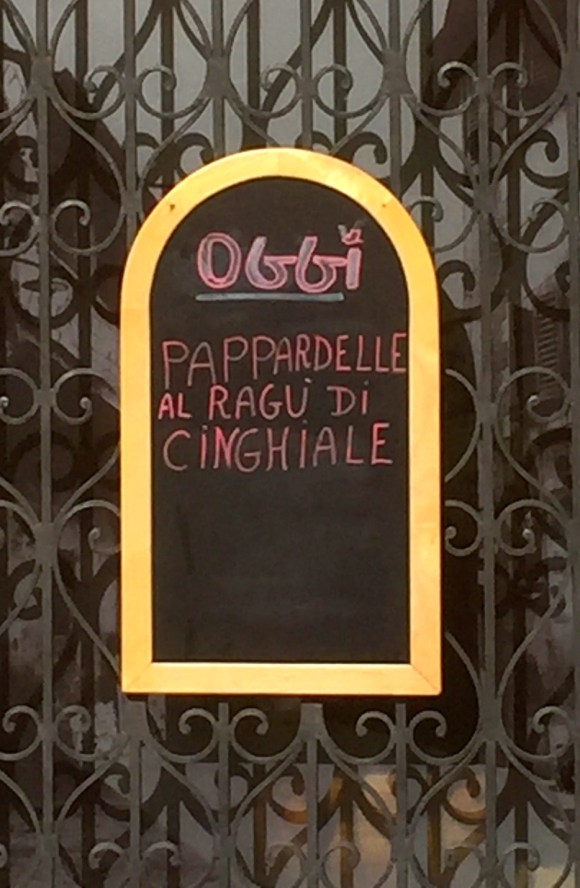
It’s hunting season now and wild boar is a usual casualty.  Florentines love dining on these cinghiale, and I saw this advertisement in an osteria making good use of the hunt.

IMG_2222


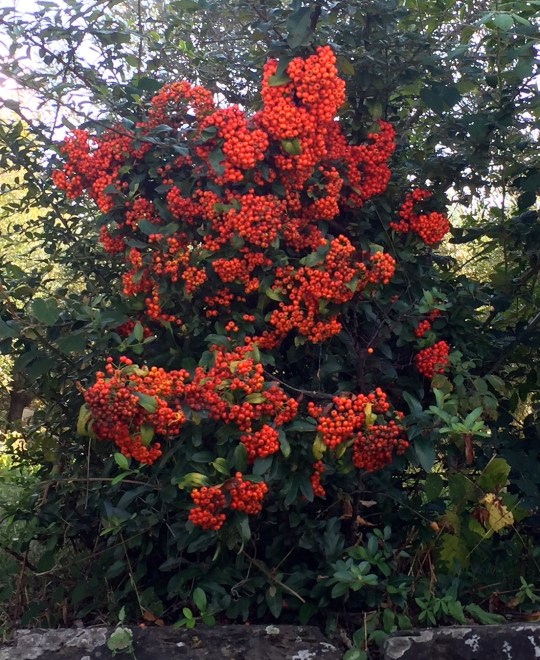
The colors of fall on the trees are just beginning to reveal themselves in these lovely hills,  but pyracantha is almost shining, it is so bright. Very pretty!

IMG_2215


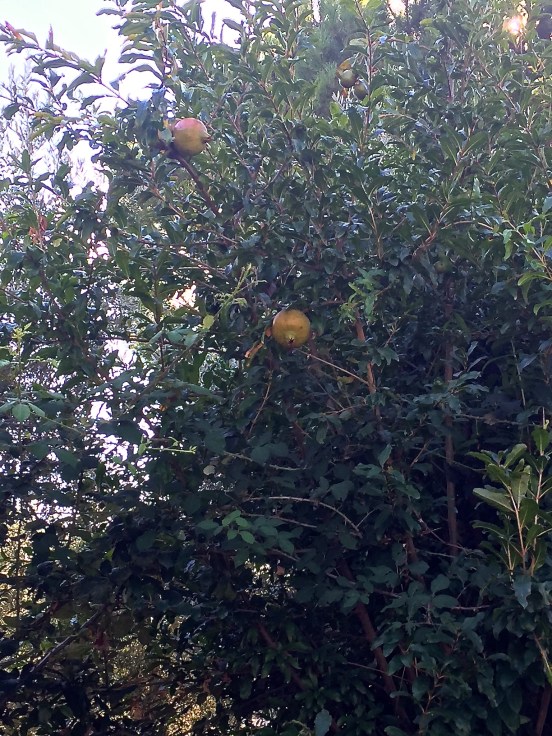
Edible crops are alive and well in the hills near Fiesole, and I never, ever tire of seeing pomegranate trees bearing fruit.

IMG_2217


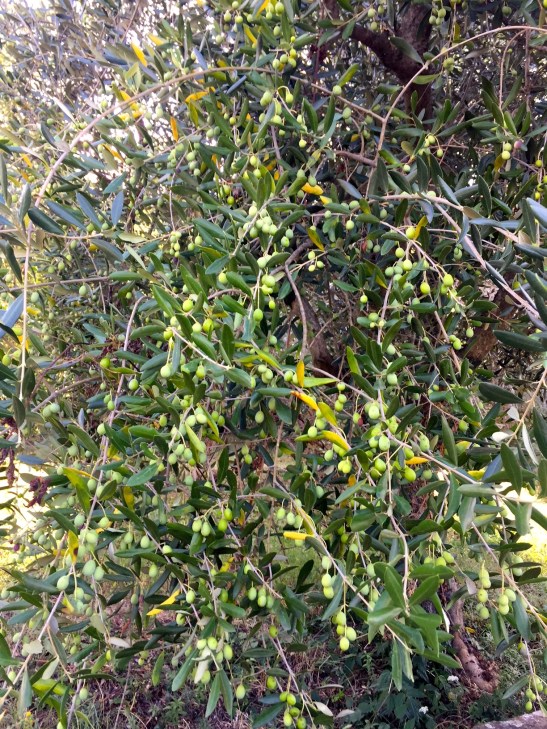
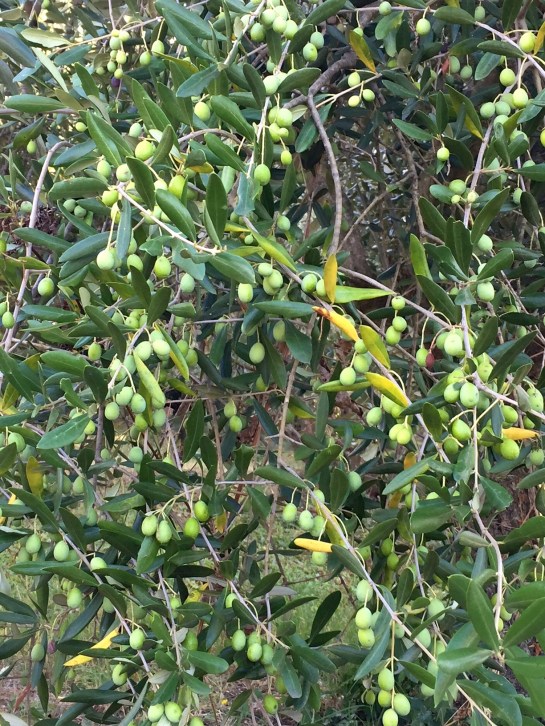
The olive harvest this year looks to be very good and I encountered many trees heavily laden with these green fruit.

IMG_2218IMG_2219


There are olive orchards all through these hills, but there are also fig trees, plum trees and, as below, plenty of apple trees.

IMG_2204


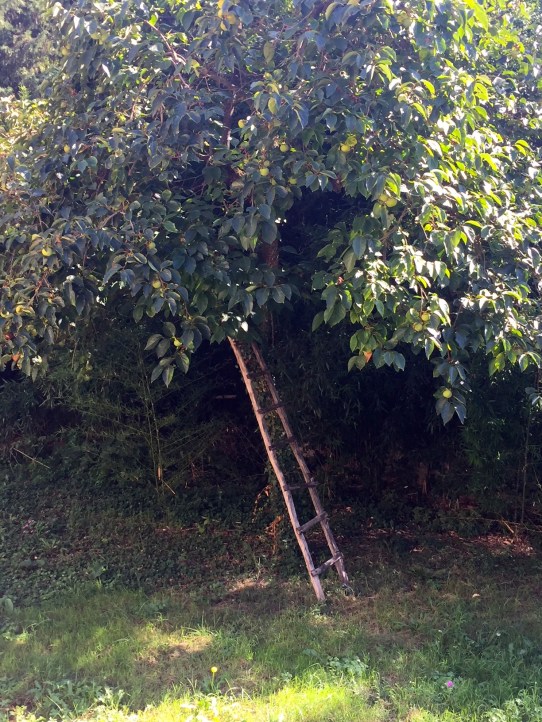
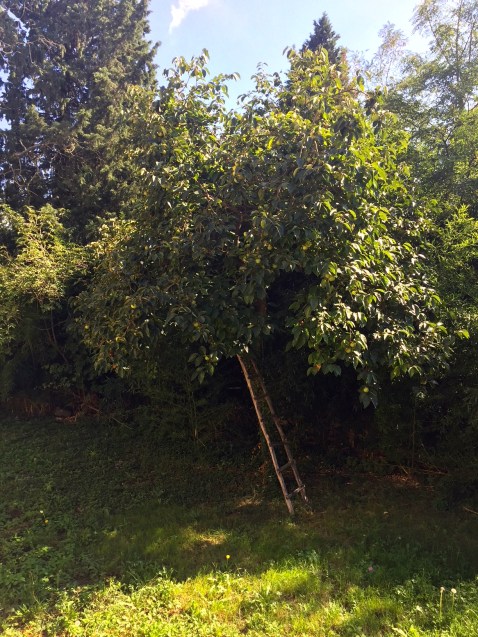
I loved looking at this particular apple tree and I will admit that I was sorely tempted to climb the ladder that was already in place to access the apples high up.  I contained myself and didn’t do it!

IMG_2206


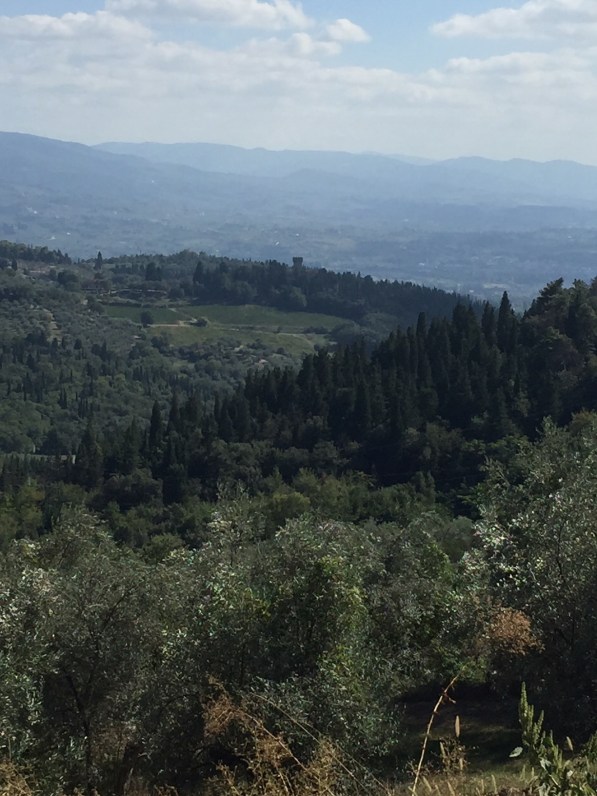
The views and vistas on all sides of me were attractive and beckoning.  Another day I’ll climb other of these hills.

IMG_2208

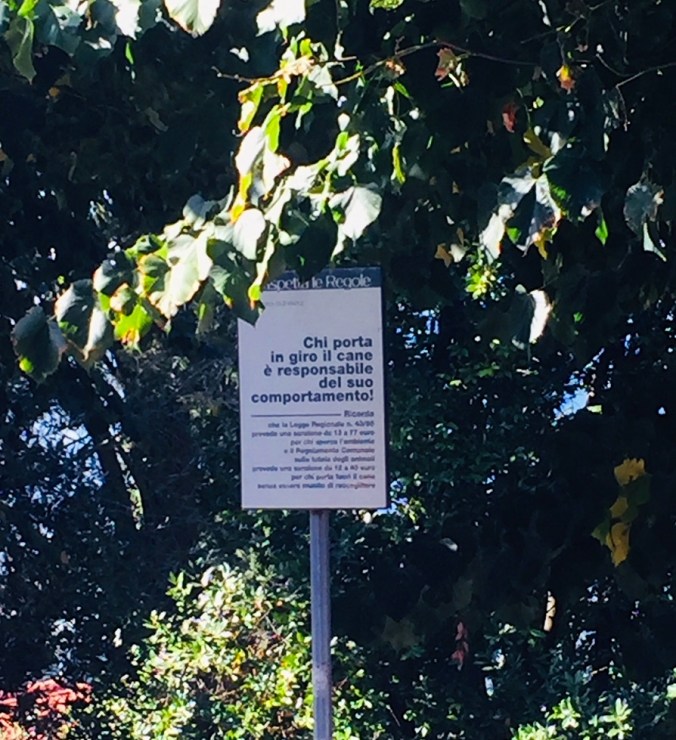
In the village of Fiesole itself I smiled when I saw this sign.  “Whoever takes a dog on a walk is responsible for the dog’s comportment.”  Hear hear!

IMG_2230

La vendemmia: the grape harvest

It’s that time again!  Grape harvest all over the vineyards in Italia!

(And the news is excellent coming from France too:) https://www.independent.co.uk/news/world/europe/french-champagne-makers-record-harvest-quality-grapes-vintage-wine-a8507911.html

42059255_447777639079085_7734383553382711296_n

The word “vendemmia” comes from the Latin words “vinum” (wine) and “demere” (take away).
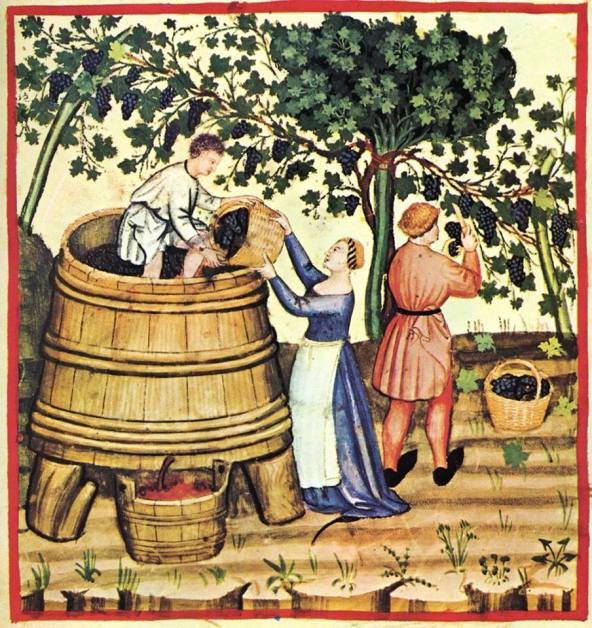
In the past, grapes were picked either directly by hand or with the help of small knifes or scissors. The grapes were put in baskets, made of wicker or wood, and later they were moved into larger wood containers “tini” or vats, which were used for the crushing.
As most Americans will remember, Lucille Ball excelled at stomping grapes when she visited Italy on I Love Lucy.
Indeed, the crushing was done using the feet of the workers or with some special wooden sticks called “ammostatori,”  shaped like baseball bats.
The ammostatori were often used in small containers, while for larger and taller vats, ladders were used by workers, descending from the top.

In the common imagination the idea of feet crushing is well rooted, a ritual still done by some wine estate just because it keeps a sort of ancient fascination.

42231083_449118475611668_8731459042918006784_n


(Foto proveniente dall’archivio privato della famiglia Colombini. -1945, Neutro Martini, guardiacaccia della Fattoria dei Barbi, con un bigonzo di uva in spalla durante la vendemmia nella vigna dei podernovi.)

— at Museo Della Comunità Di Montalcino E Del Brunello.

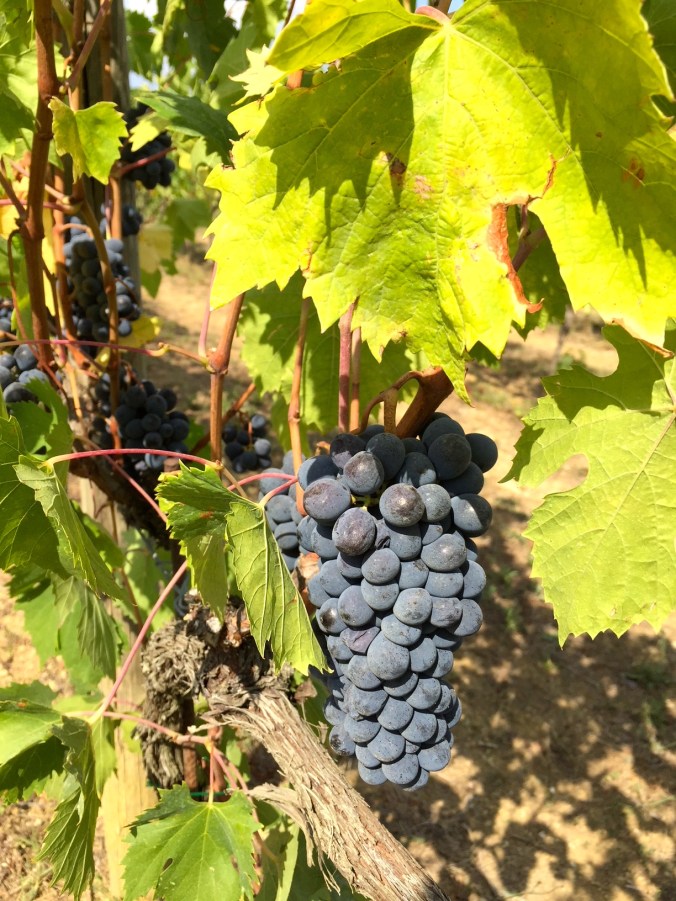
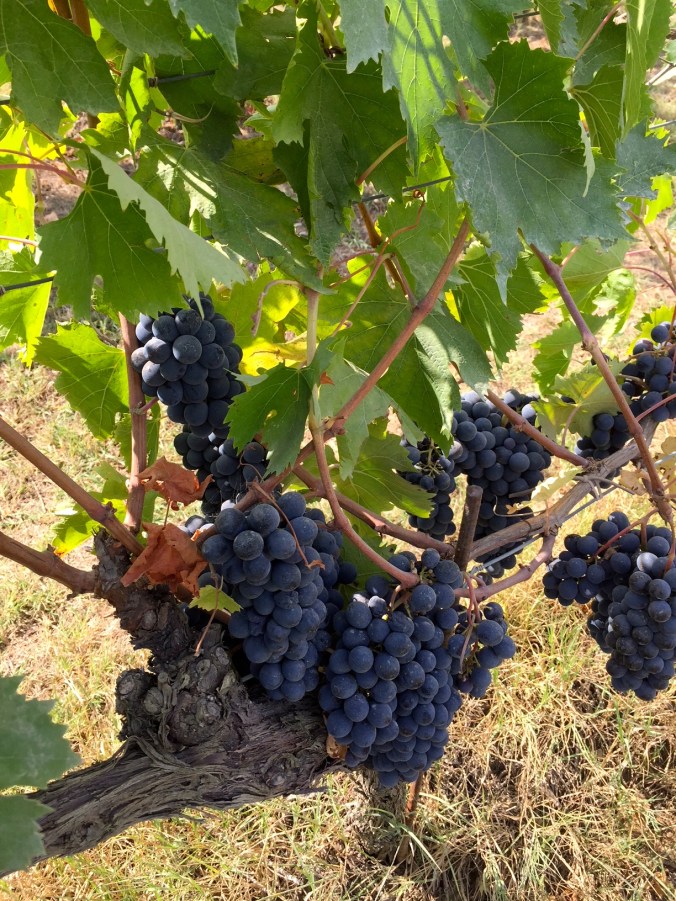
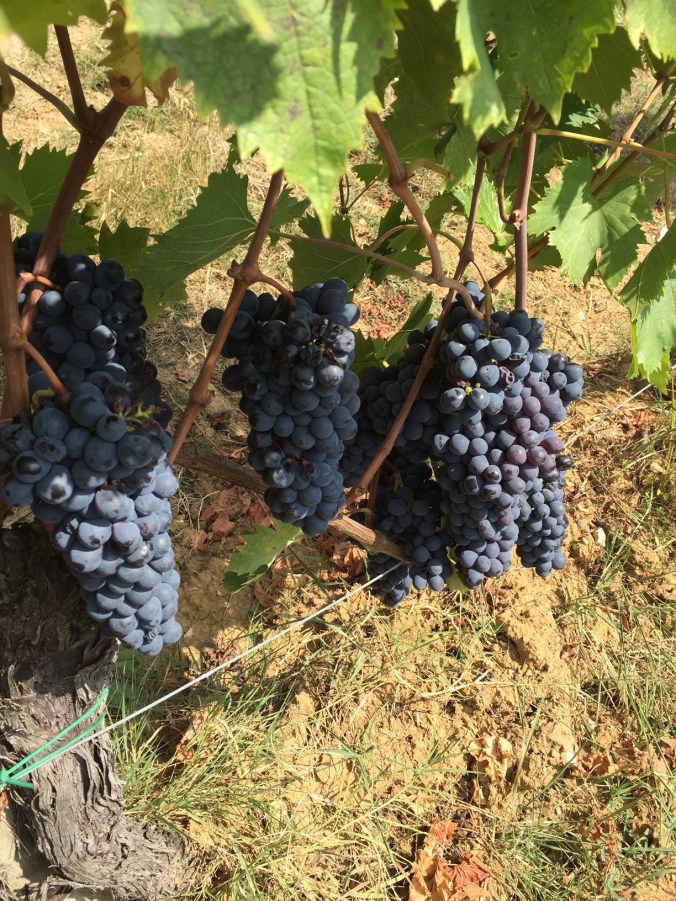
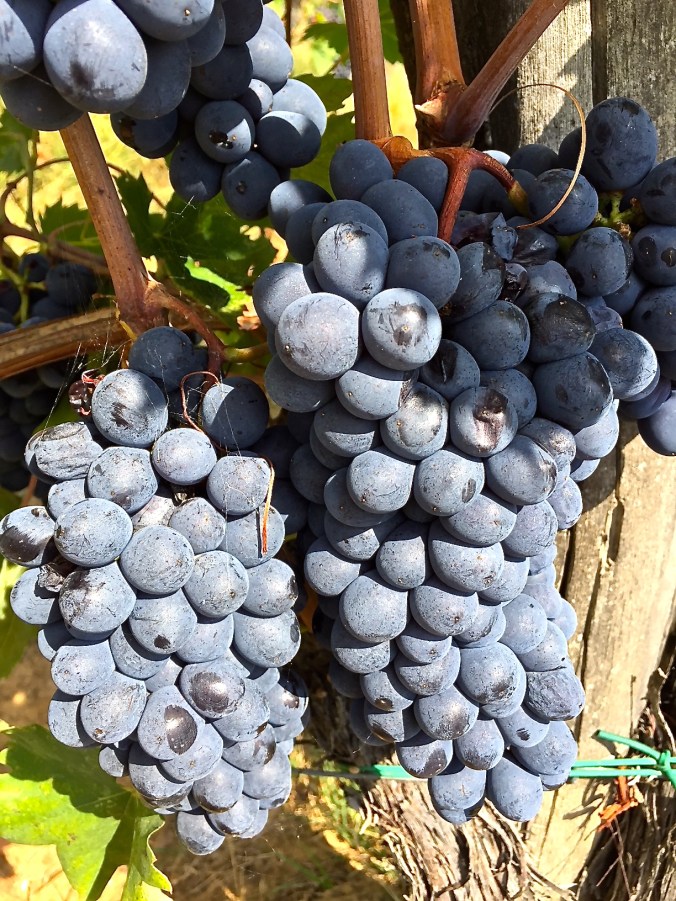
Personally, I’ve spent some time recently in the rows of grape vines heavy with pendant grapes. What a treat to be in Chianti at the time of la vendemmia!
IMG_1892IMG_1893IMG_1894IMG_1895
IMG_1938IMG_1939IMG_1944IMG_1945IMG_1947

The Italian invention of ice cream and sorbets

DSC_0915

“Waters, Cordials, Sorbets, and Ice Creams”

Italians were the undisputed masters in developing methods of chilling and freezing drinks. “The real way to make all kinds of waters and cordials in the Italian style” was disclosed to the French in 1692 in a chapter in Audiger’s La maison reglée. Thirty years earlier, the same Audiger tried to obtain from the French king the exclusive right to “manufacture and sell all types of cordials in the Italian style.”

This indicates the acknowledgment of a truly Italian invention that was already at least a hundred years old. The custom of chilling drinks—by mixing snow or ice with water, wine, or any other drink—had spread throughout Italy in the second half of the sixteenth century, though against the advice of many doctors. In larger cities this custom spread among the masses, if we are to believe a comment made by a Roman physician in 1603.

The creation of sorbet resulted from experiments in chilling drinks, and it too became a matter of myth. Supposedly, sorbet was also brought to France by Catherine de’ Medici (and who could doubt it?). There is no documentary evidence to support this hypothesis, however, and we cannot prove that the art of sorbet making was already practiced in Italy in the middle of the sixteenth century.

Yet we certainly know that sorbets—already developed to a degree of remarkable sophistication—were sold in special shops a century later, most notably in Venice and Naples. When Antonio Latini, a native of the Marches, took up service at the court of Naples in 1659, he had the impression “that everyone [in the city] was born with a special skill and instinct for making sorbets.” This pursuit was not limited to experts, however, but was also practiced by “persons of little learning,” as Latini informs us in his brief “Treatise on Various Kinds of Sorbets, or Water Ices.”

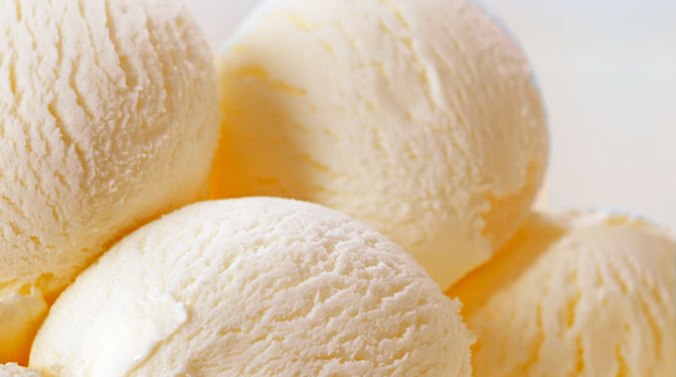
His short essay, included in the book on stewardship and cooking that he composed at the end of his career, between 1692 and 1694, contains the first written recipes on how to mix sugar, salt, snow, and lemon juice, strawberries, sour cherries, and other fruit, as well as chocolate, cinnamon water, and different flavorings. There is also a description of a “milk sorbet that is first cooked,” which we could regard as the birth certificate of ice cream.

Chi-ha-inventato-il-gelato

De’ sorbetti, the first book entirely dedicated to the art of making frozen confections, was published in Naples in 1775. Its author, Filippo Baldini, discusses different types of sorbets, some made with “subacidic” fruits, such as lemon, orange, and strawberry, and others made with “aromatic” ingredients, such as chocolate, cinnamon, coffee, pistachio, and pine nuts. A separate chapter deals with “milky sorbets,” meaning ice creams, whose medical properties are vigorously proclaimed. Literary works echo this trend. The “sorbettiera” (sorbet maker) is celebrated in a canzonetta written by Lorenzo Magalotti,147 and Parini’s young protagonist (il giovin Signore) concludes each day with the sweet, cool taste of a chocolate or coffee sorbet.148 Sorbets were produced side by side with the “flavored waters” that captivated Audiger. During his visit to Italy he wrote:

I made a vigorous effort to neglect nothing connected to confectionery and cordials and to perfect the art of making all kinds of waters, with flowers or fruits, chilled or not, sorbets, custards, barley waters, pistachio waters, and others made with pine nuts, coriander, aniseed, fennel, and every type of grain, and to give them a good flavor by emphasizing their own best qualities. I also learned how to distill all kinds of flowers, fruits, cereals, and other substances, distilling them in both cold and warm conditions, and to prepare chocolate, tea, and coffee.

Capatti, Alberto. Italian Cuisine: A Cultural History (Arts and Traditions of the Table: Perspectives on Culinary History) (p. 111). Columbia University Press. Kindle Edition.