A fascinating museum, for sure!
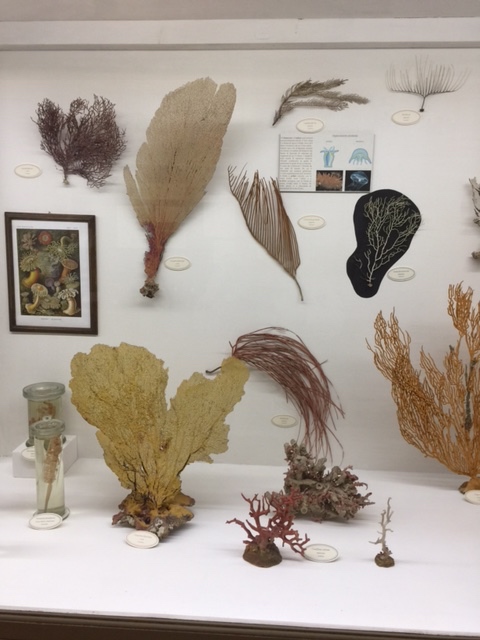
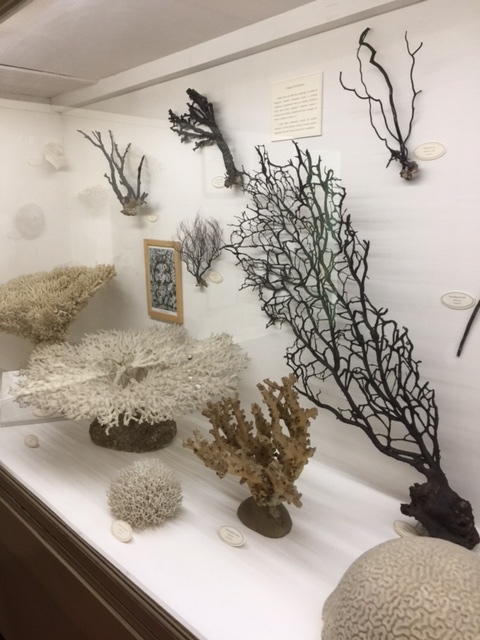
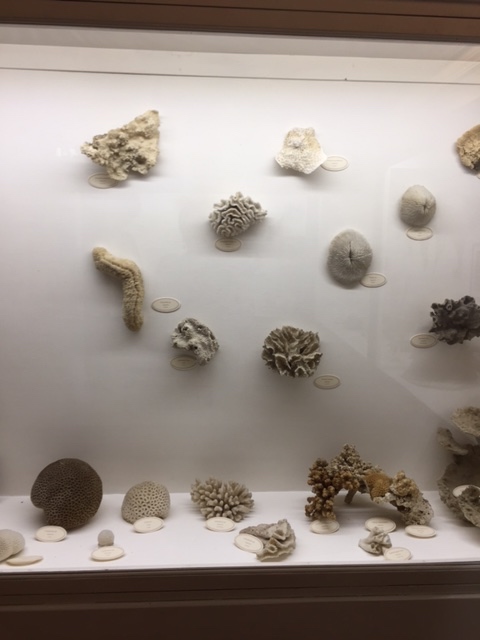
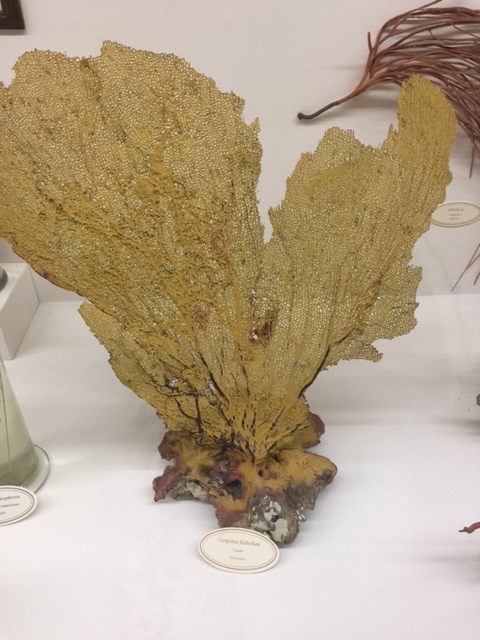


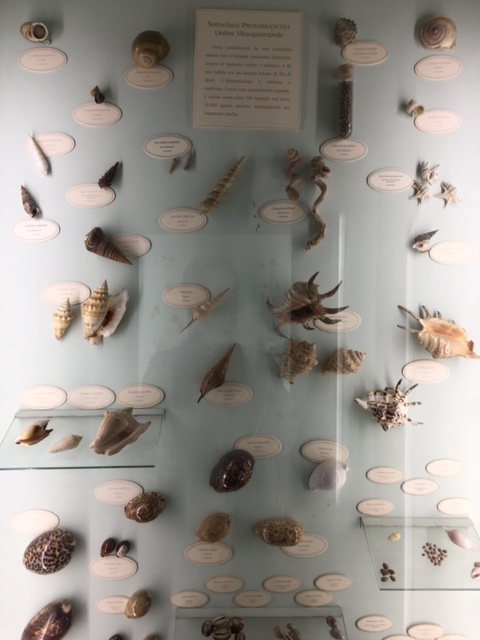

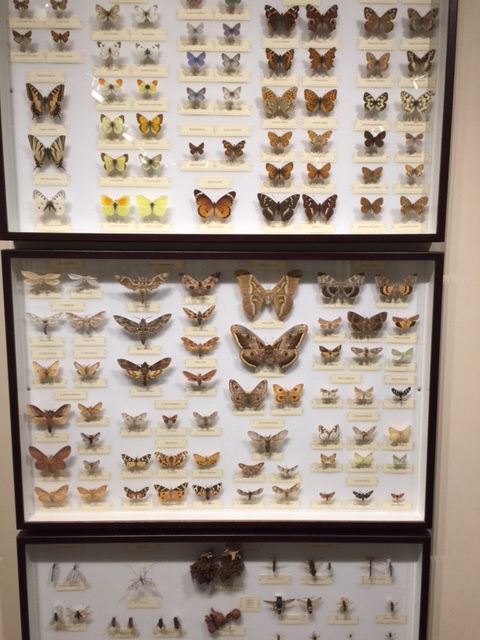
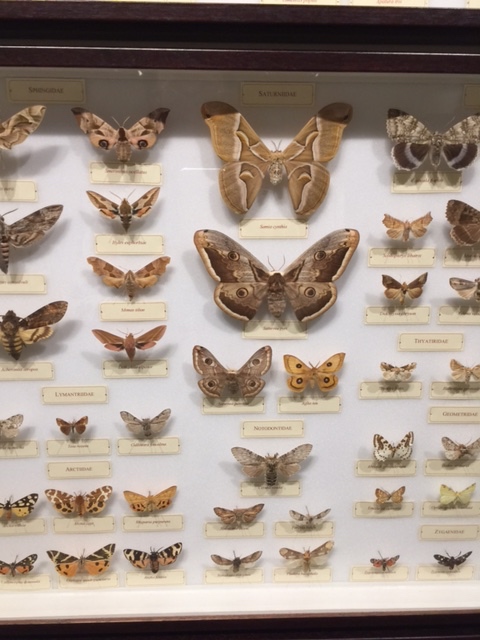
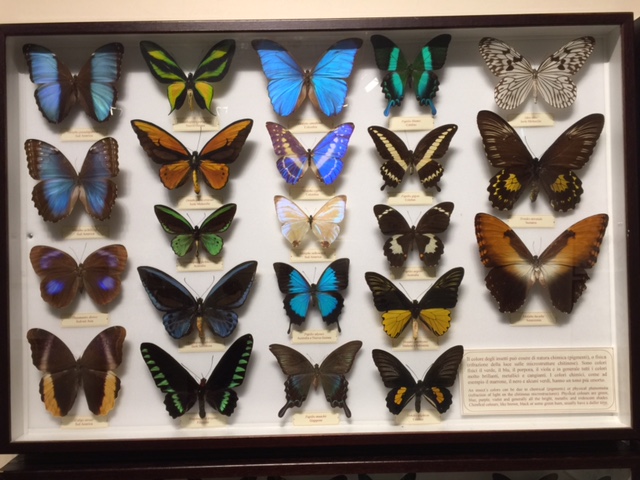
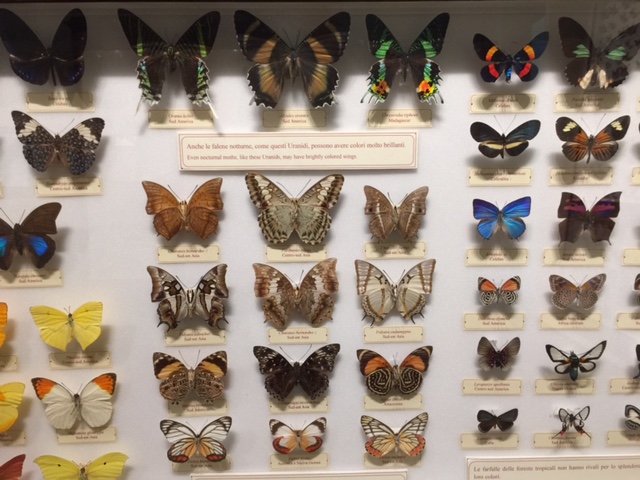
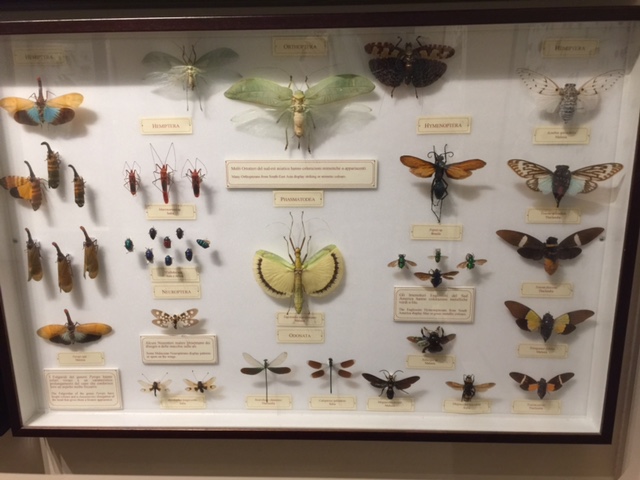
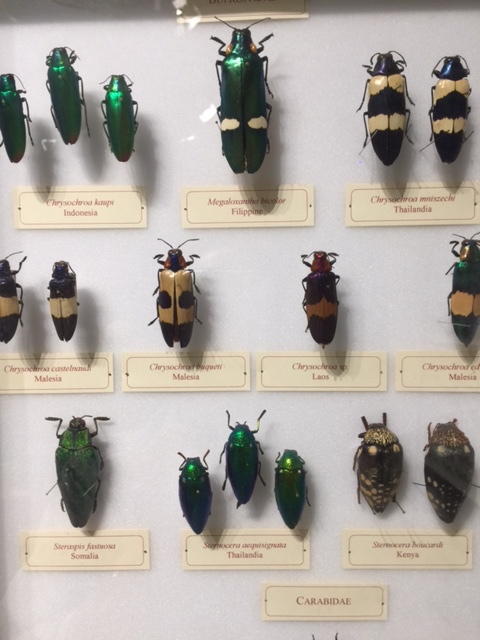
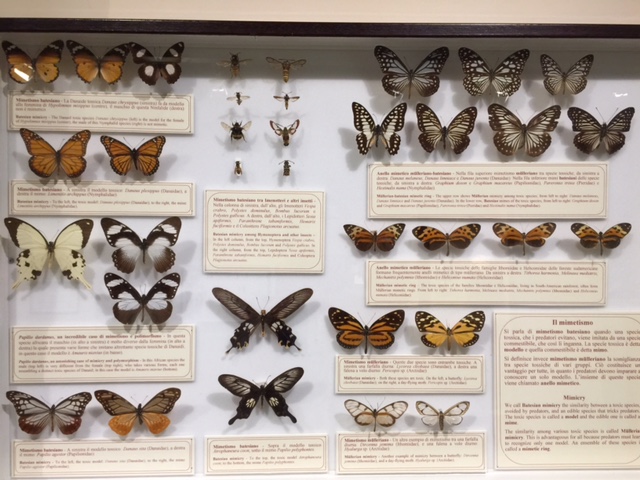
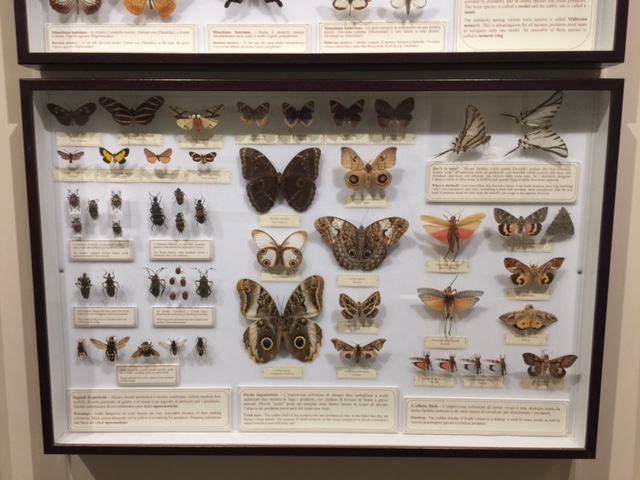
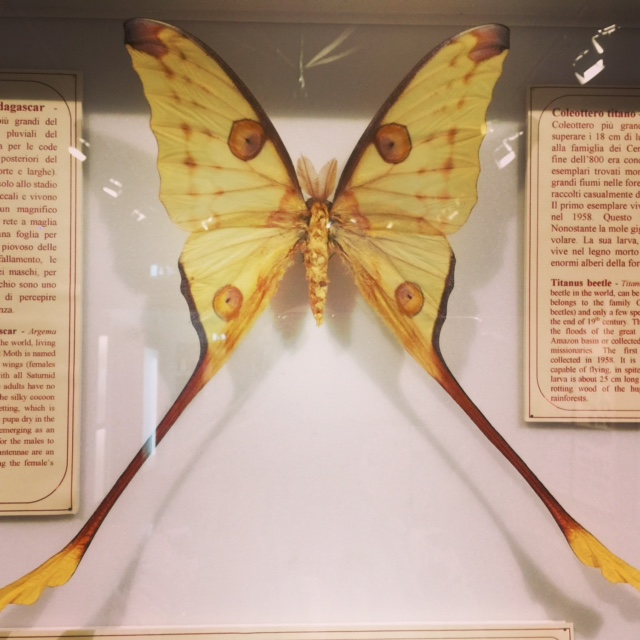
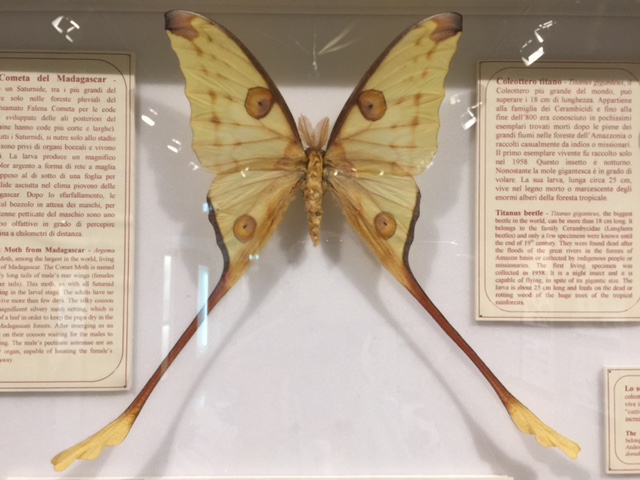
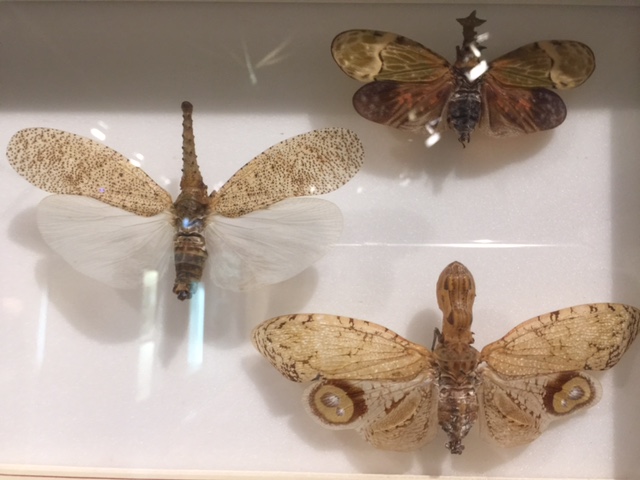
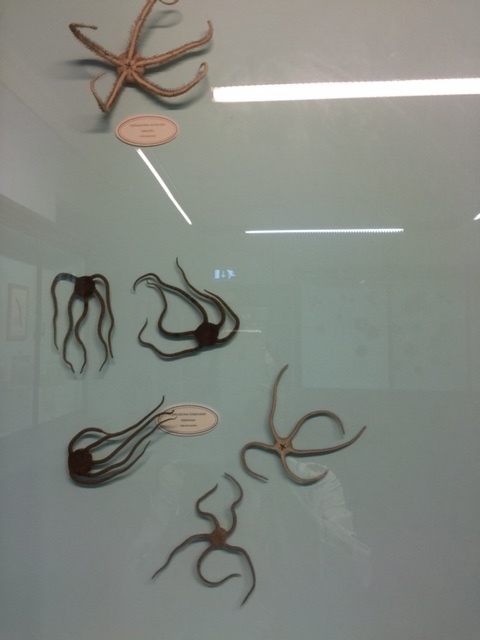
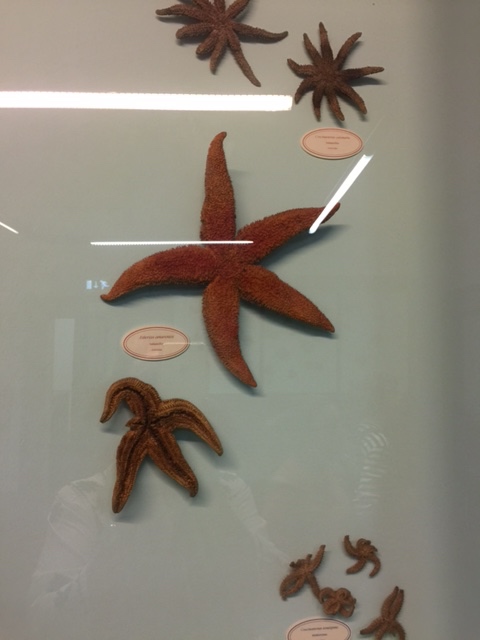
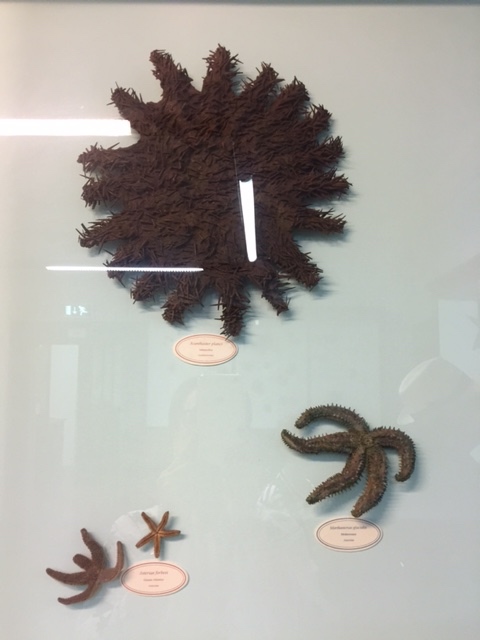
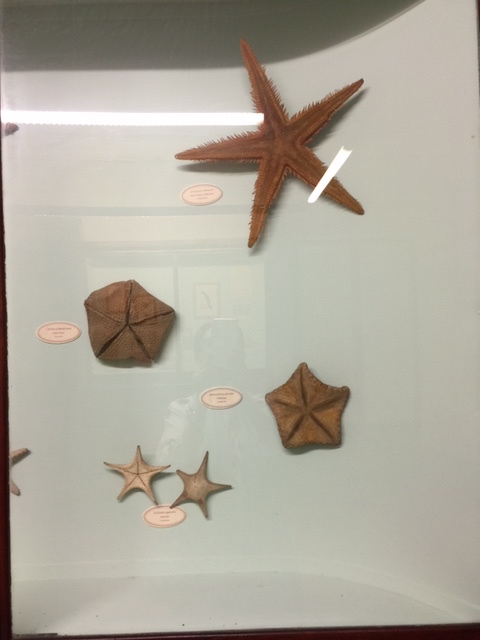
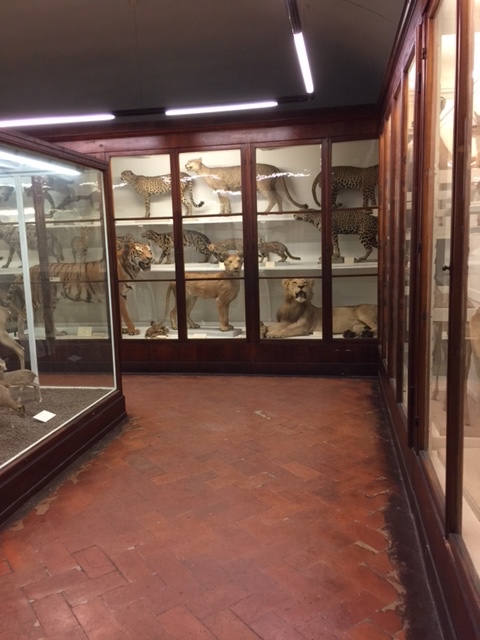
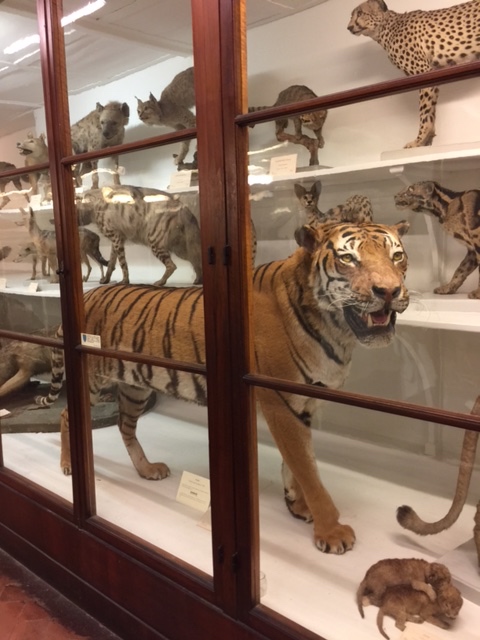
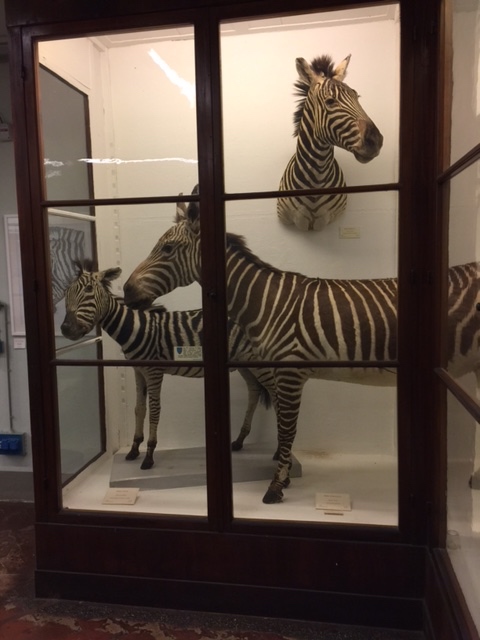
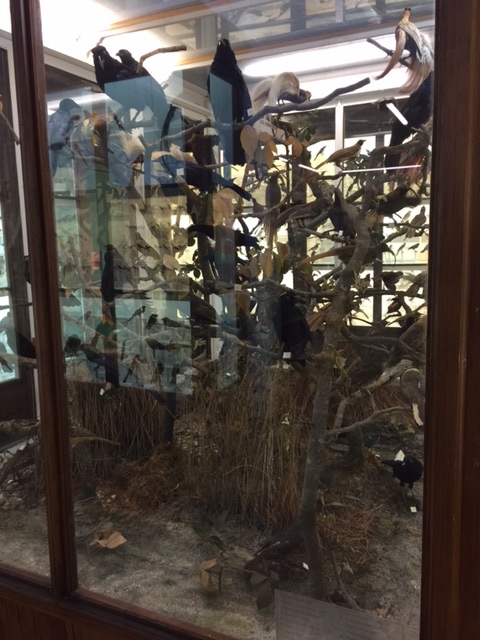
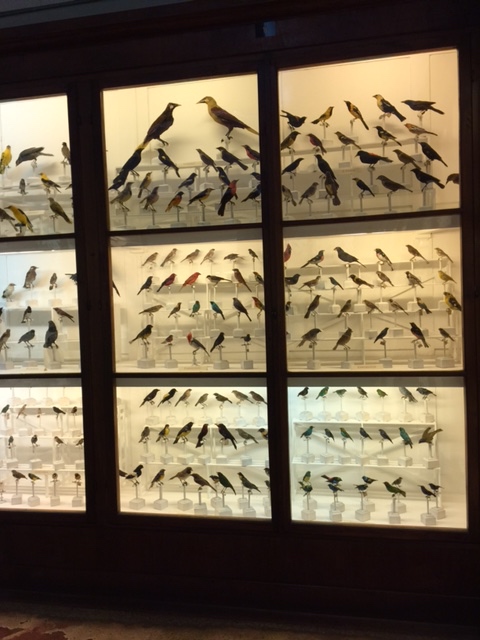
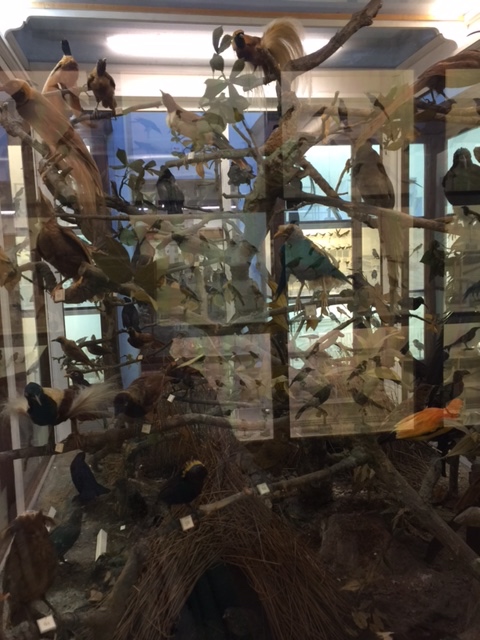
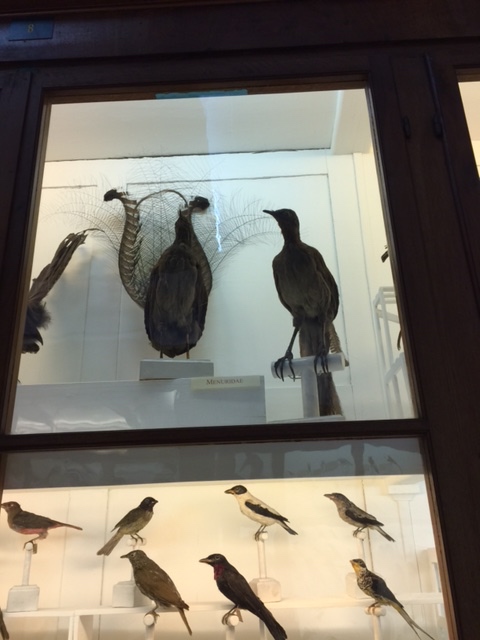
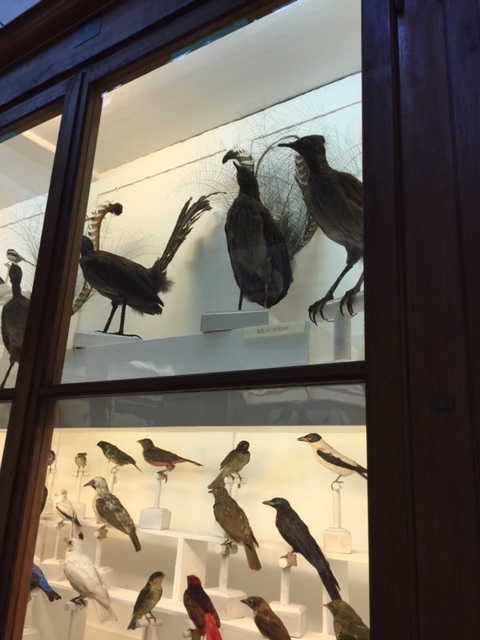
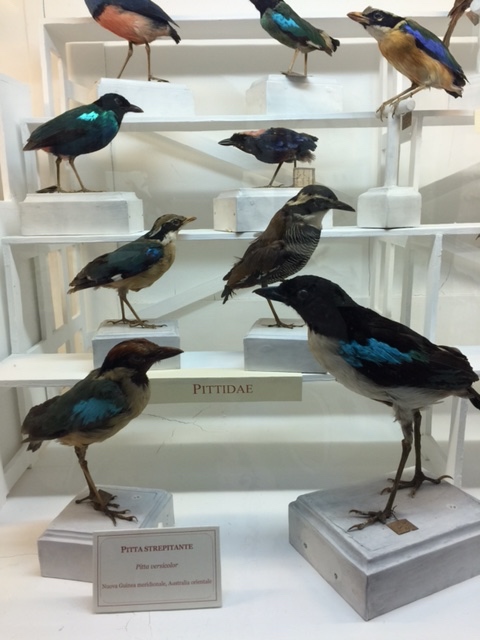


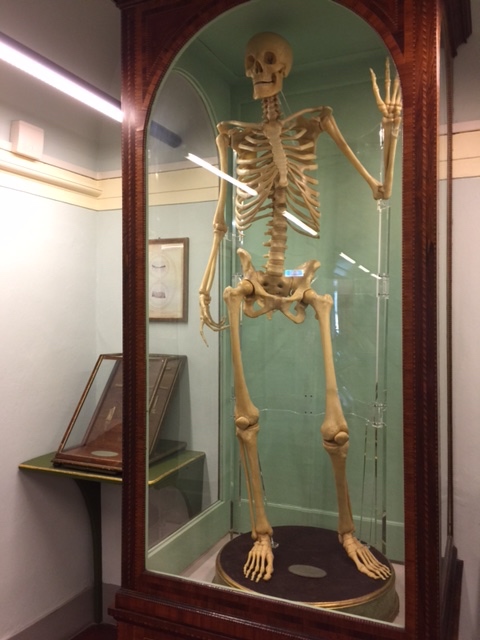
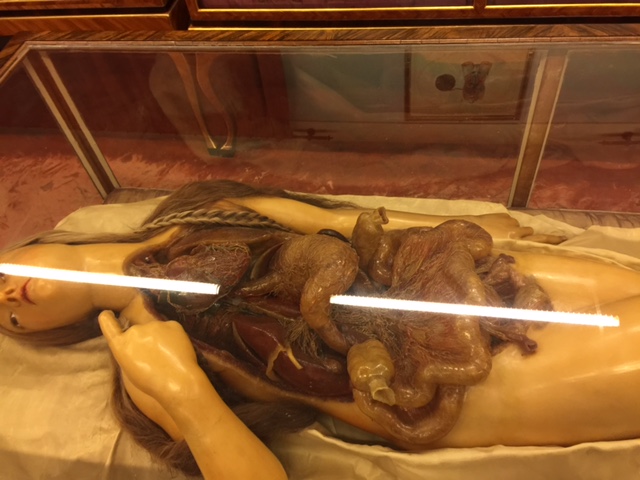
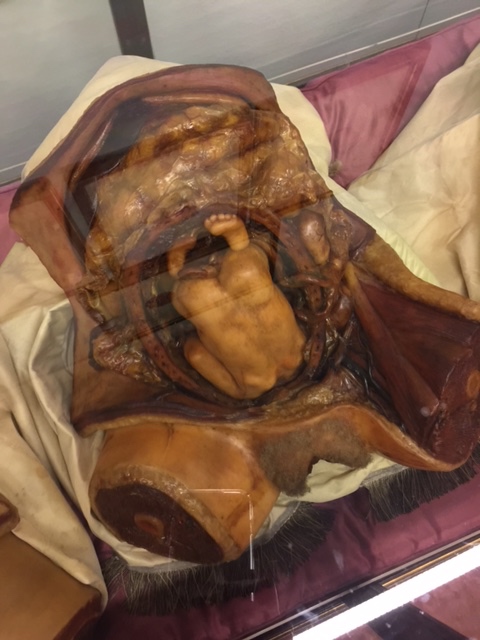
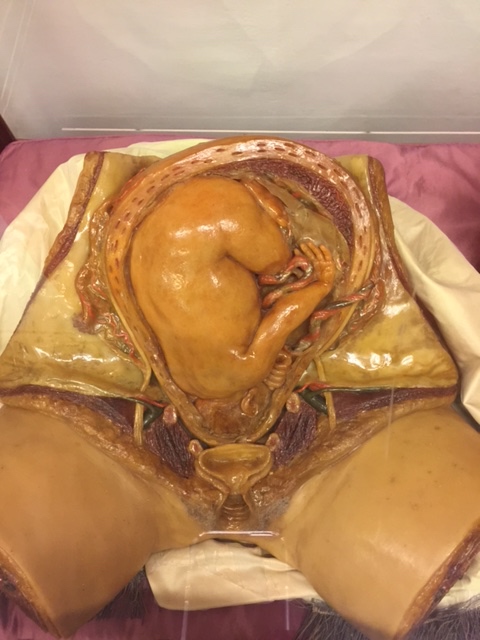
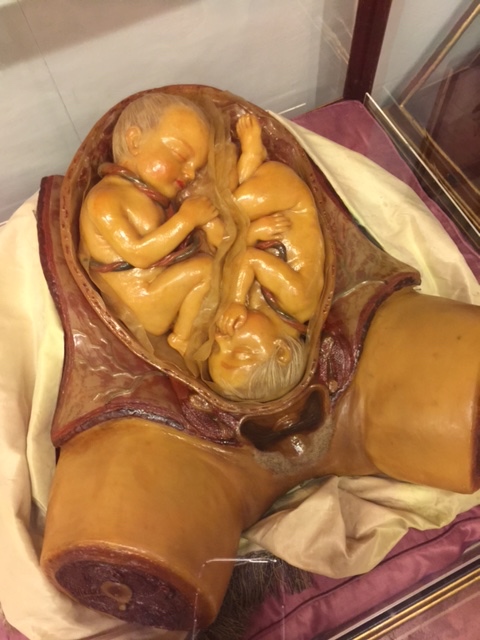
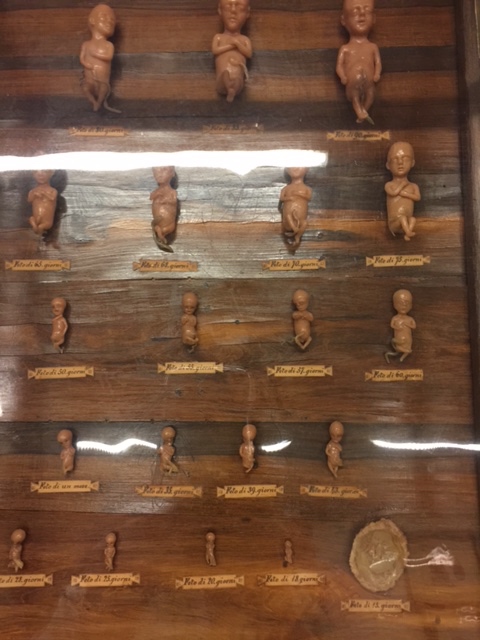
A fascinating museum, for sure!
The 19th-century aesthete, Walter Pater, once likened Luca della Robbia’s sculptures to “fragments of the milky sky itself, fallen into the cool streets, and breaking into the darkened churches.” These appealing creations, which still brighten the penumbras of Tuscan chapels, are highlighted in an exhibition now on view (through June 4) in D.C.. Della Robbia: Sculpting With Color in Renaissance Florence, at the National Gallery of Art, nga.gov
http://www.nga.gov/content/ngaweb/press/exh/4848.html
Around 1440, Luca della Robbia, the talented Florentine sculptor in marble and bronze, turned his attention to creating in glazed terra cotta. He achieved a result that has been a part of the ambience of Tuscany ever since. This special work was a brand of glazed terra-cotta sculpture that was physically durable, graphically strong and technologically inimitable. (The exact methods for producing it remain a mystery to this day.)
Luca, the art dynasty’s founder, was accustomed to praise. In 1436, when Luca was in his mid-30s, Leon Battista Alberti ranked him one of the five most inventive Florentines, along with Brunelleschi, Donatello, Lorenzo Ghiberti and Masaccio. At the time, Luca was coming off the triumph of his “Cantoria,” a set of carved marble panels of singing children done for the organ loft of the Florence cathedral. What Alberti couldn’t know was that Luca would soon shift from sculpting figures in stone to molding them in clay, and with that to even greater fame. And by using a medium no one else was interested in, Luca could invent an instantly recognizable brand.

The Della Robbia technique involved firing the clay twice, the second time with glazes that produced a smooth, shiny, opaque and often brilliant palette of white, blue, green, yellow and purple.
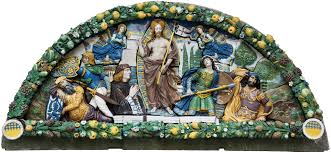
Luca the elder, who lived to be over 80 years old, invited his nephew Andrea into the business, and Andrea’s children continued the family tradition, some of them in France, well into the middle of the 16th century. Glazed terra cotta was made into free-standing sculptures in the round relief; relief sculptures that could be hung on a wall; flat plaques sturdy enough to be placed outdoors; and small household objects that were affordable to a wide range of consumers. Production of sculpture using this technique lasted only about a century before its secrets were lost. Some of the most familiar images today of Renaissance Italy, Della Robbia sculptures have retained their original color and shine over the centuries.
Visitors to Tuscany will be familiar with the look of the Della Robbia, especially the rich cerulean blue and fine-porcelain whites of the early pieces by Luca and Andrea. More colors were added as different members of the family expanded the range and ambition of the shop, responding in particular to the styles and expressive language of contemporary painters.
But there is a habit of putting the Della Robbia family production into a neat little box, separating their work from the mainstream of Italian Renaissance art as not quite fully sculpture such as those that Michelangelo would produce, nor as expressive or fine as paintings by Filippo Lippi, Fra Bartolommeo, Andrea del Sarto or Leonardo da Vinci — all of whom may have influenced or inspired Della Robbia designers.
The same thing happens when visiting American museums, where one often encounters a stray Della Robbia piece in the Renaissance galleries. The eye notes its presence with pleasure, but rarely engages with it as deeply as with other works of the period. Part of this, no doubt, has to do with the longer history of glazed ceramics, the tchotchke effect of associating cheap figurines from lesser antique stores with these early and often magisterial essays in the form. Even Michelangelo, who considered sculpture proper to be about the removal of material to find form rather than the building up and modeling characteristic of working with clay, disparaged the medium.
The current exhibition in Washington, D. C. provides a context for the della Robbia style, and provides an excellent opportunity to see the full range of what the Della Robbia artists and their competitors produced.
This exhibition, which opens Sunday and is billed as the first major U.S. show devoted to Della Robbia, began in Boston and features some 40 works, across the full range of what was made.
Above a door frame in the main corridor of the National Gallery’s West Building is a spectacular lunette by Giovanni Della Robbia, showing the Resurrection of Christ; outside the entrance to the exhibition, in protective cases, are smaller statuettes that demonstrate how powerfully these works can speak at a more domestic scale, including a touching bust of a boy by Andrea, whose depictions of children are exceptional among artists of the age.
But it’s in the first room of the exhibition proper that you encounter the full continuum of artistic expression and decorative functionality that is one of the most difficult facts to process for modern audiences grappling with the Renaissance. On the walls are two coats of arms, which weren’t exactly mass-produced, but were made in great numbers, with purchasers requesting their institution’s logo or insignia as a custom order, and then adding to it standard moldings or decorative garlands to fancy it up. The use of ceramic molds, the easy workability and the relative cheapness of clay, meant that glazed terra cotta was an accessible, durable, mass-market form. But these two functional works keep company with what is a masterpiece in the medium, a masterpiece by any definition in any age: Luca della Robbia’s “The Visitation,” made around 1445 for a church in Pistoia, not far from Florence.
“The Visitation” was made for the Church of San Giovanni Fuorcivitas in Pistoia, about 30 miles from Florence, it’s a three-dimensional, near-lifesize two-figure tableau illustrating the moment in the Gospel of Luke when Mary, pregnant with Jesus, meets her elderly cousin, Elizabeth, also miraculously pregnant, her child being John the Baptist. In the story, Elizabeth feels the child in her womb stir with joy. In the sculpture, she kneels before Mary to acknowledge her as the mother of God.
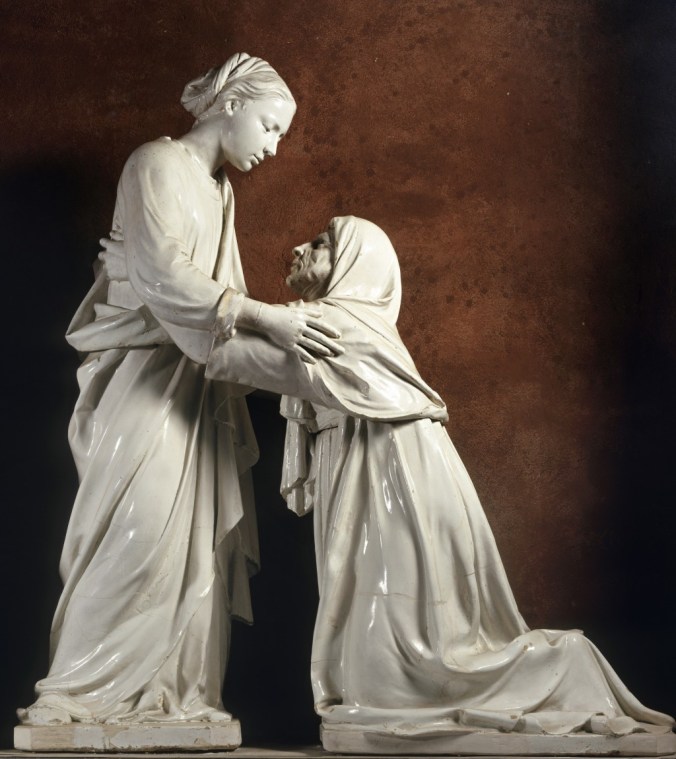
Assembled from four pieces, “The Visitation” depicts a standard scene for artists of the day, the story of the Virgin Mary’s encounter with her older cousin Elizabeth, both miraculously pregnant. The older woman kneels in front of Mary, who looks down tenderly and embraces her kinswoman, who will bear St. John the Baptist.
Luca’s depiction of the women, rendered in white, is deeply touching, and the impact is only heightened by the drama embedded in the construction of the statues. This image of two women, who share a human present (sorority, maternity) and cosmic future that only they — and now we, as witnesses — know, has layered religious and secular implications. But psychological subtly is what makes it moving, conveyed by posture and exchanges of touch, and by the contrast between Mary’s dreamy, half-seeing glance and the older woman’s beseechingly earnest effort to make their eyes meet.
And with this work Luca establishes a formal look that will be his signature: naturalistic figures covered in a creamy-white glaze that glows like moist skin and projects an impression of purity. The flawless coating also helps disguise the fact that this sculpture, which looks so completely of a piece, was too large to be fired whole in a kiln, and was composed in four sections, which can still be disassembled and then seamlessly interlocked.
Fired in four pieces and expertly fitted together, the two forms divide the embracing arms and hands so that Mary’s hands are attached to the sleeves of Elizabeth’s dress, and Elizabeth’s hands encircle the back of Mary’s gown. When they are placed next to each other, you hardly notice the gap between the arms and hands; but even if separated, each woman bears the impress of the other, as if the moment of their greeting has bound them together for eternity, no matter the vicissitudes of the four pieces of terra cotta over the years.
The exhibition also shows how, as the workshop continued to keep up with fashions and changing markets, it took a colorful direction, with unglazed clay standing in for skin, and a profusion of colors and details aiming at the narrative and dramatic power of painting. A set of three saints from around 1550, by Santi Buglioni (who headed a competing shop that also made glazed terra cotta), is presented as the “swan song” of the form, a late tour de force that captures the veins in their hands and the wrinkles around their eyes, creating an ensemble of charismatic and passionate forms. A tabernacle from the 1470s, with a small metal door for the sacramental bread in the center, creates a genuinely illusionist architectural space, with two angels present on both sides.
The exhibition ends with the figure of an adoring angel, reminiscent of Leonardo, made by Luca della Robbia the Younger, around 1510 or 1515. The exhibition emphasizes the Della Robbia connection to other artists, and how far the shop had come since Luca’s early designs in white and blue.
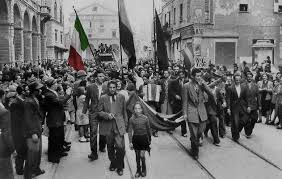
Every 25 April, Italy celebrates the Festa della Liberazione which marks the country’s liberation from German occupation and Fascist rule at the end of WWII. 2017 marks the 72nd anniversary.
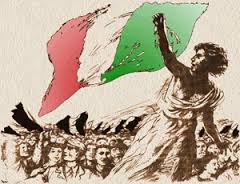
A public holiday across Italy, all state schools and offices are closed on Tuesday 25 April, as well as many shops. This year many businesses are also closed on Monday 24 April with Italians taking a ponte, or bridge, between the weekend and the holiday.
In Rome the day is marked with a ceremony at the Altare della Patria, attended by Italian president Sergio Mattarella, at 09.00. At the same time, ANPI supporters will walk from Piazza Caduti della Montagnola, between the Tor Marancia and EUR districts, to Piazza di Porta S. Paolo, by the Piramide Cestia monument.
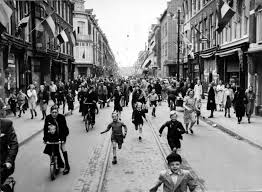
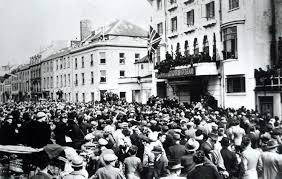
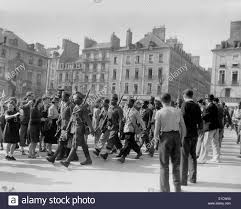
The date was chosen by convention, as it was the day of the year 1945 when the National Liberation Committee of Upper Italy (CLNAI) officially proclaimed the seizure of power by CLNAI in a radio announcement. The announcement also contained the news of the death sentence for all fascist leaders (including Benito Mussolini, who was shot three days later).
The liberation put an end to twenty years of fascist dictatorship and five years of war. It symbolically represents the beginning of the historical journey which led to the referendum of June 2, 1946, when Italians opted for an end to the monarchy and the creation of the Italian Republic, which was followed by the adoption of the republic’s Constitution of Italy in 1948.
Here’s a little more info on how to see more of Roman Florence. And, although I typically don’t post advertisements for businesses, this one includes very interesting information about Roman ruins in Florence.
See also:
April 21 is the day the eternal city celebrates its official birth.
This year the capital celebrates its 2,770th birthday. Known as Natale di Roma, the annual birthday celebration is based on the legendary foundation of Rome by Romulus in 753 BC.
Buon compleanni, Roma!

You don’t look a day over 1000!
Now, let’s refresh our memories:
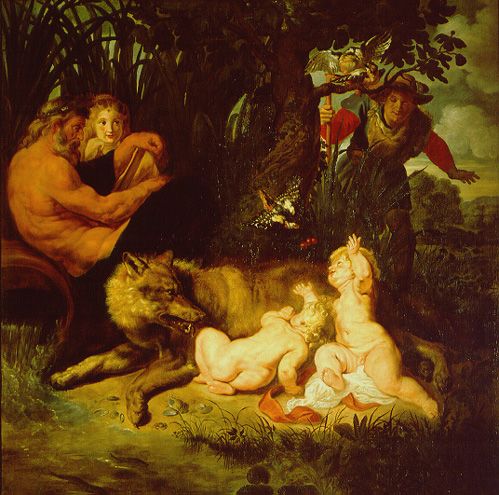
You will remember from your history lessons that Rome was founded as a small settlement atop the Palatine Hill (the hill within the Roman Forum complex), a settlement that would one day become the Caput Mundi (capital of the world).
Archaeology can be used to determine how Rome was actually founded, but it is through the stories orally passed down through history that gives us the colorful legendary story, filled with love, death, nurture and triumph and casts two baby boys, Romulus and Remus, alongside a she-wolf as the protagonists of one of the the world’s most fascinating tales.
The orphaned twins, Romulus and Remus, were the sons of Mars, the God of War, and Rhea Silvia, the daughter of the ex-King Numitor of Alba Longa.
Rhea’s uncle Amulius was threatened by the young babies, convinced that one day they would overthrow him, just as he had done to Rhea’s father. Rhea was forced to forsake her children and an order was given to drown the twins in the River Tiber. Remarkably, the twins survived this brutal attempt at their lives. A she-wolf found the babies and kept them alive by caring for them like they were her pups.
After the she-wolf gave Romulus and Remus a chance at life, Faustulus, a shepherd, adopted them as his own. He raised the boys as leaders of a group of shepherd warriors.
Growing stronger every day, the twins eventually learned that their mother was the daughter of the Kind of Alba Longa; they stormed the empire, claiming their right as heirs, killing the uncle who ordered their death, and reinstating their grandfather as the king.
Having had their revenge, the brothers returned to the place where the she-wolf had found them and set out to build a city of their own.
As so often happens in epic myths (and real life), the two power hungry brothers had a series of disagreements. Romulus ended up killing his brother Remus in a fight and thus Romulus then became the king of the city that they had founded atop the Palatine Hill. He named it “Rome”.
If you’ll be in Rome this weekend, and want to join the party, here’s a resource for activities planned:
http://www.natalidiroma.it/english_3.html
Buried, about 9 feet under. Did you realize that the true foundation of Florence is entirely Roman?
However, in Florence, unlike Rome, where majestic stretches of crumbled pillars and shells of temples lie in plain site, the ruins in Florence are much more discreet. They pose a difficult but thrilling challenge for the determined history buff to sniff out.
First, an aside. Just before and during Easter, the weather in Florence was spectacular. I started to believe that summer was just around the corner.
Then it cooled off–suddenly and drastically. With rain. I was caught dressed for summer, not believing that winter could possibly crop up again. Boy, was I wrong!
So, with the cooler weather, yesterday seemed like a great day to go underground and catch up on my history lessons by visiting the Roman ruins under the Palazzo Vecchio in the heart of Florence. And that’s how this complicated, historical post got started. Sorry, but every now and then I have to learn something new and today, Roman Florence is it.
 This is how Roman-era Florence was laid out.
In case you didn’t remember, Florence was founded by the Romans as a military camp situated on the Via Cassia, the main route between Rome and the north. We even know who established Florence: Lucius Cornelius Sulla in 80 BC.
Lucius Cornelius Sulla built Fluentia as a settlement for his veteran soldiers. The camp was originally named Fluentia, as it was built between two rivers; the name, of course, was later corrupted to Florentia. Sulla built the camp on the orders of Caesar, who specified the building of a military outpost or a castrum, to be built over a 1,800-meter plot that is today the historic center of Florence.
The castrum was quadrangular, enclosed by fortifying walls punctuated by towers and four central gates at cardinal points.

As you can see from the map above, Fluentia was laid out in the style of an army camp with the main streets, the cardo and the decumanus, intersecting at the center. These two major cross-axial streets divided this new Roman settlement into a grid; the cardo ran north-south and was called via Cassia, linking Florentia to Rome. Today that street is called via Roma. The 2nd major roadway was the decumano running east-west. The former decumano is now named both the via degli Strozzi and the via degli Speziali, running parallel to the Arno.
The cross-point of the Roman cardo and decumano is in current-day Piazza della Repubblica. The sculpture that adorns the piazza marks the point of the intersection of the 2 Roman streets.
When standing in the piazza today, to appreciate Roman-era Florence, you must think away all of the currently standing 19th-century palazzi and glitzy cafes in the Piazza della Repubblica, replacing them in your mind’s eye with ancient Roman temples, markets, and courts. For, originally, this area was the Roman period Forum.
The map below shows you where Roman Florence existed within the context of the current city.

The map above outlines the original Roman walls, as well as Via Roma and Via del Corso, and shows you how Florentia, now approximately 3 meters below the modern Florence street level, continues to shape the fabric of the city.
Indeed, the Piazza Della Repubblica has very proud ancient origins for it was once the civic heart of the Roman city, the forum urbis. Around the square was the curia, the ancient senate, and a triad temple dedicated to pagan gods Jupiter, Juno, and Minerva.
If you walk north on via Roma, to the site of the present day Piazza del Duomo, this was the second Roman center of the city; its ruined temples are now buried beneath the Baptistry and Duomo.
South along what would have been the camp’s eastern wall, now the via del Proconsolo, a left turn at via degli Speziali leads to where the eastern city gate would have been. The east gate led to the city’s thermal baths, traces of which can be found inside a modern hotel.
Several street names pay homage to the Roman city, reminding passersby of the more ancient Florence that has been both literally and figuratively buried by history. For example, Via delle Terme is sited where the Roman bath house was located.

Other traces of Rome survive: if you go west along via degli Speziali and turn right onto via delle Farine, you are led to Piazza Sant’Elisabetta. Here survives the Torre Bizantina della Pagliuzza, the oldest tower of Florence, dating back to the sixth century. It is now incorporated into Hotel Brunelleschi, which houses a museum in the tower containing artifacts found during the restoration, including ruins of a Roman calidarium, the classical version of a steam room.
Many other remnants of Roman life can be found. From Piazza della Signoria, which was also an open public space in its Roman past, one can find the former site of the ancient south gate in the city walls. (Near it, in front of the Chanel boutique, notice a map of the ancient Roman city to help guide you on.) And, while you are in the Piazza della Signoria, be sure to notice an ancient Roman treasure. There are a few demure Roman works among the Renaissance statues in the Loggia di Lanzi: this elegant Roman woman pictured below is one such example.

After admiring the Roman lady, leave the piazza by walking along the north side of the Palazzo Vecchio on Via dei Gondi. You will notice that the street slopes down. This is because you are walking down into the ancient Roman theater. The formerly steep steps are now nothing more than a slight slope, built over with centuries of history, but the parts of the theater still exist and you can visit them by going into the Palazzo Vecchio and buying a ticket to see the excavations. That’s what I did yesterday.
The modern excavations have made it possible to bring back to light ruins of ancient thermal baths and other services related to this outdoor theater designed to accommodate 5,000 spectators. The excavation is now open to the public and you enter the area from inside the courtyard of the Palazzo Vecchio.
We just walked down the sloping road that leads from the facade of the Palazzo Vecchio to the street behind it, the via dei Leoni. The theater in its heyday would have looked something like the diagram below.

A side elevation of the Roman theater would have resembled the diagram below, with increasingly large arches emanating from the stage area toward the back, where the balcony seats would have been.

This is the site of a Roman semicircular theater along the back of Palazzo Vecchio and Palazzo Gondi (follow the curved street of via dei Leoni); the theater was positioned at a slight angle within the city walls and is clearly visible in the same old map.

The diagram above shows the more or less rectangular Palazzo Vecchio situated on top of the Roman theater. The theater is the shape that looks like a lemon wedge, with the rectangular Palazzo Vecchio superimposed on top of it.
The studies have shown that it was a relatively big theater, capable of seating 8000-10000 spectators; the auditorium (cavea) had its back towards Piazza della Signoria and the scene was along the actual Via dei Leoni. The theater remained active until the fifth century, then, following the crisis of the Roman Empire, it gradually fell into disuse and decay, subject to damage and looting.
The archaeological excavations brought to light some parts of the radial corridors, on which the auditorium was set in a semicircle, the vomitorium (the central corridor through which the public could access the theater), and the edge of the orchestra platform.

During the following eras, the radial corridors of the theater (burelle) were used in various ways: as landfills, burial places, animal shelters or for a time even as prisons (12th and 13th centuries).
In the Medieval period, typical tower houses were built over the theater’s remains.
The construction and expansion of Palazzo Vecchio marked the ultimate demise of the Roman theater, the memory of which was gradually lost.
It’s only in the second half of the 19th century that the Roman remains “hidden” under Florence begin to resurface, especially during the heavy architectural transformation of the city due to the shift of the Italian capital to Florence in 1865.
Like other structures from the Middle Ages, subsequent layers have come to light: wells, the foundations of houses and other buildings.
Here are the pictures I took yesterday inside the excavations:


Then, looking further afield, there is the Via Vacchereccia, across from Palazzo Vecchio, leads to via Roma (which turns into via Calimala at this point; this is Italy and nothing is simple); this is where the south gate would have opened up to the ancient market place.
The south end walls continued along via delle Terme, turning 90 degrees north on what is now via de’ Tornabuoni. Where via de’ Tornabuoni and via degli Strozzi cross stood the west gate of the Roman city. The west walls turned at a right angle at what is now via dei Banchi, leading to via de’ Cerretani, and the north gate stood where via de’ Cerretani crosses via Roma.
Also from the Roman period, the current day Piazza San Firenze is the site of a Temple of Isis.
Before I end this long complicated post about Roman Florence, please notice the amphitheater, looking a lot like the Roman Colosseum, below.
This picture is of a wooden scale model of Fluentia, as it was originally laid out, with the semi-circular theater we’ve been discussing visible on the city’s walls, just above the model of the oval amphitheater.
https://en.wikipedia.org/wiki/Roman_Amphitheatre_of_Florence

Outside the walls of the Roman castrum was a second Roman theater, just in front of what is now Piazza Santa Croce: its circular form is still traceable in via Torta and via de’ Bentaccordi.
Archeological excavations carried out for years by Archaeological Cooperative,
under the scientific direction of Superintendence for Archaeological Heritage of
Tuscany, revealed an ancient Roman amphitheater was located precisely under
what is nowadays, and was during the Renaissance, the heart of Florence,
Piazza della Signoria and Palazzo Vecchio. The discovery was announced
during the 2014 UNESCO World Forum on Culture and Cultural Industries.
The following sources informed this post:
http://www.turismo.intoscana.it/allthingstuscany/tuscanyarts/palazzo-vecchio-underground/
And my later post.
There’s a beautiful spot just outside Florence.
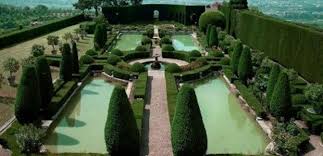

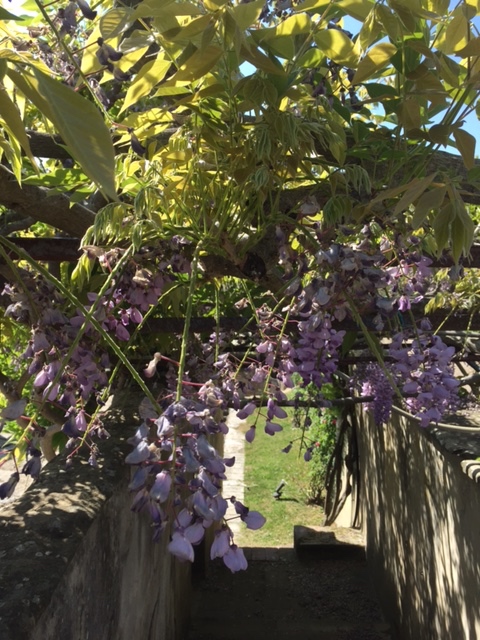
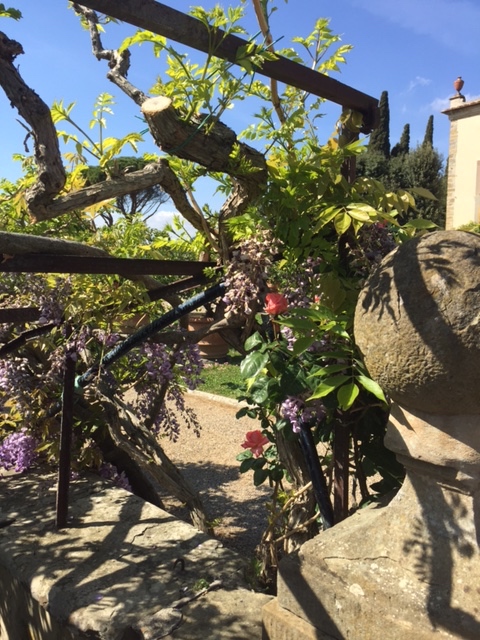
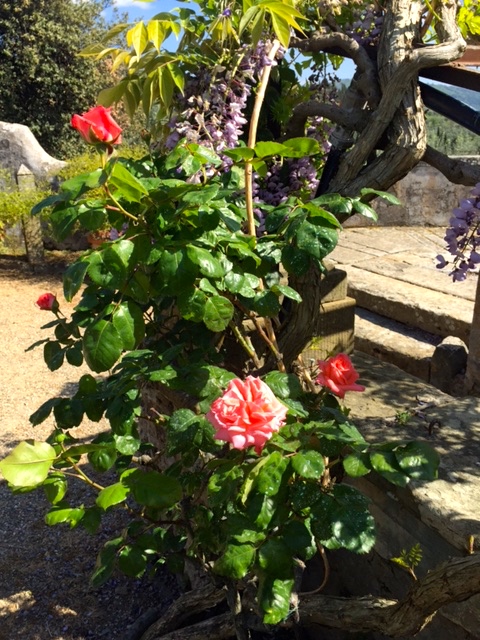
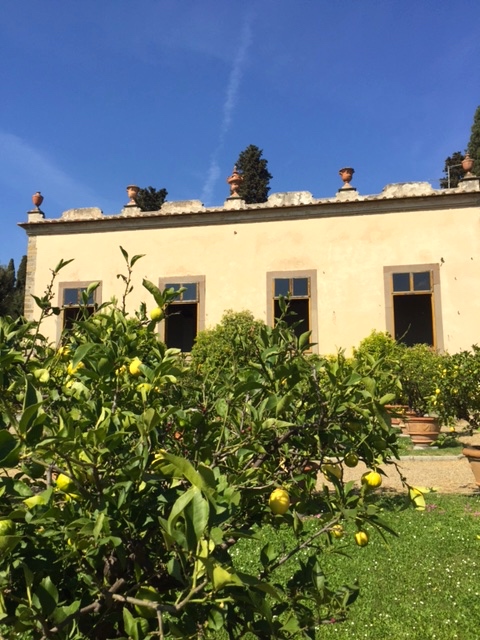
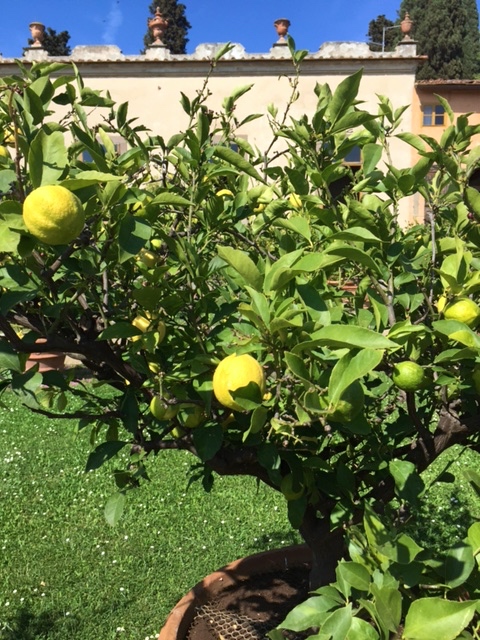
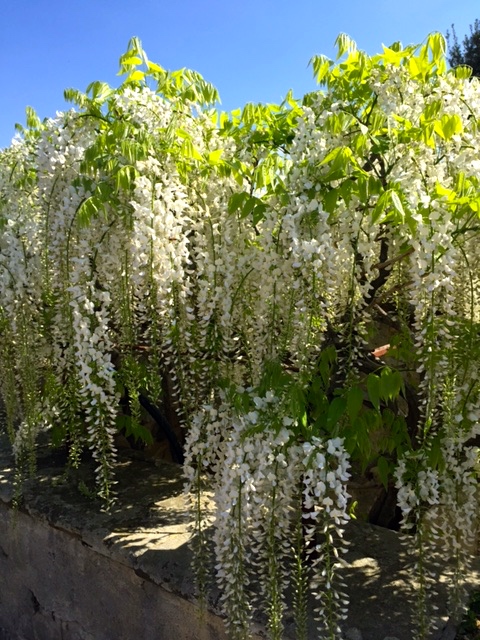
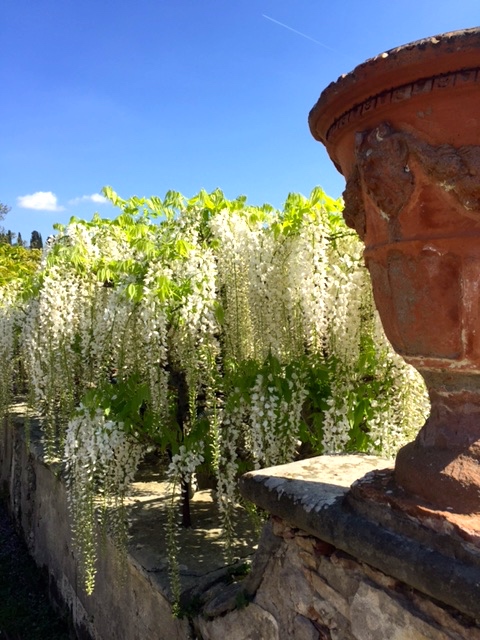
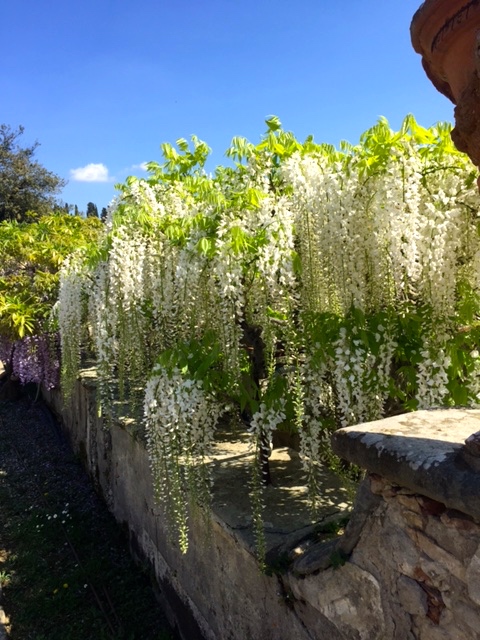
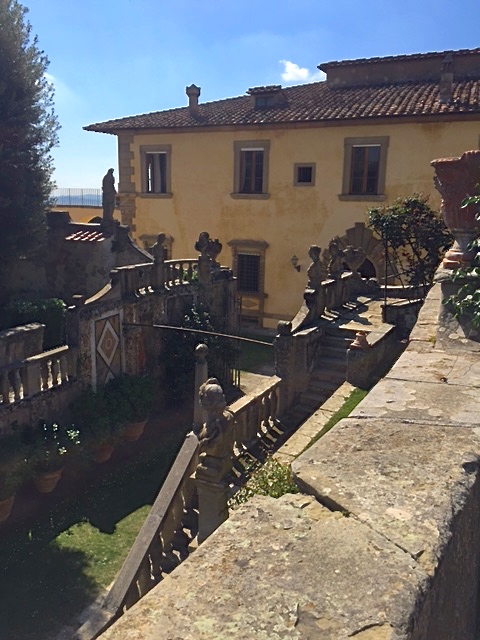
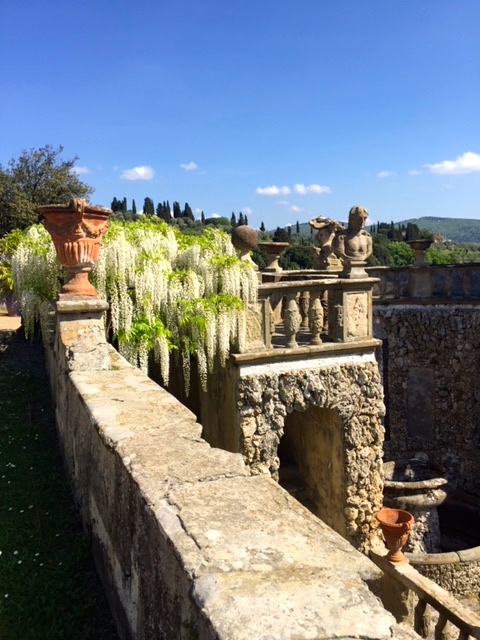
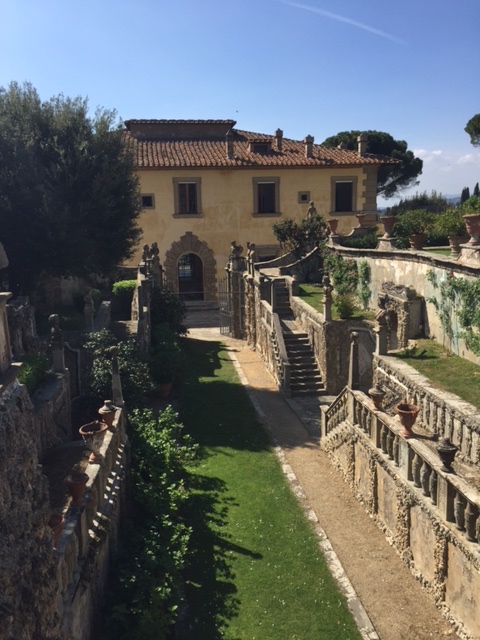
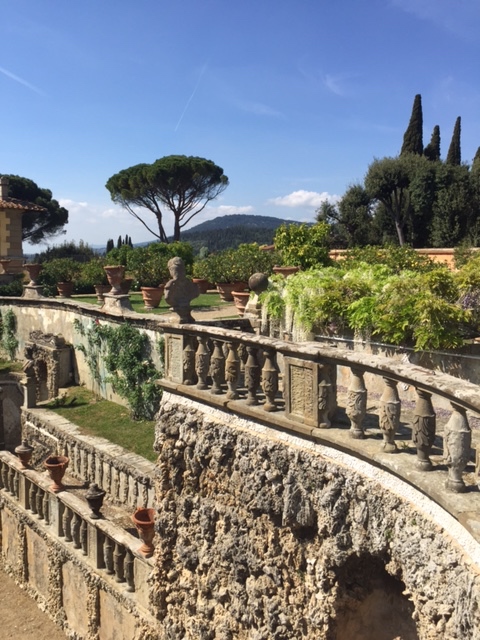
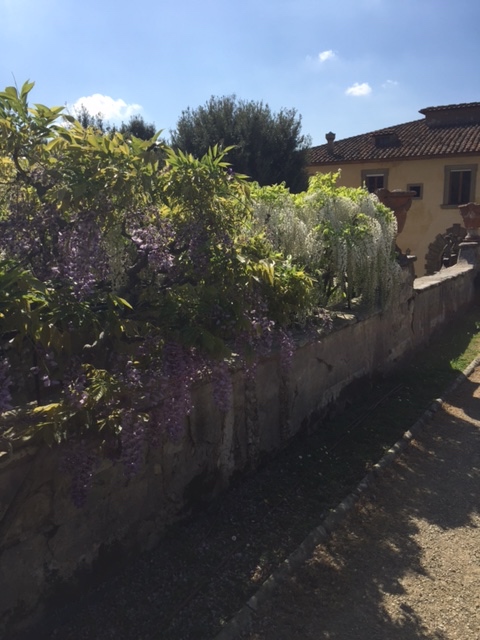
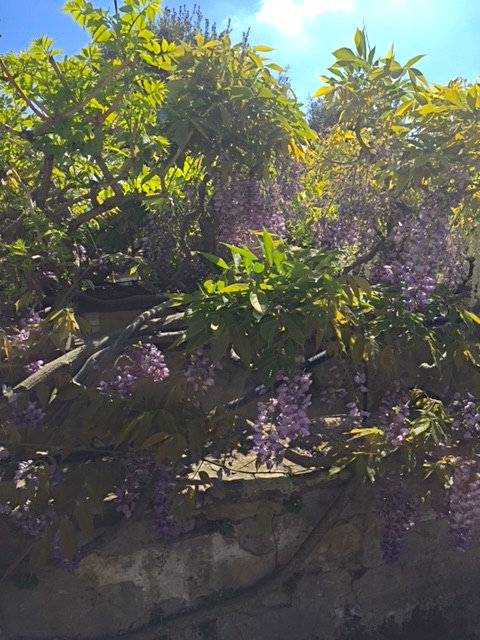
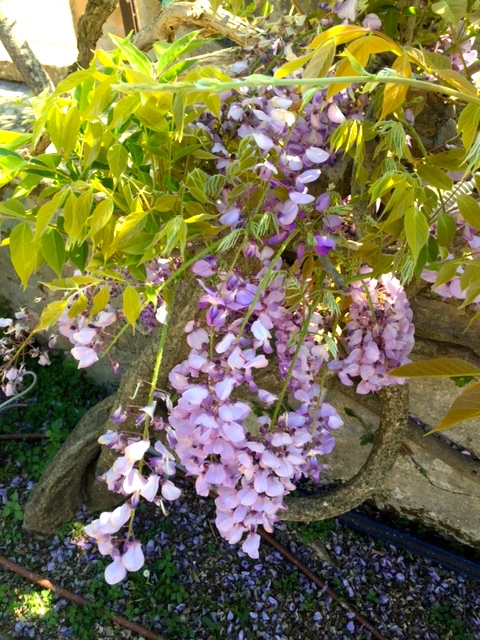
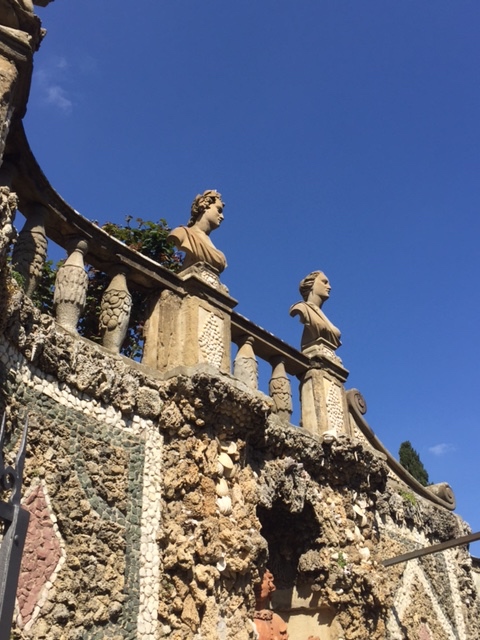
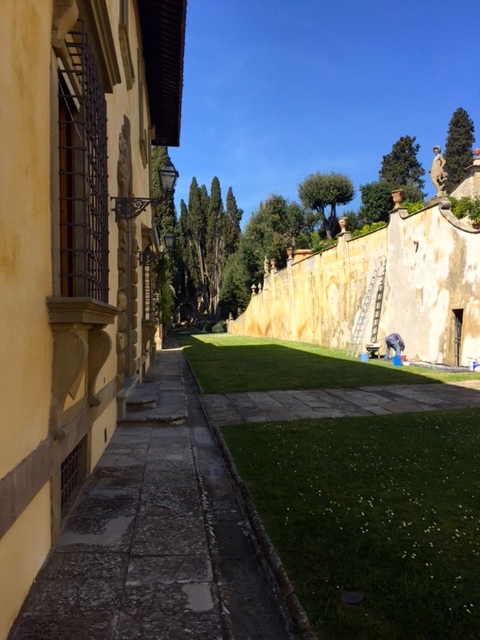
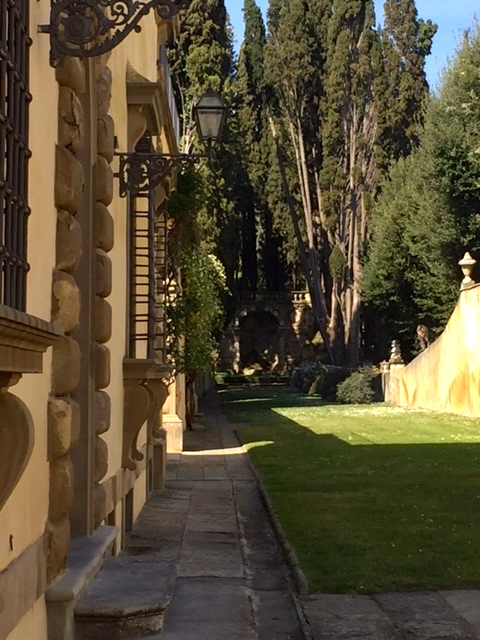
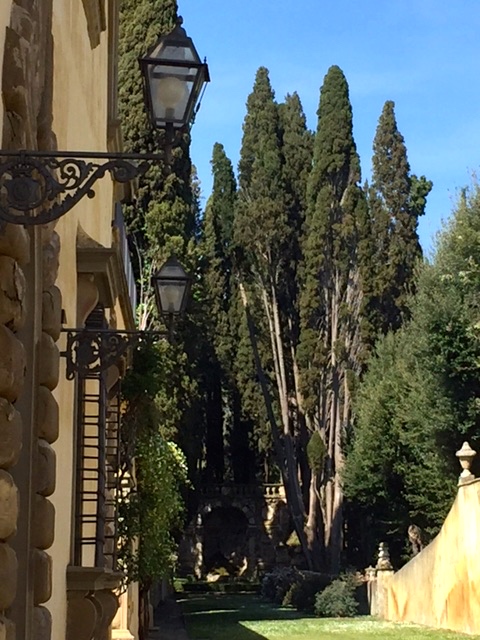
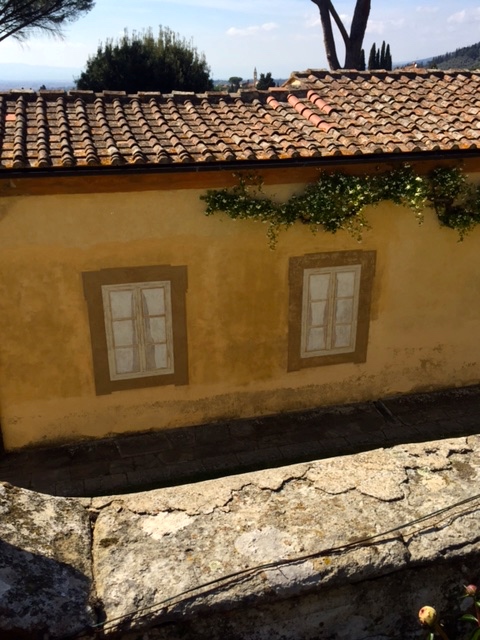
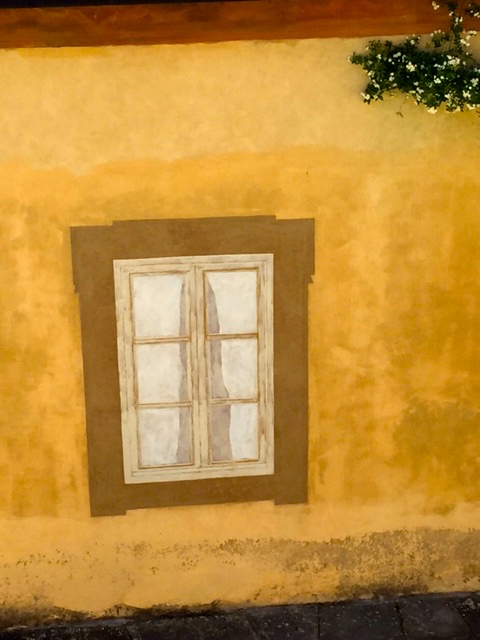
Last week I paid my first visit to the Villa Gamberaia, the 17th-C villa near Settignano, in the hills just outside of Florence. It is a lovely trip out into the country and up into the colline beyond Firenze.
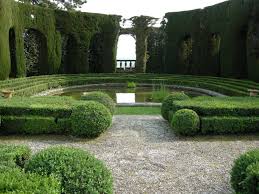
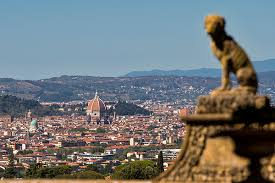
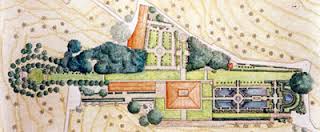
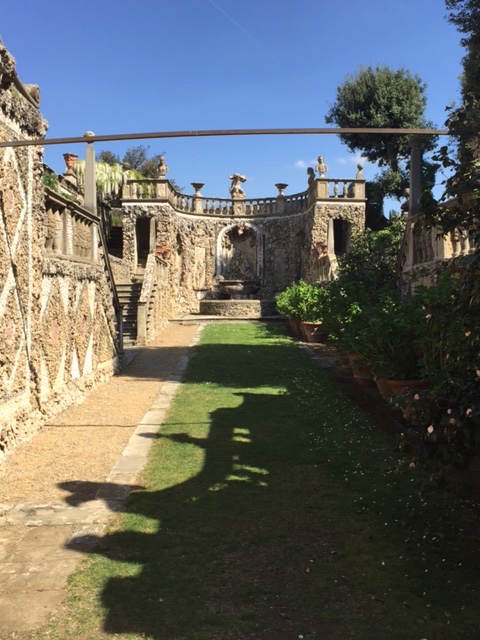
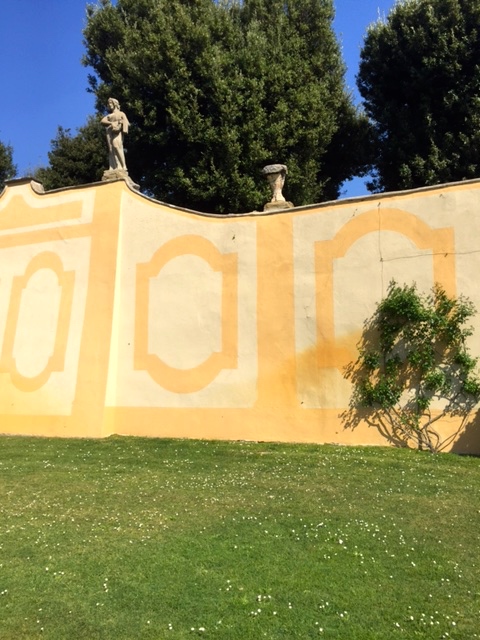
The villa has a lovely, formal 18th-century terraced garden, beautifully restored and open to anyone who presents themselves to the front gate. There is an entrance fee.
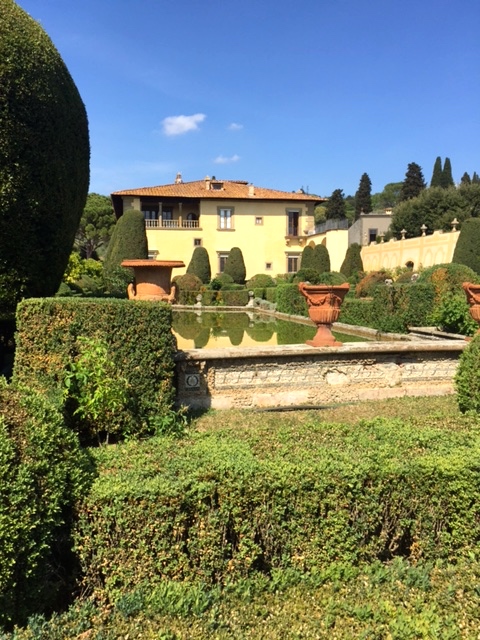
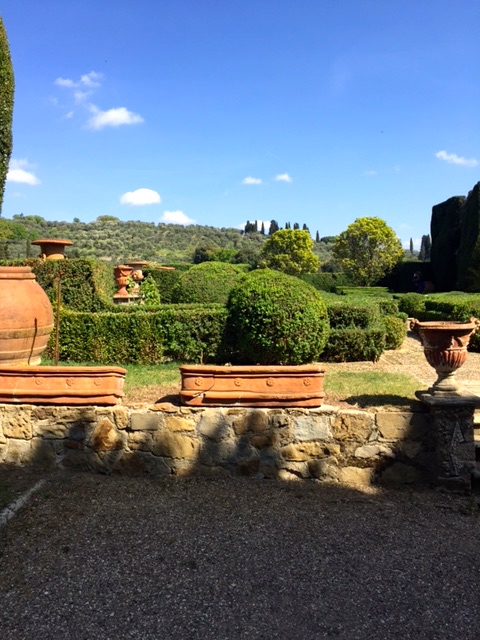

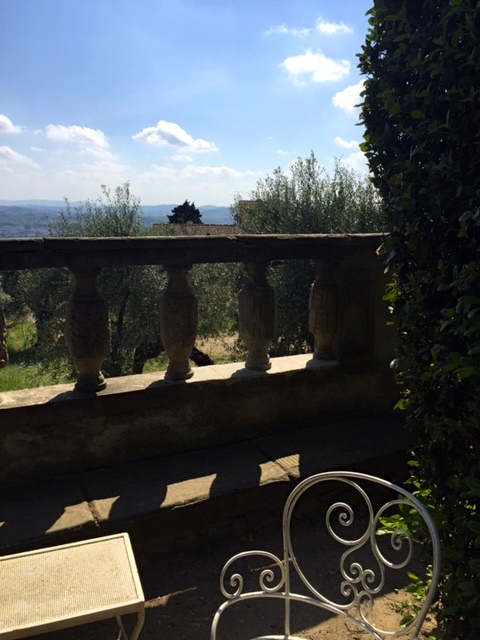
The villa, originally a farmhouse; was owned by Matteo Gamberelli, a stonemason, at the beginning of the 15th century. His sons Giovanni and Bernardo became famous architects under the name of Rossellino. After Bernardo’s son sold it to Jacopo Riccialbani in 1597, the house was greatly enlarged, then almost completely rebuilt by the following owner, Zenobi Lapi; documents of his time mention a limonaia and the turfed bowling green that is part of the garden layout today.
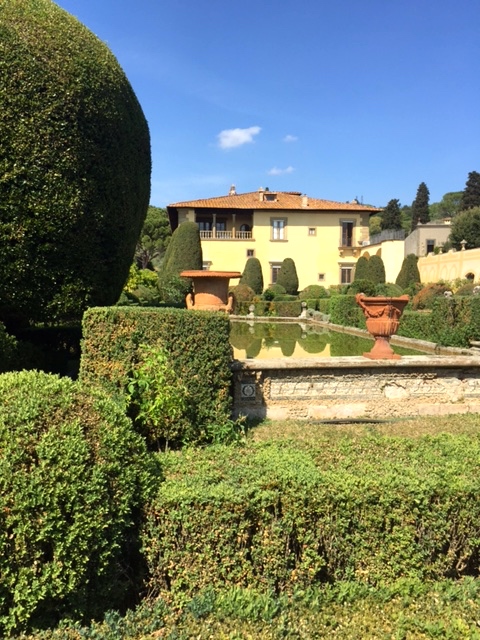
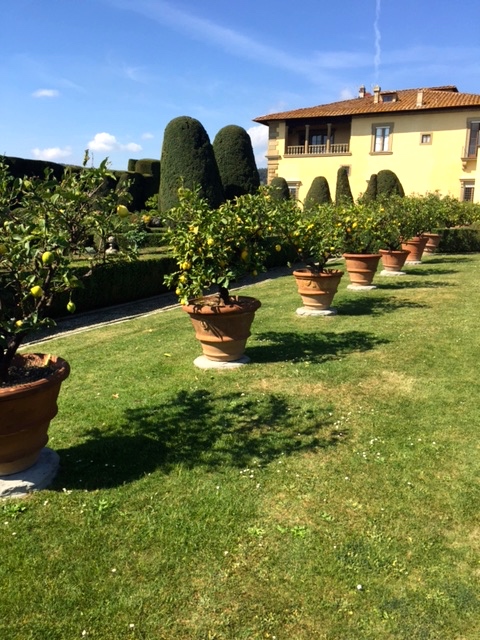
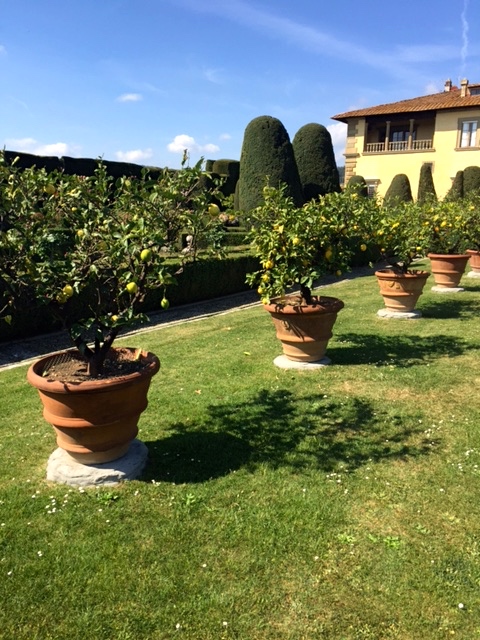
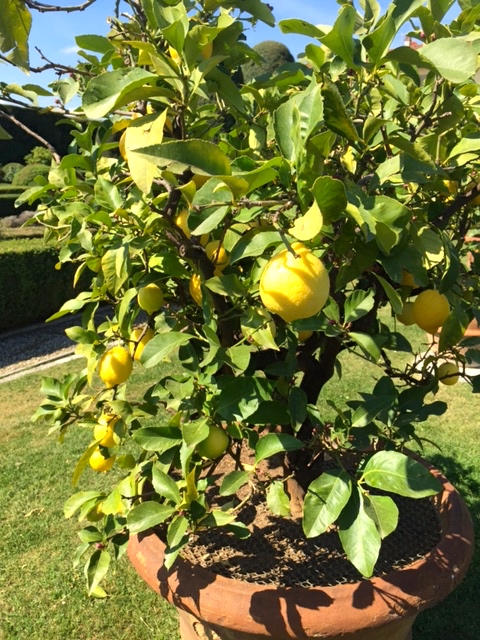
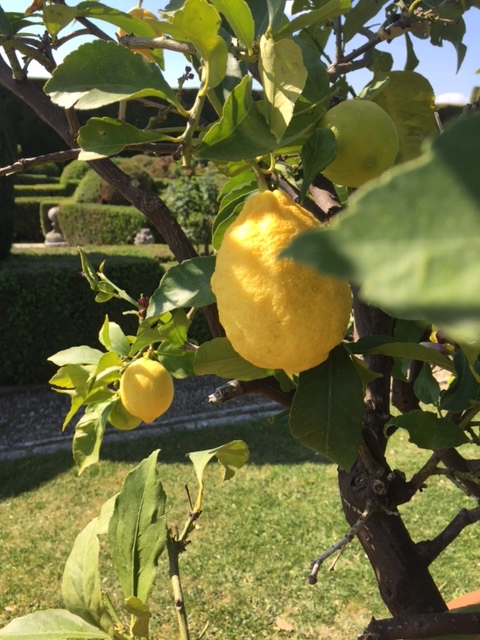
In 1717 La Gamberaia passed to the Capponi family. Andrea Capponi laid out the long bowling green, planted cypresses, especially in a long allée leading to the monumental fountain enclosed within the bosco (wooded area), and populated the garden with statues, as can be seen in an etching by Giuseppe Zocchi.
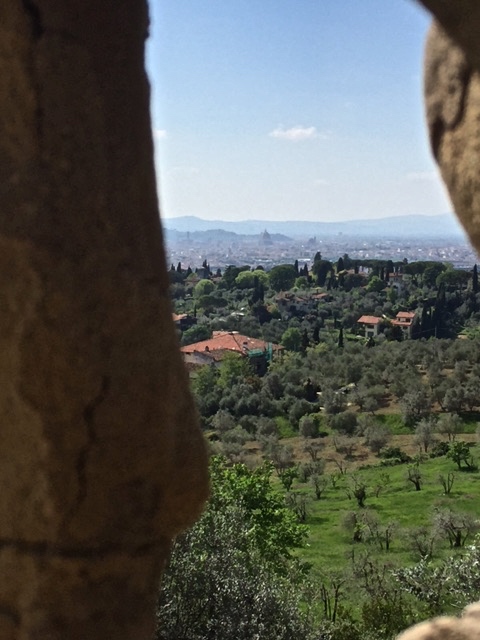
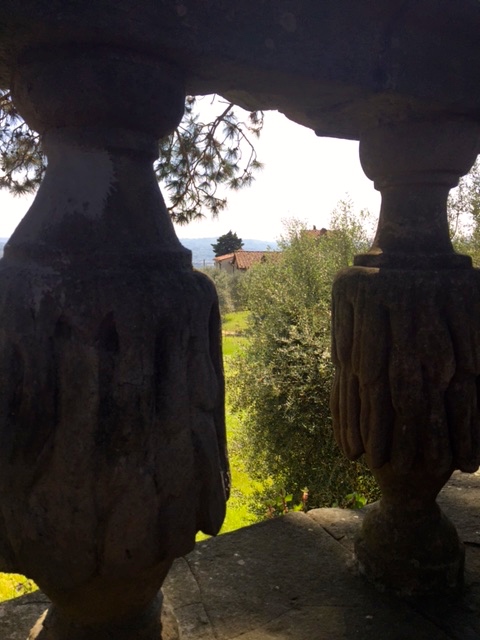
By that time, the villa already stood on its raised platform, extended to one side, where the water parterre is today. The parterre was laid out with clipped broderies in the French manner in the eighteenth century, as a detailed estate map described by Georgina Masson demonstrates. Olive groves have always occupied the slopes below the garden, which has a distant view of the roofs and towers of Florence.
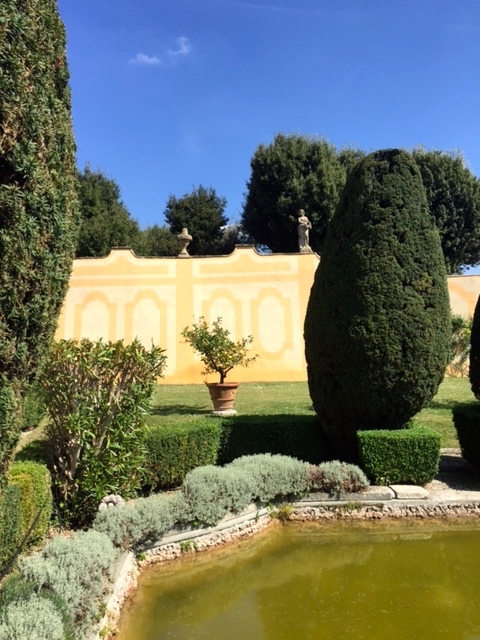
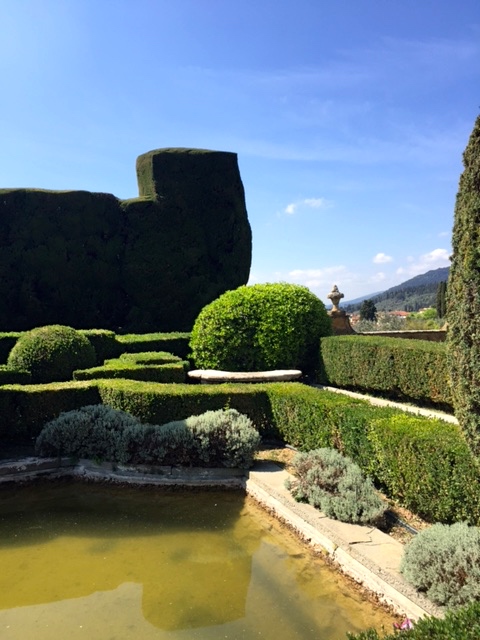
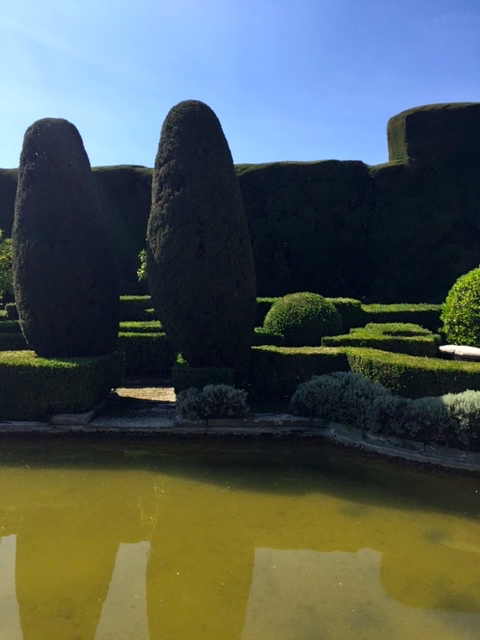
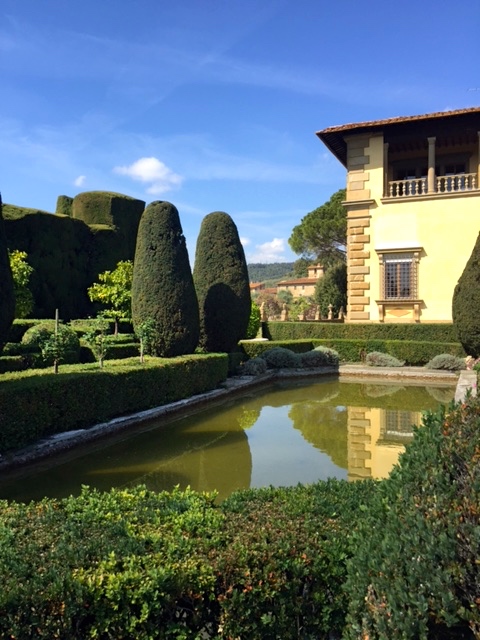
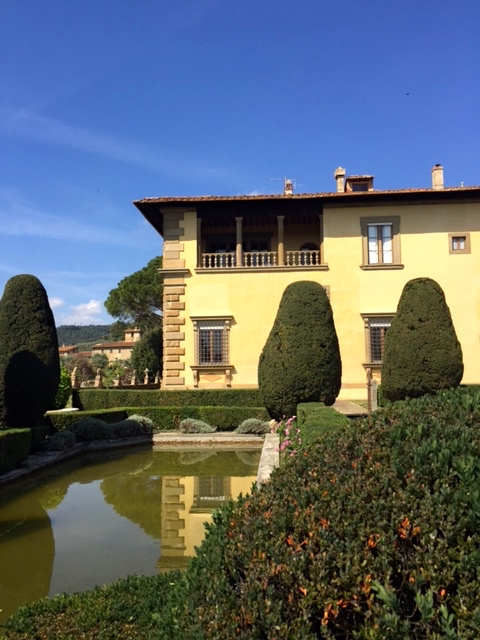
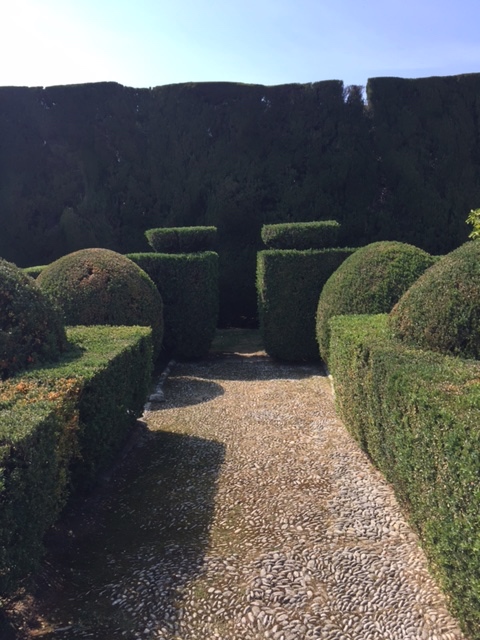
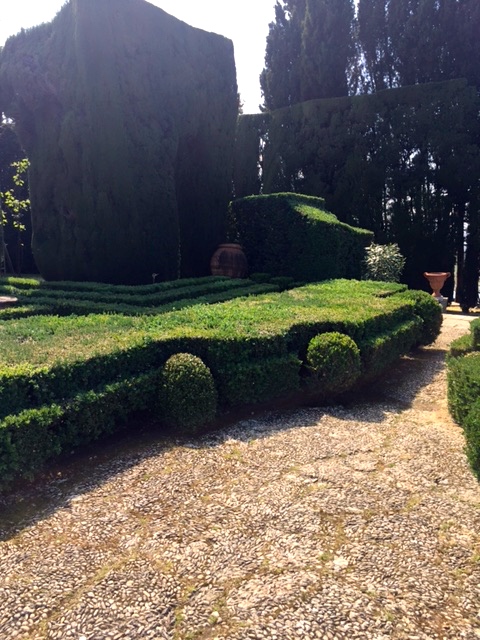
The setting was praised by Edith Wharton, who saw it after years of tenant occupation with its parterre planted with roses and cabbages. Wharton attributed the preservation of the garden at the Villa Gamberaia to its “obscure fate” during the 19th century, when more prominent gardens with richer owners, in more continuous attendance, had their historic features improved right out of existence.
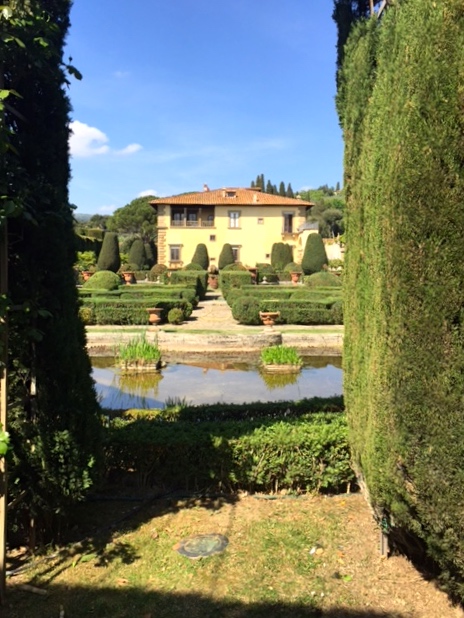
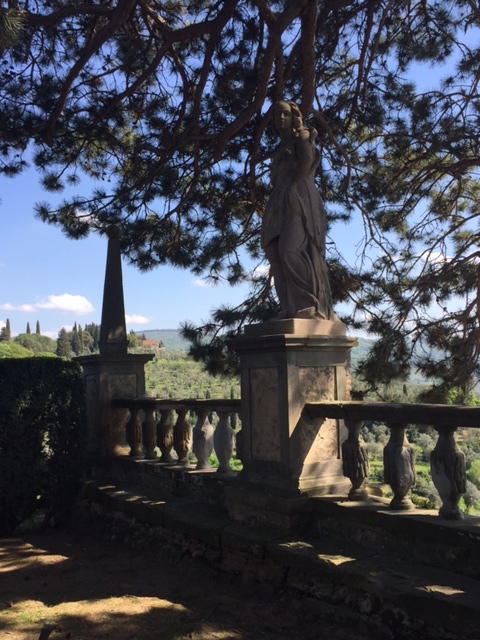
Shortly after Wharton saw the villa, it was purchased in 1895 by Princess Jeanne Ghyka, sister of Queen Natalia of Serbia, who lived here with her American companion, Miss Blood, and thoroughly restored it. It was she who substituted pools of water for the parterre beds.
During World War II, the villa was almost completely destroyed. Marcello Marchi restored it after the war, using old prints, maps and photographs for guidance.
Georgina Masson also wrote about seeing Villa Gamberaia; she saw it after it was restored by Marchi.
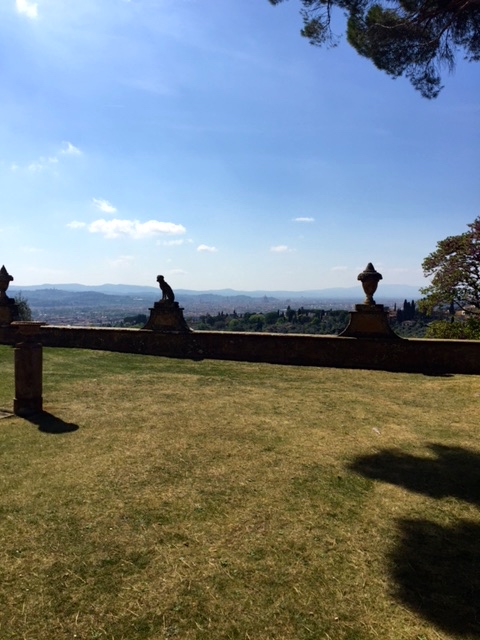
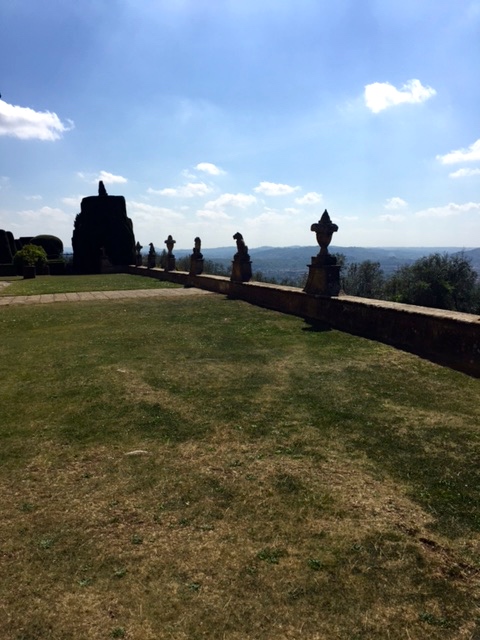
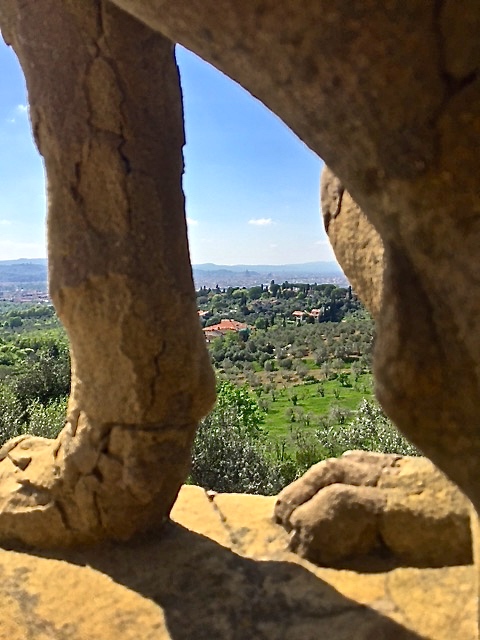
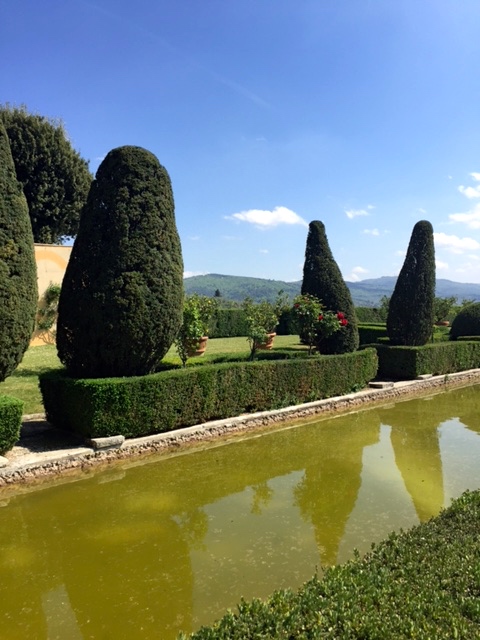
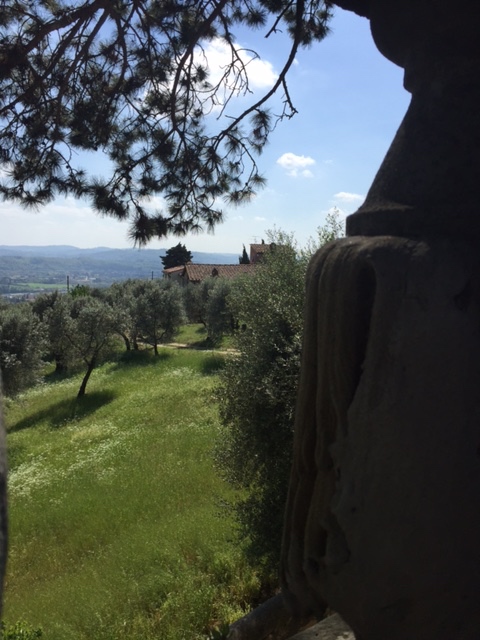
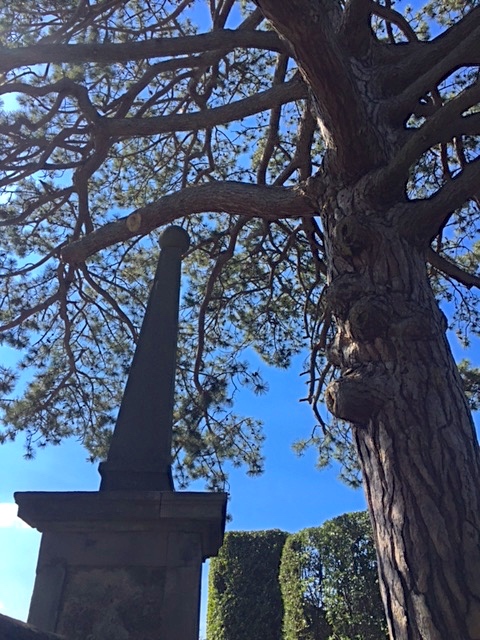
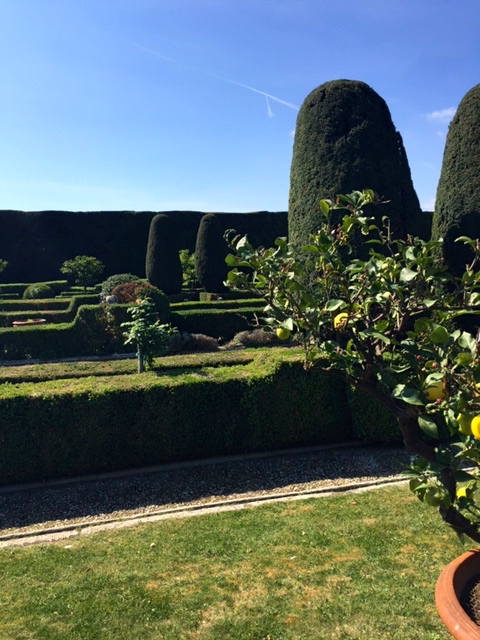
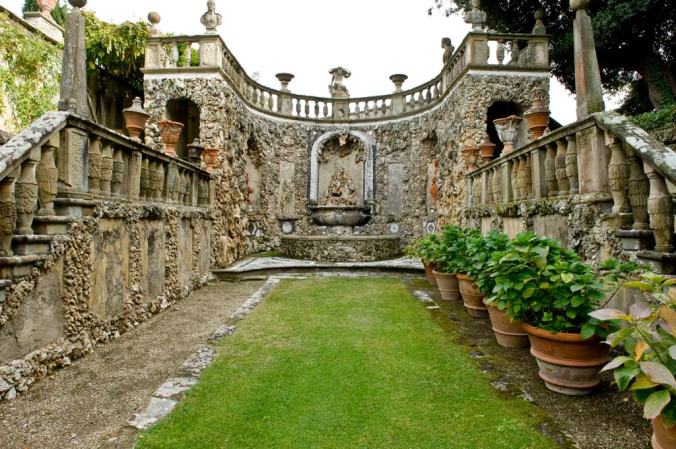
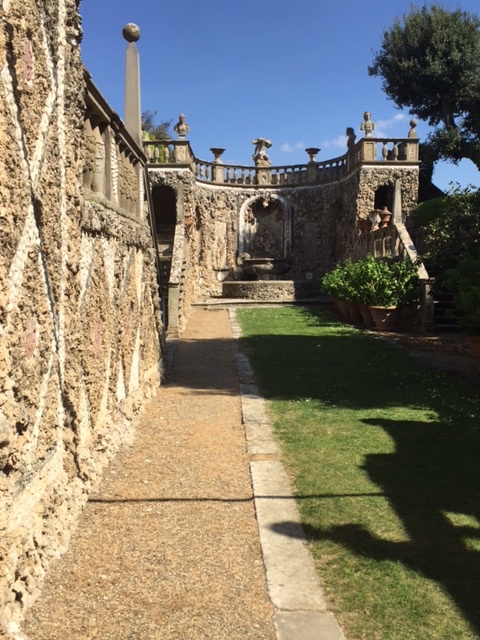
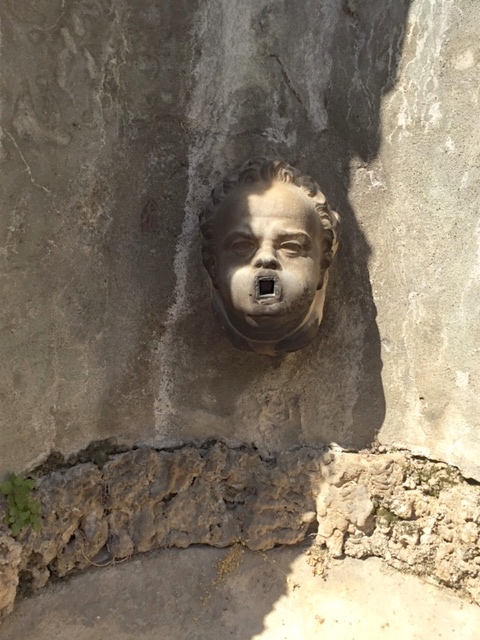
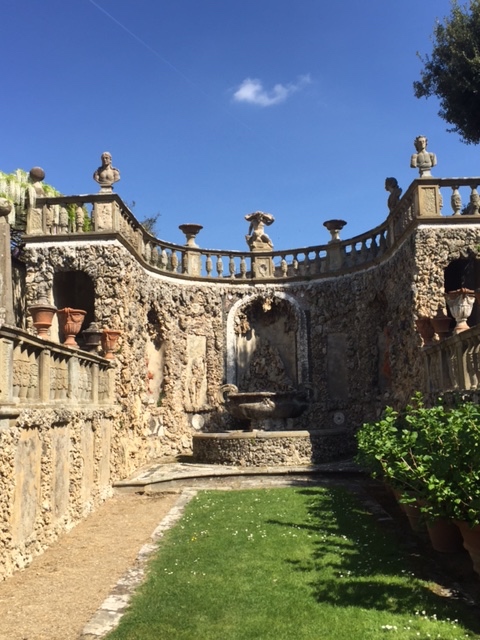
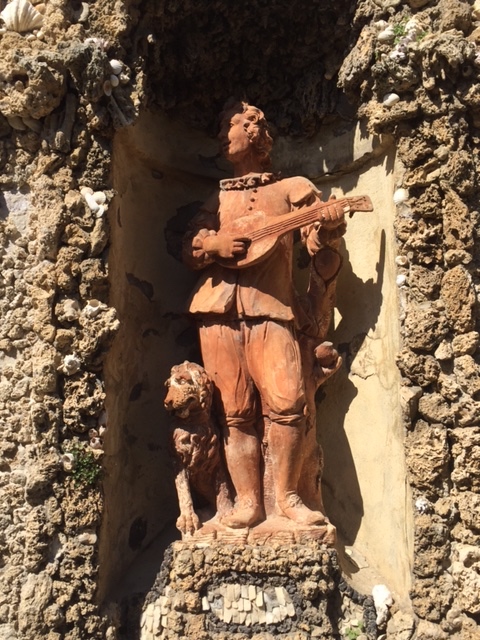
The monumental fountain set in a grotto in the steep hillside at one lateral flank of this terraced garden has a seated god next lions in stucco relief in a niche decorated with pebble mosaics and rusticated stonework.




Noooo! reveals this clever author:
Cooking does not necessarily follow the same chronology as other fields of creative endeavor.
People did not start eating with more perspective in the Renaissance.
Nor, for that matter, did they dine more ornamentally in the Baroque period,
or more rationally during the Enlightenment.
Dickie, John (2008-01-08). Delizia!: The Epic History of the Italians and Their Food (Kindle Locations 1136-1138). Atria Books. Kindle Edition.
I’ve witnessed some celebrations in my life. But, I can honestly say I’ve never seen anything quite like what happens every Easter morning in Florence!


The celebration that takes place in and in front of the Duomo is somewhere between a Chinese New Year spectacle, combined with something you might see in a festival in India, with some Roman Catholic overtones.

Honestly, I’m still scratching my head!

So, I got to the Piazza del Duomo about 9:45 and already the crowds were thick. I was able to nab a pretty good spot to watch part of the parade arrive in front of the Duomo.
Then I moved to a better spot to see the Carro. Unfortunately, by 10 a.m. the crowds were super thick.
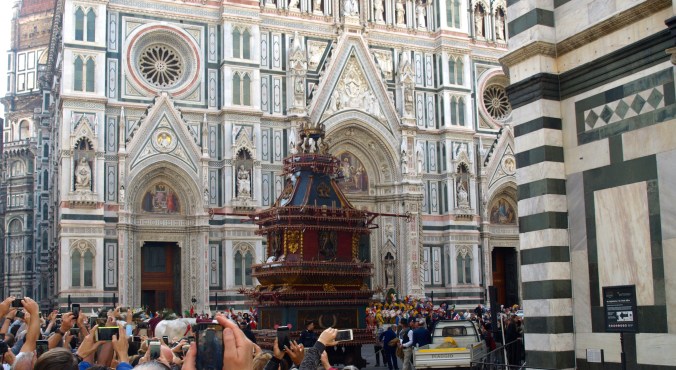
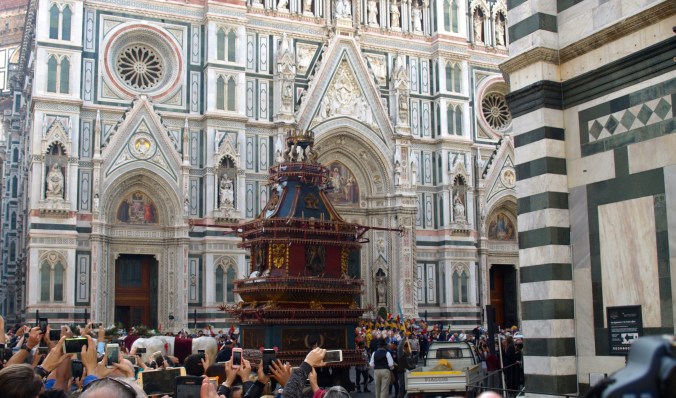
The white oxen festooned with floral wreaths pull the antique Carro to the front of the Duomo and park it there, lining it up with a mechanical dove that will shoot out of the church at the right moment, and alight the Carro.
The beloved Carro or Brindellone returns to piazza del Duomo every year on Easter Sunday. Housed 364 days of the year in via il Prato, this cart filled loaded with fireworks is paraded through the city streets, arriving in front of Santa Maria del Fiore at around 10am. After the cathedral’s morning mass, much pomp and circumstance ensues all leading to the festivity’s ending in a pyrotechnic spectacle.

A dove-shaped rocket called the colombina is ignited inside the cathedral and then runs along a wire out to the Brindellone, which it ignites.


No matter how many pictures I post, nothing will take the place of these Youtube videos. Stay with it, the fireworks are incredible. Not sure how it celebrates the Resurrection of Christ, but that’s not a problem in this famous Florentine celebration!
Legend has it that if the Brindellone alights completely as planned, Florence will have a bountiful harvest and a great year. From the looks of it, 2017 will be a boon year in Firenze!
Enjoy the following videos! Buona Pasqua!

On Easter Sunday every year, Florence celebrates the religious holiday in a very special way. The Scoppio del Carro, or the “Explosion of the Cart”, dates back over 350 years. An elaborate wagon built in 1622 and standing two to three stories high is pulled by a pair of white oxen decorated with garlands through the streets of Florence to the square between the Baptistry and Cathedral.
This tradition finds its origins in events that are partly historic and partly legendary. A young Florentine named Pazzino, a member of the noble Pazzi family, apparently took part in the First Crusade in the Holy Land in 1099, where he gave ample proof of his courage (he was the first to scale the walls of Jerusalem and raise the Christian banner).
When he came home, he brought back three flints from the Holy Sepulchre that he received for his act of courage. This reliquary, today preserved in the Church of SS. Apostoli, lies behind the Florentine celebration for the Resurrection of Christ.
Today, the ceremony still bears a strong resemblance to the way in which it has been celebrated for centuries. Starting around 10am, a priest rubs Pazzino’s three flints together until they spark and light the Easter candle; this, in turn, is used to light some coals which are placed in a container on the Cart and the procession delivers the Holy Fire to the Archbishop of Florence before Santa Maria del Fiore, better known as il Duomo. The cart is accompanied by drummers, flag throwers and figures dressed in historical costume as well as city officials and clerical representatives.
When porcelains were first introduced in Europe from China, the substance was known as “white gold” for its value because of its toughness, strength relative to all other known types of pottery.

In 1735, the Marquis Carlo Ginori, driven by an interest in the advent of European production of “white gold,” founded his porcelain manufactory in the town of Doccia in Sesto Fiorentino, near Florence in Tuscany.
After an initial experimental period, during which he imported Chinese porcelain samples, Ginori engaged two Viennese painters, J.C.W. Anreiter and his son Anton, with Gaspare Bruschi employed as chief modeler.
By 1740 Doccia had a monopoly of porcelain making in Tuscany and in 1746 began public sales. The product was a grayish, hard-paste porcelain made from local clay, with a glaze lacking in brilliance; a finer, white paste was adopted later.
Early wares were decorated by stencil, a rare process that was to give way to a fine range of painted colors.
The Manufactory of Doccia, as it was originally known, remained on this site until 1955.

1779 An era that gives birth to some of Richard Ginori’s best known forms and decorations. Combined with elegant centrepieces, they accessorize many a famous banquet in important palazzi and ville. The woven pattern is introduced, still a must- have in the collection today. The dawn of the nineteenth century brings with it new technologies and gold decorative solutions to fuel the taste for luxury.

1850 The arrival of the international expositions and the fashion for naturalistic taste offers the Manufactory the opportunity to expand. Scenes of insects nestling among floral elements animate tableware, meanwhile the academic sculptor Urbano Lucchesi brings themes of theatrical literature, fantasy objects and the Macchiaioli school of painting into the Manufactory.
1896 Now known now as the Manufacture Richard Ginori, a major expansion in artistic and industrial manufacturing activities lead to the successful development of two innovative patents: the oven-proof Pirofilia, (c. 1897-1898) and developed expressly for scientific laboratories, Euclide porcelain (c. 1940).
1923 The architect and designer Giò Ponti is appointed as artistic director, and the Manufactory brings to the European scene new decorative designs in line with the styles of the era.

1954 Manufacture Richard Ginori interprets the new functionality of the everyday life style. Colonna, with its stackable and essential design is introduced under the artistic direction of Giovanni Gariboldi.
1985 As tastes and lifestyles evolve, the Manufactory turns to the creative talents of the great Italian architects and designers of the time: Franco Albini, Franca Helg & Antonio Piva, Sergio Asti, Achille Castiglioni, Gabriele Devecchi, Candido Fior, Gianfranco Frattini, Angelo Mangiarotti, Enzo Mari and Aldo Rossi.
2013 The renaissance of the Manufactory Richard Ginori begins. The Manufactory is acquired by Gucci and Alessandro Michele is appointed artistic director. Today, just as 280 years ago, it represents excellence in creativity, innovation and the hand-made in Italy.
http://www.klatmagazine.com/en/design-en/richard-ginori-oltre-270-anni-di-storia-evergreen-031/38197
 get back, lauretta!
You must be logged in to post a comment.