


The Sant’Anna di Stazzema massacre was a Nazi German war crime, committed in the hill village of Sant’Anna di Stazzema in Tuscan, in the course of an operation against the Italian resistance movement during the Italian Campaign of World War II.
On the morning of August 12, 1944, the German troops entered the mountain village of Sant’Anna di Stazzema, accompanied by some fascists of the 36th Brigata Nera Benito Mussolini based in Lucca, who were dressed in German uniforms.
The soldiers immediately proceeded to round up villagers and refugees, locking up hundreds of them in several barns and stables, before systematically executing them. The killings were done mostly by shooting groups of people with machine guns or by herding them into basements and other enclosed spaces and tossing in hand grenades.
At the 16th-century local church, the priest Fiore Menguzzo (awarded the Medal for Civil Valor posthumously in 1999) was shot at point-blank range, after which machine guns were then turned on some 100 people gathered there. In all, the victims included at least 107 children (the youngest of whom, Anna Pardini, was only 20 days old), as well as eight pregnant women (one of whom, Evelina Berretti, had her stomach cut with a bayonet and her baby pulled out and killed separately).
After other people were killed through the village, their corpses were set on fire (at the church, the soldiers used its pews for a bonfire to dispose of the bodies). The livestock were also exterminated and the whole village was burnted down.
All of this was accomplished in three hours. The SS men then sat down outside the burning Sant’Anna and ate lunch.
These crimes have been defined as voluntary and organized acts of terrorism by the Military Tribunal of La Spezia and the highest Italian court of appeal.
However, extradition requests from Italy were rejected by Germany. In 2012, German prosecutors shelved their investigation of 17 unnamed former SS soldiers (eight of whom were still alive) who were part of the unit involved in the massacre because of a lack of evidence.
The statement said: “Belonging to a Waffen-SS unit that was deployed to Sant’Anna di Stazzema cannot replace the need to prove individual guilt. Rather, for every defendant it must be proven that he took part in the massacre, and in which form.”
The mayor of the village, Michele Silicani (a survivor who was 10 when the raid occurred), called the verdict “a scandal” and said he would urge Italy’s justice minister to lobby Germany to reopen the case. German deputy foreign minister Michael Georg Link commented that “while respecting the independence of the German justice system,” it was not possible “to ignore that such a decision causes deep dismay and renewed suffering to Italians, not just survivors and relatives of the victims.”
Sources, Wikipedia and http://paradiseofexiles.com/liberation-day-in-italy/
As the Allied Forces entered Florence in the early hours of August 4, 1944, the brigade Sinigaglia, the division Arno, and the brigade Lanciotto were enthusiastically welcomed into the Oltrarno district. The Allies allowed the partisans to keep their weapons; the Florentine men then started a roundup, searching for the German snipers that were firing at the unarmed populace. These snipers wanted to terrify the population and to slow the progression of the Allies, particularly in the districts of San Frediano, Conventino, and San Niccolò.
Meanwhile, the Nazis were still on the right or north side of the Arno. The military base of the partisans, the CTLN (Comitato Toscano di Liberazione Nazionale, Tuscan Comitate of National Liberation), was installed in the society Larderello, in Piazza Strozzi n. 2.
At first, the command of the third zone in via Roma n. 4, led by the Partito d’Azione, acted as the connection center. In order to follow both the Germans and Allied movements, a sentry was stationed atop the Cupola del Duomo. The personnel stationed there included a deputy commander, a political commissar, and a chief from the first commander corps.
As for the Florentines, on August 4, only a few of them attempted to leave home. But the following day, without food or water, women and boys started to queue in front of the town’s water fountains and doorways with available wells, as well as in front of the bakeries. The few peddlers selling fruit and vegetables were extremely busy.
To be continued.
Sources:
Meanwhile, in Amsterdam, a place also occupied by the Nazis, on August 4, 1944, after 25 months in hiding, Anne Frank and the seven others in their secret hiding place were discovered by the Gestapo. The German secret state police had learned about the hiding place from an anonymous tipster, who has never been definitively identified.
After their arrest, the Frank family and their fellow Jewish associates, were sent by the Gestapo to Westerbork, a holding camp in the northern Netherlands. From there, in September 1944, the group was transported by freight train to the Auschwitz-Birkenau extermination and concentration camp complex in German-occupied Poland. Anne and her sister, Margot Frank, were spared immediate death in the Auschwitz gas chambers and instead were sent to Bergen-Belsen, a concentration camp in northern Germany.
In February 1945, the Frank sisters died of typhus at Bergen-Belsen; their bodies were thrown into a mass grave.
Several weeks later, on April 15, 1945, British forces liberated the camp.
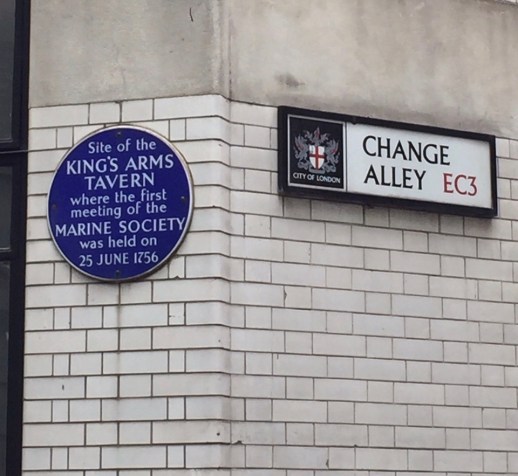
In my random travels, hither and yon, through this British capitol city, I am constantly stopping to read all of these interesting signs. Oh, the stories they would tell. My mind is boggled. I love it when that happens!




If you are a regular reader of my blog, you know that I rarely post images of the decorative arts. I am typically not a fan of fussy porcelains or fine cabinetry. I just don’t seem to have the gene that lets me appreciate that stuff.
But, today in London, I visited the Wallace Collection and it knocked my socks off. I mean, this place is crazy! The former mansion of the Wallace family was gifted to the country of Britain in the last years of the 19th century, and is still set up in a similar manner to the way in which the family lived.

As you might know, I’ve been to a few museums and house museums in my day, but this place is more opulent than any other.
All I can say is WOW! And then show you some (a lot, probably too many) pictures of this amazing place.
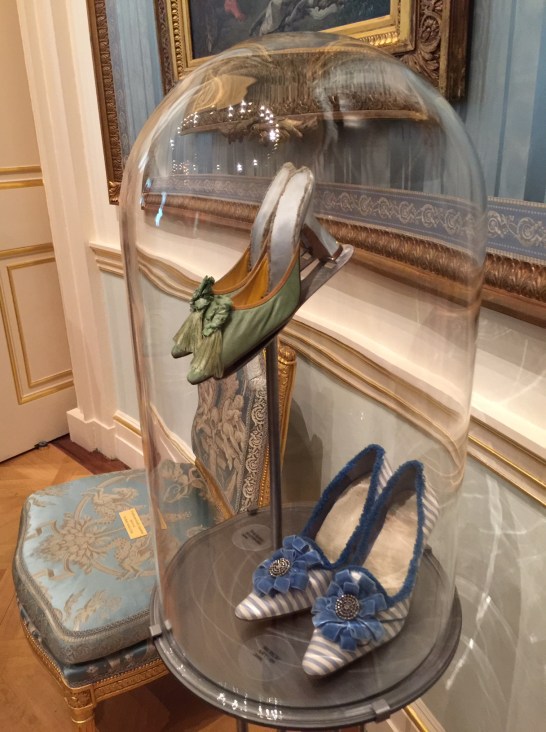
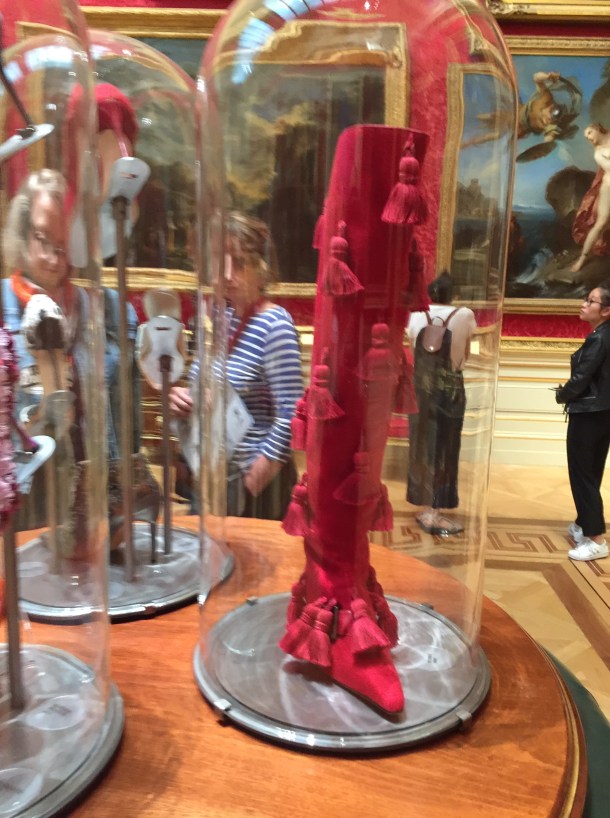
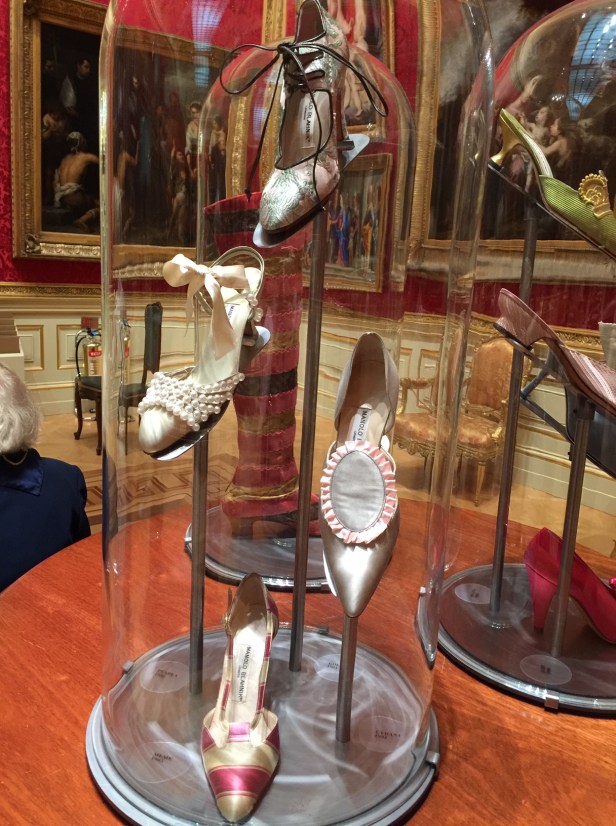
Oh, and p.s….Manolo Blanik shoes were also on display. I’ve never owned a pair and never will. But, to see the shoes interspersed with the collections added an element I’d not thought of before. My guide at the Wallace Collection told me that Blanik was an Anglophile and was particularly interested in the Wallace Collection. This is a new point of approach for me, and I could dig it!

Let’s go!
The first thing I heard in the excellent tour I joined, is that when this Japanese chest (and its matching partner) arrived in Europe, it absolutely blew the minds of connoisseurs. They were obsessed with the black lacquer and wanted to emulate it. They couldn’t, it turned out, because the plant that produces the lacquer did’t grow in the west.

Here’s my guide, standing in front of the Japanese chest.

That didn’t daunt them. The king of France set up a artisanal workshop, patronizing the best of the artistic producers known to France, and they experimented and experimented, trying to produce–if not lacquer itself–at least something that looked very close to it.

Above, King Louis XV, the king who developed the French fine arts.
This is the time period in which France is lifted by the decorative arts. France would no longer import fine luxury goods–they would produce them. It started then and is still going strong today.
The wardrobe below was produced in this workshop.


Before having a gander at the million photos I took today, introduce yourself to the Wallace Collection here with the director:
Now, please join me as I wander through the collection:


Can you say “opulence?”


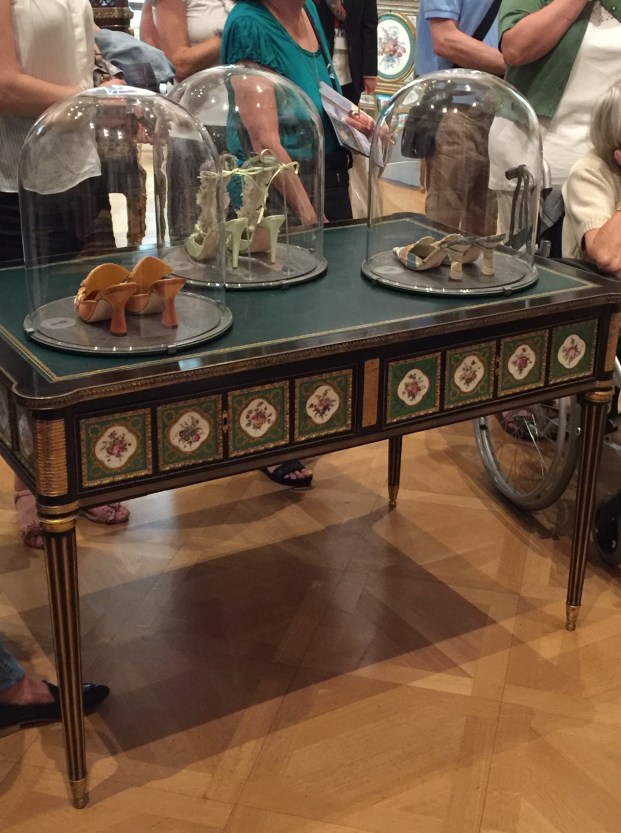
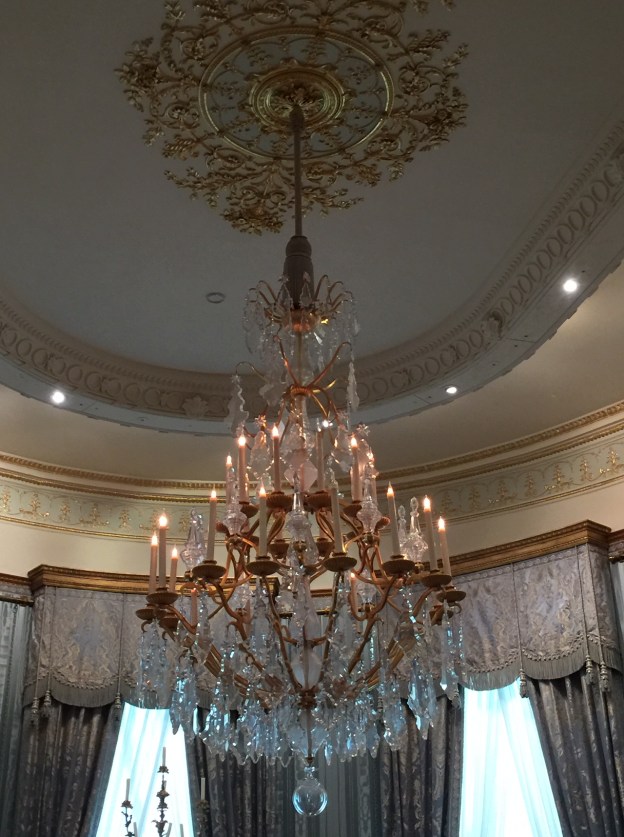


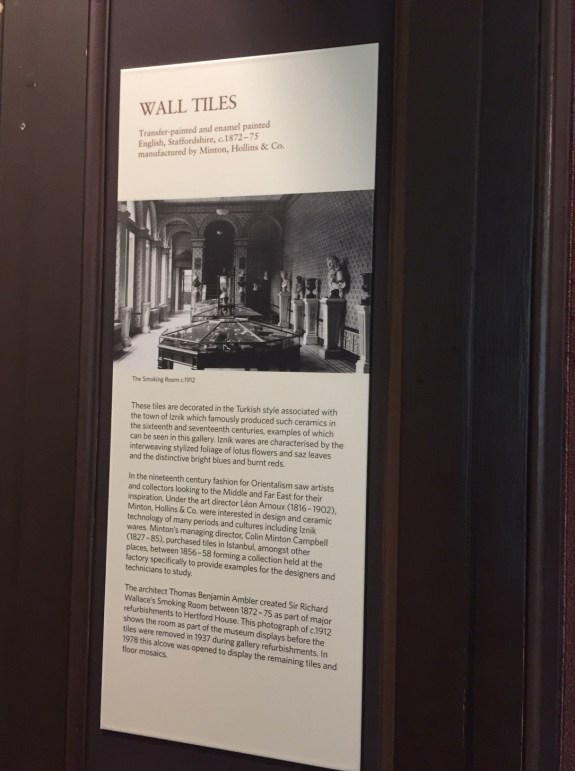
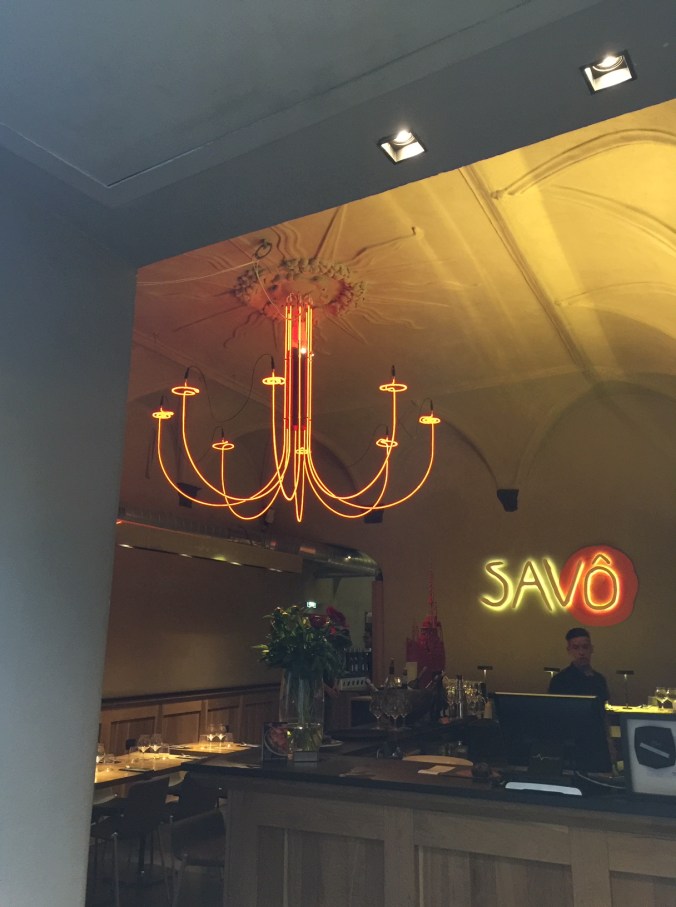
Also, the Wallace Collection has a lovely restaurant!

And then, on to the armor!


And to a Gothic crown. Because, why not?

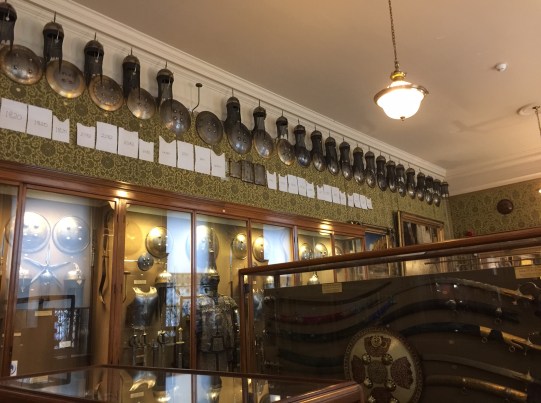
Check out the line of matching armor head pieces and shields.

Below: a portrait of Madame de Pompadour, commissioned by herself. My guide told the fascinating story of this woman and her involvement with the French king, and discussed the fascinating iconography of this portrait. Please note her tiny shoe peeking out from under her “Pompadour pink” gown, for which she set the fashion of the day. This is the type of detail by which Blanik was inspired. Looking at his shoes today, I could see it.




And, then there is this Jean-Honoré Fragonard masterwork: The Swing (1767).






Genoa, Italy was once a naval powerhouse. Sometimes it outshone even the Venetian republic in its power and influence.
During the heyday of Genoa’s power, very rich families vied to impress each other by building magnificent palazzi. Today, more than 100 of them still survive and Genoa is protected under UNESCO status for these buildings.

Of the more than 100 palazzi still extant, about 31 of them are opened for viewing one or two times a year. The event is known as “Rolli Days.” Rolli means list in Genoa and the “list” referred to is the list of fabulous mansions that were kept on file by the political leaders of Genoa.

They kept this prestigious list and, when a dignitary came to town–which happened a lot–the leaders decided which of the 100 family mansions would be chosen to host any expected dignitary. It must have been an honor to be on that list, even though it meant that the family would foot the entire bill for housing and entertaining the dignitary. Some of these included Popes and European royalty, to name but a couple.

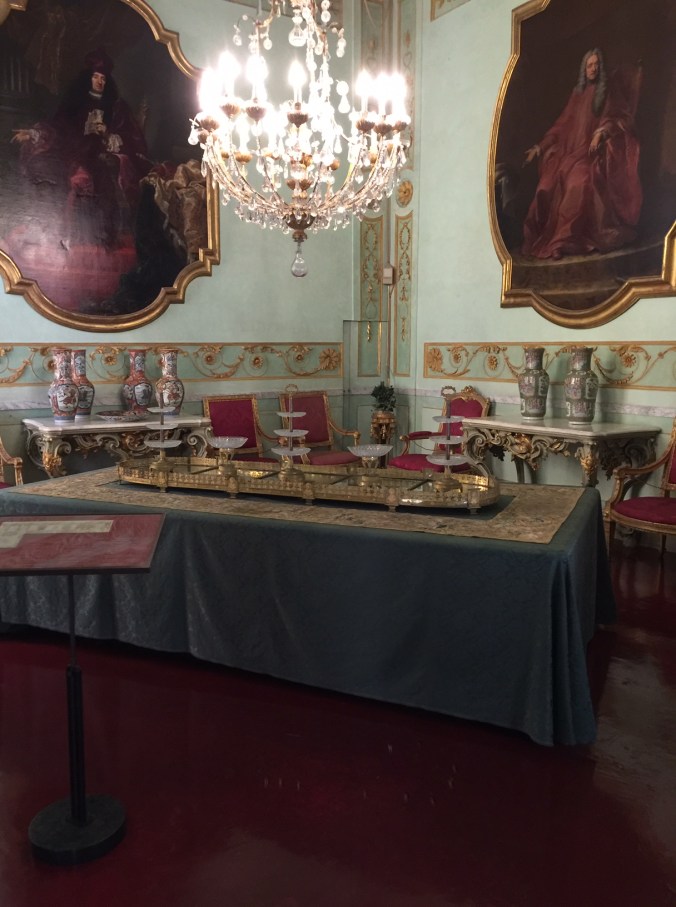
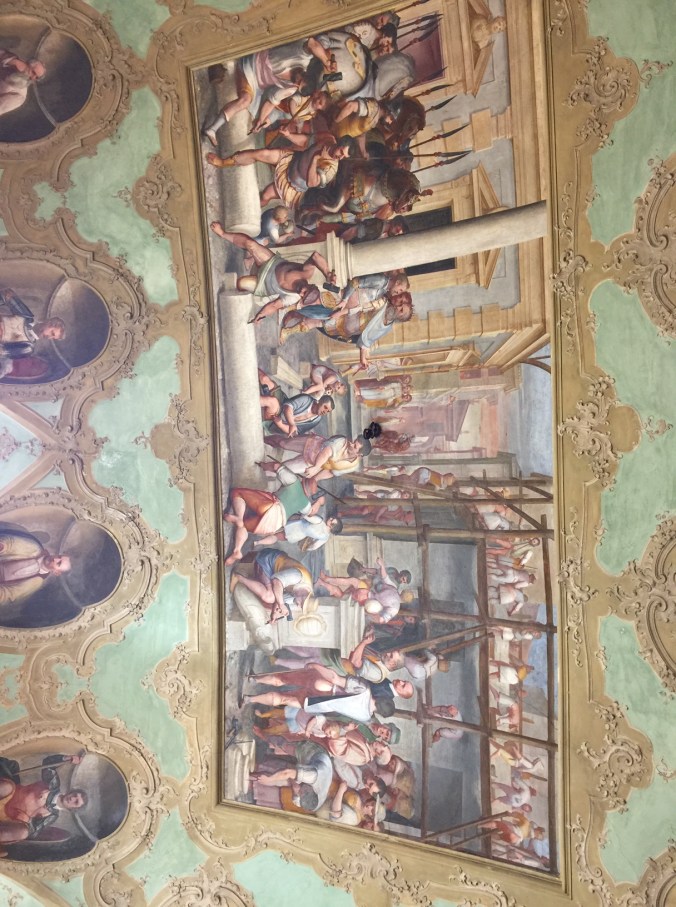
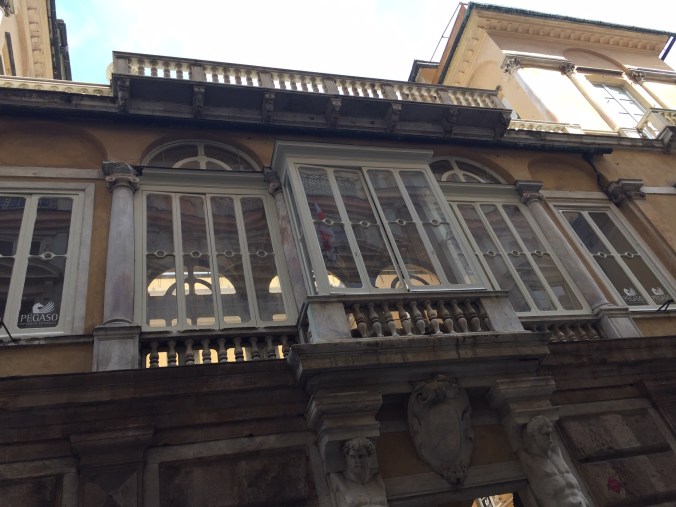
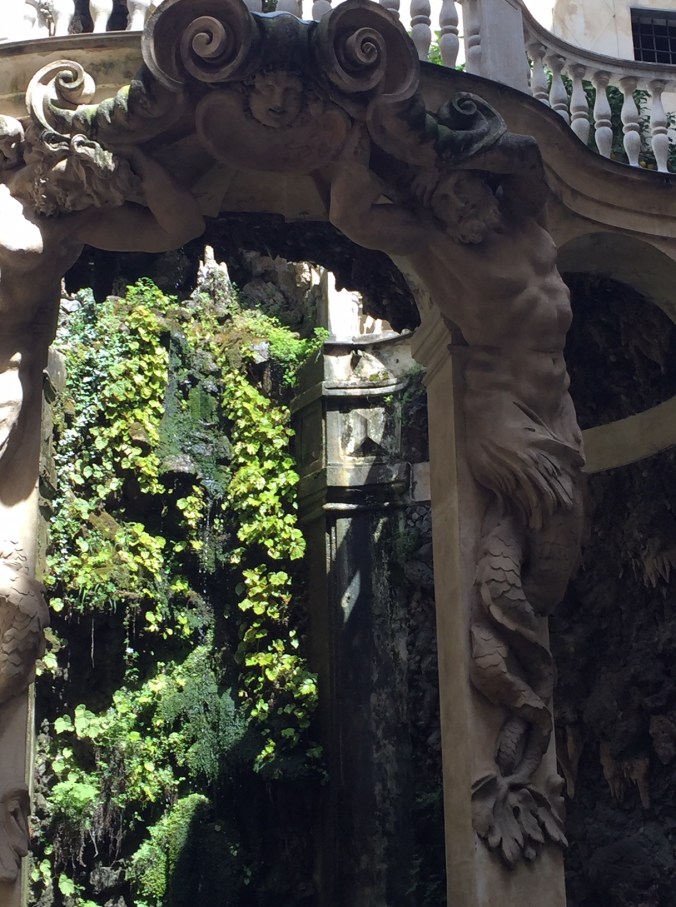
I had the pleasure of visiting Genoa recently to take advantage of the opportunity to see some of these amazing mansions. There were about 30 open and I saw a good number of them. One of the most impressive is the Palazzo Francesco Grimaldi, aka Galleria Nazionale di Palazzo Spinola. Below are just some of the fabulous things I saw:




The Grimaldi family tree. Now that’s how to illustrate a family tree!







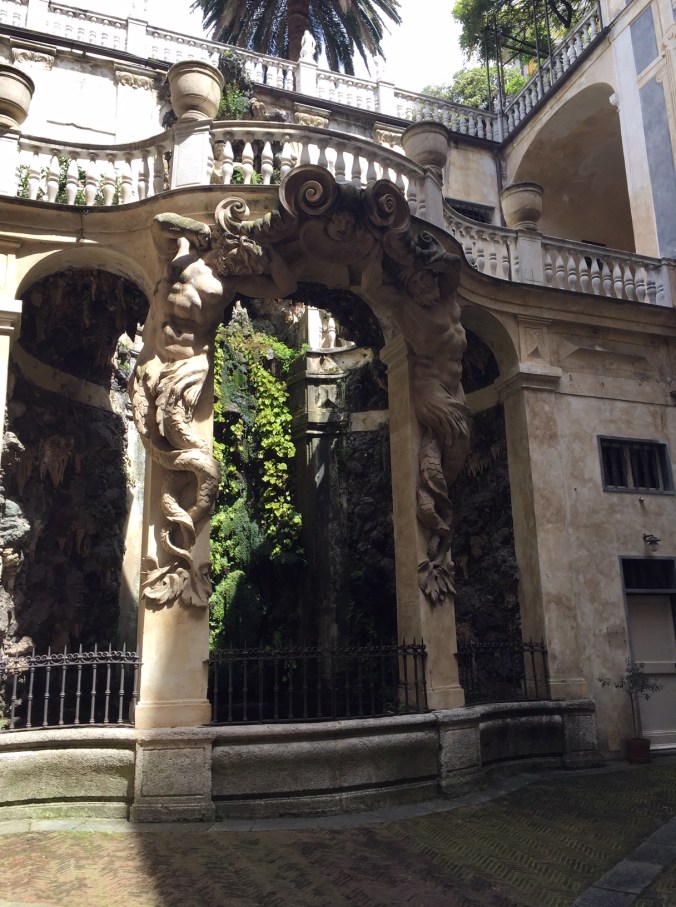


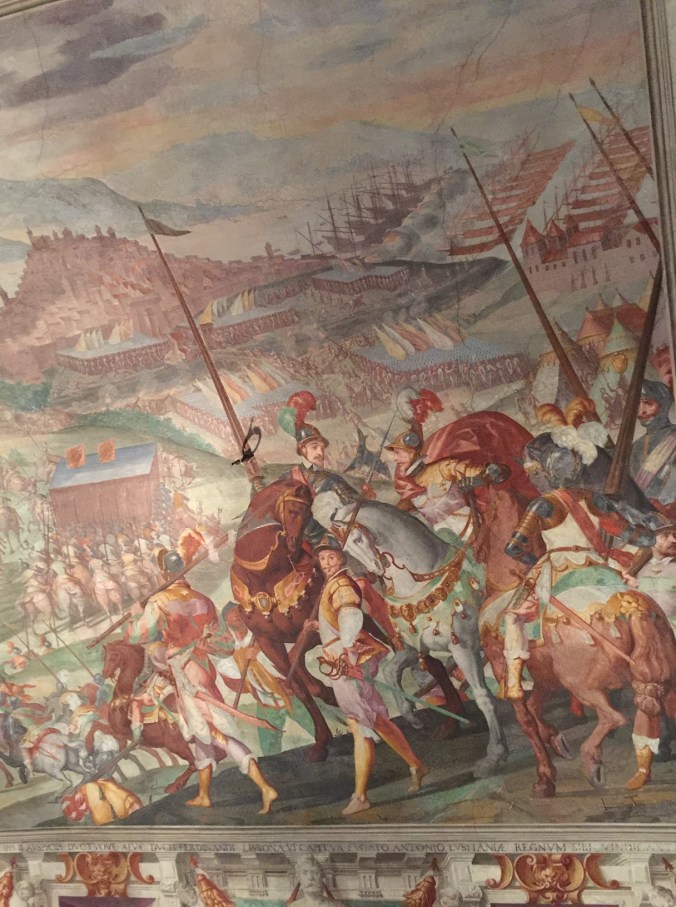


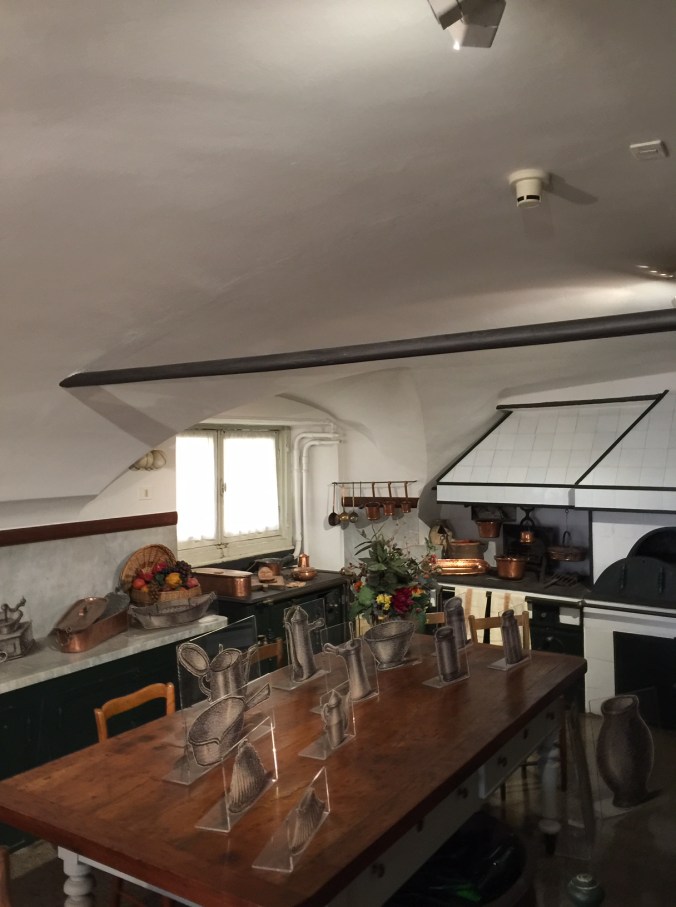
Inside the magnificent Grimaldi Palazzo in Genoa is an essential room that often does not survive into the modern age. I’m speaking of a kitchen.
As it happens the 19th-century kitchen of the Grimaldi Palazzo is more or less still extant and is a very interesting place to visit when in Genoa. Here are some of my photos of my recent visit to this very important room.




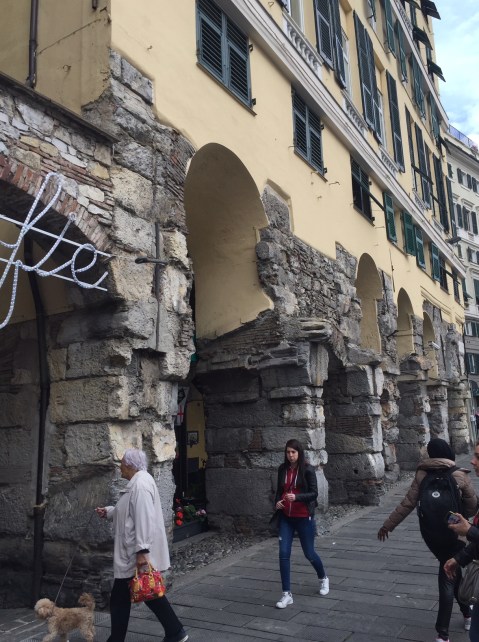
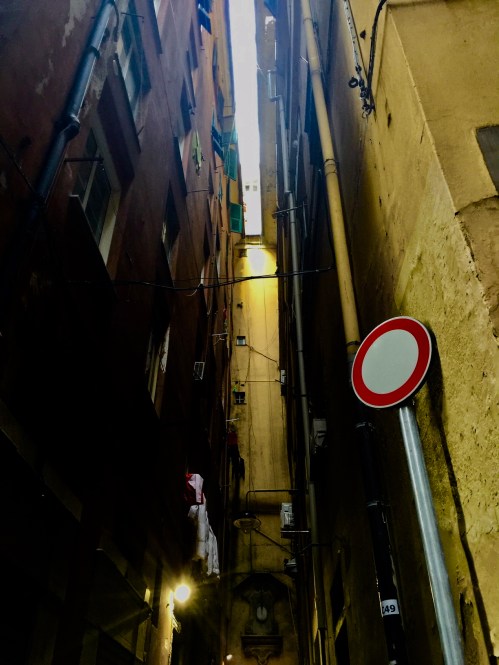
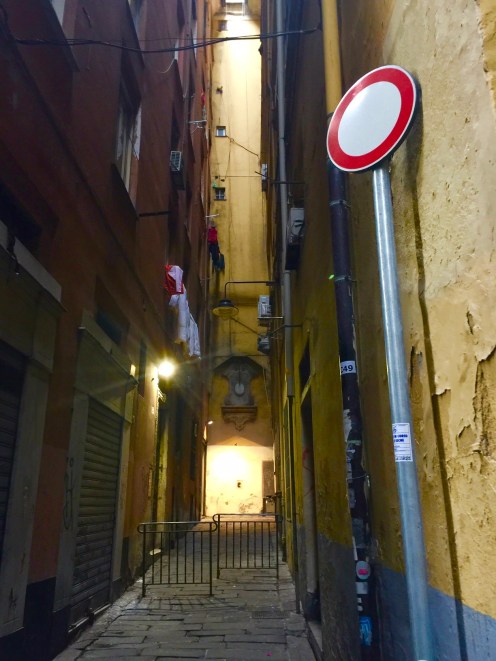
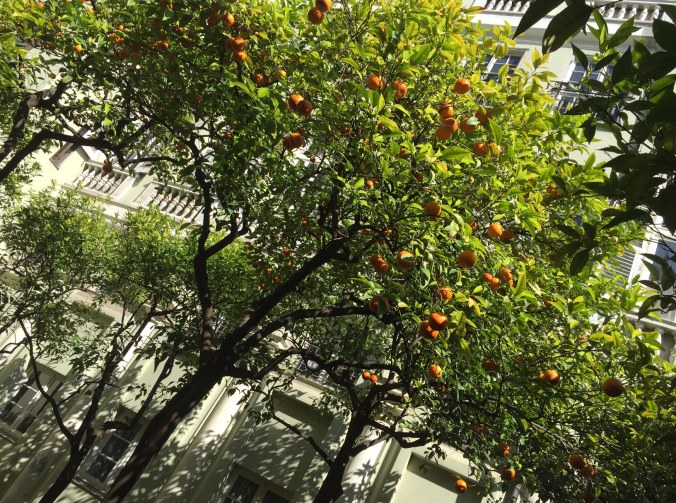
I had the good fortune to travel to Genova (Genoa in English) for a very long weekend. I timed my visit with a semi-annual Genovese event known as “Rolli Days,” which is a 2 day occasion during which many (31) of the 100 UNESCO listed palaces are open for viewing. I’ll be posting about Rolli Days soon.
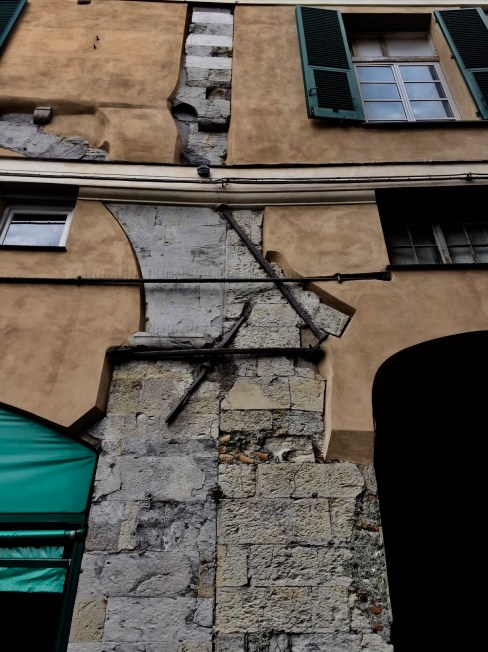
I’d never really been to Genova before and didn’t know what to expect. It was a fascinating visit and I am so happy I went! Below are miscellaneous pictures from my weekend. I am looking forward to returning!








My amazing lunch!

My lunch deconstructed. It was as delicious as it looks!

My amazing dessert!






As seen at Chatsworth House in Derbyshire, where Pride and Prejudice was filmed. The bust is actually for all to see and dream of in the gift shop!
 get back, lauretta!
You must be logged in to post a comment.