RÉVEILLON VS CHRISTMAS DAY
If you’re looking to pull out all the stops for a French Christmas dinner, make sure you’re doing it on the right day! The biggest meal of the holiday is usually eaten on Christmas Eve, known as le Réveillon, instead of on Christmas Day. The starters often consist of foie gras, oysters, or escargots, followed by a bird–often a capon or turkey–and finishing with the bûche de Noël, or Yule log, as well as other treats like chocolates and nougat. All washed down with wine, it’s a wonder the French ever make it to midnight Mass afterward.
Holidays
Feeling very French!
Christmas, 1953


Christmas in Florence!
Light show projected upon the Ponte Vecchio gives the old bridge a fresh new look:
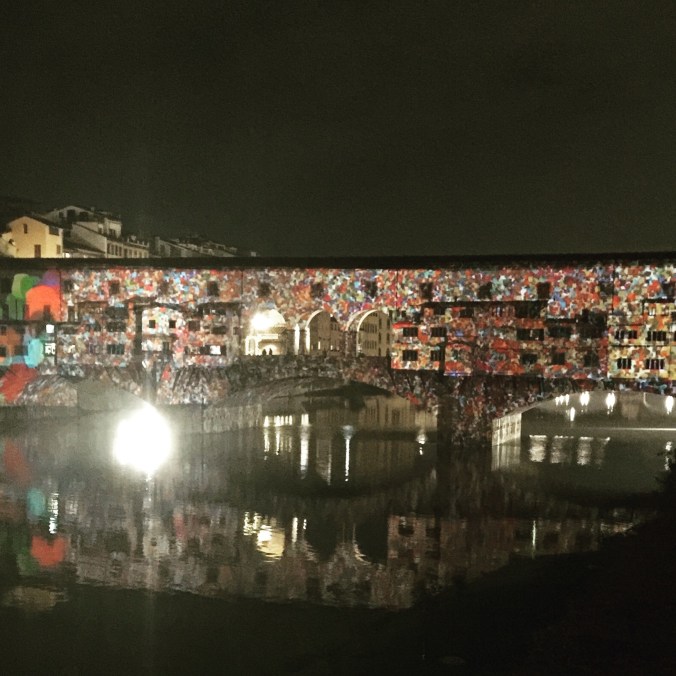
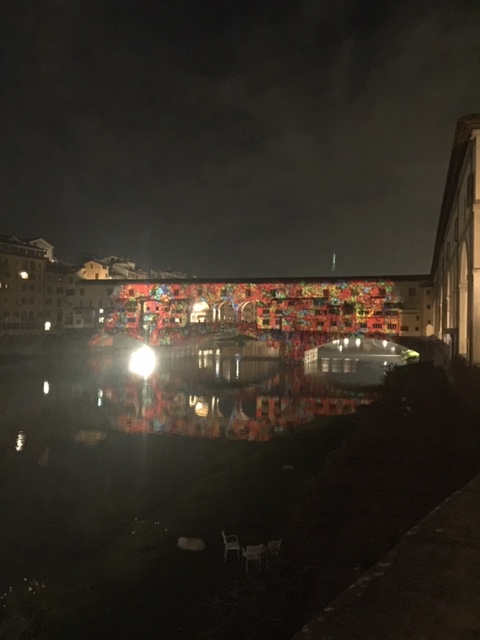
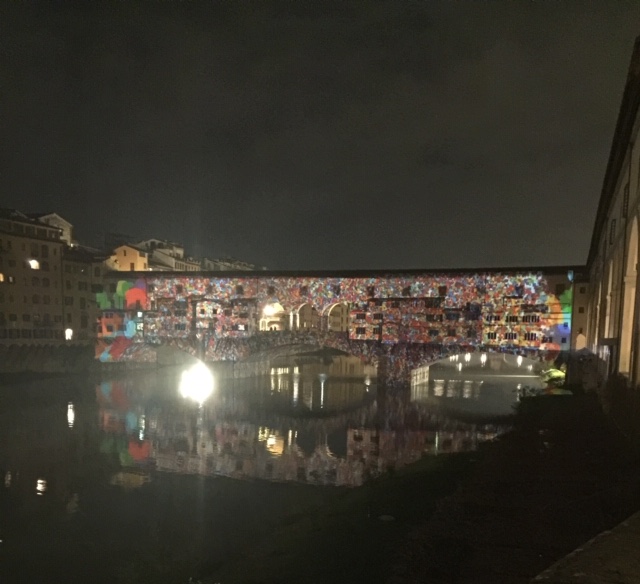
And the Palazzo Vecchio also is brightened up for the holiday:
The Palazzo Medici has a lovely tree in the cortile:
Milano, dicembre 2018; ready for Christmas
Arrived in Milan from Florence and admired the fabulous Milanese train station. It always awes me.
It was fun to see American Tomaso Edison inscribed as one of the world’s great minds.
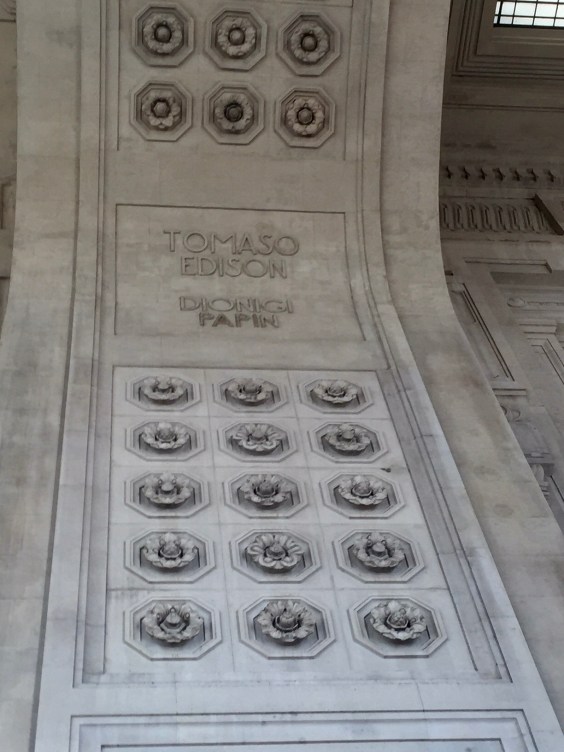
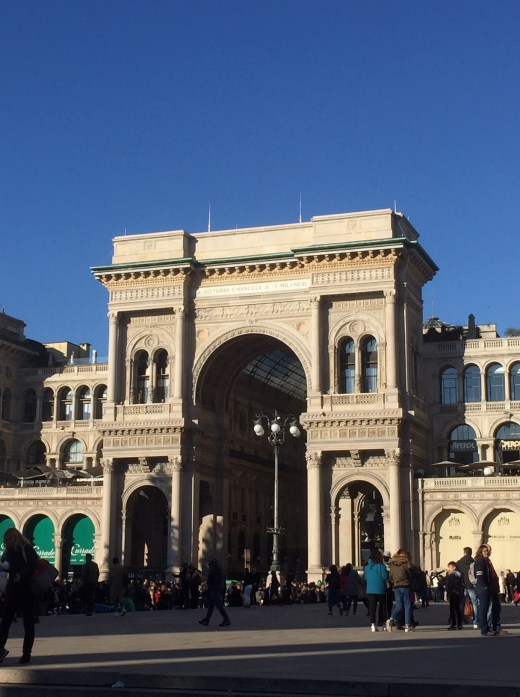
No time to linger: places to see, people to avoid (crowds that is!). Here’s the archway leading to the Galleria Vittorio Emmanuel; I’ll be back to admire the Christmas decorations when the sun sets. See below.
A quick glance of our first stop: il Duomo. We bought our tickets and got in line to wait for our turn to enter the cathedral and then climb to the roof.
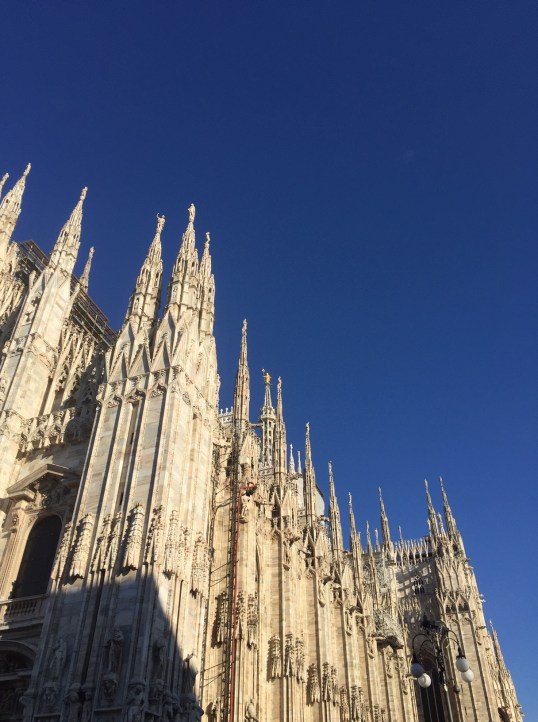
I’ll talk about the duomo in a separate post, coming soon.
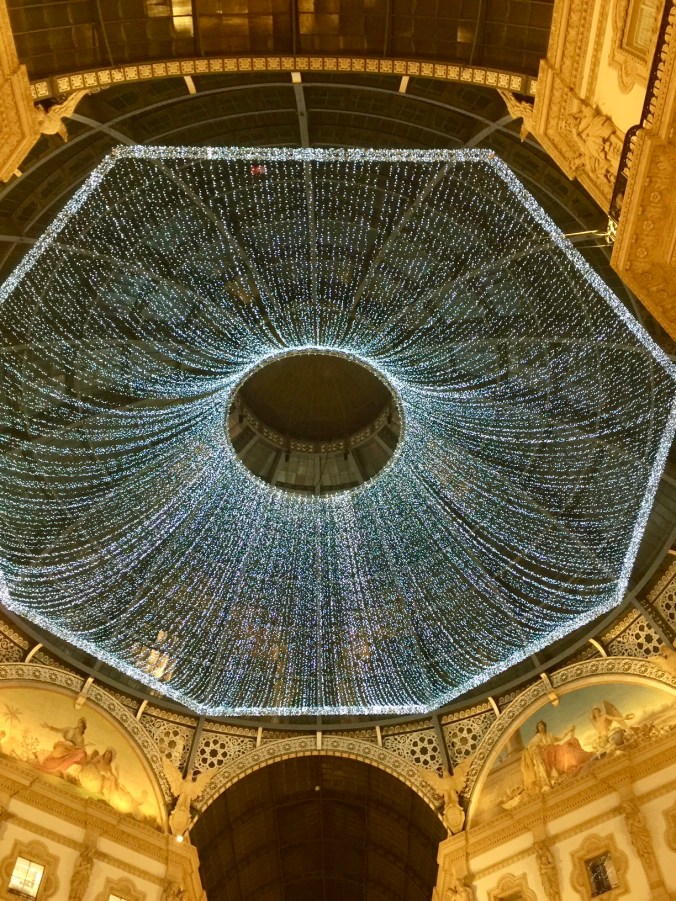
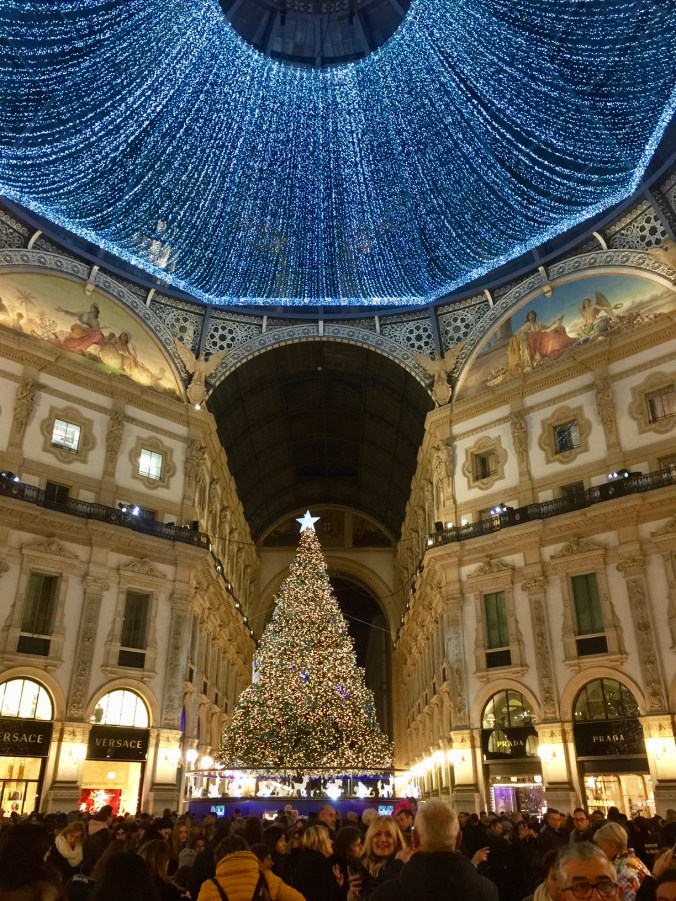
So, the duomo took up the entire afternoon and the sun set. Back into the Galleria to admire the amazing Christmas decorations.
Absolutely spectacular! Milan knows how to play up its strong points!



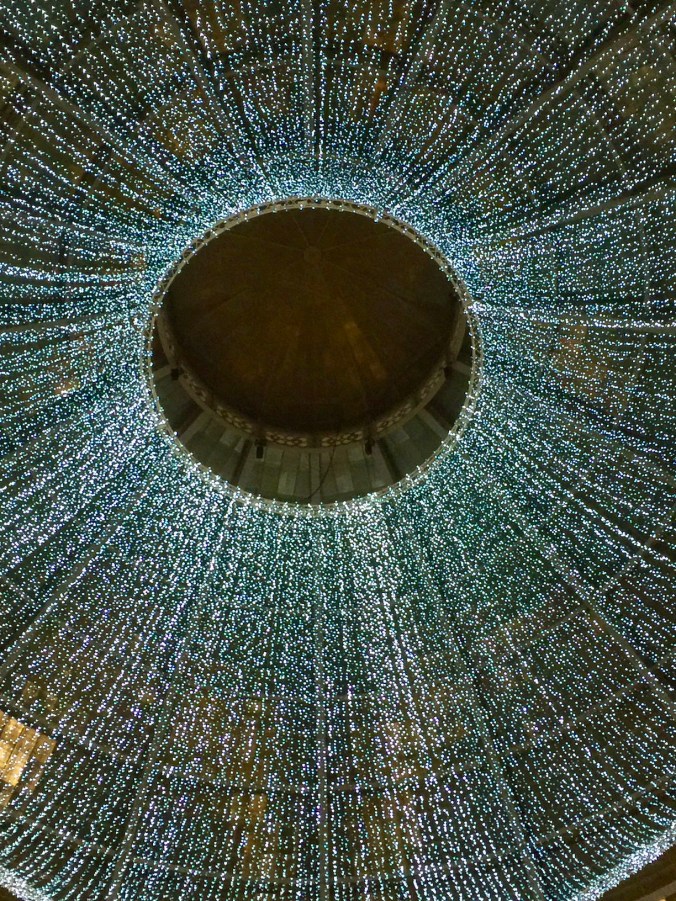
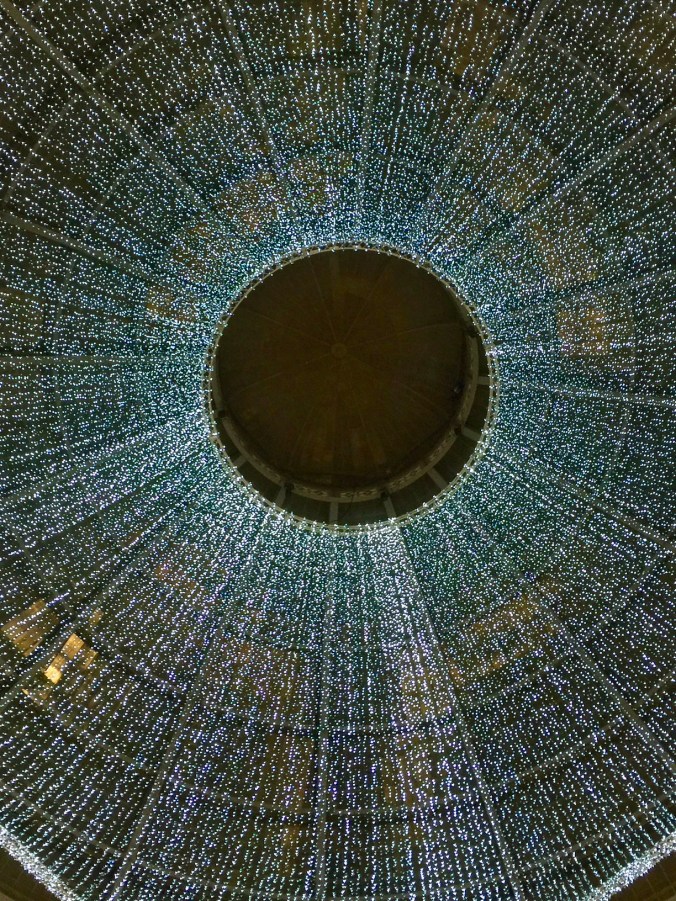
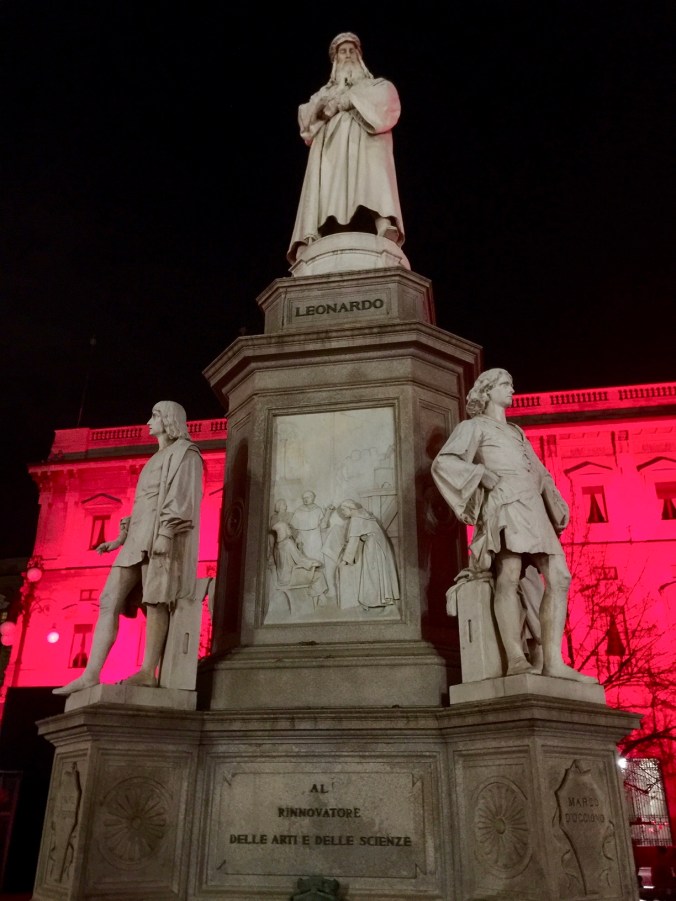
Milano plays host to one of the great Florentine artists: Leonardo da Vinci.
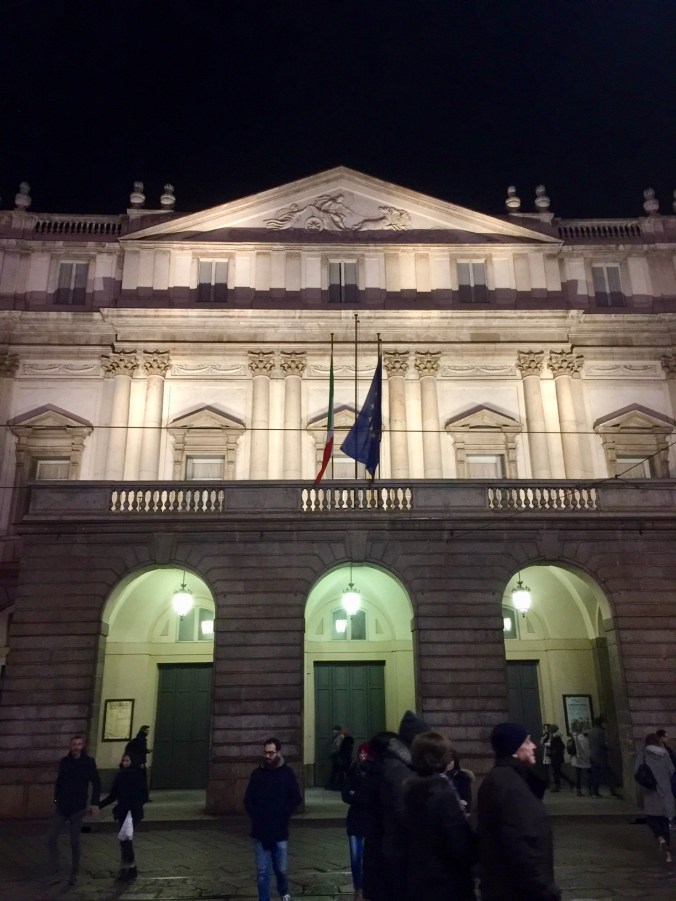
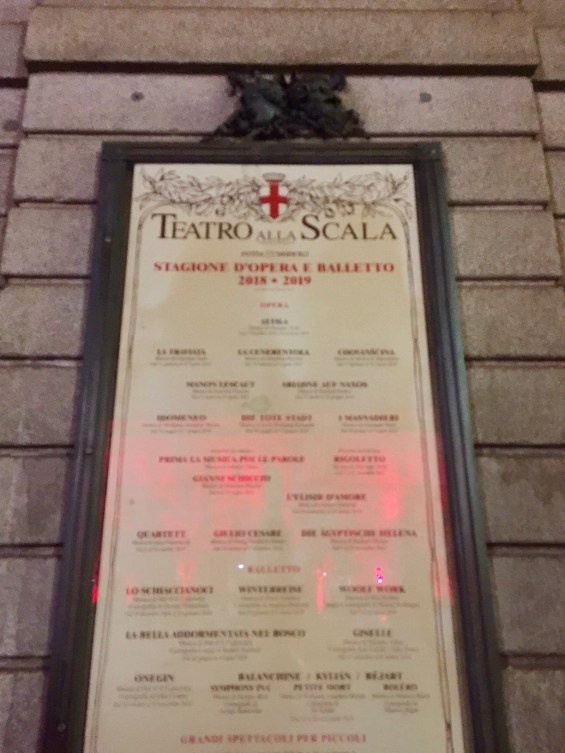
La Scala is nearby to add its gravitas:
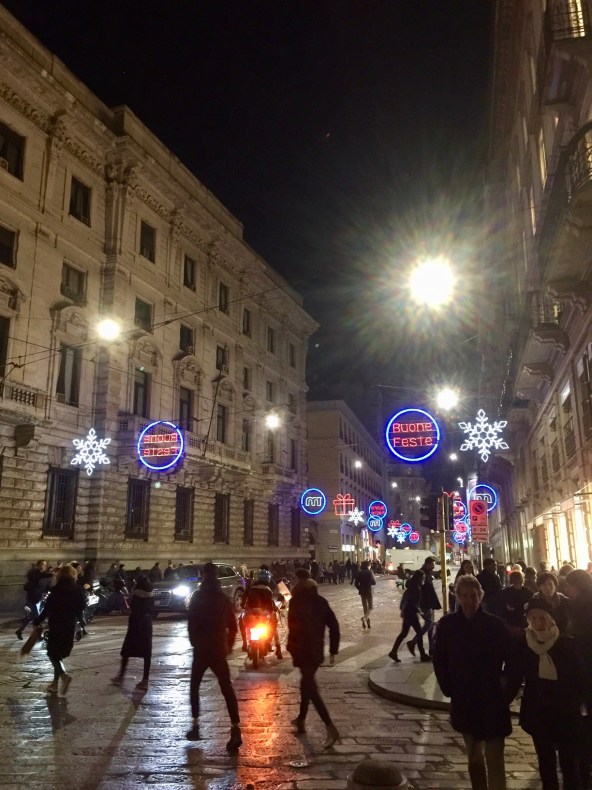
The downtown streets of Milan have a modern Christmas vibe:
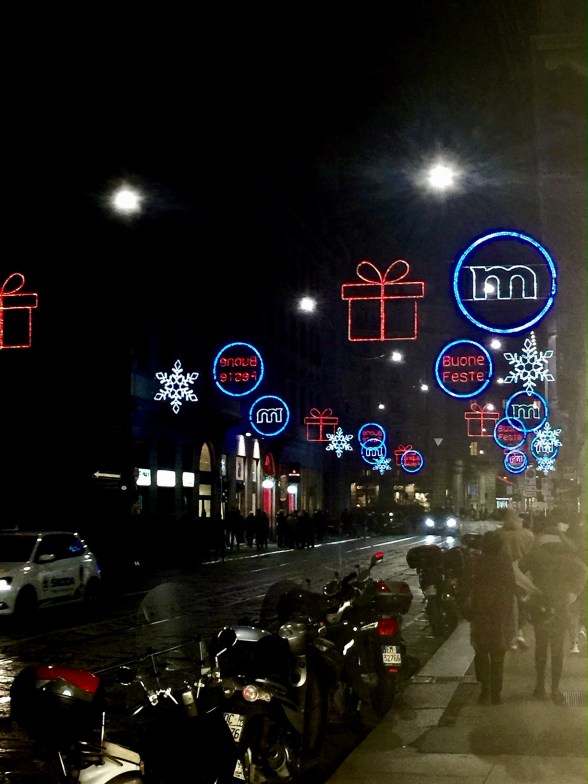
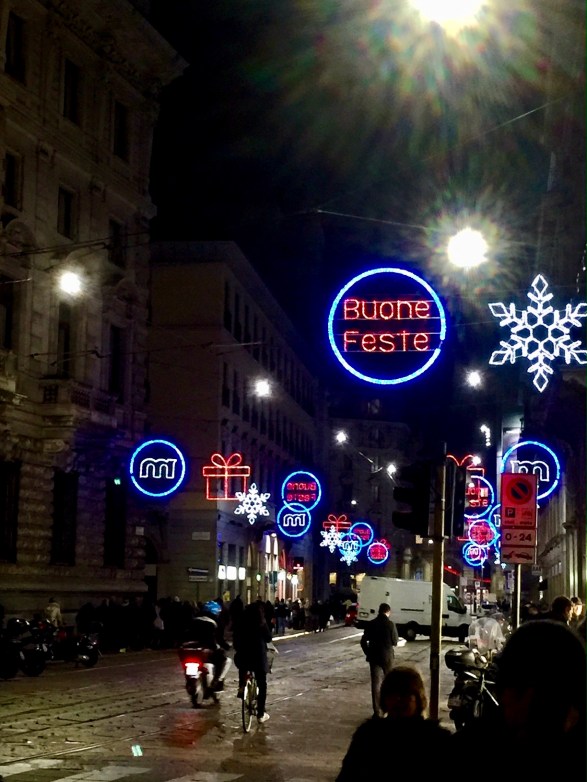
Back inside the Galleria, we approach the Dolce and Gabbana store, all lit up and no place to go. D&G has no need to go anyplace: the crowds throng to it!
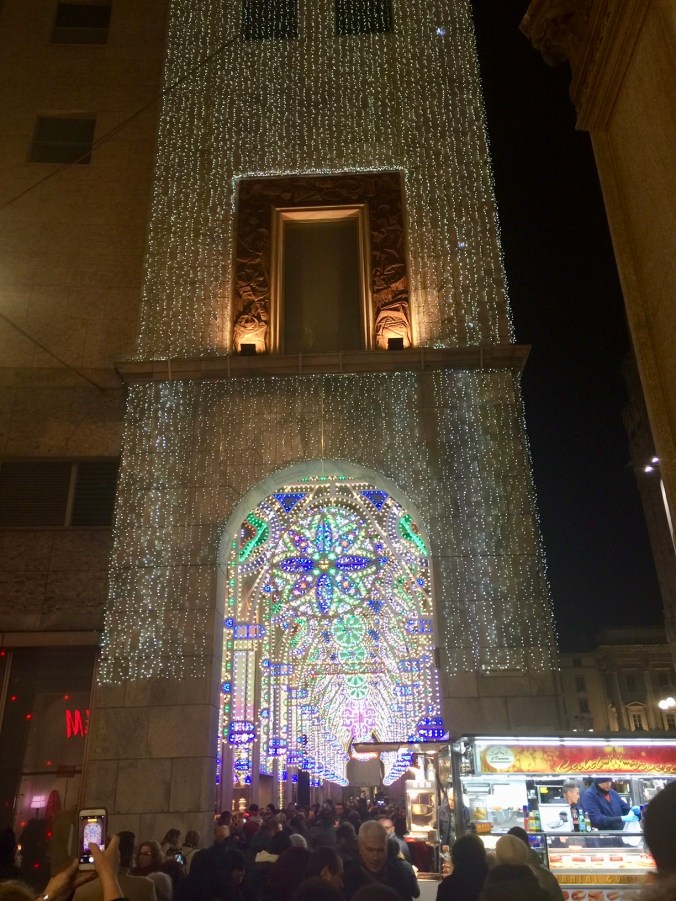
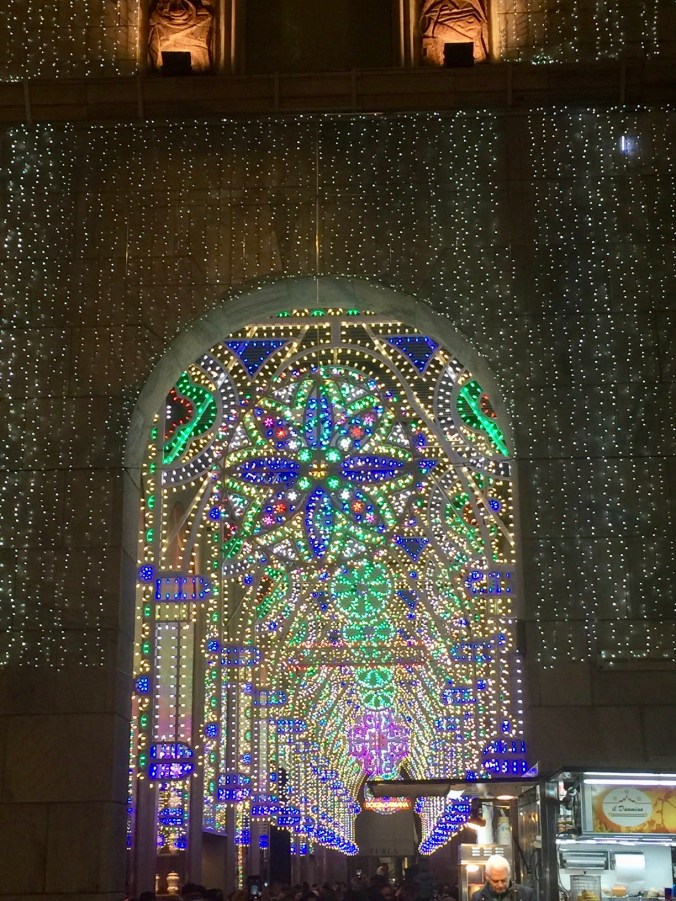
You can see D & G’s neon sign at the end of these over-the-top decorations.
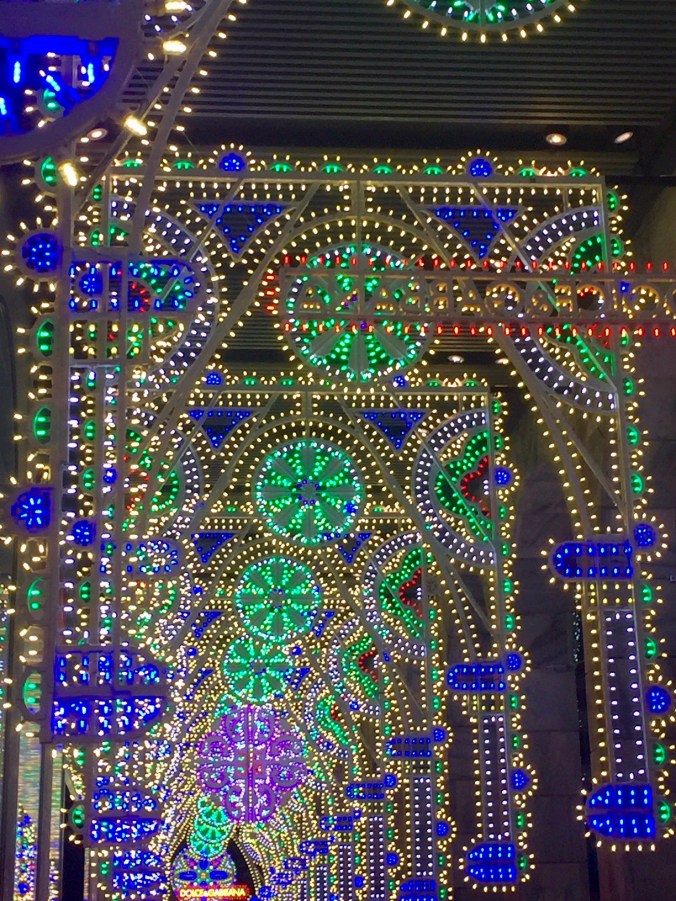
See it?
And that’s how Milano preps for Xmas!
Crèche scenes in Italy
Every church, chapel, and town in Italy has a crèche scene. Sometimes an entity can have multiple crèche scenes. They are always fun to examine.

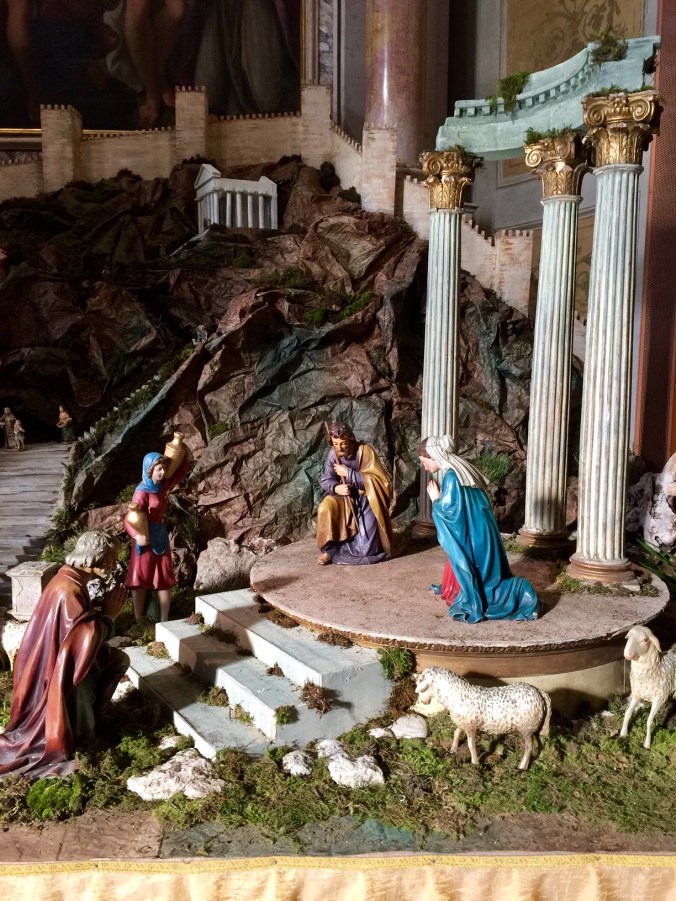
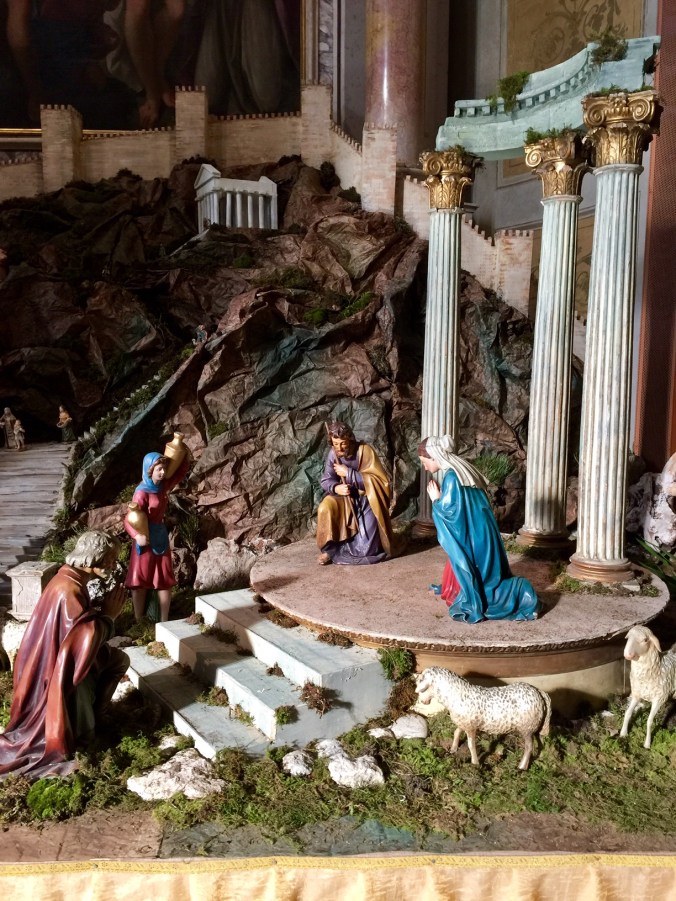
Last week in Vernona, I saw this crèche in the duomo there. It is a sweet crèche and reminds me to tell something I have only seen in Italy. The figure of the baby Jesus is always left out of the scene until midnight on December 25. Only then can the baby be added, for indeed, he was “just born.”
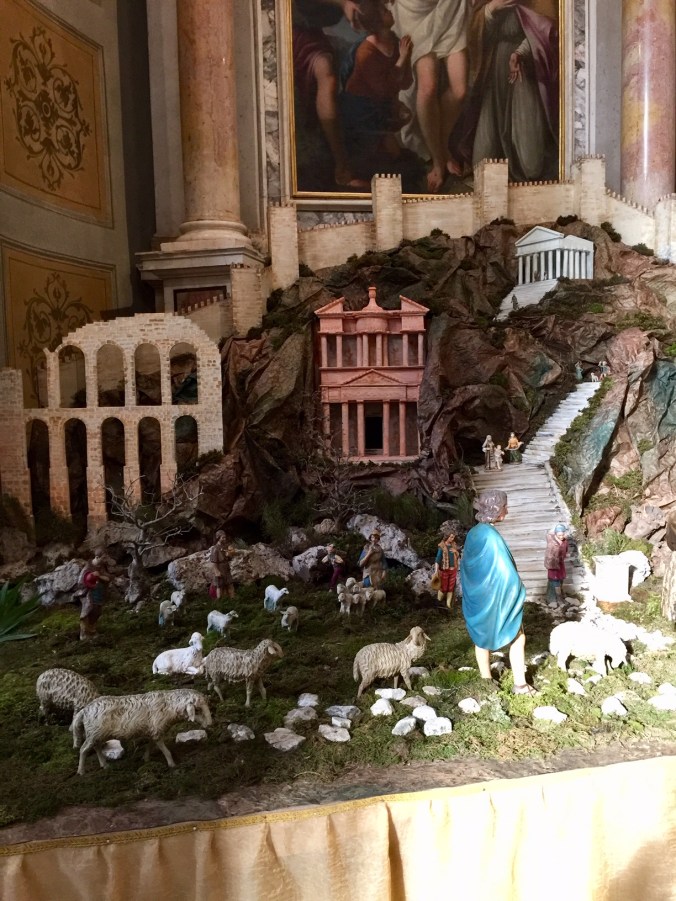
Verona, Italy in December
What a lovely small city is Verona. I understand why Shakespeare chose it as his setting for Romeo and Juliet!
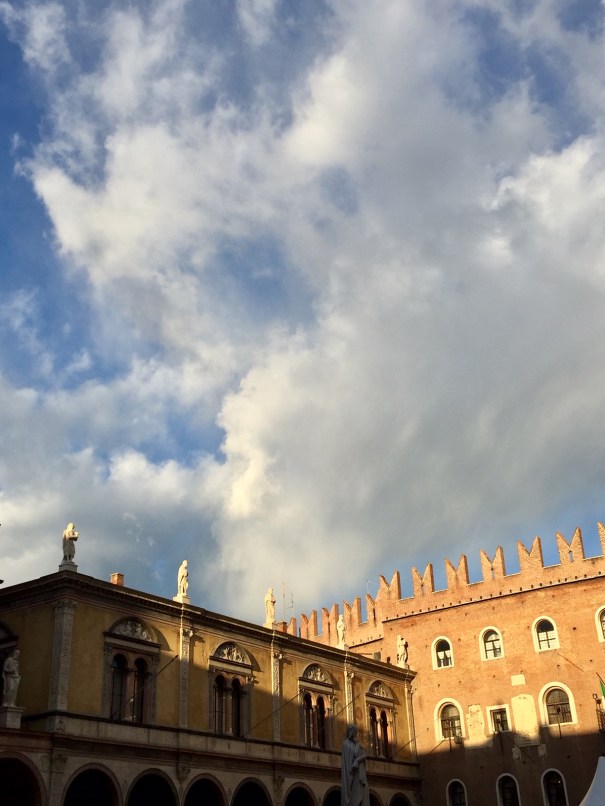
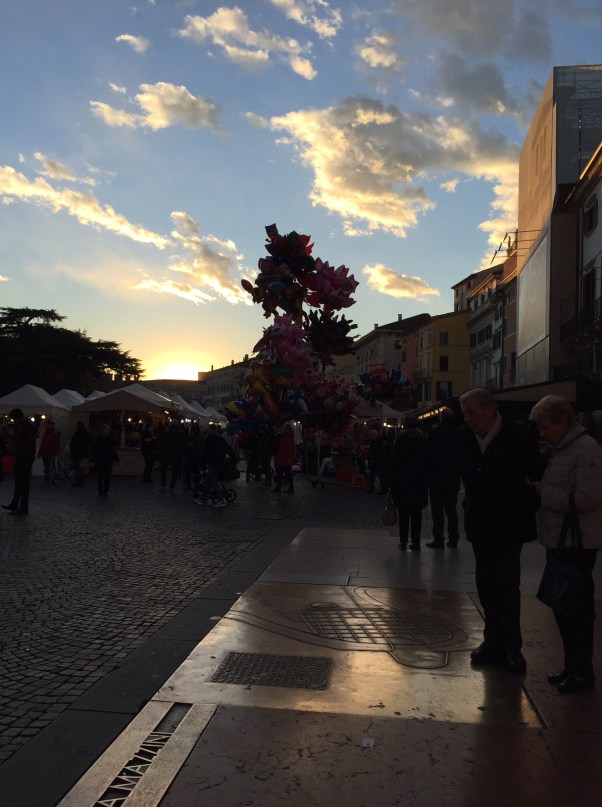
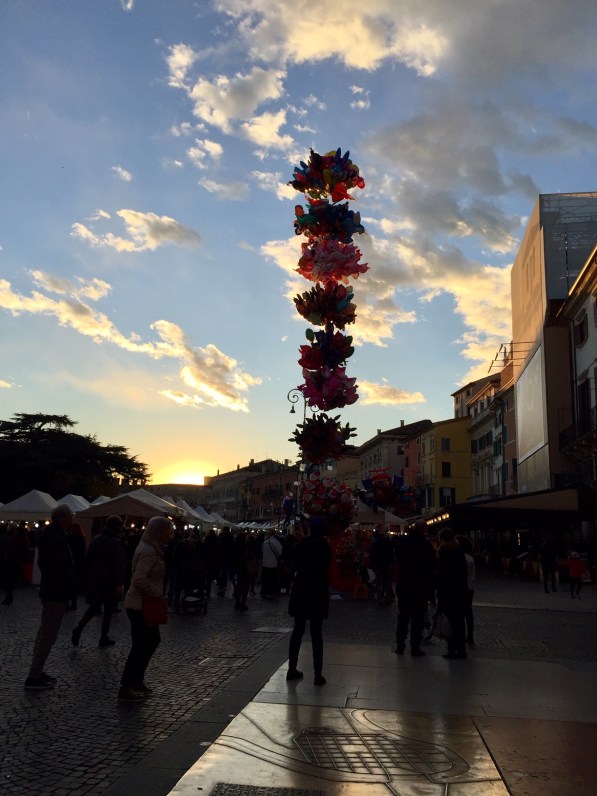
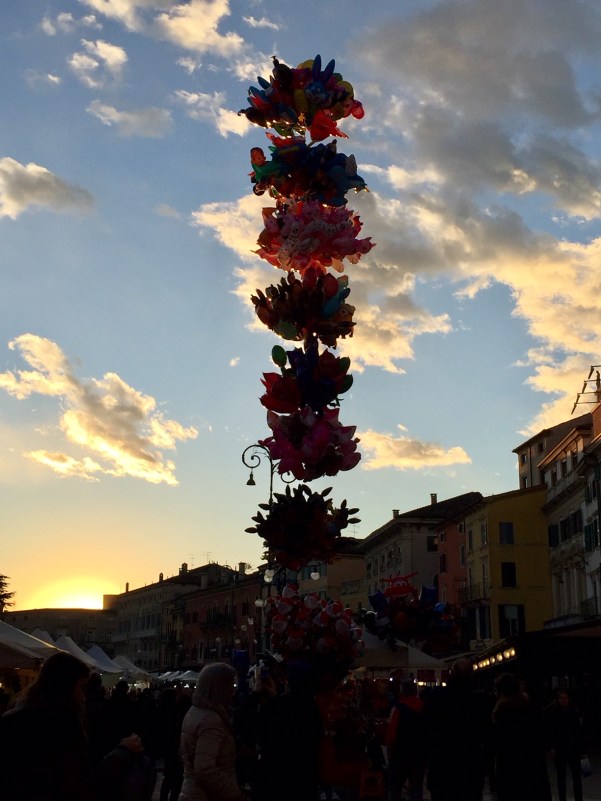
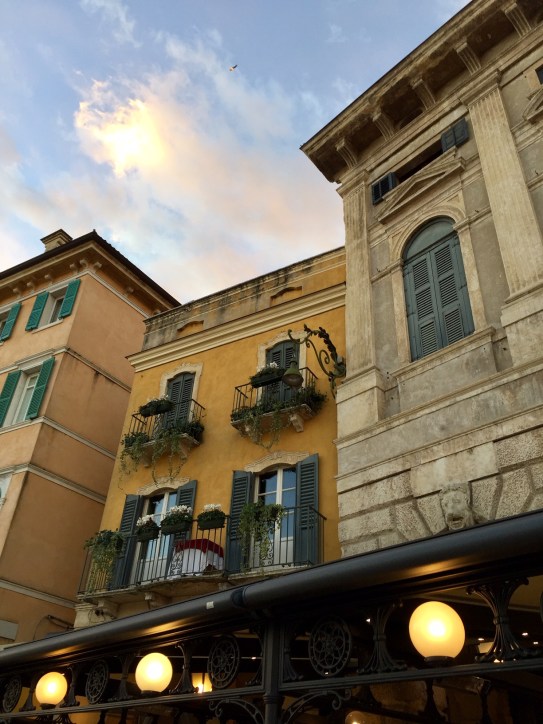
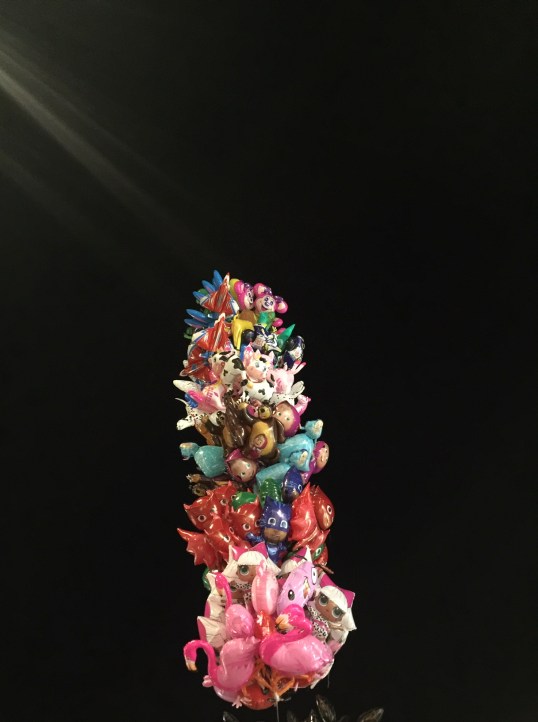
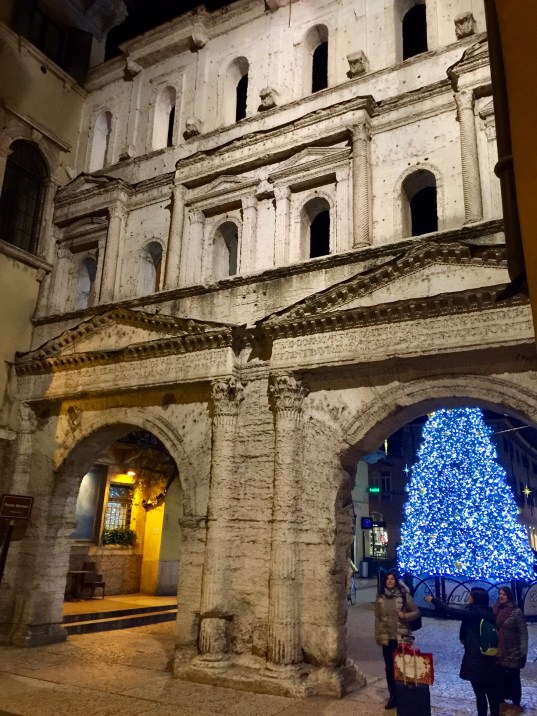
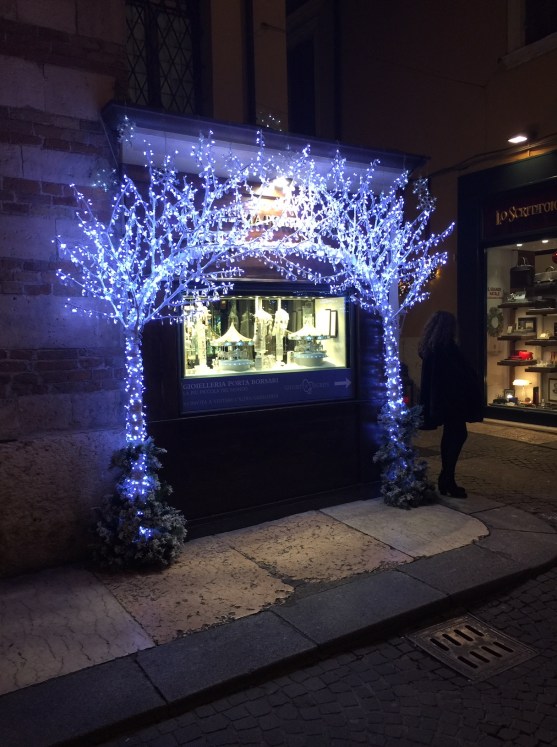
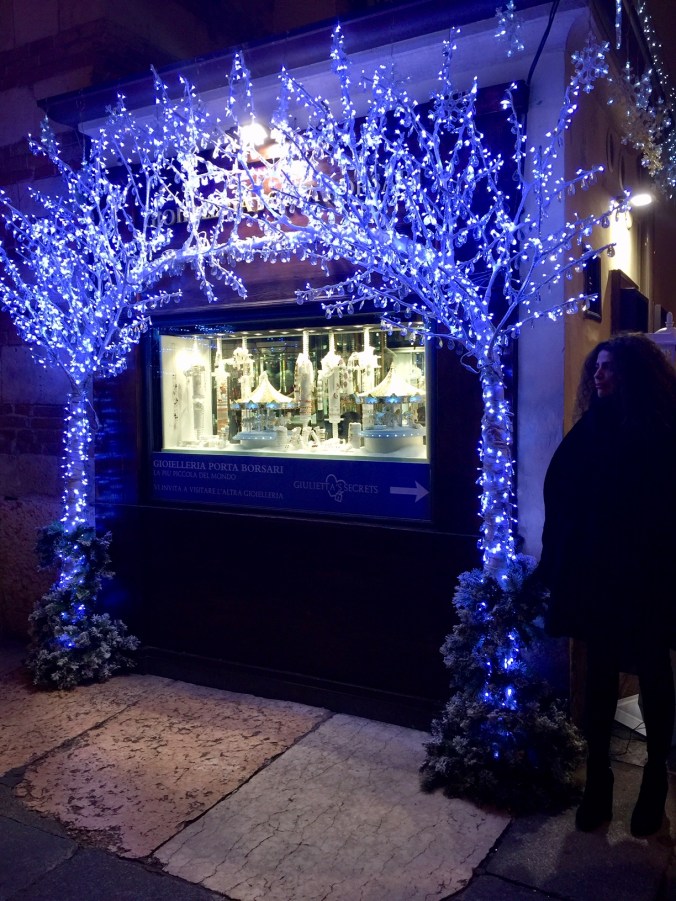
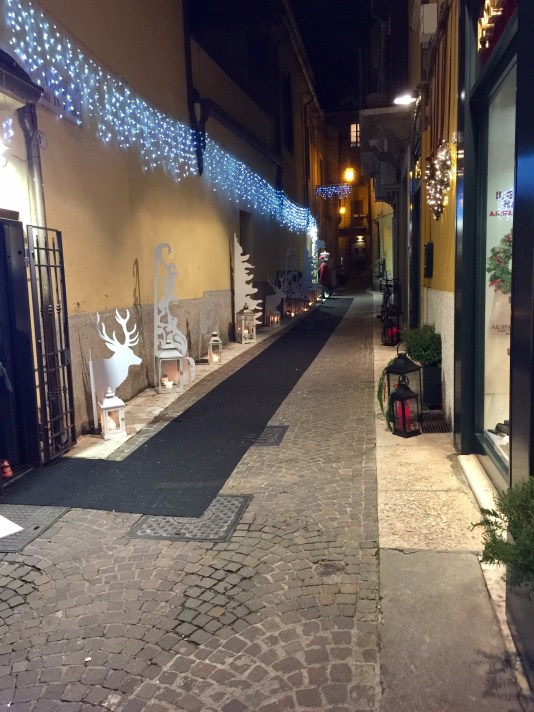
I had the good fortune to spend a few days in Verona recently and the city was all decked out for Christmas.
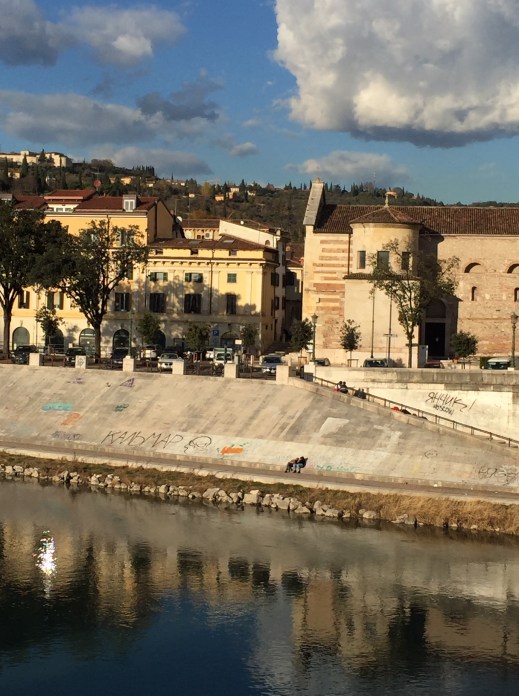
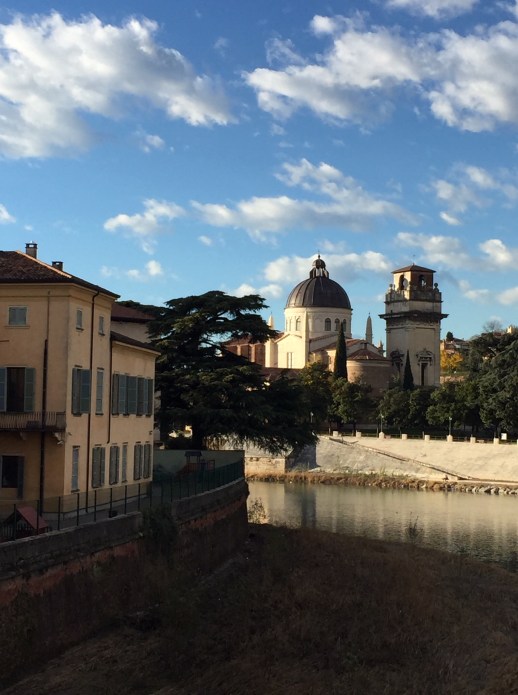
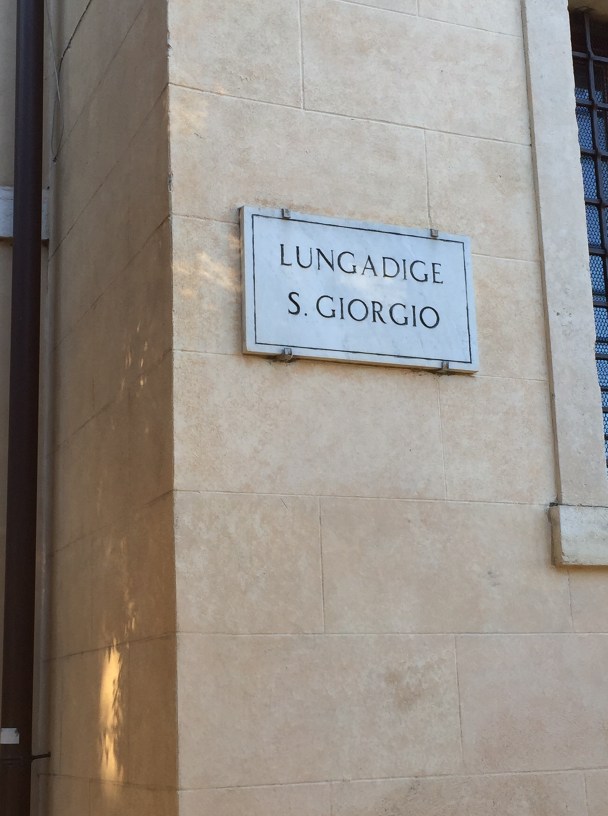
To begin, here is our home away from home, with a beautiful terrace next to the Adige River. A large persimmon (cachi in Italiano) tree attracted many local ucelli!
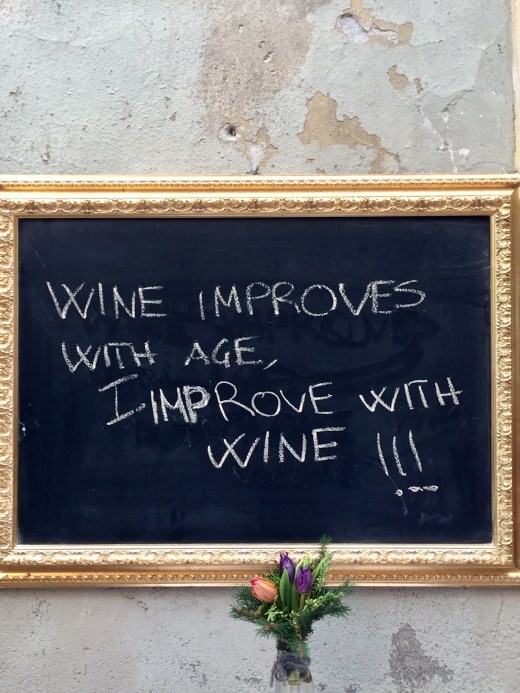
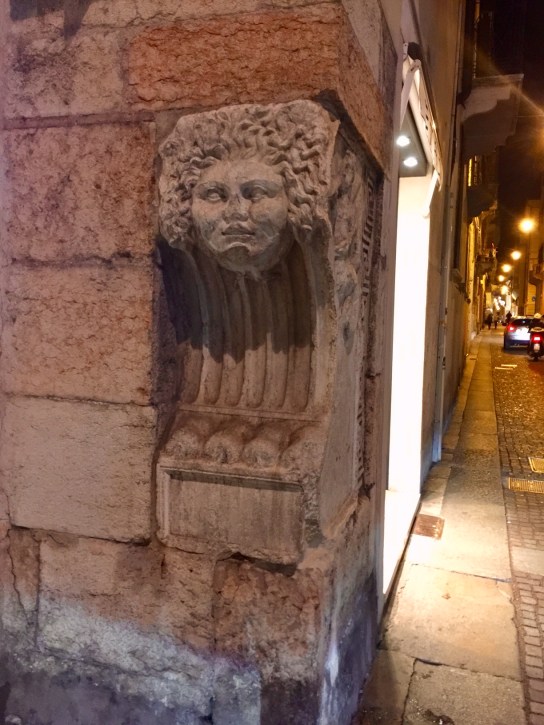
Here are some of my favorite pictures:


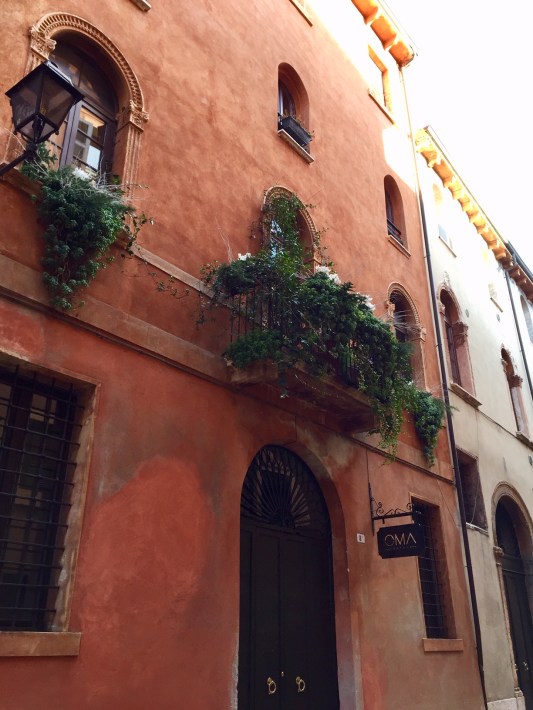


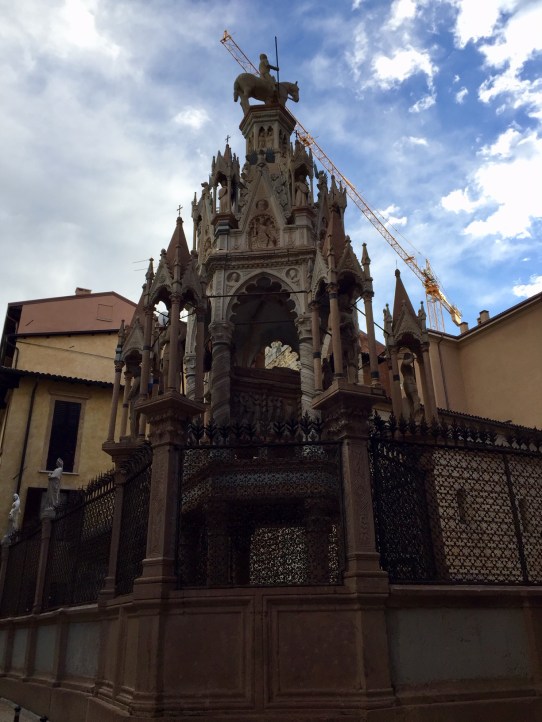

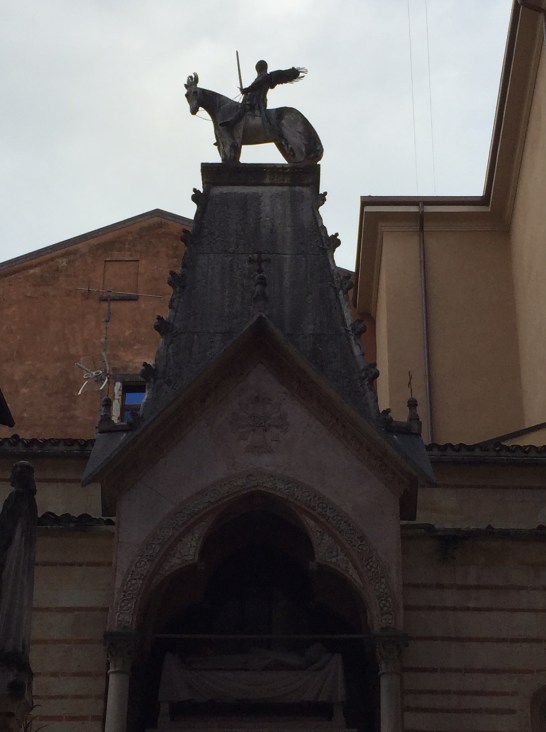
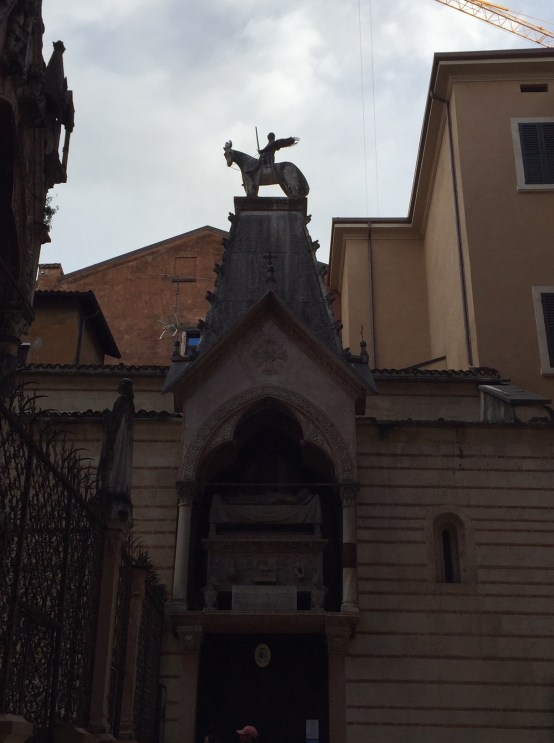
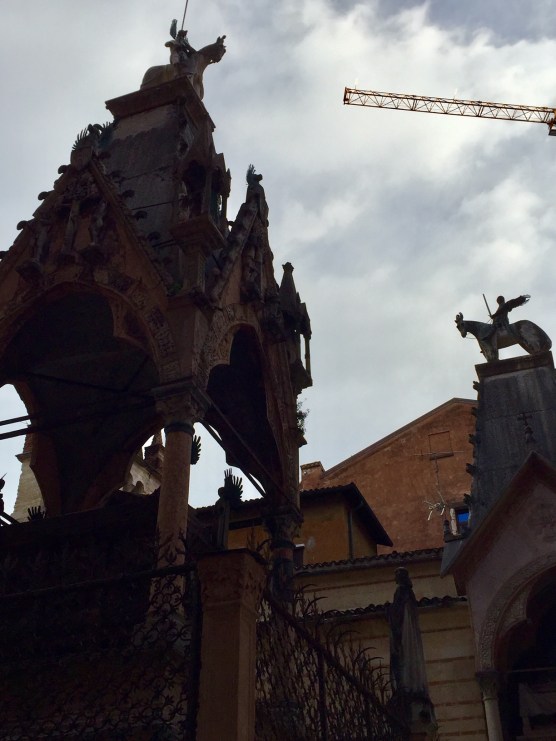
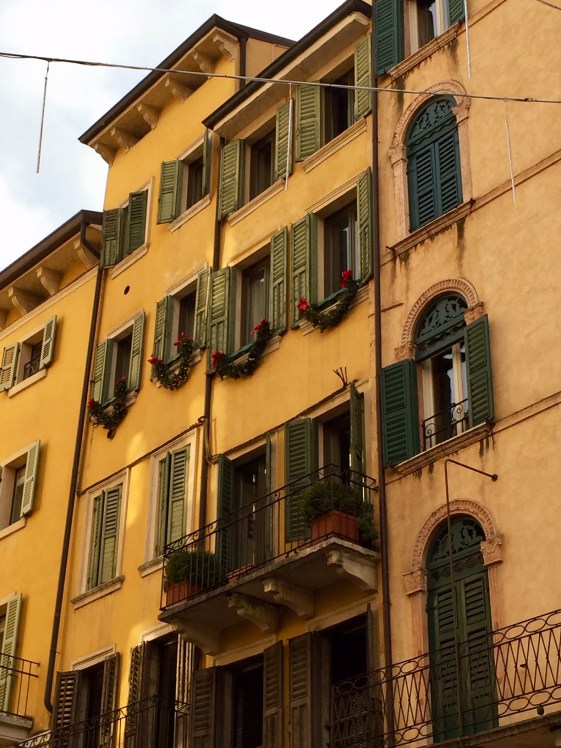
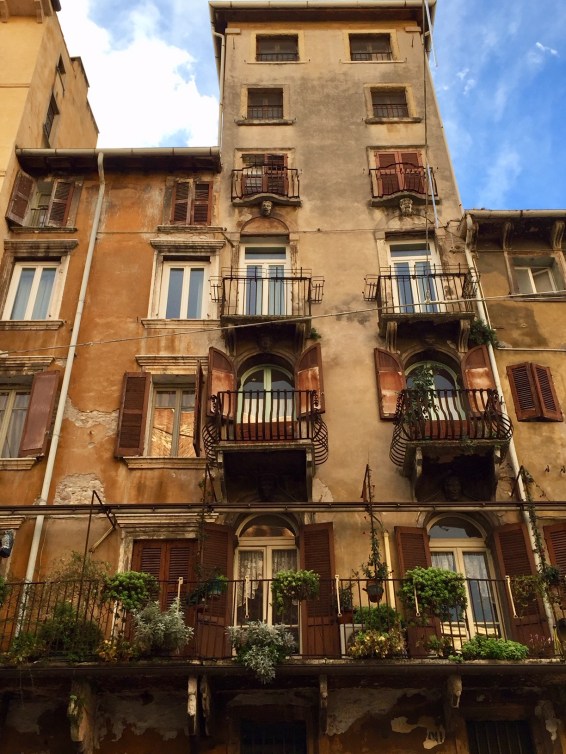
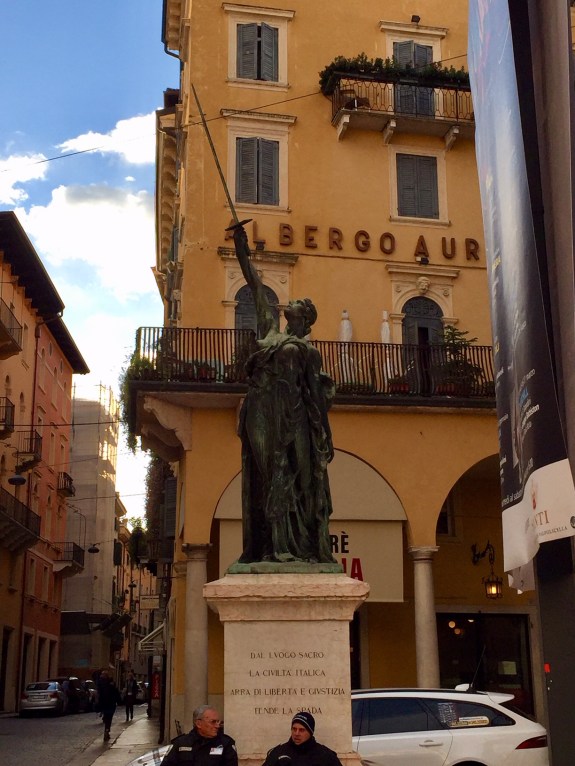
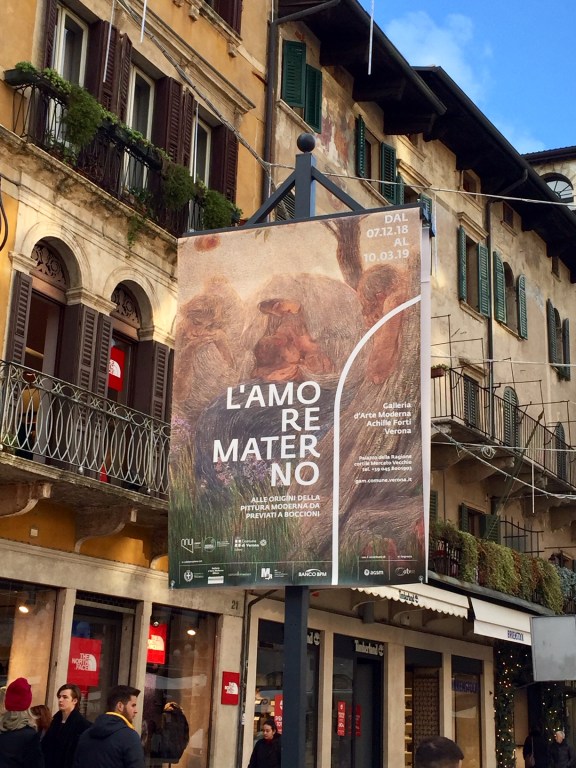
L’amore materno–Mother Love
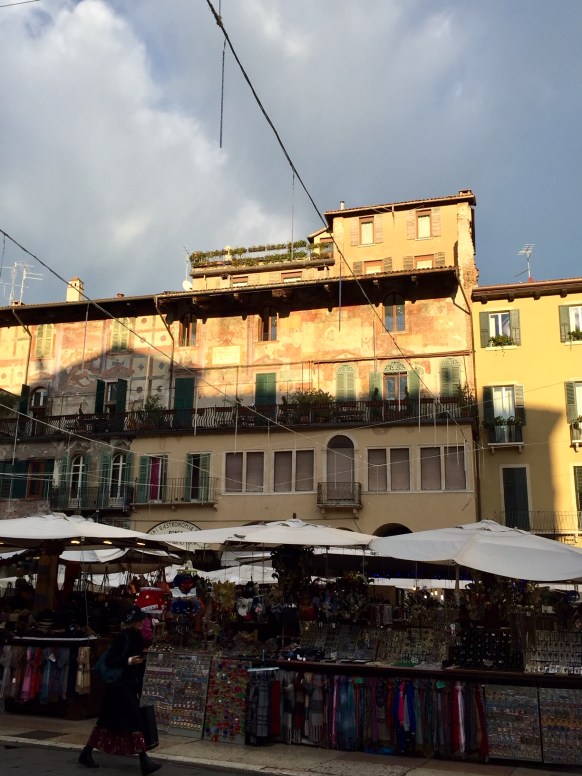
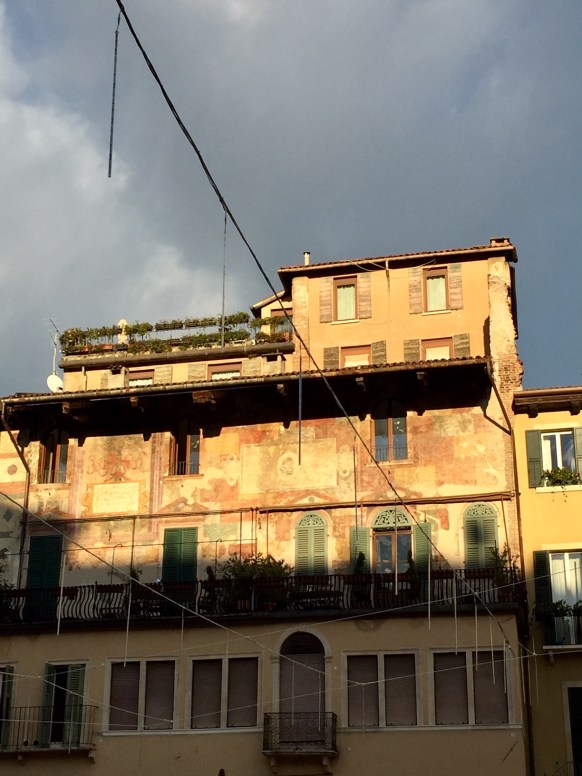
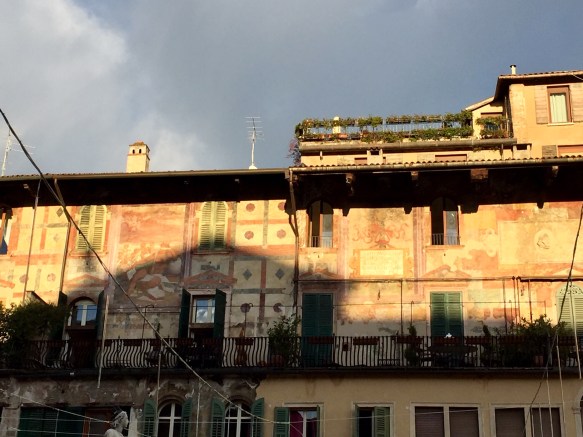

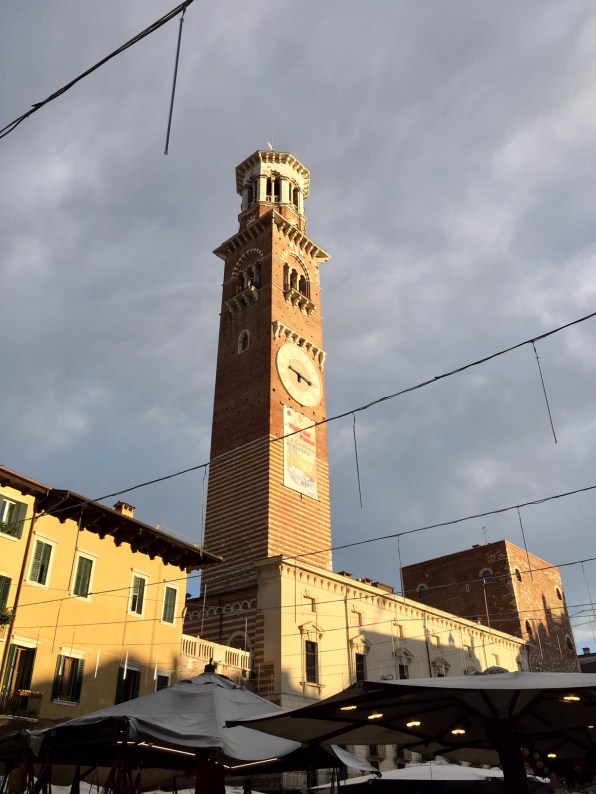

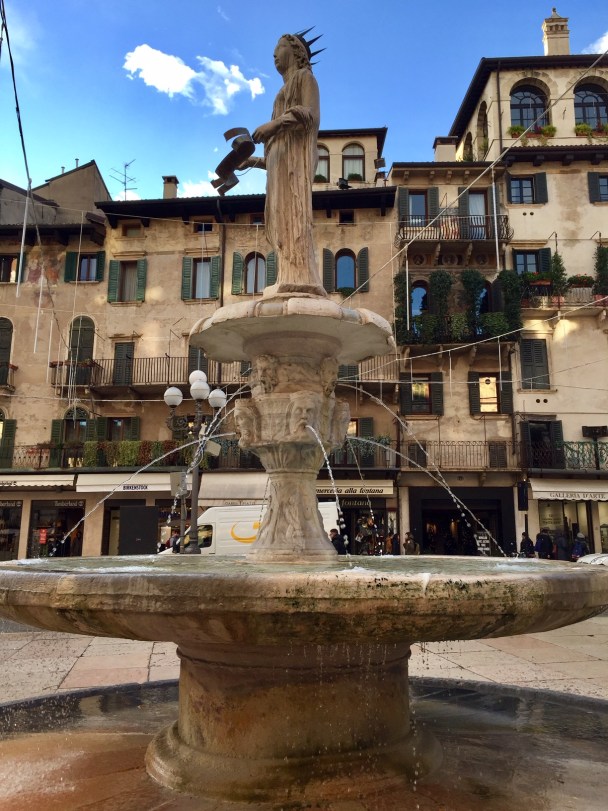
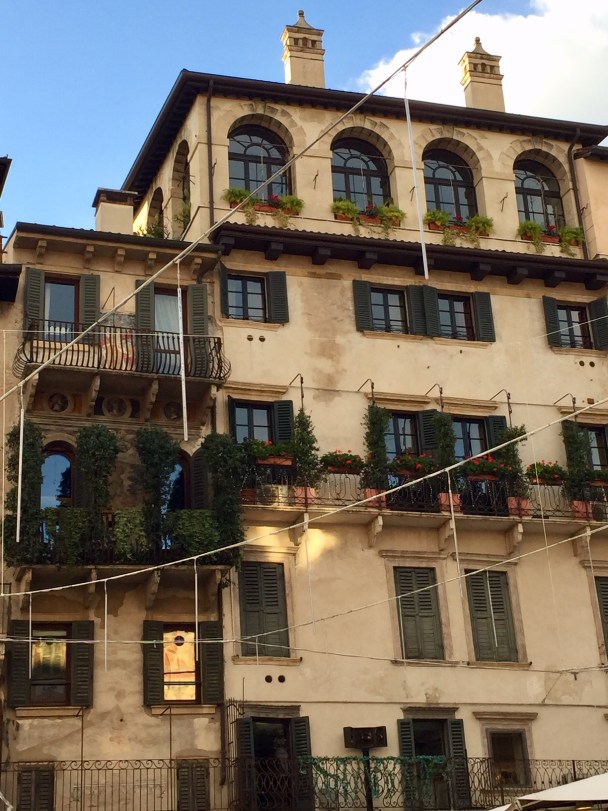

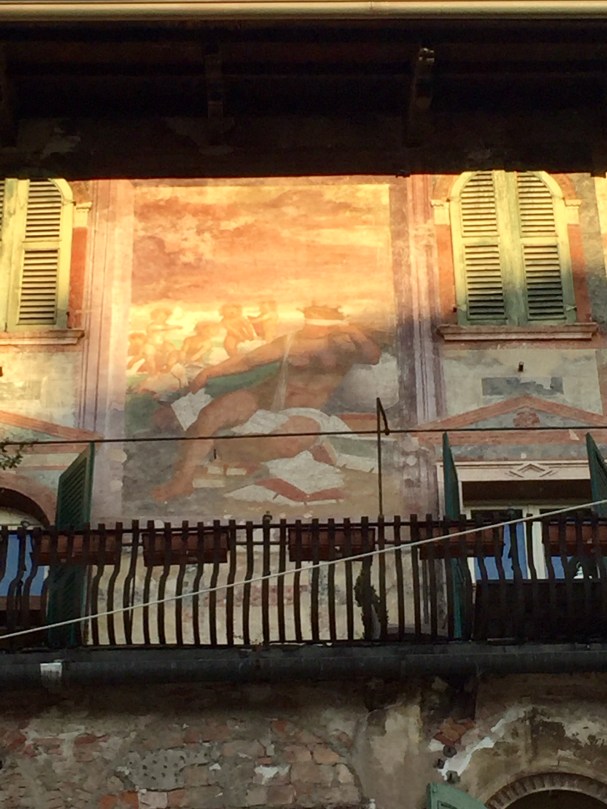









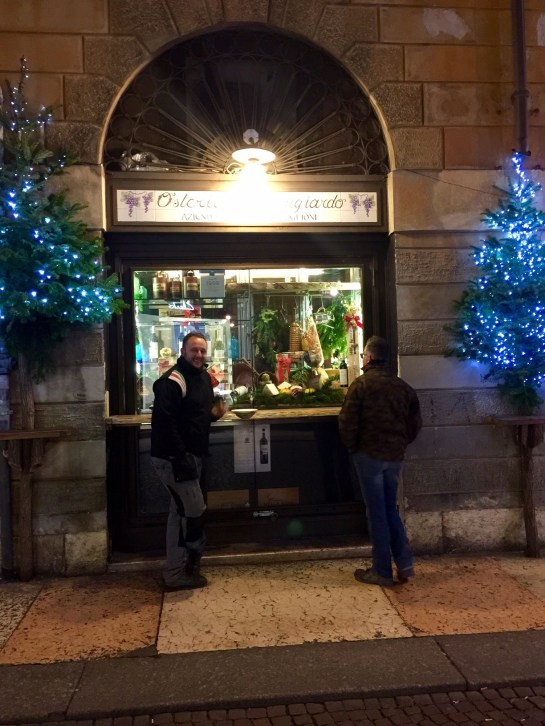

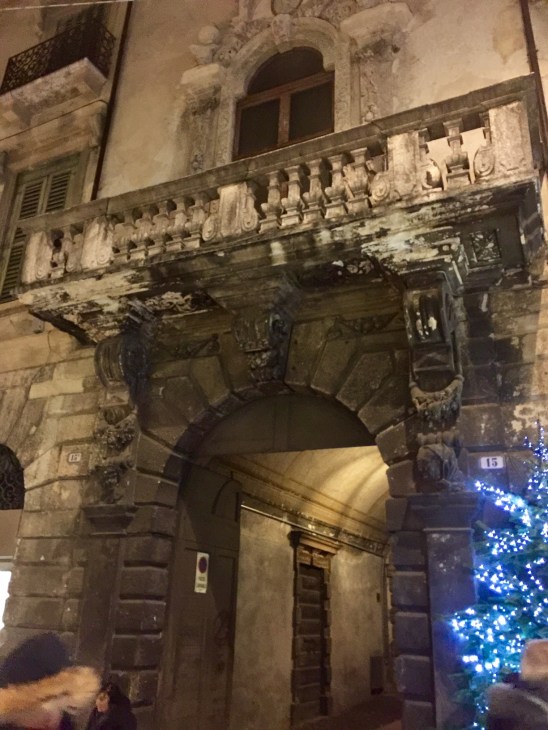
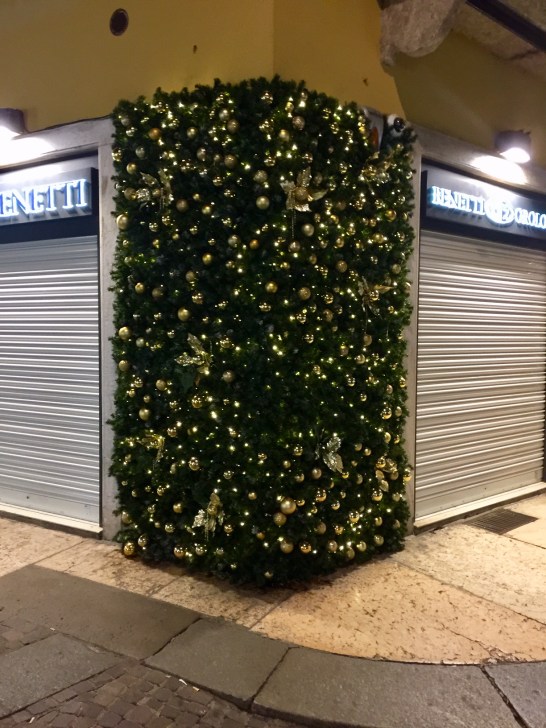


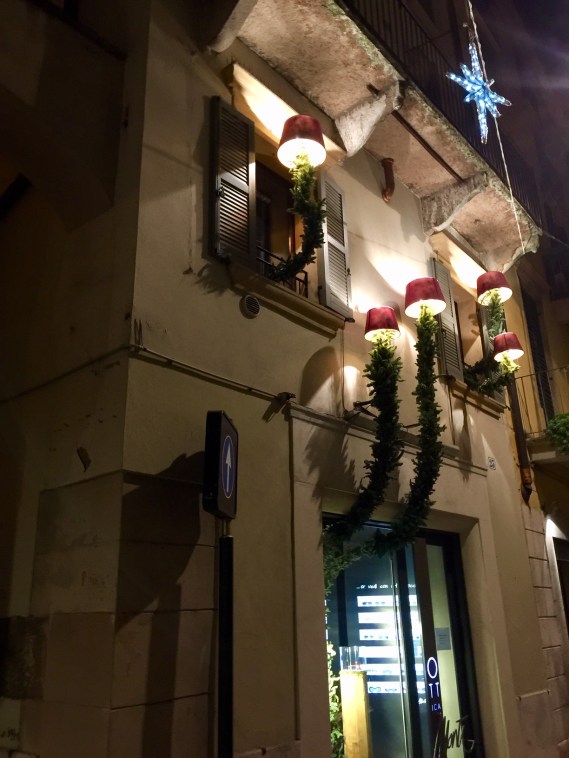
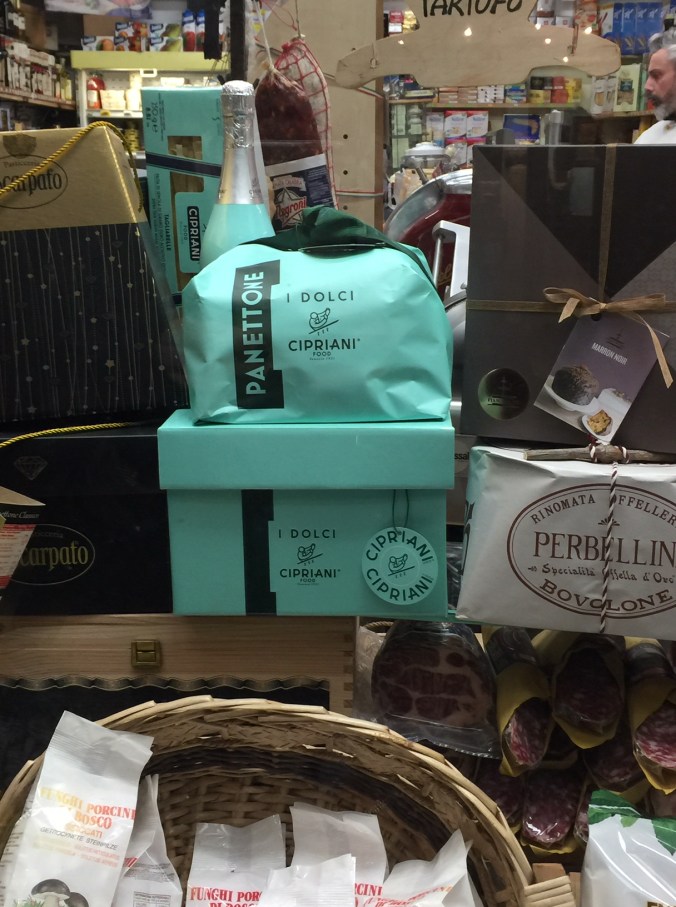

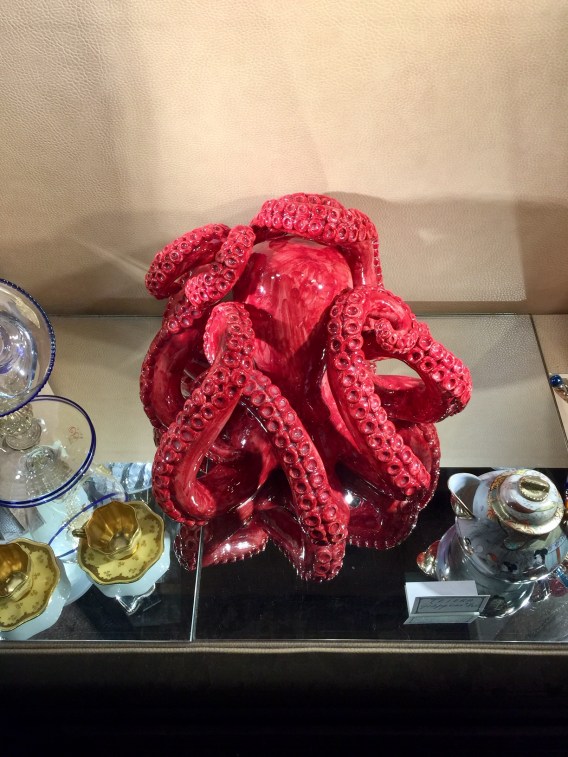
I love a decorative octopus!
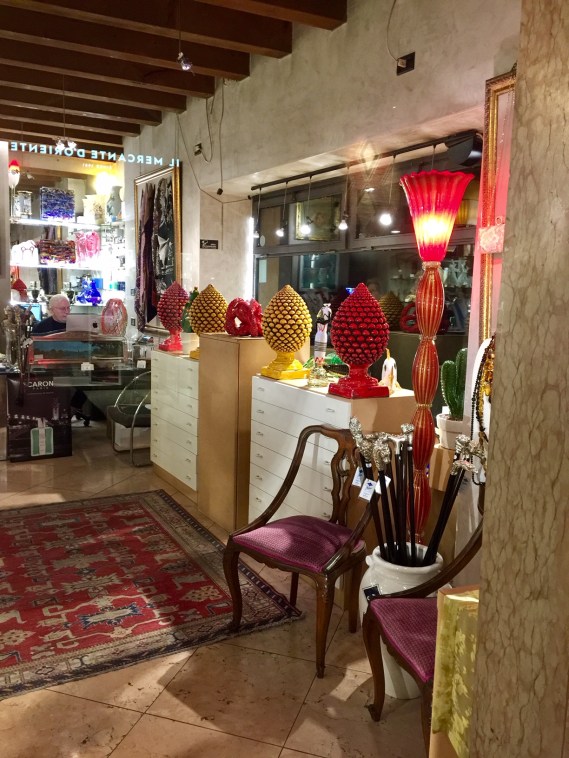
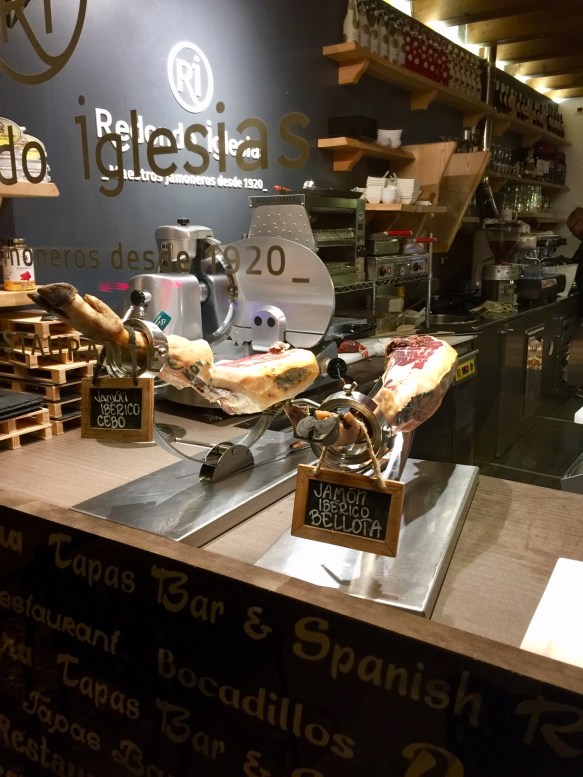
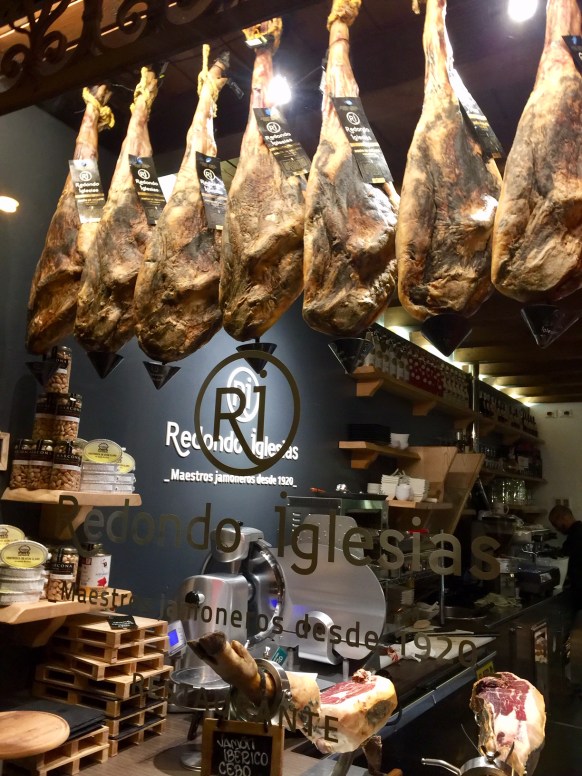
Check out the foot still attached to this prosciutto! OMG!

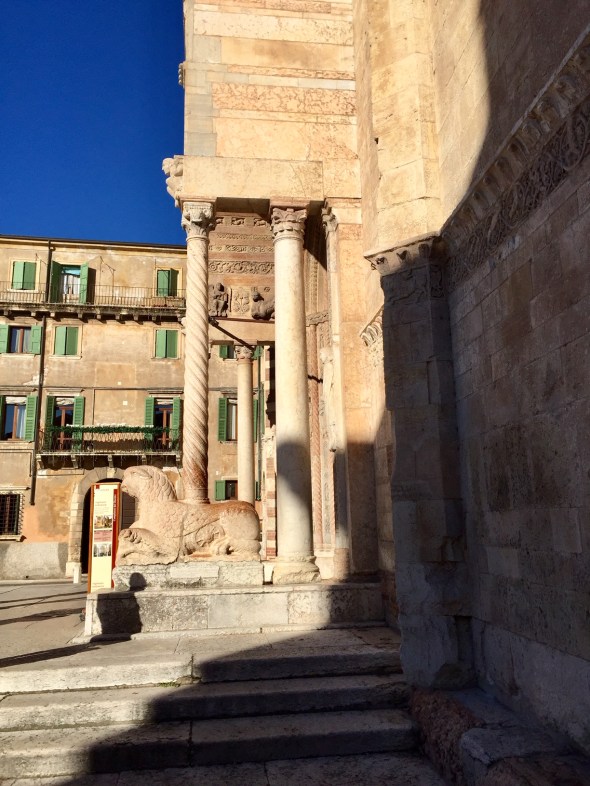
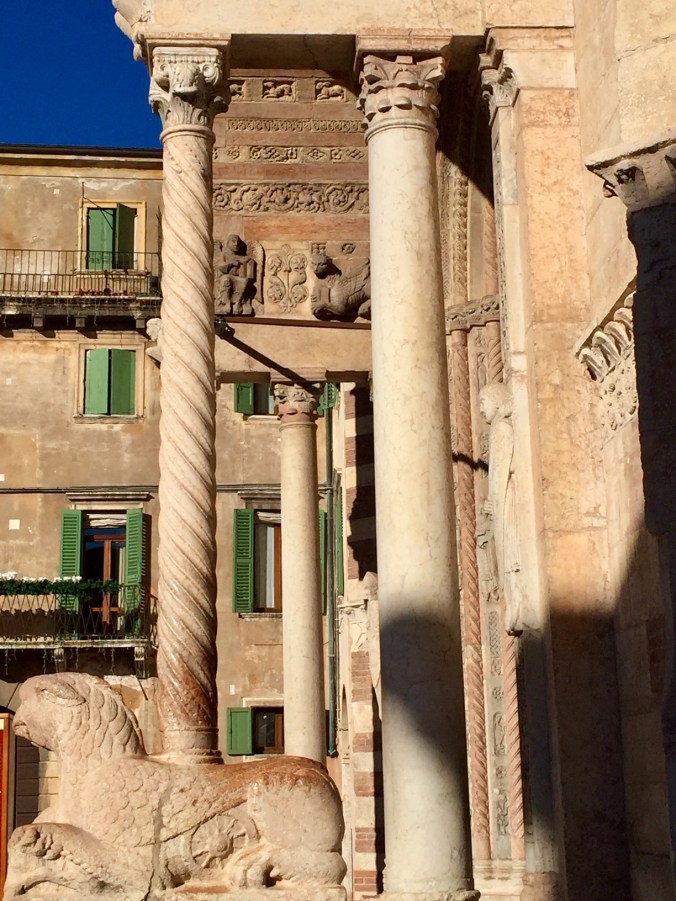
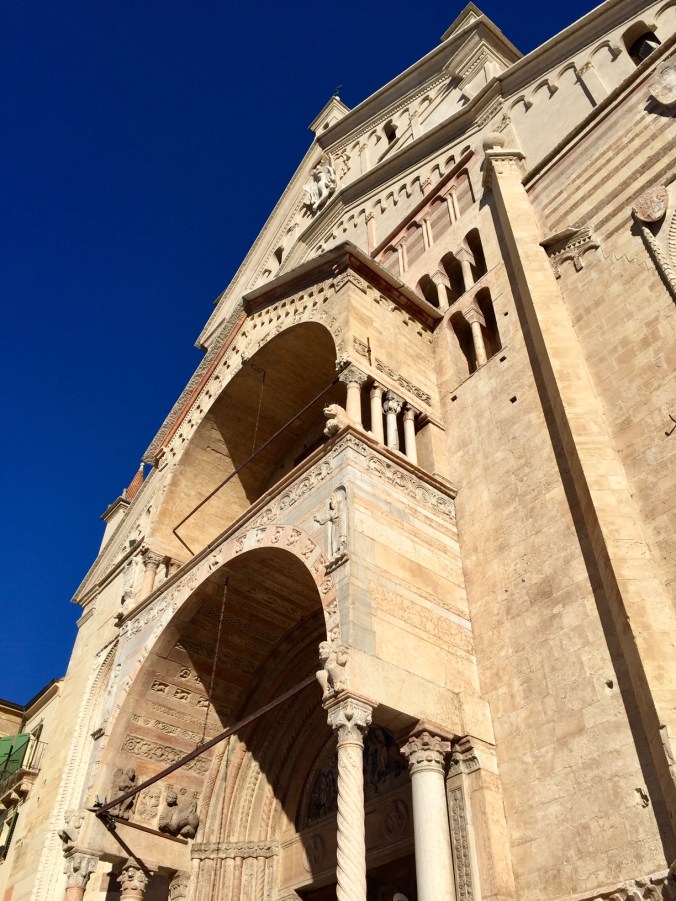
Verona’s magnificent Duomo below:

The bell tower:
The apron front of the facade reminded me of church architecture in Lucca.
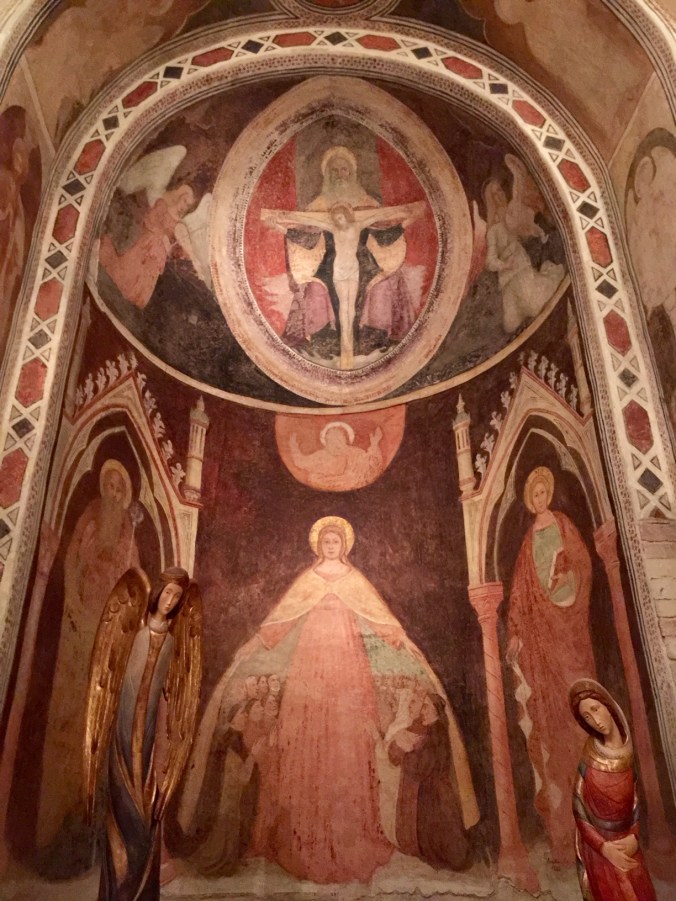
The altar below is painted and has matching sculptures in front. I’d never seen anything like this before.
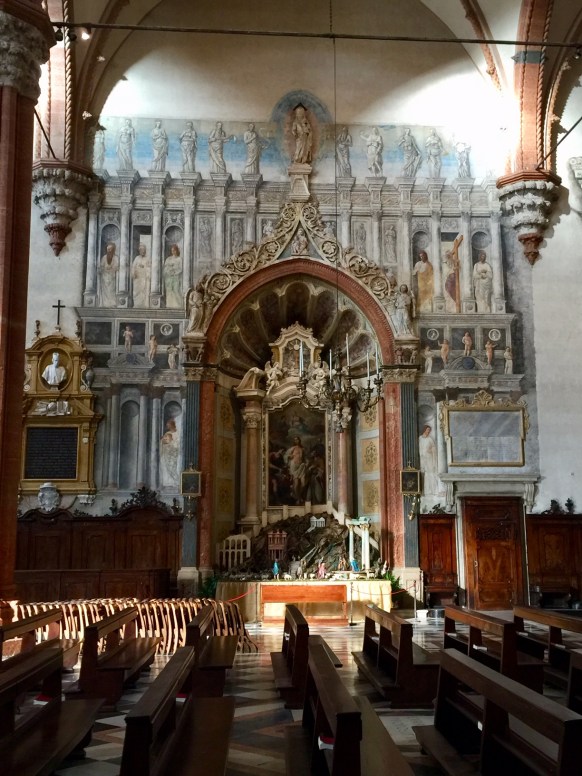
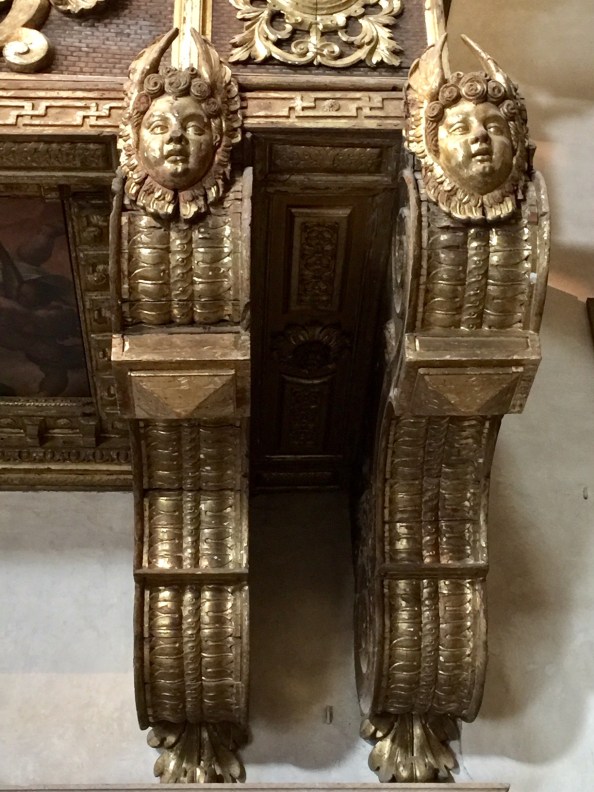
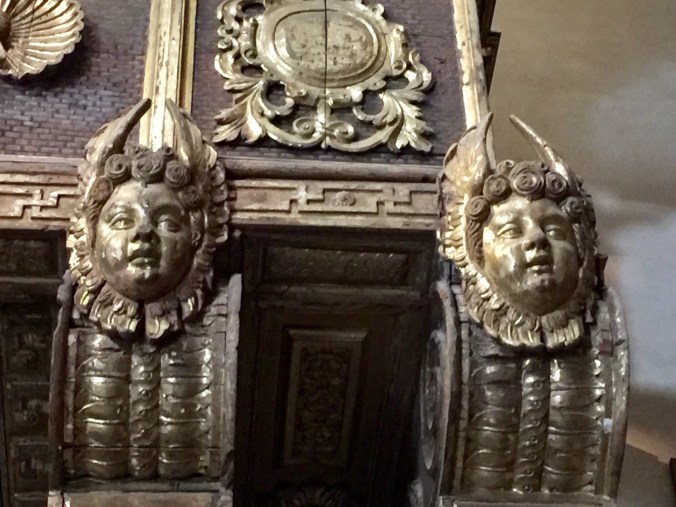
The altar below beckons from across the church. Such lavish gold, again, I’ve never seen anything quite like this and I’ve seen a lot of altars in my day. I love that Italy is always surprising me.
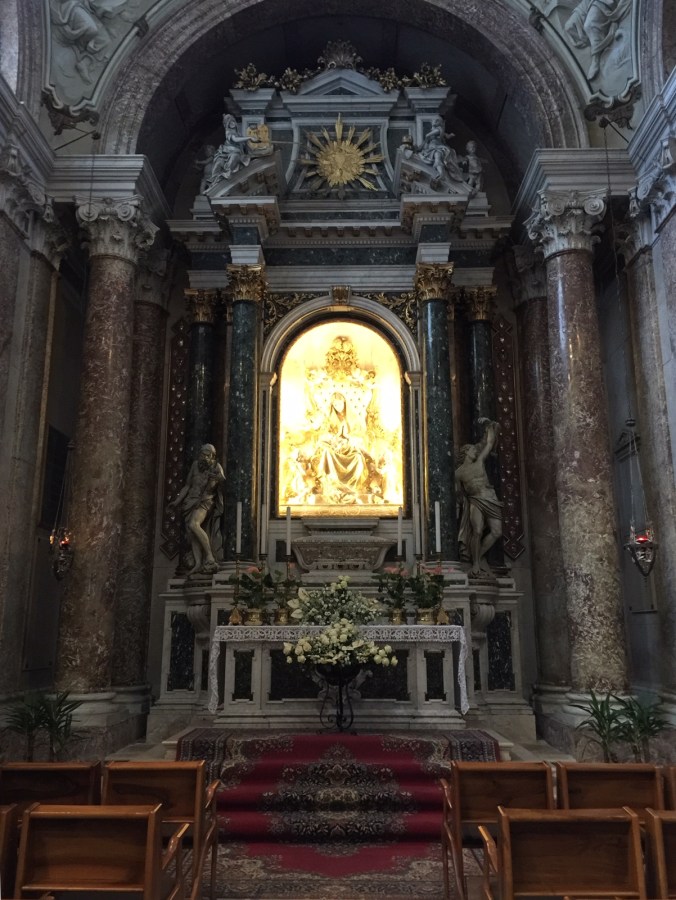
See what I mean below:

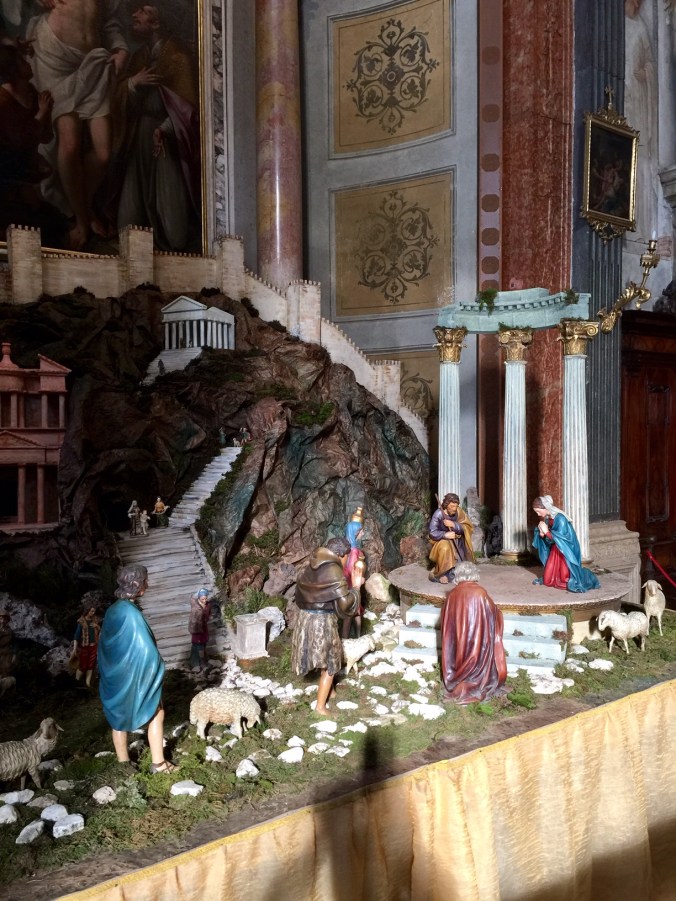
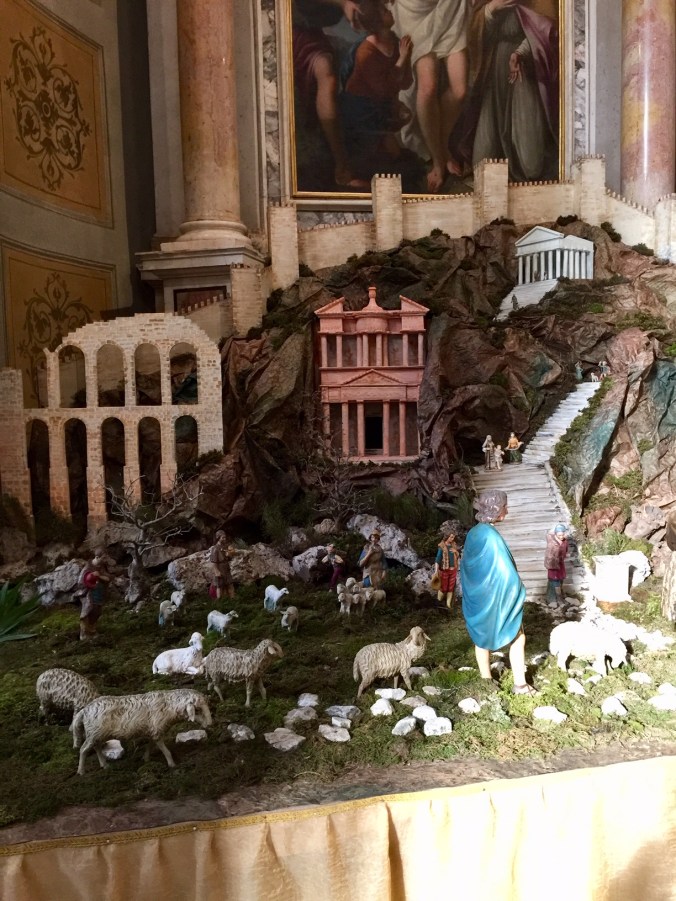
The ubiquitous December creche scene: the figure of the baby Jesus will not appear until midnight of the 25th.
I guess the placard below is for those sinners who don’t remember or know how to confess.

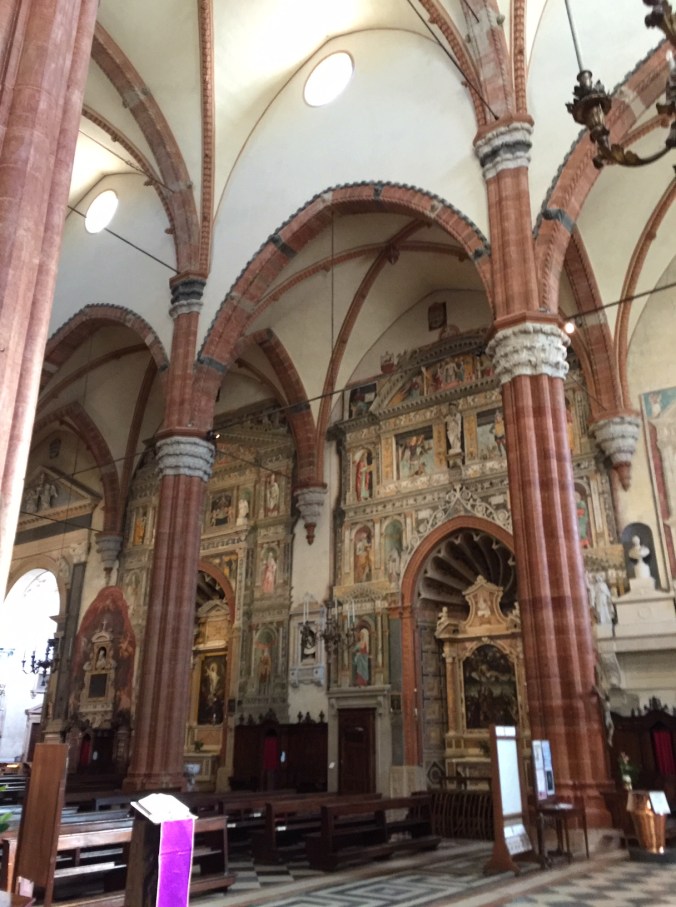
These pictures are from the interior of the duomo in Verona. It is a beautiful church. Verona was obviously a wealthy city during the Renaissance and after, as it still is today.

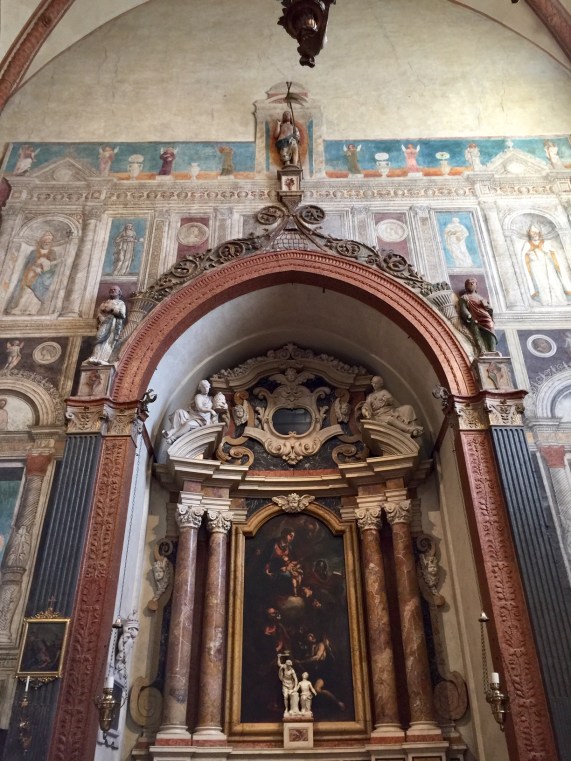

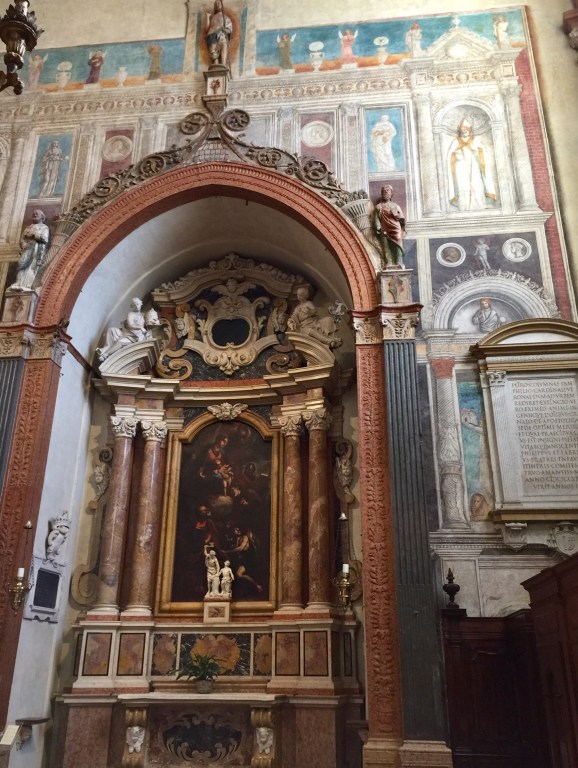
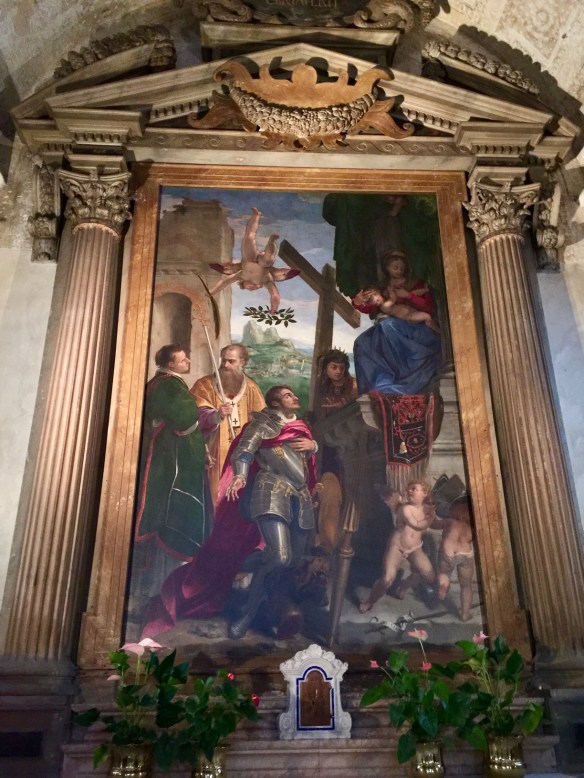
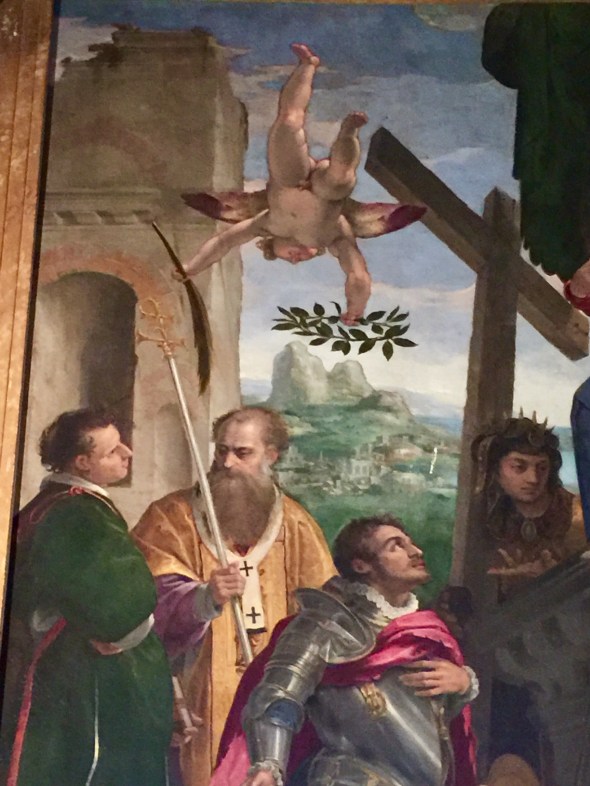
I’ve looked at a lot of paintings in my day, but I’ve never seen such a foreshortened putto flying in from this angle, to crown with laurel the knight in armor.
While this sculpted doorway below looks to be monumental, it was actually at my eye level on a wall in the duomo, and measured about 12 inches tall.

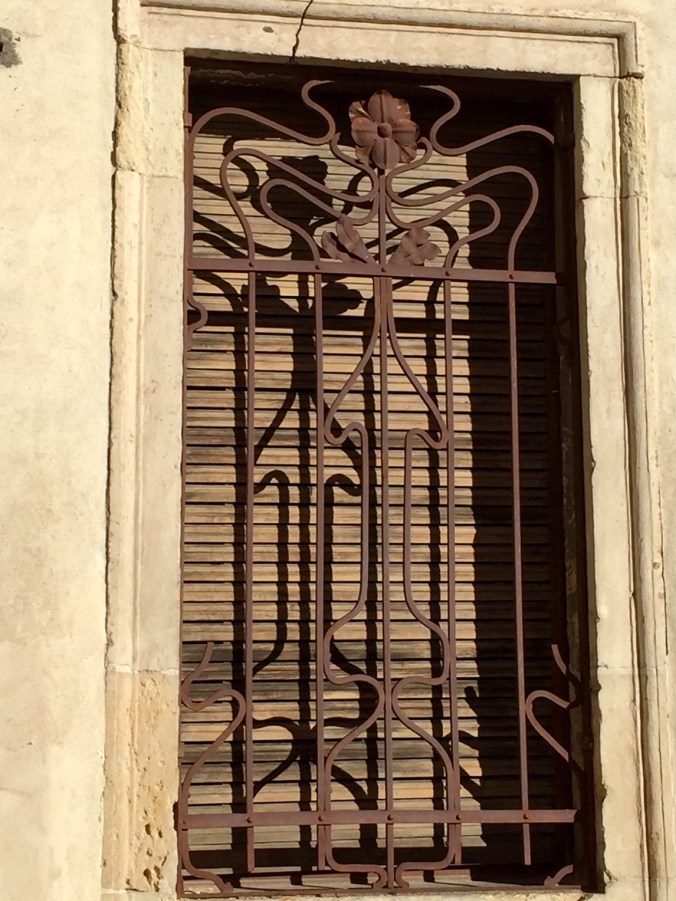
Back out in the lovely streets of Verona, I admired this art nouveau wrought iron in a window. It’s unusual for Italy and I love it.
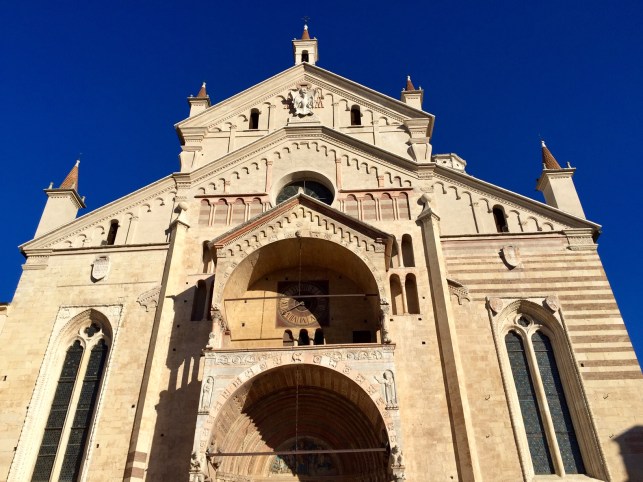
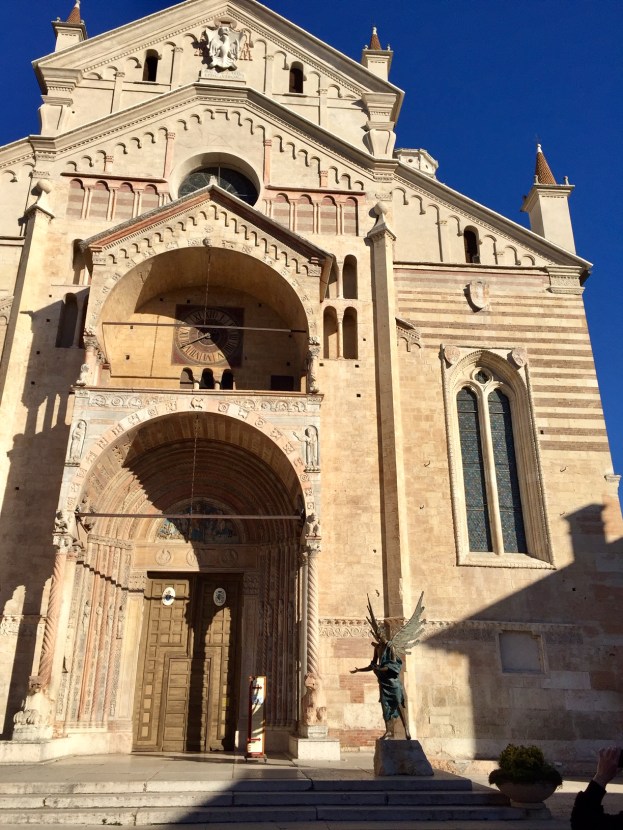
Below is the gorgeous facade of the duomo.


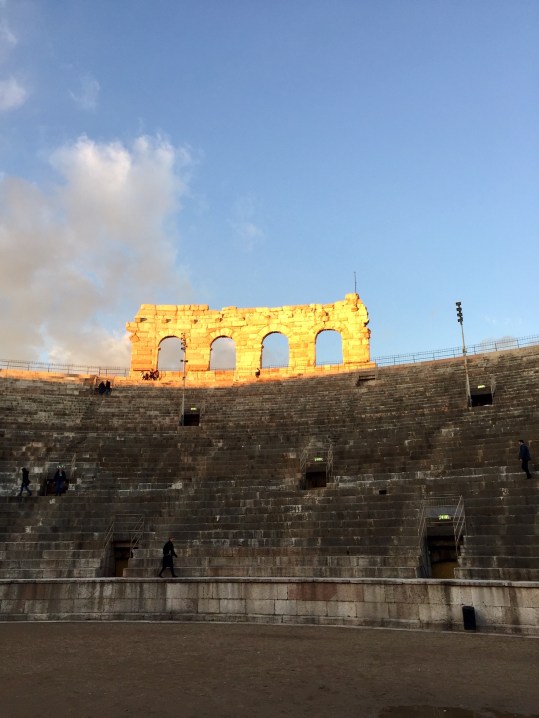
There are Roman ruins on the hillsides in Verona. I took this picture to remind me of this new (to me) fact: I want to go back and see more of the town.

The facade below is getting some TLC.
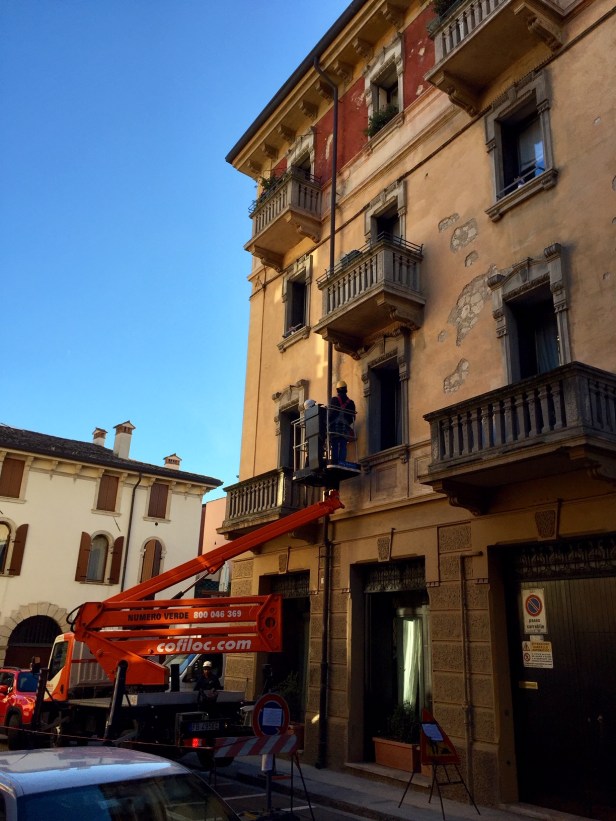

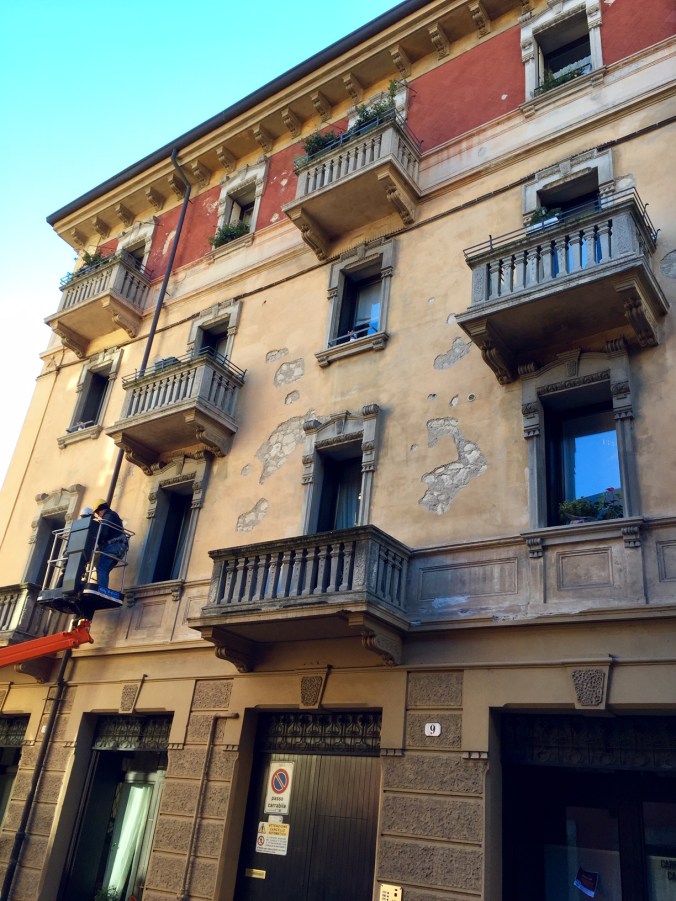
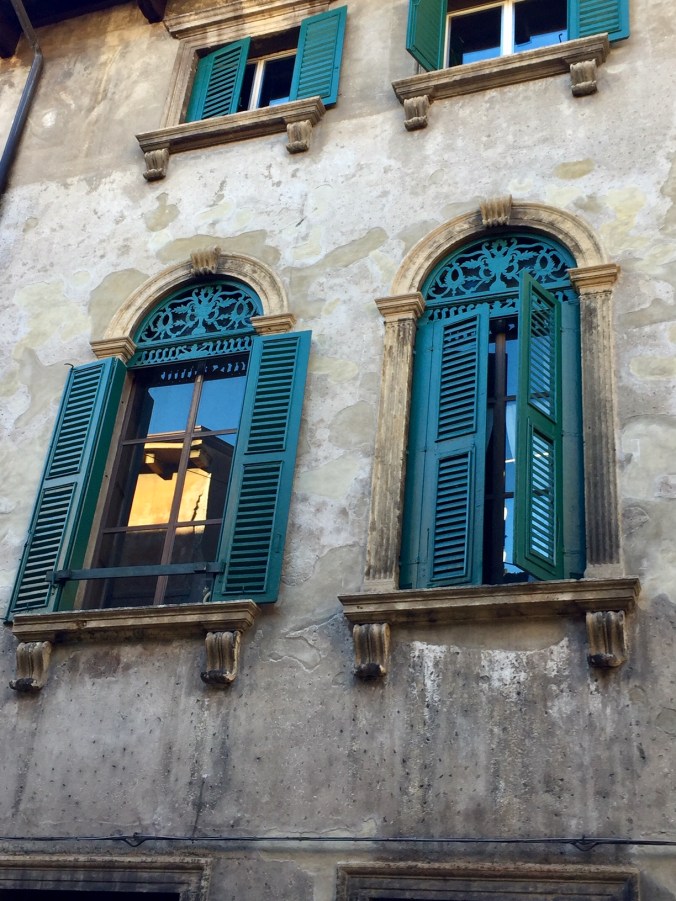
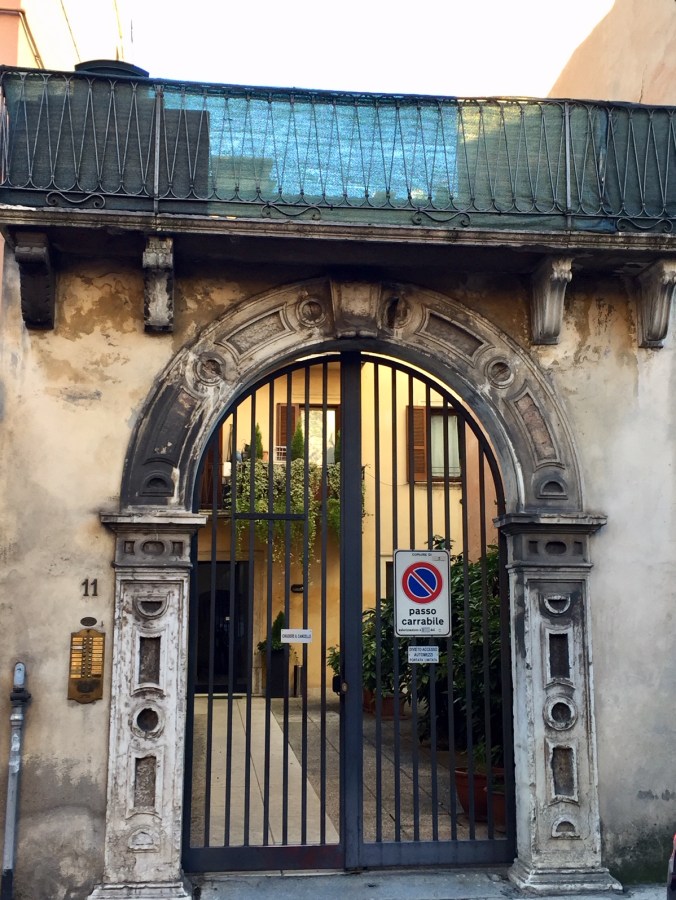
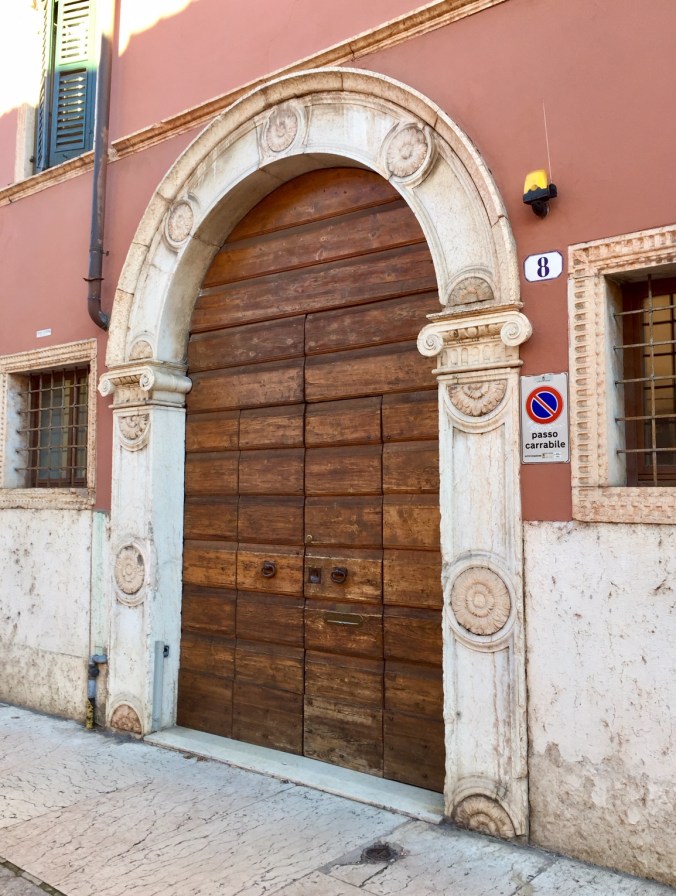
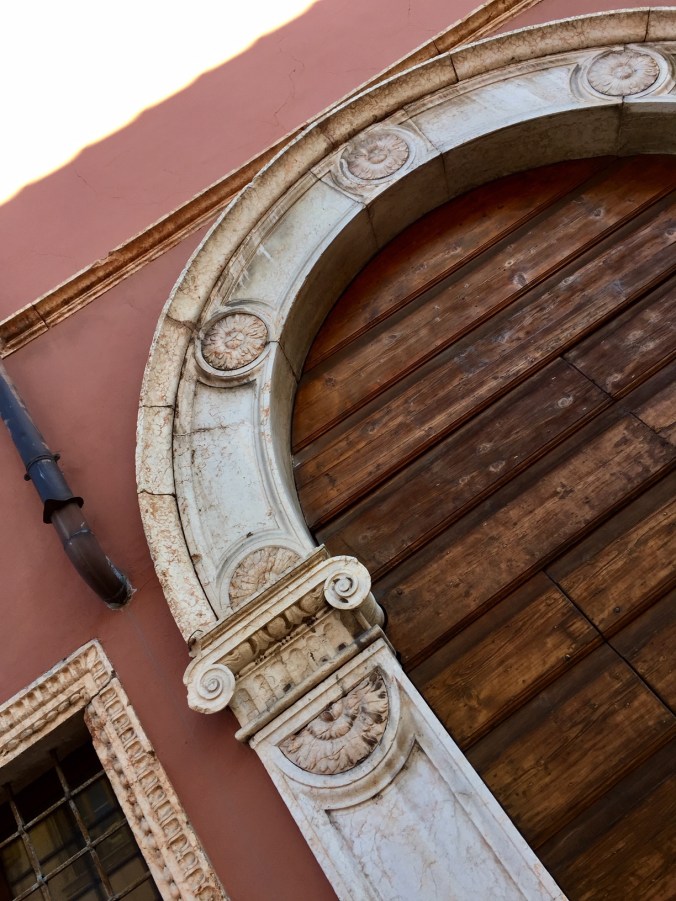
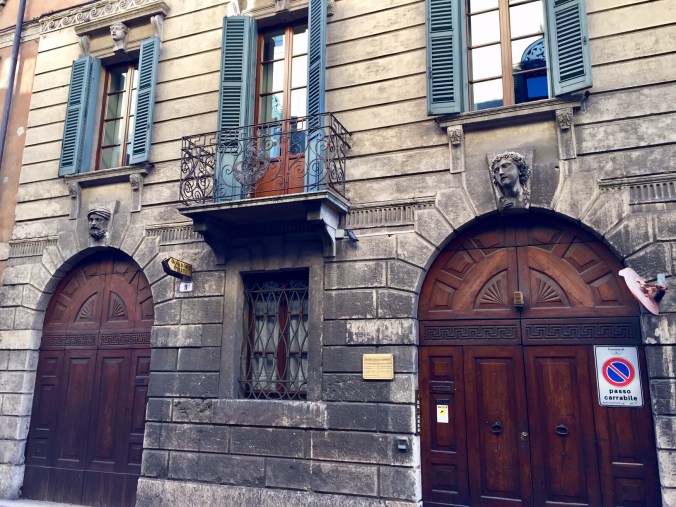

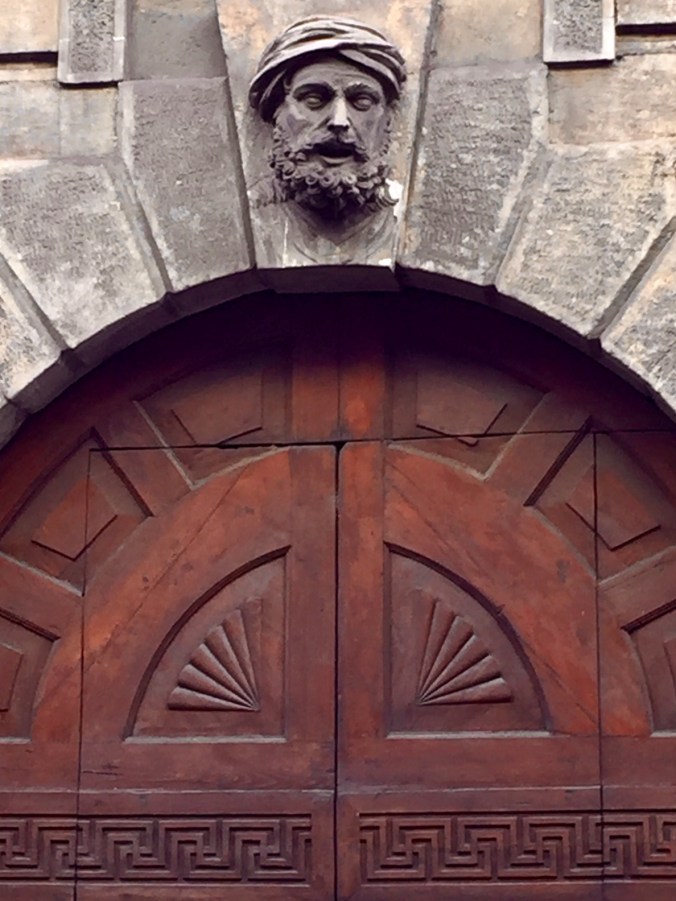
Walking along on the sidewalk along a wall, there are death notices posted. I find these fascinating.


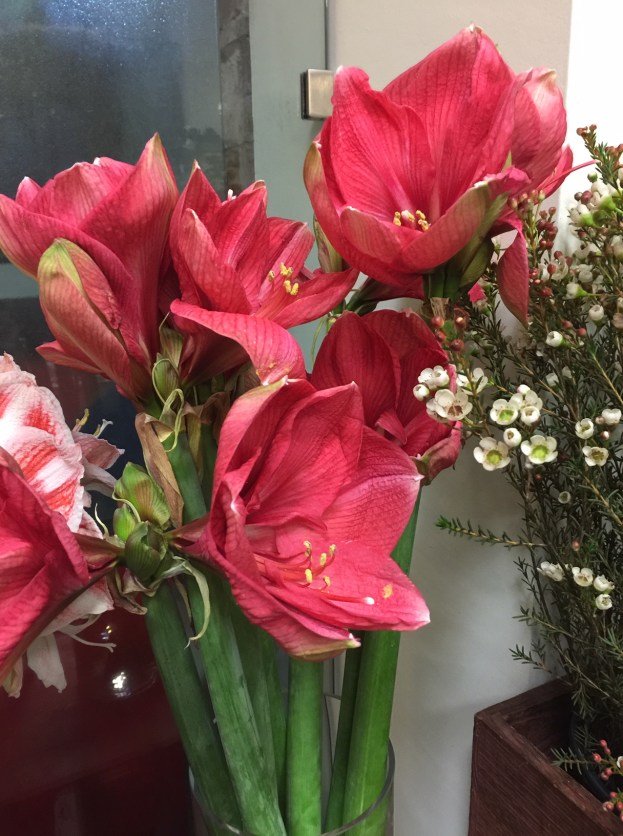
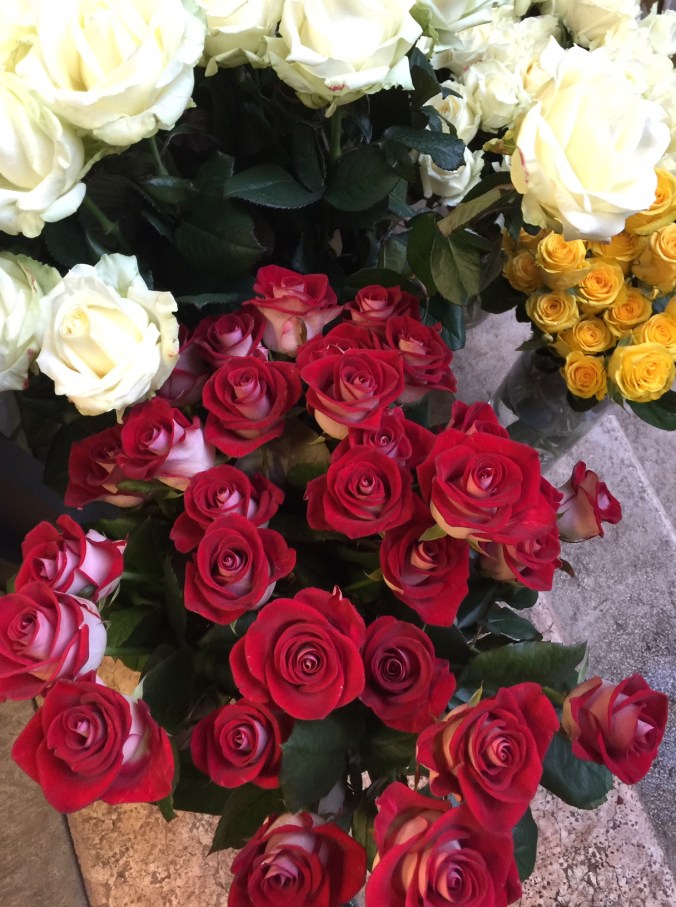
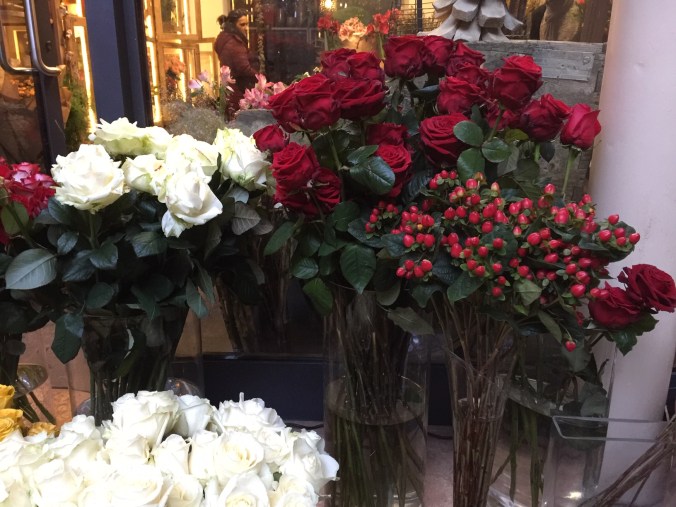
Flower shops are magnets to me:

I am obsessed with this crystal lamp with the red tassels. Obsessed.
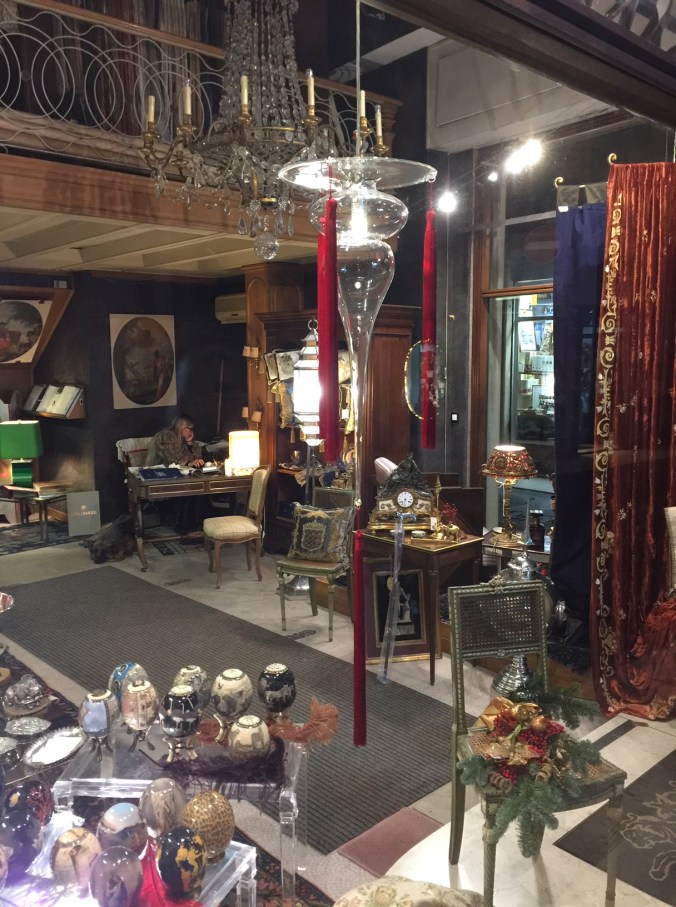
Obsessed I tell you!
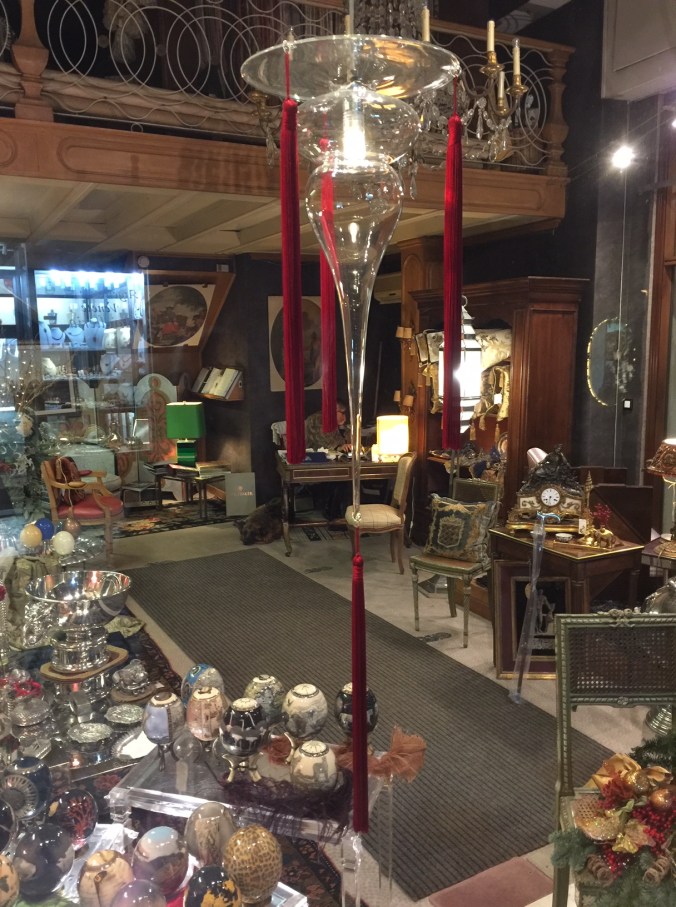
Finally, the end. A shout out to my girl, Jenny, for being an awesome traveling companion. More to come, I am sure!
Oh, and p.s., I have a few more Verona posts coming, including Giardino Giusti. Watch this space!
Father’s Day today in gli stati uniti
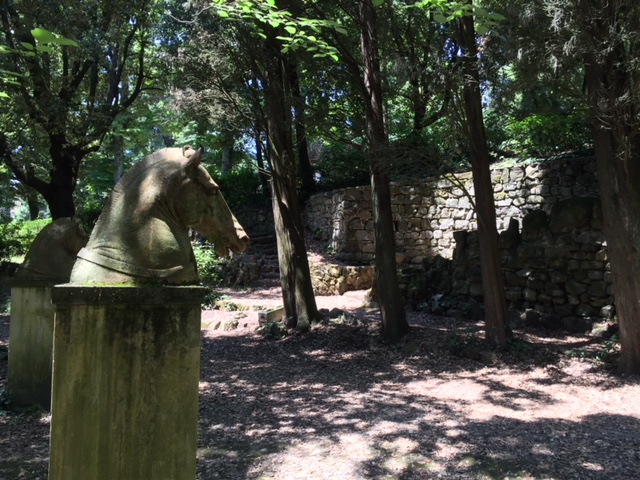
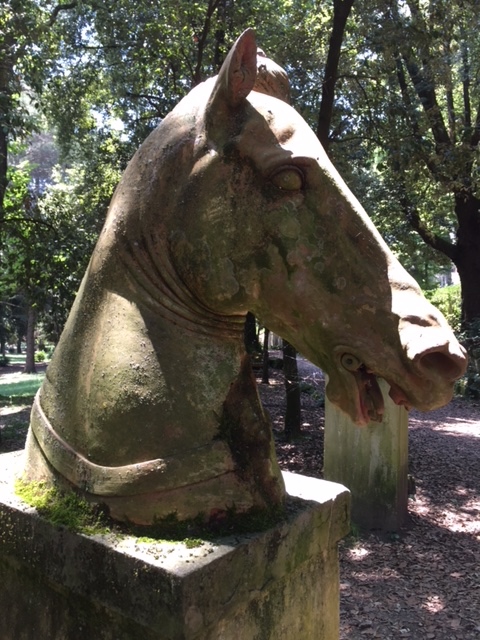
Horses always make me think of my dear father. I didn’t even realize it was Father’s Day until I started seeing horses everywhere at the amazing museum I was visiting today. More later. :-))
June 2, Republic Day in Italy
Festa della Repubblica (Festival of the Republic) is a national holiday celebrated in Italy on June 2 each year. It celebrates the day when Italians voted to abolish the monarchy in 1946 so their country could become a republic.
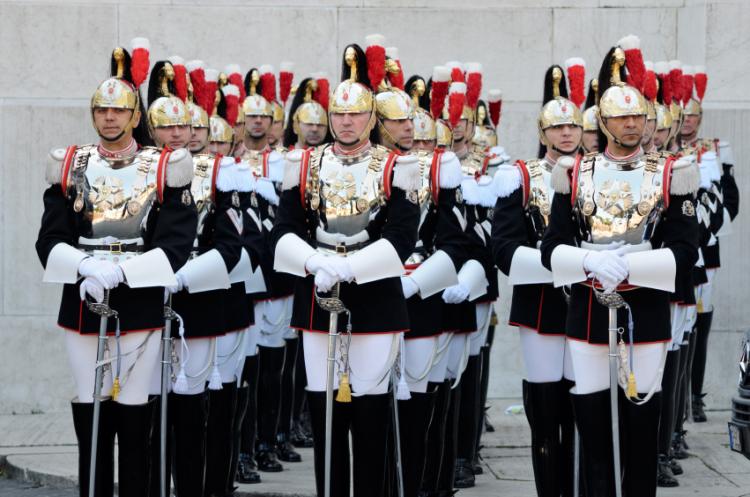
The day commemorates the institutional referendum in 1946, in which the Italian people were called to the polls to decide on the form of government, following WWII and the fall of Fascism. With 12,717,923 votes for a republic and 10,719,284 for the monarchy, the male descendants of the House of Savoy were sent into exile and Italy became a republic.
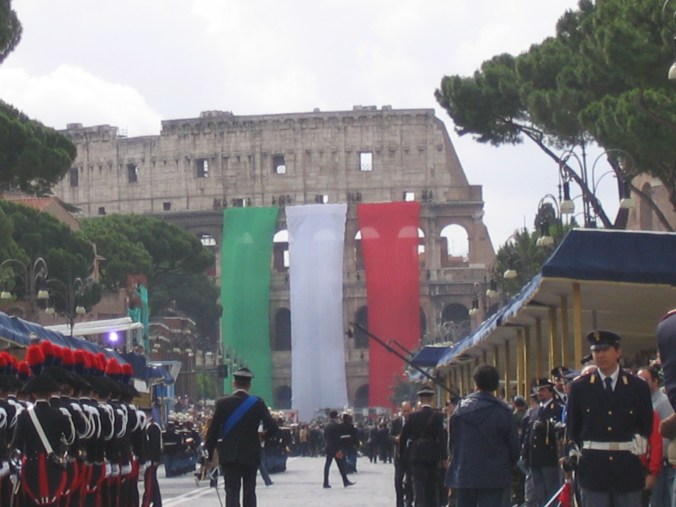
Each year, a wreath is laid at the Tomb of the Unknown Soldier on Republic Day. The tomb has an eternal flame that was added on November 4, 1921, even thought the tomb, which was designed by sculptor Alberto Sparapani, was not completed until 1924.
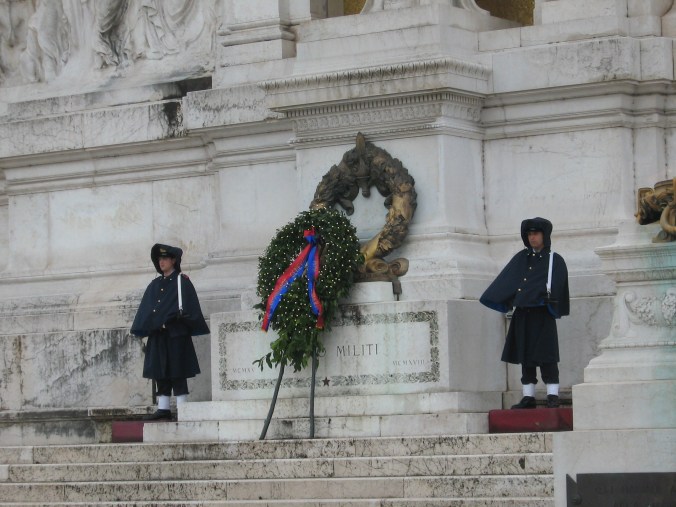
To recognize this holiday, official ceremonies are held, as well as military parades, and the laying of a wreath at the Tomb of the Unknown Soldier, inside the Altare della Patria in Rome.

The Altare della Patria (Altar of the Fatherland), also known as the Monumento Nazionale a Vittorio Emanuele II (National Monument to Victor Emmanuel II) or Il Vittoriano, is a monument built in honor of Victor Emmanuel, the first king of a unified Italy, located in Rome. The monument occupies a site between Piazza Venezia and the Capitoline Hill.
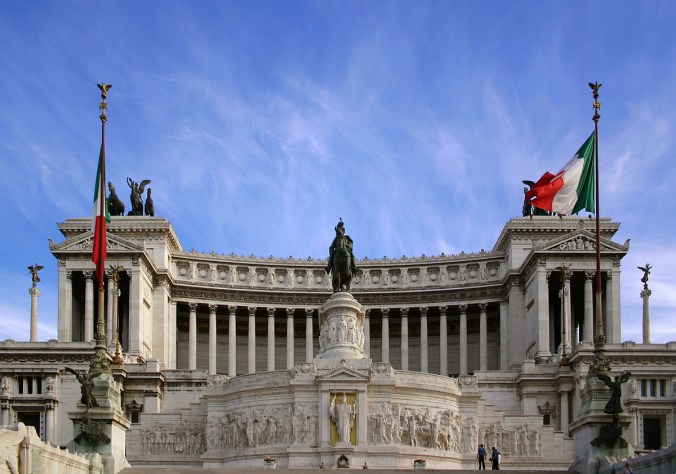
Republic Day is a federal holiday in Italy and organizations and businesses that close include government offices, post offices, banks, schools and other educational institutions.
Unpredictable Florentine weather

We all grew up saying that “April showers bring May flowers.” And they do!
But, this year it is raining well into May as well. The weather has been very unsettled. Cold and raining one day, warm and clear the next. However, I am not complaining. The hot summer temperatures can wait as long as possible to arrive. When they hit, they are not unsettled in the valley that surrounds lovely Firenze. They arrive and stay, well past their welcome.
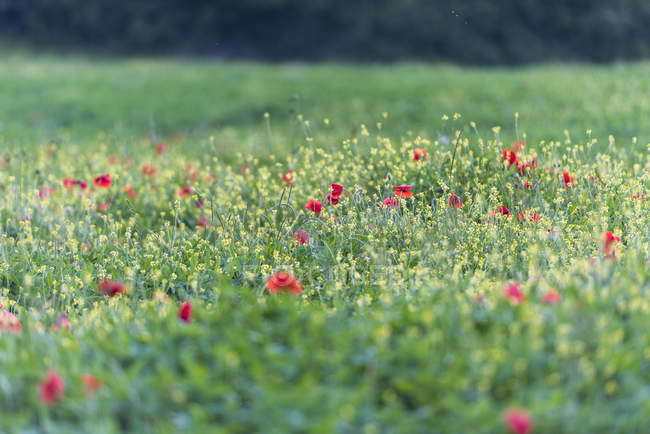
But, all this rain has the fields and hills around Florence alive with flowers! Yes, we do have flowers! Bright red poppies are everywhere, they grow wild and are a welcome sign that the fields are not being sprayed with pesticides or herbicides. On the train from Rome to Florence, this view below is a constant right now.
The grape vines are looking incredible, maybe this will be a great year for wine production.
However, the olive oil forecast is not as great. Local olive oil makers are already are warning that it looks like there will be little no oil this year. The olive trees should already be blossoming and they aren’t.

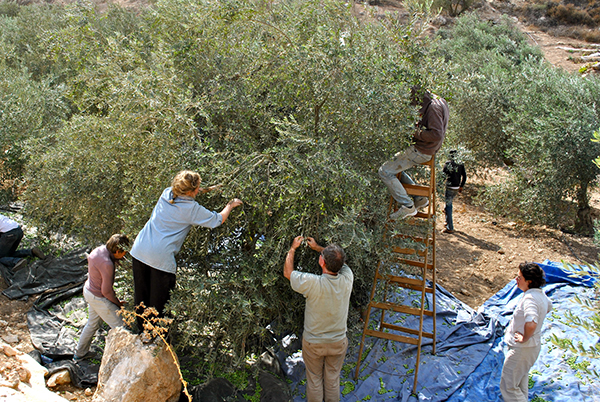
Maybe it will just be a late harvest. Olive harvest in the past was done in late November and through December. But, recently, due to the changes in the weather conditions, harvest now happens earlier.
Last weekend, was another religious holiday in Tuscany. It was Ascension Sunday which falls 43 days after Easter is often celebrated with flowers. Some towns decorate streets with designs created with petals, and others have large celebrations where you can buy lovely plants. Plus, great food and drink accompanies any holiday!
If you want to learn more about this moveable feast, then here you go:
The Ascension of Our Lord, which celebrates the day on which the risen Christ, in the sight of His apostles, ascended bodily into Heaven (Luke 24:51; Mark 16:19; Acts 1:9-11), is a moveable feast. When is Ascension?
How Is the Date of Ascension Determined?
Like the dates of most other moveable feasts, the date of the Ascension depends on the date of Easter. Ascension Thursday always falls 40 days after Easter (counting both Easter and Ascension Thursday), but since the date of Easter changes every year, the date of Ascension does as well.
Ascension Thursday Versus Ascension Sunday
Determining the date of Ascension is also complicated by the fact that, in many dioceses the celebration of Ascension has been transferred from Ascension Thursday (40 days after Easter) to the following Sunday (43 days after Easter).
Since Ascension is a Holy Day of Obligation, it is important for Catholics to know on which date Ascension will be celebrated in their particular diocese.
(See Is Ascension a Holy Day of Obligation? to find out which ecclesiastical provinces continue to celebrate Ascension on Ascension Thursday, and which have transferred the celebration to the following Sunday.)
https://www.thoughtco.com/when-is-ascension-541611
 get back, lauretta!
You must be logged in to post a comment.