
Mistletoe
They don’t come much finer than these two lovely specimen!


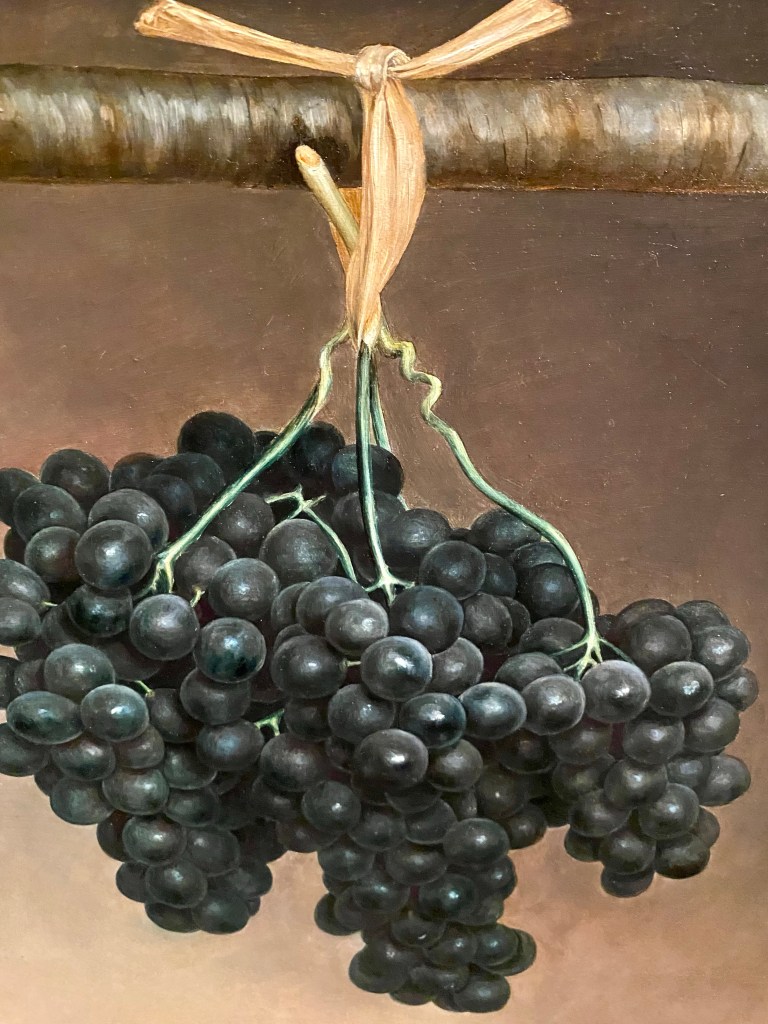

Thanks to Facebook for reminding me!
These memories are one of the 1,000,000 things I am grateful for this year! Happy Thanksgiving!


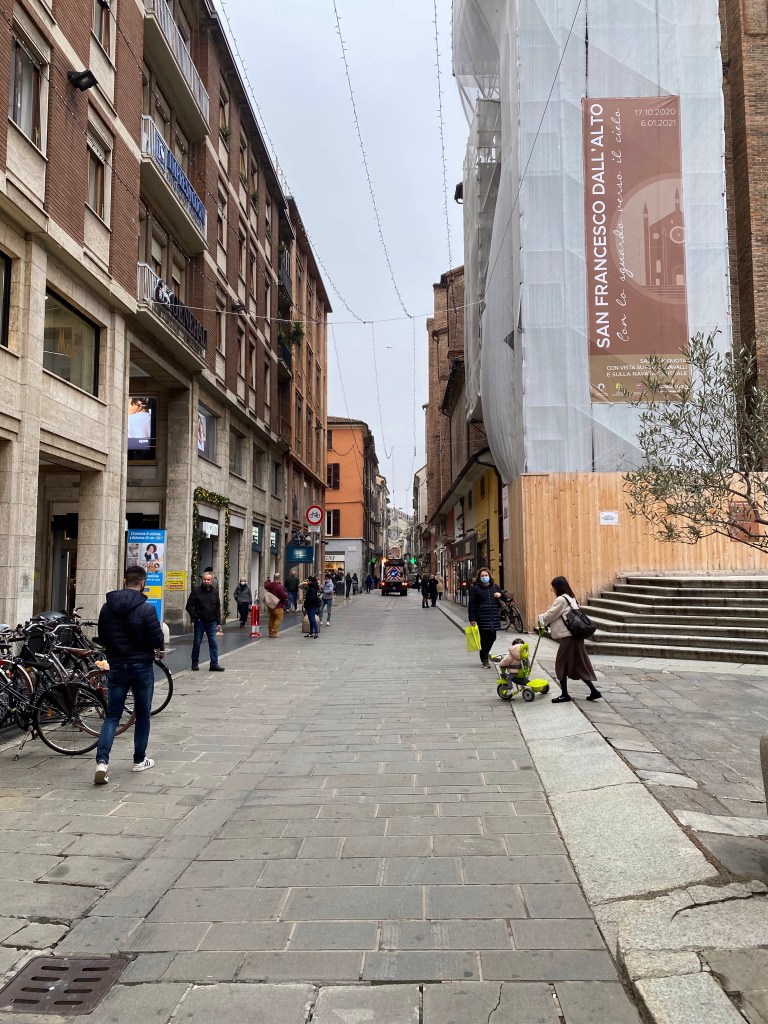


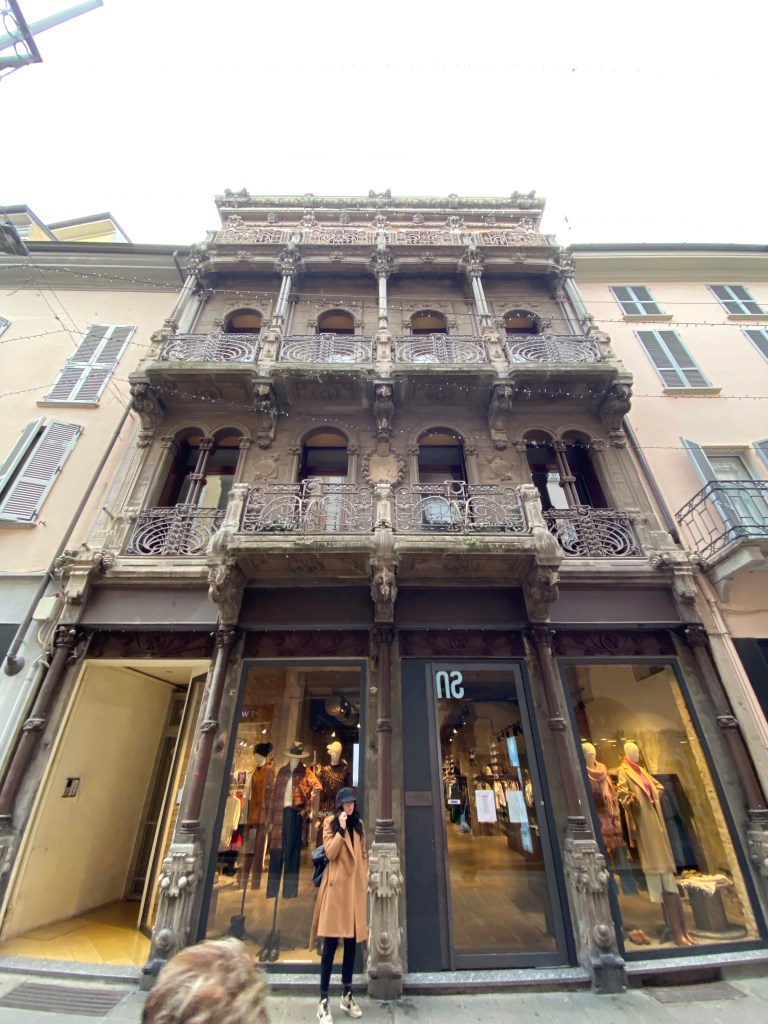


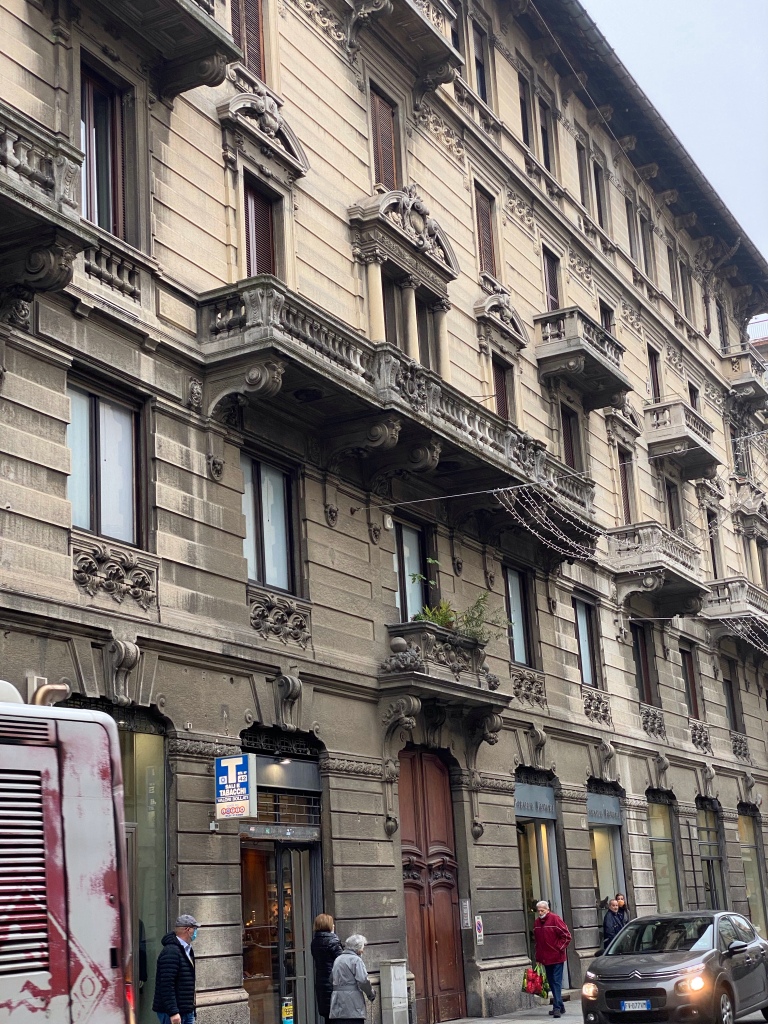
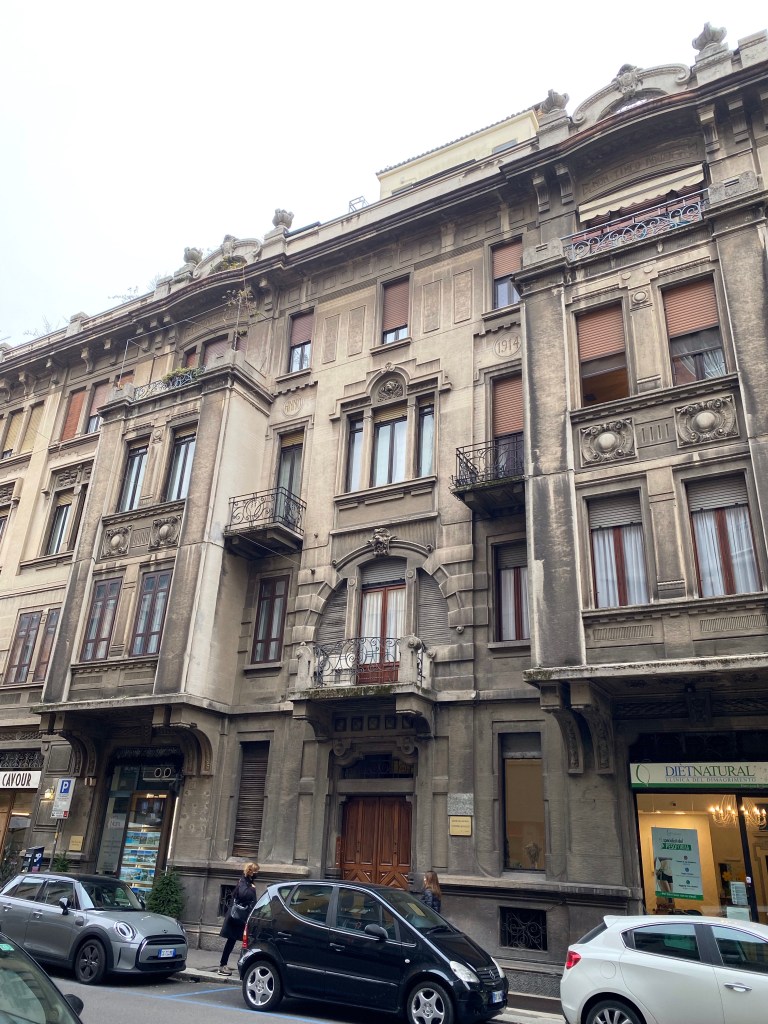



They don’t come much finer than these two lovely specimens!


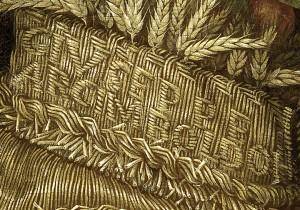
The Artist’s “Signature”: The artist’s name is woven into the wheat on Summer’s collar. The date 1572 can be found on his shoulder.
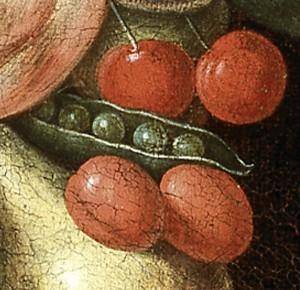
Arcimboldo painted each piece of fruit realistically and arranged them to form an actual human face, imitating skin and musculature, all the while creating a character with personality. A row of peas in a pod make for perfectly spaced teeth, while ripe cherries form plump lips. A round peach creates the perfect rosy cheek and a cucumber imitates a bumpy weathered nose.

Depicting the season’s harvest: The painting of Summer includes realistically portrayed green grapes, plums, mulberries, melon, hazelnuts, assorted pears, cherries, peaches, corn, garlic bulbs, onions, pea pods, eggplant, various squashes, cucumber, artichokes, and wheat.

The profile format of this painting was probably inspired by portrait heads of Roman emperors, known to Renaissance artists as depicted on Roman coinage. By using the same format in his portraits, Arcimboldo associated Emperor Rudolph II—to whom these works were linked—with a powerful Roman emperor.


Giuseppe Arcimboldo was born to a distinguished family in Milan, Italy, and began working as an artist at the Milan Cathedral, creating stained glass, fabrics, and paintings. His father, a painter, probably provided his early training. As the official artist and Master of Festivals for three successive German Emperors, Arcimboldo designed costumes, stage settings, chariots, and other diversions for courtly events and ceremonies. He was also in charge of making acquisitions for the royal cabinet of curiosities, which included art, antiques, curios, oddities of nature, and exotic animals and birds. He engineered creative water works, and even dreamed up a “color-piano” that was played by court musicians. He was perfect for the job and was richly rewarded for his inventiveness.
Arcimboldo was best known for his fantastical “composite head” paintings. These were portraits composed of objects such as fruit, flowers, books, or even a plate of meat. During his time, he acquired international fame and the public reacted to his paintings much the way we do today: with admiration, humor, and fascination. Summer belongs to a set of four paintings that depict the four seasons of the year. Arcimboldo and his workshop painted numerous copies of this set, as did many imitators of the master.
WHAT INSPIRED IT
Arcimboldo, a master of allegory, painted each portrait in the Four Seasons series using vegetation associated with that time of year. While his paintings amused and fascinated wealthy courtiers with their apparent whimsy, they also appealed to the intellect. For this set, Arcimboldo suggested that each season corresponds to a stage of human life: Spring stands for youth; Winter, old age; and Summer shows a man in his prime. The series also carried a specific political message—the paintings were meant to symbolically glorify the Emperor. As an Emperor ruled over human affairs, he could also be said to run the greater world, including the seasons. The harmonious combinations of fruit and vegetables reflect the harmony that exists under the Emperor’s rule. Each head also wears something that can be seen as a wreath or a crown. Because of the underlying political messages, these paintings were the perfect, flattering gift for the German Emperors to give to other courts.
WHAT INSPIRED IT
Arcimboldo, a master of allegory, painted each portrait in the Four Seasons series using vegetation associated with that time of year. While his paintings amused and fascinated wealthy courtiers with their apparent whimsy, they also appealed to the intellect. For this set, Arcimboldo suggested that each season corresponds to a stage of human life: Spring stands for youth; Winter, old age; and Summer shows a man in his prime. The series also carried a specific political message—the paintings were meant to symbolically glorify the Emperor. As an Emperor ruled over human affairs, he could also be said to run the greater world, including the seasons. The harmonious combinations of fruit and vegetables reflect the harmony that exists under the Emperor’s rule. Each head also wears something that can be seen as a wreath or a crown. Because of the underlying political messages, these paintings were the perfect, flattering gift for the German Emperors to give to other courts.
The weekend before last, our weather changed big time! We went from the view on the left to the view on the right.
And then this weekend we went on Daylights Savings Time.
So, everything is changing, and I want to remember the warm weather.


So, today, when it is unseasonably warm (75 degrees this afternoon), I’ll take a look back at the blossoms I. captured before the snow came. They are distant memories now.
Dahlias!


\


Autumn-blooming crocus!


Autumn-blooming clematis!


Some late bloomers, rose style!


Gardeners are the most optimistic of people. We are already counting the months until spring!
Inside a hydrangea:


Not far from my home in Florence lies a secret garden, the Orti del Parnaso, filled with lots of symbolism, including a ferocious snaked-shape fountain (water not playing in my pictures).
The garden’s name refers to Mt. Parnassus in central Greece.
The “snake” winds along the staircase leading to the lower garden and into the Giardino orticultura and its Tepidarium by Giacomo Roster.


You can enter the secret garden off via Trento, where an elegant iron gate leads to a beautiful belvedere. This takes you into the Orti del Parnaso, the highest part of Florence’s wonderful horticultural garden. Once inside, you find yourself on a splendid terrace overlooking a gorgeous panorama of the city of Florence.
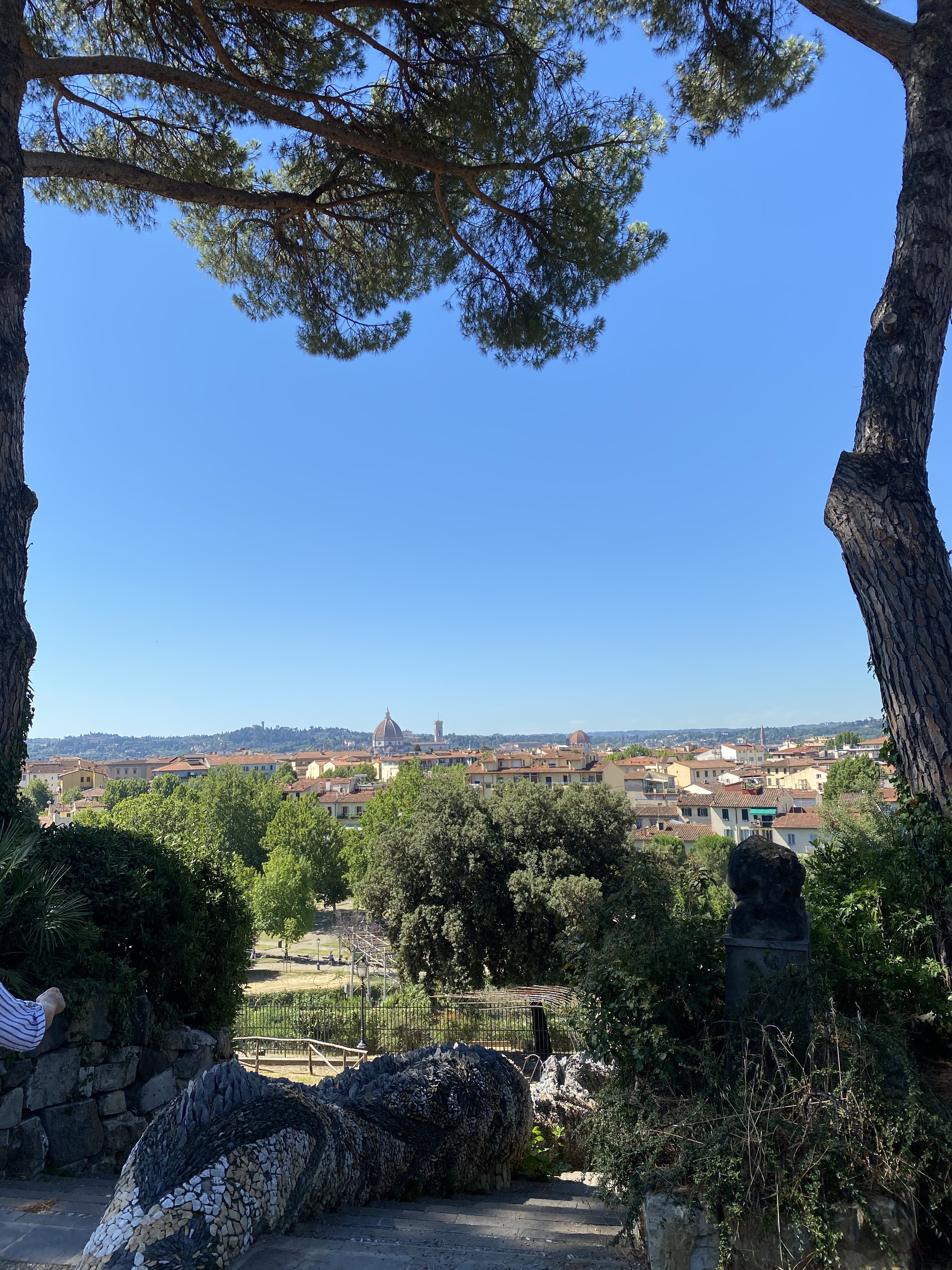
Parnassus of course refers to the famous Greek mountain, which in ancient times was considered sacred to the god Apollo and the nine Muses who headquartered there. The mountain was the source of the river Castalia, which provided passage in mythology to the underworld and was a source of purification.

The fountain in this secret garden completed in 1990 based on a design by Marco Dezzi Bardeschi. It is meant to represent the myth of Python, the monstrous snake son of Gea. According to the legend, Python was covered with the mud of the Flood and could wrap the city of Delphi 7 times round with its coils. Python’s breath was so pestilential as to dry out all the plants with which he came into contact (in ancient Greek the verb “pyzein” means “to rot”). Apollo eventually killed Python on Mount Parnassus, near the Oracle of Delphi, and in its honor the pythic games were established. These games were some of the sacred holidays of ancient Greece.

In 2003 the Florentine Parnaso Garden became the seat of the Giardino dei Giusti, or the Garden of the Righteous, a place dedicated to the memory and commemoration of all those ordinary people who tried to save other human beings from persecution, genocide and acts of violence.
In recognition of this status, in the upper part of the park there is a Carob tree about 60 years old. This tree is symbol of the Garden of the Righteous of Jerusalem, dedicated to the memory of Chico Mendes, a Brazilian trade unionist killed in 1988 for his defense of the Indians of the Amazon.
In the same area there is also a 40 year old crepe myrtle, dedicated to the memory of the Tuscan cyclist Gino Bartali, who during the Nazi occupation courageously helped the Jews persecuted by the regime, an action that in 2013 earned him the appointment of “Just among the nations. ”

And, finally, here’s a video I found on Youtube:
 get back, lauretta!
You must be logged in to post a comment.